EcoGuard Pest Management
Professional Argentine ant control technician inspecting and treating property for super colony infestation

Professional Argentine Ant Control & Super Colony Elimination

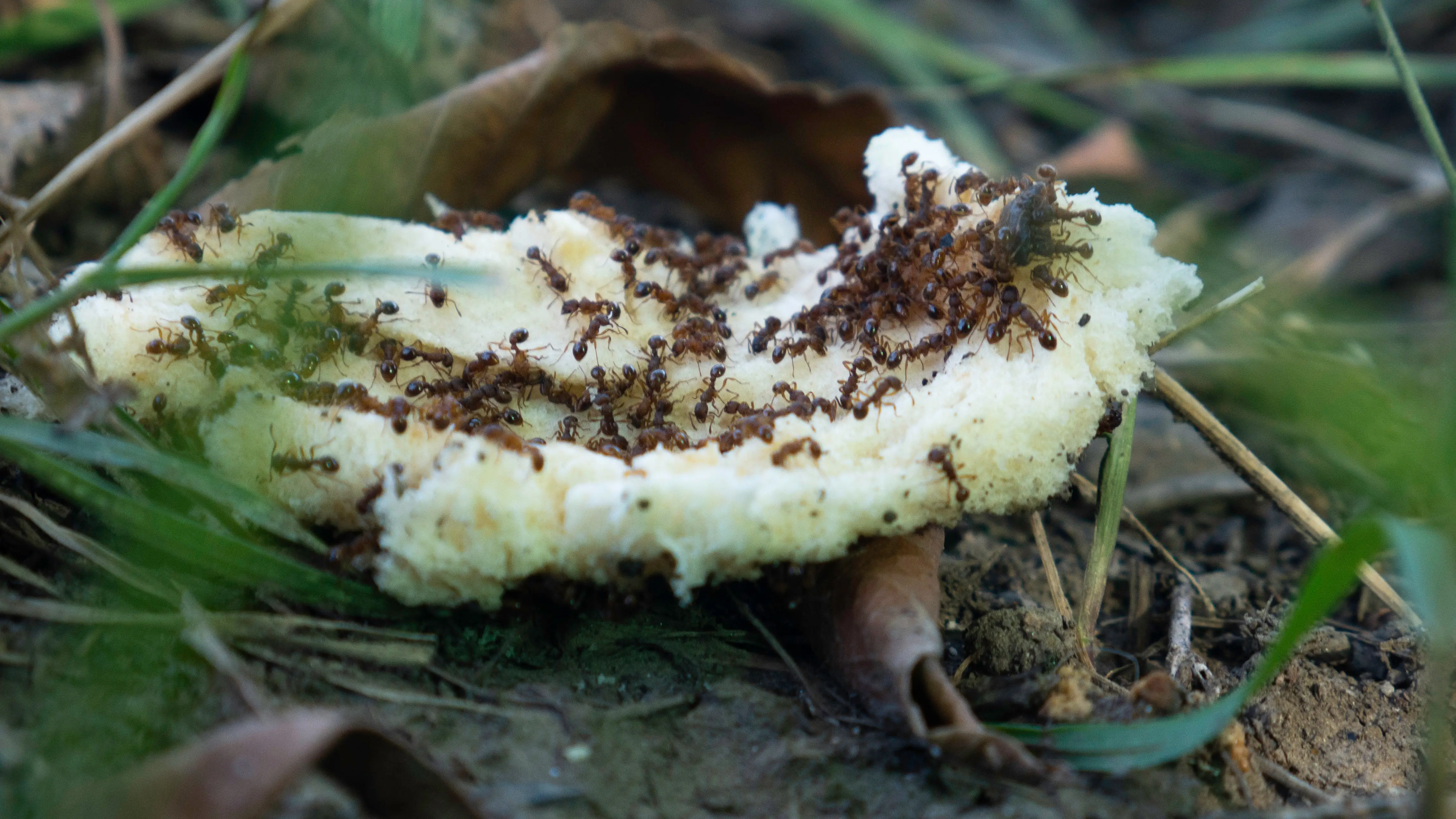
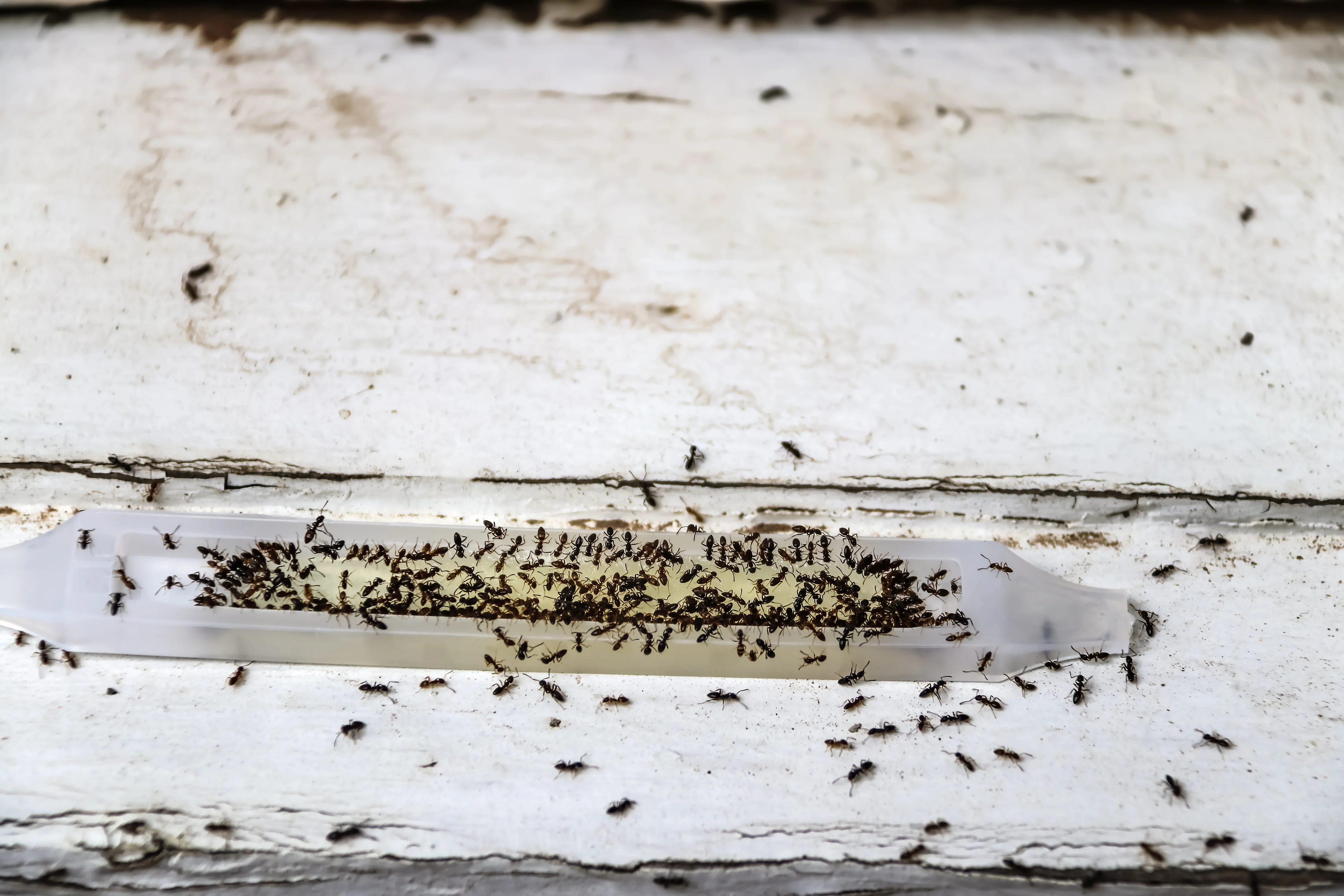
When you notice intricate networks of tiny ants moving with military precision through your home, you're witnessing the remarkable organization of Argentine ants. Unlike ordinary ants that compete for territory, these sophisticated invaders work together in massive super colonies that can span entire neighborhoods. EcoGuard Pest Management has pioneered innovative solutions to outsmart these remarkable but unwanted guests, targeting their unique social structure for complete elimination.

Argentine Ant Pest Control Experts

What makes Argentine ants different? They've abolished competition between colonies, creating vast cooperative networks that can span miles. Our specialists don't just treat ant trails—we decode their complex communication systems and use their own social structure against them. By understanding how these ants transform urban environments into vast food-gathering networks, we can effectively disrupt their organization at its core.

Why Argentine Ants Demand a Different Approach

Argentine ants have revolutionized how we think about ant control. These tiny engineers don't just enter your home—they reshape entire ecosystems through their remarkable cooperative behavior:

  • A single property treatment often fails because Argentine ants operate as a unified super colony across entire neighborhoods, simply redirecting resources from untreated zones to allow rapid recovery
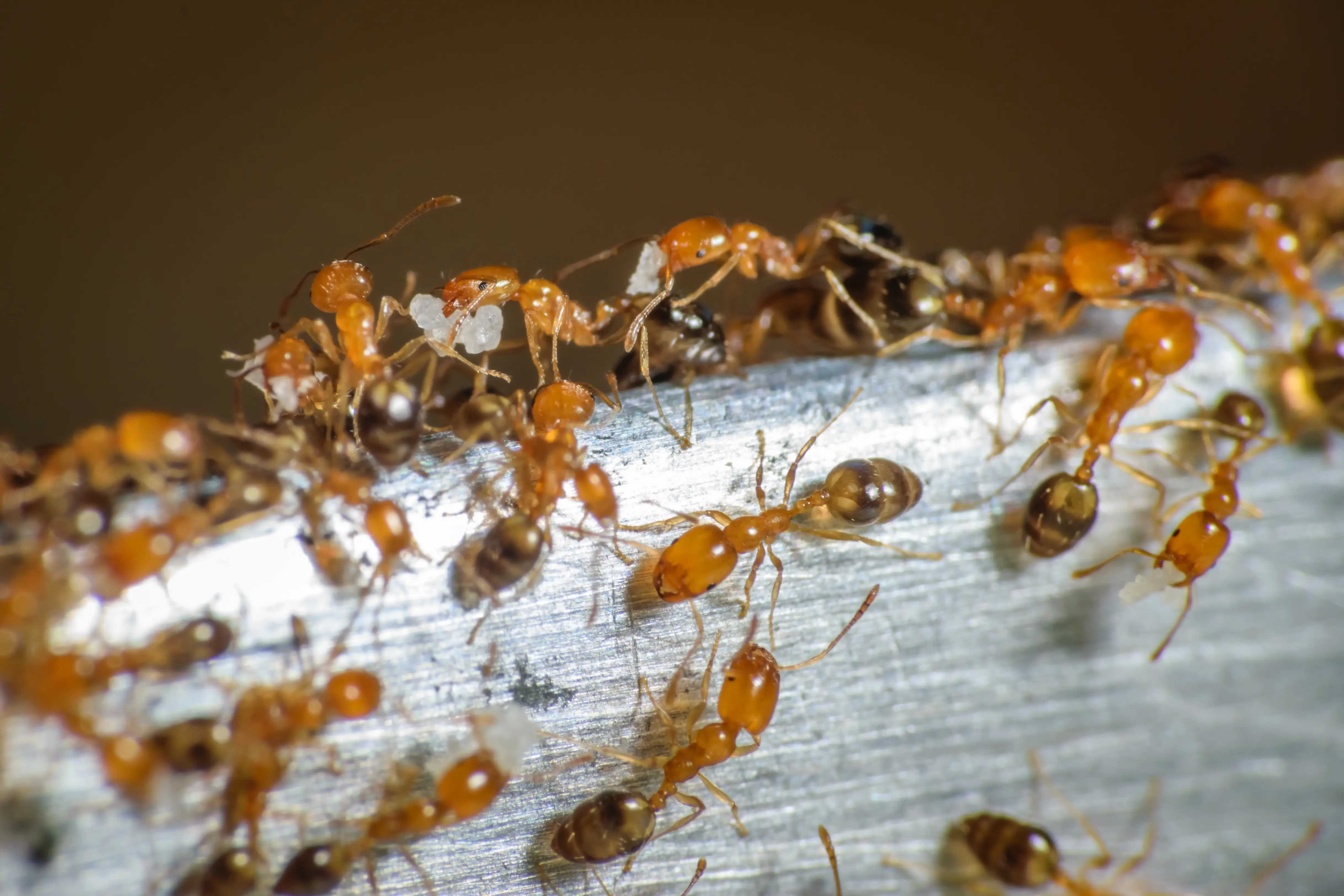
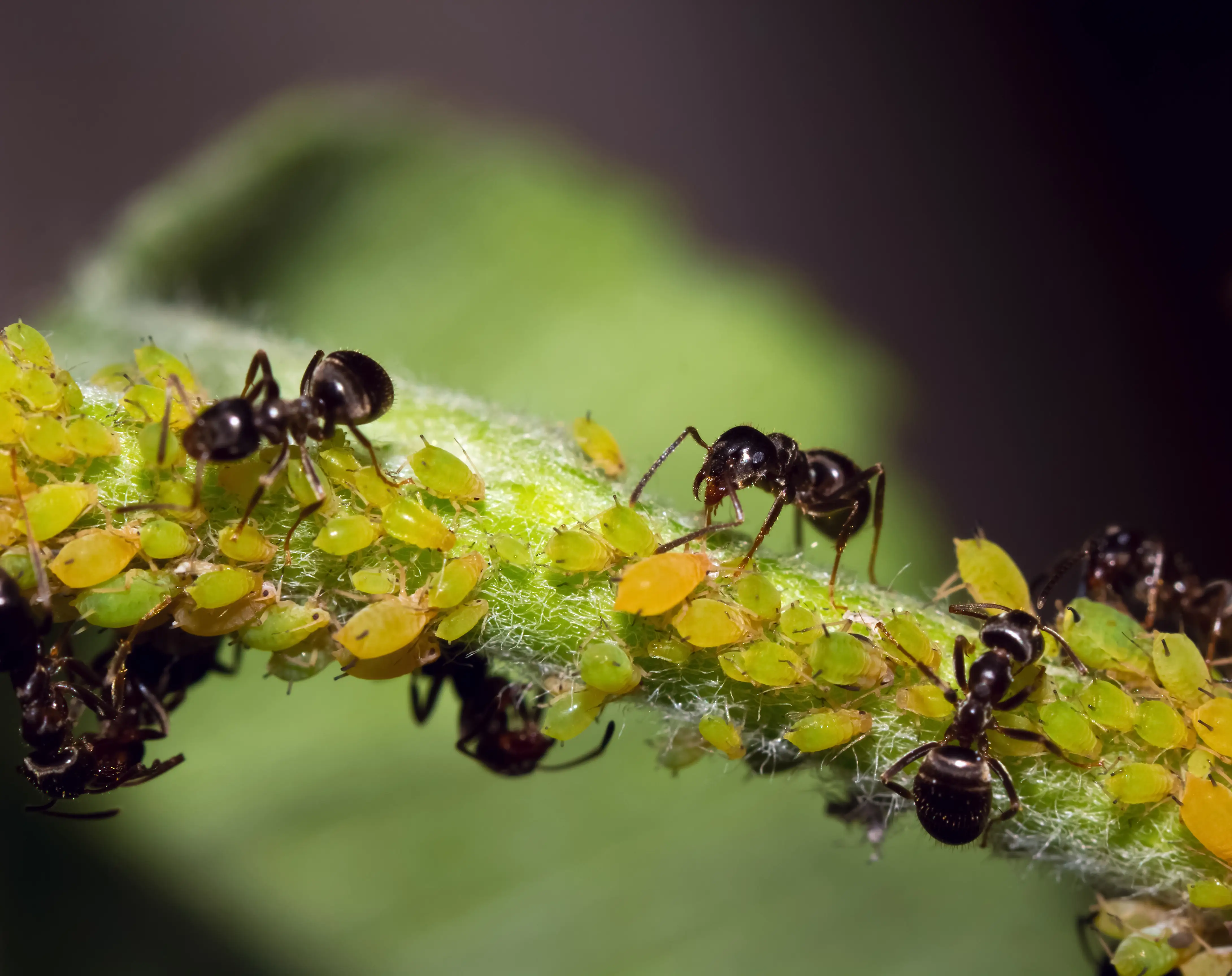
  • They actively cultivate garden pests like aphids for honeydew, creating complex agricultural systems that damage ornamental plants, trees, and gardens while supporting their massive populations
  • Argentine ants eliminate native ant species that normally maintain natural pest control, creating ecological imbalances that lead to increased problems with other pests
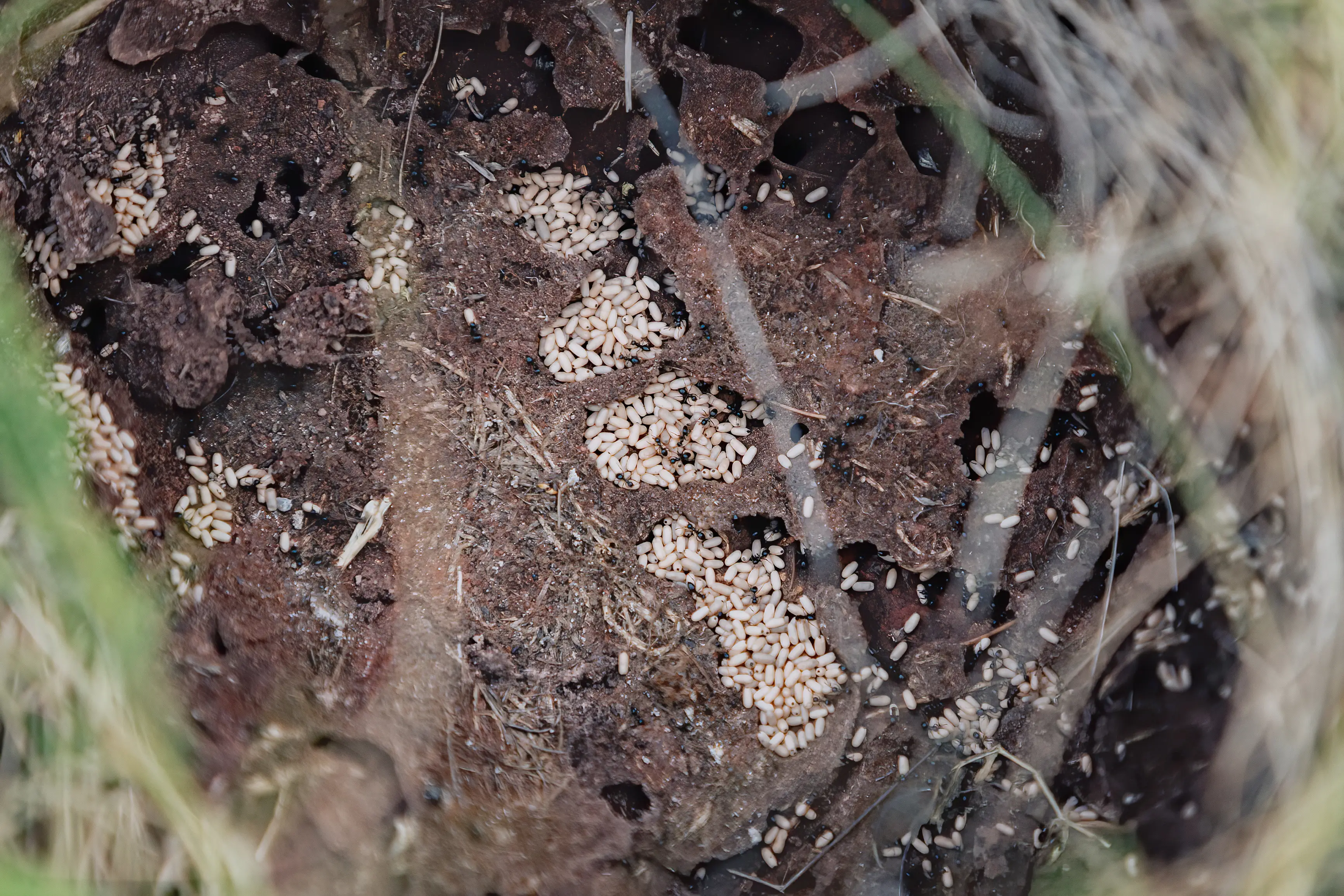
  • Their multiple-queen system allows rapid colony regeneration—even after significant population reduction, surviving queens can quickly rebuild the super colony network

Argentine Ant Control Service Plans

Choose the protection level that's right for your property

One-Time Treatment
$249+
Starting price
  • Comprehensive property inspection
  • Species identification
  • Entry point identification
  • Targeted treatment application
  • Perimeter barrier application
  • Nest elimination
  • Treatment report & recommendations
  • 30-day guarantee
Get Started
MOST POPULAR
Annual Protection
Contact Us
For custom pricing
  • Everything in One-Time Treatment
  • Seasonal maintenance plan
  • Entry point treatments
  • Priority scheduling
  • Re-treatment guarantee
Get Started

* Prices vary based on property size, infestation severity, and treatment method. Contact us for an accurate quote.

Service Plan Comparison

FeatureOne-TimeAnnual
Comprehensive Inspection
Treatment Application
Follow-Up InspectionsQuarterly
Aphid Management
Re-Treatment Guarantee
Ongoing Monitoring

Get Your Free Argentine Ant Quote

Protect your property with a free argentine ant quote from our licensed experts.

✓ Same-day service available
✓ Licensed & insured
✓ Detailed property assessment
✓ No-obligation estimates

Service Areas

We provide argentine ant control services throughout:

  • California
  • Oregon
  • Washington
  • Texas
  • Tennessee
  • Nevada
View All Counties →

Ready to Eliminate Your Argentine Ant Problem?

Schedule your argentine ant inspection today. Our experts will assess your property and provide a customized treatment plan.

📞 Call (866) 326-2847Get Free Quote

Argentine Ant Treatment Options

EcoGuard Pest Management employs specialized strategies designed specifically for Argentine ant super colonies. Our approach targets their unique cooperative behavior and communication systems for complete network disruption.
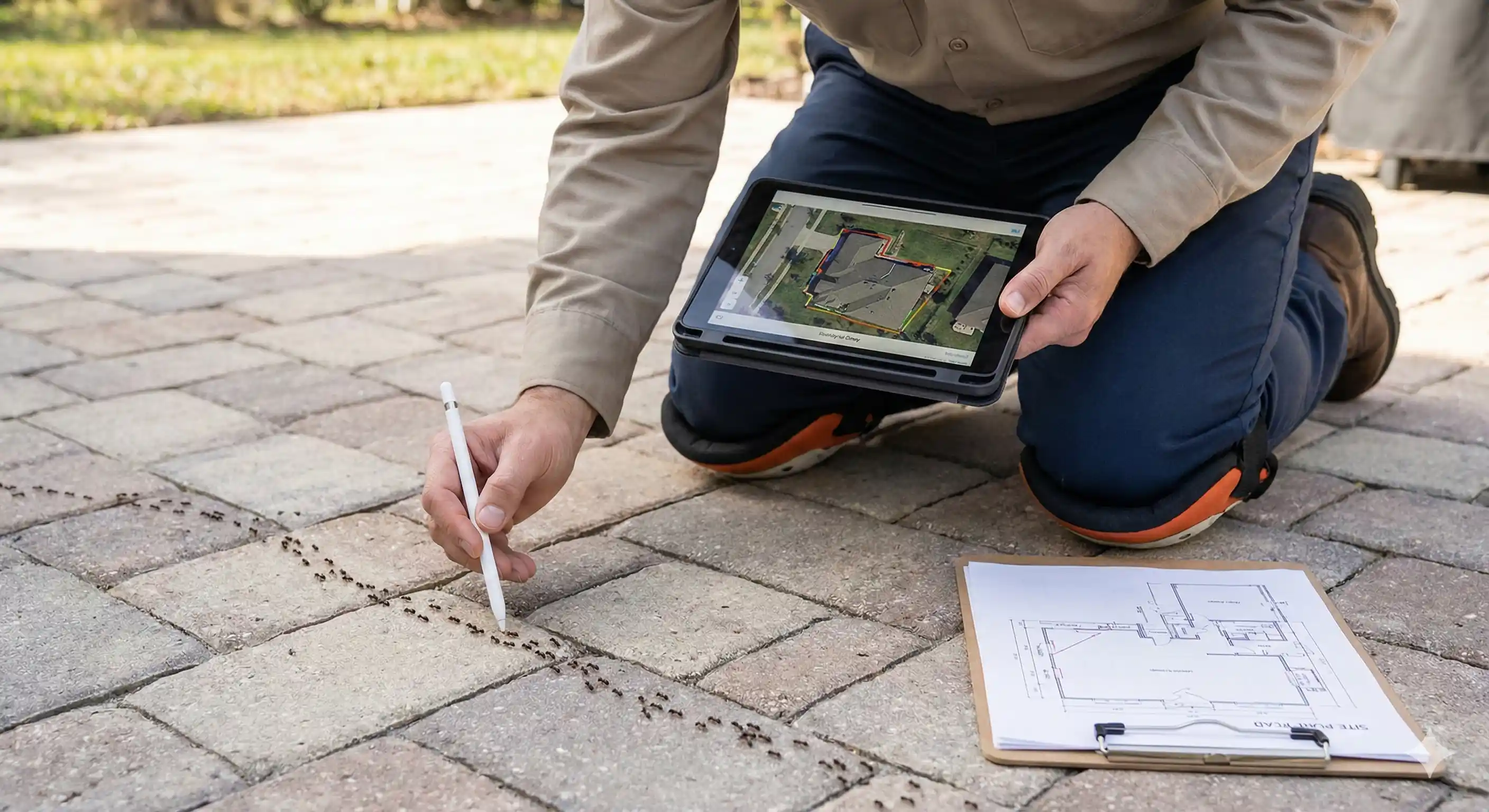
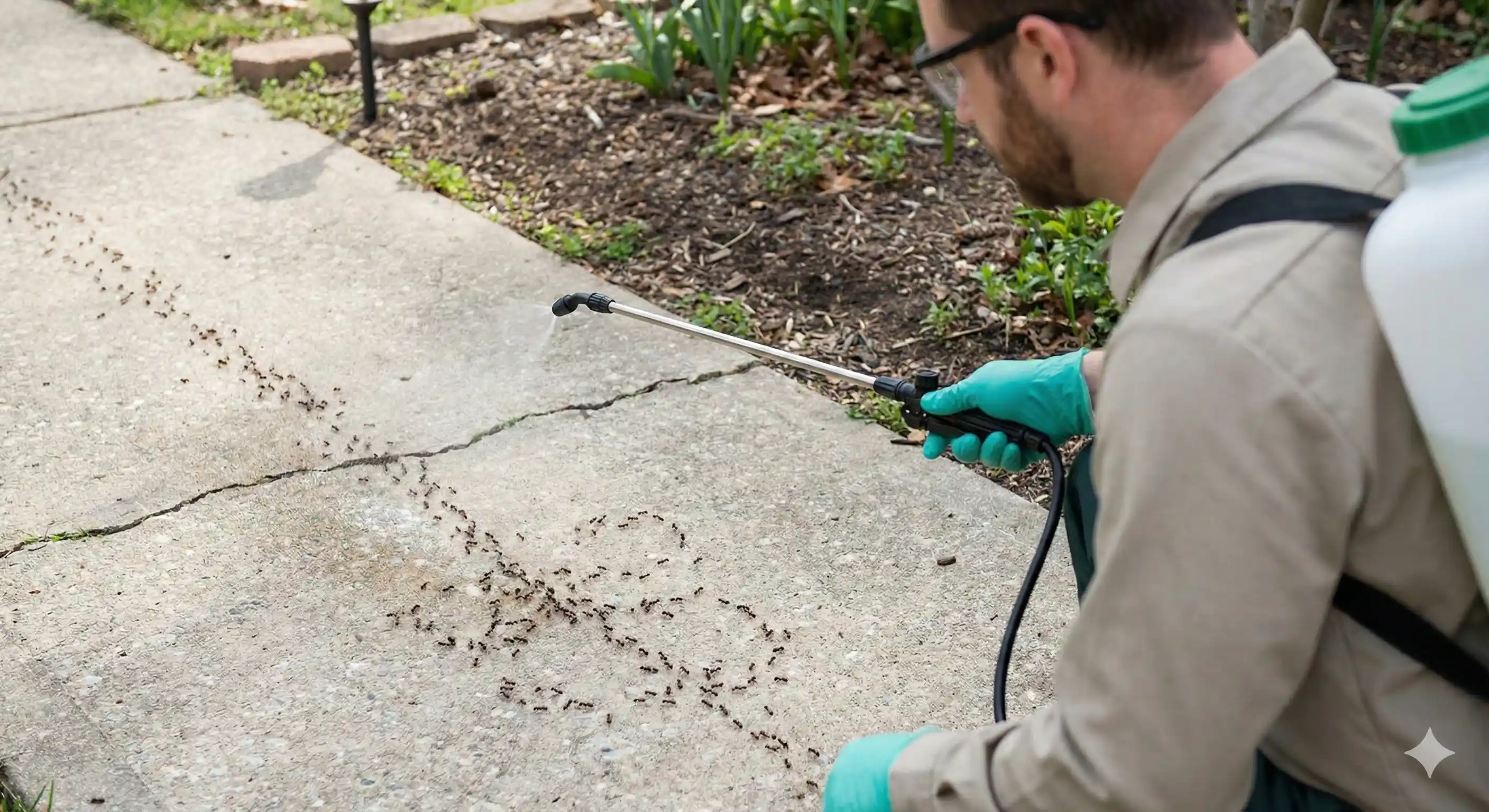
Technician mapping Argentine ant trail networks and colony locations

Colony Network Mapping

Advanced tracking of pheromone highways and resource-sharing routes between nests. This intelligence gathering identifies key nodes in the super colony structure that must be targeted for effective control.

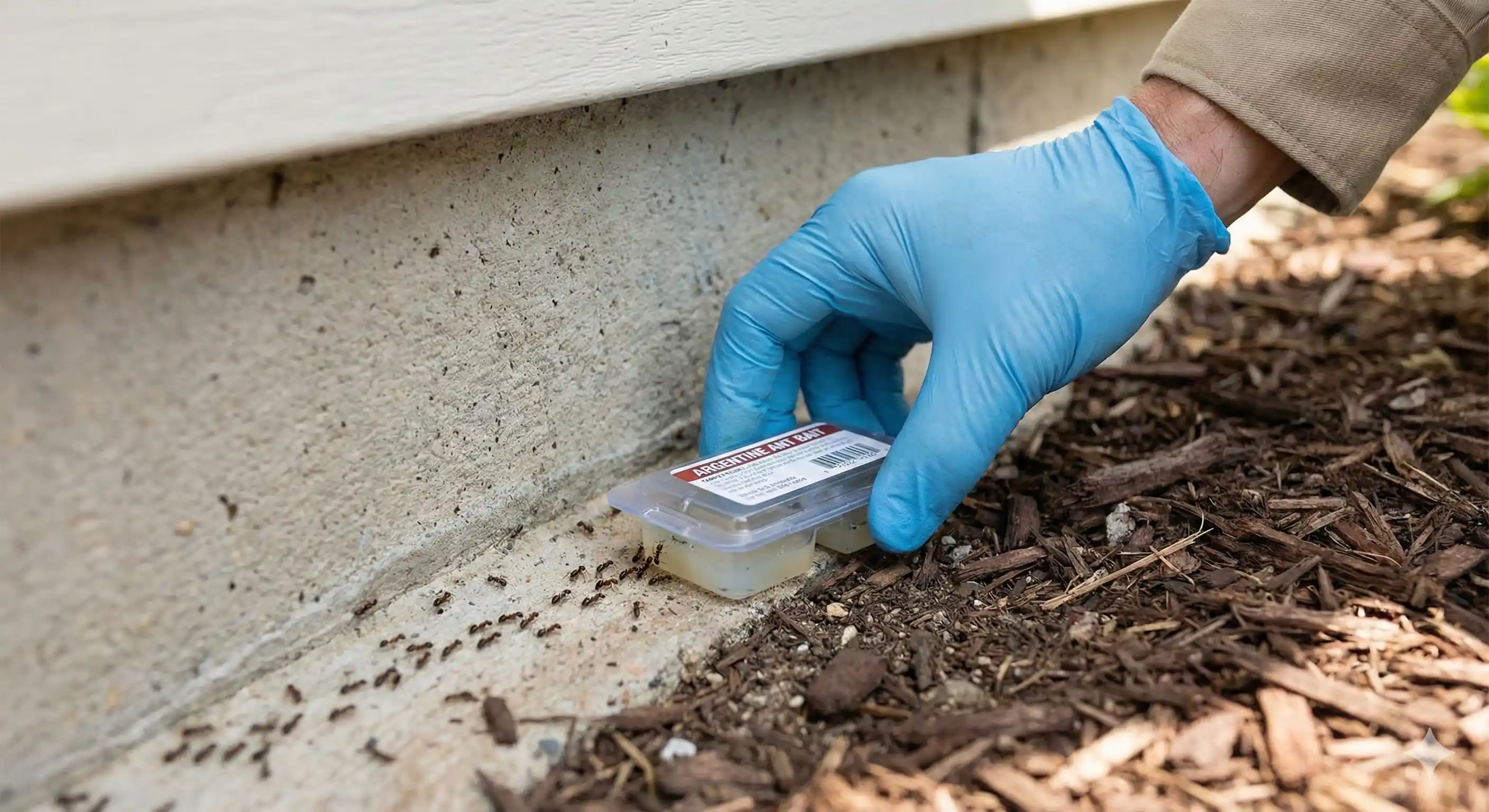
Professional placing specialized bait stations for Argentine ant colony elimination

Slow-Acting Bait Systems

Strategic placement of delayed-action baits that Argentine ants carry back and share throughout their cooperative network. This exploits their resource-sharing behavior to distribute treatment across the entire super colony.

Applying pheromone disruption treatment to break Argentine ant communication

Communication Disruption

Sophisticated methods that break down the chemical pheromone signals maintaining colony unity. By disrupting their 13+ different communication signals, we fragment the super colony into manageable isolated groups.

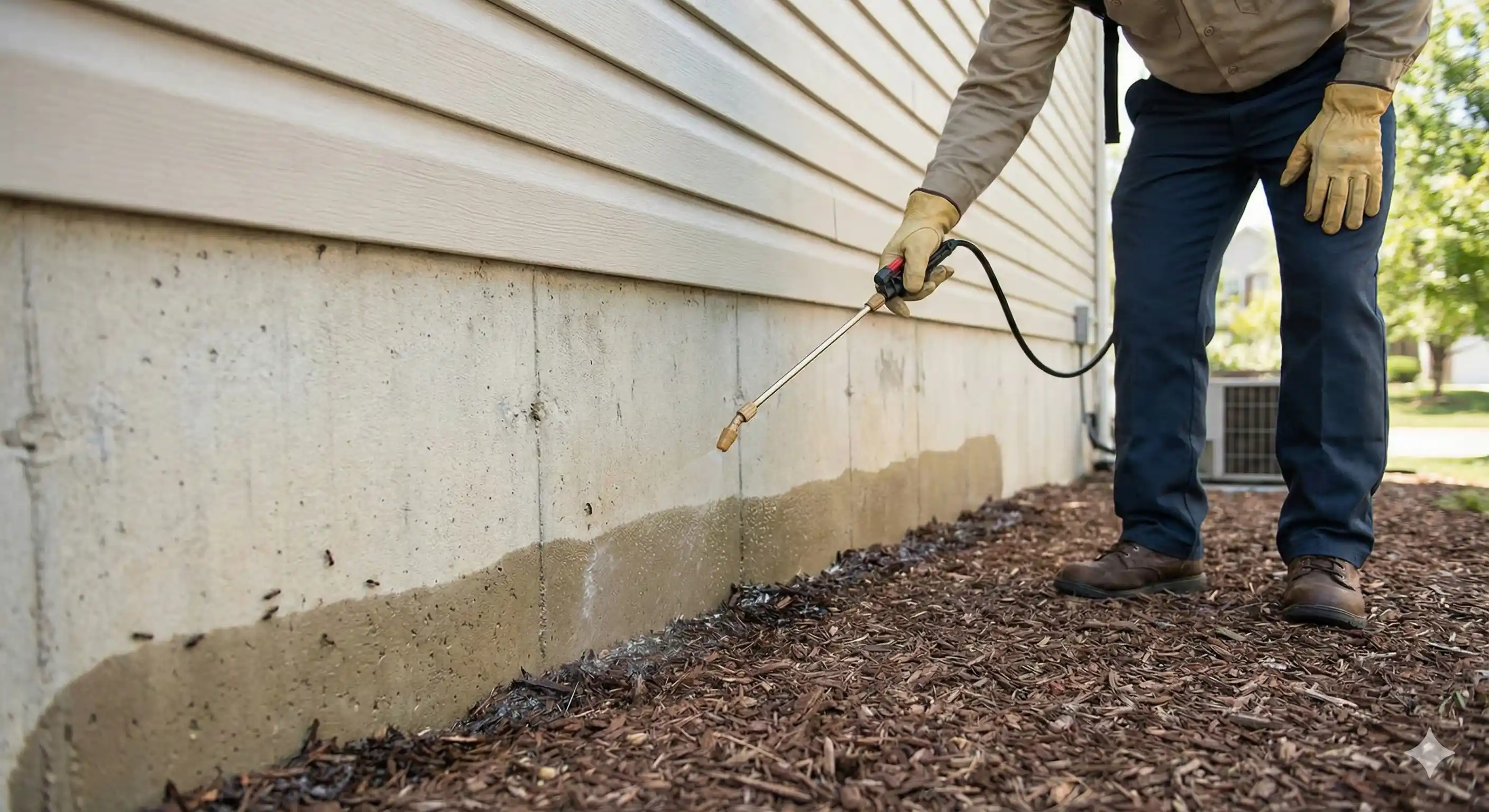
Installing perimeter barrier treatment to prevent Argentine ant invasion

Perimeter Barrier Systems

Creation of sustainable chemical and physical boundaries that protect your property against invasive Argentine ant populations while preventing reconnection with the broader neighborhood super colony.

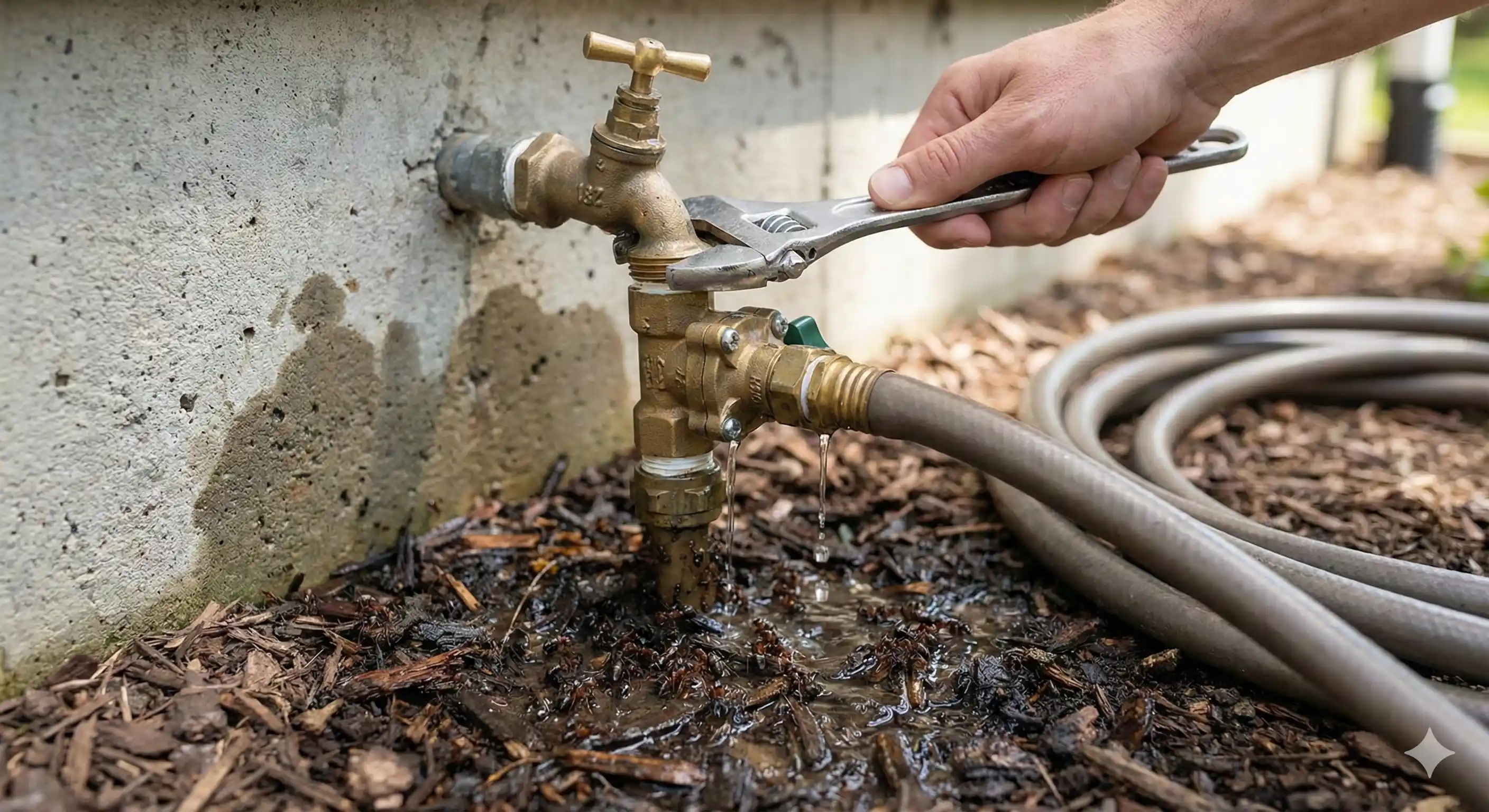
Addressing moisture sources that support Argentine ant colonies

Moisture Point Control

Strategic manipulation of moisture sources that sustain super colony networks. Argentine ants require consistent water access—eliminating these resources forces colony relocation or collapse.

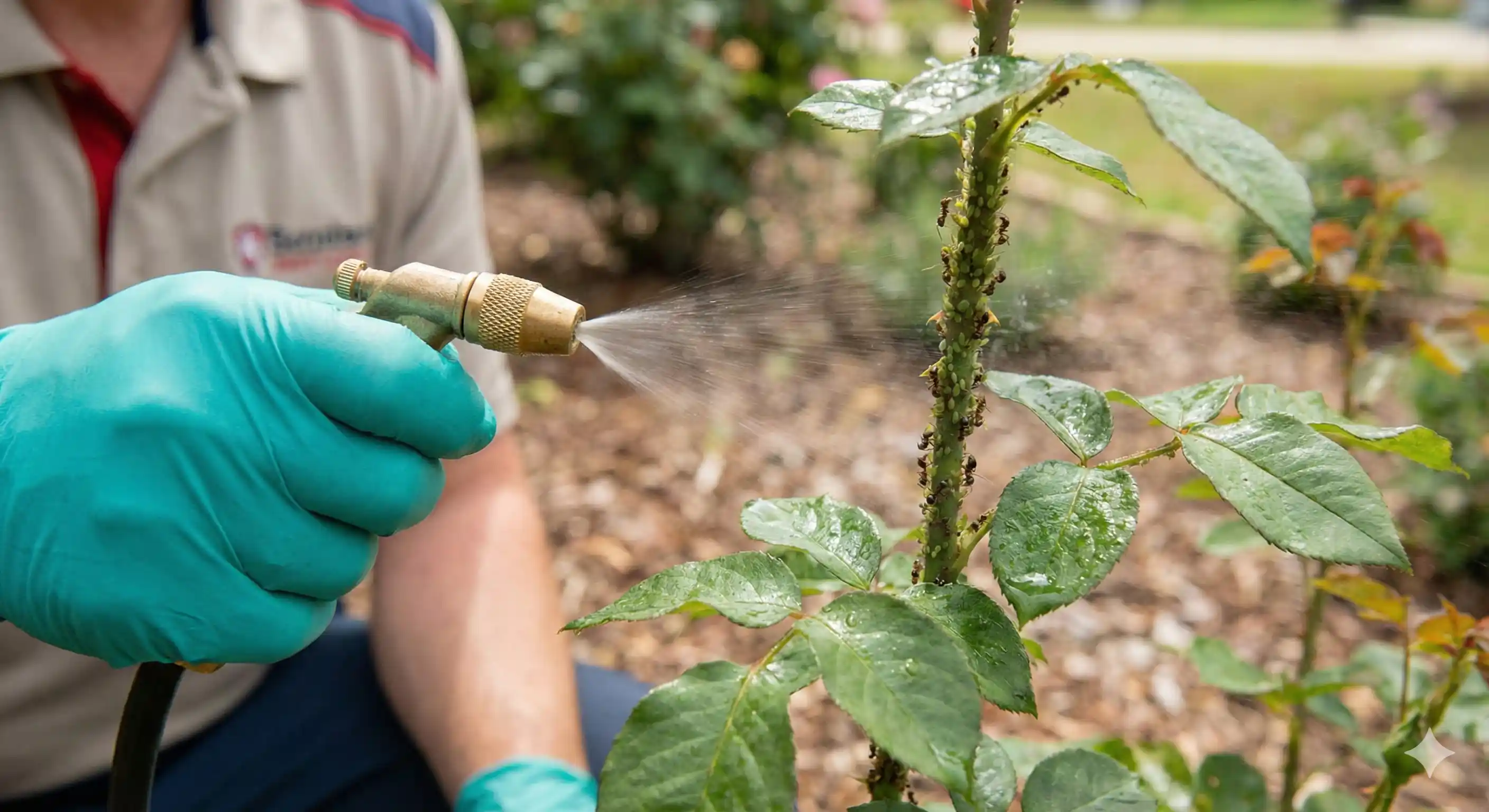
Treating aphid colonies to eliminate Argentine ant food sources

Aphid Colony Elimination

Targeted removal of aphid populations that Argentine ants farm for honeydew. Breaking this food source relationship reduces the colony's carrying capacity and weakens their agricultural support system.

What Causes Argentine Ants?

Understanding what attracts Argentine ants and allows their super colonies to thrive is essential for effective control and prevention.
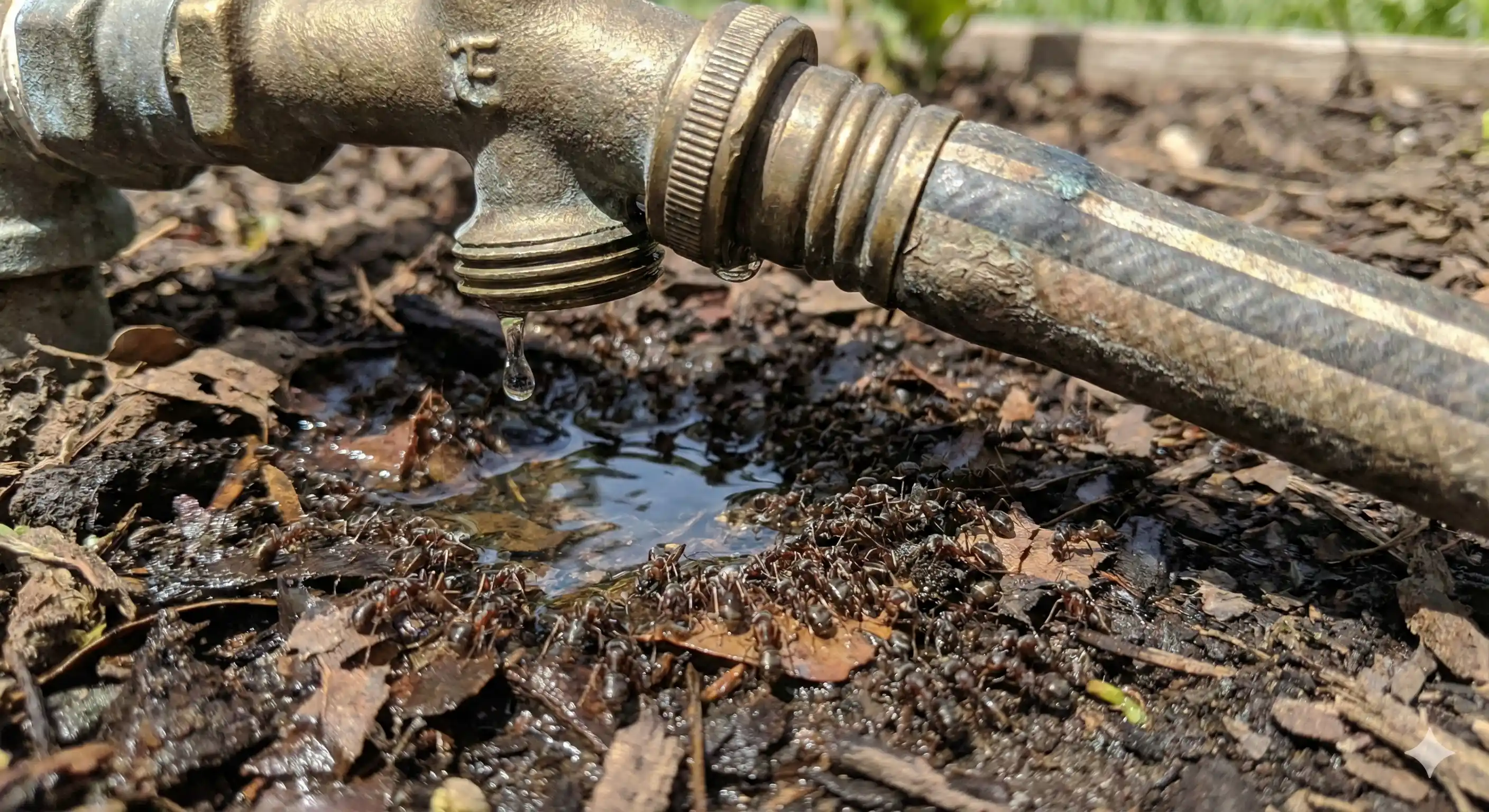
Irrigation or moisture source attracting Argentine ant colonies

💧 Moisture Sources

Argentine ants require consistent moisture and are strongly attracted to irrigation systems, leaky pipes, air conditioning condensation, and poorly drained areas. These water sources are essential for super colony survival.

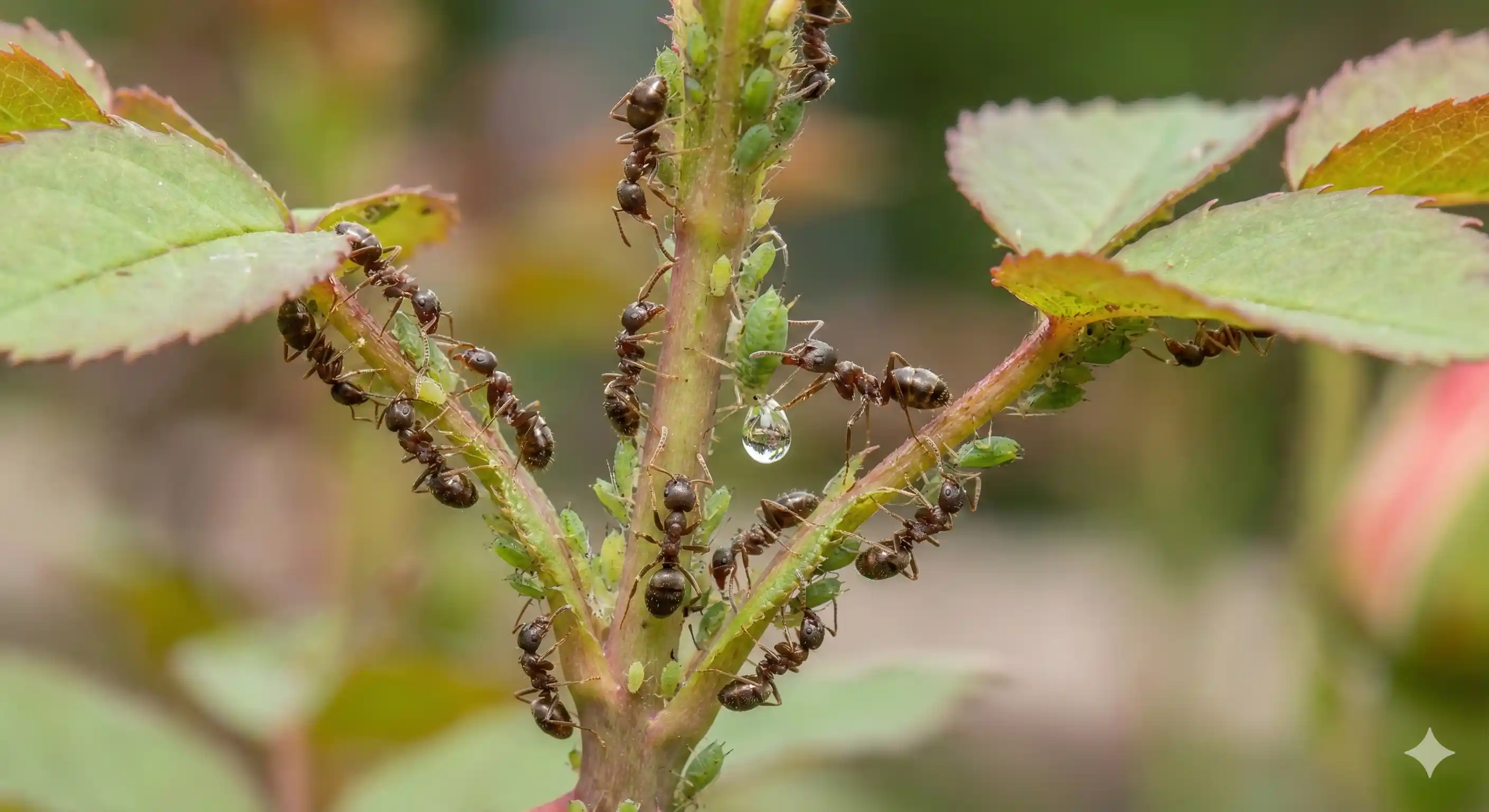
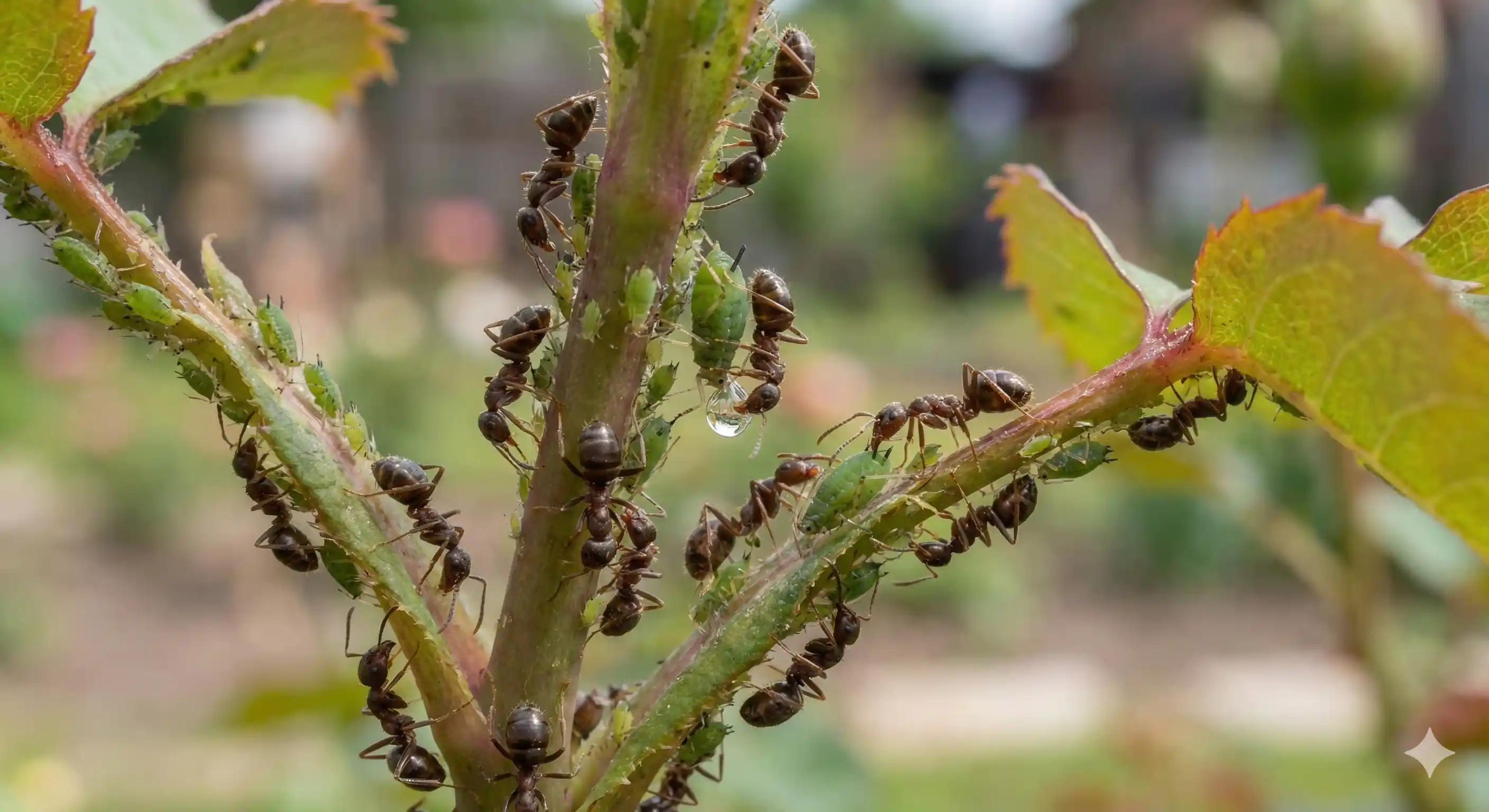
Aphid colony being farmed by Argentine ants for honeydew

🐛 Aphid Populations

Argentine ants actively farm aphids and other honeydew-producing insects for food. Properties with aphid infestations provide a sustainable food source that supports massive ant populations year-round.

Residential neighborhood with connected Argentine ant super colony

🏘️ Connected Super Colonies

If neighboring properties have Argentine ant infestations, your property is at high risk. These ants share resources across vast networks, and nearby colonies will naturally expand into available territory.

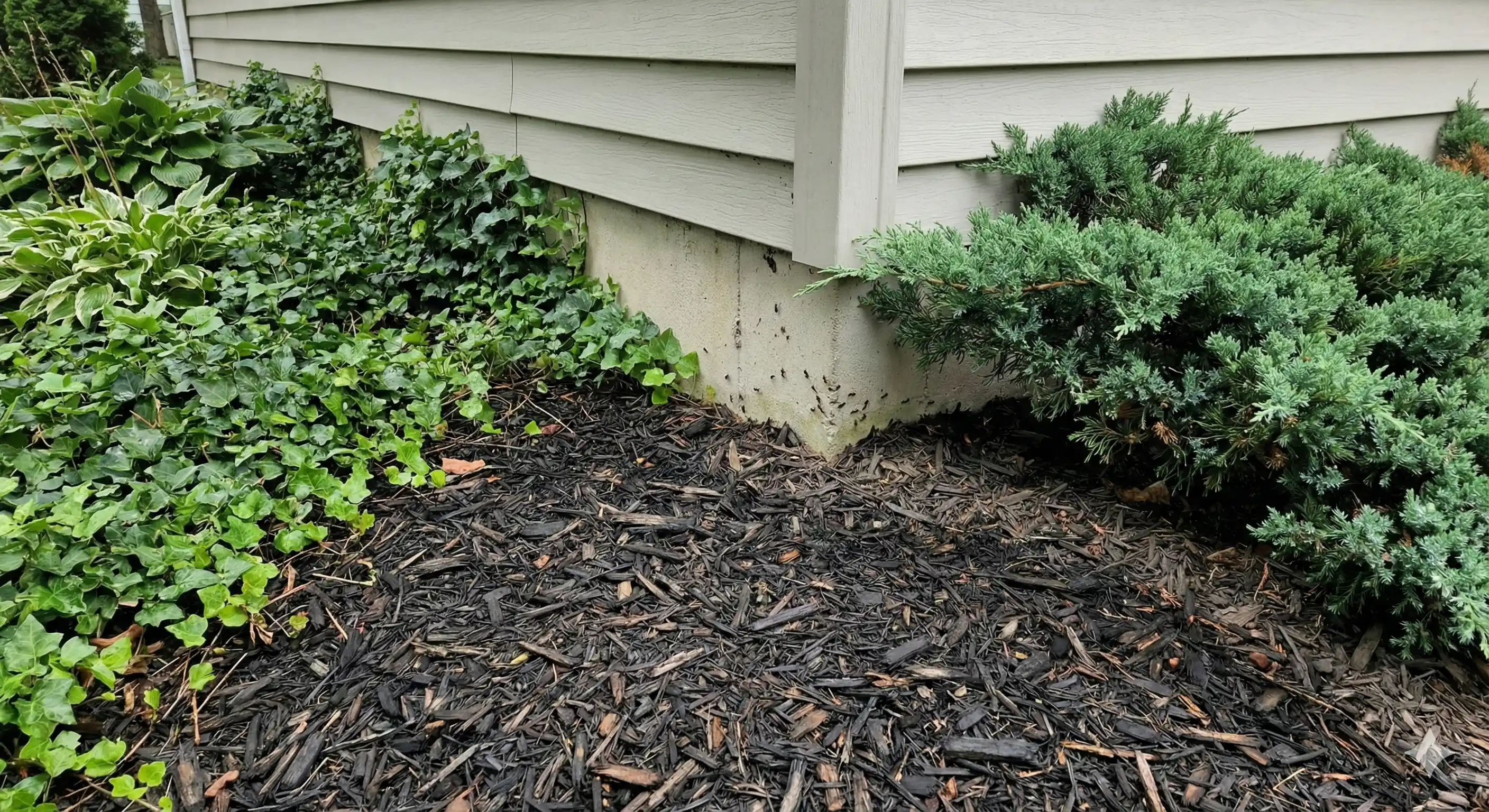
Landscape features providing harborage for Argentine ant colonies

🌿 Landscape Features

Dense ground cover, mulch beds, potted plants, and vegetation touching structures provide harborage and protected pathways. These landscape elements create ideal conditions for colony establishment and expansion.

Learn More About Argentine Ant Prevention →

What Are Signs of Argentine Ants in Your Home?

Early detection of Argentine ant activity allows for intervention before super colonies become fully established on your property.
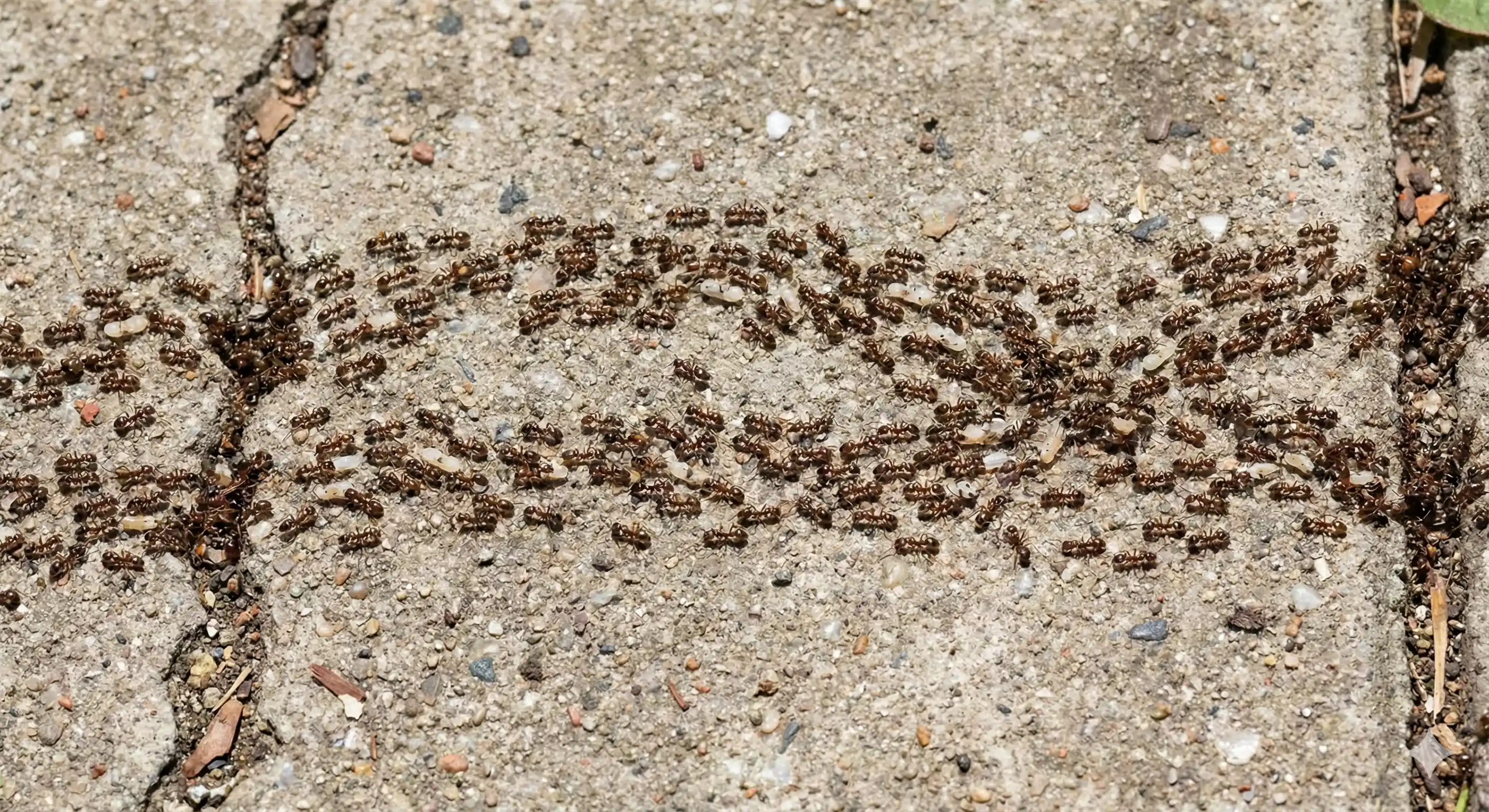
Coordinated Argentine ant trail network showing super colony behavior

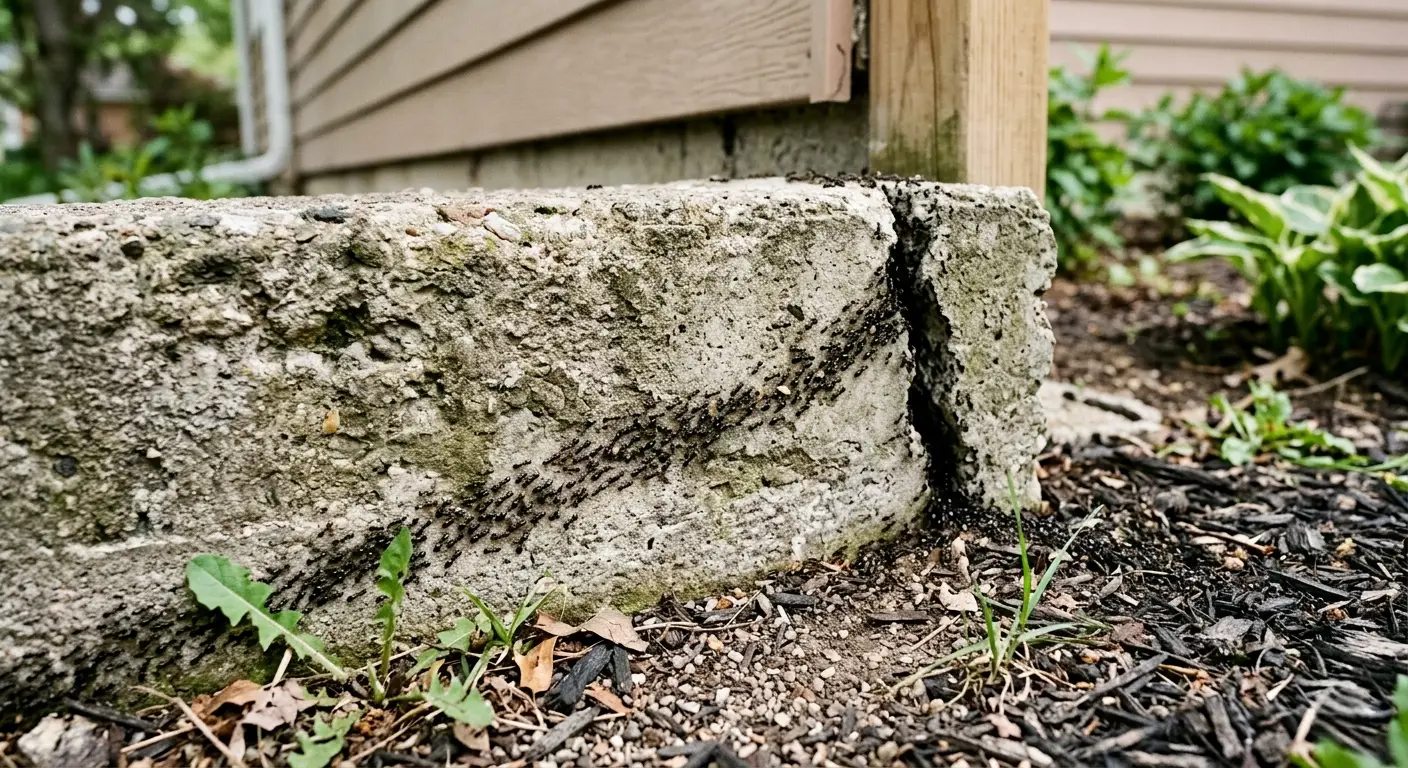
Coordinated Trail Networks

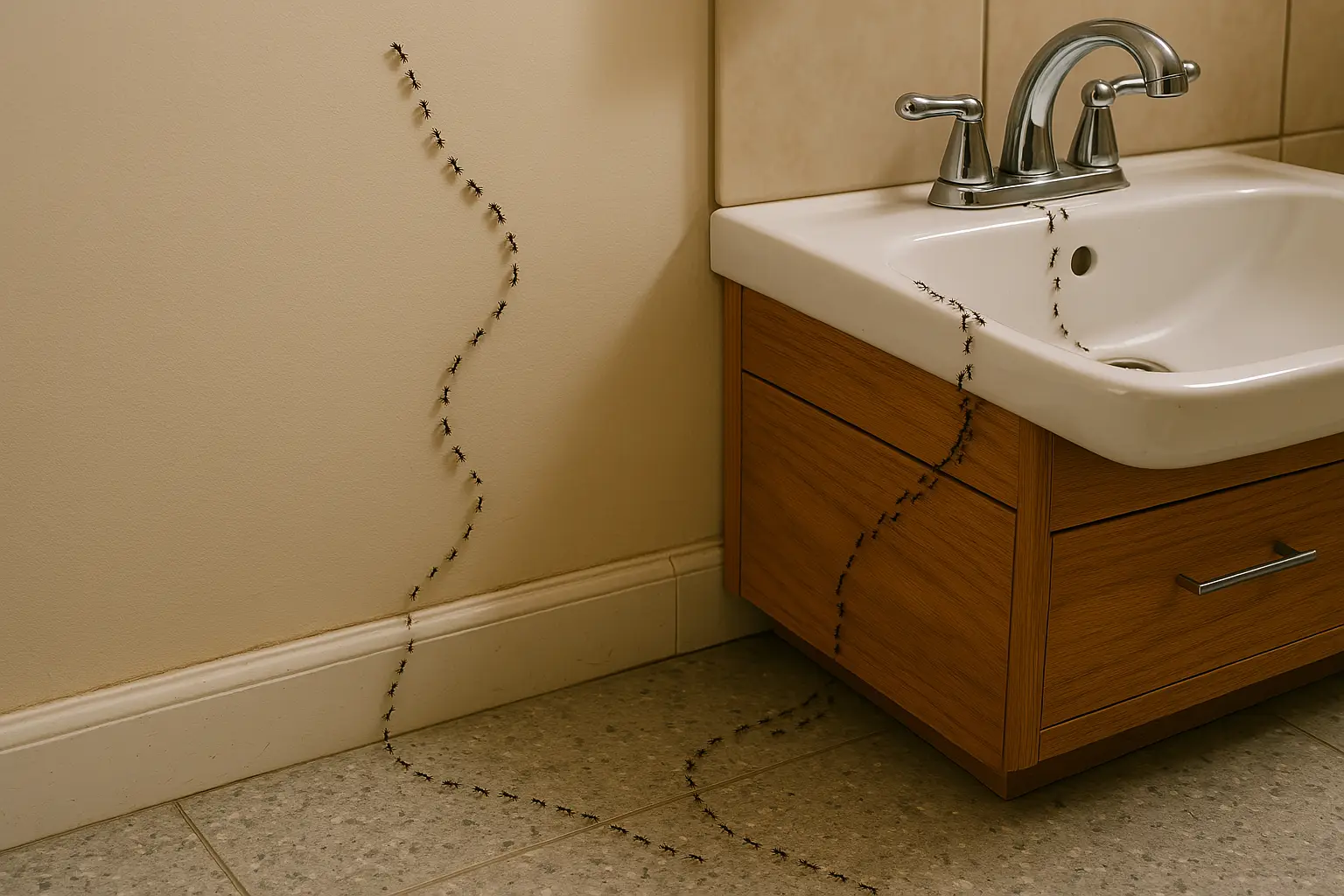
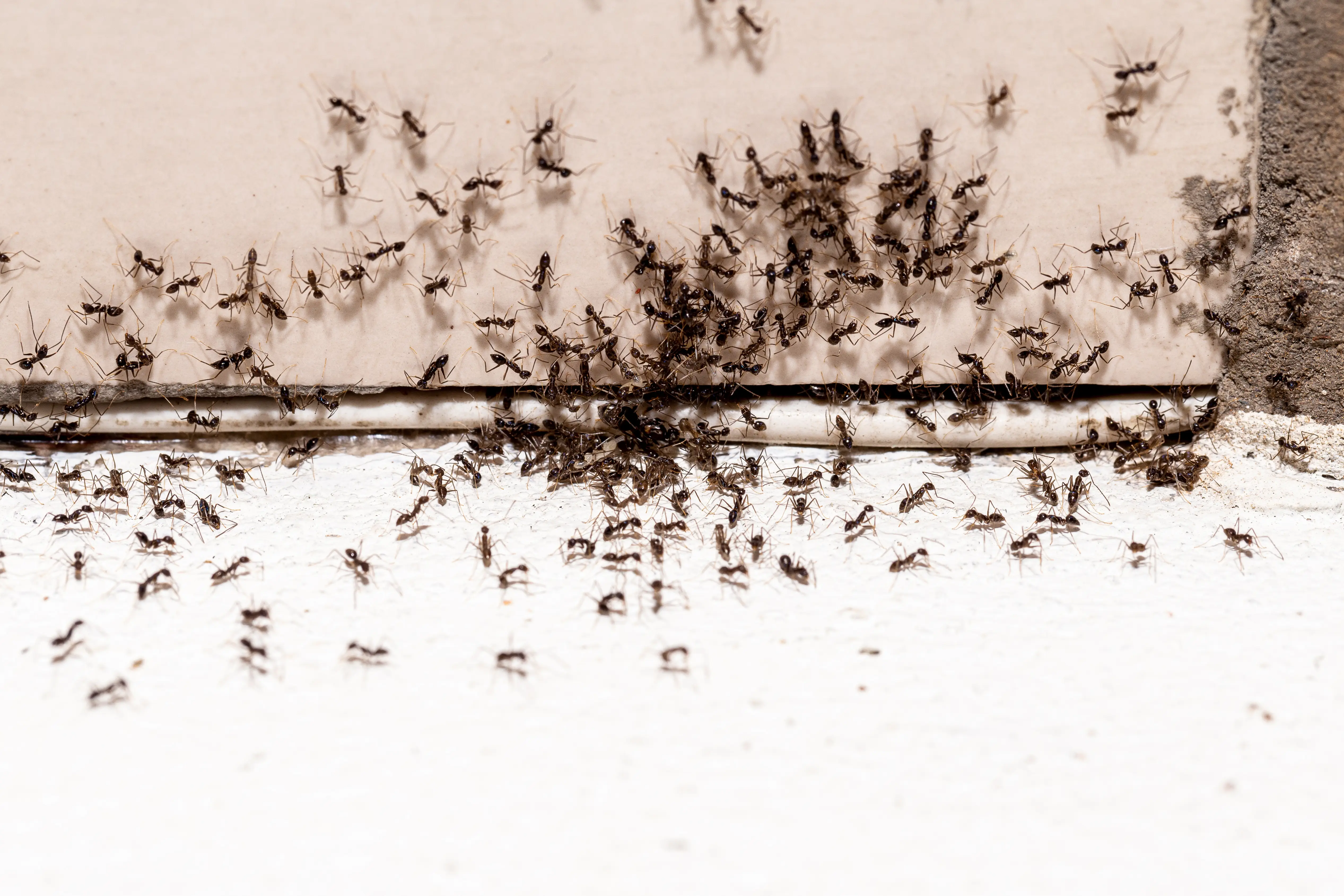
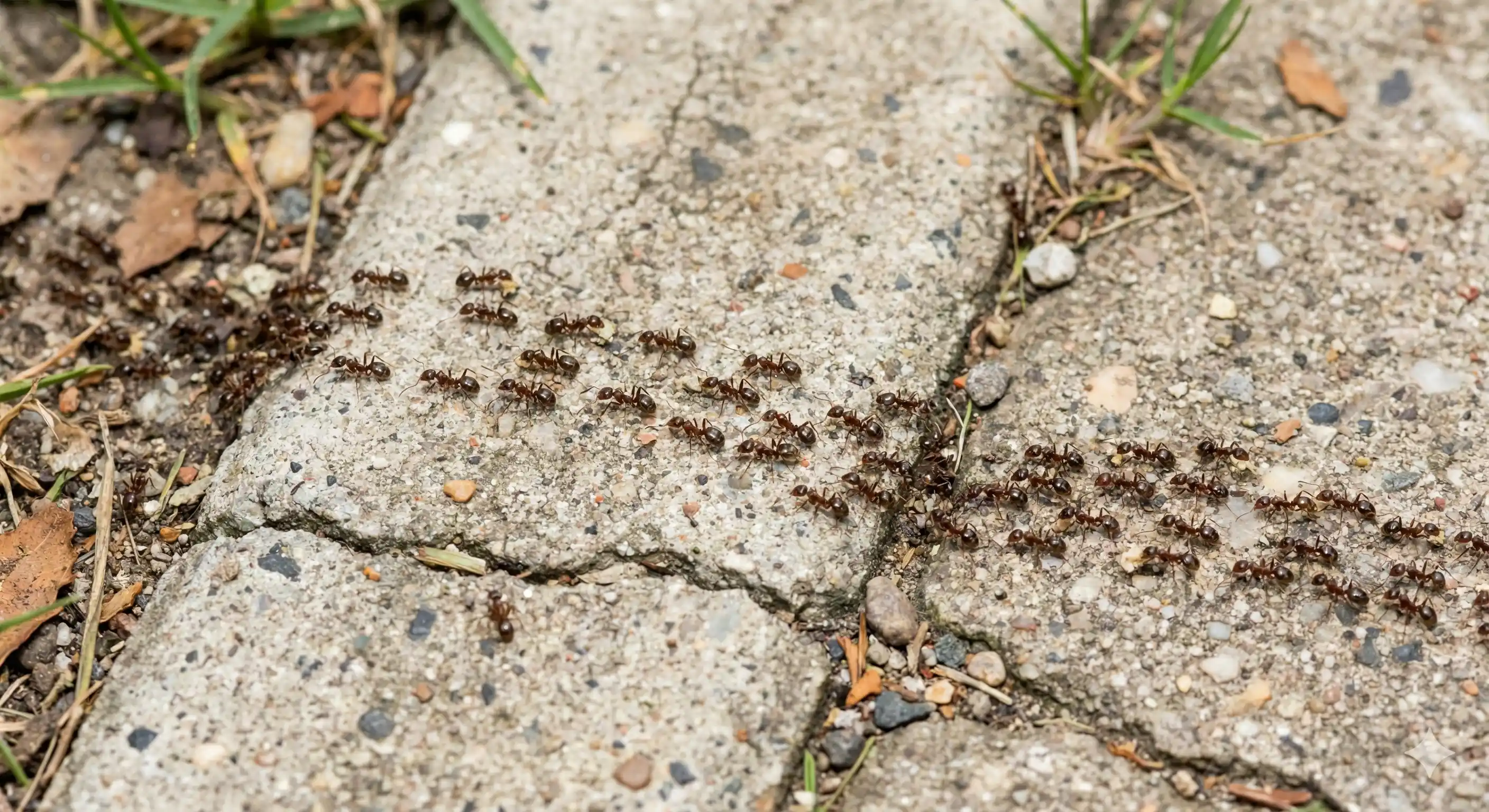
Multiple ant trails operating in perfect coordination, often forming highways several ants wide. Unlike other species, Argentine ant trails show no territorial conflict where they intersect.

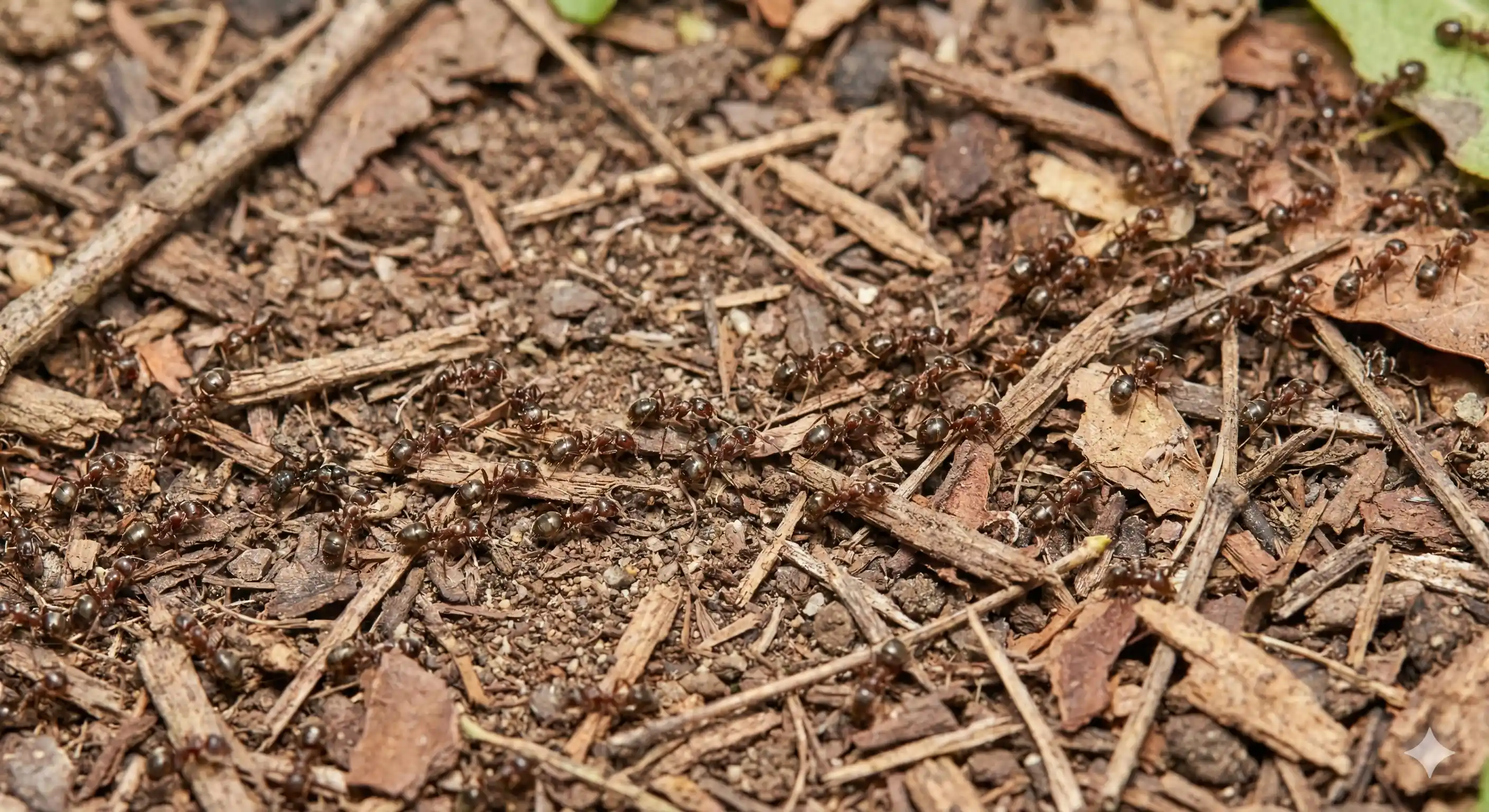
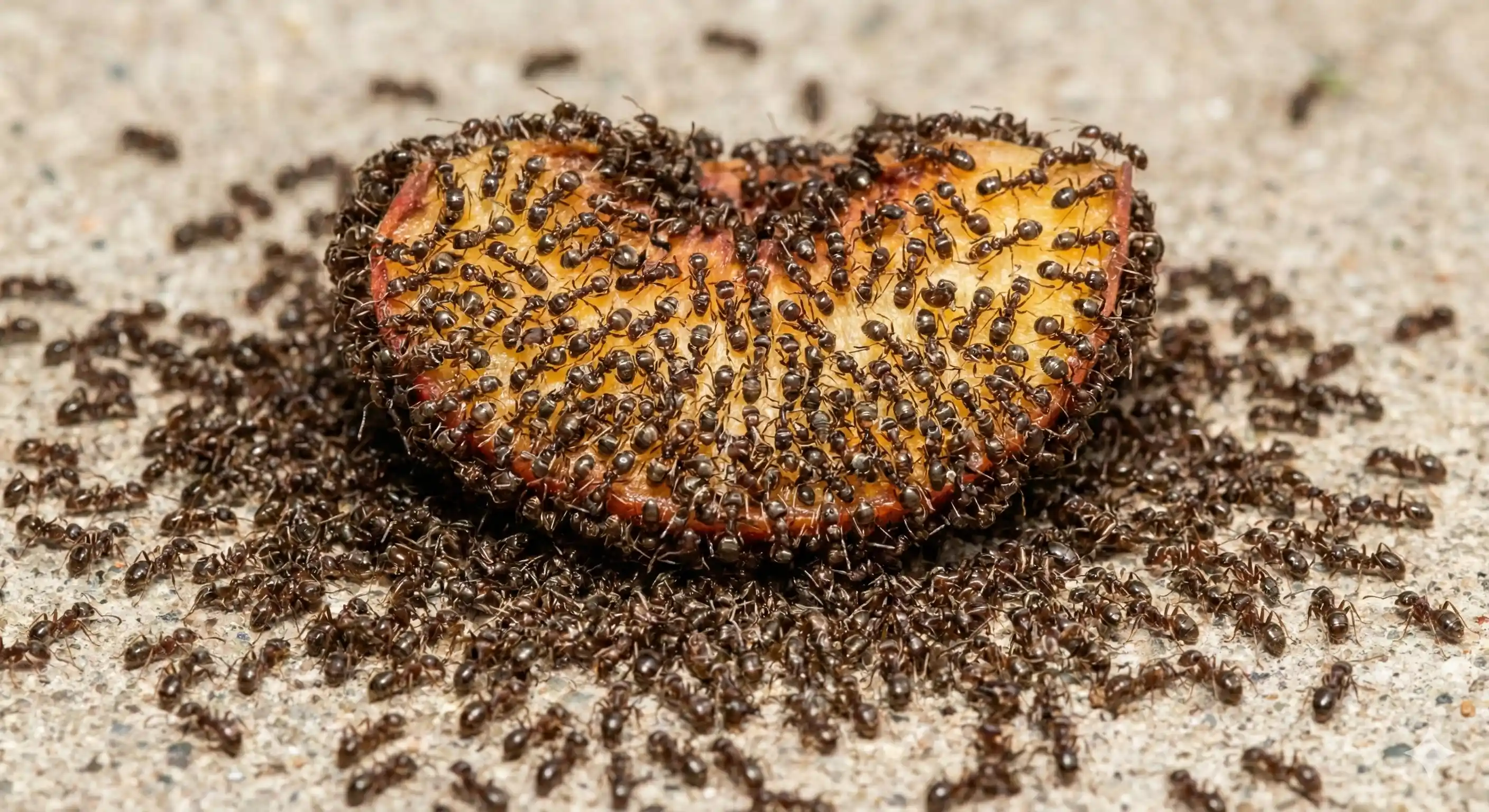
Large numbers of Argentine ants indicating super colony presence

Massive Ant Numbers

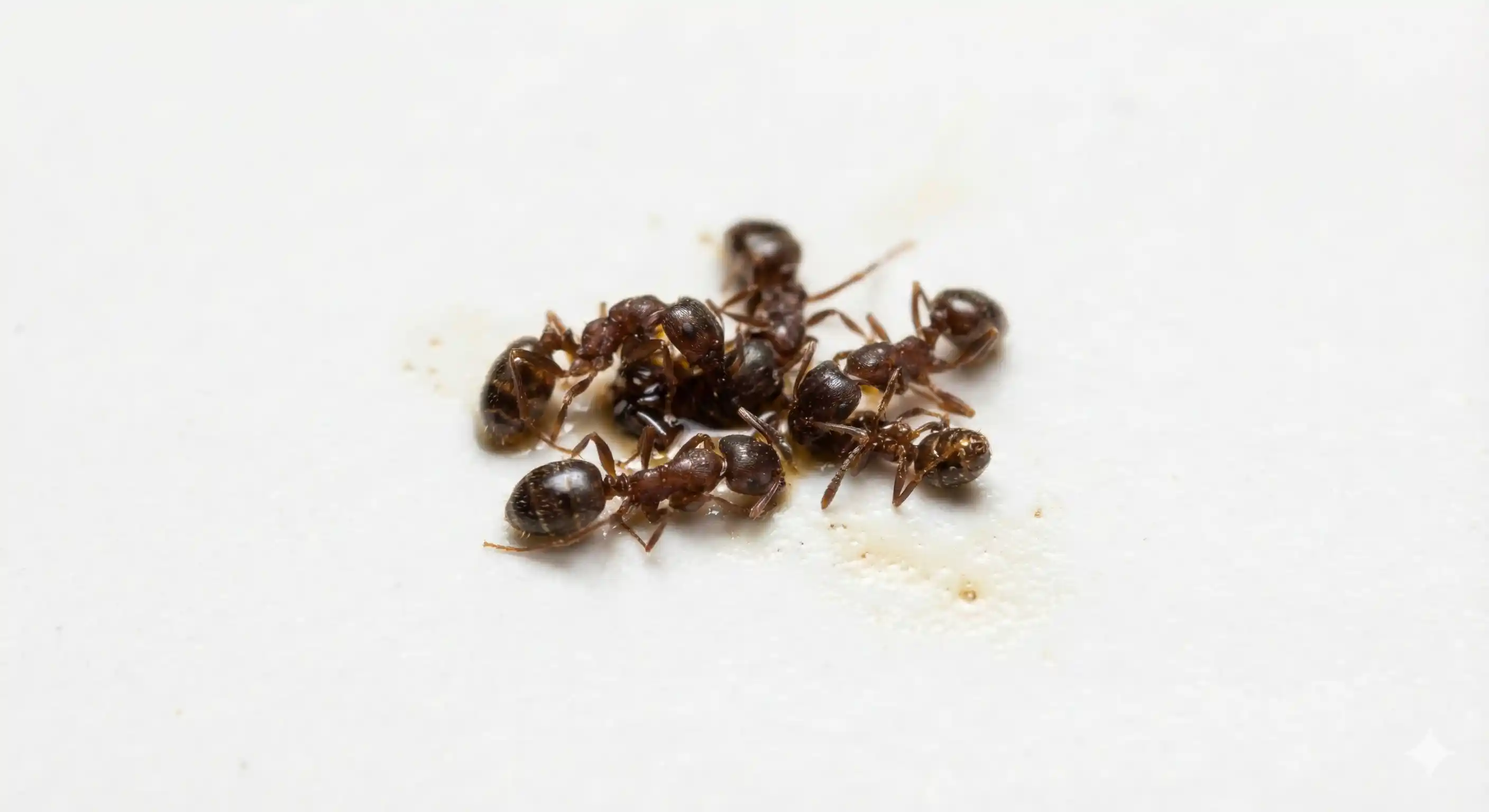
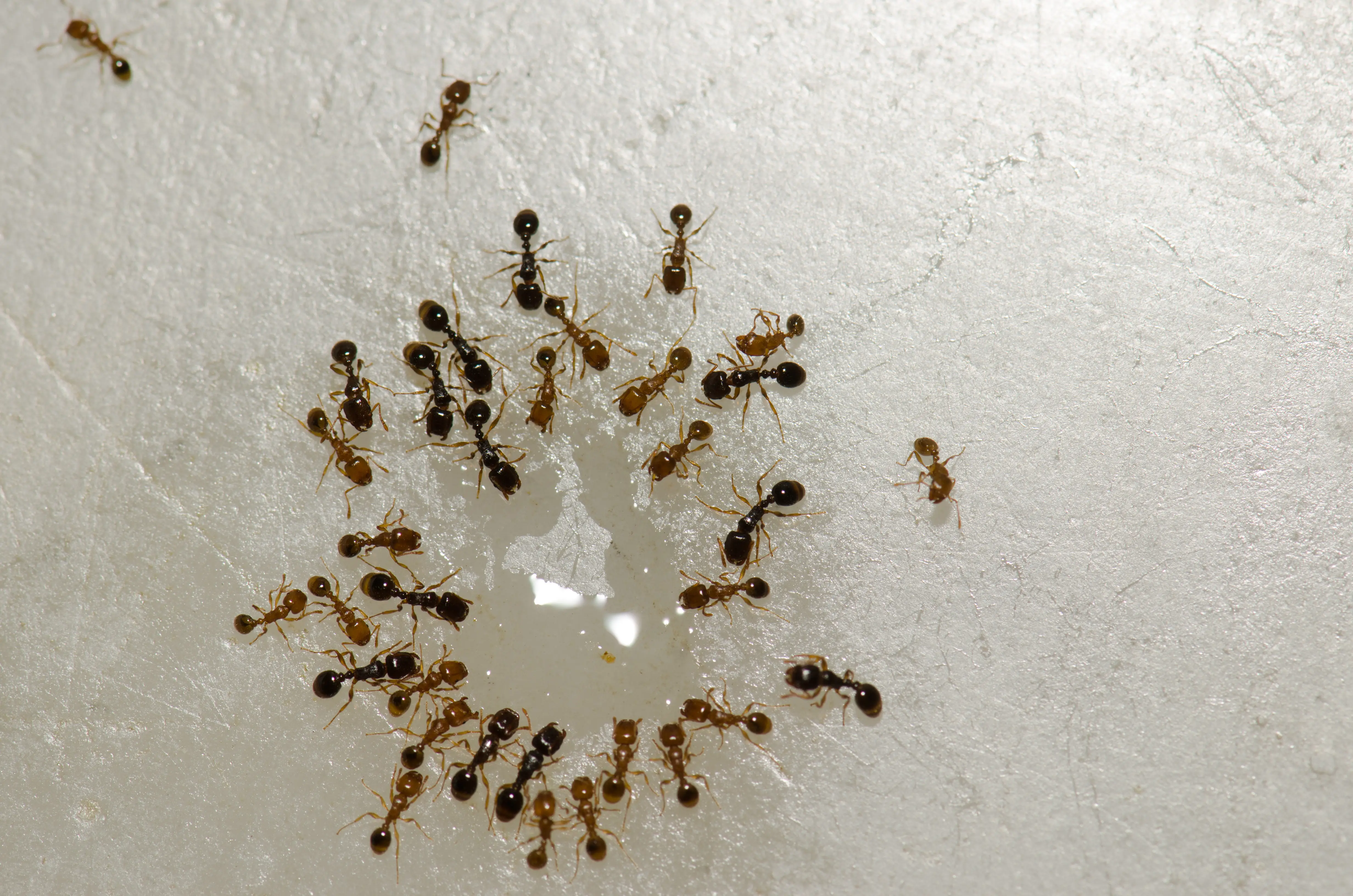
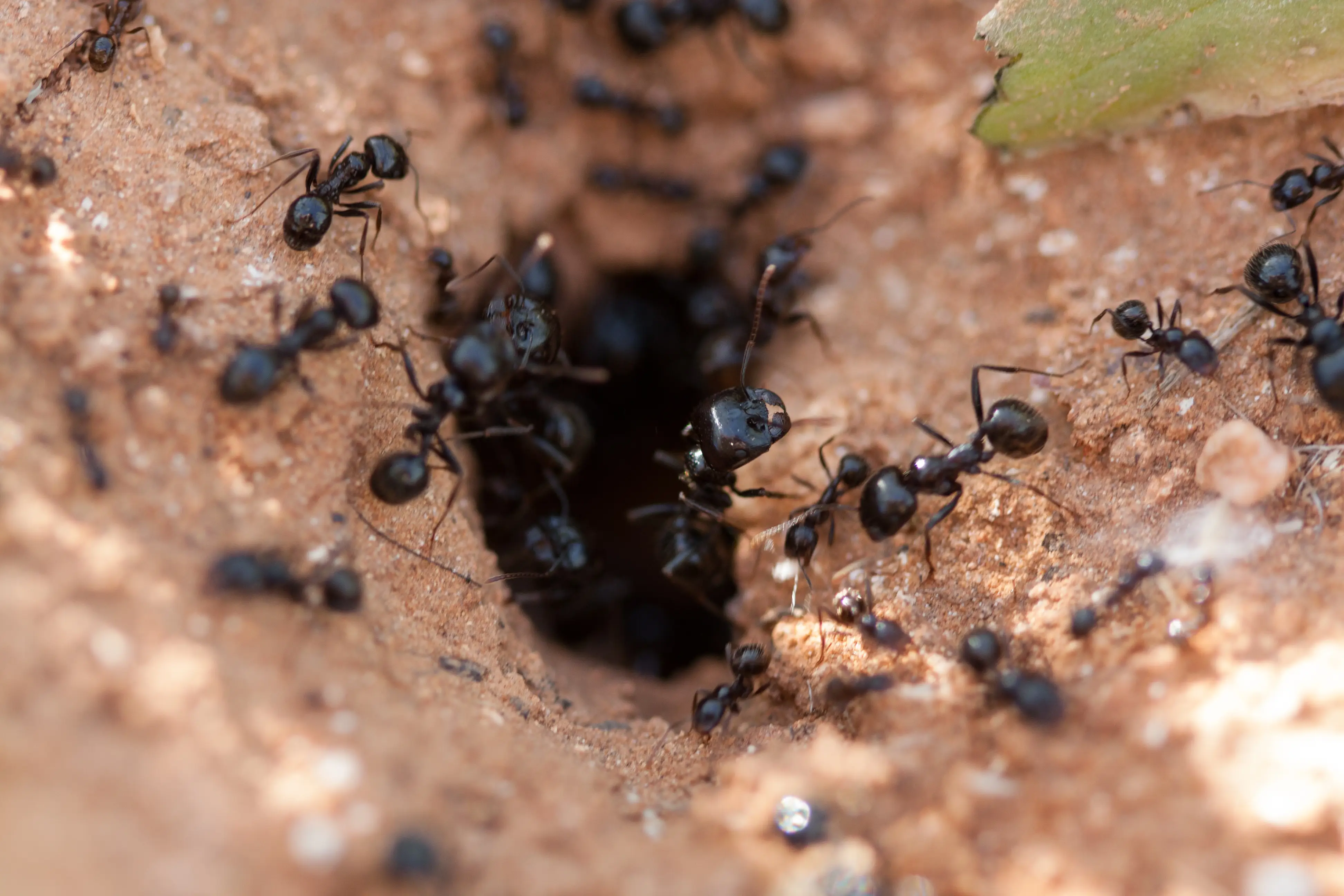
Overwhelming numbers of small (1/8 inch), light to dark brown ants. Argentine ant colonies contain millions of workers, and infestations typically involve far more ants than other species.

Property where native ants have been displaced by Argentine ants

Absence of Native Ants

If native ant species have disappeared from your property, Argentine ants have likely displaced them. This ecological shift indicates an established super colony dominating the area.

Argentine ants farming aphids on plant stems

Ants Tending Aphids

Observation of ants actively protecting and farming aphid colonies on plants. Argentine ants are notorious aphid farmers and this behavior confirms their presence.

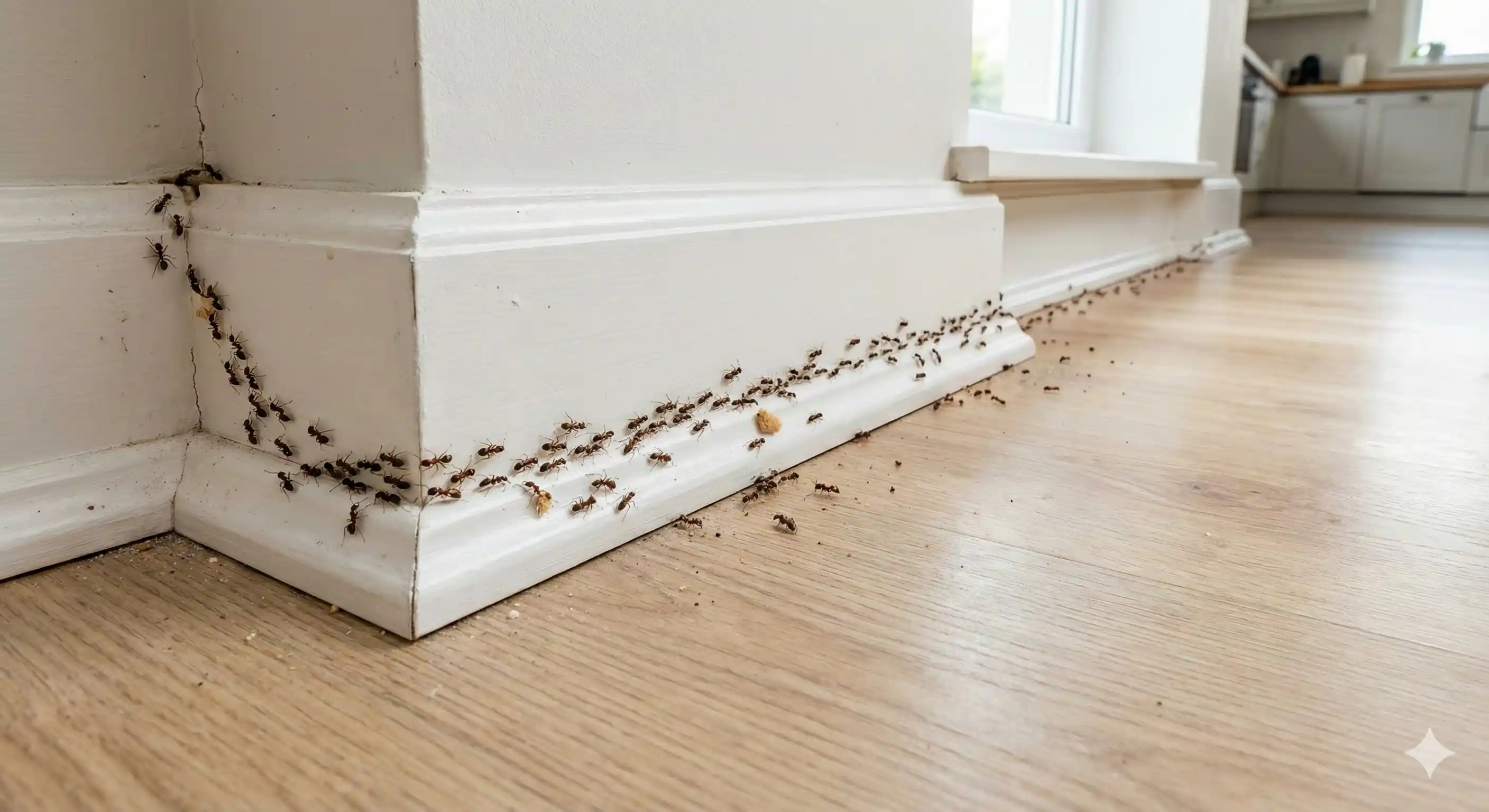
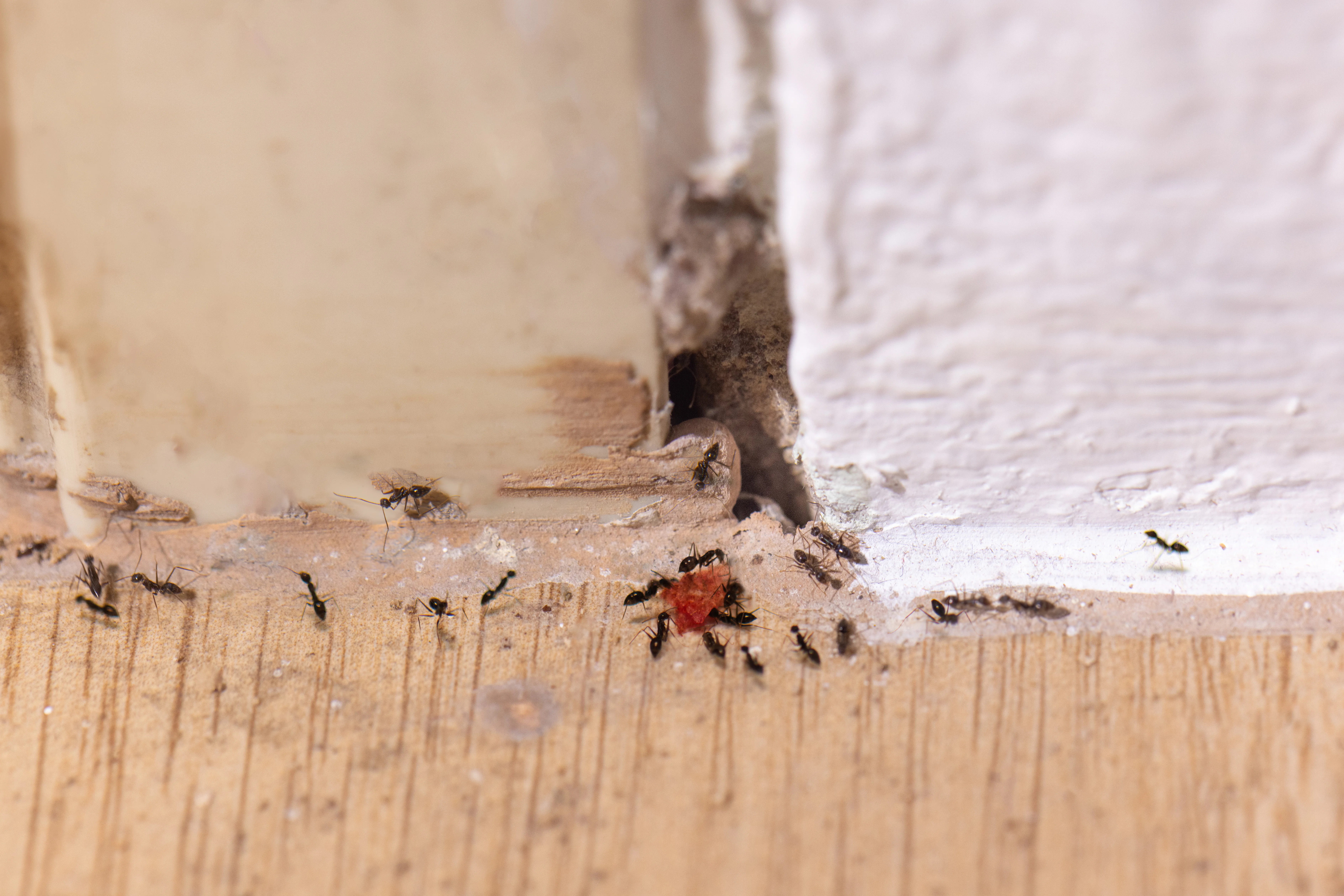
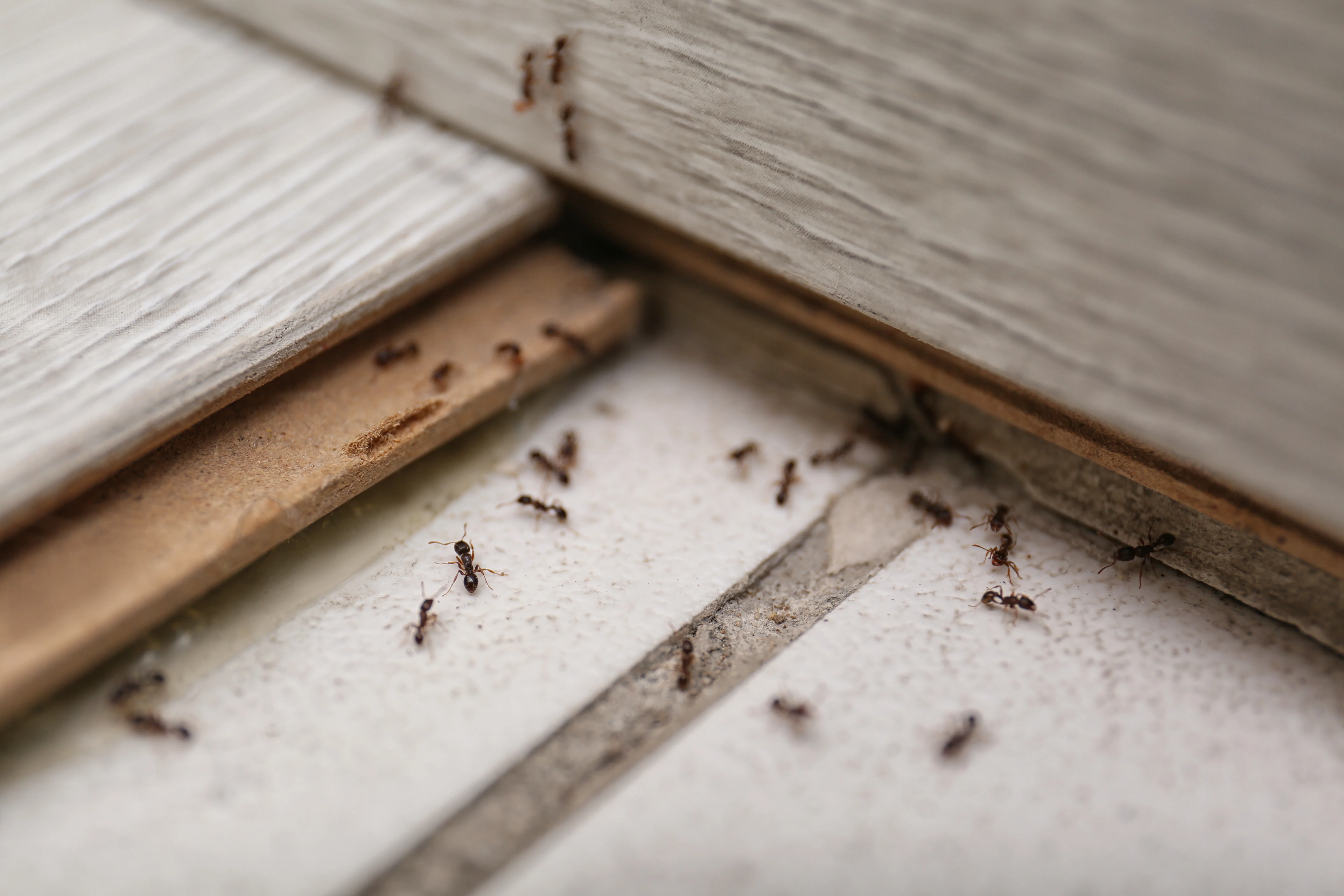
Argentine ant trail inside home along baseboard or counter

Indoor Trailing Year-Round

Unlike seasonal invaders, Argentine ants may trail indoors throughout the year, especially during temperature extremes or dry conditions when they seek moisture and shelter.

Argentine ant identification showing crushed ants with distinctive odor

Musty Odor When Crushed

When crushed, Argentine ants emit a distinctive musty, greasy odor unlike the formic acid smell of other ant species. This smell helps confirm species identification.

Learn More About Argentine Ant Detection →

DIY vs Professional Treatment

Standard ant treatments consistently fail against Argentine ants because these colonies share resources across vast networks. When you treat one area, the super colony simply redirects resources from untreated zones, allowing rapid recovery within days. Over-the-counter sprays may kill visible ants but actually make the problem worse by causing colony budding—where stressed colonies split into multiple new colonies. Without targeting the entire cooperative network simultaneously, DIY efforts become an endless, frustrating cycle.

Our ecosystem-based approach targets the Argentine ants' unique social structure rather than just individual nests. We map pheromone trail networks, identify resource-sharing nodes, and deploy slow-acting treatments that exploit their cooperative behavior to spread throughout the super colony. By disrupting their communication systems and eliminating aphid food sources, we fragment the colony network while creating barriers that prevent reconnection with neighborhood populations. This comprehensive strategy achieves lasting control where single-property treatments fail.

❌ DIY Treatment

  • Kills visible ants but colony redirects resources
  • Contact sprays cause colony budding and spreading
  • Cannot target neighborhood-wide super colony
  • Doesn't address aphid farming food source
  • No disruption of communication networks
  • Creates endless treatment cycle

✓ Professional Treatment

  • Maps and targets entire super colony network
  • Slow-acting baits spread through colony sharing
  • Disrupts pheromone communication systems
  • Eliminates aphid food source support
  • Creates barriers against neighborhood colonies
  • Prevents colony budding and regeneration

Commercial Argentine Ant Control

EcoGuard Pest Management implements customized argentine ant control programs for commercial facilities that prioritize operational continuity while ensuring effective pest elimination. Our comprehensive commercial argentine ant protection programs combine discrete treatment applications with flexible scheduling to maintain your business operations while ensuring complete elimination of argentine ant problems.

We specialize in argentine ant control solutions for:

  • Restaurants and food service establishments
  • Healthcare facilities
  • Hotels and hospitality venues
  • Educational institutions
  • Office complexes
  • Food processing facilities
  • Warehouses and storage facilities
  • Retail spaces
  • Manufacturing facilities
  • Multi-unit residential properties
Learn About Commercial Pest Control
100% SATISFACTION GUARANTEE

The EcoGuard Guarantee

EcoGuard offers a 100% satisfaction guarantee for all of our customers, and we stand by our promise to eradicate your argentine ant problem until the very last argentine ant is gone. That argentine ant control guarantee comes with every service and if the argentine ants come back, then so do we, at no additional cost. We are standing by to give you a free estimate and to help you set your first argentine ant pest control service appointment.

📞 Call (866) 326-2847 Today

Our Argentine Ant Control Process

A network-based approach to complete super colony elimination and long-term protection

1

Super Colony Mapping

We map the invisible highways of pheromone trails and identify key resource exchange points within the super colony structure. This intelligence reveals how the colony operates across your property and connects to neighboring populations.

2

Network-Targeted Treatment

Implementation of targeted treatments that exploit the ants' own communication and resource-sharing systems to break down colony cooperation. Slow-acting baits spread throughout the network while barrier treatments isolate your property.

3

Ecosystem Restoration

Comprehensive habitat modification and aphid elimination strategies make your property naturally resistant to Argentine ant invasion. We address moisture sources, landscape features, and entry points that support colony establishment.

4

Ongoing Monitoring

Regular property inspections and adjustment of control strategies ensure long-term protection against super colony re-establishment. We monitor for new trail activity and maintain barriers against neighborhood colony expansion.

Seasonal Plan for Argentine Ant Control

Year-round protection adapted to seasonal argentine ant behavior patterns

Spring Argentine Ant Control

Spring

Aggressive colony expansion begins as temperatures warm; critical time for barrier establishment before trails reach structures; monitor for new trail formation; treat aphid populations before they support ant growth; address winter moisture damage

Summer Argentine Ant Control

Summer

Peak activity with maximum foraging and reproduction; maintain barrier treatments; monitor and treat any breakthrough trails; continue aphid management; address irrigation and moisture issues that attract colonies

Fall Argentine Ant Control

Fall

Colonies consolidate resources before winter; treat to reduce overwintering populations; seal entry points before ants seek indoor shelter; final barrier reinforcement; eliminate remaining aphid colonies

Winter Argentine Ant Control

Winter

Reduced outdoor activity but indoor trailing may increase; focus on interior monitoring and treatment; maintain perimeter barriers; plan comprehensive strategy for spring expansion prevention

What Our Customers Say

Trusted by homeowners for professional Argentine ant super colony elimination

★★★★★

"We tried everything for two years—sprays, baits, even another pest company. The ants just kept coming back. EcoGuard explained the super colony concept and why our approach was failing. Their network-based treatment finally solved it!"

David & Susan M.
San Diego, CA
★★★★★

"The technician showed me how the ants were farming aphids on my citrus trees and explained that was feeding the colony. They treated both problems together. No more ants AND my trees are healthier!"

Maria L.
Sacramento, CA
★★★★★

"Argentine ants had taken over our entire kitchen—thousands of them every morning. The EcoGuard team mapped their trails, found where they were coming from, and eliminated them completely. Incredible knowledge!"

Jennifer K.
Portland, OR

Argentine Ant Control FAQs

Everything you need to know about argentine ant control and treatment

Unlike most ants, Argentine colonies share resources across vast super colony networks. When you treat one area, the colony simply redirects resources from untreated zones, allowing rapid recovery. Our approach targets the entire cooperative network rather than individual nests, exploiting their sharing behavior to spread treatment throughout the colony.

Argentine ants reshape entire environments by eliminating native ant species that normally maintain natural pest control. They also cultivate aphid populations that damage plants. Our treatments focus on restoring this ecological balance while controlling the Argentine ant population through sustainable methods.

We focus on disrupting the Argentine ants' cooperation systems while protecting native species that naturally help control their population. This sustainable approach prevents the environmental vacuum that often occurs with broad-spectrum treatments and allows beneficial insects to recover.

If you notice multiple ant trails operating in perfect coordination, or if native ant species have disappeared from your property, you're likely dealing with an established super colony that requires professional intervention. Early treatment prevents further ecosystem damage and is more effective than waiting.

Our prevention strategy combines thorough exclusion methods—sealing entry points and creating physical barriers—with targeted treatments that trigger colony collapse from within. By maintaining these barriers and regularly monitoring for new activity, we prevent surviving ants from re-establishing their cooperative networks.

Argentine ants (Linepithema humile) originated in South America and arrived in the United States in the late 1800s. They're now one of the most invasive ant species worldwide, found throughout California, the Pacific Northwest, and the Southern states. Their success comes from their unique super colony behavior.

Argentine ant super colonies can be enormous—a single super colony in California spans over 560 miles of coastline and contains billions of individual ants. These massive networks mean that treating just your property often fails because the colony extends far beyond your property boundaries.

Argentine ants are small (about 1/8 inch), uniformly light to dark brown, and travel in wide, well-defined trails. When crushed, they emit a musty odor unlike the formic acid smell of other ants. The key identifier is their lack of territorial aggression—unlike other species, Argentine ants from different nests cooperate rather than fight.

Argentine ants cultivate aphids as a food source, protecting them from predators and even moving them to new plants. The aphids produce honeydew that feeds the ant colony. This farming relationship supports massive ant populations and damages your plants. We address both the ants and aphids for complete control.

Argentine ants can bite but lack the ability to sting. Their bites are generally not painful to humans and rarely break the skin. The primary concern with Argentine ants is their overwhelming numbers, food contamination, and ecological damage rather than direct harm to people.

Argentine ants enter homes seeking moisture, food, and shelter from extreme temperatures. They're particularly attracted during hot, dry weather or cold winter periods. Their small size allows them to exploit tiny cracks and gaps. Addressing moisture issues and sealing entry points helps reduce indoor invasions.

Argentine ant colonies contain multiple queens (sometimes hundreds), each capable of laying eggs. This multi-queen system allows explosive reproduction—a colony can grow from a few hundred to tens of thousands of workers within months. This is why partial treatments fail; surviving queens quickly rebuild populations.

DIY treatments consistently fail against Argentine ants because their super colony structure allows them to redirect resources around treated areas. Over-the-counter sprays often cause colony budding, creating multiple new colonies from one. Professional network-based treatment is essential for lasting control.

While both are small and brown, Argentine ants form massive cooperative super colonies while odorous house ants maintain separate, competing colonies. Odorous house ants emit a coconut-like smell when crushed; Argentine ants smell musty. Treatment approaches differ significantly based on these behavioral differences.

Because we use slow-acting baits that spread through the colony's resource-sharing network, full elimination typically takes 2-4 weeks. You may see increased ant activity initially as foragers carry bait back to the colony. Patience is essential—fast-acting products kill foragers before they can spread treatment.

We create barriers that isolate your property from the broader neighborhood super colony. While we can't treat neighboring properties without permission, our barrier systems and monitoring prevent reinvasion. For neighborhood-wide problems, we can coordinate with multiple property owners for more comprehensive control.

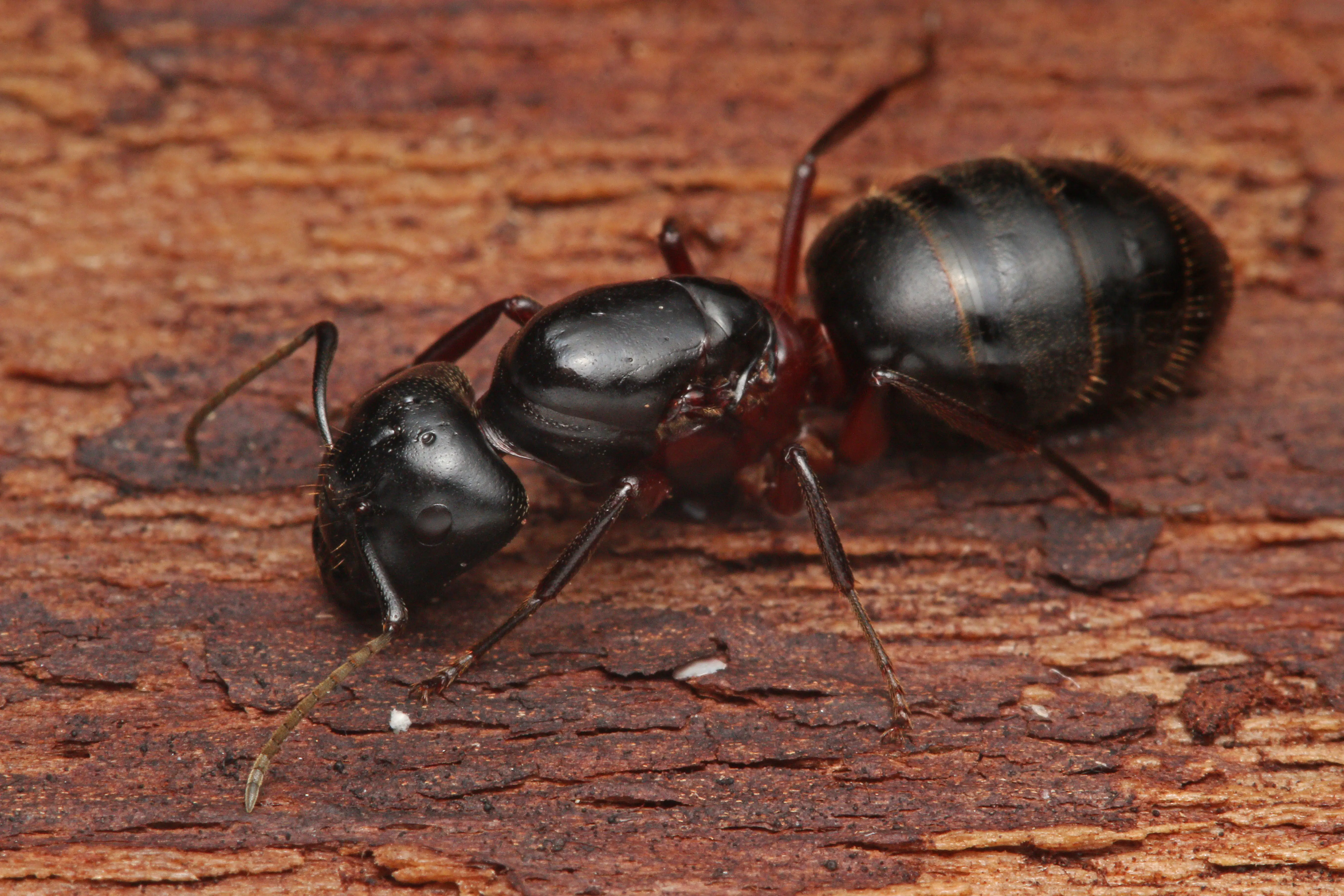
Unlike carpenter ants, Argentine ants don't damage wood structures directly. However, their massive numbers can contaminate food supplies, create unsanitary conditions, and their aphid farming damages landscape plants. They may also nest in wall voids, electrical boxes, and other protected areas.

Yes, our treatments use targeted bait stations and precise applications that minimize exposure while maximizing effectiveness against the colony network. We provide specific guidance on any temporary precautions needed. The products we use are selected for safety when applied according to professional protocols.

Argentine ants are active year-round in mild climates but show peak activity during spring and summer when colonies expand aggressively. They may increase indoor activity during winter seeking warmth and moisture. This year-round activity is why ongoing monitoring and seasonal treatments are important.

We recommend clearing vegetation touching your home's exterior, fixing any moisture issues you're aware of, and storing food in sealed containers. Our technician will provide specific preparation instructions based on the treatment plan. Generally, Argentine ant treatment requires less preparation than some other pest treatments.

Related Articles & Resources

Learn more about argentine ant prevention, identification, and control
14 Natural Ant Repellent Strategies That Actually Work

14 Natural Ant Repellent Strategies That Actually Work

Discover effective natural ant repellents including mint, vinegar, cinnamon, and more. Learn how to keep ants out of your home using safe, natural methods.

Read Article →
16 Common Types of Ants in California | Identification & Treatment

16 Common Types of Ants in California | Identification & Treatment

Identify 16 common ant species in California including carpenter ants, fire ants, and Argentine ants. Learn their appearance, behavior, damage, and treatment methods.

Read Article →
Are Fire Ants Dangerous? Understanding Fire Ant Risks & Safety

Are Fire Ants Dangerous? Understanding Fire Ant Risks & Safety

Learn about fire ant dangers including painful stings, allergic reactions, and property damage. Comprehensive guide on fire ant venom, treatment, prevention, and when to call professionals.

Read Article →
Argentine Ants: Complete Identification, Control & Prevention Guide

Argentine Ants: Complete Identification, Control & Prevention Guide

Learn to identify Argentine ants, understand their supercolony behavior, and discover effective control strategies. Expert guide on eliminating these invasive ants from your property.

Read Article →
Common Signs of Carpenter Ant Damage

Common Signs of Carpenter Ant Damage

Learn to identify carpenter ant damage signs including frass, holes, tunnels, and how to distinguish carpenter ant damage from termite damage.

Read Article →
Do Ants Bite? Symptoms, Treatment & Prevention

Do Ants Bite? Symptoms, Treatment & Prevention

Learn about ant bites vs stings, which ants bite, symptoms, allergic reactions, treatment options, and how to prevent ant bites.

Read Article →
Do Ants Eat Aphids? The Ant-Aphid Relationship Explained

Do Ants Eat Aphids? The Ant-Aphid Relationship Explained

Learn about the fascinating relationship between ants and aphids, how ants farm aphids for honeydew, problems aphids cause, and how to control both pests.

Read Article →
Do Ants Ever Sleep? Ant Sleep Patterns Explained

Do Ants Ever Sleep? Ant Sleep Patterns Explained

Discover the fascinating sleep patterns of ants, how worker ants take 250 power naps daily, queen ant sleep habits, and when ants are most active.

Read Article →
Do Carpenter Ants Eat Wood? Understanding Carpenter Ant Damage

Do Carpenter Ants Eat Wood? Understanding Carpenter Ant Damage

Learn the truth about carpenter ants and wood. Unlike termites, carpenter ants don\

Read Article →
How Do Ant Baits and Traps Work? Complete Guide to Ant Bait Systems

How Do Ant Baits and Traps Work? Complete Guide to Ant Bait Systems

Learn how ant baits and traps work to eliminate entire colonies. Discover bait types, active ingredients, placement strategies, and why baits are more effective than sprays for long-term ant control.

Read Article →
How Do Ants Communicate With Each Other? Complete Guide to Ant Communication

How Do Ants Communicate With Each Other? Complete Guide to Ant Communication

Learn how ants communicate using pheromones, touch, sound, and body language. Discover why ant communication is key to colony survival and how it impacts pest control strategies.

Read Article →
How Do Ants Get in the House? Complete Entry Point Guide

How Do Ants Get in the House? Complete Entry Point Guide

Learn how ants get into your house through foundation cracks, windows, utility lines, and more. Discover entry points, prevention strategies, and sealing techniques to keep ants out.

Read Article →
How Do Ants Get Into Your House? Entry Points & Prevention

How Do Ants Get Into Your House? Entry Points & Prevention

Learn how ants enter your home through cracks, gaps, and openings. Discover where ants hide, what attracts them, and how to prevent ant infestations.

Read Article →
How Do Ants Mate and Reproduce? Ant Reproduction Explained

How Do Ants Mate and Reproduce? Ant Reproduction Explained

Learn how ants mate during nuptial flights, how queen ants reproduce, the role of drones, and unique reproductive strategies like parthenogenesis.

Read Article →
How Many Ants Are in a Colony? Complete Guide to Ant Colony Size

How Many Ants Are in a Colony? Complete Guide to Ant Colony Size

Learn how many ants live in a colony, from small carpenter ant nests to Argentine ant supercolonies with billions. Discover colony growth stages, queen numbers, and pest control implications.

Read Article →
How to Get Rid of Ants Inside and Outside Your Home

How to Get Rid of Ants Inside and Outside Your Home

Learn how to get rid of ants inside your home, repel them before they enter, and eliminate outdoor colonies. Complete guide to ant removal, prevention, and control.

Read Article →
How to Get Rid of Carpenter Ants in the House

How to Get Rid of Carpenter Ants in the House

Learn how to identify, eliminate, and prevent carpenter ants. Comprehensive guide to indoor and outdoor treatments, baiting methods, and professional solutions.

Read Article →
Understanding Ant Colony Structure and Hierarchy

Understanding Ant Colony Structure and Hierarchy

Learn about ant colony structure, hierarchy, and how ants work together. Discover the roles of queens, workers, drones, and how colonies form and grow.

Read Article →
What Are Ants? Complete Guide to Ant Biology, Behavior & Control

What Are Ants? Complete Guide to Ant Biology, Behavior & Control

Learn everything about ants including appearance, colony hierarchy, life cycle, diet, defenses, and how to get rid of them. Complete ant identification guide.

Read Article →
What Are Red Ants? Fire Ant Identification & Control

What Are Red Ants? Fire Ant Identification & Control

Learn about red ants and fire ants, how to identify them, their behavior, dangers of their stings, and effective prevention and control methods.
Read Article →
What Attracts Ants Inside the House? Prevention Tips

What Attracts Ants Inside the House? Prevention Tips

Learn what attracts ants to your home including food, water, and shelter. Discover prevention tips and how to get rid of ant infestations.

Read Article →
What Do Ants Eat and Drink in Your House?

What Do Ants Eat and Drink in Your House?

Learn what ants eat including sugars, proteins, seeds, fungus, and other insects. Discover how different ant species find food and what they eat in your home.

Read Article →
What Happens When the Queen Ant Dies?

What Happens When the Queen Ant Dies?

Learn what happens when a queen ant dies, how to identify a queen, the ant queen life cycle, and how to effectively eliminate ant colonies.

Read Article →
What's the Lifespan of an Ant? Guide to Ant's Life Cycle

What's the Lifespan of an Ant? Guide to Ant's Life Cycle

Learn how long ants live based on species, caste, and gender. Discover the ant life cycle from egg to adult and factors that impact ant lifespan.

Read Article →
When is Ant Season? Complete Guide to Ant Activity Patterns

When is Ant Season? Complete Guide to Ant Activity Patterns

Learn when ant season occurs in your region, peak activity times by species, and seasonal prevention strategies. Discover how temperature, moisture, and food availability affect ant behavior.

Read Article →
Where Do Ants Go in the Winter? Complete Winter Behavior Guide

Where Do Ants Go in the Winter? Complete Winter Behavior Guide

Discover where ants go in winter, how they survive freezing temperatures through diapause, and why they may invade your home during cold months. Learn prevention strategies.

Read Article →
Where Do Ants Live? Complete Guide to Ant Habitats

Where Do Ants Live? Complete Guide to Ant Habitats

Discover where ants live outdoors and indoors, from underground colonies to wall voids. Learn about species-specific habitats and how to prevent ant infestations in your home.

Read Article →
Why Are Flying Ants a Problem? Identification and Prevention

Why Are Flying Ants a Problem? Identification and Prevention

Learn why flying ants appear, how to identify them vs termites, which species swarm, and how to prevent and eliminate flying ant infestations.

Read Article →
Why Are There Ants in My Bathroom? Causes & Solutions

Why Are There Ants in My Bathroom? Causes & Solutions

Discover why ants invade bathrooms and learn effective solutions. Understanding moisture, food sources, and shelter attractions helps eliminate current infestations and prevent future invasions.

Read Article →
View All Pest Control Articles →

Ready to Eliminate Your Argentine Ant Problem?

Get a free estimate for your argentine ant problem today. Our experts will assess your property and provide a customized treatment plan.

Connect With Us

Follow EcoGuard Pest Management for tips, updates, and special offers

f𝕏yin