EcoGuard Pest Management
Professional fly control technician inspecting and treating home for fly infestation

Fly Pest Control and Exterminator Services

The persistent buzzing, constant landing on food surfaces, and unsightly specks on windows and light fixtures signal more than a minor annoyance—they indicate a developing fly infestation that requires professional intervention. EcoGuard Pest Management delivers fly elimination strategies that eradicate current populations while creating protective barriers against these disease-carrying pests.

Fly Pest Control Experts

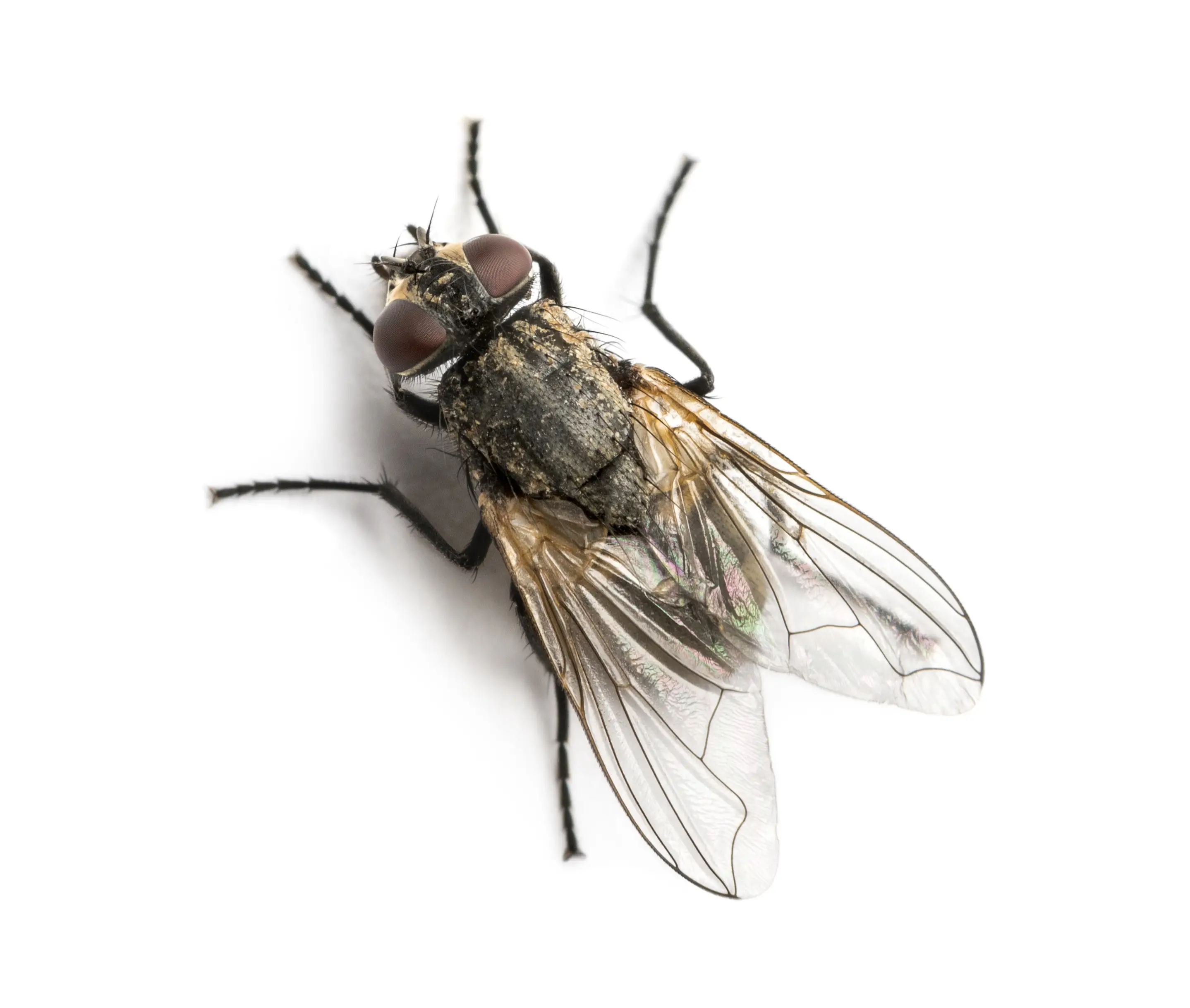
Effective fly control demands specialized knowledge of these diverse pests' biology, breeding preferences, and behavioral patterns. Our highly trained fly control technicians understand the distinct characteristics of different fly species, enabling precise identification of infestation sources that untrained observers typically miss. This expertise allows us to implement targeted treatment protocols that eliminate adult populations while addressing breeding sites and entry points to prevent future problems.

Why Flies Are a Serious Problem

Flies create unique challenges that demand professional attention:

  • These disease vectors transfer over 100 different pathogens as they move between waste materials and food surfaces, carrying bacteria like E. coli, Salmonella, and Shigella on their bodies, legs, and mouthparts
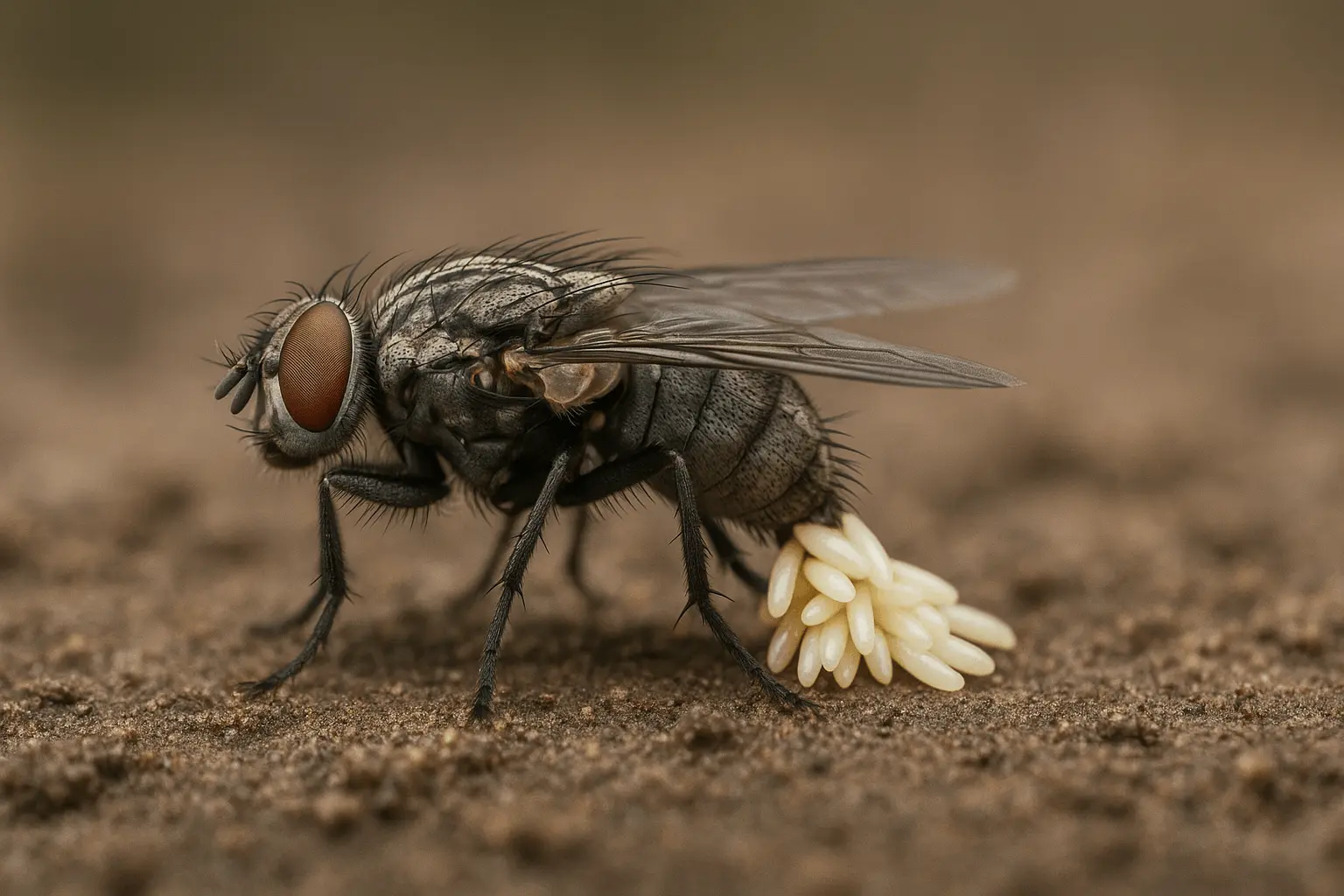
  • Flies reproduce with remarkable speed—a single female house fly can produce up to 500 eggs in her lifetime, with populations completing their lifecycle from egg to adult in just 7-10 days under optimal conditions
  • Their ability to detect food sources from considerable distances and enter buildings through the smallest openings makes prevention particularly challenging
  • Certain fly species like cluster flies actively seek indoor shelter during colder months, establishing overwintering populations that can suddenly emerge in large numbers during temperature fluctuations

Fly Control Service Plans

Choose the protection level that's right for your property

One-Time Treatment
$249+
Starting price
  • Comprehensive property inspection
  • Species identification
  • Entry point identification
  • Targeted treatment application
  • Perimeter barrier application
  • Nest elimination
  • Treatment report & recommendations
  • 30-day guarantee
Get Started
MOST POPULAR
Annual Protection
Contact Us
For custom pricing
  • Everything in One-Time Treatment
  • Seasonal maintenance plan
  • Entry point treatments
  • Priority scheduling
  • Re-treatment guarantee
Get Started

* Prices vary based on property size, infestation severity, and treatment method. Contact us for an accurate quote.

Service Plan Comparison

FeatureOne-TimeAnnual
Comprehensive Inspection
Breeding Site Treatment
Follow-Up InspectionsQuarterly
Drain Treatment Program
Re-Treatment Guarantee
Seasonal Preventive Treatments

Get Your Free Fly Quote

Protect your property with a free fly quote from our licensed experts.

✓ Same-day service available
✓ Licensed & insured
✓ Detailed property assessment
✓ No-obligation estimates

Service Areas

We provide fly control services throughout:

  • California
  • Oregon
  • Washington
  • Texas
  • Tennessee
  • Nevada
View All Counties →

Ready to Eliminate Your Fly Problem?

Schedule your fly inspection today. Our experts will assess your property and provide a customized treatment plan.

📞 Call (866) 326-2847Get Free Quote

Fly Treatment Options

Our comprehensive approach to fly control combines multiple professional strategies tailored to your specific infestation. Each treatment method targets different aspects of fly biology to ensure complete elimination and long-term protection.

Technician applying residual insecticide treatment to exterior surfaces where flies rest and gather

Targeted Residual Applications

Professional-grade residual insecticides applied to exterior resting locations and entry points where flies land and gather, providing long-lasting protection against adult populations.

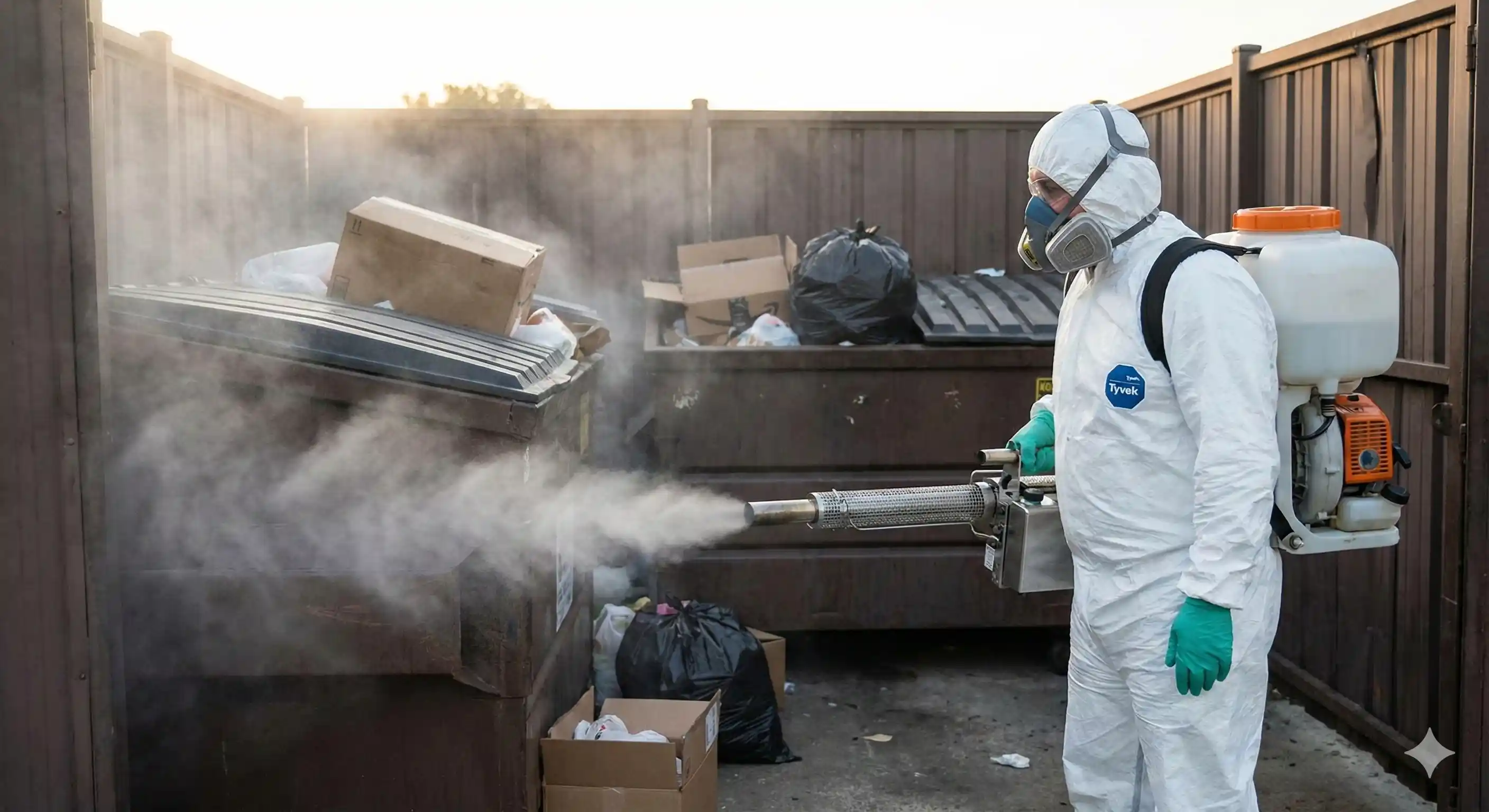
Pest control professional using ULV fogging equipment to treat fly harborage areas

Precision ULV Treatments

Ultra-low volume fogging applications that deliver microscopic insecticide particles into fly harborage areas, instantly reducing adult populations while minimizing chemical exposure.

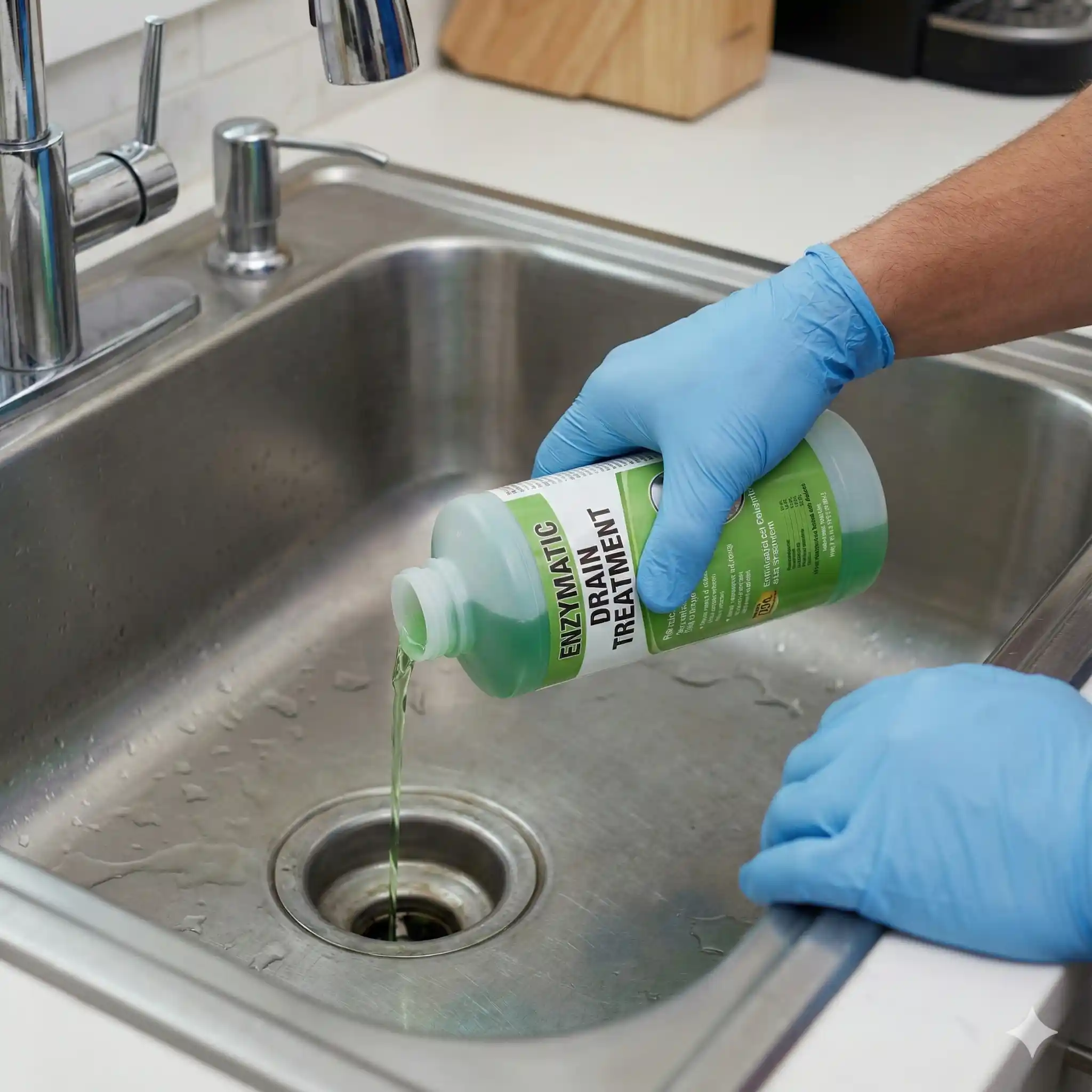
Technician applying enzymatic drain treatment to eliminate fly breeding sites in plumbing

Advanced Drain Treatment Systems

Specialized enzymatic and microbial applications that eliminate organic biofilm in drains and plumbing systems where drain flies and phorid flies breed.

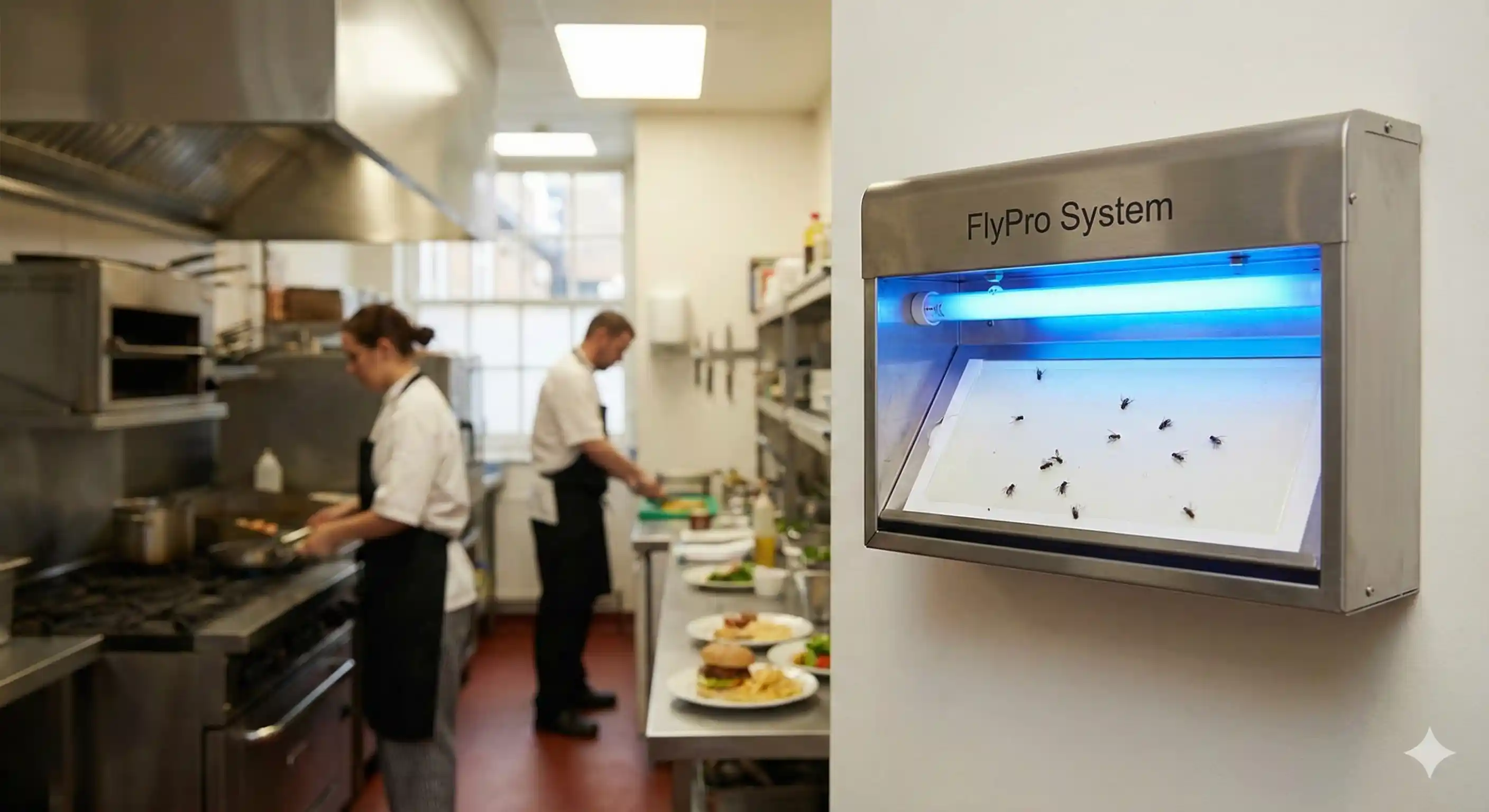
Installing commercial UV light trap for fly monitoring and capture in food service area

Strategic UV Light Trapping

Placement of commercial-grade ultraviolet light traps with advanced attraction mechanisms that capture and monitor flying insects, particularly effective in commercial environments.

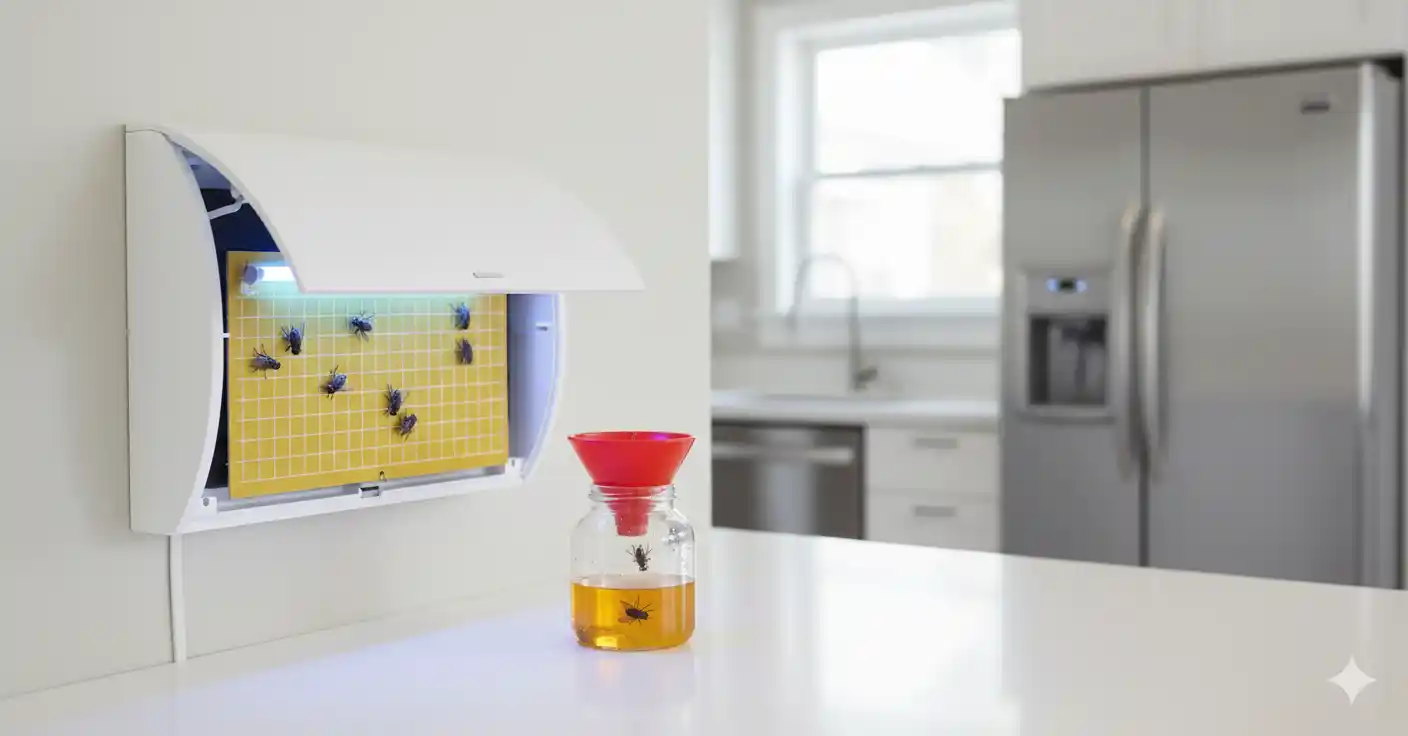
Professional fly trap system installed for continuous fly monitoring and capture

Professional Fly Trap Systems

Strategic placement of commercial-grade fly traps including glue boards, baited traps, and mechanical capture devices that continuously reduce fly populations in problem areas.

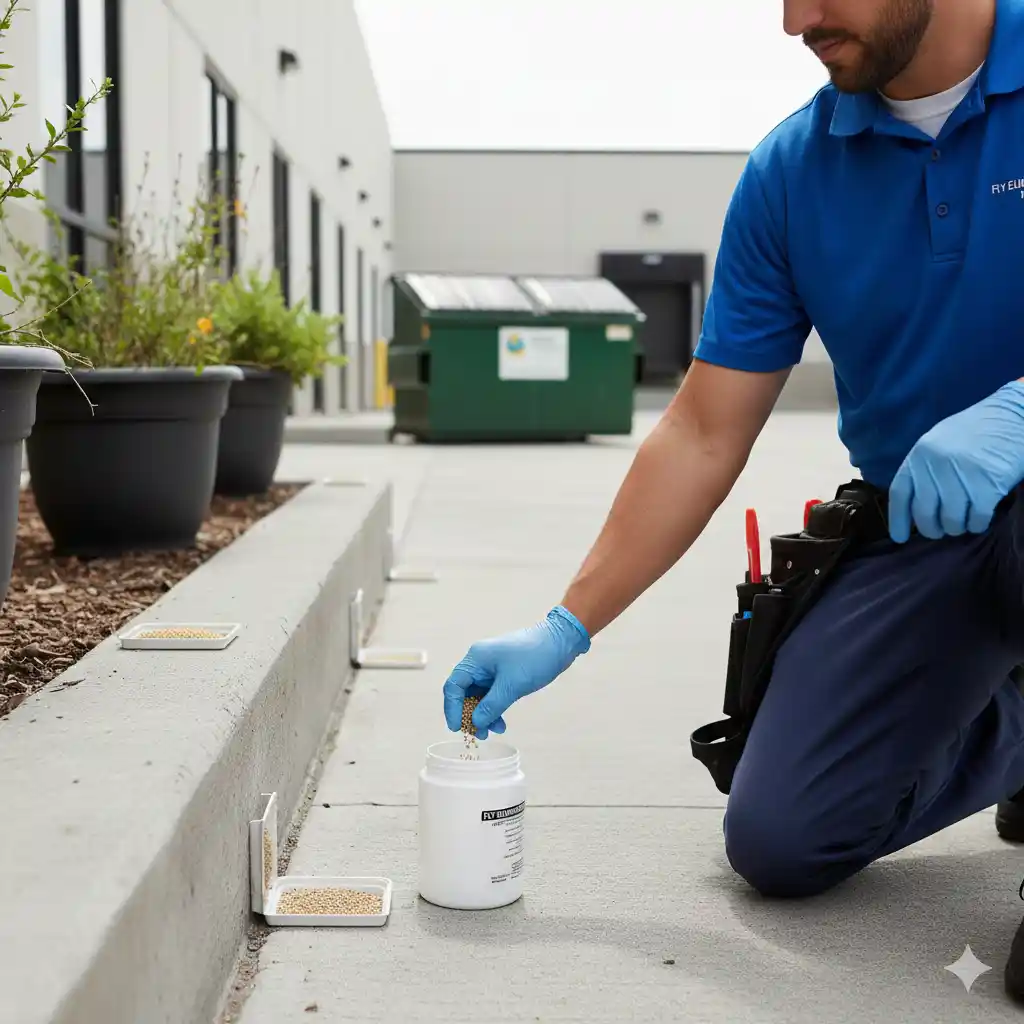
Professional applying fly bait in strategic locations to attract and eliminate flies

Fly Bait Applications

Strategic placement of professional-grade fly baits containing feeding attractants and specialized insecticides that target specific fly species with minimal impact on non-target organisms.

What Causes Flys?

Understanding what attracts flies to your property is essential for effective control and prevention.
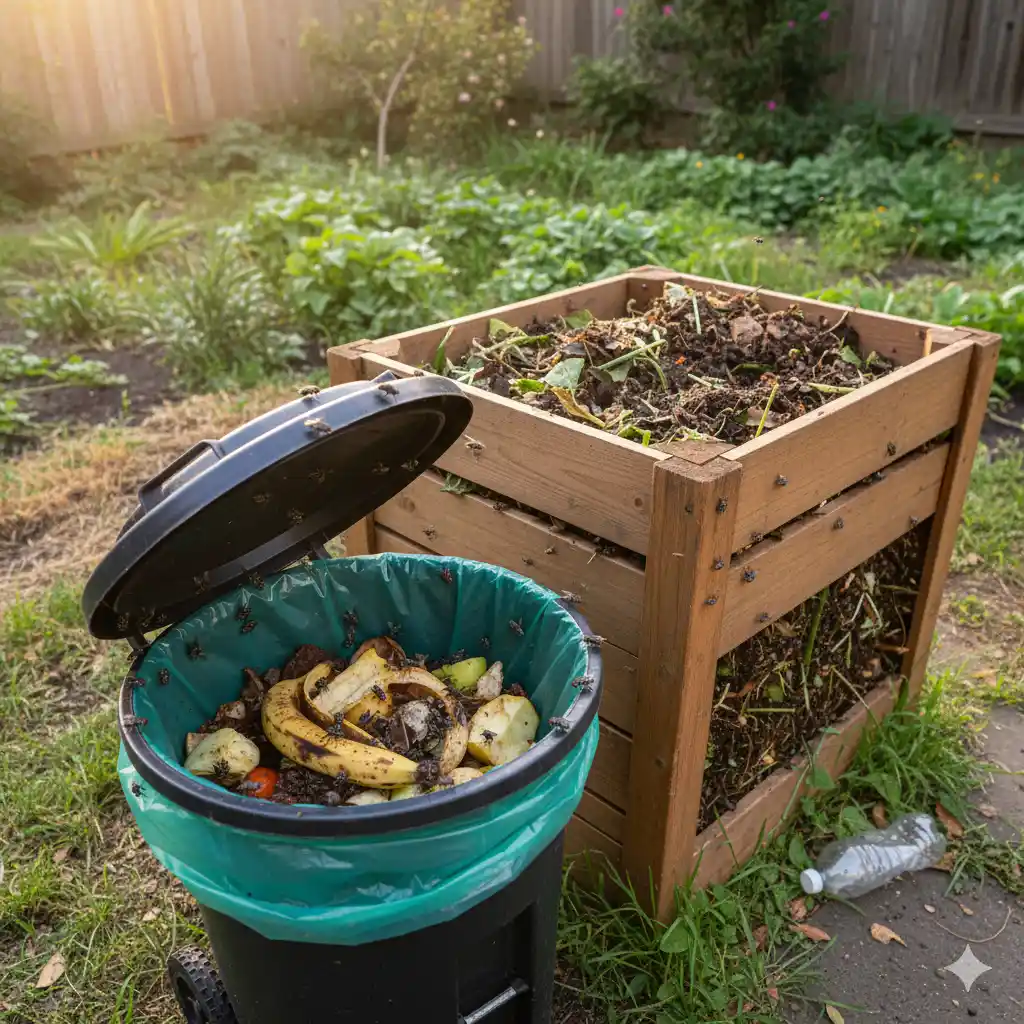
Garbage and decaying organic matter that attracts flies and provides breeding sites

🗑️ Decaying Organic Matter

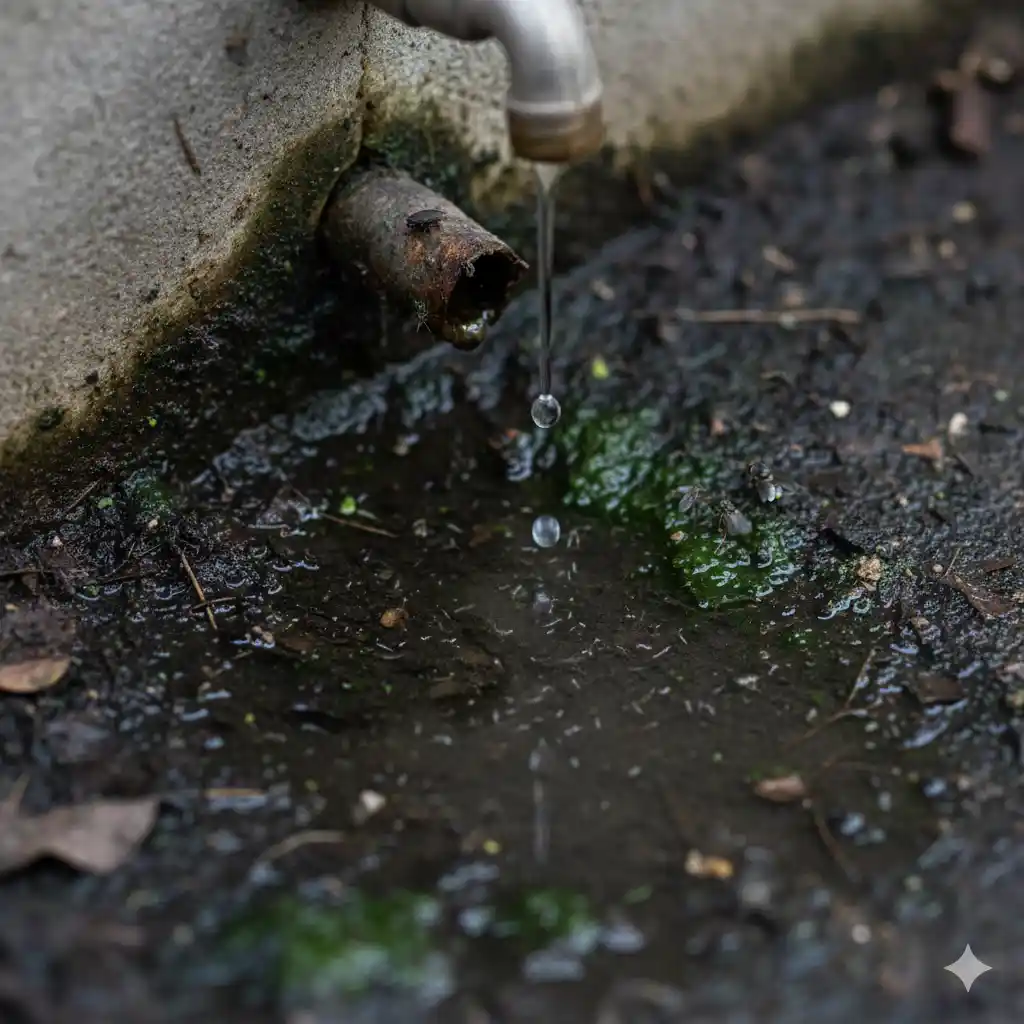
Decomposing food waste, compost piles, animal excrement, and garbage create ideal breeding sites for most fly species, with different types preferring specific organic materials for egg laying.

Standing water and moisture issues that support fly larvae development

💧 Standing Water & Moisture

Poorly drained areas, leaking pipes, condensation problems, and water accumulation provide essential moisture for fly larvae development, particularly for drain flies and phorid flies.

Food preparation area with residues that attract flies to kitchens

🍎 Food Preparation Residues

Even minor food spills, grease accumulation, and residues on countertops or floors provide abundant nutrition for adult flies, with fruit flies specifically attracted to fermenting substances.

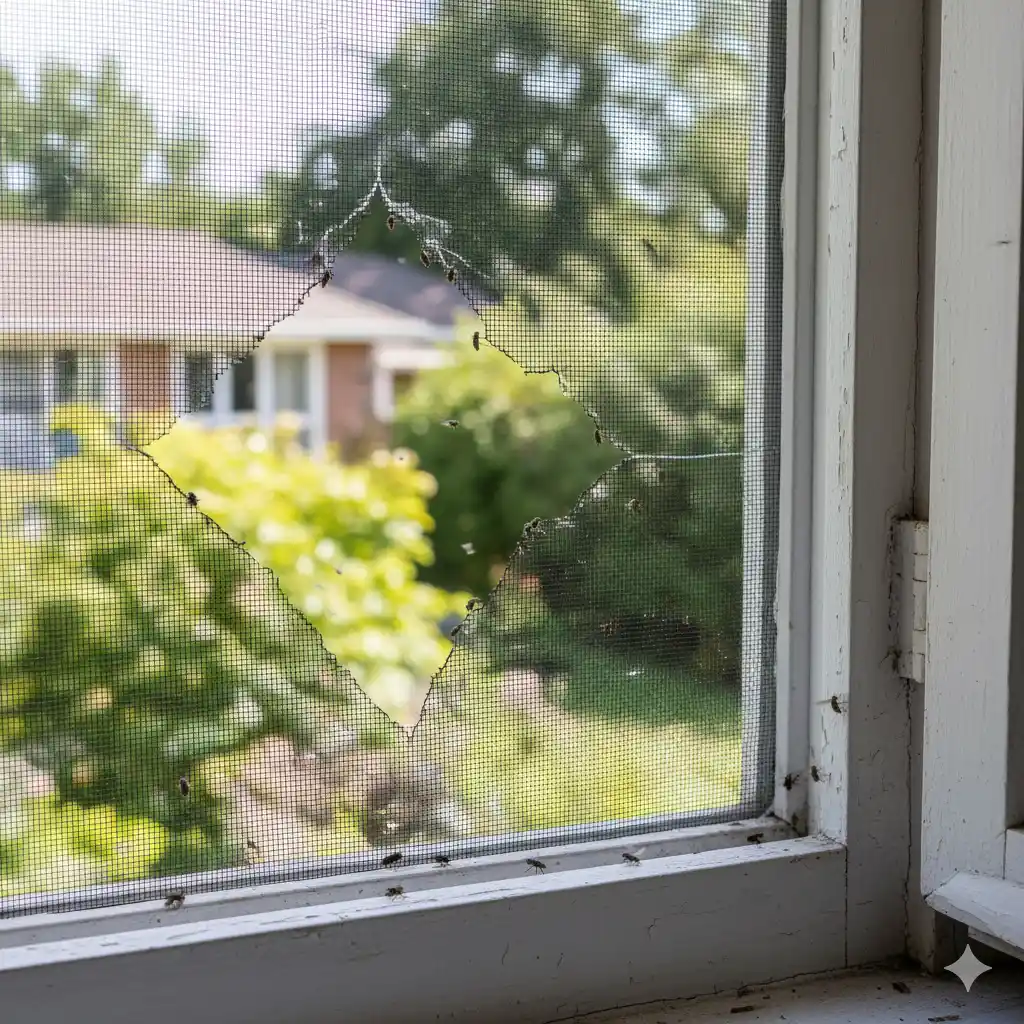
Torn screen and structural gaps providing fly entry points into home

🚪 Entry Points & Structural Gaps

Flies enter structures through torn screens, open doors, unscreened vents, and utility penetrations, with their flattened bodies allowing passage through surprisingly narrow gaps.

Learn More About Fly Prevention →

What Are Signs of Flys in Your Home?

Watch for these distinctive indicators of fly activity on your property.
Multiple adult flies gathering near window and light fixture indicating infestation

Excessive Adult Flies

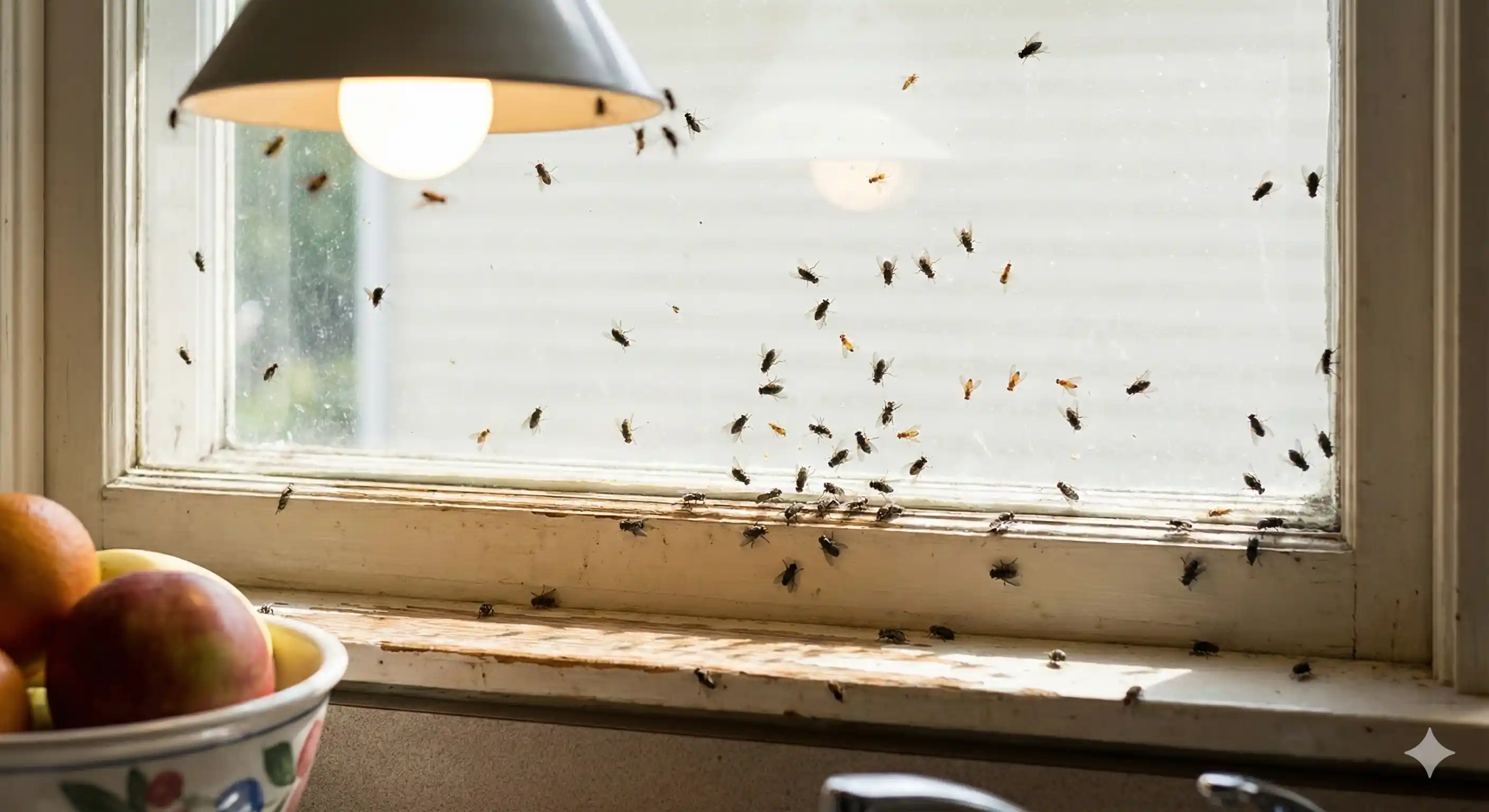
Noticeable increase in flying insects around windows, light fixtures, food preparation areas, and garbage receptacles, indicating established populations.

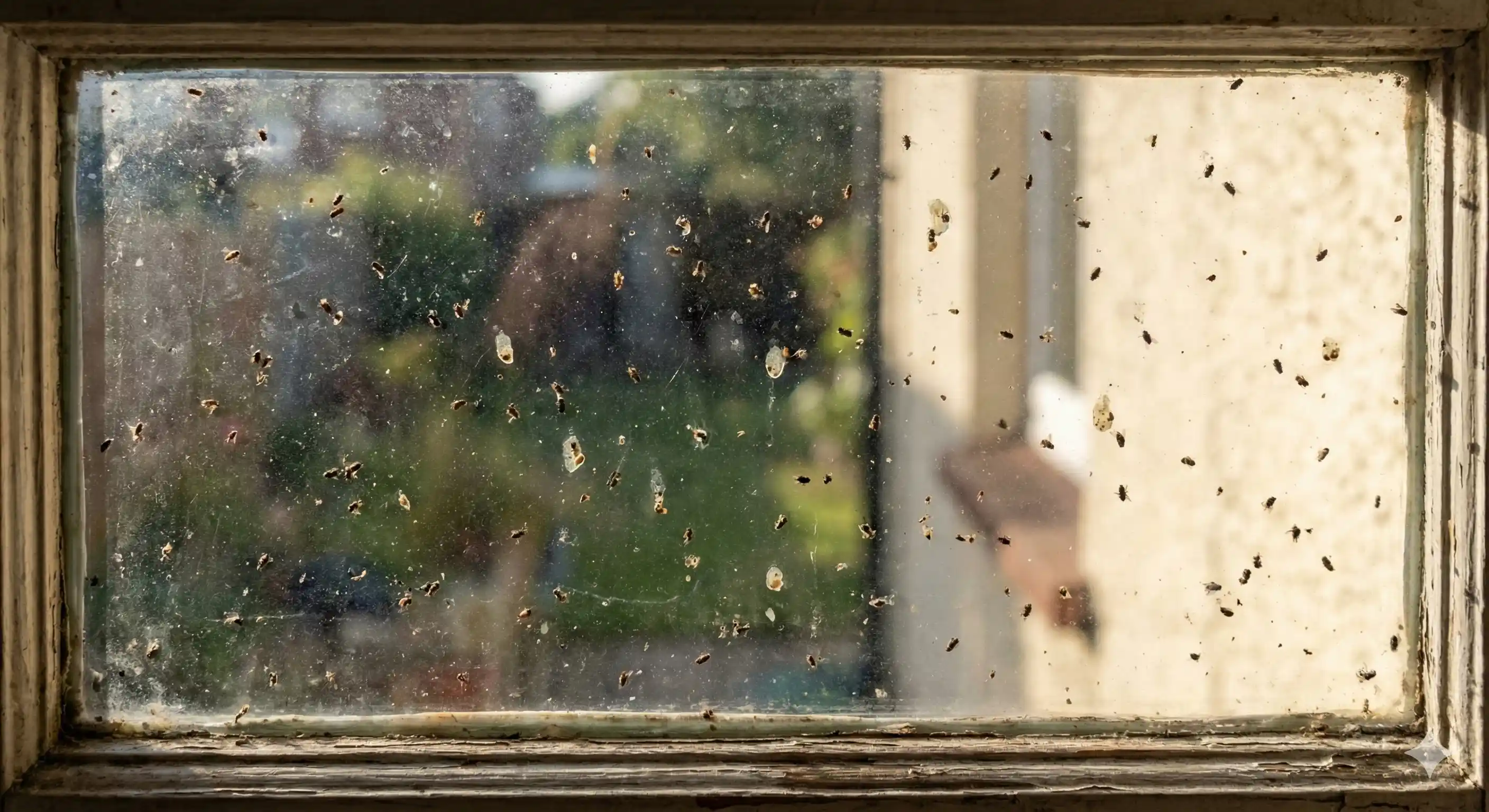
Dark fly specks on window or wall surface indicating fly activity

Fly Specks

Small, dark spots on windows, walls, and light fixtures representing fly excrement and regurgitation marks that accumulate in areas where flies frequently rest.

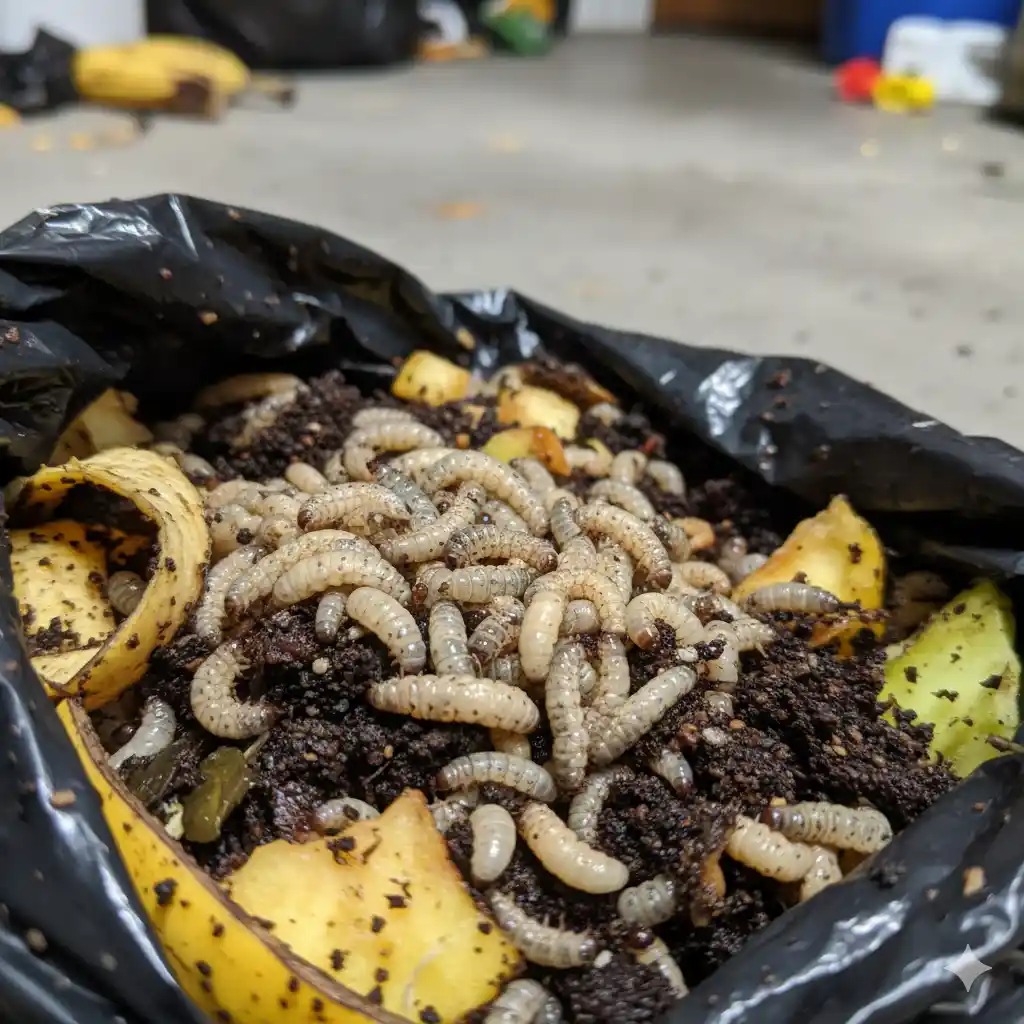
Fly larvae maggots in decaying organic material indicating breeding site

Maggots in Organic Material

Cream-colored, legless larvae (maggots) appearing in garbage, drains, or other decaying organic matter, representing the developmental stage of various fly species.

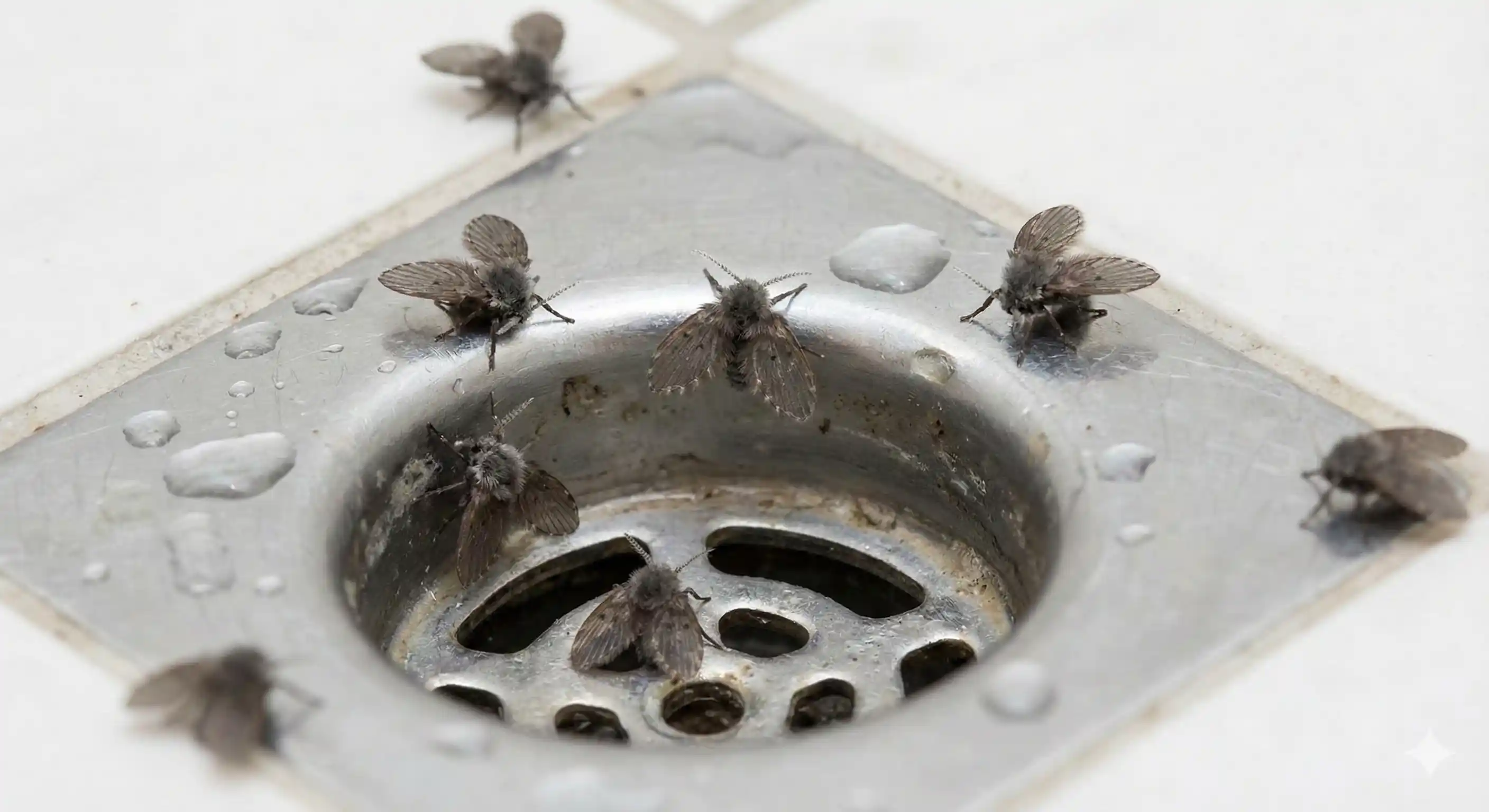
Small drain flies emerging from bathroom or kitchen drain

Unusual Drain Activity

Small, moth-like flies emerging from drains, particularly in kitchens, bathrooms, and floor drains, indicating organic buildup within plumbing systems.

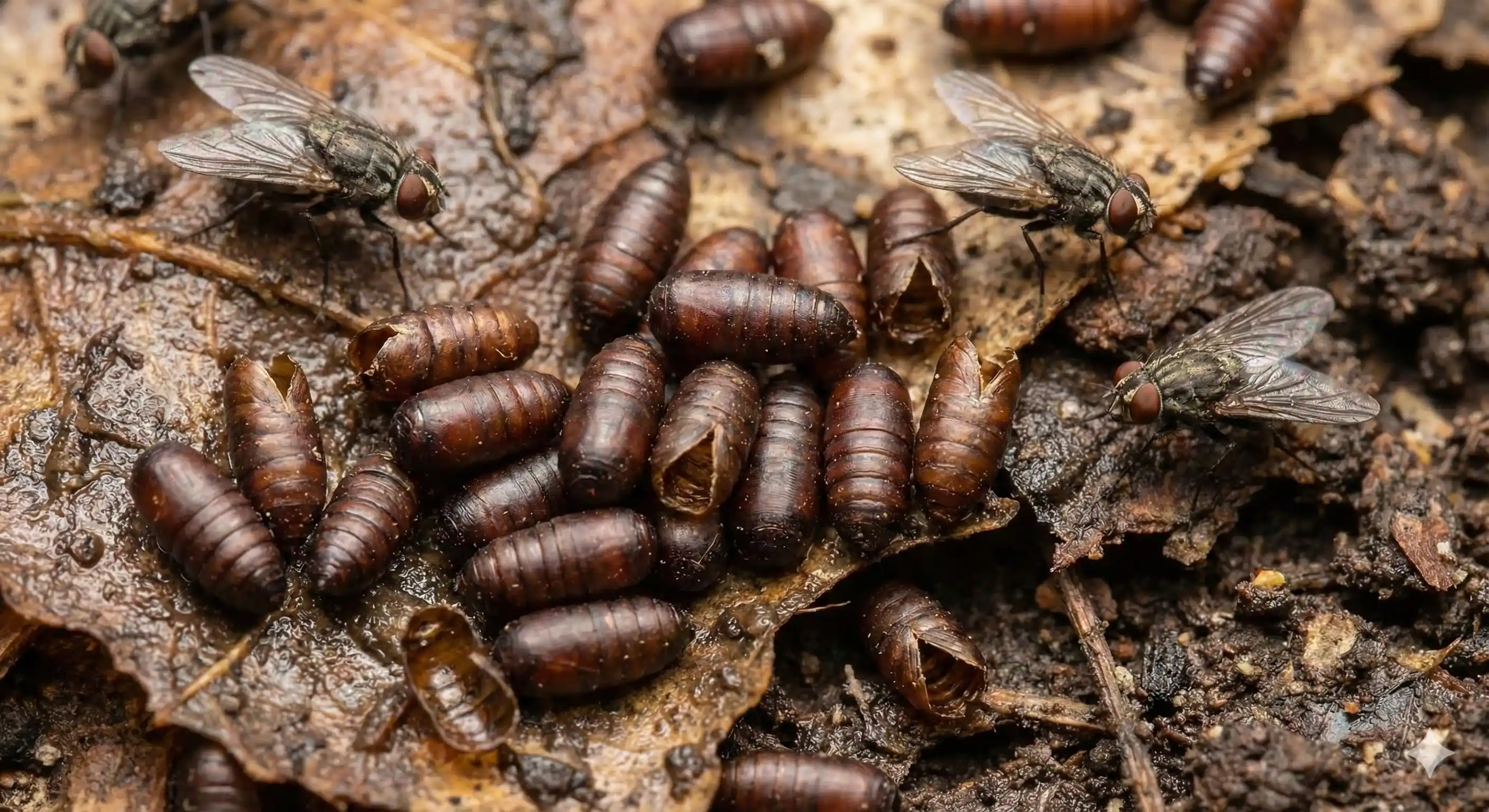
Dark brown fly pupae casings found near breeding site

Pupae Casings

Small, dark brown, barrel-shaped or oval casings found near breeding sites, representing the transitional stage between maggot and adult fly.

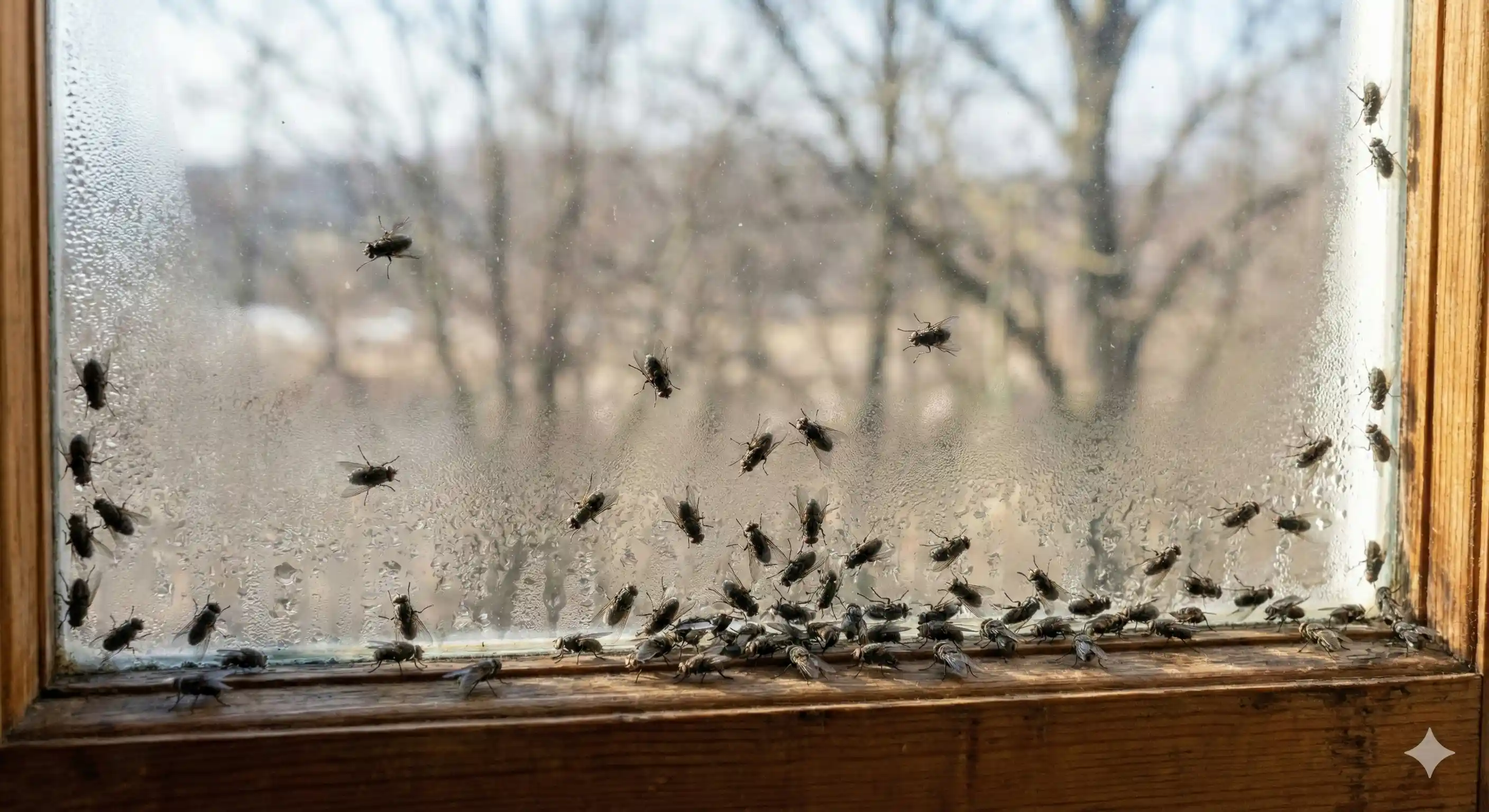
Cluster flies gathering on window during seasonal emergence

Cluster Fly Accumulations

Large numbers of sluggish flies suddenly appearing inside, particularly around windows or light fixtures during late fall, winter warm spells, or early spring.

Learn More About Fly Detection →

DIY vs Professional Treatment

While retailers offer various fly control products, DIY approaches rarely provide lasting relief from these persistent pests. Consumer-grade fly sprays offer only temporary knockdown of visible adults without addressing hidden breeding sites or preventing egg development. Additionally, improper application of insecticides in food preparation areas can create health risks, while ineffective treatment of primary infestation sources allows rapid rebound of fly populations.

Our technicians conduct thorough inspections to identify specific fly species present and locate primary breeding sites. We utilize professional-grade products including specialized drain treatments, commercial baiting systems, and residual applications formulated for specific fly species. Our integrated approach combines multiple control strategies that eliminate adult flies while preventing larval development, addressing both immediate nuisance issues and the underlying conditions supporting fly populations.

❌ DIY Treatment

  • Temporary knockdown of visible adults only
  • Cannot address hidden breeding sites
  • Limited residual protection
  • Risk of improper application near food
  • No species-specific treatments
  • Rapid population rebound

✓ Professional Treatment

  • Species identification for targeted treatment
  • Breeding site elimination
  • Commercial-grade drain treatments
  • Extended residual protection
  • Safe application in food areas
  • Integrated lifecycle management

Commercial Fly Control

EcoGuard Pest Management implements customized fly control programs for commercial facilities that prioritize operational continuity while ensuring effective pest elimination. Our comprehensive commercial fly protection programs combine discrete treatment applications with flexible scheduling to maintain your business operations while ensuring complete elimination of fly problems.

We specialize in fly control solutions for:

  • Restaurants and food service establishments
  • Healthcare facilities
  • Hotels and hospitality venues
  • Educational institutions
  • Office complexes
  • Food processing facilities
  • Warehouses and storage facilities
  • Retail spaces
  • Manufacturing facilities
  • Multi-unit residential properties
Learn About Commercial Pest Control
100% SATISFACTION GUARANTEE

The EcoGuard Guarantee

EcoGuard offers a 100% satisfaction guarantee for all of our customers, and we stand by our promise to eradicate your fly problem until the very last fly is gone. That fly control guarantee comes with every service and if the flys come back, then so do we, at no additional cost. We are standing by to give you a free estimate and to help you set your first fly pest control service appointment.

📞 Call (866) 326-2847 Today

Our Fly Control Process

A systematic approach to complete fly elimination and lasting protection

1

Thorough Inspection

Our technicians conduct a thorough property examination to identify fly species present, locate breeding sites, determine entry points, and evaluate conducive conditions. This detailed assessment uses specialized tools to detect hidden larval development areas in drains, voids, and other protected locations.

2

Customized Treatment

Based on inspection findings, we implement a customized control strategy combining appropriate treatment methods targeted to the specific fly species and infestation sources identified. Our approach integrates targeted applications to breeding sites, residual treatments at resting locations, and strategic use of baits or light traps.

3

Exclusion & Prevention

We identify and address structural issues that allow fly entry, recommending practical modifications to reduce access points through doors, windows, and utility penetrations. We also provide detailed guidance on sanitation improvements and breeding site elimination.

4

Ongoing Monitoring

Regular follow-up inspections allow us to evaluate treatment effectiveness, identify any new activity, and make necessary adjustments. Our monitoring program includes assessment of light trap captures, inspection of potential breeding sites, and evaluation of exterior conditions.

Seasonal Plan for Fly Control

Year-round protection adapted to seasonal fly behavior patterns

Spring Fly Control

Spring

Preventive focus as warming temperatures activate overwintering populations; comprehensive exterior treatments around foundations and entry points; address early season breeding sites in landscaping and waste areas

Summer Fly Control

Summer

Peak activity period with intensified treatment of exterior harborage areas; increased attention to waste management zones; strategic application of long-lasting residual products; careful monitoring of drains and moisture sites

Fall Fly Control

Fall

Transition period addressing late summer population peaks; focus on exterior entry points, wall voids, and attic spaces where overwintering flies congregate; thorough inspection of indoor breeding sites

Winter Fly Control

Winter

Maintenance phase targeting indoor breeding sources; detailed inspection of drain systems and moisture areas; monitoring for cluster fly emergence during temperature fluctuations; maintain protection in food handling areas

What Our Customers Say

Trusted by homeowners and businesses across 6 states for professional fly control

★★★★★

"Our restaurant was struggling with fruit flies despite our best cleaning efforts. EcoGuard identified the breeding site in our floor drains and fixed the problem completely. Haven't seen one since!"

Michael T.
Restaurant Owner, Austin, TX
★★★★★

"Cluster flies were coming out of our walls every warm day in winter. EcoGuard treated the wall voids and exterior entry points. This is the first winter we haven't been invaded!"

Sandra & Jim K.
Portland, OR
★★★★★

"We had drain flies in our bathroom for months. Store products didn't work. EcoGuard's drain treatment eliminated them in about a week. Very knowledgeable technician explained everything."

Patricia L.
Sacramento, CA

Fly Control FAQs

Everything you need to know about fly control and treatment

Professional exterminators can achieve complete control of established fly infestations through comprehensive treatment strategies that address all aspects of the fly lifecycle. Unlike DIY approaches that focus only on visible adults, professional services identify and eliminate breeding sources, apply targeted treatments to resting areas, install monitoring systems, and implement exclusion measures to prevent re-entry.

Most property owners notice significant reduction in adult fly activity within 24-48 hours following professional treatment. However, complete control timing varies based on fly species and infestation severity. Drain fly issues may require 7-10 days for full resolution, while fruit fly problems typically resolve within 5-7 days as breeding materials are eliminated.

Professional identification involves species identification through microscopic examination, pattern analysis of fly distribution throughout the property, moisture meters to detect hidden dampness, inspection cameras for inaccessible drain systems, and systematic elimination testing. This comprehensive approach pinpoints primary breeding sites in unexpected locations.

We utilize FDA-approved products specifically designed for food areas, employ precise application techniques that minimize chemical contact with food surfaces, and implement comprehensive protocols that align with health department requirements. Our technicians receive extensive training in food safety regulations.

These fly species require distinctly different treatment approaches. House fly control focuses on exterior residual applications and addressing outdoor breeding materials. Fruit fly management centers on eliminating fermenting organic matter and treating drain surfaces. Drain fly control requires bioenzymatic treatments that penetrate biofilm in pipes and drains.

Commercial fly management integrates automated insecticide dispensing systems, increased service intervals during summer months, comprehensive exterior barrier treatments, strategically placed light traps, and ongoing staff training for proper sanitation practices. For food handling businesses, specialized programs include documentation for regulatory compliance.

Sudden fly infestations in clean environments typically result from hidden breeding materials like a dead rodent in a wall void, plumbing issues creating undetected moisture, exterior breeding sites from neighboring properties, seasonal emergence of overwintering cluster flies, or nearby construction disturbing established breeding areas.

Phorid flies are particularly difficult due to their ability to breed in tiny amounts of organic matter in inaccessible areas. Cluster flies present challenges because they enter wall voids and attic spaces for overwintering. Fruit flies can be challenging in commercial settings with complex plumbing systems harboring breeding material.

Commercial kitchen fly control typically requires bi-weekly to monthly service during peak seasons (late spring through early fall) and monthly maintenance during cooler periods. Frequency should be customized based on kitchen size, waste management practices, facility age, and proximity to exterior breeding sources.

Flies mechanically transmit over 100 different pathogens including Salmonella, E. coli, Shigella, and Staphylococcus by contaminating surfaces and food. Their feeding process involves regurgitating digestive enzymes and defecating while feeding. Beyond foodborne illness, flies can spread pathogens causing dysentery, typhoid, and parasitic worms.

Key indicators include consistent presence of multiple adult flies over several days, sightings of different life stages including maggots, accumulation of fly specks on windows and walls, recurring appearance despite regular cleaning, presence of pupae casings near suspected breeding sites, and noticeable patterns focused around specific areas.

House flies indicate sanitation issues, breed in decaying organic matter, remain active year-round in heated structures, and require sanitation improvements. Cluster flies are seasonal invaders that parasitize earthworms outdoors, enter buildings in fall seeking overwintering sites, don't breed indoors, and emerge during warm periods in winter and spring.

Yes. Fruit fly control emphasizes eliminating all fermenting material, applying specialized foam treatments to surfaces where organic matter accumulates, and using species-specific attractant traps. Drain fly management focuses on bioenzymatic treatments that penetrate and eliminate organic biofilm in drains and plumbing systems.

Professional monitoring utilizes insect light traps with UV spectrum attraction, glue board monitoring stations, larval traps to identify breeding sites, digital monitoring systems with automated alerts in commercial settings, and species-specific pheromone or attractant traps. These systems provide objective data for adjusting control strategies.

UV light traps serve as valuable components in comprehensive programs, particularly in commercial environments where chemical application must be minimized. Modern units utilize specific light wavelengths proven to maximize attraction and prevent fragments from contaminating surrounding areas. While not standalone solutions, they provide ongoing protection and monitoring data.

Fly resistance develops when repeated use of the same insecticide class eliminates susceptible individuals while allowing resistant specimens to survive and reproduce. Professional programs counter this by rotating products with different modes of action, implementing non-chemical controls, utilizing synergized formulations, and emphasizing breeding site elimination.

Restaurants experience recurring issues due to multiple entry points through frequently opened doors, constant food preparation creating attractants, complex plumbing systems supporting drain flies, waste handling generating breeding materials, grease accumulation, structural gaps around equipment, and ventilation systems drawing flies from exterior areas.

Professional providers maintain comprehensive documentation satisfying inspection requirements, provide detailed reporting for regulatory review, implement HACCP-compliant monitoring systems, use only approved products in regulated environments, assist with required written pest management plans, and provide emergency response for health inspection issues.

Professional species identification uses microscopic examination of captured specimens for distinctive anatomical features, analysis of wing venation patterns unique to different families, evaluation of larval characteristics, and correlation of behavior patterns with known species profiles. Accurate identification is essential because different species require specialized control strategies.

Ready to Eliminate Your Fly Problem?

Get a free estimate for your fly problem today. Our experts will assess your property and provide a customized treatment plan.

Connect With Us

Follow EcoGuard Pest Management for tips, updates, and special offers

f𝕏yin