EcoGuard Pest Management
Professional millipede control technician inspecting and treating property foundation for millipede invasion

Professional Millipede Control & Exterminator Services

When hundreds of slow-moving, coiled creatures suddenly invade your home, you're experiencing a millipede migration—and these mass invasions can overwhelm properties seemingly overnight. While millipedes don't bite, they secrete defensive fluids that stain surfaces and irritate skin, and their sheer numbers create unsanitary conditions throughout your living spaces. EcoGuard Pest Management delivers comprehensive millipede control that addresses both the immediate invasion and the underlying moisture and organic matter conditions driving these pests toward your property.

Millipede Pest Control Experts

Effective millipede management demands comprehensive understanding of their biology, migration patterns, and the moisture conditions that support mass populations. Our licensed millipede exterminators receive specialized training in habitat modification, perimeter exclusion, and the environmental factors that trigger millipede invasions. This expertise enables them to identify harborage sites, locate moisture and organic matter accumulations, and implement targeted solutions that stop current invasions while preventing future mass migrations toward your property.

Why Millipedes Are a Serious Problem

Millipedes create unique challenges requiring professional attention:

  • Millipedes invade in overwhelming numbers during mass migrations triggered by heavy rainfall, drought, or population pressure—hundreds or thousands can enter a structure in a single night, creating immediate infestation emergencies that require rapid professional response
  • When threatened, millipedes secrete defensive fluids containing compounds that stain carpets, flooring, and fabrics while causing skin irritation and eye discomfort upon contact—some species produce hydrogen cyanide-based secretions with distinctive unpleasant odors
  • Their presence serves as a biological indicator of excessive moisture and organic matter accumulation around your property, signaling conditions that attract not only millipedes but other moisture-loving pests including slugs, sowbugs, and earwigs
  • Once millipedes find favorable conditions, they establish breeding populations in mulch beds, leaf litter, and moist soil near foundations—these exterior populations continuously generate new waves of invaders seeking shelter in your home

Millipede Control Service Plans

Choose the protection level that's right for your property

One-Time Treatment
$249+
Starting price
  • Comprehensive property inspection
  • Species identification
  • Entry point identification
  • Targeted treatment application
  • Perimeter barrier application
  • Nest elimination
  • Treatment report & recommendations
  • 30-day guarantee
Get Started
MOST POPULAR
Annual Protection
Contact Us
For custom pricing
  • Everything in One-Time Treatment
  • Seasonal maintenance plan
  • Entry point treatments
  • Priority scheduling
  • Re-treatment guarantee
Get Started

* Prices vary based on property size, infestation severity, and treatment method. Contact us for an accurate quote.

Service Plan Comparison

FeatureOne-TimeAnnual
Comprehensive Inspection
Perimeter Treatment
Follow-Up ServiceQuarterly
Migration Monitoring
Re-Treatment Guarantee
Harborage Management

Get Your Free Millipede Quote

Protect your property with a free millipede quote from our licensed experts.

✓ Same-day service available
✓ Licensed & insured
✓ Detailed property assessment
✓ No-obligation estimates

Service Areas

We provide millipede control services throughout:

  • California
  • Oregon
  • Washington
  • Texas
  • Tennessee
  • Nevada
View All Counties →

Ready to Eliminate Your Millipede Problem?

Schedule your millipede inspection today. Our experts will assess your property and provide a customized treatment plan.

📞 Call (866) 326-2847Get Free Quote

Millipede Treatment Options

EcoGuard Pest Management employs a multi-faceted approach that targets both active millipede populations and the environmental conditions driving invasions toward your property.
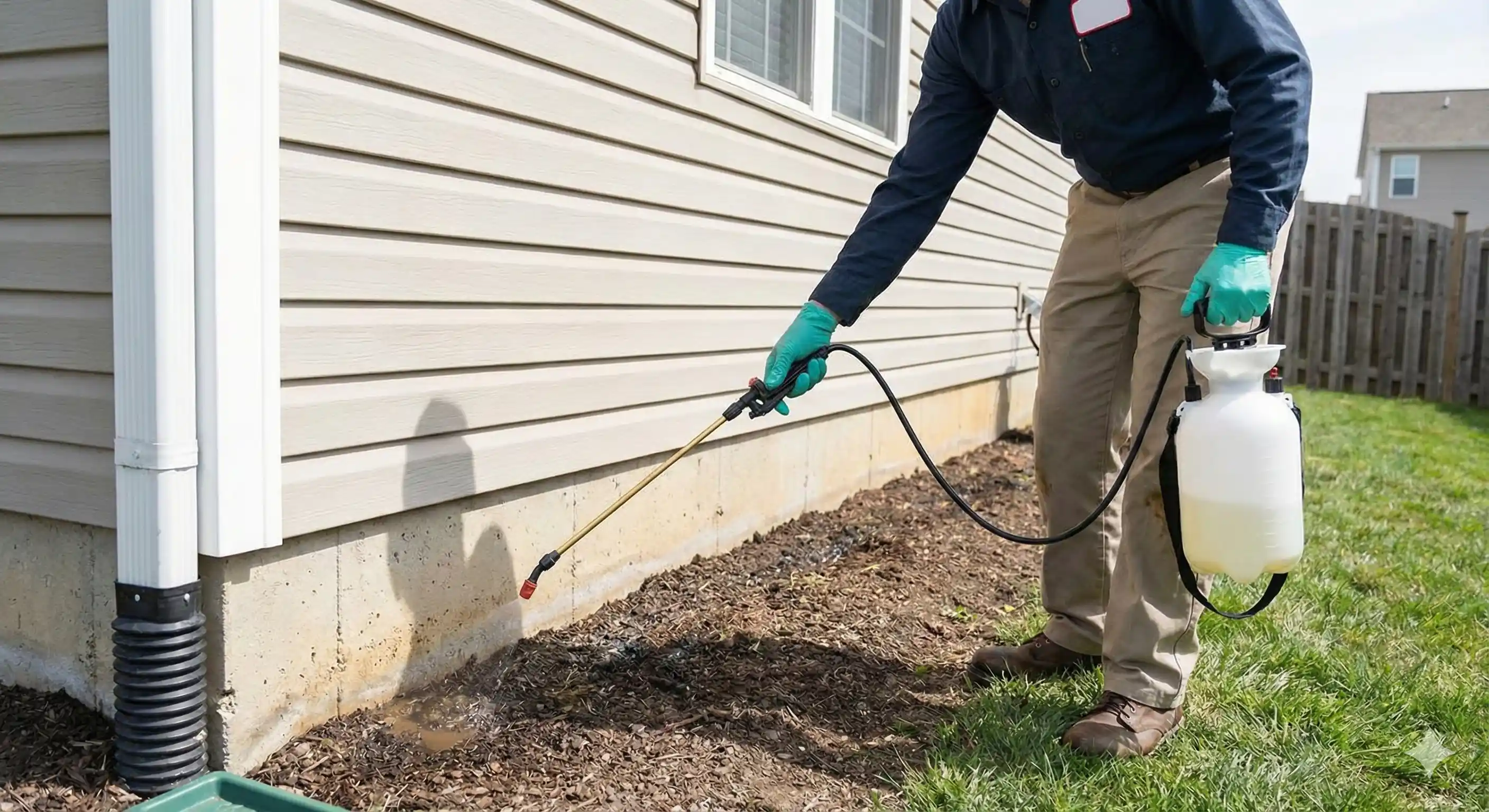
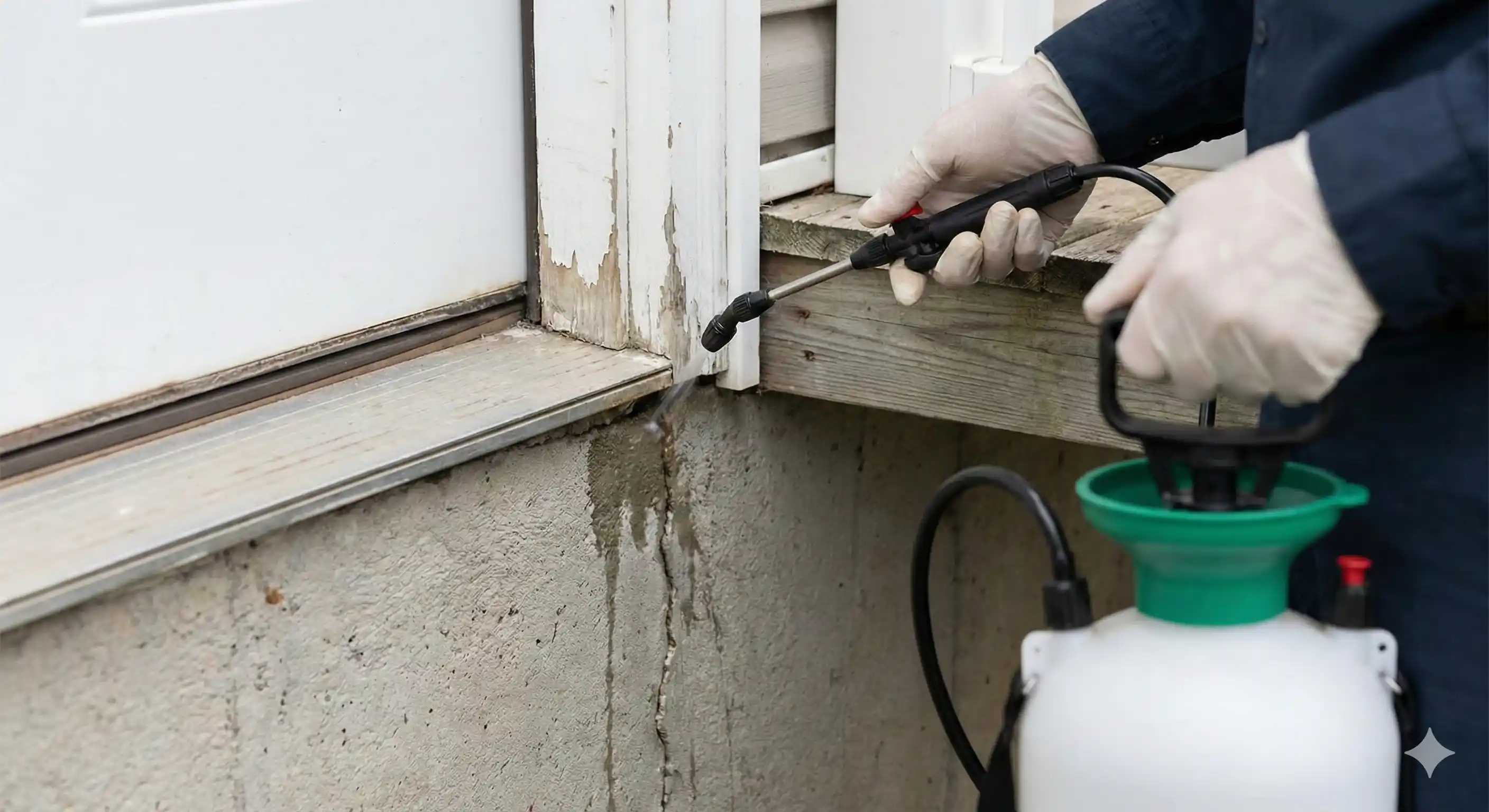
Technician applying perimeter barrier treatment around foundation for millipede control

Perimeter Barrier Treatments

Creation of protective barriers around your structure's foundation using microencapsulated insecticides that provide extended protection against millipede entry. These treatments intercept migrating millipedes before they reach entry points.

Applying treatment to foundation cracks and entry points to prevent millipede invasion

Foundation & Entry Point Treatment

Targeted applications to foundation cracks, weep holes, door thresholds, and utility penetrations where millipedes gain access to structures. These precision treatments create protective zones at critical entry points.

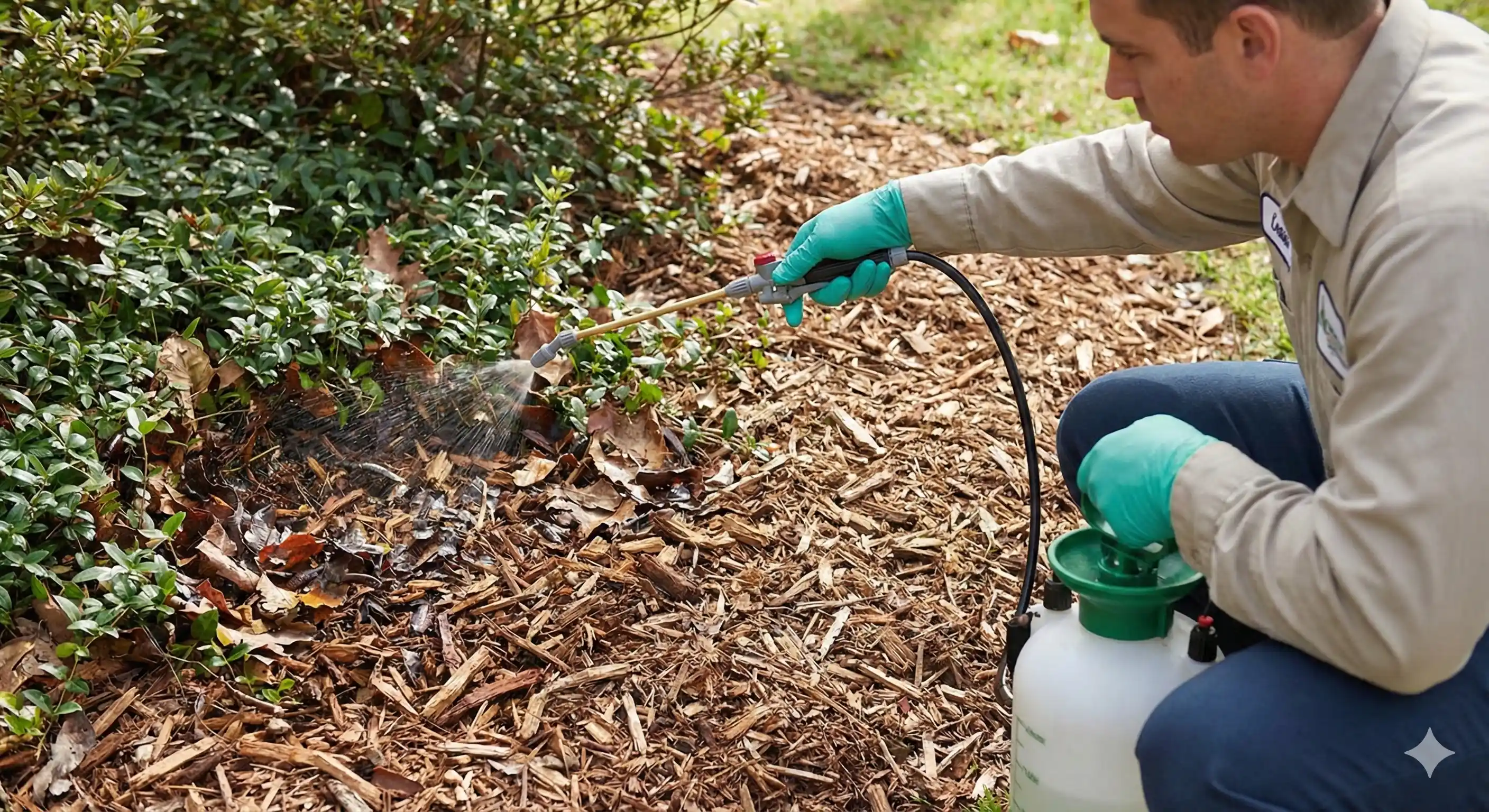
Treating exterior harborage areas in mulch and ground cover for millipede control

Exterior Harborage Treatment

Specialized applications to mulch beds, leaf litter accumulations, ground cover, and other organic matter where millipedes breed and shelter. Treating these source populations reduces the reservoir of millipedes near your home.

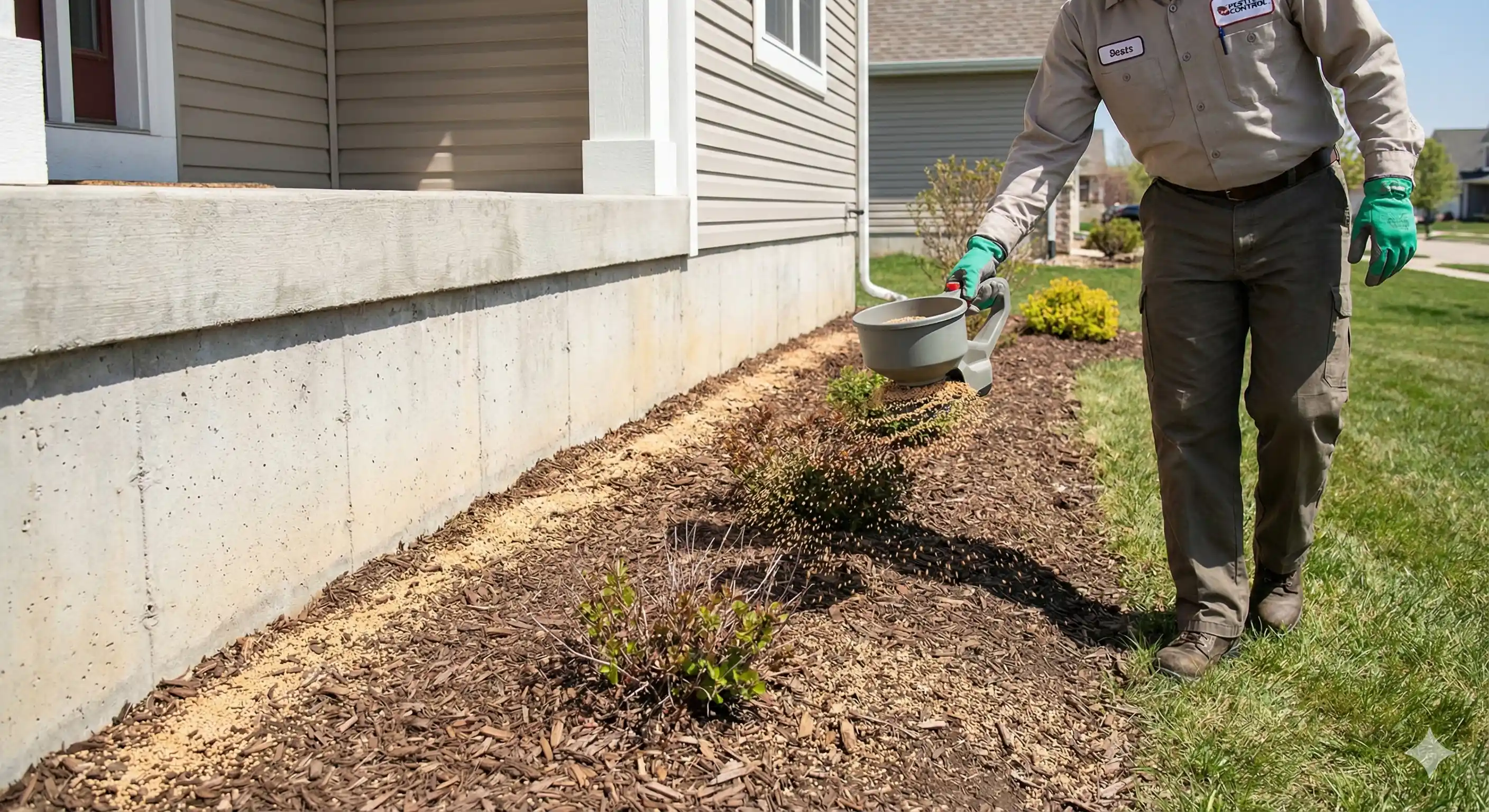
Applying granular insecticide barrier in landscape beds for millipede prevention

Granular Barrier Applications

Distribution of professional-grade granular insecticides in landscape beds, along foundation perimeters, and in areas where millipedes travel. These treatments provide extended residual protection through multiple rainfall events.

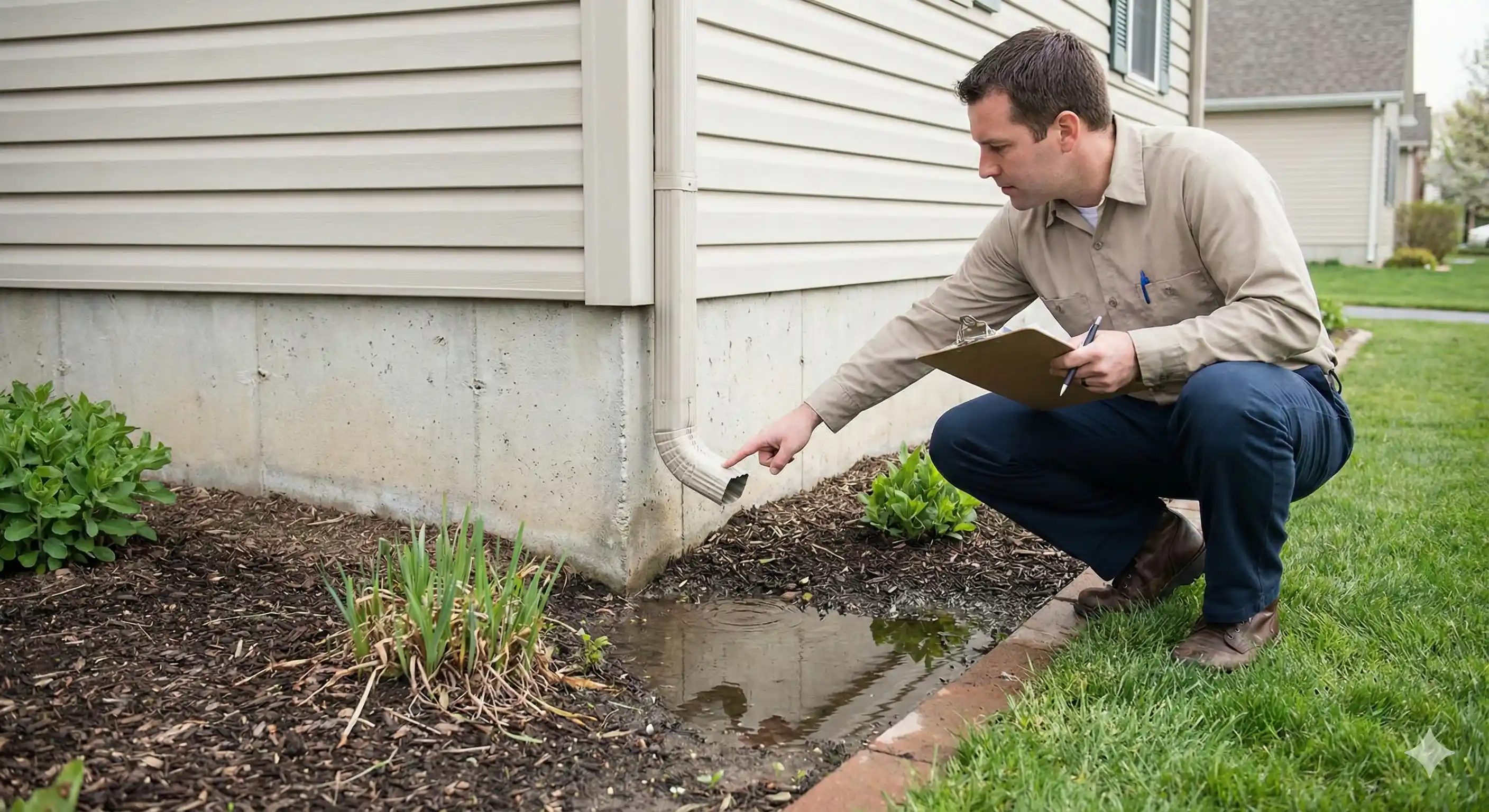
Identifying moisture issues contributing to millipede attraction

Moisture Reduction Guidance

Expert assessment and recommendations for reducing moisture accumulation that attracts millipedes, including drainage improvements, irrigation adjustments, and ventilation enhancements in crawl spaces and basements.

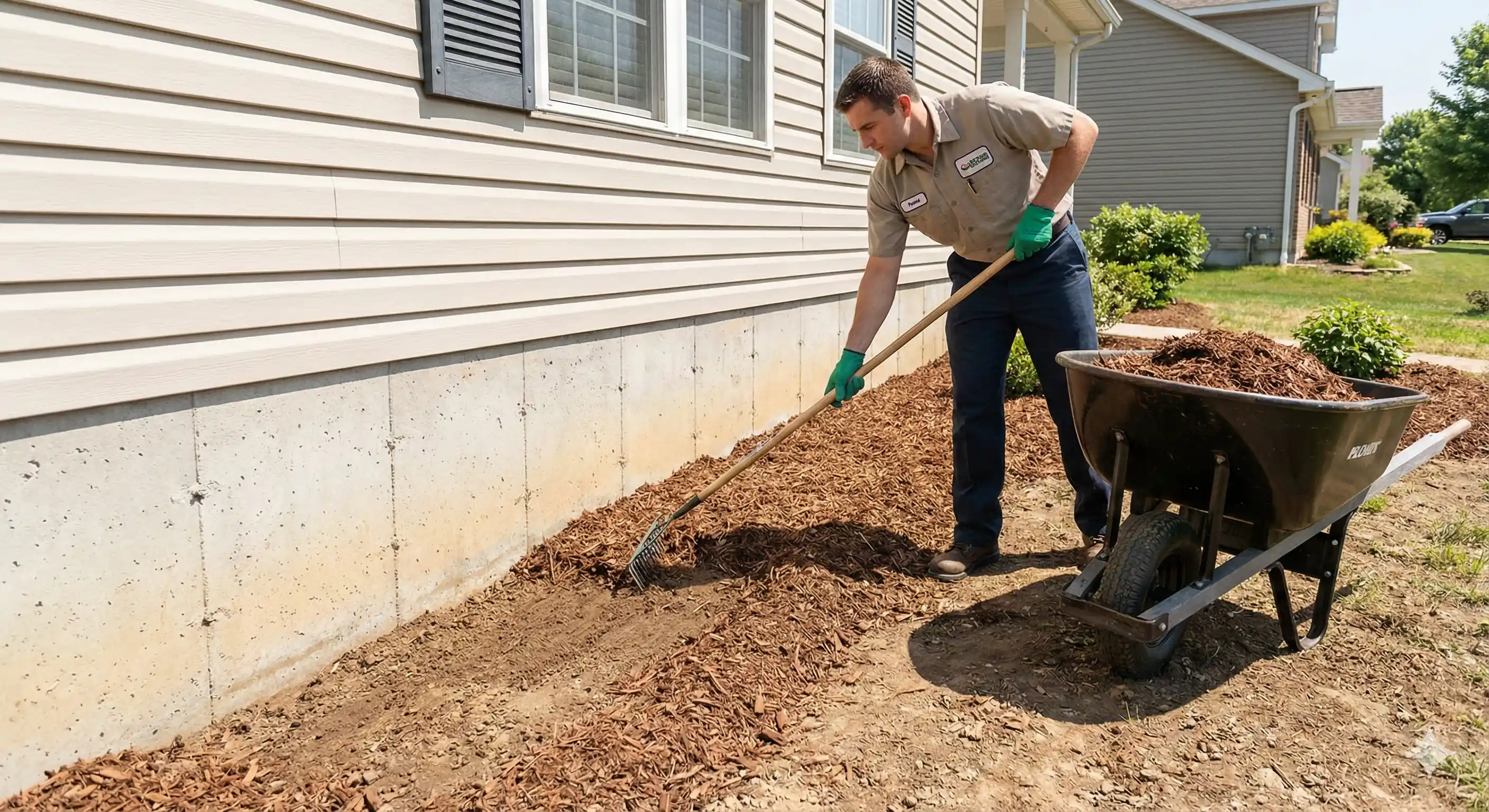
Modifying landscape habitat to reduce millipede harborage near foundation

Habitat Modification Services

Professional guidance on reducing organic matter accumulations, adjusting mulch depths, creating dry zones near foundations, and modifying landscaping to make your property less attractive to millipede populations.

What Causes Millipedes?

Understanding the conditions that attract and support millipede populations is essential for effective control and prevention of mass invasions.
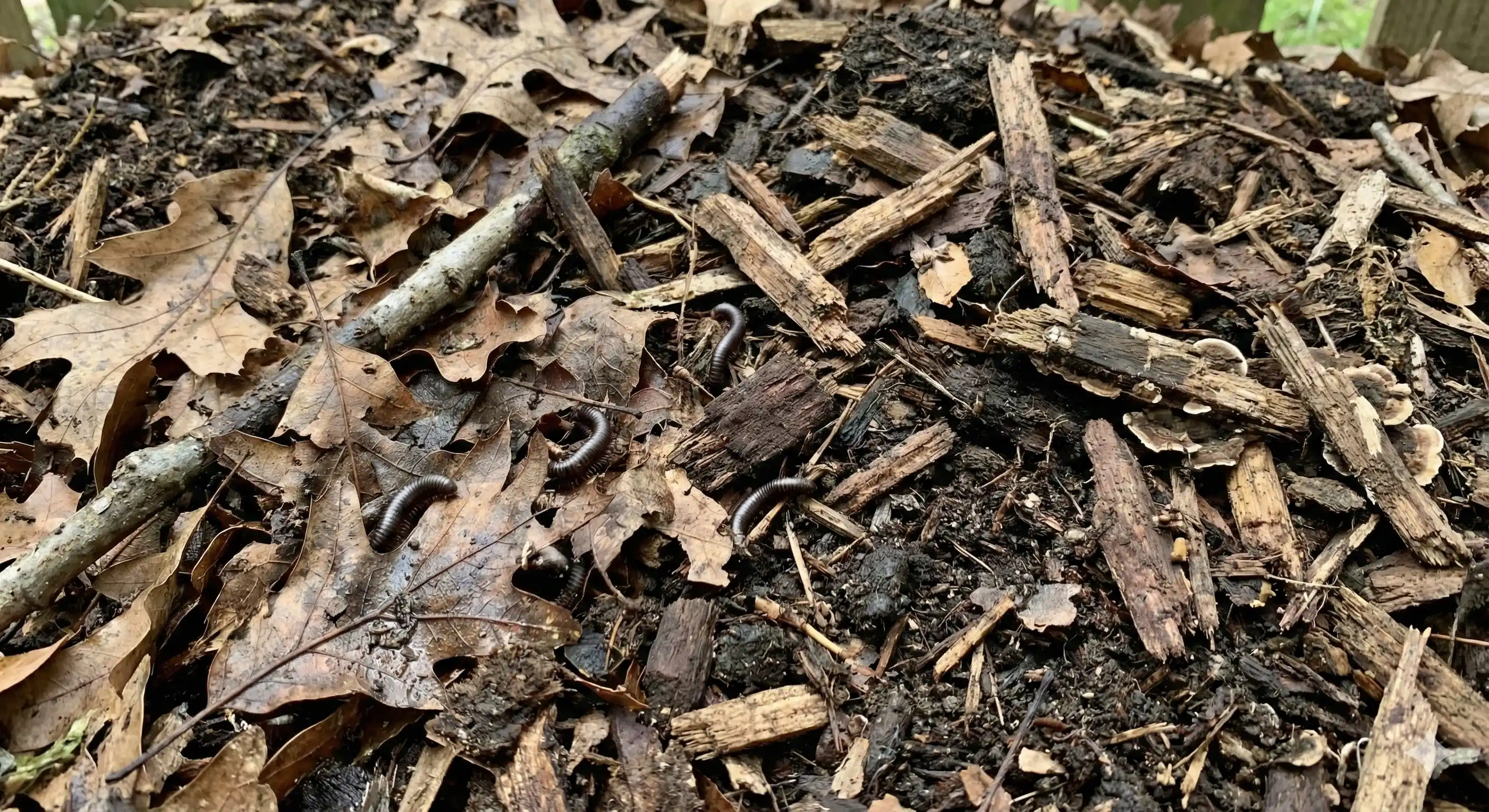
Leaf litter and decaying organic matter providing millipede food source

🍂 Organic Matter Accumulation

Millipedes feed on decaying organic matter including leaf litter, decomposing mulch, rotting wood, and dead plant material. Properties with heavy mulching, compost piles near foundations, or accumulated debris provide ideal feeding and breeding grounds.

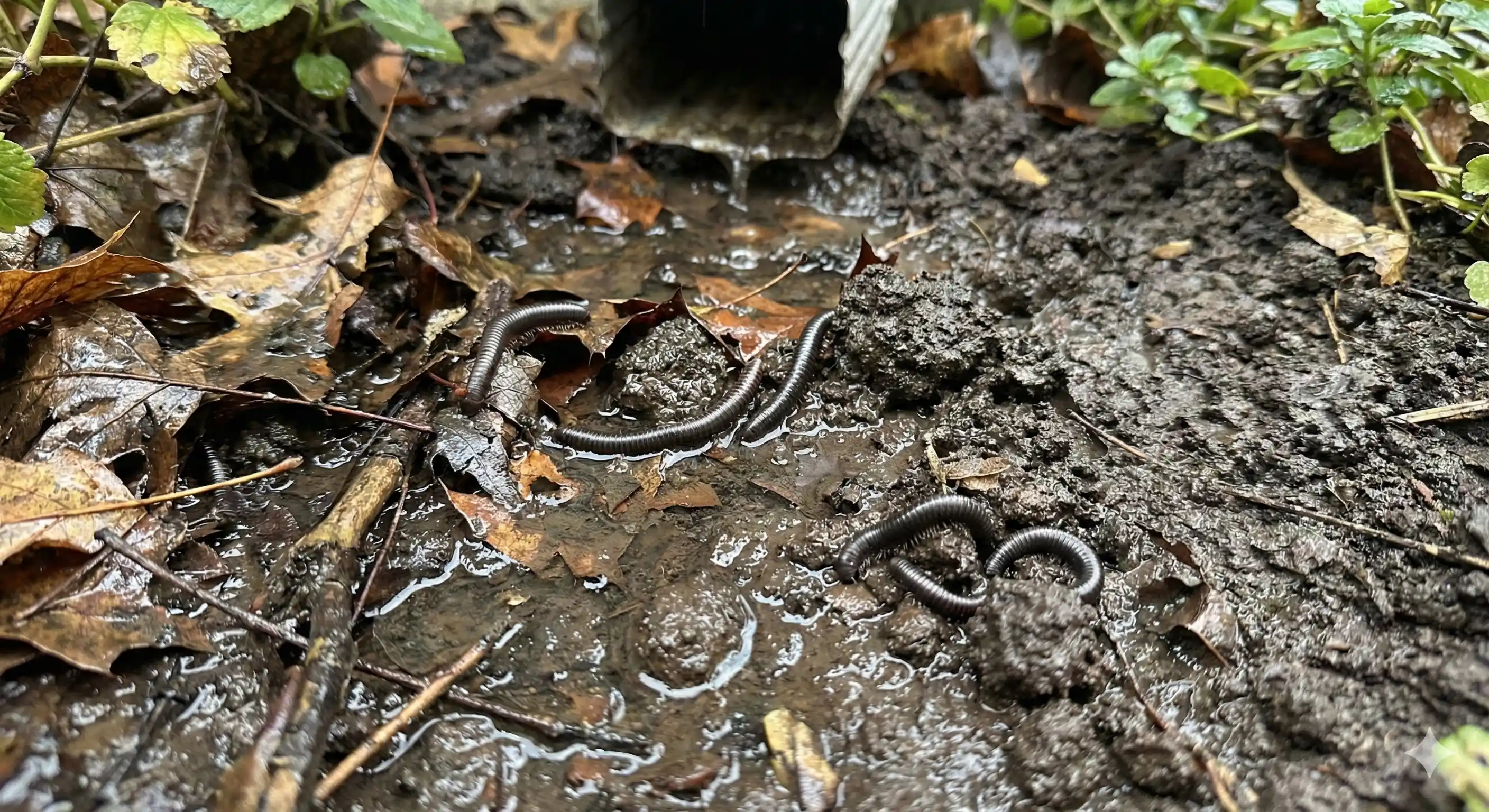
Moist soil and drainage issues creating favorable millipede habitat

💧 Excessive Moisture

Millipedes require consistently moist environments and cannot survive in dry conditions. Poor drainage, overwatering, leaky irrigation systems, and shaded areas that retain moisture create the humid microclimates millipedes need to thrive.

Mulch and ground cover against foundation creating millipede harborage

🏠 Foundation Harborage

Mulch beds against foundations, ground cover plants, decorative stones, and landscape timbers adjacent to structures provide protected harborage where millipede populations build up before migrating indoors during weather changes.

Heavy rainfall or drought conditions triggering millipede migration

🌧️ Weather-Triggered Migration

Heavy rainfall saturates soil and flushes millipedes from burrows, while drought conditions drive them to seek moisture inside structures. These weather extremes trigger mass migrations that can overwhelm properties with sudden invasions.

Learn More About Millipede Prevention →

What Are Signs of Millipedes in Your Home?

Learn to recognize these indicators of millipede activity to address problems before mass invasions occur.
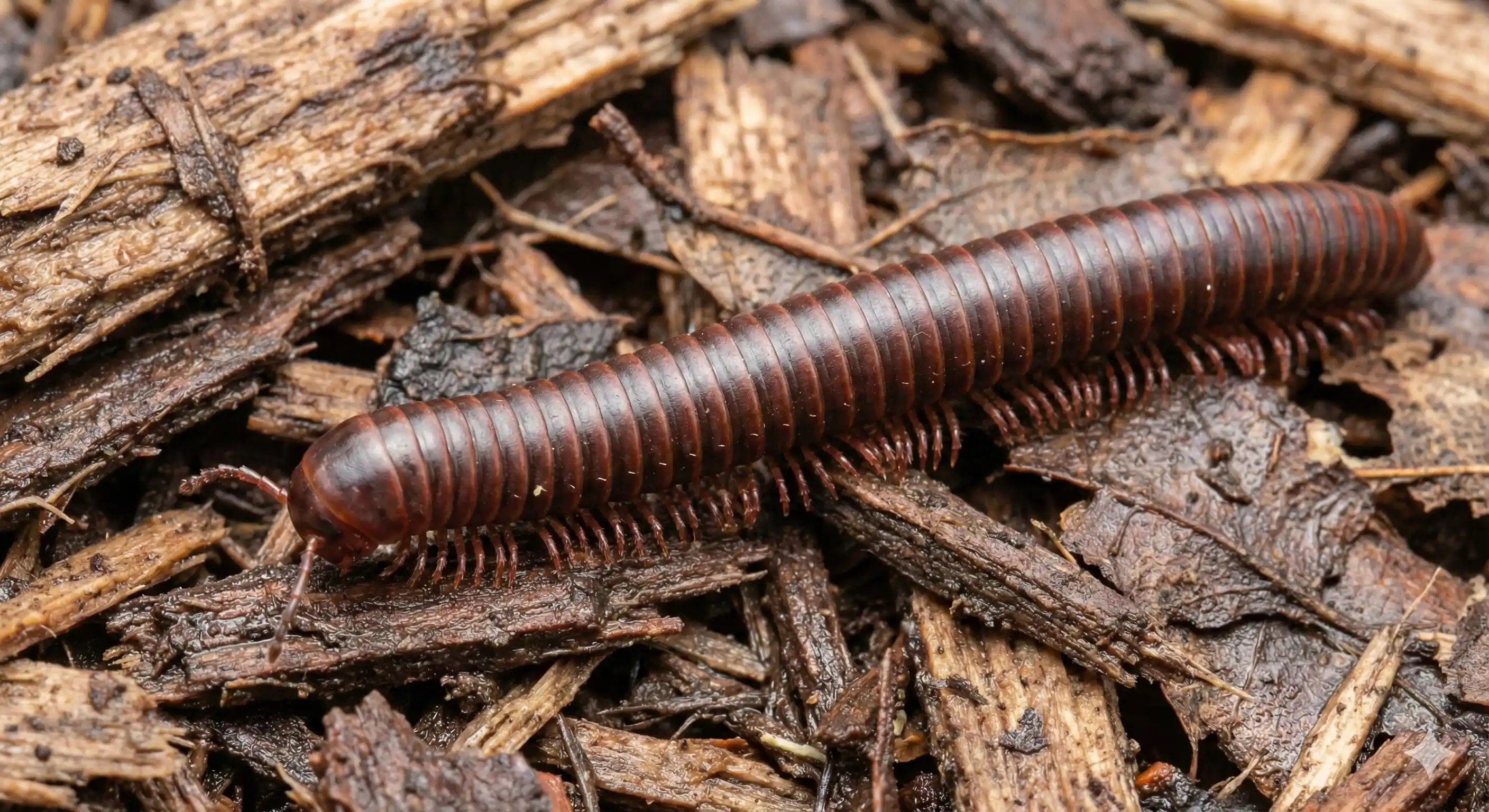
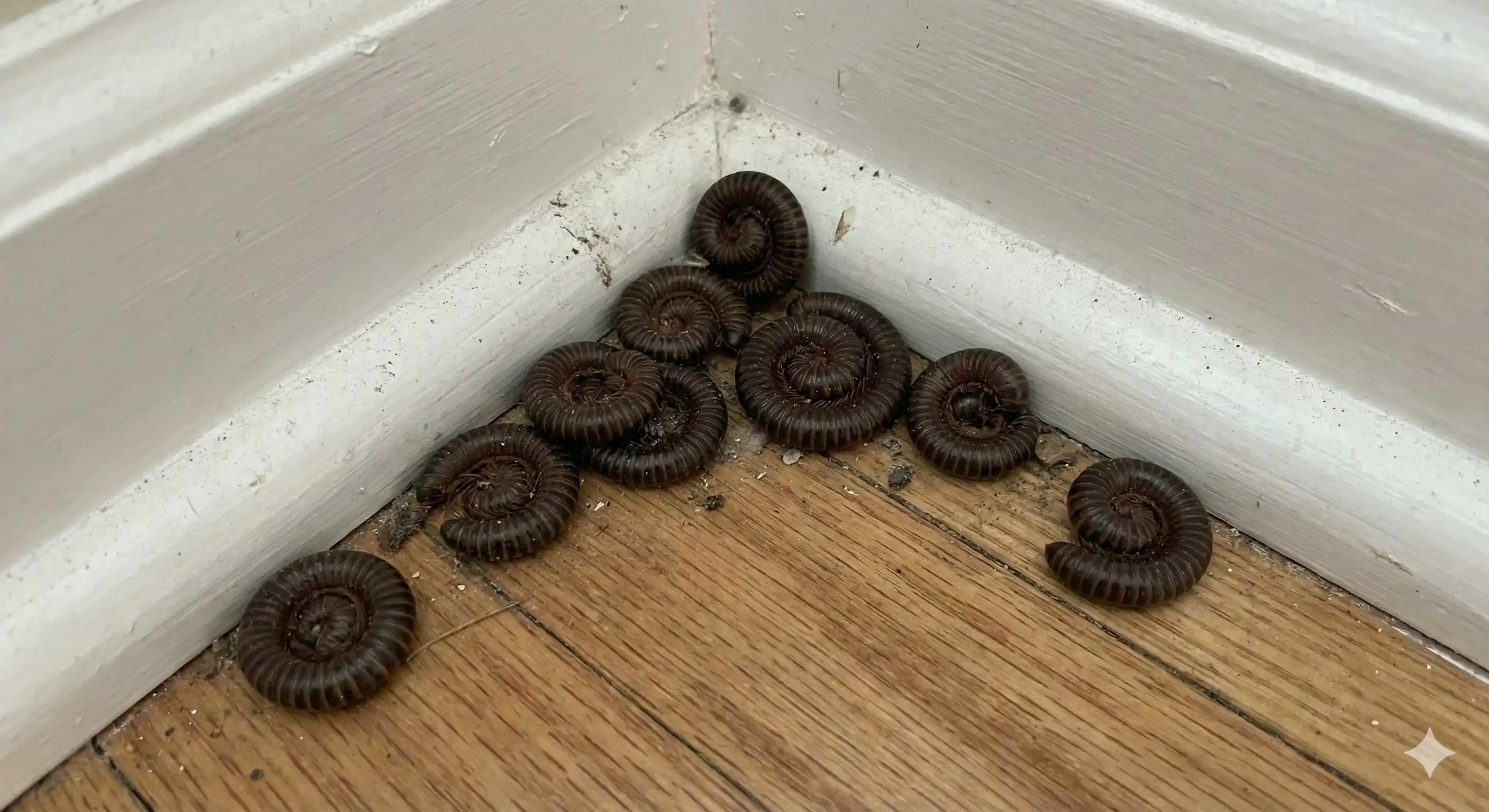
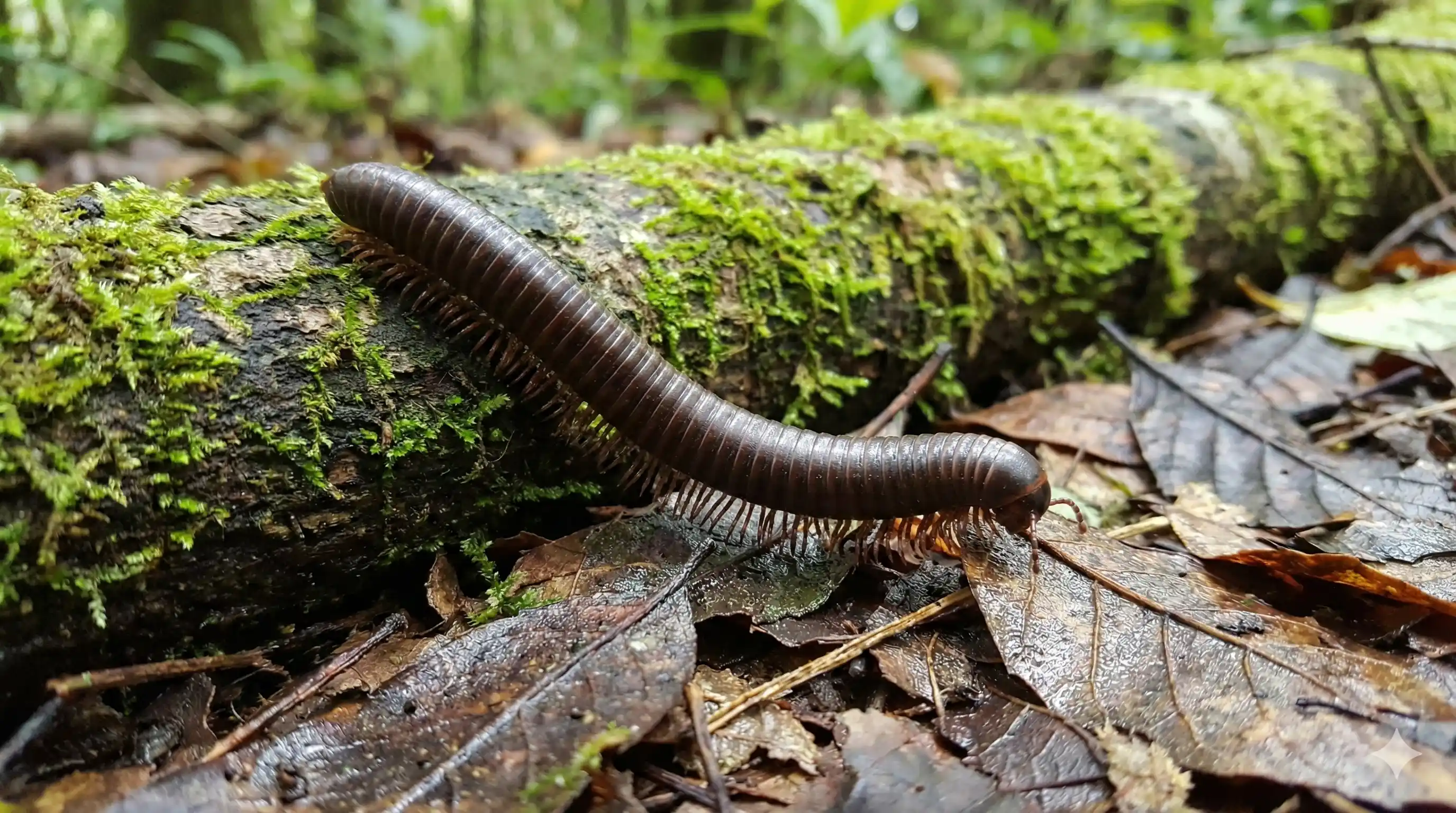
Live millipede with characteristic cylindrical body and numerous legs

Live Millipedes Indoors

Slow-moving, worm-like arthropods with cylindrical bodies and numerous short legs found along baseboards, in bathrooms, basements, and garages. They often curl into tight spirals when disturbed as a defensive behavior.

Accumulated dead millipedes near baseboard indicating invasion

Dead Millipedes Accumulated

Dried, curled millipede bodies in corners, along walls, and near entry points. Millipedes die quickly indoors due to lack of moisture, but accumulated dead specimens indicate ongoing invasion from exterior populations.

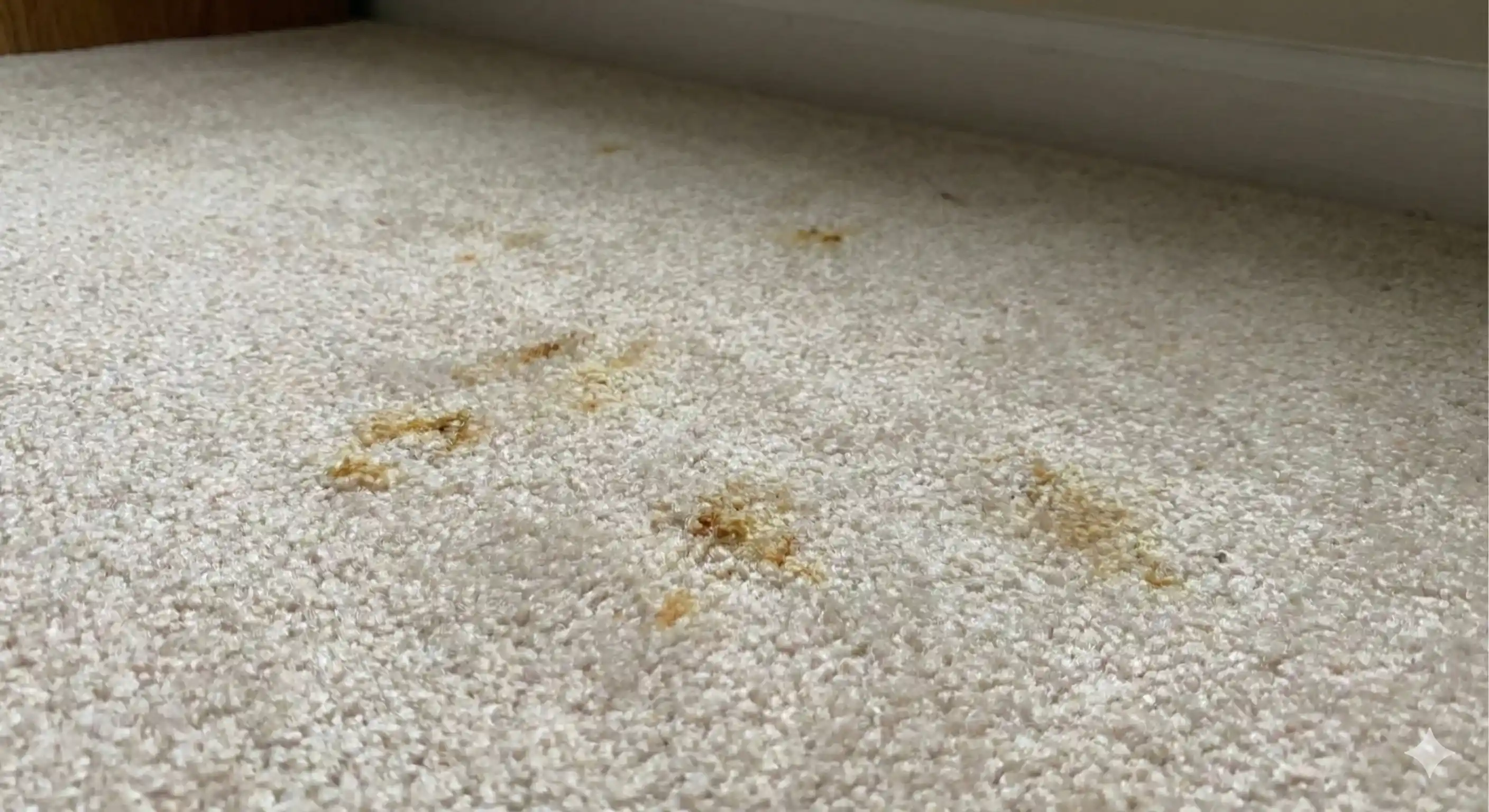
Staining on floor or carpet from millipede defensive secretions

Staining on Surfaces

Brown or yellowish stains on carpets, flooring, and fabrics caused by millipede defensive secretions. These stains may be accompanied by an unpleasant odor and can be difficult to remove from porous materials.

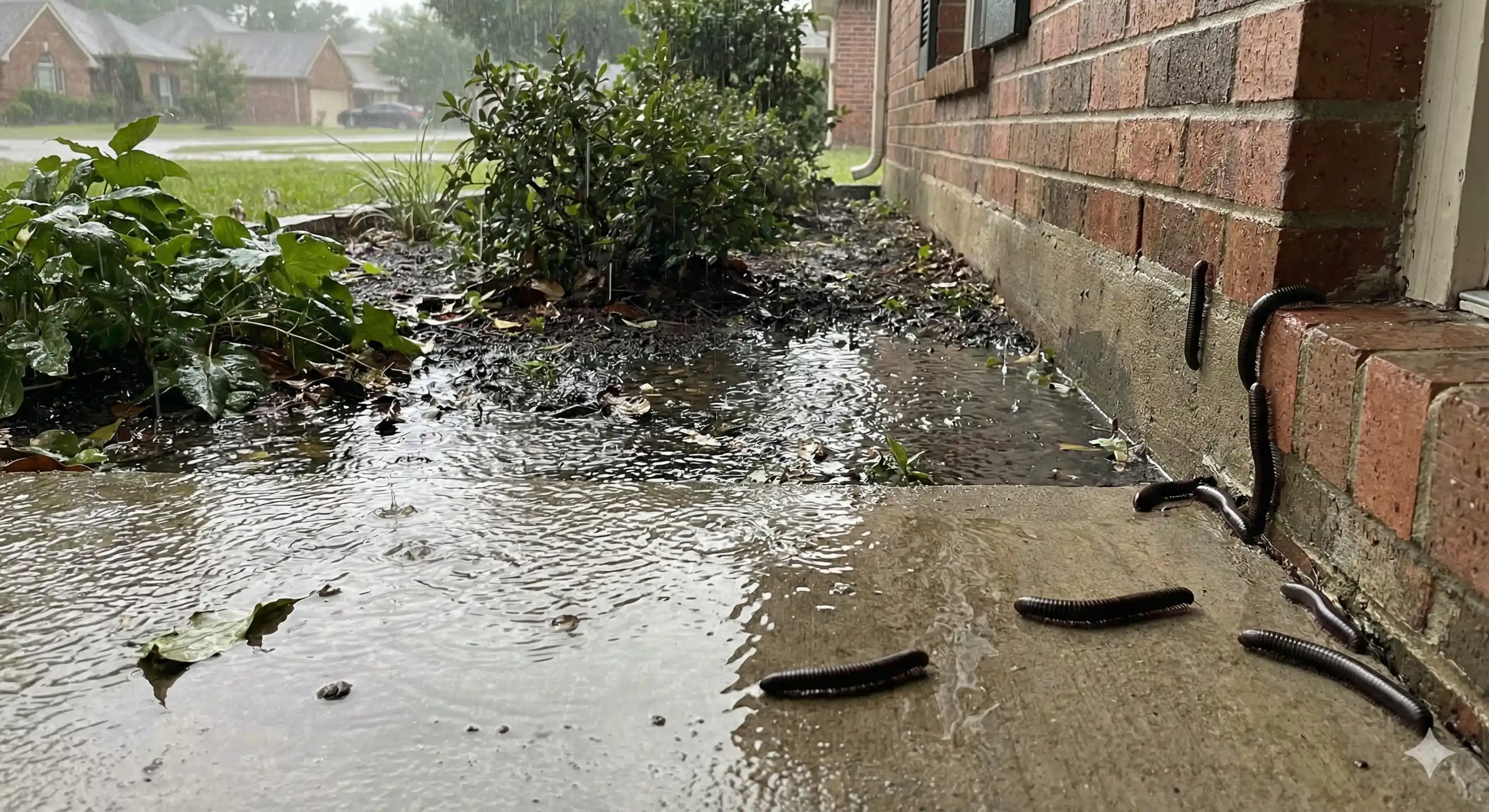
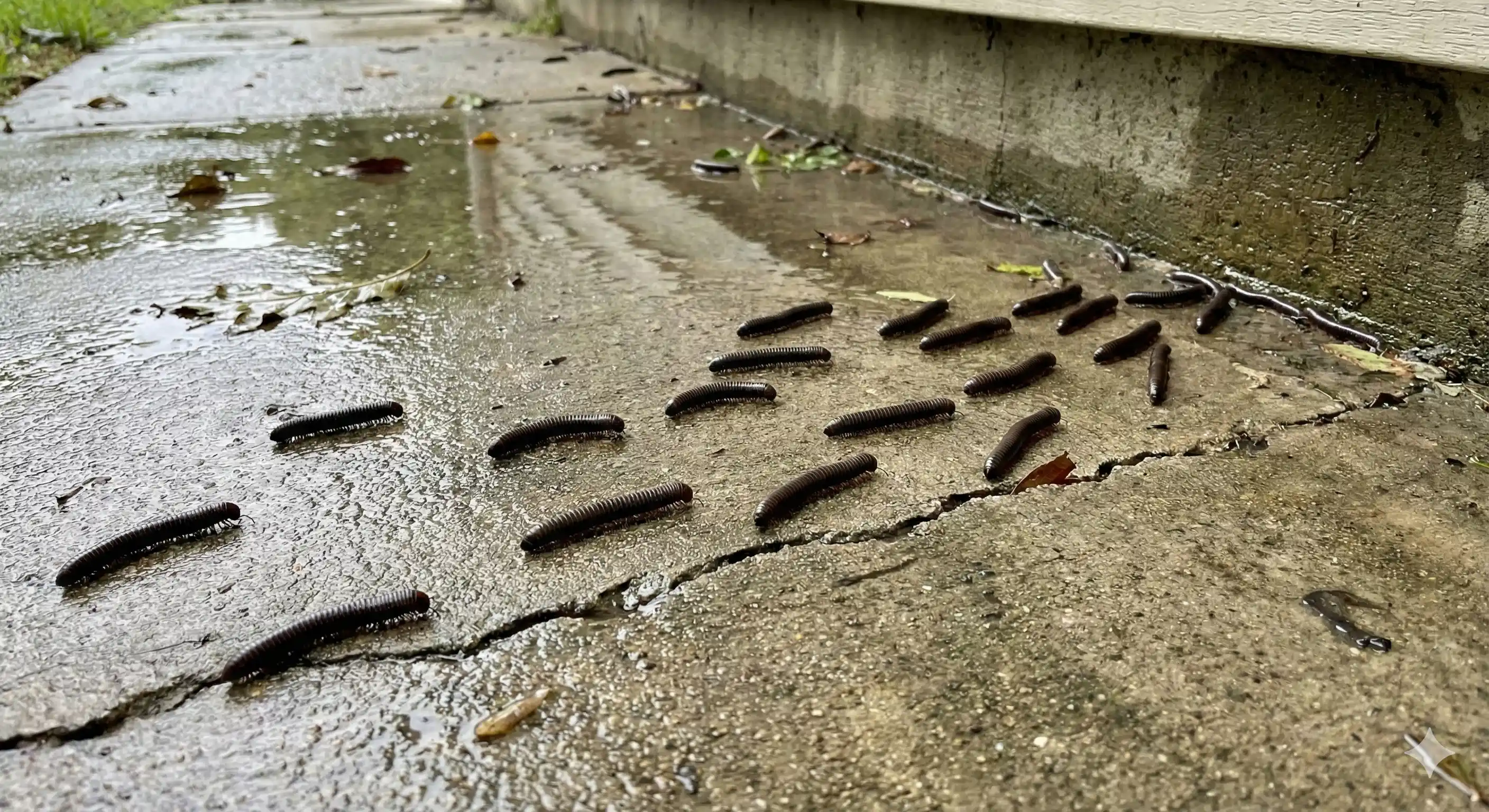
Mass millipede migration visible on exterior surface

Mass Migration Activity

Large numbers of millipedes moving across driveways, sidewalks, patios, or climbing exterior walls, often occurring after heavy rain or during drought. This visible migration precedes home invasions.

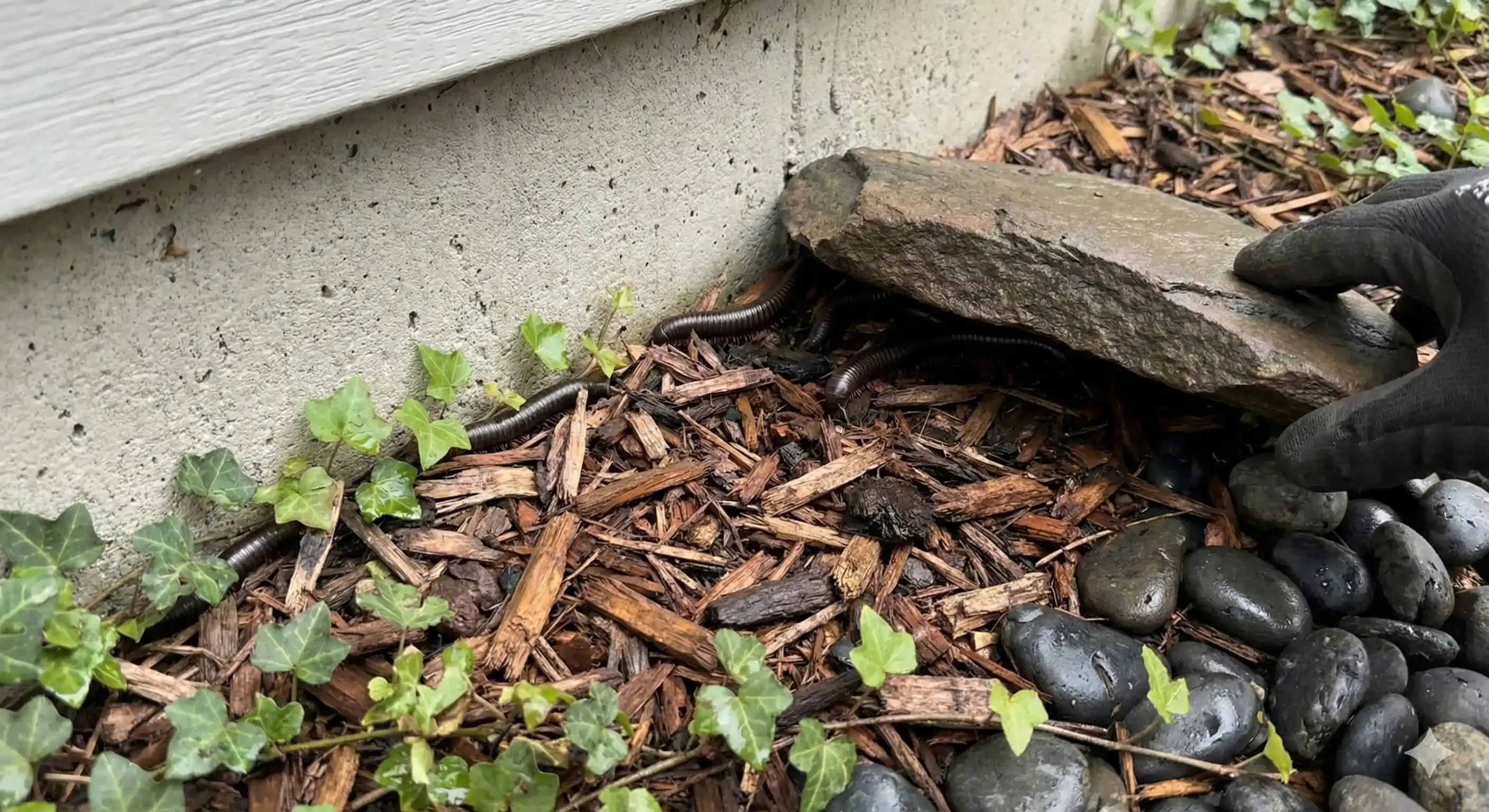
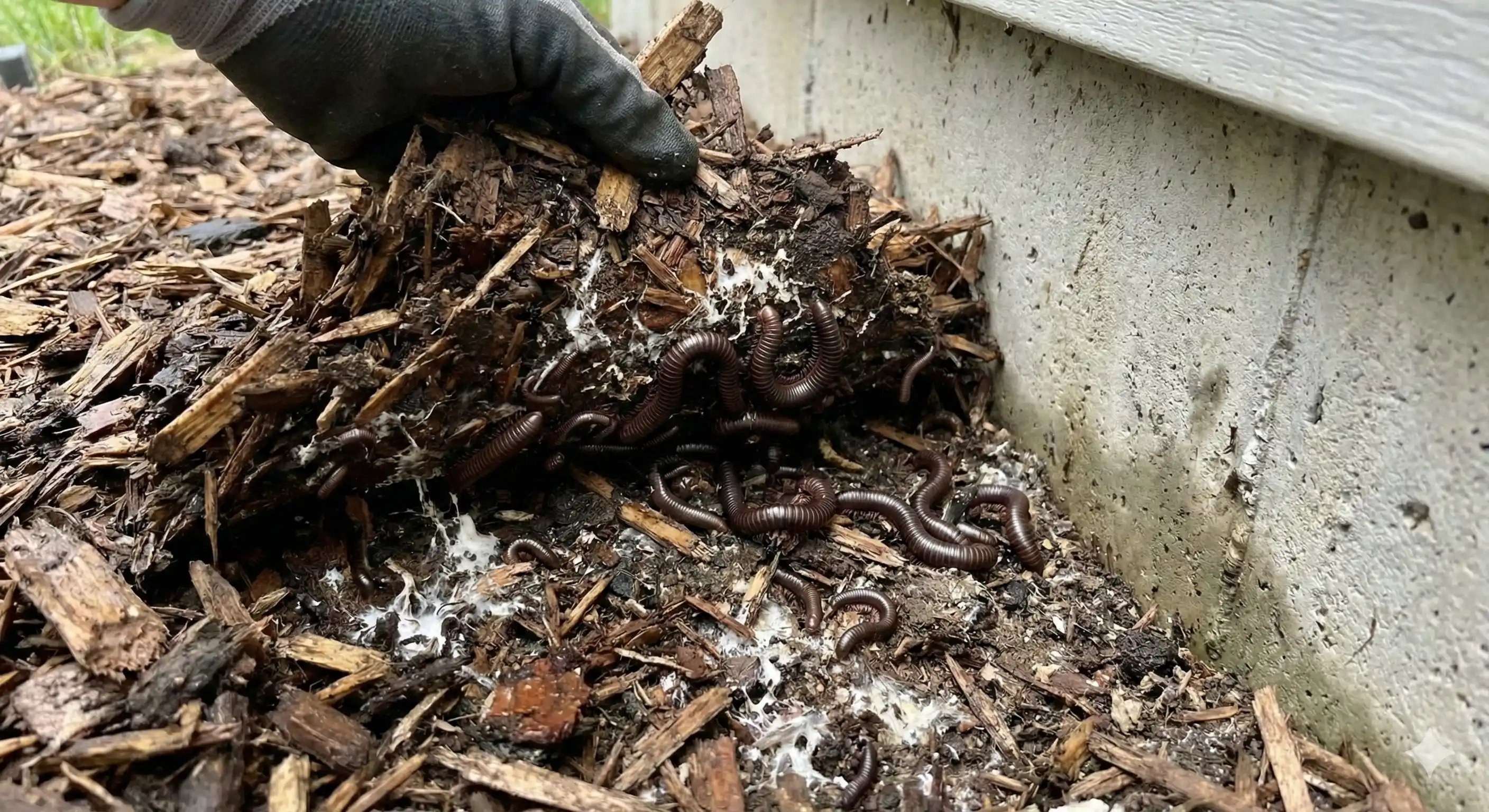
Millipedes found under mulch or stones near foundation

Exterior Population Signs

Millipedes visible when lifting mulch, stones, boards, or leaf litter near the foundation. Finding multiple millipedes in these areas indicates established breeding populations that will eventually migrate indoors.

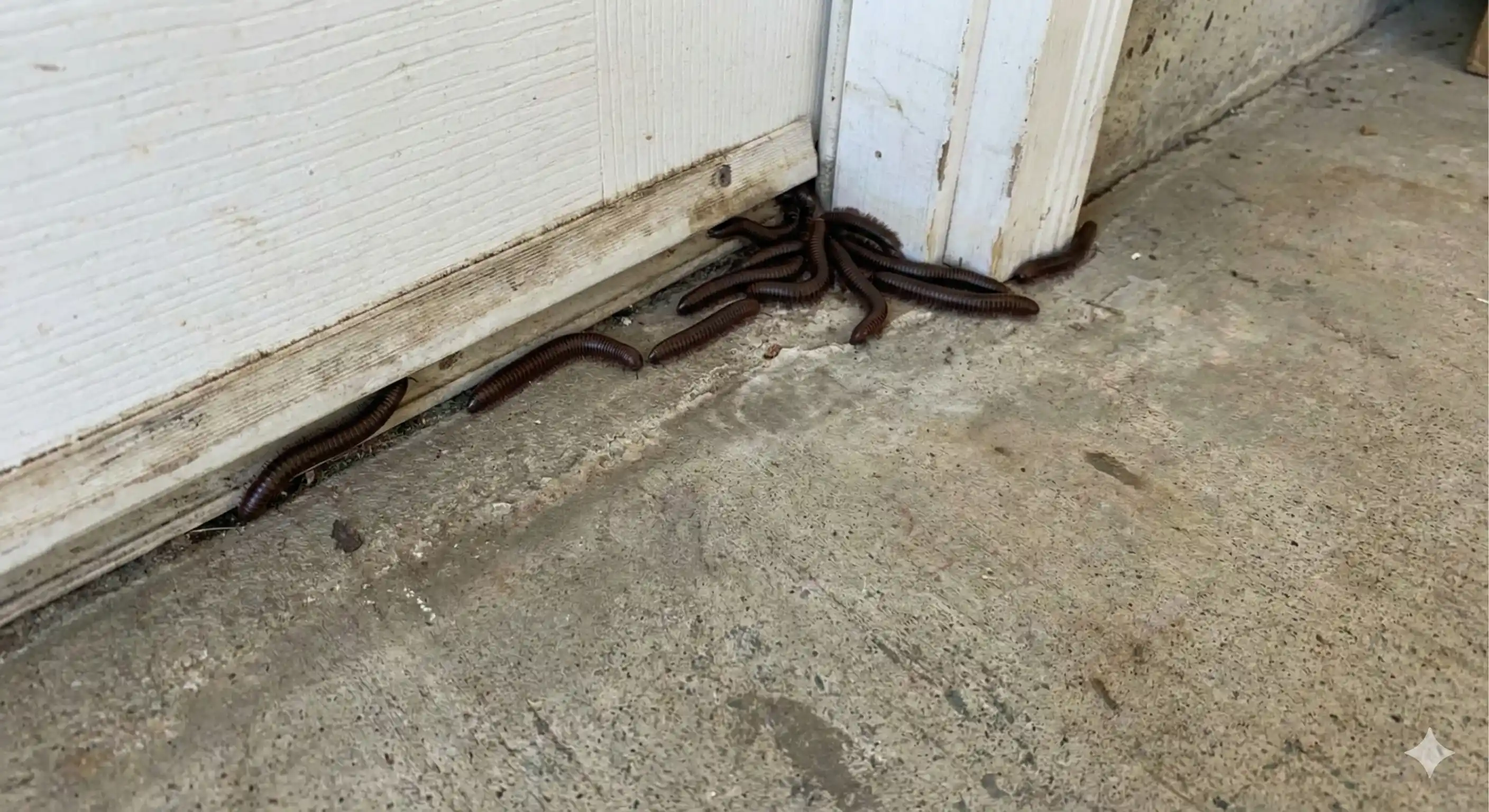
Millipedes concentrated near door threshold or foundation crack

Entry Point Concentrations

Clusters of millipedes near doors, garage entries, basement windows, and foundation cracks. These concentrations indicate active entry points where treatments should be focused.

Learn More About Millipede Detection →

DIY vs Professional Treatment

Store-bought millipede sprays offer only temporary relief during active invasions while failing to address the fundamental moisture issues and exterior harborage conditions that generate continuous waves of new millipedes. Over-the-counter products kill only millipedes you can see and reach, without treating the massive exterior populations breeding in mulch beds, leaf litter, and moist soil. Additionally, these products break down quickly, providing no residual protection against the next migration triggered by weather changes.

Professional millipede control addresses the complete ecological relationship supporting invasions. Our integrated approach combines perimeter barrier treatments that intercept migrating millipedes, targeted applications to exterior harborage areas where populations breed, and comprehensive habitat modification recommendations that make your property less attractive to these moisture-loving pests. By treating both the immediate invasion and the source populations, we provide long-term solutions that prevent recurring mass migrations.

❌ DIY Treatment

  • Kills only visible millipedes indoors
  • Cannot treat exterior breeding populations
  • No protection against next migration
  • Breaks down quickly after application
  • Doesn't address moisture attractants
  • Overwhelmed by mass invasion numbers

✓ Professional Treatment

  • Perimeter barriers intercept migrations
  • Treats exterior harborage populations
  • Extended residual protection
  • Targets source breeding areas
  • Moisture reduction guidance included
  • Prevents recurring invasions

Commercial Millipede Control

EcoGuard Pest Management implements customized millipede control programs for commercial facilities that prioritize operational continuity while ensuring effective pest elimination. Our comprehensive commercial millipede protection programs combine discrete treatment applications with flexible scheduling to maintain your business operations while ensuring complete elimination of millipede problems.

We specialize in millipede control solutions for:

  • Restaurants and food service establishments
  • Healthcare facilities
  • Hotels and hospitality venues
  • Educational institutions
  • Office complexes
  • Food processing facilities
  • Warehouses and storage facilities
  • Retail spaces
  • Manufacturing facilities
  • Multi-unit residential properties
Learn About Commercial Pest Control
100% SATISFACTION GUARANTEE

The EcoGuard Guarantee

EcoGuard offers a 100% satisfaction guarantee for all of our customers, and we stand by our promise to eradicate your millipede problem until the very last millipede is gone. That millipede control guarantee comes with every service and if the millipedes come back, then so do we, at no additional cost. We are standing by to give you a free estimate and to help you set your first millipede pest control service appointment.

📞 Call (866) 326-2847 Today

Our Millipede Control Process

A comprehensive approach to stopping millipede invasions and preventing future migrations

1

Property Assessment

Our millipede exterminators conduct thorough examinations focusing on identifying moisture sources, organic matter accumulations, and harborage areas supporting millipede populations. Using specialized inspection techniques, we locate breeding sites, map migration pathways, and identify entry points where millipedes access your structure.

2

Targeted Treatment

Based on inspection findings, we implement comprehensive treatments including perimeter barriers, foundation applications, and exterior harborage treatments. Our multi-layered approach intercepts migrating millipedes while reducing the source populations breeding near your property.

3

Habitat Modification

We provide detailed recommendations for reducing conditions that attract millipedes, including mulch depth adjustments, drainage improvements, irrigation modifications, and creating dry zones near foundations. These habitat changes make your property less hospitable to millipede populations.

4

Ongoing Protection

Regular property assessments track treatment effectiveness and identify any changes in conditions that might trigger new invasions. Our monitoring program ensures early detection of population buildup before mass migrations can occur, maintaining long-term protection.

Seasonal Plan for Millipede Control

Year-round protection adapted to seasonal millipede behavior patterns

Spring Millipede Control

Spring

As soil warms and moisture increases, millipedes emerge from overwintering sites and begin breeding in earnest; implement perimeter treatments before population explosion; treat mulch beds and organic matter accumulations where millipedes reproduce; address any winter moisture damage

Summer Millipede Control

Summer

Monitor for drought-triggered migrations as millipedes seek moisture indoors; maintain perimeter barriers; treat exterior harborage areas; pay attention to irrigation practices that may attract millipedes; reinforce treatments before late summer population peaks

Fall Millipede Control

Fall

Peak invasion season as millipedes seek shelter from cooling temperatures and fall rains; strengthen perimeter barriers before migration season; comprehensive treatment of entry points; remove fallen leaves and organic debris accumulating near foundations

Winter Millipede Control

Winter

Reduced outdoor activity but monitor for millipedes in heated structures; focus on exclusion repairs; plan habitat modifications for spring implementation; treat any indoor activity in basements or crawl spaces; prepare for spring emergence

What Our Customers Say

Trusted by homeowners for professional millipede elimination and invasion prevention

★★★★★

"We woke up to literally hundreds of millipedes covering our garage floor after a heavy rain. It was a nightmare! EcoGuard came out same day, treated the whole perimeter, and showed us why our mulch beds were the problem. Haven't seen one since!"

Sarah & Mike T.
Portland, OR
★★★★★

"Every fall we'd get invaded by millipedes—they'd be everywhere, curled up dead all over our basement. The technician explained it was the leaf litter and moisture around our foundation. Fixed the problem completely!"

David R.
Seattle, WA
★★★★★

"The millipedes were leaving stains on our new carpet—so frustrating! EcoGuard's quarterly program keeps them out year-round now. The perimeter treatment really works. Money well spent for peace of mind."

Jennifer L.
Sacramento, CA

Millipede Control FAQs

Everything you need to know about millipede control and treatment

The most common home invaders include the garden millipede (dark brown to black, 1-2 inches long) and the greenhouse millipede (smaller, spotted). All millipedes have cylindrical, segmented bodies with two pairs of legs per body segment, distinguishing them from centipedes which have one pair per segment. They move slowly and curl into tight spirals when threatened.

Mass millipede invasions are typically triggered by weather extremes. Heavy rainfall saturates soil and flushes millipedes from burrows, while drought drives them indoors seeking moisture. Population pressure from successful breeding seasons can also trigger migrations. These events can send hundreds or thousands of millipedes toward structures simultaneously.

Millipedes do not bite and cannot sting. However, when threatened, they secrete defensive fluids that can cause skin irritation, eye discomfort, and allergic reactions in some individuals. Some species produce hydrogen cyanide compounds with an unpleasant almond-like odor. Their secretions also stain carpets, fabrics, and flooring.

Despite similar names, these are very different creatures. Millipedes have cylindrical bodies with two leg pairs per segment, move slowly, eat decaying organic matter, and curl up defensively. Centipedes have flattened bodies with one leg pair per segment, move very quickly, are predatory hunters, and can deliver painful venomous bites.

Millipedes require consistently moist environments and cannot regulate water loss from their bodies. Indoor environments are typically too dry for their survival, causing them to dehydrate and die within 24-48 hours. However, finding dead millipedes indicates ongoing invasion from exterior populations that continues until entry points are addressed.

Millipedes are attracted to moisture and decaying organic matter. Heavy mulch beds, leaf litter accumulations, compost piles, dense ground cover, rotting wood, and areas with poor drainage create ideal millipede habitat. Properties with these conditions adjacent to foundations are most vulnerable to invasions.

Professional treatment addresses the complete system: perimeter barriers intercept migrating millipedes, targeted applications treat the massive exterior breeding populations in harborage areas, and habitat modification recommendations reduce favorable conditions. DIY products only kill millipedes you can see without addressing the thousands breeding in mulch and leaf litter.

Perimeter treatments begin working immediately, with significant reduction in new millipede entry within 24-48 hours. However, millipedes already inside will continue to be found (usually dead) for several days as the indoor population expires from dehydration. Complete control of exterior populations typically requires 2-3 weeks as treatments affect breeding areas.

Millipede invasions peak during fall as cooling temperatures drive them toward warmer structures, and after heavy spring/summer rains that flood their outdoor habitats. Drought conditions in summer can also trigger invasions as millipedes seek moisture indoors. Properties in rainy climates may experience year-round pressure.

Millipedes don't cause structural damage, but their defensive secretions can permanently stain carpets, rugs, hardwood floors, and fabrics. Large numbers of dead millipedes create unsanitary conditions and unpleasant odors. In gardens, some species damage seedlings and young plants by feeding on tender roots and stems.

Keep mulch depth to 2-3 inches maximum and maintain a 6-12 inch gap between mulch beds and your foundation. Deep mulch retains moisture and provides ideal millipede habitat. Consider switching to inorganic mulches like gravel or rubber mulch near foundations, which don't attract millipedes.

Yes, moisture reduction is critical for long-term millipede prevention. Ensure proper grading directs water away from foundations, fix leaky gutters and downspouts, adjust irrigation to avoid wetting foundations, improve ventilation in crawl spaces, and address any drainage issues that create consistently damp soil near your home.

Professional millipede treatments utilize EPA-registered products applied according to strict safety protocols. Perimeter and exterior treatments are applied outside living spaces, and technicians provide clear guidance on any temporary restrictions. Most treatments are dry within 1-2 hours, after which treated areas are safe for normal activity.

Properties with historical millipede problems benefit from quarterly treatments timed to seasonal activity—spring before breeding peaks, summer to maintain barriers, fall before migration season, and winter for maintenance. Properties with significant organic matter or moisture issues may need more frequent service until underlying conditions are corrected.

Yes, millipedes can climb textured surfaces including brick, stucco, siding, and foundation walls. During mass migrations, they often climb exterior walls and enter through gaps around windows, weep holes, and under siding. This is why perimeter treatments must include foundation walls, not just ground-level applications.

Vacuum up visible millipedes and dispose of the bag immediately (their secretions can smell). Reduce indoor humidity with dehumidifiers. Check and seal obvious entry points temporarily. Remove leaf litter and organic debris from against the foundation. Avoid squishing millipedes as this releases staining secretions.

Millipedes indicate moisture and organic matter conditions that also attract earwigs, sowbugs, pillbugs, slugs, and springtails. While millipedes don't attract other pests directly, addressing the conditions that support millipedes typically reduces pressure from these other moisture-loving pests as well.

Bathrooms and basements typically have the highest humidity levels in a home, making these areas most hospitable for millipedes seeking moisture. They're often found near floor drains, under sinks, around toilets, and in basement corners where moisture accumulates. Improving ventilation in these areas helps make them less attractive.

Millipedes cannot establish breeding populations indoors because homes are too dry and lack the decaying organic matter they need for food. The millipedes you find inside are invaders from exterior populations that will die within 1-2 days. However, continuous invasion from outdoor breeding sites can make it seem like they're living inside.

Our millipede control services include a comprehensive guarantee covering retreatment at no additional cost if millipede activity continues after service. For seasonal protection plans, this guarantee extends throughout the service period with rapid response to any breakthrough activity, ensuring your home remains protected.

Related Articles & Resources

Learn more about millipede prevention, identification, and control

Millipedes vs Centipedes: Key Differences

Learn to identify these commonly confused pests and understand why they require different treatments.

Read More →

Why Millipedes Invade in Large Numbers

Understanding mass millipede migrations and what triggers these overwhelming invasions.

Read More →

Reducing Moisture to Prevent Millipedes

Practical drainage and landscaping tips to make your property less attractive to millipedes.

Read More →

Millipede-Proofing Your Foundation

How to seal entry points and create barriers that keep millipedes outside.

Read More →

The Role of Mulch in Millipede Problems

Best practices for mulching that don't create millipede breeding grounds.

Read More →
View All Pest Control Articles →

Ready to Eliminate Your Millipede Problem?

Get a free estimate for your millipede problem today. Our experts will assess your property and provide a customized treatment plan.

Connect With Us

Follow EcoGuard Pest Management for tips, updates, and special offers

f𝕏yin