EcoGuard Pest Management
Professional subterranean termite control technician inspecting foundation and treating for termite infestation

Professional Subterranean Termite Treatment & Control Services

Finding tiny wings discarded near windowsills, discovering hollow-sounding wood beams, or noticing pencil-thin mud tunnels along your foundation are all alarm signals that subterranean termites have targeted your home. According to the USDA, subterranean termites cause $1-7 billion in damage across the United States every year. These destructive insects silently consume structural wood from the inside out, often causing thousands in damage before homeowners detect their presence. EcoGuard Pest Management provides comprehensive termite treatment strategies using scientifically proven methodologies to eliminate existing colonies and establish robust barriers against future invasions.

Subterranean Termite Pest Control Experts

Our technicians receive specialized training in subterranean termite biology, including Formosan subterranean termites and other invasive species. This expertise allows them to identify termite entry points, locate colonies, and determine the full extent of infestations that would remain hidden to untrained eyes. We implement customized treatment strategies based on your property's specific situation, construction type, and the nature of the infestation—delivering more effective results than generic approaches that fail to address your home's unique vulnerabilities.

Why Subterranean Termites Are a Serious Problem

Subterranean termites create unique challenges that demand immediate professional attention due to their destructive capabilities and elusive nature:

  • A mature colony with hundreds of thousands of workers can consume several pounds of wood per year, resulting in progressive structural weakening that often goes unnoticed until significant damage occurs and costly repairs are required
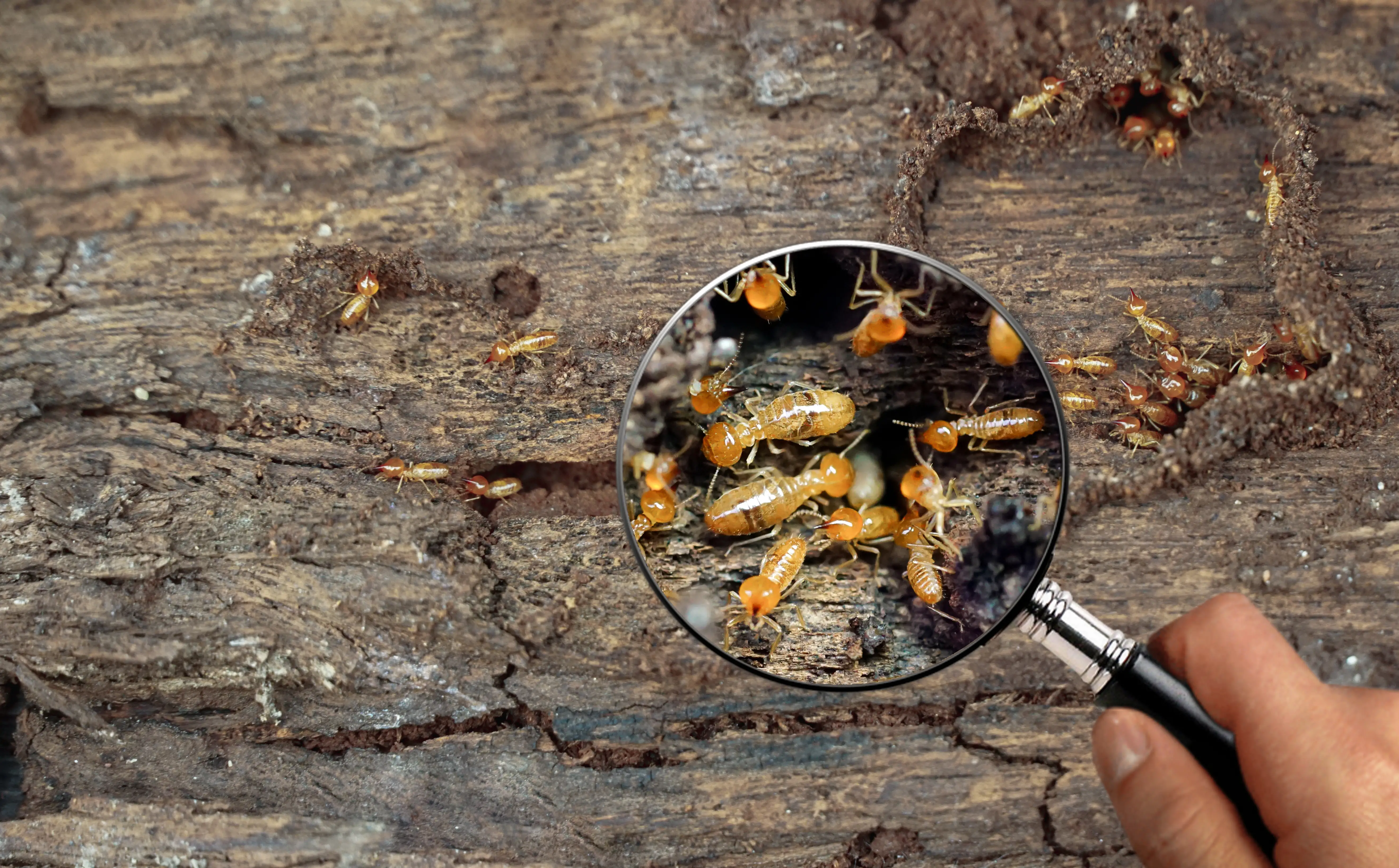
  • Subterranean termites build extensive underground networks that can extend hundreds of feet from the main colony, meaning most homeowners remain unaware of infestations until serious damage has already occurred behind walls and beneath floors
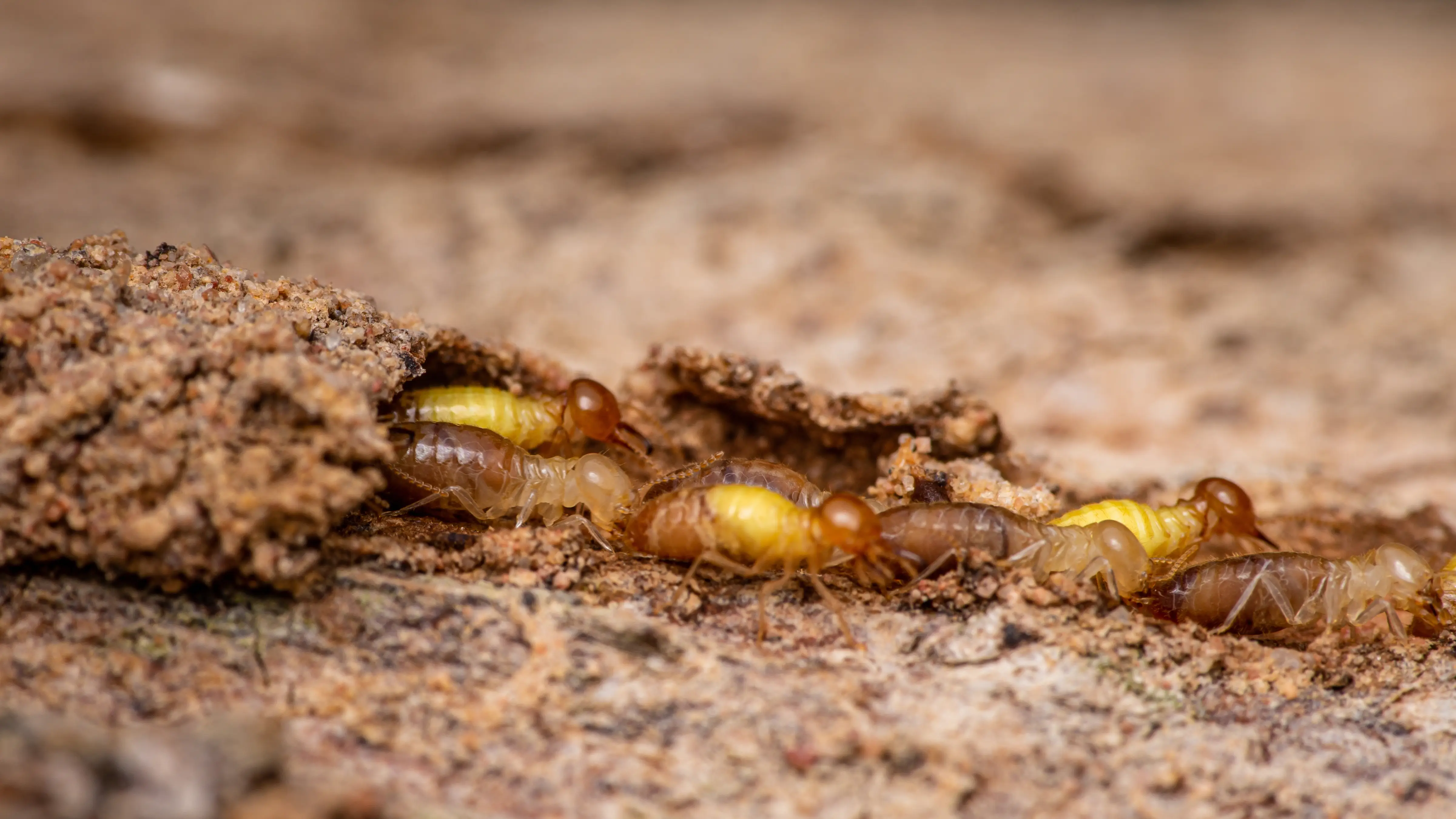
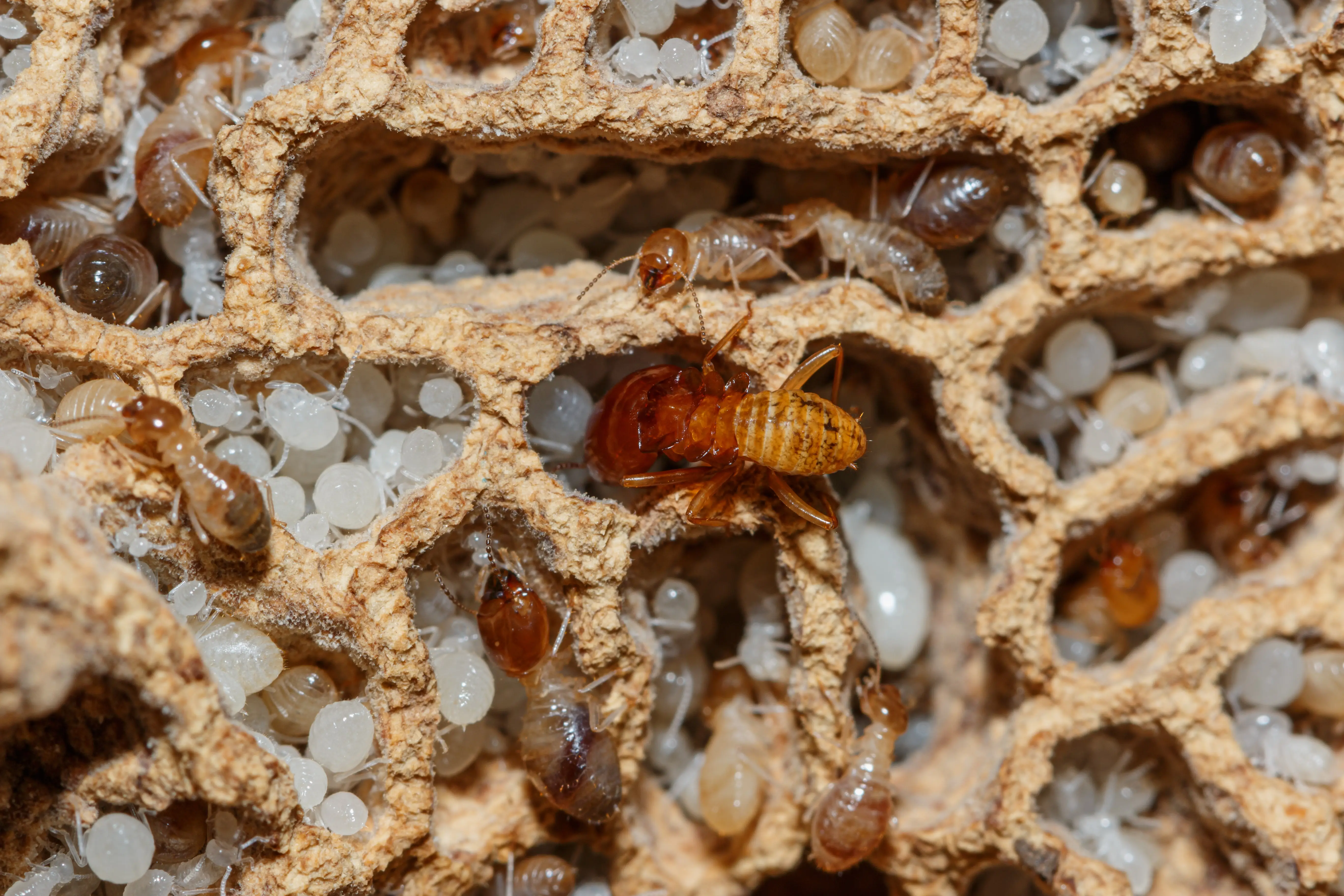
  • A single established colony may contain millions of members, with the queen capable of producing thousands of eggs daily and living up to 30 years—Formosan subterranean termites are particularly aggressive, with colonies up to 10 times larger than native species
  • Unlike many pests that leave obvious signs, subterranean termites deliberately avoid exposure to light and air, concealing their activity within walls, foundations, and structural elements where damage progresses unseen until structural integrity is compromised

Subterranean Termite Control Service Plans

Choose the protection level that's right for your property

One-Time Treatment
Contact Us
For custom pricing
  • Comprehensive property inspection
  • Species identification
  • Entry point identification
  • Targeted treatment application
  • Perimeter barrier application
  • Nest elimination
  • Treatment report & recommendations
  • 30-day guarantee
Get Started
MOST POPULAR
Annual Protection
Contact Us
For custom pricing
  • Everything in One-Time Treatment
  • Seasonal maintenance plan
  • Entry point treatments
  • Priority scheduling
  • Re-treatment guarantee
Get Started

* Prices vary based on property size, infestation severity, and treatment method. Contact us for an accurate quote.

Service Plan Comparison

FeatureOne-TimeAnnual
Comprehensive Inspection
Liquid Barrier Treatment
Baiting SystemOptionalIncluded
Annual Inspections
Warranty Coverage1 yearRenewable
Emergency ResponseStandardPriority

Get Your Free Subterranean Termite Quote

Protect your property with a free subterranean termite quote from our licensed experts.

✓ Same-day service available
✓ Licensed & insured
✓ Detailed property assessment
✓ No-obligation estimates

Service Areas

We provide subterranean termite control services throughout:

  • California
  • Oregon
  • Washington
  • Texas
  • Tennessee
  • Nevada
View All Counties →

Ready to Eliminate Your Subterranean Termite Problem?

Schedule your subterranean termite inspection today. Our experts will assess your property and provide a customized treatment plan.

📞 Call (866) 326-2847Get Free Quote

Subterranean Termite Treatment Options

Our comprehensive approach to subterranean termite control combines multiple strategies tailored to your specific infestation, construction type, and property conditions for complete colony elimination and long-term protection.
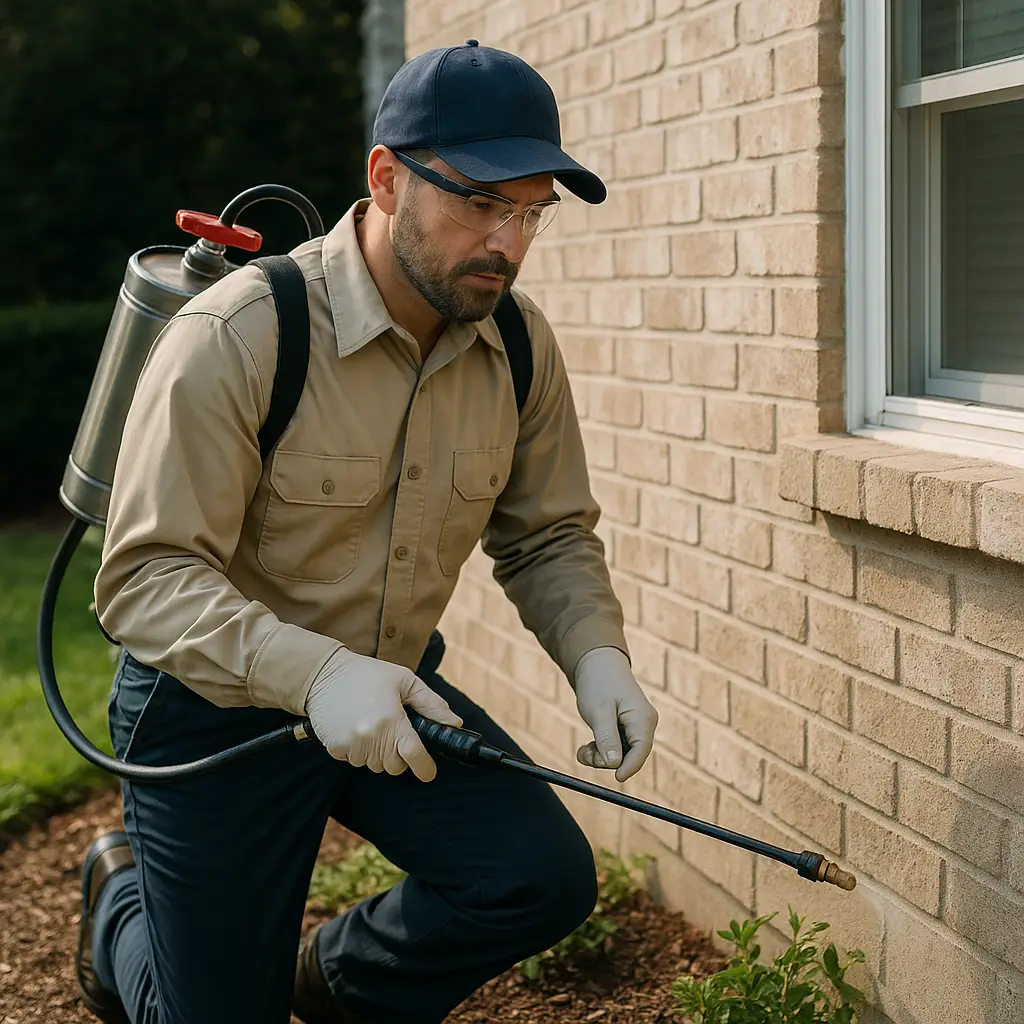
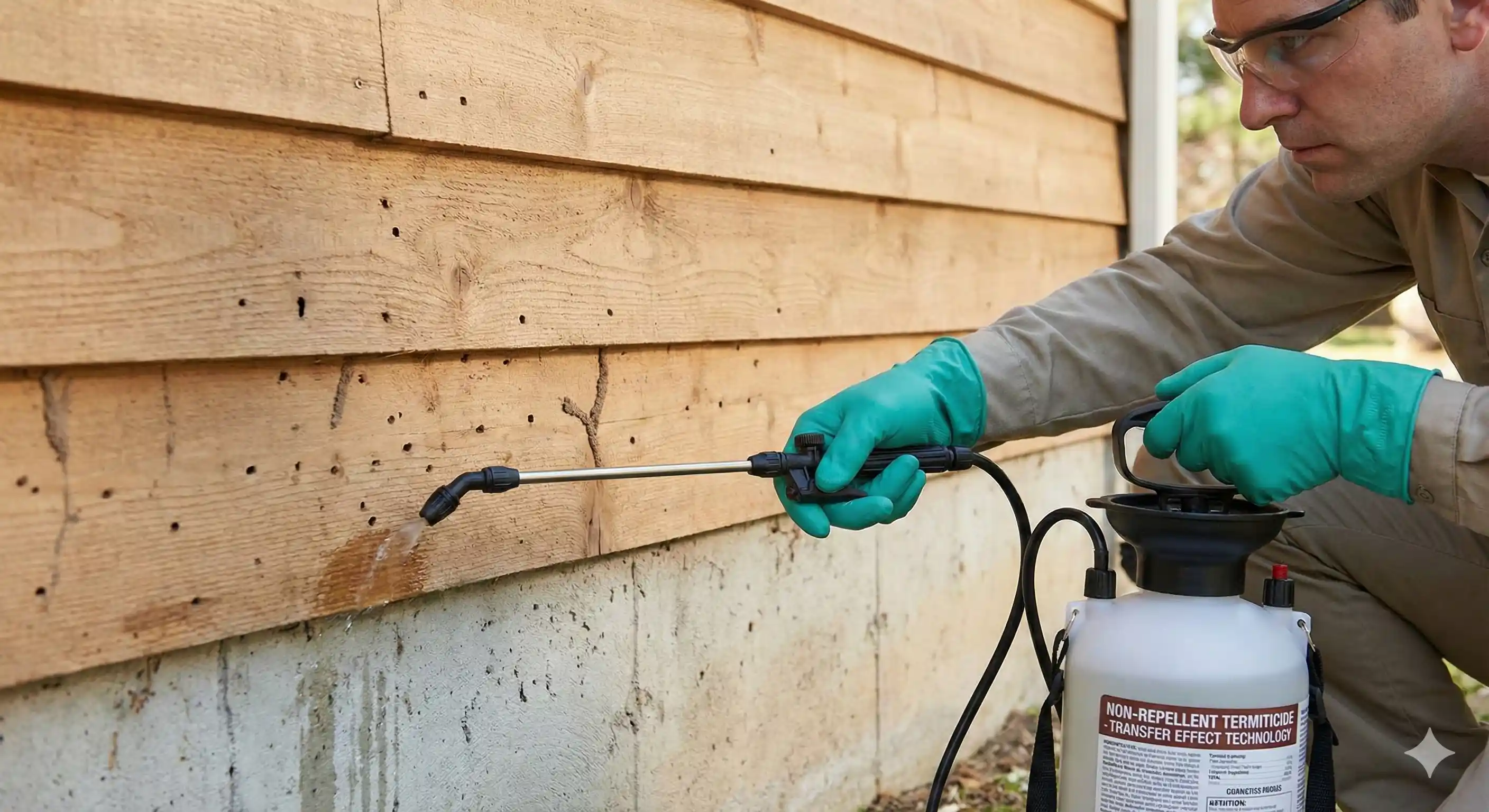
Technician applying liquid termiticide barrier treatment around foundation

Liquid Termiticide Barriers

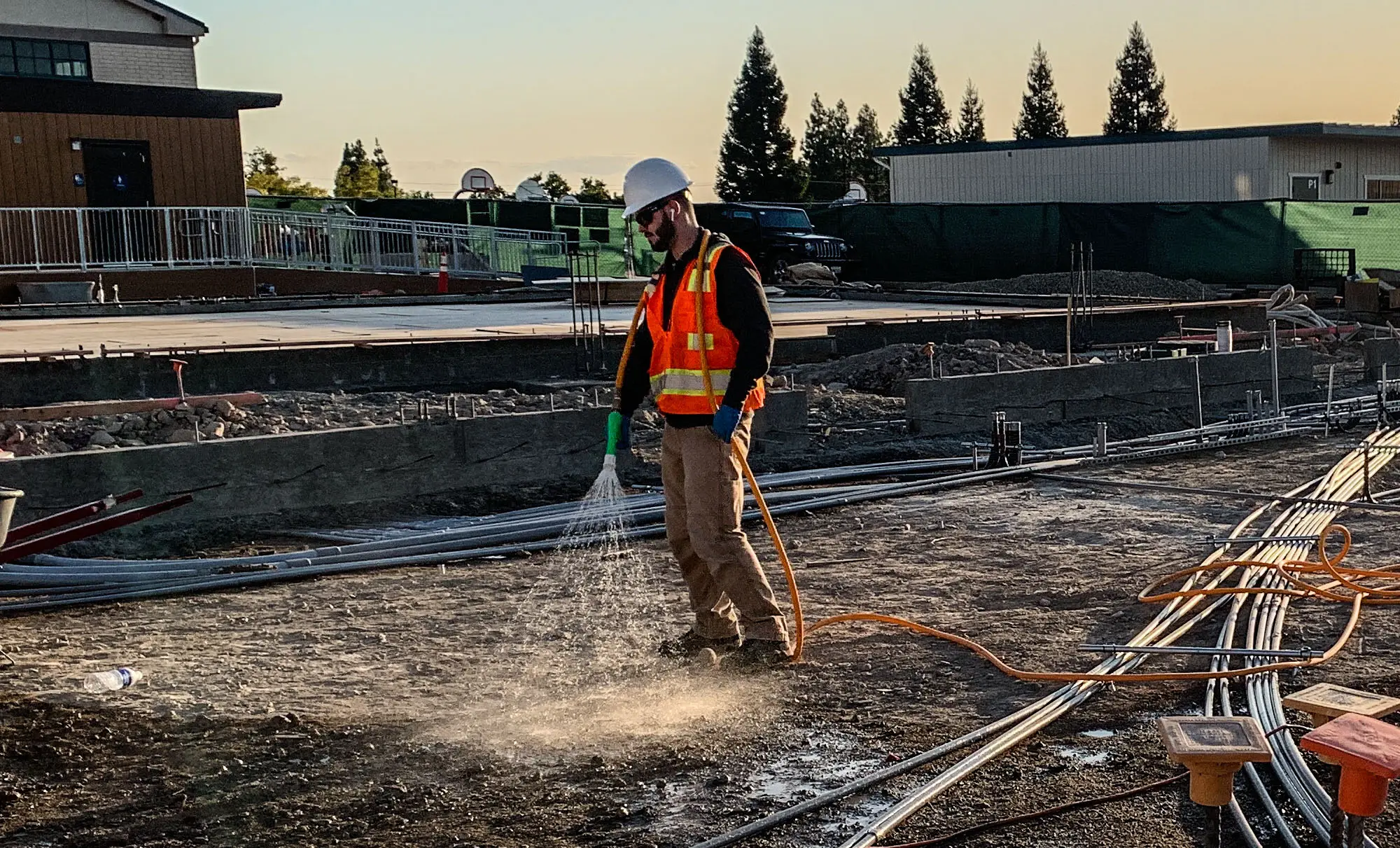
We create continuous chemical barriers around your home's foundation using non-repellent termiticides like fipronil or imidacloprid that termites cannot detect. Termites move through treated soil and return to the colony, exposing workers and the queen to the termiticide for complete colony elimination.

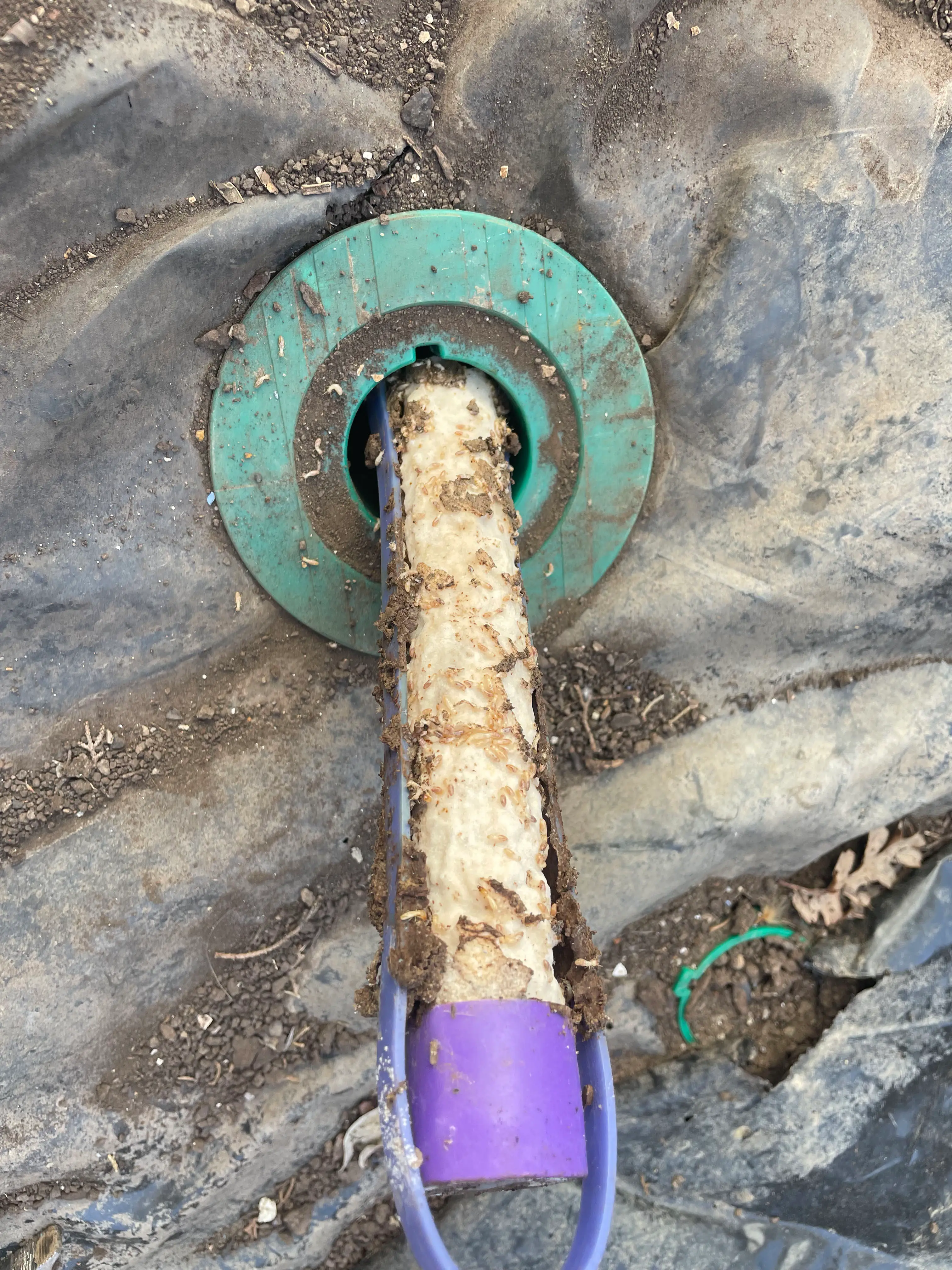
Installing in-ground termite baiting station around property perimeter

Termite Baiting Systems

Strategic installation of below-ground monitoring stations around your property's perimeter containing wood attractants. Once termite activity is detected, attractants are replaced with growth-regulating bait that workers carry back to the colony, eliminating the entire population over time including the queen.

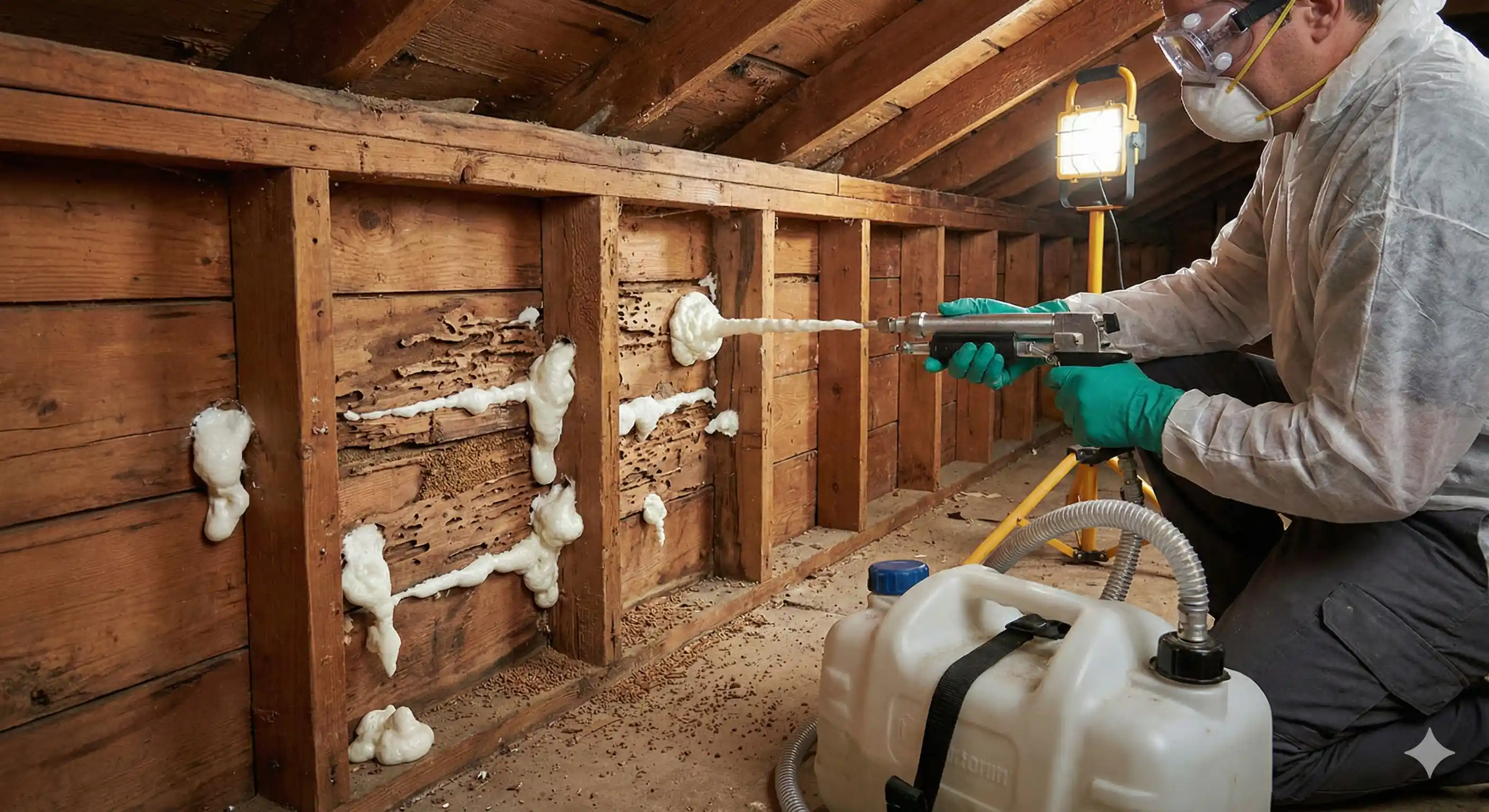
Applying expanding foam termiticide into wall void

Targeted Foam Applications

Specialized expanding foam treatments injected into wall voids, galleries, and hard-to-reach areas where liquid applications cannot penetrate. The foam expands to fill spaces and contact termites in their hidden galleries, ensuring complete coverage in critical locations.

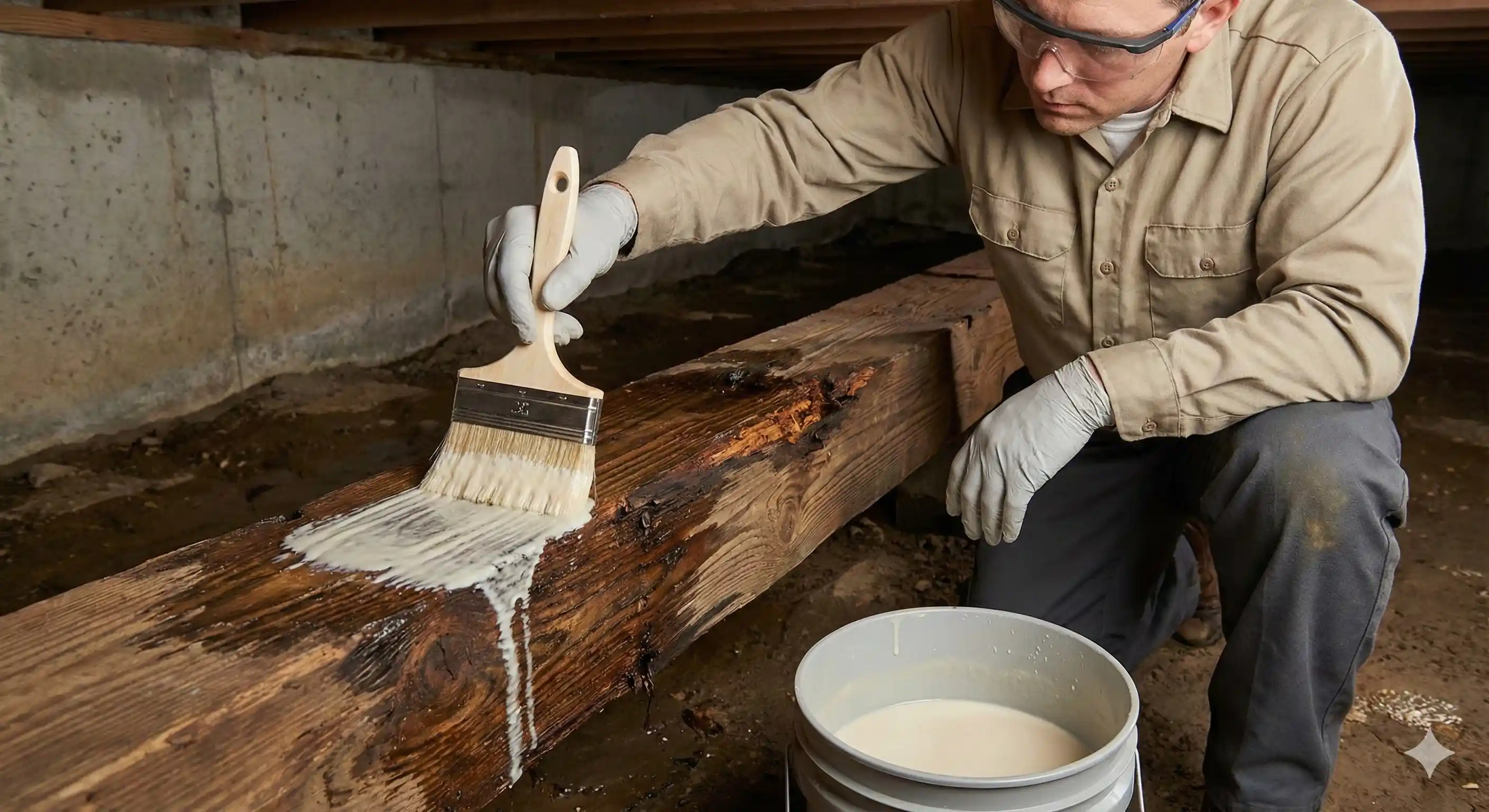
Applying borate wood treatment to structural lumber

Borate Wood Treatments

Direct application of borate-based products to exposed wood surfaces that penetrate the fibers and provide long-lasting protection against termite feeding. Borates remain effective for the life of the wood while remaining safe for household members and pets.

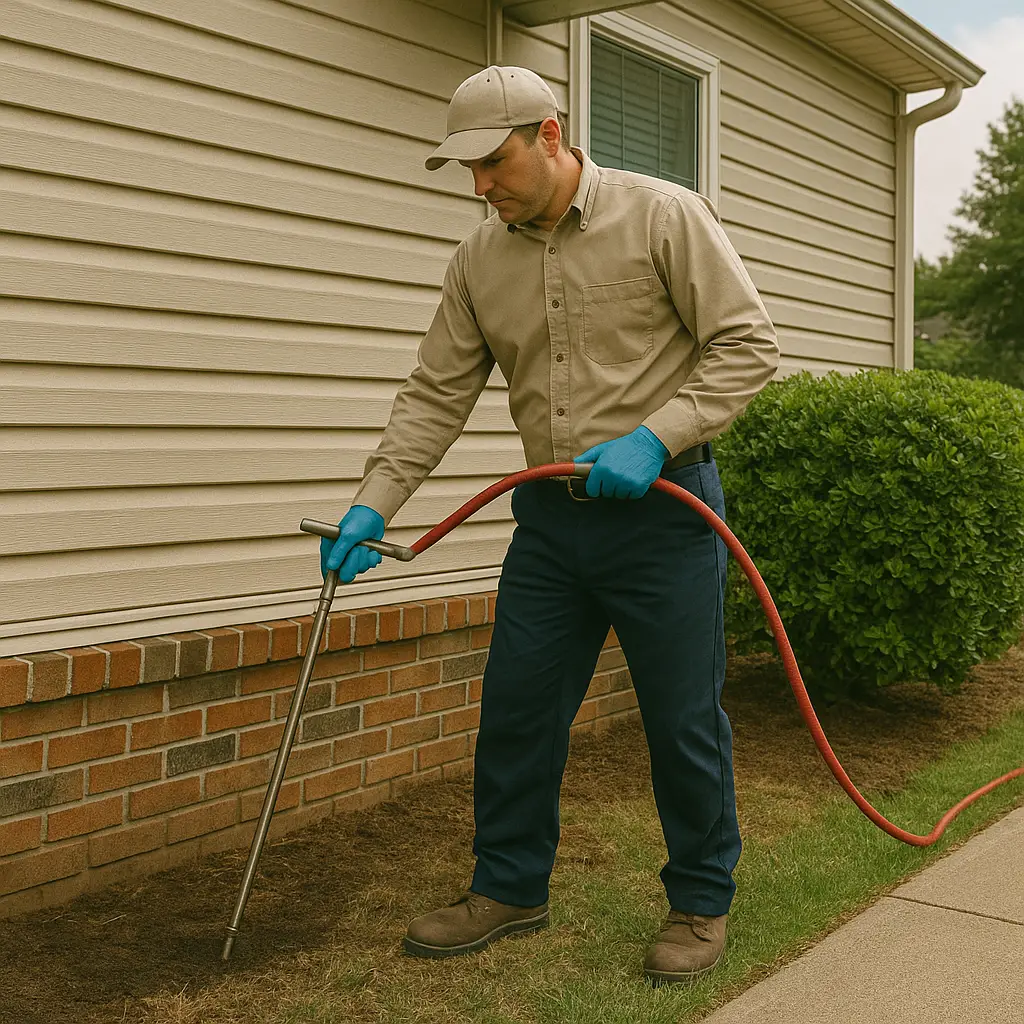
Trenching and rodding termiticide application along foundation

Trenching & Rodding

Meticulous application of termiticides through trenching around foundations combined with sub-slab injection through drilled access points. This establishes complete protective barriers where termites are most likely to enter—beneath and around the entire foundation perimeter.

Treating accessible termite nest directly with targeted application

Direct Nest Treatment

When accessible, we directly treat termite nests and primary galleries with targeted applications designed to eliminate the reproductive center of the colony, including the queen and developing young—stopping the infestation at its source.

What Causes Subterranean Termites?

Understanding what draws subterranean termites to your property is essential for effective control and prevention. Eliminating these attractants significantly reduces the likelihood of termite activity.
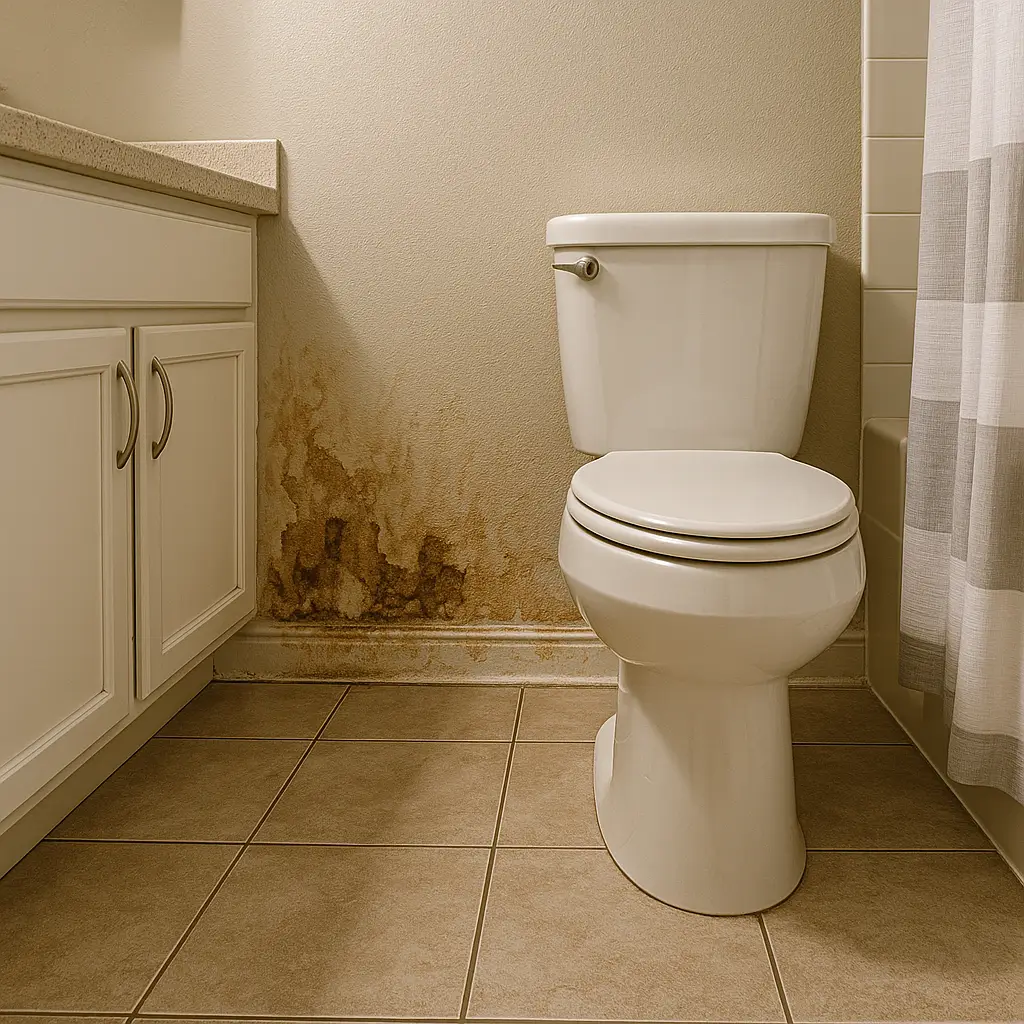
Foundation moisture issues attracting subterranean termites

💧 Moisture Conditions

Subterranean termites require consistent moisture to survive and are attracted to properties with poor drainage, leaky pipes, improper ventilation, or excessive irrigation that creates damp soil conditions around foundations—creating the humid environment termites need.

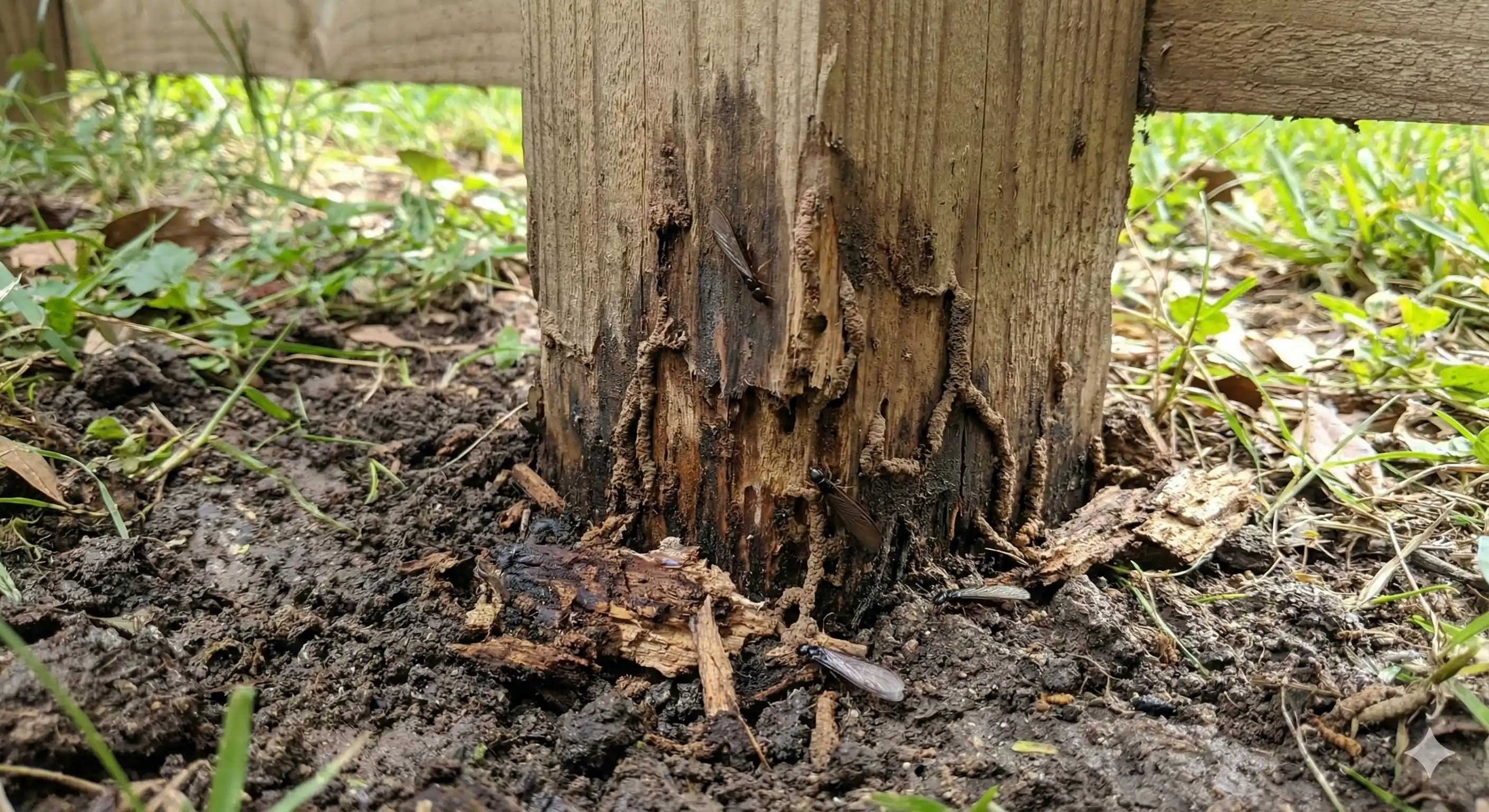
Wood structure in direct contact with soil allowing termite access

🪵 Wood-to-Soil Contact

Structural elements like deck posts, porch stairs, or siding that directly contact soil create highway access for termites to move from their underground nests directly into your home without exposure to light or air that would otherwise deter them.

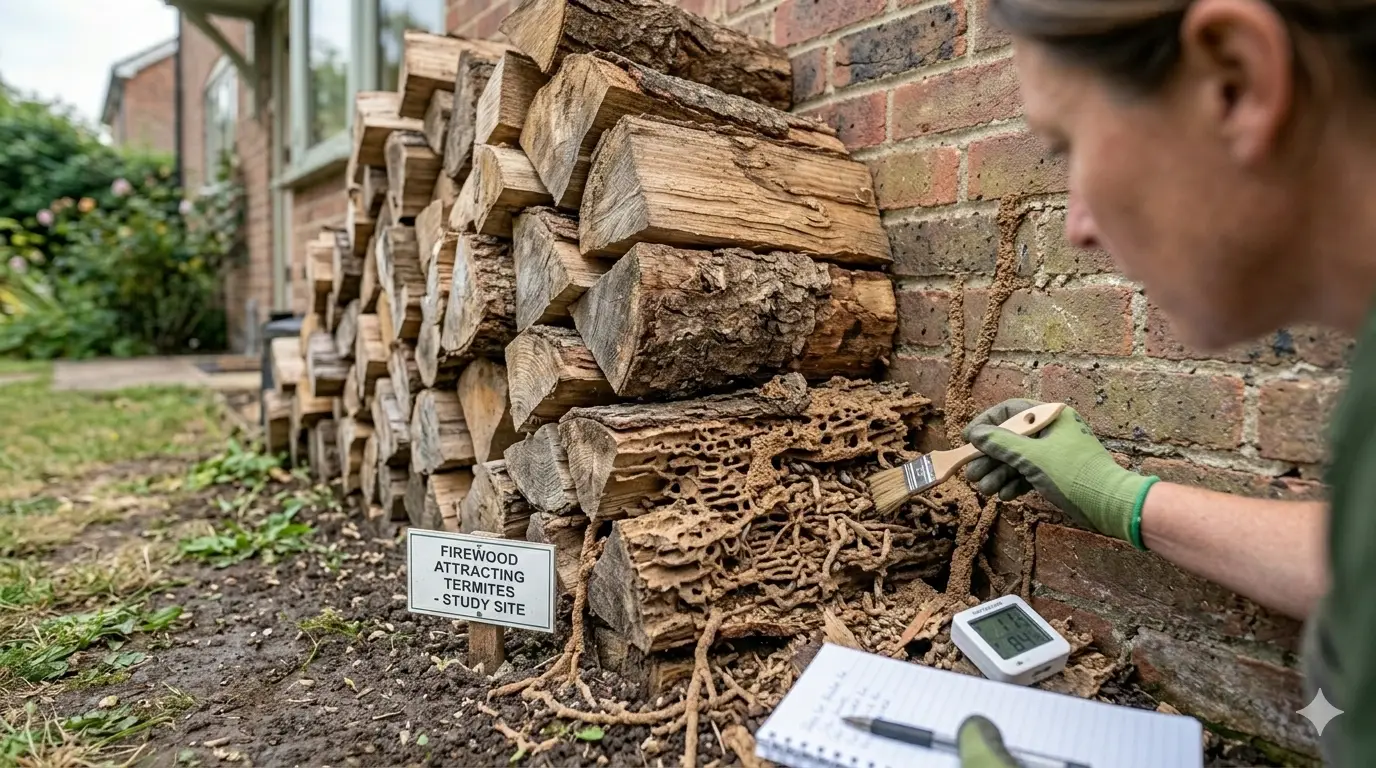
Firewood and cellulose materials stored against home attracting termites

🏚️ Cellulose Sources

Piles of firewood, lumber, cardboard, mulch, or other cellulose materials stored against the home or directly on soil provide both food and shelter that attracts foraging termites to your property—serving as a bridge to your home's structure.

Soil conditions favorable for subterranean termite activity

🌡️ Optimal Soil Conditions

Loose, sandy soils with consistent moisture content are ideal for termite tunneling and colony development. Termites are particularly active in warm soil temperatures between 75-95°F, making properties in warmer regions especially vulnerable.

Learn More About Subterranean Termite Prevention →

What Are Signs of Subterranean Termites in Your Home?

Learn to recognize these distinctive indicators of subterranean termite activity. Early detection significantly reduces potential damage and treatment costs.
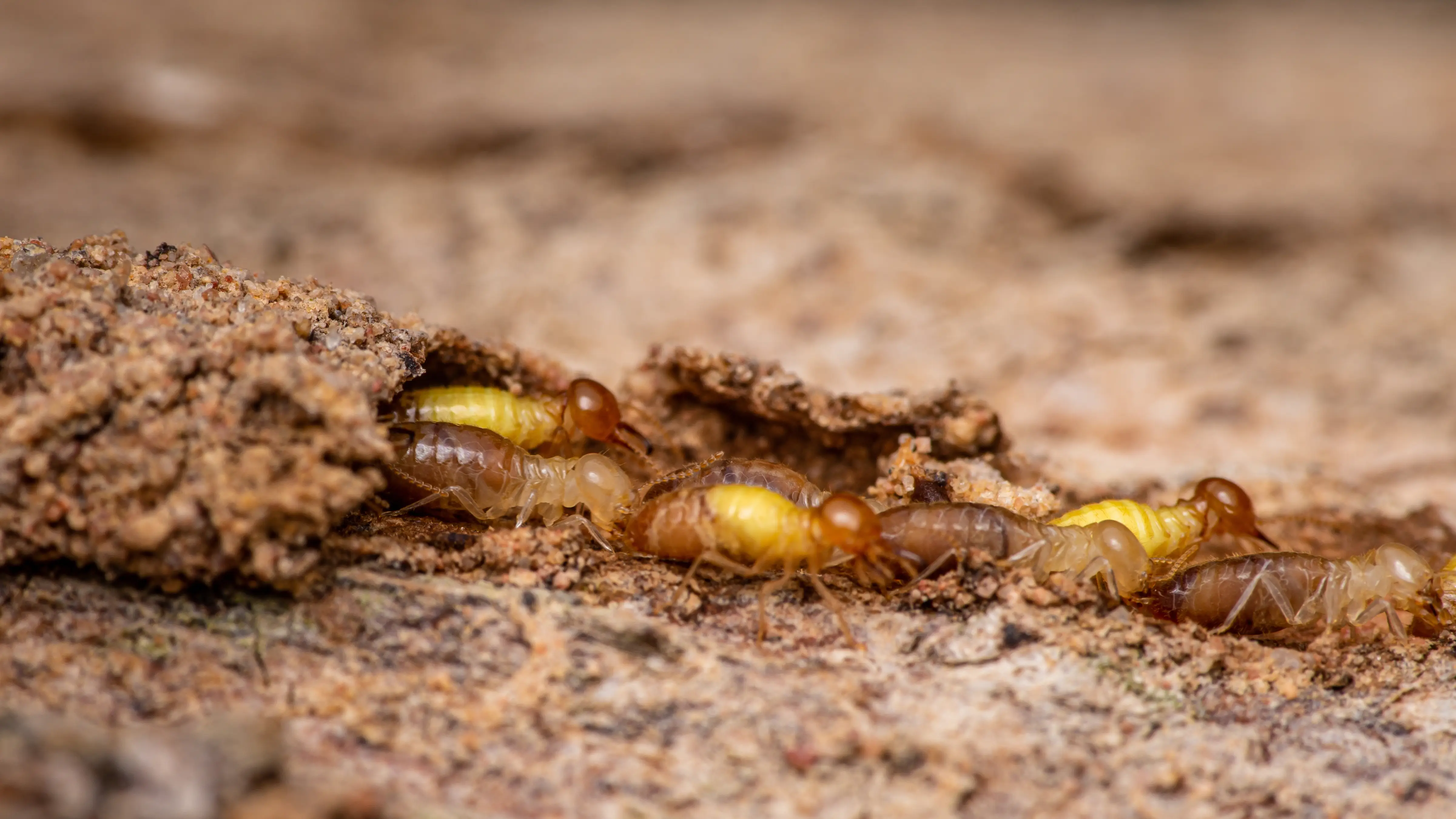
Mud tubes on foundation wall indicating subterranean termite activity

Mud Tubes

Shelter tubes about the width of a pencil running along foundation walls, support piers, floor joists, or other structural elements. These tubes protect termites from light and air while they travel between soil and wood food sources.

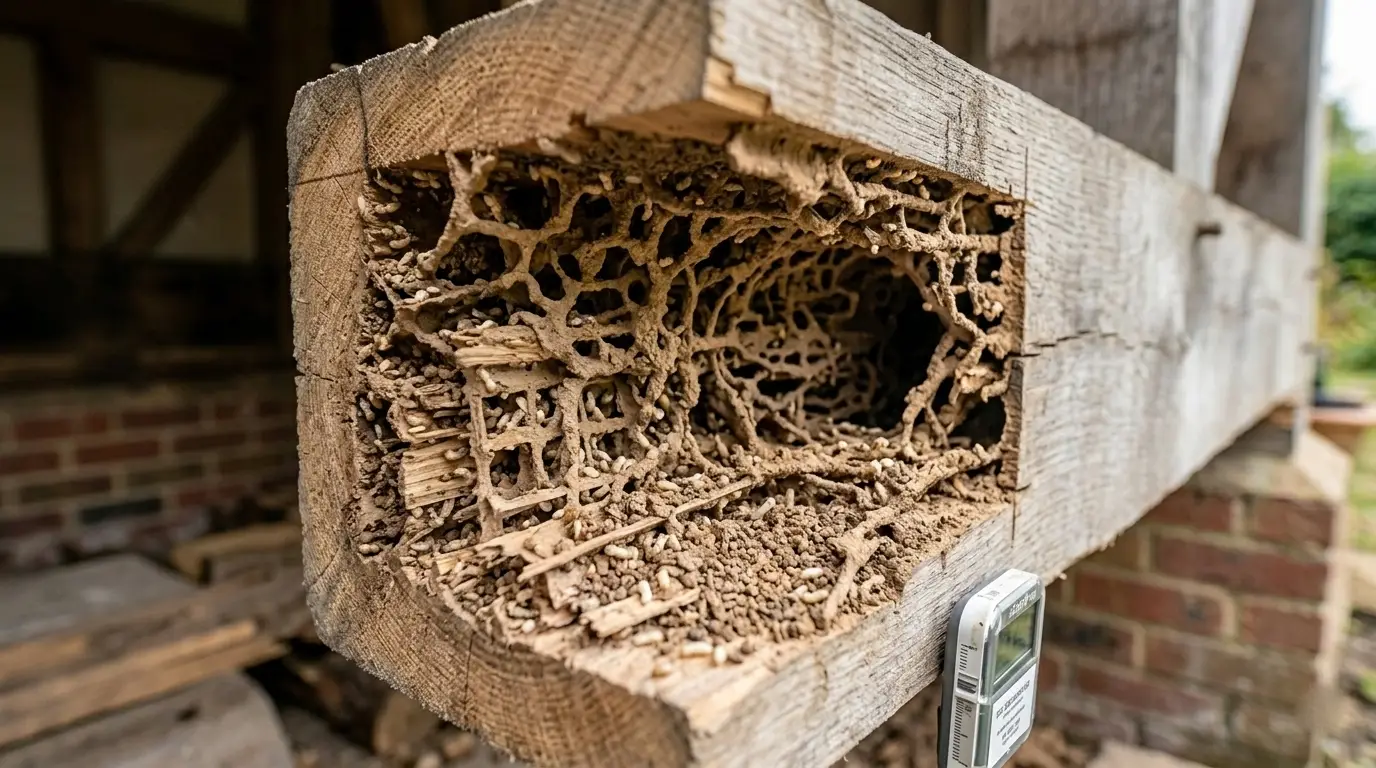
Wood beam showing hollow interior from termite damage

Hollow-Sounding Wood

Damaged wood with a honeycomb interior that appears intact from the outside but has been hollowed along the grain. Tapping structural wood and hearing a hollow sound indicates termites have consumed the interior while leaving a thin outer shell.

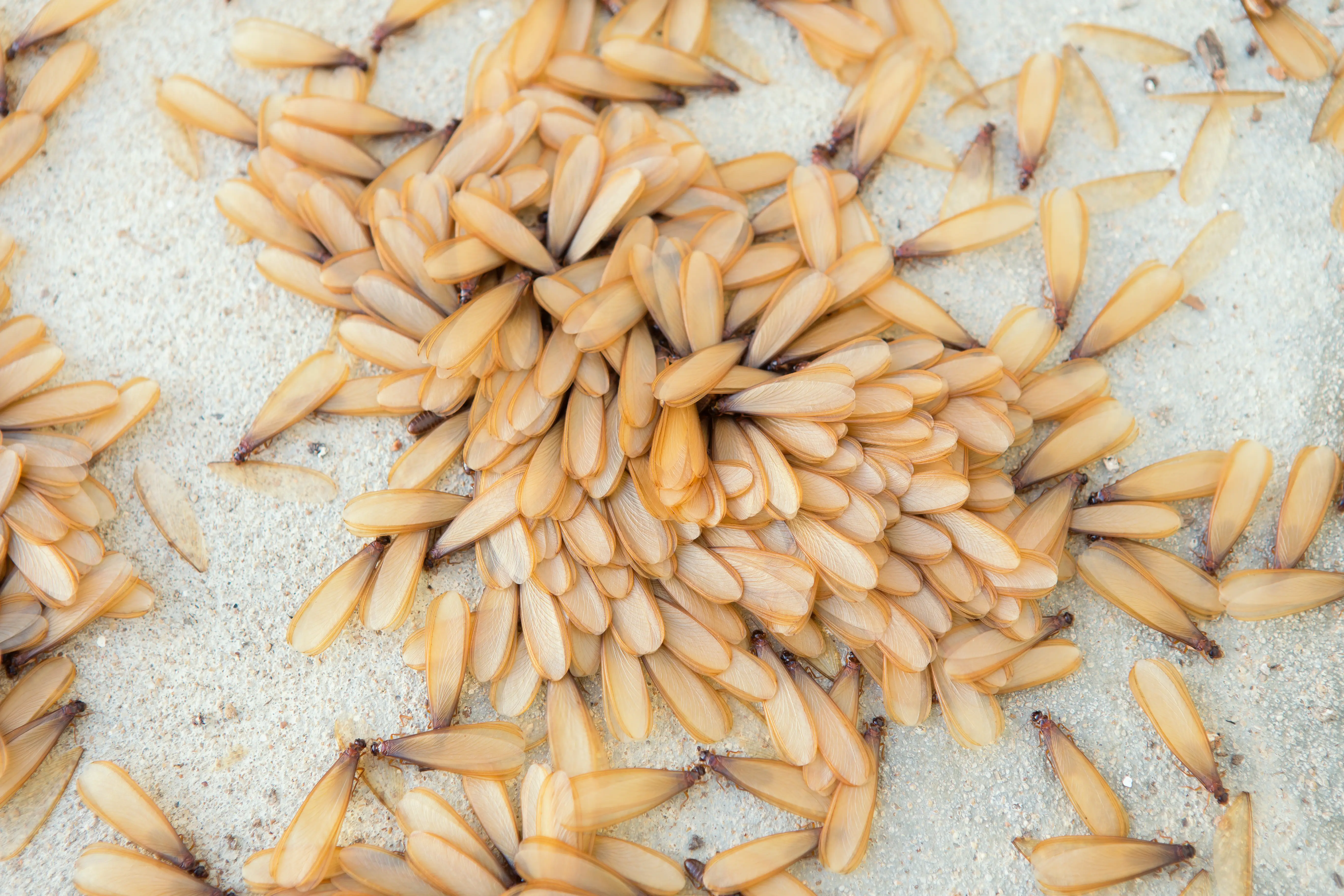
Discarded termite wings near window indicating swarm activity

Discarded Wings

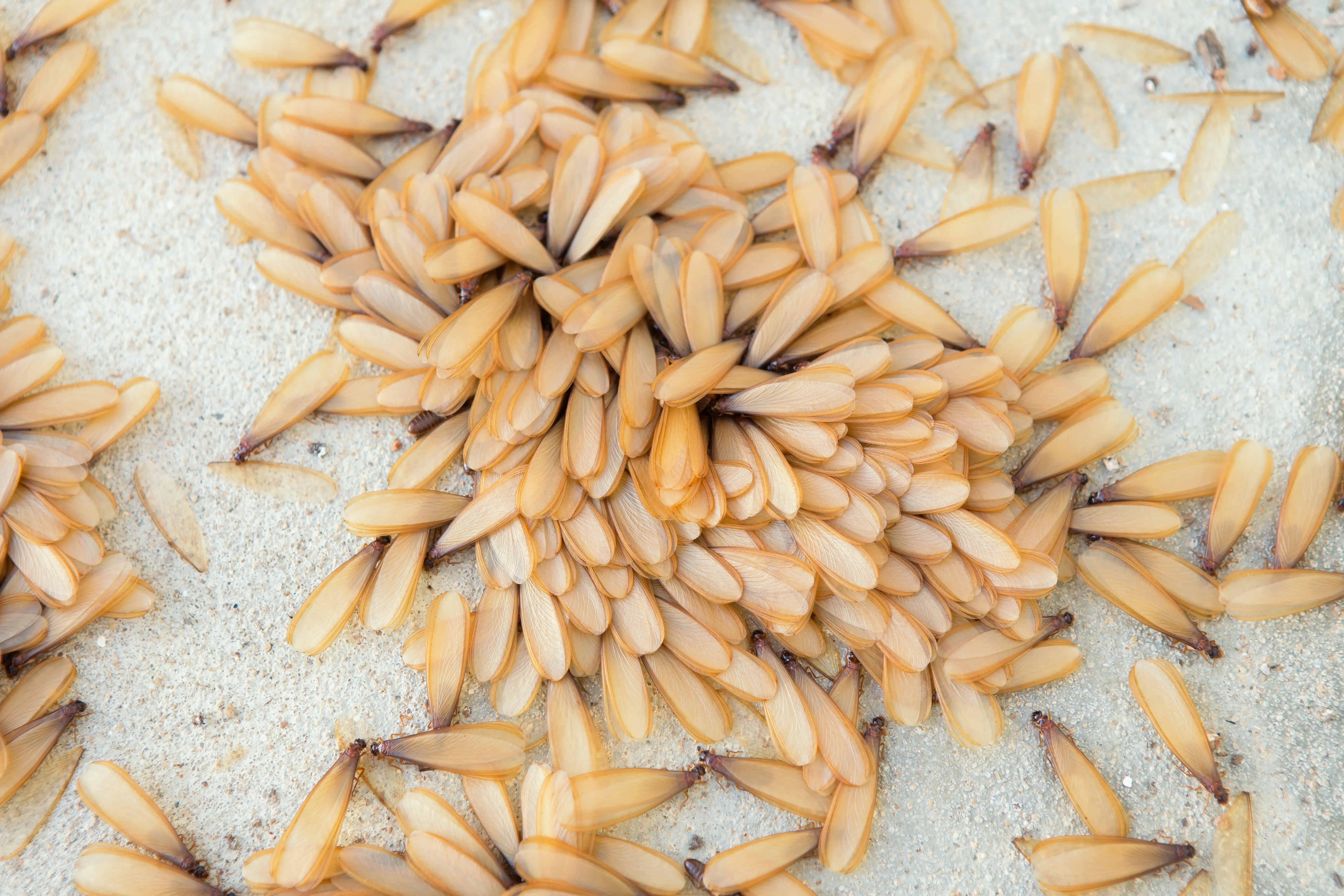
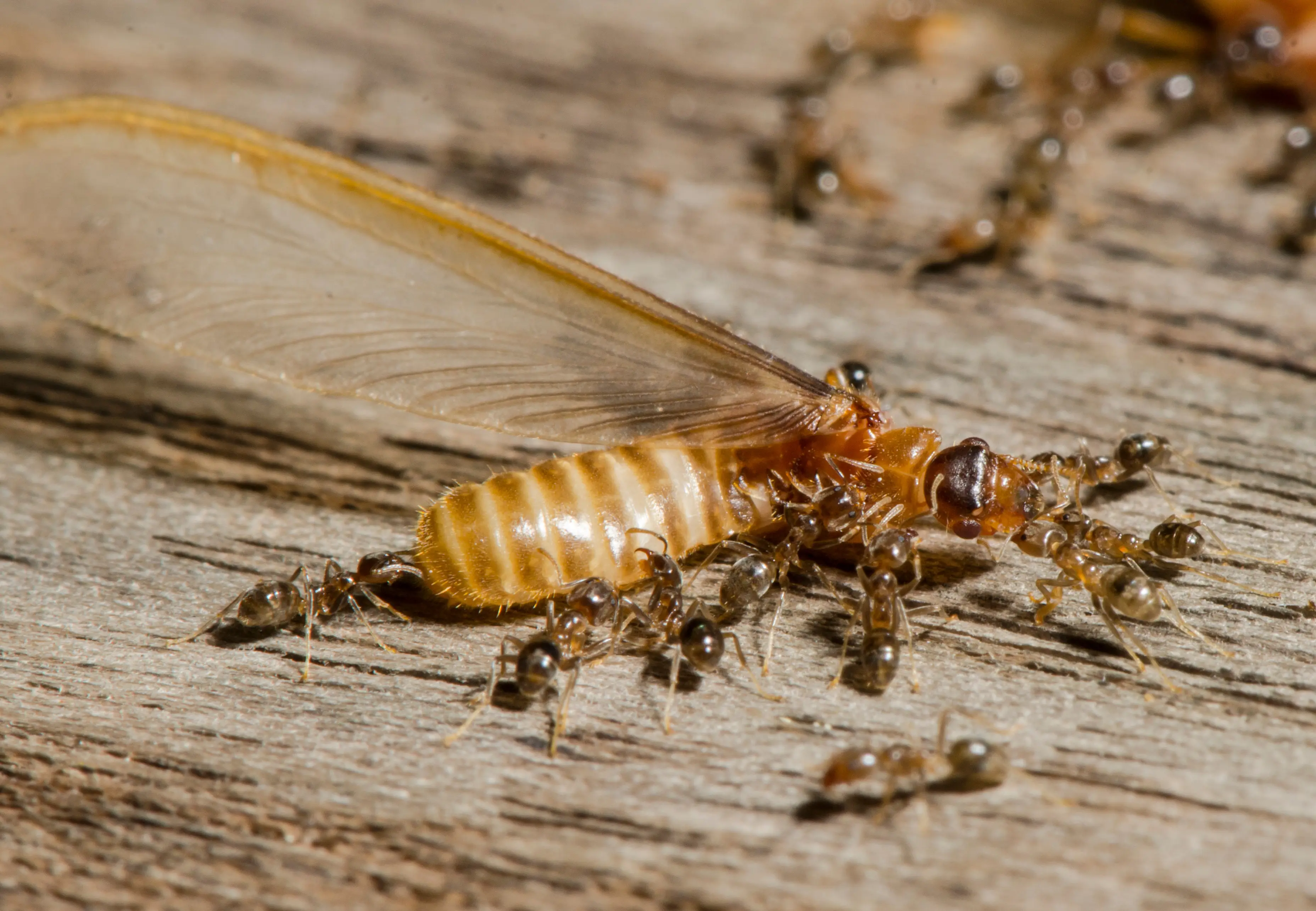
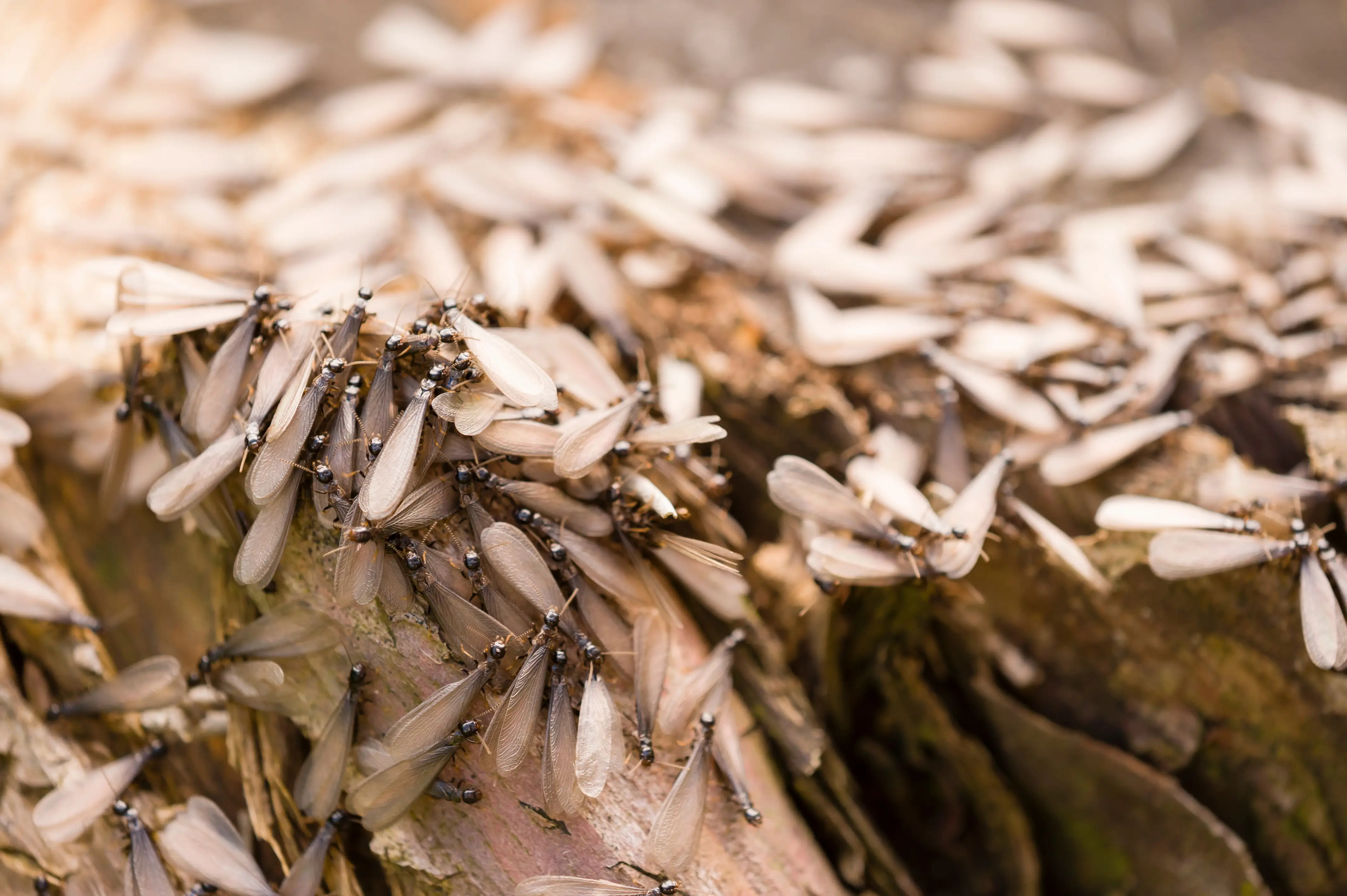
Shed wings accumulating near windows, doors, or light fixtures following swarms of reproductive termites (alates). Finding piles of identical wings, often in spring—indicates a mature colony nearby that has produced swarmers seeking to establish new colonies.

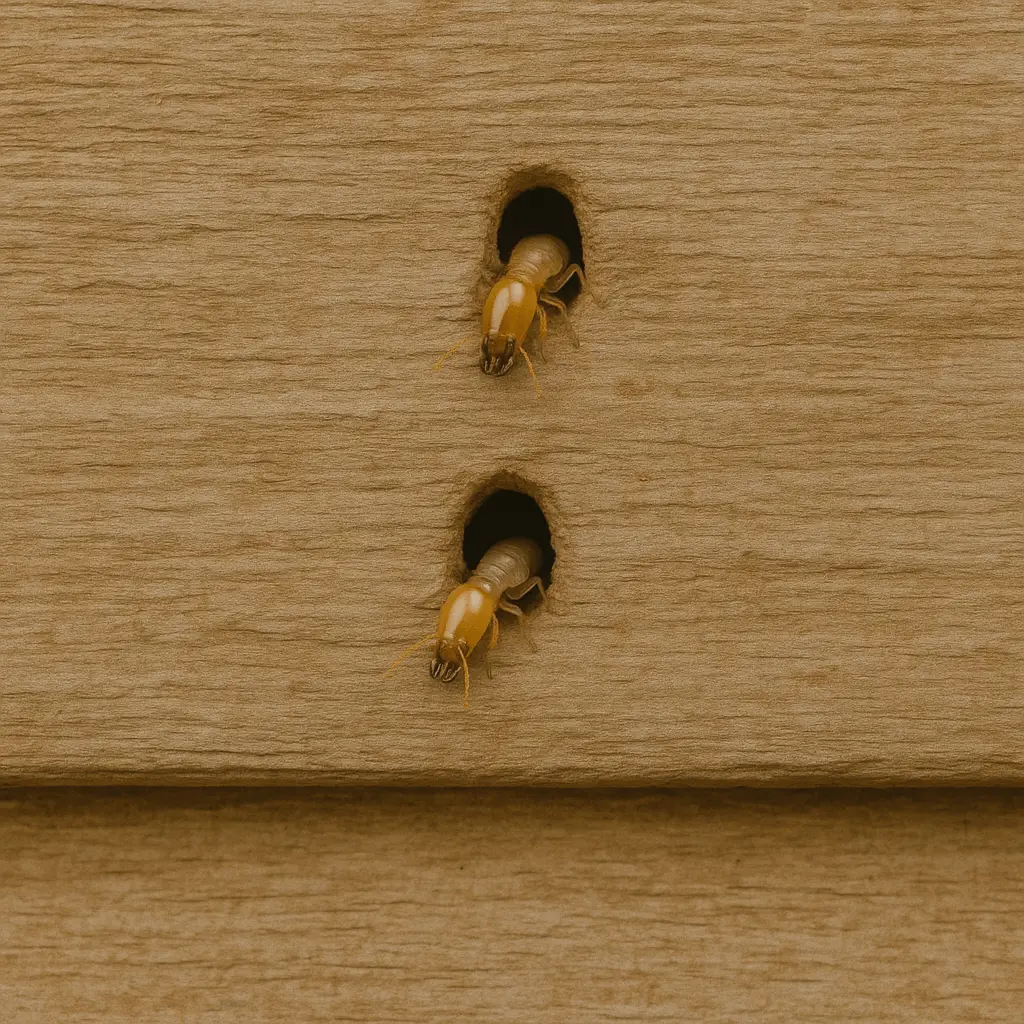
Tiny termite exit holes in drywall or wood surface

Tiny Exit Holes

Small exit holes in drywall, wood, or wallpaper with surrounding dark spots, blistering, or bubbling paint. These holes are created when swarming termites emerge from galleries within walls to begin their reproductive flight.

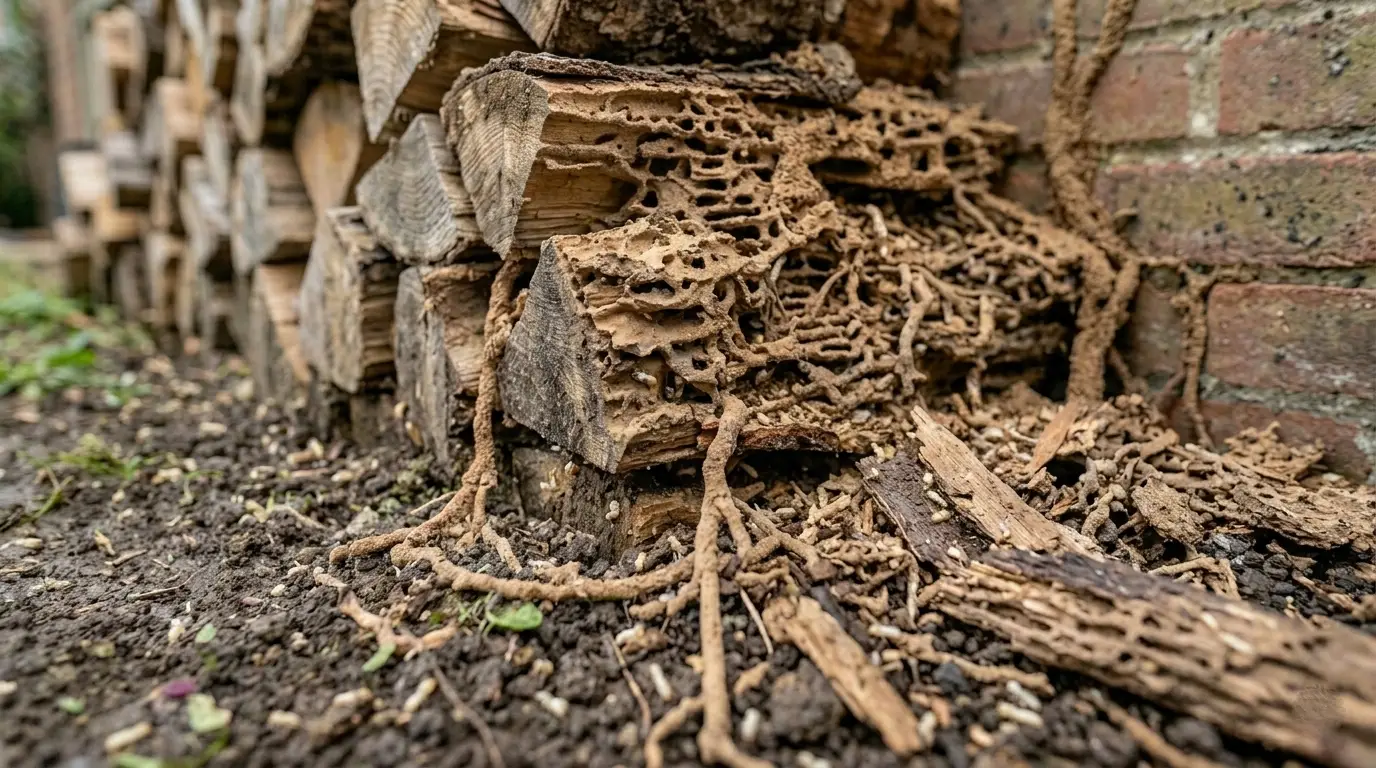
Termite galleries showing mud and soil packed inside damaged wood

Frass & Mud in Galleries

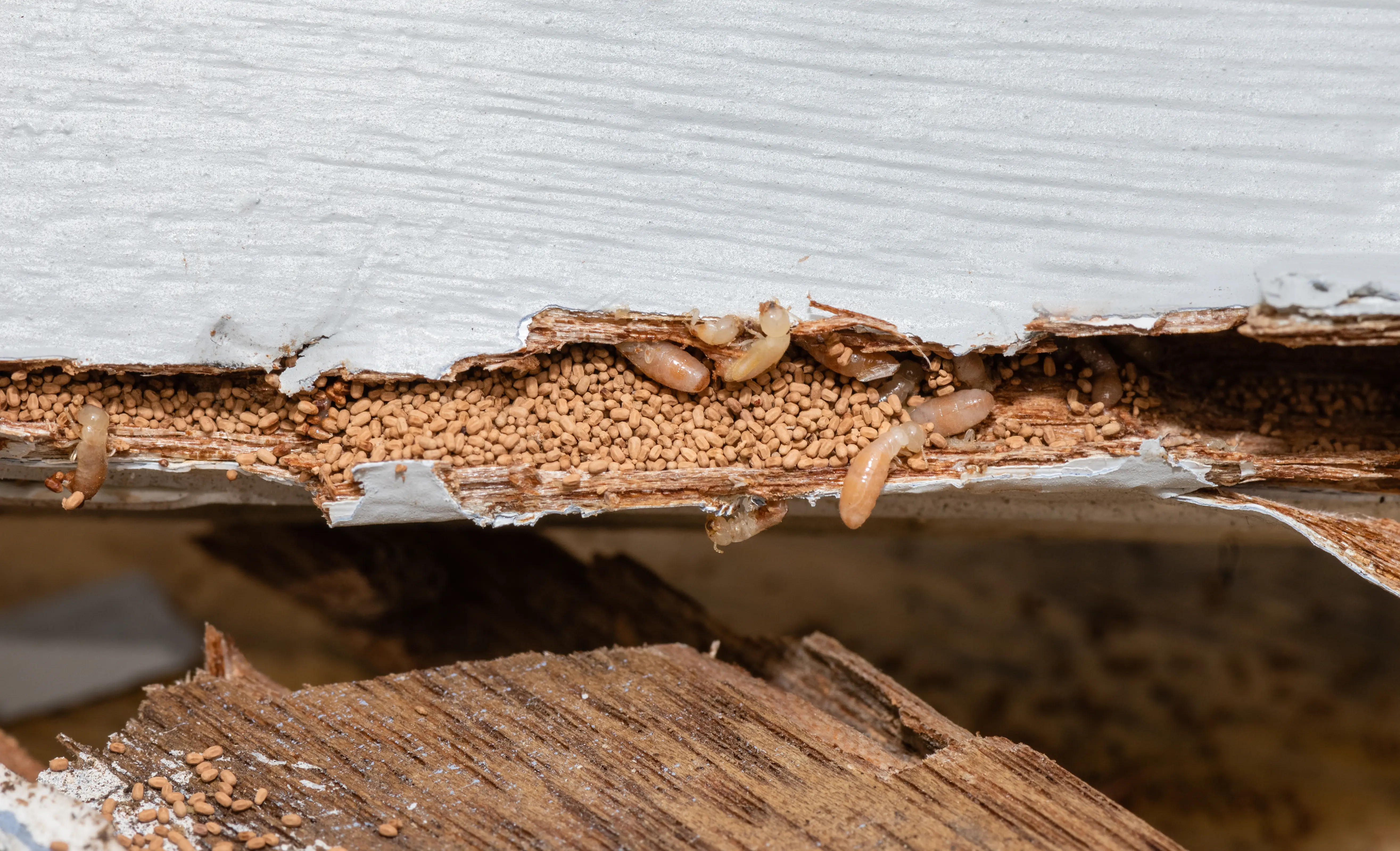
Unlike drywood termites that push out clean frass, subterranean termites leave soil and mud packed into their galleries. Finding mud-lined tunnels in wood or soil particles in damaged areas confirms subterranean species.

Sagging floor or warped door frame from termite structural damage

Structural Changes

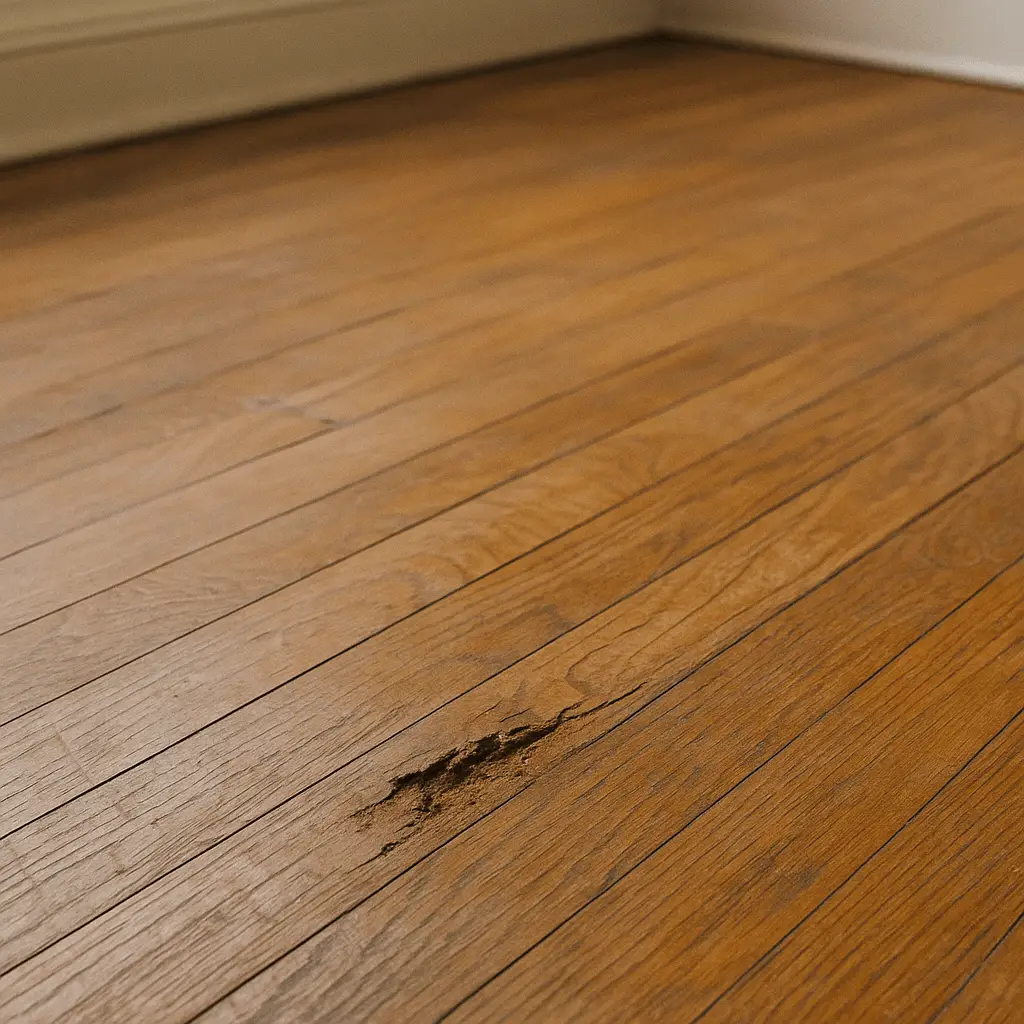
Sagging floors, buckling wood, or doors and windows that suddenly become difficult to open indicate structural damage from termite feeding. These symptoms often mean significant damage has already occurred within walls and structural members.

Learn More About Subterranean Termite Detection →

DIY vs Professional Treatment

While hardware stores offer various termite control products, DIY approaches rarely provide effective protection against subterranean termites. Consumer-grade treatments lack the concentration and specialized formulations professionals use, and without proper application equipment, these products cannot establish the continuous barriers needed for reliable protection. Additionally, most homeowners lack the training to identify the full extent of infestations or properly apply treatments to hidden termite entry points.

Professional termite control offers comprehensive protection that DIY methods cannot match. Our licensed technicians conduct thorough inspections using moisture meters, infrared cameras, and termite detection devices to identify all termite activity, including hidden colonies and damage. We utilize commercial-grade termiticides and specialized equipment to create complete barriers and targeted treatments reaching areas inaccessible to consumer products. Our integrated approach combines multiple treatment methods tailored to your property's construction and infestation for both immediate elimination and long-term prevention with documented warranty protection.

❌ DIY Treatment

  • Consumer products lack professional concentration
  • Cannot establish complete barriers
  • No specialized application equipment
  • Cannot identify full infestation extent
  • Missing hidden entry points
  • No warranty protection

✓ Professional Treatment

  • Commercial-grade termiticides
  • Complete barrier establishment
  • Specialized detection equipment
  • Thorough colony identification
  • Treatment of hidden galleries
  • Documented warranty coverage

Commercial Subterranean Termite Control

EcoGuard Pest Management implements customized subterranean termite control programs for commercial facilities that prioritize operational continuity while ensuring effective pest elimination. Our comprehensive commercial subterranean termite protection programs combine discrete treatment applications with flexible scheduling to maintain your business operations while ensuring complete elimination of subterranean termite problems.

We specialize in subterranean termite control solutions for:

  • Restaurants and food service establishments
  • Healthcare facilities
  • Hotels and hospitality venues
  • Educational institutions
  • Office complexes
  • Food processing facilities
  • Warehouses and storage facilities
  • Retail spaces
  • Manufacturing facilities
  • Multi-unit residential properties
Learn About Commercial Pest Control
100% SATISFACTION GUARANTEE

The EcoGuard Guarantee

EcoGuard offers a 100% satisfaction guarantee for all of our customers, and we stand by our promise to eradicate your subterranean termite problem until the very last subterranean termite is gone. That subterranean termite control guarantee comes with every service and if the subterranean termites come back, then so do we, at no additional cost. We are standing by to give you a free estimate and to help you set your first subterranean termite pest control service appointment.

📞 Call (866) 326-2847 Today

Our Subterranean Termite Control Process

A comprehensive approach to eliminating termite colonies and protecting your structure

1

Comprehensive Inspection

Our technicians conduct thorough property assessments using specialized tools like moisture meters, infrared cameras, and termite detection devices to locate active termites and identify all potential entry points. We examine both interior and exterior areas, paying special attention to foundations, crawl spaces, basements, and other vulnerable areas.

2

Customized Treatment

Based on inspection findings, we develop and implement a targeted control strategy combining liquid termiticide applications, baiting systems, and focused treatments suited to your specific situation. Our approach addresses both active infestations and creates preventive barriers to protect against future termite invasions.

3

Structural Exclusion

We identify and address structural vulnerabilities that provide termite access to your home. This includes recommendations for moisture control, elimination of wood-to-soil contact, and other modifications to make your property less attractive and accessible to termites.

4

Ongoing Monitoring

Our protection plan includes regular inspections of termite monitoring stations, assessment of barrier integrity, and evaluation of environmental conditions that might attract new termite activity. This continuous vigilance ensures early detection of any new termite threats before damage can occur.

Seasonal Plan for Subterranean Termite Control

Year-round protection adapted to seasonal subterranean termite behavior patterns

Spring Subterranean Termite Control

Spring

Critical monitoring period as warming soil temperatures increase termite activity and trigger reproductive swarms; thorough property inspections to identify winter damage or new entry points; refresh termite barriers as needed; ensure bait systems ready for peak termite movement season

Summer Subterranean Termite Control

Summer

Intensive treatment period when soil conditions are optimal for liquid termiticide application and termite foraging reaches maximum levels; inspections focus on areas with irrigation or moisture issues creating attractive conditions; optimal time for barrier installation

Fall Subterranean Termite Control

Fall

Treatments focus on reinforcing barriers before ground freezes; address conducive conditions like leaf accumulation or drainage issues attracting termites seeking stable moisture; inspect and maintain bait stations; seal entry points discovered during season

Winter Subterranean Termite Control

Winter

Maintenance period for monitoring indoor termite activity as subterranean termites remain active year-round in heated structures; interior inspections of basements, crawl spaces, and utility areas where termites may continue feeding despite colder outdoor temperatures

What Our Customers Say

Trusted by homeowners for professional termite elimination and structural protection

★★★★★

"We found mud tubes on our foundation during spring cleaning and panicked. EcoGuard came out the next day, did a complete inspection with their infrared camera, and found the colony under our garage. The barrier treatment worked perfectly—annual inspections give us peace of mind."

Michael & Sandra T.
Sacramento, CA
★★★★★

"After finding discarded wings everywhere, we learned we had a massive termite problem. The technician explained our options clearly and the baiting system they installed eliminated the entire colony. Their warranty program means we never have to worry again!"

Robert L.
Fresno, CA
★★★★★

"Our home inspector found termite damage before our sale. EcoGuard not only treated the problem but provided all the documentation we needed. They stood behind their work with a comprehensive warranty that satisfied our buyers. Highly recommend!"

Jennifer & David K.
Bakersfield, CA

Subterranean Termite Control FAQs

Everything you need to know about subterranean termite control and treatment

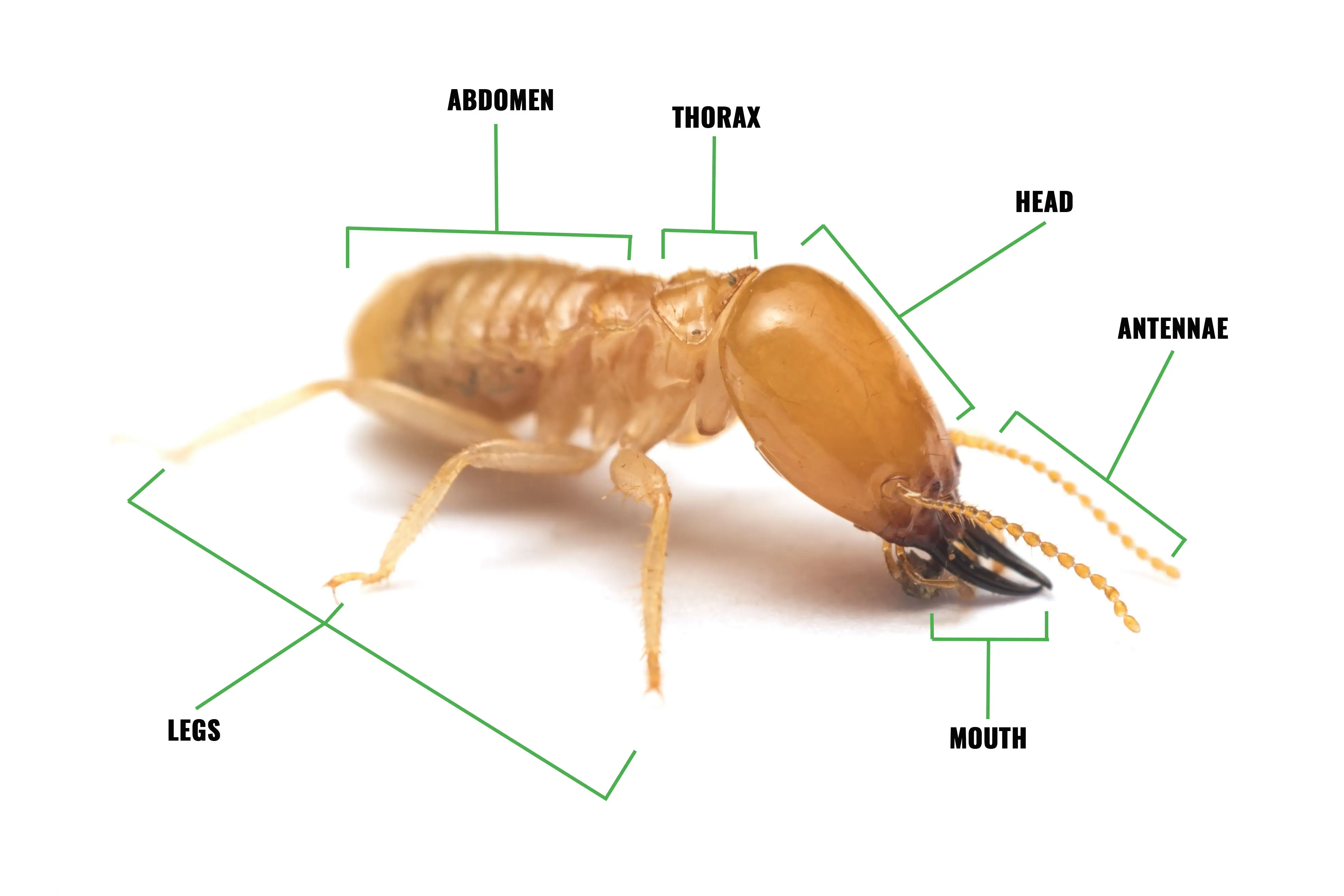
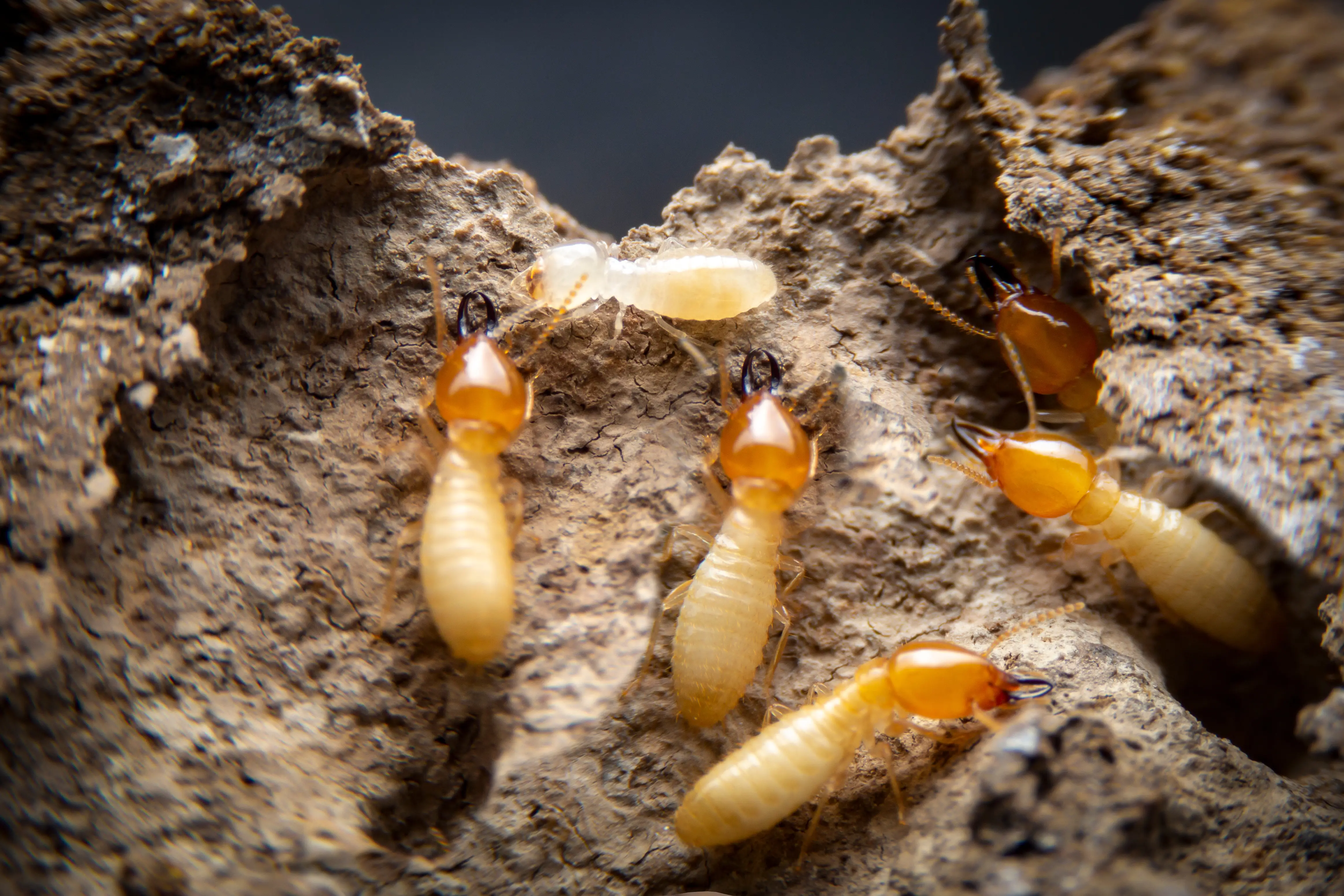
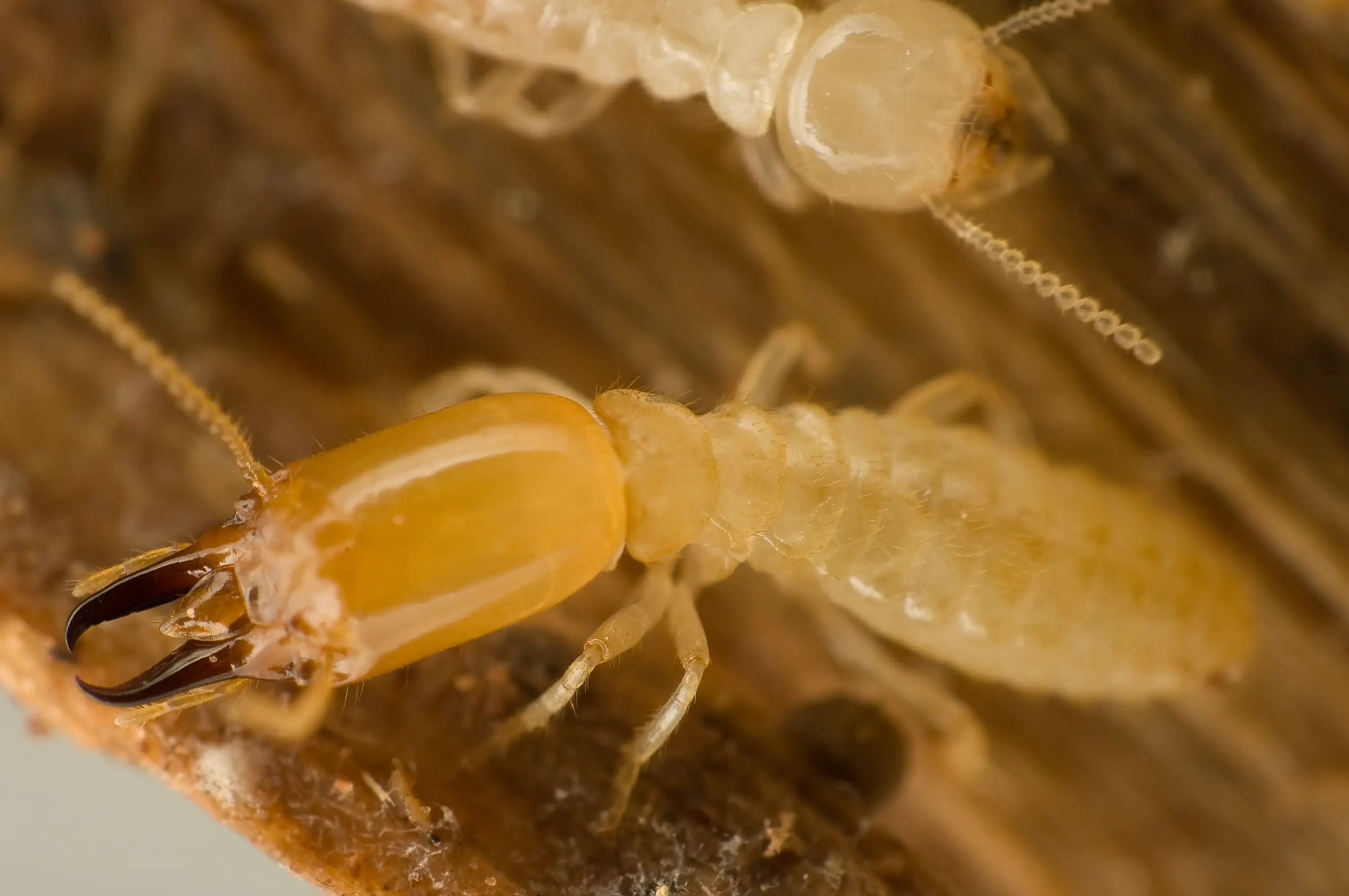
Subterranean termites create distinctive mud tubes to travel between soil and wood, and their damage follows the wood grain, leaving a honeycomb appearance with soil or mud packed into galleries. Unlike carpenter ants that push out clean wood shavings, termites consume the wood. Appearance differs too—ants have pinched waists and jointed antennae while termites have thick abdomens and straight antennae.

Subterranean termites live in massive colonies with populations reaching millions of individuals, vastly outnumbering other termite species. Their underground nesting allows colonies to grow larger and forage more extensively than drywood termites. Additionally, their hidden nature means damage often progresses undetected for years, with Formosan subterranean termites being particularly aggressive, consuming wood significantly faster than native species.

Termites build mud tubes over foundation walls to reach wooden structures and can enter through cracks as thin as 1/32 of an inch. In homes with slab foundations, termites enter through openings around plumbing fixtures, electrical conduits, and gaps between the slab and wall framing, often traveling significant distances through soil beneath the concrete.

Damage timeline varies based on colony size, species, and conditions. A mature colony of 60,000 workers might consume about 5 grams of wood daily, potentially damaging a foot of 2x4 lumber in 5-6 months. However, Formosan colonies can be 10 times larger and cause significant structural damage within 6 months to 2 years. Most infestations are discovered only after years of progressive destruction.

Modern non-repellent liquid termiticides create highly effective barriers that termites cannot detect, allowing them to tunnel through treated soil and transfer the active ingredient throughout the colony. When properly applied by professionals, these barrier treatments provide protection for 5-10 years, with some products effective up to 15 years. Success requires establishing a complete, uninterrupted barrier with proper concentration.

Liquid soil treatments create chemical barriers that either repel or kill termites attempting to enter structures, providing immediate protection. Baiting systems work more gradually by placing stations that attract foraging termites, which carry slow-acting toxicants back to the colony, eventually eliminating the entire population. Liquid treatments focus on structure protection while baiting targets colony elimination—many programs combine both approaches.

Modern termite control products are designed with safety in mind when properly applied by licensed professionals. Today's termiticides have targeted activity against termite nervous systems with minimal impact on mammals. Bait systems contain small amounts of active ingredients in secured stations, while liquid applications are placed in soil or within structural voids where contact is minimized. We provide detailed safety information following any treatment.

Treatment durability varies by method. Liquid termiticides are typically rated for 5-10 years with some variability due to soil conditions. Borate wood treatments remain effective for the life of the wood if not exposed to excessive moisture. Monitoring and baiting systems require ongoing maintenance but provide continuous protection when properly serviced. Most companies offer renewable warranty programs for long-term protection.

Preparation varies based on treatment method. For chemical barrier treatments, provide access to your foundation perimeter, move plants and mulch away from foundation areas, and ensure technicians can access crawl spaces and basements. Interior preparations may include moving stored items away from walls in basements and clearing areas where drilling might be needed. We provide a detailed preparation checklist tailored to your treatment plan.

We use specialized equipment including drill-and-inject applications through concrete slabs and foundations, creating small, strategic holes for termiticide delivery directly to soil beneath. For wall voids, we utilize foam formulations that expand to fill spaces where liquid applications can't reach. In crawl spaces and hard-to-access areas, we use trenching combined with specialized application tools for complete coverage.

While professional treatments are highly effective, properties can face new termite pressure, particularly in high-risk regions. Liquid barriers may eventually break down, soil can shift creating gaps in protection, or new colonies may establish in untreated areas. This is why we recommend ongoing monitoring systems and renewable warranty programs with regular inspections to identify and address new activity before damage occurs.

Formosan termites create significantly larger colonies (often exceeding 1 million individuals compared to 200,000 for native species), consume wood faster, and build more extensive foraging tunnels. They're more aggressive in seeking entry points and can establish aerial nests within structures, surviving without soil contact. Their carton nests retain moisture, enabling them to survive in drier environments than native species.

When termites discover bait stations, they consume an insect growth regulator or metabolism inhibitor that workers carry back to the colony. These slow-acting toxicants prevent termites from molting or digesting food, eventually eliminating the entire colony including the queen. When properly maintained, baiting systems are highly effective, though they work more gradually than liquid treatments.

Repellent termiticides (typically pyrethroids) create barriers termites detect and avoid, preventing entry but not eliminating colonies. Non-repellent termiticides (like fipronil, imidacloprid, and chlorantraniliprole) are undetectable to termites and allow them to travel through treated soil and transfer the active ingredient to nestmates through contact and grooming. Non-repellents are generally preferred for existing infestations.

Most standard homeowners' insurance policies specifically exclude damage caused by termites and other wood-destroying organisms, considering it preventable through proper maintenance. This exclusion makes professional termite protection particularly important, as repair costs for structural damage can reach tens of thousands of dollars. A termite warranty provides financial protection insurance doesn't.

Professional termite inspections utilize multiple assessment methods including visual inspection of all accessible areas, moisture meters to detect elevated wood moisture indicating activity, infrared cameras to identify temperature variations in walls, acoustic detection devices that can hear termite feeding, and in some cases, trained termite detection dogs that can smell pheromones produced by colonies.

Watch for mud tubes on foundation walls, piers, or floor joists; accumulations of discarded wings near windows after spring or fall swarms; new cracks in drywall or paint; floors that become squeaky or uneven; doors or windows that become difficult to open; hollow-sounding wood when tapped; or any wood with a honeycomb interior. Early detection significantly reduces damage and treatment costs.

Structural repairs should ideally be delayed until the infestation is fully controlled, which may take 30-90 days depending on treatment method and severity. Premature repairs may interfere with treatment effectiveness or conceal continuing activity. Once your termite professional confirms the infestation is controlled, damaged wood should be evaluated to determine whether it requires complete replacement or can be reinforced.

Risk factors include excess moisture around foundations from poor drainage, wood elements in direct soil contact (fence posts, deck supports, siding), cracks in concrete slabs or foundations, heavy mulch or dense vegetation against the structure, previous termite history in the neighborhood, and certain construction types like slab-on-grade foundations. Properties in warmer regions face higher natural termite pressure.

For properties with wells, ponds, or near bodies of water, we utilize specialized termiticides approved for sensitive areas and maintain proper buffer zones to prevent contamination. Treatment plans may be modified to use physical barriers, baiting systems, or targeted applications where liquid applications would be inappropriate. Our technicians are trained in proper techniques that protect water sources while providing effective control.

Related Articles & Resources

Learn more about subterranean termite prevention, identification, and control
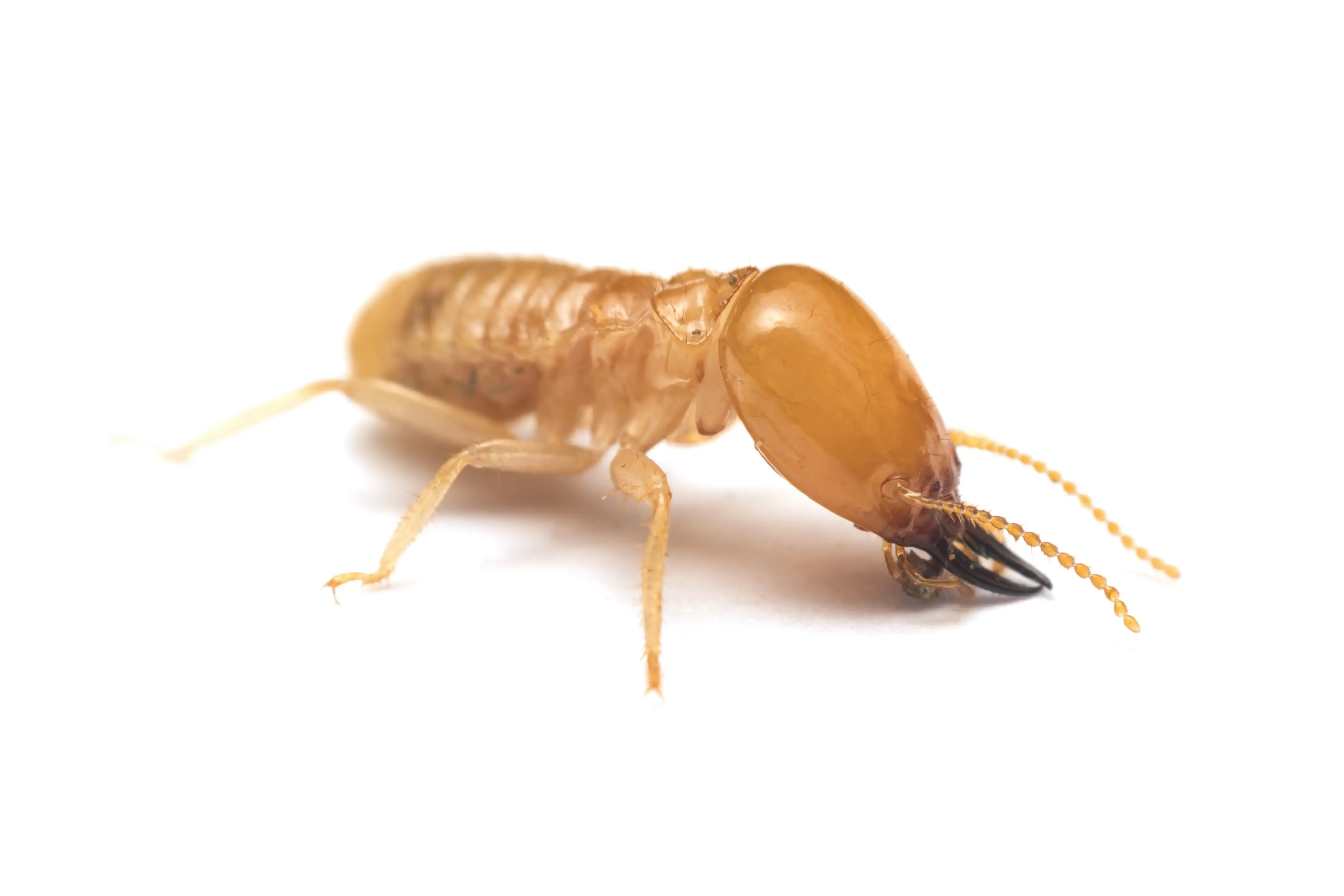
Do Termites Bite People? Risks, Symptoms & What to Do

Do Termites Bite People? Risks, Symptoms & What to Do

Learn if termites bite humans, what termite bites look like, the real risks of termites, and how to prevent and get rid of termite infestations.

Read Article →
Does Mulch Attract Termites? Complete Guide to Safe Mulching

Does Mulch Attract Termites? Complete Guide to Safe Mulching

Learn the truth about mulch and termites. Discover which mulch types are termite-resistant, proper installation techniques, and prevention strategies.

Read Article →
How Long Does Termite Treatment Last? Duration by Type

How Long Does Termite Treatment Last? Duration by Type

Learn how long different termite treatments last including baits, liquid treatments, fumigation, and Termidor. Factors affecting treatment effectiveness.

Read Article →
Signs of Termites: How to Detect Termite Activity in Your Home

Signs of Termites: How to Detect Termite Activity in Your Home

Learn the common signs of termite activity including swarmers, mud tubes, wood damage, droppings, and more. Early detection prevents costly damage.

Read Article →
Termite Droppings (Frass): Identification, Location & What to Do

Termite Droppings (Frass): Identification, Location & What to Do

Learn how to identify termite droppings (frass), where to find them, drywood vs subterranean termite waste, and what to do if you find termite frass.

Read Article →
Termite Eggs: Identification, Location & What Finding Eggs Means

Termite Eggs: Identification, Location & What Finding Eggs Means

Learn what termite eggs look like, where to find them, how many queens lay, hatching time, and what to do if you discover termite eggs in your home.

Read Article →
Termite Life Cycle: Stages, Castes, Reproduction & Lifespan

Termite Life Cycle: Stages, Castes, Reproduction & Lifespan

Learn about the termite life cycle including egg, nymph, and adult stages, castes (workers, soldiers, reproductives), swarming, and how long termites live.

Read Article →
Termite Queen: Appearance, Role, Lifespan & How to Eliminate

Termite Queen: Appearance, Role, Lifespan & How to Eliminate

Learn about termite queens including appearance, size, role in the colony, egg production, lifespan, and what happens when a queen dies.

Read Article →
Termites vs Ants: How to Tell the Difference

Termites vs Ants: How to Tell the Difference

Learn how to identify termites vs ants by appearance, antennae, wings, body shape, behavior, diet, and damage caused. Proper identification is critical.

Read Article →
Termites with Wings: What Flying Termites Mean & What to Do

Termites with Wings: What Flying Termites Mean & What to Do

Learn what flying termites (alates) mean, how to identify them vs flying ants, when they swarm, and what to do if you see them in or around your home.

Read Article →
What Are Termite Mud Tubes? Identification & Treatment

What Are Termite Mud Tubes? Identification & Treatment

Learn what termite mud tubes are, how to identify them, the different types, what they mean for your home, and how to prevent and treat termite infestations.

Read Article →
What Are Termites? Facts, Signs, Damage, and Control

What Are Termites? Facts, Signs, Damage, and Control

Learn what termites are, how to identify them, the 3 main types, 15 signs of infestation, structural damage they cause, life cycle, castes, and how to get rid of them.

Read Article →
What Do Termite Larvae Look Like? Identification Guide

What Do Termite Larvae Look Like? Identification Guide

Learn how to identify termite larvae by their shape, color, and size. Discover the differences between termite larvae and other insects, plus signs of infestation.

Read Article →
What Do Termites Look Like? Identification Guide

What Do Termites Look Like? Identification Guide

Learn how to identify termites by appearance, size, and color. Compare different termite species and distinguish them from carpenter ants and other wood-destroying insects.

Read Article →
View All Pest Control Articles →

Ready to Eliminate Your Subterranean Termite Problem?

Get a free estimate for your subterranean termite problem today. Our experts will assess your property and provide a customized treatment plan.

Connect With Us

Follow EcoGuard Pest Management for tips, updates, and special offers

f𝕏yin