EcoGuard Pest Management
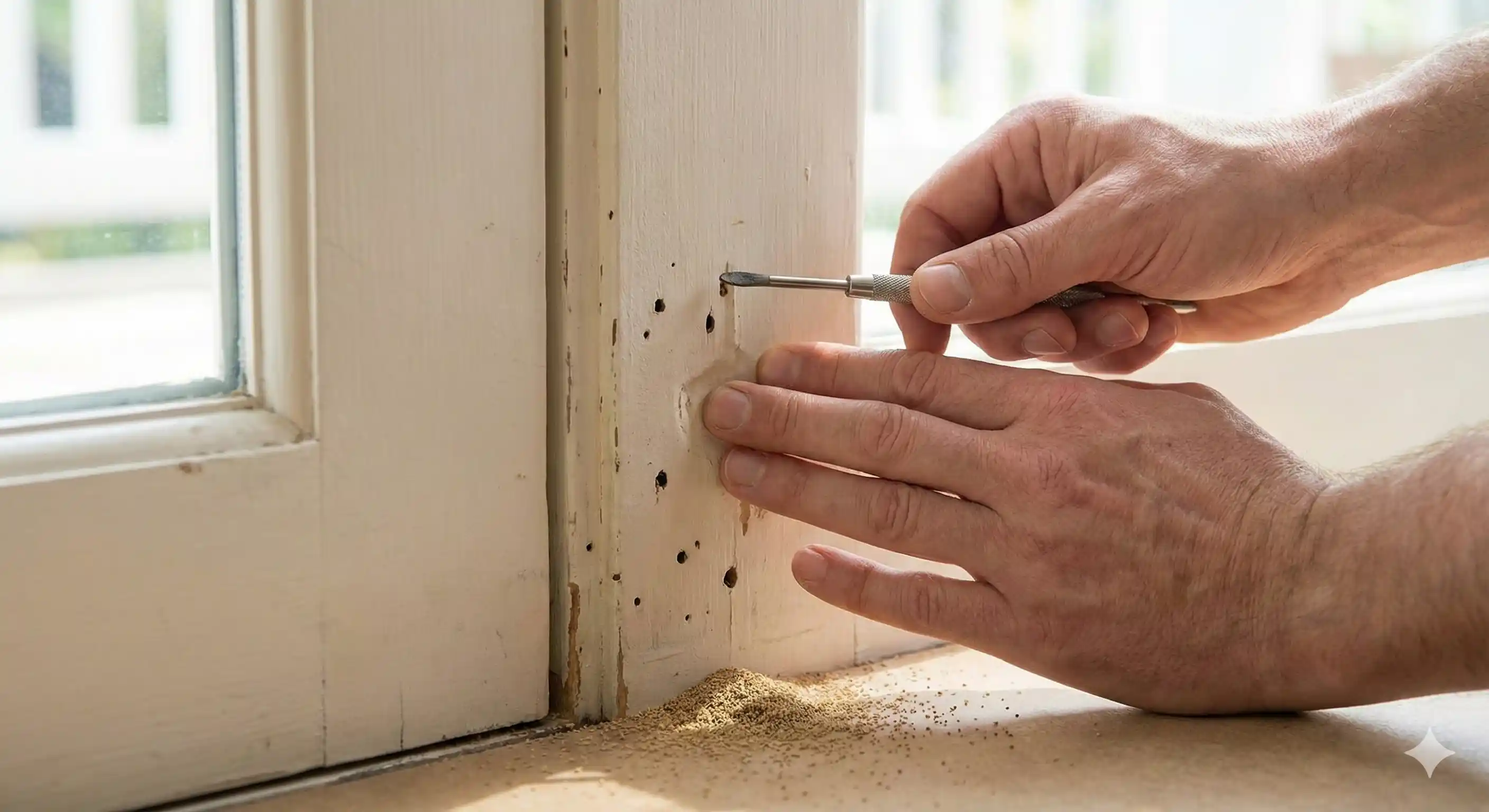
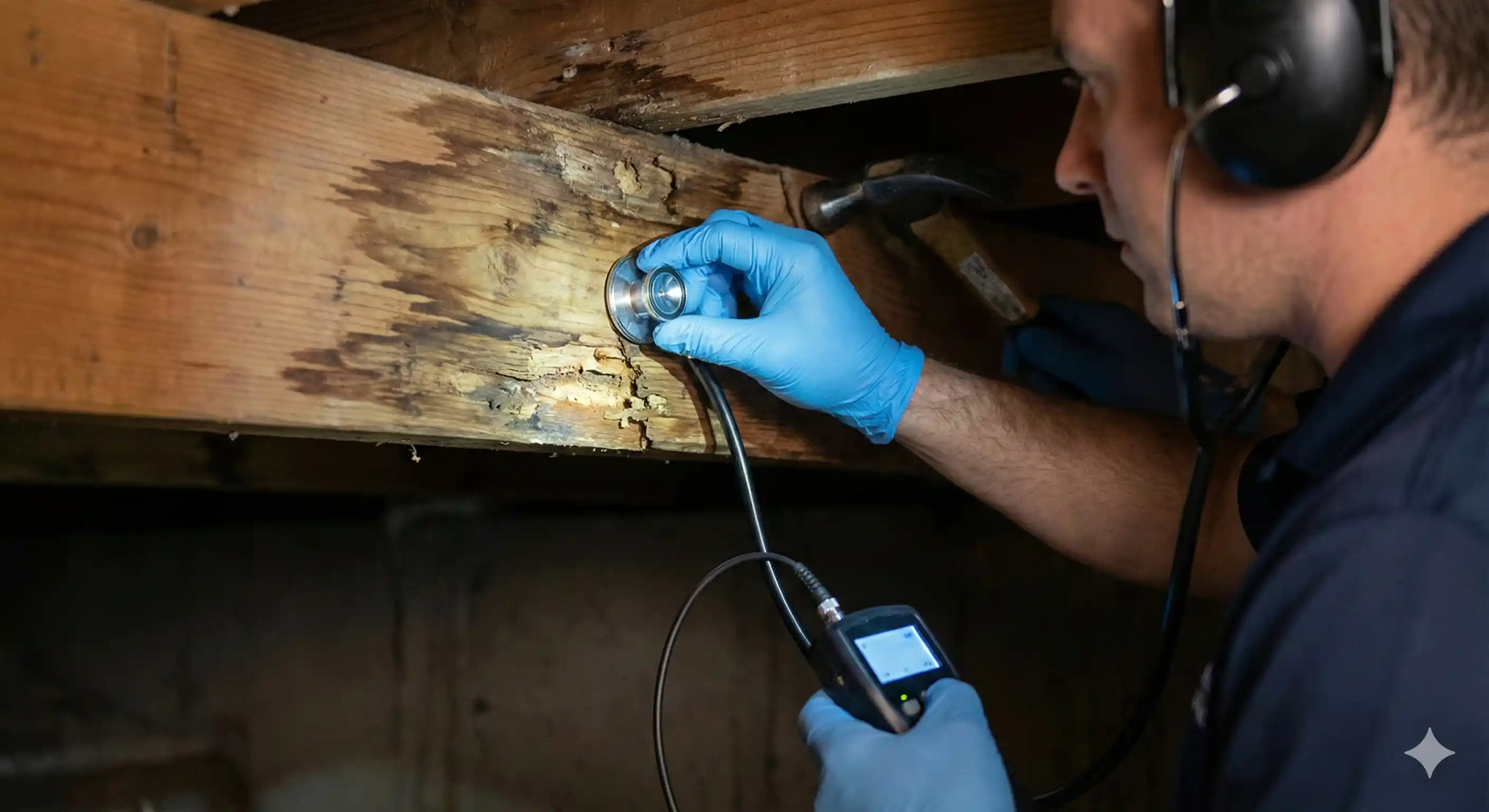
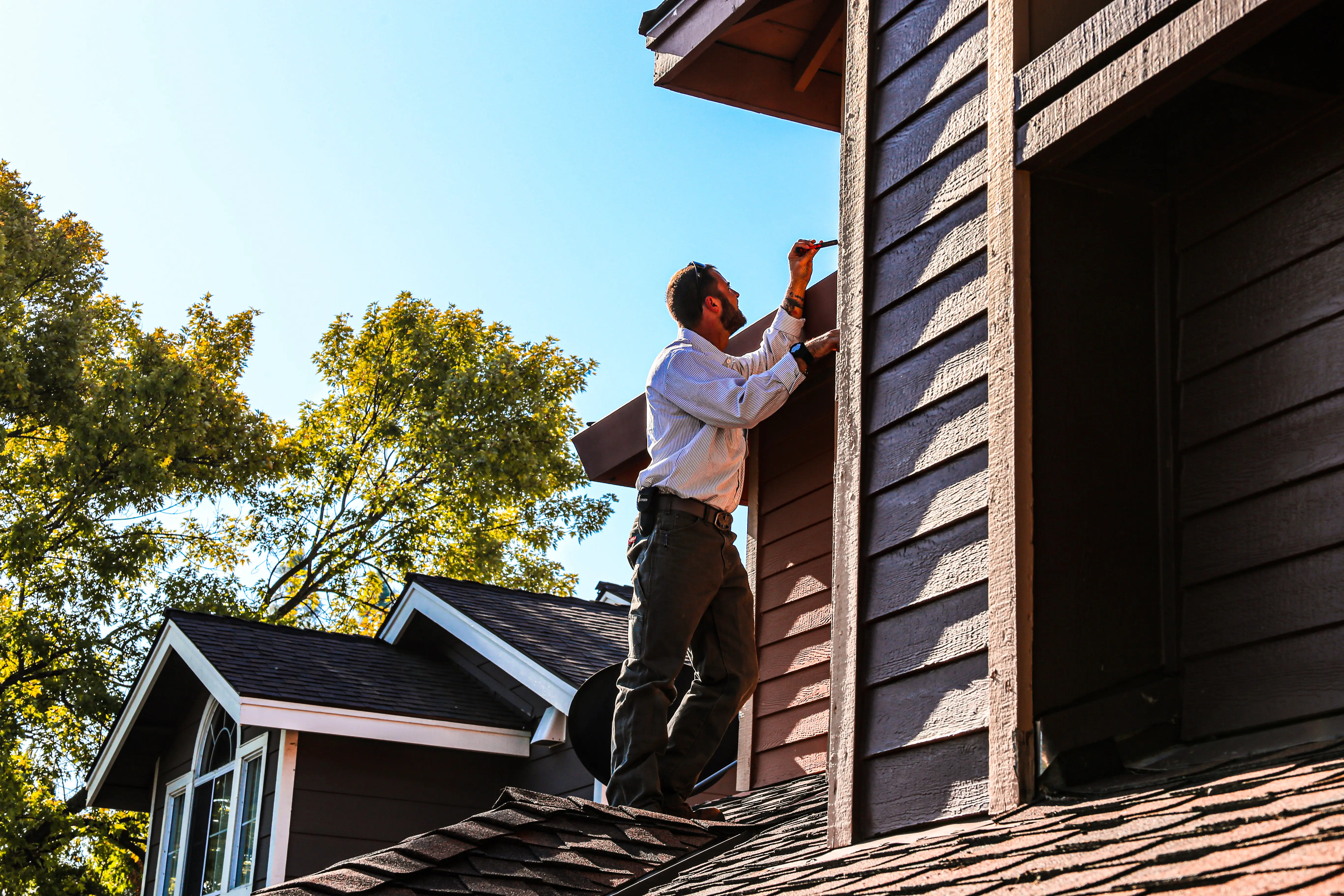
Professional wood boring beetle control technician inspecting wooden structural elements for beetle damage

Professional Wood Boring Beetle Control & Treatment Services

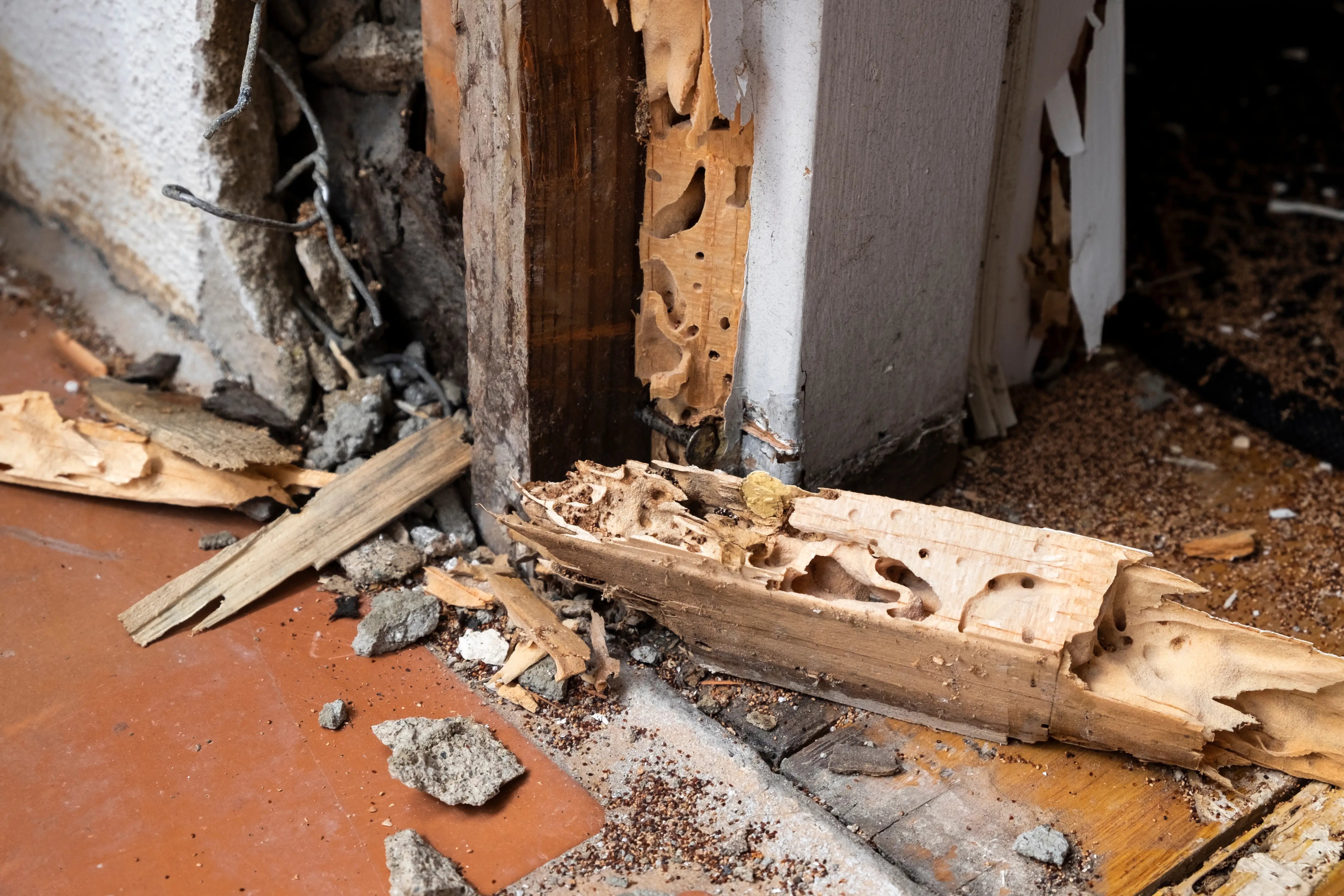
The destruction of wood boring beetles occurs silently as they transform cherished heirlooms and critical support beams into honeycomb networks of tunnels and chambers. With larvae feasting unseen for years within wooden structures, the sudden appearance of perfectly circular emergence holes and fine powder beneath wooden elements signals damage has already progressed far beyond the surface. EcoGuard Pest Management brings decades of specialized entomological expertise to detect infestations in their earliest stages, employing species-specific treatment strategies that penetrate deep within affected wood to eliminate developing beetles while establishing protective barriers against future generations.

Wood Boring Beetle Pest Control Experts

Effective wood boring beetle control requires specialized knowledge of these destructive insects' biology, behavior patterns, and lifecycle stages. Our highly trained technicians understand the distinct characteristics of different wood boring beetle species, including powderpost beetles, deathwatch beetles, old house borers, and furniture beetles—allowing us to accurately identify the specific pests affecting your property. This expertise enables us to implement targeted treatment strategies that address both active infestations and the environmental conditions that attract these wood-destroying insects.

Why Wood Boring Beetles Are a Serious Problem

Wood boring beetles create unique challenges that demand professional attention:

  • These destructive pests operate in complete concealment, with wood boring beetle larvae developing inside wooden materials for 1-12 years depending on species. This extended lifecycle allows extensive internal damage to occur before any visible signs appear on the surface
  • Unlike visible pests, wood boring beetles spend most of their lifecycle as larvae hidden within wood, and only when adults emerge through distinctive exit holes does the infestation become apparent—unfortunately, this occurs after significant structural damage has already happened
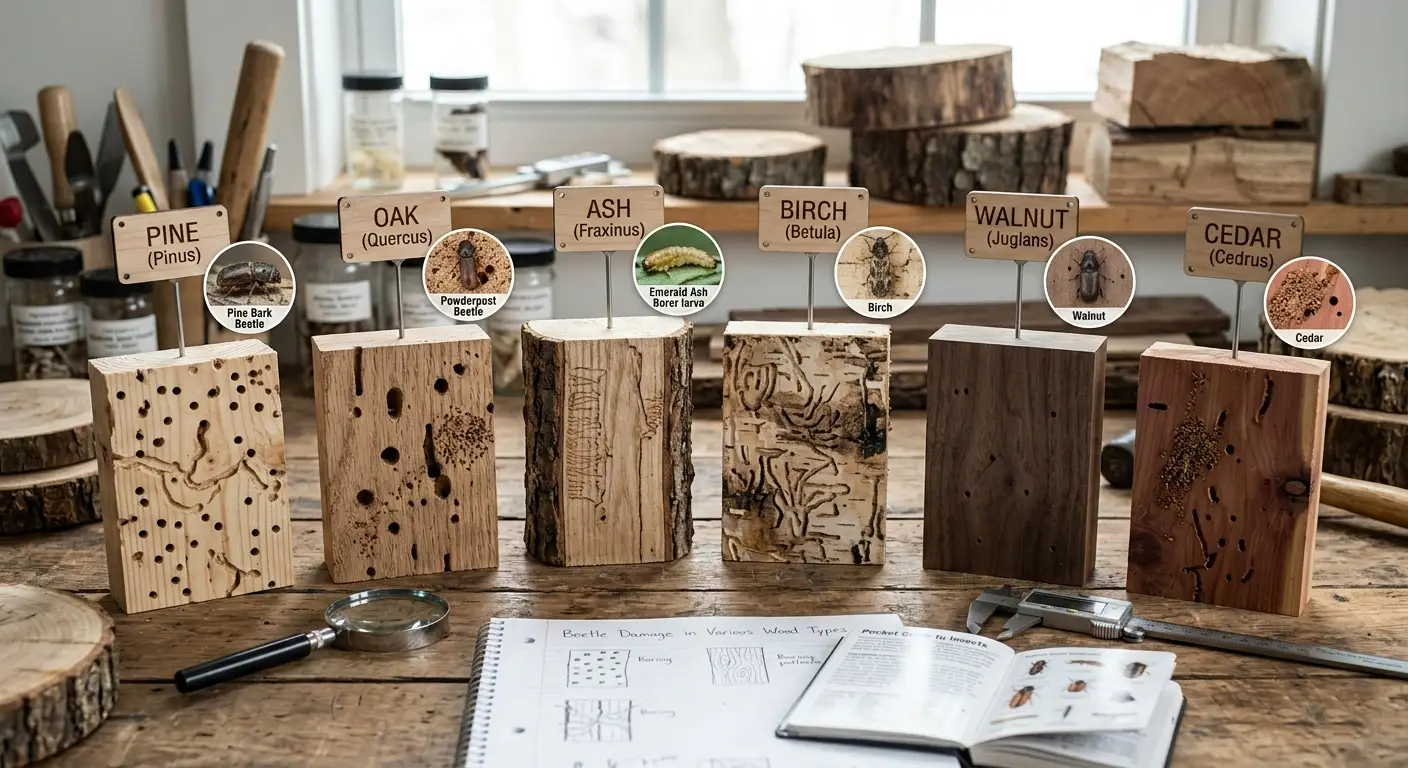
  • Different species target different wood types: some prefer hardwoods like oak, maple, and walnut, while others attack softwoods like pine and fir. This leaves virtually no wooden structures immune to potential infestation and necessitates species-specific identification for effective treatment
  • Wood boring beetle damage compounds over time as new generations continue to infest and reinfest the same wooden elements, creating extensive gallery systems that weaken structural components to the point where complete replacement may be necessary

Wood Boring Beetle Control Service Plans

Choose the protection level that's right for your property

One-Time Treatment
$249+
Starting price
  • Comprehensive property inspection
  • Species identification
  • Entry point identification
  • Targeted treatment application
  • Perimeter barrier application
  • Nest elimination
  • Treatment report & recommendations
  • 30-day guarantee
Get Started
MOST POPULAR
Annual Protection
Contact Us
For custom pricing
  • Everything in One-Time Treatment
  • Seasonal maintenance plan
  • Entry point treatments
  • Priority scheduling
  • Re-treatment guarantee
Get Started

* Prices vary based on property size, infestation severity, and treatment method. Contact us for an accurate quote.

Service Plan Comparison

FeatureOne-TimeAnnual
Comprehensive Inspection
Treatment ApplicationAs needed
Follow-Up InspectionsAnnual
Preventative Treatments
Re-Treatment Guarantee60 daysYear-long

Get Your Free Wood Boring Beetle Quote

Protect your property with a free wood boring beetle quote from our licensed experts.

✓ Same-day service available
✓ Licensed & insured
✓ Detailed property assessment
✓ No-obligation estimates

Service Areas

We provide wood boring beetle control services throughout:

  • California
  • Oregon
  • Washington
  • Texas
  • Tennessee
  • Nevada
View All Counties →

Ready to Eliminate Your Wood Boring Beetle Problem?

Schedule your wood boring beetle inspection today. Our experts will assess your property and provide a customized treatment plan.

📞 Call (866) 326-2847Get Free Quote

Wood Boring Beetle Treatment Options

EcoGuard Pest Management employs a comprehensive approach to wood boring beetle control combining multiple strategies tailored to your specific infestation, beetle species, and the type of wood affected.
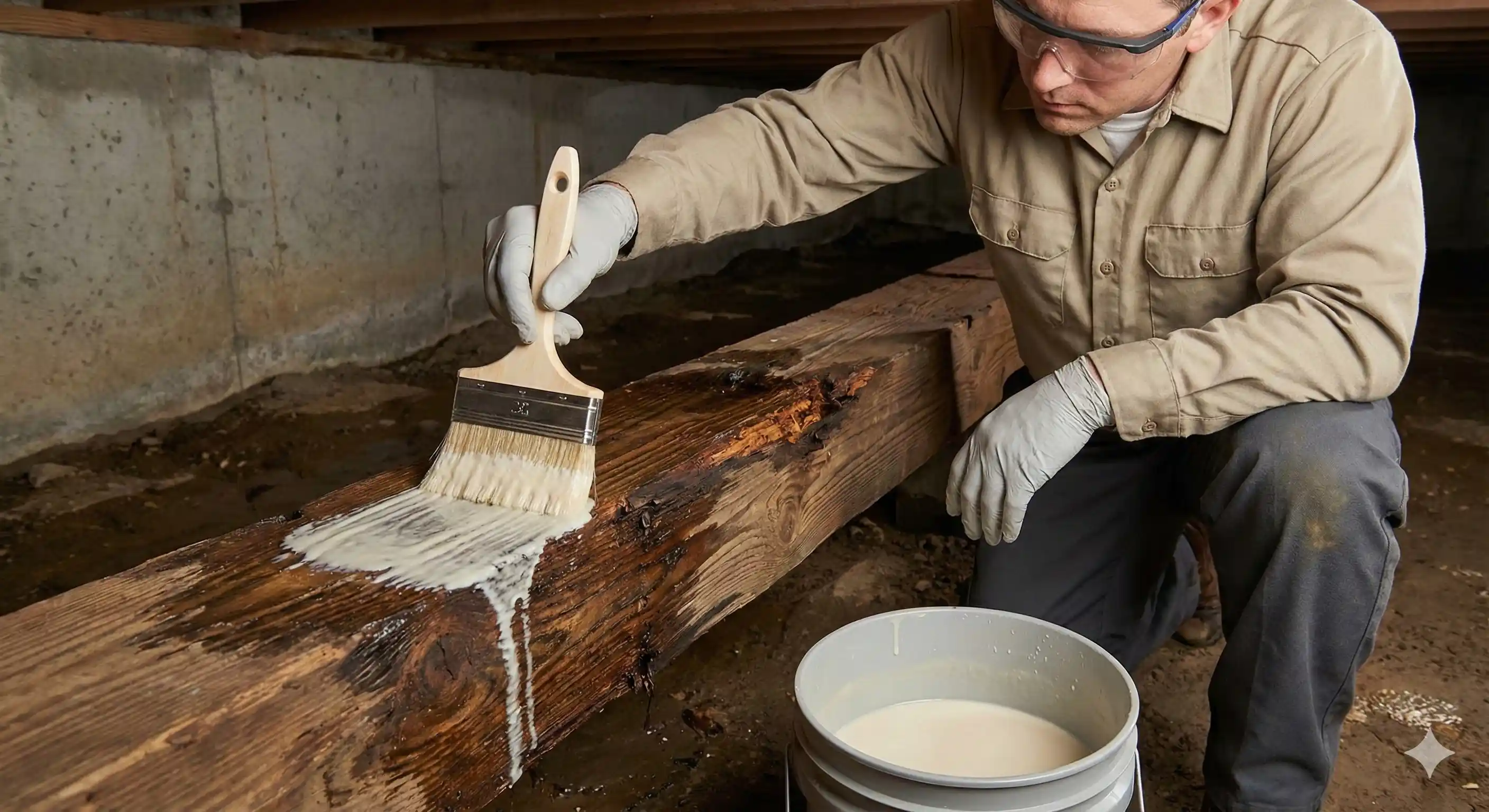
Technician applying borate treatment to wooden structural elements

Residual Borate Treatments

Professional-grade borate applications that penetrate deep into wood fibers to eliminate existing larvae while creating long-lasting protection against future infestations. When larvae consume treated wood, the borates disrupt their digestive systems, preventing them from processing cellulose and causing mortality.

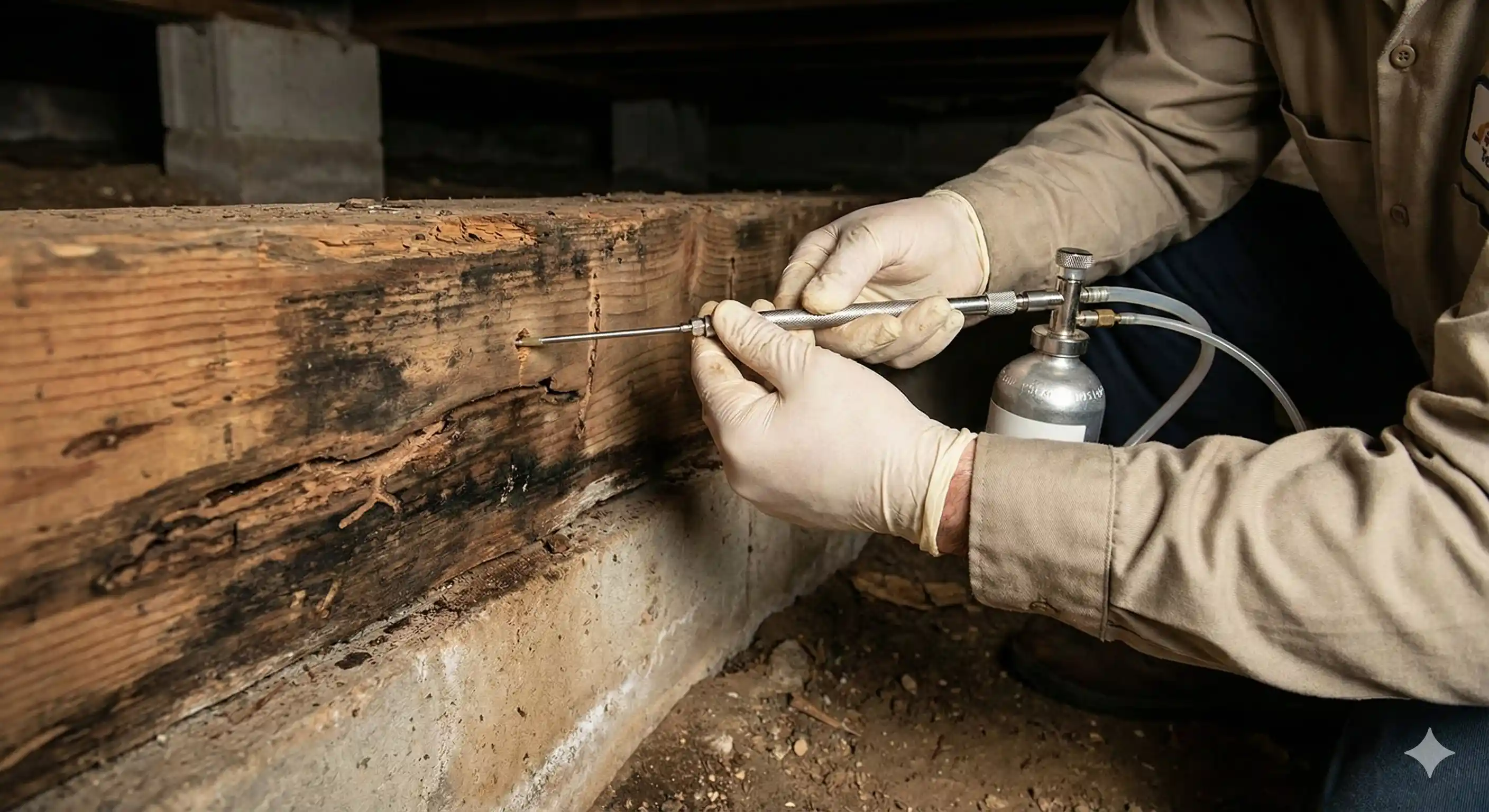
Injecting insecticide into wood boring beetle exit holes and galleries

Targeted Gallery Injections

Precision application of specialized insecticides directly into beetle galleries and exit holes to reach and eliminate developing larvae hidden deep within the wood. This targeted approach ensures treatment reaches the active infestation where larvae are feeding.

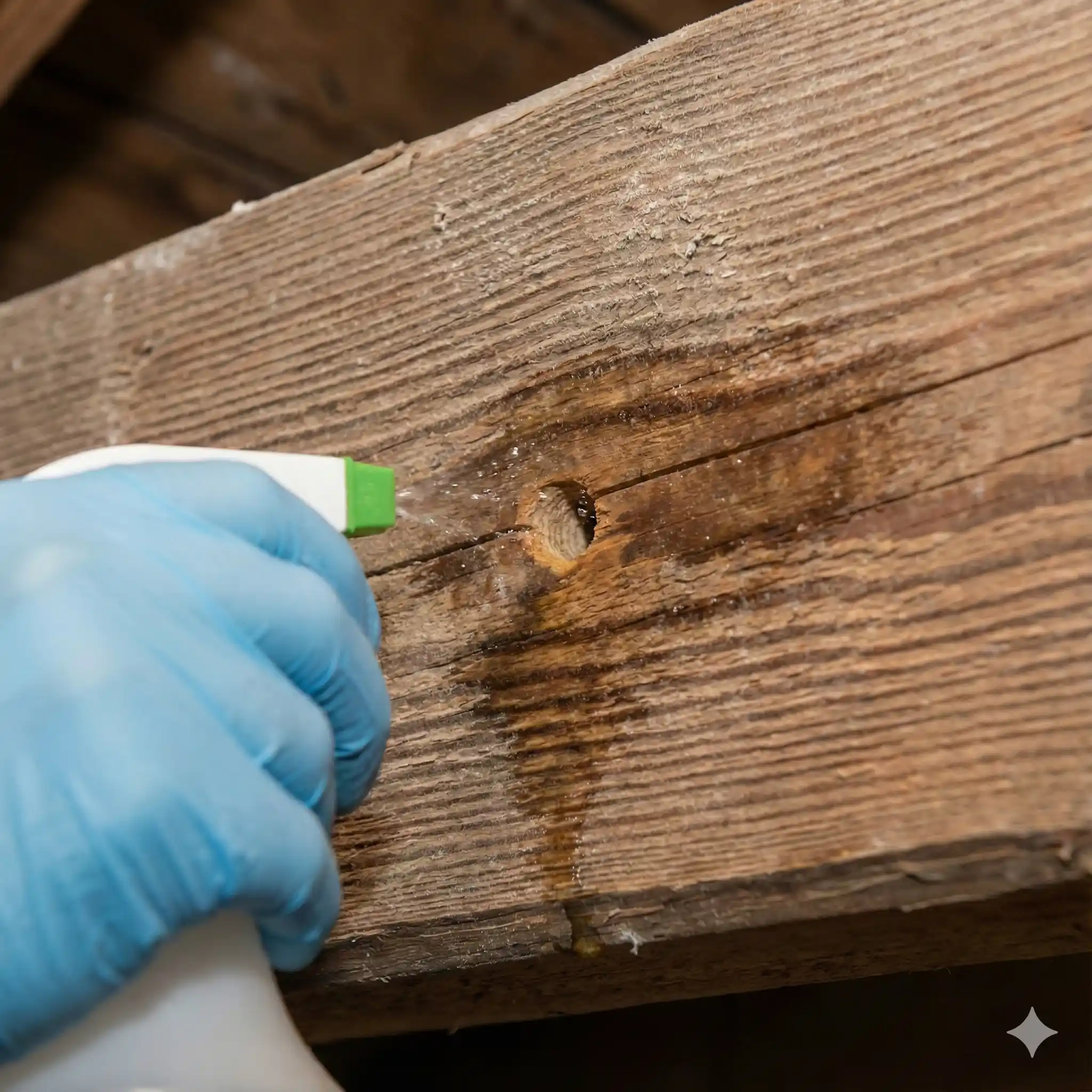
Applying surface spray treatment to exposed wooden beams

Surface Spray Treatments

Residual insecticide applications to exposed wood surfaces that provide both immediate control of emerging adults and preventive protection against new egg-laying activity. These treatments create a protective barrier on vulnerable wood surfaces.

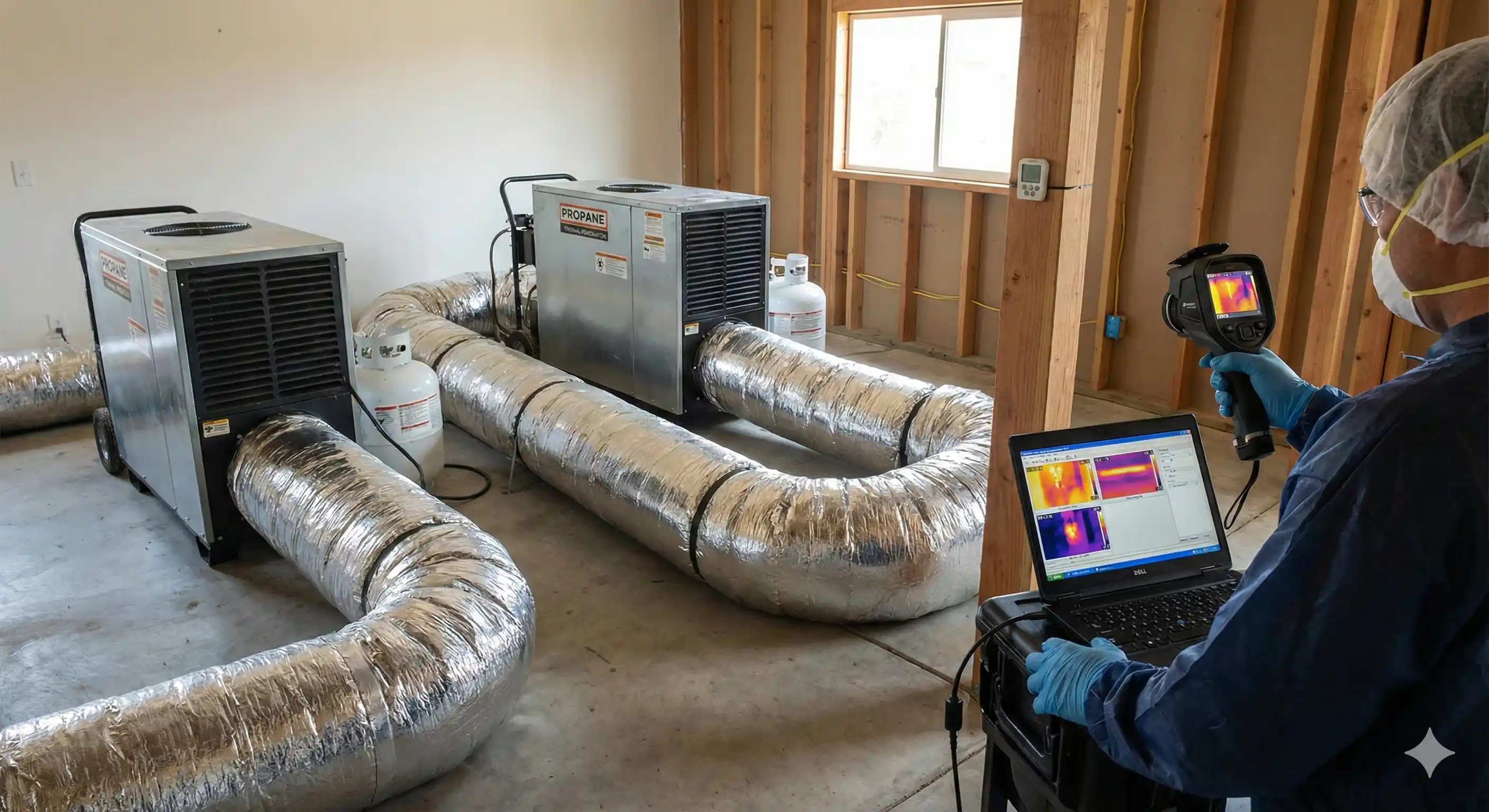
Heat treatment equipment being used on infested wooden furniture

Heat Treatments

Controlled thermal remediation that raises the core temperature of infested wood to levels lethal to all life stages of wood boring beetles without chemical applications. Heat treatment achieves 100% mortality when core wood temperature reaches 130°F for at least 30 minutes.

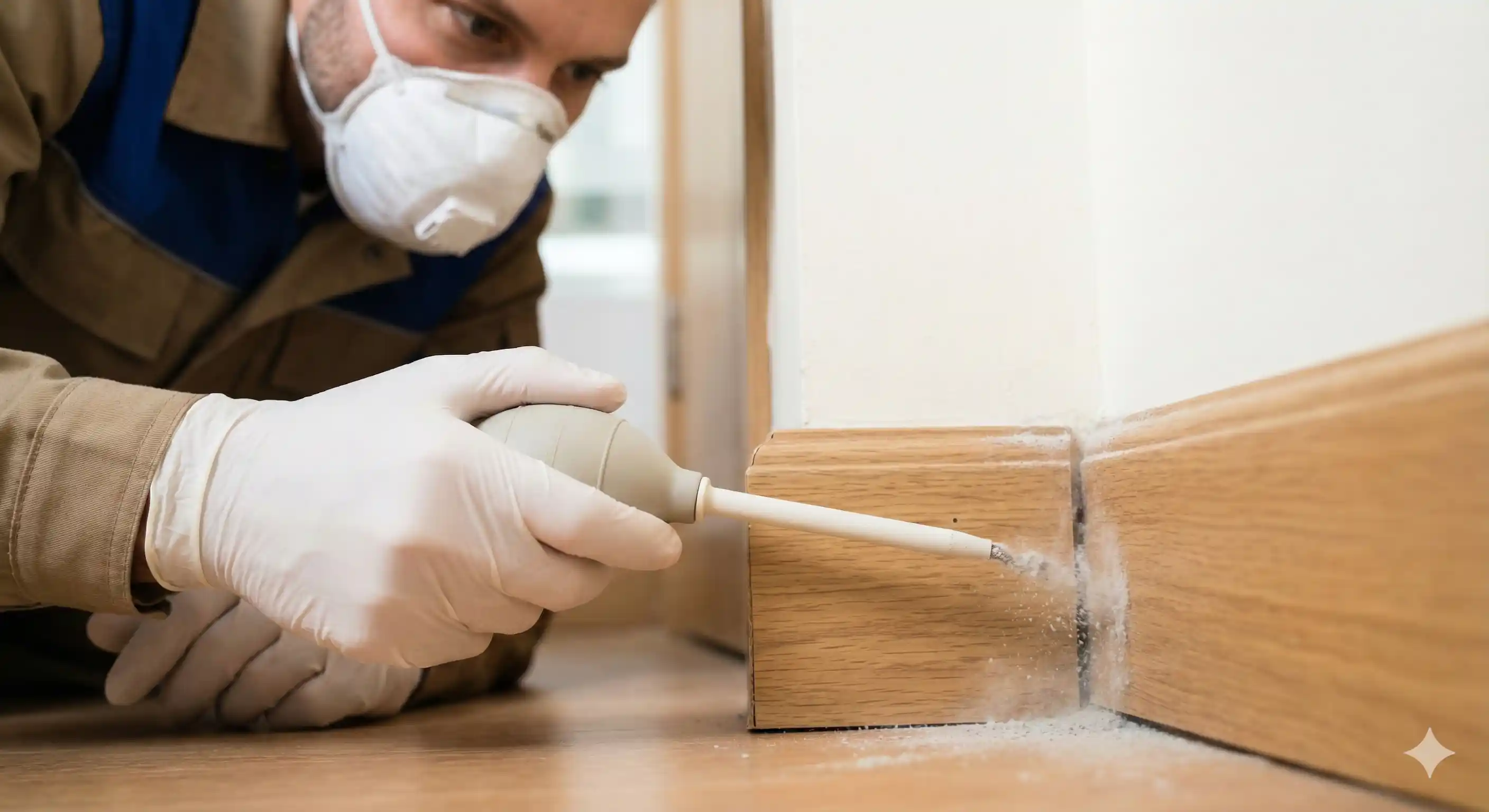
Applying insecticidal dust into wall voids for beetle control

Dust Applications

Strategic placement of specialized insecticidal dusts into wall voids, attic spaces, and inaccessible areas. These fine particles coat surfaces and remain effective against adult beetles, providing long-lasting protection in areas where liquid treatments cannot reach.

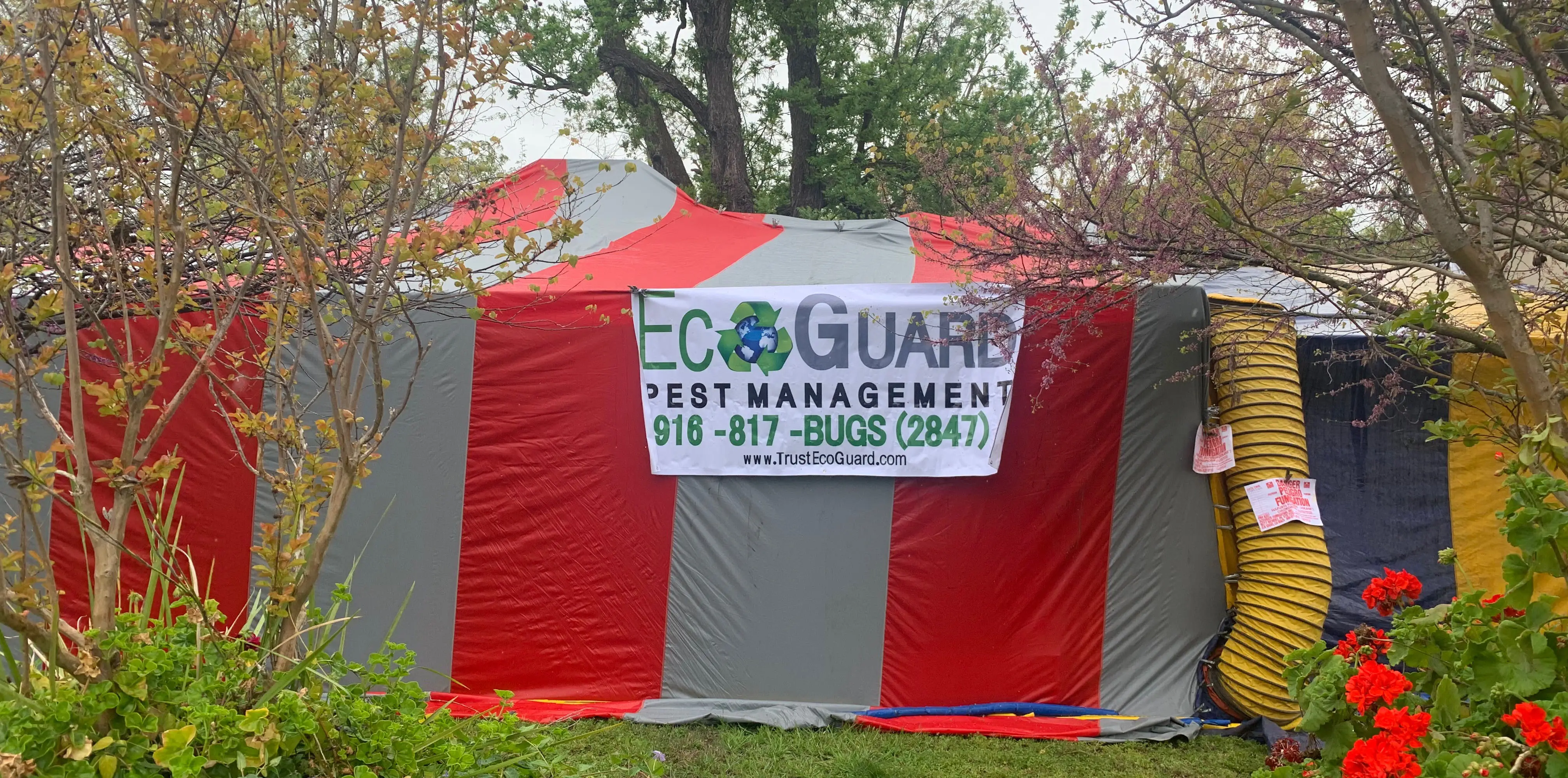
Structure prepared for fumigation treatment

Fumigation Services

For severe or widespread infestations, whole-structure fumigation using professional-grade fumigants that penetrate all wood elements to eliminate every life stage throughout the entire structure. This comprehensive approach ensures complete elimination of even hidden populations.

What Causes Wood Boring Beetles?

Understanding what draws wood boring beetles to your property is essential for effective control and prevention of these destructive pests.
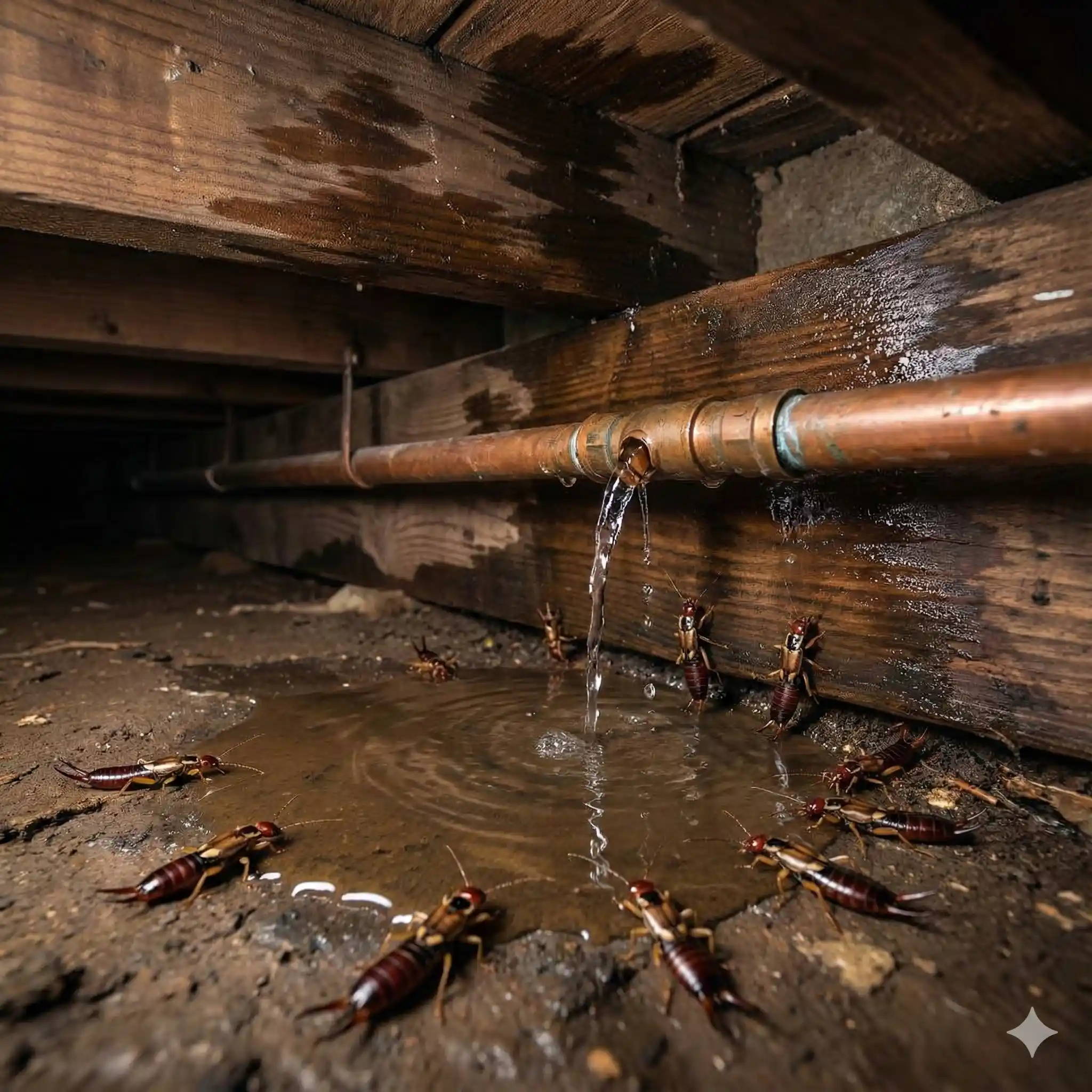
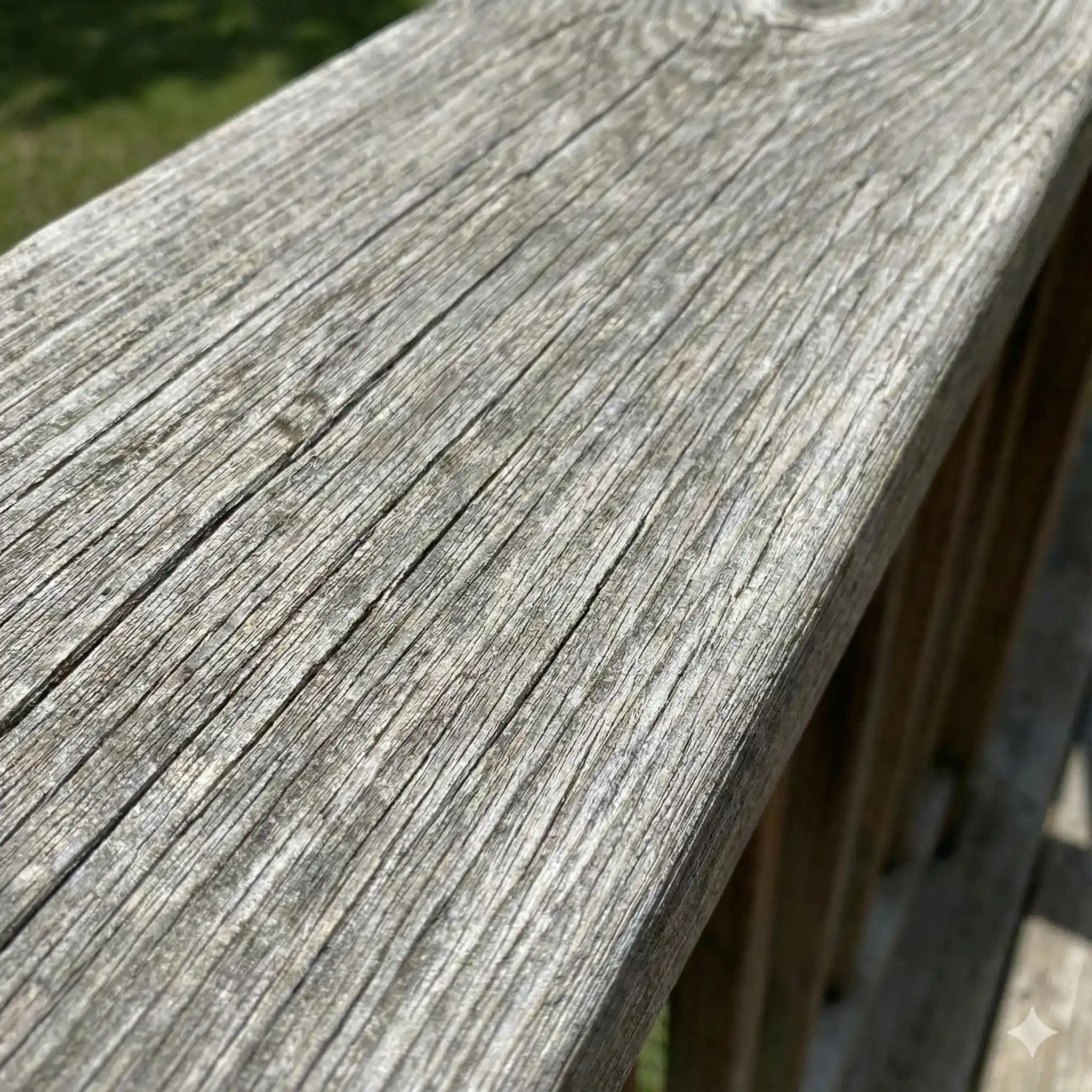
Damp wood conditions favorable for wood boring beetle development

🪵 High Moisture Content

Most wood boring beetle species require wood with 13-30% moisture content for larval development. Properties with poor ventilation, plumbing leaks, or inadequate drainage are particularly susceptible to infestation, as elevated moisture creates ideal conditions for beetle development.

Untreated exposed wood surfaces vulnerable to beetle attack

🏚️ Untreated Wood Surfaces

Raw, unfinished wood without protective sealants like paint, varnish, or polyurethane provides ideal egg-laying sites for female beetles. Older homes with extensive exposed wooden elements are particularly vulnerable to infestation.

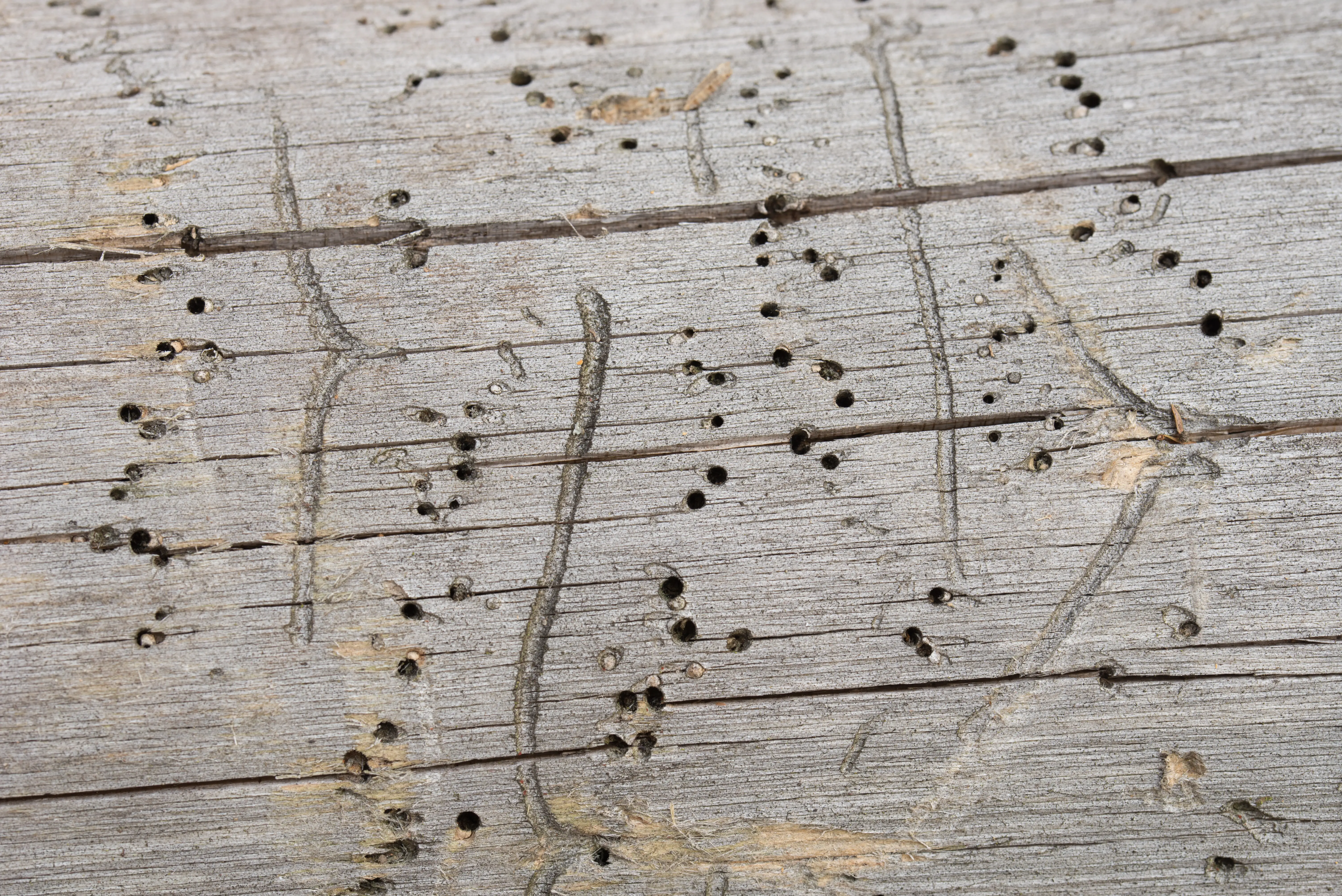
Wood showing multiple generations of beetle exit holes

💧 Previous Infestations

Many wood boring beetle species, particularly powderpost beetles, tend to reinfest the same wooden materials. Females preferentially lay eggs in wood from which they emerged, creating cycles of reinfestation that compound damage over generations.

Various wood types susceptible to different beetle species

🔨 Wood Type & Age

Different beetle species target specific wood types—some prefer hardwoods with large pores (oak, ash), while others favor softwoods (pine) or partially decayed wood. Antiques, reclaimed lumber, and imported wood products often harbor beetle eggs or larvae.

Learn More About Wood Boring Beetle Prevention →

What Are Signs of Wood Boring Beetles in Your Home?

Watch for these distinctive indicators of wood boring beetle activity to catch infestations before extensive structural damage occurs.
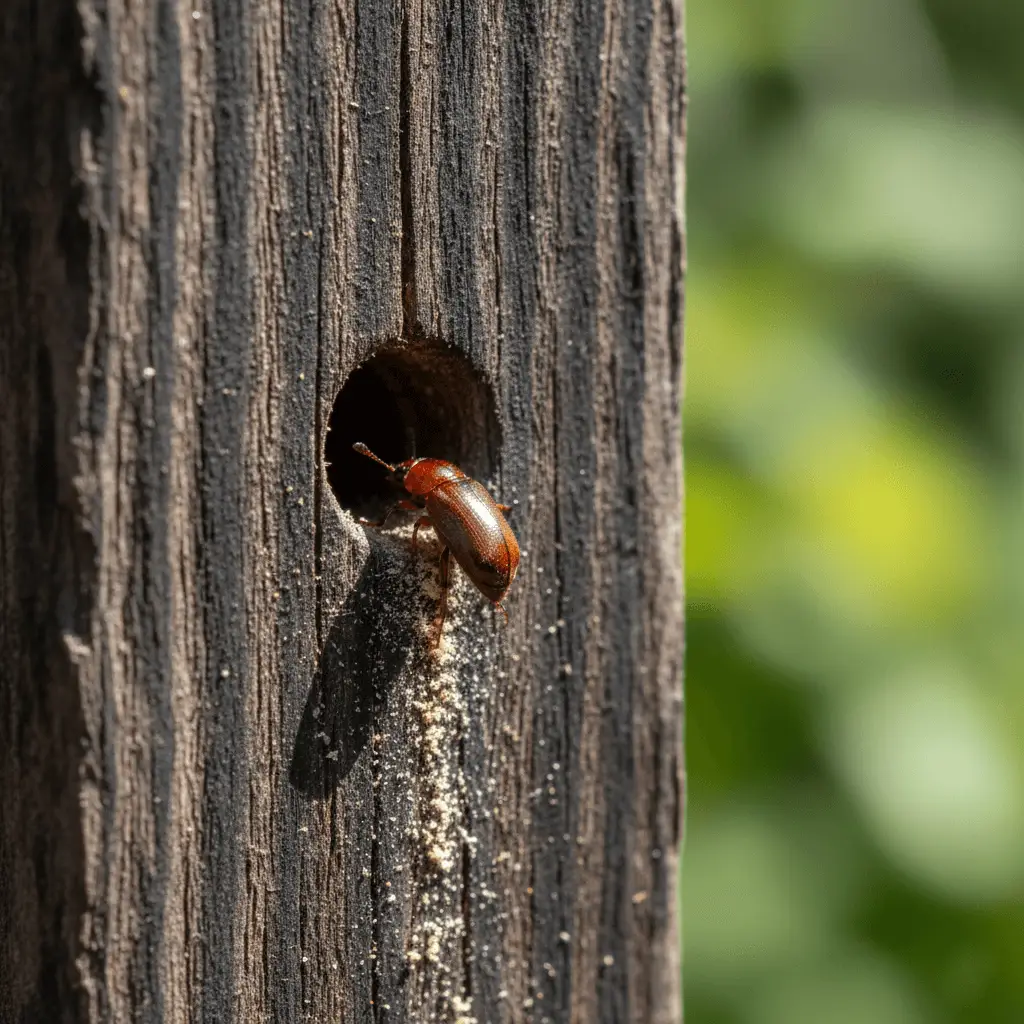
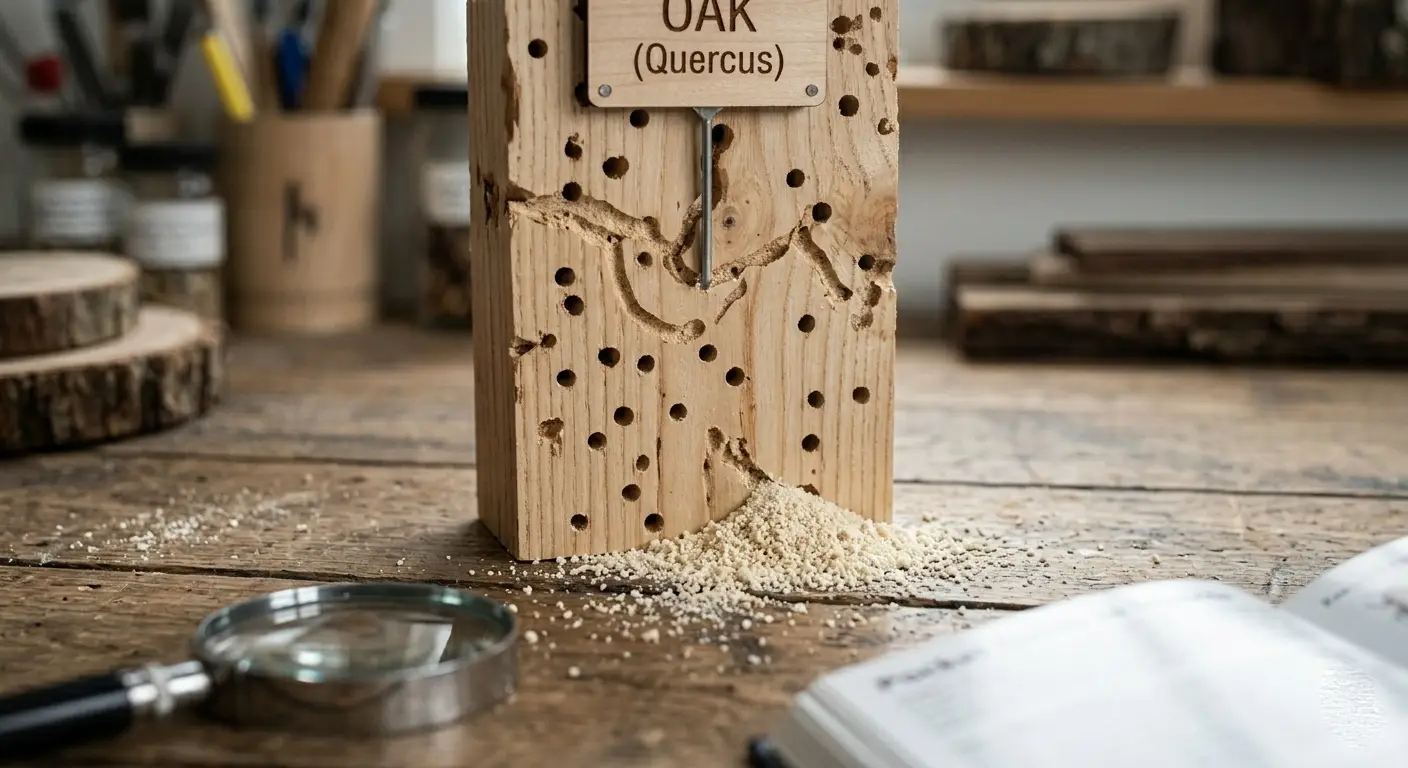
Small round exit holes in wooden surface from emerging beetles

Exit Holes in Wood

Small, round holes ranging from 1/16 to 3/8 inch in diameter appearing in wooden surfaces indicate where adult beetles have emerged after completing their development. The size and shape of holes help identify the specific beetle species.

Powdery frass accumulation below infested wood

Powdery Frass Accumulation

Fine, flour-like powder or pellet-shaped droppings pushed out of galleries by feeding larvae. This frass often accumulates on surfaces below infested wood or falls from exit holes when disturbed, indicating active beetle activity.

Damaged wood showing internal tunneling and galleries

Weakened or Hollow Wood

Previously solid wood that sounds hollow when tapped or feels softer than surrounding areas indicates internal tunneling and gallery formation by beetle larvae. This damage often extends far beyond visible exit holes.

Adult wood boring beetle near wooden surface

Adult Beetles Present

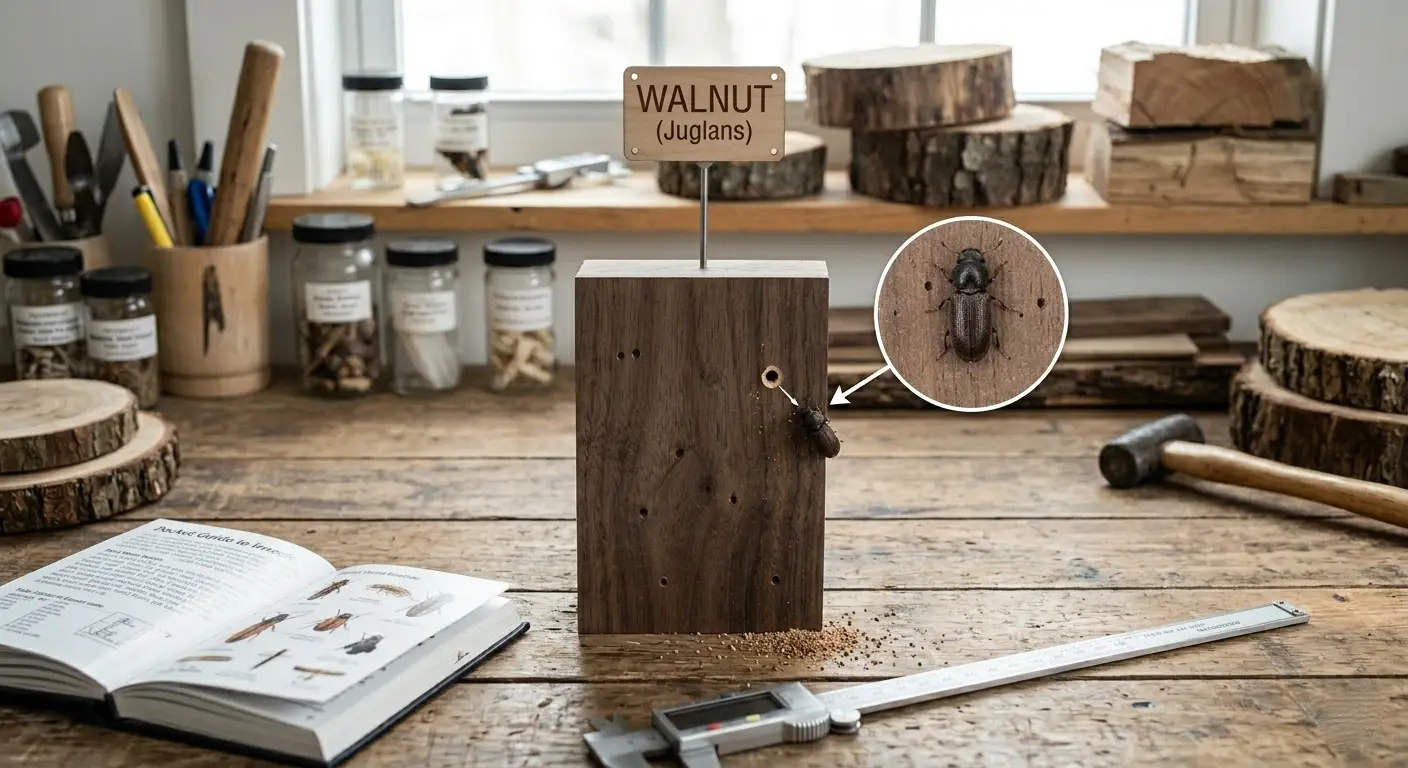
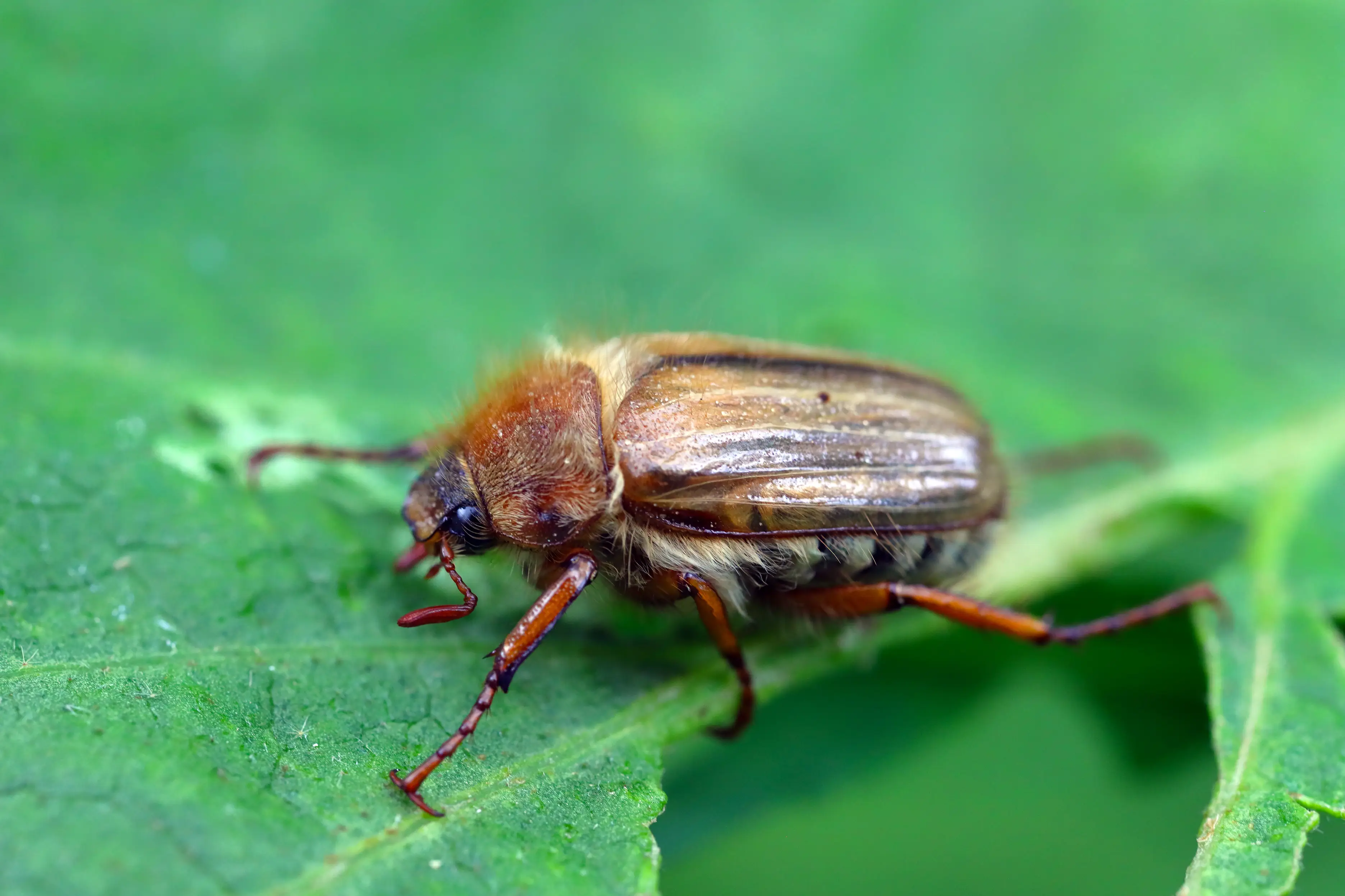
Small beetles (1/8 to 3/4 inch depending on species) found near wooden surfaces, windows, or light sources, particularly during spring and summer emergence periods. Their presence indicates an active infestation nearby.

Person listening for beetle sounds in wooden beam

Audible Ticking Sounds

In the case of deathwatch beetles, distinctive tapping or clicking noises produced by adult beetles during mating season. These sounds are typically heard in quiet environments at night and indicate active adult beetles within wood.

Structural wood damage from severe beetle infestation

Structural Damage or Failure

Sagging floors, cracking joists, or weakened support beams resulting from extensive internal wood damage. This level of damage indicates long-term infestation that has compromised structural integrity and requires immediate attention.

Learn More About Wood Boring Beetle Detection →

DIY vs Professional Treatment

While hardware stores offer various wood boring beetle control products, DIY approaches rarely provide effective elimination of these persistent pests. Consumer-grade surface treatments fail to penetrate deeply enough to reach larvae already developing within wood, and without proper identification of the specific beetle species, inappropriate treatment methods may be applied. Additionally, many effective wood-preserving chemicals are only available to licensed professionals.

Our technicians possess specialized knowledge to accurately identify beetle species based on exit hole size, frass characteristics, and wood preferences, ensuring the correct treatment approach is implemented. We utilize commercial-grade products that penetrate deeply into wood fibers, reaching developing larvae where DIY products cannot. Our integrated approach addresses both active infestations and the environmental conditions promoting beetle activity, providing long-term protection while preserving the integrity of your wooden structures.

❌ DIY Treatment

  • Surface treatments don't reach larvae
  • Cannot identify beetle species
  • Limited product effectiveness
  • Miss hidden infestation areas
  • No access to professional chemicals
  • Cannot assess structural damage

✓ Professional Treatment

  • Deep-penetrating treatments
  • Accurate species identification
  • Commercial-grade products
  • Complete infestation detection
  • Structural damage assessment
  • Long-term prevention strategies

Commercial Wood Boring Beetle Control

EcoGuard Pest Management implements customized wood boring beetle control programs for commercial facilities that prioritize operational continuity while ensuring effective pest elimination. Our comprehensive commercial wood boring beetle protection programs combine discrete treatment applications with flexible scheduling to maintain your business operations while ensuring complete elimination of wood boring beetle problems.

We specialize in wood boring beetle control solutions for:

  • Restaurants and food service establishments
  • Healthcare facilities
  • Hotels and hospitality venues
  • Educational institutions
  • Office complexes
  • Food processing facilities
  • Warehouses and storage facilities
  • Retail spaces
  • Manufacturing facilities
  • Multi-unit residential properties
Learn About Commercial Pest Control
100% SATISFACTION GUARANTEE

The EcoGuard Guarantee

EcoGuard offers a 100% satisfaction guarantee for all of our customers, and we stand by our promise to eradicate your wood boring beetle problem until the very last wood boring beetle is gone. That wood boring beetle control guarantee comes with every service and if the wood boring beetles come back, then so do we, at no additional cost. We are standing by to give you a free estimate and to help you set your first wood boring beetle pest control service appointment.

📞 Call (866) 326-2847 Today

Our Wood Boring Beetle Control Process

A comprehensive approach to eliminating wood boring beetles and protecting your wooden structures

1

Comprehensive Inspection

Our technicians conduct thorough property examinations focusing on all wooden structures and elements to identify active infestations and determine the specific species involved. We document damage patterns, identify active versus inactive infestations through fresh frass analysis, and evaluate moisture conditions contributing to beetle development.

2

Targeted Treatment

Based on inspection findings, we implement targeted applications using the appropriate combination of professional-grade products for the identified beetle species. Treatments may include borate solutions that penetrate wood fibers, direct gallery injections, surface treatments, or more extensive measures like fumigation when warranted.

3

Environmental Correction

After treatment, we address environmental factors that contribute to wood boring beetle problems, focusing on moisture management through improved ventilation recommendations, identification of water intrusion sources, and guidance on protective sealants for vulnerable wood surfaces.

4

Ongoing Monitoring

Regular follow-up inspections track treatment effectiveness and identify any signs of continued beetle activity before significant new damage occurs. Our monitoring includes assessment of wood moisture content levels and evaluation of previously treated areas to ensure complete elimination.

Seasonal Plan for Wood Boring Beetle Control

Year-round protection adapted to seasonal wood boring beetle behavior patterns

Spring Wood Boring Beetle Control

Spring

Critical vigilance period as warming temperatures trigger adult beetle emergence and mating activity; focus on thorough inspections to identify new exit holes and fresh frass; apply preventive treatments to vulnerable wood surfaces before peak egg-laying season begins

Summer Wood Boring Beetle Control

Summer

Intensive treatment phase targeting both active larvae within wood and newly emerging adults; address the most active feeding and development period when higher temperatures accelerate larval growth; prevent newly emerged adults from establishing additional infestations

Fall Wood Boring Beetle Control

Fall

Prevention focus as adult beetle activity diminishes; concentrate on moisture management strategies, crawlspace and attic inspections, and implementation of preventive treatments to wooden elements that may become susceptible to spring infestations

Winter Wood Boring Beetle Control

Winter

Assessment period for indoor wooden elements and structural components; though beetle activity slows, winter services include interior inspections of wooden furniture, structural supports, and decorative elements that maintain temperatures suitable for continued larval development

What Our Customers Say

Trusted by homeowners for professional wood boring beetle elimination and protection

★★★★★

"We noticed small holes and sawdust-like powder under our hardwood floor beams. EcoGuard identified powderpost beetles and treated the entire affected area with borate. Six months later, no new holes—they saved our floors!"

Robert & Linda M.
Sacramento, CA
★★★★★

"Our antique furniture had beetles we didn't even know about until we saw exit holes appearing. EcoGuard used heat treatment so there were no chemicals on our family heirlooms. Professional, knowledgeable, and effective!"

Patricia S.
Portland, OR
★★★★★

"The inspector found old house borers in our crawlspace framing—damage we never would have found ourselves. Their treatment stopped the infestation and they helped us fix the moisture problem causing it. Excellent service!"

James & Karen T.
Austin, TX

Wood Boring Beetle Control FAQs

Everything you need to know about wood boring beetle control and treatment

Several species commonly infest residential structures, including powderpost beetles (Lyctidae family) that attack hardwoods, deathwatch beetles (Anobiidae family) that prefer moist softwoods, old house borers (Cerambycidae family) that infest pine framing, and furniture beetles (Anobiidae family). Each species has distinctive characteristics, damage patterns, and treatment requirements.

Active infestations show fresh, light-colored frass (resembling sawdust or powder) around or below exit holes. This frass will be the color of freshly cut wood and may continue accumulating after being cleaned away. You might also observe adult beetles near windows during emergence seasons or hear feeding sounds. Old damage features dark-colored frass, no new accumulation, and weathered exit holes.

The timeline varies based on beetle species, infestation size, and conditions. Powderpost beetles might cause noticeable damage within 1-5 years, while old house borers can take 3-12 years to complete development. The concealed nature of damage means significant structural compromise often occurs before visible signs appear, with severe infestations potentially requiring structural replacement.

Vulnerability depends on beetle species: Powderpost beetles primarily attack hardwoods with large pores like oak, ash, hickory, and walnut. Deathwatch beetles prefer softwoods like pine that have begun to decay, especially in damp environments. Old house borers almost exclusively infest pine and other softwoods used in structural framing. Furniture beetles attack both hardwoods and softwoods.

Yes, wood boring beetles can spread throughout a structure once established. After emerging as adults, females seek appropriate wood surfaces for egg laying, potentially infesting previously unaffected items. This cross-infestation risk is particularly high with powderpost beetles, which can fly considerable distances within a home. Items sharing storage space with infested wood are at highest risk.

Borate treatments penetrate wood fibers and remain active for many years. When larvae consume treated wood, the borates disrupt their digestive systems, preventing them from processing cellulose and causing mortality. These treatments also create a protective barrier that prevents newly hatched larvae from successfully developing, even if adults lay eggs on treated surfaces.

When properly applied by licensed professionals, modern wood boring beetle treatments pose minimal risk to household members. Many borate products are derived from naturally occurring minerals. Our technicians follow strict application protocols that minimize exposure risk, providing guidance on any temporary access restrictions. Most residual products become integrated into wood fibers without ongoing exposure concerns.

Heat treatment is highly effective, achieving 100% mortality of all life stages when core wood temperature reaches 130°F (55°C) for at least 30 minutes. This method is particularly valuable for furniture, art objects, and isolated wooden elements. The primary advantage is its chemical-free nature, though heat treatment doesn't provide residual protection against reinfestation.

Properly applied surface finishes can significantly reduce infestation risk by sealing cracks and pores where female beetles lay eggs. However, these treatments only protect finished surfaces—existing eggs or larvae within wood will continue developing. Unsealed areas like furniture bottoms or back sides of molding remain vulnerable, making professional treatment advisable.

First, determine if the infestation is active by cleaning away existing frass and monitoring for fresh accumulation. Identify affected wood types and location patterns. Avoid disturbing the wood extensively, as this destroys evidence needed for identification. Contact a professional pest control service with wood destroying organism expertise for proper inspection and species identification.

Treatment recommendations are based on the specific beetle species (determined by exit hole size, frass characteristics, and wood type), extent and location of infestation, whether it's active or inactive, function and value of infested materials, and environmental factors like moisture levels. This comprehensive assessment ensures appropriate treatment while minimizing unnecessary applications.

Most wood boring beetles are deterred by chemicals in properly pressure-treated lumber, particularly materials rated for ground contact. However, as treatments weather and age, effectiveness may diminish. Certain species like old house borers can occasionally infest pressure-treated softwoods, especially if treatment was insufficient or moisture content is high.

Wood boring beetle larval development typically requires moisture content between 15-30%. Deathwatch beetles require higher moisture (over 16%) and often infest wood affected by fungal decay. Maintaining indoor wood moisture below 12% through proper ventilation, dehumidification, and addressing water intrusion creates unfavorable conditions for beetle development.

Treatment longevity varies by method and conditions. Professional-grade borate treatments typically provide protection for 10+ years when properly applied and wood remains dry. Surface residual treatments generally offer 1-2 years of protection. Preventive measures like moisture management and wood sealing provide ongoing protection when maintained.

Powderpost beetles produce extremely fine, flour-like frass and create tiny exit holes (1/16-1/8 inch), primarily attacking hardwoods with visible pores. Deathwatch beetles create pellet-like frass and slightly larger holes, preferring moist softwoods. Old house borers create oval exit holes up to 3/8 inch with coarse, fibrous frass, primarily in pine framing.

Susceptibility varies by product and beetle species. Plywood can be attacked by various wood boring beetles, though modern glues and manufacturing provide some resistance. Oriented strand board (OSB) is generally less susceptible due to processing and resin content. Particleboard and MDF are rarely attacked unless moisture breaks down binding resins.

For localized infestations in specific furniture pieces, those items might be treated individually. For structural infestations requiring extensive treatment, some furniture relocation may be necessary to access affected areas. If fumigation is required for severe infestations, temporary removal of occupants, pets, and certain sensitive items is necessary.

Prevention strategies include maintaining wood moisture content below 12% through proper ventilation and dehumidification, applying protective sealants to vulnerable surfaces, implementing regular inspection programs, promptly addressing water intrusion, using beetle-resistant materials in repairs, and carefully inspecting any wood items before bringing them into your home.

Wood boring beetle prevalence varies geographically. Powderpost beetles are typically found in humid southern regions. Deathwatch beetles favor coastal areas with higher humidity. Old house borers are nationwide but more prevalent in eastern states. Our local technicians understand regional patterns specific to your area.

Professional control offers access to restricted-use pesticides with greater efficacy and penetration, specialized application equipment that delivers treatments deep into wood, expertise in correctly identifying beetle species, ability to distinguish active from inactive infestations, understanding of building construction to locate hidden infestations, and integrated management addressing underlying conditions.

Related Articles & Resources

Learn more about wood boring beetle prevention, identification, and control
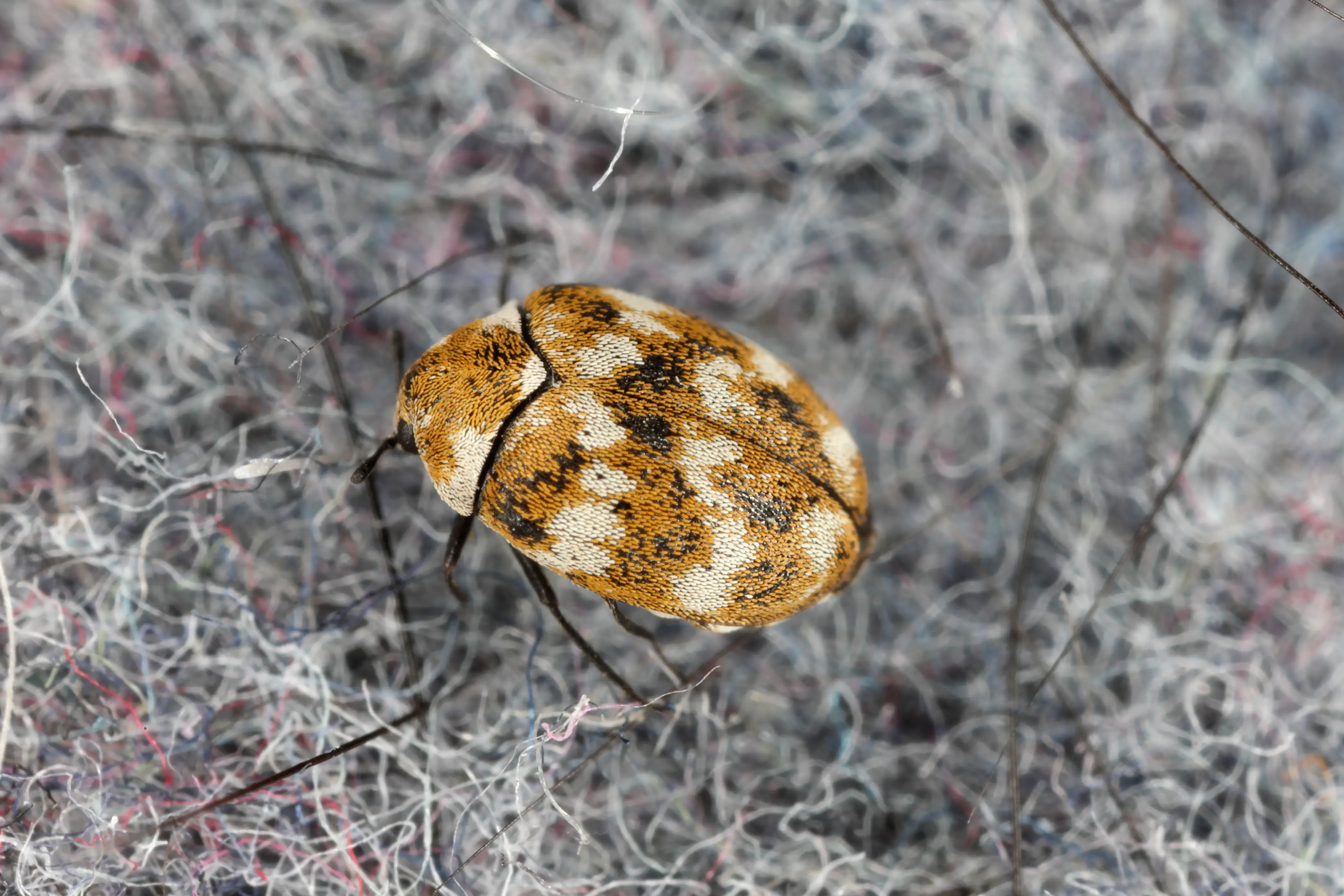
6 Common Signs of Carpet Beetles in Your Home

6 Common Signs of Carpet Beetles in Your Home

Learn the signs of carpet beetle infestation including damage to fabrics, shed skins, fecal pellets, and skin irritation. Find out where to look and how to prevent them.

Read Article →
Are Beetles Dangerous to Humans? Risks & Safety Guide

Are Beetles Dangerous to Humans? Risks & Safety Guide

Learn which beetles can harm humans through bites, pinches, or chemical defenses. Discover blister beetles, stag beetles, and how to protect yourself.

Read Article →
Beetle Life Cycle and Lifespan: Complete Metamorphosis Guide

Beetle Life Cycle and Lifespan: Complete Metamorphosis Guide

Learn about beetle life cycle stages including eggs, larvae, pupae, and adult. Understand beetle lifespan, mating rituals, and complete metamorphosis.

Read Article →
Common Types of Beetles Found in North American Homes

Common Types of Beetles Found in North American Homes

Complete guide to beetle types including ladybugs, weevils, scarabs, carpet beetles, Japanese beetles, and more. Identification, diet, and characteristics.

Read Article →
How to Get Rid of Beetles: Complete Removal Guide

How to Get Rid of Beetles: Complete Removal Guide

Learn how to get rid of beetles including carpet beetles, pantry beetles, and Japanese beetles. Natural and professional beetle control methods.

Read Article →
How to Get Rid of Carpet Beetles: Complete Removal Guide

How to Get Rid of Carpet Beetles: Complete Removal Guide

Learn how to get rid of carpet beetles with natural and chemical treatments. Identify, eliminate, and prevent carpet beetle infestations in your home.

Read Article →
How to Get Rid of Japanese Beetles: Complete Control Guide

How to Get Rid of Japanese Beetles: Complete Control Guide

Learn how to eliminate Japanese beetles from your garden. Control adults and larvae with natural methods, pesticides, and prevention strategies.

Read Article →
What Are Carpet Beetles? Identification, Life Cycle & Control

What Are Carpet Beetles? Identification, Life Cycle & Control

Learn what carpet beetles are, how to identify them, their life cycle, diet, and how to prevent and control infestations in your home.

Read Article →
What Are Japanese Beetles? Identification, Life Cycle & Damage

What Are Japanese Beetles? Identification, Life Cycle & Damage

Learn about Japanese beetles: identification of adults, larvae, and pupae, their life cycle, the damage they cause, and effective control methods.

Read Article →
What Causes Carpet Beetles Inside Your Home?

What Causes Carpet Beetles Inside Your Home?

Learn what causes carpet beetles to infest your home, how they get inside, signs of infestation, and effective prevention and elimination strategies.

Read Article →
What Does a Beetle Eat? Diet by Species & Type

What Does a Beetle Eat? Diet by Species & Type

Learn what beetles eat including plants, other insects, decaying matter, wood, and household materials. Understand beetle diets by species and how to prevent infestations.

Read Article →
View All Pest Control Articles →

Ready to Eliminate Your Wood Boring Beetle Problem?

Get a free estimate for your wood boring beetle problem today. Our experts will assess your property and provide a customized treatment plan.

Connect With Us

Follow EcoGuard Pest Management for tips, updates, and special offers

f𝕏yin