EcoGuard Pest Management
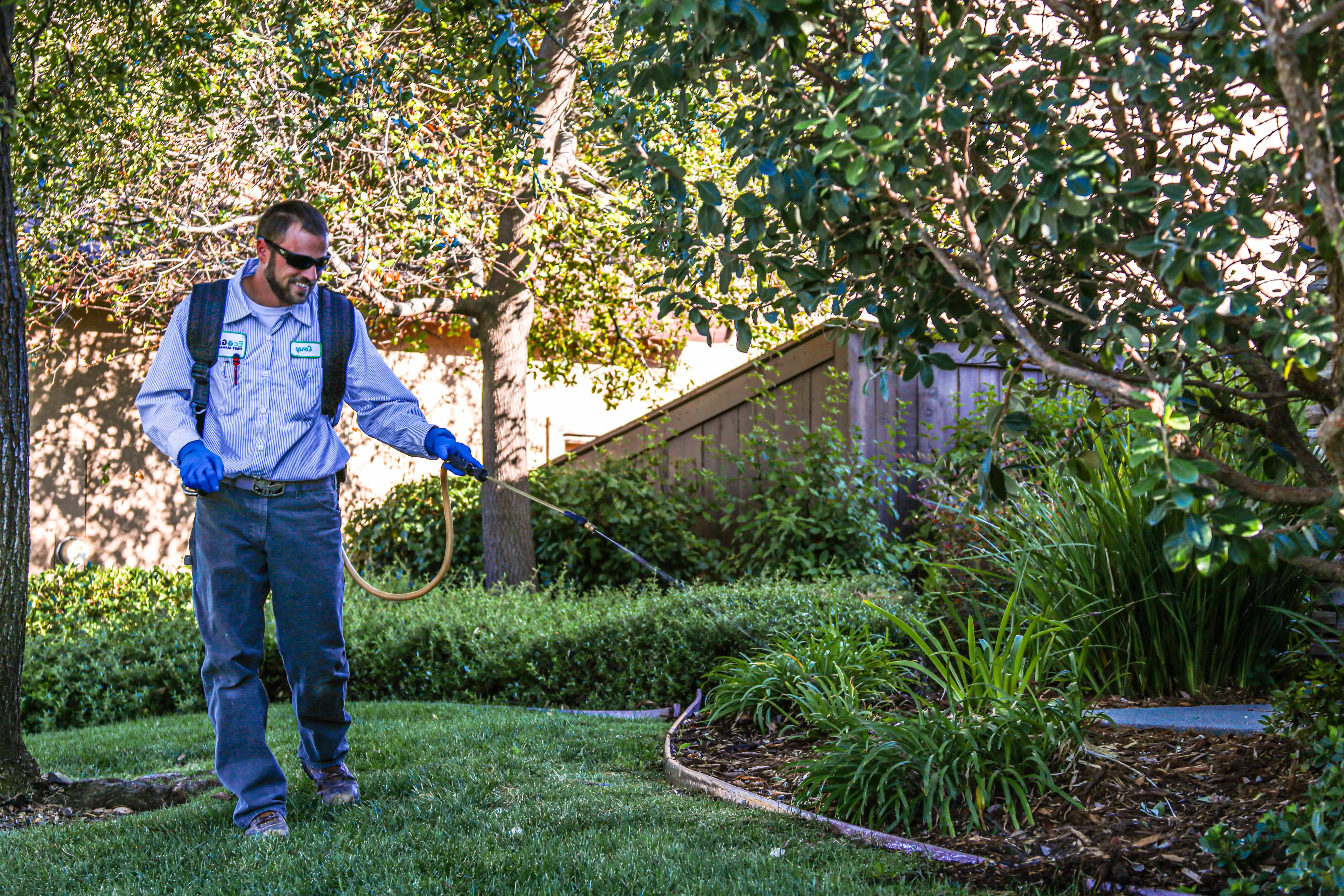
Professional thrips control technician inspecting and treating garden plants for thrips infestation

Professional Thrips Control & Treatment Services

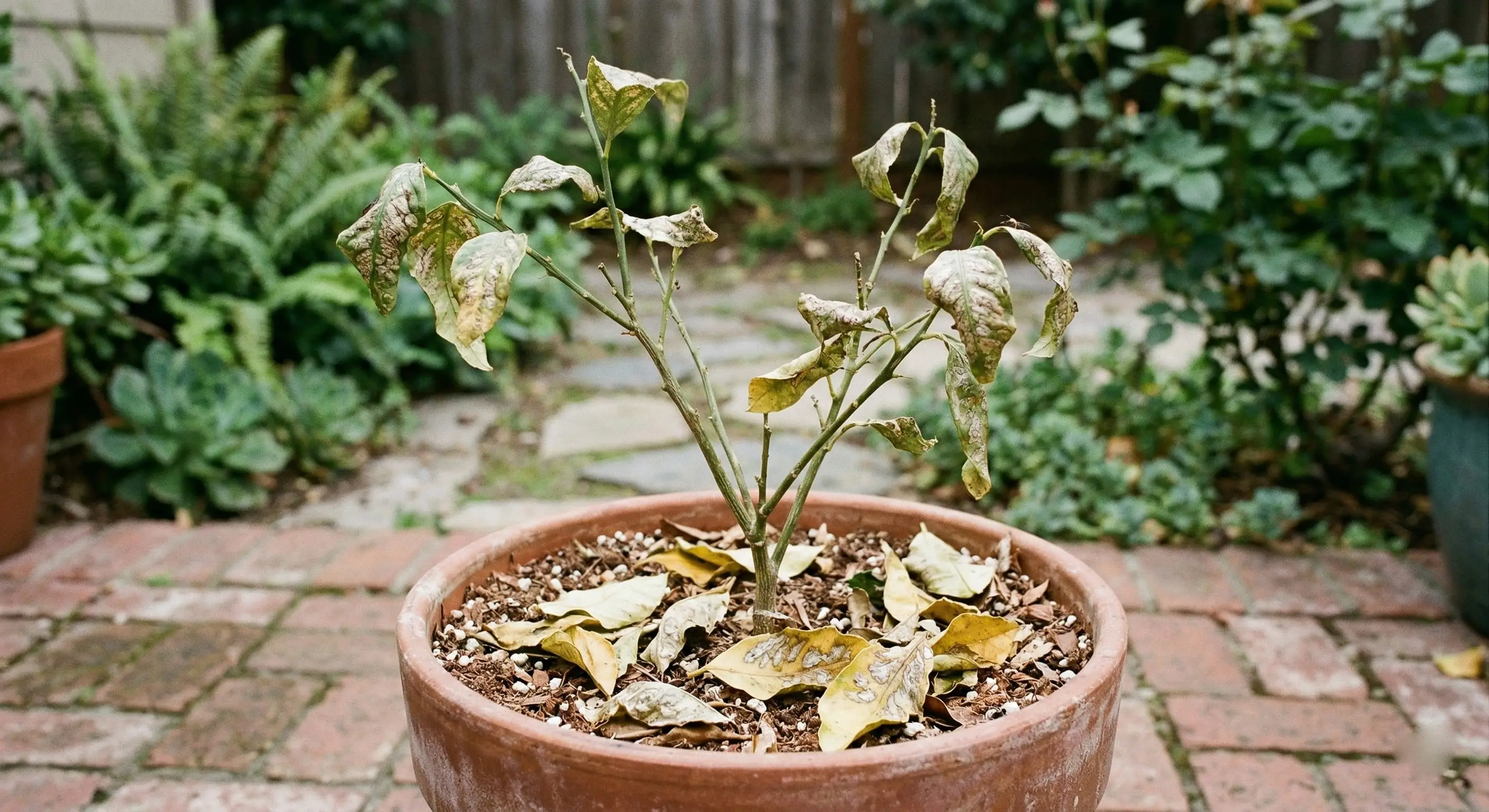
Thrips are tiny, slender insects that wreak havoc on gardens, greenhouses, and agricultural crops. They cause leaves to become papery, developing unsightly lesions, and making fruits and vegetables unsellable. These rapid reproducers can generate 12-15 generations per year, meaning a small problem can explode into a devastating infestation within weeks. Beyond the physical damage they inflict, thrips also serve as vectors for plant viruses that can decimate entire crops. EcoGuard Pest Management offers integrated pest management solutions using eco-friendly thrips control methods critical for protecting your valuable plants and produce.

Thrips Pest Control Experts

Thrips are destructive garden pests that damage fruit, leaves, and overall plant appearance. At EcoGuard Pest Management, we are experienced and knowledgeable in all forms of thrips treatment methods, from organic insecticides to biological controls and preventative strategies. We utilize an integrated pest management (IPM) approach that emphasizes eco-friendly solutions critical when dealing with agricultural and garden pests. Our maintenance programs ensure your home and garden remain thrips-free all year long while protecting beneficial insects and the environment.

Why Thrips Are a Serious Problem

Thrips infestations create significant challenges for gardens, greenhouses, and agricultural operations:

  • Thrips cause leaves to become papery, develop lesions, and fall off prematurely, stunting plant growth and reducing fruit development, especially in immature plants and vegetable crops that are most susceptible to damage
  • With females laying up to 80 eggs on leaf undersides and a life cycle of just 2 weeks from egg to adulthood, thrips can produce 12-15 generations per year, turning a minor problem into a massive infestation seemingly overnight
  • Beyond physical damage, thrips are vectors for several devastating plant viruses including Tomato Spotted Wilt Virus (TSWV) and Impatiens Necrotic Spot Virus (INSV) that can kill susceptible plants and spread rapidly through gardens
  • Different thrips species target specific plants. For example, avocado thrips scar fruit, citrus thrips damage citrus crops, and onion thrips attack vegetables. This makes proper species identification essential for effective treatment strategies

Thrips Control Service Plans

Choose the protection level that's right for your property

One-Time Treatment
$249+
Starting price
  • Comprehensive property inspection
  • Species identification
  • Entry point identification
  • Targeted treatment application
  • Perimeter barrier application
  • Nest elimination
  • Treatment report & recommendations
  • 30-day guarantee
Get Started
MOST POPULAR
Annual Protection
Contact Us
For custom pricing
  • Everything in One-Time Treatment
  • Seasonal maintenance plan
  • Entry point treatments
  • Priority scheduling
  • Re-treatment guarantee
Get Started

* Prices vary based on property size, infestation severity, and treatment method. Contact us for an accurate quote.

Service Plan Comparison

FeatureOne-TimeAnnual
Comprehensive Inspection
Treatment ApplicationMonthly
Follow-Up InspectionsOngoing
Biological ControlsOptionalIncluded
Re-Treatment Guarantee30 daysSeason-long

Get Your Free Thrips Quote

Protect your property with a free thrips quote from our licensed experts.

✓ Same-day service available
✓ Licensed & insured
✓ Detailed property assessment
✓ No-obligation estimates

Service Areas

We provide thrips control services throughout:

  • California
  • Oregon
  • Washington
  • Texas
  • Tennessee
  • Nevada
View All Counties →

Ready to Eliminate Your Thrips Problem?

Schedule your thrips inspection today. Our experts will assess your property and provide a customized treatment plan.

📞 Call (866) 326-2847Get Free Quote

Thrips Treatment Options

EcoGuard Pest Management employs multiple integrated strategies for effective thrips control, emphasizing eco-friendly and organic options that protect your plants while eliminating these destructive pests.
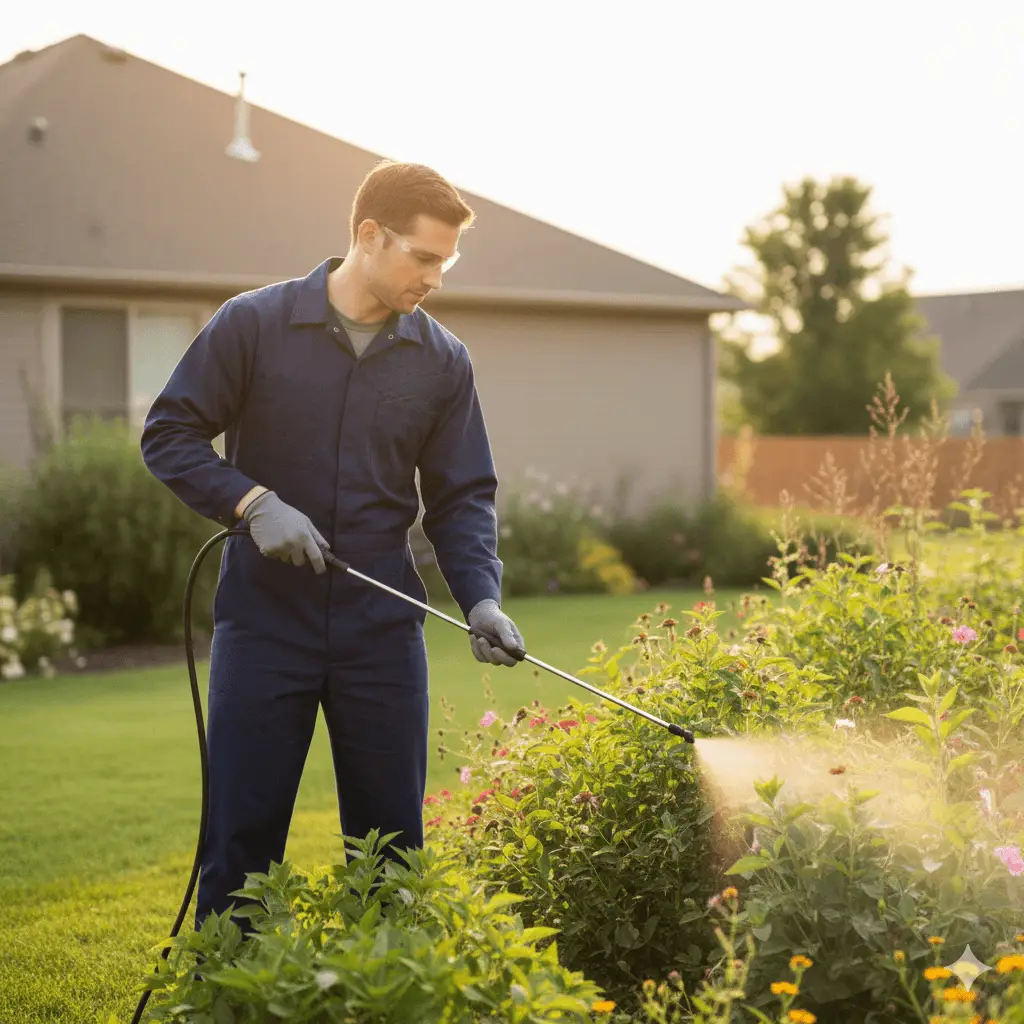
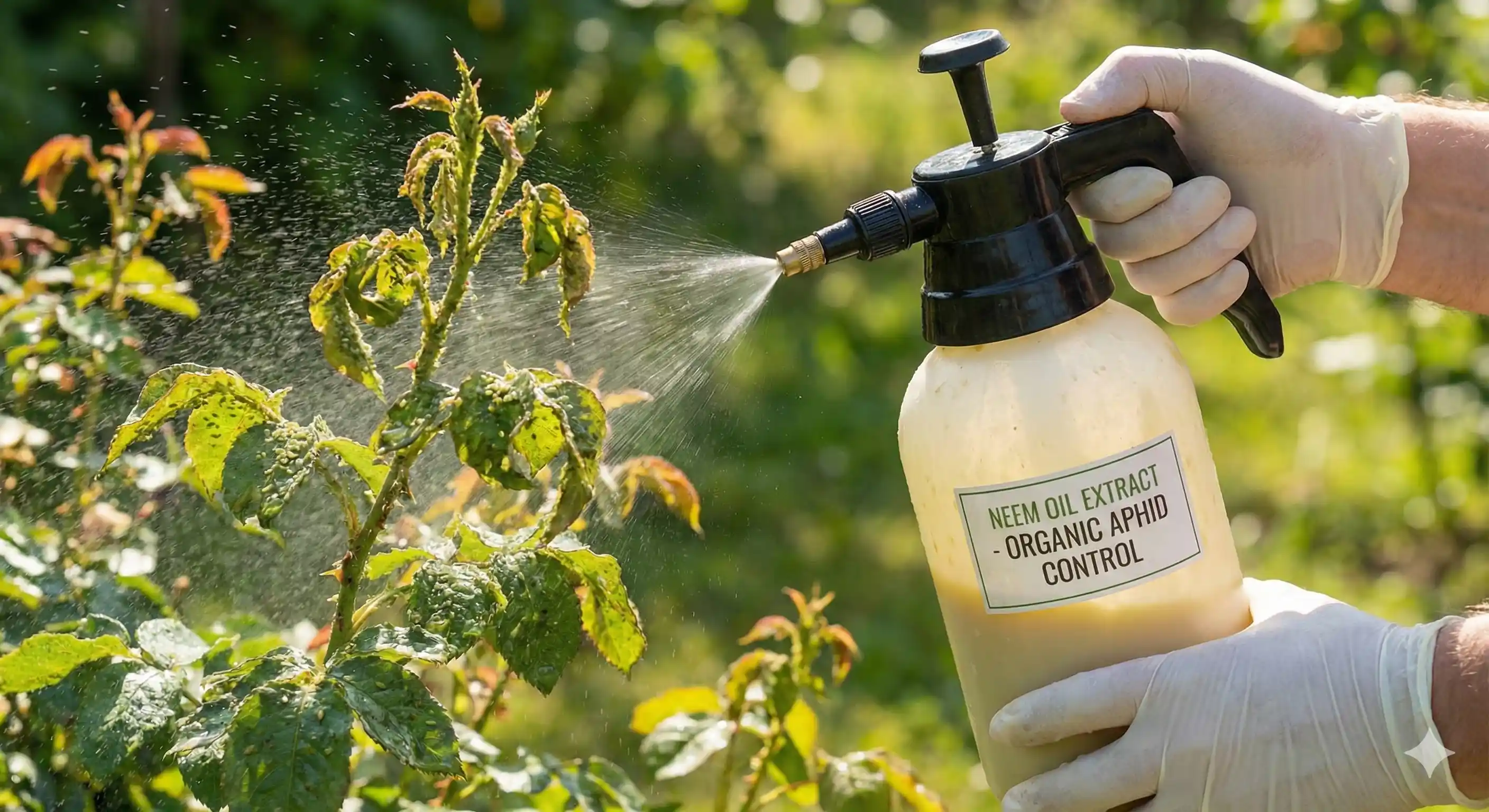
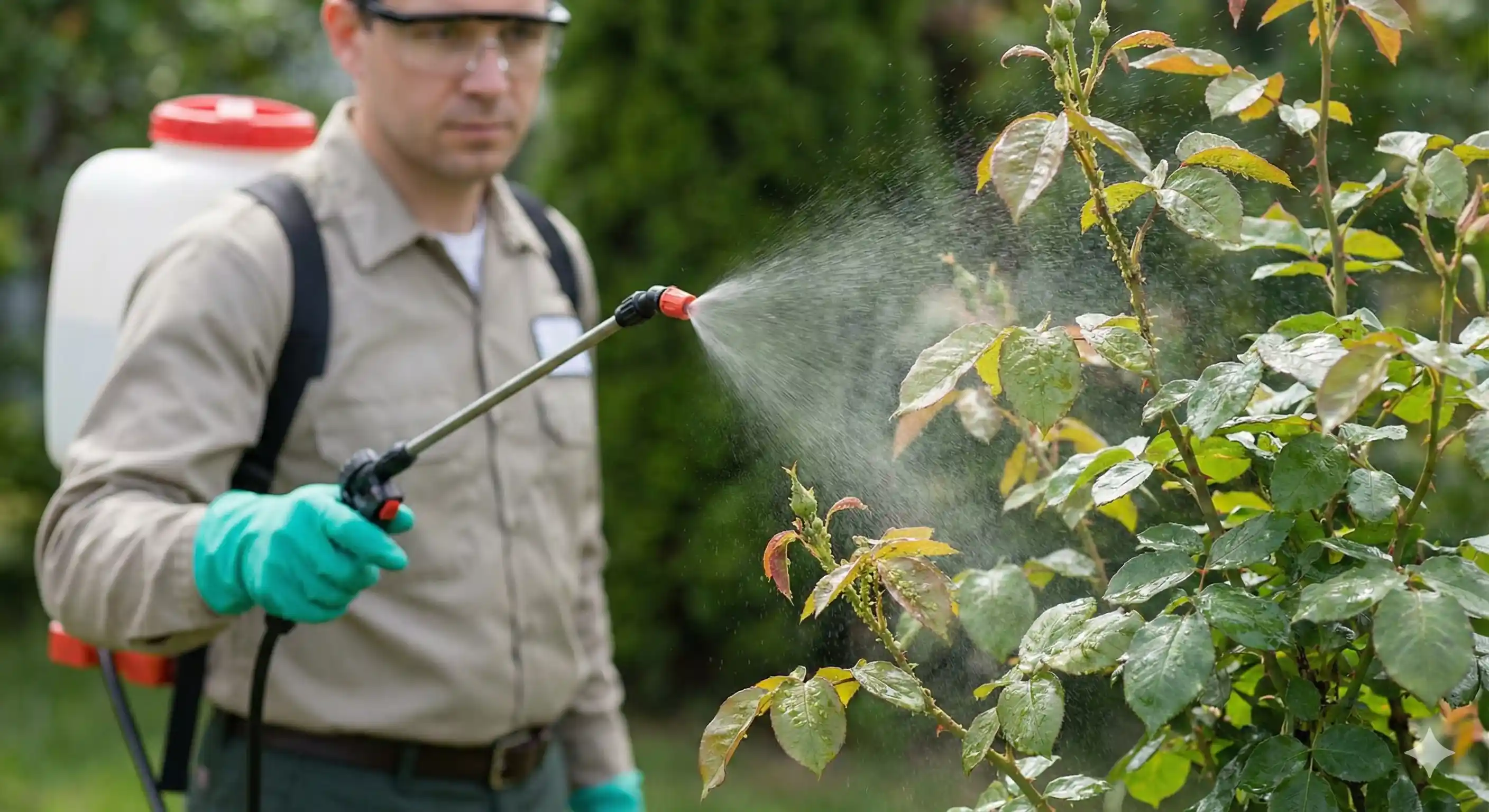
Technician applying organic insecticide treatment for thrips control on garden plants

Organic Insecticide Applications

We apply pyrethrin-based and spinosad insecticides that effectively kill thrips on contact and through ingestion. These organic options provide residual protection while being safe for edible crops. Spinosad is particularly effective as it continues working for extended periods, requiring only one or two applications per season.

Releasing beneficial predatory insects for biological thrips control

Biological Control Programs

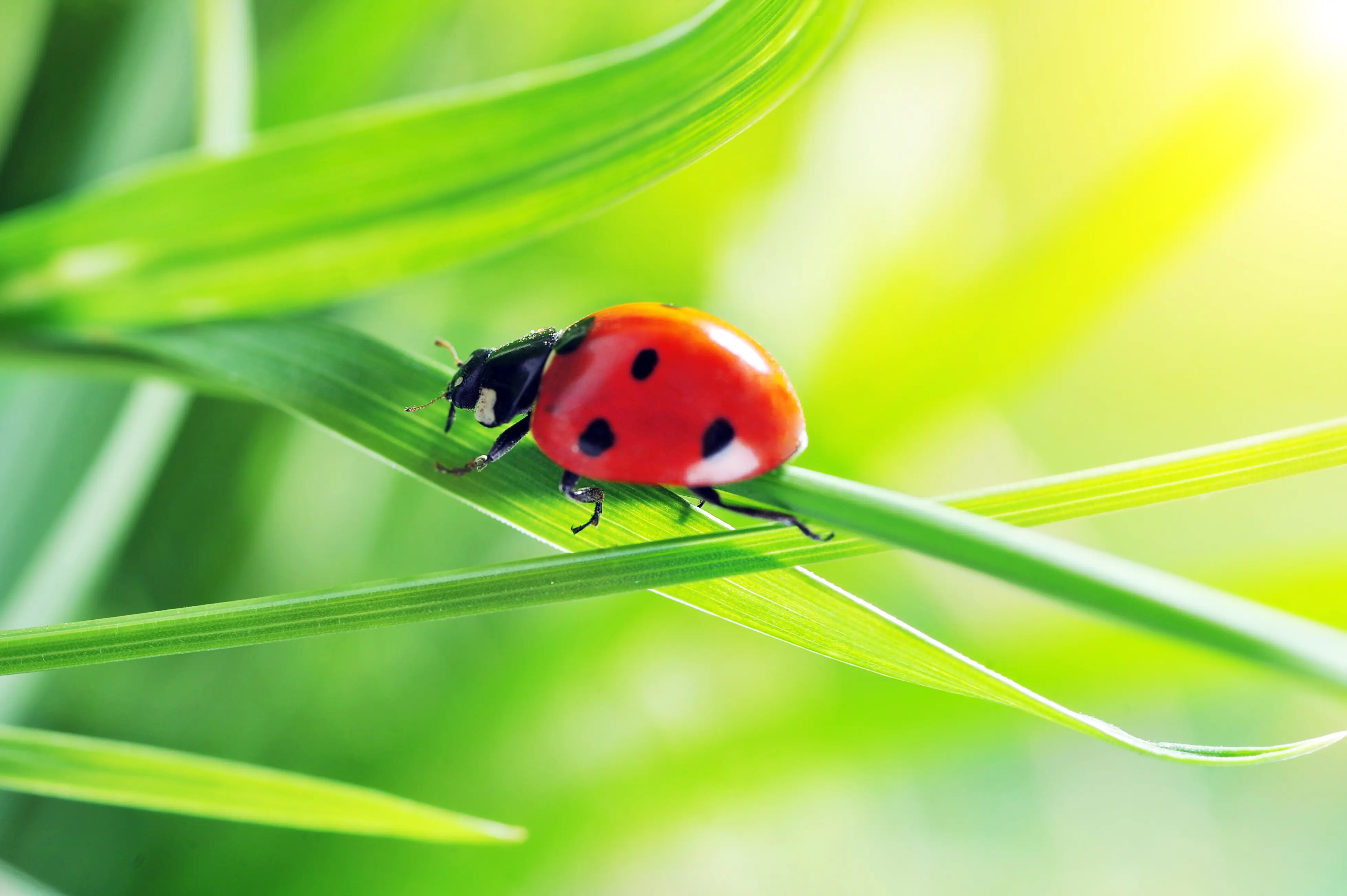
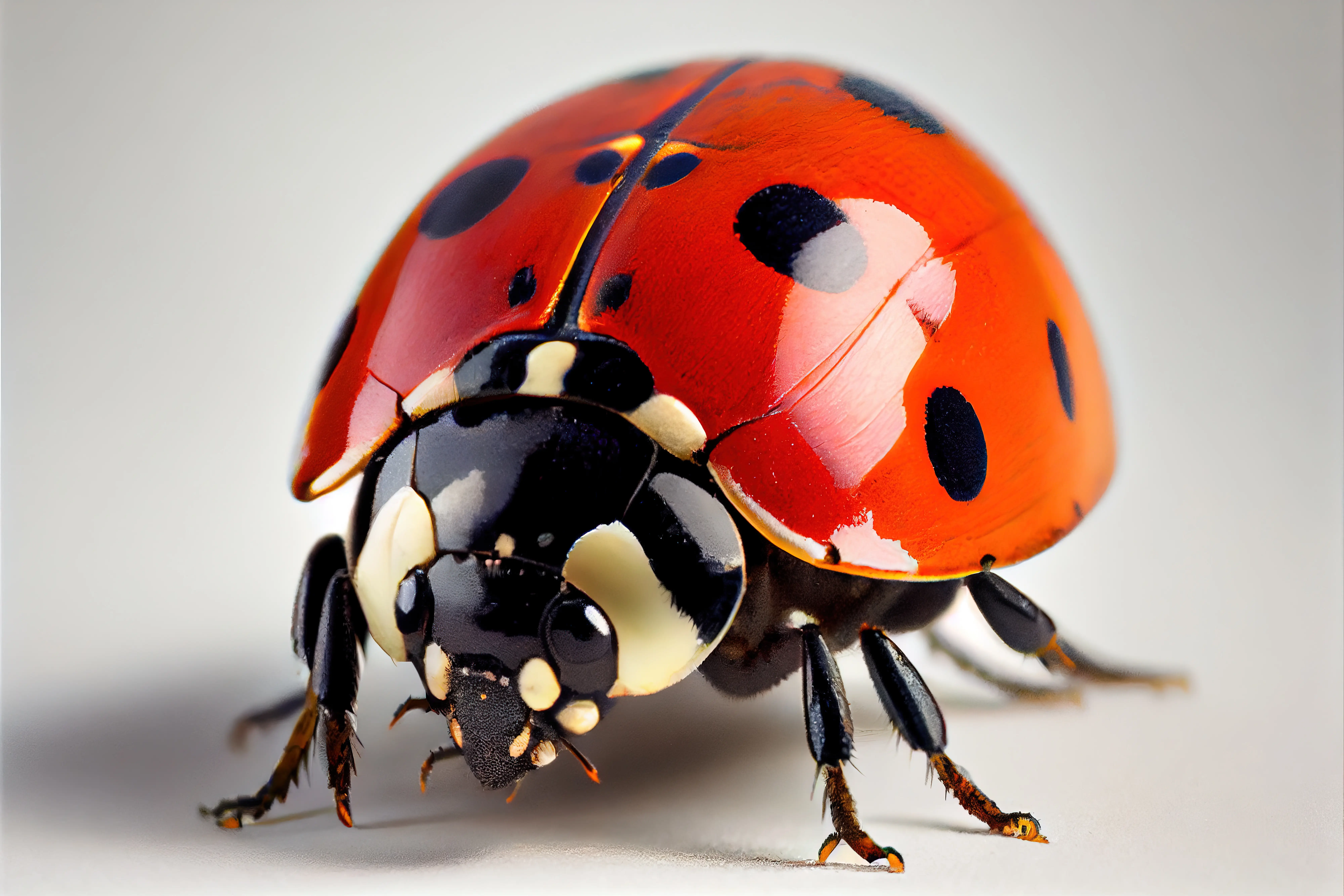
We introduce and encourage natural thrips predators including predatory mites (Amblyseius cucumeris), minute pirate bugs, lacewings, and ladybugs. These beneficial insects provide ongoing, sustainable control by continuously feeding on thrips populations without harming your plants.

Applying fungal spray treatment for thrips control

Fungal Spray Treatments

We apply entomopathogenic fungal sprays containing Beauveria bassiana that infect and kill thrips while being safe for plants and beneficial insects. These biological treatments slow thrips feeding and reproduction, successfully reducing populations over time.

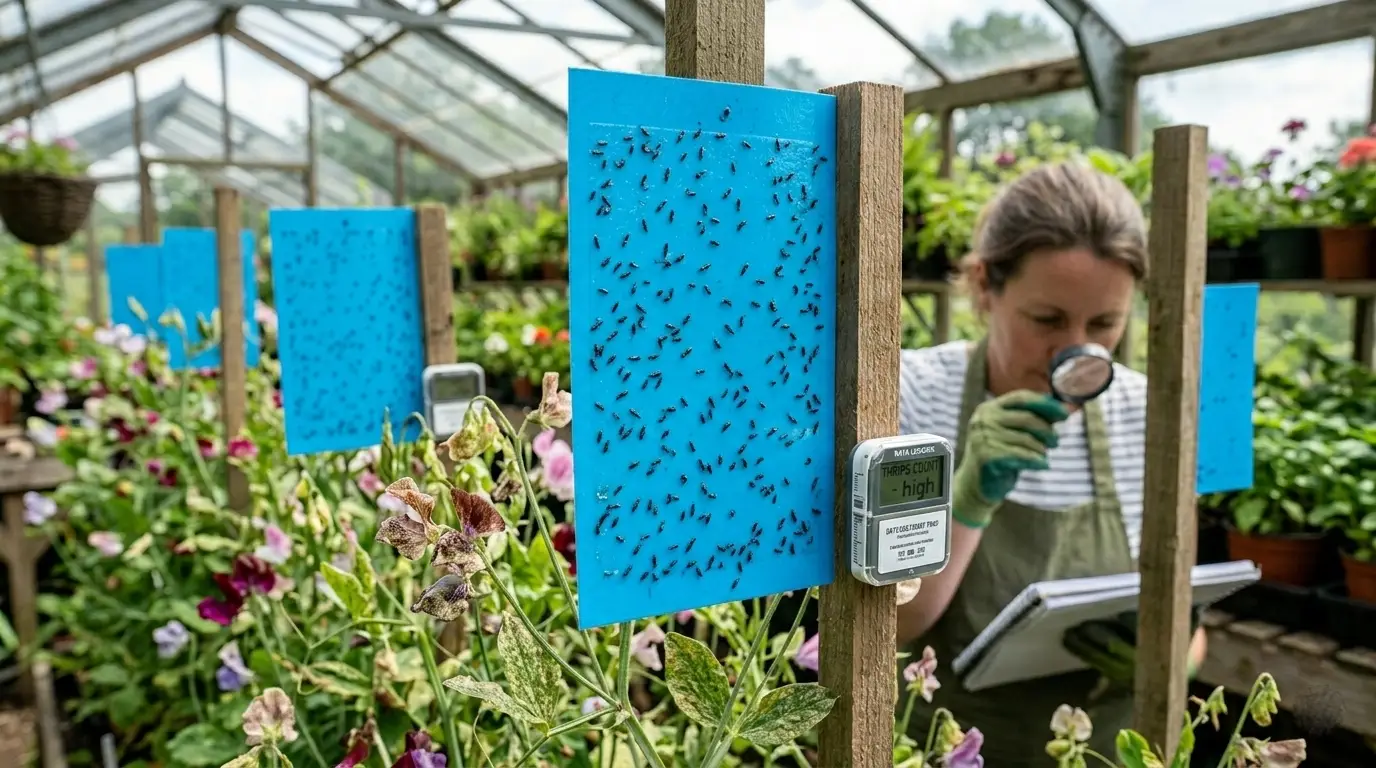
Blue sticky traps installed for thrips monitoring and control

Monitoring & Sticky Traps

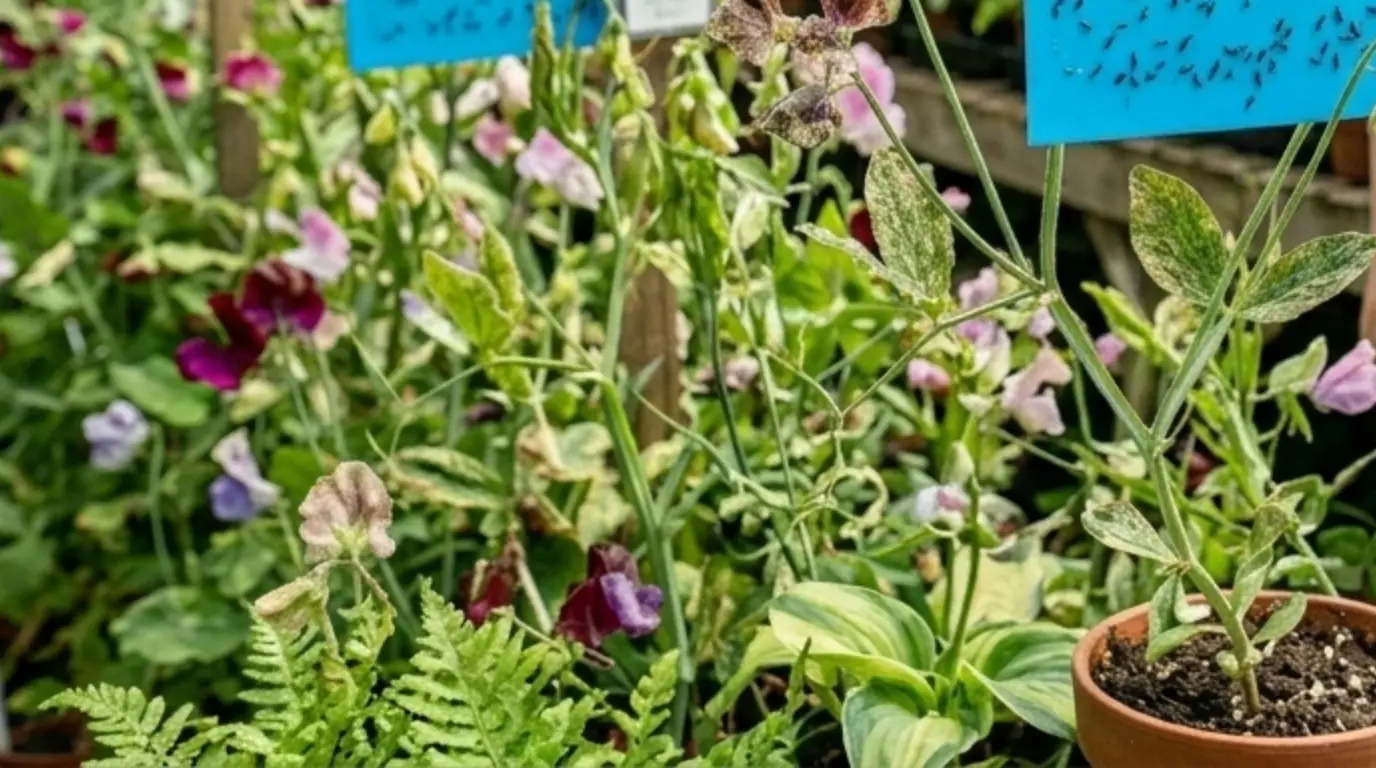
Strategic placement of blue sticky traps throughout your garden attracts and captures adult thrips. Beyond population control, these traps serve as early warning systems to detect emerging infestations before they become severe, allowing for timely intervention.

Applying horticultural oil spray for thrips treatment

Horticultural Oil & Soap Sprays

We apply horticultural oils and insecticidal soaps that suffocate thrips on contact while being gentle on plants. These treatments are especially effective against nymphs and larvae, breaking the reproductive cycle without leaving harmful residues on edible crops.

Applying systemic treatment to protect plants from thrips

Systemic Plant Treatments

For severe infestations or high-value ornamentals, we apply systemic insecticides that are absorbed by plants and protect new growth from within. Thrips feeding on treated plants ingest the product, providing extended protection throughout the growing season.

What Causes Thripss?

Understanding what attracts thrips and how infestations begin helps prevent problems before they devastate your garden or greenhouse.
New plants from nursery potentially carrying thrips

🌱 Infested Plant Introductions

Thrips are most commonly introduced into gardens and homes when infested plants are brought in from nurseries, garden centers, or other gardens. Their tiny size makes them easy to overlook during casual inspection, allowing populations to establish before detection.

Flowering plants and vegetables that attract thrips

🌸 Attractive Host Plants

Certain plants are thrips magnets. Roses, onions, beans, peppers, tomatoes, citrus, avocados, and many ornamental flowers attract specific thrips species. Gardens with these susceptible plants provide ideal conditions for thrips populations to thrive and multiply.

Warm dry garden conditions favorable for thrips

🌡️ Warm, Dry Conditions

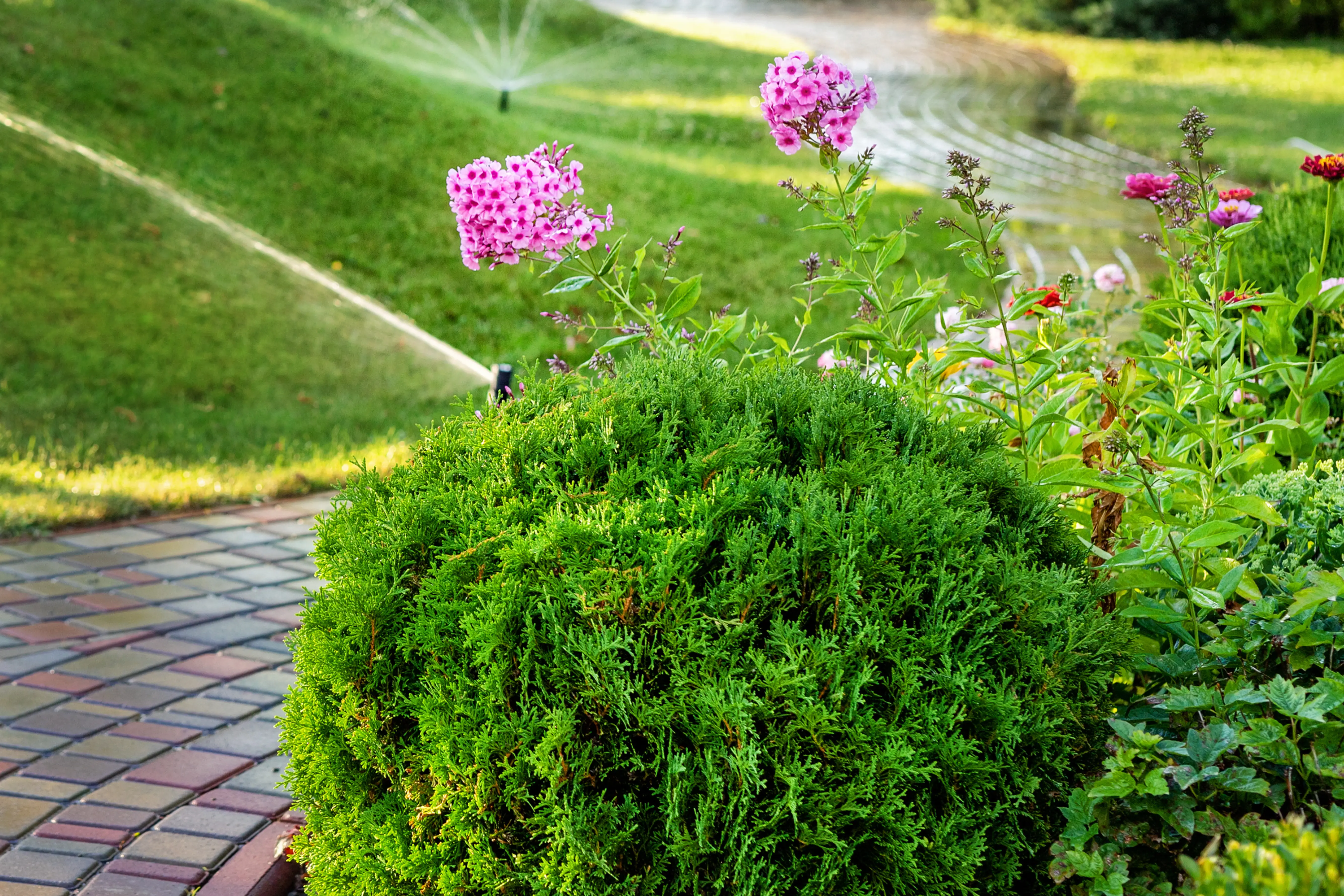
Thrips thrive in warm, dry environments where their rapid reproduction cycles accelerate. Hot summers, greenhouse conditions, and drought-stressed plants create ideal thrips habitat. Populations can explode during these favorable conditions.

Beneficial predatory insects that control thrips naturally

🚫 Absence of Natural Predators

Gardens lacking beneficial insects that prey on thrips, such as ladybugs, lacewings, predatory mites, and minute pirate bugs, allow thrips populations to grow unchecked. Broad-spectrum pesticide use often eliminates these natural controls.

Learn More About Thrips Prevention →

What Are Signs of Thripss in Your Home?

Learn to recognize these telltale indicators of thrips activity to catch infestations early before severe damage occurs.
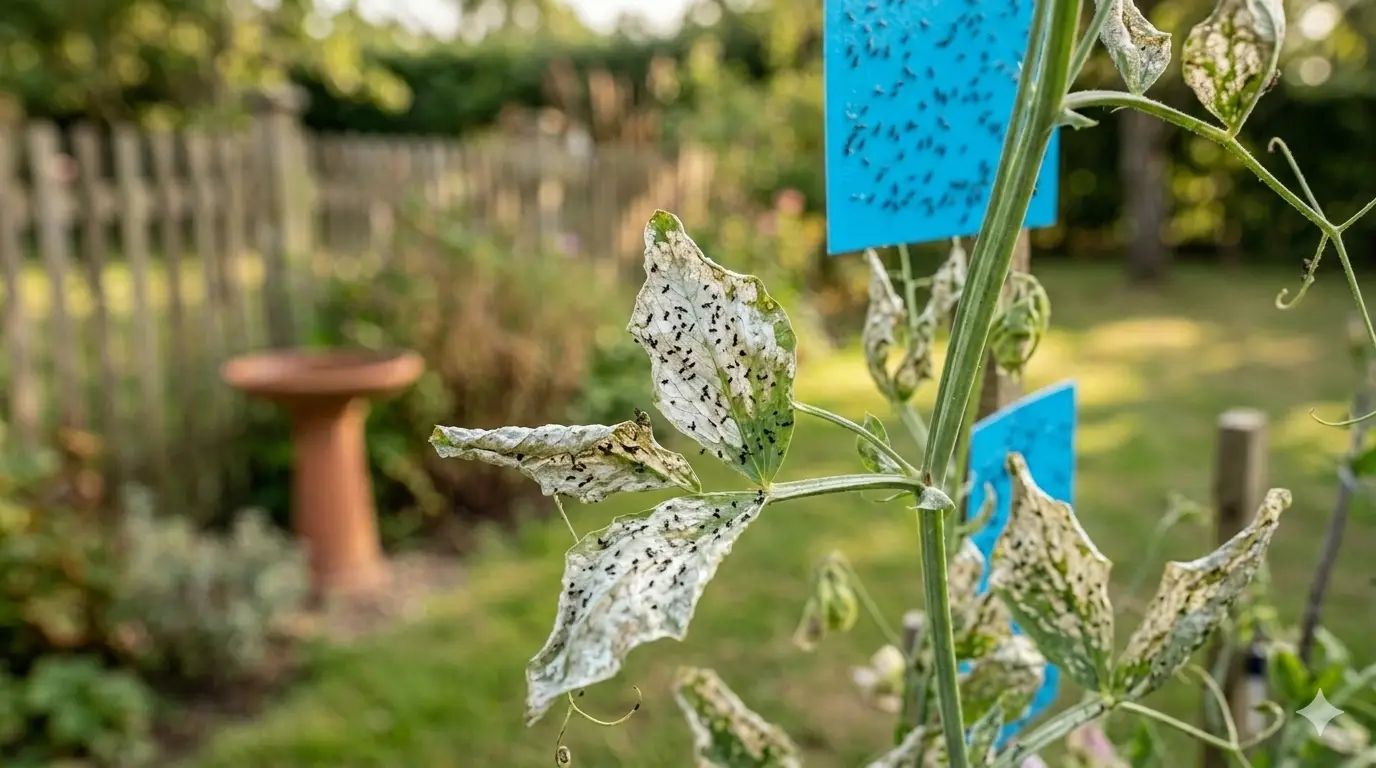
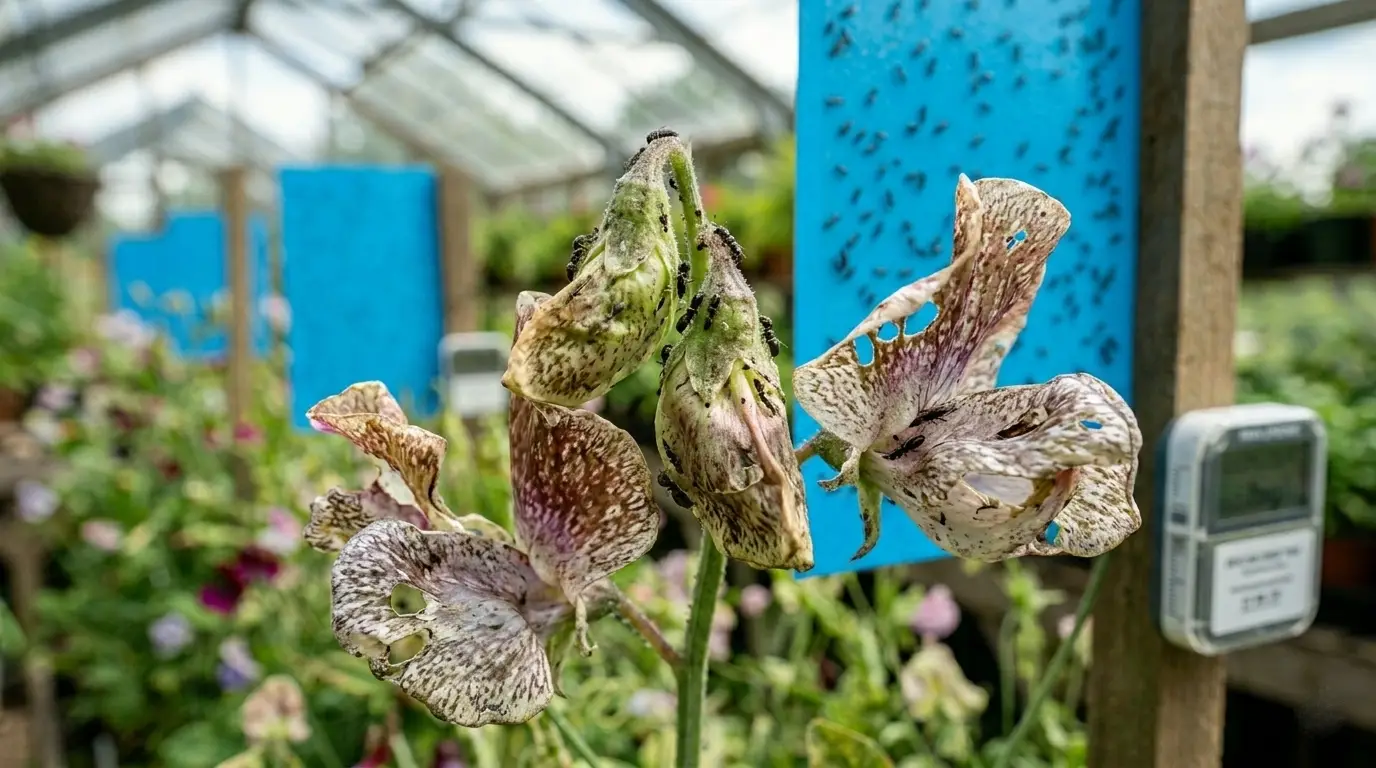
Plant leaves showing silvery papery damage from thrips feeding

Silvery or Papery Leaf Damage

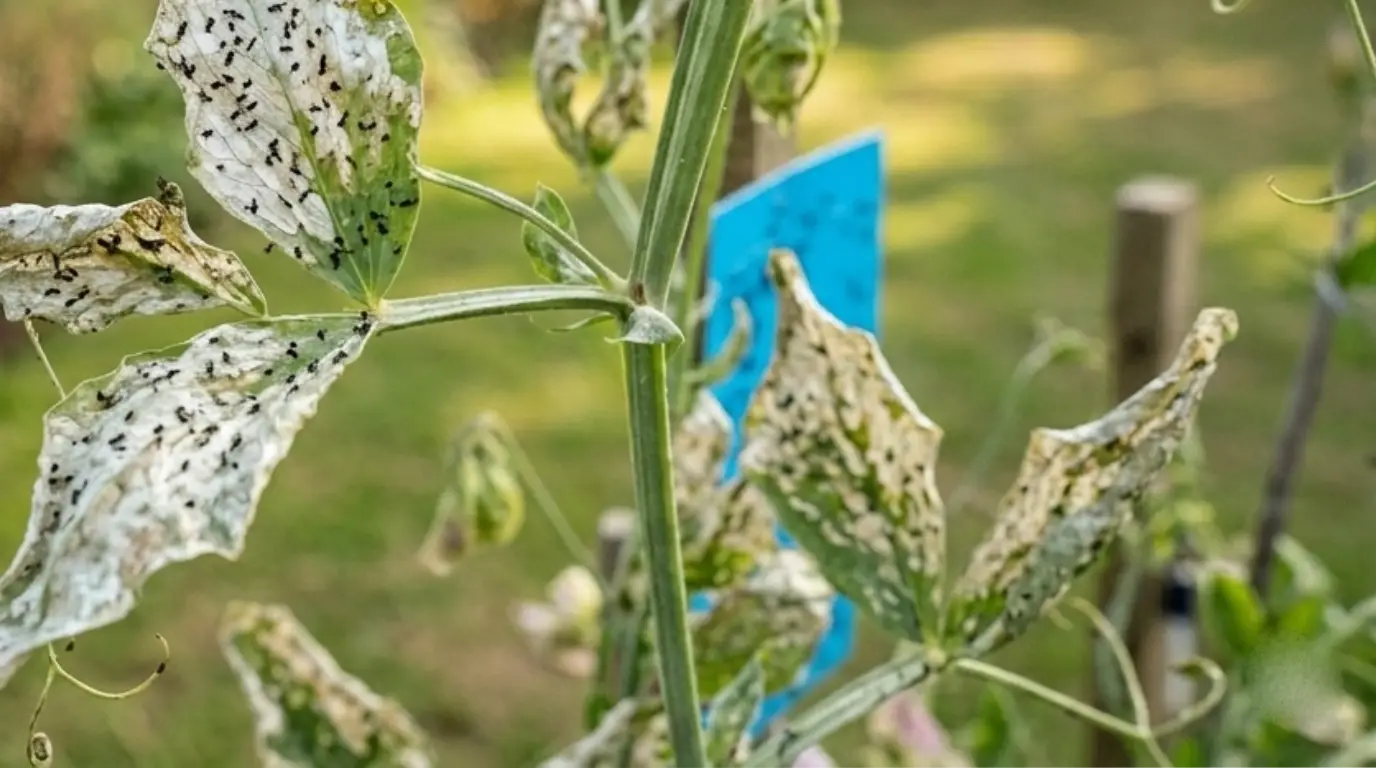
Thrips feeding creates distinctive silvery, papery patches on leaves where they've scraped away plant cells. Leaves may develop a stippled appearance, curl, or become distorted. Checking around damaged areas often reveals thrips, pupae, or eggs.

Damaged flower petals and buds from thrips feeding

Damaged Flowers & Buds

Thrips love feeding on flower buds and petals, causing streaking, discoloration, and deformed blooms. Roses are particularly susceptible, as thrips can decimate flowers from the inside out, causing buds to brown and fail to open properly.

Fruit showing scarring and damage from thrips

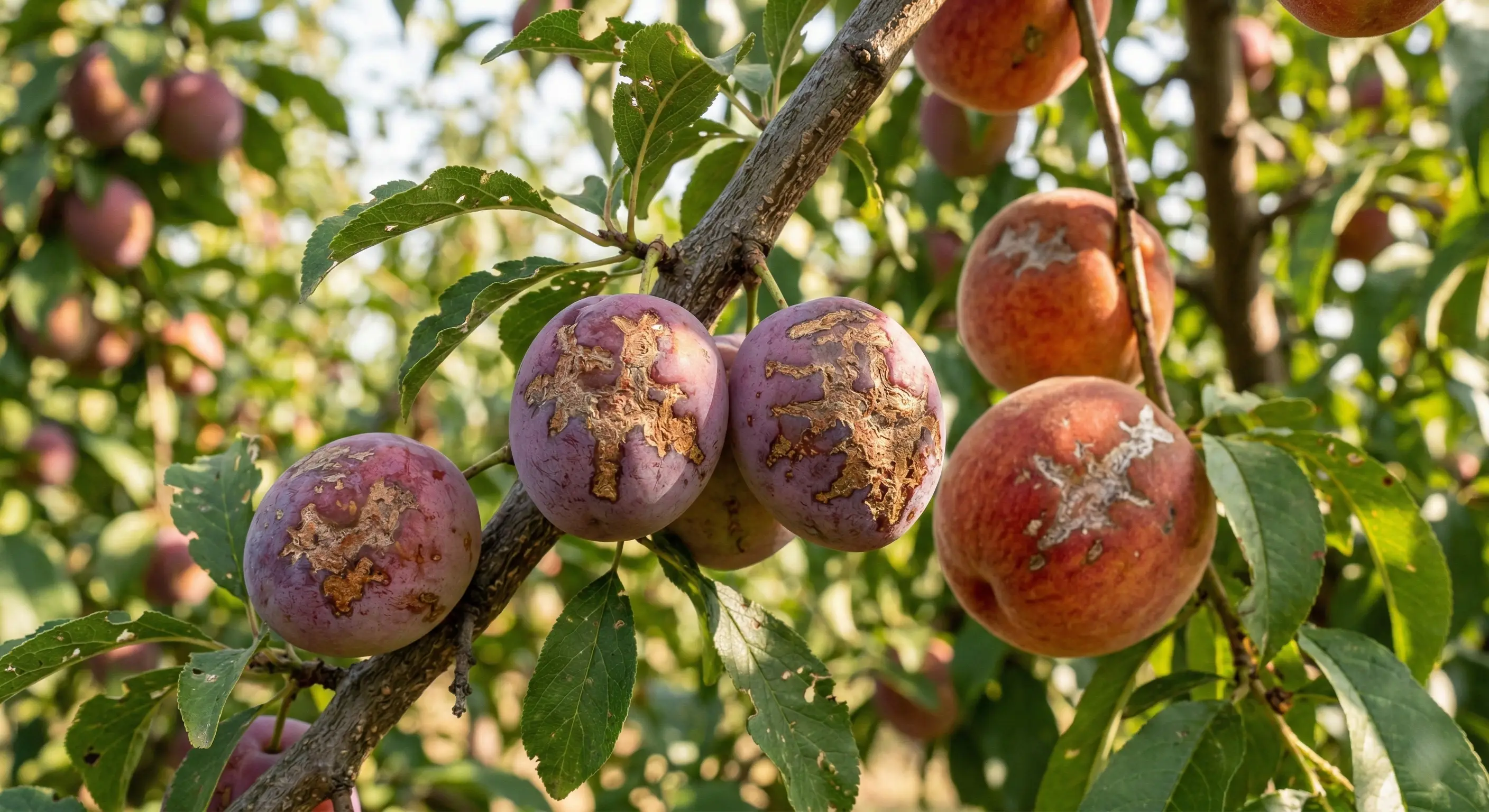
Scarred or Distorted Fruit

Thrips feeding on developing fruits creates scars, silvery patches, and surface distortions that make produce unsellable. Citrus, avocados, tomatoes, peppers, and berries commonly show this damage. Scars on avocados appear brown and scab-like.

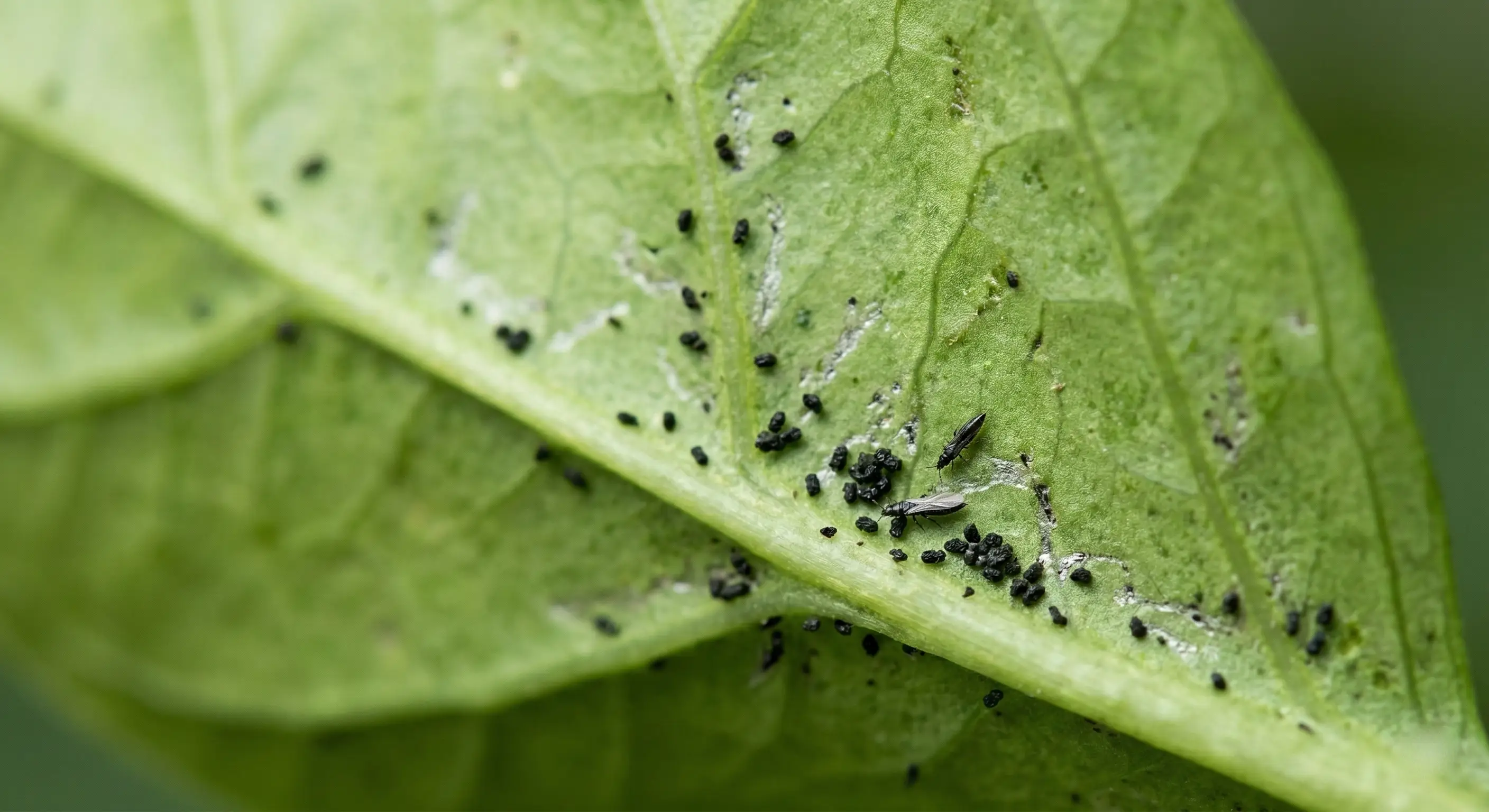
Black thrips fecal deposits on plant leaf underside

Black Fecal Spots

Thrips leave tiny black or dark-colored fecal deposits on leaf surfaces, particularly on undersides where they feed and hide. These specks are often the first visible sign of infestation before damage becomes obvious.

Plant showing premature leaf drop from thrips damage

Premature Leaf Drop

Severe thrips infestations cause stressed plants to drop leaves prematurely. Combined with feeding damage, this defoliation stunts plant growth, reduces yields, and weakens plants' ability to fight off secondary diseases and infections.

Visible thrips insects on plant surface

Visible Thrips on Plants

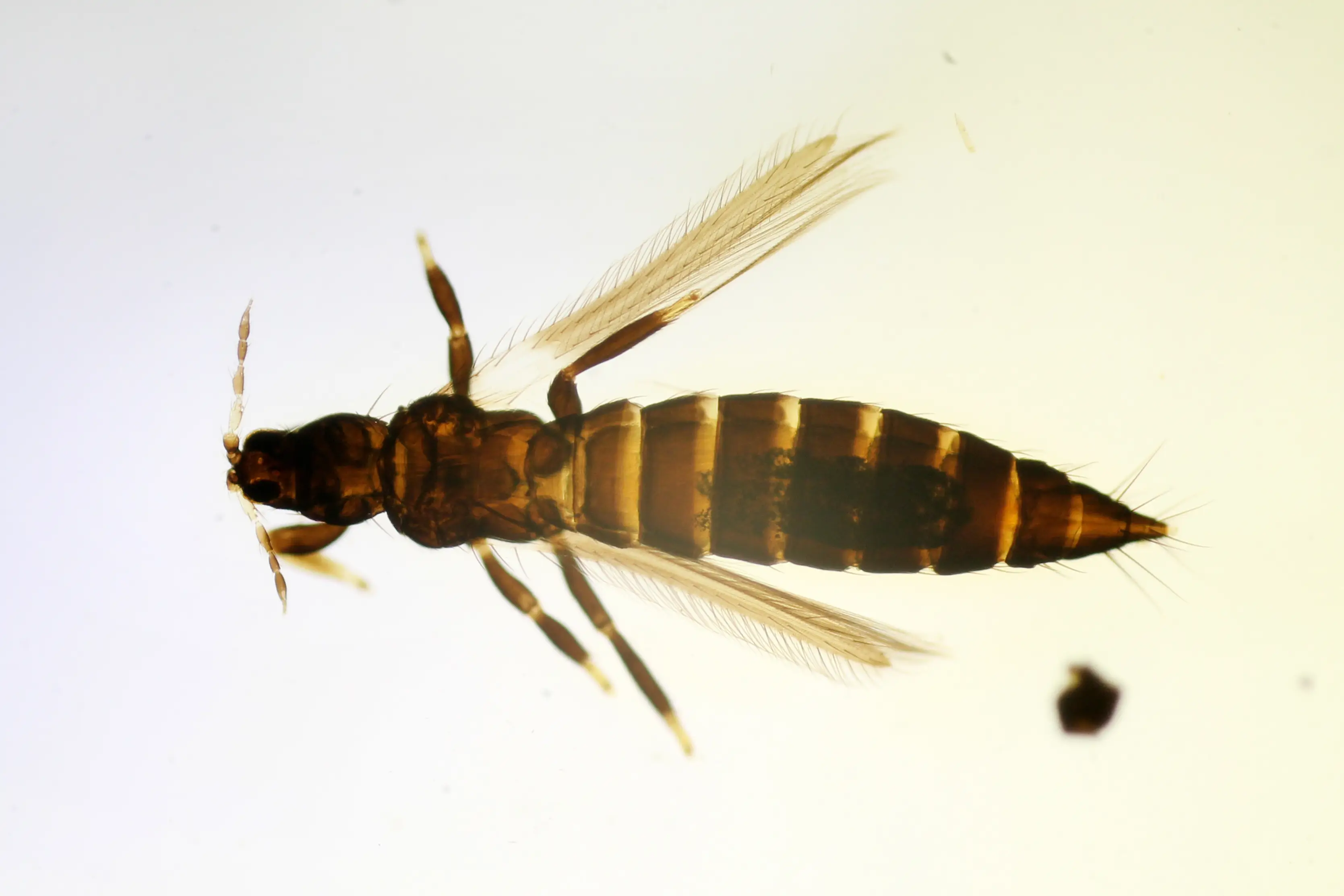
Adult thrips are tiny (1-2mm), slender insects with fringed wings that appear white, yellow, brown, or black depending on species. They're often visible on flowers, leaf undersides, and new growth. Shaking flowers over white paper reveals their presence.

Learn More About Thrips Detection →

DIY vs Professional Treatment

Controlling thrips is easiest when detected early, as infested areas can be pruned and discarded to prevent spread. However, once an infestation has spread beyond manageable levels, DIY approaches often fall short. Thrips' small size, rapid reproduction (12-15 generations per year), and ability to hide in tight spaces make them exceptionally difficult to eliminate with consumer products alone. Their mobility and protected feeding locations mean many survive typical spray applications.

EcoGuard's professional thrips control combines multiple strategies for comprehensive elimination. We begin with thorough inspection to identify thrips species, infestation severity, and affected plants. Our integrated approach combines targeted organic insecticides applied at optimal timing, biological controls using natural predators, cultural recommendations to reduce favorable conditions, and ongoing monitoring to prevent reinfestation. This multi-pronged strategy addresses thrips at all life stages while protecting your plants, beneficial insects, and the environment.

❌ DIY Treatment

  • Difficult to detect tiny thrips early
  • Consumer sprays miss protected locations
  • Rapid reproduction outpaces treatments
  • Cannot identify species for targeted control
  • Often harms beneficial predators
  • Reinfestation common without monitoring

✓ Professional Treatment

  • Species identification for targeted treatment
  • Organic and biological control options
  • Multi-stage lifecycle targeting
  • Beneficial insect preservation
  • Ongoing monitoring programs
  • Integrated pest management approach

Commercial Thrips Control

EcoGuard Pest Management implements customized thrips control programs for commercial facilities that prioritize operational continuity while ensuring effective pest elimination. Our comprehensive commercial thrips protection programs combine discrete treatment applications with flexible scheduling to maintain your business operations while ensuring complete elimination of thrips problems.

We specialize in thrips control solutions for:

  • Restaurants and food service establishments
  • Healthcare facilities
  • Hotels and hospitality venues
  • Educational institutions
  • Office complexes
  • Food processing facilities
  • Warehouses and storage facilities
  • Retail spaces
  • Manufacturing facilities
  • Multi-unit residential properties
Learn About Commercial Pest Control
100% SATISFACTION GUARANTEE

The EcoGuard Guarantee

EcoGuard offers a 100% satisfaction guarantee for all of our customers, and we stand by our promise to eradicate your thrips problem until the very last thrips is gone. That thrips control guarantee comes with every service and if the thripss come back, then so do we, at no additional cost. We are standing by to give you a free estimate and to help you set your first thrips pest control service appointment.

📞 Call (866) 326-2847 Today

Our Thrips Control Process

A comprehensive approach to eliminating thrips and protecting your plants

1

Thorough Inspection

Our technicians conduct comprehensive inspections of your yard, garden, greenhouse, or indoor plants to identify thrips activity and assess infestation severity. We identify the specific thrips species present, as different species require different control approaches and target different plants.

2

Customized Treatment Plan

Based on inspection findings, we develop an integrated treatment strategy combining appropriate methods, including organic insecticides, biological controls, horticultural oils, or systemic treatments, tailored to your specific situation, plant types, and preference for eco-friendly options.

3

Targeted Application

We apply treatments targeting thrips at all life stages, focusing on leaf undersides, flower buds, and new growth where thrips concentrate. Our timing and product selection maximize effectiveness while minimizing impact on beneficial insects and the environment.

4

Monitoring & Prevention

We install monitoring traps and schedule follow-up inspections to verify treatment effectiveness and detect any new activity. Our prevention recommendations address cultural practices, plant selection, and environmental modifications that discourage thrips establishment.

Seasonal Plan for Thrips Control

Year-round protection adapted to seasonal thrips behavior patterns

Spring Thrips Control

Spring

Critical monitoring period as thrips emerge and begin laying eggs on new plant growth; apply preventative treatments before populations establish; inspect new nursery plants before introducing to garden; release beneficial predators early

Summer Thrips Control

Summer

Peak thrips activity and reproduction as warm conditions accelerate life cycles; implement intensive monitoring with sticky traps; apply treatments as needed targeting multiple generations; maintain biological controls; protect susceptible crops during flowering and fruiting

Fall Thrips Control

Fall

Thrips populations remain active on late-season crops and ornamentals; continue monitoring and treatment as needed; remove plant debris where thrips overwinter; prepare greenhouse spaces for winter growing season

Winter Thrips Control

Winter

Reduced outdoor activity but thrips persist in greenhouses and on indoor plants; inspect and treat houseplants; monitor greenhouse crops; plan spring prevention strategy; order biological control agents for early-season release

What Our Customers Say

Trusted by gardeners and growers for professional thrips elimination

★★★★★

"Thrips were destroying my rose garden. The buds wouldn't even open properly. EcoGuard identified the species and used a combination of organic sprays and beneficial insects. My roses are thriving again and they taught me how to spot problems early!"

Margaret S.
Sacramento, CA
★★★★★

"Our vegetable garden was covered in thrips damage. Silvery leaves everywhere and our tomatoes were scarred. The technician explained that thrips also spread plant viruses, so treatment was urgent. The organic approach worked perfectly for our edible garden!"

Robert & Linda K.
Fresno, CA
★★★★★

"I run a small greenhouse operation and thrips were devastating my ornamental crops. EcoGuard set up an integrated program with sticky traps, beneficial insects, and targeted treatments. My plants look great and I haven't lost crops to thrips since!"

James T.
Portland, OR

Thrips Control FAQs

Everything you need to know about thrips control and treatment

Controlling thrips is easiest when detected early, as infested areas can be pruned and discarded to prevent spread. For established infestations, professional integrated pest management combining organic insecticides (pyrethrin, spinosad), biological controls (predatory mites, lacewings), sticky trap monitoring, and cultural modifications provides the most effective, lasting control.

Spinosad-based foliar sprays are highly effective, killing thrips through ingestion and providing residual protection requiring only one or two applications per season. Pyrethrin-based organic insecticides provide immediate knockdown. For severe infestations, systemic treatments protect plants from within as thrips feed on treated tissue.

Thrips are most commonly introduced when infested plants are brought in from nurseries, garden centers, or other gardens. Their tiny size makes them easy to overlook. Once established, warm dry conditions, susceptible host plants, and absence of natural predators allow populations to explode rapidly.

Yes, thrips will infest homes if accidentally introduced on flowers, houseplants, or produce. They're attracted to certain indoor plants and can damage ornamentals. Always inspect plants carefully before bringing them inside, checking leaves, stems, and flowers for tiny thrips and their damage signs.

Thrips are tiny (1-2mm), slender insects with narrow fringed wings. They vary in color depending on species, ranging from white, yellow, brown, or black. Their small size makes them difficult to see; shaking flowers or leaves over white paper helps reveal their presence. Nymphs are wingless and often lighter colored.

Thrips reproduce extremely rapidly. Females lay up to 80 eggs on leaf undersides, and the complete life cycle from egg to adult takes only about 2 weeks. This allows thrips to produce 12-15 generations per year, meaning small populations can explode into severe infestations within weeks.

Different thrips species target different plants. Common targets include roses, onions, beans, peppers, tomatoes, citrus, avocados, greenhouse crops, and many ornamental flowers. Avocado thrips scar fruit, citrus thrips damage citrus crops, onion thrips attack vegetables, and greenhouse thrips target ornamentals.

Yes, thrips are vectors for several serious plant viruses including Tomato Spotted Wilt Virus (TSWV) and Impatiens Necrotic Spot Virus (INSV). These diseases can kill susceptible plants and spread rapidly through gardens. This disease-spreading ability makes thrips control especially important.

Thrips are not harmful to humans. They don't bite, sting, or transmit human diseases. However, some people experience minor skin irritation from thrips landing on them, particularly during summer population peaks. Their primary concern is the damage they cause to plants, crops, and gardens.

Effective thrips predators include predatory mites (Amblyseius cucumeris, Amblyseius swirskii), minute pirate bugs (Orius species), lacewing larvae, and ladybugs. These beneficial insects provide ongoing, sustainable control. Different predators work better in different environments, such as greenhouses versus outdoor gardens.

Blue sticky traps attract and capture adult thrips, reducing populations and serving as monitoring tools to detect emerging infestations early. Trap counts indicate population levels and treatment timing. Strategic placement throughout gardens and greenhouses provides both control and early warning capabilities.

Yes, horticultural oils effectively control thrips by suffocating them on contact. They're particularly effective against nymphs and larvae. Oils are gentle on plants and leave no harmful residues, making them ideal for edible crops. Apply when temperatures are moderate to avoid plant stress.

Inspect all new plants thoroughly before introducing them to your garden or home. Check leaf undersides, flowers, and new growth for thrips and damage signs. Quarantine new plants for 2-3 weeks if possible, monitoring for emerging problems. Remove any infested plant material immediately.

Thrips can overwinter as adults in plant debris, soil, and protected locations. In mild climates, they remain active year-round. Removing plant debris in fall reduces overwintering populations. Greenhouse and indoor populations persist through winter, requiring ongoing monitoring and control.

Thrips return due to their rapid reproduction, ability to fly in from neighboring areas, and persistence on new plant introductions. Incomplete treatments that miss eggs and pupae allow populations to recover. Integrated programs combining treatment, monitoring, biological controls, and prevention provide lasting results.

Thrips are most active during warm daytime hours, particularly in morning and late afternoon. They feed, mate, and move between plants during these periods. However, they remain on plants continuously, feeding and reproducing. Treatments can be applied any time, though morning applications before peak heat are often preferred.

Different thrips species are identified by color, size, and host plant preferences. Avocado thrips have three red spots on their heads. Bean thrips are black with white wings. Citrus thrips are orange-yellow. Greenhouse thrips are black. Professional identification ensures targeted, effective treatment strategies.

Yes, thrips readily infest indoor houseplants, causing the same silvery leaf damage, distorted growth, and weakened plants seen in gardens. Common houseplant targets include orchids, African violets, palms, and many tropical plants. Indoor infestations often go unnoticed until damage is severe.

Yes, organic treatments including spinosad, pyrethrin, neem oil, insecticidal soaps, and biological controls effectively manage thrips. Integrated organic approaches often outperform single-product strategies. Professional application ensures proper timing and coverage for maximum effectiveness while protecting beneficial insects.

Contact insecticides begin killing thrips within hours. Spinosad provides knockdown within 1-2 days with residual activity for weeks. Biological controls establish over 2-4 weeks as predator populations build. Complete population reduction typically occurs within 2-3 weeks with properly applied integrated treatments.

Related Articles & Resources

Learn more about thrips prevention, identification, and control

Identifying Common Thrips Species in Your Garden

Learn to recognize different thrips types and understand which plants they target.

Read More →

Organic Thrips Control: Safe Methods for Edible Gardens

Protect your vegetables and fruits with eco-friendly thrips management strategies.

Read More →

Using Beneficial Insects to Control Thrips Naturally

How to attract and introduce predatory insects for sustainable thrips management.

Read More →

Thrips and Plant Viruses: Understanding the Connection

Learn why thrips control is critical for preventing devastating plant diseases.

Read More →

Protecting Roses from Thrips Damage

Specialized strategies for keeping thrips away from your prized rose bushes.

Read More →
View All Pest Control Articles →

Ready to Eliminate Your Thrips Problem?

Get a free estimate for your thrips problem today. Our experts will assess your property and provide a customized treatment plan.

Connect With Us

Follow EcoGuard Pest Management for tips, updates, and special offers

f𝕏yin