EcoGuard Pest Management
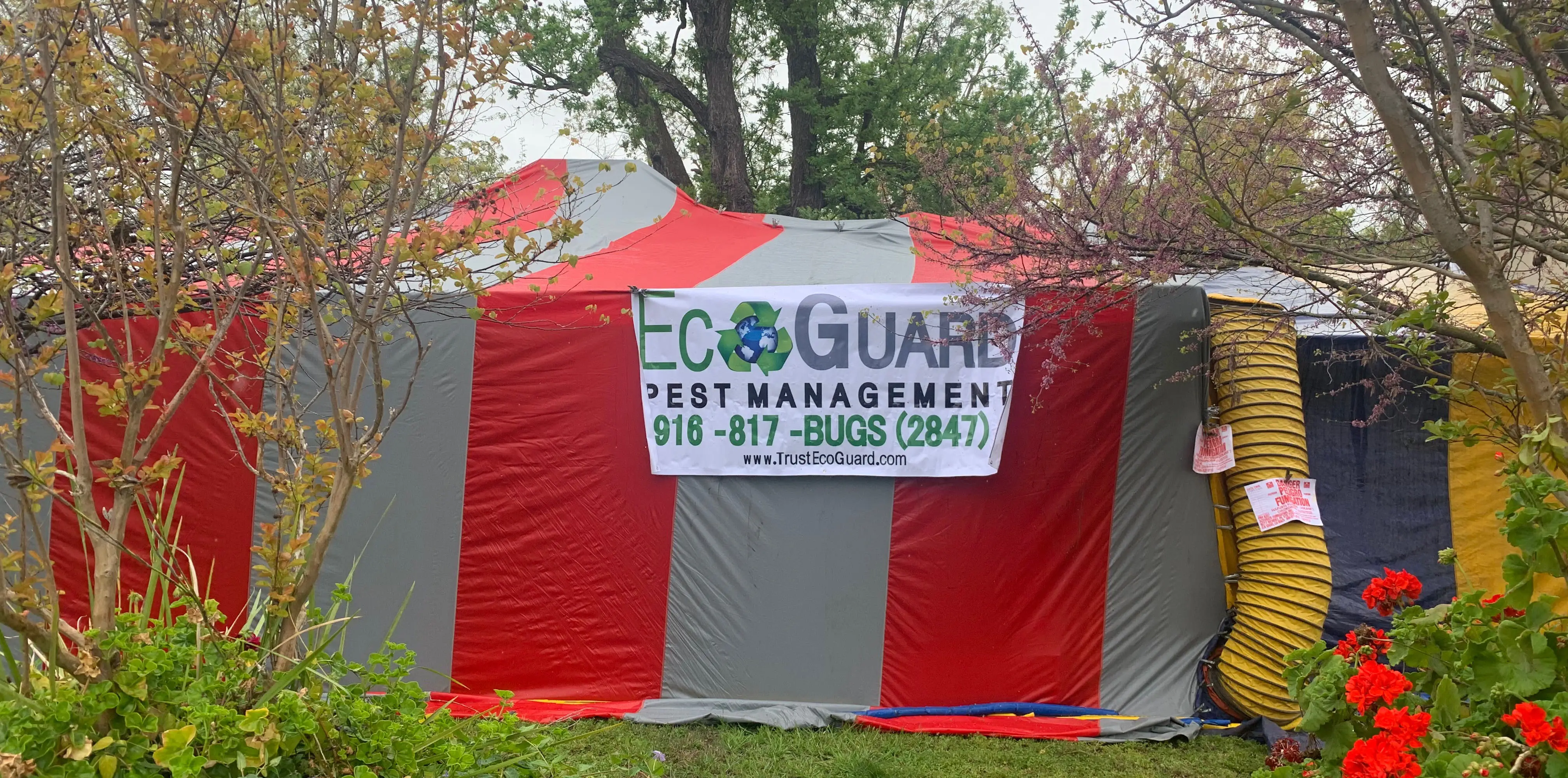
Home covered with fumigation tent for termite treatment

Termite Fumigation & Tenting Services

EcoGuard Pest Management provides professional termite fumigation and tenting services for homes and businesses across California, Oregon, Washington, Texas, Tennessee, and Nevada. Complete eradication of drywood termite colonies.

Complete Termite Eradication for Your Home

Drywood termites create nests within the wooden structures of your home, making them difficult to reach with conventional treatments. When an infestation is severe enough, termite fumigation and tenting is the only way to ensure complete eradication. This strategy is effective because fumigant gasses can permeate the entire structure and penetrate deep into the wood, reaching even the deepest caverns of the termite nest.

While this is the most effective way to combat termite infestations, it requires careful planning and preparation. Our experienced fumigation team will guide you through every step of the process.

Why Choose Fumigation?

  • Guaranteed to eradicate all drywood termite colonies, including hidden satellite colonies
  • Fumigants penetrate walls, cavities, and deep into the wood itself
  • No drilling or demolition required to reach inaccessible areas
  • One treatment eliminates the entire infestation
  • Most effective treatment for severe drywood termite infestations

$10 - $20 Per Linear Foot*

Average total: $2,000 - $4,000

  • Licensed, certified fumigation team
  • Complete structure tenting
  • Professional-grade fumigants
  • Air quality testing before re-entry
  • Re-entry notice provided
  • Pest-free guarantee
Get Free Estimate

* Prices may vary based on home size, infestation severity, and treatment requirements. Contact us for an accurate quote.

Get Your Free Termite Fumigation Quote

Protect your property with a free termite fumigation quote from our licensed experts.

✓ Same-day service available
✓ Licensed & insured
✓ Detailed property assessment
✓ No-obligation estimates

Service Areas

We provide termite fumigation control services throughout:

  • California
  • Oregon
  • Washington
  • Texas
  • Tennessee
  • Nevada
View All Counties →

Schedule Your Termite Fumigation Consultation

Our termite experts will inspect your property, confirm drywood termite activity, and create a fumigation plan tailored to your home.

📞 Call 866-942-0764Schedule Online

What is Termite Tenting & Fumigation?

Termite tenting and fumigation is a termite control strategy that eliminates infestations by filling a durable plastic tent covering your home with termiticide gasses. These gasses are designed to cause the entire termite colony to collapse.

The tent keeps the dangerous gasses contained where they need to be while creating a barrier that prevents people and animals from accessing the property until treatment is complete. This helps circulate the gasses thoroughly through the structure so they can permeate walls and reach deep into any cavities caused by termites.

While this is the most effective method of combating termite infestations, it requires planning. Families must relocate for 3-7 days while the home is being fumigated.
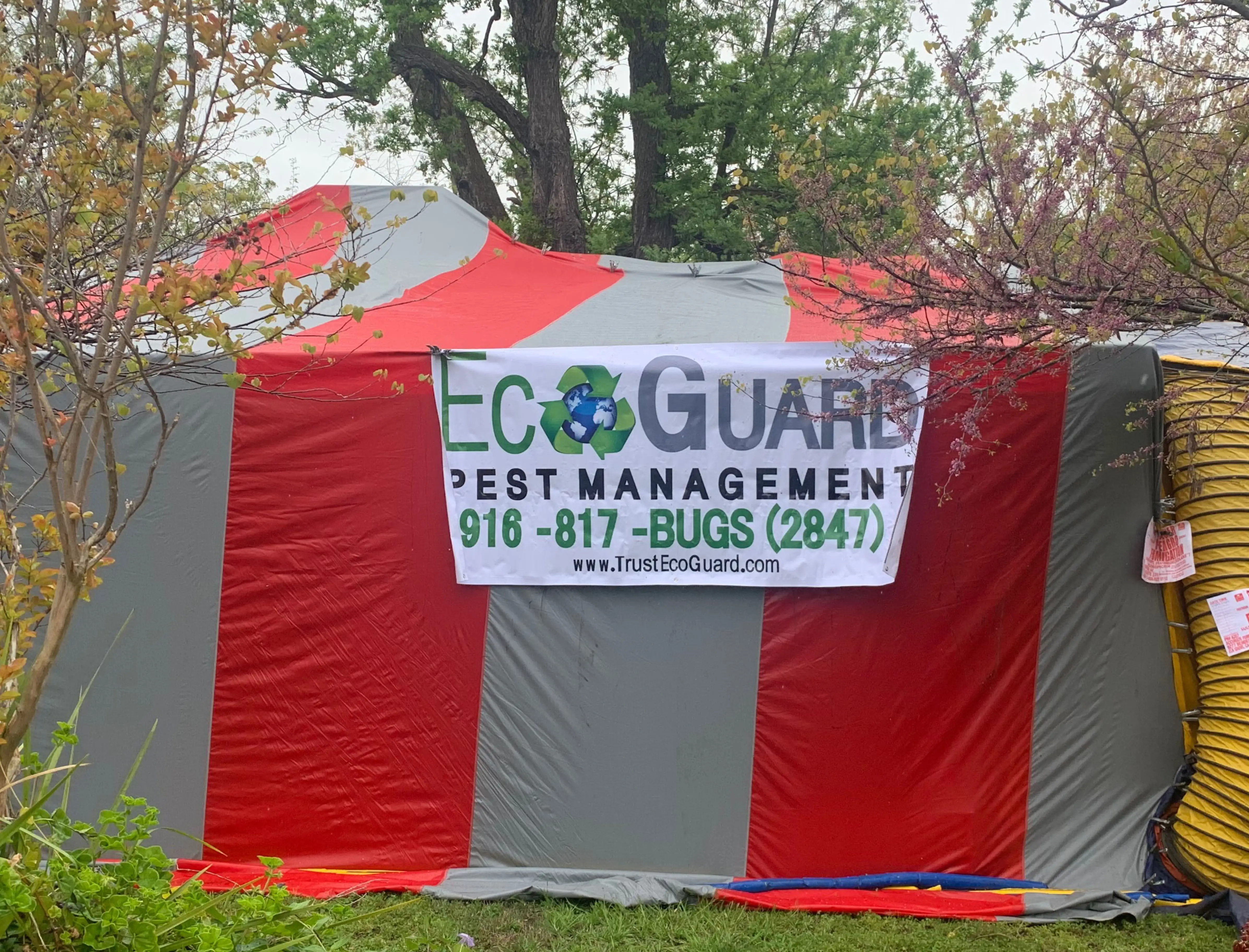
House covered with fumigation tent for termite treatment

How Does Termite Fumigation Work?

During termite fumigation, a fumigant is released that circulates throughout the home and penetrates hard-to-reach places like wall cavities, cracks, crevices, and inside the wood itself. Termites are eventually exposed to these termiticides, which act as a nerve agent causing them to die. Once enough of the colony has been infected, the remaining colony collapses without the support of workers, the queen, and king.

🏠

Structure Tented

Your home is completely enveloped in a durable plastic tent, sealed at the base with weighted sandbags.

💨

Fumigant Released

Professional-grade fumigants are released inside, permeating every area of the structure.

🔬

Gas Penetrates

The gas circulates for 12+ hours, reaching deep into wood and wall cavities where termites hide.

Colony Eliminated

Termites are exposed to the nerve agent, causing the entire colony, including the queen, to die.

Termite Fumigation vs. Spot Treatment

Understanding the differences between fumigation and spot treatment helps you make the right choice for your situation.

Whole House Fumigation & Tenting

  • Effectively eradicates all termite colonies including hidden satellite colonies
  • One treatment is guaranteed to exterminate all termites
  • No drilling or demolition necessary to reach hard-to-access areas
  • ⚠️Preparation required to protect plants, food, and consumables
  • ⚠️Families must vacate for 3-7 days while tenting is active
  • ⚠️Higher upfront cost (may include hotel and kennel expenses)

Spot Treatment

  • ⚠️Colonies can only be treated if found and accessible
  • ⚠️Surviving termites can reestablish colony and may require multiple treatments
  • ⚠️Discovery drilling and demolition may be required to find colonies
  • Requires thorough inspection but less extensive preparation
  • Families only vacate briefly while pesticides dry
  • More affordable per treatment (but may need multiple)

Not sure which treatment is right for you? Our termite experts will inspect your property and recommend the most effective and cost-efficient solution.

Termite Fumigation Process Timeline

Understanding the fumigation timeline helps you plan accordingly. Here's what to expect from start to finish.

1 WK

1 Week Prior to Tenting

Inspection and scheduling appointment. Technician reviews preparation requirements, provides NyloFume bags for consumables, outlines the process, signs documents, and provides a lockbox for keys. You'll schedule gas shutoff and re-activation with your utility company at this time.
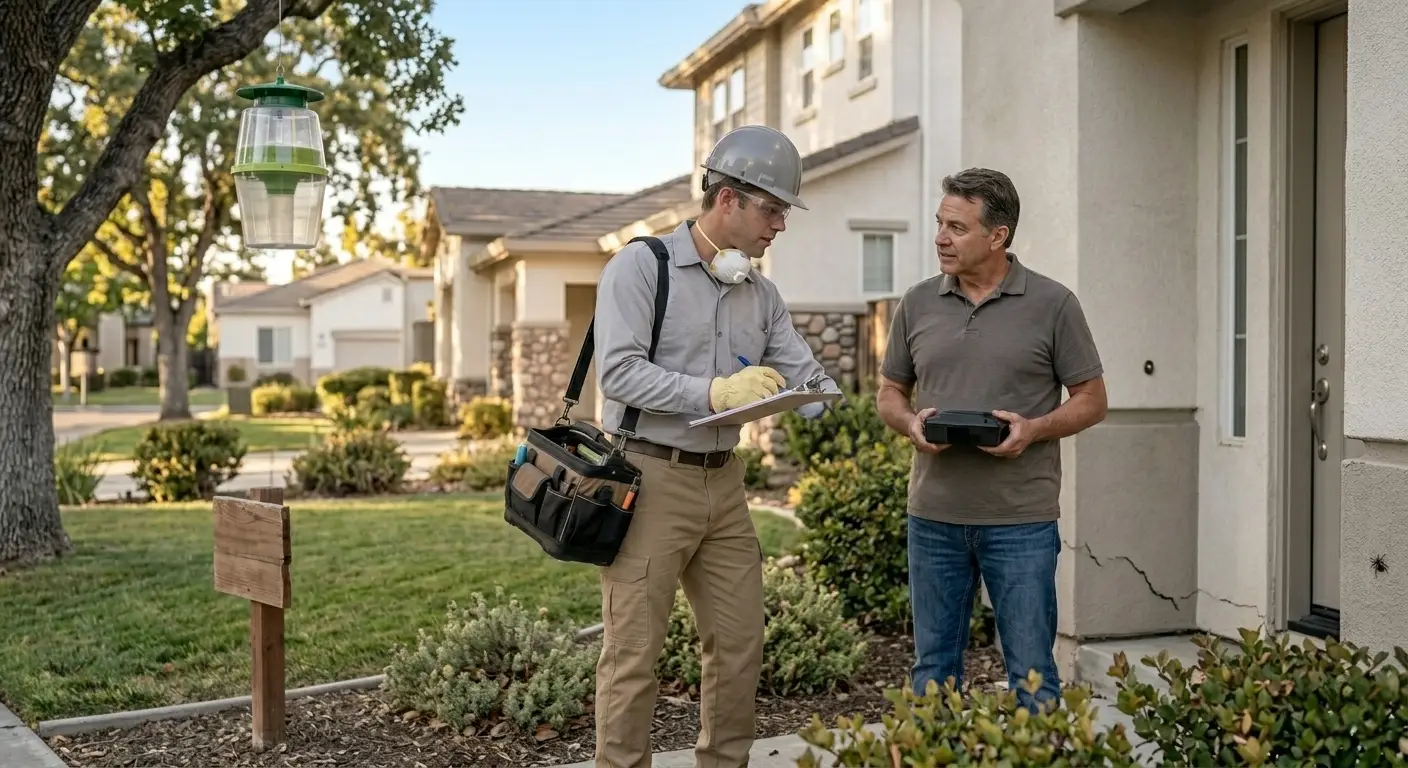

Technician explaining fumigation process to homeowner
Homeowner preparing home for fumigation
-1

Day Before Tenting

Critical preparation day. All preparations must be completed and gas must be turned off by the utility company. Double-check your preparation checklist. The ground around the property must be saturated to create an effective ground seal for the tent.

D1

Day 1 of Fumigation

The fumigation team tents and seals the structure by climbing onto the roof and releasing plastic tarps. Tarps are secured with weighted sandbags. An inspector does a final check to ensure the home is cleared. After approval, fumigants are released and must permeate for at least 12 hours.
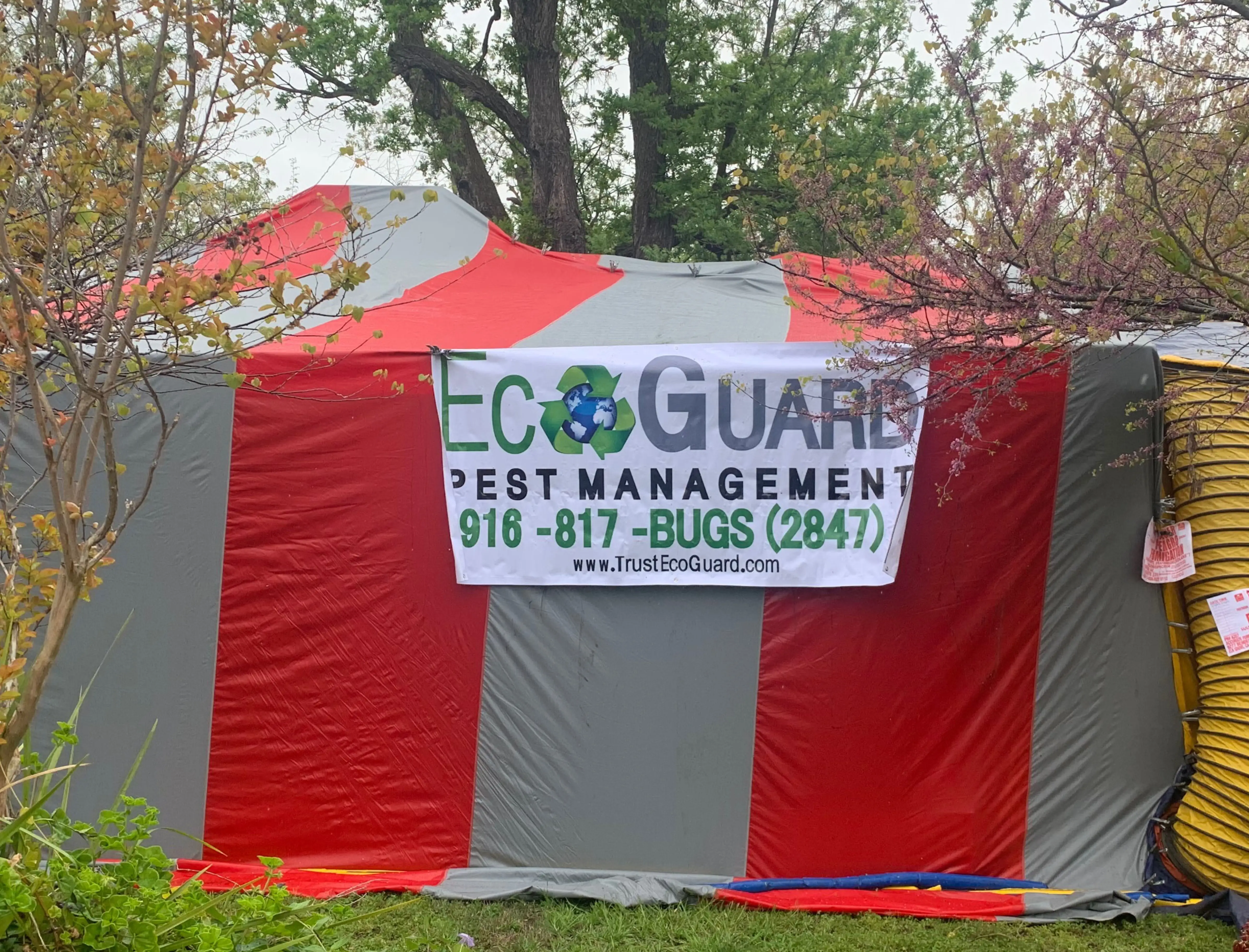
Fumigation team installing tent on home
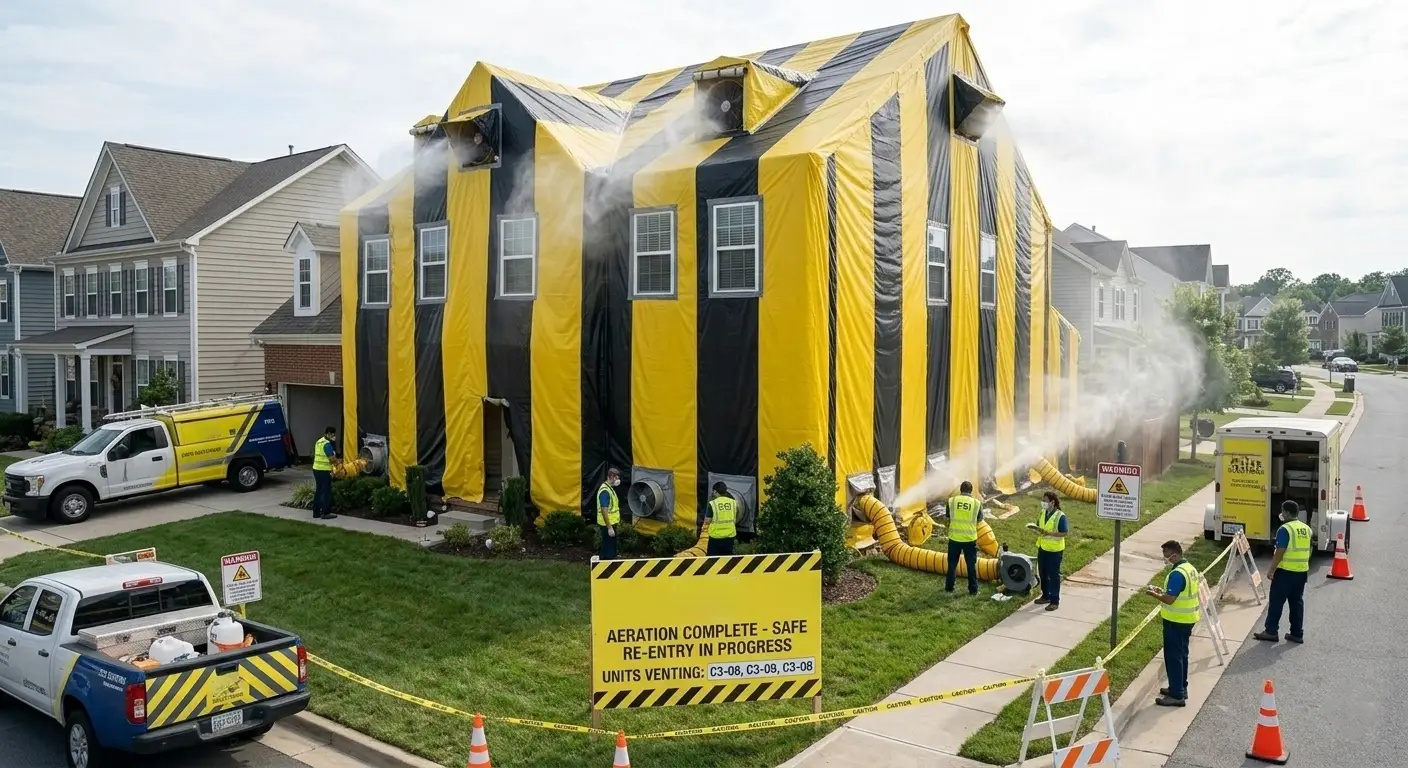
Fumigation aeration process with vents open
D2

Day 2 of Fumigation

After the gas has permeated all wooden structures, the aeration process begins as fumigants are released through vents. The fumigation team checks that fumigants are releasing properly and that tent integrity was maintained throughout the process.

FINAL

Final Day of Fumigation

Tenting is removed and a team member checks air quality using a PPM device to ensure safe re-entry. A notice of re-entry is placed at the front entry and gas meter. Keep this notice until gas is restored, as the utility company requires it. Gas is typically turned back on this day (5-8pm, someone 18+ must be present).
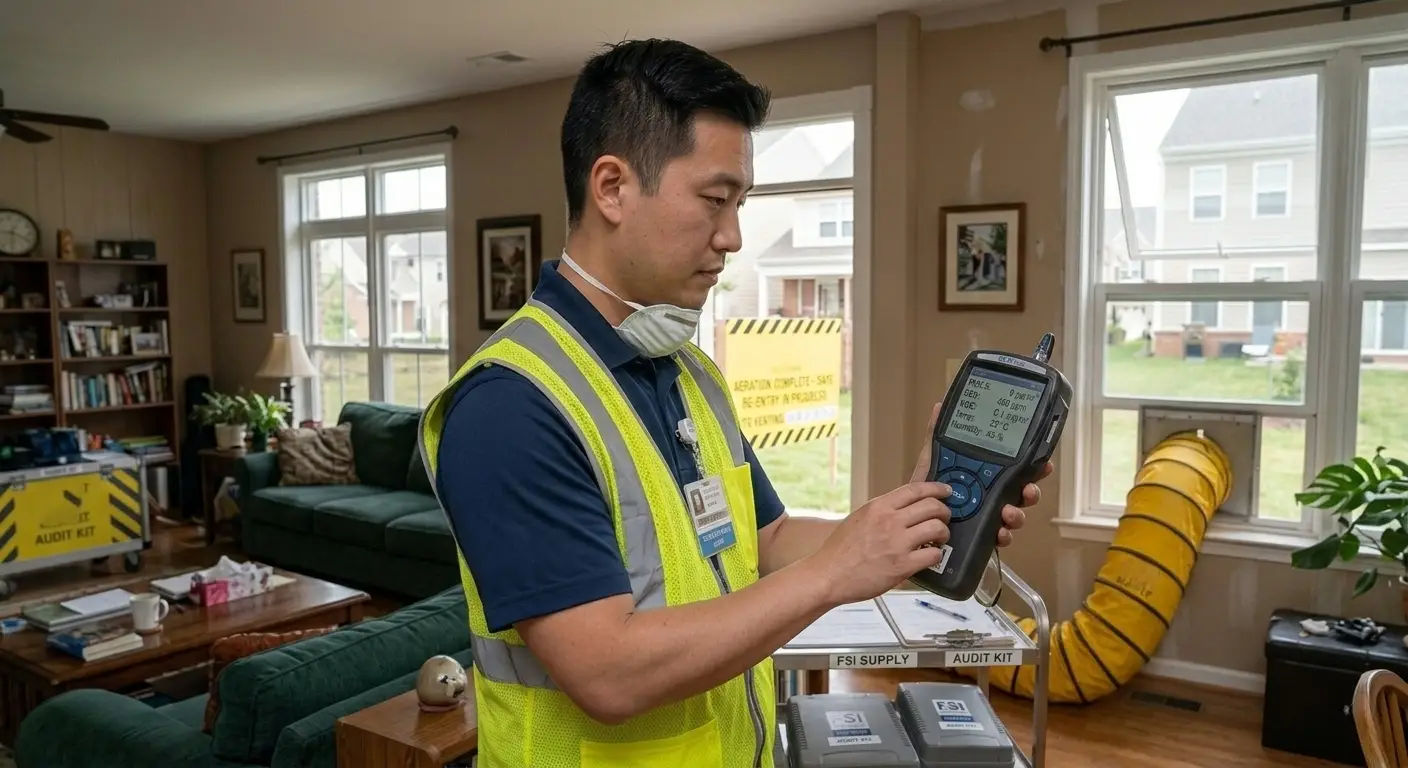
Technician testing air quality after fumigation

How to Prepare for Termite Fumigation

Proper preparation is essential for safe and effective fumigation. Our team will provide a detailed checklist, but here are the key requirements:

👨‍👩‍👧‍👦

Remove Living Things

  • All people must vacate
  • Remove all pets
  • Remove all plants
  • Remove fish aquariums
🍽️

Food & Medications

  • Remove all food or seal in airtight containers
  • Remove all medications
  • NyloFume bags provided for items staying
  • Double-bag clothes to prevent contamination
🔌

Utilities & Appliances

  • Keep power on
  • Disconnect certain appliances
  • Gas must be turned off before tenting
  • Schedule gas re-activation in advance
🌿

Exterior Preparation

  • Move outdoor potted plants away from home
  • Cut back vegetation and shrubs
  • Move mulch/gravel 12" from foundation
  • Soak soil 12" from foundation
🚪

Interior Preparation

  • Open all interior doors and closets
  • Unlock safes and cabinets
  • Leave keys for fumigation team
  • Remove sharp objects from roof
🏨

Make Arrangements

  • Book hotel or arrange to stay with friends
  • Plan for at least 3-7 days away
  • Arrange pet boarding/kennel if needed
  • Inform neighbors of fumigation

What to Do After Termite Fumigation

Homeowner cleaning surfaces after fumigation

After fumigation is complete and you receive the re-entry notice, there are a few important steps to take before settling back into your home:

  • Clean all surfaces, especially those used for eating or cooking
  • Wash clothes, linens, or bedding that wasn't properly sealed
  • Wipe down countertops, tables, and food preparation areas
  • Air out the home by opening windows and doors
  • Verify gas service has been restored properly
  • Check that all appliances are functioning correctly

🔎 Is Termite Fumigation Effective?

Termite tenting and fumigation is generally the most effective treatment against active drywood termite colonies. Fumigants reach every area of the structure, ensuring complete colony elimination.

⚠️ Important: Fumigation is NOT effective against subterranean termites, which live underground. These require different treatment because the queen lives underground and can continue producing eggs.

🔎 Is Termite Fumigation Safe?

Termite fumigation is a complex process requiring careful preparation to ensure safety. While there is inherent risk due to the fumigants used, our experienced and certified team follows strict protocols to maximize effectiveness while keeping your family safe.

EcoGuard's termite experts use PPM (parts per million) measurement equipment to verify the air inside is safe before allowing re-entry to your home.

100% SATISFACTION GUARANTEE

The EcoGuard Guarantee

EcoGuard offers a 100% satisfaction guarantee for all of our customers, and we stand by our promise to eradicate your termite fumigation problem until the very last termite fumigation is gone. That termite fumigation control guarantee comes with every service and if the termite fumigations come back, then so do we, at no additional cost. We are standing by to give you a free estimate and to help you set your first termite fumigation pest control service appointment.

📞 Call (866) 326-2847 Today

What Our Customers Say

Trusted by homeowners across 6 states for professional termite fumigation services

★★★★★

"Curtis came to the rescue! He came out on short notice, explained everything he was going to do in advance. The fumigation process was smooth and our termite problem is completely gone."

Steph A.
Homeowner, CA
★★★★★

"We had a great experience with EcoGuard. Jarvon called about 15 minutes before arriving and was extremely professional. The whole fumigation process was well-organized and stress-free."

Willie G.
Property Owner, OR
★★★★★

"Daniel takes good care of our house and is always responsive and flexible. The preparation checklist made fumigation much less stressful than expected. Highly recommend!"

Joshua C.
Homeowner, TX

Termite Fumigation Control FAQs

Everything you need to know about termite fumigation control and treatment

Termite fumigation is the most effective treatment for drywood termite infestations, with a near 100% success rate when properly executed. The fumigant gas penetrates all areas of the structure, including deep inside wood and wall cavities, ensuring complete colony elimination. However, fumigation is not effective against subterranean termites, which live underground and require different treatment methods.

The fumigation process typically takes 3-7 days from tenting to re-entry. Day 1 involves tenting and releasing fumigants (which must permeate for at least 12 hours). Day 2 begins the aeration process. The final day includes tent removal, air quality testing, and re-entry clearance. The exact duration depends on your home's size, construction, and weather conditions.

Termite fumigation typically costs between $10-$20 per linear foot, which translates to $2,000-$4,000 for most standard-sized homes. Costs vary based on home size, severity of infestation, duration of fumigation, amount of fumigant used, and location. Additional expenses may include hotel accommodations and pet boarding during the fumigation period.

Clothes that were properly double-bagged or sealed in airtight containers do not need washing. However, any clothes, linens, or bedding that was not properly sealed should be washed to remove any potential fumigant residue. It's always better to err on the side of caution with items that come in direct contact with your skin.

You must vacate your home for 3-7 days during fumigation. The exact duration depends on your home's size and construction. You cannot return until the fumigation team has tested air quality and posted a re-entry notice confirming it's safe. This is non-negotiable for your safety, as fumigant gases are extremely dangerous.

Any food not properly sealed in NyloFume bags or airtight containers must be discarded. Fumigant gases can penetrate most packaging (including refrigerator and freezer seals), contaminating food and making it unsafe for consumption. This includes pet food, medications, and any consumable products.

No, fumigation requires tenting the entire structure to be effective. Partial fumigation is not possible because the gas must reach all areas where termites may be hiding, and the tent creates the sealed environment necessary for proper fumigant concentration. For localized infestations, spot treatment may be an alternative.

Yes, properly executed fumigation will kill all drywood termites in the structure, including the queen and entire colony. The fumigant penetrates wood and reaches termites in even the most hidden locations. However, fumigation does not prevent future infestations, so ongoing prevention measures are recommended.

Yes, when performed by licensed professionals following proper protocols. The tent contains the fumigant within your property, and the gas dissipates safely during the aeration process. Your neighbors may notice the tent but are not at risk. We recommend informing neighbors as a courtesy so they're not concerned.

Drywood termites live entirely within wood and create their colonies inside wooden structures. Fumigation is effective against them because the gas reaches the queen. Subterranean termites live underground with the queen in the soil, making fumigation ineffective since it doesn't reach the underground colony. Different treatment methods are required for each type.

No, electricity should remain ON during fumigation. However, gas must be turned OFF prior to tenting. This requires scheduling with your utility company in advance. Certain appliances may need to be disconnected as specified in your preparation checklist. Gas re-activation must also be scheduled ahead of time.

All plants, both indoor and outdoor near the structure, must be removed or relocated away from the home before fumigation. Indoor plants will die if left inside. Outdoor plants within the tent's footprint will also be affected. Move potted plants and protect any landscaping near the foundation that may be under the tent.

Fumigation can be performed year-round, but weather conditions can affect scheduling. Rain can compromise the tent's seal and delay the process. Extreme temperatures may affect fumigant effectiveness. Our team monitors weather forecasts and will work with you to schedule fumigation during optimal conditions.

Fumigant gases are designed to kill termites without damaging most belongings. However, living things (plants, fish, pets) will be harmed, and consumables (food, medicine) can be contaminated. Electronics, furniture, clothing, and most household items are safe when fumigation is performed correctly. Items of concern will be addressed during your preparation consultation.

After fumigation, our team tests air quality to confirm safe re-entry. The fumigation process is highly effective when properly executed, and you can expect complete elimination of the drywood termite colony. We recommend a follow-up inspection after several months to confirm no new activity and provide peace of mind.

Related Articles & Resources

Learn more about termite fumigation prevention, identification, and control
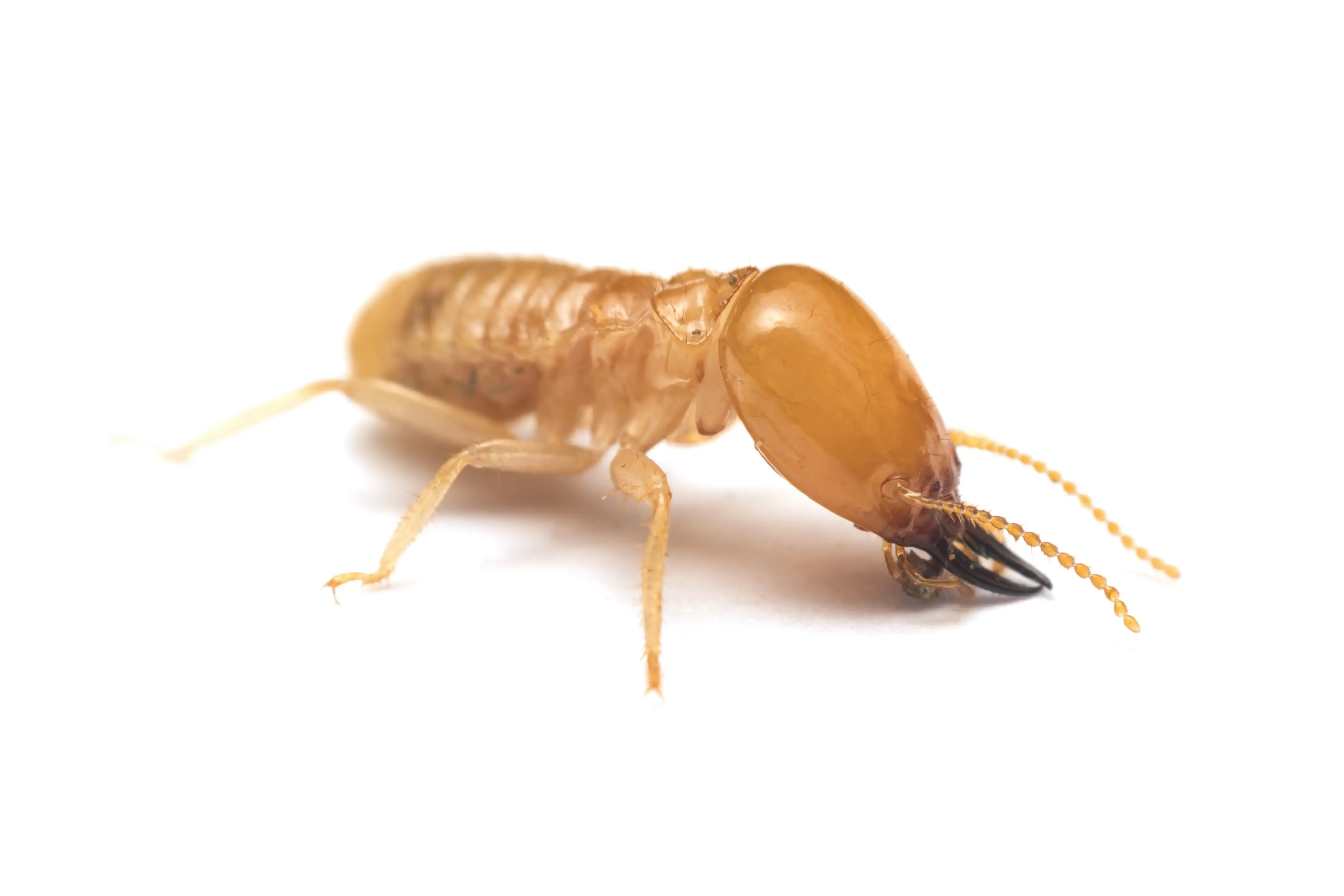
Do Termites Bite People? Risks, Symptoms & What to Do

Do Termites Bite People? Risks, Symptoms & What to Do

Learn if termites bite humans, what termite bites look like, the real risks of termites, and how to prevent and get rid of termite infestations.

Read Article →
Does Mulch Attract Termites? Complete Guide to Safe Mulching

Does Mulch Attract Termites? Complete Guide to Safe Mulching

Learn the truth about mulch and termites. Discover which mulch types are termite-resistant, proper installation techniques, and prevention strategies.

Read Article →
How Long Does Termite Treatment Last? Duration by Type

How Long Does Termite Treatment Last? Duration by Type

Learn how long different termite treatments last including baits, liquid treatments, fumigation, and Termidor. Factors affecting treatment effectiveness.

Read Article →
Signs of Termites: How to Detect Termite Activity in Your Home

Signs of Termites: How to Detect Termite Activity in Your Home

Learn the common signs of termite activity including swarmers, mud tubes, wood damage, droppings, and more. Early detection prevents costly damage.

Read Article →
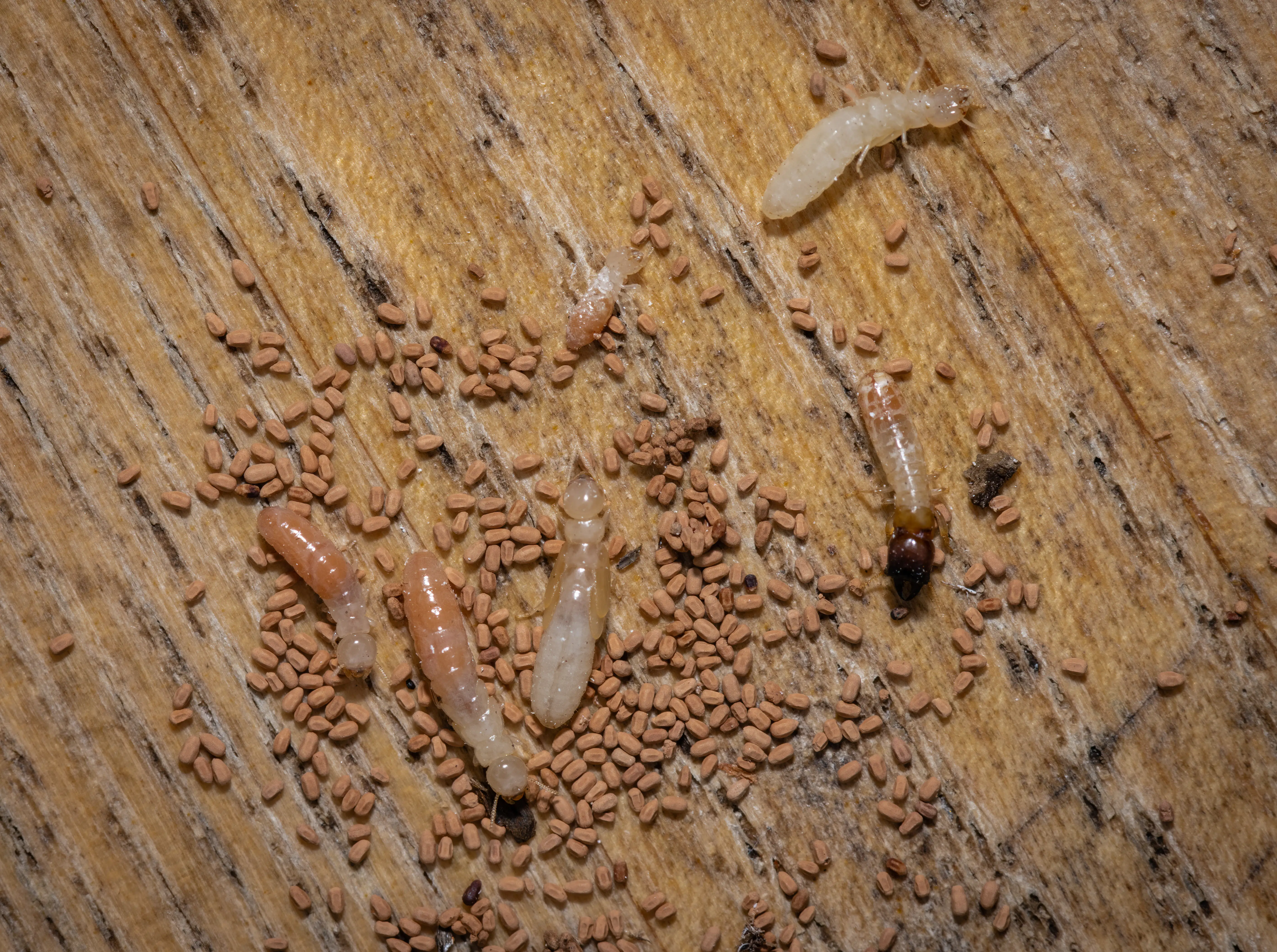
Termite Droppings (Frass): Identification, Location & What to Do

Termite Droppings (Frass): Identification, Location & What to Do

Learn how to identify termite droppings (frass), where to find them, drywood vs subterranean termite waste, and what to do if you find termite frass.

Read Article →
Termite Eggs: Identification, Location & What Finding Eggs Means

Termite Eggs: Identification, Location & What Finding Eggs Means

Learn what termite eggs look like, where to find them, how many queens lay, hatching time, and what to do if you discover termite eggs in your home.

Read Article →
Termite Life Cycle: Stages, Castes, Reproduction & Lifespan

Termite Life Cycle: Stages, Castes, Reproduction & Lifespan

Learn about the termite life cycle including egg, nymph, and adult stages, castes (workers, soldiers, reproductives), swarming, and how long termites live.

Read Article →
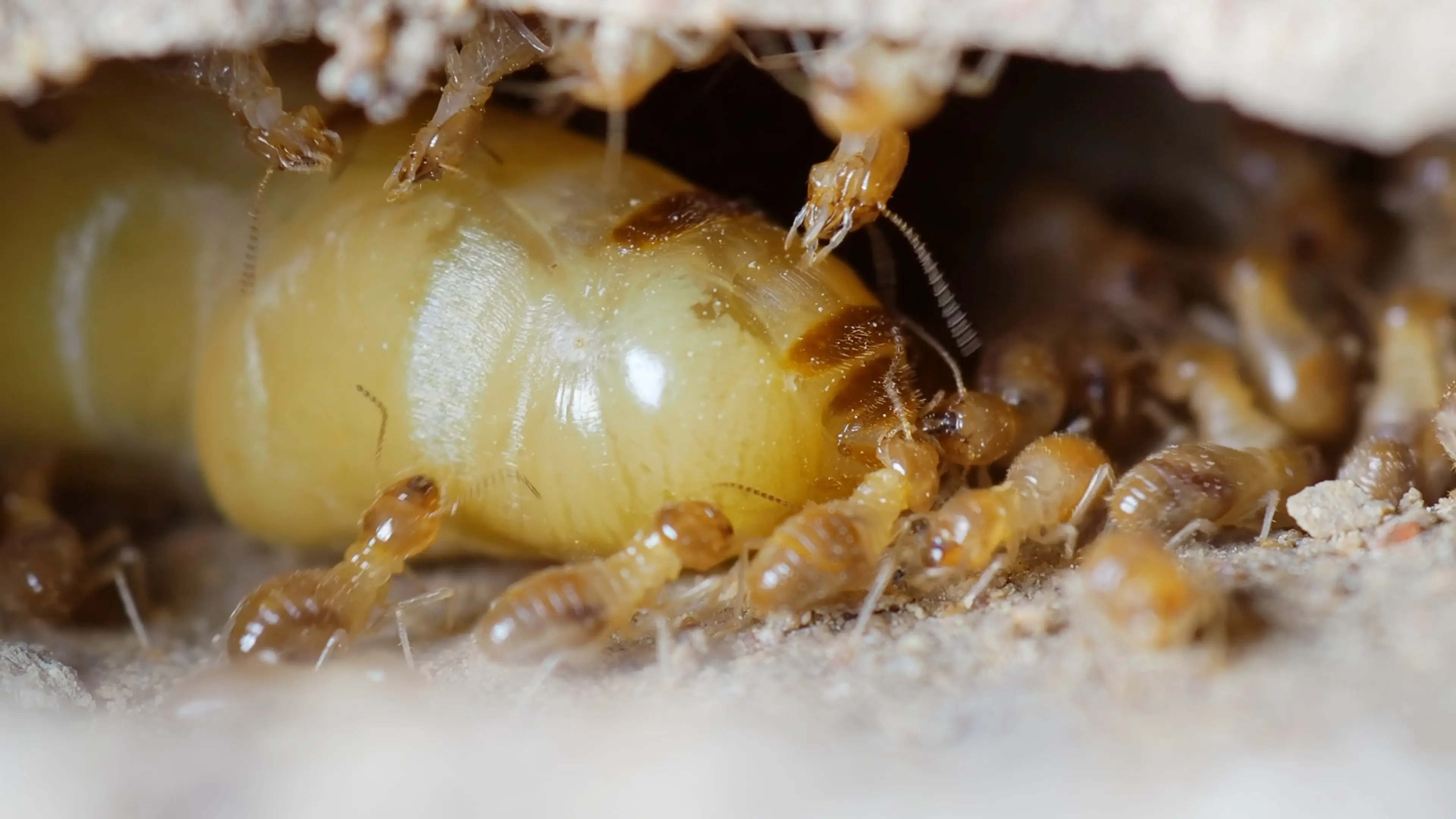
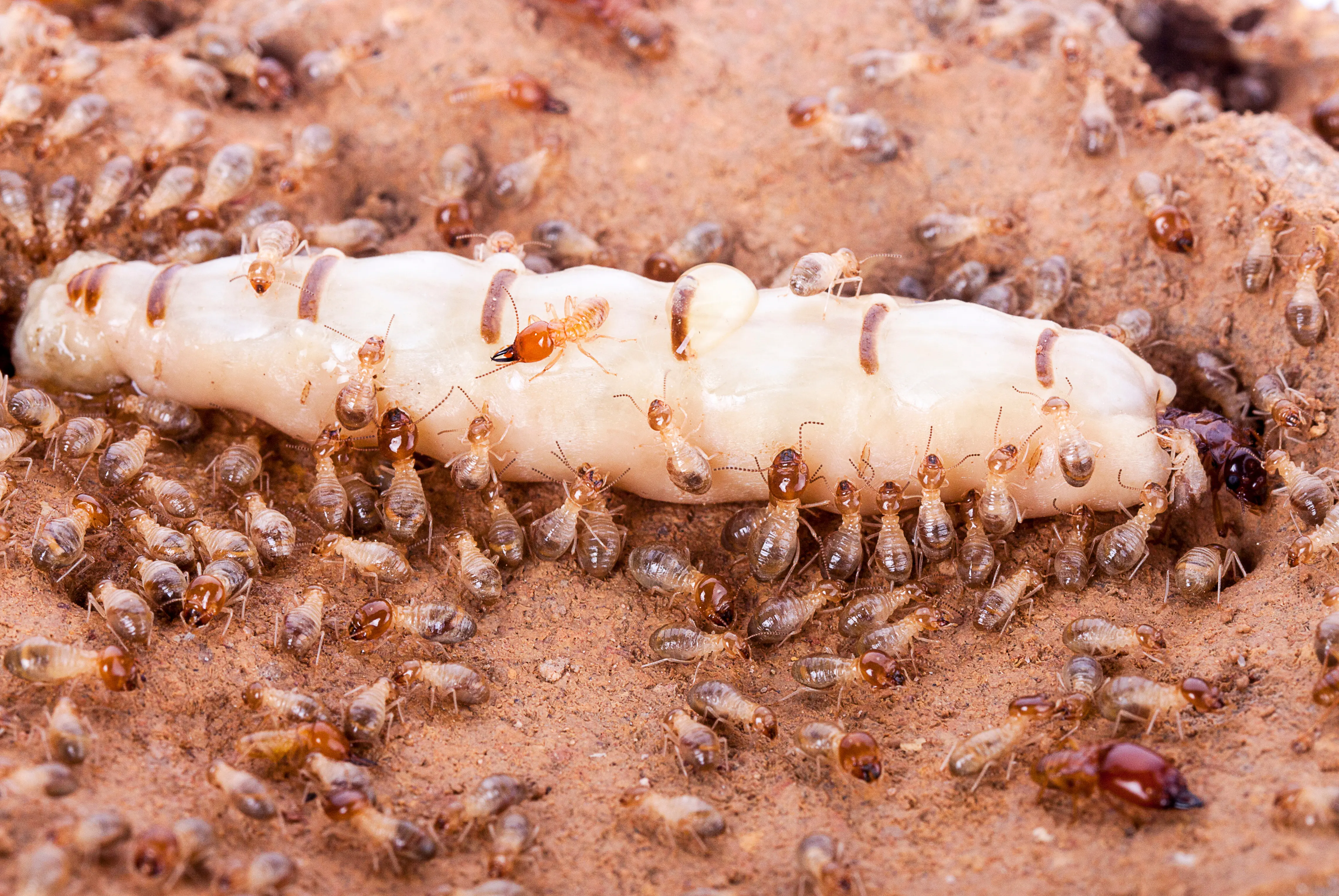
Termite Queen: Appearance, Role, Lifespan & How to Eliminate

Termite Queen: Appearance, Role, Lifespan & How to Eliminate

Learn about termite queens including appearance, size, role in the colony, egg production, lifespan, and what happens when a queen dies.

Read Article →
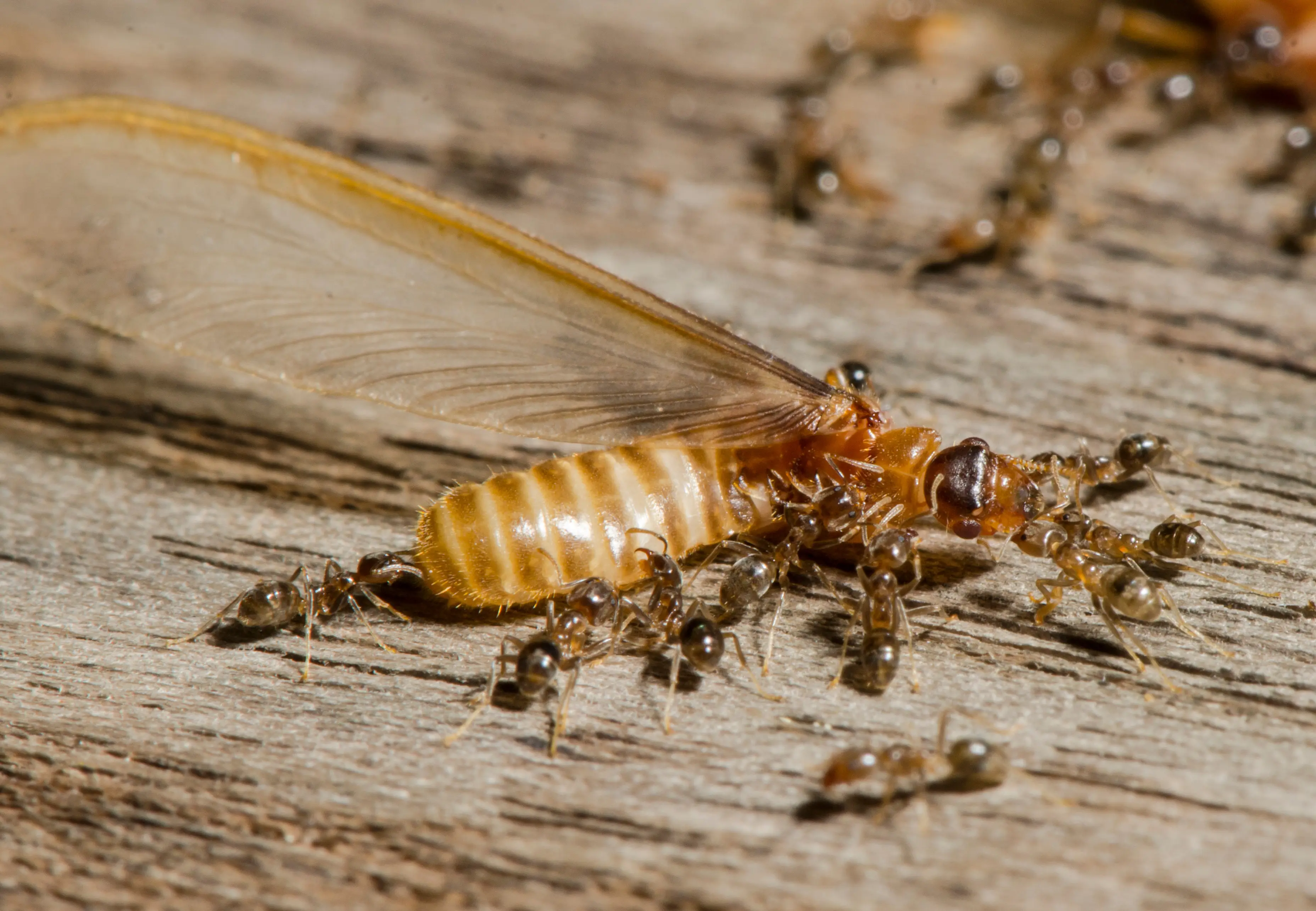
Termites vs Ants: How to Tell the Difference

Termites vs Ants: How to Tell the Difference

Learn how to identify termites vs ants by appearance, antennae, wings, body shape, behavior, diet, and damage caused. Proper identification is critical.

Read Article →
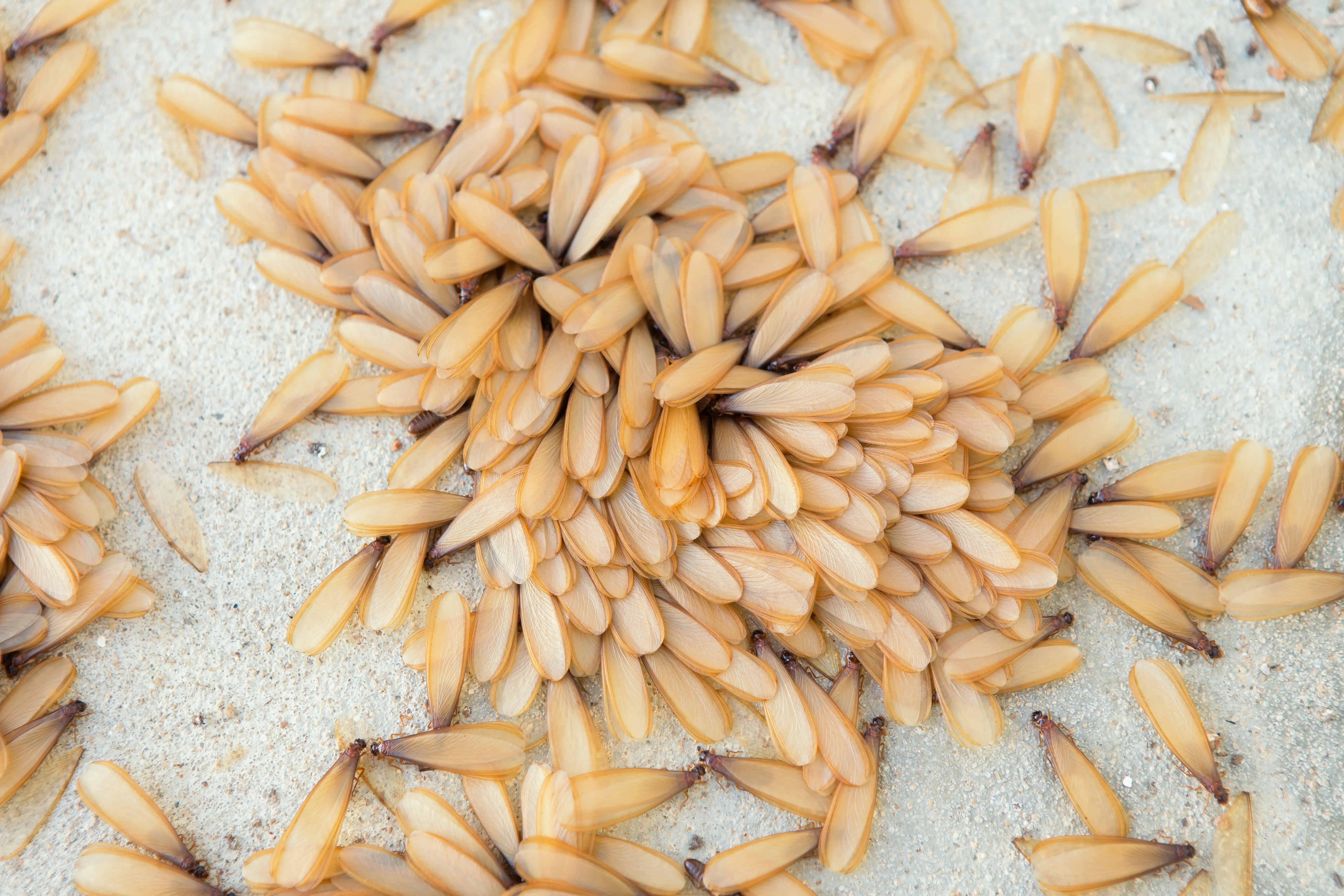
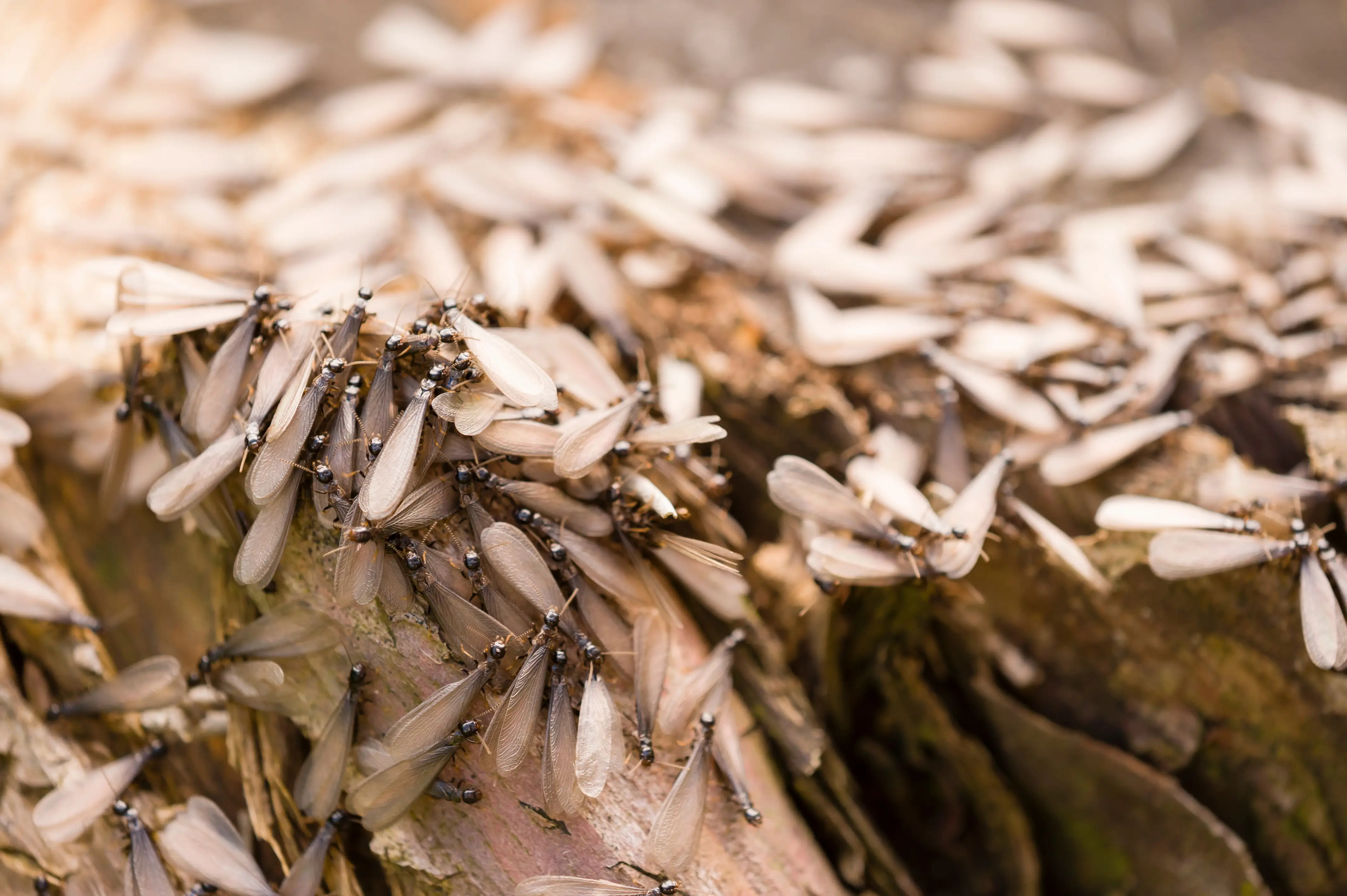
Termites with Wings: What Flying Termites Mean & What to Do

Termites with Wings: What Flying Termites Mean & What to Do

Learn what flying termites (alates) mean, how to identify them vs flying ants, when they swarm, and what to do if you see them in or around your home.

Read Article →
What Are Termite Mud Tubes? Identification & Treatment

What Are Termite Mud Tubes? Identification & Treatment

Learn what termite mud tubes are, how to identify them, the different types, what they mean for your home, and how to prevent and treat termite infestations.

Read Article →
What Are Termites? Facts, Signs, Damage, and Control

What Are Termites? Facts, Signs, Damage, and Control

Learn what termites are, how to identify them, the 3 main types, 15 signs of infestation, structural damage they cause, life cycle, castes, and how to get rid of them.

Read Article →
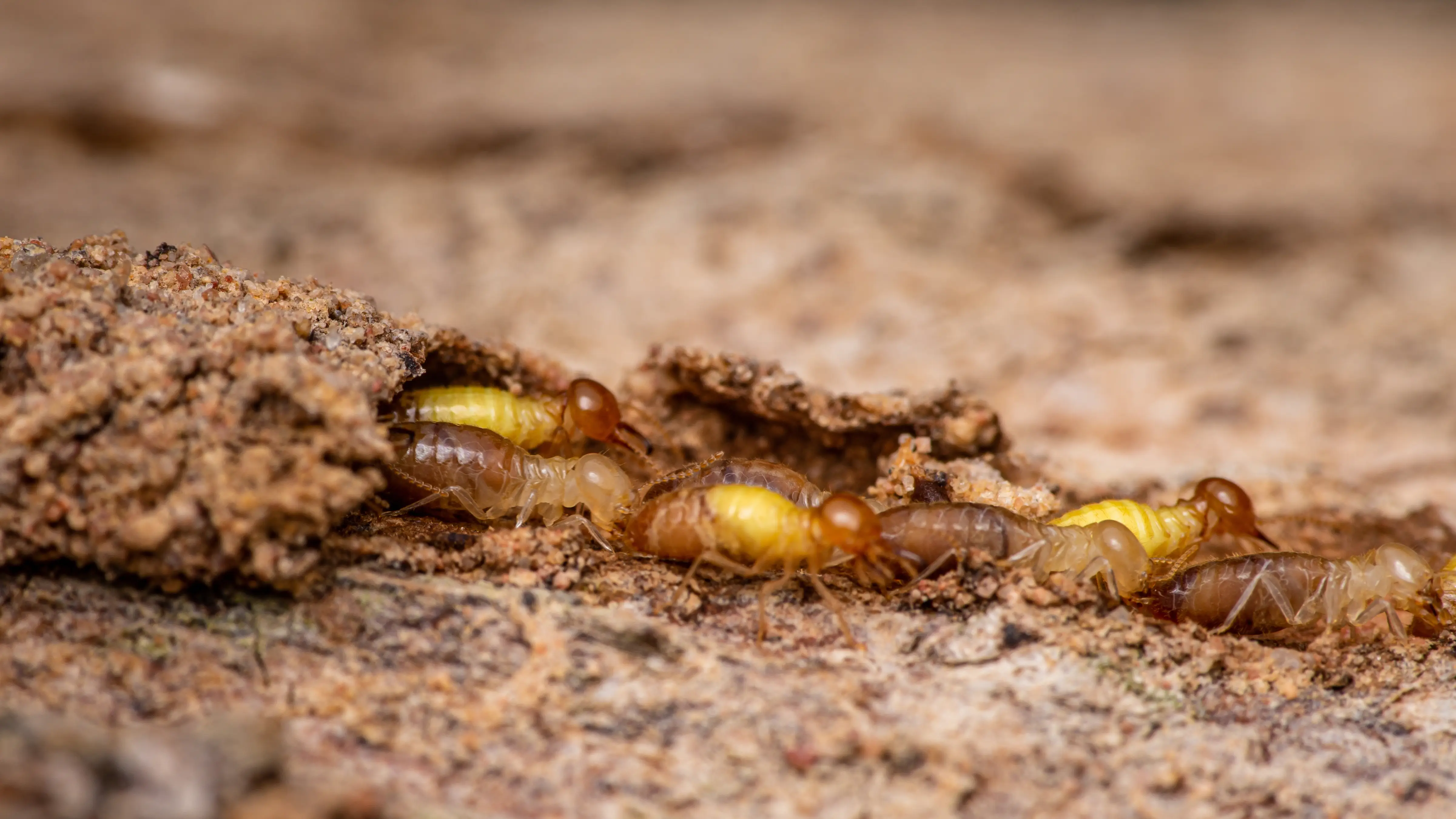
What Do Termite Larvae Look Like? Identification Guide

What Do Termite Larvae Look Like? Identification Guide

Learn how to identify termite larvae by their shape, color, and size. Discover the differences between termite larvae and other insects, plus signs of infestation.

Read Article →
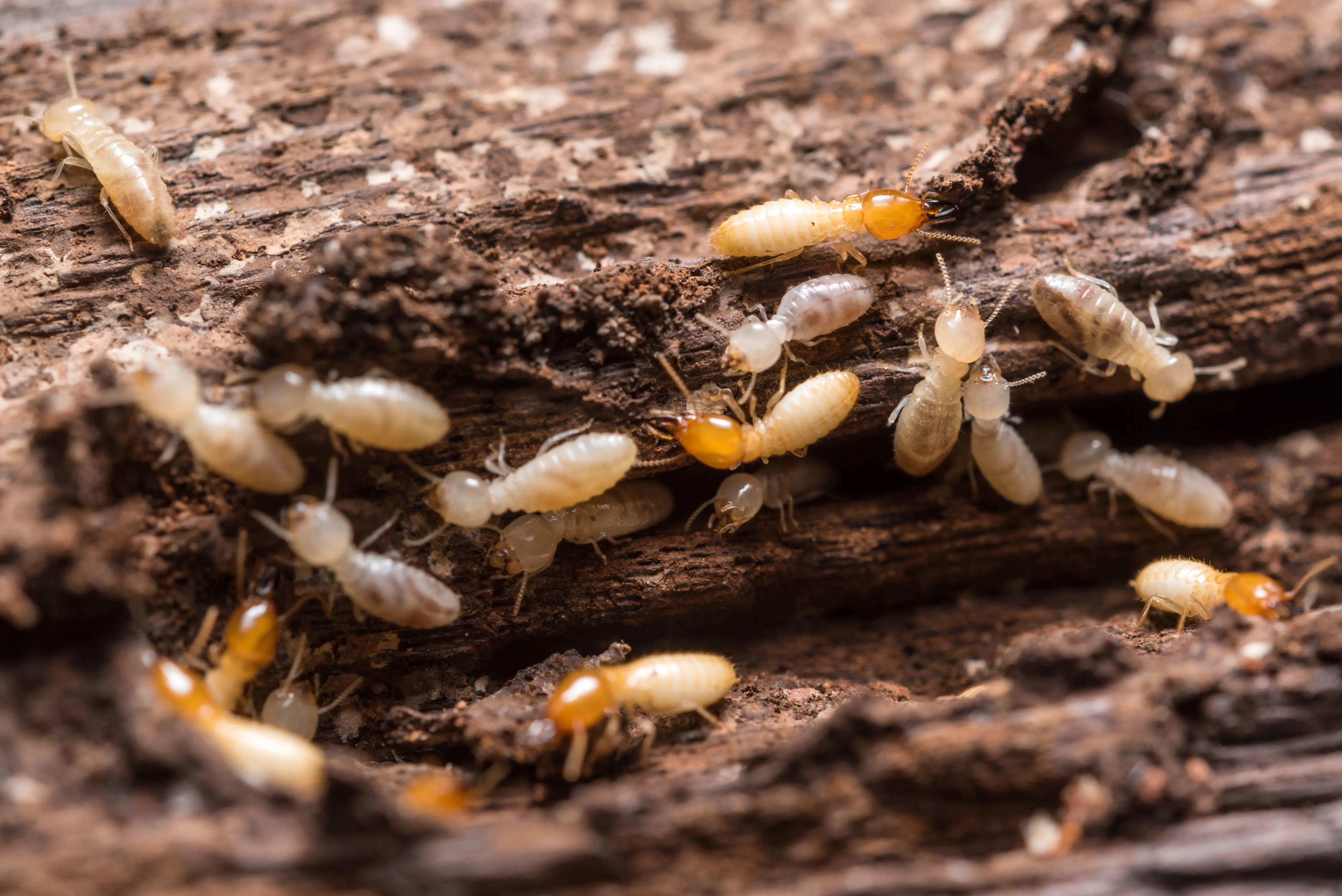
What Do Termites Look Like? Identification Guide

What Do Termites Look Like? Identification Guide

Learn how to identify termites by appearance, size, and color. Compare different termite species and distinguish them from carpenter ants and other wood-destroying insects.

Read Article →
View All Pest Control Articles →

Ready to Eliminate Your Termite Fumigation Problem?

Get a free estimate for your termite fumigation problem today. Our experts will assess your property and provide a customized treatment plan.

Connect With Us

Follow EcoGuard Pest Management for tips, updates, and special offers

f𝕏yin