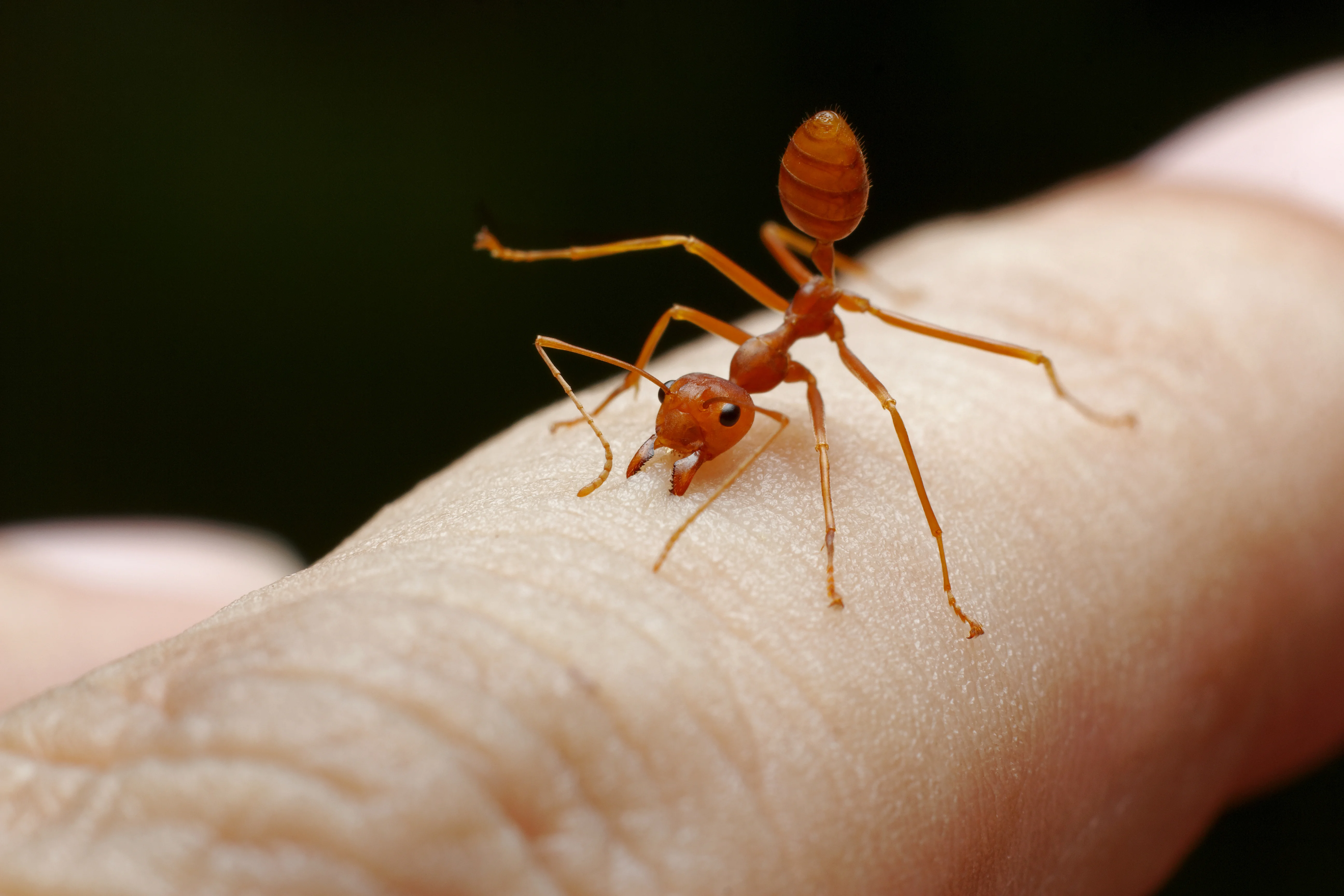
Fire ants pack a powerful punch that goes far beyond their tiny size. These aggressive insects deliver painful stings that can trigger severe allergic reactions, cause significant property damage, and even prove fatal in rare cases. With their rapid spread across the southern United States affecting millions of homeowners, understanding the real dangers fire ants pose has become essential for protecting your family, pets, and property.
In This Article:
- The Truth About Fire Ant Dangers
- Understanding Fire Ant Behavior and Aggression
- Painful Stings: What Makes Fire Ant Venom Unique
- Immediate Symptoms of Fire Ant Stings
- Allergic Reactions: From Mild to Life-Threatening
- Impact on Humans, Animals, and Ecosystems
- High-Risk Situations and Vulnerable Populations
- First Aid and Medical Treatment
- Prevention and Safety Measures
- Fire Ant Species and Distribution
- When Professional Pest Control Is Necessary
- Fire Ant Danger FAQs
The Truth About Fire Ant Dangers
Why Fire Ants Are Considered Dangerous
Fire ants earned their fearsome reputation through a combination of aggressive behavior, potent venom, and their tendency to attack in large numbers. Unlike many other ant species that flee when disturbed, fire ants immediately mobilize to defend their colony with coordinated attacks.
Their danger stems from multiple factors working together. First, fire ants possess a unique double-weapon system where they bite to anchor themselves, then inject venom through a separate stinger. This allows them to sting repeatedly without losing their stinger, unlike honeybees. Second, their venom contains a toxic cocktail of alkaloids and proteins that can trigger reactions ranging from intense burning pain to life-threatening anaphylaxis. Third, their coordinated attack pattern means victims often receive dozens or even hundreds of stings within minutes of swarming.
Fire Ants vs. Regular Ants: Key Differences
While many ant species can bite or sting, fire ants stand apart in their level of threat. Common ant species generally flee from danger and only use defensive attacks when cornered or handled. Fire ants aggressively defend their mound when disturbed, with workers rapidly swarming from underground tunnels that can extend 5-20 feet from the mound.
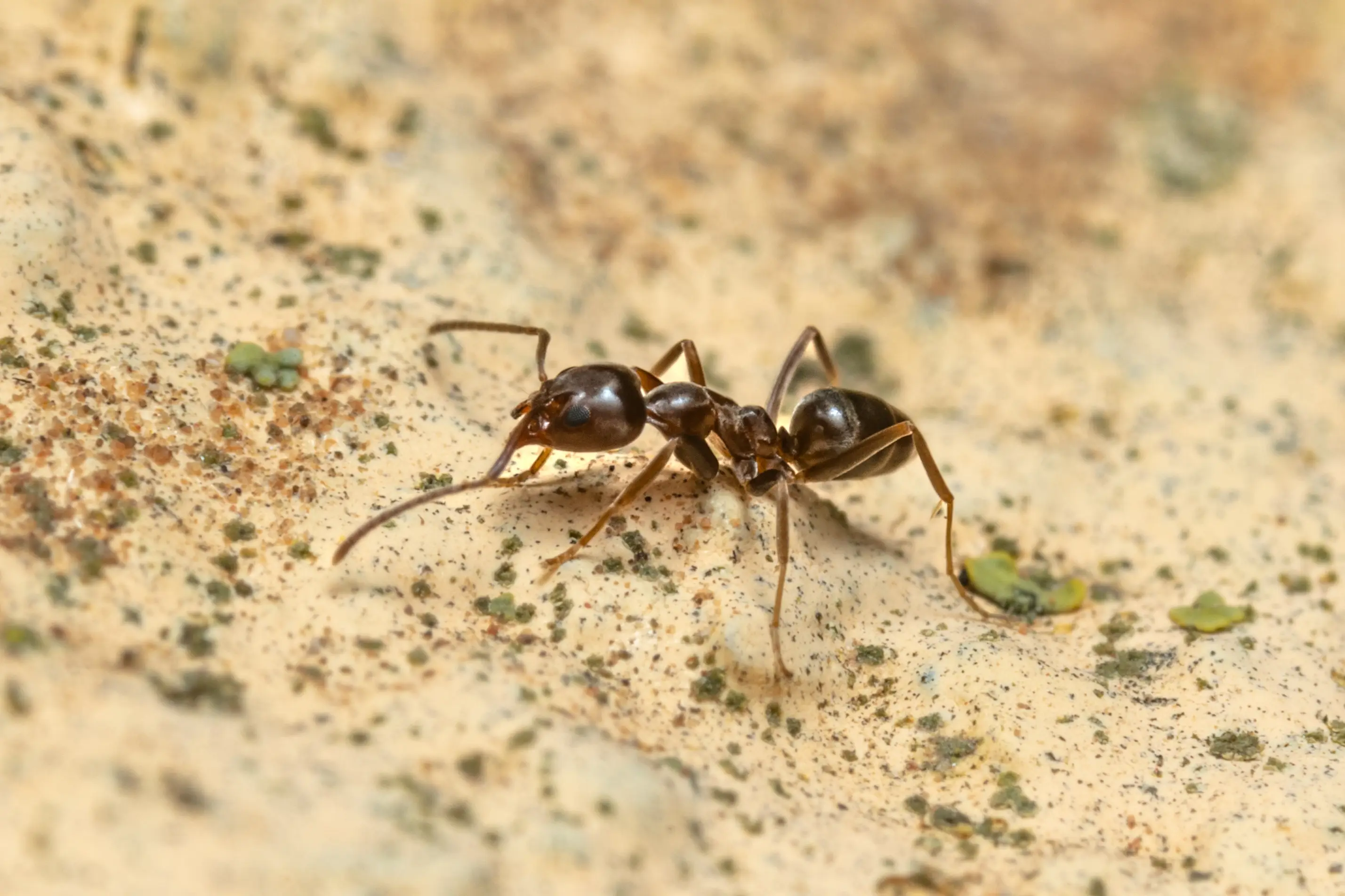
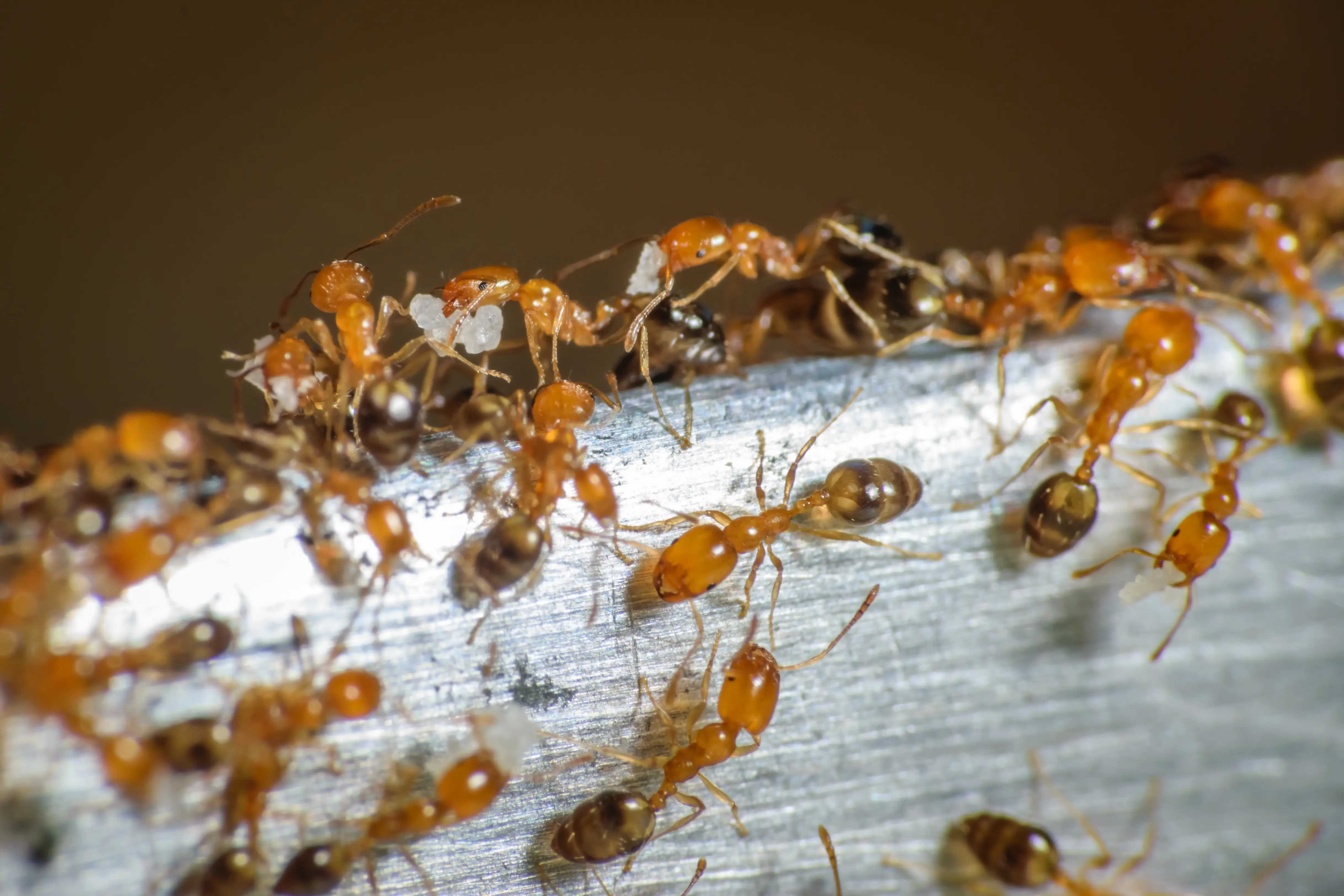
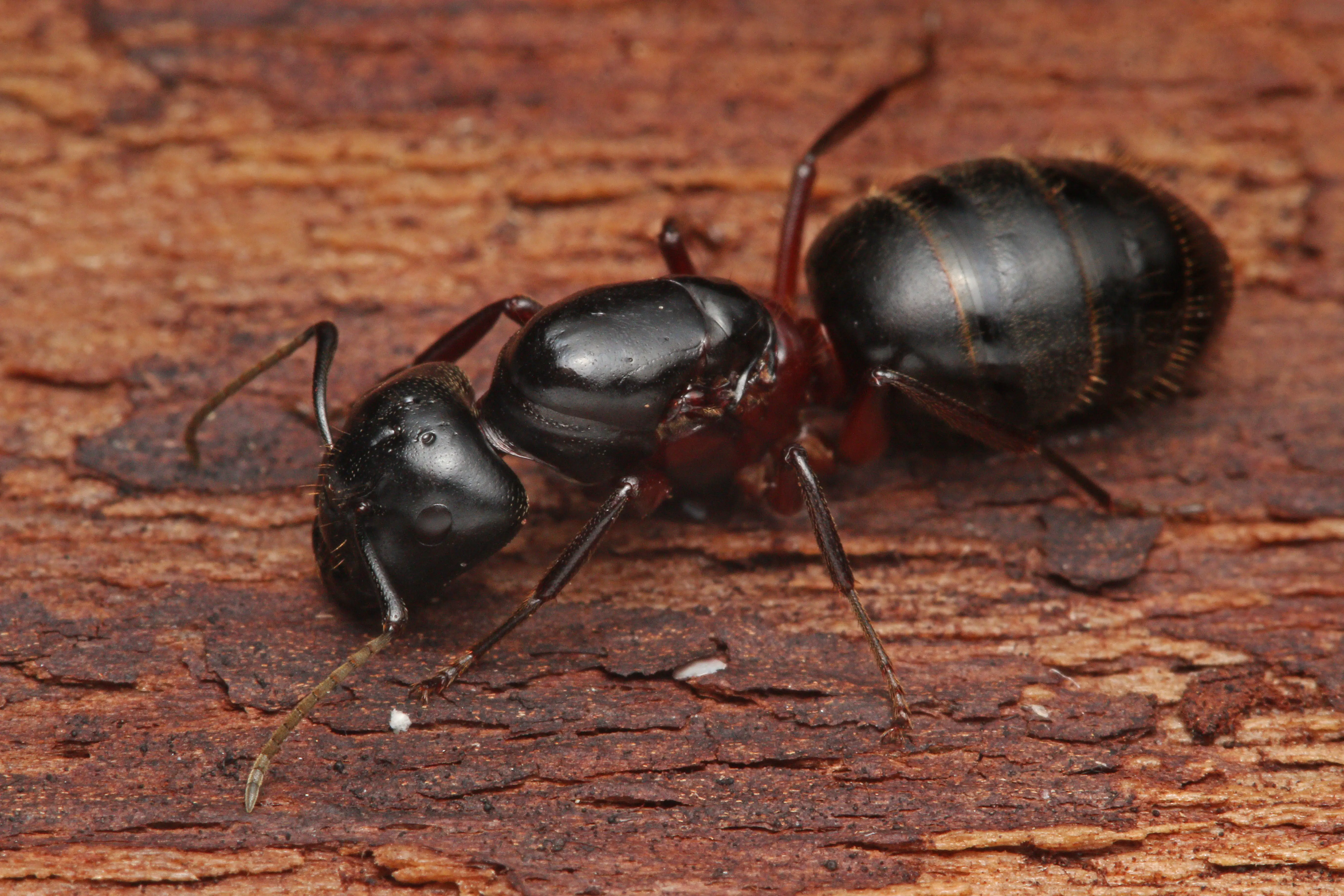
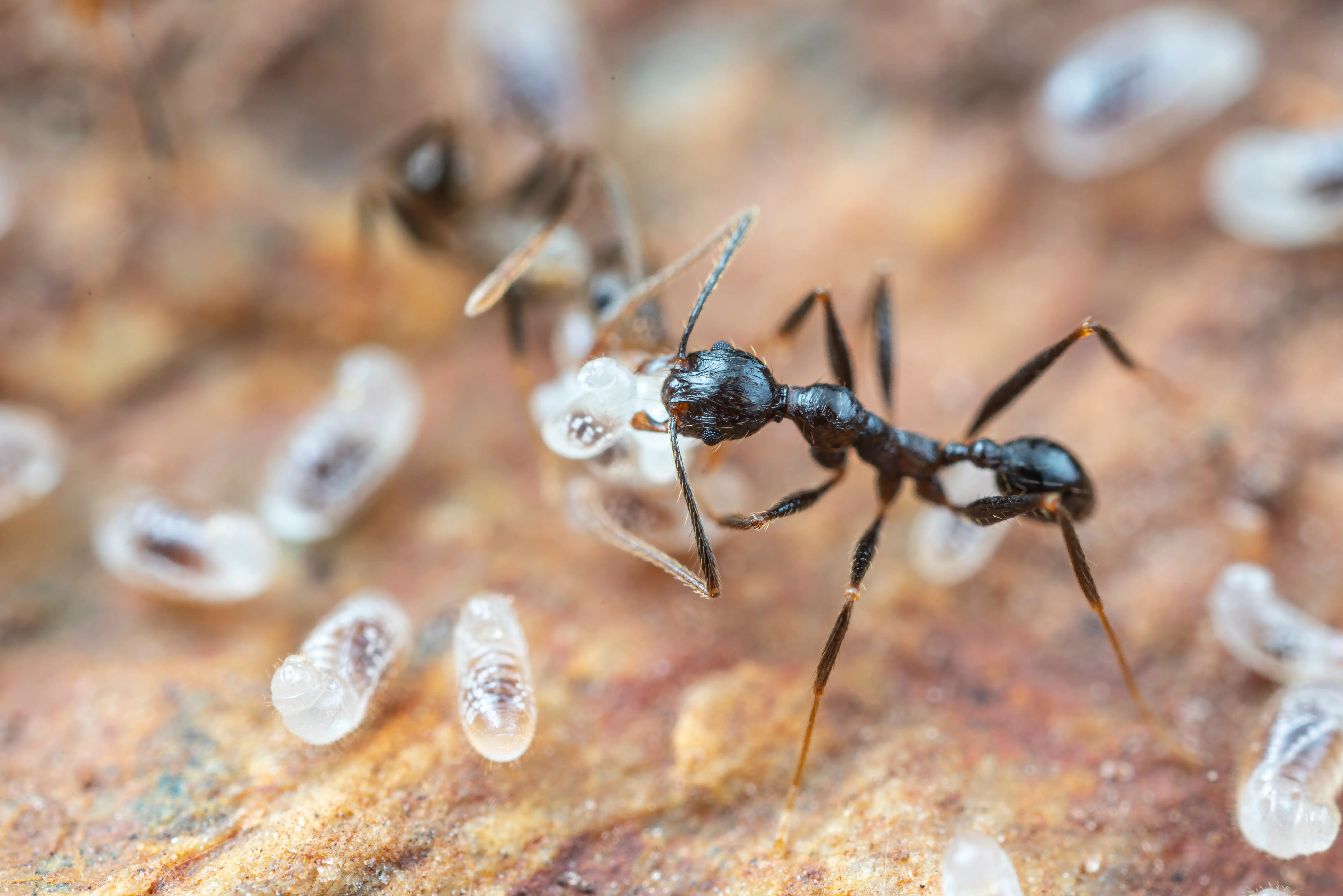
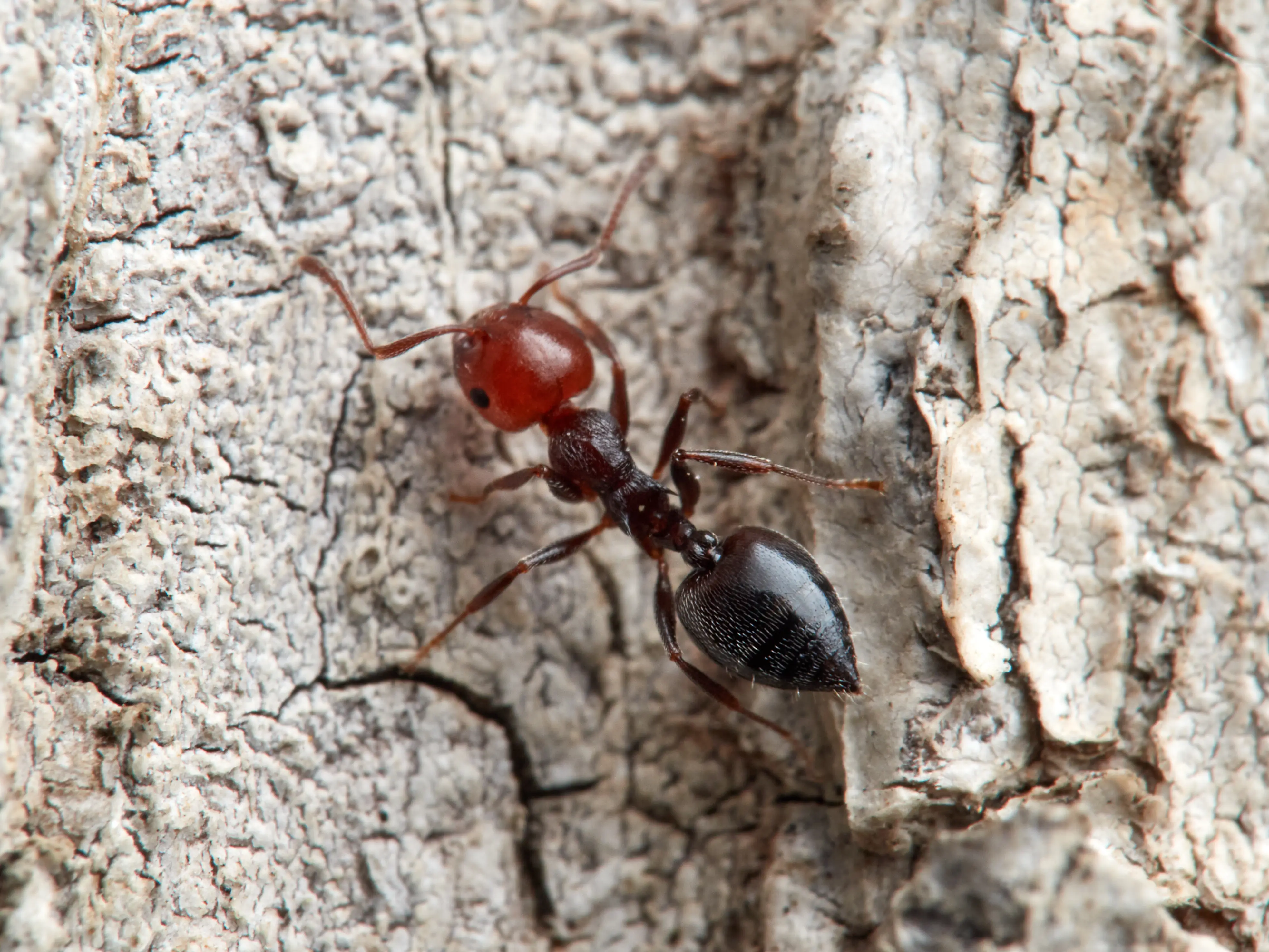
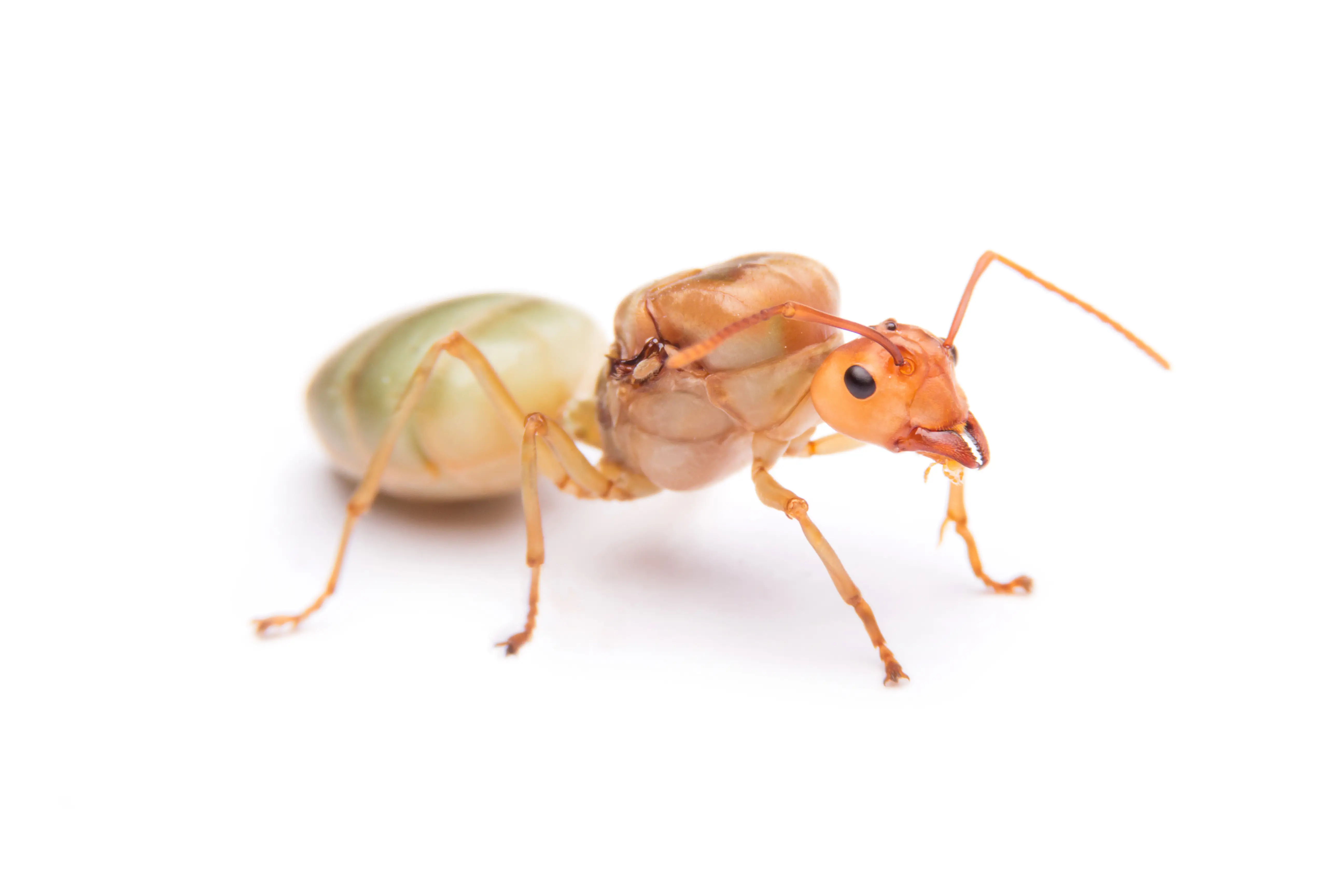
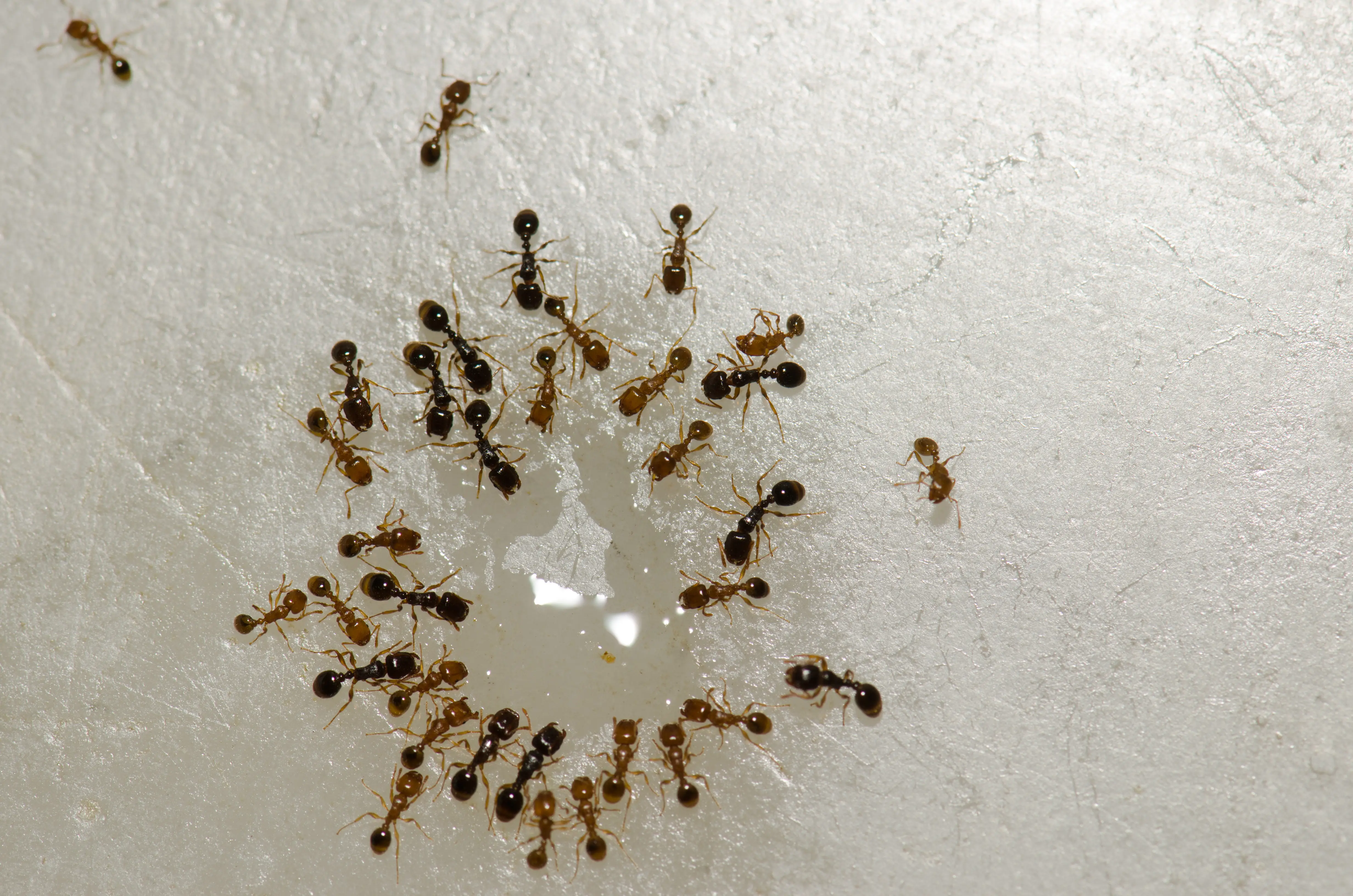
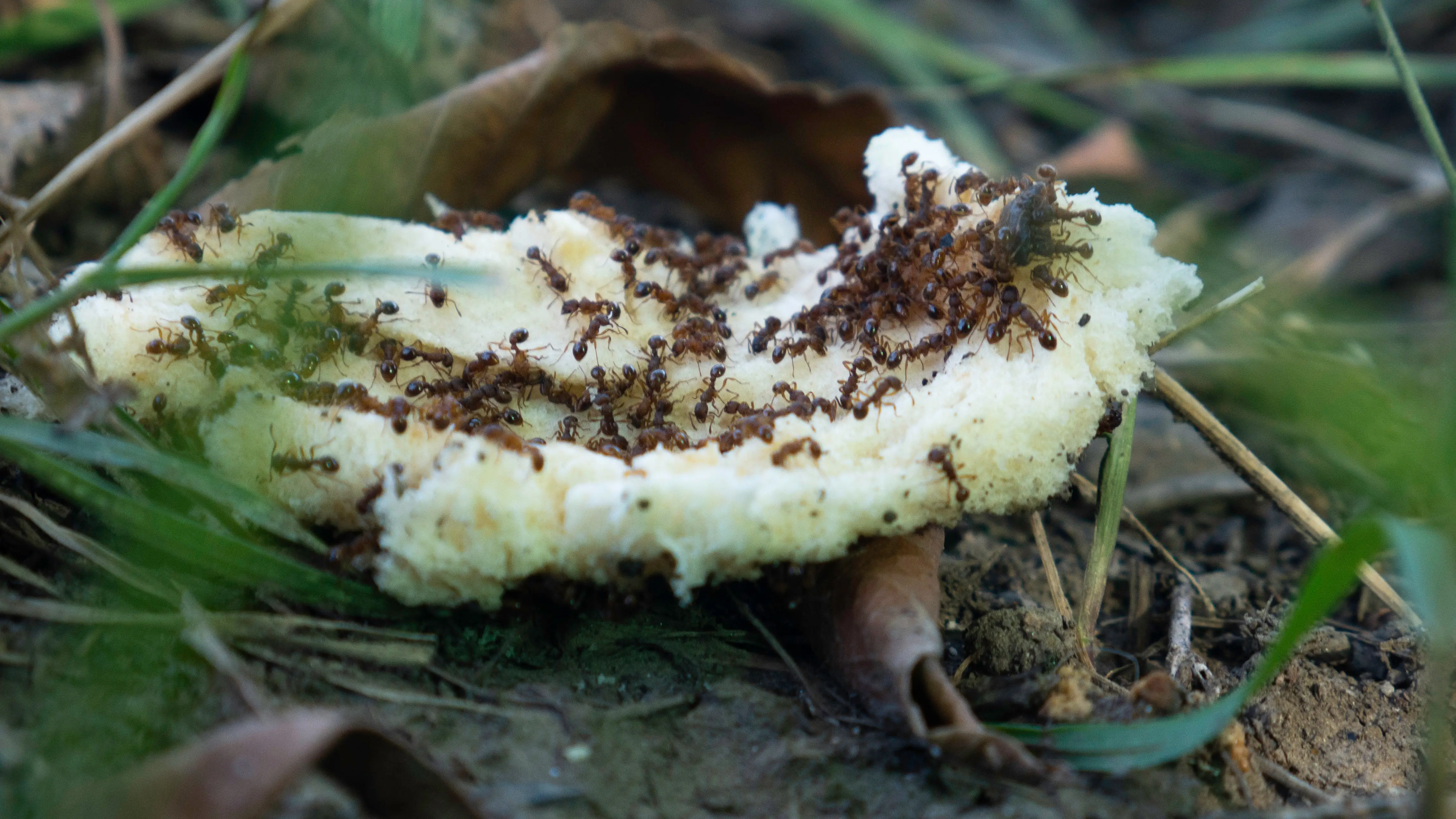
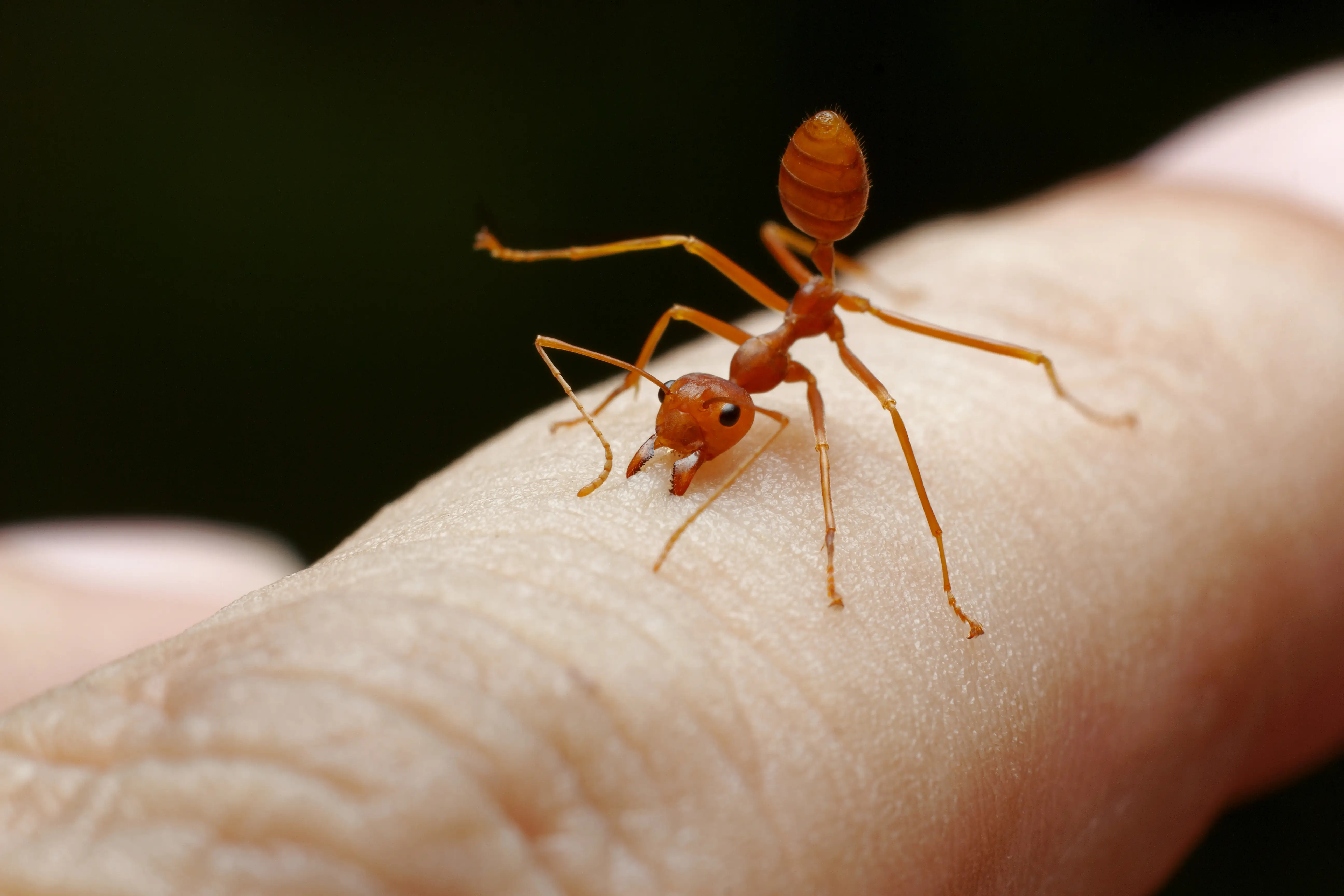
The physical differences are equally striking. Fire ants display a distinctive reddish-brown to reddish-black coloration and measure between 1/8 to 1/4 inch in length. Their bodies feature a pronounced two-segment waist (petiole) between the thorax and abdomen, and their antennae end in a distinctive two-segmented club. Most notably, fire ant workers within a single colony vary significantly in size—a characteristic called polymorphism that helps distinguish them from native ant species.
Statistics on Fire Ant Injuries and Deaths
Fire Ant Problem?
Our experts eliminate fire ant colonies quickly with guaranteed results.
* Same-day service available
* Licensed & insured
* Guaranteed results
* Free estimates
Quick Facts
- Fire ants can sting multiple times
- Venom is 95% alkaloids
- Colonies contain 100,000-500,000 ants
- Queens live 6-7 years
- Spread 5-30 miles annually
Understanding Fire Ant Behavior and Aggression
Why Fire Ants Attack
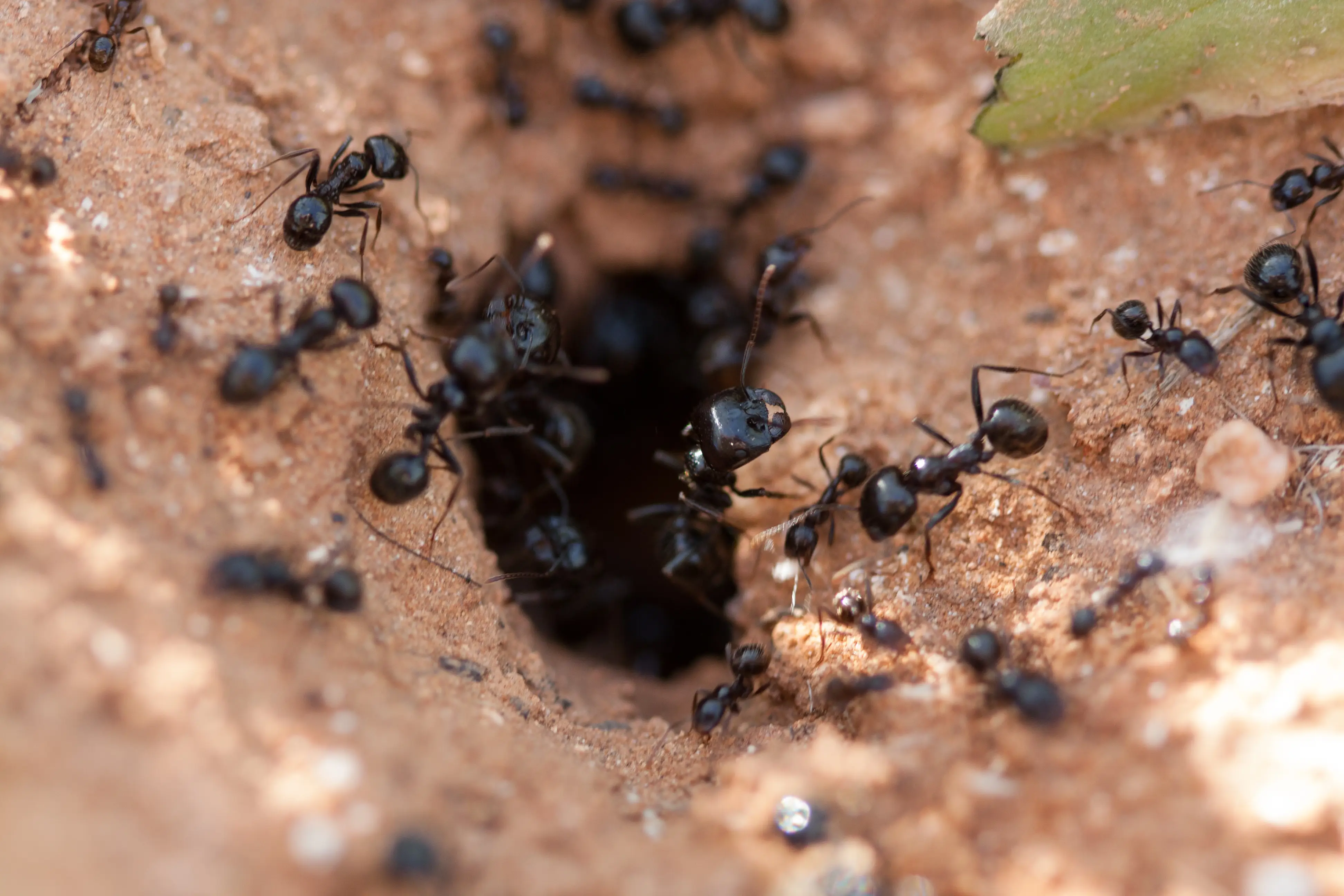
Fire ants don't sting randomly. Their attacks follow predictable patterns rooted in colony defense. These insects view any vibration, shadow, or disturbance near their mound as a potential threat to their queen and larvae. This defensive instinct triggers an immediate response that can escalate from a few scouts to hundreds of workers within seconds. The attack begins when worker ants detect a threat. Once alerted, fire ants release alarm pheromones that rapidly recruit nestmates to join the attack.
Swarming Behavior Explained
Fire ant swarming represents one of nature's most coordinated defensive responses. Disrupting their nests triggers mass emergence as thousands rush forward in organized, rapid formations. The swarm follows a specific pattern. Scout ants emerge first, quickly assessing the threat. If they encounter an intruder, they immediately release alarm pheromones while beginning to climb and sting. These chemical signals act like a rallying cry, drawing more worker ants from deep within the colony. Within 10-20 seconds, hundreds of ants can emerge, all primed to attack.
Multiple Sting Pattern
The fire ant's ability to deliver multiple stings sets them apart from other stinging insects. Using their mandibles to grip the skin, fire ants arch their bodies and drive their stingers in repeatedly, often rotating in a circular pattern. This creates the characteristic circular or semicircular pattern of stings that doctors use to identify fire ant attacks.
A single fire ant can sting multiple times in rapid succession, injecting venom with each strike. When multiplied across dozens or hundreds of attacking ants, victims can receive massive venom doses within seconds. This overwhelming assault explains why fire ant attacks can quickly become medical emergencies, especially for children, elderly individuals, or those with compromised immune systems.
Painful Stings: What Makes Fire Ant Venom Unique
Chemical Composition of Fire Ant Venom
Fire ant venom represents a sophisticated chemical weapon unlike any other insect venom. The venom consists of over 95% alkaloids, specifically piperidine alkaloids called solenopsins, with roughly less than 1% aqueous proteins. This unique composition explains both the immediate burning sensation and the delayed allergic reactions that characterize fire ant stings.
The alkaloid component, primarily composed of 2-methyl-6-alkylpiperidines, creates the immediate burning pain and subsequent pustule formation. These compounds demonstrate cytotoxic properties, directly damaging cell membranes and causing localized tissue death. The remaining protein fraction contains the allergenic components responsible for triggering systemic allergic reactions and anaphylaxis in sensitive individuals.
The Burning Sensation
Their venom contains alkaloid solenopsins that trigger pain receptors and damage cells upon injection. The sensation has been compared to touching a hot match, hence the name "fire" ant. This burning typically peaks within 1-2 minutes and can persist for 30 minutes to several hours.
How Venom Affects the Body
Fire ant venom affects multiple body systems beyond the immediate sting site. The alkaloid components demonstrate hemolytic properties, meaning they can rupture red blood cells. They also exhibit neurotoxic effects, potentially affecting nerve signal transmission.
Cytotoxic Properties
Solenopsins integrate into cell membranes, disrupting their integrity and causing cell death. This process particularly affects rapidly dividing cells, which explains why fire ant stings can delay wound healing and increase infection risk if pustules rupture.
Immediate Symptoms of Fire Ant Stings
The Initial Sting Experience
Initial contact produces sharp, fiery sensations that instantly alert victims to the attack. This initial sensation differs markedly from bee or wasp stings. Rather than a sharp, piercing pain, fire ant stings create a burning, almost electrical sensation that radiates from the sting site. Within seconds, the sting site begins to change. A small red spot appears, quickly developing into a raised welt.
Pustule Formation Timeline
Distinctive blister development occurs through consistent stages after envenomation. Within 24 hours of the initial sting, the central wheal transforms into a pustule filled with a yellowish-white fluid. This isn't infection; rather, it's a collection of dead tissue and white blood cells killed by the venom's cytotoxic effects. These pustules typically measure 2-5 millimeters in diameter and may persist for 3-10 days.
Intense burning pain peaks
Wheal and flare response
Pustule formation begins
Pustules heal
Itching subsides
Normal vs. Severe Reactions
Understanding the difference between normal and severe reactions can be lifesaving. Normal reactions remain localized to the sting sites and include pain, swelling, pustule formation, and itching. These symptoms, while uncomfortable, don't indicate a medical emergency. Severe reactions extend beyond the sting sites. Large local reactions involve swelling that extends more than 10 centimeters from the sting site and may affect entire limbs. Systemic reactions include symptoms affecting other body systems: widespread hives, difficulty breathing, dizziness, nausea, or rapid pulse. These reactions require immediate medical attention.
Allergic Reactions: From Mild to Life-Threatening
Fire ant stings cause various reactions in endemic areas, with approximately 20% of stings resulting in large local reactions beyond the typical pustule, and 0.5-2% causing systemic allergic reactions that can range from skin symptoms to life-threatening anaphylaxis.
Local Allergic Reactions
Large local reactions represent the most common allergic response. Instead of swelling limited to the immediate sting area, these reactions produce expanding areas of redness and swelling that can encompass entire body segments. A sting on the ankle might result in swelling extending to the knee, while hand stings could cause the entire arm to swell.
Systemic Allergic Reactions
Systemic reactions affect body systems beyond the sting site and indicate a more serious allergic response. These reactions typically begin within minutes to hours after the sting and may include skin symptoms (hives, flushing), respiratory symptoms (wheezing, throat tightness), gastrointestinal symptoms (nausea, cramping), or cardiovascular symptoms (rapid pulse, dizziness). Approximately 2% of fire ant sting victims experience systemic reactions.
Anaphylaxis: The Most Severe Reaction
Systemic allergic responses pose extreme danger requiring immediate emergency intervention. This whole-body allergic reaction can develop within minutes of being stung. Initial symptoms may include tingling sensations, metallic taste, or anxiety. These quickly progress to more severe symptoms: throat swelling, difficulty breathing, rapid drop in blood pressure, and loss of consciousness. Without prompt treatment with epinephrine, anaphylaxis can be fatal.
Impact on Humans, Animals, and Ecosystems
Dangers to Children and Elderly
Children face heightened risks from fire ant attacks due to their smaller body size, developing immune systems, and behavioral factors. A child playing in a yard may unknowingly disturb a mound and receive numerous stings before adults can intervene. The higher venom-to-body-weight ratio in children means that even a moderate number of stings can cause severe systemic reactions.
Senior citizens encounter unique hazards when movement restrictions hinder their ability to flee aggressive swarms. Compromised immune systems and underlying health conditions can amplify reaction severity. Studies have documented numerous cases of elderly individuals in care facilities suffering severe or fatal fire ant attacks when unable to move away from attacking ants.
Fire Ants and Pet Safety
Pets face significant dangers from fire ants, often suffering more severe consequences than humans due to their inability to quickly remove attacking ants. Dogs investigating mounds with their noses frequently receive multiple stings to sensitive facial areas. Cats, despite their agility, can fall victim when fire ants invade food bowls or resting areas. Small pets and young animals face the greatest risks. Fire ants have been documented killing newborn livestock, attacking pets' eyes and mucous membranes, and causing severe allergic reactions in sensitive animals.
Agricultural and Economic Damage
Fire ants inflict staggering agricultural losses across their range. The USDA estimates annual agricultural losses at $750 million, with livestock operations bearing significant costs. Fire ants attack newborn calves, piglets, and poultry, sometimes killing them or causing injuries that reduce market value. They damage feed supplies, interfere with hay harvesting, and create hazards for farm workers. These pests also compromise water delivery networks, agricultural machinery, and power infrastructure, increasing business expenses.
Environmental Impact on Native Species
The ecological impact of fire ants extends throughout invaded ecosystems. These aggressive invaders displace native ant species, disrupting established ecological relationships. Studies show up to 70% reduction in native ant diversity in heavily infested areas. Ground-nesting birds suffer particularly severe impacts. Fire ants attack nestlings and interfere with parental feeding, contributing to population declines in species like bobwhite quail.
High-Risk Situations and Vulnerable Populations
Who's Most at Risk?
Certain populations face elevated risks from fire ant encounters due to physical, behavioral, or occupational factors:
Geographic Risk Areas
Fire ant risk varies dramatically by geographic location within their established range. The highest risk areas include central Texas, Louisiana, Mississippi, Alabama, Georgia, and Florida, where both red and black imported fire ants have established dense populations. These states report the most fire ant-related medical incidents and fatalities.
Emerging risk areas deserve special attention. Fire ants continue expanding northward and westward, with recent establishments in Virginia and Kentucky. Climate change models suggest potential expansion into previously unsuitable regions. Residents in these expansion zones often lack awareness of fire ant dangers, potentially increasing injury risk during initial invasions.
First Aid and Medical Treatment
This content serves informational needs but cannot substitute qualified healthcare guidance. For severe reactions or medical emergencies, call 911 immediately.
Immediate First Aid Steps
Prompt response after attacks reduces symptom intensity and avoids additional problems:
When to Seek Emergency Care
Call 911 immediately if the victim experiences:
- Difficulty breathing or throat swelling
- Rapid pulse or dizziness
- Widespread hives
- Nausea and vomiting
- Loss of consciousness
Seek urgent medical care for extensive stinging (more than 50 stings in adults or 20 in children), stings in sensitive areas (mouth, throat, eyes), signs of infection at sting sites, or reactions in individuals with known insect allergies. Young children, elderly individuals, and those with compromised immune systems should receive medical evaluation for multiple stings even without severe symptoms.
Long-term Care for Sting Sites
Proper long-term care prevents complications and minimizes scarring from fire ant stings. Resist scratching despite intense itching and trim fingernails short. Keep pustules intact; they protect underlying tissue while healing. If pustules rupture, clean gently with soap and water. Monitor sting sites for signs of secondary infection: increasing pain, spreading redness, warmth, red streaks, or pus discharge. These symptoms require medical evaluation and antibiotic treatment.
Prevention and Safety Measures
Identifying Fire Ant Mounds
Learning to recognize fire ant mounds provides the first line of defense against attacks. Fire ant mounds differ distinctly from other ant nests because they lack visible entrance holes on top, instead featuring underground tunnels for entry and exit. Fresh mounds appear as loose soil piles, while established mounds develop harder, dome-shaped structures. In clay soils, mounds grow tall and distinct, sometimes reaching 18 inches high. Sandy soils produce flatter, less obvious mounds that blend with surroundings.
Protective Clothing and Footwear
Proper clothing provides essential protection in fire ant territories. Closed-toe shoes offer basic protection, but rubber boots tucked into pants provide superior defense. Fire ants cannot sting through most shoe materials but quickly climb exposed skin. Thick socks pulled over pant cuffs create an additional barrier. Light-colored clothing helps spot climbing ants before they reach skin.
Property Management Strategies
Regular Lawn Mowing
Helps identify new mounds before they become established. Maintain vegetation-free zones around play areas, walkways, and home foundations.
Eliminate Attractants
Fix leaking outdoor faucets and irrigation systems. Remove pet food after feeding and clean up food spills promptly. Store garbage in sealed containers.
Landscape Modifications
Replace mulch near homes with gravel or rubber mulch less attractive to fire ants. Create barrier zones using materials fire ants avoid.
Teaching Children About Fire Ant Safety
Educating children about fire ant dangers requires age-appropriate strategies balancing awareness with avoiding excessive fear. For young children, use simple rules: "Stay away from dirt mounds," "Tell adults if you see ants," and "Don't play near ant hills." Practice identifying fire ant mounds during supervised outdoor time. Older children can understand more complex safety concepts including scanning play areas before activities, recognizing fire ant characteristics, and responding appropriately if stung.
Pet Protection Methods
Protecting pets requires vigilance and environmental management. Inspect yards before letting pets outside, particularly after rain when new mounds appear. Check pet feeding areas daily because fire ants often invade food bowls. Elevate food and water bowls on platforms with legs sitting in water-filled containers to create moats.
Fire Ant Species and Distribution
Red Imported Fire Ants (Solenopsis invicta)
Red imported fire ants (RIFA) dominate American infestations, causing greater harm than other types. Native to South America, these ants arrived in Mobile, Alabama, between 1933 and 1945, likely in soil used as ship ballast. Exceptional survival skills combined with hostile behavior enabled swift colonization throughout southern states.
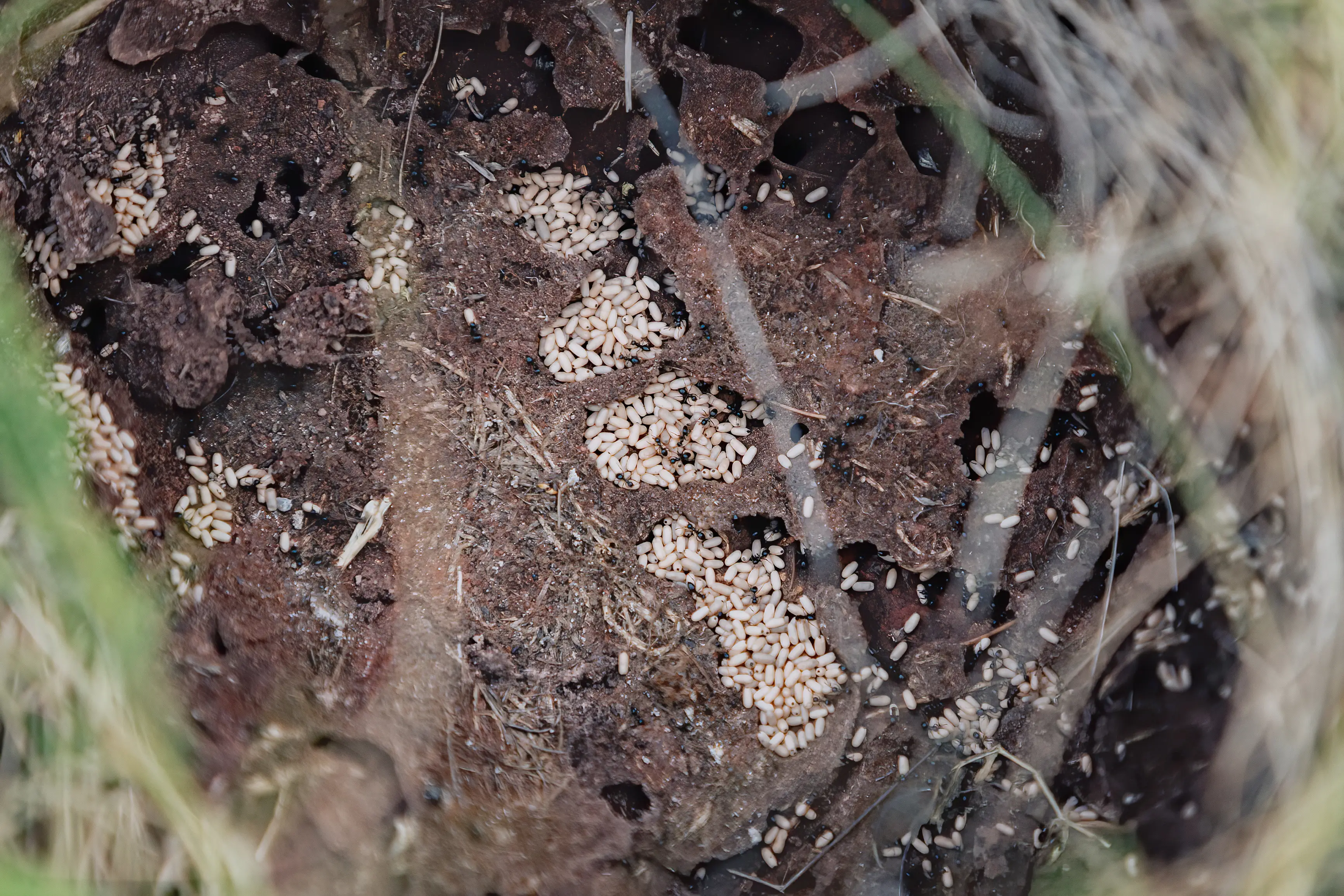
RIFA workers display significant size variation within colonies, ranging from 2-6 millimeters. Their coloration varies from reddish-brown to reddish-black, with darker coloration often on the posterior. Queens can live 6-7 years and lay up to 1,600 eggs daily, enabling rapid colony growth and expansion. These nests house 100,000-500,000 insects, building expansive subterranean systems beyond surface indicators.
Black Imported Fire Ants (Solenopsis richteri)
Black imported fire ants (BIFA) entered American ports during the early twentieth century, preceding other species. Initially more widespread, BIFA populations now concentrate in northern Mississippi, Alabama, and southern Tennessee. Temperature preferences restrict this variety's spread into warmer climates occupied by relatives. BIFA workers appear uniformly black or dark brown, distinguishing them from RIFA. Their venom composition closely resembles RIFA venom, causing identical medical concerns.
Geographic Spread in the United States
Fire ants currently infest over 260 million acres across the southern United States. The primary infestation zone encompasses Alabama, Arkansas, Florida, Georgia, Louisiana, Mississippi, eastern Texas, North Carolina, South Carolina, and Tennessee. Isolated populations exist in California, New Mexico, Oklahoma, and Virginia.
Natural spread occurs at approximately 5-30 miles annually, influenced by weather patterns and habitat availability. Queens mate during nuptial flights, traveling up to 10 miles before establishing new colonies. Flooding events can transport entire colonies downstream, accelerating spread along waterways.
When Professional Pest Control Is Necessary
Signs of Severe Infestation
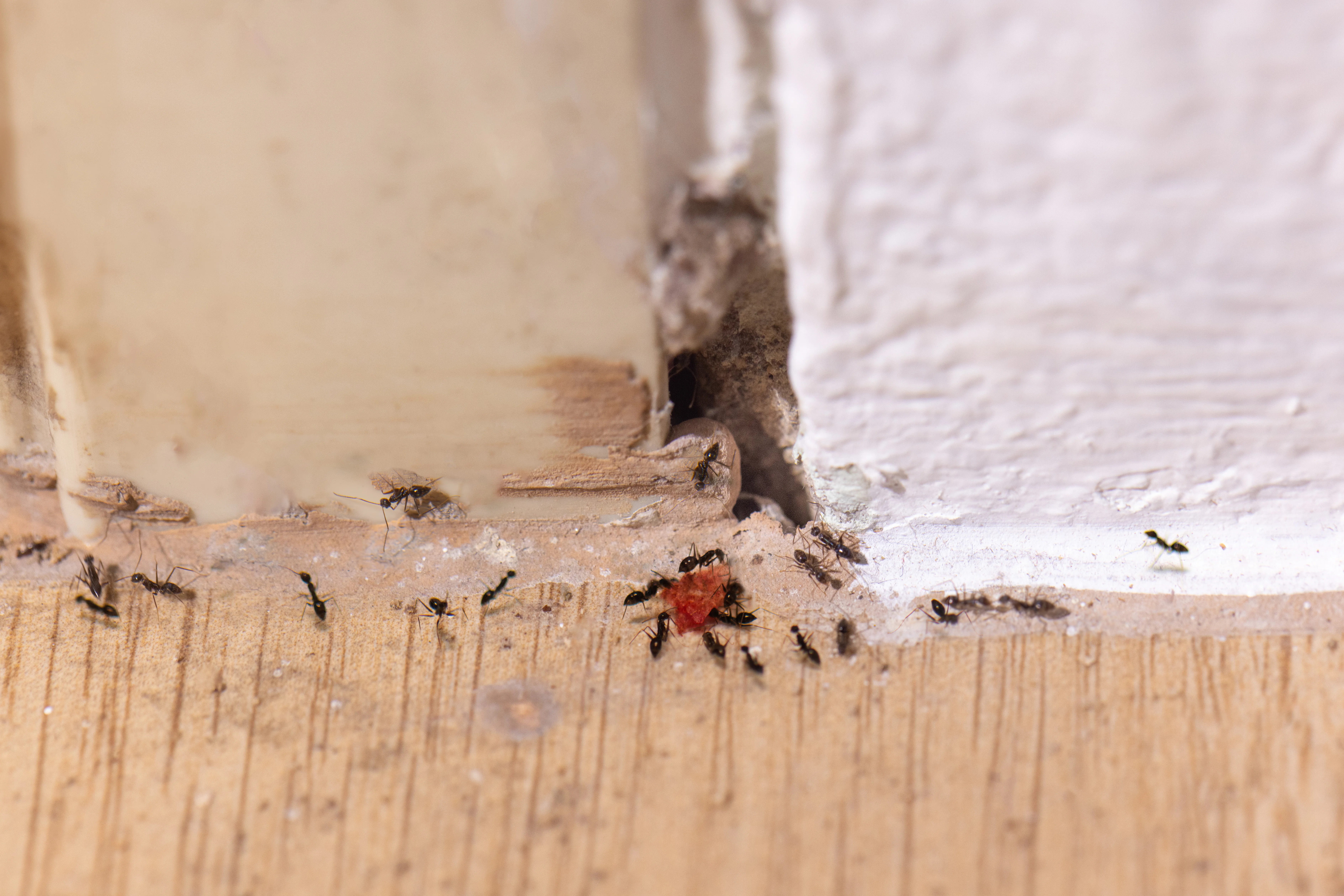
Recognizing severe fire ant infestations helps homeowners determine when professional intervention becomes necessary. Multiple mounds appearing despite repeated DIY treatments indicate established populations requiring professional-grade control methods. Large mounds (over 12 inches tall) suggest mature colonies with extensive underground networks resistant to surface treatments. Indoor fire ant activity represents a serious situation requiring immediate professional attention.
DIY Dangers and Limitations
Attempting fire ant control without professional expertise exposes homeowners to significant risks. The aggressive defensive behavior of fire ants makes close-proximity treatments dangerous. Common home remedies often prove ineffective or dangerous. Chemical or thermal treatments applied to nest tops destroy visible insects while underground populations survive. Over-the-counter fire ant products typically provide temporary relief without addressing core colonies.
Professional Treatment Benefits
Expert Assessment
Certified technicians identify fire ant species, assess infestation severity, and develop targeted treatment plans addressing specific property conditions.
Integrated Approach
Modern treatments utilize integrated pest management combining growth regulator baits, targeted mound treatments, and broadcast applications for immediate relief and long-term control.
Ongoing Protection
Professional services offer ongoing monitoring and guarantee programs, ensuring fire ant populations remain controlled with proactive response to new infestations.
Contact EcoGuard for Fire Ant Control
Don't let fire ants turn your property into a danger zone for your family and pets. EcoGuard Pest Management specializes in comprehensive fire ant control solutions tailored to your specific needs. Our certified technicians understand fire ant behavior, use the latest treatment technologies, and provide ongoing protection to keep your property safe.
Fire Ant Danger FAQs
Can fire ants kill you?
Fire ants can be fatal in rare cases, primarily through anaphylactic shock in individuals with severe allergies. According to medical literature, at least 80 deaths from fire ant stings have been documented in the United States. Most fatalities occur in individuals who cannot escape attacking ants (infants, elderly, or disabled persons) or those experiencing severe allergic reactions without access to immediate medical treatment. While death remains rare considering millions of people live in fire ant territories, the risk is real and requires serious precautions.
What happens if you get stung by a fire ant?
Fire ant stings create an immediate intense burning sensation, followed by a raised red welt within minutes. Over the next 24 hours, a characteristic white pustule forms at each sting site. These sterile pustules itch intensely and last 3-10 days before healing. Most people experience only localized reactions, but approximately 1-2% of victims develop systemic allergic reactions requiring medical attention. Multiple stings increase the risk of severe reactions.
Are fire ants more dangerous than regular ants?
Fire ants pose significantly greater dangers than native ant species. While most ants bite or spray formic acid, fire ants inject venom through a dedicated stinger, delivering more potent toxins. Their aggressive mass attack behavior means victims often receive numerous stings within seconds. Fire ant venom causes more severe reactions, including potential anaphylaxis, making them medically more significant than regular ant species.
How painful is a fire ant sting?
Fire ant stings generate searing discomfort resembling flame contact, explaining their common designation. The initial pain rates 1-2 on the Schmidt Pain Index, similar to a honey bee sting but with longer duration. The burning sensation peaks within 1-2 minutes and can persist for 30 minutes to several hours. Multiple stings create overlapping pain that some victims describe as overwhelming, particularly when dozens of ants sting simultaneously.
Can fire ants cause anaphylaxis?
Fire ants are a leading cause of insect-induced anaphylaxis in endemic areas. Studies show fire ants cause more anaphylactic reactions than all other Hymenoptera (stinging insects) combined in the southeastern United States. Life-threatening allergic reactions usually affect those with prior exposure, emerging rapidly after envenomation. Anyone experiencing systemic symptoms after fire ant stings should seek immediate emergency medical care.
Are fire ants dangerous to pets?
Fire ants pose serious threats to pets, particularly small animals and those investigating mounds with their faces. Pets cannot quickly remove attacking ants, often receiving numerous stings before owners can intervene. Fire ants target sensitive areas like eyes, nose, and mouth, causing severe pain and potential complications. Young, elderly, or small pets face the highest risks, with documented cases of fire ants killing newborn puppies and kittens. Pet owners must maintain vigilant property management and check outdoor areas before allowing pet access.
Sources
- Texas A&M AgriLife Extension - Fire Ant FAQ
- Cleveland Clinic - Fire Ant Bites
- National Institutes of Health - Fire Ant Venom Research
- NSW DPI - Fire Ant Impact
- Mississippi State Extension - Fire Ant Biology
- Wikipedia - Toxicology of Red Imported Fire Ant Venom
- USDA NIFA - Fire Ant Management
- NCBI - Fire Ant Sting Medical Guide
- MDPI - Fire Ant Allergic Reactions Study
- ARS USDA - Fire Ant Range Expansion