EcoGuard Pest Management
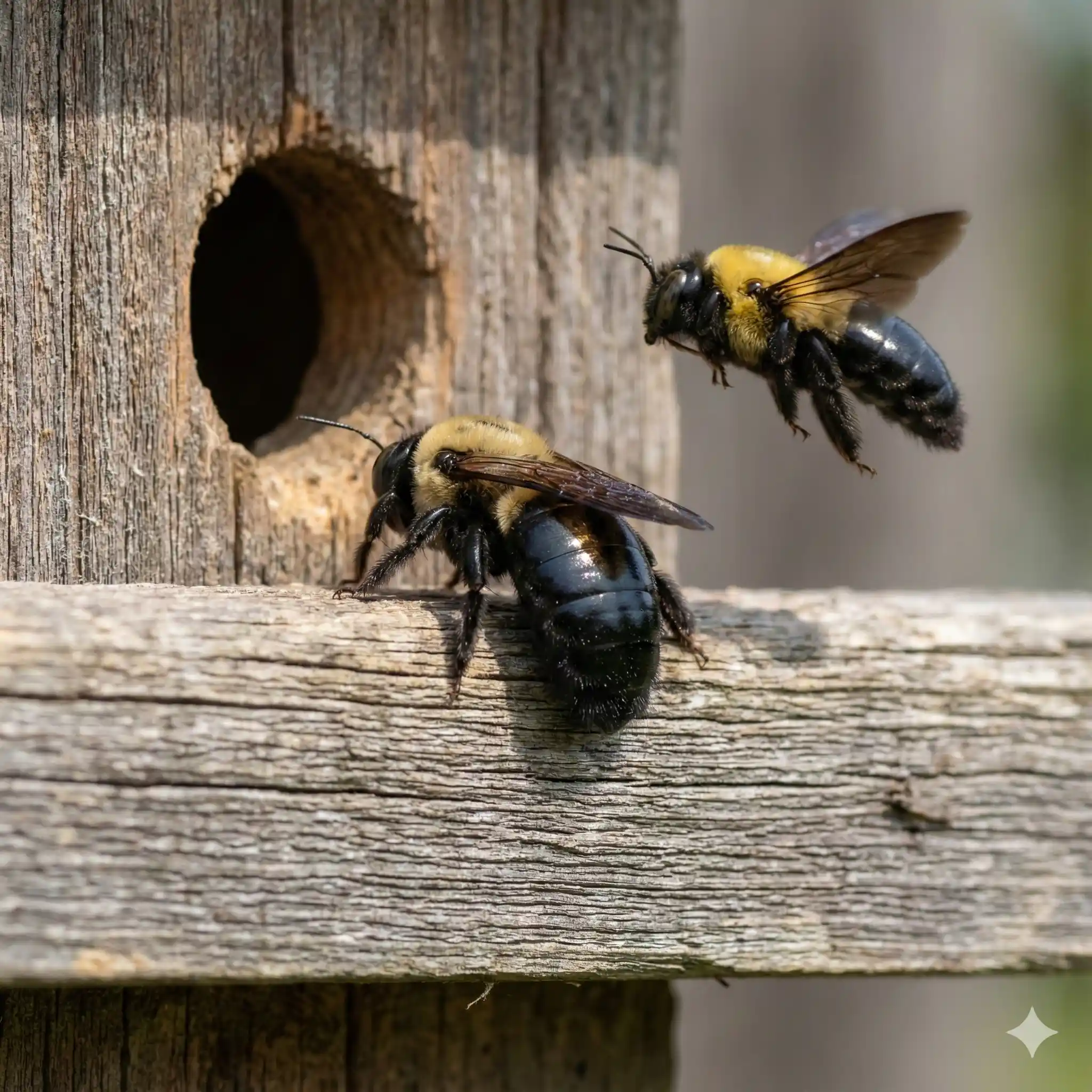
Professional carpenter bee control technician inspecting and treating wooden structure for carpenter bee infestation

Professional Carpenter Bee Removal Services

When you discover perfect half-inch holes drilled into the wooden surfaces of your home, deck, or fence, you're likely dealing with carpenter bees. EcoGuard Pest Management provides targeted carpenter bee control solutions that eliminate active infestations while protecting your property from future drilling damage.

Carpenter Bee Pest Control Experts

Effective carpenter bee control requires specialized knowledge of these wood-boring insects' behavior patterns, nesting preferences, and life cycles. Our highly trained carpenter bee exterminators understand carpenter bee biology and can identify active galleries, overwintering sites, and preferred wood types. This expertise allows us to implement targeted treatment strategies that eliminate existing infestations while applying preventive measures to discourage future boring activity.

Why Carpenter Bees Are a Serious Problem

Carpenter bees create unique challenges that require professional attention:

  • These wood-boring insects drill perfectly round half-inch entrance holes into unpainted wood surfaces, particularly on eaves, fascia boards, siding, decks, and outdoor furniture, with each female creating extensive gallery systems extending 4-6 inches into the wood
  • Carpenter bees return to the same locations year after year, with new generations often expanding existing gallery systems, causing damage that compounds annually and weakens structural elements
  • Visible entrance holes and staining from wood shavings and bee excrement significantly impact property aesthetics, potentially reducing home value and creating costly repair needs
  • Male carpenter bees establish aggressive territorial behaviors during spring mating season, hovering near nest sites and dive-bombing anyone who approaches, making outdoor spaces uncomfortable

Carpenter Bee Control Service Plans

Choose the protection level that's right for your property

One-Time Treatment
$249+
Starting price
  • Comprehensive property inspection
  • Species identification
  • Entry point identification
  • Targeted treatment application
  • Perimeter barrier application
  • Nest elimination
  • Treatment report & recommendations
  • 30-day guarantee
Get Started
MOST POPULAR
Annual Protection
Contact Us
For custom pricing
  • Everything in One-Time Treatment
  • Seasonal maintenance plan
  • Entry point treatments
  • Priority scheduling
  • Re-treatment guarantee
Get Started

* Prices vary based on property size, infestation severity, and treatment method. Contact us for an accurate quote.

Service Plan Comparison

FeatureOne-TimeAnnual
Comprehensive Inspection
Gallery Treatment & Sealing
Follow-Up InspectionsBi-annual
Seasonal Preventive Treatments
Re-Treatment Guarantee
Wood Surface Protection

Get Your Free Carpenter Bee Quote

Protect your property with a free carpenter bee quote from our licensed experts.

✓ Same-day service available
✓ Licensed & insured
✓ Detailed property assessment
✓ No-obligation estimates

Service Areas

We provide carpenter bee control services throughout:

  • California
  • Oregon
  • Washington
  • Texas
  • Tennessee
  • Nevada
View All Counties →

Ready to Eliminate Your Carpenter Bee Problem?

Schedule your carpenter bee inspection today. Our experts will assess your property and provide a customized treatment plan.

📞 Call (866) 326-2847Get Free Quote

Carpenter Bee Treatment Options

Our comprehensive approach to carpenter bee control combines multiple strategies tailored to your specific infestation. Each treatment method targets different aspects of carpenter bee biology to ensure complete elimination and long-term protection.
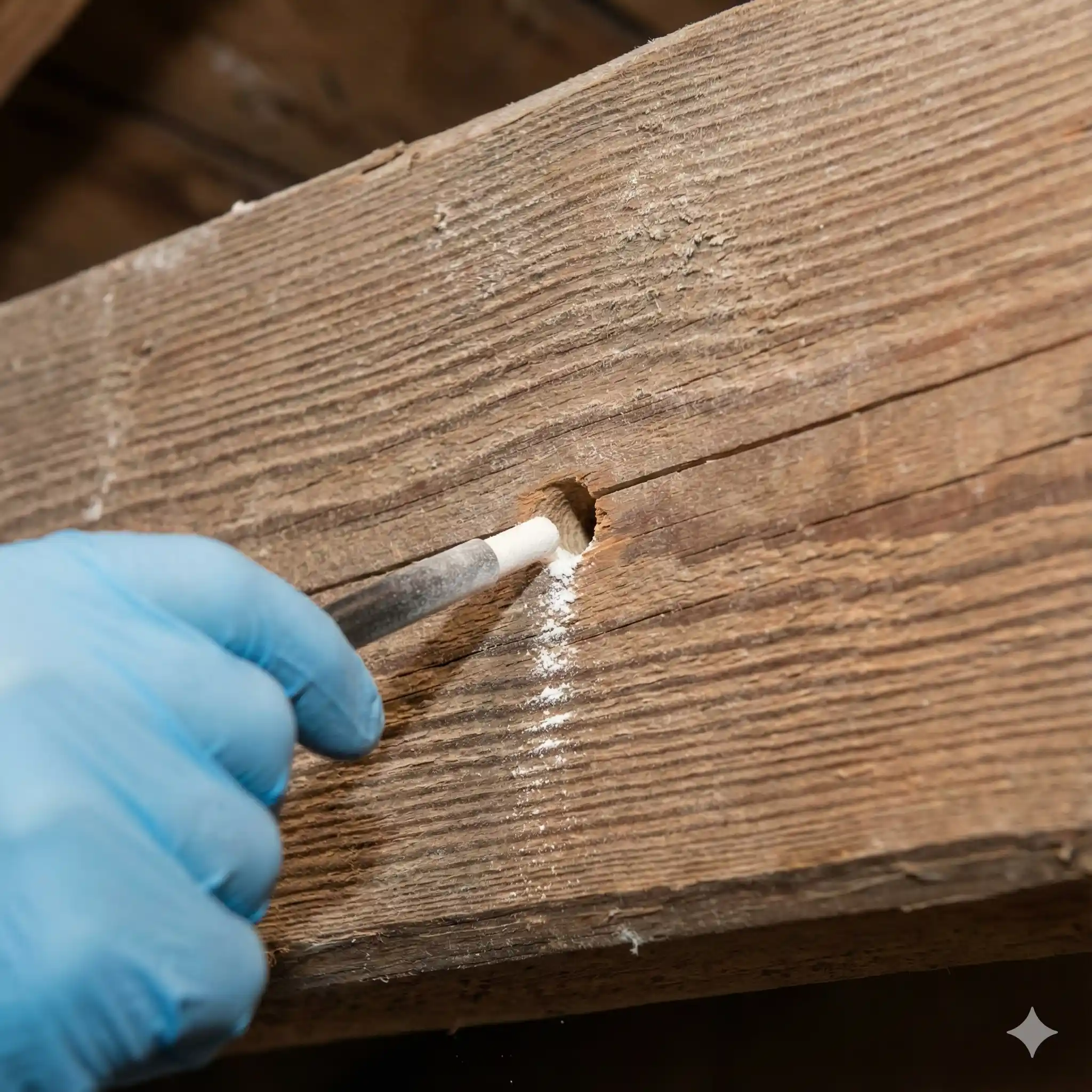
Technician applying professional insecticide dust treatment into carpenter bee gallery entrance

Insecticide Dusting

Professional-grade dust applications directly into active carpenter bee galleries eliminate bees within tunnel systems while providing residual protection.

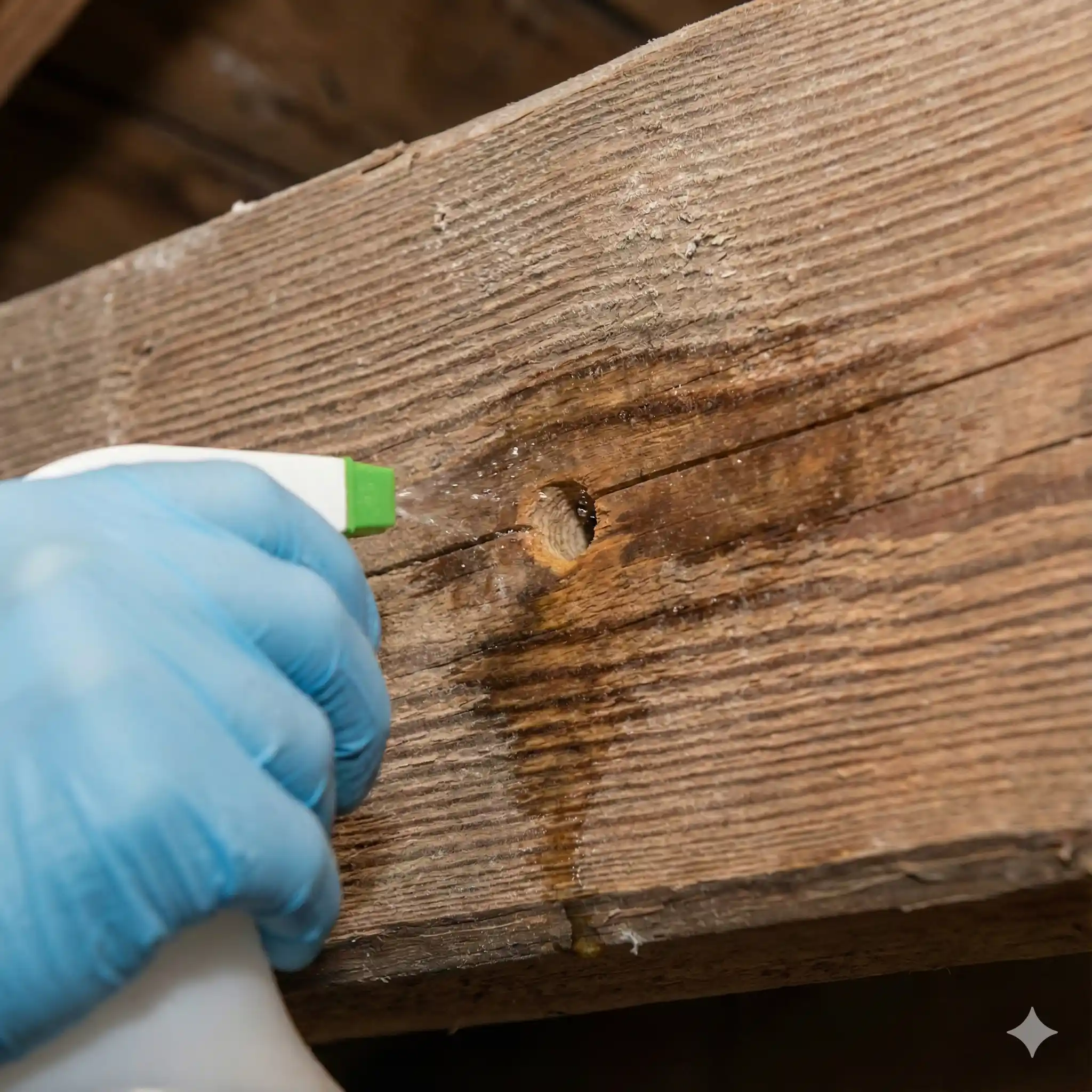
Pest control professional applying residual spray treatment to wooden deck surface

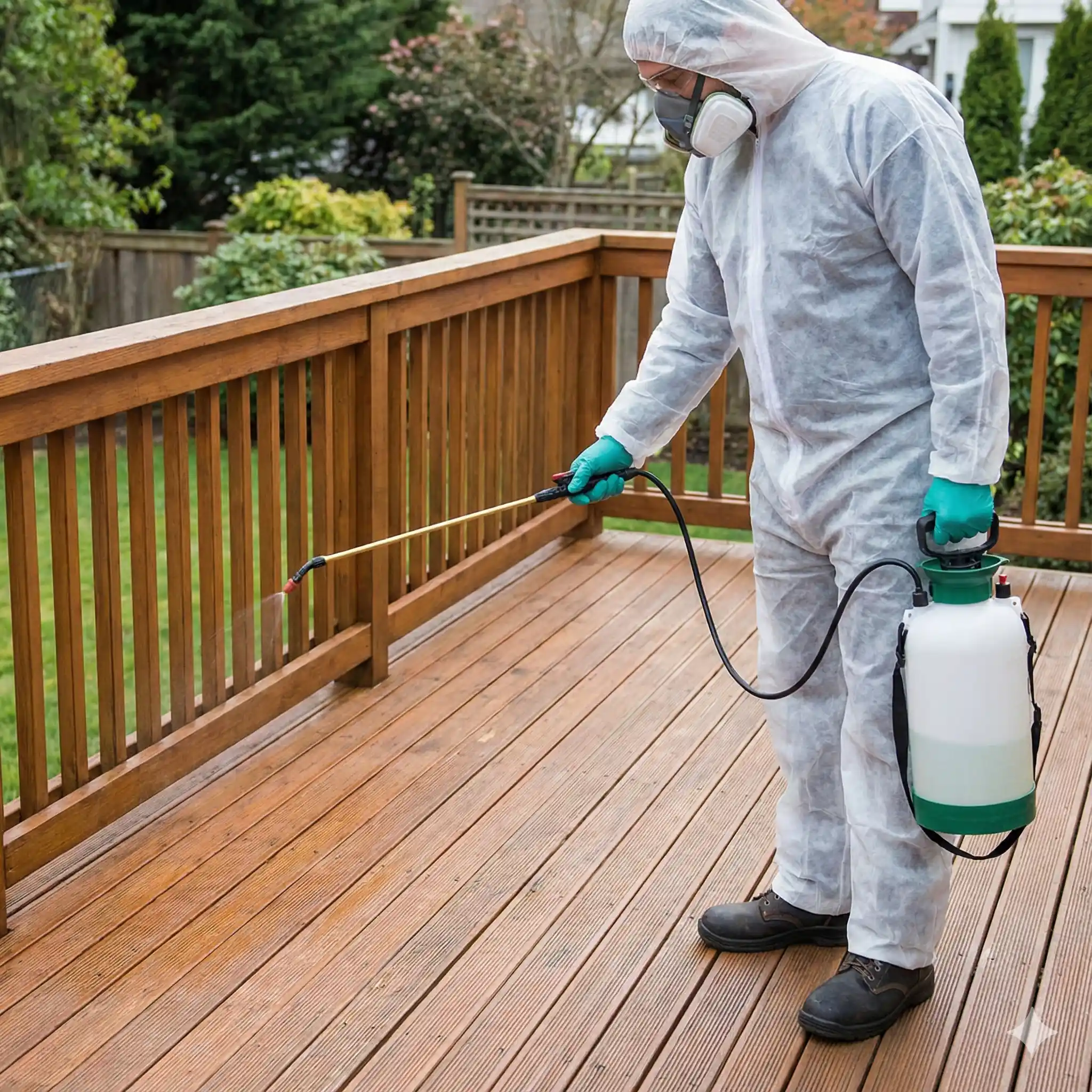
Residual Spray Treatments

Targeted liquid pesticides applied to wood surfaces where carpenter bees are active create a protective barrier against new drilling activity.

Technician injecting expanding foam treatment into carpenter bee nest entrance

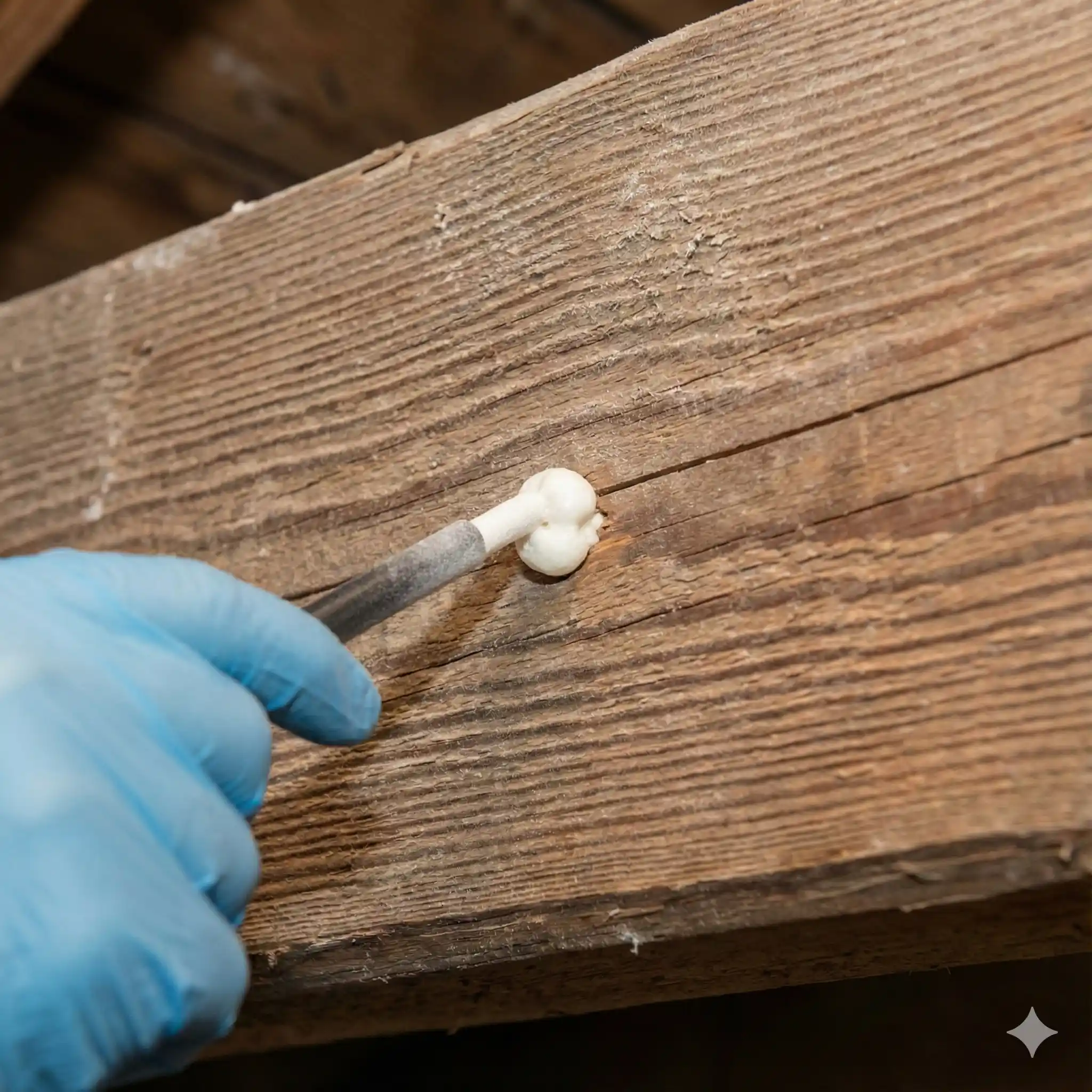
Foam Injection

Expanding pesticide foams injected into carpenter bee nests ensure that even the deepest parts of the gallery systems are infiltrated and treated.

Professional sealing carpenter bee entrance holes with wood filler after treatment

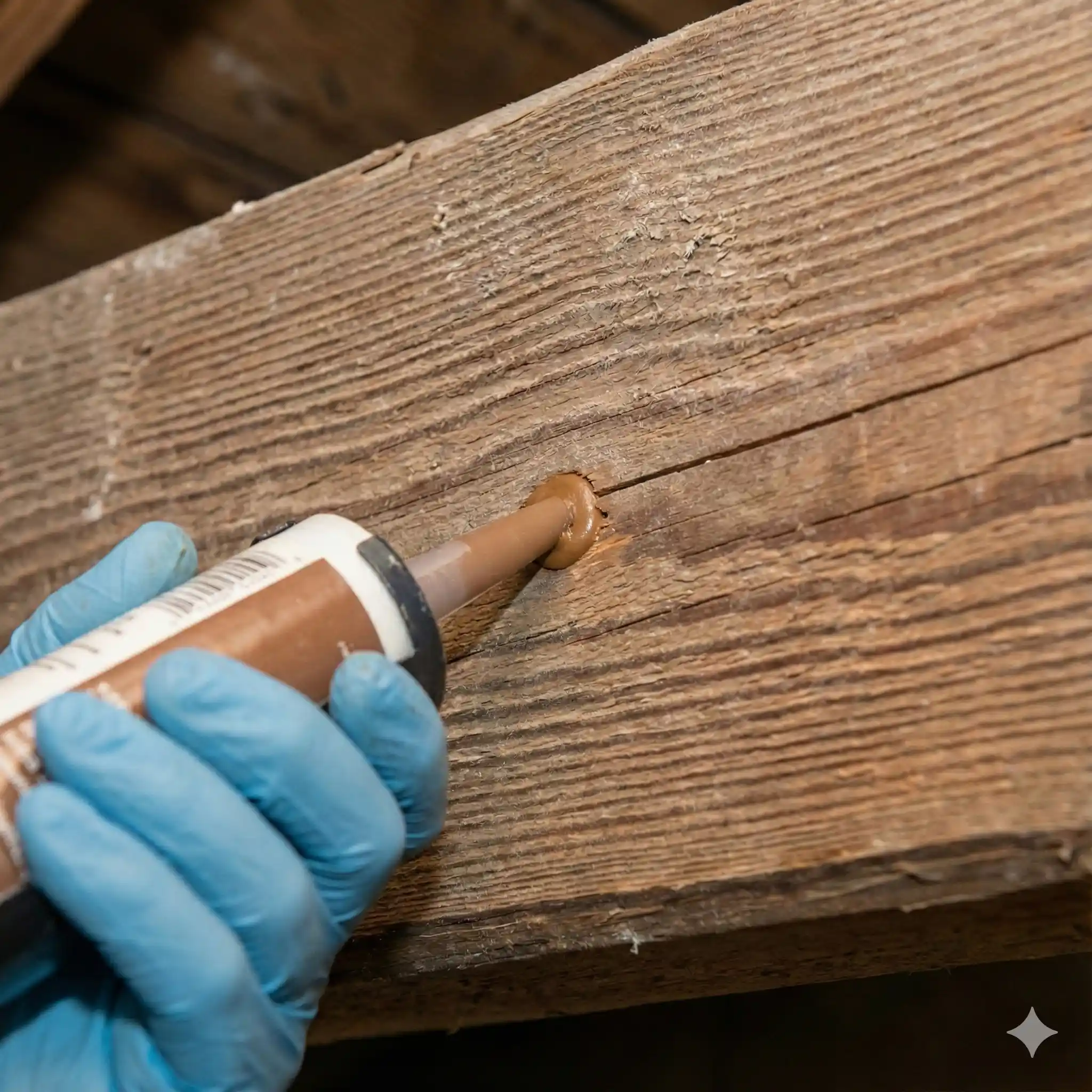
Gallery Sealing

After treatment, we seal existing entrance holes with appropriate materials to prevent re-use of tunnels and discourage new nests in the same locations.

Applying protective wood treatment coating to prevent carpenter bee boring activity

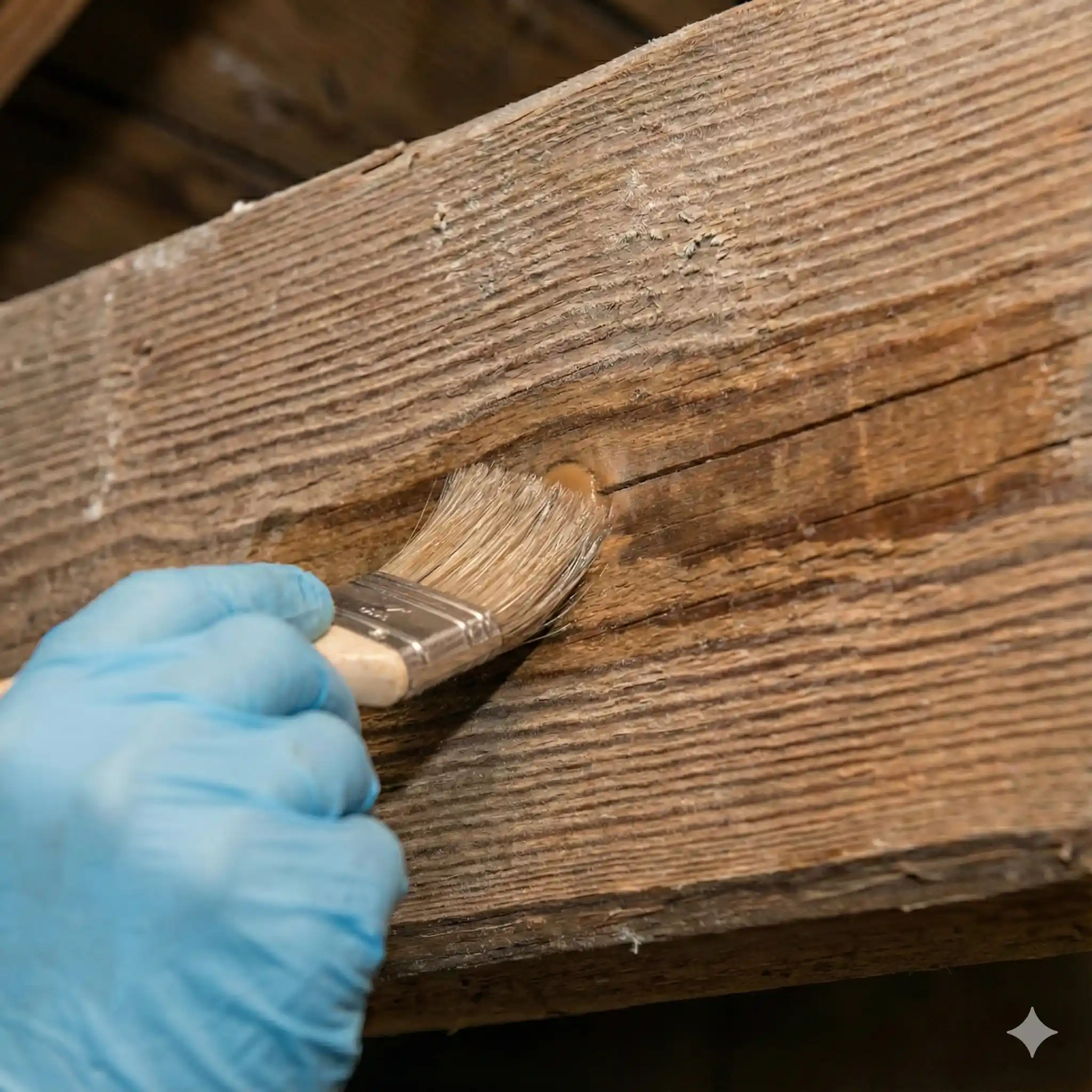
Wood Surface Treatments

Specialized wood preservatives and protective coatings deter carpenter bees from selecting your property for new gallery construction.

Technician performing seasonal preventive treatment on wooden eaves and fascia

Preventive Treatments

Seasonal applications timed to coincide with peak carpenter bee activity periods protect vulnerable wood surfaces before damage occurs.

What Causes Carpenter Bees?

Understanding what attracts carpenter bees to your property helps prevent infestations and protect vulnerable wooden structures.
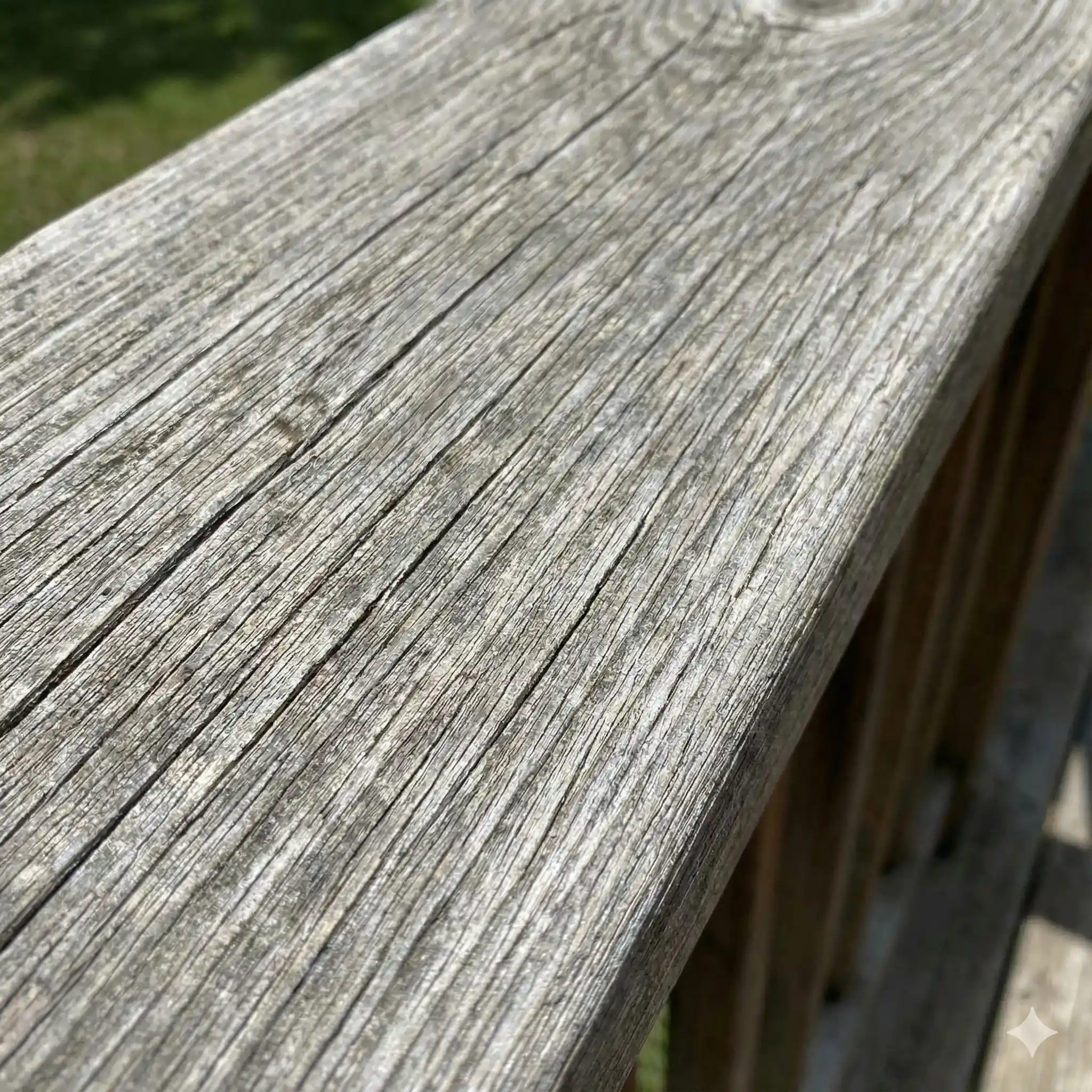
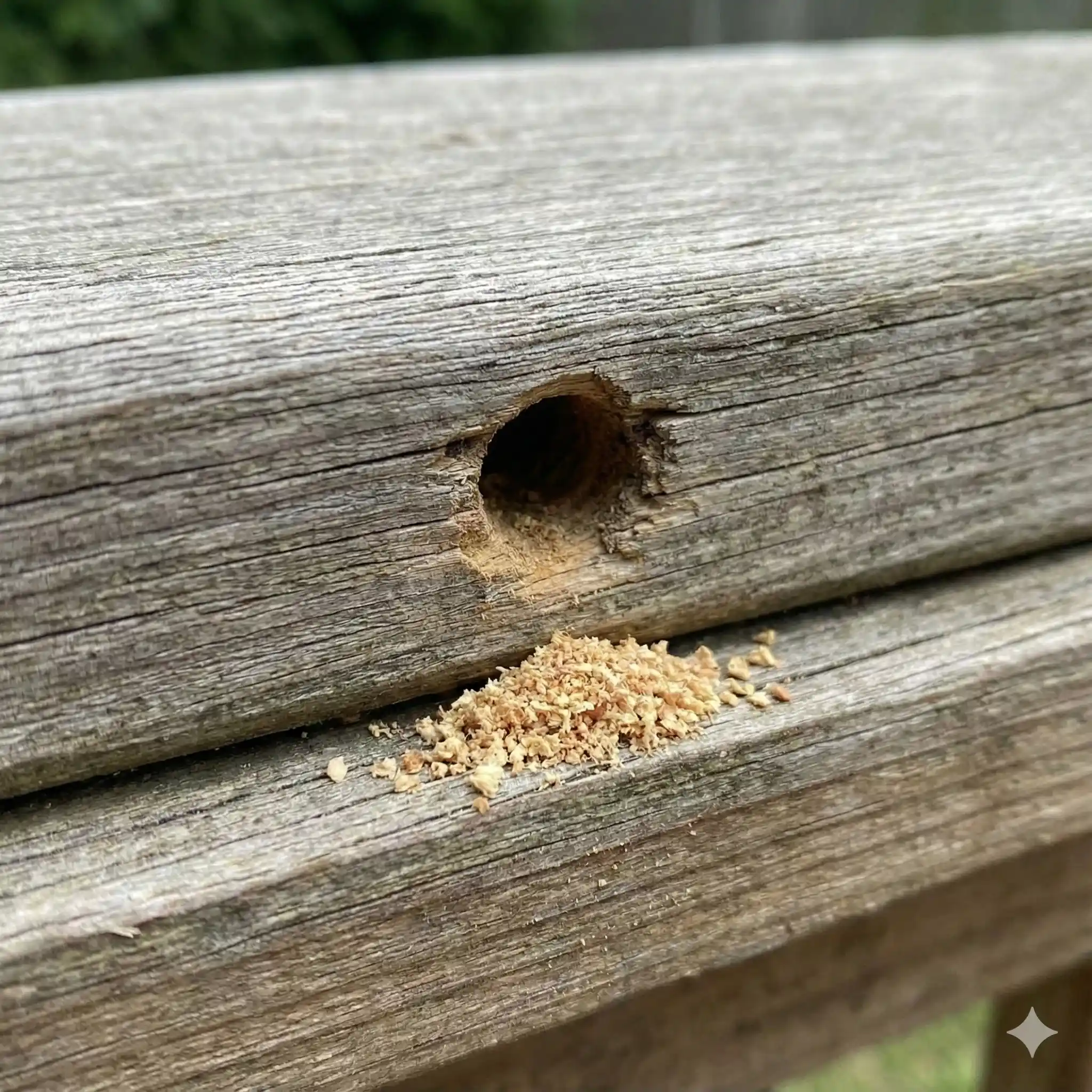
Weathered untreated wooden deck boards attractive to carpenter bees

🪵 Untreated Wood Surfaces

Carpenter bees strongly prefer bare, unpainted, unvarnished wood, particularly softwoods like pine, cedar, cypress, and redwood. Weathered decks, pergolas, wooden siding, and fence posts become prime targets.

Multiple carpenter bee entrance holes showing repeated nesting in same wood

🔄 Previous Nesting Sites

Carpenter bees prefer to reuse and expand existing gallery systems, with new generations often returning to the same structural elements year after year, leading to concentrated damage in specific areas.

Sun-exposed wooden fascia board on south-facing side of home

☀️ Southern Exposures

Sun-exposed wooden surfaces facing south or southwest attract carpenter bees seeking warmer nesting locations, particularly during early spring when adults emerge from overwintering sites.

Home near wooded area with increased carpenter bee infestation risk

🌲 Property Location

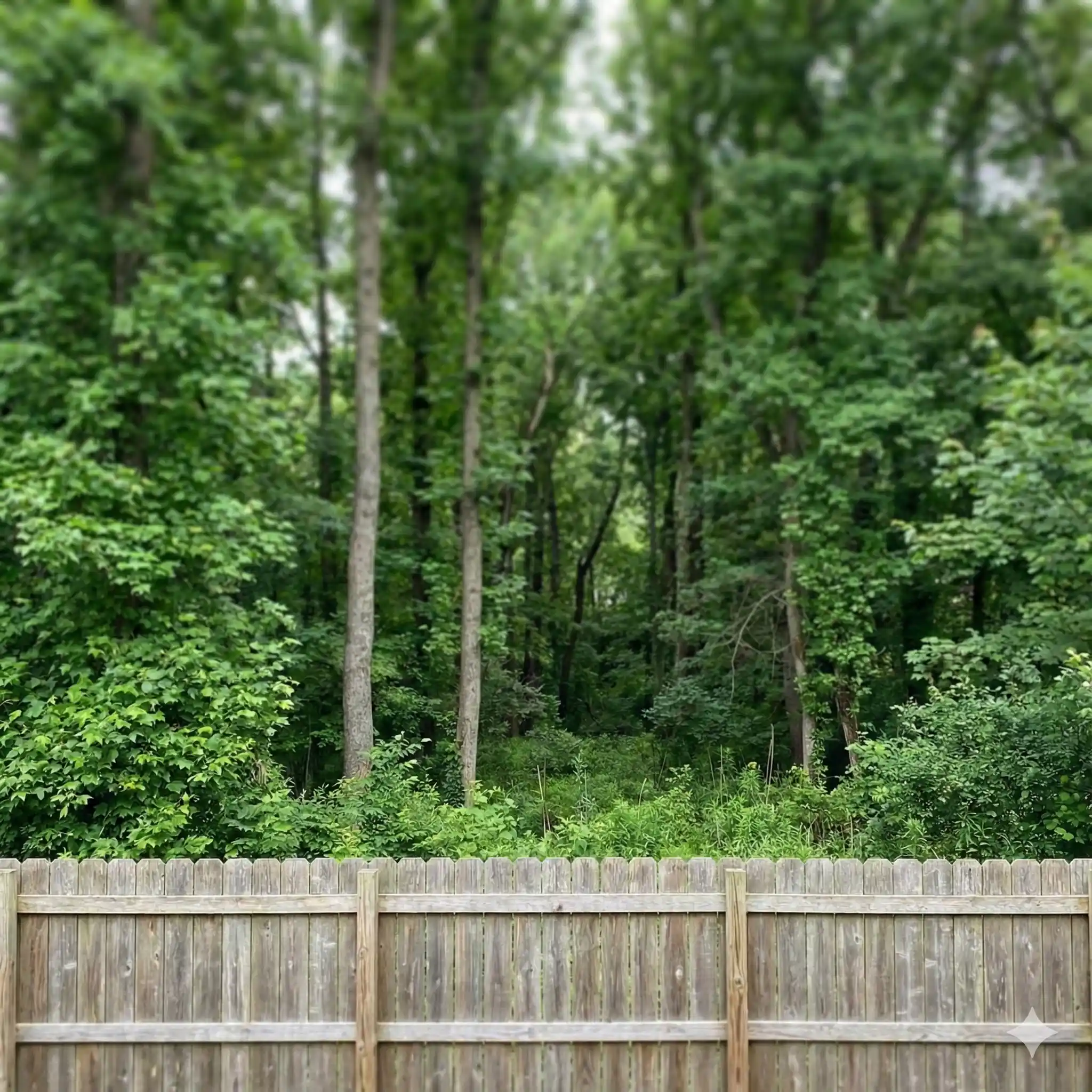
Proximity to wooded areas or properties with existing carpenter bee populations increases infestation risk, as emerging females seek new nesting sites within their limited flight range.

Learn More About Carpenter Bee Prevention →

What Are Signs of Carpenter Bees in Your Home?

Watch for these distinctive indicators of carpenter bee activity to catch infestations early before significant damage occurs.
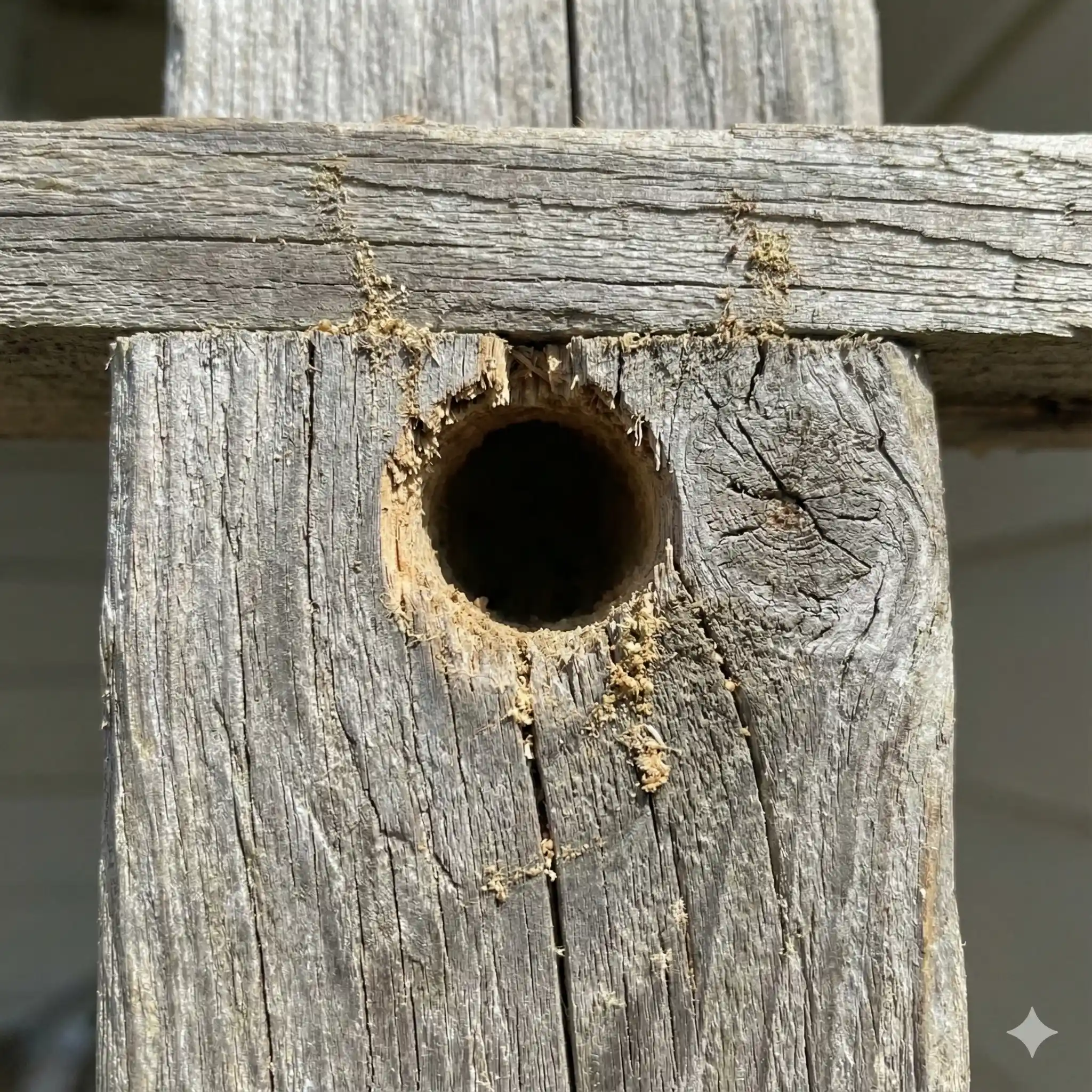
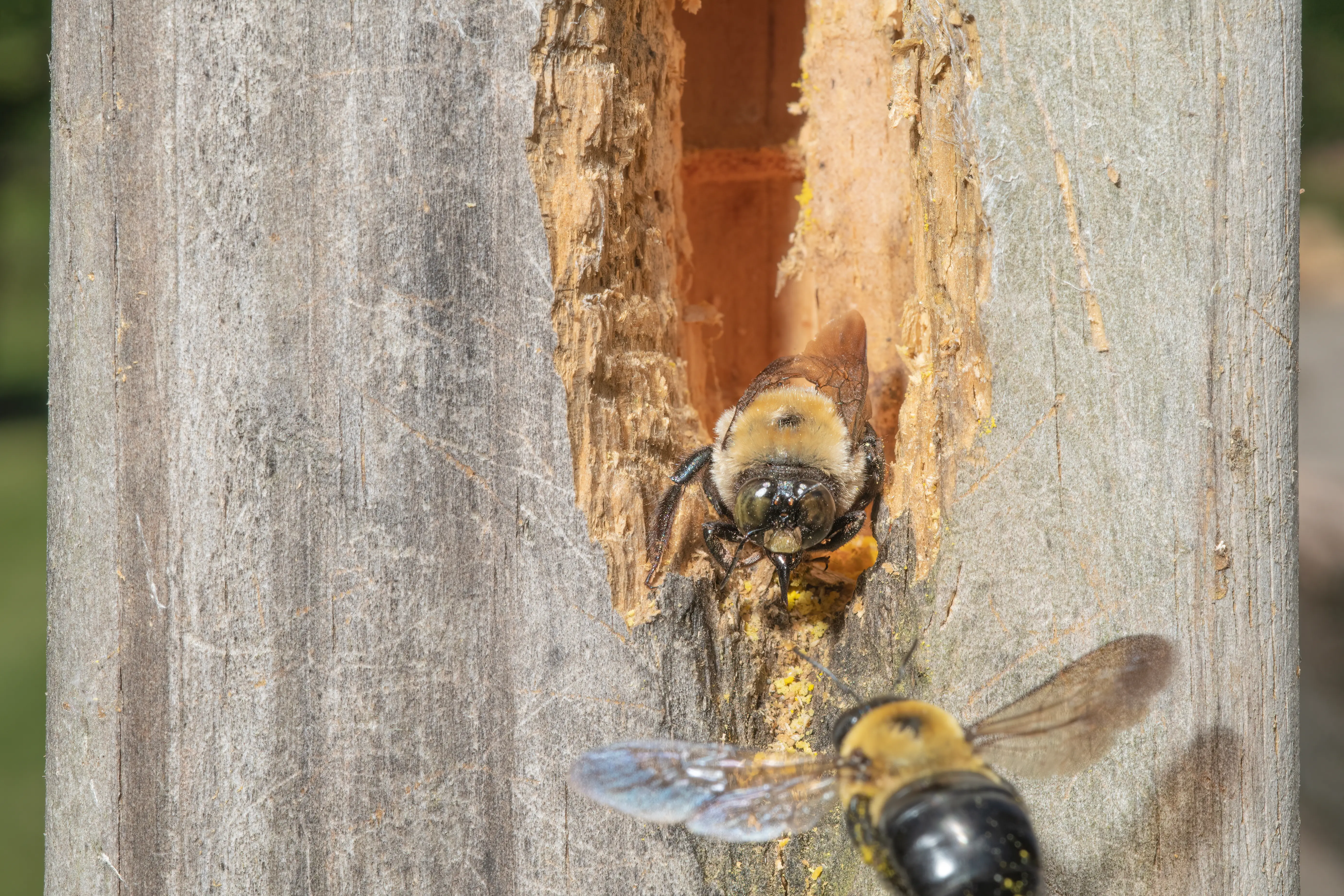
Perfectly round half-inch carpenter bee entrance holes in wooden fascia board

Perfect Round Entrance Holes

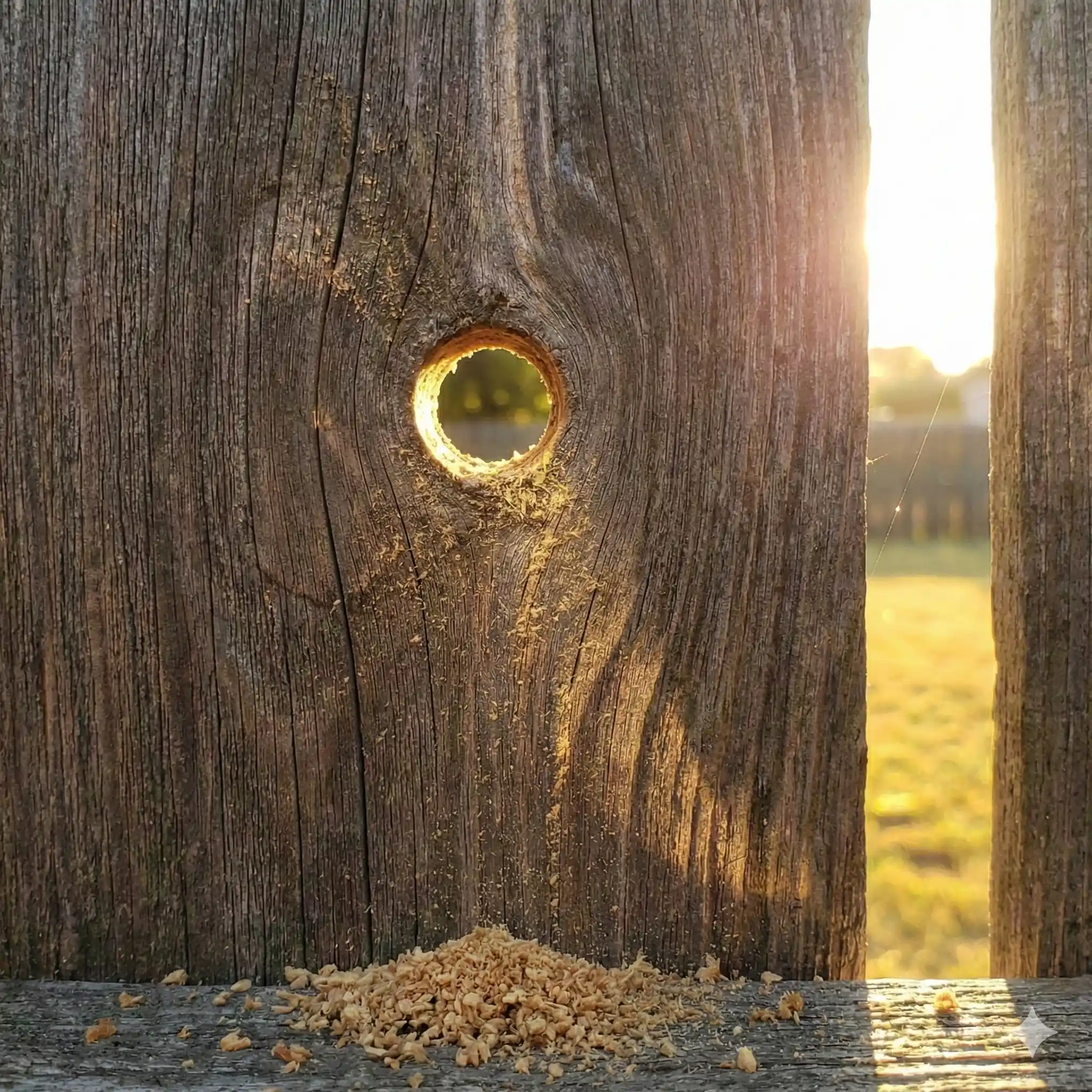
Approximately 1/2-inch diameter holes bored into wood surfaces, often in linear patterns along the underside of horizontal wood members.

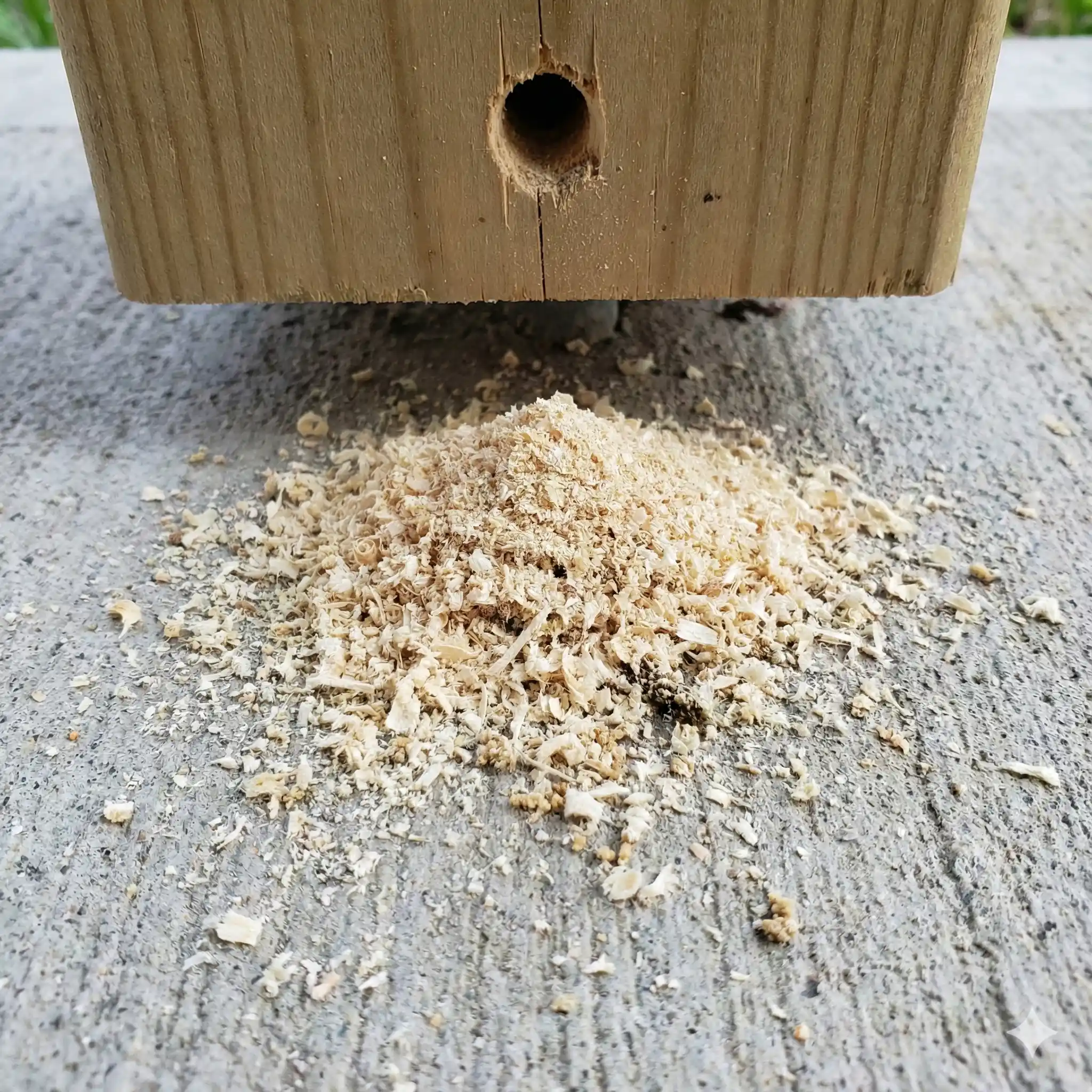
Sawdust-like wood shavings beneath carpenter bee entrance hole

Sawdust-Like Wood Shavings

Frass accumulates beneath entrance holes during active drilling periods in spring as bees excavate new galleries.

Dark staining on wood surface below carpenter bee gallery entrance

Dark Staining on Wood

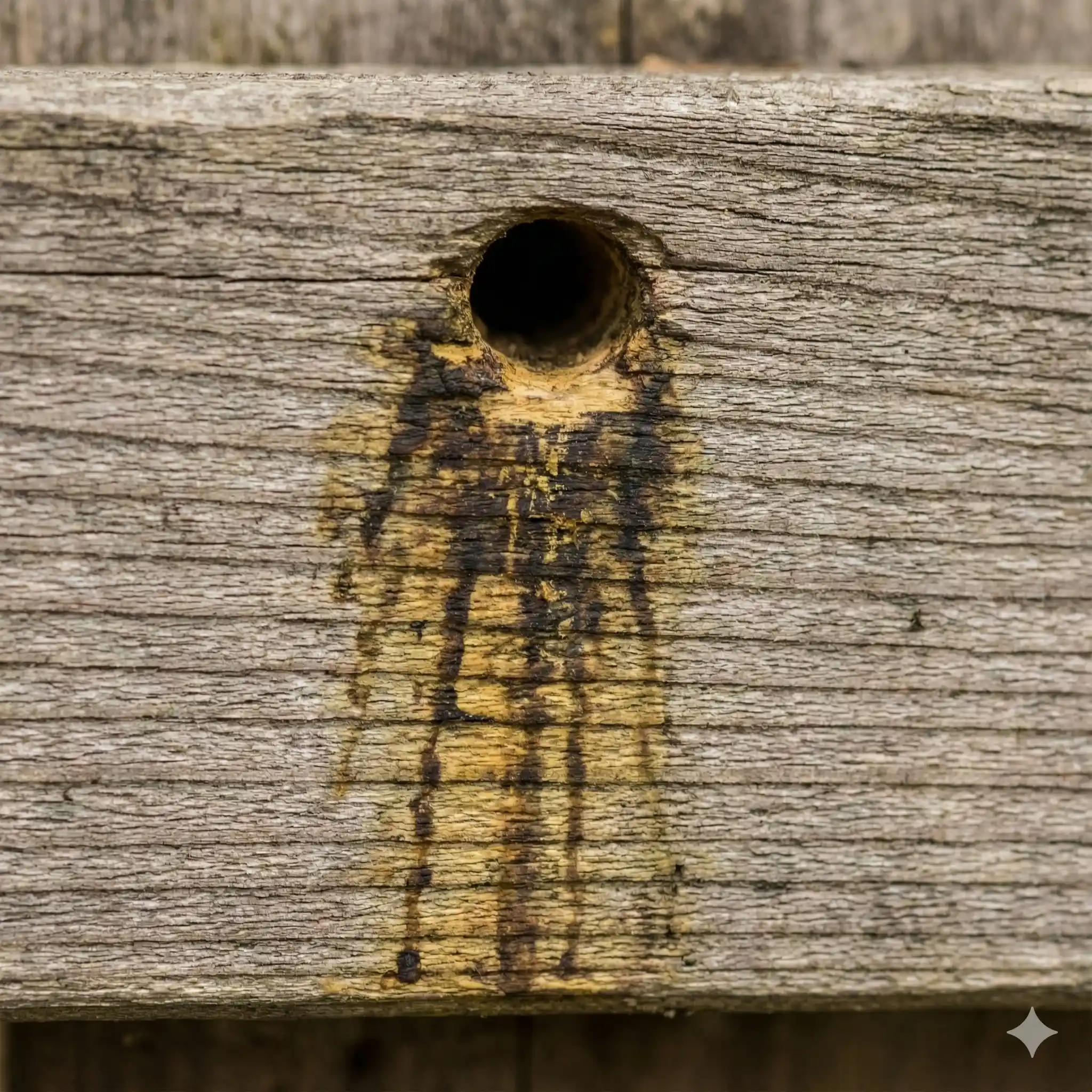
Yellowish-brown staining found below entrance holes from bee waste material and boring debris.

Illustration of buzzing sounds emanating from carpenter bee activity in wood

Buzzing Sounds in Wood

Audible buzzing or vibrating noise coming from within wood as bees excavate new galleries or move through existing tunnel systems.

Male carpenter bee hovering aggressively near nest entrance

Aggressive Hovering Behavior

Male carpenter bees defend their territory near nest entrances during spring mating season, dive-bombing anyone who approaches.

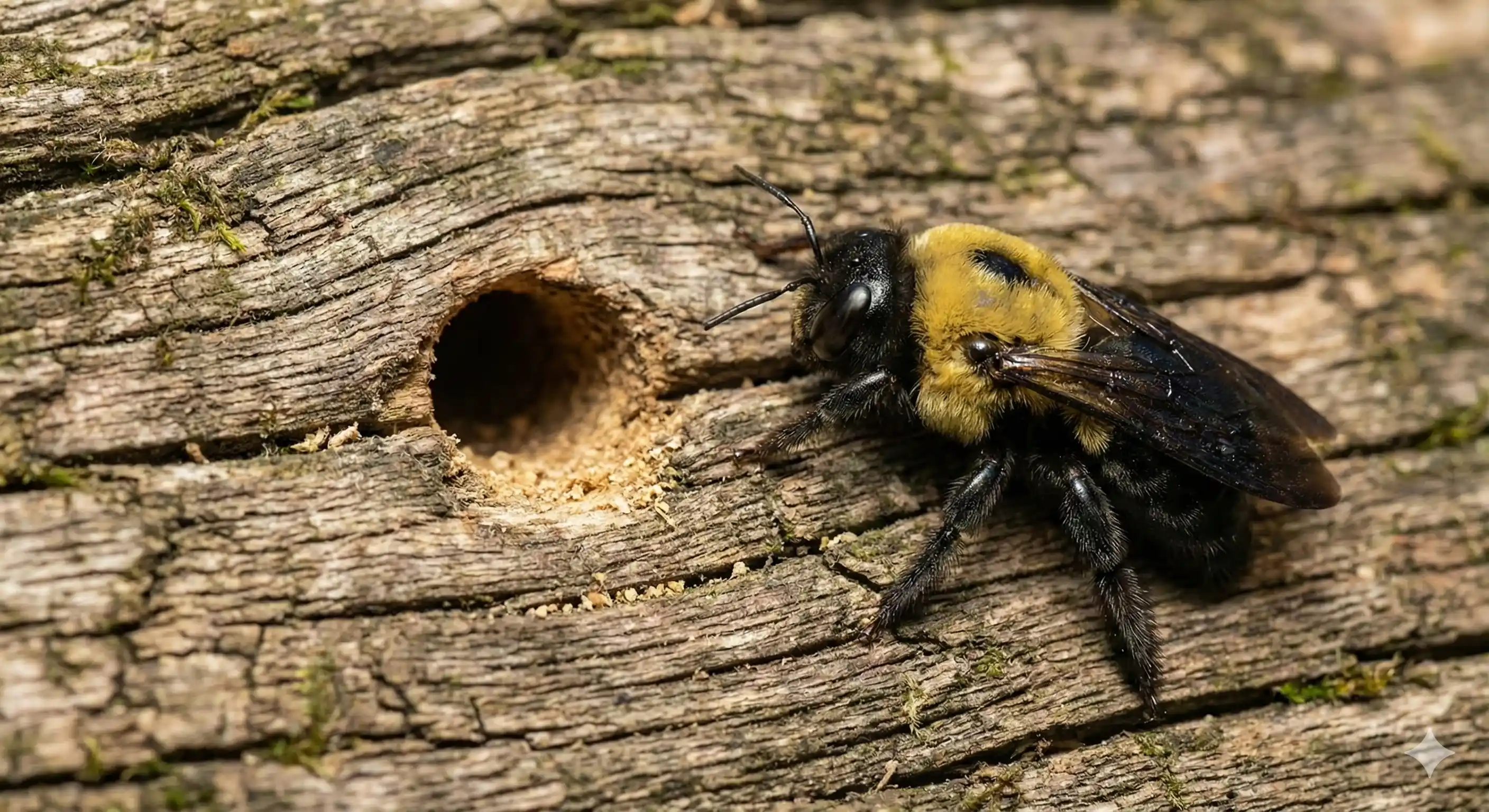
Close-up of carpenter bee showing characteristic shiny black body and yellow markings

Visible Carpenter Bees

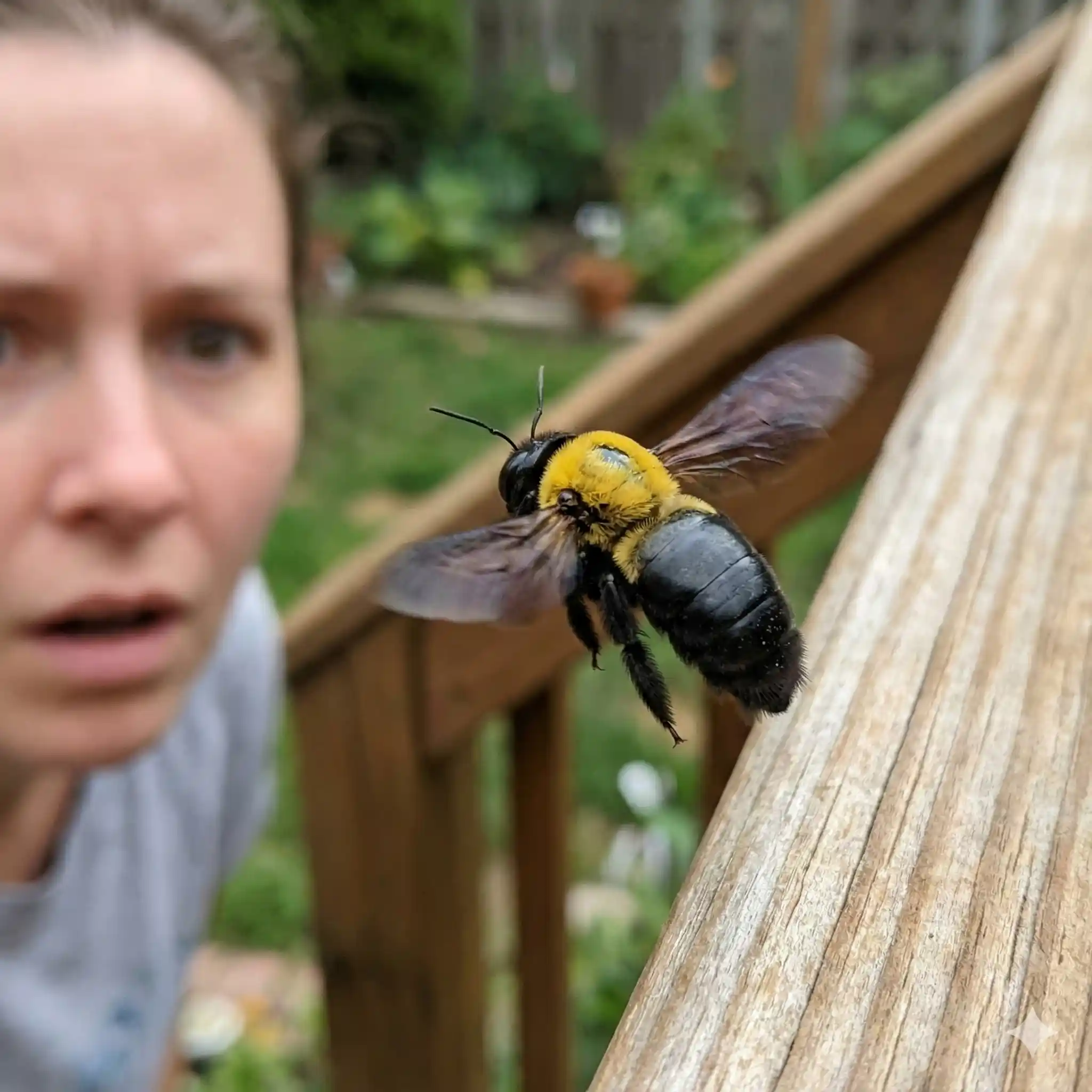
Large bees with shiny black abdomens (females) and yellow markings on the thorax (males) seen near wooden structures.

Learn More About Carpenter Bee Detection →

DIY vs Professional Treatment

While hardware stores offer various carpenter bee control products, DIY approaches rarely provide lasting protection from these persistent wood-boring insects. Over-the-counter sprays may temporarily repel bees but fail to penetrate deep galleries where females lay their eggs. Additionally, consumer products lack the residual effectiveness needed to prevent reinfestation when new adults emerge or return to establish nests.

Professional carpenter bee control combines expert knowledge of nesting behavior, access to commercial-grade treatments, and comprehensive approaches that address both active infestations and prevention. Our carpenter bee exterminators understand the optimal timing for treatments based on carpenter bee life cycles and can apply products safely and effectively into gallery systems while implementing preventive measures for long-term protection.

❌ DIY Treatment

  • Limited penetration into deep galleries
  • Temporary repellent effects only
  • No residual protection
  • Cannot treat developing larvae
  • No gallery sealing service
  • Recurring damage year after year

✓ Professional Treatment

  • Deep gallery treatment with specialized dusts
  • Complete elimination of all life stages
  • Extended residual protection
  • Professional gallery sealing
  • Preventive wood surface treatments
  • Seasonal monitoring & maintenance

Commercial Carpenter Bee Control

EcoGuard Pest Management implements customized carpenter bee control programs for commercial facilities that prioritize operational continuity while ensuring effective pest elimination. Our comprehensive commercial carpenter bee protection programs combine discrete treatment applications with flexible scheduling to maintain your business operations while ensuring complete elimination of carpenter bee problems.

We specialize in carpenter bee control solutions for:

  • Restaurants and food service establishments
  • Healthcare facilities
  • Hotels and hospitality venues
  • Educational institutions
  • Office complexes
  • Food processing facilities
  • Warehouses and storage facilities
  • Retail spaces
  • Manufacturing facilities
  • Multi-unit residential properties
Learn About Commercial Pest Control
100% SATISFACTION GUARANTEE

The EcoGuard Guarantee

EcoGuard offers a 100% satisfaction guarantee for all of our customers, and we stand by our promise to eradicate your carpenter bee problem until the very last carpenter bee is gone. That carpenter bee control guarantee comes with every service and if the carpenter bees come back, then so do we, at no additional cost. We are standing by to give you a free estimate and to help you set your first carpenter bee pest control service appointment.

📞 Call (866) 326-2847 Today

Our Carpenter Bee Control Process

A systematic approach to complete carpenter bee elimination and wood protection

1

Thorough Property Inspection

Our technicians conduct comprehensive property examinations focusing on wooden structures to identify active carpenter bee galleries, previous season's holes, and vulnerable wood surfaces. This assessment documents damage patterns, maps out nesting sites, and evaluates specific wood conditions that attract carpenter bees.

2

Targeted Gallery Treatment

Based on inspection findings, we implement targeted applications using professional-grade dusts injected directly into active galleries and residual sprays applied to wood surfaces. These specialized treatments eliminate current carpenter bee populations in all life stages while creating protective barriers against new boring activity.

3

Exclusion & Sealing

After treatment, we seal existing gallery entrance holes to prevent reuse by future generations and apply protective wood treatments to discourage new boring attempts. Our exclusion process addresses the specific wood conditions that attract carpenter bees while implementing physical barriers against future nesting activity.

4

Ongoing Monitoring

Regular follow-up inspections allow us to track treatment effectiveness and identify any new carpenter bee activity before it develops into significant damage. Our monitoring program is timed to carpenter bee life cycles, with particular attention to early spring emergence and midsummer activity periods.

Seasonal Plan for Carpenter Bee Control

Year-round protection adapted to seasonal carpenter bee behavior patterns

Spring Carpenter Bee Control

Spring

Critical control period as overwintered adults emerge; early season treatments before females start drilling new nesting holes; preventive applications to vulnerable wooden surfaces

Summer Carpenter Bee Control

Summer

Intensive monitoring as females provision galleries and larvae develop; treatments target newly excavated tunnels; follow-up applications control emerging adults from established nests

Fall Carpenter Bee Control

Fall

Preparation phase as adult bees seek overwintering sites; gallery sealing and preventive treatments; surface modifications to reduce attraction before winter

Winter Carpenter Bee Control

Winter

Structural modifications and preventive treatments without bee interference; thorough inspections of wooden elements; long-term protection strategies before spring emergence

What Our Customers Say

Trusted by homeowners across 6 states for professional carpenter bee control

★★★★★

"Our deck had dozens of carpenter bee holes and we were dreading the repair costs. EcoGuard treated every gallery, sealed the holes, and applied preventive treatments. Two years later, no new damage!"

Michael R.
Nashville, TN
★★★★★

"The aggressive bees hovering around our patio made it impossible to enjoy our backyard. EcoGuard came out within days, treated the problem, and now we can actually use our outdoor space again."

Jennifer K.
Sacramento, CA
★★★★★

"Professional, thorough, and effective. The technician found galleries I didn't even know existed in our pergola. Their annual protection plan gives us peace of mind every spring."

David & Susan T.
Austin, TX

Carpenter Bee Control FAQs

Everything you need to know about carpenter bee control and treatment

Carpenter bees are large, wood-boring insects that create perfectly round entrance holes and extensive tunnel systems in wooden structures. Unlike social bees, they don't form hives or produce honey, instead creating individual nests in wood where females lay eggs in separate chambers provisioned with pollen.

Carpenter bees create distinctive, perfectly round 1/2-inch entrance holes, typically on the underside of wooden elements, with minimal visible wood fragments as they push debris out of tunnels. Unlike termites or carpenter ants, carpenter bees create clean, smooth galleries without mud packing or rough excavation patterns, and you'll often observe the bees themselves hovering near entrance holes during spring and summer.

Carpenter bees strongly prefer unpainted, unfinished softwoods like pine, cedar, and redwood, particularly those that have begun to weather or age. Properties with extensive exposed wood elements, southern exposures, and proximity to natural areas are particularly attractive, especially if your structures have a history of previous carpenter bee activity.

Carpenter bees create structural damage by boring round entrance holes that lead to extensive gallery systems extending 4-6 inches into wood, with multiple branching egg chambers. This tunneling weakens wooden elements, creates entry points for moisture and decay, and causes significant aesthetic damage with problems compounding yearly as new generations expand existing galleries.

Carpenter bee damage accumulates rapidly as each female creates her own gallery system, and new generations often return to the same wood elements year after year to expand existing tunnels. What begins as a few entrance holes can multiply exponentially within 2-3 seasons, transforming sound wood into seriously compromised material with extensive gallery networks.

Professional services receive the most carpenter bee calls during spring (typically April-May) when adults emerge from overwintering sites and begin their mating and boring activities. This period of high visibility coincides with male territorial behavior and the start of new gallery construction, making their presence obvious to property owners.

Professional inspections include thorough examination of all wooden structures, with special attention to eaves, fascia boards, decks, and other unpainted wood elements where carpenter bees prefer to nest. Technicians identify active galleries, previous season's holes, wood conditions attracting bees, and assess the full extent of existing damage to develop appropriate treatment strategies.

Professional elimination involves direct treatment of active galleries using specialized dusts that penetrate deep into tunnel systems, eliminating bees throughout the galleries including eggs and developing larvae. This is combined with residual surface treatments that protect vulnerable wood from new boring activity and preventive applications timed to carpenter bee life cycles.

Professional treatments utilize EPA-registered products specifically formulated for carpenter bee control, applied with precision directly into galleries and onto wood surfaces using targeted application methods. Our technicians follow strict safety protocols that minimize exposure risk while providing detailed guidance on any temporary access restrictions following treatment.

Initial carpenter bee treatments typically take 1-2 hours depending on property size and infestation severity, with technicians treating all active galleries and applying preventive products to vulnerable wood surfaces. Complete control may require follow-up visits timed to carpenter bee life cycles to ensure elimination of all life stages.

Most property owners notice significant reduction in visible carpenter bee activity within 24-48 hours of professional treatment as products eliminate adult bees in and around treated galleries. Complete elimination, including developing larvae within wood, may take 1-2 weeks as treatments work throughout the gallery systems.

Prevention includes sealing treated galleries, applying residual products to vulnerable wood surfaces, and recommending modifications like painting or staining unfinished wood. Professional services also provide scheduled preventive treatments timed to carpenter bee life cycles, creating ongoing protection against new boring activity.

Properties with a history of carpenter bee activity benefit from bi-annual inspections—one in early spring before emergence and boring activity begins, and one in fall to assess seasonal damage and implement preventive measures before overwintering. Ongoing maintenance helps prevent reestablishment of carpenter bee populations.

Professional treatments utilize commercial-grade products unavailable to consumers, including specialized dusts that penetrate deep into gallery systems and residual formulations that provide extended protection. Professional application equipment, along with expert knowledge of carpenter bee biology and behavior, ensures treatments reach throughout the tunnel systems where DIY products often fail.

Without proper preventive measures, carpenter bees often attempt to return to previously used galleries or establish new nests in the same wooden elements. Professional treatment approaches include both elimination and prevention components, specifically addressing this tendency through gallery sealing, residual treatments, and ongoing protection strategies.

Professional sealing involves treating gallery systems first to eliminate all bees, then filling entrance holes with appropriate wood fillers, sealants, or plugs designed to prevent reuse. This sealing process is often followed by surface treatments that discourage new boring attempts in the same areas.

Professional carpenter bee treatment costs vary based on property size, infestation severity, and the number of wooden structures requiring protection. Contact EcoGuard for an inspection and accurate quote tailored to your specific situation. We offer tiered pricing with options for one-time treatments or season-long protection programs.

Professional inspections often reveal other wood-destroying organisms including termites, carpenter ants, or wood-boring beetles that may be present alongside carpenter bees. Technicians are trained to identify multiple pest issues, providing comprehensive recommendations that address all identified problems affecting wooden structures.

While carpenter bees rarely sting unless directly handled (and male bees cannot sting at all), their aggressive hovering behavior during mating season can create nuisance problems affecting outdoor enjoyment. Professional services eliminate these territorial behaviors while preventing the structural damage that represents the primary risk from carpenter bee activity.

Yes, carpenter bees can be effectively eliminated through professional extermination methods that target both active adults and developing larvae within wooden galleries. Professional treatments use specialized dusts and residual products that penetrate the entire gallery system while also protecting wood surfaces from new boring activity, providing complete control of existing infestations.

Professionals eliminate carpenter bees using a multi-faceted approach that includes injecting commercial-grade insecticidal dusts directly into active galleries to reach developing larvae, applying residual sprays to wood surfaces that deter new boring, and sealing treated holes to prevent reuse. This comprehensive approach addresses all life stages while implementing preventive measures that interrupt the cycle of reinfestation.

You should call an exterminator for carpenter bees at the first sign of wood-boring activity in spring when adults emerge, or when you notice multiple perfectly round entrance holes in wooden structures. Early intervention prevents significant structural damage and breaks the reproductive cycle before new generations can establish additional galleries.

Related Articles & Resources

Learn more about carpenter bee prevention, identification, and control
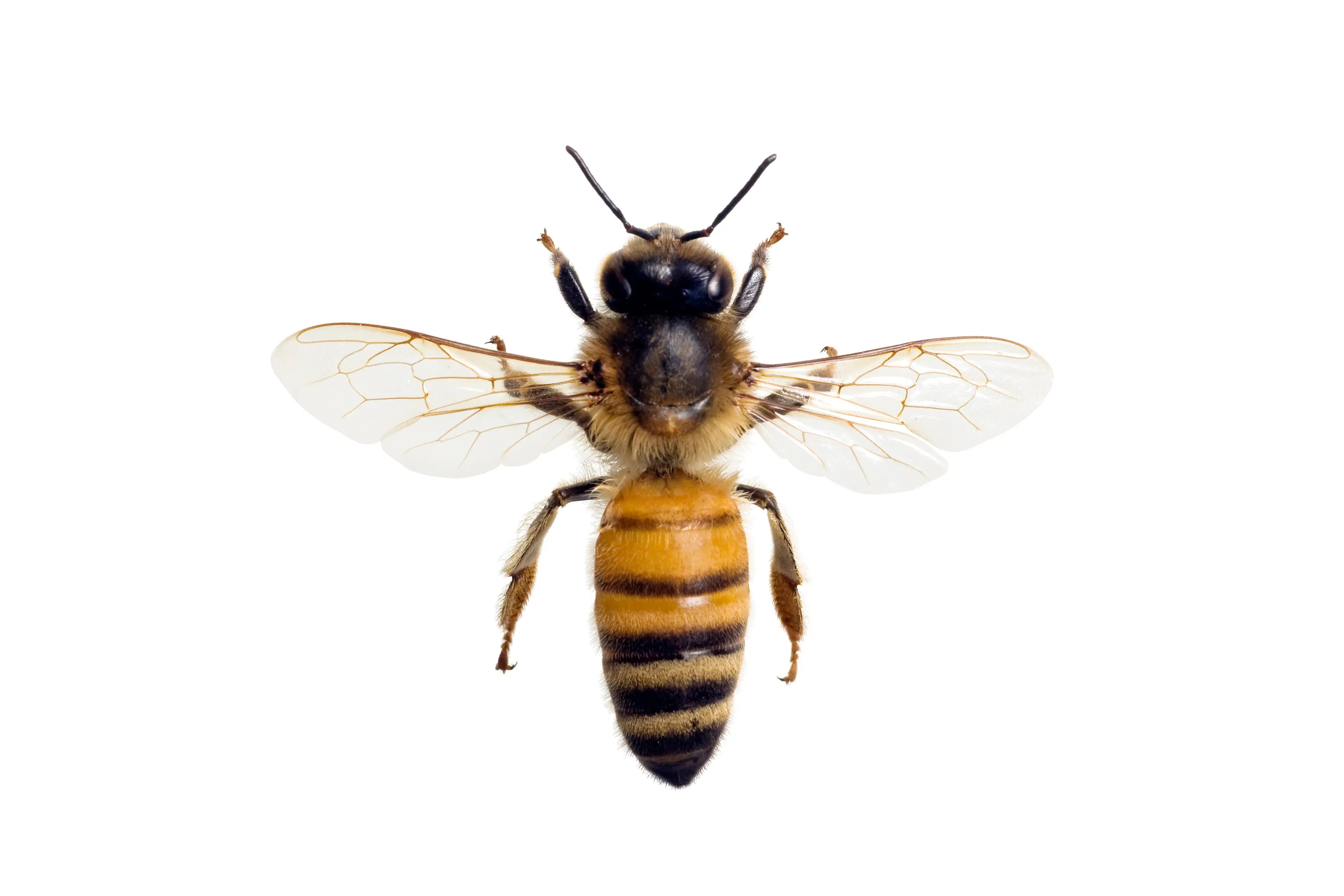
Are Honeybees Dangerous to Humans? Bee Safety Guide

Are Honeybees Dangerous to Humans? Bee Safety Guide

Learn when honeybees become dangerous, symptoms of bee stings, Africanized bees, and when to call professional bee removal. Complete bee safety information.

Read Article →
Are Honeybees Endangered Species in the US?

Are Honeybees Endangered Species in the US?

Learn about honeybee and native bee population status, Colony Collapse Disorder, why bees are declining, and how to help struggling bee populations.

Read Article →
Do Bees Die After They Sting You? The Truth About Bee Stingers

Do Bees Die After They Sting You? The Truth About Bee Stingers

Learn which bees die after stinging, why honeybees sacrifice their lives, how the stinger works, and what to do if you get stung. Complete guide to bee stings.

Read Article →
Do Bees Fly at Night? Nocturnal vs Diurnal Bee Behavior

Do Bees Fly at Night? Nocturnal vs Diurnal Bee Behavior

Learn which bees can fly at night, why most bees are diurnal, and how nocturnal bees have adapted to see in the dark. Complete guide to bee activity patterns.

Read Article →
Do Bumble Bees Sting Humans? Stings, Reactions & Treatment

Do Bumble Bees Sting Humans? Stings, Reactions & Treatment

Learn if bumble bees sting, why they sting, how painful their stings are, allergic reactions, and treatment options for bumble bee stings.

Read Article →
Do Carpenter Bees Sting? Sting Treatment & Prevention

Do Carpenter Bees Sting? Sting Treatment & Prevention

Learn if carpenter bees sting, the difference between male and female carpenter bees, sting treatment, allergic reactions, and how to prevent carpenter bee damage.

Read Article →
How Long Do Bees Live? Lifespan by Species & Role

How Long Do Bees Live? Lifespan by Species & Role

Learn how long different bee species live including honeybees, bumblebees, and carpenter bees. Discover lifespan differences between queens, workers, and drones.

Read Article →
How Long Does a Queen Bee Live? Lifespan & Life Cycle Guide

How Long Does a Queen Bee Live? Lifespan & Life Cycle Guide

Learn how long queen bees live, their life cycle from egg to matriarch, mating flights, succession, and what happens when a queen dies. Complete guide.

Read Article →
How to Get Rid of a Beehive Safely | Complete Removal Guide

How to Get Rid of a Beehive Safely | Complete Removal Guide

Learn how to safely remove a beehive from your property. Professional removal steps, DIY precautions, what to avoid, and when to call experts.

Read Article →
How to Repel Bees Naturally from Your Yard

How to Repel Bees Naturally from Your Yard

Learn natural ways to repel bees including deterring plants, essential oils, and habitat modification. Keep bees away without killing them.

Read Article →
Identifying Different Types of Bee Species | Complete Guide

Identifying Different Types of Bee Species | Complete Guide

Learn to identify different bee species including honeybees, bumblebees, carpenter bees, and more. Understand behaviors, nesting habits, and when to call professionals.

Read Article →
When Are Bees Most Active? Daily & Seasonal Bee Activity

When Are Bees Most Active? Daily & Seasonal Bee Activity

Learn when bees are most active throughout the day and year. Understand bee seasons, temperature requirements, and when bees return to their hives.

Read Article →
Where Do Bees Go in the Winter?

Where Do Bees Go in the Winter?

Learn how honeybees, bumblebees, and solitary bees survive winter through clustering, hibernation, and dormancy, and when they emerge in spring.

Read Article →
Why Do Bees Sting People if it Kills Them? | Complete Guide

Why Do Bees Sting People if it Kills Them? | Complete Guide

Learn why bees sting even when it kills them, which bees die after stinging, bee sting symptoms, treatment, and how to prevent bee stings.

Read Article →
View All Pest Control Articles →

Ready to Eliminate Your Carpenter Bee Problem?

Get a free estimate for your carpenter bee problem today. Our experts will assess your property and provide a customized treatment plan.

Connect With Us

Follow EcoGuard Pest Management for tips, updates, and special offers

f𝕏yin