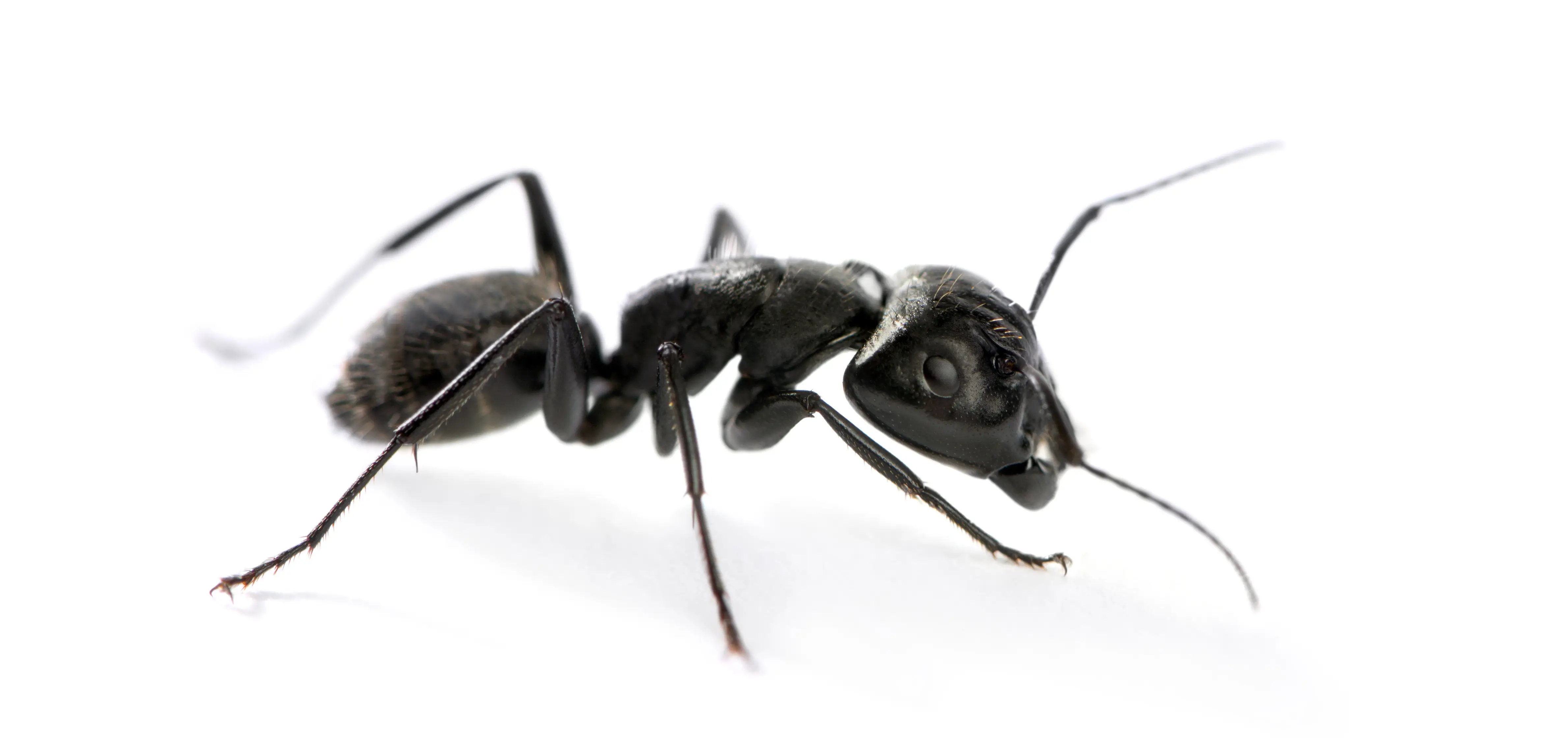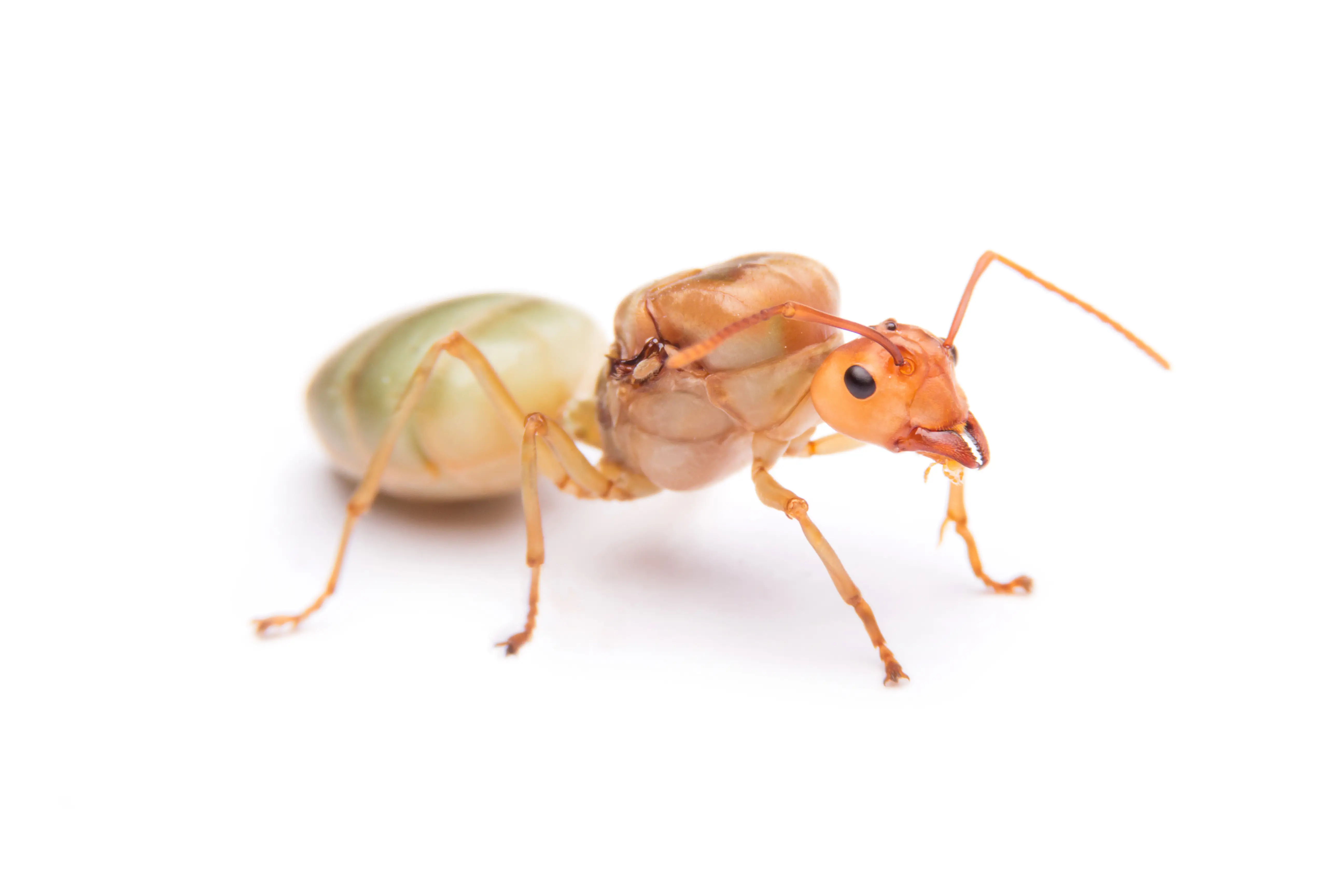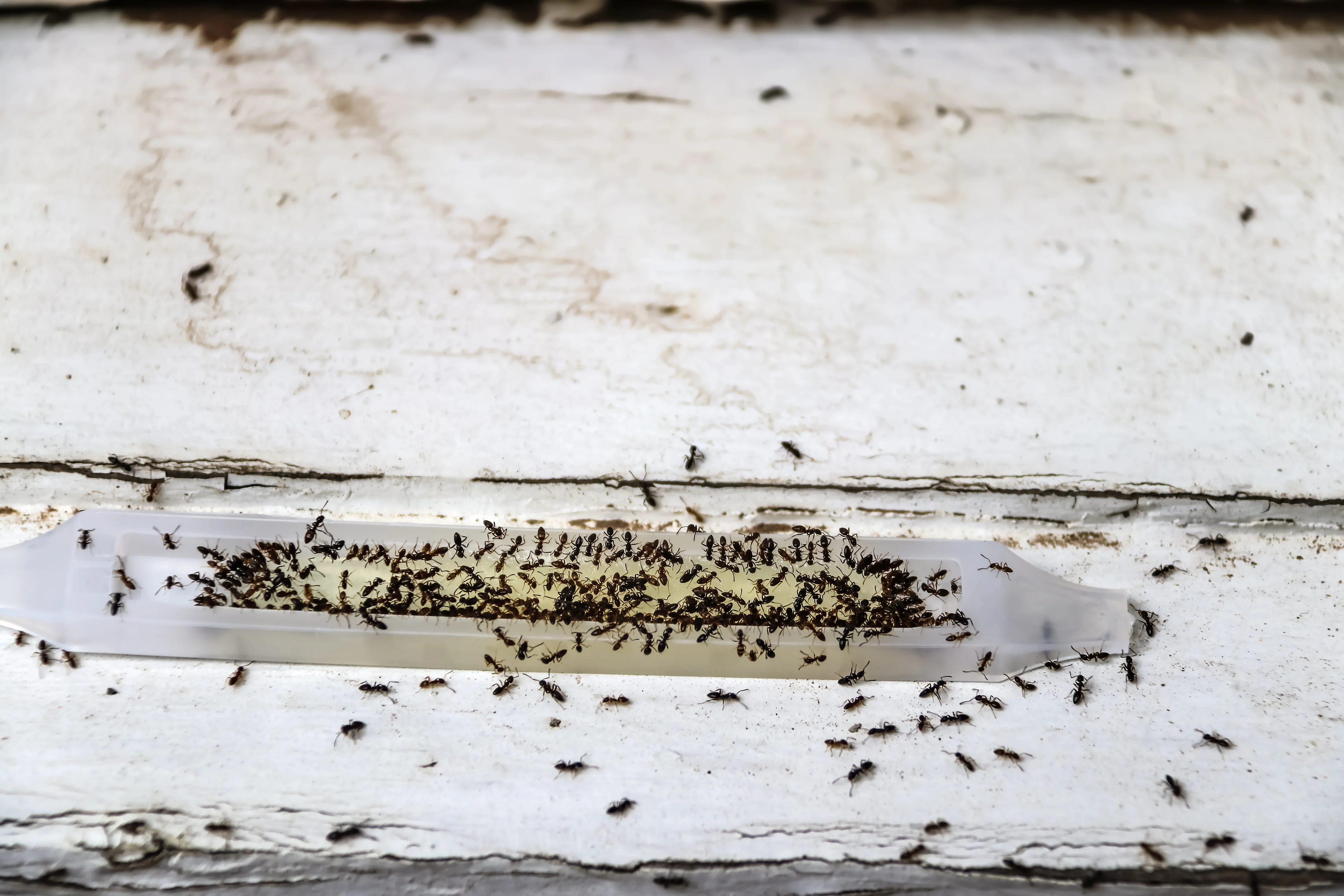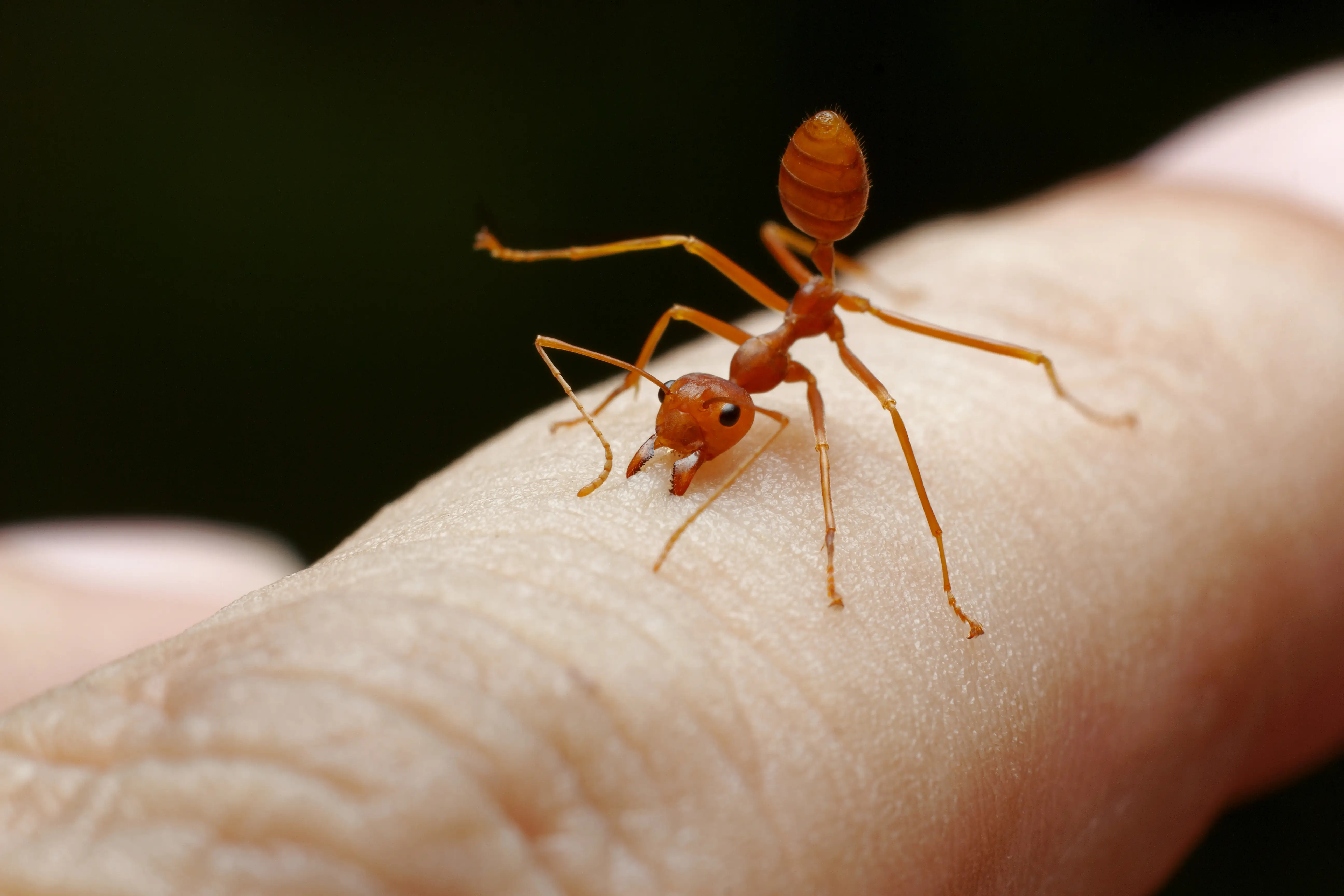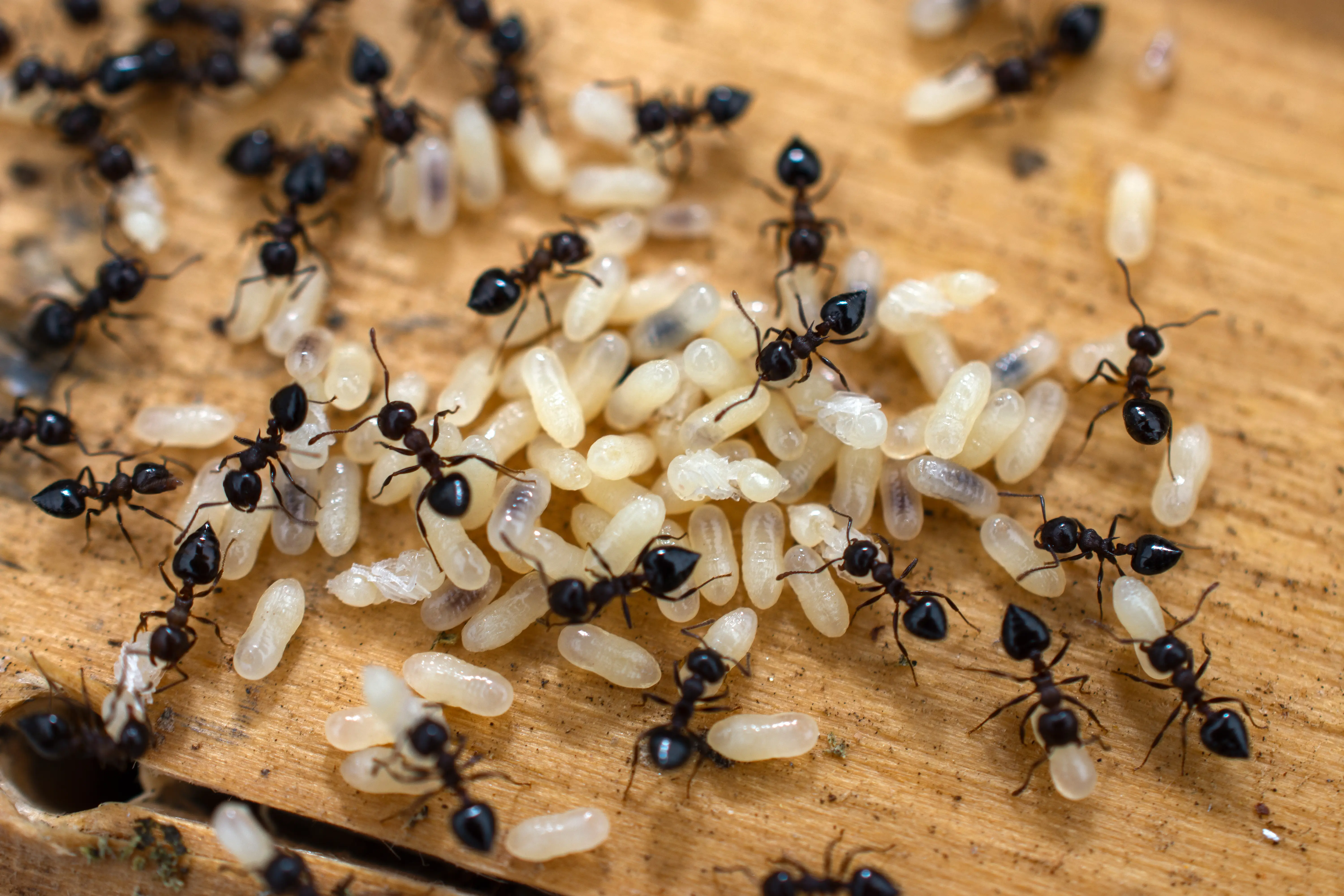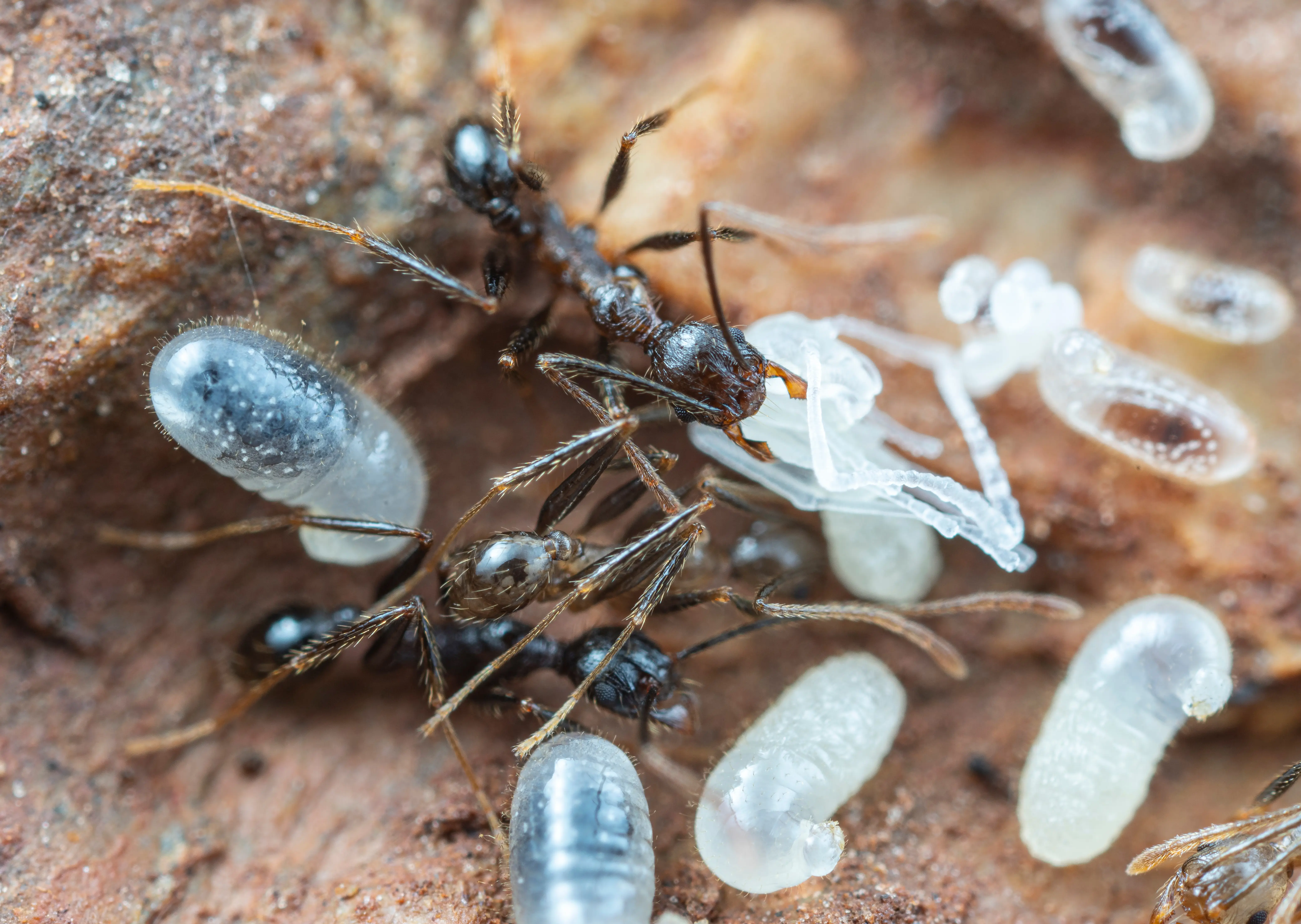
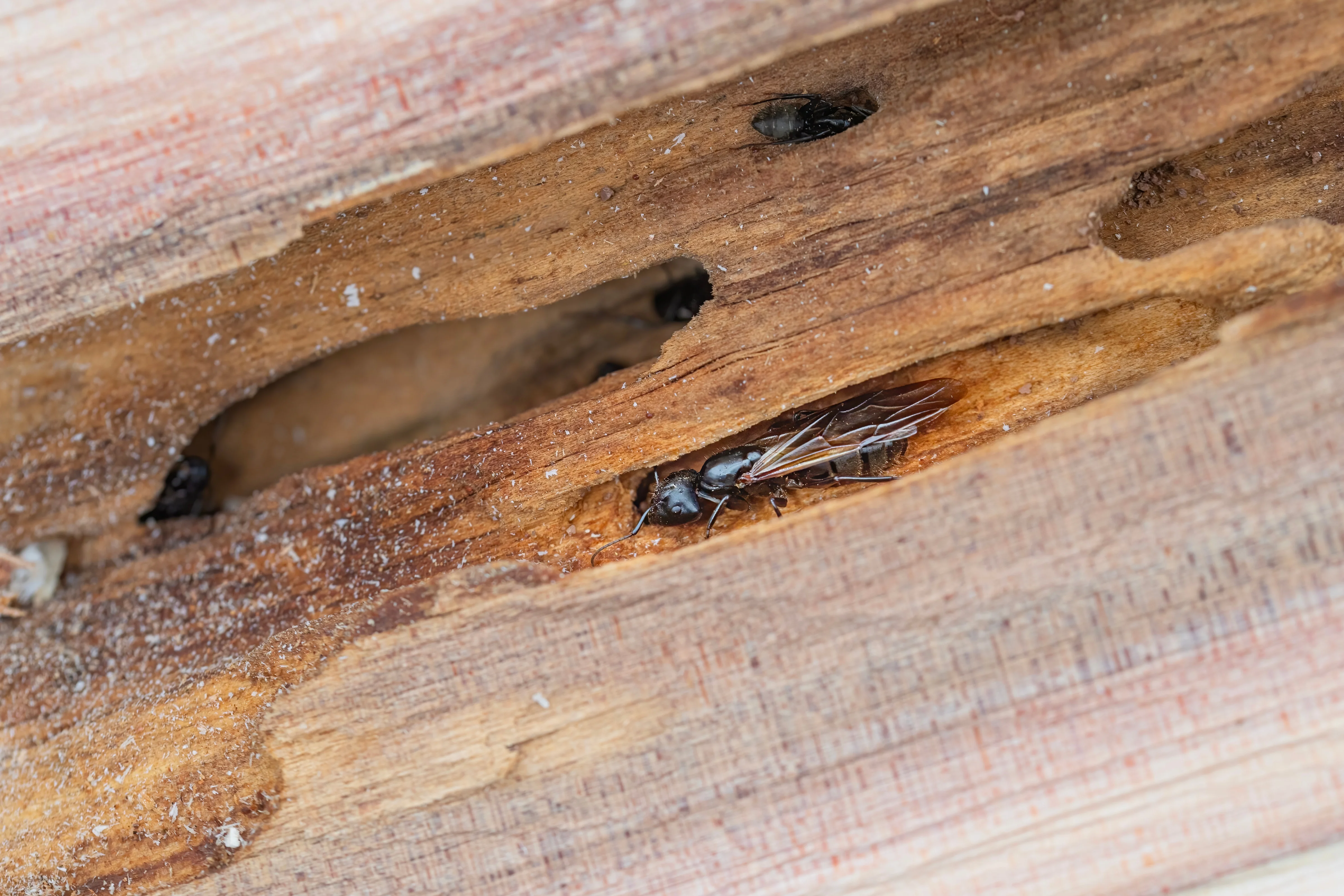
Unlike what their reputation suggests, carpenter ants don't actually consume wood for nutrition. Instead, these industrious insects excavate wood to create elaborate nesting galleries, leaving behind telltale signs that often get mistaken for feeding damage. Understanding this crucial distinction between excavation and consumption can help homeowners better protect their properties from these persistent pests.
In This Article:
- The Truth About Carpenter Ants and Wood
- Why Carpenter Ants Tunnel Through Wood
- What Do Carpenter Ants Really Eat?
- Signs of Carpenter Ant Activity
- Carpenter Ants vs. Termites: Key Differences
- Types of Wood Carpenter Ants Prefer
- Where Are Carpenter Ants Most Likely to Be Found?
- The Damage Carpenter Ants Cause Without Eating Wood
- Preventing Carpenter Ant Infestations
- What to Do If You Find Carpenter Ants
- Frequently Asked Questions About Carpenter Ants and Wood
Quick Facts
- Do they eat wood?
No - they excavate it for nesting - Size:
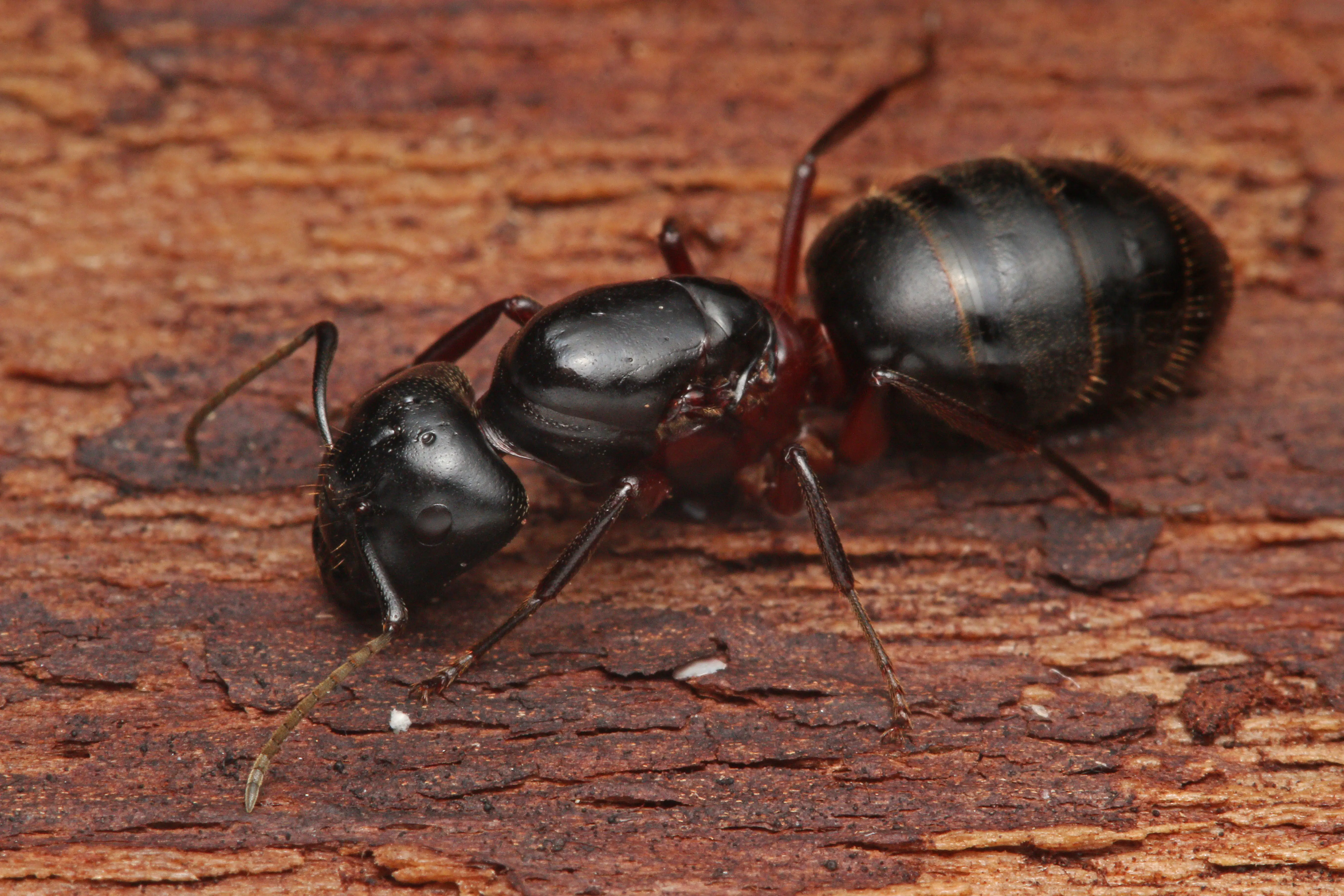
Up to 5/8 inch long - Color:
Black to reddish-brown - Damage timeline:
Years (slower than termites)
The Truth About Carpenter Ants and Wood
Do Carpenter Ants Actually Eat Wood?
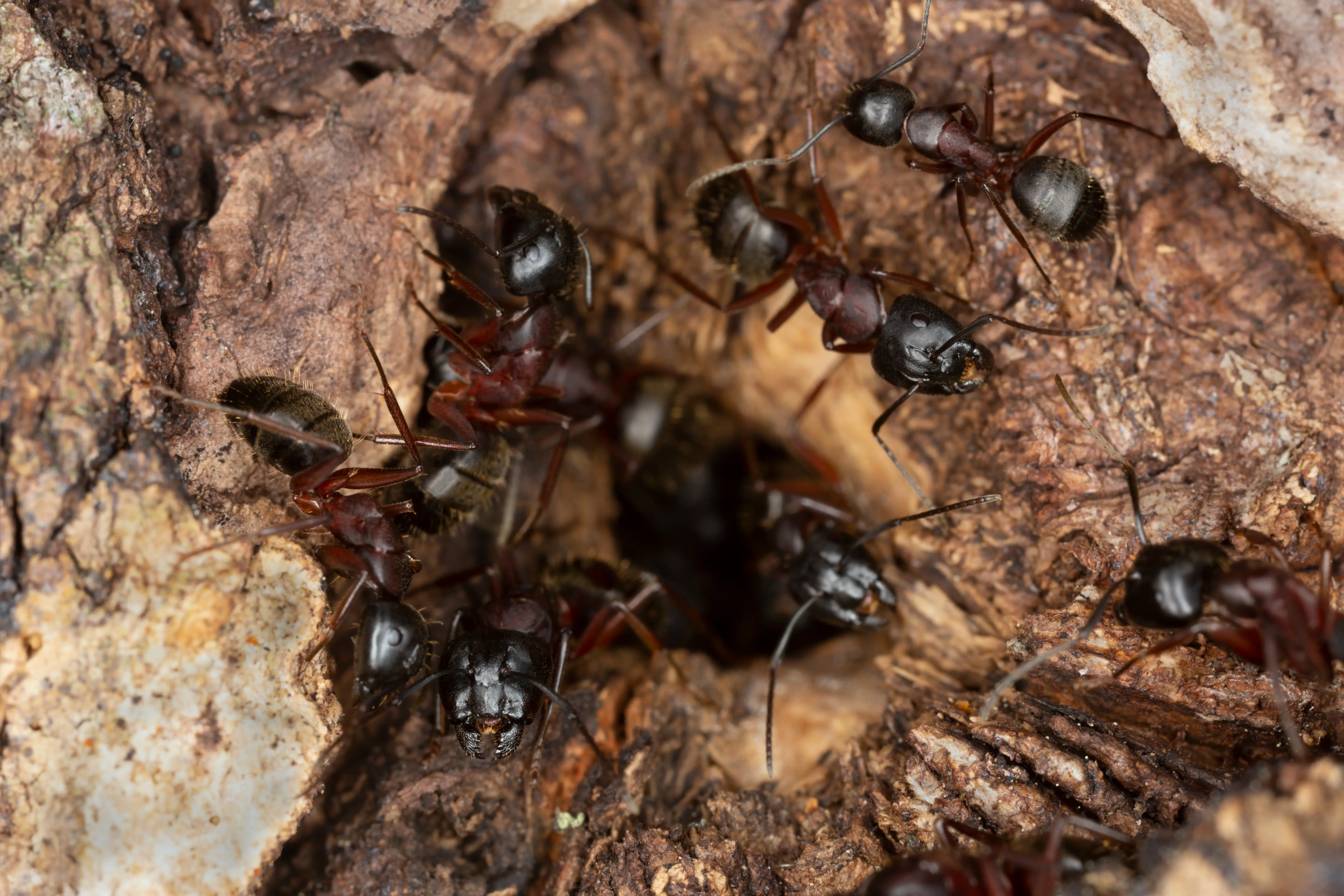
Carpenter ants have earned their name through their remarkable ability to work with wood, but not in the way most people assume. These insects are physically incapable of digesting cellulose, the primary component of wood. Unlike termites, which possess specialized gut microorganisms that break down wood fibers for nutrition, carpenter ants lack these digestive adaptations entirely. Instead, their powerful mandibles serve as excavation tools, methodically removing wood particles to expand their living spaces.
The Common Misconception Explained
This widespread misunderstanding stems from the visible damage carpenter ants create. When homeowners discover hollowed out wooden beams or piles of sawdust-like material, they naturally assume the ants are consuming the wood. However, what they're actually witnessing is the aftermath of meticulous excavation work. The confusion intensifies because both carpenter ants and termites can cause significant structural damage, leading many to incorrectly group their behaviors together.
What Carpenter Ants Do With Wood Instead
Rather than eating wood, carpenter ants meticulously carve out smooth, polished galleries within wooden structures. These excavations serve as highways and living quarters for their colonies. These insects push excavated material out via tiny holes in their nesting areas. Their waste piles contain rough wood fragments combined with dead insect pieces and various refuse materials. In contrast, termite frass consists of uniform pellets of digested wood without insect parts.