EcoGuard Pest Management
Professional aphid control specialist inspecting and treating plants for aphid infestation

Professional Aphid Control & Plant Protection Services

Discovering sticky surfaces on your prized plants or noticing leaves curling and distorting indicates you're dealing with aphids. These tiny but prolific plant vampires extract vital nutrients directly from plant tissue, causing foliage to die off. With some species producing up to 41 generations annually, aphid populations can explode before you even notice them. EcoGuard Pest Management delivers plant-focused aphid control solutions that restore plant health while maintaining beneficial insect populations.

Aphid Pest Control Experts

Aphids create distinctive challenges unlike any other garden pest. These specialized sap feeders bypass traditional plant defenses, connecting directly to the plant's vascular system where they extract nutrients essential for growth. Our specialists understand the complex relationship between aphids, plants, and beneficial insects, allowing us to implement targeted solutions that eliminate damaging populations while preserving natural controls.

The Unique Aphid Threat

Aphids damage plants through mechanisms entirely different from chewing or boring insects, creating complex challenges that require professional intervention:

  • Their specialized mouthparts pierce plant tissue and tap directly into phloem vessels, extracting concentrated nutrients while leaving behind toxic saliva that causes distinctive leaf curling and distortion
  • Many aphid species transmit devastating plant viruses that can destroy entire gardens with just a few feeding punctures—a single infected aphid can transmit viruses to healthy plants in as little as 30 seconds
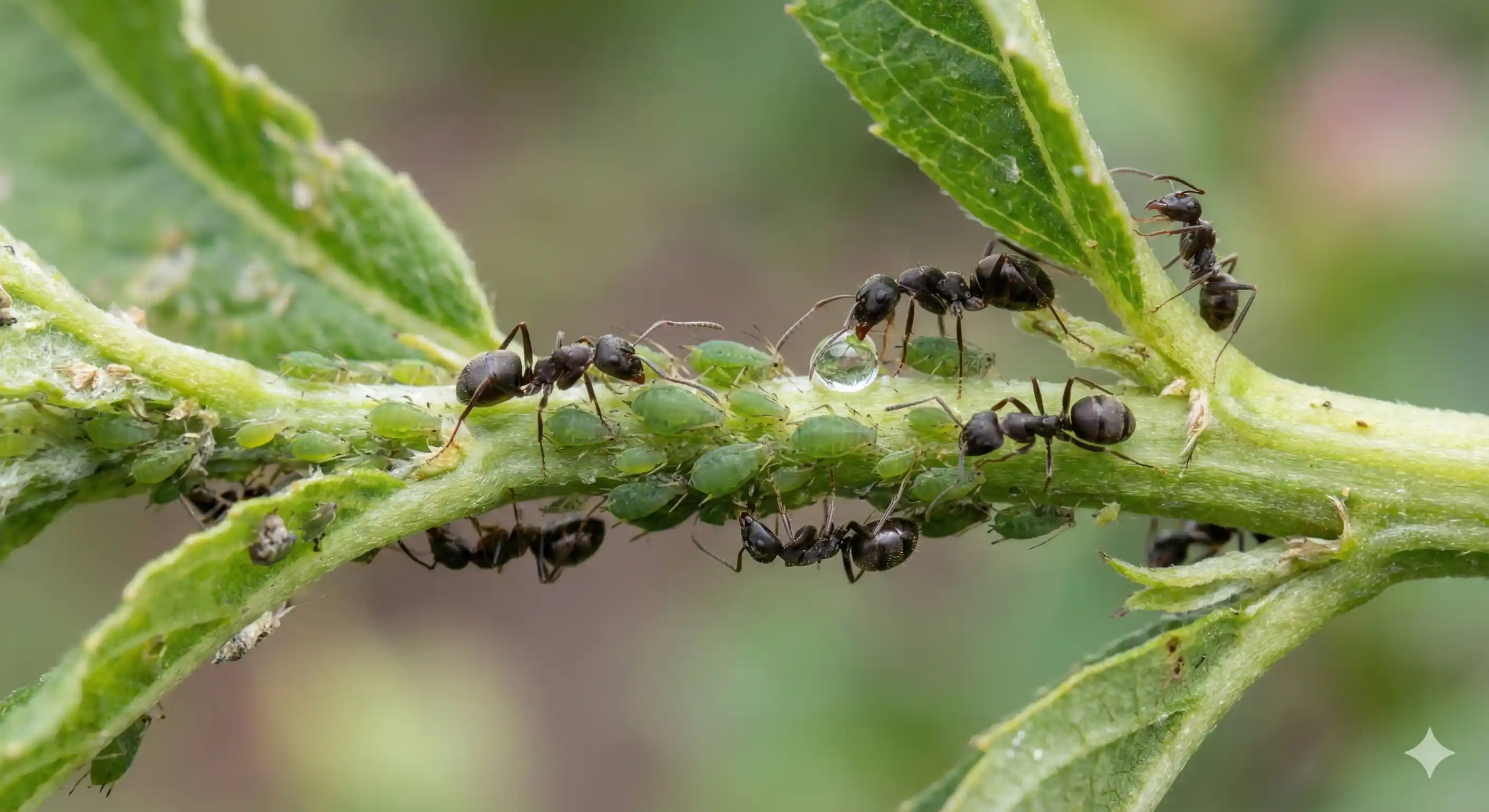
  • As they extract more sap than they can digest, aphids excrete honeydew that coats plant surfaces, attracting ants and supporting sooty mold growth that blocks sunlight and reduces photosynthesis
  • The aphid-ant relationship creates particularly challenging control scenarios, as ants actively protect aphids from natural predators, dramatically increasing population growth rates

Aphid Control Service Plans

Choose the protection level that's right for your property

One-Time Treatment
$249+
Starting price
  • Comprehensive property inspection
  • Species identification
  • Entry point identification
  • Targeted treatment application
  • Perimeter barrier application
  • Nest elimination
  • Treatment report & recommendations
  • 30-day guarantee
Get Started
MOST POPULAR
Annual Protection
Contact Us
For custom pricing
  • Everything in One-Time Treatment
  • Seasonal maintenance plan
  • Entry point treatments
  • Priority scheduling
  • Re-treatment guarantee
Get Started

* Prices vary based on property size, infestation severity, and treatment method. Contact us for an accurate quote.

Service Plan Comparison

FeatureOne-TimeAnnual
Comprehensive Inspection
Treatment Application
Follow-Up InspectionsMonthly
Beneficial Insect Releases
Ant Management
Re-Treatment Guarantee

Get Your Free Aphid Quote

Protect your property with a free aphid quote from our licensed experts.

✓ Same-day service available
✓ Licensed & insured
✓ Detailed property assessment
✓ No-obligation estimates

Service Areas

We provide aphid control services throughout:

  • California
  • Oregon
  • Washington
  • Texas
  • Tennessee
  • Nevada
View All Counties →

Ready to Eliminate Your Aphid Problem?

Schedule your aphid inspection today. Our experts will assess your property and provide a customized treatment plan.

📞 Call (866) 326-2847Get Free Quote

Aphid Treatment Options

EcoGuard Pest Management employs an integrated approach to aphid control that combines multiple strategies for complete elimination while preserving beneficial insects and pollinators.
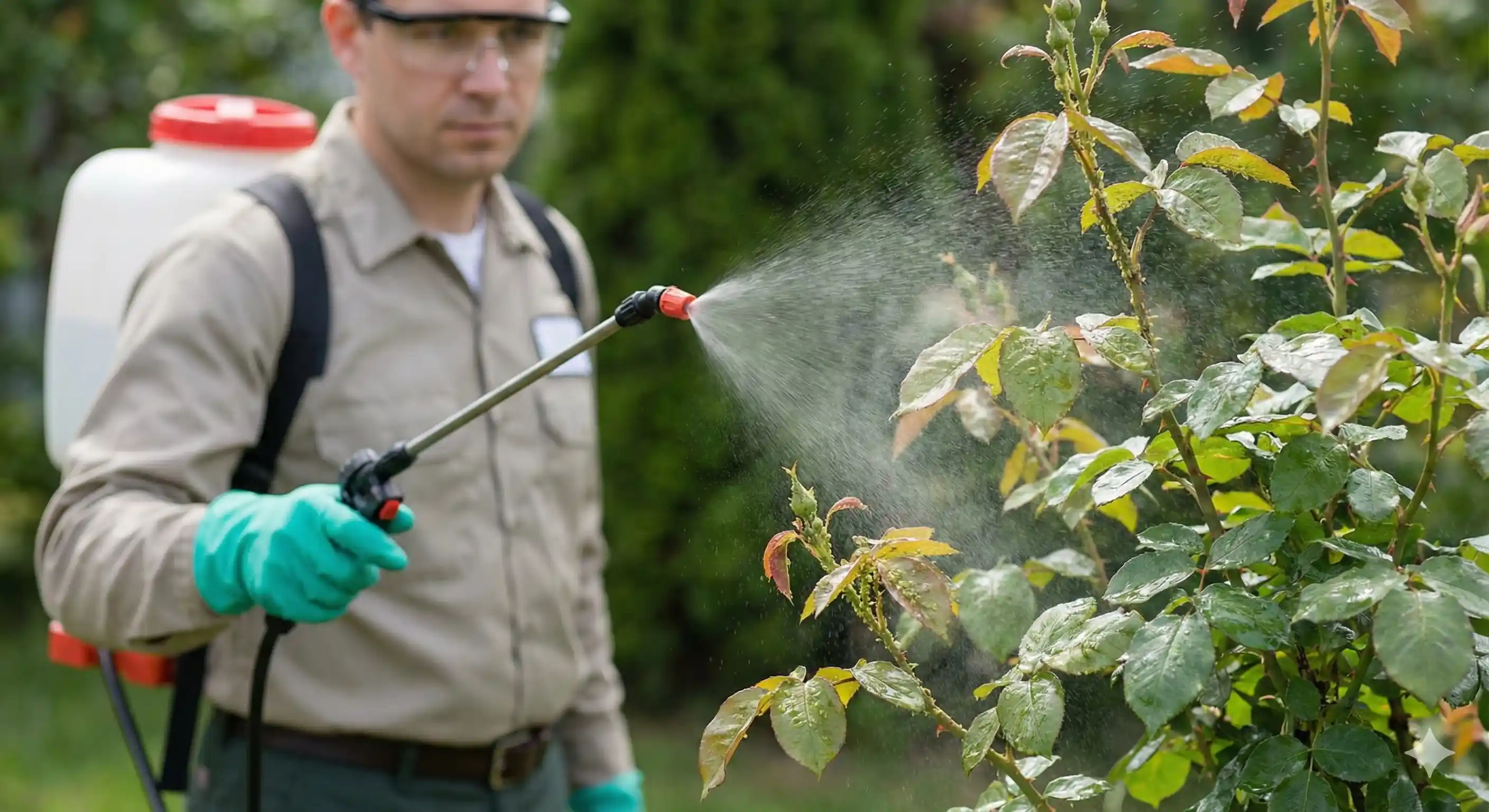
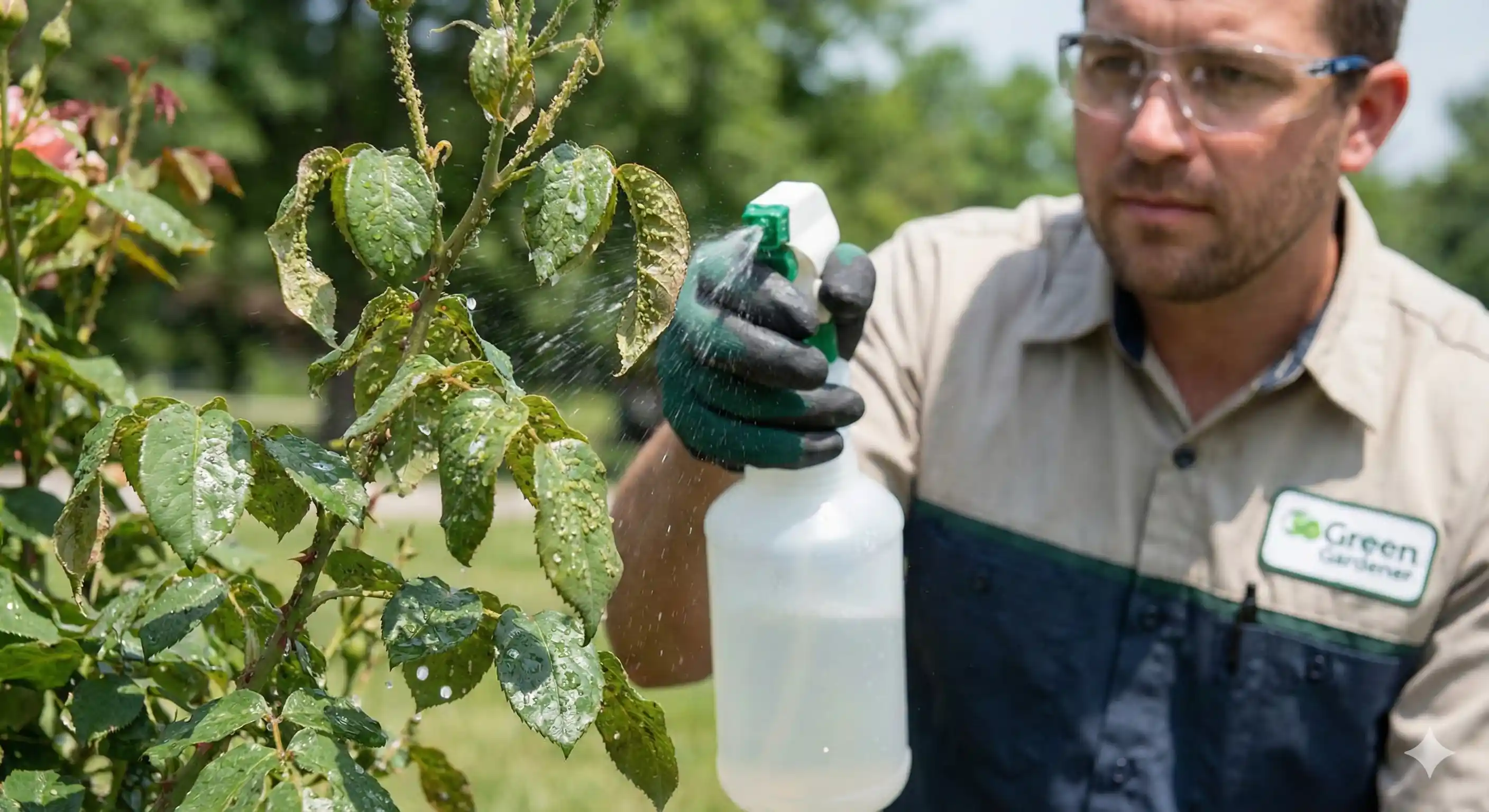
Technician applying horticultural oil treatment to plants for aphid control

Horticultural Oil Applications

Specialized natural treatments that coat plant foliage and suffocate aphids on contact. These oils are effective against all life stages including eggs while being safe for plants when properly applied.

Professional applying insecticidal soap spray to aphid-infested plants

Insecticidal Soap Treatment

Targeted application of fatty acid solutions that dissolve aphid exoskeletons on contact. These treatments are effective against soft-bodied insects while being gentle on plants and safe for beneficial insects once dry.

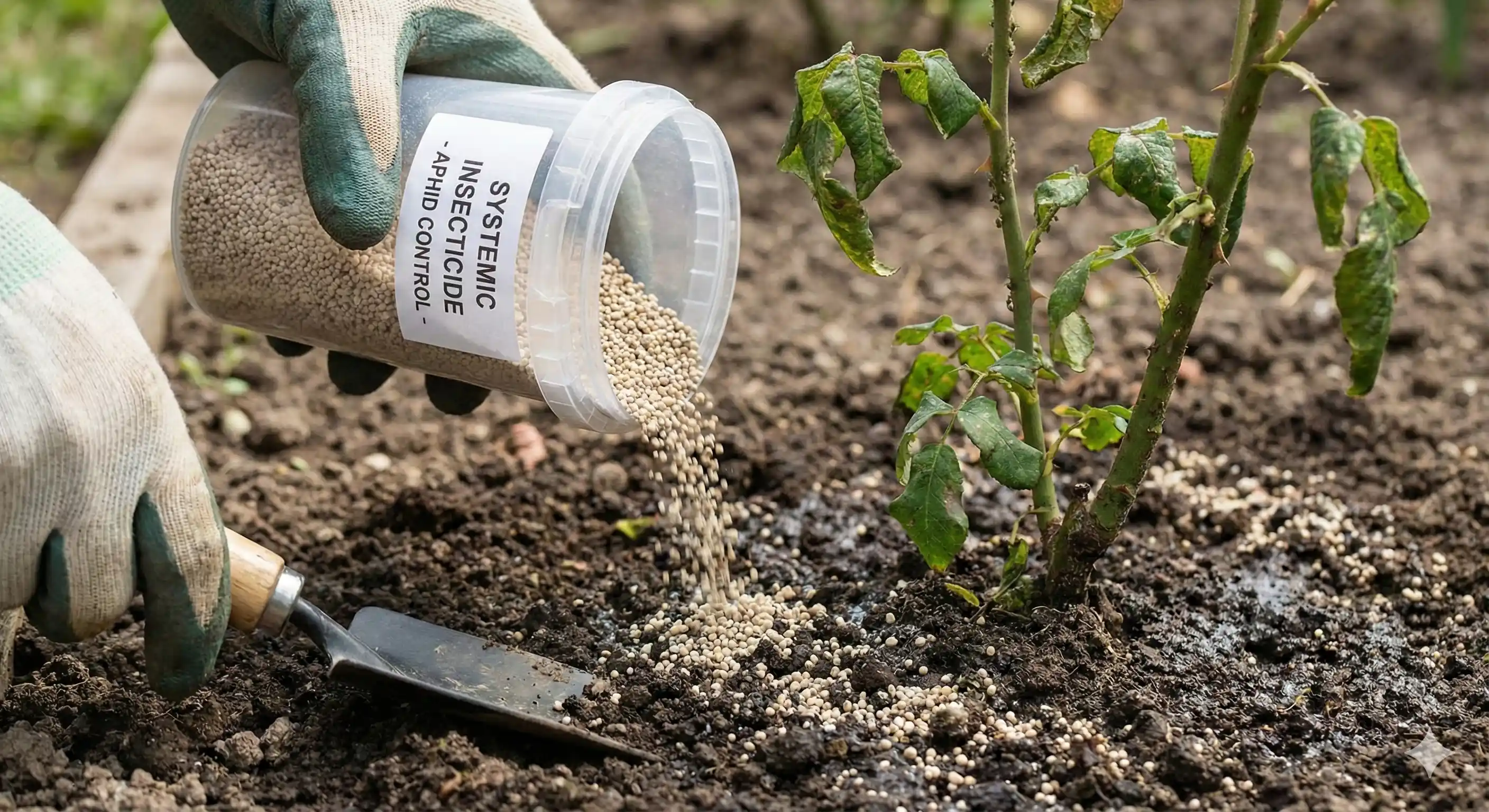
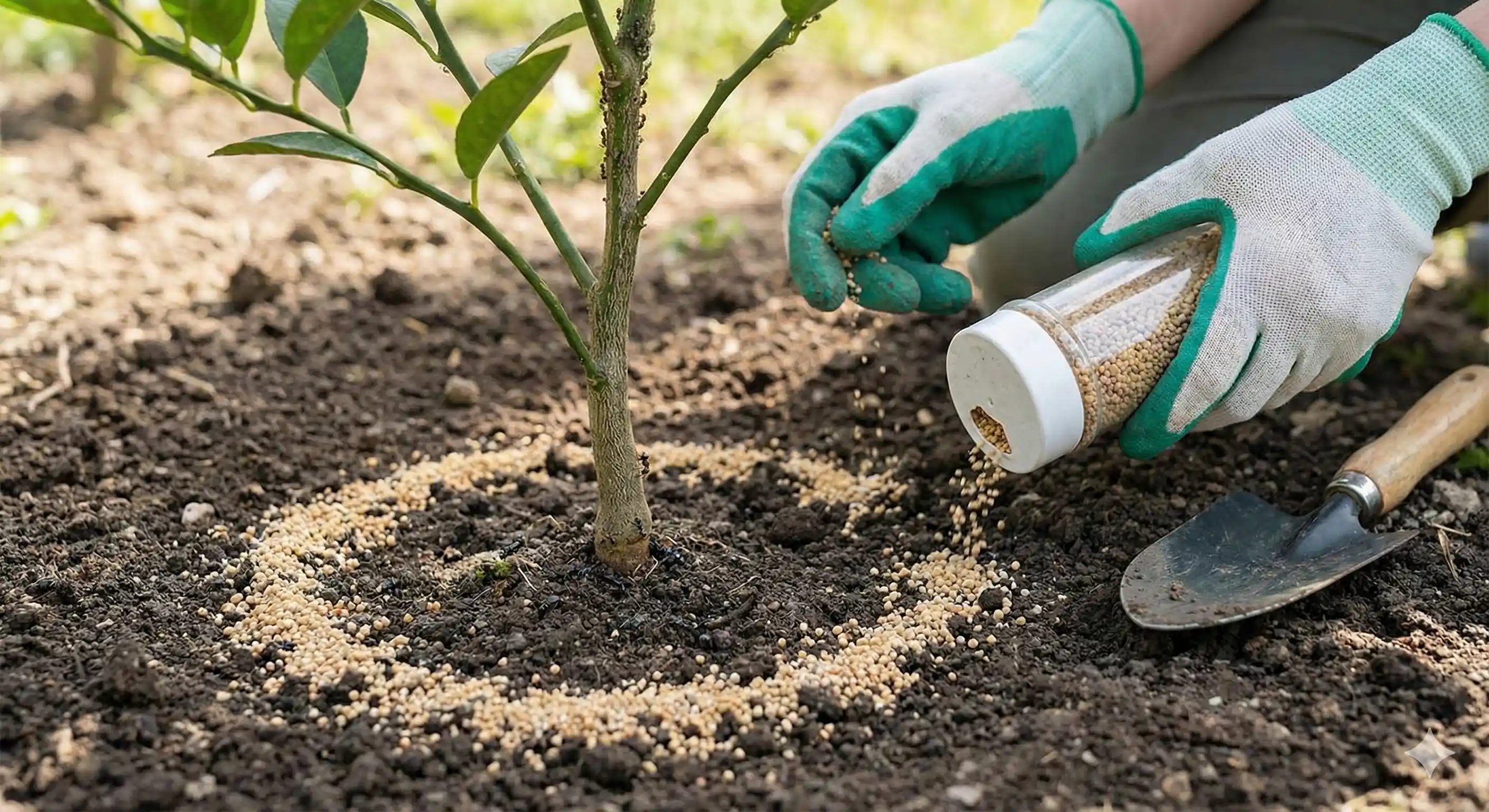
Applying systemic insecticide treatment to plant root zone for aphid control

Systemic Insecticide Treatment

Precision root zone treatments that move through plant tissues to eliminate feeding aphids from within. This approach provides long-lasting protection and reaches aphids hidden in curled leaves and protected areas.

Releasing beneficial insects like ladybugs for natural aphid control

Beneficial Insect Release

Strategic introduction of predatory insects like ladybugs, lacewings, and parasitic wasps that naturally consume aphids. This biological control establishes long-term population management without chemicals.

Installing ant barrier system to prevent ant protection of aphid colonies

Ant Barrier Systems

Physical barriers and targeted treatments that prevent protective ants from farming and defending aphid colonies. Breaking this symbiotic relationship allows natural predators to effectively control aphid populations.

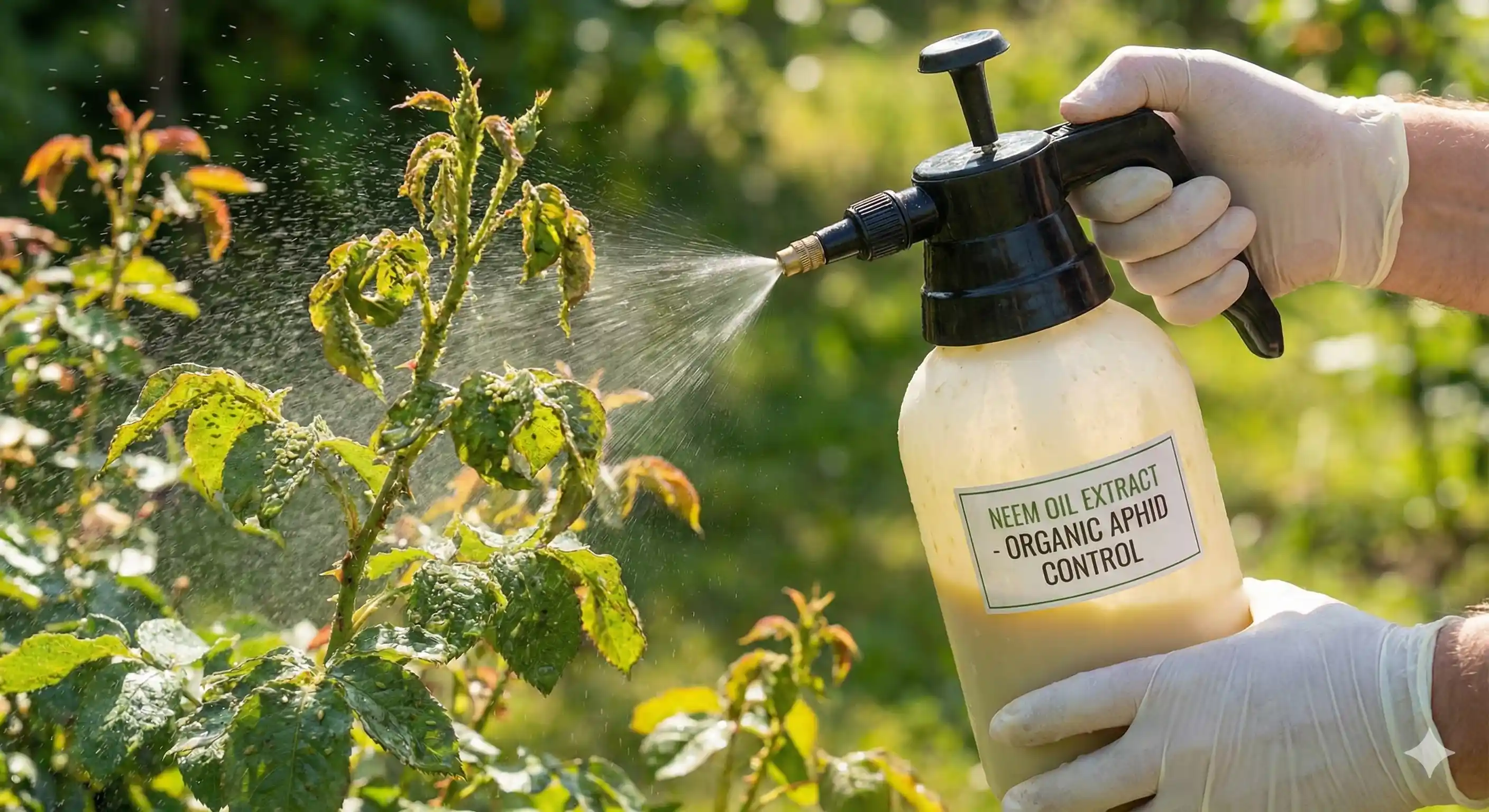
Applying botanical extract treatment for organic aphid control

Botanical Extract Applications

Plant-derived compounds like neem oil and pyrethrin that disrupt aphid feeding and reproductive cycles. These natural solutions provide effective control while minimizing environmental impact.

What Causes Aphids?

Understanding what attracts aphids to your plants is essential for effective control and long-term prevention.

Tender new plant growth that attracts aphid infestations

🌿 Tender New Growth

Aphids are strongly attracted to soft, succulent new plant growth that's easier to pierce and richer in nutrients. Over-fertilization with nitrogen promotes excessive tender growth that acts as an aphid magnet.

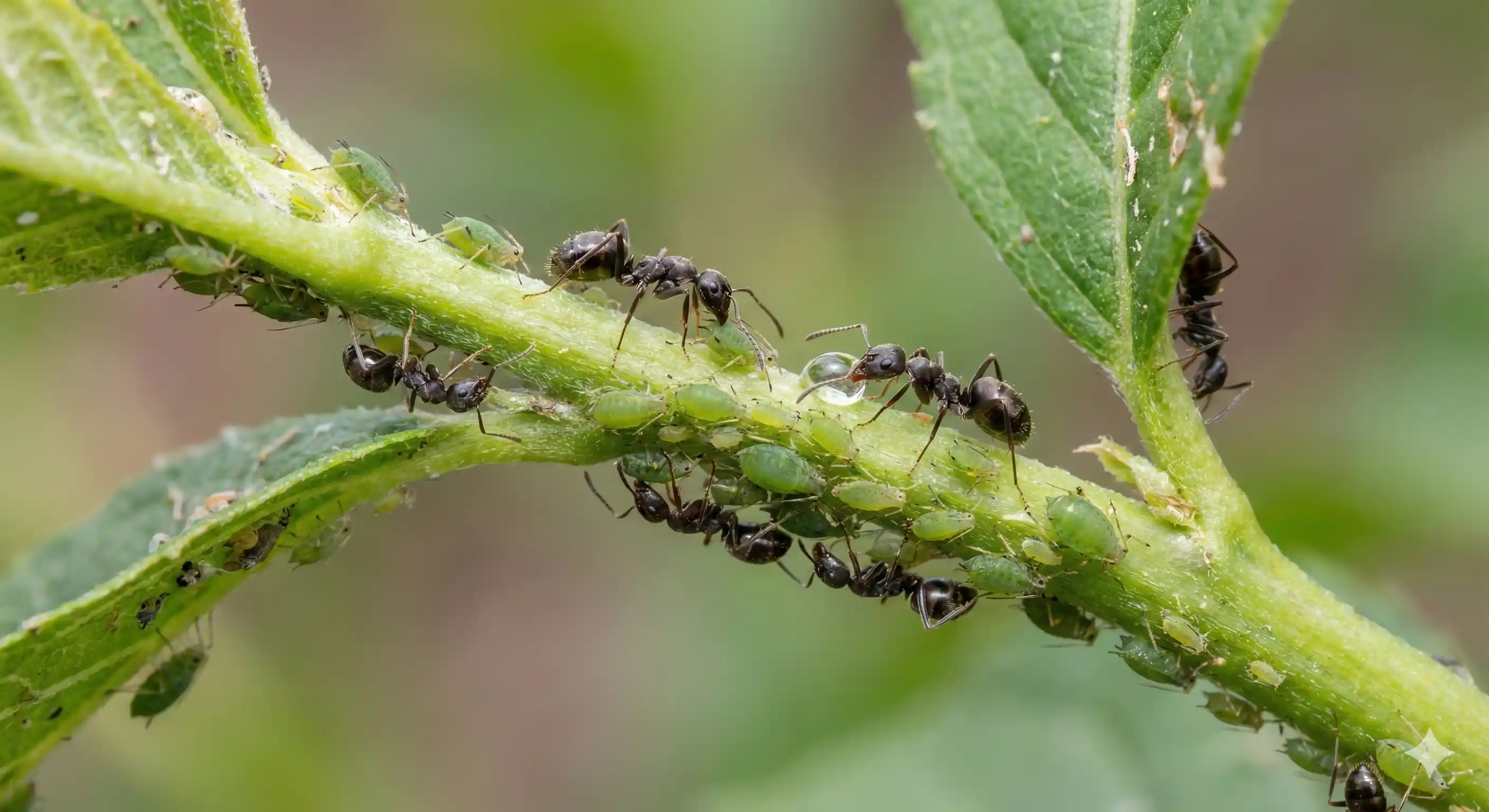
Ants farming and protecting aphid colony on plant stem

🌱 Ant Populations

Ants actively farm aphids for their honeydew secretions, protecting them from predators and even transporting them to new plants. High ant populations in your landscape dramatically increase aphid problems.

Garden lacking beneficial predator insects for natural aphid control

💧 Lack of Natural Predators

Gardens lacking beneficial insects like ladybugs, lacewings, and parasitic wasps have no natural aphid control. Broad-spectrum pesticide use often eliminates these predators, allowing aphid populations to explode.

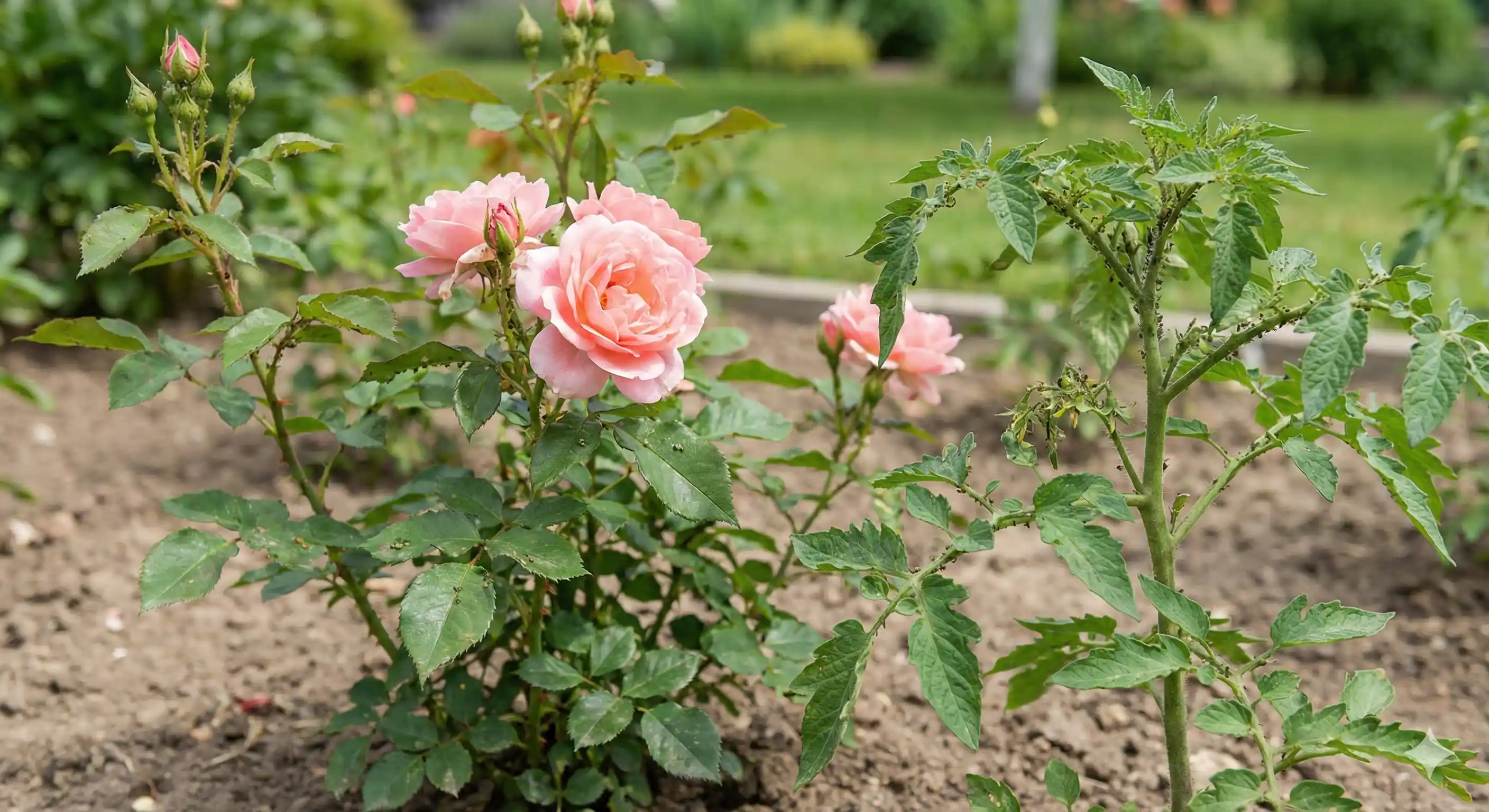
Roses and susceptible plants that attract aphid infestations

🌡️ Susceptible Plant Selection

Certain plants are highly attractive to specific aphid species. Roses, vegetables, fruit trees, and ornamentals like hibiscus are particularly susceptible hosts that can draw aphids to your entire landscape.

Learn More About Aphid Prevention →

What Are Signs of Aphids in Your Home?

Early detection is crucial for preventing major infestations. Watch for these warning signs of aphid activity on your plants.

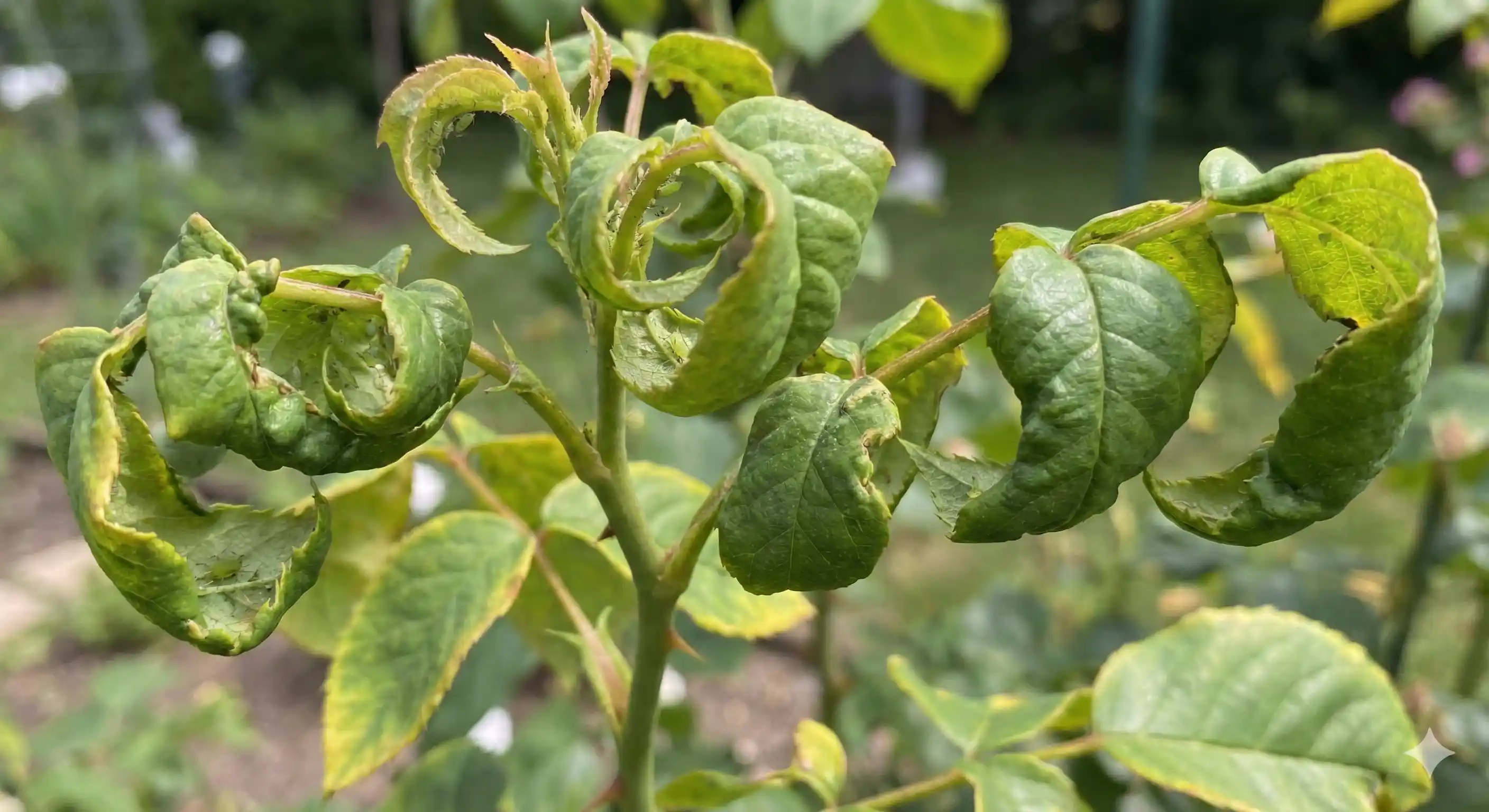
Curled and distorted plant leaves caused by aphid feeding damage

Curled or Distorted Leaves

Aphid feeding causes distinctive leaf curling, cupping, and distortion as their toxic saliva damages plant tissue. New growth is often most affected, appearing twisted or stunted.

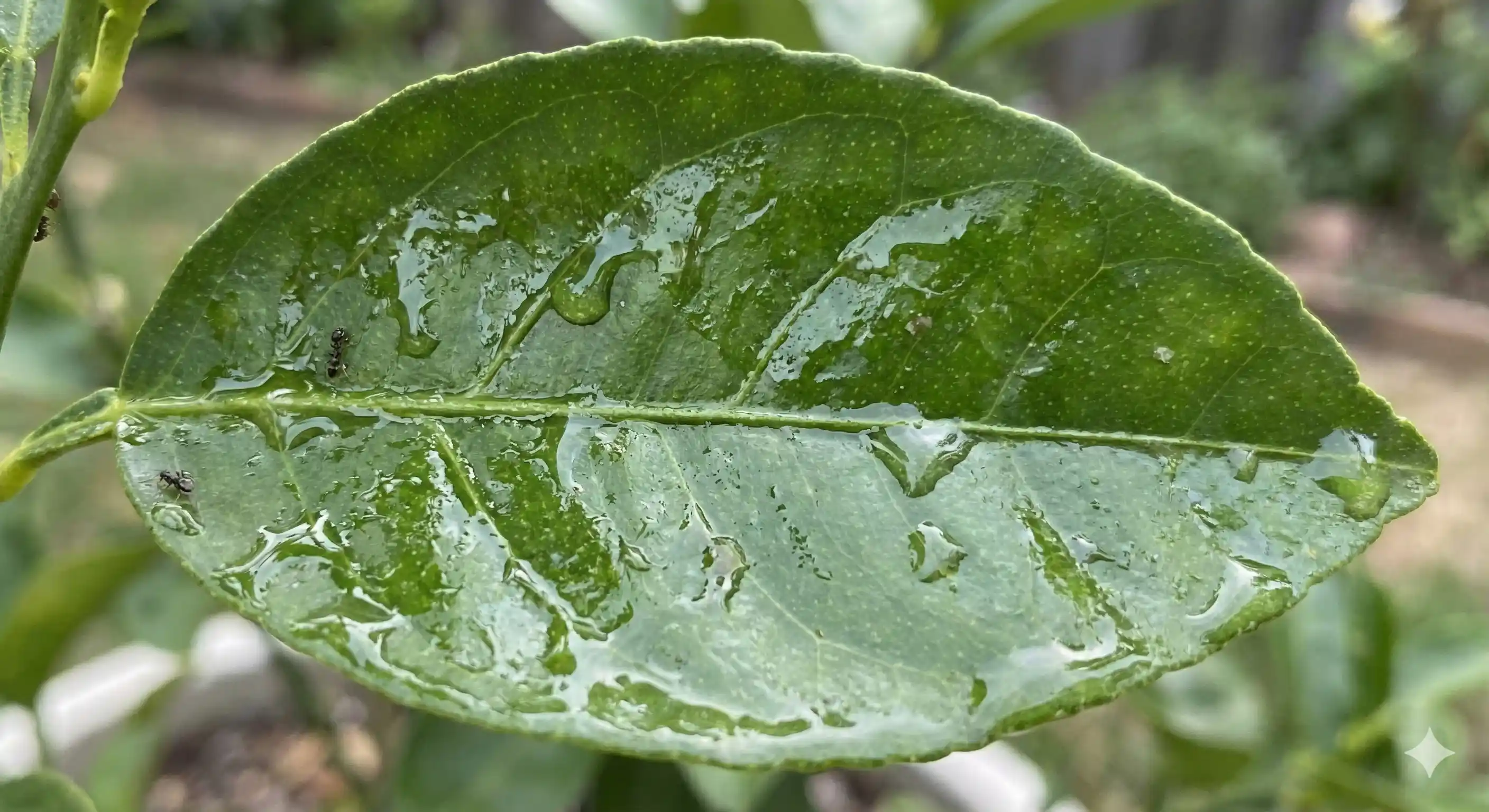
Sticky honeydew residue on leaves from aphid infestation

Sticky Honeydew Residue

A sticky, shiny coating on leaves and surfaces below infested plants. This honeydew is aphid excrement and attracts ants while promoting sooty mold growth.

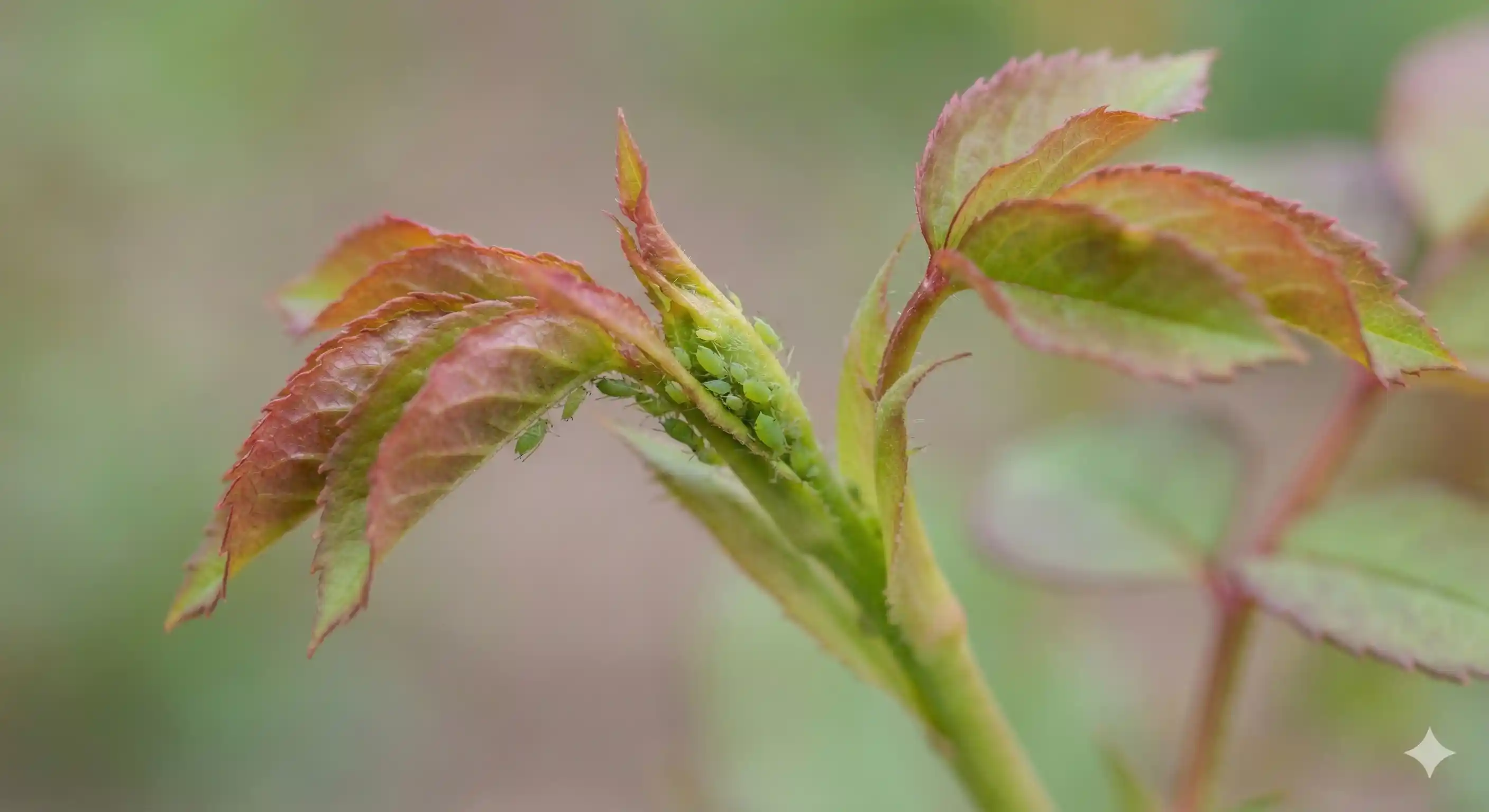
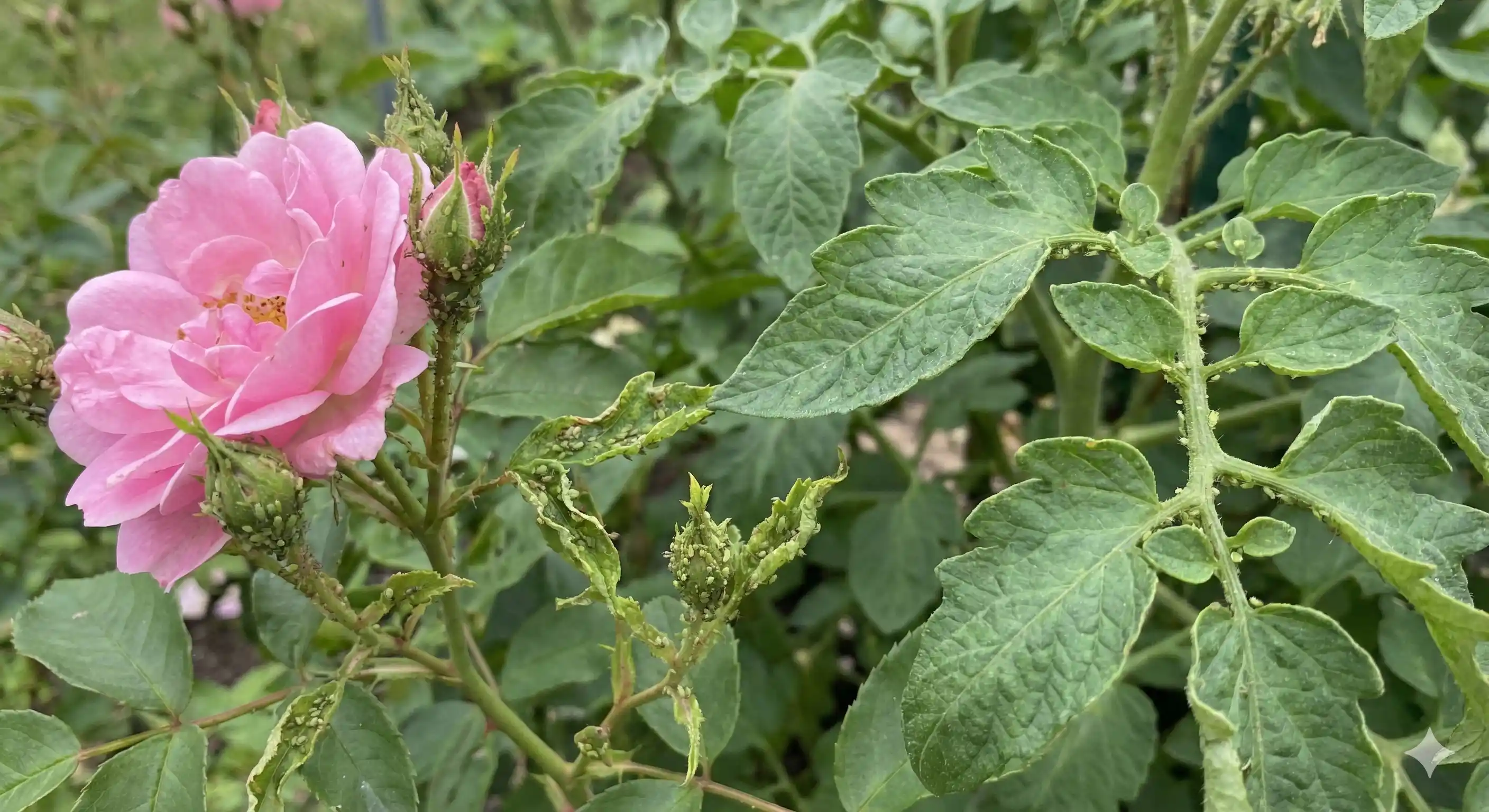
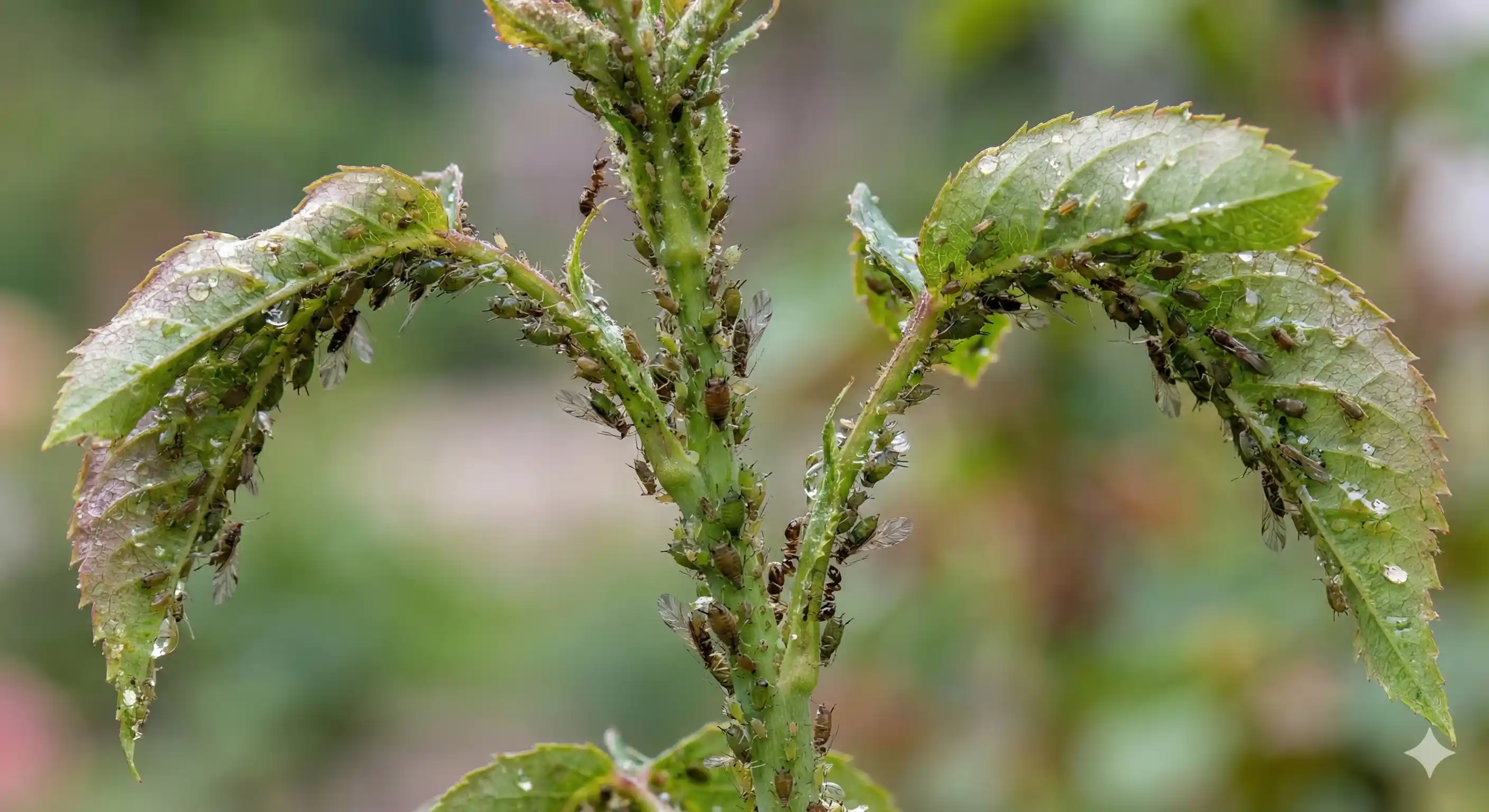
Visible aphid colony clustered on plant stem

Visible Aphid Colonies

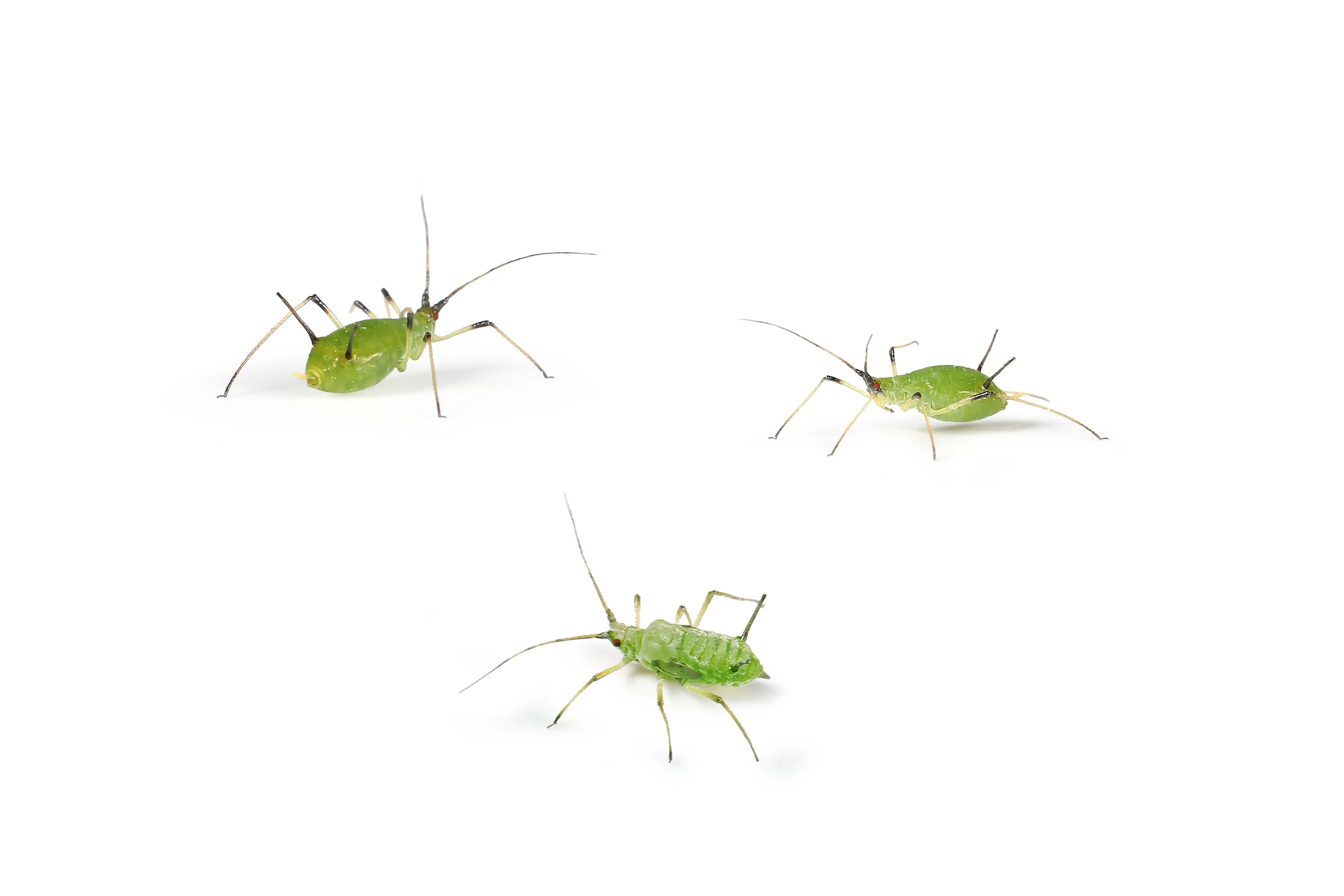
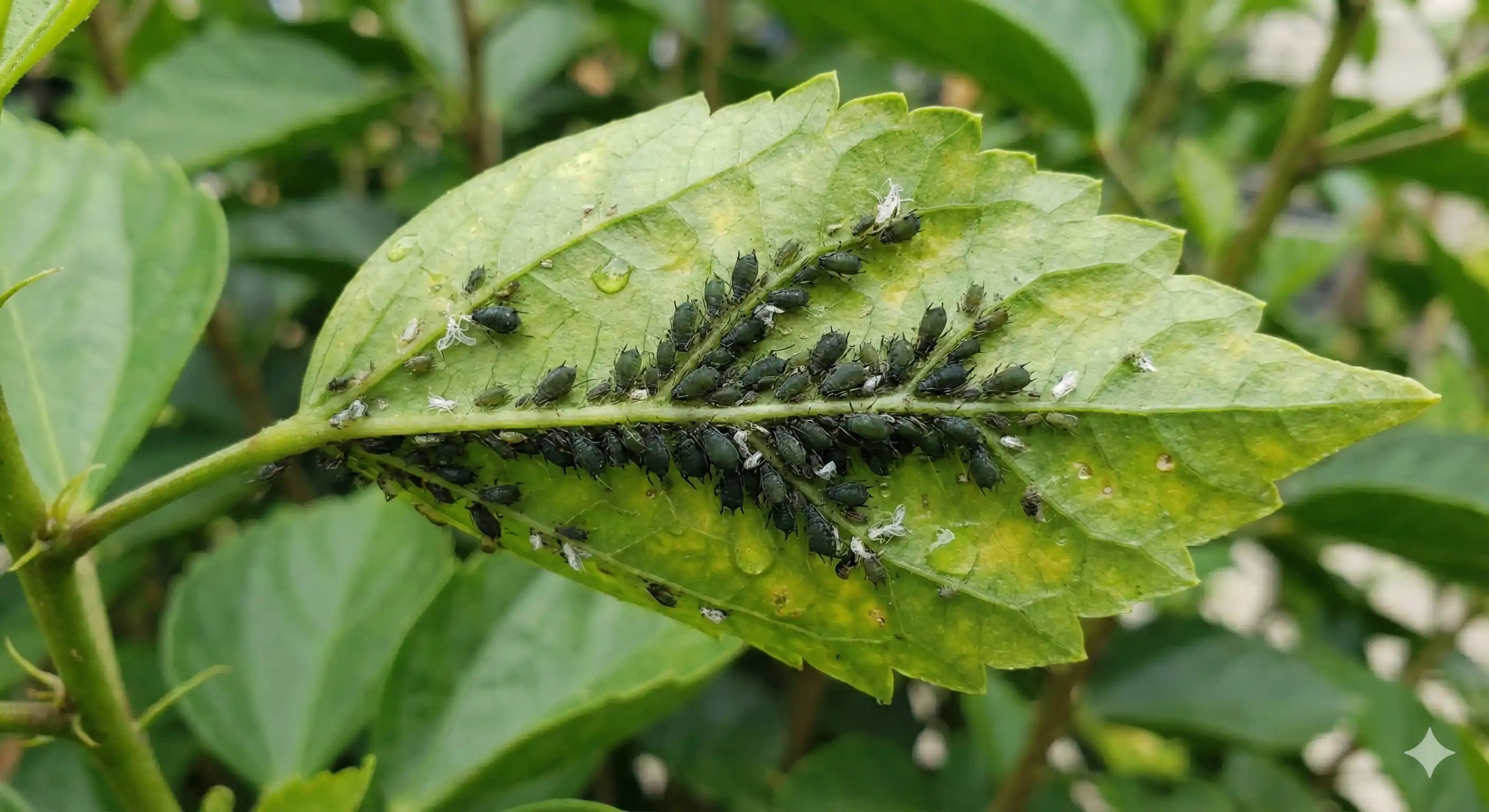
Clusters of small, soft-bodied insects on stems, leaf undersides, and new growth. Aphids may be green, black, brown, pink, or nearly colorless depending on species.

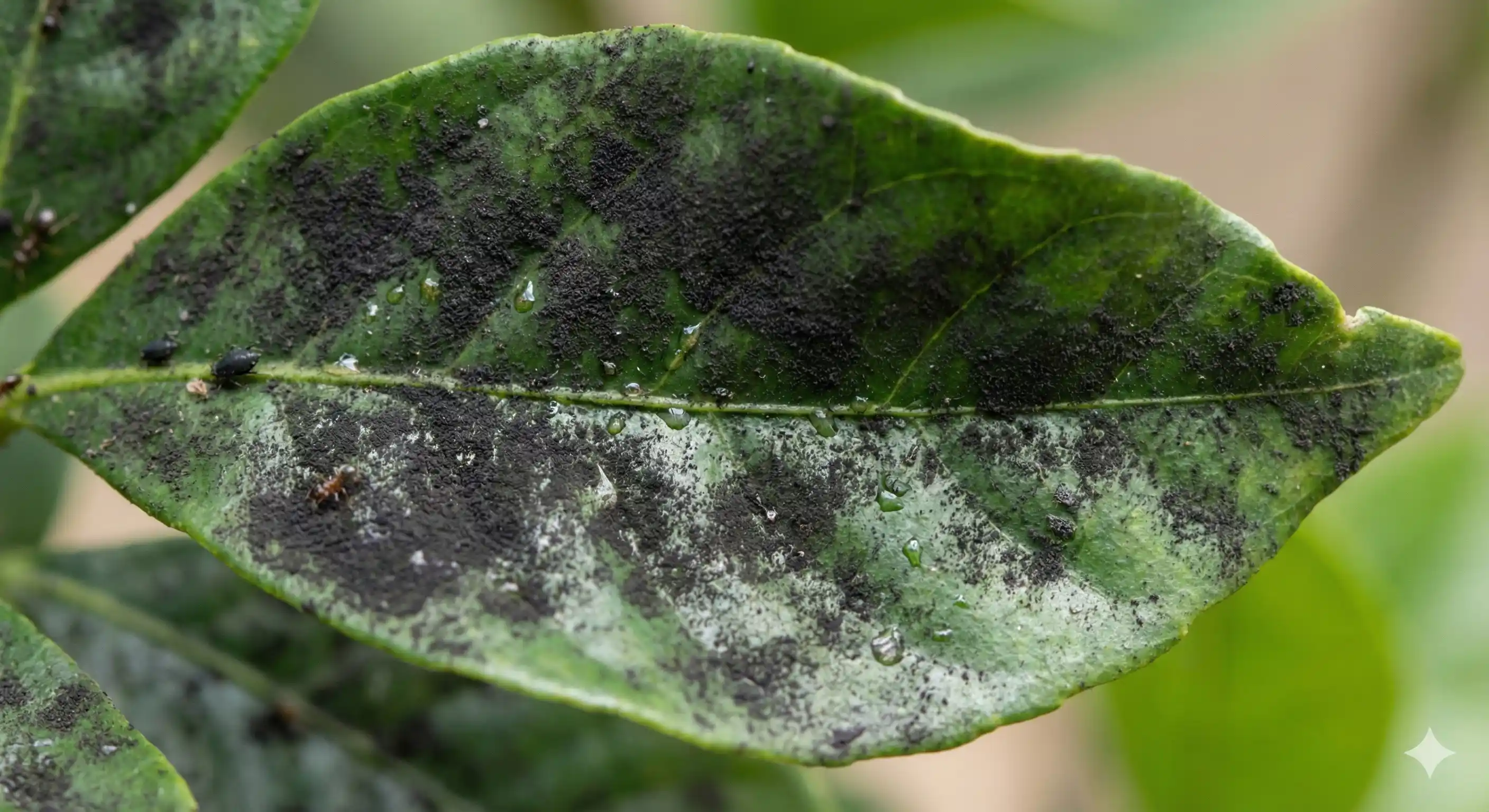
Black sooty mold growth on leaves caused by aphid honeydew

Sooty Mold Growth

Black, powdery fungal growth on leaf surfaces that develops on honeydew deposits. This mold blocks sunlight and reduces photosynthesis, further stressing affected plants.

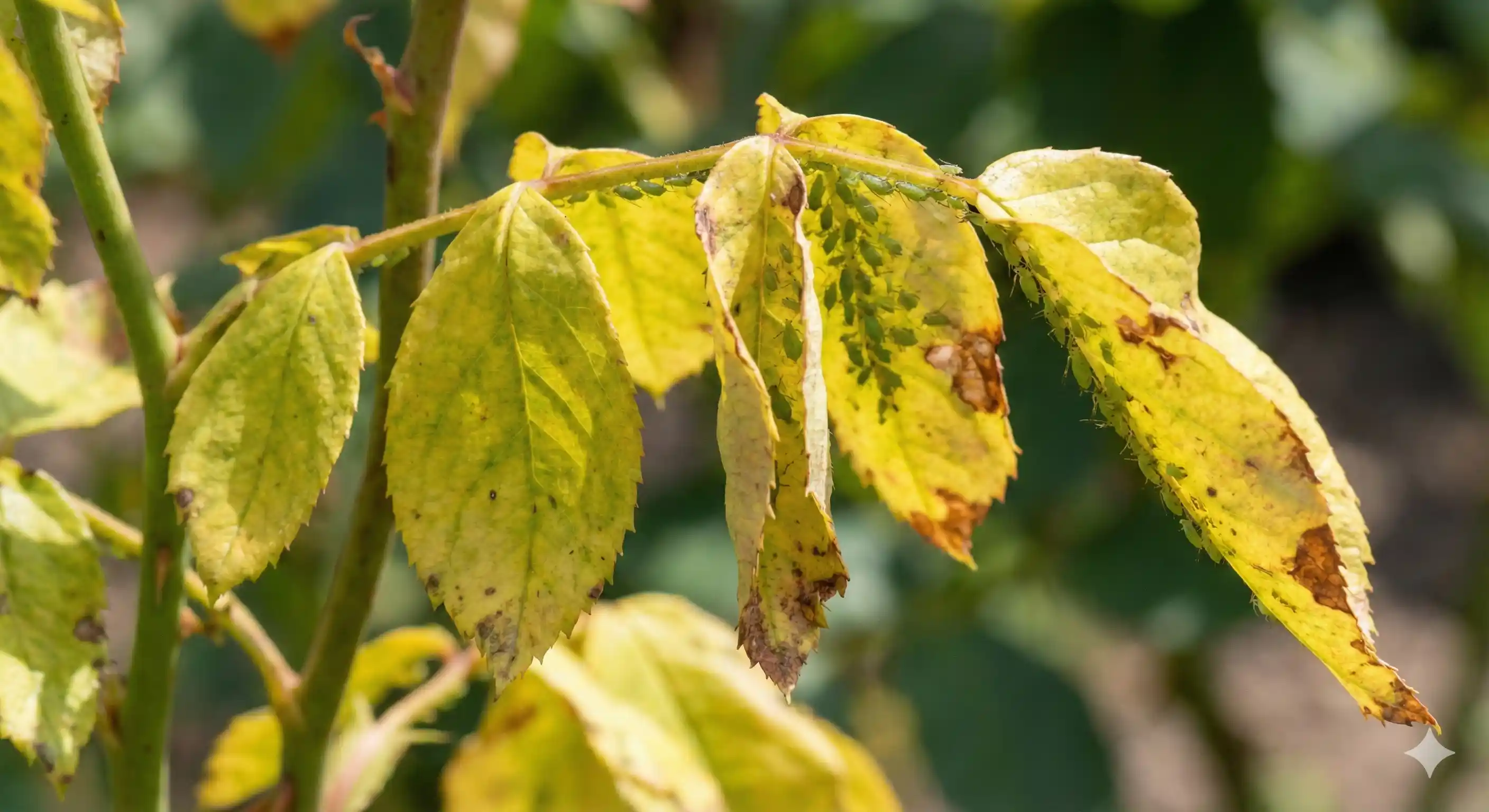
Yellowing plant leaves from heavy aphid infestation

Yellowing or Wilting Plants

Nutrient-depleted plants showing yellow leaves, reduced vigor, or wilting despite adequate water. Heavy aphid feeding drains plant resources faster than they can be replaced.

Ants traveling on plant indicating aphid farming activity

Ant Activity on Plants

Ants traveling up and down plant stems often indicate they're farming aphid colonies. Following ant trails typically leads to hidden aphid populations on plant undersides or new growth.

Learn More About Aphid Detection →

DIY vs Professional Treatment

While spraying aphids with water or soap may provide temporary relief, these methods rarely achieve lasting control. Aphids reproduce so rapidly that populations can recover within days of treatment. DIY approaches often miss aphids hidden in curled leaves, on root systems, or protected by ant guardians. Worse, broad-spectrum pesticides eliminate the beneficial insects that naturally control aphid populations, creating a cycle of recurring infestations that become increasingly difficult to manage.

Our integrated approach addresses the entire aphid ecosystem, not just visible insects. We identify specific aphid species and their host plant preferences, assess beneficial insect populations, and break the ant-aphid relationship that protects colonies from natural predators. Using precision timing and targeted application methods, including systemic treatments that reach hidden aphids—we eliminate current infestations while establishing long-term biological controls through beneficial insect releases and habitat modification.

❌ DIY Treatment

  • Provides only temporary population reduction
  • Cannot reach hidden or protected colonies
  • Often eliminates beneficial predator insects
  • Doesn't address ant farming behavior
  • Creates pesticide-resistant populations
  • No long-term prevention strategy

✓ Professional Treatment

  • Species-specific treatment protocols
  • Systemic treatments reach hidden aphids
  • Preserves and enhances beneficial insects
  • Breaks ant-aphid symbiotic relationship
  • Resistance management through rotation
  • Establishes long-term biological control

Commercial Aphid Control

EcoGuard Pest Management implements customized aphid control programs for commercial facilities that prioritize operational continuity while ensuring effective pest elimination. Our comprehensive commercial aphid protection programs combine discrete treatment applications with flexible scheduling to maintain your business operations while ensuring complete elimination of aphid problems.

We specialize in aphid control solutions for:

  • Restaurants and food service establishments
  • Healthcare facilities
  • Hotels and hospitality venues
  • Educational institutions
  • Office complexes
  • Food processing facilities
  • Warehouses and storage facilities
  • Retail spaces
  • Manufacturing facilities
  • Multi-unit residential properties
Learn About Commercial Pest Control
100% SATISFACTION GUARANTEE

The EcoGuard Guarantee

EcoGuard offers a 100% satisfaction guarantee for all of our customers, and we stand by our promise to eradicate your aphid problem until the very last aphid is gone. That aphid control guarantee comes with every service and if the aphids come back, then so do we, at no additional cost. We are standing by to give you a free estimate and to help you set your first aphid pest control service appointment.

📞 Call (866) 326-2847 Today

Our Aphid Control Process

A plant-focused approach to complete aphid elimination and ecosystem restoration

1

Comprehensive Plant Inspection

We evaluate your entire plant collection, identifying specific aphid species, population density, damage levels, and natural predator presence. This assessment includes examining ant activity and environmental factors that contribute to aphid problems.

2

Targeted Treatment

Our specialists apply precisely targeted controls to affected plant areas using techniques that preserve beneficial insects and pollinators. Treatment selection is based on aphid species, plant type, and environmental considerations.
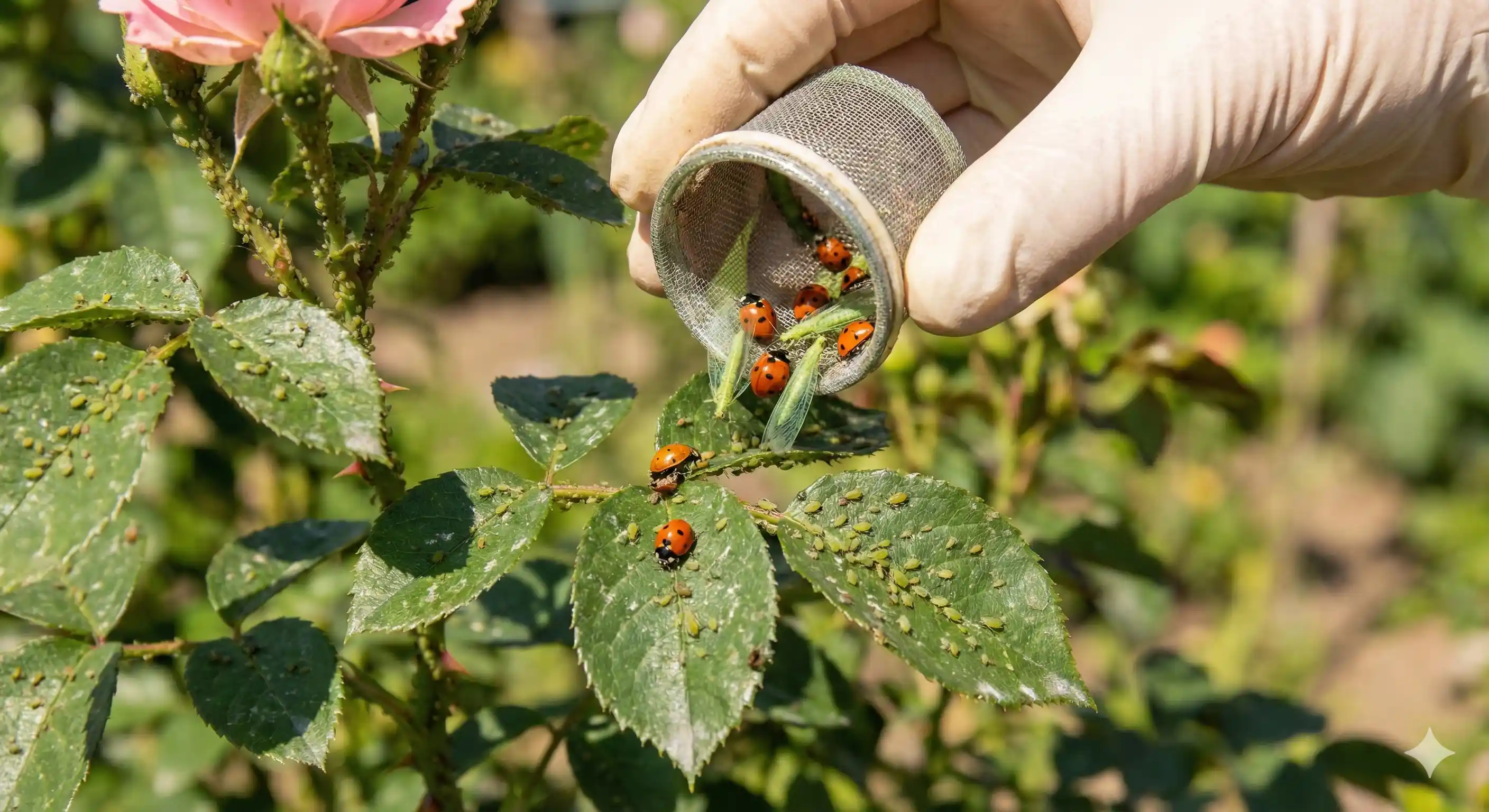
3

Ecosystem Balance Creation

We implement supplemental beneficial insect releases when necessary to establish long-term biological control. Ant management strategies break the protective relationship that allows aphid populations to thrive unchecked.

4

Ongoing Plant Monitoring

Regular assessment of plant recovery and aphid population trends ensures sustained plant health. We adjust strategies based on seasonal changes and emerging pest pressure to maintain aphid-free landscapes.

Seasonal Plan for Aphid Control

Year-round protection adapted to seasonal aphid behavior patterns

Spring Aphid Control

Spring

Peak aphid emergence as overwintering eggs hatch and populations explode on new growth; critical time for early intervention; apply dormant oil treatments before bud break; monitor tender new growth for first colonies; release beneficial insects to establish predator populations

Summer Aphid Control

Summer

Continued monitoring as multiple generations develop rapidly; treat hot spots before populations spread; maintain beneficial insect habitat; manage ant populations protecting aphid colonies; address honeydew and sooty mold issues

Fall Aphid Control

Fall

Winged aphids disperse to lay overwintering eggs; treat to reduce egg-laying populations; clean up plant debris harboring eggs; assess season's effectiveness and plan for next year; final beneficial insect assessment

Winter Aphid Control

Winter

Apply dormant oil sprays to kill overwintering eggs on woody plants; prune and remove heavily infested plant material; plan integrated management strategy for upcoming season; inspect greenhouse and indoor plants for continued activity

What Our Customers Say

Trusted by gardeners and landscapers for professional aphid control

★★★★★

"My rose garden was devastated by aphids every year despite constant spraying. EcoGuard's approach was completely different—they treated the ants farming the aphids and released ladybugs. First aphid-free summer in years!"

Margaret S.
Portland, OR
★★★★★

"The black sooty mold on my citrus trees was horrible. The technician explained it was from aphid honeydew and treated both the aphids and the mold. Trees look beautiful again and the fruit is perfect."

Carlos & Maria R.
Sacramento, CA
★★★★★

"Our vegetable garden had aphids spreading disease to our tomatoes. EcoGuard used organic methods that were safe for our edibles and actually worked. We finally had a successful harvest!"

Jennifer L.
Austin, TX

Aphid Control FAQs

Everything you need to know about aphid control and treatment

Rose aphids have adapted specifically to rose biochemistry, making them particularly persistent. Additionally, ants may be protecting aphid colonies from natural predators. Our integrated approach addresses both the aphids and the conditions that attract them, including managing nitrogen levels that stimulate the tender growth aphids prefer.

Absolutely. While mature trees tolerate some aphid feeding, heavy infestations drain significant nutrients and can introduce devastating plant viruses. Our arborists provide specialized treatments for tree-specific aphid species that respect the tree's ecosystem while protecting its health.

We employ precision timing and application methods, including systemic stem treatments that move through plants without exposing pollinators. Our specialists can also augment natural predator populations through targeted beneficial insect releases that establish long-term biological control.

Aphids develop resistance to control methods remarkably quickly due to their rapid reproduction rate—some species can produce 40+ generations per year. Our rotation strategy employs multiple control mechanisms to prevent resistance development while maintaining effectiveness.

Yes, our organic protocols combine carefully timed biological controls, botanical extracts, and cultural practices to create comprehensive management even for severe infestations. These strategies require professional expertise to implement properly but are highly effective.

We employ specialized treatments to break down honeydew residues and inhibit sooty mold growth, followed by gentle cleansing procedures that restore plant appearance without causing additional stress. Eliminating the aphids prevents new honeydew production.

Aphids are small, soft-bodied insects that feed by inserting needle-like mouthparts into plant tissue and extracting sap. Their damage comes from nutrient drain, toxic saliva that distorts growth, honeydew production that promotes mold, and virus transmission. Their explosive reproduction allows populations to cause significant damage quickly.

Aphids reproduce at astonishing rates. Many species reproduce asexually during growing seasons, with females giving birth to live young without mating. Under ideal conditions, a single female can produce up to 12 offspring daily, and populations can increase 40-fold weekly.

Many ant species actively farm aphids for their honeydew secretions, which serve as a food source. In exchange, ants protect aphids from predators, remove dead aphids to prevent disease, and even transport aphids to new plants. This symbiotic relationship can reduce natural predator effectiveness by up to 90%.

Yes, aphids are major vectors of plant viruses. Even low aphid populations can spread devastating viruses throughout a landscape. A single infected aphid can transmit viruses to healthy plants in as little as 30 seconds of feeding, and once transmitted, most plant viruses have no cure.

While different aphid species collectively affect virtually all garden plants, some are particularly susceptible. Roses, vegetables (especially brassicas and peppers), fruit trees, ornamental flowering plants, and young trees with soft growth are common targets. We can identify which species are attacking your specific plants.

Aphid infestations are characterized by clusters of small, soft-bodied insects on new growth and leaf undersides, curled or distorted leaves, sticky honeydew residue, and often ant activity. Unlike spider mites, aphids are visible to the naked eye and don't produce webbing.

Beneficial insects are natural aphid predators including ladybugs, lacewings, parasitic wasps, and syrphid flies. A single ladybug can consume over 5,000 aphids in its lifetime. We can release these predators to establish ongoing biological control that continues working without repeated treatments.

While healthy mature plants can survive moderate aphid infestations, severe or prolonged feeding can kill young plants, cause significant dieback in established plants, and transmit fatal viruses. The secondary effects of honeydew and sooty mold further stress plants and can lead to decline.

Contact treatments like insecticidal soaps and horticultural oils work immediately on aphids they reach. Systemic treatments take 1-2 weeks to move through plant tissue but provide longer-lasting protection. Beneficial insect releases establish ongoing control over several weeks as predator populations build.

Yes, we offer treatments specifically designed for edible gardens. Options include insecticidal soaps, horticultural oils, and botanical extracts that are approved for food crops with appropriate pre-harvest intervals. Beneficial insect releases are completely safe for any edible planting.

Yes, aphids can infest houseplants, greenhouse plants, and indoor gardens. They're often introduced on new plants or can fly in through windows. Indoor environments lack natural predators, allowing populations to grow quickly. We provide treatments appropriate for indoor use.

Prevention involves multiple strategies: avoiding over-fertilization with nitrogen, managing ant populations, maintaining beneficial insect habitat, selecting resistant plant varieties, and regular monitoring for early detection. Our seasonal protection plans address all these factors for ongoing prevention.

Aphids are typically most problematic in spring and early summer when populations explode on new growth. However, they remain active throughout the growing season and can have multiple population peaks. Some species produce winged forms in fall to disperse and lay overwintering eggs.

Yes, our seasonal protection plans provide monthly monitoring, preventive treatments timed to aphid lifecycle stages, beneficial insect releases, and ant management. This integrated approach maintains aphid-free plants throughout the growing season with guaranteed results.

Ready to Eliminate Your Aphid Problem?

Get a free estimate for your aphid problem today. Our experts will assess your property and provide a customized treatment plan.

Connect With Us

Follow EcoGuard Pest Management for tips, updates, and special offers

f𝕏yin