EcoGuard Pest Management
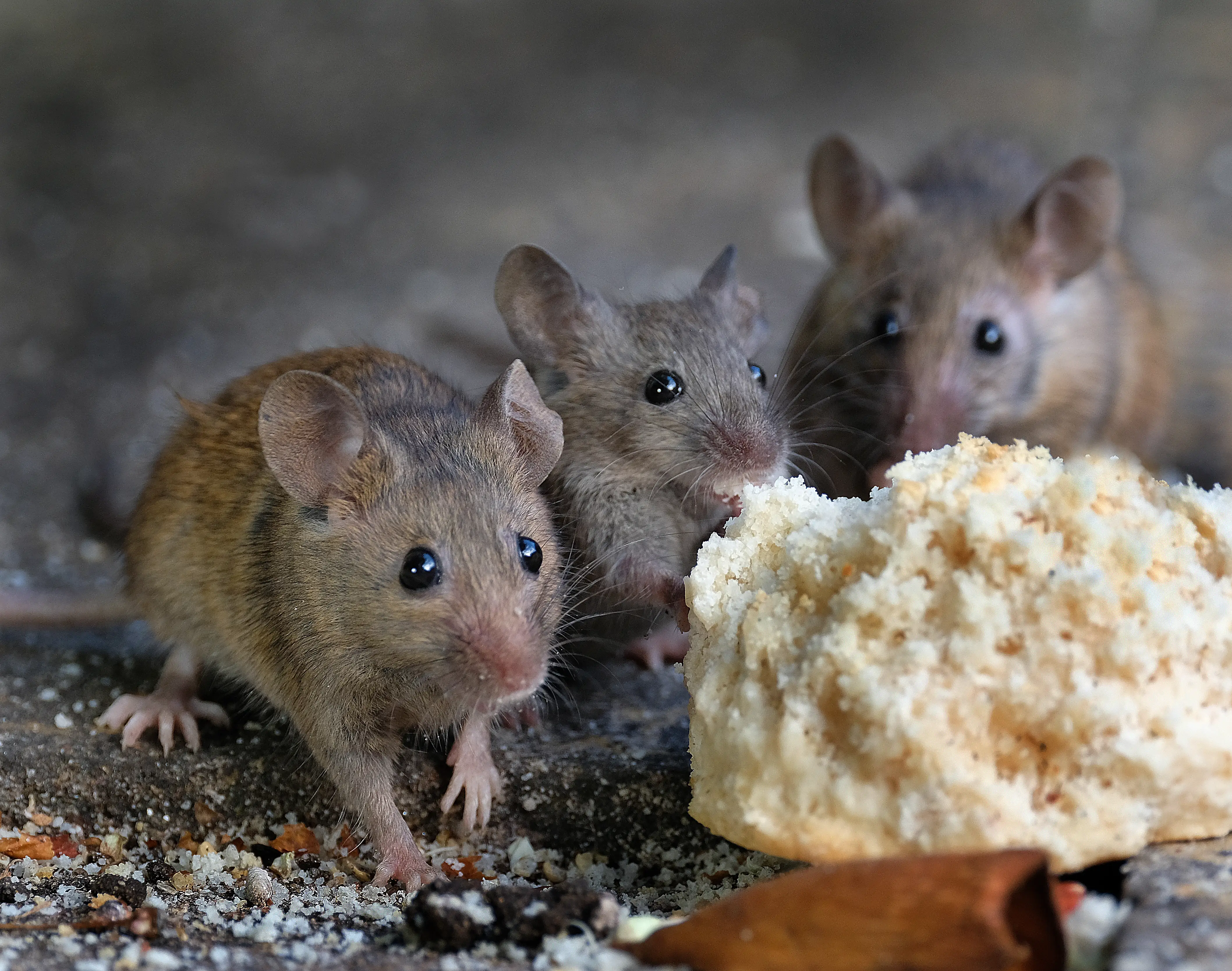
Professional deer mice control technician inspecting and treating property for deer mice infestation

Professional Deer Mice Control & Extermination Services

EcoGuard Pest Management delivers expert deer mice removal solutions protecting residential and commercial properties across California, Oregon, Washington, Texas, Tennessee, and Nevada with guaranteed results.

Deer Mice Pest Control Experts

Controlling deer mice requires deep understanding of their dual nature. Unlike typical household pests, these adaptable creatures thrive in both wilderness and urban settings, making them particularly challenging to manage. Our EcoGuard specialists are trained in the unique behaviors that set deer mice apart—from their incredible spatial memory that helps them remember multiple escape routes to their ability to adapt feeding patterns based on human activity. This expertise allows us to outwit these clever adversaries at their own game.

Why are Deer Mice a Problem?

Deer mice pose unique challenges that make them more dangerous than typical house mice, requiring specialized control methods and immediate professional intervention.

  • Deer mice are the primary carriers of Hantavirus, a potentially fatal respiratory disease transmitted through droppings, urine, and nesting materials
  • Their extraordinary breeding efficiency allows a single female to produce up to 4 litters per year with pups reaching reproductive age in just 35 days
  • Their remarkable problem-solving abilities allow them to learn from failed traps and modify their approach to accessing food and shelter
  • As primary seed dispersers with incredible spatial memory, they've evolved foraging skills that they now apply to exploiting human structures

Deer Mice Control Service Plans

Choose the protection level that's right for your property

One-Time Treatment
Contact Us
For custom pricing
  • Comprehensive property inspection
  • Species identification
  • Entry point identification
  • Targeted treatment application
  • Perimeter barrier application
  • Nest elimination
  • Treatment report & recommendations
  • 30-day guarantee
Get Started
MOST POPULAR
Annual Protection
Contact Us
For custom pricing
  • Everything in One-Time Treatment
  • Seasonal maintenance plan
  • Entry point treatments
  • Priority scheduling
  • Re-treatment guarantee
Get Started

* Prices vary based on property size, infestation severity, and treatment method. Contact us for an accurate quote.

Service Plan Comparison

FeatureOne-TimeAnnual
Comprehensive Inspection
Treatment Application
Follow-Up InspectionsQuarterly
Exclusion Work
Re-Treatment Guarantee

Get Your Free Deer Mice Quote

Protect your property with a free deer mice quote from our licensed experts.

✓ Same-day service available
✓ Licensed & insured
✓ Detailed property assessment
✓ No-obligation estimates

Service Areas

We provide deer mice control services throughout:

  • California
  • Oregon
  • Washington
  • Texas
  • Tennessee
  • Nevada
View All Counties →

Ready to Eliminate Your Deer Mice Problem?

Schedule your deer mice inspection today. Our experts will assess your property and provide a customized treatment plan.

📞 Call (866) 326-2847Get Free Quote

Deer Mice Treatment Options

EcoGuard Pest Management employs multiple targeted treatment solutions to combat deer mice infestations effectively. Each control approach is customized according to deer mice behavior patterns, property characteristics, and surrounding natural habitat to ensure complete management.

Professional bait station strategically placed for deer mice control

Strategic Baiting Systems

Strategically placed bait stations that account for deer mice's natural foraging patterns and remarkable ability to detect and avoid poorly placed traps.

Technician placing strategic traps along deer mice travel routes

Multi-Trap Deployment

Multiple trap types positioned based on observed movement patterns and the specific habits of your local deer mice population.

Professional sealing entry points to prevent deer mice access

Exclusion Work

Rodent proofing entry points that accounts for deer mice's incredible climbing abilities and problem-solving skills to prevent re-entry.

Technician advising on environmental modifications to deter deer mice

Environmental Modifications

Smart adjustments to landscaping and storage practices that reduce attractants while respecting local ecosystem balance.

Application of preventive deterrent treatments around property

Preventive Deterrents

Carefully selected deterrents that work with natural deer mice behaviors rather than trying to simply repel them.

Technician performing routine monitoring inspection for deer mice activity

Regular Monitoring

Systematic observation that helps us understand and adapt to changing deer mice behavior patterns over time.

What Causes Deer Mices?

Deer mice are drawn to environments that provide food, water, shelter, and protection from predators. Understanding their motivations helps prevent infestations.

Seeds and food sources that attract deer mice to properties

🌾 Seed & Food Sources

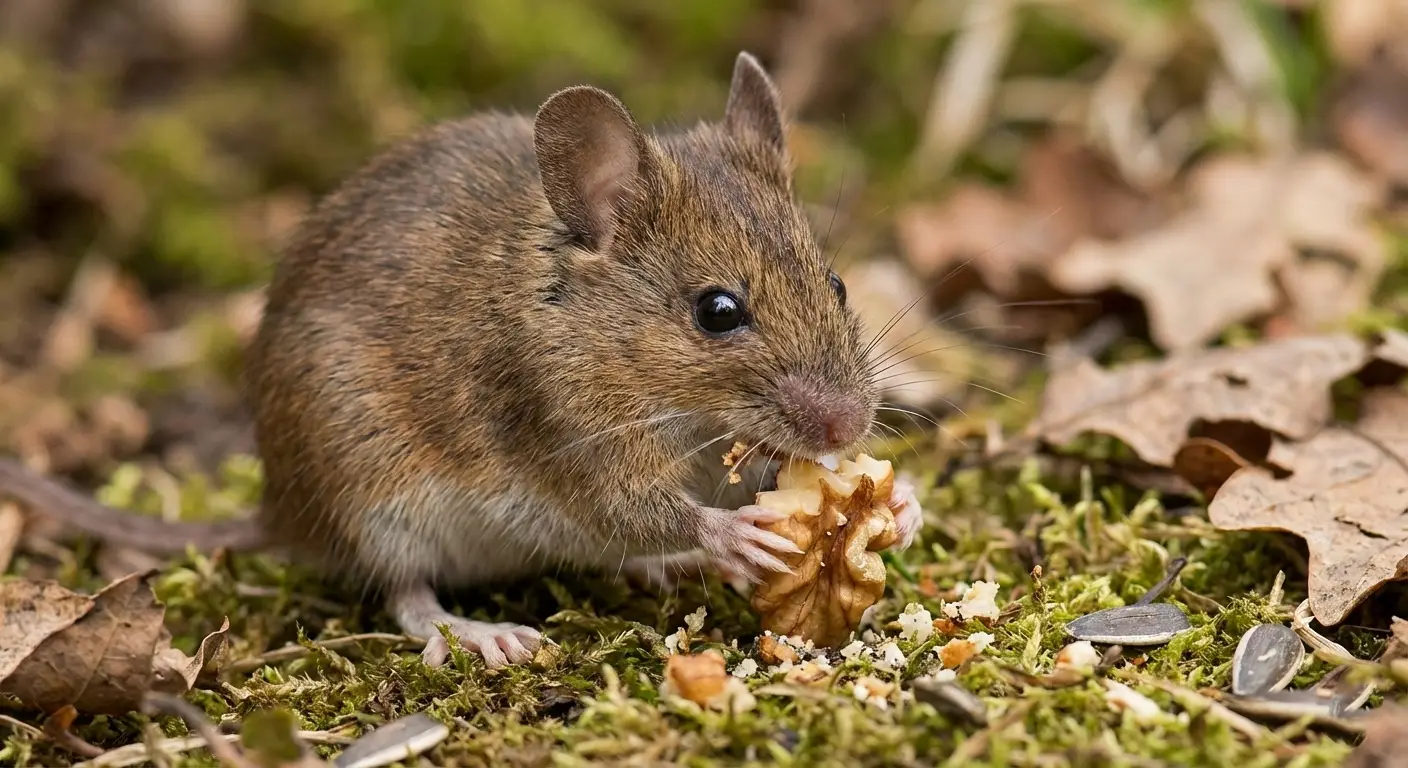
Deer mice are primarily seed eaters attracted to bird feeders, pet food, stored grains, and gardens with seed-bearing plants.

Cluttered storage area providing ideal deer mice nesting habitat

🏚️ Shelter & Nesting Sites

These rodents seek protected spaces like attics, crawlspaces, sheds, and cluttered storage areas that mimic their natural woodland habitats.

Property adjacent to woodland area with deer mice activity risk

🌲 Woodland Proximity

Properties adjacent to forests, fields, or natural areas are at higher risk as deer mice naturally travel between wild and developed spaces.

Deer mice seeking shelter from cold weather conditions

❄️ Seasonal Pressure

Cold weather drives deer mice indoors seeking warmth and food, causing increased invasion attempts during fall and winter months.

Learn More About Deer Mice Prevention →

What Are Signs of Deer Mices in Your Home?

Successful deer mice control starts with understanding their subtle messages. These resourceful creatures leave distinct clues about their presence and behavior patterns.

Hidden seed cache created by deer mice in wall void

Seed Caches

Carefully arranged seed caches reveal their sophisticated food storage habits, often found in hidden corners and wall voids.

Tunnel systems created by deer mice in attic insulation

Tunnel Systems

Complex tunnel systems in insulation and stored materials demonstrate their architectural skills and nesting behavior.

Deer mice nest made of grass and plant materials

Grass Nests

Delicate grass and plant material nests tucked into protected spaces like drawers, boxes, and equipment indicate active breeding.

Deer mice droppings showing characteristic pointed shape

Droppings

Small, rod-shaped droppings (3-6mm) with pointed ends are distinct from house mice and indicate deer mice activity.

Gnaw marks and bark stripping from deer mice activity

Gnaw Marks

Distinctive bark stripping patterns on young trees and gnaw marks on stored items show deer mice foraging activity.

Deer mice travel paths along walls and structural edges

Travel Paths

Systematic exploration paths along structural edges, marked by urine stains visible under UV light, reveal traffic patterns.

Learn More About Deer Mice Detection →

DIY vs Professional Treatment

While the internet abounds with home remedies and hardware store solutions, controlling deer mice requires understanding their remarkable intelligence. These aren't your typical house mice—they're wild animals with finely tuned survival instincts. DIY attempts often fail because they don't account for deer mice's ability to learn from failed traps, recognize patterns in human behavior, and adapt their strategies accordingly.

EcoGuard's approach builds on decades of research into deer mice behavior. We don't just set traps—we create comprehensive management systems that work with natural behaviors while protecting human spaces. Our methods respect both the ecological role these creatures play and the need to keep them out of human structures to deliver lasting results that make sense for your specific situation.

❌ DIY Treatment

  • Deer mice learn from and avoid failed traps
  • Incomplete population control leads to rapid rebound
  • Risk of Hantavirus exposure during cleanup
  • No understanding of species-specific behaviors
  • Entry points remain unsealed
  • No follow-up monitoring or adaptation

✓ Professional Treatment

  • Species-specific treatment strategies
  • Complete population management approach
  • Safe handling with proper protective equipment
  • Behavioral expertise for trap placement
  • Professional exclusion work included
  • Ongoing monitoring and strategy adaptation

Commercial Deer Mice Control

EcoGuard Pest Management implements customized deer mice control programs for commercial facilities that prioritize operational continuity while ensuring effective pest elimination. Our comprehensive commercial deer mice protection programs combine discrete treatment applications with flexible scheduling to maintain your business operations while ensuring complete elimination of deer mice problems.

We specialize in deer mice control solutions for:

  • Restaurants and food service establishments
  • Healthcare facilities
  • Hotels and hospitality venues
  • Educational institutions
  • Office complexes
  • Food processing facilities
  • Warehouses and storage facilities
  • Retail spaces
  • Manufacturing facilities
  • Multi-unit residential properties
Learn About Commercial Pest Control
100% SATISFACTION GUARANTEE

The EcoGuard Guarantee

EcoGuard offers a 100% satisfaction guarantee for all of our customers, and we stand by our promise to eradicate your deer mice problem until the very last deer mice is gone. That deer mice control guarantee comes with every service and if the deer mices come back, then so do we, at no additional cost. We are standing by to give you a free estimate and to help you set your first deer mice pest control service appointment.

📞 Call (866) 326-2847 Today

Our Deer Mice Control Process

A scientific approach to deer mice management and prevention

1

Habitat Inspection

Our team maps the relationship between your property and surrounding natural areas to identify key risk factors, entry points, and active deer mice populations.

2

Strategic Implementation

We deploy control measures that work with natural deer mice behaviors rather than against them, including strategic trap placement, baiting systems, and targeted treatments.

3

Comprehensive Exclusion

Since complete deer mice eradication is impossible, our focus shifts to exclusion and prevention to minimize deer mice interaction within buildings and homes.

4

Ongoing Monitoring

Regular monitoring helps us adjust our approach as deer mice populations adapt and change, ensuring continued protection against these resourceful adversaries.

Seasonal Plan for Deer Mice Control

Year-round protection adapted to seasonal deer mice behavior patterns

Spring Deer Mice Control

Spring

Den site identification and exclusion as winter family groups begin to disperse into new territories

Summer Deer Mice Control

Summer

Understanding and disrupting exterior feeding patterns before fall stockpiling begins

Fall Deer Mice Control

Fall

Heightened attention to exclusion as deer mice seek winter shelter and begin caching food stores

Winter Deer Mice Control

Winter

Strategic interior management focusing on overwintering populations in heated structures

What Our Customers Say

Trusted by homeowners across 6 states for professional deer mice control

★★★★★

"Living near the woods, we had a serious deer mice problem every fall. EcoGuard not only eliminated the mice but sealed up entry points we never would have found. No mice for two winters now!"

Robert K.
Lake Tahoe, CA
★★★★★

"I was worried about Hantavirus with deer mice in our cabin. The EcoGuard team handled everything safely and professionally, including the cleanup. They really know their stuff about these specific mice."

Jennifer M.
Bend, OR
★★★★★

"Our agricultural storage facility had ongoing deer mice issues. EcoGuard's quarterly monitoring program has kept populations under control without disrupting our operations. Excellent service!"

David R.
Fresno, CA

Deer Mice Control FAQs

Everything you need to know about deer mice control and treatment

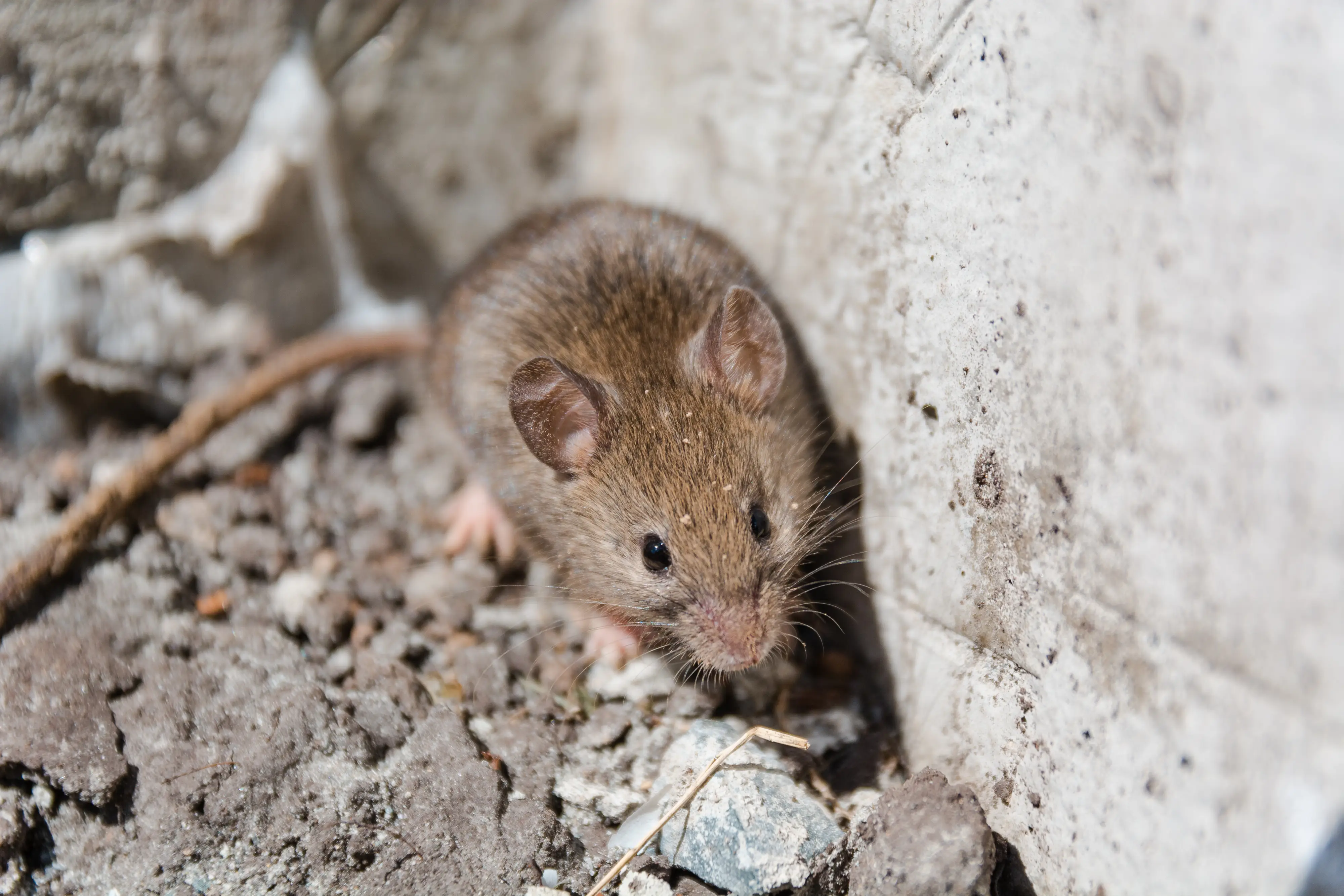
Deer mice are distinguished by their bi-colored appearance: brown or tan on top with white undersides, white feet, and large ears. They have larger eyes than house mice and longer tails that are also bi-colored. Their droppings are slightly larger with pointed ends. House mice are uniformly gray-brown. Deer mice also leave distinct seed caches and build grass nests, behaviors less common in house mice.

Deer mice are the primary carriers of Hantavirus Pulmonary Syndrome (HPS), a potentially fatal respiratory disease with a mortality rate up to 38%. The virus is transmitted through contact with deer mice droppings, urine, saliva, or nesting materials, and can become airborne when these materials are disturbed. House mice rarely carry Hantavirus, making deer mice a significantly greater health threat.

Deer mice are exceptional climbers and can squeeze through openings as small as a dime. They commonly enter through gaps around pipes and wires, cracks in foundations, damaged vents, gaps under doors, and openings around utility penetrations. Their problem-solving abilities allow them to find and exploit entry points that other rodents might miss.

Professional deer mice control combines multiple strategies: strategic trap placement based on observed behavior patterns, bait stations positioned along natural foraging routes, exclusion work to seal entry points, environmental modifications to reduce attractants, and ongoing monitoring to adapt to changing populations. We use methods that account for deer mice's intelligence and ability to learn from failed control attempts.

Initial treatment effectiveness depends on the severity of infestation and property characteristics. However, because deer mice are wild animals that continuously seek new territory, ongoing management is recommended. Our annual protection plans provide quarterly monitoring and retreatment as needed to maintain long-term control.

Yes, our treatments use EPA-registered products applied by licensed technicians following strict safety protocols. We take extra precautions with deer mice due to Hantavirus risk, using proper protective equipment and safe handling procedures. All treatments are designed to be effective against deer mice while being safe for humans and pets.

Prevention requires ongoing vigilance due to deer mice's persistence and intelligence. Key prevention steps include:

  • Seal all entry points with steel wool and caulk
  • Remove bird feeders or use squirrel-proof designs
  • Store all food including pet food in sealed containers
  • Clear vegetation and debris from around foundations
  • Trim tree branches away from structures
  • Eliminate woodpiles and clutter near buildings
  • Address moisture issues in crawlspaces and basements

Our inspection maps the relationship between your property and surrounding natural areas to identify risk factors. Technicians examine both interior and exterior for entry points, signs of activity (droppings, nests, seed caches), and conducive conditions. We identify the specific deer mice population patterns affecting your property and develop a customized management plan.

Deer mice are attracted to food sources (seeds, grains, pet food, bird feeders), shelter from weather extremes, and protection from predators. Properties near woodlands, fields, or natural areas are at higher risk. Fall and winter see increased invasion attempts as deer mice seek warmth and begin caching food stores for winter.

You should see a significant reduction in deer mice activity within 1-2 weeks of initial treatment. However, because deer mice are intelligent and may have established multiple entry routes and nesting sites, complete control may take several weeks. Our monitoring ensures we adapt our approach until the population is fully managed.

DIY methods frequently fail with deer mice because these aren't typical house mice—they're wild animals with sophisticated survival instincts. They learn from failed traps, recognize patterns in human behavior, and adapt their strategies. Professional control accounts for these behaviors and includes proper safety protocols for Hantavirus risk.

Commercial deer mice control includes comprehensive facility inspection, customized management plans, regular monitoring visits, detailed documentation, emergency response services, and staff training. We specialize in agricultural facilities, seed storage warehouses, forestry stations, rural manufacturing plants, and other high-risk commercial environments.

Natural methods like peppermint oil, ultrasonic devices, and home remedies typically provide little to no long-term control against deer mice. Their intelligence allows them to quickly adapt to or ignore these deterrents. Effective deer mice control requires professional strategies that account for their problem-solving abilities and territorial behaviors.

Before treatment, remove clutter from areas where deer mice activity has been observed, store food items in sealed containers, and provide access to attics, crawlspaces, and other potential nesting areas. Do NOT attempt to clean up droppings or nesting materials yourself due to Hantavirus risk—our technicians will handle this safely.

For properties in deer mice-prone areas (near woodlands, rural settings), we recommend quarterly monitoring at minimum. Treatment frequency may increase seasonally, particularly in fall when deer mice seek winter shelter. Our approach adapts to your property's specific risk factors and observed population patterns.

Weather significantly impacts deer mice behavior. Cold temperatures drive them indoors seeking warmth, making fall and winter peak invasion seasons. Dry conditions may push them toward structures seeking water. Our technicians adjust treatment strategies seasonally to address these behavioral changes and maintain year-round protection.

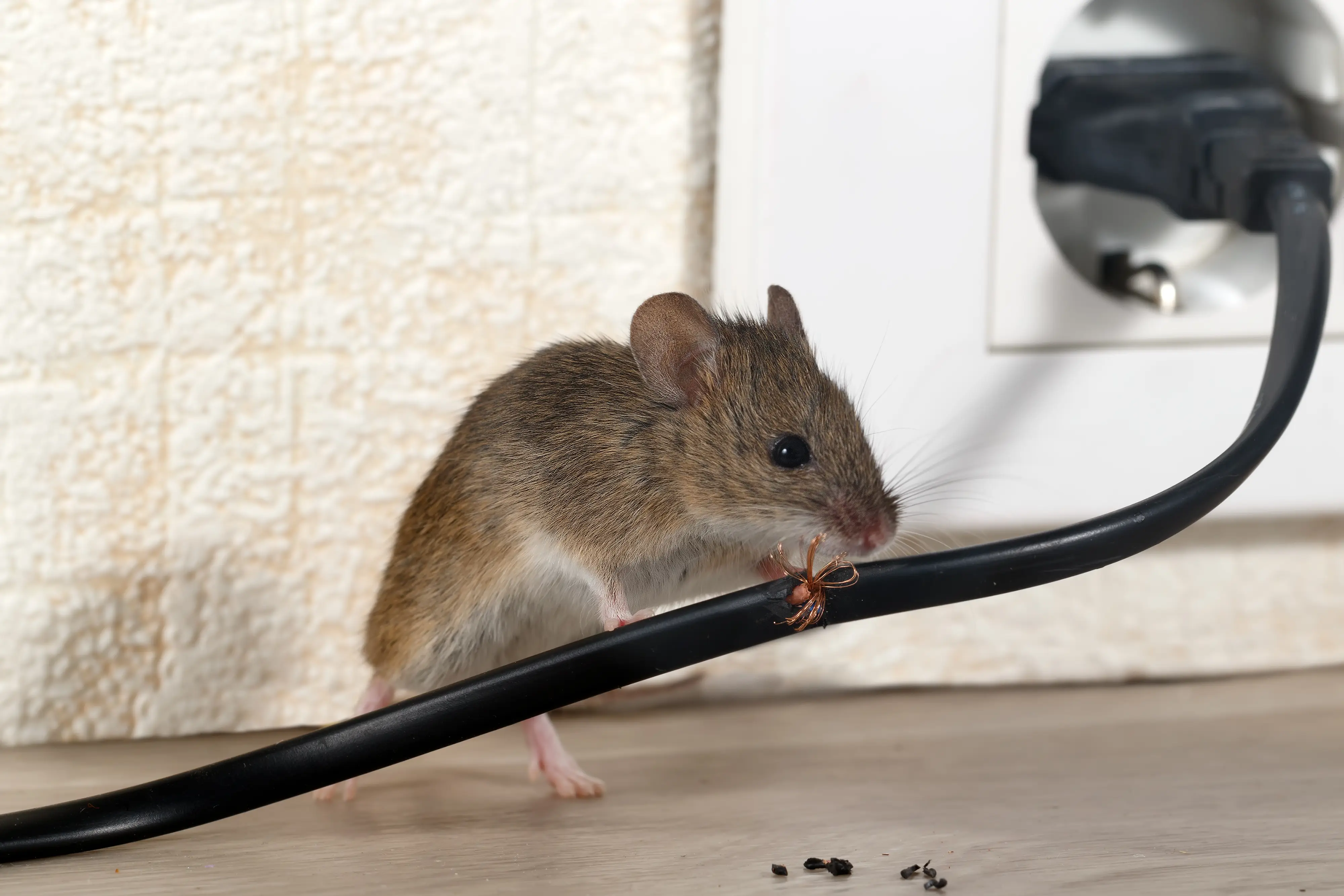
Yes, deer mice can cause structural damage by gnawing through insulation, wiring, and building materials. They often tunnel through insulation to create nesting sites and may damage stored items to gather nesting materials. Their gnawing on electrical wires creates fire hazards. Additionally, their droppings and urine contaminate insulation, often requiring replacement.

Continued deer mice activity after treatment may occur because new mice are entering from outside—highlighting the importance of exclusion work. Deer mice are territorial, and eliminating one population can create a vacuum that attracts others from surrounding natural areas. This is why ongoing monitoring and exclusion are essential components of our approach.

The primary health risk from deer mice is Hantavirus Pulmonary Syndrome (HPS), a severe respiratory illness with high mortality rates. Infection occurs through breathing airborne particles from contaminated droppings, urine, or nesting materials. Deer mice can also carry other diseases including Lyme disease (through ticks they carry), Salmonella, and Leptospirosis.

Related Articles & Resources

Learn more about deer mice prevention, identification, and control

Are Mice Nocturnal? When Mice Are Most Active

Are Mice Nocturnal? When Mice Are Most Active

Learn if mice are nocturnal, when they are most active, how they navigate at night, and signs of mice activity in your home. Complete guide to mouse behavior.

Read Article →
Can Mice Climb Walls and Other Surfaces?

Can Mice Climb Walls and Other Surfaces?

Learn if mice can climb walls, what surfaces they can and cannot climb, how they get inside walls, and how to prevent mice from entering your home.

Read Article →
Common Types of Mice in North America

Common Types of Mice in North America

Identify different types of mice including house mice, deer mice, white-footed mice, and more. Learn appearance, behavior, and control methods for each species.

Read Article →
Do Mothballs Keep Mice Away? The Truth Revealed

Do Mothballs Keep Mice Away? The Truth Revealed

Learn why mothballs are ineffective and illegal for mouse control. Discover safer, proven alternatives to keep mice out of your home.

Read Article →
How Long Do Mice Live? Mouse Lifespan & Life Cycle

How Long Do Mice Live? Mouse Lifespan & Life Cycle

Learn how long mice live, their complete life cycle from pup to adult, lifespans by species, and why quick action on infestations is critical.

Read Article →
How to Find Where Mice Are Getting In

How to Find Where Mice Are Getting In

Learn how to locate mouse entry points in your home. Complete guide to inspecting indoors and outdoors, common access points, and prevention tips.

Read Article →
How to Get Rid of Mice in the Walls

How to Get Rid of Mice in the Walls

Learn how to detect, trap, and eliminate mice in your walls. Covers entry points, infestation signs, trap types, rodenticides, cleanup, and prevention.

Read Article →
How to Get Rid of Mice in Your House in 9 Steps

How to Get Rid of Mice in Your House in 9 Steps

Learn how to get rid of mice in your house with 9 proven steps. Covers trap types, bait stations, wall mice, prevention inside and outside, and how to know when they are all gone.

Read Article →
Mouse vs Rat: Key Differences in Appearance & Behavior

Mouse vs Rat: Key Differences in Appearance & Behavior

Learn the differences between mice and rats including size, appearance, behavior, eating habits, droppings, and breeding. Compare roof rats vs Norway rats vs house mice.

Read Article →
What Are Mice? Identification, Behavior & Control Guide

What Are Mice? Identification, Behavior & Control Guide

Complete guide to mice including identification, species, behavior, diet, reproduction, threats, prevention, and control. Learn about house mice, deer mice, and more.

Read Article →
What Do Mice Eat? Wild & House Mouse Diet Guide

What Do Mice Eat? Wild & House Mouse Diet Guide

Learn what mice eat in the wild and in your home. Discover their favorite foods, what attracts them, and the best bait for mouse traps.

Read Article →
What Does Mouse Poop Look Like? Identification & Cleanup

What Does Mouse Poop Look Like? Identification & Cleanup

Learn how to identify mouse droppings, where to find them, cleanup procedures, and health risks. Compare mouse poop vs rat droppings with size guide.

Read Article →
What is the Best Bait for Mouse Traps? Complete Guide

What is the Best Bait for Mouse Traps? Complete Guide

Discover the most effective baits for mouse traps, from peanut butter to chocolate. Learn proper baiting techniques and common mistakes to avoid.

Read Article →
What Repels Mice? Natural Deterrents & Scents That Work

What Repels Mice? Natural Deterrents & Scents That Work

Learn what repels mice including natural deterrents, scents, essential oils, and exclusion tactics. Find out which mouse repellents actually work.

Read Article →
View All Pest Control Articles →

Ready to Eliminate Your Deer Mice Problem?

Get a free estimate for your deer mice problem today. Our experts will assess your property and provide a customized treatment plan.

Connect With Us

Follow EcoGuard Pest Management for tips, updates, and special offers

f𝕏yin