EcoGuard Pest Management
How ant baits and traps work to eliminate ant colonies
By Gary Anderson||14 min read

How Do Ant Baits and Traps Work?

Discover how ant baits leverage colony food-sharing behaviors to deliver slow-acting toxicants that eliminate entire populations, including the queen.

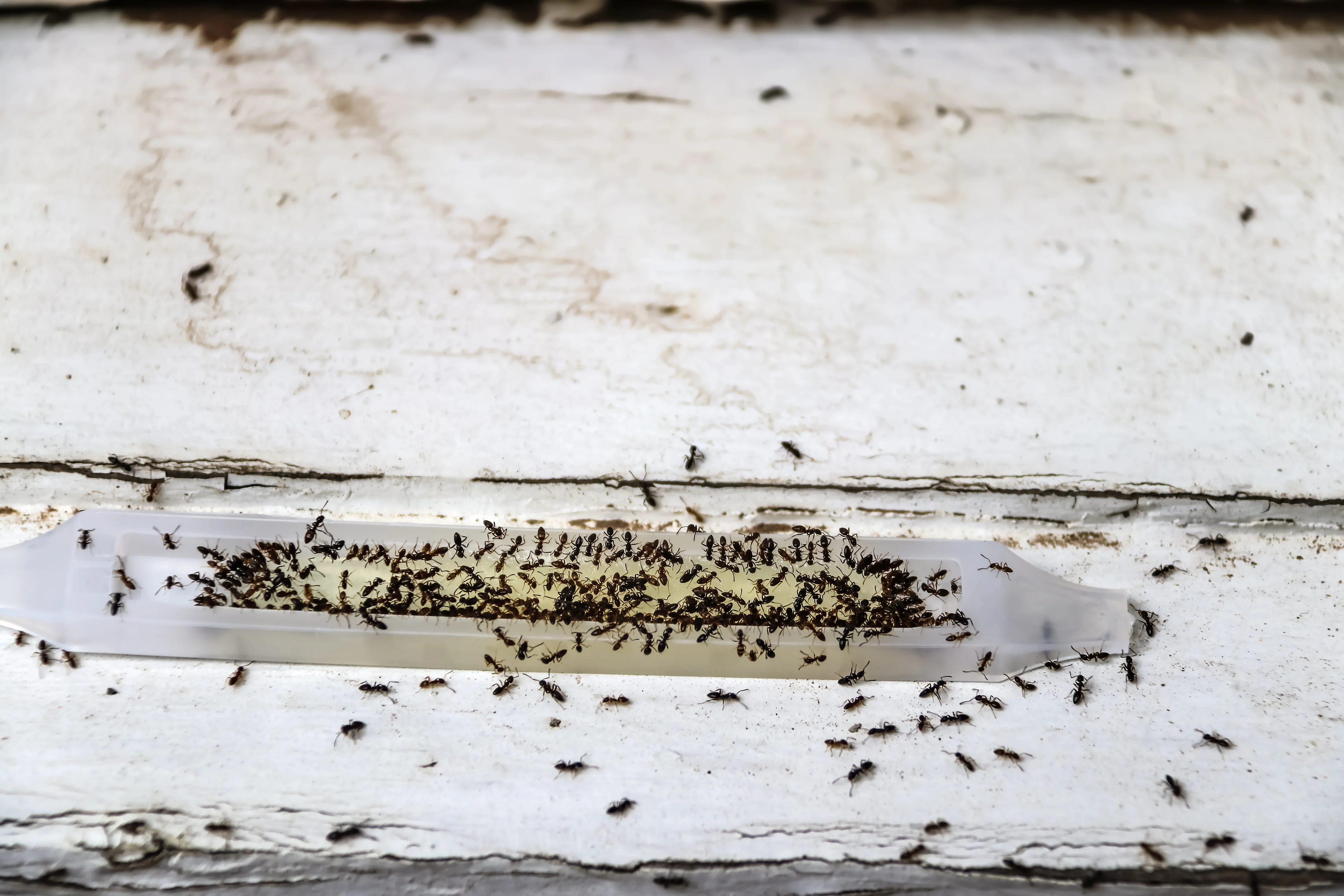
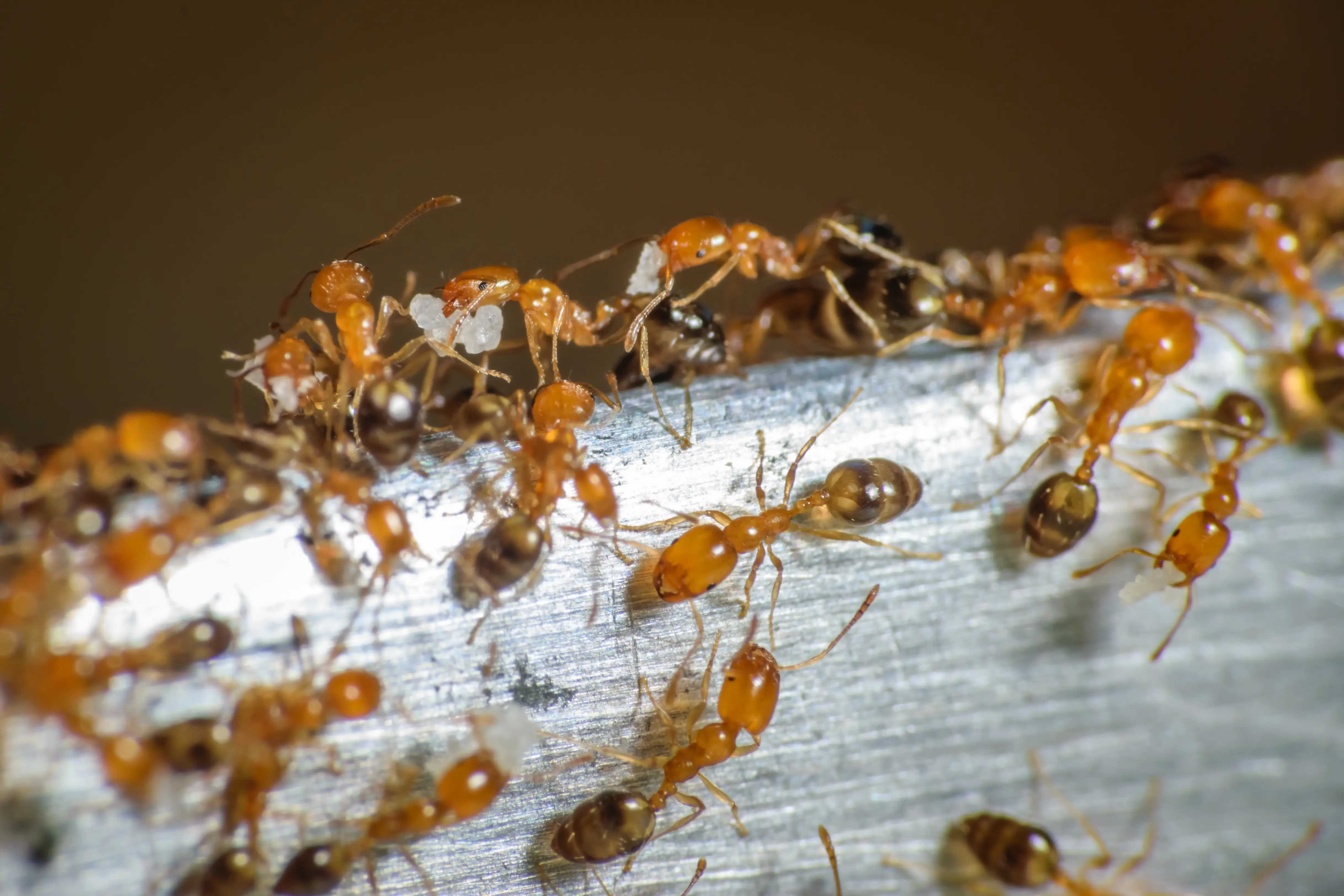
Ant baits leverage the intricate feeding networks and collective behaviors that define ant society's cooperative structure. These specialized control devices combine attractive food sources with slow-acting insecticides that worker ants consume and transport back to their nests, where the toxicants are distributed throughout the colony. This targeted approach effectively eliminates entire ant populations, including the reproductive queens whose death ensures permanent colony collapse.

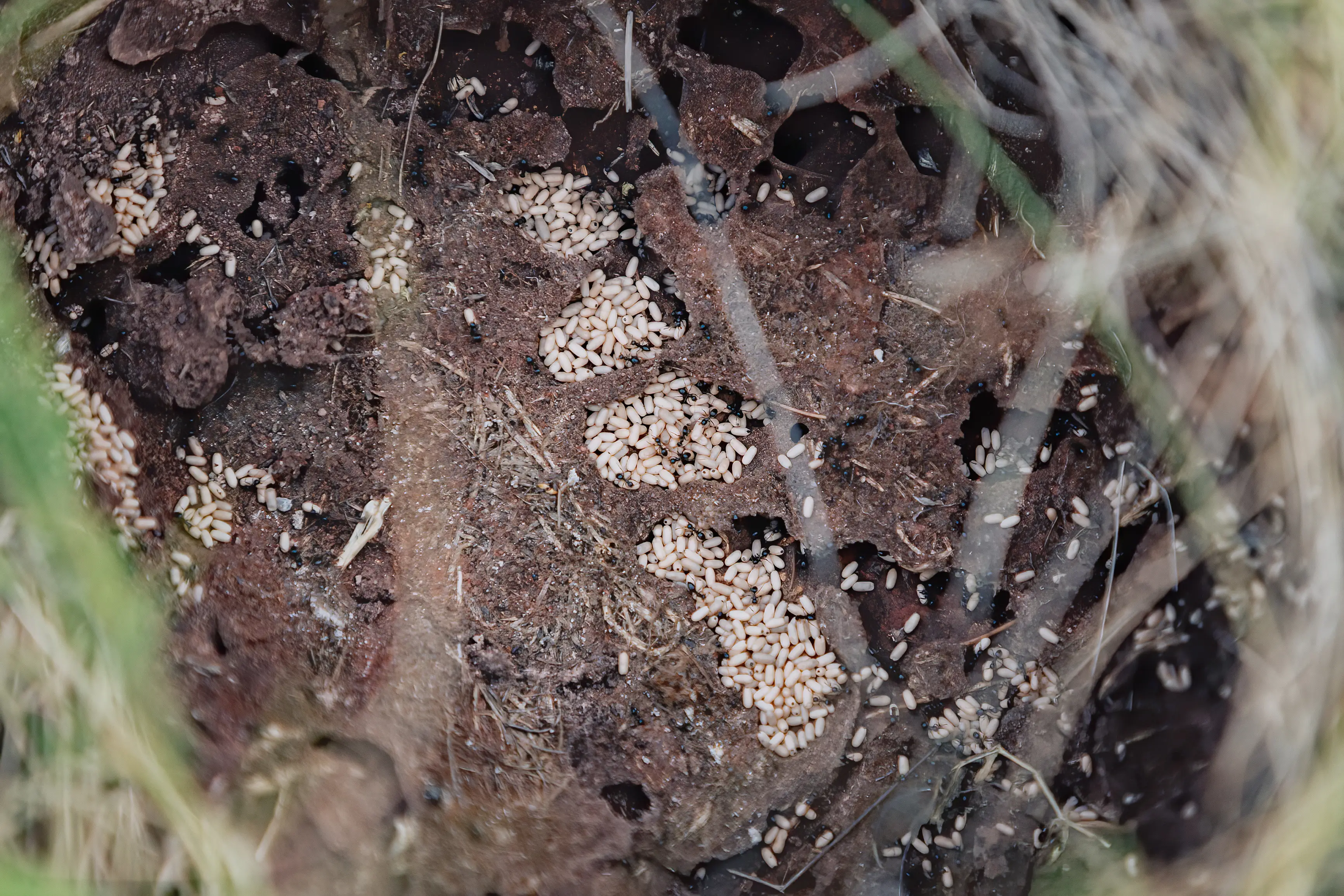
The fundamental effectiveness of ant baits lies in their ability to leverage the intricate food-sharing networks that sustain ant societies. Rather than merely killing individual foraging ants, these systems penetrate deep into the hidden colony structure to reach non-foraging members who would otherwise remain protected from surface treatments.

Key Facts

  • Small colonies:
    1-3 days to eliminate
  • Large colonies:
    1-2 weeks or more
  • Initial results:
    24-48 hours
  • Active ingredients:
    Borax, fipronil, hydramethylnon

Why Are Ant Baits So Effective?

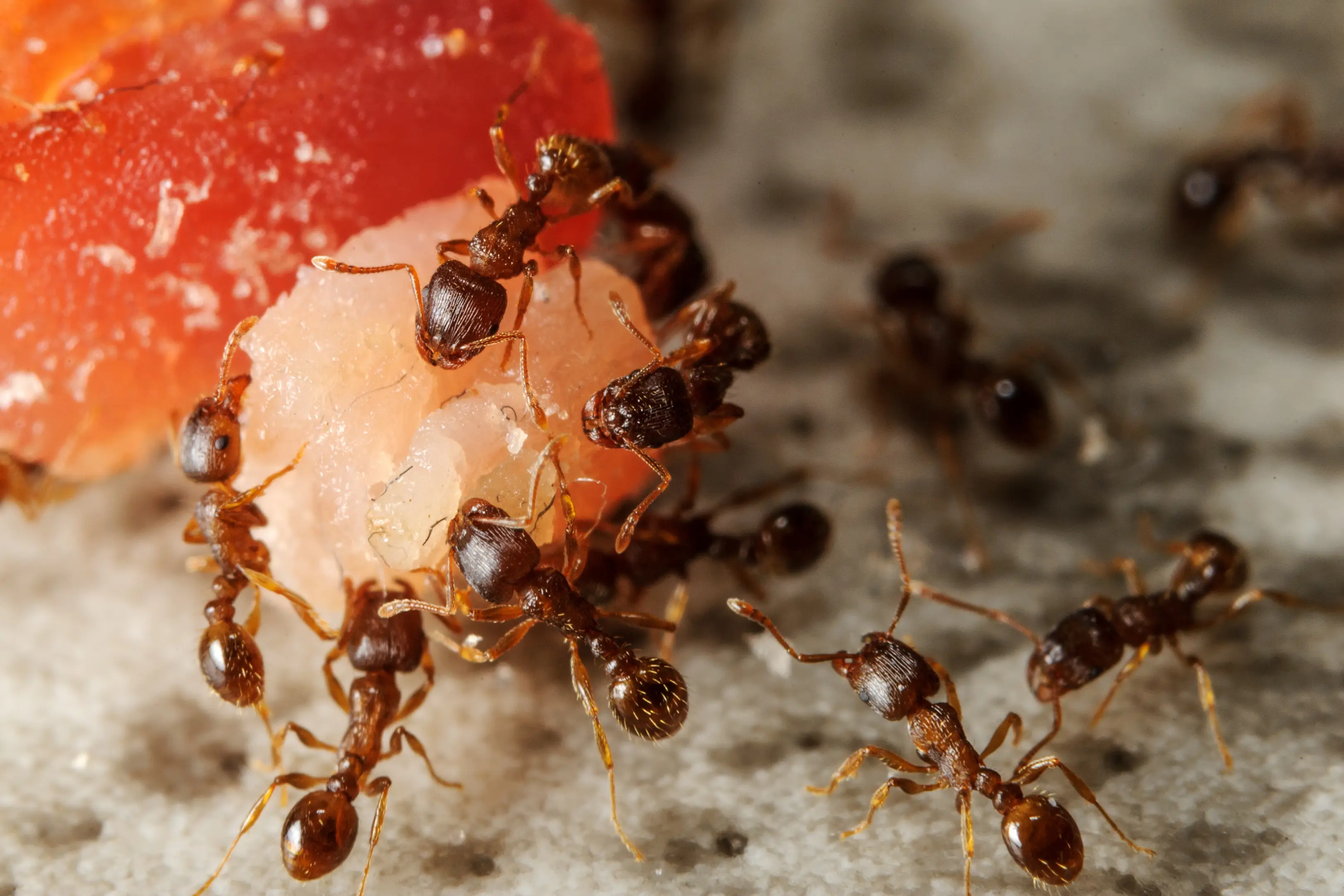
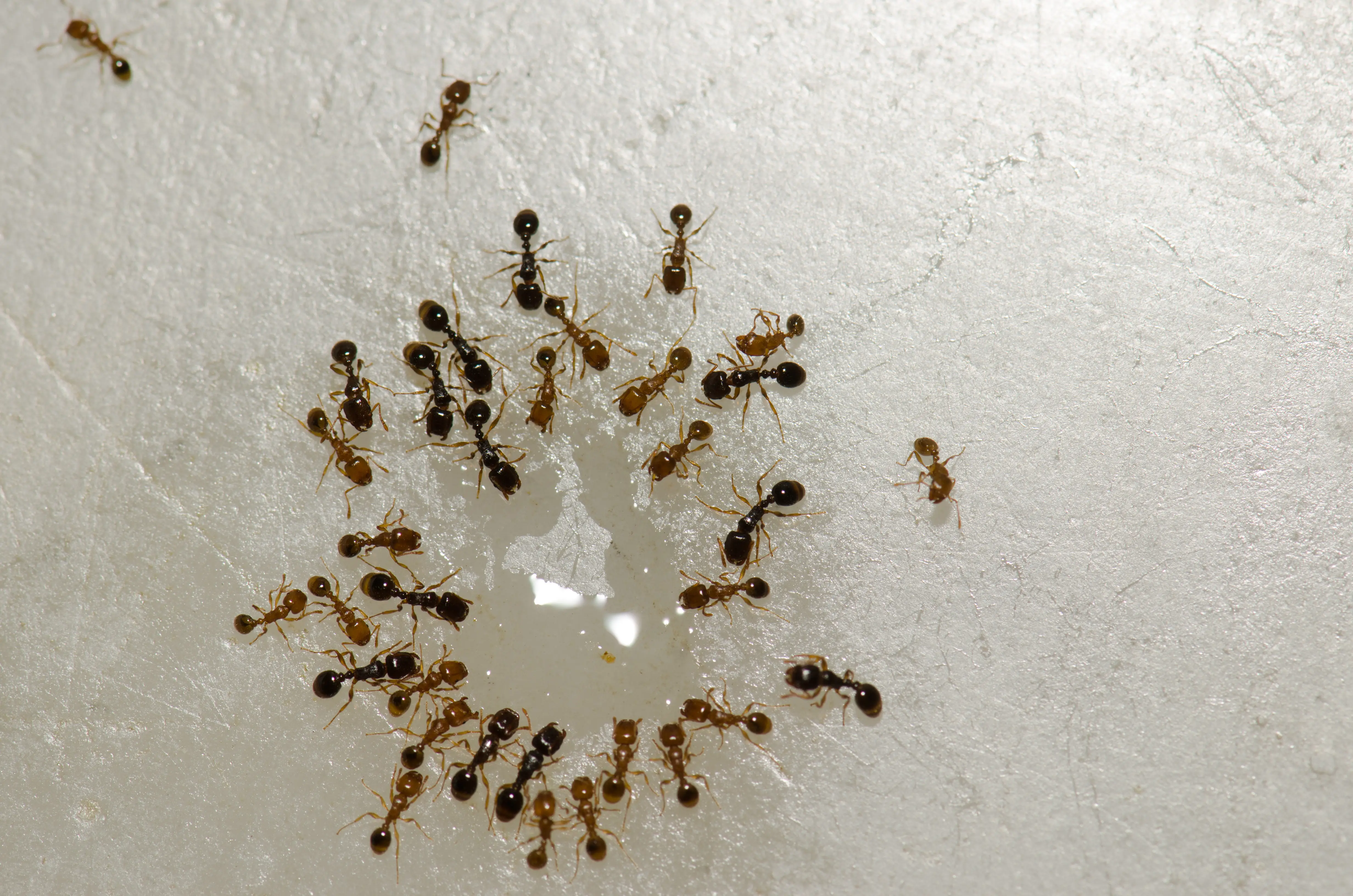
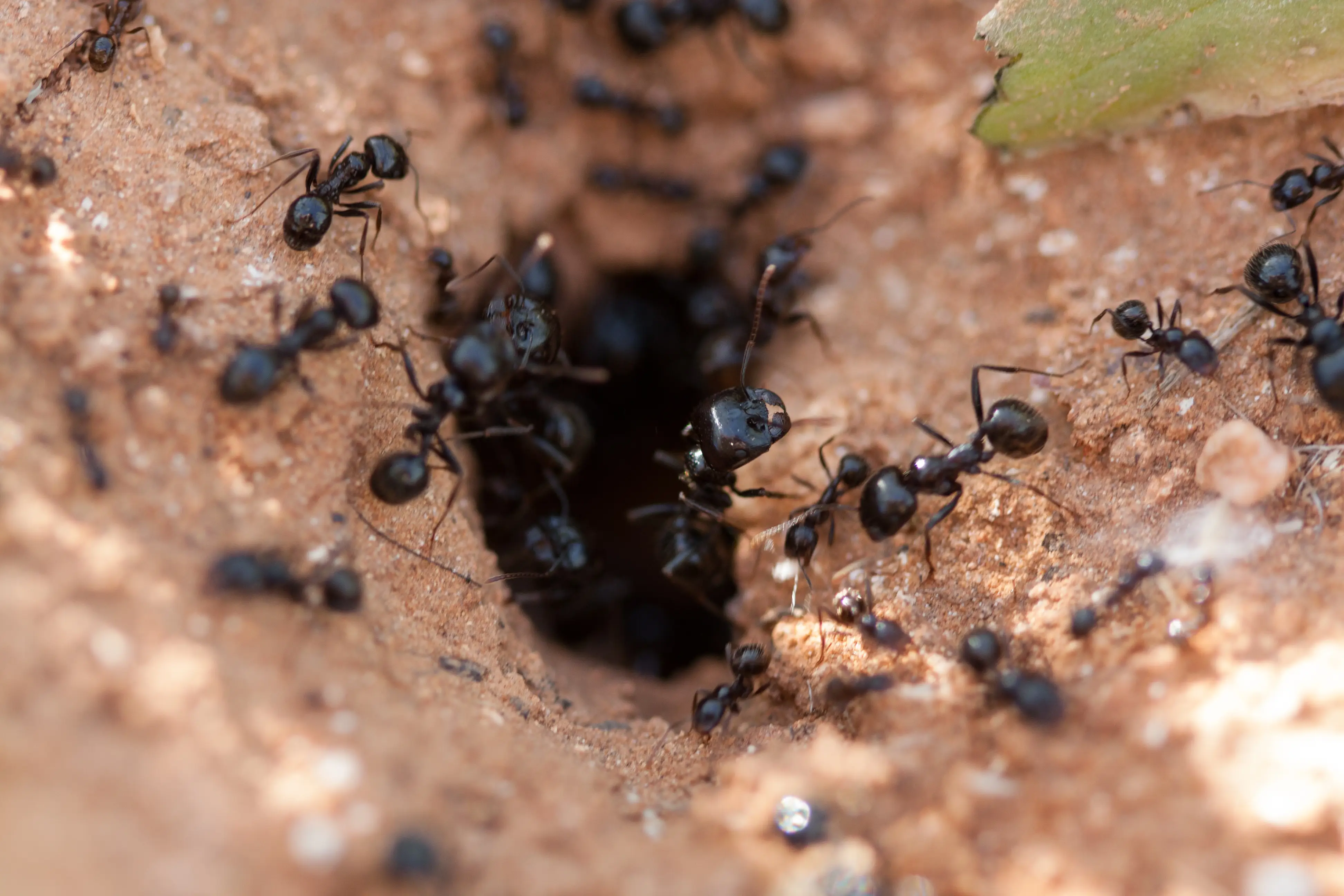
Ant baits exploit the remarkable teamwork and resource-sharing systems that enable ant communities to thrive. Research has demonstrated that food distribution in ant colonies operates as a highly regulated network where only a small fraction of workers collect food, which is subsequently distributed to the entire population through systematic sharing behaviors. This division of labor creates a vulnerability that baits exploit remarkably effectively.

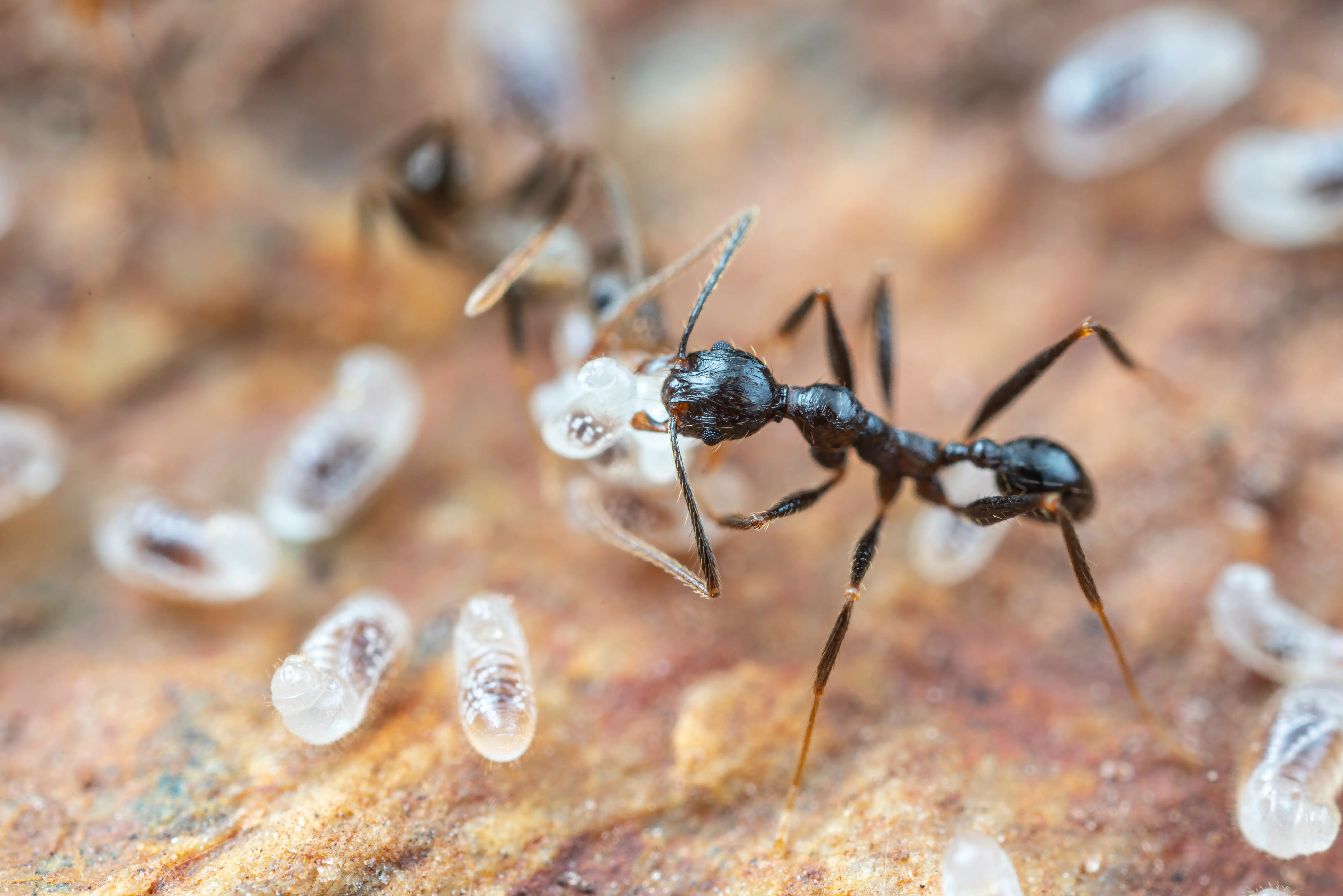
The key to bait success lies in understanding trophallaxis, a behavior that serves multiple functions beyond simple nutrition transfer. Scientific studies reveal that this mouth-to-mouth food exchange also facilitates the spread of chemical signatures throughout the colony, transfers beneficial gut microbes between members, and enables information sharing about food quality and availability. When contaminated with slow-acting insecticides, this natural food distribution system becomes a delivery mechanism that ensures toxicants reach every level of the colony hierarchy.

Ant Baits Kill the Queen

The ultimate goal of any effective ant control strategy centers on eliminating the reproductive queens, who serve as the biological foundation of colony survival. Queen ants can live for decades and produce millions of eggs during their lifetime, with some species documented surviving over 28 years in laboratory conditions. Without successful queen elimination, surviving workers can continue foraging activities and potentially establish satellite colonies elsewhere.

Key Insight: Delayed Action is Critical

Bait systems achieve queen elimination through delayed-action toxicants that allow sufficient time for distribution throughout the colony before symptoms manifest. Immediate-acting poisons would kill foraging workers before they could transport contaminated food back to nest-bound queens and developing larvae.
Factors That Impact the Effectiveness of Ant Traps

Several biological and environmental variables significantly influence the success rate of ant bait applications. Understanding these factors enables more strategic deployment and realistic expectations regarding treatment timelines.

Type of Ants

Different ant species exhibit distinct dietary preferences that directly influence bait attractiveness and consumption rates. Research demonstrates that sweet-based baits remain attractive year-round for some species, while protein-based formulations show peak attractiveness during spring months when colonies focus on brood development. Species such as thief ants and Pharaoh ants consistently prefer protein or grease-based attractants. Carpenter ants present unique challenges as omnivorous foragers with seasonal dietary preferences that shift between protein and carbohydrate needs.

Size of Infestation

Colony size directly correlates with treatment complexity and success timelines. Small, newly established colonies can be eliminated within a few days to one week, while large, mature colonies may require 1-2 weeks or longer. Extra-large or complex colonies may require 3-4 weeks and multiple bait placements. The presence of multiple foraging trails and satellite feeding areas in established colonies can complicate treatment strategies.

Number of Ant Queens

Colony structure varies dramatically between species. Multi-queen (polygynous) colonies present significantly greater control challenges because traditional "kill the queen, kill the colony" approaches are ineffective. Workers can rear new queens from existing eggs and larvae, and nests may house dozens to several thousand reproductive females. For colonies with multiple queens, substantially larger bait quantities become necessary.

Location of Ant Colony

Nest accessibility significantly influences bait effectiveness. Colonies in easily accessible outdoor areas generally respond more favorably than those located within wall voids, underground chambers, or other protected locations. Colonies near abundant alternative food sources may show reduced interest in bait stations, requiring removal of competing food sources.

What Types of Ant Baits Are There?

Modern ant control utilizes various bait formulations designed to accommodate different application scenarios and target species preferences. Each formulation type offers distinct advantages and limitations that influence their suitability for specific control situations.

Reusable Bait Stations

Prefabricated stations that protect bait from environmental degradation while facilitating controlled access. Feature refillable chambers, tamper-resistant designs, and transparent chambers for monitoring. Ideal for long-term monitoring and prevention programs.

Gel Baits

Versatile formulations for confined spaces and cracks. High moisture content attracts water-seeking ants. Applied with syringe-like applicators for precise placement. Adhesive properties allow vertical surface placement. Requires more frequent replacement in hot, dry conditions.

Powder Ant Baits

Dry formulations offering superior stability under varying weather conditions. Best for outdoor applications where moisture resistance is priority. Can create unintended distribution issues but advantageous for broad area coverage of large outdoor infestations.

Solid Ant Baits

Granules, blocks, and discs that resist environmental degradation. Active ingredients embedded in carrier matrices that ants can transport naturally. Granular formulations effective because they resemble natural food items. Suitable for broadcast application.

Borax Baits

Utilize sodium tetraborate decahydrate, a naturally occurring mineral. Slow-acting nature allows affected ants to return to colonies before becoming incapacitated. Works by interfering with cellular energy production, causing gradual weakness within 24-48 hours.

How to Choose the Right Ant Bait

Effective bait selection requires careful consideration of target species characteristics, environmental conditions, and treatment objectives. Effectiveness requires aligning bait compositions with target species' food preferences while adapting to cyclical changes in foraging patterns and nutritional requirements throughout the year.

Step 1: Identify the Species

Different ant species exhibit markedly different food preferences. Some show strong preferences for sugar-based attractants, while others respond to protein or fat-based formulations. Dietary preferences can also shift seasonally.

Step 2: Consider the Environment

Outdoor applications require formulations with enhanced stability under varying weather conditions. Indoor treatments may prioritize cleanliness and odor considerations.

Step 3: Remove Competing Food

The presence of competing food sources necessitates more attractive bait formulations or removal of alternative nutrition sources to ensure meaningful consumption levels.

How Long Do Ant Traps Take to Work?

Treatment timelines vary significantly based on colony size, species characteristics, and environmental conditions, though most properly applied bait systems produce observable results within 24-48 hours of initial consumption.

Small Colonies: Complete elimination within 1-3 days
Medium Colonies: 1-2 weeks for total population control
Large/Complex Colonies: 3-4 weeks with multiple bait placements

Important: Increased Activity is Normal

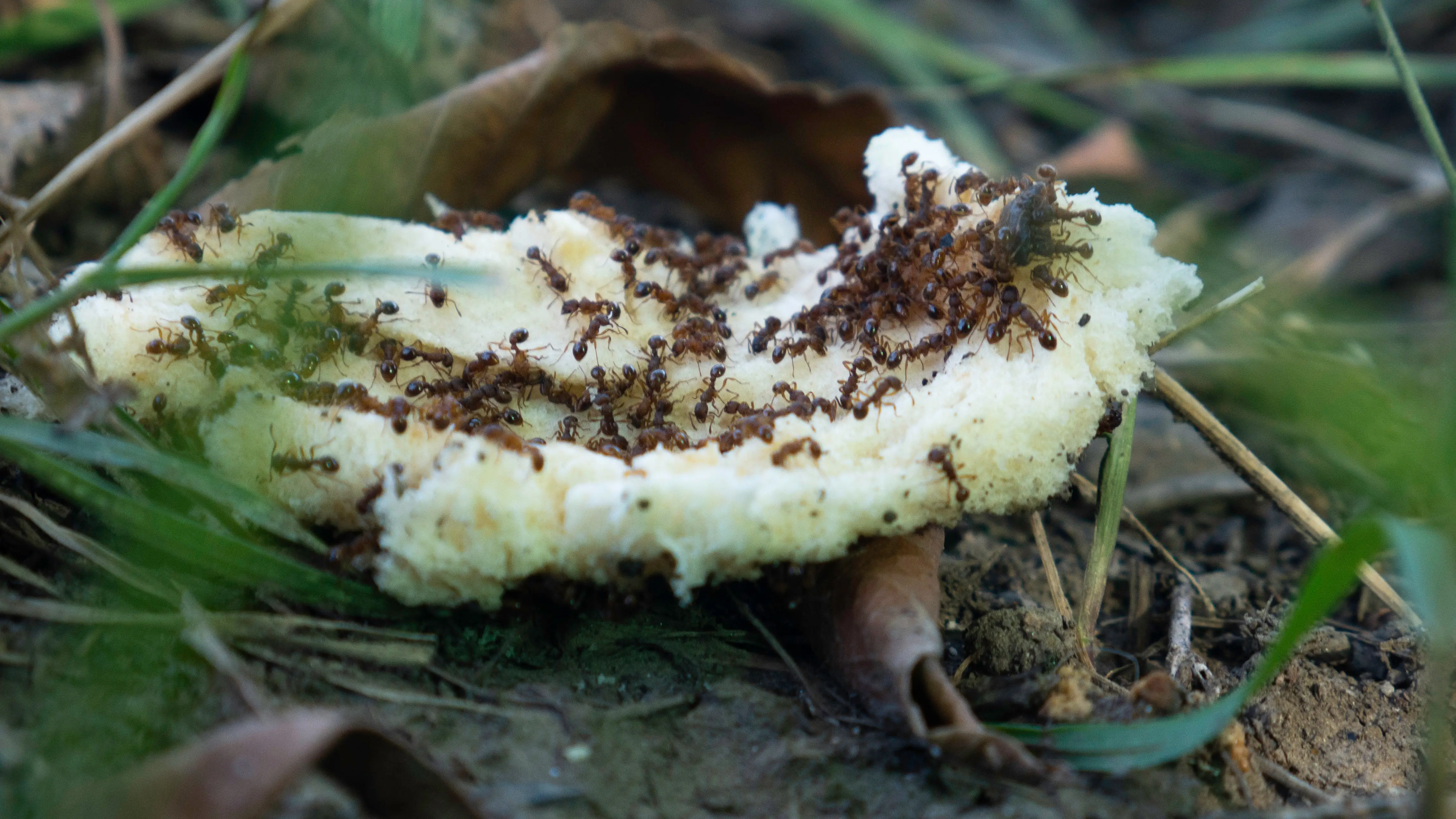
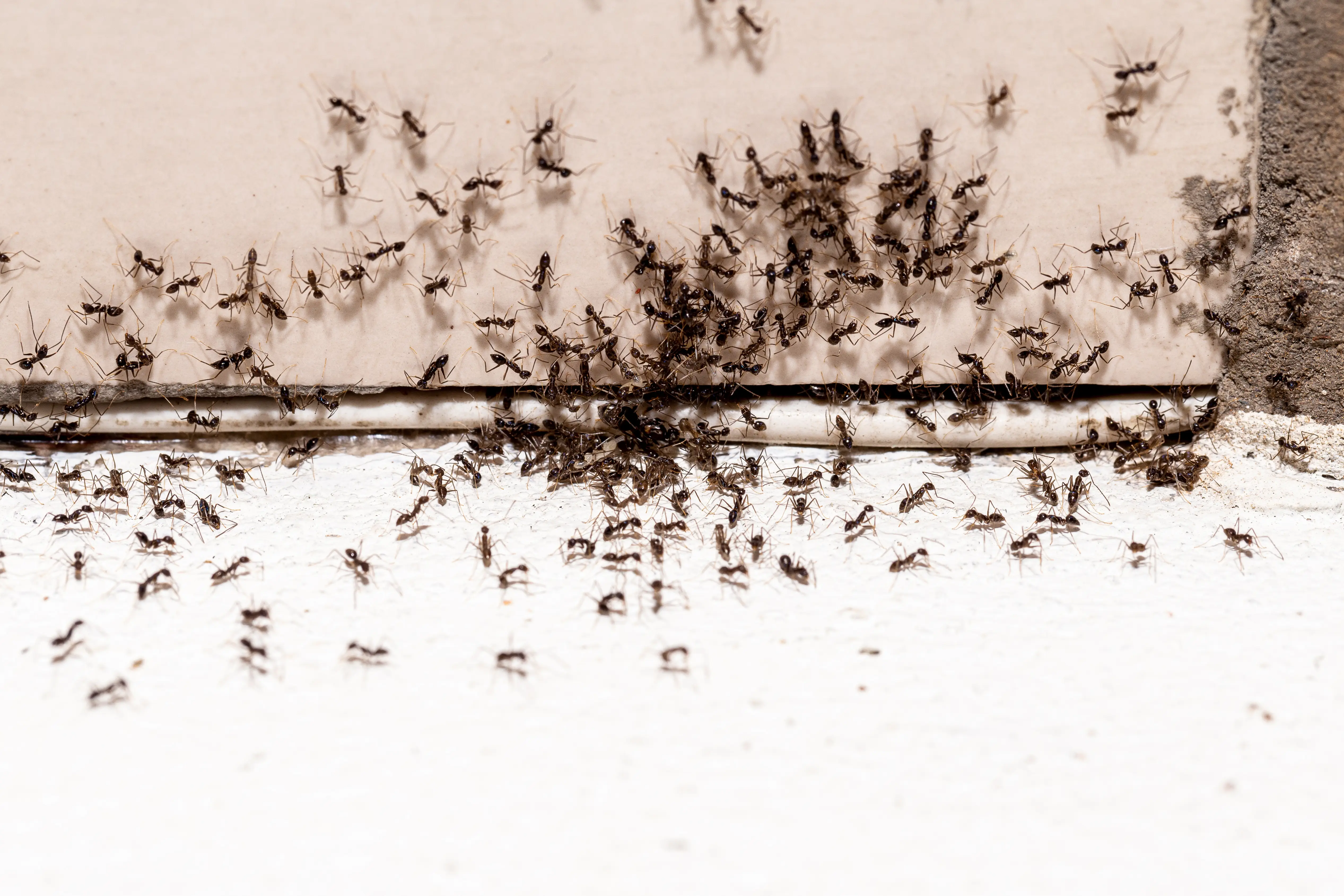
The initial phase of bait treatment often produces increased ant activity as foraging workers discover and recruit others to new food sources. This temporary increase should not be interpreted as treatment failure, but rather as evidence that ants are actively consuming and transporting bait materials back to their colonies.

What Attracts Ants to Bait Stations?

Ant attraction to bait stations depends on carefully formulated combinations of nutritional attractants that appeal to specific dietary requirements and foraging preferences. Research demonstrates that effective baits contain carbohydrates such as sugars, proteins, oils, or combinations of these components, each targeting different nutritional needs and species preferences.

Successful bait formulations also incorporate chemical attractants that trigger feeding responses independent of nutritional content. These may include naturally occurring compounds that mimic ant pheromones or other chemical signals associated with high-quality food sources. The combination of nutritional and chemical attractants creates powerful feeding stimuli that can override ant preferences for naturally occurring food sources in the environment.

Need Professional Ant Control?

Our technicians use professional-grade baiting systems and integrated pest management strategies for guaranteed colony elimination.

Call (866) 326-2847 for Expert Help

What Kills Ants in Ant Baits?

Modern ant baits utilize several classes of insecticides specifically selected for their delayed-action properties and effectiveness against social insects. The primary poisons include borax (sodium tetraborate), fipronil, hydramethylnon, indoxacarb, and avermectin derivatives, each employing unique biological pathways and toxicity characteristics.

Borax (Sodium Tetraborate)

Operates as an internal toxin that interferes with energy metabolism processes in ant digestive pathways. Acts as a cellular toxin, disrupting mitochondrial function and cellular metabolism through multiple biochemical pathways. Delayed onset of symptoms (24-48 hours) provides sufficient time for distribution throughout colony populations.

Fipronil

Disrupts nerve signal transmission by interfering with chloride channel regulation, causing neurological overstimulation, muscle rigidity, and mortality. Symptoms typically appear within 24-72 hours, though colony elimination may require several weeks.

Hydramethylnon

Functions as a metabolic inhibitor, disrupting cellular respiration and energy production. Belongs to the trifluoromethyl aminohydrazone class of insecticides. Effective against a wide range of ant species.

Environmental Considerations and Safety Aspects

Ant baits generally present reduced environmental risks compared to broadcast insecticide applications, primarily due to their targeted delivery mechanisms and lower total active ingredient quantities. The enclosed nature of most bait systems minimizes non-target species exposure while preventing widespread environmental contamination.

Human Safety

Human health risks remain minimal due to low active ingredient concentrations (typically 0.5-5.4% of total product weight) and limited exposure potential when used as directed.

Environmental Impact

Most bait active ingredients degrade relatively rapidly under field conditions. Strategic placement away from flowering plants and beneficial insect areas helps maintain environmental selectivity.

How to Use Ant Traps

Successful ant bait deployment requires systematic observation of ant activity patterns, strategic placement along active foraging routes, and consistent monitoring throughout treatment periods.

Step 1: Identify Activity Patterns

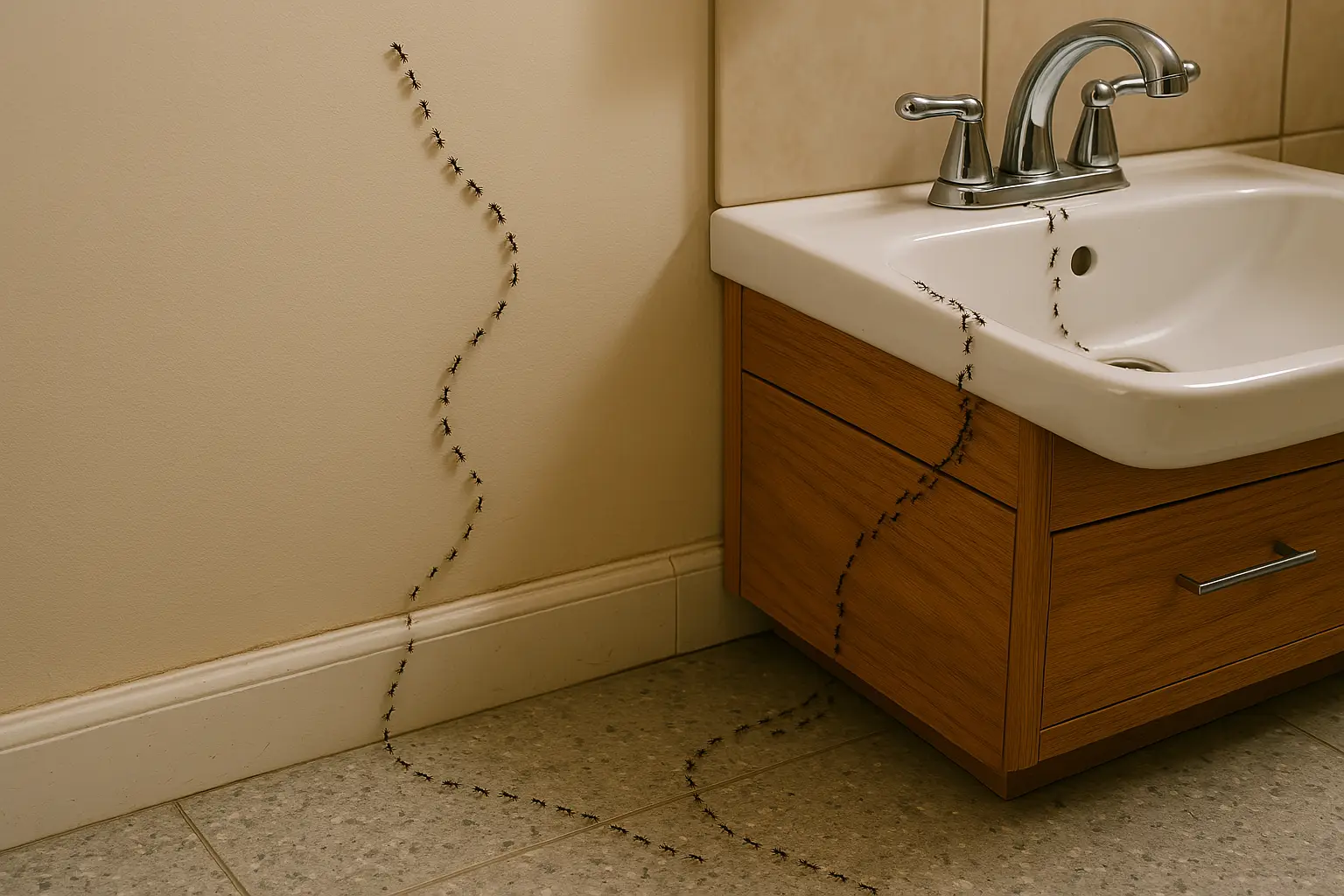
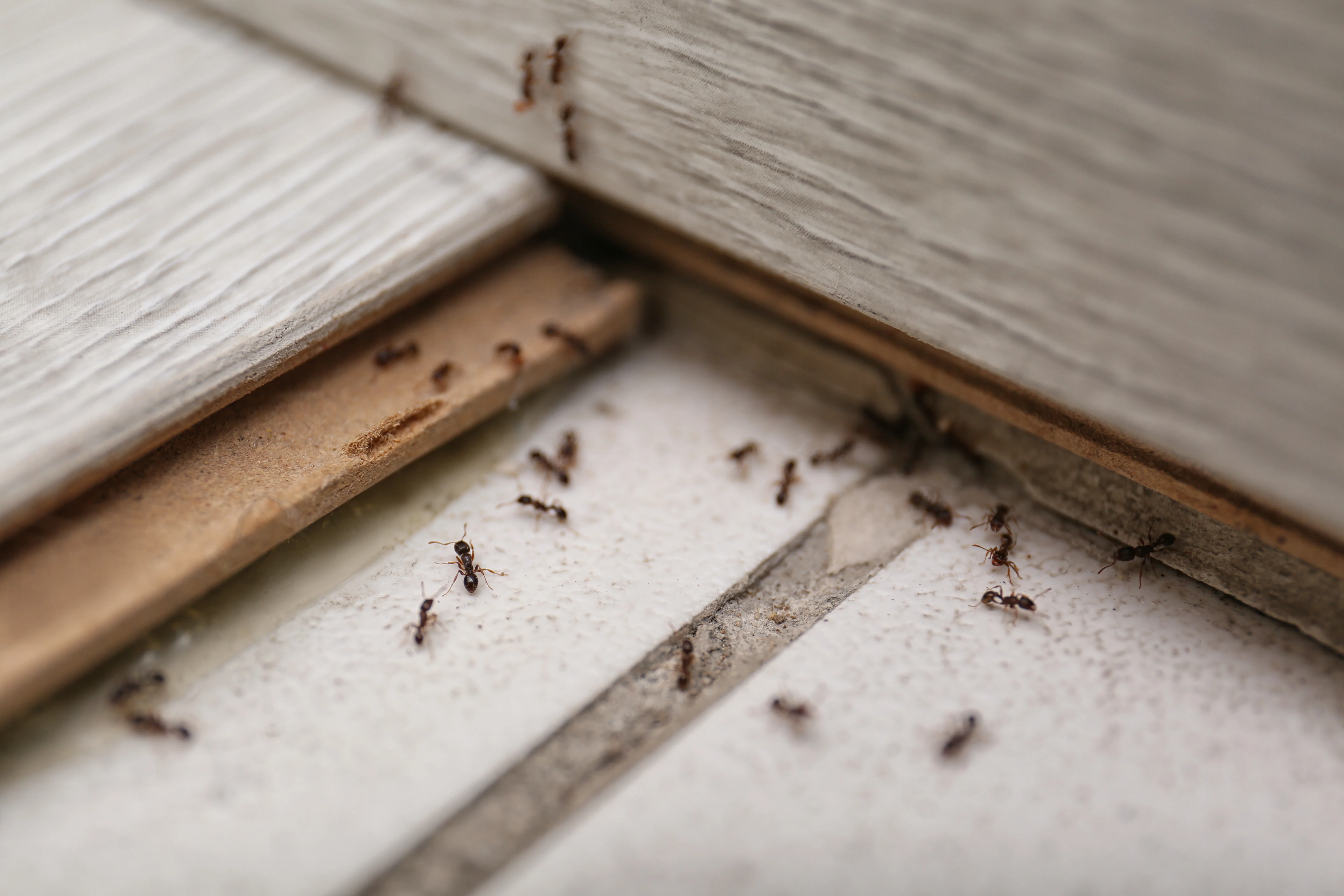
Observe ant trails, entry points, and areas of concentrated activity that indicate nearby nest locations or primary foraging routes.

Step 2: Strategic Placement

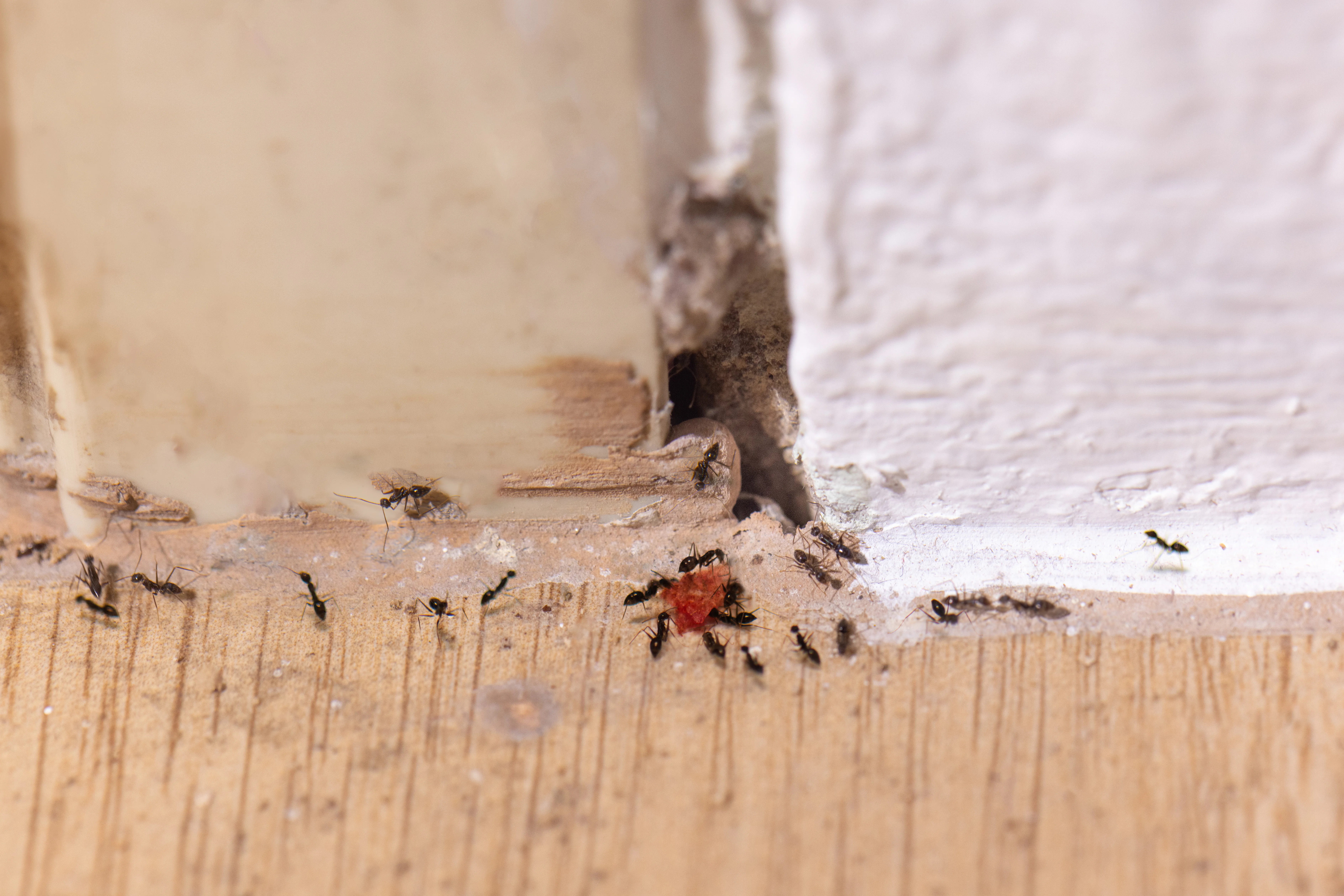
Position bait containers along active foraging routes or adjacent to entry points. Ants preferentially follow chemical trail markers left by previous foragers, making trail-adjacent placement significantly more effective than random positioning.

Step 3: Proper Spacing

Distance between bait stations typically ranges from 10-20 feet for outdoor applications, with closer spacing required for indoor treatments or when targeting multiple trail systems.

Step 4: Monitor and Maintain

Check bait stations regularly for consumption and replenish as needed. Proper bait placement and maintenance ensure consistent availability during periods of peak ant activity.

Where to Use Ant Baits

Indoor Locations

  • Kitchens near food sources
  • Bathrooms with moisture
  • Utility areas
  • Along baseboards
  • Near entry points

Outdoor Locations

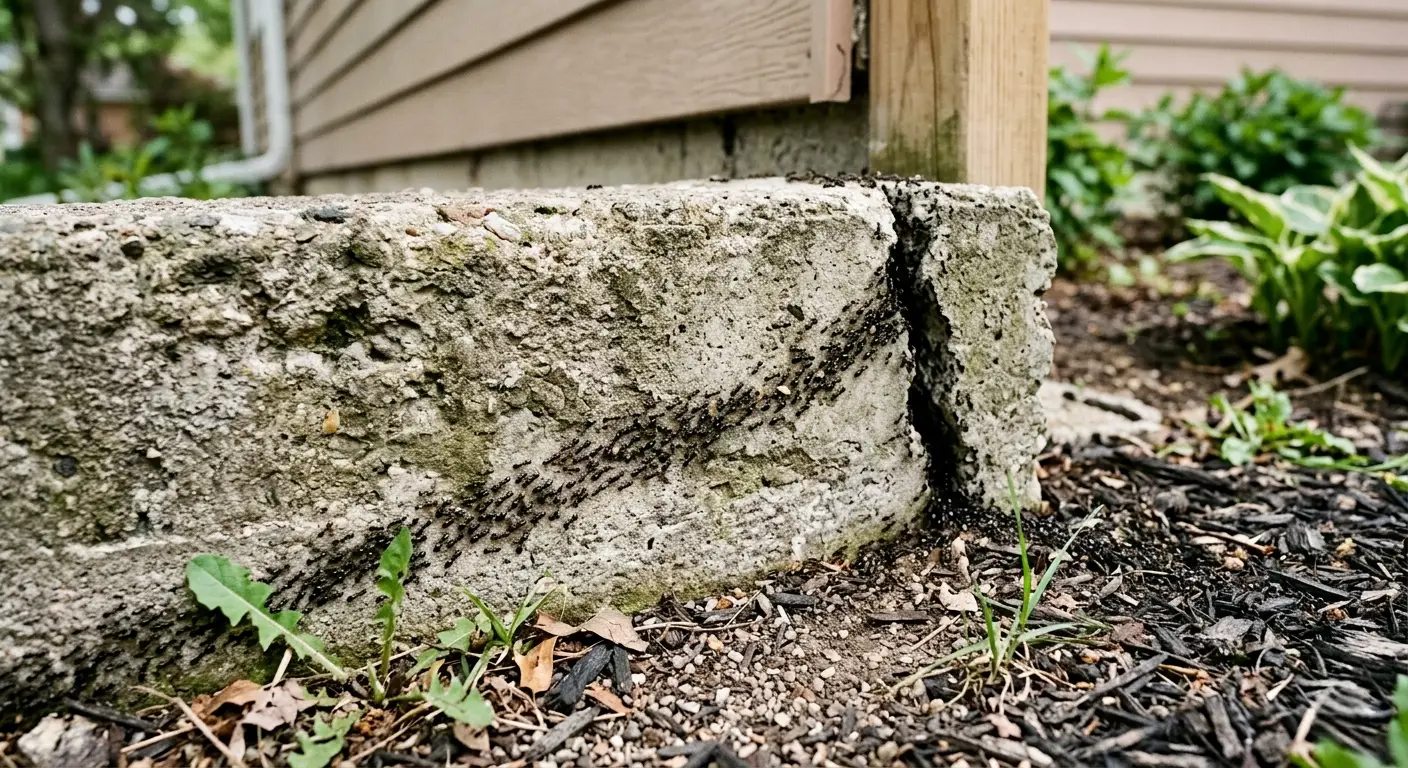
  • Foundation perimeters
  • Near entry points
  • Around landscape features
  • Along sidewalk edges
  • Near garbage areas

Maximizing Ant Bait Performance and Results

Environmental management represents a crucial component of successful baiting programs. Research demonstrates that starvation significantly enhances ant bait effectiveness, with studies showing that colonies starved for 48 hours achieved 100% mortality rates compared to much lower effectiveness in non-starved conditions.

Remove Competing Food Sources: Eliminate alternative food options to ensure ants focus on bait consumption
Time Applications Strategically: Late winter and early spring applications typically achieve superior results compared to peak summer activity periods
Offer Multiple Bait Types: Accommodate changing dietary preferences by offering both protein and sugar-based formulations simultaneously
Maintain Bait Freshness: Replace baits regularly to ensure they remain attractive and effective

Ant Traps vs Other Ant Control Strategies

Research indicates that contact sprays produce immediate reductions in visible ant activity but rarely achieve complete colony elimination. Studies show that only about 20% of an ant colony ventures outside where sprays can reach them. These treatments often result in temporary population dispersal and colony relocation rather than permanent control.

Contact Sprays: Limitations

  • Only reach ~20% of colony
  • Kill visible workers only
  • Don't reach queens
  • May cause colony relocation
  • Temporary results

Baits: Advantages

  • Target entire colonies
  • Reach queens through trophallaxis
  • Work even when nests are hidden
  • Colony collapse when queens die
  • Long-lasting results

Research suggests that combining baits and sprays in an integrated approach optimizes the likelihood of successful ant treatment, with each method addressing different aspects of colony control. Cost-effectiveness analyses favor bait systems for most residential and commercial applications, as their extended duration of effectiveness reduces the frequency of repeat treatments required.

Contact EcoGuard Pest Management for Ant Control

When ant problems persist despite proper bait applications, or when infestations involve aggressive species that pose health or property risks, professional intervention may be necessary. Our experienced technicians can identify ant species, assess colony characteristics, and develop customized treatment plans using advanced baiting systems and integrated pest management strategies.

Call (866) 326-2847Get Free Quote

Ant Bait FAQs

Does ant bait just attract more ants?

Initially, yes. Successful bait placement typically increases visible ant activity as foraging workers recruit nestmates to the new food source. This temporary increase indicates that ants are actively consuming and transporting bait back to their colonies, which is essential for treatment success.

How long does it take for ant baits to work?

Small colonies typically show elimination within 1-3 days, while larger colonies may require 1-2 weeks or more. Initial results often become apparent within 24-48 hours as ant activity levels begin to decline.

Does ant bait actually work?

When properly selected and applied, baits can be extremely effective on smaller ant colonies. Research demonstrates that appropriate ant baits can achieve significant population reductions even without direct access to nest sites, making them among the more effective ant control tools available.

How does bait kill ants?

Baits work by combining attractive food sources with slow-acting insecticides that ants consume and share with colony members through their natural feeding behaviors. The delayed action allows toxicants to reach all colony members, including reproductive queens, before symptoms develop.

Why is my ant bait not working?

Common reasons include: wrong bait type for the ant species, competing food sources nearby, bait placed away from active trails, bait has dried out or degraded, or the colony is larger than expected and requires more time. Try removing competing food sources and offering both sugar and protein-based baits.

Are ant baits safe around pets and children?

Most commercial ant baits contain low concentrations of active ingredients (0.5-5.4%) that present minimal risk when used as directed. However, baits should still be placed in locations inaccessible to children and pets. Tamper-resistant bait stations provide additional safety.

From Our Blog

Related Articles

14 Natural Ant Repellent Strategies That Actually Work

14 Natural Ant Repellent Strategies That Actually Work

Discover effective natural ant repellents including mint, vinegar, cinnamon, and more. Learn how to keep ants out of...

Read Article
16 Common Types of Ants in California | Identification & Treatment

16 Common Types of Ants in California | Identification & Treatment

Identify 16 common ant species in California including carpenter ants, fire ants, and Argentine ants. Learn their...

Read Article
Are Fire Ants Dangerous? Understanding Fire Ant Risks & Safety

Are Fire Ants Dangerous? Understanding Fire Ant Risks & Safety

Learn about fire ant dangers including painful stings, allergic reactions, and property damage. Comprehensive guide on...

Read Article
Argentine Ants: Complete Identification, Control & Prevention Guide

Argentine Ants: Complete Identification, Control & Prevention Guide

Learn to identify Argentine ants, understand their supercolony behavior, and discover effective control strategies....

Read Article
Common Signs of Carpenter Ant Damage

Common Signs of Carpenter Ant Damage

Learn to identify carpenter ant damage signs including frass, holes, tunnels, and how to distinguish carpenter ant...

Read Article
Do Ants Bite? Symptoms, Treatment & Prevention

Do Ants Bite? Symptoms, Treatment & Prevention

Learn about ant bites vs stings, which ants bite, symptoms, allergic reactions, treatment options, and how to prevent...

Read Article
Do Ants Eat Aphids? The Ant-Aphid Relationship Explained

Do Ants Eat Aphids? The Ant-Aphid Relationship Explained

Learn about the fascinating relationship between ants and aphids, how ants farm aphids for honeydew, problems aphids...

Read Article
Do Ants Ever Sleep? Ant Sleep Patterns Explained

Do Ants Ever Sleep? Ant Sleep Patterns Explained

Discover the fascinating sleep patterns of ants, how worker ants take 250 power naps daily, queen ant sleep habits, and...

Read Article
Do Carpenter Ants Eat Wood? Understanding Carpenter Ant Damage

Do Carpenter Ants Eat Wood? Understanding Carpenter Ant Damage

Learn the truth about carpenter ants and wood. Unlike termites, carpenter ants don\

Read Article
How Do Ants Communicate With Each Other? Complete Guide to Ant Communication

How Do Ants Communicate With Each Other? Complete Guide to Ant Communication

Learn how ants communicate using pheromones, touch, sound, and body language. Discover why ant communication is key to...

Read Article
How Do Ants Get in the House? Complete Entry Point Guide

How Do Ants Get in the House? Complete Entry Point Guide

Learn how ants get into your house through foundation cracks, windows, utility lines, and more. Discover entry points,...

Read Article
How Do Ants Get Into Your House? Entry Points & Prevention

How Do Ants Get Into Your House? Entry Points & Prevention

Learn how ants enter your home through cracks, gaps, and openings. Discover where ants hide, what attracts them, and...

Read Article
How Do Ants Mate and Reproduce? Ant Reproduction Explained

How Do Ants Mate and Reproduce? Ant Reproduction Explained

Learn how ants mate during nuptial flights, how queen ants reproduce, the role of drones, and unique reproductive...

Read Article
How Many Ants Are in a Colony? Complete Guide to Ant Colony Size

How Many Ants Are in a Colony? Complete Guide to Ant Colony Size

Learn how many ants live in a colony, from small carpenter ant nests to Argentine ant supercolonies with billions....

Read Article
How to Get Rid of Ants Inside and Outside Your Home

How to Get Rid of Ants Inside and Outside Your Home

Learn how to get rid of ants inside your home, repel them before they enter, and eliminate outdoor colonies. Complete...

Read Article
How to Get Rid of Carpenter Ants in the House

How to Get Rid of Carpenter Ants in the House

Learn how to identify, eliminate, and prevent carpenter ants. Comprehensive guide to indoor and outdoor treatments,...

Read Article
Understanding Ant Colony Structure and Hierarchy

Understanding Ant Colony Structure and Hierarchy

Learn about ant colony structure, hierarchy, and how ants work together. Discover the roles of queens, workers, drones,...

Read Article
What Are Ants? Complete Guide to Ant Biology, Behavior & Control

What Are Ants? Complete Guide to Ant Biology, Behavior & Control

Learn everything about ants including appearance, colony hierarchy, life cycle, diet, defenses, and how to get rid of...

Read Article
What Are Red Ants? Fire Ant Identification & Control

What Are Red Ants? Fire Ant Identification & Control

Learn about red ants and fire ants, how to identify them, their behavior, dangers of their stings, and effective...

Read Article
What Attracts Ants Inside the House? Prevention Tips

What Attracts Ants Inside the House? Prevention Tips

Learn what attracts ants to your home including food, water, and shelter. Discover prevention tips and how to get rid...

Read Article
What Do Ants Eat and Drink in Your House?

What Do Ants Eat and Drink in Your House?

Learn what ants eat including sugars, proteins, seeds, fungus, and other insects. Discover how different ant species...

Read Article
What Happens When the Queen Ant Dies?

What Happens When the Queen Ant Dies?

Learn what happens when a queen ant dies, how to identify a queen, the ant queen life cycle, and how to effectively...

Read Article
What's the Lifespan of an Ant? Guide to Ant's Life Cycle

What's the Lifespan of an Ant? Guide to Ant's Life Cycle

Learn how long ants live based on species, caste, and gender. Discover the ant life cycle from egg to adult and factors...

Read Article
When is Ant Season? Complete Guide to Ant Activity Patterns

When is Ant Season? Complete Guide to Ant Activity Patterns

Learn when ant season occurs in your region, peak activity times by species, and seasonal prevention strategies....

Read Article
Where Do Ants Go in the Winter? Complete Winter Behavior Guide

Where Do Ants Go in the Winter? Complete Winter Behavior Guide

Discover where ants go in winter, how they survive freezing temperatures through diapause, and why they may invade your...

Read Article
Where Do Ants Live? Complete Guide to Ant Habitats

Where Do Ants Live? Complete Guide to Ant Habitats

Discover where ants live outdoors and indoors, from underground colonies to wall voids. Learn about species-specific...

Read Article
Why Are Flying Ants a Problem? Identification and Prevention

Why Are Flying Ants a Problem? Identification and Prevention

Learn why flying ants appear, how to identify them vs termites, which species swarm, and how to prevent and eliminate...

Read Article
Why Are There Ants in My Bathroom? Causes & Solutions

Why Are There Ants in My Bathroom? Causes & Solutions

Discover why ants invade bathrooms and learn effective solutions. Understanding moisture, food sources, and shelter...

Read Article