EcoGuard Pest Management
How to get rid of ants in your home and yard
By Gary Anderson||5 min read

How to Get Rid of Ants

Learn how to eliminate ants inside your home, repel them before they enter, and get rid of outdoor colonies for good.

Ants are unwelcome intruders in any home because they can cause significant disruption and frustration in their search for food, water, and shelter. They often form large colonies that are difficult to locate and eliminate, and their resilience makes them a formidable nuisance pest when it comes to pest control.

Getting rid of ants in your home is entirely achievable with the right strategies and a proactive approach. Understanding ant invasion patterns and implementing effective removal and prevention strategies can help maintain an ant-free home environment.

Why Ants Come Inside

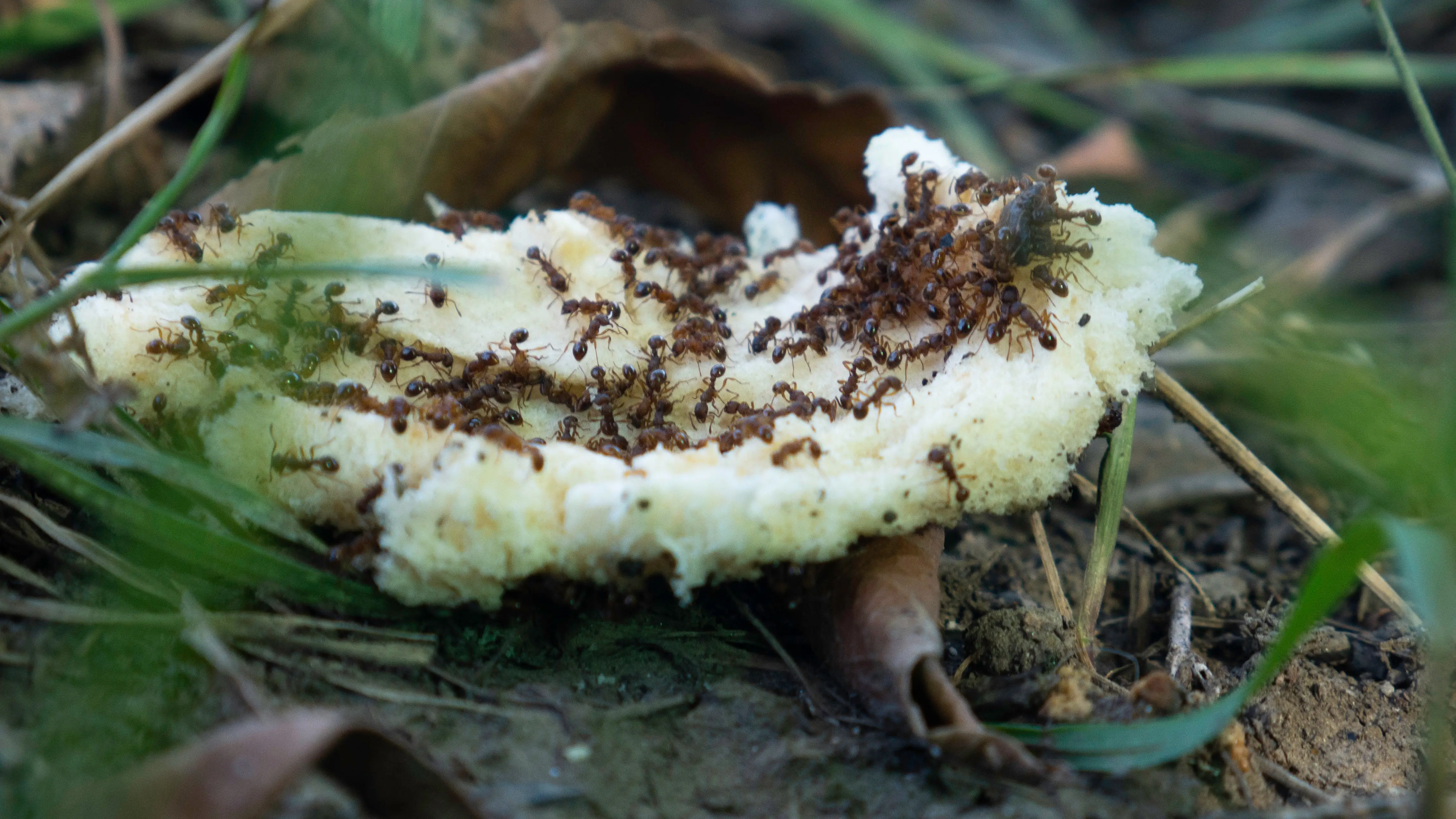
Food: Crumbs, spills, pet food, and improperly stored pantry items
Water: Leaky pipes, moisture issues, and standing water
Shelter: Rotting wood, wall voids, and warm indoor temperatures

Key Facts

Peak Season
Late spring and early summer when colonies expand
Scout Ants
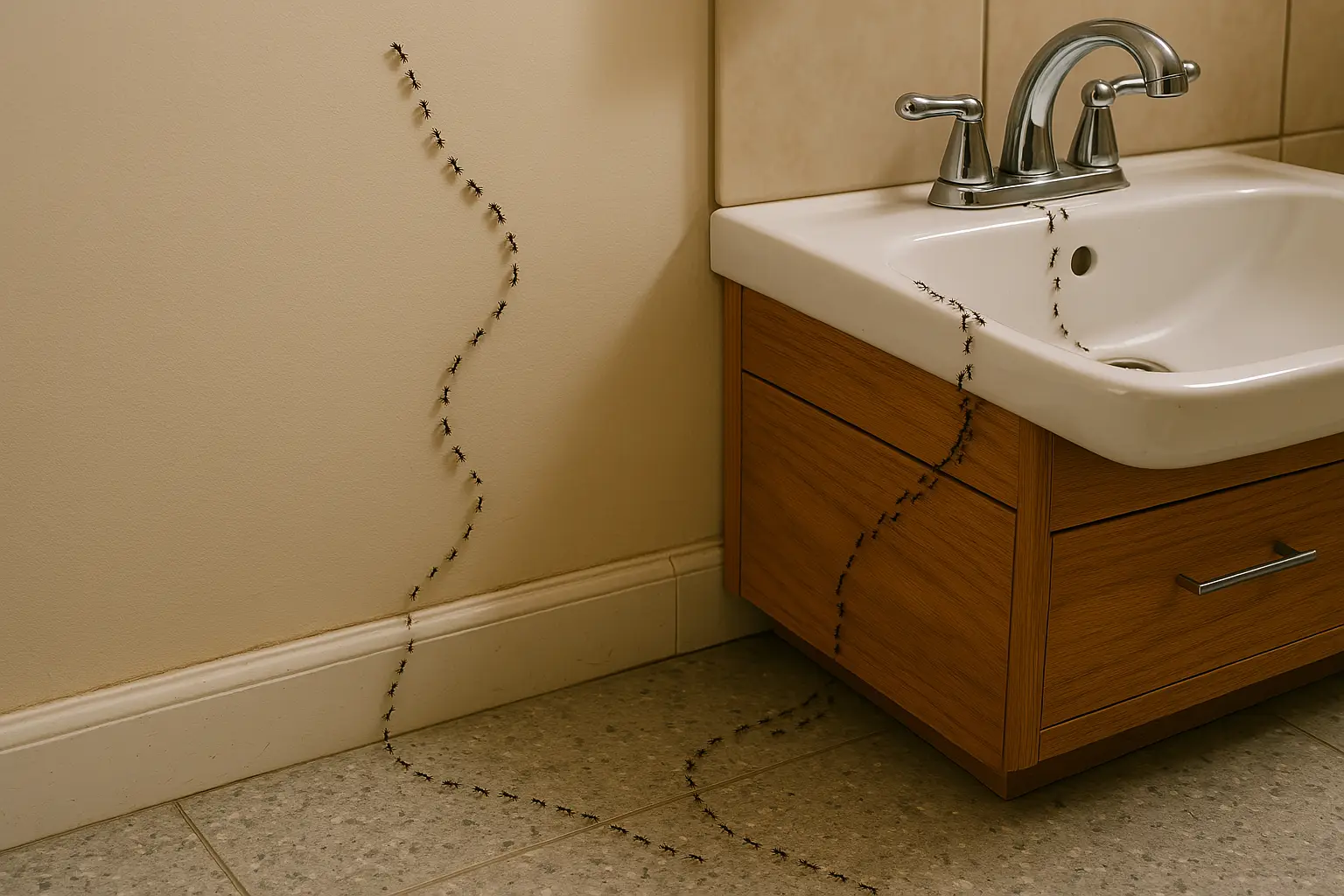
A single scout leaves a pheromone trail that guides the entire colony
Best Approach
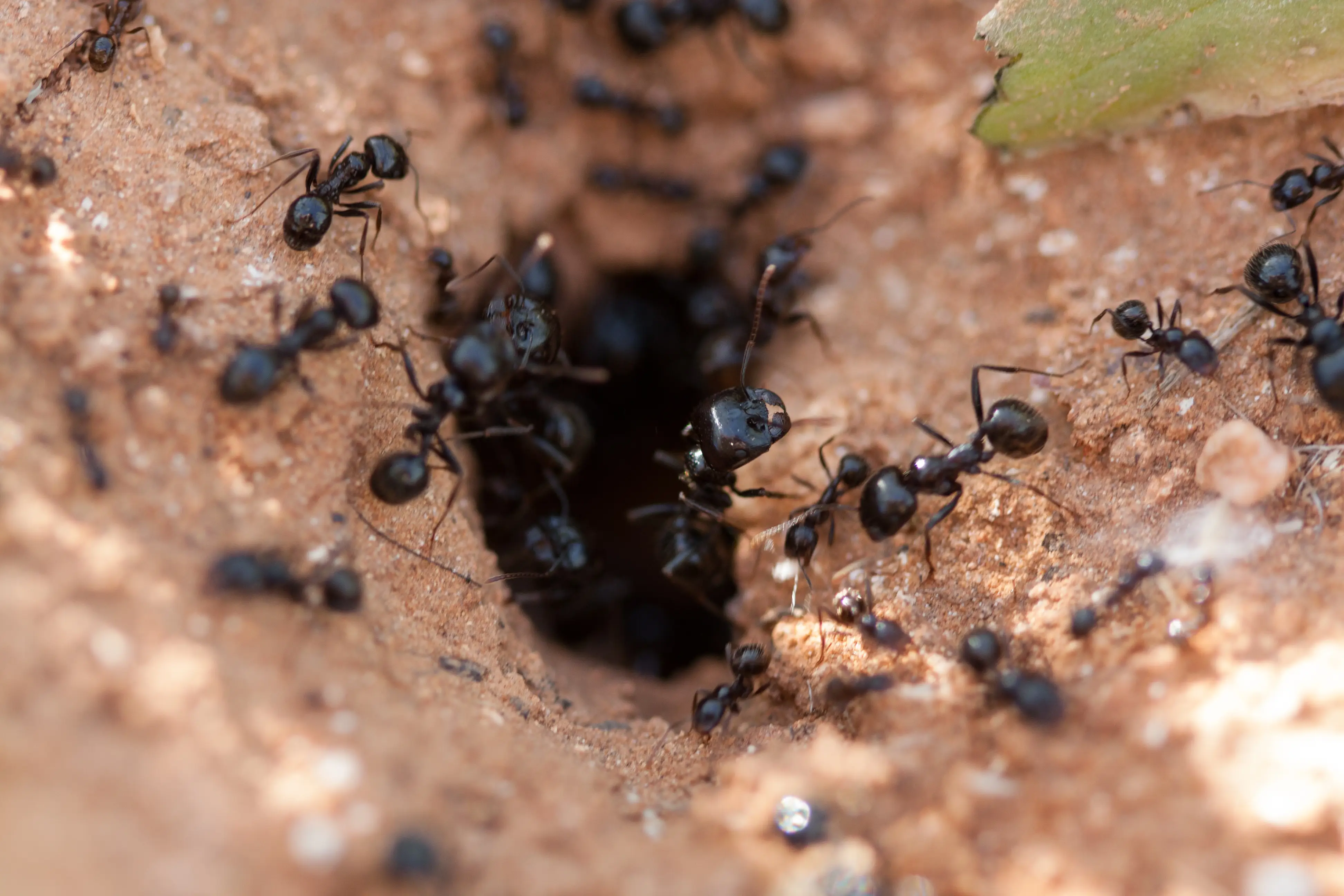
Target the nest, not just the visible ants
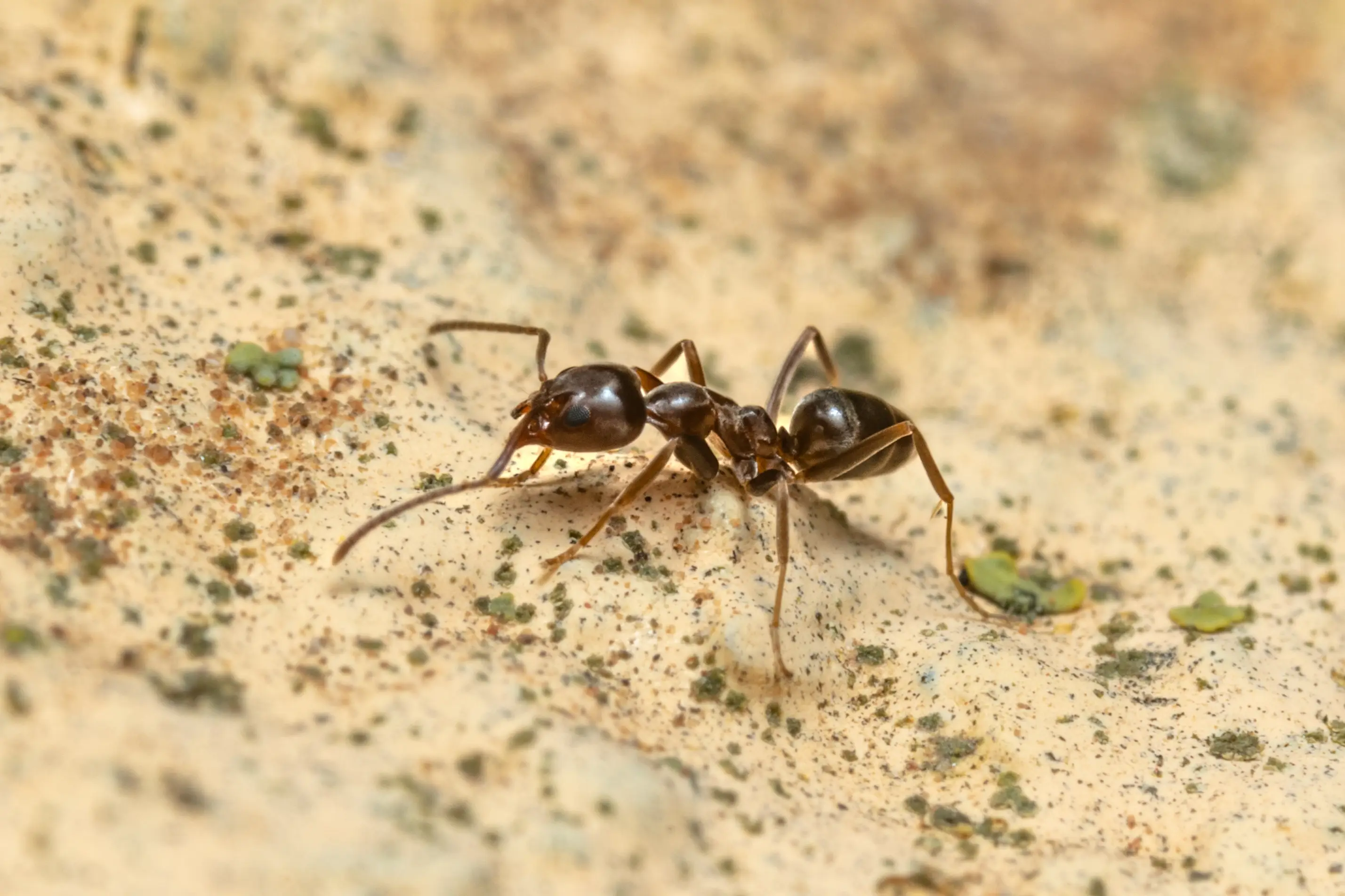
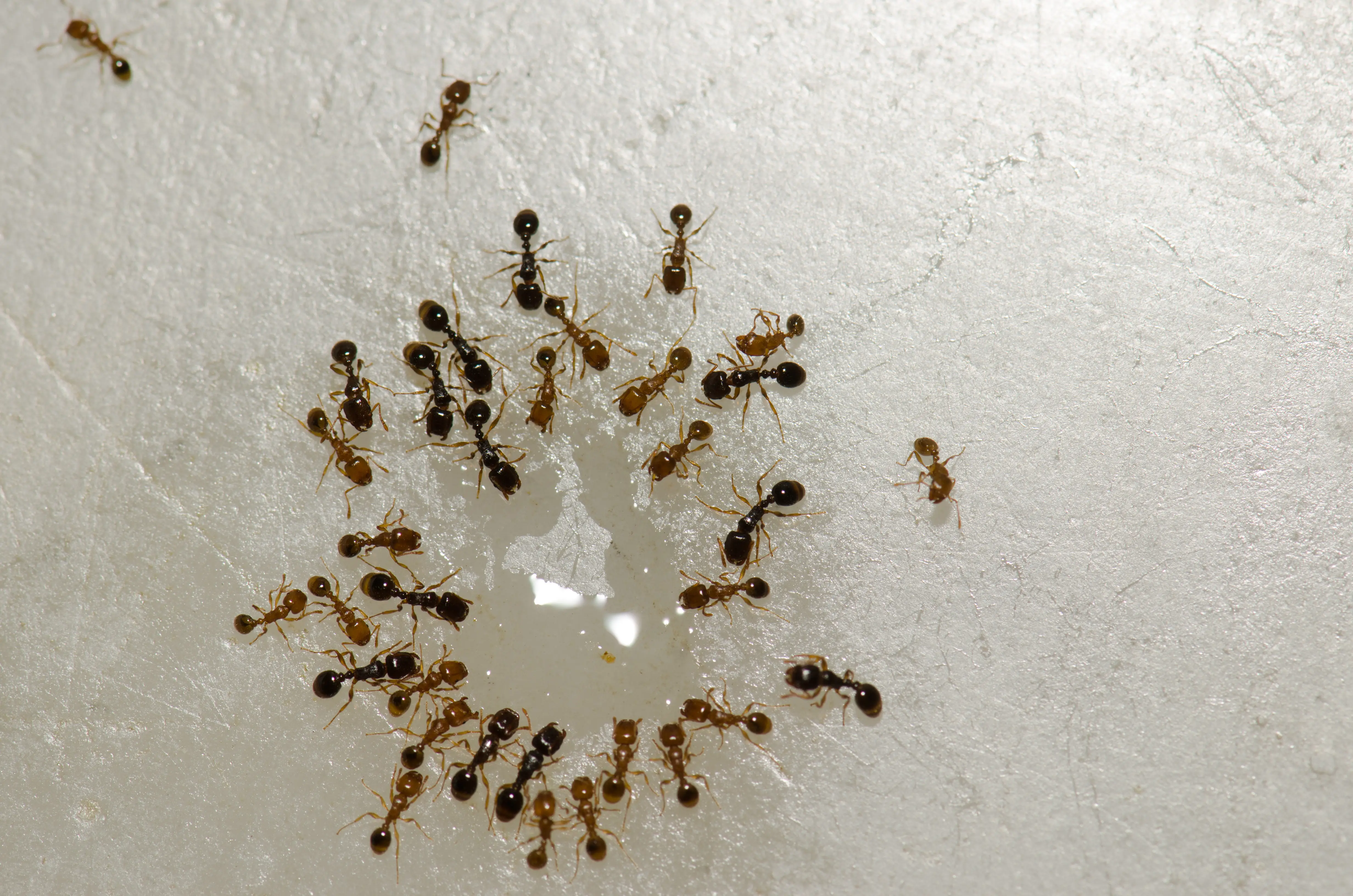
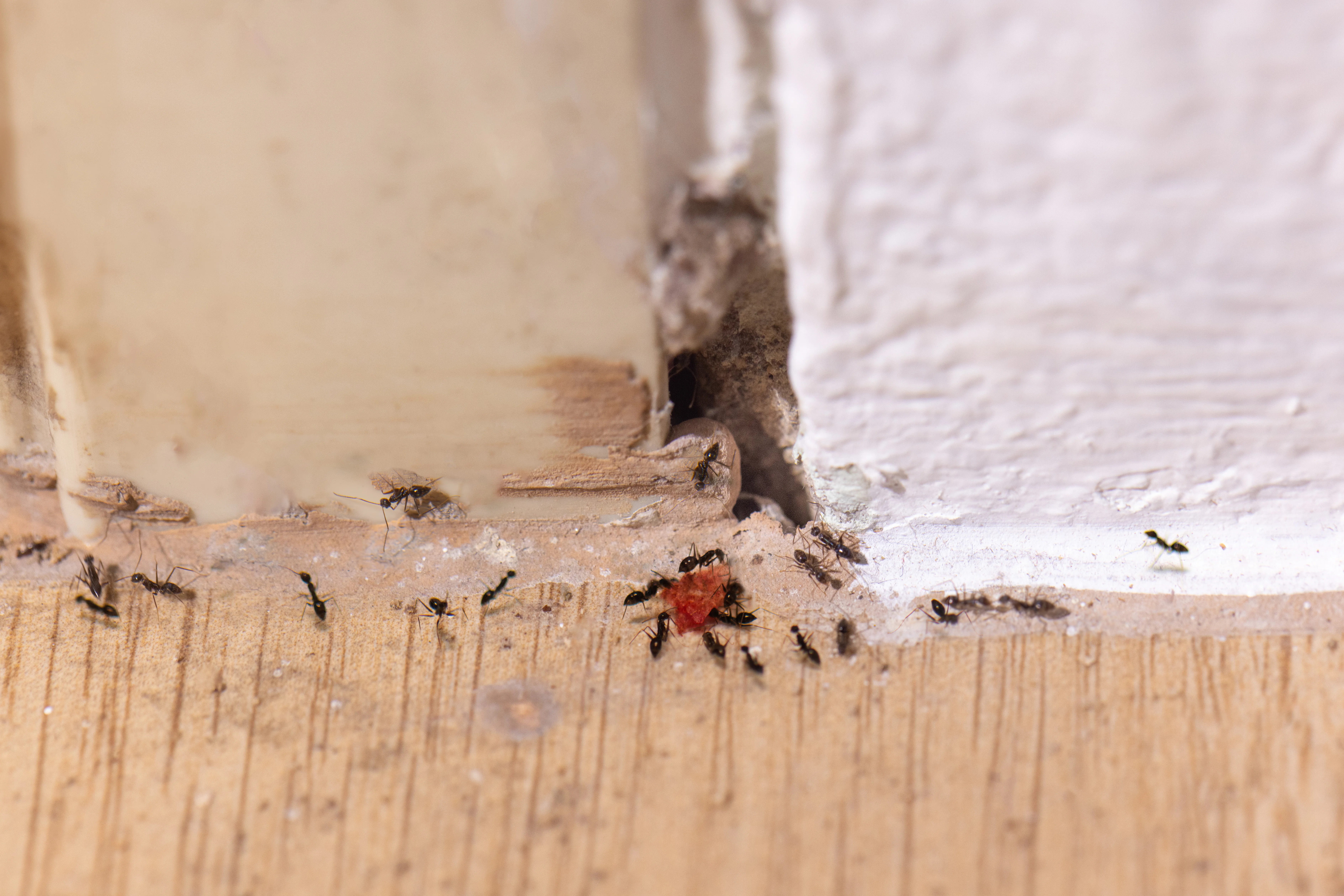
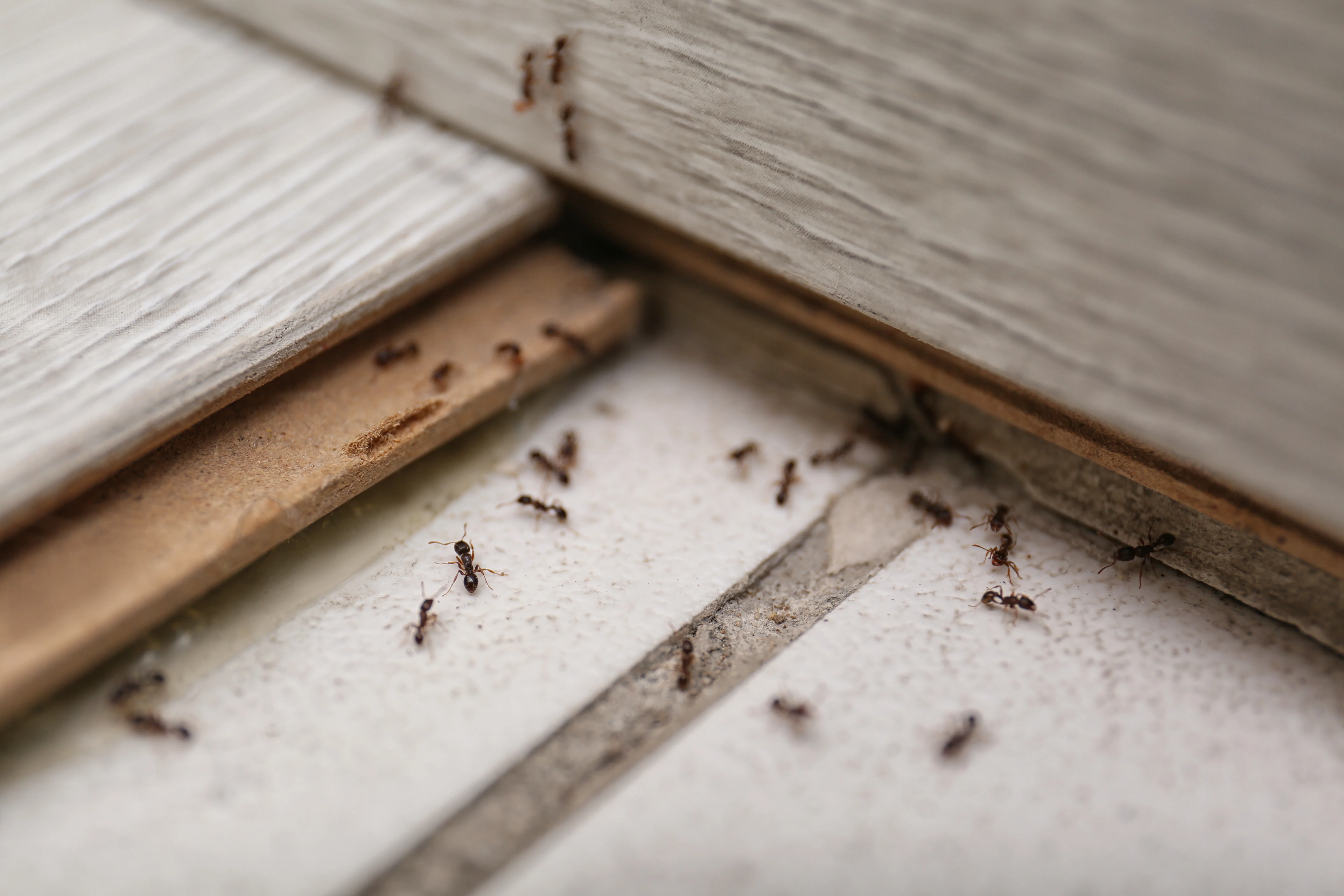
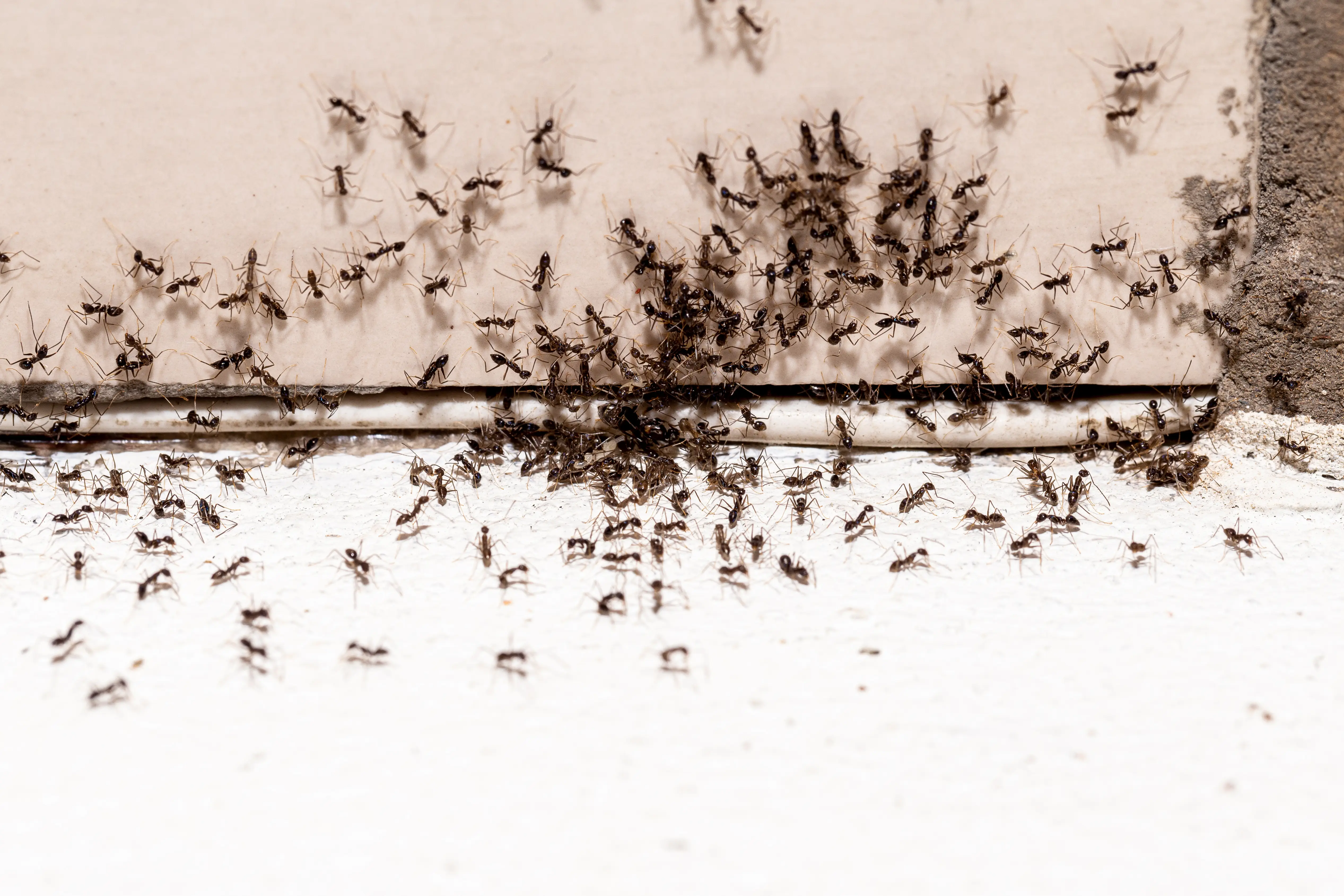
Ant trail along a kitchen baseboard searching for food

Ant invasions are most common in late spring and early summer when colonies are actively expanding.

How to Get Rid of Indoor Ants

To effectively get rid of ants inside your home, use a variety of methods that address both the immediate ant presence and long-term prevention. Addressing the root cause by locating and eliminating the ant nest is critical, as it prevents a minor problem from escalating into a significant infestation.

Baking Soda and Confectioner's Sugar

Combine equal amounts of baking soda and confectioner's sugar and place the mixture near ant trails and entry points in small lids or shallow containers. The baking soda reacts with the acid in ants' stomachs and kills them after a short period.

Food Grade Diatomaceous Earth

Apply a thin layer of food-grade diatomaceous earth along ant pathways, entry points, and baseboards. This natural substance dehydrates ants on contact without affecting the rest of the colony. Keep the powder dry to maintain effectiveness.

Commercial Bait Gels

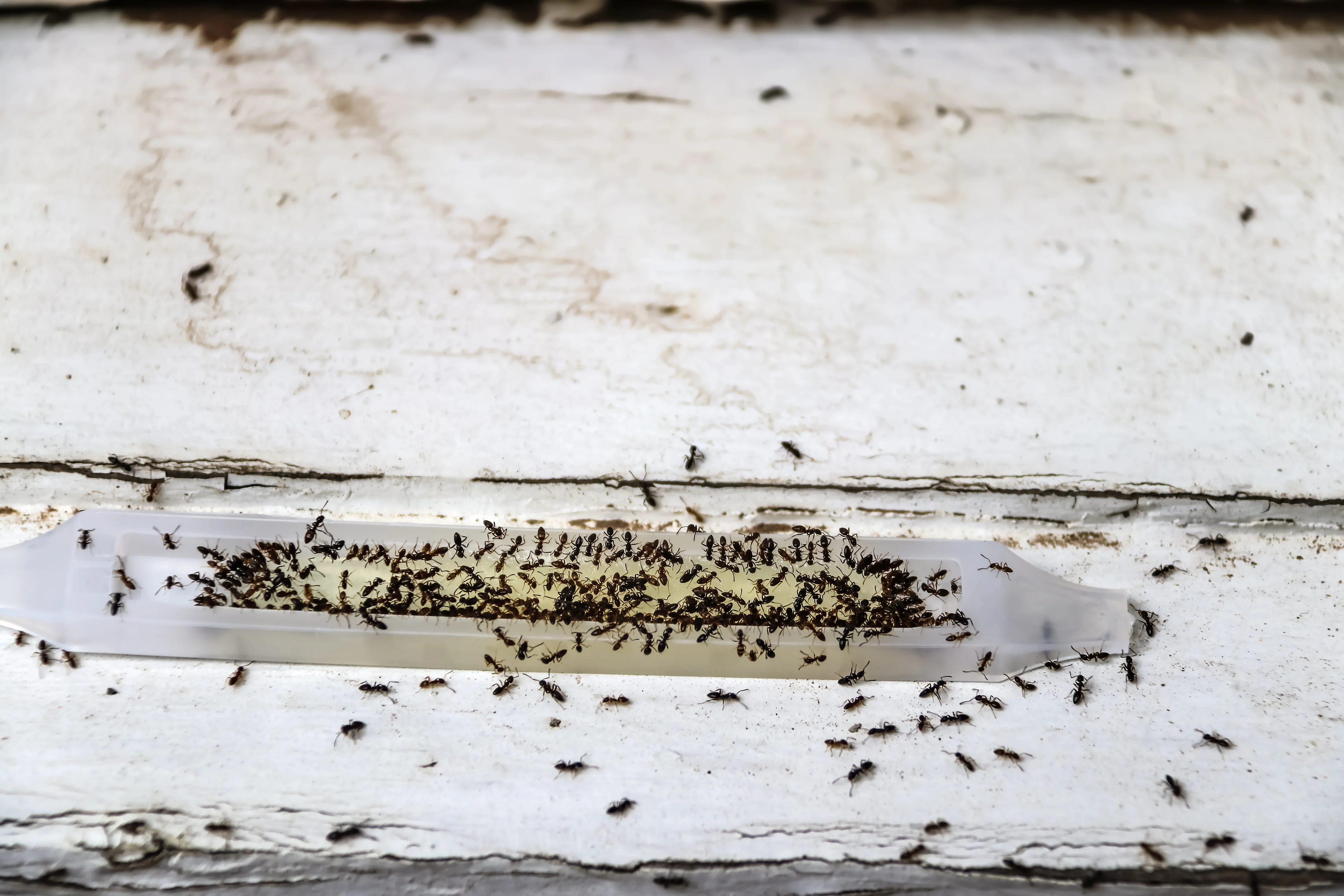
Apply ant bait gels in cracks or on small pieces of tape to keep them off surfaces. Most household ant species are drawn to sweet substances and these gels are formulated to appeal to their preferences. The bait is carried back to the colony resulting in colony collapse. For homes with pets or children, use fully enclosed bait stations.

Castile Soap Spray

Mix 1/4 cup of Castile liquid soap with 1 quart of water. This solution kills ants on contact and is particularly effective against scout ants. Spray directly on ants and along their trails to disrupt movement and deter them from returning. Note that it will not affect ants back in the nest.

Boric Acid Bait

Mix boric acid with sugar and water to create a homemade bait. Position it where ant activity is observed. Ants transport the substance back to their colony. Boric acid is toxic, so keep it away from children and pets. Refresh the bait regularly to maintain effectiveness.

Pesticide Spray

Apply pesticide sprays to areas where ants are frequently seen. These sprays provide immediate results by killing ants on contact and creating a residual barrier that prevents future infestations. Follow label instructions strictly and keep treated areas off-limits to children and pets until completely dry.

Pesticide Dust

Use pesticide dusts in hard-to-reach areas like wall voids, cracks, and crevices. The dust adheres to ants as they travel through treated areas. This method is particularly effective for ants that nest inside walls or other hidden spaces. Apply using a hand duster for even distribution.

Professional Pest Control

If your ant problem persists despite your best efforts, call in professional pest control services. Experts provide a thorough inspection, identify the type of ants, and use specialized treatments to eliminate the infestation. They also offer long-term solutions to prevent future ant invasions.

How to Repel Ants Before They Come Inside

Preventing ant entry is crucial for maintaining an ant-free household. By using natural deterrents and proactive measures, you can significantly reduce the chances of an ant invasion.

Deterrent Barrier

Place cinnamon, cayenne pepper, ground chalk, or cornmeal along door thresholds, window ledges, and baseboards. These natural repellents deter ants from crossing into your home.

Vinegar Spray

Fill a spray bottle with equal parts white vinegar and water. Apply around potential entry points such as doorways and window frames. The strong smell of vinegar disrupts ant trails and makes your home less attractive to them.

Citrus Peel Powder

Dry citrus peels from lemons, limes, grapefruits, and oranges, then process into a fine powder. Distribute in areas prone to ant intrusion. The citrus scent is a natural ant deterrent.

Lemon Juice

Spray or wipe lemon juice on surfaces to remove pheromone trails and mask the scent of food. Placing lemon rinds in cupboards can also deter ants from taking up residence in your kitchen.

Essential Oils

Lemon eucalyptus, peppermint, tea tree, cinnamon, and citrus oils are effective ant repellents. Mix 1/4 cup of water with 7 to 15 drops of oil and spray along baseboards, windowsills, and entry points. Alternatively, place a few drops on cotton balls and tuck them into cabinets or pantry areas.

Black or Cayenne Pepper

Scatter finely ground black or cayenne pepper along baseboards and behind household appliances. The smell of pepper irritates ants and can keep them away from treated areas.

Coffee Grounds

Brewed coffee grounds can repel household ants. Sprinkle used grounds on disposable surfaces like index cards and place them near pet bowls and windowsills. Replace frequently as grounds lose potency when dry.

Ants Getting Into Your Home?

Our experts locate the nest, identify the species, and eliminate the entire colony, not just the ants you can see.

Call (866) 326-2847

How to Prevent Indoor Ants

Ant prevention involves maintaining cleanliness and eliminating potential access points. Implementing these strategies consistently is the most effective way to keep your home ant-free long term.

Keep Your House Clean

Quickly clean up spills, especially sugary liquids like honey, maple syrup, and soda. Store all food in airtight containers so scout ants cannot bring samples back to their colony. Daily sweeping and vacuuming in areas where food is prepared or consumed significantly reduces the chances of ants finding a meal.

Cut Off Food Sources

Keep food tightly sealed in containers or plastic bags. Wash plates and cooking utensils immediately after eating and clean crumbs from floors and countertops daily. Pay special attention to areas under kitchen appliances, couch cushions, and garbage pails. Remove pet bowls as soon as your pet finishes eating and clean them immediately.

Seal Entry Points

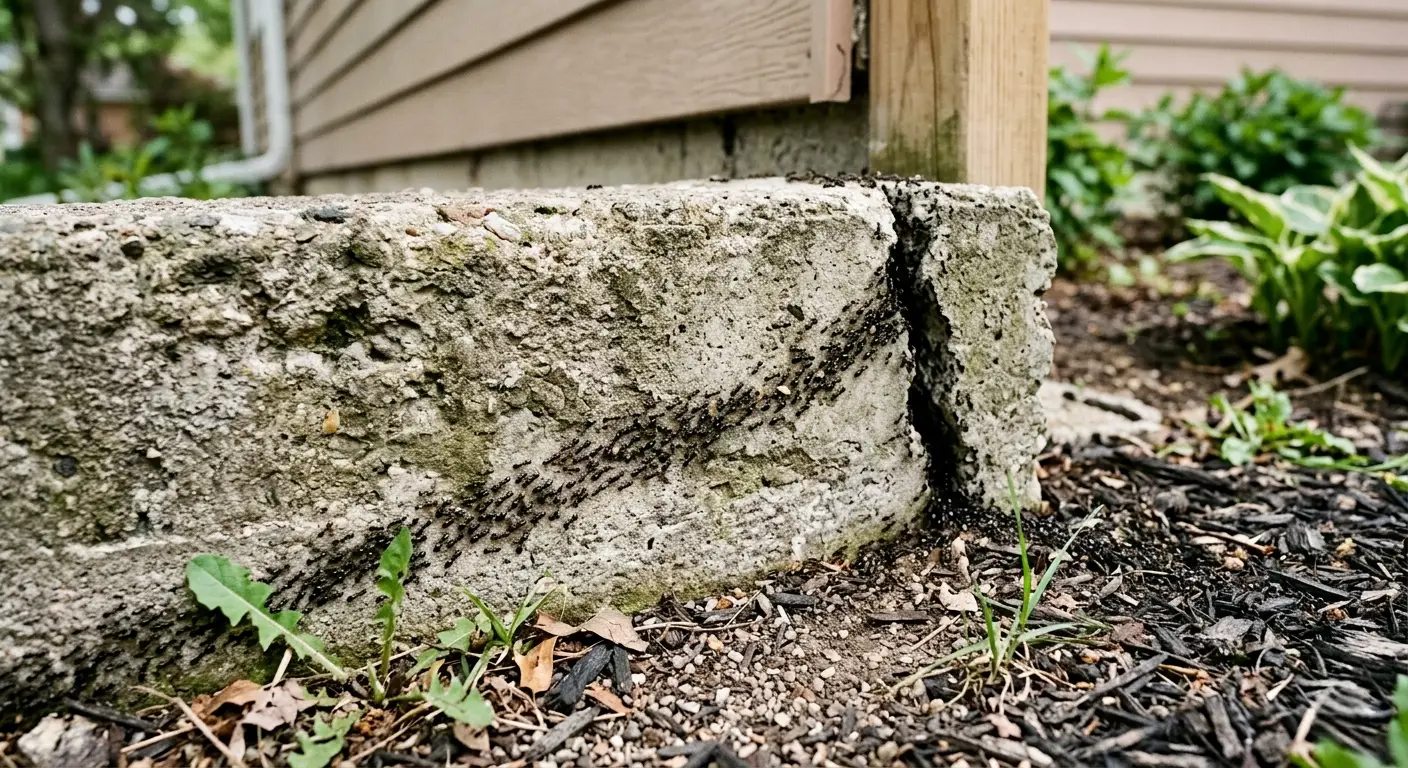
Use caulk to seal cracks or gaps in and around windows, doors, pipes, and your home's foundation. Ensure window screens are intact and mend any rips promptly. Reducing the number of entry points makes it significantly more challenging for ants to infiltrate your home.

Reduce Moisture

Regularly inspect your home for leaks and fix them promptly. Replace water-damaged materials. Direct moisture away from your home's foundation by fixing leaky gutters, pipes, and hose bibs. Ensure soil around the foundation is well-drained and clean up wet leaf litter and mulch near your house.

Eliminate Rotted Wood

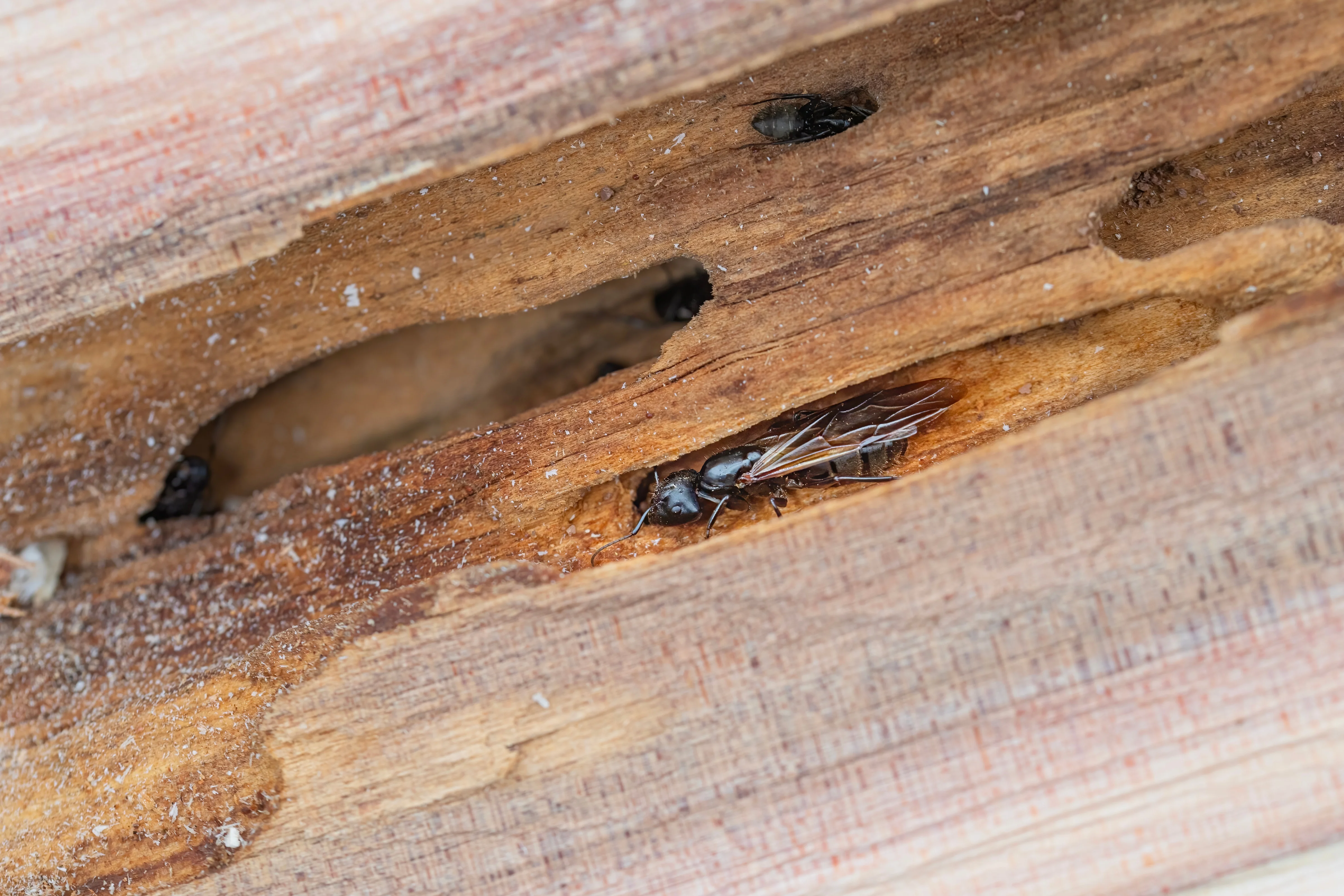
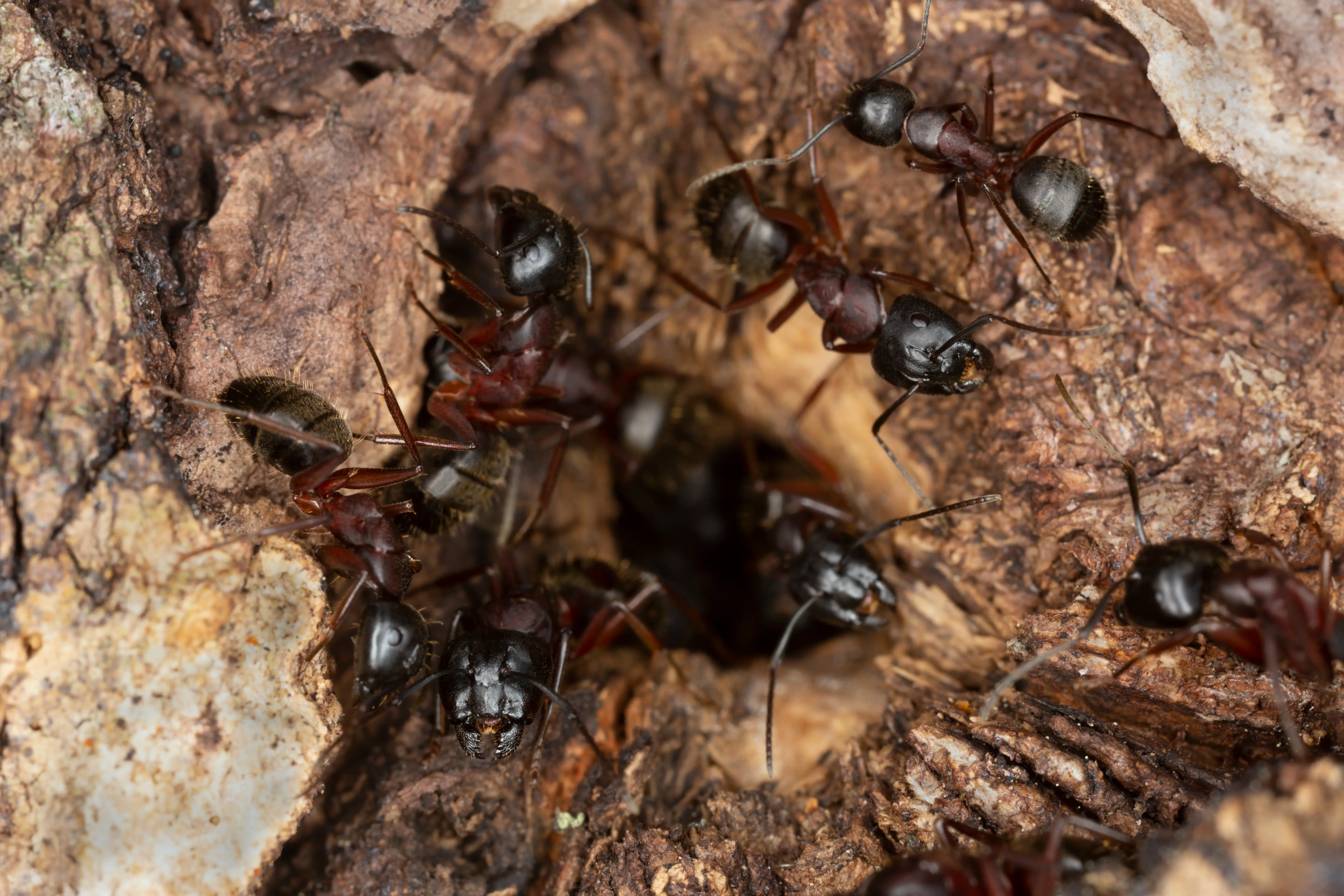
Carpenter ants are particularly drawn to rotting wood. Maintain your deck and other wooden structures in good condition by keeping these areas dry and well-maintained to deter ants from establishing colonies inside your home.

Disrupt Scent Trails

Combine glass cleaner with liquid dish soap to disrupt the scent trails ants use for navigation. Spray where ants enter and travel, then wipe down to leave a slight residue that continues to deter new ants. This method confuses ants and prevents them from following established trails.

What About Ants Outside?

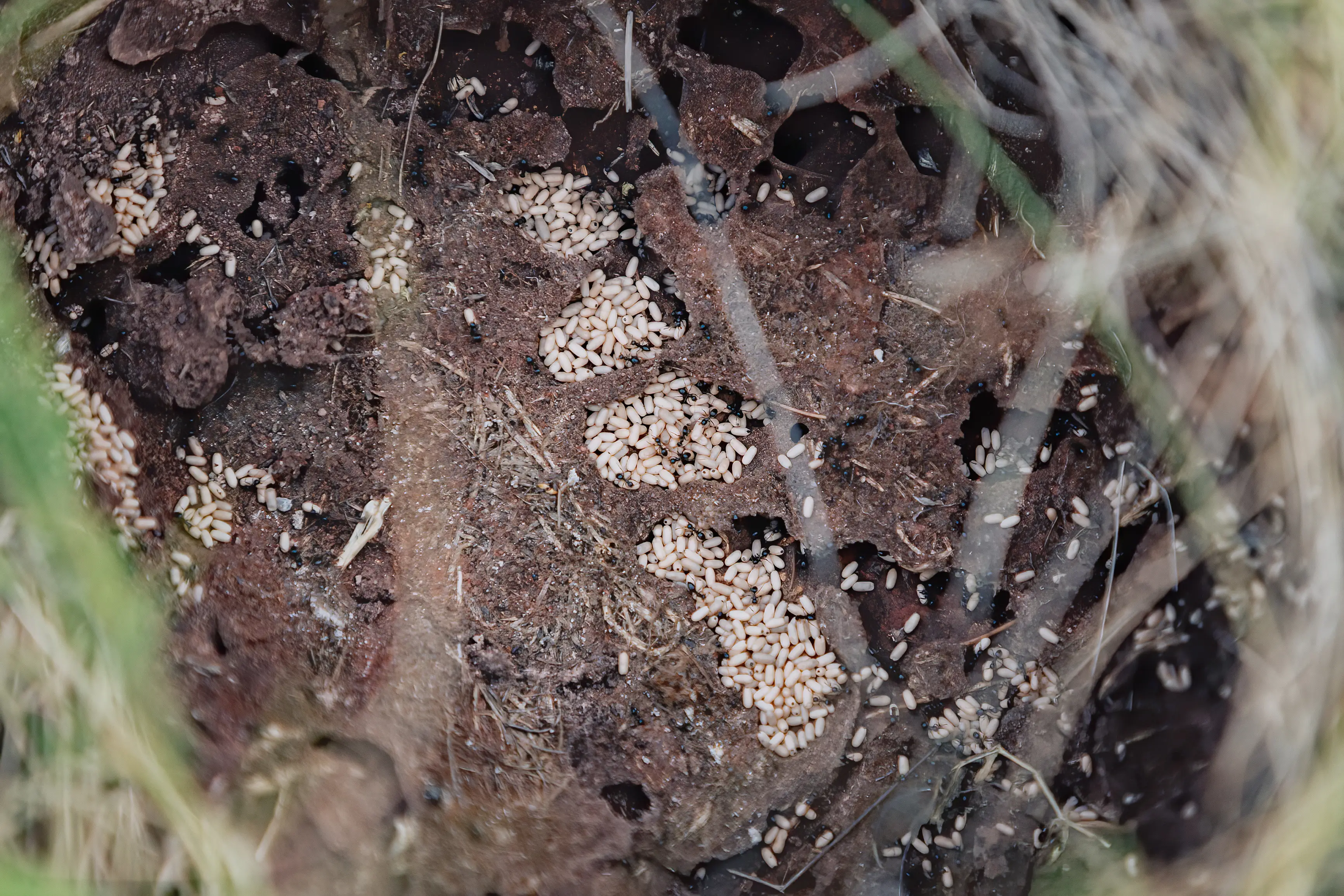
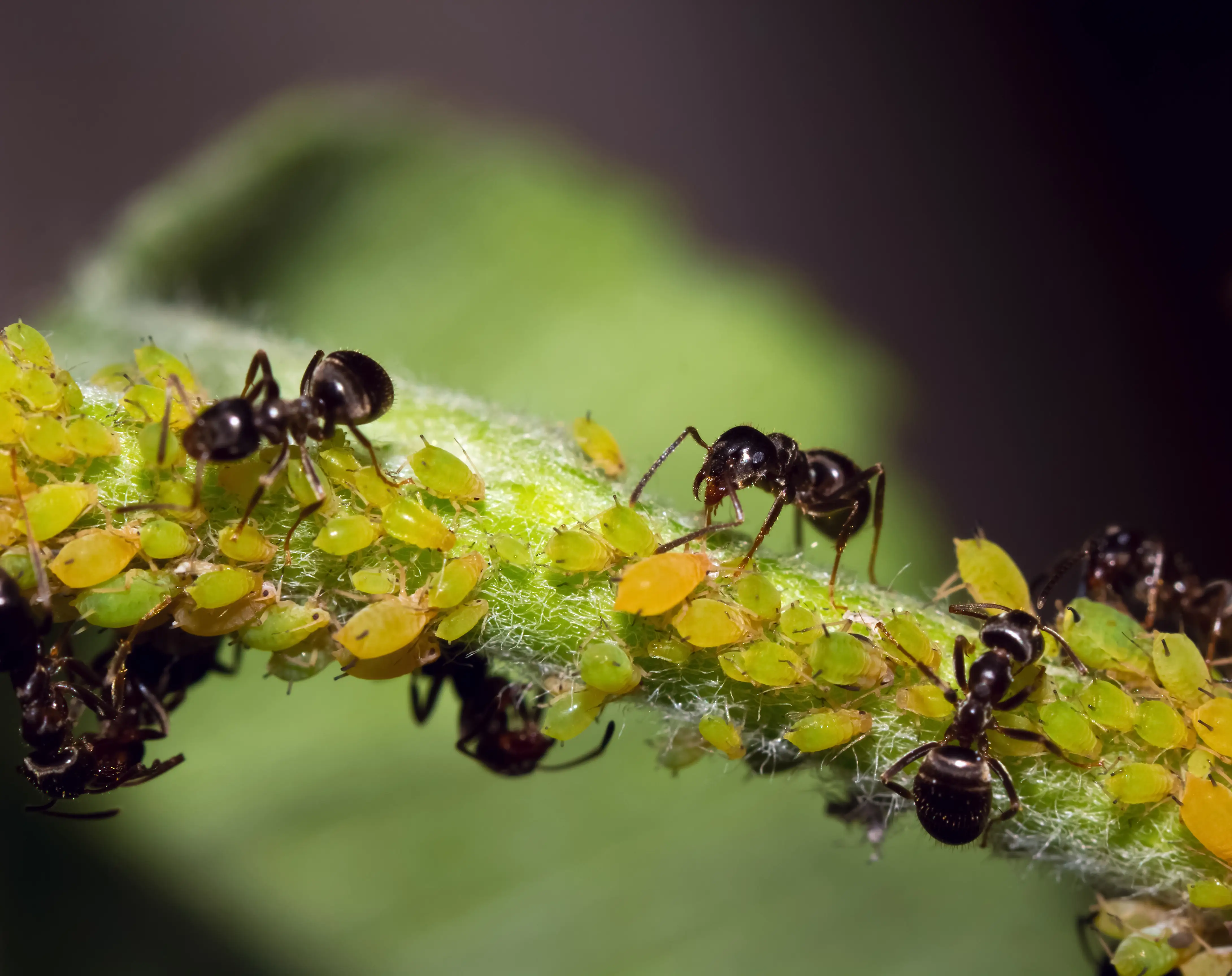
An ant invasion in your yard can be particularly frustrating. Several factors can make your lawn an attractive spot for ant colonies. Ants thrive in damp environments, so sources of water like bird baths, gutters, or leaky pipes can draw them in. Mulch and rocks that retain soil moisture also create an inviting habitat. Many ant species are attracted to sugary substances such as plant sap, nectar, and the sweet excretions produced by insects like aphids or whiteflies. Garbage cans in your yard can also lure ants and prompt them to build nests nearby.

Why Outdoor Ants Are a Problem

Lawn Damage

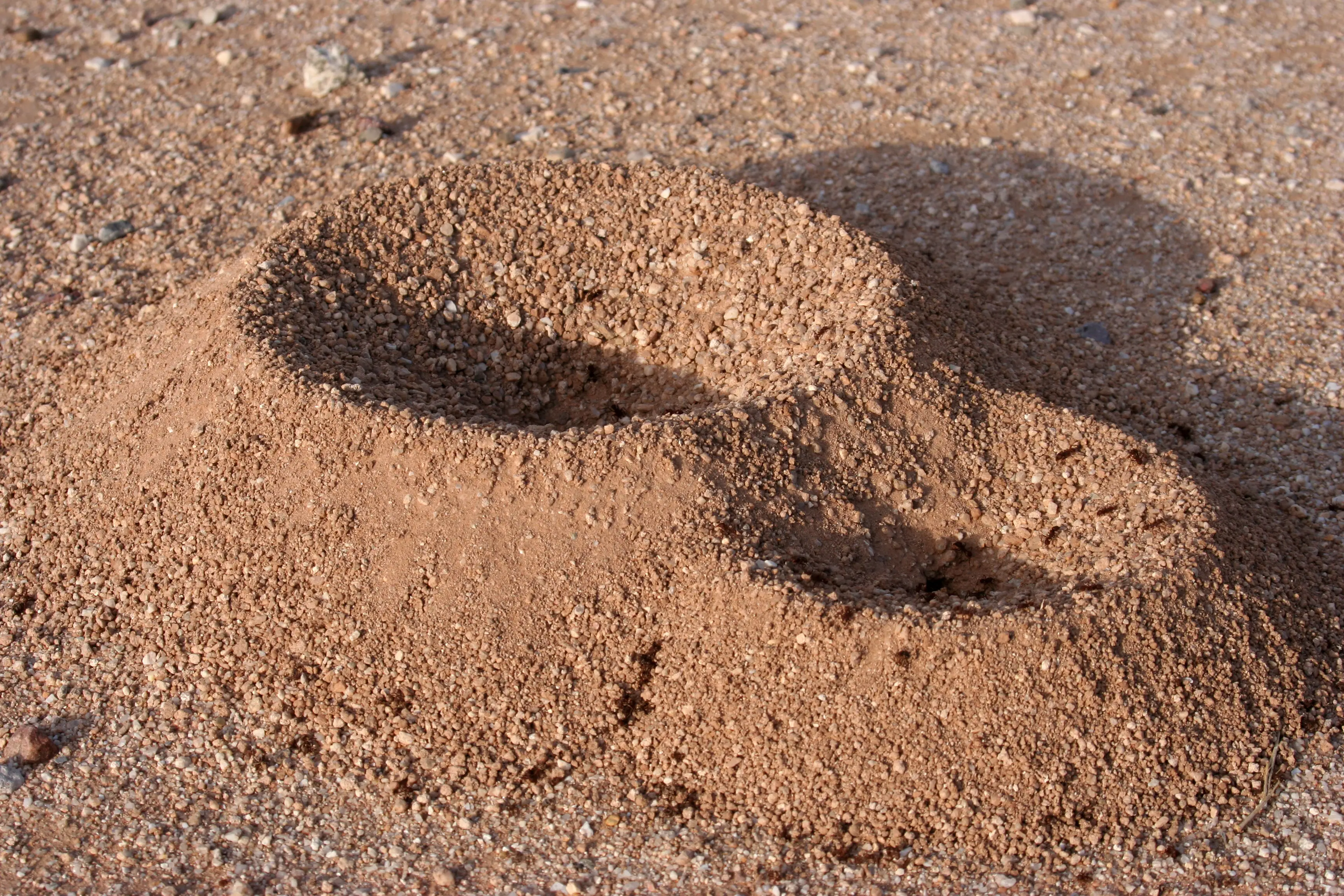
Ant hills smother grass and create bare patches. Ants that burrow underground can also disturb plant roots, leading to poor plant health and growth.

Structural Damage

Carpenter ants burrow in wood and can cause structural damage to your home, porch, deck, trees, or firewood supply.

Plant Damage

Some ant species chew on plant stems or trunks in search of sap, which can potentially kill plants or trees over time.

Indoor Invasion Risk

Outdoor colonies near your foundation significantly increase the risk of ants finding their way inside your home in search of food and water.

Common Ants Found Outside

Several ant species are commonly found in outdoor environments, each with unique characteristics and behaviors. Understanding the species in your yard helps in identifying and managing potential infestations more effectively.

Sugar Ants

Drawn to sweet substances and commonly found searching for food sources near kitchens and outdoor dining areas.

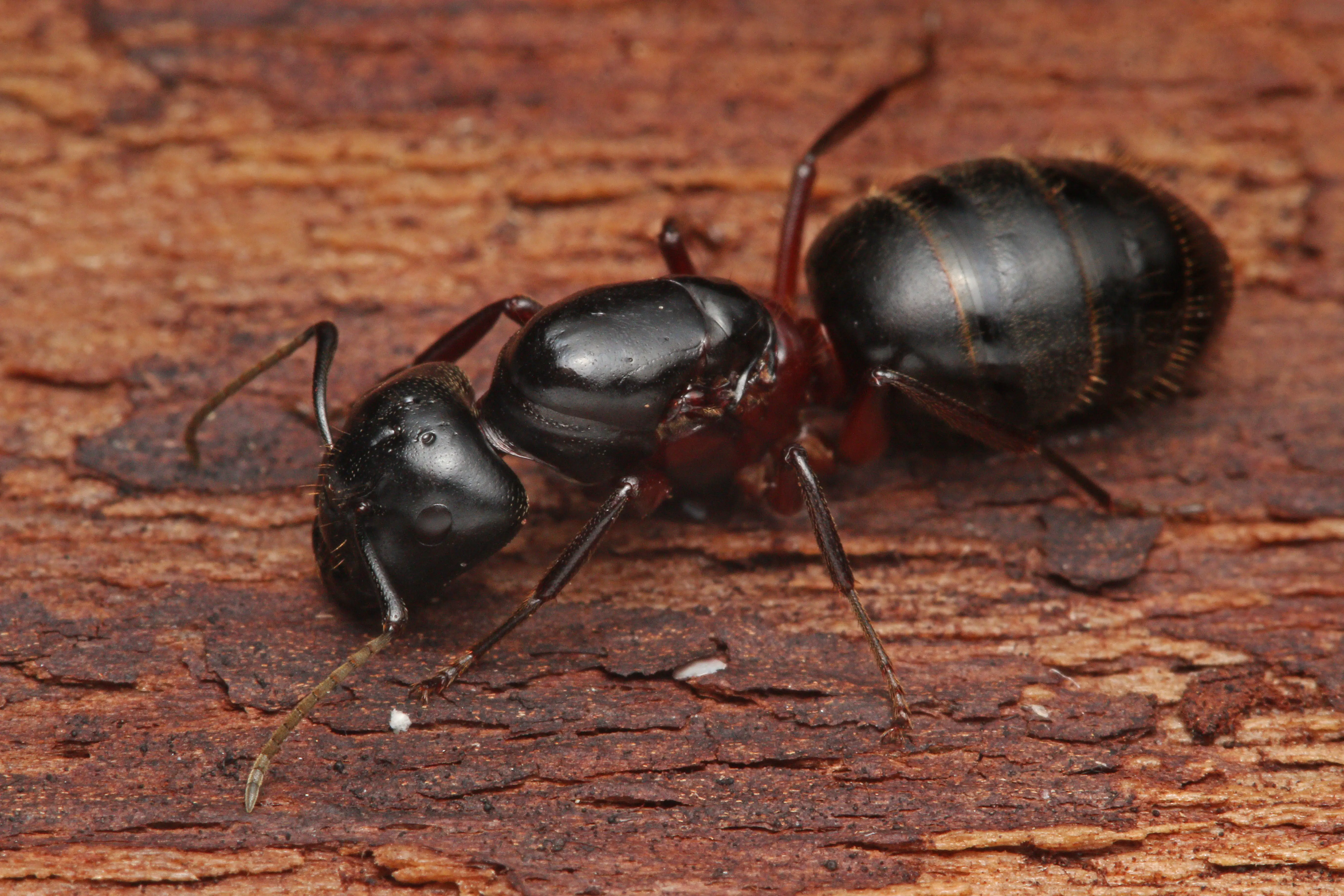
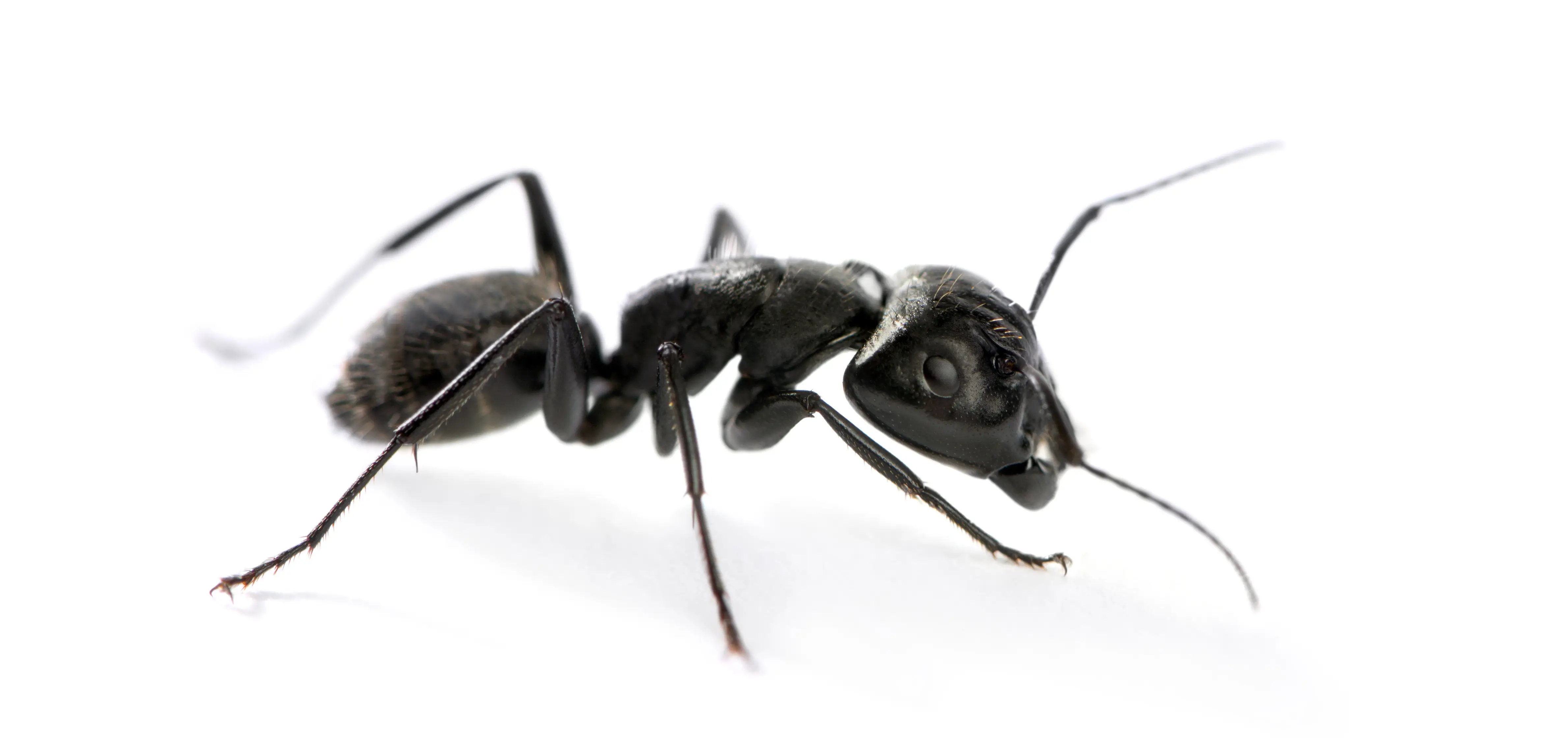
Carpenter Ants

Known for nesting in wood, they can cause significant structural damage if they invade wooden structures around or inside your home.

Ghost Ants

Tiny and hard to see. They thrive in damp environments and have a strong preference for sweet foods.

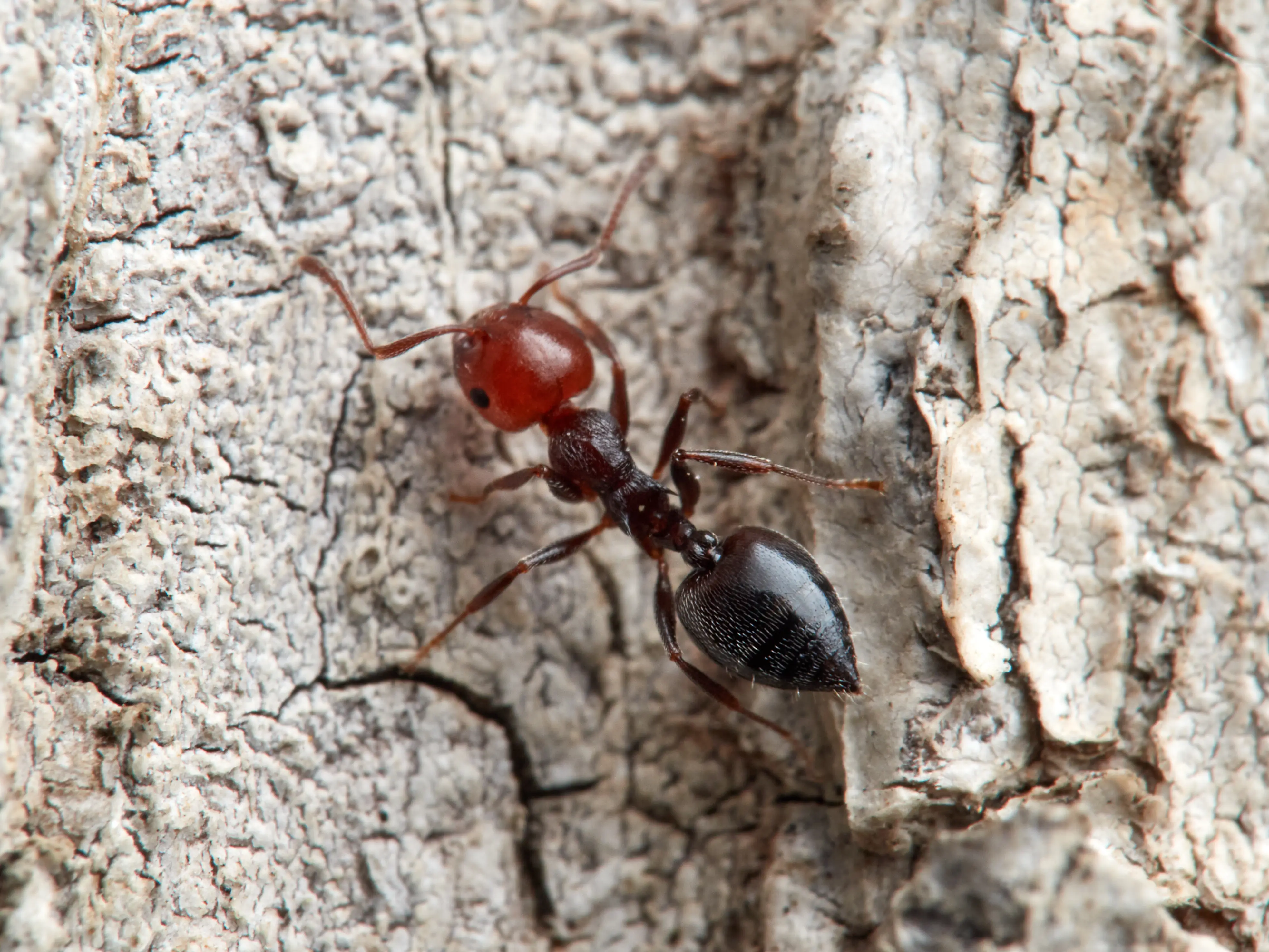
Acrobat Ants

Named for their ability to raise their abdomen over their head. Typically nest in decaying wood and forage for both sweets and proteins.

Argentine Ants

Highly invasive ants that form extensive colony networks. Aggressive competitors that often displace native ant species.

Pavement Ants

Typically nest in pavement cracks or beneath stones and are known for their territorial aggression when defending their colonies.

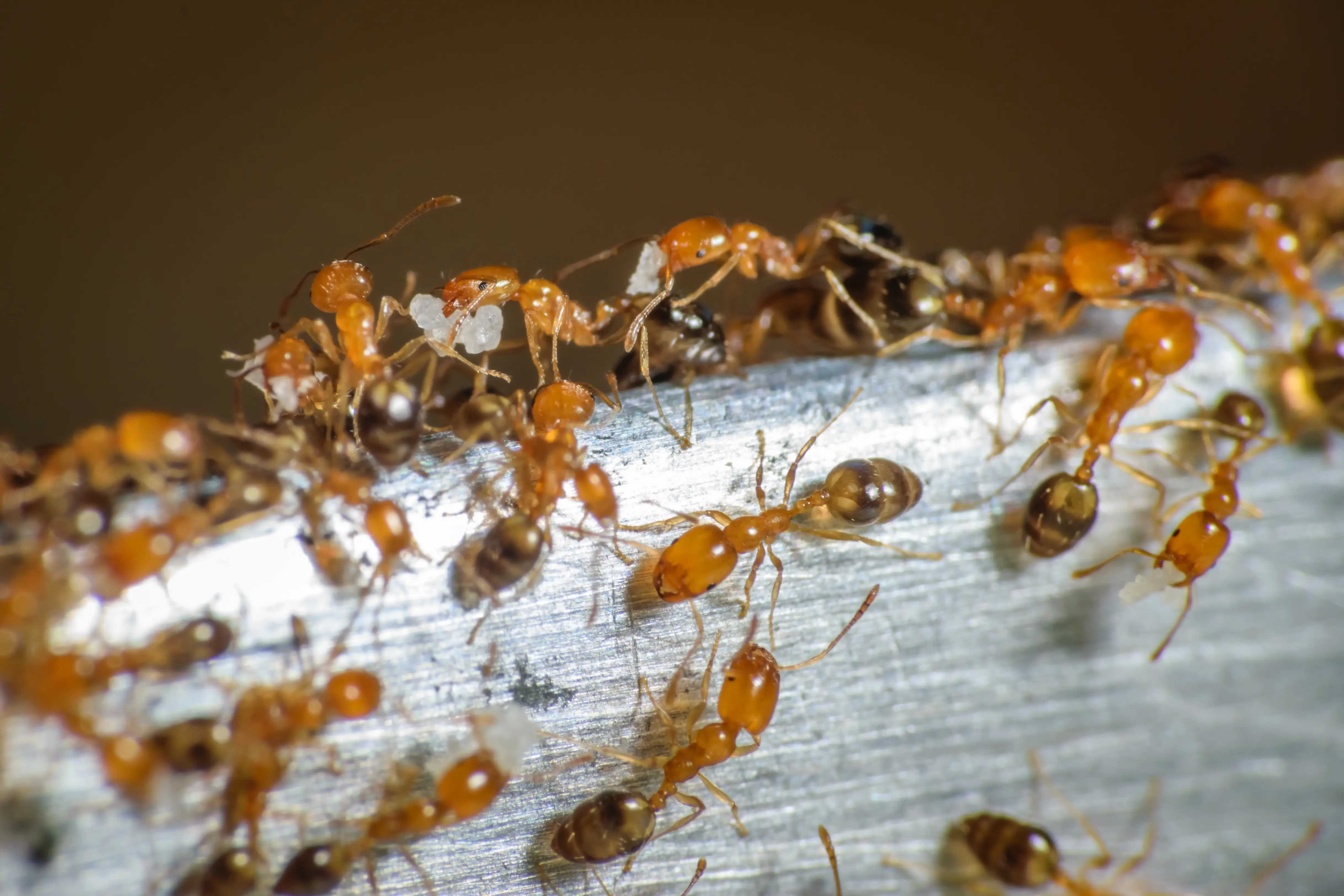
Pharaoh Ants

Notorious for being difficult to control. Often found in warm, humid environments and are capable of nesting inside walls.

How to Get Rid of Ants Outside

Controlling outdoor ants involves targeting their nests directly and using effective methods to eliminate them. These strategies work best when combined with the outdoor prevention steps listed below.

Boiling Water

Rake open the ant nest and pour in boiling water. Adding liquid dish soap to the boiling water enhances its effectiveness. Use caution on lawns, as boiling water can kill surrounding vegetation.

Vinegar Solution

Mix equal parts vinegar and water, then add a few drops of liquid soap. Rake open the ant nest and pour the mixture inside. Vinegar can also kill vegetation, so use it carefully on lawns.

Water Saturation Method

Drench the nest with a continuous stream of water for 15 to 30 minutes, thoroughly saturating the surrounding soil. Since ants can survive underwater for about 24 hours, repeat the treatment after 22 to 23 hours to ensure they drown.

Boric Acid Solution

Combine 3 tablespoons of sugar or peanut butter with 2 tablespoons of boric acid crystals and 2 cups of water. Boil for 6 minutes to dissolve, then cool and store. Place 2 to 3 tablespoons in a covered container with holes punched in it near the ant nest.

Chemical Ant Killers

Open the top of the ant mound and apply an ant-killing pesticide available in granules, dust, powder, or liquid form. Strictly follow product instructions. Some treatments act as slow-acting baits that ants carry back to the nest, while others provide immediate contact killing.

Diatomaceous Earth

Sprinkle diatomaceous earth around ant nests and trails. It works by absorbing oils and fats from the ants' exoskeletons, causing them to dry out and die. This method is long-lasting as long as the powder remains dry and undisturbed.

Dish Soap and Water

Mix two ounces of dish soap per quart of water and spray on ants and their trails. This kills ants on contact by penetrating their exoskeletons and suffocating them, and also disrupts pheromone trails to prevent more ants from following.

How to Prevent Ants Outside

Preventing ants from establishing colonies in your yard involves maintaining a clean and well-cared-for outdoor environment. These measures reduce the attractiveness of your property to ants and limit their ability to build new nests.

Keep a Healthy, Fertilized Yard

Regular lawn care including proper fertilization and mowing maintains a robust yard that is less attractive to ants. A well-maintained lawn is less likely to have the damp, shaded areas ants prefer for nesting.

Relocate Waste Containers

Place trash cans and compost bins away from your lawn to reduce ant attraction. Ensure containers are sealed tightly to prevent ants from accessing food scraps and organic matter.

Remove Dead Branches and Debris

Promptly remove any dead tree branches, limbs, or other yard debris. These provide ideal nesting sites for ants and other pests, and are particularly attractive to carpenter ants.

Clean Up Spilled Food and Drinks

Immediately clean up any spilled food or drinks during outdoor activities. Sugary and sticky substances are particularly attractive to ants and can quickly lead to an outdoor infestation.

Patch Up Leaky Pipes

Inspect your yard for leaky pipes or other water sources like leaky irrigation and fix them promptly. Removing these moisture sources is one of the most effective ways to deter ants from your property.

Reduce Mulch and Rock Beds

If you have persistent ant problems, consider removing or reducing mulch and rock beds. These materials retain moisture and create favorable conditions for ants to nest and thrive.

Disturb Ant Mounds Regularly

Regularly inspect your yard for ant mounds and disturb them with a rake or shovel. This disruption discourages ants from settling in your yard and prompts them to move elsewhere.

Contact EcoGuard Pest Management if You Are Dealing with Ants

Dealing with an ant infestation can be challenging and frustrating, but you do not have to tackle it alone. If your efforts to control ants in your home or yard are not yielding the desired results, it is time to call in the professionals. EcoGuard Pest Management offers expert services to identify and eliminate ant infestations effectively using safe, eco-friendly methods.

Call (866) 326-2847Get Free Quote

Get Rid of Ants FAQs

How do I get rid of ants permanently?

To get rid of ants permanently, it is essential to eliminate their food sources, seal entry points, and destroy their nests. Consistently maintaining a clean environment both indoors and outdoors, combined with professional pest control services, can help ensure long-term ant prevention and eradication.

What is the best home remedy to kill ants?

The best home remedy to kill ants is a homemade bait made from mixing borax with sugar or peanut butter. Ants carry this mixture back to their colony, which results in colony collapse and eliminates the problem at its source.

What do ants hate the most?

Ants hate strong scents like vinegar, citrus, and essential oils such as peppermint and tea tree oil. These substances disrupt their pheromone trails and act as natural repellents that help deter ants from entering treated areas.

How do I get rid of ants overnight?

To get rid of ants overnight, place commercial ant bait stations or homemade baits made from borax and sugar near ant trails and entry points. Additionally, spray a residual pesticide spray around the perimeter of any areas that show ant activity.

From Our Blog

Related Articles

14 Natural Ant Repellent Strategies That Actually Work

14 Natural Ant Repellent Strategies That Actually Work

Discover effective natural ant repellents including mint, vinegar, cinnamon, and more. Learn how to keep ants out of...

Read Article
16 Common Types of Ants in California | Identification & Treatment

16 Common Types of Ants in California | Identification & Treatment

Identify 16 common ant species in California including carpenter ants, fire ants, and Argentine ants. Learn their...

Read Article
Are Fire Ants Dangerous? Understanding Fire Ant Risks & Safety

Are Fire Ants Dangerous? Understanding Fire Ant Risks & Safety

Learn about fire ant dangers including painful stings, allergic reactions, and property damage. Comprehensive guide on...

Read Article
Argentine Ants: Complete Identification, Control & Prevention Guide

Argentine Ants: Complete Identification, Control & Prevention Guide

Learn to identify Argentine ants, understand their supercolony behavior, and discover effective control strategies....

Read Article
Common Signs of Carpenter Ant Damage

Common Signs of Carpenter Ant Damage

Learn to identify carpenter ant damage signs including frass, holes, tunnels, and how to distinguish carpenter ant...

Read Article
Do Ants Bite? Symptoms, Treatment & Prevention

Do Ants Bite? Symptoms, Treatment & Prevention

Learn about ant bites vs stings, which ants bite, symptoms, allergic reactions, treatment options, and how to prevent...

Read Article
Do Ants Eat Aphids? The Ant-Aphid Relationship Explained

Do Ants Eat Aphids? The Ant-Aphid Relationship Explained

Learn about the fascinating relationship between ants and aphids, how ants farm aphids for honeydew, problems aphids...

Read Article
Do Ants Ever Sleep? Ant Sleep Patterns Explained

Do Ants Ever Sleep? Ant Sleep Patterns Explained

Discover the fascinating sleep patterns of ants, how worker ants take 250 power naps daily, queen ant sleep habits, and...

Read Article
Do Carpenter Ants Eat Wood? Understanding Carpenter Ant Damage

Do Carpenter Ants Eat Wood? Understanding Carpenter Ant Damage

Learn the truth about carpenter ants and wood. Unlike termites, carpenter ants don\

Read Article
How Do Ant Baits and Traps Work? Complete Guide to Ant Bait Systems

How Do Ant Baits and Traps Work? Complete Guide to Ant Bait Systems

Learn how ant baits and traps work to eliminate entire colonies. Discover bait types, active ingredients, placement...

Read Article
How Do Ants Communicate With Each Other? Complete Guide to Ant Communication

How Do Ants Communicate With Each Other? Complete Guide to Ant Communication

Learn how ants communicate using pheromones, touch, sound, and body language. Discover why ant communication is key to...

Read Article
How Do Ants Get in the House? Complete Entry Point Guide

How Do Ants Get in the House? Complete Entry Point Guide

Learn how ants get into your house through foundation cracks, windows, utility lines, and more. Discover entry points,...

Read Article
How Do Ants Get Into Your House? Entry Points & Prevention

How Do Ants Get Into Your House? Entry Points & Prevention

Learn how ants enter your home through cracks, gaps, and openings. Discover where ants hide, what attracts them, and...

Read Article
How Do Ants Mate and Reproduce? Ant Reproduction Explained

How Do Ants Mate and Reproduce? Ant Reproduction Explained

Learn how ants mate during nuptial flights, how queen ants reproduce, the role of drones, and unique reproductive...

Read Article
How Many Ants Are in a Colony? Complete Guide to Ant Colony Size

How Many Ants Are in a Colony? Complete Guide to Ant Colony Size

Learn how many ants live in a colony, from small carpenter ant nests to Argentine ant supercolonies with billions....

Read Article
How to Get Rid of Carpenter Ants in the House

How to Get Rid of Carpenter Ants in the House

Learn how to identify, eliminate, and prevent carpenter ants. Comprehensive guide to indoor and outdoor treatments,...

Read Article
Understanding Ant Colony Structure and Hierarchy

Understanding Ant Colony Structure and Hierarchy

Learn about ant colony structure, hierarchy, and how ants work together. Discover the roles of queens, workers, drones,...

Read Article
What Are Ants? Complete Guide to Ant Biology, Behavior & Control

What Are Ants? Complete Guide to Ant Biology, Behavior & Control

Learn everything about ants including appearance, colony hierarchy, life cycle, diet, defenses, and how to get rid of...

Read Article
What Are Red Ants? Fire Ant Identification & Control

What Are Red Ants? Fire Ant Identification & Control

Learn about red ants and fire ants, how to identify them, their behavior, dangers of their stings, and effective...

Read Article
What Attracts Ants Inside the House? Prevention Tips

What Attracts Ants Inside the House? Prevention Tips

Learn what attracts ants to your home including food, water, and shelter. Discover prevention tips and how to get rid...

Read Article
What Do Ants Eat and Drink in Your House?

What Do Ants Eat and Drink in Your House?

Learn what ants eat including sugars, proteins, seeds, fungus, and other insects. Discover how different ant species...

Read Article
What Happens When the Queen Ant Dies?

What Happens When the Queen Ant Dies?

Learn what happens when a queen ant dies, how to identify a queen, the ant queen life cycle, and how to effectively...

Read Article
What's the Lifespan of an Ant? Guide to Ant's Life Cycle

What's the Lifespan of an Ant? Guide to Ant's Life Cycle

Learn how long ants live based on species, caste, and gender. Discover the ant life cycle from egg to adult and factors...

Read Article
When is Ant Season? Complete Guide to Ant Activity Patterns

When is Ant Season? Complete Guide to Ant Activity Patterns

Learn when ant season occurs in your region, peak activity times by species, and seasonal prevention strategies....

Read Article
Where Do Ants Go in the Winter? Complete Winter Behavior Guide

Where Do Ants Go in the Winter? Complete Winter Behavior Guide

Discover where ants go in winter, how they survive freezing temperatures through diapause, and why they may invade your...

Read Article
Where Do Ants Live? Complete Guide to Ant Habitats

Where Do Ants Live? Complete Guide to Ant Habitats

Discover where ants live outdoors and indoors, from underground colonies to wall voids. Learn about species-specific...

Read Article
Why Are Flying Ants a Problem? Identification and Prevention

Why Are Flying Ants a Problem? Identification and Prevention

Learn why flying ants appear, how to identify them vs termites, which species swarm, and how to prevent and eliminate...

Read Article
Why Are There Ants in My Bathroom? Causes & Solutions

Why Are There Ants in My Bathroom? Causes & Solutions

Discover why ants invade bathrooms and learn effective solutions. Understanding moisture, food sources, and shelter...

Read Article