EcoGuard Pest Management
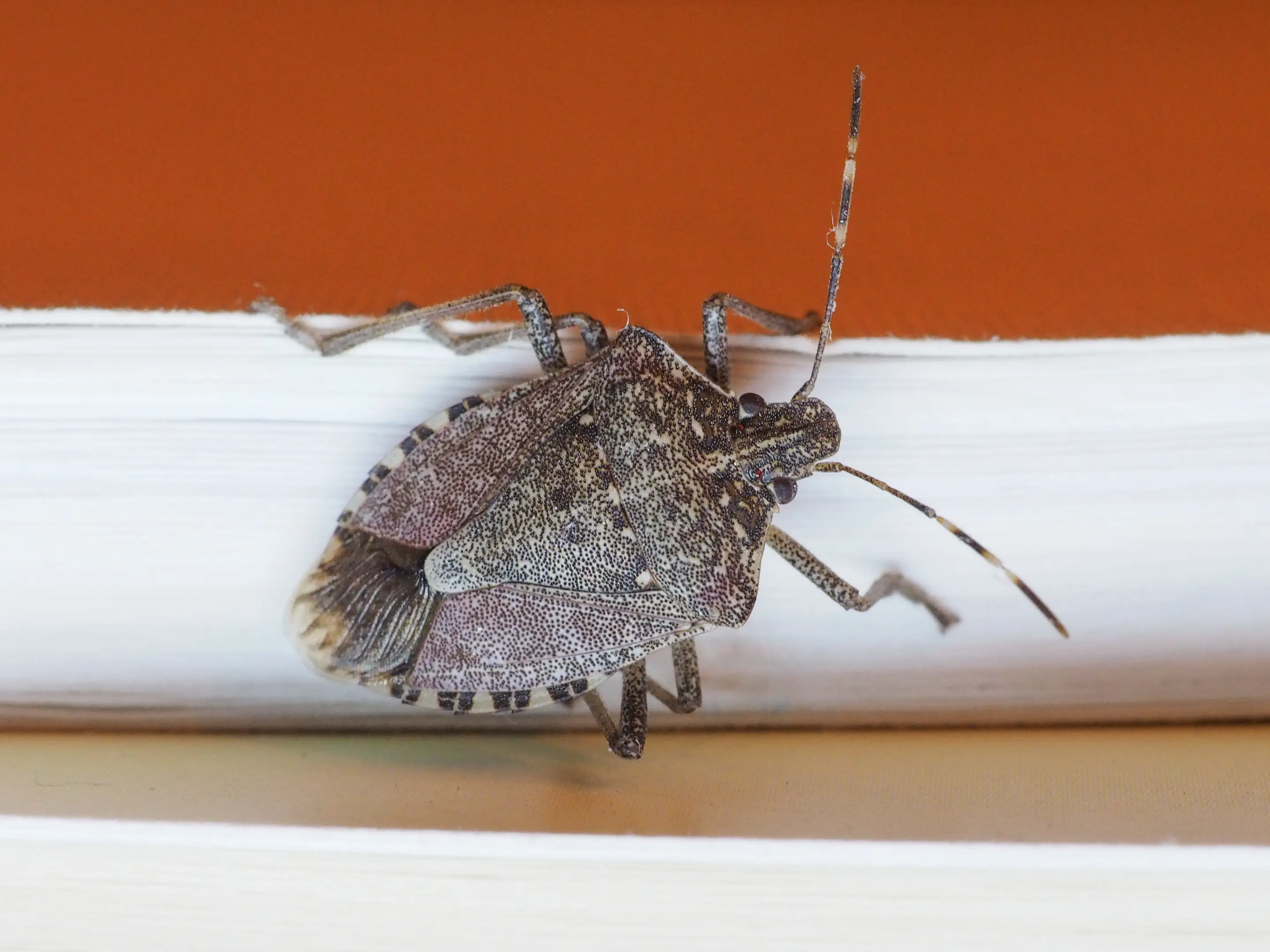
Professional stink bug control technician inspecting and treating home for stink bug infestation

Professional Stink Bug Control & Exterminator Services

While stink bugs are more of a nuisance than a threat, they present serious problems when they invade homes in large numbers by secreting a foul odor that intensifies when they're crushed or disturbed. The brown marmorated stink bug, an invasive species from East Asia, has spread across the United States and can swarm homes by the hundreds seeking winter shelter. When they die indoors or release their defensive chemicals, the overwhelming smell can permeate your living spaces. EcoGuard Pest Management offers guaranteed stink bug control services using integrated pest management strategies that prevent these smelly invaders from taking over your home.

Stink Bug Pest Control Experts

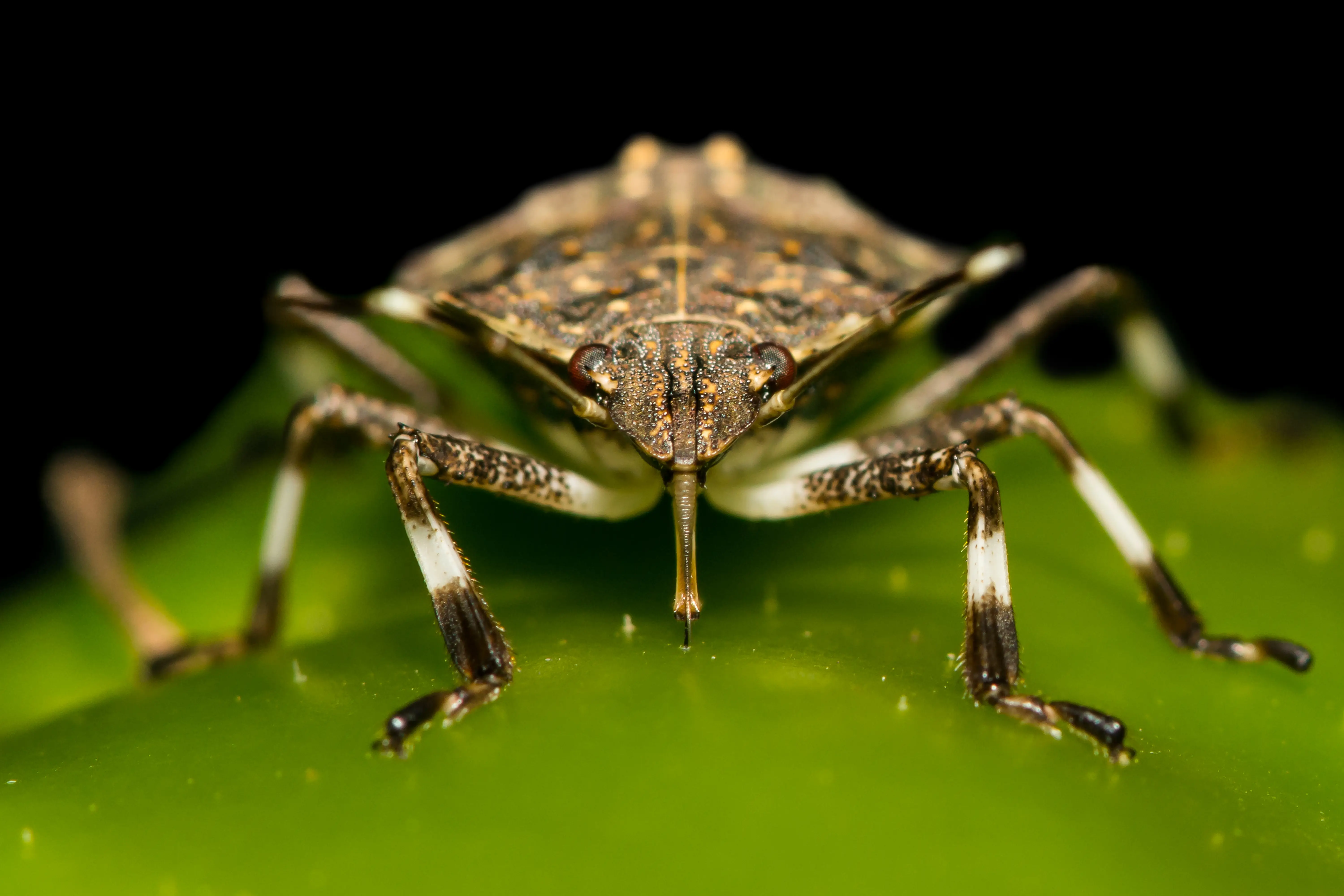
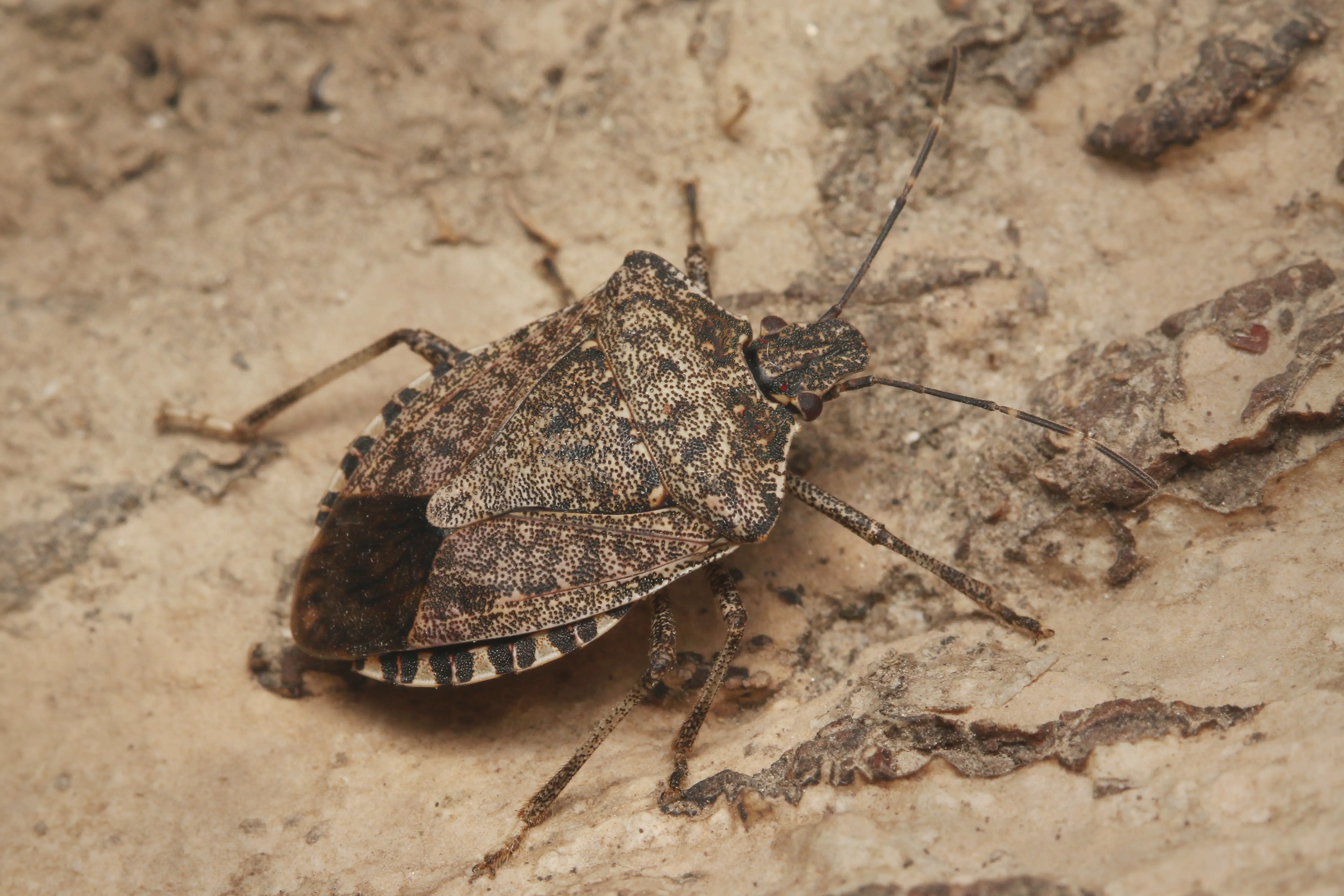
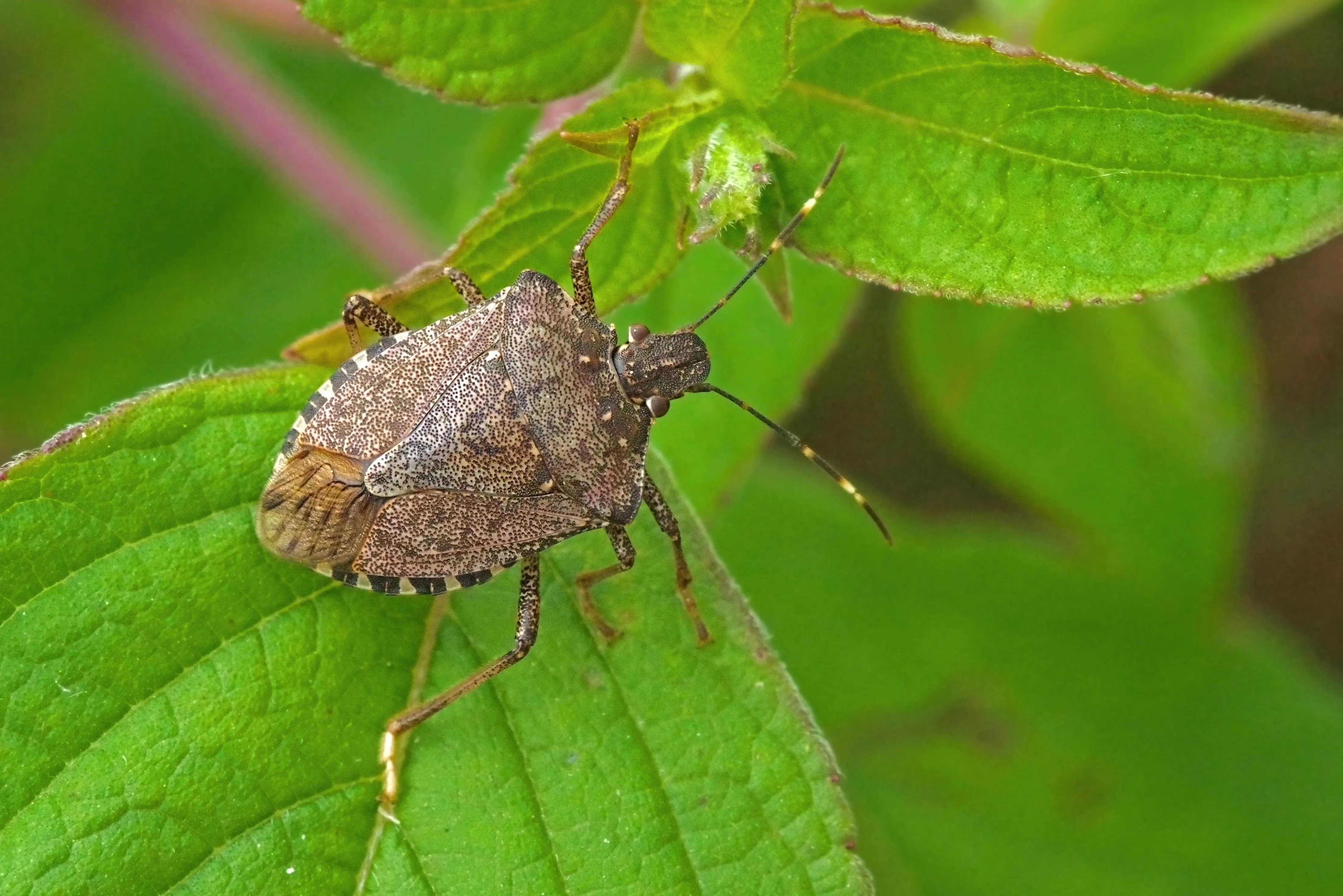
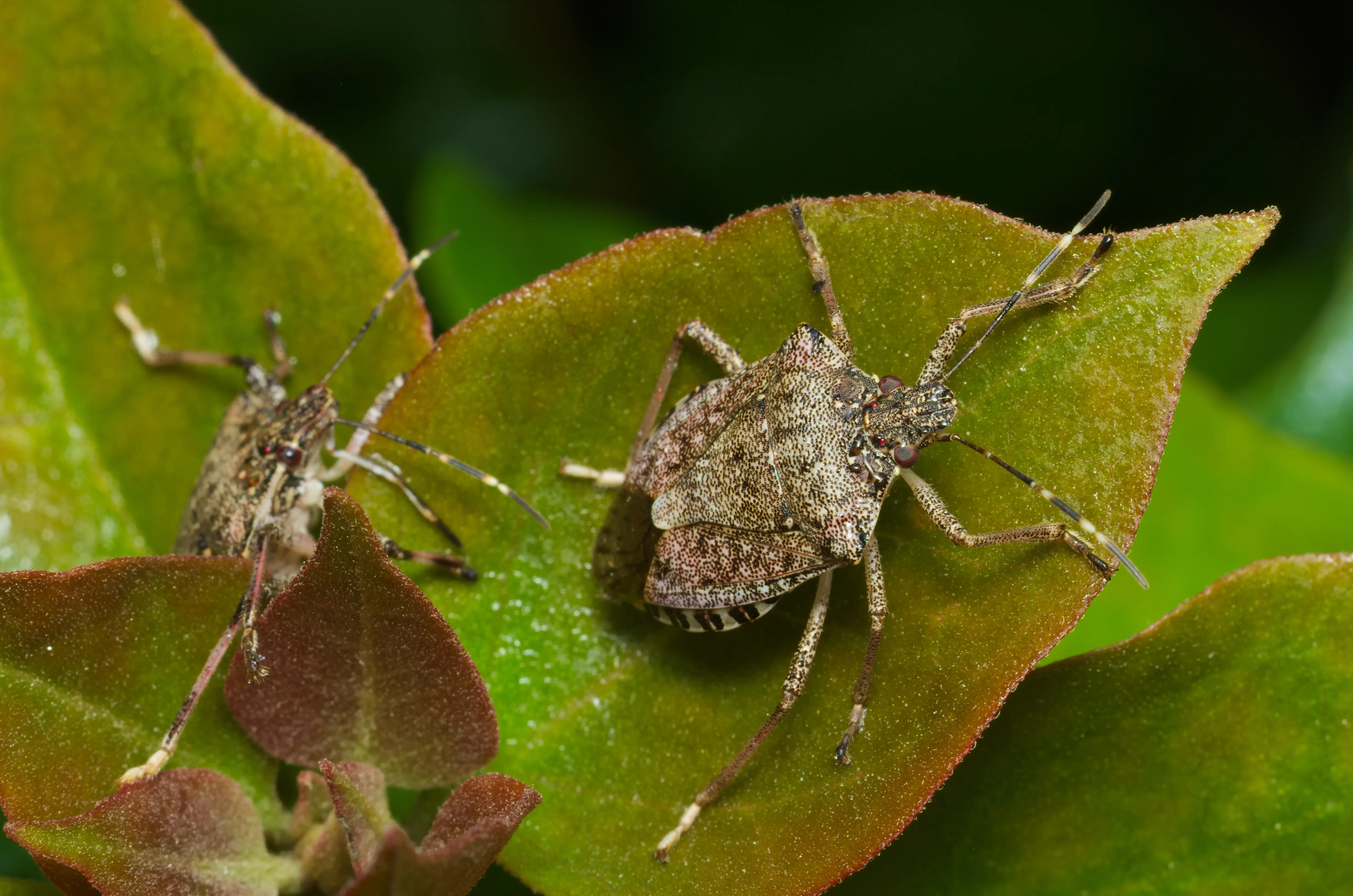
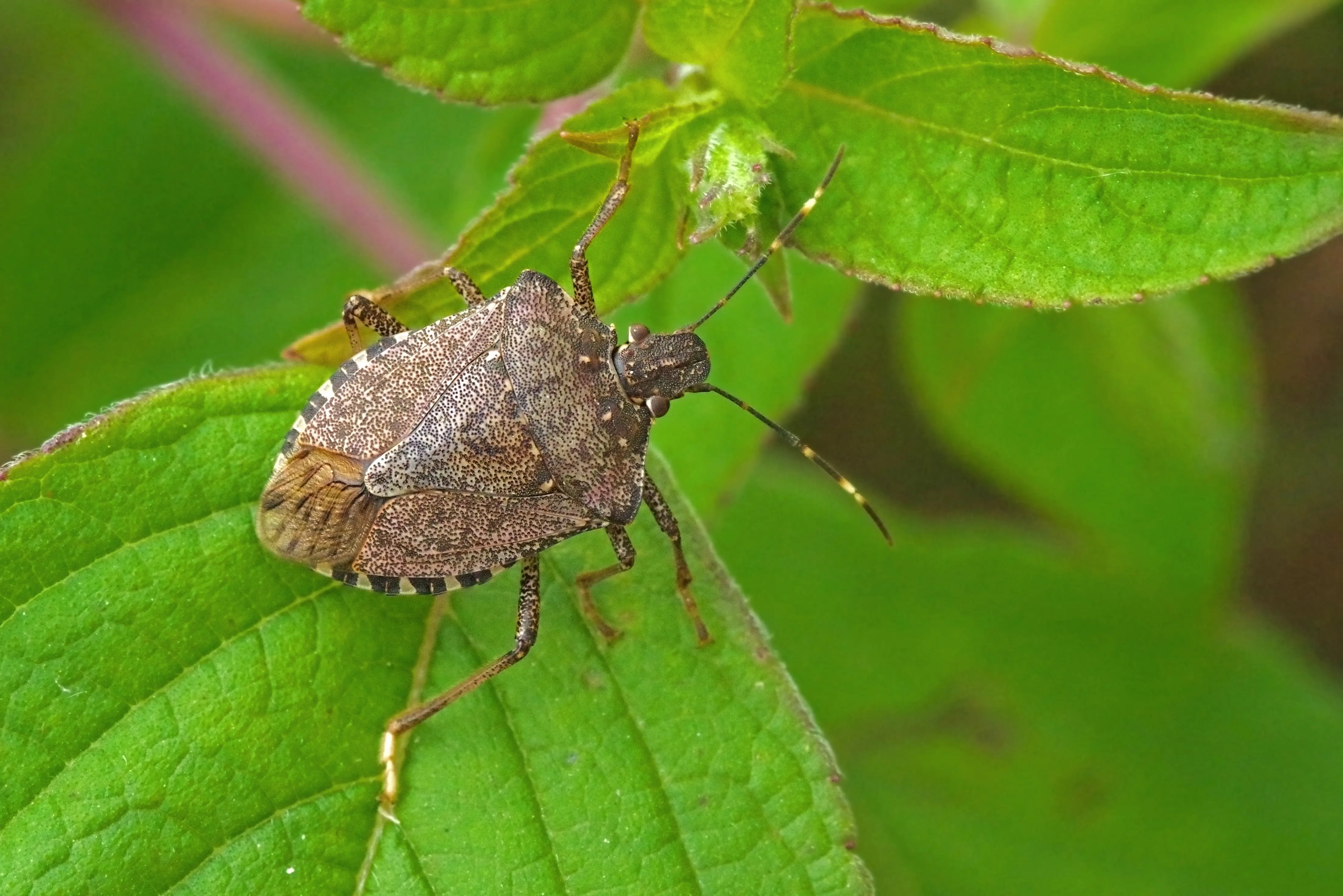
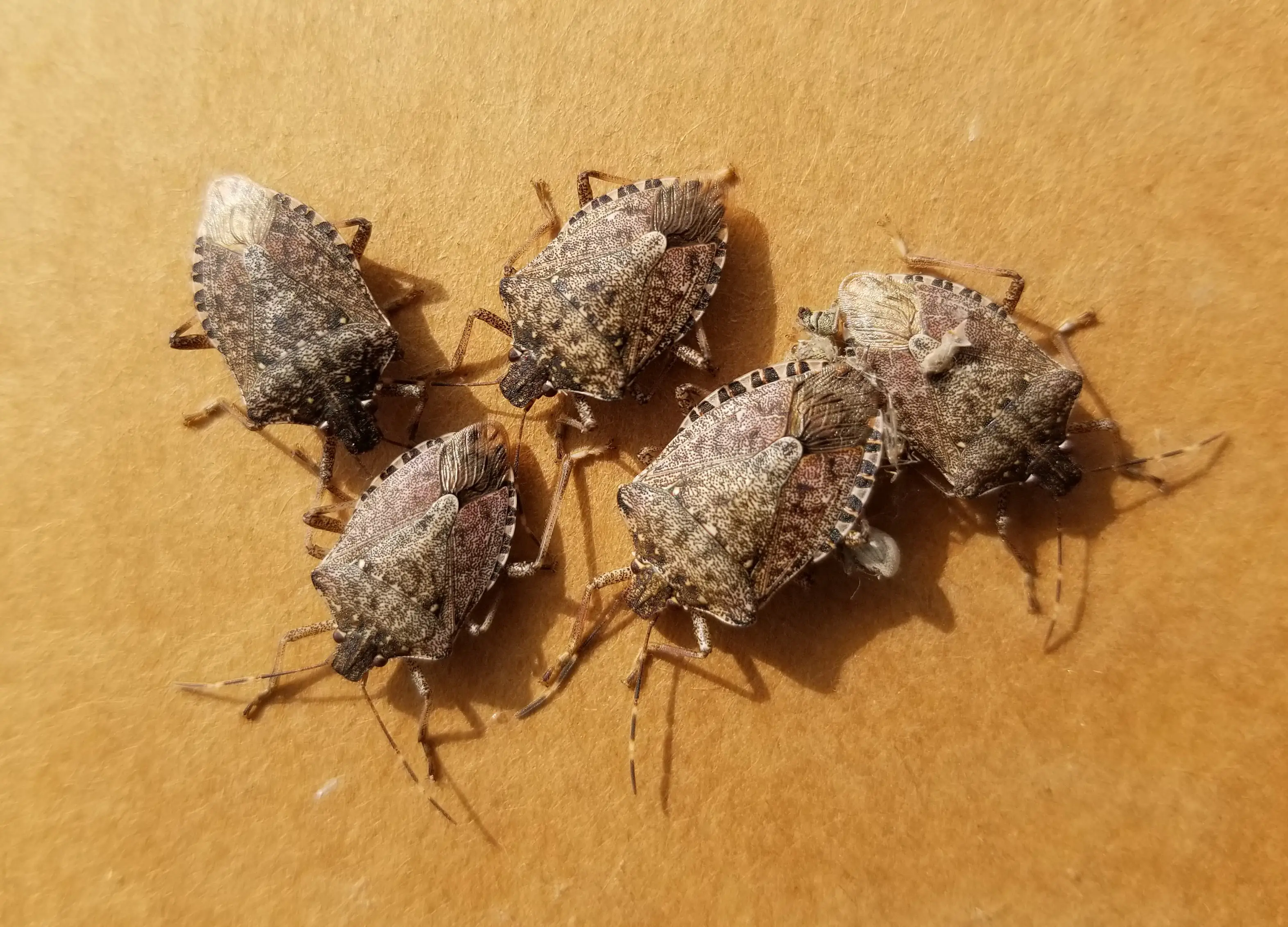
Adult stink bugs are small, flat, shield-shaped brown insects that don't cause structural damage or spread disease but can become an overwhelming nuisance. They gravitate toward well-lit areas, which often leads them toward homes. As temperatures drop in winter, they actively seek indoor shelter. Each female can lay up to 30 eggs at a time, several times per year, meaning populations can explode rapidly. At EcoGuard Pest Management, we are experienced and knowledgeable in all forms of stink bug treatment methods from exclusion work to exterior barrier applications. Our goal is to ensure that stink bugs don't get a chance to reproduce and cause an infestation inside your home.

Why Stink Bugs Are a Serious Problem

Stink bug infestations create significant challenges for homeowners:

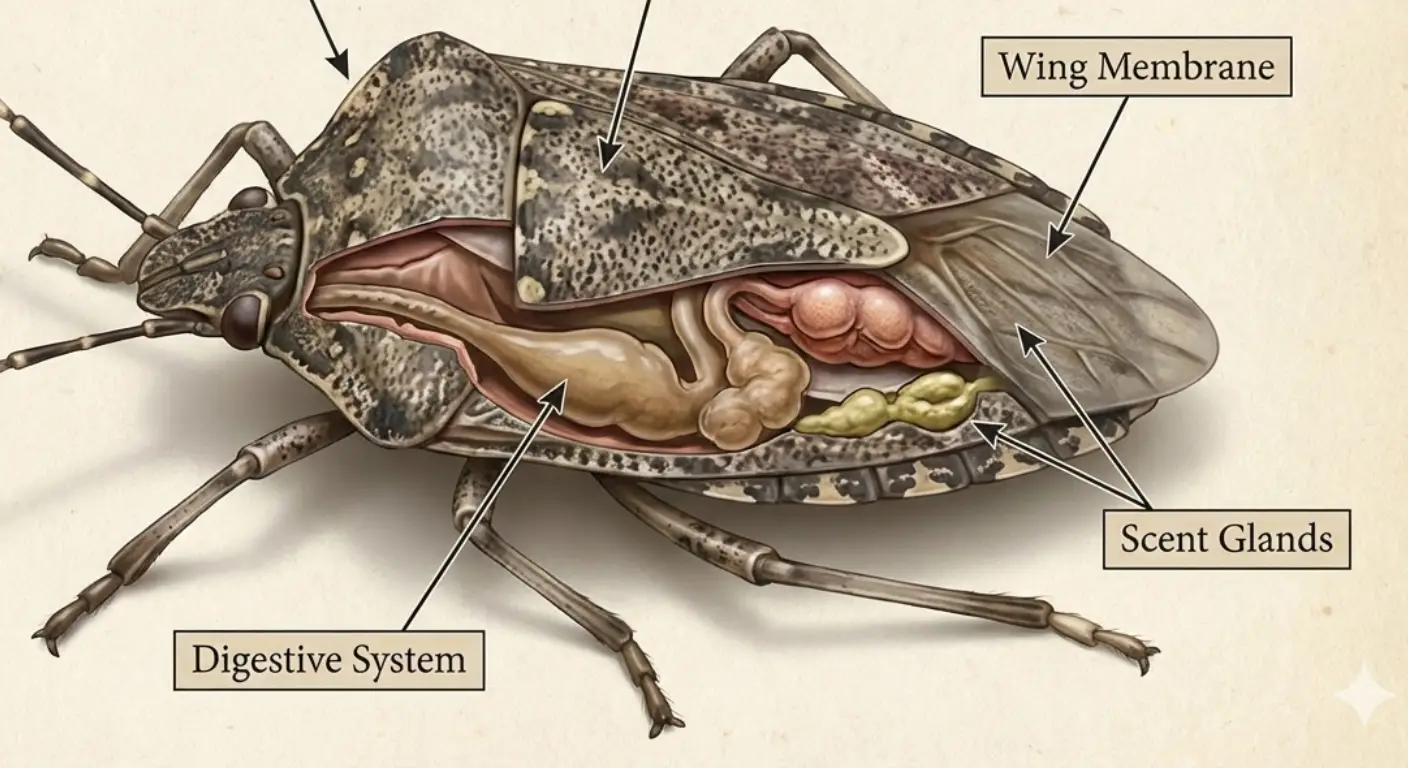
  • When threatened, crushed, or disturbed, stink bugs release a pungent defensive odor from glands in their abdomen. If dozens or hundreds invade your home, this smell can become overwhelming and permeate furniture, carpets, and living spaces
  • Stink bugs invade homes in clusters, following pheromone trails left by others, meaning one stink bug sighting typically indicates many more hiding in wall voids, attics, and crawl spaces waiting to emerge
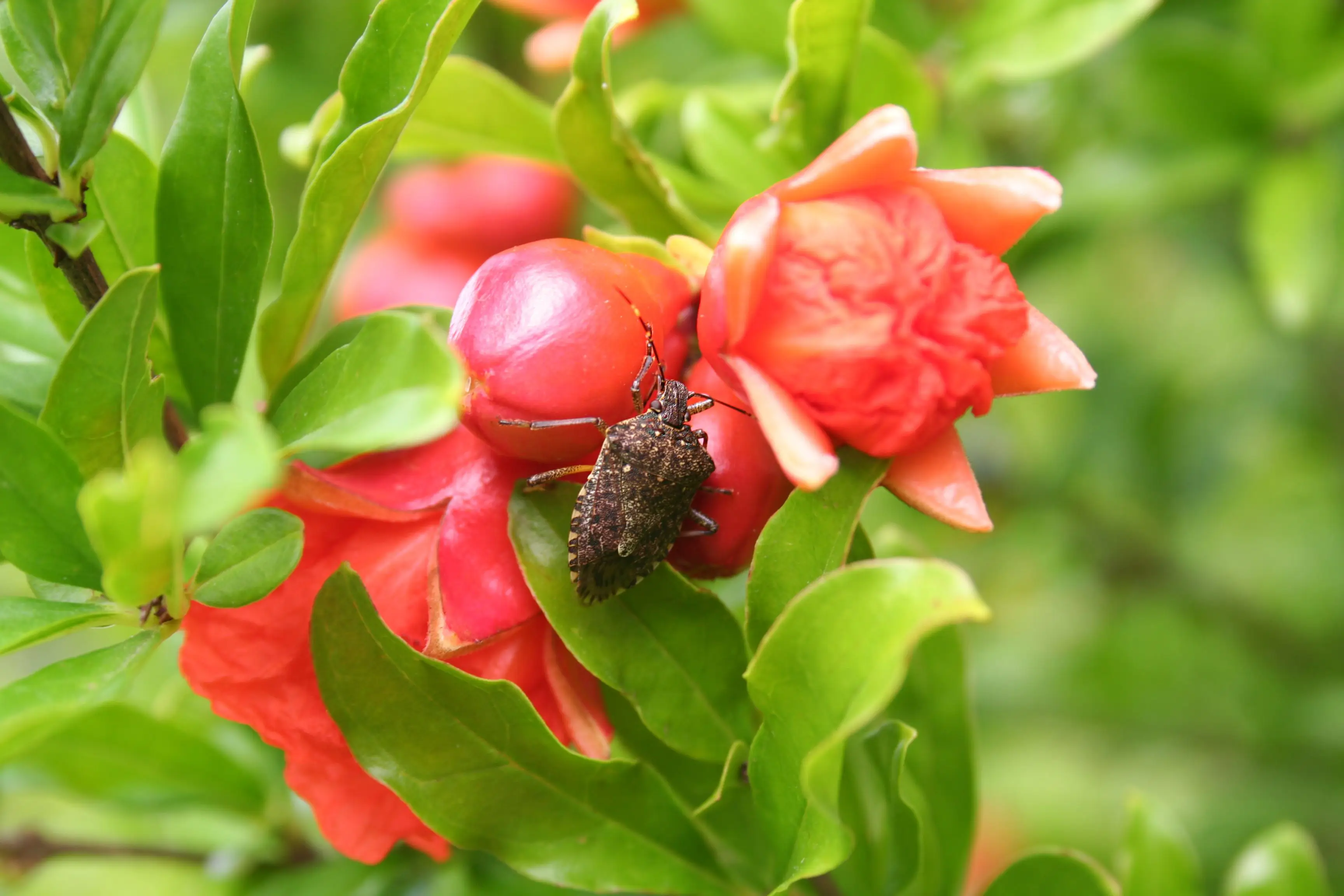
  • As agricultural pests, the brown marmorated stink bug damages fruits, vegetables, and ornamental plants, making crops unsellable and devastating both home gardens and commercial agricultural operations
  • Once inside, stink bugs overwinter in protected locations and emerge in spring, often appearing suddenly in large numbers throughout your home when temperatures warm, creating a recurring annual problem if not properly addressed

Stink Bug Control Service Plans

Choose the protection level that's right for your property

One-Time Treatment
$249+
Starting price
  • Comprehensive property inspection
  • Species identification
  • Entry point identification
  • Targeted treatment application
  • Perimeter barrier application
  • Nest elimination
  • Treatment report & recommendations
  • 30-day guarantee
Get Started
MOST POPULAR
Annual Protection
Contact Us
For custom pricing
  • Everything in One-Time Treatment
  • Seasonal maintenance plan
  • Entry point treatments
  • Priority scheduling
  • Re-treatment guarantee
Get Started

* Prices vary based on property size, infestation severity, and treatment method. Contact us for an accurate quote.

Service Plan Comparison

FeatureOne-TimeAnnual
Comprehensive Inspection
Treatment ApplicationSeasonal
Follow-Up ServiceOngoing
Exclusion GuidanceBasicComprehensive
Re-Treatment Guarantee30 daysSeason-long
Preventative Applications

Get Your Free Stink Bug Quote

Protect your property with a free stink bug quote from our licensed experts.

✓ Same-day service available
✓ Licensed & insured
✓ Detailed property assessment
✓ No-obligation estimates

Service Areas

We provide stink bug control services throughout:

  • California
  • Oregon
  • Washington
  • Texas
  • Tennessee
  • Nevada
View All Counties →

Ready to Eliminate Your Stink Bug Problem?

Schedule your stink bug inspection today. Our experts will assess your property and provide a customized treatment plan.

📞 Call (866) 326-2847Get Free Quote

Stink Bug Treatment Options

EcoGuard Pest Management employs a comprehensive approach to stink bug control, combining barrier treatments, exclusion work, and targeted applications to prevent these odorous invaders from taking over your home.
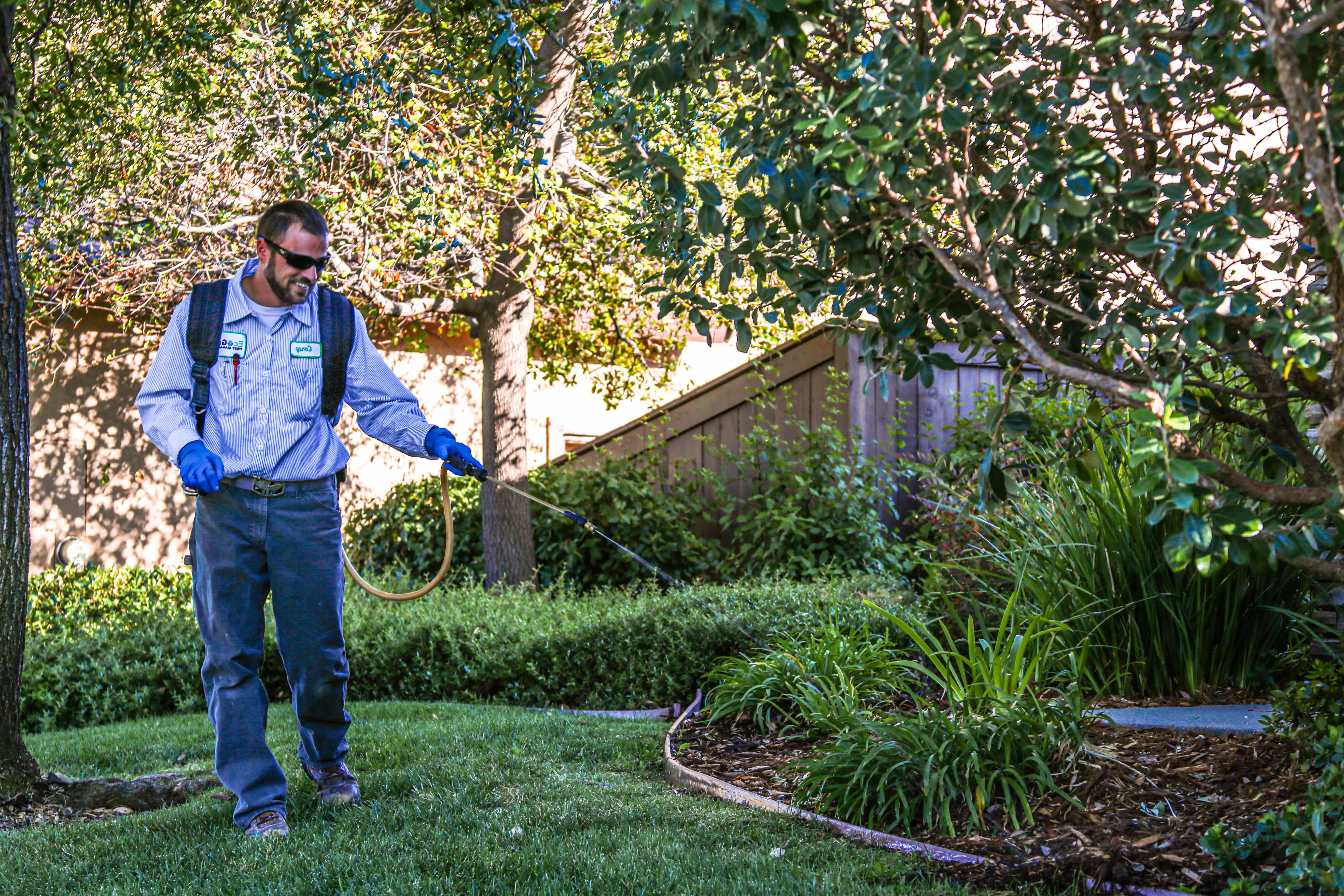
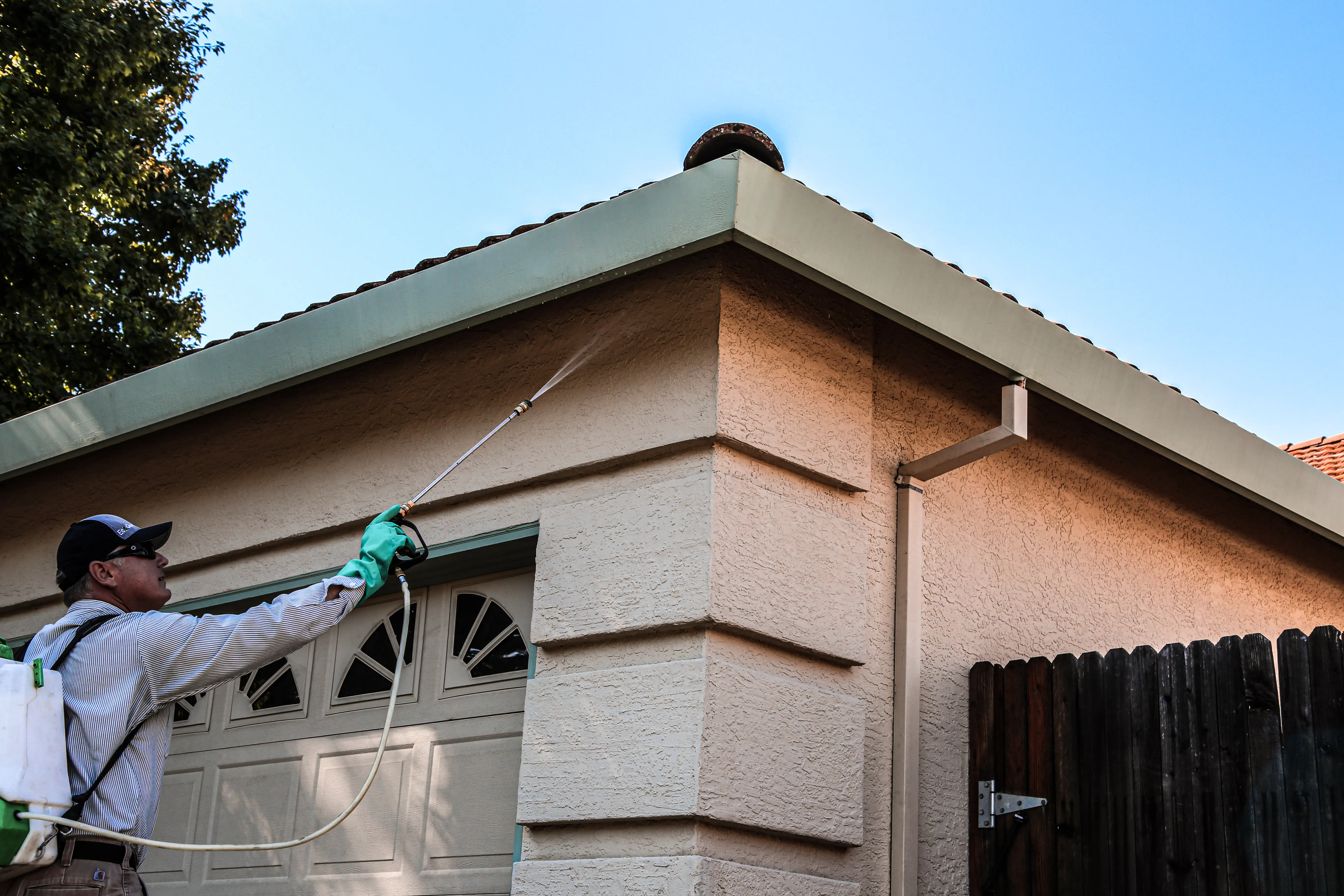
Technician applying exterior barrier treatment around home foundation for stink bug prevention

Exterior Barrier Applications

We apply professional-grade residual insecticides around your home's exterior, targeting foundation walls, window frames, door frames, eaves, and soffits. This creates a protective barrier that eliminates stink bugs before they can enter and deters others from approaching.

Applying interior spot treatment for stink bug control near windows

Interior Spot Treatments

For active indoor infestations, we apply targeted spot treatments in areas showing stink bug activity, such as windows, light fixtures, and other congregation points. These applications eliminate existing bugs while providing residual protection.

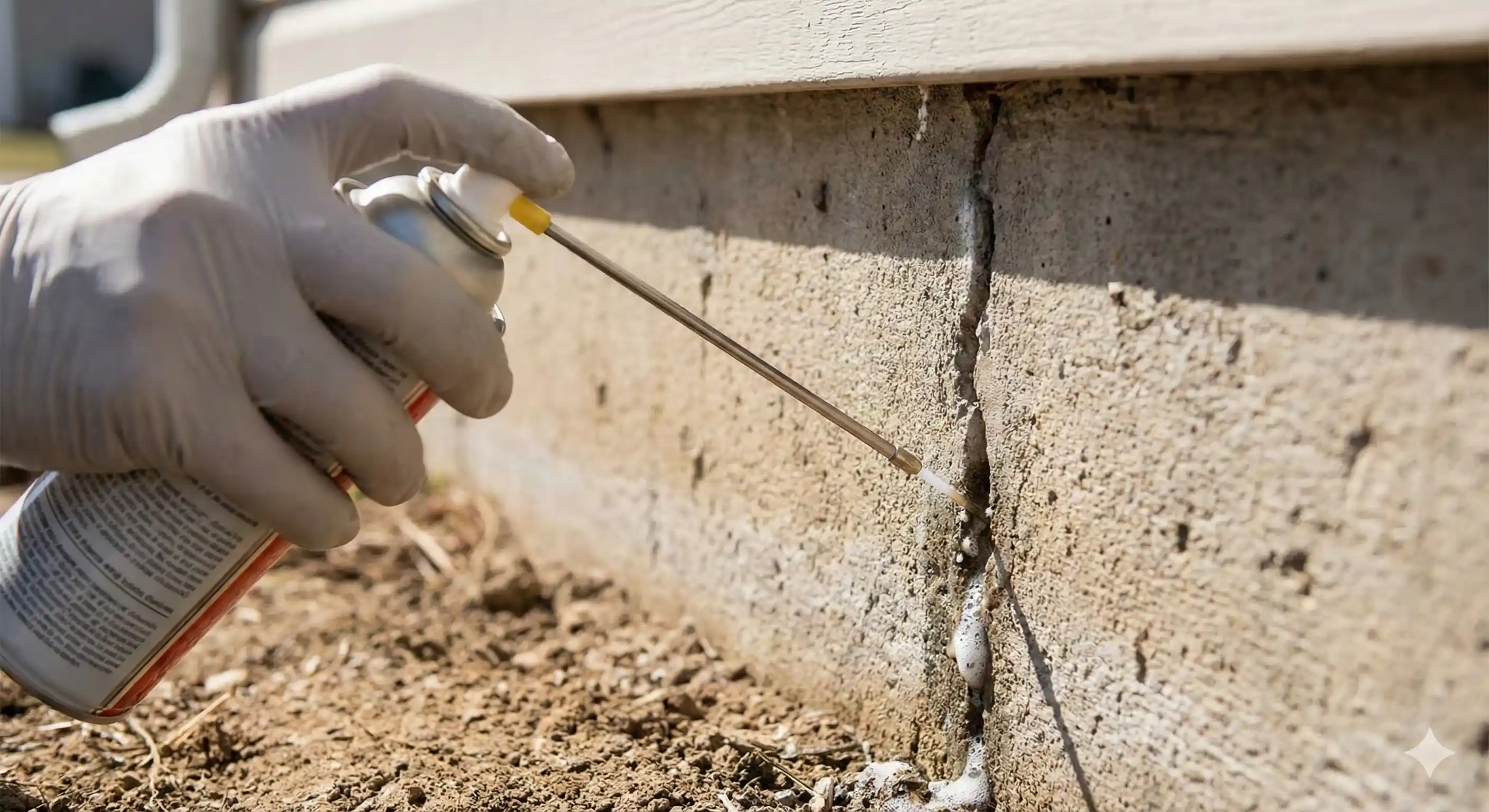
Technician treating cracks and crevices where stink bugs hide and enter

Crack & Crevice Applications

Our technicians apply insecticides directly into cracks, gaps, and voids where stink bugs hide and enter, including around window frames, door thresholds, utility penetrations, and siding gaps to target bugs in their harborage areas.

Treating attic and wall void spaces for overwintering stink bugs

Void & Attic Treatments

We treat wall voids, attic spaces, and crawl areas where stink bugs overwinter using dust formulations and residual products. These treatments reach hidden populations and prevent mass emergence when spring arrives.

Placing stink bug monitoring traps in strategic locations

Monitoring & Trapping

Strategic placement of glue traps and monitoring devices in areas of stink bug activity helps capture invaders and assess population levels. The pheromones released by trapped bugs can attract others, improving trap effectiveness.

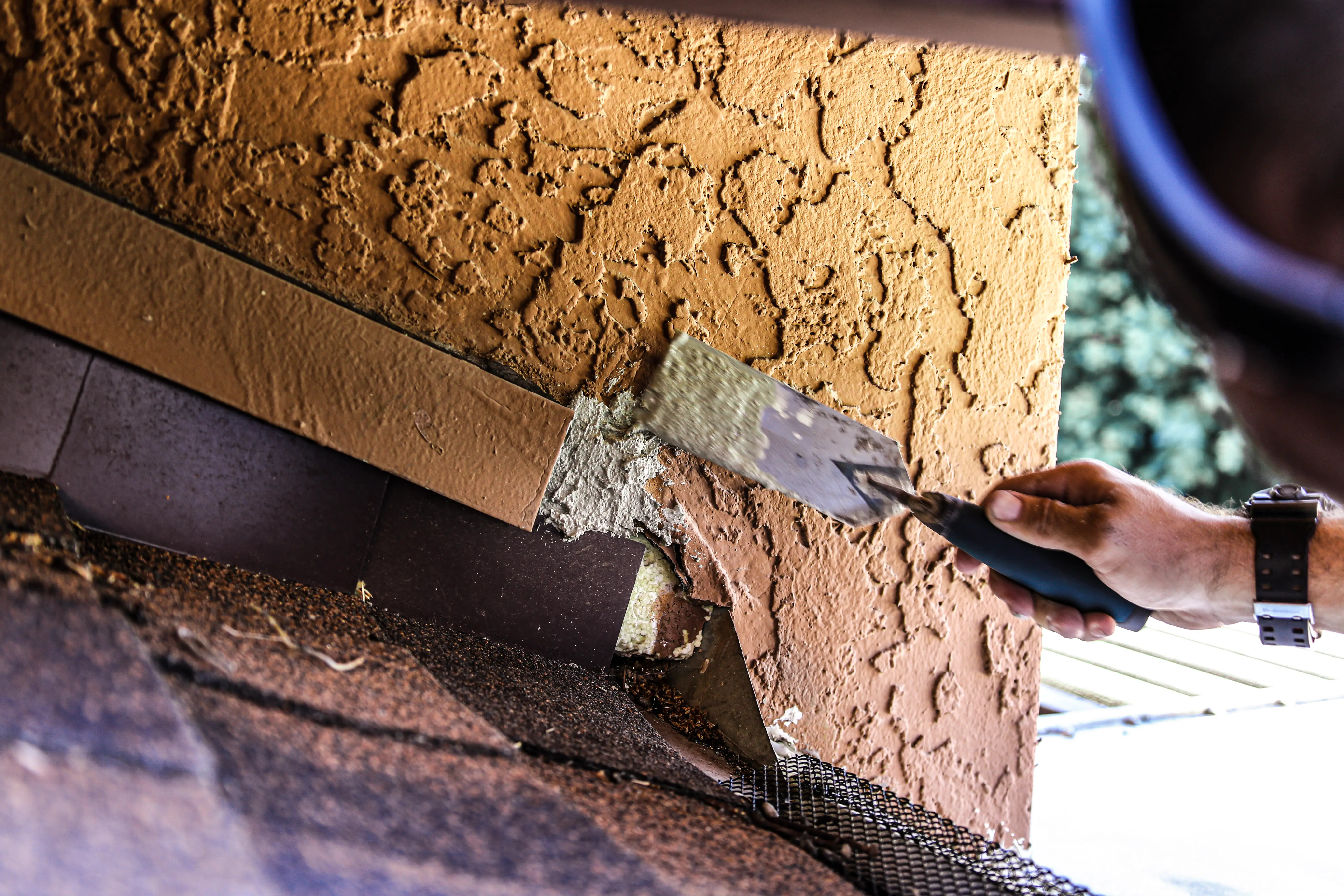
Sealing entry points to exclude stink bugs from entering home

Exclusion Services

We identify and seal entry points stink bugs use to access your home, such as gaps around windows, doors, utility lines, damaged screens, and foundation cracks. Proper exclusion is the most effective long-term prevention strategy.

What Causes Stink Bugs?

Understanding what attracts stink bugs to your property helps prevent infestations before they begin.

Fall weather conditions driving stink bugs to seek shelter in homes

🌡️ Seasonal Temperature Drops

As fall temperatures drop, stink bugs actively seek warm, sheltered locations to survive winter. Homes with sun-warmed exterior walls become beacons for these overwintering pests, drawing them by the hundreds to south and west-facing surfaces.

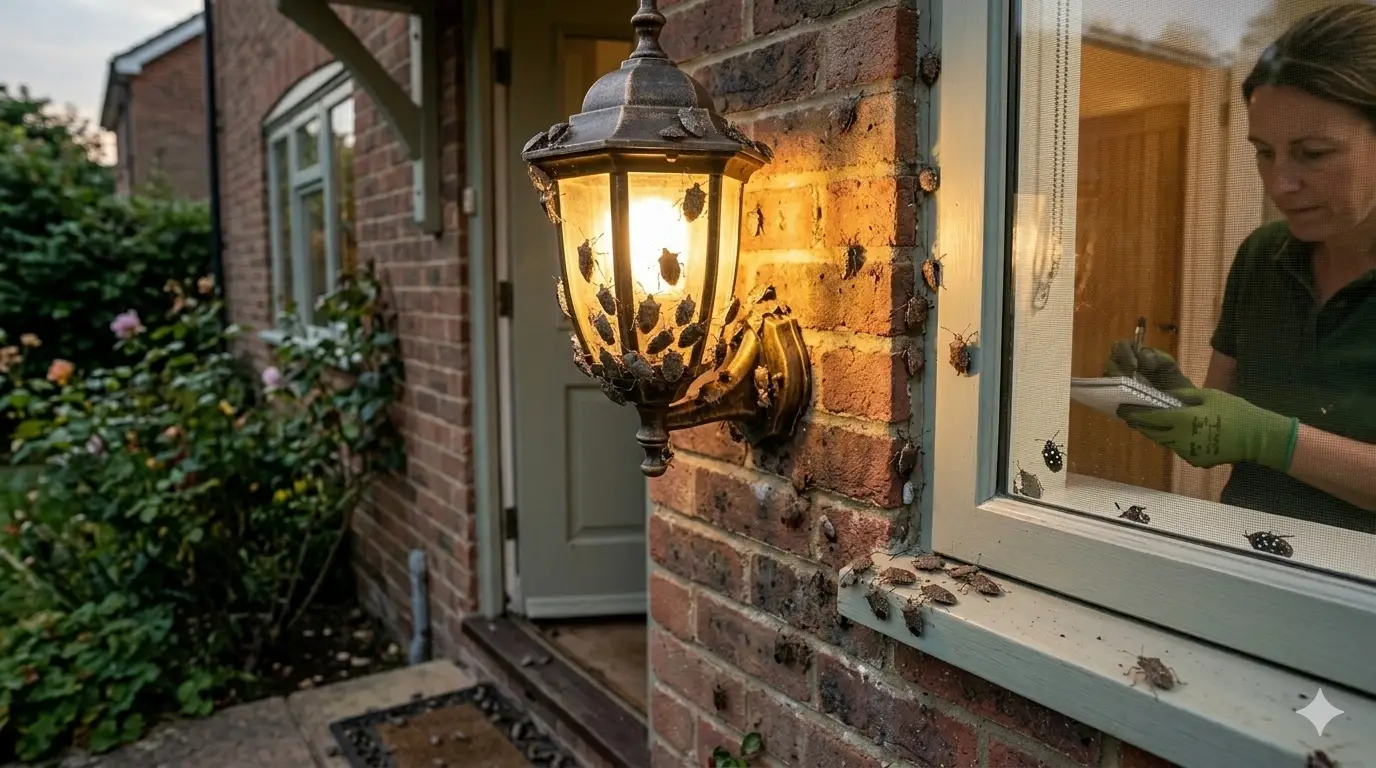
Exterior lighting attracting stink bugs to home

💡 Light Attraction

Stink bugs are strongly attracted to light, which often leads them toward homes with exterior lighting, illuminated windows, and well-lit interiors. This phototactic behavior brings them close to structures where they discover entry points.

Gaps and cracks providing stink bug entry points into home

🏠 Entry Point Access

Gaps around windows, doors, utility penetrations, damaged screens, and cracks in siding provide easy access for stink bugs. Older homes with settling foundations and worn weatherstripping are particularly vulnerable to invasion.

Garden and fruit trees providing food sources for stink bugs

🍎 Nearby Food Sources

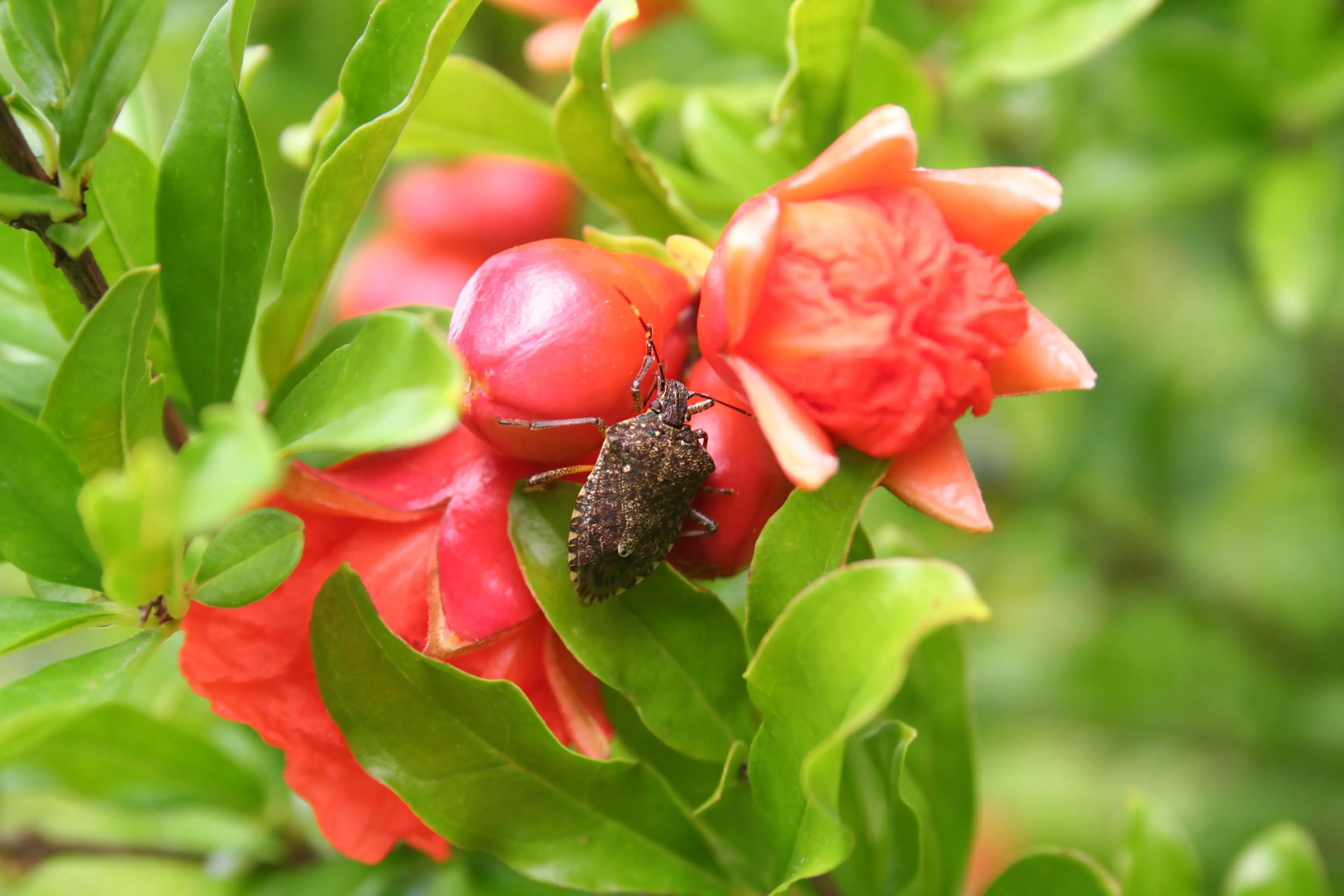
Properties with vegetable gardens, fruit trees, ornamental plants, and agricultural areas nearby provide food sources that support stink bug populations throughout the growing season. Those populations then seek winter shelter in your home.

Learn More About Stink Bug Prevention →

What Are Signs of Stink Bugs in Your Home?

Learn to recognize these telltale indicators of stink bug activity to address problems before large populations establish.
Stink bugs clustering on sunny exterior wall of home

Live Stink Bugs on Exterior Walls

Clusters of shield-shaped, brownish-gray bugs congregating on sunny exterior walls, especially south and west-facing surfaces during fall, indicates stink bugs are seeking winter shelter. This is the critical time to implement preventative treatments.

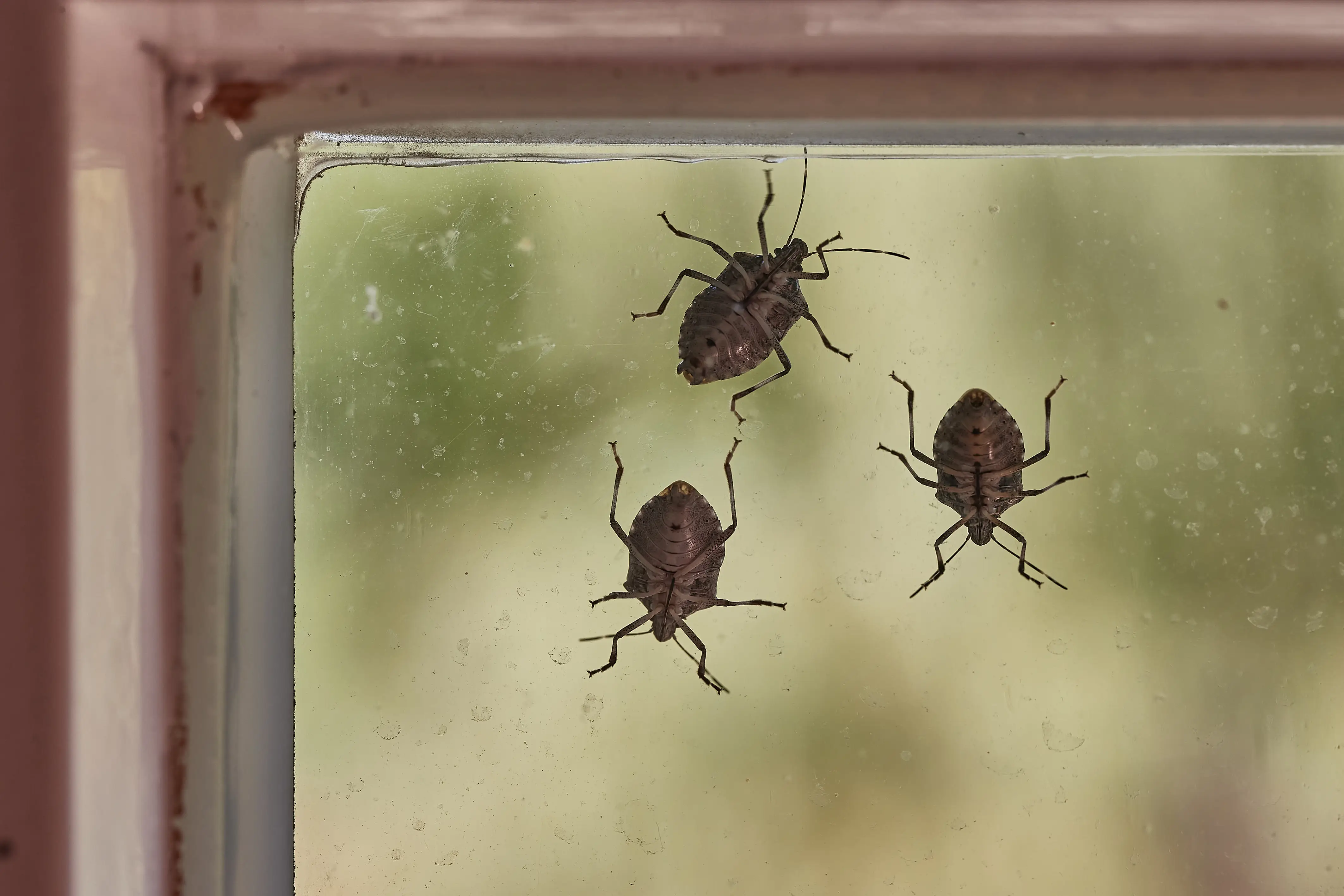
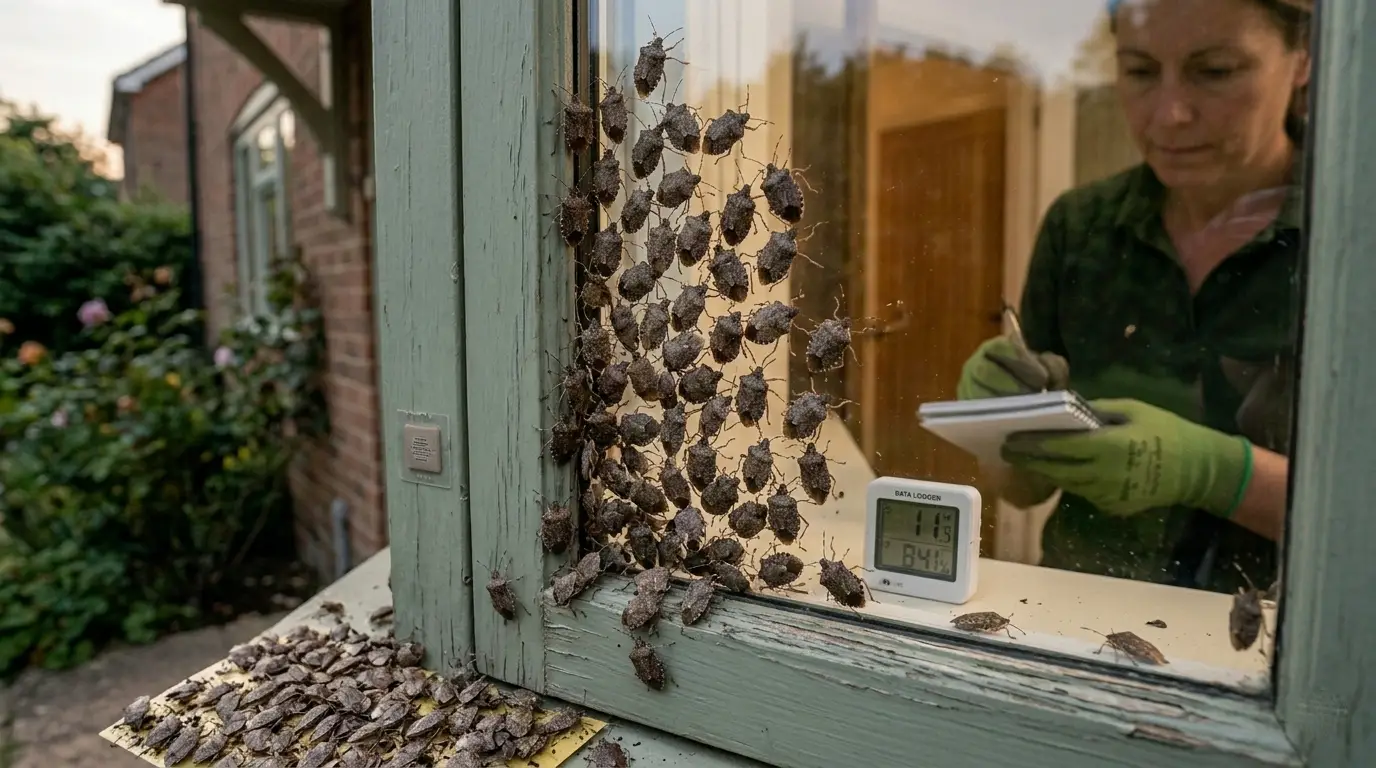
Stink bugs gathered around window inside home

Bugs Around Windows & Lights

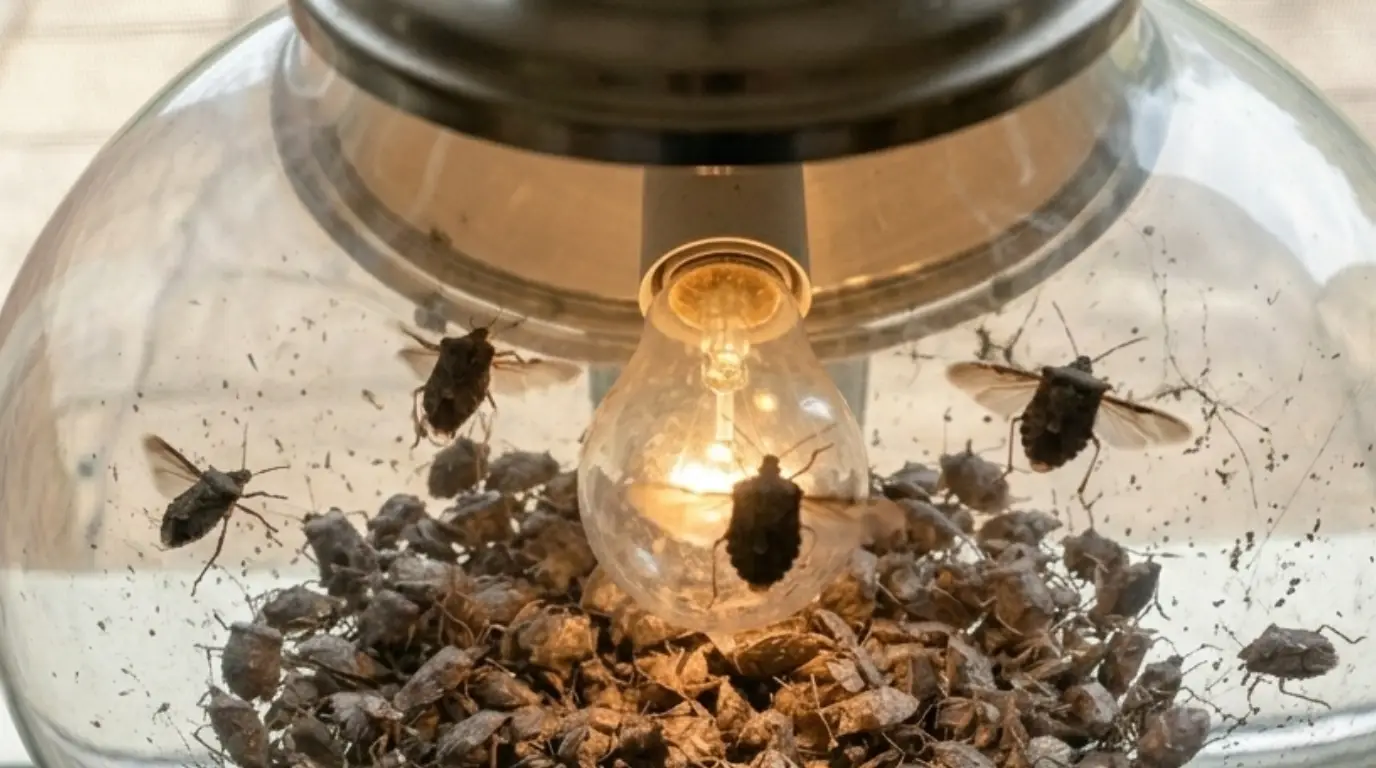
Stink bugs gathering around windows, light fixtures, and other illuminated areas inside your home indicates they've gained entry and are attracted to light sources. Even a few sightings suggest more are hidden in walls and voids.

Illustration of stink bug defensive odor being released

Characteristic Foul Odor

A pungent, cilantro-like or skunky smell, especially when you haven't visually spotted bugs, is a sign that stink bugs are present and have been disturbed or crushed. This odor can linger and permeate fabrics and furnishings.

Dead stink bugs accumulated in ceiling light fixture

Dead Bugs in Light Fixtures

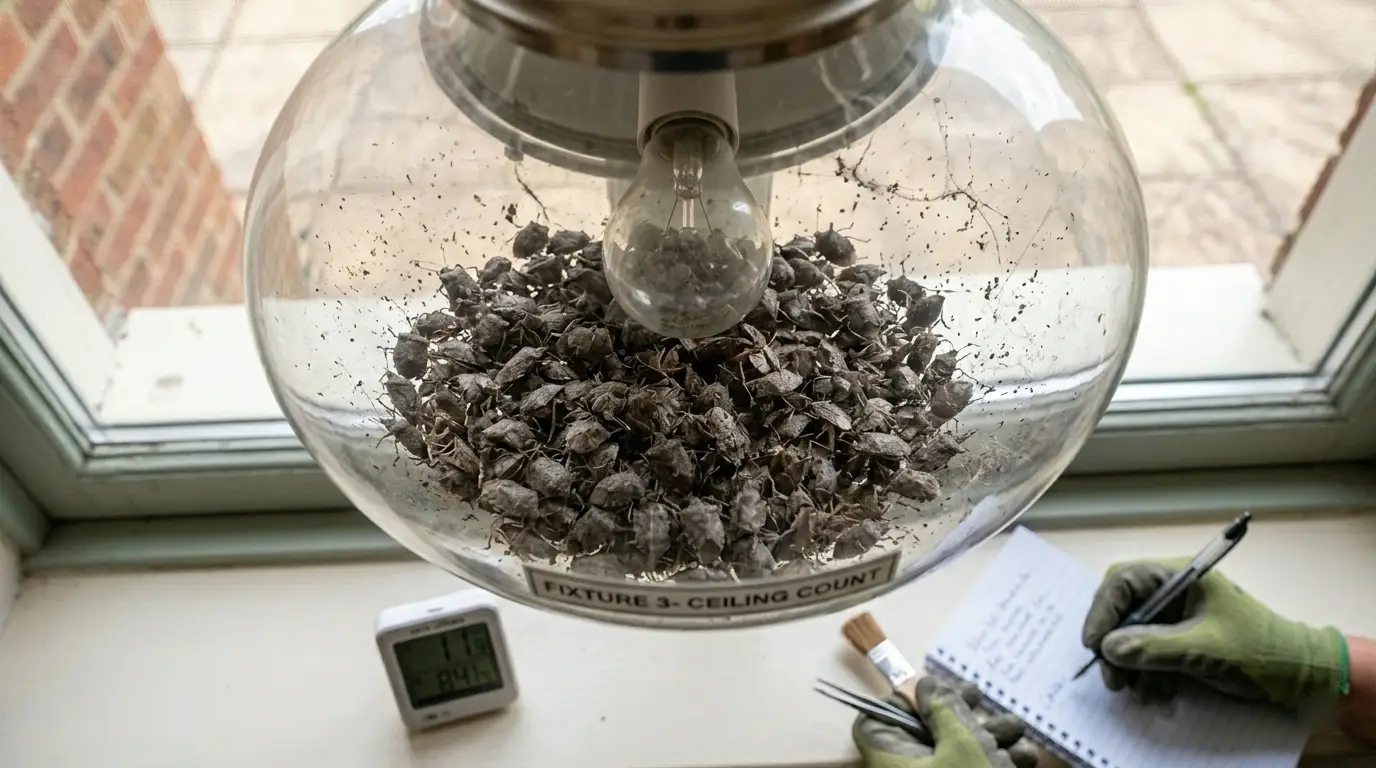
Finding dead stink bugs accumulated in ceiling light fixtures, chandeliers, and lamp shades indicates an overwintering population that became active and was drawn to lights. This often occurs in late winter or early spring.

Stink bug in flight inside home

Buzzing or Flying Indoors

Hearing buzzing sounds or seeing large, clumsy-flying insects inside your home during fall or spring confirms active infestation requiring treatment. Stink bugs are poor fliers and create a distinctive buzzing noise.

Fruit or vegetable showing stink bug feeding damage

Garden & Plant Damage

Stippled, discolored, or cat-facing damage on tomatoes, peppers, apples, and other fruits and vegetables indicates stink bug feeding. Heavy garden populations in summer often lead to home invasions in fall.

Learn More About Stink Bug Detection →

DIY vs Professional Treatment

Many homeowners attempt DIY stink bug control only to discover the limitations of consumer approaches. Vacuuming visible bugs provides temporary relief but does nothing about the hundreds potentially hiding in wall voids. Crushing them releases the very odor you're trying to avoid. Store-bought sprays may kill bugs on contact but lack the residual protection needed to intercept new arrivals. And without proper exclusion work, stink bugs will continue finding their way inside year after year.

EcoGuard's professional stink bug control begins with thorough inspection to identify entry points, harborage areas, and the extent of infestation. Our technicians apply commercial-grade residual products unavailable to consumers, including barrier treatments that remain effective for weeks, void treatments reaching hidden populations, and crack-and-crevice applications targeting entry points. We combine chemical control with exclusion recommendations that address the root cause of invasions. This integrated approach provides lasting protection rather than temporary relief.

❌ DIY Treatment

  • Vacuuming only removes visible bugs
  • Crushing releases offensive odor
  • Consumer sprays lack residual protection
  • Cannot treat wall voids and attics
  • Doesn't address entry points
  • Temporary relief only

✓ Professional Treatment

  • Commercial-grade residual products
  • Wall void and attic treatments
  • Complete entry point treatment
  • Comprehensive exclusion guidance
  • Seasonal preventative applications
  • Long-term protection strategy

Commercial Stink Bug Control

EcoGuard Pest Management implements customized stink bug control programs for commercial facilities that prioritize operational continuity while ensuring effective pest elimination. Our comprehensive commercial stink bug protection programs combine discrete treatment applications with flexible scheduling to maintain your business operations while ensuring complete elimination of stink bug problems.

We specialize in stink bug control solutions for:

  • Restaurants and food service establishments
  • Healthcare facilities
  • Hotels and hospitality venues
  • Educational institutions
  • Office complexes
  • Food processing facilities
  • Warehouses and storage facilities
  • Retail spaces
  • Manufacturing facilities
  • Multi-unit residential properties
Learn About Commercial Pest Control
100% SATISFACTION GUARANTEE

The EcoGuard Guarantee

EcoGuard offers a 100% satisfaction guarantee for all of our customers, and we stand by our promise to eradicate your stink bug problem until the very last stink bug is gone. That stink bug control guarantee comes with every service and if the stink bugs come back, then so do we, at no additional cost. We are standing by to give you a free estimate and to help you set your first stink bug pest control service appointment.

📞 Call (866) 326-2847 Today

Our Stink Bug Control Process

A comprehensive approach to eliminating stink bugs and preventing their return

1

Thorough Inspection

Our licensed technicians search your property for stink bug harborage areas, entry points, and signs of activity. We identify gaps, cracks, and openings that allow access while assessing the extent of any existing infestation in wall voids and attic spaces.

2

Targeted Treatment

Based on inspection findings, we implement a customized treatment plan combining exterior barrier applications, interior spot treatments, void treatments, and crack-and-crevice applications. Our products provide both immediate knockdown and extended residual protection.

3

Exclusion & Prevention

We provide detailed recommendations for sealing entry points such as gaps around windows, doors, utility penetrations, and siding. Proper exclusion combined with lighting modifications creates long-term protection against future invasions.

4

Seasonal Follow-Up

Stink bugs are seasonal pests requiring seasonal management. Our follow-up services include fall preventative treatments before overwintering season and spring treatments to address emerging populations, maintaining year-round protection.

Seasonal Plan for Stink Bug Control

Year-round protection adapted to seasonal stink bug behavior patterns

Spring Stink Bug Control

Spring

Overwintering stink bugs emerge as temperatures warm, often appearing suddenly throughout homes in large numbers; treat to eliminate emerging populations; seal entry points discovered during winter; address interior concentrations around windows and lights

Summer Stink Bug Control

Summer

Stink bugs feed actively on gardens and agricultural crops; monitor for population buildup; protect vegetable gardens and fruit trees; prepare for fall invasion by scheduling preventative treatments; address any structural entry points

Fall Stink Bug Control

Fall

Critical prevention period as stink bugs seek winter shelter; apply exterior barrier treatments before migration begins; seal entry points around windows, doors, and utilities; treat south and west-facing walls where bugs congregate; interior treatments as needed

Winter Stink Bug Control

Winter

Stink bugs overwinter in wall voids and attics in dormant state; treat accessible void spaces; seal any newly discovered entry points; prepare for spring emergence; excellent time for comprehensive exclusion work when bugs are inactive

What Our Customers Say

Trusted by homeowners for professional stink bug elimination and prevention

★★★★★

"Every fall, hundreds of stink bugs would cover our sunny back wall and find their way inside. The smell was unbearable! EcoGuard treated the exterior and sealed the gaps we didn't even know existed. First fall in years without an invasion!"

Patricia & Michael R.
Sacramento, CA
★★★★★

"I was vacuuming stink bugs daily and the smell was getting into everything. The technician explained they were overwintering in our walls and treated the void spaces. The difference was immediate. No more constant buzzing and that awful odor!"

Jennifer L.
Portland, OR
★★★★★

"Our vegetable garden was being destroyed by stink bugs, and then they started invading the house. EcoGuard's seasonal program protects both the garden and keeps them out of our home. Worth every penny for the peace of mind!"

David & Susan T.
Fresno, CA

Stink Bug Control FAQs

Everything you need to know about stink bug control and treatment

Yes, professional exterminators are generally recommended to prevent stink bug infestations from getting out of hand. Professionals have experience dealing with these pests and know how to implement targeted pest management methods that eliminate bugs effectively, including treatments for wall voids and attic spaces where stink bugs hide.

Permanent stink bug control requires an integrated approach combining professional treatment with exclusion work. Sealing entry points around windows, doors, and utilities; reducing exterior lighting; eliminating nearby food sources; and applying seasonal preventative treatments all contribute to long-term protection. Professional pest control addresses existing populations while exclusion prevents future invasions.

Spraying is effective when insecticide contacts stink bugs directly and when residual products are applied to entry points and harborage areas. However, if bugs are overwintering in wall voids, surface sprays may not reach them. This is why an integrated pest management approach combining sprays, void treatments, and exclusion is most effective.

Seasonal temperature drops drive stink bugs to seek sheltered locations for winter survival. They come in clusters because they release pheromones that attract other stink bugs toward the same shelter. One stink bug finding a way in essentially guides many others to follow the same path into your home.

The brown marmorated stink bug is an invasive species from East Asia that arrived in the United States in the 1990s. It's now found throughout the country and is the most common species invading homes. It's an agricultural pest that damages fruits, vegetables, and ornamental plants, and releases a particularly pungent defensive odor.

Stink bugs produce their characteristic foul odor from glands in their abdomen as a defense mechanism against predators. The smell contains chemicals called aldehydes that have been compared to cilantro, coriander, or skunk. The odor also contains pheromones that can attract other stink bugs to the area.

Stink bugs are most visible during fall when they seek winter shelter and spring when they emerge from overwintering sites. During summer, they're active outdoors feeding on plants. They're primarily daytime insects attracted to warmth and light, though they remain hidden in wall voids during winter months.

No, crushing stink bugs releases their defensive odor, which can be difficult to remove from surfaces and may attract other stink bugs to the area. Instead, use a vacuum to remove them (empty the bag promptly), flush them, or drop them into soapy water. Professional treatment is recommended for significant infestations.

Stink bugs enter through small gaps and cracks around windows, doors, utility penetrations, siding, soffits, and foundation walls. Damaged window screens, gaps under doors, and spaces around air conditioners provide easy access. They're attracted to sun-warmed exterior walls, especially south and west-facing surfaces.

Stink bugs don't bite, sting, or spread disease, and they don't cause structural damage. Their primary harm is the foul odor they release when disturbed and their tendency to invade in large numbers. Some people may experience mild allergic reactions to their defensive chemicals.

Stink bugs don't cause structural damage to homes. They don't eat wood, fabric, or other building materials. However, their defensive secretions can stain surfaces, and dead bugs in wall voids or light fixtures create cleanup challenges. Their primary impact is the overwhelming odor and nuisance of large invasions.

Stink bugs feed on a wide variety of plants including tomatoes, peppers, beans, corn, apples, peaches, berries, and ornamental plants. They pierce plant tissue and suck out juices, causing stippled, discolored, or deformed fruit. Heavy infestations can devastate home gardens and cause significant agricultural losses.

Adult stink bugs can live 6-8 months, with those that successfully overwinter living the longest. They go through incomplete metamorphosis with egg, nymph, and adult stages. Females can lay 250+ eggs during their lifetime in clusters of 20-30 eggs, typically on the undersides of leaves.

Yes, stink bugs have wings and can fly, though they're clumsy fliers that create a distinctive buzzing sound. They typically fly short distances and are more likely to crawl once inside structures. Their flying ability helps them move between plants and reach upper stories of buildings.

Stink bugs that have entered your home to overwinter will eventually emerge in spring and try to go back outside. However, without treatment and exclusion, they'll return the following fall, often in greater numbers as populations grow. Professional treatment breaks this cycle for lasting relief.

The most effective treatment timing is late summer to early fall, before stink bugs begin seeking winter shelter. Treating exterior walls and sealing entry points in September-October prevents invasion. Spring treatment addresses any overwintering bugs that emerge inside. Year-round exclusion work provides ongoing protection.

Yes, stink bugs enter a dormant state called diapause that allows them to survive winter inside wall voids, attics, and other protected spaces. They can survive freezing temperatures in this state. When spring warmth arrives, they become active and often emerge inside homes rather than finding their way back outside.

Stink bug traps can capture individual bugs and help monitor population levels, but they're generally insufficient for controlling significant infestations. The pheromones released by trapped bugs may attract others, improving trap effectiveness. Traps work best as part of a comprehensive control strategy including treatment and exclusion.

Seal cracks and gaps around windows, doors, utility penetrations, and siding. Repair or replace damaged window screens. Install door sweeps. Reduce exterior lighting or switch to yellow 'bug lights.' Apply residual insecticides to exterior walls before fall. Remove nearby food sources like vegetable gardens when possible.

Some natural deterrents include essential oils (mint, neem, garlic), diatomaceous earth around entry points, and reducing exterior lighting. However, natural methods alone are rarely sufficient for preventing invasions. They work best combined with physical exclusion and professional treatment for comprehensive protection.

Related Articles & Resources

Learn more about stink bug prevention, identification, and control
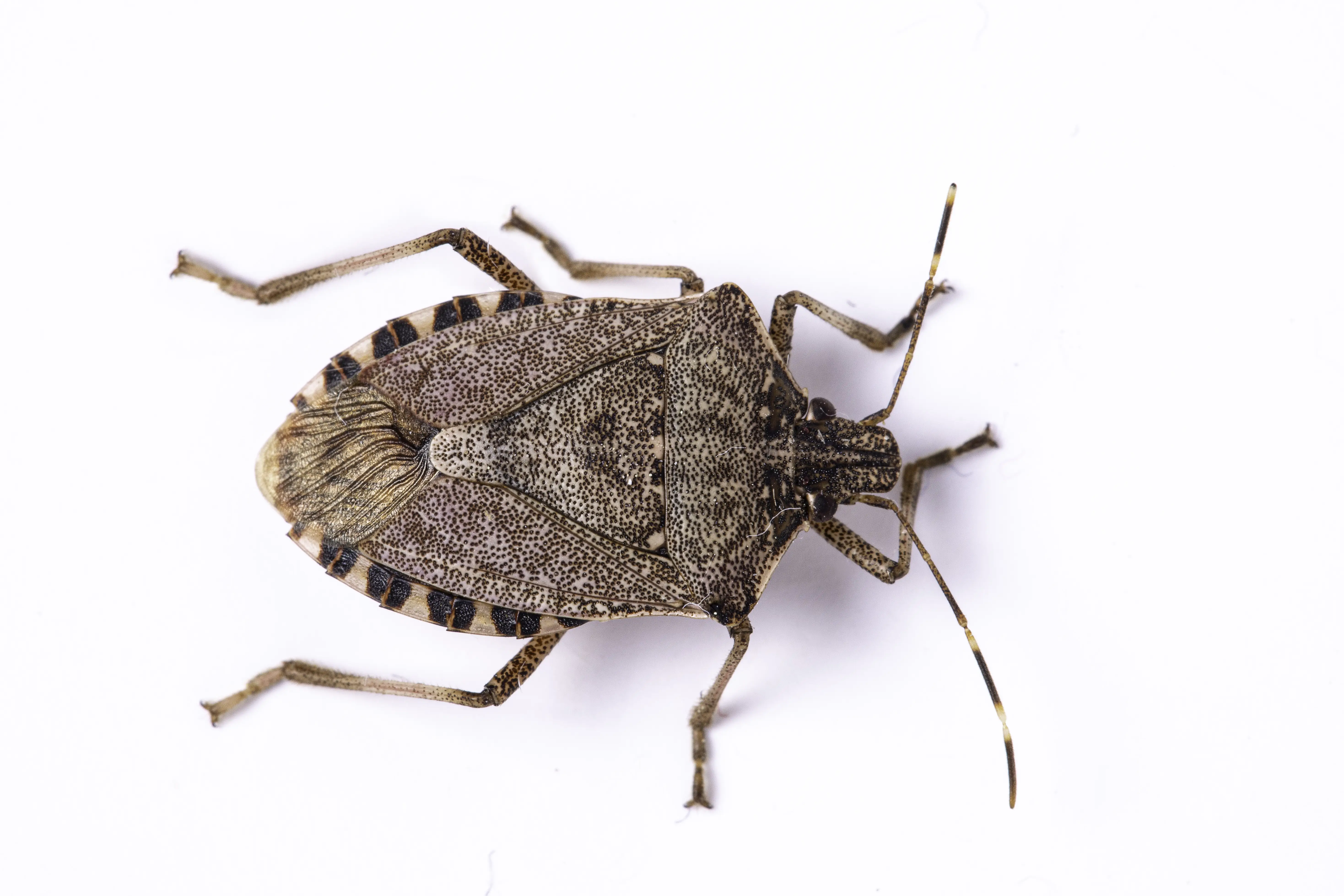
Are Stink Bugs Dangerous? Bites, Pets & Home Safety

Are Stink Bugs Dangerous? Bites, Pets & Home Safety

Learn if stink bugs are dangerous to humans and pets, whether they bite, if they are poisonous, and how to prevent and get rid of stink bug infestations.

Read Article →
How to Get Rid of Stink Bugs: Removal & Prevention Guide

How to Get Rid of Stink Bugs: Removal & Prevention Guide

Learn effective methods to get rid of stink bugs including natural remedies, pesticides, prevention tips, and when to call professional pest control.

Read Article →
What Are Stink Bugs? Facts, Identification & Life Cycle

What Are Stink Bugs? Facts, Identification & Life Cycle

Learn about stink bugs including identification, why they smell, their diet, life cycle, signs of infestation, and how to get rid of them.

Read Article →
What Attracts Stink Bugs in Your House?

What Attracts Stink Bugs in Your House?

Learn what attracts stink bugs to your home including warmth, lights, pheromones, and food sources. Plus prevention tips to keep them out.

Read Article →
What Do Stink Bugs Eat? Diet, Crop Damage & More

What Do Stink Bugs Eat? Diet, Crop Damage & More

Learn what stink bugs eat including fruits, vegetables, and crops. Understand the agricultural damage they cause and how predatory stink bugs can be beneficial.

Read Article →
Where Do Stink Bugs Come From? Origins & How They Enter Homes

Where Do Stink Bugs Come From? Origins & How They Enter Homes

Learn where stink bugs originated, how they spread across the US, why they enter homes, and what attracts them. Plus prevention and removal tips.

Read Article →
Why Do Stink Bugs Smell Bad? The Science Behind the Stink

Why Do Stink Bugs Smell Bad? The Science Behind the Stink

Learn why stink bugs smell bad, what causes their odor, how they release it, and whether the smell is dangerous. Plus tips for removal without the stink.

Read Article →
View All Pest Control Articles →

Ready to Eliminate Your Stink Bug Problem?

Get a free estimate for your stink bug problem today. Our experts will assess your property and provide a customized treatment plan.

Connect With Us

Follow EcoGuard Pest Management for tips, updates, and special offers

f𝕏yin