EcoGuard Pest Management
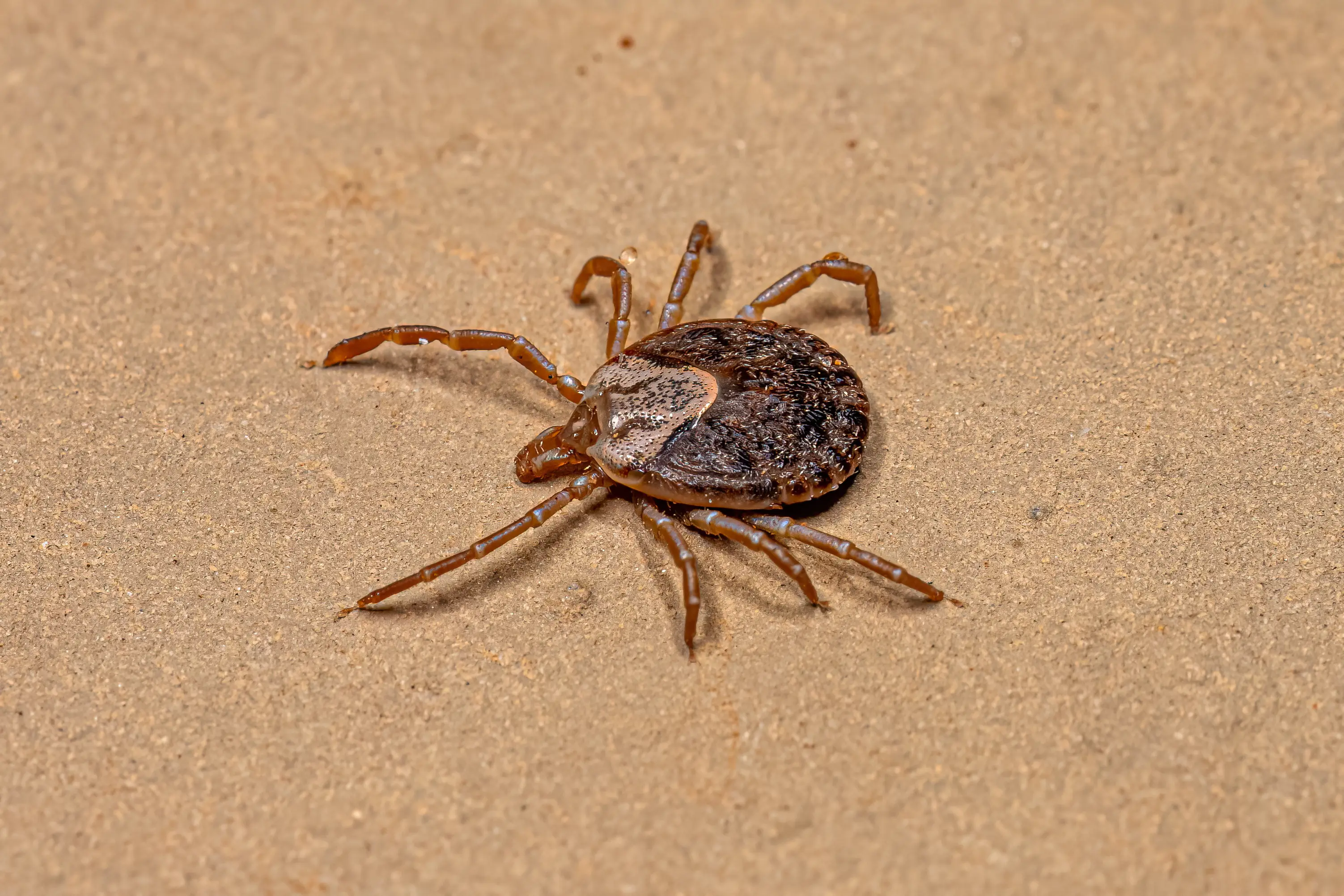
Professional tick control technician inspecting and treating yard for tick infestation

Professional Tick Control & Exterminator Services

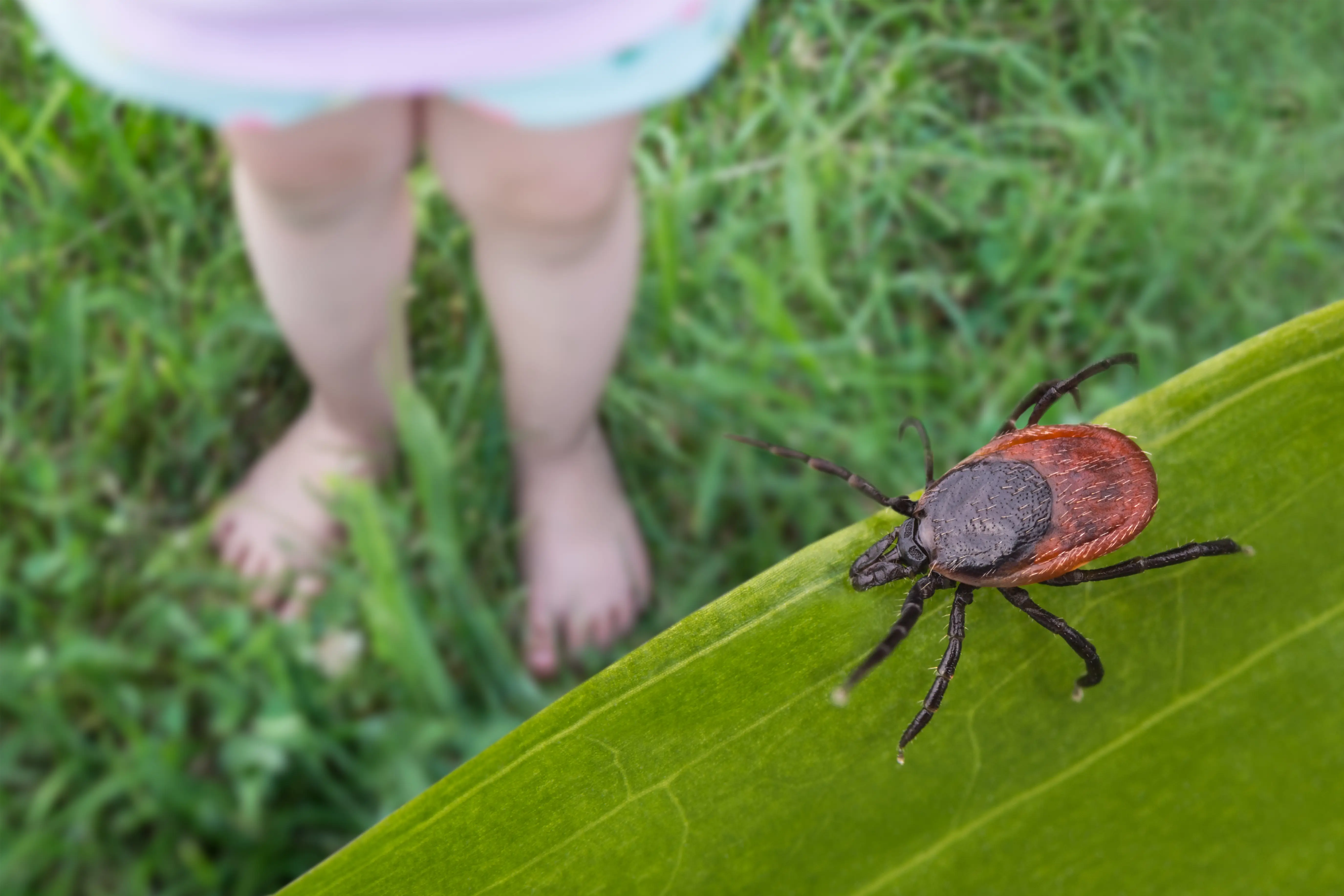
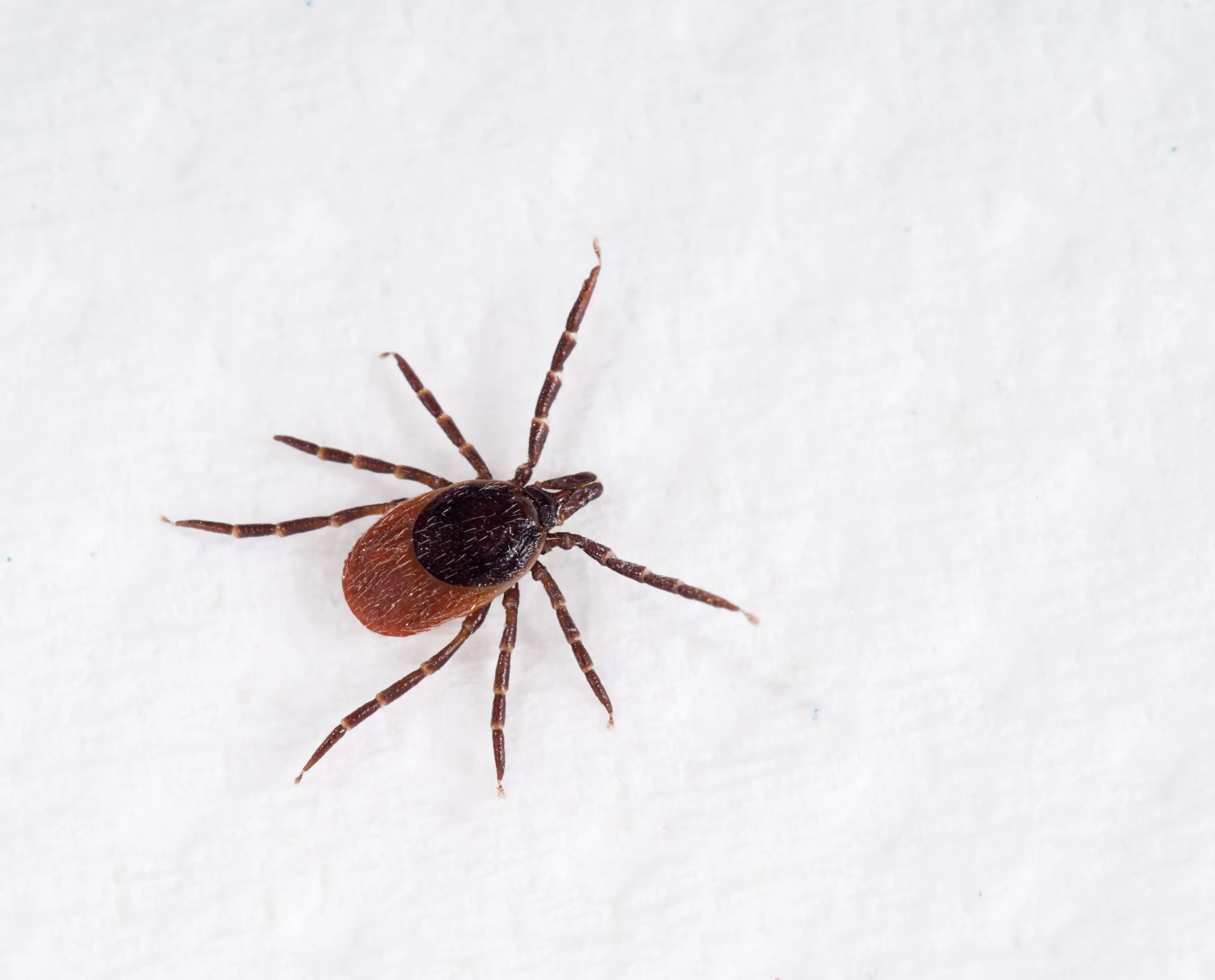
Ticks present a serious threat to the health and safety of your family and pets. These blood-sucking parasites attach to their hosts and can spread serious diseases. In fact, approximately 47,500 cases of tick-borne illnesses were reported in a single year. Ticks are vectors for over 15 serious diseases including Lyme disease, which can cause chronic problems if left undiagnosed and untreated. EcoGuard Pest Management offers guaranteed tick control services combining exterior treatments with comprehensive tick mitigation strategies to eliminate populations and protect your loved ones.

Tick Pest Control Experts

At EcoGuard Pest Management, we are experienced and knowledgeable in all forms of tick treatment methods, from targeted local treatments to comprehensive lawn and yard applications. We utilize an integrated pest management (IPM) approach with over 40 years of combined experience providing tick control services. While ticks are generally not a threat inside homes, areas where dogs and cats are active can become hotspots for tick populations. This is why it's critical to have an experienced pest control technician inspect your yard for potential harborage points and implement effective elimination strategies.

Why Ticks Are a Serious Problem

Ticks pose significant health risks that demand immediate professional attention:

  • Ticks are vectors for over 15 serious diseases including Lyme disease, Rocky Mountain spotted fever, ehrlichiosis, and anaplasmosis. These conditions can cause chronic health problems, neurological damage, and even be life-threatening if left untreated
  • These parasites are difficult to detect until already attached, and improper removal can leave the head embedded in skin, potentially leading to infection and increased disease transmission risk
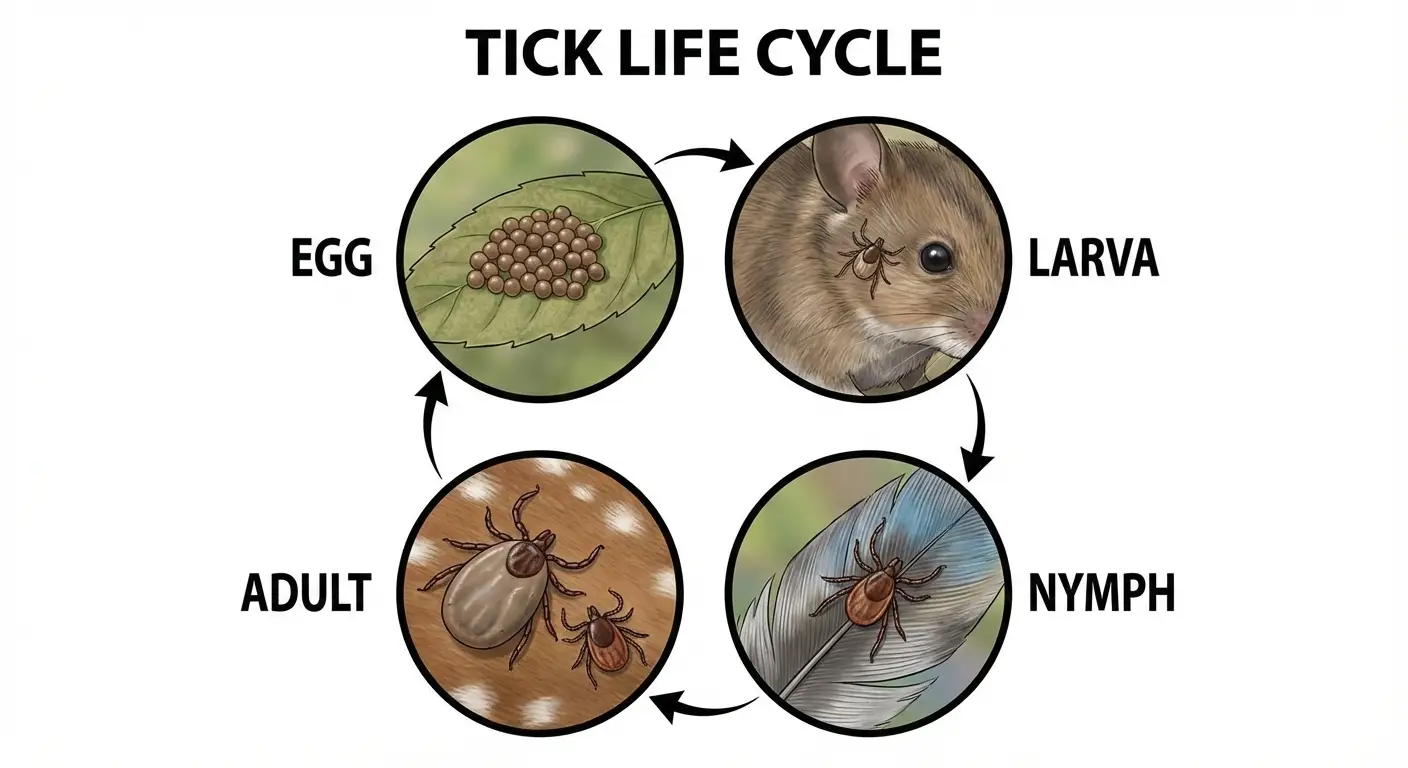
  • A single female tick can lay thousands of eggs at once, meaning a small tick presence can rapidly explode into a significant infestation that puts your entire family and pets at ongoing risk
  • Ticks remain active in temperatures above 35°F, meaning they're a threat for much of the year, and with climate change extending warm seasons, tick-borne disease cases continue rising annually

Tick Control Service Plans

Choose the protection level that's right for your property

One-Time Treatment
$249+
Starting price
  • Comprehensive property inspection
  • Species identification
  • Entry point identification
  • Targeted treatment application
  • Perimeter barrier application
  • Nest elimination
  • Treatment report & recommendations
  • 30-day guarantee
Get Started
MOST POPULAR
Annual Protection
Contact Us
For custom pricing
  • Everything in One-Time Treatment
  • Seasonal maintenance plan
  • Entry point treatments
  • Priority scheduling
  • Re-treatment guarantee
Get Started

* Prices vary based on property size, infestation severity, and treatment method. Contact us for an accurate quote.

Service Plan Comparison

FeatureOne-TimeAnnual
Comprehensive Inspection
Treatment ApplicationMonthly
Follow-Up InspectionsOngoing
Habitat ModificationBasicComprehensive
Re-Treatment Guarantee30 daysSeason-long

Get Your Free Tick Quote

Protect your property with a free tick quote from our licensed experts.

✓ Same-day service available
✓ Licensed & insured
✓ Detailed property assessment
✓ No-obligation estimates

Service Areas

We provide tick control services throughout:

  • California
  • Oregon
  • Washington
  • Texas
  • Tennessee
  • Nevada
View All Counties →

Ready to Eliminate Your Tick Problem?

Schedule your tick inspection today. Our experts will assess your property and provide a customized treatment plan.

📞 Call (866) 326-2847Get Free Quote

Tick Treatment Options

EcoGuard Pest Management employs comprehensive tick control strategies targeting these dangerous parasites in their preferred habitats. We offer both conventional and all-natural treatment options to protect your family and pets.

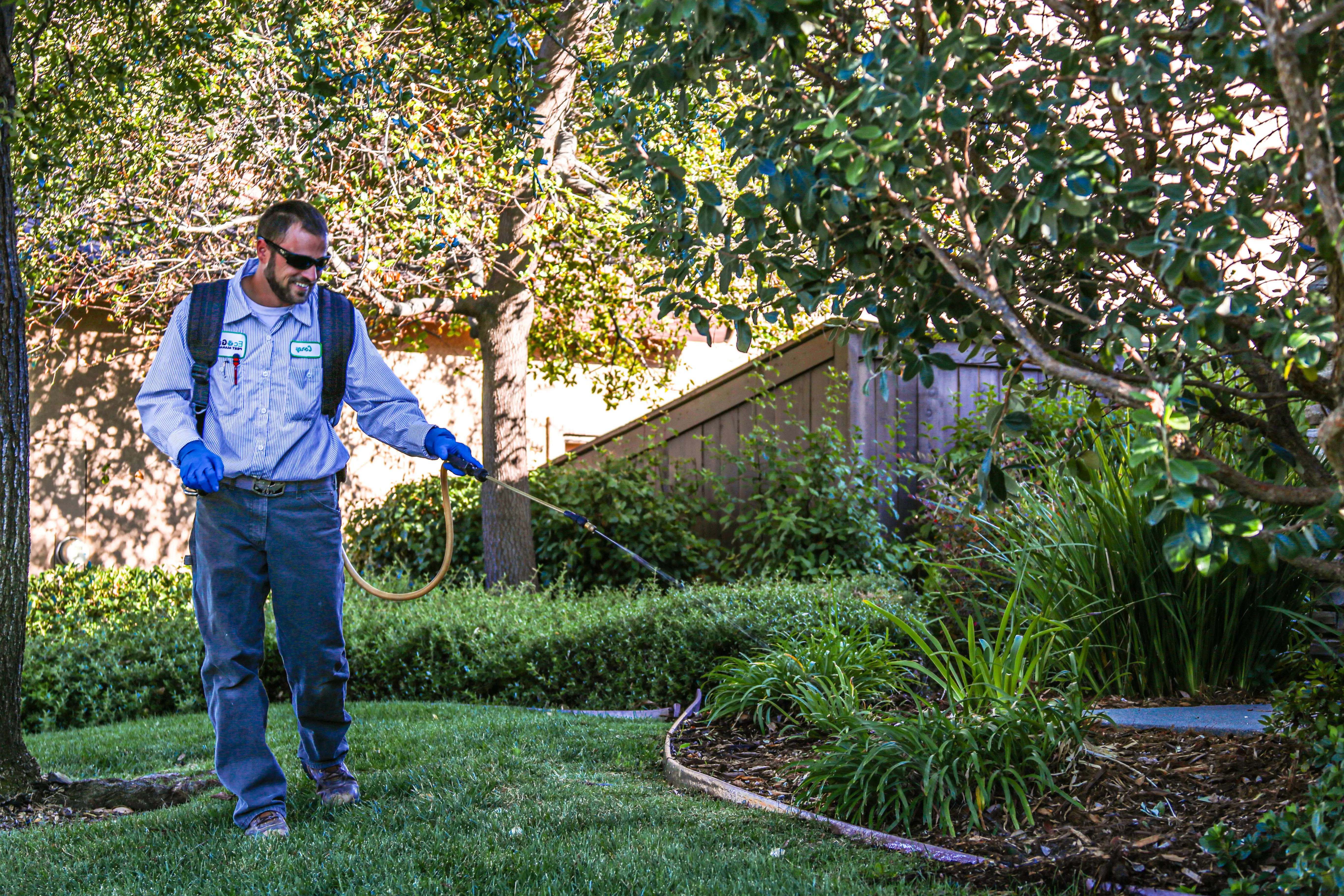
Technician applying perimeter tick treatment around yard edge

Exterior Perimeter Treatments

We apply professional-grade residual insecticides to your yard's perimeter, focusing on the transition zones between lawn and wooded areas where ticks are most concentrated. These barrier treatments intercept ticks before they can reach high-traffic areas where your family and pets spend time.

Treating vegetation and ground cover for tick control

Targeted Vegetation Treatment

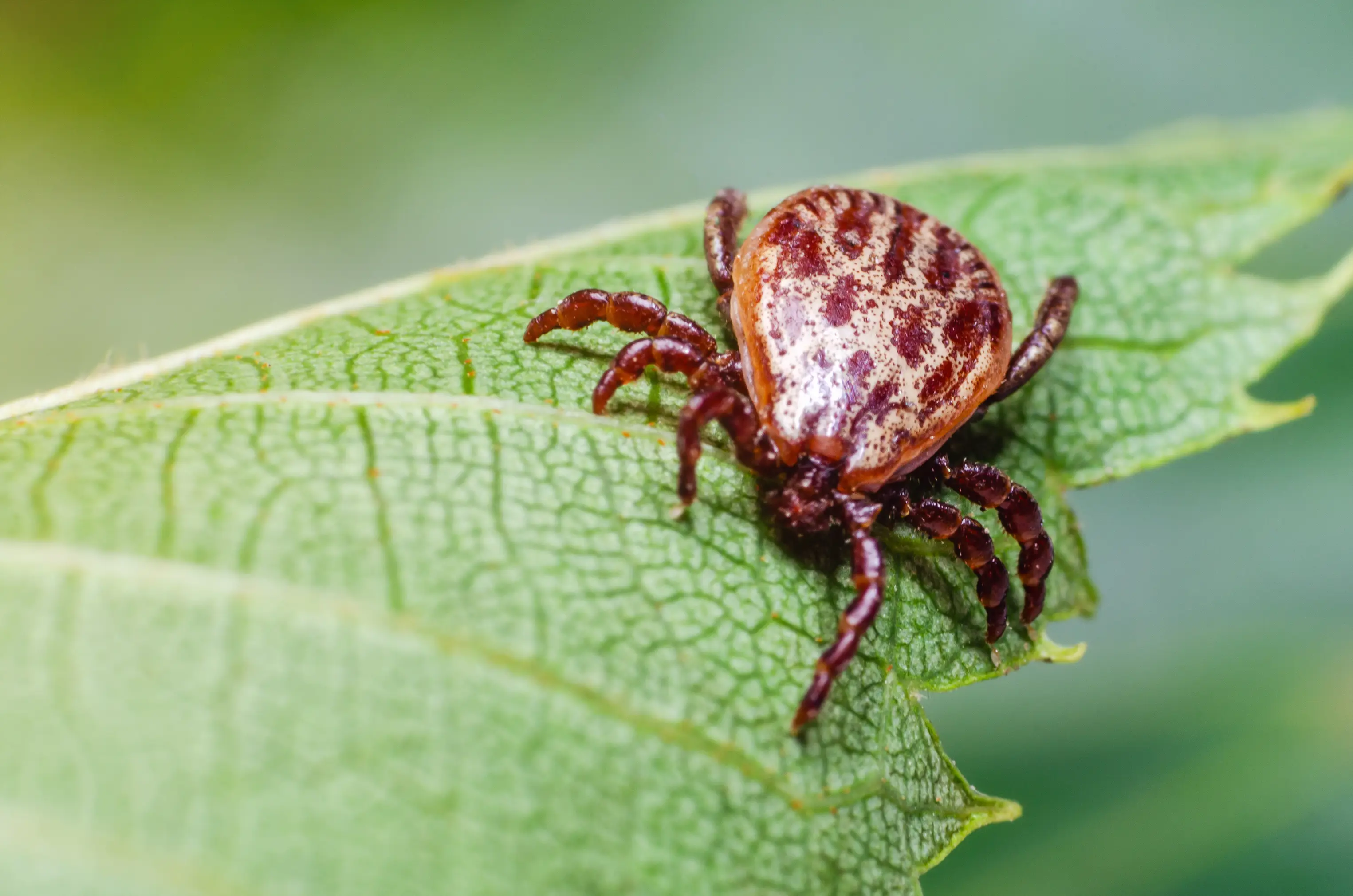
Our technicians treat ground cover vegetation, shrubs, low-hanging branches, and wooded areas that serve as tick harborage sites. These targeted applications eliminate ticks where they quest for hosts by waiting on grass blades and leaf tips with outstretched legs ready to attach.

Treating pet areas and dog runs for tick protection

Pet Area Focus Treatment

We concentrate treatments on areas where your pets spend the most time: dog runs, favorite resting spots, paths to outdoor areas, and zones near pet doors. These high-risk areas receive intensive treatment to protect your four-legged family members from tick attachment.

Applying interior spot treatment near pet bedding areas

Interior Spot Treatments

For ticks that have hitched a ride inside, we apply low-toxicity pesticide treatments targeting areas where ticks are likely to be found, such as around pet beds, baseboards, and entry points. These applications are completely safe for your family and pets while effectively eliminating indoor ticks.

Applying all-natural organic tick treatment to yard

All-Natural Tick Treatment

EcoGuard offers eco-friendly, all-natural tick treatment options using botanical-based products safe for the environment, children, and pets. These green solutions effectively repel and eliminate ticks without synthetic chemicals, ideal for organic gardens and environmentally conscious families.

Applying granular tick treatment across lawn area

Granular Broadcast Applications

We apply professional-grade granular insecticides across lawn areas, targeting tick larvae and nymphs in the thatch layer where they develop. These broadcast treatments provide extended residual protection, continuing to work as granules release active ingredients over time.

What Causes Ticks?

Understanding what creates tick-friendly environments helps prevent infestations and protect your family and pets from these dangerous parasites.
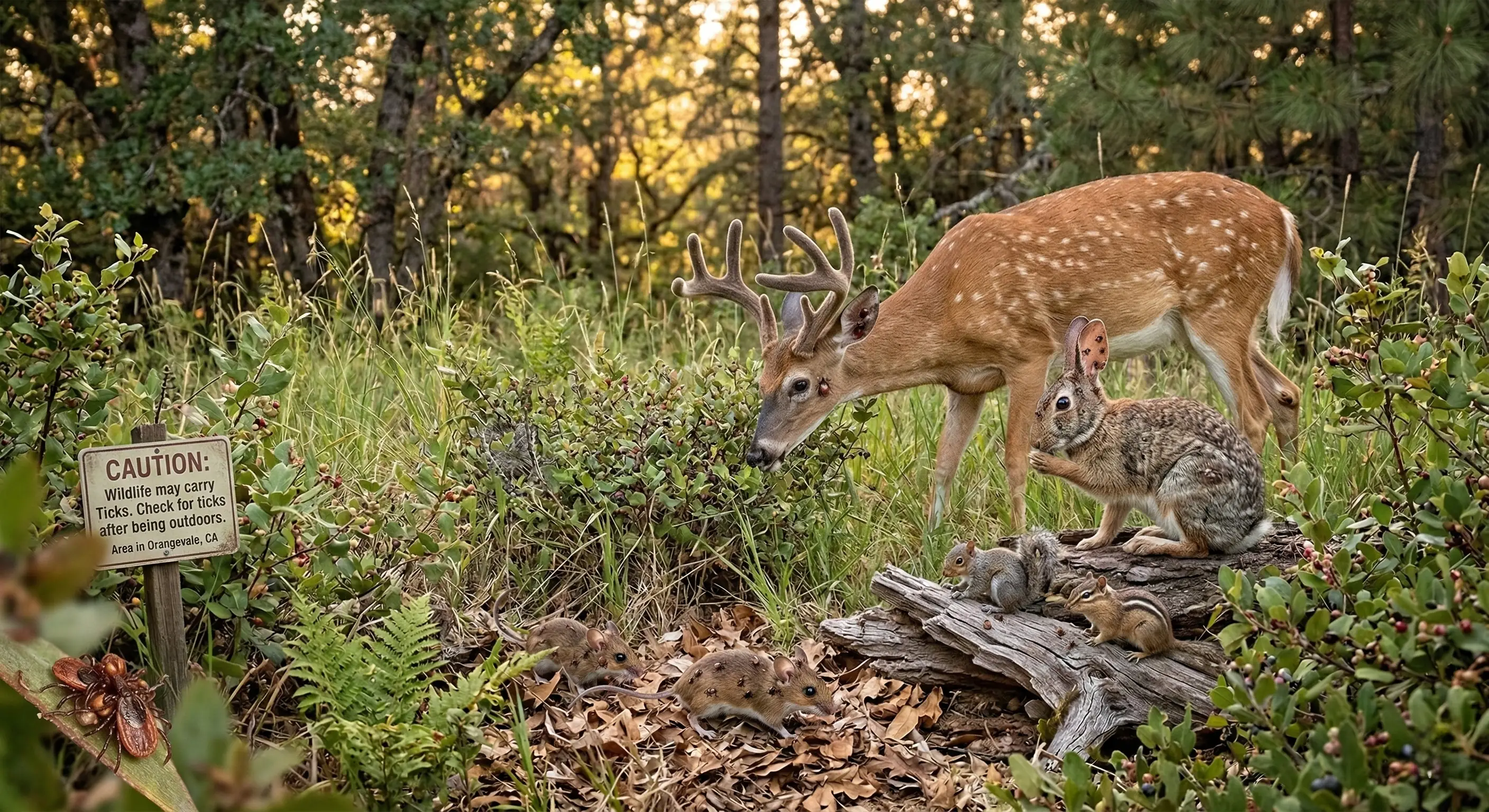

Deer and wildlife that carry ticks onto properties

🦌 Wildlife Host Activity

Deer, rodents, rabbits, and other wildlife carry ticks onto your property. Properties bordering wooded areas, with deer traffic, or attracting wildlife through bird feeders and unsecured garbage face higher tick pressure as these hosts continually introduce new tick populations.

Overgrown grass and vegetation providing tick habitat

🌿 Overgrown Vegetation

Ticks thrive in shaded, moist environments with tall grass, leaf litter, dense shrubs, and overgrown vegetation. These areas provide the humidity ticks need to survive and position them perfectly to quest for passing hosts, climbing grass blades and reaching out to attach.

Dog in outdoor area where ticks may attach

🐕 Pet & Human Activity

Dogs, cats, and humans regularly bring ticks indoors after outdoor activities. Hiking, camping, walking through tall grass, or simply spending time in tick-prone areas allows these parasites to hitch rides. Without regular pet inspections, ticks establish on your property.

Property with wooded edge and tick-prone transition zones

🏡 Property Characteristics

Properties with wooded borders, stone walls, wood piles, leaf debris, and shaded areas create ideal tick habitat. The transition zone between maintained lawn and natural areas, commonly called the 'tick zone,' concentrates tick populations where families often recreate.

Learn More About Tick Prevention →

What Are Signs of Ticks in Your Home?

Learn to recognize these indicators of tick activity to protect your family and pets from these dangerous parasites.

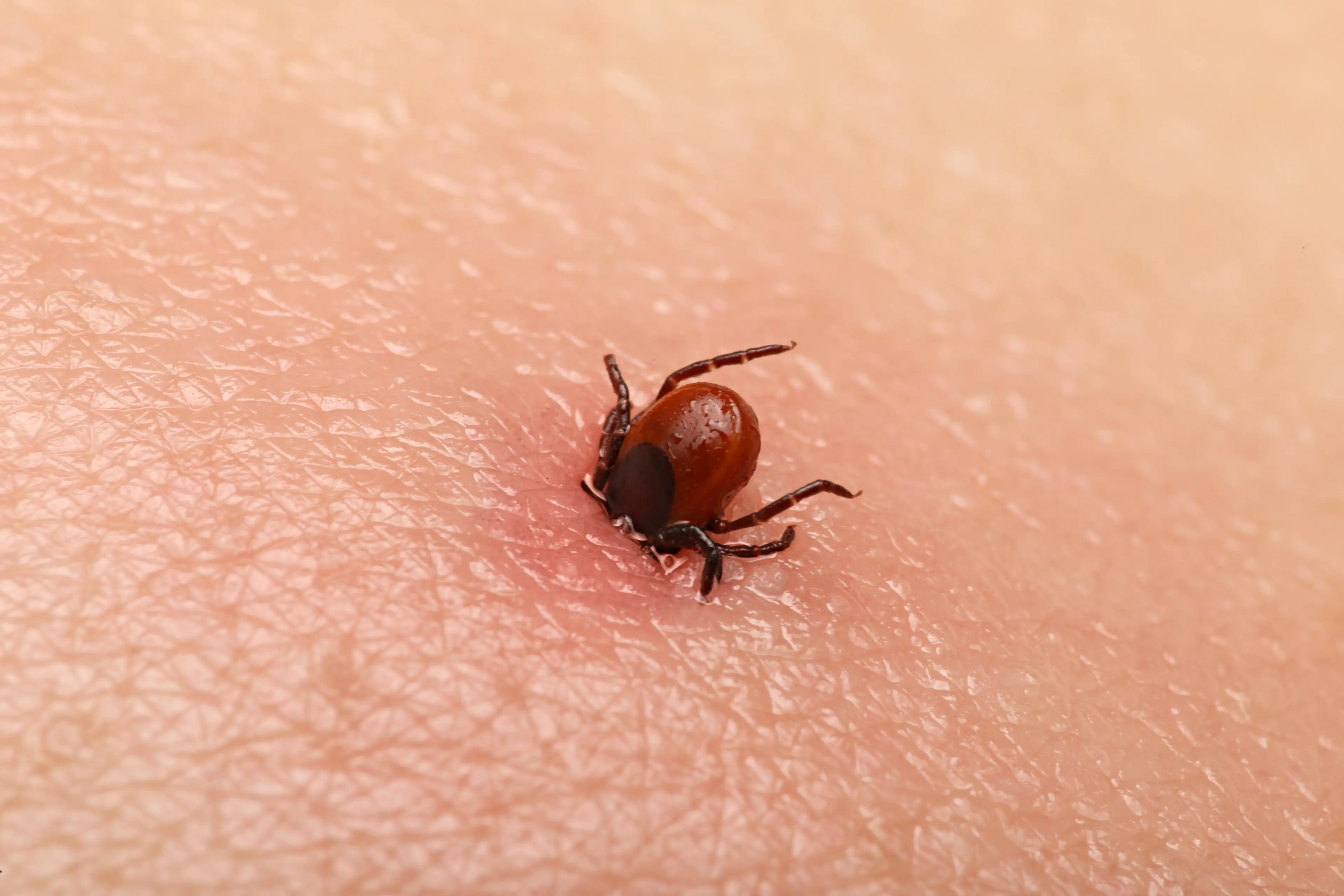
Tick found attached to pet dog during inspection

Ticks Found on Pets

Discovering ticks attached to or crawling on your dogs or cats is the most common indicator of yard infestation. Check pets thoroughly after outdoor time, focusing on ears, neck, between toes, and under collars where ticks commonly attach.

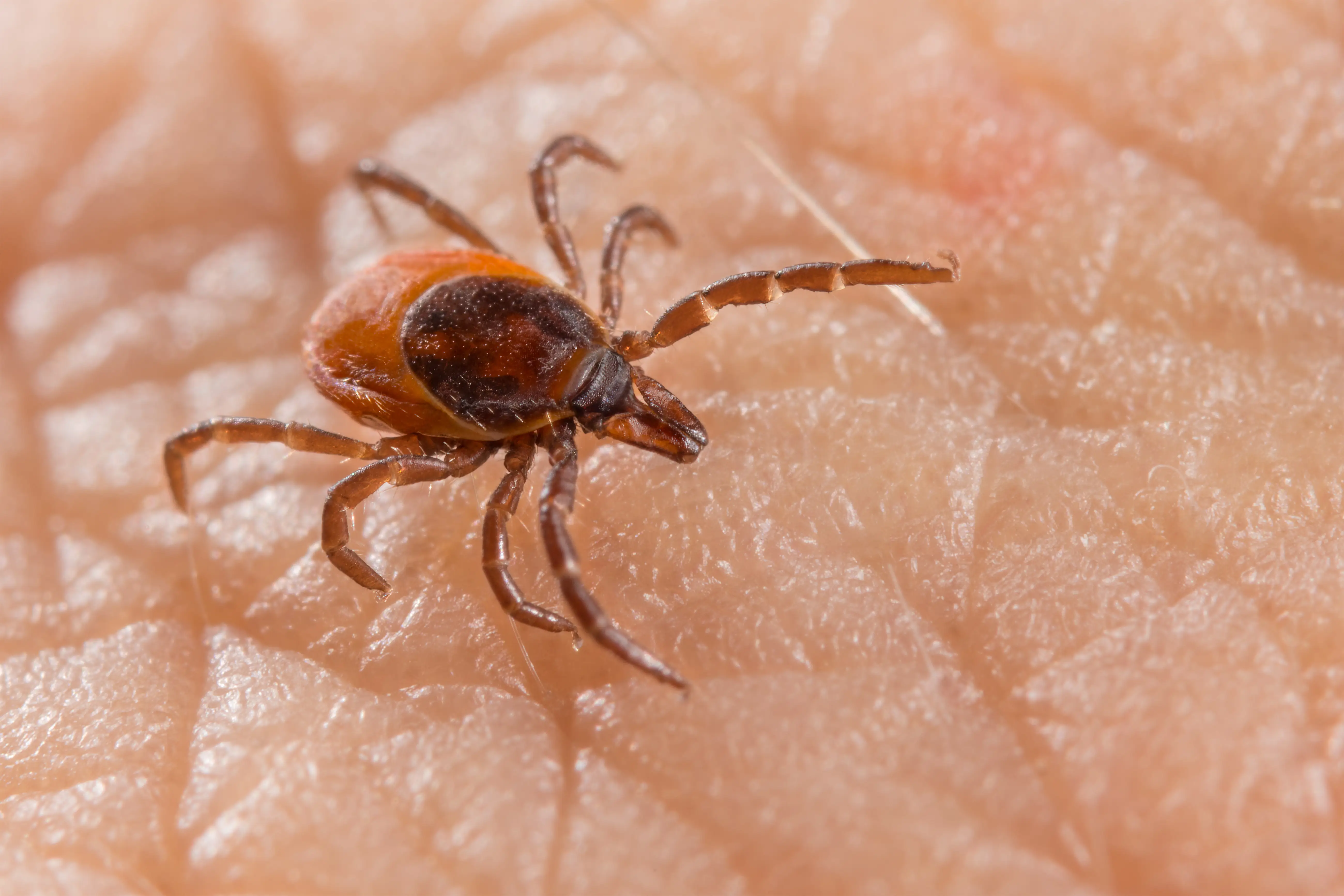
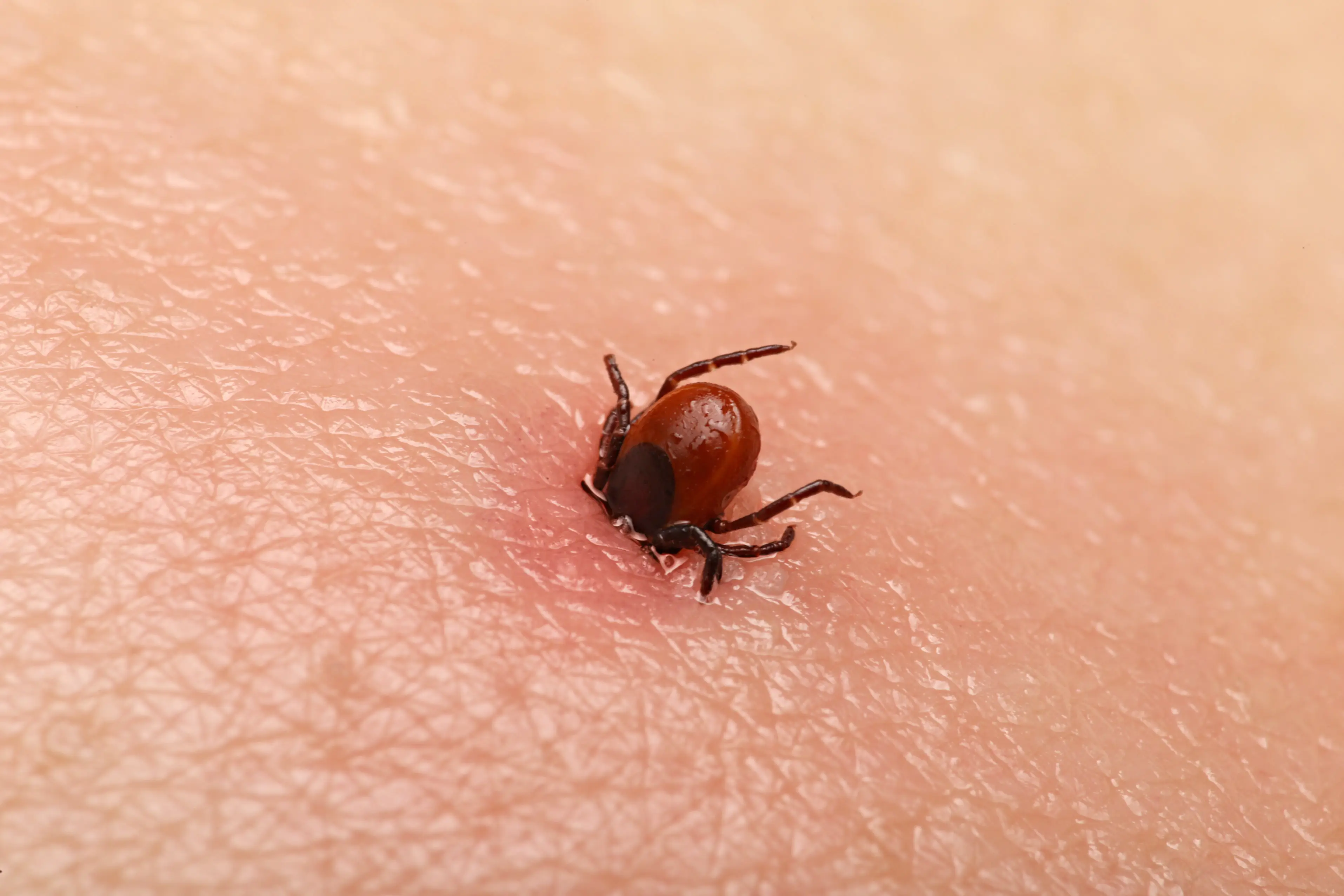
Tick found on human skin after outdoor activity

Ticks on Family Members

Finding ticks attached to yourself or family members after outdoor activities indicates active tick populations in your yard or areas you've visited. Check hairlines, behind ears, armpits, groin areas, and waistlines where ticks commonly attach to humans.

Tick found crawling indoors on floor or furniture

Ticks Found Indoors

Discovering live ticks inside your home, crawling on floors, walls, or furniture, indicates they've been carried in on hosts. Isolated ticks may have detached after feeding or be seeking new hosts. Indoor sightings warrant immediate inspection.

Dog scratching indicating possible tick attachment

Pet Scratching & Irritation

Excessive scratching, head shaking, or irritation in your pets, particularly around ears, neck, and face, may indicate tick attachment. Some pets develop localized reactions at bite sites even after ticks are removed.

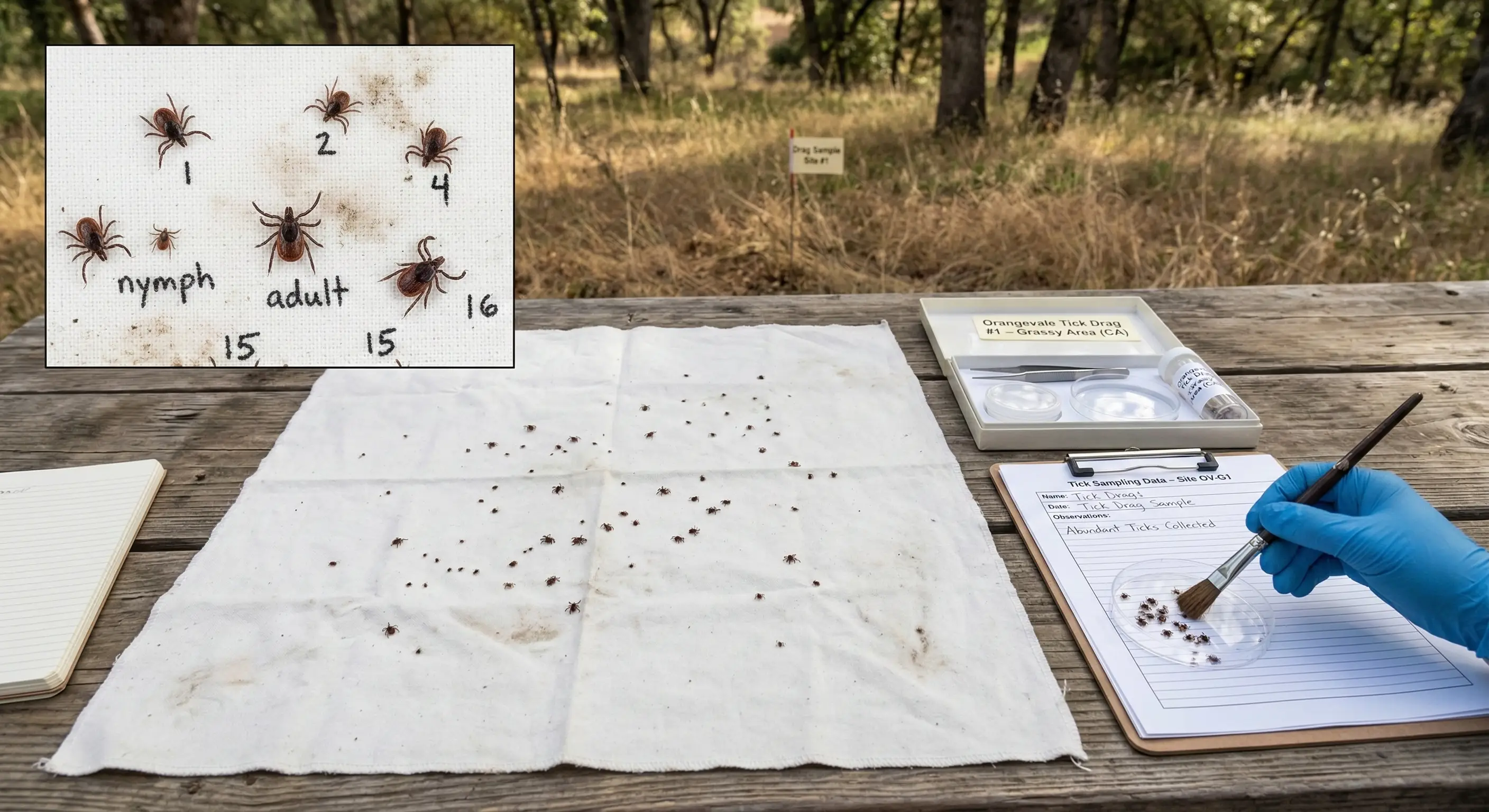
White cloth drag sampling showing collected ticks

Tick Drag Sampling

Dragging a white cloth or flannel through tall grass and vegetation collects questing ticks, revealing population levels in your yard. Finding multiple ticks on a drag cloth indicates significant infestation requiring professional treatment.

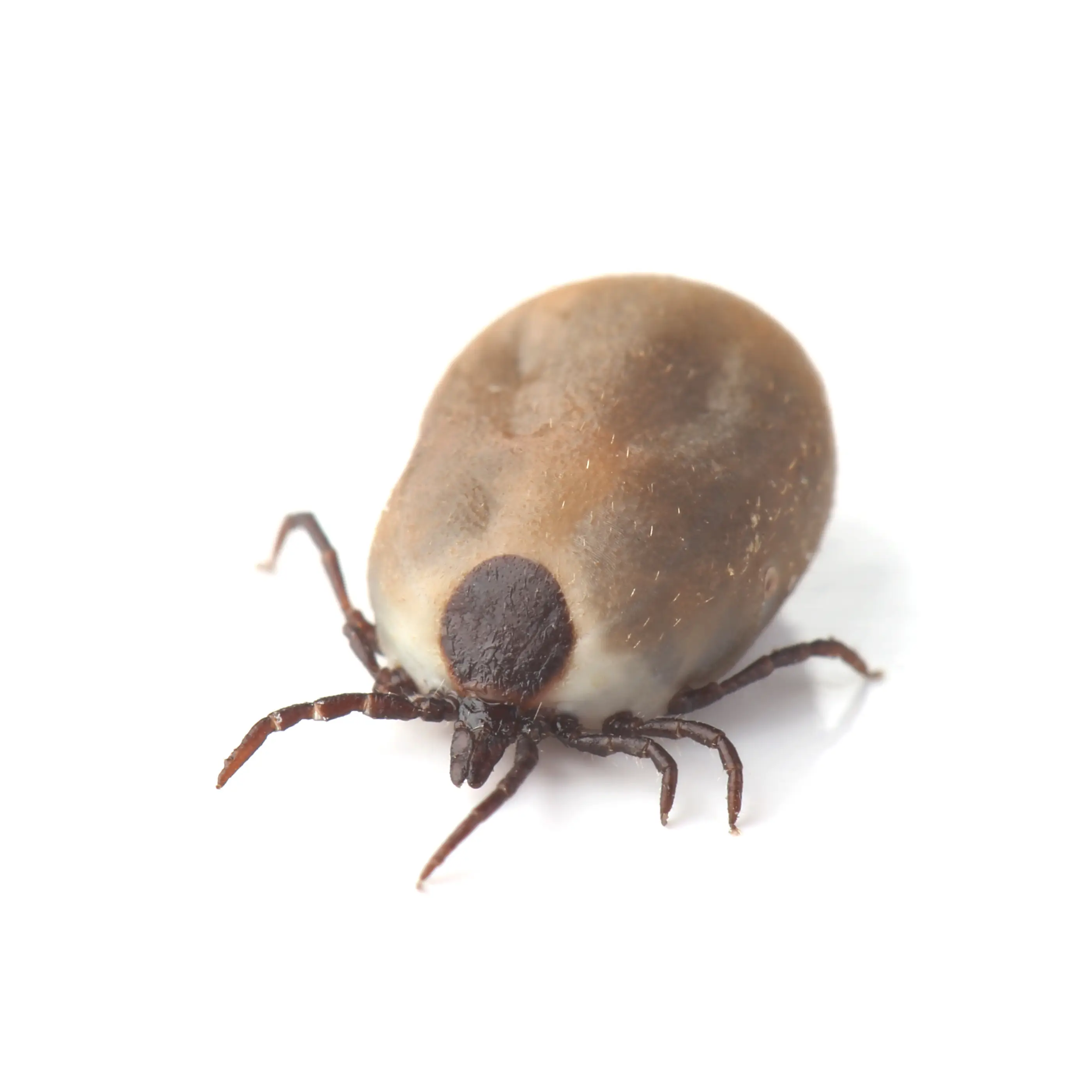
Engorged tick after blood meal

Engorged Ticks

Finding engorged (blood-filled) ticks that appear swollen and grayish-blue indicates successful feeding and potential disease transmission. Engorged ticks may detach to lay eggs, signaling established populations and reproduction on your property.

Learn More About Tick Detection →

DIY vs Professional Treatment

While some tick prevention measures can be implemented by homeowners, like keeping grass short and removing leaf litter, effective tick elimination requires professional expertise. Consumer-grade tick products often lack the concentration and residual activity needed for lasting control. Additionally, identifying all tick harborage areas, understanding tick behavior and life cycles, and applying treatments at optimal timing requires specialized training most homeowners lack.

EcoGuard's professional tick control begins with comprehensive property inspection to identify all tick harborage areas, wildlife pathways, and high-risk zones. Our technicians apply commercial-grade products with extended residual activity, targeting ticks at all life stages. We combine perimeter barriers, vegetation treatments, and focused applications to pet areas for complete protection. Our integrated approach also addresses the environmental conditions supporting tick populations, providing lasting results that DIY methods cannot achieve.

❌ DIY Treatment

  • Consumer products lack concentration
  • Limited residual protection
  • Cannot identify all harborage areas
  • Miss critical application timing
  • No wildlife pathway treatment
  • Ineffective against all life stages

✓ Professional Treatment

  • Commercial-grade formulations
  • Extended residual activity
  • Complete harborage identification
  • Optimal seasonal timing
  • Comprehensive property coverage
  • All life stage targeting

Commercial Tick Control

EcoGuard Pest Management implements customized tick control programs for commercial facilities that prioritize operational continuity while ensuring effective pest elimination. Our comprehensive commercial tick protection programs combine discrete treatment applications with flexible scheduling to maintain your business operations while ensuring complete elimination of tick problems.

We specialize in tick control solutions for:

  • Restaurants and food service establishments
  • Healthcare facilities
  • Hotels and hospitality venues
  • Educational institutions
  • Office complexes
  • Food processing facilities
  • Warehouses and storage facilities
  • Retail spaces
  • Manufacturing facilities
  • Multi-unit residential properties
Learn About Commercial Pest Control
100% SATISFACTION GUARANTEE

The EcoGuard Guarantee

EcoGuard offers a 100% satisfaction guarantee for all of our customers, and we stand by our promise to eradicate your tick problem until the very last tick is gone. That tick control guarantee comes with every service and if the ticks come back, then so do we, at no additional cost. We are standing by to give you a free estimate and to help you set your first tick pest control service appointment.

📞 Call (866) 326-2847 Today

Our Tick Control Process

A comprehensive approach to eliminating ticks and protecting your family

1

Property Inspection

Our technicians conduct thorough inspections of your entire property, identifying tick harborage areas, wildlife pathways, vegetation concerns, and high-risk zones where your family and pets spend time. We assess conditions that support tick populations and create entry points.

2

Targeted Treatment

Based on inspection findings, we implement customized treatment protocols combining perimeter applications, vegetation treatments, and pet area focus. We target tick questing zones, transition areas between lawn and woods, and all identified harborage sites.

3

Habitat Modification

We provide detailed recommendations for reducing tick-friendly conditions, including vegetation management, debris removal, wildlife deterrence, and landscape modifications that make your property less hospitable to ticks while maintaining its beauty.

4

Ongoing Protection

Tick pressure varies seasonally and requires ongoing vigilance. Our protection programs include regular treatments during peak tick season, monitoring for new activity, and adjustments to address changing conditions that affect tick populations on your property.

Seasonal Plan for Tick Control

Year-round protection adapted to seasonal tick behavior patterns

Spring Tick Control

Spring

Critical treatment period as overwintering ticks become active and nymphs emerge; apply first seasonal treatments before peak activity; focus on transition zones and areas where wildlife introduces ticks; inspect pets after outdoor time

Summer Tick Control

Summer

Peak tick season with maximum activity of all life stages; maintain regular treatment schedule; focus on vegetation management and pet areas; monitor for tick-borne disease symptoms in family and pets; continue habitat modification efforts

Fall Tick Control

Fall

Adult ticks remain highly active seeking hosts before winter; critical treatment period especially for deer tick populations; address leaf litter accumulation; prepare property for reduced winter activity while maintaining protection

Winter Tick Control

Winter

Reduced but not eliminated tick activity. Ticks remain active above 35°F; focus on indoor monitoring if ticks were found previously; plan spring treatment schedule; address any remaining habitat modification needs during dormant season

What Our Customers Say

Trusted by families for professional tick elimination and protection

★★★★★

"We were finding ticks on our dogs constantly and worried about Lyme disease for our kids. EcoGuard treated our entire property and showed us where ticks were coming from. We haven't found a single tick on our dogs or family since. Absolute game changer!"

Jennifer & Mark T.
Portland, OR
★★★★★

"Our property backs up to woods and we were overrun with ticks. The technician explained the 'tick zone' concept and treated the transition areas specifically. Their seasonal program keeps us protected all year. Finally feel safe letting the kids play outside!"

David L.
Sacramento, CA
★★★★★

"After my dog got ehrlichiosis from a tick bite, I called EcoGuard immediately. They offer an all-natural treatment option which was important for my organic garden. The results have been fantastic. No more ticks and my garden is thriving!"

Susan M.
Austin, TX

Tick Control FAQs

Everything you need to know about tick control and treatment

Yes, professional pest control effectively eliminates tick populations through targeted treatments to harborage areas, perimeter applications, and vegetation treatments. EcoGuard implements comprehensive strategies that address ticks at all life stages while providing ongoing protection to prevent re-infestation from wildlife and environmental sources.

Permethrin is a highly effective and safe pesticide commonly used for tick control. It's approved for both indoor and outdoor use, is biodegradable, and safe for pet exposure once dry. Professional-grade formulations provide extended residual activity that continues killing ticks for weeks after application.

Effective tick extermination combines multiple approaches: treating vegetation and ground cover where ticks quest for hosts, applying perimeter barriers, focusing on pet areas and wildlife pathways, and addressing the environmental conditions that support tick populations. Professional treatments target all tick life stages for complete control.

Ticks are vectors for over 15 serious diseases including Lyme disease, Rocky Mountain spotted fever, ehrlichiosis, anaplasmosis, babesiosis, Powassan virus, and tick-borne relapsing fever. These illnesses can cause chronic health problems, neurological damage, and can be life-threatening without proper treatment.

Professional tick treatments typically provide 3-4 weeks of residual protection, though this varies based on weather conditions, rainfall, and environmental factors. For properties with significant tick pressure, monthly treatments during peak season (spring through fall) provide optimal ongoing protection.

Yes, professional tick treatments are safe for pets when applied correctly. Products are applied to vegetation and yard areas, not directly to pets. Once treatments dry (typically 30-60 minutes), pets can safely return to treated areas. We also offer all-natural treatment options for families with additional concerns.

Ticks are most active in spring and fall when temperatures are moderate. However, they remain active any time temperatures exceed 35°F. Different species have different peak activity periods. Deer ticks are most active in fall and spring, while dog ticks peak in summer. Year-round vigilance is recommended.

Conduct thorough tick checks within two hours of coming indoors. Check hairlines, behind ears, armpits, groin, waistlines, and behind knees. For pets, check ears, neck, between toes, under collars, and around tails. Shower soon after outdoor activities to wash off unattached ticks.

Use fine-tipped tweezers to grasp the tick as close to skin as possible. Pull upward with steady, even pressure. Do not twist or jerk. Clean the bite area with rubbing alcohol or soap and water. Save the tick for identification if possible, and monitor for symptoms of tick-borne illness for several weeks.

While ticks generally don't establish indoor infestations like fleas, they can be brought inside on pets, clothing, or other hosts. Brown dog ticks are the exception. They can complete their entire life cycle indoors. Finding multiple ticks inside warrants professional inspection to identify the source.

Ticks are attracted by wildlife hosts (deer, rodents, rabbits), overgrown vegetation, leaf litter, shade, and humidity. Properties bordering wooded areas or with dense landscaping provide ideal tick habitat. Reducing these attractants through habitat modification significantly decreases tick populations.

Keep grass short, remove leaf litter, clear brush and overgrown vegetation, create wood chip or gravel barriers between lawn and wooded areas, stack wood neatly in dry areas, discourage wildlife with fencing, and increase sunlight penetration by trimming low-hanging branches.

Yes, deer are primary hosts for several tick species, particularly deer ticks (blacklegged ticks) which transmit Lyme disease. Properties with deer traffic face significantly higher tick pressure. Deer-resistant landscaping and fencing can help reduce deer-associated tick introduction.

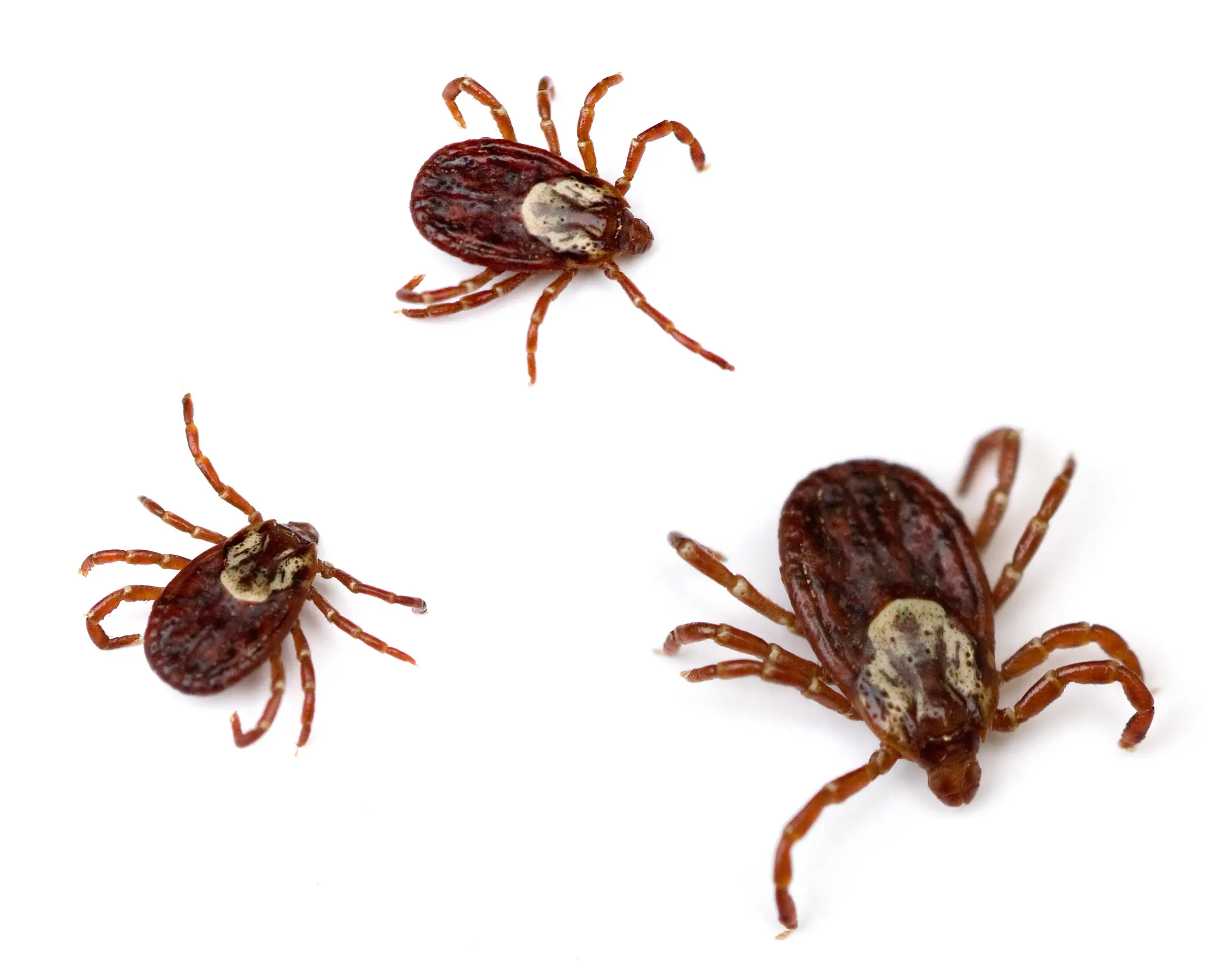
Deer ticks (blacklegged ticks) are smaller, have black legs, and are the primary vectors for Lyme disease and are most common in the eastern US. Dog ticks (American dog ticks) are larger, brown with white markings, and more common in western regions. Both species can transmit diseases and require professional control.

Yes, though Lyme disease is less common in California than eastern states. The western blacklegged tick can transmit Lyme disease, and cases do occur throughout California. Any tick bite should be monitored for symptoms regardless of geographic location.

All-natural tick treatments use botanical-based active ingredients like cedar oil, peppermint, rosemary, and other essential oils that repel and kill ticks without synthetic chemicals. While effective, they typically require more frequent application than conventional treatments to maintain protection.

Yes, tick treatment is recommended for any property with tick activity, regardless of pet ownership. Ticks readily attach to humans during outdoor activities and can transmit serious diseases. Family members spending time in tick-prone yards are at risk without treatment.

During peak tick season (typically April through October), monthly treatments provide optimal protection. Properties with heavy tick pressure, wooded borders, or significant wildlife activity may benefit from more frequent applications. Off-season treatments may be recommended based on activity levels.

Tick tubes contain treated cotton that mice collect for nesting material, killing ticks on rodent hosts. They can reduce tick populations when used as part of an integrated program but are insufficient alone. Professional yard treatment combined with tick tubes provides more comprehensive control.

Consult your veterinarian immediately if your pet shows symptoms like lethargy, fever, joint pain, loss of appetite, or lameness after tick exposure. Professional yard treatment is essential to prevent continued exposure while your pet recovers, and ongoing protection prevents reinfection.

Related Articles & Resources

Learn more about tick prevention, identification, and control
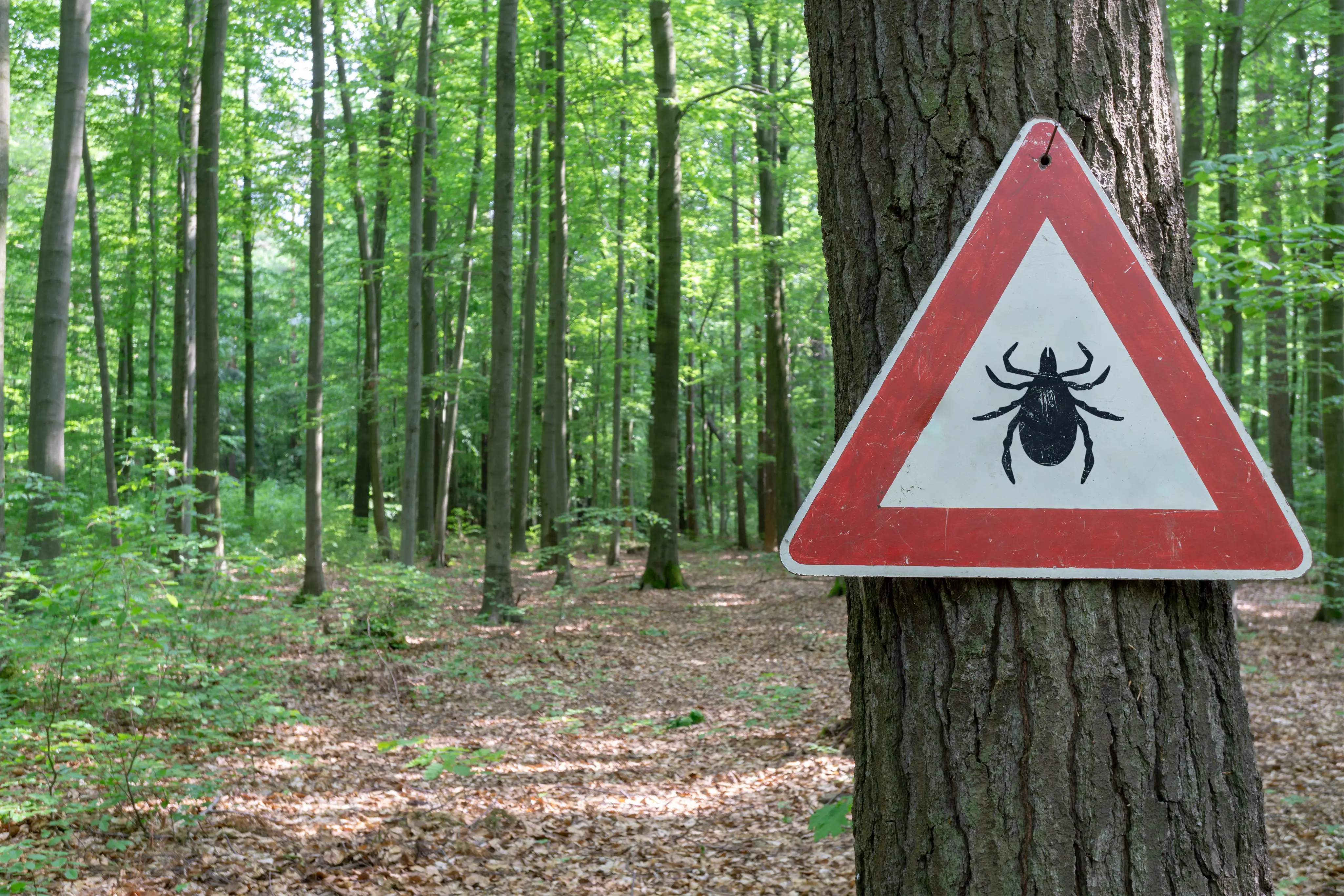
Deer Tick vs Wood Tick: Key Differences Explained

Deer Tick vs Wood Tick: Key Differences Explained

Learn the differences between deer ticks and wood ticks including appearance, location, diseases they carry, and how to prevent tick bites.

Read Article →
Different Types of Ticks Found in the United States

Different Types of Ticks Found in the United States

Learn about different tick species in the US including deer ticks, dog ticks, lone star ticks, and more. Identification, locations, diseases, and prevention tips.

Read Article →
Do Ticks Die in Winter? Cold Weather Survival Facts

Do Ticks Die in Winter? Cold Weather Survival Facts

Learn whether ticks survive winter, what temperature kills ticks, and why you should remain vigilant year-round. Discover tick survival strategies and prevention tips.

Read Article →
How to Kill Ticks and Prevent Them from Coming Back

How to Kill Ticks and Prevent Them from Coming Back

Learn effective ways to kill ticks including pesticides, natural methods, and heat. Plus tick removal tips, disease risks, and prevention strategies.

Read Article →
Tick Lifespan and Life Cycle Growth Stages

Tick Lifespan and Life Cycle Growth Stages

Learn about the tick life cycle from egg to adult, including how long ticks live, when they are most dangerous, and how diseases are transmitted at each stage.

Read Article →
Tick-Borne Diseases That Can Be Transmitted to Humans

Tick-Borne Diseases That Can Be Transmitted to Humans

Learn about tick-borne diseases including Lyme disease, Rocky Mountain spotted fever, and more. Symptoms, treatment, prevention, and when to see a doctor.

Read Article →
What Are Ticks? Complete Guide to Identification, Bites & Prevention

What Are Ticks? Complete Guide to Identification, Bites & Prevention

Learn everything about ticks including identification, types, habitat, life cycle, diseases they carry, how to prevent bites, and proper tick removal techniques.

Read Article →
What Does a Tick Bite Look Like? Symptoms, Rashes & Treatment

What Does a Tick Bite Look Like? Symptoms, Rashes & Treatment

Learn what tick bites look like, how to identify tick bite rashes including the Lyme disease bullseye, symptoms to watch for, and when to seek medical attention.

Read Article →
View All Pest Control Articles →

Ready to Eliminate Your Tick Problem?

Get a free estimate for your tick problem today. Our experts will assess your property and provide a customized treatment plan.

Connect With Us

Follow EcoGuard Pest Management for tips, updates, and special offers

f𝕏yin