EcoGuard Pest Management
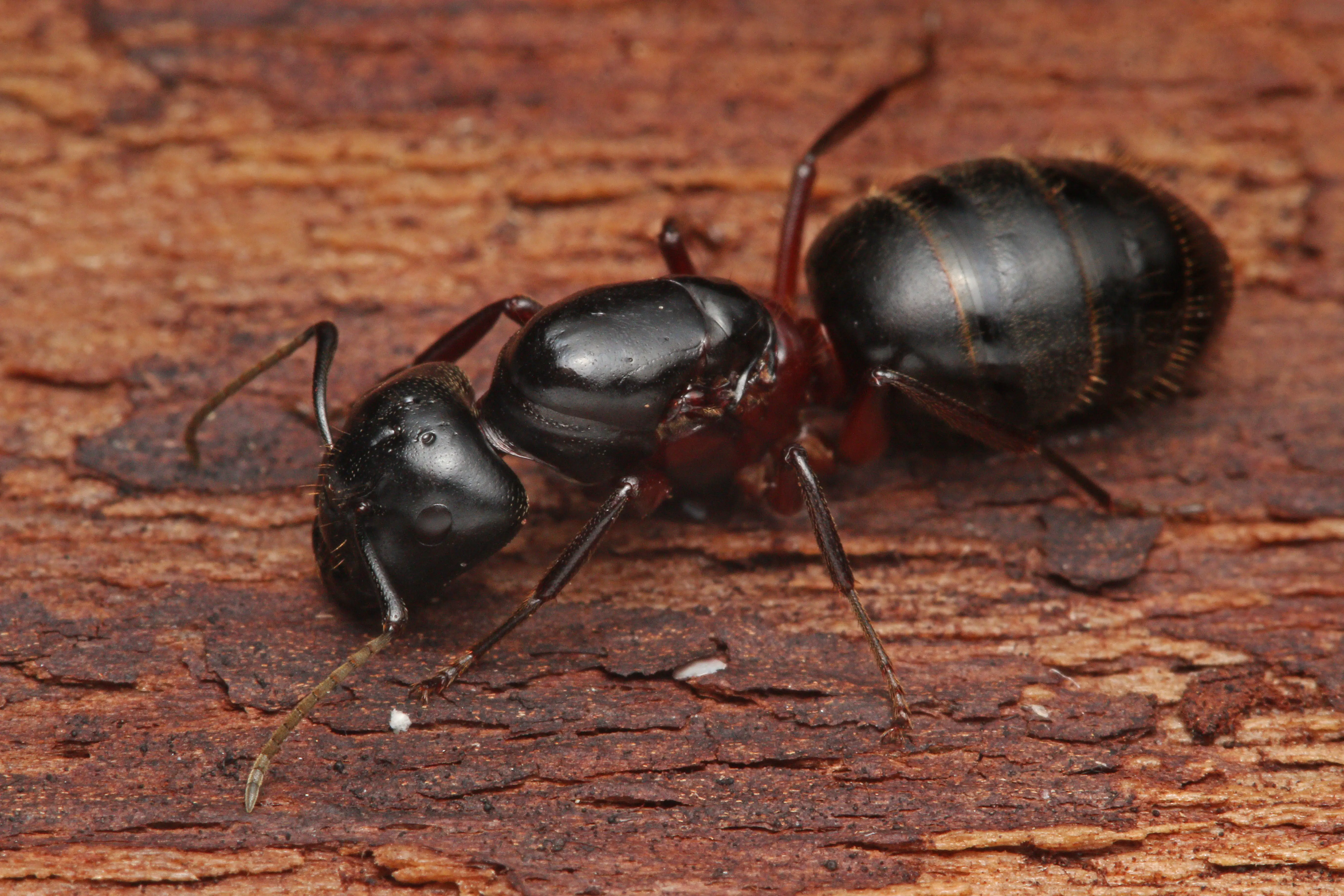
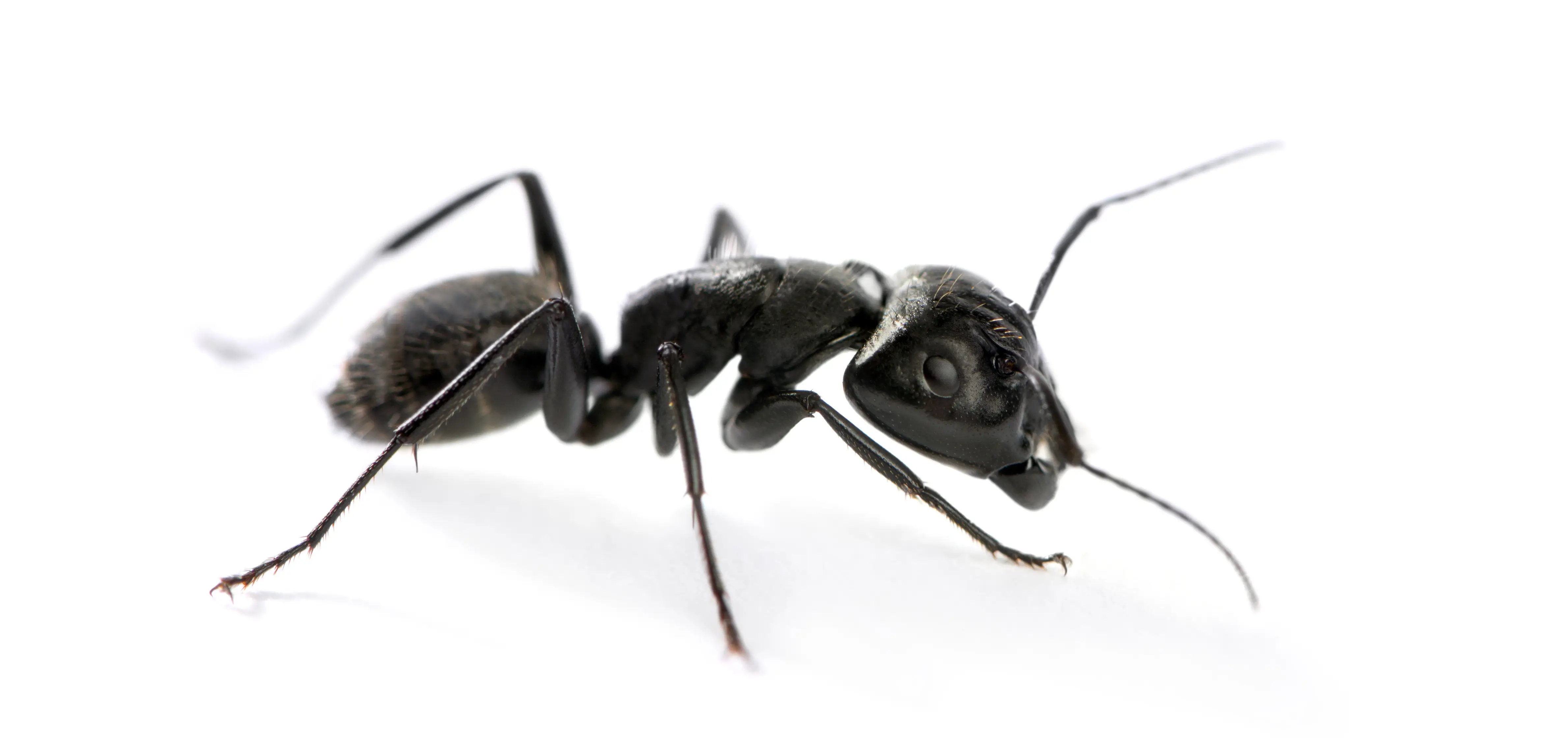
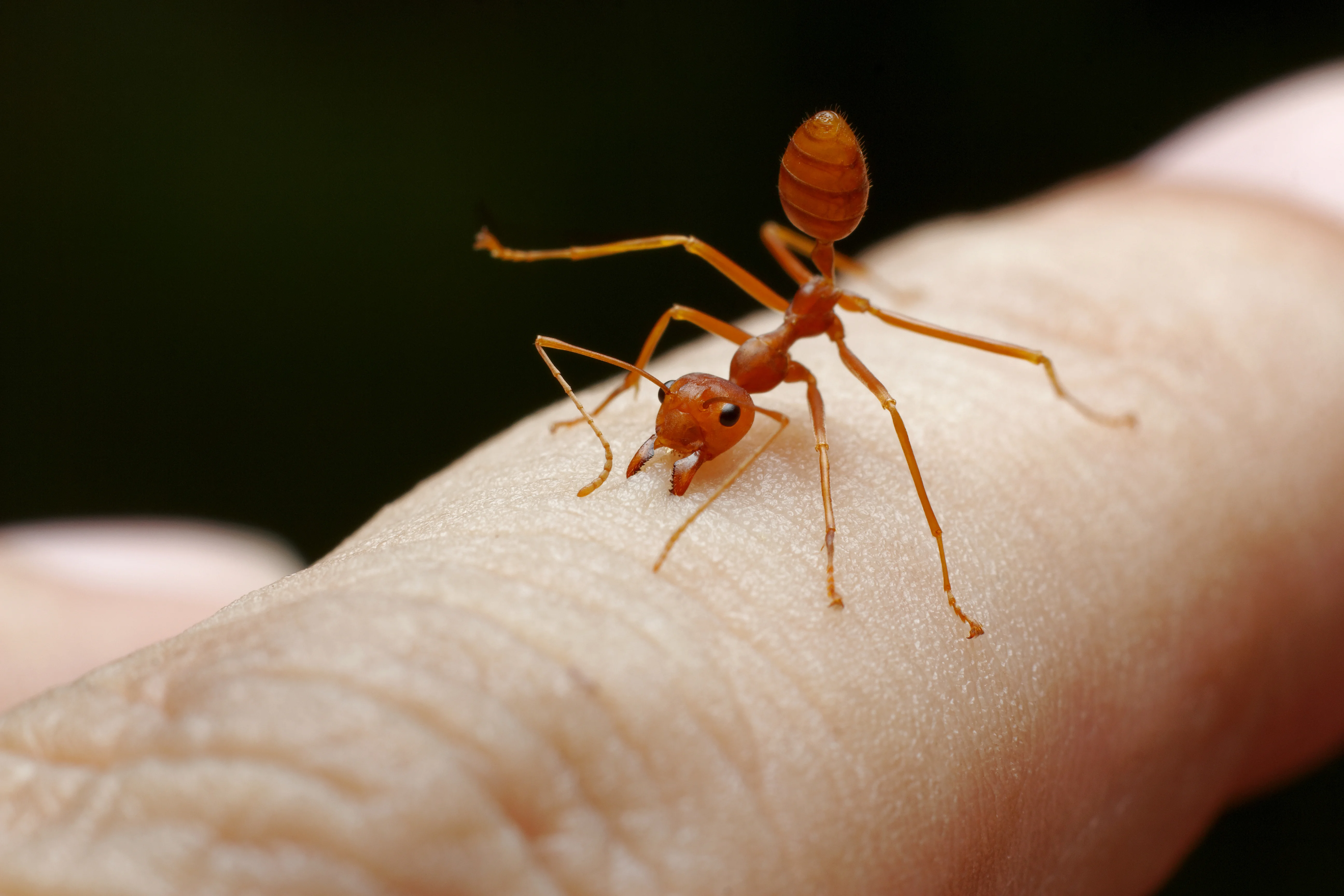
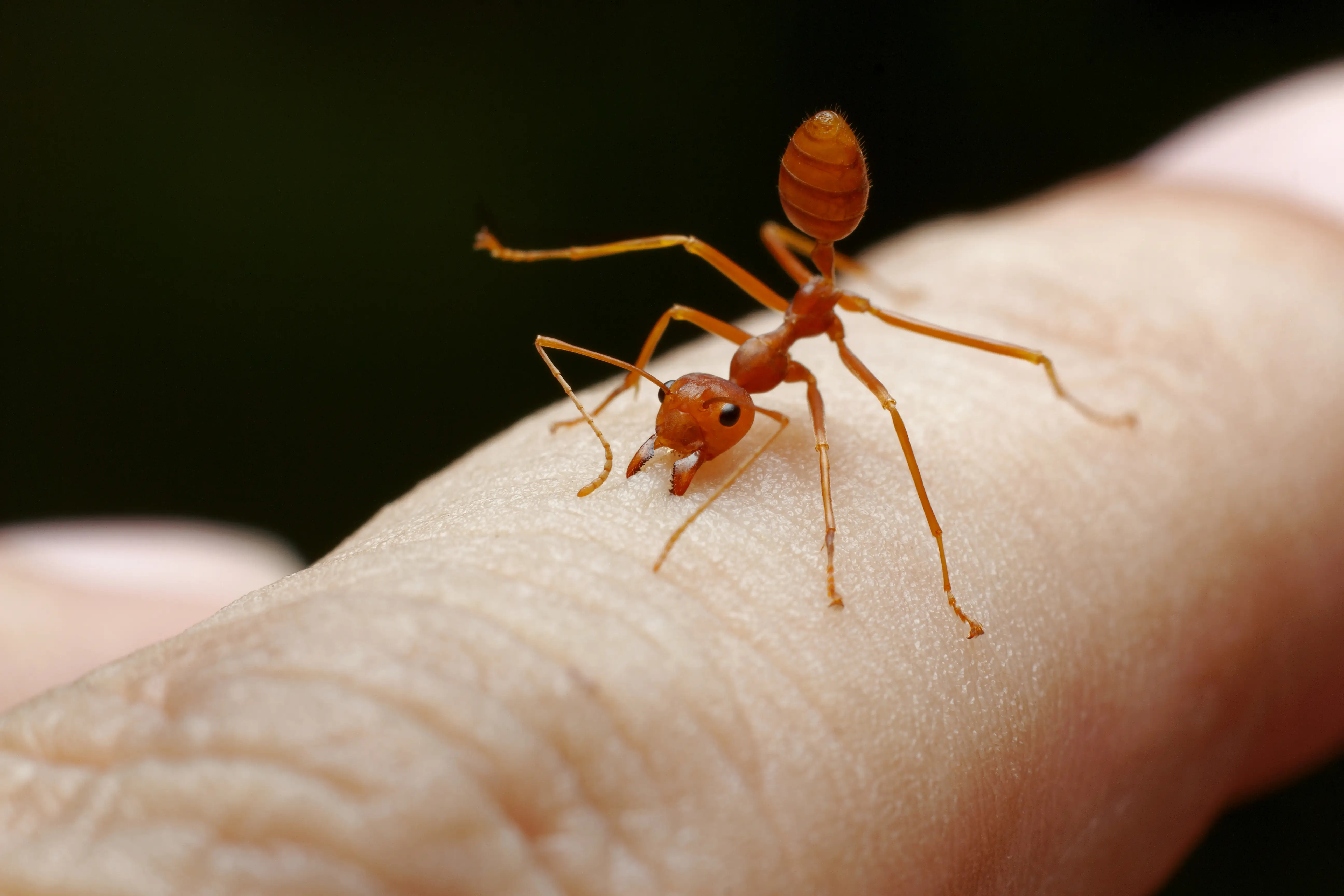
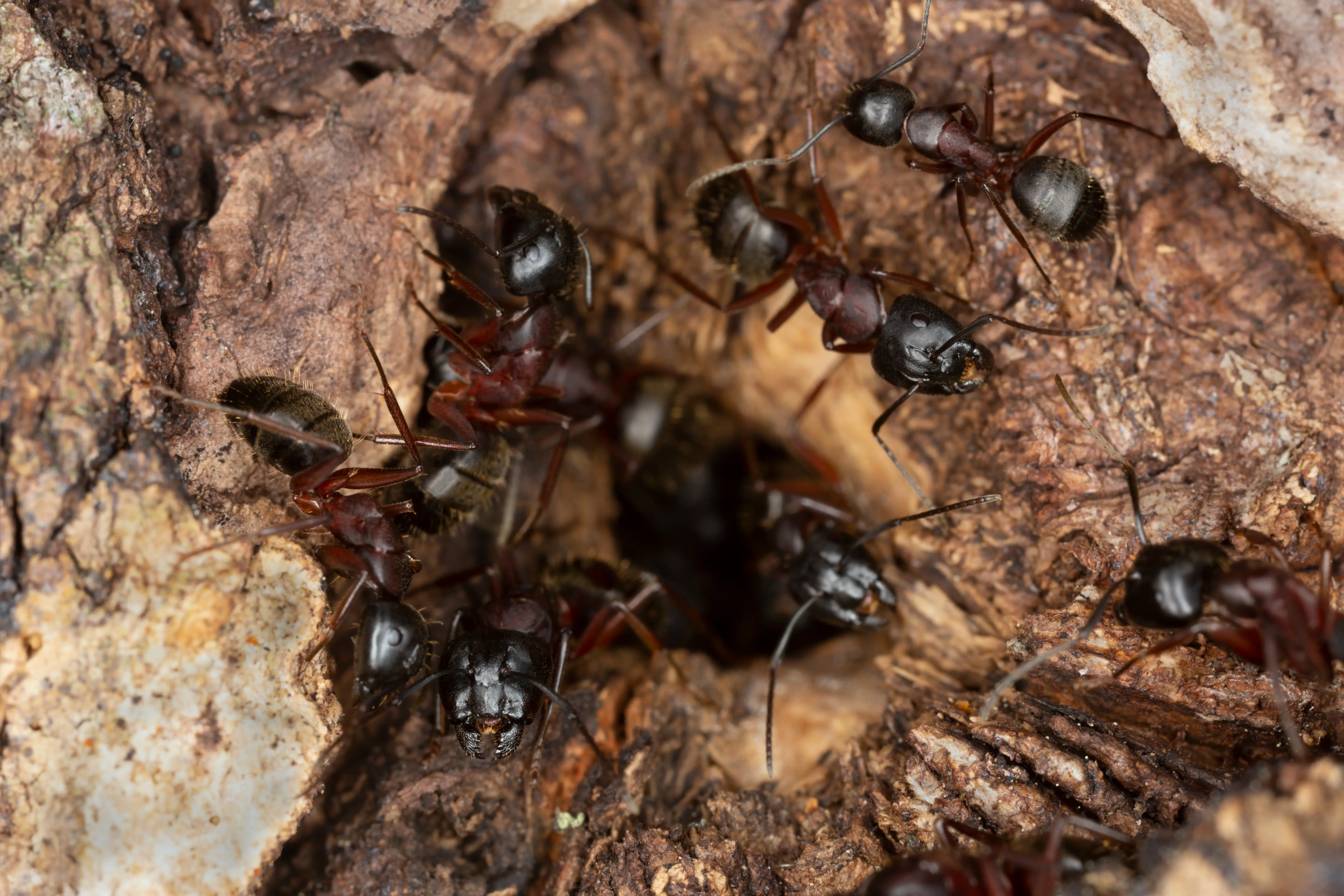
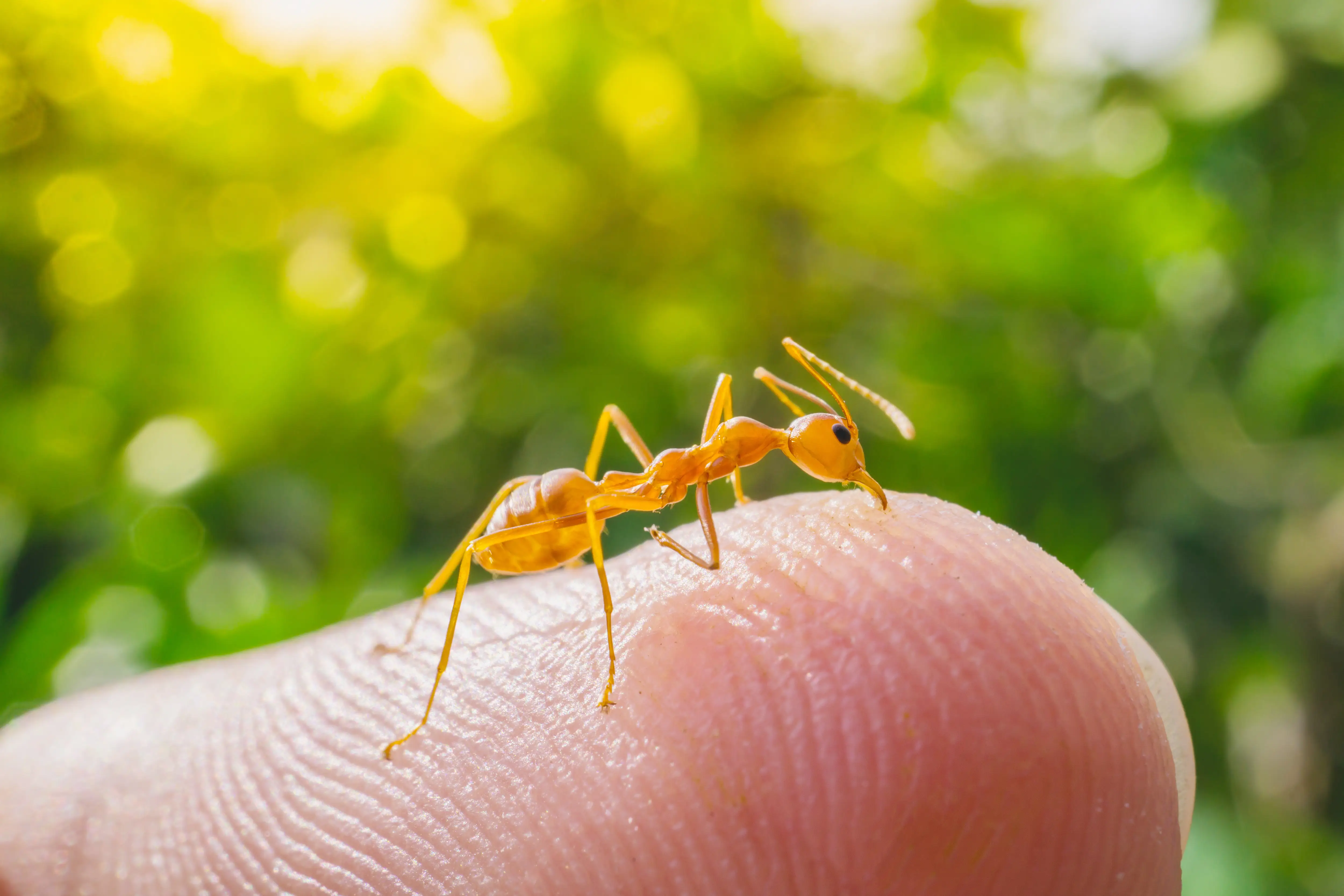
Close-up of ant showing detailed anatomy
By Gary Anderson||3 min read

What Are Ants?

Everything you need to know about these remarkable social insects.

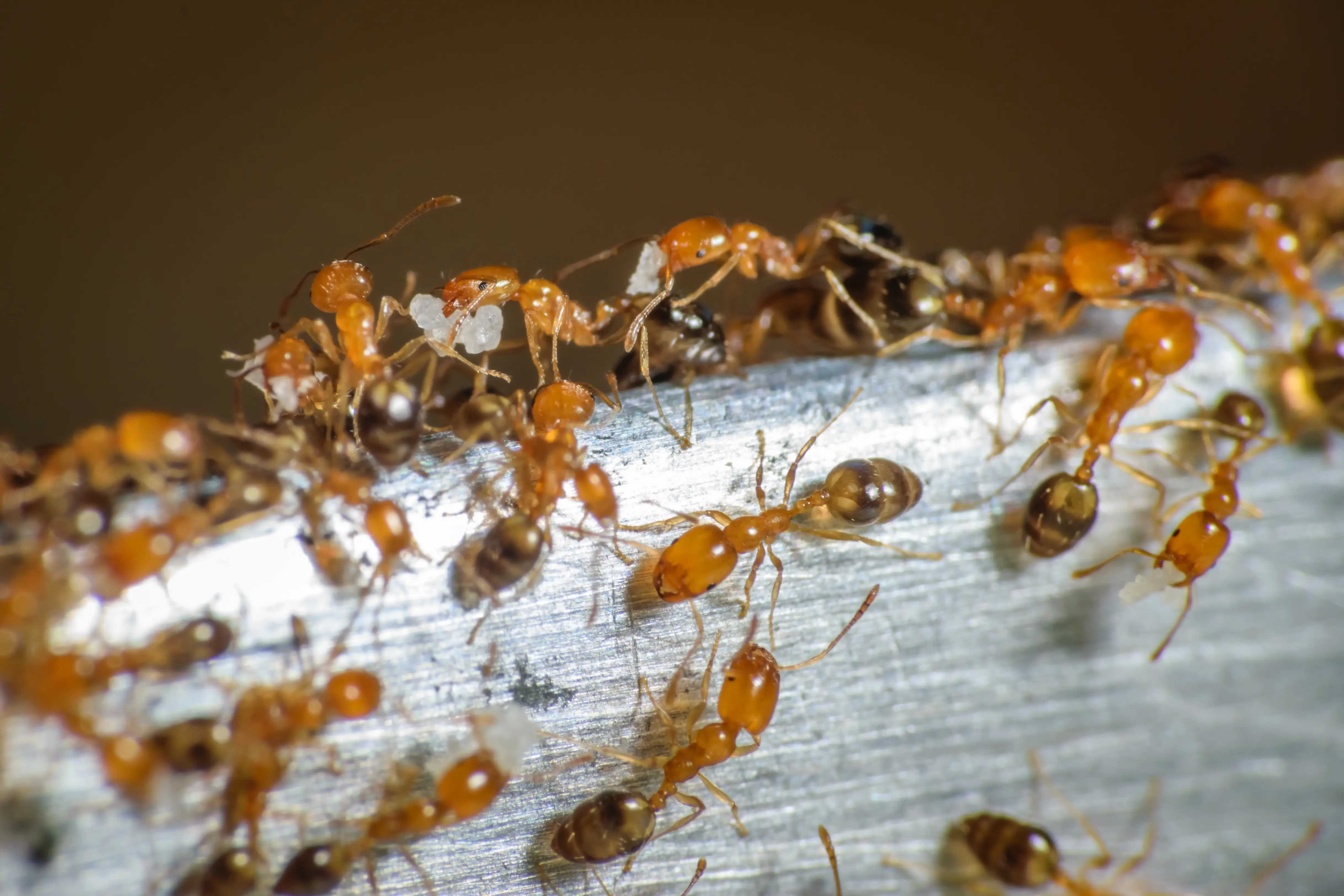
Ants are extremely common social insects that work in a colony to support their queen. Part of the family Formicidae, there are thousands of different species across the world. They can be found on every continent except Antarctica.

They are most prevalent in tropical climates with recent discoveries of super colonies spanning thousands of square miles. Some super colonies have connected to form a global mega colony rivaled only by human society as the most populous animal society ever recorded.

12,000+
Species
6
Continents
3,700 mi
Largest Colony
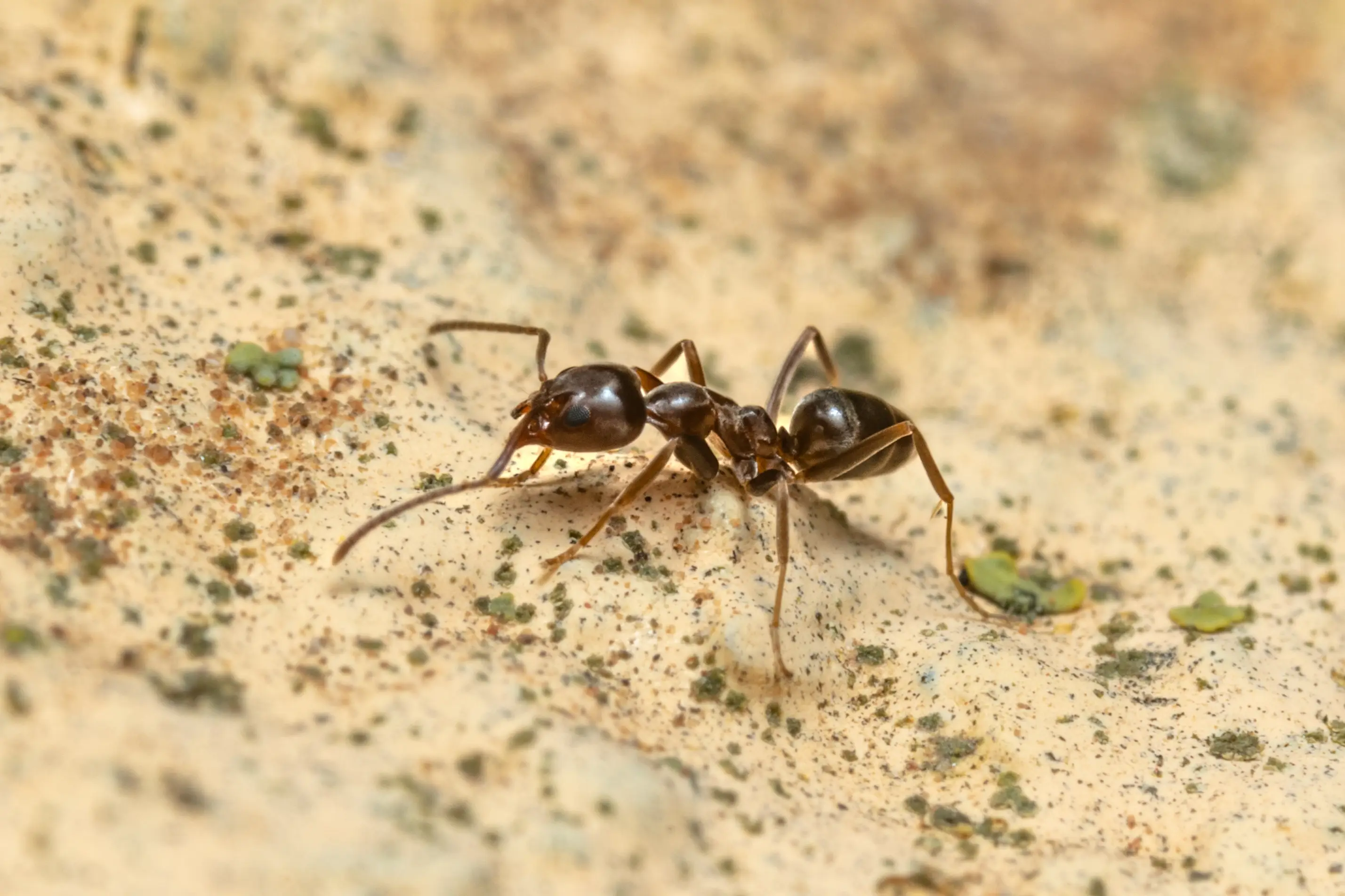
Ant Appearance

Size

1/20 to 1/2 inch long

Colors

Red, brown, black, yellow

Legs

6 legs with 3 joints

Antennae

2 elbowed antennae

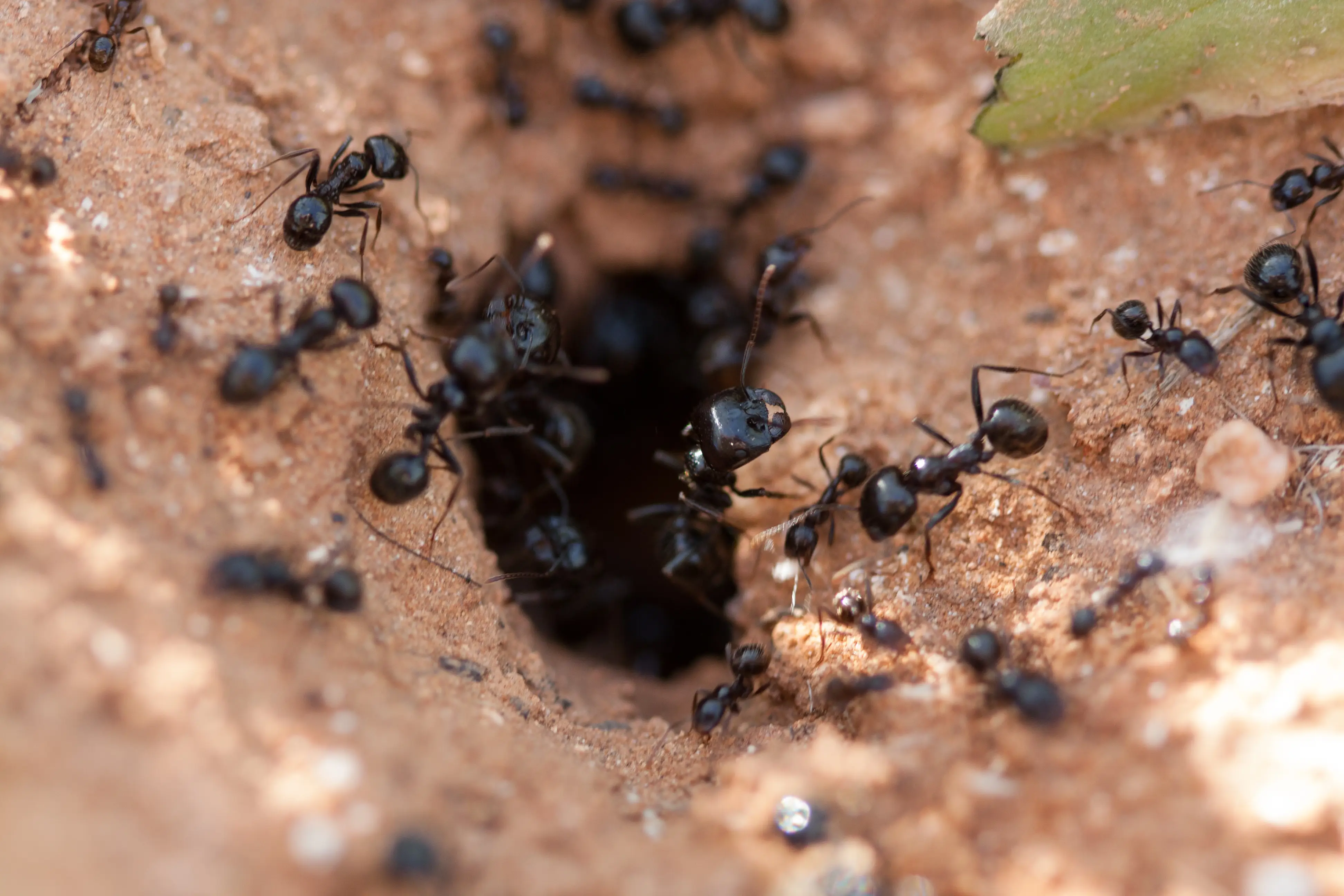
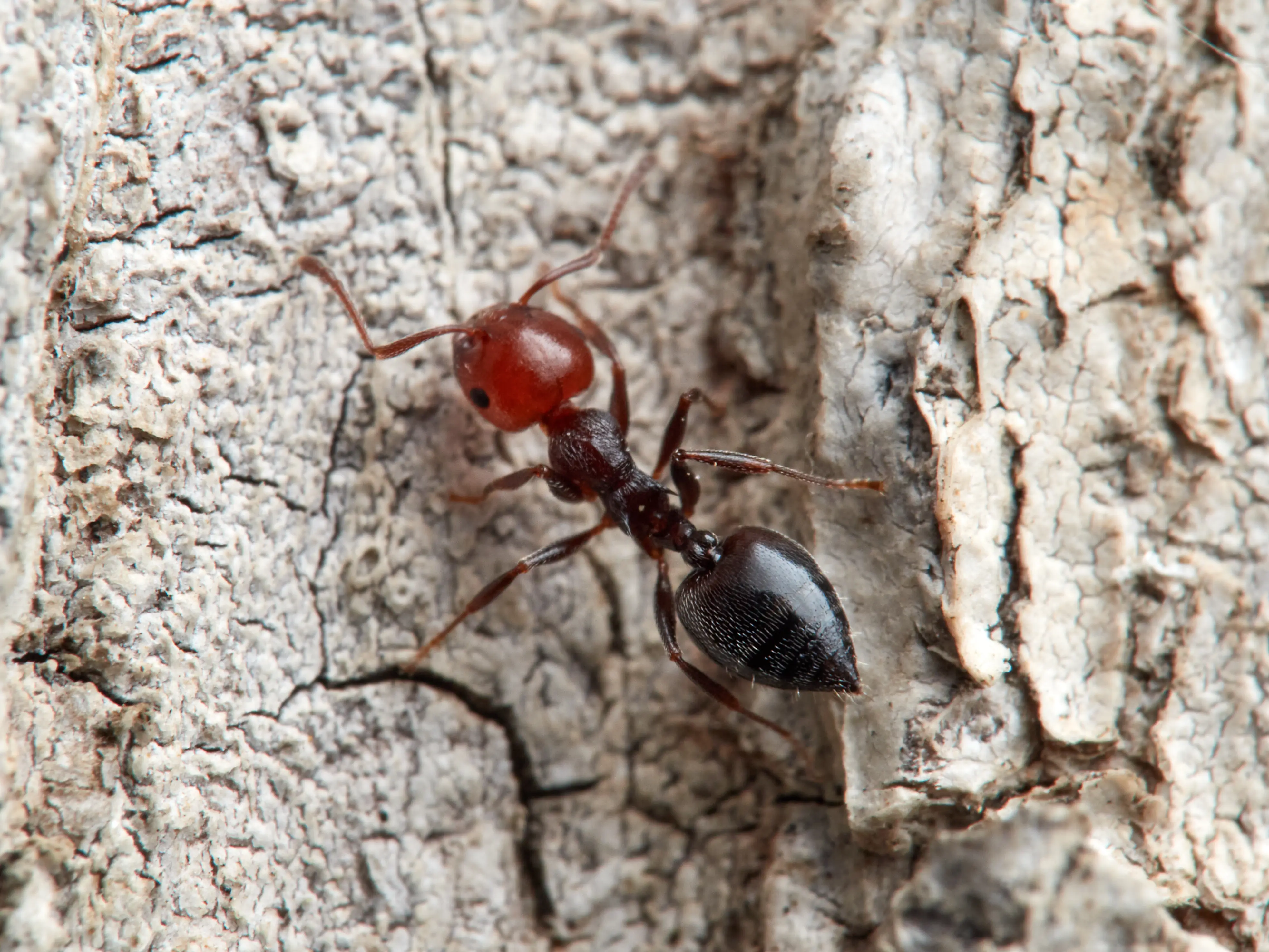
Ants have a hard exoskeleton constricted between upper abdomen and lower thorax. Their heads feature large compound eyes and two sets of powerful mandibles: one for collecting food, carrying, digging, or fighting; another for chewing. Some castes develop wings for colony expansion.

Ants vs Termites

Ants

  • Pinched waist between abdomen and thorax
  • Jointed/elbowed antennae
  • Darker colors
  • Visible out in the open

Termites

  • No pinched waist (straight body)
  • Straight antennae
  • Off-white color (not sun-exposed)
  • Stay inside colony

Ant Colony Hierarchy

Queen

Lays all eggs, sends pheromones that determine caste outcomes. Cannot move; must be fed by workers.

Males (Drones)

Single function: mate with queen to fertilize eggs, then die.

Workers

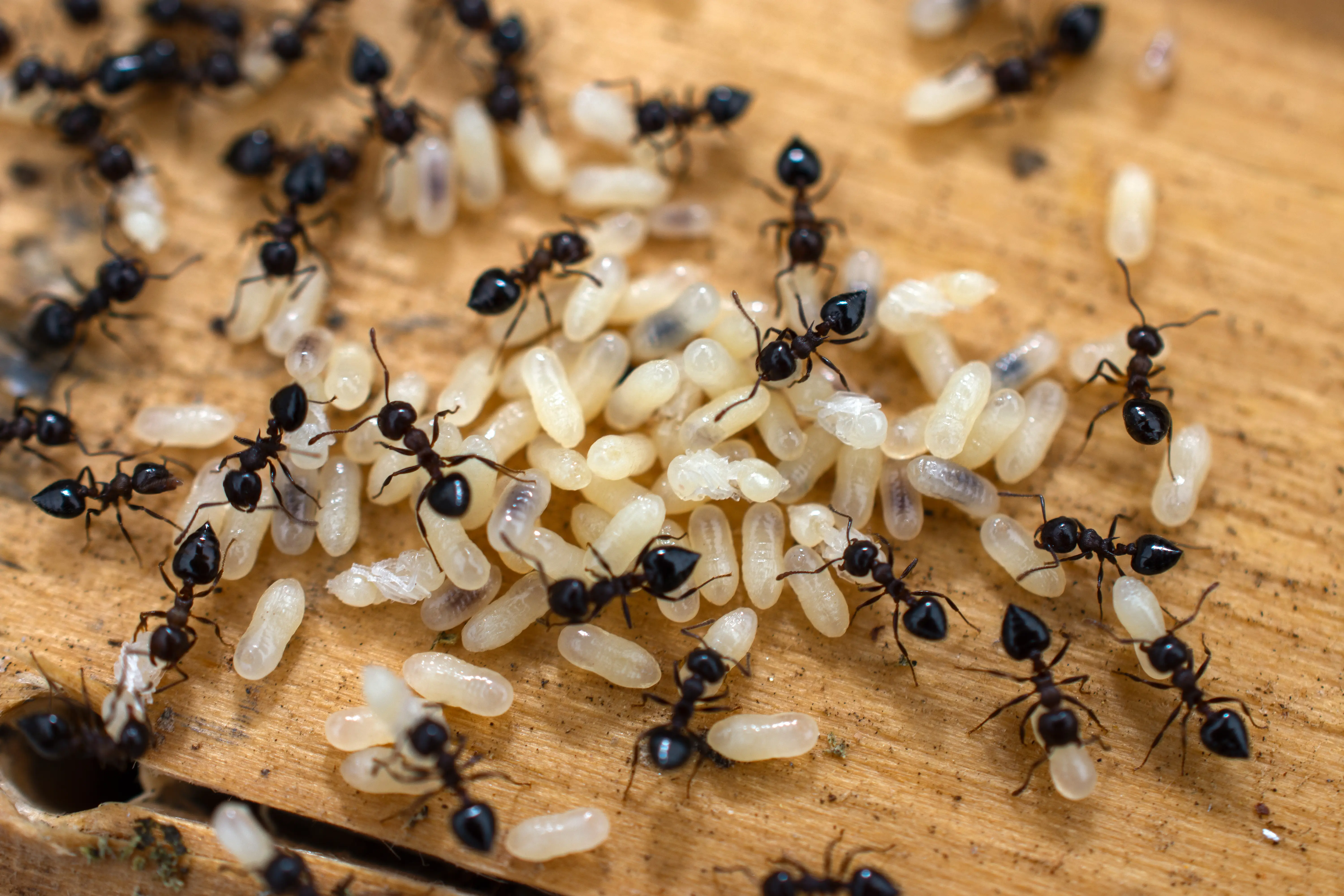
Sterile females. Make up most of colony. Dig, collect food, care for young, feed queen/soldiers/larvae.

Soldiers

Protect colony against predators and invaders. Larger with bigger mandibles or stingers. Small percentage of colony.

Alates (Reproductives)

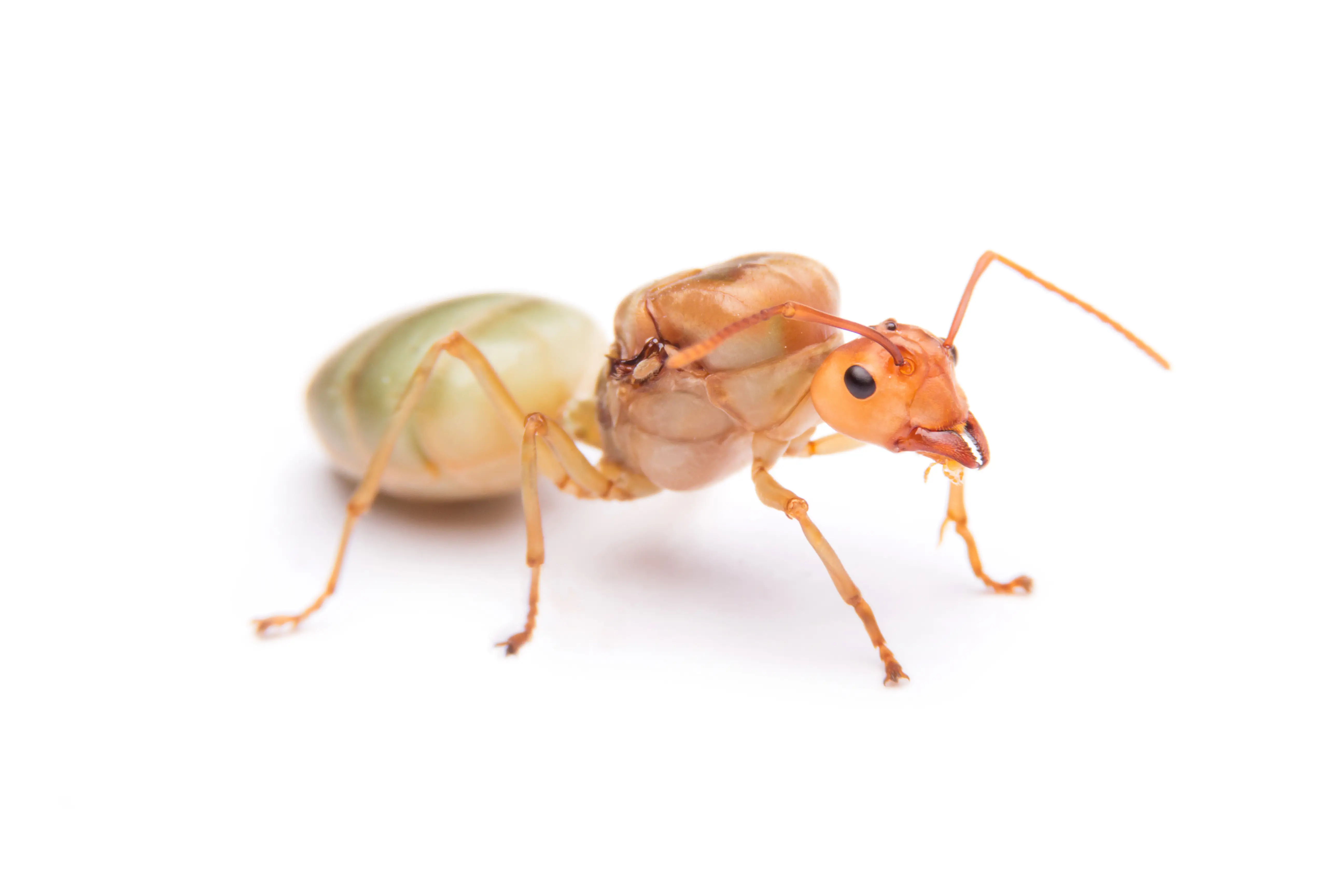
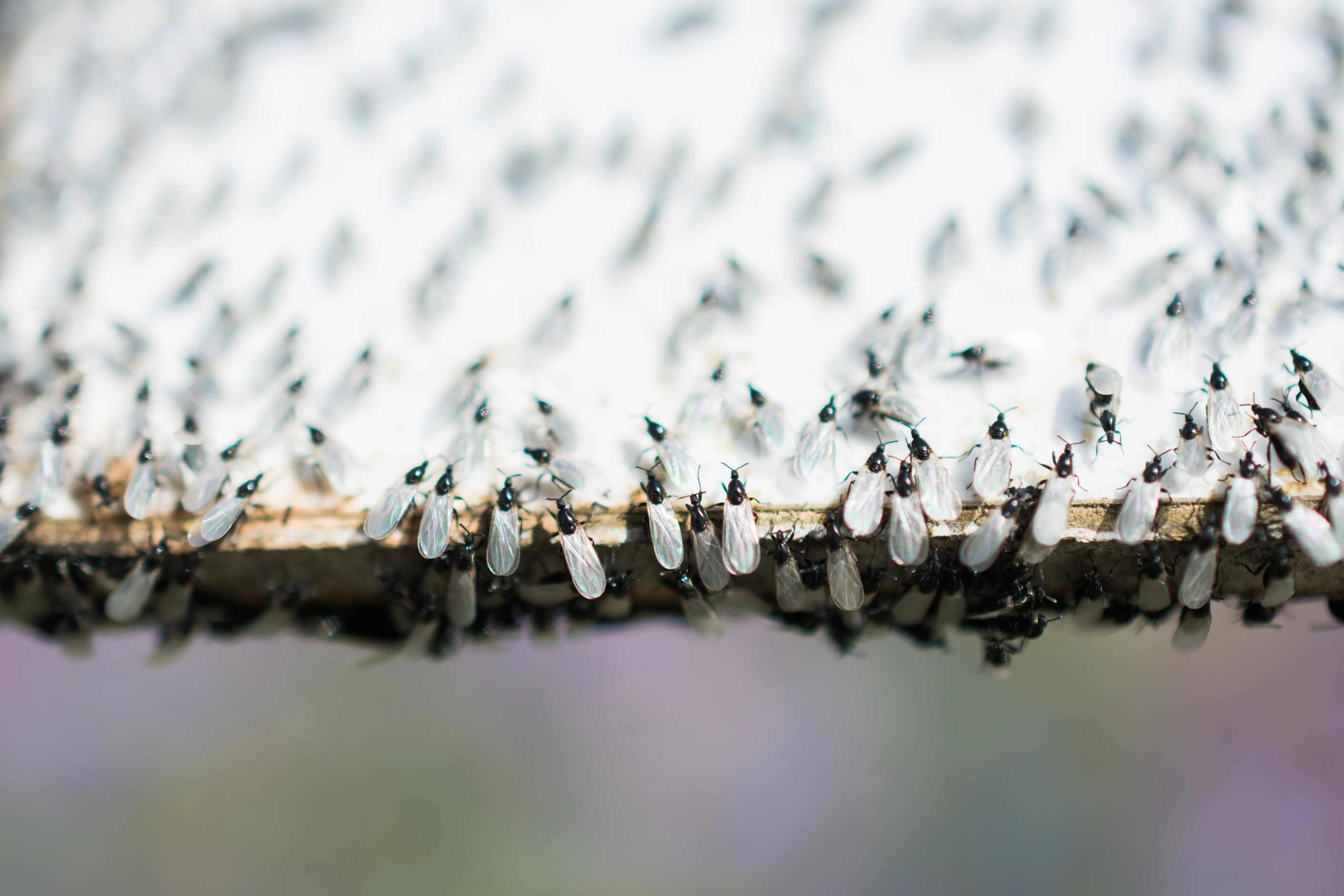
Develop when colony needs to expand. New fertile female and swarm of males develop wings for nuptial flight to colonize new space.

Seeing Ants Around Your Home?

We identify species and eliminate entire colonies at the source.

Call (866) 326-2847

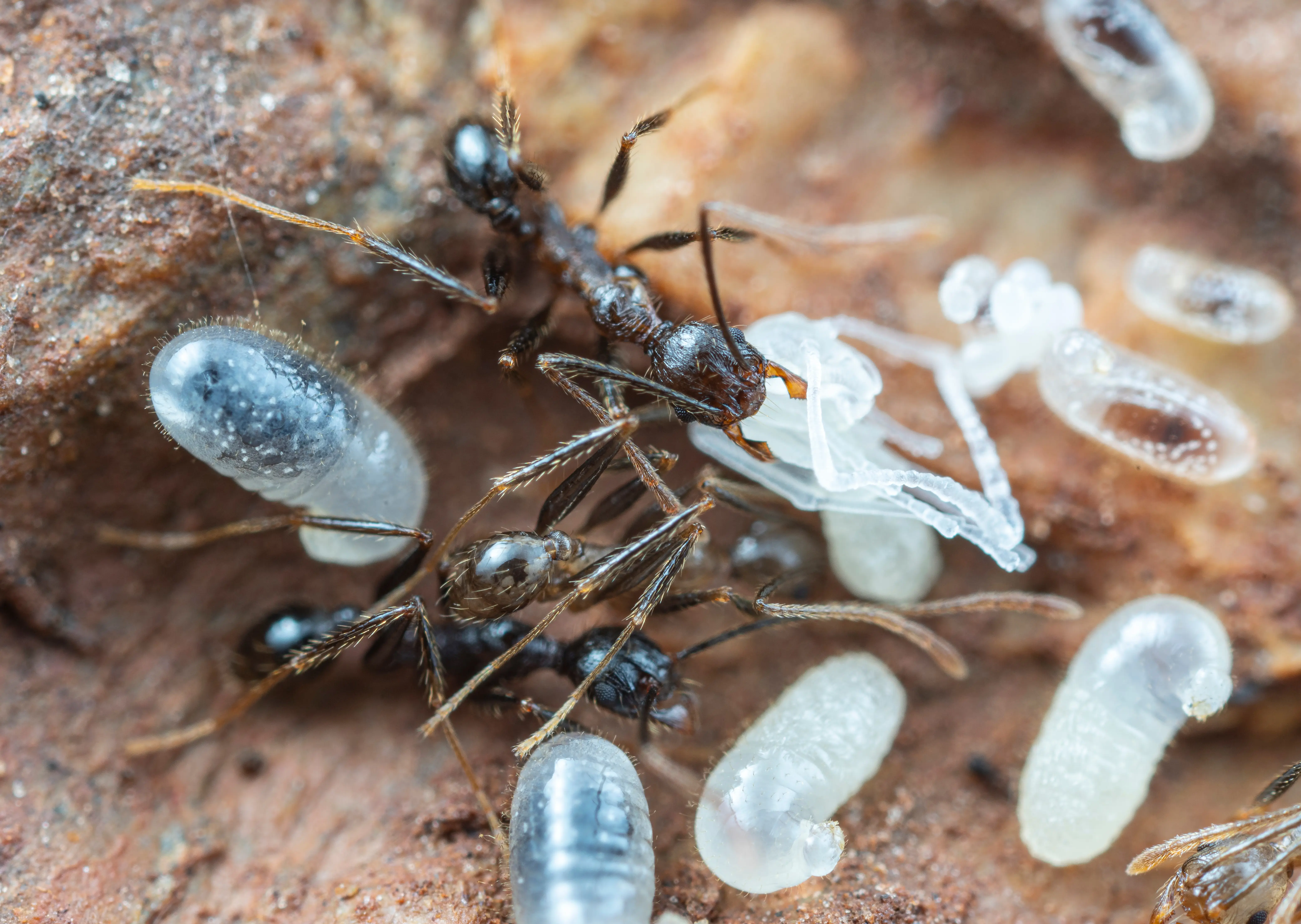
Ant Life Cycle

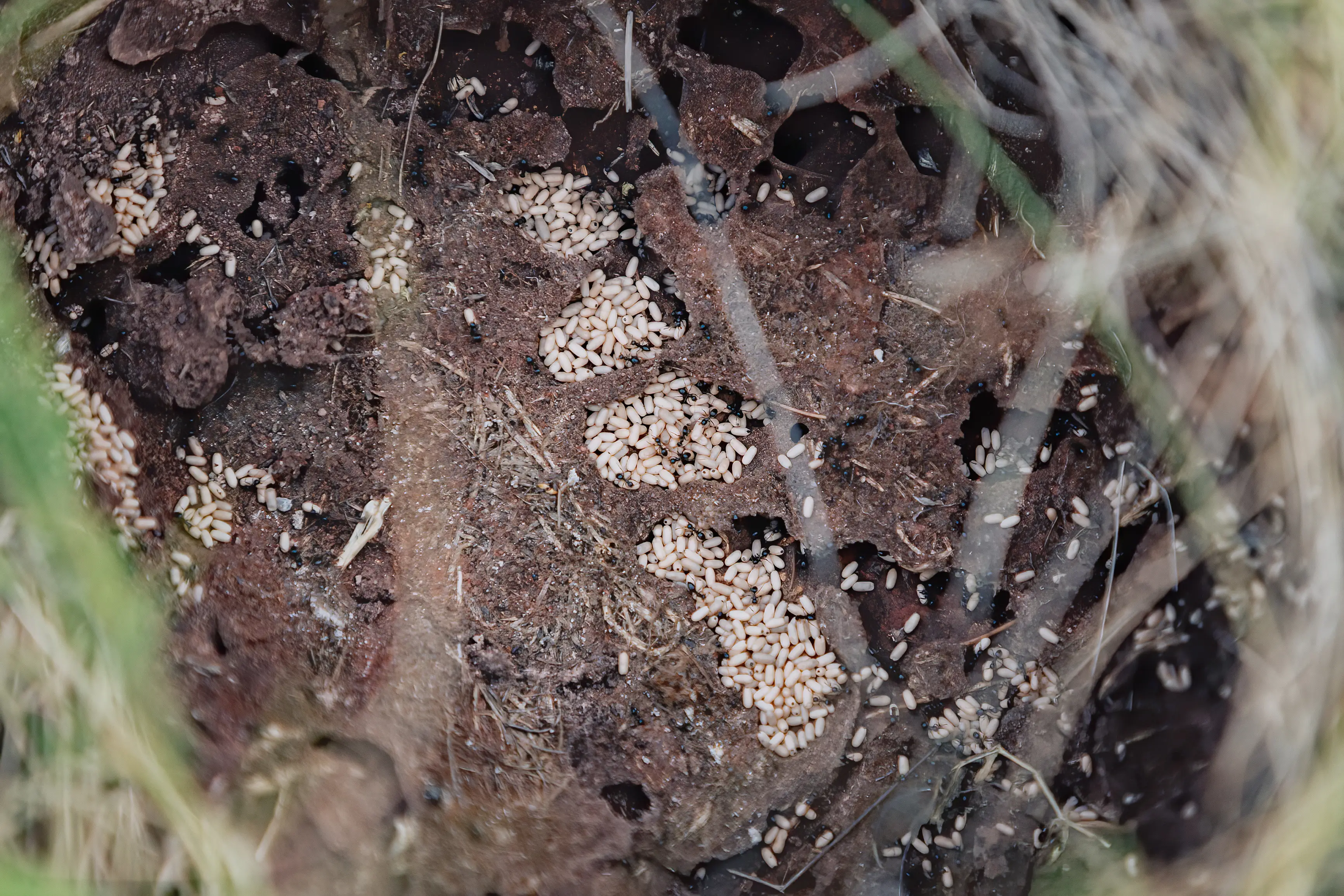
Egg

1-2 weeks

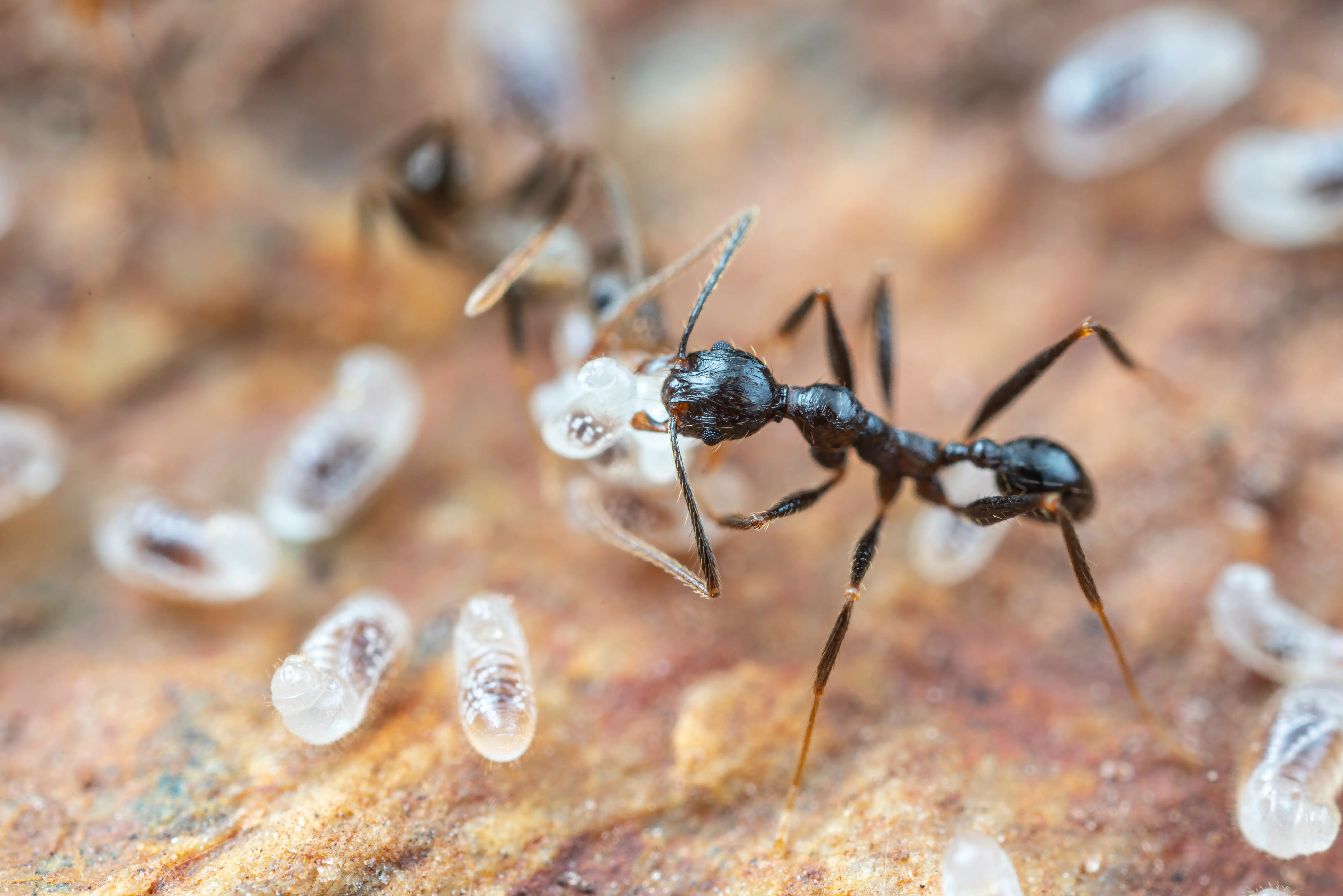
Cared for before hatching into larvae.

Larvae

~2 weeks

Immobile and blind. Require worker care.

Pupae

~4 weeks

Look like adults but still developing.

Adult

Months to years

Workers live months-years; queens up to 30 years.

What Do Ants Eat?

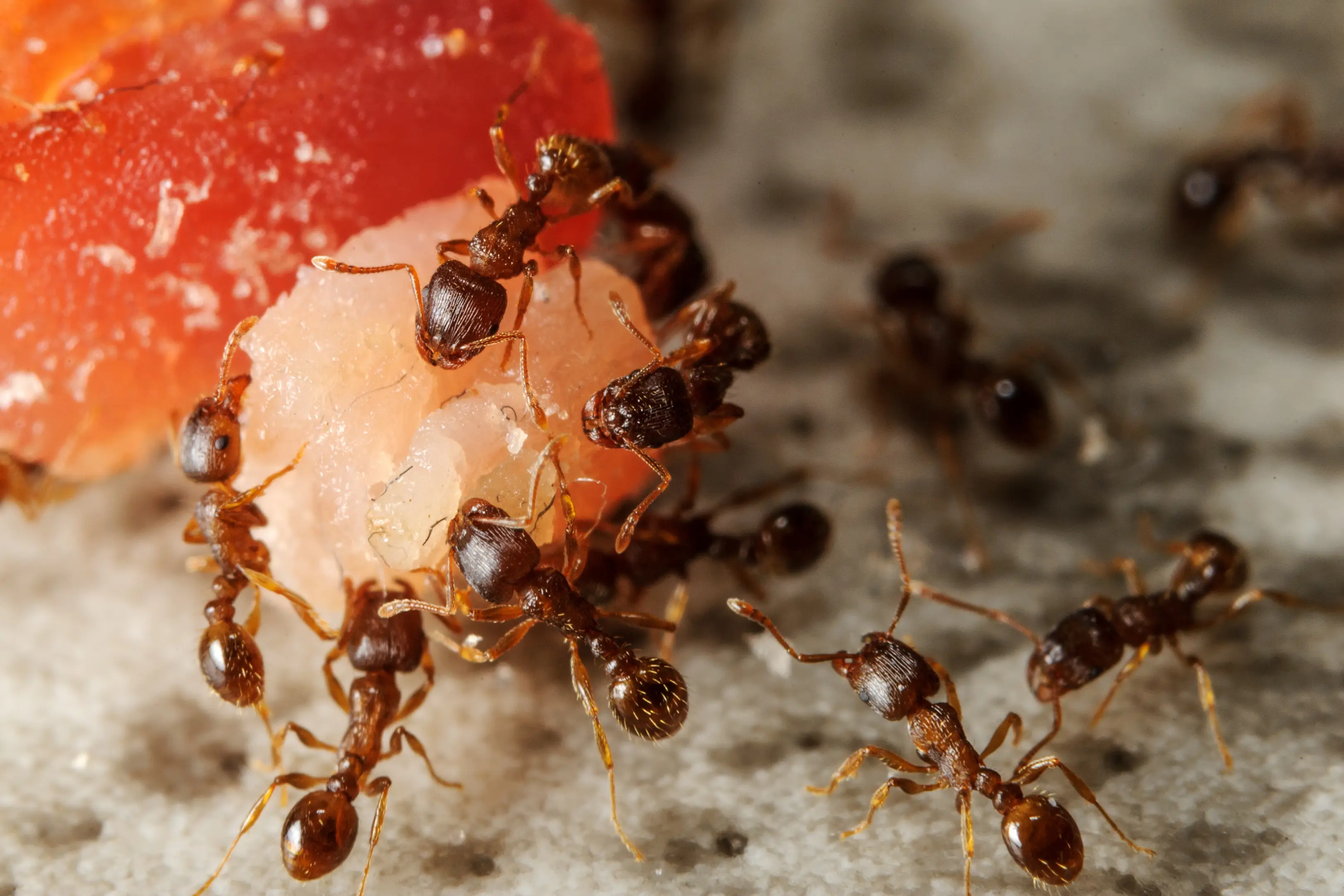
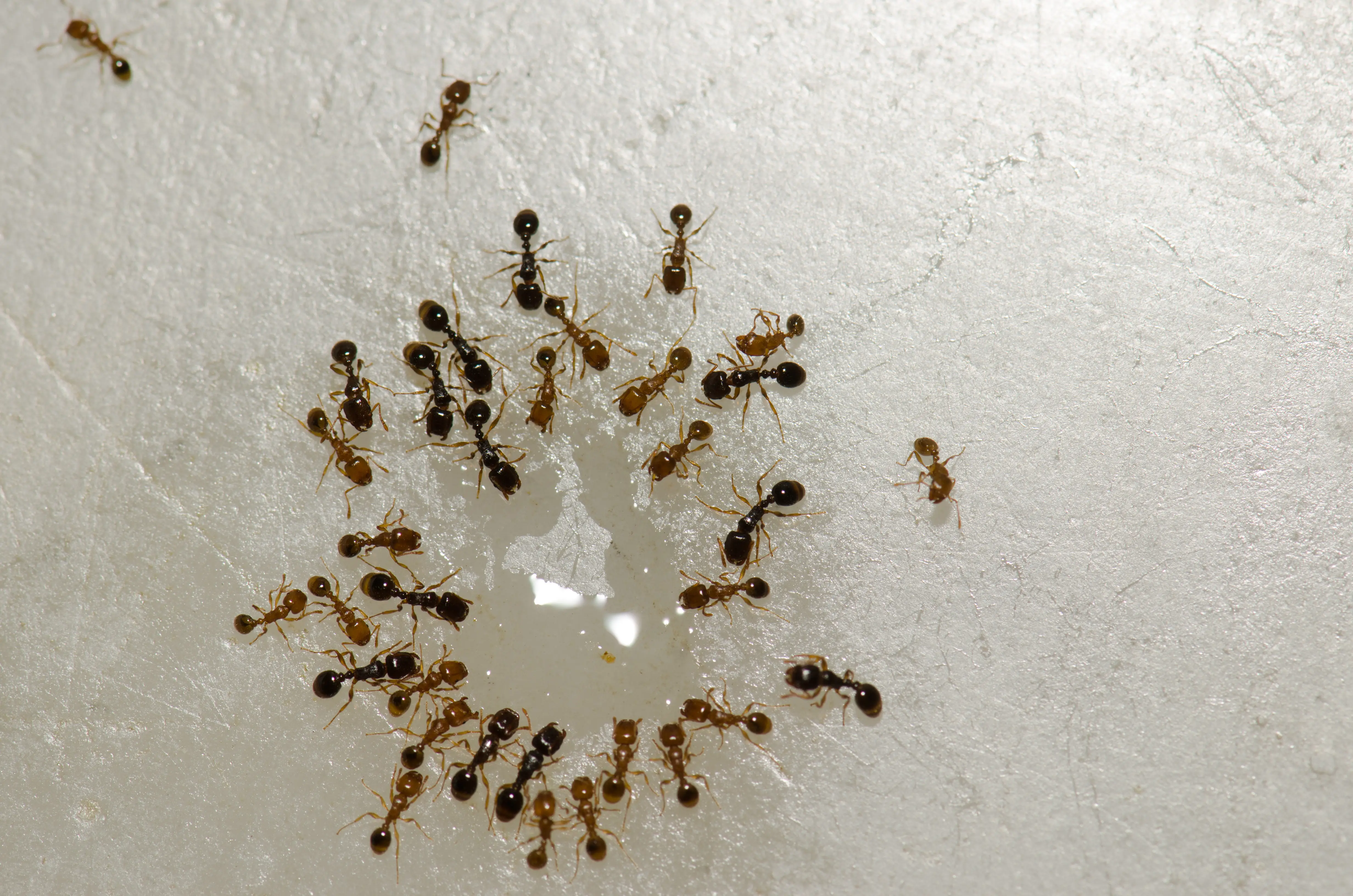
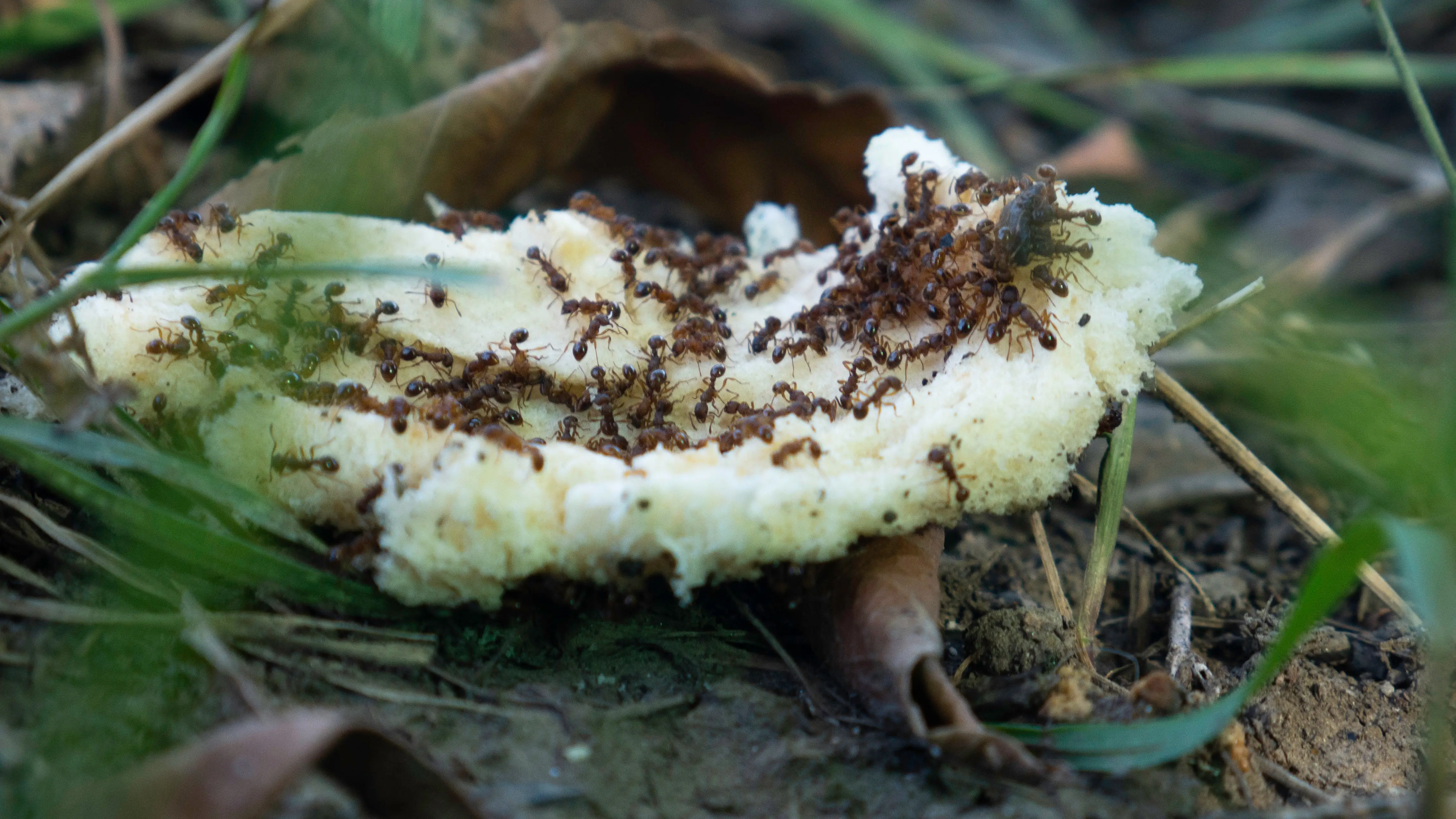
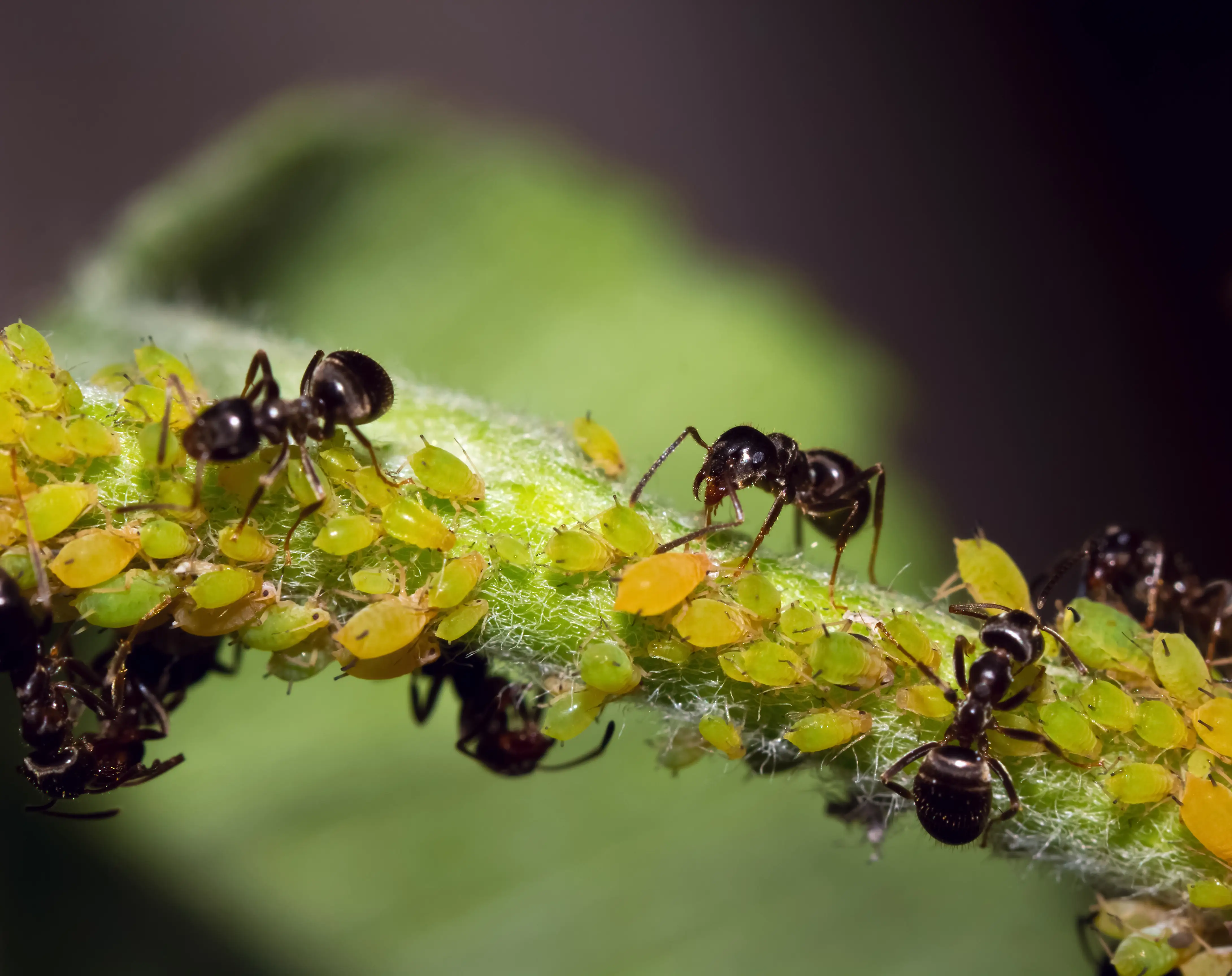
Ants are omnivorous scavengers, hunters, and farmers that feed on almost anything edible. They prefer foods rich in carbohydrates, sugars, and proteins.

Proteins
Other bugs
Sweets
Grains
Seeds
Fungus
Honeydew (from aphids)

How to Get Rid of Ants

Key principle: Effective treatment requires total colony collapse. The queen must be killed to stop egg production.

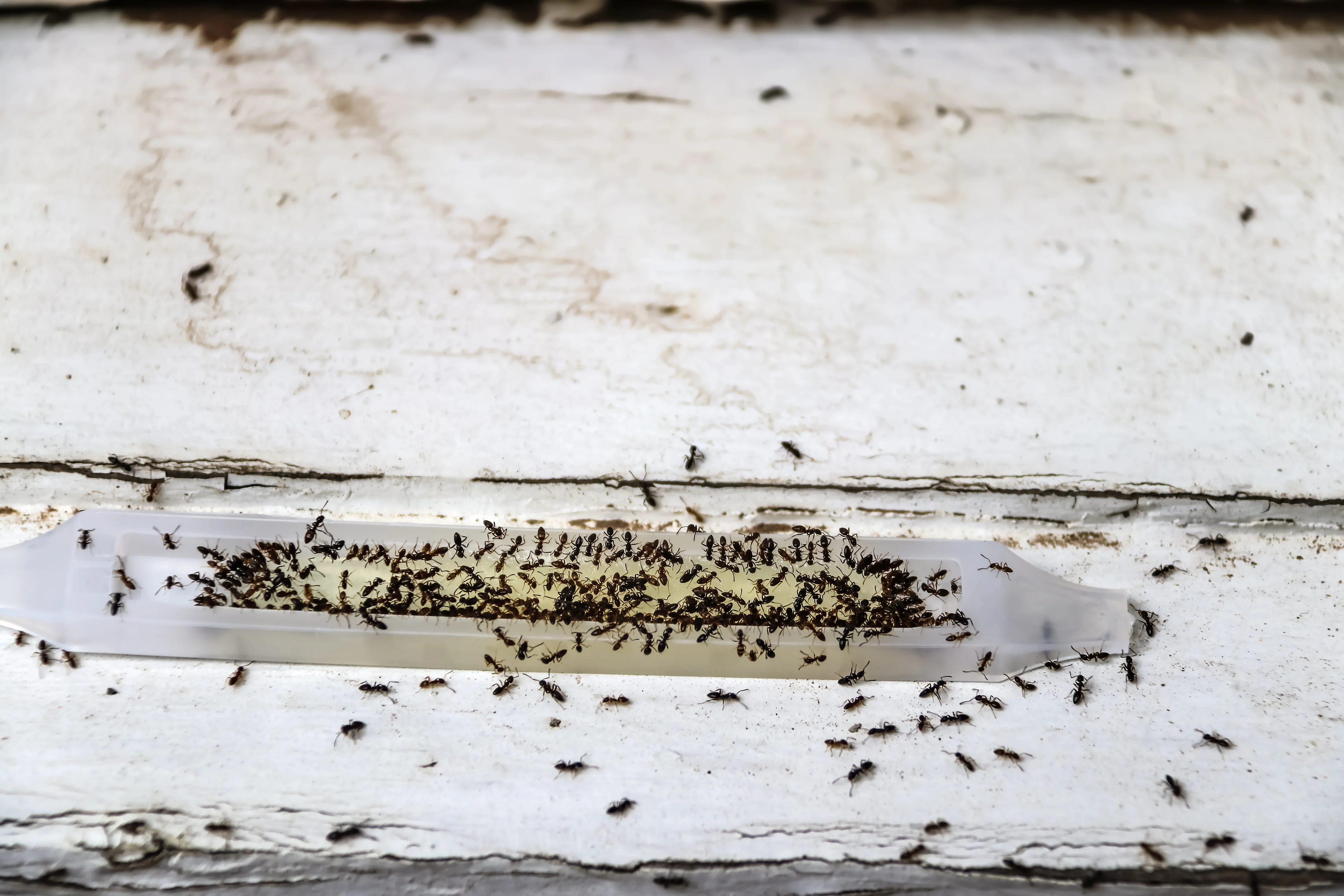
Ant Baits

Workers carry pesticides back to colony to feed queen and larvae. Most effective method.

Contact Sprays

Kill ants on contact for local spot treatment.

Perimeter Sprays

Residual barrier around property that infects ants on contact.

Hot Water Drench

Drown exterior colonies with hot water and insecticidal soap.

After treatment: Exclusion and sanitation are critical to prevent ants from returning.

Signs of Ants

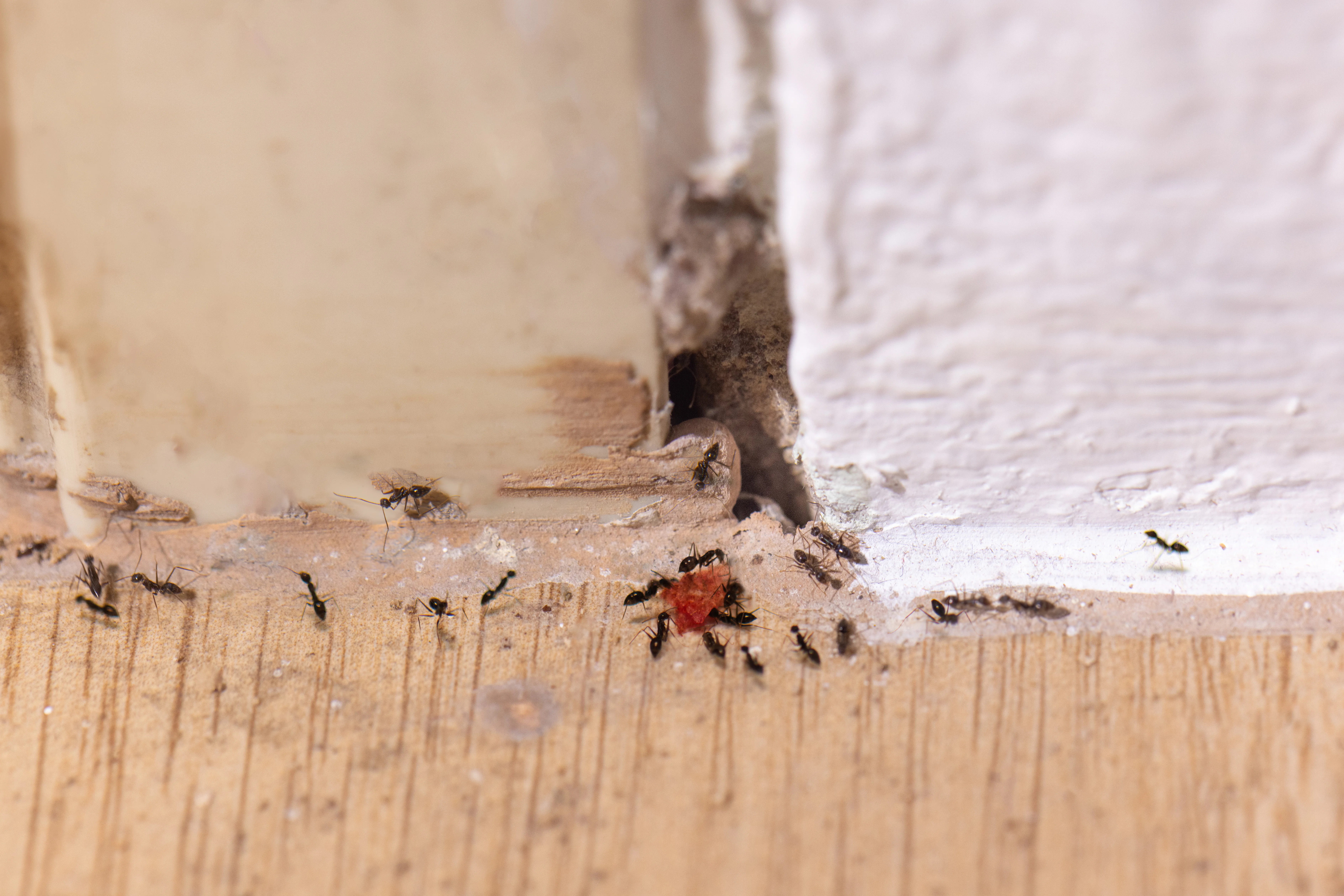
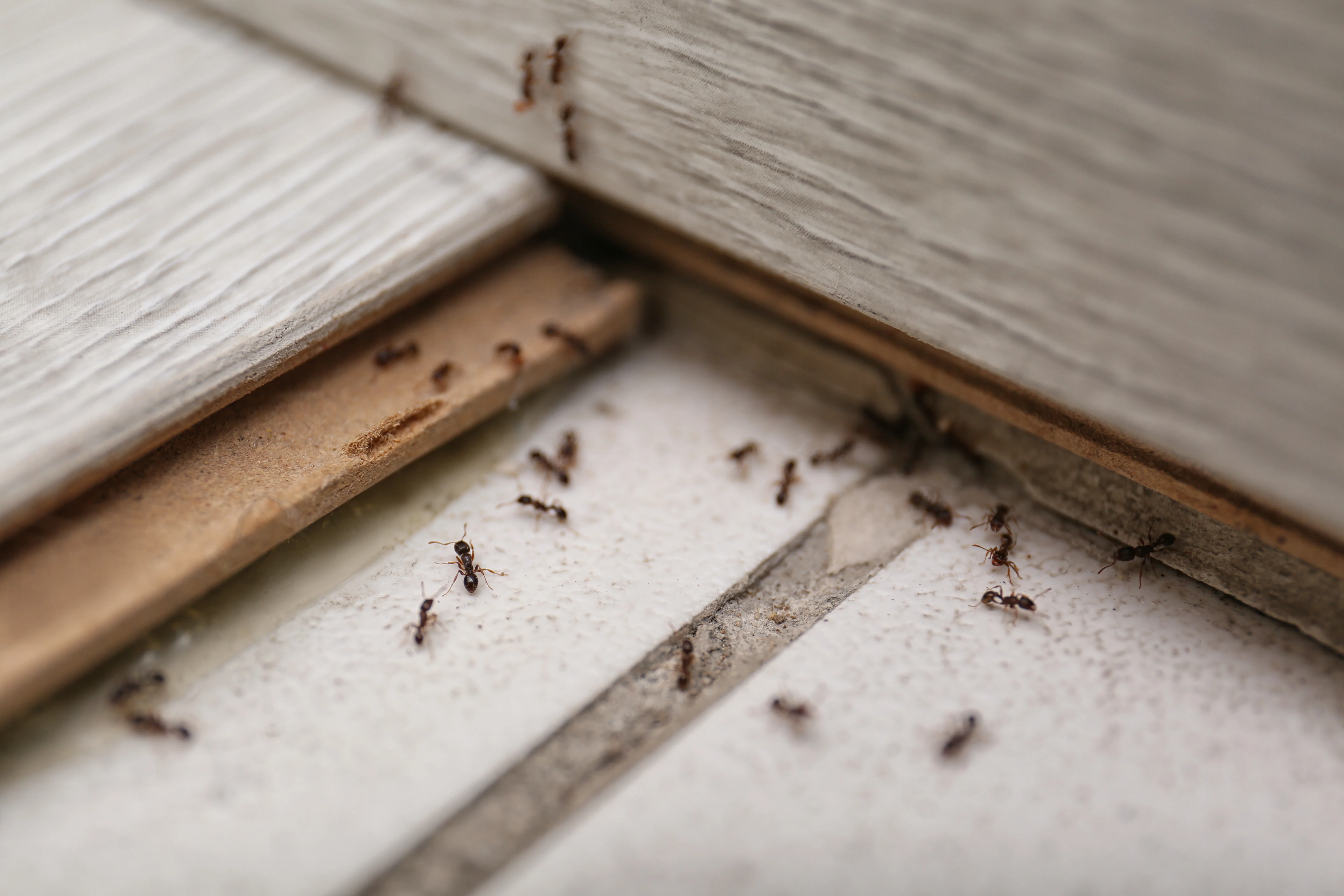
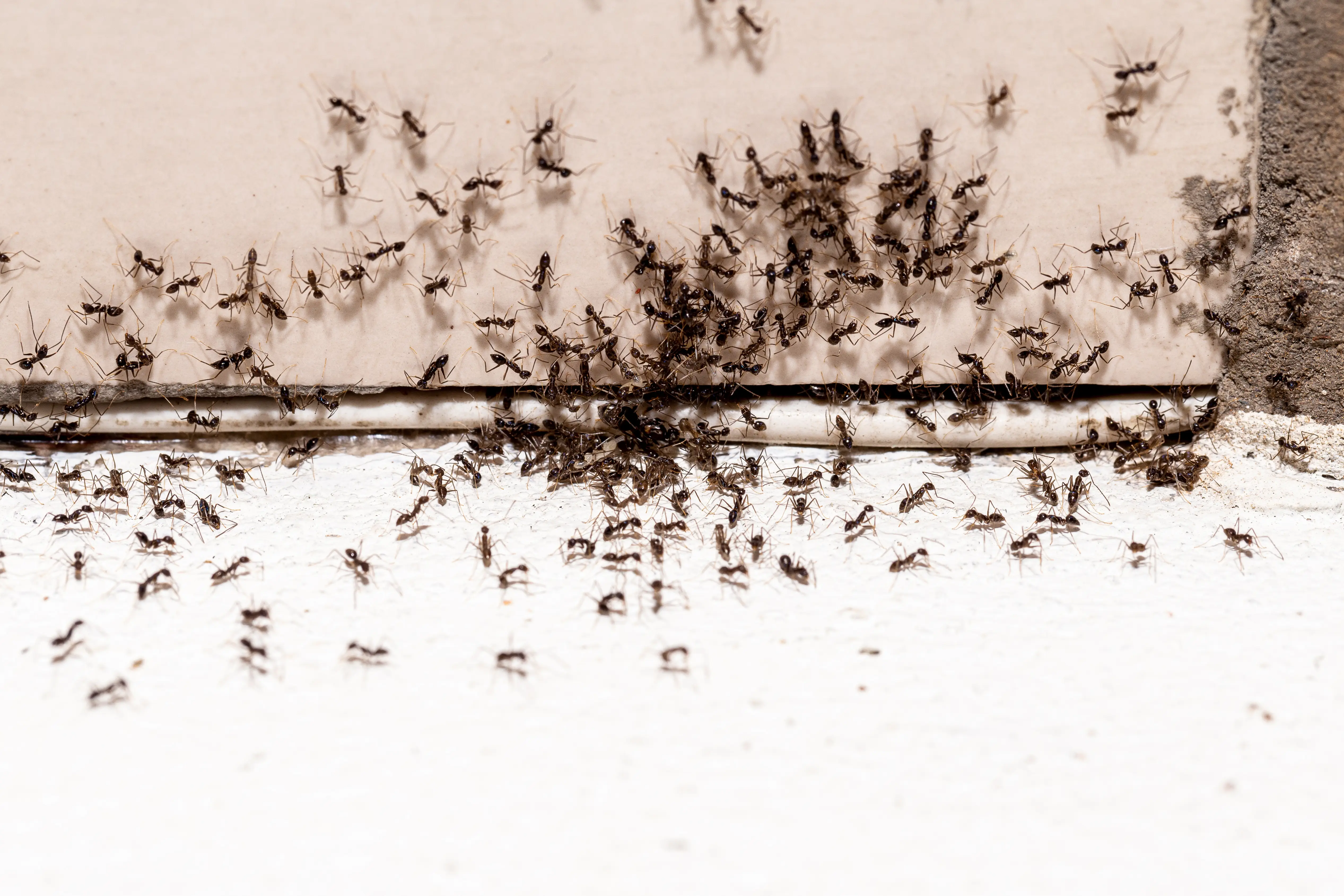
Visible Foraging Ants

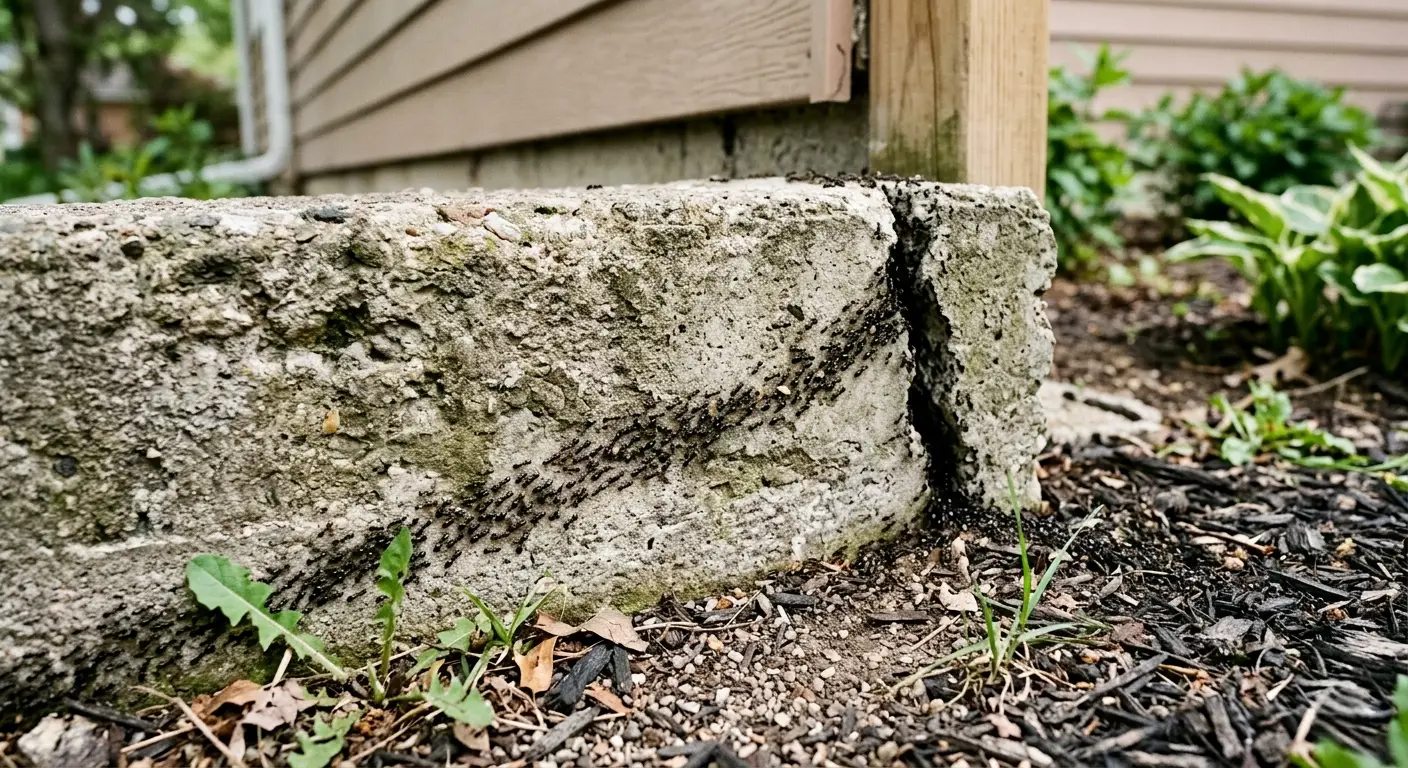
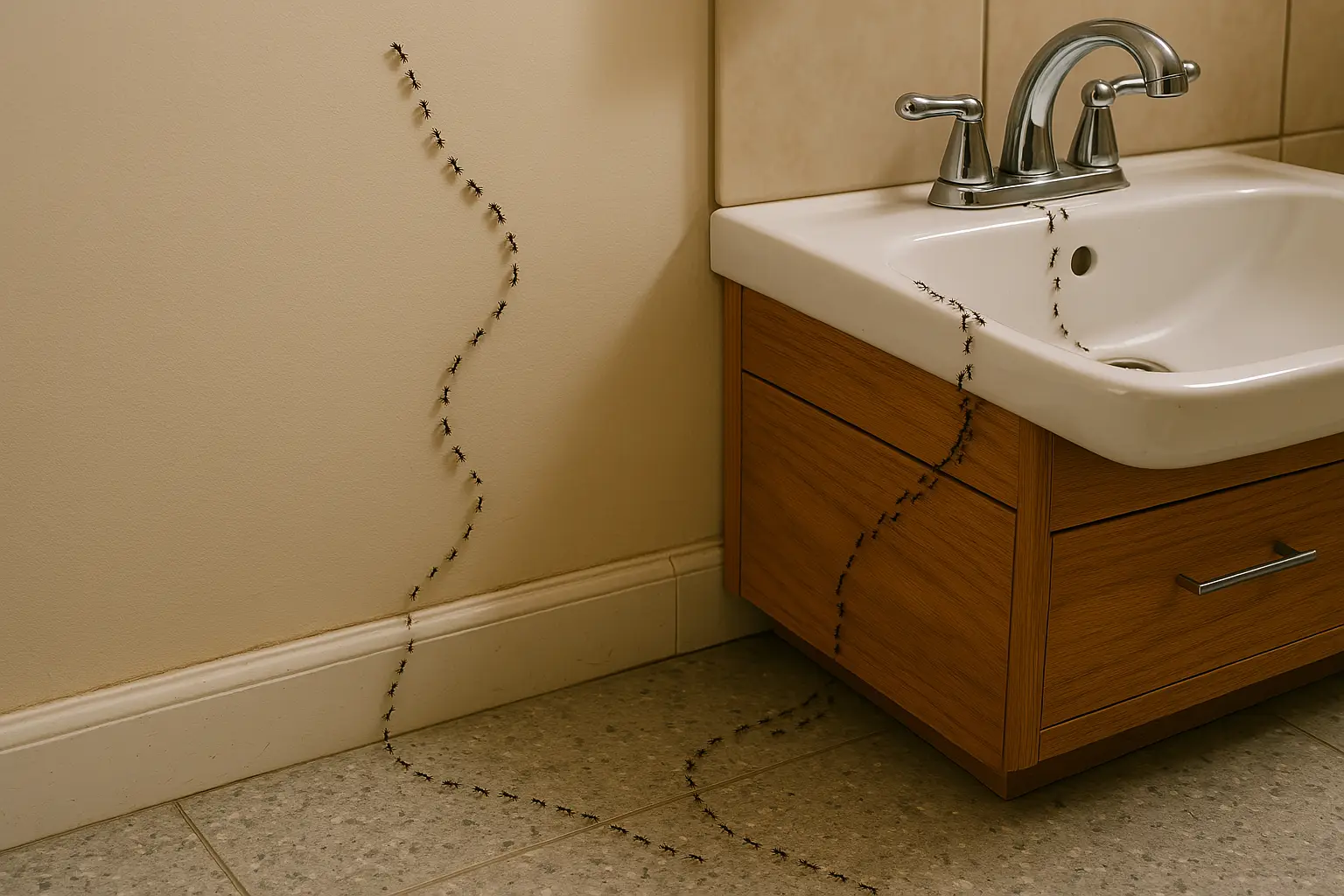
Ants following each other on thin paths (pheromone trails).

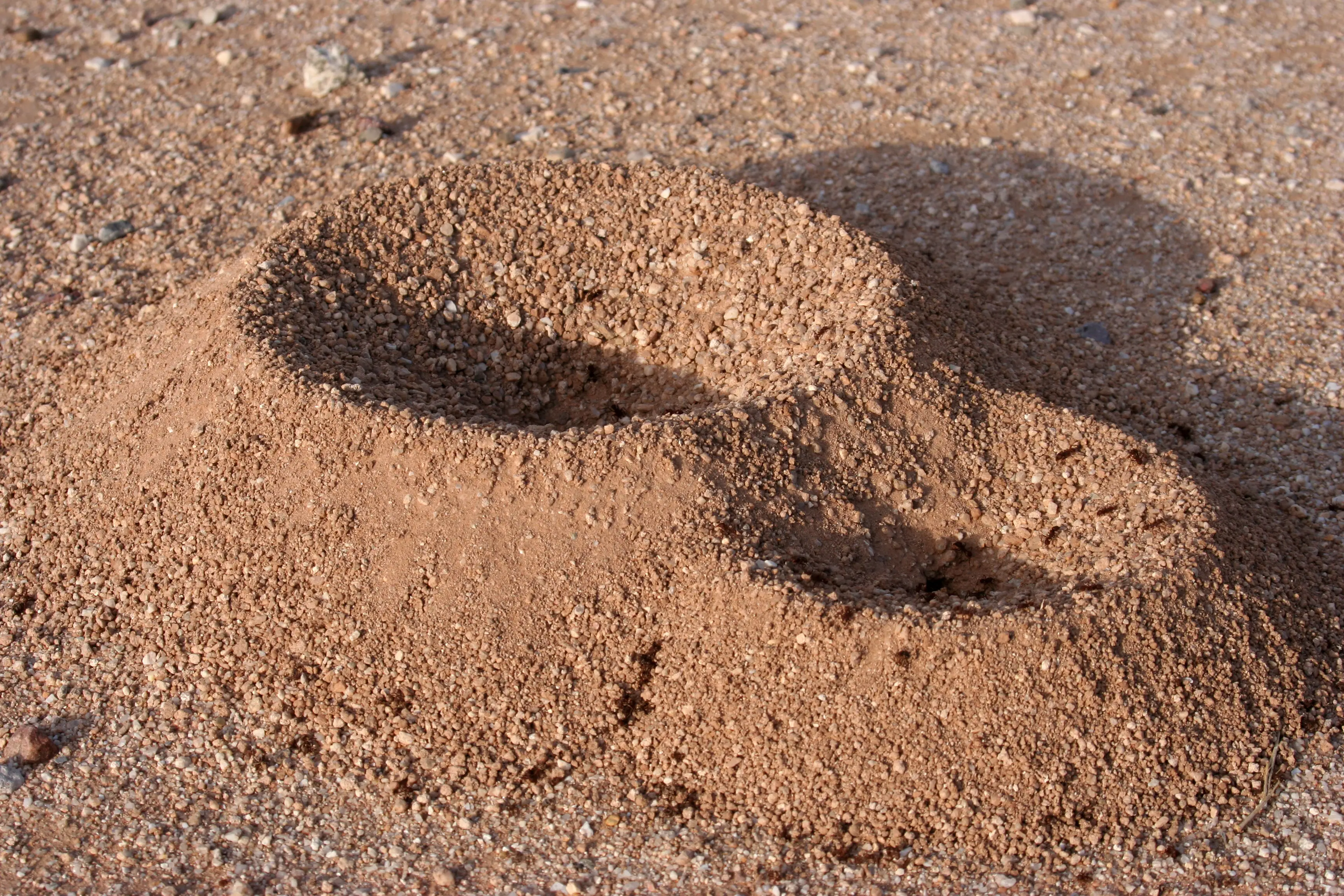
Dirt Mounds

Access points to underground nests.

Discarded Wings

Indicates ant swarm found a new home nearby.

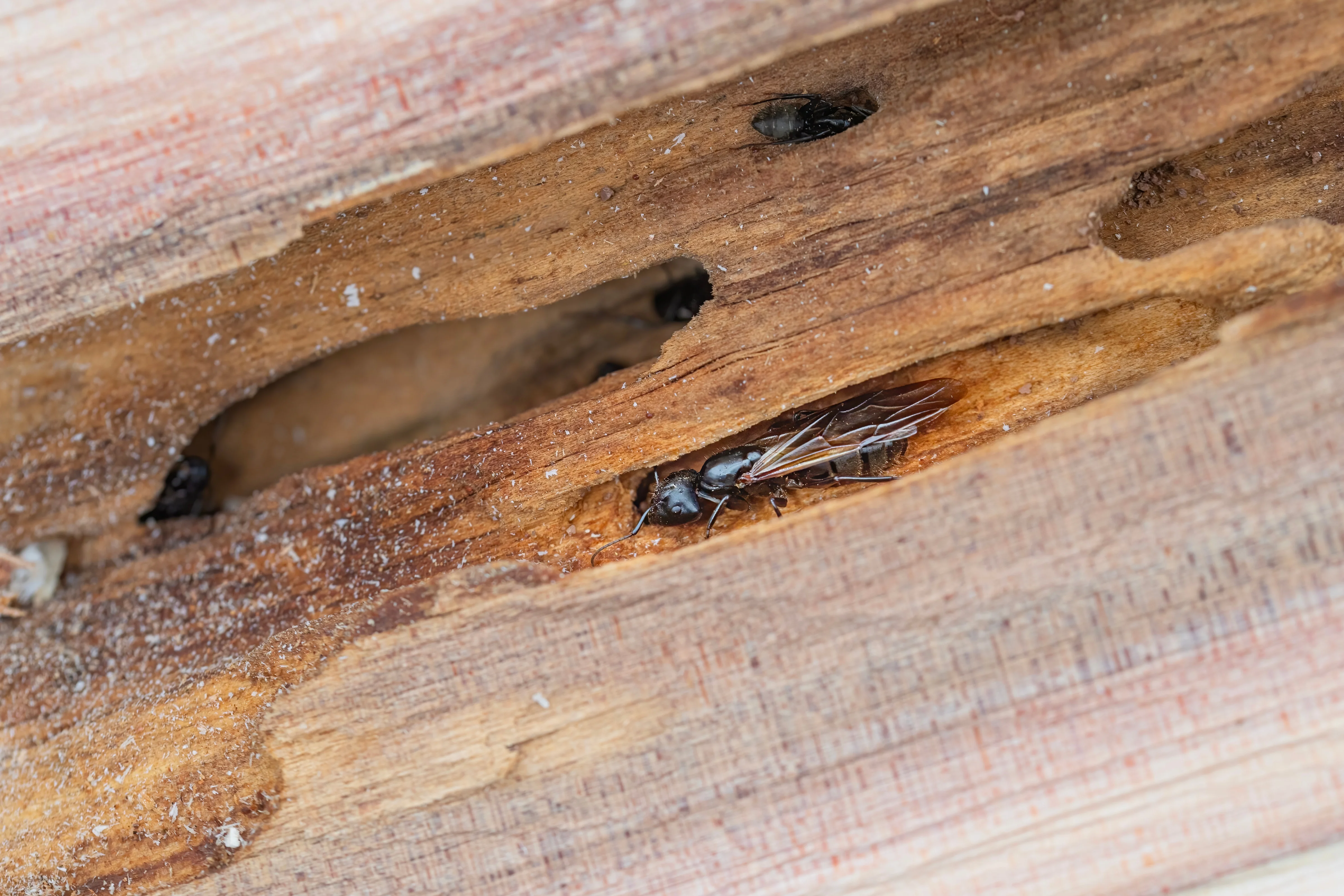
Wood Damage

Specific to carpenter ants (similar to termite damage).

Contact EcoGuard If You Have Seen Signs of an Ant Infestation

If you have seen ants on or around your property, it may be time to call in professional help. The licensed and experienced ant control experts at EcoGuard Pest Management can provide effective ant treatment services. We utilize an integrated pest management approach to terminate the queen and entire colony.

Call (866) 326-2847Get Free Quote

Ant FAQs

What are ants attracted to?

Ants are drawn to the same things most bugs need: food, water, and shelter. They search far and wide for food resources to return to their colony to feed the queen and her eggs. They also move indoors in search of shelter from the elements.

What are ants good for?

Ants aerate soil to provide plant roots with enough water and oxygen to thrive. They collect seeds which sometimes help plant propagation. They also help break down organic matter by scavenging on dead animals, bugs, and even trash.

How do you get rid of ants quickly?

Ants can be treated quickly using a homemade mix of 1:2 parts vinegar and water. This mix will effectively kill ants on contact and wipe out the pheromone trails they use to find food.

From Our Blog

Related Articles

14 Natural Ant Repellent Strategies That Actually Work

14 Natural Ant Repellent Strategies That Actually Work

Discover effective natural ant repellents including mint, vinegar, cinnamon, and more. Learn how to keep ants out of...

Read Article
16 Common Types of Ants in California | Identification & Treatment

16 Common Types of Ants in California | Identification & Treatment

Identify 16 common ant species in California including carpenter ants, fire ants, and Argentine ants. Learn their...

Read Article
Are Fire Ants Dangerous? Understanding Fire Ant Risks & Safety

Are Fire Ants Dangerous? Understanding Fire Ant Risks & Safety

Learn about fire ant dangers including painful stings, allergic reactions, and property damage. Comprehensive guide on...

Read Article
Argentine Ants: Complete Identification, Control & Prevention Guide

Argentine Ants: Complete Identification, Control & Prevention Guide

Learn to identify Argentine ants, understand their supercolony behavior, and discover effective control strategies....

Read Article
Common Signs of Carpenter Ant Damage

Common Signs of Carpenter Ant Damage

Learn to identify carpenter ant damage signs including frass, holes, tunnels, and how to distinguish carpenter ant...

Read Article
Do Ants Bite? Symptoms, Treatment & Prevention

Do Ants Bite? Symptoms, Treatment & Prevention

Learn about ant bites vs stings, which ants bite, symptoms, allergic reactions, treatment options, and how to prevent...

Read Article
Do Ants Eat Aphids? The Ant-Aphid Relationship Explained

Do Ants Eat Aphids? The Ant-Aphid Relationship Explained

Learn about the fascinating relationship between ants and aphids, how ants farm aphids for honeydew, problems aphids...

Read Article
Do Ants Ever Sleep? Ant Sleep Patterns Explained

Do Ants Ever Sleep? Ant Sleep Patterns Explained

Discover the fascinating sleep patterns of ants, how worker ants take 250 power naps daily, queen ant sleep habits, and...

Read Article
Do Carpenter Ants Eat Wood? Understanding Carpenter Ant Damage

Do Carpenter Ants Eat Wood? Understanding Carpenter Ant Damage

Learn the truth about carpenter ants and wood. Unlike termites, carpenter ants don\

Read Article
How Do Ant Baits and Traps Work? Complete Guide to Ant Bait Systems

How Do Ant Baits and Traps Work? Complete Guide to Ant Bait Systems

Learn how ant baits and traps work to eliminate entire colonies. Discover bait types, active ingredients, placement...

Read Article
How Do Ants Communicate With Each Other? Complete Guide to Ant Communication

How Do Ants Communicate With Each Other? Complete Guide to Ant Communication

Learn how ants communicate using pheromones, touch, sound, and body language. Discover why ant communication is key to...

Read Article
How Do Ants Get in the House? Complete Entry Point Guide

How Do Ants Get in the House? Complete Entry Point Guide

Learn how ants get into your house through foundation cracks, windows, utility lines, and more. Discover entry points,...

Read Article
How Do Ants Get Into Your House? Entry Points & Prevention

How Do Ants Get Into Your House? Entry Points & Prevention

Learn how ants enter your home through cracks, gaps, and openings. Discover where ants hide, what attracts them, and...

Read Article
How Do Ants Mate and Reproduce? Ant Reproduction Explained

How Do Ants Mate and Reproduce? Ant Reproduction Explained

Learn how ants mate during nuptial flights, how queen ants reproduce, the role of drones, and unique reproductive...

Read Article
How Many Ants Are in a Colony? Complete Guide to Ant Colony Size

How Many Ants Are in a Colony? Complete Guide to Ant Colony Size

Learn how many ants live in a colony, from small carpenter ant nests to Argentine ant supercolonies with billions....

Read Article
How to Get Rid of Ants Inside and Outside Your Home

How to Get Rid of Ants Inside and Outside Your Home

Learn how to get rid of ants inside your home, repel them before they enter, and eliminate outdoor colonies. Complete...

Read Article
How to Get Rid of Carpenter Ants in the House

How to Get Rid of Carpenter Ants in the House

Learn how to identify, eliminate, and prevent carpenter ants. Comprehensive guide to indoor and outdoor treatments,...

Read Article
Understanding Ant Colony Structure and Hierarchy

Understanding Ant Colony Structure and Hierarchy

Learn about ant colony structure, hierarchy, and how ants work together. Discover the roles of queens, workers, drones,...

Read Article
What Are Red Ants? Fire Ant Identification & Control

What Are Red Ants? Fire Ant Identification & Control

Learn about red ants and fire ants, how to identify them, their behavior, dangers of their stings, and effective...

Read Article
What Attracts Ants Inside the House? Prevention Tips

What Attracts Ants Inside the House? Prevention Tips

Learn what attracts ants to your home including food, water, and shelter. Discover prevention tips and how to get rid...

Read Article
What Do Ants Eat and Drink in Your House?

What Do Ants Eat and Drink in Your House?

Learn what ants eat including sugars, proteins, seeds, fungus, and other insects. Discover how different ant species...

Read Article
What Happens When the Queen Ant Dies?

What Happens When the Queen Ant Dies?

Learn what happens when a queen ant dies, how to identify a queen, the ant queen life cycle, and how to effectively...

Read Article
What's the Lifespan of an Ant? Guide to Ant's Life Cycle

What's the Lifespan of an Ant? Guide to Ant's Life Cycle

Learn how long ants live based on species, caste, and gender. Discover the ant life cycle from egg to adult and factors...

Read Article
When is Ant Season? Complete Guide to Ant Activity Patterns

When is Ant Season? Complete Guide to Ant Activity Patterns

Learn when ant season occurs in your region, peak activity times by species, and seasonal prevention strategies....

Read Article
Where Do Ants Go in the Winter? Complete Winter Behavior Guide

Where Do Ants Go in the Winter? Complete Winter Behavior Guide

Discover where ants go in winter, how they survive freezing temperatures through diapause, and why they may invade your...

Read Article
Where Do Ants Live? Complete Guide to Ant Habitats

Where Do Ants Live? Complete Guide to Ant Habitats

Discover where ants live outdoors and indoors, from underground colonies to wall voids. Learn about species-specific...

Read Article
Why Are Flying Ants a Problem? Identification and Prevention

Why Are Flying Ants a Problem? Identification and Prevention

Learn why flying ants appear, how to identify them vs termites, which species swarm, and how to prevent and eliminate...

Read Article
Why Are There Ants in My Bathroom? Causes & Solutions

Why Are There Ants in My Bathroom? Causes & Solutions

Discover why ants invade bathrooms and learn effective solutions. Understanding moisture, food sources, and shelter...

Read Article