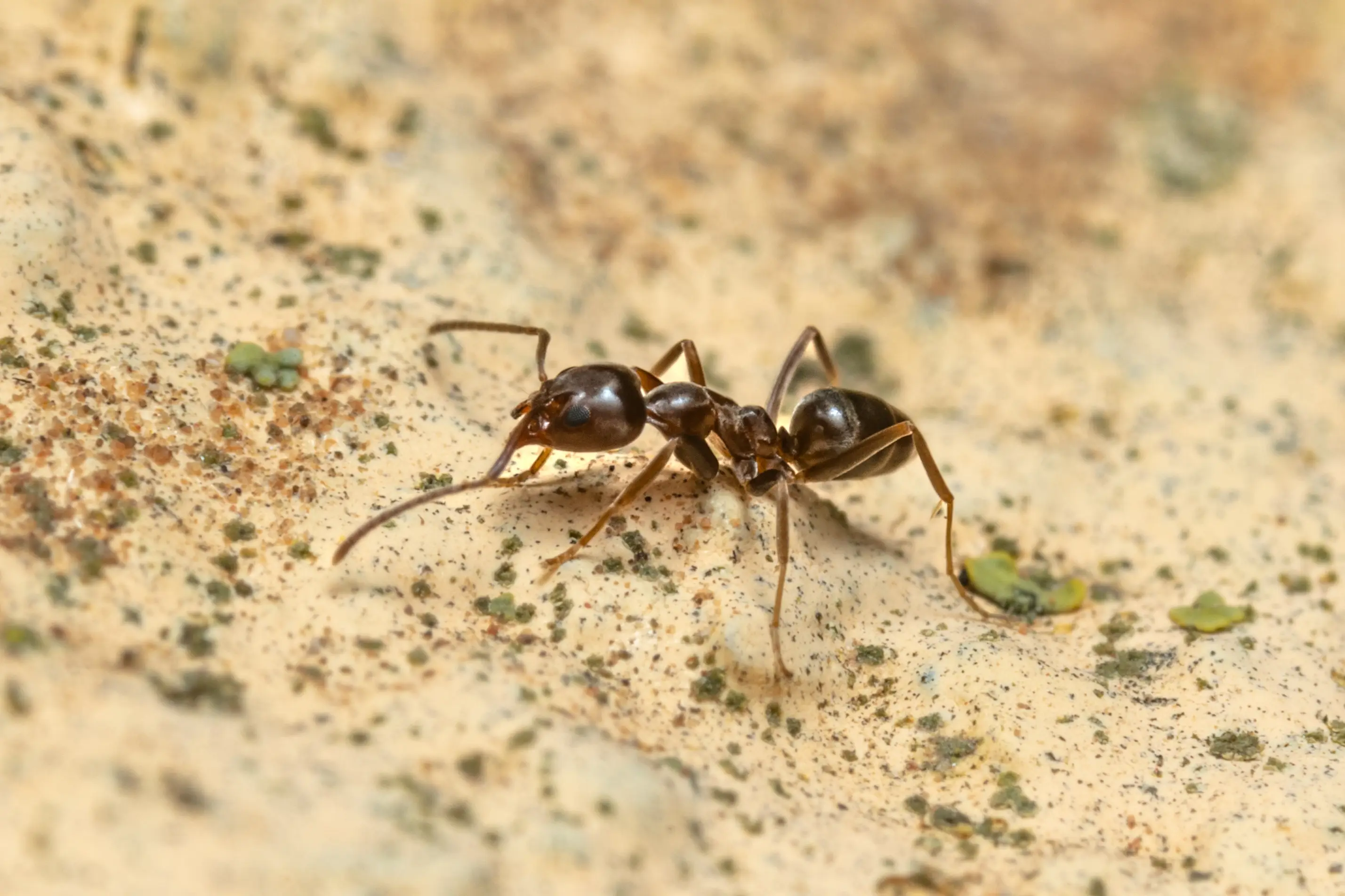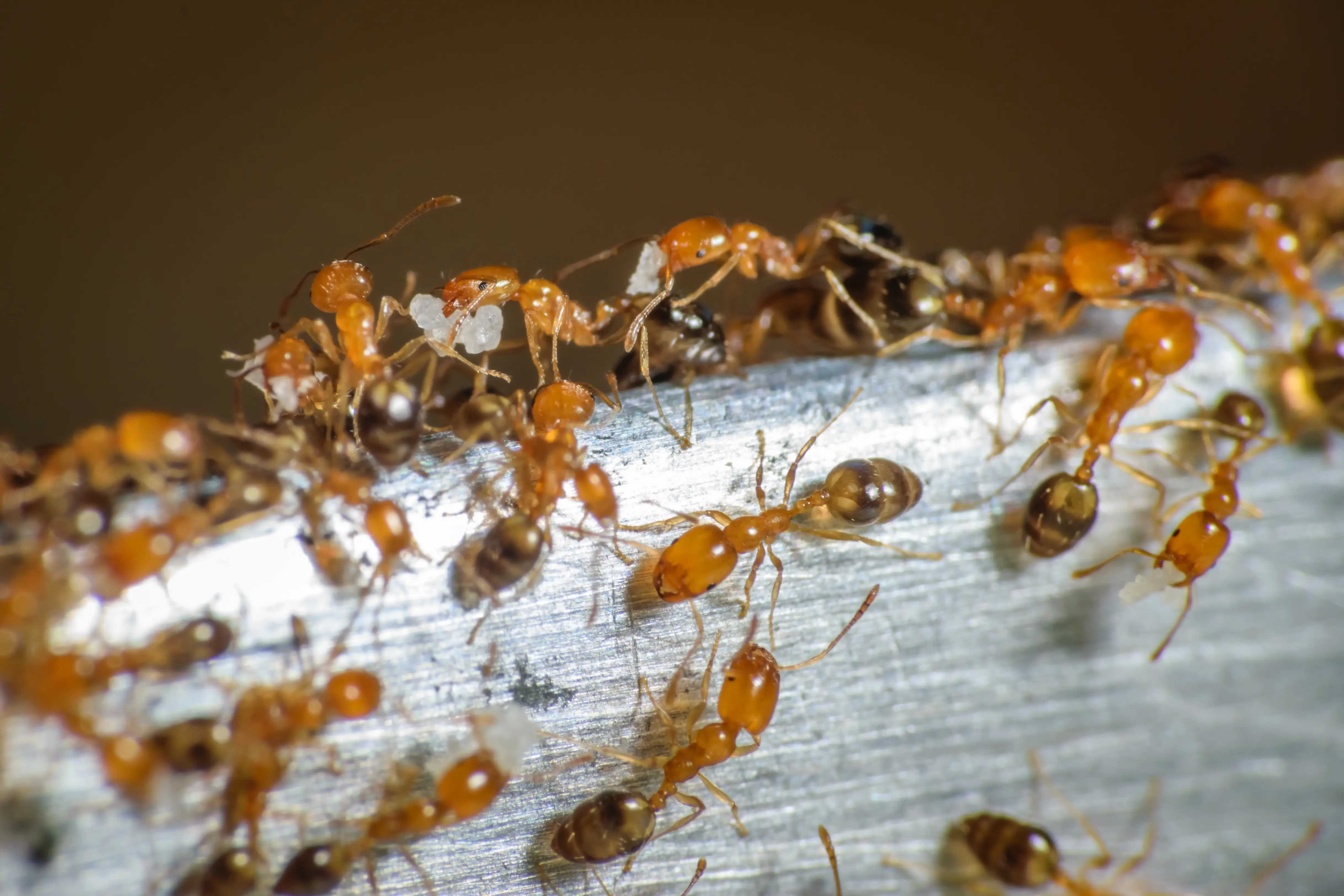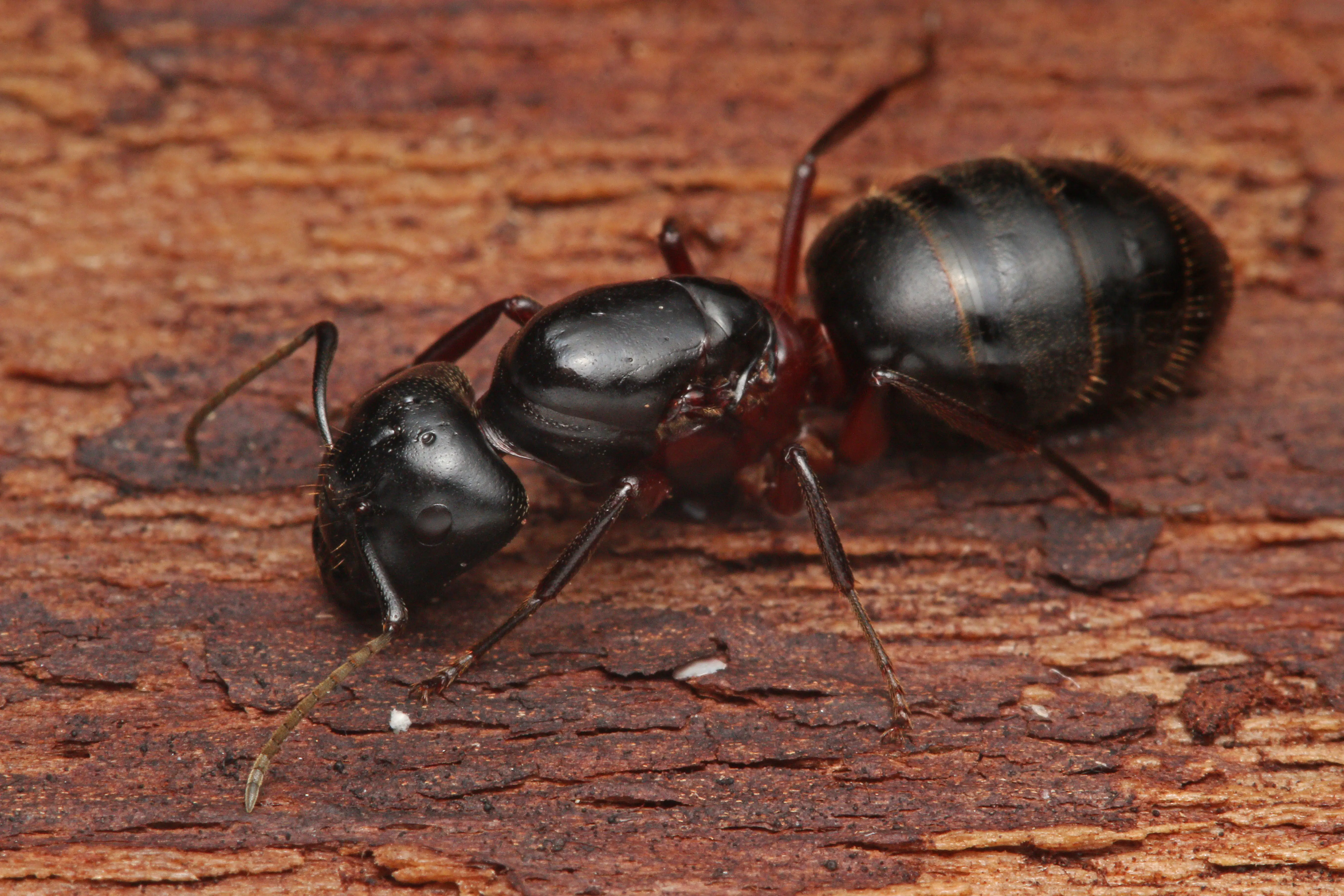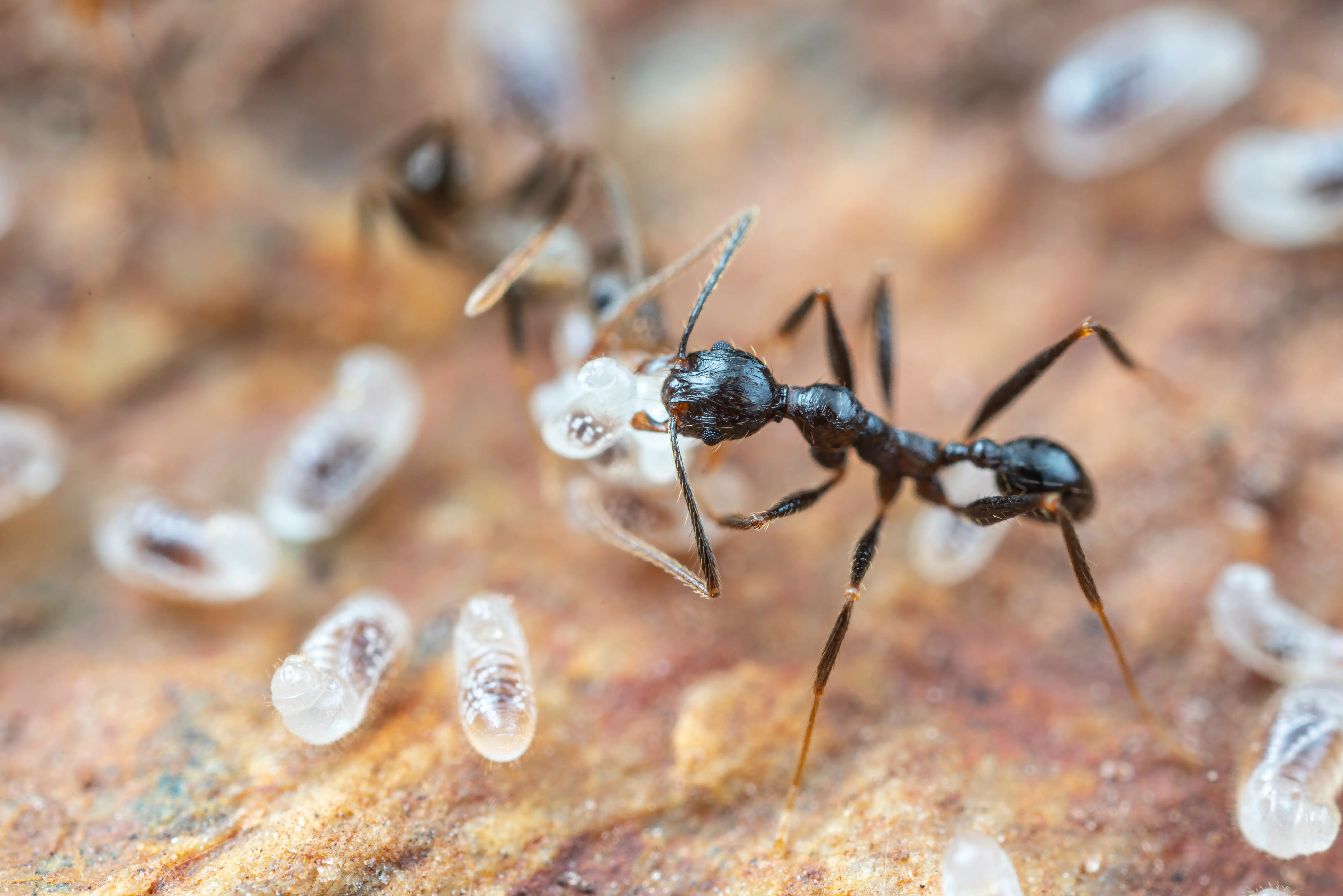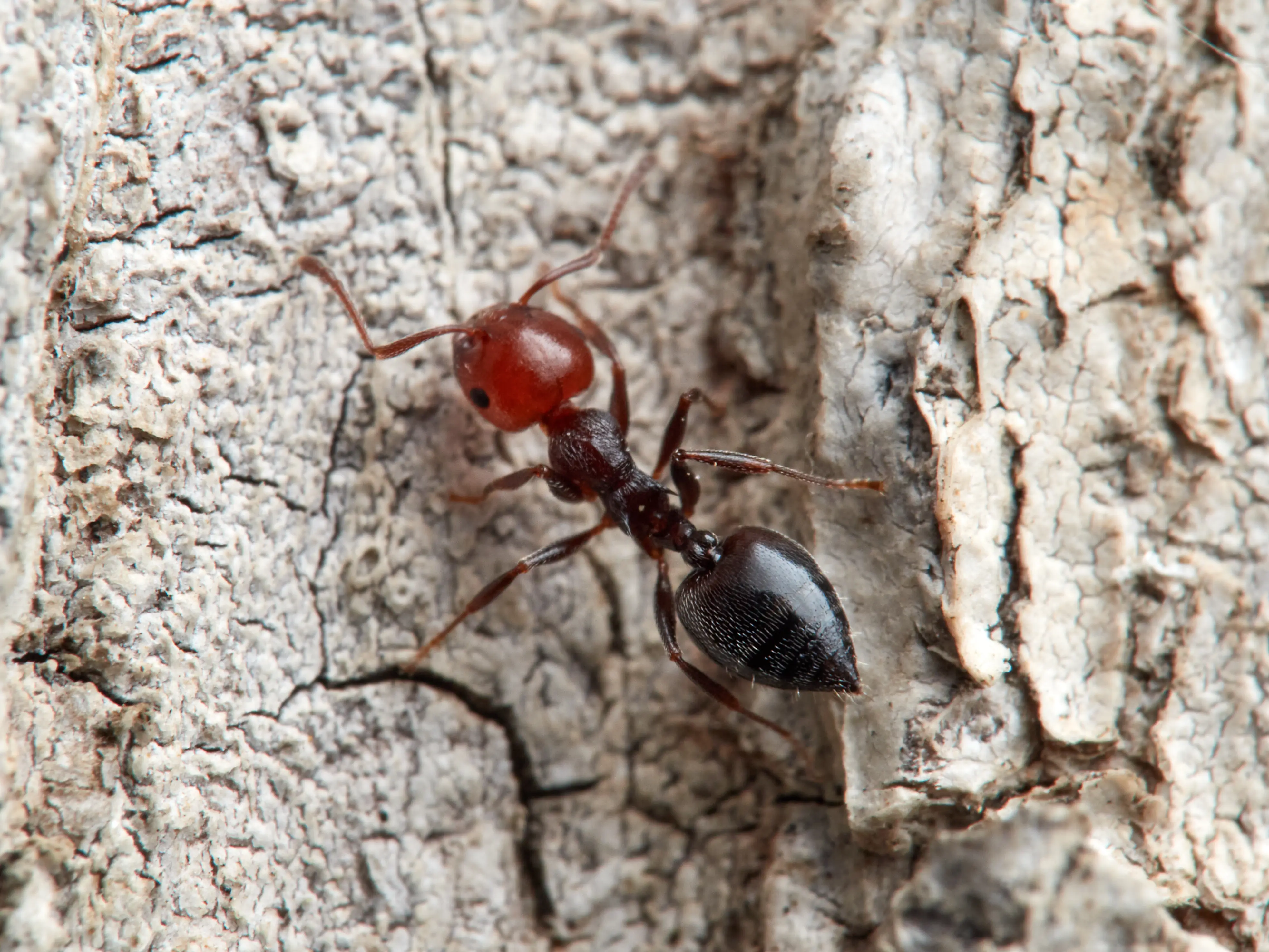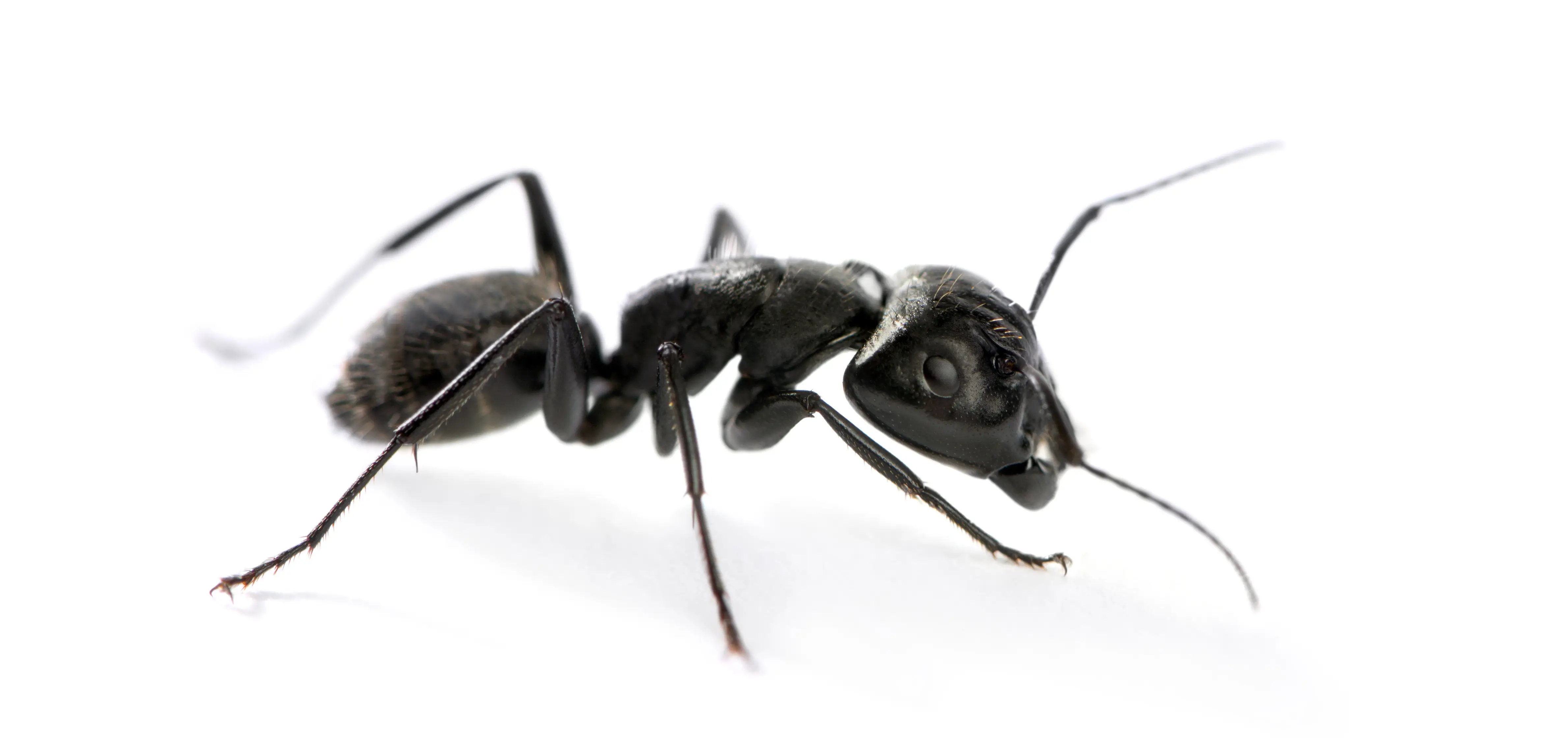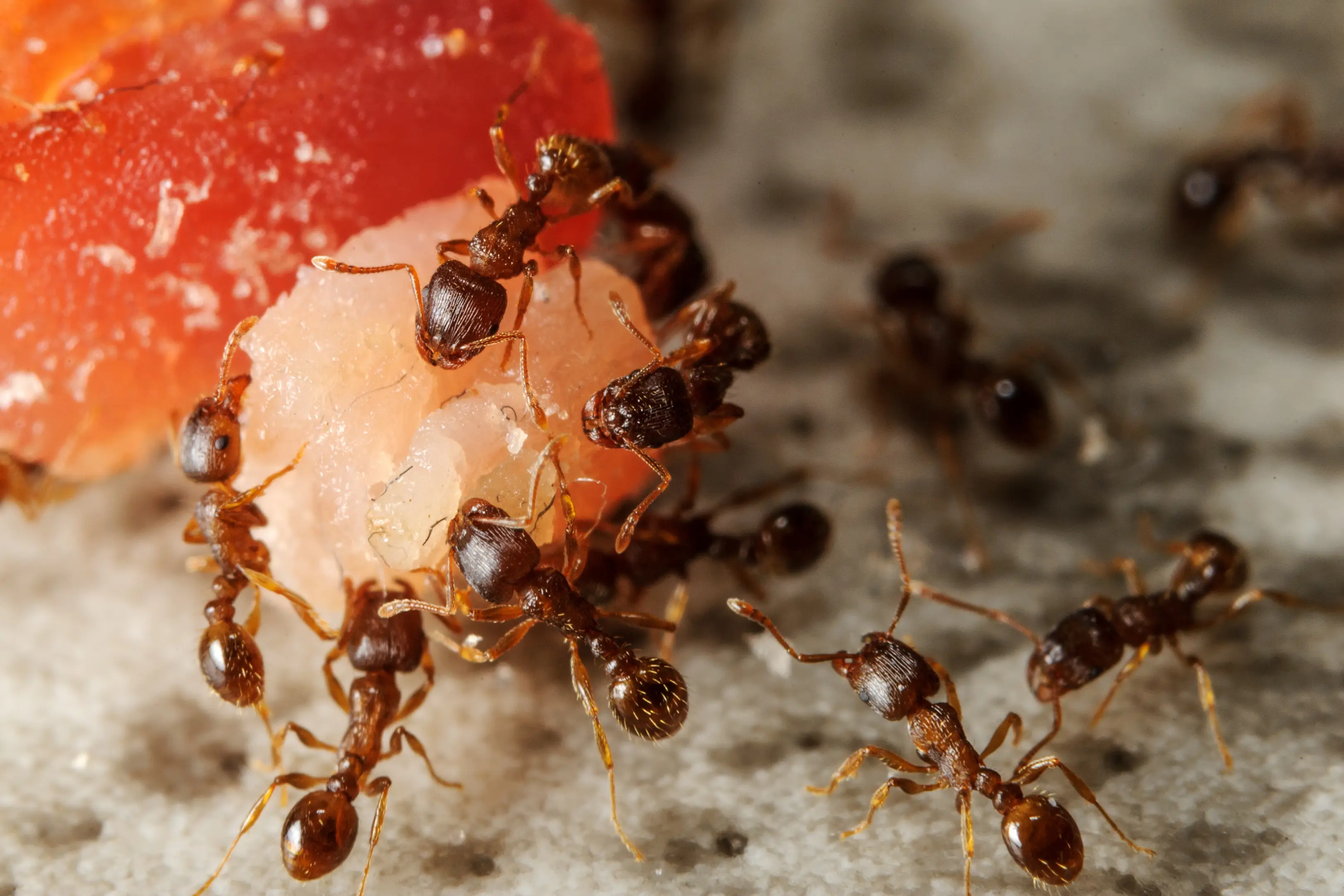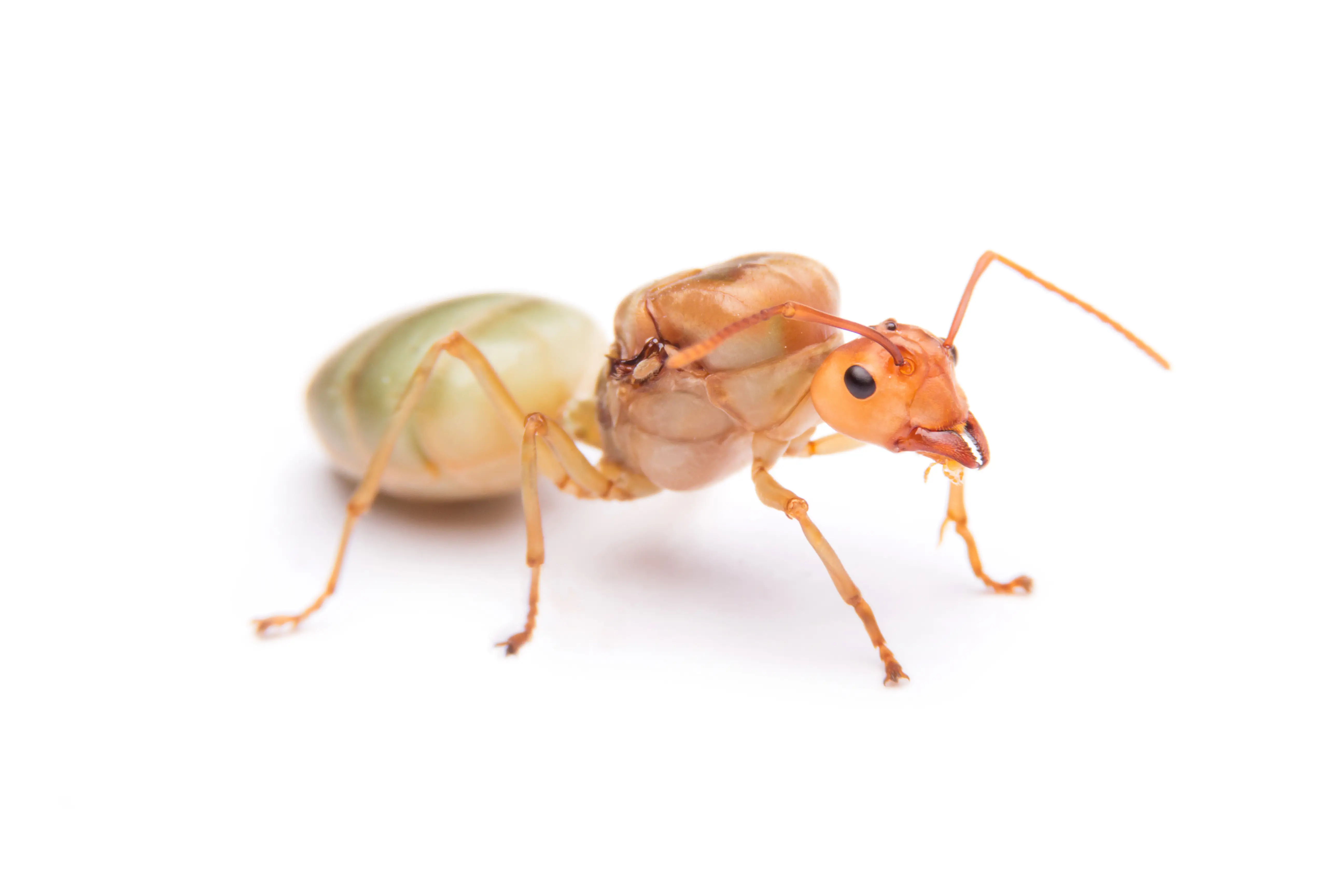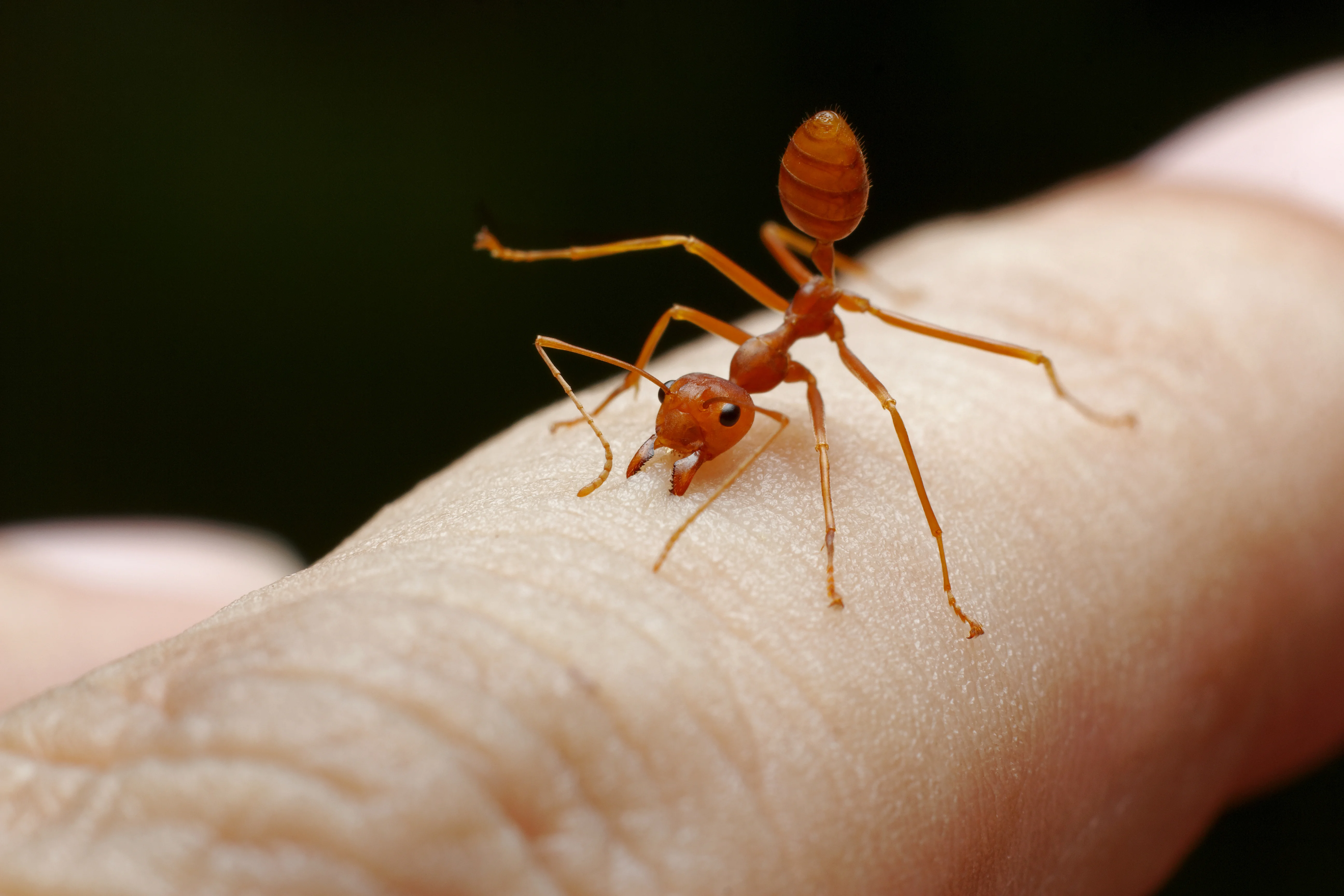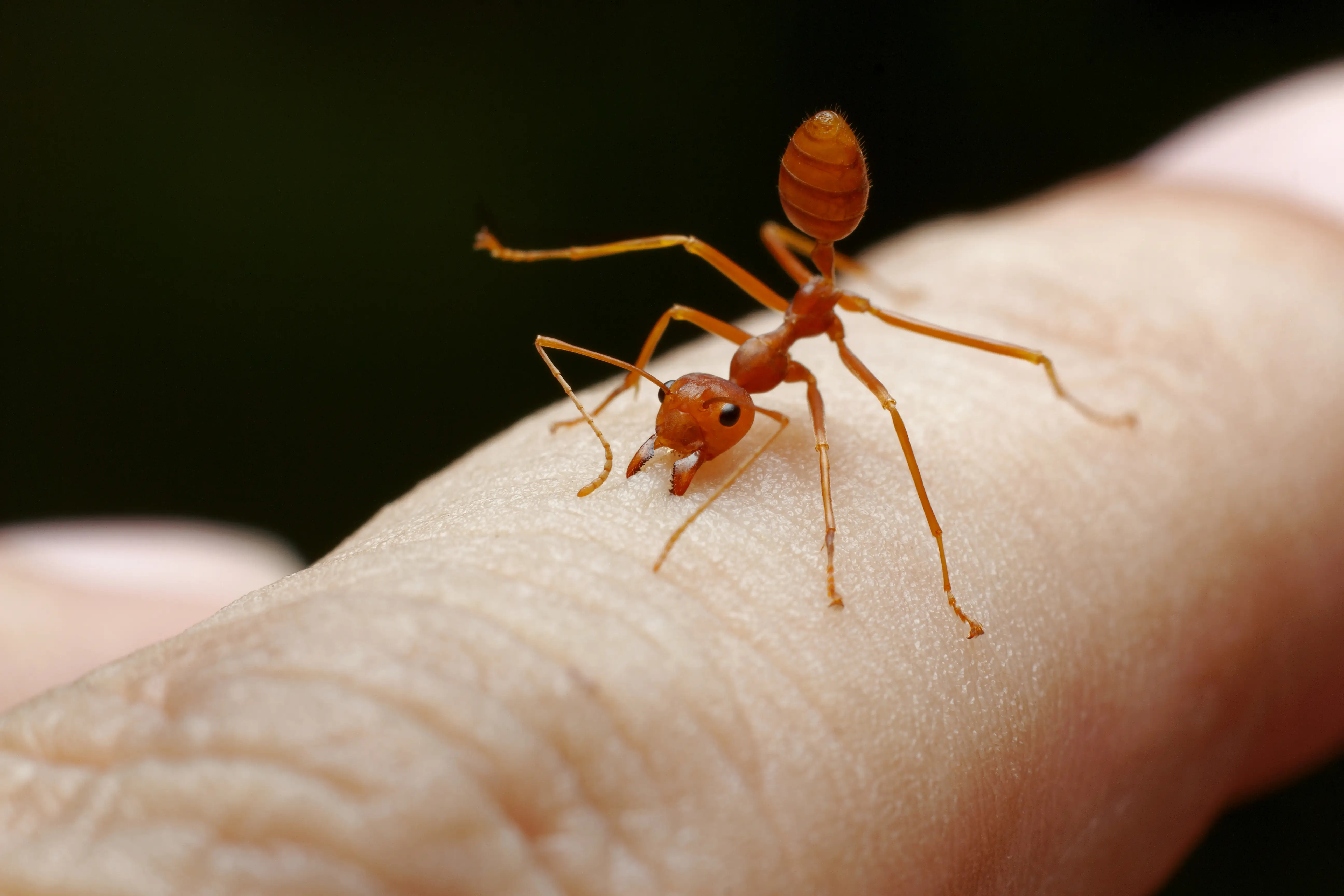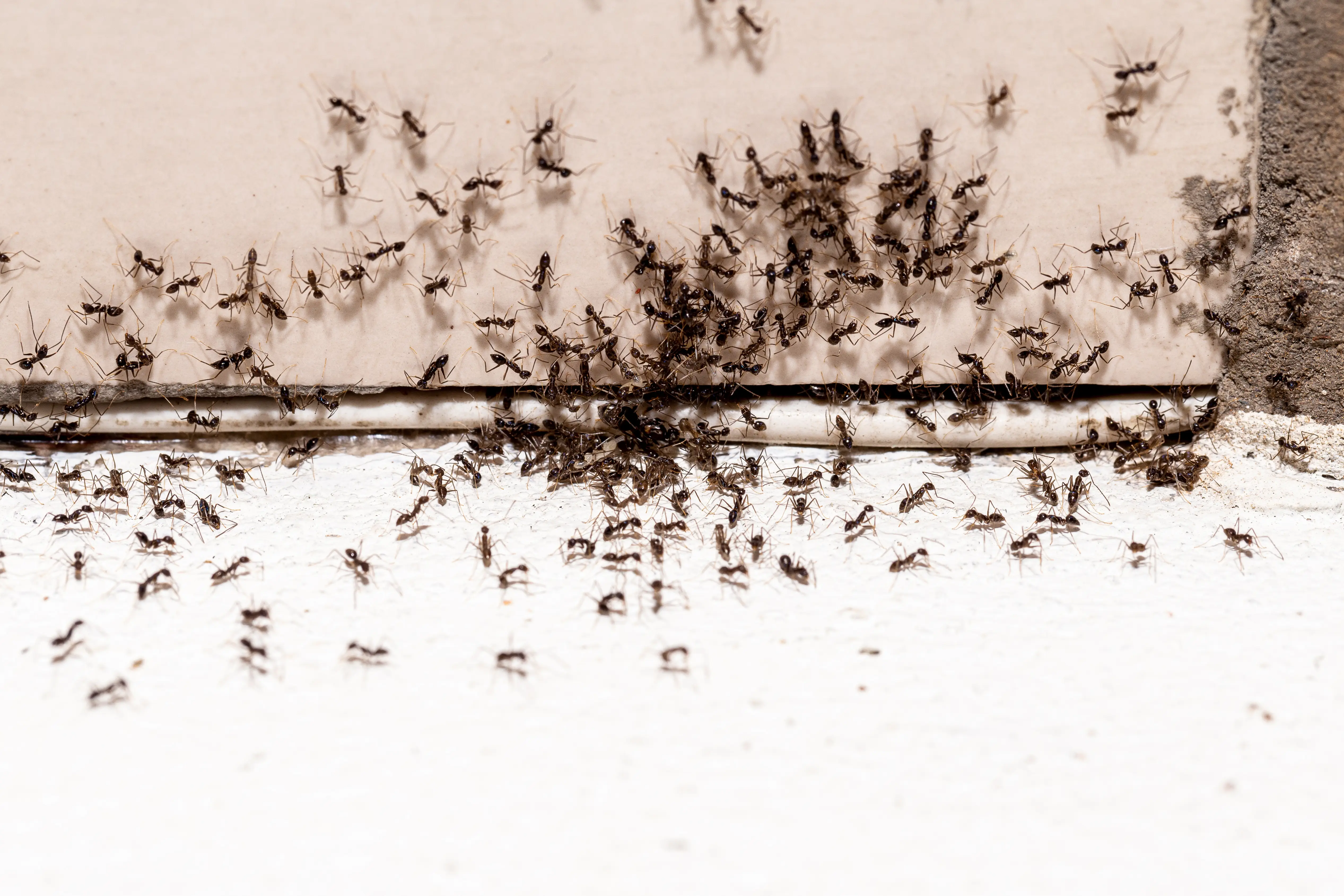
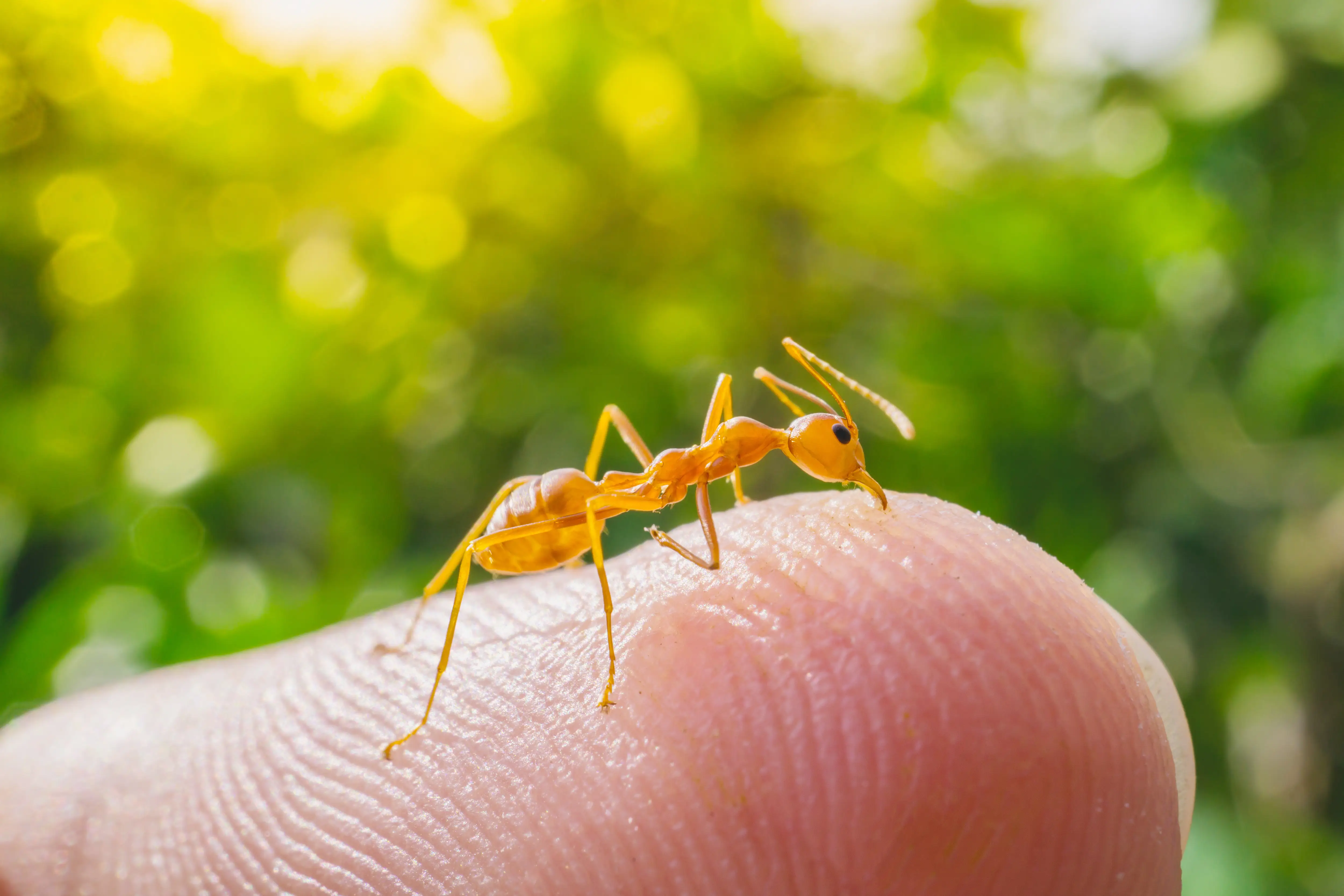
Ants engage in biting as a defensive action by utilizing their mandibles and mouth to pinch human skin. This is distinct from stinging, which is a behavior exhibited only by female ants through the use of their stinger located at the rear end of their bodies.
Ant species that sting are known to latch onto the skin with a bite and then bring their rear ends forward to inject venom using their stinger. This results in a painful and itchy mark that sometimes develops into a blister. While these bites generally resolve within a week, they have the potential to trigger allergic reactions in some individuals.
Quick Answer
Yes, ants can bite using their strong mandibles (pinchers) on their heads. Some species like fire ants also sting, injecting venom that causes more intense pain and potentially serious allergic reactions.
In This Article:
Bite vs Sting
Uses mandibles (pinchers) on head
Injects venom from rear stinger
Bite to grip, then sting repeatedly