EcoGuard Pest Management
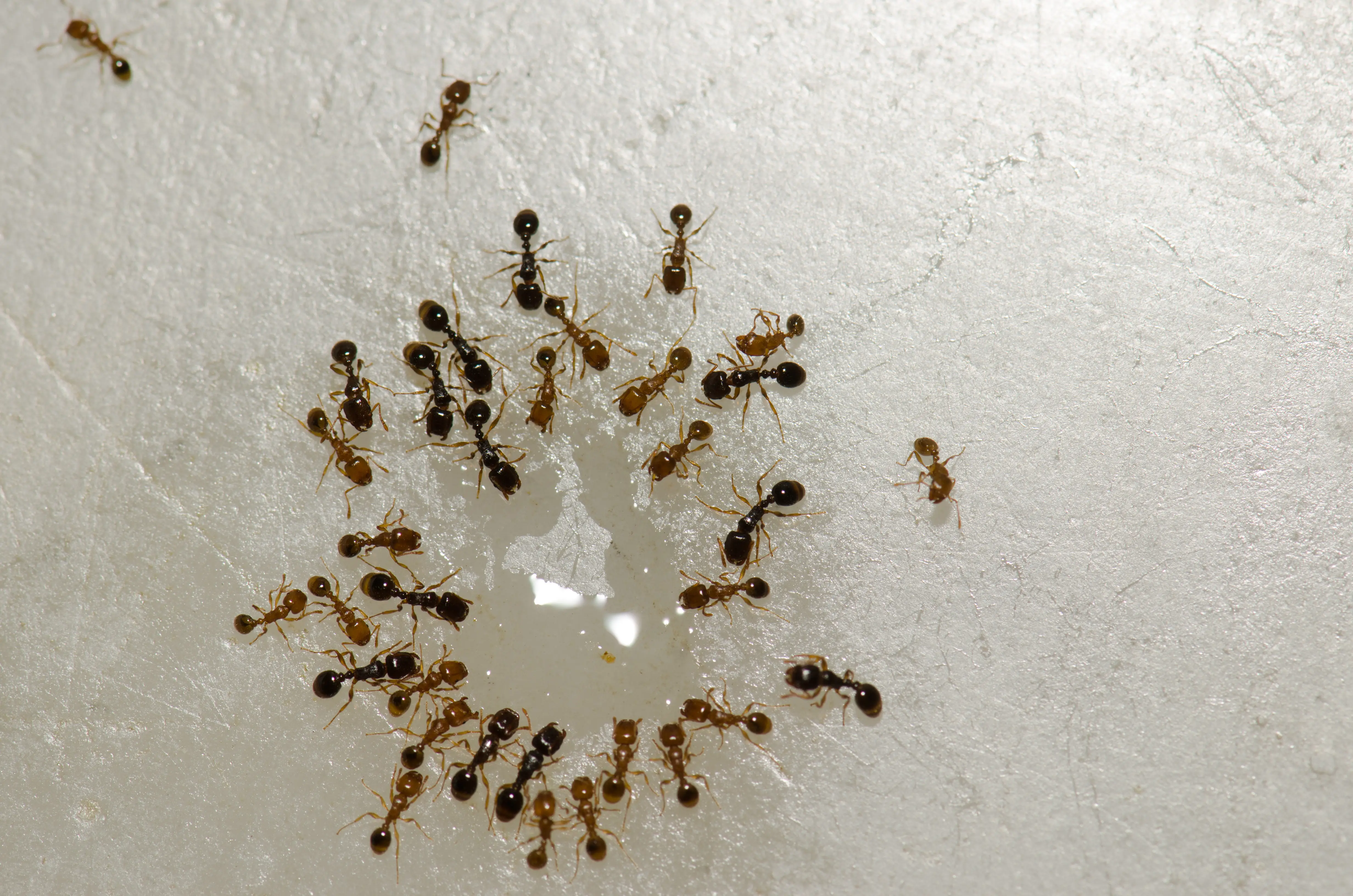
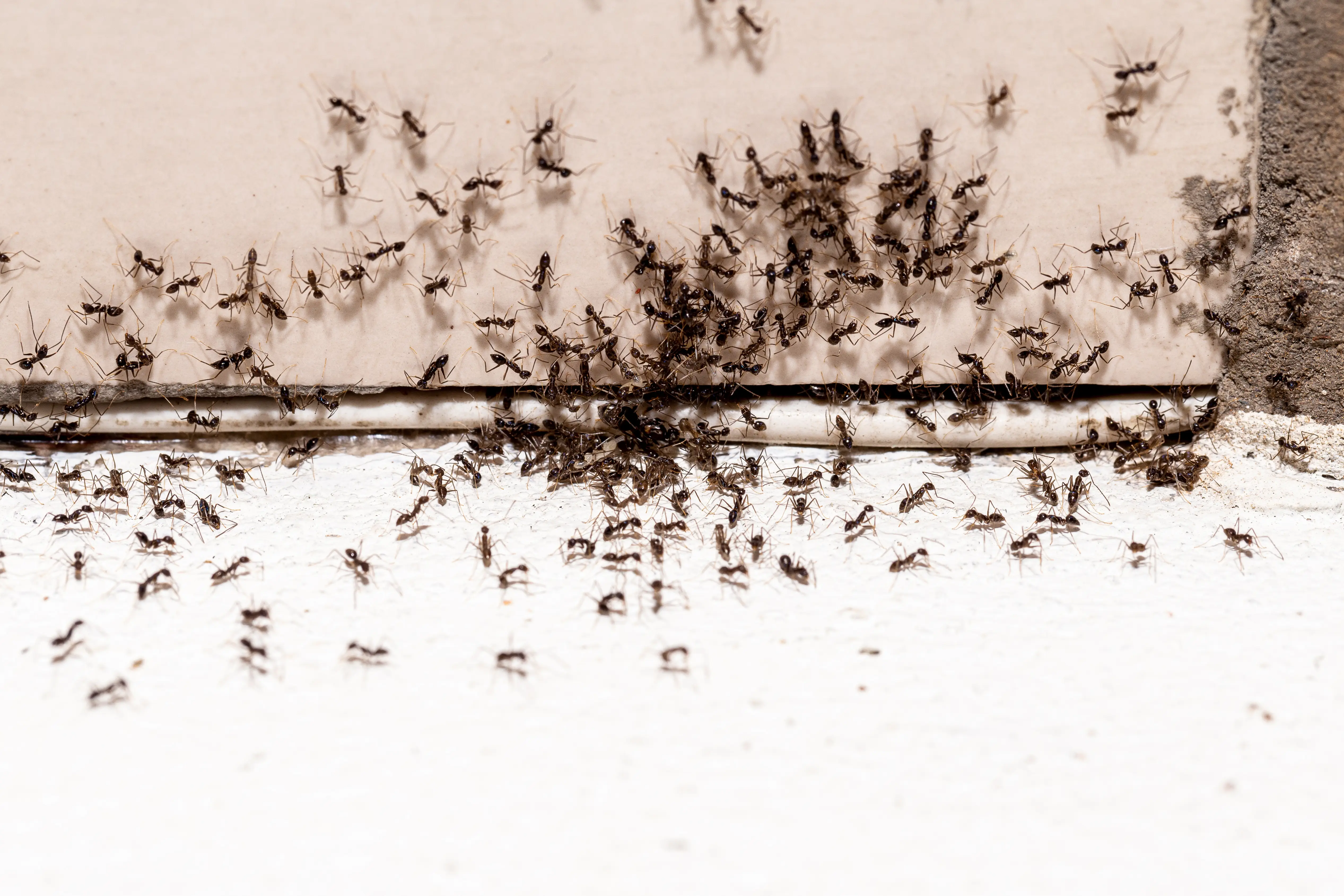
Ants attracted to food crumbs on kitchen counter
By Gary Anderson||6 min read

What Attracts Ants Inside the House?

Understanding what draws ants into your home is the first step to preventing infestations.

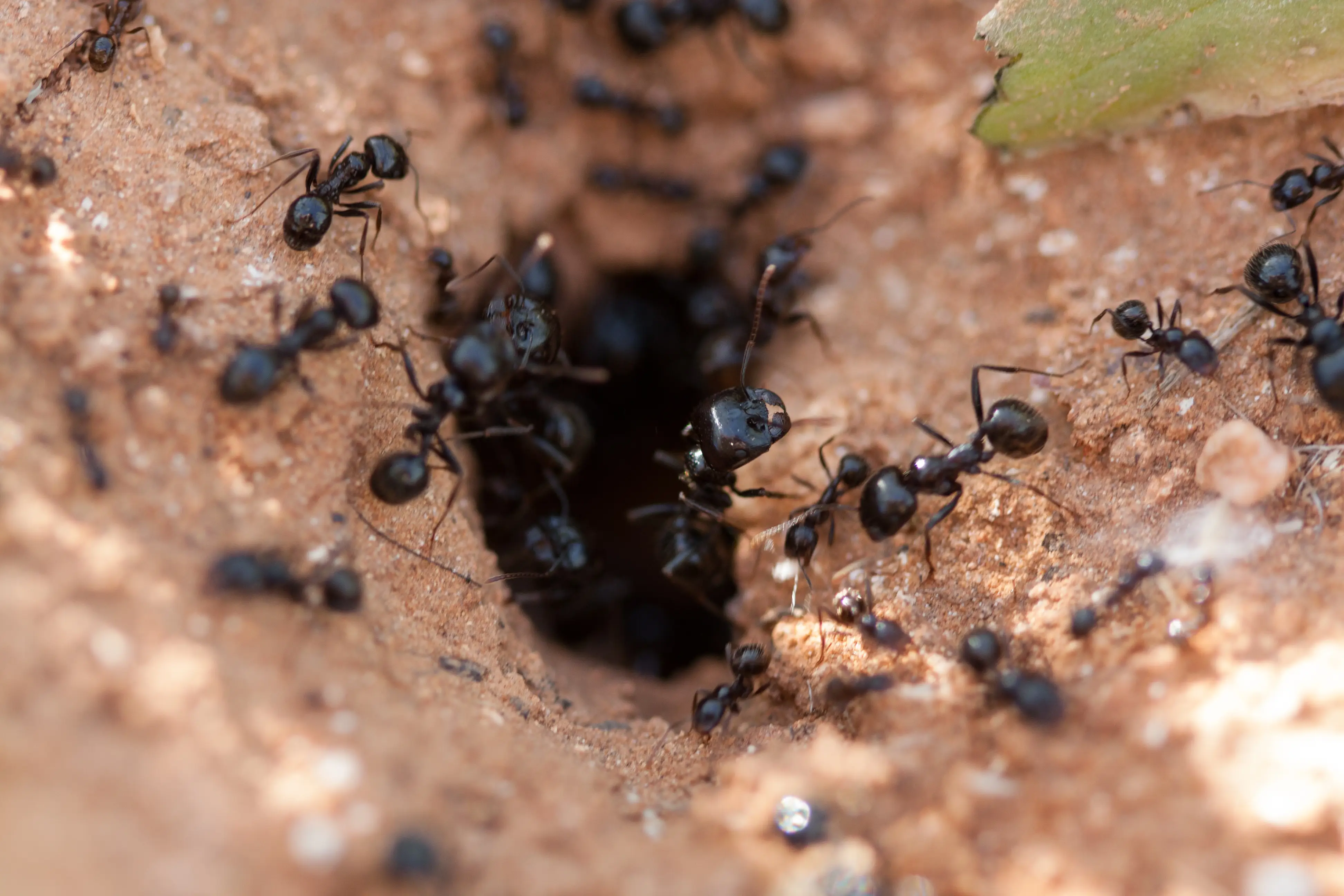
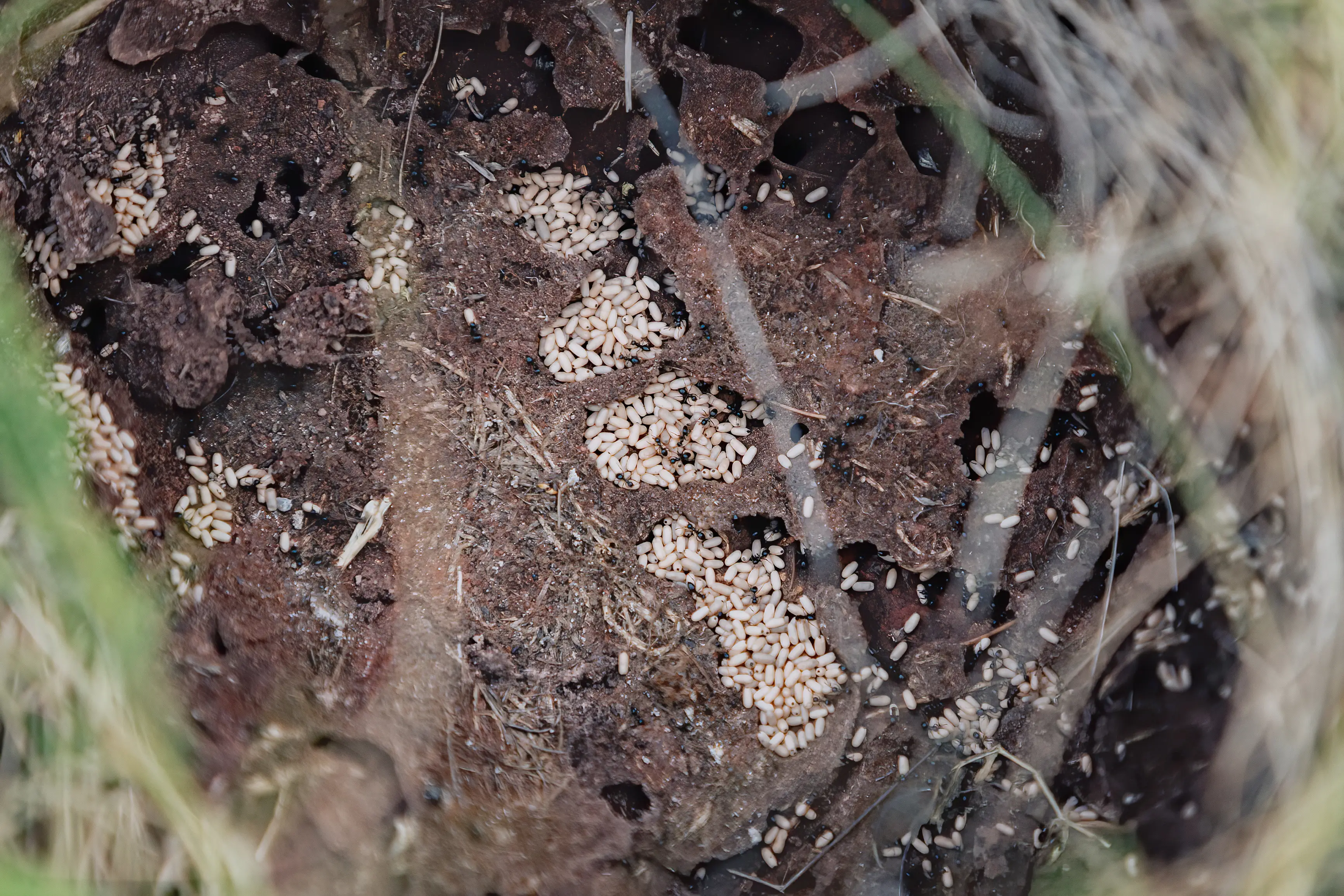
Ants are generally harmless, but they can infest a home and become a significant problem with enough time. Signs of significant ant activity often indicate a larger colony nearby which can potentially house thousands of ants.

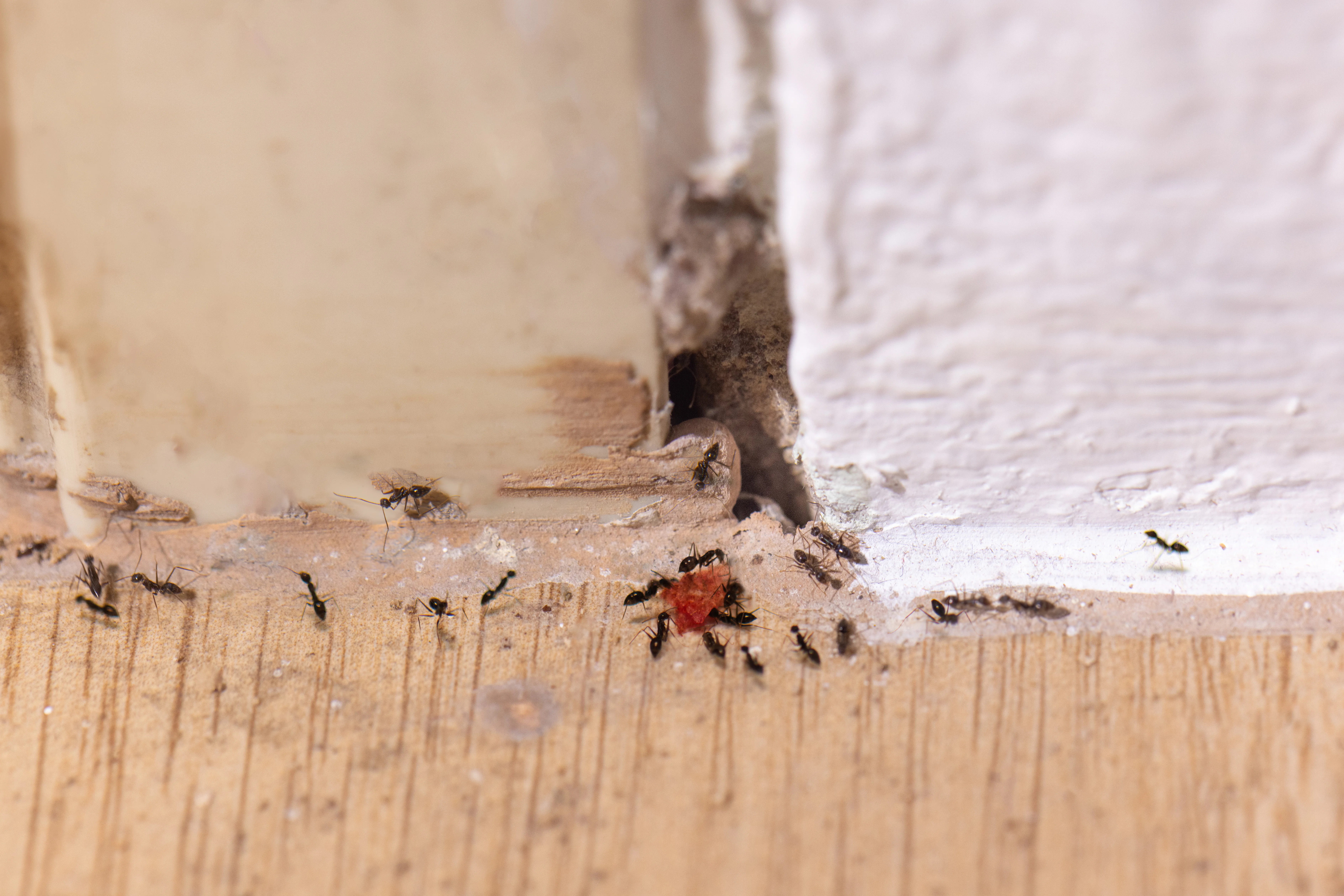
Understanding what attracts ants is crucial in both preventing and addressing infestations. These insects are drawn to readily available food sources, particularly those high in sugar. Simple spills or crumbs left on counters can act as a beacon that will draw ants inside your home.

Top Ant Attractants

Food: Sugary and greasy substances
Water: Leaks and moisture-rich areas
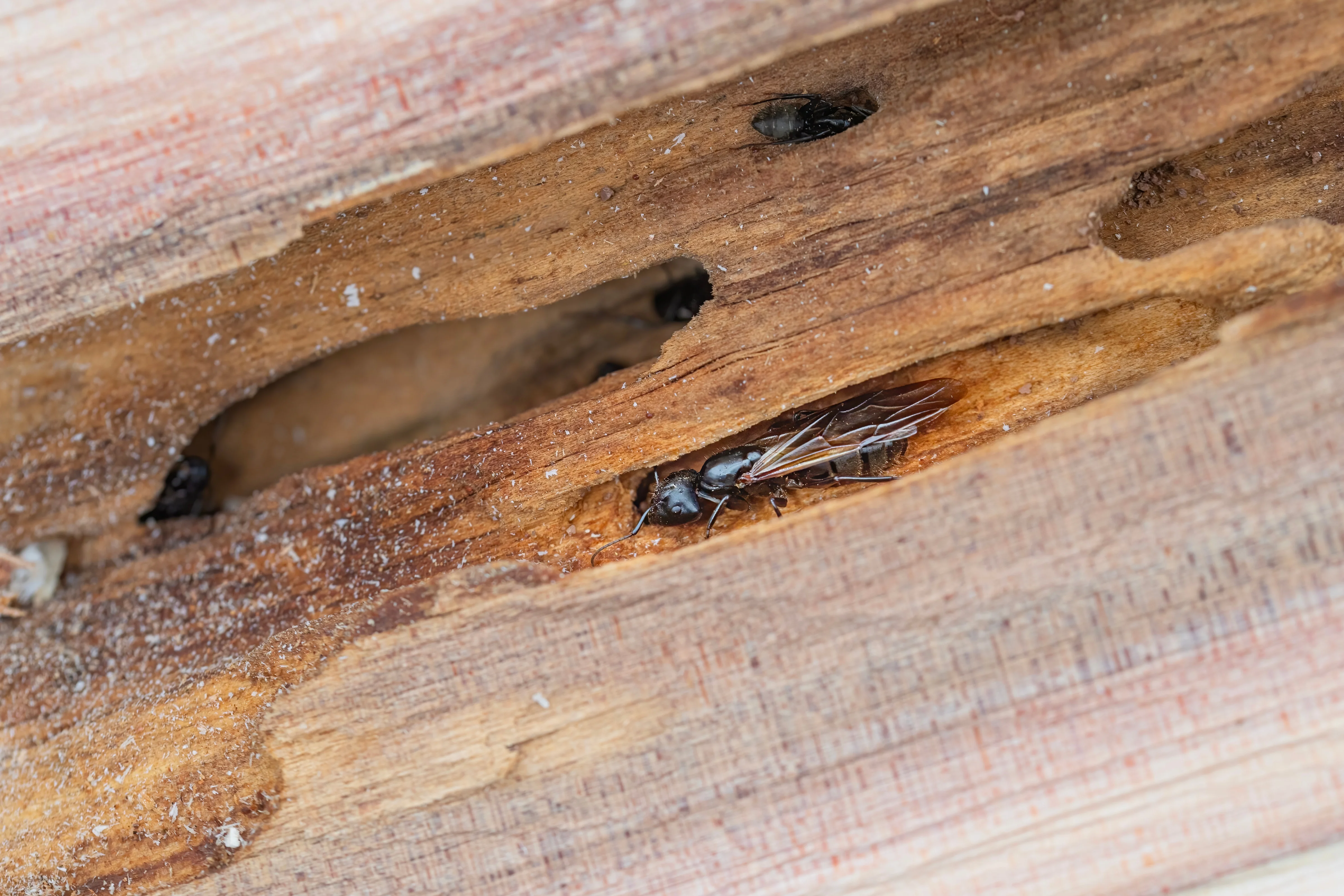
Shelter: Wall voids, attics, under floors

Key Facts

Odor Receptors
Over 400 to detect food
Communication
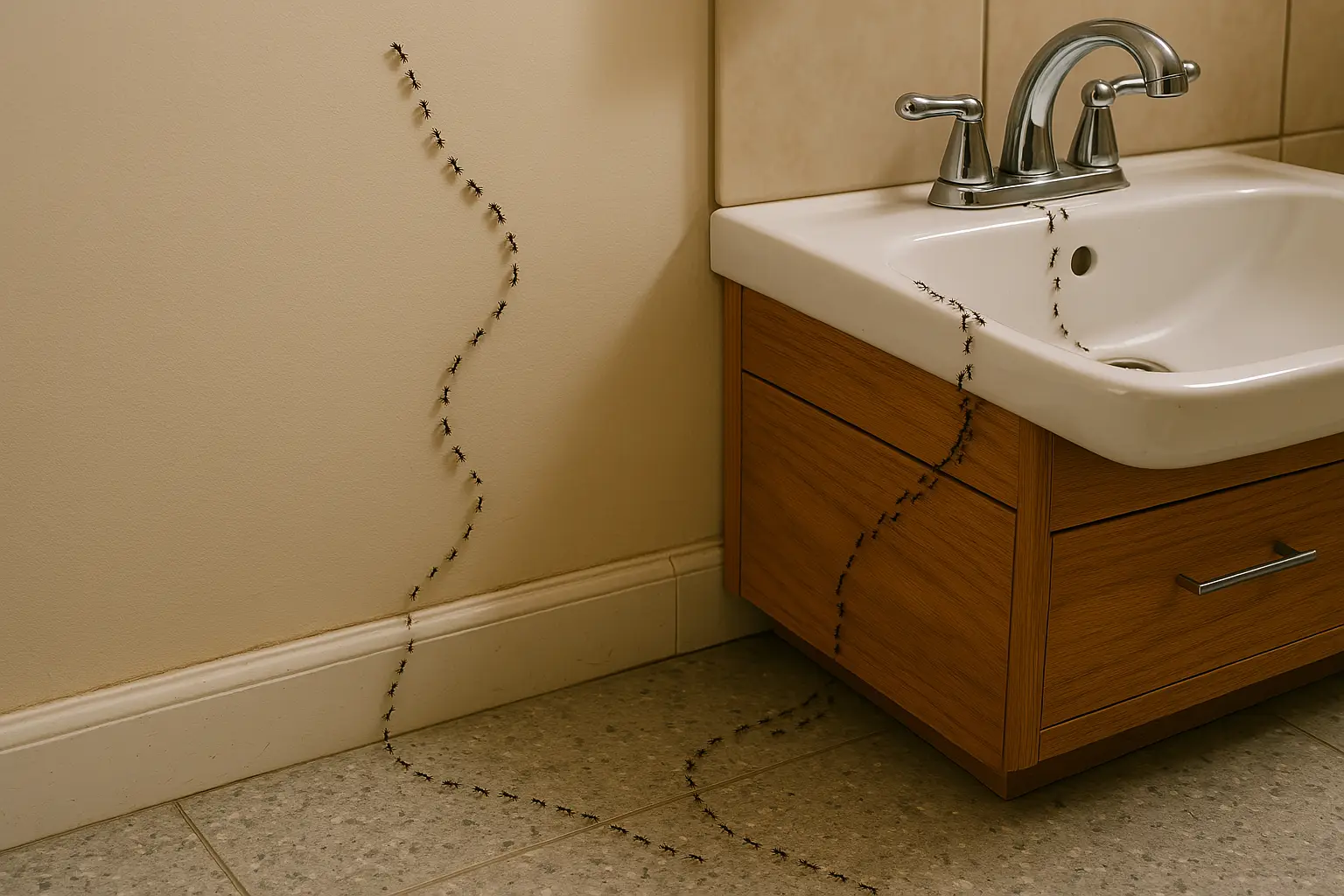
Pheromone trails to food
Hot Spots
Kitchens and bathrooms
What Attracts Ants?

Once ants find resources they need to survive, they signal to the rest of the colony using pheromone triggers to lure other ants to collect those resources. This can cause a small problem to develop quickly if precautions are not taken.

Food

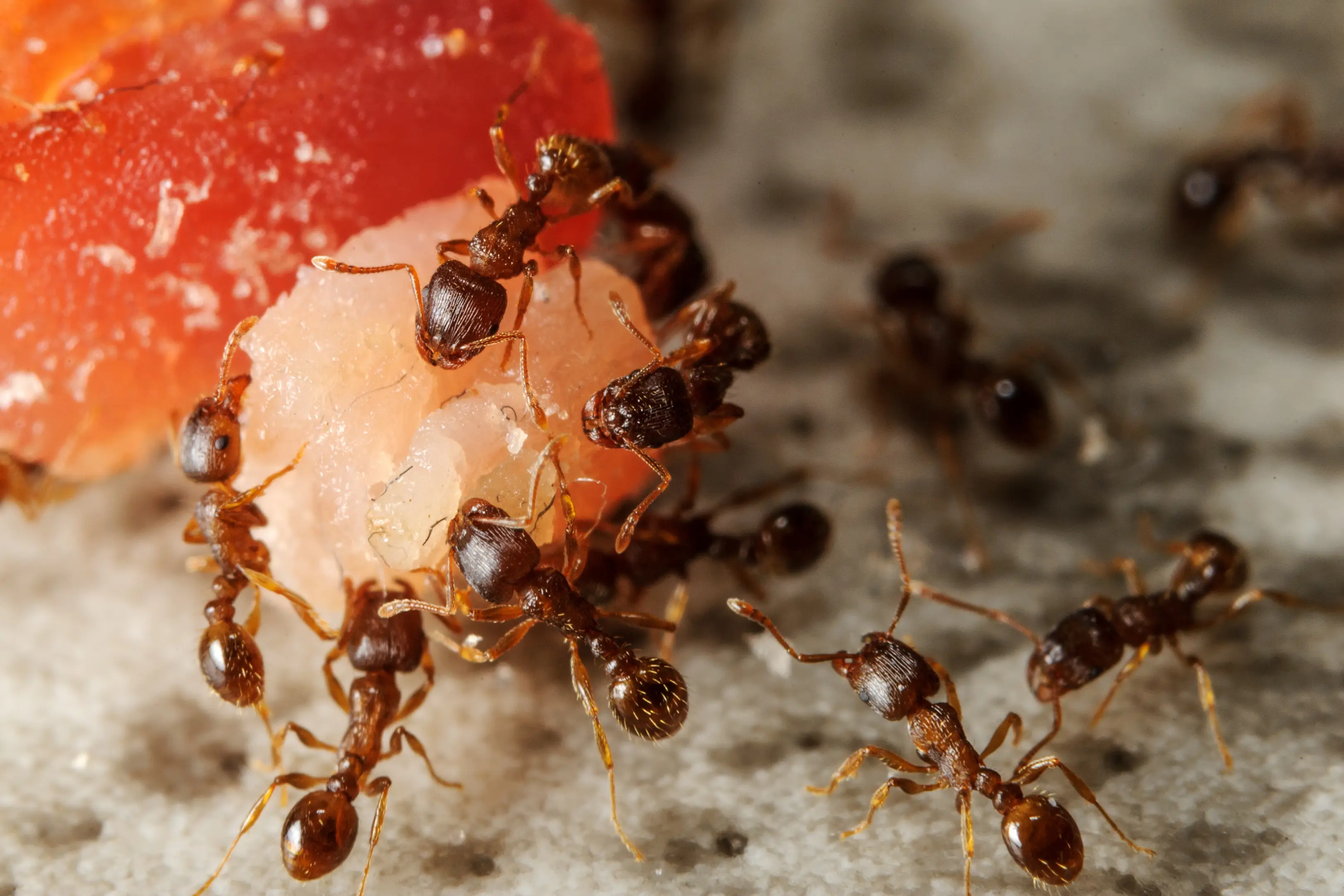
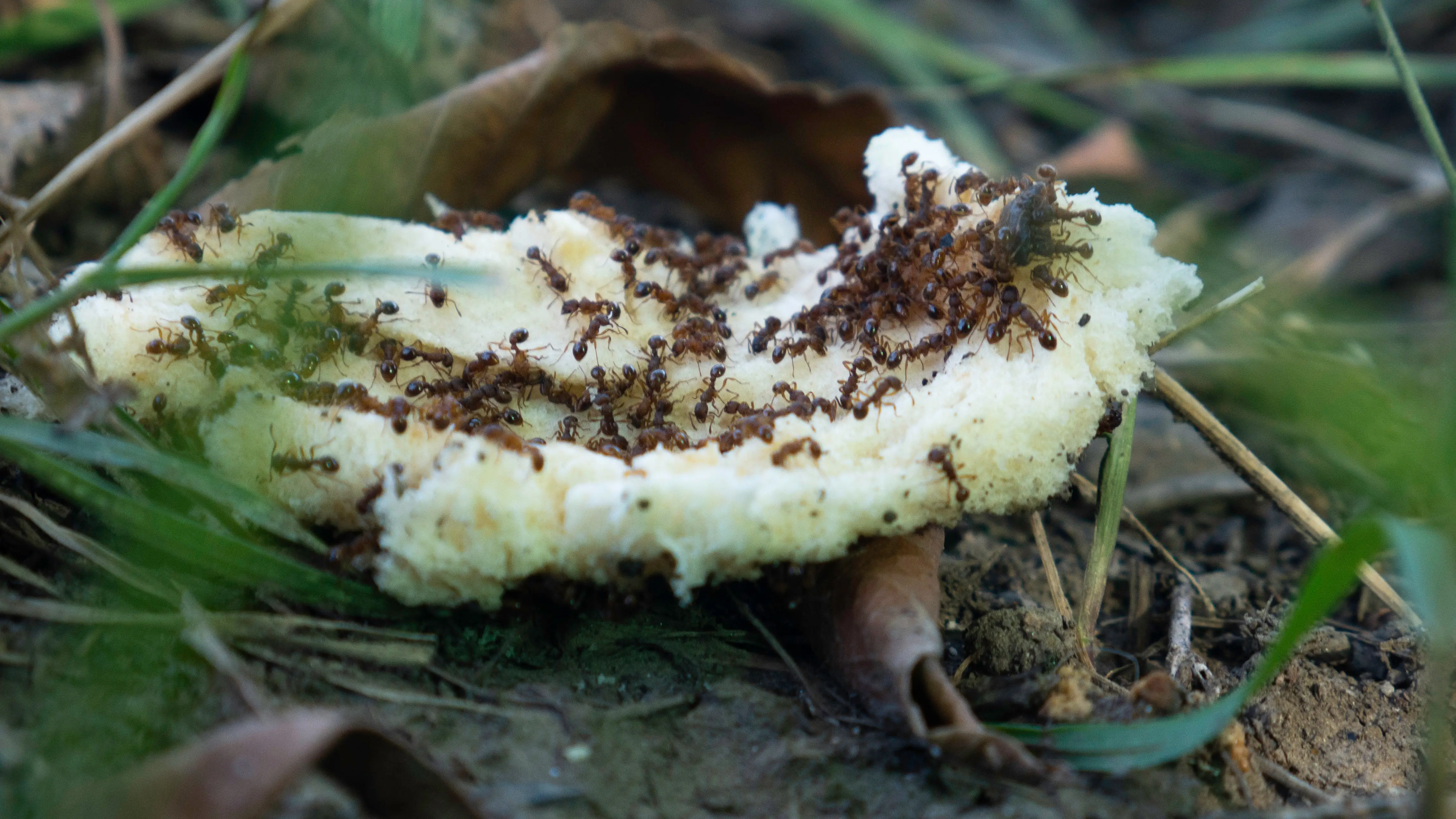
Food is the most important resource for an ant colony. Ants use their highly developed sense of smell with over 400 odor receptors to detect food. They are especially drawn to sugary and greasy substances.

Sweets and cerealsSyrups and juicesCooking spillsMeats and eggsPet foodOther insects

Water

Excess moisture significantly contributes to attracting ants because they require a steady water supply for survival. Without enough moisture, ants' bodies will dry up. Areas with leaks are common infestation sites.

BathroomsBasementsKitchensLaundry roomsNear water heaters

Shelter

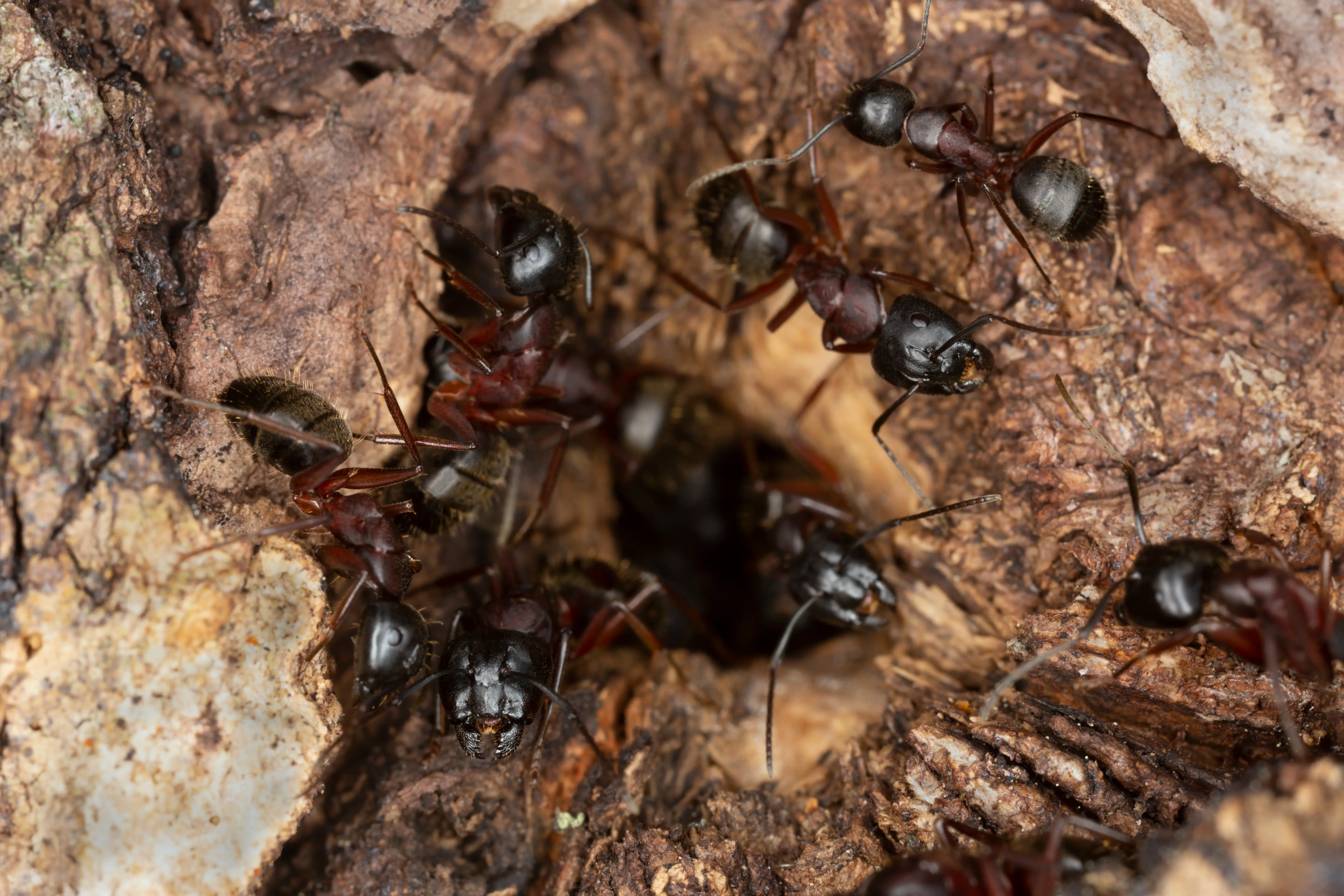
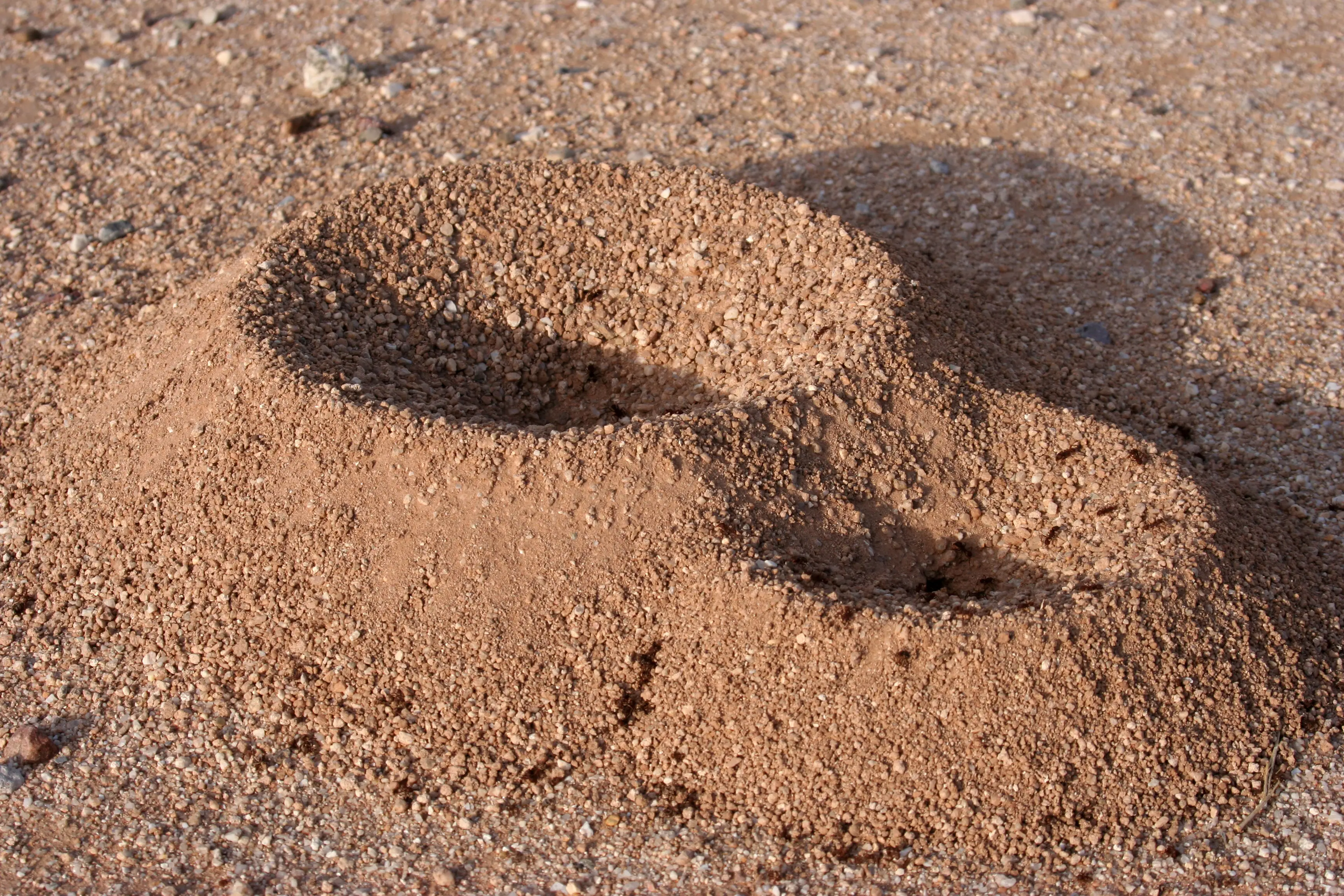
A large colony requires suitable shelter close to resources. Homes provide ideal conditions for ants to thrive. Ants nesting within walls can cause significant damage by chewing through electrical wires, wood, and insulation.

Wall interiorsUnder floorsAtticsGarages

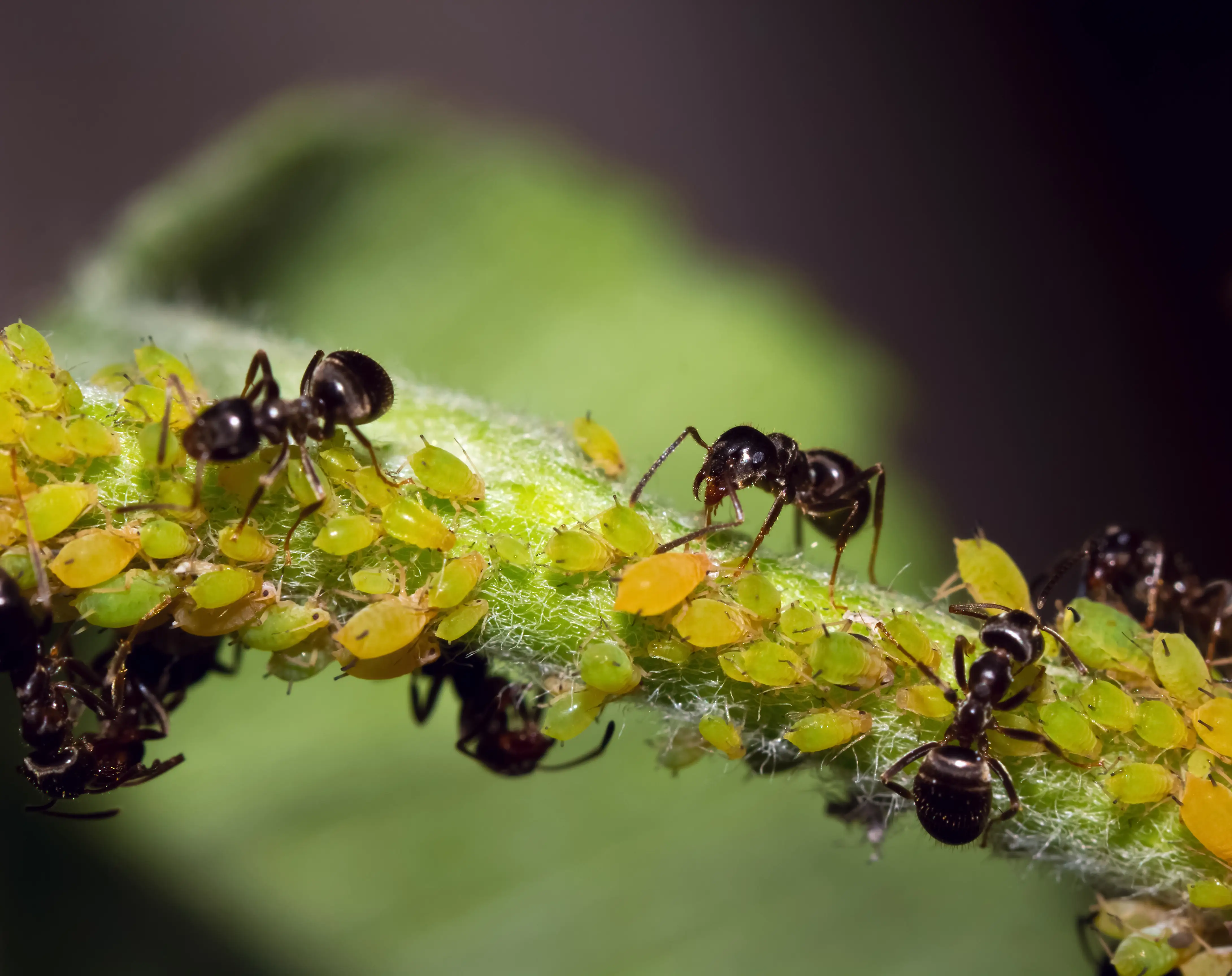
Flowers with Aphids

Ants are naturally attracted to gardens because aphids produce a sweet substance called honeydew. Ants have formed a symbiotic relationship with aphids, consuming honeydew while providing protection from predators. Managing aphid populations in gardens can reduce ant activity near your home.

Where Are Ants Most Attracted in a House?

Ants are primarily attracted to two areas in a house: the kitchen and the bathroom, due to their accessibility to food and water.

Kitchen

  • Clean countertops and floors with soap (water alone may not remove scents)
  • Immediately clean sugary or greasy spills
  • Pay attention to small crevices where crumbs accumulate
  • Keep the sink and surrounding areas dry
  • Clean and empty garbage cans daily
  • Bag perishables before disposal

Bathroom

  • Eliminate standing water
  • Regular thorough cleaning
  • Scrub floors and drawer interiors
  • Remove moisture sources ants seek for hydration
  • Fix any leaking fixtures
  • Ventilate to reduce humidity

How Do Ants Get into a Home?

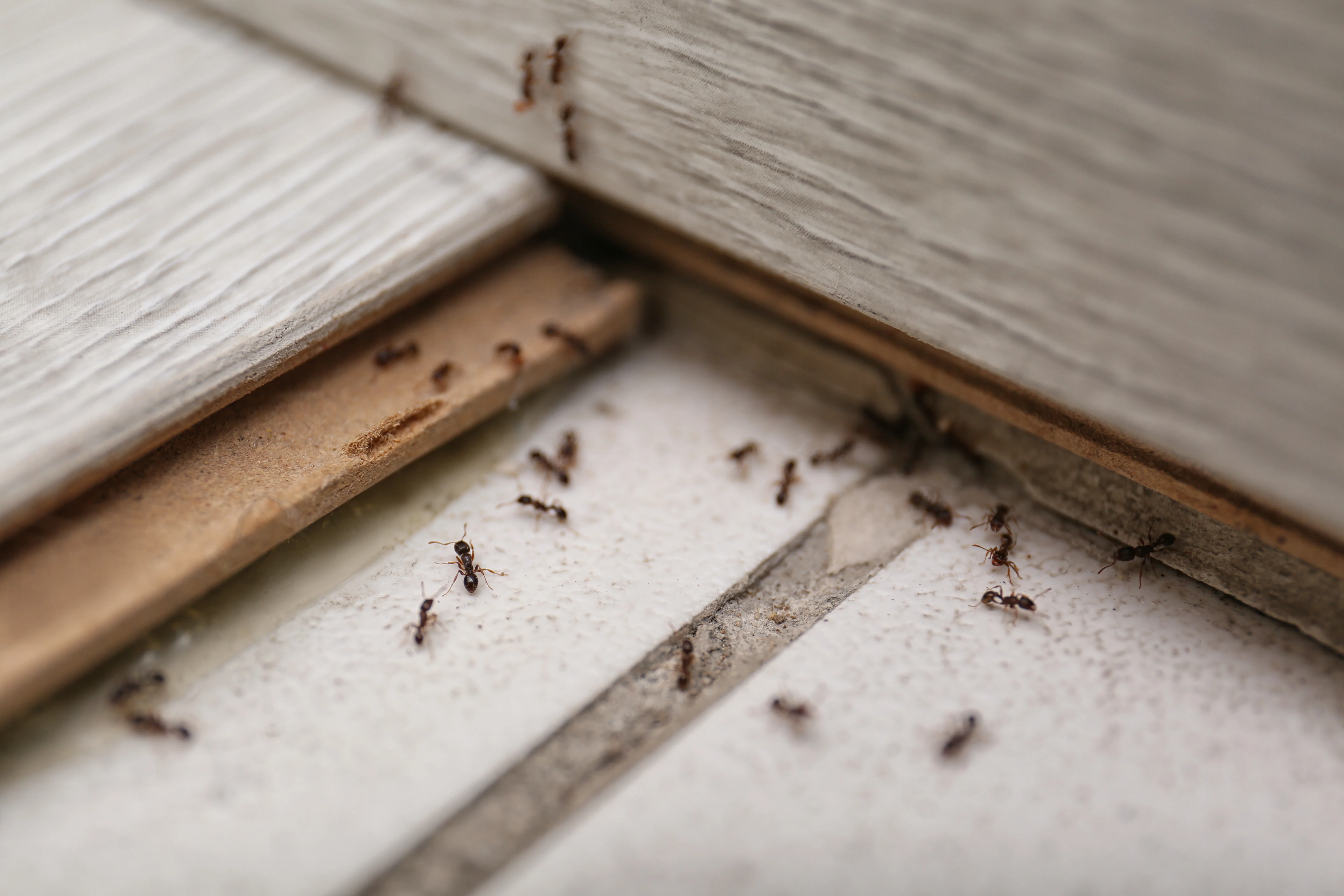
Ants are tiny insects that can easily infiltrate homes through the smallest of openings.

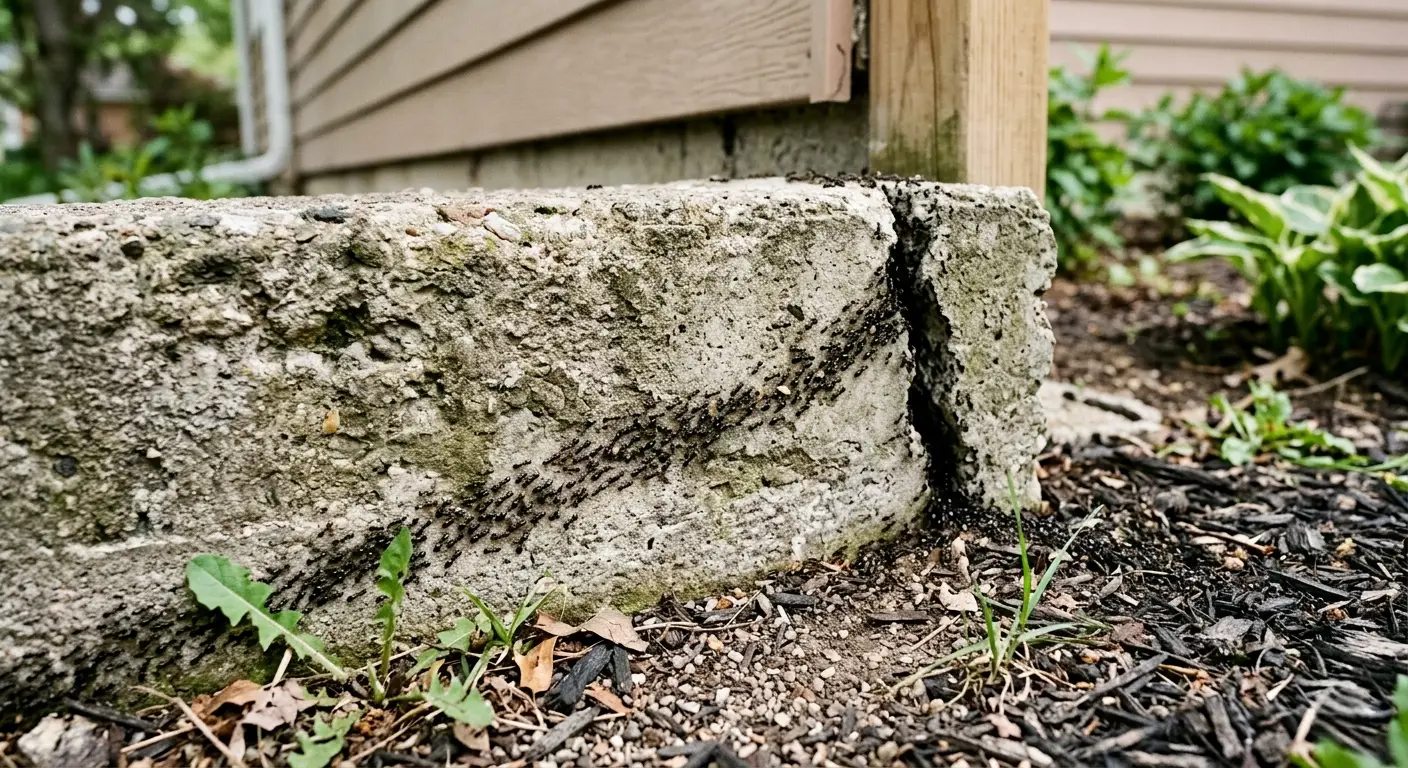
Foundation Cracks

Minor cracks in foundations provide easy access.

Door Gaps

Gaps under doors are common entry points.

Windows

Poorly sealed windows allow entry.

Pipes and Wires

Ants follow pipes, wires, and vents into homes.

Wall Cracks

Through cracks in interior and exterior walls.

Subflooring

Up through subflooring beneath carpets and tiles.

Ants Invading Your Home?

A single ant sighting can quickly lead to a larger invasion. Get professional help before the problem grows.

Call (866) 326-2847

How to Prevent Ants

Preventing ants from entering the home involves a combination of cleanliness and proactive measures.

Food Management

  • Store sugary products in sealed containers
  • Dispose of rotten fruits and vegetables promptly
  • Clean up spills immediately
  • Keep pet food sealed when not in use

Moisture Control

  • Wipe up water spills on countertops
  • Do not leave damp clothes or towels on floor
  • Fix leaky pipes and faucets
  • Use dehumidifiers in damp areas

Natural Deterrents

  • Sprinkle salt at entry points
  • Use turmeric powder or paprika
  • Clean with strong soap to erase scent trails
  • Use window cleaner on ant trails

Seal Entry Points

  • Seal doors and windows
  • Repair cracks in walls and floors
  • Be cautious with items from outside
  • Check potted plants for ants

Important: Once ants have entered, simply removing them will not stop more from coming due to existing scent trails. Clean areas where ants have been with strong soap or window cleaner to erase these trails.

How to Get Rid of Ants

If ants have established a nest within your home's walls or other hard-to-reach areas, tackling the problem often requires professional intervention.

1

Identify the Source

Find where ants are coming from and what is attracting them to your home.

2

Remove Attractants

Eliminate the source of attraction such as food, water, or entry points.

3

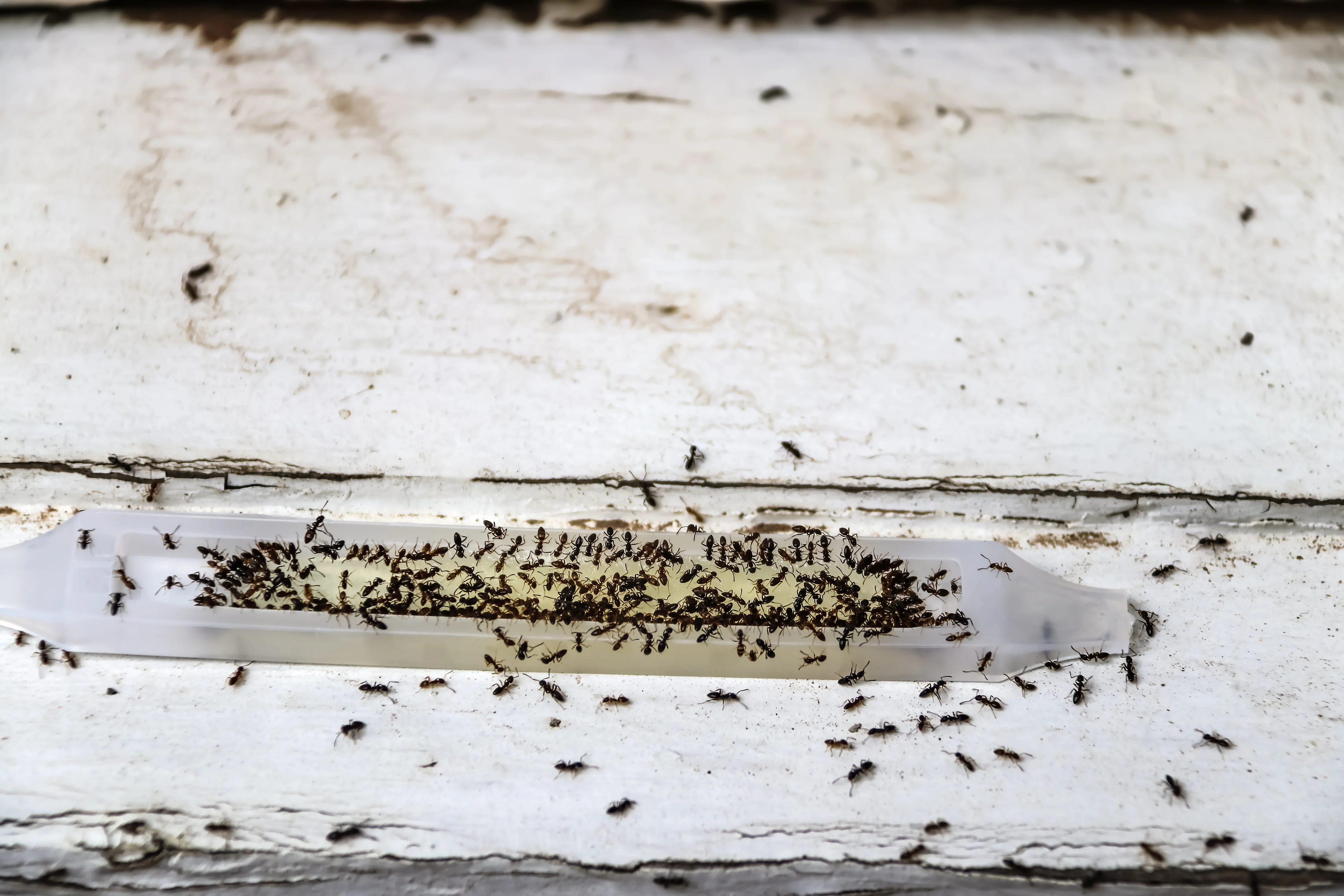
Use Bait Treatments

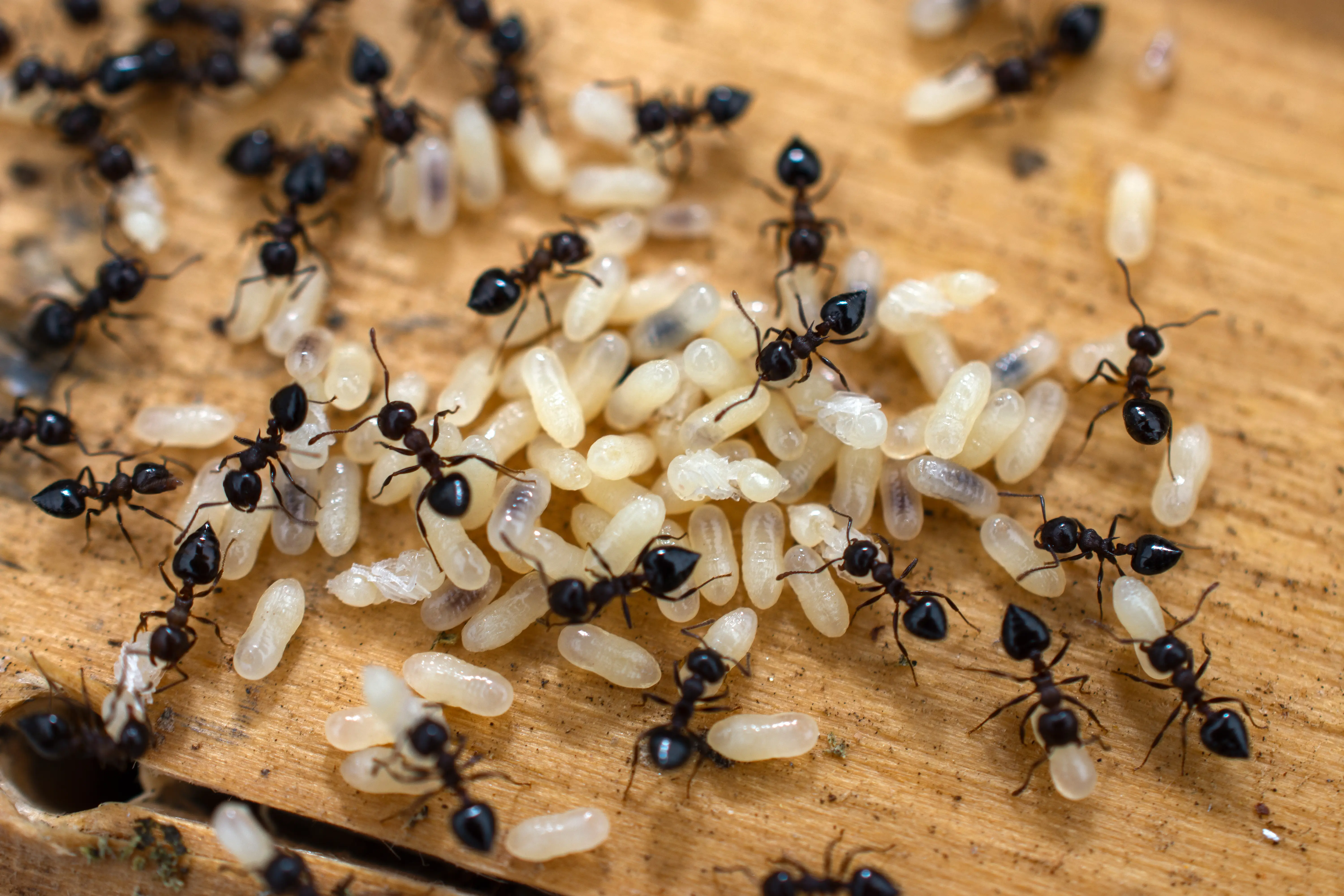
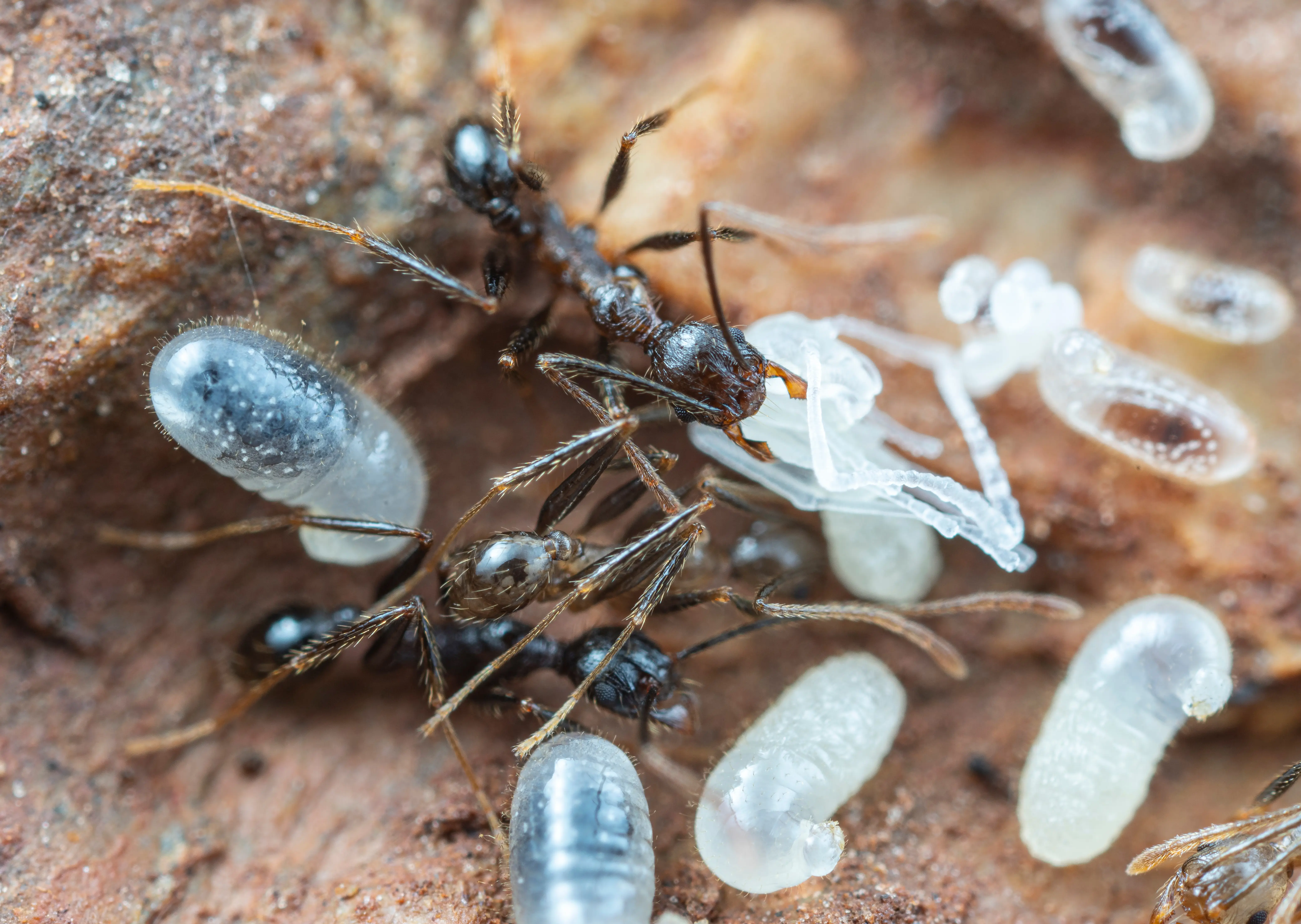
Place baits that ants will carry back to the colony, poisoning the queen and larvae.

4

Call Professionals for Satellite Colonies

If ants have created multiple colonies with more than one queen, professional treatment is recommended.

Note: Ants can create satellite colonies that branch off from the main colony. In these situations, ants will move into previously treated colonies and repopulate. Professional pest control can identify and treat all colonies effectively.

Contact EcoGuard if You Are Dealing with an Ant Problem

While there are various methods to tackle an ant infestation, sometimes the challenge requires the expertise of professionals. If you are struggling with persistent ants in your home, EcoGuard Pest Management is here to help. Our team of ant control experts specializes in identifying the root cause of your ant problem and providing effective, lasting solutions. We ensure not just the eradication of current ant infestations but also help identify and implement prevention strategies for the future.

Call (866) 326-2847Get Free Quote

Ant Attractant FAQs

What are ants attracted to instantly?

Ants are instantly attracted to food sources, especially those high in sugar and grease. They are drawn to spills of sugary substances like juice, soda, and remnants of sweet foods, as well as greasy kitchen residues. Their keen sense of smell enables them to quickly locate these attractants even in small quantities.

Why do ants suddenly appear?

Ants suddenly appear in response to favorable conditions like when food and water are accessible. A sudden appearance often occurs when they discover a food source and communicate this to the rest of the colony. Additionally, changes in weather like rain, drought, or temperature extremes can drive ants indoors in search of shelter and resources.

What smells attract ants?

Ants are particularly attracted to sweet and greasy smells. Aromas from sugary substances like honey, syrup, and fruit, as well as greasy scents are highly enticing to ants. Their sensitive olfactory receptors make them adept at detecting these odors from a distance.

From Our Blog

Related Articles

14 Natural Ant Repellent Strategies That Actually Work

14 Natural Ant Repellent Strategies That Actually Work

Discover effective natural ant repellents including mint, vinegar, cinnamon, and more. Learn how to keep ants out of...

Read Article
16 Common Types of Ants in California | Identification & Treatment

16 Common Types of Ants in California | Identification & Treatment

Identify 16 common ant species in California including carpenter ants, fire ants, and Argentine ants. Learn their...

Read Article
Are Fire Ants Dangerous? Understanding Fire Ant Risks & Safety

Are Fire Ants Dangerous? Understanding Fire Ant Risks & Safety

Learn about fire ant dangers including painful stings, allergic reactions, and property damage. Comprehensive guide on...

Read Article
Argentine Ants: Complete Identification, Control & Prevention Guide

Argentine Ants: Complete Identification, Control & Prevention Guide

Learn to identify Argentine ants, understand their supercolony behavior, and discover effective control strategies....

Read Article
Common Signs of Carpenter Ant Damage

Common Signs of Carpenter Ant Damage

Learn to identify carpenter ant damage signs including frass, holes, tunnels, and how to distinguish carpenter ant...

Read Article
Do Ants Bite? Symptoms, Treatment & Prevention

Do Ants Bite? Symptoms, Treatment & Prevention

Learn about ant bites vs stings, which ants bite, symptoms, allergic reactions, treatment options, and how to prevent...

Read Article
Do Ants Eat Aphids? The Ant-Aphid Relationship Explained

Do Ants Eat Aphids? The Ant-Aphid Relationship Explained

Learn about the fascinating relationship between ants and aphids, how ants farm aphids for honeydew, problems aphids...

Read Article
Do Ants Ever Sleep? Ant Sleep Patterns Explained

Do Ants Ever Sleep? Ant Sleep Patterns Explained

Discover the fascinating sleep patterns of ants, how worker ants take 250 power naps daily, queen ant sleep habits, and...

Read Article
Do Carpenter Ants Eat Wood? Understanding Carpenter Ant Damage

Do Carpenter Ants Eat Wood? Understanding Carpenter Ant Damage

Learn the truth about carpenter ants and wood. Unlike termites, carpenter ants don\

Read Article
How Do Ant Baits and Traps Work? Complete Guide to Ant Bait Systems

How Do Ant Baits and Traps Work? Complete Guide to Ant Bait Systems

Learn how ant baits and traps work to eliminate entire colonies. Discover bait types, active ingredients, placement...

Read Article
How Do Ants Communicate With Each Other? Complete Guide to Ant Communication

How Do Ants Communicate With Each Other? Complete Guide to Ant Communication

Learn how ants communicate using pheromones, touch, sound, and body language. Discover why ant communication is key to...

Read Article
How Do Ants Get in the House? Complete Entry Point Guide

How Do Ants Get in the House? Complete Entry Point Guide

Learn how ants get into your house through foundation cracks, windows, utility lines, and more. Discover entry points,...

Read Article
How Do Ants Get Into Your House? Entry Points & Prevention

How Do Ants Get Into Your House? Entry Points & Prevention

Learn how ants enter your home through cracks, gaps, and openings. Discover where ants hide, what attracts them, and...

Read Article
How Do Ants Mate and Reproduce? Ant Reproduction Explained

How Do Ants Mate and Reproduce? Ant Reproduction Explained

Learn how ants mate during nuptial flights, how queen ants reproduce, the role of drones, and unique reproductive...

Read Article
How Many Ants Are in a Colony? Complete Guide to Ant Colony Size

How Many Ants Are in a Colony? Complete Guide to Ant Colony Size

Learn how many ants live in a colony, from small carpenter ant nests to Argentine ant supercolonies with billions....

Read Article
How to Get Rid of Ants Inside and Outside Your Home

How to Get Rid of Ants Inside and Outside Your Home

Learn how to get rid of ants inside your home, repel them before they enter, and eliminate outdoor colonies. Complete...

Read Article
How to Get Rid of Carpenter Ants in the House

How to Get Rid of Carpenter Ants in the House

Learn how to identify, eliminate, and prevent carpenter ants. Comprehensive guide to indoor and outdoor treatments,...

Read Article
Understanding Ant Colony Structure and Hierarchy

Understanding Ant Colony Structure and Hierarchy

Learn about ant colony structure, hierarchy, and how ants work together. Discover the roles of queens, workers, drones,...

Read Article
What Are Ants? Complete Guide to Ant Biology, Behavior & Control

What Are Ants? Complete Guide to Ant Biology, Behavior & Control

Learn everything about ants including appearance, colony hierarchy, life cycle, diet, defenses, and how to get rid of...

Read Article
What Are Red Ants? Fire Ant Identification & Control

What Are Red Ants? Fire Ant Identification & Control

Learn about red ants and fire ants, how to identify them, their behavior, dangers of their stings, and effective...

Read Article
What Do Ants Eat and Drink in Your House?

What Do Ants Eat and Drink in Your House?

Learn what ants eat including sugars, proteins, seeds, fungus, and other insects. Discover how different ant species...

Read Article
What Happens When the Queen Ant Dies?

What Happens When the Queen Ant Dies?

Learn what happens when a queen ant dies, how to identify a queen, the ant queen life cycle, and how to effectively...

Read Article
What's the Lifespan of an Ant? Guide to Ant's Life Cycle

What's the Lifespan of an Ant? Guide to Ant's Life Cycle

Learn how long ants live based on species, caste, and gender. Discover the ant life cycle from egg to adult and factors...

Read Article
When is Ant Season? Complete Guide to Ant Activity Patterns

When is Ant Season? Complete Guide to Ant Activity Patterns

Learn when ant season occurs in your region, peak activity times by species, and seasonal prevention strategies....

Read Article
Where Do Ants Go in the Winter? Complete Winter Behavior Guide

Where Do Ants Go in the Winter? Complete Winter Behavior Guide

Discover where ants go in winter, how they survive freezing temperatures through diapause, and why they may invade your...

Read Article
Where Do Ants Live? Complete Guide to Ant Habitats

Where Do Ants Live? Complete Guide to Ant Habitats

Discover where ants live outdoors and indoors, from underground colonies to wall voids. Learn about species-specific...

Read Article
Why Are Flying Ants a Problem? Identification and Prevention

Why Are Flying Ants a Problem? Identification and Prevention

Learn why flying ants appear, how to identify them vs termites, which species swarm, and how to prevent and eliminate...

Read Article
Why Are There Ants in My Bathroom? Causes & Solutions

Why Are There Ants in My Bathroom? Causes & Solutions

Discover why ants invade bathrooms and learn effective solutions. Understanding moisture, food sources, and shelter...

Read Article