EcoGuard Pest Management
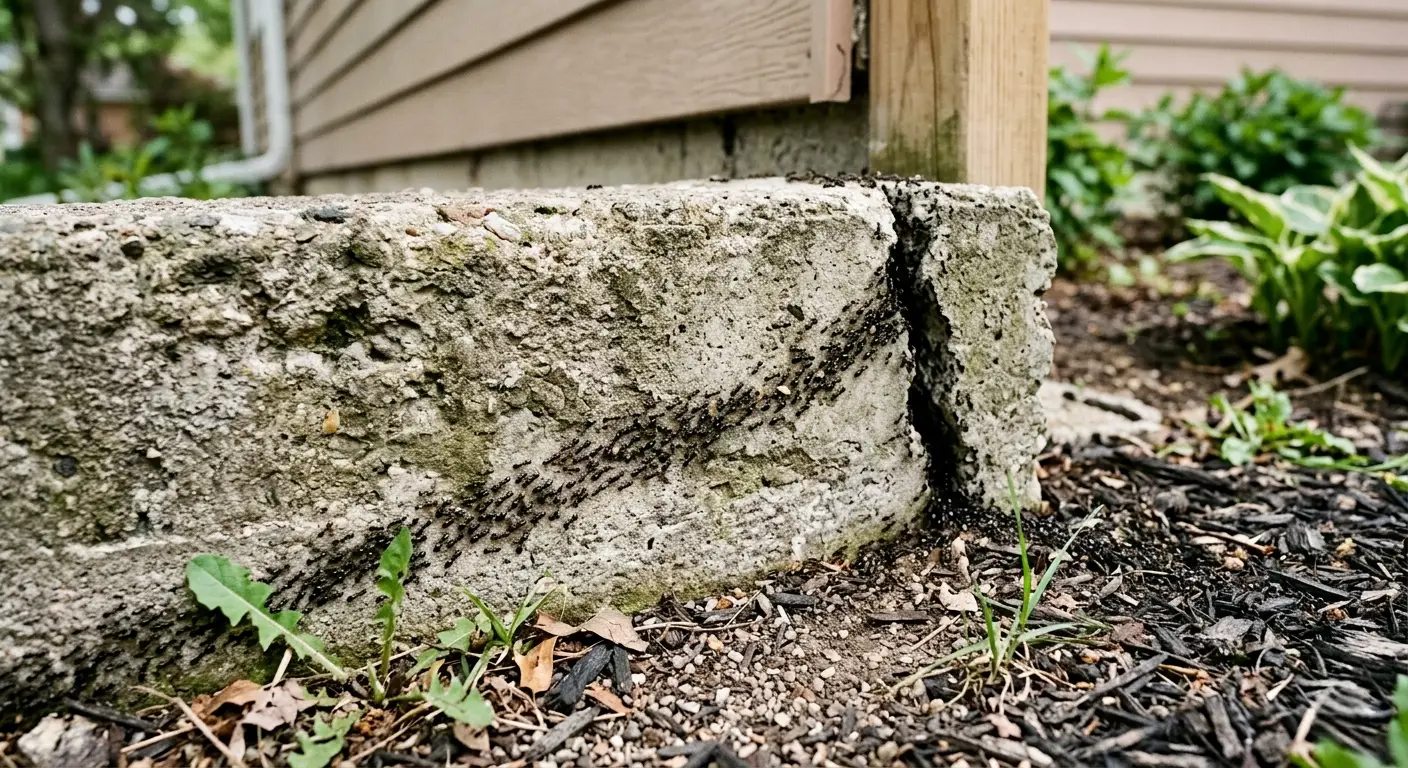
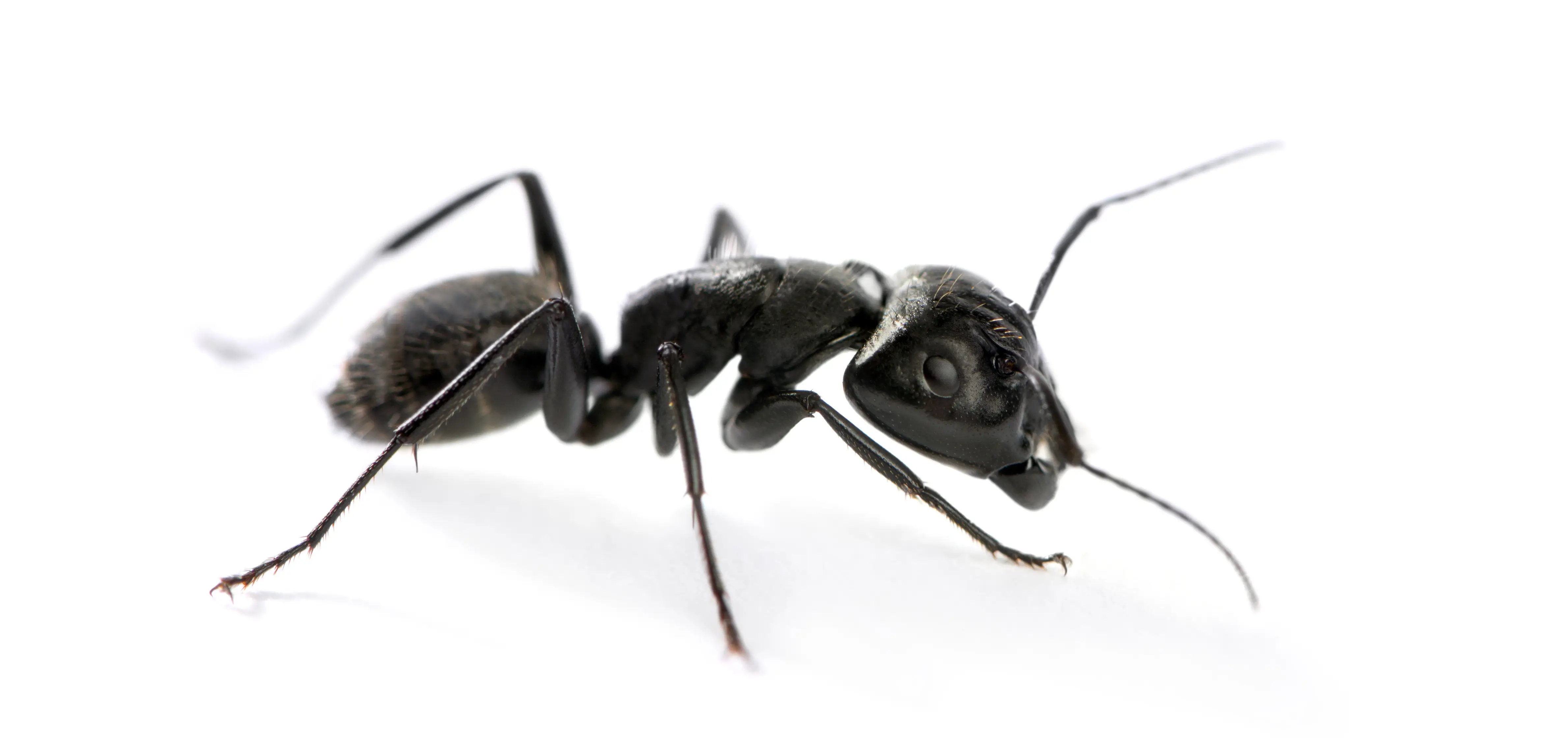
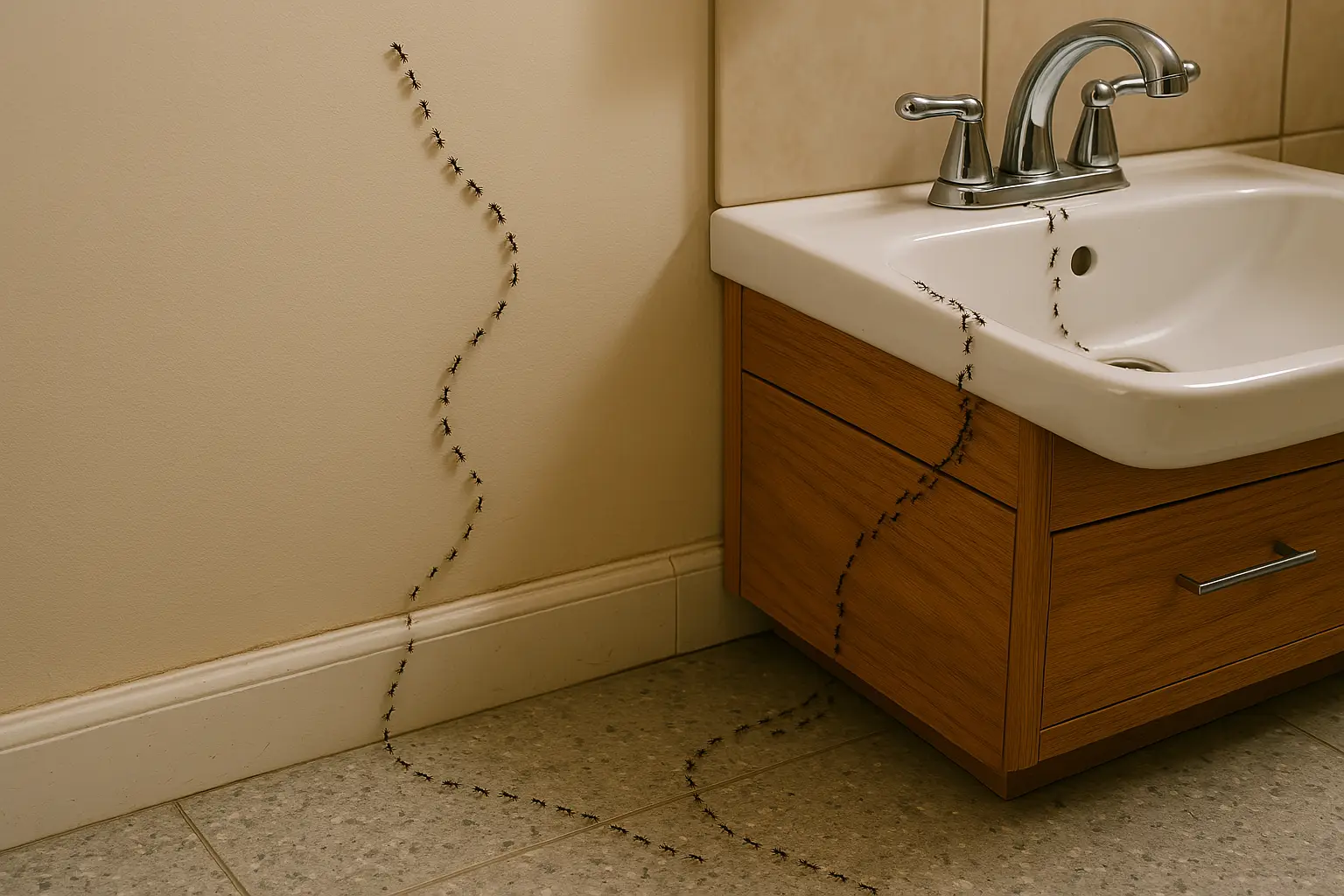
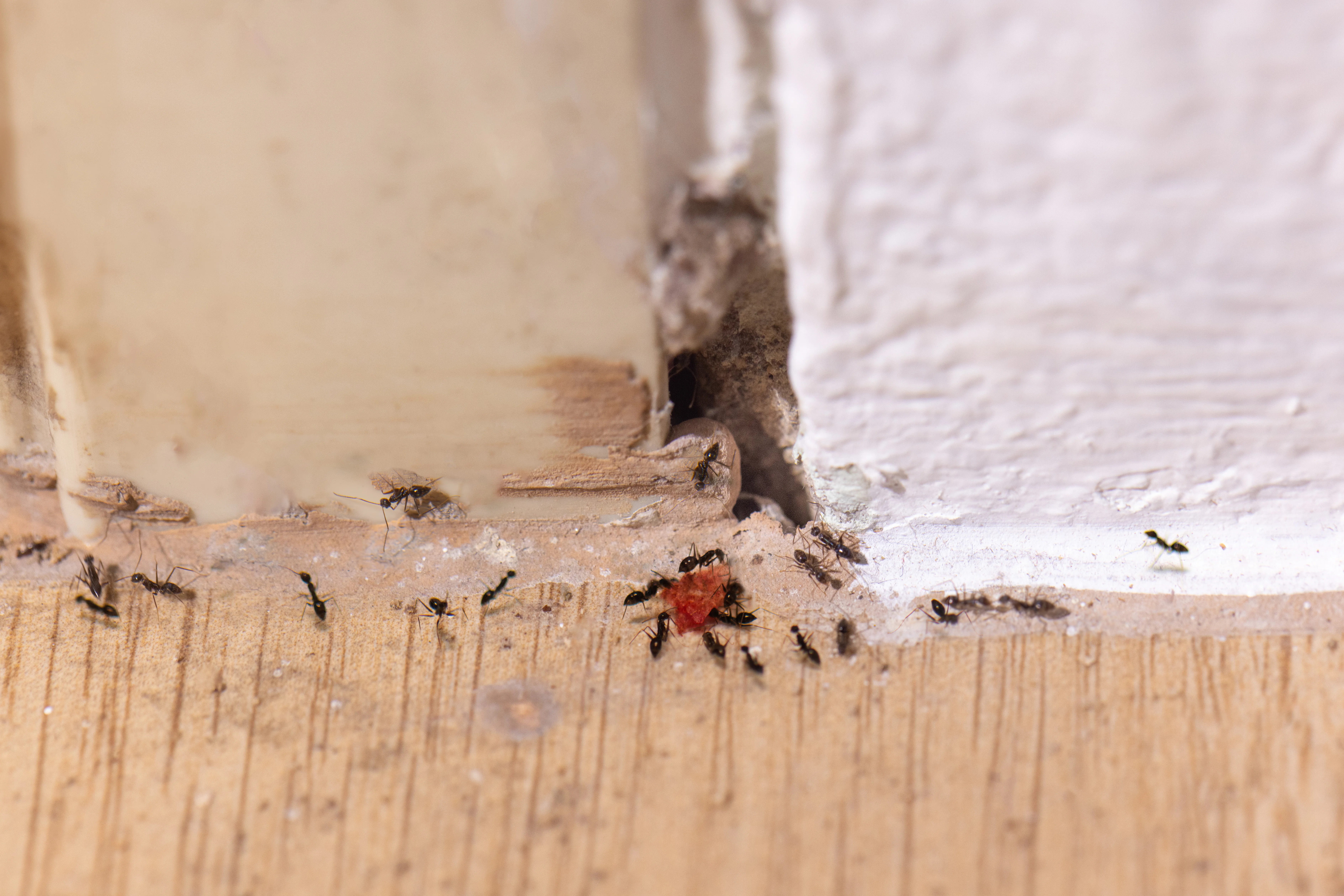
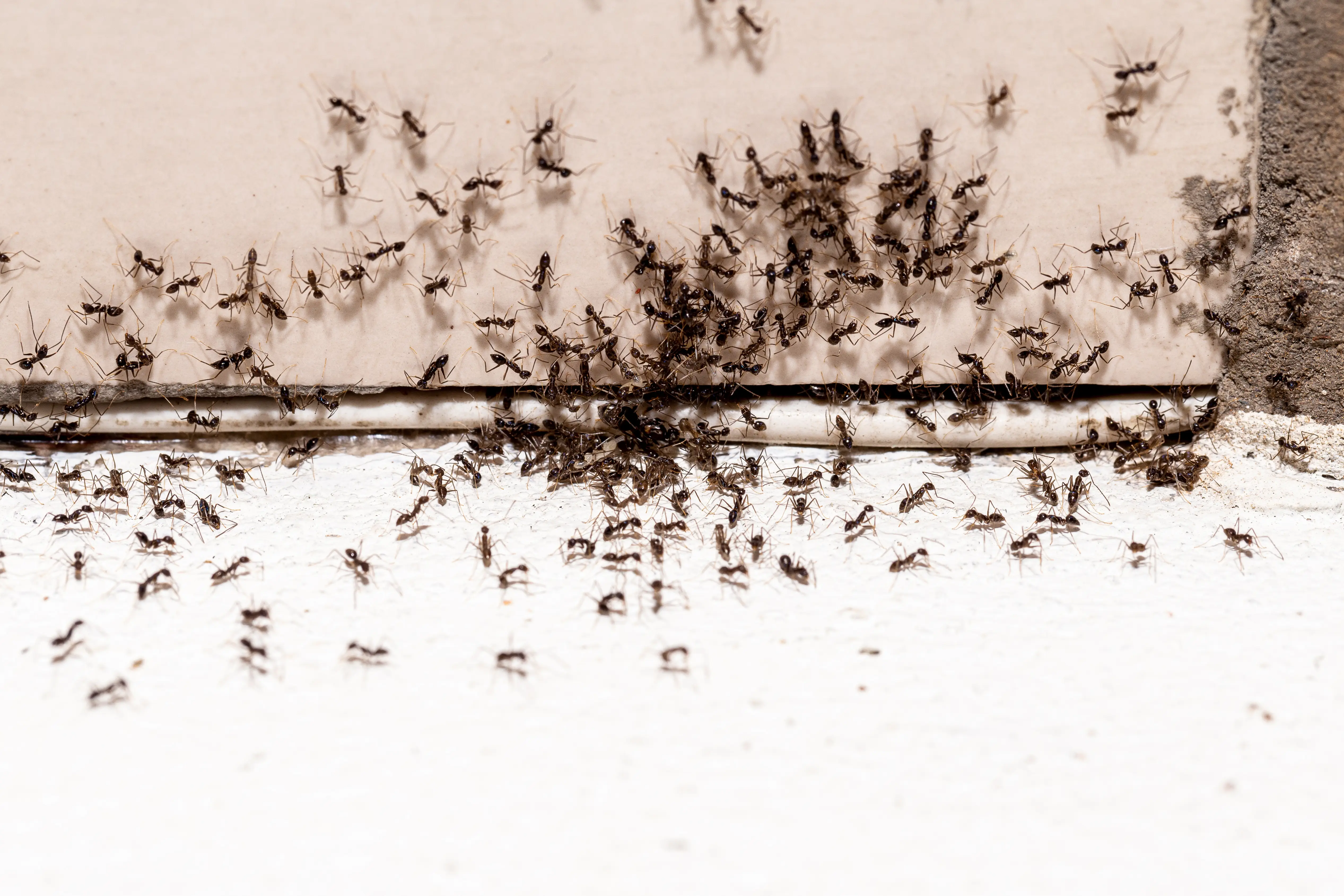
Ants entering a home through a crack in the wall
By Gary Anderson||8 min read

How Do Ants Get Into Your House?

Discover how ants infiltrate your home, what attracts them, and proven strategies to prevent and eliminate ant infestations.

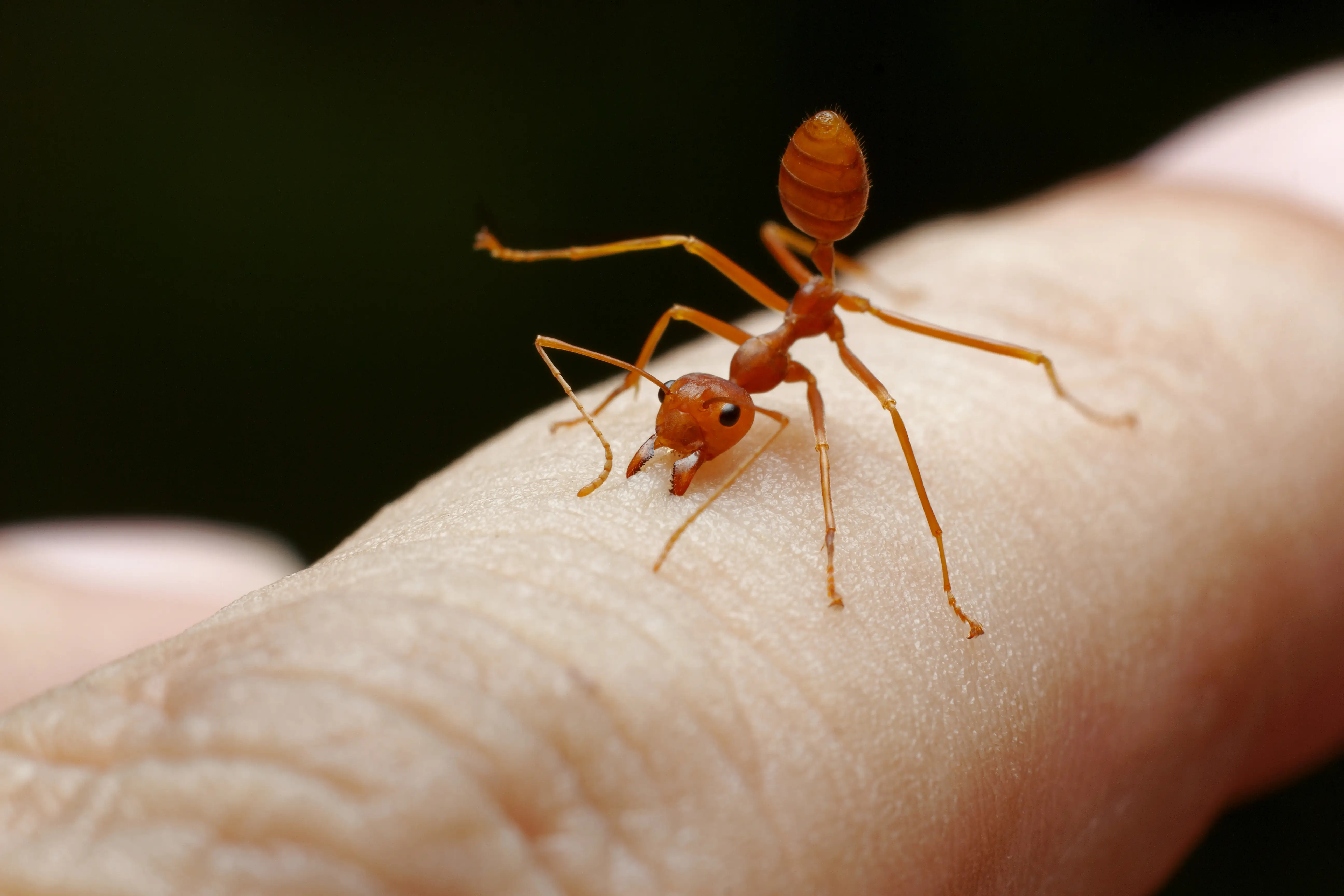
Ants invading homes is a common issue that can occur seasonally or year round, depending on your location and the specific ant species involved. These tiny intruders can seem to appear out of nowhere and quickly turn a pest-free home into an ant-infested space.

Ants are incredibly resilient and adaptable, making them one of the most challenging household pests to manage. Understanding how ants access your home and identifying their entry points is crucial for effective prevention and elimination.

Common Entry Points

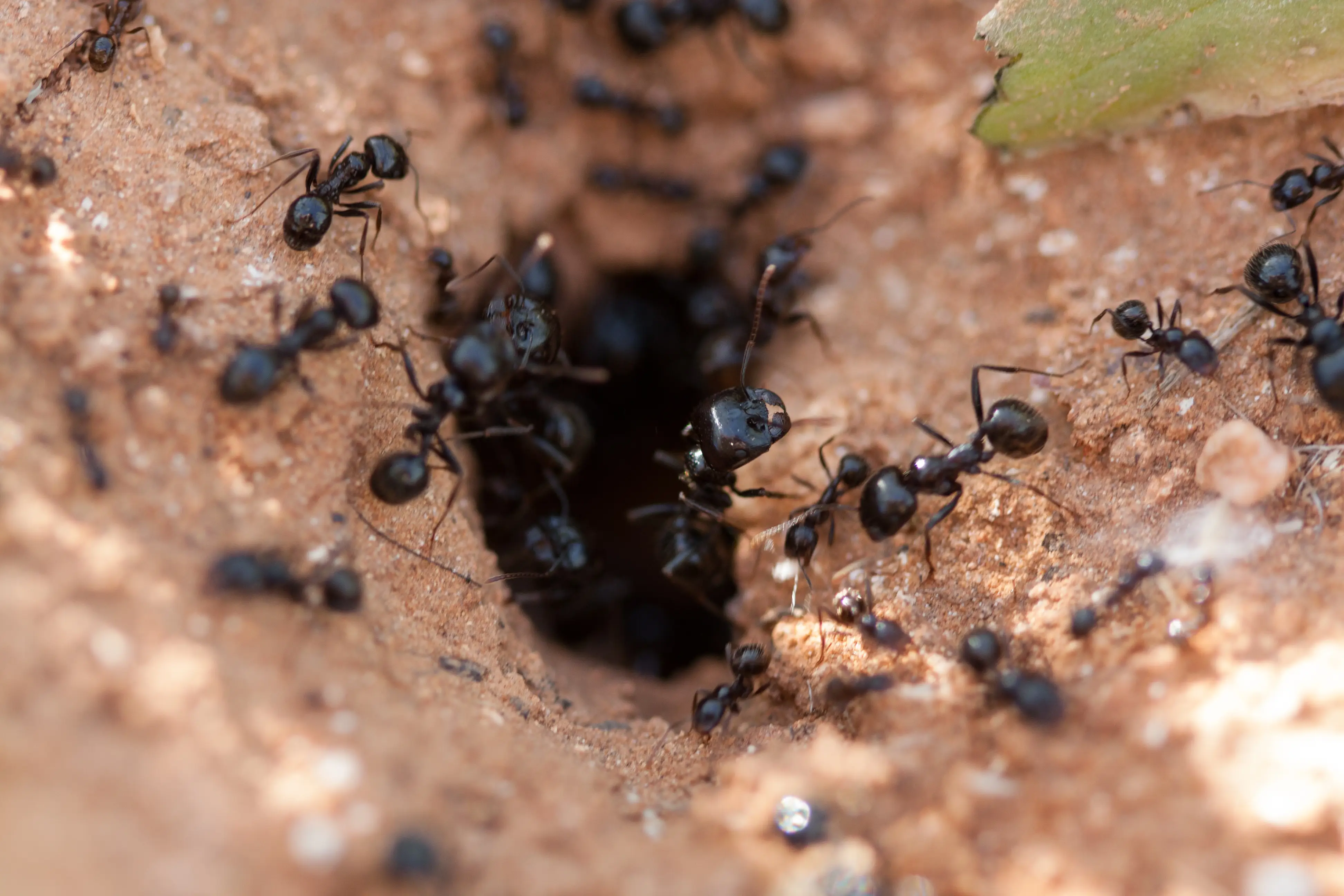
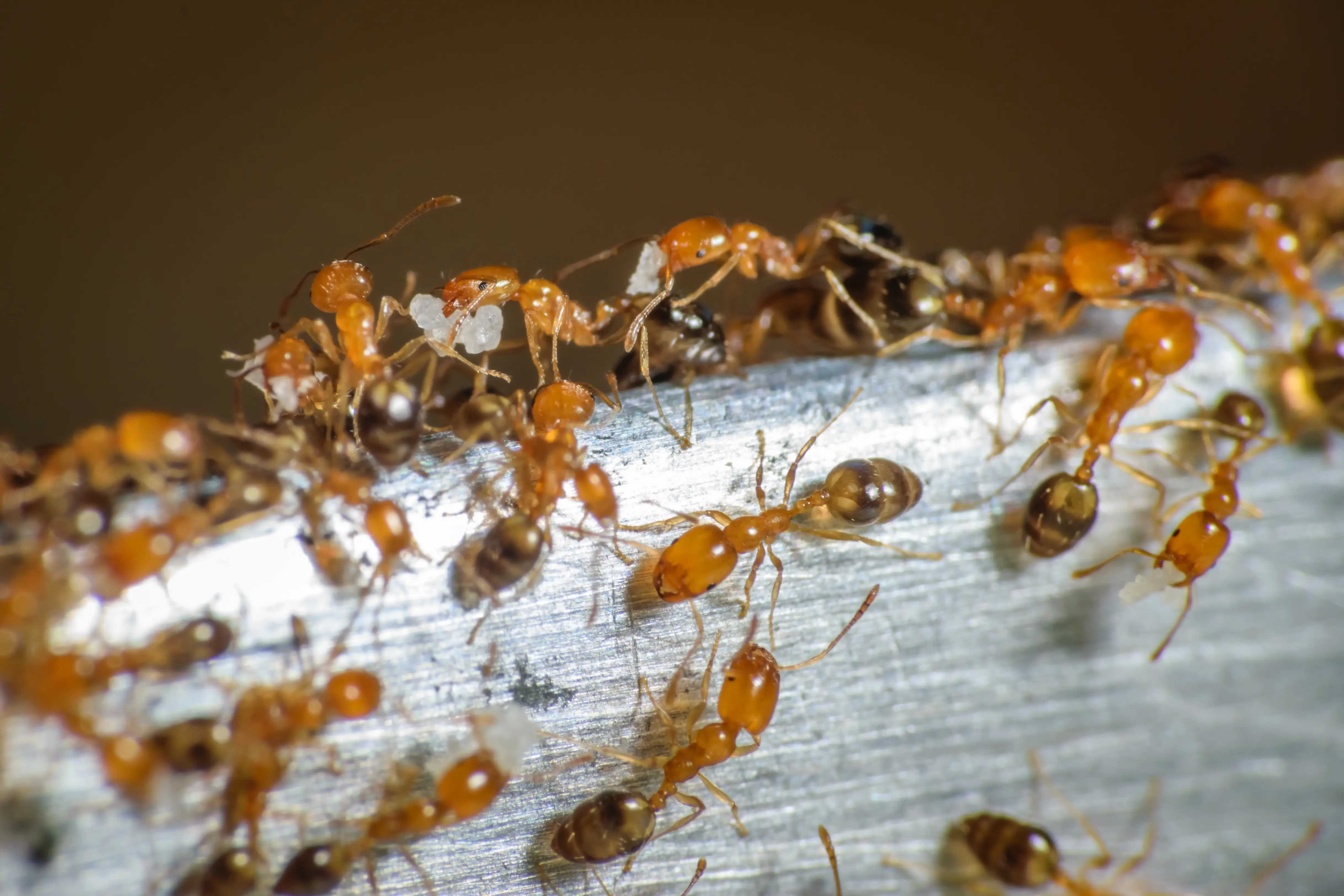
Ants enter through small cracks in walls, gaps in the foundation, spaces beneath flooring, and open windows and doors. Some species build nests outdoors and forage inside, while others like pharaoh ants establish permanent indoor colonies.
How Do Ants Get Inside?

Ants are adept at infiltrating homes through a variety of entry points, often exploiting openings that are easily overlooked. Once inside, ants leave chemical scent trails that guide other colony members to food sources.

Cracks in Walls

Even the tiniest cracks can serve as an open invitation. Common examples include gaps where walls meet floors or ceilings and spaces around utility installations like pipes and electrical conduit.

Gaps in Foundation

The foundation of your home, while seemingly solid, can harbor tiny gaps. Ants are foragers by nature and in their search for food can exploit even the smallest fissures.

Through Flooring

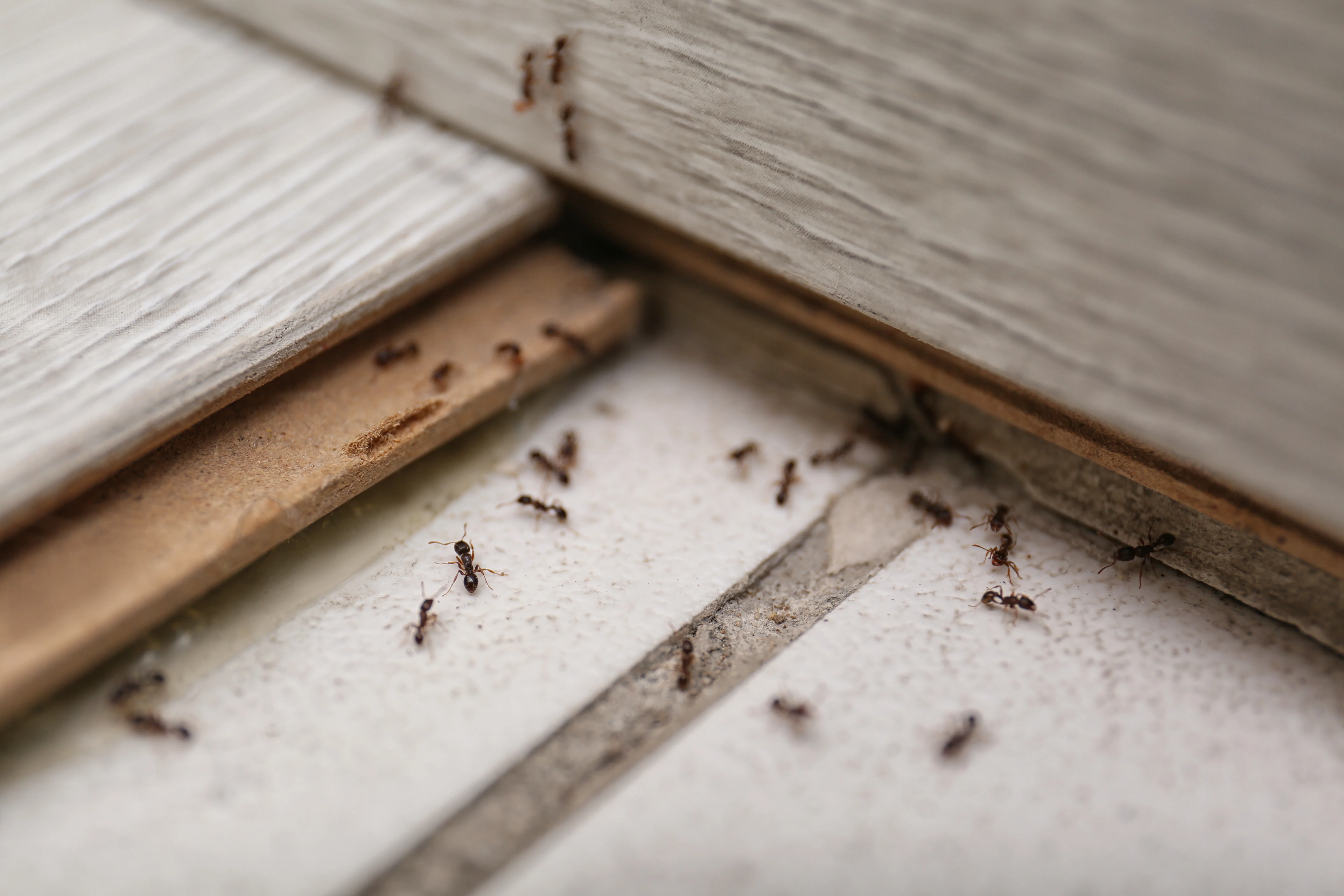
Ants can establish hidden routes beneath flooring materials like carpet, tile, and hardwood. This subterranean approach allows them to move undetected throughout your home.

Doors and Windows

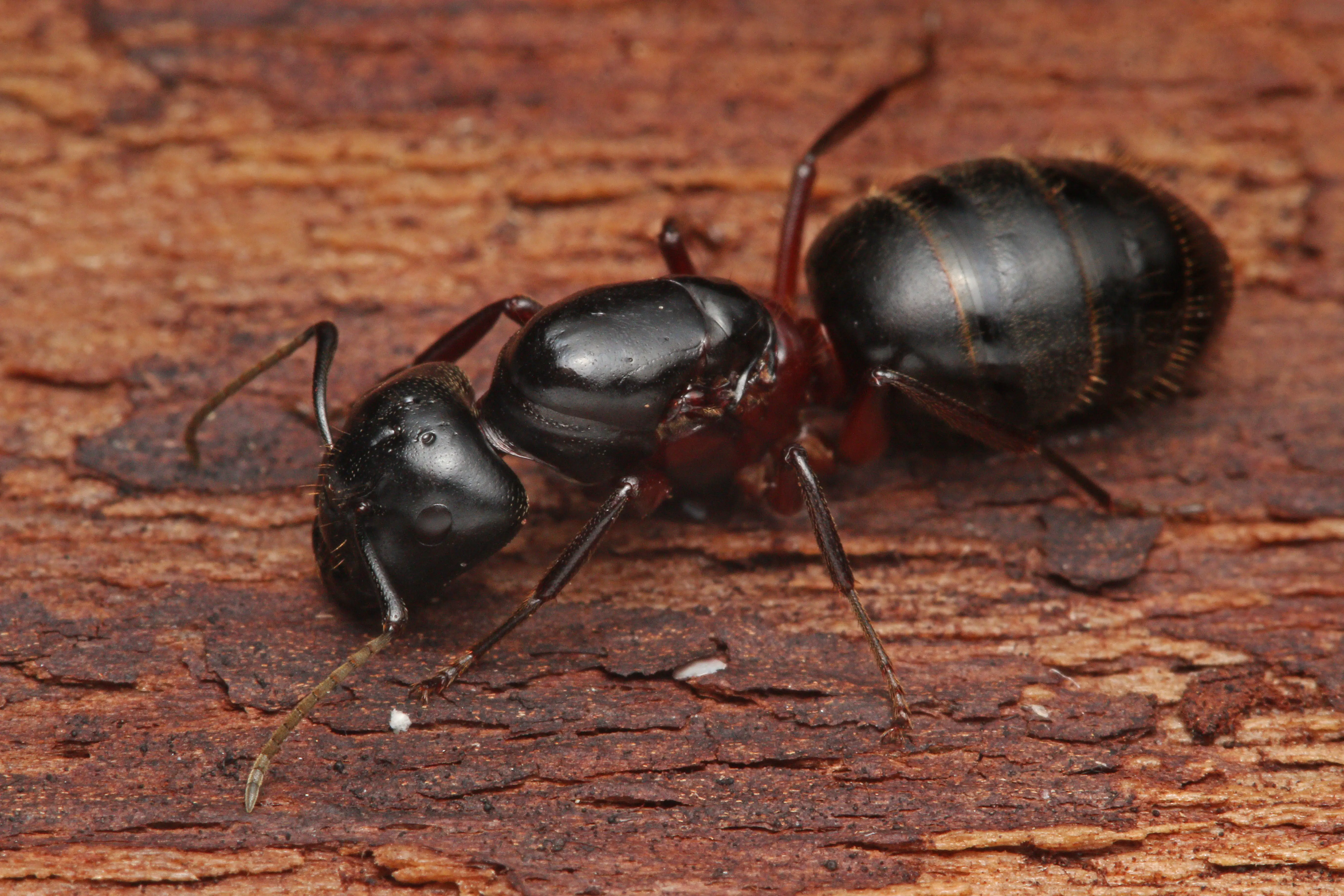
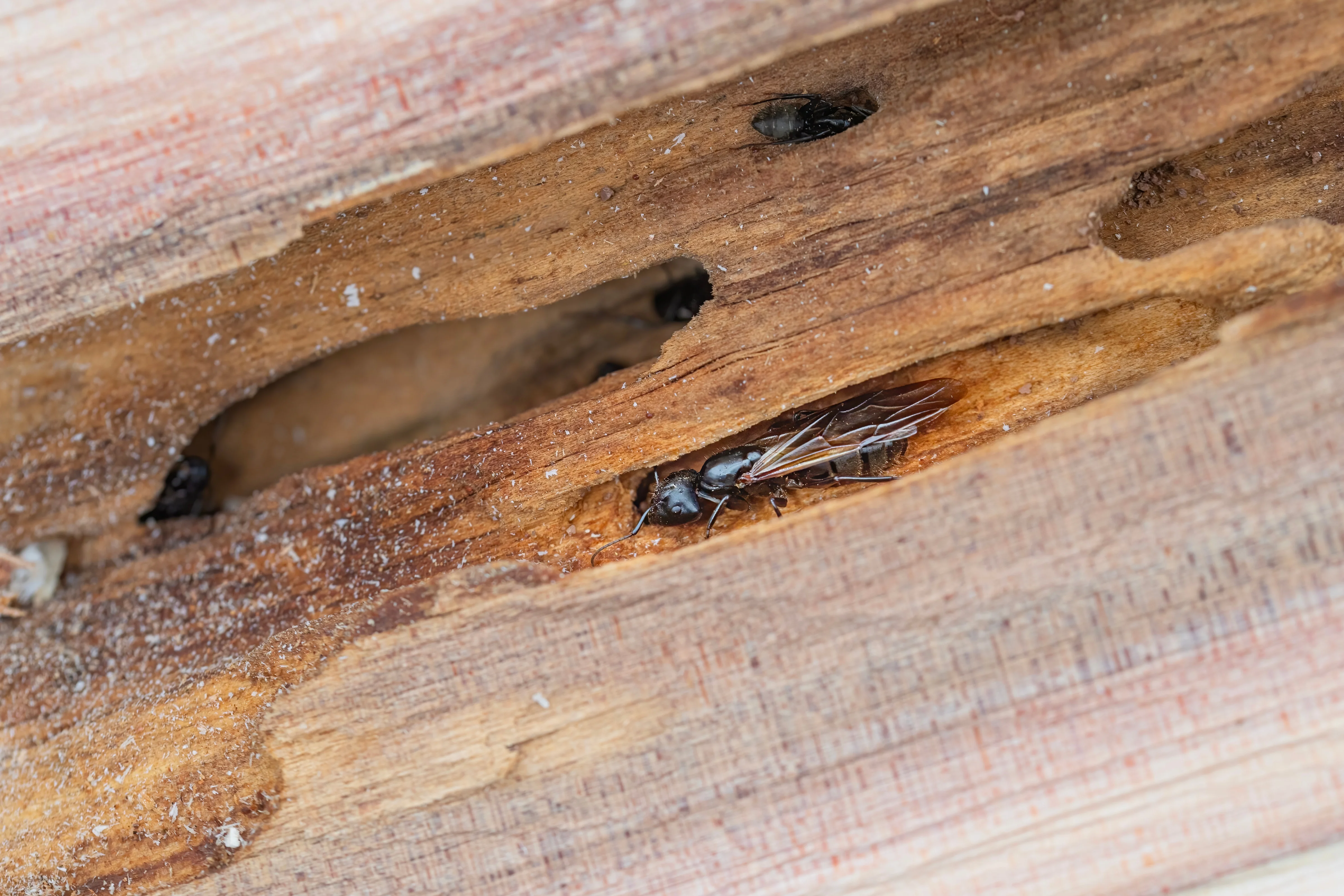
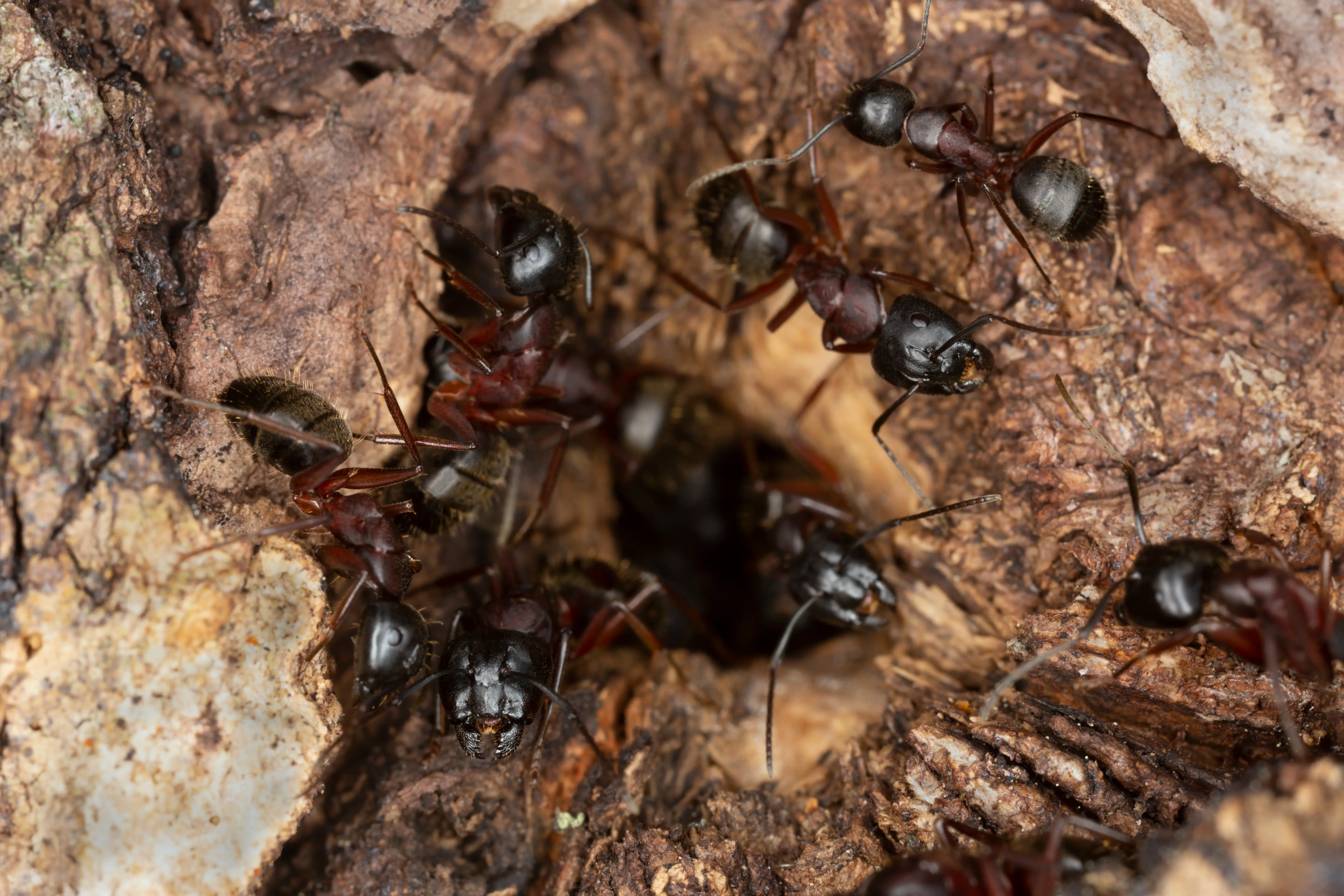
Open doors and windows provide easy pathways. Additionally, deteriorated frames due to moisture can become attractive nesting sites for carpenter ants and yellow ants.

Why Are There Ants Inside My Home?

Ants infiltrate residential spaces driven by their fundamental needs: sustenance, hydration, and refuge.

Food Sources

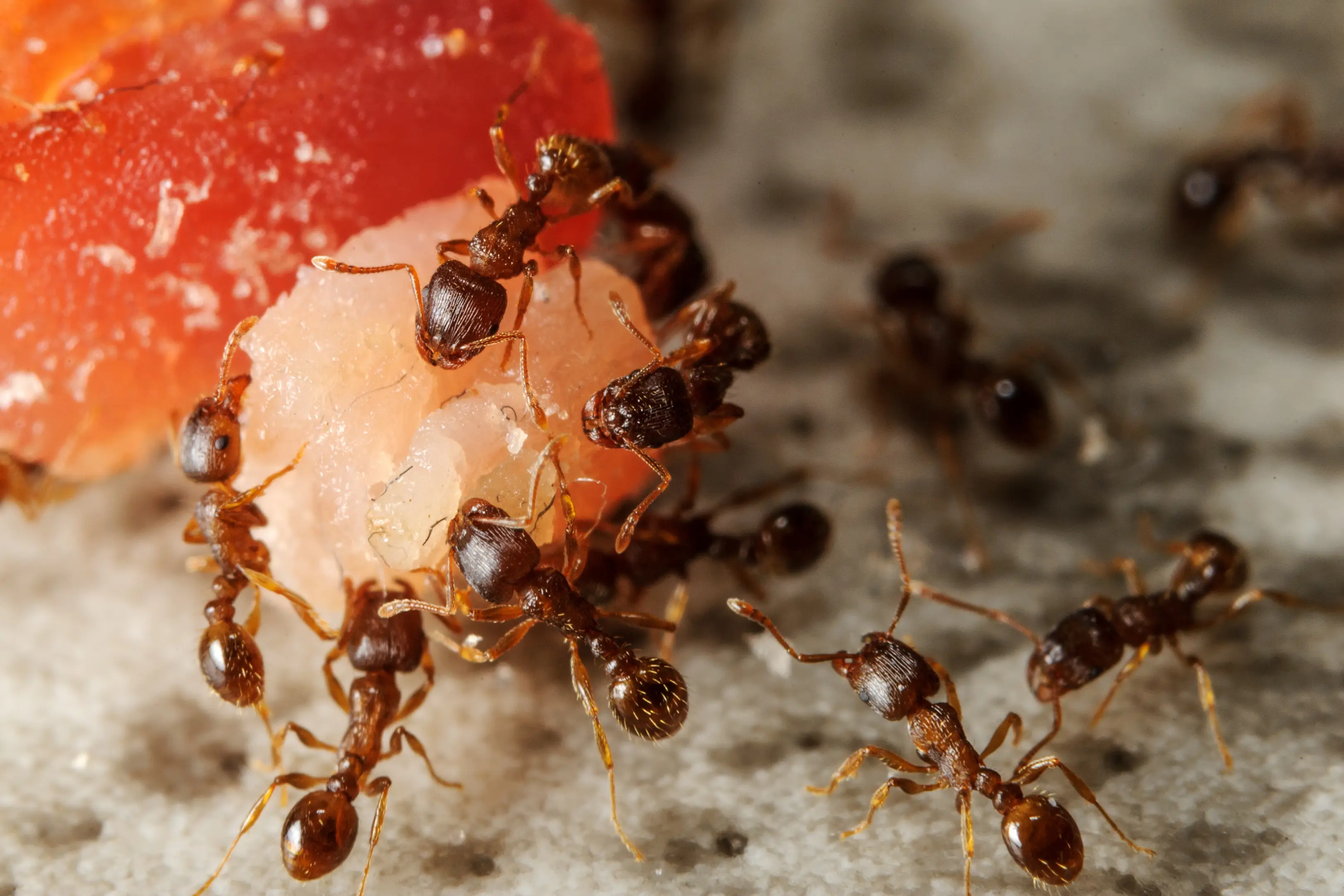
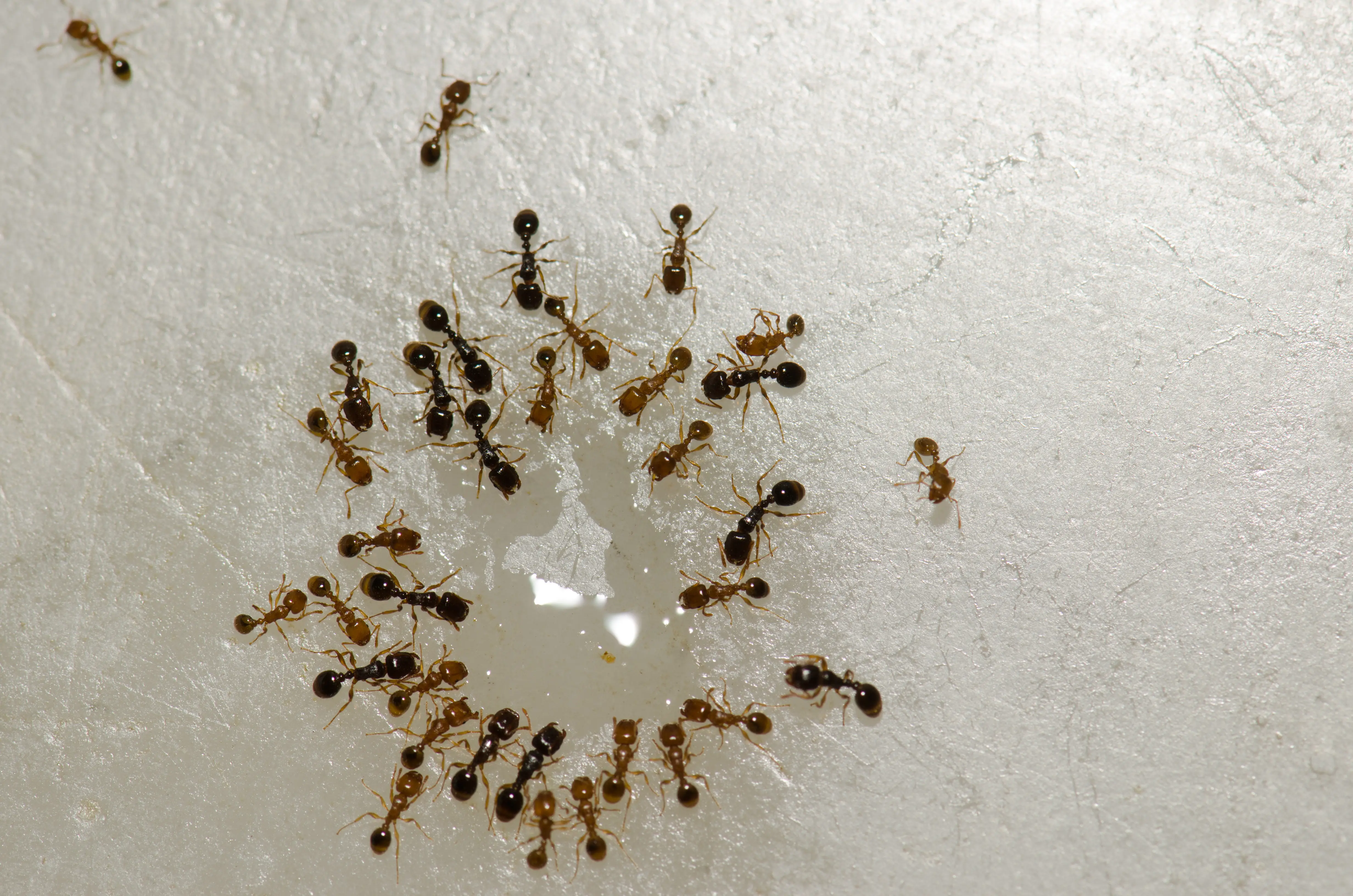
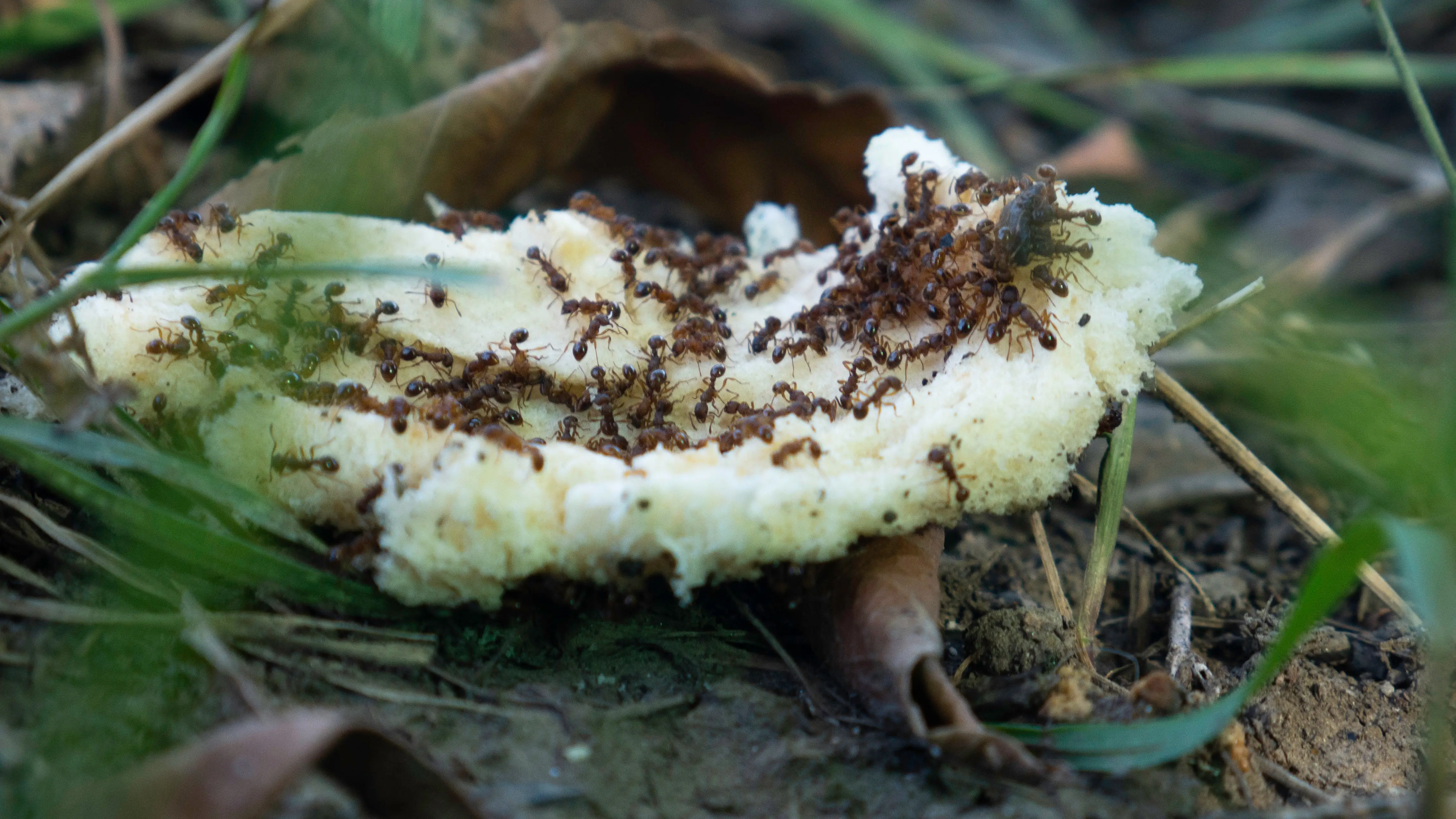
Ants are particularly attracted to sweet and sugary substances, congregating around spills, sticky surfaces, or fallen food particles. However, they also seek out protein-rich foods.

Water and Moisture

Water is a crucial factor drawing ants indoors, especially during dry weather. You might notice increased activity in bathrooms, kitchens, or humid areas.

Shelter from Weather

Environmental factors such as heavy rains can flood outdoor nests, forcing ant colonies to seek shelter within your house for protection.

Where Are Ants Found Inside Your House?

Ants gravitate towards areas that provide their essential needs. Colonies may also establish intricate networks within concealed areas like interior wall cavities and subfloor spaces.

Kitchen

The kitchen is often the epicenter of ant infestations because it serves as a veritable buffet for foraging pests.

What Attracts Them:

Food remnants, crumbs, spills from sweet beverages, open containers, unsealed trash, dirty dishes, and moisture near sinks.

How to Stop Them:

Clean spills promptly, store food in airtight containers, sanitize trash bins, seal entry points around pipes and windows, fix leaks.

Bathroom

Bathrooms can be surprisingly attractive to certain ant species due to constant moisture and warmth.

What Attracts Them:

Moisture and humidity. Carpenter ants prefer wet, decaying wood. Pharaoh ants seek warm areas near hot water pipes.

How to Stop Them:

Fix leaking pipes, seal cracks around plumbing, improve ventilation, use dehumidifiers, regularly inspect under sinks.

Cannot Find Where Ants Are Coming From?

Our experts use professional techniques to locate hidden colonies and entry points.

Call (866) 326-2847

How to Locate Ants Inside Your Home

Locating ants requires a systematic and observant approach. Begin by identifying areas where you have noticed activity, but resist the urge to immediately eliminate them. Instead, observe their behavior to determine what is attracting them and where they are coming from.

Where to Inspect

  • Behind and under appliances
  • Under sinks and cabinets
  • Motor areas of refrigerators
  • Behind wallpaper
  • Small cracks and crevices in walls
  • Moisture-prone areas

The Honey and Peanut Butter Test

Place small amounts of honey and peanut butter on opposite ends of a jar lid near where you have spotted ants. This helps attract ants to a single location for easier observation and determines which bait type is most effective. Use a flashlight during evening hours to trace their path back to entry points.

How to Find Ants Outside Your Home

Firewood stacks and yard debris

Mulch beds

Electrical boxes and utility meters

Beneath siding

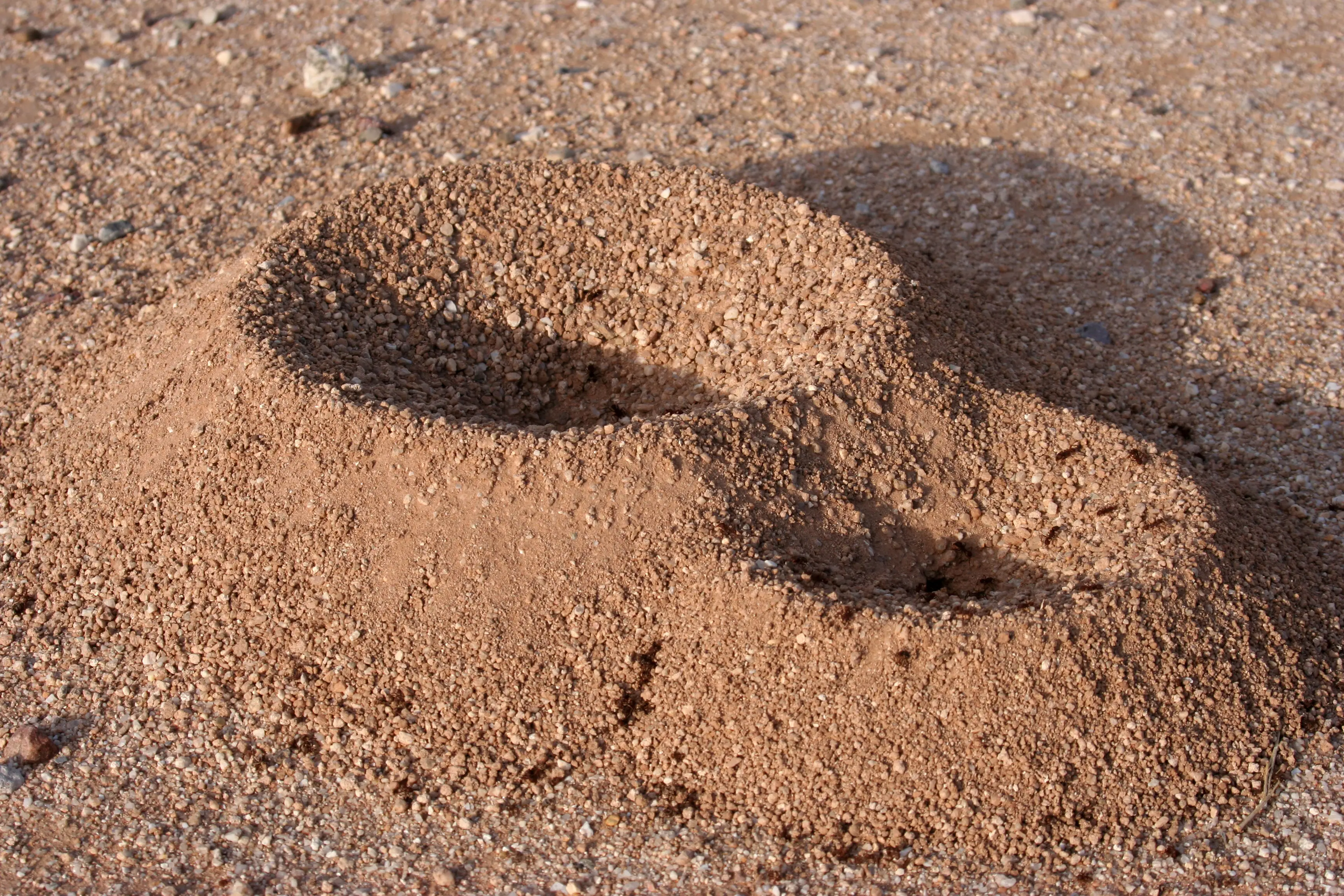
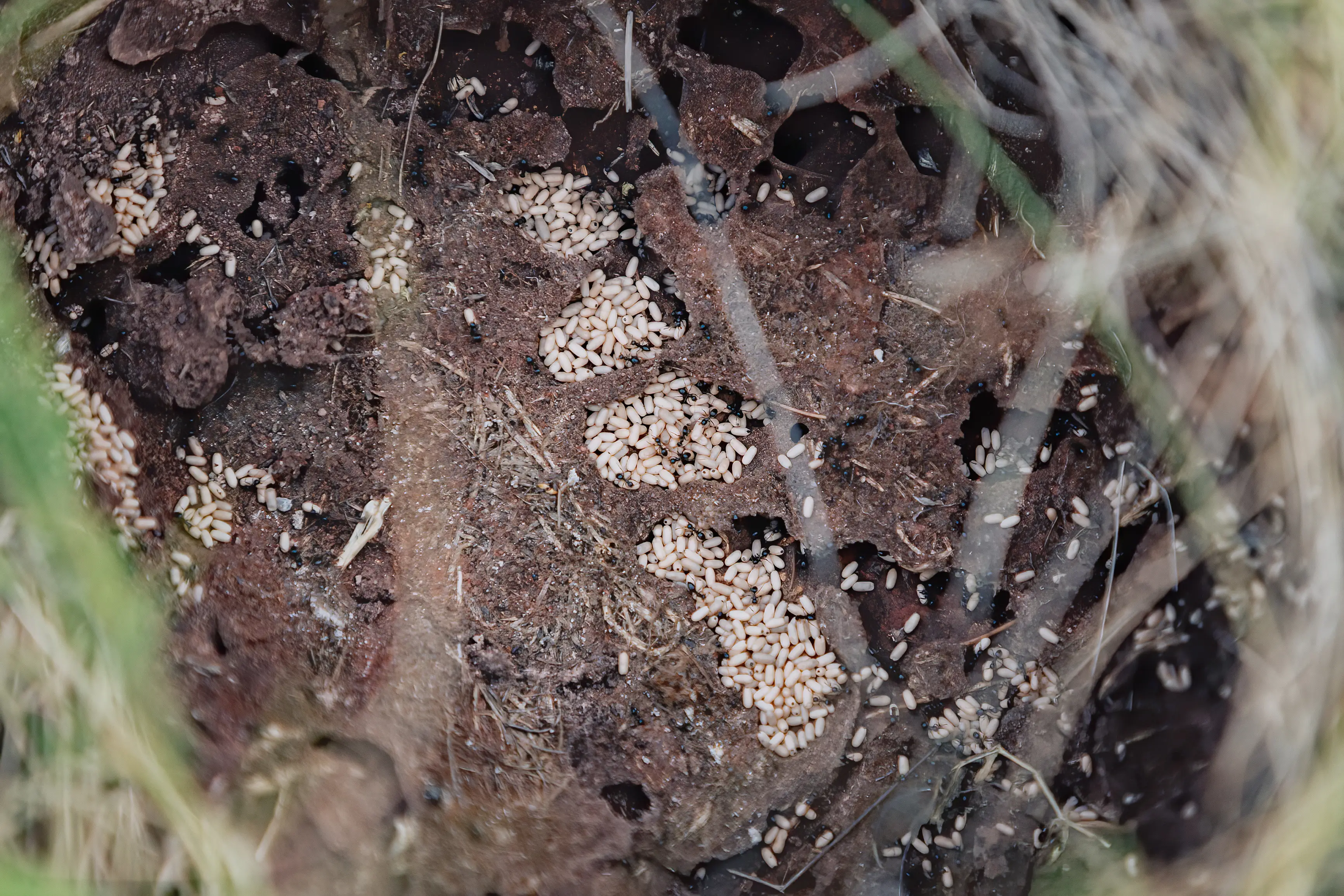
Dirt mounds in lawn

Base of trees and under rocks

How to Prevent Ants from Coming Back

Preventing ants from returning requires a proactive approach that addresses both the home environment and potential entry points. By implementing these measures, you can significantly reduce the likelihood of future invasions:

Sanitation

  • Swiftly remove food residue and crumbs
  • Store all food in airtight containers
  • Regularly empty and clean trash cans
  • Clean pet feeding stations daily
  • Maintain strict hygiene in kitchens and bathrooms

Moisture Control

  • Repair leaking pipes promptly
  • Use dehumidifiers in humid zones
  • Properly ventilate crawl spaces and attics
  • Ensure proper drainage around home
  • Clean gutters and direct downspouts away

Structural Maintenance

  • Seal cracks in walls and foundation with caulk
  • Inspect and maintain window and door seals
  • Replace mulch near foundation with stones
  • Trim trees and shrubs away from house
  • Keep firewood at least 20 feet from home

How to Get Rid of Ants

Effectively eliminating an ant infestation requires a multi-faceted approach that addresses both visible ants and their hidden colonies:

Spray Infested Areas

Use non-repellent ant sprays that are undetectable to ants. They unknowingly traverse treated areas and transport insecticide back to their nests, affecting the entire colony over time.

Spray Access Points

Apply residual ant spray directly into cracks, crevices, and openings around baseboards, appliances, door and window frames, and utility entry points to create a barrier.

Use Baits

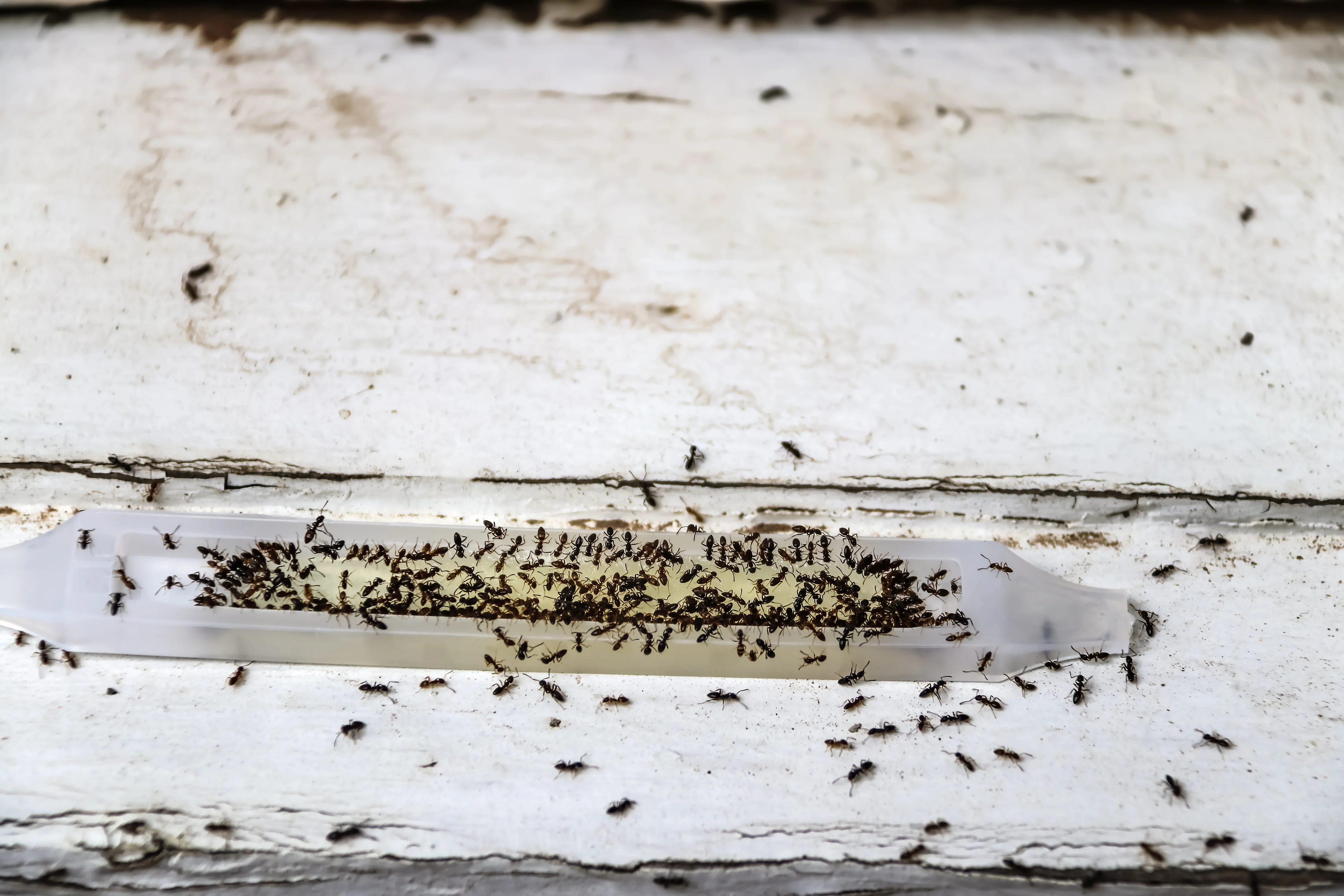
Strategically position baits near observed activity or trails. Focus on kitchen cabinets, countertops, sinks, drains, and bathrooms. Monitor and replenish weekly until activity ceases.

Hire Professionals

For persistent or severe infestations, professionals possess in-depth knowledge, species-specific treatments, and professional-grade products. They also offer ongoing monitoring and prevention plans.

Contact EcoGuard if You Are Dealing with Ants

If you find yourself battling persistent ant infestations despite your best efforts, it may be time to enlist professional help. EcoGuard Pest Management offers expert solutions tailored to your specific ant problem. Our experienced technicians can eliminate current ant invasions and implement comprehensive prevention strategies to keep your home ant-free in the long term.

Call (866) 326-2847Get Free Quote

Ants Inside Your Home FAQs

Why do ants suddenly appear?

Ants may seem to appear suddenly due to changes in environmental conditions or the discovery of new food sources. As the weather warms up, particularly in spring and early summer, ant colonies become more active and expand their foraging range, leading to increased visibility inside homes. Additionally, even small food spills or changes in moisture levels can quickly attract scout ants, who then communicate the location to their colony, resulting in a sudden influx of ants.

How to find where the ants are coming from?

To locate the source of an ant infestation, carefully observe and follow ant trails back to their entry points or nests. Use the "honey and peanut butter test" by placing small amounts of each on a dish near areas of ant activity, then monitor to see which attracts more ants and follow their trails. Conduct a thorough inspection of your home's exterior and interior, focusing on common entry points like cracks in walls, gaps around windows and doors, areas where utilities enter your home, as well as moisture-prone areas in kitchens and bathrooms.

How do I get rid of ants in my house?

To effectively eliminate ants from your house, employ a multi-faceted approach that combines sanitation, exclusion, and targeted treatments. Start by removing attractants such as food debris and addressing moisture issues, then seal potential entry points to prevent new ants from entering. Use a combination of non-repellent sprays along ant trails and entry points, and strategically place ant baits in areas of high activity. Be sure to monitor and replenish them regularly until the infestation subsides.

How to get rid of ants when you do not know where they are coming from?

When dealing with ants whose entry point is unknown, focus on a comprehensive treatment approach throughout your home. Use a combination of non-repellent ant sprays along baseboards, in cracks and crevices, and around potential entry areas, while simultaneously placing ant baits in multiple locations where ant activity has been observed. Additionally, eliminate potential food and water sources, and maintain cleanliness to discourage ant presence.

From Our Blog

Related Articles

14 Natural Ant Repellent Strategies That Actually Work

14 Natural Ant Repellent Strategies That Actually Work

Discover effective natural ant repellents including mint, vinegar, cinnamon, and more. Learn how to keep ants out of...

Read Article
16 Common Types of Ants in California | Identification & Treatment

16 Common Types of Ants in California | Identification & Treatment

Identify 16 common ant species in California including carpenter ants, fire ants, and Argentine ants. Learn their...

Read Article
Are Fire Ants Dangerous? Understanding Fire Ant Risks & Safety

Are Fire Ants Dangerous? Understanding Fire Ant Risks & Safety

Learn about fire ant dangers including painful stings, allergic reactions, and property damage. Comprehensive guide on...

Read Article
Argentine Ants: Complete Identification, Control & Prevention Guide

Argentine Ants: Complete Identification, Control & Prevention Guide

Learn to identify Argentine ants, understand their supercolony behavior, and discover effective control strategies....

Read Article
Common Signs of Carpenter Ant Damage

Common Signs of Carpenter Ant Damage

Learn to identify carpenter ant damage signs including frass, holes, tunnels, and how to distinguish carpenter ant...

Read Article
Do Ants Bite? Symptoms, Treatment & Prevention

Do Ants Bite? Symptoms, Treatment & Prevention

Learn about ant bites vs stings, which ants bite, symptoms, allergic reactions, treatment options, and how to prevent...

Read Article
Do Ants Eat Aphids? The Ant-Aphid Relationship Explained

Do Ants Eat Aphids? The Ant-Aphid Relationship Explained

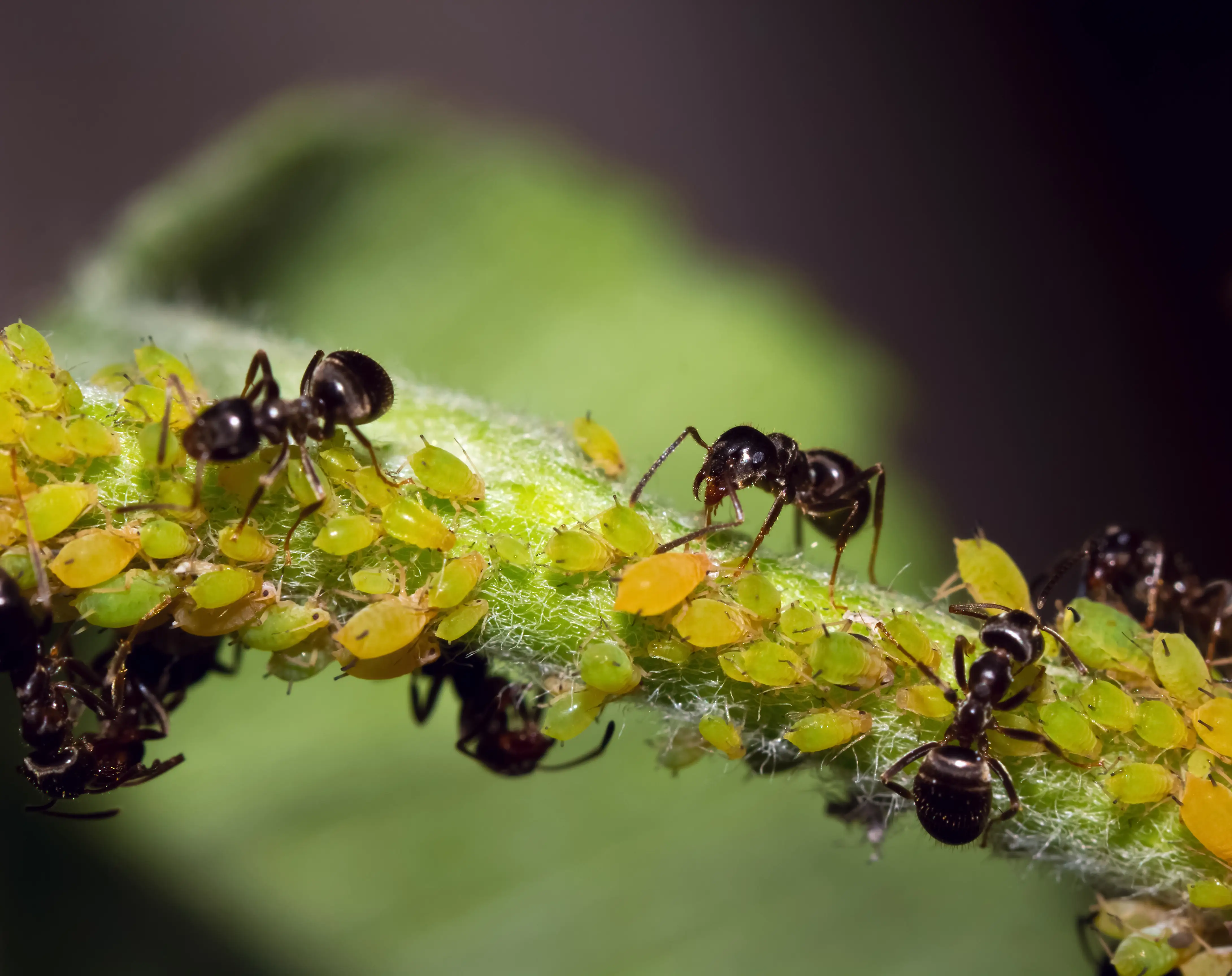
Learn about the fascinating relationship between ants and aphids, how ants farm aphids for honeydew, problems aphids...

Read Article
Do Ants Ever Sleep? Ant Sleep Patterns Explained

Do Ants Ever Sleep? Ant Sleep Patterns Explained

Discover the fascinating sleep patterns of ants, how worker ants take 250 power naps daily, queen ant sleep habits, and...

Read Article
Do Carpenter Ants Eat Wood? Understanding Carpenter Ant Damage

Do Carpenter Ants Eat Wood? Understanding Carpenter Ant Damage

Learn the truth about carpenter ants and wood. Unlike termites, carpenter ants don\

Read Article
How Do Ant Baits and Traps Work? Complete Guide to Ant Bait Systems

How Do Ant Baits and Traps Work? Complete Guide to Ant Bait Systems

Learn how ant baits and traps work to eliminate entire colonies. Discover bait types, active ingredients, placement...

Read Article
How Do Ants Communicate With Each Other? Complete Guide to Ant Communication

How Do Ants Communicate With Each Other? Complete Guide to Ant Communication

Learn how ants communicate using pheromones, touch, sound, and body language. Discover why ant communication is key to...

Read Article
How Do Ants Get in the House? Complete Entry Point Guide

How Do Ants Get in the House? Complete Entry Point Guide

Learn how ants get into your house through foundation cracks, windows, utility lines, and more. Discover entry points,...

Read Article
How Do Ants Mate and Reproduce? Ant Reproduction Explained

How Do Ants Mate and Reproduce? Ant Reproduction Explained

Learn how ants mate during nuptial flights, how queen ants reproduce, the role of drones, and unique reproductive...

Read Article
How Many Ants Are in a Colony? Complete Guide to Ant Colony Size

How Many Ants Are in a Colony? Complete Guide to Ant Colony Size

Learn how many ants live in a colony, from small carpenter ant nests to Argentine ant supercolonies with billions....

Read Article
How to Get Rid of Ants Inside and Outside Your Home

How to Get Rid of Ants Inside and Outside Your Home

Learn how to get rid of ants inside your home, repel them before they enter, and eliminate outdoor colonies. Complete...
Read Article
How to Get Rid of Carpenter Ants in the House

How to Get Rid of Carpenter Ants in the House

Learn how to identify, eliminate, and prevent carpenter ants. Comprehensive guide to indoor and outdoor treatments,...

Read Article
Understanding Ant Colony Structure and Hierarchy

Understanding Ant Colony Structure and Hierarchy

Learn about ant colony structure, hierarchy, and how ants work together. Discover the roles of queens, workers, drones,...

Read Article
What Are Ants? Complete Guide to Ant Biology, Behavior & Control

What Are Ants? Complete Guide to Ant Biology, Behavior & Control

Learn everything about ants including appearance, colony hierarchy, life cycle, diet, defenses, and how to get rid of...

Read Article
What Are Red Ants? Fire Ant Identification & Control

What Are Red Ants? Fire Ant Identification & Control

Learn about red ants and fire ants, how to identify them, their behavior, dangers of their stings, and effective...

Read Article
What Attracts Ants Inside the House? Prevention Tips

What Attracts Ants Inside the House? Prevention Tips

Learn what attracts ants to your home including food, water, and shelter. Discover prevention tips and how to get rid...

Read Article
What Do Ants Eat and Drink in Your House?

What Do Ants Eat and Drink in Your House?

Learn what ants eat including sugars, proteins, seeds, fungus, and other insects. Discover how different ant species...

Read Article
What Happens When the Queen Ant Dies?

What Happens When the Queen Ant Dies?

Learn what happens when a queen ant dies, how to identify a queen, the ant queen life cycle, and how to effectively...

Read Article
What's the Lifespan of an Ant? Guide to Ant's Life Cycle

What's the Lifespan of an Ant? Guide to Ant's Life Cycle

Learn how long ants live based on species, caste, and gender. Discover the ant life cycle from egg to adult and factors...

Read Article
When is Ant Season? Complete Guide to Ant Activity Patterns

When is Ant Season? Complete Guide to Ant Activity Patterns

Learn when ant season occurs in your region, peak activity times by species, and seasonal prevention strategies....

Read Article
Where Do Ants Go in the Winter? Complete Winter Behavior Guide

Where Do Ants Go in the Winter? Complete Winter Behavior Guide

Discover where ants go in winter, how they survive freezing temperatures through diapause, and why they may invade your...

Read Article
Where Do Ants Live? Complete Guide to Ant Habitats

Where Do Ants Live? Complete Guide to Ant Habitats

Discover where ants live outdoors and indoors, from underground colonies to wall voids. Learn about species-specific...

Read Article
Why Are Flying Ants a Problem? Identification and Prevention

Why Are Flying Ants a Problem? Identification and Prevention

Learn why flying ants appear, how to identify them vs termites, which species swarm, and how to prevent and eliminate...

Read Article
Why Are There Ants in My Bathroom? Causes & Solutions

Why Are There Ants in My Bathroom? Causes & Solutions

Discover why ants invade bathrooms and learn effective solutions. Understanding moisture, food sources, and shelter...

Read Article