EcoGuard Pest Management
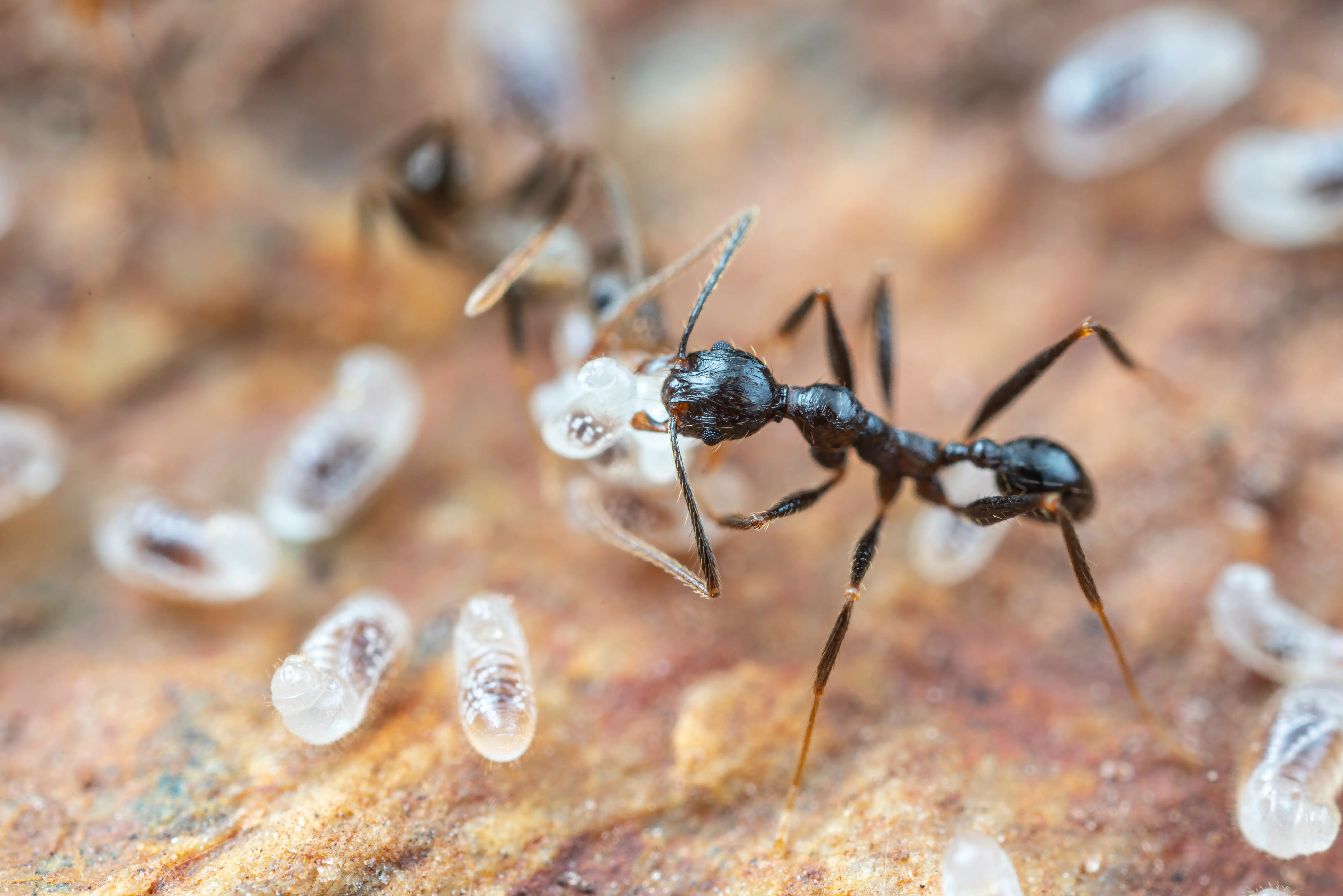
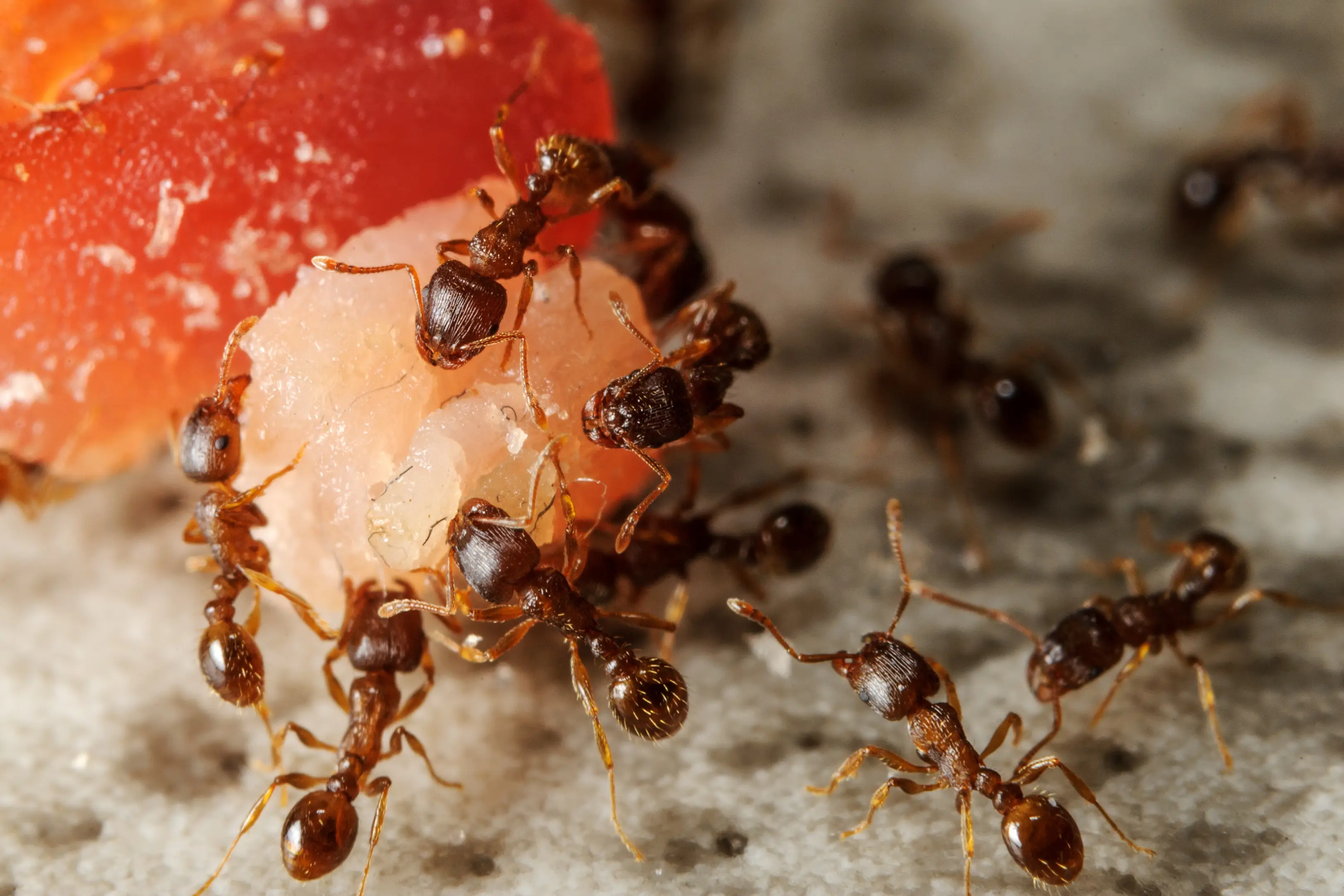
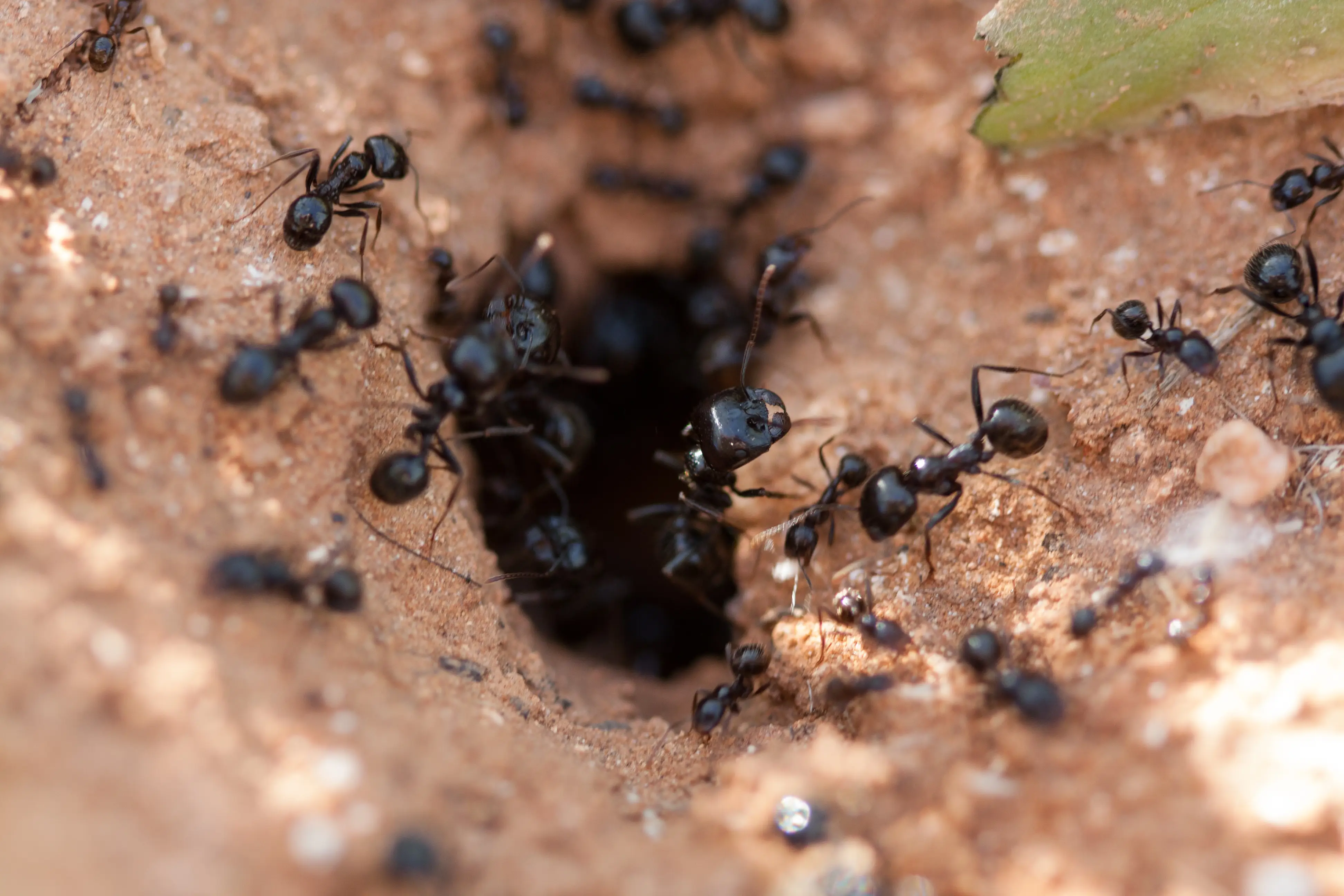
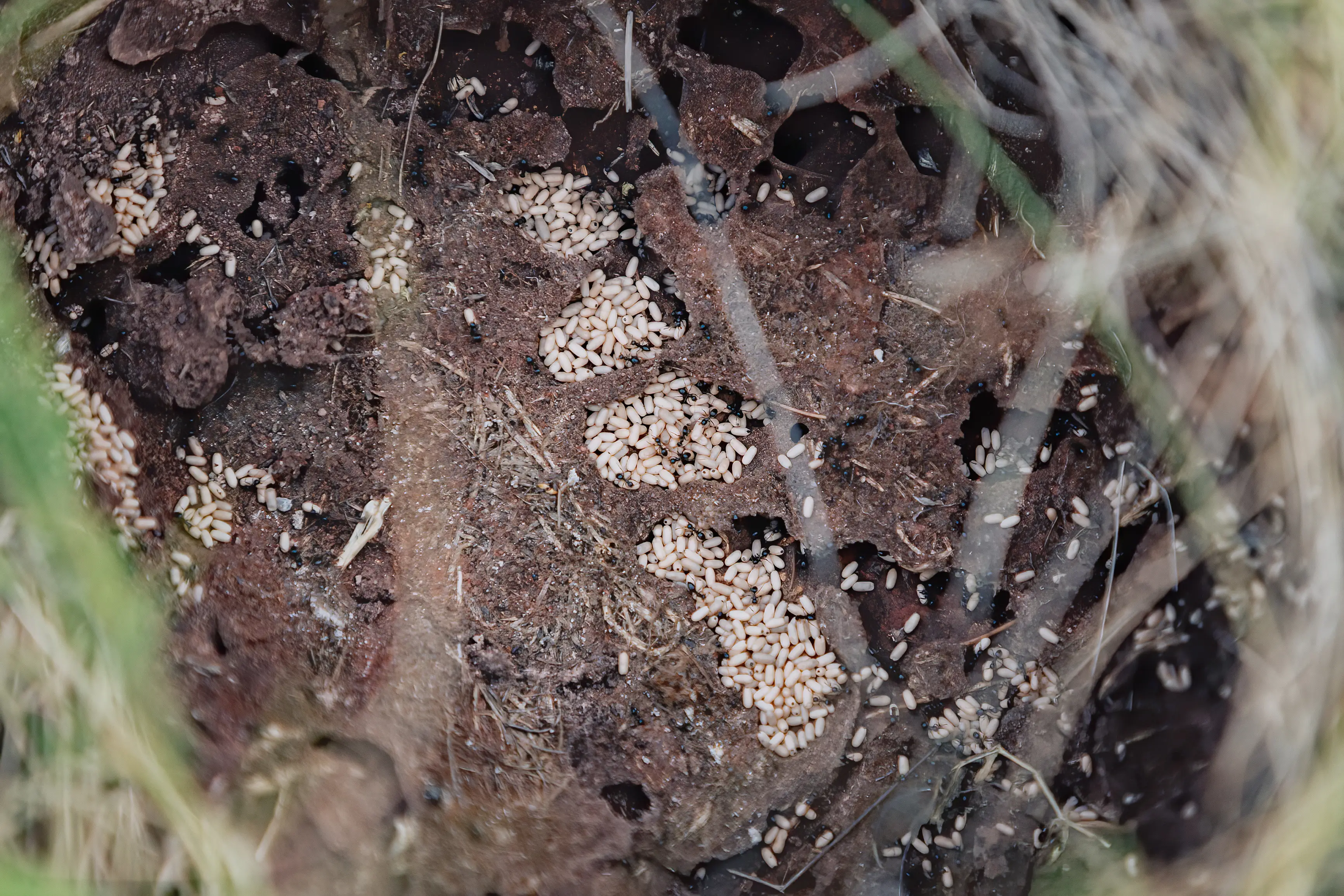
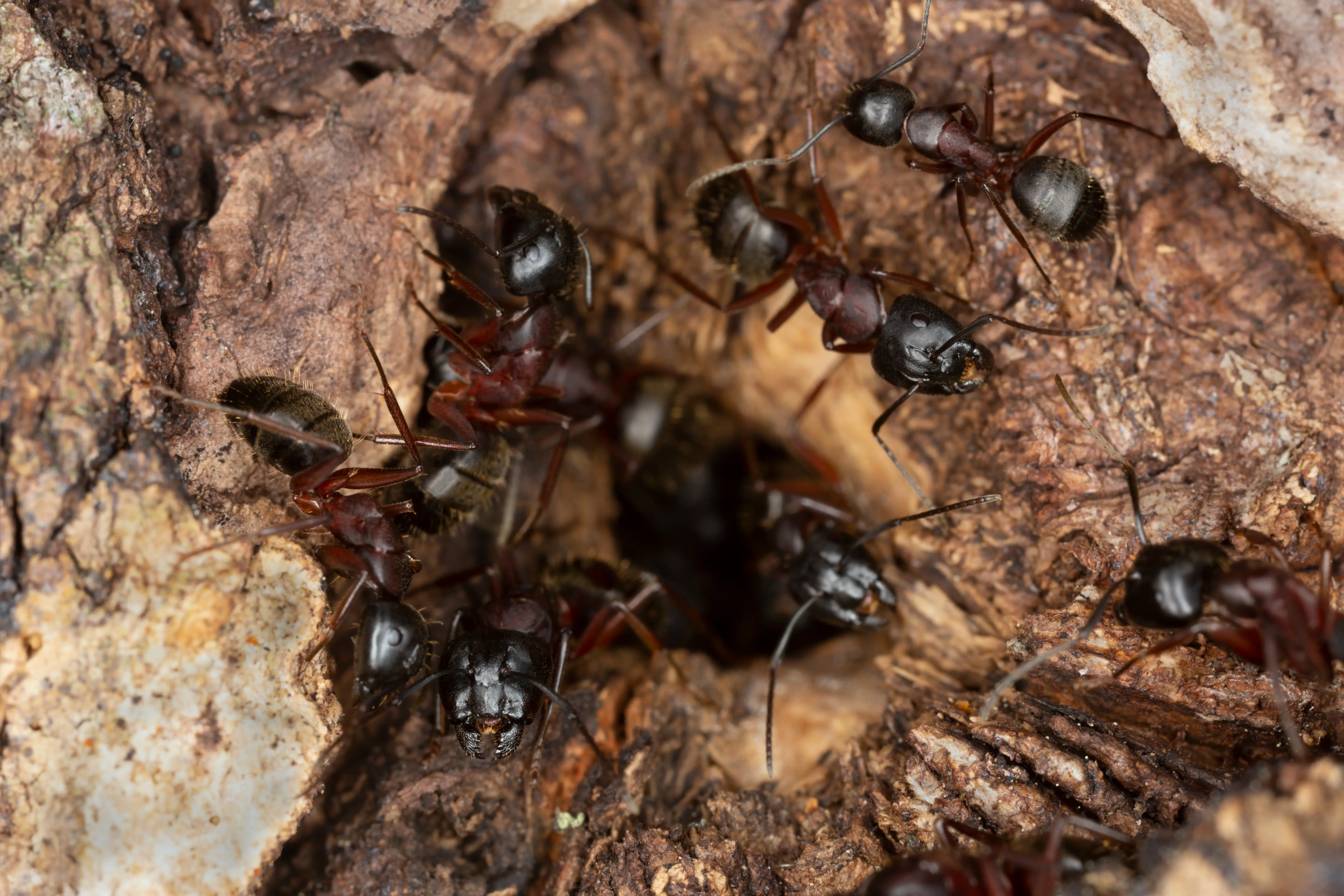
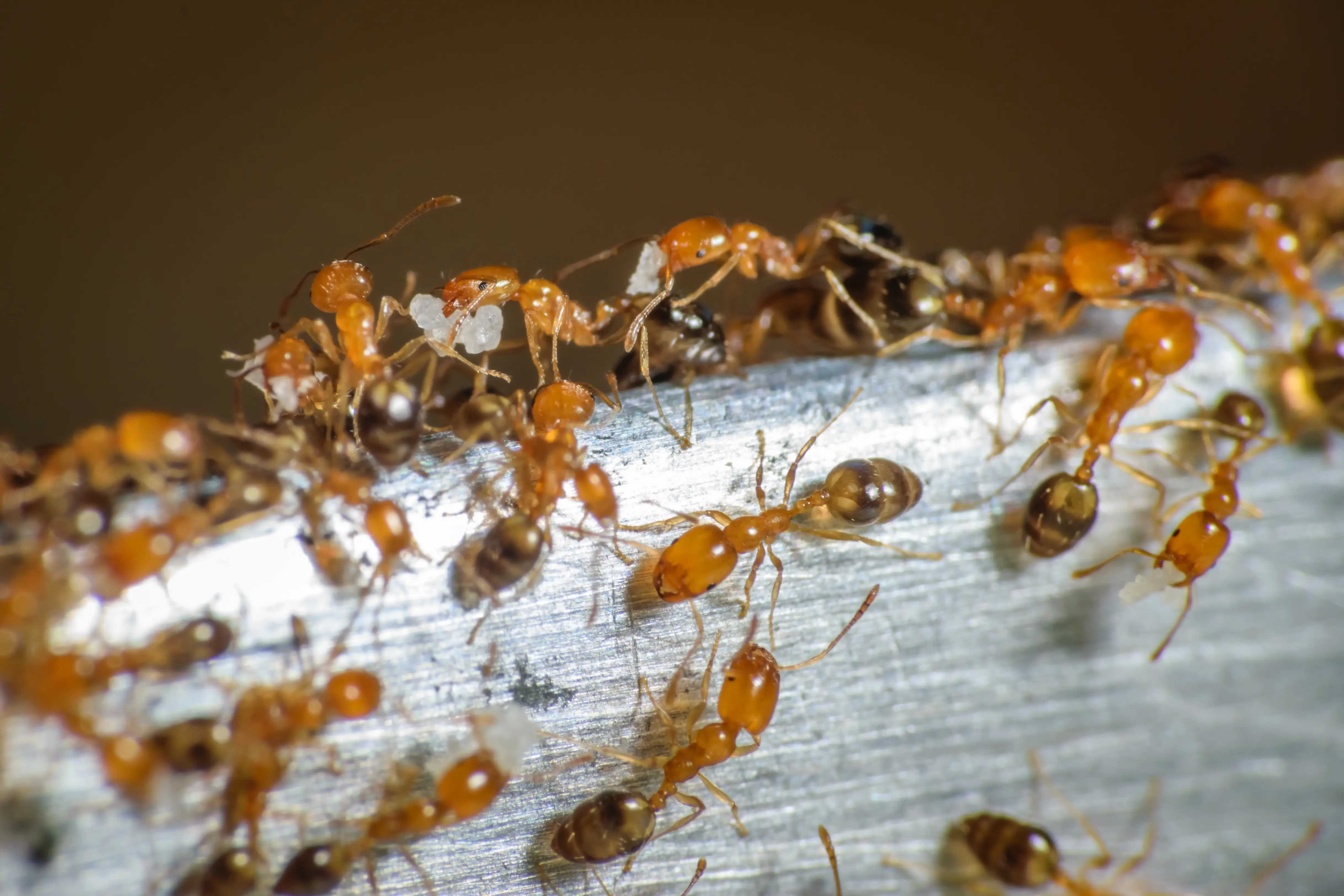
Close-up of ants in their colony
By Gary Anderson||9 min read

Do Ants Ever Sleep?

Discover the surprising truth about ant sleep patterns, from power naps to queen ant rest cycles, and learn when ants are most active.

The question of whether ants sleep might seem simple at first glance, but ant sleep patterns are as complicated and fascinating as the ants themselves. Ants are generally observed tirelessly working at all hours, which has long fueled the notion that these industrious insects never rest.

Recent research, however, has begun to peel back the layers of ants' daily lives and reveal a sleep cycle that is both complex and surprising. Contrary to the assumption that ants are always awake, studies have discovered that ants do indeed take breaks to rest in the form of short, staggered power naps.

Quick Answer

Yes, ants do sleep! Worker ants take approximately 250 power naps per day, each lasting just over a minute, totaling about 4.8 hours of sleep. Queen ants sleep nearly 9.4 hours per day in longer 6-minute episodes.
How Do We Define Sleep When Ants Do It?

Defining sleep in the context of ants presents a unique challenge that diverges significantly from human conceptions of rest. Unlike humans with a central nervous system that facilitates recognizable sleep states, ants exhibit sleep behaviors that are less obvious and require nuanced interpretation.

Signs of True Sleep in Ants

  • Noticeable reduction in mobility
  • Decreased responsiveness to stimuli
  • Ability to revert to active state rapidly
  • Observable behavioral changes
  • Shift to recovery and rejuvenation

Sleep vs Rest

Rest: Temporary pauses in activity where ants cease labor but do not enter a state of deep physiological change.

Sleep: Significant physiological transformations that contribute to overall health and the colony's efficiency.

How Do We Know Ants Sleep?

Determining whether ants sleep involves observing changes in behavior and physiological responses that indicate a rest phase distinct from mere inactivity:

Reduced Responsiveness

Ants become noticeably less responsive when asleep, even when touched by fellow colony members. This is distinct from their typically highly reactive state.

Antennae Movement

Sleeping ants move their antennae in a manner distinct from their waking state, suggesting they may reach deeper sleep levels that allow dreaming.

Decreased Activity

Studies recorded up to a 65% decrease in mandible and antennae activity during certain periods, indicating deeper rest phases.

Brain Activity

Brain activity recorders revealed a marked decline in brain wave fluctuations during rest periods, similar to sleep patterns in higher organisms.

When Do Ants Sleep?

Ants take moments of rest but in a manner quite unlike our own extended periods of slumber. The concept of sleep among ants leans more towards the realm of power napping rather than prolonged, deep sleep cycles.

Polyphasic Sleep Pattern

This segmented sleep pattern is known as polyphasic sleep and allows ants to distribute rest periods throughout the day and night. This enables them to maintain high levels of productivity and alertness while ensuring the colony is always active.

250
naps per day (workers)
~1 min
average nap length
4h 48m
total daily sleep

Dealing with an Ant Infestation?

Our experts eliminate ant colonies at the source for lasting protection.

Call (866) 326-2847

Do Ant Queens Sleep?

Ant queens exhibit sleep patterns distinctly different from worker ants, highlighting their unique role and evolutionary adaptations aimed at protecting the colony's matriarch.

Queen Sleep Statistics

  • About 90 sleep episodes per day
  • Each nap averages 6 minutes long
  • Total sleep: 9.4 hours per day
  • Nearly double the sleep of workers

Signs of Deep Sleep

  • Antennae retract during deeper sleep
  • Mouths close during sleep stages
  • Occasional antenna movements hint at dream-like states
  • Similar to REM sleep in mammals

Are Ants Nocturnal?

The answer is not one-size-fits-all, as sleep and activity patterns can vary significantly across the approximately 12,000 known ant species. Reduced activity does not necessarily mean a colony is "asleep."

Nocturnal Ants

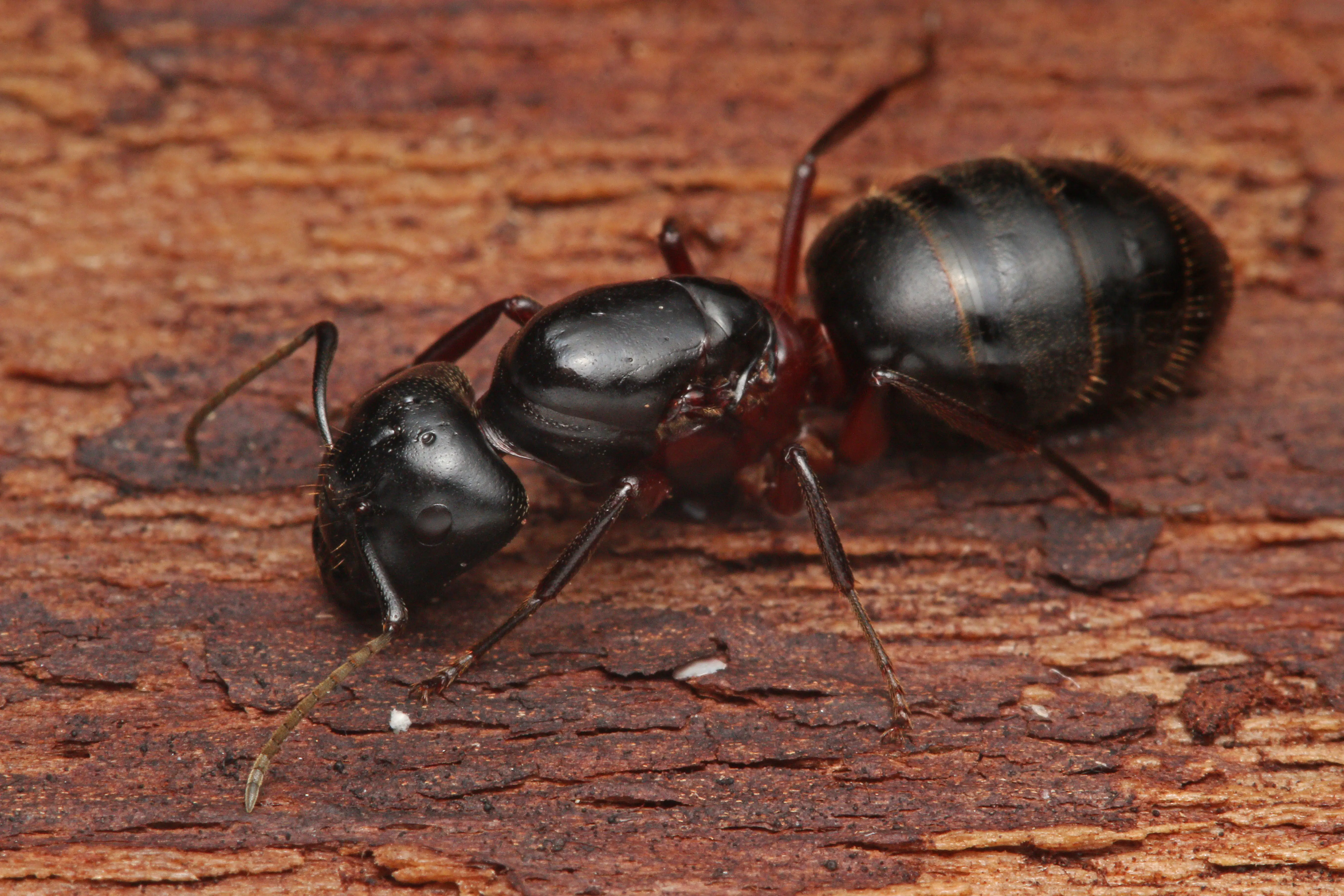
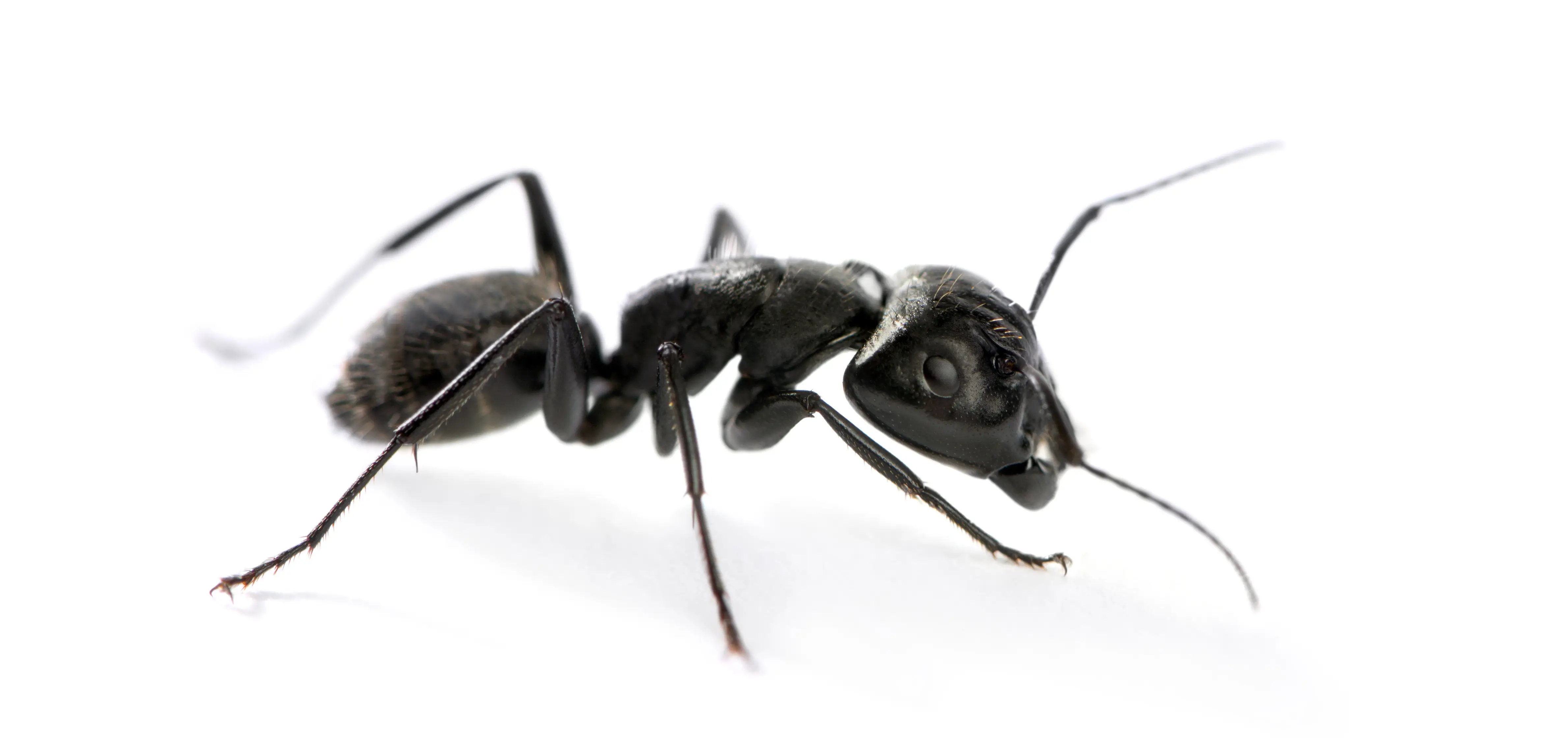
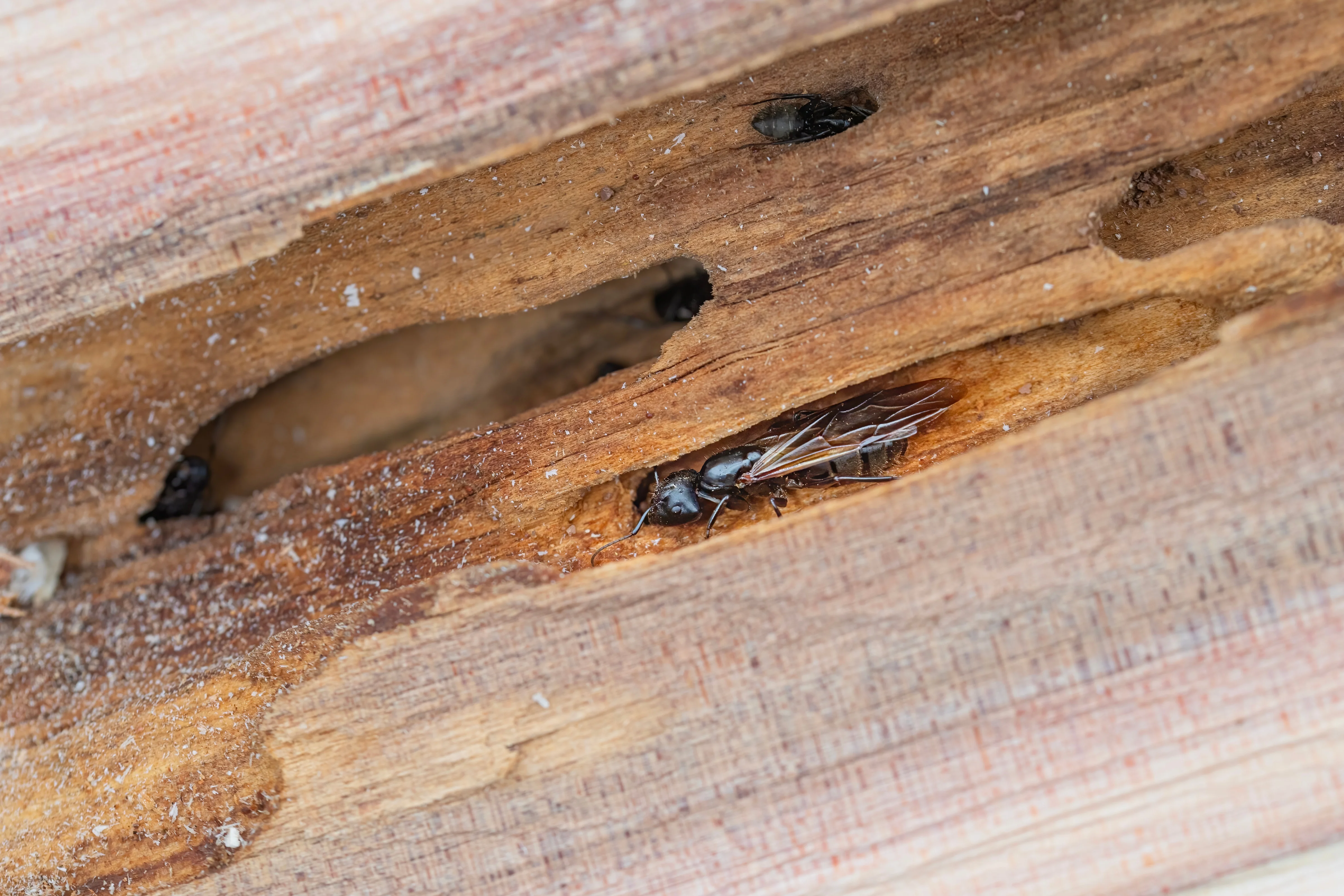
Carpenter ants and sugar ants emerge at night to forage, avoiding predators and exploiting resources with reduced competition.

Diurnal Ants

Some species are strictly active during the day, taking advantage of daylight hours for foraging and colony activities.

Crepuscular Ants

Other species are most active during twilight hours, at dawn and dusk when conditions are optimal.

Monophasic vs Polyphasic Sleep

Some species have adapted monophasic sleep patterns with longer, uninterrupted periods of sleep due to environmental demands. For example, desert ants may rest during scorching daytime to avoid heat stress and become active at night when temperatures are cooler.

Factors That Influence Ants' Sleep Patterns

Circadian Rhythm

Ants are governed by an intricate internal biological clock that orchestrates their sleep patterns. This circadian rhythm aligns sleep-wake cycles with environmental day-night changes for optimal efficiency.

Light Intensity

Light acts as a powerful regulator. Bright sunlight signals to diurnal ants that it is time to forage, while nocturnal ants use it as a sign that predators are active.

Temperature

As ectotherms, ants' metabolic rates, activity levels, and sleep needs are closely linked to ambient temperatures. Warmer conditions stimulate activity, while cooler temperatures necessitate increased rest.

Humidity

Extreme moisture can impair ant functionality and lead to decreased activity. Through evolutionary adaptation, ants have finely tuned their sleep patterns to these environmental factors.

Why Do Ants Sleep?

Ants sleep for the same reasons all animal species do: they need rest to allow their bodies to recover from day to day activities. However, their approach differs based on their role in the colony.

Worker Ant Strategy

Brief power naps are strategically interspersed to ensure a continuous flow of activity. This enables sufficient workers to remain vigilant at all times for colony defense and maintenance, minimizing vulnerability while maximizing readiness.

Queen Ant Strategy

Queens are central to the colony's reproductive success and benefit from longer, more restful sleep periods. Worker ants play the protective role to ensure the queen can rest as needed. This division of labor ensures the colony's lineage continues.

Ants' Collective Sleeping Behavior

Within an ant colony, sleep is a communal and meticulously coordinated affair that reflects extraordinary organizational capabilities. Rest cycles are synchronized throughout the colony to ensure laborious undertakings proceed smoothly around the clock.

Synchronized Rest

Ants rotate between duties like foraging while getting rest. This ensures no interruption in essential activities while providing necessary downtime.

Chemical Communication

Ants communicate their resting state through specific pheromones that signal the need for undisturbed rest. This ensures rest periods are respected.

Sleeping Chambers

Ants have developed specialized sleeping chambers and an intricate communication network that optimizes both individual rest and collective productivity.

Where Do Ants Sleep?

Preferred Locations

Research reveals ants prefer to sleep on the ceiling of chambers or against walls. Ants resting at the center tend to have shorter sleep durations due to higher traffic.

Safe Environments

Nests provide secure environments where ants can rest without fear of predators. Specialized chambers, sometimes lined with soft materials, offer dedicated rest spaces.

Outside the Nest

Ants on the move may sleep in secluded spots when necessary, from the underside of leaves to hidden nooks that offer shelter and cover.

When Are Ants Most Active?

Ants exhibit varying levels of activity throughout the year, with their most active periods generally spanning from March to October.

Peak Activity Season

Heightened activity correlates with warmer temperatures and longer daylight hours in spring. These conditions signal ants to emerge from their less active winter states. The warmer climate facilitates foraging and coincides with their reproductive phase, resulting in rapid colony growth.

Year-Round Concern

The transition to cooler temperatures in late fall does not necessarily reduce indoor ant encounters. To escape the cold, ants seeking refuge may migrate into homes, making ant infestations a year-round concern for homeowners.

Do Ants Hibernate?

During colder months, ants engage in a survival strategy known as "overwintering", which is often mistaken for hibernation. This involves seeking warmer locations inside colonies where they cluster together for warmth and to protect the queen.

Diapause (Not Sleep)

The process is more accurately termed diapause, a state of dormancy with significantly reduced metabolic activity. Worker ants cease labor, queens halt egg-laying, and larvae growth pauses.

Overwintering Locations

  • Deep in the soil
  • Beneath rocks
  • Within walls of homes
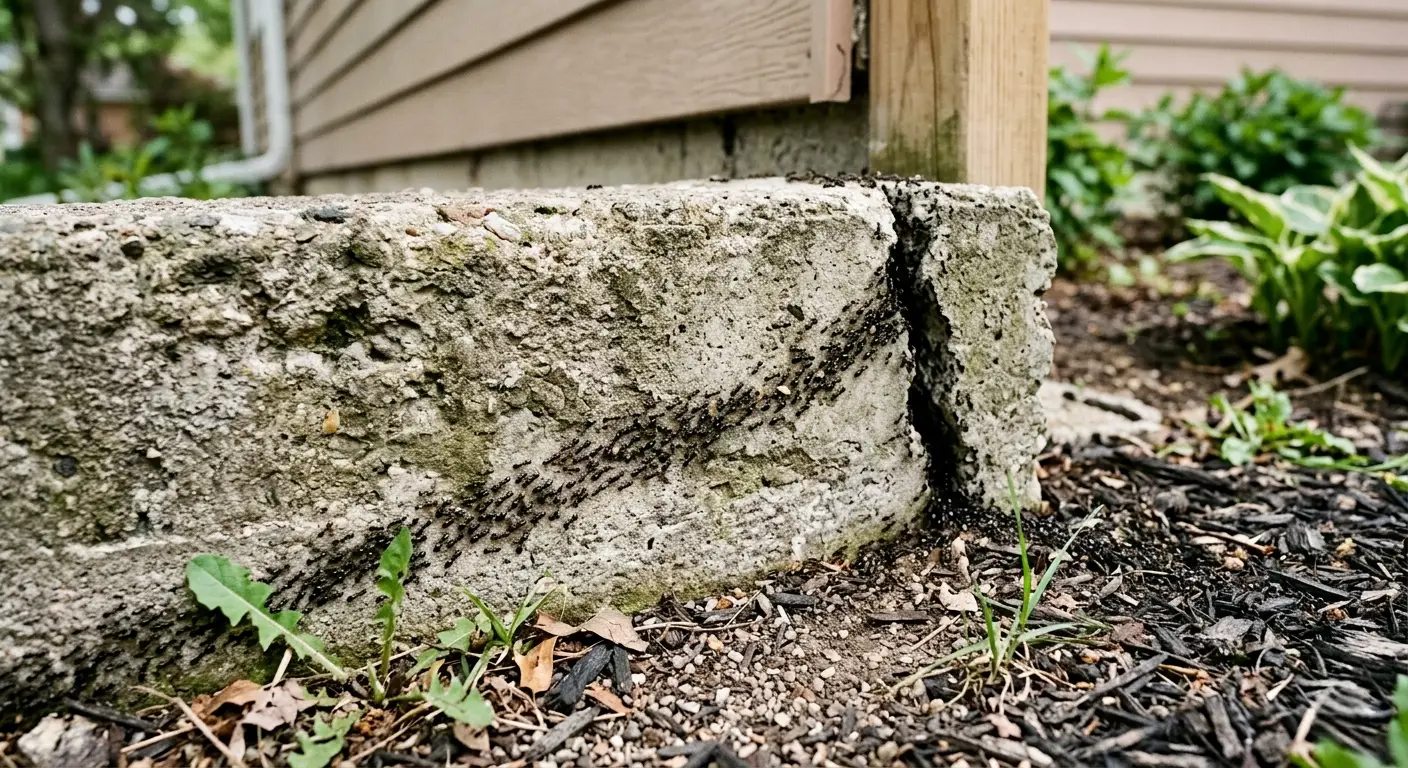
  • Under concrete slabs
  • Under decaying wood

Contact EcoGuard if You Are Dealing with Ants

Whether you are noticing increased ant activity in the warmer months or encountering persistent intruders seeking shelter as temperatures drop, EcoGuard Pest Management is here to help. We have a deep understanding of ant behavior and are committed to delivering effective, environmentally friendly pest control solutions.

Call (866) 326-2847Get Free Quote

Ant Sleep FAQs

How long does an ant sleep?

An ant's sleep pattern is remarkably fragmented and consists of numerous short naps rather than long, uninterrupted rest. Worker ants may take up to 250 brief naps each day, with each nap lasting just over a minute. This accumulated rest can total approximately 4.8 hours of sleep per day. In contrast, queen ants indulge in longer sleep episodes, resting for about 6 minutes at a time and achieving around 9.4 hours of sleep daily.

Do ants sleep at night?

Ant activity at night varies among species, with some ants like carpenter ants and sugar ants exhibiting nocturnal behaviors. These ants come out at night to forage for food, follow established trails, and carry out other colony-related tasks while taking advantage of cooler temperatures and reduced competition or predation risks. However, specific nighttime activities can depend on the ant species and environmental conditions, as some ants may also use this time to rest within their nests.

Do ants get tired of walking?

Ants do not get tired in the same way humans do, thanks to their efficient energy use and the ability to take short power naps to replenish their energy. Their polyphasic sleep pattern involves hundreds of brief rests that allow them to maintain high levels of activity without showing signs of fatigue from walking or other tasks.

From Our Blog

Related Articles

14 Natural Ant Repellent Strategies That Actually Work

14 Natural Ant Repellent Strategies That Actually Work

Discover effective natural ant repellents including mint, vinegar, cinnamon, and more. Learn how to keep ants out of...

Read Article
16 Common Types of Ants in California | Identification & Treatment

16 Common Types of Ants in California | Identification & Treatment

Identify 16 common ant species in California including carpenter ants, fire ants, and Argentine ants. Learn their...

Read Article
Are Fire Ants Dangerous? Understanding Fire Ant Risks & Safety

Are Fire Ants Dangerous? Understanding Fire Ant Risks & Safety

Learn about fire ant dangers including painful stings, allergic reactions, and property damage. Comprehensive guide on...

Read Article
Argentine Ants: Complete Identification, Control & Prevention Guide

Argentine Ants: Complete Identification, Control & Prevention Guide

Learn to identify Argentine ants, understand their supercolony behavior, and discover effective control strategies....

Read Article
Common Signs of Carpenter Ant Damage

Common Signs of Carpenter Ant Damage

Learn to identify carpenter ant damage signs including frass, holes, tunnels, and how to distinguish carpenter ant...

Read Article
Do Ants Bite? Symptoms, Treatment & Prevention

Do Ants Bite? Symptoms, Treatment & Prevention

Learn about ant bites vs stings, which ants bite, symptoms, allergic reactions, treatment options, and how to prevent...

Read Article
Do Ants Eat Aphids? The Ant-Aphid Relationship Explained

Do Ants Eat Aphids? The Ant-Aphid Relationship Explained

Learn about the fascinating relationship between ants and aphids, how ants farm aphids for honeydew, problems aphids...

Read Article
Do Carpenter Ants Eat Wood? Understanding Carpenter Ant Damage

Do Carpenter Ants Eat Wood? Understanding Carpenter Ant Damage

Learn the truth about carpenter ants and wood. Unlike termites, carpenter ants don\

Read Article
How Do Ant Baits and Traps Work? Complete Guide to Ant Bait Systems

How Do Ant Baits and Traps Work? Complete Guide to Ant Bait Systems

Learn how ant baits and traps work to eliminate entire colonies. Discover bait types, active ingredients, placement...

Read Article
How Do Ants Communicate With Each Other? Complete Guide to Ant Communication

How Do Ants Communicate With Each Other? Complete Guide to Ant Communication

Learn how ants communicate using pheromones, touch, sound, and body language. Discover why ant communication is key to...

Read Article
How Do Ants Get in the House? Complete Entry Point Guide

How Do Ants Get in the House? Complete Entry Point Guide

Learn how ants get into your house through foundation cracks, windows, utility lines, and more. Discover entry points,...

Read Article
How Do Ants Get Into Your House? Entry Points & Prevention

How Do Ants Get Into Your House? Entry Points & Prevention

Learn how ants enter your home through cracks, gaps, and openings. Discover where ants hide, what attracts them, and...

Read Article
How Do Ants Mate and Reproduce? Ant Reproduction Explained

How Do Ants Mate and Reproduce? Ant Reproduction Explained

Learn how ants mate during nuptial flights, how queen ants reproduce, the role of drones, and unique reproductive...

Read Article
How Many Ants Are in a Colony? Complete Guide to Ant Colony Size

How Many Ants Are in a Colony? Complete Guide to Ant Colony Size

Learn how many ants live in a colony, from small carpenter ant nests to Argentine ant supercolonies with billions....

Read Article
How to Get Rid of Ants Inside and Outside Your Home

How to Get Rid of Ants Inside and Outside Your Home

Learn how to get rid of ants inside your home, repel them before they enter, and eliminate outdoor colonies. Complete...

Read Article
How to Get Rid of Carpenter Ants in the House

How to Get Rid of Carpenter Ants in the House

Learn how to identify, eliminate, and prevent carpenter ants. Comprehensive guide to indoor and outdoor treatments,...

Read Article
Understanding Ant Colony Structure and Hierarchy

Understanding Ant Colony Structure and Hierarchy

Learn about ant colony structure, hierarchy, and how ants work together. Discover the roles of queens, workers, drones,...

Read Article
What Are Ants? Complete Guide to Ant Biology, Behavior & Control

What Are Ants? Complete Guide to Ant Biology, Behavior & Control

Learn everything about ants including appearance, colony hierarchy, life cycle, diet, defenses, and how to get rid of...

Read Article
What Are Red Ants? Fire Ant Identification & Control

What Are Red Ants? Fire Ant Identification & Control

Learn about red ants and fire ants, how to identify them, their behavior, dangers of their stings, and effective...

Read Article
What Attracts Ants Inside the House? Prevention Tips

What Attracts Ants Inside the House? Prevention Tips

Learn what attracts ants to your home including food, water, and shelter. Discover prevention tips and how to get rid...

Read Article
What Do Ants Eat and Drink in Your House?

What Do Ants Eat and Drink in Your House?

Learn what ants eat including sugars, proteins, seeds, fungus, and other insects. Discover how different ant species...

Read Article
What Happens When the Queen Ant Dies?

What Happens When the Queen Ant Dies?

Learn what happens when a queen ant dies, how to identify a queen, the ant queen life cycle, and how to effectively...

Read Article
What's the Lifespan of an Ant? Guide to Ant's Life Cycle

What's the Lifespan of an Ant? Guide to Ant's Life Cycle

Learn how long ants live based on species, caste, and gender. Discover the ant life cycle from egg to adult and factors...

Read Article
When is Ant Season? Complete Guide to Ant Activity Patterns

When is Ant Season? Complete Guide to Ant Activity Patterns

Learn when ant season occurs in your region, peak activity times by species, and seasonal prevention strategies....

Read Article
Where Do Ants Go in the Winter? Complete Winter Behavior Guide

Where Do Ants Go in the Winter? Complete Winter Behavior Guide

Discover where ants go in winter, how they survive freezing temperatures through diapause, and why they may invade your...

Read Article
Where Do Ants Live? Complete Guide to Ant Habitats

Where Do Ants Live? Complete Guide to Ant Habitats

Discover where ants live outdoors and indoors, from underground colonies to wall voids. Learn about species-specific...

Read Article
Why Are Flying Ants a Problem? Identification and Prevention

Why Are Flying Ants a Problem? Identification and Prevention

Learn why flying ants appear, how to identify them vs termites, which species swarm, and how to prevent and eliminate...

Read Article
Why Are There Ants in My Bathroom? Causes & Solutions

Why Are There Ants in My Bathroom? Causes & Solutions

Discover why ants invade bathrooms and learn effective solutions. Understanding moisture, food sources, and shelter...

Read Article