EcoGuard Pest Management
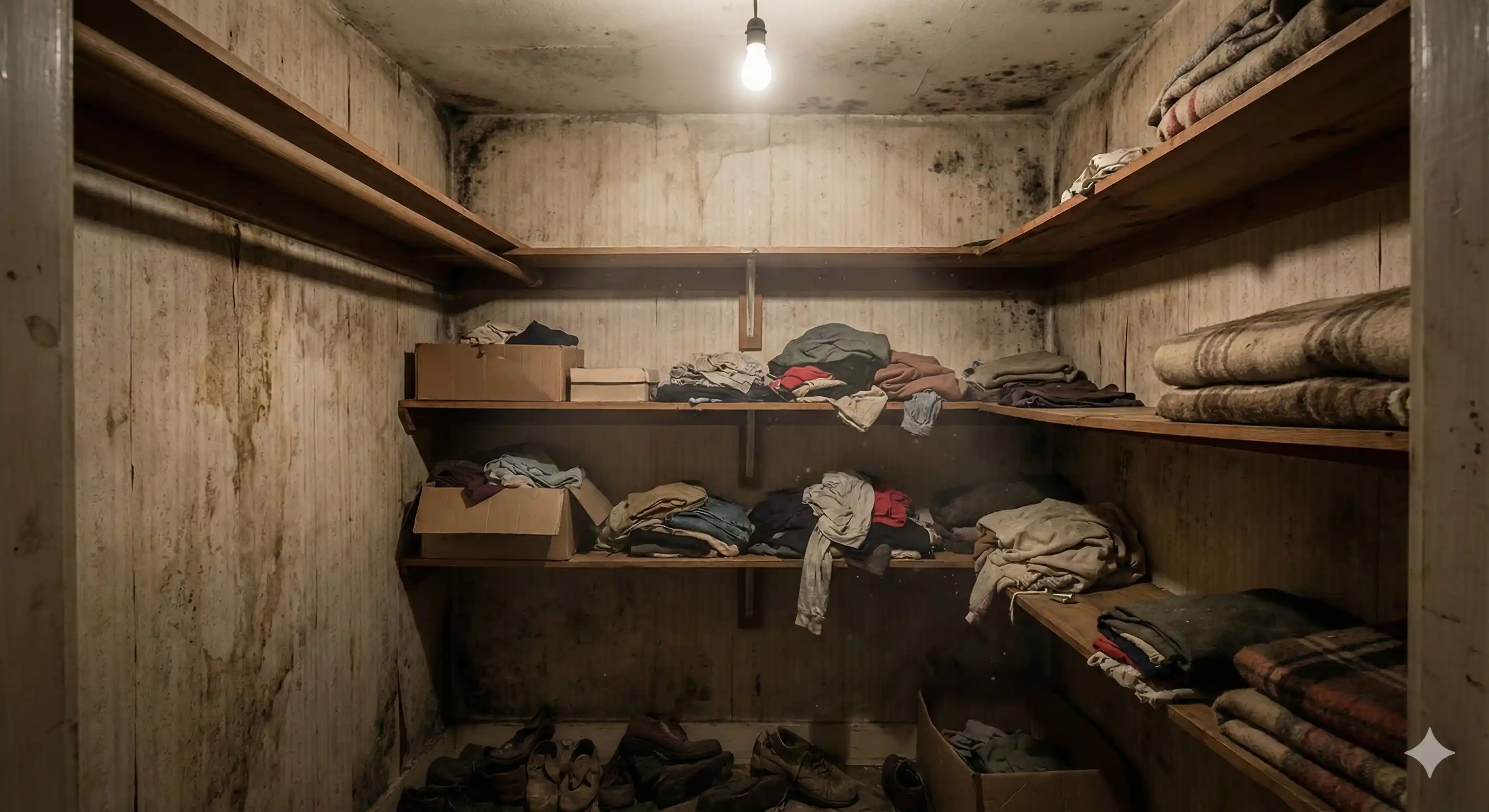
Professional moth control technician inspecting closet and textiles for moth infestation

Expert Moth Control Services

Moth infestations silently damage clothing, contaminate food storage, and compromise valuable textiles throughout homes and businesses. EcoGuard Pest Management delivers advanced moth elimination services through scientifically proven treatment protocols and long-term prevention strategies. Our certified technicians utilize commercial-grade products and systematic inspection methods to identify, treat, and prevent moth problems at their source.

Moth Pest Control Experts

EcoGuard's moth control team brings specialized expertise in textile pest elimination and prevention to every property we service. Our technicians undergo extensive training in moth biology, behavior patterns, and treatment protocols to deliver superior results. We combine in-depth property analysis with targeted treatment strategies to eliminate active infestations while implementing robust prevention measures for long-term protection.

The Importance of Professional Moth Control

Professional moth control services deliver essential protection for valuable textiles, stored goods, and living spaces:

  • Moths establish multiple breeding sites throughout buildings, often in hidden areas behind baseboards, in wall voids, and within storage spaces that are difficult to detect and treat without professional expertise
  • Each female moth produces hundreds of eggs, leading to rapid population growth and widespread property damage when left untreated—a small problem quickly becomes a major infestation
  • Our commercial-grade treatments penetrate deep into affected areas while protecting sensitive materials, ensuring thorough coverage of all potential breeding sites
  • Professional application methods maintain the integrity of treated items while eliminating current infestations and preventing future moth problems through strategic barrier treatments

Moth Control Service Plans

Choose the protection level that's right for your property

One-Time Treatment
$249+
Starting price
  • Comprehensive property inspection
  • Species identification
  • Entry point identification
  • Targeted treatment application
  • Perimeter barrier application
  • Nest elimination
  • Treatment report & recommendations
  • 30-day guarantee
Get Started
MOST POPULAR
Annual Protection
Contact Us
For custom pricing
  • Everything in One-Time Treatment
  • Seasonal maintenance plan
  • Entry point treatments
  • Priority scheduling
  • Re-treatment guarantee
Get Started

* Prices vary based on property size, infestation severity, and treatment method. Contact us for an accurate quote.

Service Plan Comparison

FeatureOne-TimeAnnual
Comprehensive Inspection
Treatment Application
Follow-Up InspectionsQuarterly
Pheromone MonitoringInitialOngoing
Re-Treatment Guarantee
Seasonal Preventive Treatments

Get Your Free Moth Quote

Protect your property with a free moth quote from our licensed experts.

✓ Same-day service available
✓ Licensed & insured
✓ Detailed property assessment
✓ No-obligation estimates

Service Areas

We provide moth control services throughout:

  • California
  • Oregon
  • Washington
  • Texas
  • Tennessee
  • Nevada
View All Counties →

Ready to Eliminate Your Moth Problem?

Schedule your moth inspection today. Our experts will assess your property and provide a customized treatment plan.

📞 Call (866) 326-2847Get Free Quote

Moth Treatment Options

EcoGuard Pest Management employs multiple targeted treatment solutions to combat moth infestations effectively. Each control approach is customized according to moth species, infestation severity, and material sensitivity to ensure complete elimination while protecting your valuables.
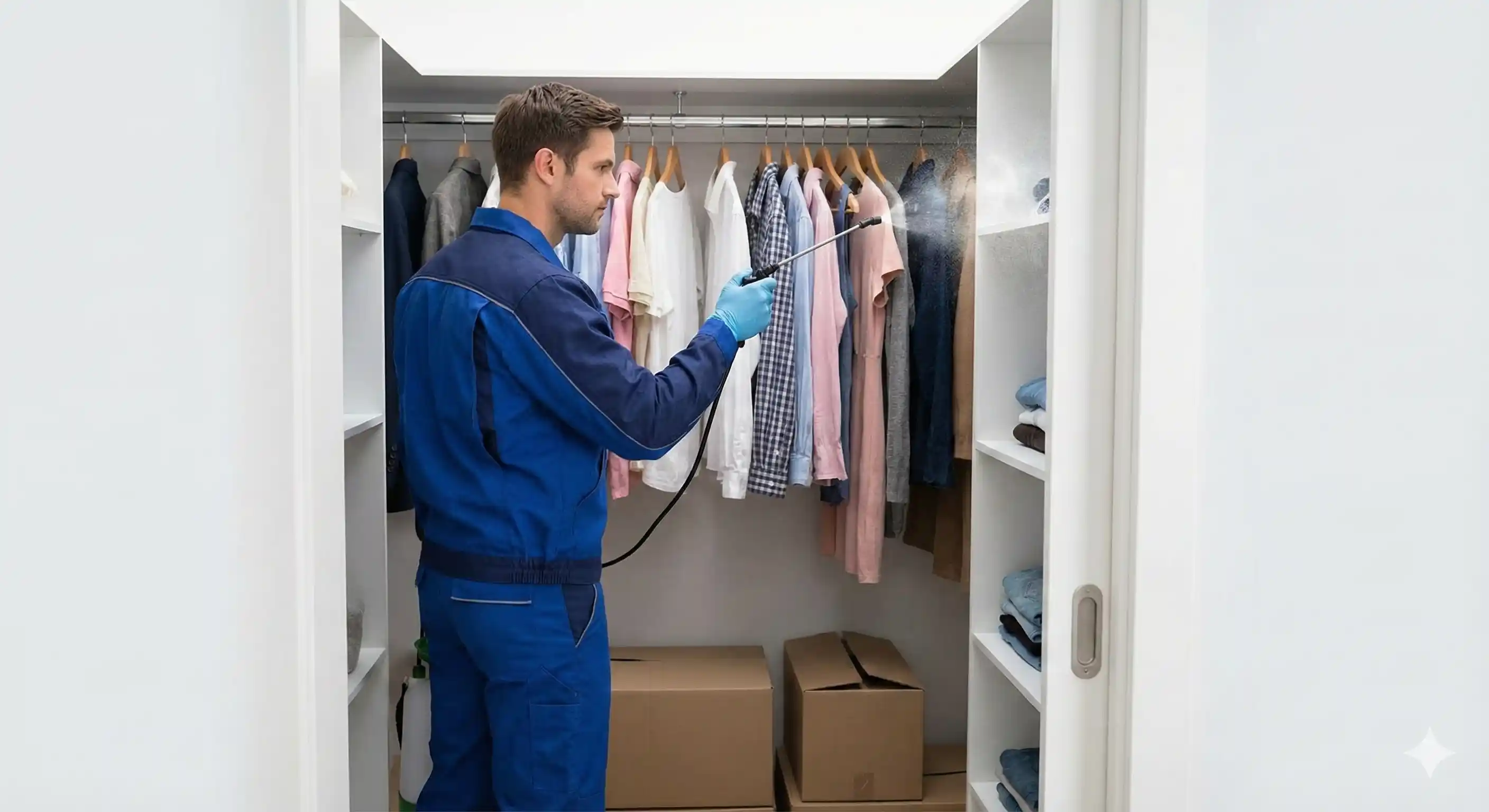
Technician applying precision moth treatment to closet and textile storage areas

Precision Applications

Our commercial-grade treatments target active moth populations with specialized formulations designed for different surface types and materials. Applications focus on both contact elimination and residual protection while safeguarding treated items.

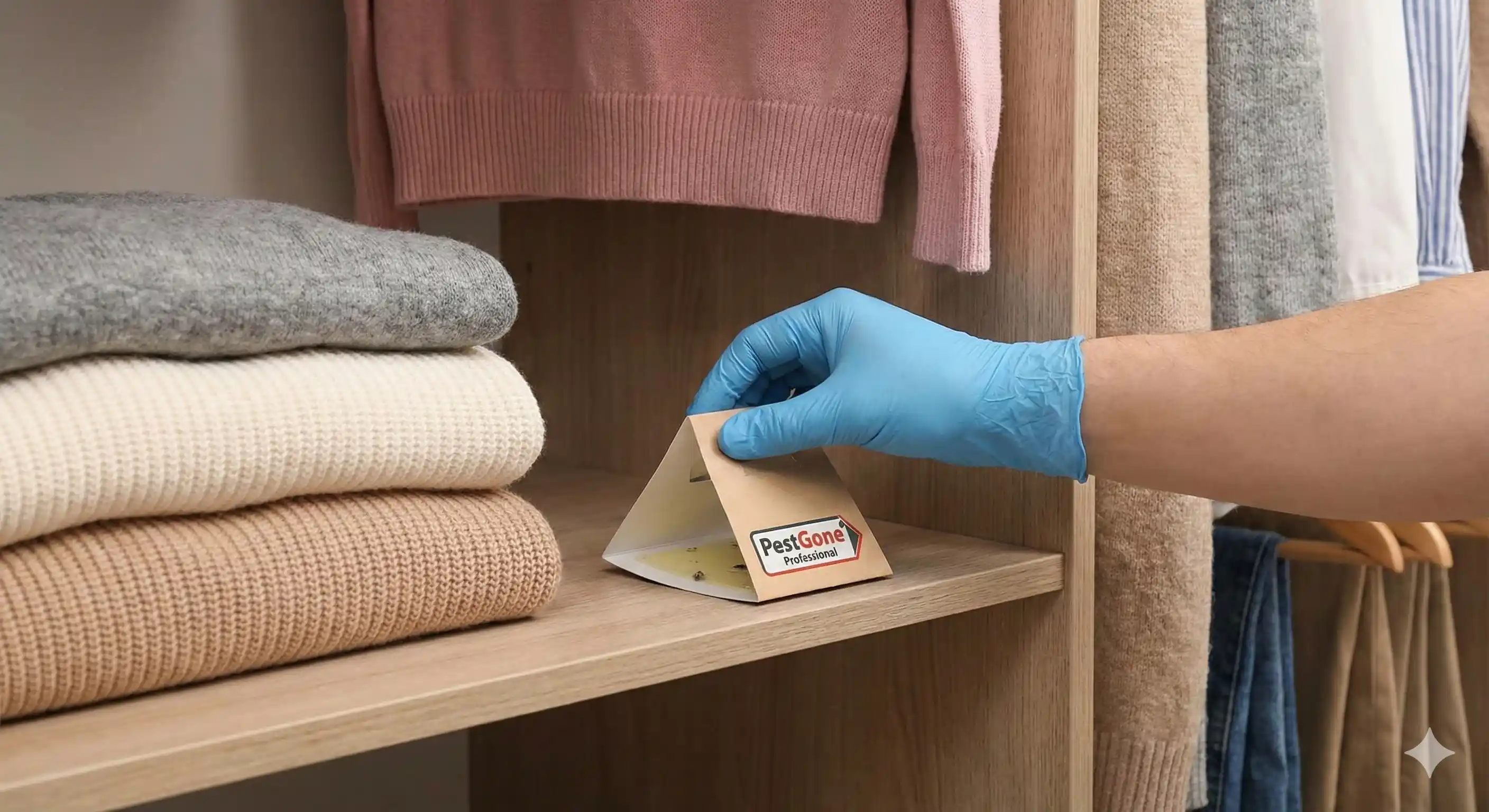
Professional pheromone trap system for moth detection and monitoring

Detection Systems

Advanced monitoring tools track moth activity patterns through pheromone traps and specialized inspection techniques. This systematic approach identifies primary infestation sources and potential breeding sites throughout the property.

Technician assessing storage conditions and humidity for moth prevention

Environmental Management

Strategic modifications to storage conditions and humidity levels create inhospitable environments for moth populations. Our recommendations include specific storage solutions and climate control adjustments based on property conditions.

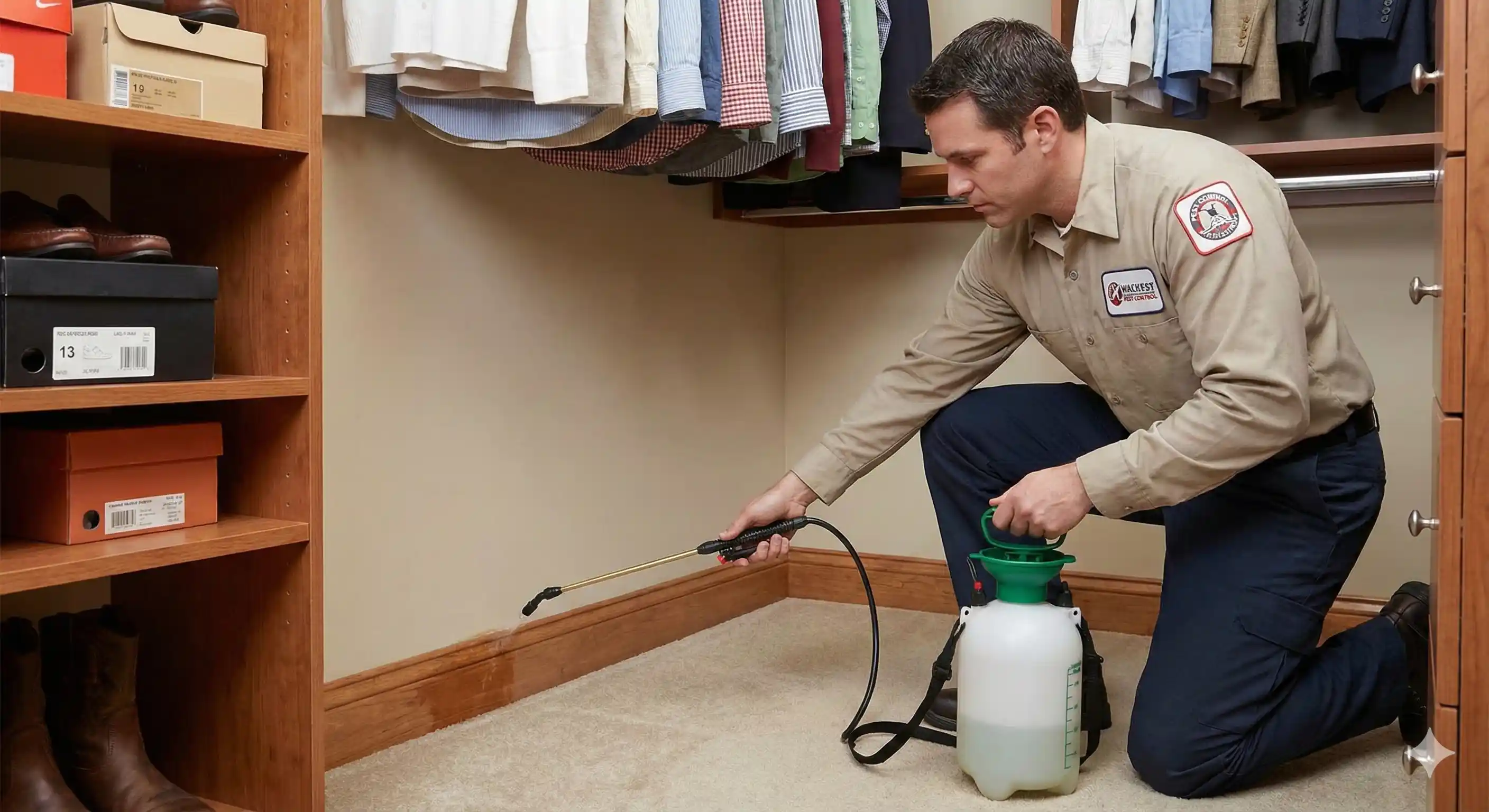
Applying preventive barrier treatment to closet and storage areas

Preventive Barrier Treatments

Long-lasting barrier applications protect vulnerable areas from future moth activity. These treatments focus on entry points, void spaces, and storage areas where moths commonly establish populations.

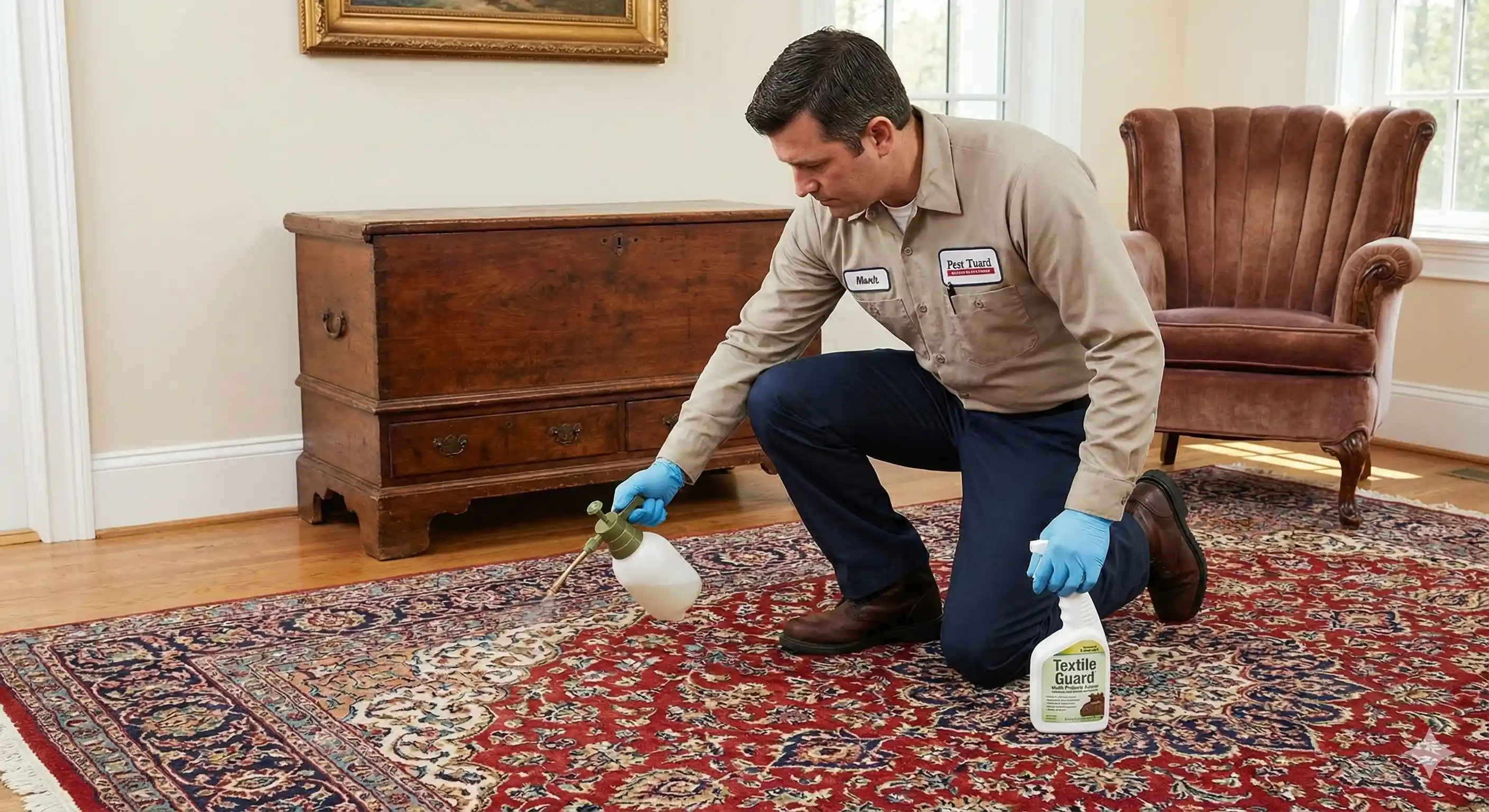
Professional treating valuable textiles and clothing for moth protection

Textile Protection Services

Specialized treatments designed specifically for protecting valuable clothing, carpets, rugs, and upholstery from moth damage while maintaining material integrity and appearance.

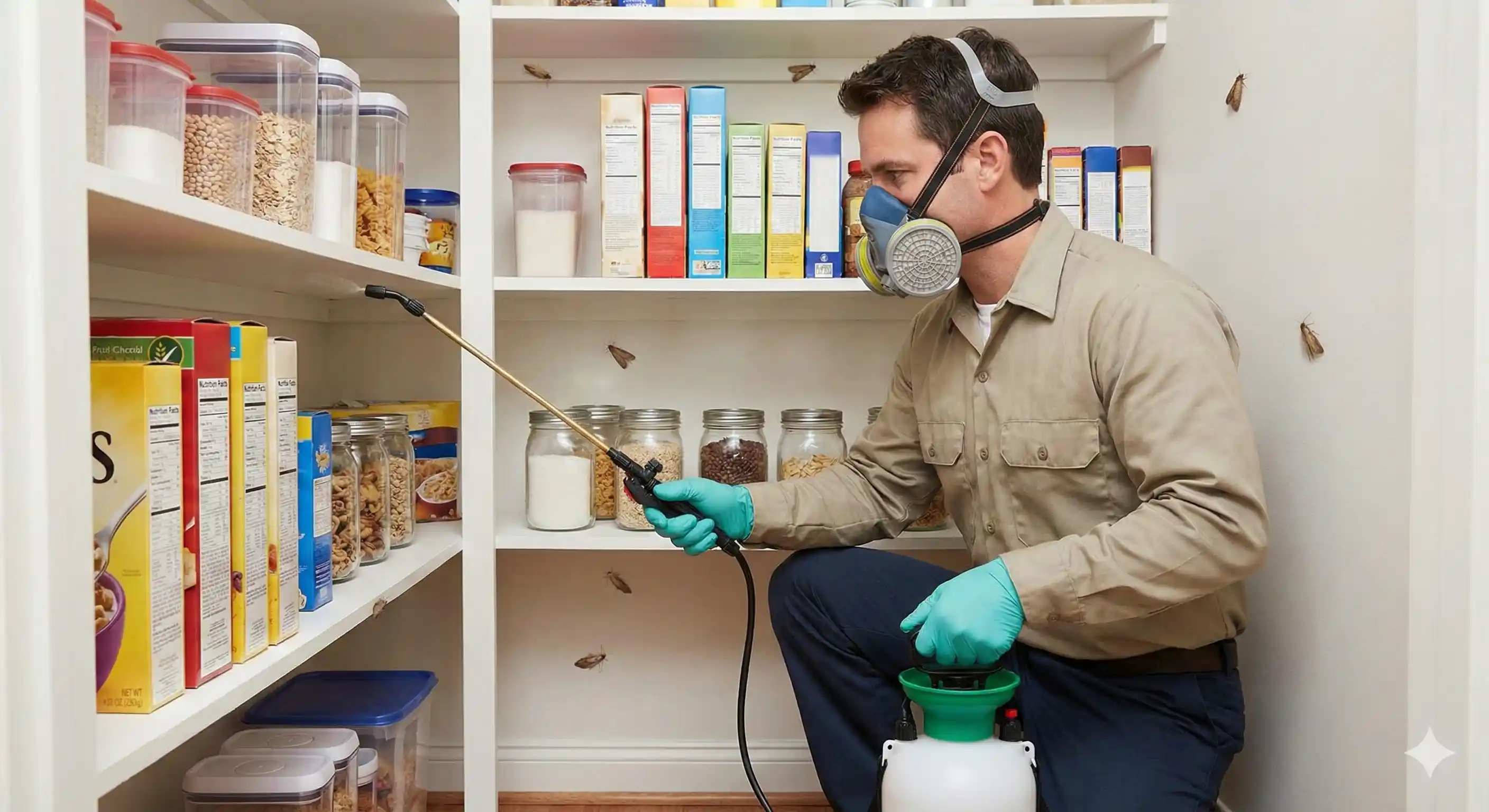
Technician treating pantry and food storage area for pantry moth elimination

Pantry Moth Elimination

Targeted treatments for food storage areas that eliminate pantry moth infestations, including thorough inspection of stored goods, removal of contaminated products, and protective applications to prevent reinfestation.

What Causes Moths?

Understanding what attracts moths to your property helps prevent serious infestations and protects your valuables.


Closet with wool and natural fiber clothing that attracts clothes moths

👔 Natural Fiber Storage

Moths are attracted to clothing and textiles made from natural fibers like wool, silk, cashmere, and fur. Improperly stored garments, especially those with food stains or body oils, provide ideal food sources for moth larvae.

Pantry with stored food products susceptible to pantry moth infestation

🫙 Stored Food Products

Pantry moths infest dried goods including grains, cereals, flour, nuts, dried fruit, and pet food. Open packages and long-term storage without proper containers create ideal breeding conditions.

Warm humid storage area providing ideal moth breeding conditions

🌡️ Warm, Humid Conditions

Moths thrive in warm, humid environments with temperatures between 70-80°F. Poor ventilation in closets, attics, and storage areas creates favorable breeding conditions that accelerate population growth.

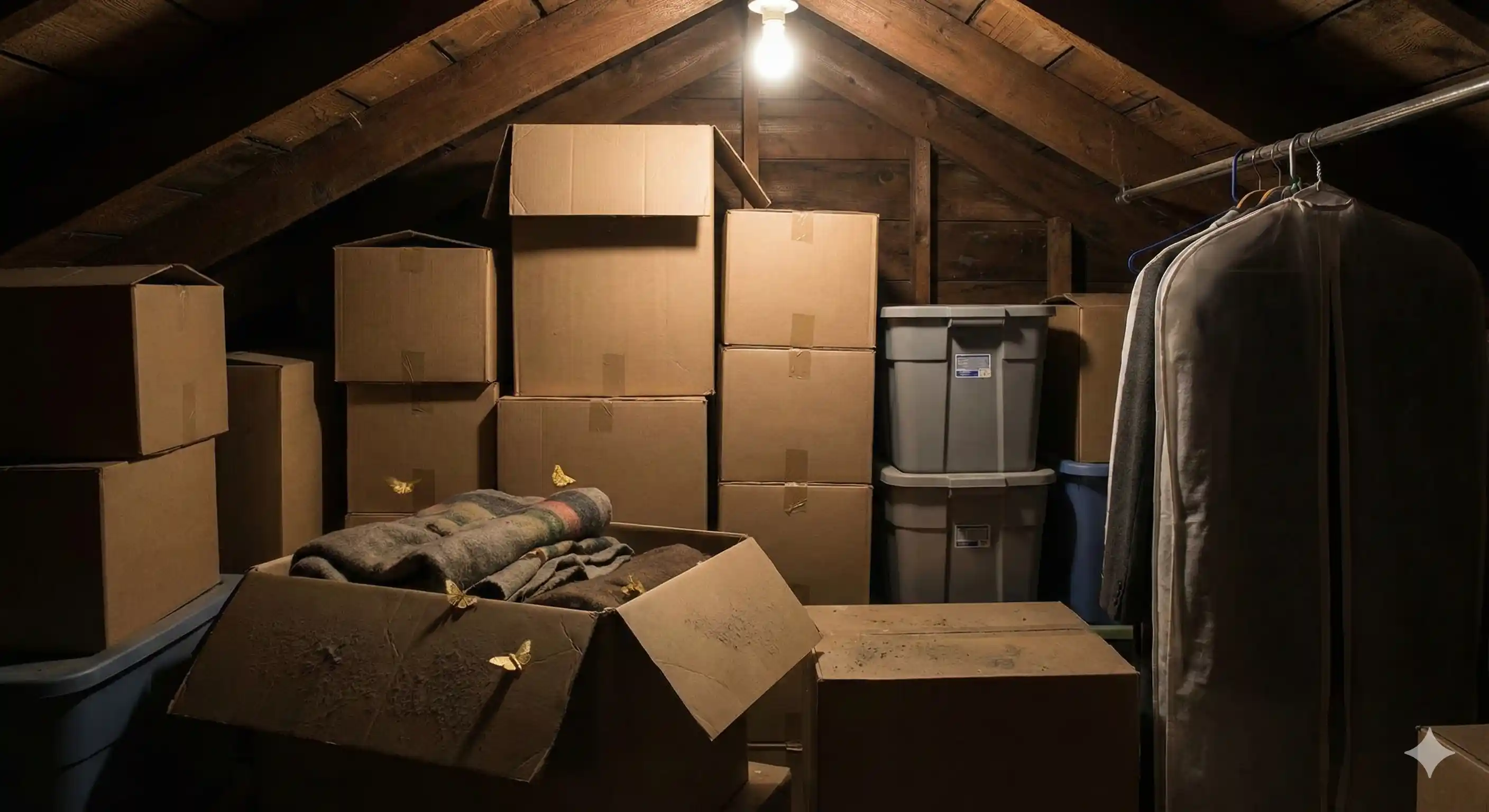
Undisturbed storage boxes and closet areas where moths establish populations

📦 Undisturbed Storage Areas

Moths prefer dark, quiet spaces where they can breed undisturbed. Seasonal clothing storage, rarely accessed closets, and packed storage boxes provide protected environments for moth populations to establish.

Learn More About Moth Prevention →

What Are Signs of Moths in Your Home?

Learn to identify these telltale indicators of moth activity before damage becomes severe.
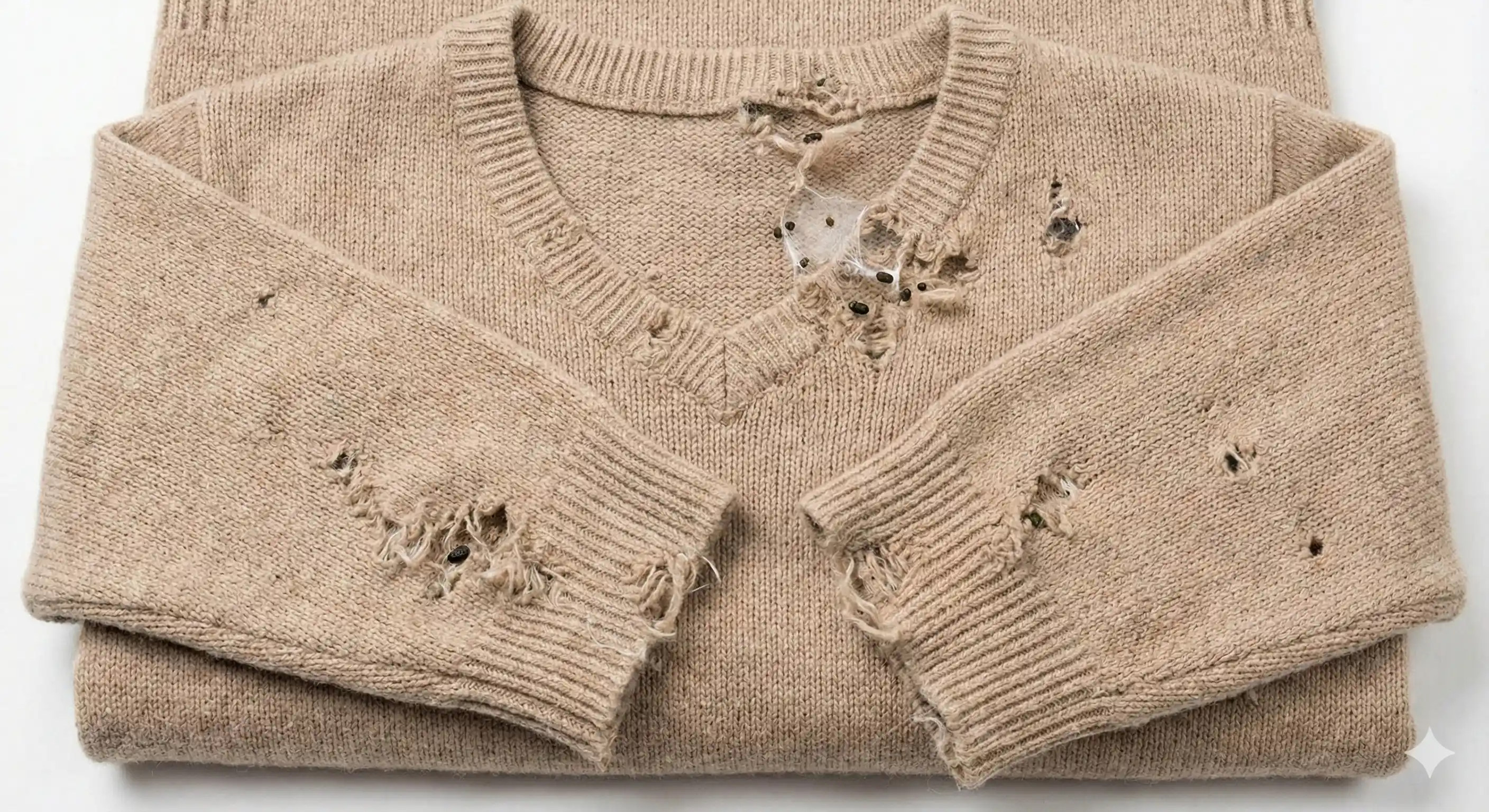
Wool sweater showing holes and damage from clothes moth larvae feeding

Damaged Fabrics & Textiles

Irregular holes in wool, silk, or other natural fiber garments, often in hidden areas like underarms, collars, or folds. Damage may appear as thinning fabric, bare patches on carpets, or missing fibers.

Silken webbing and tubes created by clothes moth larvae on fabric

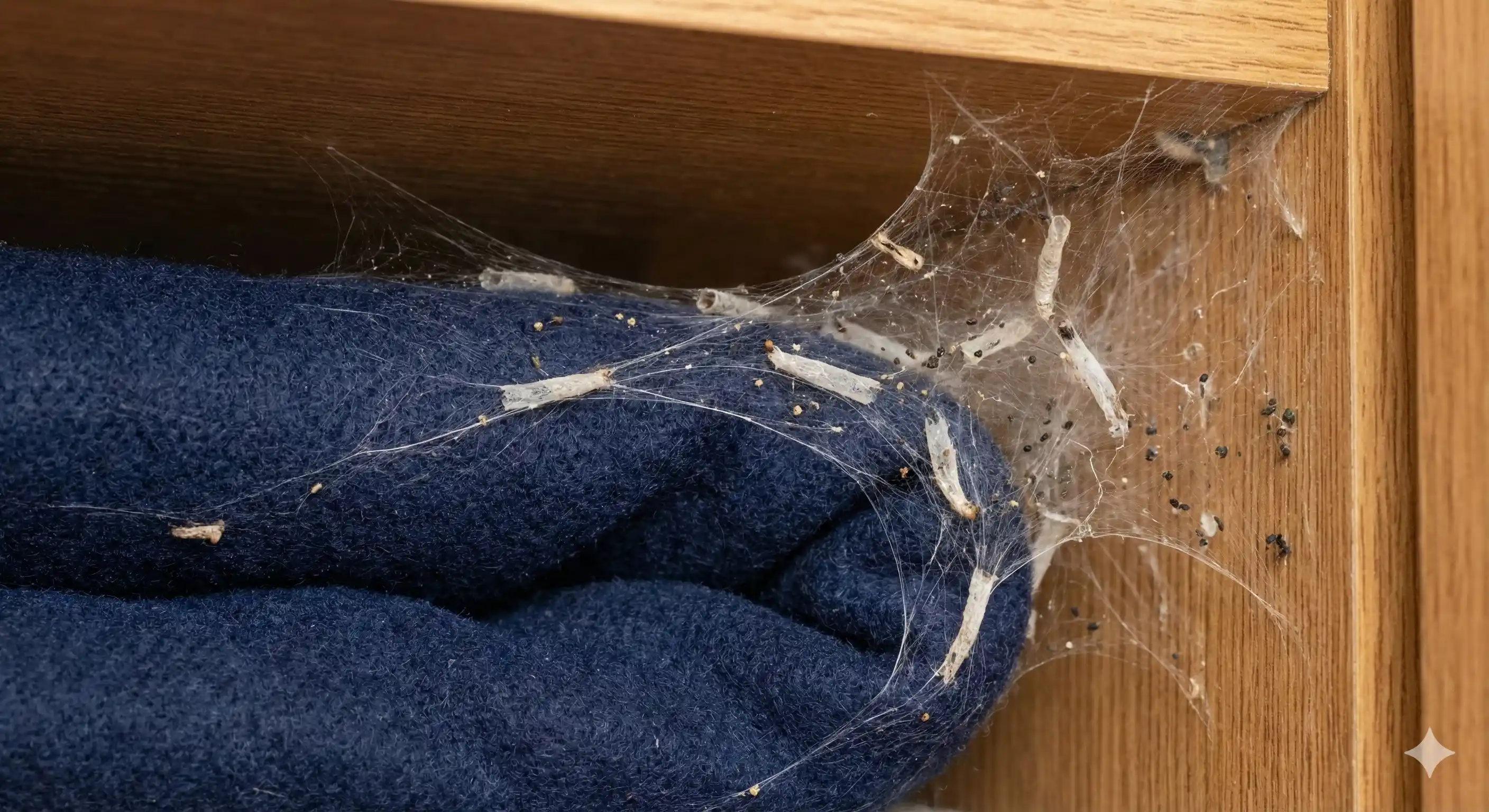
Webbing & Silken Tubes

Fine silken webbing or tube-like casings in corners of closets, drawers, or along fabric surfaces. Clothes moth larvae create protective silk tubes as they feed on textiles.

Adult clothes moth or pantry moth indicating active infestation

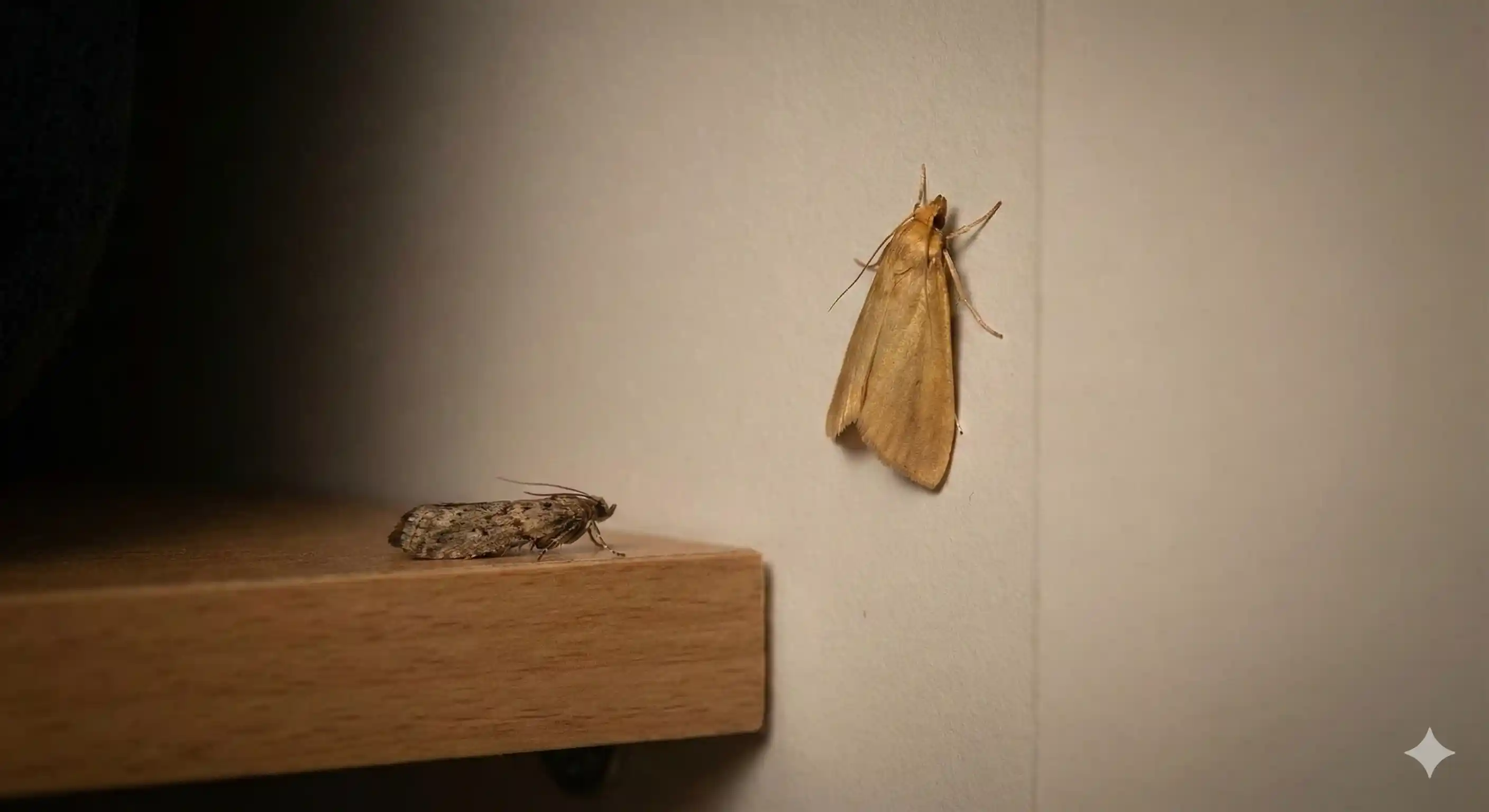
Adult Moths Flying

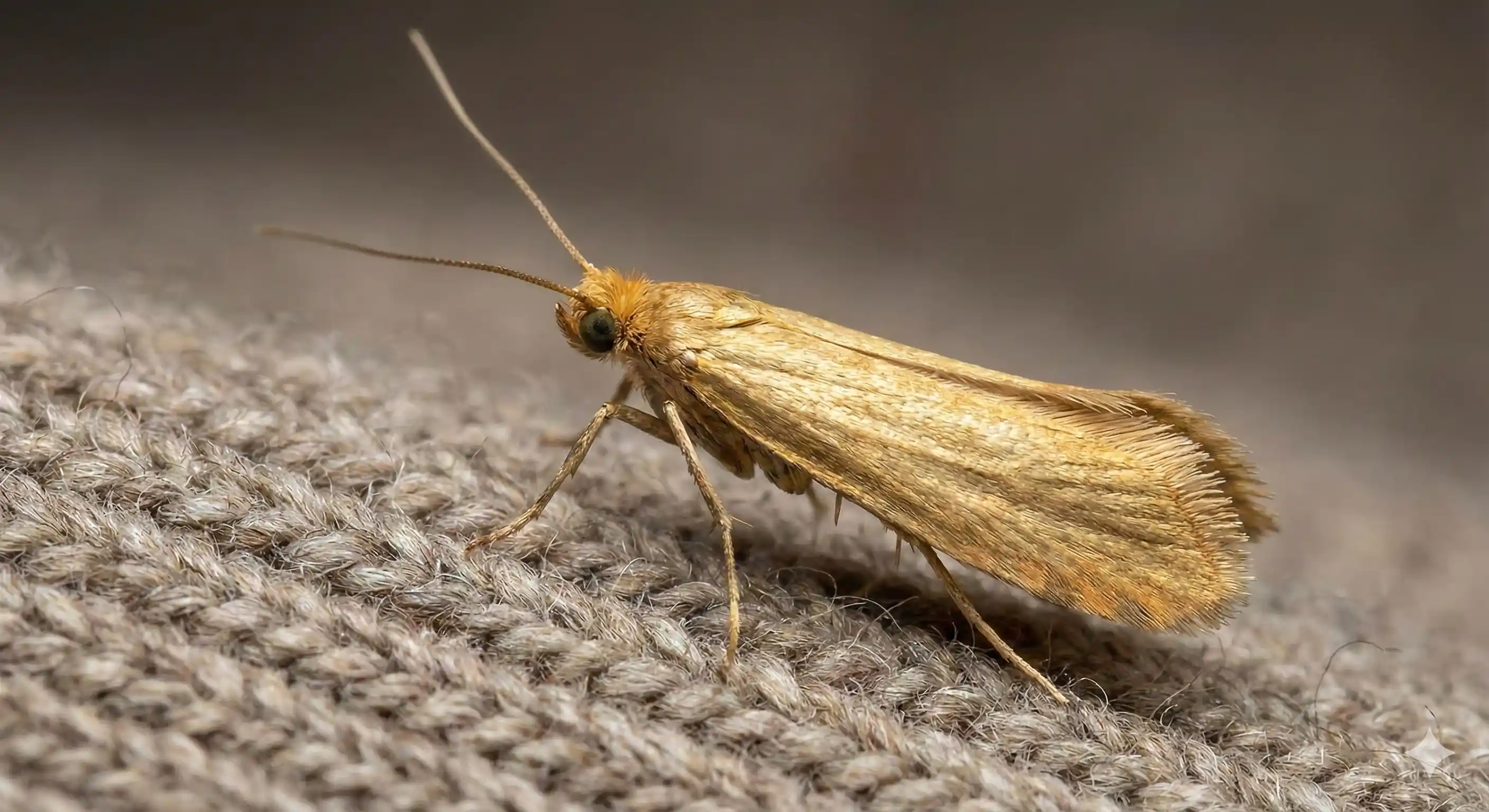
Small moths (1/2 inch wingspan) flying in erratic patterns, particularly when disturbed. Clothes moths are golden-tan colored and avoid light, while pantry moths have brownish-gray patterned wings.

Moth larvae and shed casings found in textile or food storage

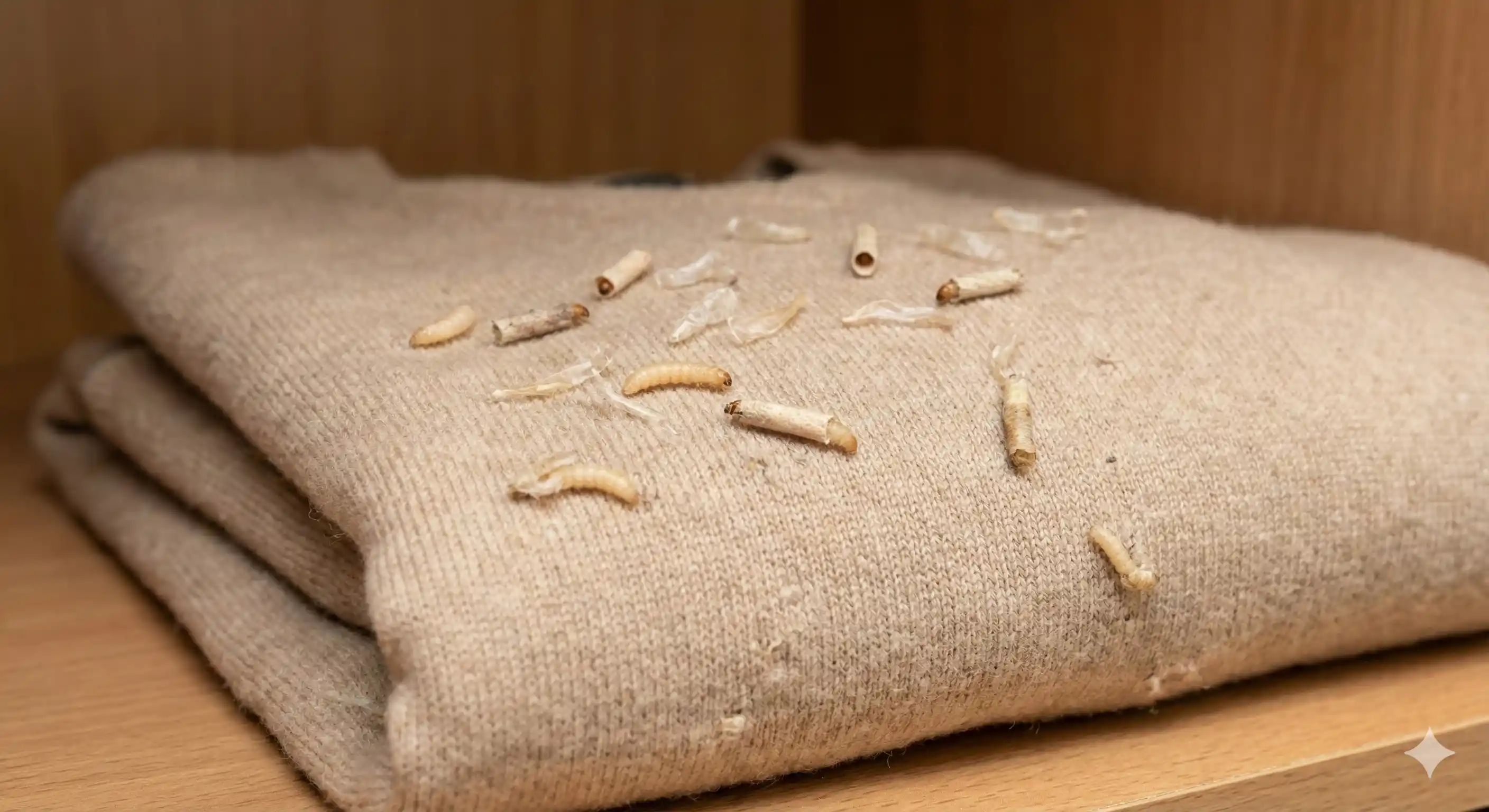
Larvae & Casings

Small, cream-colored caterpillars (moth larvae) found on fabrics or in food products. Shed larval skins and empty pupal cases indicate active breeding and development.

Pantry moth contamination in stored food products showing webbing

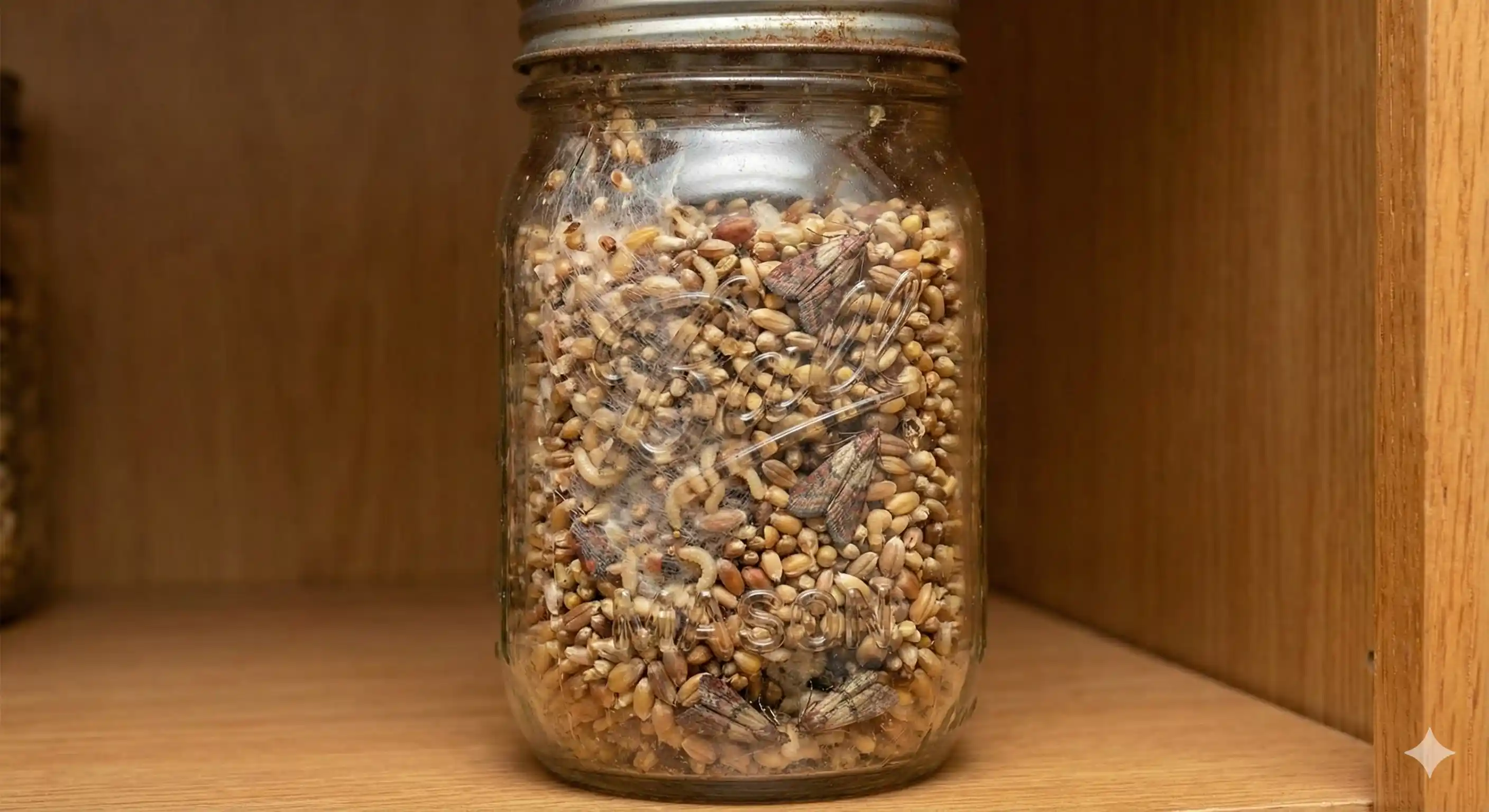
Contaminated Food Products

Webbing, larvae, or adult moths inside food packaging. Clumped grains, flour with web-like strands, or small moths emerging from pantry items indicate pantry moth infestation.

Closet or storage area where musty odor indicates moth infestation

Musty Odor in Storage

A distinctive musty or stale smell in closets or storage areas can indicate significant moth activity. Large infestations produce noticeable odors from accumulated waste and damaged materials.

Learn More About Moth Detection →

DIY vs Professional Treatment

Consumer moth products typically provide only surface treatment without addressing hidden infestations or preventing future problems. Cedar blocks and mothballs may deter adult moths but don't eliminate larvae already feeding on your textiles. Store-bought sprays rarely penetrate deep into closets, wall voids, and storage areas where moth populations establish breeding sites. Without professional inspection, primary infestation sources often go undetected, allowing populations to recover quickly after DIY treatment attempts.

Professional moth control combines commercial-grade products, systematic treatment protocols, and extensive pest management expertise. Our technicians identify specific species, map infestation extent, and locate primary breeding sites throughout the property. We apply targeted treatments that penetrate deep into affected areas while protecting sensitive materials, ensuring comprehensive elimination while preventing future problems through strategic barrier treatments and ongoing monitoring protocols.

❌ DIY Treatment

  • Surface treatment only
  • Cannot reach hidden breeding sites
  • Deterrents don't eliminate active larvae
  • No professional species identification
  • Miss primary infestation sources
  • Populations recover quickly

✓ Professional Treatment

  • Commercial-grade penetrating treatments
  • Systematic breeding site identification
  • Species-specific treatment protocols
  • Protection for sensitive materials
  • Comprehensive monitoring systems
  • Long-term prevention strategies

Commercial Moth Control

EcoGuard Pest Management implements customized moth control programs for commercial facilities that prioritize operational continuity while ensuring effective pest elimination. Our comprehensive commercial moth protection programs combine discrete treatment applications with flexible scheduling to maintain your business operations while ensuring complete elimination of moth problems.

We specialize in moth control solutions for:

  • Restaurants and food service establishments
  • Healthcare facilities
  • Hotels and hospitality venues
  • Educational institutions
  • Office complexes
  • Food processing facilities
  • Warehouses and storage facilities
  • Retail spaces
  • Manufacturing facilities
  • Multi-unit residential properties
Learn About Commercial Pest Control
100% SATISFACTION GUARANTEE

The EcoGuard Guarantee

EcoGuard offers a 100% satisfaction guarantee for all of our customers, and we stand by our promise to eradicate your moth problem until the very last moth is gone. That moth control guarantee comes with every service and if the moths come back, then so do we, at no additional cost. We are standing by to give you a free estimate and to help you set your first moth pest control service appointment.

📞 Call (866) 326-2847 Today

Our Moth Control Process

A systematic approach to complete moth elimination and textile protection

1

Initial Assessment

Our comprehensive property evaluation identifies active infestations, potential breeding sites, and vulnerable areas through systematic inspection protocols. Technicians document current damage patterns, population density, and environmental factors contributing to moth activity.

2

Strategic Treatment

Custom treatment plans incorporate targeted products and application techniques based on infestation patterns, property layout, and material sensitivity. Our systematic approach ensures thorough coverage while protecting treated items from damage.

3

Preventive Measures

Implementation of protective strategies includes targeted barrier treatments, storage recommendations, and environmental modifications. These combined measures create long-term protection against future moth problems throughout your property.

4

Ongoing Protection

Regular monitoring protocols ensure treatment effectiveness through systematic inspection and early detection methods. This proactive approach prevents reinfestation while documenting treatment results for continued protection.

Seasonal Plan for Moth Control

Year-round protection adapted to seasonal moth behavior patterns

Spring Moth Control

Spring

Adult moths emerge and become most visible during spring mating season; implement preventive treatments before peak activity; inspect winter clothing before storage; apply protective treatments to seasonal items being packed away

Summer Moth Control

Summer

Peak breeding activity in warm conditions; monitor pheromone traps for population spikes; treat active infestations promptly; maintain low humidity in storage areas; inspect stored textiles regularly

Fall Moth Control

Fall

Prepare storage areas for winter clothing; treat closets and storage spaces before seasonal wardrobe changes; inspect summer items before packing; apply barrier treatments to vulnerable areas

Winter Moth Control

Winter

Moths remain active in heated indoor environments; focus on closet and storage area treatments; inspect holiday decorations and stored textiles; maintain monitoring systems; address any detected activity promptly

What Our Customers Say

Trusted by homeowners across 6 states for professional moth control

★★★★★

"Moths destroyed several expensive wool suits before I even knew I had a problem. EcoGuard found larvae in places I never would have checked and treated my entire closet system. No more moths and my remaining clothes are protected!"

Richard M.
Nashville, TN
★★★★★

"Pantry moths were in everything—flour, cereal, even sealed bags somehow. The technician was thorough, helped me identify what to throw out, and treated the whole pantry. Finally moth-free after months of frustration."

Jennifer & Dan K.
Portland, OR
★★★★★

"Our antique rug collection was being damaged by moths. EcoGuard used treatments safe for the delicate fibers and set up monitoring to catch any future problems early. Highly recommend for anyone with valuable textiles."

Elizabeth H.
Sacramento, CA

Moth Control FAQs

Everything you need to know about moth control and treatment

Active moth infestations present multiple signs including material damage (holes in fabrics), webbing deposits, visible larvae, shed larval casings, and adult moth activity. Professional inspection identifies specific species, infestation extent, and primary breeding locations throughout the property.

Clothes moths are small, golden-tan insects that avoid light and target natural fiber textiles like wool, silk, and fur. Pantry moths (Indian meal moths) have distinctive brownish-gray patterned wings and infest stored food products like grains, cereals, and dried goods. Each requires different treatment approaches.

Professional moth control combines commercial-grade products, systematic treatment protocols, and extensive pest management expertise. These elements ensure comprehensive elimination while protecting valuable items from further damage. Consumer products typically provide only surface treatment without addressing hidden infestations or preventing future problems.

Treatment pricing reflects multiple factors including infestation scope, property size, required service intensity, and specific treatment protocols. Our detailed assessment process provides clear cost breakdowns and treatment recommendations based on your specific situation.

Initial treatments typically show results within days through reduced adult activity and prevention of new damage. Complete elimination may require follow-up services based on infestation severity and property conditions. Our guarantee ensures continued treatment until full resolution of the moth problem.

Long-term moth prevention combines professional treatments with proper storage practices and environmental management. Our prevention strategies include targeted barrier treatments, monitoring systems, and specific recommendations for reducing moth attraction including proper garment storage, humidity control, and regular inspection protocols.

Cedar and mothballs may deter adult moths from laying eggs but don't eliminate larvae already present in your textiles. They're most effective as preventive measures in sealed containers, not as treatment for active infestations. Professional treatment is necessary to eliminate established moth populations.

Pantry moths often enter homes in already-infested products from stores or warehouses. Their tiny eggs and larvae can be present in packaging before purchase. They can also chew through thin plastic and cardboard to access food sources, which is why hard, airtight containers are recommended for storage.

Our treatments are specifically formulated to eliminate moths while protecting sensitive materials. We use targeted application methods and product selections appropriate for different fabric types. Your technician will discuss any specific concerns about delicate or valuable items before treatment.

For active infestations, initial treatment with 30-day follow-up is typical. For ongoing protection, quarterly monitoring visits help detect and address new activity early. Properties with valuable textile collections or history of moth problems benefit from annual protection plans with regular monitoring.

Clothes moths primarily target natural animal fibers like wool, silk, cashmere, and fur. However, they may damage synthetic-natural blends and can feed on synthetic fabrics soiled with food, sweat, or body oils. Pure synthetic fabrics stored clean are generally not at risk.

Adult moths are most visible during spring and summer when they emerge to mate and lay eggs. However, in climate-controlled homes, moth larvae can feed and develop year-round. The adult moths you see represent only a small portion of the total population—most are hidden as eggs, larvae, or pupae.

Clean all garments thoroughly before storage (moths are attracted to food stains and body oils), use airtight containers or vacuum-sealed bags, add monitoring traps to detect early activity, maintain cool and dry storage conditions, and inspect stored items periodically. Professional preventive treatments add another layer of protection.

Immediately isolate affected items in sealed plastic bags, inspect nearby textiles for additional damage, vacuum the storage area thoroughly, and contact professional pest control. Don't assume the problem is limited to visible damage—moths often establish multiple breeding sites throughout a space.

Pheromone traps are monitoring tools that capture adult male moths, helping detect infestations and track population levels. While they reduce breeding by removing males, they don't eliminate females, eggs, or larvae. Traps are most effective as part of a comprehensive control program, not as standalone treatment.

Yes, moth infestations commonly spread throughout buildings as populations grow and adults seek new egg-laying sites. What starts in one closet can spread to other rooms, storage areas, and even furniture. This is why comprehensive whole-property inspection and treatment is important for complete elimination.

Our technicians use systematic inspection protocols including visual examination of textiles, pheromone trap placement, inspection of wall voids and hidden spaces, and evaluation of environmental conditions. We check areas homeowners often miss—behind baseboards, in HVAC systems, under furniture, and within wall cavities.

Yes, treatment strategies differ based on moth species. Clothes moth control focuses on textile protection, closet treatments, and fabric-safe applications. Pantry moth elimination requires food area treatments, removal of infested products, and cabinet/pantry-specific applications. Accurate identification ensures appropriate treatment.

Businesses with textile inventory, food storage, or historical artifacts are at highest risk. This includes clothing retailers, museums, archives, hotels, restaurants, food warehouses, dry cleaners, and storage facilities. Commercial moth control programs include regular monitoring and preventive treatments to protect inventory and assets.

Moth lifecycles vary by species and conditions, but eggs can hatch in 4-10 days, larvae feed for 1-3 months (or longer in cool conditions), and the complete cycle from egg to adult takes 2-6 months. This means a small unnoticed problem can become a major infestation within a single season.

Related Articles & Resources

Learn more about moth prevention, identification, and control

Clothes Moths vs. Pantry Moths: Identification Guide

Learn to identify different moth species and understand their unique behaviors and food preferences.

Read More →

Protecting Your Wardrobe from Moth Damage

Essential storage and prevention tips to keep your valuable clothing safe from clothes moths.

Read More →

Eliminating Pantry Moths from Your Kitchen

Step-by-step guide to identifying, eliminating, and preventing pantry moth infestations in food storage areas.

Read More →

Signs of Moth Infestation You Shouldn't Ignore

Early warning signs that indicate moth activity before significant damage occurs.

Read More →

Professional Moth Control for Valuable Collections

Specialized approaches for protecting antique textiles, rugs, and valuable fabric collections.

Read More →
View All Pest Control Articles →

Ready to Eliminate Your Moth Problem?

Get a free estimate for your moth problem today. Our experts will assess your property and provide a customized treatment plan.

Connect With Us

Follow EcoGuard Pest Management for tips, updates, and special offers

f𝕏yin