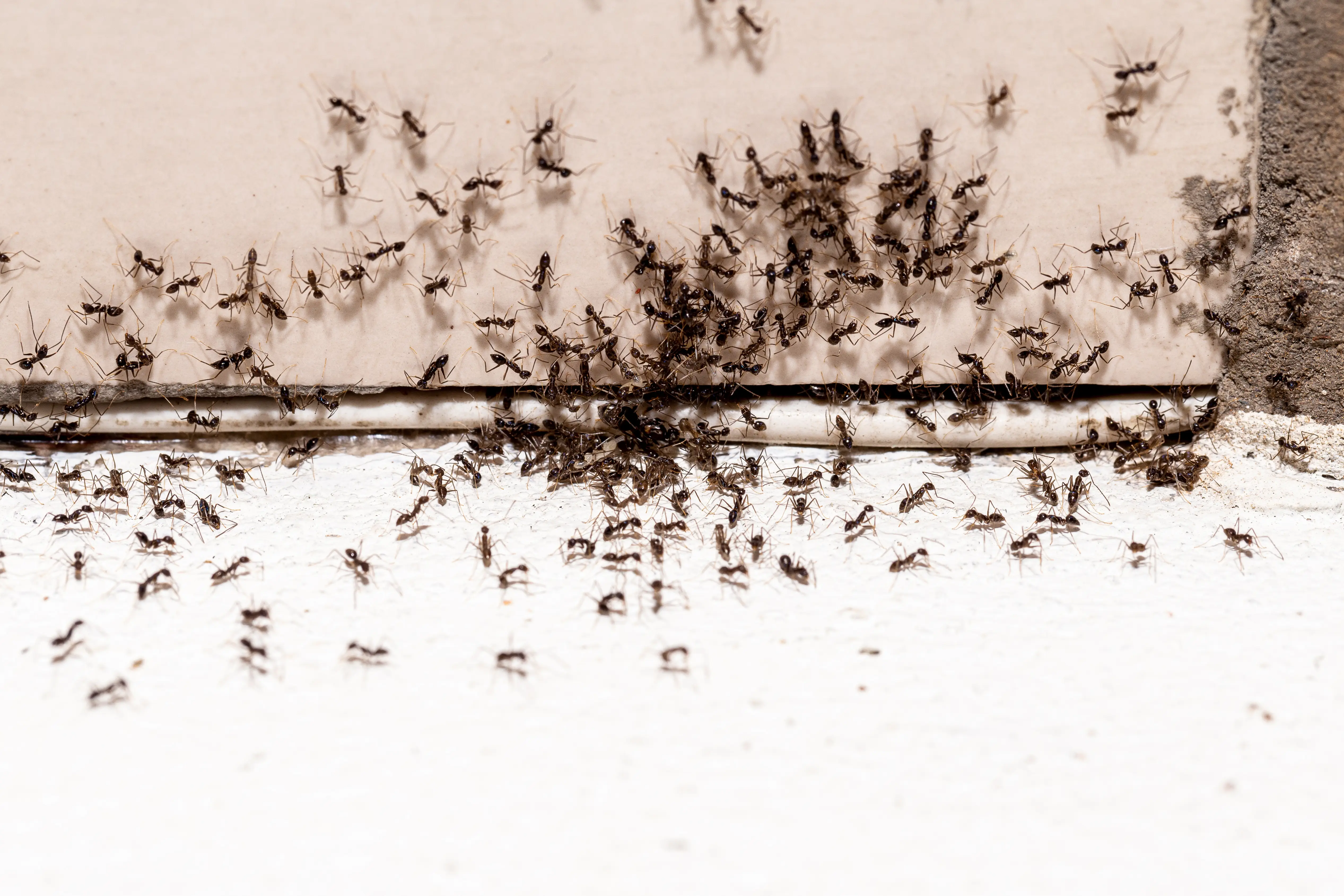
What do Argentine ants look like and how can I identify them?
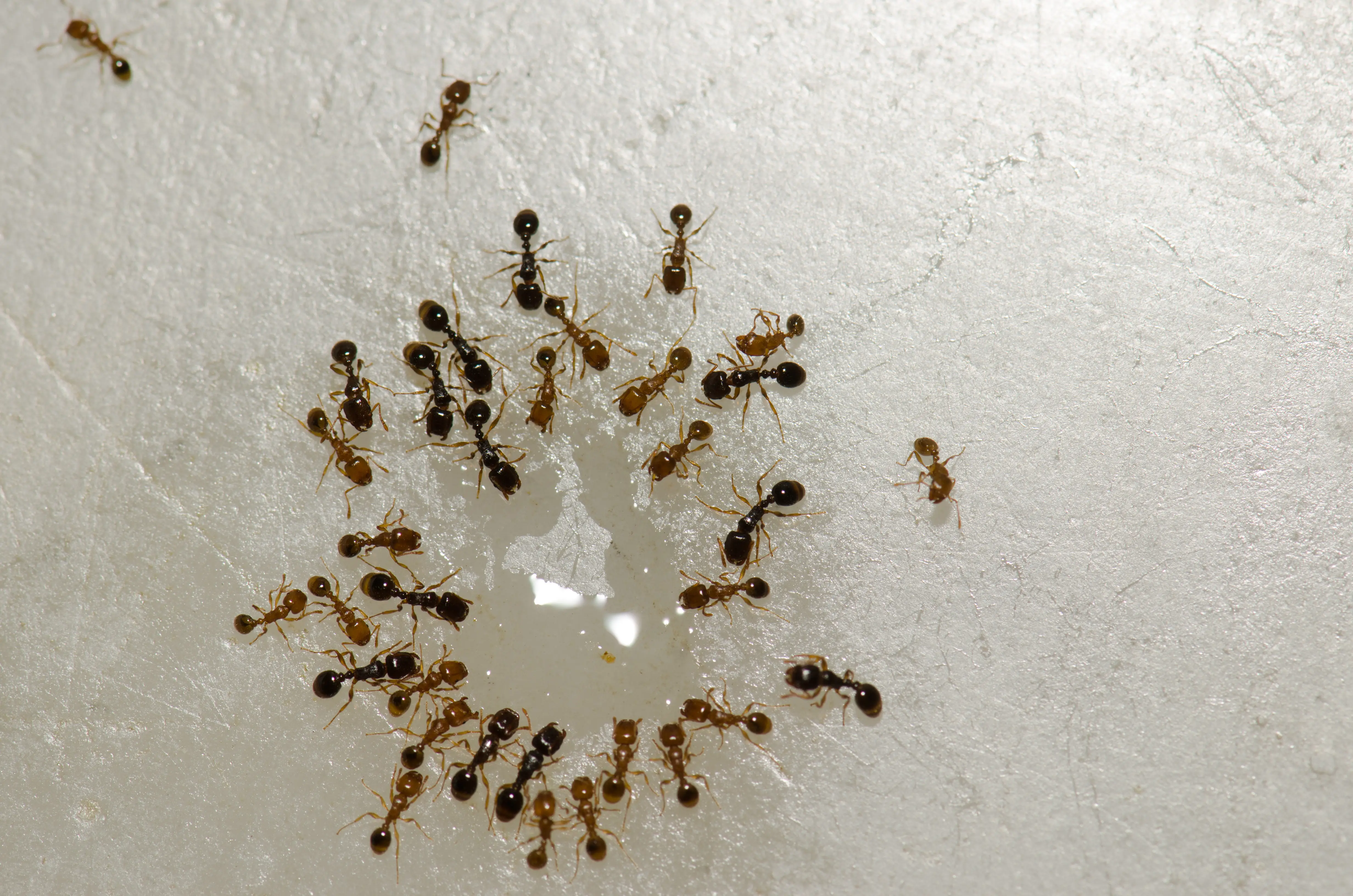
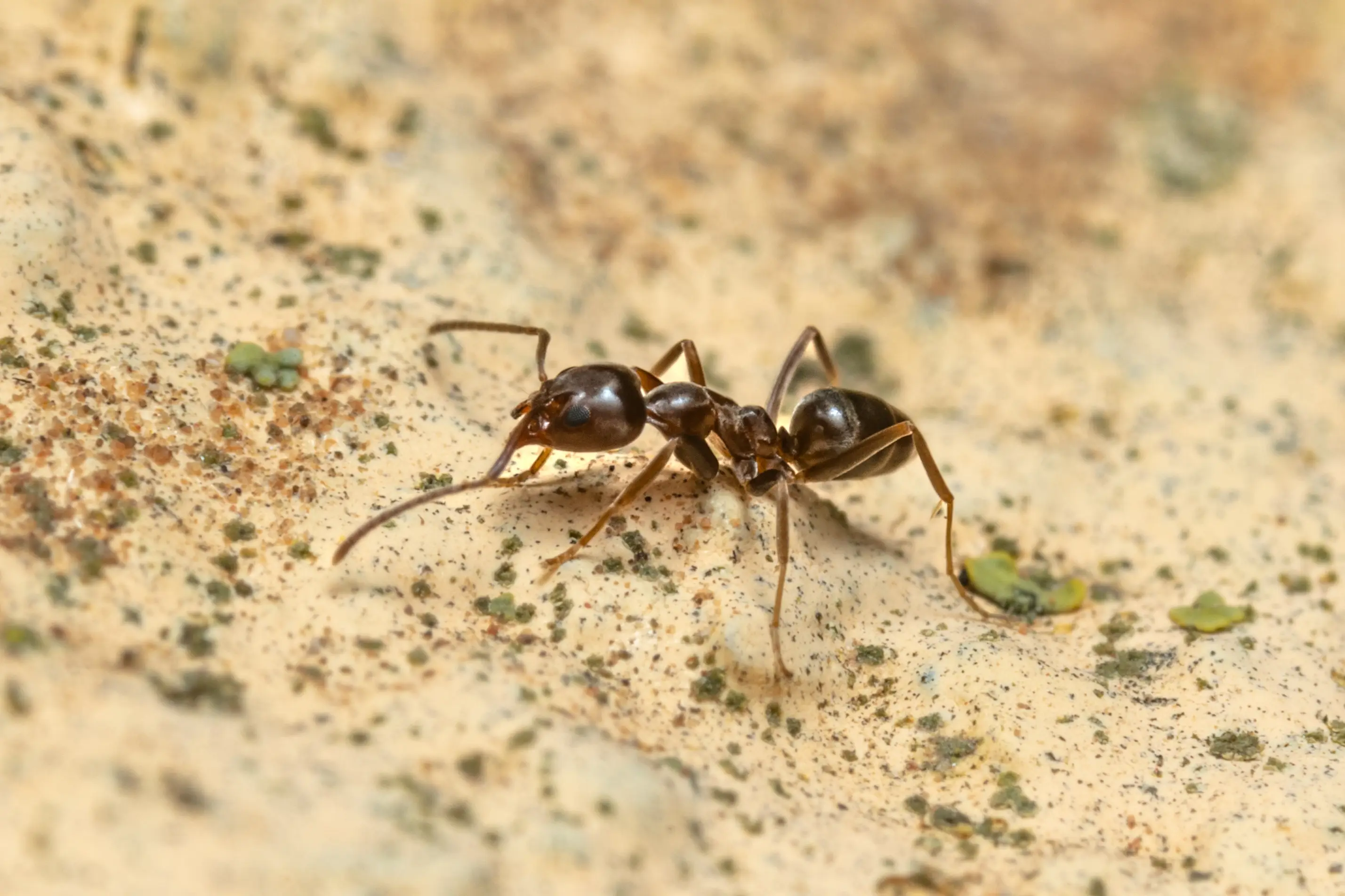
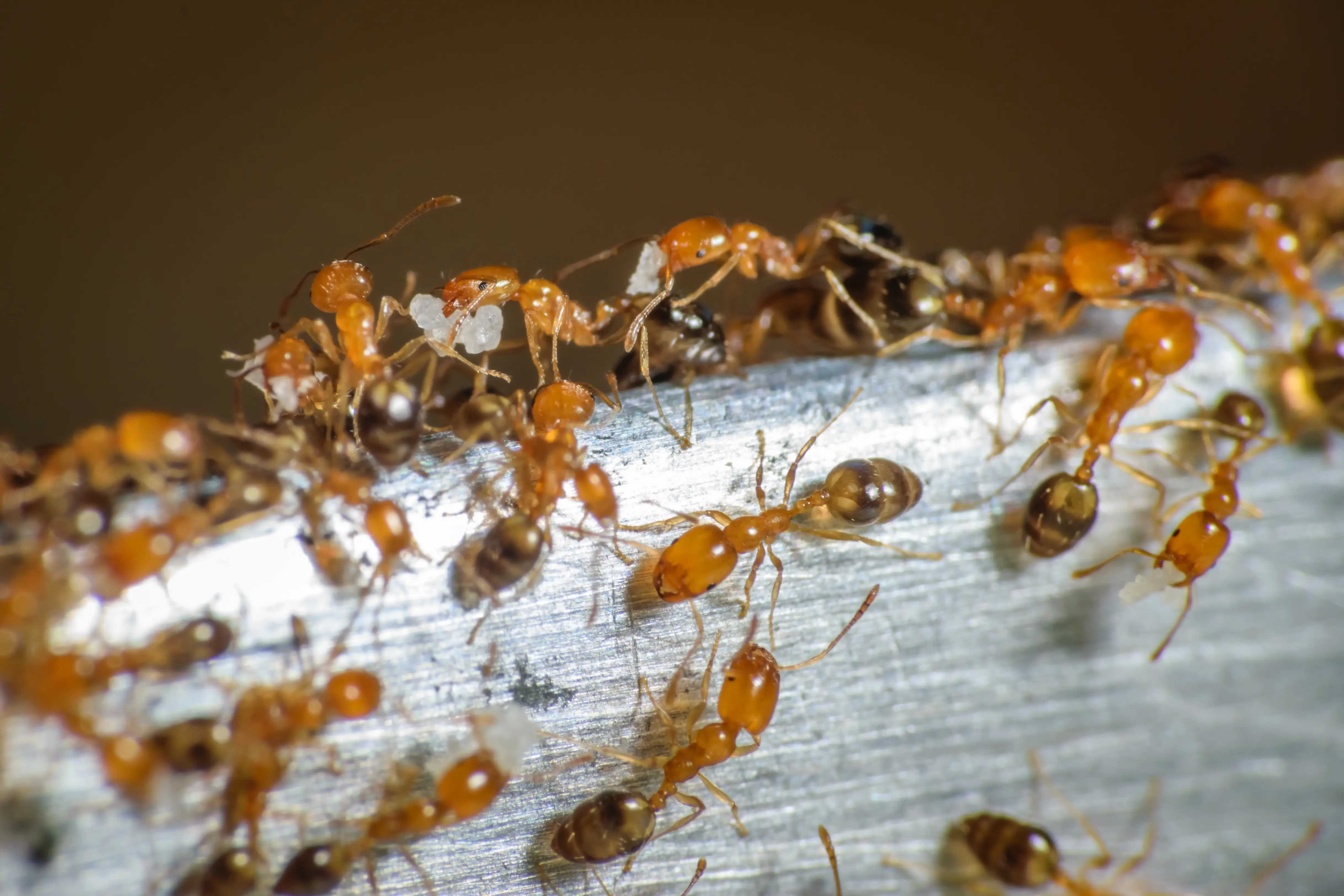
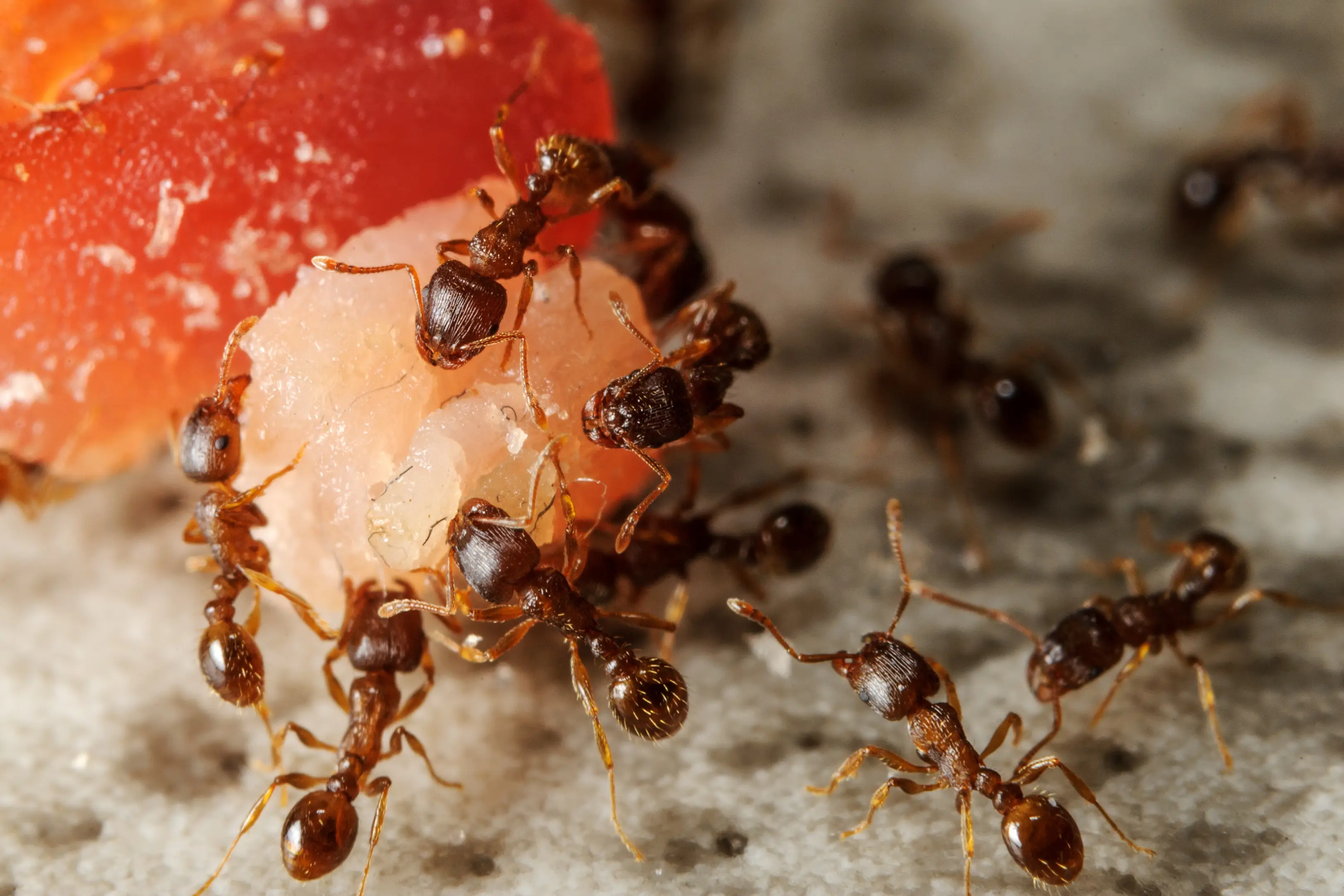
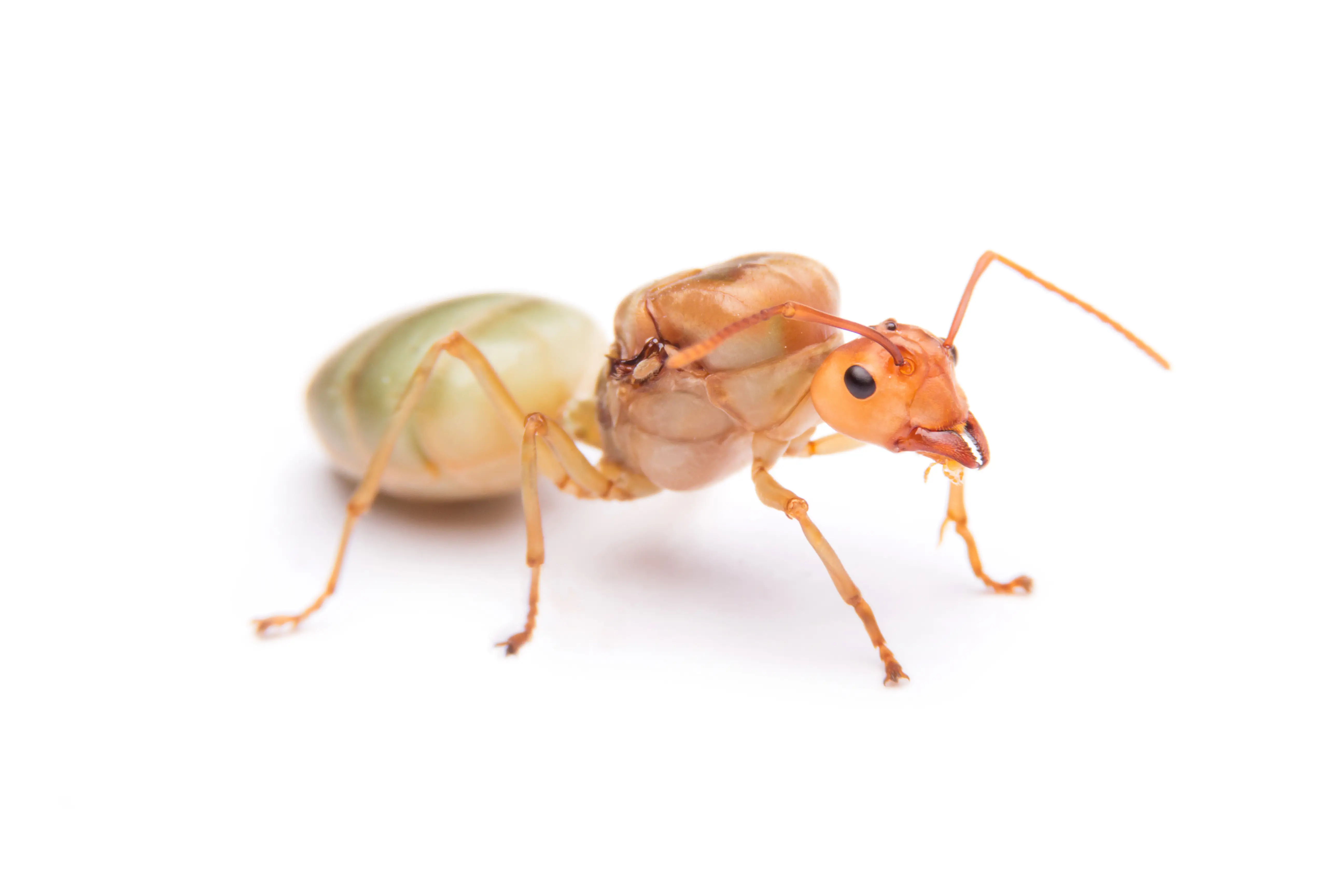
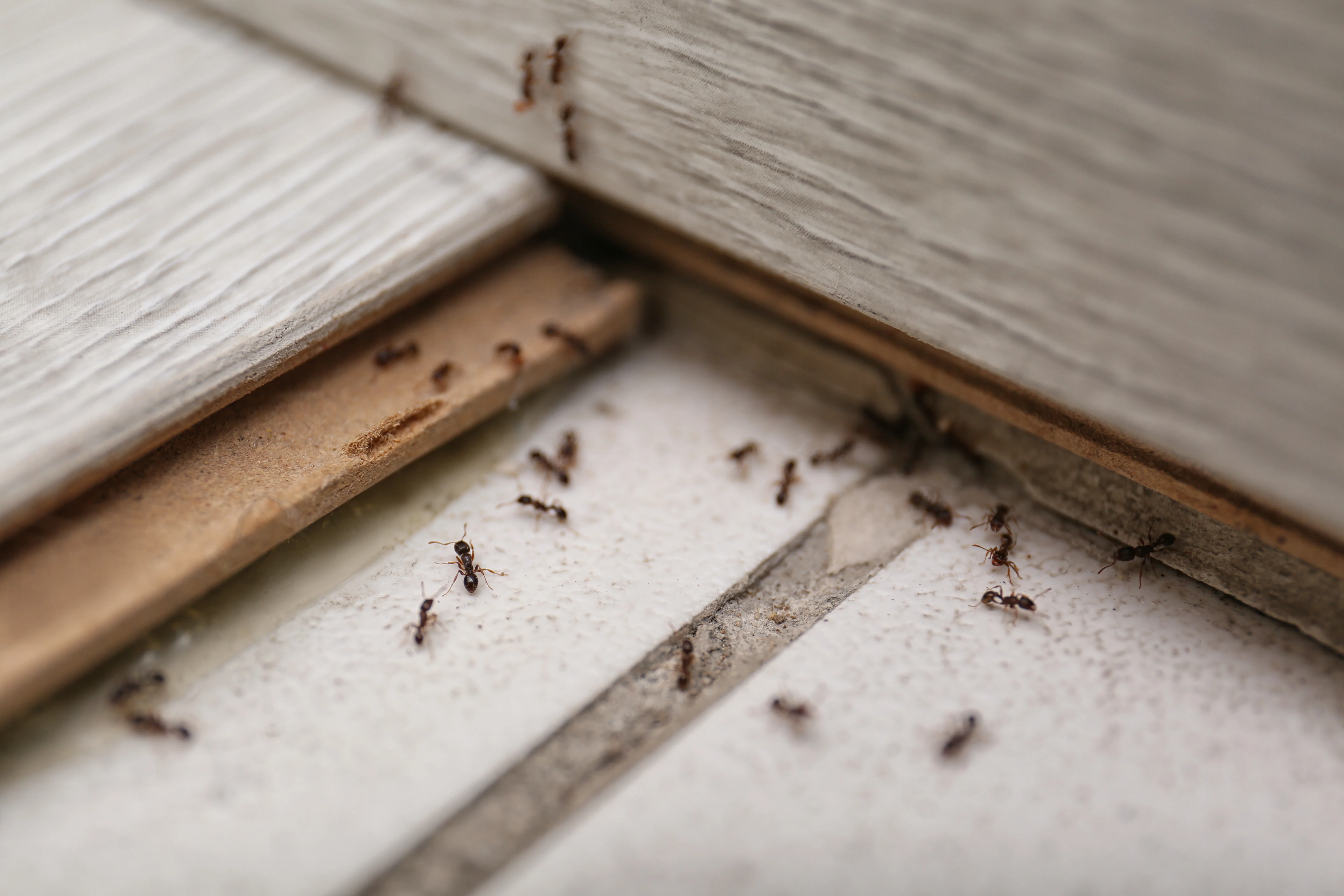
Argentine ants are small, light to dark brown insects measuring 2.2-2.8mm in length with a smooth, shiny appearance and single node petiole. They have 12-segmented, elbowed antennae and emit a musty odor when crushed. Unlike many ant species, they lack visible body hairs and cannot sting.
Why are Argentine ants so hard to control?
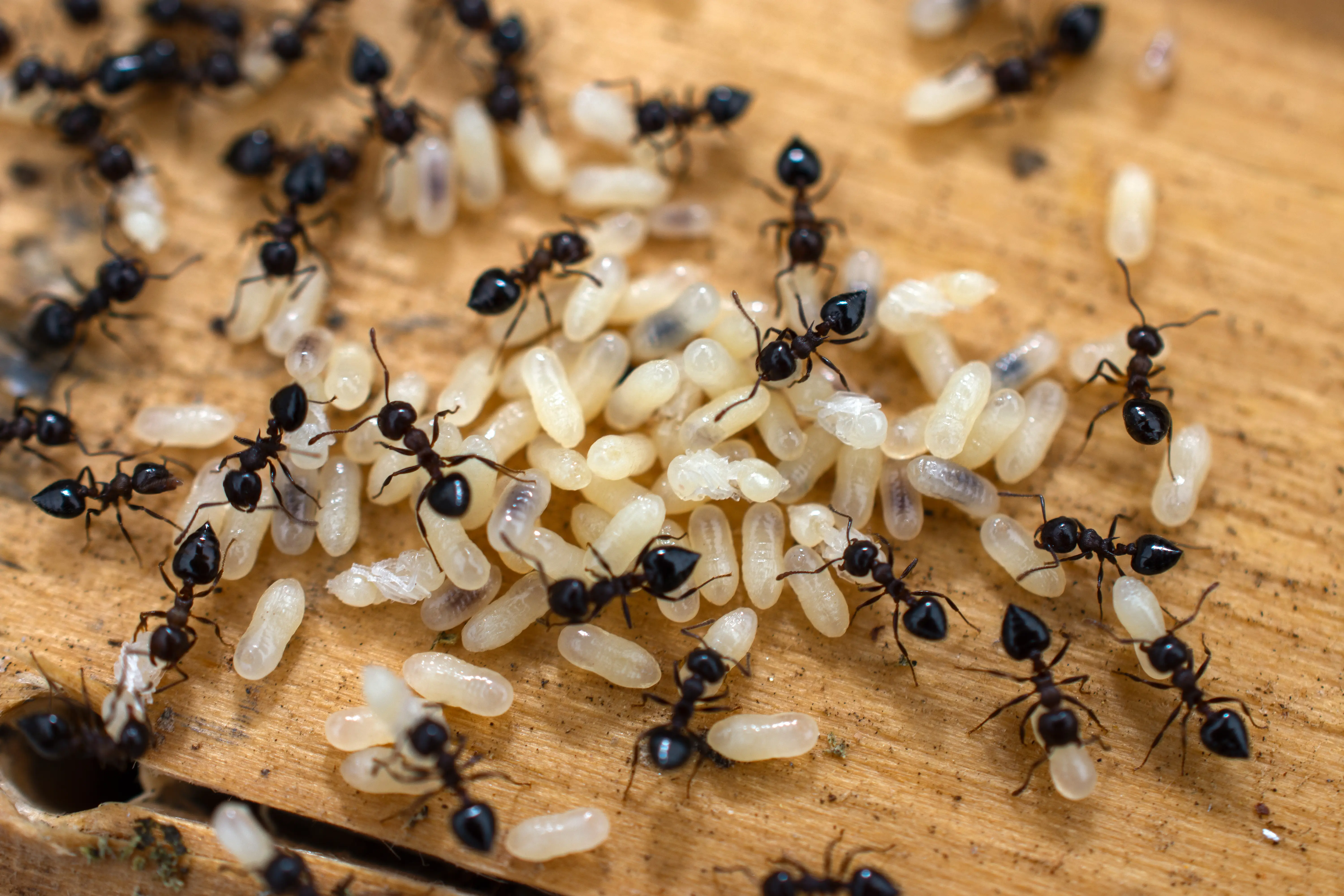
Argentine ants form supercolonies with multiple queens (up to 8 per 1,000 workers) and interconnected nests spanning vast territories. Their budding behavior when stressed by pesticides actually promotes colony expansion, and they lack natural predators in introduced ranges, making conventional control methods largely ineffective.
What attracts Argentine ants to my home?
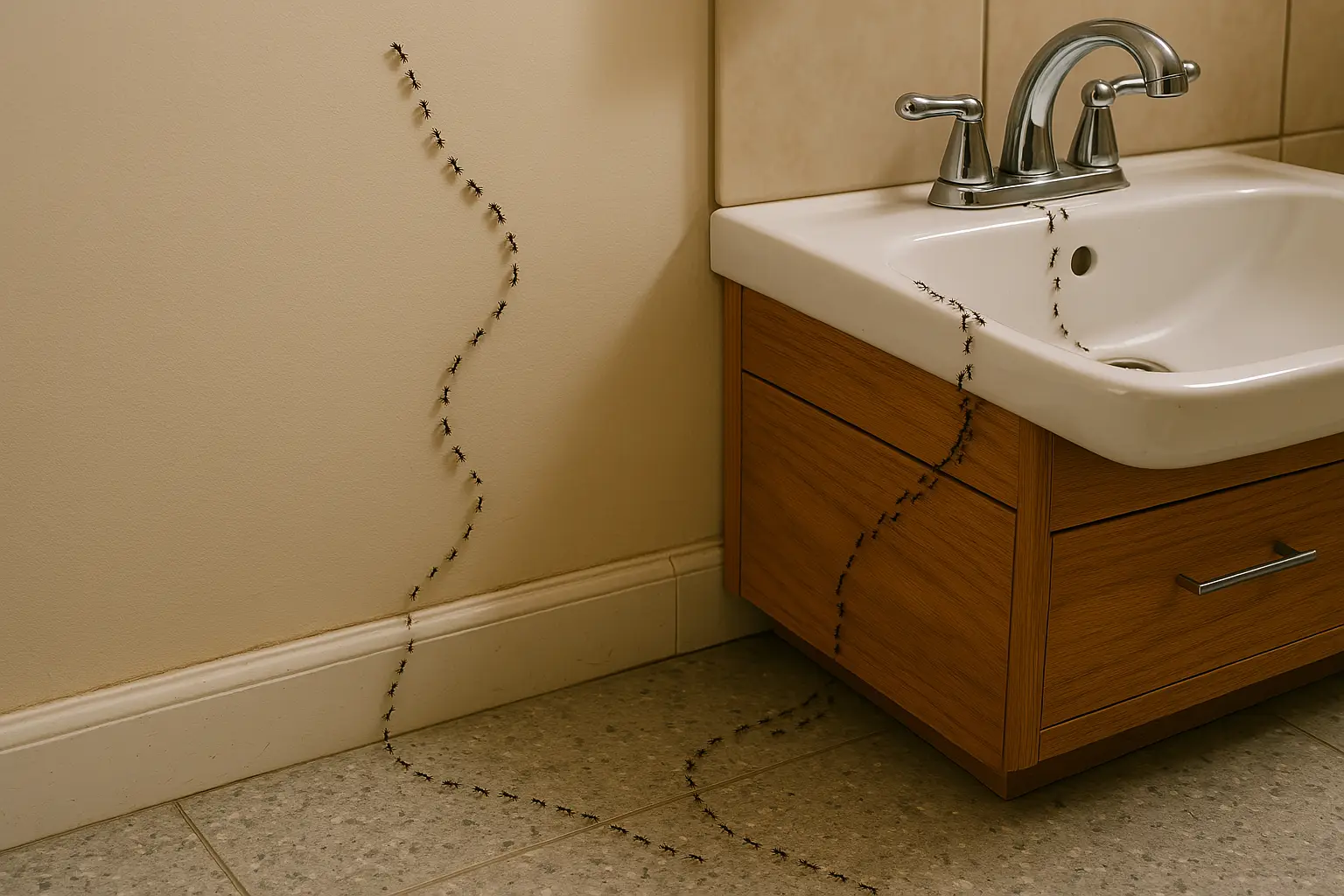
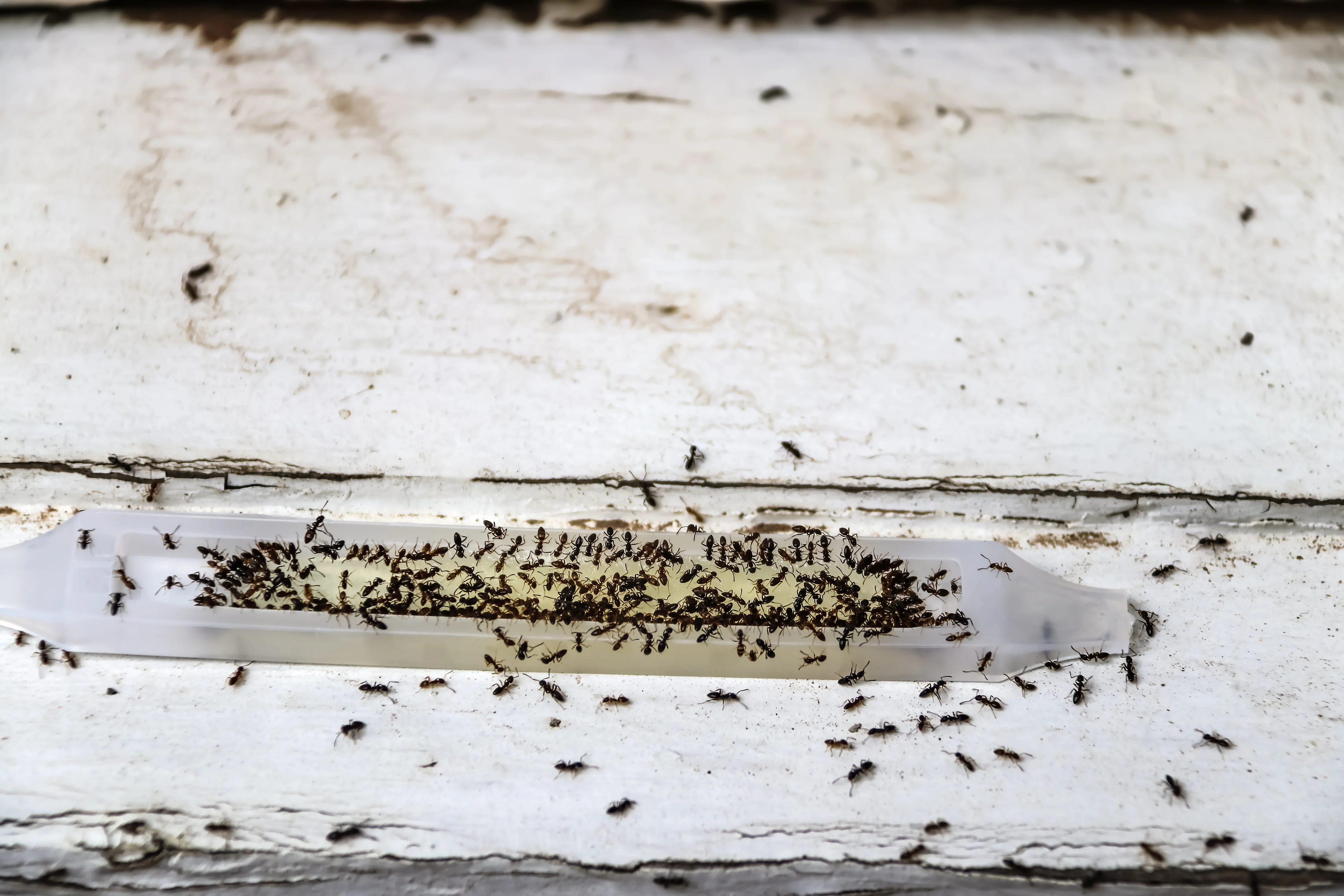
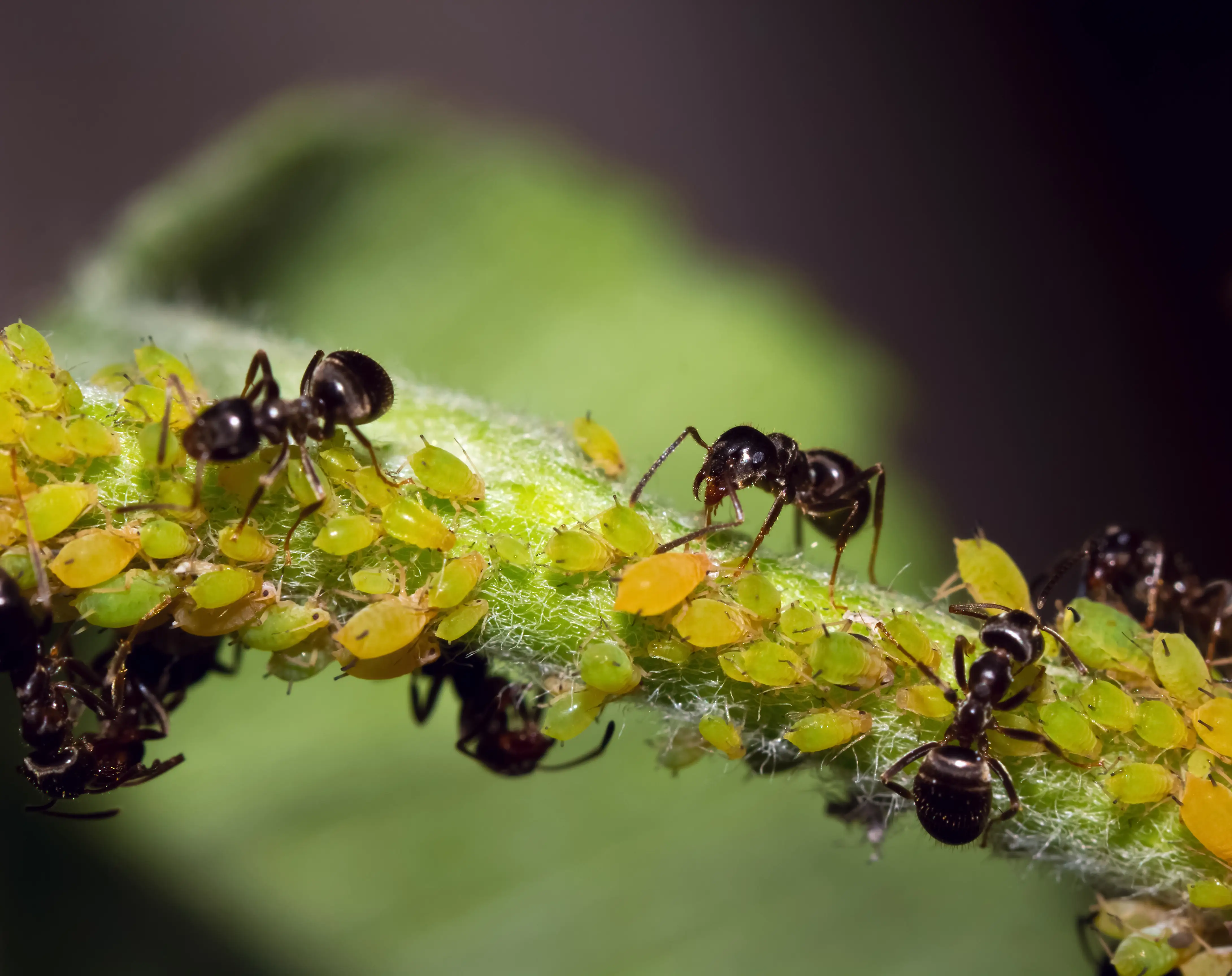
These ants are primarily attracted to moisture sources and food availability. They seek consistent water from leaks, irrigation, or humid conditions, while food sources include sweet substances, honeydew from garden pests, pet food, and household spills, especially during hot, dry weather when they move indoors.
Do Argentine ants bite or sting?
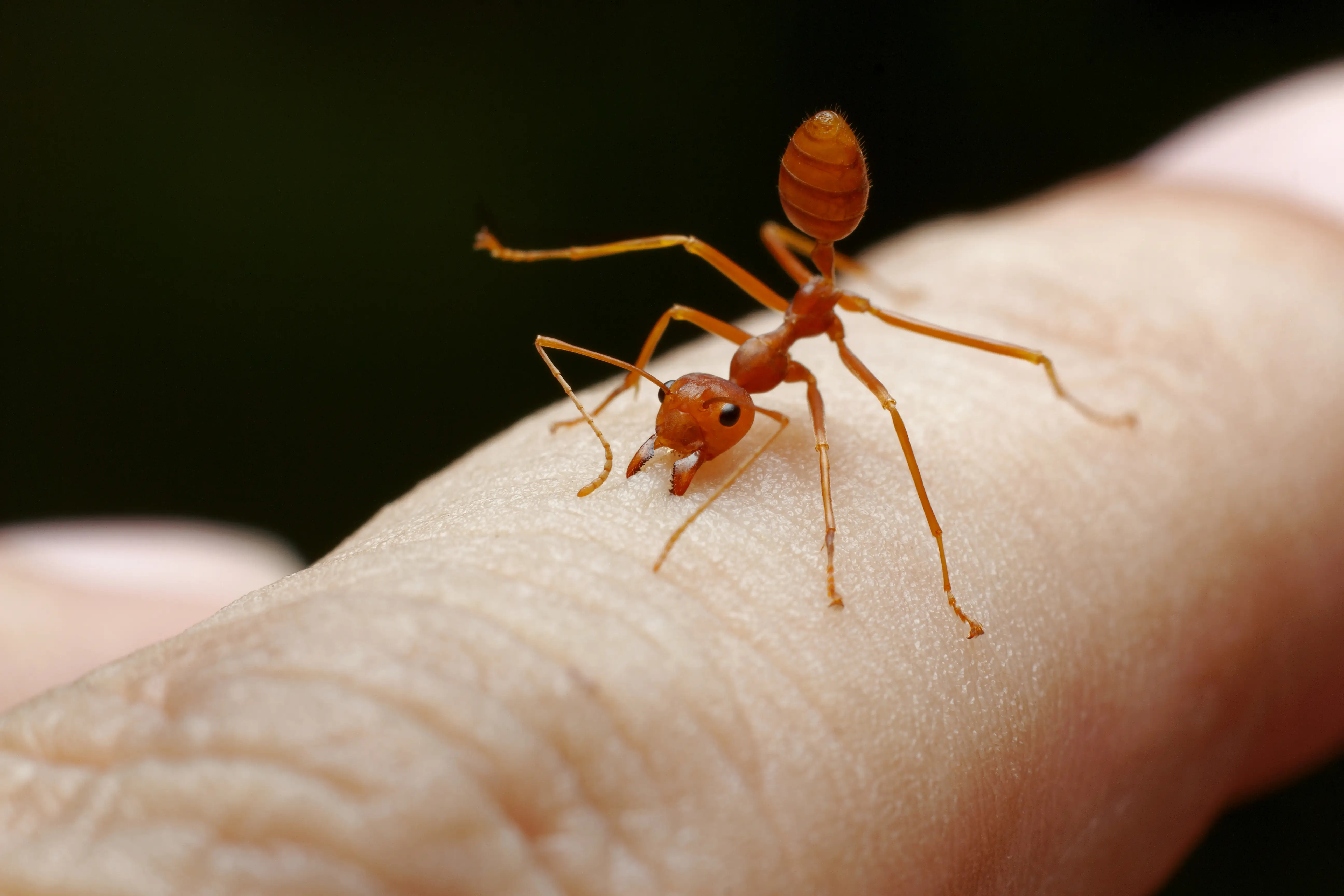
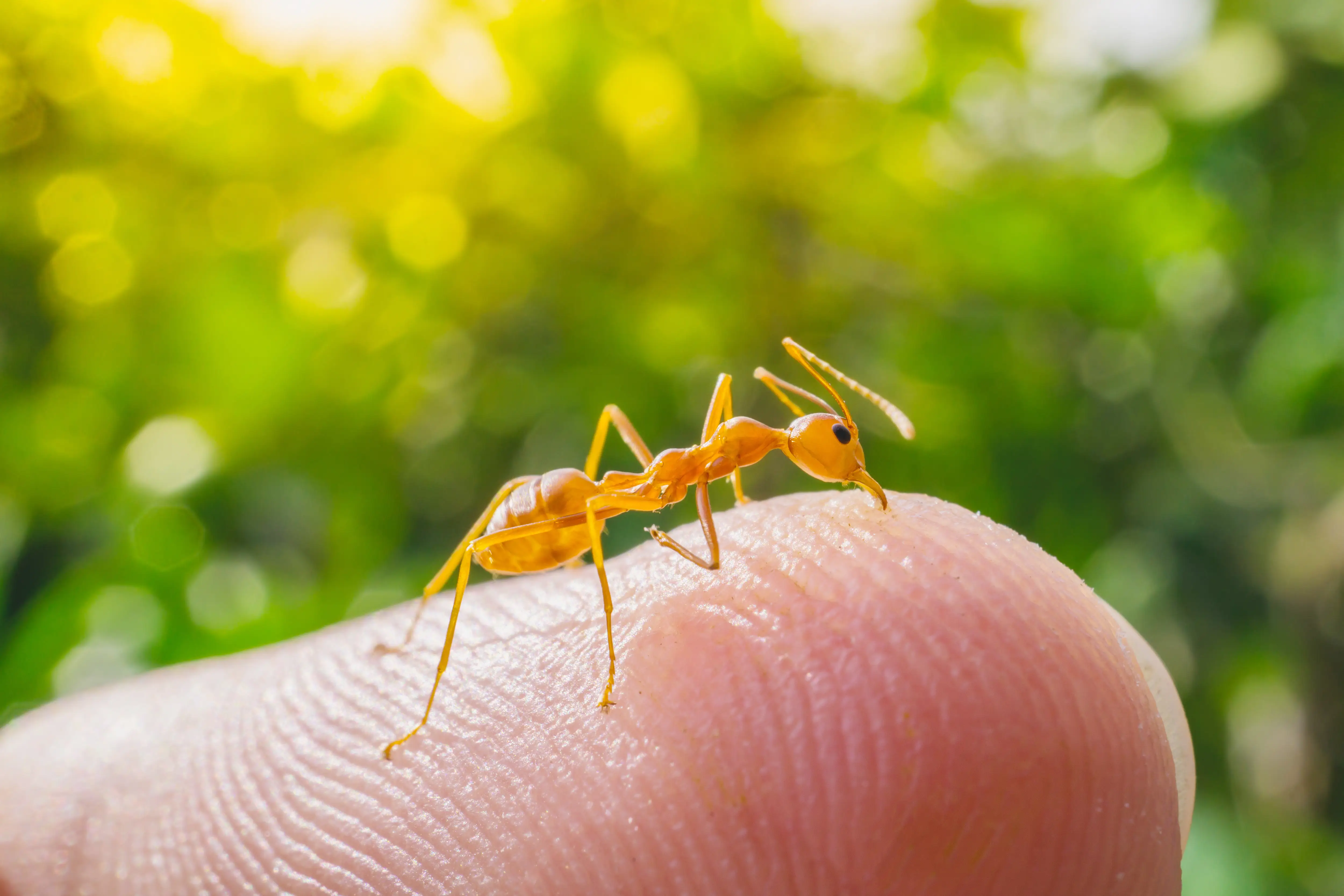
Argentine ants cannot sting and rarely bite humans. They lack defensive stinging apparatus and don't have sufficiently powerful jaw structures to inflict discomfort. Their primary threat is as a nuisance pest rather than a direct physical danger.
How do Argentine ants form supercolonies?
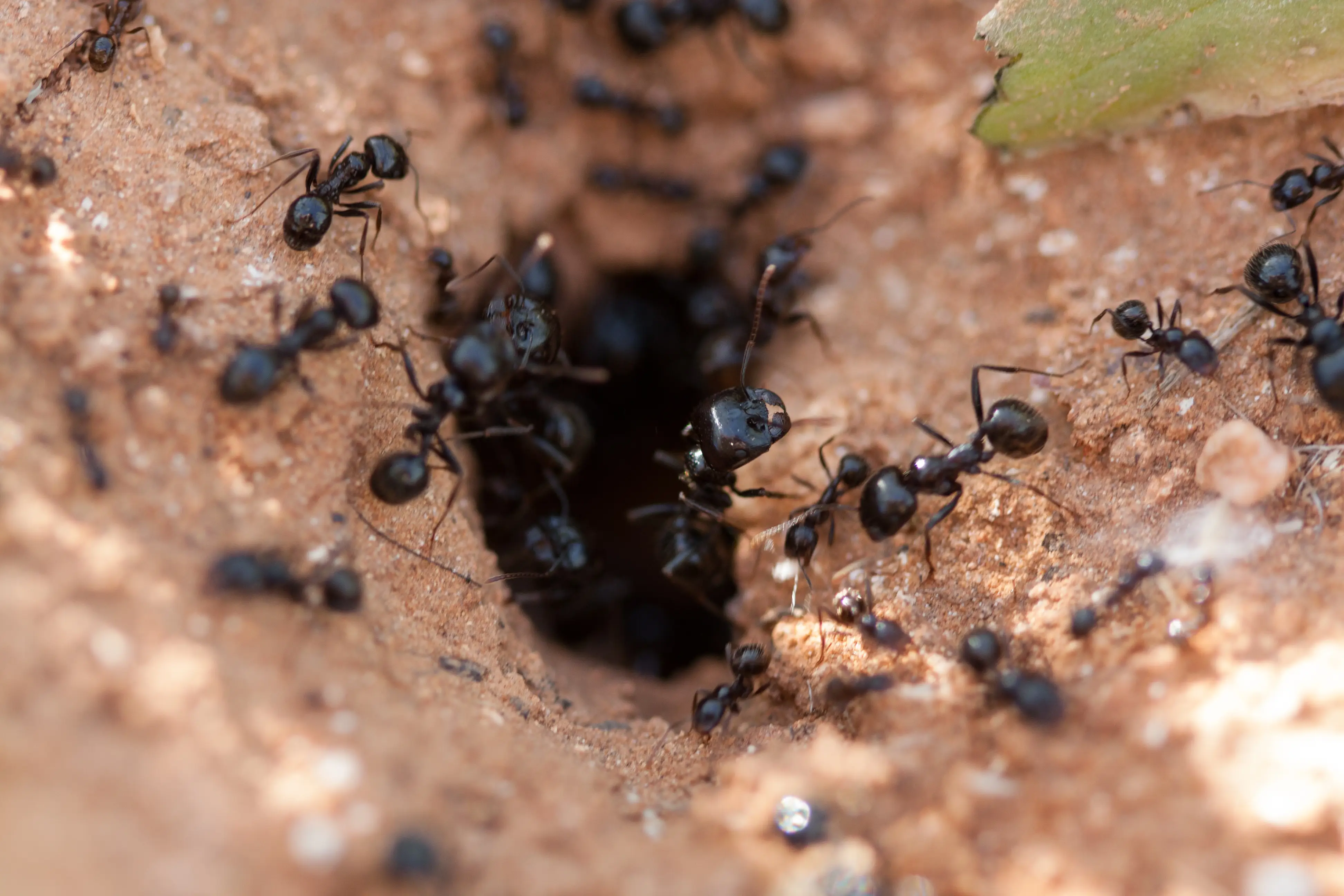
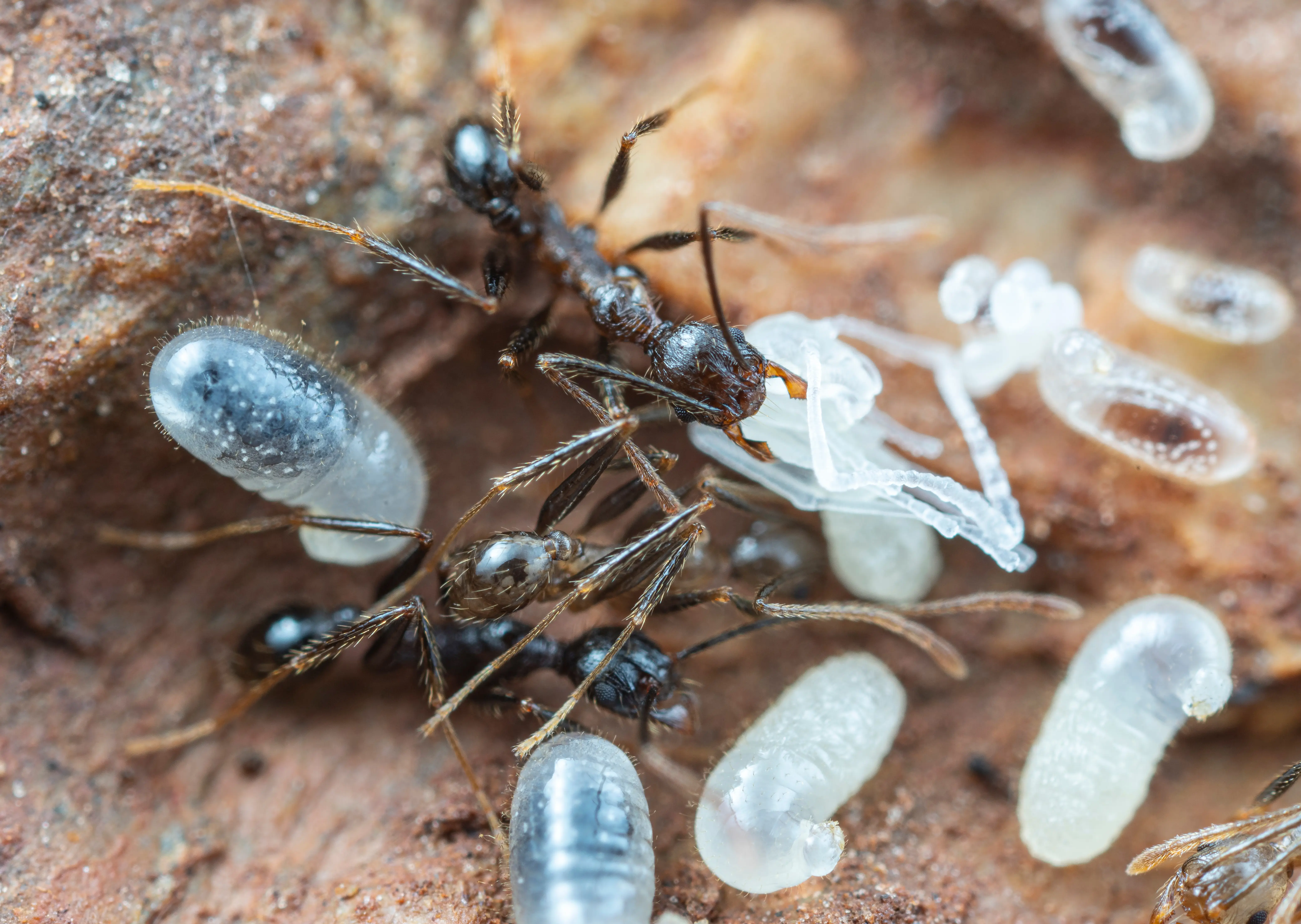
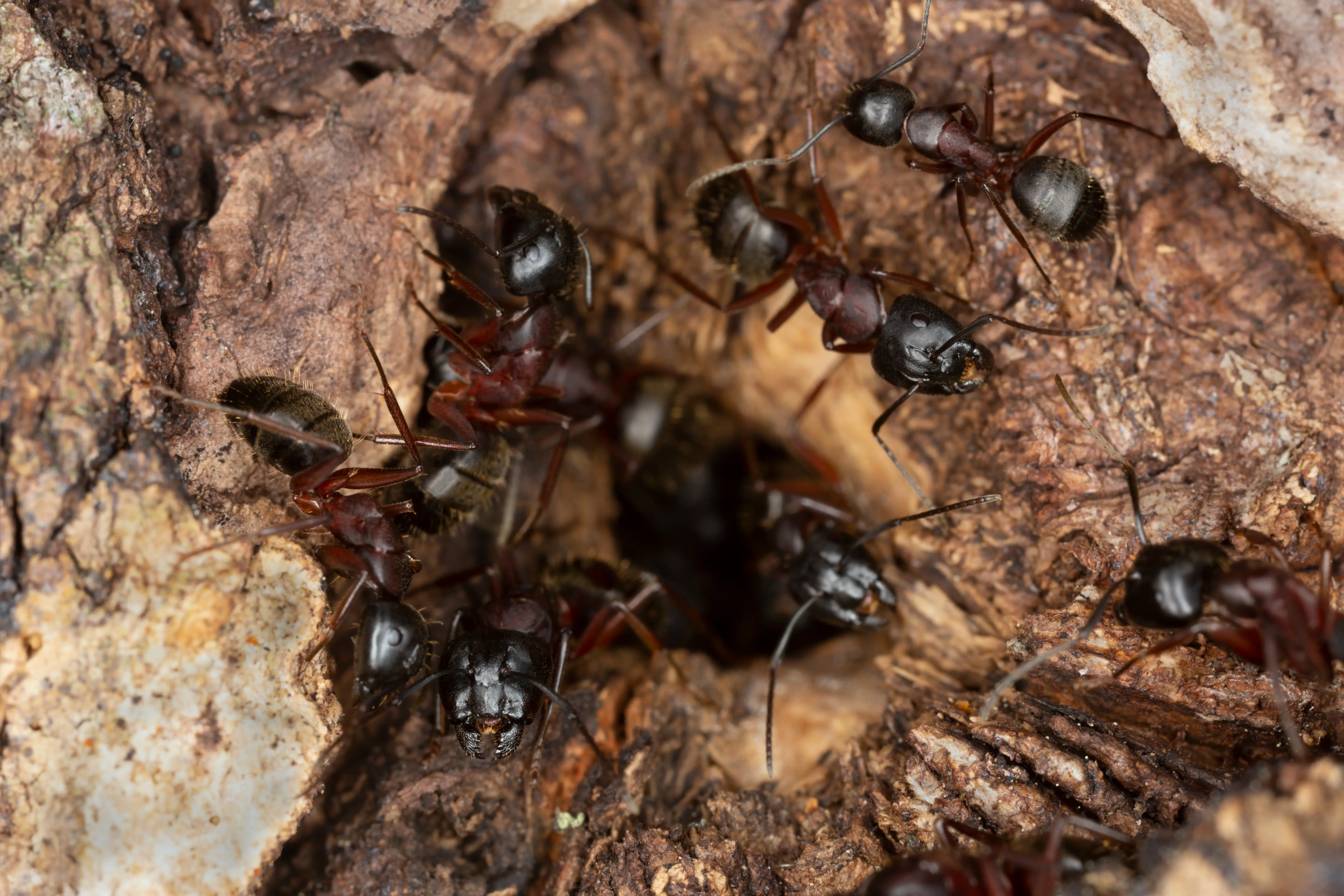
Argentine ants exhibit unicolonial behavior where multiple nests cooperate as a single unit without territorial aggression between neighboring colonies. This occurs through budding reproduction where queens and workers establish new interconnected nests, creating vast cooperative networks spanning multiple properties.
What time of year are Argentine ants most active?
Argentine ants remain active year-round in suitable climates but show peak activity during spring reproductive periods and fall preparation phases. Indoor invasions typically increase during extreme weather conditions, like hot, dry summers or cold winter periods when they seek shelter and consistent environmental conditions.
How long does it take to eliminate an Argentine ant colony?
Professional treatment for Argentine ant colonies typically requires 3 to 6 months of sustained treatment due to their multiple queen structure and extensive territory coverage. DIY methods may provide temporary reduction but rarely achieve complete elimination of established supercolonies without professional intervention.
What's the difference between Argentine ants and other ant species?
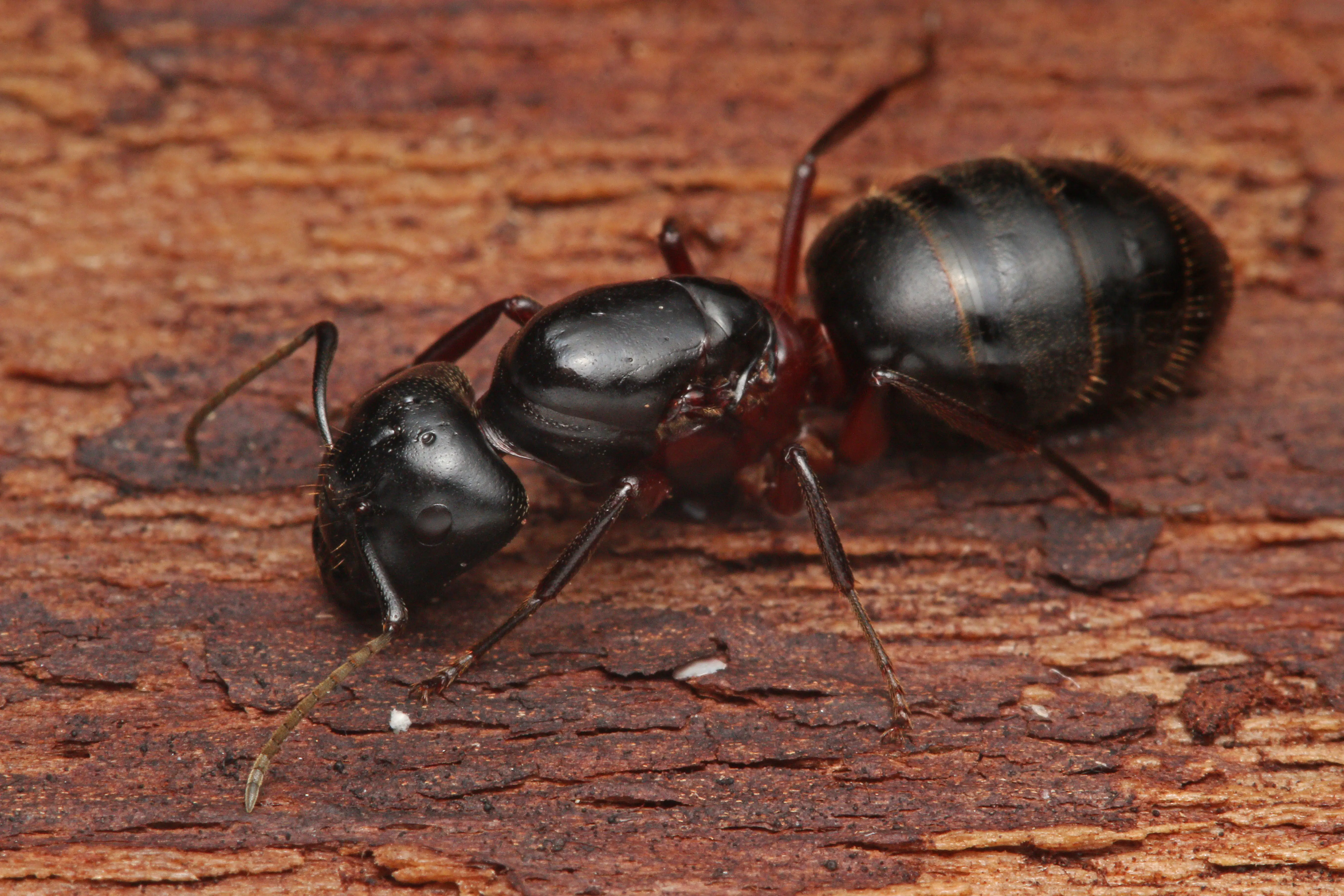
Argentine ants are distinguished by their single node petiole, uniform brown coloration, lack of body hairs, inability to sting, and their characteristic musty odor when crushed. They also form supercolonies rather than competing territories like most other ant species.