EcoGuard Pest Management
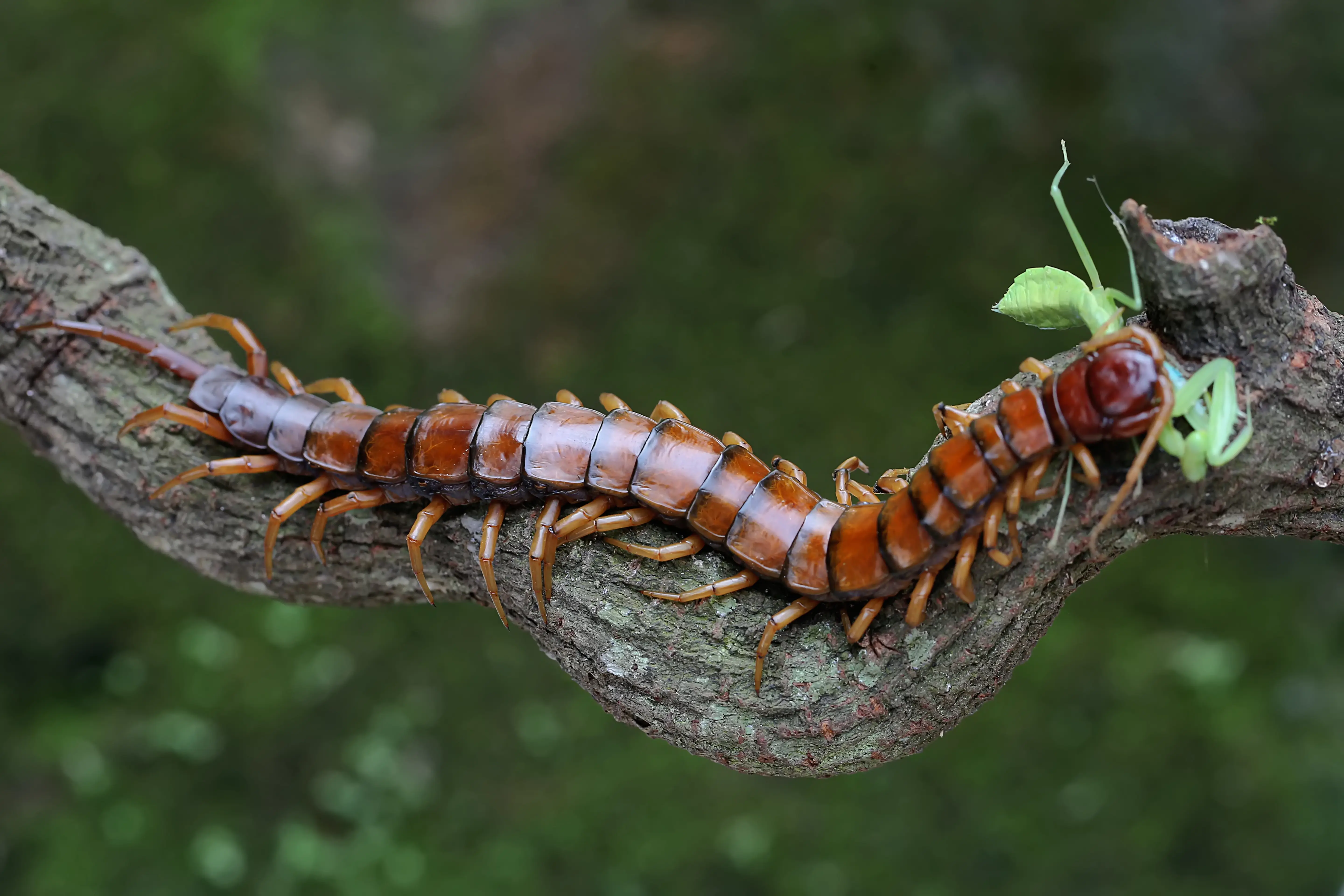
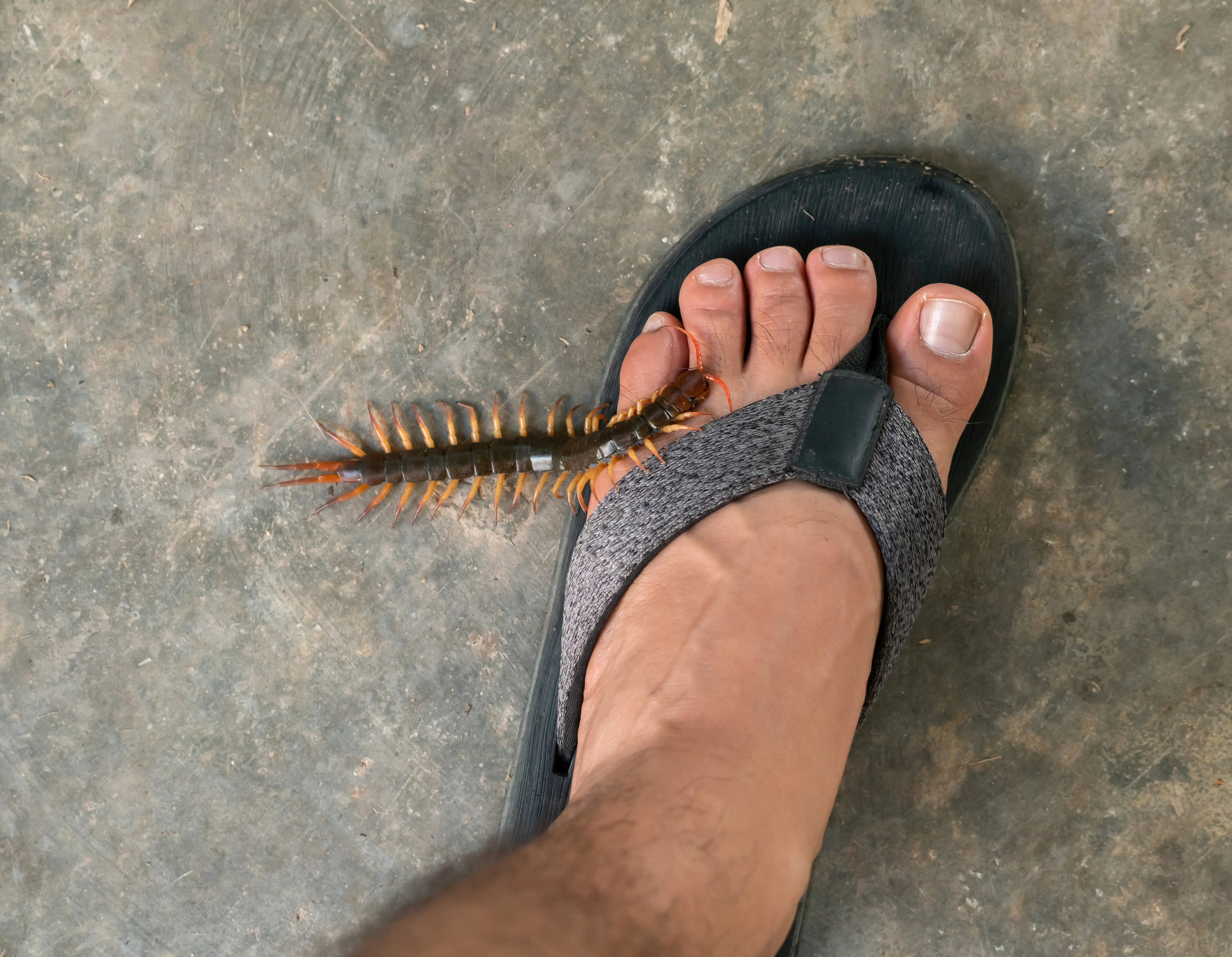
Professional centipede control technician inspecting basement area for centipede infestation and moisture issues

Professional Centipede Control & Exterminators

Those lightning-fast, multi-legged creatures darting across your bathroom floor aren't just startling—they're warning signs of underlying moisture issues and other pest populations. At EcoGuard Pest Management, we address not just the centipedes themselves, but the environmental conditions and secondary pest issues that support their presence.

Centipede Pest Control Experts

Effective centipede management demands a comprehensive understanding of their biology, habitat preferences, and the moisture conditions that support their populations. Our licensed centipede exterminators receive specialized training in moisture management, harborage identification, and centipede behavior patterns. This expertise enables them to identify primary infestation sites, locate contributing moisture sources, and implement targeted solutions that address both the centipedes and the conditions attracting them to your property.

Why Centipedes Are a Serious Problem

Centipedes create unique challenges requiring professional attention:

  • House centipedes possess venomous jaws capable of delivering painful bites when handled or threatened, with venom strong enough to cause significant discomfort, swelling, and potential allergic reactions in sensitive individuals
  • Their presence serves as a biological indicator of excessive moisture and secondary pest problems within structures, signaling both moisture issues and additional pest populations requiring management
  • Shed exoskeletons and fecal matter from centipede populations contribute to indoor allergens, potentially triggering respiratory issues and allergic symptoms in sensitive individuals
  • Once established, centipedes can live for years (some species up to 7 years) and breed within wall voids and crawl spaces, making complete elimination without professional intervention extremely difficult

Centipede Control Service Plans

Choose the protection level that's right for your property

One-Time Treatment
$249+
Starting price
  • Comprehensive property inspection
  • Species identification
  • Entry point identification
  • Targeted treatment application
  • Perimeter barrier application
  • Nest elimination
  • Treatment report & recommendations
  • 30-day guarantee
Get Started
MOST POPULAR
Annual Protection
Contact Us
For custom pricing
  • Everything in One-Time Treatment
  • Seasonal maintenance plan
  • Entry point treatments
  • Priority scheduling
  • Re-treatment guarantee
Get Started

* Prices vary based on property size, infestation severity, and treatment method. Contact us for an accurate quote.

Service Plan Comparison

FeatureOne-TimeAnnual
Comprehensive Inspection
Interior & Exterior Treatment
Follow-Up InspectionsQuarterly
Secondary Pest Management
Re-Treatment Guarantee
Seasonal Preventive Treatments

Get Your Free Centipede Quote

Protect your property with a free centipede quote from our licensed experts.

✓ Same-day service available
✓ Licensed & insured
✓ Detailed property assessment
✓ No-obligation estimates

Service Areas

We provide centipede control services throughout:

  • California
  • Oregon
  • Washington
  • Texas
  • Tennessee
  • Nevada
View All Counties →

Ready to Eliminate Your Centipede Problem?

Schedule your centipede inspection today. Our experts will assess your property and provide a customized treatment plan.

📞 Call (866) 326-2847Get Free Quote

Centipede Treatment Options

Our multi-faceted approach targets both centipedes and the conditions supporting their presence. Each treatment method addresses different aspects of centipede biology and habitat requirements to ensure complete elimination and long-term prevention.
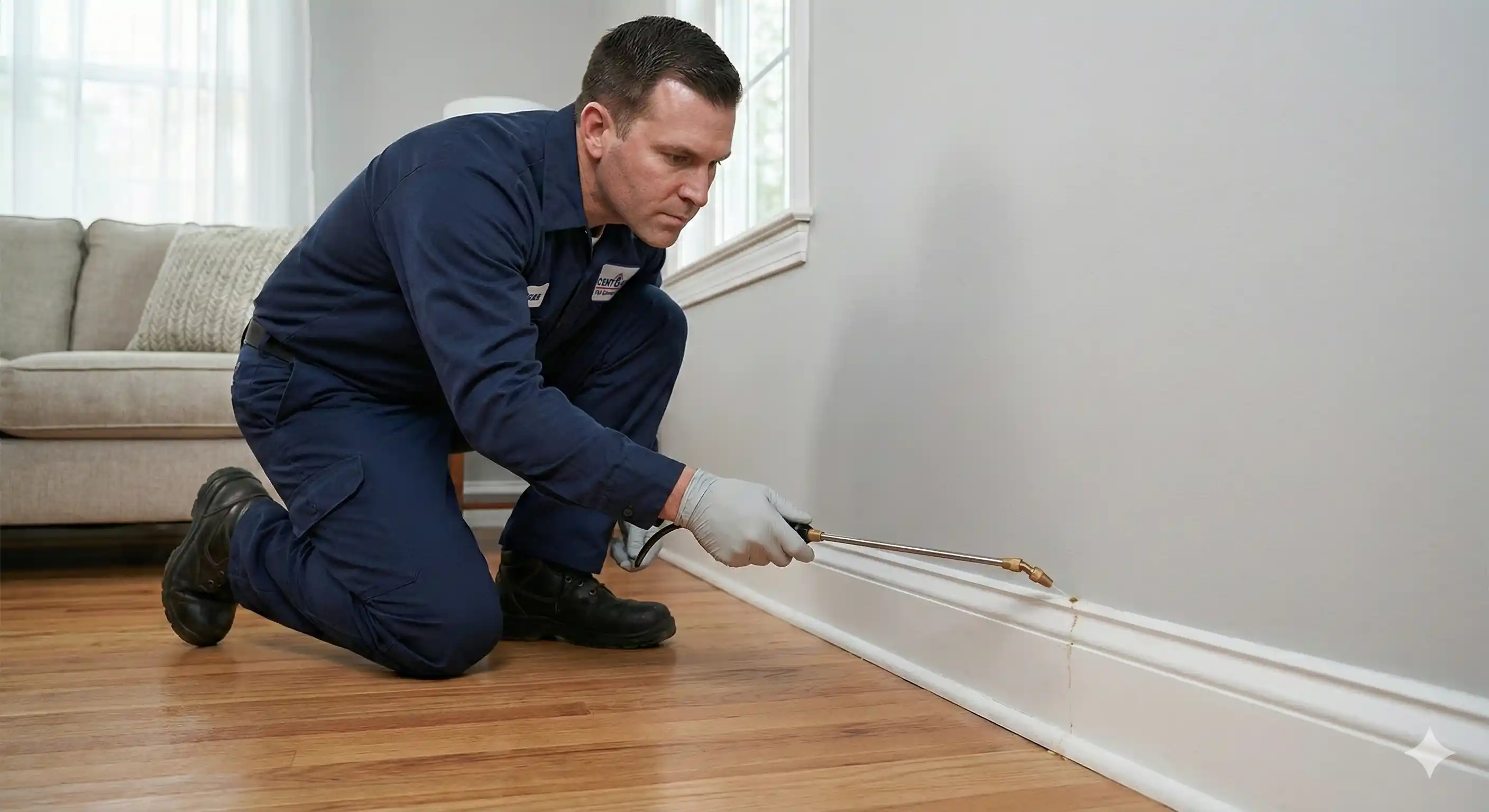
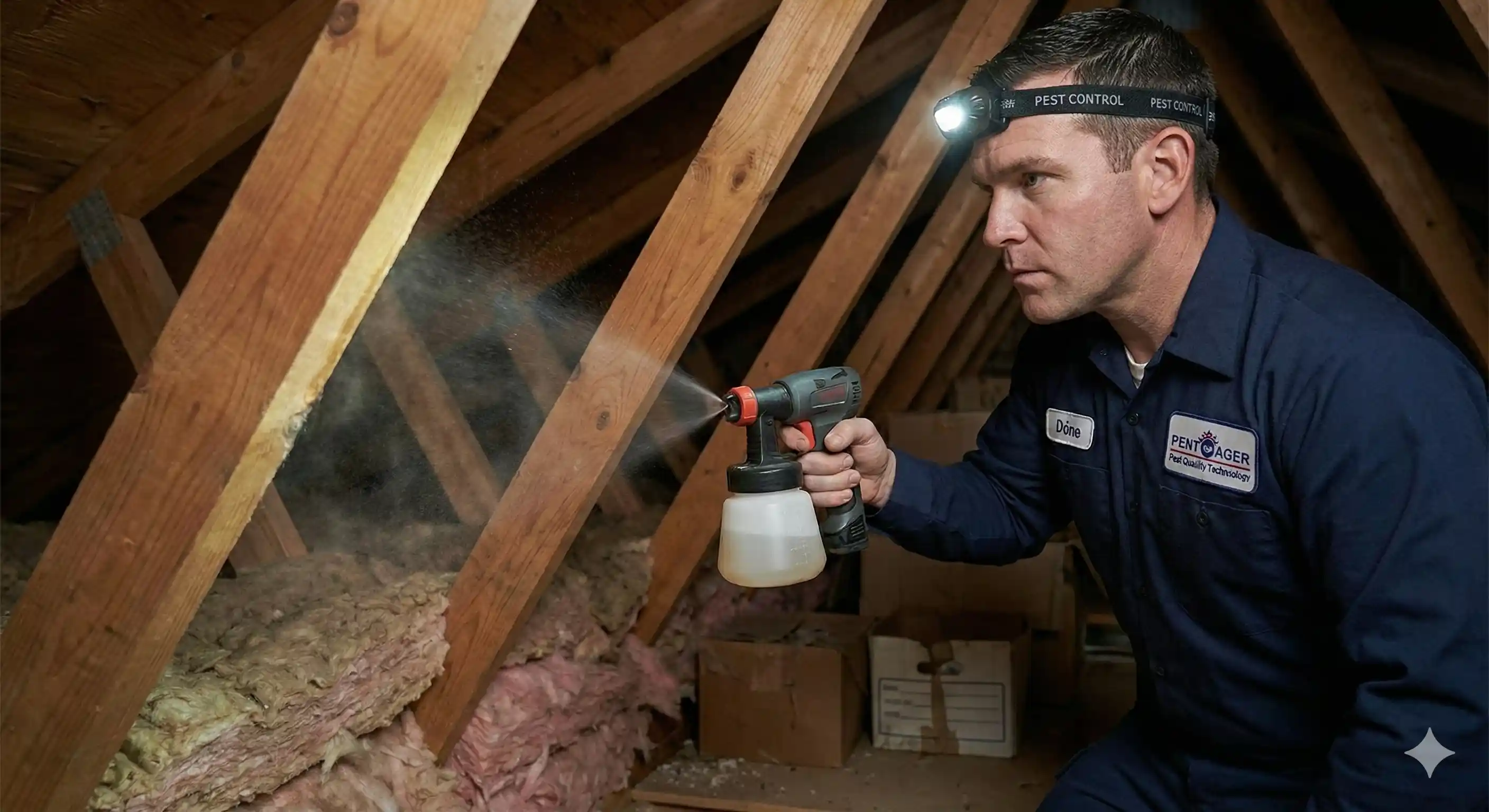
Technician applying targeted treatment to baseboards and wall voids for centipede elimination

Targeted Interior Applications

Precise treatments applied to baseboards, wall voids, and utility penetrations where centipedes travel and hide, using formulations specifically effective against these resilient arthropods.

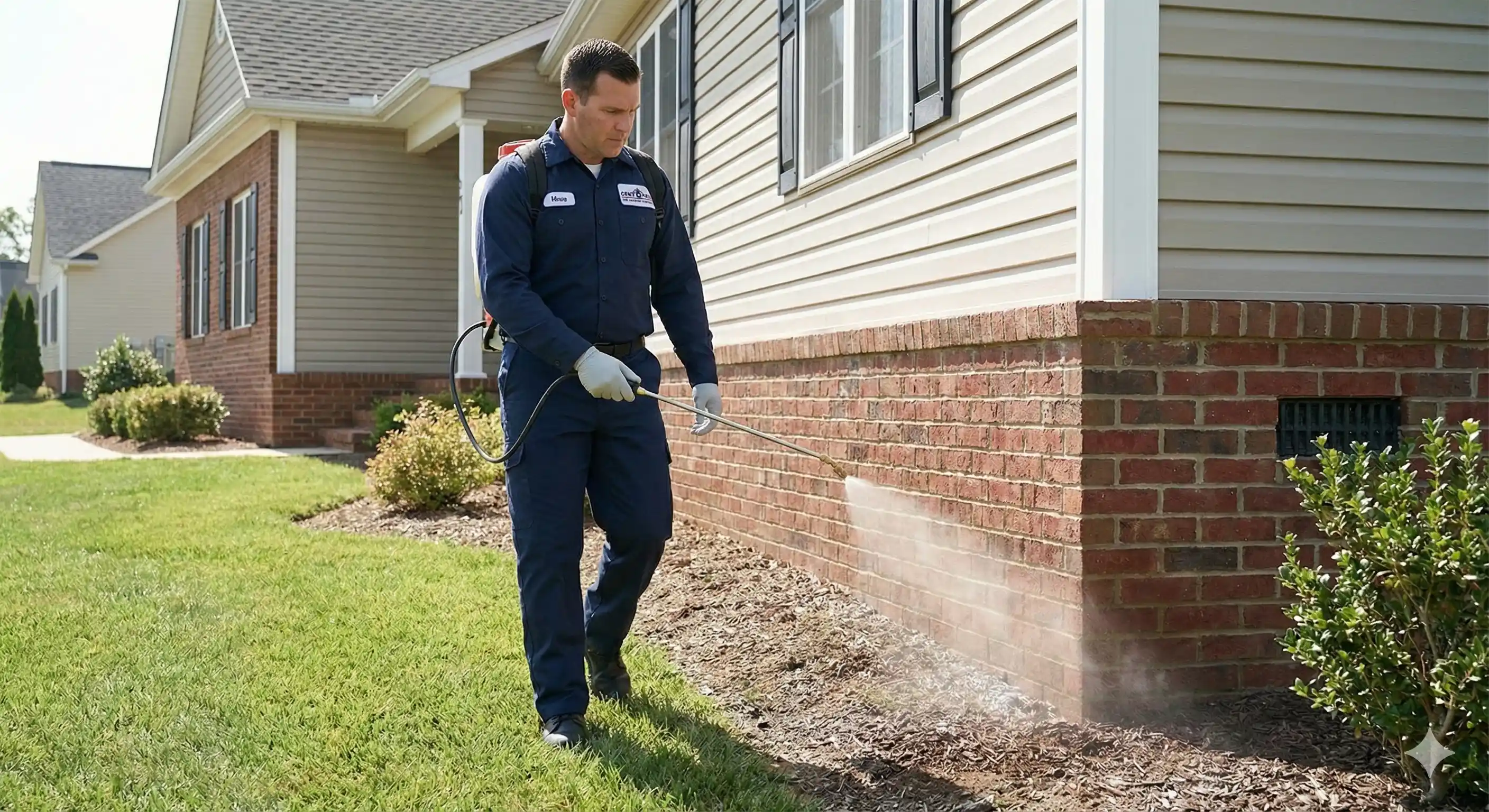
Pest control professional applying exterior barrier treatment around home foundation

Exterior Barrier Treatments

Creation of protective perimeters around structures using microencapsulated insecticides that provide extended protection against centipede entry while targeting harborage areas.

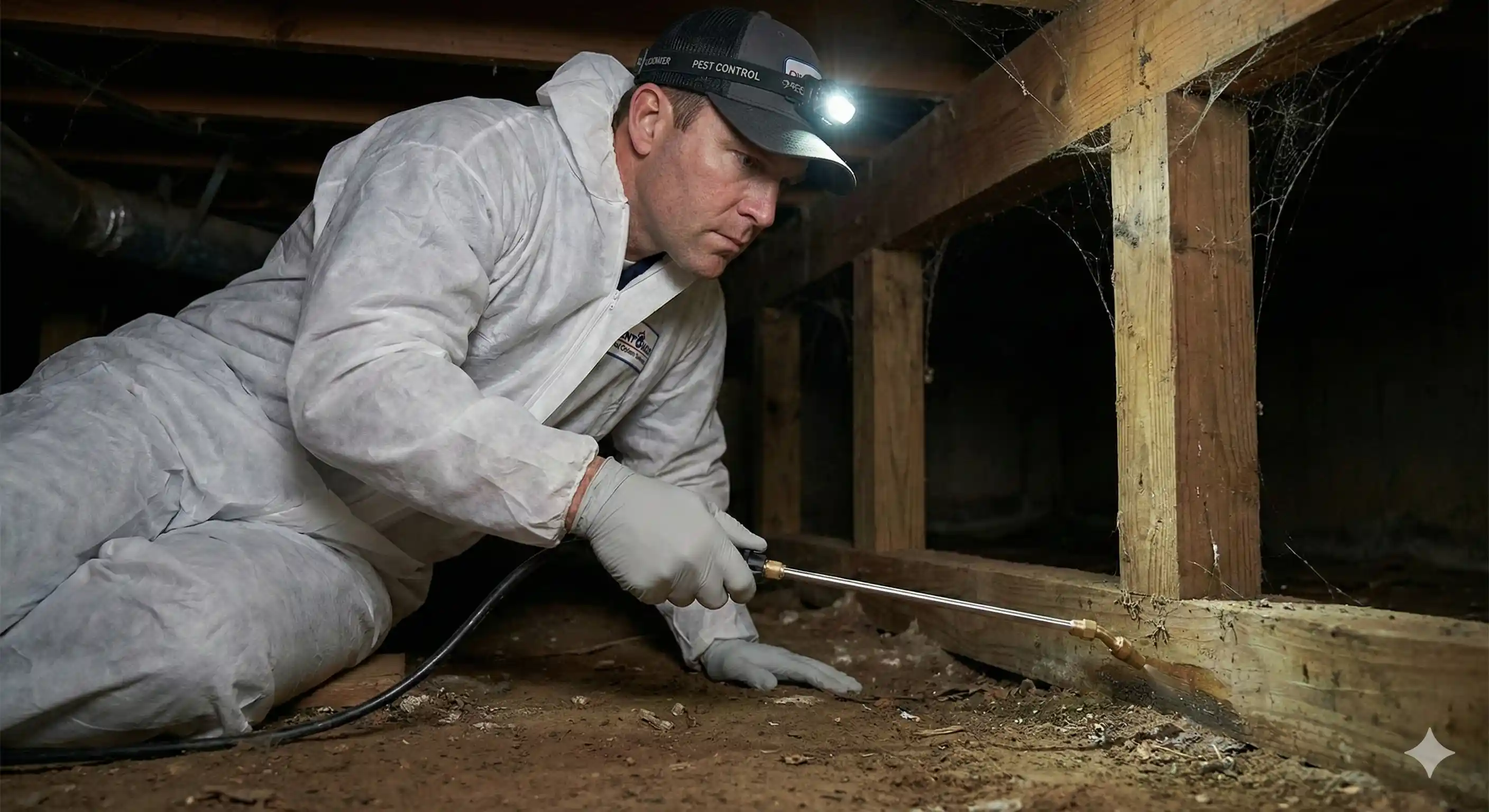
Technician treating crawl space area to eliminate centipede breeding grounds

Crawl Space Treatments

Specialized applications in substructural areas where moisture accumulation creates ideal centipede breeding grounds, focusing on critical development sites.

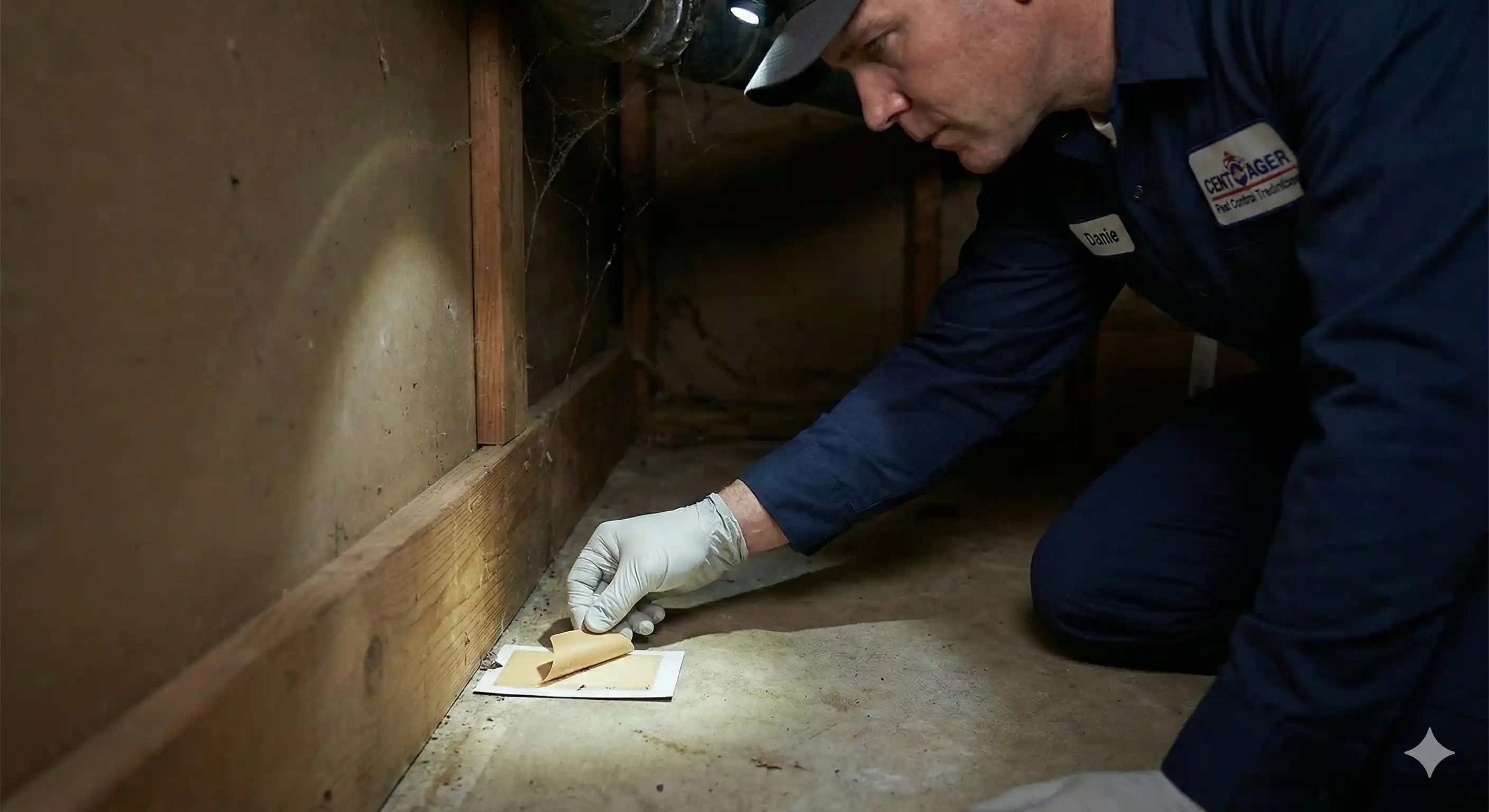
Professional placing sticky trap monitors along baseboard for centipede detection

Sticky Trap Monitoring

Strategic placement of specialized glue traps in dark corners, along baseboards, and near moisture sources to capture centipedes as they travel their established pathways.

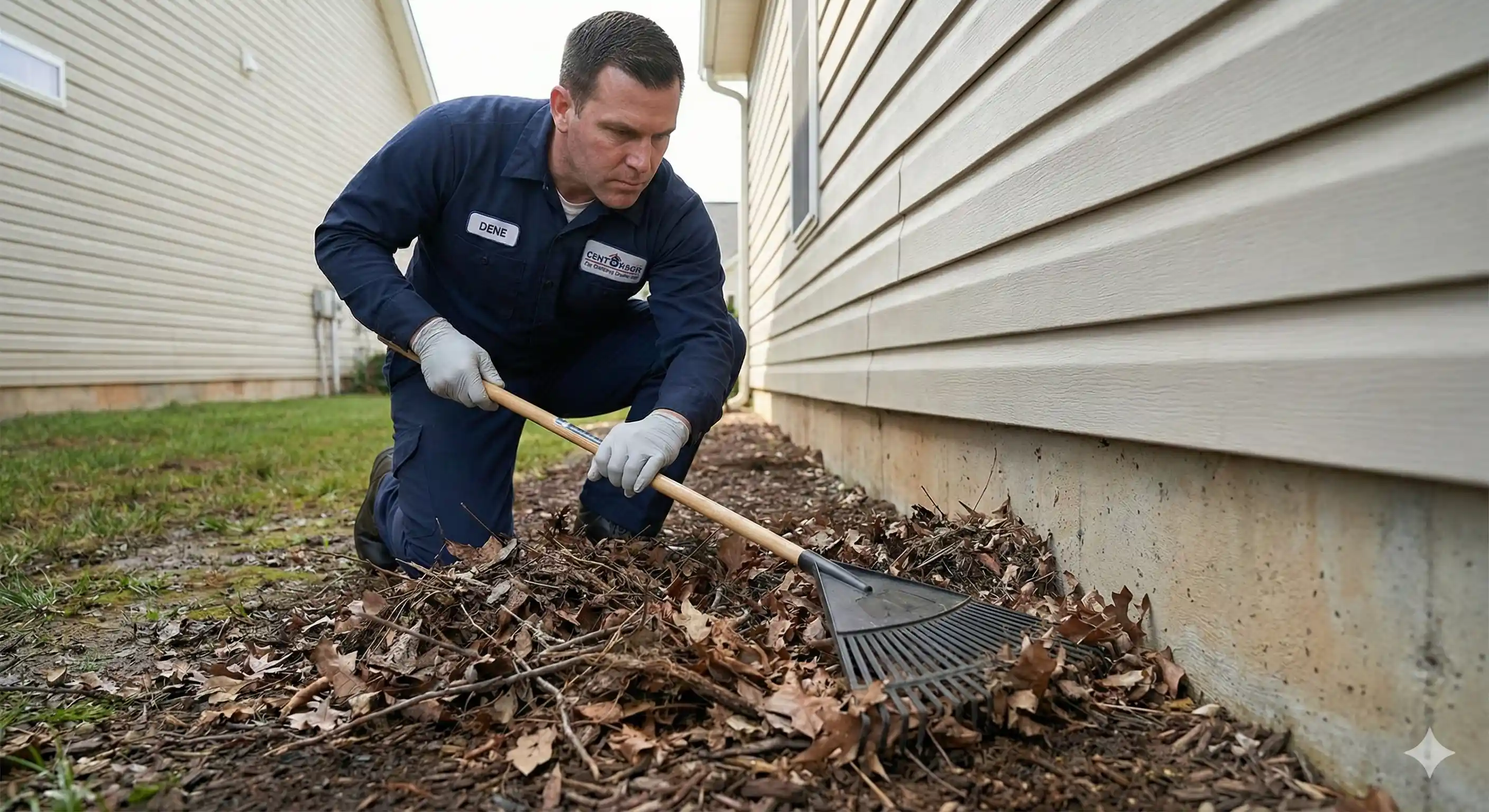
Removing leaf litter and mulch buildup near foundation to eliminate centipede harborage

Harborage Elimination

Removal of conducive conditions like leaf litter, mulch buildup against foundations, and stone accumulations that provide ideal shelter for centipede populations.

Technician treating for secondary pest populations that serve as centipede food sources

Secondary Pest Management

Targeted treatments for spider, cricket, and other arthropod populations that serve as centipede food sources, eliminating the prey that attracts them.

What Causes Centipedes?

Understanding the conditions that attract and support centipede populations is essential for effective control and long-term prevention.
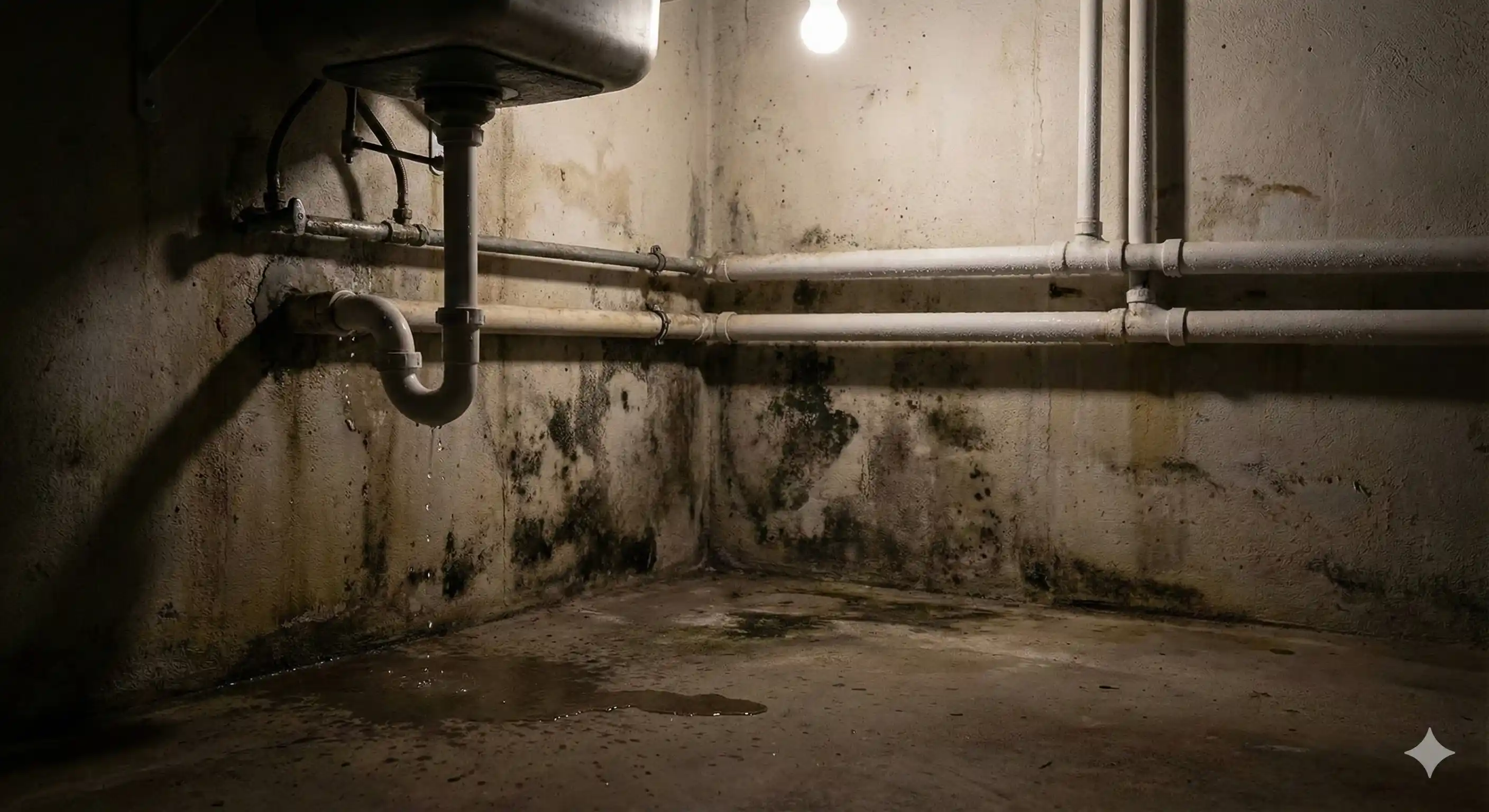
Leaking pipe and condensation creating damp conditions that attract centipedes

💧 Moisture Issues

Leaking pipes, condensation problems, poor ventilation, and improper drainage create the damp environments centipedes require for survival. Most species cannot survive in dry conditions.

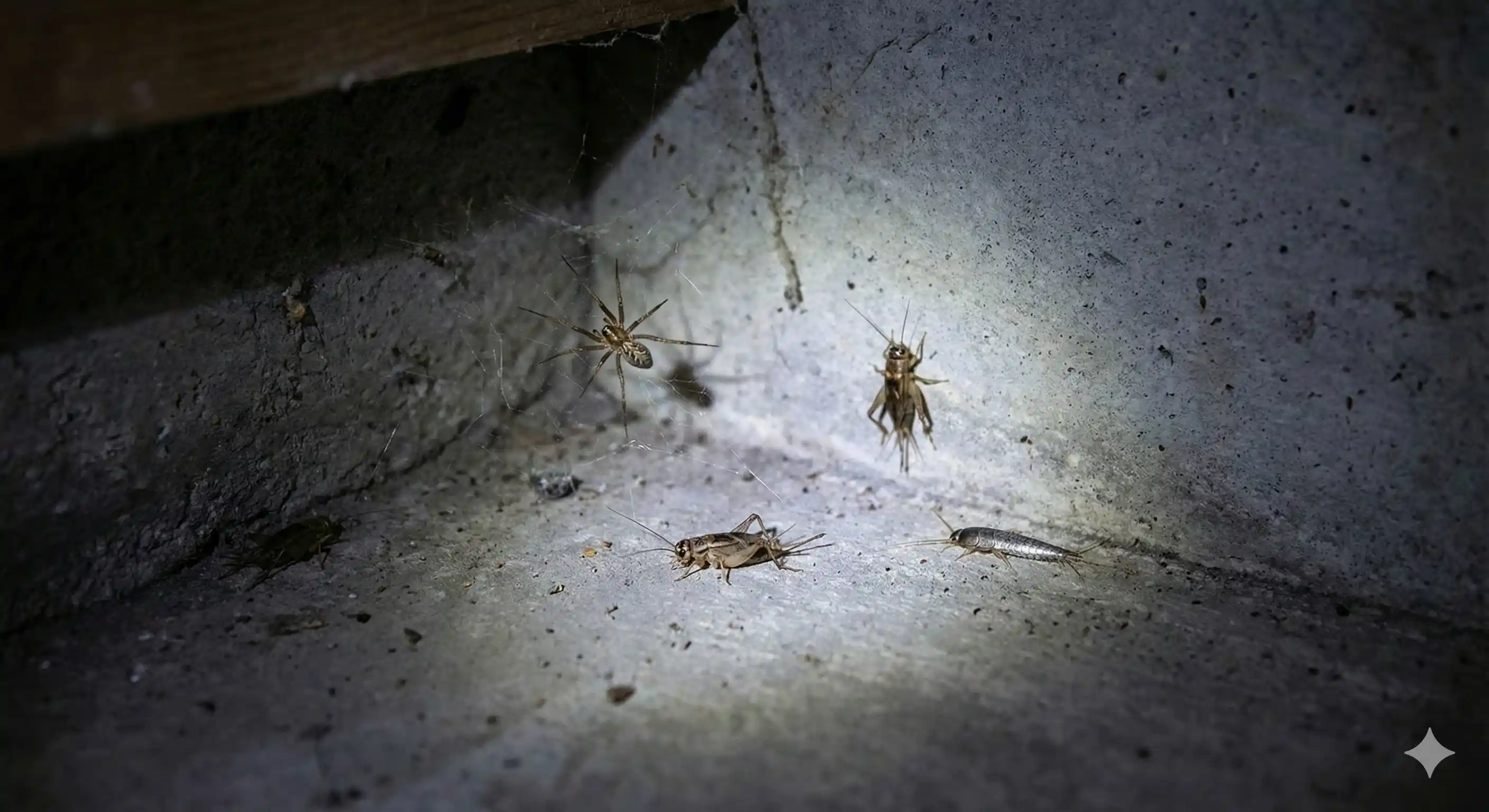
Various prey insects including spiders and crickets that attract centipedes

🕷️ Secondary Pest Populations

As predators, centipedes follow their prey into structures. Homes with spider, silverfish, cricket, or cockroach issues inadvertently provide food sources that sustain centipede activity.

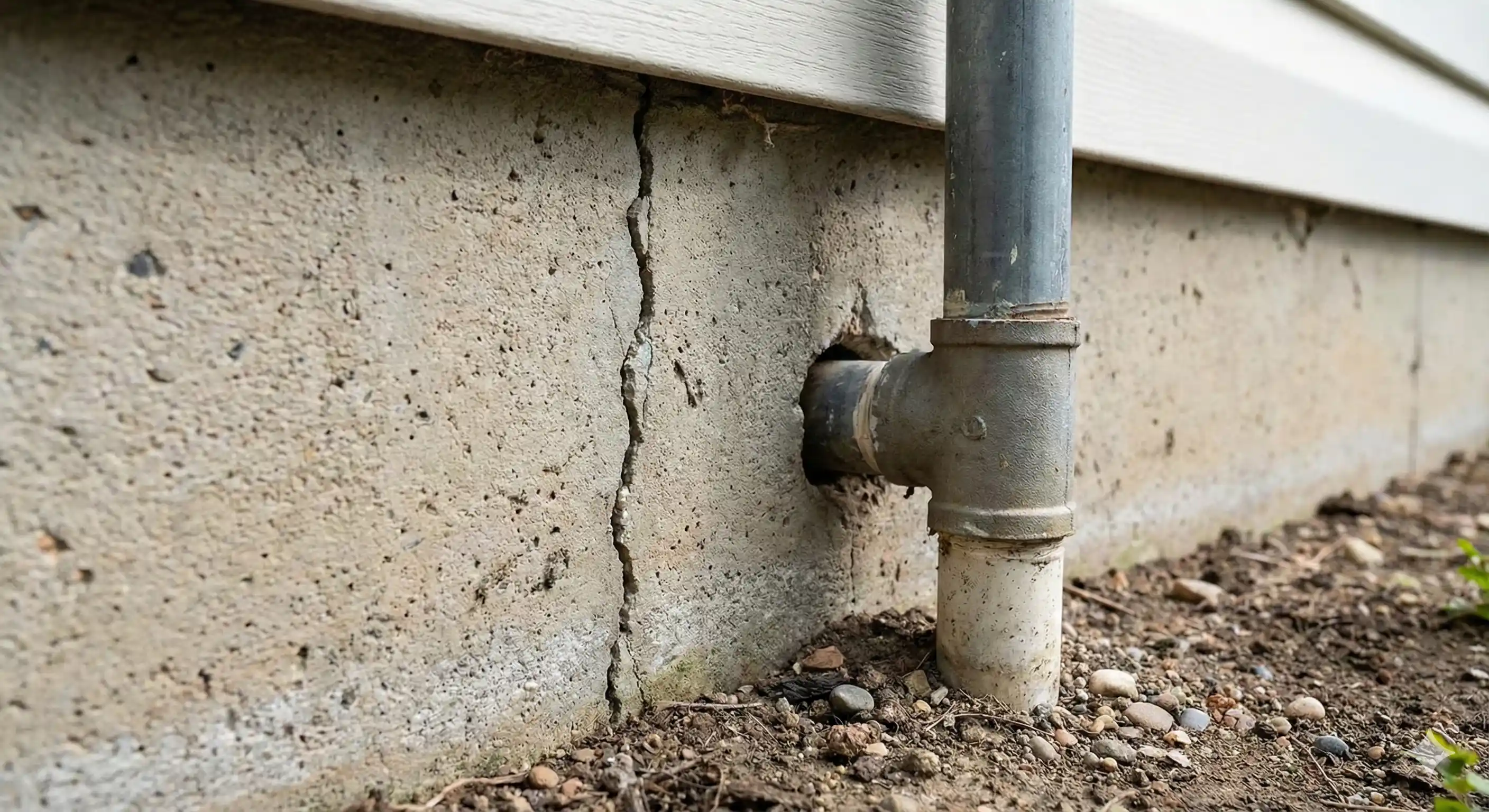
Foundation crack and utility penetration providing centipede entry points

🚪 Structural Entry Points

Foundation cracks, utility penetrations, door gaps, and unscreened vents allow centipedes easy access from exterior harborage sites into buildings, particularly as weather conditions change.

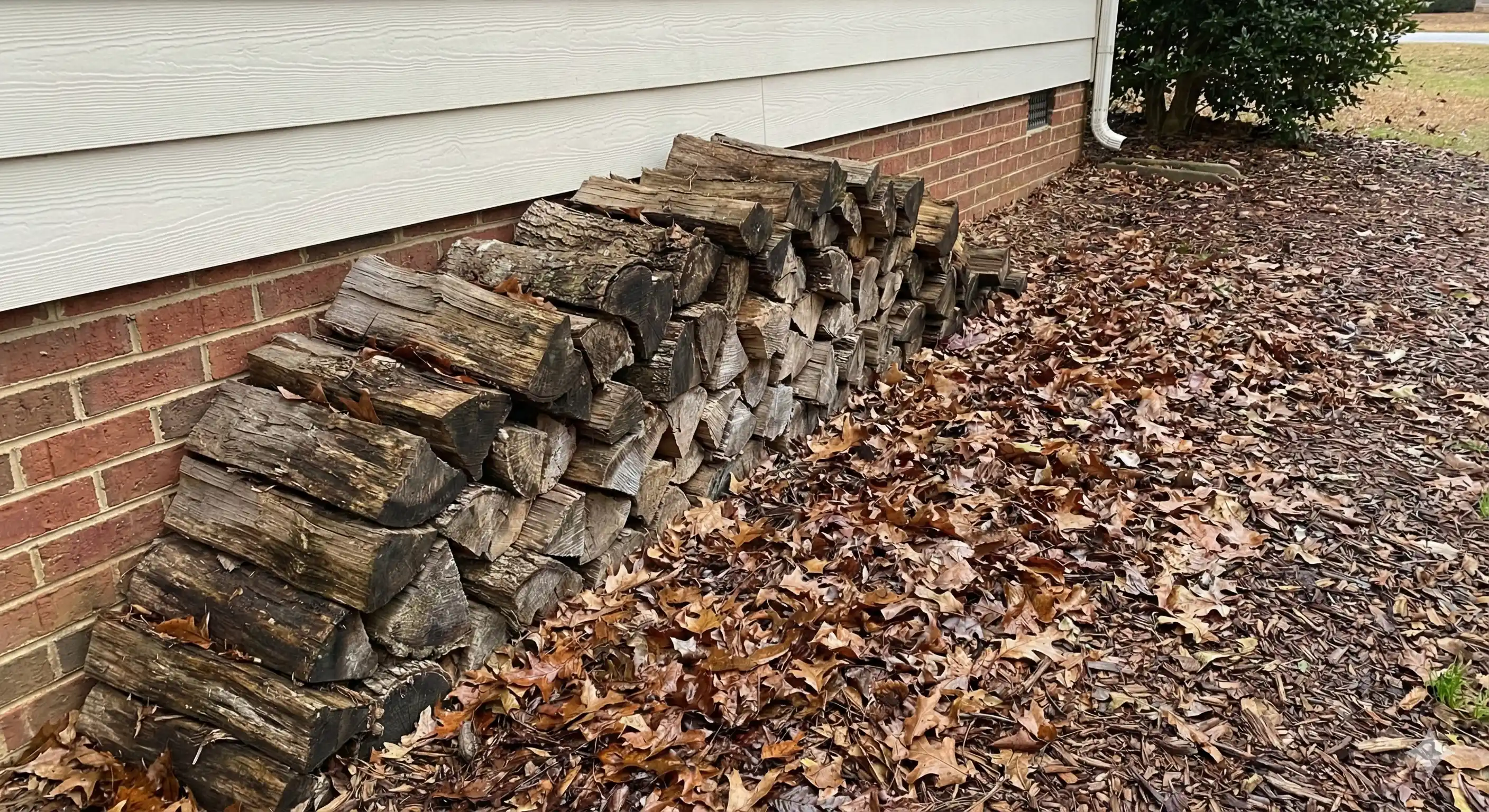
Leaf litter and mulch accumulation near foundation providing centipede shelter

🍂 Exterior Harborage

Leaf litter, mulch beds against foundations, woodpiles, rocks, and dense ground cover provide ideal exterior conditions for centipede populations that eventually move indoors.

Learn More About Centipede Prevention →

What Are Signs of Centipedes in Your Home?

Learn to recognize these indicators of centipede activity to catch infestations early before populations establish in hidden areas.
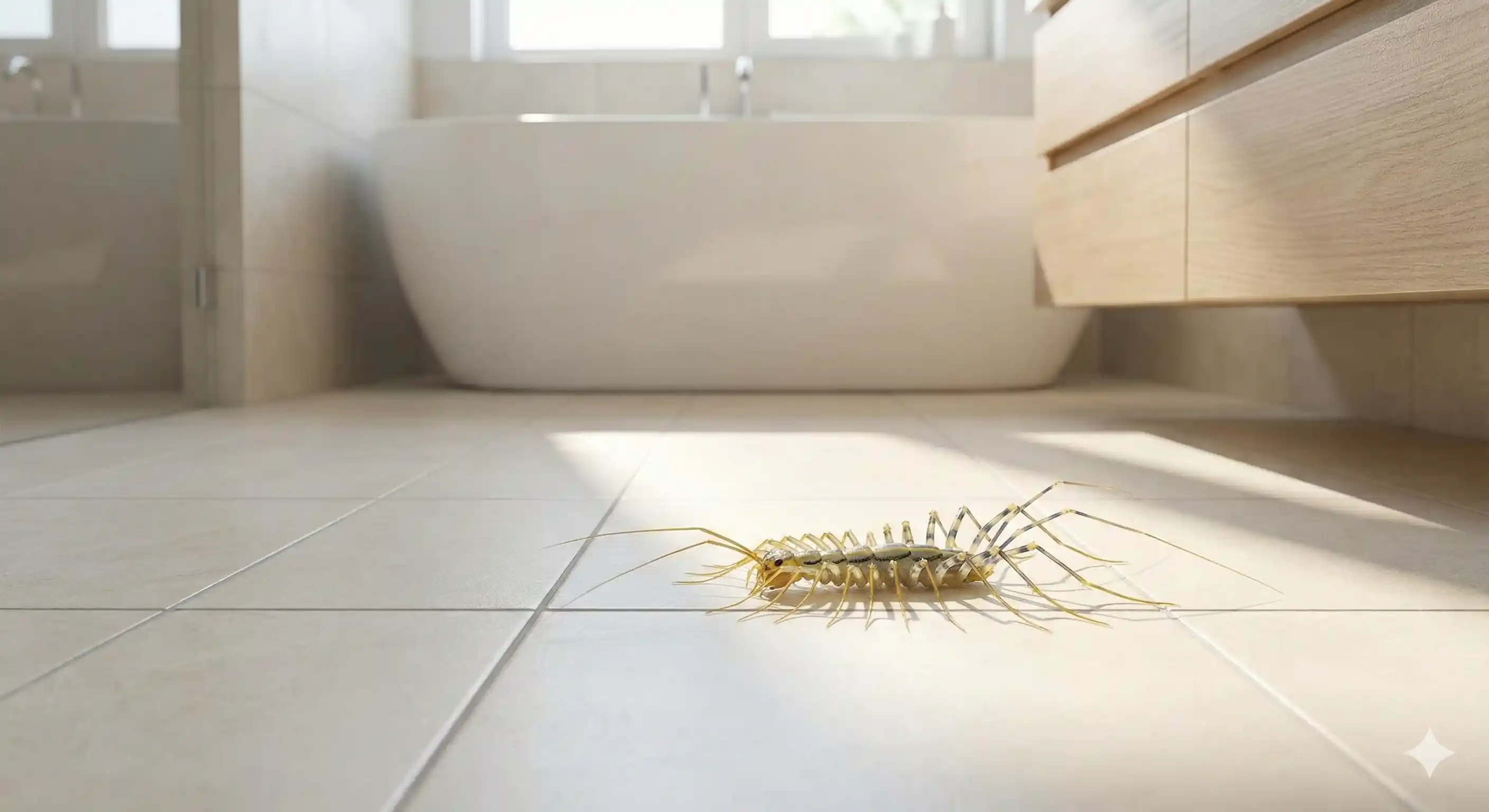
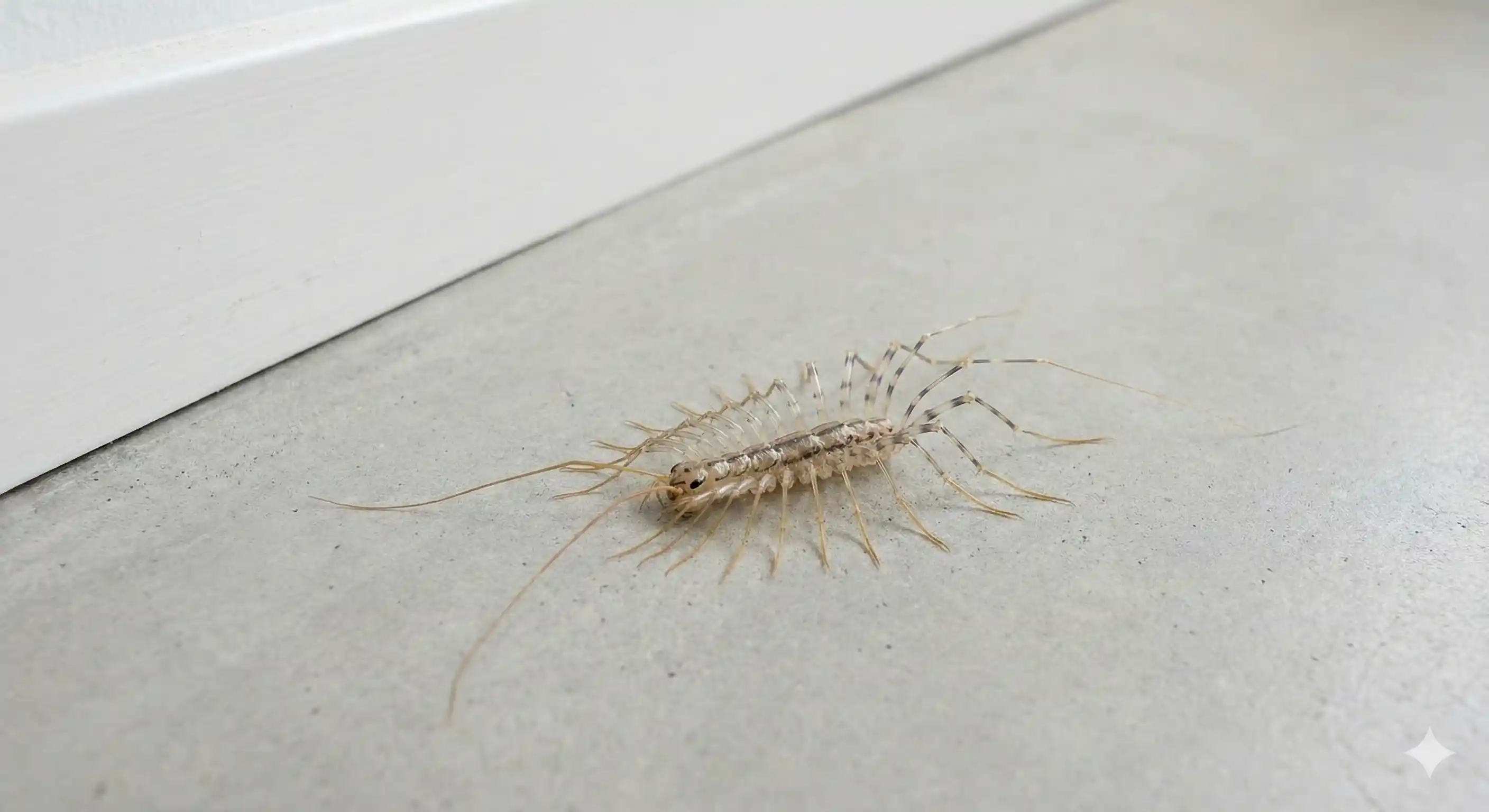
House centipede moving rapidly along bathroom floor during nighttime hunting

Live Centipedes

Fast-moving centipedes spotted along walls, floors, or in bathtubs and sinks, particularly during nighttime hours when they actively hunt for prey.

Centipede shed exoskeleton found in dark basement corner

Shed Exoskeletons

Cast skins found in dark, moist areas like crawl spaces, basements, and under bathroom fixtures indicate centipede molting and population growth.

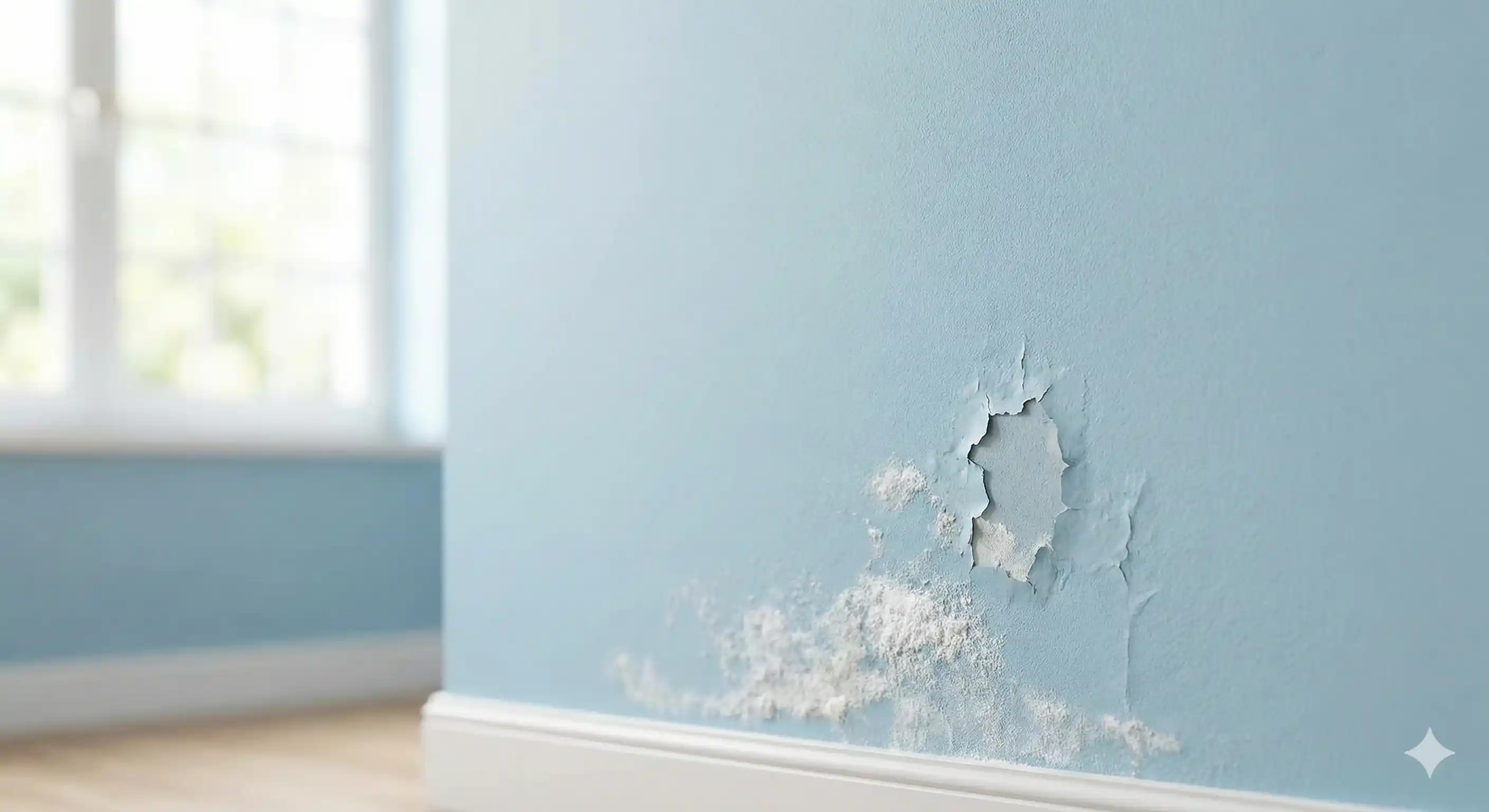
Peeling paint and efflorescence on basement wall indicating moisture problems

Secondary Moisture Damage

Efflorescence on walls, peeling paint, or warped wood indicating moisture conditions conducive to centipede populations and their establishment.

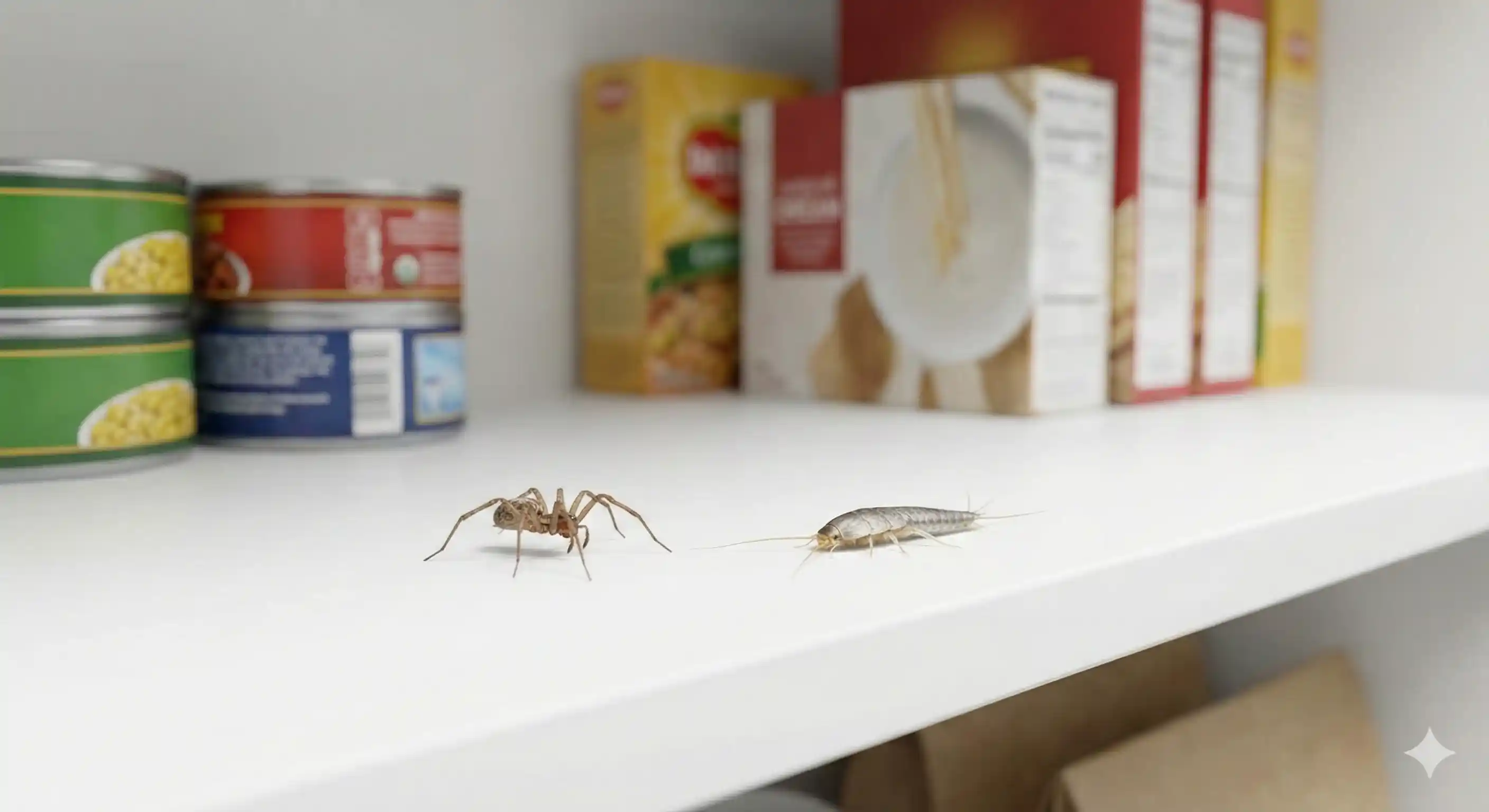
Multiple arthropod species present indicating food sources for centipedes

Multiple Arthropod Populations

Presence of spiders, silverfish, crickets, or other insects that centipedes prey upon, indicating abundant food sources supporting centipede activity.

Learn More About Centipede Detection →

DIY vs Professional Treatment

Store-bought centipede sprays offer only temporary relief while failing to address the fundamental moisture issues and harborage conditions that support their populations. Over-the-counter products typically kill only visible centipedes without reaching those hidden in wall voids, crawl spaces, and other inaccessible areas where breeding occurs. Additionally, these products break down quickly, providing limited residual protection against new centipedes entering from outdoor harborage areas.

Professional centipede control addresses the complete ecological relationship supporting their presence. Our integrated approach combines moisture management recommendations, secondary pest elimination, and targeted applications that penetrate harborage areas inaccessible to consumer products. By addressing both the centipedes and the conditions supporting them, we provide long-term solutions that prevent recurring problems rather than temporarily treating symptoms.

❌ DIY Treatment

  • Kills only visible centipedes
  • Cannot reach wall voids or crawl spaces
  • Limited residual protection
  • No moisture management
  • Ignores secondary pest populations
  • Temporary relief only

✓ Professional Treatment

  • Targets hidden harborage areas
  • Wall void and crawl space treatments
  • Extended residual protection
  • Moisture management recommendations
  • Secondary pest elimination included
  • Long-term prevention strategies

Commercial Centipede Control

EcoGuard Pest Management implements customized centipede control programs for commercial facilities that prioritize operational continuity while ensuring effective pest elimination. Our comprehensive commercial centipede protection programs combine discrete treatment applications with flexible scheduling to maintain your business operations while ensuring complete elimination of centipede problems.

We specialize in centipede control solutions for:

  • Restaurants and food service establishments
  • Healthcare facilities
  • Hotels and hospitality venues
  • Educational institutions
  • Office complexes
  • Food processing facilities
  • Warehouses and storage facilities
  • Retail spaces
  • Manufacturing facilities
  • Multi-unit residential properties
Learn About Commercial Pest Control
100% SATISFACTION GUARANTEE

The EcoGuard Guarantee

EcoGuard offers a 100% satisfaction guarantee for all of our customers, and we stand by our promise to eradicate your centipede problem until the very last centipede is gone. That centipede control guarantee comes with every service and if the centipedes come back, then so do we, at no additional cost. We are standing by to give you a free estimate and to help you set your first centipede pest control service appointment.

📞 Call (866) 326-2847 Today

Our Centipede Control Process

A systematic approach to complete centipede elimination and moisture management

1

Thorough Property Inspection

Our centipede exterminators conduct thorough property examinations with special focus on identifying moisture sources, structural entry points, and harborage areas. Using moisture meters and specialized inspection tools, we identify critical areas where centipedes breed while documenting secondary pest populations.

2

Targeted Treatment Application

Based on inspection findings, we implement targeted applications to primary harborage areas, travel routes, and entry points using formulations specifically effective against centipedes. These treatments include barrier applications, crack and crevice treatments, and focused applications to secondary pest populations.

3

Prevention & Exclusion

We implement comprehensive prevention strategies focusing on moisture management, structural exclusion, and harborage reduction to create conditions unsuitable for centipede survival. These preventive measures address the root causes of centipede problems.

4

Ongoing Monitoring

Regular property assessments track treatment effectiveness while identifying any changes in moisture conditions or new harborage development. This ongoing monitoring ensures early detection of potential new activity before it develops into significant problems.

Seasonal Plan for Centipede Control

Year-round protection adapted to seasonal centipede behavior patterns

Spring Centipede Control

Spring

Comprehensive exterior treatments targeting emerging populations before they enter structures; perimeter barrier applications; treatment of mulch beds, stone accumulations, and exterior harborage areas

Summer Centipede Control

Summer

Peak breeding season monitoring; focus on foundation perimeters, crawl spaces, and basements where humidity creates ideal conditions; attention to irrigation systems and condensation issues

Fall Centipede Control

Fall

Strengthen exterior barriers as centipedes seek warmer environments; entry point protection and interior harborage elimination; comprehensive crack and crevice treatments to prevent winter populations

Winter Centipede Control

Winter

Focus on indoor harborage areas around plumbing systems, basements, and heating systems where condensation creates favorable conditions; structural modifications to reduce future pressure

What Our Customers Say

Trusted by homeowners across 6 states for professional centipede control

★★★★★

"We were seeing centipedes almost every night in our bathroom. EcoGuard found the moisture issue in our crawl space and treated the whole problem. Haven't seen one in months!"

Thomas R.
Portland, OR
★★★★★

"The technician explained that centipedes were there because of other bugs. They treated for everything and fixed the root cause. Very thorough and professional service."

Karen M.
Sacramento, CA
★★★★★

"Our basement had a serious centipede problem. EcoGuard's quarterly plan keeps them away year-round. The moisture recommendations they gave us made a huge difference."

David & Lisa S.
Nashville, TN

Centipede Control FAQs

Everything you need to know about centipede control and treatment

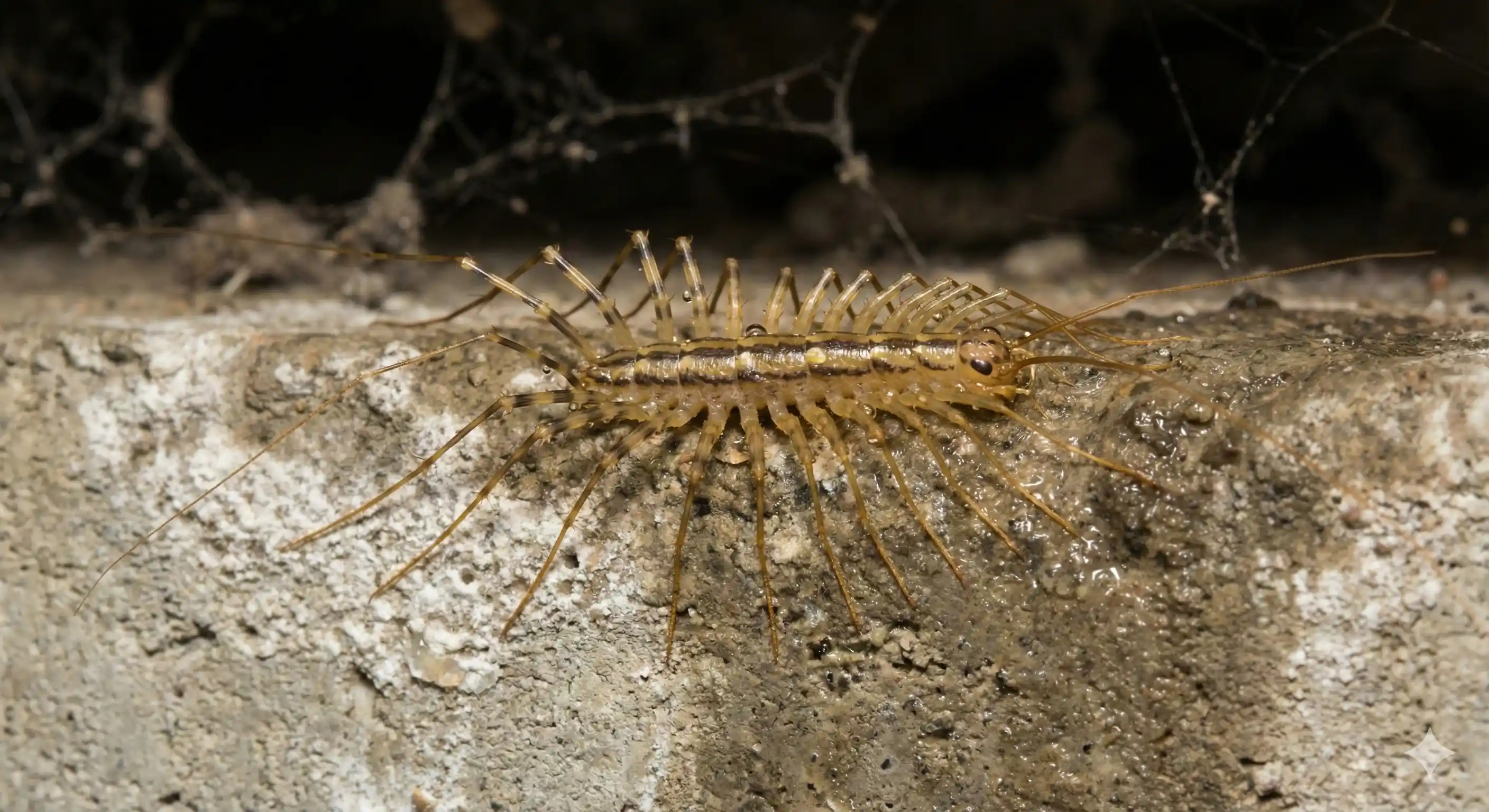
The most common household invader is the house centipede (Scutigera coleoptrata), recognized by its yellowish-gray body with three dark stripes, up to 15 pairs of long legs, and extraordinary speed. Other species include stone centipedes, which are darker and prefer damp areas like basements, and soil centipedes that typically enter through foundation cracks from garden areas.

Centipedes appear despite cleaning because they're attracted to underlying moisture issues and the presence of prey insects rather than general cleanliness. Hidden plumbing leaks, condensation problems, or high humidity in wall voids create perfect centipede habitats, while small populations of spiders, silverfish, or other arthropods provide the food sources centipedes need.

Centipedes primarily establish in areas with elevated moisture and limited human disturbance, including bathrooms near plumbing fixtures, basement wall voids, crawl spaces, and under appliances that generate condensation. They also frequent areas with abundant prey insects, such as cluttered storage spaces, rarely used closets, and utility rooms.

Centipedes serve as biological indicators of both excess moisture conditions and secondary pest populations in structures. Professional inspections can identify hidden plumbing leaks, condensation issues, or ventilation problems that support centipede populations while also revealing populations of prey insects like silverfish, cockroaches, or spiders.

Professional assessments include thorough inspection of all potential harborage areas using moisture meters to identify critical humidity levels conducive to centipede development. Technicians track population indicators including live specimens, shed exoskeletons, and signs of prey insect activity, while evaluating structural conditions that support centipede populations.

Professional centipede elimination combines targeted applications of microencapsulated insecticides to harborage areas, residual barrier treatments around foundations and entry points, and specialized formulations applied to cracks and crevices where centipedes travel and breed. These treatments work in conjunction with moisture management recommendations and secondary pest control.

Professional centipede treatments utilize EPA-registered products applied according to strict safety protocols that prioritize family and pet safety. Technicians place treatments precisely in areas with centipede activity while minimizing exposure to living spaces, providing detailed information regarding treatment areas and any temporary access restrictions.

Initial centipede treatments typically require 1-2 hours depending on property size and infestation severity, with technicians treating both interior harborage areas and exterior entry points in a single visit. Complete control often requires follow-up treatments timed 2-3 weeks apart to address the full life cycle.

Professional centipede control succeeds where DIY methods fail because it addresses the complete ecological relationship supporting centipede populations rather than simply killing visible specimens. Professionals target hidden harborage areas using specialized equipment and formulations unavailable to consumers, while implementing comprehensive moisture management and exclusion strategies.

Most homeowners notice a significant reduction in visible centipede activity within 24-48 hours following professional treatment as products eliminate centipedes in treated areas. Complete control timing depends on moisture management implementation and the presence of developing eggs, with full resolution typically occurring within 2-3 weeks.

Prevention focuses on moisture management through recommendations regarding dehumidification, ventilation improvements, and plumbing repairs that create conditions unsuitable for centipede survival. Professionals also implement exterior exclusion measures including foundation crack sealing, door sweep installation, and landscape modifications.

Properties with historical centipede issues benefit from quarterly inspections timed to seasonal activity changes, with special attention during spring and fall when centipede movement increases. Buildings with chronic moisture issues may require more frequent monitoring until underlying conditions are fully resolved.

Quality centipede control services provide service guarantees covering specific time periods, typically offering complimentary retreatment if centipede activity continues after initial services. These guarantees often extend 30-90 days depending on property conditions and treatment programs.

Centipede activity peaks during spring and early summer when increased soil moisture and warming temperatures create ideal breeding conditions, making this the optimal treatment timing. A second activity surge often occurs during early fall as centipedes seek winter shelter in structures, creating another critical treatment window.

Professional services provide comprehensive moisture management recommendations based on property-specific conditions, including guidance on proper ventilation, dehumidification needs, grading improvements for proper drainage, and identification of plumbing issues requiring repair. Some companies partner with moisture control specialists for complex problems.

Yes, comprehensive centipede control inherently addresses secondary pest populations that serve as centipede food sources. Professional technicians identify and treat for spiders, silverfish, crickets, and other arthropods supporting centipede activity, implementing multi-faceted treatment strategies that resolve the complete ecological relationship.

Professional centipede control costs vary based on property size, infestation severity, and structural complexity. Contact EcoGuard for an inspection and accurate quote tailored to your specific situation. We offer tiered pricing with options for one-time treatments or ongoing protection programs.

Professional technicians access difficult areas using specialized application equipment including extended application wands, fogging devices, and dust applicators that deliver treatments to voids and crevices where centipedes hide. These tools allow precise treatment placement in structural gaps, behind baseboards, and within foundation cracks.

While adult centipedes rarely cause serious health issues, their venomous bites can produce significant pain, swelling, and potential allergic reactions in sensitive individuals. Professional elimination reduces these risks while addressing the allergen potential of centipede shed skins and frass that may contribute to respiratory irritation.

Minimal preparation is typically required for centipede treatments, though technicians may request clearing access to baseboards, crawl spaces, utility areas, and other potential harborage sites. Interior treatments usually require temporary vacancy during application (typically 1-2 hours).

Centipedes are predatory with venomous jaws, fewer but longer legs (one pair per body segment), and faster movement, while millipedes are primarily decomposers with two pairs of shorter legs per segment and slower movement. These differences significantly impact treatment strategies, with centipede control focusing on predator elimination and moisture management.

Professional centipede control utilizes specialized formulations including microencapsulated residual insecticides and targeted dust applications designed to eliminate these resilient arthropods in their preferred harborage areas. These professional-grade treatments penetrate deep into cracks, voids, and moisture-prone areas where centipedes breed and develop.

Permanent centipede elimination requires a comprehensive approach addressing both the centipedes themselves and the conditions supporting their presence. This includes professional moisture management to reduce humidity levels below 70%, elimination of prey insect populations, sealing of structural entry points, and targeted treatments to harborage areas.

While house centipedes do consume other household pests including spiders, silverfish, and small cockroaches, their presence indicates underlying moisture issues and secondary pest problems rather than providing reliable pest control. Their painful bites, alarming appearance, and tendency to establish breeding populations make them unwelcome despite their predatory habits.

The most effective centipede prevention combines moisture reduction through proper ventilation and dehumidification, elimination of exterior harborage near foundations, sealing of structural entry points around utilities and foundation cracks, and professional perimeter treatments. Addressing secondary pest issues while implementing regular professional treatments provides comprehensive protection.

Ready to Eliminate Your Centipede Problem?

Get a free estimate for your centipede problem today. Our experts will assess your property and provide a customized treatment plan.

Connect With Us

Follow EcoGuard Pest Management for tips, updates, and special offers

f𝕏yin