EcoGuard Pest Management
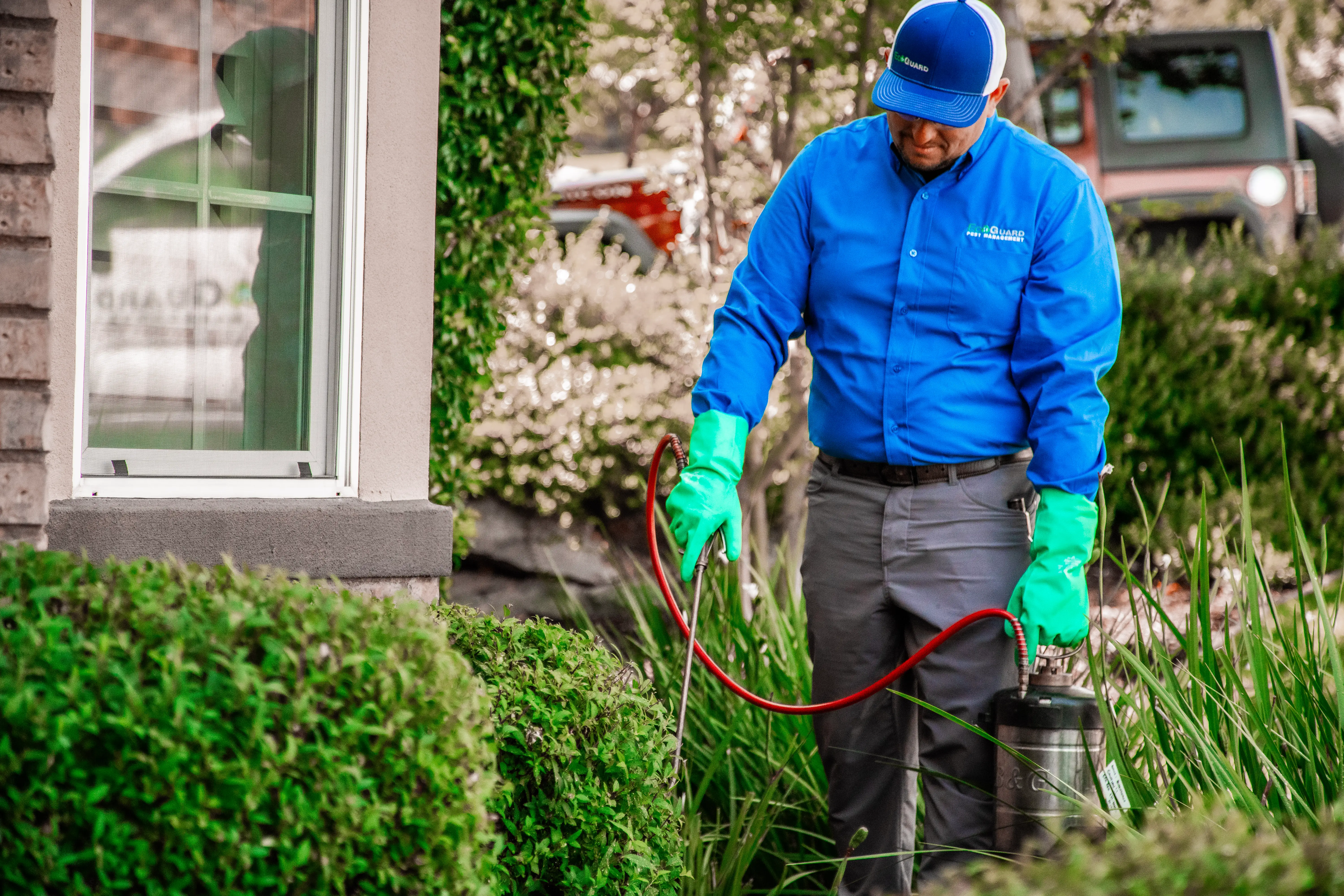
Professional whitefly control technician inspecting and treating garden plants for whitefly infestation

Professional Whitefly Control & Treatment Services

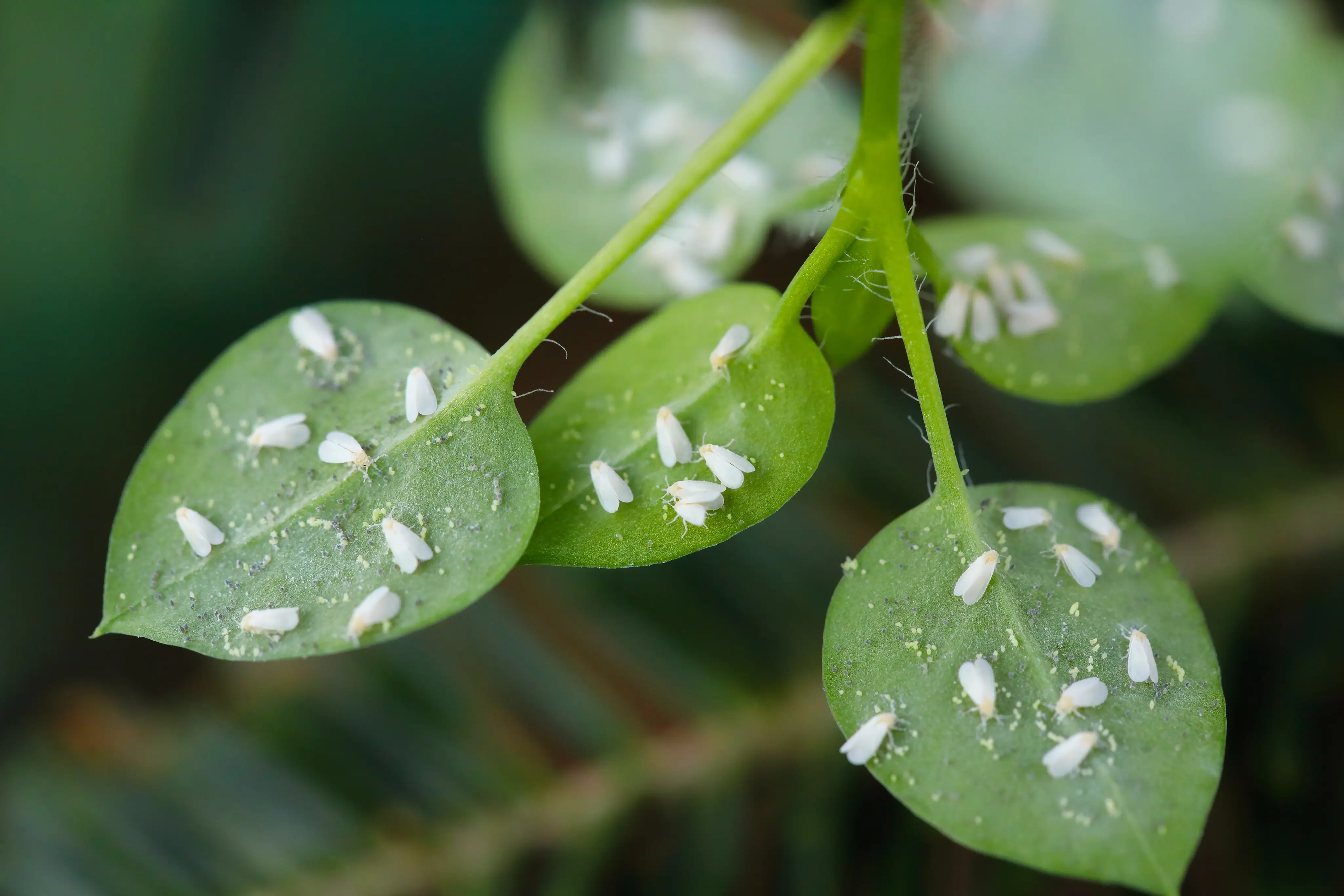
Whiteflies are destructive garden pests that can be incredibly difficult for gardeners to control. These tiny, sap-sucking insects target the undersides of leaves on crops, trees, shrubs, and indoor plants, draining fluids critical to plant health. Large populations cause leaves to yellow, curl, and drop, while the sticky honeydew they secrete promotes sooty mold growth and attracts ants. Worse still, whiteflies transmit devastating plant viruses that can spread rapidly through your garden. EcoGuard Pest Management offers integrated pest management solutions using eco-friendly whitefly control methods to protect your valuable plants and produce.

Whitefly Pest Control Experts

At EcoGuard Pest Management, we are experienced and knowledgeable in all forms of whitefly treatment methods, from organic repellents and biological controls to targeted applications that eliminate populations while preserving beneficial insects. We utilize an integrated pest management (IPM) approach with over 40 years of combined experience providing whitefly control services. Our maintenance programs ensure your home and garden remain whitefly-free all year long, preventing the devastating damage these pests can cause to your plants and crops.

Why Whiteflies Are a Serious Problem

Whitefly infestations create cascading problems that can devastate gardens and greenhouses:

  • Whiteflies suck sap from plant tissues, causing leaves to yellow, curl, dry out, and fall off prematurely. This damage impacts the plant's ability to photosynthesize properly, stunting growth and reducing fruit and flower production
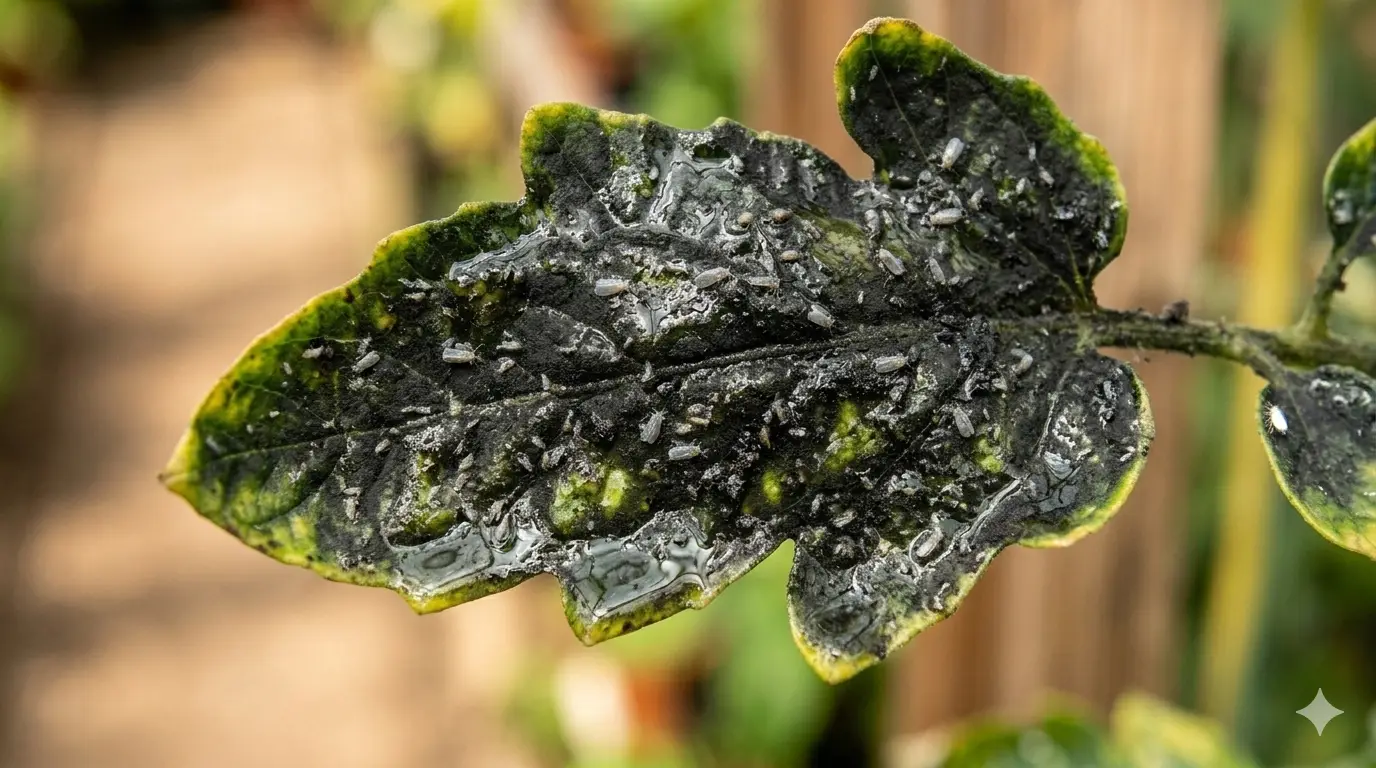
  • These pests secrete a sticky substance called honeydew that coats leaves and stems, creating the perfect surface for sooty mold to grow. This black fungal coating further blocks sunlight and weakens plants while spreading as whiteflies move from plant to plant
  • Whiteflies are vectors for numerous devastating plant viruses that can kill susceptible crops entirely, and once a virus is introduced, it can spread rapidly through your entire garden as whiteflies feed on multiple plants
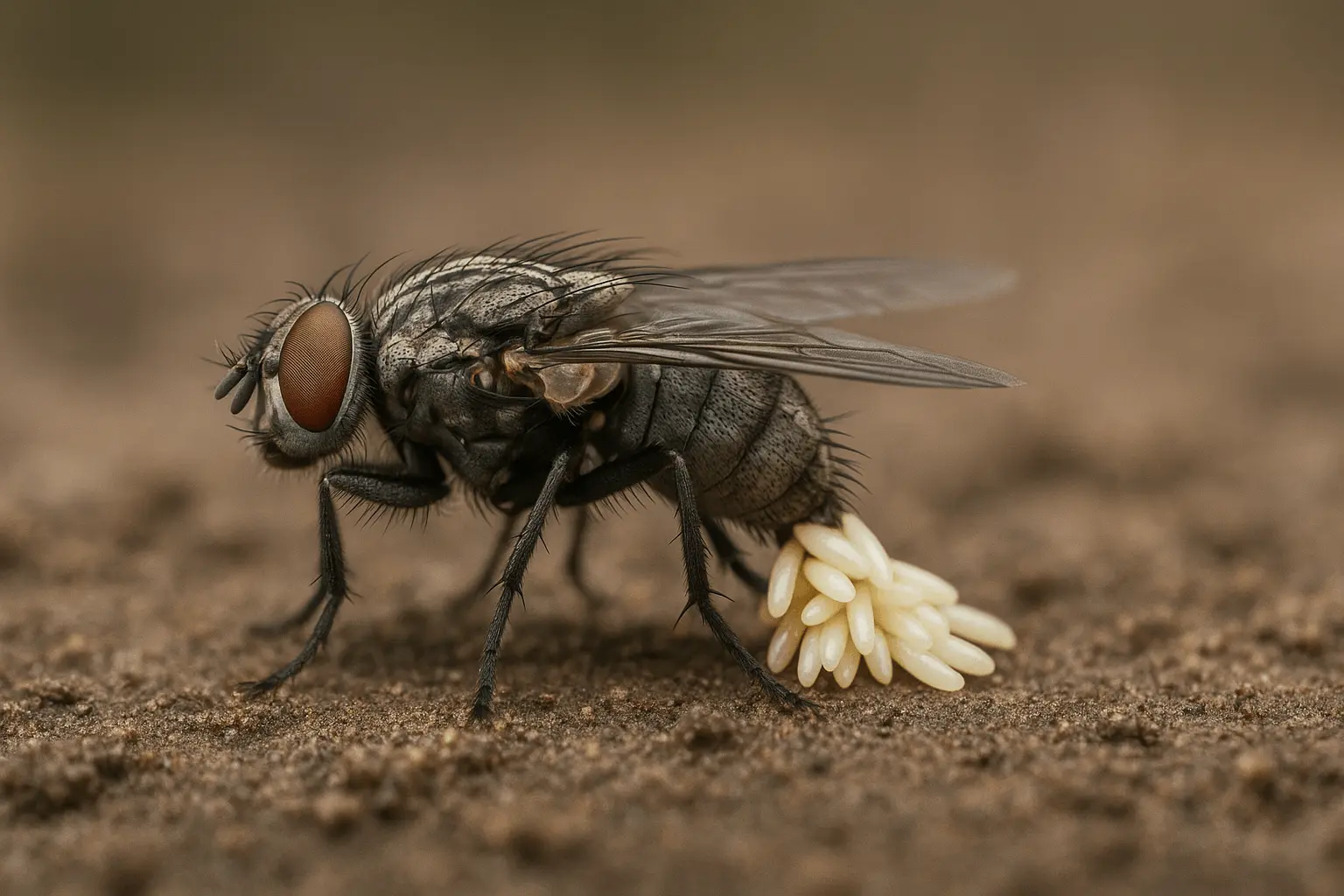
  • With females capable of laying up to 400 eggs at a time and eggs hatching in just 5-10 days, whitefly populations explode rapidly, and a small problem can become an uncontrollable infestation within weeks

Whitefly Control Service Plans

Choose the protection level that's right for your property

One-Time Treatment
$249+
Starting price
  • Comprehensive property inspection
  • Species identification
  • Entry point identification
  • Targeted treatment application
  • Perimeter barrier application
  • Nest elimination
  • Treatment report & recommendations
  • 30-day guarantee
Get Started
MOST POPULAR
Annual Protection
Contact Us
For custom pricing
  • Everything in One-Time Treatment
  • Seasonal maintenance plan
  • Entry point treatments
  • Priority scheduling
  • Re-treatment guarantee
Get Started

* Prices vary based on property size, infestation severity, and treatment method. Contact us for an accurate quote.

Service Plan Comparison

FeatureOne-TimeAnnual
Comprehensive Inspection
Treatment ApplicationMonthly
Follow-Up InspectionsOngoing
Biological ControlsOptionalIncluded
Re-Treatment Guarantee30 daysSeason-long

Get Your Free Whitefly Quote

Protect your property with a free whitefly quote from our licensed experts.

✓ Same-day service available
✓ Licensed & insured
✓ Detailed property assessment
✓ No-obligation estimates

Service Areas

We provide whitefly control services throughout:

  • California
  • Oregon
  • Washington
  • Texas
  • Tennessee
  • Nevada
View All Counties →

Ready to Eliminate Your Whitefly Problem?

Schedule your whitefly inspection today. Our experts will assess your property and provide a customized treatment plan.

📞 Call (866) 326-2847Get Free Quote

Whitefly Treatment Options

EcoGuard Pest Management employs multiple integrated strategies for effective whitefly control. Since chemical insecticides are often ineffective against whiteflies and can harm beneficial predators, we emphasize eco-friendly approaches that provide lasting results.
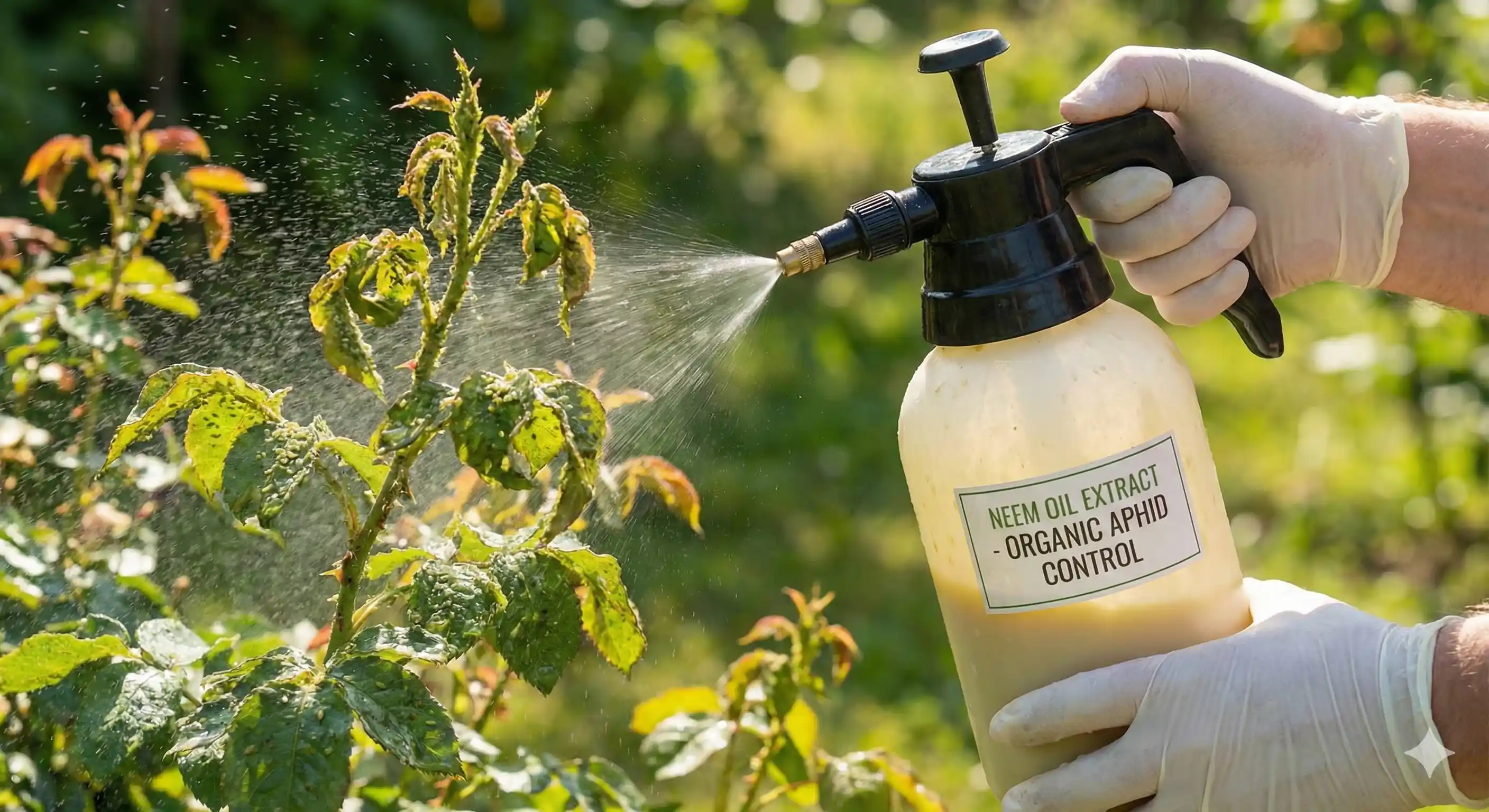
Technician applying neem oil treatment for whitefly control on garden plants

Organic Neem Oil Applications

We apply neem oil-based treatments that disrupt whitefly feeding, growth, and reproduction. Neem is effective against all life stages, including eggs, nymphs, and adults, while being safe for plants, beneficial insects, and the environment. Regular applications prevent populations from establishing.

Releasing beneficial predatory insects for biological whitefly control

Biological Control Programs

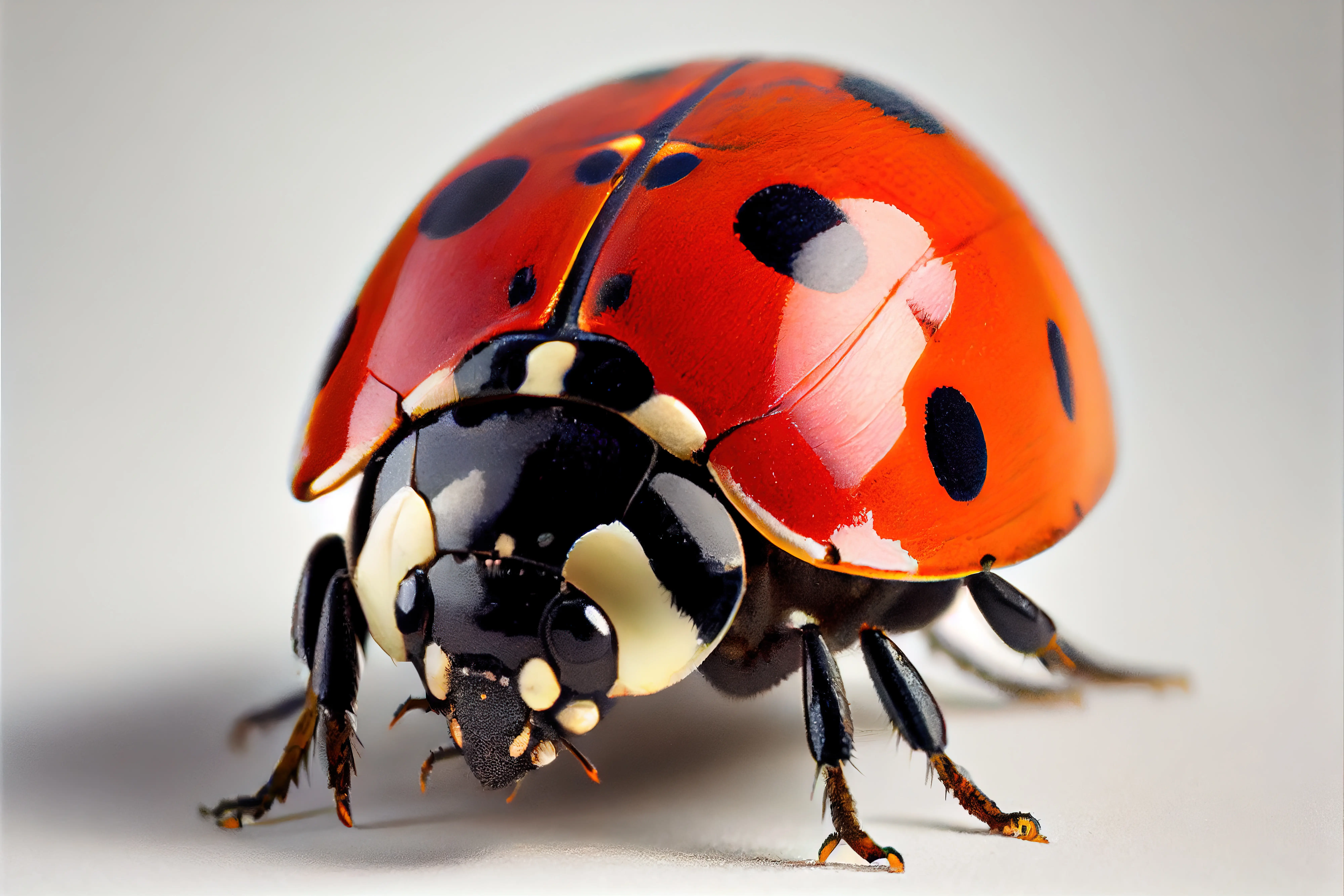
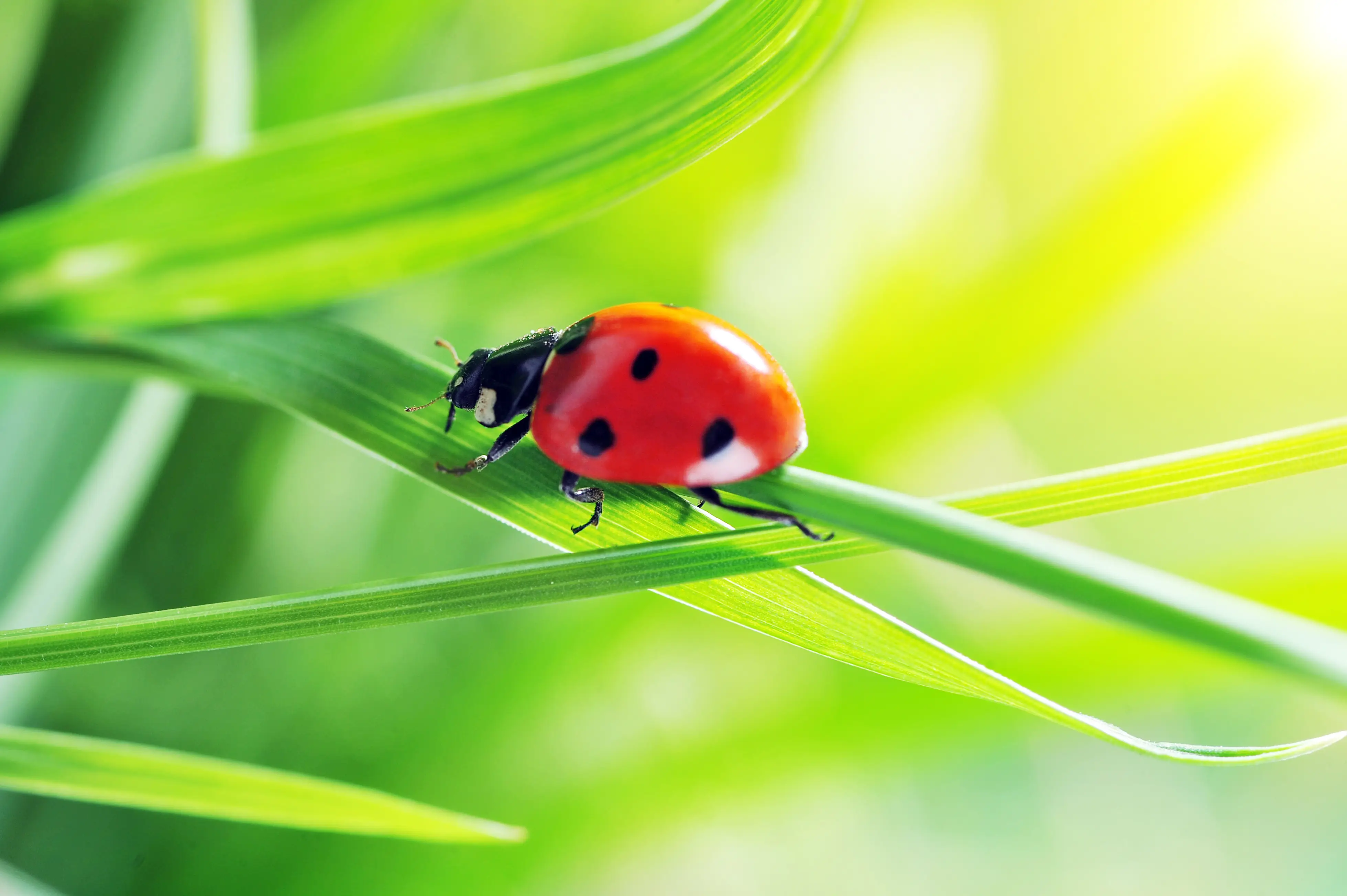
We introduce and encourage natural whitefly predators including parasitic wasps (Encarsia formosa), lacewings, ladybugs, and predatory beetles. These beneficial insects provide ongoing, sustainable control by continuously feeding on whitefly populations without harming your plants.

Applying fungal spray treatment for whitefly control

Entomopathogenic Fungal Sprays

We apply fungal spray treatments containing Beauveria bassiana or similar entomopathogenic fungi that infect and kill whiteflies while being safe for plants and beneficial insects. These biological treatments slow whitefly feeding and reproduction, successfully reducing populations over time.

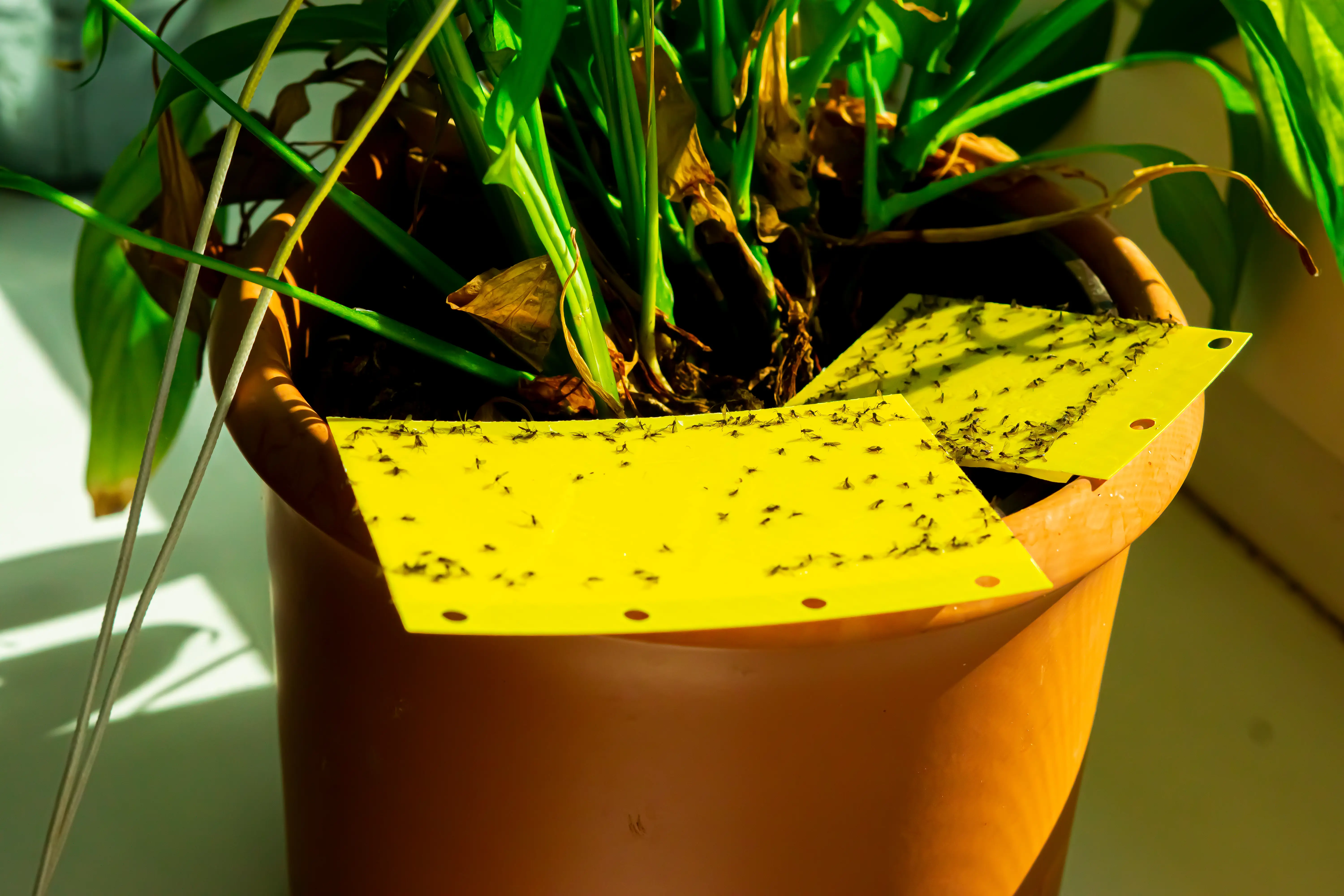
Yellow sticky traps installed for whitefly monitoring and control

Monitoring & Yellow Sticky Traps

Strategic placement of yellow sticky traps throughout your garden attracts and captures adult whiteflies. Beyond population control, these traps serve as early warning systems to detect emerging infestations before they become severe, allowing for timely intervention.

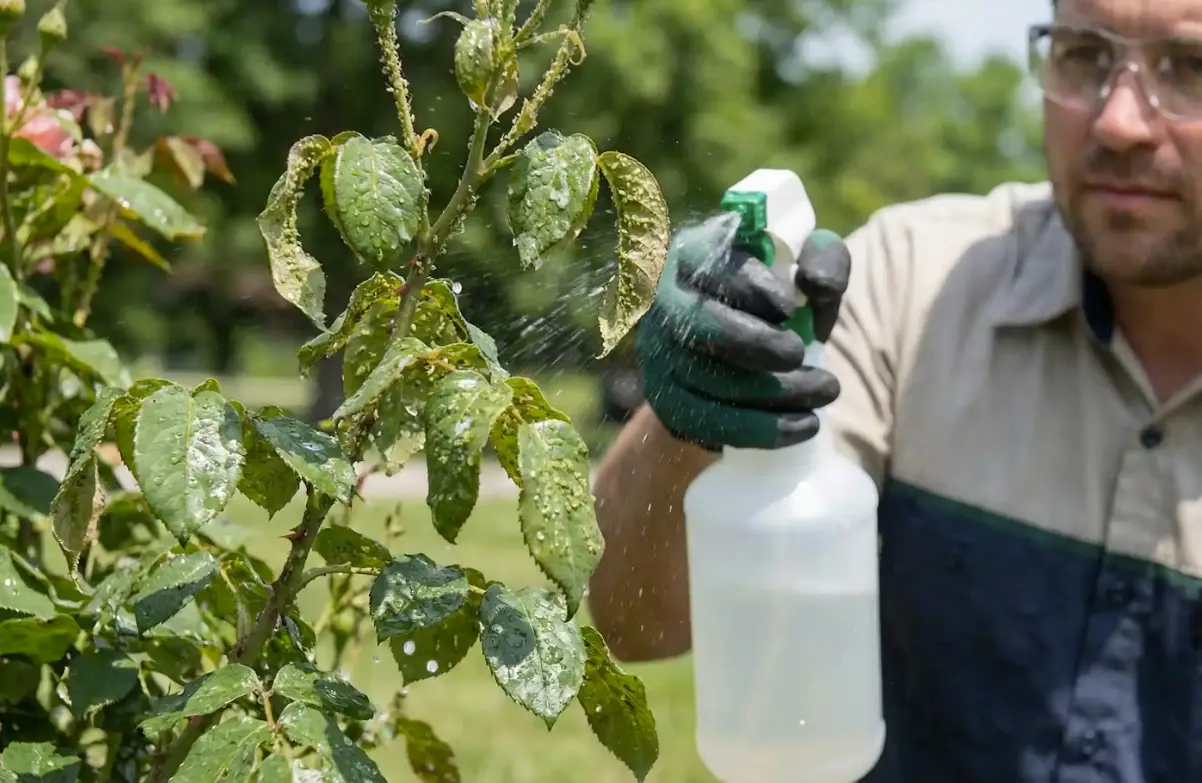
Applying insecticidal soap spray for whitefly treatment

Insecticidal Soap Treatments

We apply insecticidal soaps that kill whiteflies on contact by disrupting their cell membranes. These treatments are particularly effective against nymphs and are safe for use on edible crops up to the day of harvest. Repeat applications target successive generations.

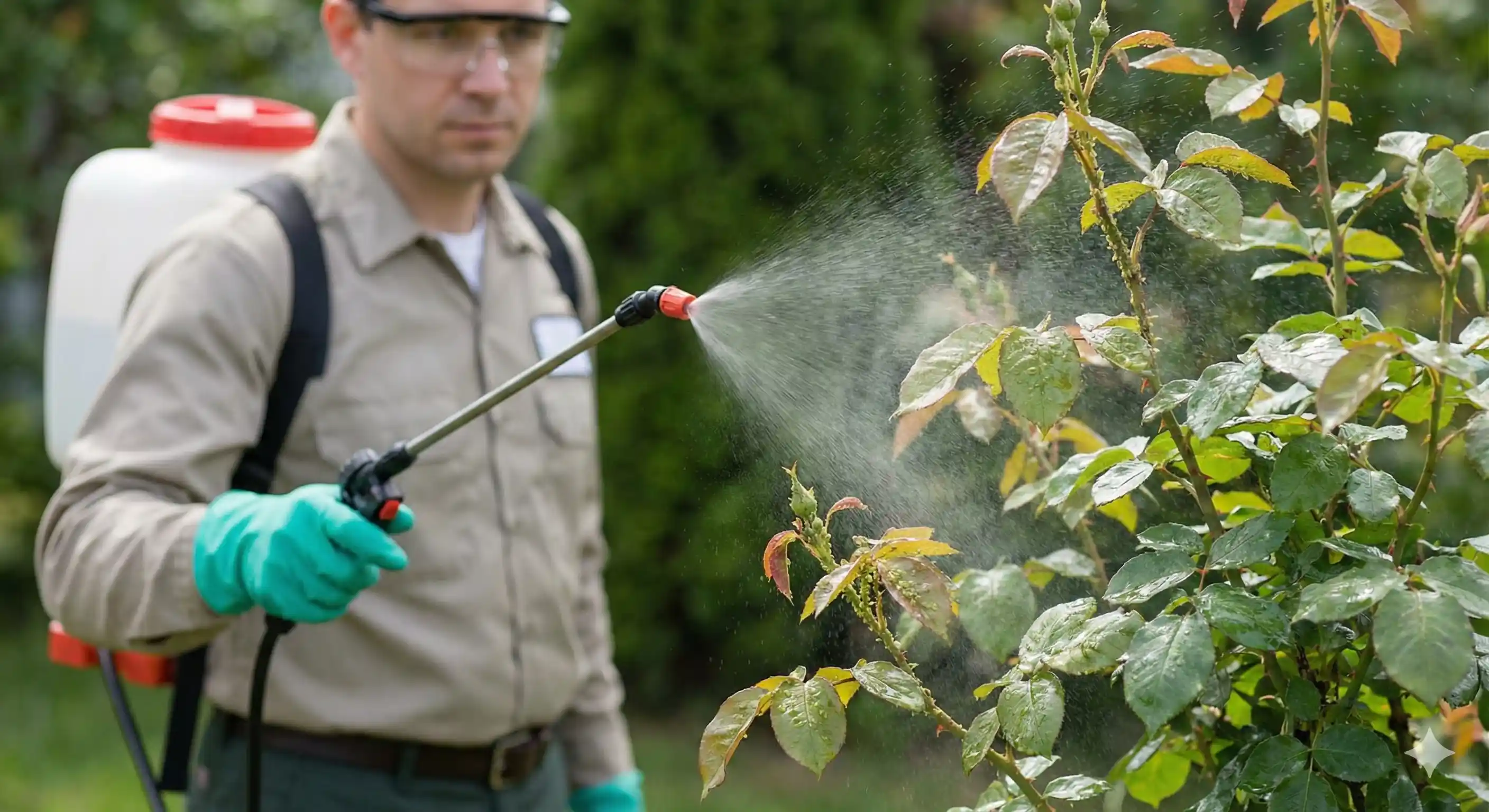
Applying horticultural oil treatment to plant foliage

Horticultural Oil Applications

We apply refined horticultural oils that suffocate whitefly eggs, nymphs, and adults while being gentle on plants. These treatments also help remove honeydew and sooty mold buildup, restoring plant health and appearance while eliminating the pest problem.

What Causes Whiteflys?

Understanding what creates whitefly-friendly environments and how infestations begin helps prevent problems before they devastate your garden or greenhouse.
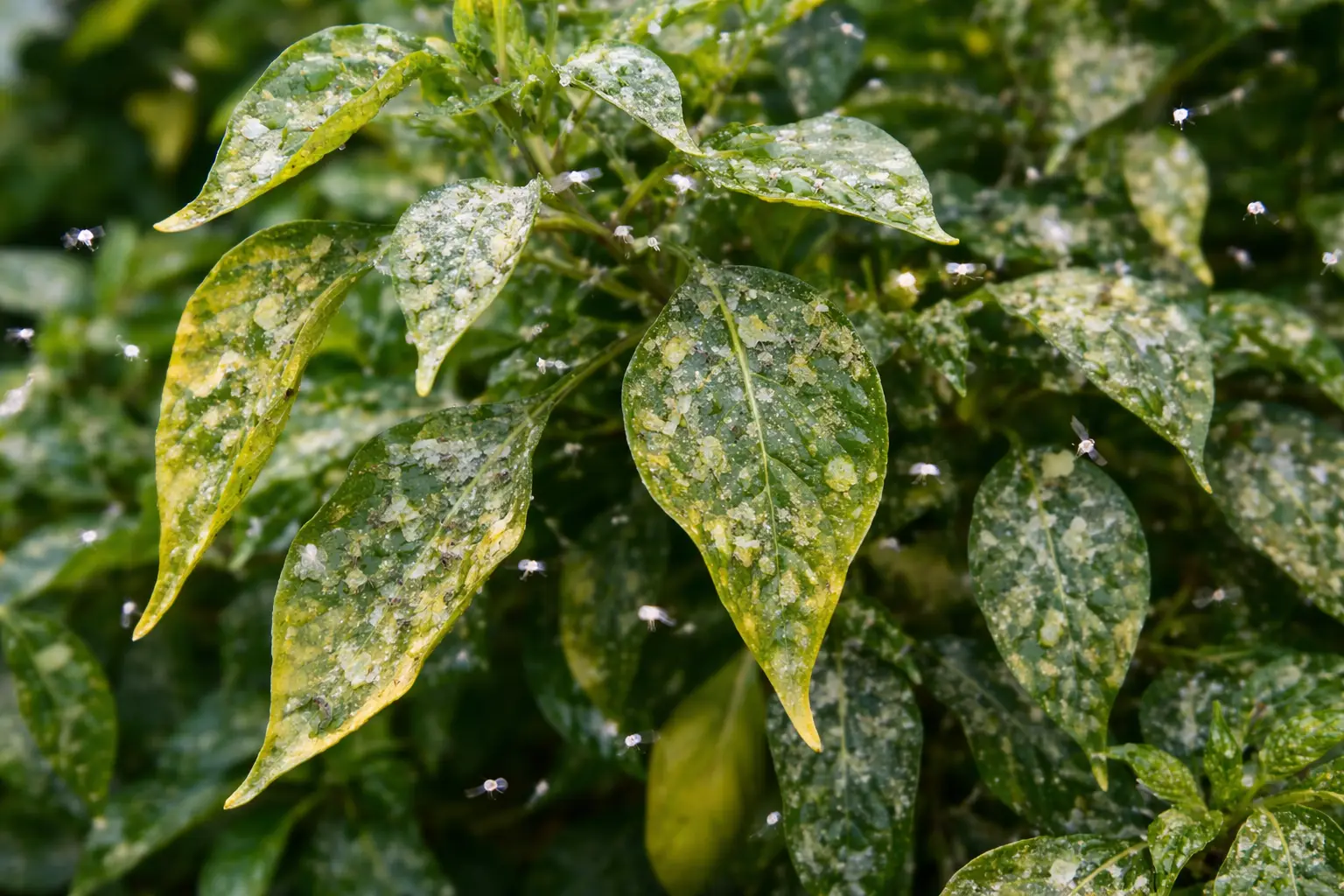
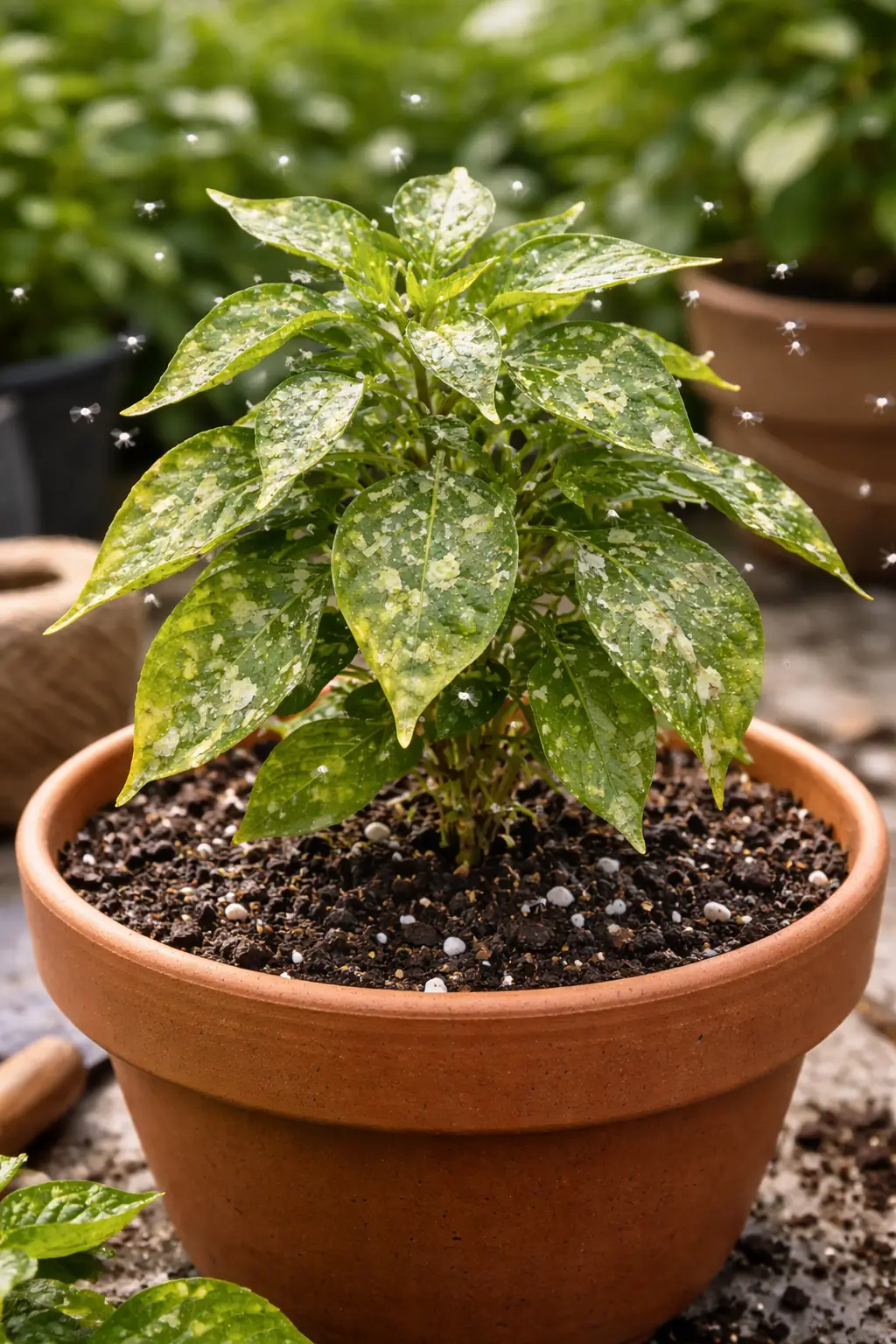
Stressed or weakened plants susceptible to whitefly infestation

🌿 Weakened or Stressed Plants

Weakened, damaged, or poorly maintained plants are highly susceptible to whitefly infestations. Dehydrated plants, those with nutrient deficiencies, or plants stressed by improper conditions attract whiteflies and are less able to withstand the damage they cause.

New plants from nursery potentially carrying whiteflies

🌱 Infested Plant Introductions

Whiteflies are commonly introduced when infested plants are brought in from nurseries, garden centers, or other gardens. Their tiny size and tendency to hide on leaf undersides makes them easy to overlook during casual inspection, allowing populations to establish before detection.

Warm greenhouse conditions favorable for whiteflies

🌡️ Warm Growing Conditions

Whiteflies thrive in warm conditions, becoming most active during early summer when temperatures rise and persisting through early winter. Greenhouses and indoor growing environments provide ideal year-round conditions for rapid whitefly reproduction and population growth.

Beneficial predatory insects that control whiteflies naturally

💧 Absence of Natural Predators

Gardens lacking beneficial insects that prey on whiteflies, such as parasitic wasps, lacewings, ladybugs, and predatory beetles, allow whitefly populations to grow unchecked. Broad-spectrum pesticide use often eliminates these natural controls, worsening infestations.

Learn More About Whitefly Prevention →

What Are Signs of Whiteflys in Your Home?

Learn to recognize these telltale indicators of whitefly activity to catch infestations early before severe damage occurs.

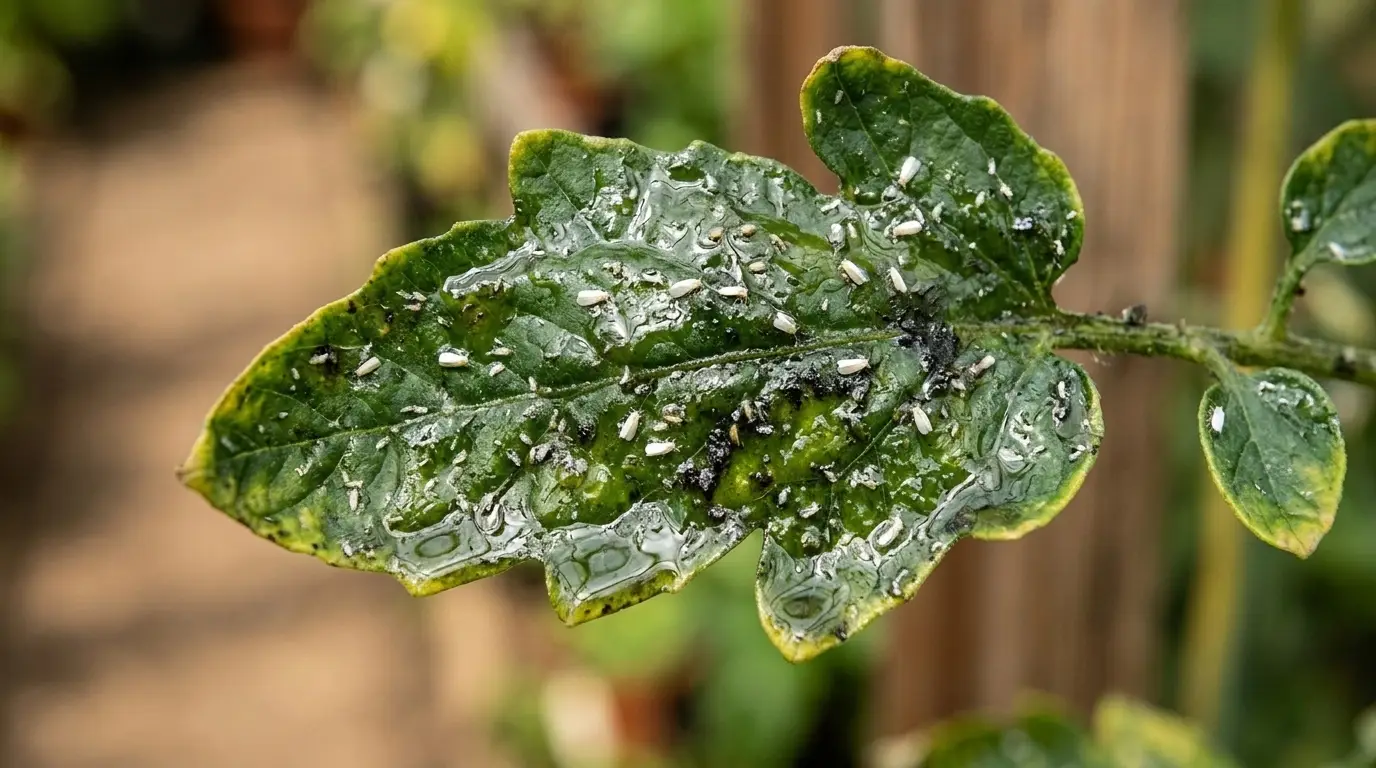
Plant leaves showing yellowing and curling from whitefly damage

Yellowing or Curling Leaves

Whitefly feeding causes leaves to yellow, curl, become misshapen, or develop a mottled appearance. Checking around damaged areas, especially leaf undersides, often reveals whiteflies, their scale-like nymphs, and circular patterns of tiny eggs.

Sticky honeydew residue on plant leaves from whiteflies

Sticky Honeydew on Plants

Whiteflies secrete a sticky, sweet substance called honeydew that coats leaves, stems, and surfaces beneath infested plants. This shiny, tacky residue is often the first noticeable sign of infestation before the tiny whiteflies themselves are spotted.

Black sooty mold growing on honeydew-coated plant leaves

Black Sooty Mold Growth

The honeydew secreted by whiteflies creates the perfect surface for sooty mold, a black, powdery fungal growth that coats leaves and stems. This mold blocks sunlight and further weakens plants while indicating significant whitefly activity.

White cloud of adult whiteflies disturbed from plant

White Clouds When Disturbed

Shaking or brushing against infested plants causes adult whiteflies to fly up in small white clouds, which is a distinctive sign of active infestation. These tiny, moth-like insects quickly resettle on plants but their flight response confirms their presence.

Deformed fruit or flowers from whitefly damage

Deformed Flowers or Fruit

Heavy whitefly feeding disrupts plant nutrient flow and photosynthesis, causing flowers and fruits to develop abnormally. Deformed, stunted, or discolored produce indicates whiteflies are impacting plant health beyond just leaf damage.

Ants on plant stems attracted by whitefly honeydew

Ant Activity on Plants

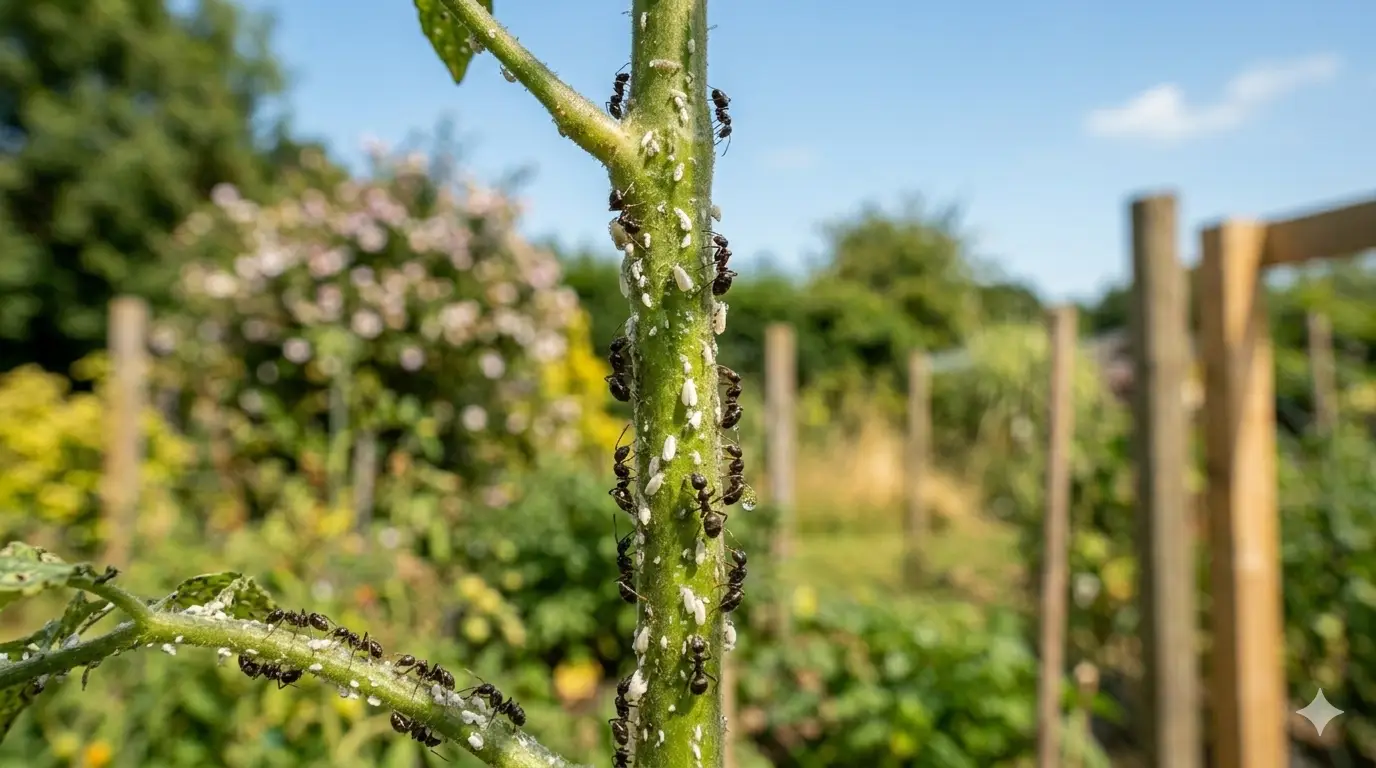
Ants are attracted to the sweet honeydew secreted by whiteflies and will farm whitefly populations to harvest this food source. Unusual ant activity on plant stems and leaves often indicates whitefly presence even before the pests themselves are noticed.

Learn More About Whitefly Detection →

DIY vs Professional Treatment

While some whitefly control measures can be attempted by homeowners, such as vacuuming adults, applying insecticidal soaps, and using neem oil, these approaches often provide only temporary relief. Whiteflies reproduce rapidly (up to 400 eggs per female), making it extremely difficult to stay ahead of population growth with sporadic DIY treatments. Additionally, many chemical insecticides are actually ineffective against whiteflies while killing the beneficial predators that provide natural control.

EcoGuard's professional whitefly control combines multiple integrated strategies for comprehensive elimination. We begin with thorough inspection to identify whitefly species, infestation severity, and all affected plants. Our approach integrates organic treatments, biological controls using natural predators, targeted applications at optimal timing, and cultural recommendations to address conditions supporting infestations. This multi-pronged strategy eliminates current populations while establishing long-term protection.

❌ DIY Treatment

  • Rapid reproduction outpaces treatments
  • Difficult to reach leaf undersides
  • Chemical insecticides often ineffective
  • May kill beneficial predators
  • Miss eggs and nymph stages
  • Reinfestation common without monitoring

✓ Professional Treatment

  • Species identification for targeted control
  • Organic and biological control options
  • Multi-stage lifecycle targeting
  • Beneficial insect preservation
  • Ongoing monitoring programs
  • Integrated pest management approach

Commercial Whitefly Control

EcoGuard Pest Management implements customized whitefly control programs for commercial facilities that prioritize operational continuity while ensuring effective pest elimination. Our comprehensive commercial whitefly protection programs combine discrete treatment applications with flexible scheduling to maintain your business operations while ensuring complete elimination of whitefly problems.

We specialize in whitefly control solutions for:

  • Restaurants and food service establishments
  • Healthcare facilities
  • Hotels and hospitality venues
  • Educational institutions
  • Office complexes
  • Food processing facilities
  • Warehouses and storage facilities
  • Retail spaces
  • Manufacturing facilities
  • Multi-unit residential properties
Learn About Commercial Pest Control
100% SATISFACTION GUARANTEE

The EcoGuard Guarantee

EcoGuard offers a 100% satisfaction guarantee for all of our customers, and we stand by our promise to eradicate your whitefly problem until the very last whitefly is gone. That whitefly control guarantee comes with every service and if the whiteflys come back, then so do we, at no additional cost. We are standing by to give you a free estimate and to help you set your first whitefly pest control service appointment.

📞 Call (866) 326-2847 Today

Our Whitefly Control Process

A comprehensive approach to eliminating whiteflies and protecting your plants

1

Thorough Inspection

Our technicians conduct comprehensive inspections of your yard, garden, greenhouse, or indoor plants to identify whitefly activity and assess infestation severity. We identify the specific whitefly species present, whether ash, giant, greenhouse, or others, as different species may require different control approaches.

2

Customized Treatment Plan

Based on inspection findings, we develop an integrated treatment strategy combining appropriate methods like neem oil, insecticidal soaps, biological controls, or fungal treatments, tailored to your specific situation, plant types, and preference for eco-friendly options.

3

Targeted Application

We apply treatments targeting whiteflies at all life stages, with special focus on leaf undersides where eggs, nymphs, and adults concentrate. Our timing and product selection maximize effectiveness while minimizing impact on beneficial insects and the environment.

4

Monitoring & Prevention

We install yellow sticky trap monitors and schedule follow-up inspections to verify treatment effectiveness and detect any new activity. Our prevention recommendations address plant health, growing conditions, and inspection protocols for new plant introductions.

Seasonal Plan for Whitefly Control

Year-round protection adapted to seasonal whitefly behavior patterns

Spring Whitefly Control

Spring

Monitor for early whitefly emergence as temperatures warm; inspect new nursery plants before introducing to garden; apply preventative treatments to susceptible plants; release beneficial predators early to establish populations before whitefly activity peaks

Summer Whitefly Control

Summer

Peak whitefly activity and reproduction as warm conditions accelerate life cycles; implement intensive monitoring with sticky traps; apply treatments as needed targeting multiple generations; maintain biological controls; address honeydew and sooty mold issues

Fall Whitefly Control

Fall

Whitefly populations remain active through early winter on outdoor plants; continue monitoring and treatment; protect greenhouse and indoor plants from migrating whiteflies seeking shelter; remove heavily infested plant material

Winter Whitefly Control

Winter

Outdoor activity reduces but greenhouse and indoor plant infestations persist year-round; monitor houseplants and greenhouse crops; maintain treatments in protected growing environments; plan spring prevention strategy; inspect overwintering plants

What Our Customers Say

Trusted by gardeners and growers for professional whitefly elimination

★★★★★

"Whiteflies were destroying my tomato plants. The leaves were covered in sooty mold and the plants were dying. EcoGuard used a combination of neem oil and beneficial insects that turned things around completely. My garden is thriving again!"

Patricia M.
Sacramento, CA
★★★★★

"Giant whiteflies had infested our ornamental plants and those waxy filaments were everywhere. The technician explained this was an invasive species and treated accordingly. The organic approach was perfect since we have kids and pets. Problem solved!"

Michael & Sarah T.
San Diego, CA
★★★★★

"Our greenhouse had a severe whitefly problem that was spreading to everything. EcoGuard set up an integrated program with sticky traps, parasitic wasps, and targeted treatments. It took a few weeks but the whiteflies are completely gone now!"

Jennifer L.
Portland, OR

Whitefly Control FAQs

Everything you need to know about whitefly control and treatment

Effective whitefly control combines multiple approaches: vacuuming adults, applying insecticidal soaps and neem oil, introducing beneficial predators, and using yellow sticky traps for monitoring. Professional integrated pest management provides the most comprehensive control, addressing all life stages while preserving beneficial insects.

Whitefly infestations commonly start when infested plants are introduced from nurseries or other gardens. Weakened, stressed, or poorly maintained plants are particularly susceptible. Warm growing conditions, absence of natural predators, and broad-spectrum pesticide use that eliminates beneficial insects all contribute to population explosions.

A diluted dish soap solution can kill some whiteflies on contact, but insecticidal soaps formulated specifically for pest control are more effective and safer for plants. Repeated applications are necessary since soap only kills on contact and has no residual effect. Professional treatments provide more comprehensive, lasting control.

Yes, whiteflies are very harmful to plants. They damage plants by sucking sap from leaves, causing yellowing, wilting, and leaf drop. They secrete honeydew that promotes sooty mold growth, and they transmit plant viruses. Severe infestations can kill plants, especially those already stressed.

Adult whiteflies are tiny (1-2mm), soft-bodied insects with four white, powdery wings. They resemble tiny moths and fly up in white clouds when plants are disturbed. Nymphs are flat, oval, and scale-like, found on leaf undersides. Eggs are tiny and often laid in circular patterns on new growth.

Whiteflies are difficult to control because they reproduce rapidly (up to 400 eggs per female), hide on leaf undersides where treatments don't easily reach, develop resistance to chemical pesticides, and many insecticides kill their natural predators. Integrated approaches using multiple methods are most effective.

Whiteflies attack a wide range of plants including tomatoes, peppers, squash, citrus, hibiscus, poinsettias, fuchsias, and many ornamental plants. Different whitefly species prefer different hosts. For example, greenhouse whiteflies target indoor and greenhouse crops, while giant whiteflies attack ornamentals.

Yes, whiteflies are vectors for numerous plant viruses including tomato yellow leaf curl virus, lettuce infectious yellows, and others. These viral diseases can devastate crops and spread rapidly as whiteflies move from plant to plant during feeding. This makes whitefly control critical for plant health.

The sticky substance is honeydew, a sugary waste product excreted by whiteflies as they feed on plant sap. Honeydew coats leaves and stems, attracts ants, and provides a growing surface for black sooty mold. Removing honeydew with water sprays helps restore plant health during treatment.

Effective whitefly predators include parasitic wasps (Encarsia formosa, Eretmocerus eremicus), lacewing larvae, ladybugs, and predatory beetles. Parasitic wasps are particularly effective because they lay eggs inside whitefly nymphs, killing them. These beneficial insects provide ongoing, sustainable biological control.

Yes, yellow sticky traps effectively capture adult whiteflies and serve as valuable monitoring tools. They attract whiteflies with their yellow color and trap them on adhesive surfaces. While traps alone won't eliminate infestations, they reduce adult populations and help detect problems early.

Yes, whiteflies readily infest indoor houseplants, particularly in warm, stable indoor environments. They're often introduced on new plants brought into the home. Common targets include hibiscus, poinsettias, fuchsias, and many tropical houseplants. Indoor infestations can persist year-round.

Sooty mold is a black, powdery fungal growth that develops on the honeydew secreted by whiteflies. While the mold doesn't directly infect plants, it blocks sunlight from reaching leaves, reducing photosynthesis and weakening plants. Controlling whiteflies eliminates the honeydew that supports mold growth.

Many chemical insecticides are actually ineffective against whiteflies due to developed resistance, and they often kill beneficial predators that provide natural control. Organic approaches including neem oil, insecticidal soaps, horticultural oils, and biological controls typically provide better results.

Whiteflies reproduce extremely rapidly. A single female can lay up to 400 eggs, and eggs hatch in just 5-10 days. Under optimal warm conditions, whiteflies complete their entire life cycle in 2-4 weeks, allowing populations to explode from a few individuals to thousands within a month.

Whiteflies go through egg, nymph (crawler), and adult stages. Eggs are laid on leaf undersides in circular patterns. Crawlers emerge and settle to feed, passing through several nymph stages before becoming winged adults. The complete cycle takes 2-4 weeks depending on temperature.

Yes, neem oil is highly effective against whiteflies. It disrupts feeding, growth, and reproduction while being safe for plants and beneficial insects. Neem works against all life stages, including eggs, nymphs, and adults. Regular applications every 7-14 days during active infestations provide best results.

Giant whiteflies are an invasive species from Mexico that arrived in California in the early 1990s. They produce distinctive long, white waxy filaments that cover infested leaves. They attack many ornamental plants and are particularly problematic due to both plant damage and unsightly wax accumulation.

Inspect all new plants thoroughly before introducing them to your garden or home. Check leaf undersides for adults, nymphs, and eggs. Quarantine new plants for 2-3 weeks when possible, monitoring for emerging problems. Avoid purchasing plants showing signs of yellowing, honeydew, or pest damage.

Contact treatments begin killing whiteflies within hours to days. However, complete population control typically takes 2-4 weeks as treatments target successive generations hatching from eggs. Biological controls using predatory insects establish over 3-4 weeks as predator populations build up.

Ready to Eliminate Your Whitefly Problem?

Get a free estimate for your whitefly problem today. Our experts will assess your property and provide a customized treatment plan.

Connect With Us

Follow EcoGuard Pest Management for tips, updates, and special offers

f𝕏yin