EcoGuard Pest Management
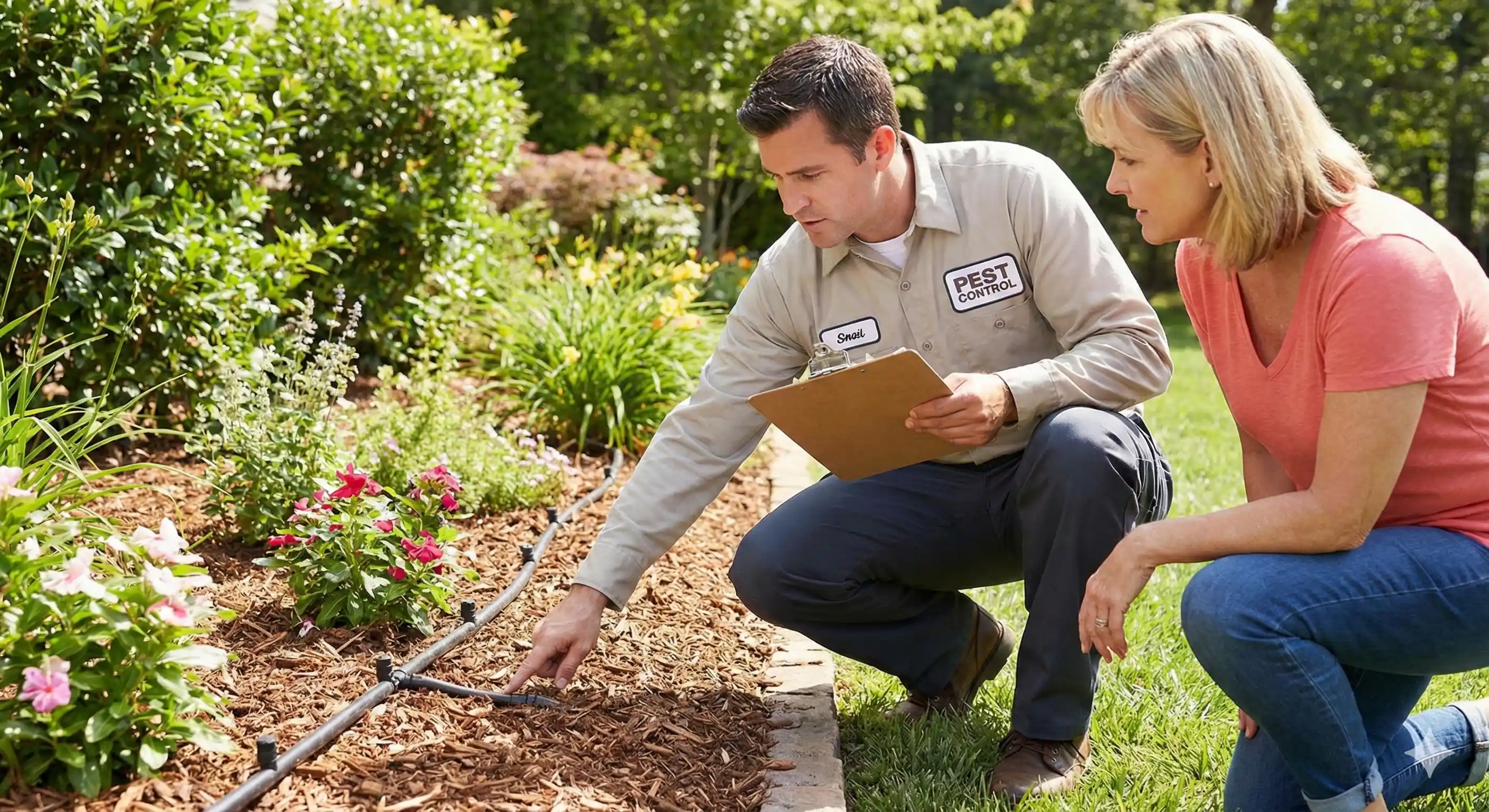
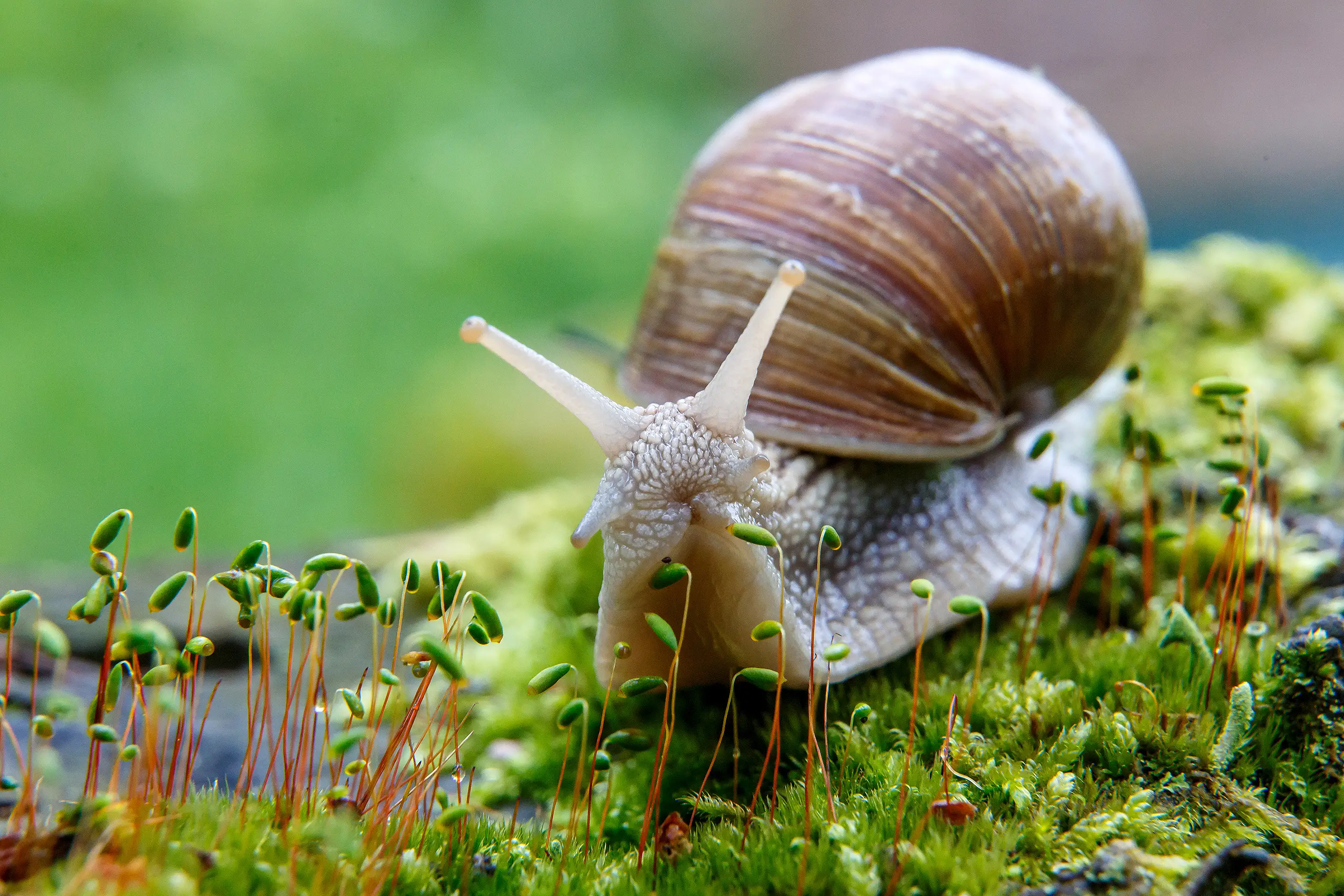
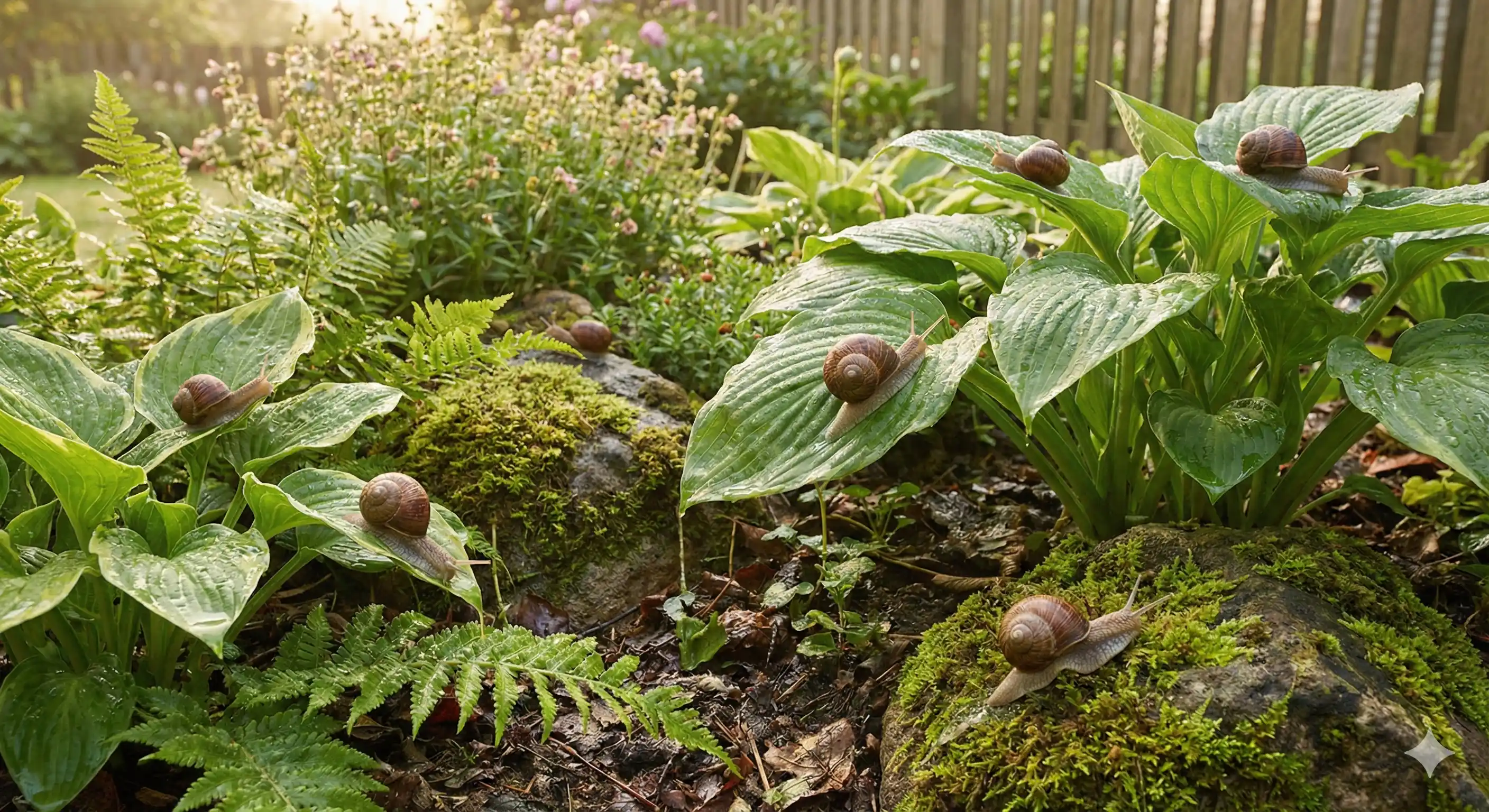
Professional snail and slug control technician treating garden and landscape areas for mollusk infestation

Professional Snail & Slug Control Services

These slimy garden invaders can devastate your landscaping, vegetable gardens, and ornamental plants seemingly overnight. Snails and slugs are voracious feeders that emerge under cover of darkness to consume leaves, stems, fruits, and seedlings, leaving behind only ragged holes, shredded foliage, and their telltale slime trails. With a single slug capable of consuming several times its body weight nightly and populations exploding in favorable conditions, uncontrolled infestations can destroy months of gardening work in just days. EcoGuard Pest Management delivers targeted snail and slug control that protects your landscape investments.

Snail & Slug Pest Control Experts

At EcoGuard Pest Management, our trained technicians understand the biology and behavior of the various snail and slug species that damage landscapes throughout our service areas. To properly treat an infestation, you must identify the specific species and understand their harborage preferences, feeding patterns, and reproductive cycles. Our experienced pest control professionals will identify the mollusks invading your property, locate their daytime hiding spots, and apply appropriate treatments to solve your problem quickly while protecting beneficial organisms in your garden ecosystem.

Why Snails & Slugs Are a Serious Problem

Snail and slug infestations create significant challenges for homeowners and gardeners:

  • These voracious feeders can consume several times their body weight nightly, devastating vegetable gardens, flower beds, and ornamental plantings. A moderate population can destroy an entire row of seedlings in a single night
  • Snails and slugs reproduce prolifically, with many species laying 20-100 eggs multiple times per year in moist soil, resulting in population explosions during favorable weather conditions that quickly overwhelm gardens
  • Their feeding creates ragged holes in leaves, shredded foliage, and damaged fruits, while their slime trails create unsightly residue on plants, walkways, and structures that can persist for days
  • Some snail species can transmit parasites harmful to pets and wildlife, and their presence attracts predators like rats that may create secondary pest problems around your property

Snail & Slug Control Service Plans

Choose the protection level that's right for your property

One-Time Treatment
$249+
Starting price
  • Comprehensive property inspection
  • Species identification
  • Entry point identification
  • Targeted treatment application
  • Perimeter barrier application
  • Nest elimination
  • Treatment report & recommendations
  • 30-day guarantee
Get Started
MOST POPULAR
Annual Protection
Contact Us
For custom pricing
  • Everything in One-Time Treatment
  • Seasonal maintenance plan
  • Entry point treatments
  • Priority scheduling
  • Re-treatment guarantee
Get Started

* Prices vary based on property size, infestation severity, and treatment method. Contact us for an accurate quote.

Service Plan Comparison

FeatureOne-TimeAnnual
Comprehensive Inspection
Treatment ApplicationMonthly
Follow-Up ServiceOngoing
Population Monitoring
Re-Treatment Guarantee30 daysSeason-long
Harborage Management

Get Your Free Snail & Slug Quote

Protect your property with a free snail & slug quote from our licensed experts.

✓ Same-day service available
✓ Licensed & insured
✓ Detailed property assessment
✓ No-obligation estimates

Service Areas

We provide snail & slug control services throughout:

  • California
  • Oregon
  • Washington
  • Texas
  • Tennessee
  • Nevada
View All Counties →

Ready to Eliminate Your Snail & Slug Problem?

Schedule your snail & slug inspection today. Our experts will assess your property and provide a customized treatment plan.

📞 Call (866) 326-2847Get Free Quote

Snail & Slug Treatment Options

EcoGuard Pest Management employs multiple treatment strategies tailored to the specific snail and slug species affecting your property and the severity of infestation.
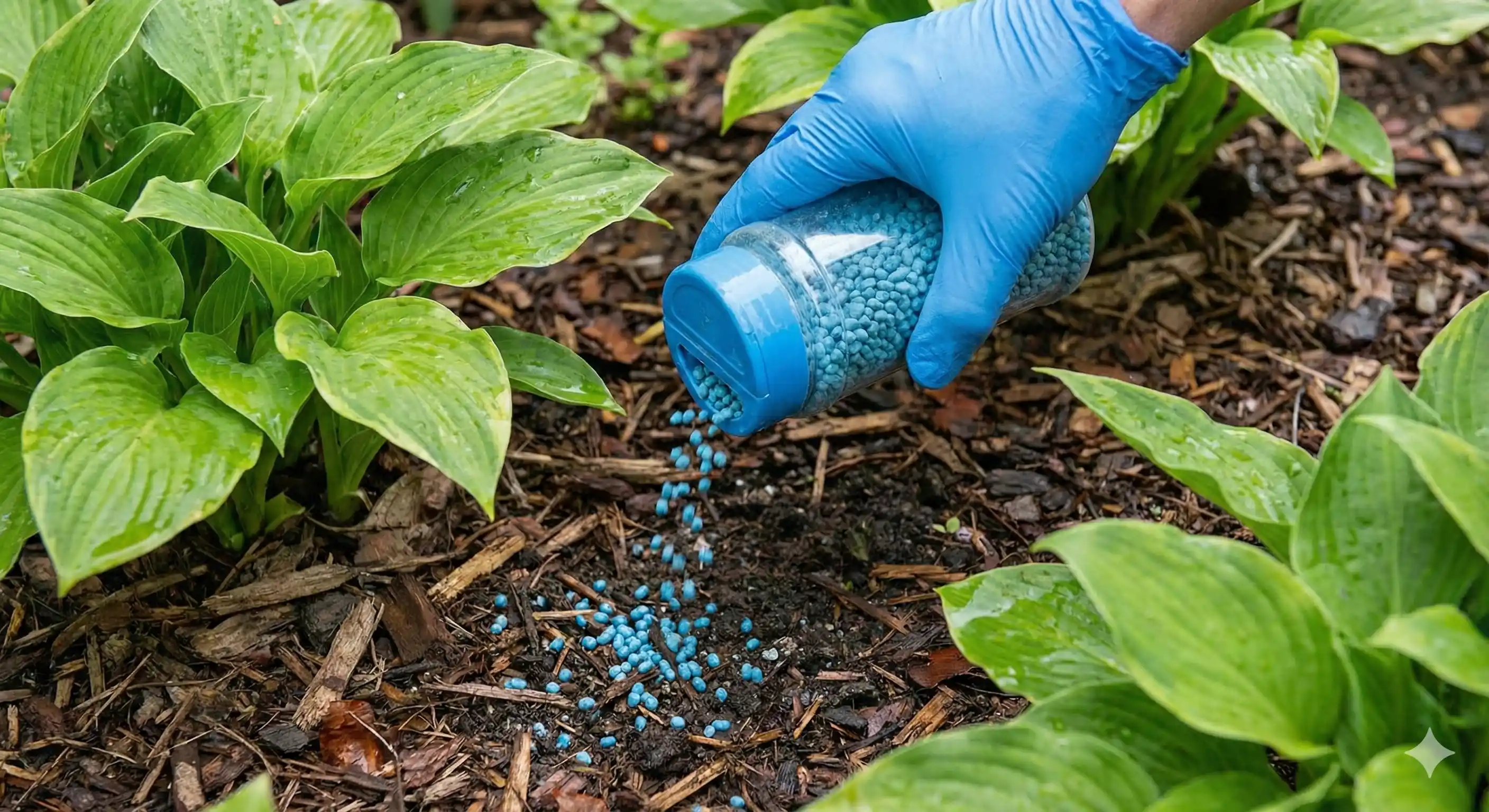
Technician applying professional molluscicide bait for snail and slug control

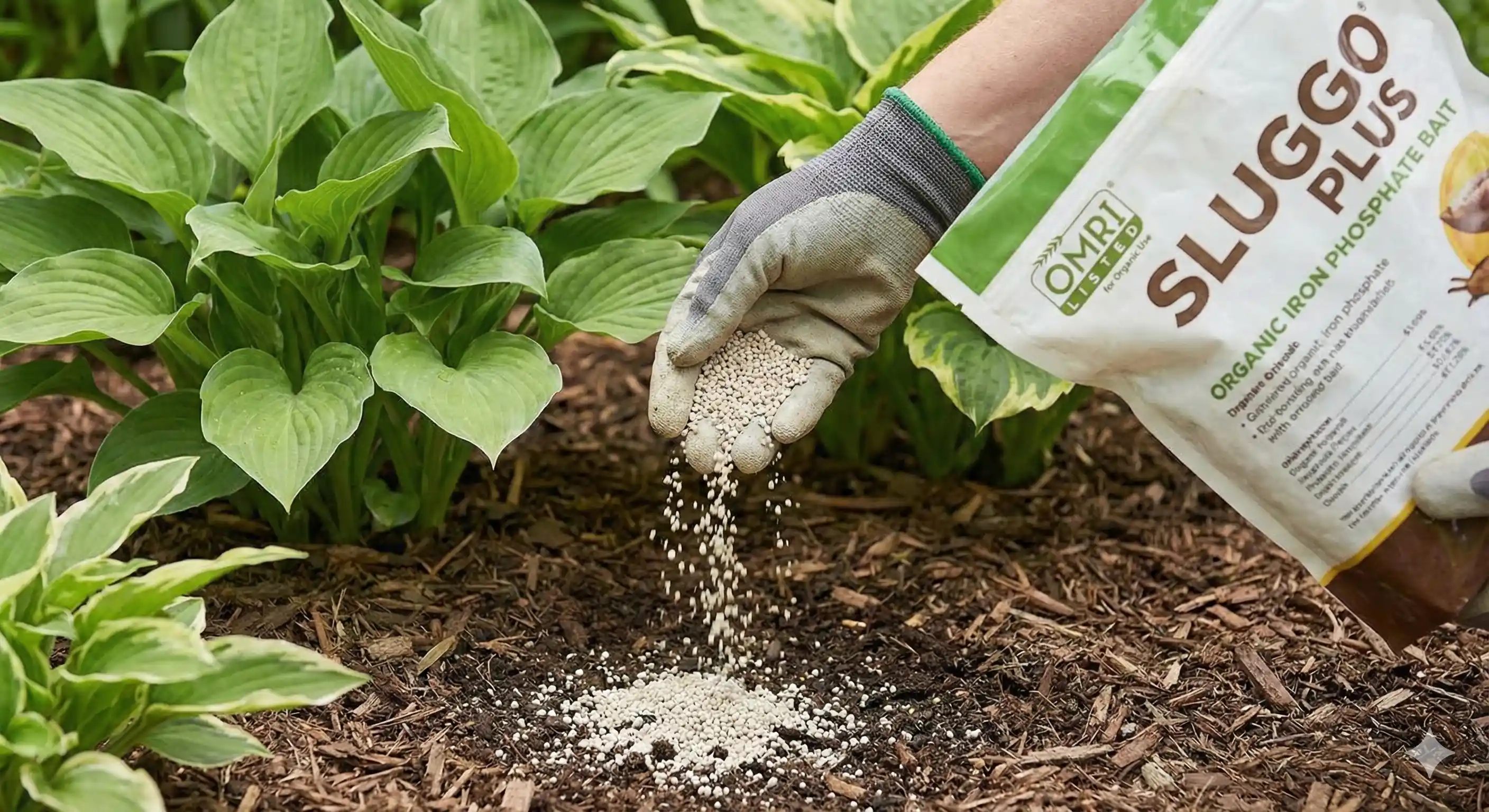
Professional Molluscicide Baits

We apply professional-grade slug and snail baits containing iron phosphate or metaldehyde in strategic locations where these pests feed and travel. These baits attract mollusks and provide effective control while many formulations remain safe around pets and wildlife when used as directed.

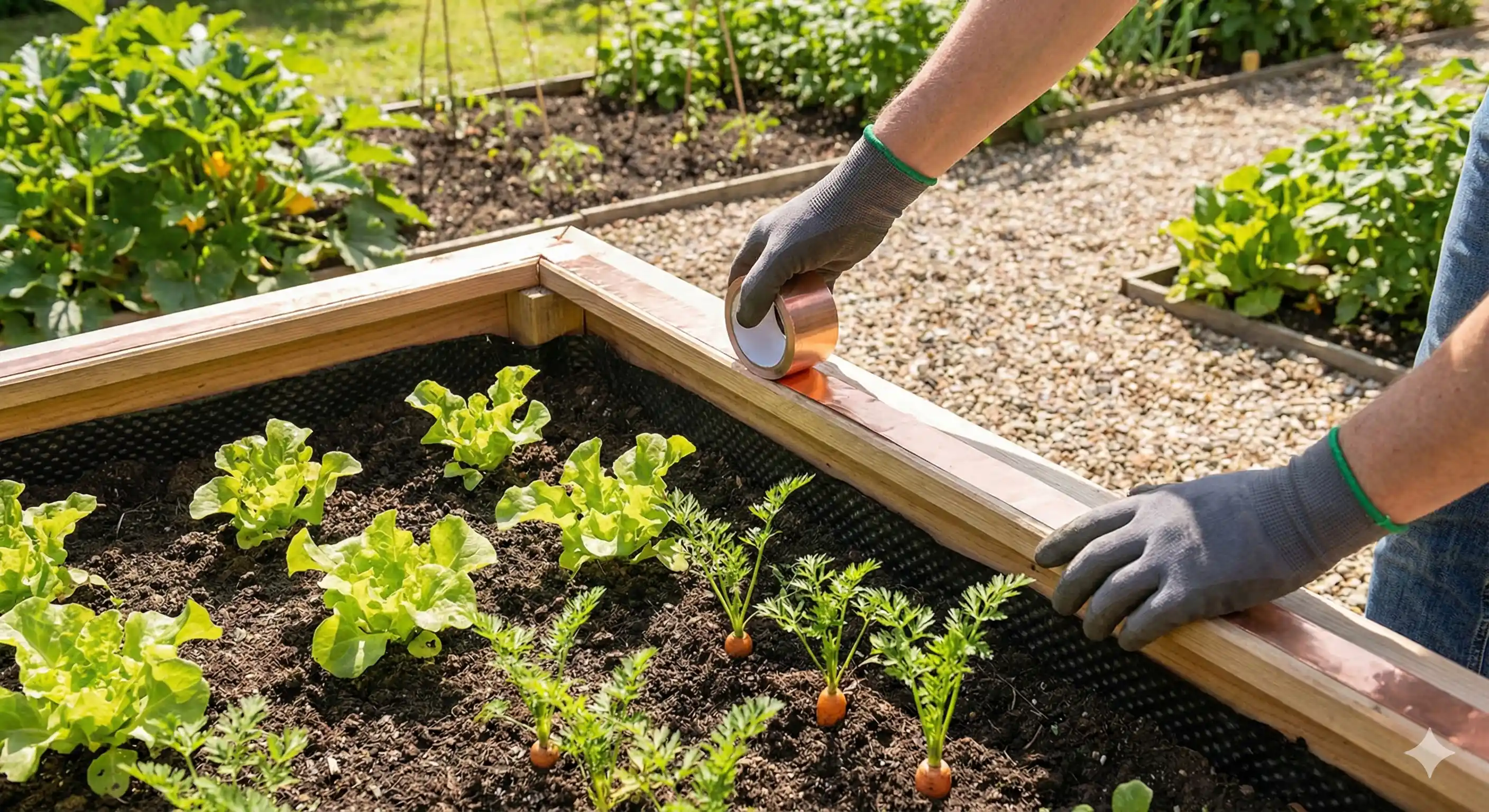
Applying barrier treatment to protect garden beds from snails and slugs

Barrier Treatments

We create protective barriers around garden beds, foundations, and vulnerable plantings using materials and products that deter or eliminate snails and slugs as they attempt to cross into protected areas, preventing access to your most valuable plants.

Identifying and eliminating snail and slug harborage areas

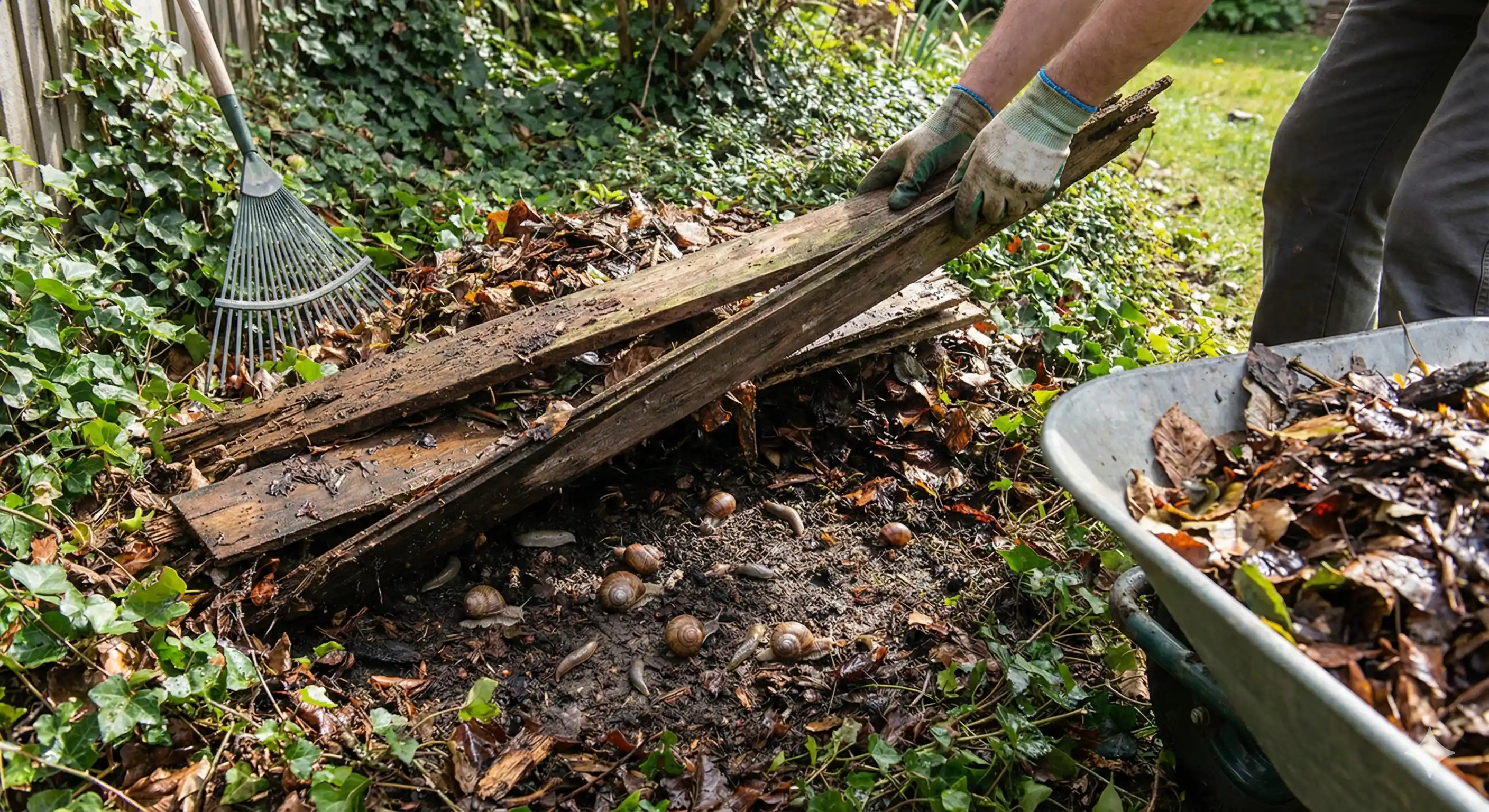
Harborage Elimination

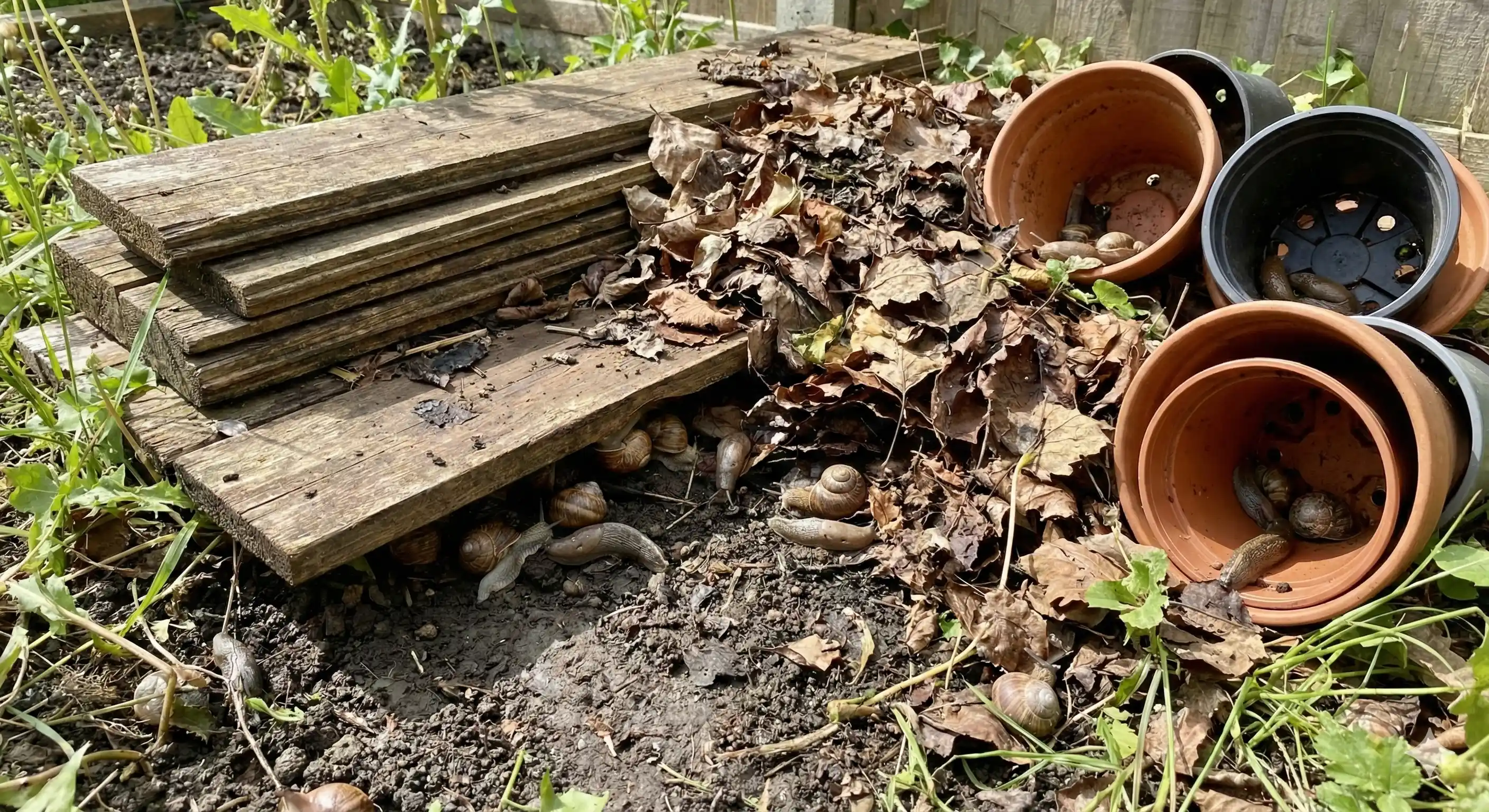
We identify and address the damp, dark hiding spots where snails and slugs shelter during daylight hours, including debris piles, ground-level boards, dense groundcover, and areas beneath containers, reducing the habitat that supports populations.

Applying liquid perimeter treatment for snail and slug prevention

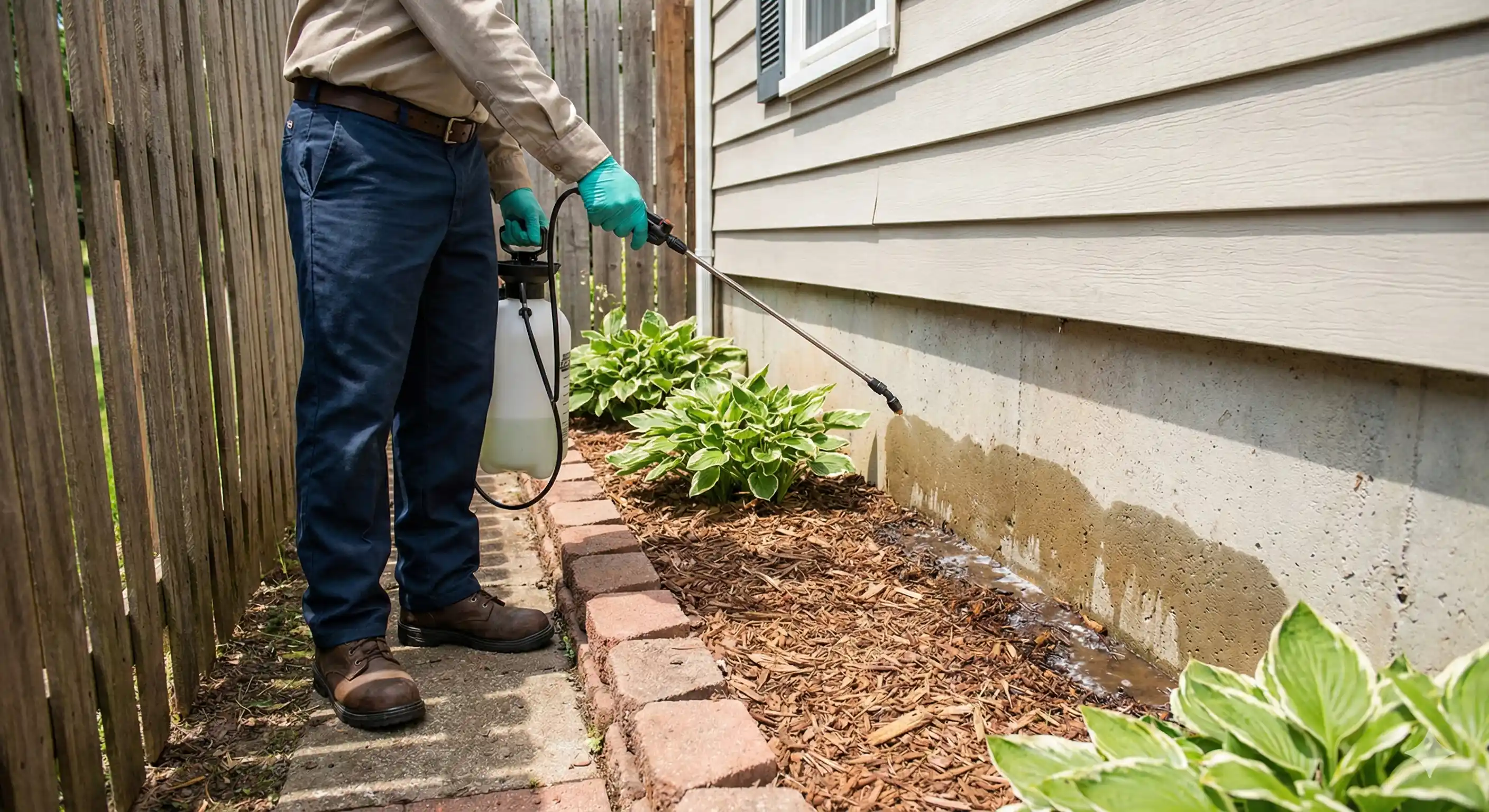
Liquid Perimeter Applications

Targeted liquid treatments applied to foundation perimeters, fence lines, and landscape borders create zones of protection that intercept migrating snails and slugs before they reach garden areas and ornamental plantings.

Applying all-natural organic treatment for snail and slug control

All-Natural Control Options

For environmentally sensitive situations, we offer organic and all-natural snail and slug control solutions including iron phosphate-based baits, diatomaceous earth barriers, and botanical treatments that effectively reduce populations without synthetic chemicals.

Providing habitat modification recommendations to prevent snail and slug problems

Habitat Modification Guidance

Our technicians provide detailed recommendations for reducing conditions that attract snails and slugs, including irrigation adjustments, mulch management, drainage improvements, and plant selection strategies that make your property less hospitable to these pests.

What Causes Snail & Slugs?

Understanding what creates ideal snail and slug habitat is essential for effective management and long-term prevention.
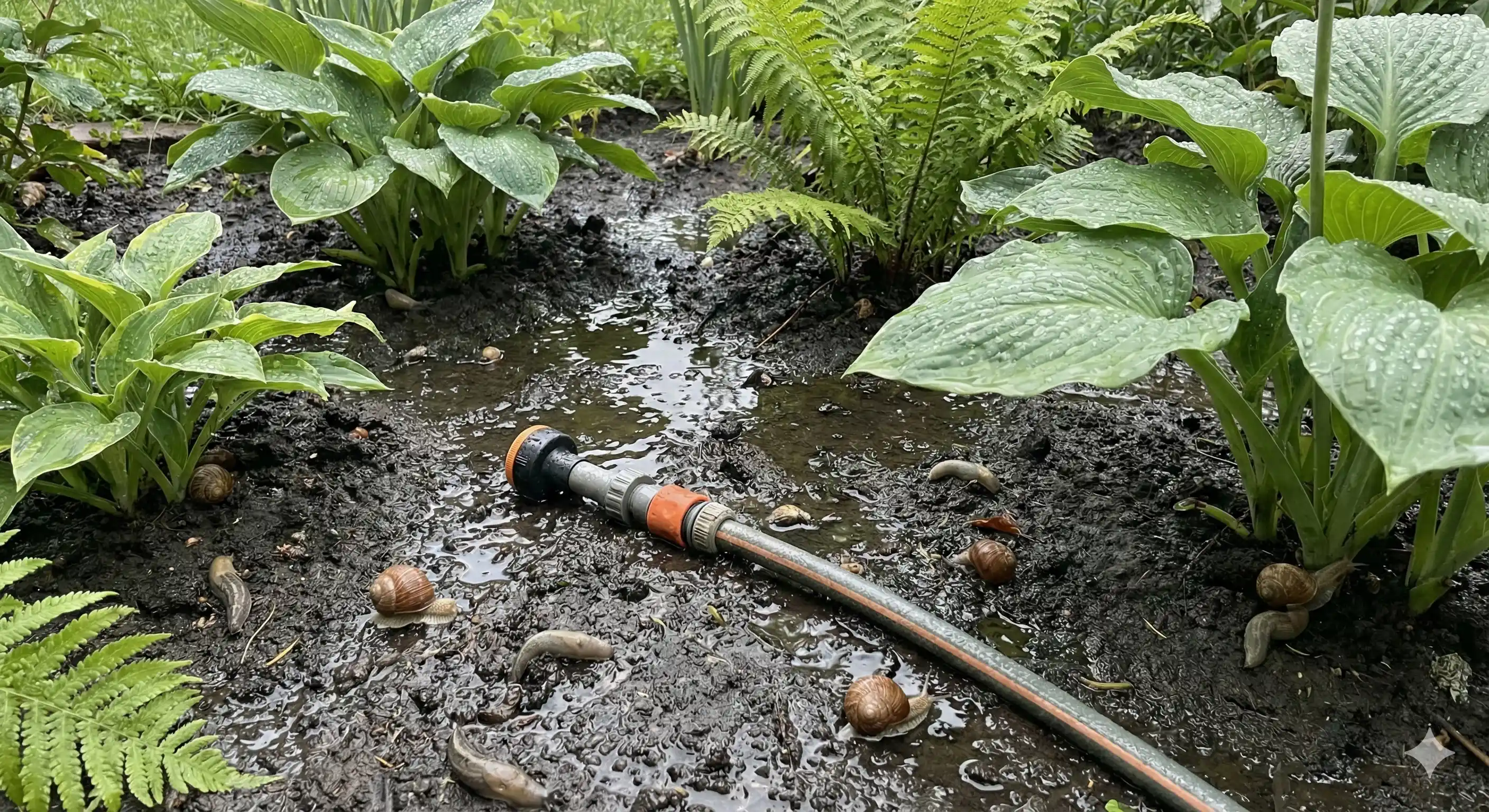
Wet garden conditions creating favorable snail and slug habitat

🌿 Excessive Moisture

Snails and slugs require consistently moist environments and cannot survive in dry conditions. Overwatering, poor drainage, heavy mulching, and irrigation that keeps soil and foliage wet create ideal habitat for these moisture-dependent mollusks.

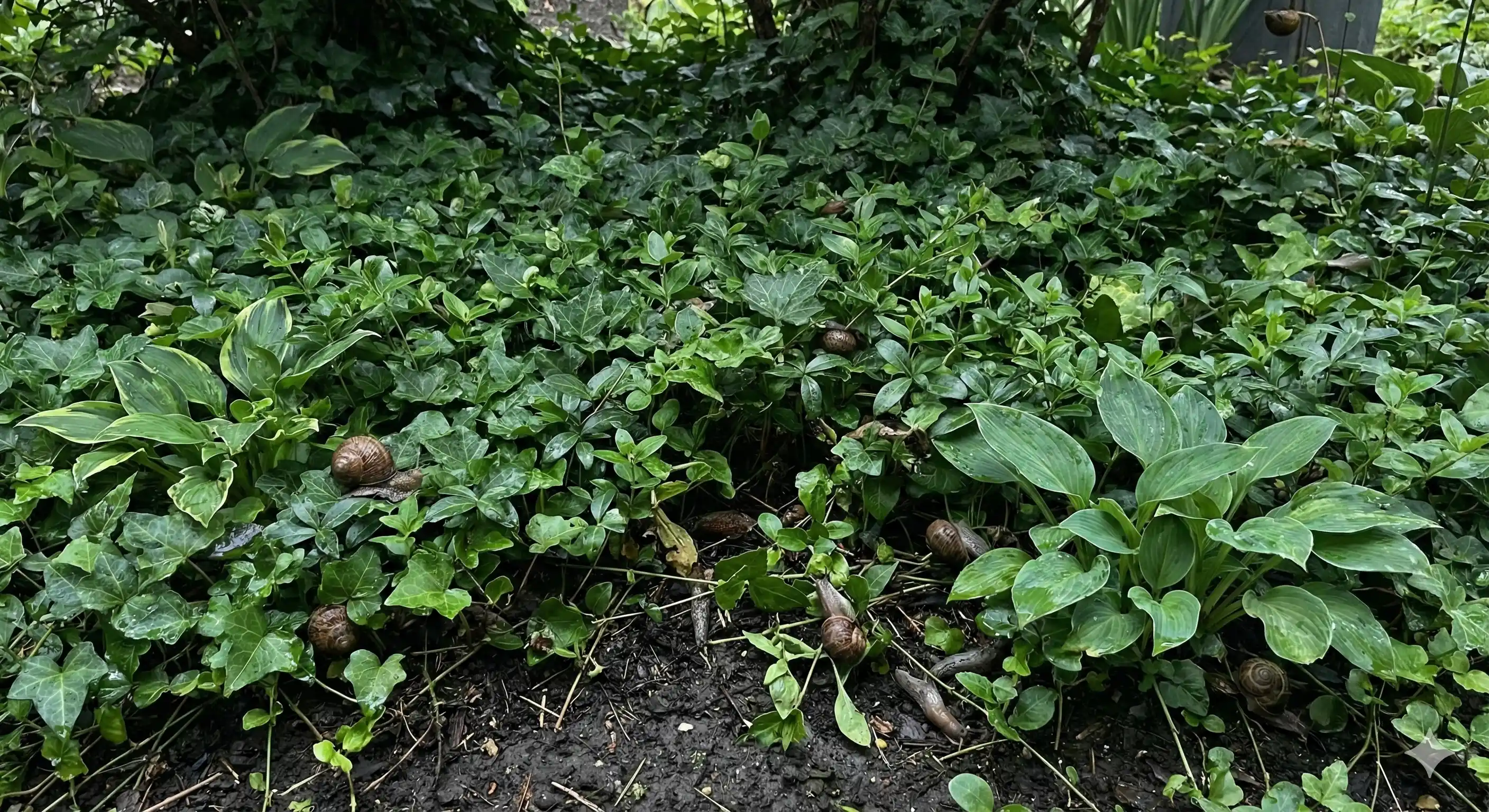
Dense groundcover and vegetation providing snail and slug habitat

💧 Dense Vegetation & Groundcover

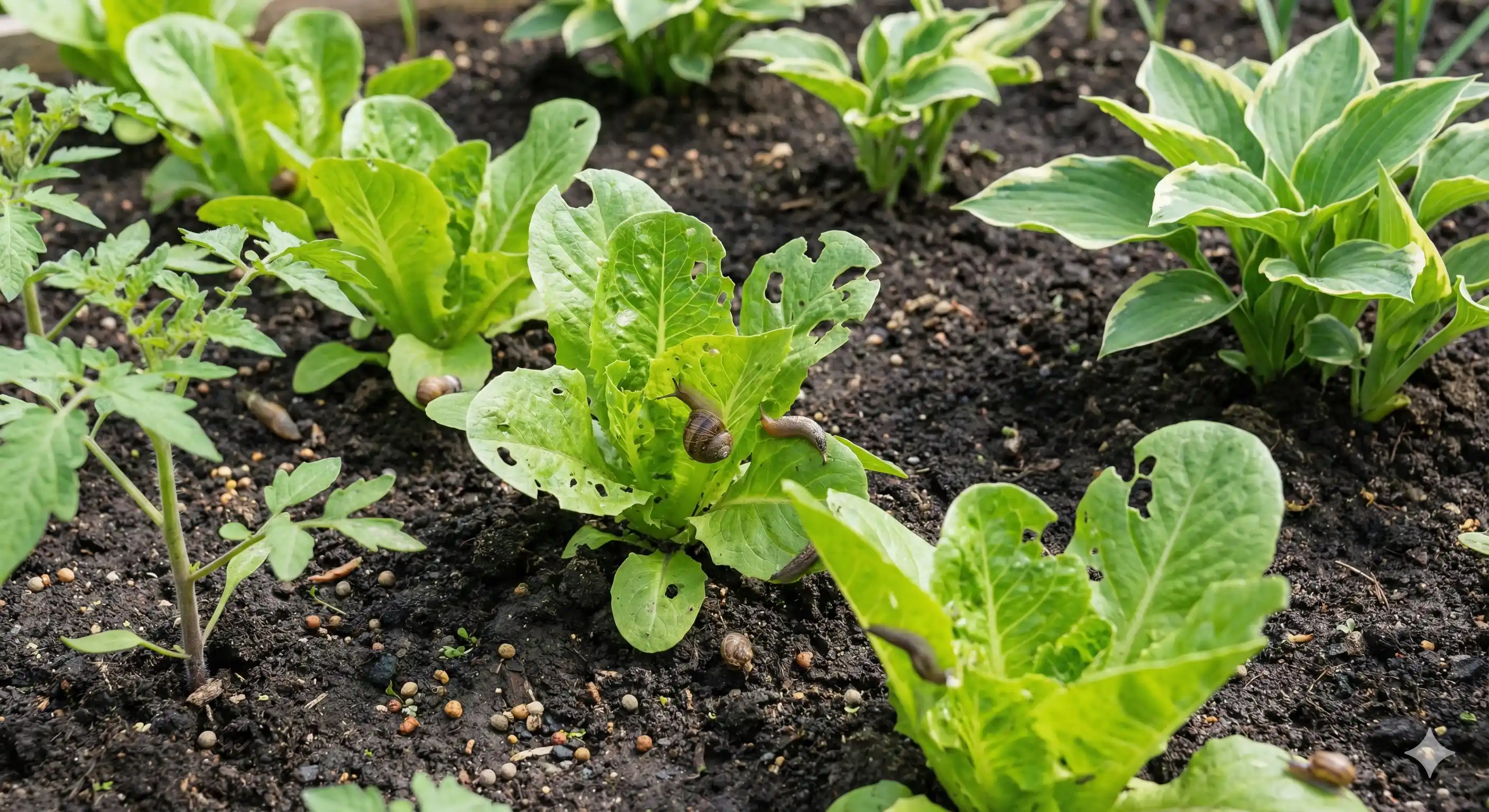
Low-growing plants, dense groundcovers, and heavily planted beds provide the shade and humidity snails and slugs need while offering abundant food sources. Ivy, hostas, and leafy vegetables are particularly attractive to these pests.

Debris and materials providing daytime harborage for snails and slugs

🌧️ Daytime Harborage Sites

Snails and slugs hide in damp, dark places during daylight hours. Firewood stacks, boards on the ground, overturned pots, dense leaf litter, and spaces beneath decks and stepping stones provide perfect daytime retreats.

Garden vegetables and plants providing food for snails and slugs

🏡 Abundant Food Sources

Gardens with tender seedlings, leafy vegetables, ripening fruits, and succulent ornamentals provide ideal feeding opportunities. Properties with compost piles, decaying organic matter, and fallen fruit also attract and sustain snail and slug populations.

Learn More About Snail & Slug Prevention →

What Are Signs of Snail & Slugs in Your Home?

Learn to recognize these telltale indicators of snail and slug activity to address problems before significant plant damage occurs.
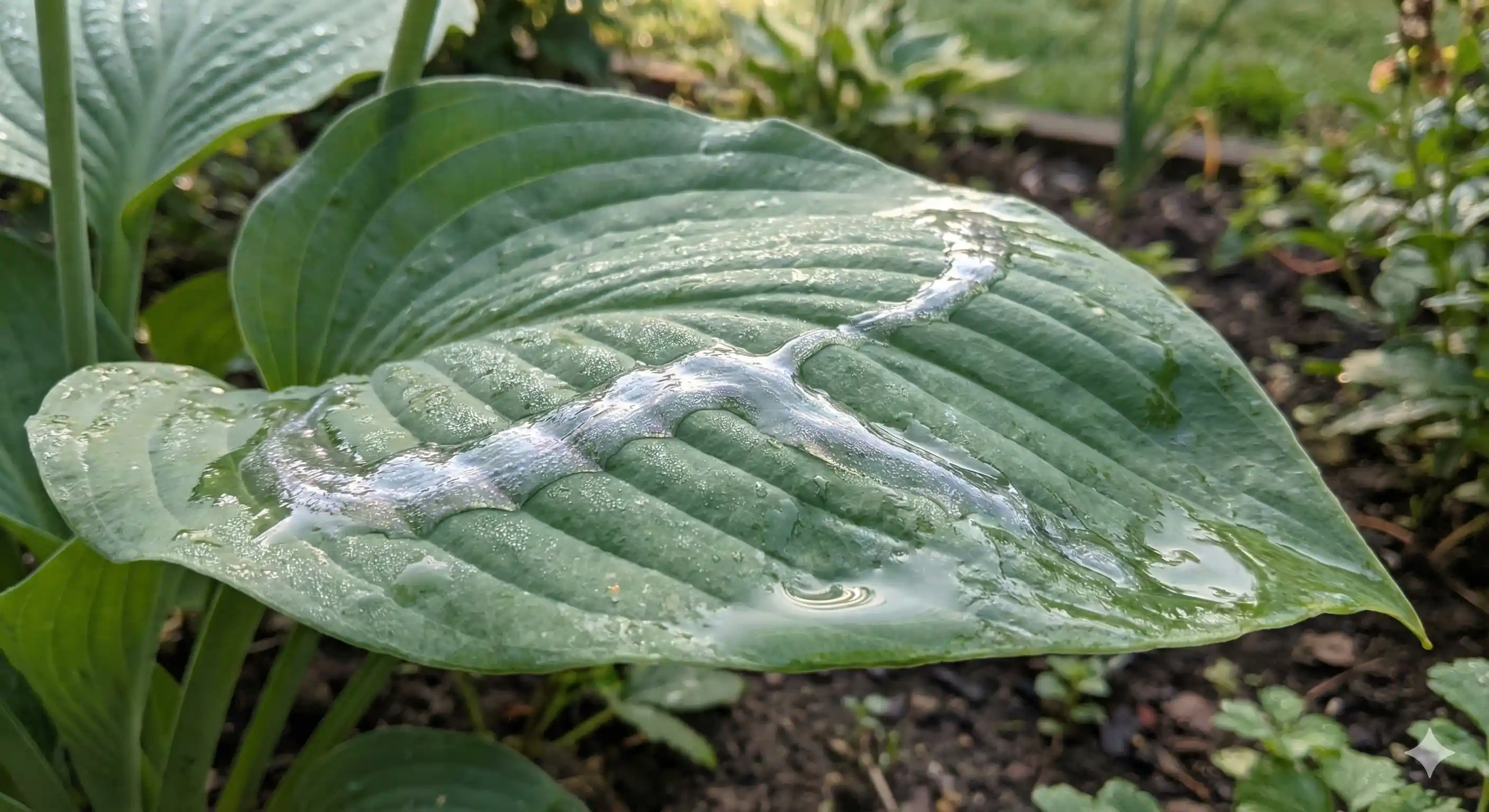
Silvery slime trail on plant leaf from snail or slug activity

Slime Trails

Silvery, glistening trails of dried mucus on leaves, walkways, patios, and structures are the most recognizable sign of snail and slug activity. These trails can remain visible for several days and help reveal travel patterns and harborage locations.

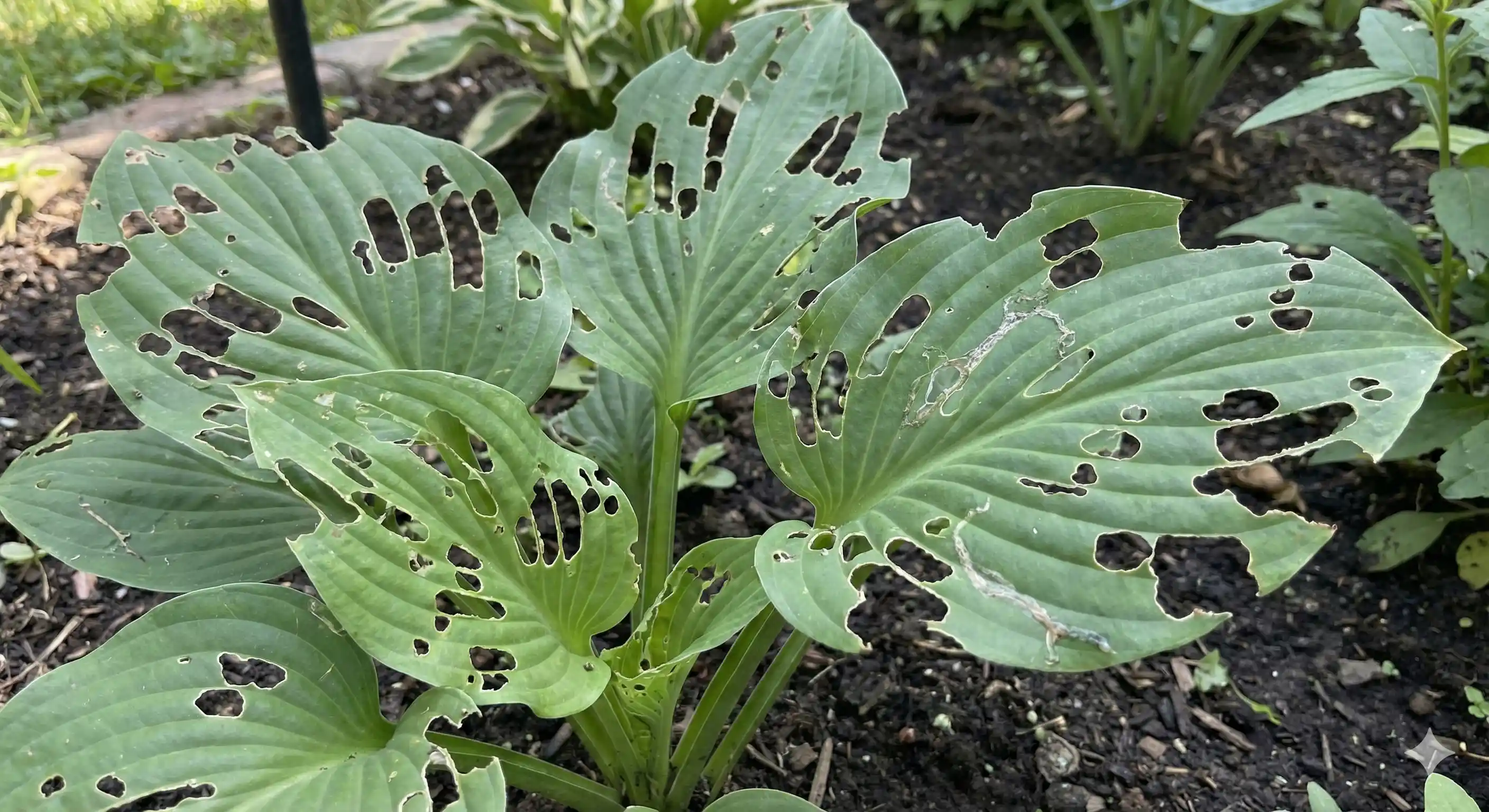
Plant leaves showing irregular holes and damage from snail and slug feeding

Irregular Feeding Damage

Ragged, irregular holes in leaves, often avoiding the veins, and shredded edges on foliage indicate snail and slug feeding. Damage typically appears overnight since these pests feed primarily after dark.

Damaged or destroyed seedlings from snail and slug feeding

Seedling Destruction

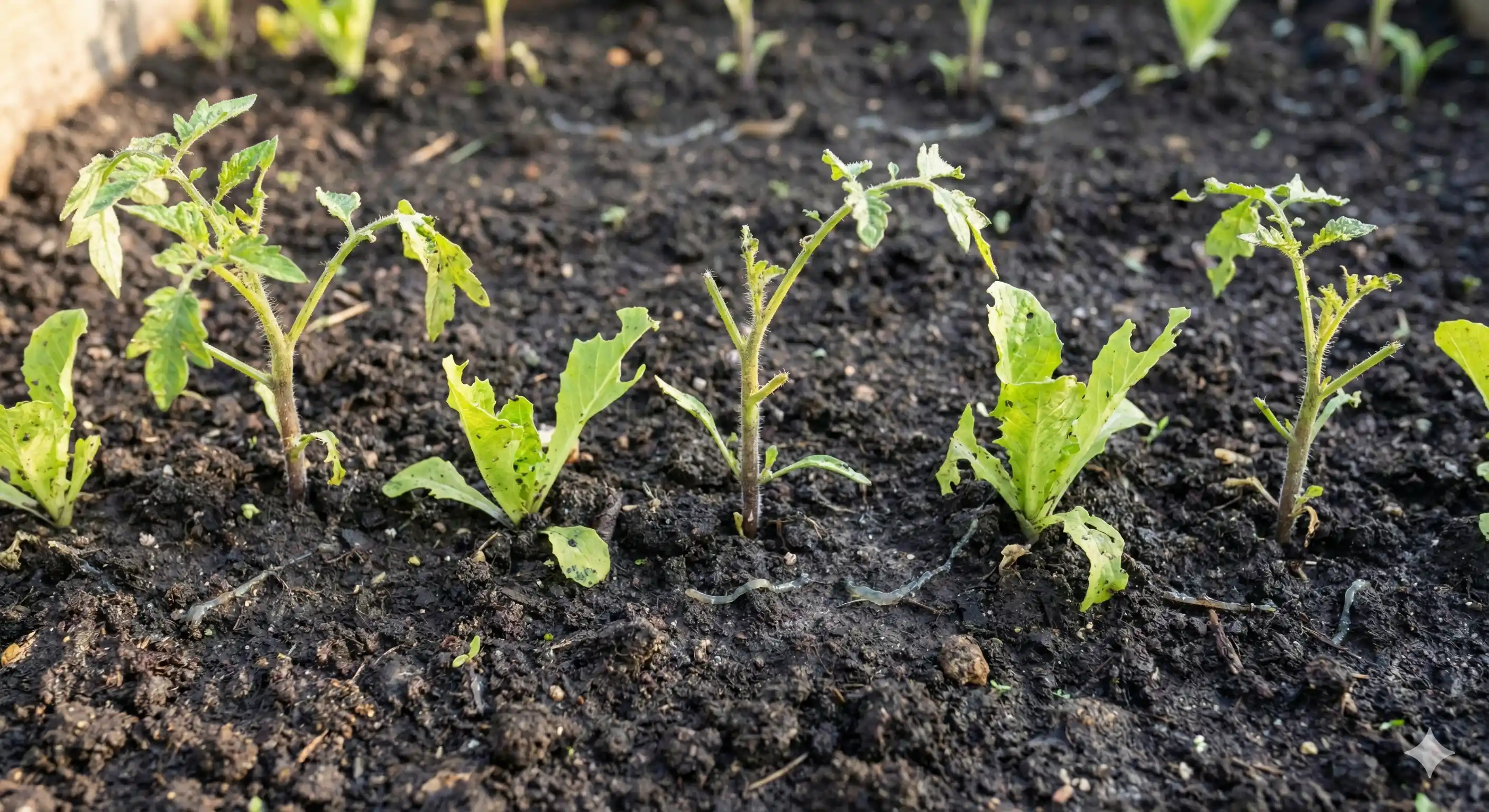
Young plants and seedlings consumed entirely or cut off at soil level overnight are classic signs of slug activity. Snails and slugs are particularly destructive to tender new growth and transplants.

Live snails and slugs visible in garden area

Live Snails & Slugs

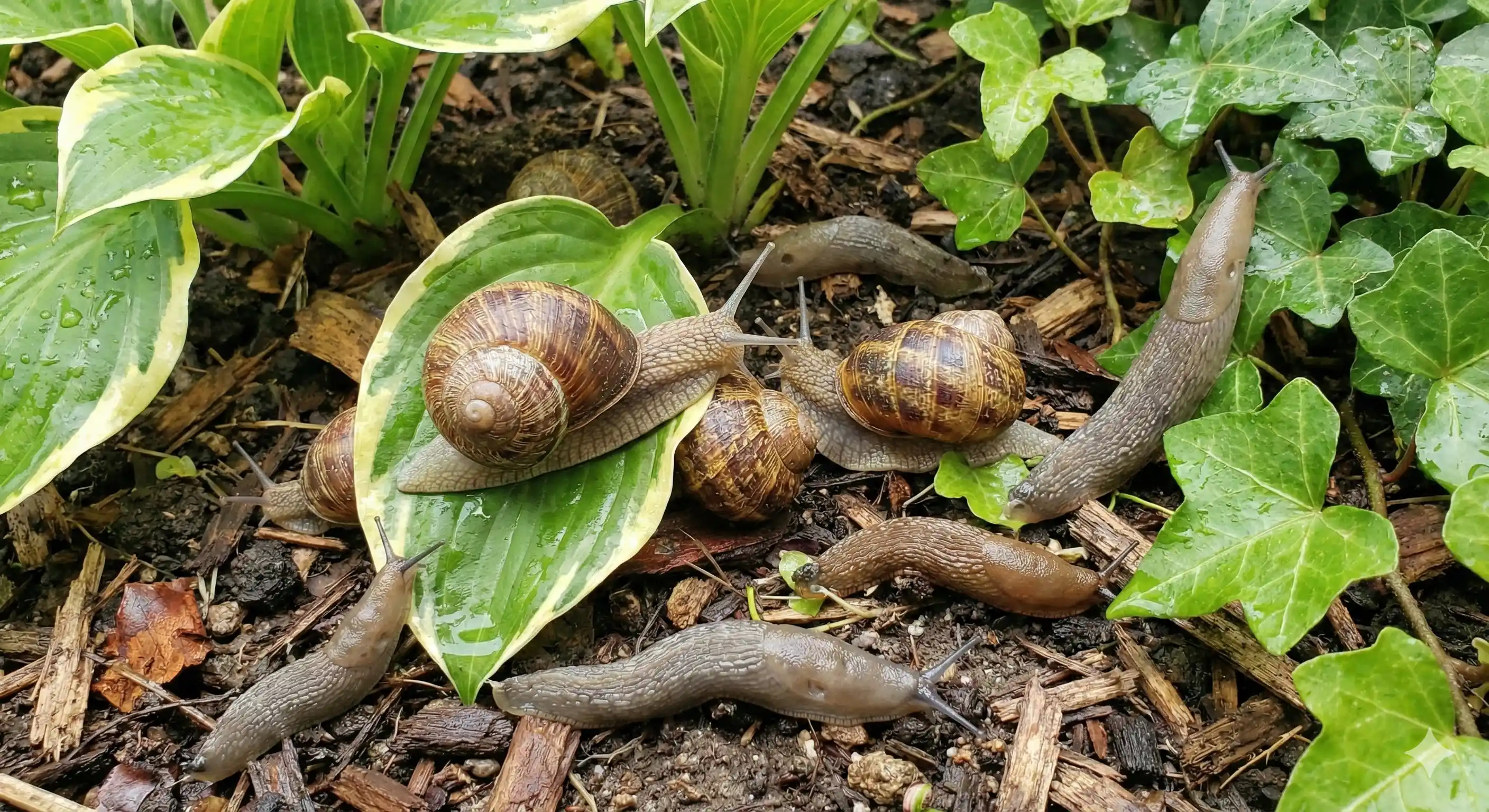
Seeing snails with their spiral shells or shell-less slugs, especially during evening hours, after rain, or in early morning confirms active populations. Check beneath containers, boards, and dense vegetation during daylight.

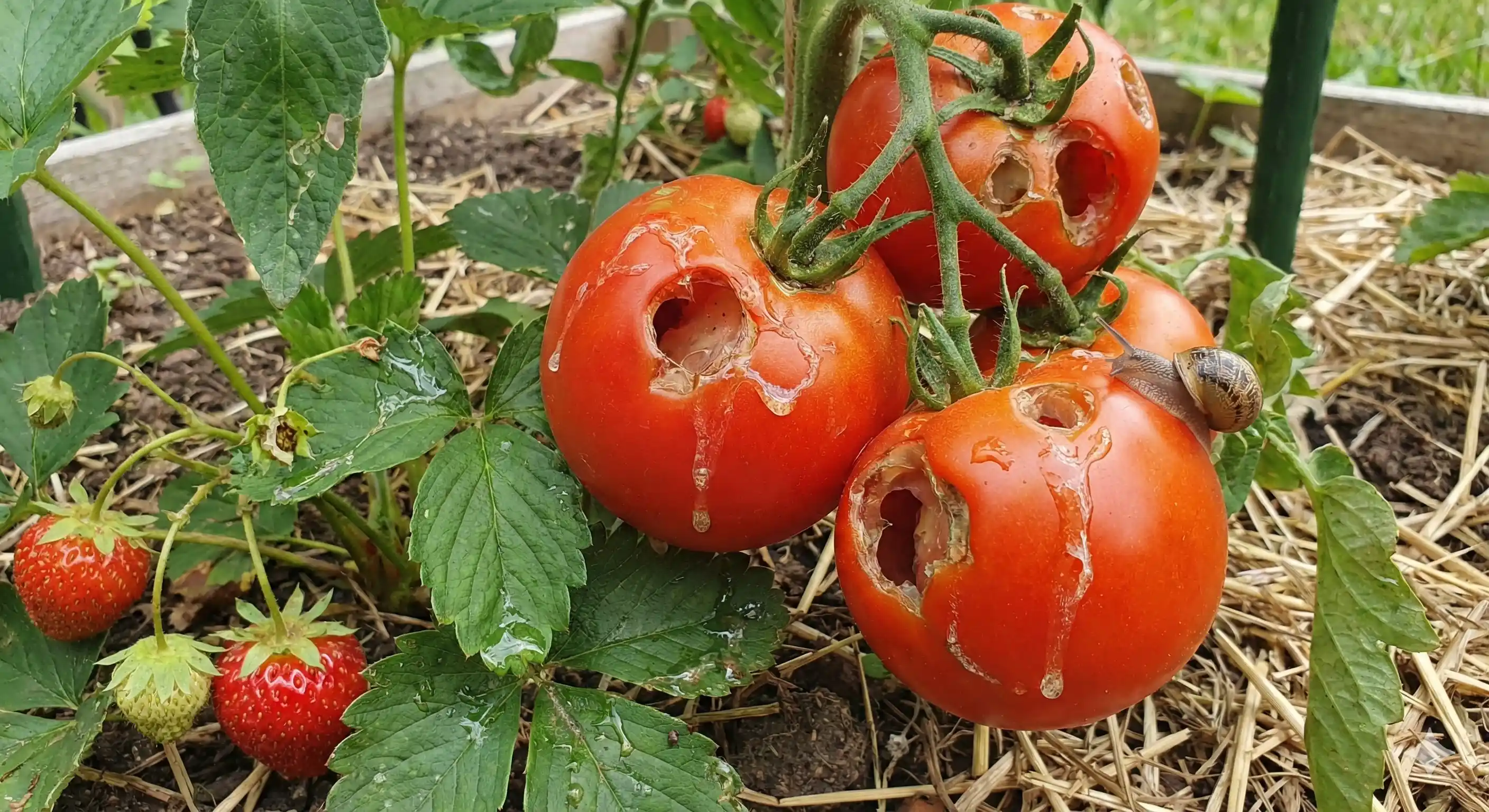
Fruit or vegetable showing snail and slug feeding damage

Damaged Fruits & Vegetables

Holes chewed into ripening tomatoes, strawberries, and other low-growing fruits, often accompanied by slime residue, indicate snail and slug feeding on your produce. Damage is often severe by the time it's discovered.

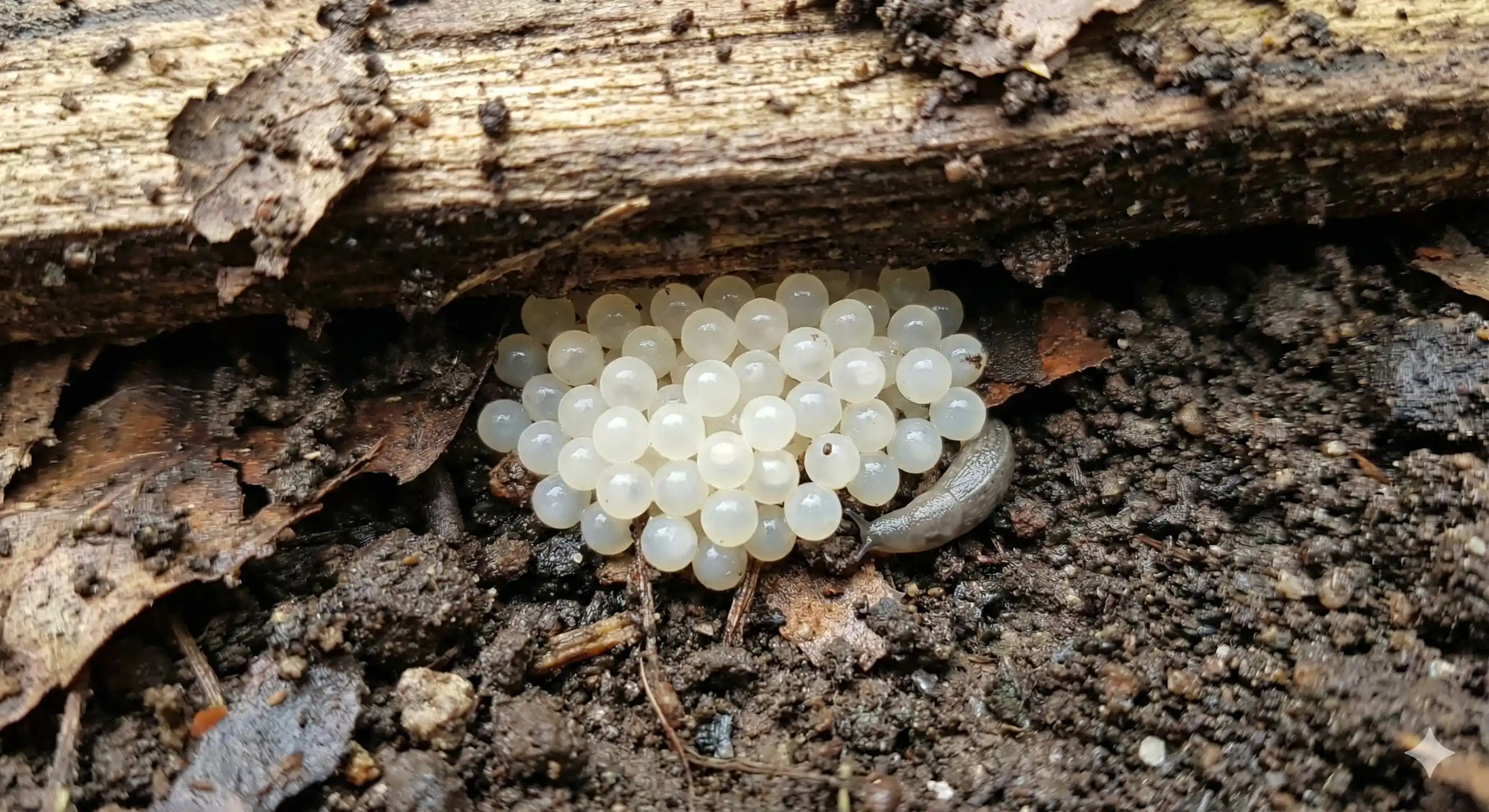
Snail or slug egg cluster found beneath debris or in soil

Egg Clusters in Soil

Small clusters of round, translucent or pearl-like eggs (1-3mm) found beneath debris, mulch, boards, or in moist soil indicate active breeding. Each cluster can contain dozens of eggs that will hatch into hungry juveniles.

Learn More About Snail & Slug Detection →

DIY vs Professional Treatment

Home remedies and store-bought snail and slug products often provide incomplete or temporary relief. Beer traps, salt, and eggshell barriers may catch or deter a few individuals but cannot control established populations. Consumer-grade baits are often improperly applied, whether too sparingly, in wrong locations, or at incorrect times, reducing their effectiveness. Additionally, many DIY approaches fail to address the harborage sites where snails and slugs hide during the day and the moisture conditions that sustain their populations.

Professional snail and slug control begins with comprehensive property inspection to identify species, locate harborage areas, and assess population levels. Our technicians apply professional-grade baits at proper rates and in strategic locations where snails and slugs actively feed and travel. We address the environmental conditions supporting infestations through targeted habitat modification recommendations and barrier treatments that protect your most valuable plantings. Our systematic approach provides lasting control rather than temporary population reduction.

❌ DIY Treatment

  • Beer traps catch only a few individuals
  • Consumer baits often improperly applied
  • Fails to address harborage sites
  • Doesn't modify favorable conditions
  • Salt damages plants and soil
  • Temporary population reduction only

✓ Professional Treatment

  • Species identification and population assessment
  • Strategic professional bait placement
  • Harborage area identification and treatment
  • Habitat modification recommendations
  • Barrier protection for valuable plants
  • Ongoing monitoring and maintenance

Commercial Snail & Slug Control

EcoGuard Pest Management implements customized snail & slug control programs for commercial facilities that prioritize operational continuity while ensuring effective pest elimination. Our comprehensive commercial snail & slug protection programs combine discrete treatment applications with flexible scheduling to maintain your business operations while ensuring complete elimination of snail & slug problems.

We specialize in snail & slug control solutions for:

  • Restaurants and food service establishments
  • Healthcare facilities
  • Hotels and hospitality venues
  • Educational institutions
  • Office complexes
  • Food processing facilities
  • Warehouses and storage facilities
  • Retail spaces
  • Manufacturing facilities
  • Multi-unit residential properties
Learn About Commercial Pest Control
100% SATISFACTION GUARANTEE

The EcoGuard Guarantee

EcoGuard offers a 100% satisfaction guarantee for all of our customers, and we stand by our promise to eradicate your snail & slug problem until the very last snail & slug is gone. That snail & slug control guarantee comes with every service and if the snail & slugs come back, then so do we, at no additional cost. We are standing by to give you a free estimate and to help you set your first snail & slug pest control service appointment.

📞 Call (866) 326-2847 Today

Our Snail & Slug Control Process

A comprehensive approach to protecting your landscape from destructive mollusks

1

Property Inspection

Our technicians conduct thorough inspections to identify snail and slug species, locate daytime harborage sites, map feeding areas, and assess the conditions supporting populations. We follow slime trails to discover hidden aggregation points and evaluate moisture levels throughout your landscape.

2

Targeted Treatment

Based on inspection findings, we apply professional-grade baits and barrier treatments strategically placed in feeding areas, travel routes, and around protected plantings. Our treatments are timed for maximum effectiveness during peak snail and slug activity periods.

3

Habitat Modification

We provide detailed recommendations for reducing conditions that attract and sustain snail and slug populations, including irrigation adjustments, debris removal, mulch management, and modifications to eliminate daytime harborage sites near vulnerable plants.

4

Ongoing Protection

Regular monitoring allows us to track population levels, evaluate treatment effectiveness, and make seasonal adjustments to maintain protection. Our maintenance programs ensure your landscape remains protected throughout the active season.

Seasonal Plan for Snail & Slug Control

Year-round protection adapted to seasonal snail & slug behavior patterns

Spring Snail & Slug Control

Spring

Peak activity season as warming temperatures and spring rains create ideal conditions; egg hatching accelerates population growth; implement early-season treatments before populations explode; protect tender seedlings and transplants from feeding damage

Summer Snail & Slug Control

Summer

Continued activity in irrigated landscapes despite dry weather; focus on moist microclimates and irrigated beds; evening treatments during active feeding periods; protect ripening vegetables and fruits from damage; address harborage in garden areas

Fall Snail & Slug Control

Fall

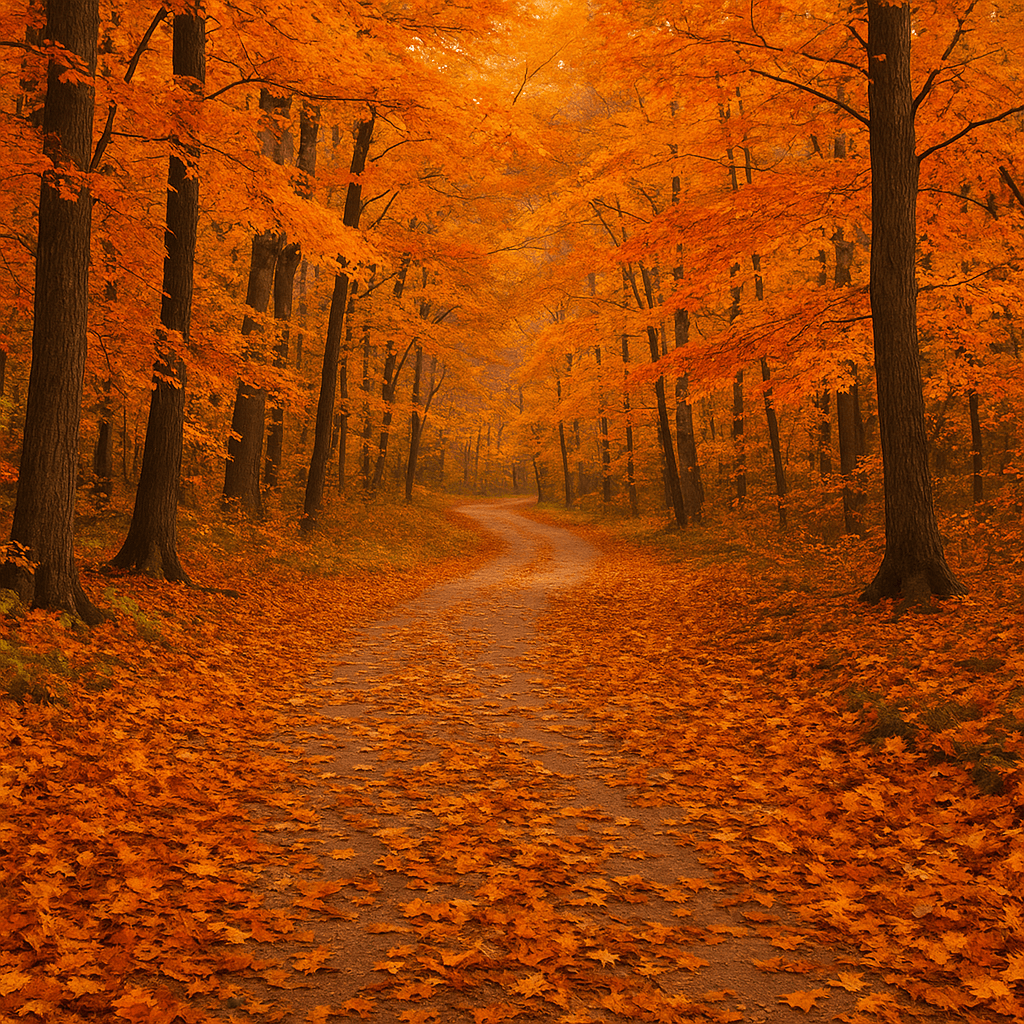
Secondary activity surge with fall rains and cooling temperatures; egg-laying increases as adults prepare for winter; treat to reduce overwintering populations; clean up fallen leaves and debris providing harborage; late-season barrier reinforcement

Winter Snail & Slug Control

Winter

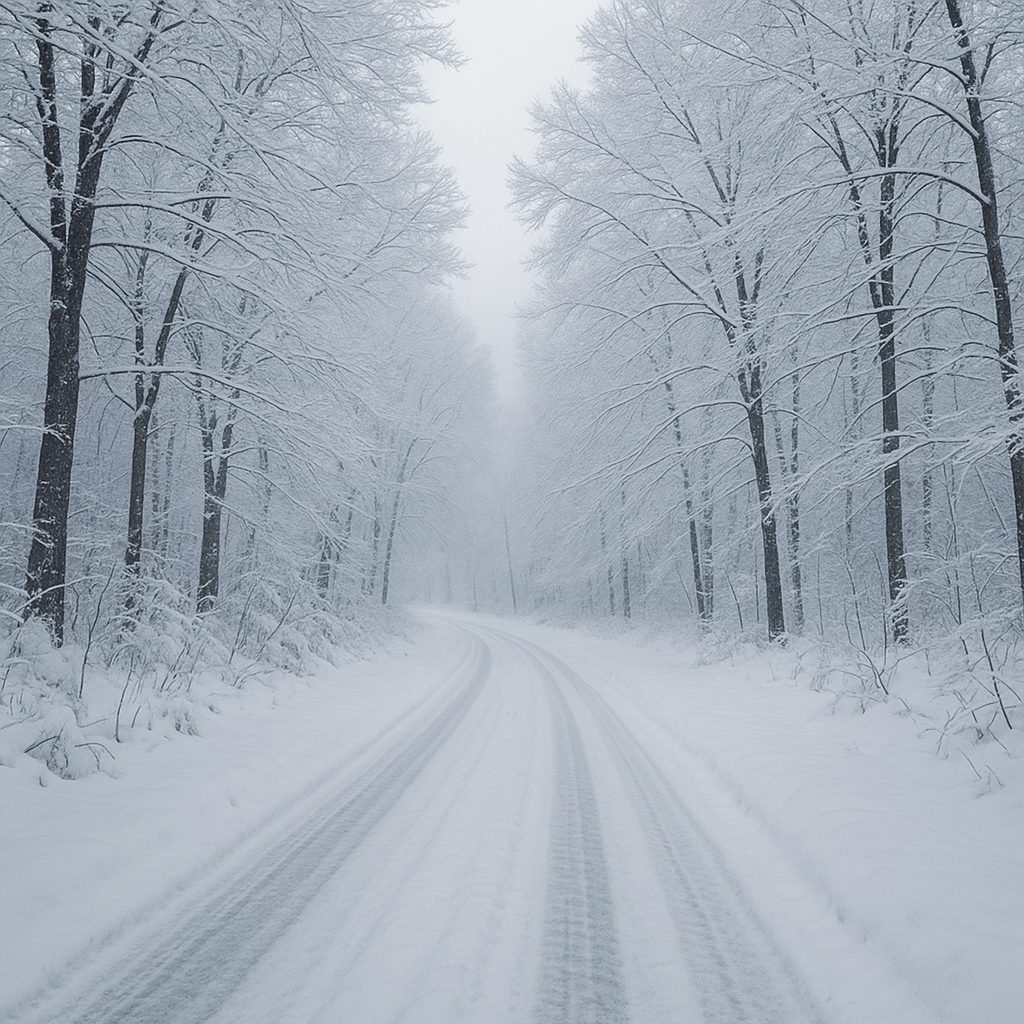
Reduced activity but snails and slugs remain present in mild climates; populations shelter in protected locations; excellent time for harborage elimination and habitat modification; prepare for spring emergence with preventative treatments

What Our Customers Say

Trusted by homeowners for professional snail and slug elimination

★★★★★

"Snails were destroying my hostas and eating my lettuce seedlings before they could even get established. EcoGuard found where they were hiding during the day and treated the whole problem. My garden has never looked better. I'm finally able to grow what I want!"

Carol M.
Portland, OR
★★★★★

"I tried everything: beer traps, crushed eggshells, copper tape. Nothing worked on the slugs destroying my vegetable garden. EcoGuard's professional treatment made an immediate difference. Their organic options kept my produce safe too!"

David & Susan T.
Seattle, WA
★★★★★

"The slime trails all over our patio and front walkway were embarrassing when guests came over. EcoGuard not only eliminated the snails but showed us how our irrigation was creating the perfect conditions for them. Problem solved!"

Jennifer L.
Sacramento, CA

Snail & Slug Control FAQs

Everything you need to know about snail & slug control and treatment

Snails and slugs are both gastropod mollusks, but snails carry coiled shells on their backs while slugs are shell-less (or have only a small internal shell remnant). Both cause similar plant damage, leave slime trails, and require moisture to survive. Treatment approaches are generally similar for both pests, though some barrier methods are more effective against slugs than shelled snails.

Permanent control requires an integrated approach combining professional baits, elimination of daytime harborage sites, moisture management through irrigation adjustments, and ongoing monitoring. Since snails and slugs can recolonize from neighboring properties, continuous prevention through habitat modification and seasonal treatments provides the most lasting protection.

Professional-grade baits containing iron phosphate or metaldehyde are most effective when properly applied. Iron phosphate baits are safe around pets and wildlife and break down into soil nutrients. Metaldehyde baits are highly effective but require careful application away from pets. Our technicians select the appropriate product based on your situation and apply at proper rates.

High populations indicate favorable habitat conditions: excessive moisture from overwatering or poor drainage, abundant daytime hiding spots (debris, dense groundcover, boards on ground), and plentiful food sources. Addressing these environmental factors is essential for long-term control beyond just killing existing snails and slugs.

Snails and slugs are primarily nocturnal and most active on cool, damp, or rainy nights. They emerge after dark to feed and return to hiding before dawn. Activity peaks during spring and fall when temperatures are moderate and moisture is abundant. They remain active year-round in mild, wet climates but may estivate (become dormant) during hot, dry periods.

Yes, snails and slugs are voracious feeders that can cause severe plant damage. They chew irregular holes in leaves, shred tender foliage, consume seedlings entirely, and damage fruits and vegetables. Hostas, lettuce, strawberries, marigolds, and many vegetables are particularly vulnerable. A moderate population can destroy an entire row of seedlings overnight.

Snails and slugs can carry lungworm parasites that infect dogs and sometimes cats who eat them. Symptoms include coughing, breathing difficulties, and lethargy. Keep pets away from areas with known snail and slug activity, and consult your veterinarian if your pet shows symptoms after potential exposure. Our pet-safe treatment options help reduce this risk.

Beer traps can catch some slugs attracted to the yeast, but they're ineffective for controlling established populations. Studies show beer traps attract only a small percentage of slugs in an area while potentially drawing slugs from neighboring properties. Professional baits placed strategically throughout the landscape provide far more comprehensive control.

Natural options include iron phosphate baits (organic and pet-safe), diatomaceous earth barriers, copper barriers (for raised beds), handpicking in evening hours, and encouraging natural predators like ground beetles and birds. Reducing moisture and eliminating harborage sites are also essential natural management strategies we incorporate into organic treatment programs.

Snails and slugs shelter in cool, damp, dark locations during daylight: beneath boards, logs, and debris; under dense groundcover and low-growing plants; inside ivy and other ground-hugging vegetation; beneath containers, stepping stones, and garden décor; in leaf litter and mulch; and along foundation walls and under decking.

Properly applied professional baits begin working immediately, with noticeable population reduction within 3-7 days as snails and slugs encounter and consume the bait. Full control typically develops over 2-3 weeks. Severely infested properties or those with extensive harborage may require follow-up treatments to address the complete population.

Without habitat modification, snails and slugs can recolonize from neighboring properties or areas outside the treatment zone. Our approach combines immediate population reduction with harborage elimination and moisture management recommendations to create less favorable conditions, plus ongoing maintenance treatments during active seasons to prevent population resurgence.

Yes, we offer treatment options approved for use around edible crops. Iron phosphate baits are OMRI-listed for organic gardening and break down into soil nutrients (iron and phosphate). We provide specific guidance on application timing and any pre-harvest intervals to ensure your produce remains safe while effectively controlling snails and slugs.

Snails and slugs favor tender, succulent foliage and are particularly attracted to hostas, lettuce, basil, strawberries, marigolds, dahlias, delphiniums, and young seedlings of almost any type. They also damage ripening tomatoes, peppers, and other low-growing fruits. Plants with thick, tough, or fuzzy leaves are generally less appealing.

Snails and slugs migrate from neighboring properties, especially following moist corridors like drainage areas, fence lines, and densely planted borders. They're also commonly introduced via nursery plants, potted containers, mulch, and soil amendments that contain eggs or juvenile mollusks. Once established, populations expand rapidly under favorable conditions.

Copper barriers can deter snails and slugs because their slime reacts with copper to create an unpleasant sensation. However, effectiveness varies. Barriers must be wide enough (2+ inches) and kept clean, and determined slugs may cross if food is desirable enough. Copper is most practical for protecting raised beds or containers rather than entire gardens.

Snails climb walls, fences, and structures during their nocturnal travels, often seeking moisture from dew or condensation, accessing plants at different levels, or simply exploring their environment. Snails on walls usually indicate significant populations in the surrounding landscape and may leave unsightly slime trails on surfaces.

In areas with significant snail and slug pressure, monthly treatments during the active season (typically spring through fall) provide optimal protection. Properties with extensive landscaping, vegetable gardens, or persistent moisture may benefit from more frequent service. Winter treatments in mild climates help reduce overwintering populations before spring emergence.

Yes, many snail and slug species feed on decaying organic matter, fallen leaves, and decomposing plant material in addition to living plants. This is why compost piles, leaf litter, and organic mulches often harbor high populations. Removing this material reduces both food sources and daytime shelter.

Common problem species include the Brown Garden Snail, Cellar Glass-Snail, Amber Snails, Gray Garden Slug, Three-band Garden Slug, Tramp Slug, and Greenhouse Slug. Species vary by region, and different species may have different food preferences and habitat requirements, which is why proper identification guides effective treatment strategies.

Ready to Eliminate Your Snail & Slug Problem?

Get a free estimate for your snail & slug problem today. Our experts will assess your property and provide a customized treatment plan.

Connect With Us

Follow EcoGuard Pest Management for tips, updates, and special offers

f𝕏yin