EcoGuard Pest Management
Professional weevil control technician inspecting pantry or treating garden for weevil infestation

Professional Weevil Control & Exterminator Services

The unwelcome discovery of pantry staples riddled with tiny invaders, garden plants showing mysterious notching, or the distinctive silhouettes of small snout-bearing beetles signals a battle against weevils. Whether infiltrating your stored food products or systematically devouring prized plants from root to leaf, these resilient insects demand specialized control strategies that address both visible adults and their hidden developing offspring. EcoGuard Pest Management brings targeted scientific approaches to weevil management, employing multi-faceted treatment protocols that eliminate current populations and create protective barriers against these remarkably adaptive pests.

Weevil Pest Control Experts

Effective weevil control requires specialized knowledge of these resilient pests' behavior patterns, feeding preferences, and life cycles. Our highly trained weevil control specialists understand the distinctions between various species—from pantry-infesting grain weevils to garden-destroying root weevils—helping us identify the specific type affecting your property. This expertise allows us to implement targeted treatment strategies that eliminate existing infestations while applying preventive measures to discourage future activity and protect your food supplies and plants.

Why Weevils Are a Serious Problem

Weevils create unique challenges that require professional attention:

  • These persistent pests compromise food safety by contaminating stored products like rice, flour, grains, and pasta—female grain weevils bore into individual kernels to deposit eggs inside where larvae develop unseen, with some species laying 300-400 eggs in their lifetime
  • Unlike many household pests, weevils often enter homes undetected in packaged food products, and infestations can develop within sealed containers and spread throughout pantries before being discovered, making prevention particularly challenging
  • Garden weevil species like black vine weevils and rose weevils cause extensive plant damage through a dual attack strategy—adults feed on foliage and flowers creating distinctive notching while larvae consume roots underground, potentially killing valuable ornamental plants
  • Weevil infestations in commercial settings can result in significant economic losses, regulatory compliance issues, and reputation damage, particularly for businesses in food processing, storage, and agricultural sectors

Weevil Control Service Plans

Choose the protection level that's right for your property

One-Time Treatment
$249+
Starting price
  • Comprehensive property inspection
  • Species identification
  • Entry point identification
  • Targeted treatment application
  • Perimeter barrier application
  • Nest elimination
  • Treatment report & recommendations
  • 30-day guarantee
Get Started
MOST POPULAR
Annual Protection
Contact Us
For custom pricing
  • Everything in One-Time Treatment
  • Seasonal maintenance plan
  • Entry point treatments
  • Priority scheduling
  • Re-treatment guarantee
Get Started

* Prices vary based on property size, infestation severity, and treatment method. Contact us for an accurate quote.

Service Plan Comparison

FeatureOne-TimeAnnual
Comprehensive Inspection
Treatment ApplicationQuarterly
Follow-Up InspectionsOngoing
Preventative Treatments
Re-Treatment Guarantee30 daysYear-long

Get Your Free Weevil Quote

Protect your property with a free weevil quote from our licensed experts.

✓ Same-day service available
✓ Licensed & insured
✓ Detailed property assessment
✓ No-obligation estimates

Service Areas

We provide weevil control services throughout:

  • California
  • Oregon
  • Washington
  • Texas
  • Tennessee
  • Nevada
View All Counties →

Ready to Eliminate Your Weevil Problem?

Schedule your weevil inspection today. Our experts will assess your property and provide a customized treatment plan.

📞 Call (866) 326-2847Get Free Quote

Weevil Treatment Options

EcoGuard Pest Management employs a comprehensive approach to weevil control combining multiple strategies tailored to your specific infestation—whether pantry weevils contaminating stored foods or garden weevils destroying ornamental plants.
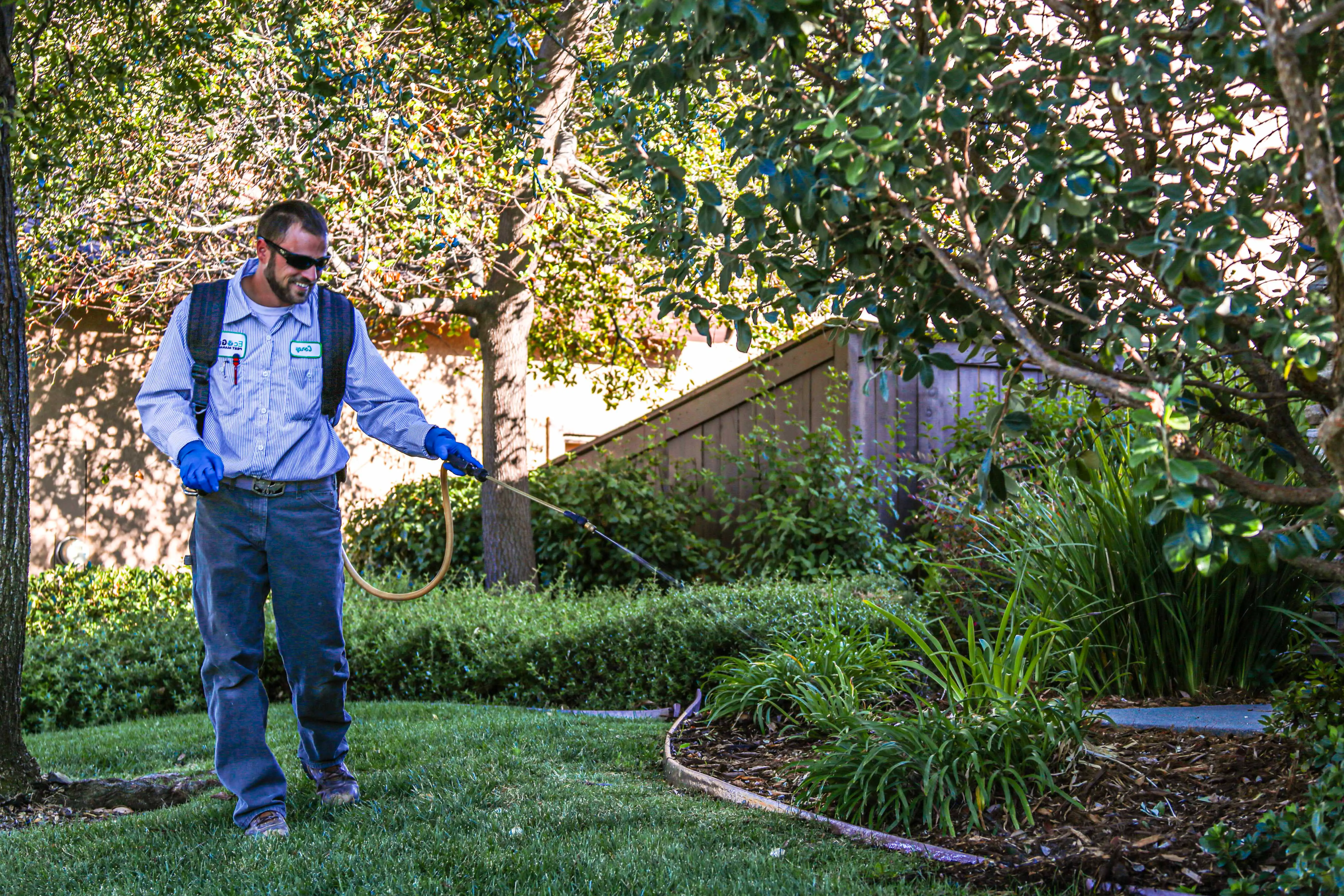
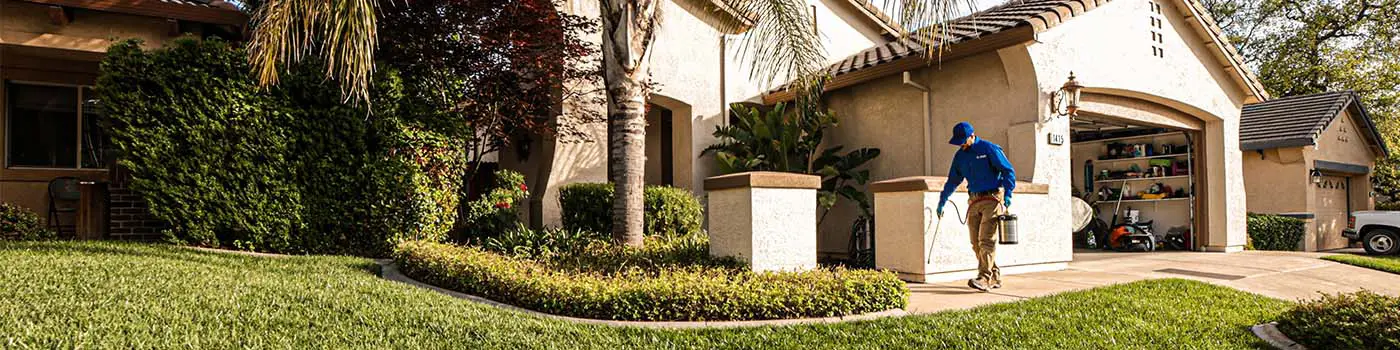
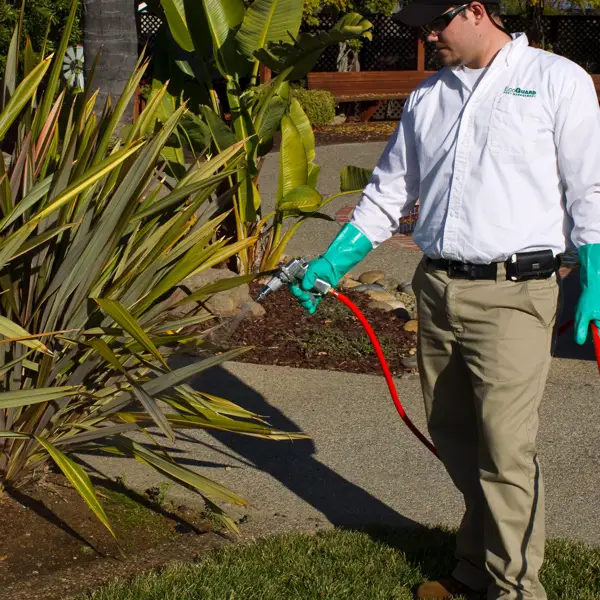
Technician applying targeted insecticide treatment for weevil control

Targeted Insecticide Applications

Professional-grade residual insecticides applied to key areas where weevils travel and harbor, creating protective barriers that eliminate active adults while preventing new infestations from establishing. For pantry weevils, we target cracks, crevices, and shelving; for garden weevils, we treat plant bases and soil surfaces.

Applying exterior barrier treatment around home foundation for weevil prevention

Exterior Barrier Treatments

Preventive perimeter applications create protective zones around structures, intercepting outdoor weevils, especially black vine weevils and rose weevils—before they can enter buildings and establish indoor populations. These barriers are critical during fall migration periods.

Applying soil treatment for garden weevil larvae control

Soil & Root Zone Treatments

For garden weevil species, we apply targeted soil treatments and beneficial nematodes that attack larvae developing underground in root zones. These biological controls eliminate the most damaging life stage while being safe for plants, beneficial insects, and the environment.

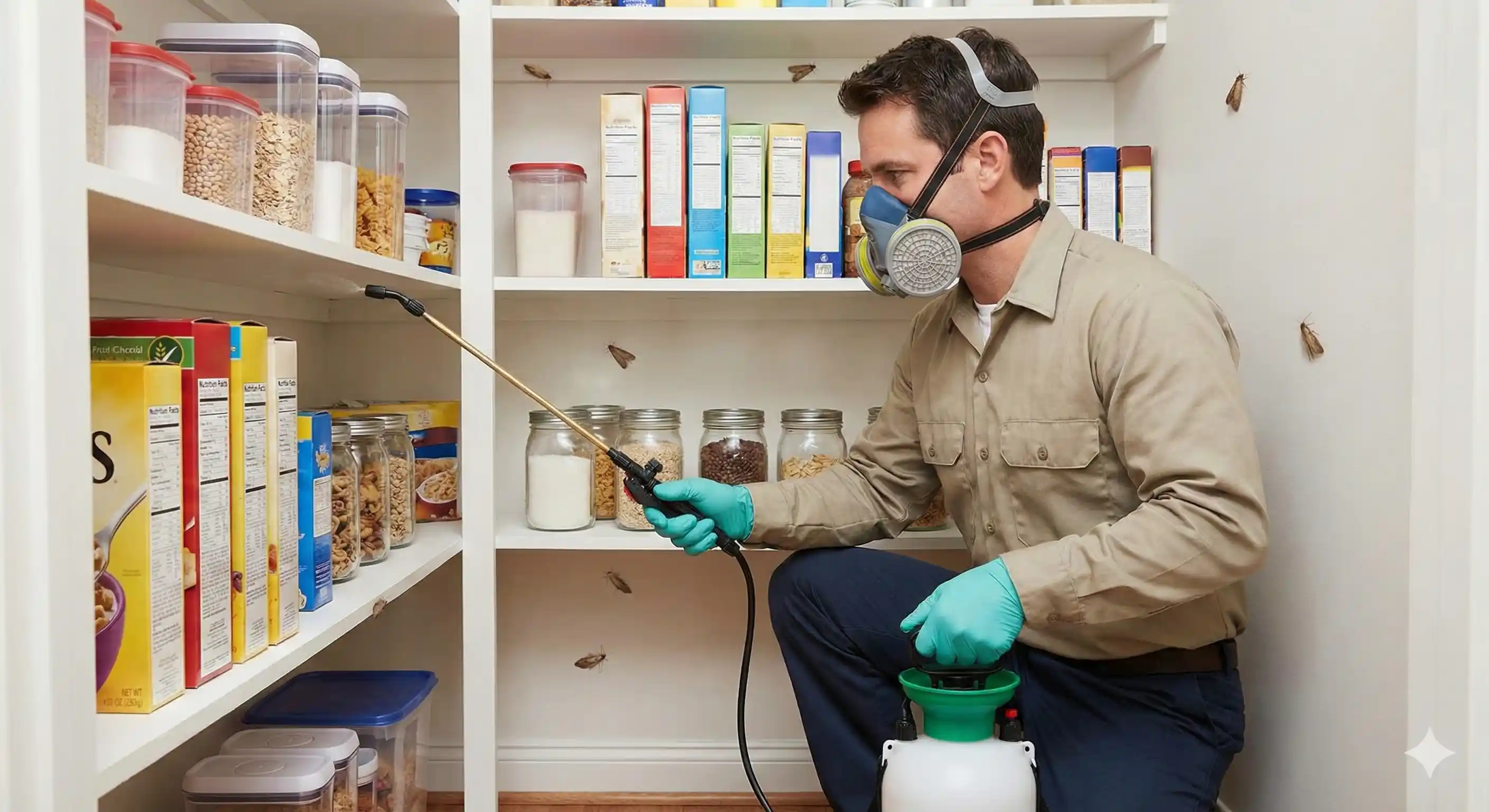
Treating pantry shelving and storage areas for grain weevil control

Pantry Remediation Services

We identify and help remove all infested food products, then apply targeted treatments to pantry areas including shelving, cracks, and crevices where weevils hide and lay eggs. Our approach eliminates current populations while providing guidance on preventing reinfestation.

Installing weevil monitoring traps for early detection

Monitoring & Detection Systems

Installation of specialized weevil monitoring stations in strategic locations—pheromone traps for pantry weevils and pitfall traps for garden species—allows early detection of new activity before it develops into full-scale infestation.

Environmental modifications and proper food storage for weevil prevention

Environmental Modification

Implementation of structural and environmental corrections that make your property inhospitable to weevils, including moisture management, proper ventilation, landscape adjustments to reduce harborage, and guidance on proper food storage using insect-resistant containers.

What Causes Weevils?

Understanding what draws weevils to your property is essential for effective control and prevention of both pantry and garden infestations.
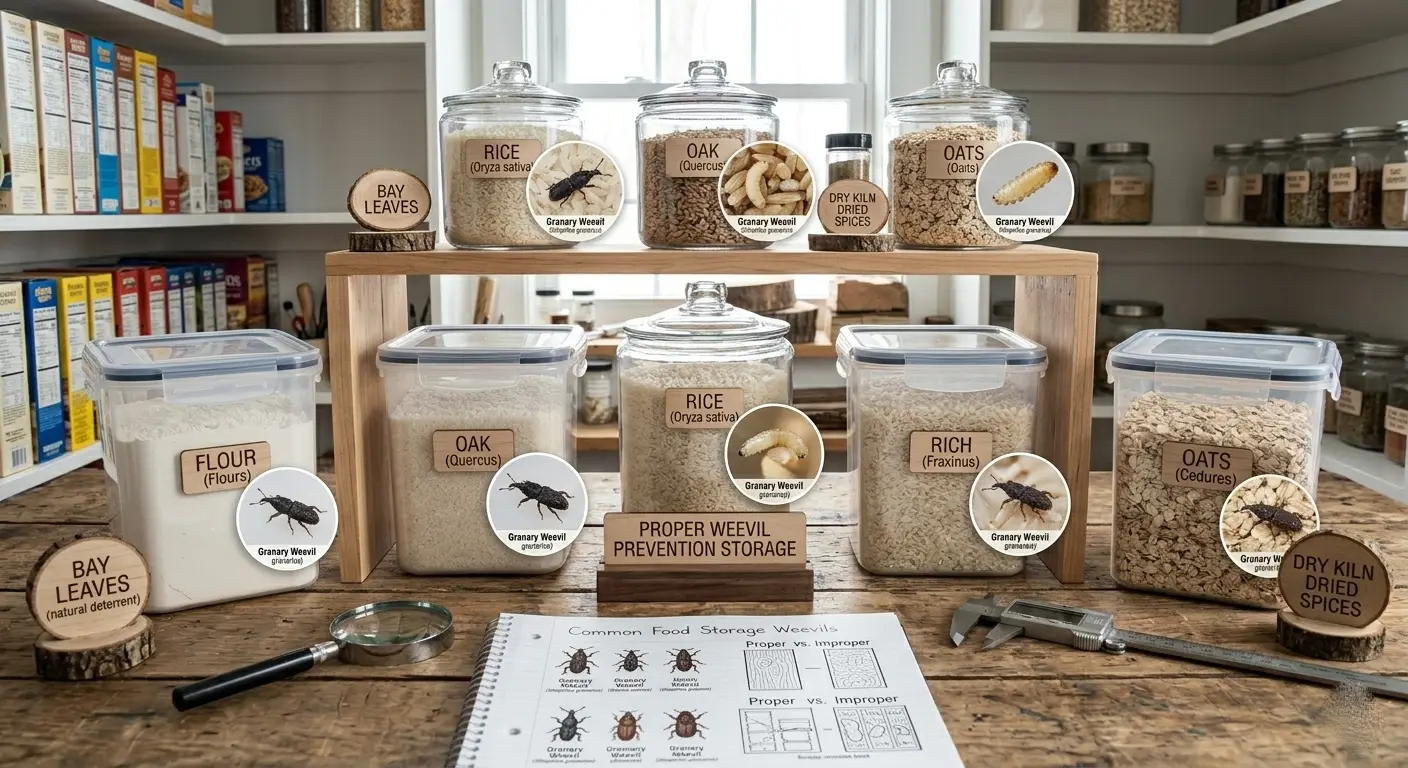
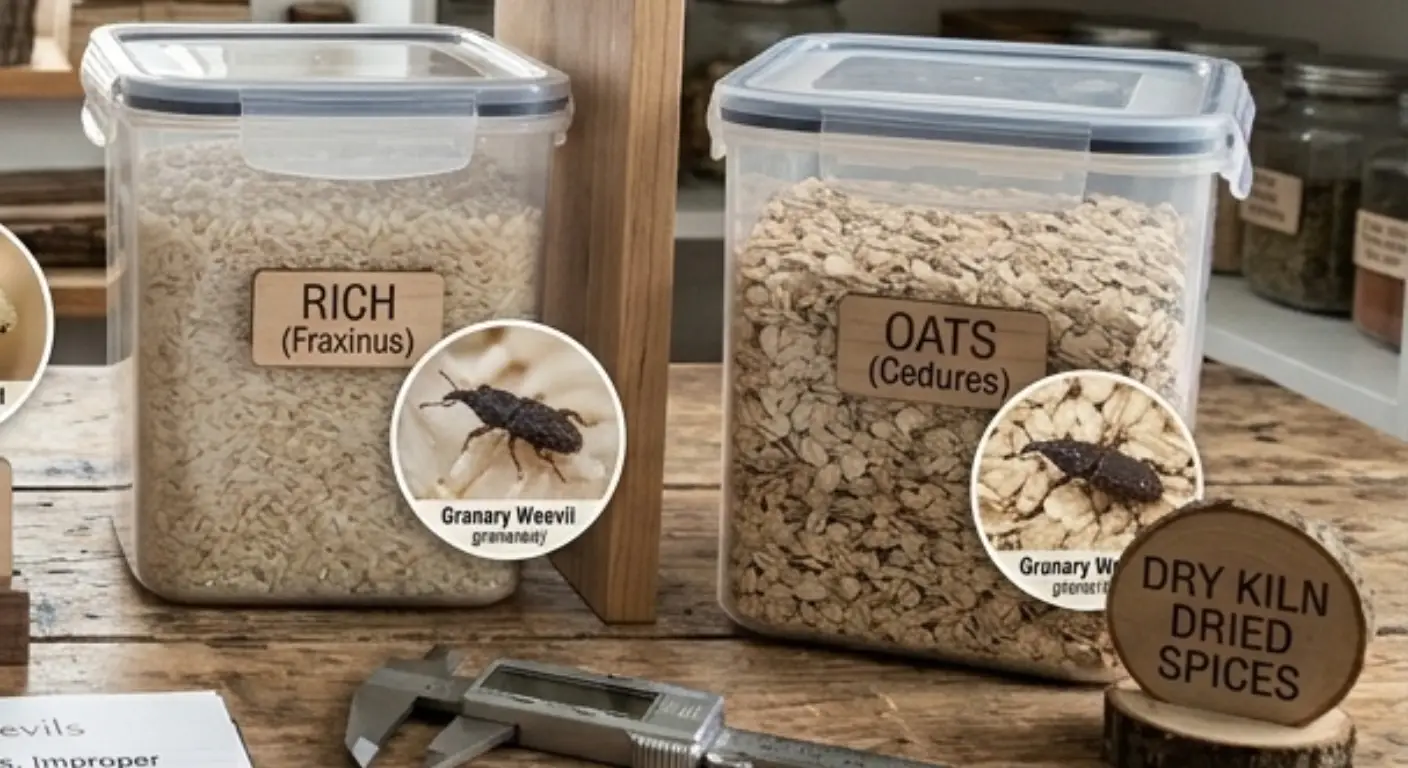
Stored grain products and pantry staples that attract weevils

🌾 Stored Food Products

Unprotected grains, rice, beans, cereals, pasta, flour, and other pantry staples provide ideal breeding grounds for grain weevil species. Even sealed packaging can be vulnerable to these determined pests, and infestations often begin in products already containing eggs when purchased.

Humid conditions favorable for weevil reproduction

📦 Moisture Conditions

Elevated humidity levels create favorable environments for weevil development. Most species require specific moisture levels in food products or soil to complete their life cycle successfully. Poor ventilation in pantries and overwatered garden areas promote weevil activity.

Ornamental plants susceptible to garden weevil damage

🏠 Susceptible Garden Plants

Certain ornamental plants like rhododendrons, azaleas, roses, yews, and strawberries are particularly attractive to garden weevil species. Dense plantings provide ideal shelter for adults during the day and prime egg-laying sites near host plant roots.

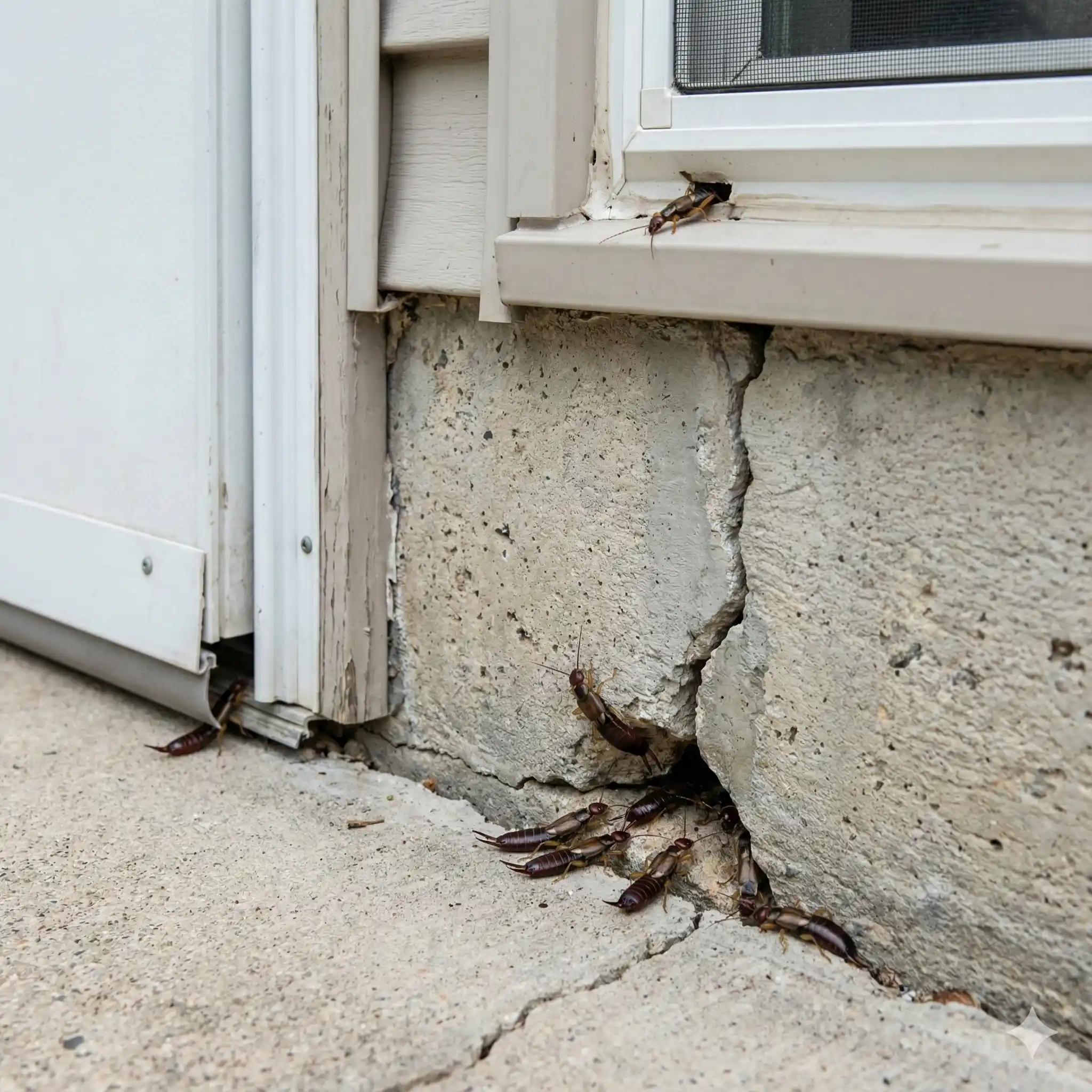
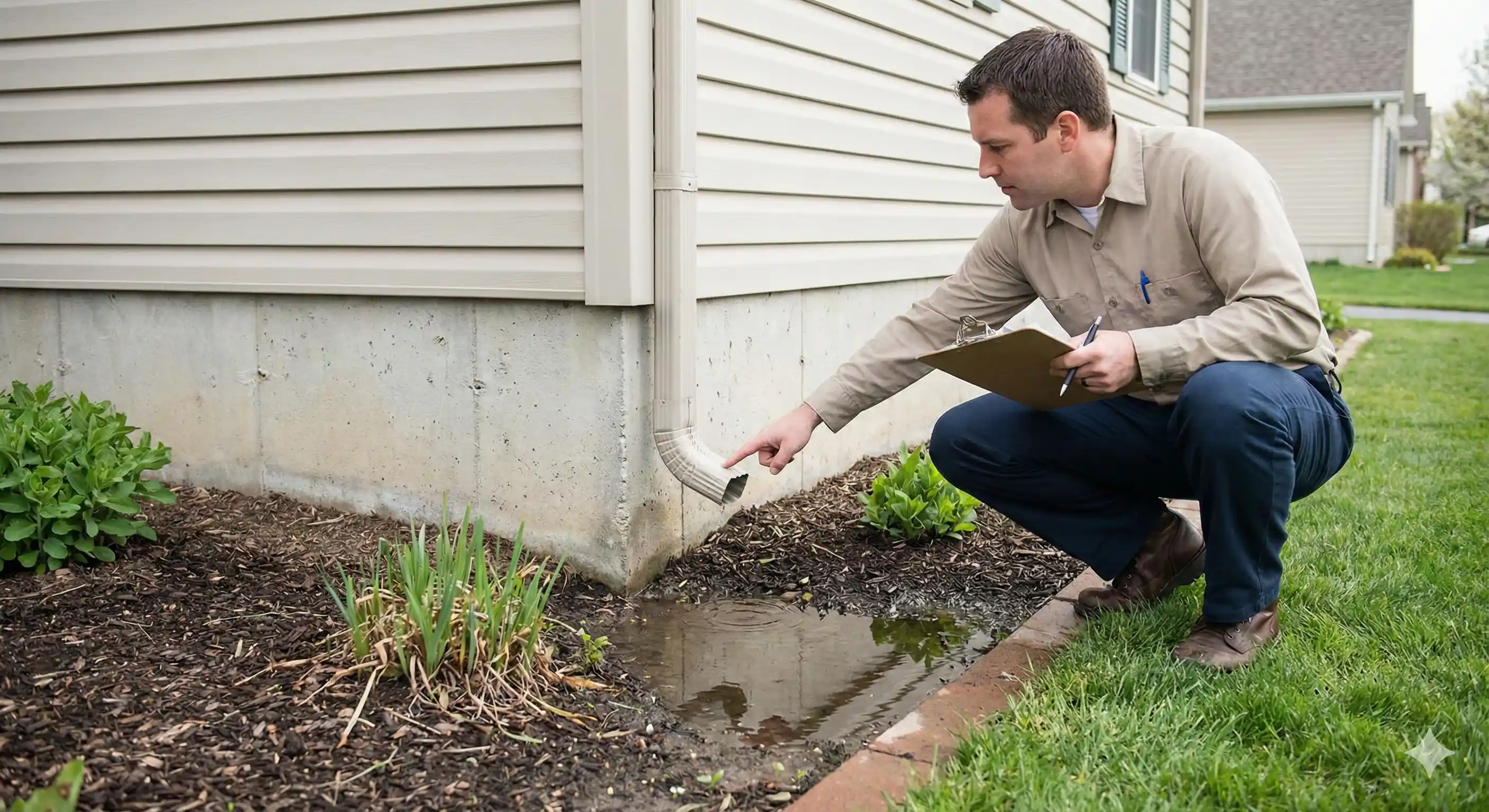
Foundation gaps and entry points allowing weevil access

🍽️ Entry Points & Seasonal Migration

Gaps in exterior walls, doors, windows, and foundations allow outdoor weevil species to migrate indoors, especially during fall when cooling temperatures drive them to seek shelter. Garden weevils entering homes don't breed inside but indicate exclusion vulnerabilities.

Learn More About Weevil Prevention →

What Are Signs of Weevils in Your Home?

Watch for these distinctive indicators of weevil activity to catch infestations early before they spread throughout your pantry or damage your garden.
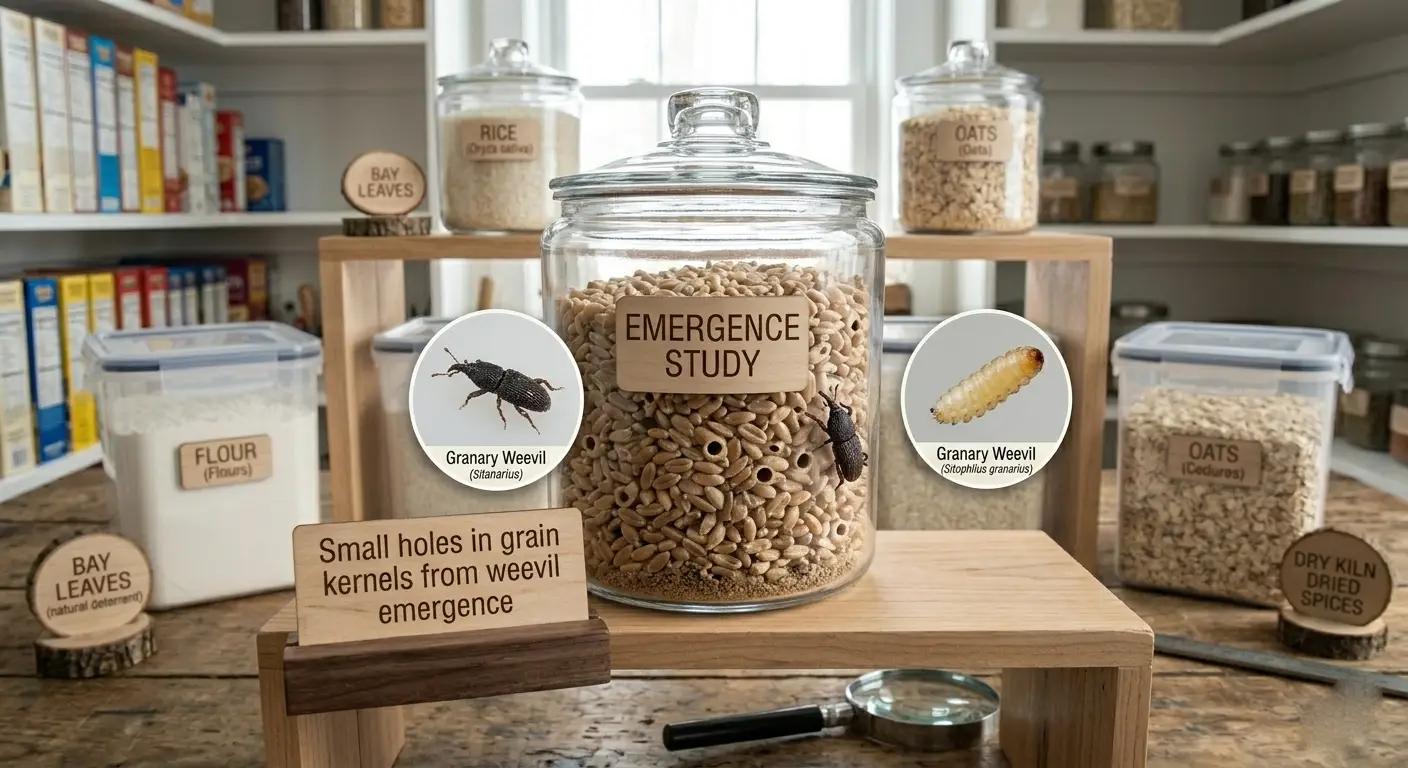

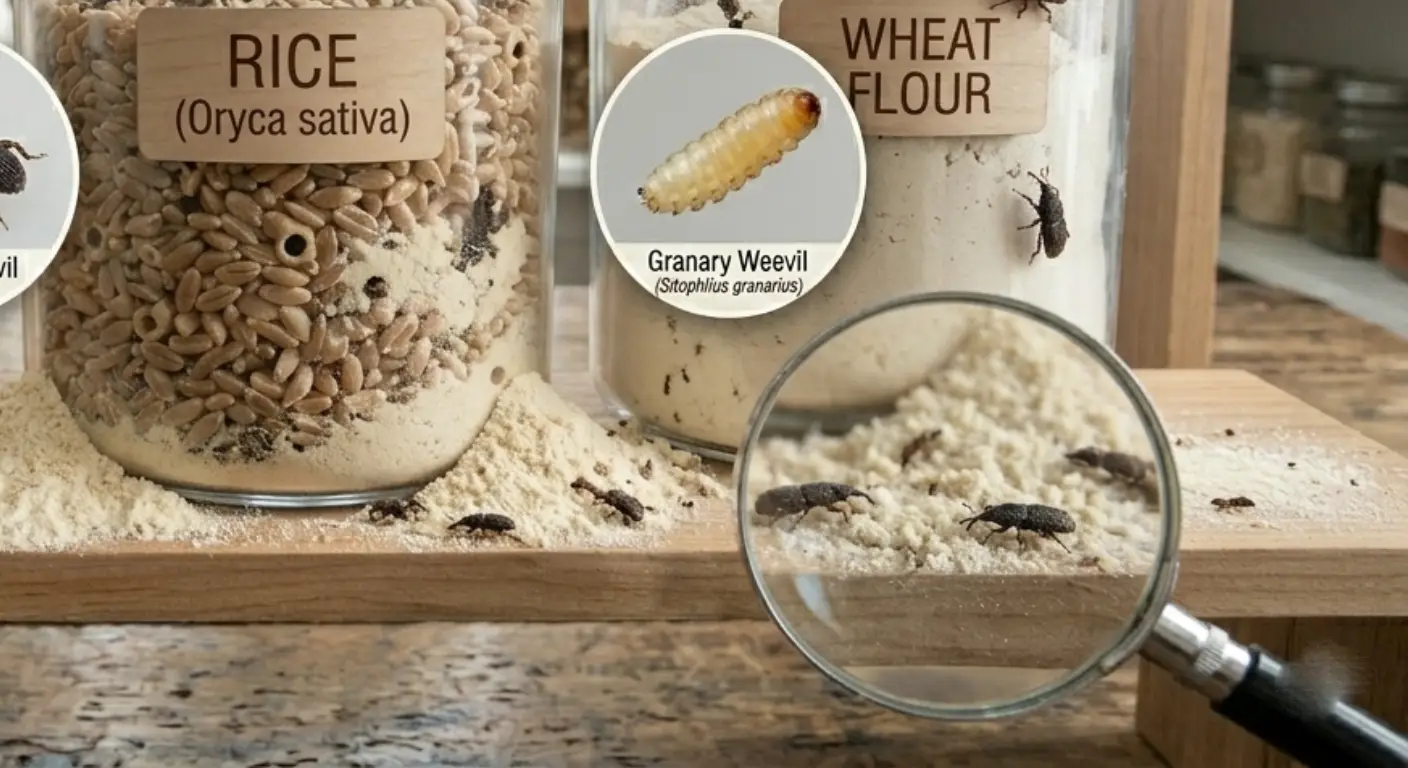
Small holes in grain kernels from weevil emergence

Small Holes in Food Products

Tiny, round holes in grains, beans, rice, or other dried food products indicate where adult weevils have emerged after developing inside. These 'shot hole' appearances in kernels signal active infestation even when adults aren't visible.

Powdery residue around stored food from weevil activity

Powder-Like Residue in Pantry

Fine, dust-like material appearing around stored foods indicates weevil feeding activity. This residue contains excrement, shed skins, and food debris—signs of an established infestation requiring immediate attention.

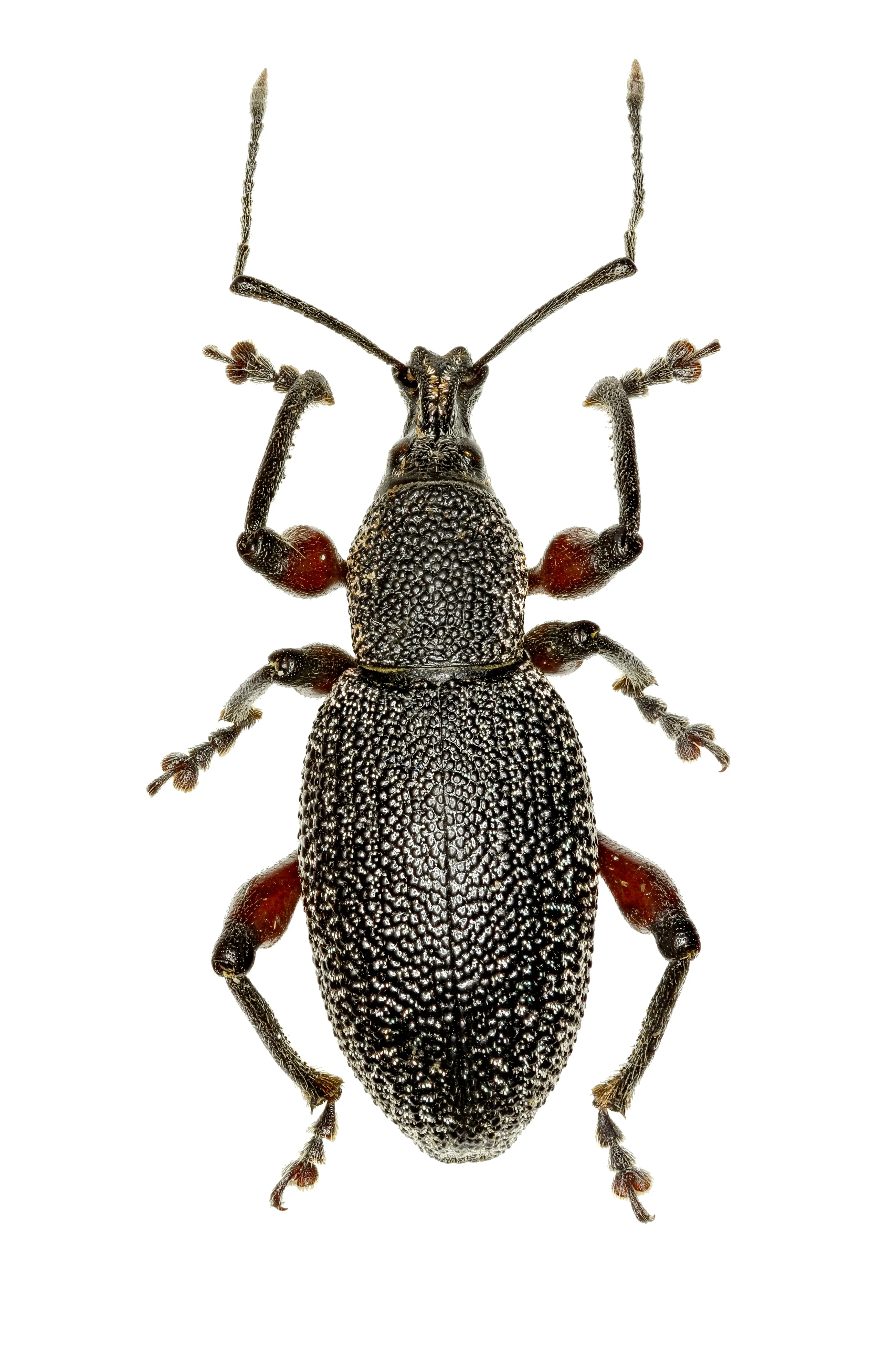
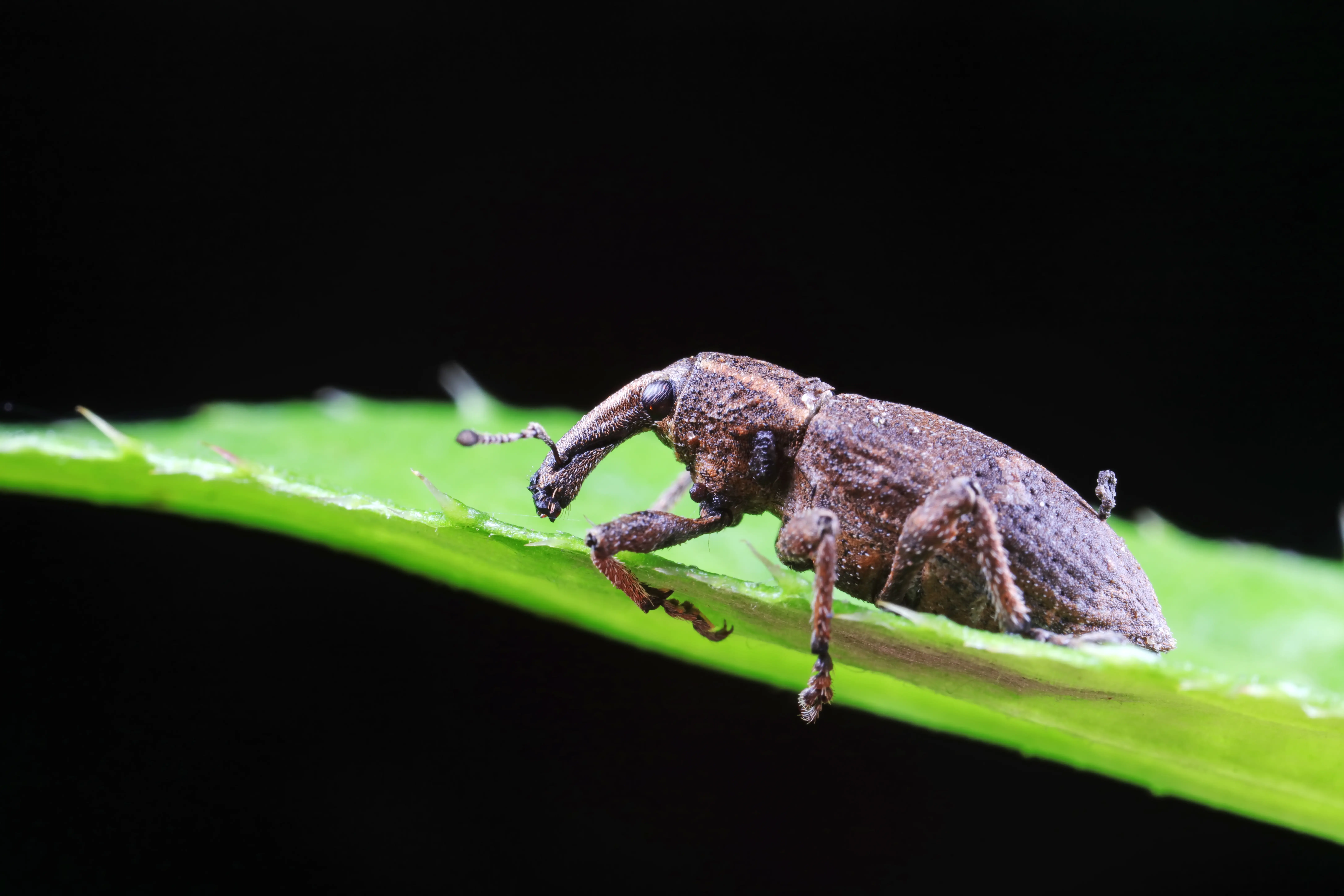
Adult weevil with characteristic elongated snout

Adult Weevils in Home

Small beetles (typically 1/8 to 1/4 inch) with distinctive elongated snouts found crawling in pantries, on countertops, windowsills, or near food storage areas. Their presence indicates infested products nearby requiring inspection.

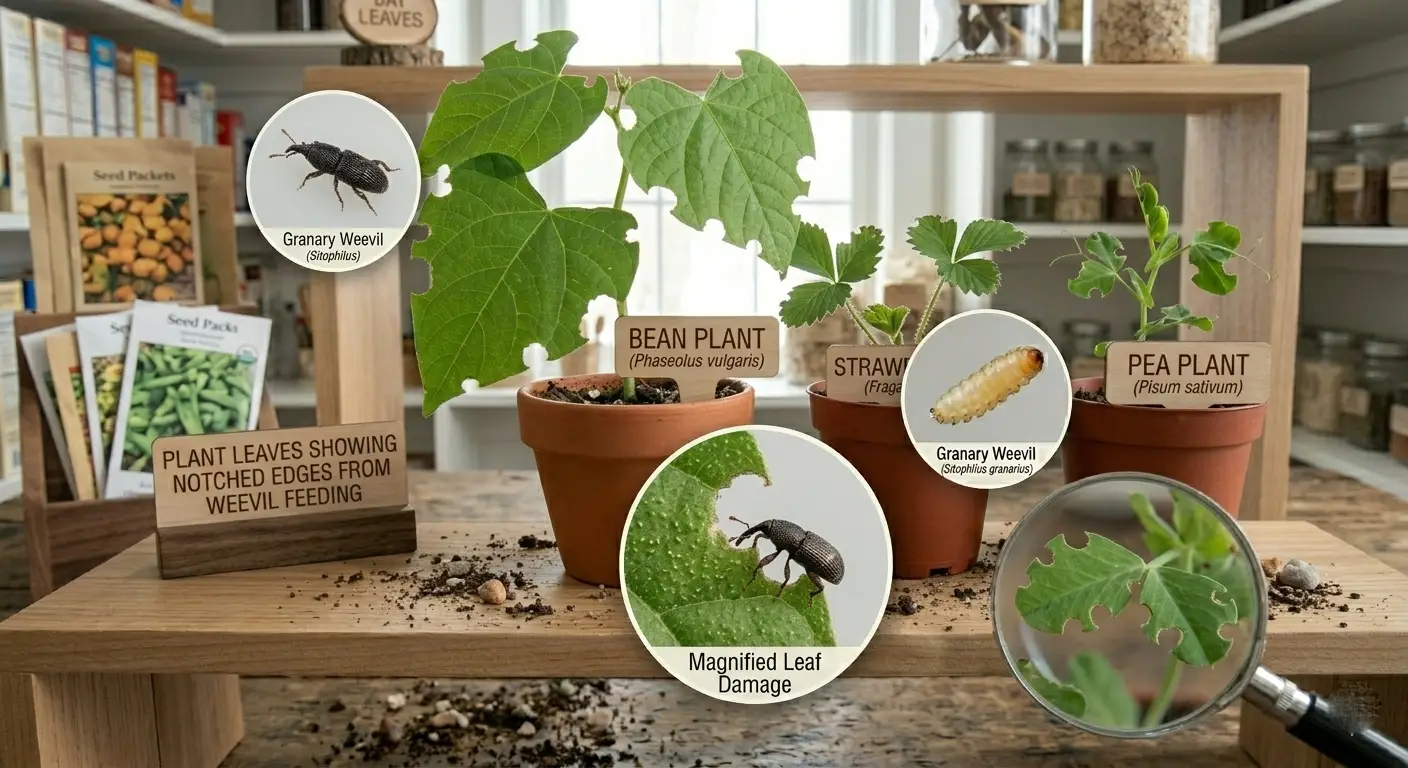
Plant leaves showing notched edges from weevil feeding

Notched Leaf Edges on Plants

Distinctive scalloped or notched patterns along plant leaf margins indicate adult garden weevils feeding during nighttime hours. This characteristic damage pattern is most visible on rhododendrons, azaleas, roses, and other susceptible plants.

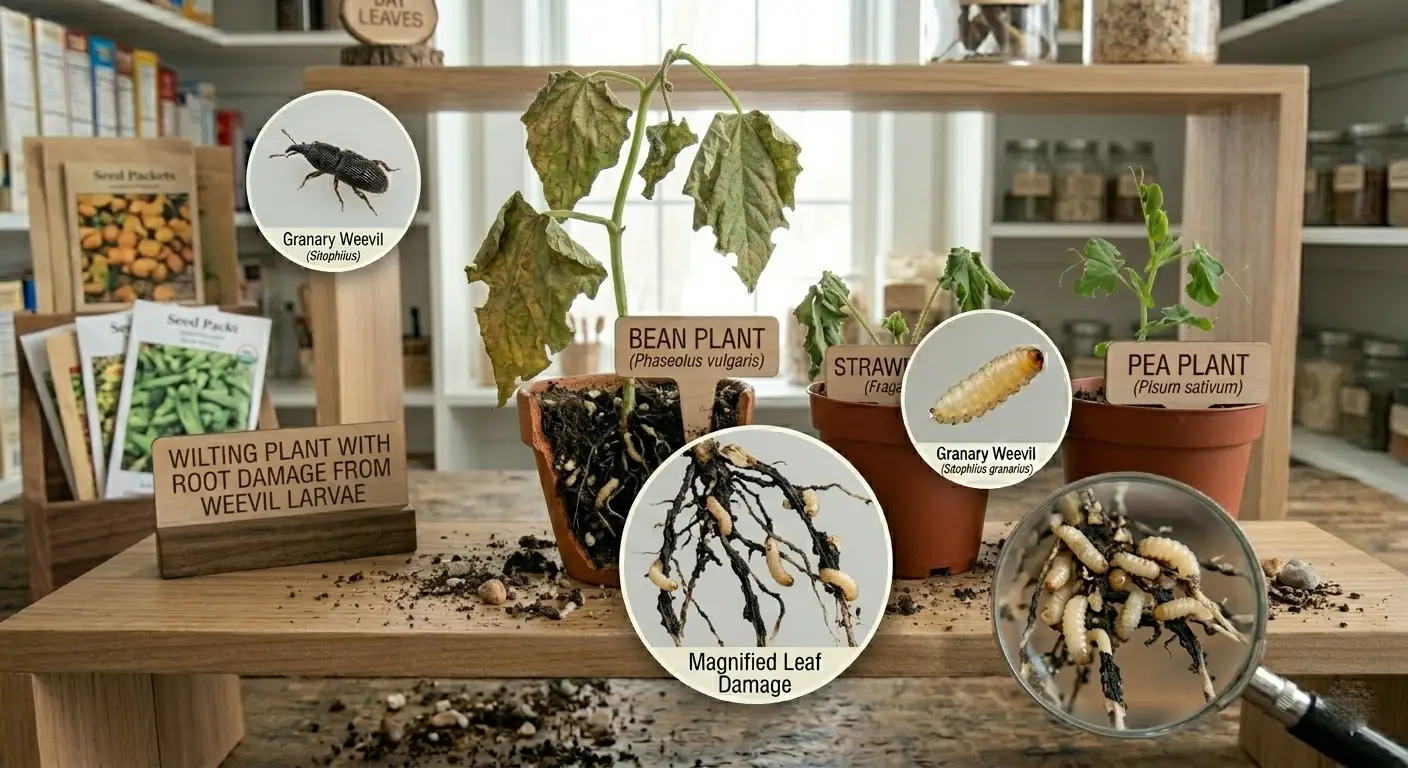
Wilting plant with root damage from weevil larvae

Wilting or Yellowing Plants

Unexplained plant decline despite adequate watering often indicates root weevil larvae feeding on root systems below ground. Plants may wilt, yellow, or die back as larvae destroy their root structure.

Contaminated food showing signs of weevil infestation

Clumping or Musty Odor in Foods

Unusual clumping in dry goods, moisture in sealed packages, or an unpleasant musty odor in heavily infested products signals significant weevil contamination. These products should be discarded immediately.

Learn More About Weevil Detection →

DIY vs Professional Treatment

While retailers offer various weevil control products, DIY approaches rarely provide lasting protection from these persistent pests. Consumer products may temporarily reduce visible adults but fail to address eggs and larvae hidden within food products or developing underground in soil. Additionally, without proper identification of the specific weevil species, homeowners often apply ineffective treatments or miss critical harborage areas where pests continue to develop.

Our technicians possess specialized knowledge to accurately identify the weevil species infesting your property—whether rice weevils, granary weevils, black vine weevils, or others—ensuring treatments target the specific biology and behavior patterns of your particular pest. We utilize professional-grade products that provide more effective elimination with longer residual protection. Our integrated approach addresses both active infestations and the underlying conditions attracting weevils, creating sustainable results that prevent costly recurrences.

❌ DIY Treatment

  • Cannot identify specific weevil species
  • Misses eggs and larvae in food/soil
  • Consumer products lack effectiveness
  • Doesn't address root cause conditions
  • Often misses critical harborage areas
  • Reinfestation common without prevention

✓ Professional Treatment

  • Accurate species identification
  • Targets all life stages
  • Professional-grade formulations
  • Addresses underlying conditions
  • Complete harborage treatment
  • Long-term prevention strategies

Commercial Weevil Control

EcoGuard Pest Management implements customized weevil control programs for commercial facilities that prioritize operational continuity while ensuring effective pest elimination. Our comprehensive commercial weevil protection programs combine discrete treatment applications with flexible scheduling to maintain your business operations while ensuring complete elimination of weevil problems.

We specialize in weevil control solutions for:

  • Restaurants and food service establishments
  • Healthcare facilities
  • Hotels and hospitality venues
  • Educational institutions
  • Office complexes
  • Food processing facilities
  • Warehouses and storage facilities
  • Retail spaces
  • Manufacturing facilities
  • Multi-unit residential properties
Learn About Commercial Pest Control
100% SATISFACTION GUARANTEE

The EcoGuard Guarantee

EcoGuard offers a 100% satisfaction guarantee for all of our customers, and we stand by our promise to eradicate your weevil problem until the very last weevil is gone. That weevil control guarantee comes with every service and if the weevils come back, then so do we, at no additional cost. We are standing by to give you a free estimate and to help you set your first weevil pest control service appointment.

📞 Call (866) 326-2847 Today

Our Weevil Control Process

A comprehensive approach to eliminating weevils and protecting your home and garden

1

Thorough Inspection

Our technicians conduct comprehensive property examinations to identify weevil species present, locate all infested materials, and determine potential entry points or harborage areas. For pantry weevils, we carefully examine all stored food products; for garden weevils, we focus on plant damage patterns and soil conditions where larvae develop.

2

Customized Treatment

Based on inspection findings, we implement customized applications using the appropriate combination of products and techniques for your specific weevil species and infestation location. Treatments may include targeted insecticide applications, removal of infested materials, soil treatments for garden weevils, or structural modifications.

3

Exclusion & Prevention

We identify and address conditions that allow weevils to enter or thrive. For pantry weevils, this includes guidance on proper food storage using insect-resistant containers. For garden weevils, we recommend plant protection strategies, landscape modifications, and perimeter barriers to reduce harborage and prevent entry.

4

Ongoing Monitoring

Regular follow-up inspections track treatment effectiveness and identify any signs of renewed activity before it develops into full infestation. Our monitoring program includes assessment of previously treated areas, evaluation of preventive measures, and adjustments based on seasonal weevil activity patterns.

Seasonal Plan for Weevil Control

Year-round protection adapted to seasonal weevil behavior patterns

Spring Weevil Control

Spring

Critical monitoring period as warming temperatures increase garden weevil activity and adults emerge from overwintering sites; focus on early intervention before breeding cycles begin; apply preventive treatments to landscape areas where root weevils lay eggs; implement pantry protection measures

Summer Weevil Control

Summer

Intensive treatment phase targeting active adult weevils in gardens; monitor for pantry infestations that increase with higher humidity; address both indoor and outdoor activity with attention to preventing cross-infestation between exterior and interior environments

Fall Weevil Control

Fall

Prevention focus as outdoor weevil species seek winter shelter and may migrate indoors; strengthen exterior barriers; treat perimeter areas to intercept migrating adults; implement food protection strategies before holiday baking seasons introduce new grain products

Winter Weevil Control

Winter

Maintenance period for indoor environments where pantry weevils remain active year-round despite reduced outdoor activity; conduct detailed pantry inspections; apply targeted treatments for active indoor infestations; plan spring prevention measures based on activity patterns

What Our Customers Say

Trusted by homeowners for professional weevil elimination and prevention

★★★★★

"We kept finding weevils in our rice and flour—no matter how many times we threw things away, they kept coming back. EcoGuard found the source, treated our entire pantry, and showed us how to store food properly. No weevils in six months!"

Maria & Carlos R.
San Jose, CA
★★★★★

"Black vine weevils were destroying my rhododendrons—the leaves were all notched and plants were dying. The technician explained the larvae were eating the roots underground. Their soil treatment saved my remaining plants. Highly recommend!"

Patricia L.
Portland, OR
★★★★★

"Every fall, weevils would invade our home looking for shelter. EcoGuard sealed the entry points and treated the perimeter. This is the first fall in years we haven't had weevils crawling everywhere. Worth every penny!"

David & Jennifer M.
Sacramento, CA

Weevil Control FAQs

Everything you need to know about weevil control and treatment

Several weevil types infest homes, with the most common being grain weevils (rice weevils, granary weevils, and maize weevils) that target stored food products. These pantry pests are small (1/8 to 1/4 inch), dark-colored beetles with distinctive elongated snouts. Garden varieties like black vine weevils may also enter homes during fall seeking winter shelter, though they don't breed indoors.

Signs of grain weevil infestation include small holes in food packaging or individual grain kernels, fine powder-like dust around stored products, small dark beetles with elongated snouts in or near food items, clumping or unusual moisture in dry goods, and an unpleasant musty odor in heavily infested products. Adults may also be found crawling on countertops or windowsills.

While weevils themselves don't transmit diseases and don't bite or sting, they contaminate food with waste products, shed skins, and body parts. This contamination affects food quality and taste, and some individuals may experience allergic reactions. Professional elimination is recommended primarily for food safety and quality concerns.

Female weevils can chew through paper, cardboard, thin plastic packaging, and some sealed containers using their strong mandibles. Additionally, infestation often occurs at processing facilities before packaging, with microscopic eggs already present in products when purchased. Eggs are so small that detection before hatching is extremely difficult.

Pantry weevils (rice, granary weevils) are smaller (1/8 to 1/4 inch), target stored food products, complete their lifecycle indoors, and remain active year-round. Garden weevils (black vine, rose weevils) are larger (1/4 to 1/2 inch), feed on plant material, breed outdoors with larvae developing in soil, and follow seasonal activity patterns.

A single female weevil can lay 300-400 eggs in her lifetime. In optimal conditions, grain weevils complete their lifecycle in just 4-6 weeks, allowing multiple generations annually. One infested food package can lead to widespread pantry contamination within 1-2 months as emerging adults disperse to find new egg-laying sites.

Yes, freezing effectively eliminates all weevil life stages. Maintaining temperatures of 0°F (-18°C) or below for a minimum of four days kills adults, larvae, and eggs. However, freezing is remediation for already-infested products—professional treatment is still necessary to address the source and prevent recurrence.

In fall, species like black vine weevils migrate indoors to escape cooling temperatures and find overwintering sites. Entry typically occurs through foundation cracks, gaps around doors and windows, or unscreened vents. While these outdoor species don't breed inside homes, their presence indicates entry points requiring professional exclusion.

Pantry weevil treatments focus on eliminating infested food sources, applying targeted insecticides to cracks and crevices where adults hide, and implementing proper food storage recommendations. Garden weevil treatments require residual barrier applications and soil treatments with beneficial nematodes to target larvae. Our technicians customize approaches based on species identification.

Preparation varies by infestation type. For pantry weevils, we ask homeowners to remove heavily infested products and temporarily relocate uninfested food items. For garden weevil treatment, preparation may include clearing items from perimeter areas. Our technicians provide detailed instructions tailored to your specific situation.

Initial treatments generally take 1-2 hours depending on property size and infestation severity. Complete elimination typically requires follow-up assessments and possibly additional treatments over 2-4 weeks to address all life stages, particularly for established infestations where eggs and larvae continue developing.

Our treatments utilize EPA-registered products specifically formulated for residential settings when properly applied. We employ targeted application methods that minimize exposure risk while providing detailed guidance on any temporary access restrictions. For pantry treatments, we prioritize low-toxicity approaches.

No, weevils do not damage structural wood in homes. Unlike termites or carpenter ants, weevils cannot consume or nest in structural wood. Pantry weevils specifically target food products, while garden weevils entering homes are merely seeking shelter, not establishing breeding colonies.

For pantry weevils: store susceptible foods in airtight glass, metal, or heavy plastic containers; implement regular pantry cleaning and rotation; freeze newly purchased grain products for 4-7 days before storage; maintain low humidity in storage areas. For garden weevils: maintain exterior barriers, manage landscape features, and implement proper plant care.

Weather significantly influences weevil behavior. Warm, humid conditions (70-85°F, humidity above 40%) accelerate reproduction. Drought may drive outdoor weevils to seek moisture indoors. Seasonal temperature changes trigger fall migration when cooling temperatures prompt garden weevils to seek winter shelter indoors.

Weevils are distinguished by their elongated snouts (rostrum) and elbowed antennae. They typically measure 1/8 to 1/4 inch with dark brown to black coloration. Flour beetles, meal moths, and other common pantry pests lack the distinctive snout. Accurate identification is crucial since control strategies vary significantly between species.

Our comprehensive prevention approach includes addressing all entry points through exclusion services, implementing environmental modifications to reduce attractiveness, providing guidance on proper food storage, establishing monitored barrier zones, seasonal preventive treatments timed to weevil activity cycles, and regular inspections to detect new activity early.

Grain weevils thrive worldwide wherever food is stored, with reproduction accelerating in warmer, humid environments. Garden weevil distribution varies by species—black vine weevils are more common in northern and coastal areas, rose weevils prevalent in southern regions. Our local technicians understand regional patterns specific to your area.

Natural repellents like bay leaves, cloves, and certain essential oils may have limited deterrent effects but typically provide insufficient protection against established infestations. These approaches may supplement professional treatment as part of integrated management but rarely provide reliable control when used alone.

Our technicians employ visual inspection using magnification equipment to observe distinguishing physical characteristics, analysis of infestation patterns and damaged materials, evaluation of location-specific evidence, and specimen collection for confirmation. Precise identification ensures treatments target the specific biology and behavior of your particular pest.

Related Articles & Resources

Learn more about weevil prevention, identification, and control
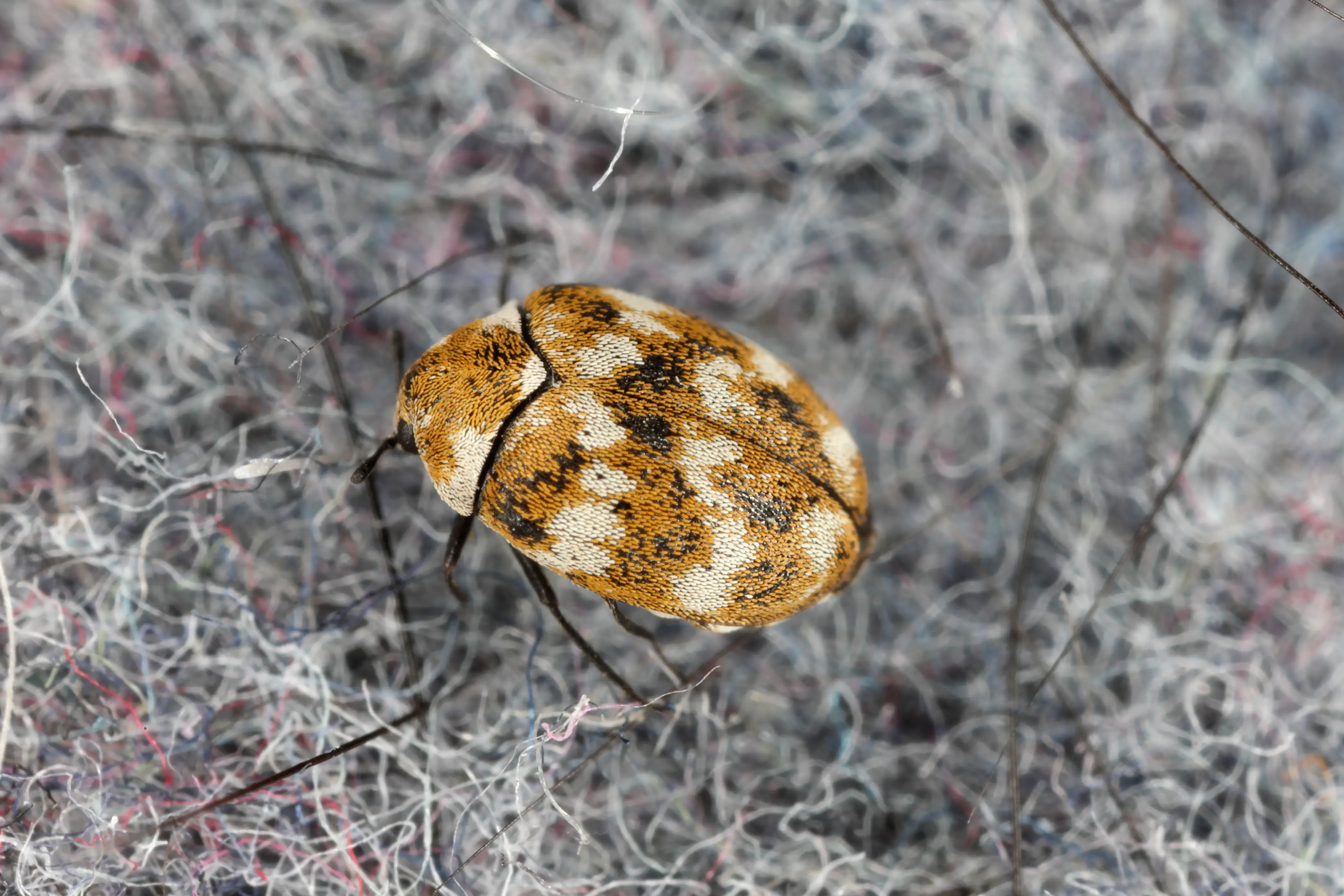
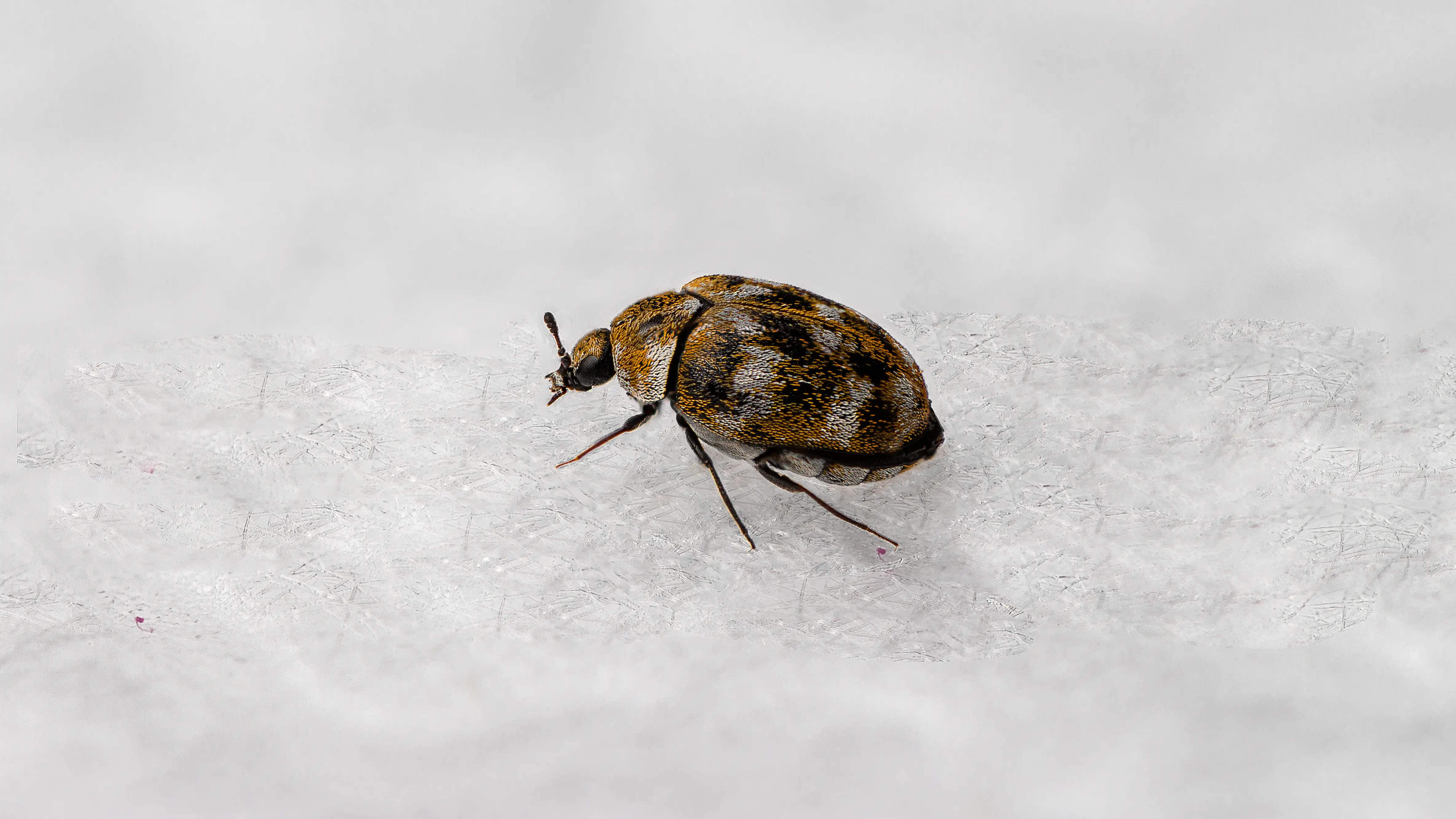
6 Common Signs of Carpet Beetles in Your Home

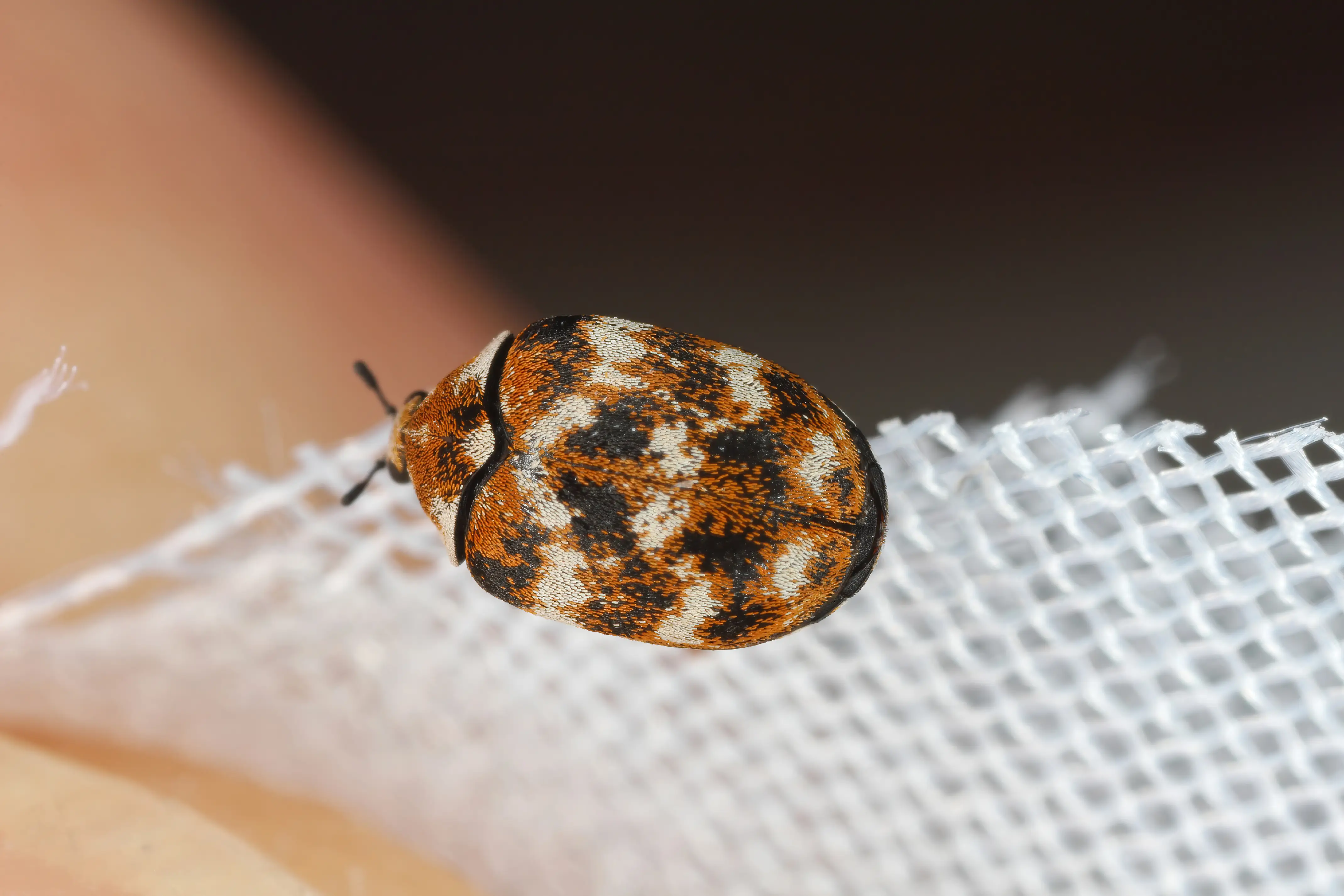
6 Common Signs of Carpet Beetles in Your Home

Learn the signs of carpet beetle infestation including damage to fabrics, shed skins, fecal pellets, and skin irritation. Find out where to look and how to prevent them.

Read Article →
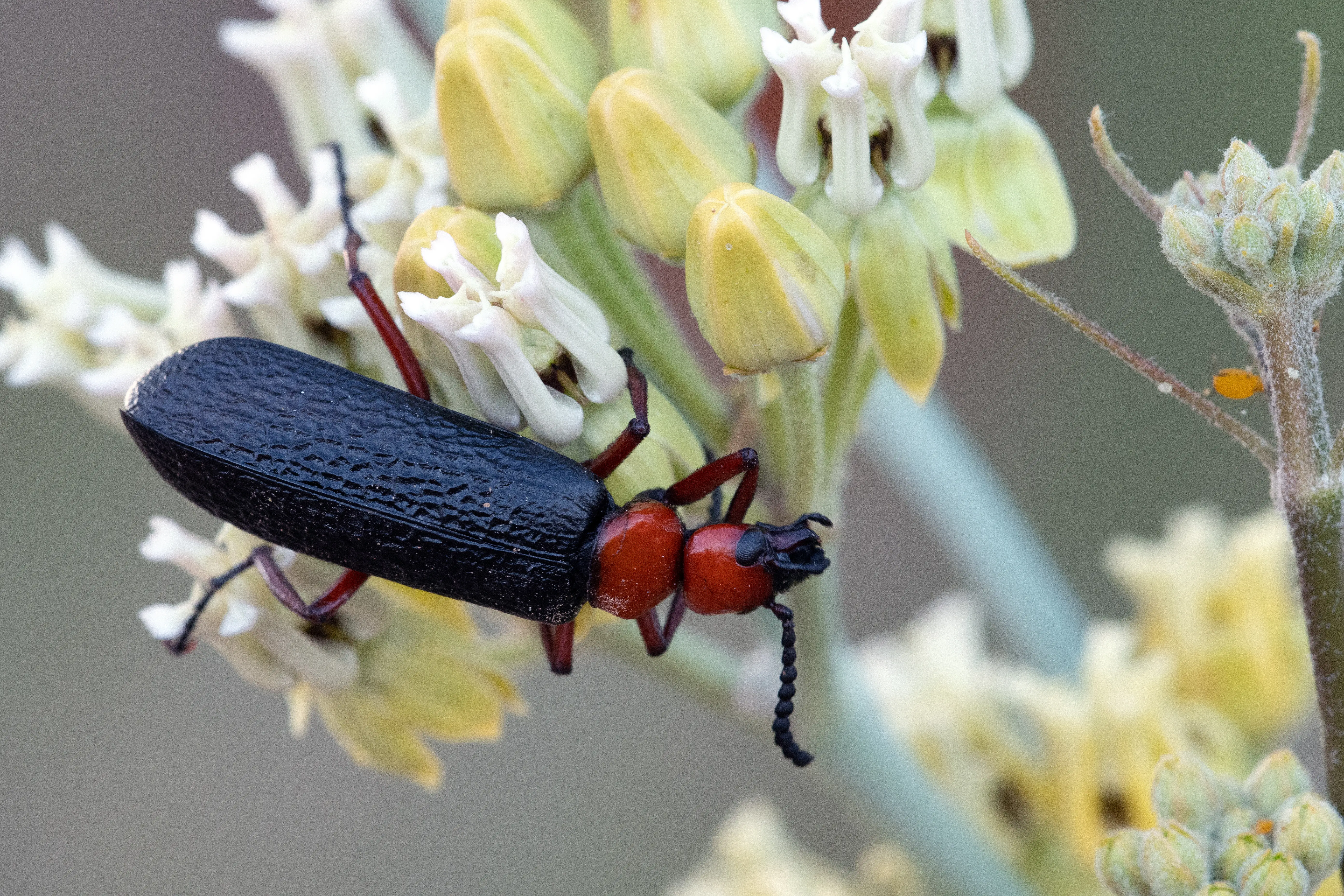
Are Beetles Dangerous to Humans? Risks & Safety Guide

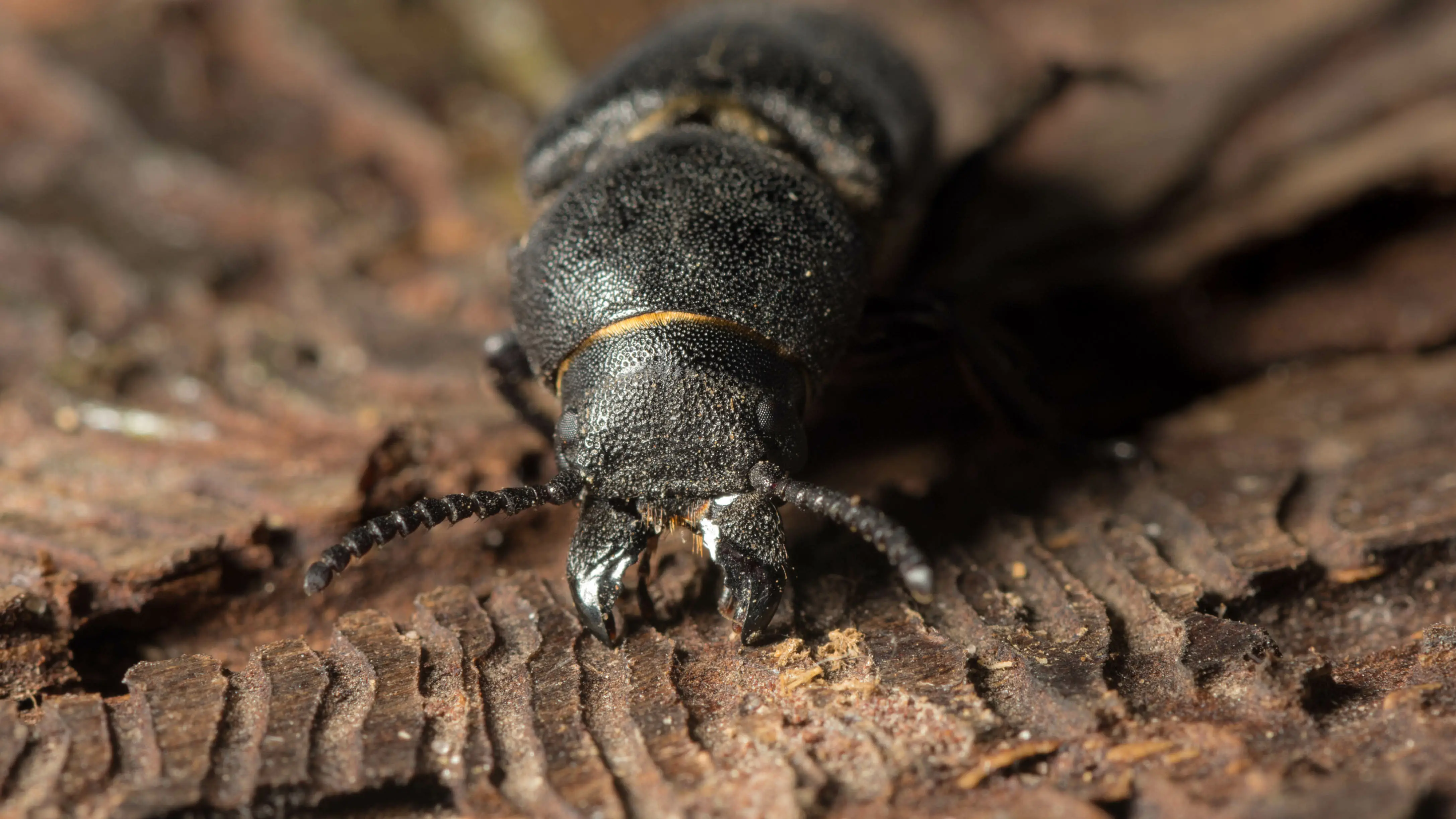
Are Beetles Dangerous to Humans? Risks & Safety Guide

Learn which beetles can harm humans through bites, pinches, or chemical defenses. Discover blister beetles, stag beetles, and how to protect yourself.

Read Article →
Beetle Life Cycle and Lifespan: Complete Metamorphosis Guide

Beetle Life Cycle and Lifespan: Complete Metamorphosis Guide

Learn about beetle life cycle stages including eggs, larvae, pupae, and adult. Understand beetle lifespan, mating rituals, and complete metamorphosis.

Read Article →
Common Types of Beetles Found in North American Homes

Common Types of Beetles Found in North American Homes

Complete guide to beetle types including ladybugs, weevils, scarabs, carpet beetles, Japanese beetles, and more. Identification, diet, and characteristics.

Read Article →
How to Get Rid of Beetles: Complete Removal Guide

How to Get Rid of Beetles: Complete Removal Guide

Learn how to get rid of beetles including carpet beetles, pantry beetles, and Japanese beetles. Natural and professional beetle control methods.

Read Article →
How to Get Rid of Carpet Beetles: Complete Removal Guide

How to Get Rid of Carpet Beetles: Complete Removal Guide

Learn how to get rid of carpet beetles with natural and chemical treatments. Identify, eliminate, and prevent carpet beetle infestations in your home.

Read Article →
How to Get Rid of Japanese Beetles: Complete Control Guide

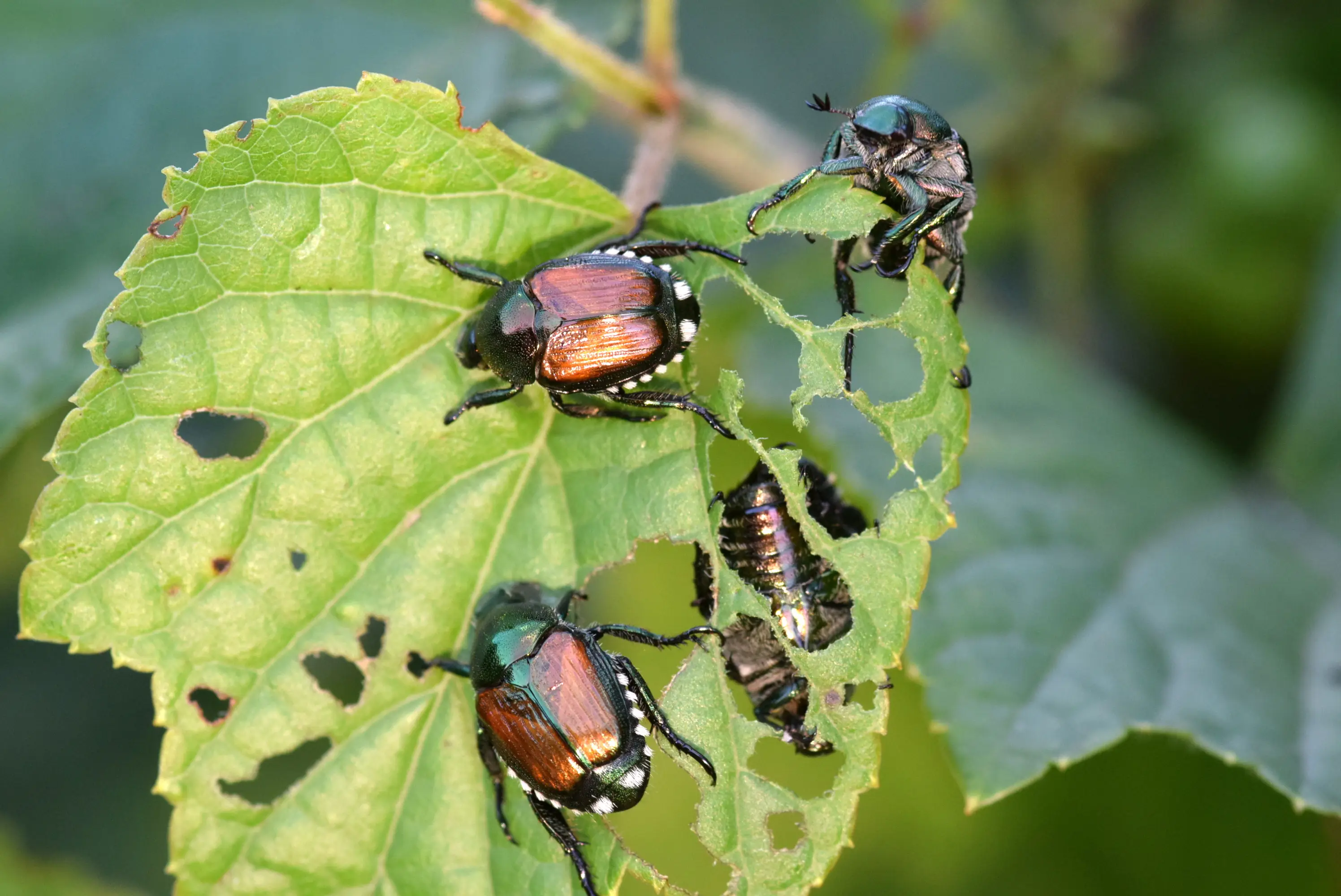
How to Get Rid of Japanese Beetles: Complete Control Guide

Learn how to eliminate Japanese beetles from your garden. Control adults and larvae with natural methods, pesticides, and prevention strategies.

Read Article →
What Are Carpet Beetles? Identification, Life Cycle & Control

What Are Carpet Beetles? Identification, Life Cycle & Control

Learn what carpet beetles are, how to identify them, their life cycle, diet, and how to prevent and control infestations in your home.

Read Article →
What Are Japanese Beetles? Identification, Life Cycle & Damage

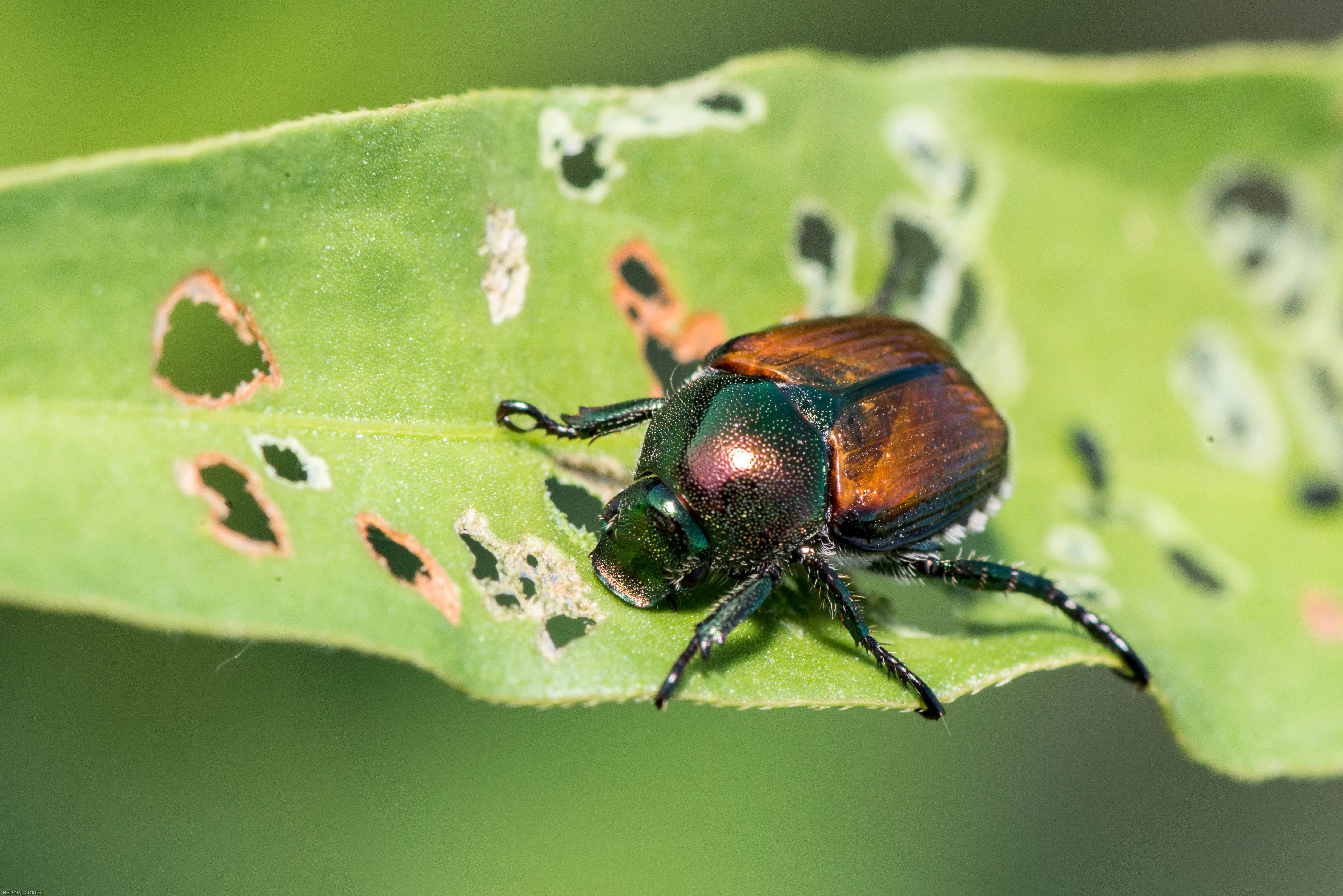
What Are Japanese Beetles? Identification, Life Cycle & Damage

Learn about Japanese beetles: identification of adults, larvae, and pupae, their life cycle, the damage they cause, and effective control methods.

Read Article →
What Causes Carpet Beetles Inside Your Home?

What Causes Carpet Beetles Inside Your Home?

Learn what causes carpet beetles to infest your home, how they get inside, signs of infestation, and effective prevention and elimination strategies.

Read Article →
What Does a Beetle Eat? Diet by Species & Type

What Does a Beetle Eat? Diet by Species & Type

Learn what beetles eat including plants, other insects, decaying matter, wood, and household materials. Understand beetle diets by species and how to prevent infestations.

Read Article →
View All Pest Control Articles →

Ready to Eliminate Your Weevil Problem?

Get a free estimate for your weevil problem today. Our experts will assess your property and provide a customized treatment plan.

Connect With Us

Follow EcoGuard Pest Management for tips, updates, and special offers

f𝕏yin