EcoGuard Pest Management
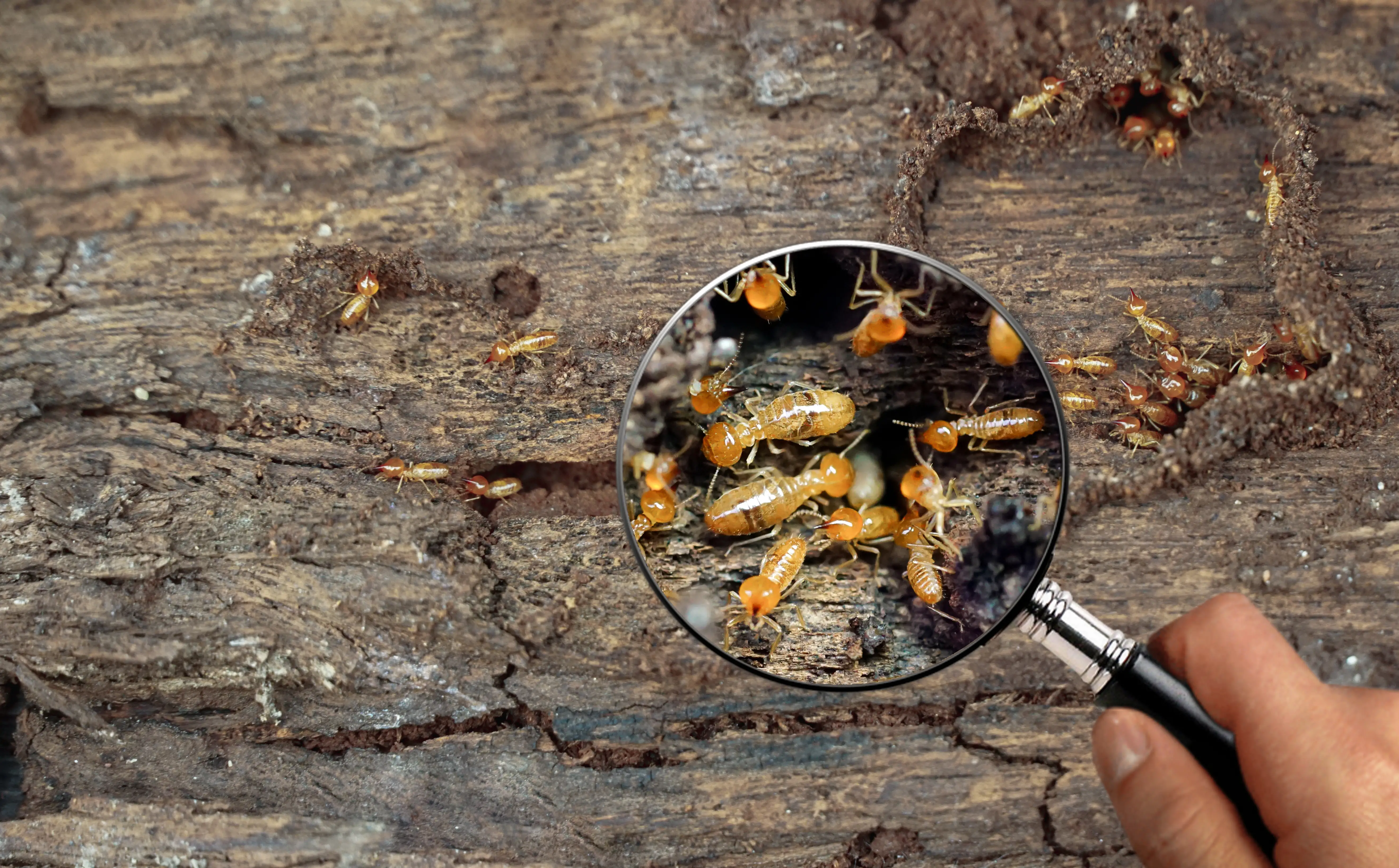
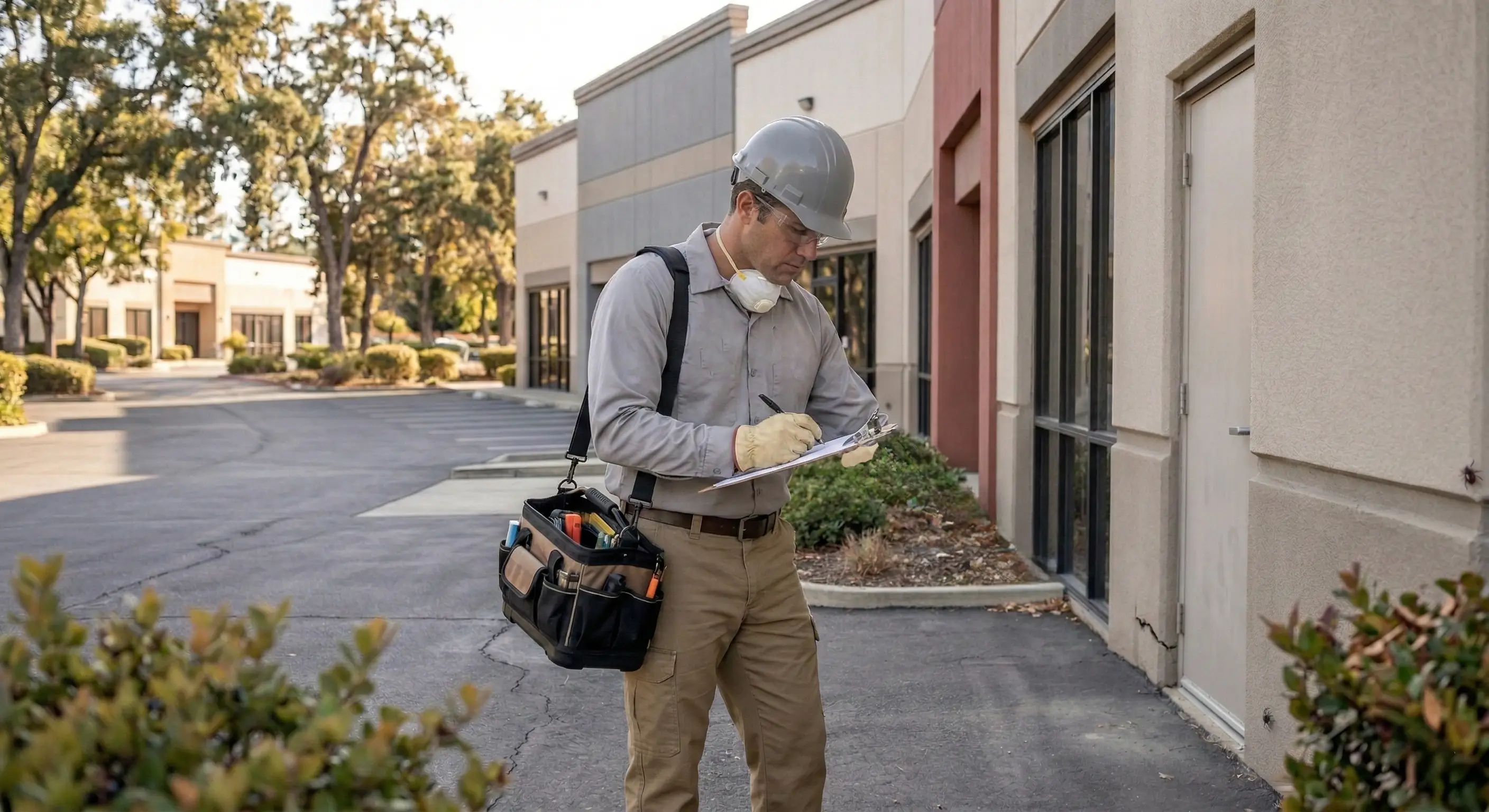
Licensed termite inspector examining wooden structure for termite activity

Professional Termite Inspection Services

EcoGuard Pest Management provides thorough, licensed termite inspections for homes and businesses across California, Oregon, Washington, Texas, Tennessee, and Nevada. Protect your property from costly structural damage.

Don't Let Termites Destroy Your Investment

If there are signs of termites or termite activity somewhere on your property, you should get a licensed EcoGuard termite inspector to examine your home or business immediately. Termites can cause significant structural damage, often hidden behind walls and under floors—making early detection critical to protecting your property.

Our experienced termite inspectors can identify early signs of termite infestations before there is significant damage to your building. Whether you're buying a home, selling property, or just want peace of mind, a professional termite inspection is an essential investment.

⚠️ Why Termite Inspections Are Critical

  • Termites cause over $5 billion in property damage annually in the U.S.
  • Damage is often hidden and not covered by homeowner's insurance
  • A single colony can consume up to 16 grams of wood per day
  • Structural damage can compromise your home's safety and value
  • Early detection can save thousands in repair costs

Inspection

For qualifying properties

  • Licensed, certified inspectors
  • Thorough interior & exterior inspection
  • Subterranean & drywood termite check
  • Detailed written inspection report
  • Treatment recommendations
  • No-obligation quote for treatment
Schedule An Inspection

Get Your Free Termite Inspection Quote

Protect your property with a free termite inspection quote from our licensed experts.

✓ Same-day service available
✓ Licensed & insured
✓ Detailed property assessment
✓ No-obligation estimates

Service Areas

We provide termite inspection control services throughout:

  • California
  • Oregon
  • Washington
  • Texas
  • Tennessee
  • Nevada
View All Counties →

Schedule Your Termite Inspection Today

Our licensed inspectors will thoroughly examine your property and provide a detailed report with treatment recommendations if termites are found.

📞 Call 866-942-0764Schedule Online

Our Termite Inspection Process

Our thorough inspection process ensures no area is overlooked. Here's what to expect when you schedule a termite inspection with EcoGuard.

1

Schedule

Call or book online. A licensed technician will arrive on the agreed upon date ready to inspect.

2

Inspect

We thoroughly check interior and exterior for subterranean and drywood termites (45 min - 2 hours).

3

Report

Receive a detailed report of findings, areas of concern, and recommended treatment options.

4

Quote

If termites are found, we provide a no-obligation quote customized to your needs and budget.

Inspection Duration: A typical inspection takes 45 minutes to 2 hours, depending on property size and accessibility. Our inspectors will need access to your home, garage, attic, basement, crawlspaces, and any outlying structures.

What Termite Inspectors Look For

Our inspectors are trained to identify these key indicators of termite activity. Recognizing these signs early is crucial to preventing extensive damage.
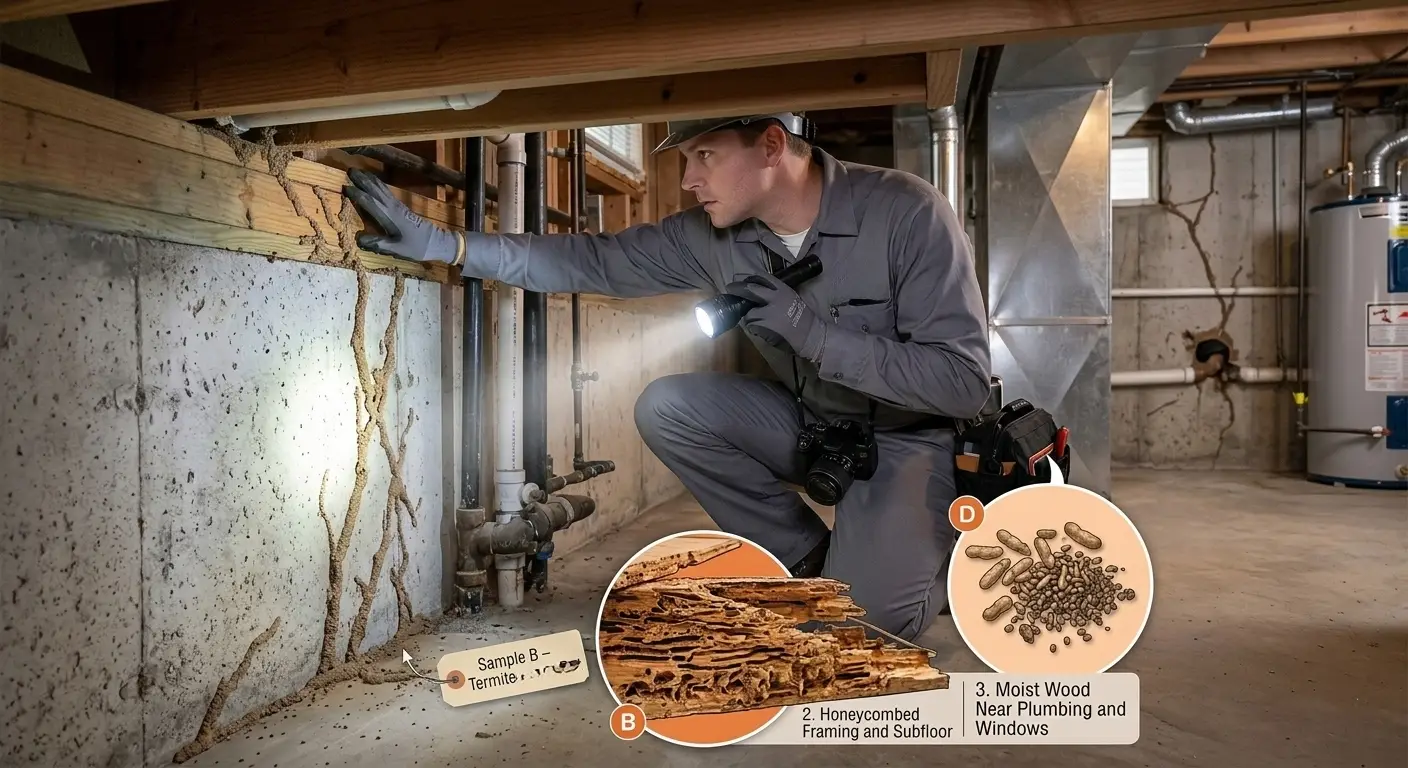
Termite mud tubes on foundation wall

Mud Tubes

Pencil-thin tubes emerging from the ground, connecting subterranean termites to wooden structures. Made of broken-down cellulose and mud.

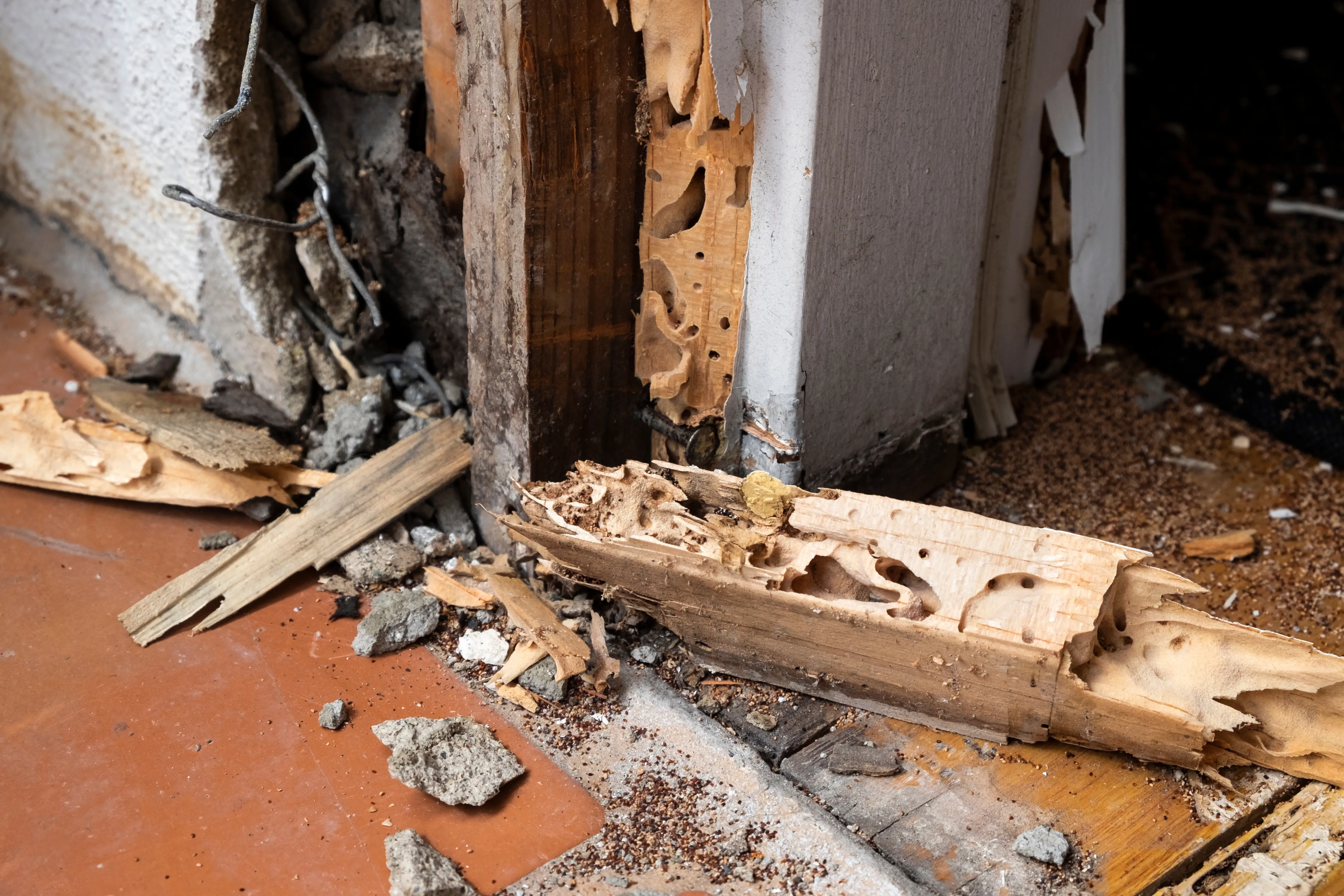
Wood damaged by termite activity

Wood Damage

Wood with visible damage, crumbling, or hollow sounds when tapped. Severe damage often exists beneath surfaces that look intact.

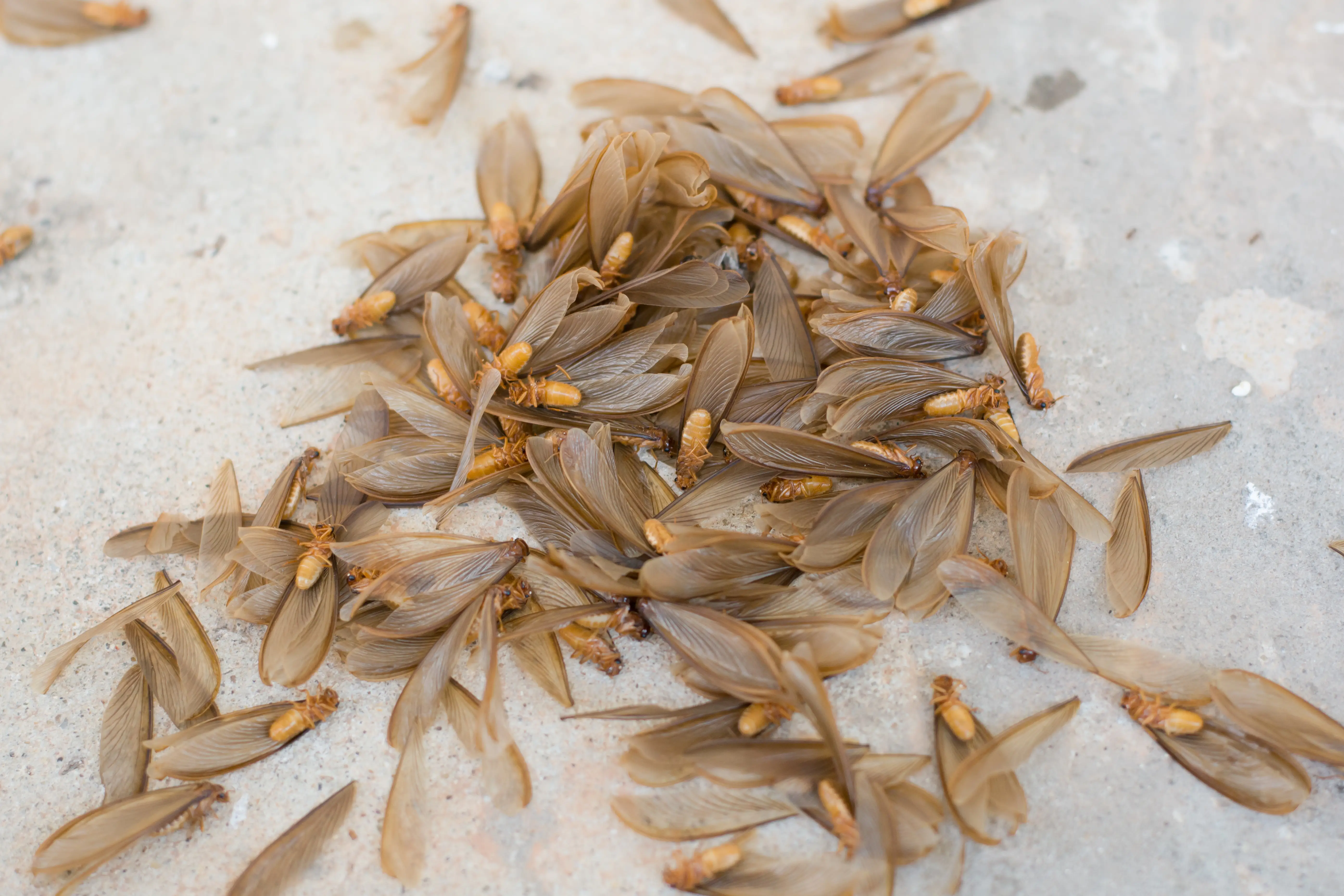
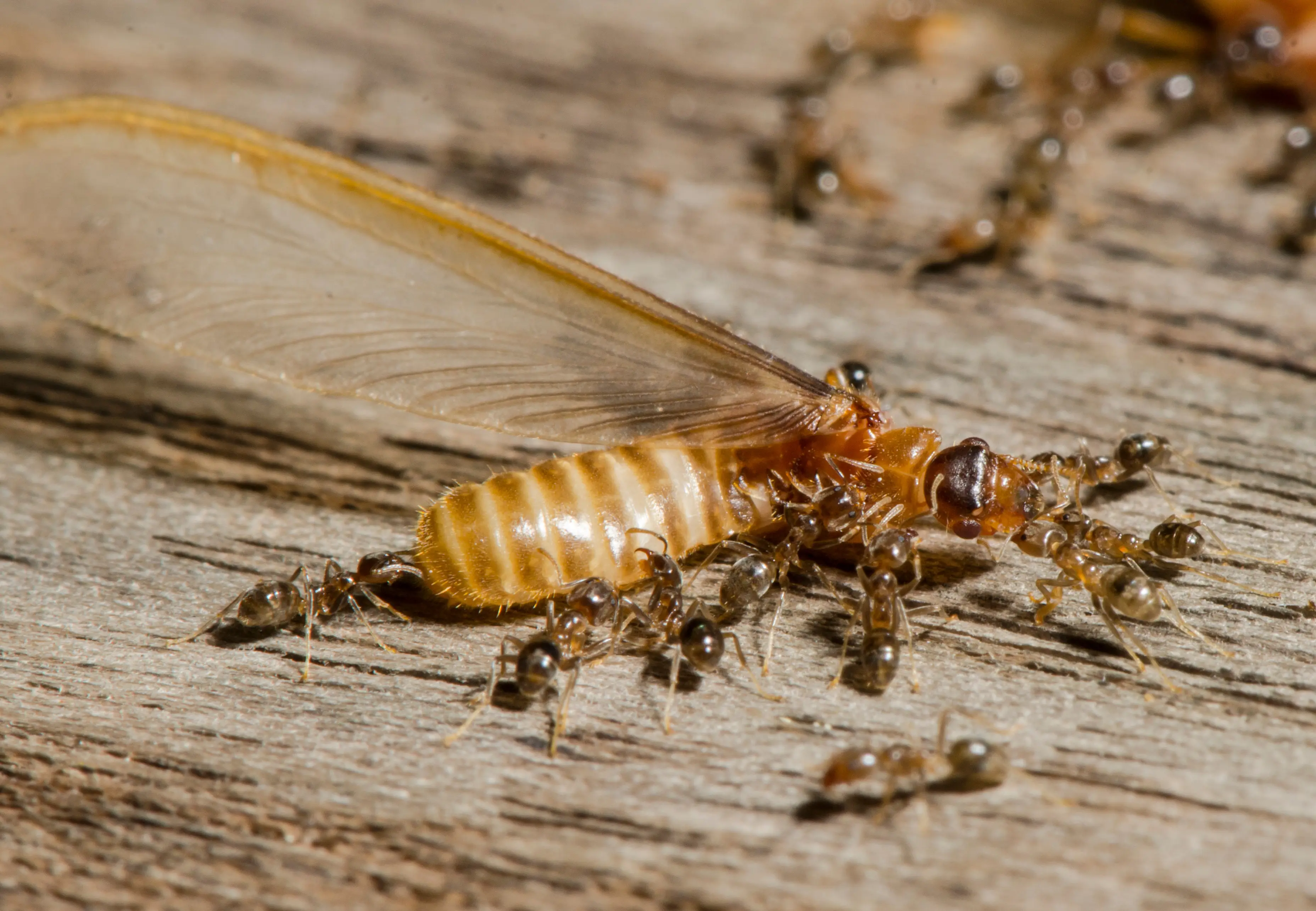
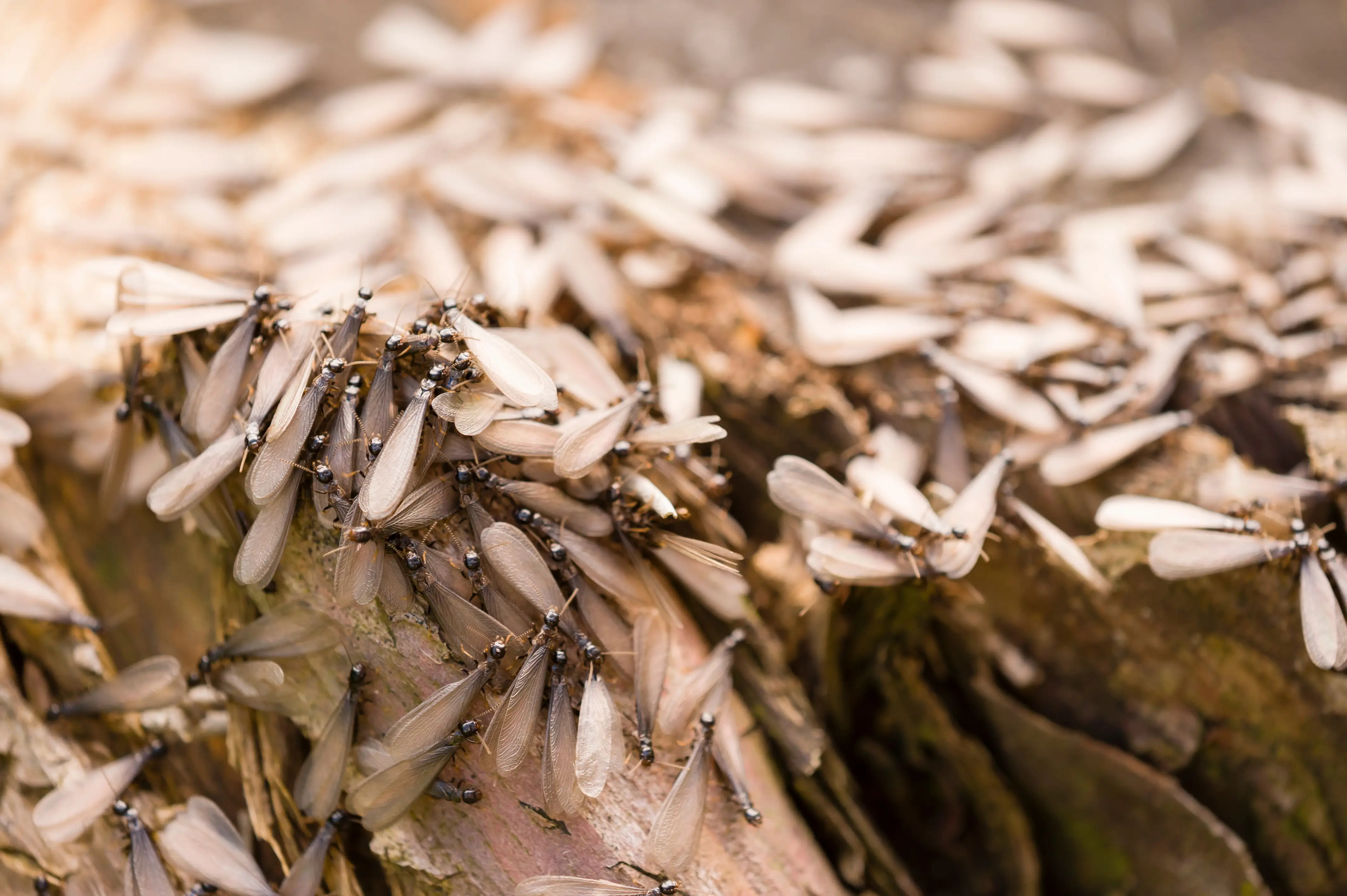
Discarded termite wings near window

Evidence of Swarms

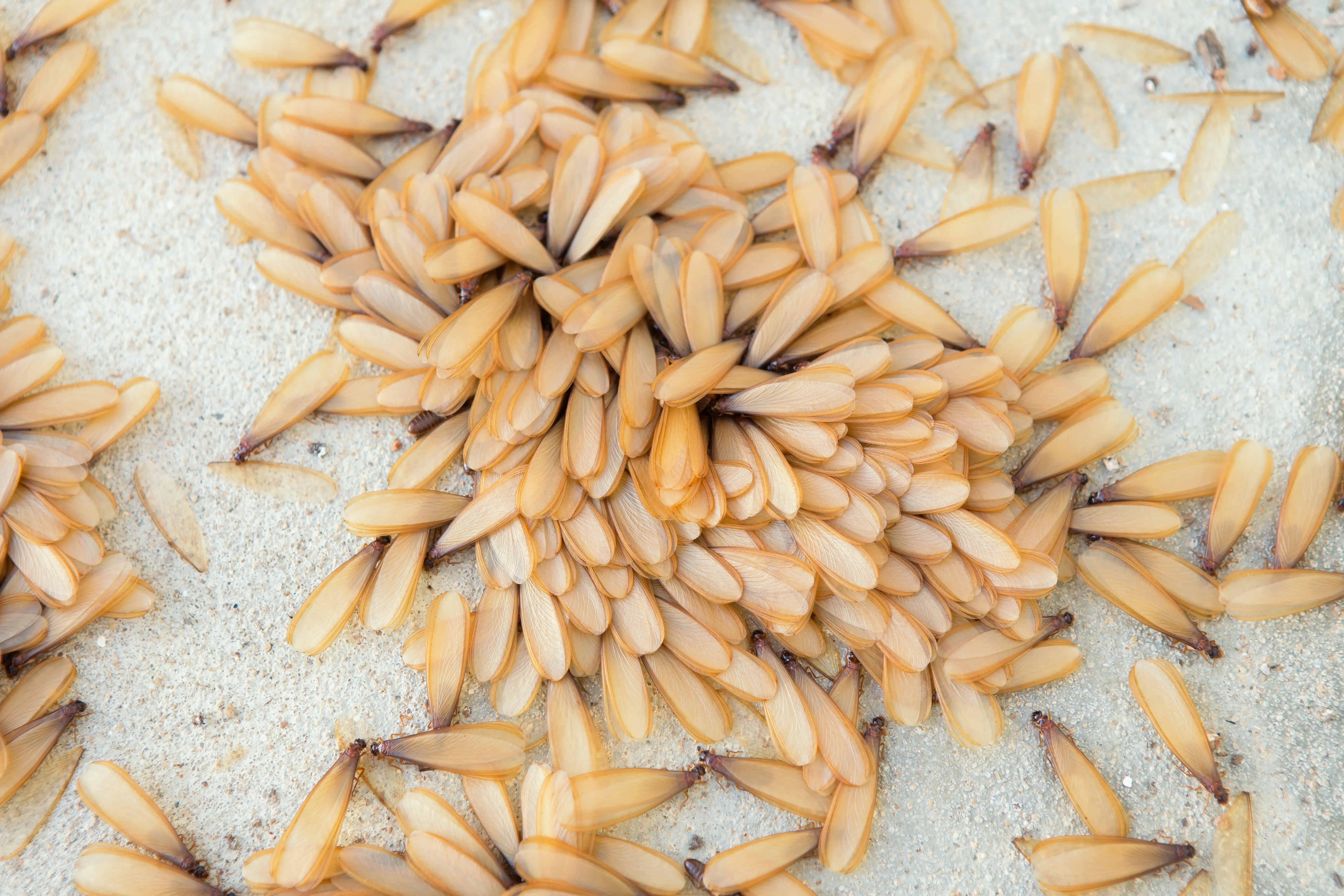
Discarded wings near windows, doors, or other entry points indicate termite swarms looking for new colony locations.

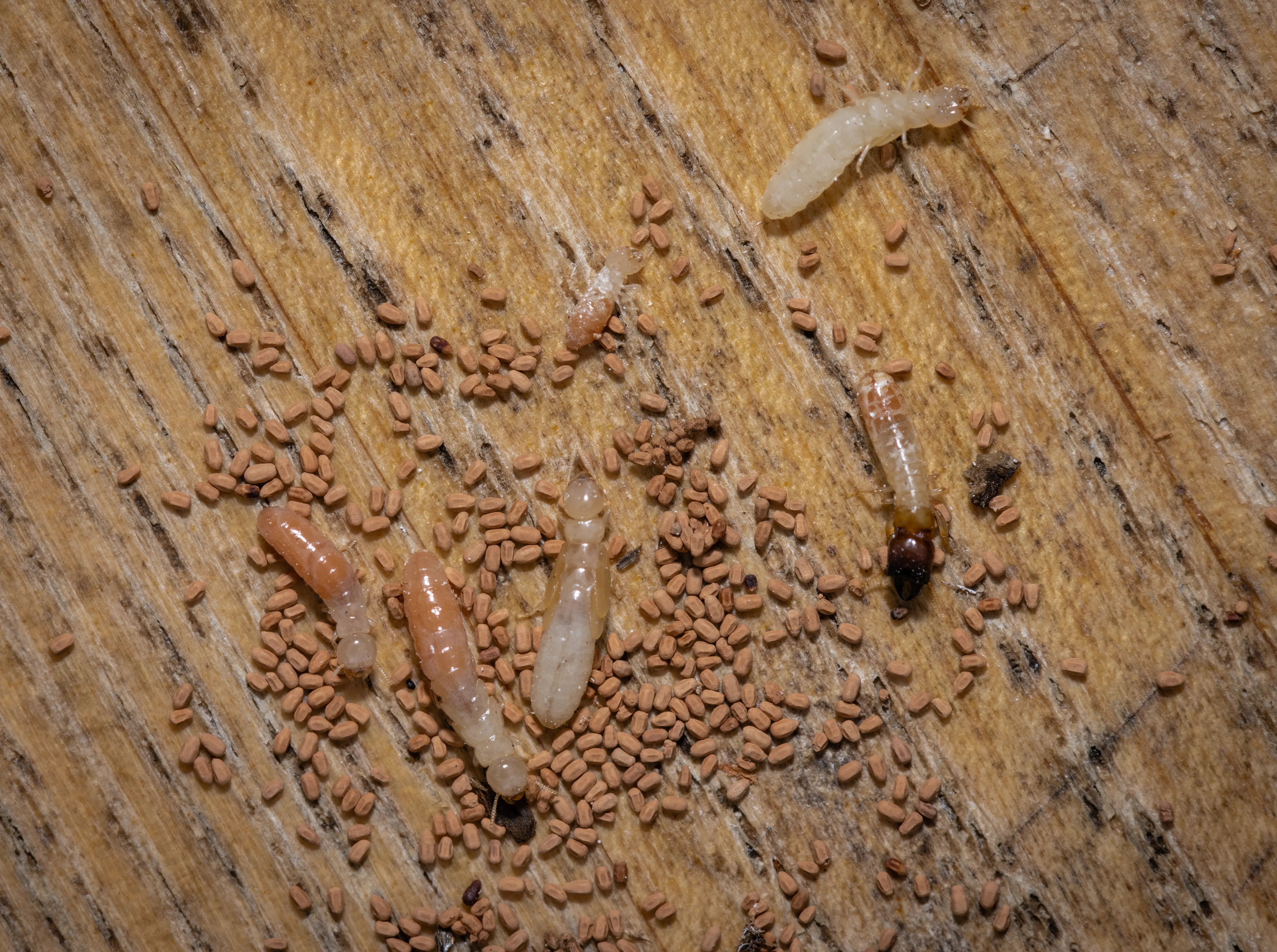
Termite frass droppings near baseboard

Frass (Droppings)

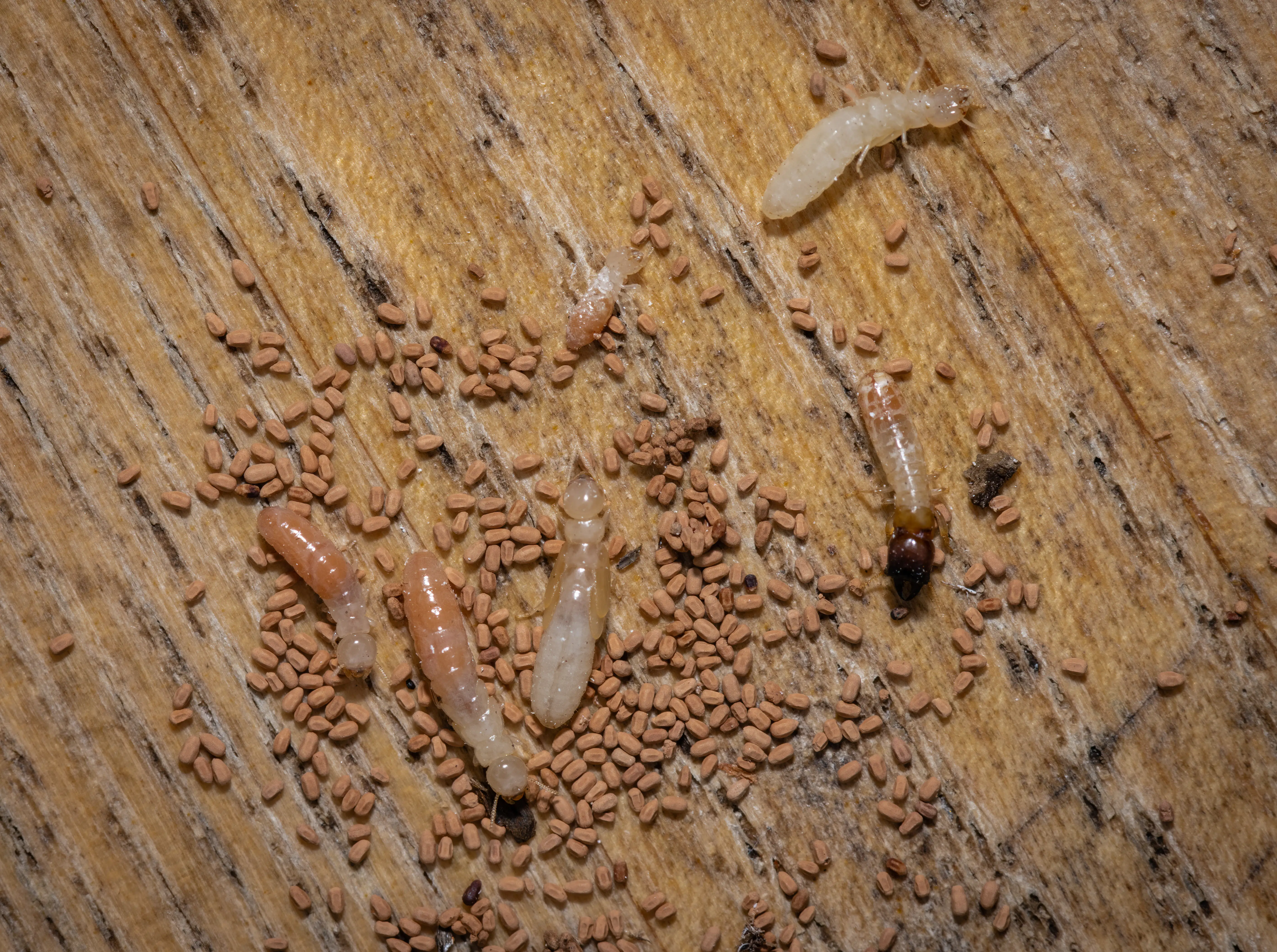
Small pellets of cellulose (termite excrement) often found near colony access points, baseboards, windowsills, and door frames.

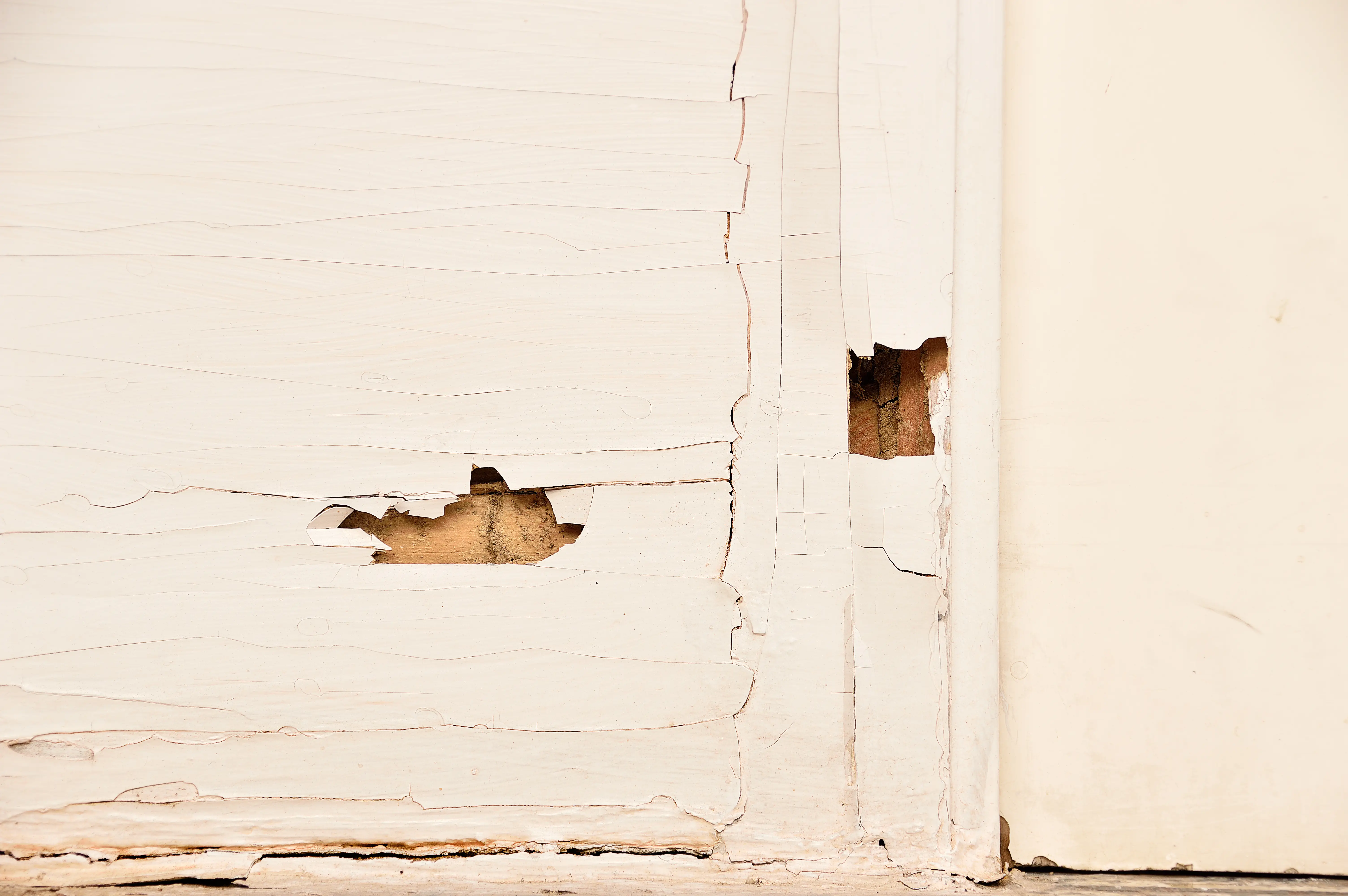
Buckling paint on wall indicating termite damage

Buckling Paint

Termite damage can cause air pockets or collapse in paint and wallpaper. Any signs of paint separating from walls could indicate activity.

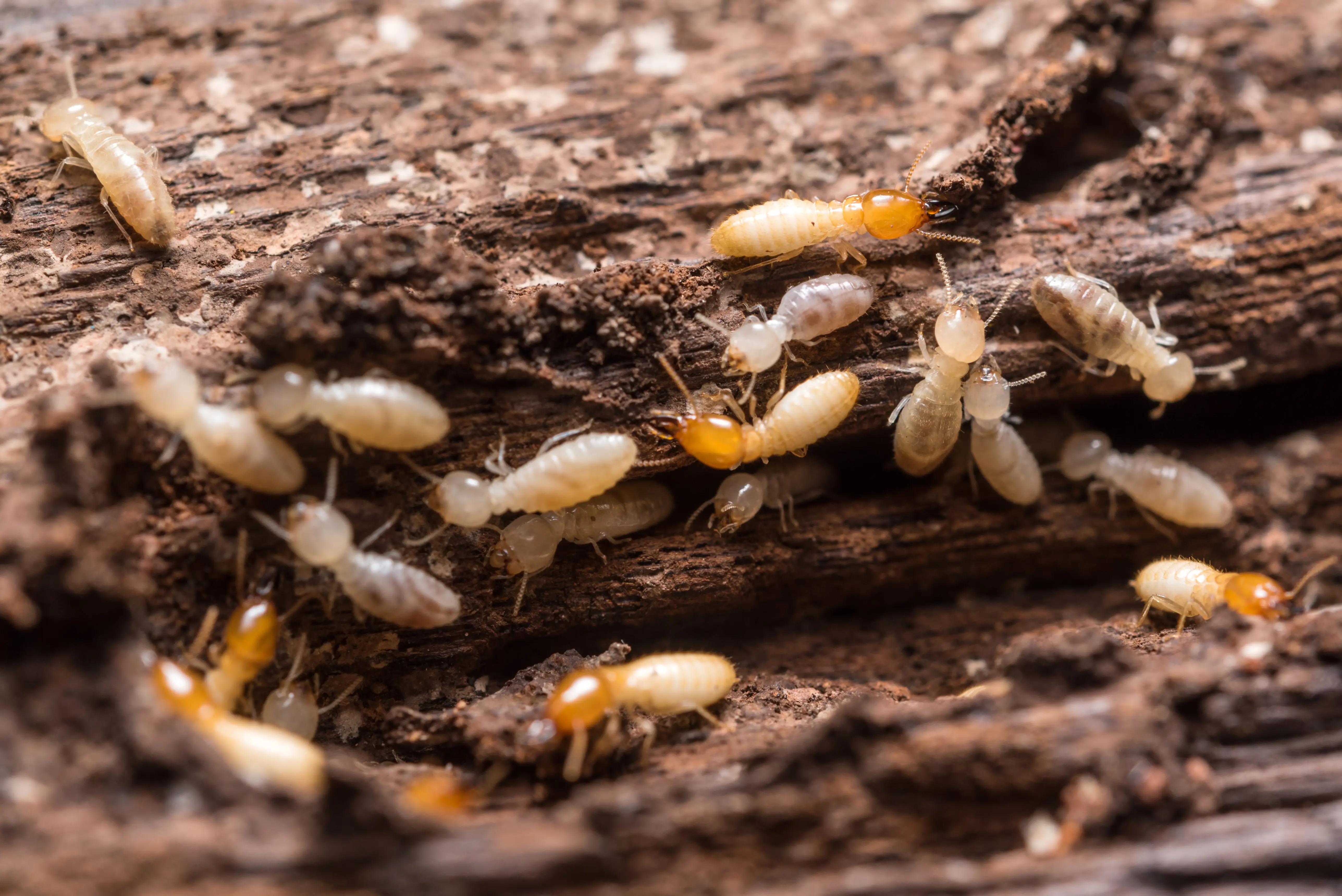
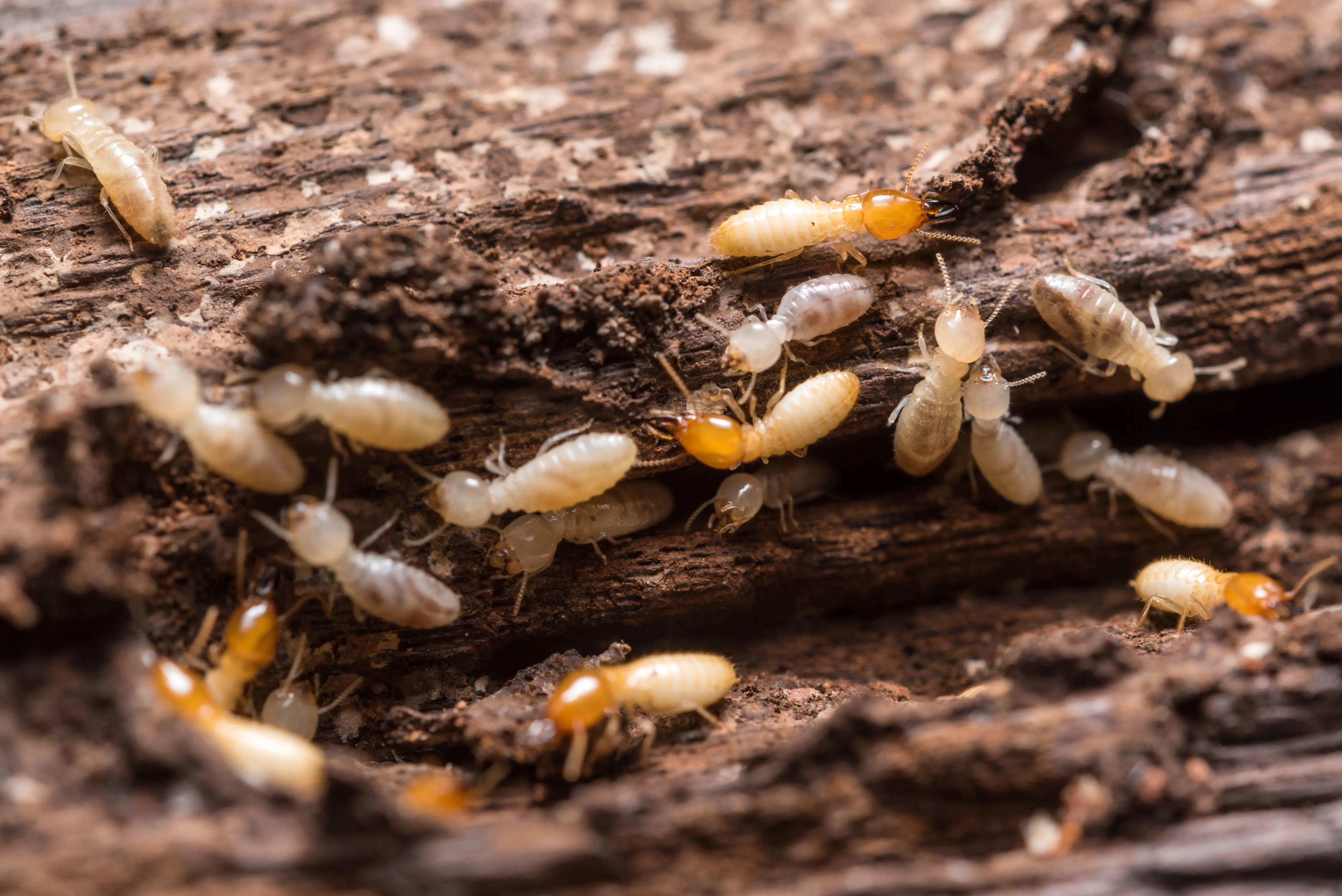
Live termites in damaged wood

Live Termites

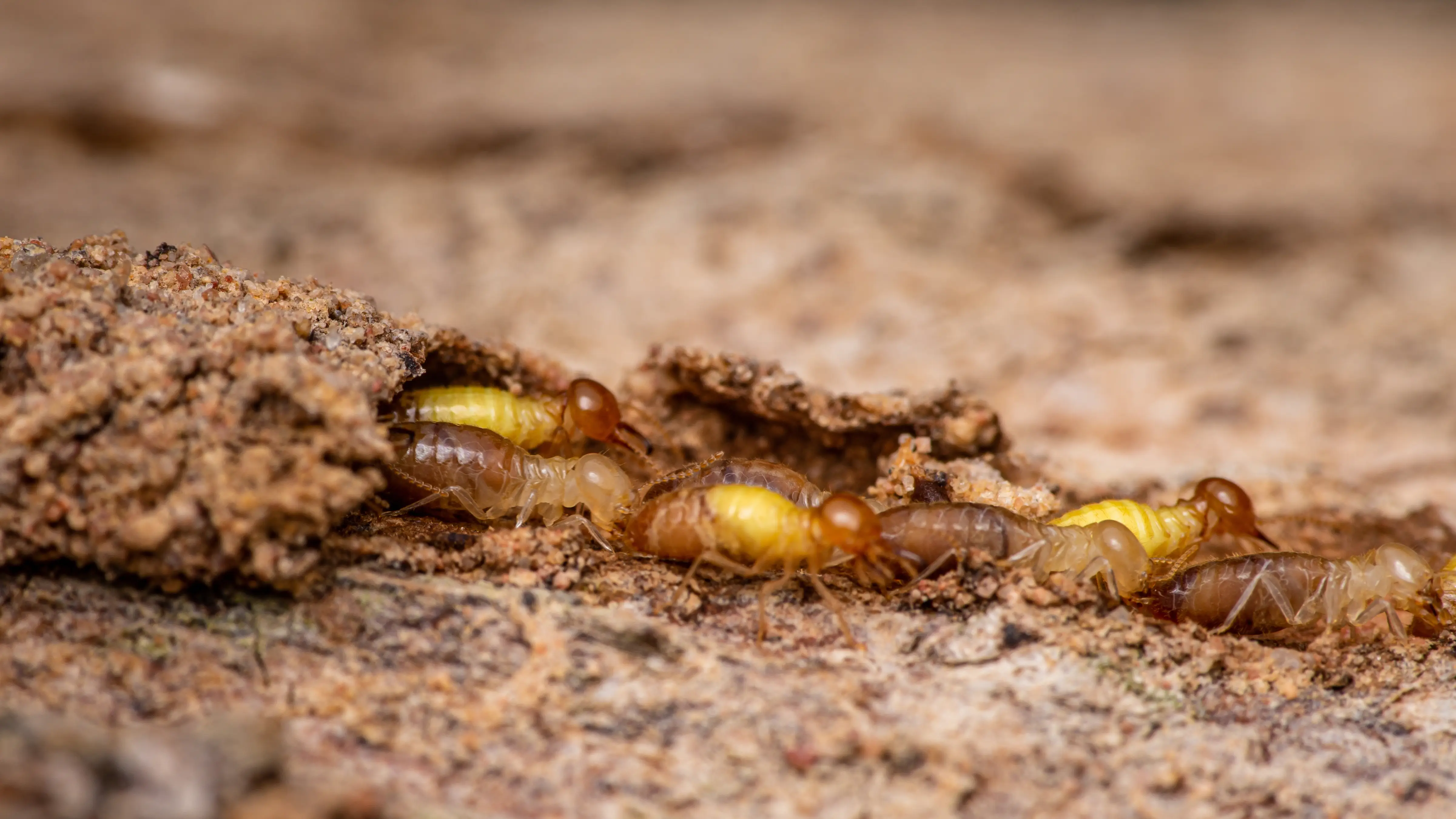
The only guaranteed proof of infestation. Termites look similar to ants but are much more destructive to your property.

Key Areas Inspected for Termites

Our inspectors focus on areas that are most vulnerable to termite infestation. These locations provide the conditions termites need to thrive.

🍄

Fungus & Dry Rot

Rotting wood and wood infected with fungus weaken the structure and introduce moisture—perfect conditions for termites to establish a colony.

🪵

Soil to Wood Contact

Anywhere wood contacts soil directly, moisture is absorbed and decay begins. This also allows subterranean termites easy access without exposure to predators.

🏚️

Wooden Structures

Outlying structures like garages, sheds, patios, and decks are prone to termites unless built with termite-resistant materials.

🚧

Wood Fences

Termites will find and infest perimeter fences, then follow them back to your home. We check all wooden fences for wood rot and termite signs.

🧱

Foundation Cracks

Cracks in foundations, brick construction, and expansion joints can provide termites with pathways to and from their colony.

🪓

Deadwood & Firewood

Any dead or decaying wood on your property—branches, stumps, firewood—can attract termite swarms and should be cleared.
Detailed termite inspection report being reviewed

Your Detailed Inspection Report

After completing the inspection, you'll receive a comprehensive written report that documents our findings and provides clear next steps.

  • Areas impacted by termites and other wood-destroying organisms
  • Severity assessment of any active infestations
  • Areas of concern conducive to termite activity
  • Recommended treatment options with detailed explanations
  • No-obligation quote for treatment if needed
  • Prevention recommendations to protect your property

Our reports are accepted by real estate agents, lenders, and escrow companies for property transactions.

Termite Inspection & Treatment Costs

Inspection pricing is based on the square footage of your property. Treatment costs vary depending on several factors.

🔍

Inspection

Report identifying problematic areas

Comprehensive inspection of interior and exterior for subterranean and drywood termites.

🛡️

Treatment

Custom quote based on:

  • Size of area to be treated
  • Severity of infestation
  • Type of treatment required
  • Property accessibility
🔨

Damage Repair

Estimated after inspection

Our termite professionals can estimate repair costs once they've assessed the damage during inspection.

Good news: Termite treatments can be customized to meet your needs and budget.

How to Prepare for a Termite Inspection

There are steps that homeowners can take to help inspectors do their job effectively and efficiently. These little things will ensure that termite inspectors can check the hard-to-reach areas of your home to ensure a 100% termite free environment.

Do a Little Rearranging

Areas like under the sink can collect moisture and are a place inspectors will want to check. Moving things out from under the sink will provide inspectors with a clear path to wooden building materials surrounding pipe openings. In areas with access to open wood framing like the garage, be sure to move items away from the wall.

Provide Easy Access to Attic

Attics are sometimes hard to find and often filled with items left in storage. Access should be provided to inspectors so they can easily locate the attic and move about. The attics should be organized in a way that provides inspectors access to all walls and open wood framing.

Provide Easy Access to Crawlspace

Much like the attic, crawlspaces can also be difficult to find and navigate if filled with stored items. Clearing the crawlspace will help inspectors get underneath the house and check for termites.

Clear Brush Around Building

The exterior of the home will be difficult to inspect if there are shrubs and foliage blocking the path. Cutting back brush from exterior walls to provide inspectors with some clearance to check for termites may be needed.

100% SATISFACTION GUARANTEE

The EcoGuard Guarantee

EcoGuard offers a 100% satisfaction guarantee for all of our customers, and we stand by our promise to eradicate your termite inspection problem until the very last termite inspection is gone. That termite inspection control guarantee comes with every service and if the termite inspections come back, then so do we, at no additional cost. We are standing by to give you a free estimate and to help you set your first termite inspection pest control service appointment.

📞 Call (866) 326-2847 Today

What Our Customers Say

Trusted by homeowners and businesses across 6 states for professional termite inspection services

★★★★★

"Curtis came to the rescue! He came out on short notice, explained everything he was going to do in advance, and was incredibly thorough. Found termite activity I never would have noticed on my own."

Steph A.
Homeowner, CA
★★★★★

"We had a great experience with EcoGuard. Jarvon called about 15 minutes before arriving and was extremely professional. The inspection report was detailed and easy to understand."

Willie G.
Property Owner, OR
★★★★★

"Daniel takes good care of our house and is always responsive and flexible. He also takes note of the areas we are concerned about. Highly recommend for termite inspections!"

Joshua C.
Homeowner, TX

Termite Inspection Control FAQs

Everything you need to know about termite inspection control and treatment

Many pest control companies, including EcoGuard, offer termite inspections. Inspections typically range from $75-$150 depending on property size. The inspection itself is a small investment compared to the potential cost of undetected termite damage, which can run into thousands of dollars.

Our licensed inspectors examine both interior and exterior of your property, checking for signs of subterranean and drywood termites. We inspect attics, basements, crawlspaces, garages, and all wooden structures. We look for mud tubes, wood damage, frass (droppings), discarded wings, buckling paint, and live termites. The inspection takes 45 minutes to 2 hours depending on property size.

Absolutely. Termites cause over $5 billion in property damage annually in the U.S., and this damage is typically not covered by homeowner's insurance. Early detection through professional inspection can save thousands in repair costs. Inspections are especially important when buying a home, as they reveal hidden damage that could affect your investment.

During the inspection, our technician will methodically examine your property's interior and exterior, paying special attention to areas where termites commonly enter: foundations, wooden structures, soil-to-wood contacts, and areas with moisture issues. You'll receive a detailed written report documenting findings, areas of concern, and treatment recommendations.

A typical termite inspection takes 45 minutes to 2 hours. The time varies depending on your property's size, the number of structures to inspect, and how accessible areas like attics and crawlspaces are. Larger properties or those with multiple outbuildings naturally take longer to inspect thoroughly.

Clear items from under sinks and away from walls in garages. Ensure easy access to your attic and crawlspace by organizing stored items. Cut back brush and shrubs from exterior walls. Make sure the inspector can access all structures on your property including garages, sheds, and decks.

Sometimes, but not always. Termites often work hidden behind walls, underground, or inside wood. Our inspectors look for multiple indicators including mud tubes, wood damage, frass, and discarded wings. Finding live termites provides definitive proof, but other signs are equally valid indicators of infestation.

Subterranean termites live in soil and build mud tubes to access wood above ground. They need moisture and are the most destructive species. Drywood termites live entirely within wood and don't need soil contact or as much moisture. Both types cause significant damage and require different treatment approaches.

We recommend annual termite inspections for most properties. If you live in a high-risk area, have had previous termite problems, or have conditions conducive to termites (wood-to-soil contact, moisture issues), more frequent inspections may be warranted. Regular inspections catch problems early when they're easier and less expensive to treat.

Yes, a termite inspection is highly recommended—and often required by lenders—when purchasing a home. It protects your investment by revealing hidden damage and active infestations before you close. The inspection report can be used in negotiations if problems are found.

If we find termite activity, we'll document it in your inspection report along with the severity assessment and recommended treatment options. We'll provide a no-obligation quote for treatment customized to your situation and budget. Treatment options range from localized spot treatments to whole-structure fumigation depending on the infestation type and extent.

Most home warranties do not cover termite inspections or treatment, though some offer optional termite protection as an add-on. Homeowner's insurance typically does not cover termite damage either, as it's considered preventable through regular maintenance. This makes professional inspections even more important.

Mud tubes are pencil-thin tunnels made of soil, wood particles, and termite secretions. Subterranean termites build these tubes to travel between their underground colony and wood food sources above ground. Finding mud tubes is a strong indicator of active or previous termite infestation and requires immediate professional attention.

While you can look for obvious signs of termites, a professional inspection is much more thorough and reliable. Licensed inspectors know exactly where to look, what signs to identify, and how to assess damage severity. They can access difficult areas like crawlspaces and attics safely and have tools to detect hidden activity.

Modern termite treatments are designed to be safe and minimally invasive. Treatment methods vary from localized applications to baiting systems to fumigation, depending on the termite type and infestation extent. Our technicians will explain all options and what each involves so you can make an informed decision.

Related Articles & Resources

Learn more about termite inspection prevention, identification, and control
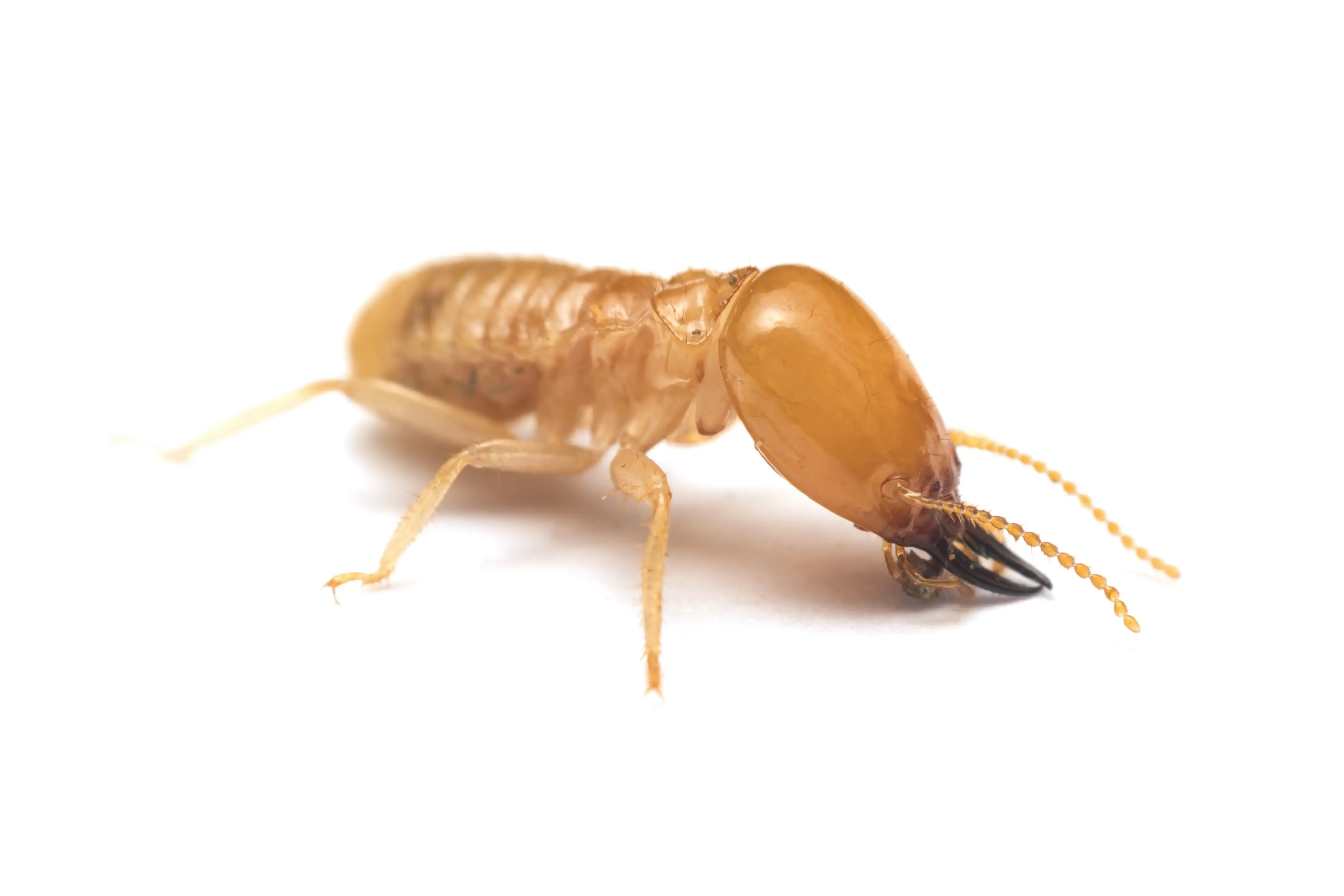
Do Termites Bite People? Risks, Symptoms & What to Do

Do Termites Bite People? Risks, Symptoms & What to Do

Learn if termites bite humans, what termite bites look like, the real risks of termites, and how to prevent and get rid of termite infestations.

Read Article →
Does Mulch Attract Termites? Complete Guide to Safe Mulching

Does Mulch Attract Termites? Complete Guide to Safe Mulching

Learn the truth about mulch and termites. Discover which mulch types are termite-resistant, proper installation techniques, and prevention strategies.

Read Article →
How Long Does Termite Treatment Last? Duration by Type

How Long Does Termite Treatment Last? Duration by Type

Learn how long different termite treatments last including baits, liquid treatments, fumigation, and Termidor. Factors affecting treatment effectiveness.

Read Article →
Signs of Termites: How to Detect Termite Activity in Your Home

Signs of Termites: How to Detect Termite Activity in Your Home

Learn the common signs of termite activity including swarmers, mud tubes, wood damage, droppings, and more. Early detection prevents costly damage.

Read Article →
Termite Droppings (Frass): Identification, Location & What to Do

Termite Droppings (Frass): Identification, Location & What to Do

Learn how to identify termite droppings (frass), where to find them, drywood vs subterranean termite waste, and what to do if you find termite frass.

Read Article →
Termite Eggs: Identification, Location & What Finding Eggs Means

Termite Eggs: Identification, Location & What Finding Eggs Means

Learn what termite eggs look like, where to find them, how many queens lay, hatching time, and what to do if you discover termite eggs in your home.

Read Article →
Termite Life Cycle: Stages, Castes, Reproduction & Lifespan

Termite Life Cycle: Stages, Castes, Reproduction & Lifespan

Learn about the termite life cycle including egg, nymph, and adult stages, castes (workers, soldiers, reproductives), swarming, and how long termites live.

Read Article →
Termite Queen: Appearance, Role, Lifespan & How to Eliminate

Termite Queen: Appearance, Role, Lifespan & How to Eliminate

Learn about termite queens including appearance, size, role in the colony, egg production, lifespan, and what happens when a queen dies.

Read Article →
Termites vs Ants: How to Tell the Difference

Termites vs Ants: How to Tell the Difference

Learn how to identify termites vs ants by appearance, antennae, wings, body shape, behavior, diet, and damage caused. Proper identification is critical.

Read Article →
Termites with Wings: What Flying Termites Mean & What to Do

Termites with Wings: What Flying Termites Mean & What to Do

Learn what flying termites (alates) mean, how to identify them vs flying ants, when they swarm, and what to do if you see them in or around your home.

Read Article →
What Are Termite Mud Tubes? Identification & Treatment

What Are Termite Mud Tubes? Identification & Treatment

Learn what termite mud tubes are, how to identify them, the different types, what they mean for your home, and how to prevent and treat termite infestations.

Read Article →
What Are Termites? Facts, Signs, Damage, and Control

What Are Termites? Facts, Signs, Damage, and Control

Learn what termites are, how to identify them, the 3 main types, 15 signs of infestation, structural damage they cause, life cycle, castes, and how to get rid of them.

Read Article →
What Do Termite Larvae Look Like? Identification Guide

What Do Termite Larvae Look Like? Identification Guide

Learn how to identify termite larvae by their shape, color, and size. Discover the differences between termite larvae and other insects, plus signs of infestation.

Read Article →
What Do Termites Look Like? Identification Guide

What Do Termites Look Like? Identification Guide

Learn how to identify termites by appearance, size, and color. Compare different termite species and distinguish them from carpenter ants and other wood-destroying insects.

Read Article →
View All Pest Control Articles →

Ready to Eliminate Your Termite Inspection Problem?

Get a free estimate for your termite inspection problem today. Our experts will assess your property and provide a customized treatment plan.

Connect With Us

Follow EcoGuard Pest Management for tips, updates, and special offers

f𝕏yin