EcoGuard Pest Management
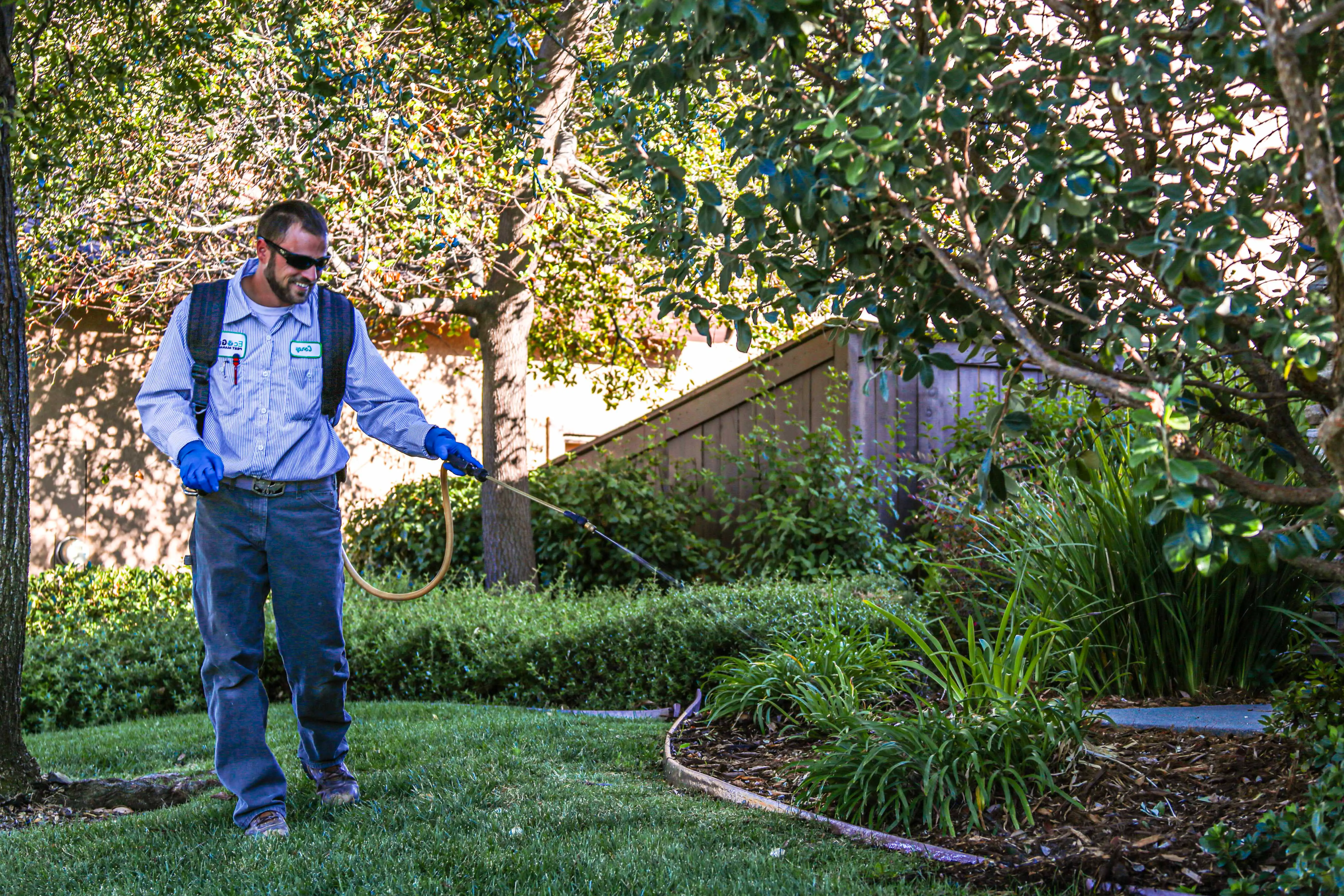
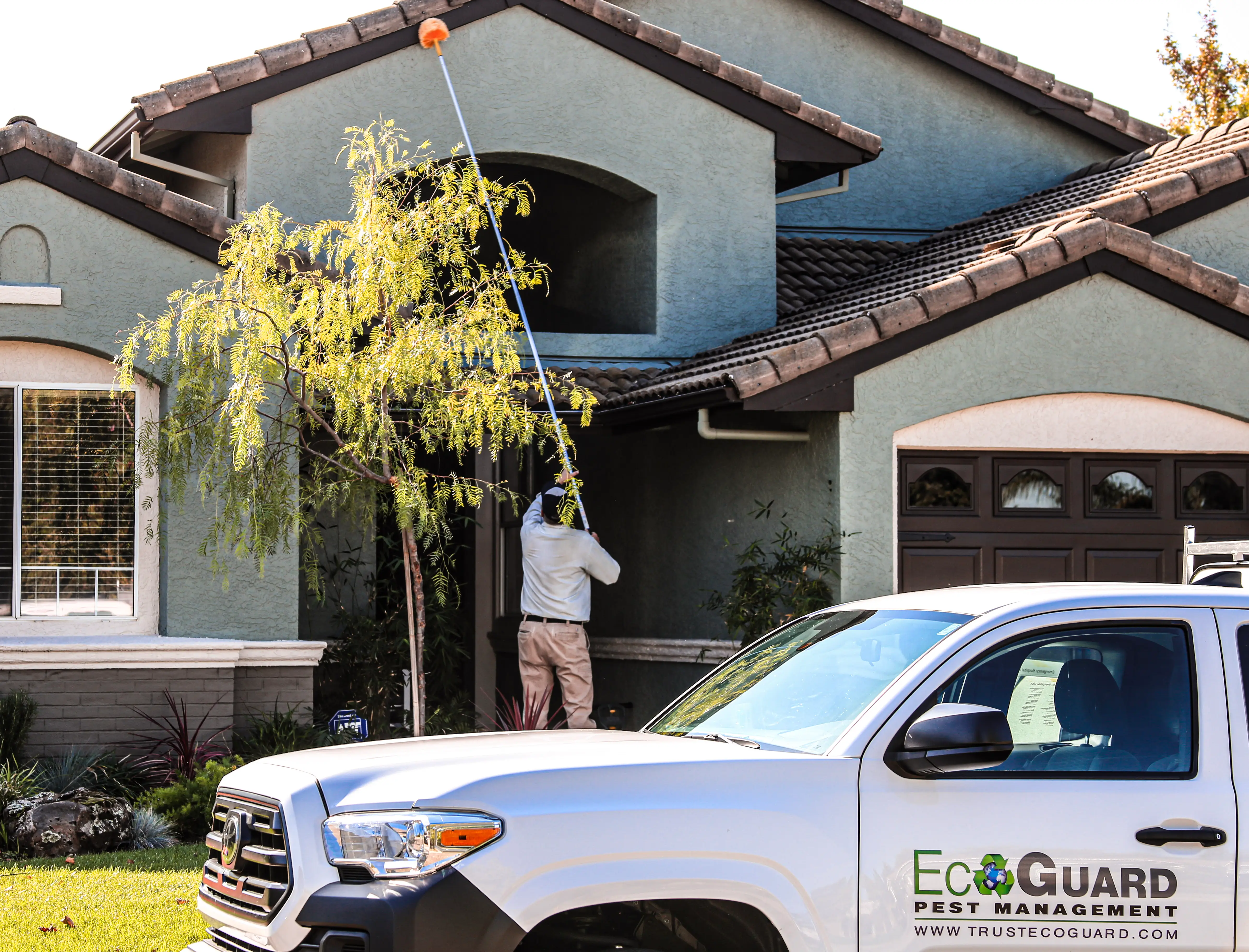
Professional bird control technician installing seagull deterrent systems on commercial rooftop

Professional Seagull Control & Removal Services

EcoGuard Pest Management delivers expert seagull deterrent and removal solutions protecting residential and commercial properties across California, Oregon, Washington, Texas, Tennessee, and Nevada with humane, effective results.

Seagull Pest Control Experts

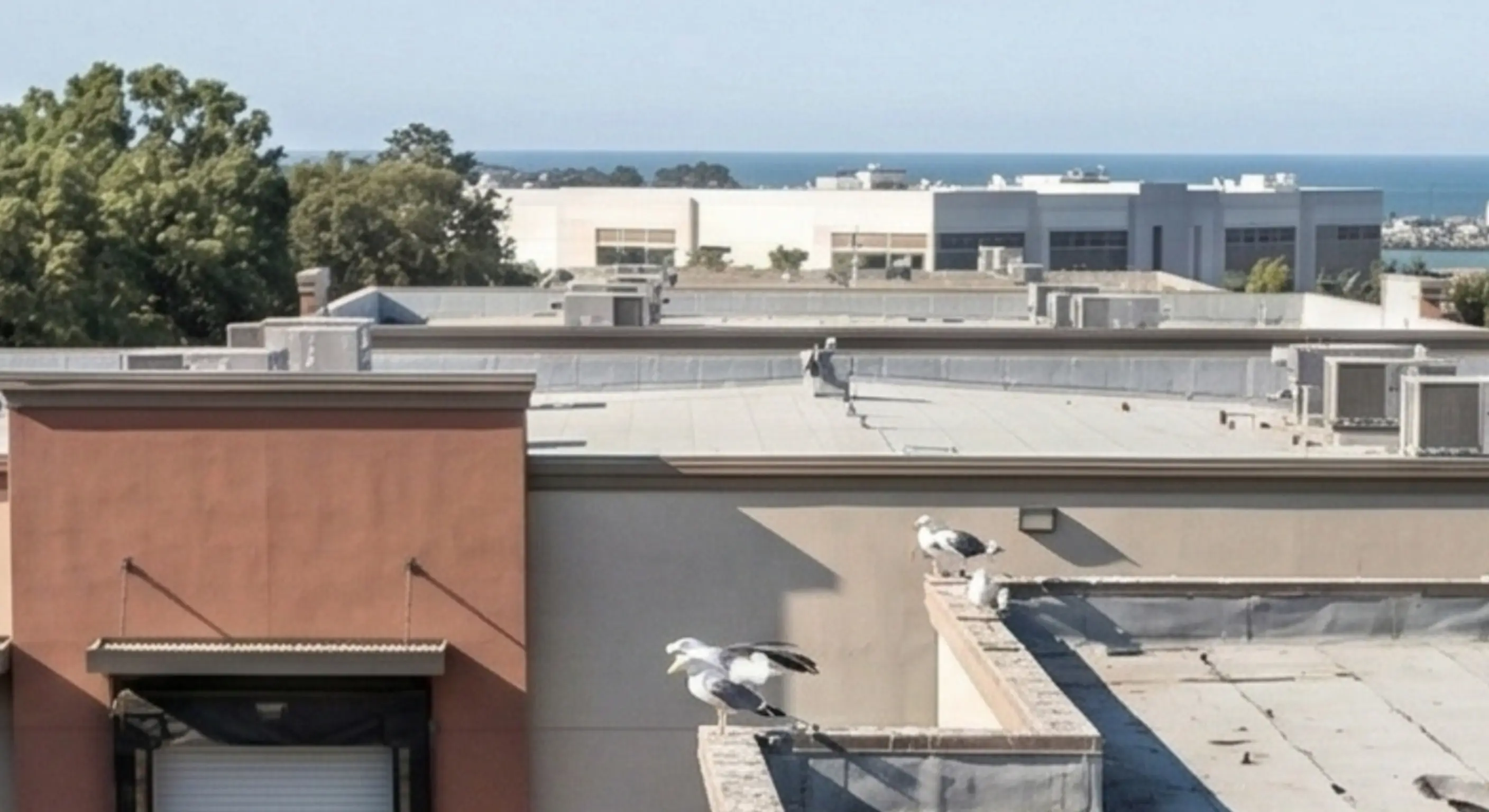
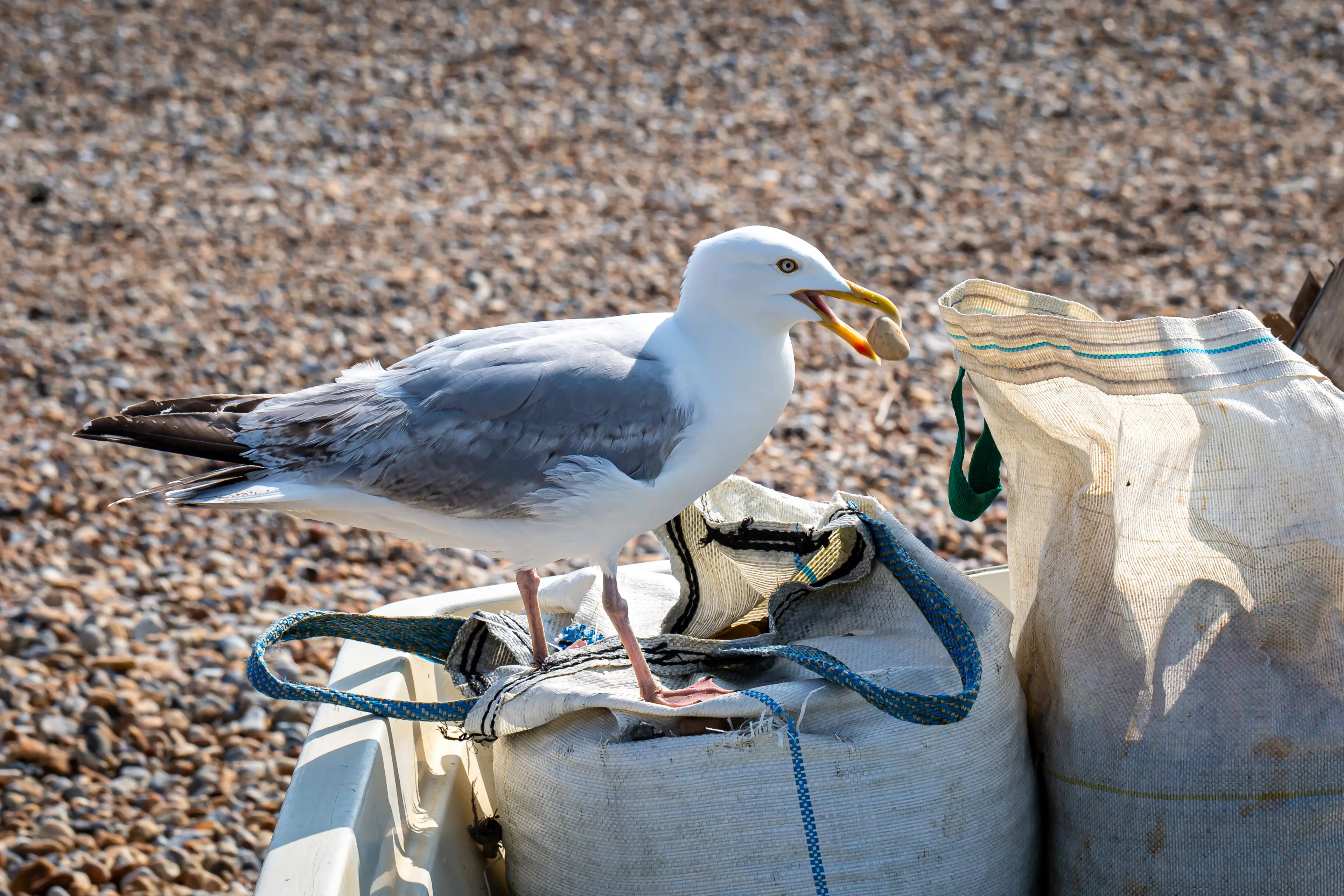
EcoGuard's certified bird control specialists possess extensive knowledge of seagull behavior patterns and utilize advanced deterrent methods to protect your property. Herring seagulls and Black-backed seagulls thrive near coastal areas and have adapted to urban environments where they find abundant food sources in landfills, garbage dumps, and street litter. Buildings with flat roofs mimic their natural cliff nesting habitats, making these structures attractive nesting sites. Our licensed technicians employ humane, integrated pest management strategies that alter seagull behavior while complying with federal wildlife protection laws.

Why are Seagulls a Problem?

Seagulls are aggressive scavengers that pose various threats to homes and businesses, causing property damage and creating health hazards that require professional intervention.

  • Seagull droppings are highly acidic and corrosive, causing significant damage to vehicles, building exteriors, paintwork, and signage
  • Seagulls carry harmful bacteria and fungi, spreading diseases like E. coli, Psittacosis, and Cryptococcosis through direct contact and contamination
  • Dried droppings become airborne dust that can cause serious respiratory problems
  • Seagulls are territorial and aggressive, especially during nesting season, potentially causing physical harm to people

Seagull Control Service Plans

Choose the protection level that's right for your property

One-Time Treatment
$249+
Starting price
  • Comprehensive property inspection
  • Species identification
  • Entry point identification
  • Targeted treatment application
  • Perimeter barrier application
  • Nest elimination
  • Treatment report & recommendations
  • 30-day guarantee
Get Started
MOST POPULAR
Annual Protection
Contact Us
For custom pricing
  • Everything in One-Time Treatment
  • Seasonal maintenance plan
  • Entry point treatments
  • Priority scheduling
  • Re-treatment guarantee
Get Started

* Prices vary based on property size, infestation severity, and treatment method. Contact us for an accurate quote.

Service Plan Comparison

FeatureOne-TimeAnnual
Comprehensive Inspection
Deterrent Installation
Follow-Up InspectionsQuarterly
Re-Treatment Guarantee

Get Your Free Seagull Quote

Protect your property with a free seagull quote from our licensed experts.

✓ Same-day service available
✓ Licensed & insured
✓ Detailed property assessment
✓ No-obligation estimates

Service Areas

We provide seagull control services throughout:

  • California
  • Oregon
  • Washington
  • Texas
  • Tennessee
  • Nevada
View All Counties →

Ready to Eliminate Your Seagull Problem?

Schedule your seagull inspection today. Our experts will assess your property and provide a customized treatment plan.

📞 Call (866) 326-2847Get Free Quote

Seagull Treatment Options

EcoGuard Pest Management employs a variety of humane and effective strategies for seagull management that focus on prevention rather than harm. Because seagulls are protected under the Migratory Bird Treaty Act, all our control methods are designed to be humane, non-lethal, and legally compliant.
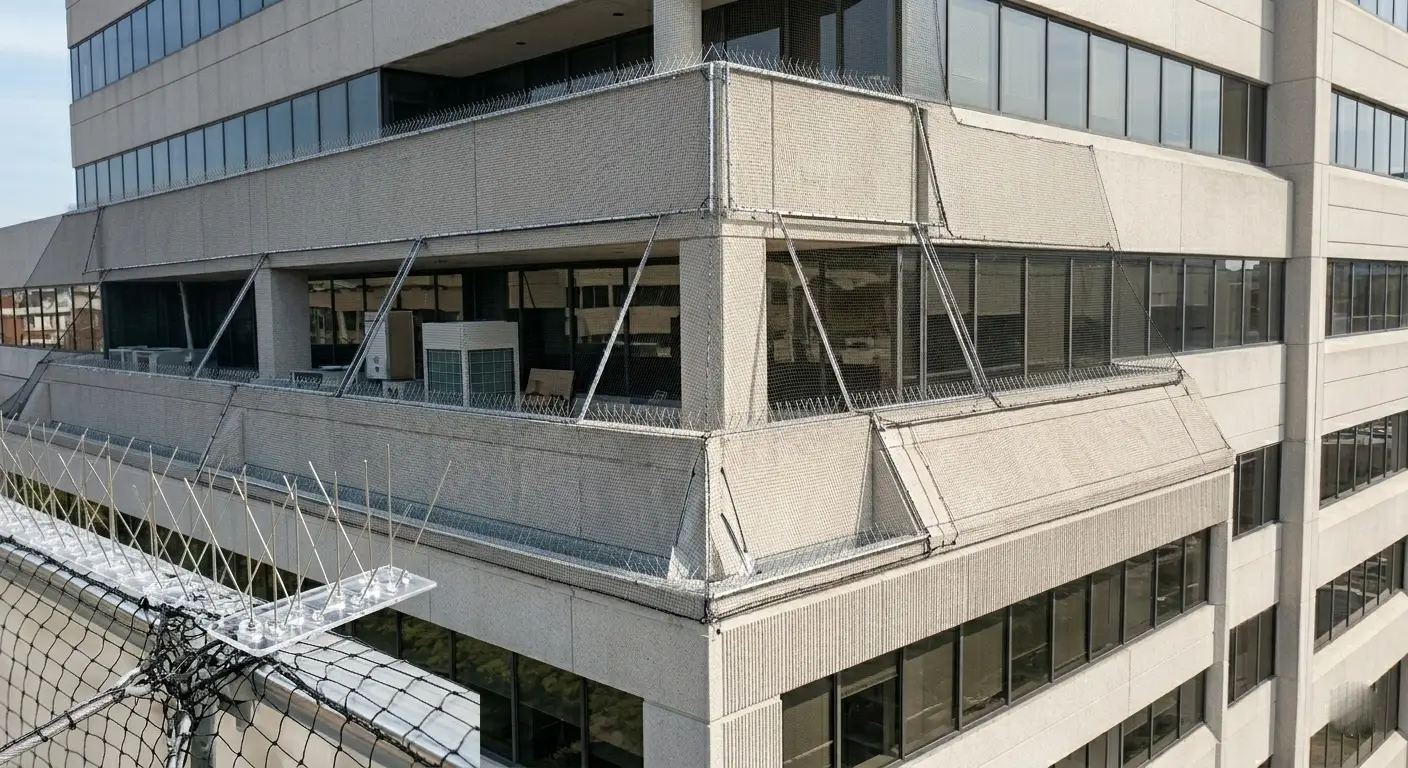
Professional installing bird spikes on building ledge to deter seagulls

Physical Bird Barriers

Bird netting or spikes prevent seagulls from landing, perching, roosting, and nesting on the property.

Overhead wire grid system installed over rooftop to prevent seagull landing

Overhead Grid Systems

Stainless steel wires in a checkerboard pattern over specific areas like ponds, pools, and rooftops discourage seagull activity.

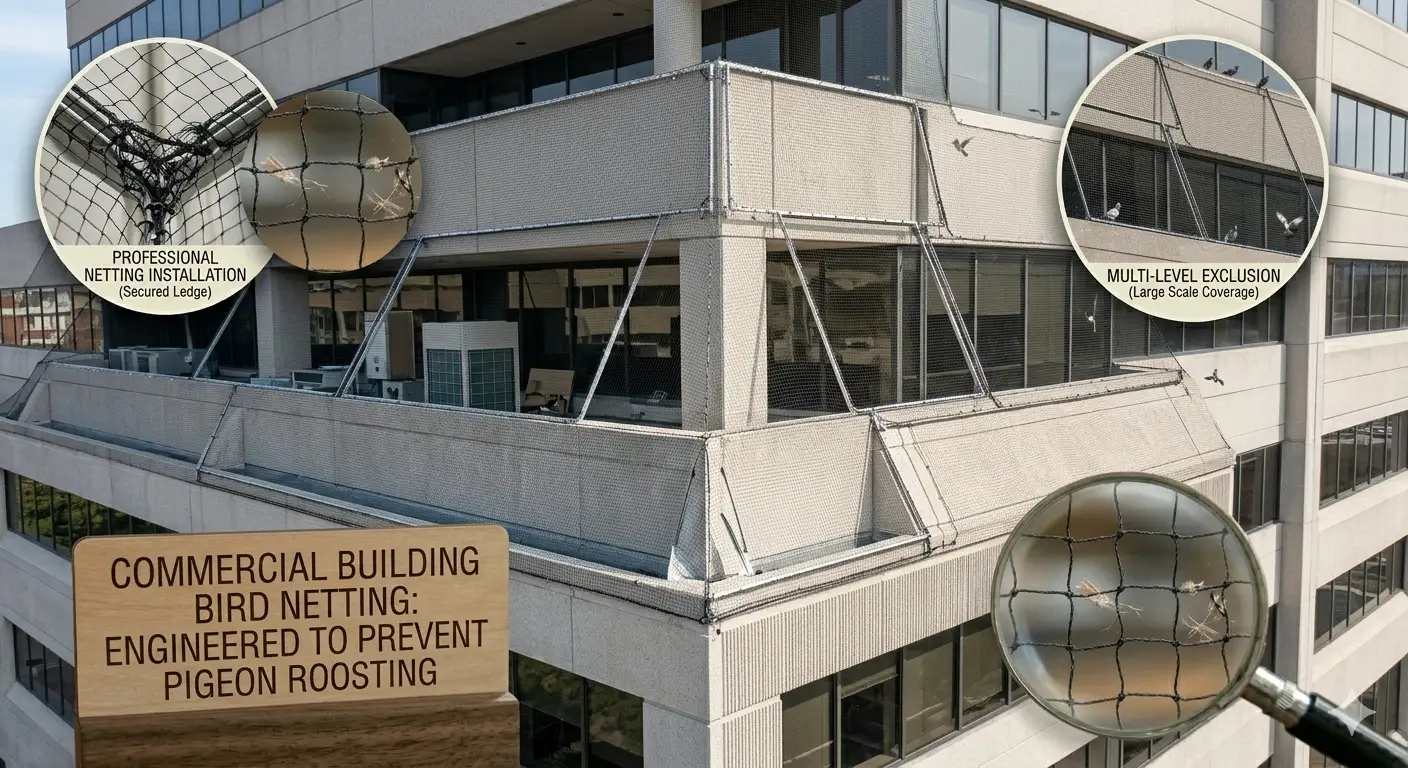
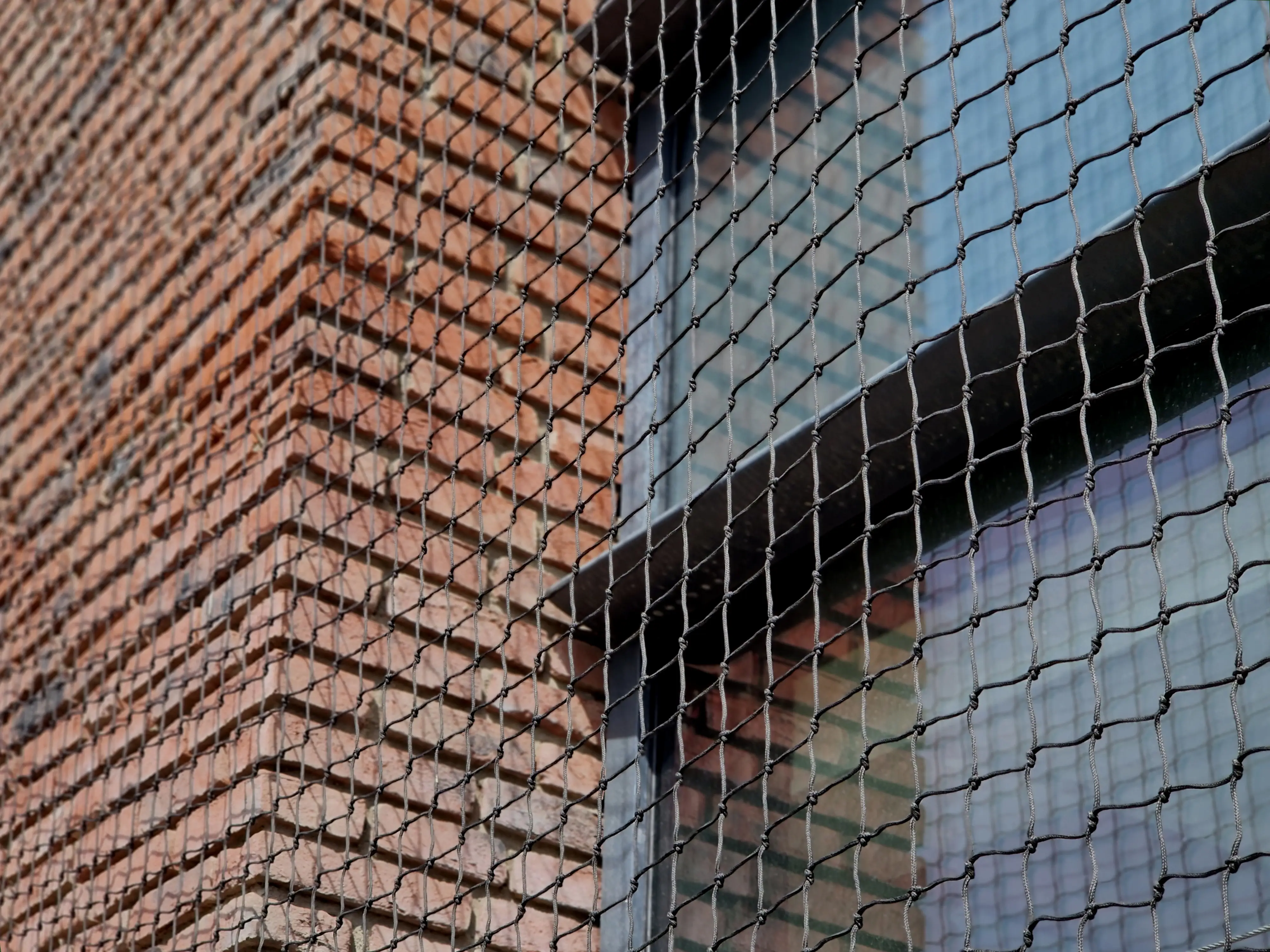
Bird netting installed under solar panels to prevent seagull nesting

Bird Nets and Wires

Seagull nets and wires deter them from nesting in spots like overhangs and solar panels.

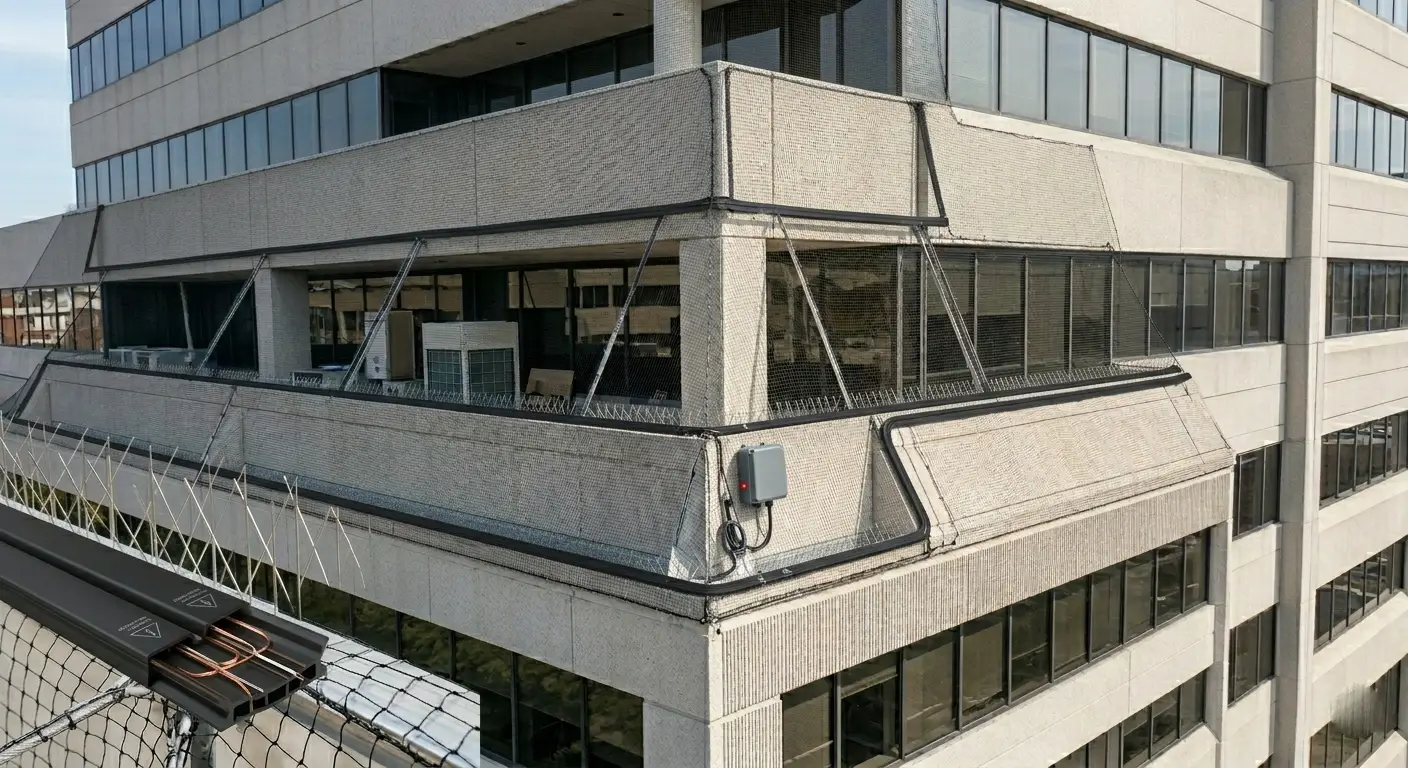
Low-voltage electric deterrent track installed on building ledge

Electric Shock Deterrents

These methods provide a mild shock to discourage seagulls without causing serious harm.

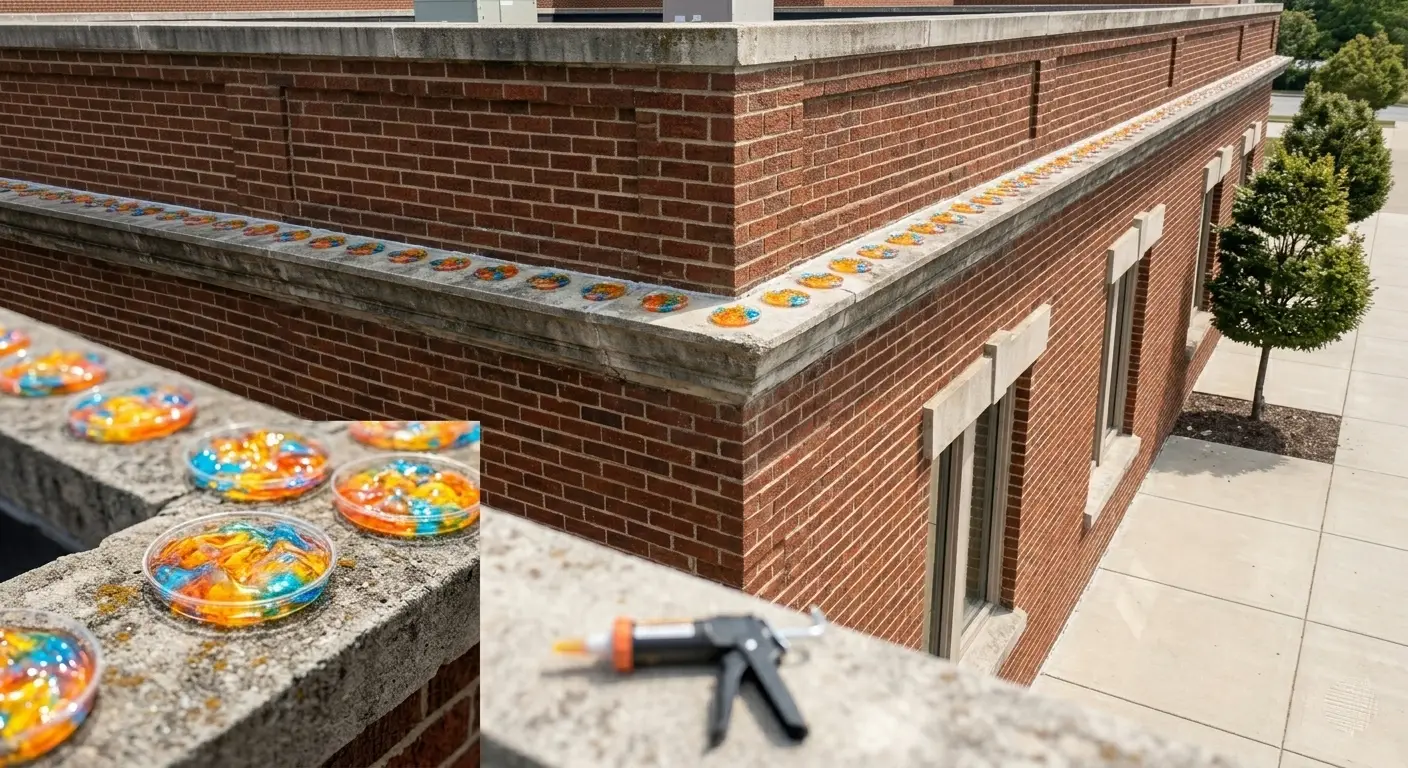
Audio and visual deterrent device installed to scare away seagulls

Property Modification

Deterrents like predatory sounds, strobe lights, and unpleasant odors help make the property less attractive to seagulls.

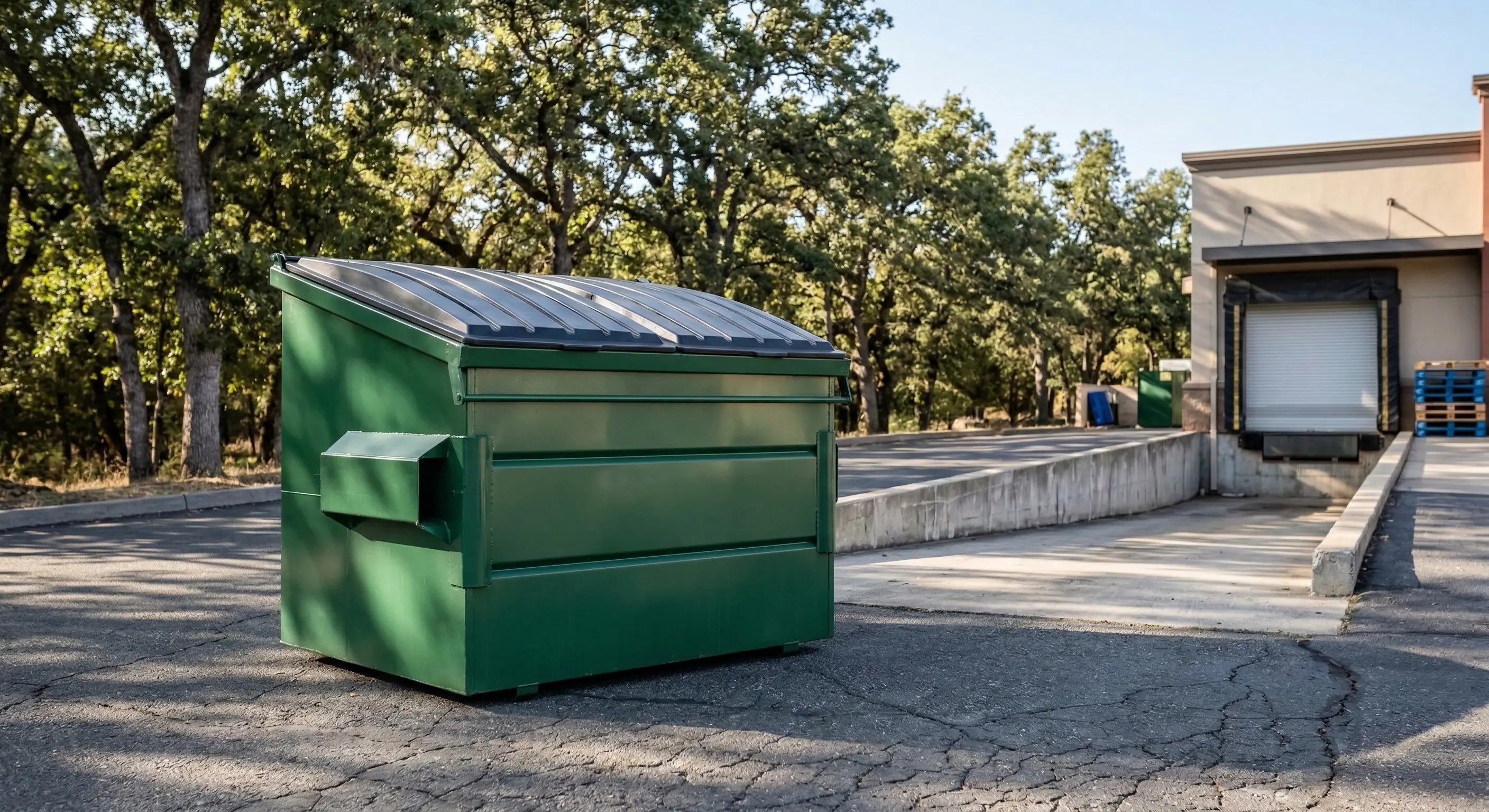
Secured commercial trash containers preventing seagull access to food sources

Food Source Management

Trash bins need secure lids to contain trash otherwise seagulls will tear into exposed trash bags to access the food inside.

What Causes Seagulls?

Seagulls are drawn to environments that provide abundant food, water, and suitable nesting conditions. Understanding what attracts them is key to effective prevention.


Seagulls gathering around exposed garbage and food waste

🗑️ Food Sources

Landfills, garbage dumps, street litter, and household garbage provide abundant food for seagulls. Their flexible diet includes bugs, rodents, reptiles, seeds, and human leftovers.

Seagulls nesting on flat commercial rooftop

🏢 Flat Roof Structures

Buildings with flat roofs mimic seagulls' natural cliff nesting habitats, making these structures highly attractive nesting sites for these birds.

Seagulls near coastal commercial property

🌊 Coastal Proximity

While seagulls thrive near coastal areas, they can survive in just about any habitat including deserts and regions far from water due to their adaptability.

Seagulls congregating in public area where people feed birds

🍽️ Human Feeding

People feeding seagulls is a primary reason for their presence in popular areas around beaches and public spaces, encouraging them to return repeatedly.

Learn More About Seagull Prevention →

What Are Signs of Seagulls in Your Home?

Early detection of seagull activity helps prevent minor issues from becoming major infestations. Recognizing the signs allows for timely intervention before damage escalates.
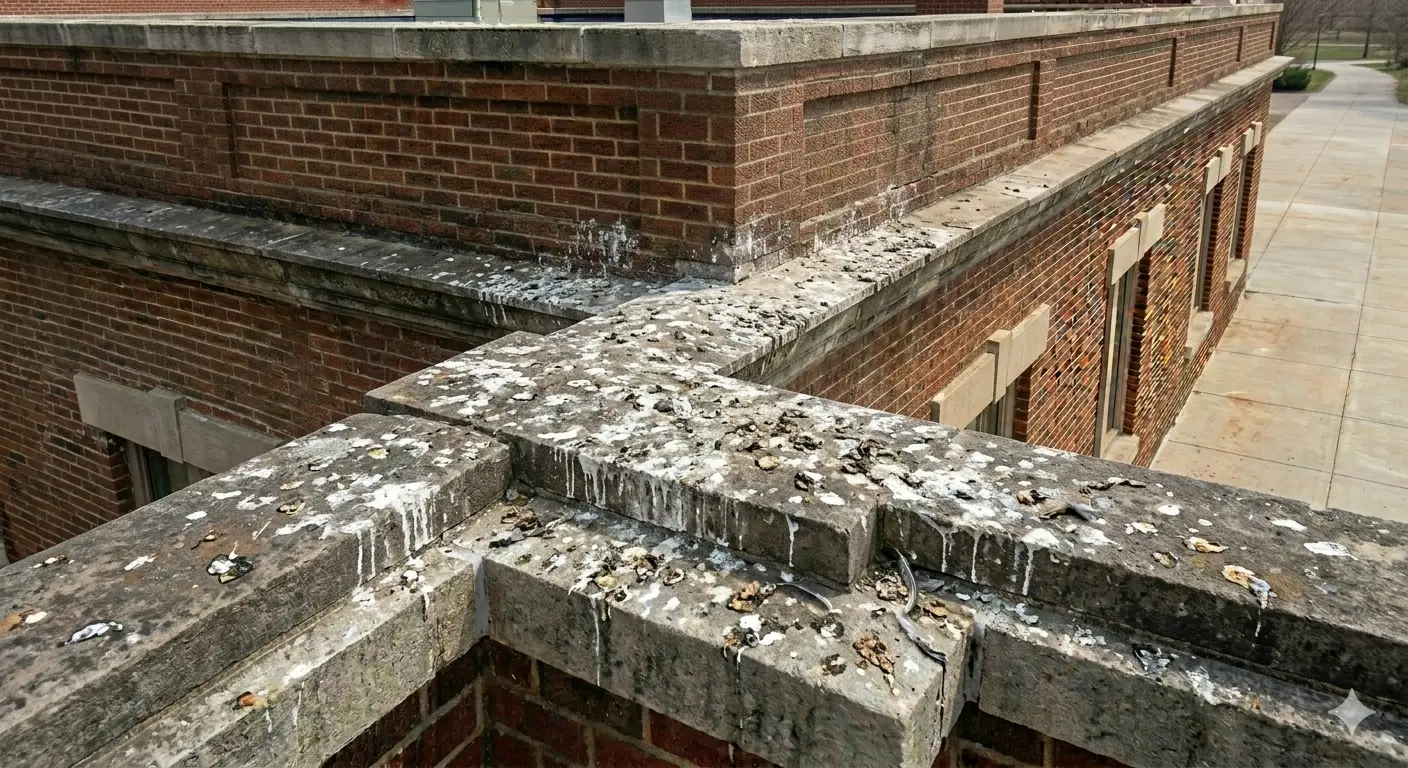

Building exterior covered with corrosive seagull droppings

Excessive Droppings

Accumulation of white, acidic droppings on roofs, walkways, vehicles, and building surfaces indicates regular seagull presence.

Seagull nest made of twigs and debris on building ledge

Nesting Materials

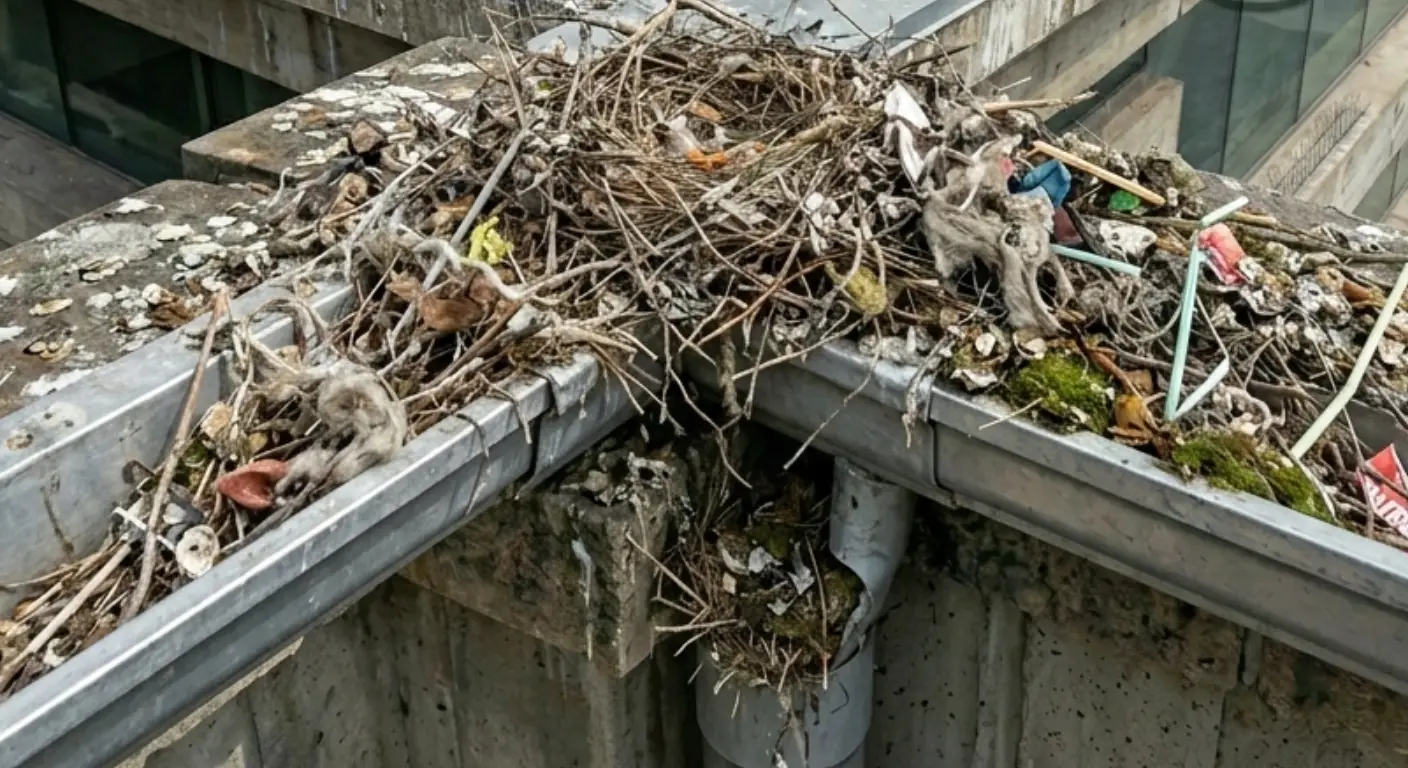
Twigs, debris, and feathers collecting on rooftops, ledges, and in gutters signal active nesting activity.

Seagulls calling loudly on rooftop near residential area

Loud Vocalizations

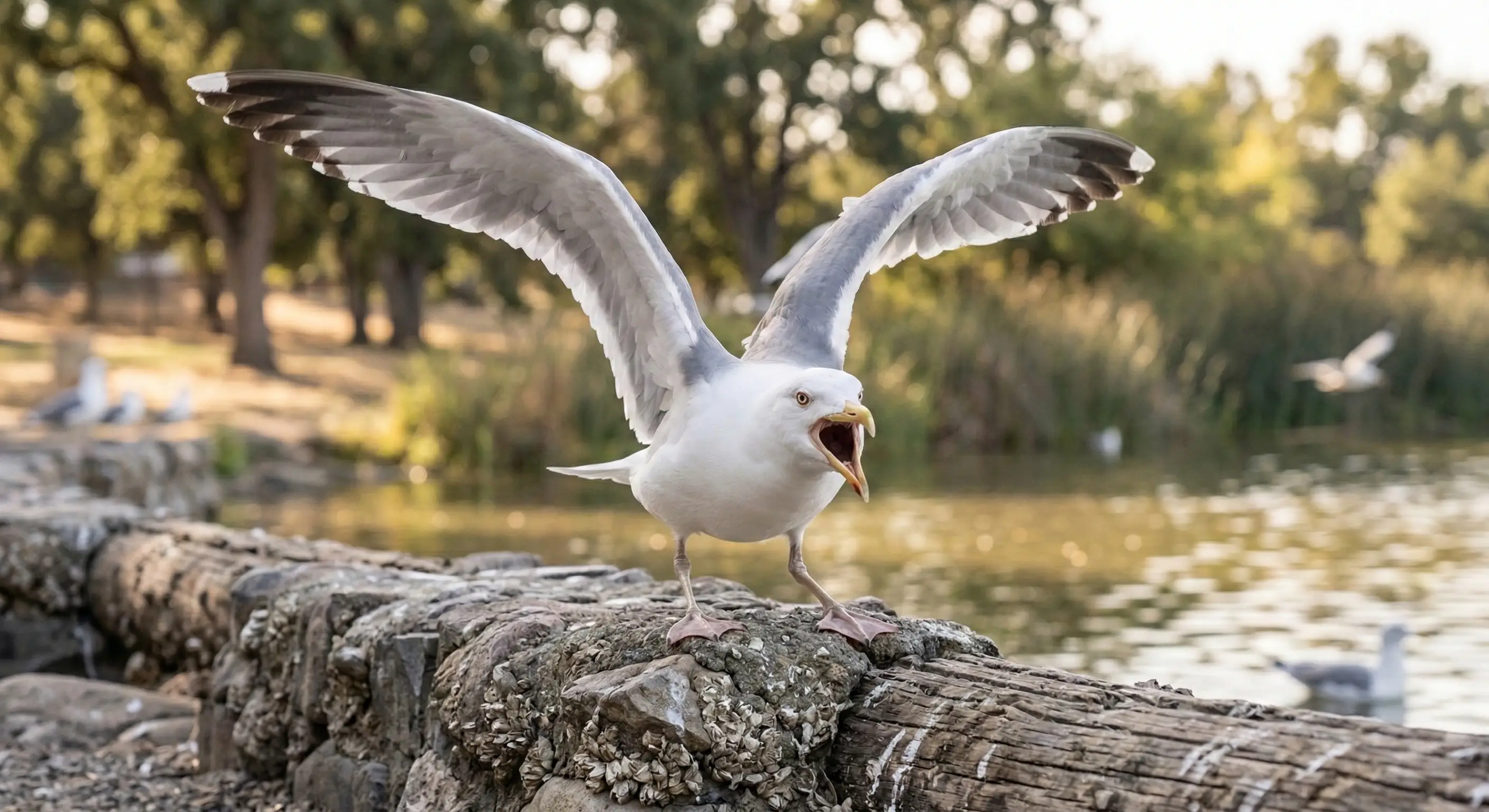
During nesting season seagulls are extremely loud, with calls that can affect business operations and residential comfort.

Seagull displaying aggressive territorial behavior

Aggressive Behavior

Seagulls dive-bombing or swooping at people, especially those carrying food, indicates territorial nesting nearby.

Gutter blocked with seagull nesting materials and debris

Blocked Drainage

Nesting materials and droppings clogging gutters, drains, and ventilation systems can lead to water damage.

Large flock of seagulls gathered on commercial property rooftop

Congregating Flocks

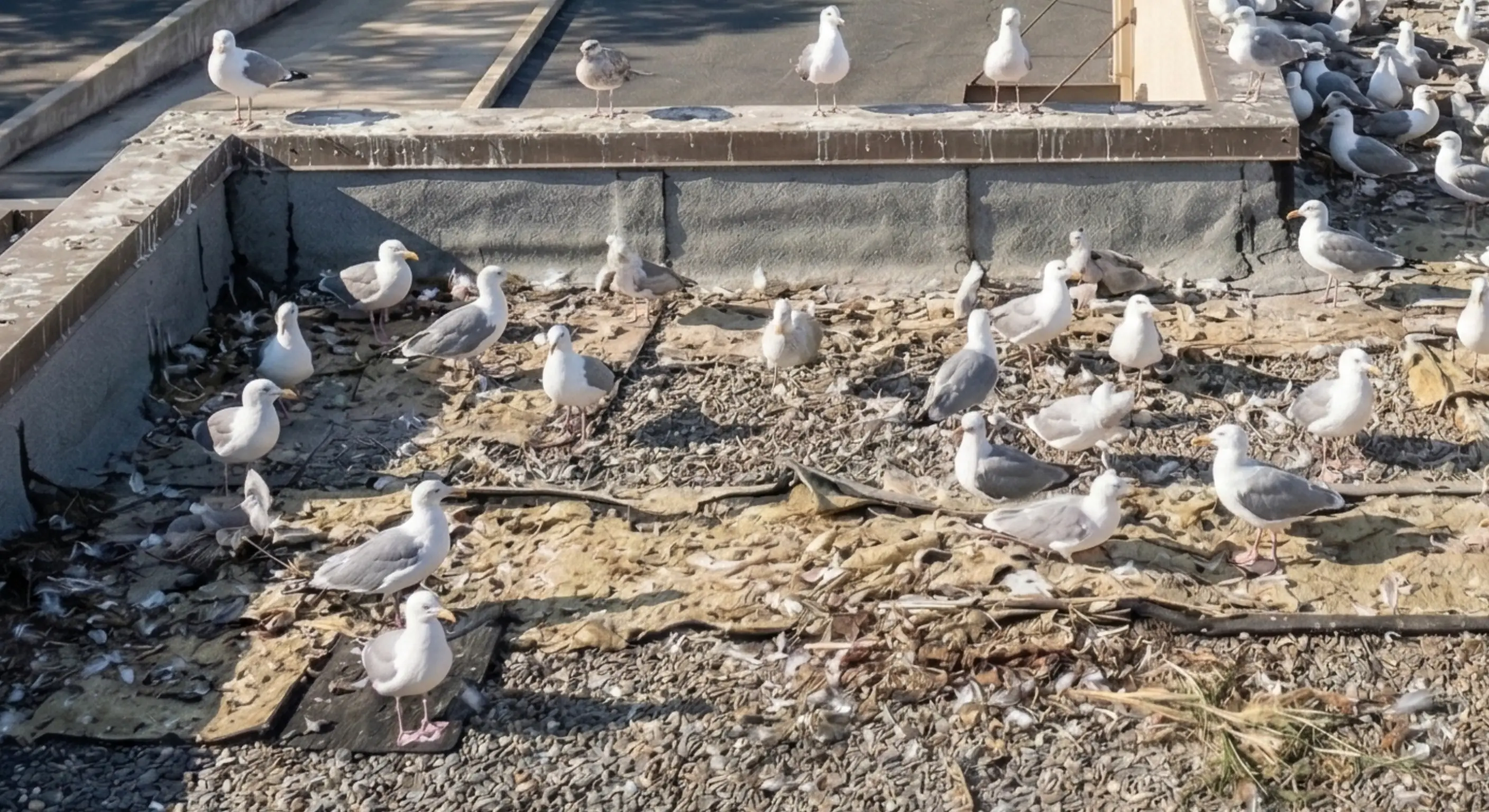
Groups of seagulls regularly gathering on your property, especially near food sources, signals an established pattern.

Learn More About Seagull Detection →

DIY vs Professional Treatment

While some property owners attempt DIY seagull deterrent methods, professional intervention is often necessary for effective, long-term results. Seagulls are protected under the Migratory Bird Treaty Act, which prohibits harming them without authorization from the U.S. Fish and Wildlife Service. This makes professional expertise essential to ensure compliance while achieving effective control.

Professional bird control specialists understand federal regulations and employ humane, non-lethal methods that are both effective and legally compliant. EcoGuard technicians install deterrents when birds are not present to ensure no harm comes to the birds, providing lasting protection without legal risk.

❌ DIY Treatment

  • Limited knowledge of federal bird protection laws
  • Risk of ineffective deterrent placement
  • Potential legal liability for improper methods
  • No warranty or guarantee
  • Ongoing property damage risk
  • No follow-up monitoring

✓ Professional Treatment

  • Full compliance with Migratory Bird Treaty Act
  • Expert deterrent system design & installation
  • Humane, non-lethal methods only
  • Satisfaction guarantee included
  • Long-term structural protection
  • Regular monitoring & maintenance

Commercial Seagull Control

EcoGuard Pest Management implements customized seagull control programs for commercial facilities that prioritize operational continuity while ensuring effective pest elimination. Our comprehensive commercial seagull protection programs combine discrete treatment applications with flexible scheduling to maintain your business operations while ensuring complete elimination of seagull problems.

We specialize in seagull control solutions for:

  • Restaurants and food service establishments
  • Healthcare facilities
  • Hotels and hospitality venues
  • Educational institutions
  • Office complexes
  • Food processing facilities
  • Warehouses and storage facilities
  • Retail spaces
  • Manufacturing facilities
  • Multi-unit residential properties
Learn About Commercial Pest Control
100% SATISFACTION GUARANTEE

The EcoGuard Guarantee

EcoGuard offers a 100% satisfaction guarantee for all of our customers, and we stand by our promise to eradicate your seagull problem until the very last seagull is gone. That seagull control guarantee comes with every service and if the seagulls come back, then so do we, at no additional cost. We are standing by to give you a free estimate and to help you set your first seagull pest control service appointment.

📞 Call (866) 326-2847 Today

Our Seagull Control Process

A systematic approach to humane seagull deterrence and prevention

1

Thorough Property Inspection

EcoGuard's certified bird control specialists perform comprehensive property evaluations to identify nesting sites, roosting areas, food sources, and conducive conditions for targeted treatment planning.

2

Custom Deterrent Strategy

Our specialists design a tailored deterrent system using physical barriers, overhead grids, netting, and other humane methods specific to your property's needs and layout.

3

Professional Installation

We install all deterrent systems when birds are not present to ensure humane treatment and compliance with the Migratory Bird Treaty Act, minimizing disruption to your operations.

4

Ongoing Monitoring & Maintenance

Systematic monitoring protocols including regular property inspections and deterrent maintenance provide continuous defense against seagull activity.

Seasonal Plan for Seagull Control

Year-round protection adapted to seasonal seagull behavior patterns

Spring Seagull Control

Spring

Pre-nesting deterrent installation, nest prevention measures, territory disruption

Summer Seagull Control

Summer

Active nesting management, aggressive behavior mitigation, regular monitoring

Fall Seagull Control

Fall

Post-nesting cleanup, deterrent system maintenance, damage assessment

Winter Seagull Control

Winter

Structural repairs, deterrent reinforcement, preparation for spring nesting season

What Our Customers Say

Trusted by property owners across 6 states for professional seagull control

★★★★★

"Our waterfront restaurant was losing customers due to aggressive seagulls. EcoGuard installed a comprehensive deterrent system that solved the problem completely. Professional service from start to finish!"

Michael R.
San Diego, CA
★★★★★

"Seagulls were nesting on our warehouse roof and causing major drainage issues. EcoGuard's team was knowledgeable about the legal requirements and installed an effective grid system. Highly recommend!"

Jennifer T.
Seattle, WA
★★★★★

"We've used EcoGuard for 2 years now to keep seagulls off our beachfront property. Their quarterly inspections catch any issues early and the maintenance keeps everything working perfectly."

David K.
Galveston, TX

Seagull Control FAQs

Everything you need to know about seagull control and treatment

The most effective way to deter seagulls is through non-harmful, preventive methods such as installing physical barriers like bird spikes or netting, using visual and acoustic deterrents like reflective objects or distress calls, and managing food sources to make the area less attractive to them. It's important to ensure that these methods are humane and in compliance with local wildlife protection laws because seagulls are a legally protected species.

Managing seagulls effectively involves implementing humane seagull deterrents like physical barriers (bird spikes, netting), auditory devices (distress calls), and visual scares (reflective materials). Additionally, controlling food access by securing garbage bins and not feeding the birds helps reduce their attraction to the area. It's important to employ these methods in accordance with local wildlife protection laws, as seagulls are often legally protected.

Yes, seagulls are protected under the Migratory Bird Treaty Act which prohibits the hunting, killing, capture, selling, trading, or transporting of seagulls without prior authorization from the U.S. Fish and Wildlife Service. Due to these legal protections, all measures taken for controlling and managing seagull populations must be humane and non-lethal.

There is no specific color known to universally repel seagulls. However, using bright, reflective materials or objects can act as a deterrent due to the glare and perceived movement. These visual deterrents can create an uncomfortable environment for seagulls, making them less likely to settle in the area.

Seagull control costs vary based on property size, the extent of the problem, and the type of deterrent systems required. Contact EcoGuard for an inspection and accurate quote tailored to your specific situation. We offer competitive pricing for both one-time treatments and ongoing protection plans.

Most property owners notice a significant reduction in seagull activity within 1-2 weeks of deterrent installation. Complete behavior modification may take 2-4 weeks as seagulls learn to avoid your property. The timeline depends on how established the seagull population is and the comprehensiveness of the deterrent system.

Nest removal is regulated under the Migratory Bird Treaty Act. Active nests with eggs or chicks cannot be disturbed without a federal permit. However, nest removal before eggs are laid or after the nesting season is generally permitted. EcoGuard technicians are trained to assess nest status and follow all legal requirements.

Buildings with flat roofs mimic seagulls' natural cliff nesting habitats, making them attractive nesting and roosting sites. Rooftops provide safety from ground predators and a good vantage point for spotting food sources. Installing physical deterrents is the most effective way to prevent roof nesting.

Yes, seagull droppings pose several health and property risks. They are highly acidic and can damage vehicles, building exteriors, and signage. More importantly, droppings can carry harmful bacteria and fungi including E. coli, Psittacosis, and Cryptococcosis. When dried, droppings can become airborne dust causing respiratory problems.

Seagulls are primarily attracted to food sources including garbage, outdoor dining areas, and anywhere food waste is accessible. They're also drawn to properties that offer suitable nesting sites like flat roofs and protected ledges. Managing food sources and installing deterrents addresses both attraction factors.

Ultrasonic devices alone are generally not effective for seagull control, as birds can become habituated to them quickly. More effective auditory deterrents include recorded distress calls specific to seagulls. However, the best results come from combining multiple deterrent methods including physical barriers.

For optimal protection, we recommend quarterly inspections and maintenance of deterrent systems. Weather, debris, and general wear can affect system effectiveness. Regular maintenance ensures all components remain functional and provides an opportunity to address any new problem areas.

Yes, seagulls can cause significant structural damage. Their acidic droppings corrode building materials, their nesting activities can block drainage systems leading to water damage, and accumulated nesting materials can create fire hazards. Early intervention prevents costly repairs.

Aggressive seagull behavior typically occurs during nesting season when birds are protecting their young. If attacks are occurring, it indicates active nesting nearby. Contact EcoGuard for an assessment - we can identify nest locations and implement deterrents to prevent nesting in subsequent seasons while managing the immediate situation safely.

Properly installed and maintained deterrent systems are highly effective at preventing seagull return. Seagulls are intelligent and will quickly learn that your property is no longer a suitable location. Ongoing monitoring ensures deterrents remain effective and addresses any adaptation attempts.

Related Articles & Resources

Learn more about seagull prevention, identification, and control
Best Time to Spray Insecticides Around the House

Best Time to Spray Insecticides Around the House

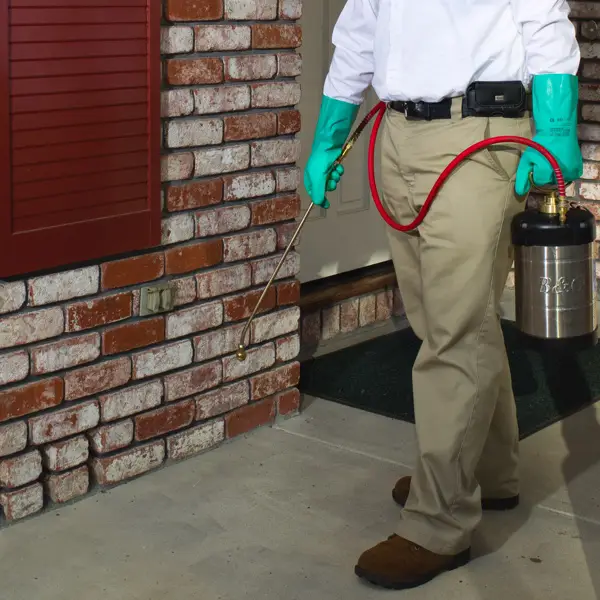
Learn the optimal timing for spraying insecticides including best seasons, time of day, and locations. Maximize pest control effectiveness with proper timing.

Read Article →
Common Insects with a Stinger: Identification Guide

Common Insects with a Stinger: Identification Guide

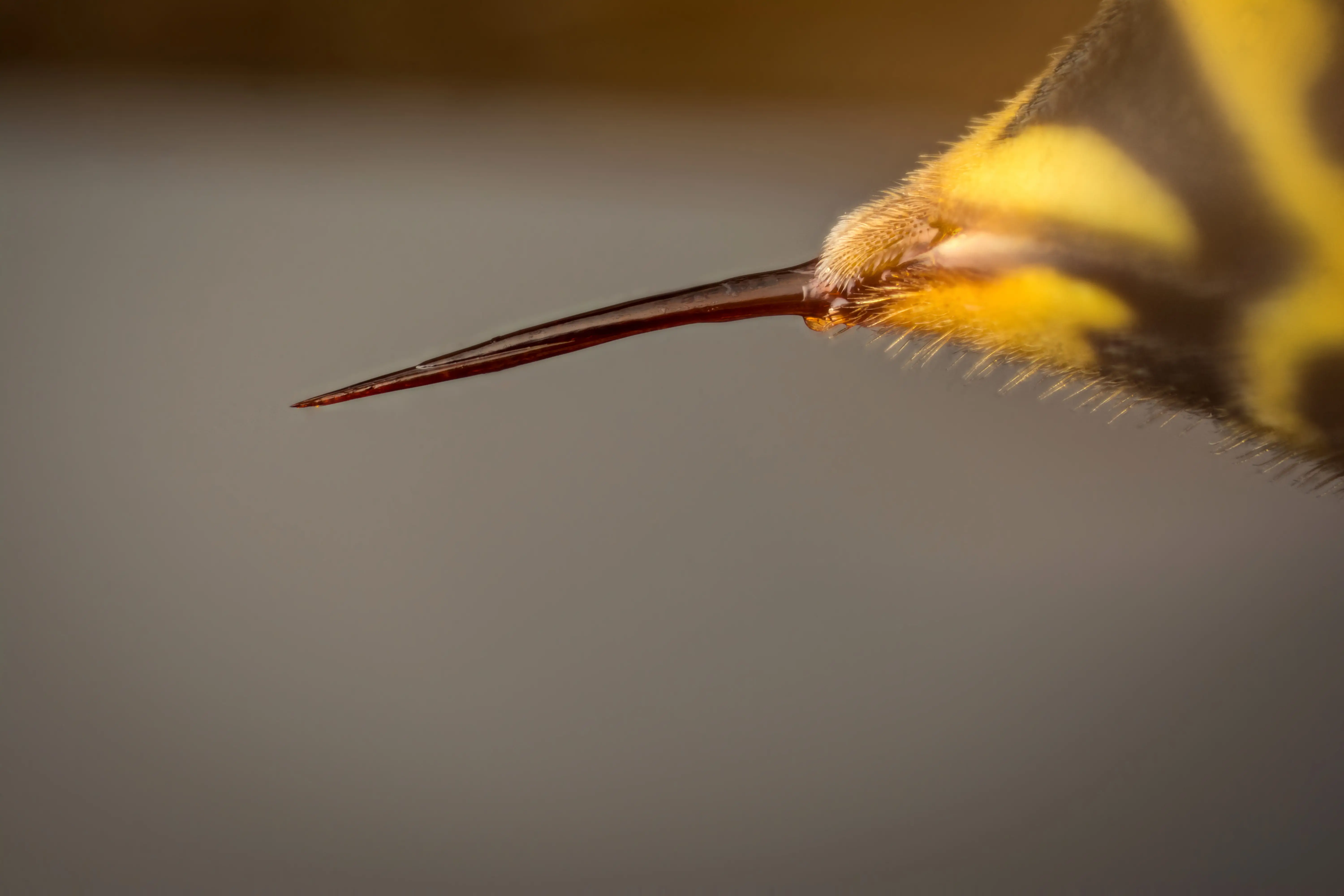
Learn about common stinging insects including bees, wasps, hornets, ants, and scorpions. Identification tips, danger levels, and what to do if stung.

Read Article →
Common Wood Eating Insects: Identification & Prevention

Common Wood Eating Insects: Identification & Prevention

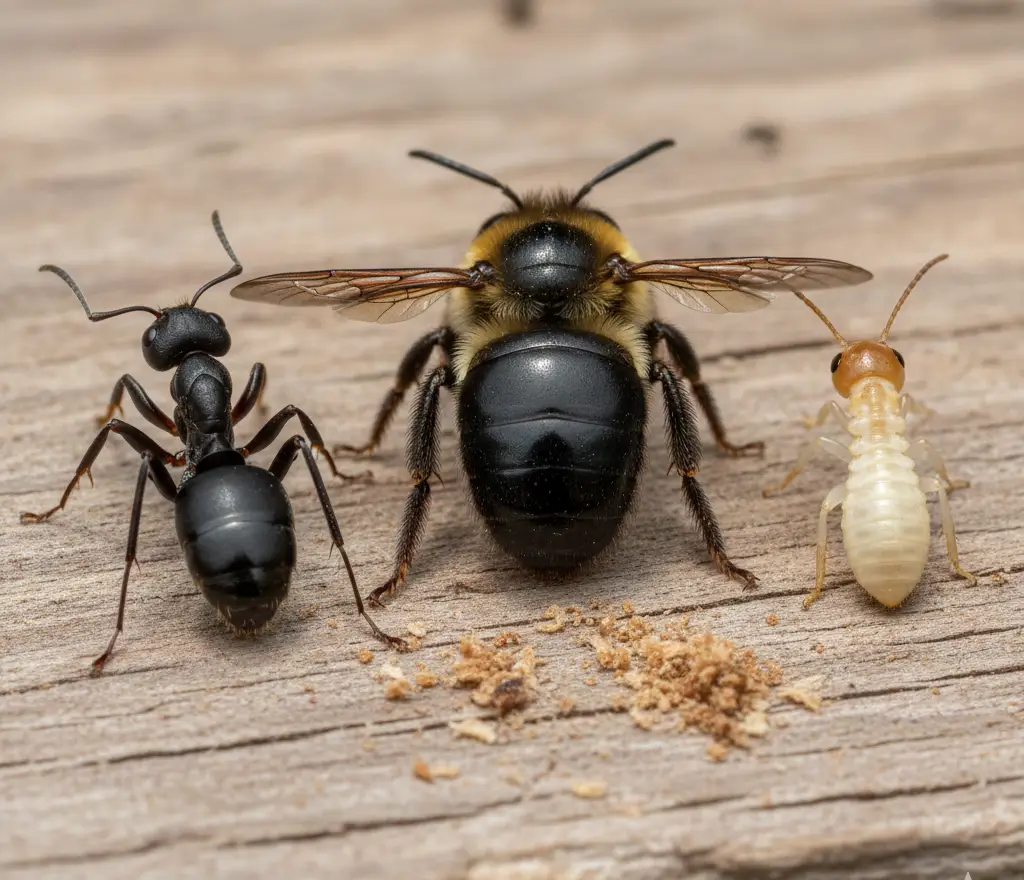
Learn about wood destroying insects including termites, carpenter ants, carpenter bees, and wood boring beetles. Identify signs of infestation and prevention tips.

Read Article →
Do Ultrasonic Pest Repellers Work? The Truth About These Devices

Do Ultrasonic Pest Repellers Work? The Truth About These Devices

Do ultrasonic pest repellers really work? Learn what science says about these devices, their limitations, and more effective pest control alternatives.

Read Article →
How Long After Pest Control Should I Wait to Go Inside?

How Long After Pest Control Should I Wait to Go Inside?

Learn how long to wait after pest control treatment before going inside. Typical wait time is 2-4 hours plus 30 minutes to air out. Safety tips and what to expect.

Read Article →
How Much Does It Cost to Fumigate a House? 2025 Price Guide

How Much Does It Cost to Fumigate a House? 2025 Price Guide

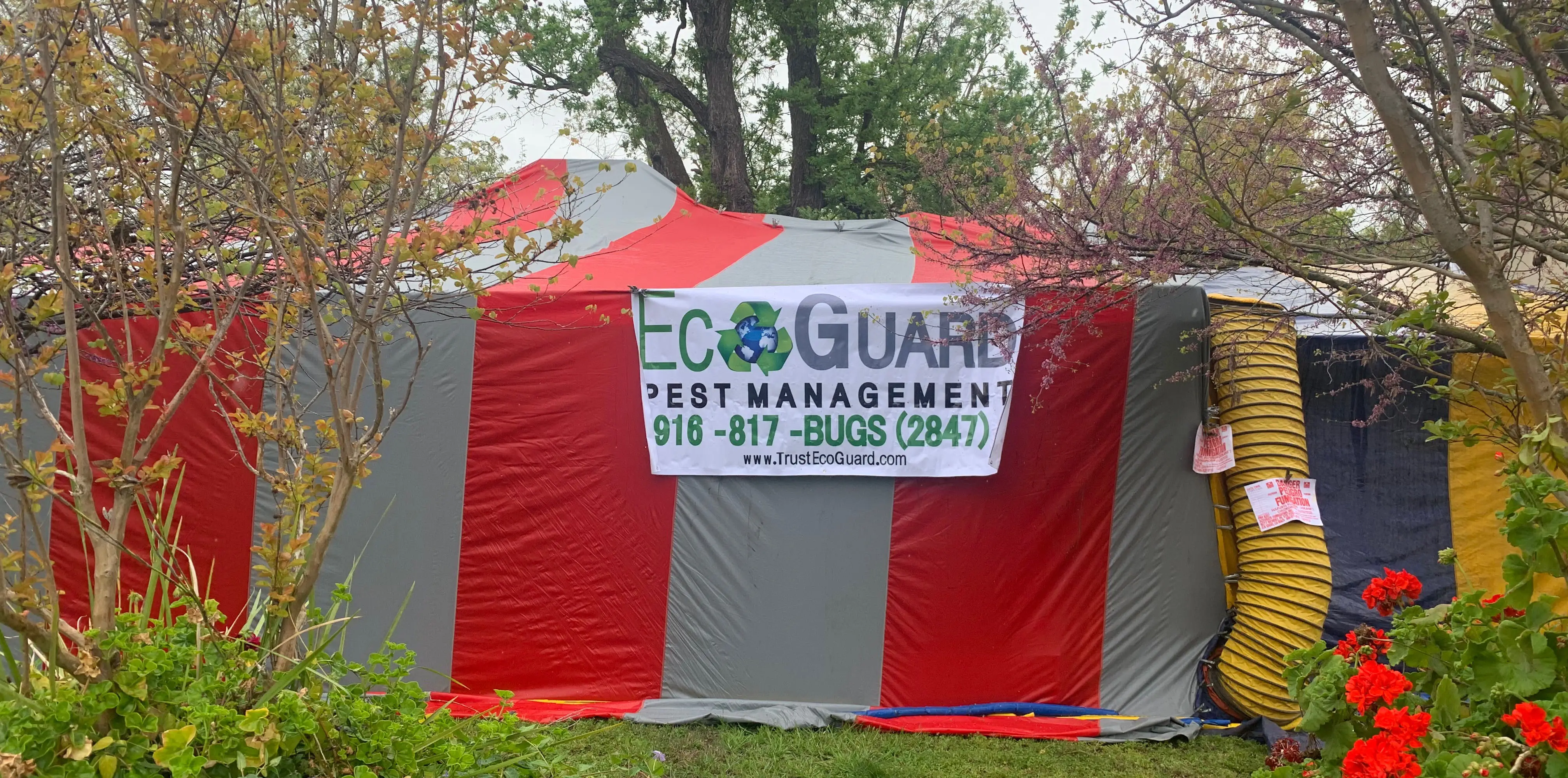
Learn fumigation costs by square footage ($1-$4/sq ft). Average home costs $2,000-$8,000. Factors affecting price, preparation steps, and alternatives explained.

Read Article →
How Often Should Pest Control Be Done? Frequency Guide

How Often Should Pest Control Be Done? Frequency Guide

Learn how often pest control should be done. Homes need quarterly treatments, commercial buildings monthly. How long treatments last by pest type explained.

Read Article →
How to Bug Proof Your Home or Apartment: Complete Guide

How to Bug Proof Your Home or Apartment: Complete Guide

Learn how to bug proof your home with our indoor and outdoor checklists. Seal entry points, remove attractants, and prevent pest infestations effectively.

Read Article →
How To Choose a Pest Control Company | Complete Guide

How To Choose a Pest Control Company | Complete Guide

Learn how to choose the right pest control company. Check licenses, reviews, qualifications, methods, guarantees, and insurance before hiring.

Read Article →
How to Do Pest Control at Home by Yourself: DIY Guide

How to Do Pest Control at Home by Yourself: DIY Guide

Learn DIY pest control methods for your home. Prevention tips, exclusion tactics, treatment options, and when to call professionals for best results.

Read Article →
How to Prepare for an Exterminator: Complete Checklist

How to Prepare for an Exterminator: Complete Checklist

Learn how to prepare for an exterminator visit. Complete checklist for general pest control plus specific prep for termites, bed bugs, fleas, rodents, ants, and cockroaches.

Read Article →
Is a Landlord Responsible for Pest Control? Rights & Duties

Is a Landlord Responsible for Pest Control? Rights & Duties

Learn who is responsible for pest control in rentals. Landlord duties, tenant responsibilities, lease clauses, and what to do when pests are found explained.

Read Article →
Top 12 Benefits of Eco-Friendly Pest Control

Top 12 Benefits of Eco-Friendly Pest Control

Discover the benefits of eco-friendly pest control including safety for humans, pets, and the environment. Learn about sustainable pest management strategies.

Read Article →
View All Pest Control Articles →

Ready to Eliminate Your Seagull Problem?

Get a free estimate for your seagull problem today. Our experts will assess your property and provide a customized treatment plan.

Connect With Us

Follow EcoGuard Pest Management for tips, updates, and special offers

f𝕏yin