EcoGuard Pest Management
Professional roof rat control technician inspecting attic for rat activity and entry points

Professional Roof Rat Control & Extermination Services

EcoGuard Pest Management delivers expert roof rat removal solutions protecting residential and commercial properties across California, Oregon, Washington, Texas, Tennessee, and Nevada with guaranteed results.

Roof Rat Pest Control Experts

Success in roof rat control demands specialized knowledge of rodent behavior, movement patterns, and building architecture. EcoGuard's certified rodent specialists combine years of field experience with cutting-edge control methods to outsmart these intelligent pests. Our team uses thermal imaging to detect hidden nests, tracking systems to map movement patterns, and architectural expertise to identify and seal every potential entry point to create a complete defense against these persistent invaders.

Why are Roof Rats a Problem?

Modern properties face unprecedented challenges from roof rat infestations, causing extensive damage and serious health hazards.

  • Roof rats chew through critical electrical wiring, creating fire hazards that threaten entire structures
  • Their constant gnawing weakens structural elements and damages expensive insulation systems
  • These agile climbers contaminate stored goods and spread diseases through droppings and urine
  • Property insurance claims often exclude rodent damage, leaving owners with costly repair bills

Roof Rat Control Service Plans

Choose the protection level that's right for your property

One-Time Treatment
Contact Us
For custom pricing
  • Comprehensive property inspection
  • Species identification
  • Entry point identification
  • Targeted treatment application
  • Perimeter barrier application
  • Nest elimination
  • Treatment report & recommendations
  • 30-day guarantee
Get Started
MOST POPULAR
Annual Protection
Contact Us
For custom pricing
  • Everything in One-Time Treatment
  • Seasonal maintenance plan
  • Entry point treatments
  • Priority scheduling
  • Re-treatment guarantee
Get Started

* Prices vary based on property size, infestation severity, and treatment method. Contact us for an accurate quote.

Service Plan Comparison

FeatureOne-TimeAnnual
Comprehensive Inspection
Treatment Application
Follow-Up InspectionsQuarterly
Exclusion Engineering
Environmental Modification
Re-Treatment Guarantee

Get Your Free Roof Rat Quote

Protect your property with a free roof rat quote from our licensed experts.

✓ Same-day service available
✓ Licensed & insured
✓ Detailed property assessment
✓ No-obligation estimates

Service Areas

We provide roof rat control services throughout:

  • California
  • Oregon
  • Washington
  • Texas
  • Tennessee
  • Nevada
View All Counties →

Ready to Eliminate Your Roof Rat Problem?

Schedule your roof rat inspection today. Our experts will assess your property and provide a customized treatment plan.

📞 Call (866) 326-2847Get Free Quote

Roof Rat Treatment Options

Our scientific approach to roof rat control combines multiple proven strategies tailored to your specific situation. Each solution integrates seamlessly into your property's unique architecture and environment.

Professional trap placement in attic for roof rat control

Comprehensive Trap Networks

Strategic placement of snap and live traps to eliminate roof rats and monitor population levels throughout your property.

Technician installing exclusion barrier on roof entry point

Exclusion Engineering

Custom metal fabrication and industrial sealants create permanent rodent barriers at all entry points, preventing re-infestation.

Tamper-proof bait station placed for roof rat control

Strategic Baiting Systems

Exterior rodent bait boxes positioned around your property help exterminate large roof rat populations safely and effectively.

Technician advising on environmental modifications to deter roof rats

Environmental Modification

Strategic landscape adjustments eliminate hiding spots, access routes, and conditions that attract roof rats to your property.

Application of preventive barrier treatment around roofline

Preventive Barriers

Long-lasting repellent applications deter future rodent exploration and create protected zones around vulnerable areas.

Technician checking roof rat monitoring station

Monitoring Systems

Tracking stations provide early warning of new activity, allowing rapid response before populations establish.

What Causes Roof Rats?

Understanding why roof rats choose your property is key to permanent control. These agile climbers exploit multiple pathways and resources.

Tree branches providing roof rat access to roofline

🌳 Elevated Highways

Tree canopies, power lines, and fence networks create aerial pathways that roof rats use to access your roof and upper structure.

Structural gaps in roofline allowing roof rat entry

🏚️ Structural Vulnerabilities

Age-related settling and weather damage create entry opportunities as small as a quarter around rooflines, vents, and eaves.

Food sources that attract roof rats to properties

🍎 Hidden Resources

Bird feeders, fruit trees, citrus groves, and unsecured pet food provide sustainable food sources that attract and sustain roof rat populations.

Construction displacing roof rat colonies to nearby properties

🏗️ Environmental Factors

Recent construction or neighbor's pest control can drive roof rats to seek new territory, causing sudden invasion of previously unaffected properties.

Learn More About Roof Rat Prevention →

What Are Signs of Roof Rats in Your Home?

Roof rats leave distinct evidence of their presence that trained eyes can spot. Recognizing these signs early prevents extensive damage to your property.

Gnaw marks on wooden beam from roof rat activity

Gnaw Marks

Teeth marks on wooden beams, electrical conduits, PVC pipes, and stored items in attics and upper areas indicate active roof rat presence.

Roof rat droppings showing characteristic pointed shape

Concentrated Droppings

Spindle-shaped droppings (1/2 inch long with pointed ends) found near rafters, wall tops, and along travel routes in elevated areas.

Grease marks on rafter from roof rat travel routes

Grease Marks

Dark, greasy fur marks along frequently traveled paths on rafters, pipes, and wires where rats repeatedly squeeze through.

Disturbed attic insulation showing roof rat nesting activity

Disturbed Insulation

Tunnels, nesting cavities, and displaced insulation in attics showing where roof rats have established nesting sites.

Roof rat footprints and tail marks in attic dust

Footprints & Tail Marks

Tracks in dust on rafters, shelving, and attic floors revealing roof rat travel patterns and activity areas.

Pet alerting to roof rat activity in ceiling

Unusual Pet Behavior

Dogs or cats fixating on ceilings, walls, or specific areas may be detecting roof rat activity that humans cannot hear or smell.

Learn More About Roof Rat Detection →

DIY vs Professional Treatment

Store-bought solutions often create a dangerous false sense of security. Amateur treatment attempts typically scatter roof rat populations throughout your property, creating multiple satellite colonies that become increasingly difficult to eliminate. Over-the-counter baits can pose serious risks to pets and wildlife while failing to address the root causes of infestation.

EcoGuard's systematic approach begins with comprehensive structure analysis to map the full extent of the infestation. Our certified specialists then implement a coordinated control strategy that eliminates existing populations while preventing re-infestation through permanent exclusion measures. This thorough methodology provides lasting protection while ensuring the safety of your family and pets.

❌ DIY Treatment

  • Scatters populations creating satellite colonies
  • Misses hidden nests in walls and attics
  • Over-the-counter baits risk pets and wildlife
  • No understanding of aerial travel routes
  • Entry points remain open for re-infestation
  • No follow-up monitoring or prevention

✓ Professional Treatment

  • Comprehensive structure and movement analysis
  • Thermal imaging detects hidden nests
  • Pet-safe tamper-proof bait systems
  • Complete exclusion engineering
  • Satisfaction guarantee included
  • Ongoing monitoring & early warning systems

Commercial Roof Rat Control

EcoGuard Pest Management implements customized roof rat control programs for commercial facilities that prioritize operational continuity while ensuring effective pest elimination. Our comprehensive commercial roof rat protection programs combine discrete treatment applications with flexible scheduling to maintain your business operations while ensuring complete elimination of roof rat problems.

We specialize in roof rat control solutions for:

  • Restaurants and food service establishments
  • Healthcare facilities
  • Hotels and hospitality venues
  • Educational institutions
  • Office complexes
  • Food processing facilities
  • Warehouses and storage facilities
  • Retail spaces
  • Manufacturing facilities
  • Multi-unit residential properties
Learn About Commercial Pest Control
100% SATISFACTION GUARANTEE

The EcoGuard Guarantee

EcoGuard offers a 100% satisfaction guarantee for all of our customers, and we stand by our promise to eradicate your roof rat problem until the very last roof rat is gone. That roof rat control guarantee comes with every service and if the roof rats come back, then so do we, at no additional cost. We are standing by to give you a free estimate and to help you set your first roof rat pest control service appointment.

📞 Call (866) 326-2847 Today

Our Roof Rat Control Process

A systematic approach to complete roof rat elimination and prevention

1

Site Inspection

Detailed property evaluation using advanced detection technology including thermal imaging identifies all rodent activity areas, nesting sites, and potential entry points throughout your structure.

2

Strategic Treatment

Coordinated deployment of control measures including smart trap networks, targeted baiting systems, and immediate population reduction in high-activity zones.

3

Exclusion Engineering

Custom metal fabrication and industrial sealants create permanent rodent barriers. We adjust environmental conditions to eliminate factors supporting rodent populations.

4

Long-Term Protection

Ongoing monitoring with alert systems ensures early detection of any new activity. Regular inspections and preventive treatments maintain your rat-free environment.

Seasonal Plan for Roof Rat Control

Year-round protection adapted to seasonal roof rat behavior patterns

Spring Roof Rat Control

Spring

Enhanced monitoring during peak breeding season, focusing on nest identification and removal in attics

Summer Roof Rat Control

Summer

Perimeter defense strengthening as outdoor populations expand, tree trimming recommendations

Fall Roof Rat Control

Fall

Intensive exclusion work to prevent winter invasion attempts as rats seek indoor shelter

Winter Roof Rat Control

Winter

Internal monitoring emphasis when rodent activity concentrates indoors, attic inspections

What Our Customers Say

Trusted by homeowners across 6 states for professional roof rat control

★★★★★

"We heard scratching in our ceiling for weeks. EcoGuard found roof rats had been using our orange tree to access the attic. They sealed every entry point and the thermal imaging showed us exactly where the nests were. Problem solved!"

Jennifer K.
San Diego, CA
★★★★★

"The exclusion work EcoGuard did was incredible—custom metal fabrication around every vent and gap. We tried DIY traps for months and just scattered the rats around. Should have called the pros first!"

David M.
Phoenix, AZ
★★★★★

"Our restaurant had roof rats in the ceiling tiles. EcoGuard worked after hours, got us compliant with health department, and their quarterly monitoring has kept us rat-free for over a year. Essential service!"

Maria S.
Austin, TX

Roof Rat Control FAQs

Everything you need to know about roof rat control and treatment

Key signs include: scratching or scurrying sounds in ceilings and walls (especially at night), spindle-shaped droppings with pointed ends (1/2 inch long) in attics or along rooflines, gnaw marks on wood beams and wiring, greasy rub marks along travel routes, disturbed insulation showing nesting activity, and unusual pet behavior fixating on ceilings or walls.

The fastest effective approach combines professional trapping for immediate population reduction with strategic baiting along travel routes. However, without exclusion work to seal entry points, new rats will continue entering. EcoGuard's comprehensive approach addresses both elimination and prevention for lasting results within 2-4 weeks.

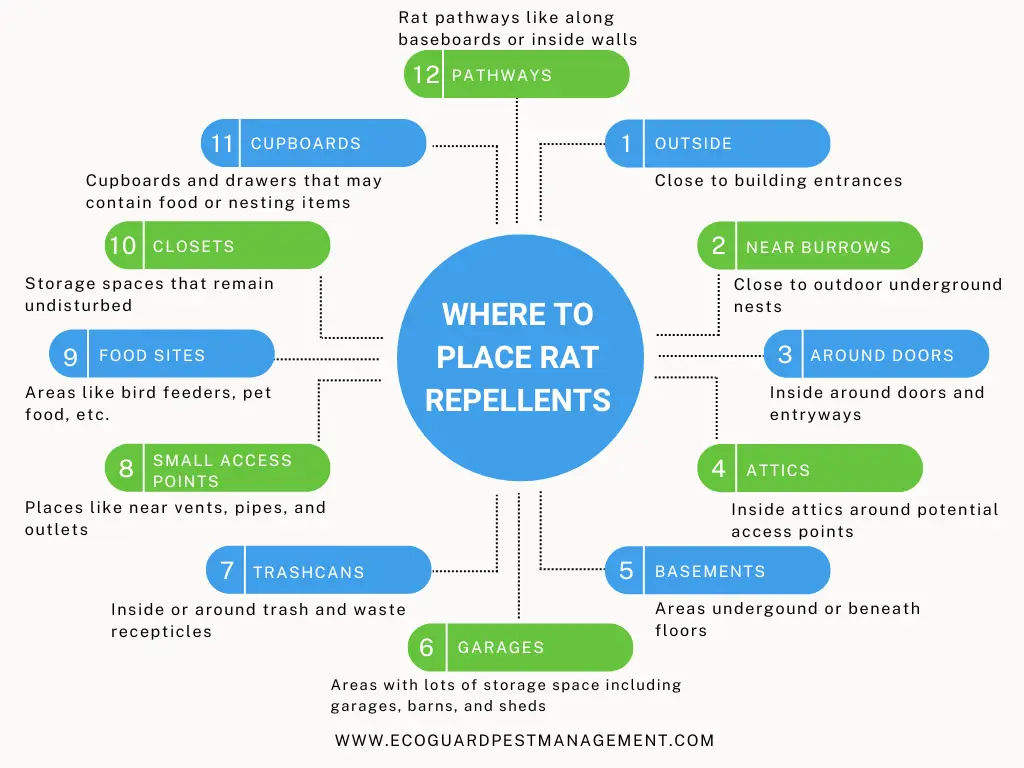
While rats dislike certain scents like peppermint and ammonia, repellents alone are ineffective against established infestations. Roof rats adapt quickly to deterrents when shelter and food are available. Effective control requires professional exclusion and population elimination—repellents at best provide limited, temporary deterrence.

Preventing roof rat entry requires addressing their aerial access routes and sealing vulnerabilities:

  • Trim tree branches at least 4 feet from your roof
  • Seal gaps around roofline vents with metal mesh
  • Repair damaged eaves and soffits
  • Install guards on utility lines entering the structure
  • Cover chimney openings with appropriate caps
  • Remove or secure food sources like bird feeders and fallen fruit

Roof rats prefer fruits, nuts, and plant-based foods. Effective trap baits include dried fruit, nuts, peanut butter, and berries. Professional baits are formulated for maximum palatability and effectiveness. However, proper trap placement along travel routes is more important than bait selection—rats won't find baits placed in wrong locations.

Roof rats are excellent climbers that access structures from above. They travel via tree branches, power lines, fences, and vines to reach rooflines. They enter through gaps around vents, damaged eaves, holes where utilities enter, uncapped chimneys, and openings as small as a quarter. Their agility allows them to access points other rodents cannot reach.

Professional treatment includes: comprehensive inspection using thermal imaging to locate hidden nests, strategic trap placement along mapped travel routes, tamper-proof bait stations, exclusion engineering with custom metal fabrication to seal all entry points, environmental modification to eliminate attractants, and ongoing monitoring systems.

Initial treatment typically shows significant results within 1-2 weeks, with complete elimination taking 2-4 weeks depending on population size. Exclusion work provides permanent protection when properly maintained. Annual protection plans with quarterly monitoring ensure early detection of any new activity.

Yes, our treatments prioritize family and pet safety. We use tamper-proof bait stations that prevent access by children, pets, and non-target wildlife. Traps are placed in attics and areas away from living spaces. All products are EPA-registered and applied by licensed technicians following strict safety protocols.

Long-term prevention requires eliminating access routes and attractants:

  • Maintain tree trimming at least 4 feet from roof
  • Keep all exclusion barriers intact
  • Remove fallen fruit promptly
  • Secure or remove bird feeders
  • Store pet food in sealed containers
  • Eliminate water sources on roof
  • Schedule regular monitoring inspections

Our technicians perform comprehensive interior and exterior assessments, using thermal imaging to detect hidden nests, mapping travel routes via grease marks and droppings, identifying all entry points around rooflines and vents, and evaluating attractants like fruit trees and food sources. Inspections typically take 45-60 minutes.

Roof rats are attracted to: elevated shelter opportunities (attics, palm trees, dense ivy), food sources (citrus trees, fruit trees, bird feeders, pet food), water sources (leaky gutters, air conditioning drip lines), and aerial access routes (overhanging trees, power lines, fences). Properties with mature landscaping near structures are at higher risk.

Most customers notice reduced activity within 48-72 hours, with scratching sounds diminishing within the first week. Significant population reduction occurs within 1-2 weeks. Complete elimination typically takes 2-4 weeks as bait is carried back to nesting sites. Follow-up visits confirm elimination.

DIY methods typically scatter rat populations, creating multiple satellite colonies. Store-bought traps miss the aerial travel routes and hidden nests that professionals locate with thermal imaging. Professional treatment includes permanent exclusion engineering that DIY approaches cannot match, plus ongoing monitoring for lasting protection.

Commercial services include comprehensive facility inspection, thermal imaging surveys, customized treatment plans compliant with health codes, discrete service delivery, detailed documentation for regulatory compliance, regular monitoring visits, emergency response services, and staff training. We work around your business hours.

Natural deterrents like peppermint oil, ultrasonic devices, and predator urine provide minimal effectiveness against established roof rat populations. These intelligent rodents quickly adapt to or ignore such deterrents. Professional integrated pest management combining exclusion, baiting, trapping, and monitoring remains the only reliably effective approach.

Before treatment: ensure attic access is clear, note all locations where you've heard sounds or seen droppings, identify any fruit trees or food sources on property, secure or remove pet food, and note if neighbors have had rat issues. Don't clean up droppings before inspection—they help us map activity.

For optimal protection, we recommend quarterly monitoring visits, especially for properties with mature trees, fruit trees, or previous infestations. Treatment frequency may increase during fall when rats seek indoor shelter. Annual protection plans provide comprehensive year-round coverage with early warning monitoring.

Cold and rainy weather drives roof rats indoors seeking warmth and dry shelter, making fall and winter peak invasion seasons. During summer, populations expand outdoors then seek indoor shelter as temperatures drop. Our seasonal treatment strategies adapt to these behavioral changes for year-round protection.

Yes, roof rats cause significant structural damage. They gnaw through electrical wiring (creating fire hazards), damage insulation (requiring costly replacement), chew through PVC pipes (causing leaks), and weaken wooden structural elements. Their urine and droppings also contaminate attic spaces and can damage stored items.

Continued activity may indicate: new rats entering through unsealed entry points, a larger population than initially assessed, rats in wall voids not yet reached by treatment, or neighboring properties with active infestations. Contact us if activity continues—our guarantee covers retreatment and additional exclusion work.

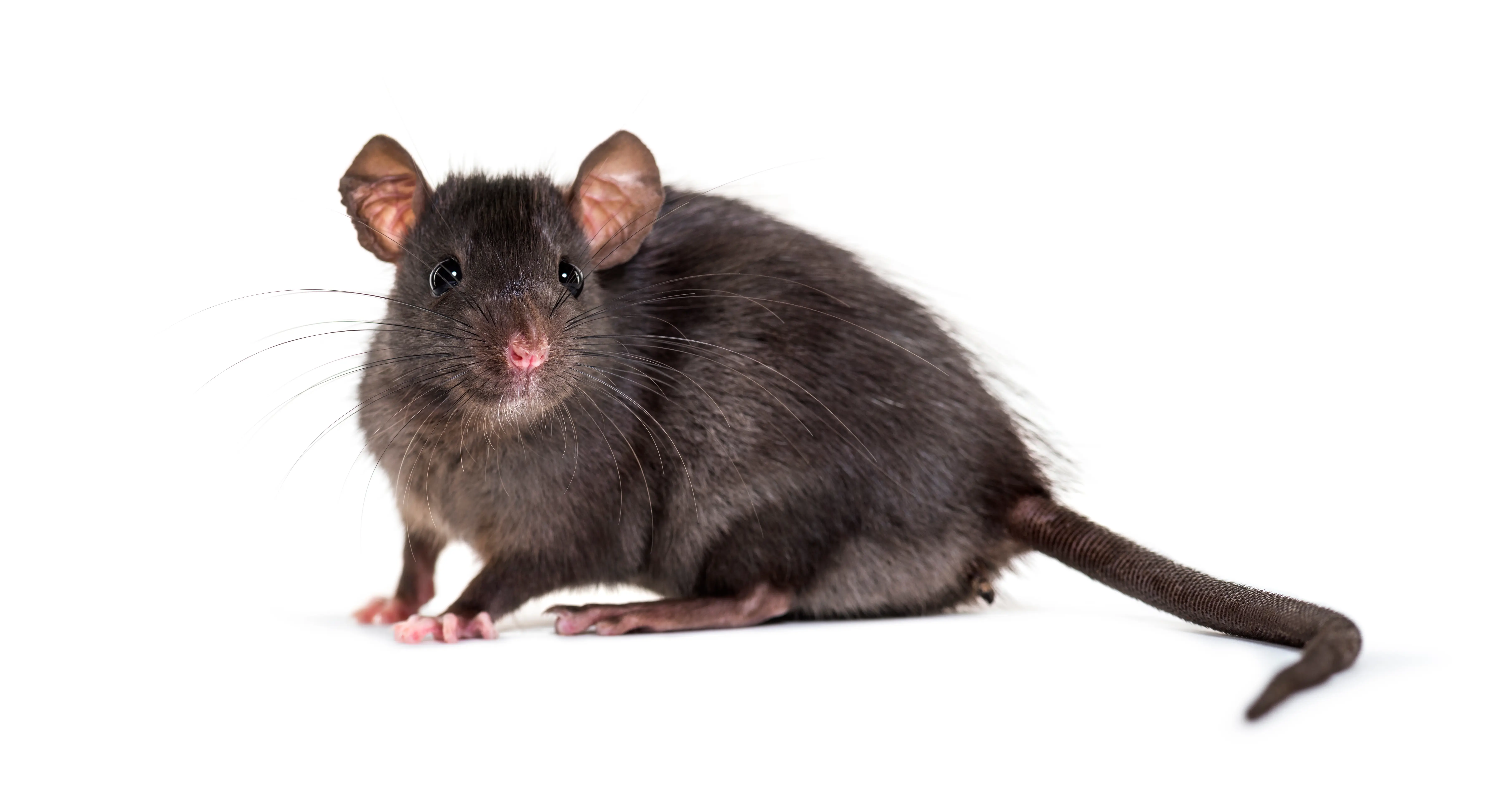
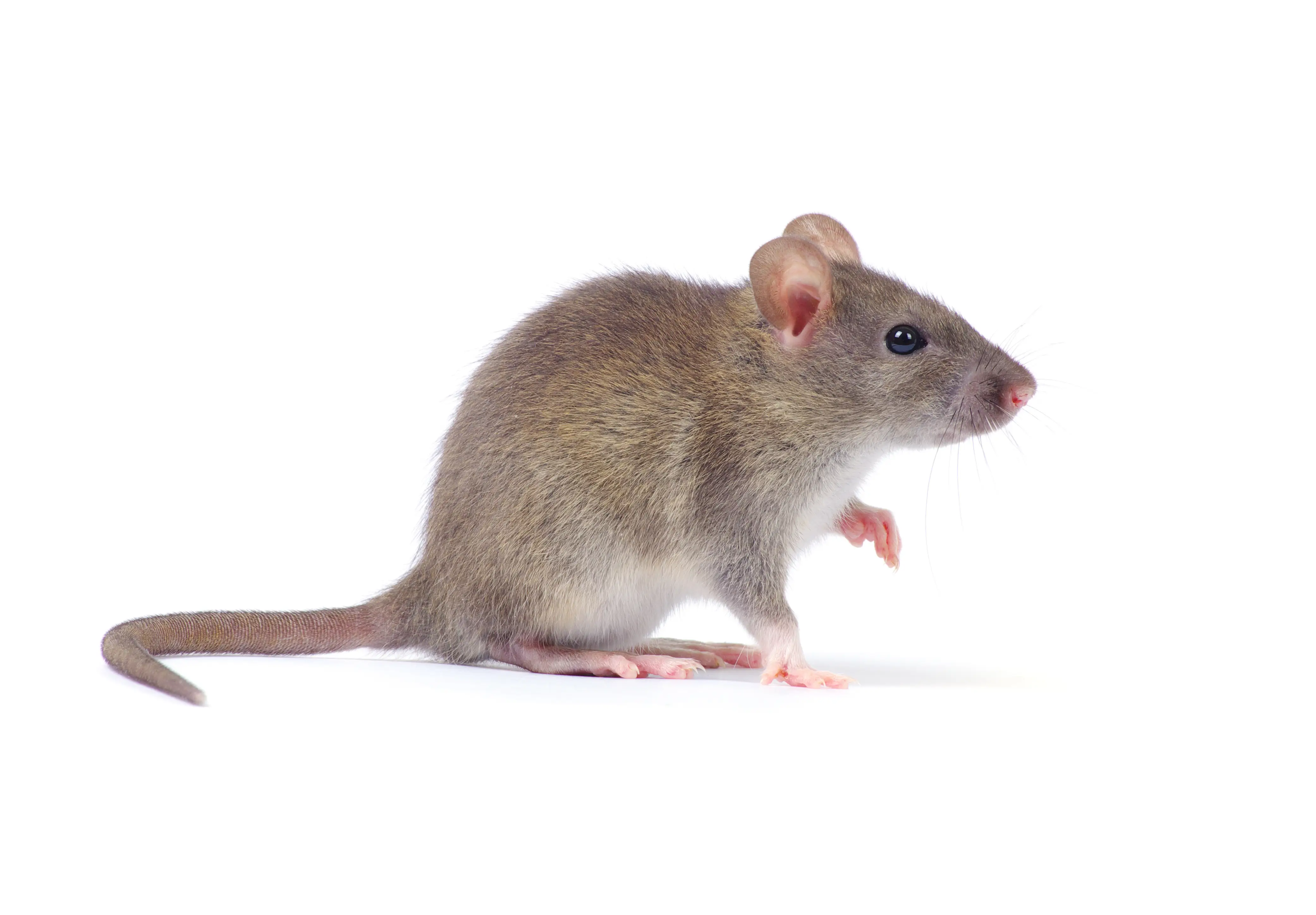
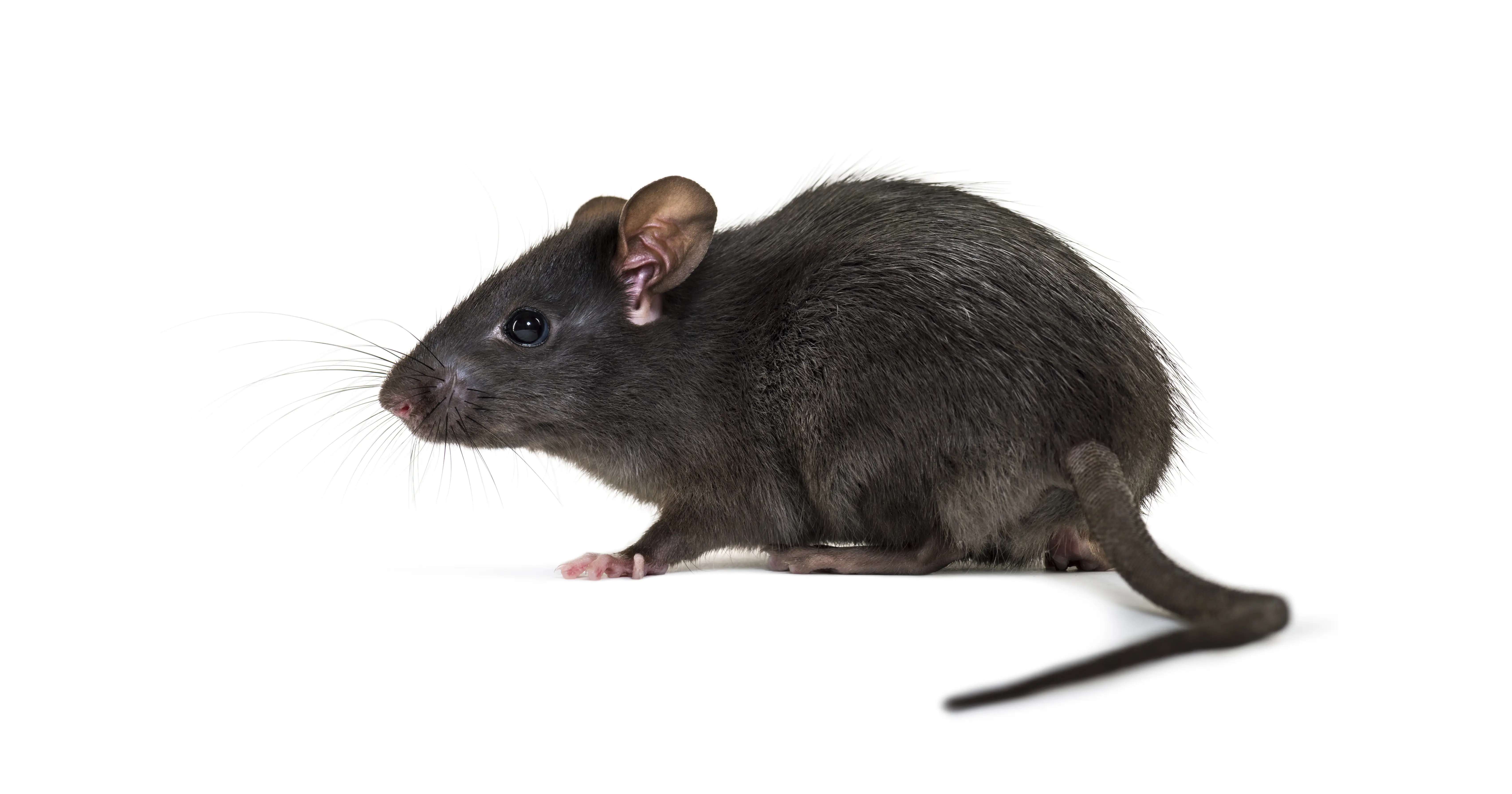
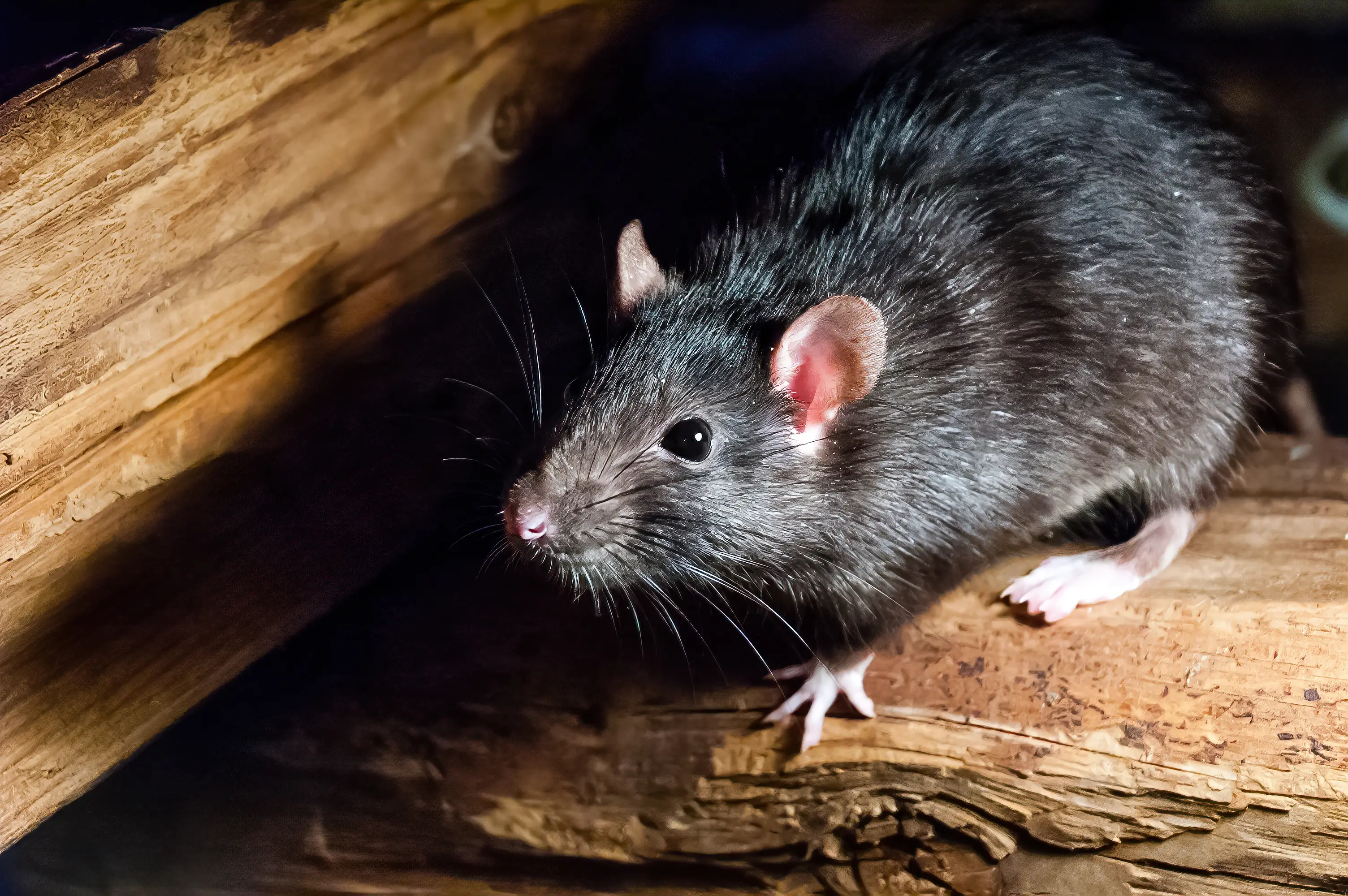
Roof rats (also called black rats) are sleeker with larger ears, pointed noses, and tails longer than their bodies. They're excellent climbers that nest in elevated areas like attics. Norway rats are larger and stockier with smaller ears and shorter tails, preferring to burrow underground. Treatment strategies differ significantly based on species.

Related Articles & Resources

Learn more about roof rat prevention, identification, and control
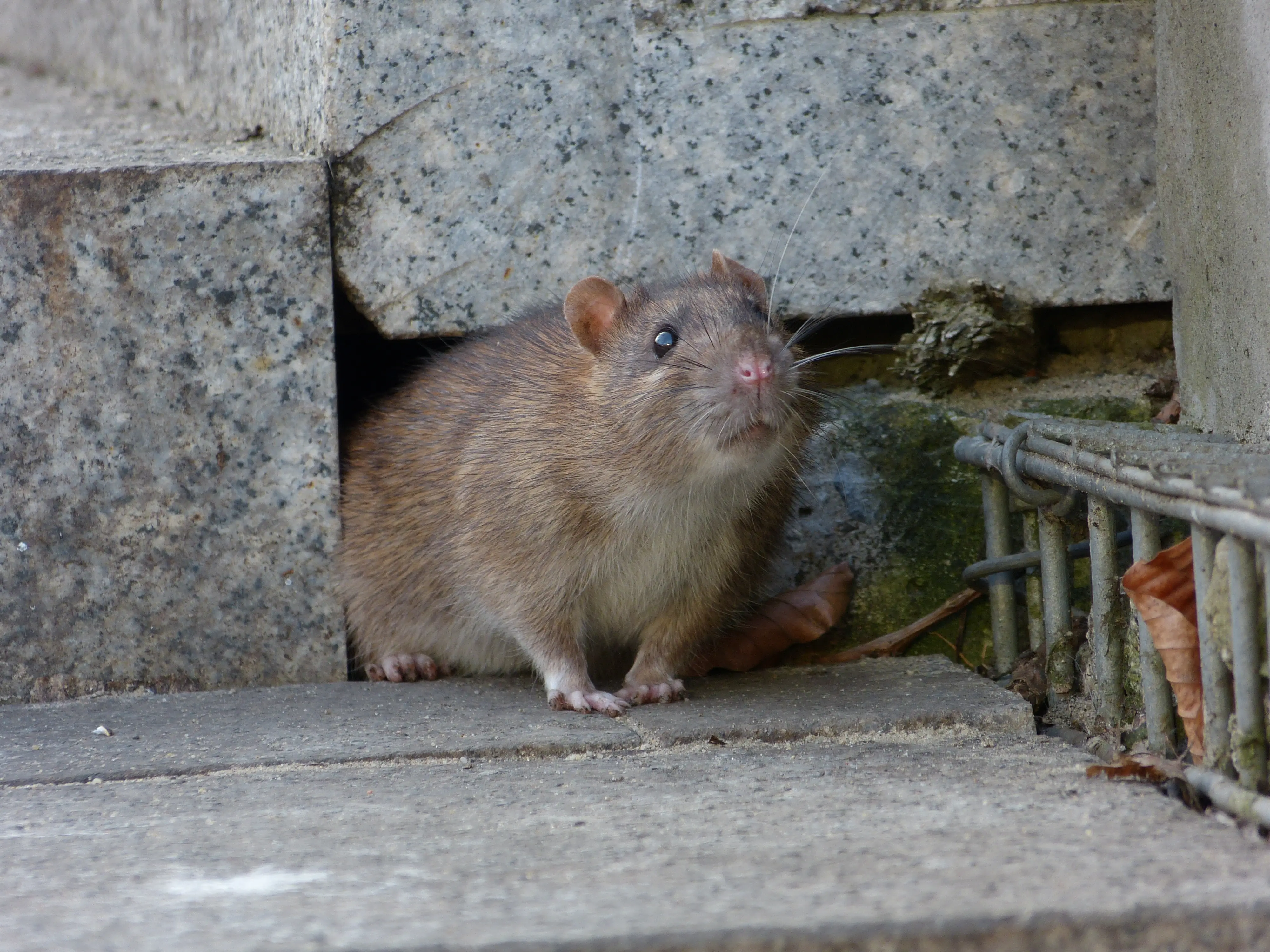
Different Types of Rat Species in North America

Different Types of Rat Species in North America

Learn about common rat species including brown rats, black rats, packrats, and marsh rats. Identification, behavior, diseases, and control methods.

Read Article →
How Big Can Rats Get? Size Guide by Species

How Big Can Rats Get? Size Guide by Species

Learn how big rats can get by species, from common brown and black rats to giant species. Discover what factors affect rat size and why it matters for pest control.

Read Article →
How Long Do Rats Live? Lifespan, Life Cycle & Reproduction

How Long Do Rats Live? Lifespan, Life Cycle & Reproduction

Learn about rat lifespan, life cycle stages, reproduction rates, and factors affecting longevity. Understand why rat populations grow so quickly.

Read Article →
How to Get Rid of Rats: Complete Control Guide

How to Get Rid of Rats: Complete Control Guide

Learn how to get rid of rats in your house and yard. Traps, prevention, exclusion, deterrents, and when to call professionals. Expert rat control tips.

Read Article →
How to Identify and Get Rid of Rat Holes and Burrows

How to Identify and Get Rid of Rat Holes and Burrows

Learn how to identify rat holes and burrows, understand the dangers they pose, and discover effective methods to eliminate and prevent rat infestations in your yard.

Read Article →
How to Repel Rats: A Comprehensive Guide

How to Repel Rats: A Comprehensive Guide

Learn effective rat repellent strategies including natural deterrents, chemical options, exclusion tactics, and where to place repellents for maximum effectiveness.

Read Article →
Mice & Rat Diseases: Transmission, Symptoms & Prevention

Mice & Rat Diseases: Transmission, Symptoms & Prevention

Learn about diseases transmitted by rats and mice including hantavirus, plague, salmonella, and rat bite fever. Transmission routes and prevention tips.

Read Article →
What are Rats? Species, Behavior, Signs & Control

What are Rats? Species, Behavior, Signs & Control

Learn about rats including Norway and roof rat species, behavior, diet, reproduction, signs of infestation, and how to get rid of them effectively.

Read Article →
What are Roof Rats? Identification, Prevention & Control

What are Roof Rats? Identification, Prevention & Control

Learn about roof rats (black rats), their behavior, what attracts them, signs of infestation, and how to prevent and eliminate them from your home.

Read Article →
What Do Rats Eat? Diet, Food Preferences & Trapping Baits

What Do Rats Eat? Diet, Food Preferences & Trapping Baits

Learn what rats eat, what attracts them to your home and yard, toxic foods for rats, and the best foods for trapping rats effectively.

Read Article →
What Does Rat Poop Look Like? Identification and Health Risks

What Does Rat Poop Look Like? Identification and Health Risks

Learn how to identify rat droppings, understand the health risks they pose, and discover safe cleanup methods. Complete guide to rat poop identification and prevention.

Read Article →
View All Pest Control Articles →

Ready to Eliminate Your Roof Rat Problem?

Get a free estimate for your roof rat problem today. Our experts will assess your property and provide a customized treatment plan.

Connect With Us

Follow EcoGuard Pest Management for tips, updates, and special offers

f𝕏yin