
EcoGuard Pest Management
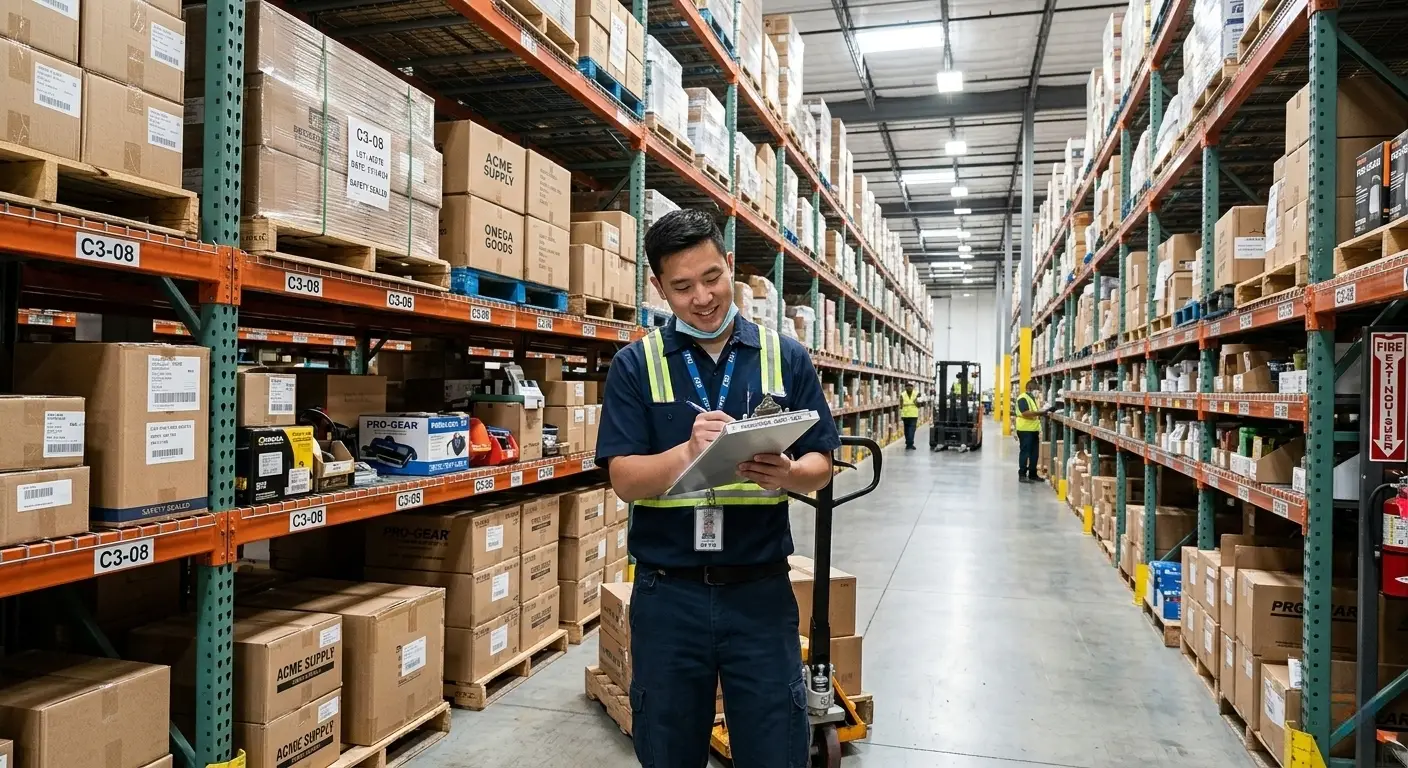
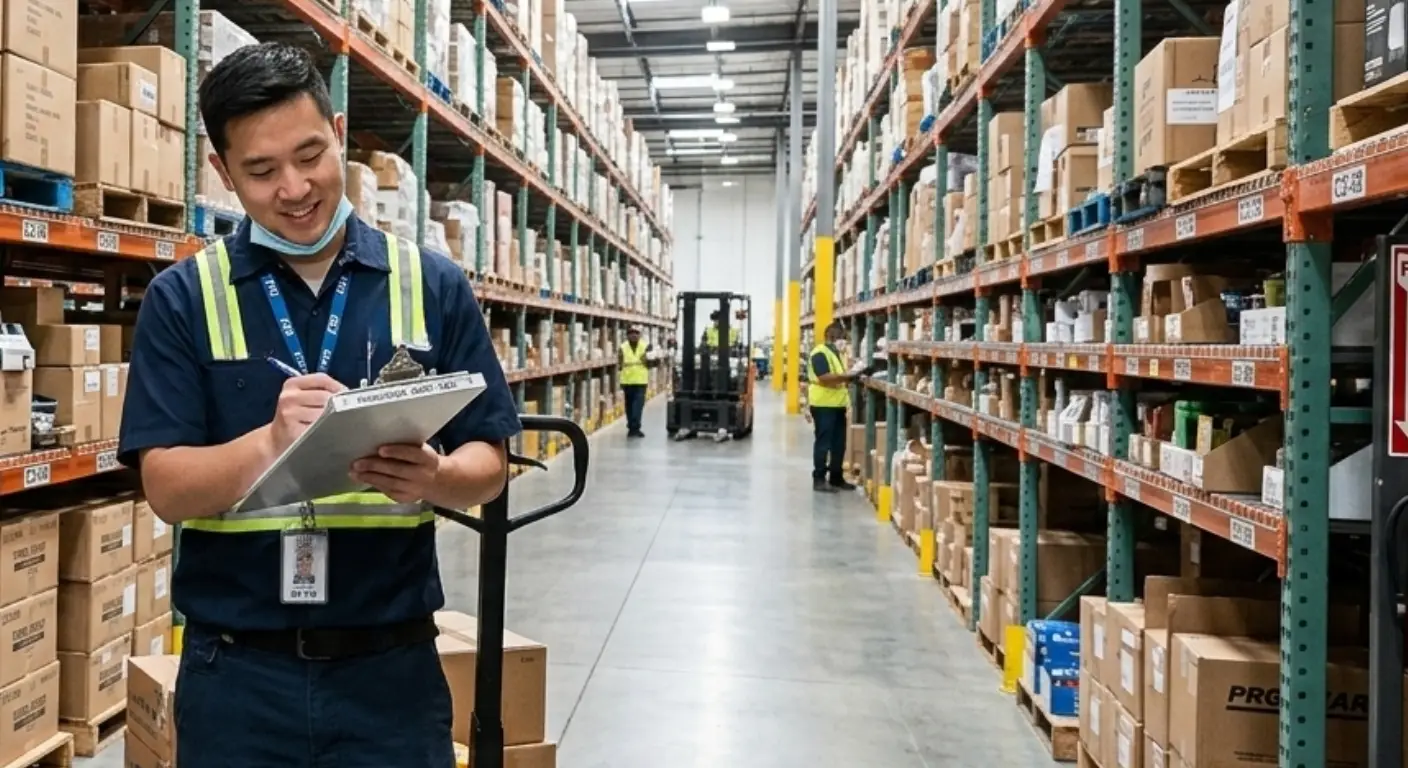
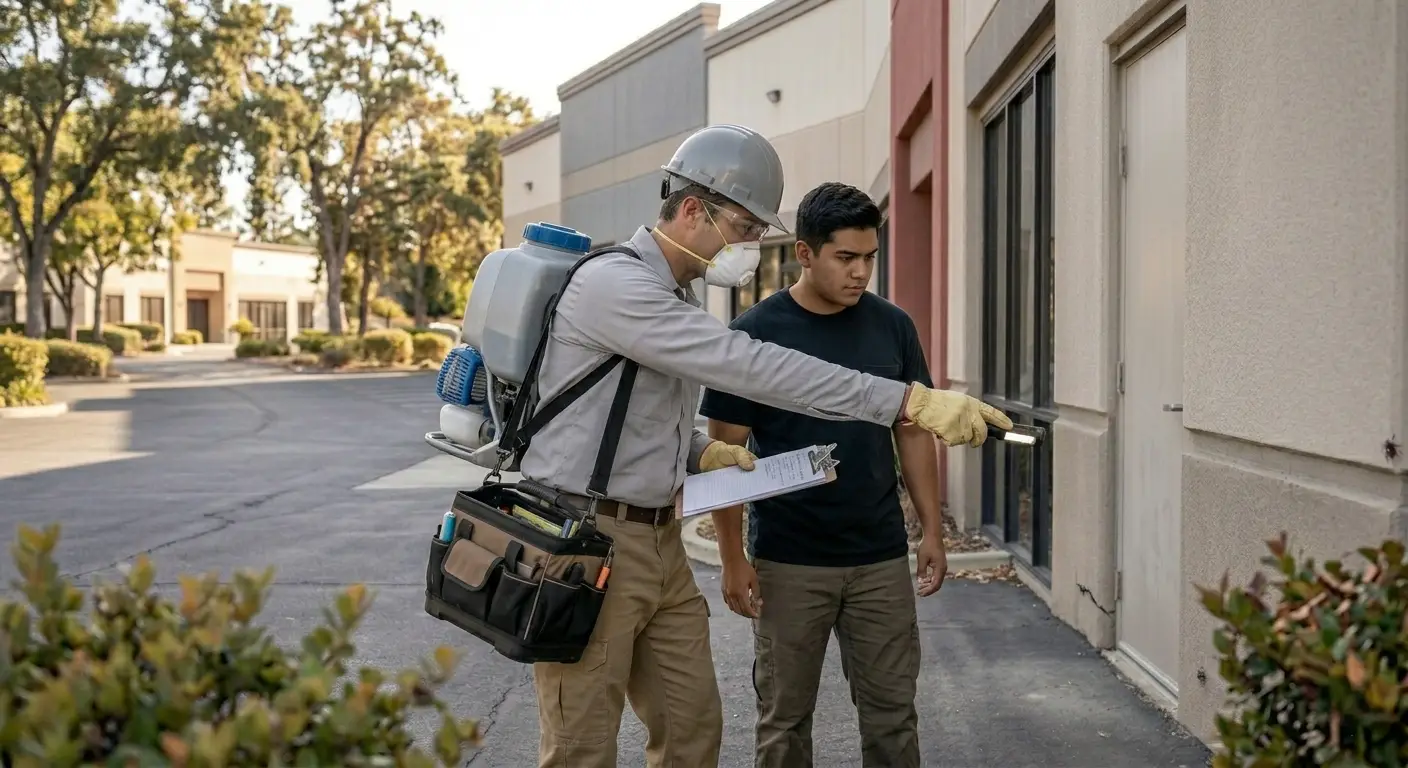
Professional pest control technician inspecting warehouse storage area

Pest Control for Warehouses & Storage Facilities

EcoGuard Pest Management provides comprehensive pest control solutions for warehouses, distribution centers, and storage facilities across California, Oregon, Washington, Texas, Tennessee, and Nevada.

Protect Your Inventory & Client Relationships

EcoGuard knows firsthand how impactful maintaining a pest-free warehouse can be for a business's reputation and revenue. Even the smallest pest issue can cause big problems as word of infestations can cause clients to revoke contracts. Our licensed and trained technicians provide specialized pest control for warehouses and storage facilities using integrated pest management (IPM) to create custom plans that protect your inventory and business relationships.

Seeing pest activity in warehouses is almost inevitable given the different resources available to bugs and rodents. Large spaces with abundant hiding spots and minimal disturbance create ideal conditions for pests. This is why warehouses require a high level of pest management to ensure the highest standards of health and safety are met.

⚠️ Consequences of Pests in Warehouses

  • Spreading disease, bacteria, germs, viruses, and other pathogens to stored goods
  • Destroying stored goods like paper, linens, food products, and packaging
  • Extensive damage to equipment and property if left unchecked
  • Contamination spreading downstream through the entire supply chain
  • Reputation damage leading to lost contracts and clients
  • Potential litigation, penalties, and business closure in severe cases

Contact Us

Custom pricing based on facility size

  • Comprehensive facility inspection
  • Integrated pest management (IPM)
  • Rodent control & exclusion
  • Stored product pest management
  • Staff IPM training included
  • Ongoing monitoring & documentation
Get Free Estimate

Get Your Free Warehouse Quote

Protect your property with a free warehouse quote from our licensed experts.

✓ Same-day service available
✓ Licensed & insured
✓ Detailed property assessment
✓ No-obligation estimates

Service Areas

We provide warehouse control services throughout:

  • California
  • Oregon
  • Washington
  • Texas
  • Tennessee
  • Nevada
View All Counties →

Schedule Your Warehouse Inspection

Our licensed technicians will inspect your facility and create a customized IPM plan that protects your inventory, your equipment, and your client relationships.

📞 Call 866-942-0764Request Free Estimate

Our Warehouse Pest Control Services

EcoGuard uses an integrated pest management (IPM) approach that combines proactive prevention with targeted treatments to protect your facility with the least environmental impact possible.
Technician inspecting warehouse storage racks for pest activity

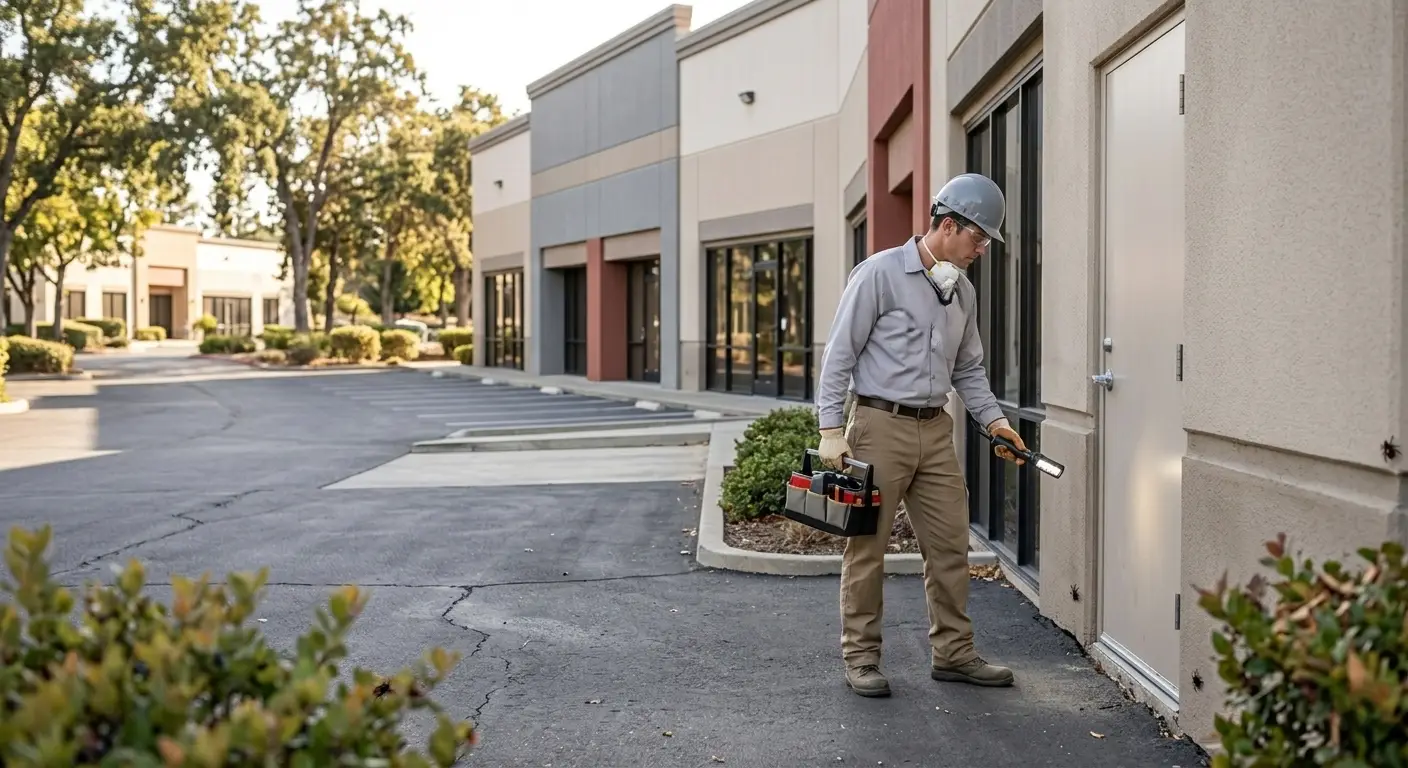
Warehouse Pest Inspection

We explore common bug harborage points and equipment to check for pest and rodent activity, identifying the best plan of action for existing problems or optimal prevention strategies.

Technician sealing entry points at warehouse loading dock

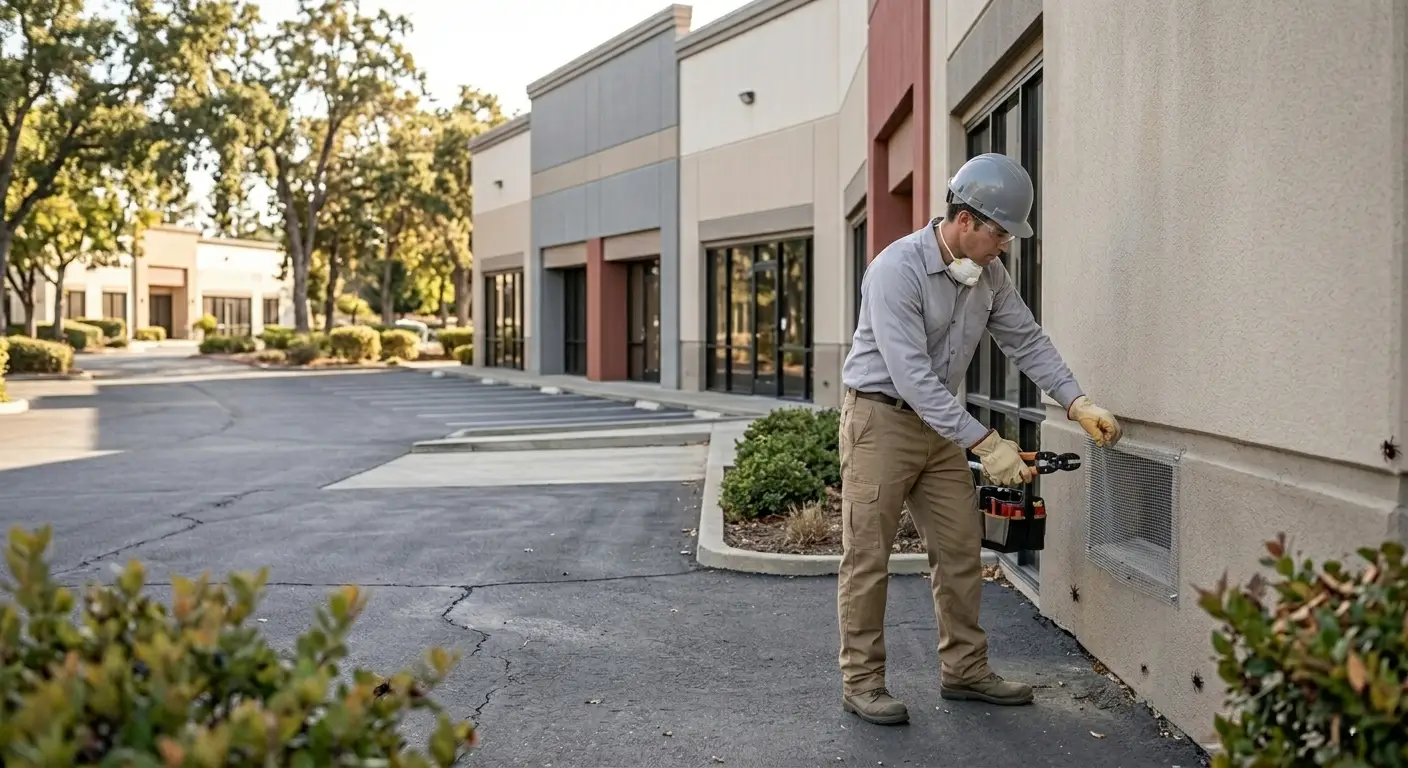
Warehouse Pest Exclusion

We identify potential entry points including cracks in walls, gaps under doors, and openings around plumbing, then block them off so pests can no longer access your facility.

Rodent monitoring station in warehouse storage area

Rodent Control & Exclusion

Rodents are extremely common in warehouses—great hiding spots and minimal disturbance. Our targeted strategies help mitigate widespread infestations in and around your facilities.

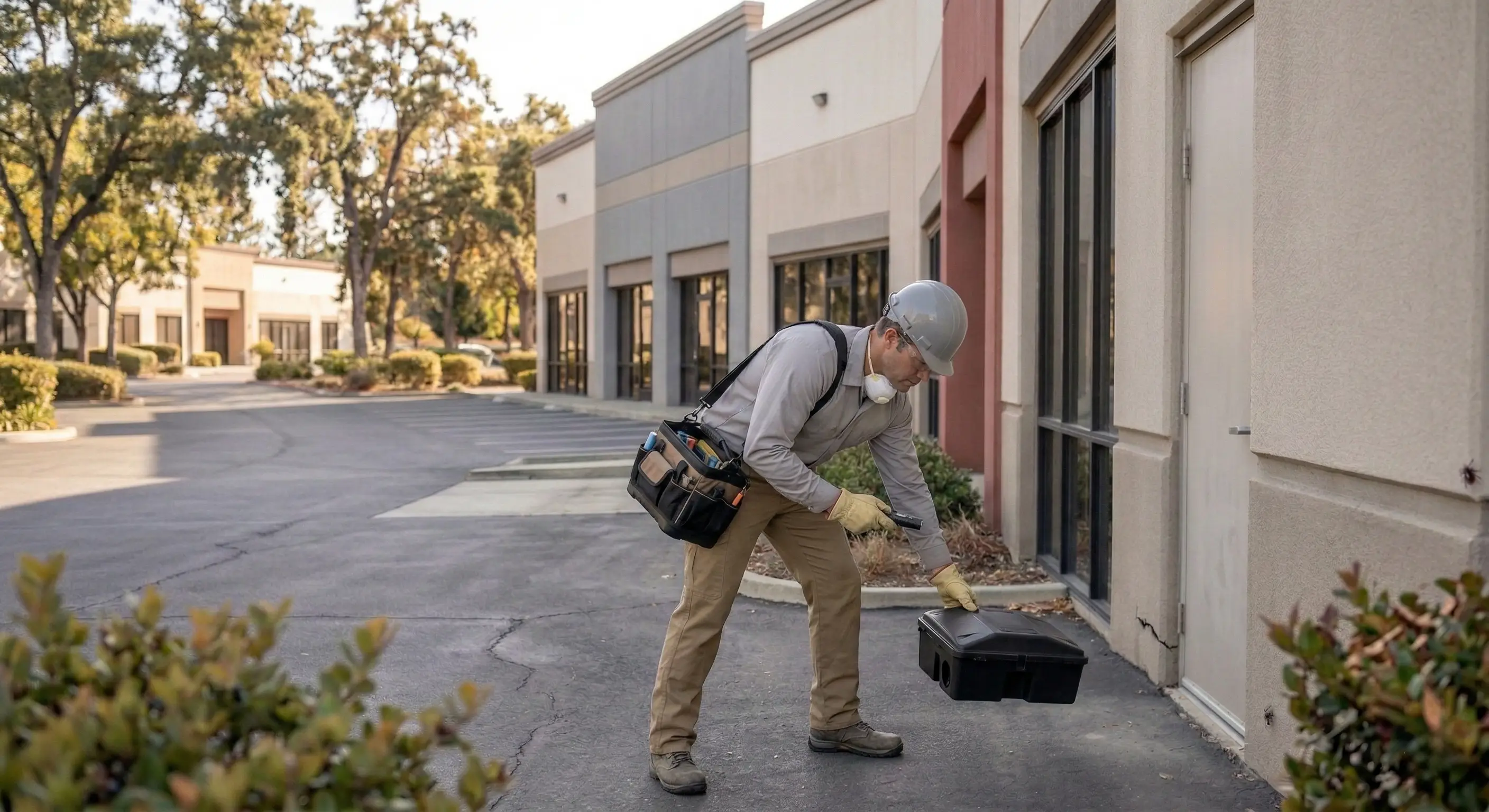
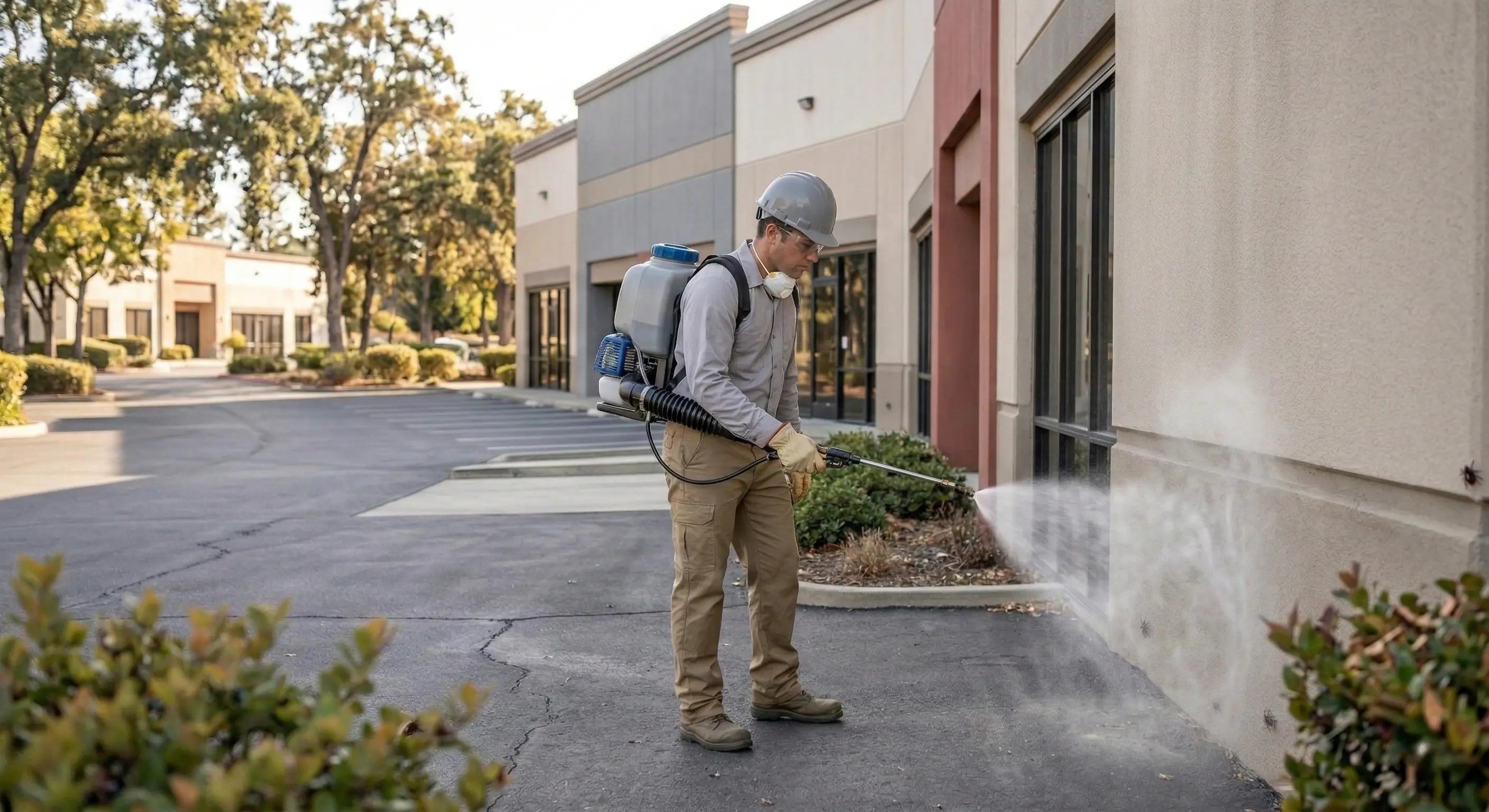
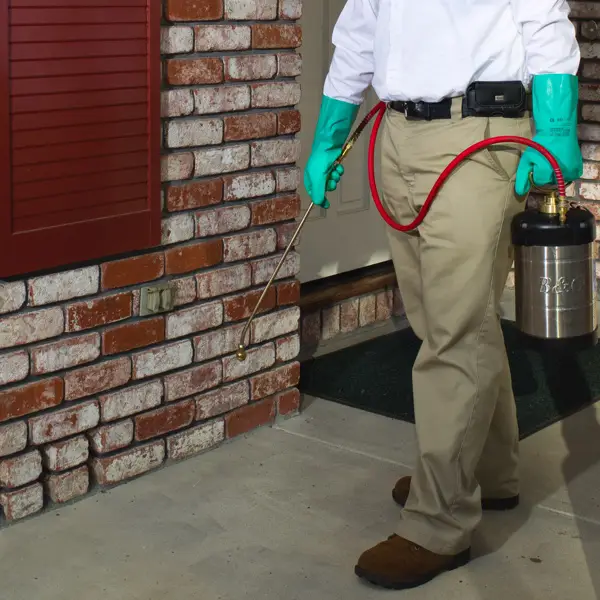
Perimeter treatment application at warehouse exterior

Cockroach Control

Roaches are nocturnal and find their way in through any tiny crack. Our exterior chemical applications establish a perimeter barrier that eliminates roach populations on contact.

Inspection of stored products for pantry pest activity

Stored Product Pest Control

Indian meal moths, weevils, and grain beetles infest stored goods including food, linens, and fabrics. We identify and isolate infested products before the problem spreads.

Pest control technician documenting inspection findings in warehouse

Monitoring & Documentation

We maintain detailed records of inspection notes and adjust services as needed to effectively treat any new pest issues as soon as they occur, ensuring compliance and accountability.

Common Warehouse Pests

Pests in warehouses can be catastrophic to business because they damage stored products and contaminate goods that flow downstream through the entire supply chain. Each pest type poses unique threats from damaged goods to contamination.

🐀

Rodents

Rats and mice are extremely clever and can destroy an entire facility's stored goods in short time if not managed properly. They gnaw through packaging, contaminate products with droppings and urine, and reproduce rapidly in undisturbed warehouse environments.

🪳

Cockroaches

These invasive pests are some of the most persistent and difficult to eradicate once they've established in an area. They spread bacteria and contaminate products. Their nocturnal nature means infestations can grow undetected before becoming visible.

📦

Stored Product Pests

Weevils, Indian meal moths, and beetles can be passed from suppliers and infest stored grains, flours, spices, linens, and fabrics. This negatively impacts not just your business but every distributor downstream in the supply chain.

Signs of Pests in Your Warehouse

Early detection is the most critical element of successful pest control. Knowing which signs to look for is essential for reporting pest activity before infestations spread.

🐀 Signs of Rodent Activity

👁️Visual confirmation of live or dead rodents
💩Droppings, waste, and urine stains
👣Footprints and tracks in dusty areas
🦷Chew marks on products, packaging, and equipment
🐀Fur caught in equipment or found during cleaning
🖤Grease smears on baseboards from rodent activity

🐛 Signs of Insect Activity

👁️Visual confirmation of live insects
🕳️Infested products with holes or webbing
🐛Active larvae or pupae in storage areas
🪲Molted skins or shell casings
🕸️Webbing in food storage (moth activity)
👃Musty or unusual odors in storage areas

Warehouse Prevention Checklist

Warehouse and facility managers are responsible for ensuring cleanliness and maintenance. Use this prevention checklist to minimize the possibility of pest infestations.

🚪

Exclusion

Most bugs and rodents find their way in via access points. Identify and seal these entry points to prevent access—the most effective method of pest prevention.

🧹

Sanitation

Keep areas clean and sanitized to eliminate trash and debris that may serve as food sources for growing pest populations.

🗑️

Waste Disposal

Use sealed containers and keep trash areas clean to reduce exposed waste that attracts pests.

🔍

Regular Inspection

Constant monitoring of potential harborage points ensures pest activity is caught immediately before it spreads.

🌿

Modify Exterior

Adjust landscaping to move vegetation that may harbor pests away from the building perimeter.

📋

Product Quality Control

Inspect packaged goods to identify and remove contaminated products. Link packages to batches for targeted examination.

Even with these steps implemented, warehouses must be constantly and thoroughly inspected. Regular professional pest control services are recommended to ensure your facility meets safety standards.
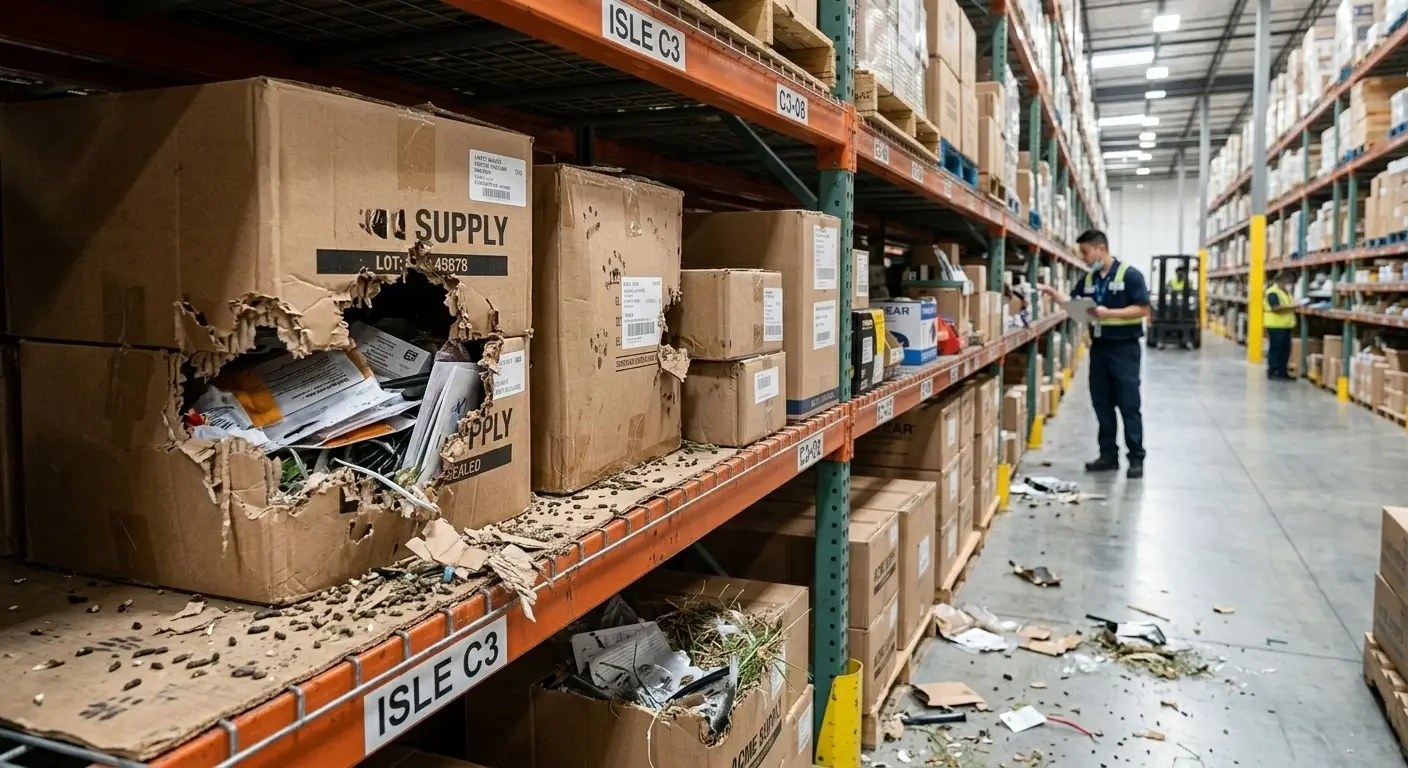
Damaged warehouse inventory from pest infestation

The Risk of Not Having Pest Control Procedures

If steps aren't taken to plan ahead for pests, the likelihood that pest control will be more difficult—and more expensive—than it needs to be is high. Proactive pest management is always more cost-effective than reactive treatment.

Without proper pest control procedures, you risk:

  • ⚠️Disease spread through contaminated products
  • ⚠️Structural and property damage from rodents and wood-destroying insects
  • ⚠️Negative reviews and sentiment with staff and clients
  • ⚠️Lost contracts and damaged business relationships
  • ⚠️Fines, penalties, litigation, and possible closure

Staff IPM Training Included

Our pest control efforts are only effective if your team provides support. That's why our IPM strategy includes comprehensive training for your staff to help identify and monitor problematic areas and alert when signs of pest activity are found.

Trained warehouse staff become your first line of defense against pest problems, catching issues early before they become costly infestations.

  • Identifying common warehouse pests
  • Recognizing signs of pest activity
  • Proper storage and sanitation practices
  • Inspection procedures for incoming shipments
  • Reporting protocols for pest sightings
EcoGuard technician training warehouse staff on IPM practices
100% SATISFACTION GUARANTEE

The EcoGuard Guarantee

EcoGuard offers a 100% satisfaction guarantee for all of our customers, and we stand by our promise to eradicate your warehouse pest control problem until the very last warehouse pest control is gone. That warehouse pest control control guarantee comes with every service and if the warehouse pest controls come back, then so do we, at no additional cost. We are standing by to give you a free estimate and to help you set your first warehouse pest control pest control service appointment.

📞 Call (866) 326-2847 Today

What Our Customers Say

Trusted by warehouses and distribution centers across 6 states for professional pest control services

★★★★★

"EcoGuard has been managing pest control for our 200,000 sq ft distribution center for 3 years. Their thorough inspections and documentation have been invaluable for our client audits. Zero pest-related incidents since we started."

Michael R.
Distribution Center Manager, CA
★★★★★

"We had a rodent problem that was threatening a major client contract. EcoGuard responded quickly, eliminated the issue, and implemented a prevention program. They saved our business relationship."

Patricia K.
Warehouse Owner, Portland, OR
★★★★★

"The staff training EcoGuard provided was incredibly valuable. Our team now knows exactly what to look for and our early detection has improved dramatically. Great investment for any warehouse operation."

James T.
Operations Director, Austin, TX

Warehouse Control FAQs

Everything you need to know about warehouse control and treatment

Effective warehouse pest control follows a systematic approach: (1) Thorough inspection to identify pest activity and entry points; (2) Exclusion to seal access points and prevent entry; (3) Sanitation to eliminate food sources and harborage areas; (4) Treatment using targeted, safe methods to eliminate existing pests; (5) Monitoring with regular inspections and tracking devices; and (6) Documentation to maintain records and demonstrate due diligence to clients.

The three primary types of pest control are: (1) Physical/Mechanical control - traps, barriers, exclusion, and environmental modification; (2) Biological control - using natural predators, parasites, or growth regulators; and (3) Chemical control - targeted pesticide applications. EcoGuard's IPM approach prioritizes physical methods first, using chemical treatments strategically and safely when necessary.

Warehouse pest control protects stored inventory from contamination and damage, maintains product quality throughout the supply chain, prevents health hazards for employees, preserves client relationships and contracts, ensures regulatory compliance, and protects your business reputation. Pest issues in warehouses can impact not just your facility but every downstream business in the supply chain.

Most warehouses require monthly professional pest control service, with more frequent monitoring in high-risk areas or during peak pest seasons. The ideal frequency depends on your facility size, what you store, your location, and your client requirements. Many clients require documented monthly service as part of vendor agreements.

We provide comprehensive documentation including detailed service reports for each visit, pest activity logs and trending analysis, monitoring station maps and inspection results, corrective actions taken, product labels and safety data sheets, and recommendations made to management. This documentation demonstrates your commitment to pest control and helps satisfy client audit requirements.

Incoming shipments are a major source of pest introduction, especially stored product pests and cockroaches. We recommend inspecting deliveries before accepting them, looking for signs of pest activity in packaging. Our service includes monitoring receiving areas and treating high-risk zones. We also provide training on what to look for when accepting shipments.

Immediately isolate the affected products to prevent spread, document the finding including product details and lot numbers, and notify your pest control provider. Check similar products from the same shipment or supplier. We can help trace the source and determine if there's a broader infestation requiring comprehensive treatment.

Yes, all our treatments are designed for commercial environments and applied by licensed technicians who understand warehouse requirements. We select products based on safety and effectiveness, and can accommodate specific requirements for food storage, pharmaceutical storage, or other sensitive inventory. Treatments are scheduled to minimize operational disruption.

Large facilities require a strategic approach with zone-based monitoring, prioritized treatment of high-risk areas, and comprehensive documentation. We develop custom service plans based on your facility layout, what you store, traffic patterns, and risk areas. Our technicians are experienced with facilities of all sizes, from small storage units to multi-hundred-thousand square foot distribution centers.

While both require commercial approaches, warehouses have unique challenges: larger spaces with harder-to-monitor areas, products stored for longer periods, less frequent human activity in some areas (allowing pests to establish), incoming shipments introducing pests, and different regulatory requirements. Our warehouse programs address these specific challenges.

Yes, pest issues are a common reason for contract termination or failed audits. Many clients, especially in food, pharmaceutical, and retail industries, have strict pest control requirements for their vendors. Evidence of pest activity can result in contract loss, damaged relationships, and difficulty winning new business. Proactive pest control protects these valuable relationships.

Yes, staff training is included in our warehouse pest control programs. We train your team on identifying common pests, recognizing signs of infestation, proper storage and sanitation practices, shipment inspection procedures, and reporting protocols. Well-trained staff serve as your first line of defense against pest problems.

We offer priority emergency response for warehouses. If you discover a significant pest issue, especially before a client audit or when it threatens inventory—contact us immediately. We can typically respond same-day for urgent situations to assess the problem and begin treatment to minimize damage and business impact.

Common stored product pests include Indian meal moths, various beetles (grain beetles, drugstore beetles, cigarette beetles), and weevils. These pests infest grains, flour, spices, dried goods, and can also damage textiles and paper products. They often arrive with incoming shipments and can spread rapidly through stored inventory.

Rodent prevention requires comprehensive exclusion (sealing any hole larger than a dime), eliminating food sources through proper sanitation, using professional monitoring stations, maintaining clean perimeters, and ongoing professional service. Since warehouses offer abundant hiding spots and minimal disturbance, vigilant monitoring is essential for early detection.

Related Articles & Resources

Learn more about warehouse prevention, identification, and control
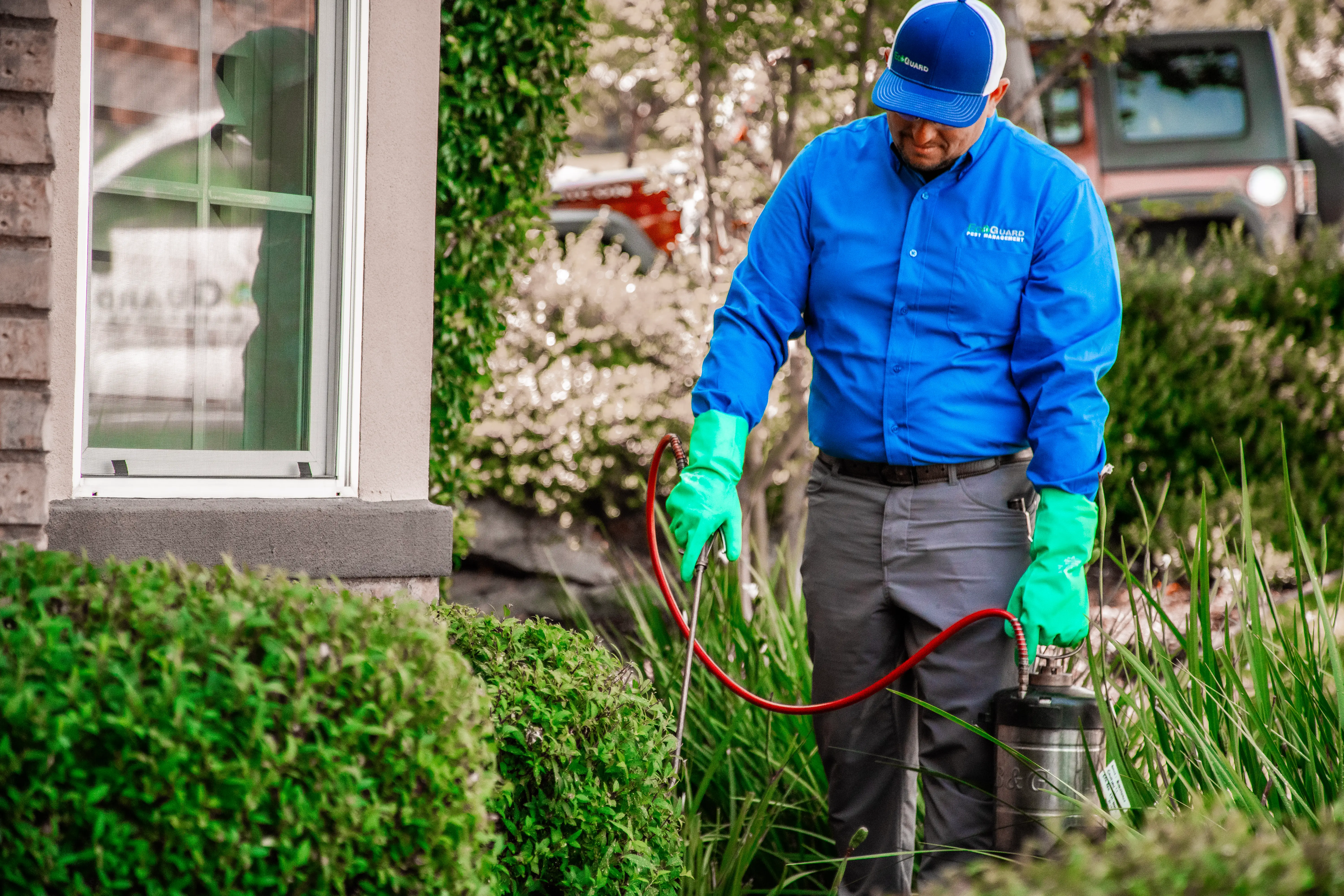
Best Time to Spray Insecticides Around the House

Best Time to Spray Insecticides Around the House

Learn the optimal timing for spraying insecticides including best seasons, time of day, and locations. Maximize pest control effectiveness with proper timing.

Read Article →
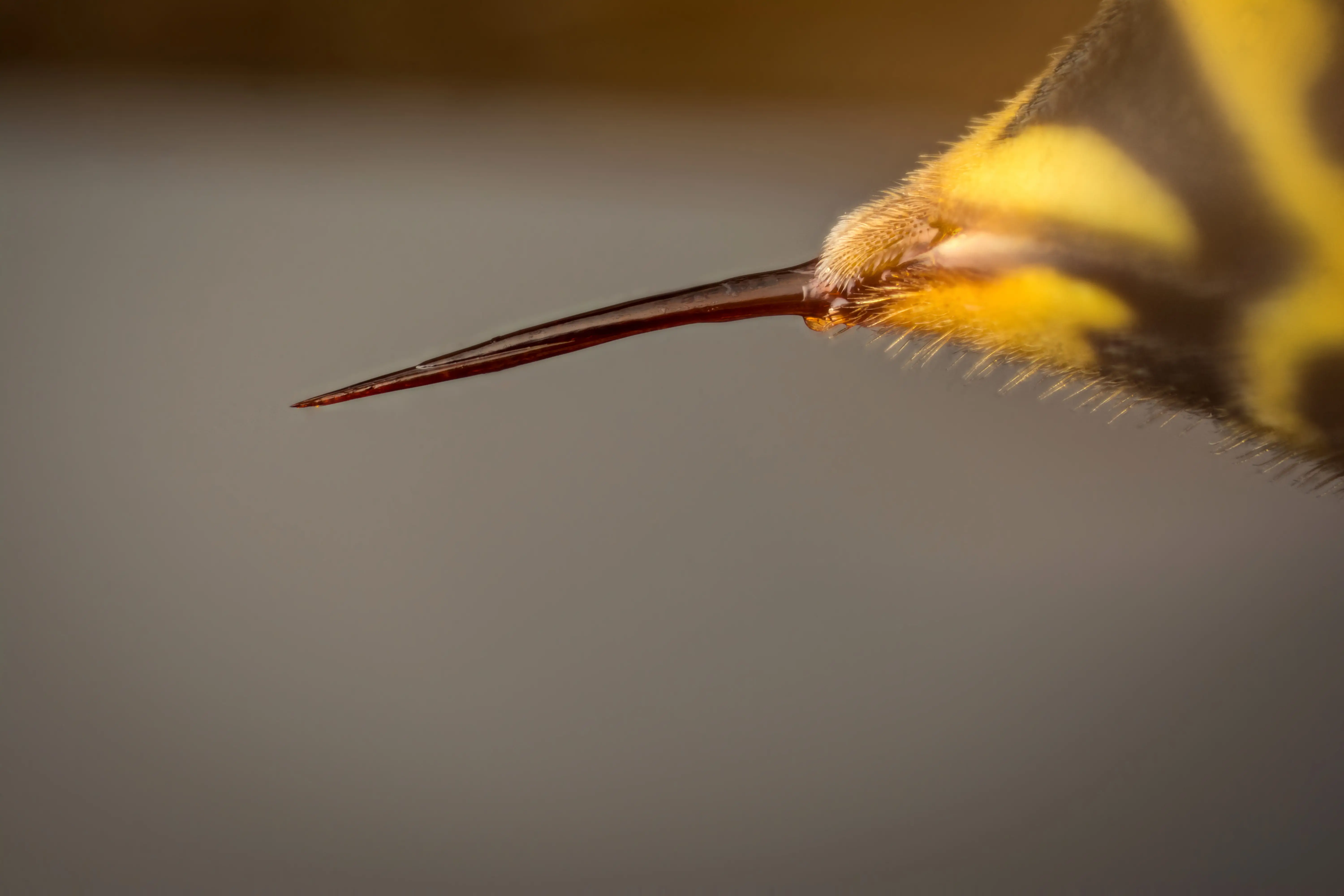
Common Insects with a Stinger: Identification Guide

Common Insects with a Stinger: Identification Guide

Learn about common stinging insects including bees, wasps, hornets, ants, and scorpions. Identification tips, danger levels, and what to do if stung.

Read Article →
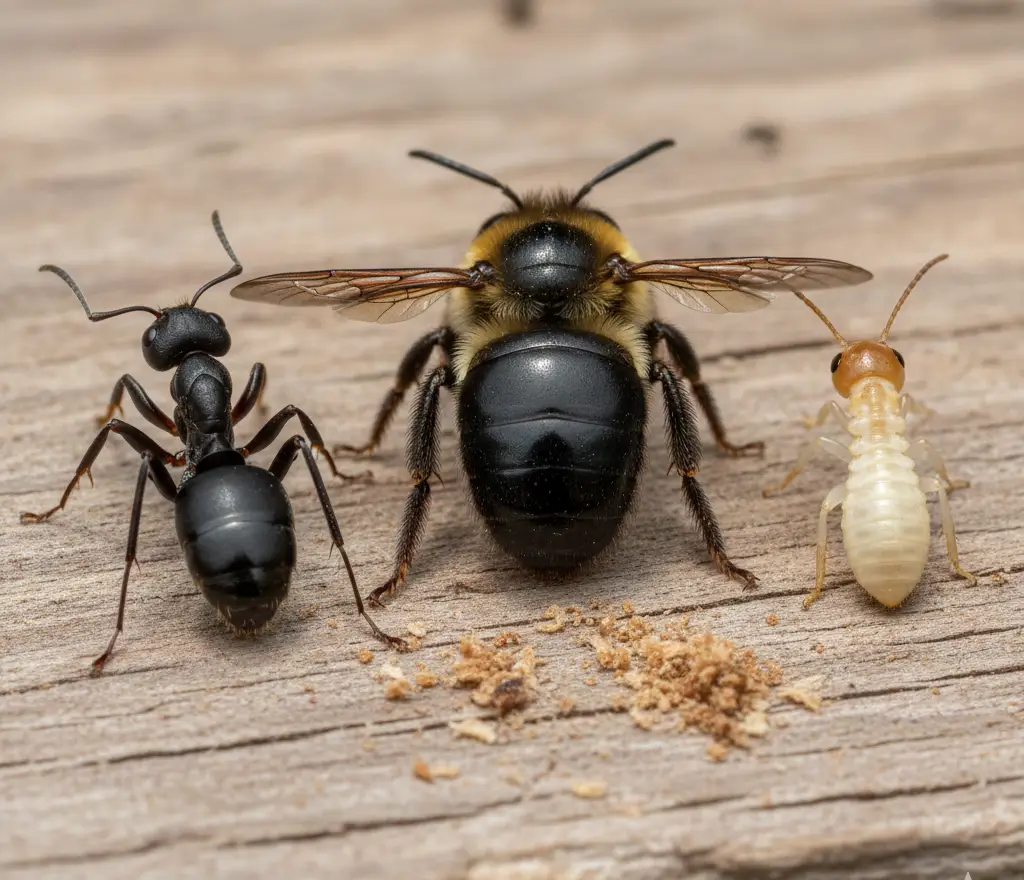
Common Wood Eating Insects: Identification & Prevention

Common Wood Eating Insects: Identification & Prevention

Learn about wood destroying insects including termites, carpenter ants, carpenter bees, and wood boring beetles. Identify signs of infestation and prevention tips.

Read Article →
Do Ultrasonic Pest Repellers Work? The Truth About These Devices

Do Ultrasonic Pest Repellers Work? The Truth About These Devices

Do ultrasonic pest repellers really work? Learn what science says about these devices, their limitations, and more effective pest control alternatives.

Read Article →
How Long After Pest Control Should I Wait to Go Inside?

How Long After Pest Control Should I Wait to Go Inside?

Learn how long to wait after pest control treatment before going inside. Typical wait time is 2-4 hours plus 30 minutes to air out. Safety tips and what to expect.

Read Article →
How Much Does It Cost to Fumigate a House? 2025 Price Guide

How Much Does It Cost to Fumigate a House? 2025 Price Guide

Learn fumigation costs by square footage ($1-$4/sq ft). Average home costs $2,000-$8,000. Factors affecting price, preparation steps, and alternatives explained.

Read Article →
How Often Should Pest Control Be Done? Frequency Guide

How Often Should Pest Control Be Done? Frequency Guide

Learn how often pest control should be done. Homes need quarterly treatments, commercial buildings monthly. How long treatments last by pest type explained.

Read Article →
How to Bug Proof Your Home or Apartment: Complete Guide

How to Bug Proof Your Home or Apartment: Complete Guide

Learn how to bug proof your home with our indoor and outdoor checklists. Seal entry points, remove attractants, and prevent pest infestations effectively.

Read Article →
How To Choose a Pest Control Company | Complete Guide

How To Choose a Pest Control Company | Complete Guide

Learn how to choose the right pest control company. Check licenses, reviews, qualifications, methods, guarantees, and insurance before hiring.

Read Article →
How to Do Pest Control at Home by Yourself: DIY Guide

How to Do Pest Control at Home by Yourself: DIY Guide

Learn DIY pest control methods for your home. Prevention tips, exclusion tactics, treatment options, and when to call professionals for best results.

Read Article →
How to Prepare for an Exterminator: Complete Checklist

How to Prepare for an Exterminator: Complete Checklist

Learn how to prepare for an exterminator visit. Complete checklist for general pest control plus specific prep for termites, bed bugs, fleas, rodents, ants, and cockroaches.

Read Article →
Is a Landlord Responsible for Pest Control? Rights & Duties

Is a Landlord Responsible for Pest Control? Rights & Duties

Learn who is responsible for pest control in rentals. Landlord duties, tenant responsibilities, lease clauses, and what to do when pests are found explained.

Read Article →
Top 12 Benefits of Eco-Friendly Pest Control

Top 12 Benefits of Eco-Friendly Pest Control

Discover the benefits of eco-friendly pest control including safety for humans, pets, and the environment. Learn about sustainable pest management strategies.

Read Article →
View All Pest Control Articles →

Ready to Eliminate Your Warehouse Problem?

Get a free estimate for your warehouse problem today. Our experts will assess your property and provide a customized treatment plan.

Connect With Us

Follow EcoGuard Pest Management for tips, updates, and special offers

f𝕏yin