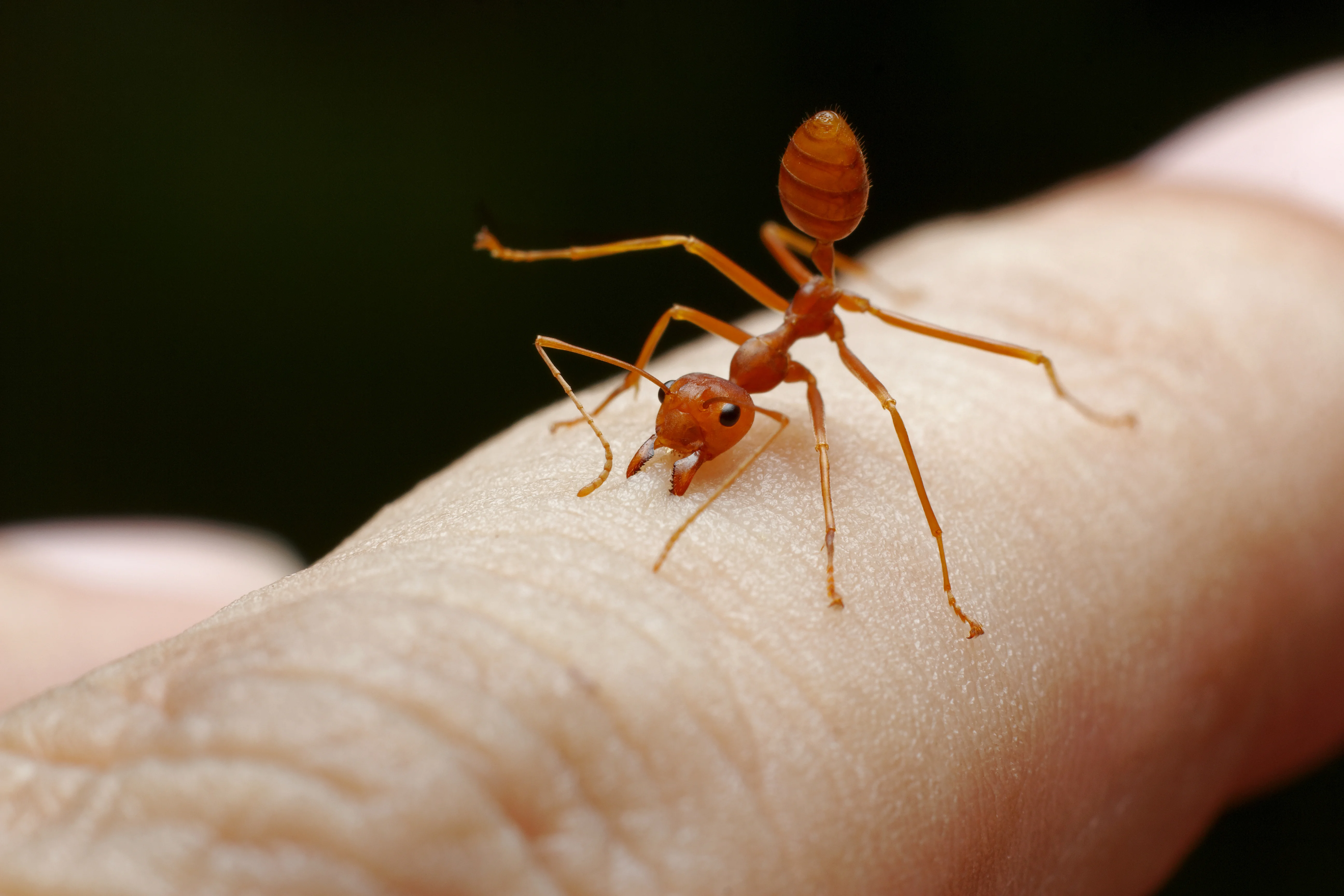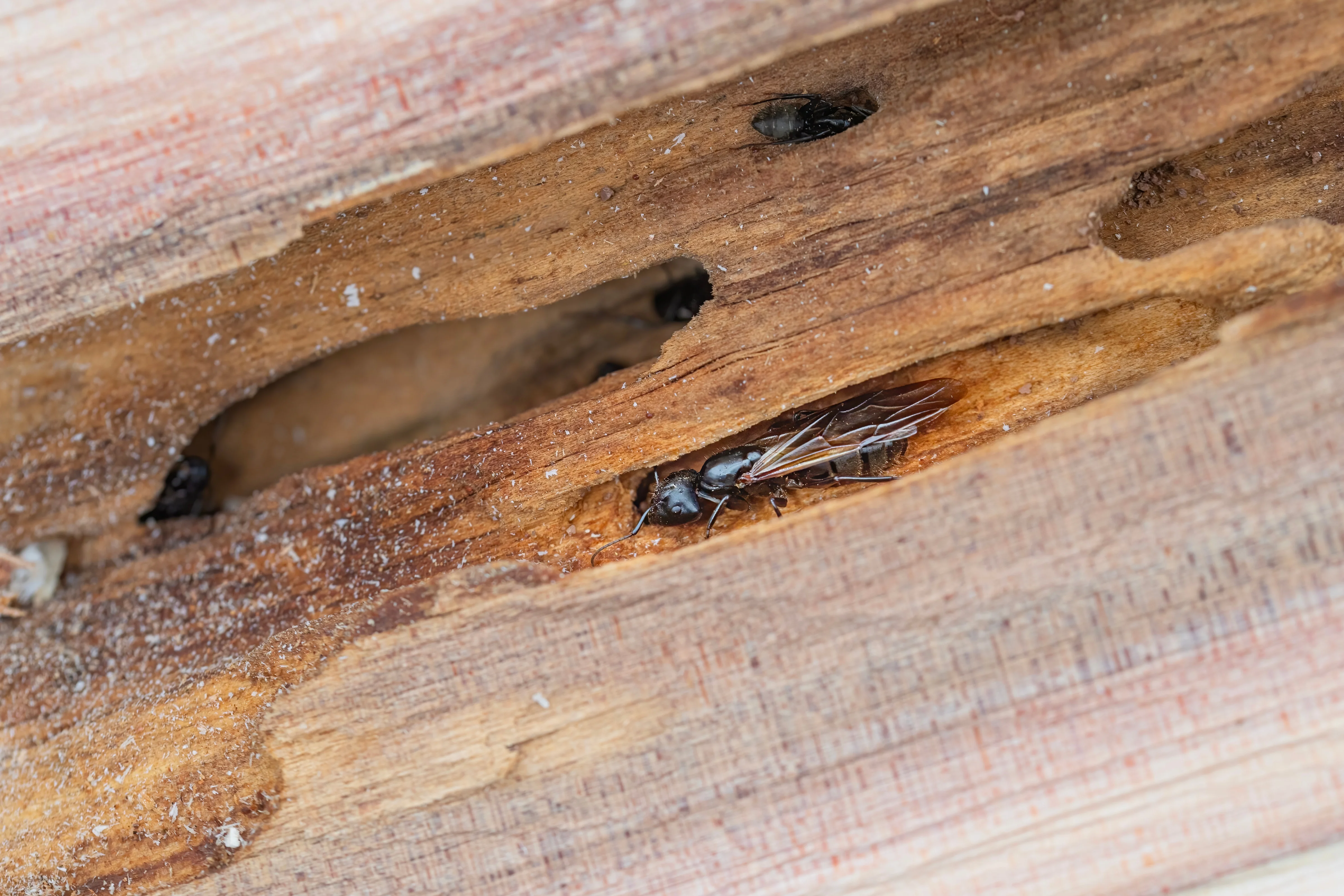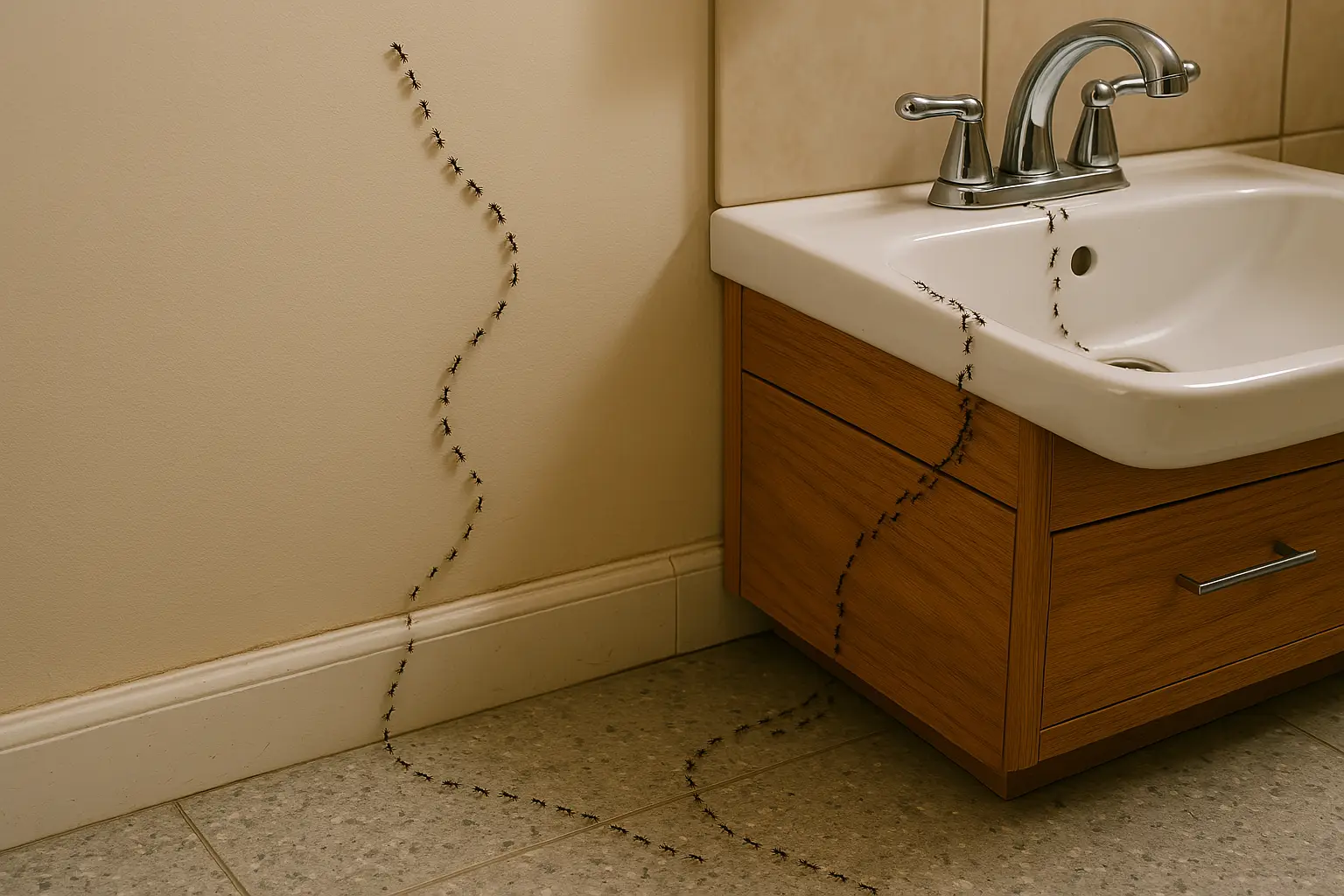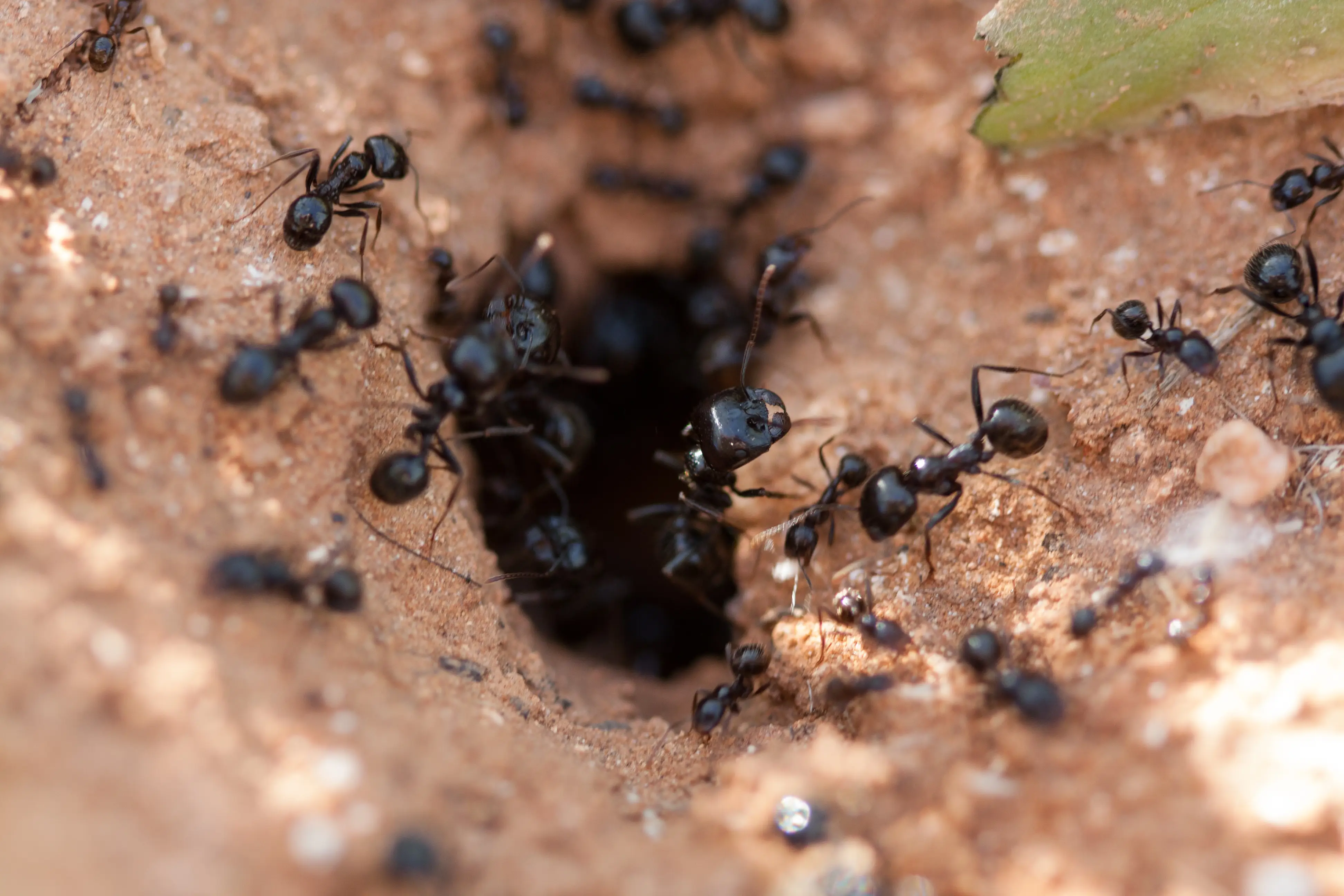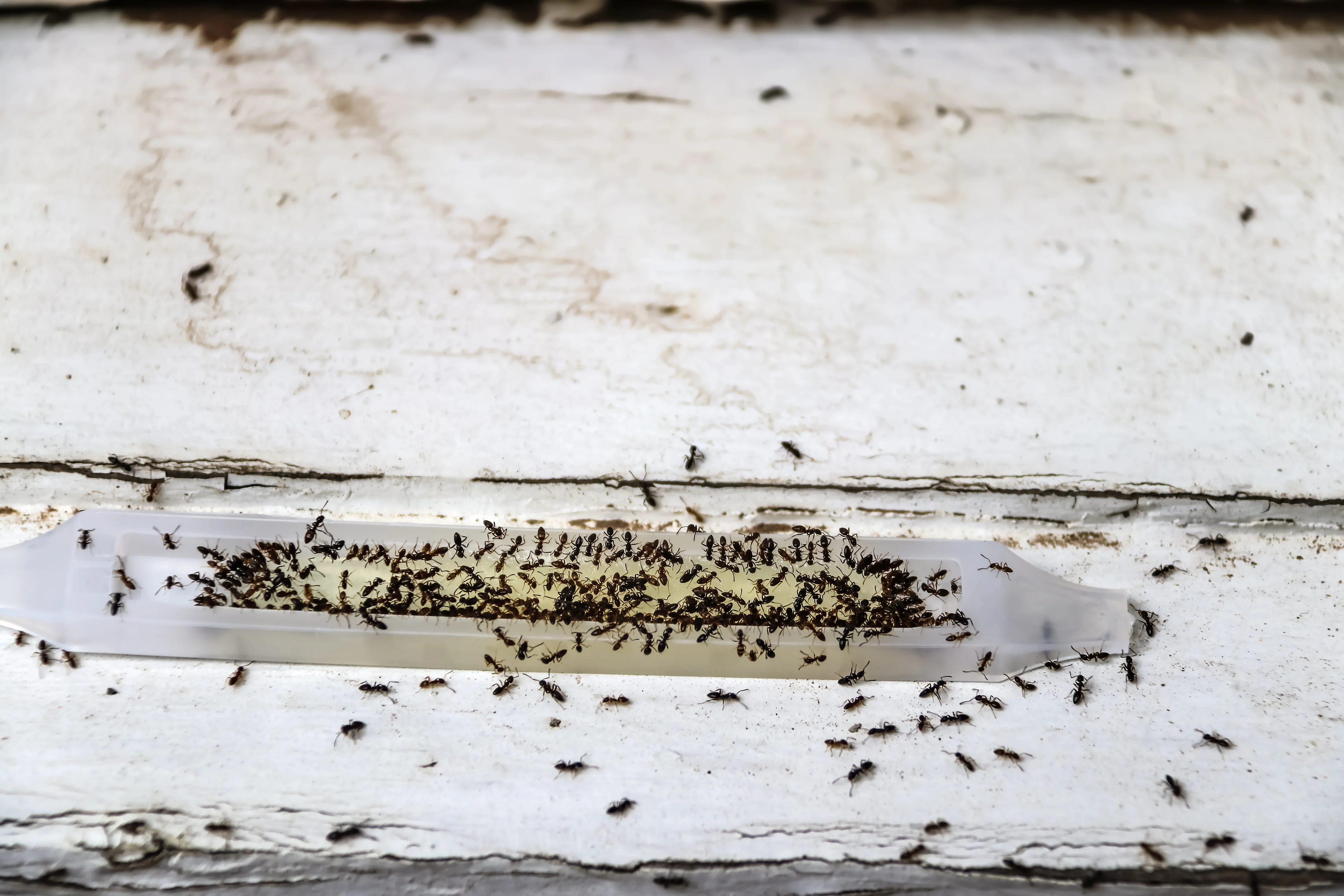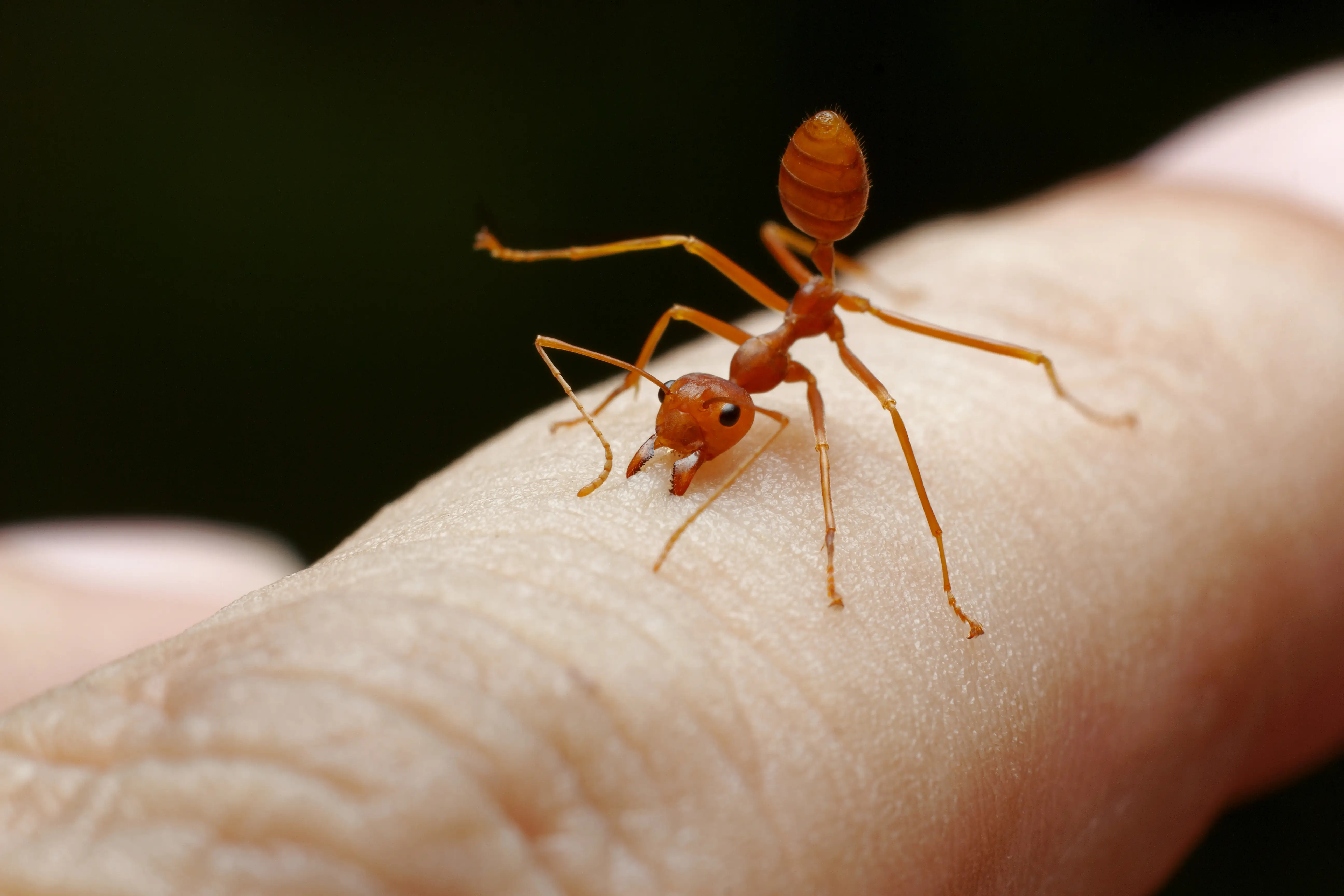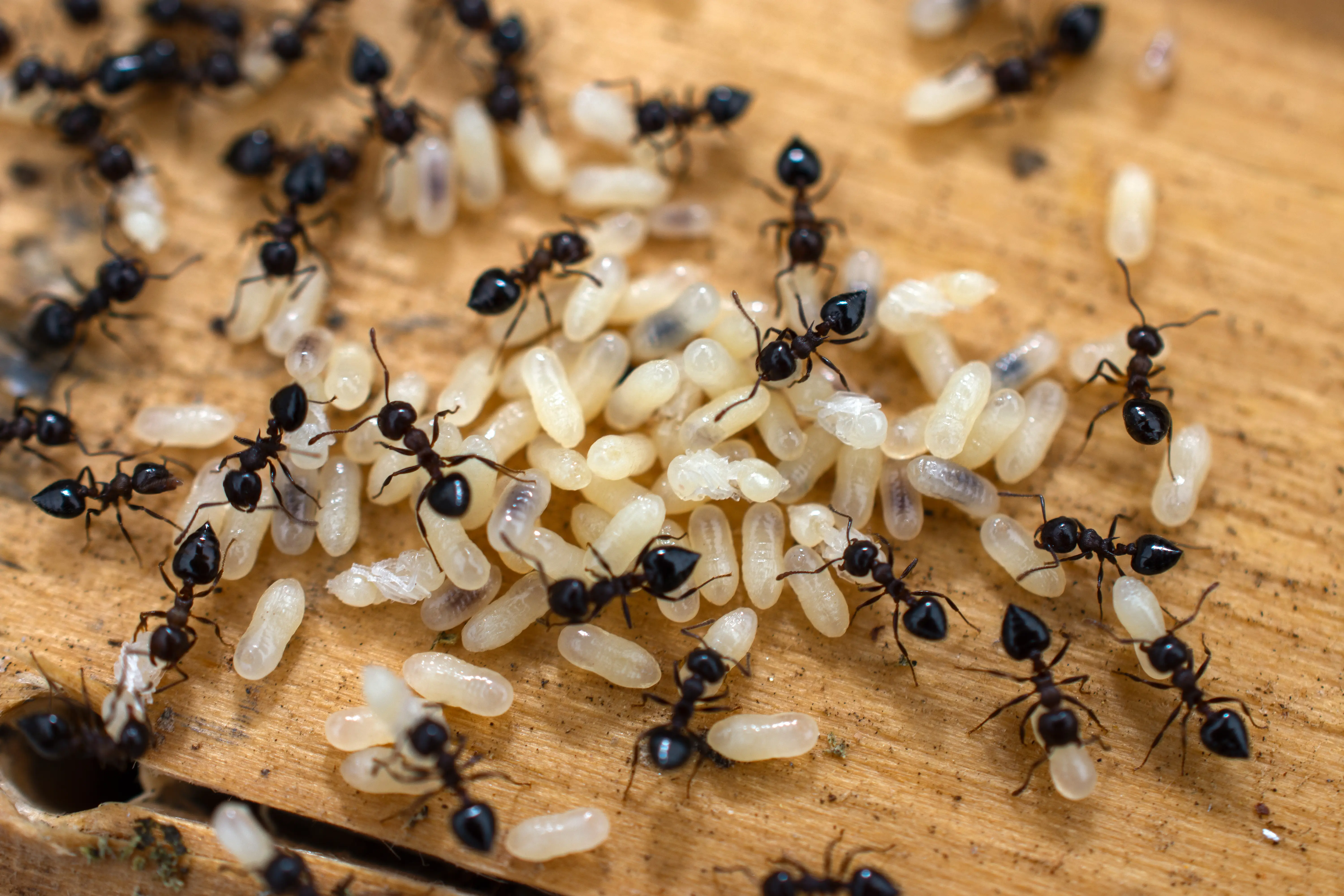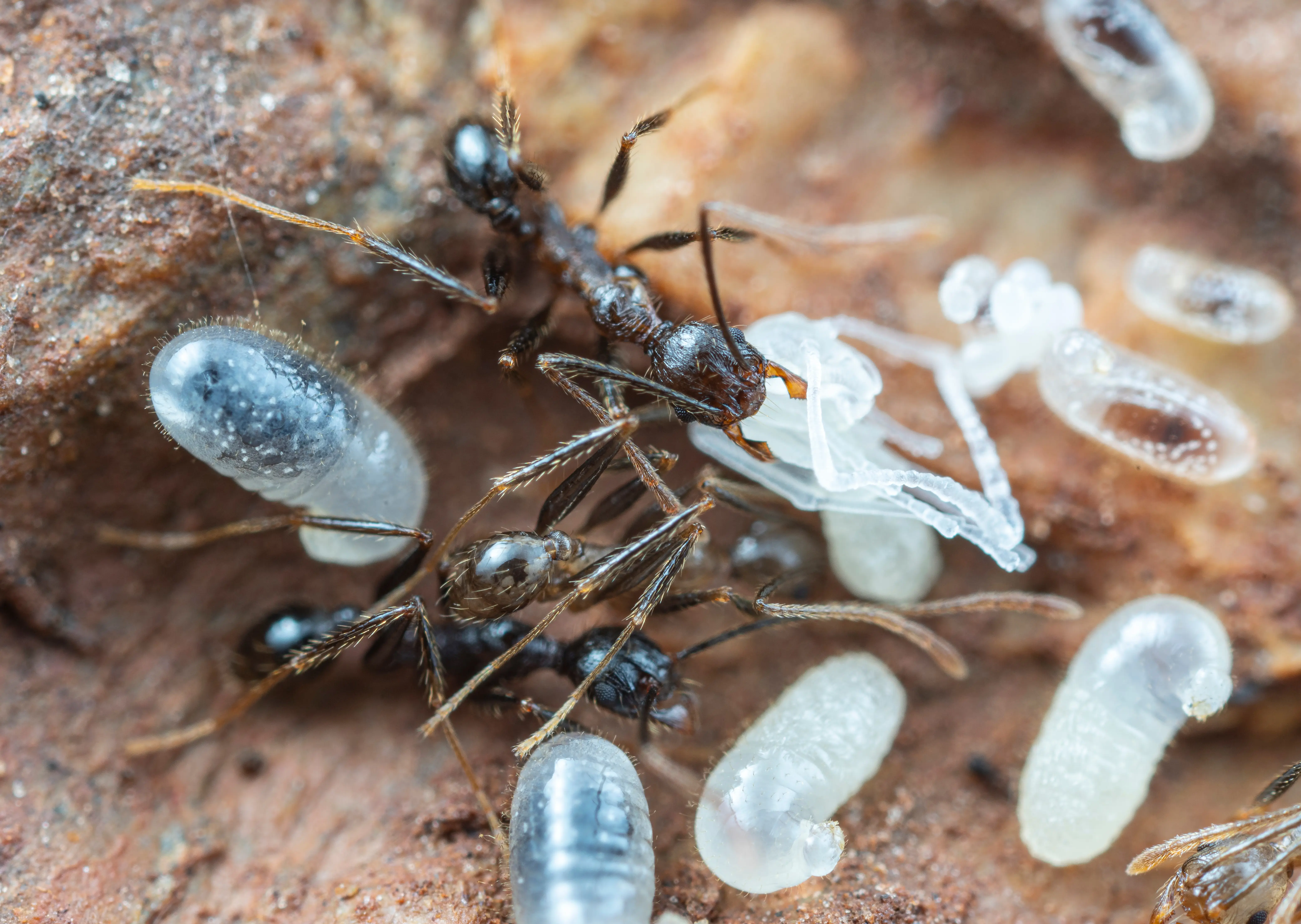
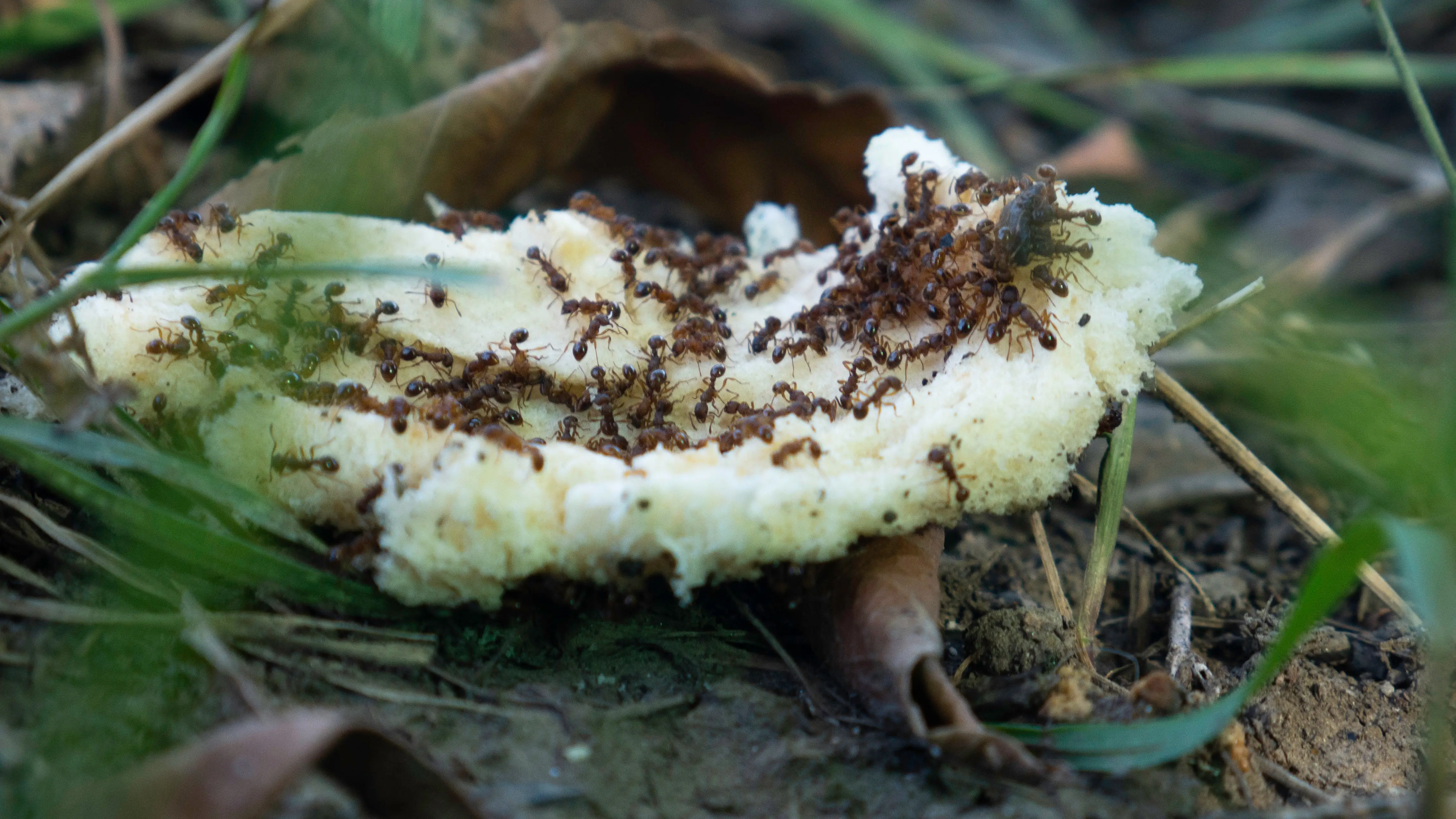
Ant activity patterns in the United States vary by species and region, with many temperate species showing increased activity from spring through fall. Understanding ant seasonal behavior helps homeowners and property managers anticipate infestations and implement effective prevention strategies before populations surge.
The timing of ant activity directly correlates with temperature fluctuations, food availability, and moisture levels — factors that determine when colonies emerge from winter dormancy and begin their most aggressive foraging periods.
In This Article:
- Seasonal Ant Behavior
- What Time of Year Are Ants Most Active?
- Factors That Influence Ant Activity
- What Time of Day Are Ants Most Active?
- Are Ants More Active at Night?
- Species-Specific Activity Patterns
- Regional Variations in Ant Season
- Signs of Seasonal Ant Activity
- Seasonal Ant Control Preparation Strategies
- How to Prevent Ant Infestations
- Ant Season FAQs
Ant Season Facts
- Peak season:
May - September - Optimal temp:
60°F - 90°F - Emergence trigger:
Soil temp 50-60°F - Duration:
6-10 months (by region)