EcoGuard Pest Management
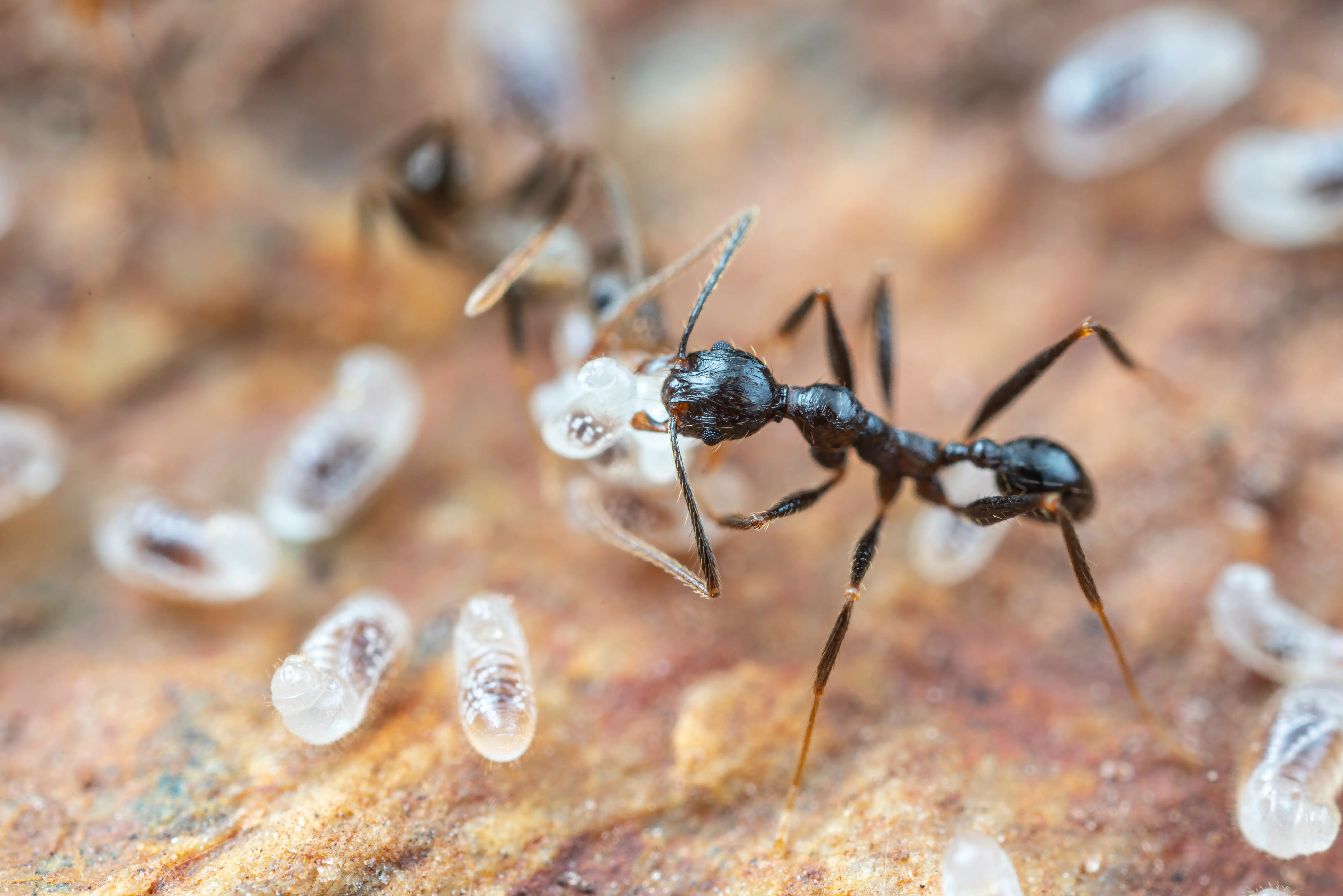
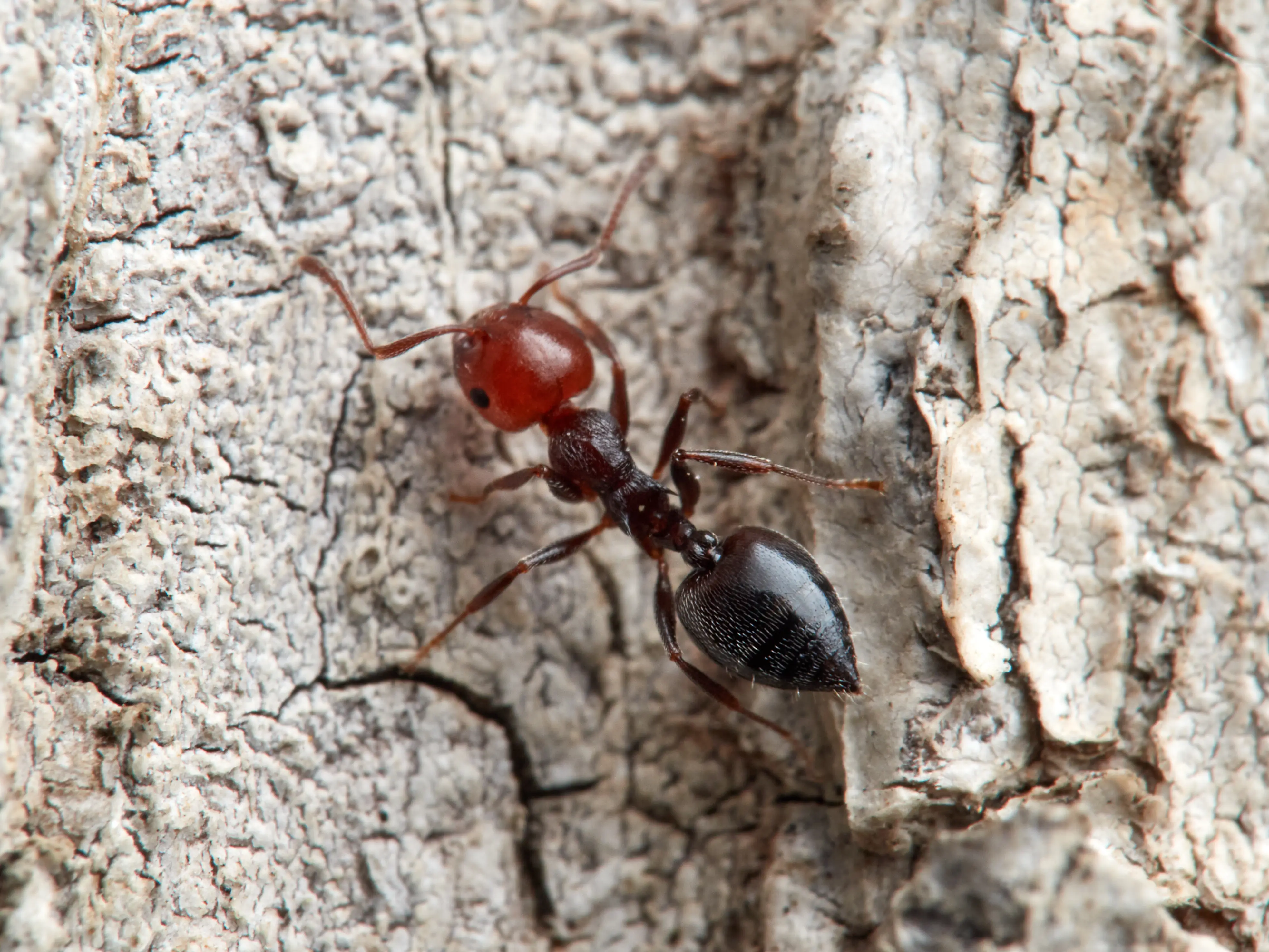
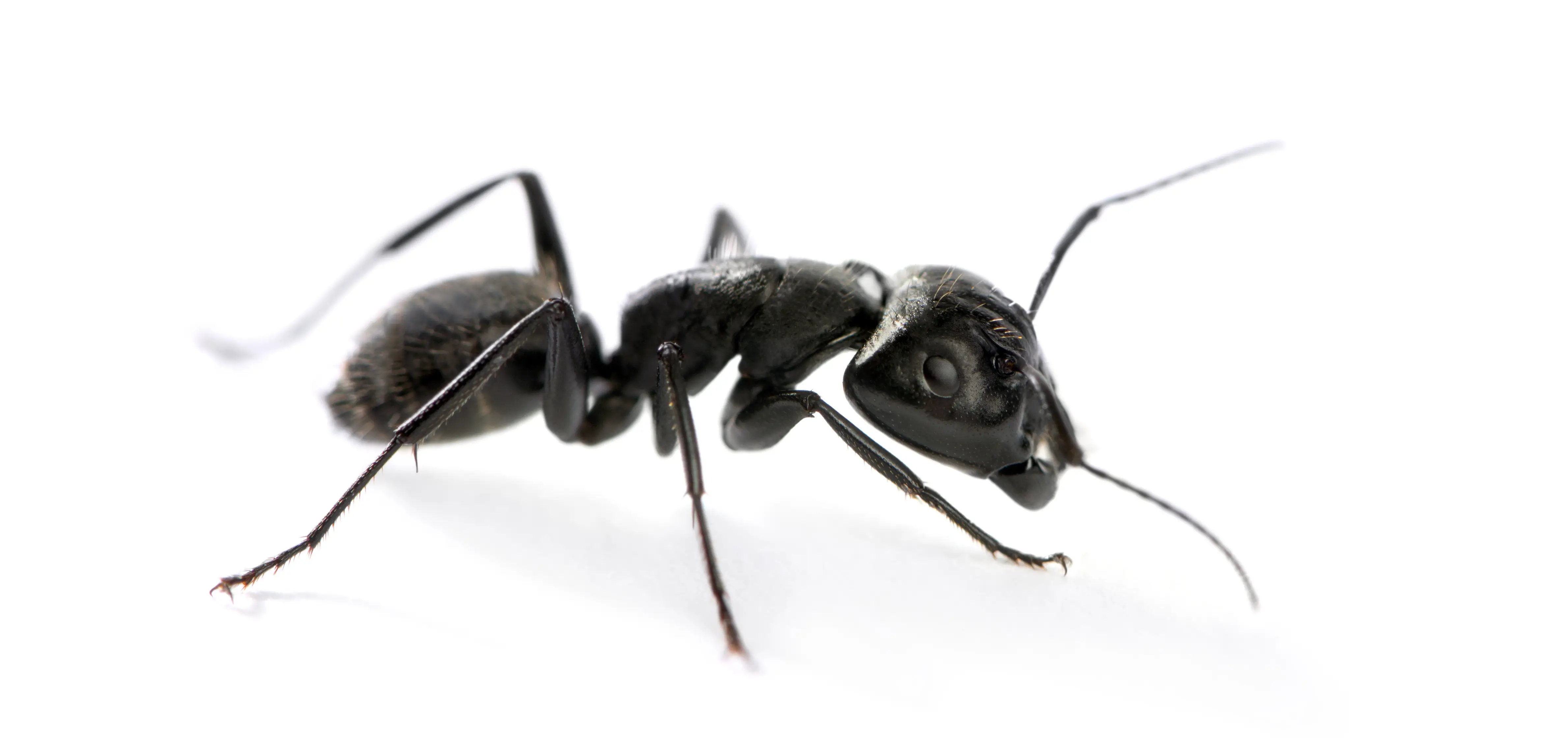
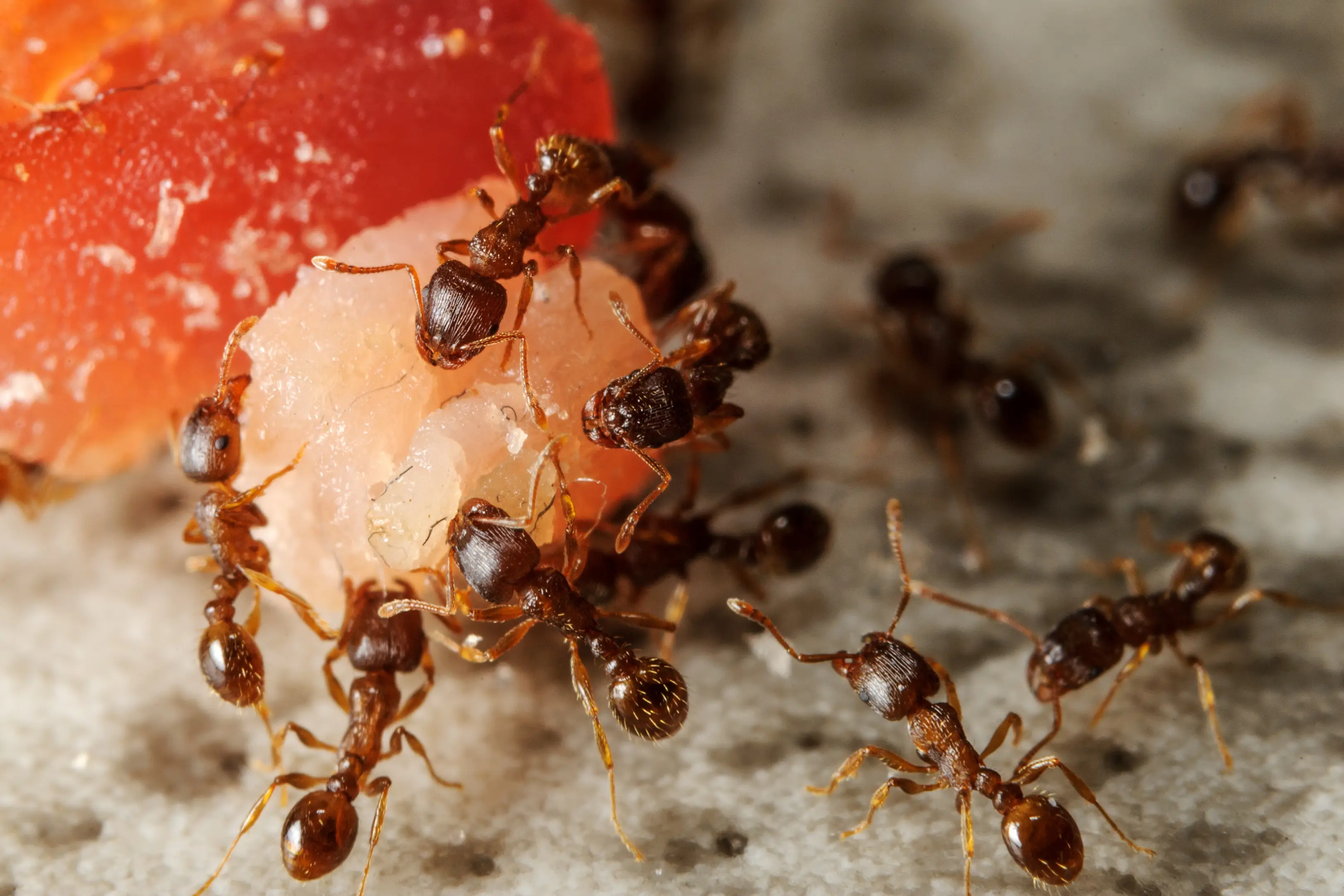
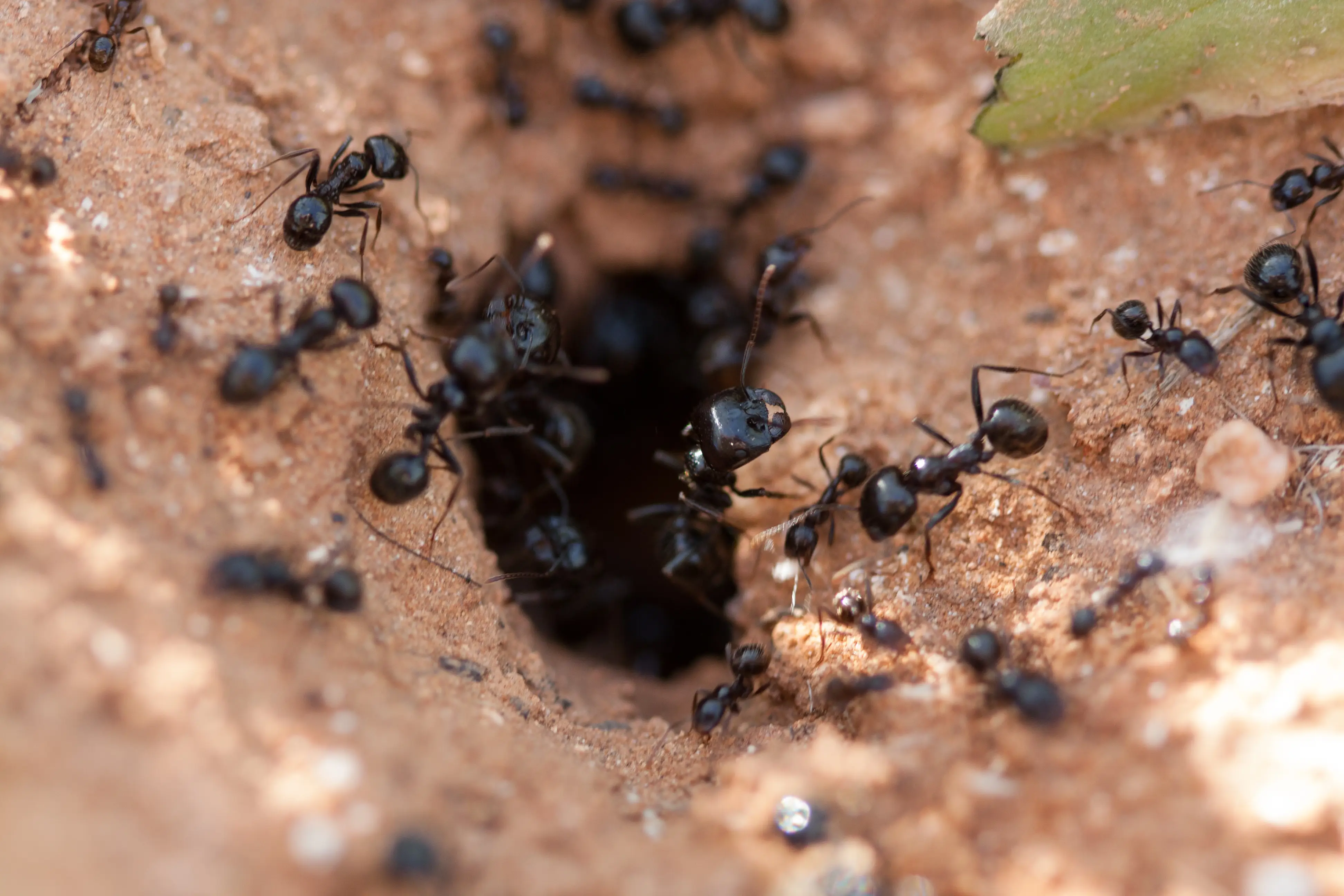
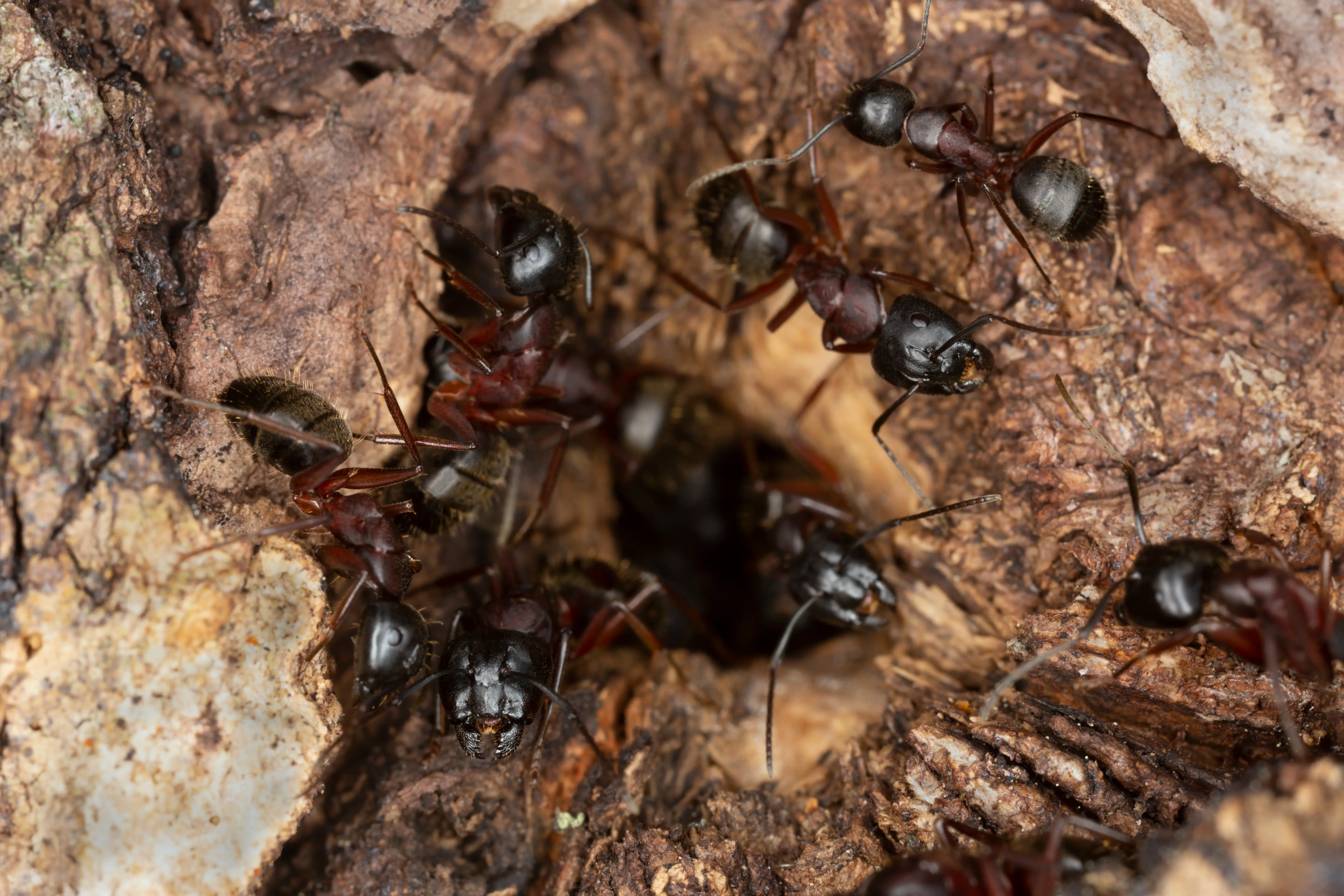
Queen ant surrounded by worker ants in colony
By Gary Anderson||7 min read

What Happens When the Queen Ant Dies?

Understanding the critical role of the queen ant and what happens to a colony when she dies.

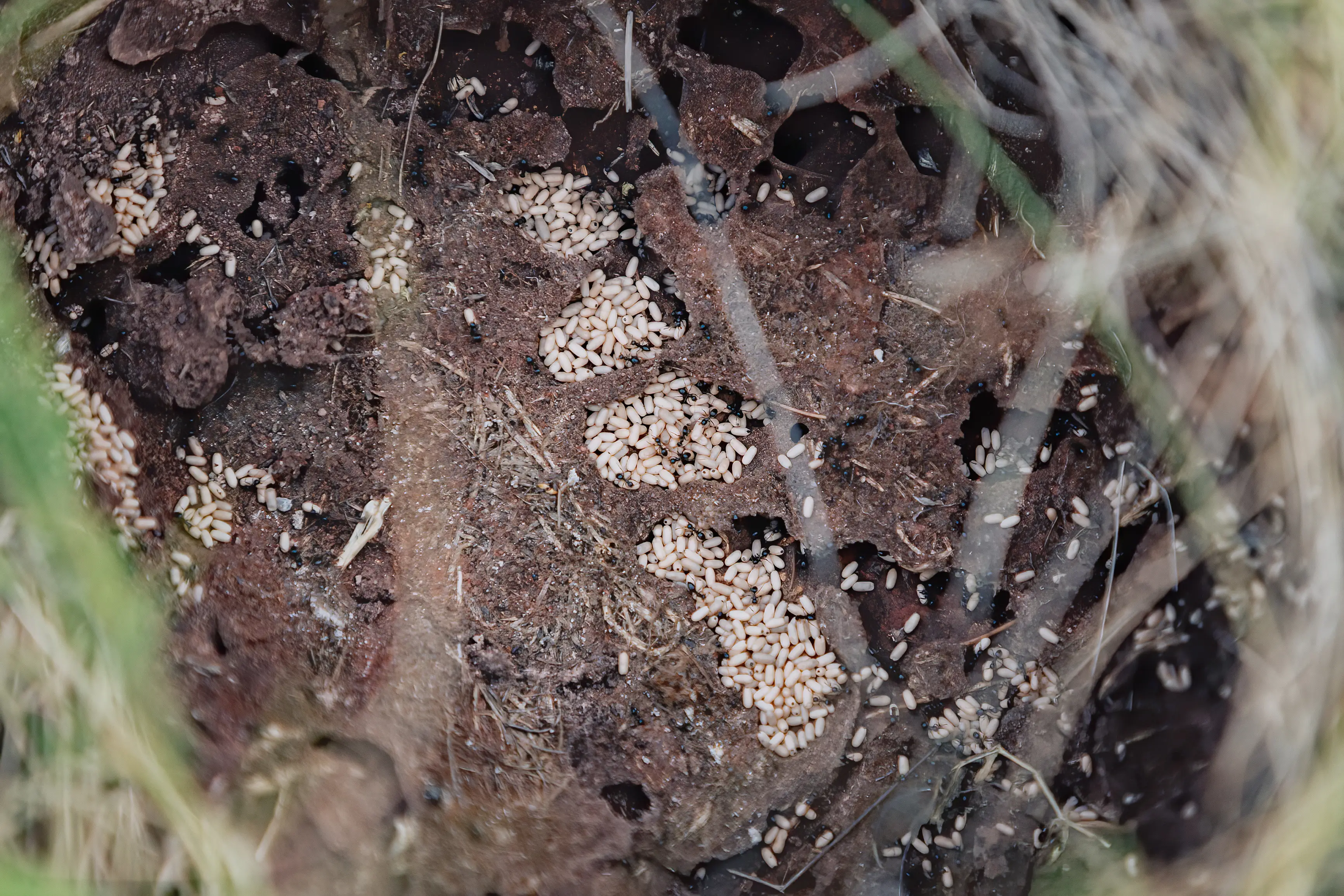
Ant colonies are usually completely dependent on a queen to survive. This is why queens are normally the most protected colony member, housed deep within the nest. They are responsible for the continuation of the ant population as well as directing how ants develop through chemical pheromone communication.

When a queen is killed or dies, the likelihood of survival for most ant colonies is drastically reduced. Many species will not be able to continue egg production, meaning that after the remaining ants die off, the colony will collapse.

Queen Ant Key Facts

Size: 2-3x larger than workers
Lifespan: Up to 30 years (some species)
Egg Production: Several million in lifetime

Key Facts

Colony Survival
Months without a queen
Largest Colony
3,700+ miles (Argentine)
Queen Location
Deep inside near eggs
What Does an Ant Queen Look Like?

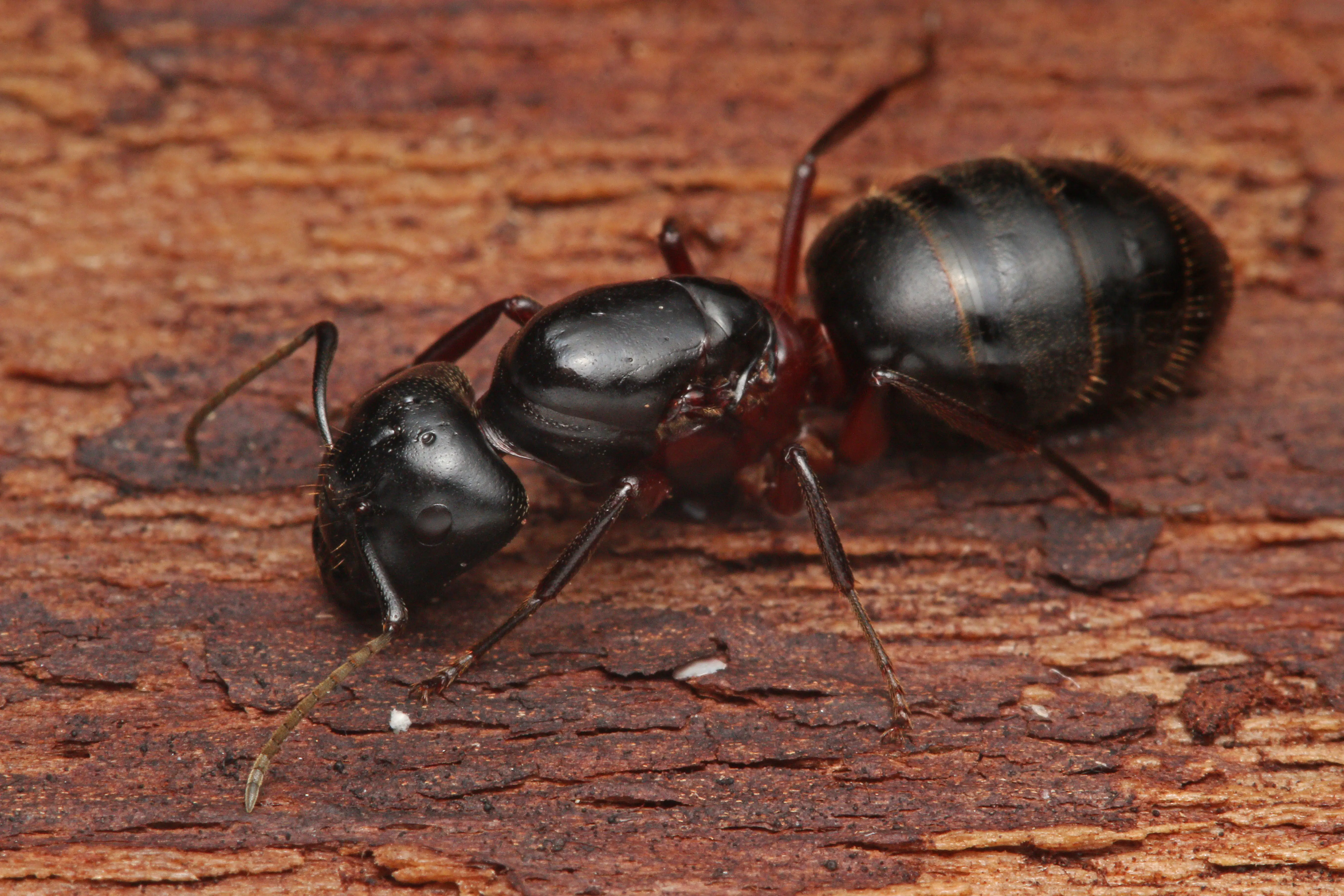
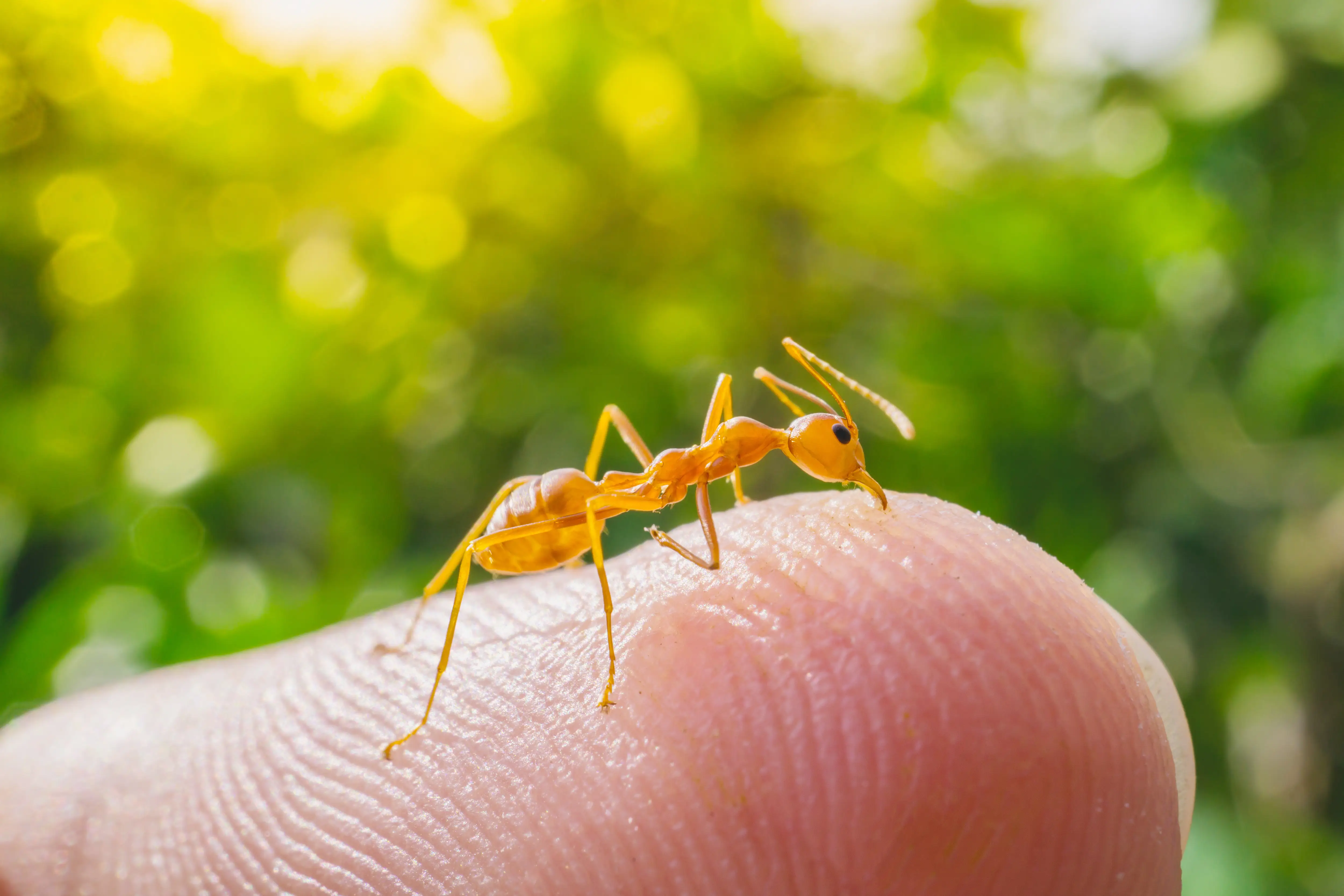
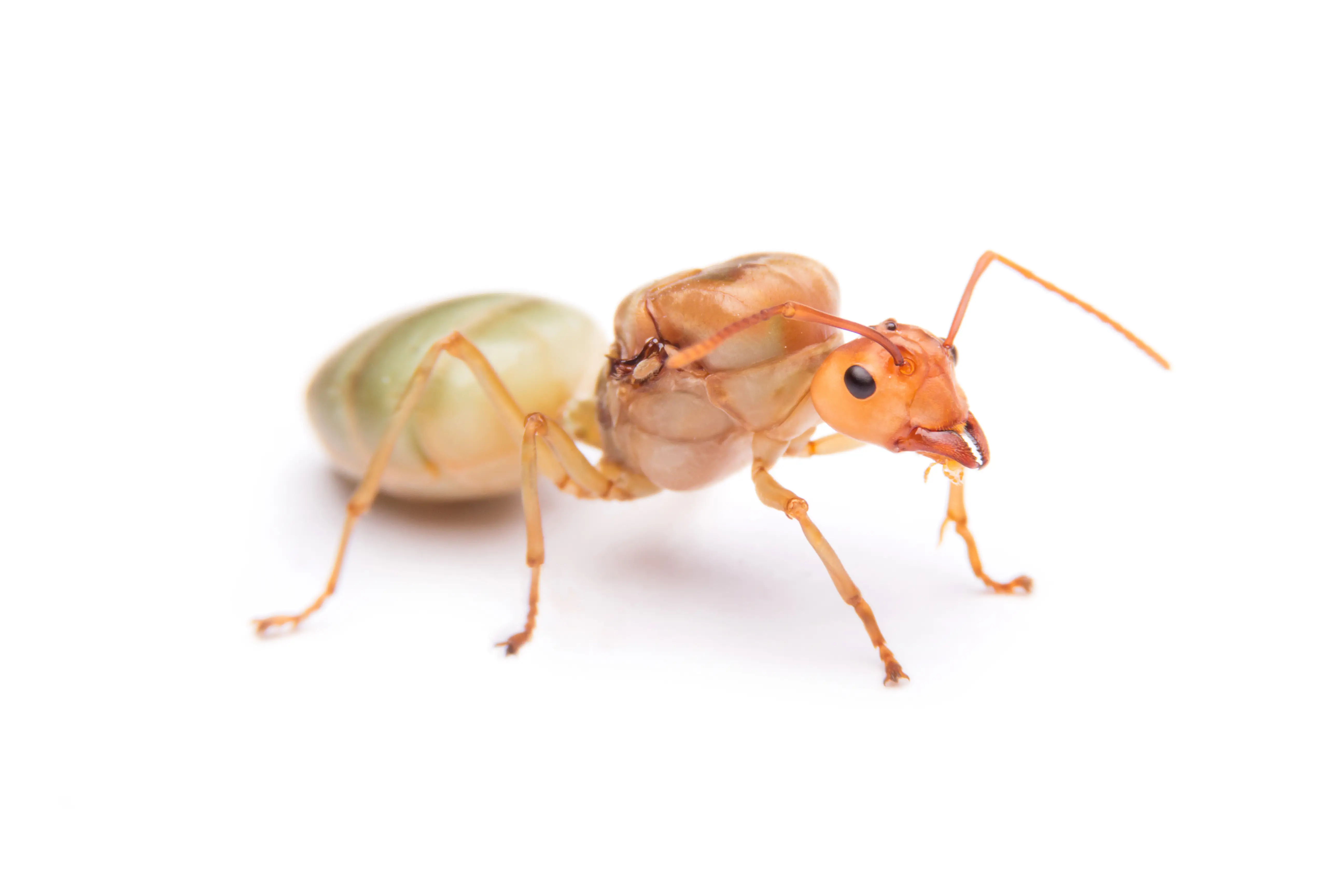
Queens are a little easier to identify than other ants. The ant queen is usually 2-3x bigger than the other ants in the colony with an extremely large and engorged thorax.

Size

2-3 times larger than worker ants with a significantly larger thorax and abdomen.

Location

Found inside or near nest chambers where eggs and larvae are held and cared for.

Protection

If a colony is exposed, the queen will be swarmed by workers trying to protect her.

Life Cycle of an Ant Queen

Not every ant has what it takes to become a queen. Each stage of the life cycle helps determine if an ant will become the matriarch of their colony.

Development Stages: Larvae and Pupae

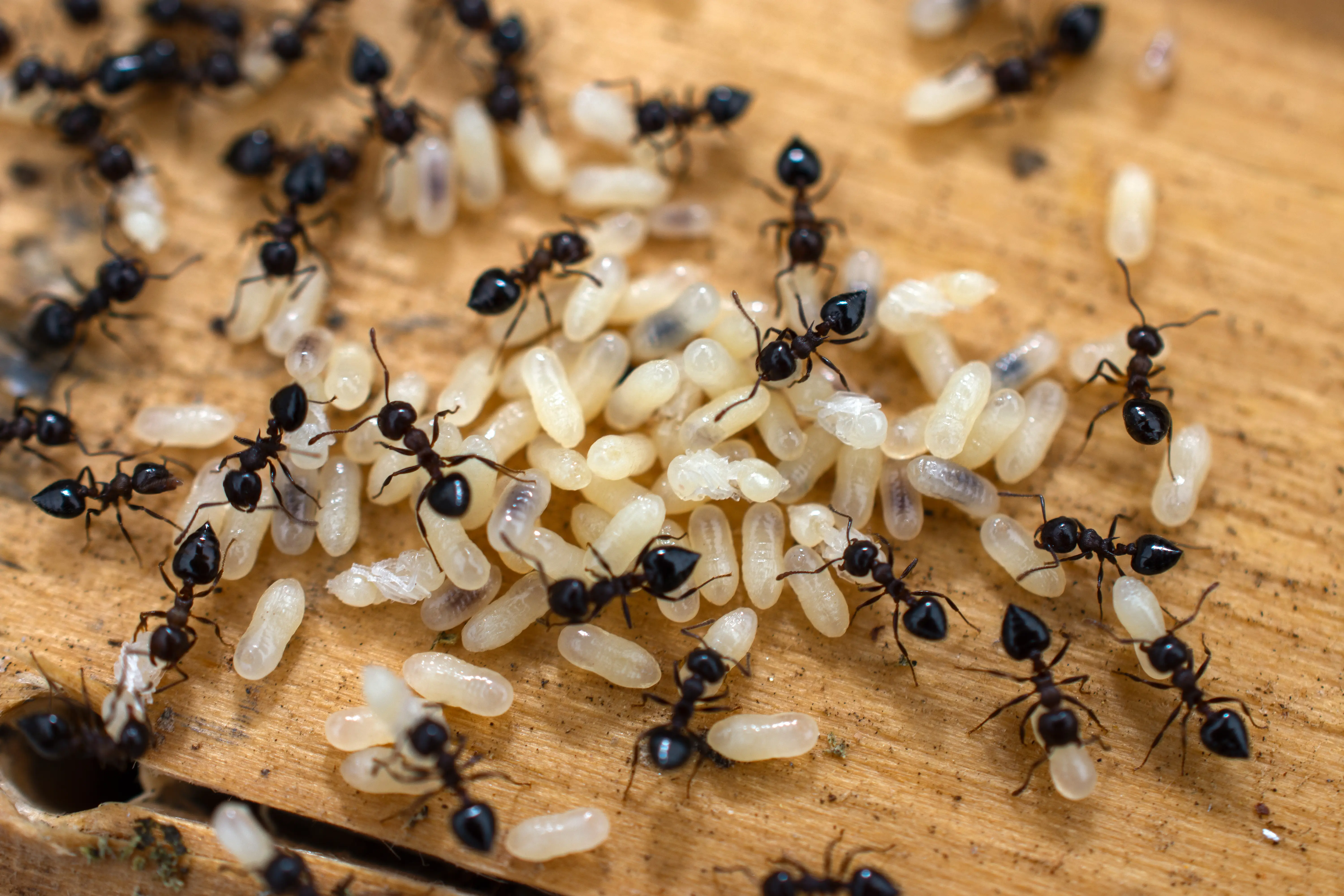
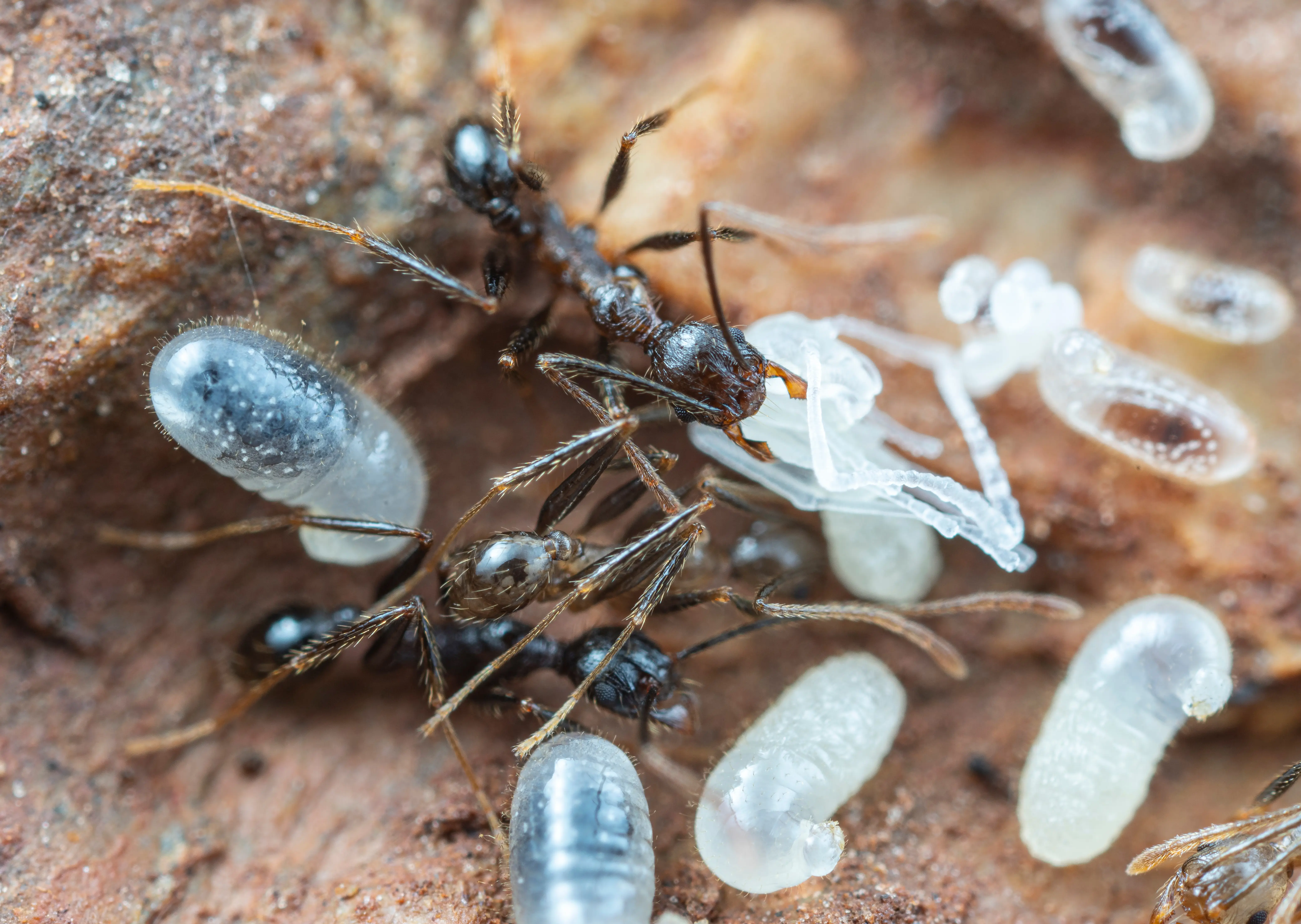
Ants in the earliest phases are helpless and rely on the colony for care. The amount of nutrition provided determines their adult role. Most become infertile female workers, but when resources are plentiful, select larvae are fed better nutrients to develop into fertile "ant princesses." This triggers an insulin-like protein that allows them to intake more nutrition. If conditions become poor, worker ants can force these larvae to revert to workers through stress-inducing techniques like biting.

Early Adult Life: Nuptial Flight

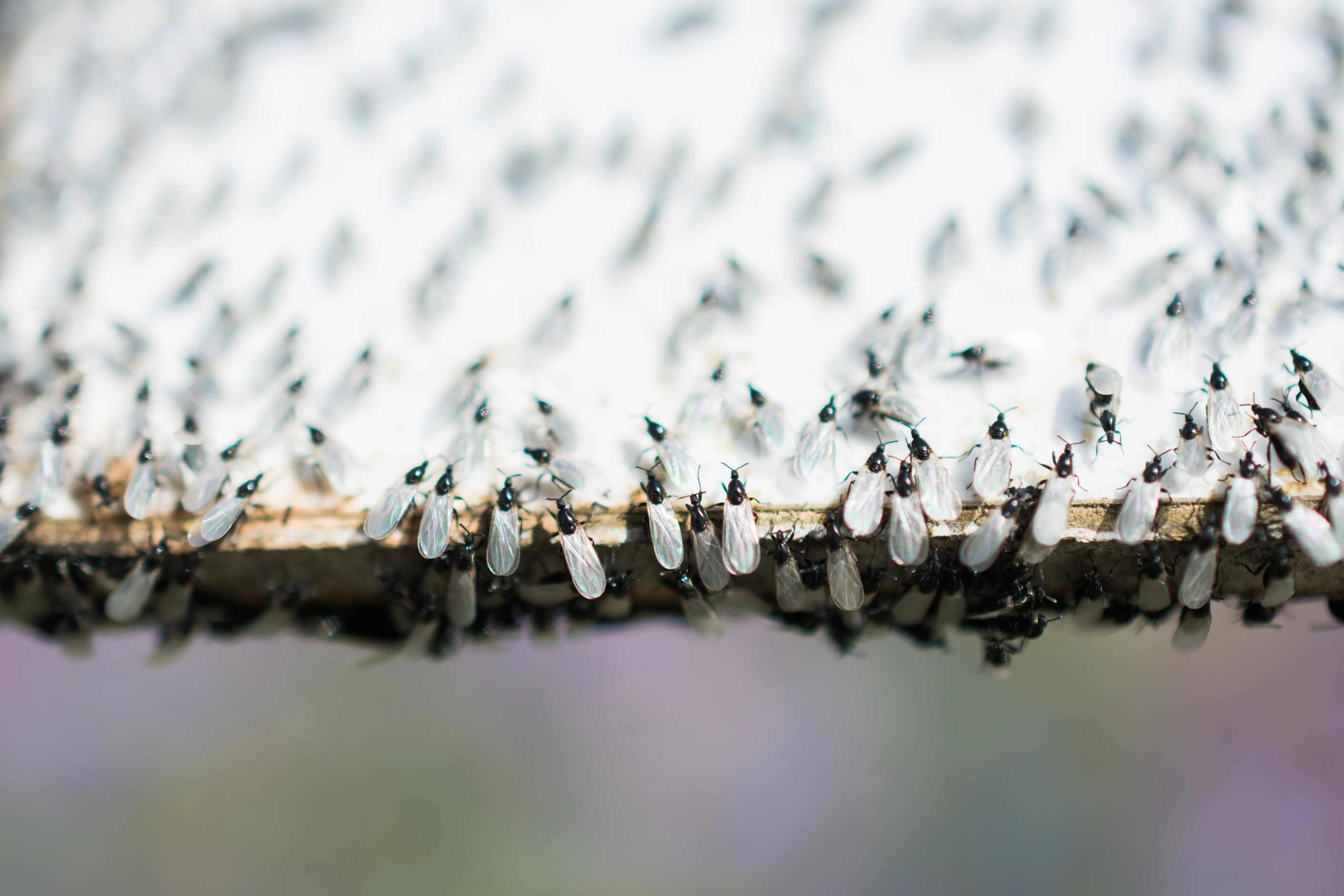
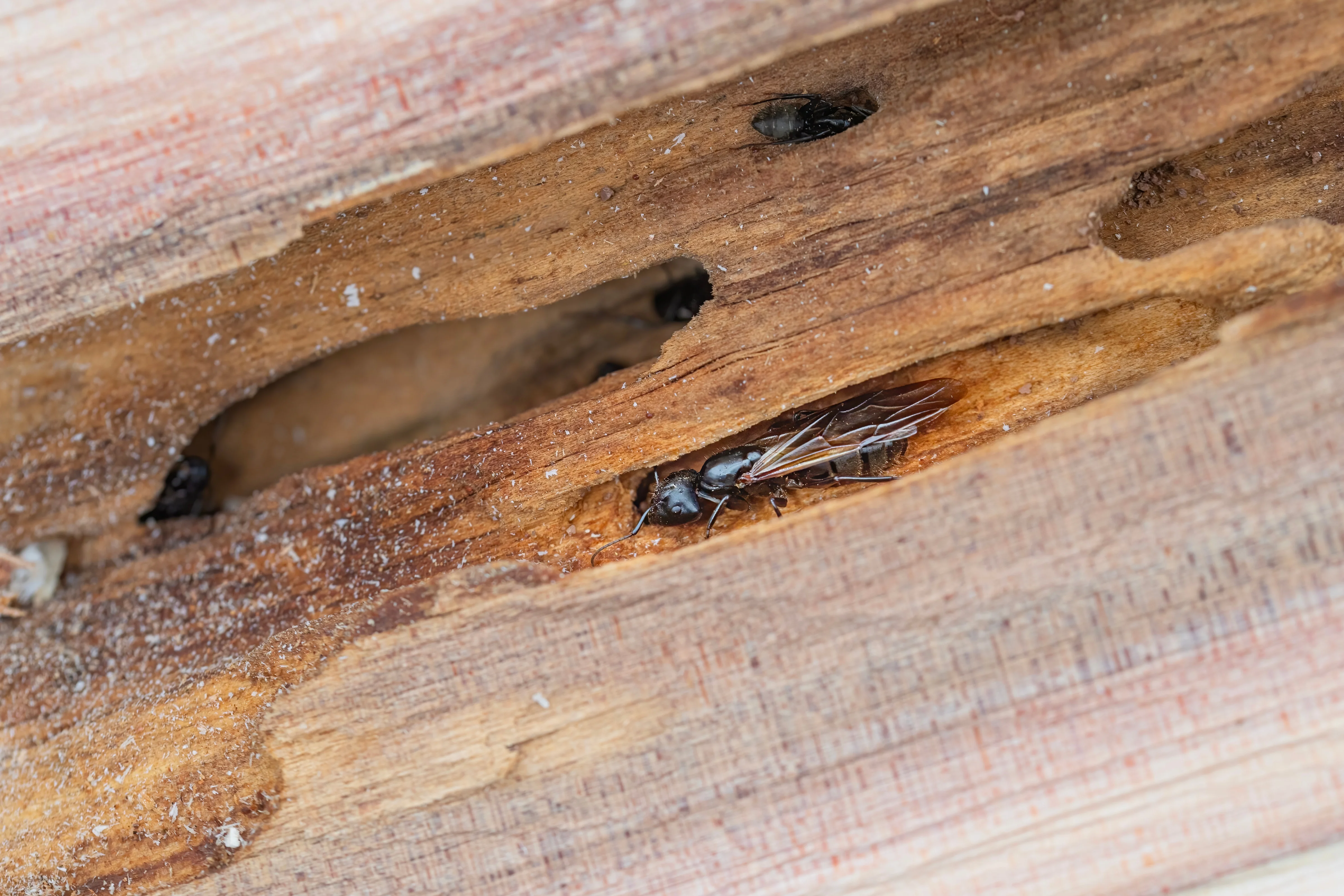
Once ant princesses mature, they develop wings and take flight, typically in spring. The swarm leaves with other fertile females and male drones. Drones fertilize the princesses and then die. This single fertilization provides the queen with enough sperm to produce eggs for the rest of her life. Fertilized females then search for a safe place to create a new colony and burrow to lay their first eggs.

Reproduction

The new queen starts laying eggs for the colony. The first generation becomes workers needed to build, expand, and care for the nest. The queen tends to these workers until they mature. Once the colony is established, the queen focuses solely on producing eggs, potentially laying several million in her lifetime.

Understanding the Role of the Ant Queen

The duties of the ant queen over her lifetime are to establish and maintain a new ant colony. Once she reaches the egg-laying phase, she is essentially a hostage to her throne, responsible for laying as many as several million eggs in her lifetime.

Find Nest Location

Starts as winged alate seeking a new home

Lay First Eggs

Creates first generation of workers

Continuous Reproduction

Millions of eggs over lifetime

Direct Development

Pheromones guide worker behavior

Ant Colony Hierarchy

Workers

Search for food, expand colony

Soldiers

Protect colony from invaders

Drones

Mate with queen, then die

Reproductives

Winged females start new colonies

Ant Colony Keeps Coming Back?

If ants keep returning, you probably have not killed the queen. Our experts can locate and eliminate her.

Call (866) 326-2847

Can A Queen Ant Be Replaced?

Monogyne Colonies (Single Queen)

In species with one queen per colony, she cannot be replaced. If she dies, the colony will continue until remaining ants die from predators or old age. Workers act as if the colony is still functioning, but without eggs or larvae, no new workers are produced.

Polygyne Colonies (Multiple Queens)

In species with multiple queens and satellite colonies, a younger queen can fill the role and repopulate the colony. These colonies can grow into super colonies spanning extremely large areas.

How Long Can a Colony Survive Without a Queen?

A healthy colony can survive for months without a queen. The colony continues to function normally, but egg production ceases. Without new ants to care for, workers just continue collecting food until the colony finally perishes from old age.

How Can the Queen Ant Die?

Ant queens can typically die from one of four things:

Old Age

Some species of ants can survive for up to 30 years. These queens live long lives and are responsible for millions of ants in their lifetime.

Human Influence

Humans are more likely to poison or disturb a nest so badly that the queen's chambers are exposed and she is killed.

Worker Ants

Workers may cause colony collapse by returning with baits that kill the queen.

Predators

Natural predators can dig up and expose the insides of an ant colony. Even soldiers cannot protect against much larger threats.

How to Kill the Queen Ant

There are a couple DIY methods that can help if you are dealing with a smaller infestation:

1

Boiling Water

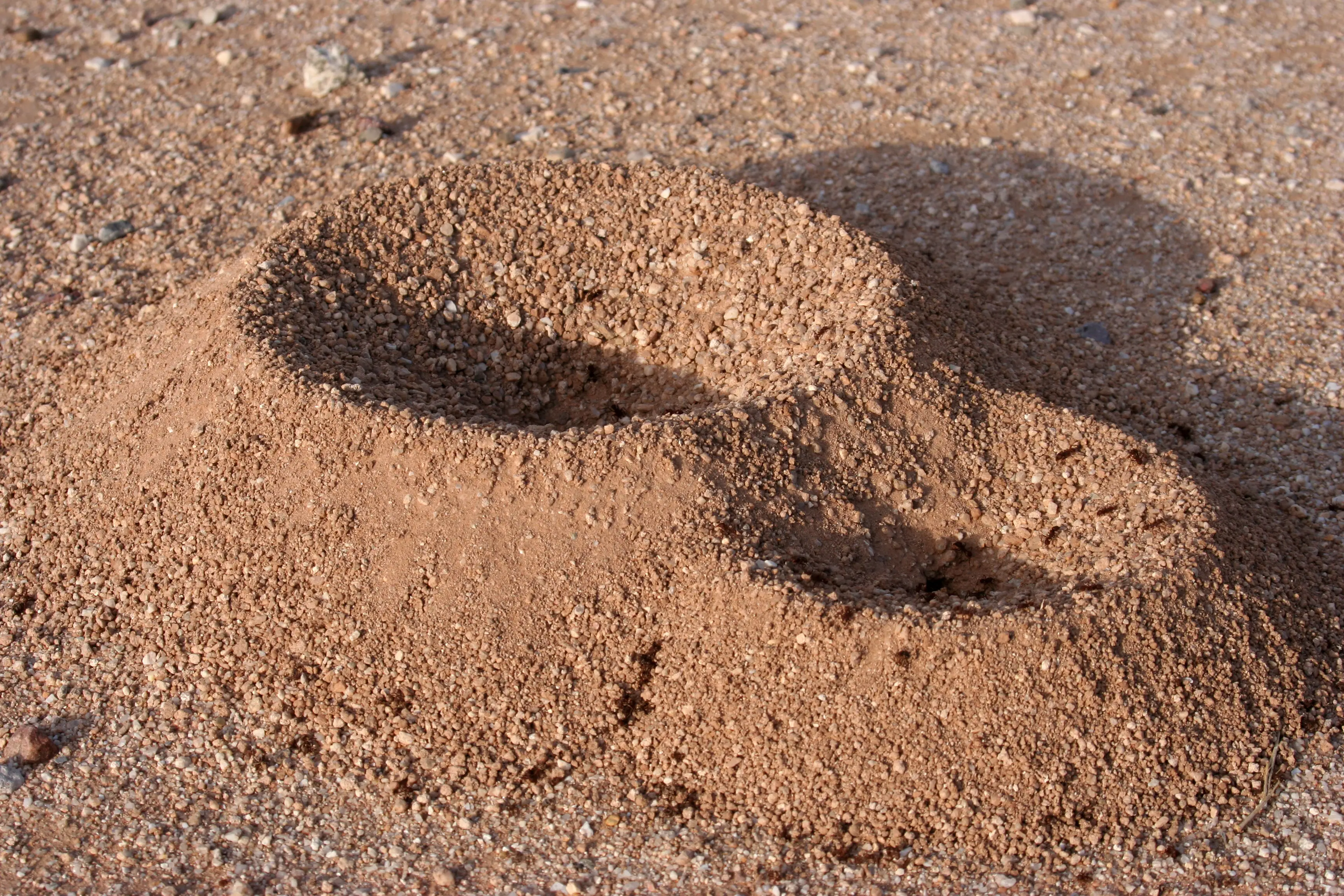
Pour hot water down an ant mound opening to flood the colony and kill everything inside.

2

Ant Baits

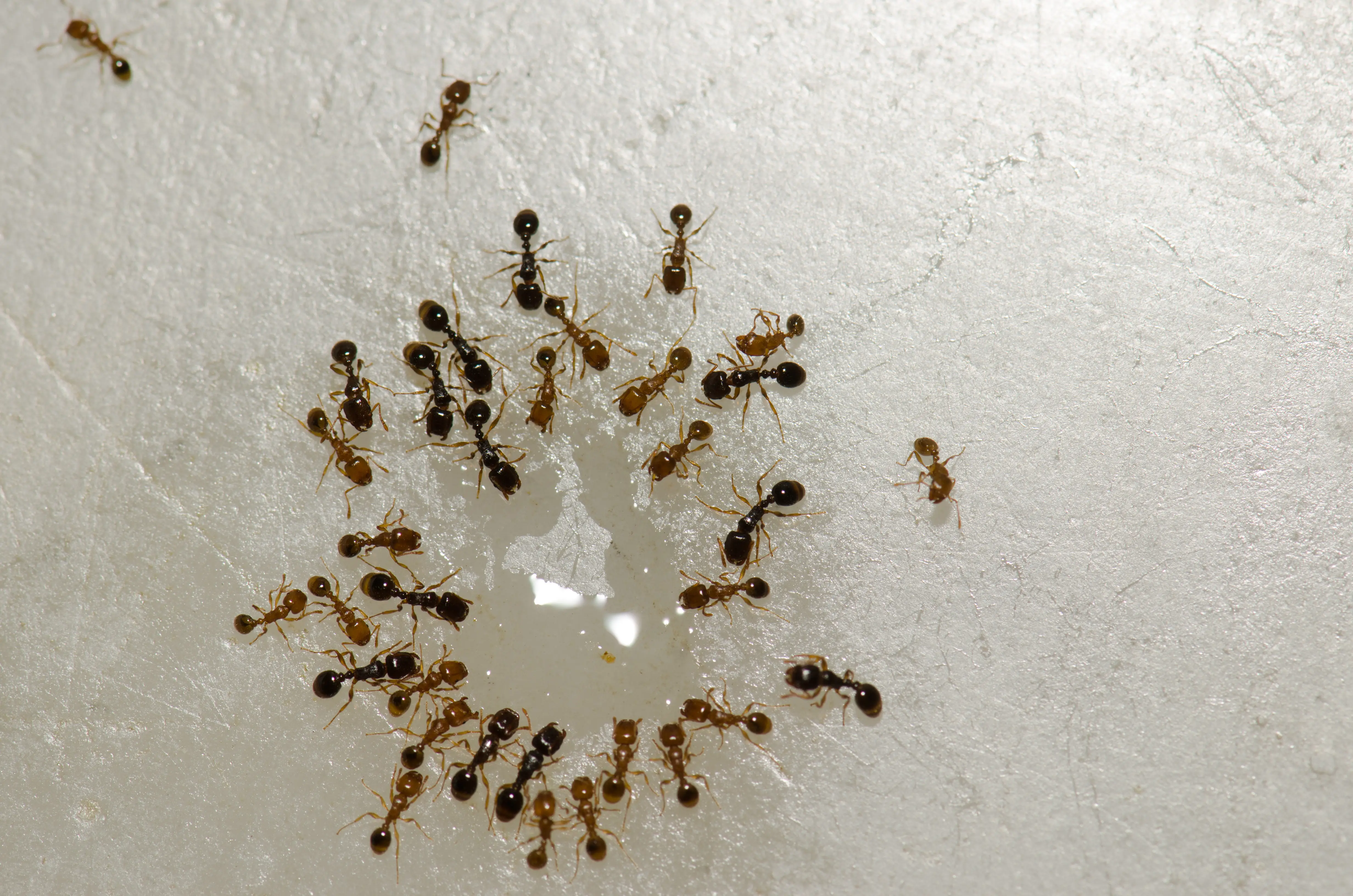
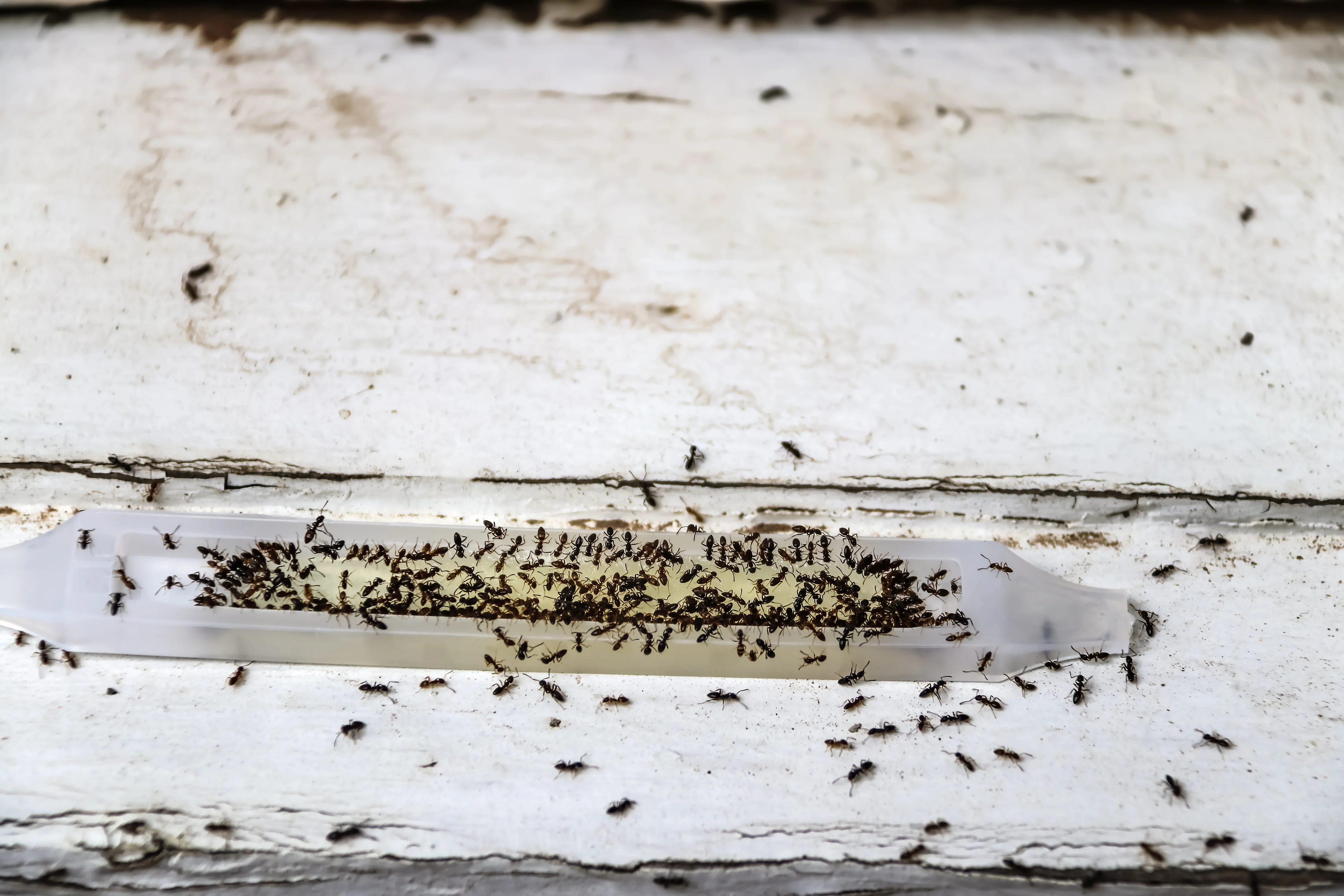
Baiting systems are effective because workers bring the poison back to the colony for the queen to feed on.

3

Borax

This household detergent can be mixed with sugar or syrup to use as a bait for ants.

4

Professional Ant Exterminator

If all other treatment attempts have failed, it is time to get professional help involved.

Contact EcoGuard Pest Management

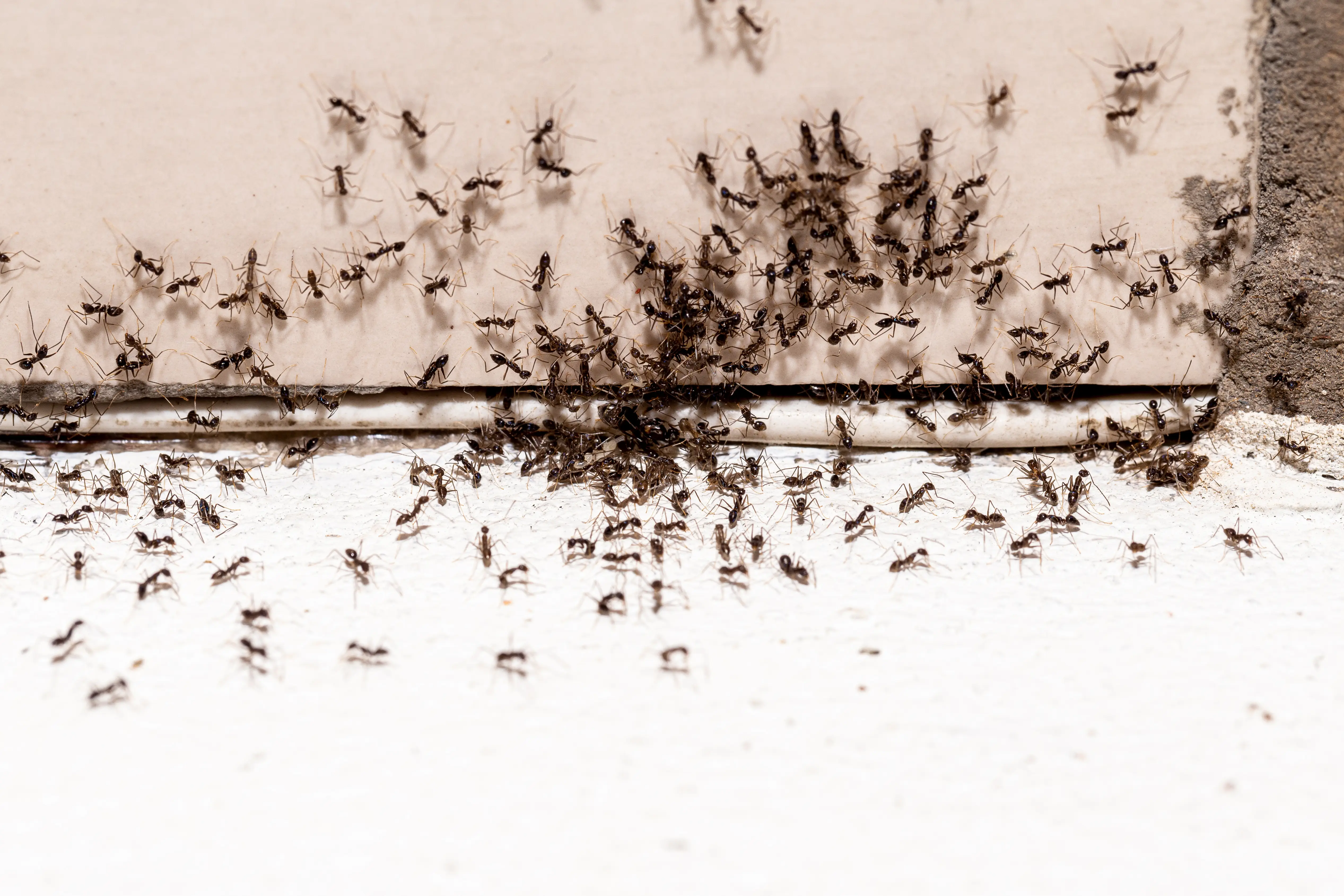
If you are dealing with an ant problem that keeps coming back, it is probably because you have not been able to kill the queen. Be sure to call EcoGuard Pest Management today to schedule an inspection. We know how to get rid of ants effectively and quickly. Our licensed ant control experts will identify problematic areas and provide recommendations for treatment. Our pest management team uses an integrated pest management approach to ensure ant populations are completely exterminated. Afterwards, we implement exclusion strategies and ant deterrents to minimize the chances that ants come back.

Call (866) 326-2847Get Free Quote

Ant Queen FAQs

Is it rare to see an ant queen?

Ant queens are hidden deep inside a colony where the eggs and larvae are kept so it is uncommon to see ant queens outside. If an ant queen has been exposed, it could be due to the colony being disturbed.

How can you tell an ant queen from a regular ant?

The easiest way to identify an ant queen is by comparing her size to other ants in the colony. Ant queens are usually 2-3x larger than worker ants. They will have a large abdomen and a set of wings.

Do ants have a king?

Ant colonies are matriarchies with no kings. Male ants become drones whose sole purpose is to procreate and die.

From Our Blog

Related Articles

14 Natural Ant Repellent Strategies That Actually Work

14 Natural Ant Repellent Strategies That Actually Work

Discover effective natural ant repellents including mint, vinegar, cinnamon, and more. Learn how to keep ants out of...

Read Article
16 Common Types of Ants in California | Identification & Treatment

16 Common Types of Ants in California | Identification & Treatment

Identify 16 common ant species in California including carpenter ants, fire ants, and Argentine ants. Learn their...

Read Article
Are Fire Ants Dangerous? Understanding Fire Ant Risks & Safety

Are Fire Ants Dangerous? Understanding Fire Ant Risks & Safety

Learn about fire ant dangers including painful stings, allergic reactions, and property damage. Comprehensive guide on...

Read Article
Argentine Ants: Complete Identification, Control & Prevention Guide

Argentine Ants: Complete Identification, Control & Prevention Guide

Learn to identify Argentine ants, understand their supercolony behavior, and discover effective control strategies....

Read Article
Common Signs of Carpenter Ant Damage

Common Signs of Carpenter Ant Damage

Learn to identify carpenter ant damage signs including frass, holes, tunnels, and how to distinguish carpenter ant...

Read Article
Do Ants Bite? Symptoms, Treatment & Prevention

Do Ants Bite? Symptoms, Treatment & Prevention

Learn about ant bites vs stings, which ants bite, symptoms, allergic reactions, treatment options, and how to prevent...

Read Article
Do Ants Eat Aphids? The Ant-Aphid Relationship Explained

Do Ants Eat Aphids? The Ant-Aphid Relationship Explained

Learn about the fascinating relationship between ants and aphids, how ants farm aphids for honeydew, problems aphids...

Read Article
Do Ants Ever Sleep? Ant Sleep Patterns Explained

Do Ants Ever Sleep? Ant Sleep Patterns Explained

Discover the fascinating sleep patterns of ants, how worker ants take 250 power naps daily, queen ant sleep habits, and...

Read Article
Do Carpenter Ants Eat Wood? Understanding Carpenter Ant Damage

Do Carpenter Ants Eat Wood? Understanding Carpenter Ant Damage

Learn the truth about carpenter ants and wood. Unlike termites, carpenter ants don\

Read Article
How Do Ant Baits and Traps Work? Complete Guide to Ant Bait Systems

How Do Ant Baits and Traps Work? Complete Guide to Ant Bait Systems

Learn how ant baits and traps work to eliminate entire colonies. Discover bait types, active ingredients, placement...

Read Article
How Do Ants Communicate With Each Other? Complete Guide to Ant Communication

How Do Ants Communicate With Each Other? Complete Guide to Ant Communication

Learn how ants communicate using pheromones, touch, sound, and body language. Discover why ant communication is key to...

Read Article
How Do Ants Get in the House? Complete Entry Point Guide

How Do Ants Get in the House? Complete Entry Point Guide

Learn how ants get into your house through foundation cracks, windows, utility lines, and more. Discover entry points,...

Read Article
How Do Ants Get Into Your House? Entry Points & Prevention

How Do Ants Get Into Your House? Entry Points & Prevention

Learn how ants enter your home through cracks, gaps, and openings. Discover where ants hide, what attracts them, and...

Read Article
How Do Ants Mate and Reproduce? Ant Reproduction Explained

How Do Ants Mate and Reproduce? Ant Reproduction Explained

Learn how ants mate during nuptial flights, how queen ants reproduce, the role of drones, and unique reproductive...

Read Article
How Many Ants Are in a Colony? Complete Guide to Ant Colony Size

How Many Ants Are in a Colony? Complete Guide to Ant Colony Size

Learn how many ants live in a colony, from small carpenter ant nests to Argentine ant supercolonies with billions....

Read Article
How to Get Rid of Ants Inside and Outside Your Home

How to Get Rid of Ants Inside and Outside Your Home

Learn how to get rid of ants inside your home, repel them before they enter, and eliminate outdoor colonies. Complete...

Read Article
How to Get Rid of Carpenter Ants in the House

How to Get Rid of Carpenter Ants in the House

Learn how to identify, eliminate, and prevent carpenter ants. Comprehensive guide to indoor and outdoor treatments,...

Read Article
Understanding Ant Colony Structure and Hierarchy

Understanding Ant Colony Structure and Hierarchy

Learn about ant colony structure, hierarchy, and how ants work together. Discover the roles of queens, workers, drones,...

Read Article
What Are Ants? Complete Guide to Ant Biology, Behavior & Control

What Are Ants? Complete Guide to Ant Biology, Behavior & Control

Learn everything about ants including appearance, colony hierarchy, life cycle, diet, defenses, and how to get rid of...

Read Article
What Are Red Ants? Fire Ant Identification & Control

What Are Red Ants? Fire Ant Identification & Control

Learn about red ants and fire ants, how to identify them, their behavior, dangers of their stings, and effective...

Read Article
What Attracts Ants Inside the House? Prevention Tips

What Attracts Ants Inside the House? Prevention Tips

Learn what attracts ants to your home including food, water, and shelter. Discover prevention tips and how to get rid...

Read Article
What Do Ants Eat and Drink in Your House?

What Do Ants Eat and Drink in Your House?

Learn what ants eat including sugars, proteins, seeds, fungus, and other insects. Discover how different ant species...

Read Article
What's the Lifespan of an Ant? Guide to Ant's Life Cycle

What's the Lifespan of an Ant? Guide to Ant's Life Cycle

Learn how long ants live based on species, caste, and gender. Discover the ant life cycle from egg to adult and factors...

Read Article
When is Ant Season? Complete Guide to Ant Activity Patterns

When is Ant Season? Complete Guide to Ant Activity Patterns

Learn when ant season occurs in your region, peak activity times by species, and seasonal prevention strategies....

Read Article
Where Do Ants Go in the Winter? Complete Winter Behavior Guide

Where Do Ants Go in the Winter? Complete Winter Behavior Guide

Discover where ants go in winter, how they survive freezing temperatures through diapause, and why they may invade your...

Read Article
Where Do Ants Live? Complete Guide to Ant Habitats

Where Do Ants Live? Complete Guide to Ant Habitats

Discover where ants live outdoors and indoors, from underground colonies to wall voids. Learn about species-specific...

Read Article
Why Are Flying Ants a Problem? Identification and Prevention

Why Are Flying Ants a Problem? Identification and Prevention

Learn why flying ants appear, how to identify them vs termites, which species swarm, and how to prevent and eliminate...

Read Article
Why Are There Ants in My Bathroom? Causes & Solutions

Why Are There Ants in My Bathroom? Causes & Solutions

Discover why ants invade bathrooms and learn effective solutions. Understanding moisture, food sources, and shelter...

Read Article