EcoGuard Pest Management
Professional hornet control technician in protective gear removing hornet nest from residential property

Professional Hornet Control & Nest Removal Services

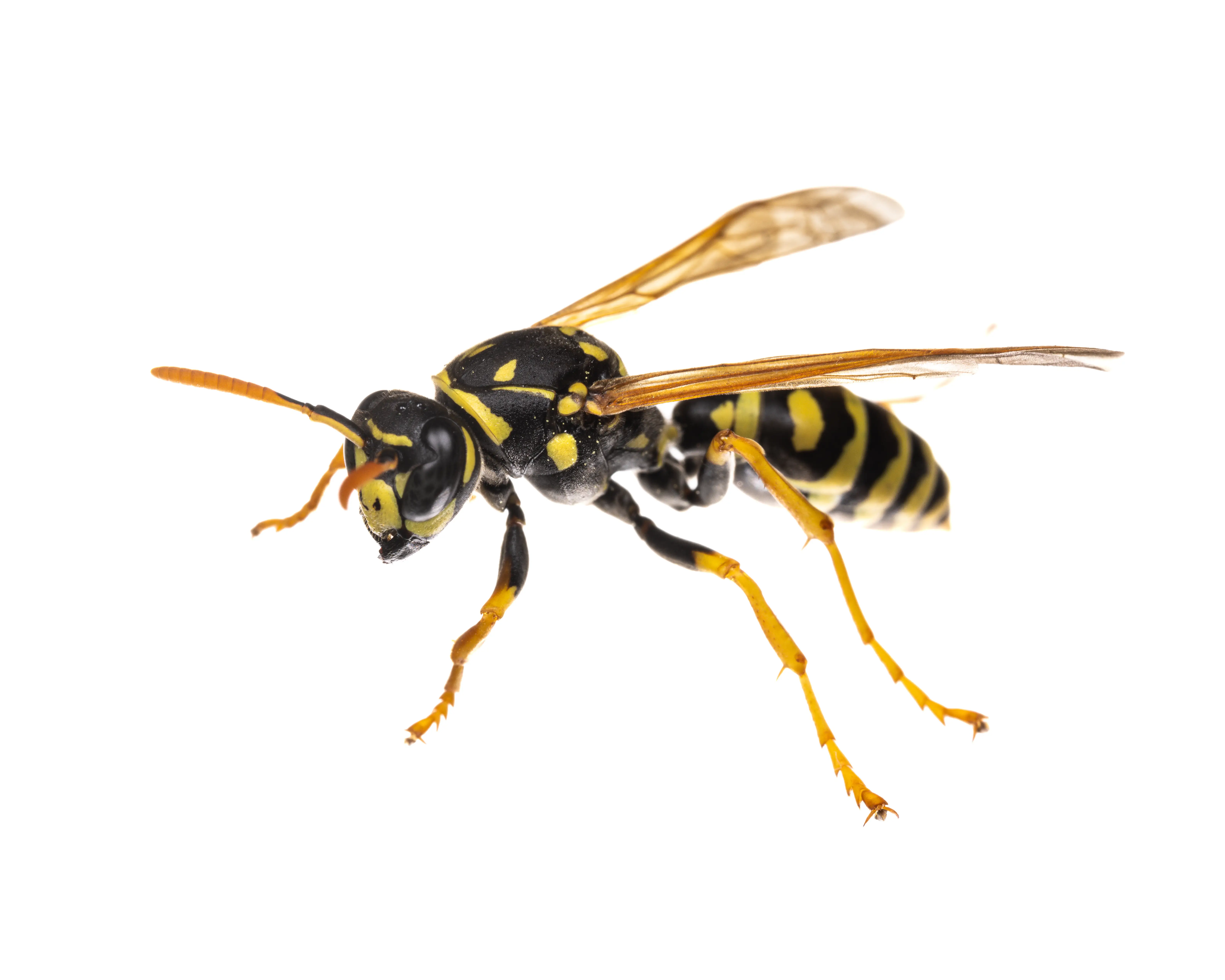
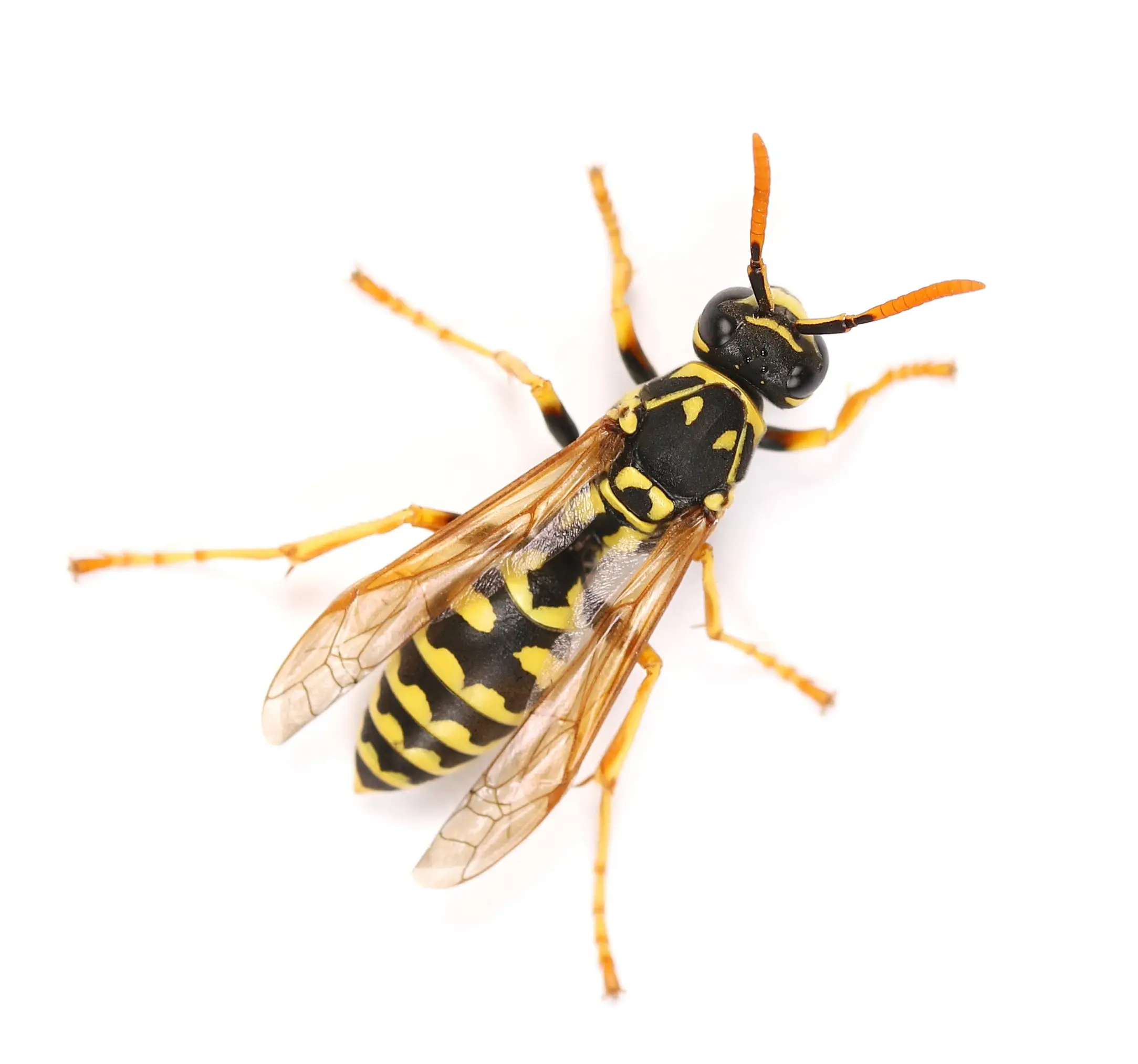
When hornets establish nests on your property, they create serious safety hazards for your family, pets, and visitors. These aggressive stinging insects fiercely defend their colonies and can attack in swarms when threatened. EcoGuard Pest Management delivers safe, effective hornet elimination and nest removal services that protect your property without putting you at risk.

Hornet Pest Control Experts

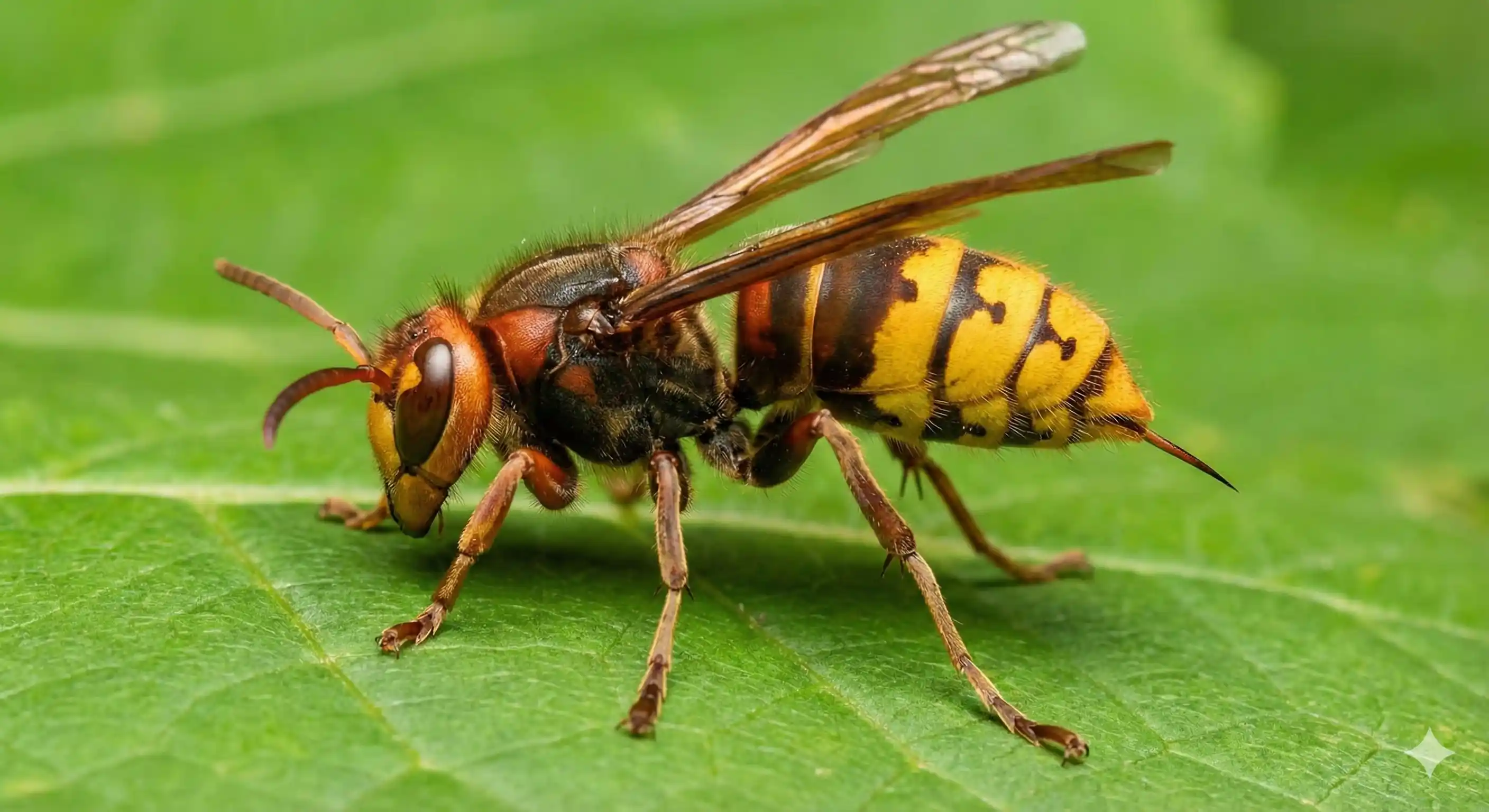
Hornet control requires specialized training, protective equipment, and precise treatment methods that only professional pest control can provide. Our technicians are expertly trained in hornet behavior patterns, nest identification, and safe removal techniques for all hornet species including bald-faced hornets and European hornets. This expertise allows us to eliminate hornet threats quickly while minimizing the risk of defensive attacks that make DIY removal extremely dangerous.

Why Hornets Are a Serious Problem

Hornets create immediate safety concerns that demand professional intervention:

  • Hornets are highly aggressive when their nest is threatened and can sting multiple times, with each sting injecting venom that causes intense pain and potentially life-threatening allergic reactions in sensitive individuals
  • A single hornet colony can contain 400-700 workers by late summer, all capable of defending the nest simultaneously and pursuing perceived threats for considerable distances
  • Unlike bees, hornets don't lose their stingers—each hornet can sting repeatedly, and disturbing a nest can trigger mass attacks that result in dozens or even hundreds of stings
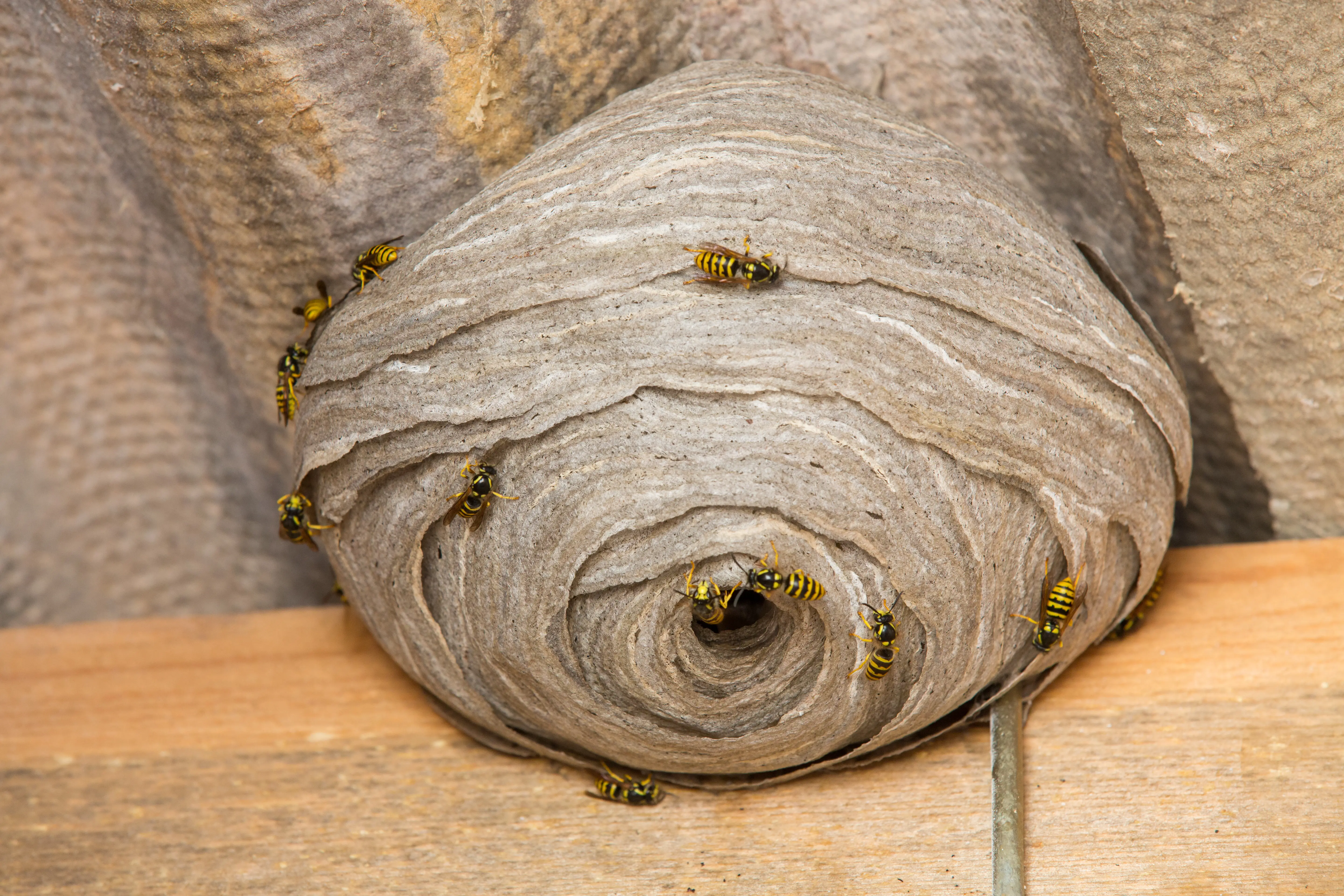
  • Hornet nests grow throughout the season and can reach the size of a basketball or larger, often located in trees, under eaves, in wall voids, or other areas where accidental encounters are likely

Hornet Control Service Plans

Choose the protection level that's right for your property

One-Time Treatment
$249+
Starting price
  • Comprehensive property inspection
  • Species identification
  • Entry point identification
  • Targeted treatment application
  • Perimeter barrier application
  • Nest elimination
  • Treatment report & recommendations
  • 30-day guarantee
Get Started
MOST POPULAR
Annual Protection
Contact Us
For custom pricing
  • Everything in One-Time Treatment
  • Seasonal maintenance plan
  • Entry point treatments
  • Priority scheduling
  • Re-treatment guarantee
Get Started

* Prices vary based on property size, infestation severity, and treatment method. Contact us for an accurate quote.

Service Plan Comparison

FeatureOne-TimeAnnual
Comprehensive Inspection
Complete Nest Removal
Follow-Up InspectionsQuarterly
Early Nest Detection
Priority Emergency Response
Re-Treatment Guarantee

Get Your Free Hornet Quote

Protect your property with a free hornet quote from our licensed experts.

✓ Same-day service available
✓ Licensed & insured
✓ Detailed property assessment
✓ No-obligation estimates

Service Areas

We provide hornet control services throughout:

  • California
  • Oregon
  • Washington
  • Texas
  • Tennessee
  • Nevada
View All Counties →

Ready to Eliminate Your Hornet Problem?

Schedule your hornet inspection today. Our experts will assess your property and provide a customized treatment plan.

📞 Call (866) 326-2847Get Free Quote

Hornet Treatment Options

Our comprehensive approach to hornet control prioritizes safety while ensuring complete colony elimination. Each treatment method is selected based on nest location, colony size, and surrounding conditions.
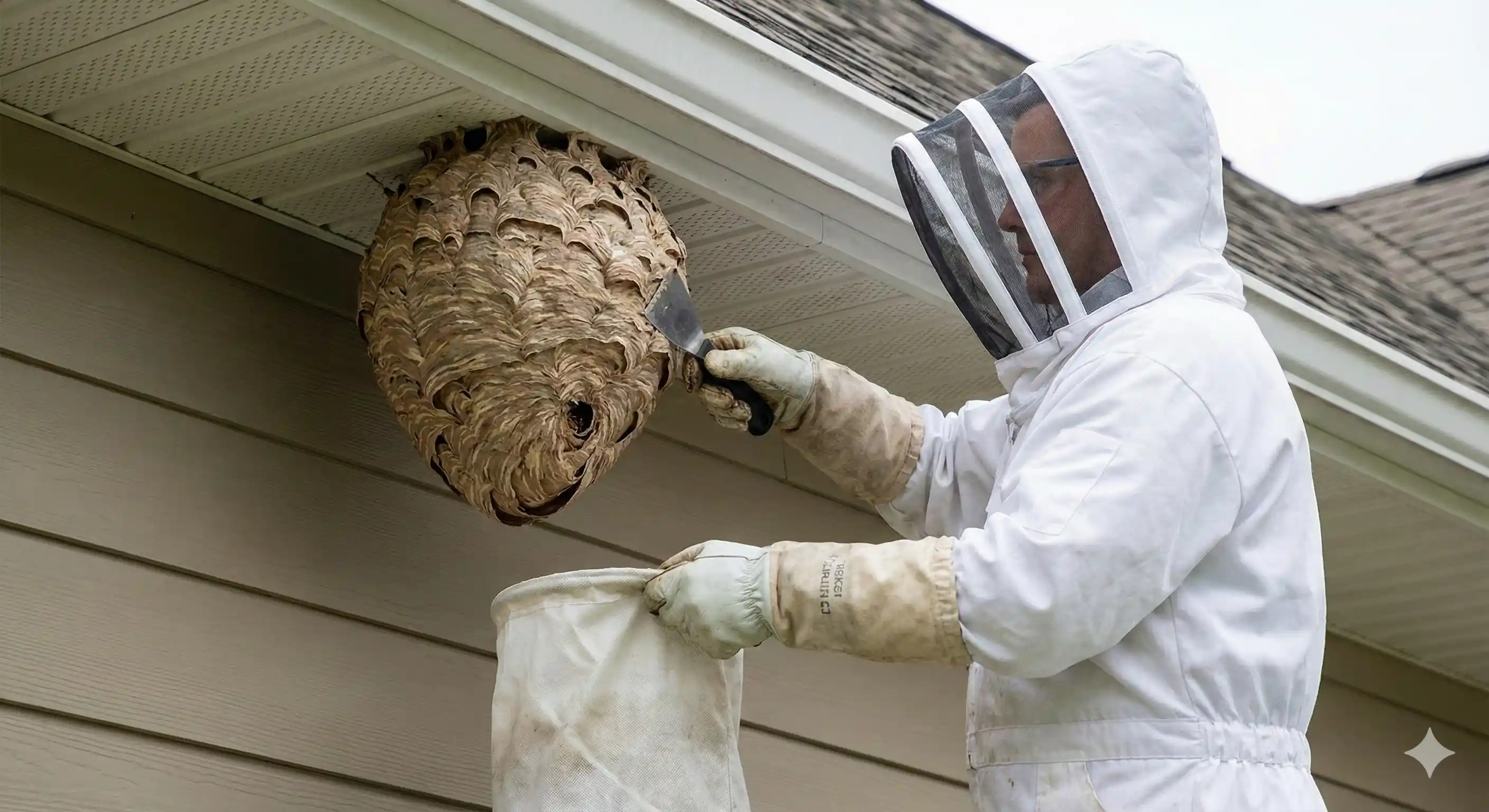
Technician in protective suit safely removing hornet nest from residential property

Professional Nest Removal

Complete removal of hornet nests using specialized equipment and protective gear, ensuring the entire colony is eliminated and the nest structure is safely removed from your property.

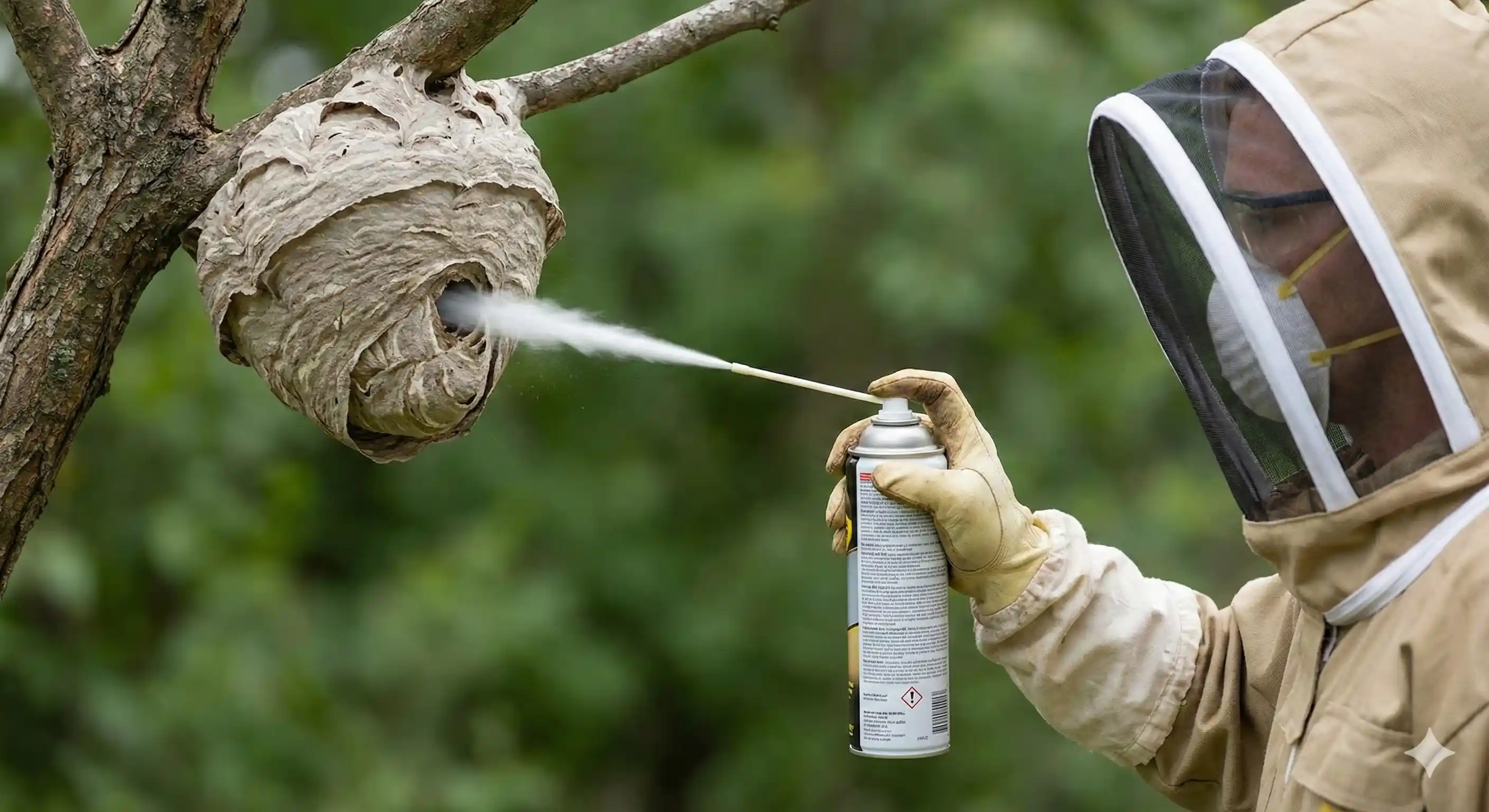
Pest control professional applying targeted insecticide treatment to hornet nest

Targeted Insecticide Application

Professional-grade insecticides applied directly to nest entrances and surrounding areas, rapidly eliminating hornet populations while preventing reinfestation of treated locations.

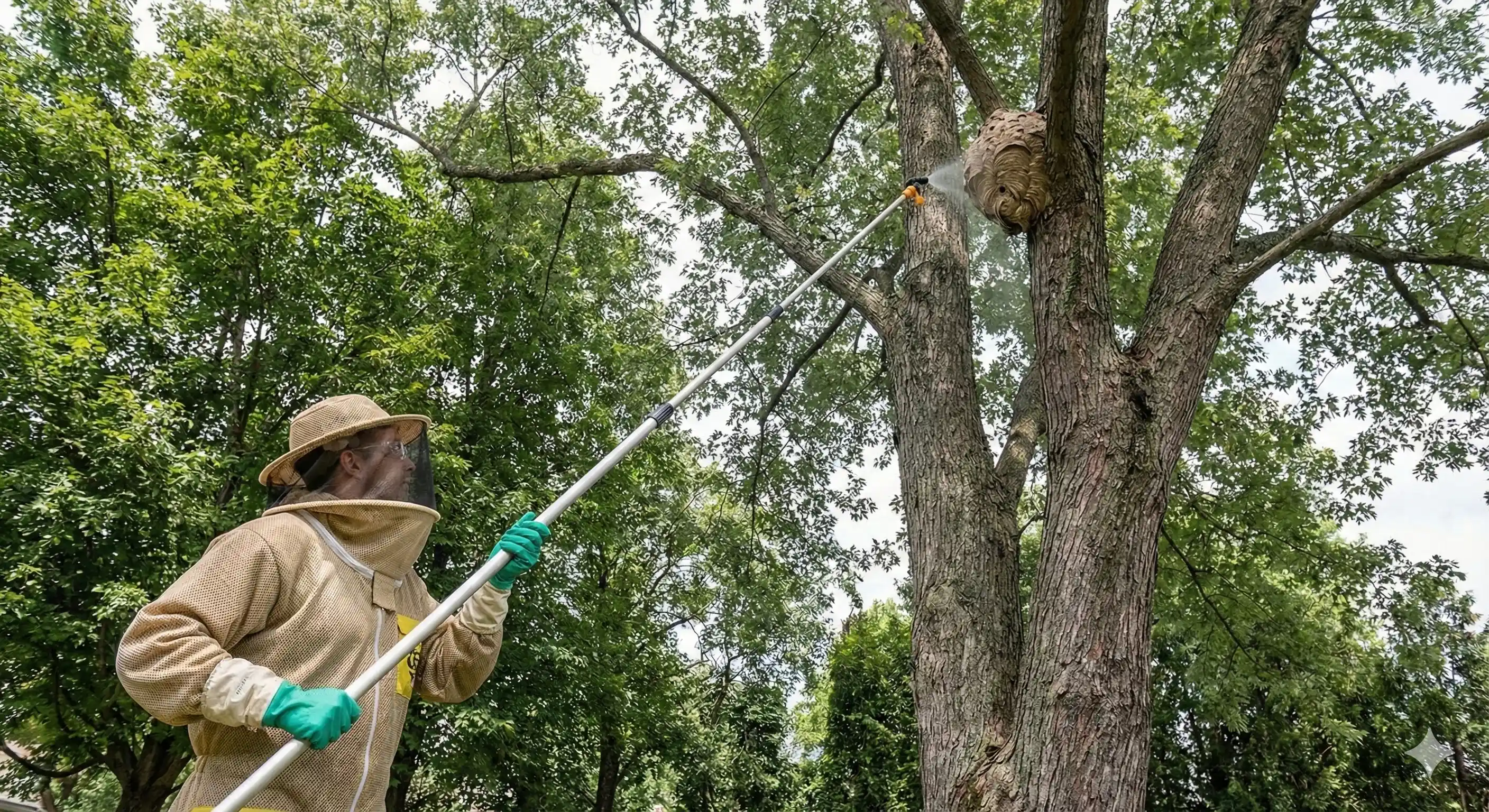
Technician using extension equipment to treat hornet nest in elevated location

Aerial Nest Treatment

Specialized treatment methods for nests located in trees, high eaves, and other elevated locations using extension equipment that allows safe treatment from a distance.

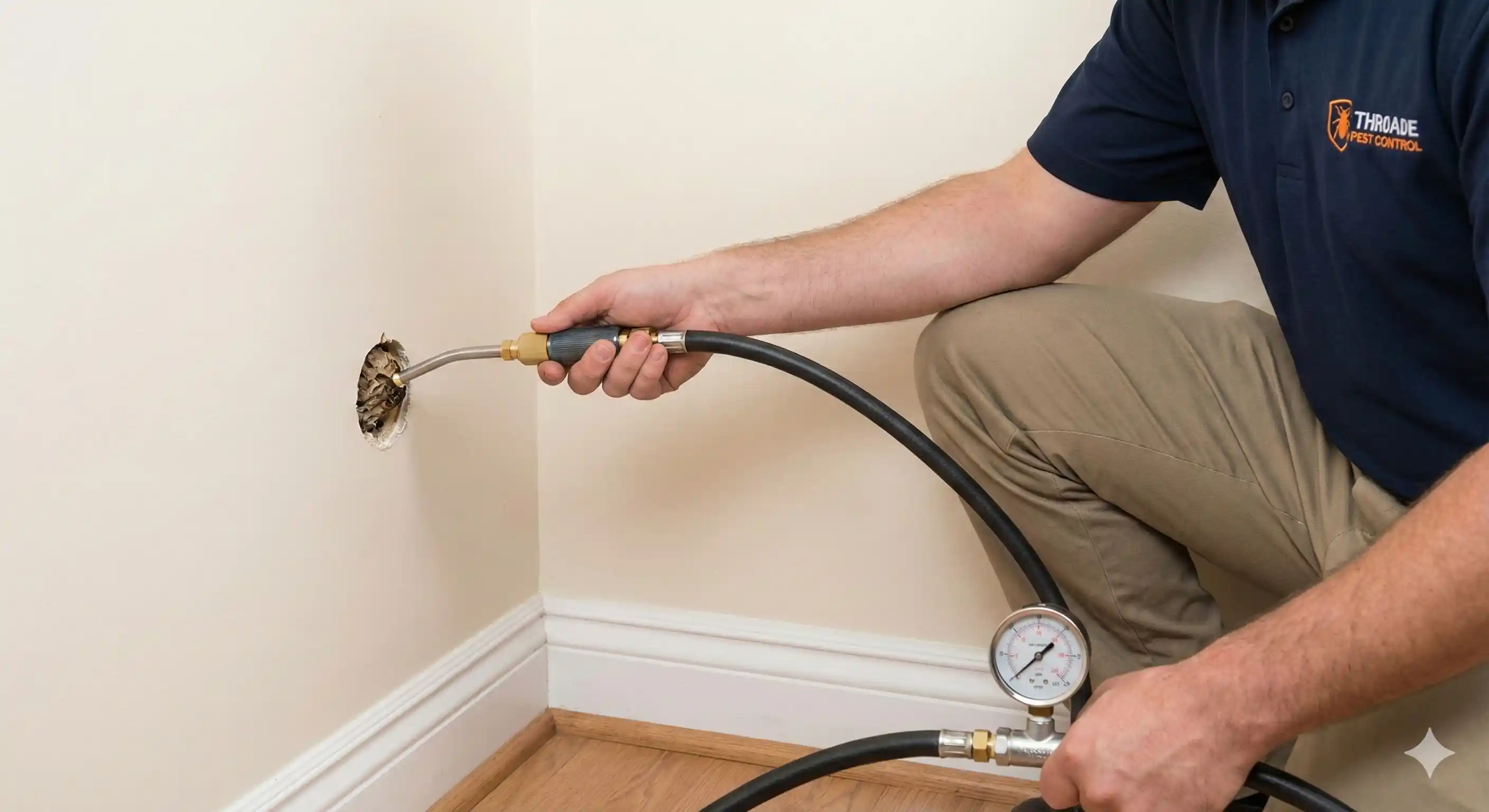
Professional treating hornet colony inside wall void or structural cavity

Wall Void Treatment

Expert treatment of hornet colonies established within wall cavities, attics, and other structural voids, including removal of nest material to prevent secondary pest problems.

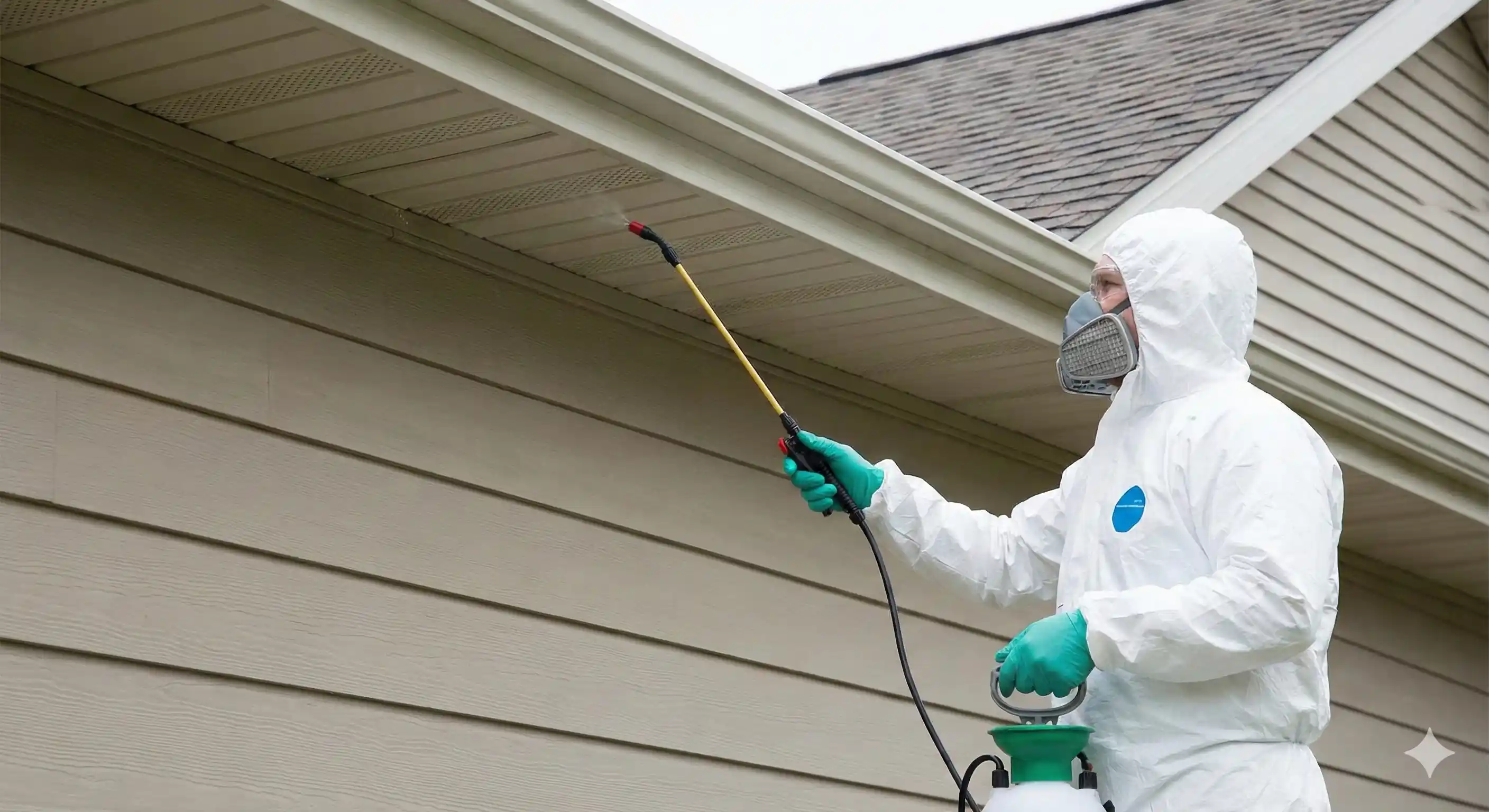
Applying preventive barrier treatment to eaves and soffits to deter hornet nesting

Preventive Barrier Applications

Residual treatments applied to common nesting sites including eaves, soffits, decks, and outbuildings that deter hornets from establishing new colonies on your property.

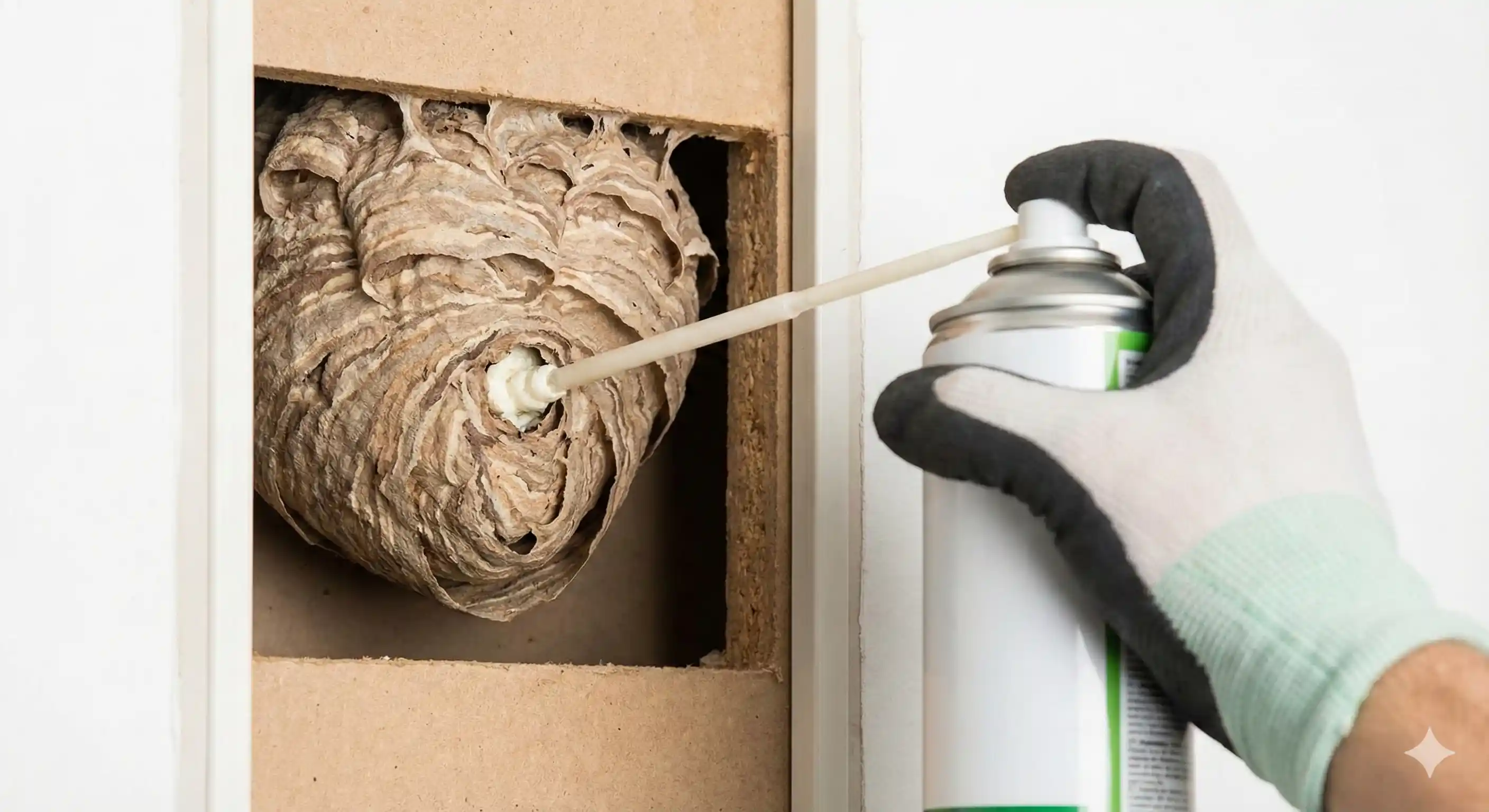
Technician applying expanding spray foam treatment to encapsulate and eliminate hornet nest

Spray Foam Nest Treatment

Professional expanding foam applications that encapsulate hornet nests, trapping workers inside while delivering insecticide directly into the colony structure for rapid and complete elimination.

What Causes Hornets?

Understanding what attracts hornets to your property is essential for effective control and prevention.
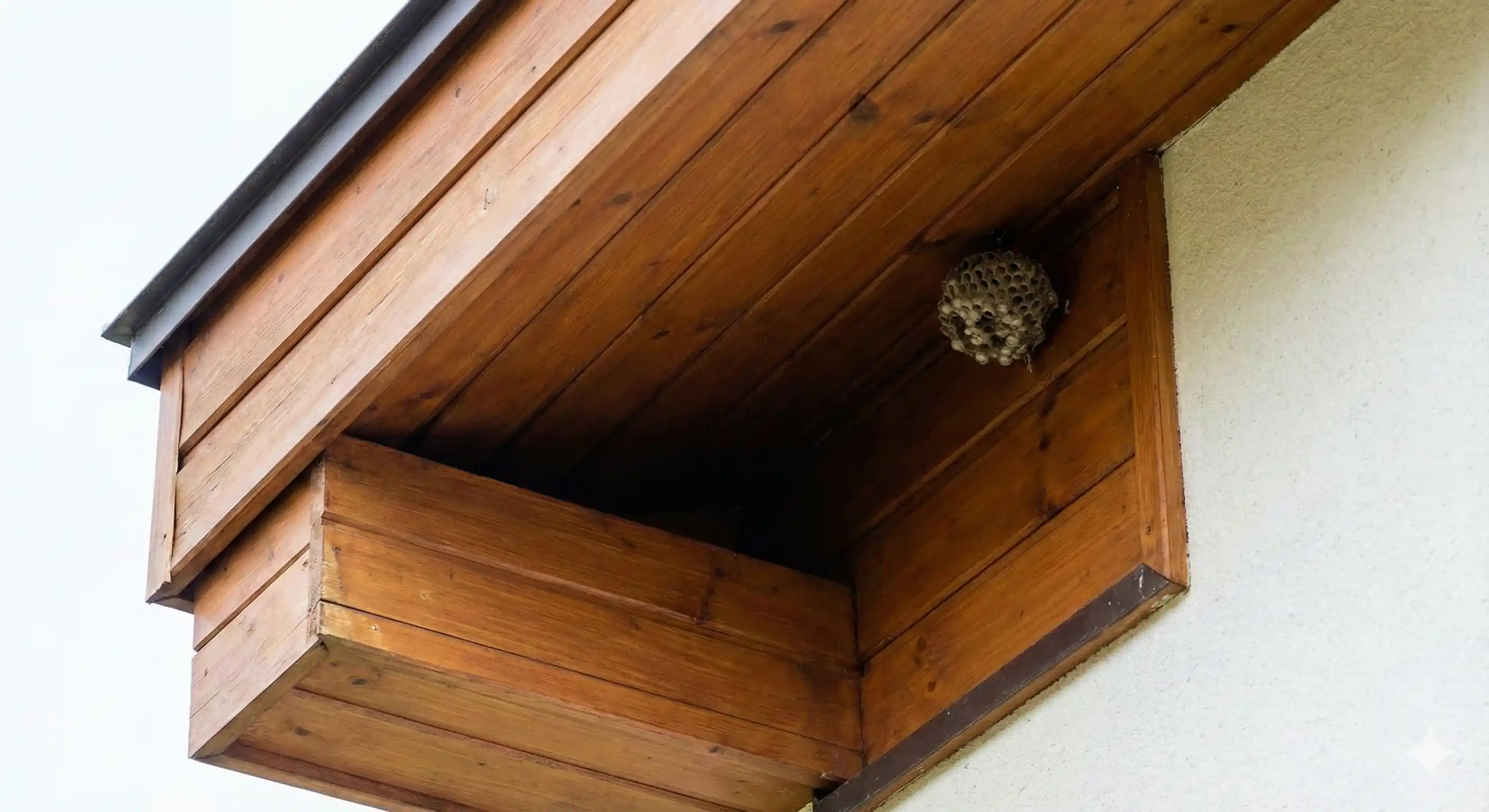

Protected eave and soffit area providing sheltered hornet nesting location

🏠 Sheltered Nesting Sites

Hornets seek protected locations for nest building including tree branches, shrubs, under eaves, inside wall voids, attics, sheds, and other structures that provide shelter from weather and predators.

Fruit trees and garden areas that attract foraging hornets

🍎 Abundant Food Sources

Properties with fruit trees, flowering gardens, outdoor dining areas, uncovered garbage, and abundant insect populations attract foraging hornets seeking protein and sugar sources.

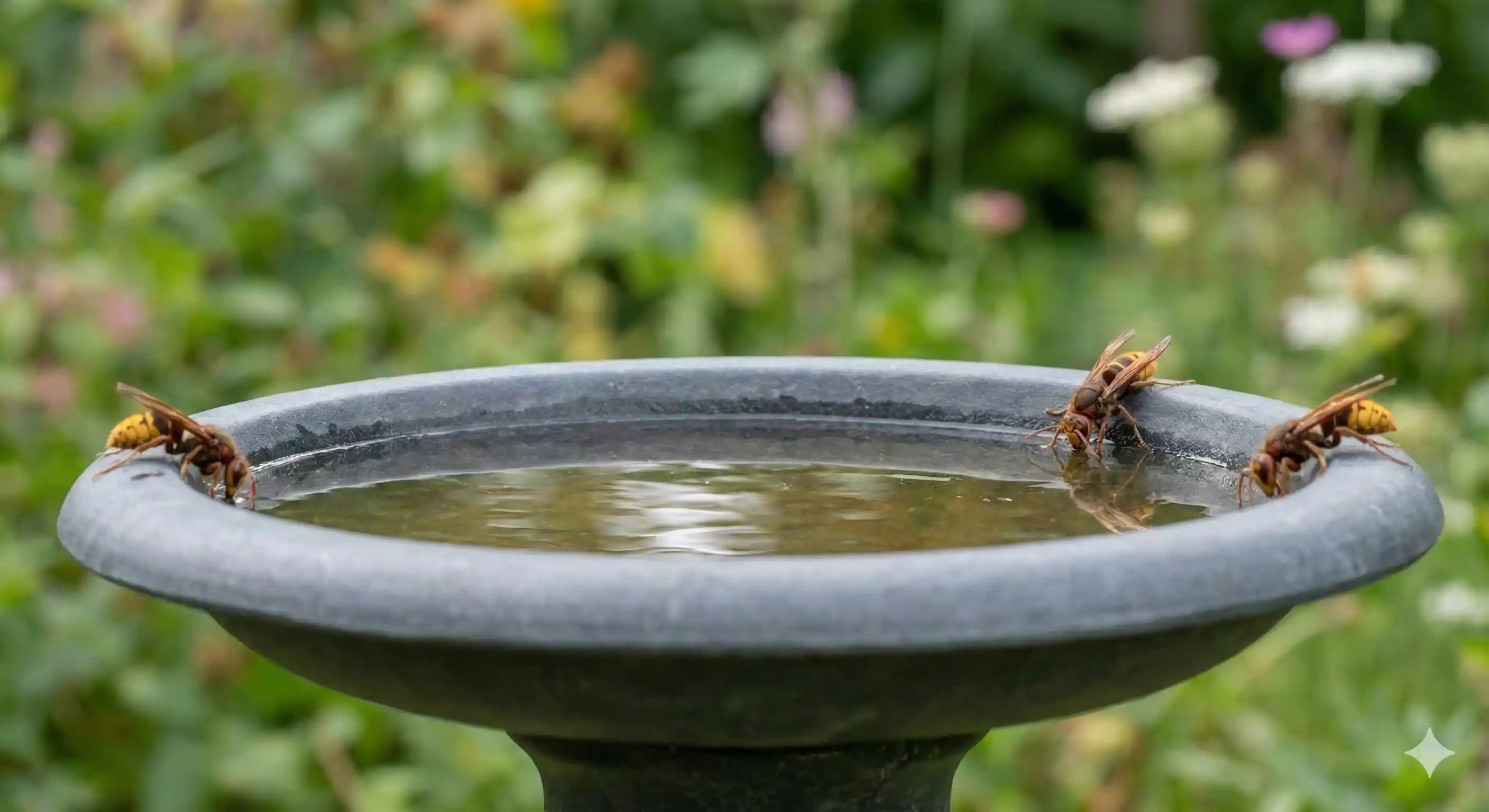
Birdbath or water feature that attracts hornets to property

💧 Water Availability

Hornets require water for nest construction and temperature regulation, making properties with birdbaths, ponds, leaky faucets, and other water sources more attractive for colony establishment.

Location where previous hornet nest was established attracting new colony

📍 Previous Nest Locations

Areas where hornets have successfully nested before often attract new queens the following spring, as pheromone traces and favorable conditions encourage repeat nest building.

Learn More About Hornet Prevention →

What Are Signs of Hornets in Your Home?

Watch for these warning signs of hornet activity on your property.
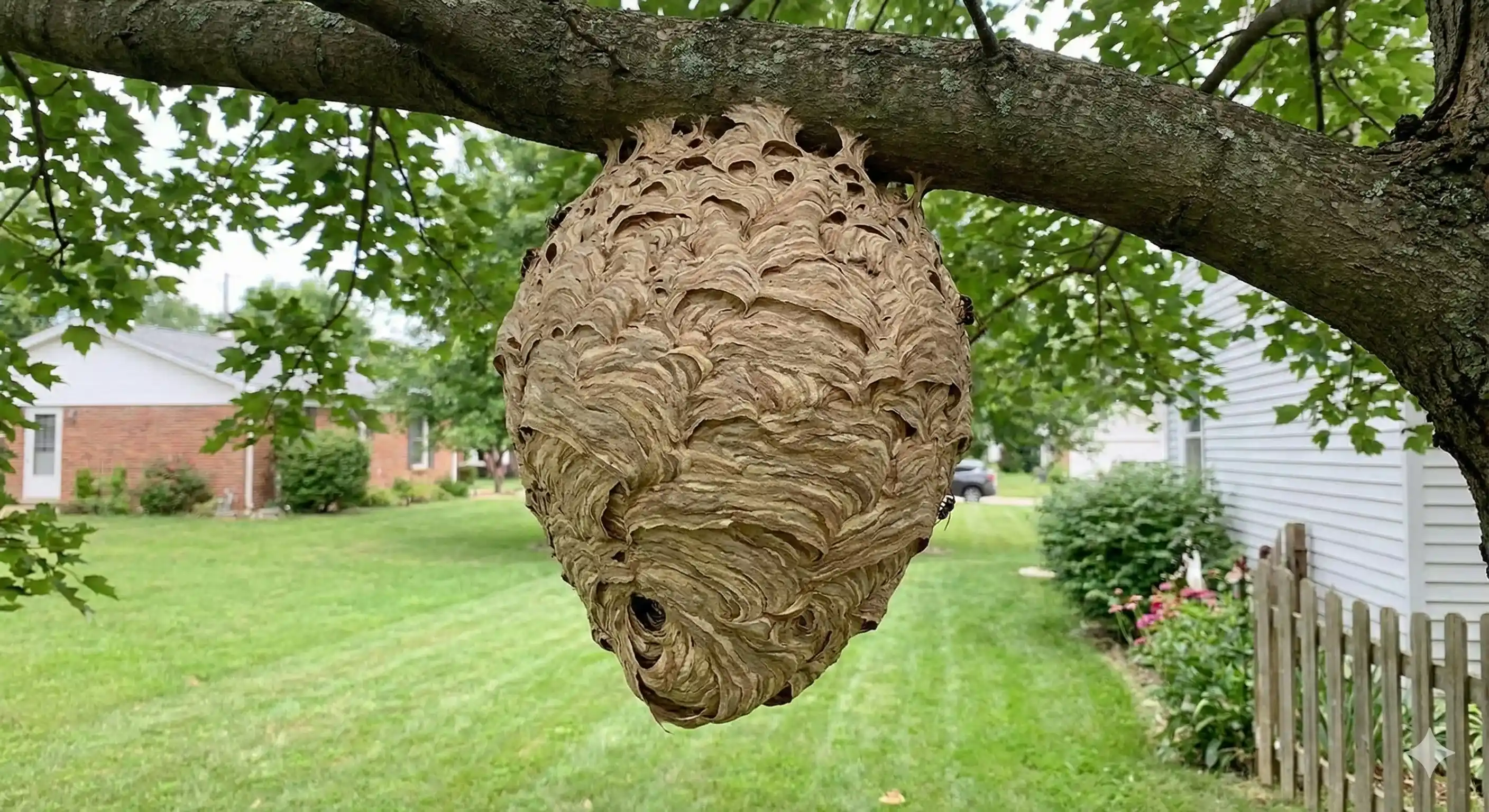
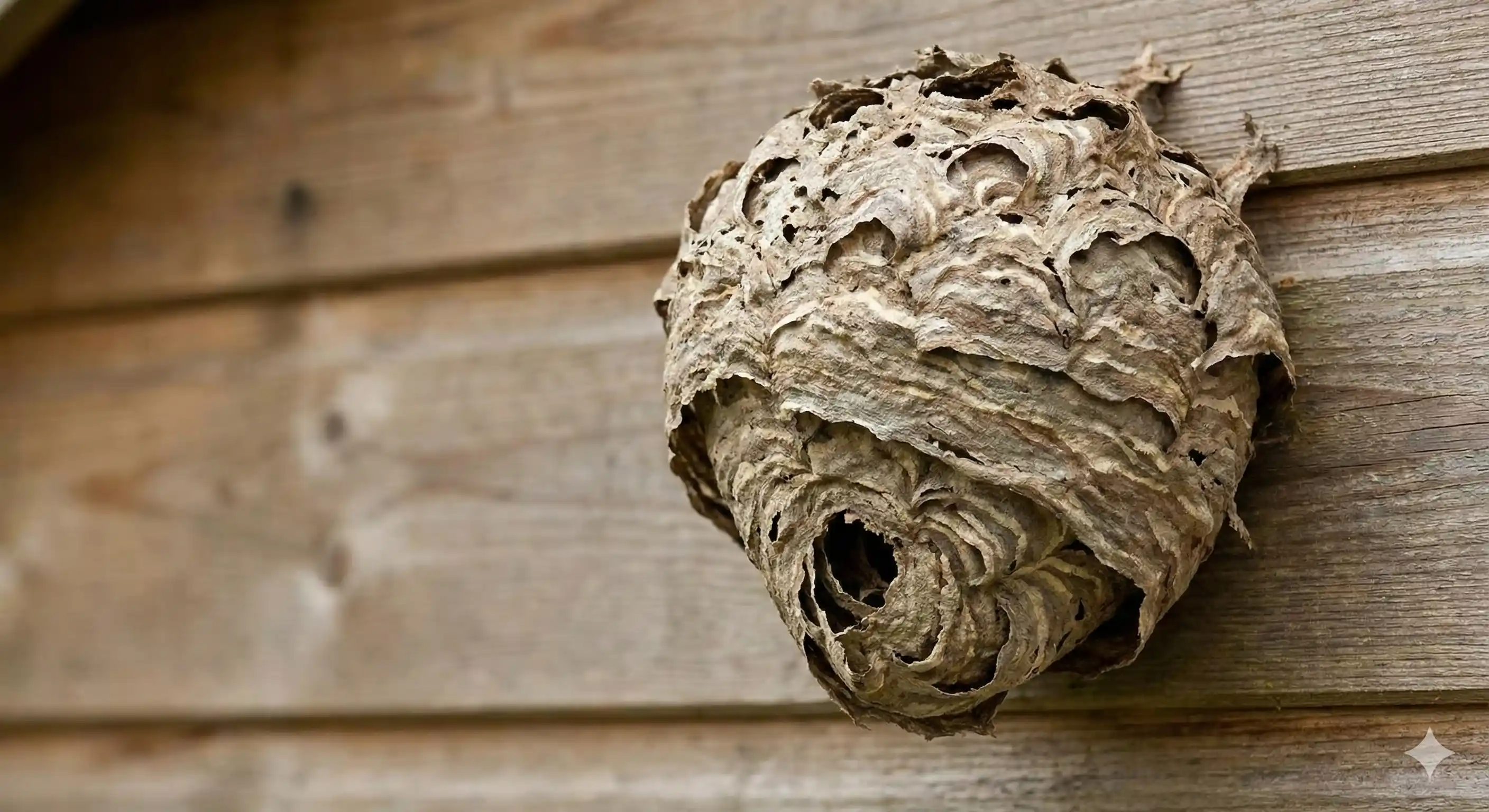
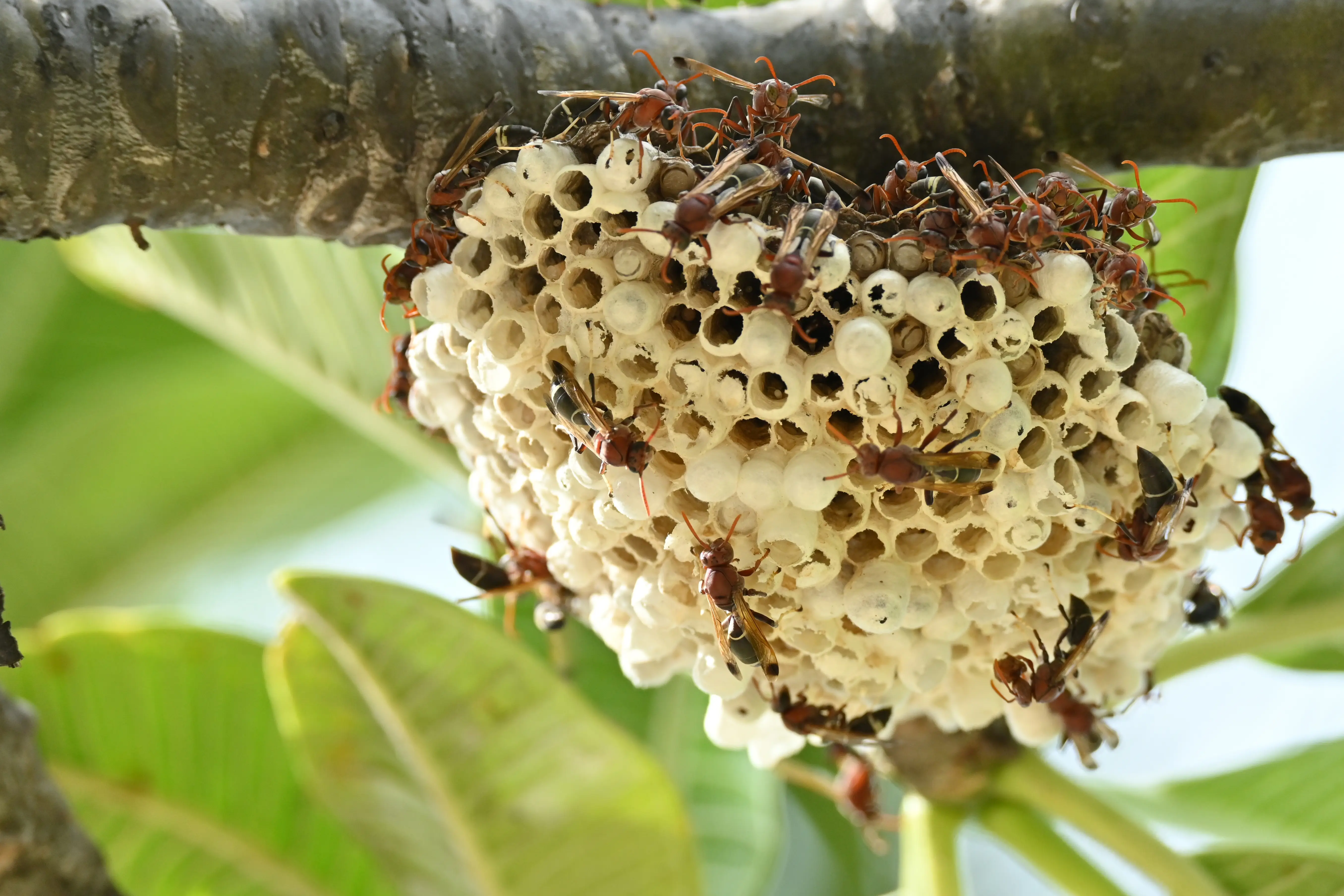
Large gray paper hornet nest attached to tree branch or eave

Visible Nest Structure

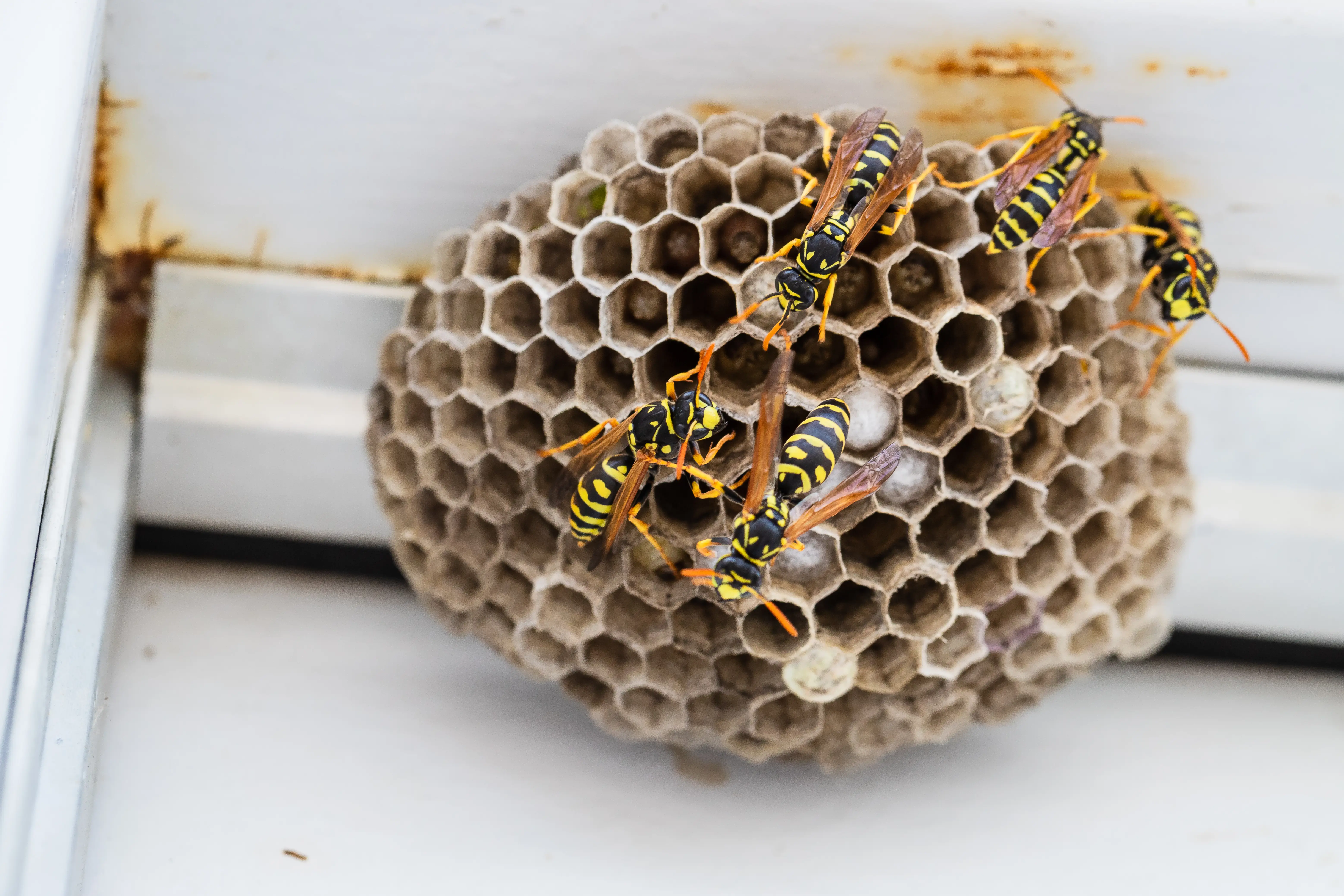
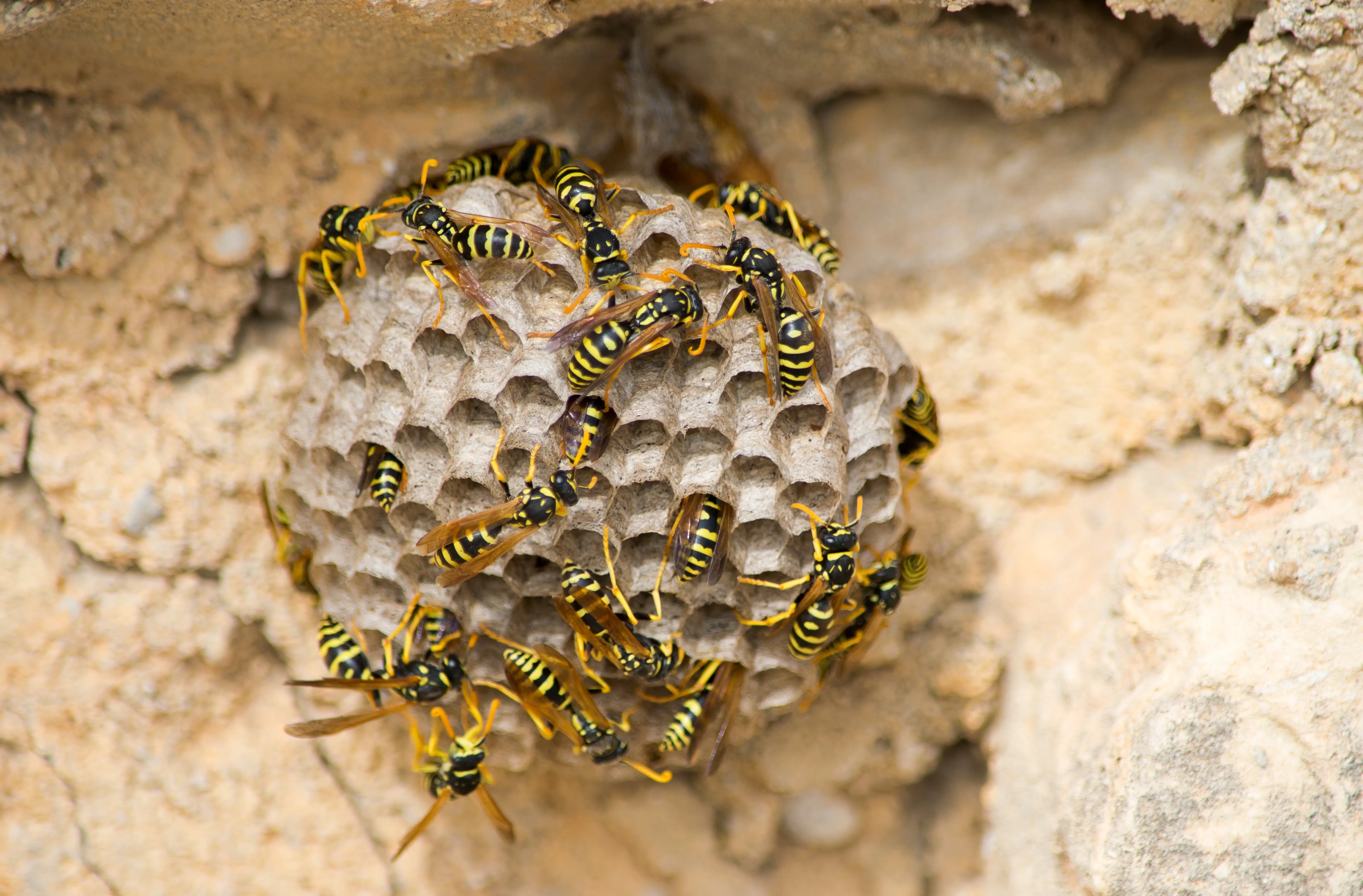
Large, enclosed paper nests typically gray or brown in color, often football-shaped or rounded, attached to trees, eaves, or other structures. Bald-faced hornet nests can exceed 14 inches in diameter.

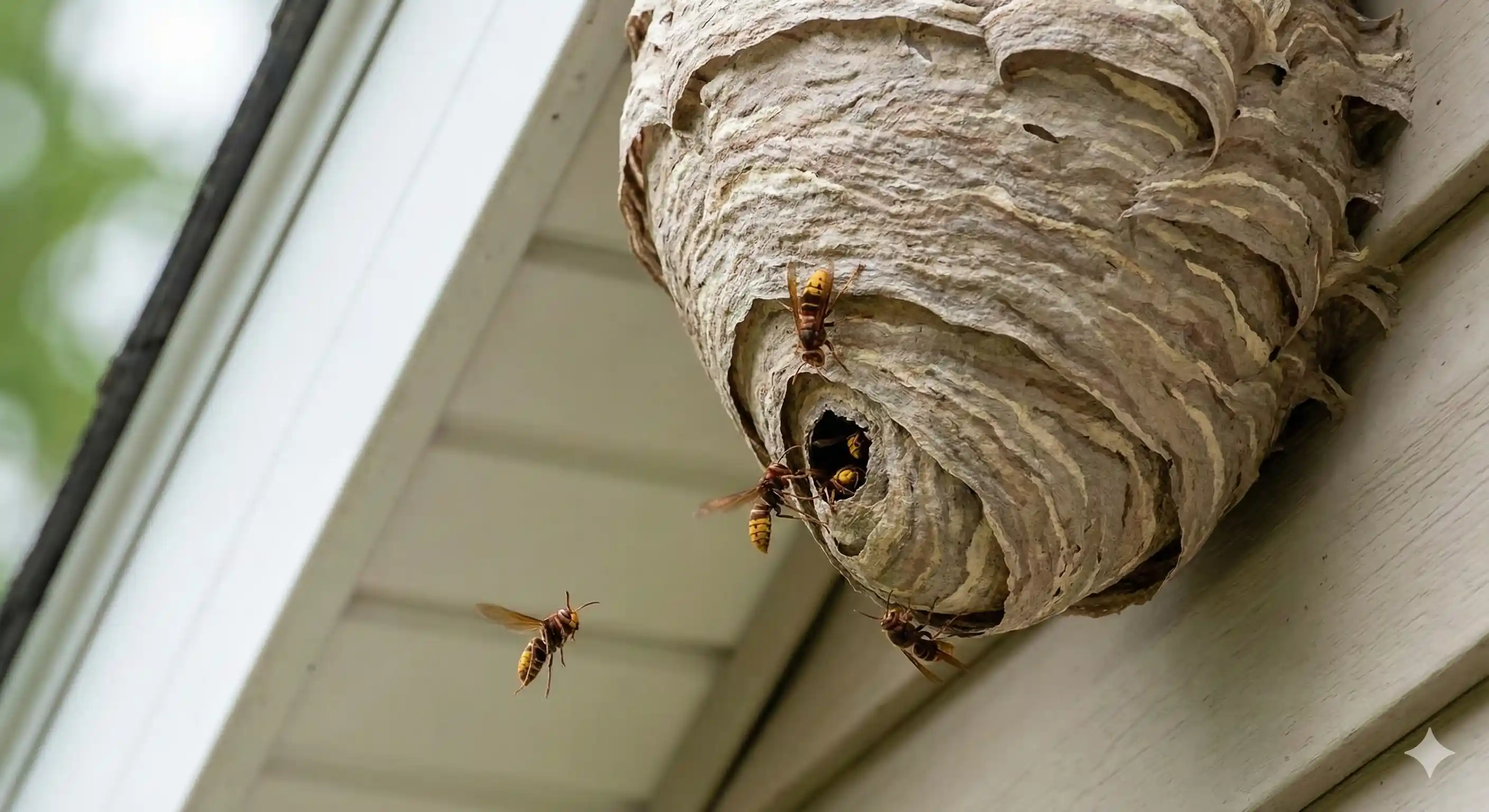
Multiple hornets flying near established nest location

Increased Hornet Activity

Multiple hornets regularly flying to and from a specific location, indicating an established nest nearby. Activity increases throughout the day and peaks in late summer.

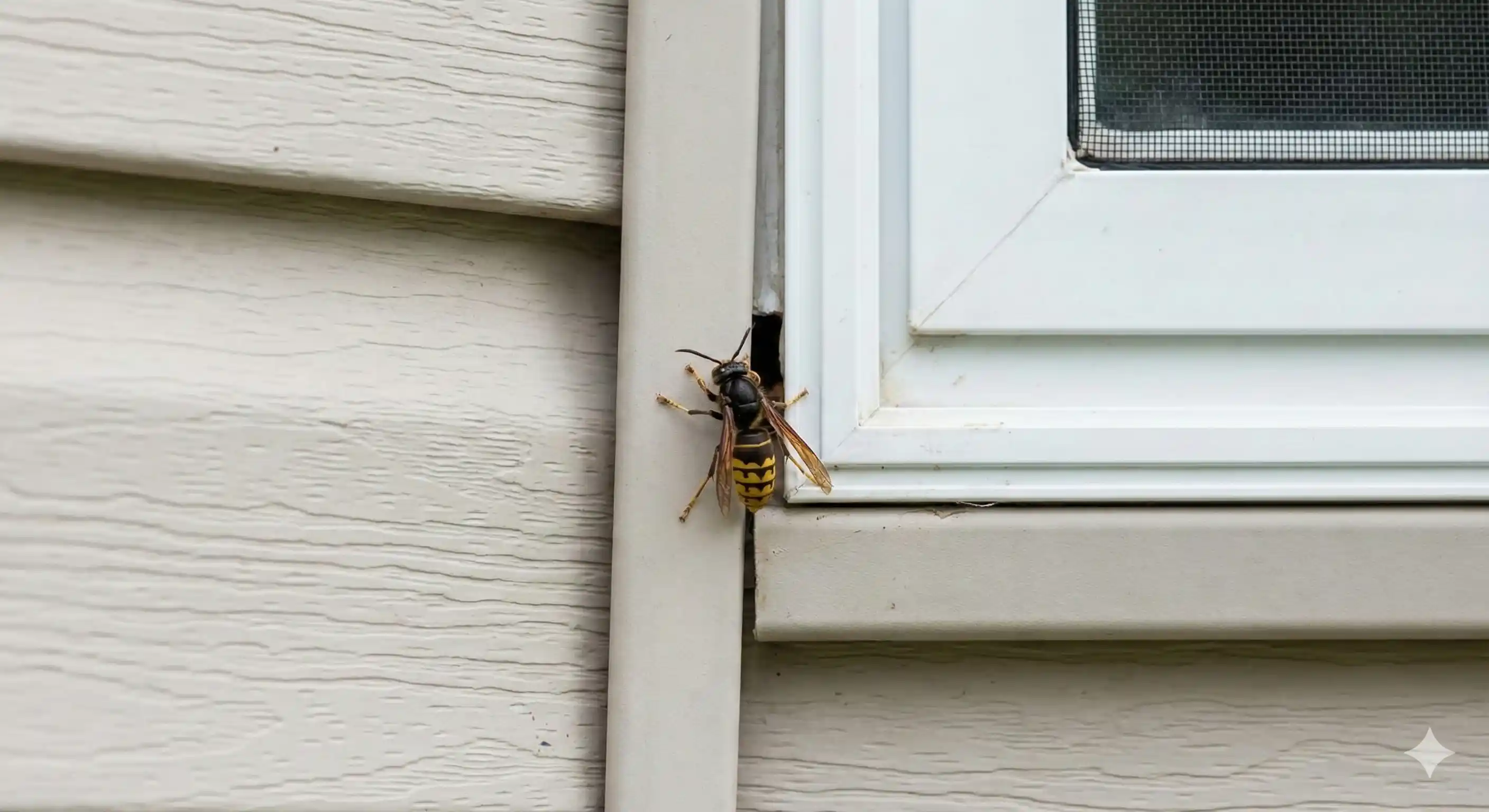
Hornet entering gap in siding indicating hidden nest in wall void

Hornets Entering Structure

Hornets flying into gaps in siding, soffits, or roof areas suggesting a nest within wall voids or attic spaces where the colony is hidden from view.

Hornet displaying defensive aggressive behavior near nest area

Aggressive Behavior

Hornets acting defensively or aggressively when you approach certain areas of your property, warning that a nest is nearby and the colony feels threatened.

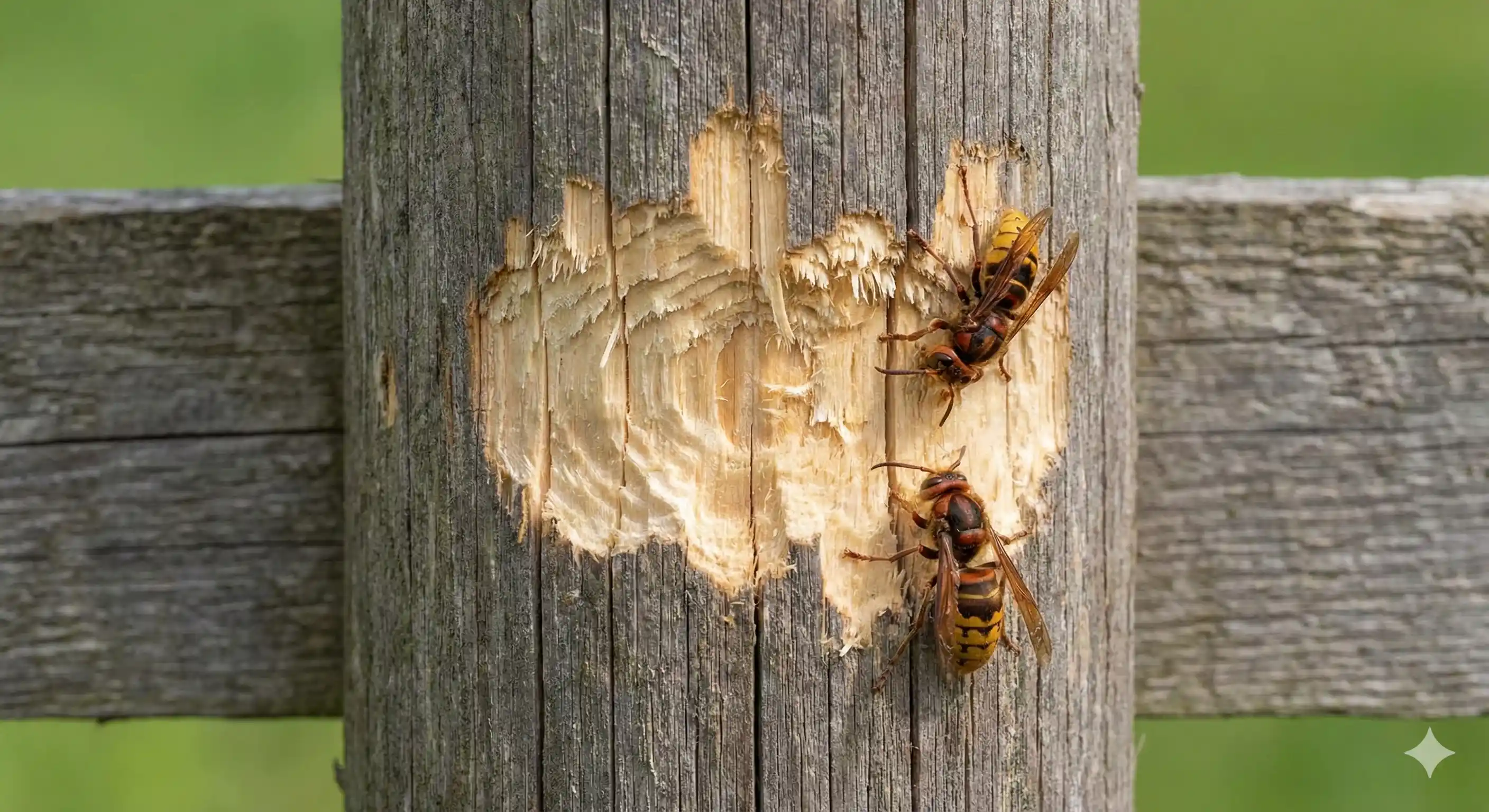
Chewing marks on wood surface from hornets gathering nest material

Chewed Wood Surfaces

Visible scraping or chewing marks on wooden fences, decks, or structures where hornets harvest wood fiber for nest construction material.

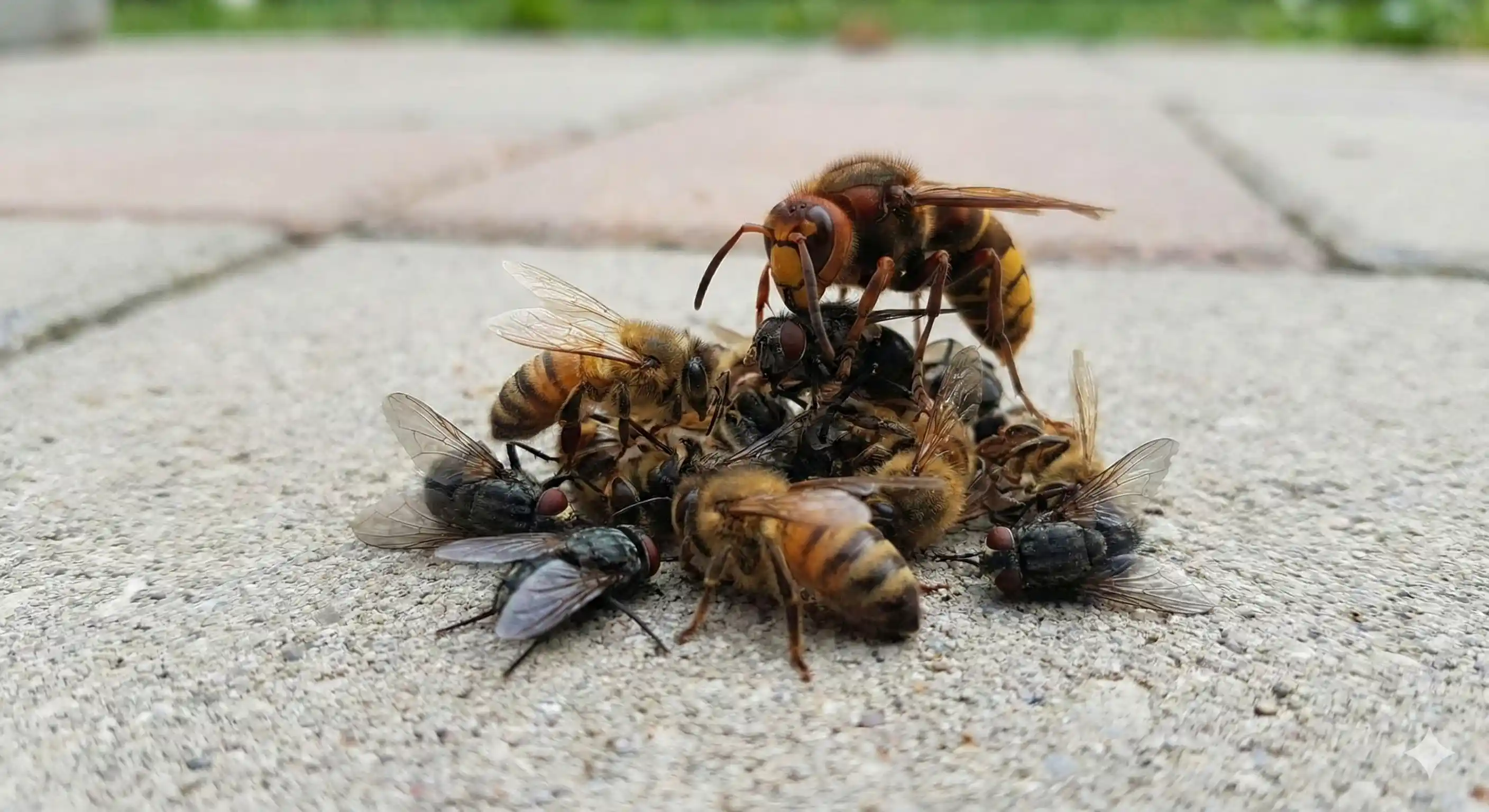
Dead insects near property indicating hornet predatory activity

Dead Insects Near Property

Accumulation of dead insects, particularly other wasps, bees, or flies, near certain areas as hornets are predatory and hunt other insects to feed their larvae.

Learn More About Hornet Detection →

DIY vs Professional Treatment

Attempting DIY hornet nest removal is extremely dangerous and strongly discouraged. Unlike other pests, hornets actively defend their colonies and will attack aggressively when disturbed. Store-bought sprays require you to approach within feet of the nest, triggering defensive responses. Many serious injuries and fatalities occur each year from amateur hornet nest removal attempts, particularly when nests are in elevated locations requiring ladders or when victims have unknown allergies.

Our technicians utilize specialized protective equipment, commercial-grade products, and proven techniques developed specifically for safe hornet elimination. We treat nests during optimal times when most workers are present, use application methods that don't require dangerous close approach, and have emergency protocols for unexpected situations. Professional removal eliminates the colony completely while protecting you and your family from the serious risks of hornet attacks.

❌ DIY Treatment

  • Requires dangerous close approach to nest
  • Triggers aggressive defensive attacks
  • Risk of multiple stings and allergic reactions
  • Often fails to eliminate entire colony
  • Falls from ladders common during attacks
  • No protective equipment available to consumers

✓ Professional Treatment

  • Specialized protective equipment
  • Commercial-grade rapid-knockdown products
  • Safe treatment from appropriate distance
  • Complete colony elimination guaranteed
  • Expert handling of difficult nest locations
  • Emergency response training and protocols

Commercial Hornet Control

EcoGuard Pest Management implements customized hornet control programs for commercial facilities that prioritize operational continuity while ensuring effective pest elimination. Our comprehensive commercial hornet protection programs combine discrete treatment applications with flexible scheduling to maintain your business operations while ensuring complete elimination of hornet problems.

We specialize in hornet control solutions for:

  • Restaurants and food service establishments
  • Healthcare facilities
  • Hotels and hospitality venues
  • Educational institutions
  • Office complexes
  • Food processing facilities
  • Warehouses and storage facilities
  • Retail spaces
  • Manufacturing facilities
  • Multi-unit residential properties
Learn About Commercial Pest Control
100% SATISFACTION GUARANTEE

The EcoGuard Guarantee

EcoGuard offers a 100% satisfaction guarantee for all of our customers, and we stand by our promise to eradicate your hornet problem until the very last hornet is gone. That hornet control guarantee comes with every service and if the hornets come back, then so do we, at no additional cost. We are standing by to give you a free estimate and to help you set your first hornet pest control service appointment.

📞 Call (866) 326-2847 Today

Our Hornet Control Process

A safety-focused approach to complete hornet elimination and property protection

1

Safety Assessment

Our technicians conduct careful evaluation of nest location, colony size, surrounding activity areas, and potential risks before any treatment. We identify all nest entrances, assess structural considerations for hidden nests, and plan the safest approach for elimination.

2

Strategic Treatment

Using professional protective equipment and commercial-grade products, we apply targeted treatments that rapidly eliminate the hornet colony. Treatment timing is optimized for when maximum workers are present, ensuring complete colony elimination rather than partial control.

3

Complete Nest Removal

Once the colony is eliminated, we safely remove the nest structure from your property. This prevents secondary pest infestations, eliminates the visual nuisance, and removes pheromone traces that might attract future queens to the location.

4

Prevention Recommendations

We provide guidance on reducing conditions that attract hornets and can apply preventive treatments to common nesting sites. For annual protection customers, we conduct regular monitoring to detect and eliminate new nests before they become established threats.

Seasonal Plan for Hornet Control

Year-round protection adapted to seasonal hornet behavior patterns

Spring Hornet Control

Spring

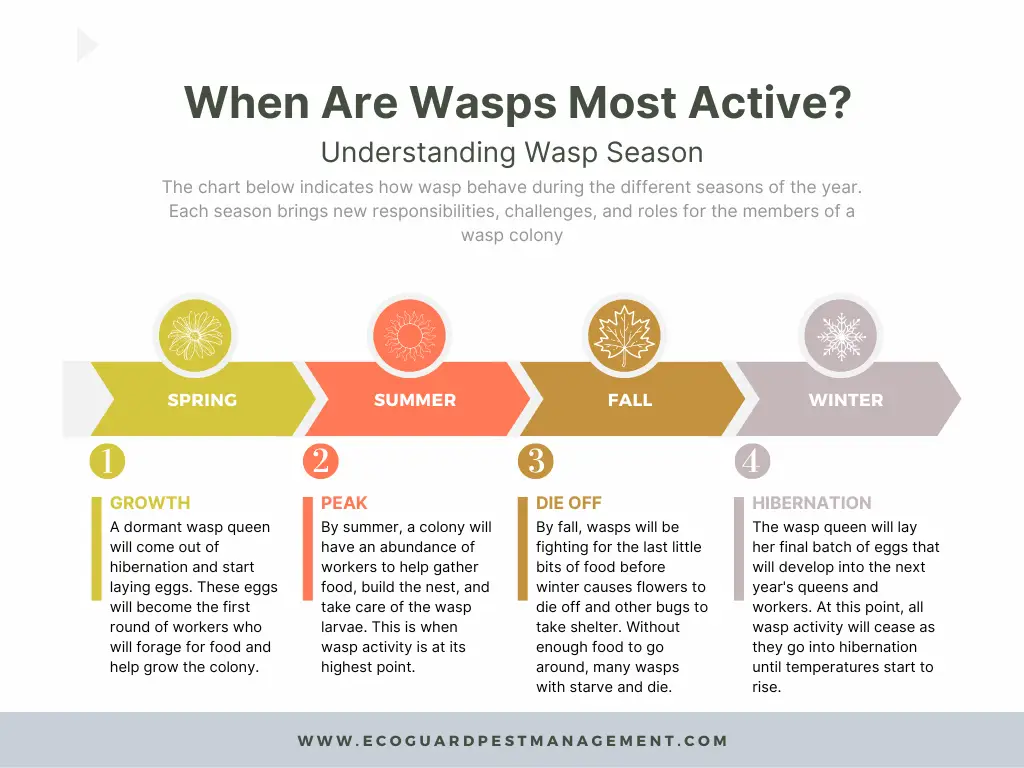
Critical early detection period as overwintered queens emerge and begin new colonies; small nests are much easier and safer to eliminate; preventive treatments to discourage nest establishment in common locations

Summer Hornet Control

Summer

Peak colony growth and activity period; nests grow rapidly and become increasingly dangerous; immediate treatment essential for any discovered nests; monitor for new colony establishment

Fall Hornet Control

Fall

Colonies reach maximum size with 400-700+ workers; most dangerous period for nest encounters; new queens produced before colony dies off; treat remaining active nests before winter

Winter Hornet Control

Winter

Colonies die off naturally but nest structures remain; ideal time for nest removal and inspection of structural vulnerabilities; preventive treatments before spring queen emergence

What Our Customers Say

Trusted by homeowners across 6 states for safe, professional hornet removal

★★★★★

"Found a huge hornet nest under our deck right before a family BBQ. EcoGuard came out the same day and removed it safely. The technician was professional and explained everything. Saved our weekend!"

Mike & Sarah T.
Austin, TX
★★★★★

"Hornets had built a nest inside our wall—we could hear them buzzing! I'm so glad we called professionals instead of trying to handle it ourselves. Complete removal with no damage to our home."

Jennifer L.
Portland, OR
★★★★★

"My son is allergic to stings, so when we found a bald-faced hornet nest in our tree, I panicked. EcoGuard responded within hours and removed the entire nest. Worth every penny for the peace of mind."

Amanda R.
Sacramento, CA

Hornet Control FAQs

Everything you need to know about hornet control and treatment

Hornets are among the most dangerous stinging insects due to their size, aggressive nest defense, ability to sting multiple times, and potent venom. A disturbed hornet nest can result in dozens or hundreds of stings, making professional removal essential for safety.

Hornets are the largest social wasps, with bald-faced hornets reaching 3/4 inch and European hornets over 1 inch. Yellow jackets are smaller wasps that often nest underground. True hornets typically build aerial paper nests and are generally more aggressive than other wasps.

We strongly advise against DIY hornet nest removal due to serious injury risk. Hornets attack aggressively when their nest is threatened, and approaching close enough to use consumer sprays puts you in extreme danger, especially with elevated nests requiring ladders.

Keep all people and pets away from the nest area and call professional pest control immediately. Don't attempt to spray, knock down, or disturb the nest in any way. Even vibrations from nearby lawn equipment can trigger defensive attacks.

We offer priority emergency response for active hornet threats, typically arriving same-day for urgent situations. Nests near entrances, outdoor gathering areas, or where someone has been stung receive immediate priority scheduling.

Early morning or evening when temperatures are cooler and most workers are in the nest provides optimal treatment conditions. However, professional equipment allows safe treatment at any time when immediate removal is necessary for safety.

Once a colony is eliminated and the nest removed, those hornets won't return. However, without preventive measures, new queens may establish colonies in the same favorable location the following spring. Annual protection includes monitoring to prevent this.

Allergic reactions range from localized swelling to life-threatening anaphylaxis including difficulty breathing, rapid heartbeat, dizziness, and throat swelling. Anyone who experiences systemic symptoms beyond the sting site should seek immediate medical attention and carry prescribed epinephrine.

Our treatments are applied directly to nests and targeted areas using EPA-registered products. We provide clear guidance on keeping family and pets away during treatment and indicate when areas are safe to use again, typically within a few hours.

Hornets seek sheltered nesting sites, food sources including other insects and sweet substances, and water. Properties with fruit trees, gardens, uncovered food, and structural features offering protected nesting locations are more attractive to hornets.

Bald-faced hornet nests can reach 14+ inches in diameter and 24 inches in length by late summer. European hornet nests in protected voids can grow even larger. Nest size correlates with colony population and danger level.

No—unlike honey bees, hornets retain their stingers and can sting repeatedly. A single hornet may sting multiple times during an attack, and disturbing a nest can trigger mass attacks from hundreds of workers.

Hornets can sting through thin fabrics. Professional pest control technicians wear specialized protective suits that prevent stings even during aggressive colony defense. Consumer clothing provides inadequate protection for DIY removal attempts.

Hornet colonies die off in fall after producing new queens. Only mated queens survive winter by hibernating in protected locations. These queens emerge in spring to start new colonies, making early-season detection important for prevention.

Hornets create paper nests by chewing wood fiber mixed with saliva. Workers continually expand the nest throughout summer, adding layers of cells for larvae and protective outer shells. Understanding construction helps locate nests by finding wood-scraping activity.

Despite their name, bald-faced hornets are technically a type of yellow jacket wasp. However, they're called hornets due to their large size and aerial nesting habits similar to true hornets. They're highly aggressive and require the same professional treatment approach.

Dying hornets can release alarm pheromones that attract nest-mates to attack. This is another reason professional treatment is essential—we use methods that rapidly eliminate the colony before alarm responses escalate.

Hornets nesting in wall voids or attics can cause secondary damage as nests grow, potentially staining walls and ceilings. After colonies die, abandoned nests may attract other pests. Professional removal prevents these complications.

We use specialized equipment including extension poles, aerial lifts when necessary, and void treatment tools for nests in walls or attics. Our technicians are trained to safely access and treat nests in any location.

Most homeowners insurance doesn't cover pest control, but damage caused by hornets nesting in structures may be covered. Check your policy for specific exclusions. Professional removal costs are typically reasonable compared to potential injury or damage costs.

Related Articles & Resources

Learn more about hornet prevention, identification, and control
Are Murder Hornets Dangerous? Facts and Safety Guide

Are Murder Hornets Dangerous? Facts and Safety Guide

Learn about Asian giant hornets (murder hornets), their dangers to humans and honeybees, identification tips, and what insects are commonly mistaken for them.

Read Article →
Are Wasps Dangerous? Stings, Swarms & When to Seek Help

Are Wasps Dangerous? Stings, Swarms & When to Seek Help

Learn why wasps are dangerous, how they differ from bees, sting treatment, when to seek medical attention, and how to prevent wasp stings.

Read Article →
Are Wasps Pollinators? Their Role in Pollination & Benefits

Are Wasps Pollinators? Their Role in Pollination & Benefits

Learn how wasps act as pollinators, their specialized role with orchids and figs, diet and energy needs, and other benefits they provide to ecosystems.

Read Article →
How Long Do Wasps Live? Lifespan, Life Cycle & Seasonal Activity

How Long Do Wasps Live? Lifespan, Life Cycle & Seasonal Activity

Learn how long wasps live by role (workers vs queens), the wasp life cycle from egg to adult, seasonal nest activity, and when wasps die off.

Read Article →
How to Get Rid of Wasps: Safe Removal, Treatment & Prevention

How to Get Rid of Wasps: Safe Removal, Treatment & Prevention

Learn how to safely get rid of wasps including nest removal, treatment strategies, protective gear, wasp identification, and when to call professionals.

Read Article →
How to Repel Wasps: Natural and Effective Methods for Wasp Control

How to Repel Wasps: Natural and Effective Methods for Wasp Control

Learn how to repel wasps naturally with scientifically proven essential oils, DIY sprays, and prevention strategies. Discover which methods actually work and how to keep wasps away from your home.

Read Article →
What Are Wasps? Appearance, Lifespan, Diet & Behavior

What Are Wasps? Appearance, Lifespan, Diet & Behavior

Learn about wasps including appearance, lifespan, social vs solitary behavior, diet, purpose in ecosystems, why they sting, and how they compare to bees.

Read Article →
What Do Yellow Jackets Eat? Diet and Feeding Habits

What Do Yellow Jackets Eat? Diet and Feeding Habits

Learn what yellow jackets eat, their seasonal diet changes, why they invade picnics, and how to prevent them from your property.

Read Article →
When Is Wasp Season? Seasonal Activity & Peak Months

When Is Wasp Season? Seasonal Activity & Peak Months

Learn when wasps are most active by season, when wasp season starts and ends, best time to spray nests, and how climate change affects wasp populations.

Read Article →
View All Pest Control Articles →

Ready to Eliminate Your Hornet Problem?

Get a free estimate for your hornet problem today. Our experts will assess your property and provide a customized treatment plan.

Connect With Us

Follow EcoGuard Pest Management for tips, updates, and special offers

f𝕏yin