EcoGuard Pest Management
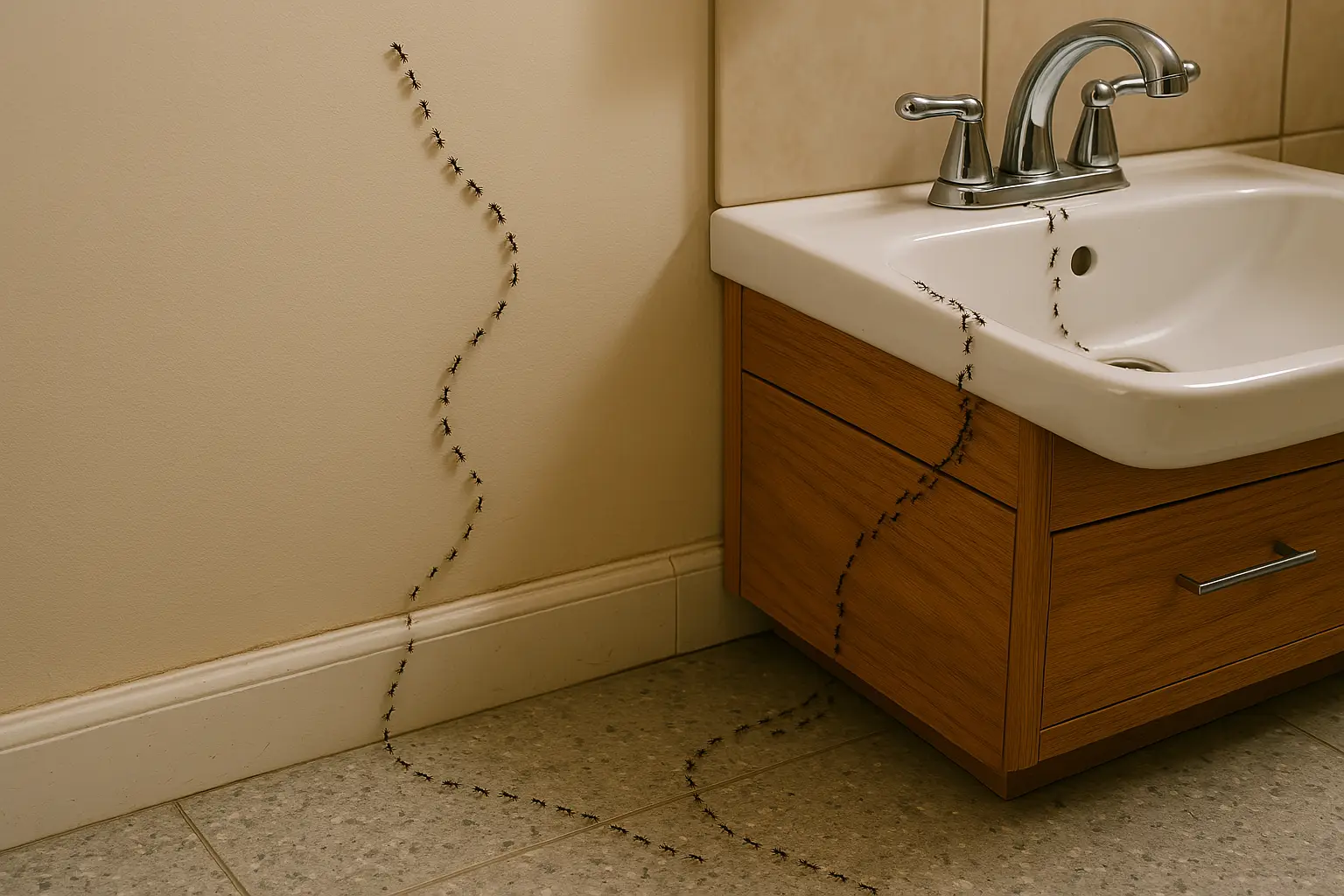
Ants in bathroom near sink and drain
By Gary Anderson||10 min read

Why Are There Ants in My Bathroom?

Discover why ants choose your bathroom and learn effective solutions to eliminate them permanently.

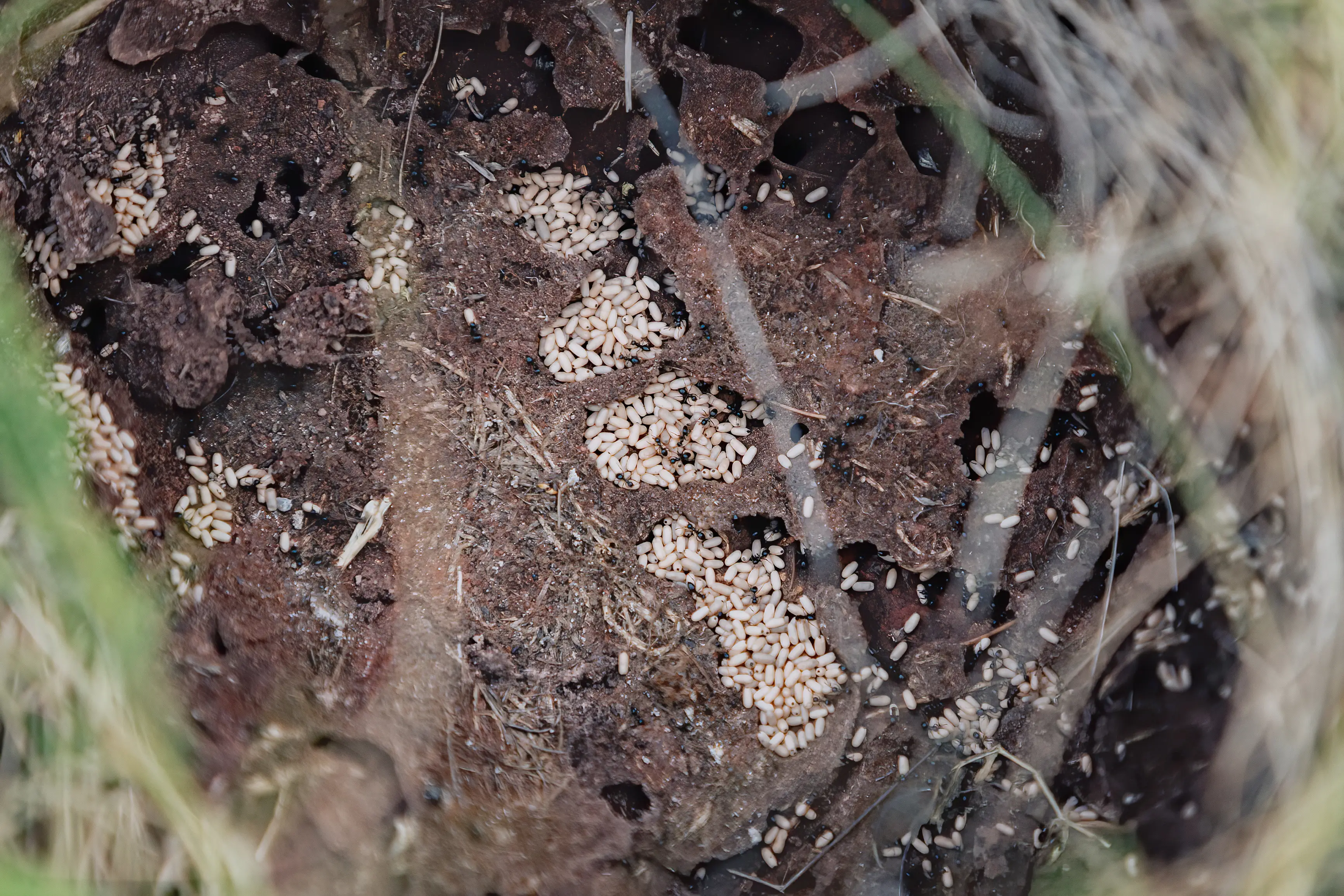
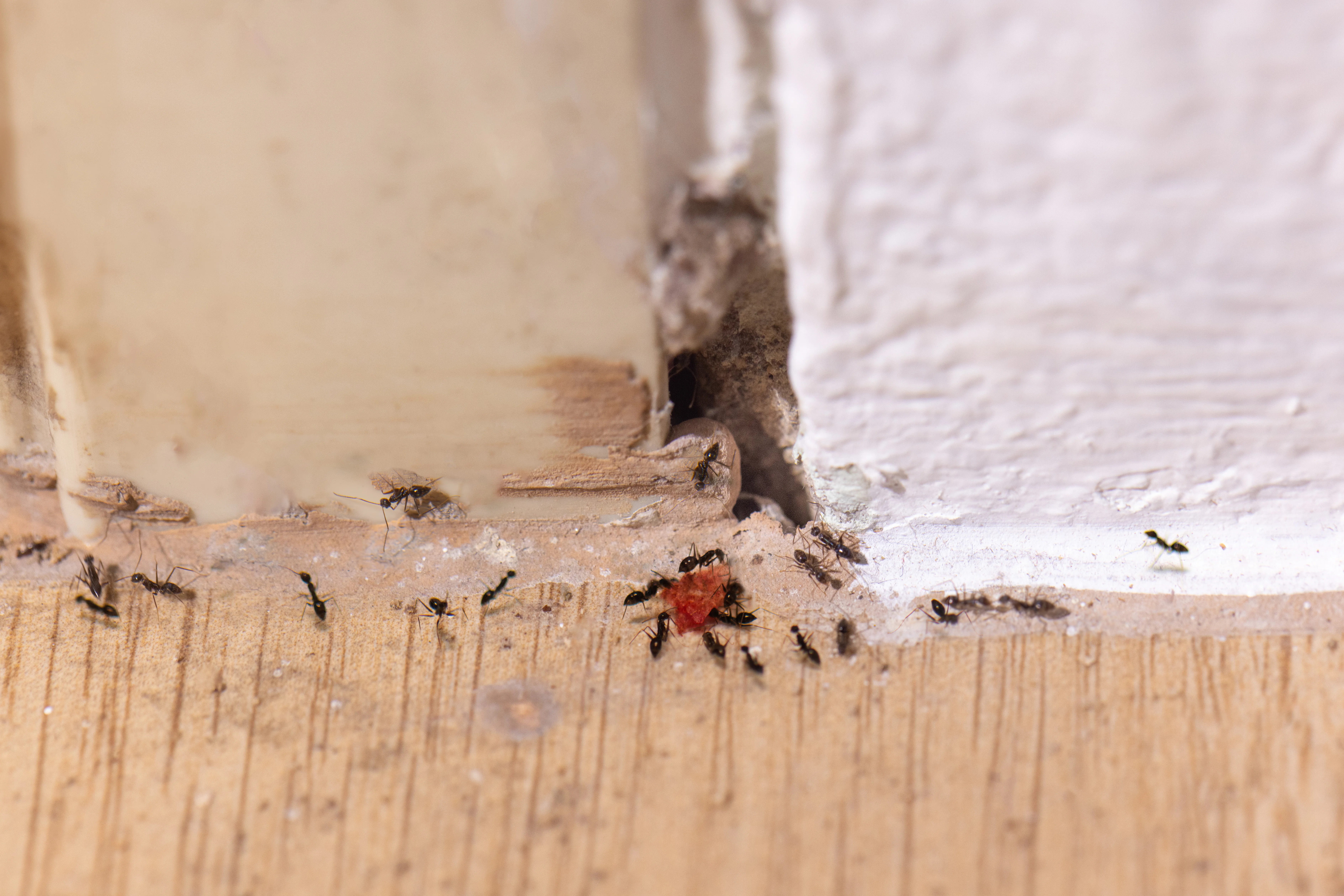
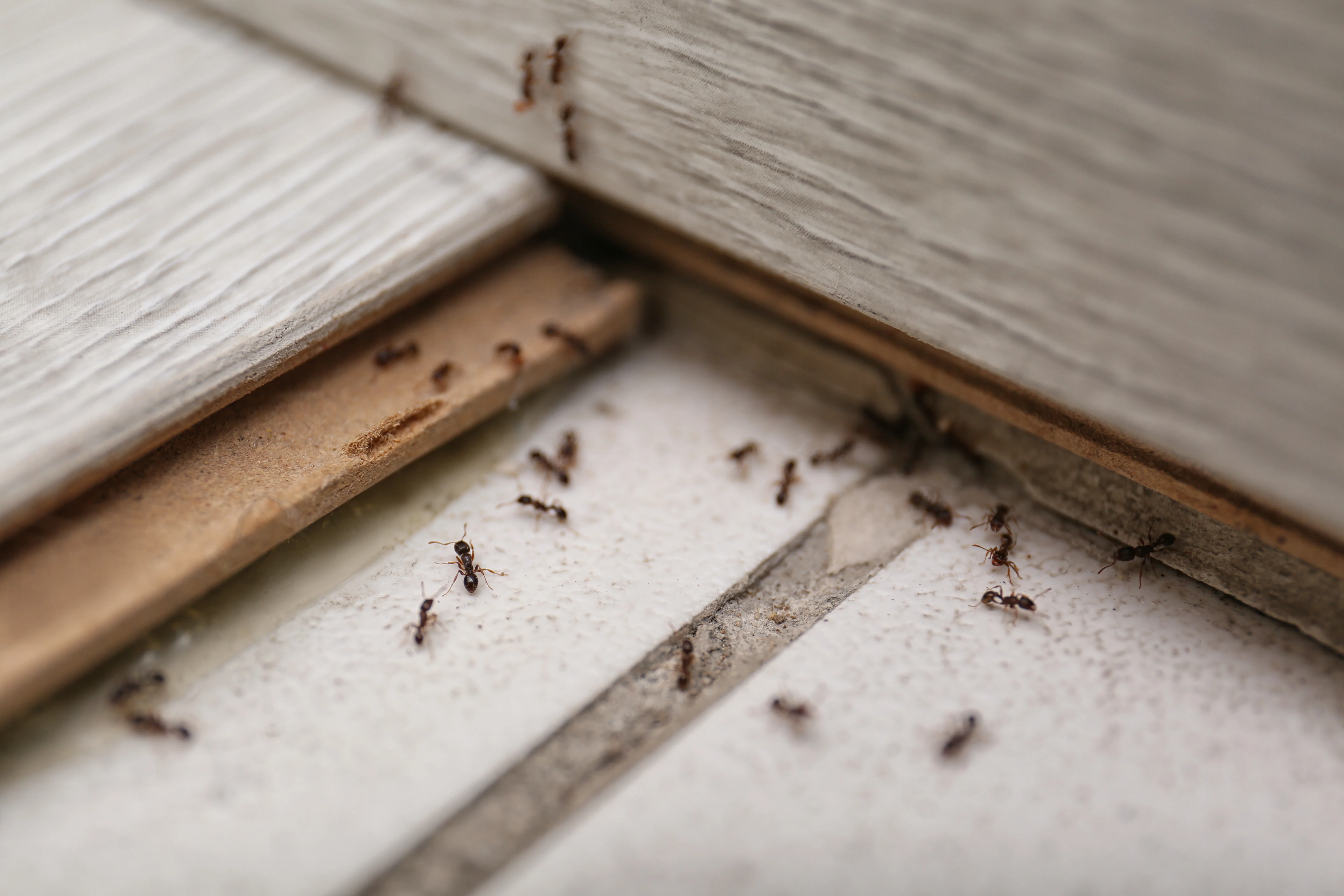
Discovering a line of ants marching across your bathroom floor or clustering around your sink can be both puzzling and frustrating. The answer to why ants choose bathrooms lies in three primary factors: moisture availability, hidden food sources, and ideal shelter conditions that these spaces inadvertently provide.

Understanding these attraction points helps homeowners effectively eliminate current infestations and prevent future invasions through targeted solutions. Bathrooms create perfect microenvironments for ant colonies through their unique combination of environmental factors.

Bathroom Ant Facts

  • Peak activity temp:
    Near 84°F optimal foraging
  • Water needed:
    Just 1/8 inch depth sustains colonies
  • Humidity threshold:
    Above 50% attracts ants
  • Entry gap size:
    Just 1/32 inch needed
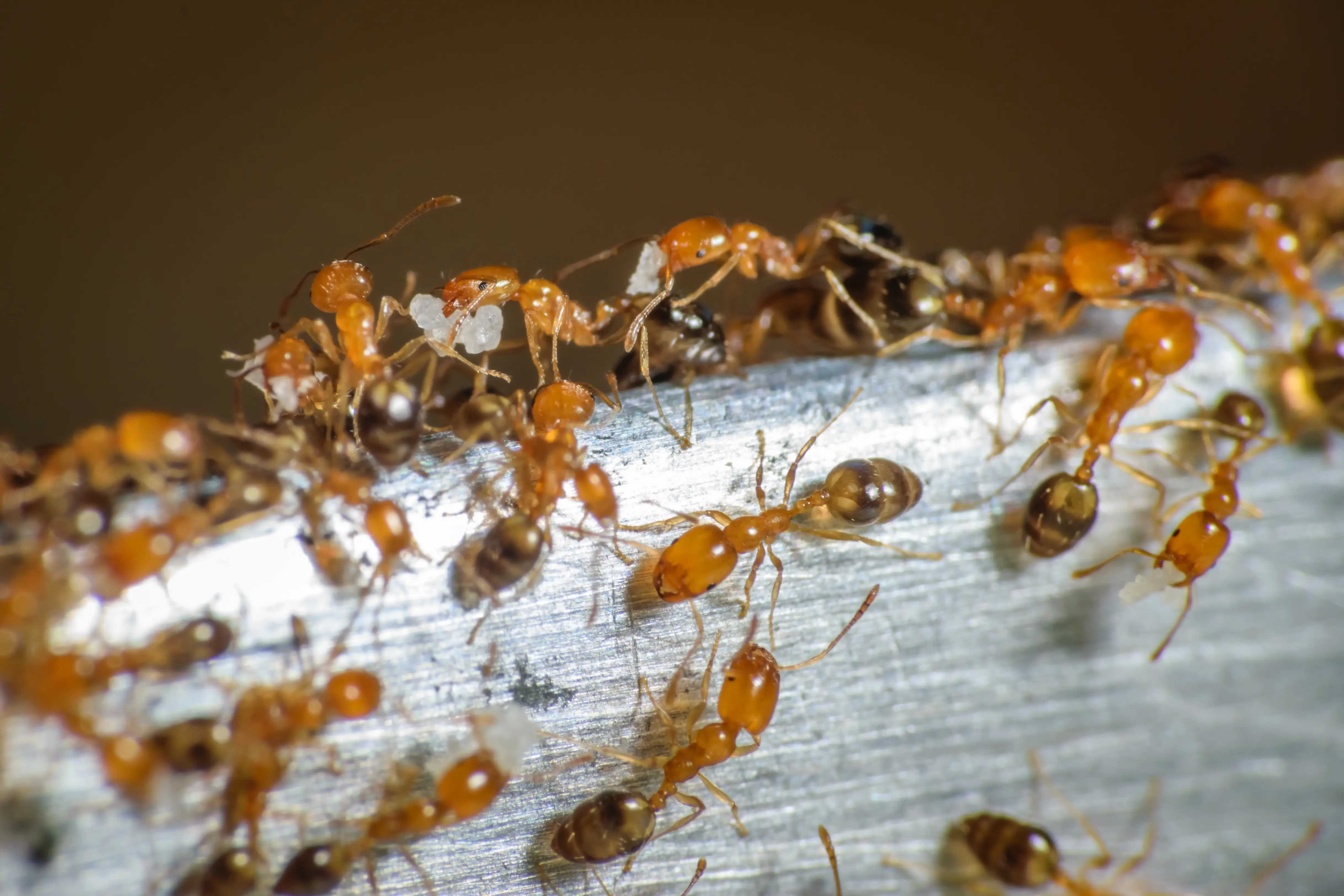
Understanding Why Ants Invade Bathrooms

The heat generated by bathroom fixtures and hot water systems produces ambient temperatures that align with documented ant activity ranges — maximum foraging efficiency occurs at temperatures near 84°F, well within typical bathroom conditions. The confined space traps humidity, creating conditions similar to ants' preferred natural habitats.

Common Misconceptions

  • Bathroom ants do NOT indicate poor housekeeping
  • Ants do NOT avoid water — most species require consistent moisture
  • Chemical sprays do NOT provide permanent solutions without addressing root causes

Seasonal Patterns

Spring

Highest invasion rates as colonies emerge from dormancy seeking water

Summer

Hot, dry weather drives ants to seek indoor moisture sources

Fall

Colonies move into wall voids near bathroom plumbing for warmth

Winter

Some species remain active in heated bathroom spaces

Primary Reasons Ants Are Attracted to Your Bathroom

Moisture: The #1 Attractant

Leaky Pipes & Faucets:

A single drip per second provides constant hydration for thousands of ants

Standing Water:

Only 1/8 inch depth needed to sustain colonies indefinitely

High Humidity:

Above 50% allows ants to absorb moisture through exoskeletons

Condensation:

Cold pipes, toilet tanks, and mirrors collect water ants safely harvest

Food Sources You Didn't Know Existed

Toothpaste Residue:

Contains sweeteners like sorbitol and xylitol that attract sugar-feeding ants

Drain Biofilms:

Organic matter including skin cells, hair, and product residues

Natural Body Products:

Products with honey, oatmeal, or fruit extracts provide nutrition

Warmth and Shelter

Temperature Preferences:

Peak activity at 75-95°F; bathrooms at 68-75°F support year-round activity

Dark, Protected Spaces:

Behind vanities, under bathtubs, and within wall voids offer security

Nesting Opportunities:

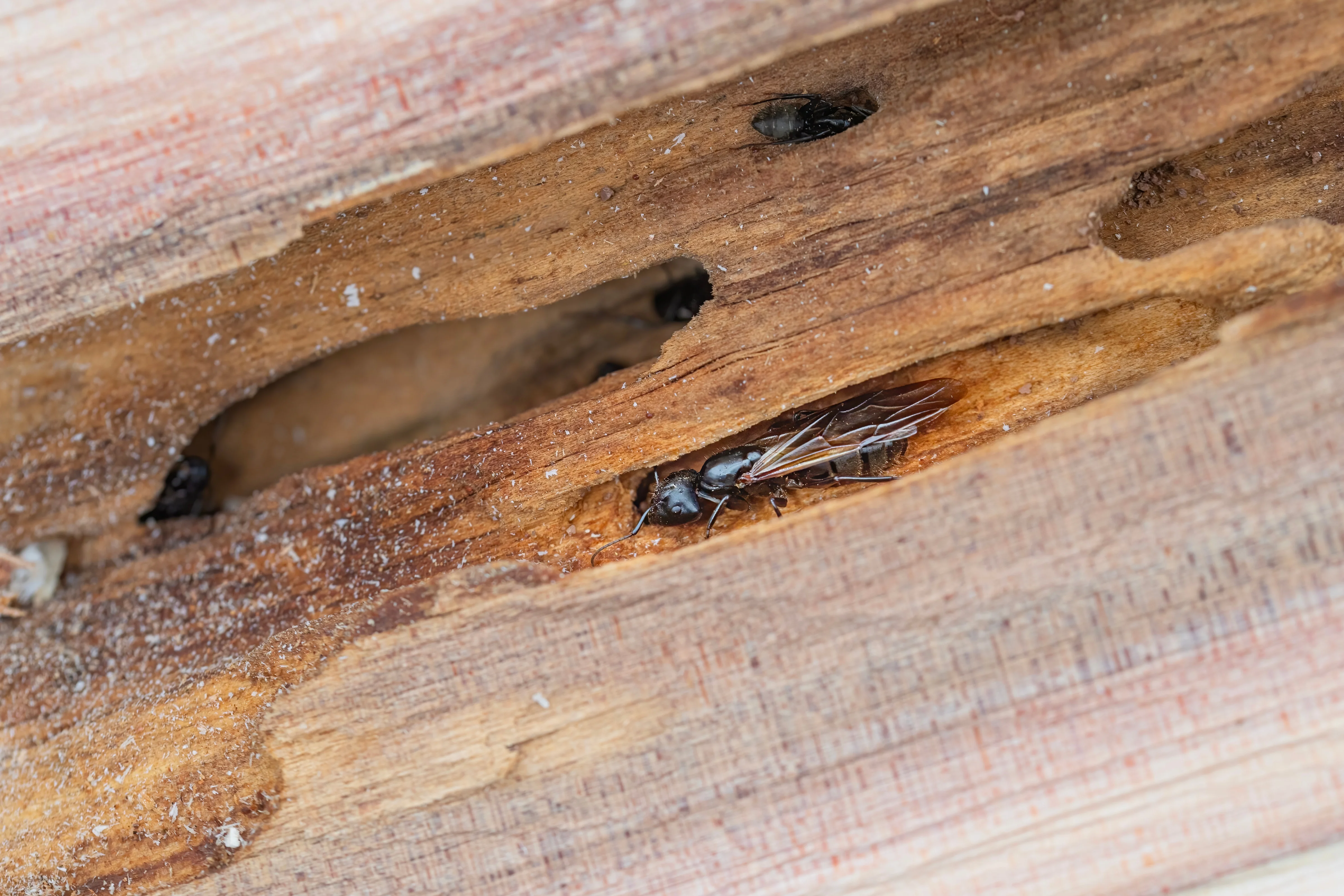
Moisture-damaged wood creates ideal nesting material for carpenter ants

Persistent Bathroom Ant Problem?

Hidden colonies in walls and under floors require professional treatment. Get expert help today.

Call (866) 326-2847 for Bathroom Ant Control

Types of Ants Commonly Found in Bathrooms

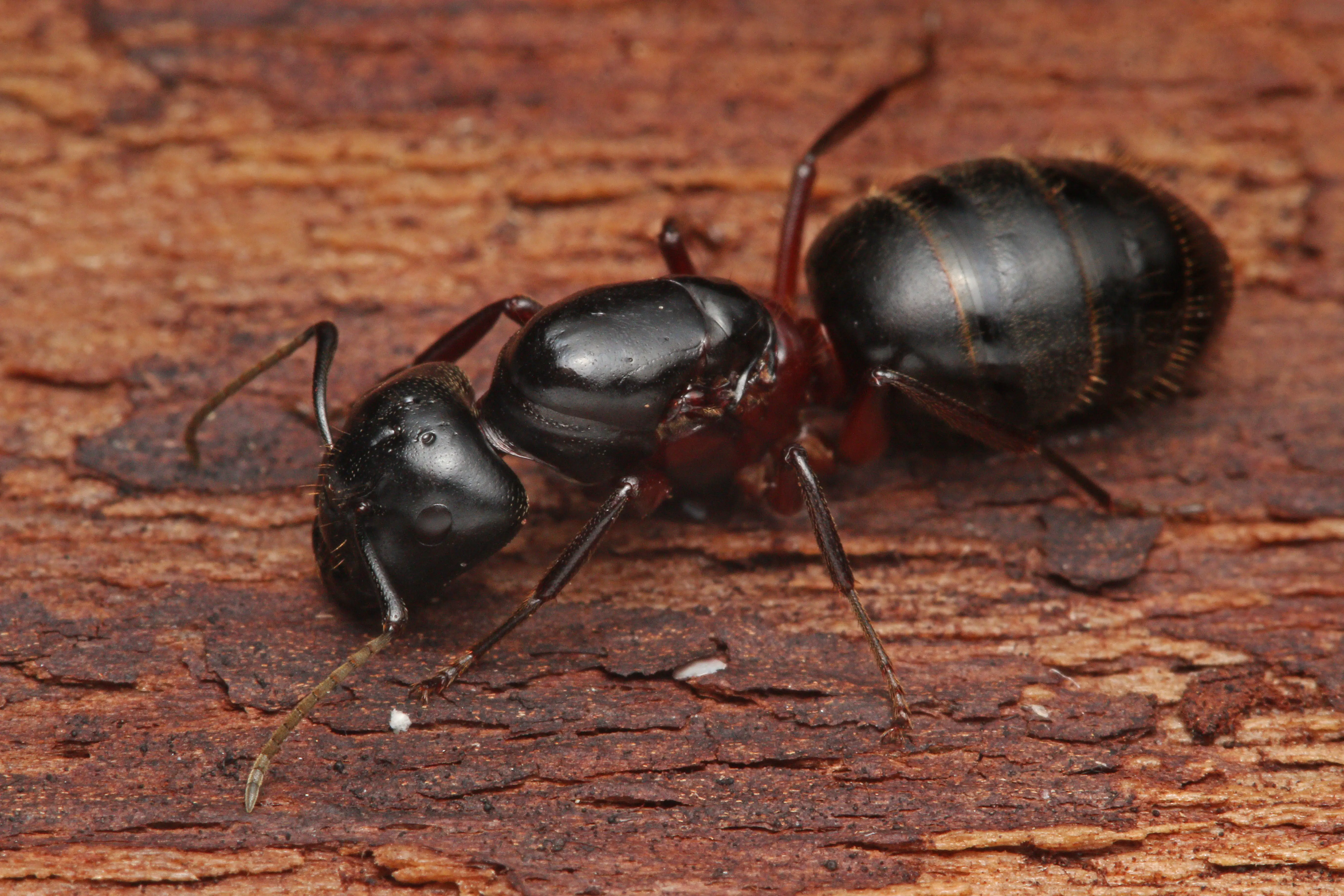
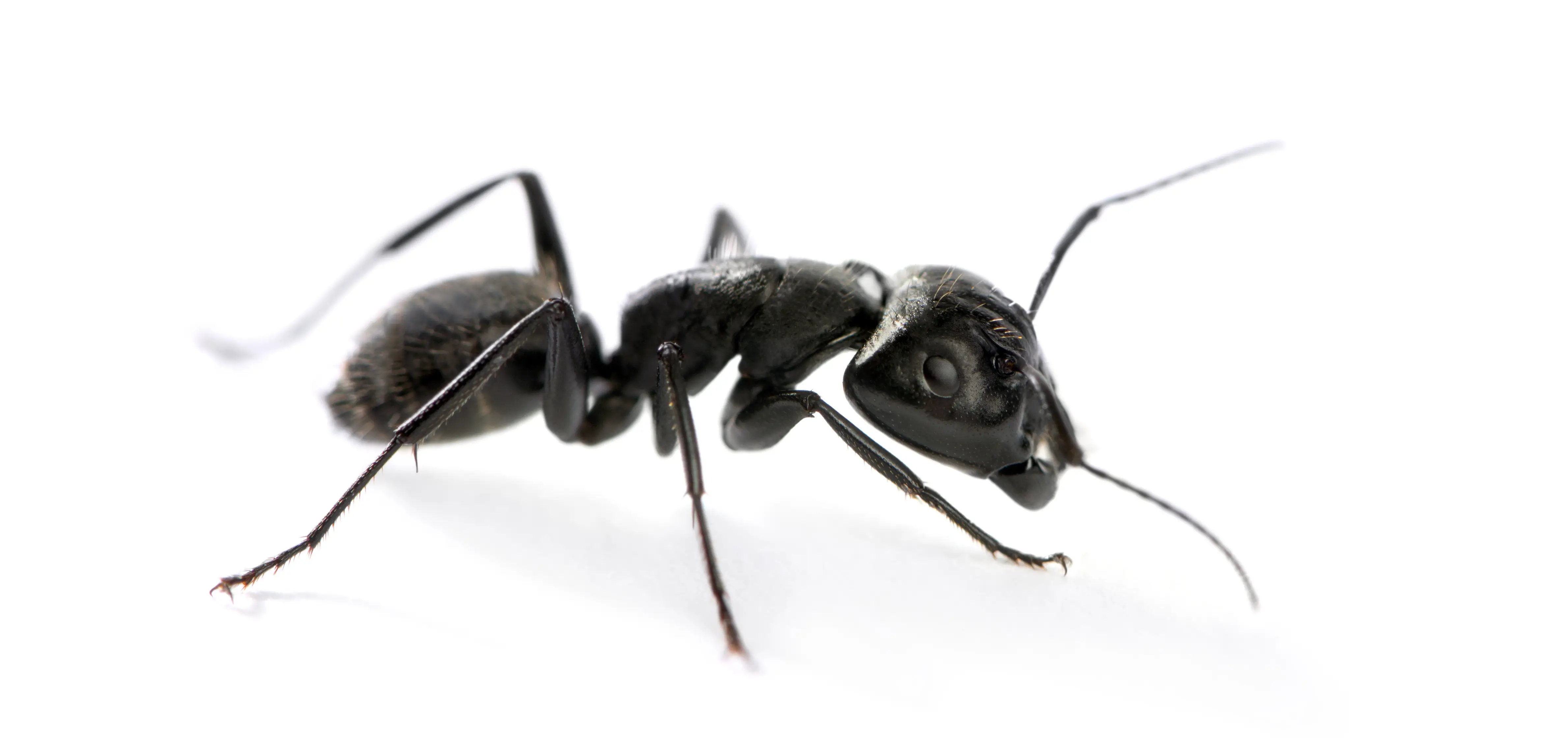
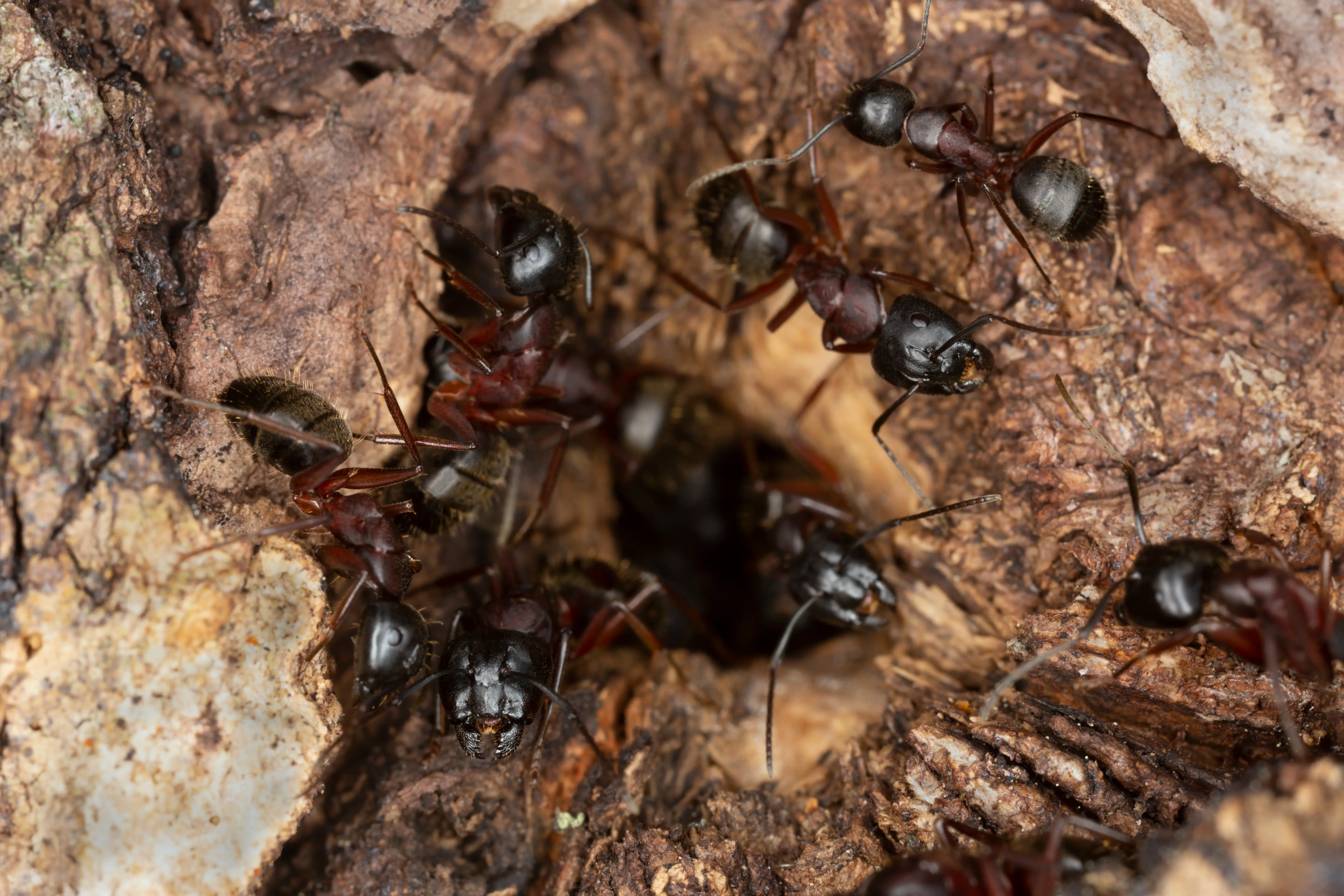
Carpenter Ants

Size: 1/4 to 1/2 inch, black or reddish
Why bathrooms: Seek moisture-damaged wood for gallery excavation
Risk: Can excavate several feet of wooden structures annually

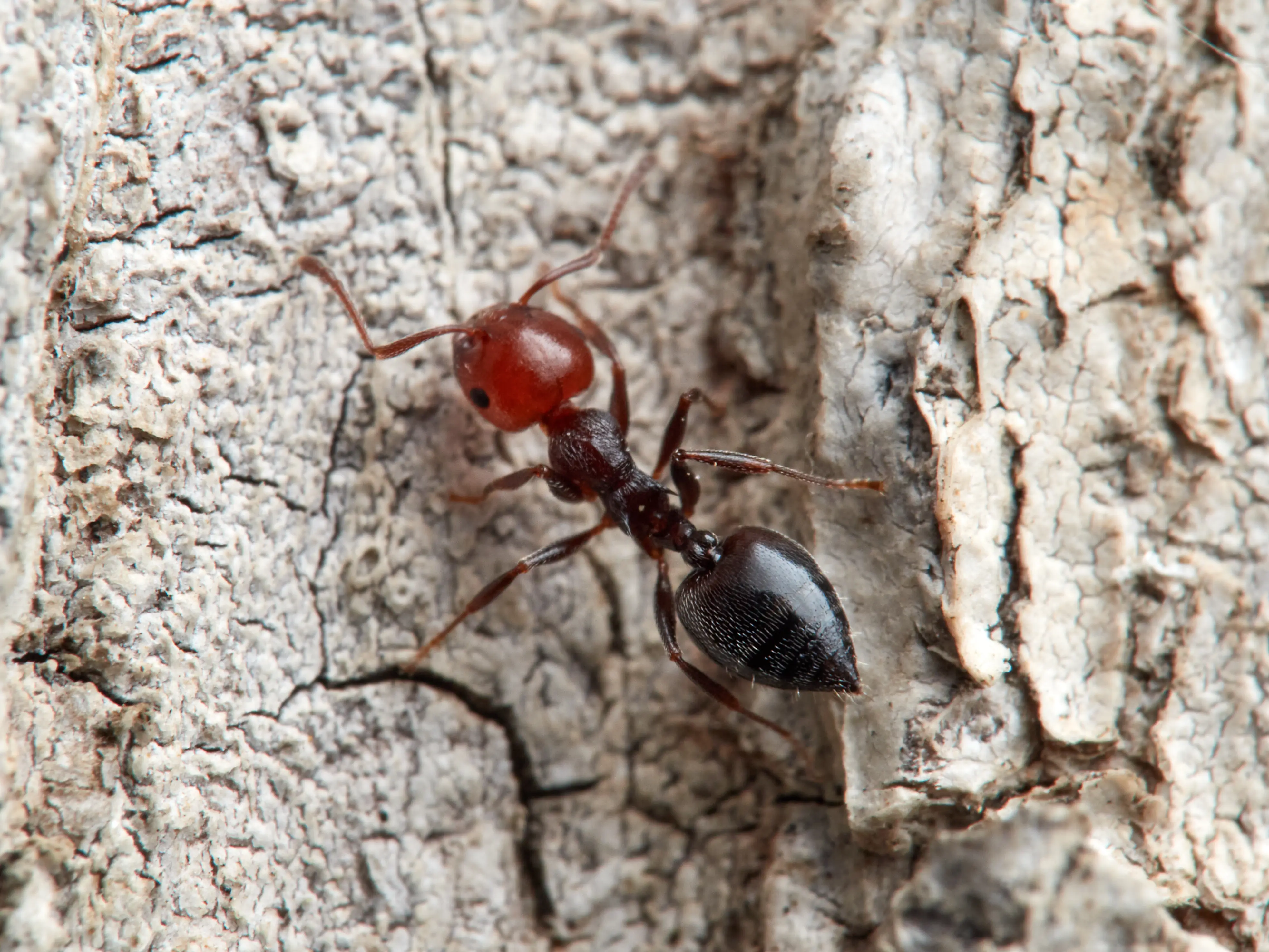
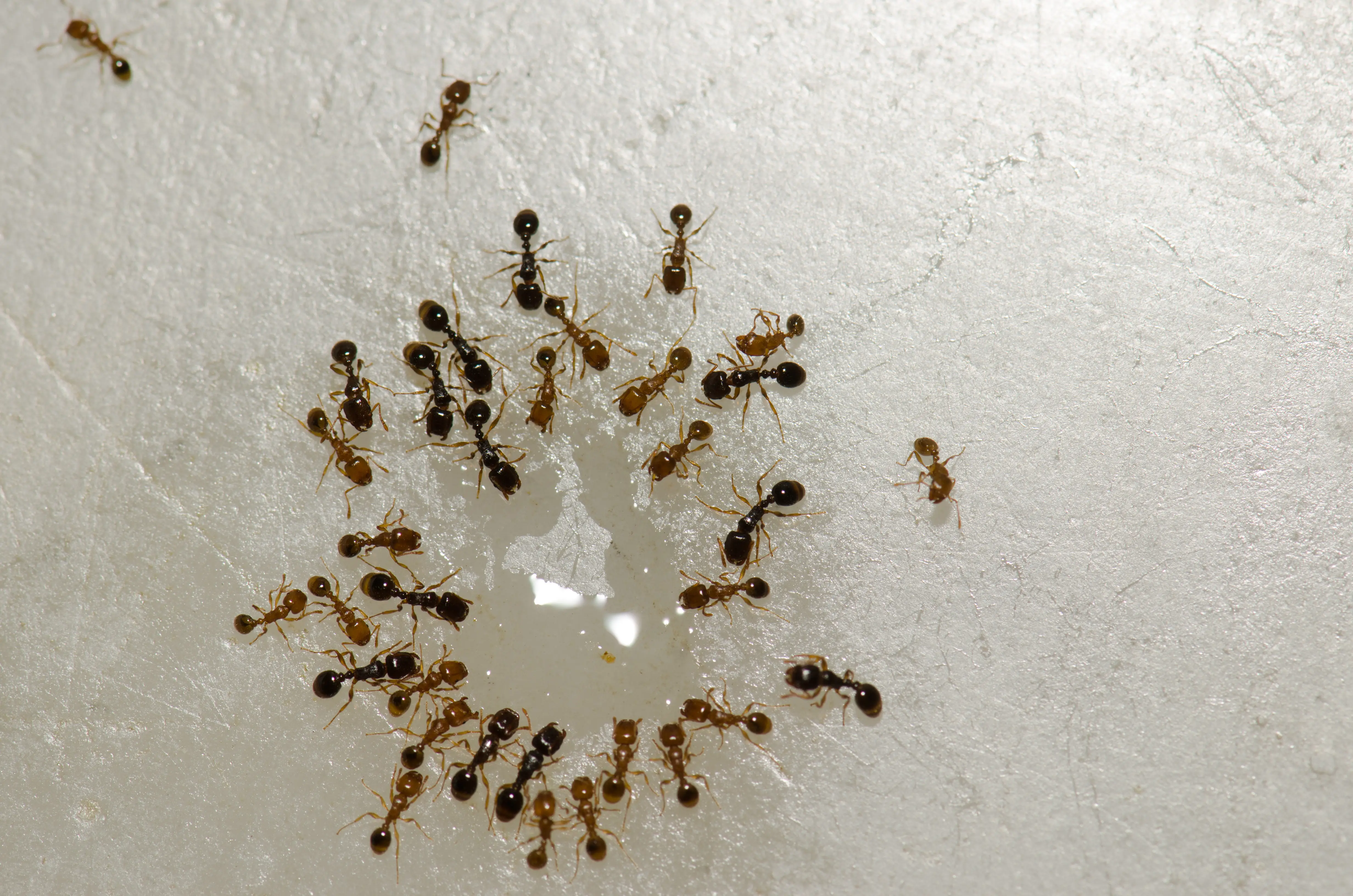
Odorous House Ants (Sugar Ants)

Size: 1/8 inch, brown to black, rotten coconut smell when crushed
Why bathrooms: Attracted to sweet residues in products
Risk: Colonies can contain 100,000+ workers across multiple nests

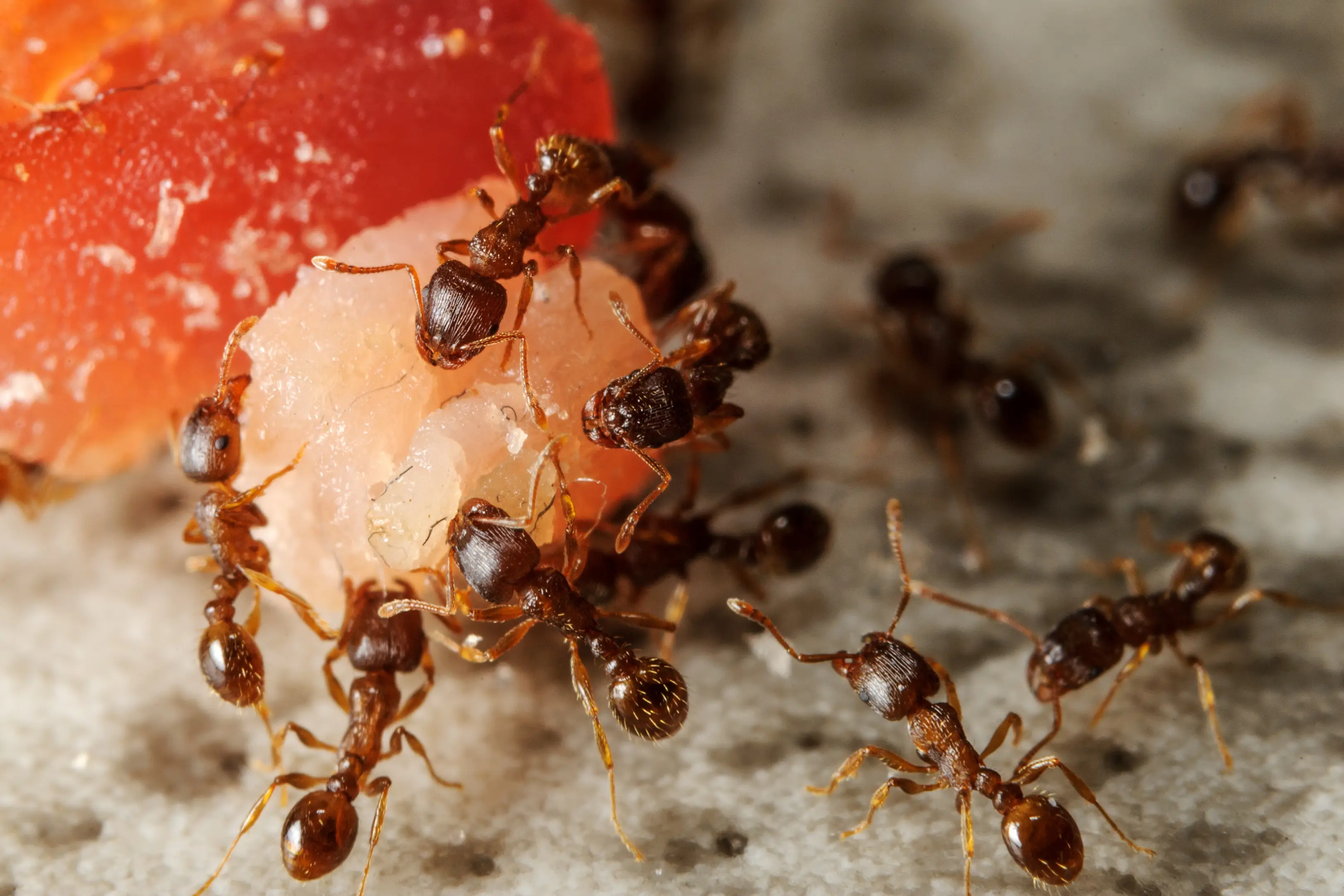
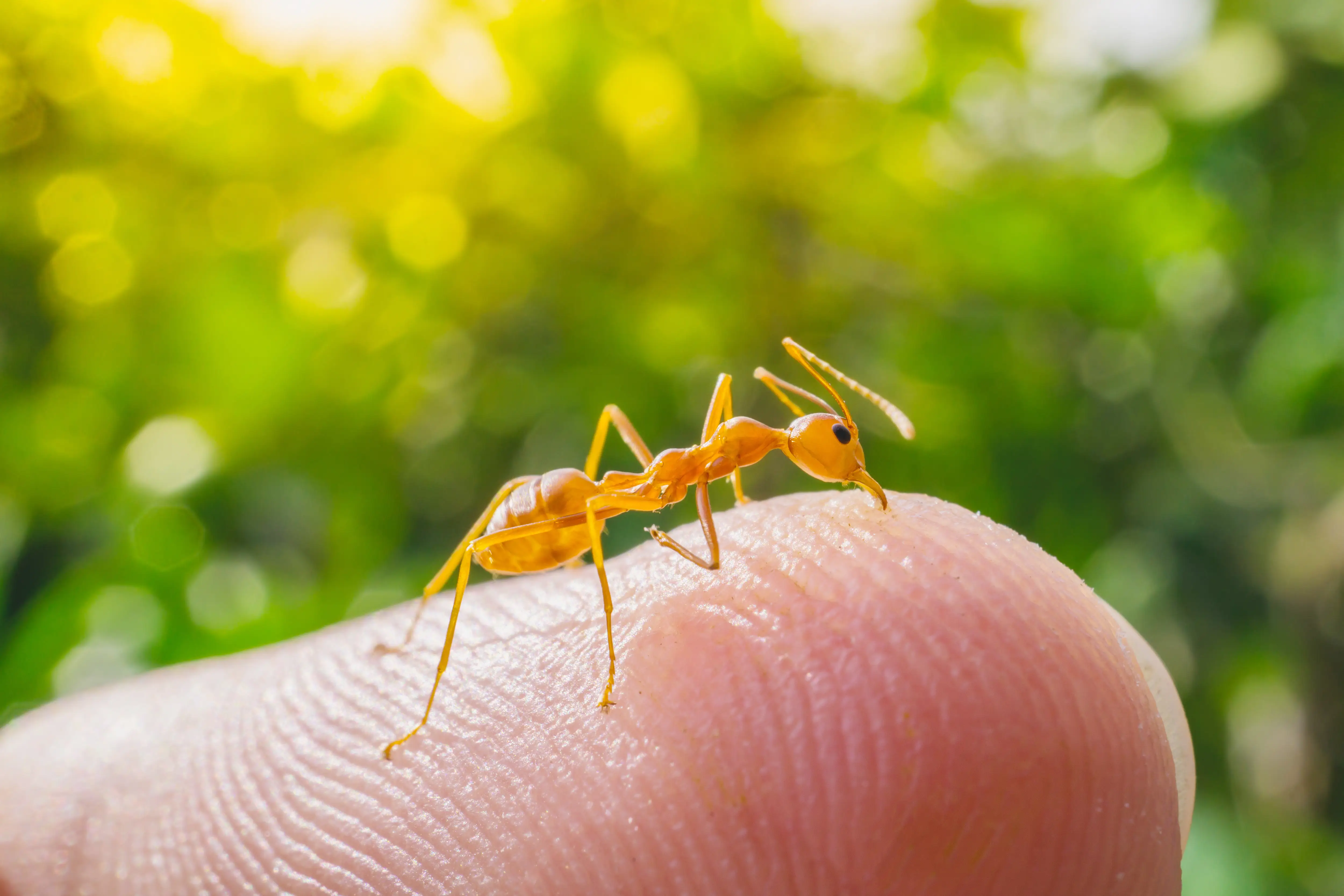
Pharaoh Ants

Size: 1/16 inch, pale yellow to reddish
Why bathrooms: Navigate plumbing systems, emerge from drains
Risk: Mechanical vectors for 12+ pathogenic organisms

Moisture Ants

Size: 1/8 inch, yellow to brown, hairy appearance
Why bathrooms: Only nest where wood moisture exceeds 20%
Risk: Their presence indicates chronic moisture/hidden leaks

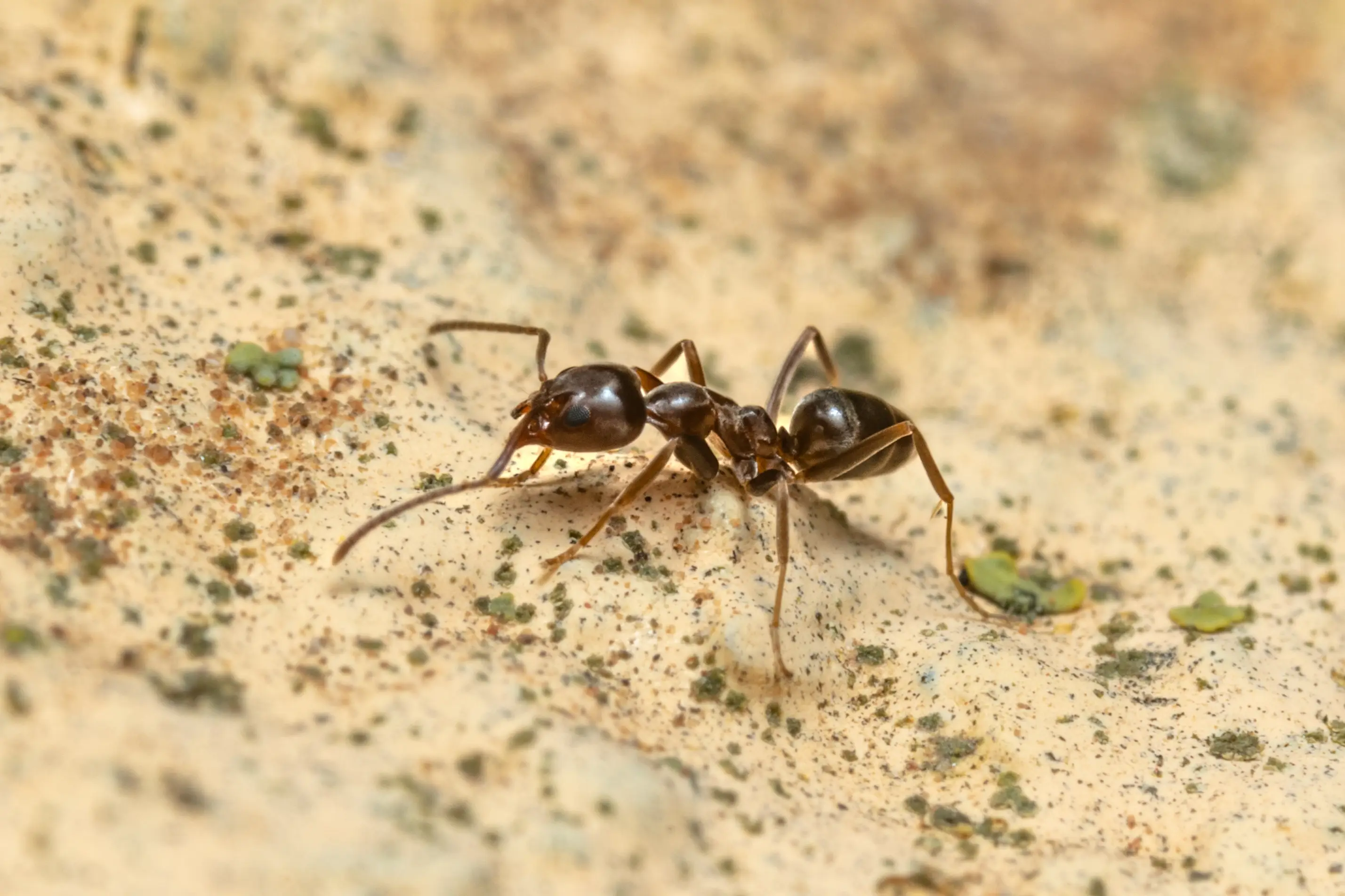
Argentine Ants

Size: Small, light to dark brown
Why bathrooms: Require daily water access, prioritize moisture over food
Risk: Form supercolonies with multiple queens, very difficult to control

How Ants Enter Your Bathroom

Common Entry Points

  • Cracks in walls/tiles: Gaps as small as 1/32 inch accommodate most species
  • Gaps around pipes: Standard 1/4 to 1/2 inch clearances create superhighways
  • Window/door frames: Humidity accelerates caulk failure
  • Deteriorated grout: Creates hidden interconnected pathways

Through the Plumbing System

  • Drain access: Ants navigate dry P-traps during non-use periods
  • Pipe penetrations: Flexible seals deteriorate over time
  • P-trap bypass: Ants traverse pipe walls above water lines
  • Guest bathrooms: Rarely used drains particularly susceptible

From Other Home Areas

  • Moisture trails: Microscopic water trails from condensation
  • Kitchen expansion: Satellite colonies from kitchen infestations
  • Wall void travel: Protected highways through electrical/plumbing chases
  • Basement/attic: Vertical access between floors

Specific Bathroom Areas That Attract Ants

Around the Sink

  • Faucet drips: Mineral deposits provide additional attraction
  • Soap dispensers: Leaked product accumulates beneath fixtures
  • Drain biofilms: Extends several feet into drainpipes

Near the Toilet

  • Base leaks: Deteriorating wax rings create hidden moisture
  • Tank condensation: Cold water causes surface water buildup
  • Hidden moisture: Gap between base and wall traps water

Behind Walls & Under Floors

  • Hidden leaks: Create ideal habitats without homeowner awareness
  • Wood damage: Cellulose breakdown creates excavatable material
  • Subflooring: Particularly susceptible from repeated moisture

Signs of Ant Infestation in Your Bathroom

Visual Indicators

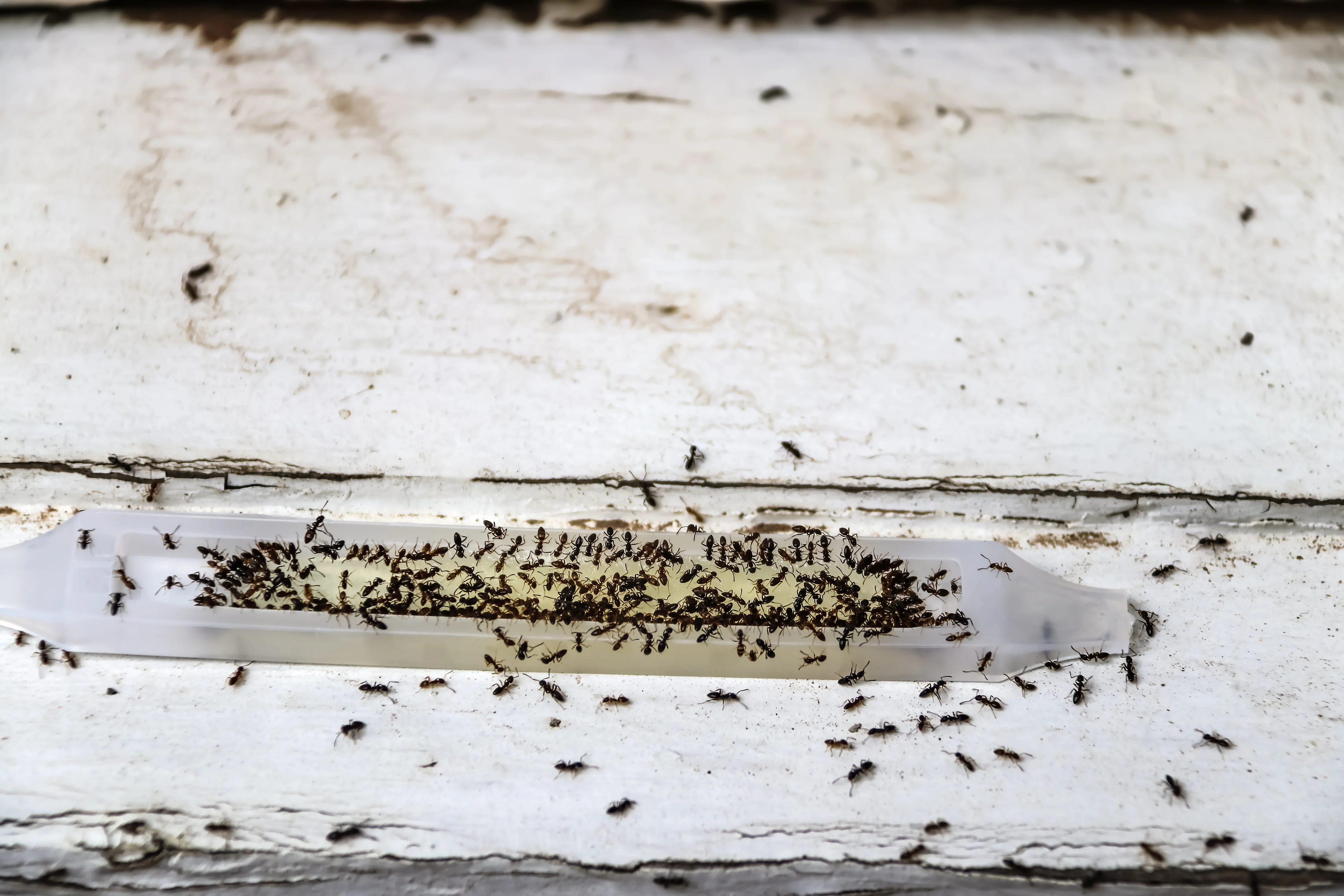
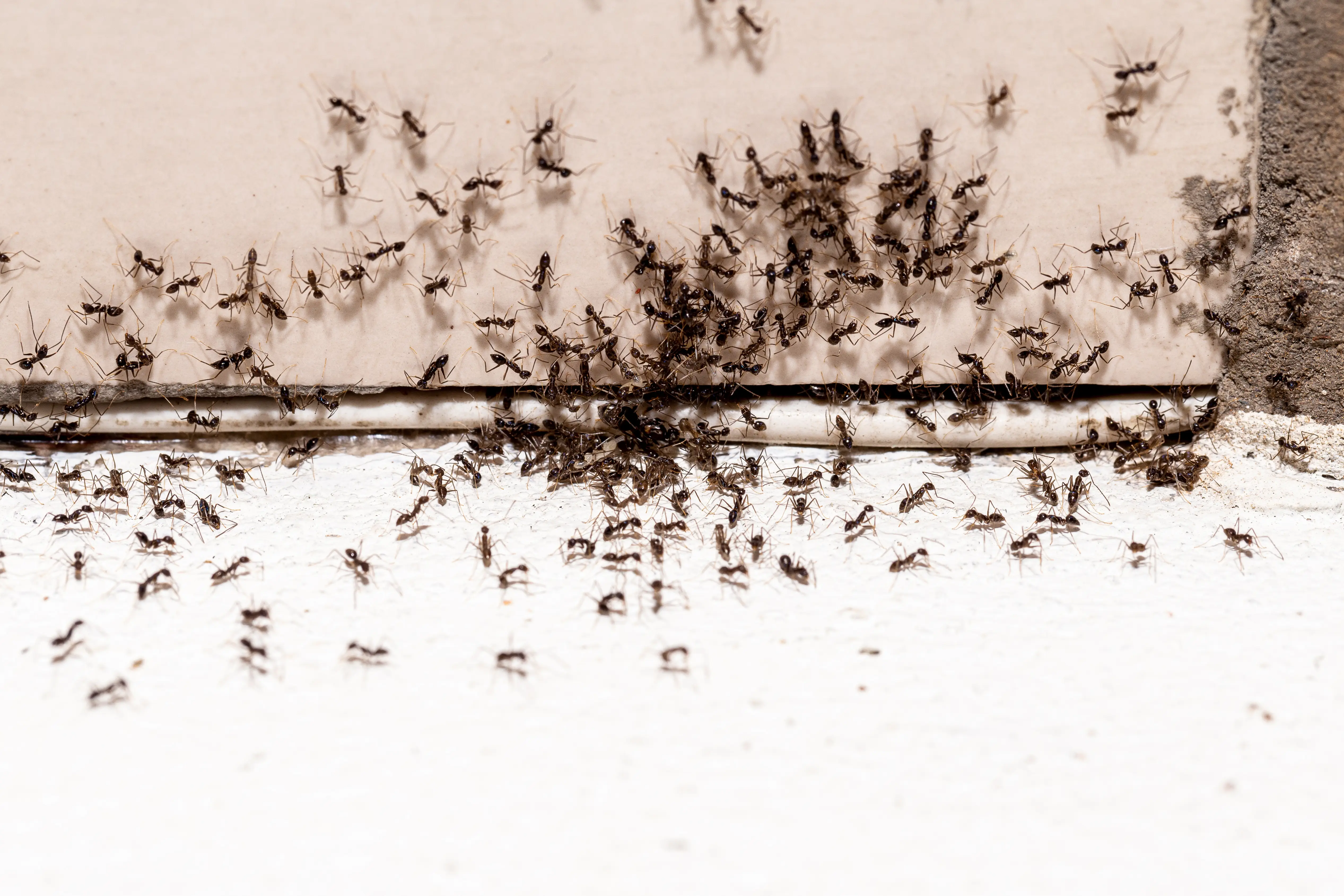
  • Live ants: Individual scouts = early; trails = active colonies
  • Ant trails: Along baseboards, tile edges, plumbing fixtures
  • Deceased ants: Piles indicate organized removal from nearby nests
  • Sawdust (frass): Coarse, gritty material beneath wooden structures

Hidden Signs

  • Rustling sounds: Large colony movement, especially at night
  • Structural damage: Sagging floors, hollow-sounding wood
  • Musty odors: From colonies and associated moisture damage
  • Door frame issues: Doors no longer closing properly

Determining Infestation Severity

Minor

Fewer than 20 ants, sporadic appearance, no established trails

Moderate

Consistent trails, 50-100 ants visible daily

Severe

Multiple trails, structural damage evidence, 100s of ants

Health and Property Risks

Disease Transmission

Research documents ant contamination with E. coli, Staphylococcus, and Streptococcus. Their movement between drains, toilets, and countertops spreads pathogens to toothbrushes, towels, and cosmetics.

Structural Damage

Carpenter ants excavate extensive gallery systems that weaken wooden support members. Moisture ant activity indicates and accelerates existing water damage, compromising integrity within months.

Allergies & Secondary Pests

Ant presence triggers allergic reactions. Infestations also attract spiders, centipedes, and predatory beetles. Mold and fungus growth accelerates in areas where ants maintain moisture.

Immediate Solutions for Bathroom Ants

Quick Fixes

Clean and Dry All Surfaces:

Use enzyme-based cleaners to eliminate pheromone trails. Focus on faucet bases, drain lips, and grout lines.

Remove Standing Water:

Squeegee shower bases after each use. Install splash guards around sinks and tubs.

Clear Drain Clogs:

Use enzymatic drain cleaners that digest biofilm. Bacterial drain treatments prevent organic accumulation.

Natural Remedies

Vinegar Solutions:

Equal parts white vinegar and water. Acetic acid denatures trail pheromones.

Essential Oil Sprays:

Peppermint oil (20 drops/cup water) provides 24-48 hour repellency. Tea tree, eucalyptus also effective.

Diatomaceous Earth:

Mechanical insecticide safe for bathroom use. Abrades protective coating causing fatal fluid loss.

DIY Treatment Methods

Homemade Ant Baits

  • Borax solutions: Equal parts borax + sugar in water (1% concentration)
  • Sugar + baking soda: Non-toxic alternative for sensitive environments
  • Protein baits: Peanut butter + borax (9:1 ratio) for grease-loving species

Drain Treatments

  • Baking soda + vinegar: 1/2 cup baking soda + 1 cup heated vinegar monthly
  • Boiling water flushes: 2-3 quarts weekly to dissolve residue
  • Enzyme cleaners: Digest organic matter, prevent biofilm formation

How to Prevent Ants in the Bathroom

Moisture Control

  • Fix all leaks immediately
  • Install exhaust fans rated for bathroom size
  • Use fans during and 30 min after showers
  • Maintain humidity below 50%
  • Use dehumidifiers in poorly ventilated bathrooms

Sealing Entry Points

  • Use silicone-based caulk (moisture resistant)
  • Remove old caulk completely before reapplying
  • Install weather stripping rated for high humidity
  • Add pipe collars with escutcheon plates + foam
  • Inspect and replace annually

Cleaning & Maintenance

  • Daily: Wipe sinks, rinse dispensers, squeegee showers
  • Monthly: Clean behind vanities, scrub grout, clean overflows
  • Quarterly: Clean exhaust fans, check caulk integrity
  • Transfer products to sealed containers
  • Elevate storage baskets for cleaning access

Common Mistakes to Avoid

Ineffective DIY Methods: Chalk lines don't repel ants. Ultrasonic devices show no scientific evidence. Repellent sprays cause colony budding, creating multiple new nests.
Ignoring Root Causes: Treating visible ants without addressing moisture guarantees recurring infestations. Interior-only treatments ignore exterior colony sources.
Delayed Action: Initial scout ants indicate colonies evaluating resources. Waiting until trails form means established colonies requiring more intensive treatment.

When to Call Professional Pest Control

Persistent Infestations

Activity beyond 3 weeks of DIY treatment indicates hidden colonies

Multiple Species

Different species require different baits and treatment approaches

Structural Damage

Carpenter ant galleries or sagging structures need expert evaluation

Hidden Colonies

Colonies in walls or under floors require specialized equipment

What Professionals Offer

  • Comprehensive inspections: Identify moisture sources, entry points, and colony locations
  • Targeted treatments: Species-specific products and professional-grade baits
  • Warranty programs: 3-6 month guarantees with free retreatment if ants return
  • Prevention plans: Quarterly or bi-annual services to maintain protection

Contact EcoGuard for Professional Ant Control

When bathroom ant problems persist despite your best efforts, professional intervention ensures complete elimination and long-term prevention. Our experienced technicians identify specific ant species, locate hidden colonies, and apply targeted treatments that DIY methods cannot match. Our comprehensive moisture assessments reveal hidden problems contributing to recurring infestations.

Call (866) 326-2847Get Free Quote

FAQs About Ants in Bathrooms

Why do I suddenly have ants in my bathroom?

Sudden ant appearances typically result from environmental changes that increase bathroom attractiveness. New plumbing leaks, seasonal drought conditions, or nearby construction disturbing outdoor colonies commonly trigger bathroom invasions. Changes in cleaning products or routines can also create previously absent attractants.

How do I get rid of ants in my bathroom permanently?

Permanent ant elimination requires addressing root attractions while eliminating existing colonies. Fix all moisture sources, seal entry points, maintain rigorous cleaning schedules, and use appropriate baits for complete colony control. Professional treatment may be necessary for established infestations or recurring problems.

Are ants in the bathroom a sign of a bigger problem?

Ants often indicate underlying moisture issues requiring attention. Their presence can signal hidden leaks, poor ventilation, or structural damage from chronic moisture exposure. Certain species like moisture ants specifically indicate conditions requiring immediate repair to prevent costly damage.

Can ants come up through bathroom drains?

Ants regularly enter bathrooms through drain systems, particularly when P-traps dry out or contain organic buildup. They navigate pipe walls above water lines and emerge through overflow holes or around drain flanges. Regular drain maintenance and ensuring water remains in traps prevents this entry route.

What type of ants are commonly found in bathrooms?

Common bathroom ant species include carpenter ants seeking moisture-damaged wood, odorous house ants attracted to sweet residues, pharaoh ants navigating plumbing systems, moisture ants indicating water problems, and Argentine ants forming super colonies. Each species requires specific treatment approaches.

Why are there ants around my toilet?

Toilet areas attract ants through condensation on tanks, base leaks from failing wax rings, and organic matter accumulation in crevices. The consistent moisture and warmth, combined with hidden spaces for nesting, make toilet surroundings particularly attractive to various ant species.

From Our Blog

Related Articles

14 Natural Ant Repellent Strategies That Actually Work

14 Natural Ant Repellent Strategies That Actually Work

Discover effective natural ant repellents including mint, vinegar, cinnamon, and more. Learn how to keep ants out of...

Read Article
16 Common Types of Ants in California | Identification & Treatment

16 Common Types of Ants in California | Identification & Treatment

Identify 16 common ant species in California including carpenter ants, fire ants, and Argentine ants. Learn their...

Read Article
Are Fire Ants Dangerous? Understanding Fire Ant Risks & Safety

Are Fire Ants Dangerous? Understanding Fire Ant Risks & Safety

Learn about fire ant dangers including painful stings, allergic reactions, and property damage. Comprehensive guide on...

Read Article
Argentine Ants: Complete Identification, Control & Prevention Guide

Argentine Ants: Complete Identification, Control & Prevention Guide

Learn to identify Argentine ants, understand their supercolony behavior, and discover effective control strategies....

Read Article
Common Signs of Carpenter Ant Damage

Common Signs of Carpenter Ant Damage

Learn to identify carpenter ant damage signs including frass, holes, tunnels, and how to distinguish carpenter ant...

Read Article
Do Ants Bite? Symptoms, Treatment & Prevention

Do Ants Bite? Symptoms, Treatment & Prevention

Learn about ant bites vs stings, which ants bite, symptoms, allergic reactions, treatment options, and how to prevent...

Read Article
Do Ants Eat Aphids? The Ant-Aphid Relationship Explained

Do Ants Eat Aphids? The Ant-Aphid Relationship Explained

Learn about the fascinating relationship between ants and aphids, how ants farm aphids for honeydew, problems aphids...

Read Article
Do Ants Ever Sleep? Ant Sleep Patterns Explained

Do Ants Ever Sleep? Ant Sleep Patterns Explained

Discover the fascinating sleep patterns of ants, how worker ants take 250 power naps daily, queen ant sleep habits, and...

Read Article
Do Carpenter Ants Eat Wood? Understanding Carpenter Ant Damage

Do Carpenter Ants Eat Wood? Understanding Carpenter Ant Damage

Learn the truth about carpenter ants and wood. Unlike termites, carpenter ants don\

Read Article
How Do Ant Baits and Traps Work? Complete Guide to Ant Bait Systems

How Do Ant Baits and Traps Work? Complete Guide to Ant Bait Systems

Learn how ant baits and traps work to eliminate entire colonies. Discover bait types, active ingredients, placement...

Read Article
How Do Ants Communicate With Each Other? Complete Guide to Ant Communication

How Do Ants Communicate With Each Other? Complete Guide to Ant Communication

Learn how ants communicate using pheromones, touch, sound, and body language. Discover why ant communication is key to...

Read Article
How Do Ants Get in the House? Complete Entry Point Guide

How Do Ants Get in the House? Complete Entry Point Guide

Learn how ants get into your house through foundation cracks, windows, utility lines, and more. Discover entry points,...

Read Article
How Do Ants Get Into Your House? Entry Points & Prevention

How Do Ants Get Into Your House? Entry Points & Prevention

Learn how ants enter your home through cracks, gaps, and openings. Discover where ants hide, what attracts them, and...

Read Article
How Do Ants Mate and Reproduce? Ant Reproduction Explained

How Do Ants Mate and Reproduce? Ant Reproduction Explained

Learn how ants mate during nuptial flights, how queen ants reproduce, the role of drones, and unique reproductive...

Read Article
How Many Ants Are in a Colony? Complete Guide to Ant Colony Size

How Many Ants Are in a Colony? Complete Guide to Ant Colony Size

Learn how many ants live in a colony, from small carpenter ant nests to Argentine ant supercolonies with billions....

Read Article
How to Get Rid of Ants Inside and Outside Your Home

How to Get Rid of Ants Inside and Outside Your Home

Learn how to get rid of ants inside your home, repel them before they enter, and eliminate outdoor colonies. Complete...

Read Article
How to Get Rid of Carpenter Ants in the House

How to Get Rid of Carpenter Ants in the House

Learn how to identify, eliminate, and prevent carpenter ants. Comprehensive guide to indoor and outdoor treatments,...

Read Article
Understanding Ant Colony Structure and Hierarchy

Understanding Ant Colony Structure and Hierarchy

Learn about ant colony structure, hierarchy, and how ants work together. Discover the roles of queens, workers, drones,...

Read Article
What Are Ants? Complete Guide to Ant Biology, Behavior & Control

What Are Ants? Complete Guide to Ant Biology, Behavior & Control

Learn everything about ants including appearance, colony hierarchy, life cycle, diet, defenses, and how to get rid of...

Read Article
What Are Red Ants? Fire Ant Identification & Control

What Are Red Ants? Fire Ant Identification & Control

Learn about red ants and fire ants, how to identify them, their behavior, dangers of their stings, and effective...

Read Article
What Attracts Ants Inside the House? Prevention Tips

What Attracts Ants Inside the House? Prevention Tips

Learn what attracts ants to your home including food, water, and shelter. Discover prevention tips and how to get rid...

Read Article
What Do Ants Eat and Drink in Your House?

What Do Ants Eat and Drink in Your House?

Learn what ants eat including sugars, proteins, seeds, fungus, and other insects. Discover how different ant species...

Read Article
What Happens When the Queen Ant Dies?

What Happens When the Queen Ant Dies?

Learn what happens when a queen ant dies, how to identify a queen, the ant queen life cycle, and how to effectively...

Read Article
What's the Lifespan of an Ant? Guide to Ant's Life Cycle

What's the Lifespan of an Ant? Guide to Ant's Life Cycle

Learn how long ants live based on species, caste, and gender. Discover the ant life cycle from egg to adult and factors...

Read Article
When is Ant Season? Complete Guide to Ant Activity Patterns

When is Ant Season? Complete Guide to Ant Activity Patterns

Learn when ant season occurs in your region, peak activity times by species, and seasonal prevention strategies....

Read Article
Where Do Ants Go in the Winter? Complete Winter Behavior Guide

Where Do Ants Go in the Winter? Complete Winter Behavior Guide

Discover where ants go in winter, how they survive freezing temperatures through diapause, and why they may invade your...

Read Article
Where Do Ants Live? Complete Guide to Ant Habitats

Where Do Ants Live? Complete Guide to Ant Habitats

Discover where ants live outdoors and indoors, from underground colonies to wall voids. Learn about species-specific...

Read Article
Why Are Flying Ants a Problem? Identification and Prevention

Why Are Flying Ants a Problem? Identification and Prevention

Learn why flying ants appear, how to identify them vs termites, which species swarm, and how to prevent and eliminate...

Read Article