
EcoGuard Pest Management
Professional pest control technician inspecting grocery store produce section

Supermarket & Grocery Store Pest Control

EcoGuard Pest Management provides comprehensive, FSMA-compliant pest control solutions for supermarkets, grocery stores, and food retailers across California, Oregon, Washington, Texas, Tennessee, and Nevada.

Protect Your Store's Reputation & Revenue

EcoGuard knows firsthand how impactful maintaining a pest-free grocery store can be for a business's reputation and revenue. Even the smallest pest issue can cause big problems as word of contamination can go viral with today's social media. Our licensed and trained technicians provide specialized pest control for supermarkets using integrated pest management (IPM) to create custom plans that protect your products and customers.

Seeing pest activity at the supermarket is almost inevitable given the amount of food resources available to bugs and rodents. This is why food retail businesses are extremely vulnerable and require a high level of pest management to ensure the highest standards of safety and health are met.

⚠️ Consequences of Pests in Supermarkets

  • Food contamination introducing disease, bacteria, germs, viruses, and pathogens
  • Pests found in final products reaching end consumers
  • Product recalls and outbreaks of sickness traced to your store
  • Extensive damage to equipment and inventory if left unchecked
  • Severe reputation damage if contamination is exposed publicly
  • Potential fines, penalties, and forced closure for severe cases

Contact Us

Custom pricing based on store size

  • Comprehensive facility inspection
  • FSMA-compliant IPM programs
  • Rodent control & exclusion
  • Stored product pest management
  • Fly & flying insect control
  • Ongoing monitoring & documentation
Get Free Estimate

Get Your Free Supermarket Quote

Protect your property with a free supermarket quote from our licensed experts.

✓ Same-day service available
✓ Licensed & insured
✓ Detailed property assessment
✓ No-obligation estimates

Service Areas

We provide supermarket control services throughout:

  • California
  • Oregon
  • Washington
  • Texas
  • Tennessee
  • Nevada
View All Counties →

Schedule Your Supermarket Inspection

Our licensed technicians will inspect your facility and create a customized IPM plan that protects your inventory, meets FSMA requirements, and keeps your store pest-free.

📞 Call 866-942-0764Request Free Estimate
REGULATORY COMPLIANCE

Grocery Stores & the FSMA

The Food Safety Modernization Act (FSMA) was passed by the FDA in 2011, creating strict guidelines for the supermarket supply chain. To combat increasing food-related problems, the FSMA shifted focus to prevention of pests and food-borne illnesses.

This requires food producers, processors, and retailers to perform regular preventative actions designed to target pests and rodents to mitigate the health impacts they cause. EcoGuard's IPM approach ensures your store meets these requirements.

✓ EcoGuard's IPM programs help your supermarket maintain FSMA compliance while effectively protecting your inventory and customers.
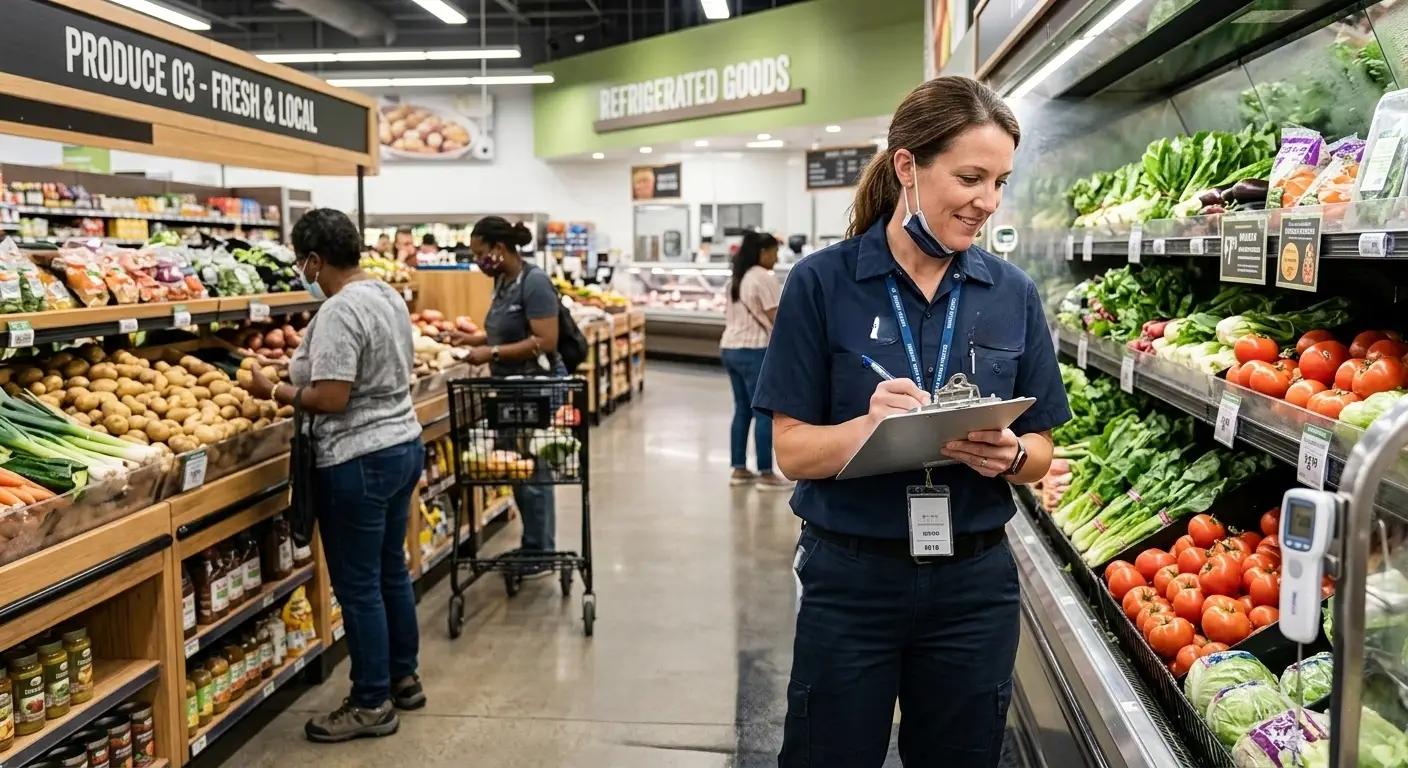
EcoGuard technician conducting FSMA-compliant inspection in grocery store

Our Supermarket Pest Control Services

EcoGuard uses an integrated pest management (IPM) approach that combines proactive prevention with targeted treatments to protect your store with the least environmental impact possible.
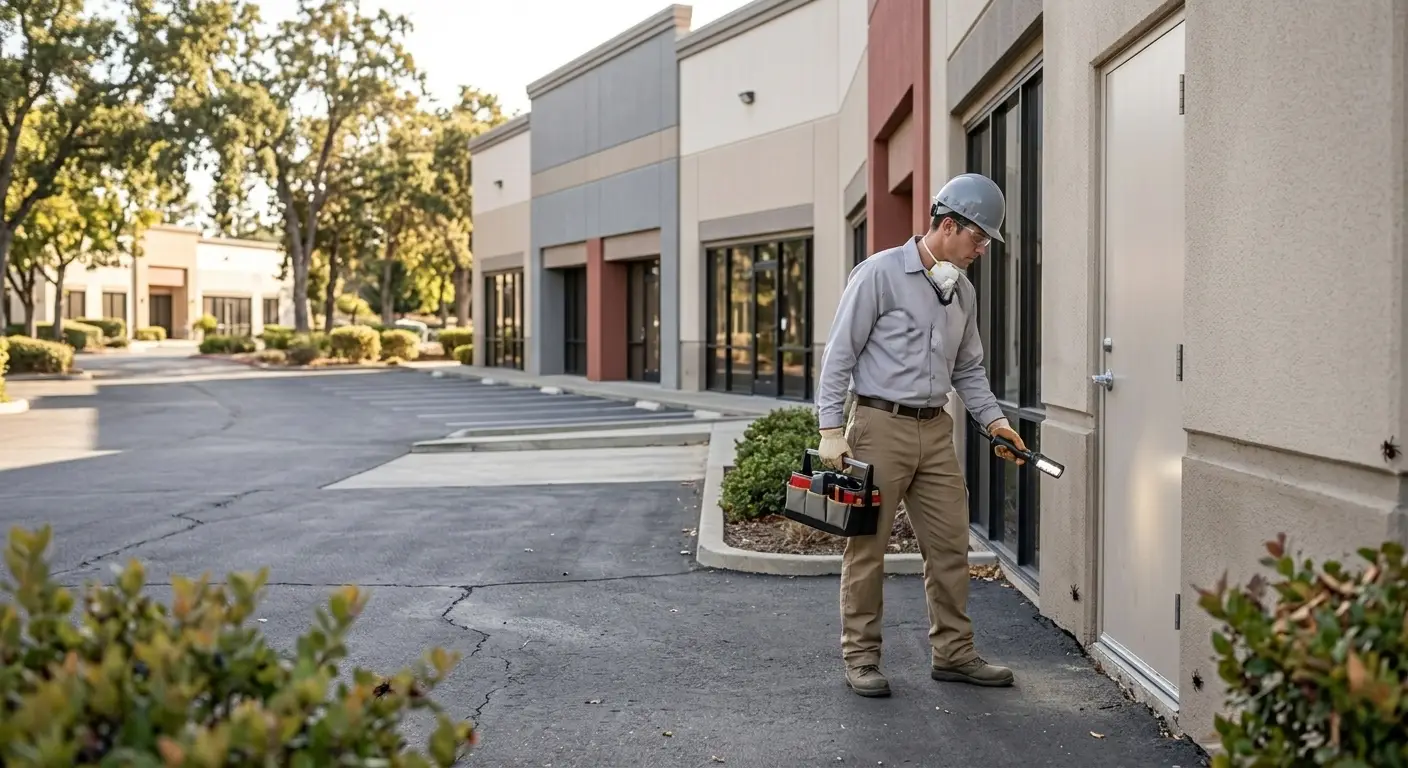
Technician inspecting grocery store shelves for pest activity

Grocery Store Pest Inspection

We explore common bug harborage points and equipment to check for pest and rodent activity, identifying the best plan of action for existing problems or optimal prevention strategies.

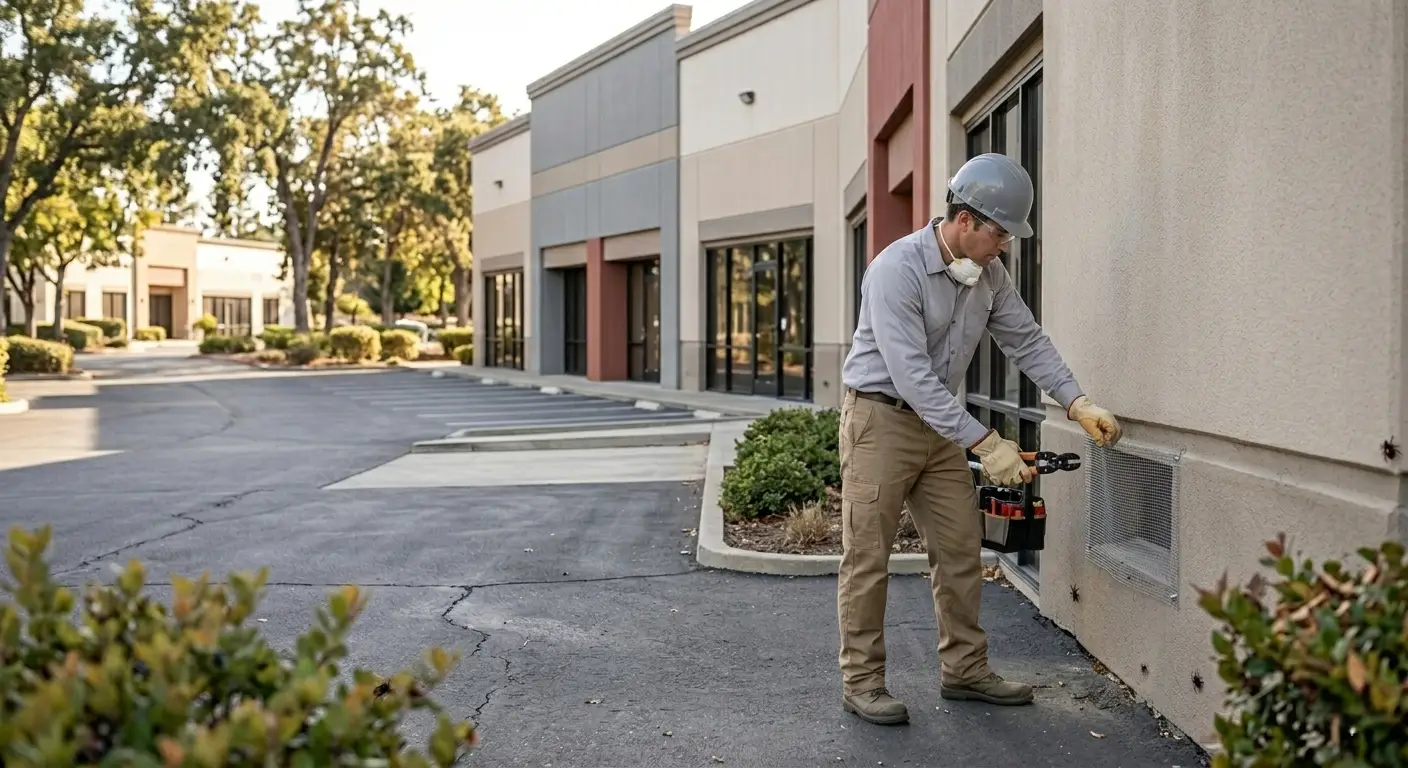
Technician sealing entry points at grocery store loading dock

Grocery Store Pest Exclusion

We identify potential entry points including cracks in walls, gaps under doors, and openings around plumbing, then block them off so pests can no longer access your facility.

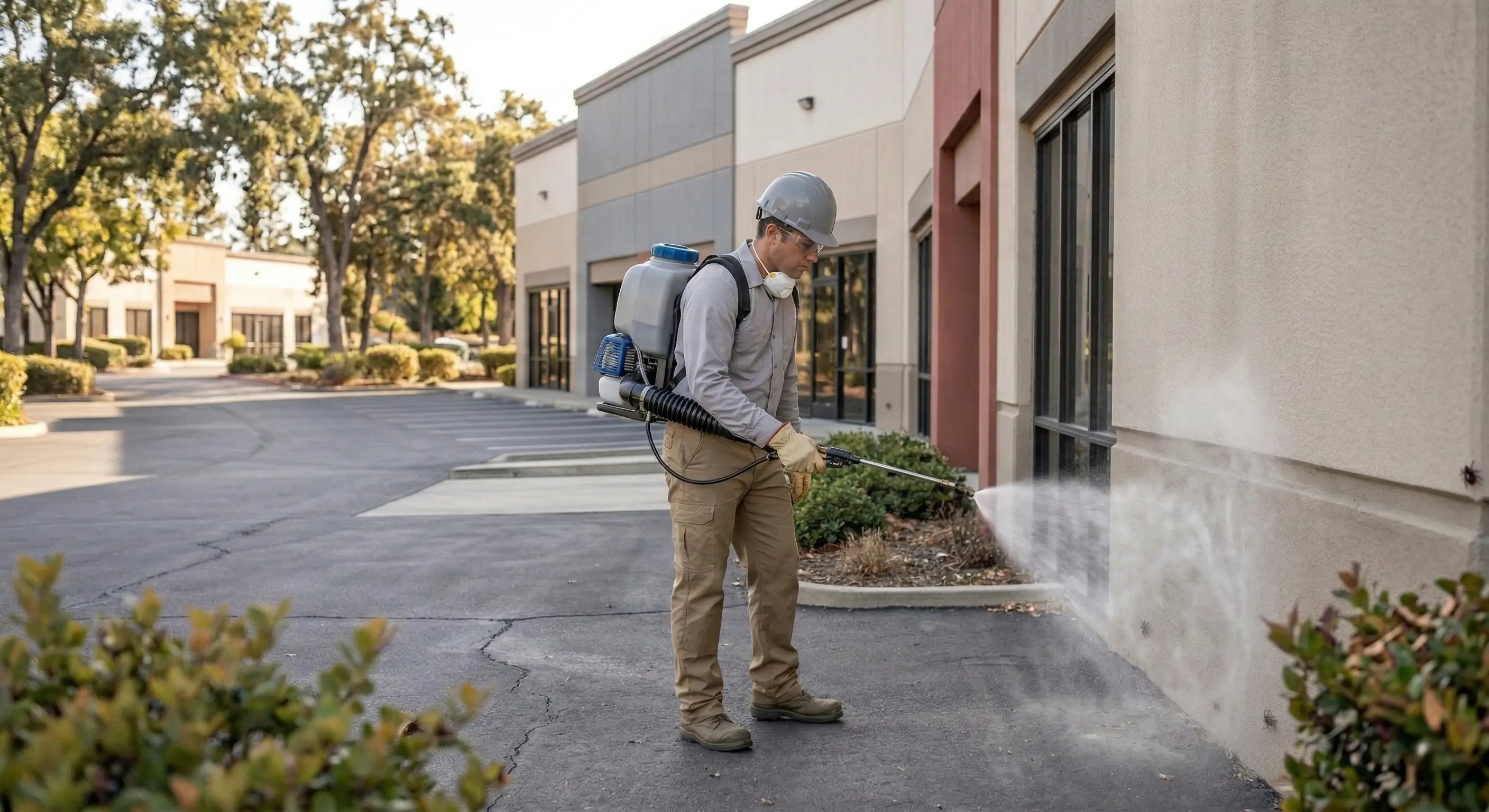
Professional applying pest treatment in grocery store

Grocery Store Pest Treatment

Our team implements the most effective treatment strategies designed for the food industry while following all safety and security standards to protect your products and customers.

Rodent monitoring station in grocery store storage area

Rodent Control & Exclusion

Rodents are extremely common in grocery stores with endless food supplies. Our targeted rodent control strategies help mitigate widespread infestations in and around your store.

Inspection of stored products for pantry pest activity

Stored Product Pest Control

Indian meal moths, weevils, and grain beetles can infest stored products overnight. We identify pantry pests and isolate infested products before the infestation spreads.

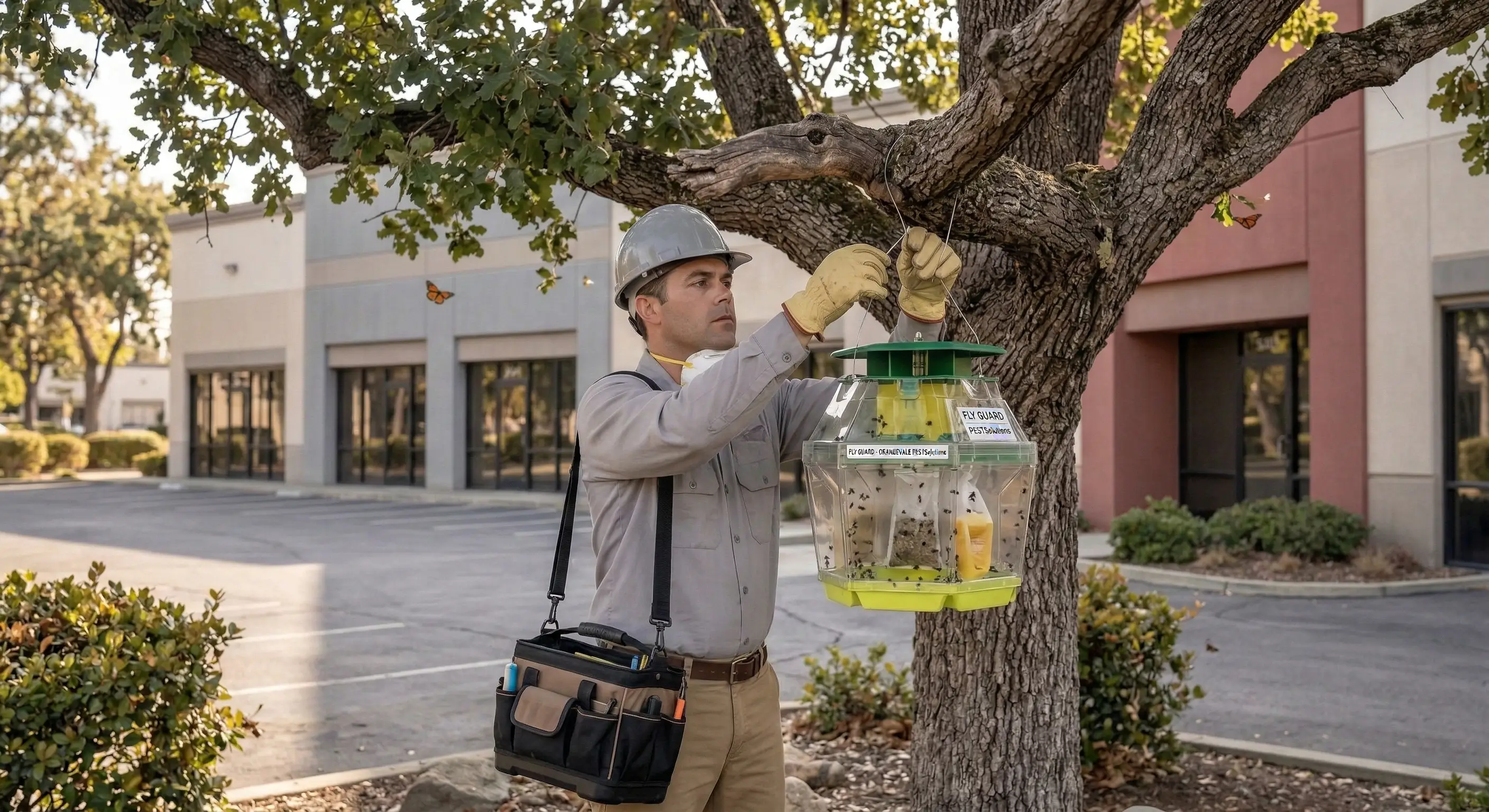
Fly control measures in grocery store produce section

Fly & Flying Insect Control

Flies and fruit flies are ongoing threats in produce sections. We implement prevention strategies including light traps and sanitation protocols to keep flying insects controlled.

Common Supermarket Pests

Pests in the food industry can be catastrophic to business because they are all vectors for disease. Each pest type introduces pathogens that can contaminate food products reaching consumers. Contamination can lead to product recalls, outbreaks, reputation damage, and closure.

🐀

Rodents

Rats and mice are extremely clever and can destroy an entire store's food supply quickly if not managed properly.

🪳

Cockroaches & Ants

These persistent pests are difficult to eradicate once established and require ongoing services to combat those introduced via shipments.

🦋

Pantry Pests

Weevils and Indian meal moths can be passed from suppliers and infest your store's supply of grains, pastas, and cereals.

🪰

Flies

Fruit flies in produce sections are an ongoing issue. Fresh produce must be cycled to prevent overripe fruit from attracting swarms.

📦 What are Stored Product Pests?

Stored product pests, commonly known as pantry pests, include weevils, Indian meal moths, and various beetles. They prefer grains like wheat and barley but are also found in corn, beans, rice, and nuts. These insects often go unnoticed while populations explode. They nest in food products and lay eggs that develop through larvae and pupae stages before maturing into adults that seek new food sources to infest. Early detection through regular inspection is critical to preventing widespread contamination.

Where to Find Pests in Grocery Stores

There are many places in a grocery store for pests to find a comfortable home. Ideally, they seek areas that go undisturbed. Be vigilant in these commonly overlooked areas.

🍖

Butcher Department

Meat scraps attract pests

🥖

Bakery

Flour and grains draw pantry pests

🥬

Produce Section

Fruit flies and flies thrive here

🚚

Loading Docks

Entry point for incoming pests

🗑️

Trash Disposal Areas

Food waste attracts rodents

🚪

Entrances & Exits

Flying insects enter here

Employee Break Areas

Food attracts pests

🔒

Employee Lockers

Hidden food sources

🧊

Under Display Cases

Dark, undisturbed spaces

🔌

Under Appliances

Warmth and food debris

📦

Storage Rooms

Boxes harbor pests

🧹

Cleaning Closets

Moisture attracts pests

How to Keep Pest Populations Under Control

Supermarket managers are responsible for ensuring cleanliness and maintenance. Use this prevention checklist to minimize the possibility of pest infestations.

Facility Management

Exclusion

Seal access points to prevent entry

Sanitation

Keep areas clean and free of debris

Waste Disposal

Use sealed containers, keep trash areas clean

Regular Inspection

Monitor harborage points constantly

Modify Exterior

Move vegetation away from building

Product & Delivery Management

Product Quality Control

Inspect products, remove contaminated items

Elevate Products

Keep products 6 inches off the ground

Inspect Deliveries

Check incoming packages for pests

Break Down Boxes

Reduce clutter where pests hide

Clean Prep Stations

Including grease traps and hard-to-reach areas

Even with these measures, regular professional inspection is recommended to ensure your facility meets food safety standards.

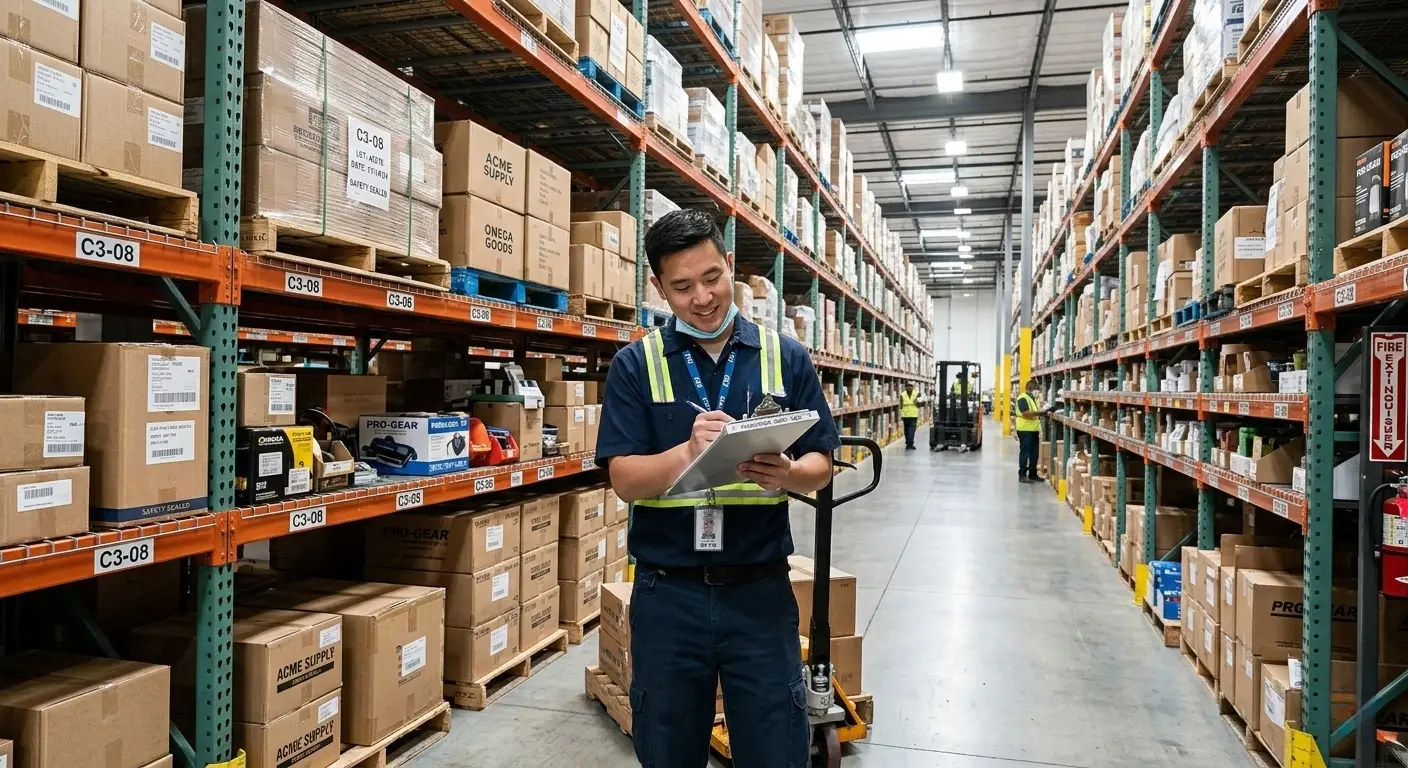
Pest control technician documenting inspection findings in supermarket

Monitoring & Documentation

We know how critical maintaining a clean, pest-free environment is for your supermarket. Our ongoing services maintain detailed records of inspection notes and adjust treatments as needed to effectively address any new pest issues as soon as they occur.

Early detection is the most critical element of successful pest control. Our documentation helps you meet FSMA requirements and provides evidence of due diligence in protecting your customers and products.

  • Detailed service reports for each visit
  • Pest activity trending and analysis
  • FSMA compliance documentation
  • Corrective action tracking
  • Product labels and safety data sheets
100% SATISFACTION GUARANTEE

The EcoGuard Guarantee

EcoGuard offers a 100% satisfaction guarantee for all of our customers, and we stand by our promise to eradicate your supermarket pest control problem until the very last supermarket pest control is gone. That supermarket pest control control guarantee comes with every service and if the supermarket pest controls come back, then so do we, at no additional cost. We are standing by to give you a free estimate and to help you set your first supermarket pest control pest control service appointment.

📞 Call (866) 326-2847 Today

What Our Customers Say

Trusted by grocery stores and supermarkets across 6 states for professional pest control services

★★★★★

"EcoGuard has been managing our pest control for 4 years across all 12 of our locations. Their consistent service and documentation has been invaluable for our health inspections and FSMA compliance."

Carlos M.
Regional Manager, Grocery Chain, CA
★★★★★

"We had a pantry pest issue that was affecting our dry goods section. EcoGuard identified the source, eliminated the problem, and helped us implement procedures to prevent future issues. Excellent service!"

Margaret T.
Store Owner, Natural Foods Market, OR
★★★★★

"The fruit fly problem in our produce section was out of control. EcoGuard's IPM approach got it under control without disrupting our operations. Their ongoing monitoring keeps us pest-free."

David K.
Supermarket Manager, Austin, TX

Supermarket Control FAQs

Everything you need to know about supermarket control and treatment

Grocery stores deal with pests through integrated pest management (IPM), which combines prevention, exclusion, sanitation, monitoring, and targeted treatments. This includes sealing entry points, maintaining strict sanitation standards, proper waste disposal, regular professional inspections, monitoring devices, and treatment applications when needed. The key is a comprehensive approach that addresses pests before they become infestations.

Grocery stores keep ants away through a combination of exclusion (sealing cracks and entry points), strict sanitation (eliminating food sources), perimeter treatments that create barriers, and ongoing monitoring. Since ants leave pheromone trails for others to follow, it's critical to eliminate colonies completely and prevent re-establishment through regular professional service.

Pest management in retail food stores is critical because pests contaminate food products with disease, bacteria, and pathogens that can reach consumers. Pest issues can lead to product recalls, illness outbreaks, severe reputation damage, regulatory fines, and even forced closure. The FSMA requires food retailers to maintain preventive pest control programs to protect public health.

Grocery stores keep mice away through comprehensive exclusion (sealing any hole larger than a dime), eliminating food sources through proper storage and sanitation, using professional monitoring stations, and maintaining ongoing professional pest control services. Since grocery stores have abundant food, vigilant ongoing management is essential to prevent rodent populations.

The Food Safety Modernization Act (FSMA), passed by the FDA in 2011, created strict guidelines for the food supply chain with a focus on prevention of food-borne illnesses. It requires food producers, processors, and retailers to perform regular preventative actions to control pests. EcoGuard's IPM programs help supermarkets maintain FSMA compliance.

Most supermarkets require at least monthly pest control service, though high-risk areas may need more frequent attention. Weekly monitoring of sensitive areas like produce, bakery, and meat departments is recommended. Service frequency depends on store size, pest pressure, and regulatory requirements. We customize service schedules based on your specific needs.

We provide comprehensive documentation including detailed service reports, pest activity logs and trending, monitoring station maps, corrective actions taken, product labels and safety data sheets, and recommendations made to management. This documentation demonstrates your commitment to food safety and helps ensure compliance during regulatory inspections.

Incoming deliveries are a major source of pest introduction, especially for pantry pests and cockroaches. We recommend inspecting all deliveries before accepting them, looking for signs of pest activity in packaging. Our service includes monitoring incoming product areas and treating high-risk zones. We also provide training on what to look for when receiving shipments.

Immediately remove the affected product from shelves, isolate it to prevent spread, and notify your pest control provider. Document the finding including the product, lot number, supplier, and location found. Check similar products from the same shipment. We can help trace the source and determine if there's a broader infestation requiring treatment.

Fruit fly control in produce requires an integrated approach: proper rotation of produce to remove overripe fruit, sanitation of display areas and drains, strategic placement of fly traps, and treatment of breeding sites. We also address the underlying conditions that attract fruit flies to prevent ongoing issues.

Yes, all our treatments are specifically designed for food retail environments and comply with FDA, EPA, and local health department regulations. We use food-safe products applied by licensed technicians who understand supermarket requirements. Treatments are scheduled during closed hours and we follow strict protocols to protect food products.

While both require food-safe approaches, supermarkets have unique challenges: larger facilities, more diverse products, constant deliveries introducing pests, produce sections attracting fruit flies, and dry goods vulnerable to pantry pests. Our supermarket programs address these specific challenges with targeted monitoring and treatment strategies.

We offer priority emergency response for supermarkets. If you discover a significant pest issue—such as rodent activity in food storage or a pantry pest outbreak—contact us immediately. We can typically respond same-day for urgent food retail situations to minimize product loss and protect your customers.

Yes, evidence of pest activity is one of the most common reasons for health inspection failures. Rodent droppings, cockroach activity, fly infestations, or contaminated products can result in point deductions, required corrective actions, or temporary closure. Regular professional pest control helps prevent these issues.

Yes, staff training is an important component of our supermarket pest control programs. We train employees on recognizing signs of pest activity, proper storage and sanitation practices, delivery inspection procedures, and reporting protocols. Educated staff are your first line of defense against pest problems.

Related Articles & Resources

Learn more about supermarket prevention, identification, and control
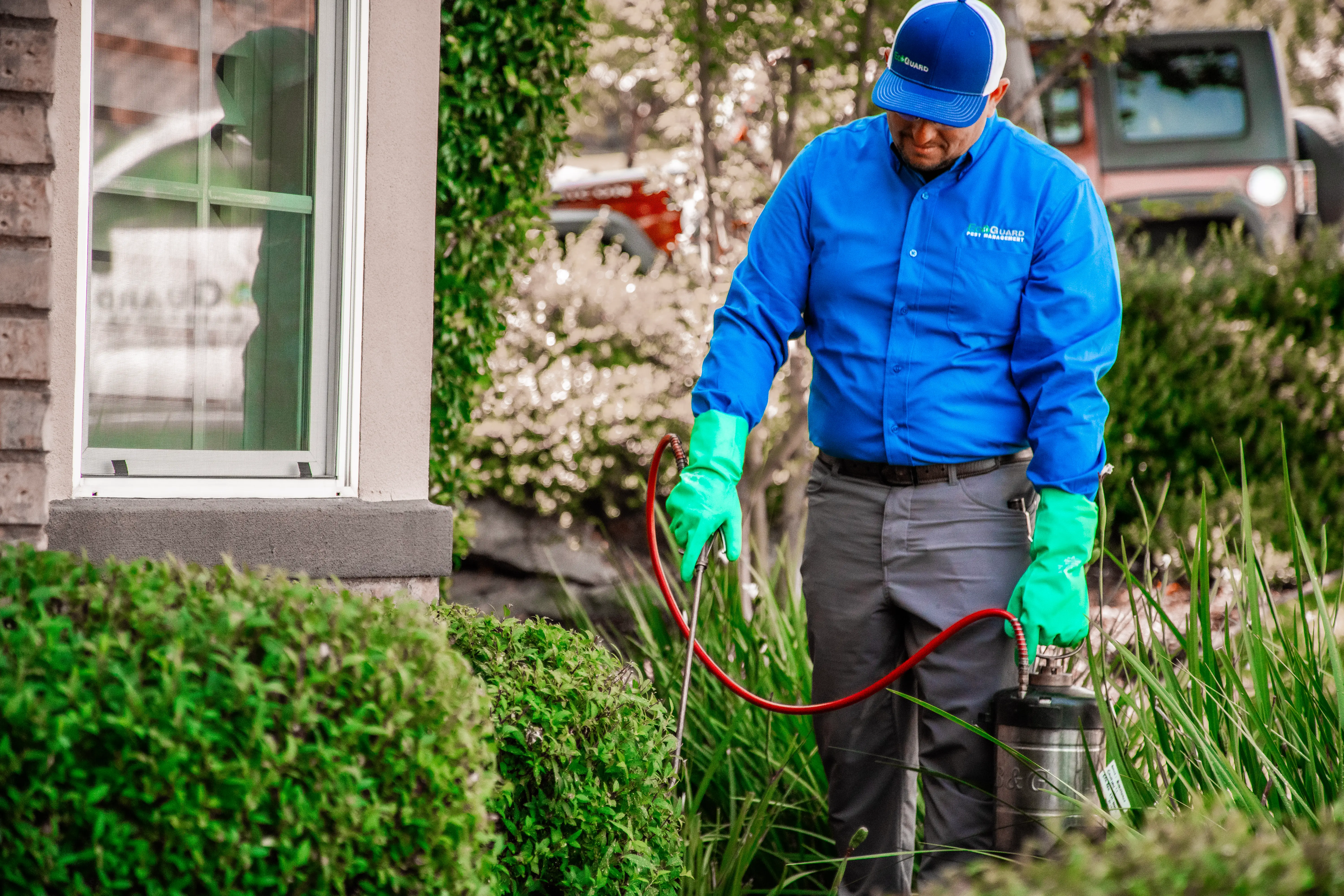
Best Time to Spray Insecticides Around the House

Best Time to Spray Insecticides Around the House

Learn the optimal timing for spraying insecticides including best seasons, time of day, and locations. Maximize pest control effectiveness with proper timing.

Read Article →
Common Insects with a Stinger: Identification Guide

Common Insects with a Stinger: Identification Guide

Learn about common stinging insects including bees, wasps, hornets, ants, and scorpions. Identification tips, danger levels, and what to do if stung.

Read Article →
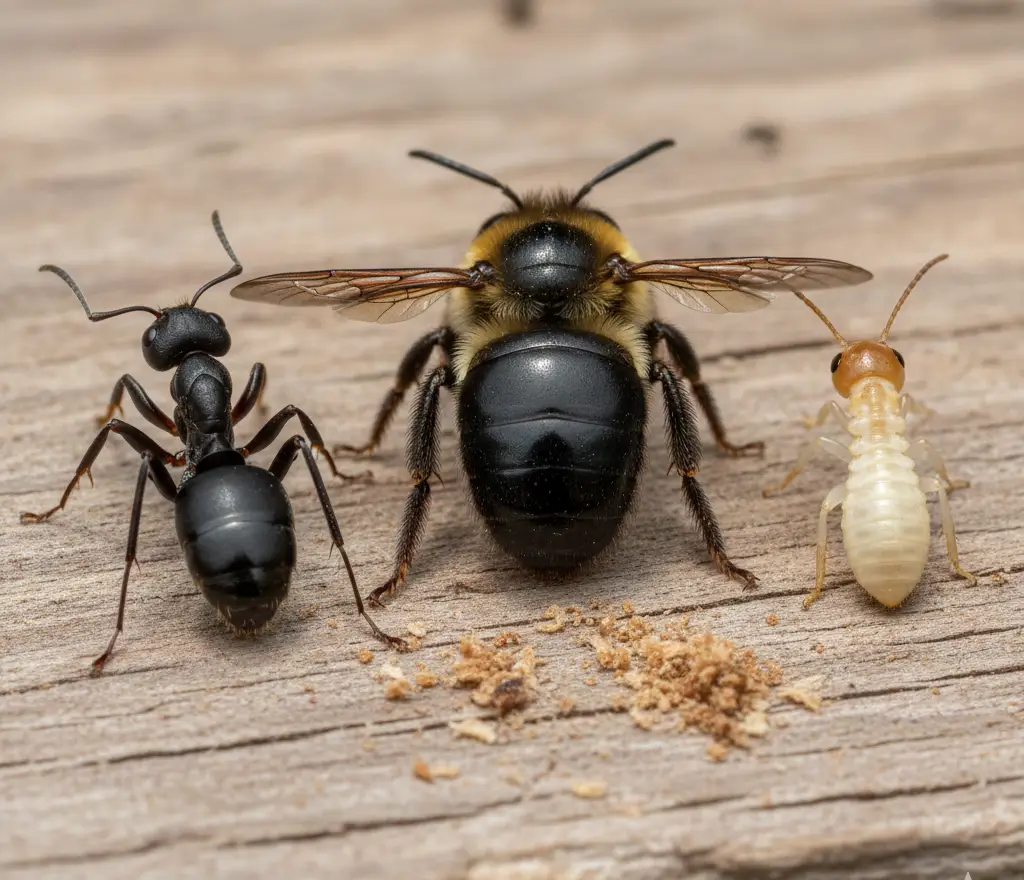
Common Wood Eating Insects: Identification & Prevention

Common Wood Eating Insects: Identification & Prevention

Learn about wood destroying insects including termites, carpenter ants, carpenter bees, and wood boring beetles. Identify signs of infestation and prevention tips.

Read Article →
Do Ultrasonic Pest Repellers Work? The Truth About These Devices

Do Ultrasonic Pest Repellers Work? The Truth About These Devices

Do ultrasonic pest repellers really work? Learn what science says about these devices, their limitations, and more effective pest control alternatives.

Read Article →
How Long After Pest Control Should I Wait to Go Inside?

How Long After Pest Control Should I Wait to Go Inside?

Learn how long to wait after pest control treatment before going inside. Typical wait time is 2-4 hours plus 30 minutes to air out. Safety tips and what to expect.

Read Article →
How Much Does It Cost to Fumigate a House? 2025 Price Guide

How Much Does It Cost to Fumigate a House? 2025 Price Guide

Learn fumigation costs by square footage ($1-$4/sq ft). Average home costs $2,000-$8,000. Factors affecting price, preparation steps, and alternatives explained.

Read Article →
How Often Should Pest Control Be Done? Frequency Guide

How Often Should Pest Control Be Done? Frequency Guide

Learn how often pest control should be done. Homes need quarterly treatments, commercial buildings monthly. How long treatments last by pest type explained.

Read Article →
How to Bug Proof Your Home or Apartment: Complete Guide

How to Bug Proof Your Home or Apartment: Complete Guide

Learn how to bug proof your home with our indoor and outdoor checklists. Seal entry points, remove attractants, and prevent pest infestations effectively.

Read Article →
How To Choose a Pest Control Company | Complete Guide

How To Choose a Pest Control Company | Complete Guide

Learn how to choose the right pest control company. Check licenses, reviews, qualifications, methods, guarantees, and insurance before hiring.

Read Article →
How to Do Pest Control at Home by Yourself: DIY Guide

How to Do Pest Control at Home by Yourself: DIY Guide

Learn DIY pest control methods for your home. Prevention tips, exclusion tactics, treatment options, and when to call professionals for best results.

Read Article →
How to Prepare for an Exterminator: Complete Checklist

How to Prepare for an Exterminator: Complete Checklist

Learn how to prepare for an exterminator visit. Complete checklist for general pest control plus specific prep for termites, bed bugs, fleas, rodents, ants, and cockroaches.

Read Article →
Is a Landlord Responsible for Pest Control? Rights & Duties

Is a Landlord Responsible for Pest Control? Rights & Duties

Learn who is responsible for pest control in rentals. Landlord duties, tenant responsibilities, lease clauses, and what to do when pests are found explained.

Read Article →
Top 12 Benefits of Eco-Friendly Pest Control

Top 12 Benefits of Eco-Friendly Pest Control

Discover the benefits of eco-friendly pest control including safety for humans, pets, and the environment. Learn about sustainable pest management strategies.

Read Article →
View All Pest Control Articles →

Ready to Eliminate Your Supermarket Problem?

Get a free estimate for your supermarket problem today. Our experts will assess your property and provide a customized treatment plan.

Connect With Us

Follow EcoGuard Pest Management for tips, updates, and special offers

f𝕏yin