EcoGuard Pest Management
How ants communicate with each other through pheromones and chemical signals
By Gary Anderson||13 min read

How Do Ants Communicate With Each Other?

Discover the sophisticated communication systems that allow ant colonies to function as unified superorganisms through chemical signals, touch, sound, and body language.

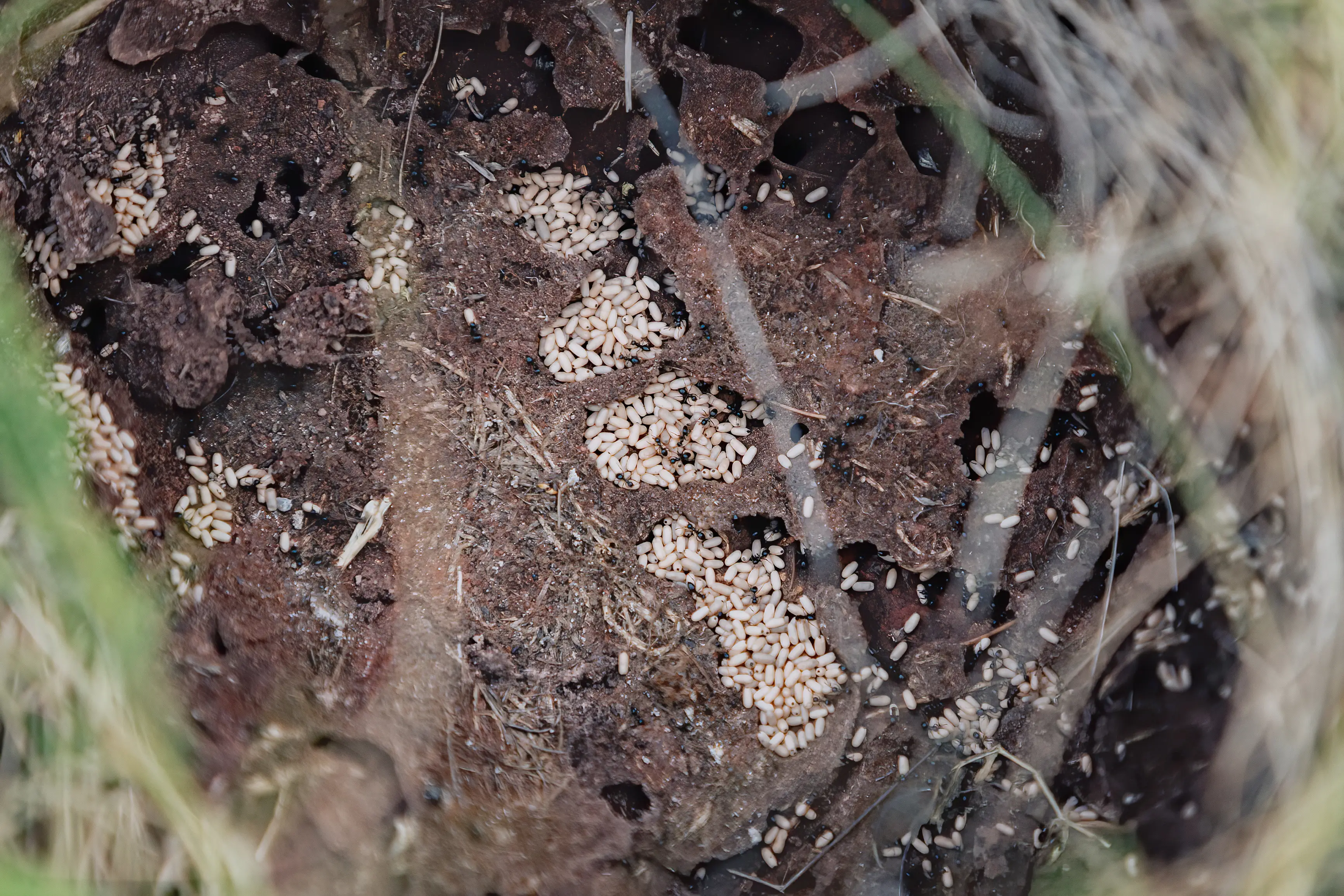
Have you ever watched a line of ants marching with perfect coordination and wondered how they organize themselves so efficiently? Ants use a sophisticated communication system millions of years in the making. Despite their tiny size, ants have developed remarkably complex methods to share information, coordinate activities, and ensure colony survival.

Ants are among the most successful organisms on Earth, with colonies ranging from a few dozen individuals to millions. Their impressive ecological dominance stems largely from their ability to communicate effectively. Without spoken language, these remarkable insects rely on a diverse array of communication methods including chemical signals like pheromones, touch, sound, and even visual cues to create one of nature's most efficient social networks.

Key Facts

  • Pheromone signals:
    10-20 distinct types
  • Biomass:
    ~15% of terrestrial animals
  • Evolution:
    100+ million years
  • Detection:
    Antennae with thousands of receptors

Pheromones are the Primary Method Used by Ants for Communication

The cornerstone of ant communication is chemical signaling through pheromones. These are specialized compounds that ants produce, detect, and respond to with remarkable precision. These invisible chemical messages serve as the foundation of ant society which allows colonies of thousands or even millions of individuals to function as a unified entity.

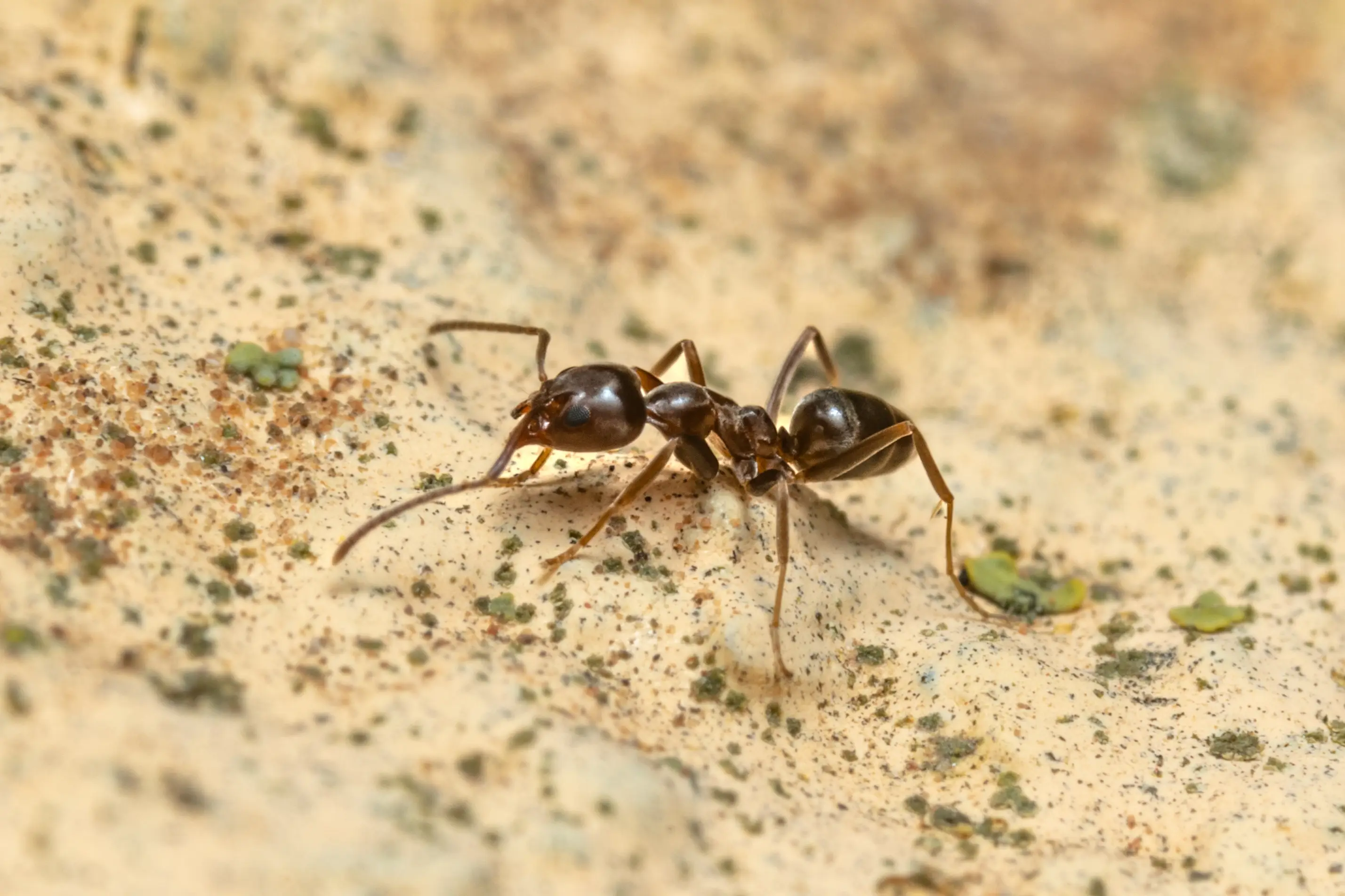
Pheromones are released from specialized glands throughout an ant's body and detected by other ants using their antennae, which are covered with thousands of sensory receptors called sensilla. These receptors are incredibly sensitive and can detect specific chemical compounds in minuscule concentrations. Studies suggest that ants employ between 10-20 distinct pheromone signals that function as a kind of chemical vocabulary, with each signal triggering specific behaviors and responses within the colony.
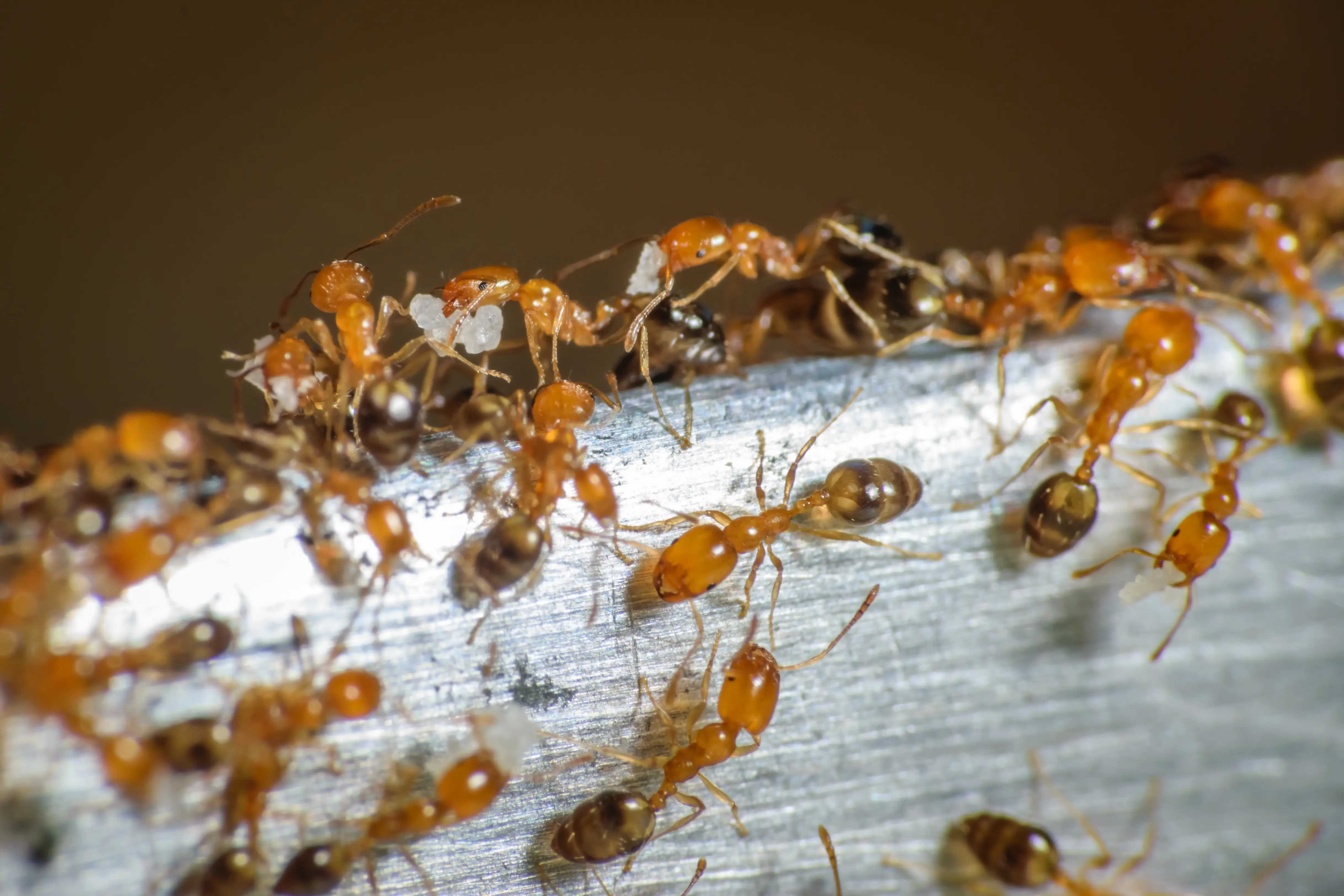
Types of Pheromones

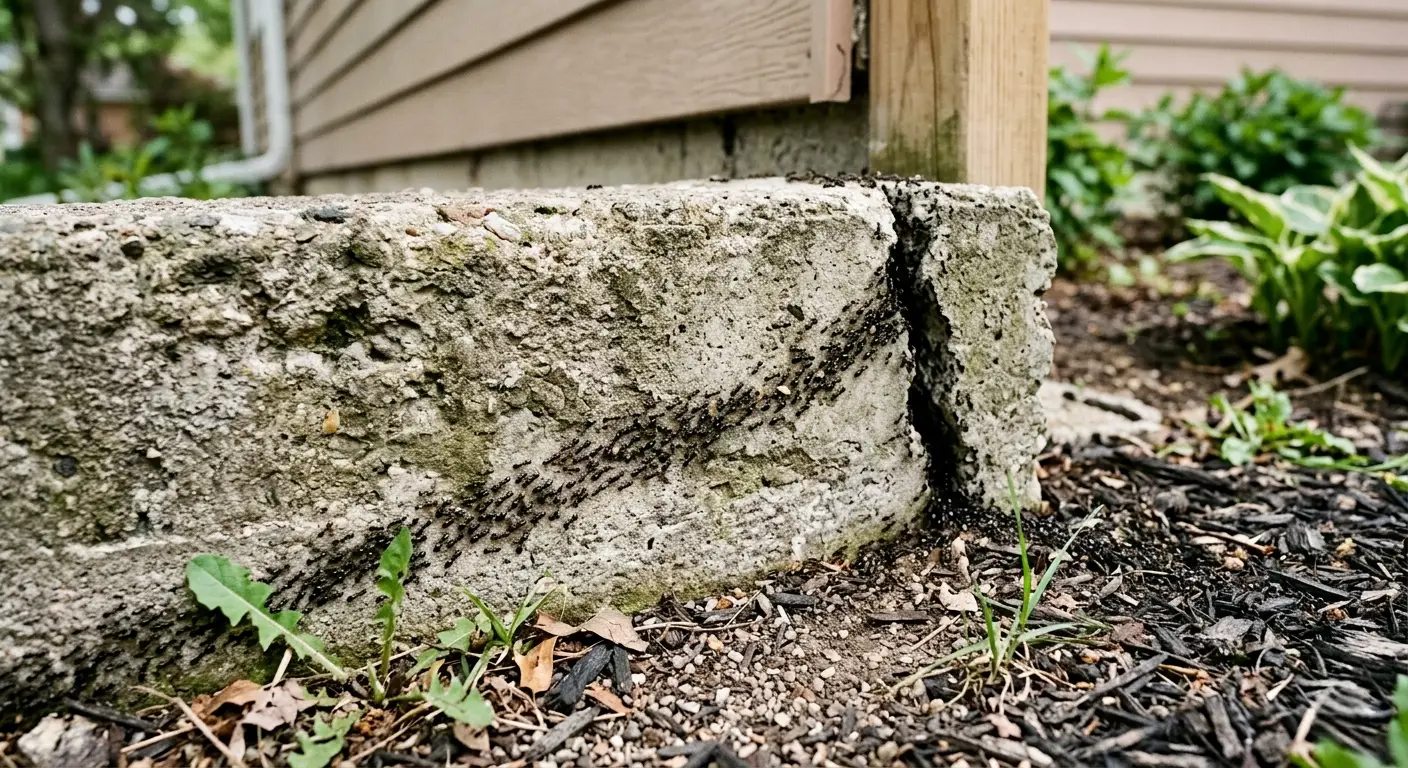
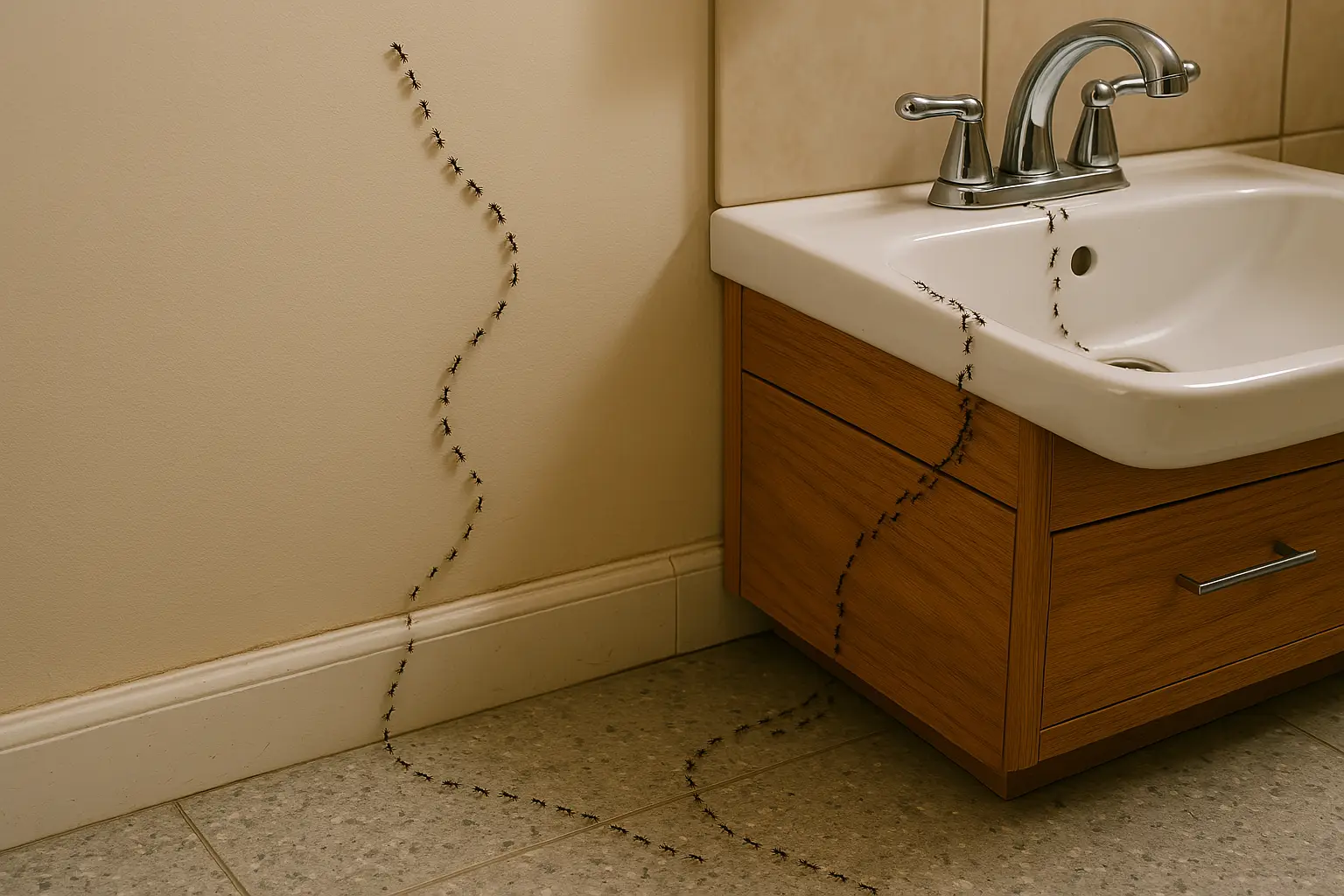
Trail Pheromones: When worker ants discover food, they lay down a chemical trail on their return journey to the nest. Other ants follow this invisible path and reinforce it with their own pheromones. The more valuable the food source, the stronger the trail becomes.
Alarm Pheromones: When an ant senses danger, it releases volatile compounds that alert nearby nestmates to potential threats. These can trigger defensive behaviors ranging from aggressive posturing to full colony mobilization.
Recognition Pheromones: These chemical signatures help ants identify nestmates versus intruders. Each colony has a unique chemical profile that serves as a form of identification.
Queen Pheromones: The queen produces special pheromones that regulate reproduction within the colony, suppressing egg-laying in worker ants and maintaining social structure.

Why Pheromones are So Important to Ant Colony Survival

The pheromone-based communication system has been fundamental to the evolutionary success of ants, allowing them to become one of Earth's most dominant animal groups. According to research by prominent myrmecologists, ants are estimated to comprise approximately 15% of the terrestrial animal biomass on our planet.

Efficient Resource Utilization

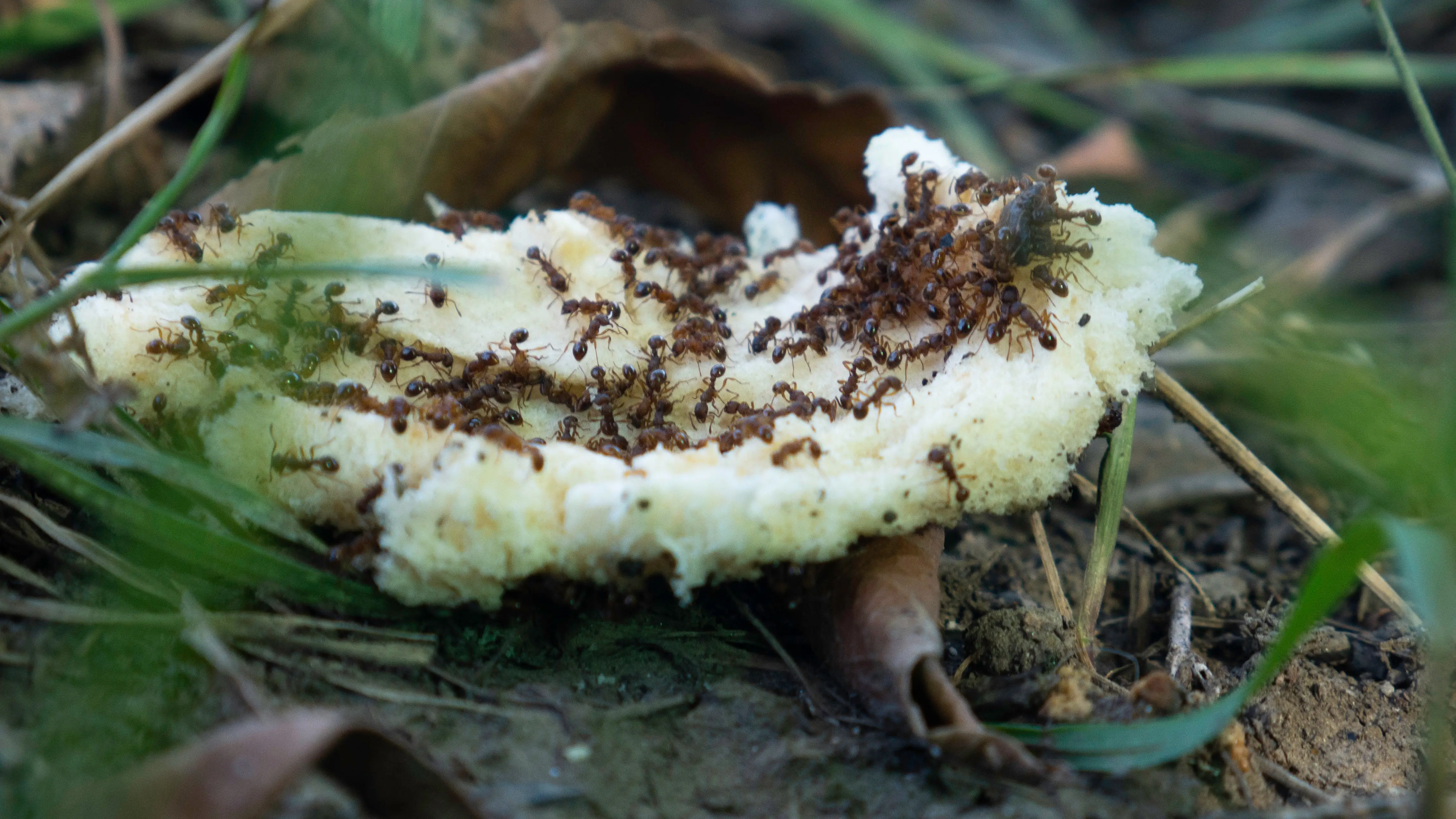
Rapidly communicate food locations to mobilize the precise number of workers needed

Collective Defense

Coordinate defensive responses with remarkable speed and precision when threatened

Environmental Adaptation

Quickly redirect foraging efforts or relocate nests when conditions change

Social Organization

Chemical signals determine which ants perform specific tasks within the colony

Why This Matters for Pest Control

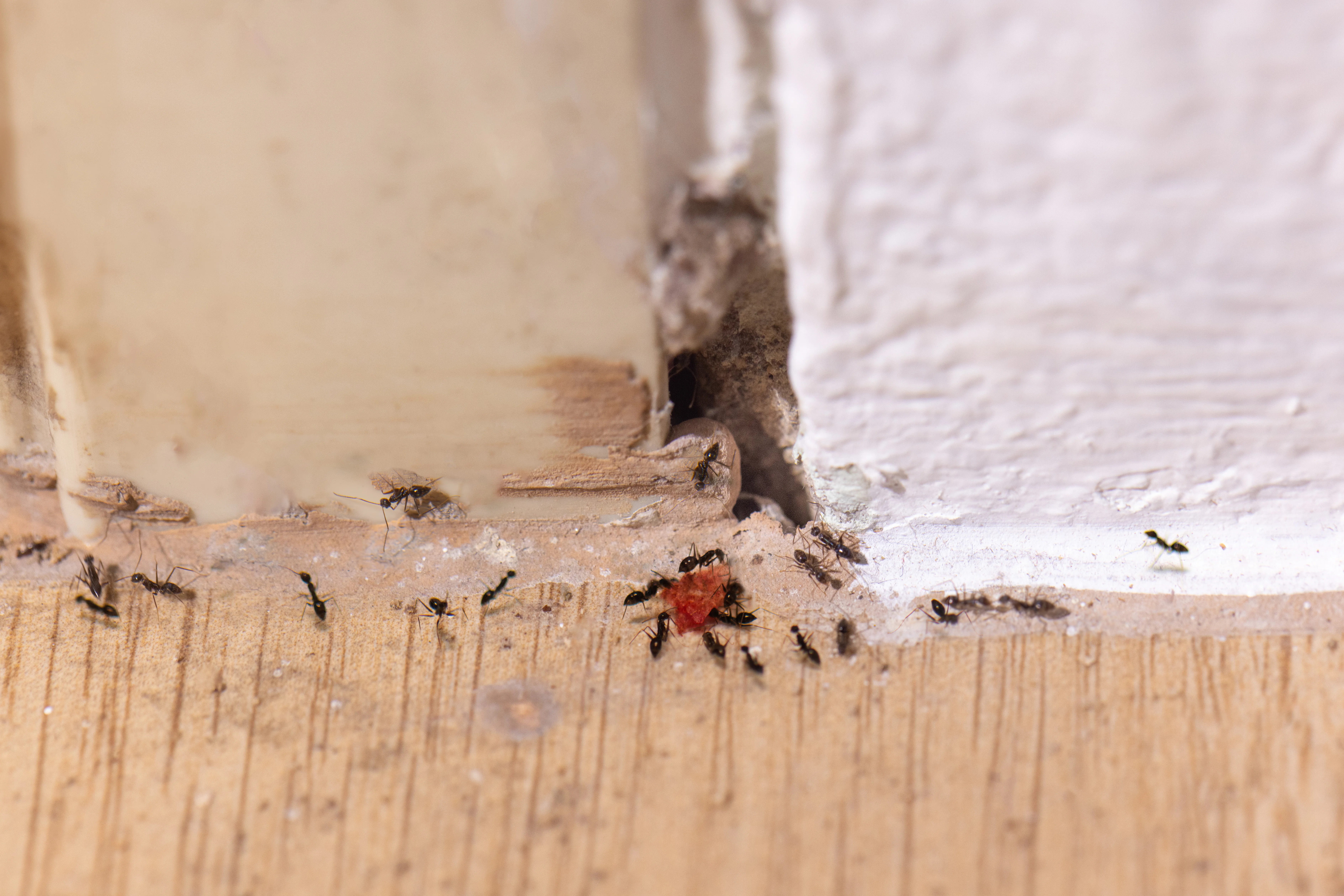
The resilience of this communication system explains why ant infestations can be so persistent. When you see a few ants in your kitchen, there's likely an extensive network of chemical communication connecting them to many more ants you don't see.

Other Methods of Ant Communication

While chemical communication forms the backbone of ant society, these remarkable insects have developed several additional methods to share information.

Touch and Food Sharing

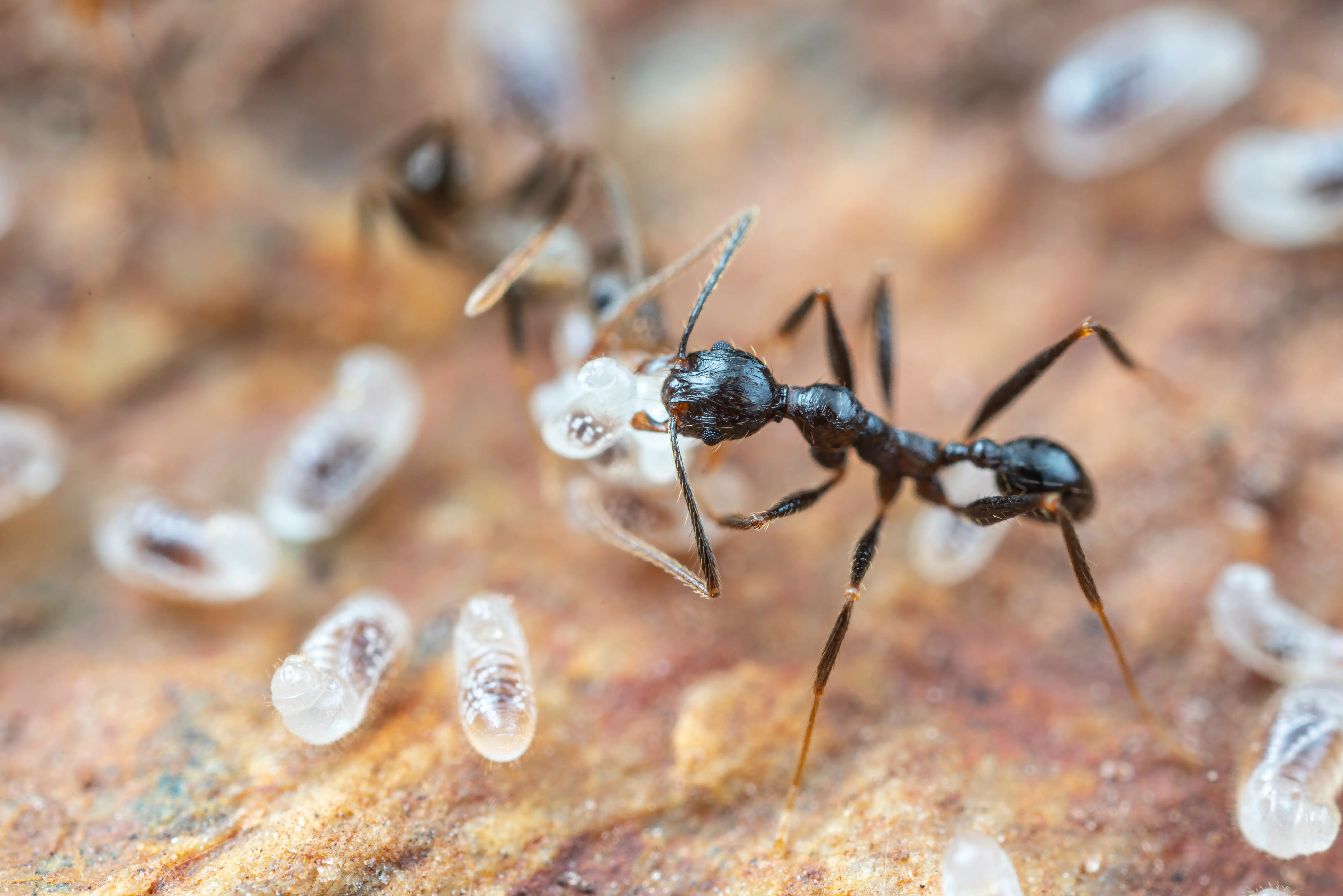
Antennal contact is perhaps the most fundamental form of tactile communication. When ants meet, they tap each other with their antennae, exchanging both chemical cues and physical information. This "antennal drumming" allows ants to assess condition and request food or assistance.

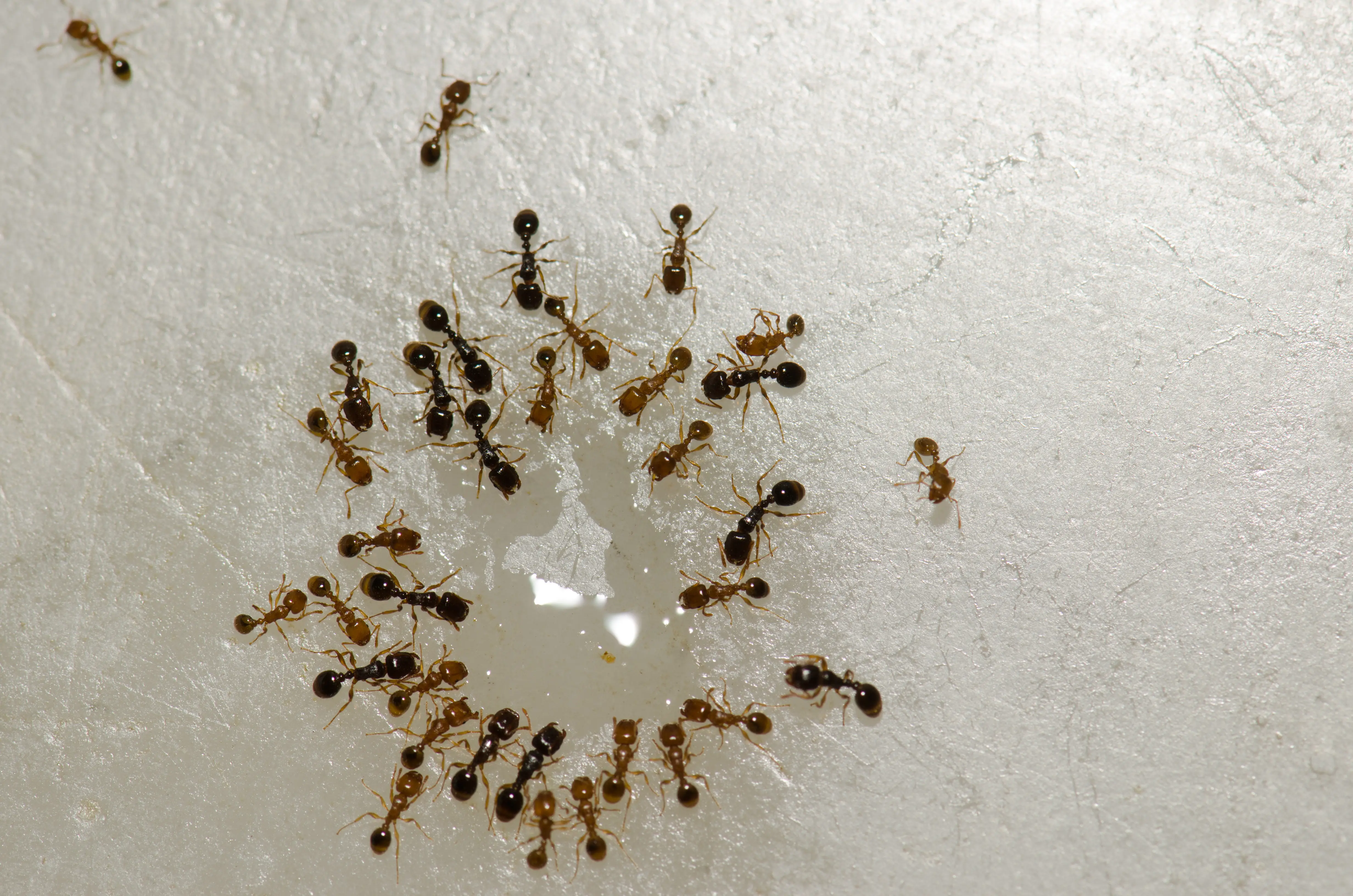
Trophallaxis is the mouth-to-mouth exchange of liquid food which serves multiple purposes: spreading the colony's unique chemical signature, distributing information about food quality, transferring beneficial gut microbes, and reinforcing social bonds.

Tandem running is observed in species like Temnothorax albipennis, where a knowledgeable ant physically guides an uninformed nestmate to a resource. Research has shown this to be the first documented case of formal teaching among non-human animals.

Body Language

Ants communicate through physical postures and movements that function as visual signals:

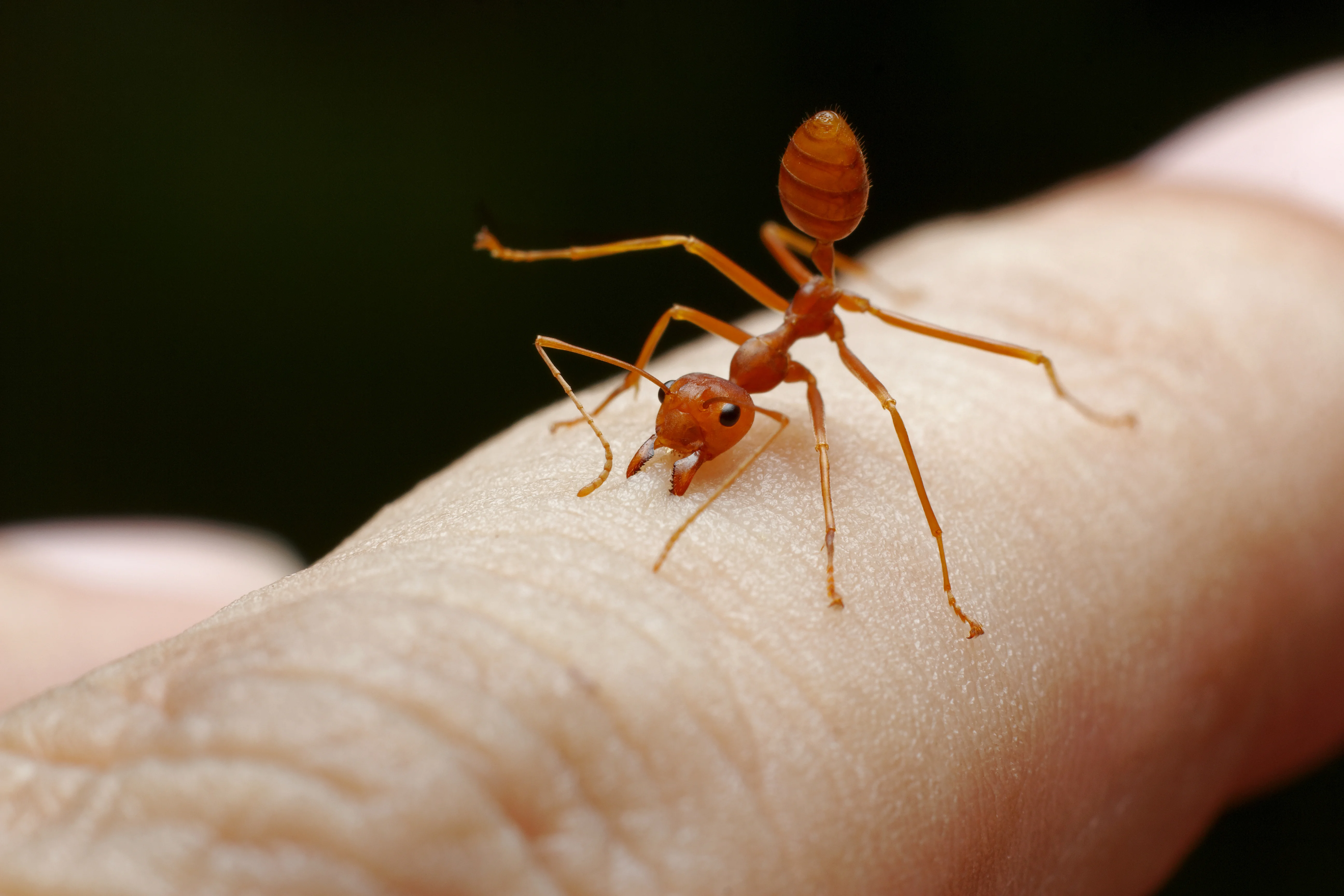
  • Abdominal raising: Signals aggression or alarm, often accompanied by alarm pheromones
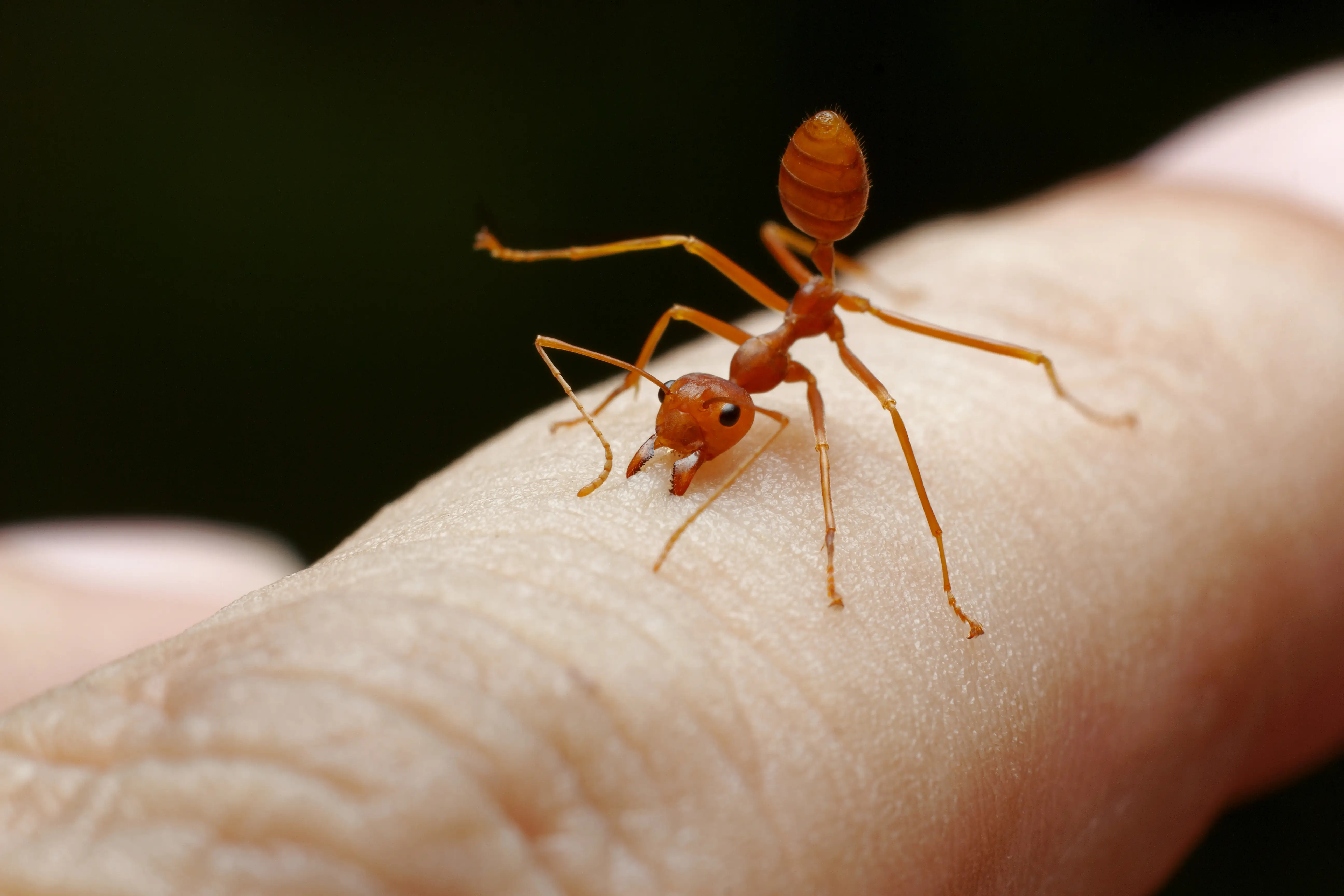
  • Mandible display: Opening mandibles wide serves as a threat display
  • Antennation patterns: Different movements convey specific messages
  • Vibrational cues: Stamping bodies against surfaces to alert nestmates
  • Body positioning: Workers use bodies as measuring tools during nest construction

Sound

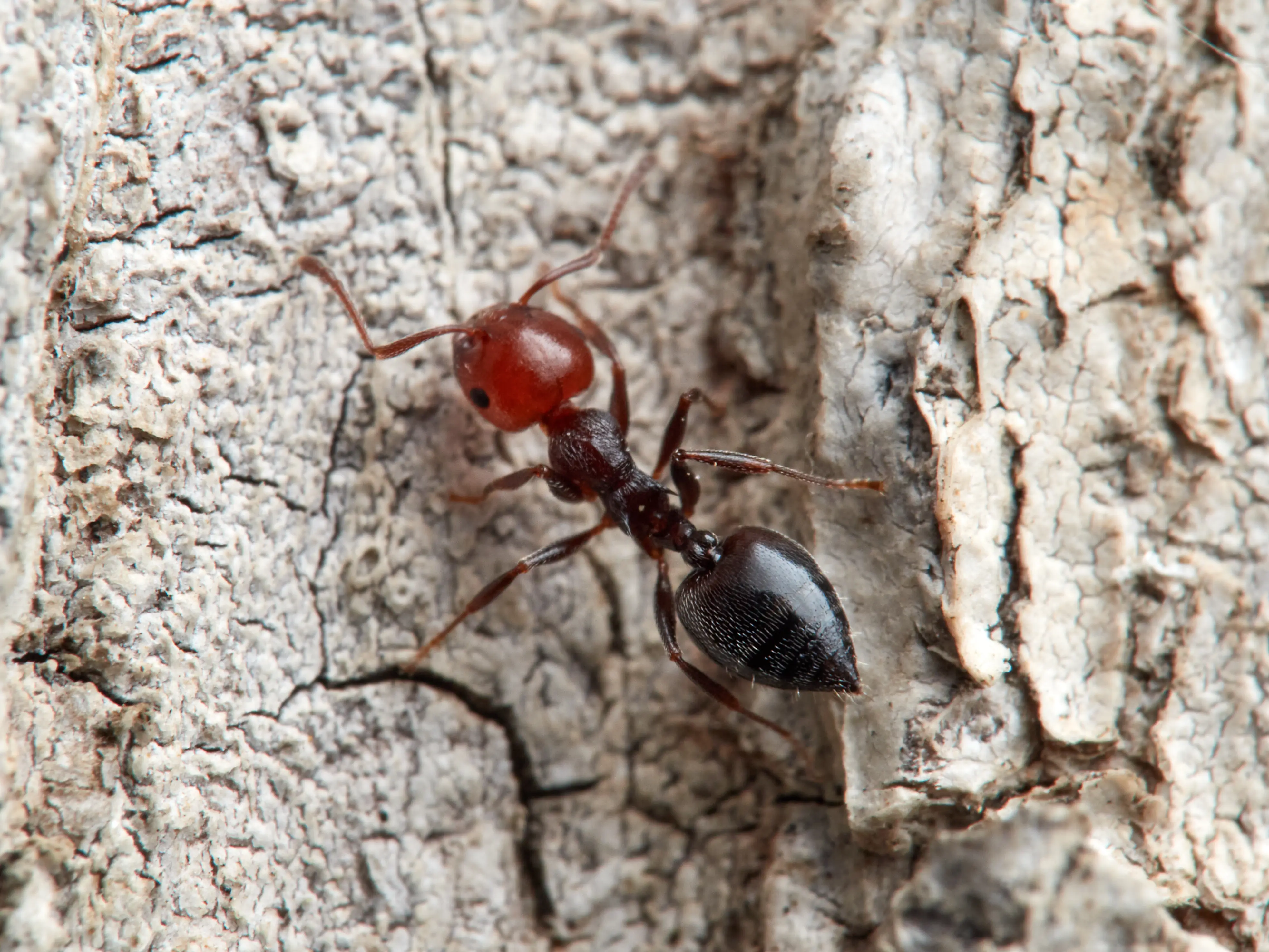
Stridulation is the primary method ants use to generate sound, involving rubbing specialized body parts together to create vibrations. In the subfamily Myrmicinae, ants possess a stridulatory organ consisting of a scraper and ridged file on their abdominal segments. The sounds produced are often too subtle for human ears but are detected by other ants through specialized sensory organs in their legs and antennae.

What Allows Ants to Communicate with Each Other?

The remarkable communication abilities of ants depend on specialized anatomical features and sensory organs that have evolved over millions of years.

Antennae

An ant's antennae serve as its primary sensory organs, functioning as an integrated communication center. These structures are covered with thousands of microscopic sensilla that detect:

  • Chemical signals: Pheromones with extraordinary sensitivity
  • Tactile information: Physical contact through mechanoreceptors
  • Temperature and humidity: Environmental monitoring
  • Air currents: Navigation and odor source location

Pheromone Glands

Ants possess an impressive array of exocrine glands distributed throughout their bodies:

  • Dufour's gland: Produces trail pheromones
  • Poison gland: Creates alarm pheromones
  • Mandibular glands: Signal alarm, attraction, or territory
  • Metapleural glands: Produce antibiotics and colony signatures
  • Postpharyngeal gland: Stores colony-specific hydrocarbons

Reasons for Ant Communication

Foraging and Food Location

When scouts locate food, they establish chemical trails that guide nestmates with remarkable precision:

  1. Scout discovers and tests food quality
  2. Scout deposits pheromone trail while returning with a sample
  3. Scout engages in trophallaxis to share food and stimulate followers
  4. Other workers follow pheromones to the food source
  5. Successful foragers reinforce the trail, creating a self-reinforcing system

Nest Defense and Predator Alarms

When threatened, ants communicate danger through multiple channels simultaneously: alarm pheromones trigger rapid responses, vibrational signals alert ants inside the nest, and direct physical contact spreads the alarm in dense groups. Some species release different alarm pheromones for different threats, allowing specialized responses. Certain chemicals trigger aggressive attack behavior while others prompt nest evacuation.

Nest Maintenance and Relocation

Nest relocation requires extraordinary coordination. Scout ants identify potential sites, then recruit nestmates through tandem running or chemical trails. Information about site quality is communicated through recruitment vigor. In species like rock ants, scouts perform "quorum sensing" — when enough scouts approve a new site, the colony switches from tandem running to full migration.

Social Organization and Colony Cohesion

Communication maintains the complex social structure through: colony recognition via cuticular hydrocarbons (a colony-specific "odor passport"), regulation of reproductive queens for satellite colonies, task allocation signals for efficient labor distribution, and status recognition cues communicating role, age, and condition.

Dealing With an Ant Infestation?

Our experts understand ant communication systems and use this knowledge to develop targeted, effective control strategies.

Call (866) 326-2847 for Expert Help

The Evolution of Ant Communication Systems

The sophisticated communication methods we observe in modern ants represent the culmination of over 100 million years of evolutionary refinement. Fossil evidence suggests that early ants already possessed specialized exocrine glands similar to those used by contemporary species.

Different species have adapted their communication strategies to suit their ecological niches:

Army ants evolved highly volatile trail pheromones that evaporate quickly, allowing these nomadic hunters to create dynamic trails that constantly adjust to prey movements.
Leaf-cutter ants developed complex recruitment systems with multiple pheromone components to coordinate their sophisticated agricultural operations.
Desert-dwelling species produce more stable, long-lasting pheromones that can withstand extreme temperatures and low humidity.

Studies have revealed that genes associated with chemical communication in ants have undergone rapid evolution compared to other genes, highlighting the importance of communication in ant survival and adaptation.

Communication Differences Between Ant Species

Understanding these differences is crucial for effective pest management, as control strategies effective against one species may fail against others.

Odorous House Ants

  • Trail pheromones from hindgut
  • Release warning pheromone when crushed
  • Form strong, persistent foraging trails
  • Multiple queens regulate expansion via pheromones

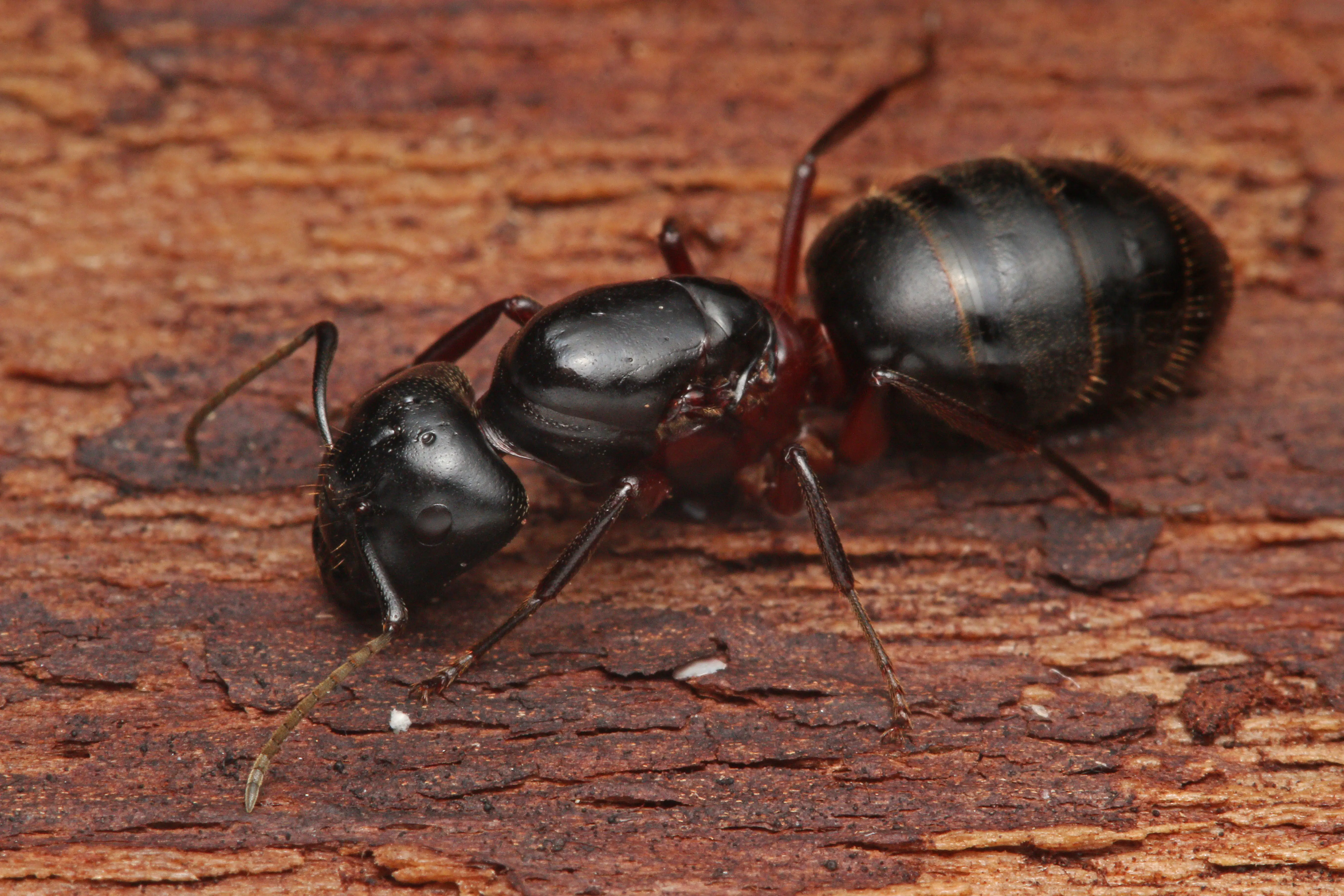
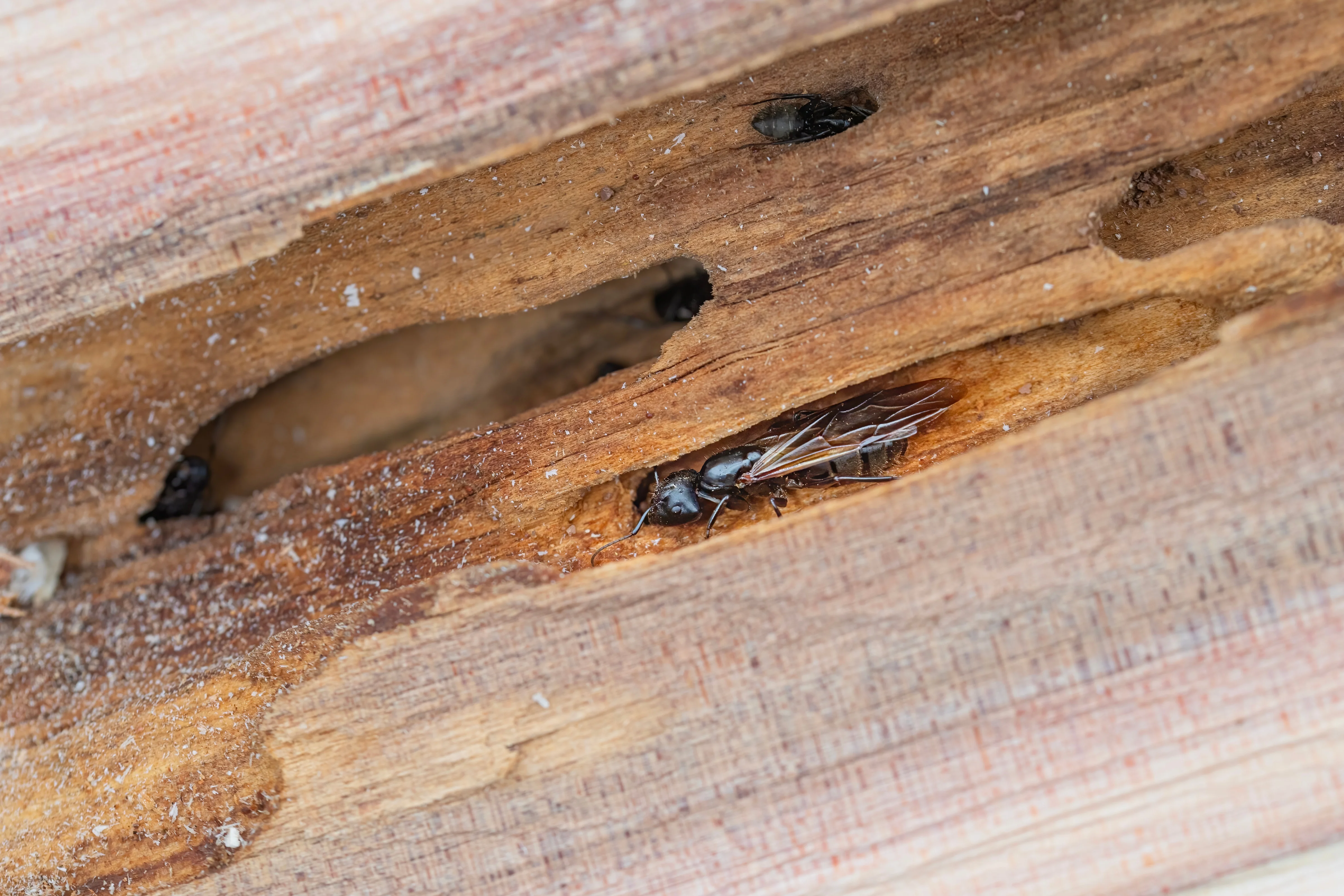
Carpenter Ants

  • Extensive vibrational communication in wood
  • Acoustic signals by striking mandibles on walls
  • Multi-compound trail pheromones
  • Tandem running to guide nestmates

Fire Ants

  • Most sophisticated alarm pheromone system
  • At least four different alarm chemicals
  • Queen pheromones influence entire colony
  • Vibrations during mound building

Pharaoh Ants

  • Long-lasting trail pheromones (active for days)
  • "No-follow" pheromones for depleted resources
  • Queen recognition for multi-queen harmony
  • Complex building-wide trail networks

How Environmental Factors Affect Ant Communication

Temperature and Humidity Effects

  • High temperatures accelerate pheromone evaporation
  • Low temperatures create longer-lasting but less detectable trails
  • Optimal humidity (40-60%) enhances pheromone effectiveness
  • Heavy rainfall washes away trail pheromones

Some ant species adjust their communication strategies seasonally to compensate for these variables.

Human Interference

  • Cleaning products dissolve and remove trail pheromones
  • AC units reduce humidity and disrupt pheromone dispersion
  • Artificial lighting disrupts visual and temporal cues
  • Machinery vibrations interfere with tactile communication

This explains why ant activity patterns change seasonally and why infestations sometimes temporarily resolve before returning.

Research Breakthroughs in Understanding Ant Communication

Recent scientific advances have dramatically improved our understanding of ant communication, revealing even greater sophistication than previously recognized.

Multi-component trail pheromones: Research revealed that trail pheromones are actually complex mixtures of compounds, with different components signaling food quality, distance, and directionality.
Individual recognition: Contrary to earlier beliefs, certain species can identify specific individuals, particularly in smaller colonies with complex social structures.
Electromagnetic sensitivity: Emerging research suggests some species may detect and respond to electromagnetic fields, potentially using Earth's magnetic field for navigation.
Microbiome communication: Studies show gut bacteria in ants produce compounds that influence nestmate recognition, suggesting the microbiome plays a role in colony communication.

Disrupting Ant Communication for Pest Control

Understanding how ants communicate provides valuable insights for effective pest management. By targeting their communication systems, we can develop control strategies that disrupt colony functions rather than simply killing individual ants.

Professional Methods

  • Pheromone trail disruption: Specialized treatments eliminate existing trails
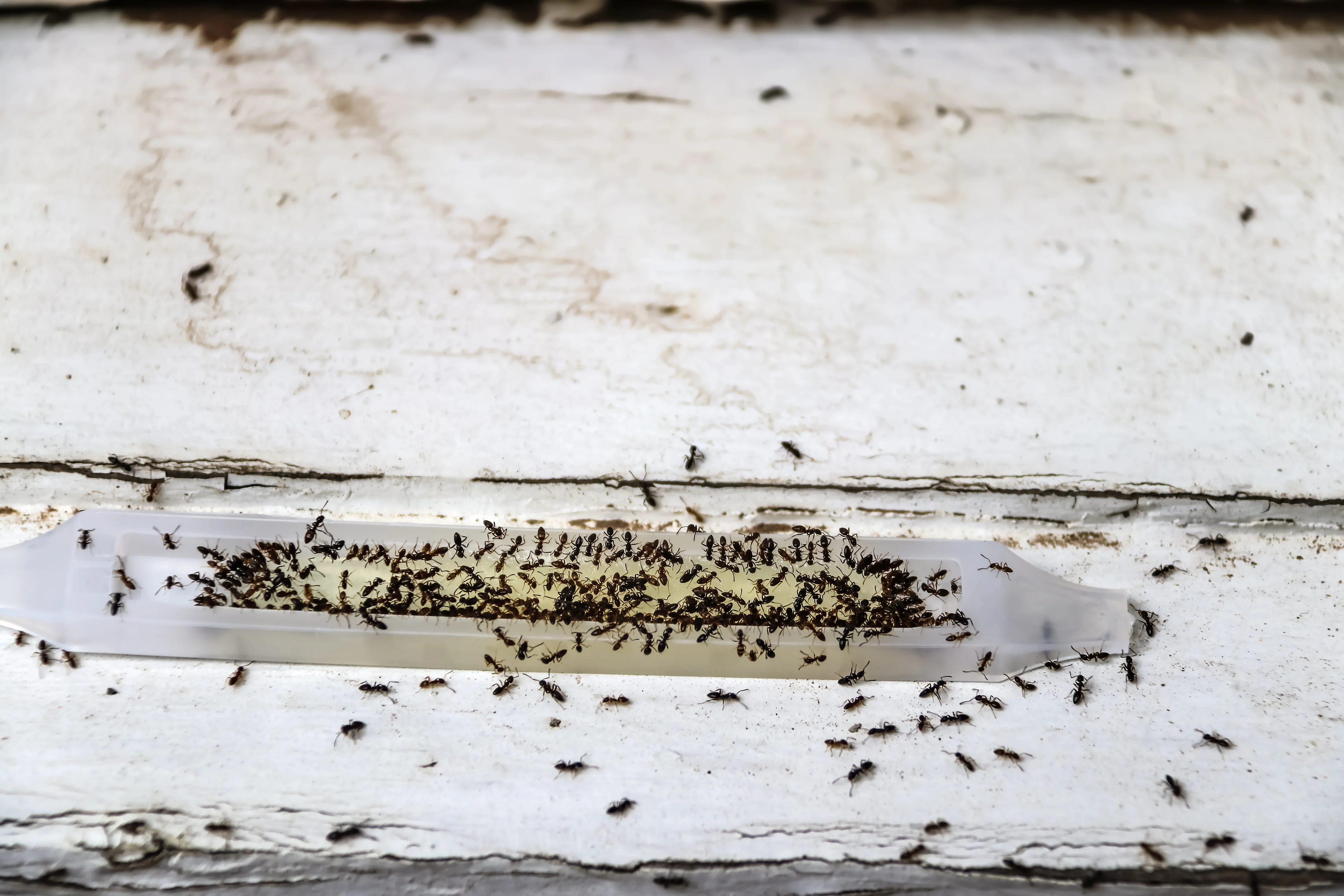
  • Bait systems: Work with ant communication to spread insecticides through the colony
  • Barrier treatments: Mask or interfere with pheromone detection
  • Environmental modifications: Reduce humidity to accelerate pheromone evaporation

DIY Methods (Temporary Relief)

  • Vinegar solutions: 50/50 vinegar/water masks trail pheromones
  • Essential oils: Peppermint, tea tree, and lemon interfere with detection
  • Physical barriers: Diatomaceous earth disrupts chemical signals
  • Regular cleaning: Soap-based cleaners remove pheromone trails

Note: These methods provide temporary relief but don't address the root cause. Professional intervention is recommended for persistent problems.

Contact EcoGuard for Ant Control

While understanding ant communication is fascinating, dealing with an ant infestation requires professional expertise. At EcoGuard Pest Management, we leverage scientific knowledge about ant communication to develop effective, species-specific control strategies. Contact us today for a consultation with our experts.

Call (866) 326-2847Get Free Quote

Ant Communication FAQs

How do ants communicate where food is?

Ants leave chemical communication signals called pheromones along the path from a food source back to their colony. Scout ants that discover food lay these chemical trails, which other ants follow using their sensitive antennae, allowing the colony to efficiently mobilize foragers to valuable resources.

Why do ants stop when they meet?

Ants stop to exchange information when they meet, primarily through touching antennae and detecting chemical signals on each other's bodies. This brief interaction allows them to identify nestmates, share information about food sources or dangers, and coordinate colony activities through a process sometimes called "antennation."

Can ants hear human voices?

Ants cannot hear human voices in the way we understand hearing, as they lack ears and don't perceive airborne sound waves like humans do. Instead, they detect vibrations through their legs and bodies, so while they might sense the vibrations caused by loud human speech or footsteps, they aren't actually "hearing" your voice.

What are ants doing when they touch each other?

When ants touch each other, they're engaging in chemical communication by detecting pheromones and hydrocarbons on each other's bodies with their antennae. This "antennation" behavior allows them to identify nestmates, share information about food locations or dangers, transfer food through trophallaxis (mouth-to-mouth feeding), and coordinate colony activities.

Do different ant species have completely different communication systems?

Different ant species have evolved specialized communication systems tailored to their ecological niches, though there are some universal alarm signals that trigger similar defensive responses across species. Colony-specific scent profiles are typically unique, functioning as a form of "passport" that prevents infiltration by outsiders.

Can ants from different colonies learn to communicate with each other?

While ants typically maintain colony-specific communication systems that exclude outsiders, some species can form supercolonies where originally separate colonies gradually adopt shared communication patterns. This happens when genetic or environmental factors cause communication barriers to break down over time.

How does ant communication change during threats versus finding food?

During threats, ant communication becomes rapid and widespread, with alarm pheromones designed to volatilize quickly and reach many nestmates simultaneously. Food discovery communication is more measured and directional, often involving concentration gradients that help nestmates find the exact location of resources.

How do scientists measure ant pheromone trails that are invisible to humans?

Scientists use specialized imaging techniques like gas chromatography-mass spectrometry to detect and analyze the chemical composition of ant pheromones. They also conduct behavioral experiments using manipulated environments where they can track ant movement patterns in response to artificially applied chemical compounds.

From Our Blog

Related Articles

14 Natural Ant Repellent Strategies That Actually Work

14 Natural Ant Repellent Strategies That Actually Work

Discover effective natural ant repellents including mint, vinegar, cinnamon, and more. Learn how to keep ants out of...

Read Article
16 Common Types of Ants in California | Identification & Treatment

16 Common Types of Ants in California | Identification & Treatment

Identify 16 common ant species in California including carpenter ants, fire ants, and Argentine ants. Learn their...

Read Article
Are Fire Ants Dangerous? Understanding Fire Ant Risks & Safety

Are Fire Ants Dangerous? Understanding Fire Ant Risks & Safety

Learn about fire ant dangers including painful stings, allergic reactions, and property damage. Comprehensive guide on...

Read Article
Argentine Ants: Complete Identification, Control & Prevention Guide

Argentine Ants: Complete Identification, Control & Prevention Guide

Learn to identify Argentine ants, understand their supercolony behavior, and discover effective control strategies....

Read Article
Common Signs of Carpenter Ant Damage

Common Signs of Carpenter Ant Damage

Learn to identify carpenter ant damage signs including frass, holes, tunnels, and how to distinguish carpenter ant...

Read Article
Do Ants Bite? Symptoms, Treatment & Prevention

Do Ants Bite? Symptoms, Treatment & Prevention

Learn about ant bites vs stings, which ants bite, symptoms, allergic reactions, treatment options, and how to prevent...

Read Article
Do Ants Eat Aphids? The Ant-Aphid Relationship Explained

Do Ants Eat Aphids? The Ant-Aphid Relationship Explained

Learn about the fascinating relationship between ants and aphids, how ants farm aphids for honeydew, problems aphids...

Read Article
Do Ants Ever Sleep? Ant Sleep Patterns Explained

Do Ants Ever Sleep? Ant Sleep Patterns Explained

Discover the fascinating sleep patterns of ants, how worker ants take 250 power naps daily, queen ant sleep habits, and...

Read Article
Do Carpenter Ants Eat Wood? Understanding Carpenter Ant Damage

Do Carpenter Ants Eat Wood? Understanding Carpenter Ant Damage

Learn the truth about carpenter ants and wood. Unlike termites, carpenter ants don\

Read Article
How Do Ant Baits and Traps Work? Complete Guide to Ant Bait Systems

How Do Ant Baits and Traps Work? Complete Guide to Ant Bait Systems

Learn how ant baits and traps work to eliminate entire colonies. Discover bait types, active ingredients, placement...

Read Article
How Do Ants Get in the House? Complete Entry Point Guide

How Do Ants Get in the House? Complete Entry Point Guide

Learn how ants get into your house through foundation cracks, windows, utility lines, and more. Discover entry points,...

Read Article
How Do Ants Get Into Your House? Entry Points & Prevention

How Do Ants Get Into Your House? Entry Points & Prevention

Learn how ants enter your home through cracks, gaps, and openings. Discover where ants hide, what attracts them, and...

Read Article
How Do Ants Mate and Reproduce? Ant Reproduction Explained

How Do Ants Mate and Reproduce? Ant Reproduction Explained

Learn how ants mate during nuptial flights, how queen ants reproduce, the role of drones, and unique reproductive...

Read Article
How Many Ants Are in a Colony? Complete Guide to Ant Colony Size

How Many Ants Are in a Colony? Complete Guide to Ant Colony Size

Learn how many ants live in a colony, from small carpenter ant nests to Argentine ant supercolonies with billions....

Read Article
How to Get Rid of Ants Inside and Outside Your Home

How to Get Rid of Ants Inside and Outside Your Home

Learn how to get rid of ants inside your home, repel them before they enter, and eliminate outdoor colonies. Complete...

Read Article
How to Get Rid of Carpenter Ants in the House

How to Get Rid of Carpenter Ants in the House

Learn how to identify, eliminate, and prevent carpenter ants. Comprehensive guide to indoor and outdoor treatments,...

Read Article
Understanding Ant Colony Structure and Hierarchy

Understanding Ant Colony Structure and Hierarchy

Learn about ant colony structure, hierarchy, and how ants work together. Discover the roles of queens, workers, drones,...

Read Article
What Are Ants? Complete Guide to Ant Biology, Behavior & Control

What Are Ants? Complete Guide to Ant Biology, Behavior & Control

Learn everything about ants including appearance, colony hierarchy, life cycle, diet, defenses, and how to get rid of...

Read Article
What Are Red Ants? Fire Ant Identification & Control

What Are Red Ants? Fire Ant Identification & Control

Learn about red ants and fire ants, how to identify them, their behavior, dangers of their stings, and effective...

Read Article
What Attracts Ants Inside the House? Prevention Tips

What Attracts Ants Inside the House? Prevention Tips

Learn what attracts ants to your home including food, water, and shelter. Discover prevention tips and how to get rid...

Read Article
What Do Ants Eat and Drink in Your House?

What Do Ants Eat and Drink in Your House?

Learn what ants eat including sugars, proteins, seeds, fungus, and other insects. Discover how different ant species...

Read Article
What Happens When the Queen Ant Dies?

What Happens When the Queen Ant Dies?

Learn what happens when a queen ant dies, how to identify a queen, the ant queen life cycle, and how to effectively...

Read Article
What's the Lifespan of an Ant? Guide to Ant's Life Cycle

What's the Lifespan of an Ant? Guide to Ant's Life Cycle

Learn how long ants live based on species, caste, and gender. Discover the ant life cycle from egg to adult and factors...

Read Article
When is Ant Season? Complete Guide to Ant Activity Patterns

When is Ant Season? Complete Guide to Ant Activity Patterns

Learn when ant season occurs in your region, peak activity times by species, and seasonal prevention strategies....

Read Article
Where Do Ants Go in the Winter? Complete Winter Behavior Guide

Where Do Ants Go in the Winter? Complete Winter Behavior Guide

Discover where ants go in winter, how they survive freezing temperatures through diapause, and why they may invade your...

Read Article
Where Do Ants Live? Complete Guide to Ant Habitats

Where Do Ants Live? Complete Guide to Ant Habitats

Discover where ants live outdoors and indoors, from underground colonies to wall voids. Learn about species-specific...

Read Article
Why Are Flying Ants a Problem? Identification and Prevention

Why Are Flying Ants a Problem? Identification and Prevention

Learn why flying ants appear, how to identify them vs termites, which species swarm, and how to prevent and eliminate...

Read Article
Why Are There Ants in My Bathroom? Causes & Solutions

Why Are There Ants in My Bathroom? Causes & Solutions

Discover why ants invade bathrooms and learn effective solutions. Understanding moisture, food sources, and shelter...

Read Article