EcoGuard Pest Management
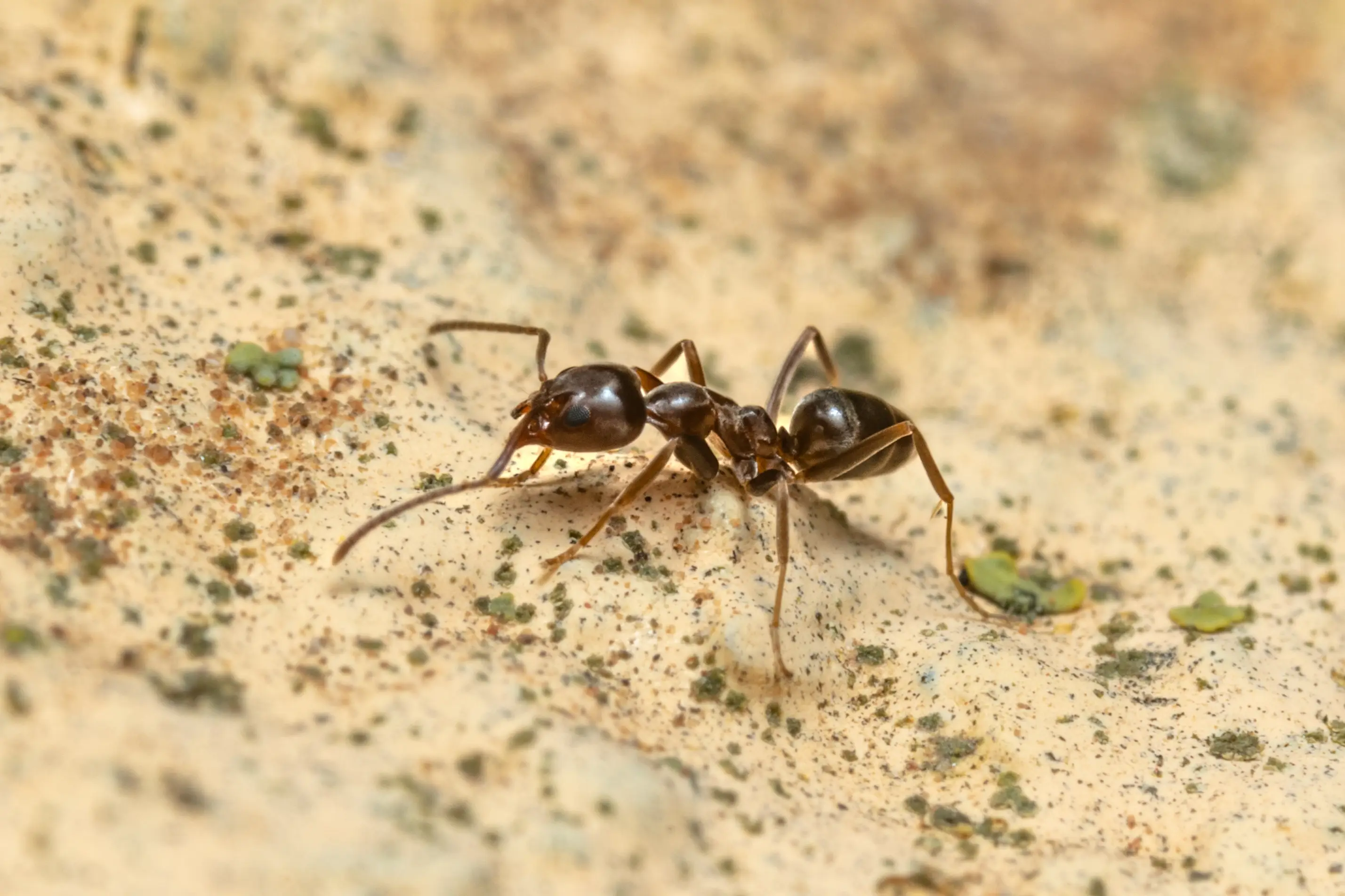
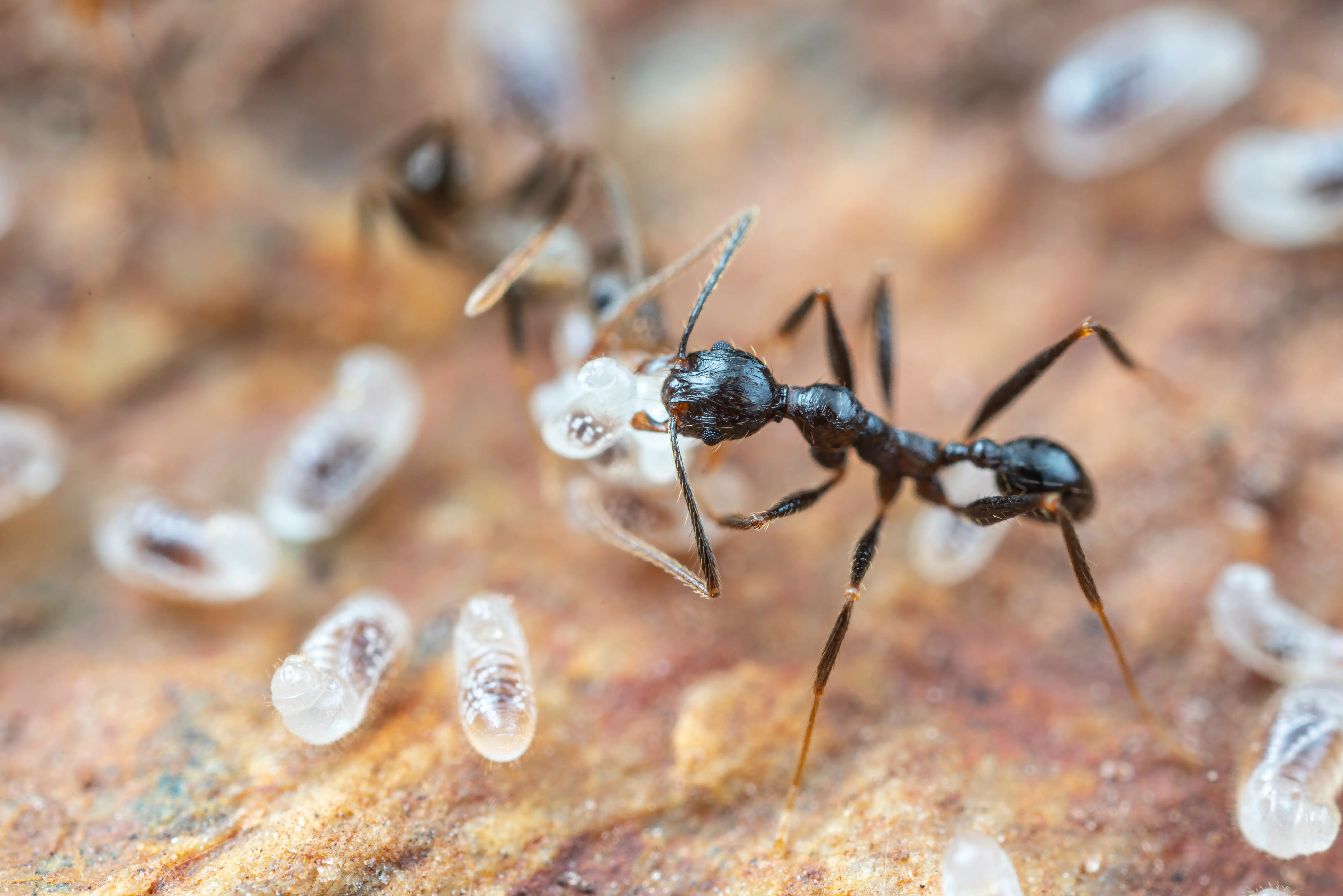
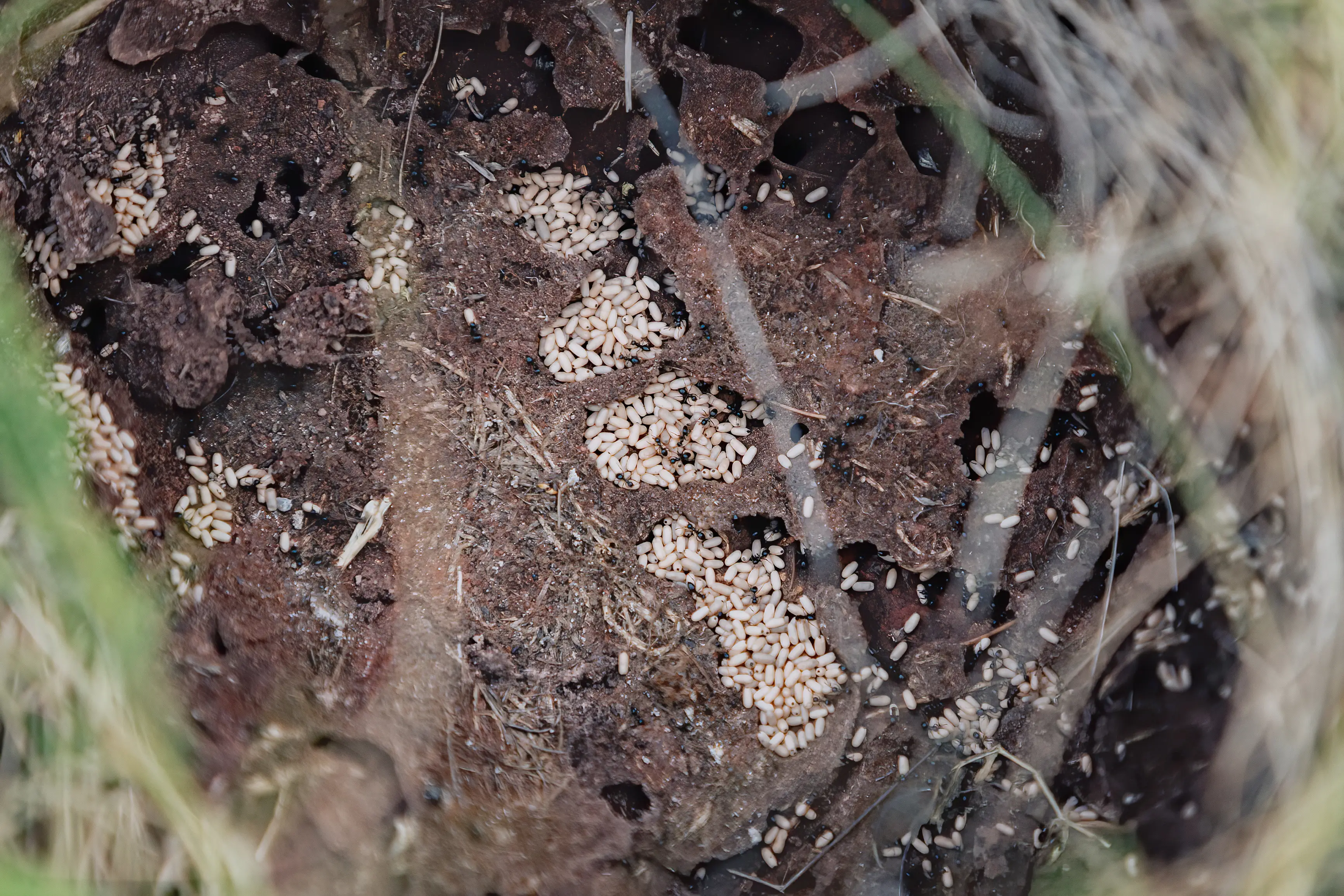
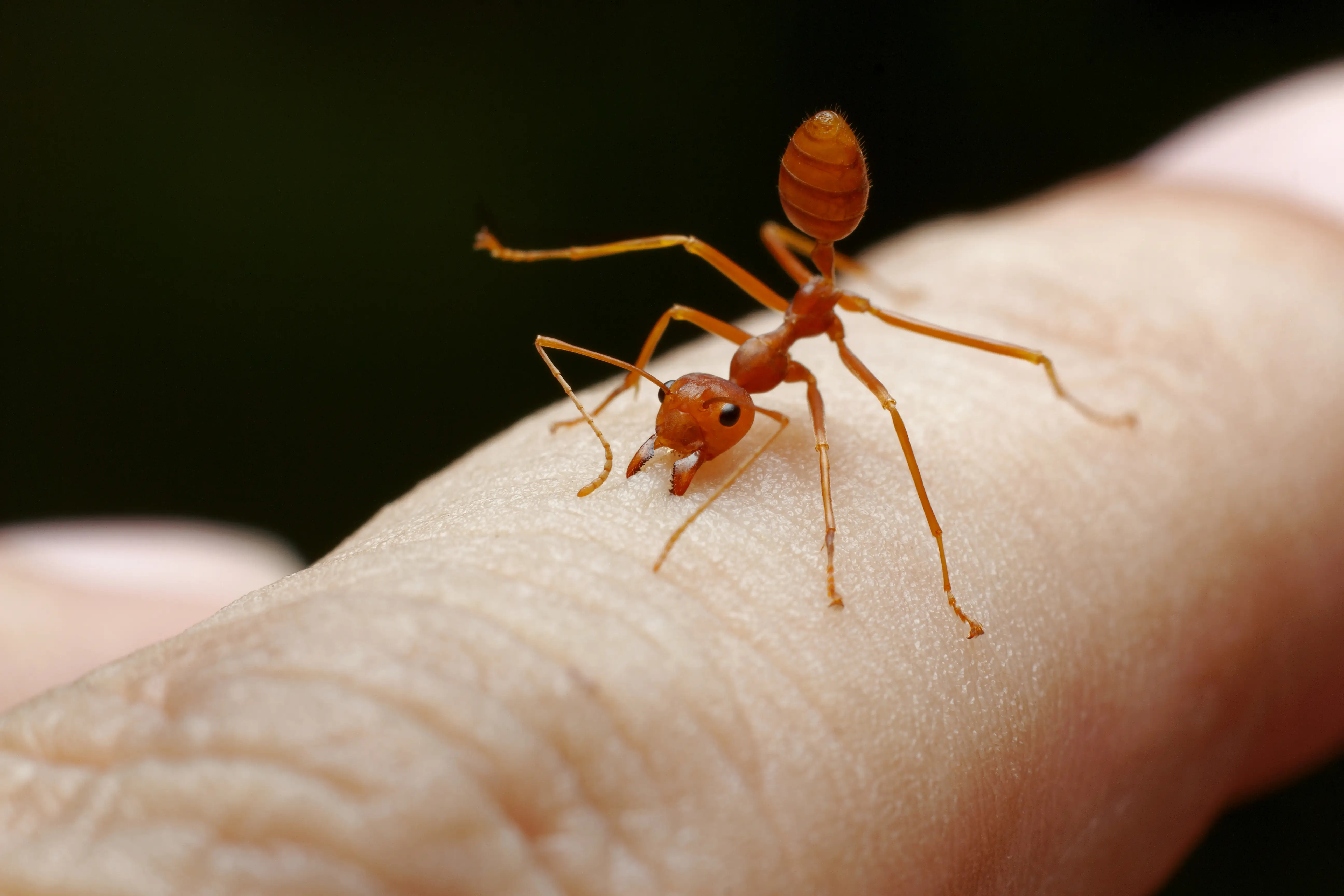
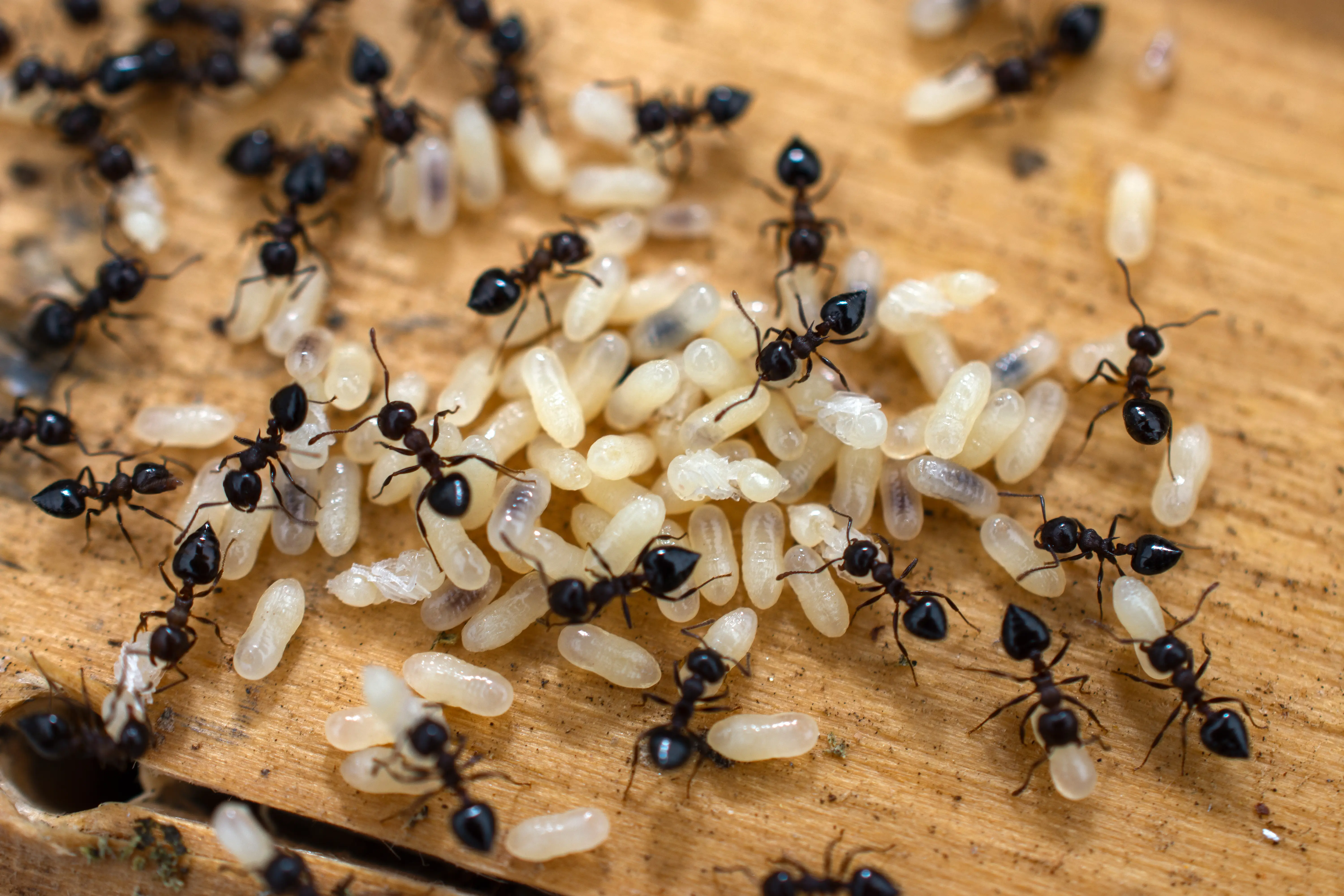
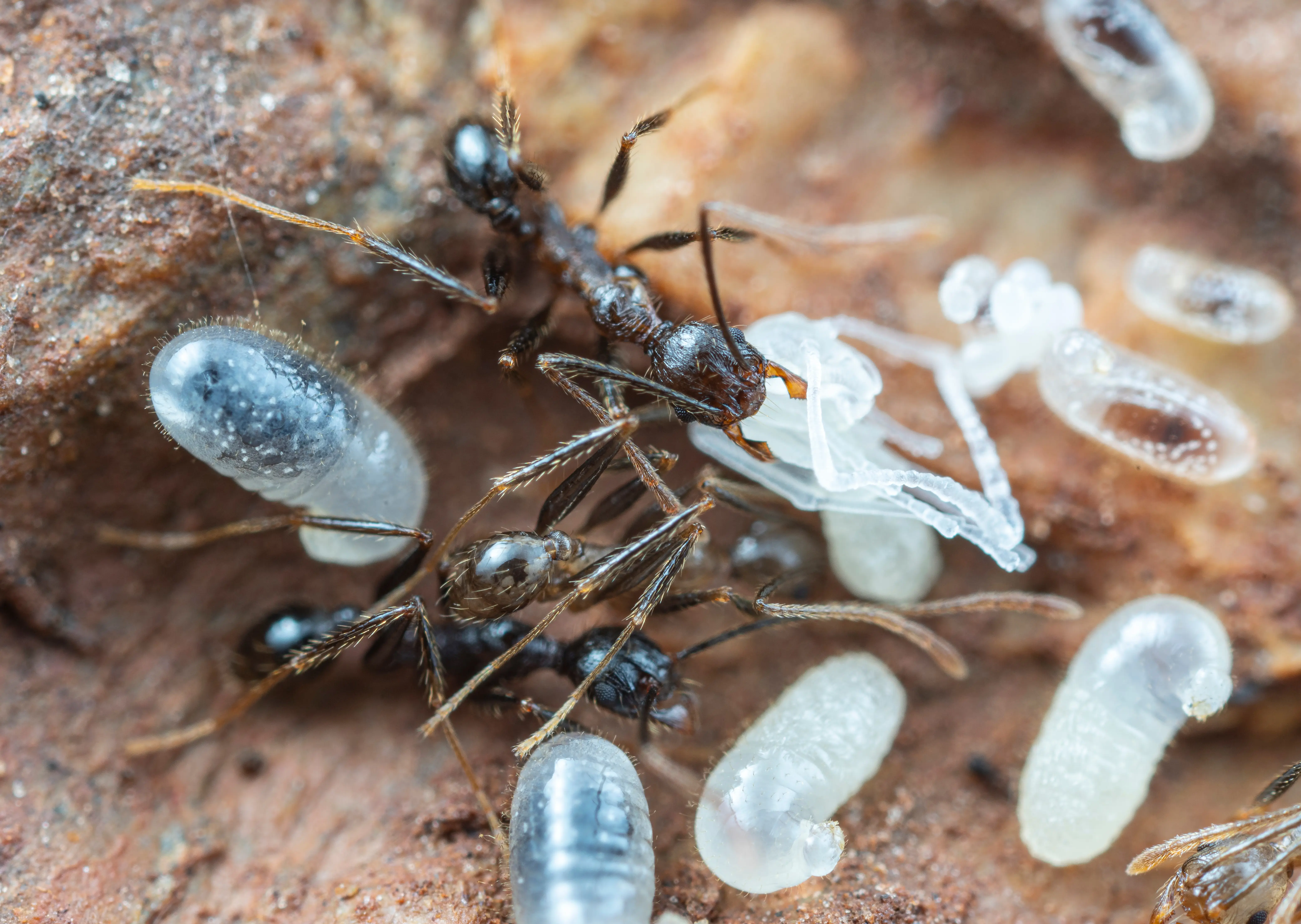
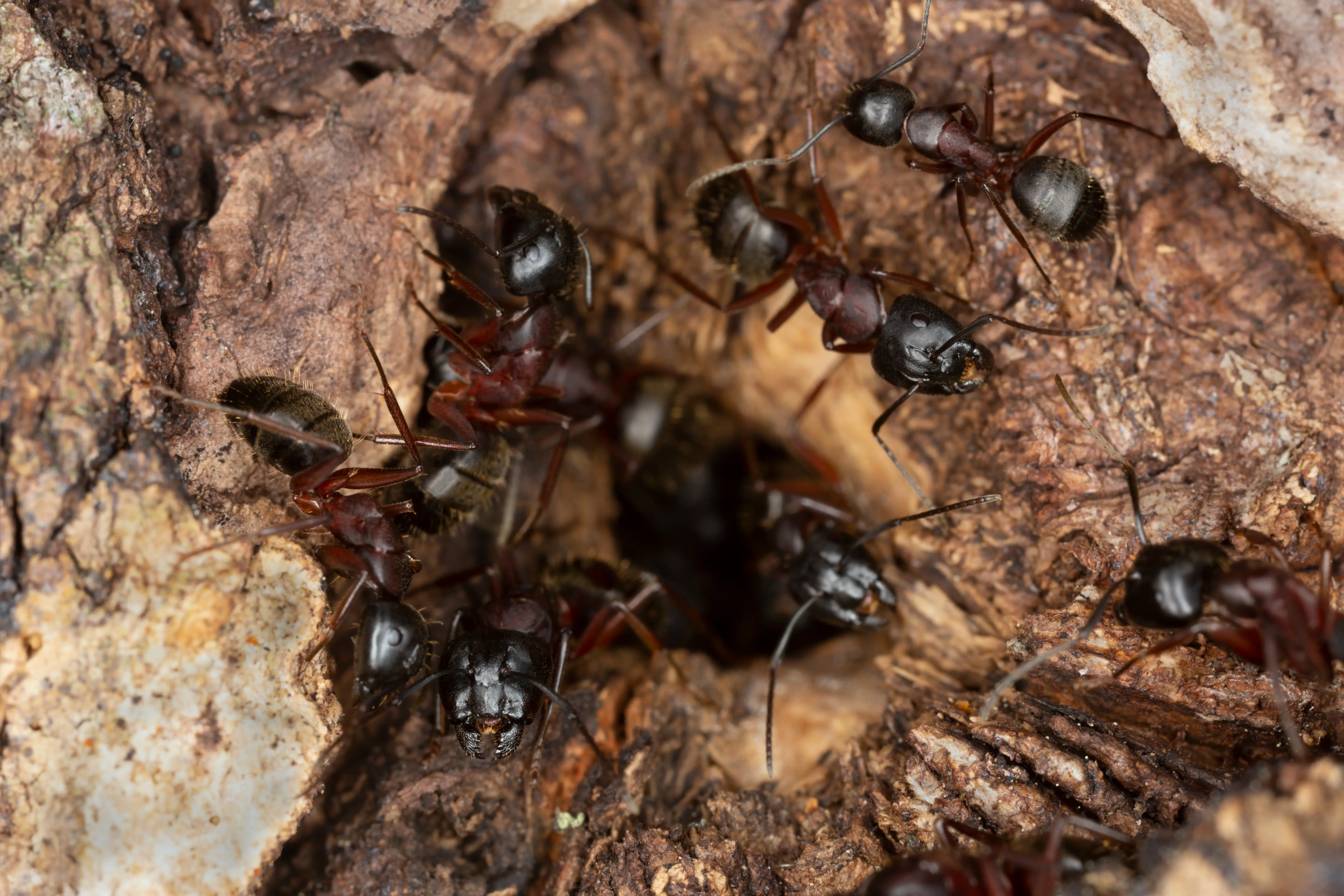
Ant colony habitat showing underground tunnels
By Gary Anderson||8 min read

Where Do Ants Live?

From deep underground colonies to the walls of your home, discover the diverse habitats where ants establish their remarkable colonies.

Ants are among the most successful organisms on Earth, inhabiting virtually every landmass except Antarctica. These remarkable insects live in diverse habitats ranging from deep underground colonies to the walls of our homes, with over 15,000 known species worldwide demonstrating extraordinary adaptability.

Understanding where ants establish their colonies is crucial for both appreciating their ecological importance and effectively managing their presence when they become household pests. Ants have been around for over 100 million years, making them one of the dominant terrestrial invertebrates on the planet.

Habitat Facts

  • Colony depth:
    Up to 25 feet underground
  • Kitchen vulnerability:
    96% of homes affected
  • Entry gap size:
    Just 1/32 inch needed
  • Optimal temp:
    70-95°F for brood
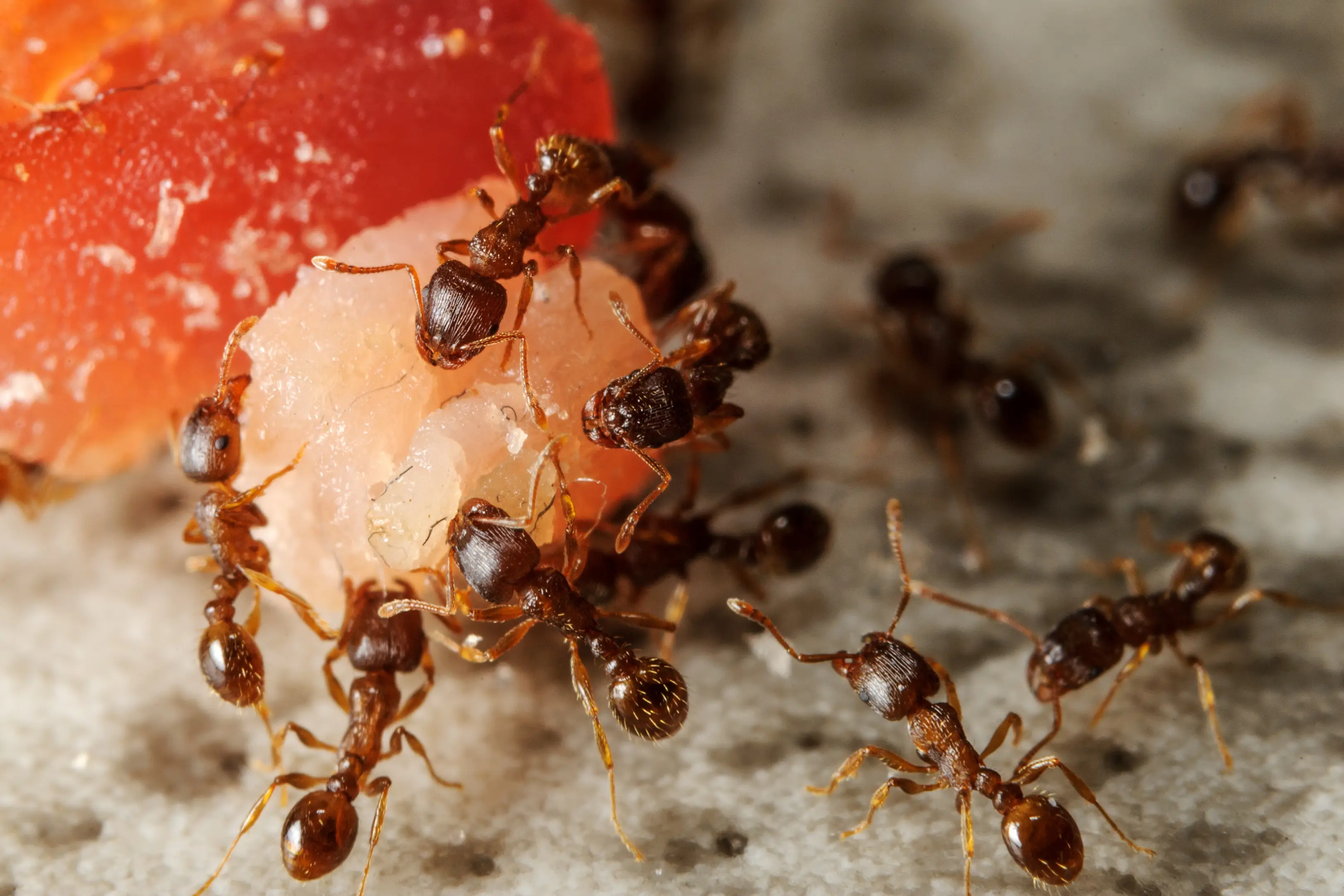
Where Do Ants Live Outside?

Natural Underground Habitats

The majority of ant species construct their primary colonies underground, creating complex networks that can extend several feet below the surface. Some species create galleries reaching depths of 25 feet below the surface. These subterranean cities feature multiple levels of chambers connected by intricate tunnel systems.

Above-Ground Natural Habitats

Tree and Wood Structures

  • Dead logs and stumps (pre-softened wood)
  • Standing dead trees (snags)
  • Fallen branches with moisture
  • Tree hollows from decay or woodpeckers

Vegetation-Based Sites

  • Leaf litter layer (moist, nutrient-rich)
  • Plant root systems
  • Garden mulch areas
  • Dense ground cover

Human-Modified Outdoor Environments

Gardens

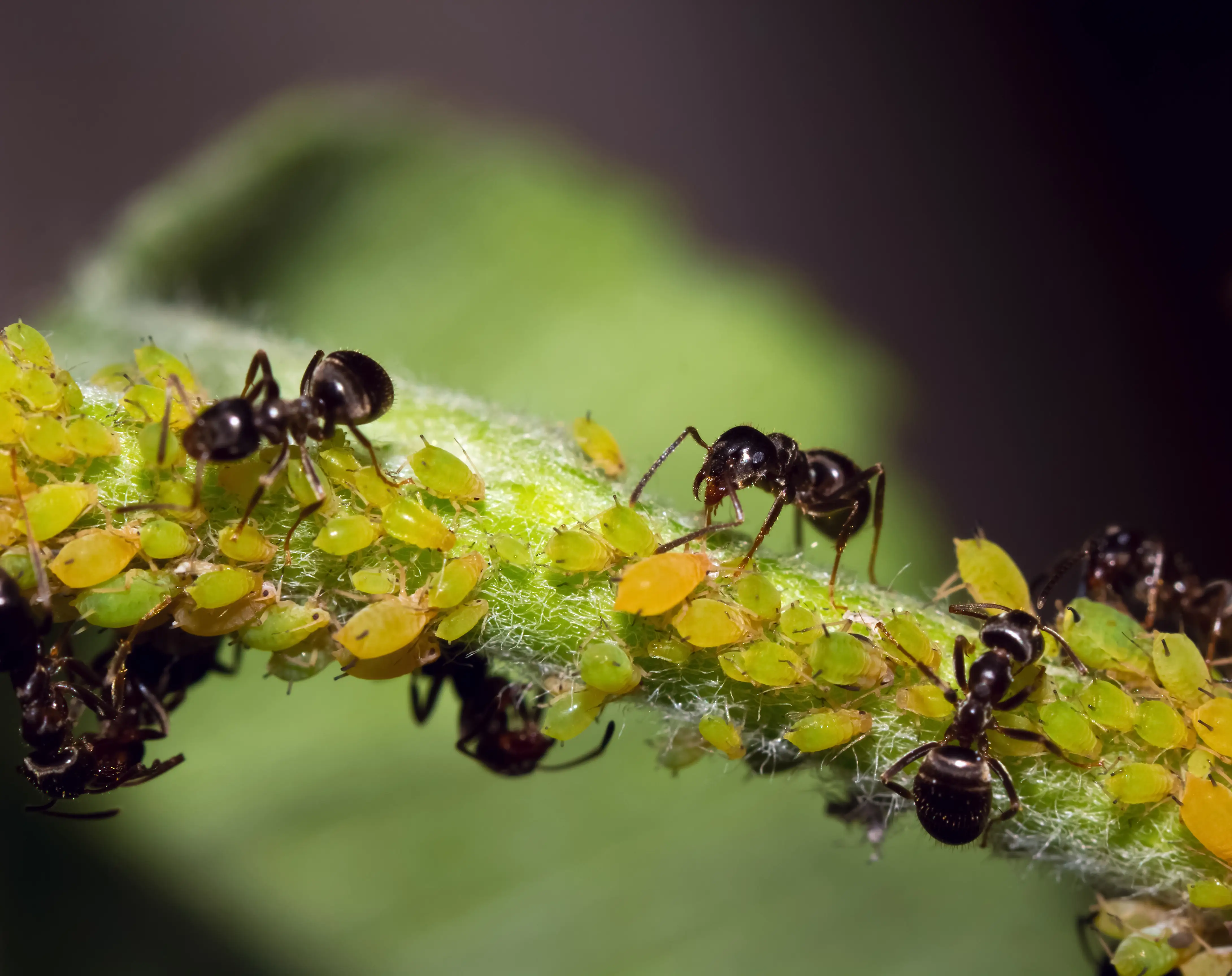
Disturbed soil, irrigation, diverse plants attracting aphids, decomposing organic matter

Landscaping Features

Under patios/walkways, driveway cracks, garden bed edges, irrigation components

Building Perimeters

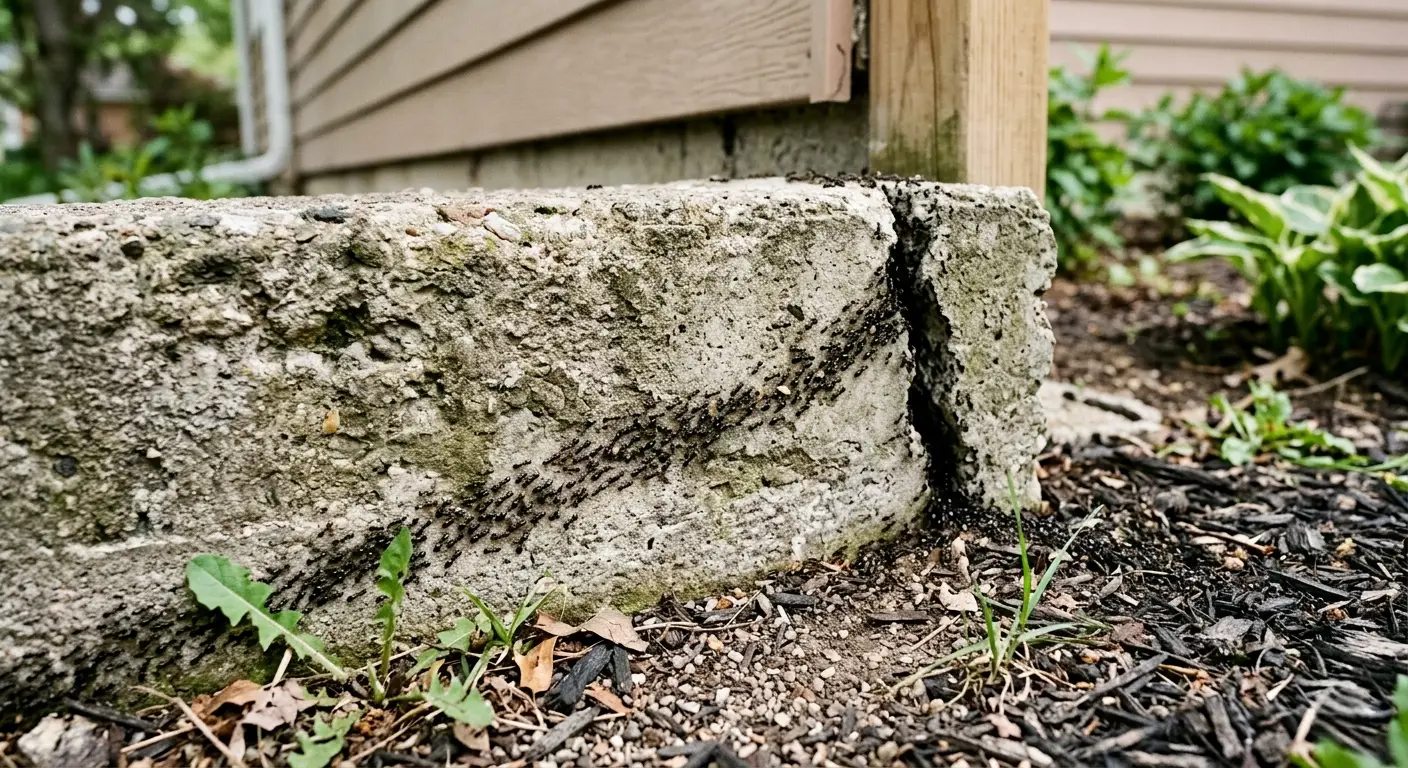
Foundation edges (moisture + thermal mass), sheds, fence posts, retaining walls

Yard Debris

Woodpiles (optimal moisture), compost bins, stored furniture, stacked pots

Environmental Factors Influencing Outdoor Habitats

Temperature Regulation

Most species require 70-95°F for optimal brood development. Ants construct mounds that capture and store solar heat, adjusting mound angles seasonally. During hot weather, some excavate chambers up to 6 feet deep where temperatures remain cool and stable.

Moisture Balance

Ants need humidity for survival but excess water drowns developing brood. This shapes habitat selection through drainage patterns, soil composition (clay vs sand), vegetation cover, and seasonal variations that may require relocation.

Competition

Dominant ant species often monopolize prime nesting sites, forcing subordinate species into marginal habitats. This creates mosaic patterns where different species occupy adjacent but distinct microhabitats just meters apart.

Ants Nesting Near Your Home?

Outdoor colonies near your foundation often become indoor invasions. Get professional prevention and treatment.

Call (866) 326-2847 for Expert Help

Where Do Ants Live in a Home?

When ants invade homes, they exploit specific vulnerabilities in building structures. According to the National Pest Management Association, the battle against indoor ants often begins in two critical rooms.

Kitchen: Ground Zero

96% Vulnerability Rate

  • Behind appliances (crumbs + condensation)
  • Under sinks (plumbing penetrations)
  • Inside lower cabinets
  • Around pet feeding areas

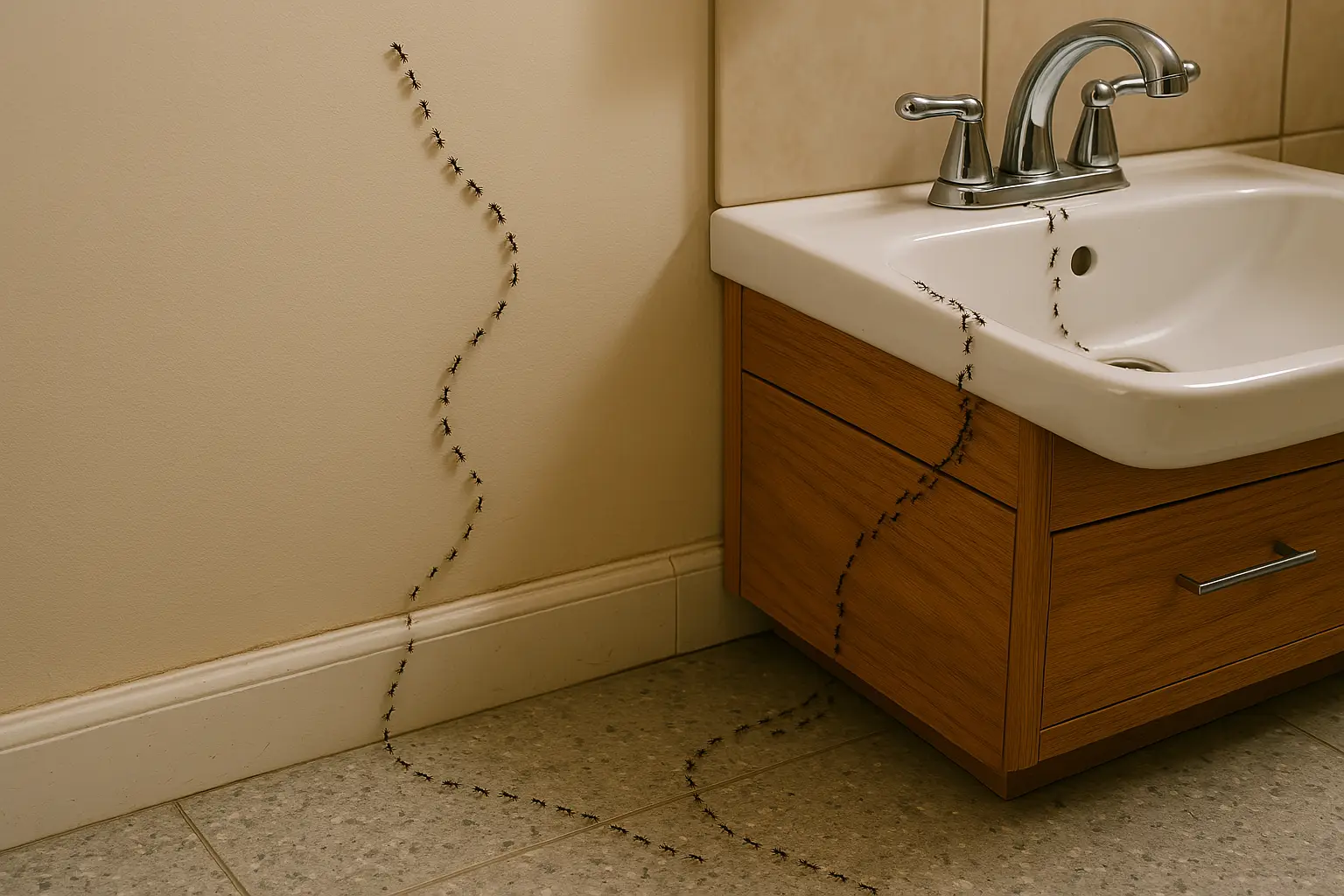
Bathroom: Moisture Magnet

89% Vulnerability Rate

  • Behind toilets (condensation)
  • Under vanities (plumbing entries)
  • Around tub/shower enclosures
  • Water-damaged flooring

Hidden Indoor Nesting Locations

Inside Walls (73% Vulnerability): Wall voids provide everything ants need. Electrical boxes, outlet gaps, insulation materials, and plumbing runs create protected highways between rooms.
Floor and Foundation Networks: Crawl spaces combine earth contact with structural wood. Subflooring damaged by moisture becomes easy to excavate. Slab-wall interfaces develop cracks.
Appliances and HVAC (37% Vulnerability): Large appliances generate waste heat. Refrigerator compressor compartments, condensation pans, and HVAC ductwork harbor colonies.

How Ants Breach Your Defenses

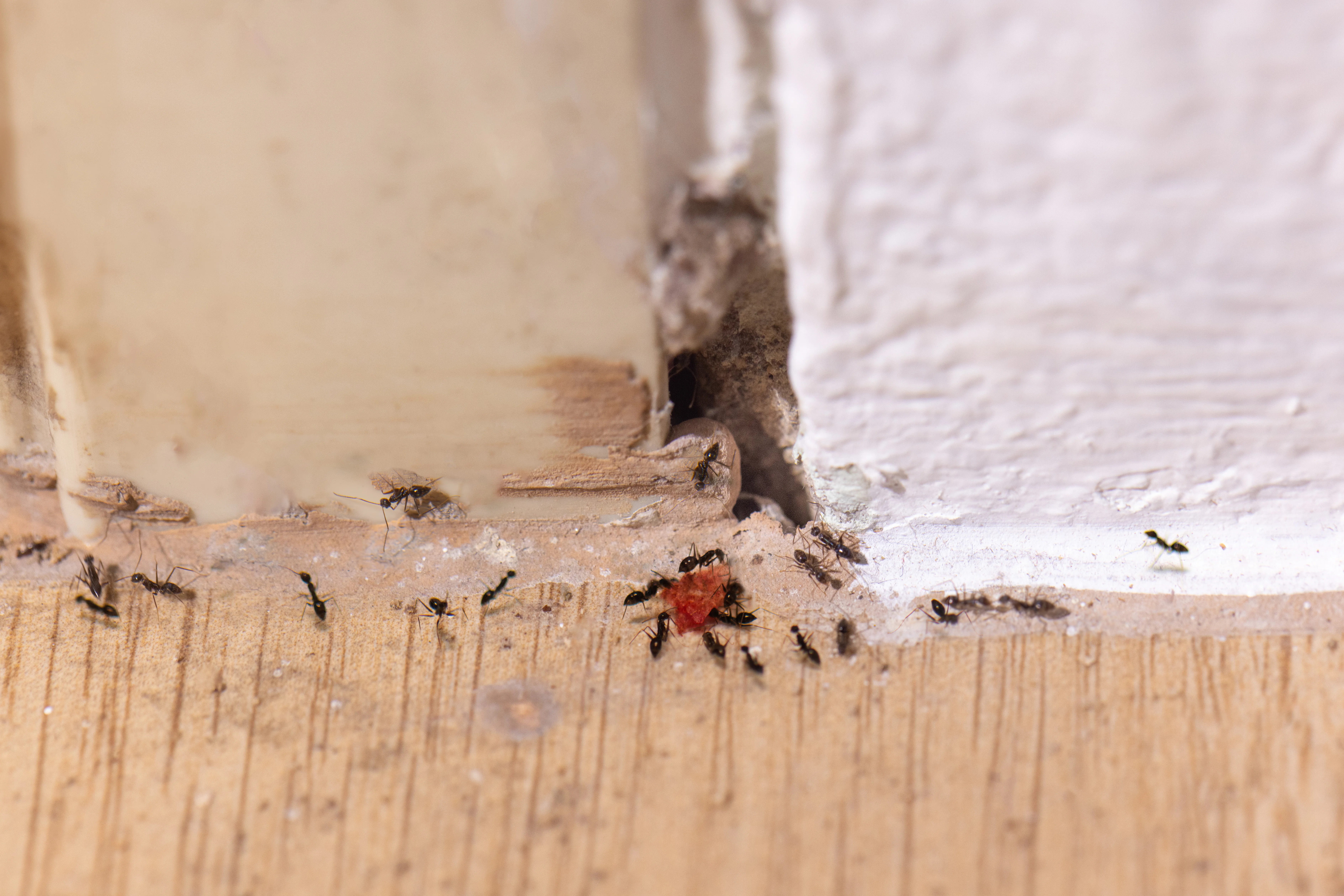
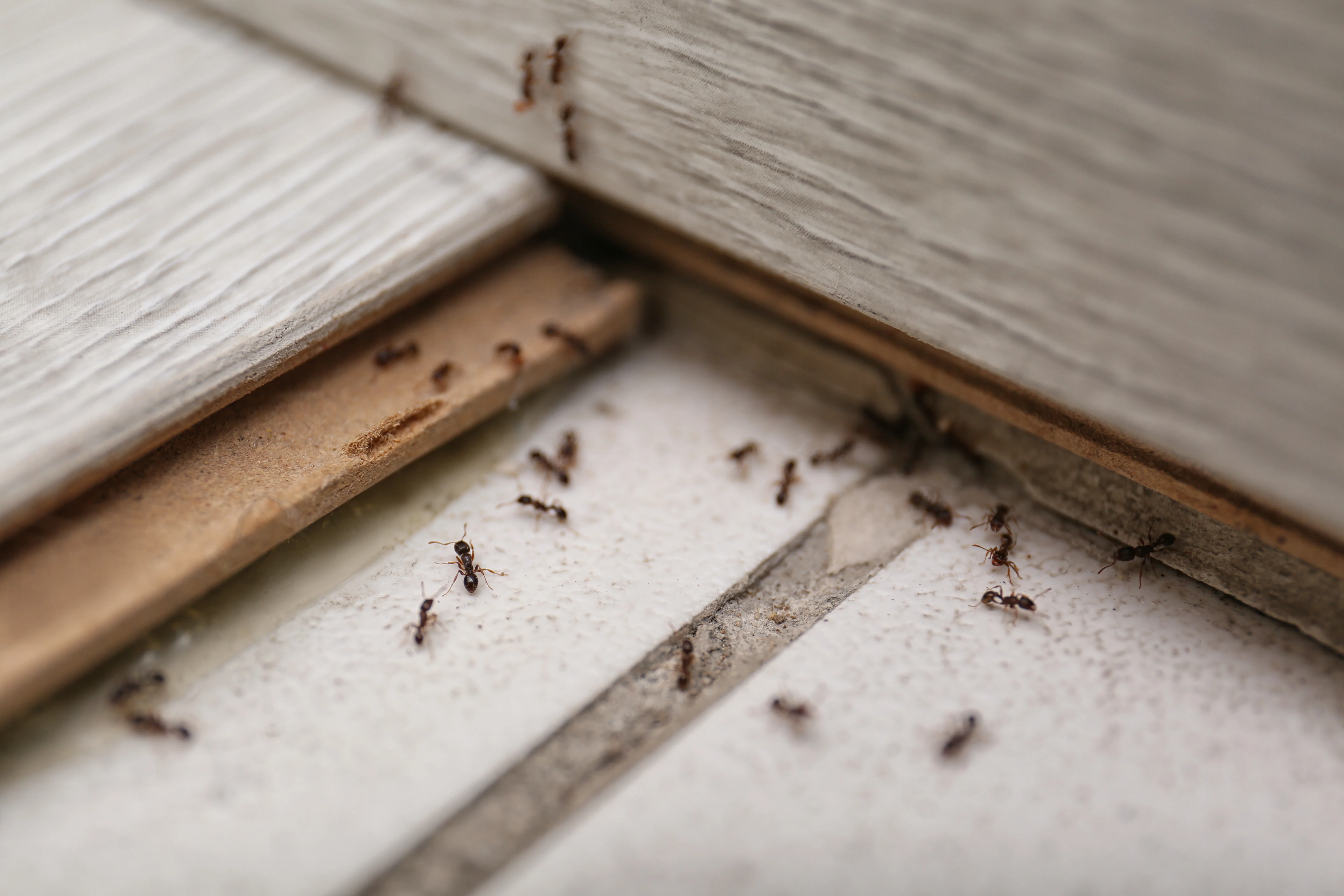
Ants exploit surprisingly small gaps to enter homes. Foundation cracks as narrow as 1/32 of an inch — thinner than a credit card — provide sufficient space for worker ants. These entry points develop through natural settling, deteriorating mortar, thermal expansion/contraction, and utility penetrations.

The Invasion Timeline

1

Scouts Explore

Less than 10% of colony, covering up to 100 feet from nest

2

Trail Laid

Chemical pheromone trails back to colony

3

Workers Follow

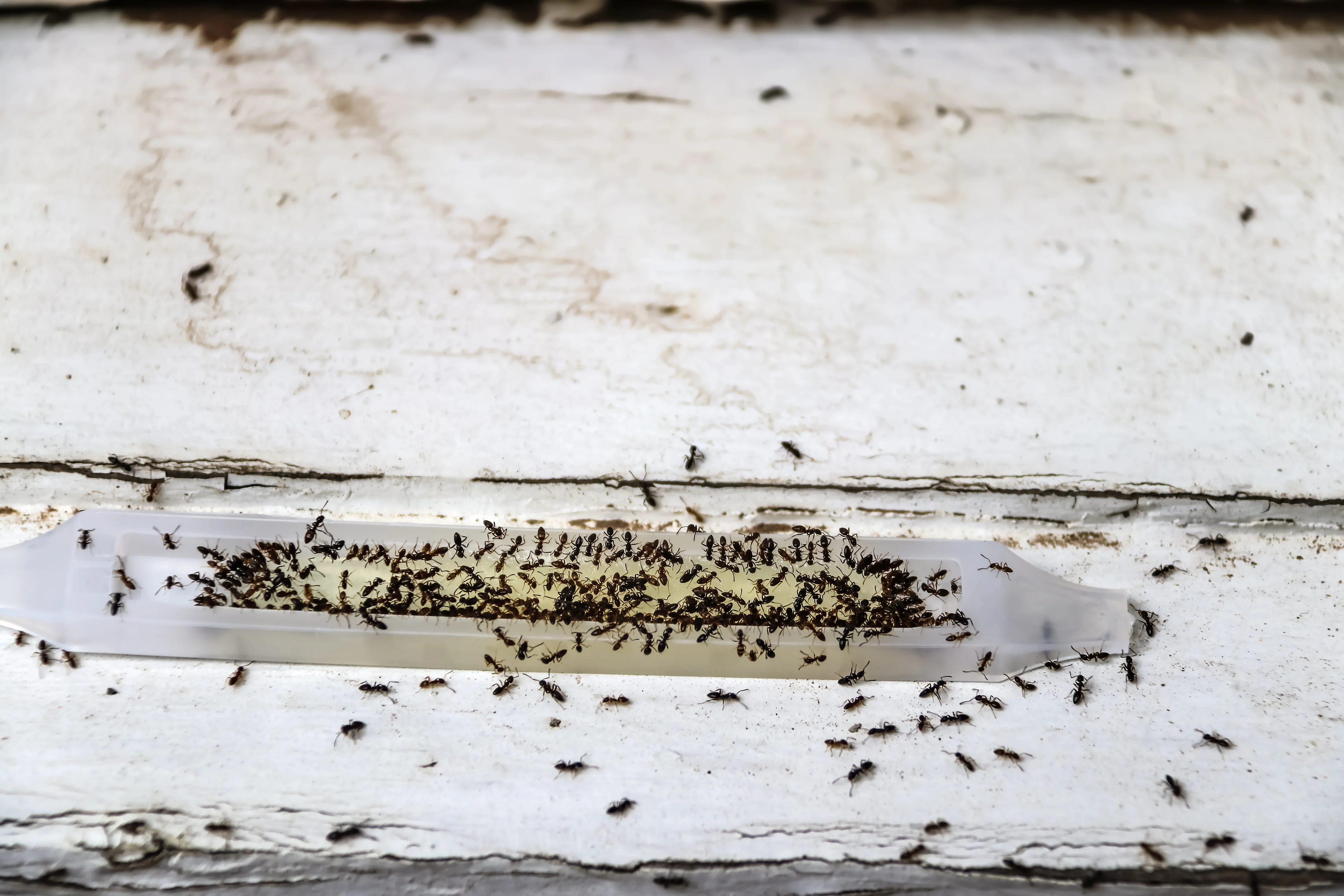
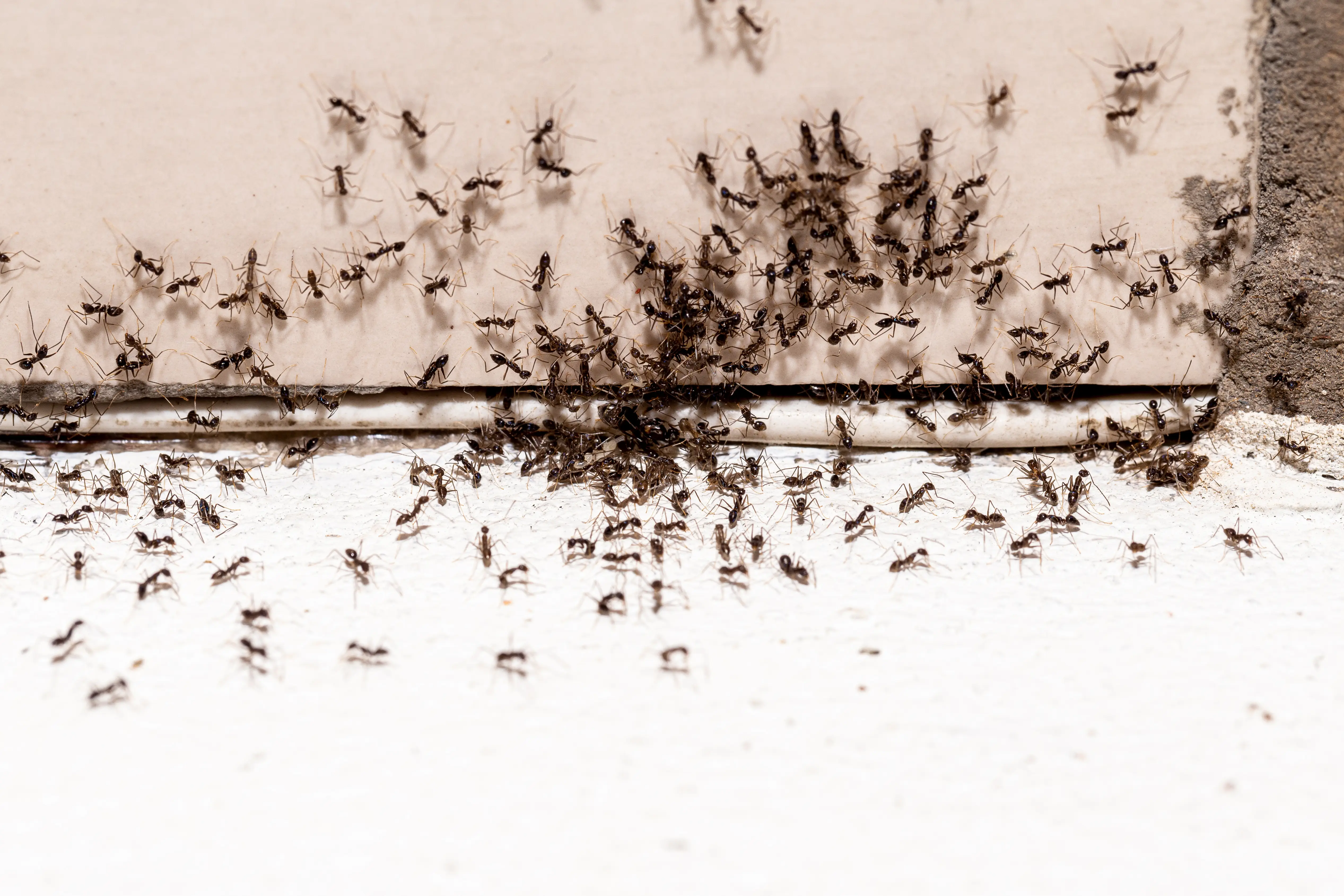
Visible trails form within hours

4

Satellite Colony

Indoor nest established if conditions favorable

Seasonal Invasion Patterns

Spring: Hungry colonies seek protein for developing larvae. Summer/Fall: Focus shifts to carbohydrate sources for energy. Understanding these patterns helps anticipate and prevent problems.

Species-Specific Indoor Preferences

Carpenter Ants

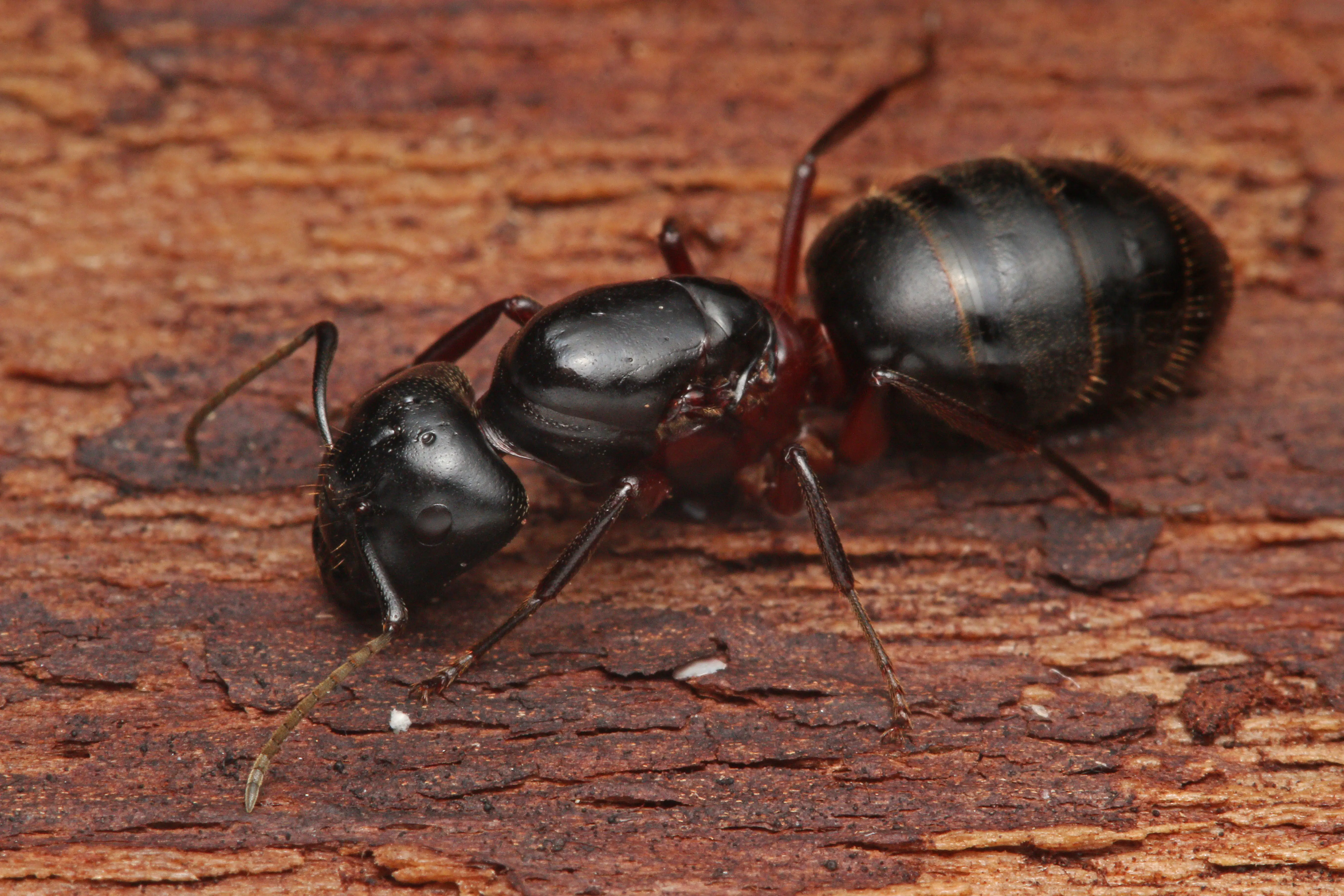
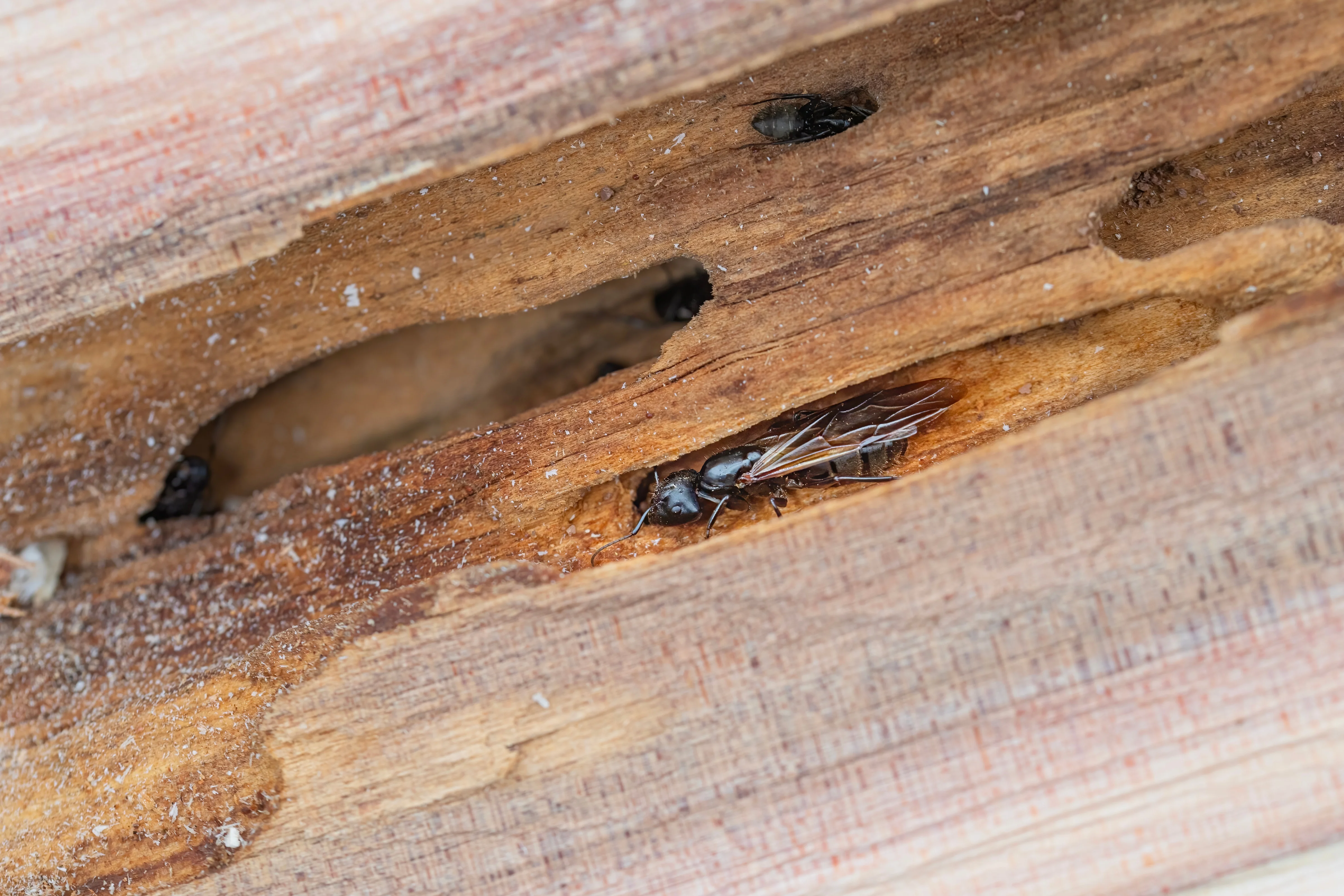
Seek moisture-damaged timber where fungal decay has softened wood. Don't eat wood — excavate galleries for nesting.

Prefer: Roof leaks, plumbing failures, window/door frames, structural timbers near masonry

Pharaoh Ants

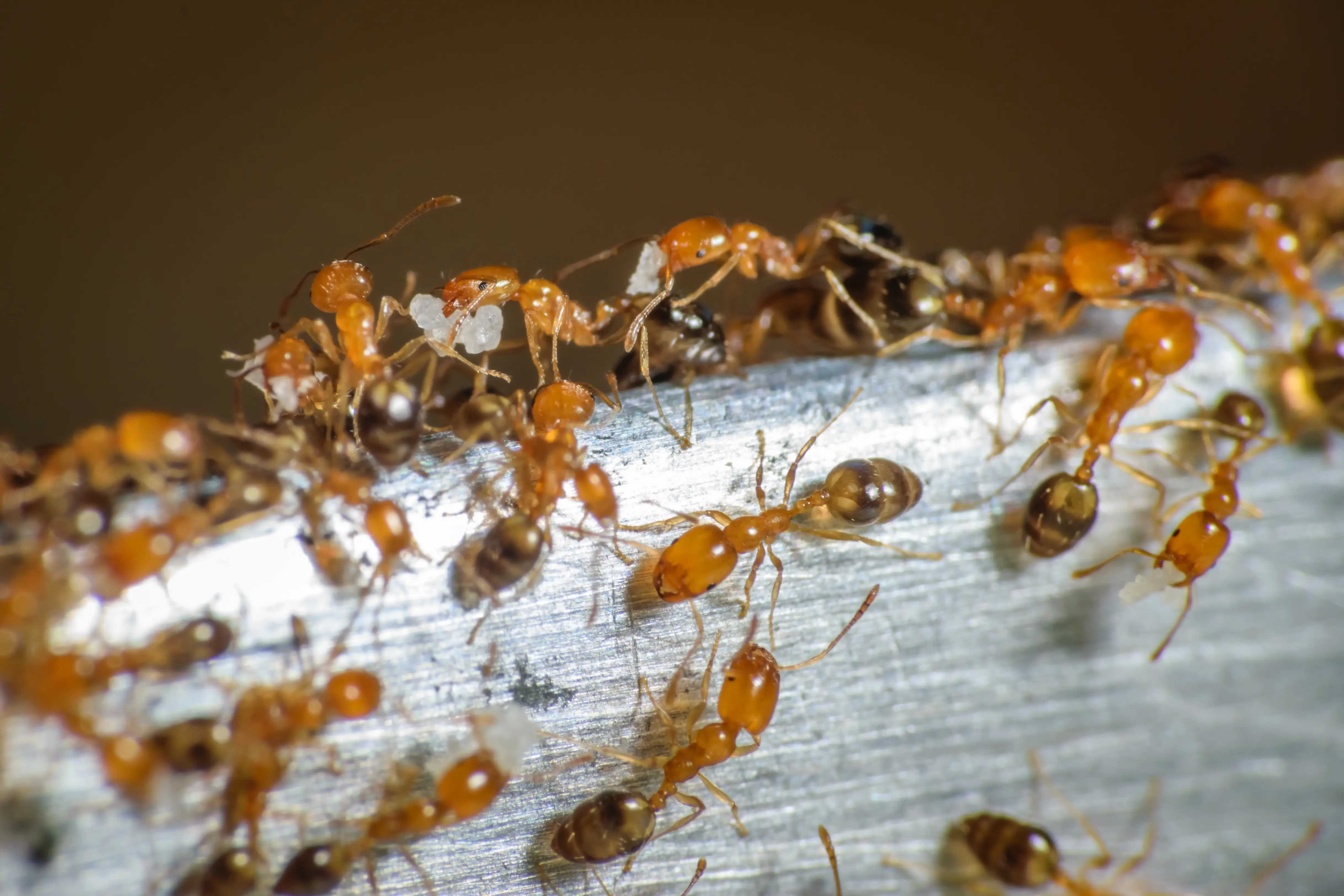
Most adapted to indoor living. Require narrow temperature range of 80-86°F. Thrive in hospitals, restaurants, apartments.

Prefer: False ceilings, electronic equipment, hot water pipes, heating systems

Pavement Ants

Enter through slab foundations, following cracks upward into wall voids. Despite outdoor name, readily colonize indoors.

Prefer: Ground-level wall voids, insulation, beneath fixtures, floor/wall junctions

Sugar/Odorous House Ants

Create networks of small nests connected by scent trails rather than large central colonies. Survive on microscopic food particles.

Prefer: Kitchen corners/baseboards, cabinet frames, under appliances, countertop/wall gaps

Indoor Environmental Factors

The success of indoor ant colonies depends on three critical environmental factors:

Moisture (Most Critical)

Even minor plumbing leaks create conditions supporting ant colonies for years. That occasional drip under the sink can sustain thousands of ants.

Sources: Plumbing failures, condensation, roof leaks, foundation cracks, failed seals

Food Resources

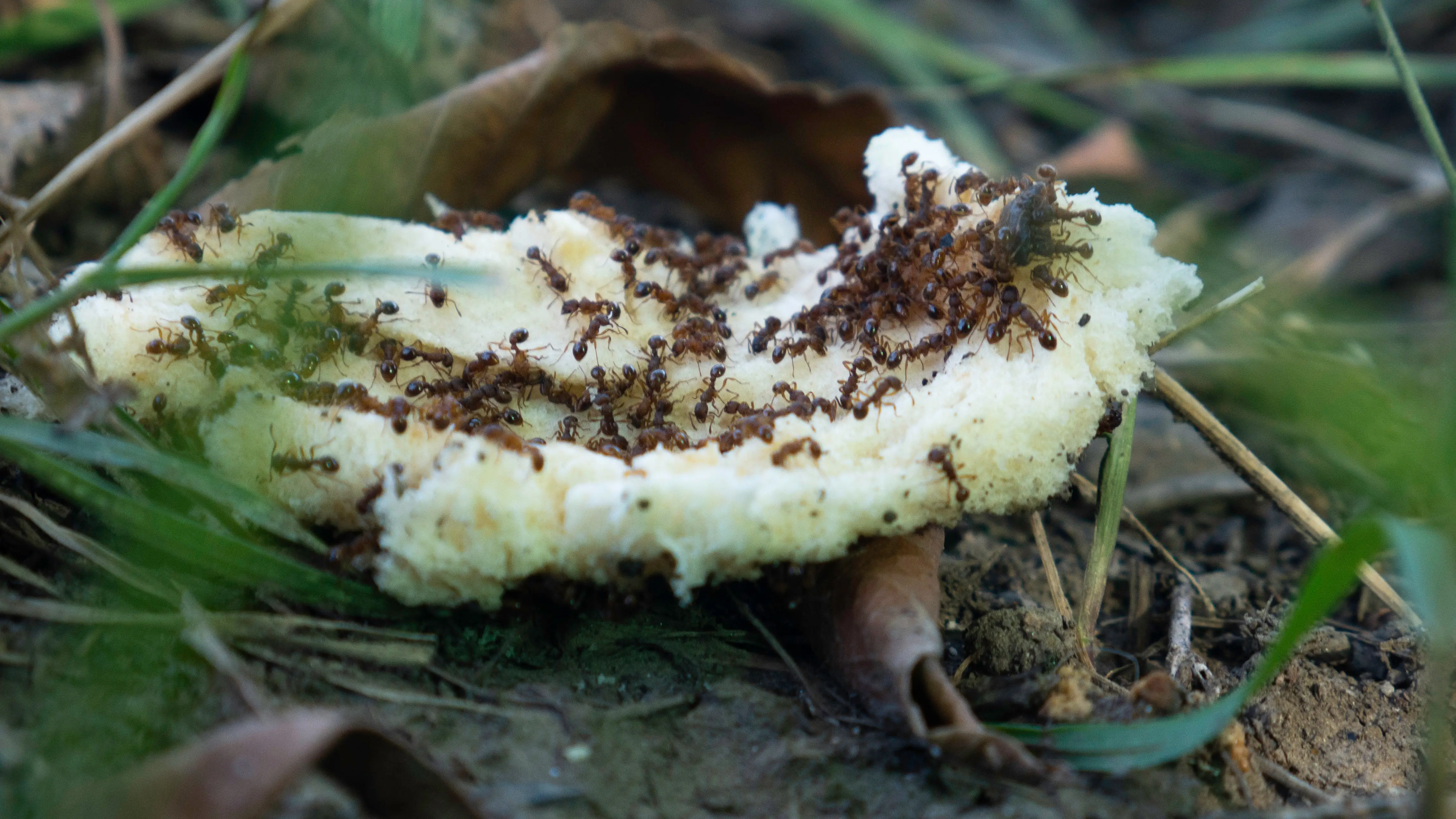
A single dropped cookie crumb contains enough calories to feed several worker ants for days. Even "clean" surfaces may harbor invisible residues.

Sources: Grease spatters, sugar residue, protein deposits around pet areas

Temperature Zones

Ants follow warm air currents through wall cavities, use temperature gradients to navigate, and establish colonies where temps remain stable year-round.

Hotspots: Water heaters, furnaces, appliances, thermal bridges, south-facing walls

Signs of Ant Habitation and Colony Detection

Ant Trails

  • Worker size variation: Multiple sizes = mature colony
  • Trail width: Broader = larger colony or major food source
  • Route patterns: Following edges reveals navigation

Nest Entrances

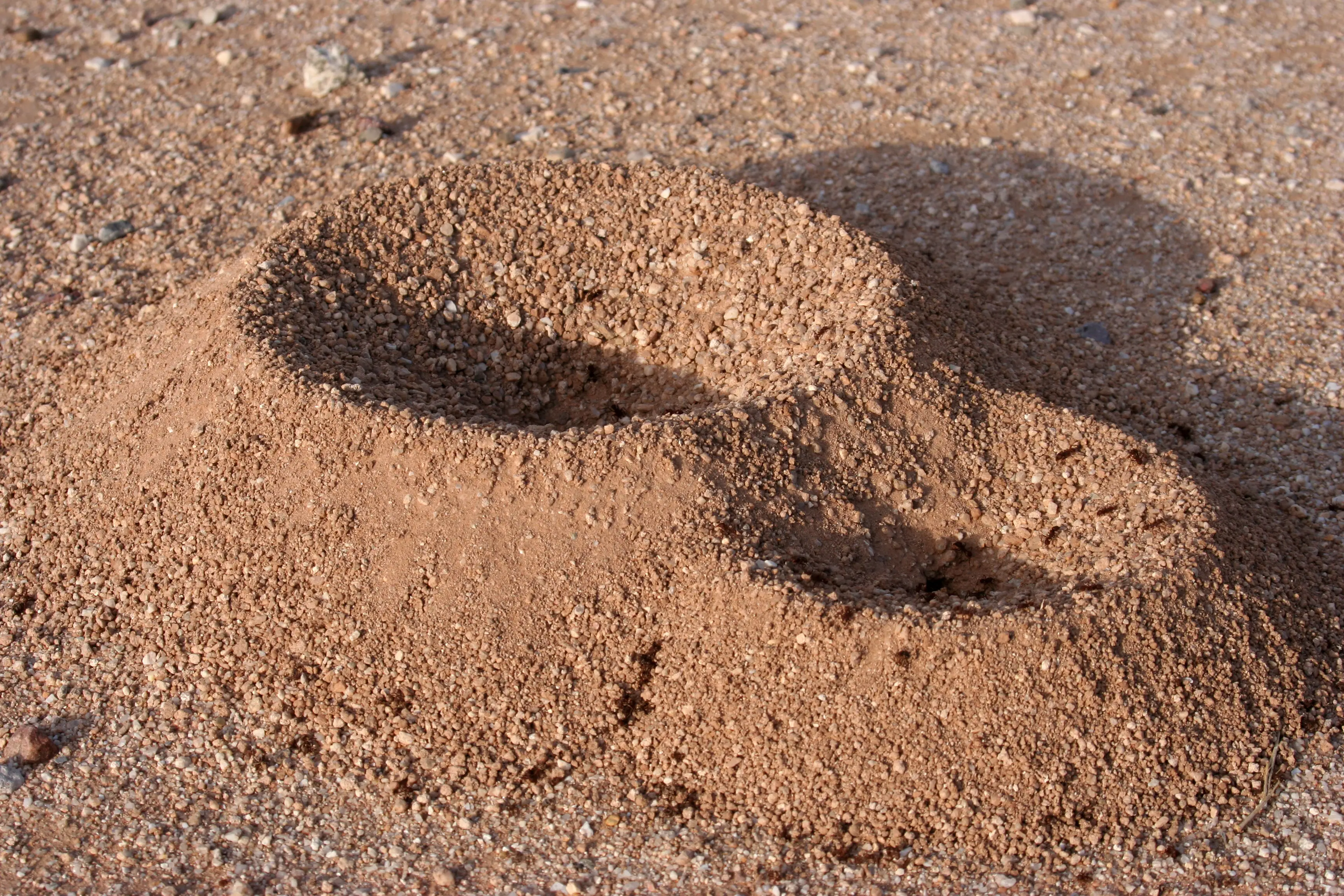
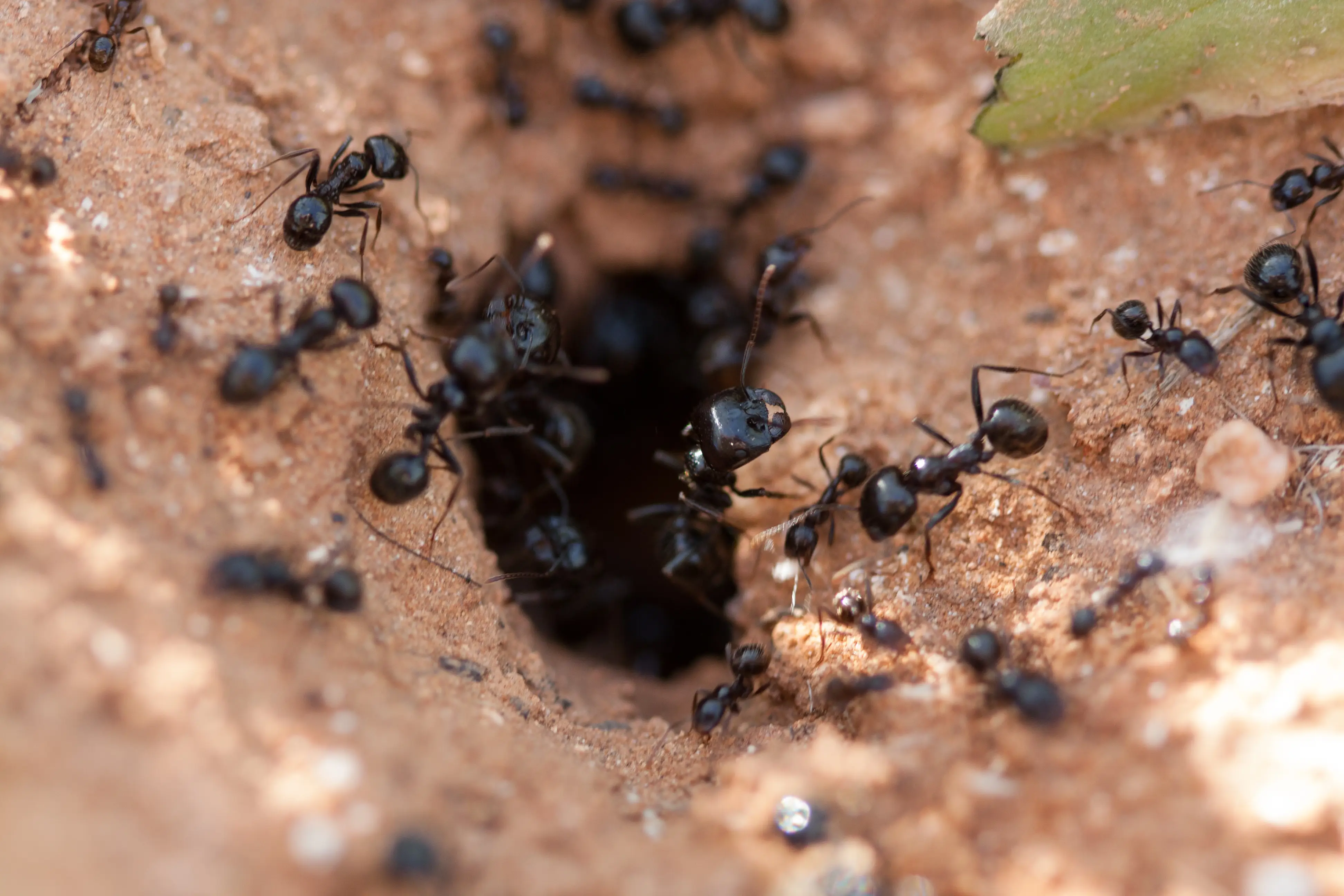
  • Outdoor: Small holes with excavated material (cones or flat fans)
  • Indoor: Tiny gaps along baseboards with fine debris
  • Fresh excavation: After rain indicates active expansion

Wood Damage

  • Galleries appear smooth and polished ("sandpapered")
  • Follow wood grain patterns
  • No mud or soil (unlike termites)
  • Neat connection holes between chambers

Ground Disturbances

  • Fresh mounds after rain = active excavation
  • Sunken lawn areas = extensive tunneling
  • Brown grass patches = root disturbance
  • Soil particles on pavement near cracks

Prevention and Habitat Modification Strategies

Create Defensive Barriers

  • 12-24 inch inorganic barrier zone around foundation
  • 3/4-inch decorative rock that drains quickly
  • Landscape fabric beneath materials
  • Remove accumulated leaves and debris

Moisture Management

  • Proper grading/drainage away from structure
  • Extended downspouts (6+ feet)
  • Convert spray irrigation to drip
  • Fix leaks immediately

Seal Your Home

  • Seal cracks wider than 1/32 inch with silicone caulk
  • Fill larger gaps with steel wool first
  • Install door sweeps on all exterior doors
  • Seal utility penetrations with expanding foam

Sanitation Protocols

  • Daily deep cleaning with degreasing cleaners
  • Pull out appliances monthly to clean
  • Transfer opened packages to airtight containers
  • Empty trash nightly, rinse recyclables

Environmental Control

Humidity Reduction: Maintain indoor humidity below 50%, ventilate bathrooms/kitchens with exhaust fans, repair leaks within 24 hours, install vapor barriers in crawl spaces
Temperature Management: Eliminate warm microenvironments, insulate pipes to prevent condensation, maintain consistent temperatures to reduce moisture on windows

Contact EcoGuard Pest Management

If you're experiencing ant problems in or around your home, professional intervention may be necessary. EcoGuard specializes in comprehensive ant identification and treatment strategies tailored to your specific situation. Our trained technicians understand the diverse habitats where ants live and can identify the species-specific factors contributing to your infestation.

Call (866) 326-2847Get Free Quote

Ant Habitat FAQs

Where do ants mostly live?

Ants predominantly live in underground colonies, creating complex tunnel systems and chambers in soil that can extend several feet below the surface. However, many species also establish nests in above-ground locations such as rotting logs, tree cavities, wall voids in buildings, and even within specialized plant structures, adapting their habitat choices to available resources and environmental conditions.

Where do ants nest?

Ants nest in diverse locations ranging from traditional underground burrows and mounds to unexpected places like inside walls, under pavement, within decaying wood, and among roof tiles. The specific nesting site depends on the ant species, with some preferring moist environments near water sources while others seek dry, protected spaces in human structures or natural materials like leaf litter and plant stems.

What habitat do ants prefer?

Most ant species prefer habitats that provide optimal temperature regulation (typically between 70-95°F), adequate moisture without flooding, protection from predators and weather extremes, and proximity to reliable food sources. These preferences lead ants to select nest sites in soil with good drainage, areas with partial shade, locations near plant roots or under stones, and increasingly, within the climate-controlled environments of human buildings where conditions remain stable year-round.

From Our Blog

Related Articles

14 Natural Ant Repellent Strategies That Actually Work

14 Natural Ant Repellent Strategies That Actually Work

Discover effective natural ant repellents including mint, vinegar, cinnamon, and more. Learn how to keep ants out of...

Read Article
16 Common Types of Ants in California | Identification & Treatment

16 Common Types of Ants in California | Identification & Treatment

Identify 16 common ant species in California including carpenter ants, fire ants, and Argentine ants. Learn their...

Read Article
Are Fire Ants Dangerous? Understanding Fire Ant Risks & Safety

Are Fire Ants Dangerous? Understanding Fire Ant Risks & Safety

Learn about fire ant dangers including painful stings, allergic reactions, and property damage. Comprehensive guide on...

Read Article
Argentine Ants: Complete Identification, Control & Prevention Guide

Argentine Ants: Complete Identification, Control & Prevention Guide

Learn to identify Argentine ants, understand their supercolony behavior, and discover effective control strategies....

Read Article
Common Signs of Carpenter Ant Damage

Common Signs of Carpenter Ant Damage

Learn to identify carpenter ant damage signs including frass, holes, tunnels, and how to distinguish carpenter ant...

Read Article
Do Ants Bite? Symptoms, Treatment & Prevention

Do Ants Bite? Symptoms, Treatment & Prevention

Learn about ant bites vs stings, which ants bite, symptoms, allergic reactions, treatment options, and how to prevent...

Read Article
Do Ants Eat Aphids? The Ant-Aphid Relationship Explained

Do Ants Eat Aphids? The Ant-Aphid Relationship Explained

Learn about the fascinating relationship between ants and aphids, how ants farm aphids for honeydew, problems aphids...

Read Article
Do Ants Ever Sleep? Ant Sleep Patterns Explained

Do Ants Ever Sleep? Ant Sleep Patterns Explained

Discover the fascinating sleep patterns of ants, how worker ants take 250 power naps daily, queen ant sleep habits, and...

Read Article
Do Carpenter Ants Eat Wood? Understanding Carpenter Ant Damage

Do Carpenter Ants Eat Wood? Understanding Carpenter Ant Damage

Learn the truth about carpenter ants and wood. Unlike termites, carpenter ants don\

Read Article
How Do Ant Baits and Traps Work? Complete Guide to Ant Bait Systems

How Do Ant Baits and Traps Work? Complete Guide to Ant Bait Systems

Learn how ant baits and traps work to eliminate entire colonies. Discover bait types, active ingredients, placement...

Read Article
How Do Ants Communicate With Each Other? Complete Guide to Ant Communication

How Do Ants Communicate With Each Other? Complete Guide to Ant Communication

Learn how ants communicate using pheromones, touch, sound, and body language. Discover why ant communication is key to...

Read Article
How Do Ants Get in the House? Complete Entry Point Guide

How Do Ants Get in the House? Complete Entry Point Guide

Learn how ants get into your house through foundation cracks, windows, utility lines, and more. Discover entry points,...

Read Article
How Do Ants Get Into Your House? Entry Points & Prevention

How Do Ants Get Into Your House? Entry Points & Prevention

Learn how ants enter your home through cracks, gaps, and openings. Discover where ants hide, what attracts them, and...

Read Article
How Do Ants Mate and Reproduce? Ant Reproduction Explained

How Do Ants Mate and Reproduce? Ant Reproduction Explained

Learn how ants mate during nuptial flights, how queen ants reproduce, the role of drones, and unique reproductive...

Read Article
How Many Ants Are in a Colony? Complete Guide to Ant Colony Size

How Many Ants Are in a Colony? Complete Guide to Ant Colony Size

Learn how many ants live in a colony, from small carpenter ant nests to Argentine ant supercolonies with billions....

Read Article
How to Get Rid of Ants Inside and Outside Your Home

How to Get Rid of Ants Inside and Outside Your Home

Learn how to get rid of ants inside your home, repel them before they enter, and eliminate outdoor colonies. Complete...

Read Article
How to Get Rid of Carpenter Ants in the House

How to Get Rid of Carpenter Ants in the House

Learn how to identify, eliminate, and prevent carpenter ants. Comprehensive guide to indoor and outdoor treatments,...

Read Article
Understanding Ant Colony Structure and Hierarchy

Understanding Ant Colony Structure and Hierarchy

Learn about ant colony structure, hierarchy, and how ants work together. Discover the roles of queens, workers, drones,...

Read Article
What Are Ants? Complete Guide to Ant Biology, Behavior & Control

What Are Ants? Complete Guide to Ant Biology, Behavior & Control

Learn everything about ants including appearance, colony hierarchy, life cycle, diet, defenses, and how to get rid of...

Read Article
What Are Red Ants? Fire Ant Identification & Control

What Are Red Ants? Fire Ant Identification & Control

Learn about red ants and fire ants, how to identify them, their behavior, dangers of their stings, and effective...

Read Article
What Attracts Ants Inside the House? Prevention Tips

What Attracts Ants Inside the House? Prevention Tips

Learn what attracts ants to your home including food, water, and shelter. Discover prevention tips and how to get rid...

Read Article
What Do Ants Eat and Drink in Your House?

What Do Ants Eat and Drink in Your House?

Learn what ants eat including sugars, proteins, seeds, fungus, and other insects. Discover how different ant species...

Read Article
What Happens When the Queen Ant Dies?

What Happens When the Queen Ant Dies?

Learn what happens when a queen ant dies, how to identify a queen, the ant queen life cycle, and how to effectively...

Read Article
What's the Lifespan of an Ant? Guide to Ant's Life Cycle

What's the Lifespan of an Ant? Guide to Ant's Life Cycle

Learn how long ants live based on species, caste, and gender. Discover the ant life cycle from egg to adult and factors...

Read Article
When is Ant Season? Complete Guide to Ant Activity Patterns

When is Ant Season? Complete Guide to Ant Activity Patterns

Learn when ant season occurs in your region, peak activity times by species, and seasonal prevention strategies....

Read Article
Where Do Ants Go in the Winter? Complete Winter Behavior Guide

Where Do Ants Go in the Winter? Complete Winter Behavior Guide

Discover where ants go in winter, how they survive freezing temperatures through diapause, and why they may invade your...

Read Article
Why Are Flying Ants a Problem? Identification and Prevention

Why Are Flying Ants a Problem? Identification and Prevention

Learn why flying ants appear, how to identify them vs termites, which species swarm, and how to prevent and eliminate...

Read Article
Why Are There Ants in My Bathroom? Causes & Solutions

Why Are There Ants in My Bathroom? Causes & Solutions

Discover why ants invade bathrooms and learn effective solutions. Understanding moisture, food sources, and shelter...

Read Article