EcoGuard Pest Management
How ants get into houses through entry points and cracks
By Gary Anderson||12 min read

How Do Ants Get in the House? Complete Entry Point Guide

Discover how ants find and exploit entry points to invade your home, and learn effective strategies to seal them out for good.

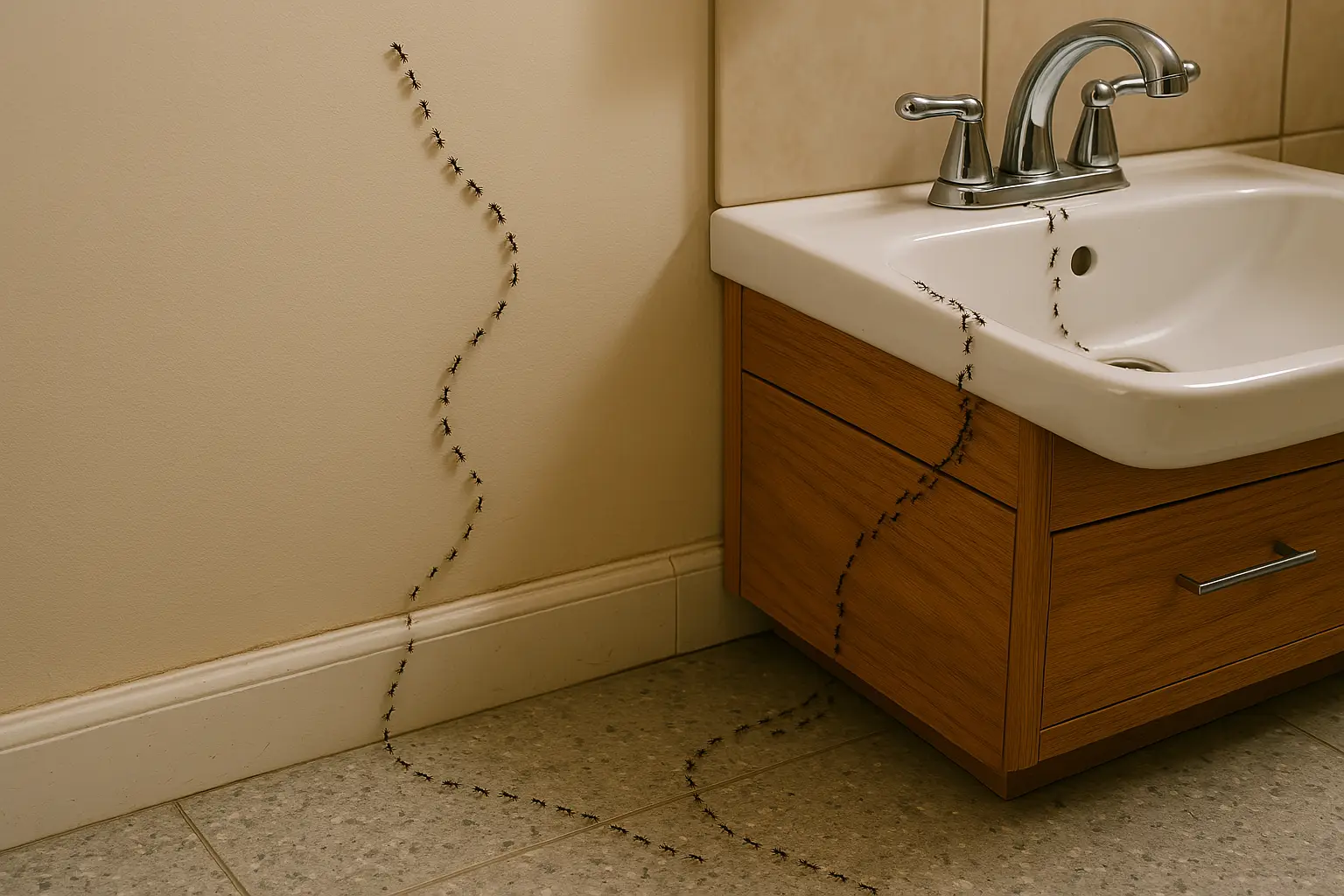
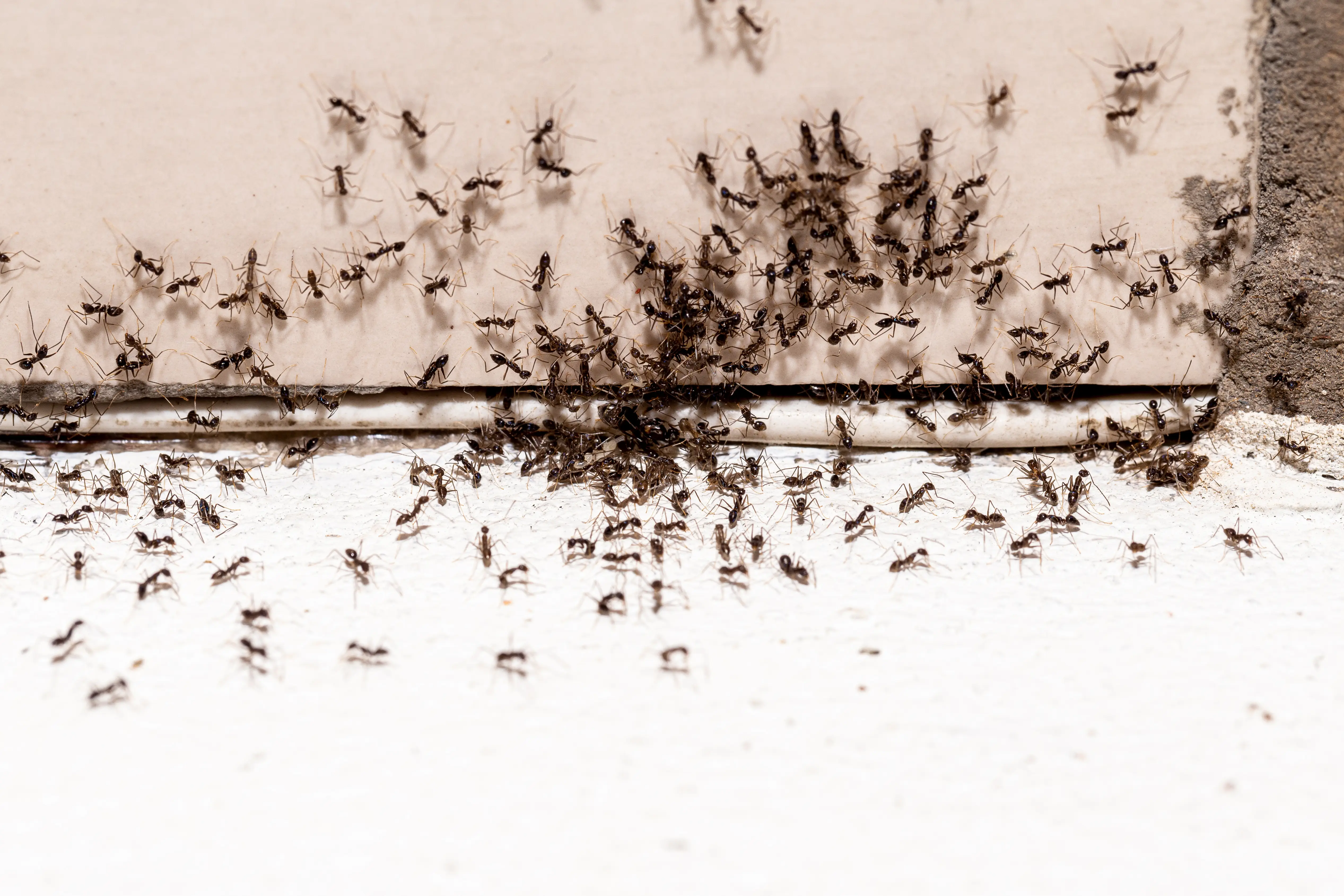
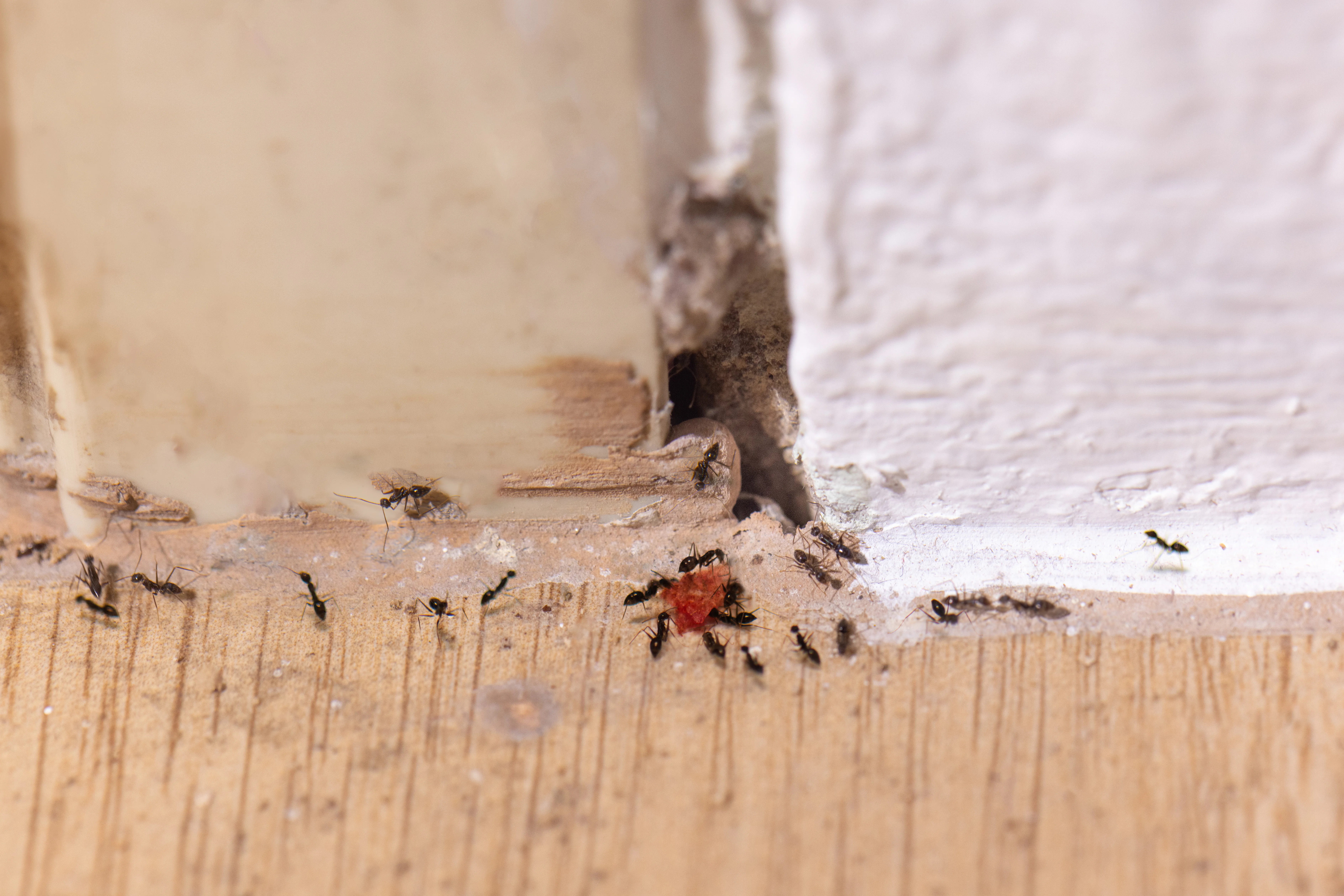
Discovering a line of ants marching across your kitchen counter can transform a peaceful morning into a frustrating battle against these persistent invaders. Identifying the pathways these persistent insects use to breach your dwelling serves as the foundation for successful exclusion strategies and safeguarding your residence from unwanted colony establishment.

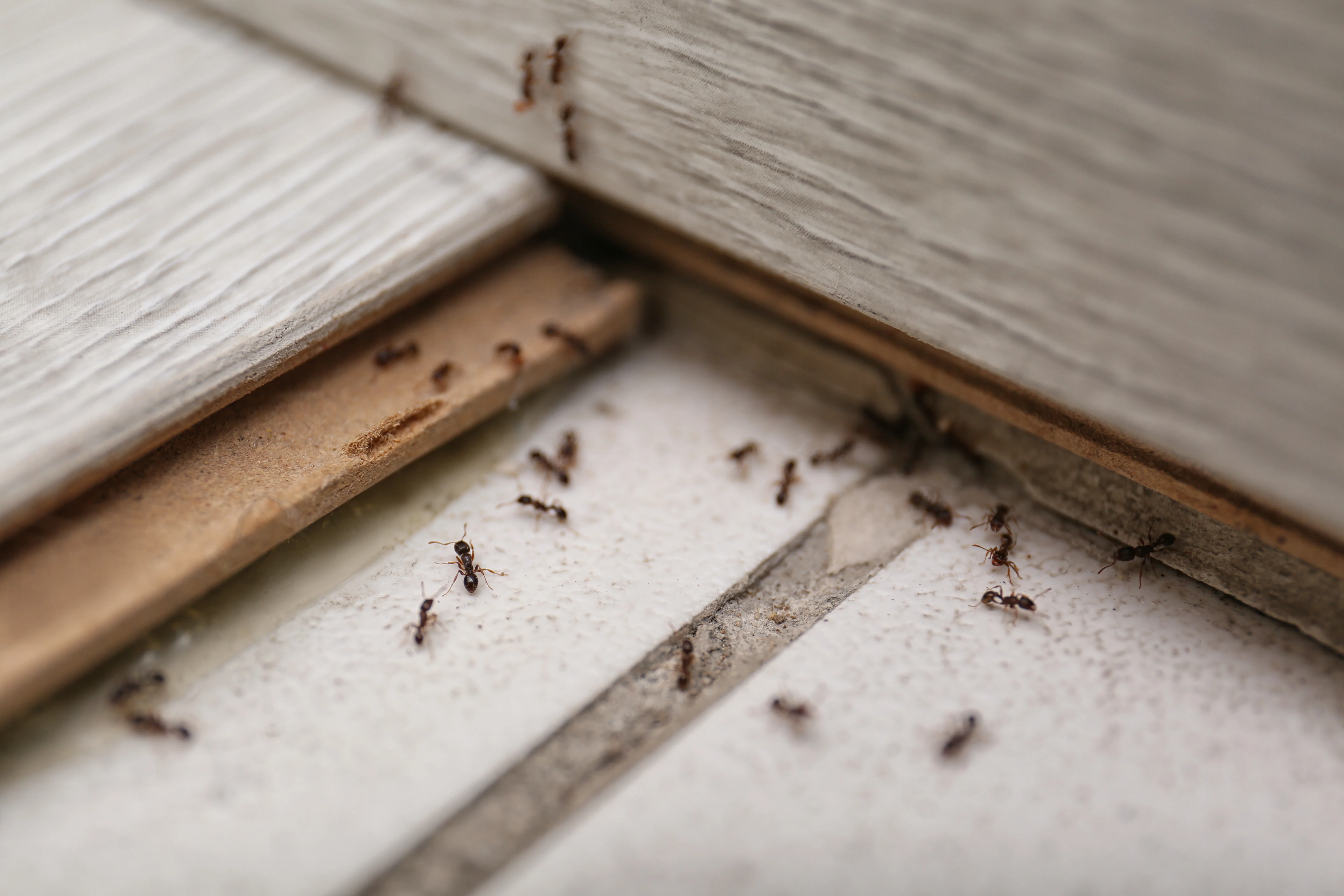
Ants are remarkably resourceful insects that exploit even the tiniest openings, with some species capable of squeezing through gaps as small as 1/64 of an inch, making traditional barrier methods challenging for untrained homeowners. From foundation cracks and window gaps to utility line openings and HVAC systems, ants have evolved to identify and exploit structural vulnerabilities that homeowners often overlook.

Key Facts

  • Smallest gap:
    1/64 inch (0.4mm)
  • Trail duration:
    Hours to days
  • Peak activity:
    Spring & summer
  • Main attractants:
    Food, water, shelter

How Ants Find and Choose Homes to Invade

The Ant Scouting Process

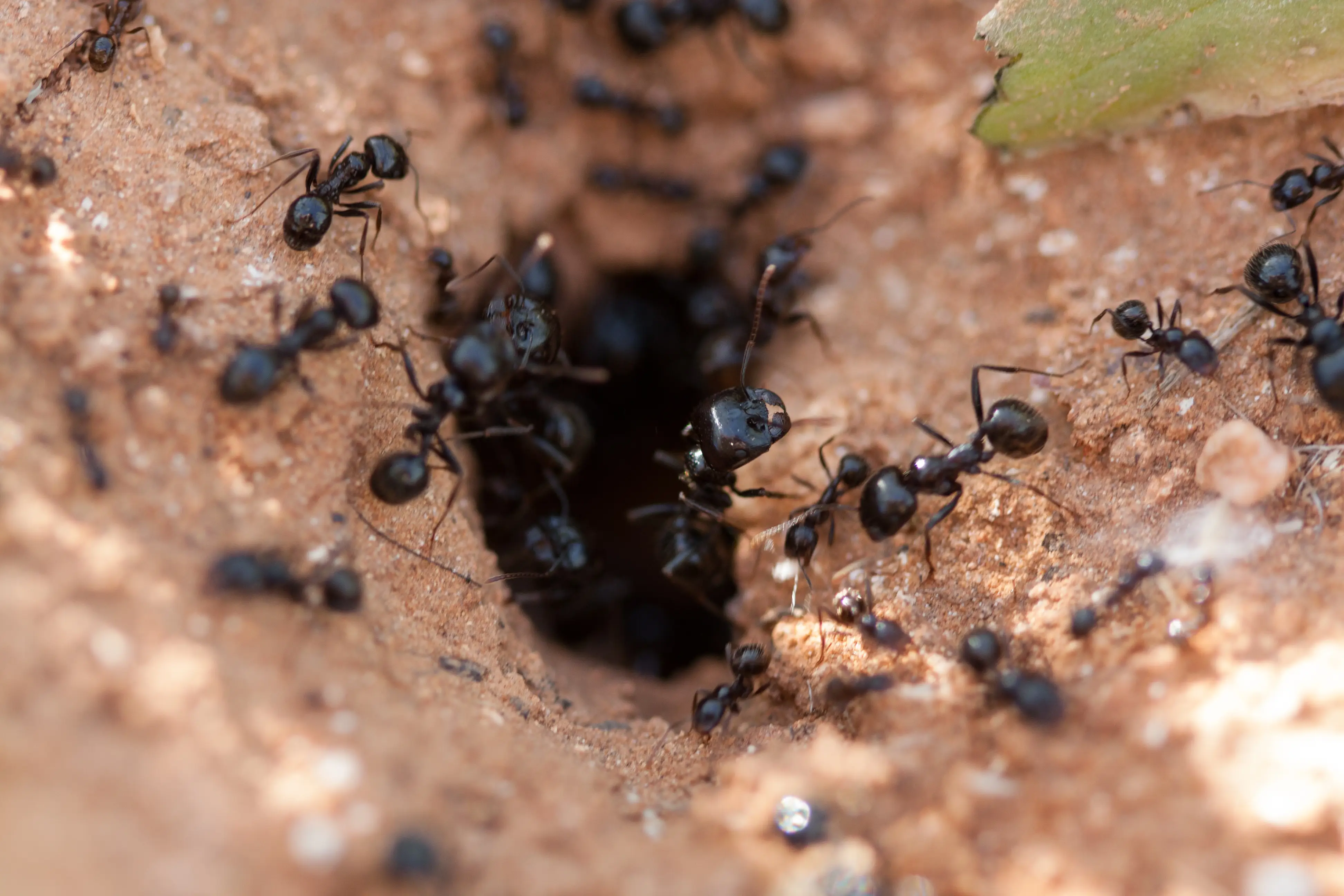
Ant home invasion begins with systematic exploration conducted by specialized scout ants whose primary mission involves assessing potential invasion targets for their colonies. These scouts evaluate three critical factors: food availability, water sources, and suitable shelter opportunities that can support colony expansion. Scout ants employ sophisticated sensory capabilities to detect microscopic food particles, moisture gradients, and structural weaknesses.

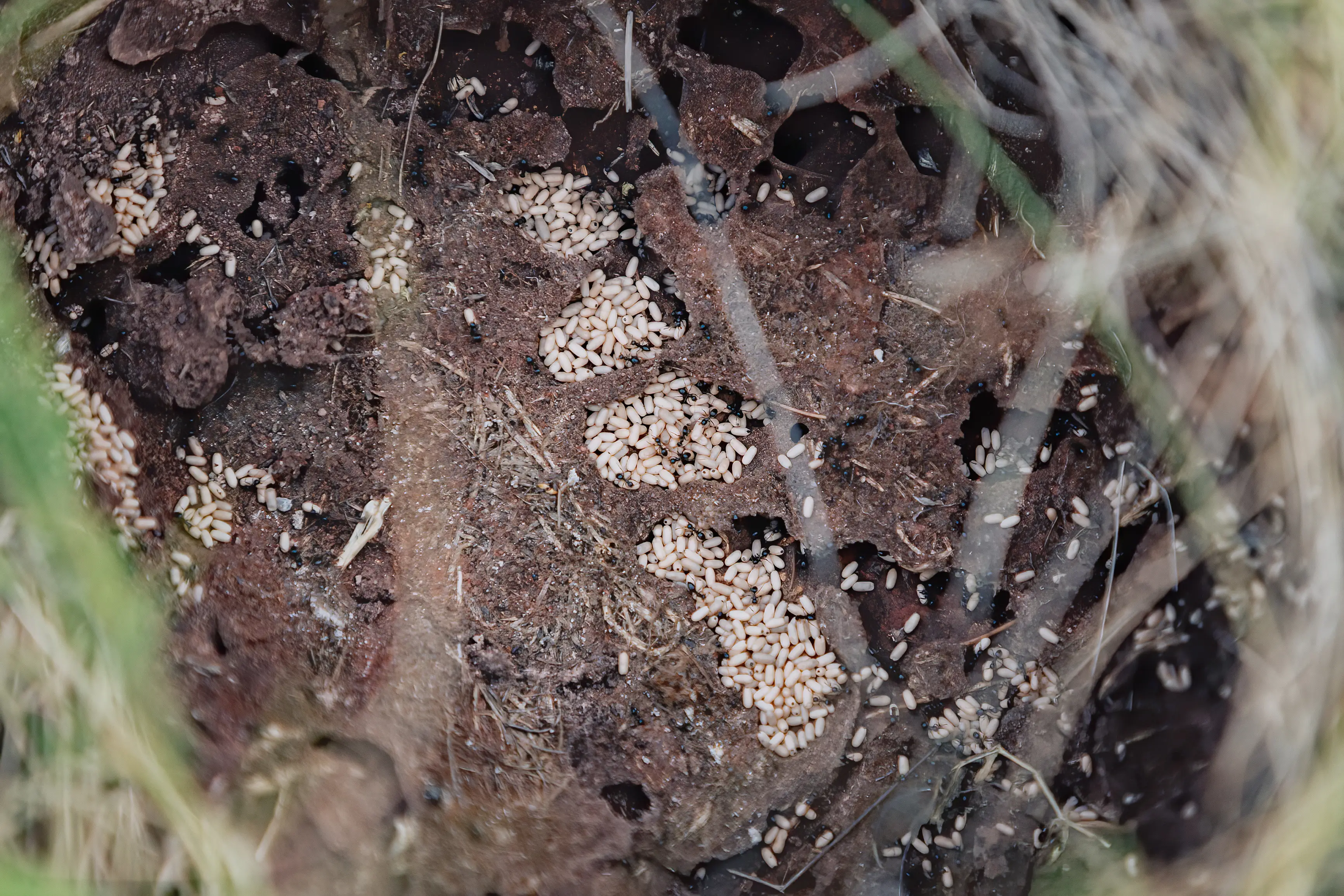
The decision-making process involves complex chemical and behavioral communications between scouts and their parent colonies. Successful scouts return to their nests with detailed information about resource availability, entry point accessibility, and competitive pressures. Only when assessments indicate sufficient resources and manageable risks do colonies commit to invasion efforts.

Pheromone Trail Communication

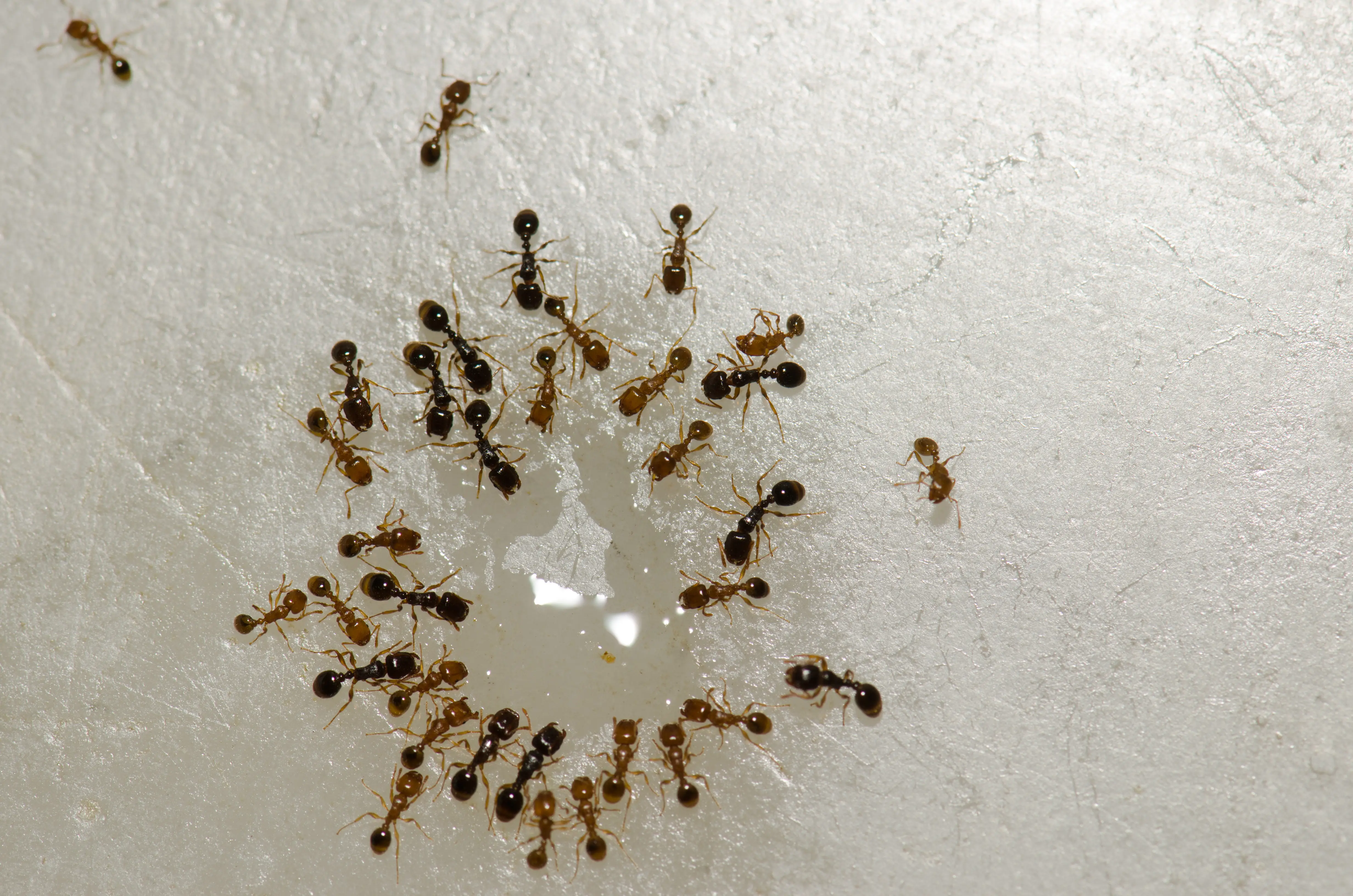
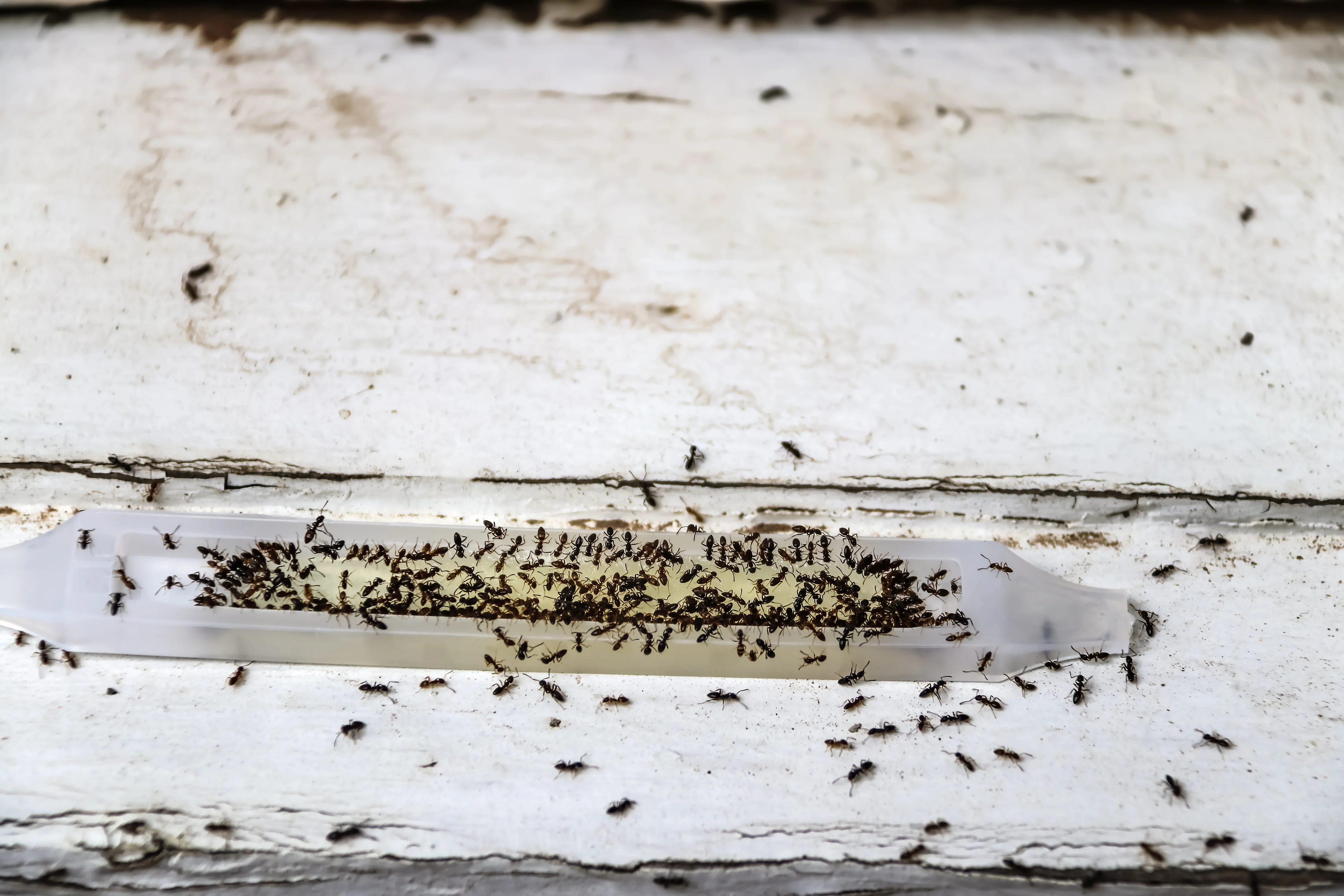
Once scout ants identify promising opportunities, they establish chemical communication networks through pheromone trails that guide additional colony members to discovered resources. Trail pheromones may comprise a single compound or a blend of as many as 14 compounds, detected by workers in minute amounts. The sophistication of this system explains why ants continue returning to the same entry points even after food sources are removed.

Seasonal Invasion Patterns

Ant invasion patterns fluctuate throughout the year. Spring triggers extensive scout deployment as colonies assess winter damage and seek new resources. Summer heat intensifies indoor invasion pressure as outdoor food sources become scarce. Fall patterns shift toward winter preparation, with many species seeking indoor shelter. Weather triggers include heavy rainfall flooding outdoor nests, extreme heat, and seasonal food scarcity.
Common Entry Points Ants Use to Access Homes

Pinpointing the specific breach points these insects exploit becomes fundamental to developing successful exclusion measures. These persistent insects can exploit numerous structural vulnerabilities and small openings:

Foundation Cracks & Gaps

Settlement cracks, expansion joints, and seams where different building materials meet

Door & Window Openings

Worn weather stripping, gaps under thresholds, sliding door tracks, frame separations

Utility Line Penetrations

Electrical conduits, plumbing pipes, cable installations, internet line entries

Screen Damage

Tears and holes in window screens bypass traditional barrier protections

HVAC & Ventilation Systems

Air vents, ductwork connections, bathroom fans, dryer vents, kitchen exhausts

Wall Voids & Electrical

Electrical outlets, switch boxes, and junction points provide access to wall cavities

Attic Access Points

Soffit vents, ridge vents, and roof penetrations for upper-level colonies

Insulation & Vapor Barriers

Tears and gaps create entry opportunities and attractive nesting sites

Specific Entry Scenarios and Methods

Active Entry

Deliberate invasion attempts by scout ants who actively seek access through identified structural openings. Direct invasion through open access occurs when doors, windows, or other access points remain open long enough for exploration and trail establishment.

These scenarios often result in rapid colony response as successful scouts quickly establish pheromone trails that guide intensive follow-up invasion efforts.

Passive Entry

Accidental introduction through items brought indoors such as firewood, potted plants, storage containers, and packages harboring hitchhiking ants or small satellite colonies.

Following utility workers or service personnel provides temporary access when exterior doors remain open. These methods bypass exterior barriers and introduce ants directly into interior spaces.

Size Requirements for Ant Access

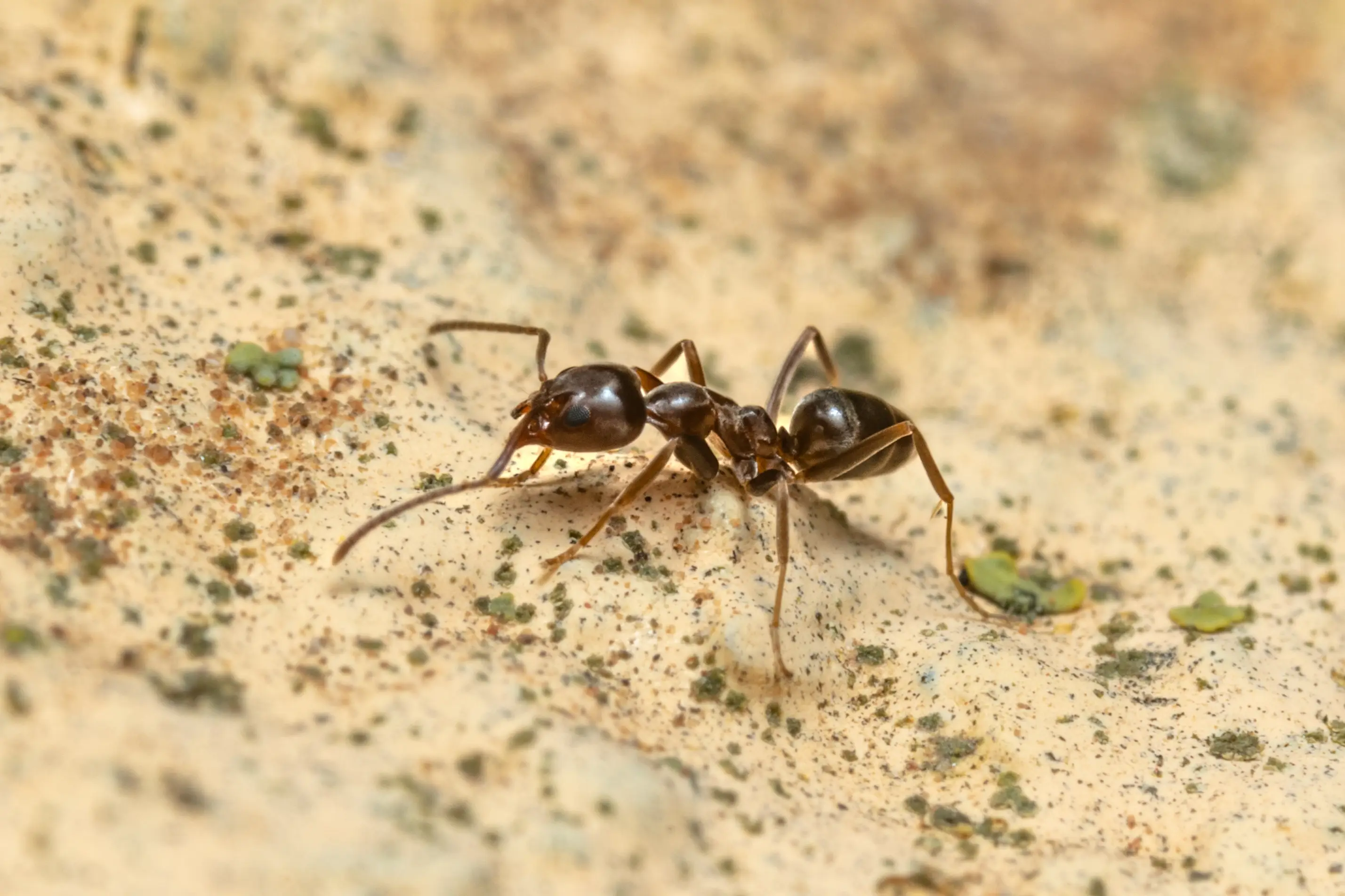
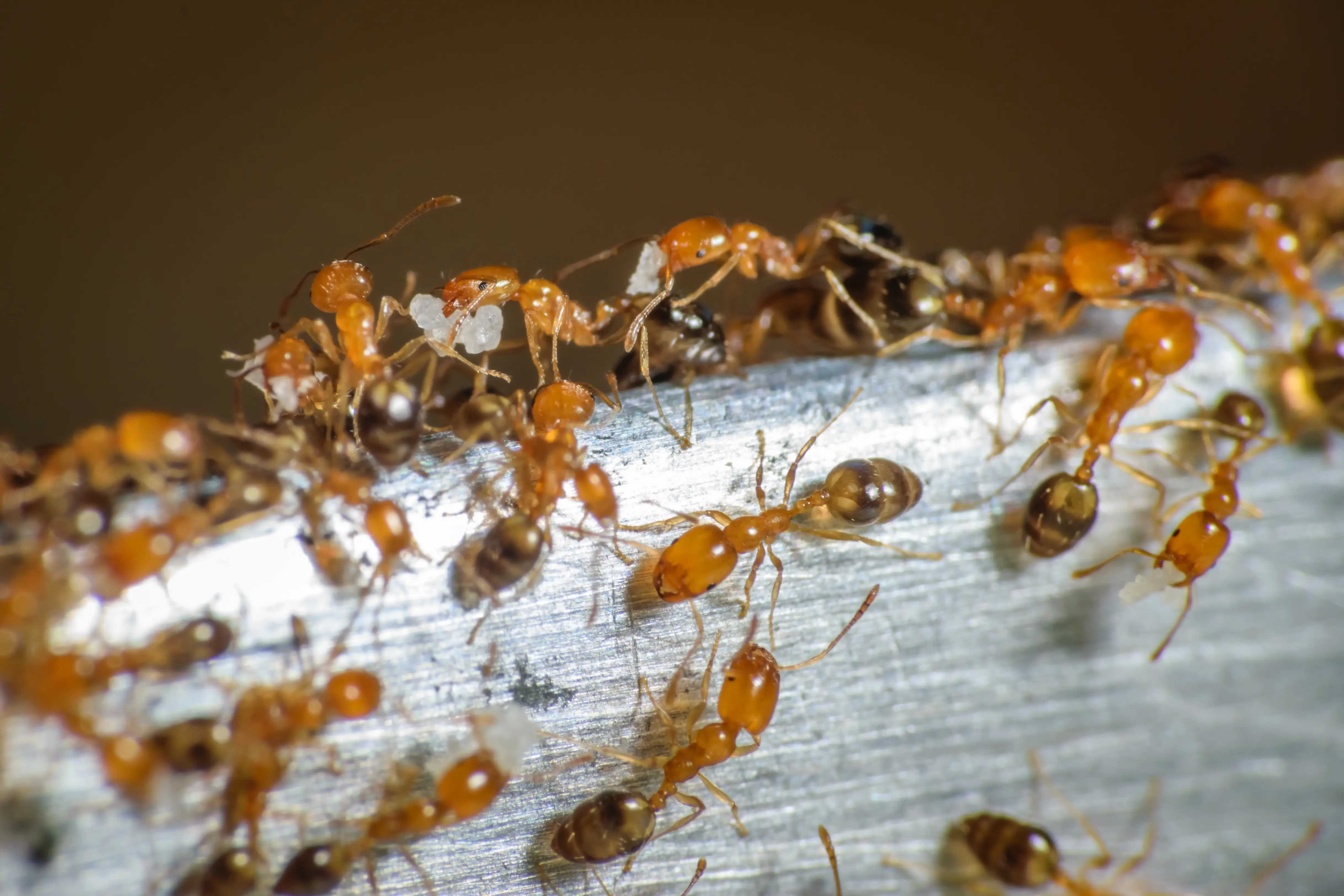
The minimum gap size varies significantly among species, but many common household invaders can exploit openings smaller than homeowners typically consider problematic. Smaller species such as little black ants and pharaoh ants require much smaller access points, with some capable of squeezing through gaps equivalent to 1/64 inch (approximately 0.4 millimeters).

Ant body flexibility enables entry through openings that appear too small, as their segmented exoskeletons and flexible joints allow significant compression during passage. This makes comprehensive ant-proofing challenging for homeowners who underestimate the precision required for effective exclusion.

What Attracts Ants to Your Home

Ants are drawn to homes by three primary factors that provide the resources necessary for colony survival and growth:

Food Sources

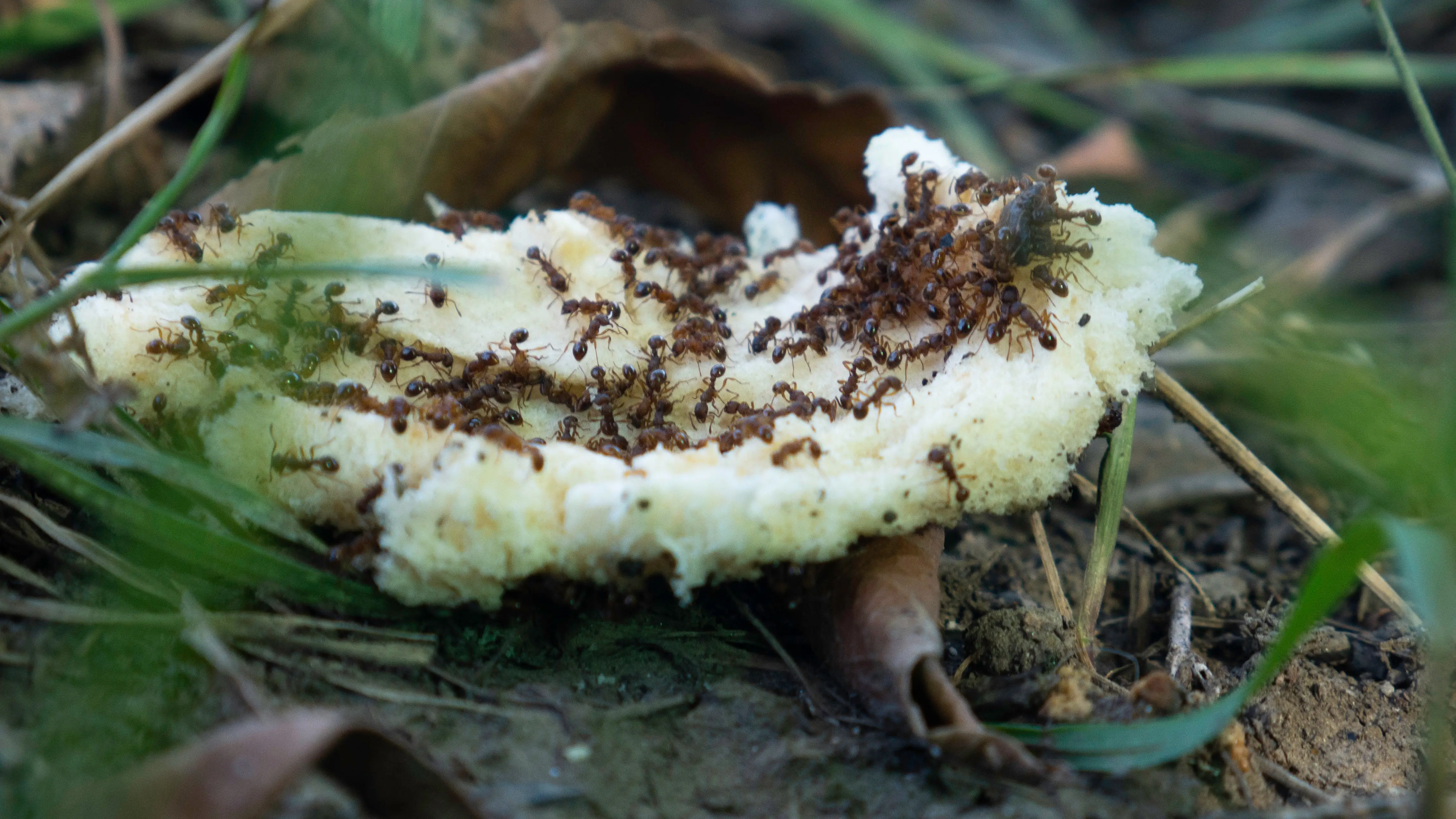
  • Kitchen spills and crumbs
  • Pet food storage and feeding areas
  • Improperly sealed pantry containers
  • Garbage and compost areas
  • Food preparation surface residues

Water Sources

  • Plumbing leaks and drips
  • Condensation around HVAC and windows
  • Plant watering activities
  • High humidity bathrooms/kitchens
  • Poor drainage around foundations

Shelter Opportunities

  • Temperature-controlled environments
  • Protected wall void nesting sites
  • Dark, undisturbed storage areas
  • Proximity to food/water resources
  • Electrical warmth from appliances

Found Ants in Your Home?

Our experts identify entry points and implement comprehensive exclusion strategies to keep ants out for good.

Call (866) 326-2847 for Expert Help

Species-Specific Entry Behaviors

Various ant species have developed specialized infiltration methods that mirror their particular physiological needs and evolved behavioral traits:

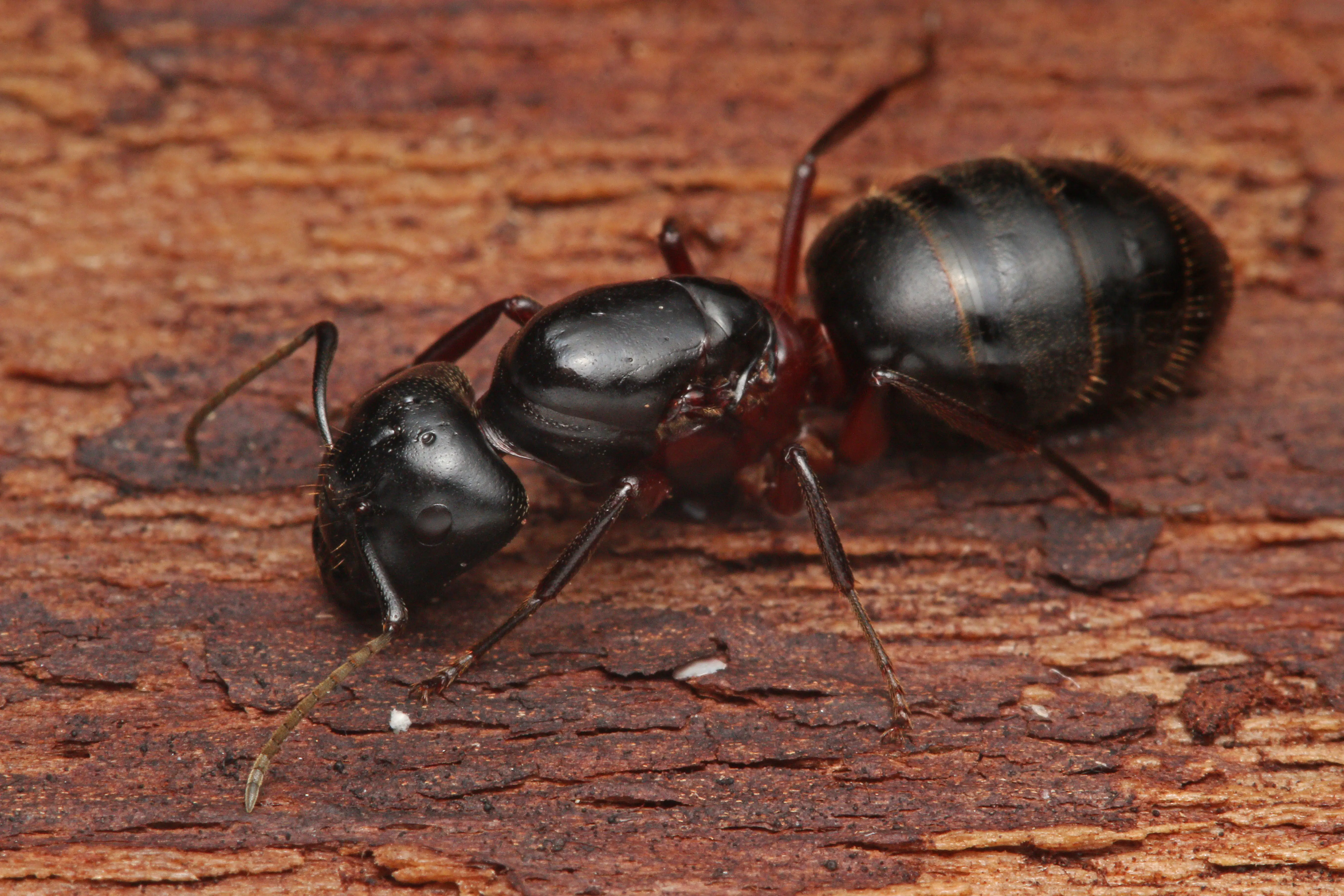
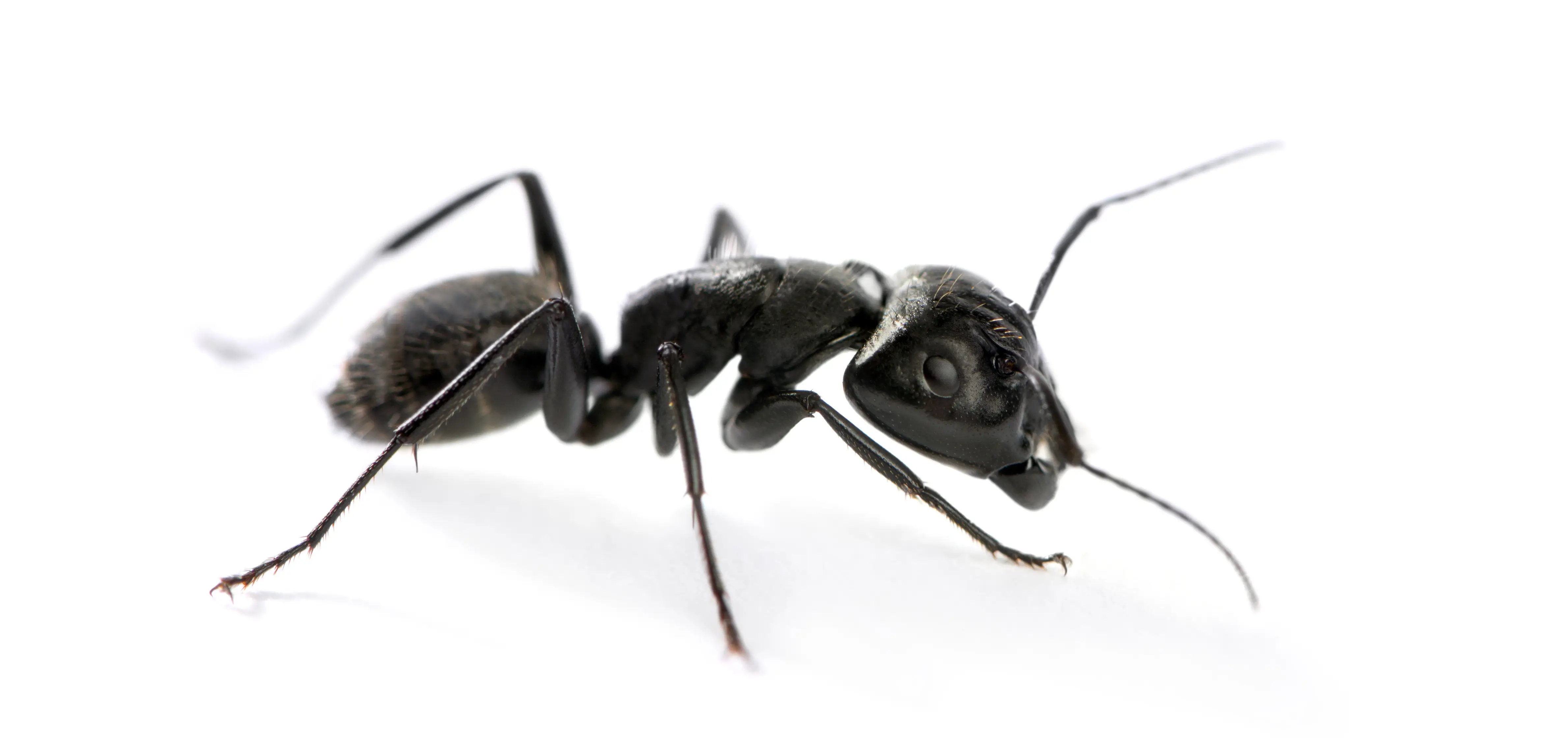
Carpenter Ants

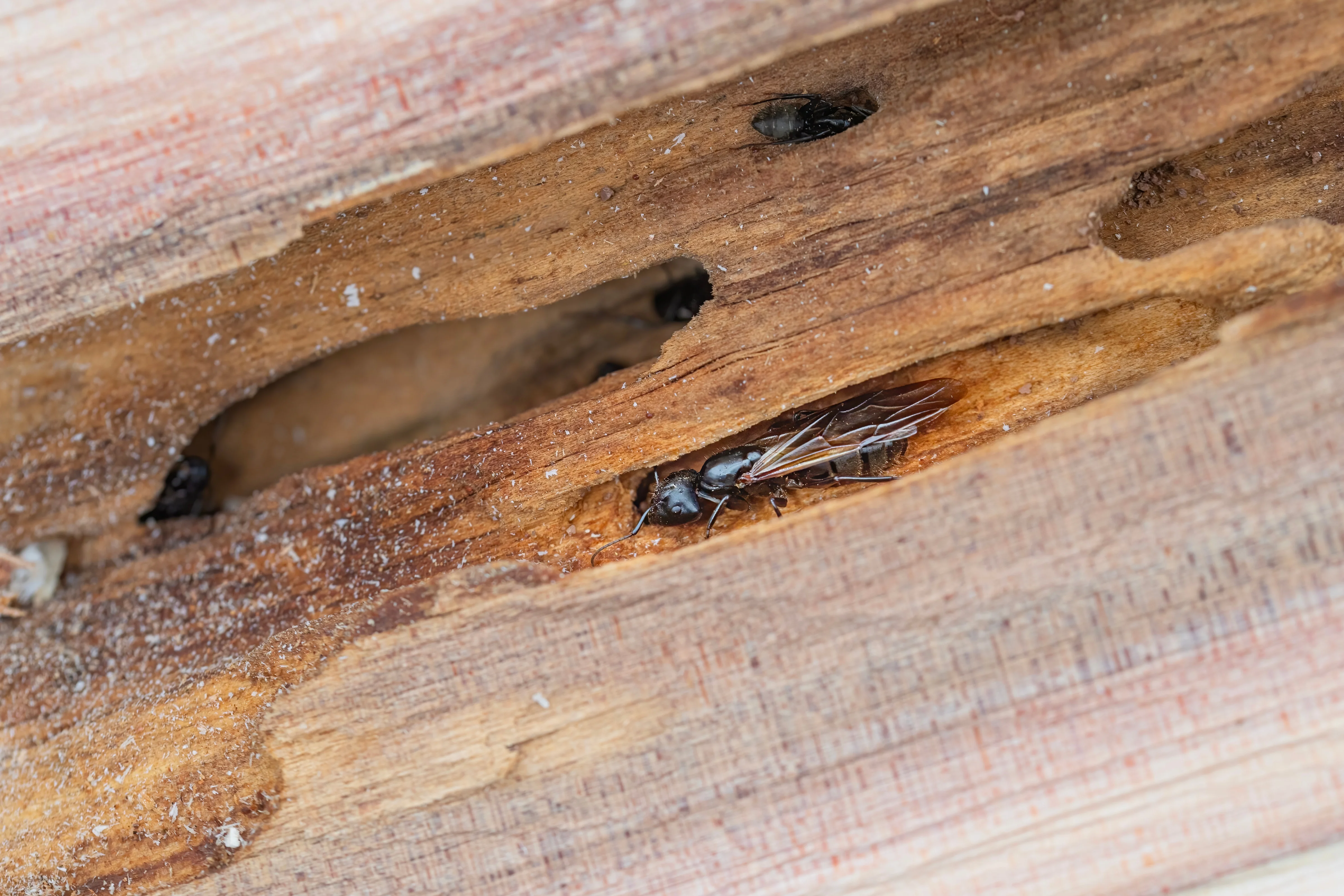
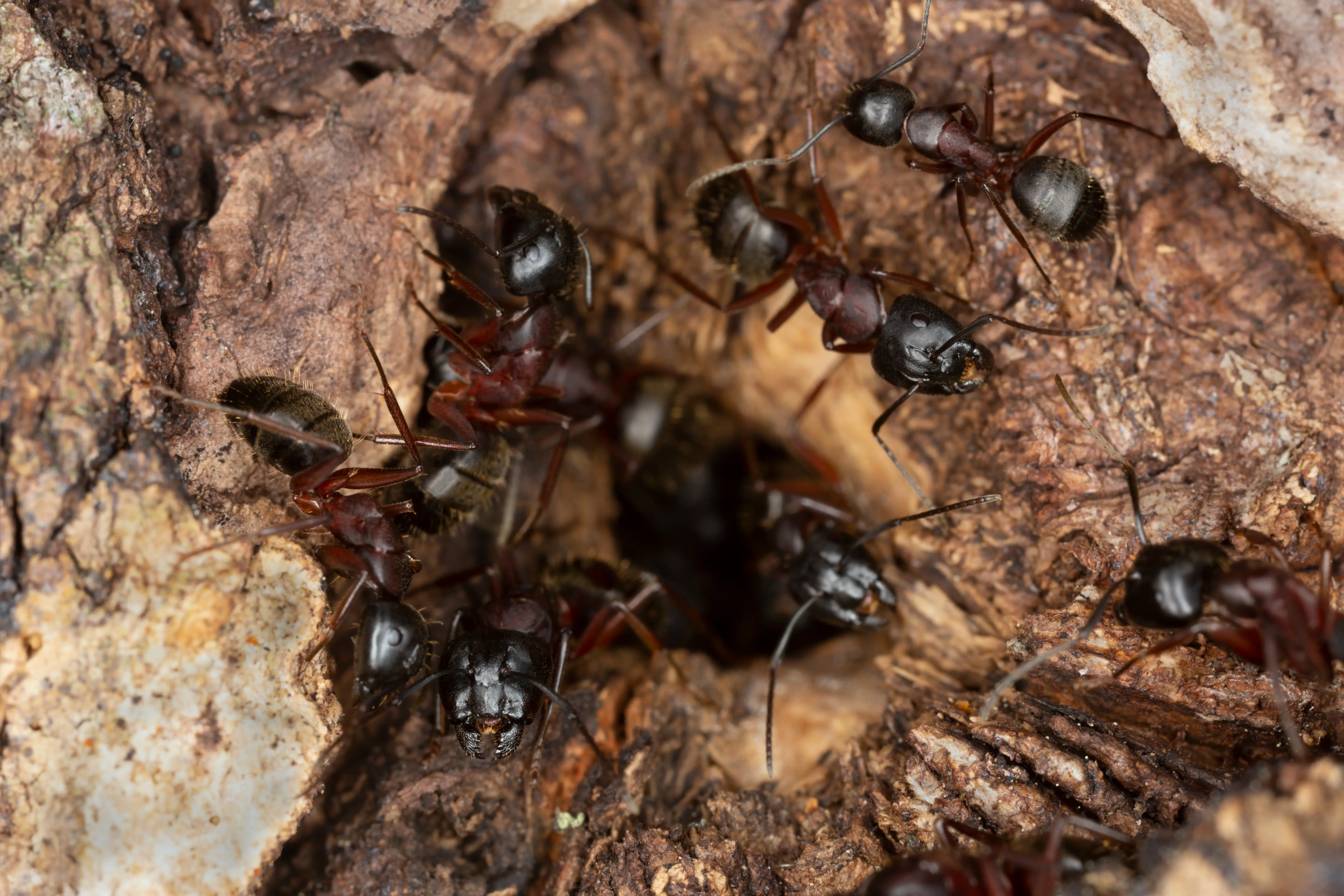
Demonstrate strong moisture-seeking behavior toward areas with water damage, plumbing leaks, and condensation. Access homes through damaged wood around windows, doors, and structural elements. Excavate galleries through moisture-compromised materials, creating extensive tunnel networks.

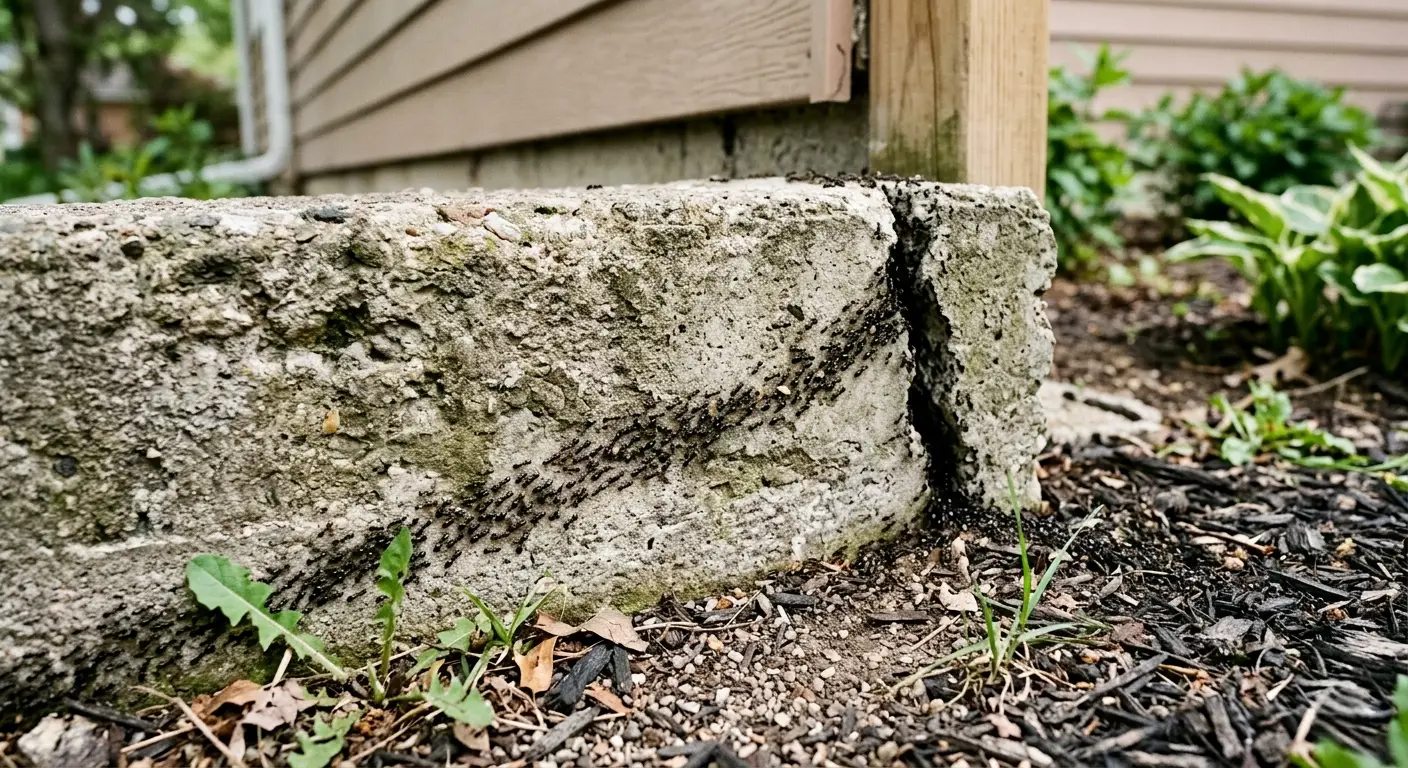
Pavement Ants

Excel at foundation-level access through cracks in concrete slabs, basement walls, and ground-level openings. Take advantage of settling cracks, expansion joints, and construction gaps. Attracted to heated floors and basement warmth during winter months.

Odorous House Ants

Exploit remarkably small gaps due to their tiny size, following utility lines and plumbing penetrations. Exceptional ability to locate and target moisture sources. Create extensive networks of interconnected nesting sites within wall voids and structural cavities.

Argentine Ants

Employ supercolony invasion patterns involving coordinated multi-point access strategies. Continuous entry pressure and year-round activity in warm climates makes them challenging. Multiple queen colonies enable rapid recovery from control efforts.

Detection and Identification Methods

Finding Entry Points

Effective entry point detection requires systematic visual inspection that examines both obvious and hidden access routes, with particular attention to areas where different building materials meet. Following ant trails backward from indoor sightings often reveals primary access routes, though this requires patience during peak activity periods.

Best observation times: Early morning and evening hours when many species are most active
Primary vs. secondary access: Primary routes support heavy traffic; secondary routes provide backup functions
Active vs. historical evidence: Fresh trails and current activity vs. old trails and previous sealing attempts
Documentation: Photography and mapping help track entry points and monitor sealing effectiveness

Prevention and Sealing Strategies

Material Selection for Sealing

Silicone Caulk

Excellent flexibility and weather resistance for exterior applications

Acrylic Latex

Easy application and paintability for interior sealing projects

Expanding Foam

Effective for large gaps and utility penetrations

Weather Stripping

Various materials for doors and windows

Systematic Sealing Approach

Step 1: Prioritize - Focus on primary access routes and high-traffic areas first
Step 2: Exterior First - Provide first-line defense before interior sealing
Step 3: Seasonal Timing - Certain materials perform better in specific weather conditions
Step 4: Quality Control - Verify gap closure and material adhesion

Environmental Modifications

Moisture Control

  • Leak detection and repair
  • Humidity management
  • Drainage improvements
  • Ventilation enhancements

Food Attractant Elimination

  • Kitchen cleanliness protocols
  • Proper storage containers
  • Pet food management
  • Garbage disposal practices

Warning Signs of Entry Point Compromise

Several critical indicators signal that ant entry points have been compromised and require immediate attention:

Visible Ant Activity Increases

Indicates new entry point development or failed exclusion barriers

New Trail Patterns

Suggests ants found alternative access routes

Seasonal Pattern Changes

May indicate structural damage or barrier degradation

Structural Damage Evidence

Wood shavings or visible excavation from carpenter ant activity

Why Immediate Action Matters

Delayed response allows ant populations to establish and expand, making subsequent control efforts more difficult and expensive while increasing potential for structural damage and ongoing infestation problems.

Professional vs. DIY Approaches

When DIY Works

  • Simple crack and gap repairs
  • Routine maintenance tasks
  • Weather stripping replacement
  • Minor caulking projects
  • Seasonal preparation work

Professional Benefits

  • Complex structural assessments
  • Hidden entry point identification
  • Warranty and guarantee coverage
  • Integrated pest management
  • Proper material selection
  • Long-term monitoring support

Cost-Benefit Consideration: Material and time investments for effective DIY exclusion often exceed expectations, particularly when comprehensive sealing requires specialized tools and multiple material types. Long-term effectiveness comparisons often favor professional services when considering durability, comprehensiveness, and success rates.

Contact EcoGuard Pest Management

When ant entry point problems exceed DIY capabilities or continue despite your efforts, professional intervention becomes essential. EcoGuard specializes in comprehensive ant exclusion strategies that combine detailed entry point assessment, professional-grade sealing techniques, and ongoing monitoring programs designed to prevent re-invasion.

Call (866) 326-2847Get Free Quote

Frequently Asked Questions

What are the most common entry points for ants in homes?

The most common entry points include foundation cracks, gaps around windows and doors, utility line openings (electrical, plumbing, cable), worn weather stripping, and areas where different building materials meet. Ants also frequently use air vents, damaged screens, and spaces around pipes as access routes.

How small of a gap can ants fit through?

Many common household ant species can squeeze through gaps as small as 1/64 of an inch (approximately 0.4 millimeters). Smaller species like pharaoh ants and little black ants require even tinier openings, while larger species like carpenter ants need gaps of about 1/8 inch or larger.

Why do I suddenly have ants in my house?

Sudden ant appearances usually result from scout ants discovering food, water, or shelter opportunities and establishing pheromone trails that guide colony members to your home. Weather changes, seasonal activity patterns, outdoor nest disturbance, or new entry points can trigger sudden invasion attempts.

How do I find where ants are coming from?

Follow visible ant trails backward from indoor sightings to their entry points, inspect common access routes like foundation perimeters and utility penetrations, and observe ant activity during peak hours (early morning and evening) when trails are most apparent. Professional inspection may be needed for hidden entry points.

What attracts ants to enter my house?

Ants are primarily attracted by food sources (crumbs, spills, pet food, garbage), water sources (leaks, condensation, moisture), and shelter opportunities (temperature-controlled environments, protected nesting sites). Sweet substances, proteins, and grease are particularly attractive to different ant species.

How do I seal ant entry points?

Use appropriate materials like silicone caulk for cracks, expanding foam for larger gaps, weather stripping for doors and windows, and mesh screens for vents. Clean entry areas first, apply sealants according to manufacturer instructions, and inspect regularly for wear or damage that requires resealing.

Can ants come through electrical outlets?

Yes, ants can access homes through electrical outlets, switch boxes, and gaps around electrical conduits. These entry points provide direct access to wall cavities where ants can establish trails and nesting sites throughout the electrical system infrastructure.

Do ants use pheromone trails to find entry points?

Yes, successful scout ants deposit pheromone trails that guide other colony members to discovered entry points and resources. These chemical trails can persist for hours or days, explaining why ants continue using the same access routes even after initial attractants are removed.

What time of year do ants most commonly enter homes?

Spring and summer mark the height of ant invasion activity, when colonies actively pursue resource acquisition and population expansion. Fall invasions occur as ants seek winter shelter, while year-round activity depends on climate and species. Rainy weather and temperature extremes often trigger increased invasion attempts.

How do I stop ants from coming back?

Implement comprehensive exclusion through systematic entry point sealing, eliminate food and water attractions through proper sanitation and storage practices, maintain regular inspection schedules, and consider professional treatment for persistent problems. Long-term success requires addressing both access routes and environmental factors that attract ants.

From Our Blog

Related Articles

14 Natural Ant Repellent Strategies That Actually Work

14 Natural Ant Repellent Strategies That Actually Work

Discover effective natural ant repellents including mint, vinegar, cinnamon, and more. Learn how to keep ants out of...

Read Article
16 Common Types of Ants in California | Identification & Treatment

16 Common Types of Ants in California | Identification & Treatment

Identify 16 common ant species in California including carpenter ants, fire ants, and Argentine ants. Learn their...

Read Article
Are Fire Ants Dangerous? Understanding Fire Ant Risks & Safety

Are Fire Ants Dangerous? Understanding Fire Ant Risks & Safety

Learn about fire ant dangers including painful stings, allergic reactions, and property damage. Comprehensive guide on...

Read Article
Argentine Ants: Complete Identification, Control & Prevention Guide

Argentine Ants: Complete Identification, Control & Prevention Guide

Learn to identify Argentine ants, understand their supercolony behavior, and discover effective control strategies....

Read Article
Common Signs of Carpenter Ant Damage

Common Signs of Carpenter Ant Damage

Learn to identify carpenter ant damage signs including frass, holes, tunnels, and how to distinguish carpenter ant...

Read Article
Do Ants Bite? Symptoms, Treatment & Prevention

Do Ants Bite? Symptoms, Treatment & Prevention

Learn about ant bites vs stings, which ants bite, symptoms, allergic reactions, treatment options, and how to prevent...

Read Article
Do Ants Eat Aphids? The Ant-Aphid Relationship Explained

Do Ants Eat Aphids? The Ant-Aphid Relationship Explained

Learn about the fascinating relationship between ants and aphids, how ants farm aphids for honeydew, problems aphids...

Read Article
Do Ants Ever Sleep? Ant Sleep Patterns Explained

Do Ants Ever Sleep? Ant Sleep Patterns Explained

Discover the fascinating sleep patterns of ants, how worker ants take 250 power naps daily, queen ant sleep habits, and...

Read Article
Do Carpenter Ants Eat Wood? Understanding Carpenter Ant Damage

Do Carpenter Ants Eat Wood? Understanding Carpenter Ant Damage

Learn the truth about carpenter ants and wood. Unlike termites, carpenter ants don\

Read Article
How Do Ant Baits and Traps Work? Complete Guide to Ant Bait Systems

How Do Ant Baits and Traps Work? Complete Guide to Ant Bait Systems

Learn how ant baits and traps work to eliminate entire colonies. Discover bait types, active ingredients, placement...

Read Article
How Do Ants Communicate With Each Other? Complete Guide to Ant Communication

How Do Ants Communicate With Each Other? Complete Guide to Ant Communication

Learn how ants communicate using pheromones, touch, sound, and body language. Discover why ant communication is key to...

Read Article
How Do Ants Get Into Your House? Entry Points & Prevention

How Do Ants Get Into Your House? Entry Points & Prevention

Learn how ants enter your home through cracks, gaps, and openings. Discover where ants hide, what attracts them, and...

Read Article
How Do Ants Mate and Reproduce? Ant Reproduction Explained

How Do Ants Mate and Reproduce? Ant Reproduction Explained

Learn how ants mate during nuptial flights, how queen ants reproduce, the role of drones, and unique reproductive...

Read Article
How Many Ants Are in a Colony? Complete Guide to Ant Colony Size

How Many Ants Are in a Colony? Complete Guide to Ant Colony Size

Learn how many ants live in a colony, from small carpenter ant nests to Argentine ant supercolonies with billions....

Read Article
How to Get Rid of Ants Inside and Outside Your Home

How to Get Rid of Ants Inside and Outside Your Home

Learn how to get rid of ants inside your home, repel them before they enter, and eliminate outdoor colonies. Complete...

Read Article
How to Get Rid of Carpenter Ants in the House

How to Get Rid of Carpenter Ants in the House

Learn how to identify, eliminate, and prevent carpenter ants. Comprehensive guide to indoor and outdoor treatments,...

Read Article
Understanding Ant Colony Structure and Hierarchy

Understanding Ant Colony Structure and Hierarchy

Learn about ant colony structure, hierarchy, and how ants work together. Discover the roles of queens, workers, drones,...

Read Article
What Are Ants? Complete Guide to Ant Biology, Behavior & Control

What Are Ants? Complete Guide to Ant Biology, Behavior & Control

Learn everything about ants including appearance, colony hierarchy, life cycle, diet, defenses, and how to get rid of...

Read Article
What Are Red Ants? Fire Ant Identification & Control

What Are Red Ants? Fire Ant Identification & Control

Learn about red ants and fire ants, how to identify them, their behavior, dangers of their stings, and effective...

Read Article
What Attracts Ants Inside the House? Prevention Tips

What Attracts Ants Inside the House? Prevention Tips

Learn what attracts ants to your home including food, water, and shelter. Discover prevention tips and how to get rid...

Read Article
What Do Ants Eat and Drink in Your House?

What Do Ants Eat and Drink in Your House?

Learn what ants eat including sugars, proteins, seeds, fungus, and other insects. Discover how different ant species...

Read Article
What Happens When the Queen Ant Dies?

What Happens When the Queen Ant Dies?

Learn what happens when a queen ant dies, how to identify a queen, the ant queen life cycle, and how to effectively...

Read Article
What's the Lifespan of an Ant? Guide to Ant's Life Cycle

What's the Lifespan of an Ant? Guide to Ant's Life Cycle

Learn how long ants live based on species, caste, and gender. Discover the ant life cycle from egg to adult and factors...

Read Article
When is Ant Season? Complete Guide to Ant Activity Patterns

When is Ant Season? Complete Guide to Ant Activity Patterns

Learn when ant season occurs in your region, peak activity times by species, and seasonal prevention strategies....

Read Article
Where Do Ants Go in the Winter? Complete Winter Behavior Guide

Where Do Ants Go in the Winter? Complete Winter Behavior Guide

Discover where ants go in winter, how they survive freezing temperatures through diapause, and why they may invade your...

Read Article
Where Do Ants Live? Complete Guide to Ant Habitats

Where Do Ants Live? Complete Guide to Ant Habitats

Discover where ants live outdoors and indoors, from underground colonies to wall voids. Learn about species-specific...

Read Article
Why Are Flying Ants a Problem? Identification and Prevention

Why Are Flying Ants a Problem? Identification and Prevention

Learn why flying ants appear, how to identify them vs termites, which species swarm, and how to prevent and eliminate...

Read Article
Why Are There Ants in My Bathroom? Causes & Solutions

Why Are There Ants in My Bathroom? Causes & Solutions

Discover why ants invade bathrooms and learn effective solutions. Understanding moisture, food sources, and shelter...

Read Article