EcoGuard Pest Management
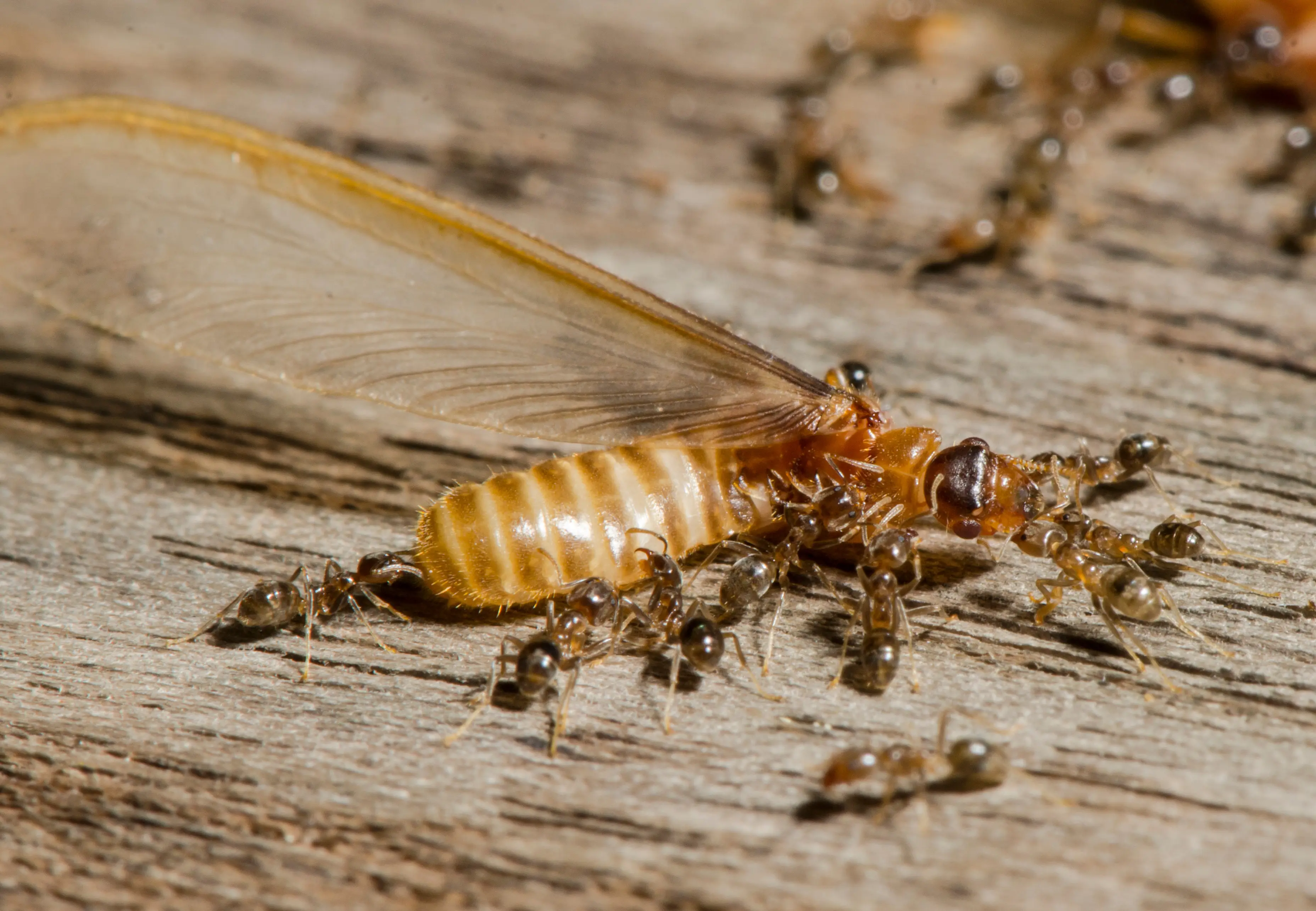
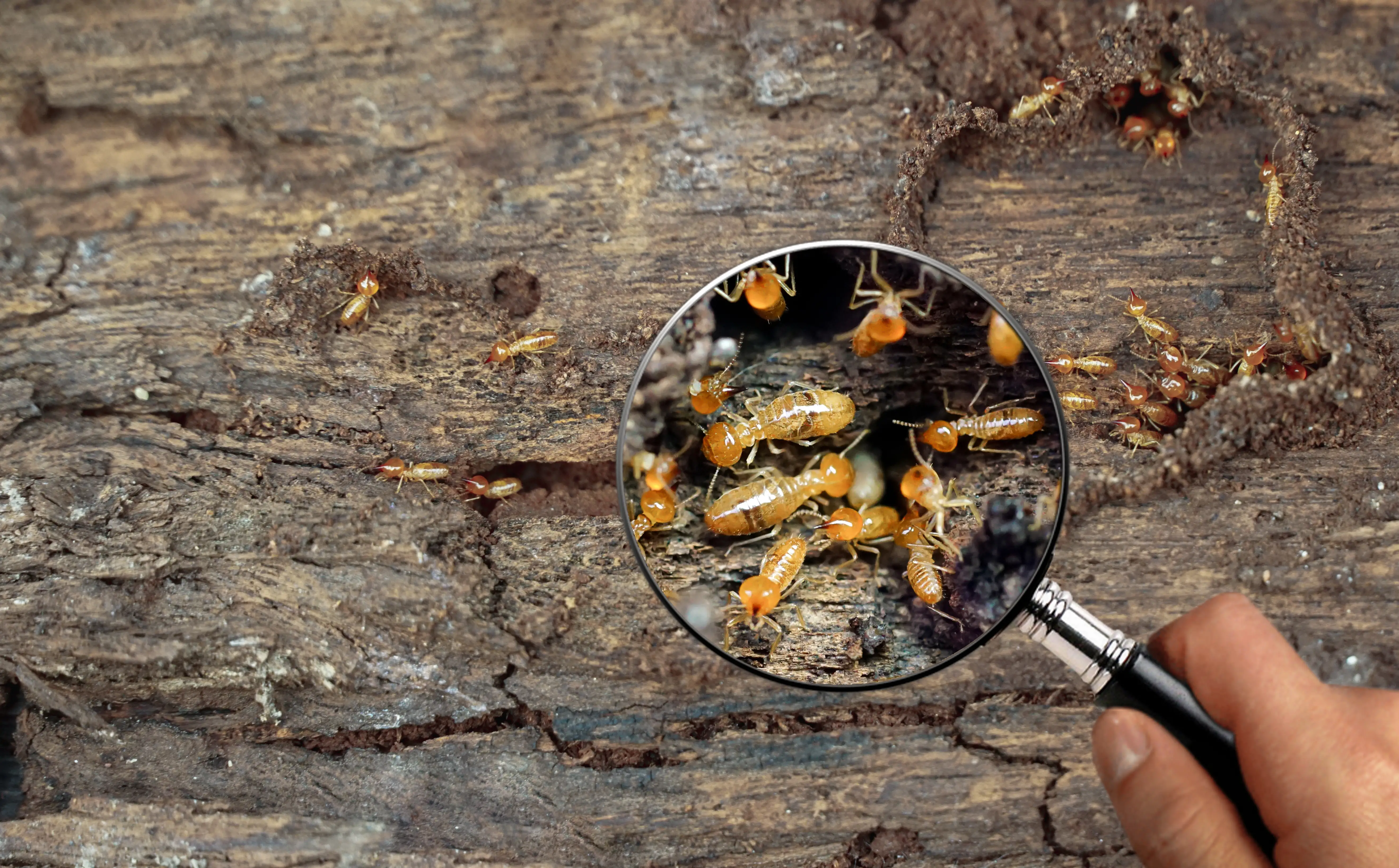
Professional dampwood termite control technician inspecting and treating moisture-damaged wood structure

Professional Dampwood Termite Treatment & Control Services

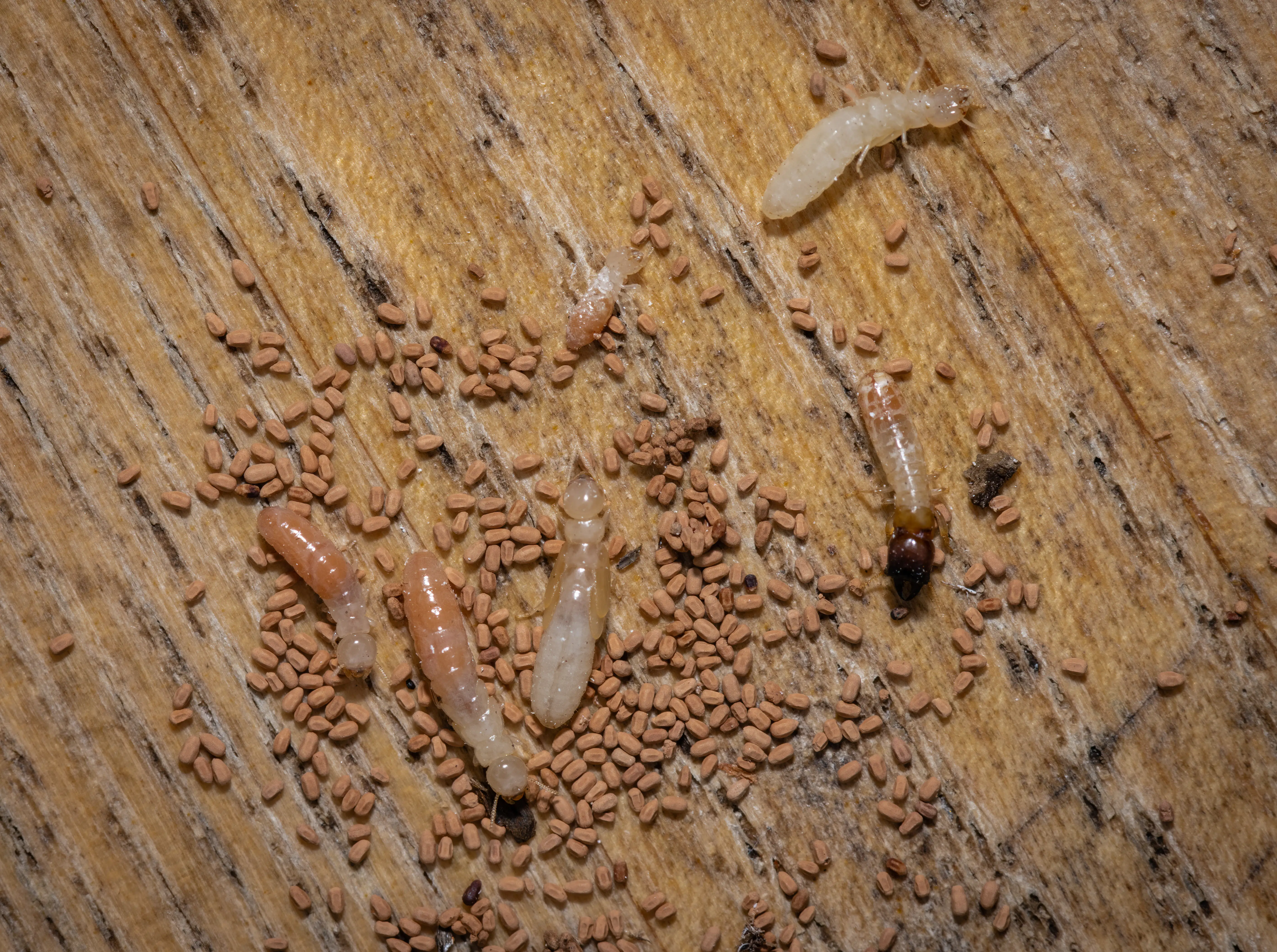
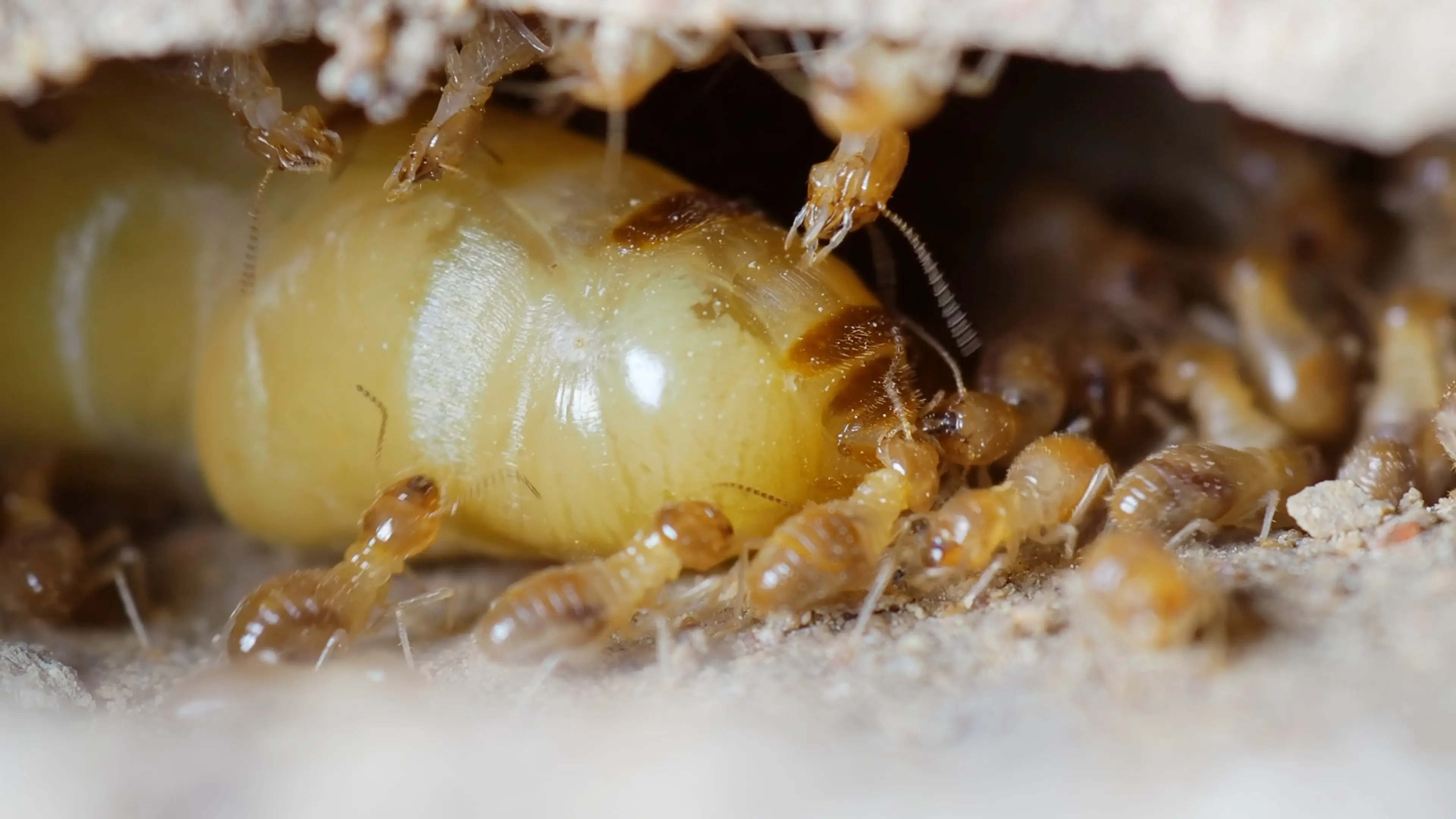
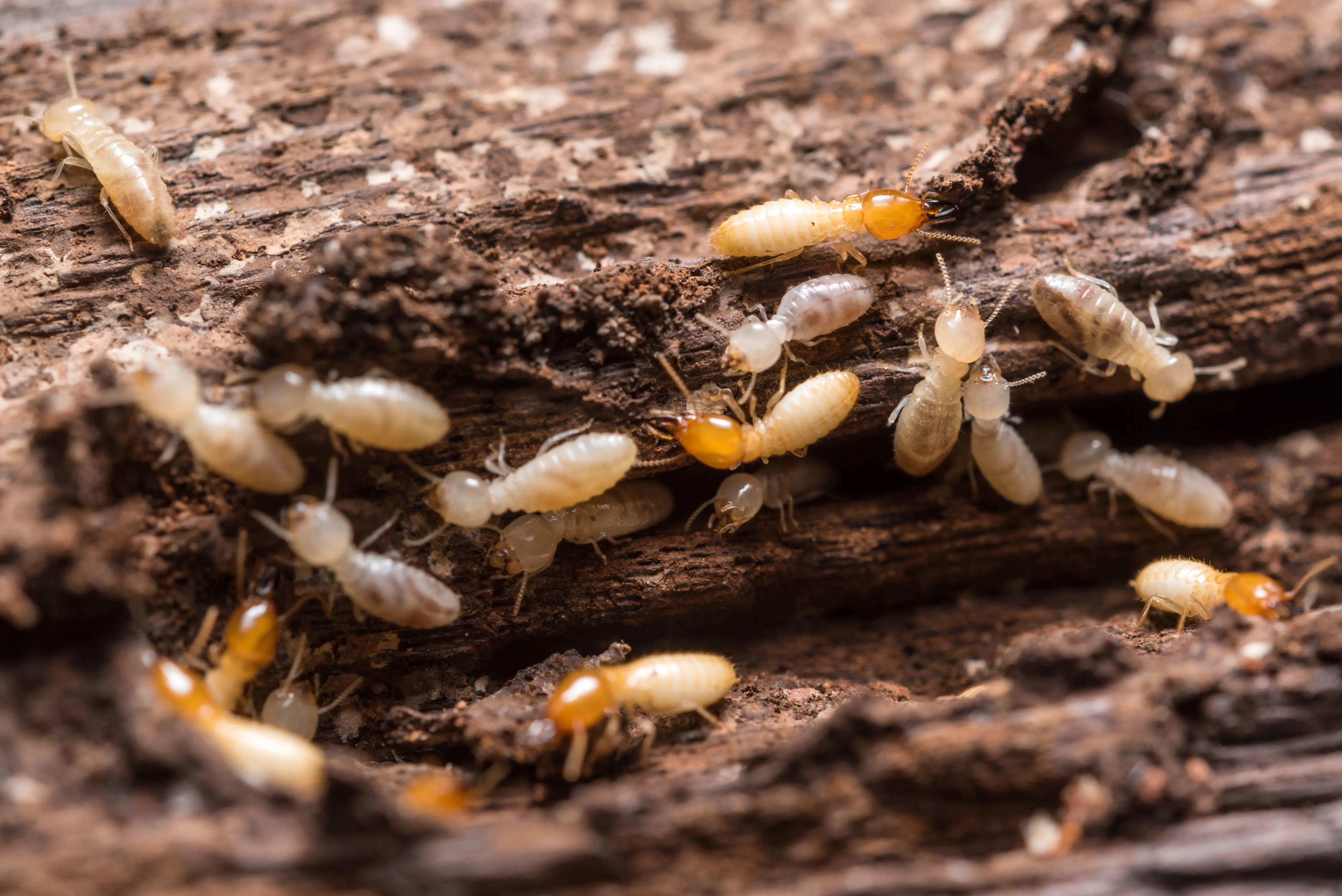
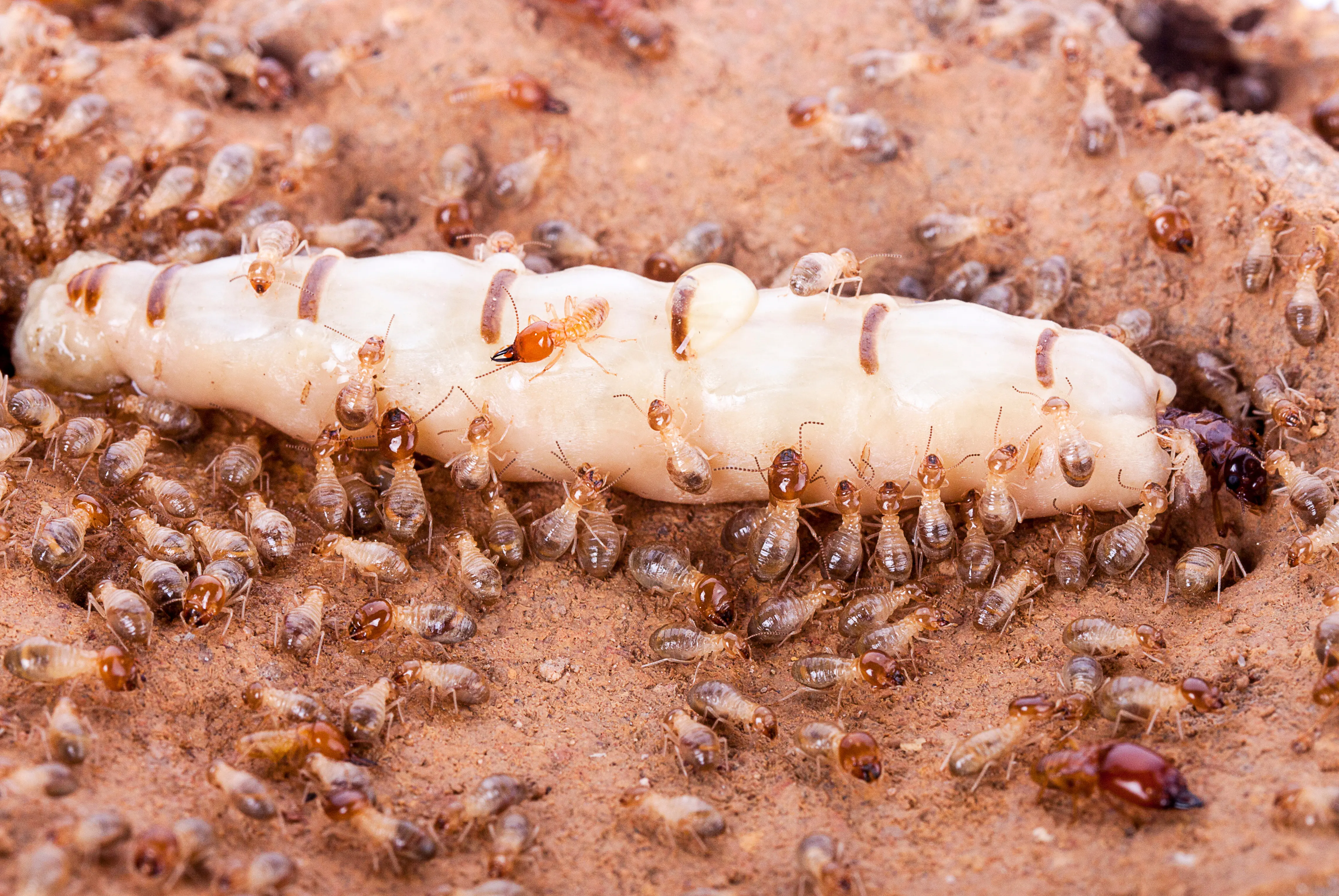
Unlike their smaller counterparts, dampwood termites exclusively target wood with high moisture content, creating a unique threat to water-damaged areas of your home. They burrow through weakened wooden structures, creating networks of tunnels that can quietly turn support beams into hollowed-out shells compromising structural integrity. By the time homeowners notice their presence, the damage may be extensive. EcoGuard Pest Management delivers specialized elimination techniques combining advanced detection technology with targeted treatment strategies designed to eradicate colonies while addressing the underlying moisture issues that attracted them.

Dampwood Termite Pest Control Experts

Successfully tackling dampwood termites requires specialized expertise far beyond general pest control knowledge. Our certified technicians receive extensive training in moisture dynamics, wood deterioration processes, and the unique biology of these wood-destroying insects. When our professionals inspect your property, they identify subtle indicators most observers miss—from microscopic kick-out holes to humidity patterns that signal ideal dampwood termite habitats. This expertise allows us to pinpoint colony locations with precision, even in concealed areas, and develop targeted elimination strategies.

Why Dampwood Termites Are a Serious Problem

Dampwood termite infestations require specialized management for several critical reasons:

  • Dampwood termites establish their entire colony inside wooden structures, creating extensive networks of chambers that can span entire support beams—these hollow galleries leave minimal external evidence while progressively damaging crucial structural components from within
  • These pests function as an environmental warning system—their very presence signals serious moisture intrusion that may be damaging your home on multiple fronts beyond termite activity alone
  • Dampwood termite colonies typically develop in areas already weakened by water damage, and the combination of moisture, fungi, and termite activity accelerates timber deterioration exponentially
  • Their biology creates unique detection challenges because dampwood termites seal their entry points with fecal material to avoid exposure to light and dry air, meaning infestations often progress undetected for years

Dampwood Termite Control Service Plans

Choose the protection level that's right for your property

One-Time Treatment
Contact Us
For custom pricing
  • Comprehensive property inspection
  • Species identification
  • Entry point identification
  • Targeted treatment application
  • Perimeter barrier application
  • Nest elimination
  • Treatment report & recommendations
  • 30-day guarantee
Get Started
MOST POPULAR
Annual Protection
Contact Us
For custom pricing
  • Everything in One-Time Treatment
  • Seasonal maintenance plan
  • Entry point treatments
  • Priority scheduling
  • Re-treatment guarantee
Get Started

* Prices vary based on property size, infestation severity, and treatment method. Contact us for an accurate quote.

Service Plan Comparison

FeatureOne-TimeAnnual
Comprehensive Inspection
Colony Elimination Treatment
Follow-Up InspectionsQuarterly
Moisture Monitoring
Re-Treatment Guarantee
Ongoing Protection

Get Your Free Dampwood Termite Quote

Protect your property with a free dampwood termite quote from our licensed experts.

✓ Same-day service available
✓ Licensed & insured
✓ Detailed property assessment
✓ No-obligation estimates

Service Areas

We provide dampwood termite control services throughout:

  • California
  • Oregon
  • Washington
  • Texas
  • Tennessee
  • Nevada
View All Counties →

Ready to Eliminate Your Dampwood Termite Problem?

Schedule your dampwood termite inspection today. Our experts will assess your property and provide a customized treatment plan.

📞 Call (866) 326-2847Get Free Quote

Dampwood Termite Treatment Options

EcoGuard Pest Management has developed a comprehensive approach to dampwood termite management tailored to their unique biology, combining multiple treatment strategies for complete colony elimination.
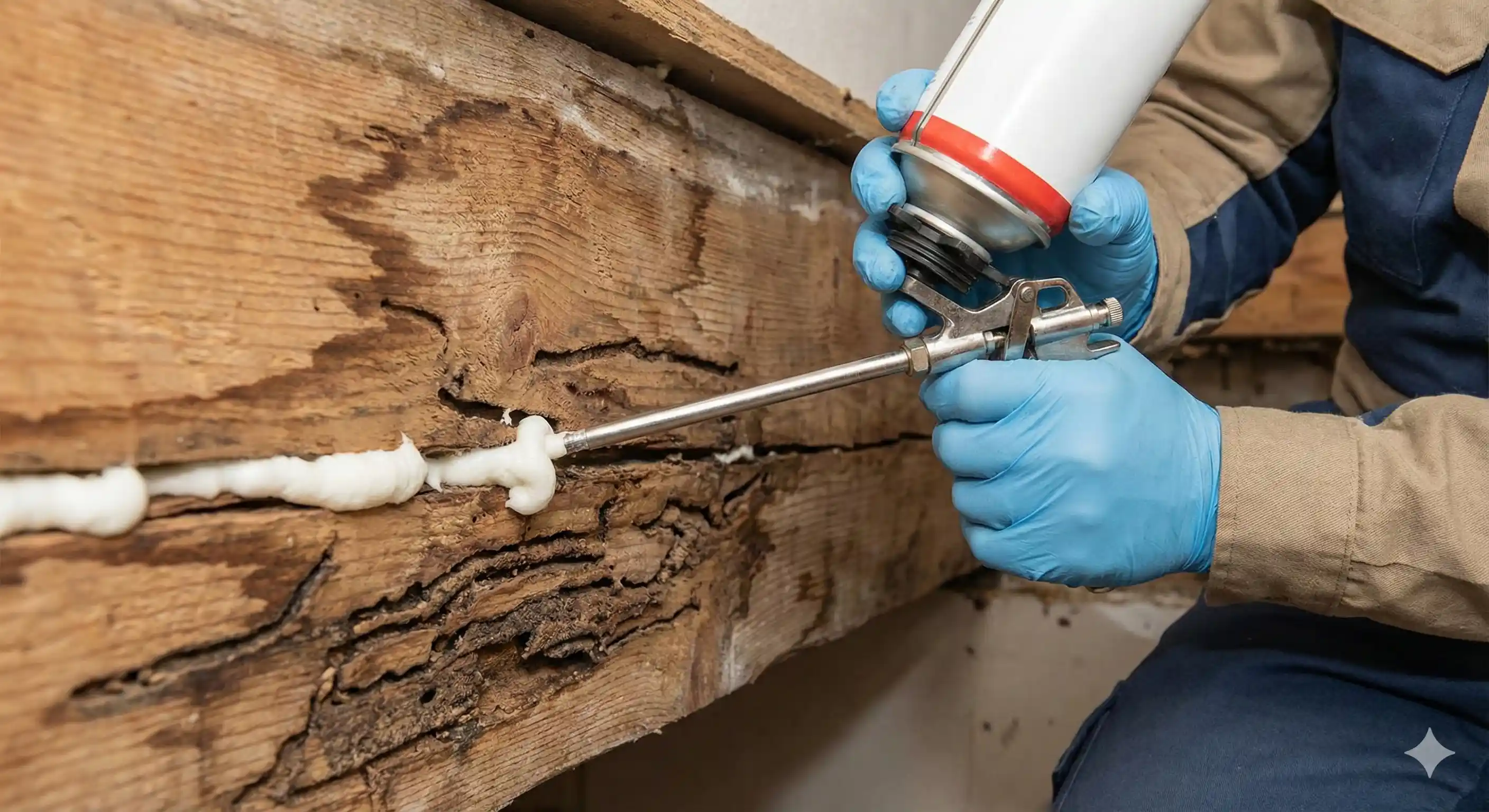
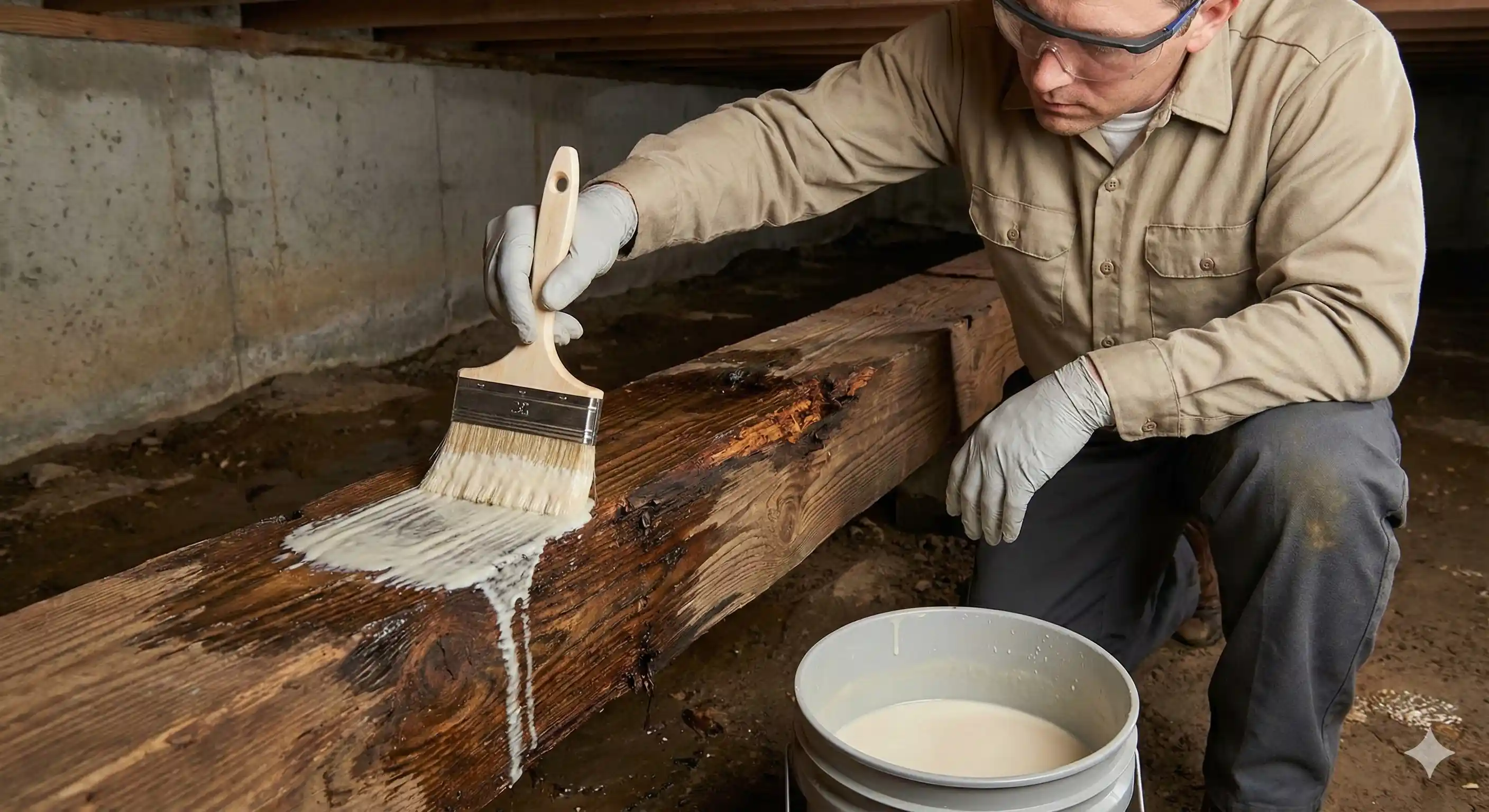
Technician applying deep penetrating foam treatment into dampwood termite galleries

Deep Penetrating Foam Treatment

Our foam treatment expands within wood galleries, ensuring contact with termites throughout their extensive tunnel networks. This method reaches areas that traditional liquid treatments cannot adequately penetrate, delivering termiticide deep into colony chambers.

Professional applying borate treatment to moisture-damaged wood for termite control

Borate Wood Treatment

Borate treatments are uniquely suited for moisture-prone environments, providing immediate colony elimination while creating lasting protection that actually becomes more effective in humid conditions as the moisture helps distribute the treatment throughout the wood.

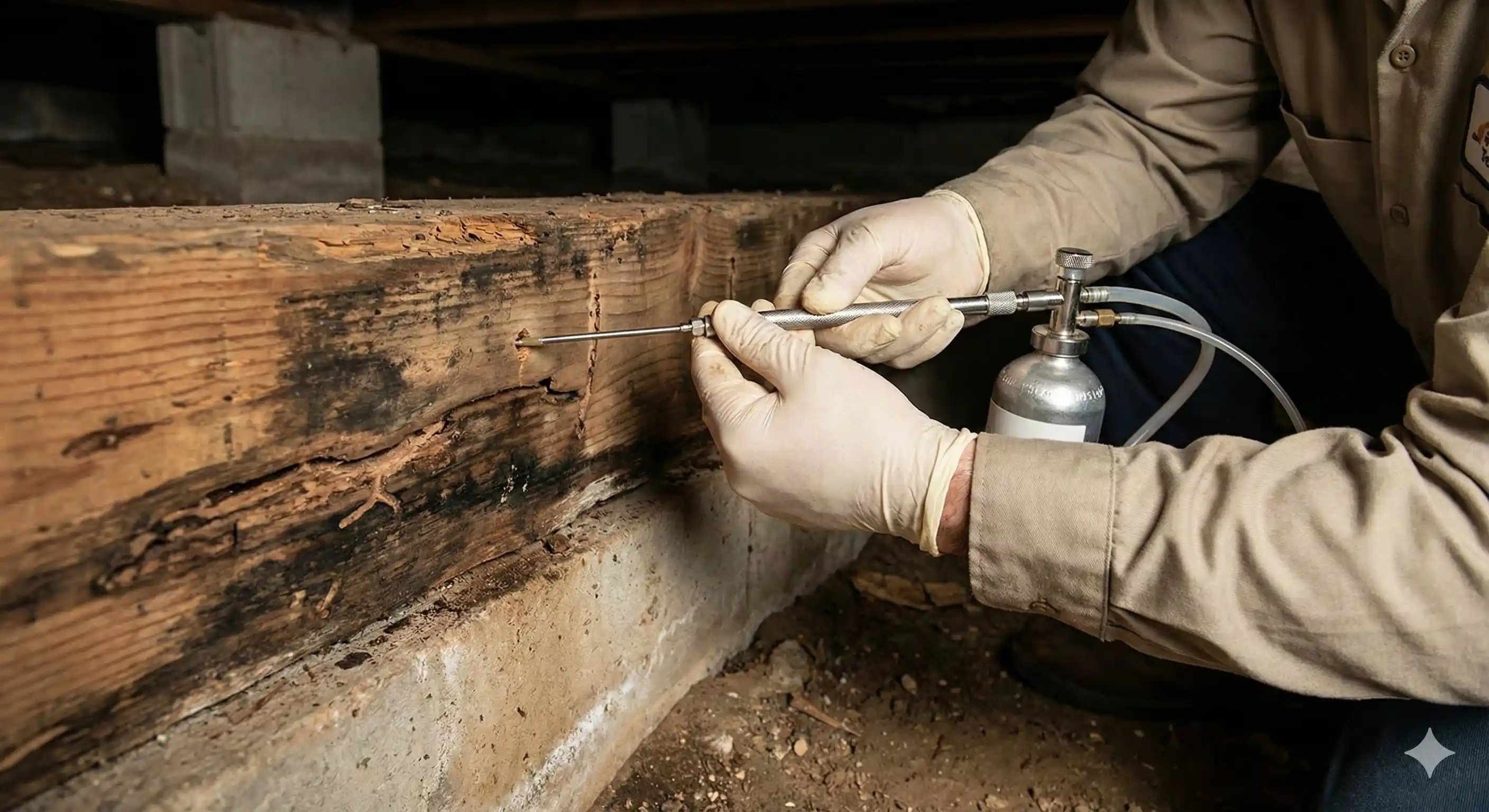
Technician using precision injection equipment to treat dampwood termite galleries

Precision Micro-Injection

Using calibrated micro-injection equipment, our technicians deliver targeted termiticides directly into gallery systems without broadcasting chemicals unnecessarily. This precise approach maximizes effectiveness while minimizing environmental impact.

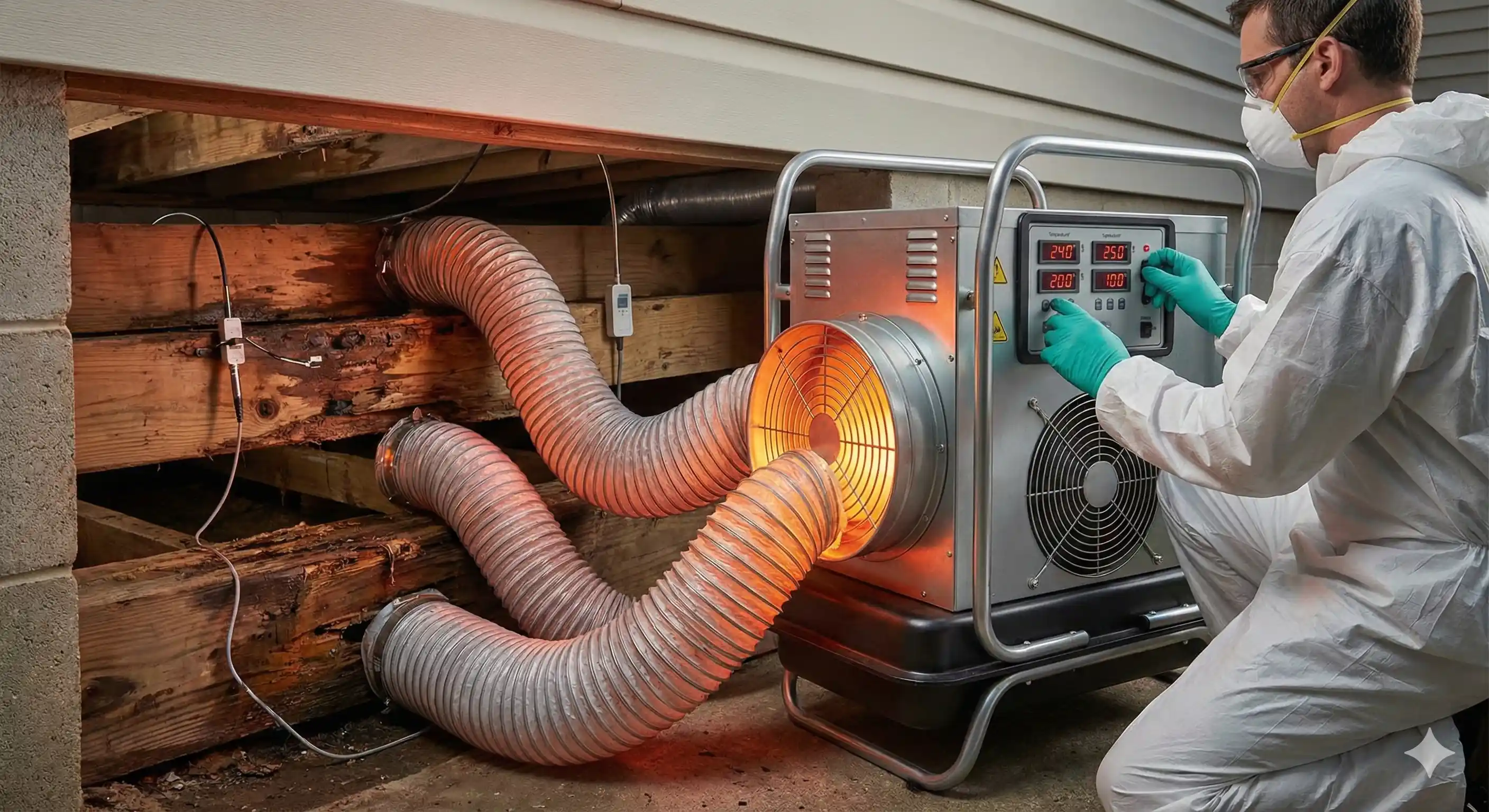
Thermal remediation equipment treating wood structure for dampwood termites

Thermal Remediation

For certain infestation scenarios, we offer specialized heat treatment protocols that eliminate dampwood colonies through carefully controlled temperature elevation. This chemical-free option is effective for localized infestations in accessible areas.

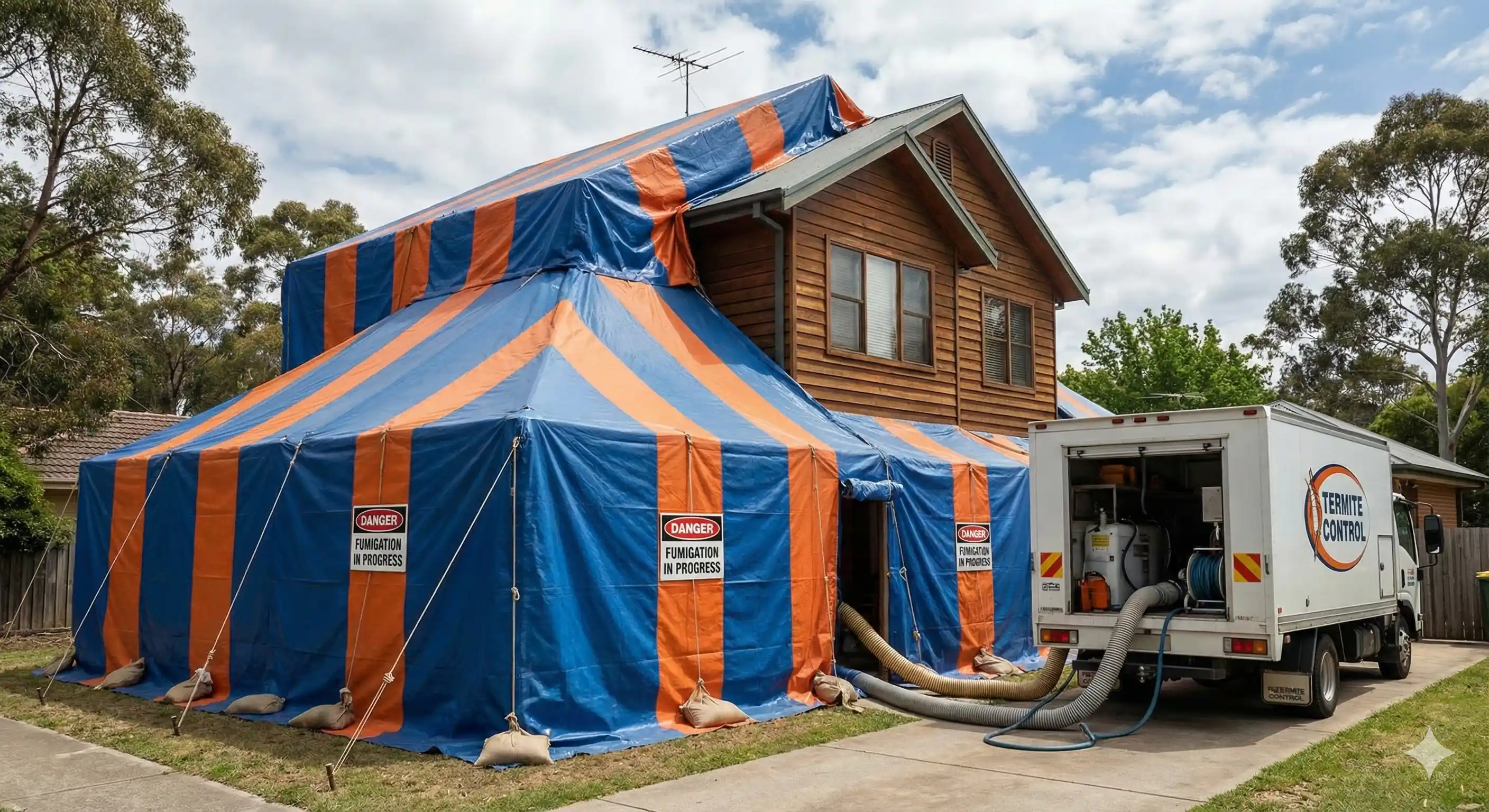
Structure prepared for fumigation treatment of severe dampwood termite infestation

Structural Fumigation

While whole-structure fumigation is often unnecessary for dampwood termites, our team may recommend this approach for severe infestations exhibiting dramatic structural damage from widespread termite activity throughout the building.

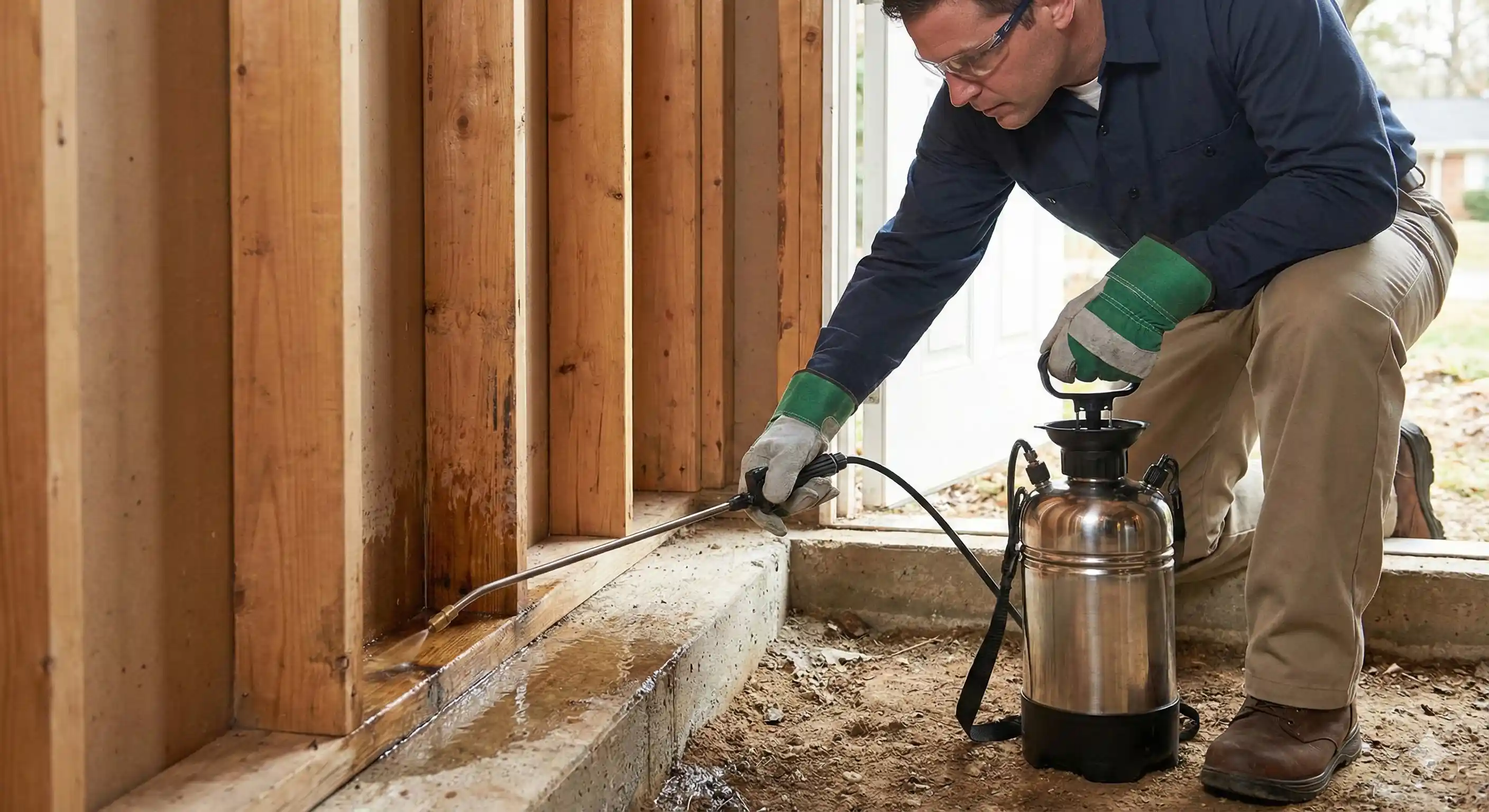
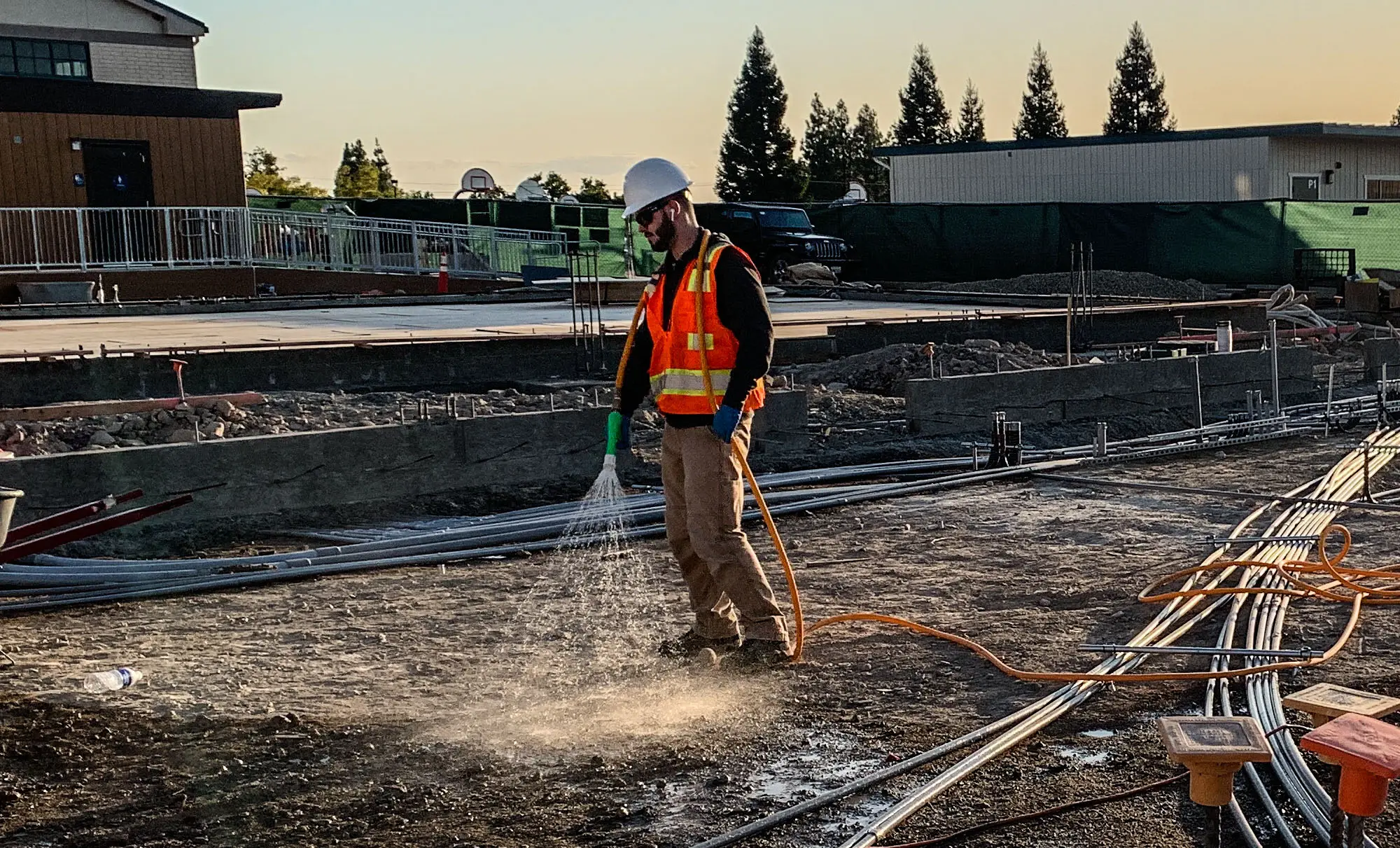
Applying preventive barrier treatment to protect vulnerable wood areas

Preventive Barrier Protection

Our technicians establish protective zones in vulnerable areas, focusing on locations where wood contacts sources of moisture. These preventative measures block termite access to potential entry points and protect treated areas from reinfestation.

What Causes Dampwood Termites?

Recognizing what creates ideal dampwood termite habitat is crucial for effective management and long-term prevention.
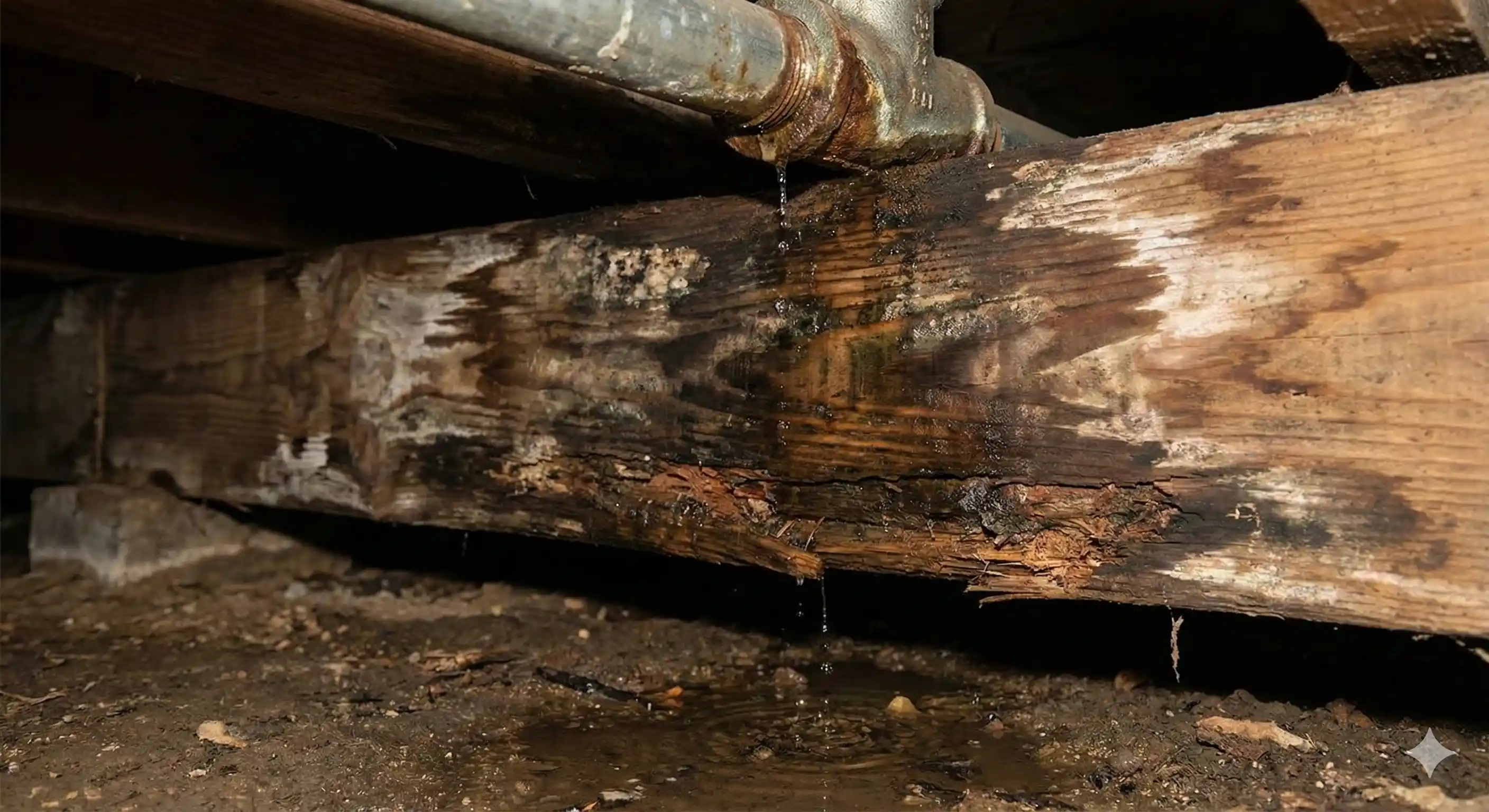
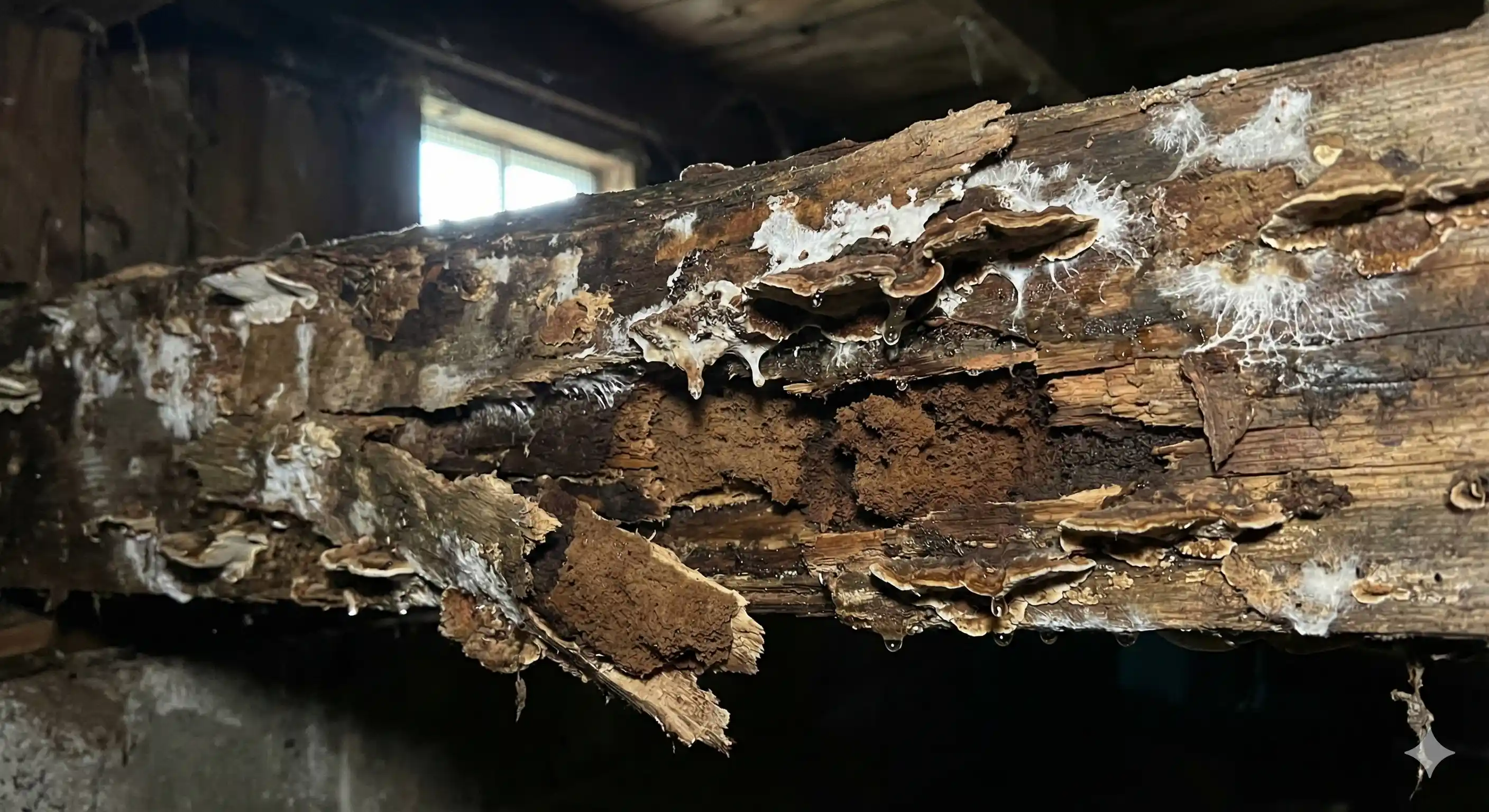
Water-damaged wood with high moisture content attracting dampwood termites

💧 Chronically Wet Wood

Unlike other termite species, dampwood termites require timber with 25-30% moisture content or higher. Chronically damp wood from plumbing leaks, air conditioner condensation, improper drainage, or persistent roof issues creates ideal conditions for colony establishment.

Fungal decay in wood creating conditions favorable for dampwood termites

🍄 Fungal Decay Partnerships

These termites frequently target wood already softened by fungal decay, which accelerates destruction. Areas showing signs of wood rot become prime targets, particularly in basements, crawlspaces, and around window frames where moisture problems persist.

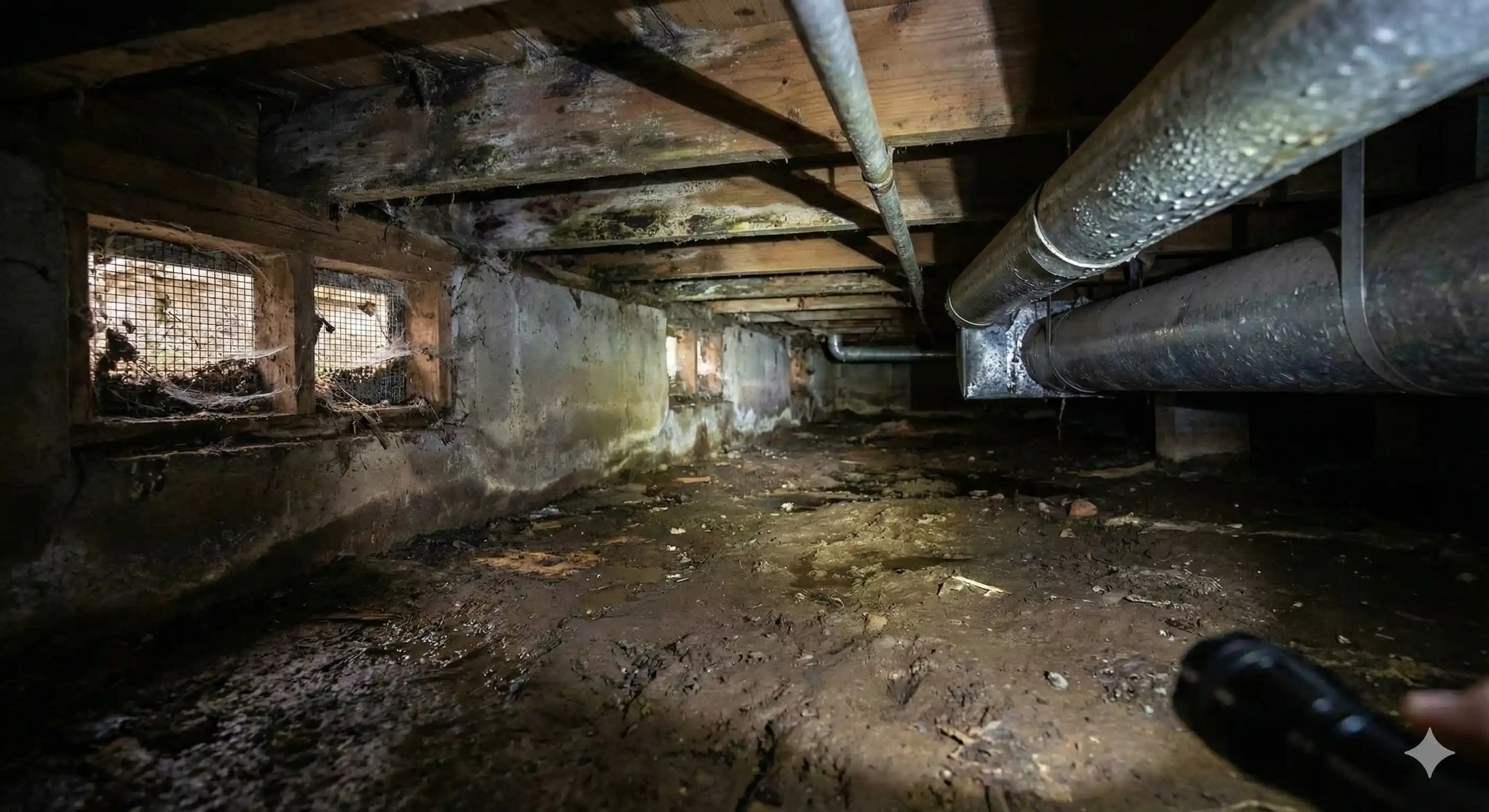
Poorly ventilated crawlspace with elevated humidity levels

🌬️ Insufficient Ventilation

Enclosed spaces with poor airflow create microenvironments where humidity remains consistently elevated. Crawlspaces, attics with inadequate venting, and enclosed porches often maintain the perfect moisture levels for dampwood termite establishment.

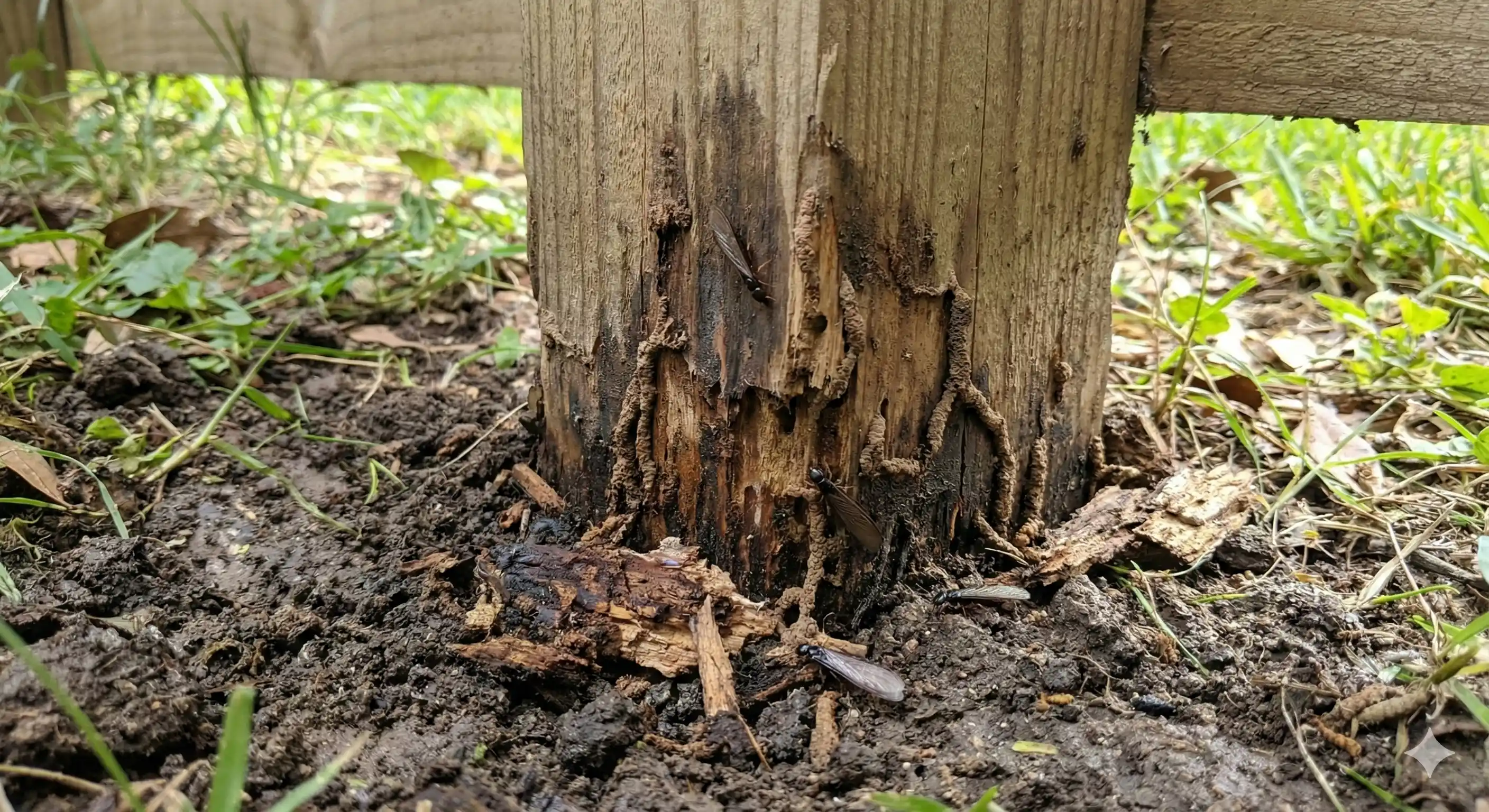
Wood post in direct ground contact providing dampwood termite access

🪵 Wood-to-Ground Contact

Wooden elements making direct contact with soil—like fence posts, deck supports, and siding—create natural pathways for dampwood termites. These areas absorb ground moisture, fostering conditions ideal for colony establishment.

Learn More About Dampwood Termite Prevention →

What Are Signs of Dampwood Termites in Your Home?

These key indicators help identify dampwood termite activity before extensive structural damage occurs.
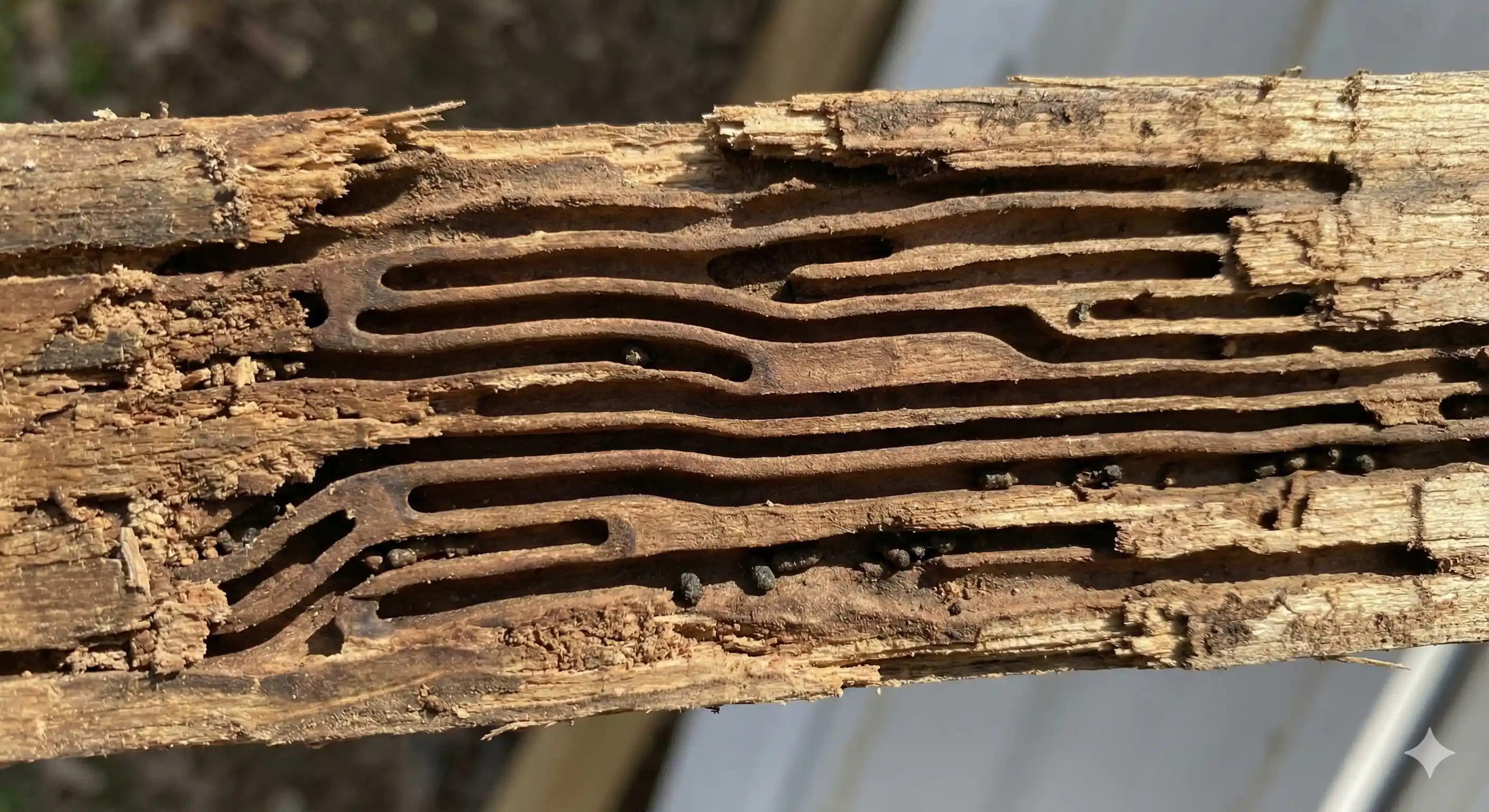
Smooth-walled dampwood termite galleries visible in damaged wood

Distinctive Wood Galleries

When damaged timber is broken open, dampwood termites leave large, smooth-walled chambers connected by tunnels running parallel to the wood grain. These galleries typically contain sections of both severely damaged and intact wood.

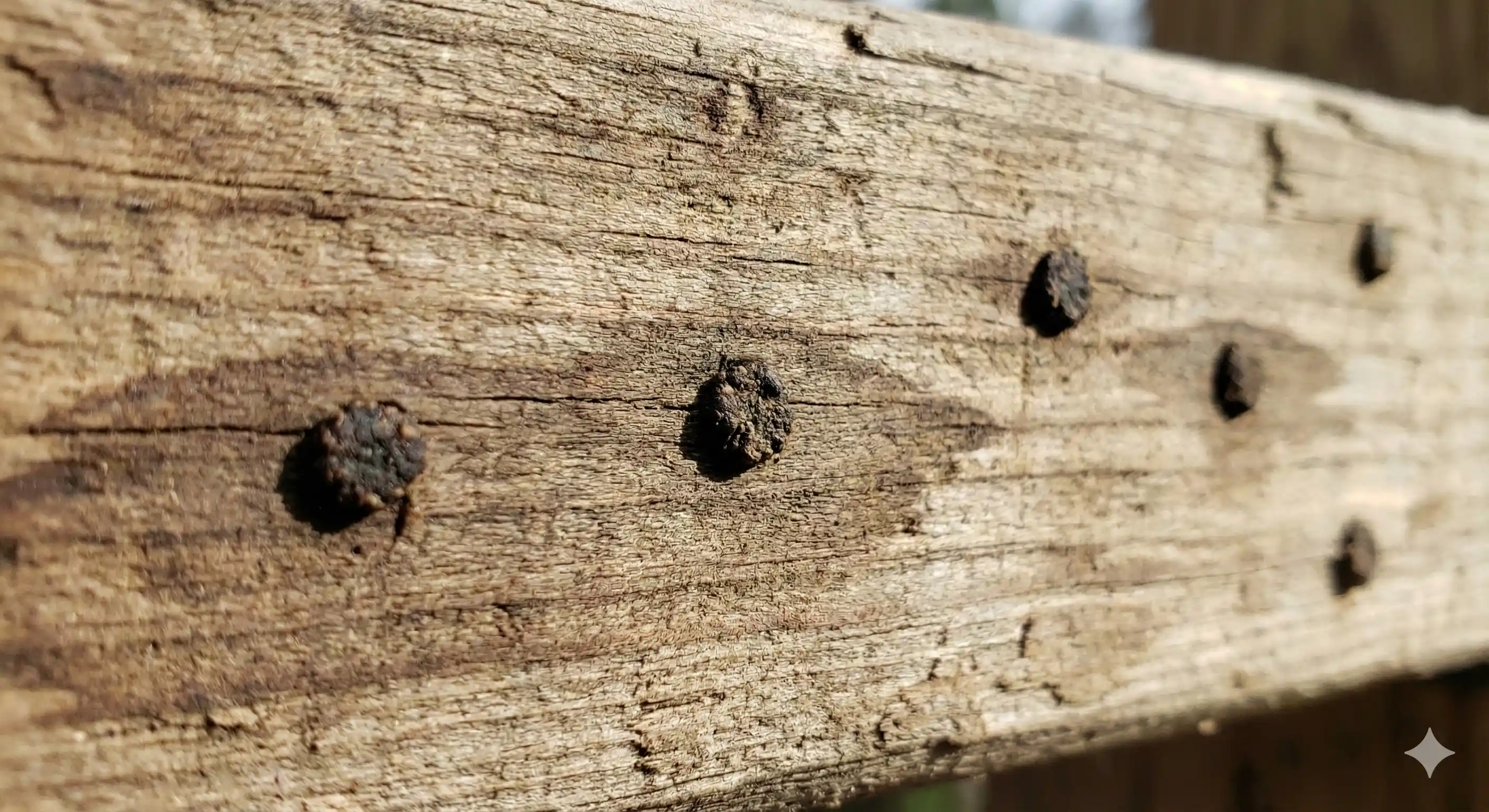
Sealed kick-out holes on wood surface indicating dampwood termite activity

Sealed Kick-Out Holes

Unlike drywood termites that leave visible pellets, dampwood termites use fecal material to seal small openings in infested wood. These plugged holes appear as darkened areas on wood surfaces, often slightly raised from surrounding wood.

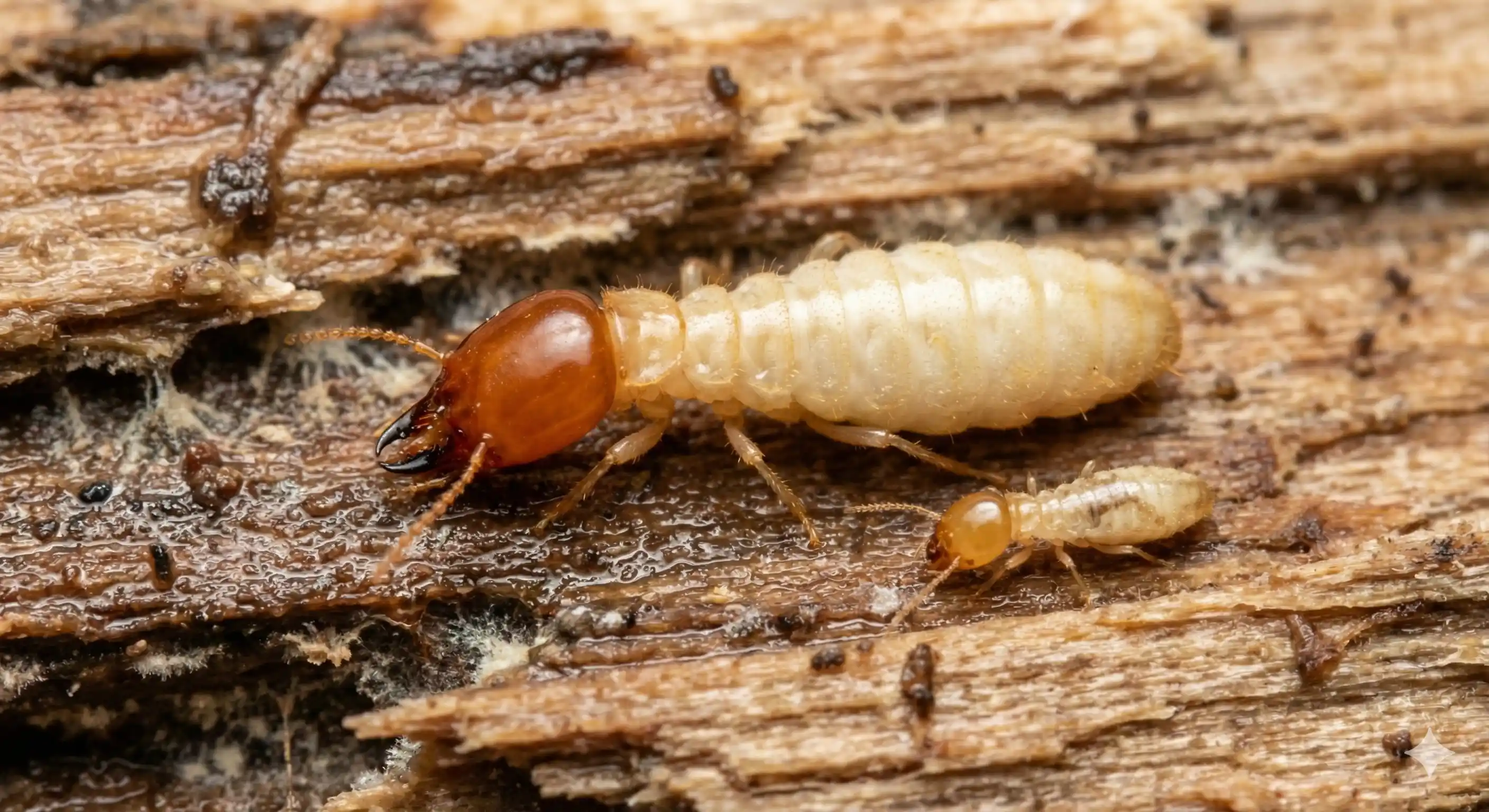
Large dampwood termite worker showing characteristic size

Large-Bodied Termites

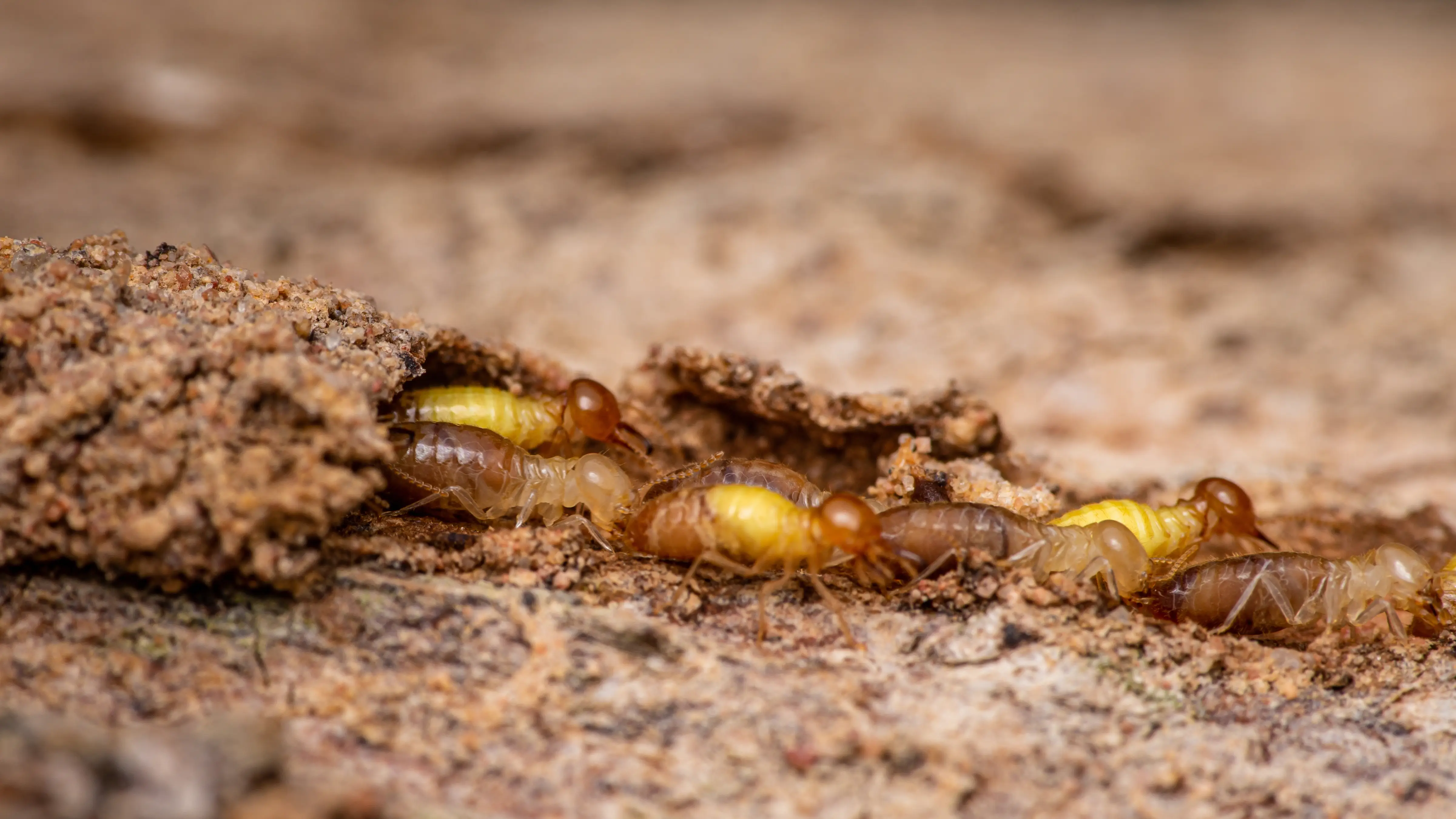
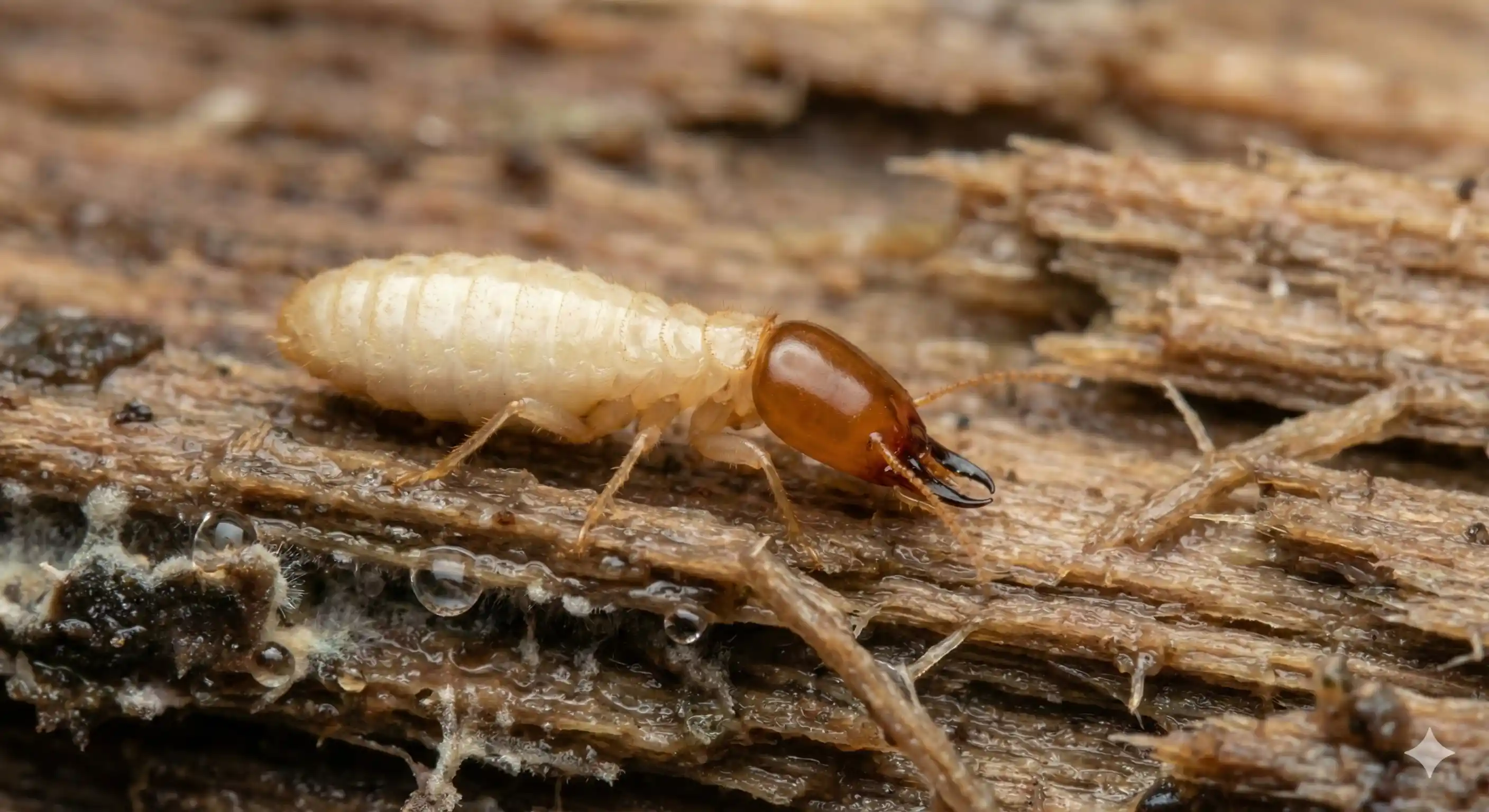
If disturbed, dampwood termites are notably larger than other termite species. Workers measure approximately 1/2 inch in length—significantly larger than the 1/4 inch size typical of other termite varieties—making them easier to identify.

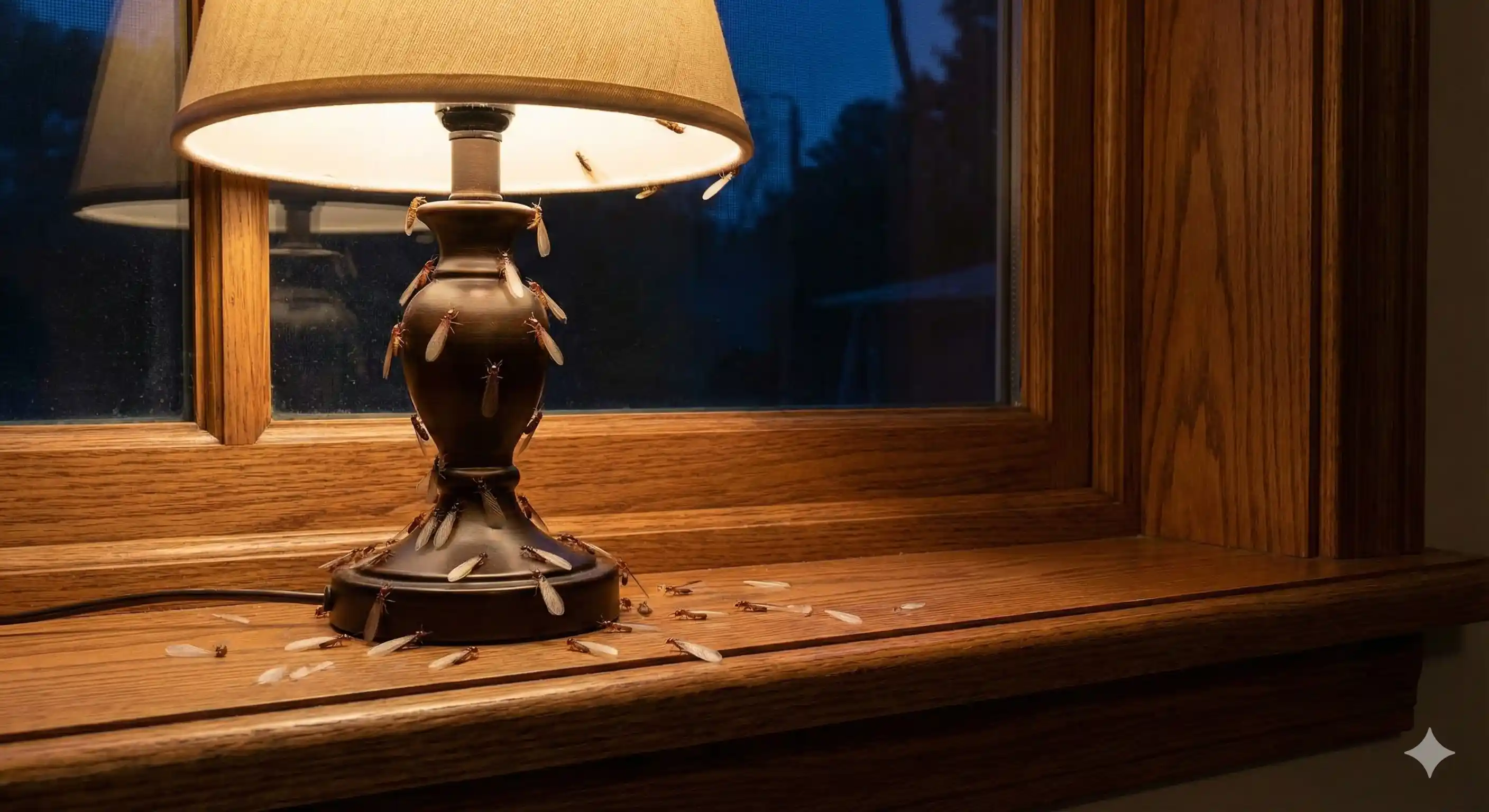
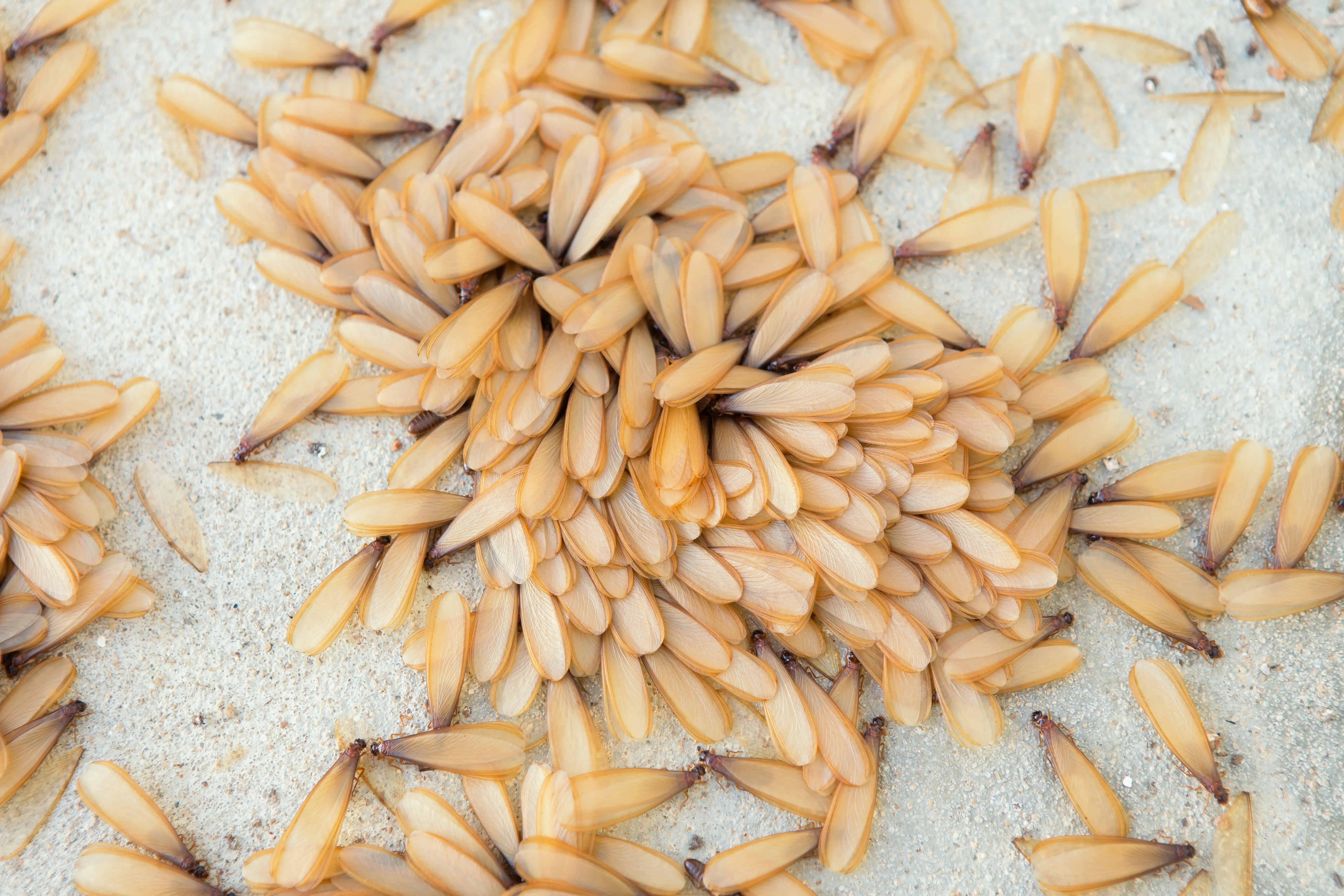
Winged dampwood termite swarmers near light source

Winged Swarmers Near Lights

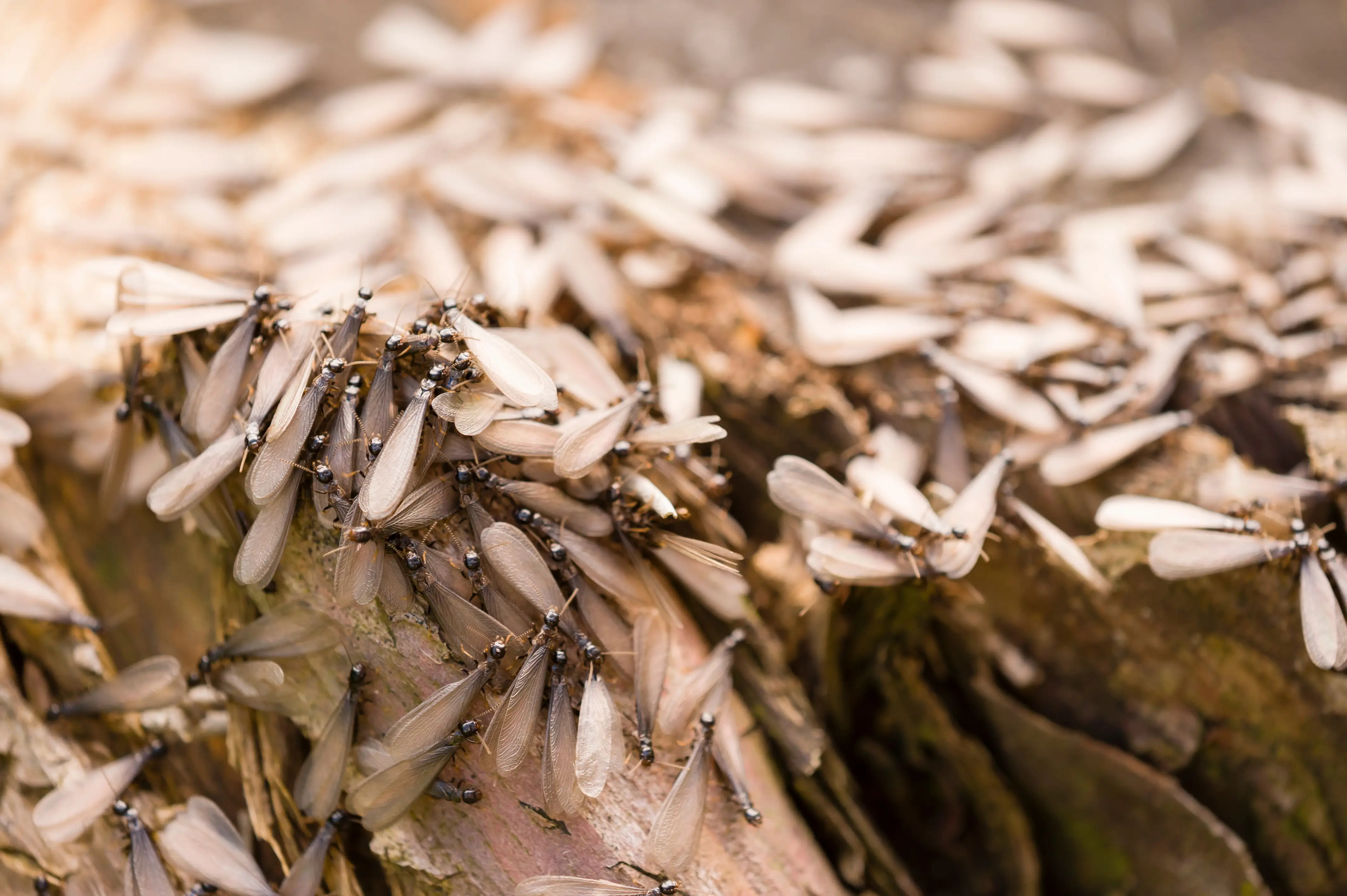
During warm, humid evenings, reproductive dampwood termites emerge to establish new colonies. These winged termites (alates) are attracted to lights and may appear around windows, light fixtures, or door frames during swarming season.

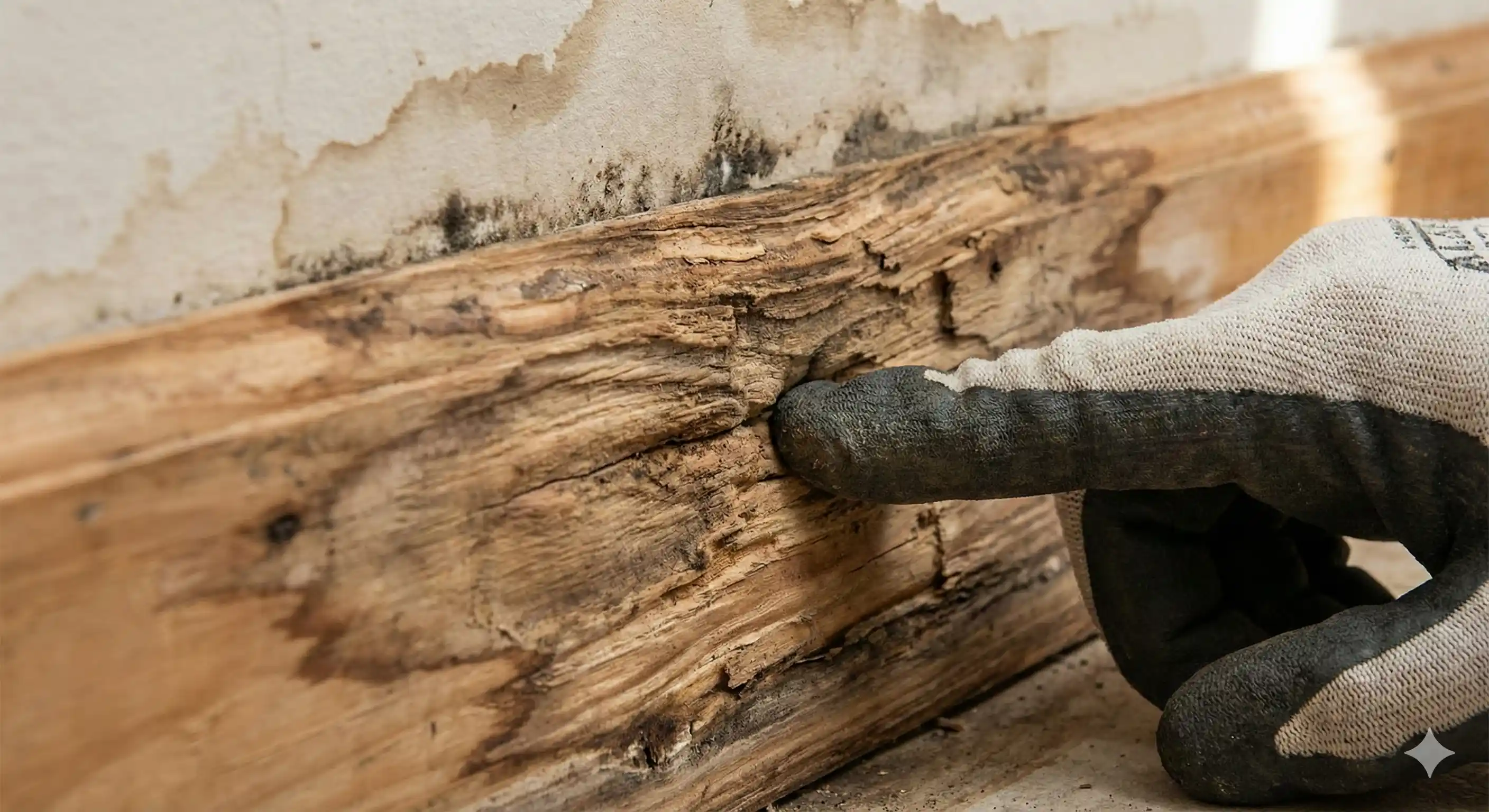
Water-damaged wood likely harboring dampwood termite colony

Water-Damaged Wood

Soft, spongy wood showing signs of water damage frequently harbors dampwood termites. Areas with visible water staining, warping, or obvious moisture issues should be carefully examined for termite activity.

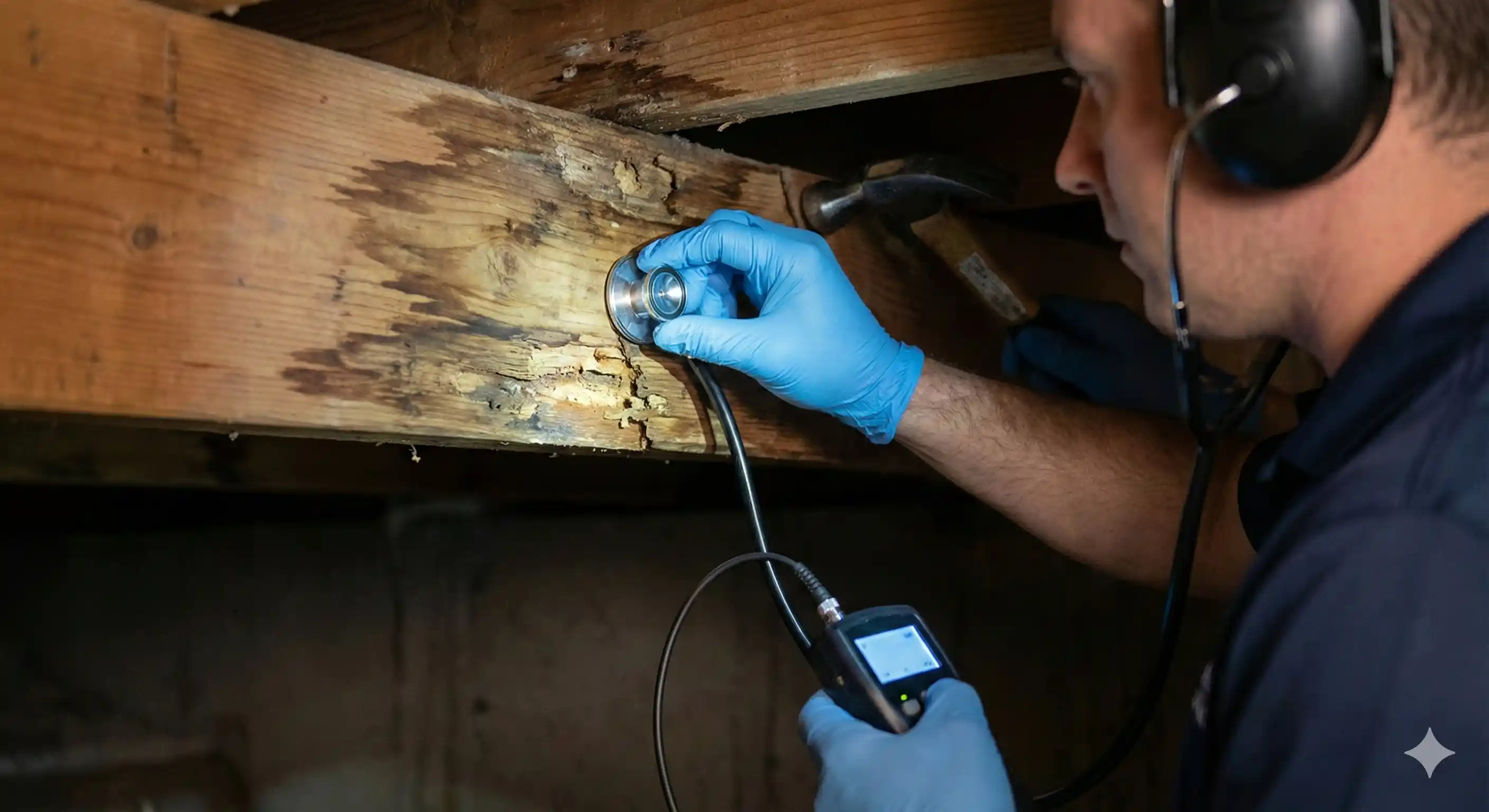
Inspecting wood for acoustic signs of dampwood termite activity

Acoustic Indicators

When active, dampwood termite colonies produce subtle clicking sounds as soldiers bang their heads against gallery walls to signal danger. In quiet environments, these sounds may be audible when listening carefully near suspected timber.

Learn More About Dampwood Termite Detection →

DIY vs Professional Treatment

While retail stores offer numerous termite control products, their effectiveness against dampwood termites specifically is severely limited. Over-the-counter spot treatments typically fail to penetrate deeply enough into affected wood to reach colony cores where reproductive termites reside. Without specialized equipment, DIY efforts often miss the true extent of both the infestation and the underlying moisture issues driving it. Consumer products simply cannot access the deep gallery networks where dampwood termites establish their colonies.

At EcoGuard, our approach begins with comprehensive moisture mapping using advanced detection equipment that pinpoints both existing damage and conducive conditions. We then deploy specialized treatment technologies including deep-penetrating borates, targeted injection systems, and expandable foam applications designed specifically for the unique biology of dampwood termites. These professional-grade solutions reach gallery networks that consumer products simply cannot access. Additionally, our certified technicians identify and document underlying moisture sources that must be addressed to prevent recurrence.

❌ DIY Treatment

  • Cannot penetrate deep into gallery systems
  • Misses true extent of infestation
  • Doesn't identify underlying moisture issues
  • Fails to reach reproductive termites
  • No moisture mapping capability
  • Cannot prevent reinfestation

✓ Professional Treatment

  • Deep-penetrating foam and injection treatments
  • Comprehensive moisture mapping technology
  • Borate treatments optimized for wet wood
  • Targets entire colony including reproductives
  • Identifies and documents moisture sources
  • Long-term prevention strategies

Commercial Dampwood Termite Control

EcoGuard Pest Management implements customized dampwood termite control programs for commercial facilities that prioritize operational continuity while ensuring effective pest elimination. Our comprehensive commercial dampwood termite protection programs combine discrete treatment applications with flexible scheduling to maintain your business operations while ensuring complete elimination of dampwood termite problems.

We specialize in dampwood termite control solutions for:

  • Restaurants and food service establishments
  • Healthcare facilities
  • Hotels and hospitality venues
  • Educational institutions
  • Office complexes
  • Food processing facilities
  • Warehouses and storage facilities
  • Retail spaces
  • Manufacturing facilities
  • Multi-unit residential properties
Learn About Commercial Pest Control
100% SATISFACTION GUARANTEE

The EcoGuard Guarantee

EcoGuard offers a 100% satisfaction guarantee for all of our customers, and we stand by our promise to eradicate your dampwood termite problem until the very last dampwood termite is gone. That dampwood termite control guarantee comes with every service and if the dampwood termites come back, then so do we, at no additional cost. We are standing by to give you a free estimate and to help you set your first dampwood termite pest control service appointment.

📞 Call (866) 326-2847 Today

Our Dampwood Termite Control Process

A moisture-focused approach to complete dampwood termite elimination and structural protection

1

Moisture Mapping Inspection

Our specialists begin with thorough property evaluation targeting moisture-prone zones, water-damaged areas, and regions with elevated humidity levels. Using advanced detection technology, we map both active infestations and high-risk conditions throughout your property to reveal the full scope of current activity and future vulnerability points.

2

Targeted Treatment Protocol

Based on our detailed assessment findings, we develop a property-specific treatment protocol combining multiple elimination strategies. This integrated approach typically includes targeted wood injections, borate applications to compromised timber, specialized foam treatments for inaccessible areas, and preventative measures for vulnerable zones.

3

Moisture Source Documentation

Beyond direct termite elimination, our technicians document all conditions supporting dampwood termite activity. We provide detailed recommendations regarding ventilation improvements, drainage corrections, and moisture management practices essential for long-term protection and prevention of reinfestation.

4

Ongoing Monitoring

Following treatment implementation, we conduct systematic follow-up inspections using our advanced detection equipment to confirm complete colony elimination. This continuous monitoring approach ensures early detection of any changes that might indicate renewed termite presence or developing conducive conditions.

Seasonal Plan for Dampwood Termite Control

Year-round protection adapted to seasonal dampwood termite behavior patterns

Spring Dampwood Termite Control

Spring

As temperatures rise, dampwood termites enter their primary expansion phase; focus on comprehensive inspections targeting areas where winter moisture may have created new habitats; treat overwintering colonies before they expand; apply preventative treatments to vulnerable areas

Summer Dampwood Termite Control

Summer

Peak reproductive activity as mature colonies produce winged swarmers establishing new infestations; monitor for reproductive emergences; swift intervention at newly established colony sites; focus treatment on outdoor structures and moisture-prone areas

Fall Dampwood Termite Control

Fall

Treat existing termite galleries before colonies establish winter protection; address new moisture intrusions from fall weather patterns; implement preventative barriers blocking termite access during pre-winter movement; prepare structures for wet season

Winter Dampwood Termite Control

Winter

While outdoor activity decreases, dampwood termites remain active within temperature-stabilized structures; leverage this period for detailed interior inspections when colonies are concentrated; address moisture issues with reduced interference from active colonies

What Our Customers Say

Trusted by homeowners for professional dampwood termite elimination and moisture management

★★★★★

"We had no idea our bathroom had a slow leak until EcoGuard found dampwood termites in the subfloor. They treated the termites AND helped us understand the moisture problem that caused it. Saved us from major structural damage!"

Patricia & David H.
Seattle, WA
★★★★★

"The technician used moisture mapping equipment I've never seen before. He found dampwood termites in our crawlspace that a previous company completely missed. EcoGuard's specialized approach made all the difference."

Michael R.
Portland, OR
★★★★★

"Our deck posts had dampwood termites from ground contact. EcoGuard treated the infestation and gave us great recommendations for preventing future problems. Very knowledgeable about this specific type of termite!"

Sandra L.
Sacramento, CA

Dampwood Termite Control FAQs

Everything you need to know about dampwood termite control and treatment

Professional termiticides applied through targeted wood injections, specialized borate treatments, and foam applications effectively eliminate dampwood termites by penetrating deep into their galleries. The most effective approach combines these chemical treatments with moisture remediation, as dampwood termites cannot survive in wood that has been properly dried.

Dampwood termites should be taken seriously as they can cause significant structural damage by hollowing out support beams, floor joists, and other load-bearing elements while leaving thin outer shells that mask the destruction within. Even more concerning, their presence signals underlying moisture problems that could be damaging your home in multiple ways beyond just termite activity.

The most effective dampwood termite control combines professional-grade termiticide applications that target infested wood with comprehensive moisture management to eliminate the conditions these pests require. Borate treatments are particularly effective as they leverage the high moisture content in affected wood to penetrate deeply and provide long-lasting protection.

Dampwood termites are capable of reducing the strength of support beams by up to 80%, risking collapse even if the wood looks safe from its exterior. A mature colony can severely damage a standard support beam within 18-36 months, with damage often concentrated in critical structural elements where moisture problems exist.

Dampwood termites require wood with high moisture content (25-30% minimum) and are significantly larger than other termite species, with soldiers reaching nearly an inch in length. They establish their entire colony directly within the wood they consume rather than maintaining soil connections, and create distinctive smooth-walled chambers following the wood grain.

Coastal regions face higher dampwood termite risk due to elevated humidity and salt air that accelerates wood deterioration. Areas with heavy rainfall, high water tables, or foggy microclimates maintain moisture levels conducive to infestation, while properties with extensive irrigation may create localized dampwood termite habitats even in otherwise arid regions.

Dampwood termites seek moisture-weakened wood and avoid wood without sufficient moisture content to sustain their survival. Common target areas include bathroom subfloors, attics with roof leaks, and window frames exposed to driving rain. Their preference for fungally compromised wood keeps them concentrated in already decaying, concealed areas.

Many homeowners incorrectly believe that fixing moisture sources alone will eliminate existing dampwood termite colonies. However, established dampwood termites can survive for months in previously dampened wood even after external moisture sources are corrected, requiring direct treatment for complete elimination.

While initial colony establishment proceeds gradually, mature dampwood termite colonies (2-3 years old) can compromise a standard support beam within 18-36 months. Their unique damage pattern creates particularly dangerous conditions by leaving thin shells of intact wood that maintain appearances while internally reducing load-bearing capacity by 65-80%.

Standard termite inspections often miss dampwood termites as they focus primarily on subterranean termite indicators rather than comprehensive moisture assessment. At EcoGuard, our specialized protocols incorporate moisture mapping and acoustic detection equipment that can identify dampwood activity even when hidden within structural elements.

While moisture remediation is essential for long-term prevention, established dampwood termite colonies can continue surviving in previously dampened wood for 6-18 months even after external moisture sources are corrected. Our integrated approach combines direct colony elimination with moisture management recommendations for complete protection.

Dampwood termites present unique treatment challenges as they establish deeper within larger timbers and preferentially infest already compromised structural elements. However, their biology also creates advantages—their colony structure eliminates the need for soil treatments required for subterranean termite species.

Wood moisture significantly impacts treatment efficacy as conventional liquid termiticides often face dilution in high-moisture environments. Specialized borate treatments leverage high moisture content because water acts as a transport mechanism to penetrate deeply into affected timber, making them particularly effective against dampwood termites.

Unlike simple water damage, dampwood termite-affected wood produces a distinctive hollow sound when tapped and reveals clean, smooth-walled galleries following grain patterns when broken. Look for sealed kick-out holes appearing as slightly raised dark spots, and probe testing showing inconsistent resistance as tools encounter alternating damaged and intact wood sections.

Unlike subterranean termites that travel through soil, dampwood termites primarily spread between properties through winged reproductive swarms that can fly several hundred yards, or through infested wood transport like shared firewood or lumber. Risk increases significantly between properties sharing similar moisture issues.

Naturally resistant woods like cedar, redwood, and cypress contain extractives toxic to termites, providing inherent protection even in moisture-prone applications. Properly pressure-treated lumber creates chemical barriers, while modern composite decking resists both moisture absorption and termite attack. Untreated pine, particleboard, and OSB create elevated risk.

Our dampwood termite protocols prioritize safety through targeted injection systems that place treatments directly into affected wood rather than broadcasting chemicals. We utilize borate-based products with extremely low toxicity profiles and precise application methods. Typically, residents need only vacate immediate treatment areas for 1-4 hours.

Building design elements that increase risk include inadequate roof overhangs, insufficient crawlspace ventilation, improperly sloped shower pans, missing flashing at roof intersections, and unsealed plumbing penetrations. Protective practices include proper vapor barrier installation, adequate ventilation, appropriate grading, and functional gutter systems.

High-risk practices include sprinklers wetting exterior walls, drip systems too close to foundations, excessive watering, and nighttime watering preventing adequate evaporation. Problematic landscaping includes organic mulch against foundations, dense shrubbery limiting airflow, raised planters against walls, and poorly drained water features.

Following treatment, you'll receive comprehensive documentation including a detailed termite inspection report with moisture mapping, specific treatment details (products, methods, locations), termite warranty certificate, moisture management recommendations prioritized by urgency, and Wood Destroying Organism reports meeting all state regulatory requirements.

Related Articles & Resources

Learn more about dampwood termite prevention, identification, and control
Do Termites Bite People? Risks, Symptoms & What to Do

Do Termites Bite People? Risks, Symptoms & What to Do

Learn if termites bite humans, what termite bites look like, the real risks of termites, and how to prevent and get rid of termite infestations.

Read Article →
Does Mulch Attract Termites? Complete Guide to Safe Mulching

Does Mulch Attract Termites? Complete Guide to Safe Mulching

Learn the truth about mulch and termites. Discover which mulch types are termite-resistant, proper installation techniques, and prevention strategies.

Read Article →
How Long Does Termite Treatment Last? Duration by Type

How Long Does Termite Treatment Last? Duration by Type

Learn how long different termite treatments last including baits, liquid treatments, fumigation, and Termidor. Factors affecting treatment effectiveness.

Read Article →
Signs of Termites: How to Detect Termite Activity in Your Home

Signs of Termites: How to Detect Termite Activity in Your Home

Learn the common signs of termite activity including swarmers, mud tubes, wood damage, droppings, and more. Early detection prevents costly damage.

Read Article →
Termite Droppings (Frass): Identification, Location & What to Do

Termite Droppings (Frass): Identification, Location & What to Do

Learn how to identify termite droppings (frass), where to find them, drywood vs subterranean termite waste, and what to do if you find termite frass.

Read Article →
Termite Eggs: Identification, Location & What Finding Eggs Means

Termite Eggs: Identification, Location & What Finding Eggs Means

Learn what termite eggs look like, where to find them, how many queens lay, hatching time, and what to do if you discover termite eggs in your home.

Read Article →
Termite Life Cycle: Stages, Castes, Reproduction & Lifespan

Termite Life Cycle: Stages, Castes, Reproduction & Lifespan

Learn about the termite life cycle including egg, nymph, and adult stages, castes (workers, soldiers, reproductives), swarming, and how long termites live.

Read Article →
Termite Queen: Appearance, Role, Lifespan & How to Eliminate

Termite Queen: Appearance, Role, Lifespan & How to Eliminate

Learn about termite queens including appearance, size, role in the colony, egg production, lifespan, and what happens when a queen dies.

Read Article →
Termites vs Ants: How to Tell the Difference

Termites vs Ants: How to Tell the Difference

Learn how to identify termites vs ants by appearance, antennae, wings, body shape, behavior, diet, and damage caused. Proper identification is critical.

Read Article →
Termites with Wings: What Flying Termites Mean & What to Do

Termites with Wings: What Flying Termites Mean & What to Do

Learn what flying termites (alates) mean, how to identify them vs flying ants, when they swarm, and what to do if you see them in or around your home.

Read Article →
What Are Termite Mud Tubes? Identification & Treatment

What Are Termite Mud Tubes? Identification & Treatment

Learn what termite mud tubes are, how to identify them, the different types, what they mean for your home, and how to prevent and treat termite infestations.

Read Article →
What Are Termites? Facts, Signs, Damage, and Control

What Are Termites? Facts, Signs, Damage, and Control

Learn what termites are, how to identify them, the 3 main types, 15 signs of infestation, structural damage they cause, life cycle, castes, and how to get rid of them.

Read Article →
What Do Termite Larvae Look Like? Identification Guide

What Do Termite Larvae Look Like? Identification Guide

Learn how to identify termite larvae by their shape, color, and size. Discover the differences between termite larvae and other insects, plus signs of infestation.

Read Article →
What Do Termites Look Like? Identification Guide

What Do Termites Look Like? Identification Guide

Learn how to identify termites by appearance, size, and color. Compare different termite species and distinguish them from carpenter ants and other wood-destroying insects.

Read Article →
View All Pest Control Articles →

Ready to Eliminate Your Dampwood Termite Problem?

Get a free estimate for your dampwood termite problem today. Our experts will assess your property and provide a customized treatment plan.

Connect With Us

Follow EcoGuard Pest Management for tips, updates, and special offers

f𝕏yin