EcoGuard Pest Management
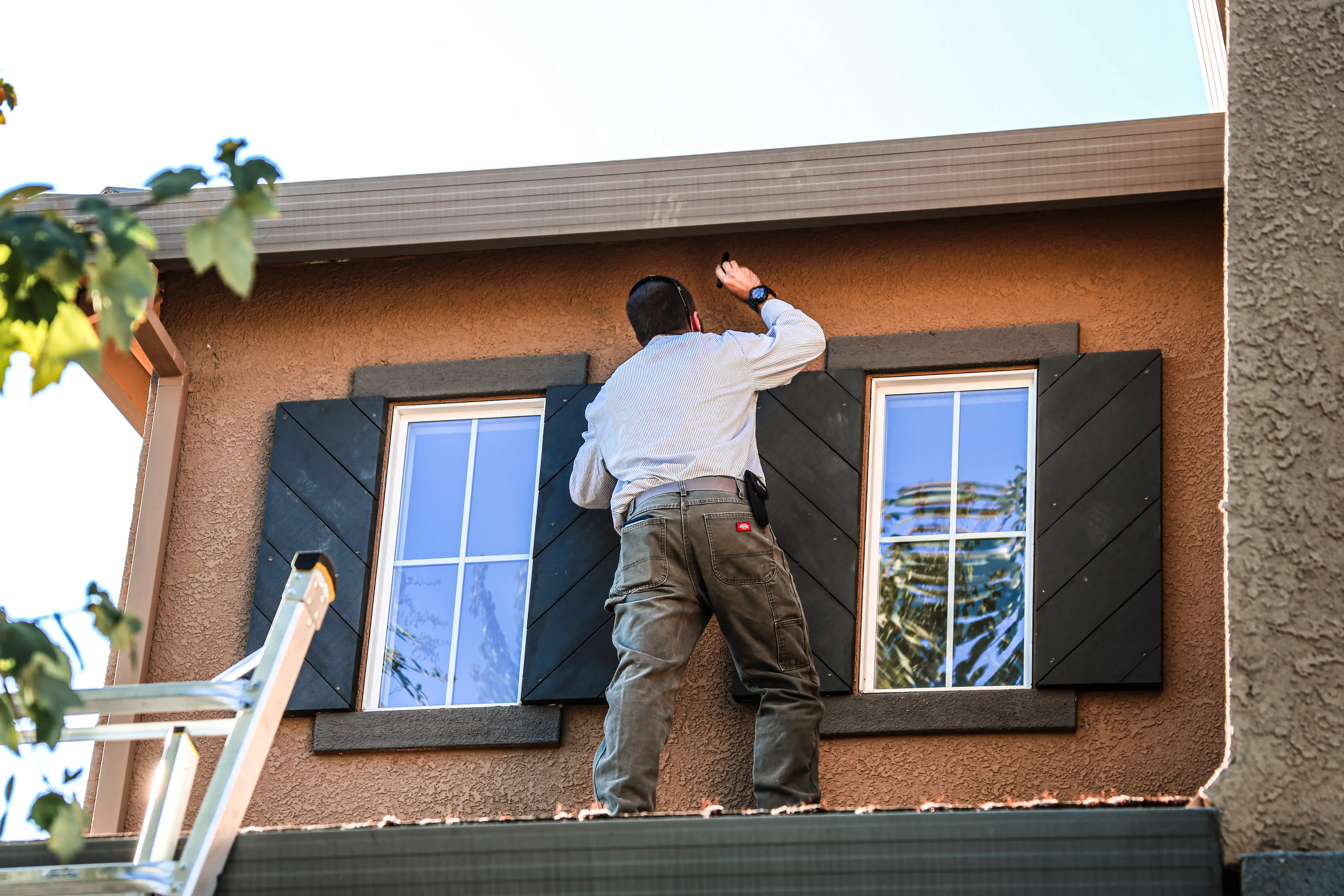
Licensed technician inspecting home for rodent activity

Professional Rodent Inspection Services

EcoGuard Pest Management provides thorough rodent inspections for homes and businesses across California, Oregon, Washington, Texas, Tennessee, and Nevada. Identify infestations, entry points, and damage before problems escalate.

Uncover Hidden Rodent Problems Before They Escalate

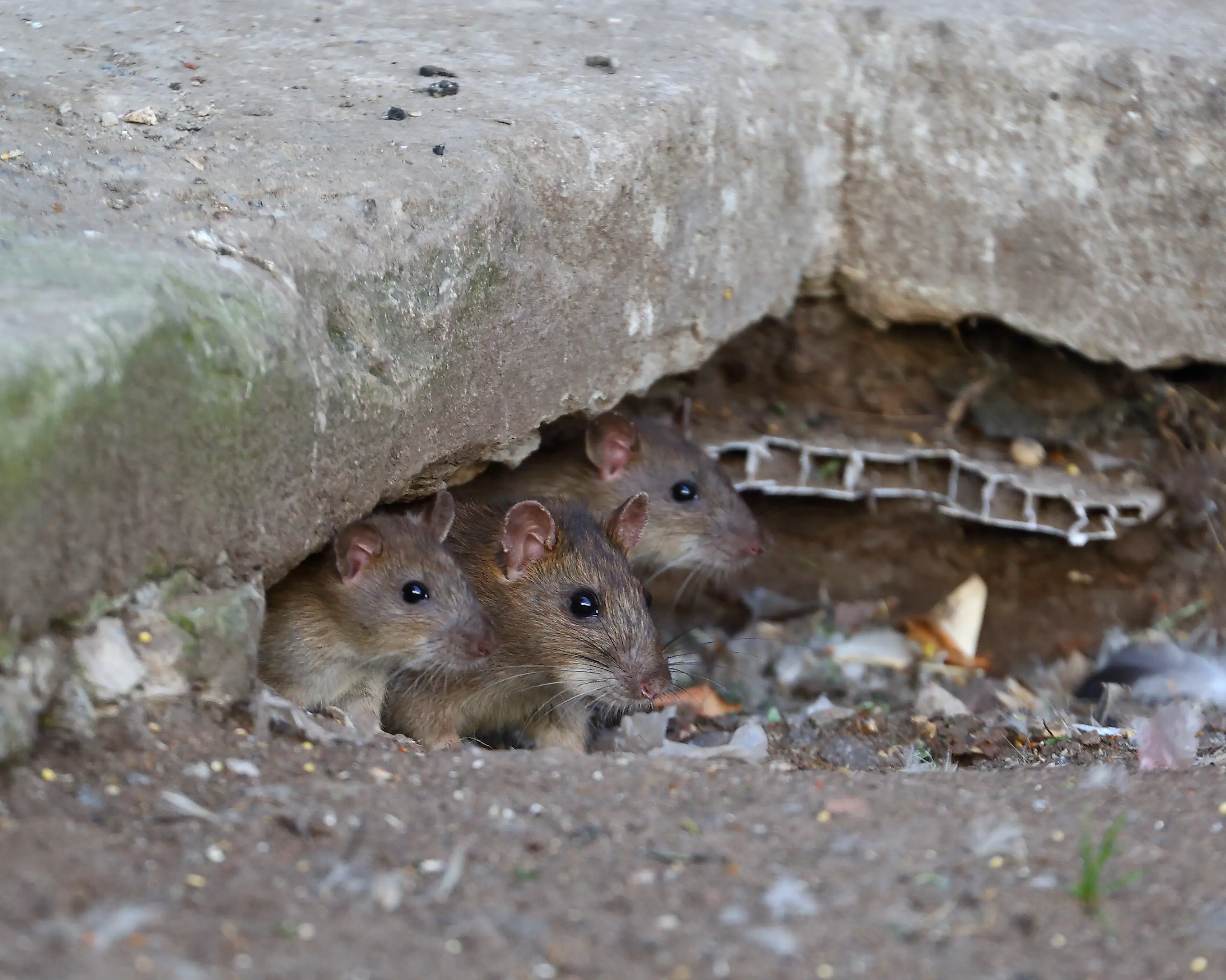
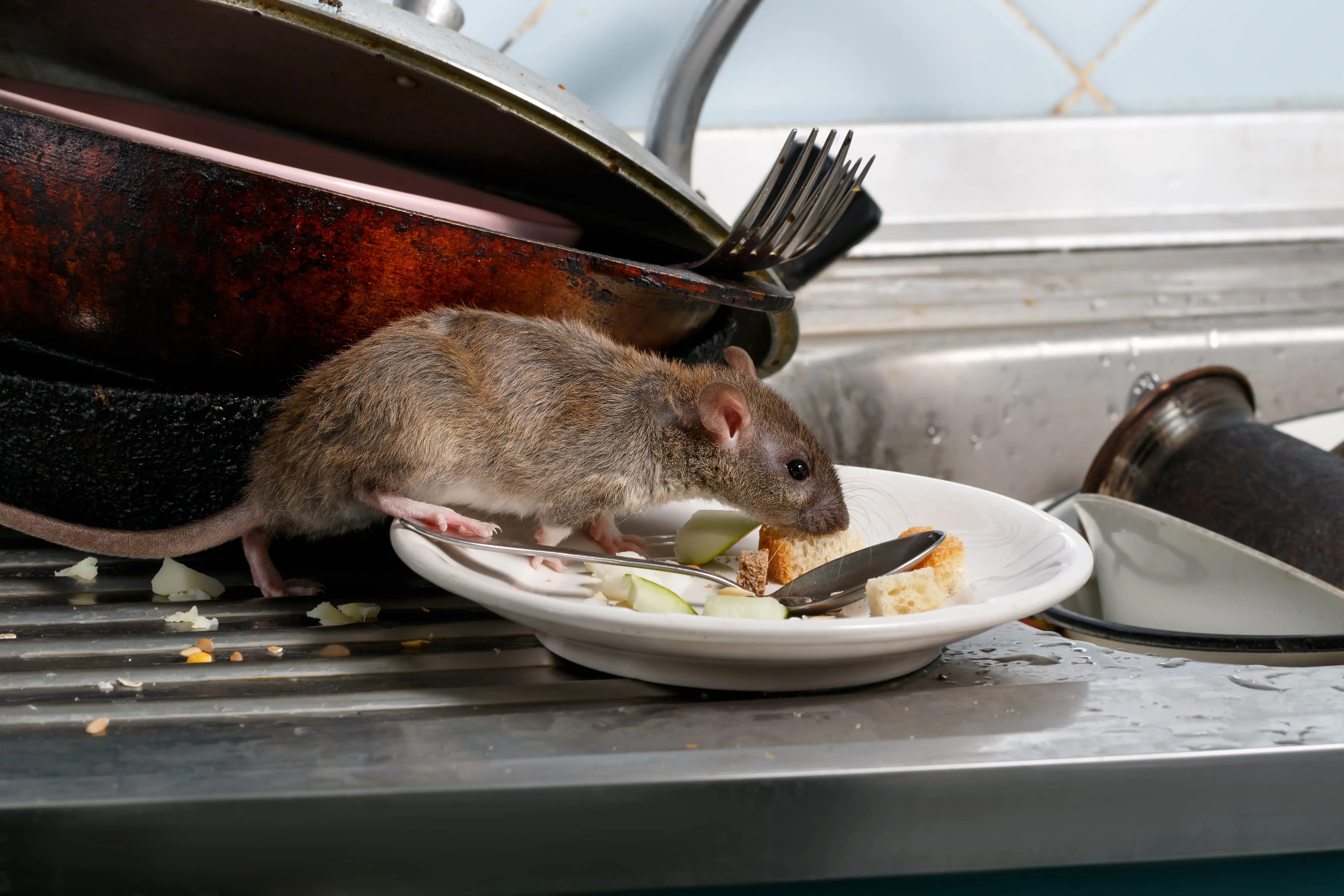
Rodents can be a massive problem for home and business owners. They can impact the health of your family, cause extensive damage to your property, and drive customers away from your business. It's important to hire a professional when dealing with a rodent infestation so they can properly inspect your property for problematic areas.

A thorough rodent inspection will uncover access points that rodents are using to gain entry into your home or business, as well as areas that show signs of rodent activity and damage. This information is critical to creating an effective treatment plan.

⚠️ Why Professional Inspection Matters

  • Rodents carry diseases harmful to humans including hantavirus, salmonella, and leptospirosis
  • They can chew through electrical wiring, creating fire hazards
  • A single pair of mice can produce up to 200 offspring per year
  • Rodent damage is often not covered by homeowners' insurance
  • Improper identification leads to ineffective treatment

Inspection

For qualifying properties

  • Complete interior & exterior inspection
  • Entry point identification
  • Species identification
  • UV light urine detection
  • Damage assessment
  • Custom treatment plan
Schedule An Inspection

Get Your Free Rodent Inspection Quote

Protect your property with a free rodent inspection quote from our licensed experts.

✓ Same-day service available
✓ Licensed & insured
✓ Detailed property assessment
✓ No-obligation estimates

Service Areas

We provide rodent inspection control services throughout:

  • California
  • Oregon
  • Washington
  • Texas
  • Tennessee
  • Nevada
View All Counties →

Schedule Your Rodent Inspection Today

Our licensed rodent control experts will thoroughly inspect your property and create a customized treatment plan to eliminate your rodent problem.

📞 Call 866-942-0764Schedule Online

What We Look For During a Rodent Inspection

Our EcoGuard rodent control experts conduct a systematic inspection to identify all aspects of your rodent problem.

🪹

Nesting Sites

Hidden areas where rodents build nests and raise young

🚪

Entry Points

Holes and gaps rodents use to access your property

🍎

Food Sources

Available food attracting rodents to your property

💧

Water Sources

Water access points sustaining rodent populations

💩

Droppings

Rodent feces indicating activity levels and locations

🔨

Damage

Structural, electrical, and material damage caused

👣

Activity Signs

Tracks, rub marks, and pathways rodents use

🐀

Species ID

Identifying the specific rodent species present

Our Rodent Inspection Process

Our technicians follow a systematic approach, starting outside and working their way in to ensure no area is overlooked.
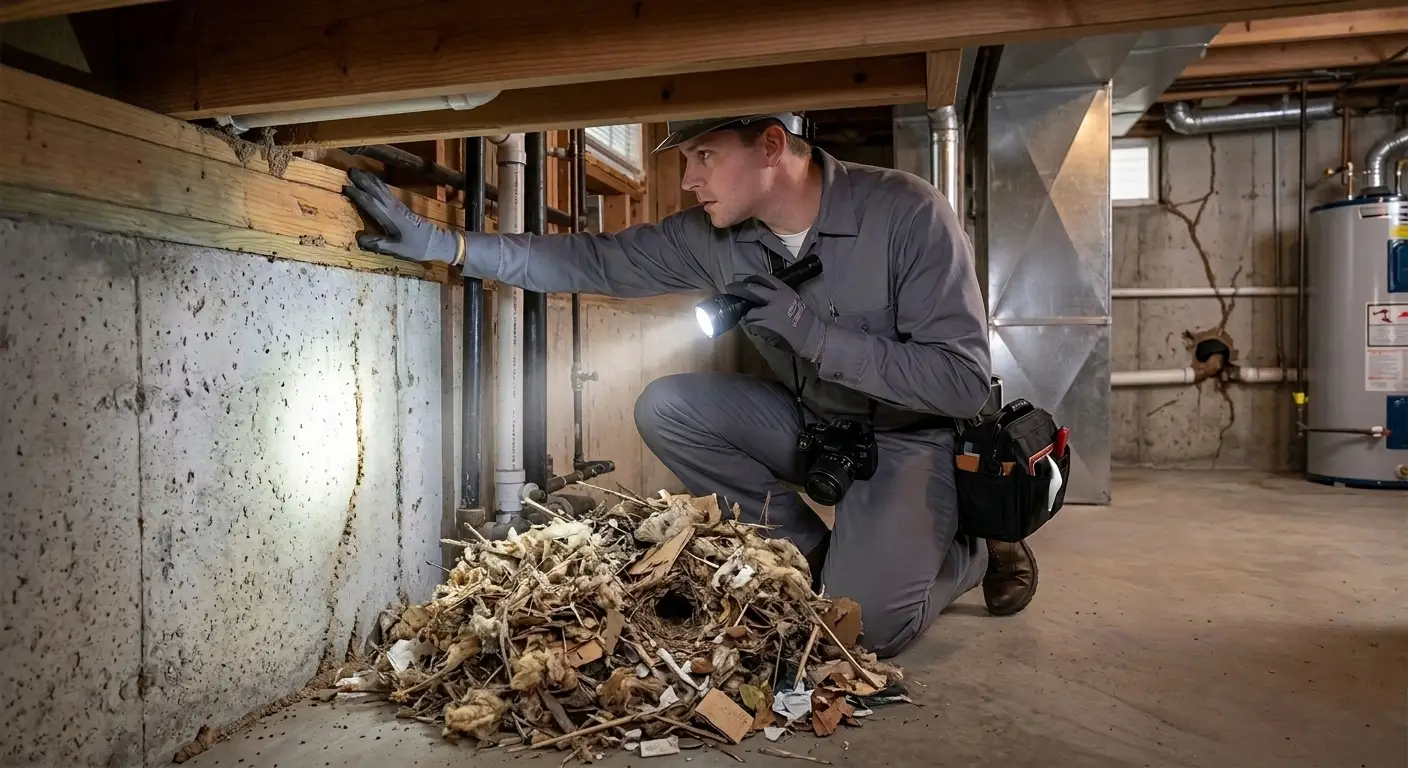
Technician inspecting exterior of home for rodent entry points
STEP 1

Exterior Inspection

We start outside your home or business, focusing on areas that provide the resources rodents need to survive and stay hidden.

  • Available food and water sources
  • Hiding spots: vegetation, debris, woodpiles
  • Trash bins and compost areas
  • Foundation gaps and entry points
  • Rodent tunnels and burrows
Technician inspecting interior spaces for rodent activity
STEP 2

Interior Inspection

If signs of rodents are found outside, there's a good chance they've moved inside for better access to resources. We examine all common harborage points.

  • Garages, attics, and crawl spaces
  • Kitchens, pantries, and laundry rooms
  • Spaces small enough for rodent entry
  • Shredded nesting materials
  • Rodent waste and gnaw marks

Advanced Tools for Rodent Detection

Our team of specialized rodent experts at EcoGuard uses professional-grade tools that help identify signs of rodents that may be overlooked without them.

🔦 UV LED Light Detection

UV light illuminates rodent urine, helping identify high-traffic areas and locations most likely to be infected with rodent-borne diseases harmful to humans.

🪤 Monitoring Traps

We use glue, snap, and live traps placed in high-traffic areas to monitor continued activity after treatment. If rodents continue to be caught, additional treatment is needed.

🔍 Inspection Cameras

Specialized cameras allow us to inspect hard-to-reach areas like wall voids, crawlspaces, and attic corners without invasive exploration.
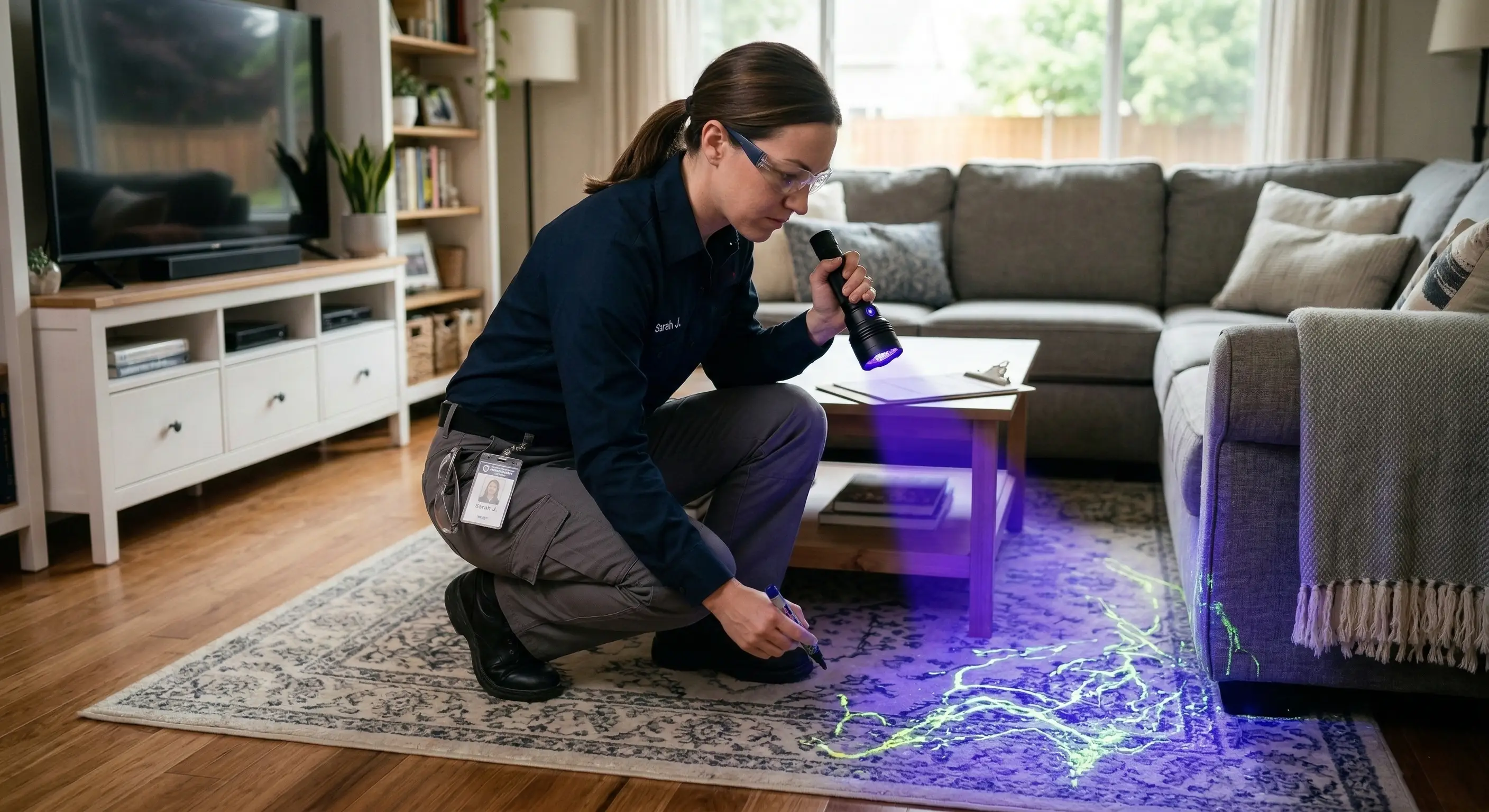
Technician using UV light to detect rodent urine trails

Rodent Inspection Checklist

Our technicians use a comprehensive checklist to identify all signs of rodent infestation. Here's what we look for:

👁️

Actual Rodent Sightings

Live or dead rodents anywhere on the property

🦷

Gnawing & Chewing

Chew marks on wood, wires, pipes, and food packaging

👂

Clawing Sounds

Scratching or scurrying sounds from inside walls or ceilings

👃

Unpleasant Odors

Musty or ammonia-like smells from urine and nesting

🏚️

Structural Damage

Holes in walls, damaged insulation, compromised vents

📰

Nesting Materials

Shredded paper, insulation, fabric, and plant matter

💩

Droppings

Rat and mouse feces indicating activity areas

💦

Urine Stains

Dark stains and trails visible under UV light

🛤️

Runways & Pathways

Commonly used routes rodents travel repeatedly

🖤

Grease Marks

Dark smudges left by oily fur along walls and baseboards

🕳️

Burrows & Tunnels

Outdoor tunnels and holes near foundations

🐾

Tracks & Footprints

Visible tracks in dusty areas or soft soil

Rodent Species Identification

Identifying the specific rodent species is critical to effective treatment. Different species require different approaches—misidentification can lead to baits being ignored and traps being the wrong size.

Indoor Rodents

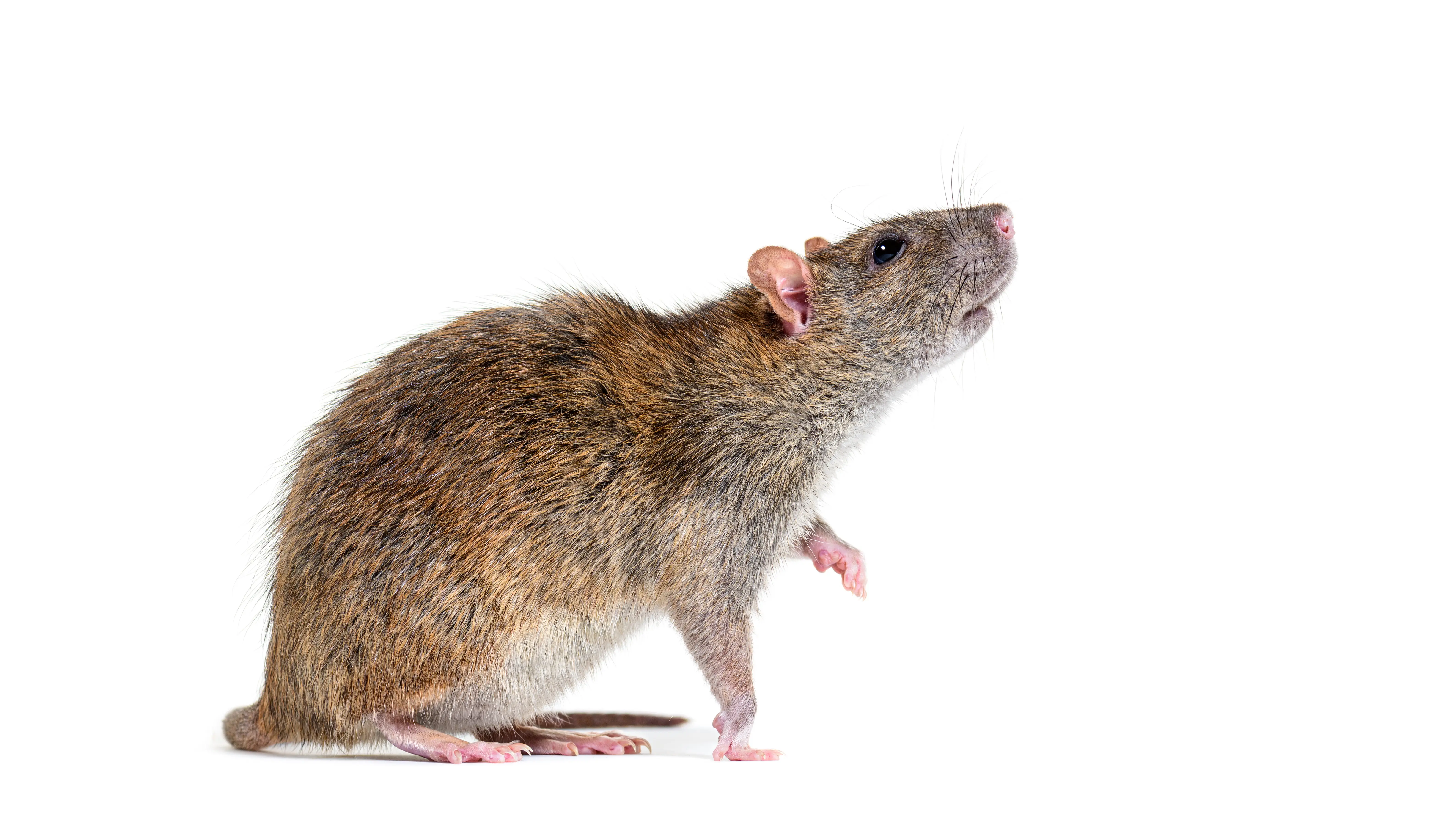
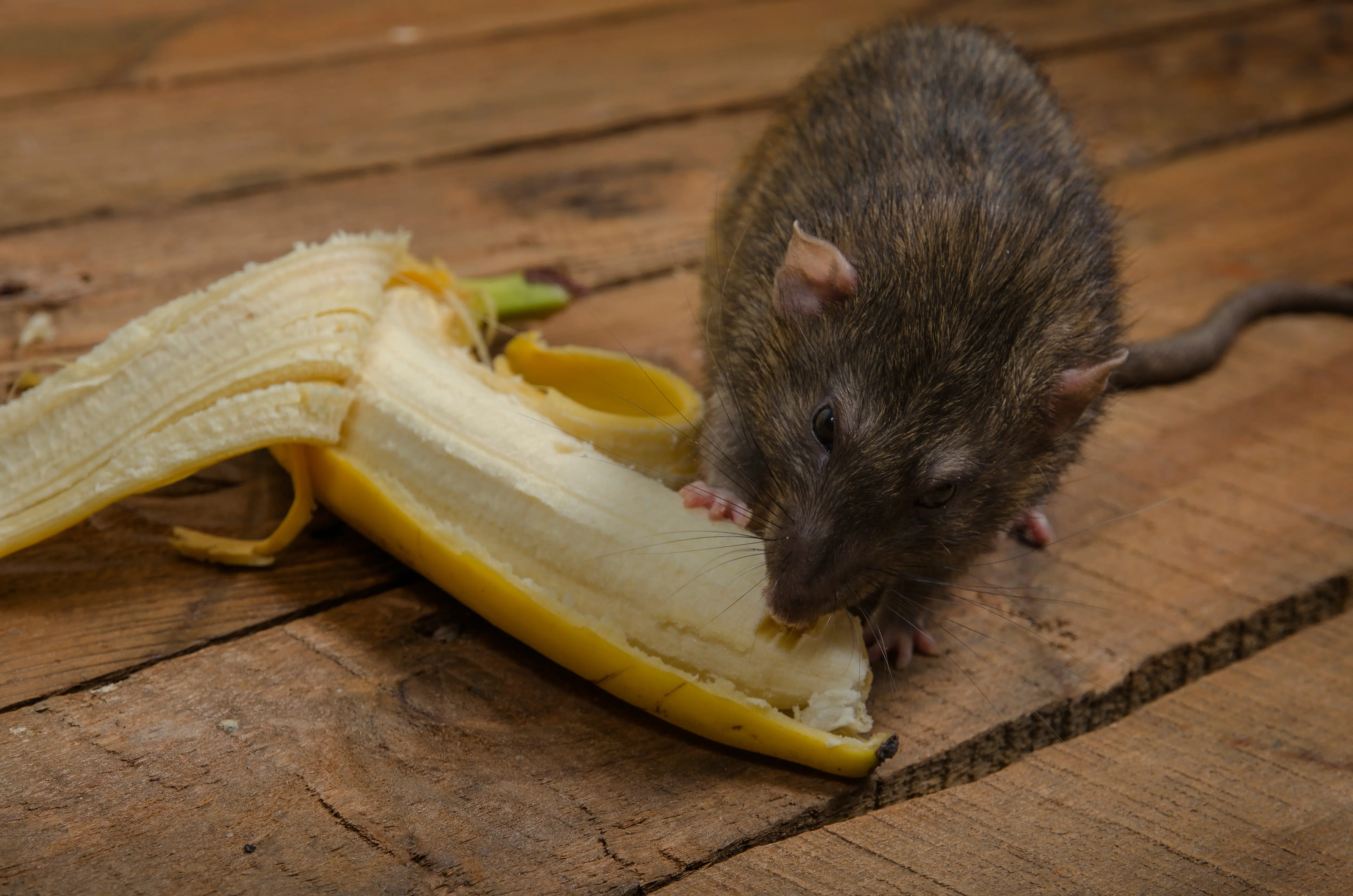
  • Norway Rats
    Large, brown, burrow near foundations
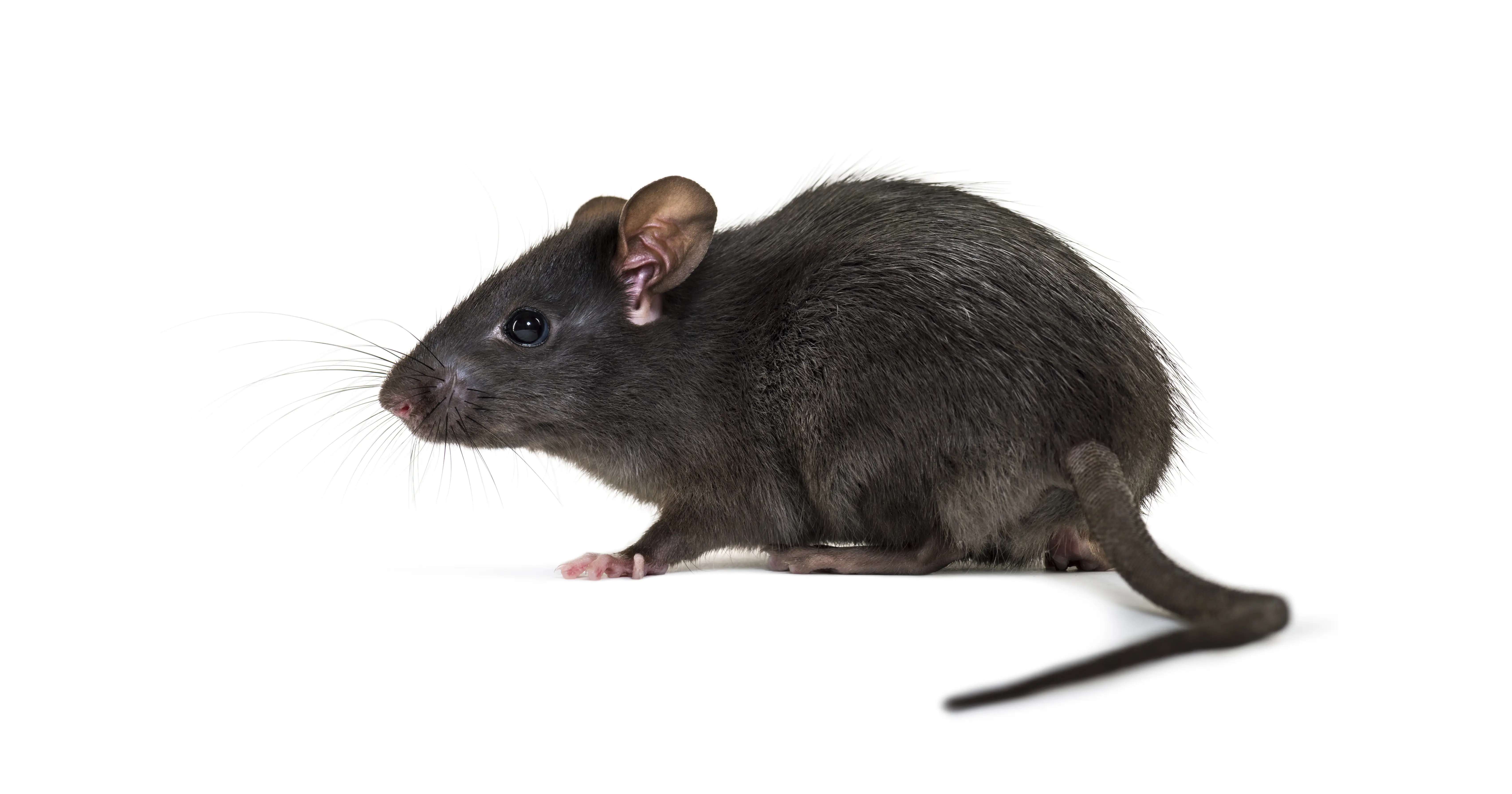
  • Roof Rats
    Sleek, black, excellent climbers
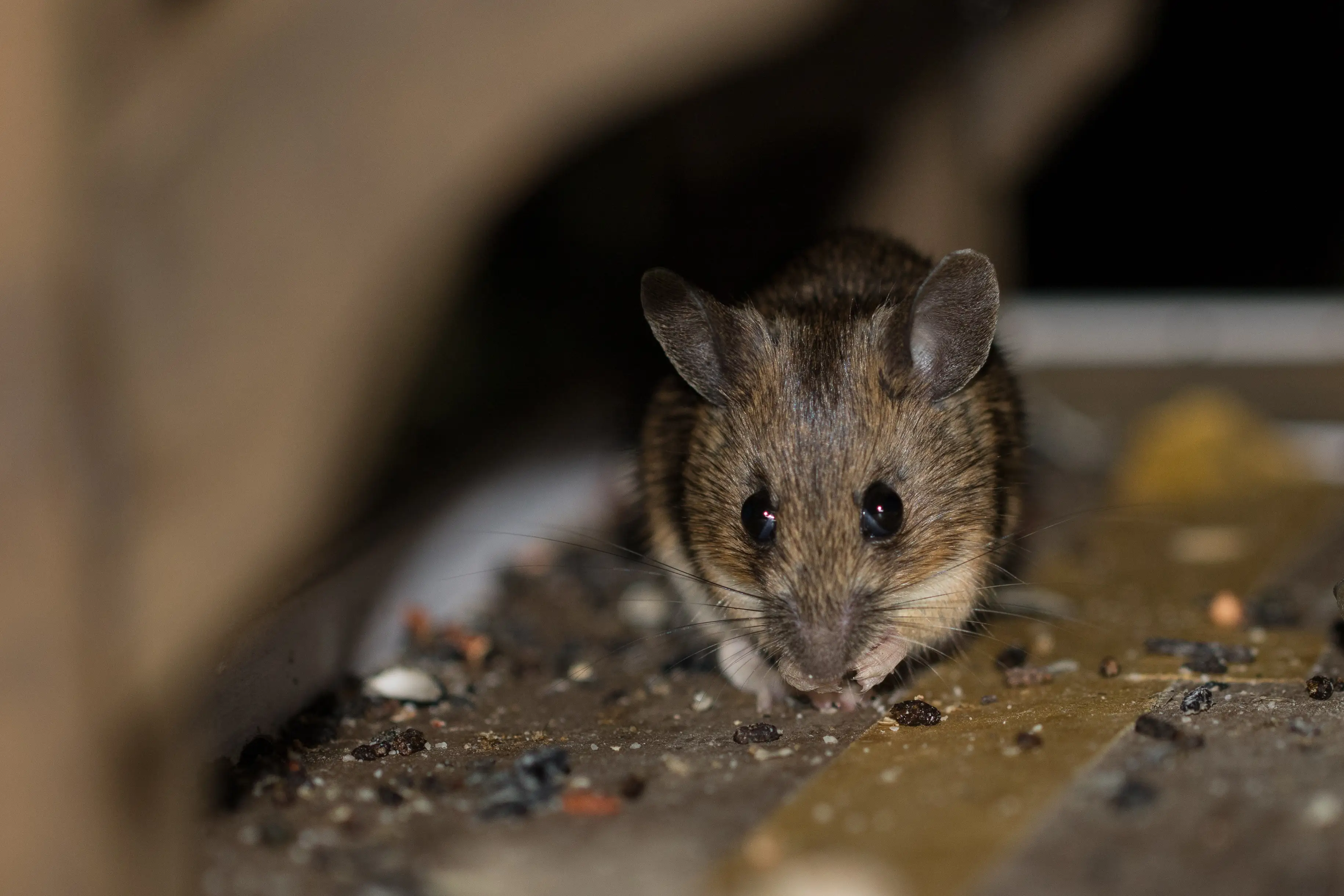
  • House Mice
    Small, gray, nest in walls and storage

Outdoor Rodents

  • Moles
    Underground, create raised tunnels
  • Voles
    Surface runways, damage plants
  • Gophers
    Extensive burrow systems
  • Ground Squirrels
    Burrow near foundations

Why Species ID Matters

  • Different species require different bait types
  • Trap sizes must match rodent size
  • Entry point locations vary by species
  • Nesting behaviors differ significantly
  • Some species are protected by law

Where to Look for Rodent Activity

Our experts thoroughly inspect your property, focusing on areas where rodents are most likely to be found.

🏠

Attics

🚪

Behind Cabinets

🍳

Under Appliances

👕

Inside Closets

🚿

Around Plumbing

Near Electrical

🔥

By Water Heaters

💨

Inside Vents

🏚️

Basements

🕳️

Crawlspaces

🥫

Pantries

🌿

Overgrown Areas

🍂

Debris Piles

🗑️

Near Trash Cans

🥬

Compost Bins

🚗

Garages

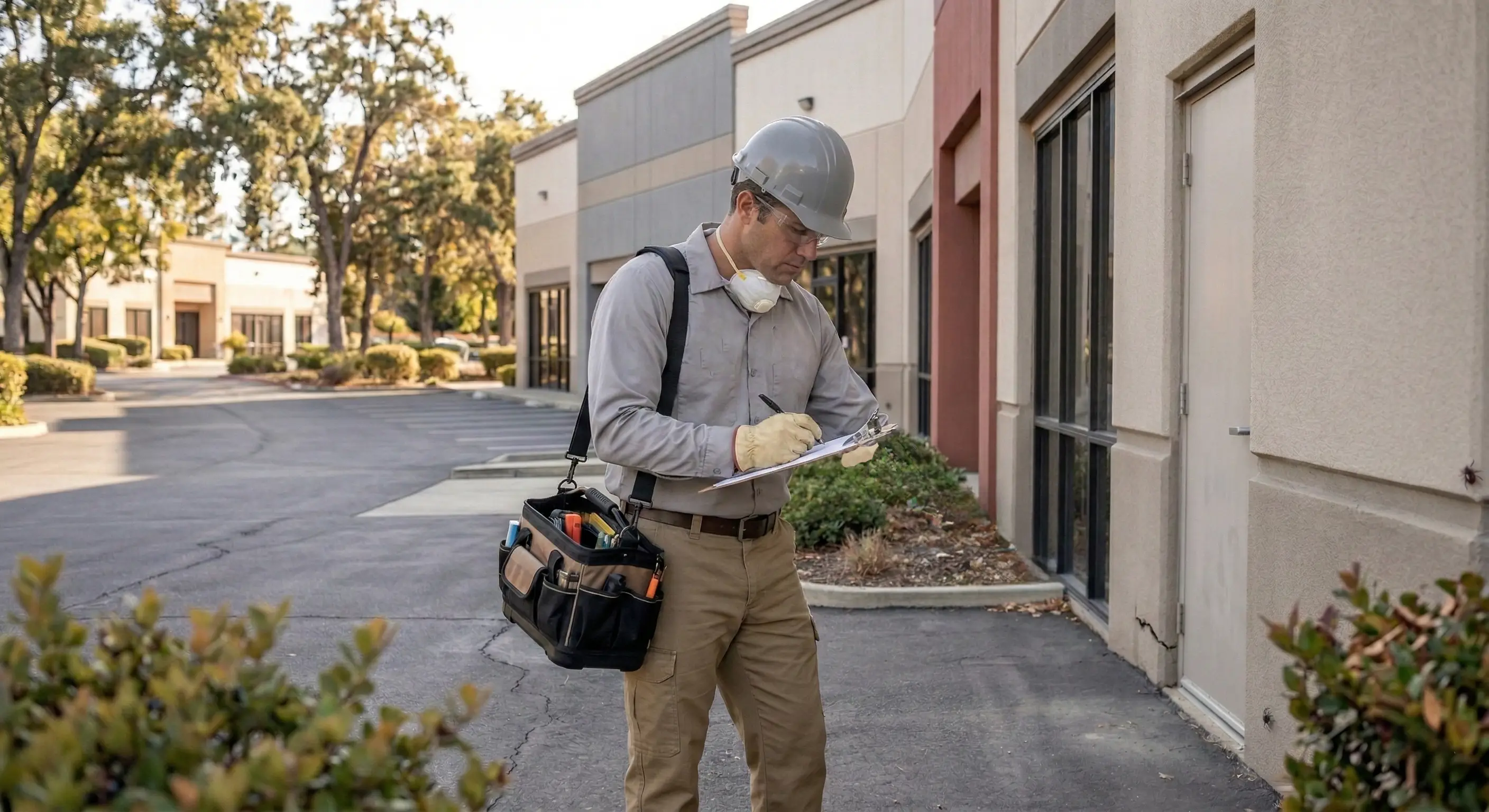
Technician documenting rodent infestation findings

Evaluating Infestation Size & Extent

Our inspection reveals the extent and size of the infestation, which is critical for determining the appropriate treatment scope.

The size of the infestation determines how large of a treatment area is needed. If the infestation extends beyond your property boundaries, adjacent properties may also need treatment—otherwise, rodents will continue causing problems.

⚠️ Important: Even if treatment catches most rodents, any remaining individuals will quickly reproduce and populations will rebound. Monitoring is essential to ensure complete elimination.

From Inspection to Custom Treatment Plan

Since rodents pose serious health threats, it's important to treat as soon as you notice signs of activity. Our inspection leads directly to a customized treatment plan.

1

Inspect

Thorough interior and exterior inspection to identify all rodent activity.

2

Identify

Determine species, entry points, nesting sites, and infestation extent.

3

Plan

Create customized IPM plan using baits, traps, and exclusion strategies.

4

Execute

Implement treatment, seal entry points, and set up ongoing monitoring.

Our IPM approach combines multiple treatment methods to ensure rodents are completely exterminated so populations don't return. We also offer rodent clean-out services to restore your property.

100% SATISFACTION GUARANTEE

The EcoGuard Guarantee

EcoGuard offers a 100% satisfaction guarantee for all of our customers, and we stand by our promise to eradicate your rodent inspection problem until the very last rodent inspection is gone. That rodent inspection control guarantee comes with every service and if the rodent inspections come back, then so do we, at no additional cost. We are standing by to give you a free estimate and to help you set your first rodent inspection pest control service appointment.

📞 Call (866) 326-2847 Today

What Our Customers Say

Trusted by homeowners and businesses across 6 states for professional rodent inspection services

★★★★★

"Curtis came to the rescue! He came out on short notice, explained everything he was going to do in advance. Found entry points I never would have noticed. Thorough and professional."

Steph A.
Homeowner, CA
★★★★★

"We had a great experience with EcoGuard. Jarvon called about 15 minutes before arriving and was extremely professional. The inspection was thorough and the treatment plan was clear."

Willie G.
Property Owner, OR
★★★★★

"Daniel takes good care of our house and is always responsive and flexible. He also takes note of the areas we are concerned about. The UV light inspection was eye-opening!"

Joshua C.
Homeowner, TX

Rodent Inspection Control FAQs

Everything you need to know about rodent inspection control and treatment

During a rodent inspection, our licensed technician systematically examines both the exterior and interior of your property. We look for entry points, nesting sites, food and water sources, droppings, damage, and signs of activity. We use specialized tools including UV lights to detect urine trails. After the inspection, we identify the rodent species, assess infestation size, and create a customized treatment plan.

We use a comprehensive approach: visual inspection for droppings, gnaw marks, and nesting materials; UV LED lights to illuminate urine trails; inspection of common harborage points like attics, crawlspaces, and wall voids; checking for entry points around foundations, pipes, and vents; and looking for outdoor signs like burrows and tunnels. We also examine food storage areas and check for grease marks along walls.

Rodent traps should be checked at least every 24-48 hours. Dead rodents can attract other pests and create odor issues if left too long. For monitoring purposes after treatment, we typically check traps weekly to ensure the infestation has been eliminated. If rodents continue to be caught, additional treatment is needed.

EcoGuard offers rodent inspections which includes a complete interior and exterior assessment, species identification, entry point identification, UV light detection, damage assessment, and a custom treatment plan. Contact us to schedule your inspection.

Early signs include: droppings (small, dark pellets), gnaw marks on food packaging or structures, scratching or scurrying sounds in walls at night, nesting materials like shredded paper or fabric, unusual pet behavior, greasy rub marks along walls, and a musty or ammonia-like odor. If you notice any of these, schedule an inspection immediately.

Rodents can enter through surprisingly small openings—mice can squeeze through holes the size of a dime, rats through quarter-sized holes. Common entry points include: gaps around pipes and wires, cracks in foundations, spaces under doors, damaged vents and screens, roof gaps, and openings around utility lines. Our inspection identifies all potential entry points.

Yes, our inspection evaluates infestation size by assessing the amount of droppings, extent of damage, number of entry points being used, nesting site locations, and activity patterns. This information is critical for determining the appropriate treatment scope and whether adjacent properties may also be affected.

Mice and rats require different treatment approaches. Mice are smaller (droppings are rice-sized), more curious, and nest inside structures. Rats are larger (droppings are bean-sized), more cautious, and may nest underground or in attics. Trap sizes, bait types, and placement strategies differ significantly between species.

Different rodent species have different behaviors, nesting preferences, and food preferences. Using the wrong trap size or bait type can result in failed treatment. For example, roof rats are excellent climbers and nest high, while Norway rats prefer ground-level burrows. Proper identification ensures effective treatment.

A thorough rodent inspection typically takes 30-60 minutes depending on property size and accessibility. Larger properties or those with extensive attic/crawlspace areas may take longer. We take the time needed to ensure no area is overlooked and all entry points are identified.

No, don't clean up before the inspection. Droppings, nesting materials, and other signs help us assess the infestation's size, identify high-traffic areas, and determine how long rodents have been present. After the inspection and treatment plan is created, we can advise on safe cleanup procedures.

Rodents in walls are common and detectable during inspection through sounds, smell, and evidence at entry/exit points. We can locate wall voids where rodents are active and develop treatment strategies that target these areas without requiring extensive wall demolition.

Yes, we provide rodent inspections for commercial properties including restaurants, warehouses, office buildings, and retail spaces. Commercial inspections follow similar protocols but also consider food safety regulations, customer-facing areas, and business-specific concerns.

After the inspection, we present our findings including species identified, entry points, infestation extent, and damage assessment. We then create a customized treatment plan using our IPM approach—combining baits, traps, and exclusion work. We discuss pricing, timeline, and ongoing monitoring to ensure complete elimination.

The inspection is the critical first step, but it's followed by treatment and monitoring. Rodent control typically requires multiple visits to eliminate the infestation, seal entry points, and confirm the problem is resolved. Our ongoing monitoring ensures rodents don't return after treatment.

Related Articles & Resources

Learn more about rodent inspection prevention, identification, and control
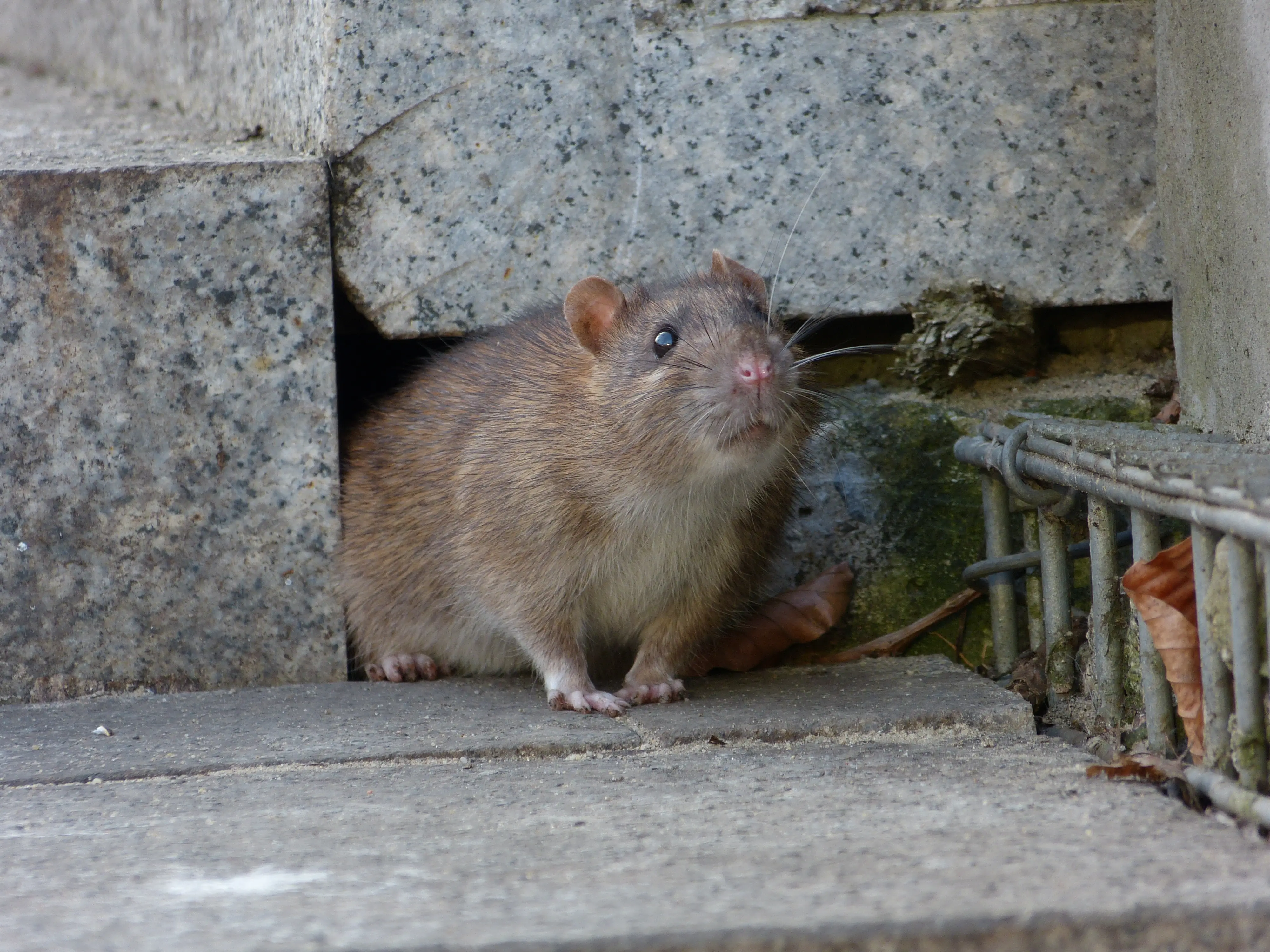
Different Types of Rat Species in North America

Different Types of Rat Species in North America

Learn about common rat species including brown rats, black rats, packrats, and marsh rats. Identification, behavior, diseases, and control methods.

Read Article →
How Big Can Rats Get? Size Guide by Species

How Big Can Rats Get? Size Guide by Species

Learn how big rats can get by species, from common brown and black rats to giant species. Discover what factors affect rat size and why it matters for pest control.

Read Article →
How Long Do Rats Live? Lifespan, Life Cycle & Reproduction

How Long Do Rats Live? Lifespan, Life Cycle & Reproduction

Learn about rat lifespan, life cycle stages, reproduction rates, and factors affecting longevity. Understand why rat populations grow so quickly.

Read Article →
How to Get Rid of Rats: Complete Control Guide

How to Get Rid of Rats: Complete Control Guide

Learn how to get rid of rats in your house and yard. Traps, prevention, exclusion, deterrents, and when to call professionals. Expert rat control tips.

Read Article →
How to Identify and Get Rid of Rat Holes and Burrows

How to Identify and Get Rid of Rat Holes and Burrows

Learn how to identify rat holes and burrows, understand the dangers they pose, and discover effective methods to eliminate and prevent rat infestations in your yard.

Read Article →
How to Repel Rats: A Comprehensive Guide

How to Repel Rats: A Comprehensive Guide

Learn effective rat repellent strategies including natural deterrents, chemical options, exclusion tactics, and where to place repellents for maximum effectiveness.

Read Article →
Mice & Rat Diseases: Transmission, Symptoms & Prevention

Mice & Rat Diseases: Transmission, Symptoms & Prevention

Learn about diseases transmitted by rats and mice including hantavirus, plague, salmonella, and rat bite fever. Transmission routes and prevention tips.

Read Article →
What are Rats? Species, Behavior, Signs & Control

What are Rats? Species, Behavior, Signs & Control

Learn about rats including Norway and roof rat species, behavior, diet, reproduction, signs of infestation, and how to get rid of them effectively.

Read Article →
What are Roof Rats? Identification, Prevention & Control

What are Roof Rats? Identification, Prevention & Control

Learn about roof rats (black rats), their behavior, what attracts them, signs of infestation, and how to prevent and eliminate them from your home.

Read Article →
What Do Rats Eat? Diet, Food Preferences & Trapping Baits

What Do Rats Eat? Diet, Food Preferences & Trapping Baits

Learn what rats eat, what attracts them to your home and yard, toxic foods for rats, and the best foods for trapping rats effectively.

Read Article →
What Does Rat Poop Look Like? Identification and Health Risks

What Does Rat Poop Look Like? Identification and Health Risks

Learn how to identify rat droppings, understand the health risks they pose, and discover safe cleanup methods. Complete guide to rat poop identification and prevention.

Read Article →
View All Pest Control Articles →

Ready to Eliminate Your Rodent Inspection Problem?

Get a free estimate for your rodent inspection problem today. Our experts will assess your property and provide a customized treatment plan.

Connect With Us

Follow EcoGuard Pest Management for tips, updates, and special offers

f𝕏yin