EcoGuard Pest Management
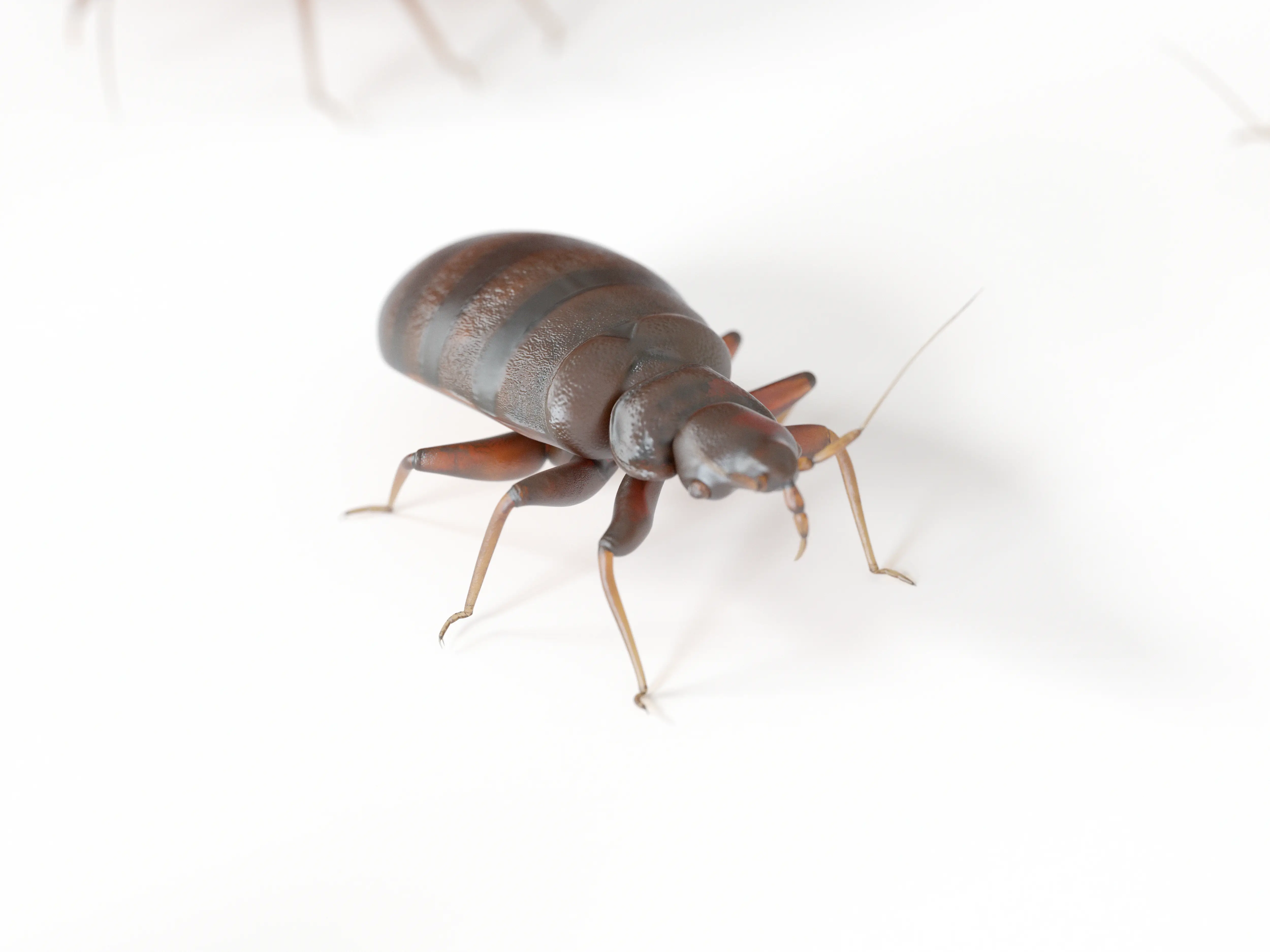
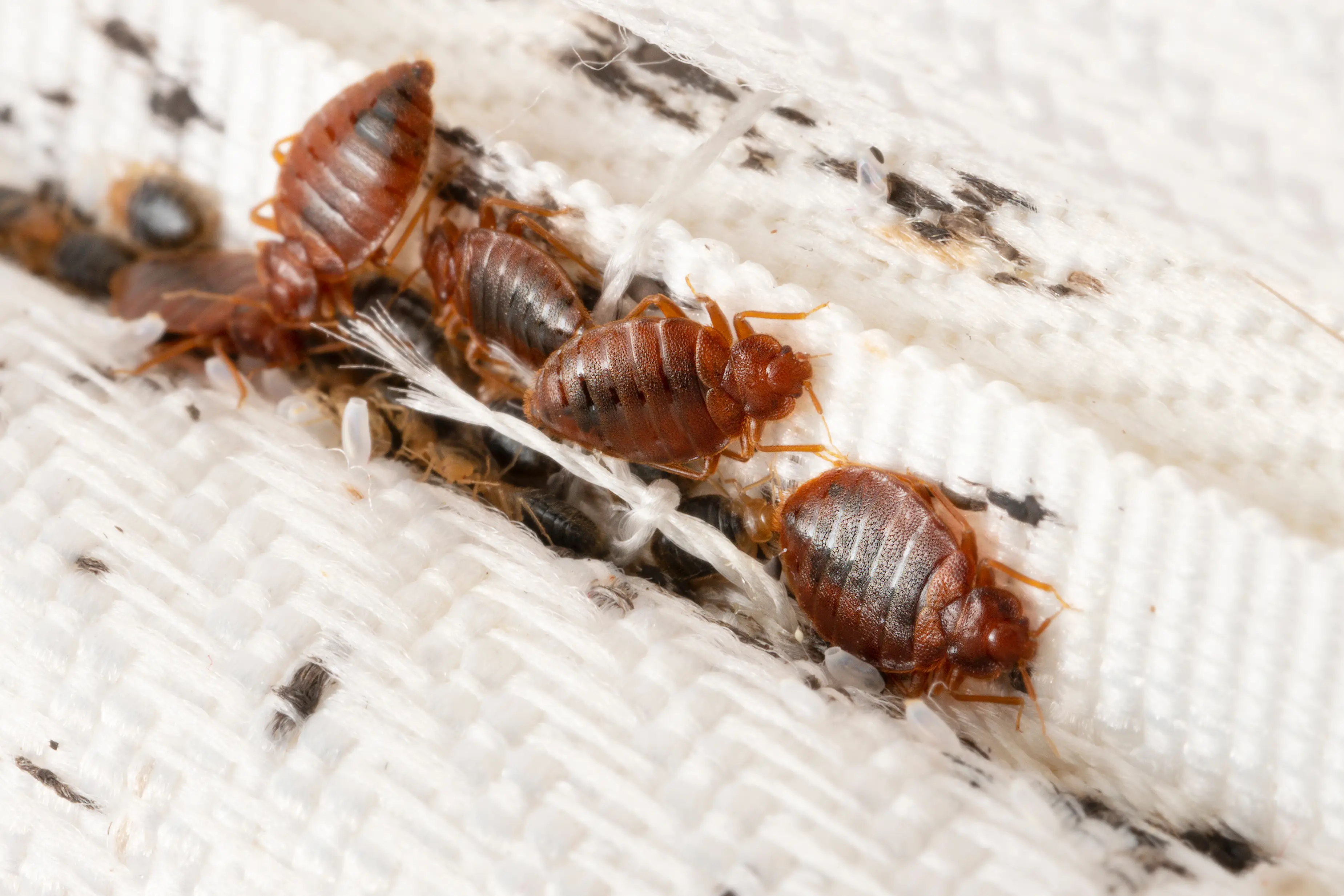
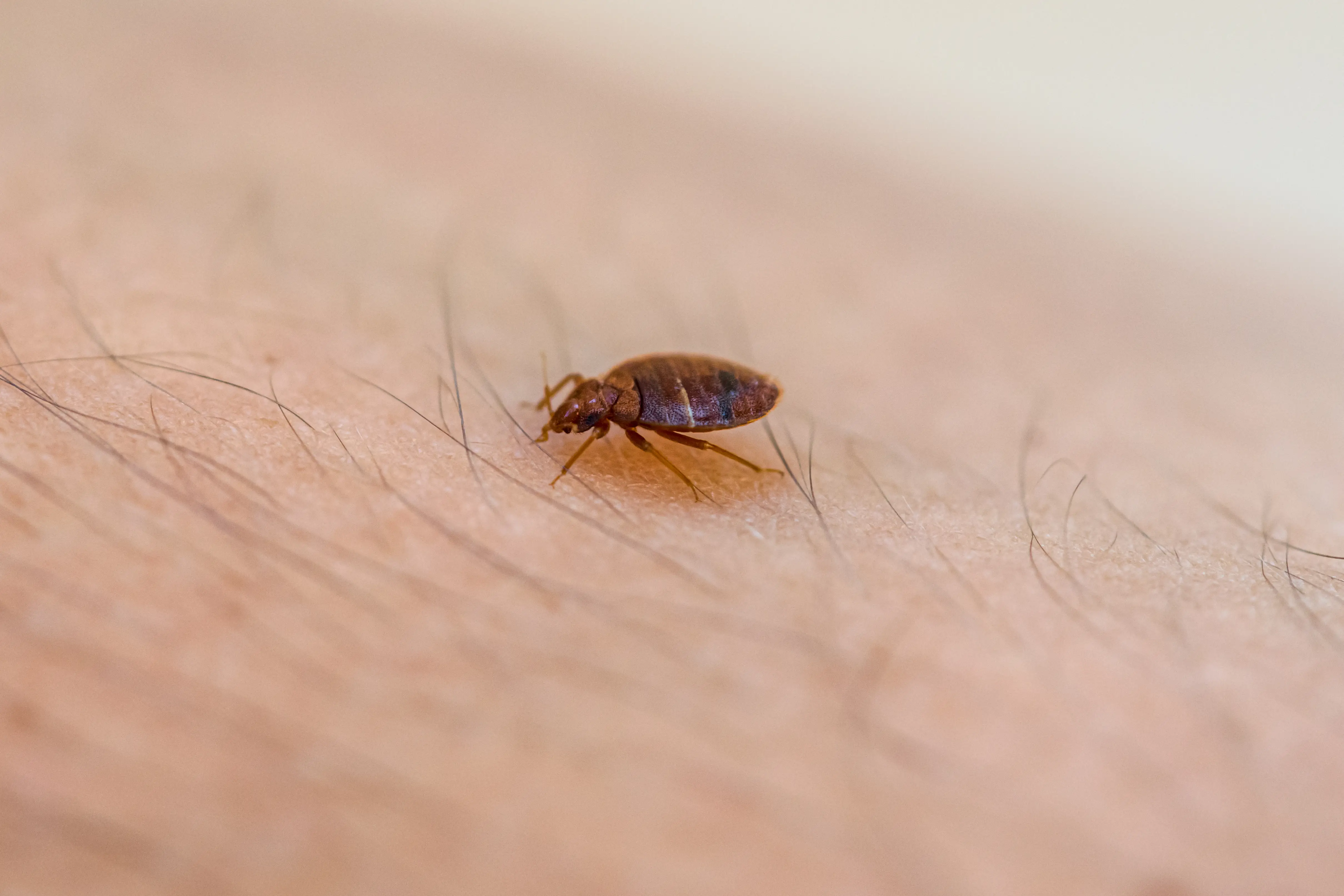
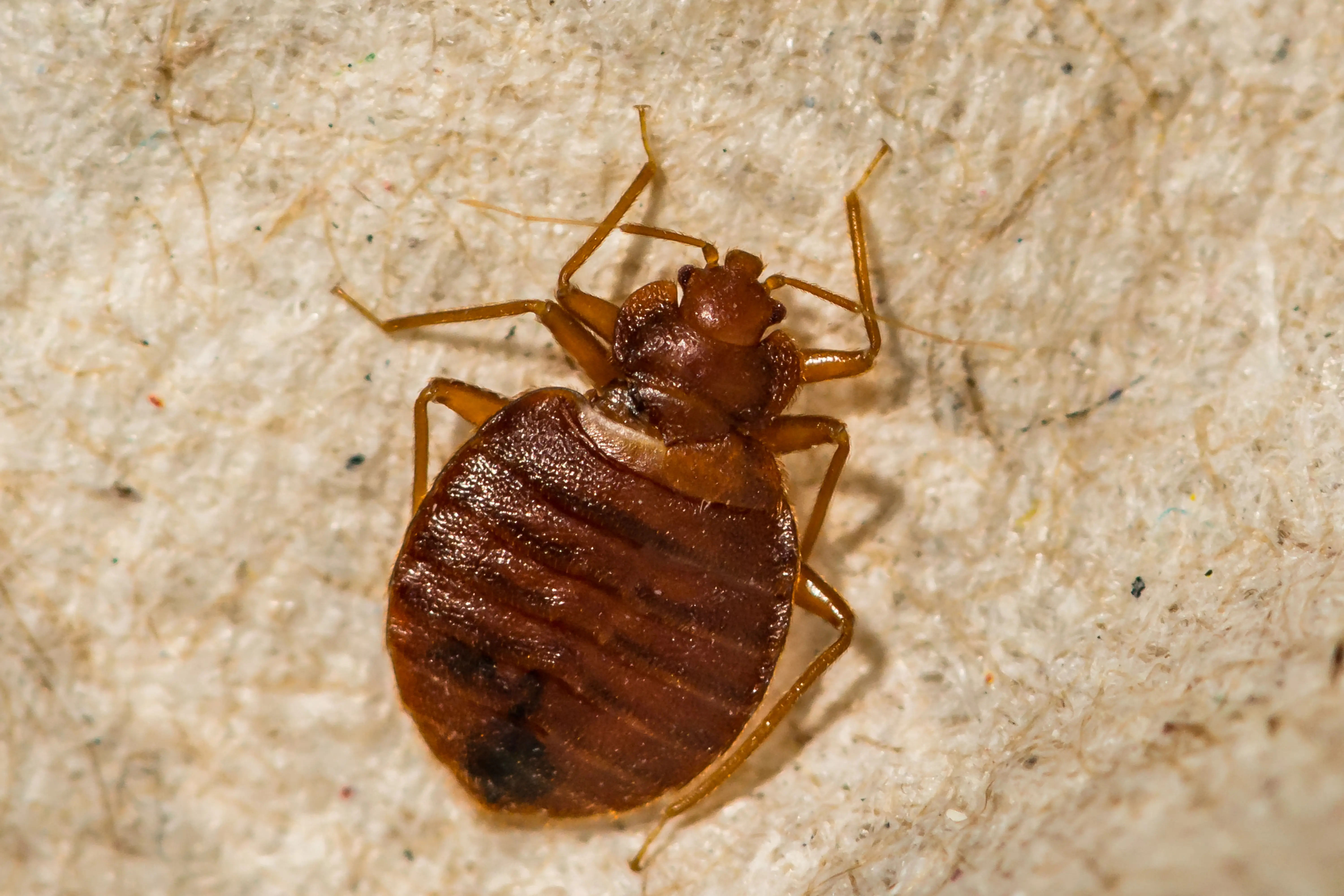
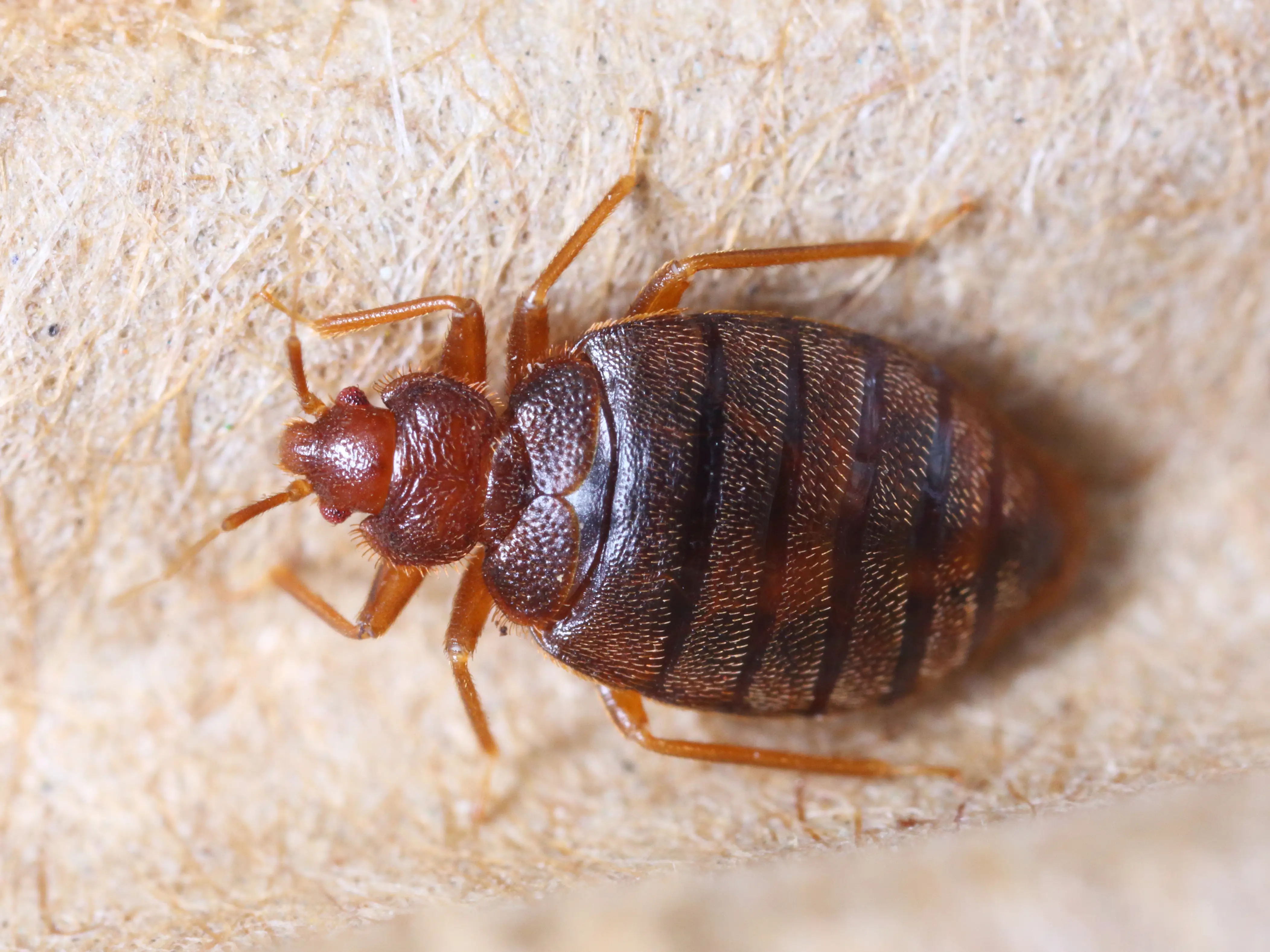
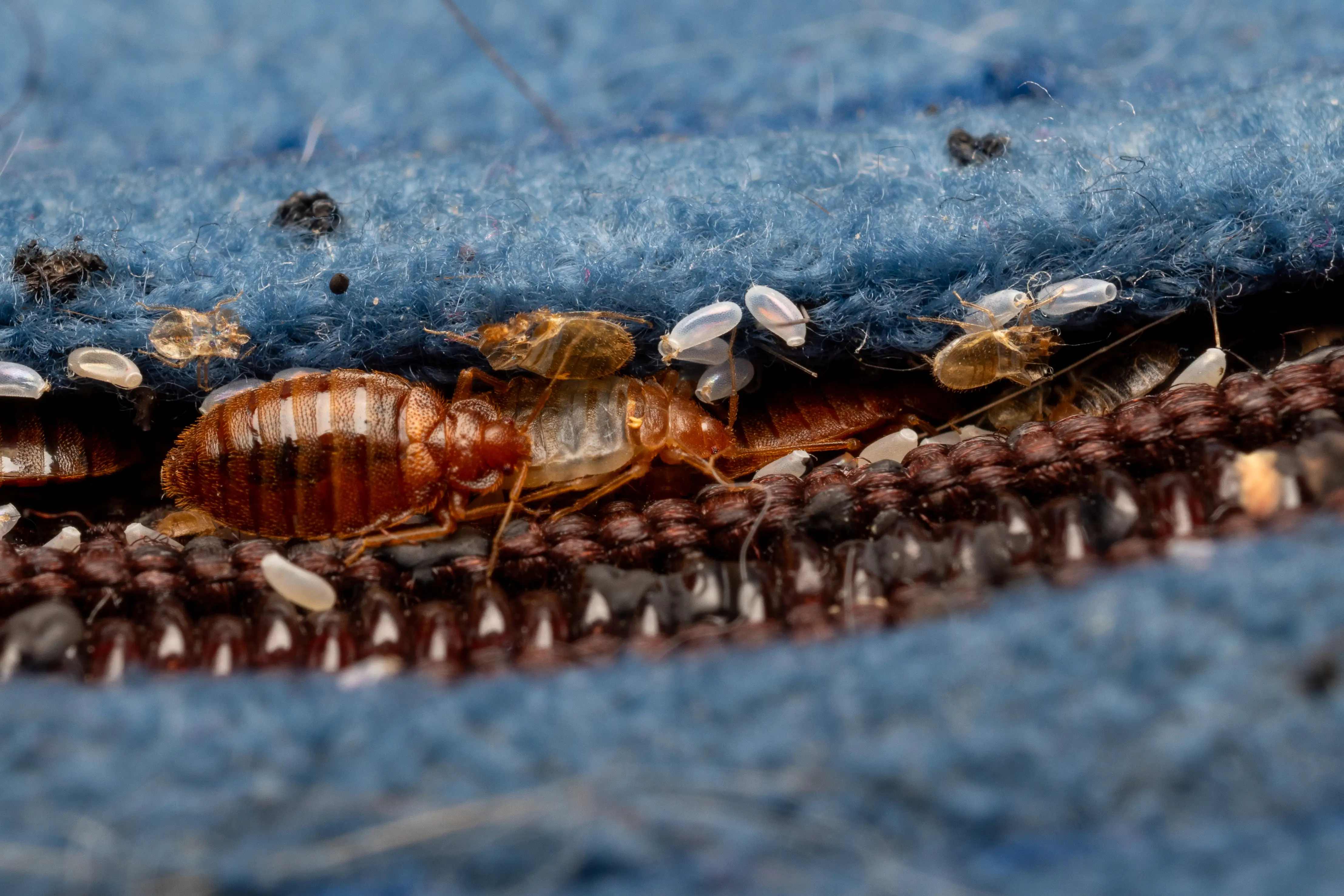
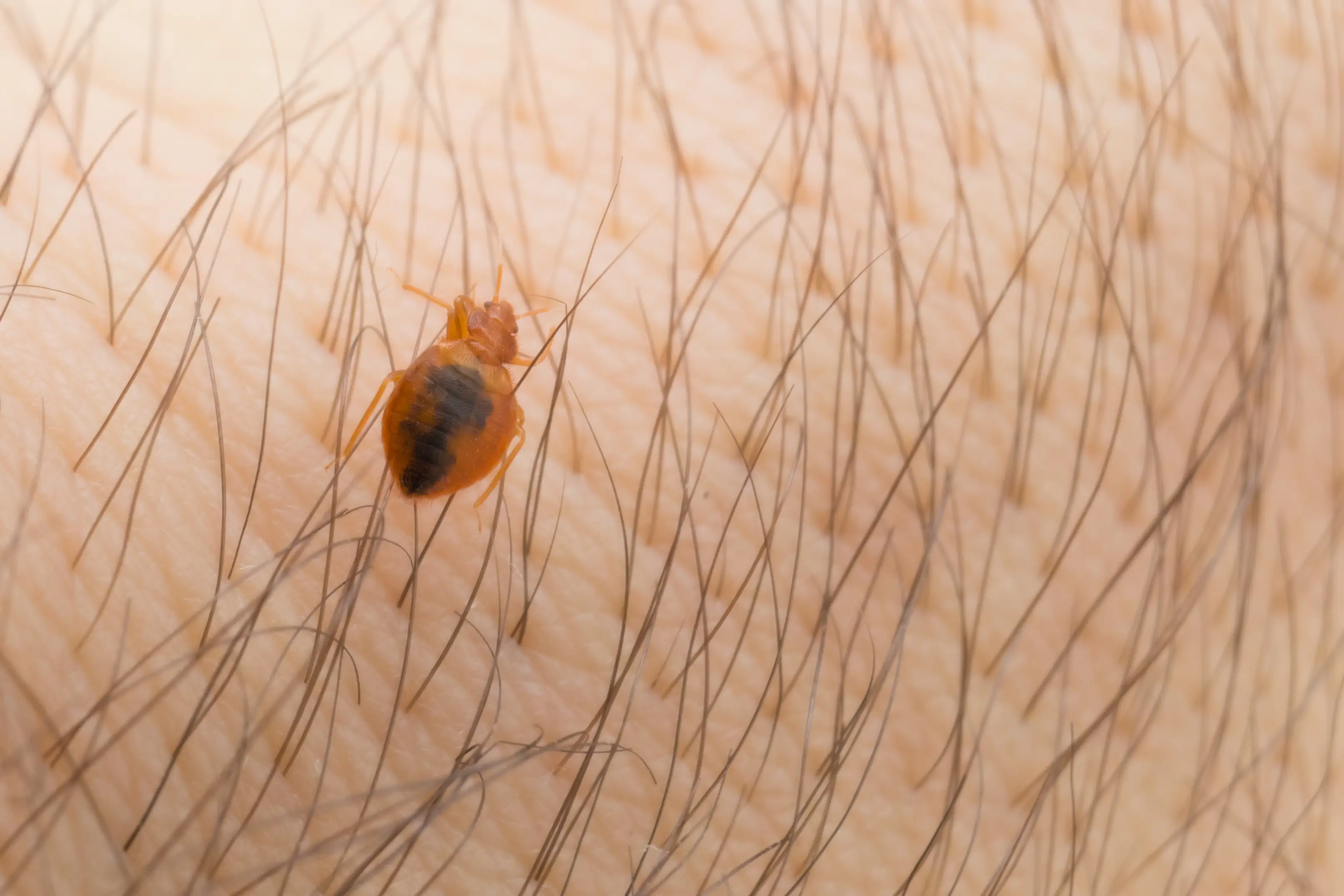
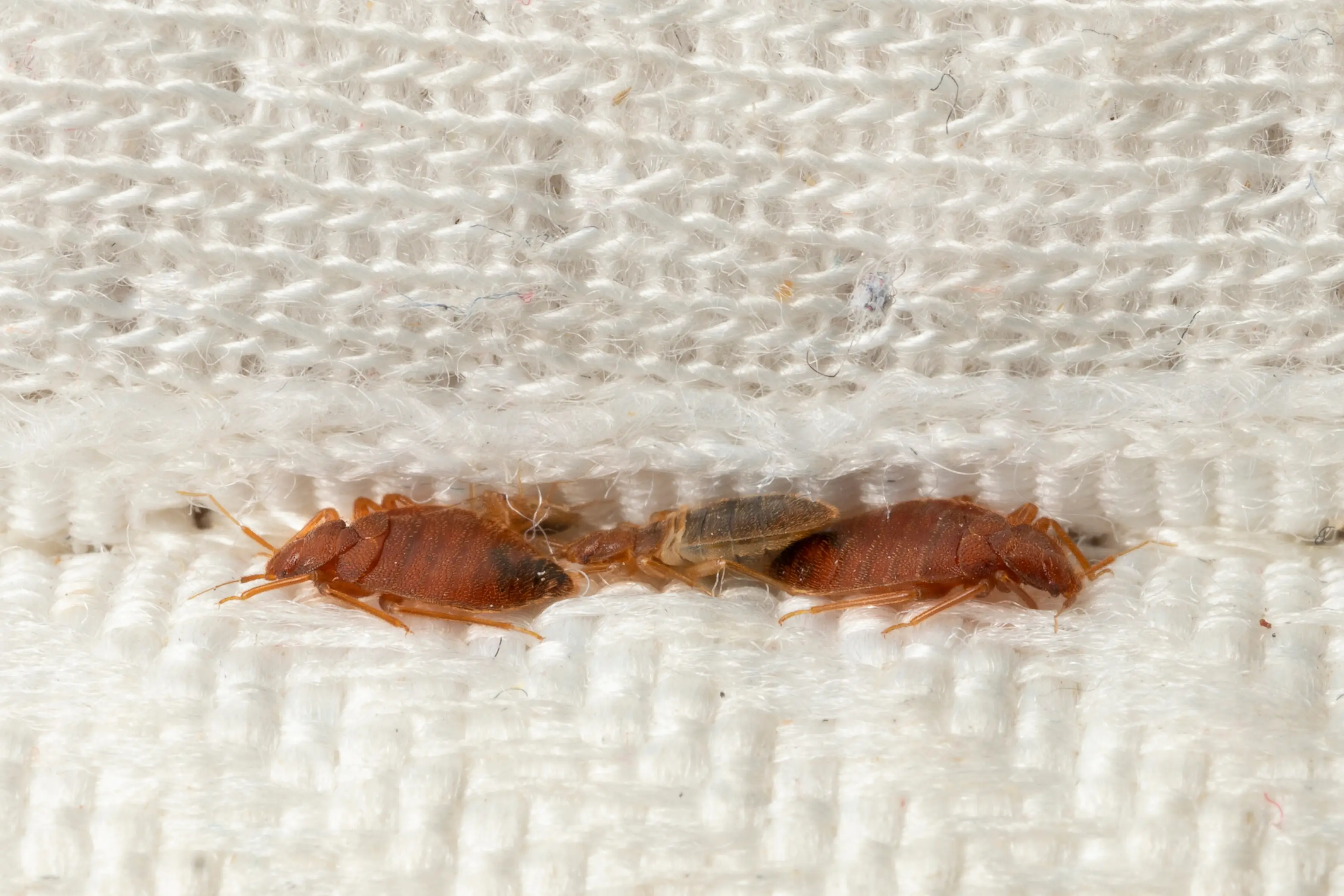
Bed bug hiding in mattress seam
By Gary Anderson||8 min read

Where Do Bed Bugs Hide?

Knowing where bed bugs hide is essential for early detection and effective treatment.

Detecting bed bugs early is important because early-stage infestations are easier and less costly to treat than widespread ones. However, identifying infestations early can be challenging because bed bugs are nocturnal pests that come out at night to feed on human blood.

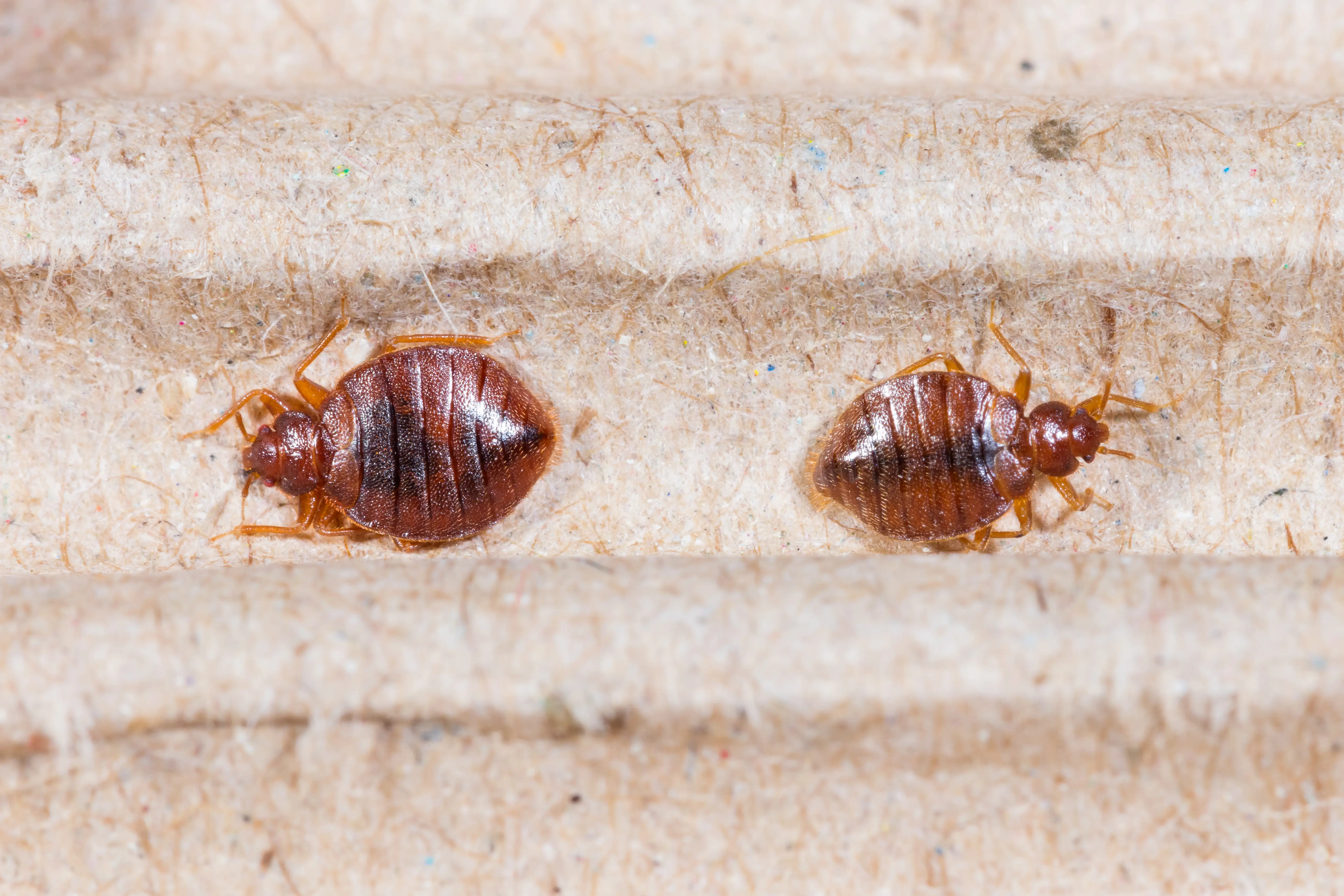
During the day, bed bugs stay hidden. They typically hide in mattresses, box springs, bed frames, couches, and other furniture. Their tiny size and ability to squeeze into spaces thinner than a credit card make just about any gap, crack, or crevice a potential hiding spot.

Bed Bug Hiding Facts

Active Time: Night (nocturnal)
Hiding Distance: Usually within a few feet of host
Severe Infestations: Up to 20 feet away
Size Requirement: Thinner than a credit card

Do Bed Bugs Stay Hidden During the Day?

Bed bugs are nocturnal pests that are normally active at night when their hosts are likely close by and laying still enough to feed on. During the day, their hosts are typically active and not around, so bed bugs spend this time hidden and waiting.

Strategic Positioning

When waiting, bed bugs find locations close to where their hosts will rest so they can be ready to come out and feed when hosts return.

Flat Body Advantage

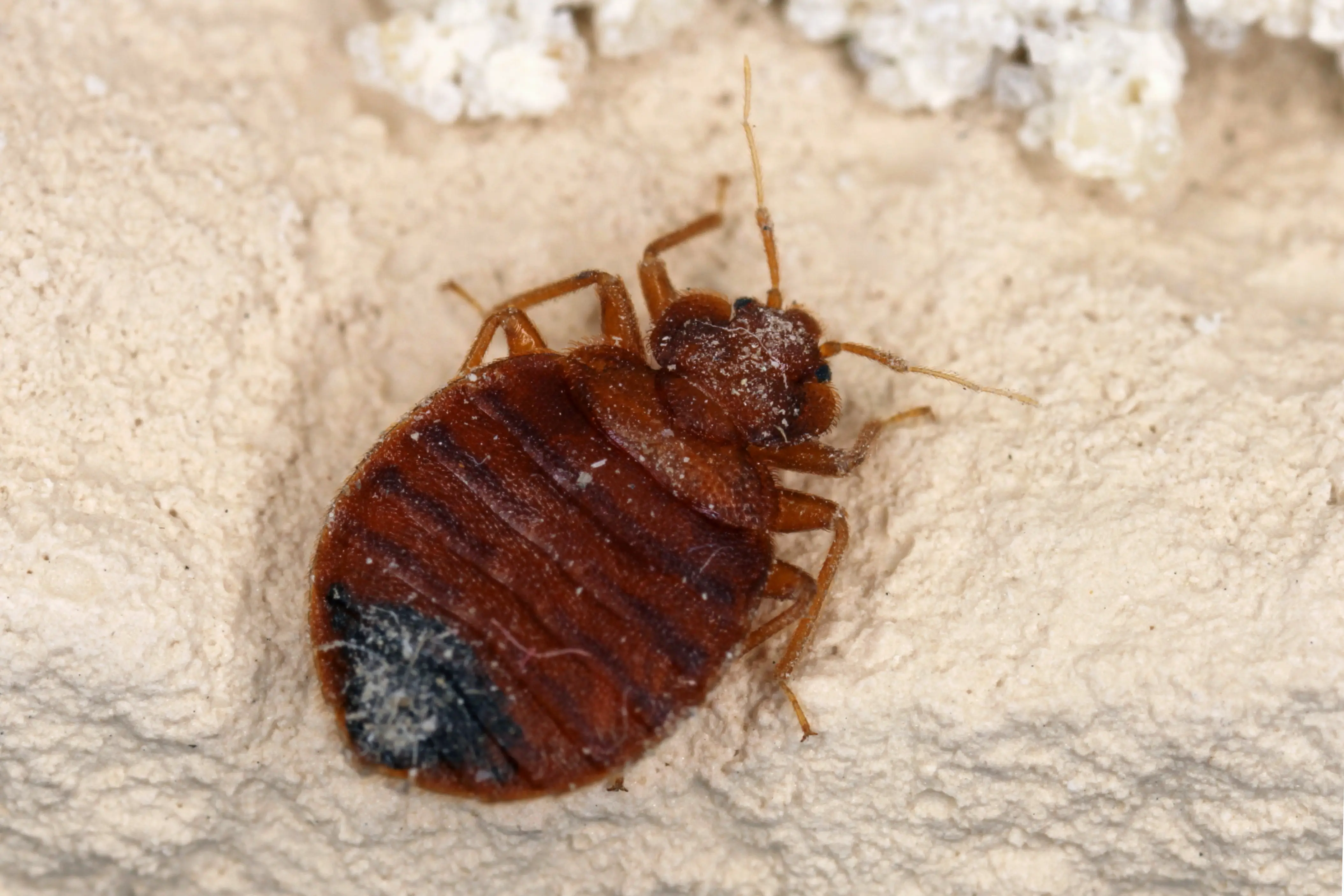
They utilize their flat bodies to conceal themselves in thin spaces like mattress seams, box spring folds, and bed frame gaps.

Where Do Bed Bugs Hide in the House?

Bed bugs are elusive pests that can hide in a wide variety of places. Their small, flat bodies enable them to fit into very narrow spaces:

Mattresses and Box Springs

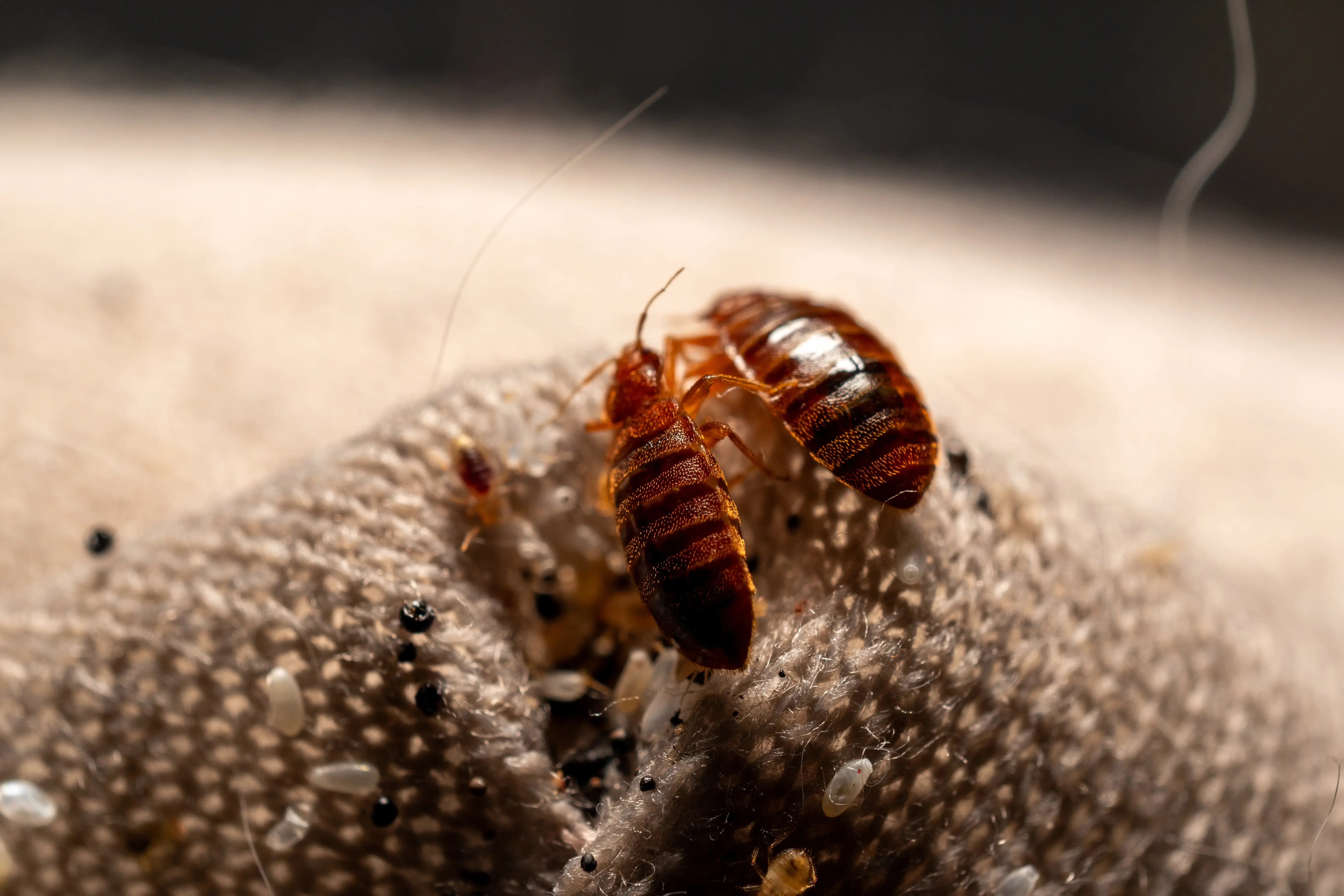
Seams, tags, and under labels are typical hideouts

Bed Frames and Headboards

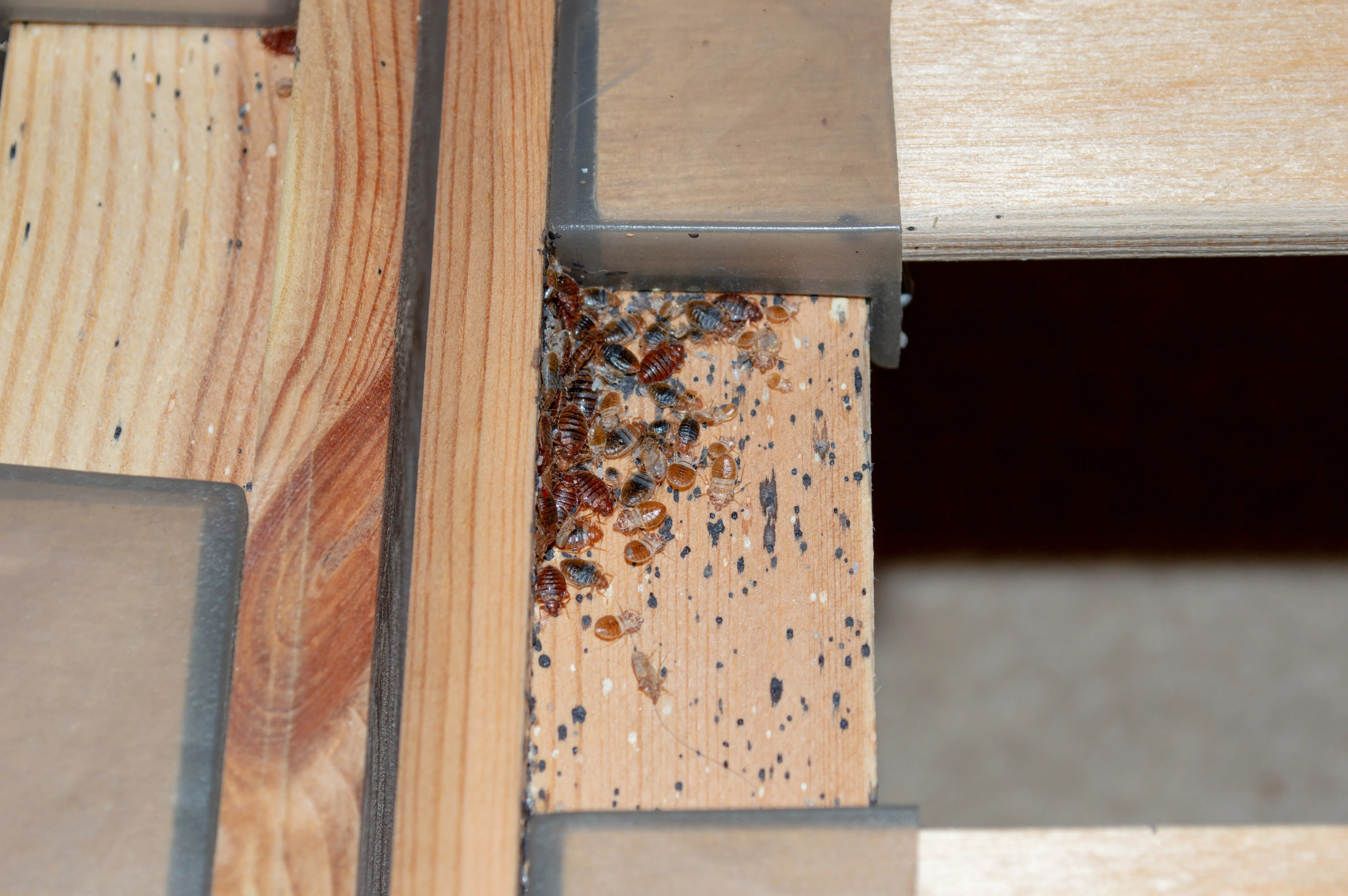
Joints where wood pieces meet, cracks, and crevices

Upholstered Furniture

Seams of couches and chairs, beneath cushions

Wooden Furniture

Dressers, cabinets, drawers with joints and screw holes

Wall Fixtures

Behind wallpaper, baseboards, mirrors, wall hangings

Textiles

Folds of curtains, linens, clothing, carpets

Electrical Areas

Inside outlets and appliances (attracted to warmth)

Personal Items

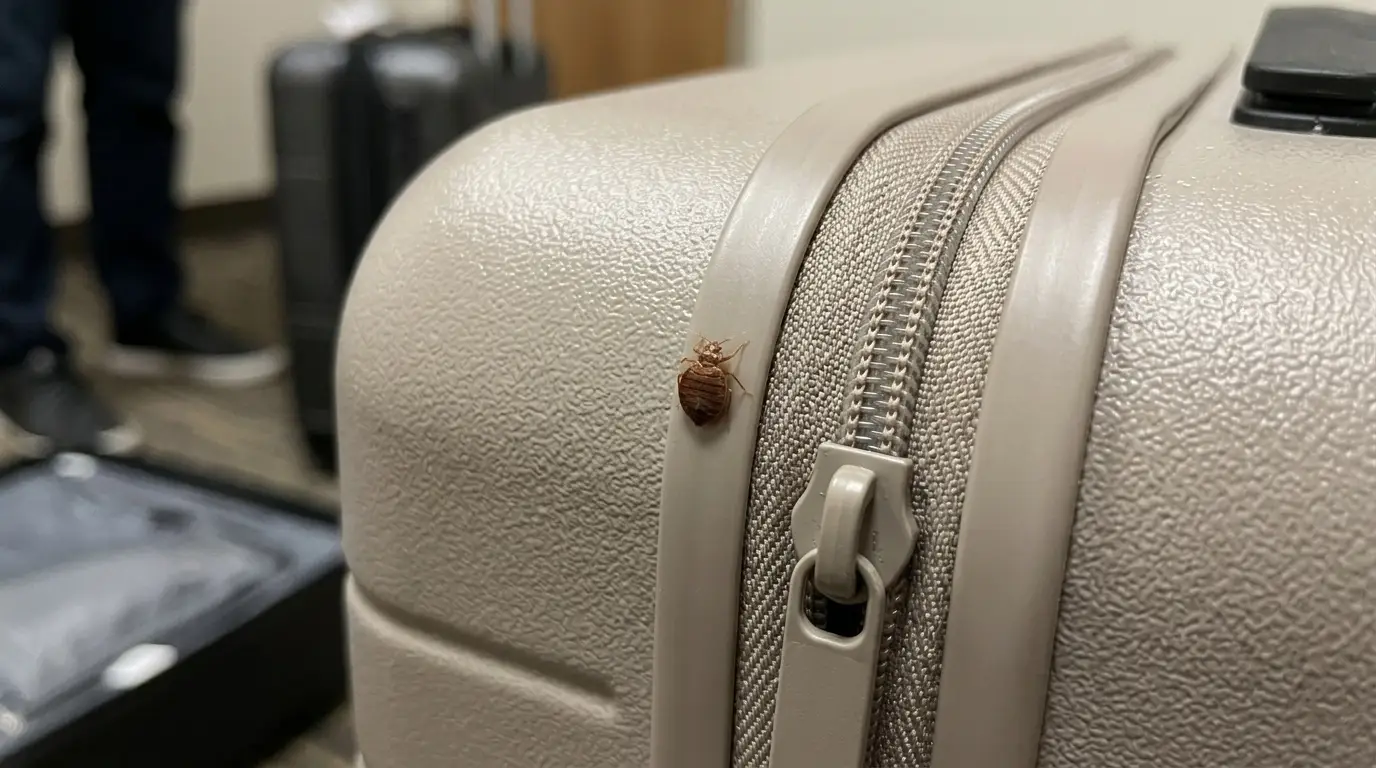
Books, luggage, shoes, and belongings after travel

Where Do Bed Bugs Hide in Mattresses?

Bed bugs have a preference for hidden, dark areas in and around beds, making mattresses one of their most common hiding spots.

Mattress Locations

Found in seams and folds where they can easily conceal themselves and remain close to their food source. Rips or tears provide entry inside the mattress.

Box Spring Locations

The fabric covering is prone to tearing, providing easy access for bed bugs to enter and hide. They also strategically lay eggs in these locations.

Where Do Bed Bugs Hide Their Eggs?

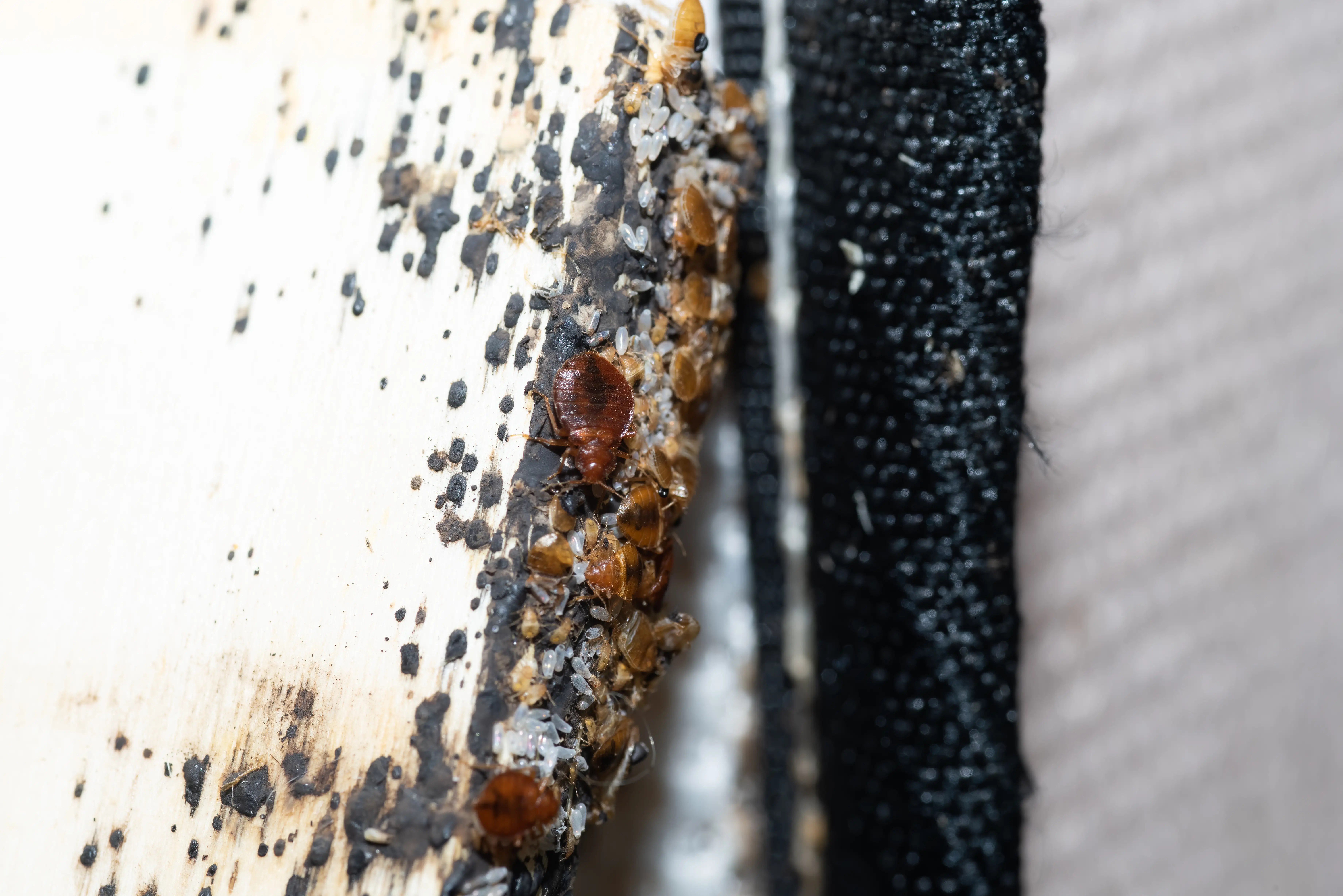
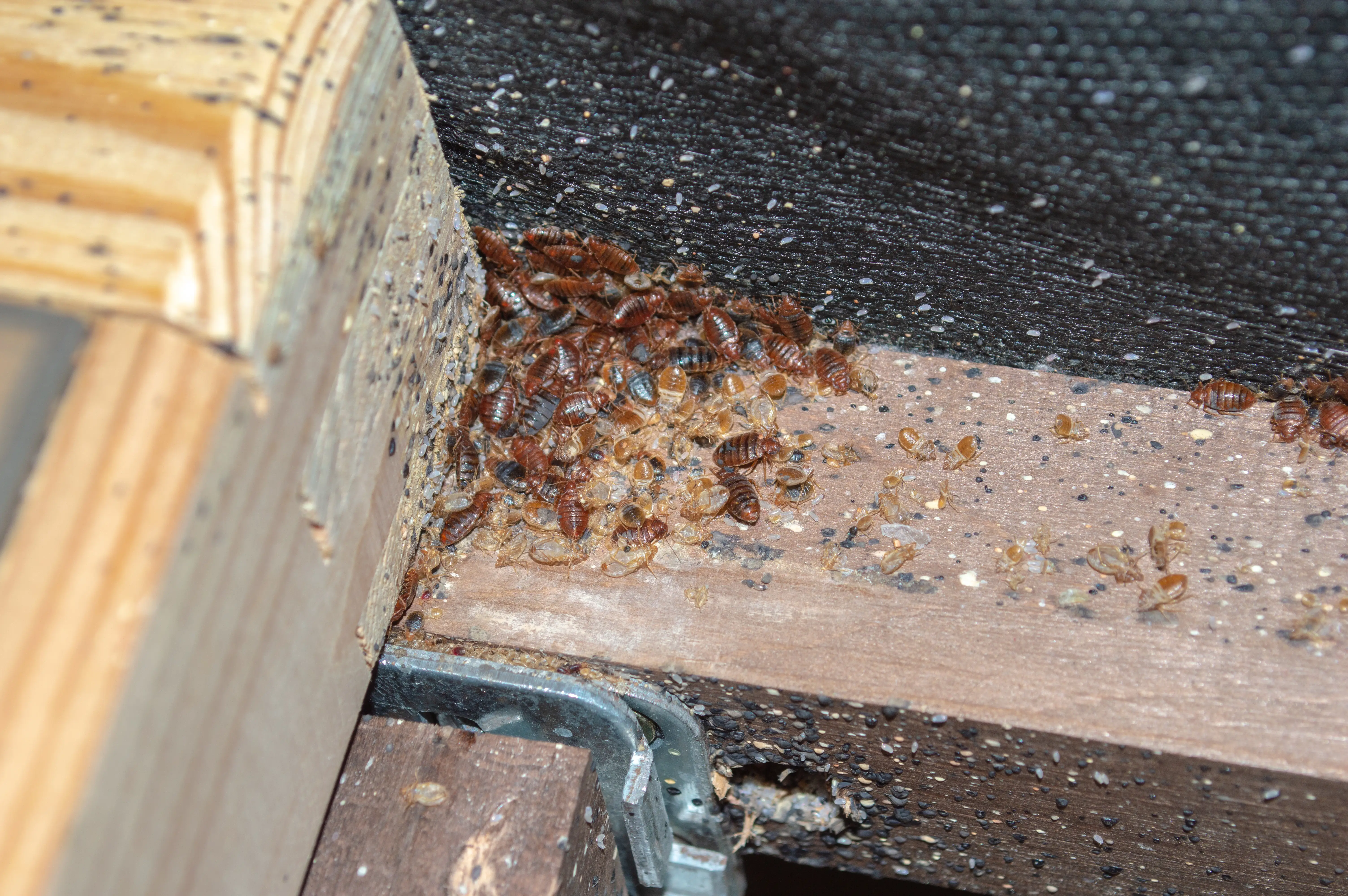
Female bed bugs lay eggs in hidden, protected areas close to a potential food source so newly hatched nymphs can easily find food. Common sites include mattress seams and tags, box spring crevices, and bed frame joints. The females produce a sticky substance that helps eggs adhere to surfaces. Eggs are slightly larger than a grain of salt and pale white, making them hard to see.

Suspect Bed Bugs Are Hiding in Your Home?

Our professionals conduct thorough inspections to find every hiding spot and eliminate bed bugs completely.

Call (866) 326-2847

Where Do Bed Bugs Hide in Public Places?

Bed bugs spread by hitchhiking on unsuspecting carriers. They can be deposited in various public places where there is frequent human activity:

Transportation Seats

Taxis, buses, airplanes in upholstery, carpeting, seat gaps

Hotels and Motels

Most common pickup location: beds, furniture, luggage areas

Movie Theaters

Cushions and seams of seats during extended sitting

Workplace Areas

Break room chairs, upholstered office furniture, lounges

Luggage Storage

Airplane holds, hotel lobbies, any storage areas

Educational Institutions

College dorms, schools, daycares if a carrier is present

Prevention Tips: Keep personal items in your lap, place luggage on hard surfaces in hotel rooms, and regularly inspect seating areas when in public places.

How to Check for Bed Bugs

A systematic approach focusing on common hiding places is essential. Equip yourself with a flashlight and screwdriver for a detailed inspection:

1

Examine Bedroom Furnishings

Inspect beds, chairs, and couches. Pay close attention to seams, cushions, and areas where fabric meets the legs.

2

Check Room Perimeter

Inspect along carpet edges, behind baseboards, and along tack strips. Gently peel back carpet edges for closer inspection.

3

Inspect Dresser Thoroughly

Empty all drawers, check edges where wood joints meet. Remove drawers to check underneath. Shine flashlight inside focusing on runners.

4

Check Other Resting Areas

Use the same logic for any locations where you spend extended periods stationary, like computer chairs and couches.

Signs of Bed Bug Activity

Bed bug infestations are typically discovered through physical signs and visual evidence:

Bites on Skin

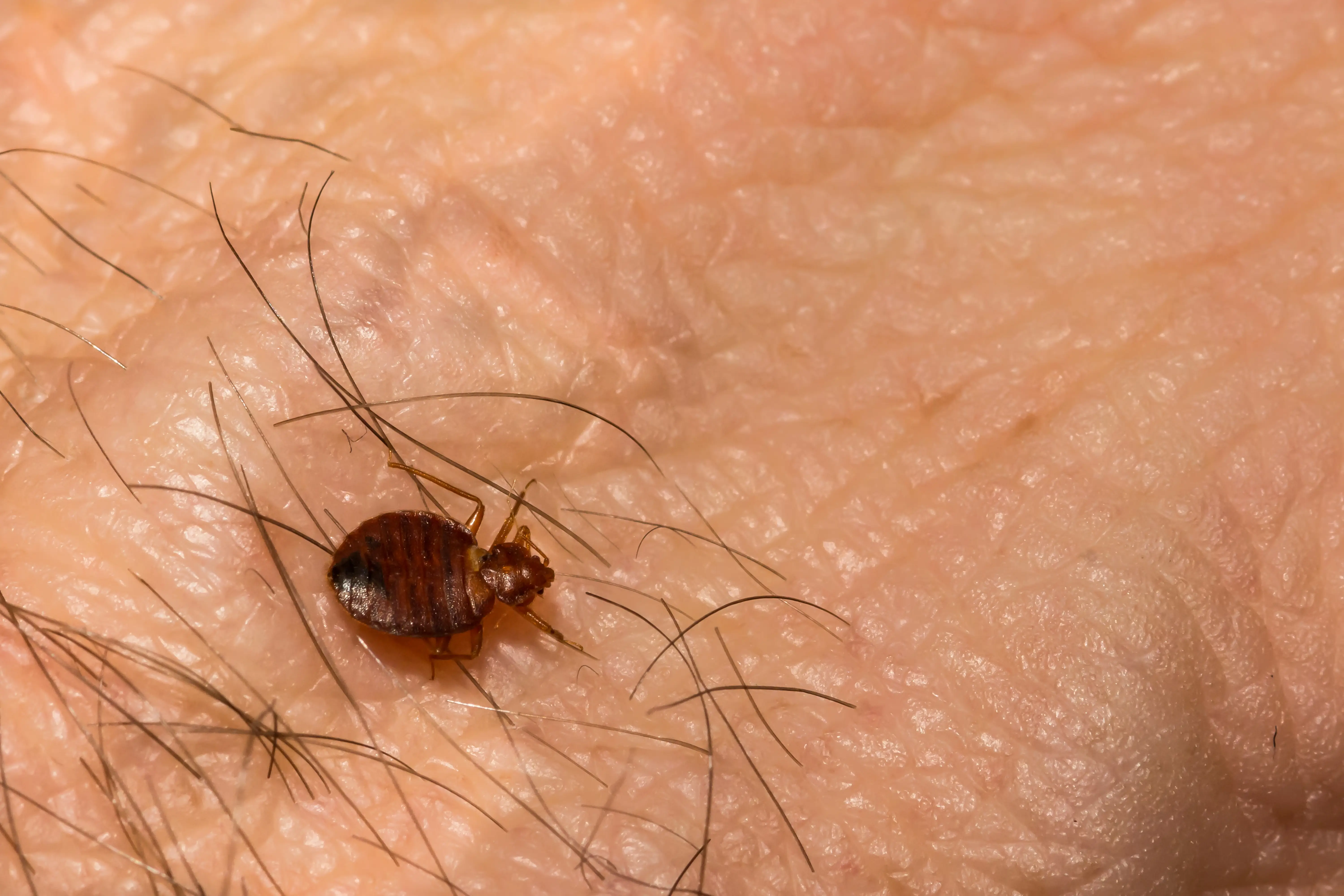
Raised or flat red spots arranged in clusters or zigzag patterns. Usually itchy and uncomfortable.

Blood Stains

Common on bedding from bites bleeding or bugs being smashed after feeding.

Excrement Spots

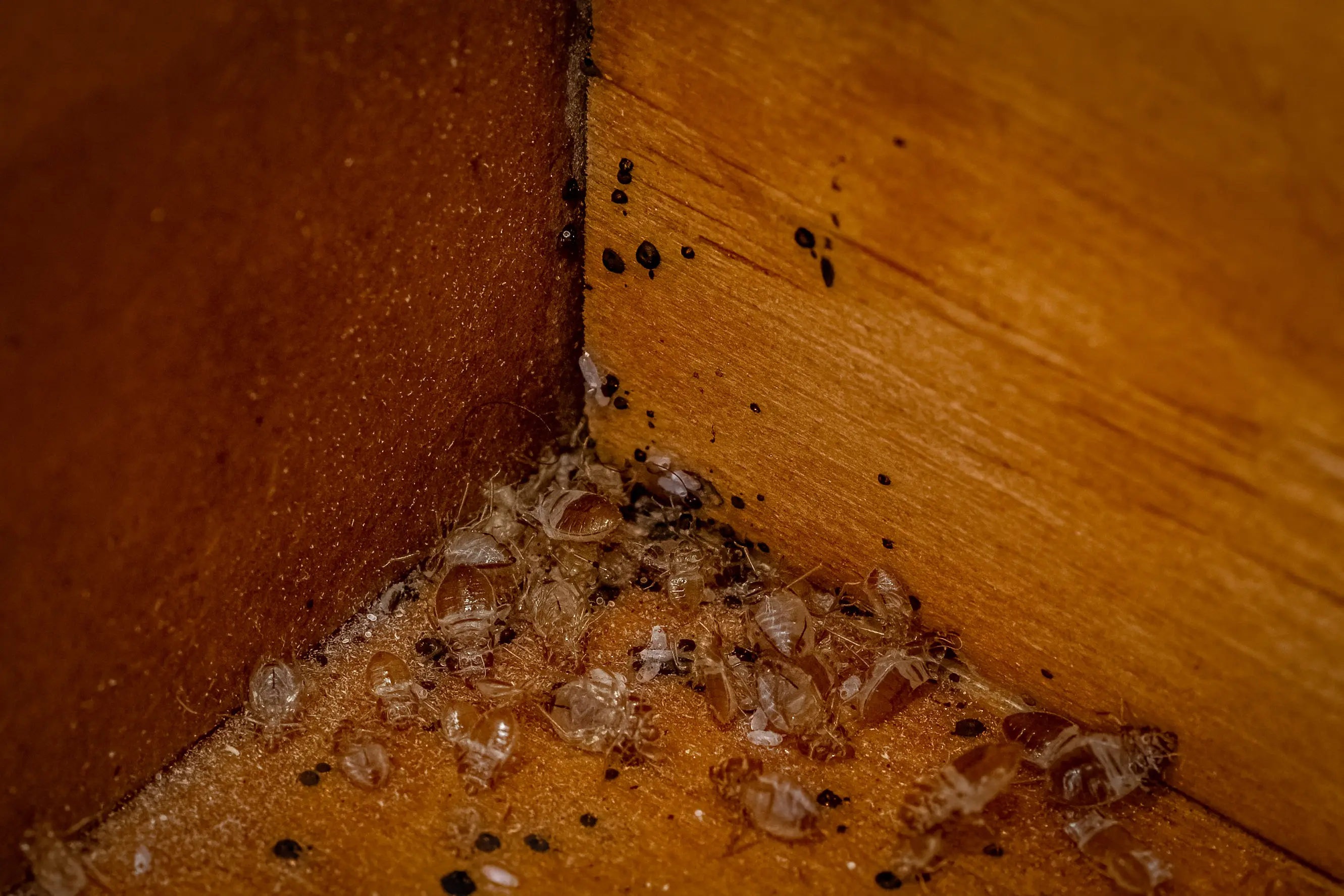
Rust-colored spots on your bed, bedding, and walls.

Visible Evidence

In severe infestations: live bugs, eggs, shed skins, and a musty odor.

What Should You Do if You Find Bed Bugs?

Hire a Professional

If you discover bed bugs, the best approach is to hire a professional. Bed bugs are extremely difficult to treat, and each infestation needs to be taken seriously. DIY attempts risk not being effective and can spread the infestation further or allow it to grow. A qualified exterminator will conduct a thorough inspection, identify all hiding spots, and formulate a comprehensive treatment plan. If you are in an apartment, inform your landlord or building manager immediately.

Contact EcoGuard if You Are Dealing with Bed Bugs

Dealing with bed bugs can be a stressful and challenging experience, requiring prompt and effective solutions. If you are facing a bed bug infestation, do not hesitate to reach out to EcoGuard Pest Management. Our team of experienced professionals is equipped with the knowledge and tools necessary to efficiently identify and eradicate bed bugs from your home. We offer comprehensive inspection and treatment plans tailored to your specific situation to ensure that your living space becomes bed bug-free.

Call (866) 326-2847Get Free Quote

Bed Bug Hiding Place FAQs

How do you find out where bed bugs are hiding?

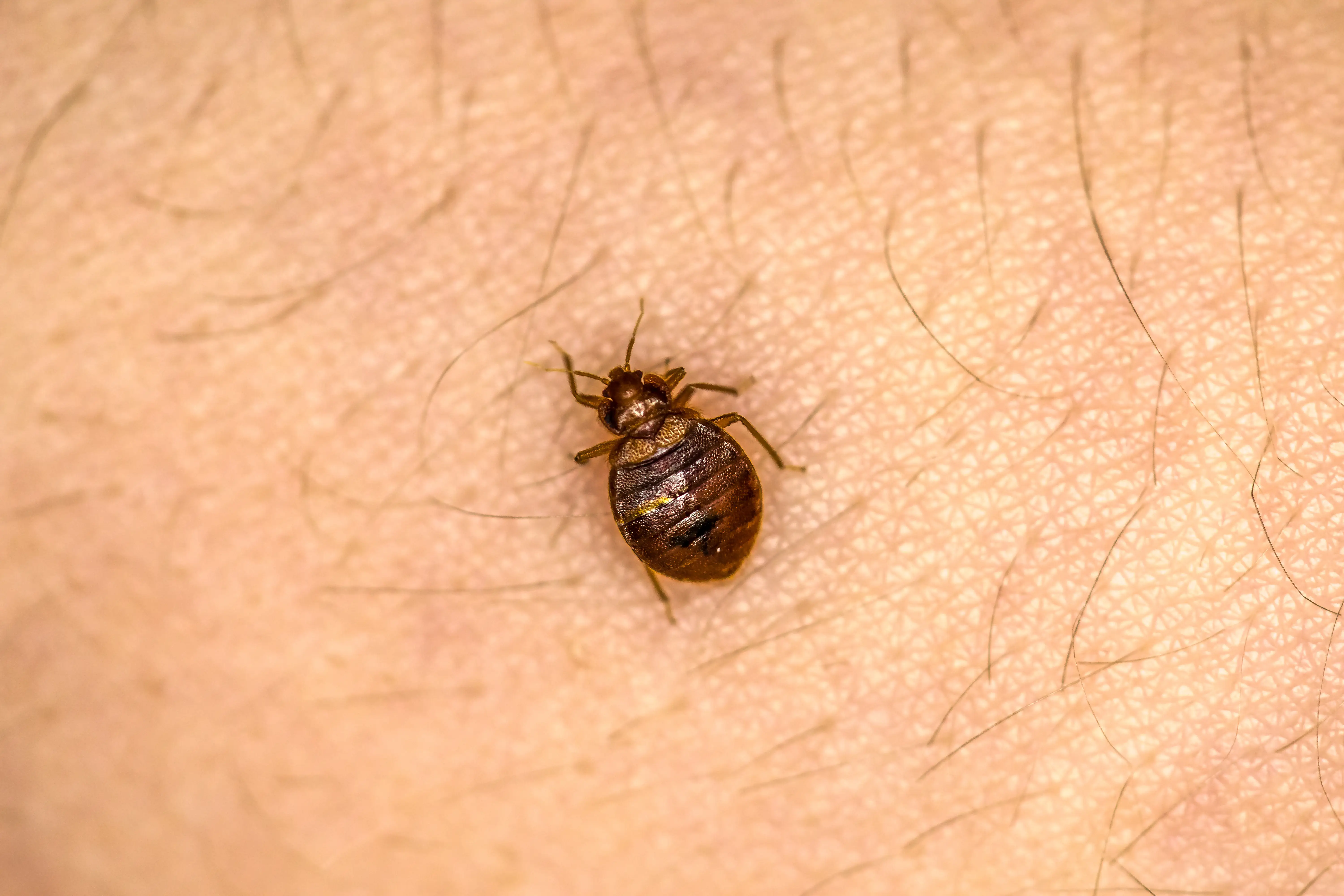
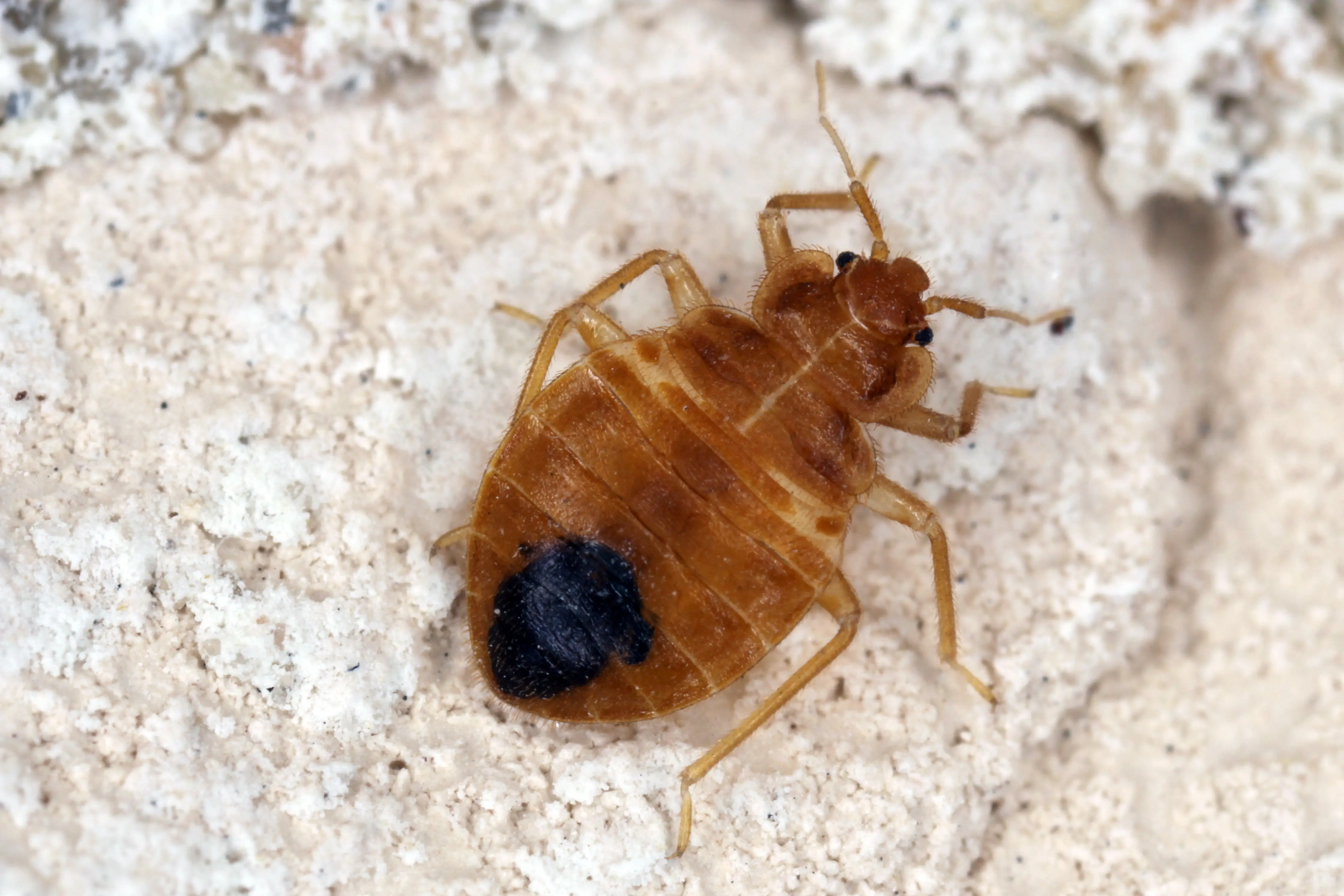
To find out where bed bugs are hiding, start by inspecting areas where people sleep or rest as these pests prefer close proximity to their human hosts. Focus on the seams, folds, and tags of mattresses, the crevices of bed frames and headboards, and any nearby furniture. Use a flashlight for better visibility and look for signs like small rust-colored stains, shed skins, tiny white eggs, or the bugs themselves which are small, flat, and reddish-brown.

What draws bed bugs out of hiding?

Bed bugs are primarily drawn out of hiding by the carbon dioxide and warmth emitted by humans when they are inactive or sleeping. These pests are nocturnal and typically emerge from their hiding spots at night to feed on the blood of their hosts. Additionally, certain chemical lure products designed to mimic human scent can also be used to draw bed bugs out for purposes of detection and control.

Where do bed bugs live the most?

Bed bugs most commonly live in areas where people sleep or spend extended periods of time resting. This includes bedrooms, particularly in and around the seams and folds of mattresses, box springs, bed frames, and headboards. They can also be found in other furniture like couches and armchairs, as well as in nearby clutter, clothing, and linens as these locations provide easy access to their human hosts for feeding.

How far away do bed bugs hide?

Bed bugs typically hide within a few feet of where humans sleep or rest. However, in more severe infestations, they can spread to other areas and may be found up to 20 feet away from their feeding spots. Their ability to hide in small crevices and travel across rooms means they can be found in various locations beyond just the immediate vicinity of a bed or sofa.

From Our Blog

Related Articles

7 Stages of the Bed Bug Life Cycle | Complete Guide

7 Stages of the Bed Bug Life Cycle | Complete Guide

Learn the 7 stages of bed bug life cycle from egg to adult. Understand bed bug lifespan, reproduction, and why they are...

Read Article
Are Bed Bugs Dangerous to Humans? Health Risks

Are Bed Bugs Dangerous to Humans? Health Risks

Learn about bed bug health risks including bites, allergic reactions, mental health impacts, and how to identify and...

Read Article
Bed Bug Bites vs Mosquito Bites: How to Tell the Difference

Bed Bug Bites vs Mosquito Bites: How to Tell the Difference

Learn how to identify bed bug bites vs mosquito bites. Compare appearance, patterns, symptoms, healing time, and get...

Read Article
Bed Bug Heat Treatment: Is It Effective? Complete Guide

Bed Bug Heat Treatment: Is It Effective? Complete Guide

Learn how bed bug heat treatment works, pros and cons, costs, preparation steps, and what to expect. Discover why heat...

Read Article
Bed Bugs vs Fleas vs Ticks: Key Differences & How to Identify

Bed Bugs vs Fleas vs Ticks: Key Differences & How to Identify

Learn the differences between bed bugs, fleas, and ticks. Compare size, appearance, bites, health risks, habitat, and...

Read Article
Do Bed Bugs Fly or Jump? How They Move and Spread

Do Bed Bugs Fly or Jump? How They Move and Spread

Learn whether bed bugs can fly or jump, how they move and spread, their speed, and how to use their limitations to...

Read Article
How Common Are Bed Bugs? Statistics & Prevention Guide

How Common Are Bed Bugs? Statistics & Prevention Guide

Discover how common bed bugs are in the US with statistics by home type, city, and state. Learn prevention tips and...

Read Article
How Do Bed Bugs Spread? Prevention & Control Guide

How Do Bed Bugs Spread? Prevention & Control Guide

Learn how bed bugs spread from room to room, house to house, and person to person. Discover prevention tips and how to...

Read Article
How Fast Do Bed Bugs Spread and Multiply?

How Fast Do Bed Bugs Spread and Multiply?

Learn how quickly bed bugs spread from room to room and multiply. Understand reproduction rates, movement speed, and...

Read Article
How Long Can Bed Bugs Live Without a Host? Survival Guide

How Long Can Bed Bugs Live Without a Host? Survival Guide

Learn how long bed bugs can survive without feeding, what diapause is, factors affecting survival, and why starving...

Read Article
How Often Do Bed Bugs Feed? Feeding Habits Explained

How Often Do Bed Bugs Feed? Feeding Habits Explained

Learn how often bed bugs feed, their feeding behavior, and how long they can survive without blood. Understand bed bug...

Read Article
How to Check for Bed Bugs: Complete Inspection Guide

How to Check for Bed Bugs: Complete Inspection Guide

Learn how to inspect for bed bugs at home, in hotels, and on used furniture. Know what signs to look for and where bed...

Read Article
How to Get Rid of Bed Bugs: Complete Treatment Guide

How to Get Rid of Bed Bugs: Complete Treatment Guide

Learn how to identify, contain, and eliminate bed bugs with heat treatment, chemical options, and prevention tips....

Read Article
How to Prepare for Bed Bug Treatment: Complete Checklist

How to Prepare for Bed Bug Treatment: Complete Checklist

Step-by-step bed bug treatment preparation checklist. Learn what to do before, during, and after professional bed bug...

Read Article
Signs of Bed Bugs: How to Identify an Infestation

Signs of Bed Bugs: How to Identify an Infestation

Learn the signs of bed bugs including bites, stains, droppings, and where they hide. Understand bed bug behavior and...

Read Article
What Are Bed Bugs? Facts, Appearance & Prevention Guide

What Are Bed Bugs? Facts, Appearance & Prevention Guide

Learn what bed bugs are, how they look, where they hide, and how to prevent and eliminate infestations. Complete bed...

Read Article
What Attracts Bed Bugs? Myths vs Facts

What Attracts Bed Bugs? Myths vs Facts

Learn what truly attracts bed bugs to your home. Discover the science behind bed bug attraction including warmth, CO2,...

Read Article
What Do Bed Bug Eggs Look Like? Identification Guide

What Do Bed Bug Eggs Look Like? Identification Guide

Learn how to identify bed bug eggs, where they are laid, how many a female produces, and effective methods to eliminate...

Read Article
What Does Bed Bug Poop Look Like? Identification & Cleanup Guide

What Does Bed Bug Poop Look Like? Identification & Cleanup Guide

Learn to identify bed bug droppings by color, size, and location. Understand why cleaning bed bug feces is critical and...

Read Article
Where Do Bed Bugs Come From?

Where Do Bed Bugs Come From?

Learn where bed bugs come from, the 7 most common places you pick them up, why they spread, and how to prevent bringing...

Read Article