EcoGuard Pest Management
Comparison of bed bugs, fleas, and ticks
By Gary Anderson||4 min read

The Difference Between Bed Bugs vs Fleas vs Ticks

Learn to identify these blood-sucking parasites for effective treatment.

The fact that bed bugs, fleas, and ticks are all small blood-sucking parasites is pretty much where the similarities end. There is much more that differentiates each of these insects.

Knowing how to identify these bugs is critical to effective treatment. Without proper identification, you may use ineffective treatment methods, giving these bugs time to reproduce and expand their infestation.

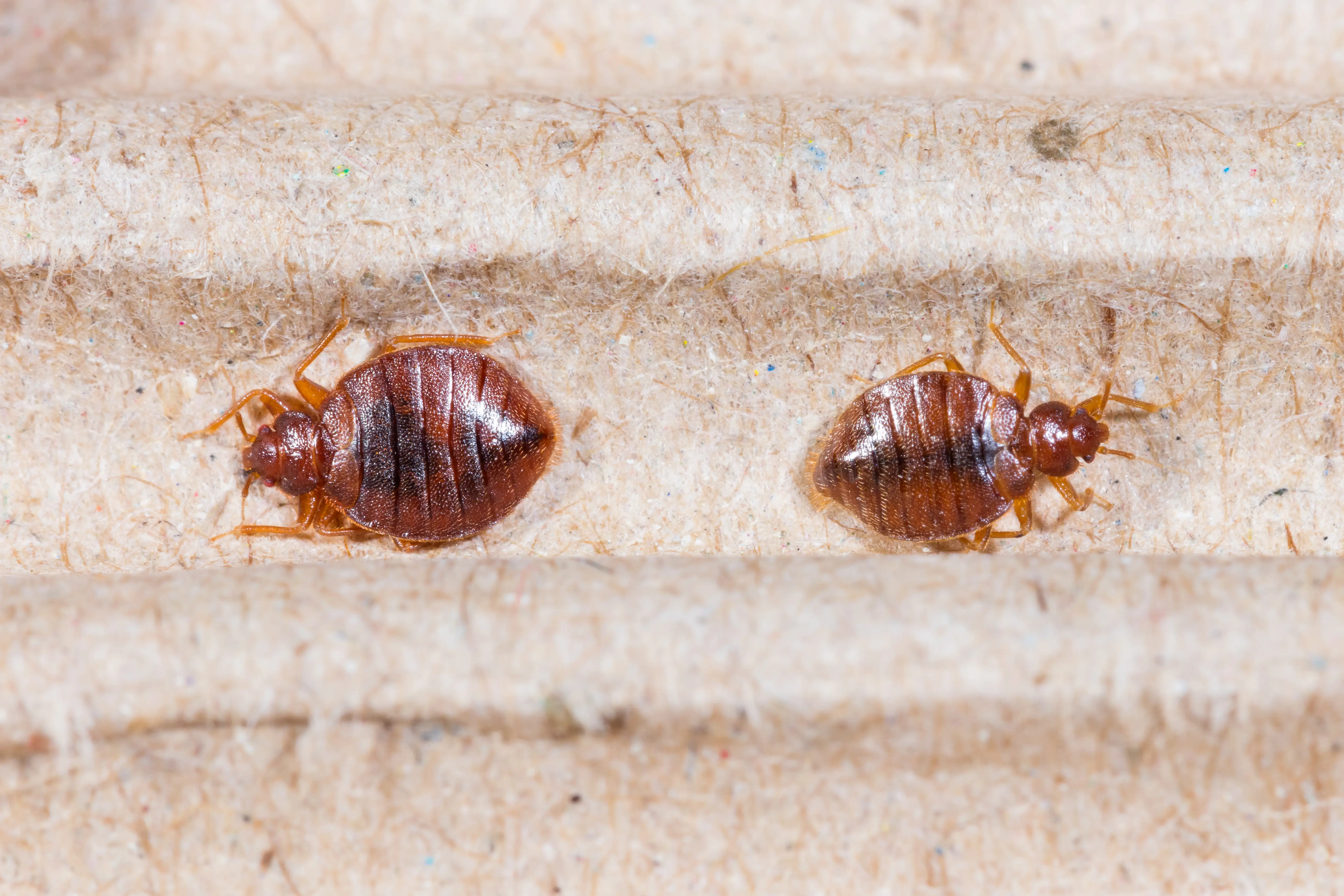
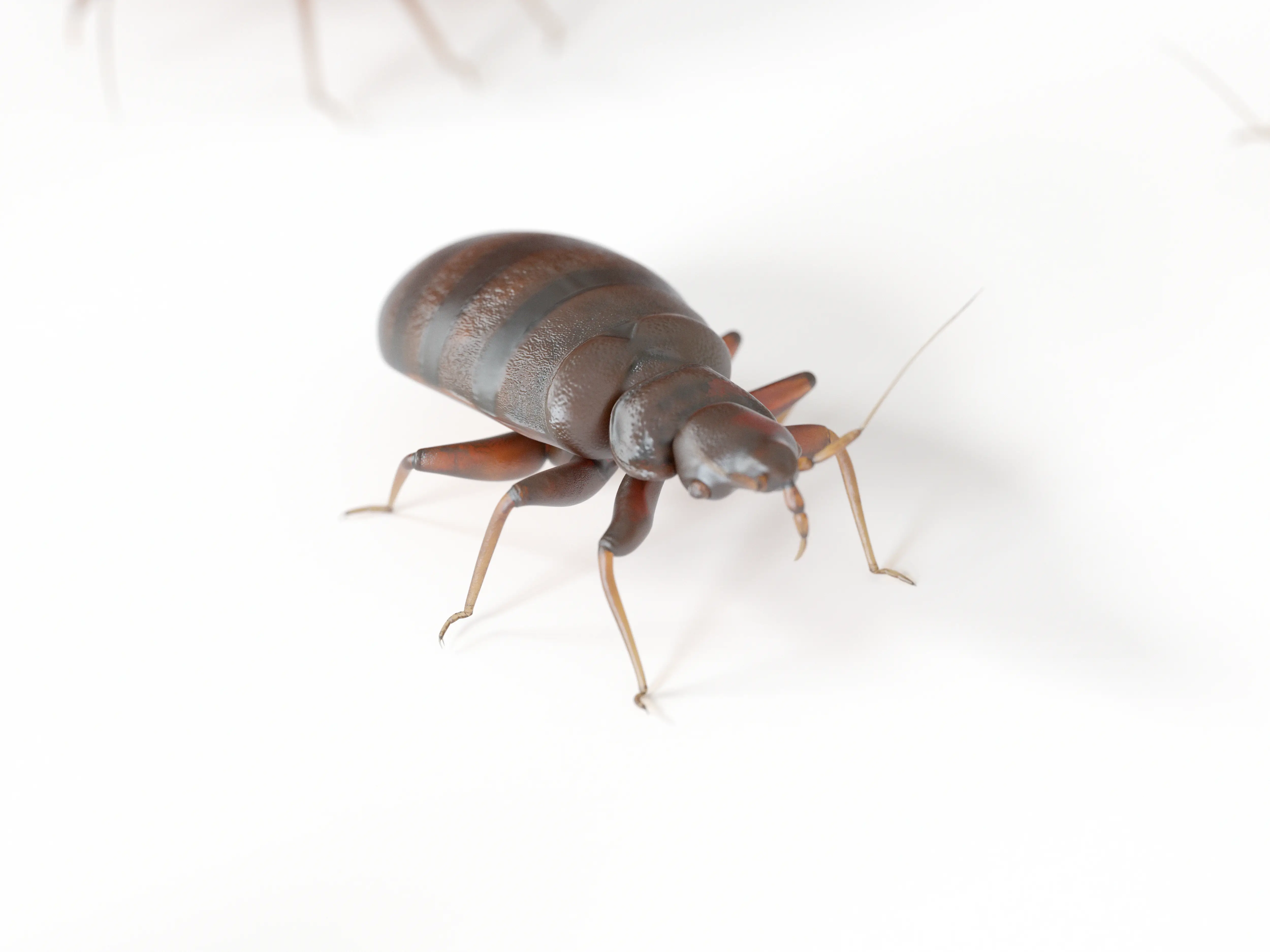
Bed Bugs
7-8mm, 6 legs
Ticks
4-10mm, 8 legs
Fleas
1.3-3mm, 6 legs
Side by Side Comparison

AttributeBed BugsTicksFleas
Size7-8 mm4-10 mm1.3-3 mm
ShapeFlat oval (apple seed)Flat teardrop (sesame seed)Long, narrow, oval
Legs6 legs (insect)8 legs (arachnid)6 legs (2 large for jumping)
Preferred DietHumansAnimalsAnimals & humans
Bite LocationAny exposed skinDark, moist, warm areasLegs on humans; back/neck on pets
FeedingWeeklyIntermittently (3-4x lifetime)Daily
Health RisksAllergiesLyme disease, tularemia, morePlague, typhus, tapeworm
HabitatIndoors near mattressOutdoors in grass/woodsOutdoors; indoors on pets
ActivityNightDayNight
MovementCrawl (fast)Crawl/climbJump
Life Cycle6-12 months2-3 years2-4 months

Differences in Appearance

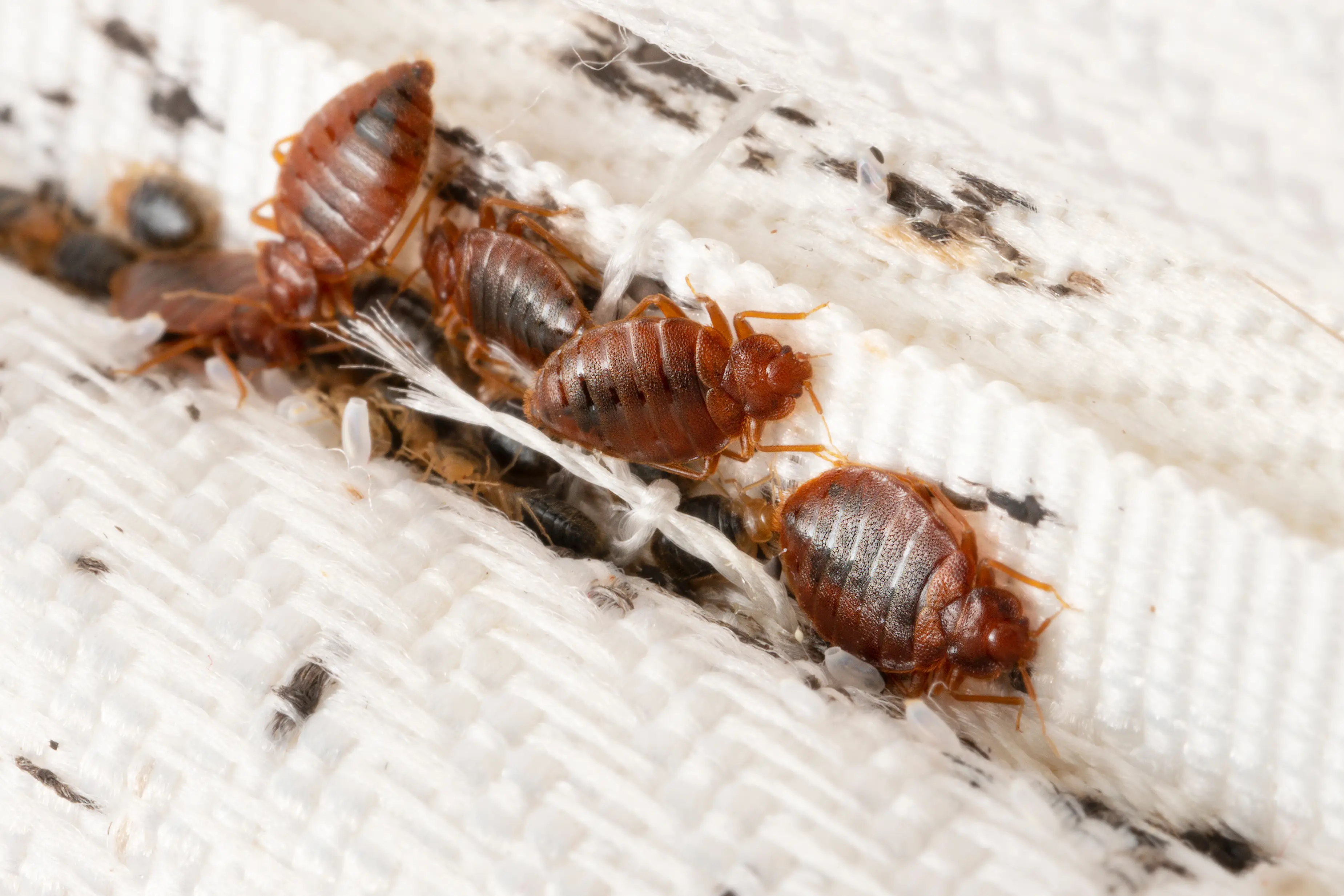
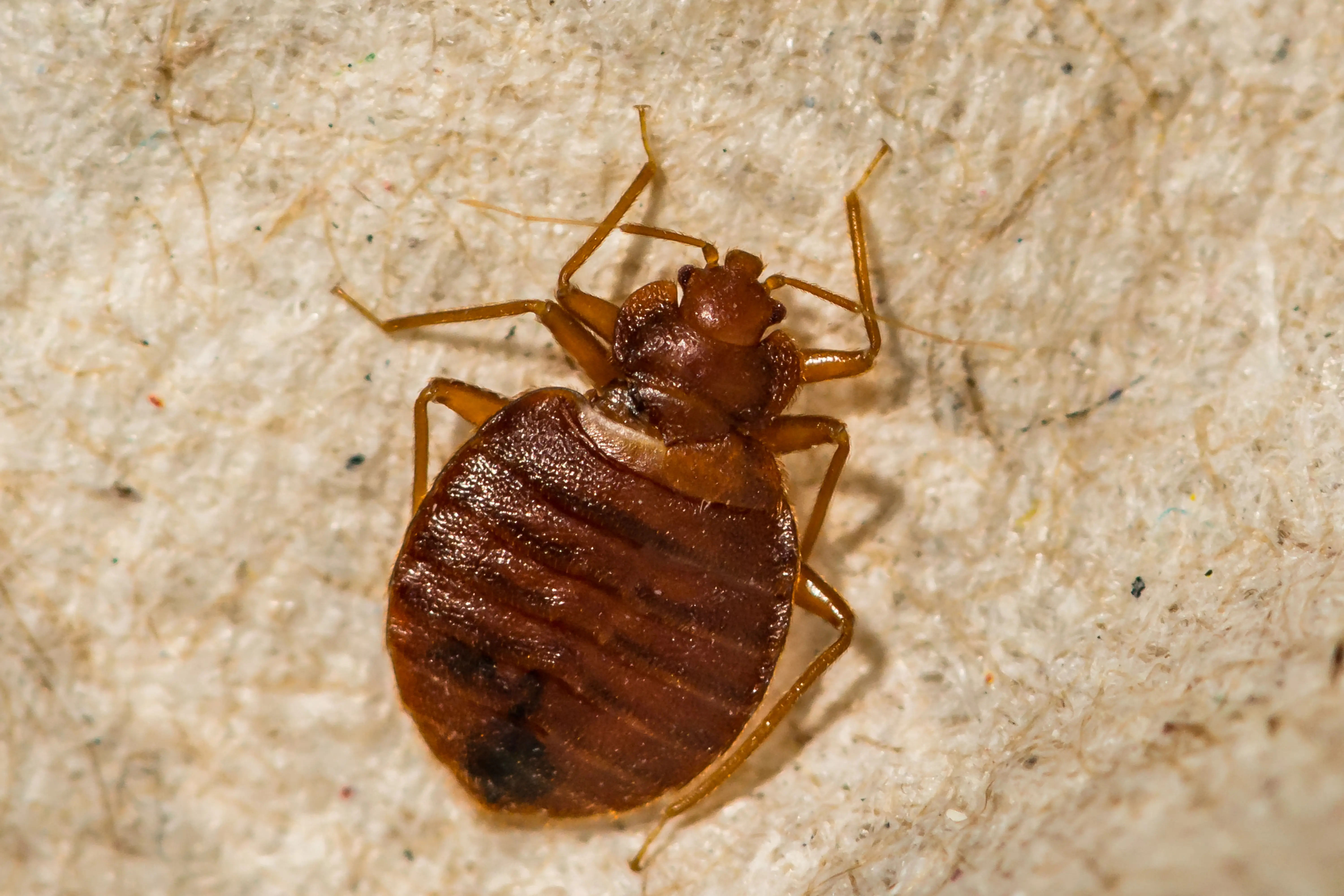
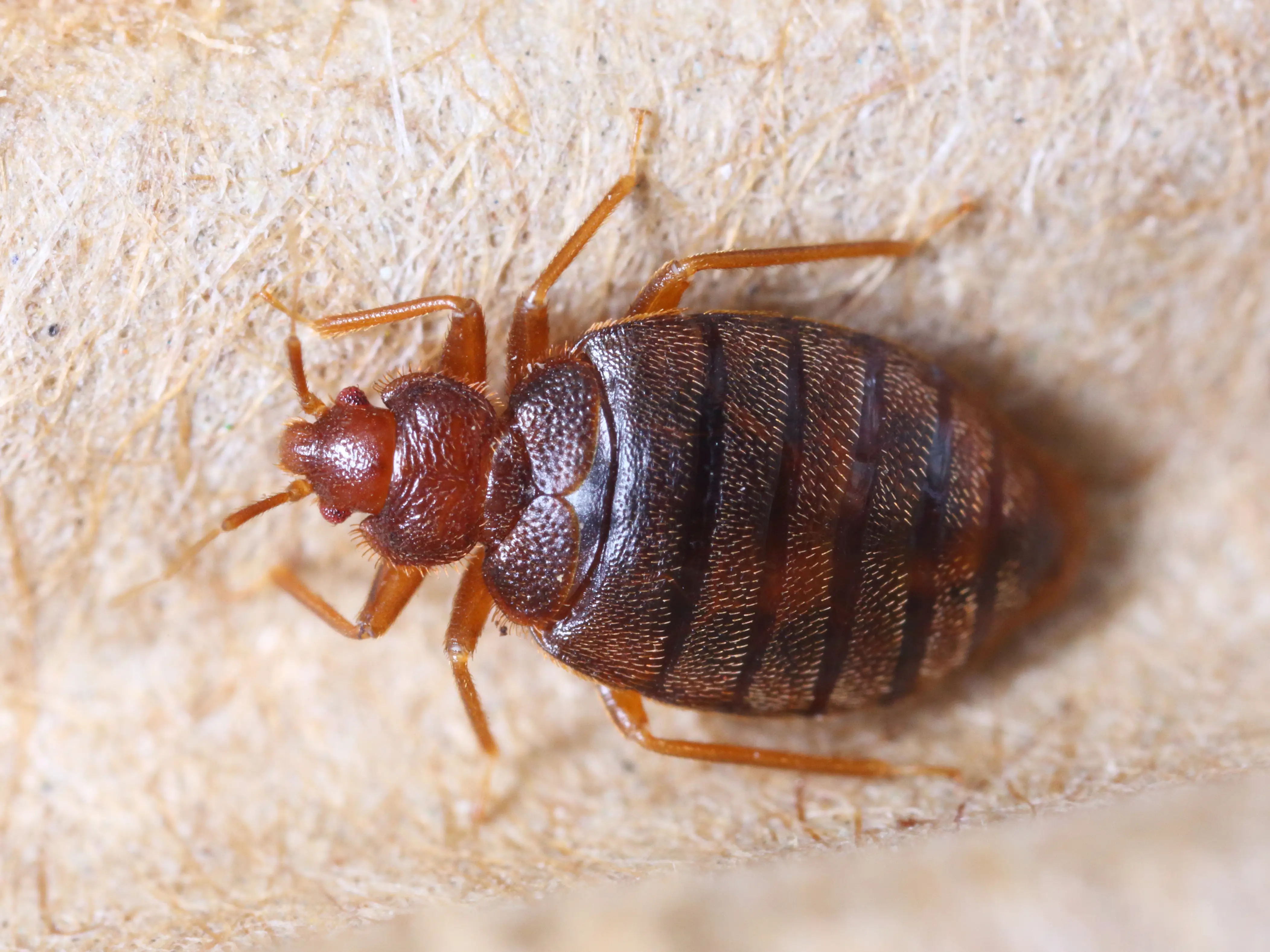
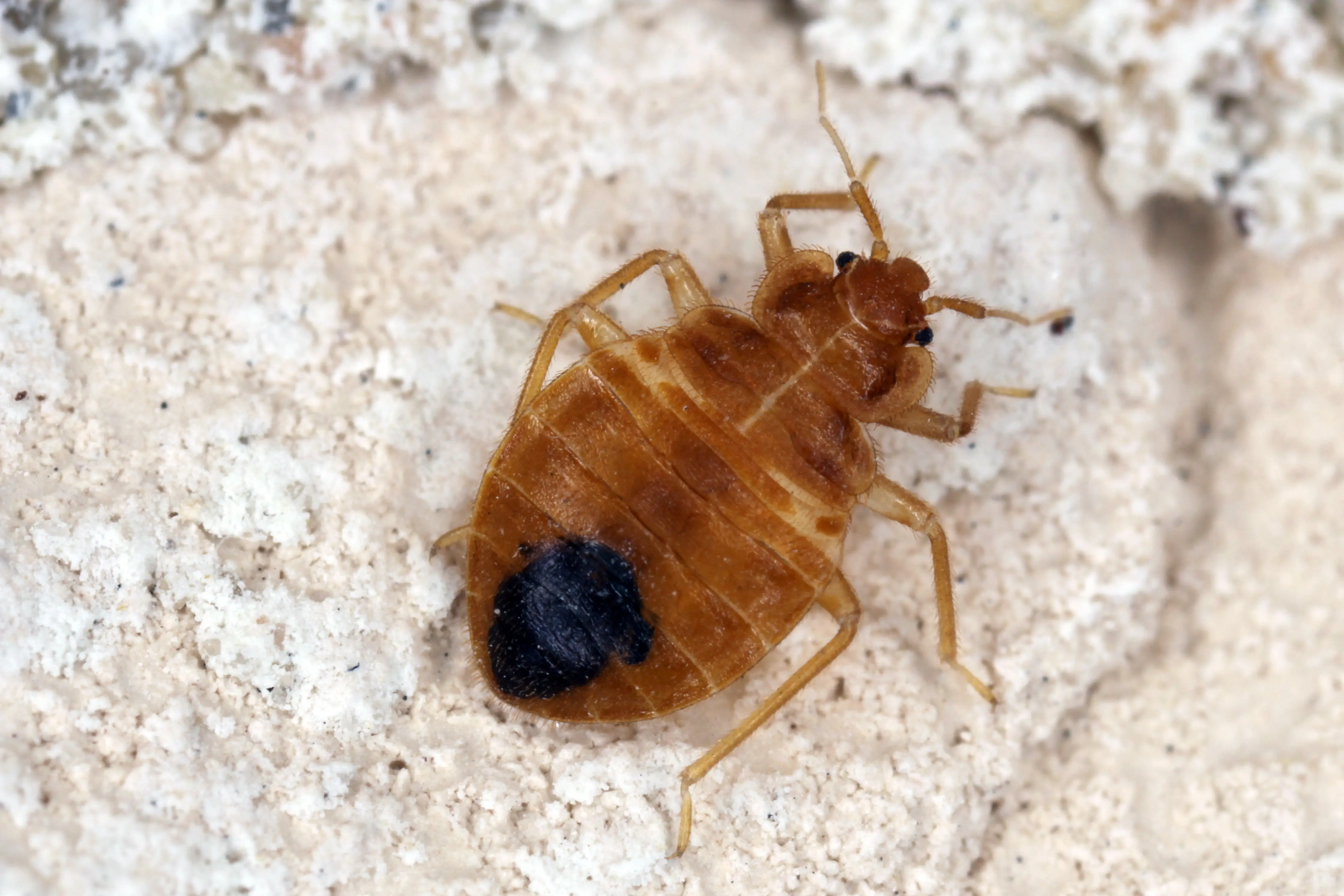
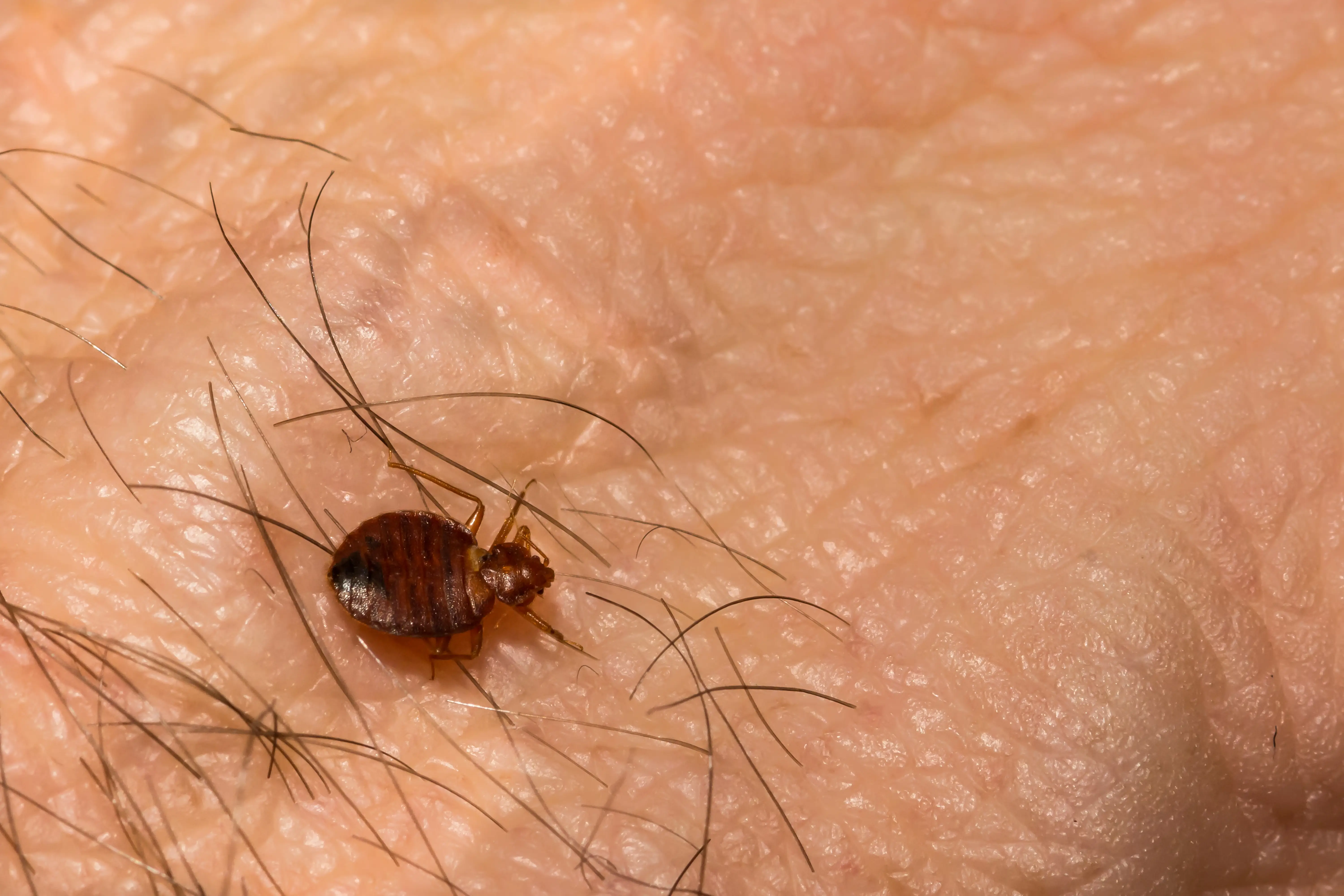
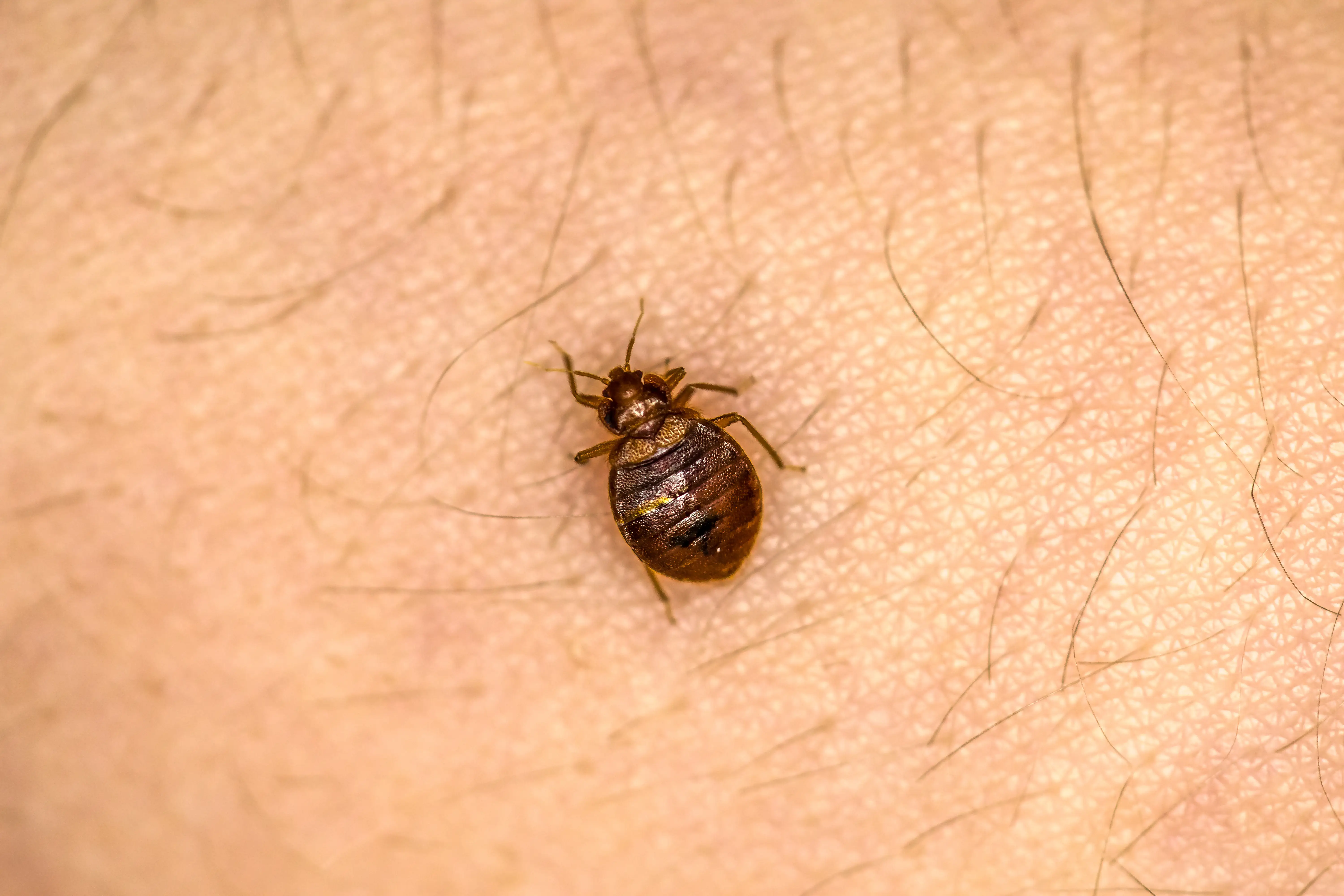
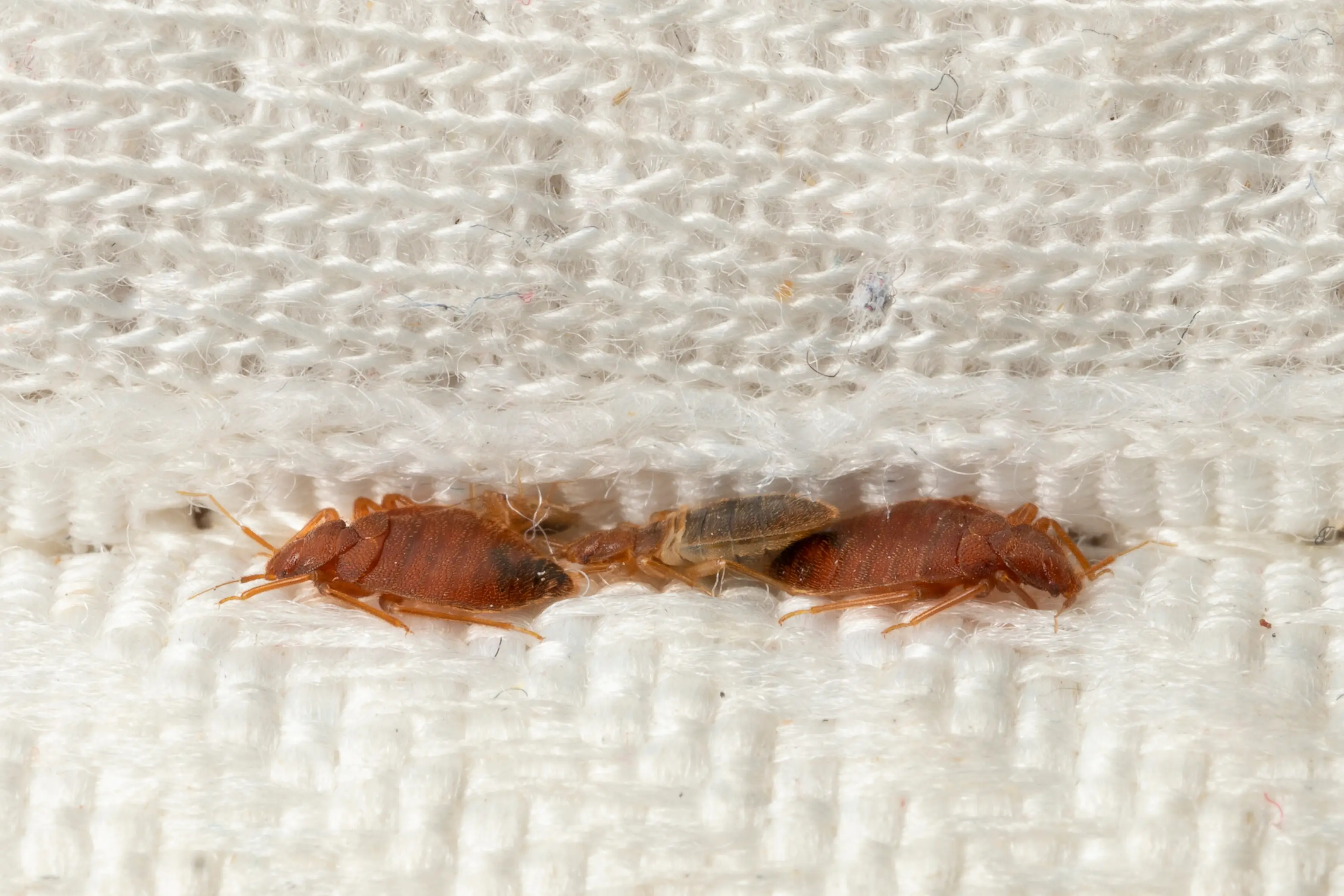
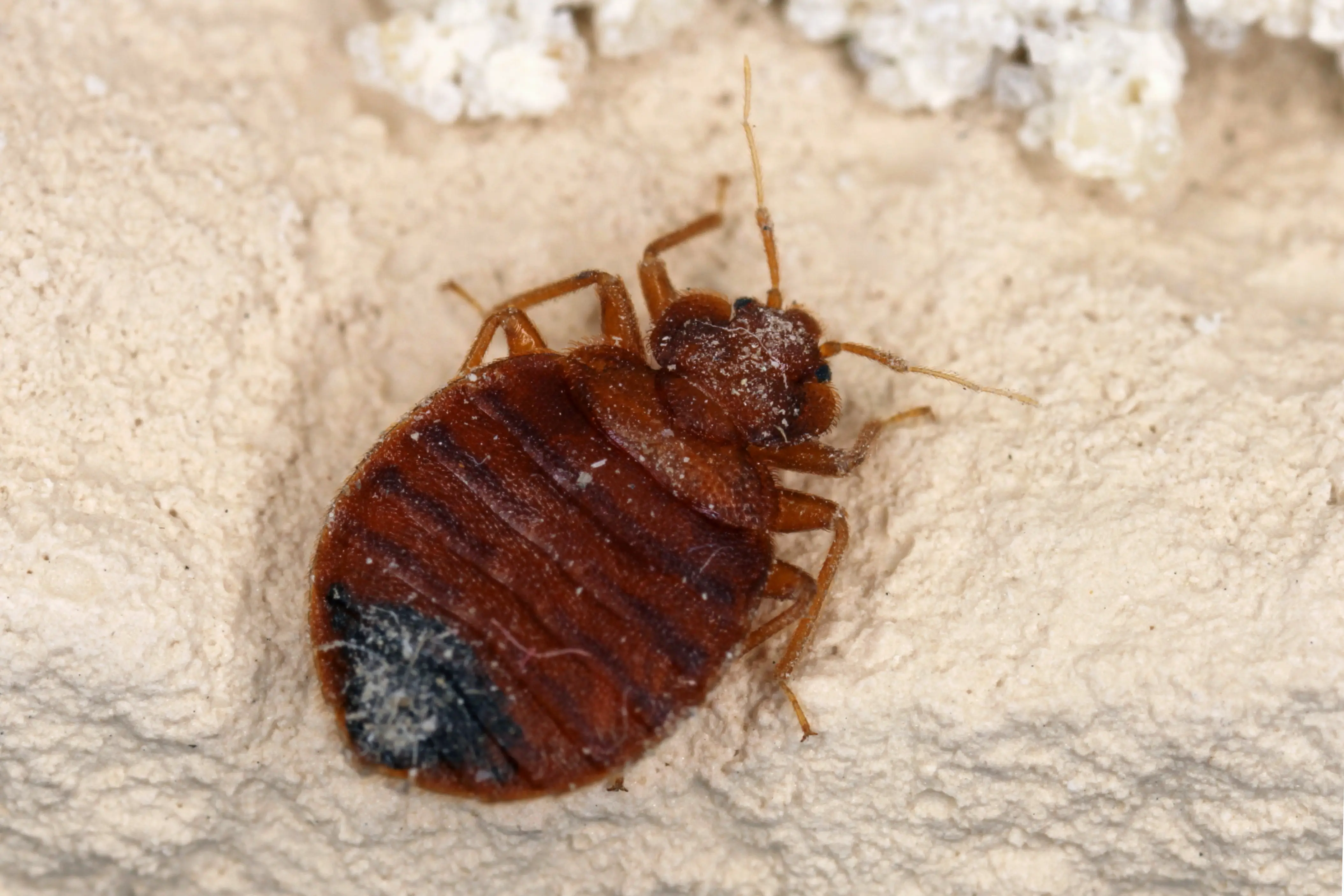
Bed Bugs

  • Size: 1.5mm (hatchling) to 7-8mm (adult)
  • Color: Reddish-brown; purplish-red when engorged
  • Shape: Flat, oval like an apple seed
  • Legs: 6 thin legs, not very visible

Ticks

  • Size: 4mm unfed; up to 10mm engorged
  • Color: Red, brown, yellow, grey, black (often striped)
  • Shape: Flat, teardrop like a sesame seed
  • Legs: 8 long legs extending beyond body

Fleas

  • Size: 1.5-3mm (barely visible)
  • Color: Brown (appears black due to size)
  • Shape: Long, narrow, oval; thin from above
  • Legs: 6 legs; 2 large rear legs for jumping

Not Sure Which Pest You Have?

Our experts identify the pest and provide targeted treatment.

Call (866) 326-2847

Health Hazards

All blood-sucking parasites carry risk of allergic reactions resulting in itchy red welts. In worst cases, bites can cause anaphylactic reactions requiring immediate medical attention.

Bed Bugs

Can carry pathogens but no evidence of transmission to humans. Primary concern is allergic reactions and psychological distress.

Ticks (Most Dangerous)

Transmit Lyme disease, anaplasmosis, Rocky Mountain spotted fever, tularemia, Colorado tick fever, and more serious illnesses.

Fleas

Can spread plague, typhus, and tapeworm. Also cause severe itching and skin irritation, especially on pets.

Signs of Infestation

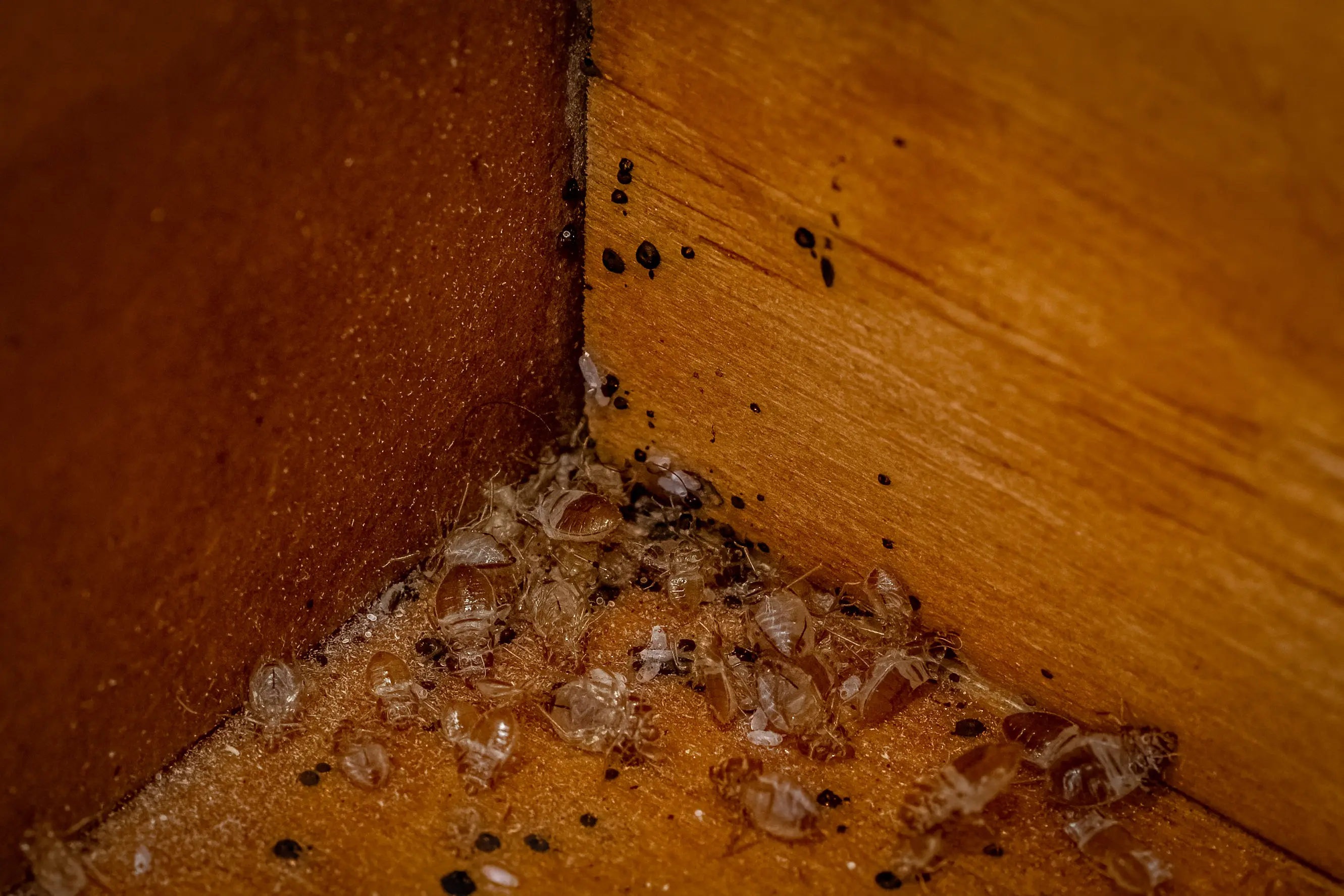
Bed Bug Signs

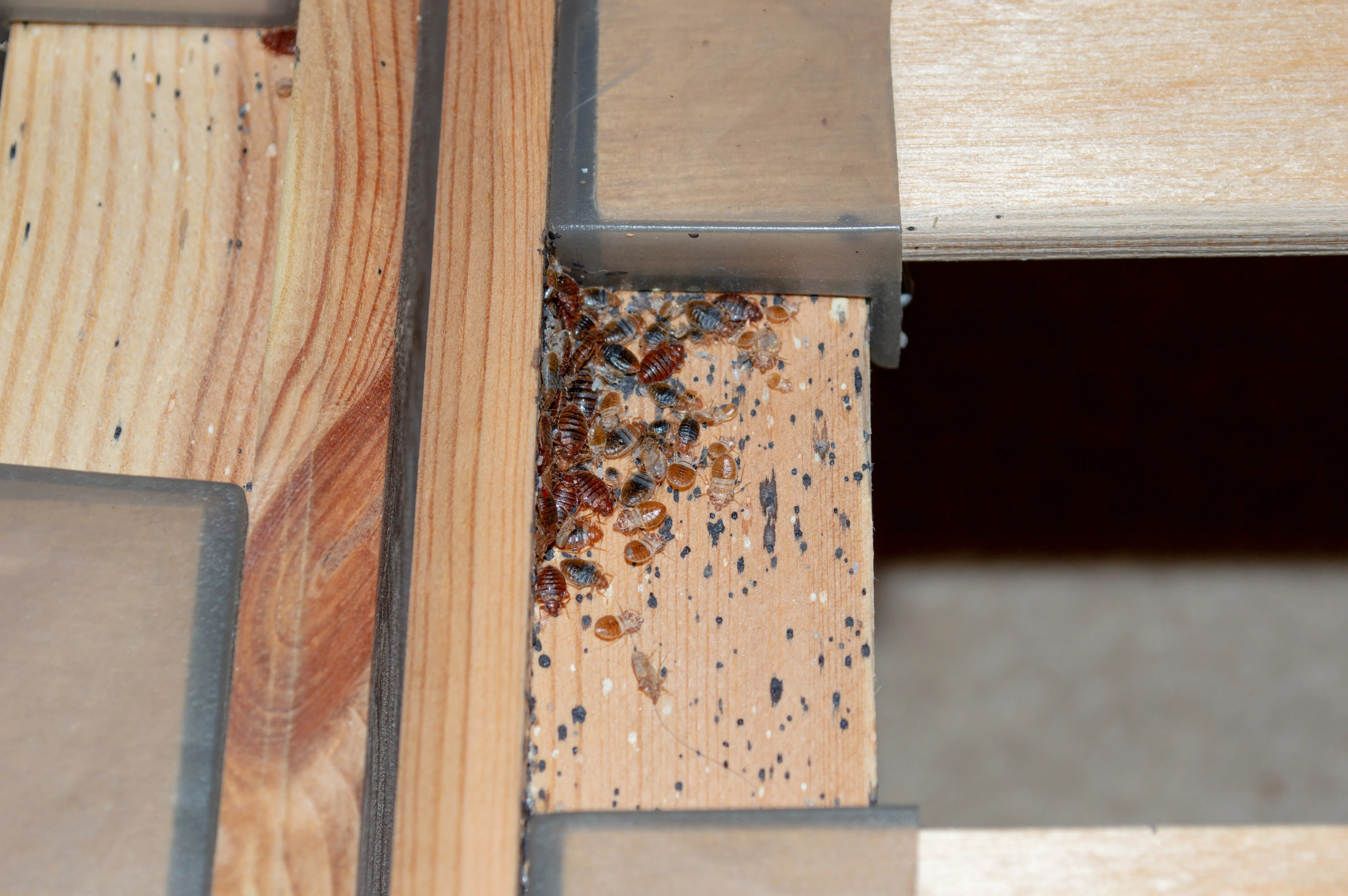
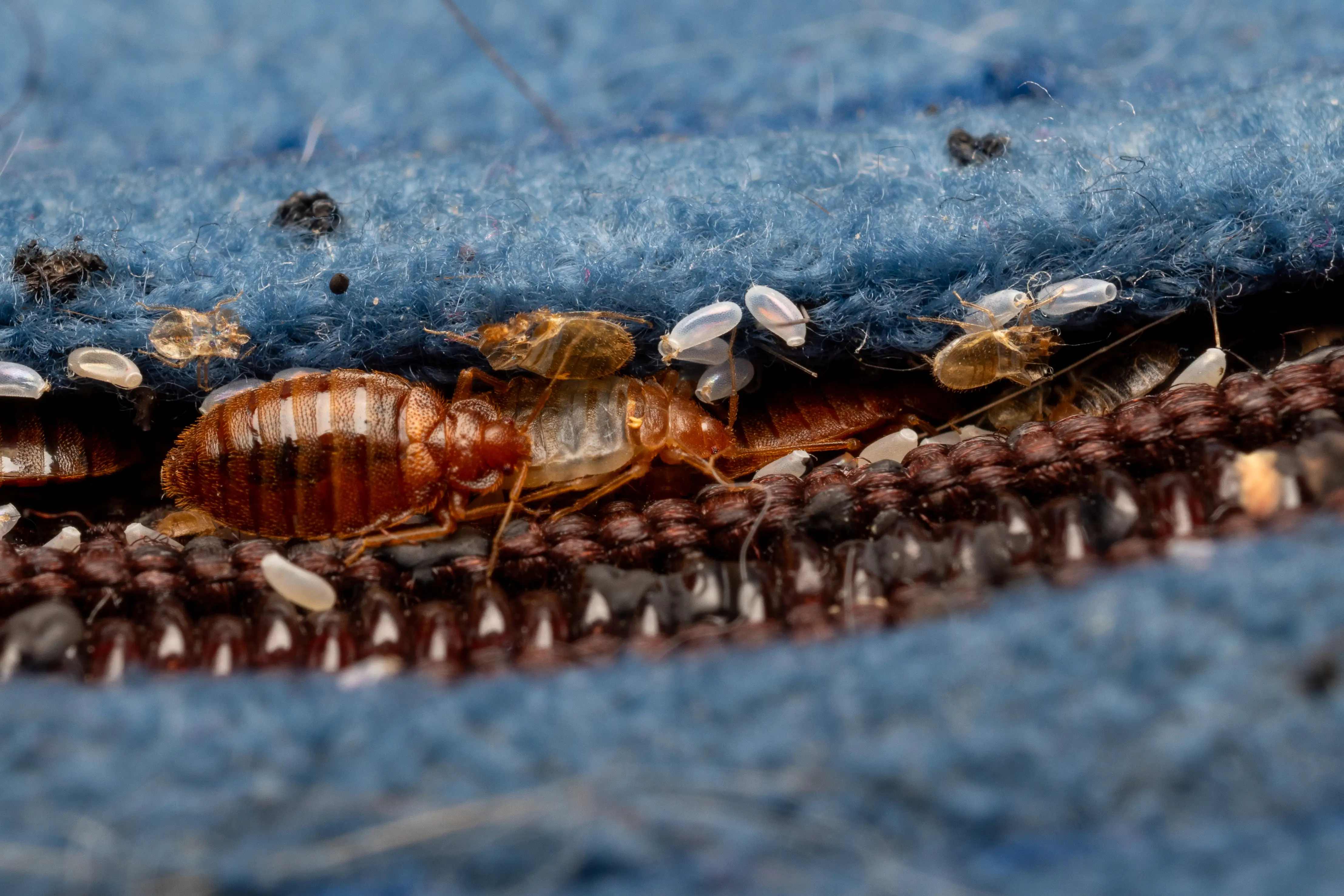
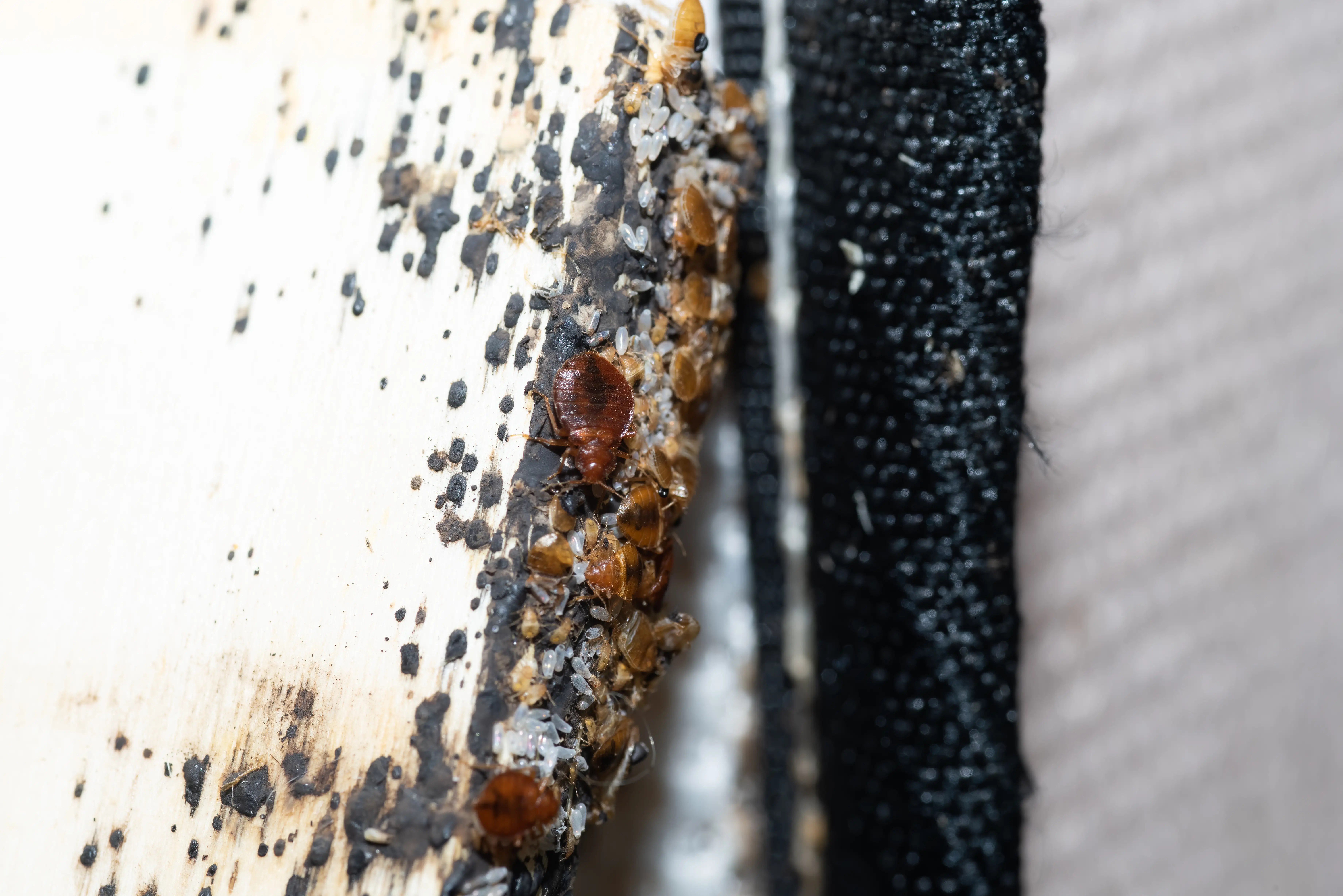
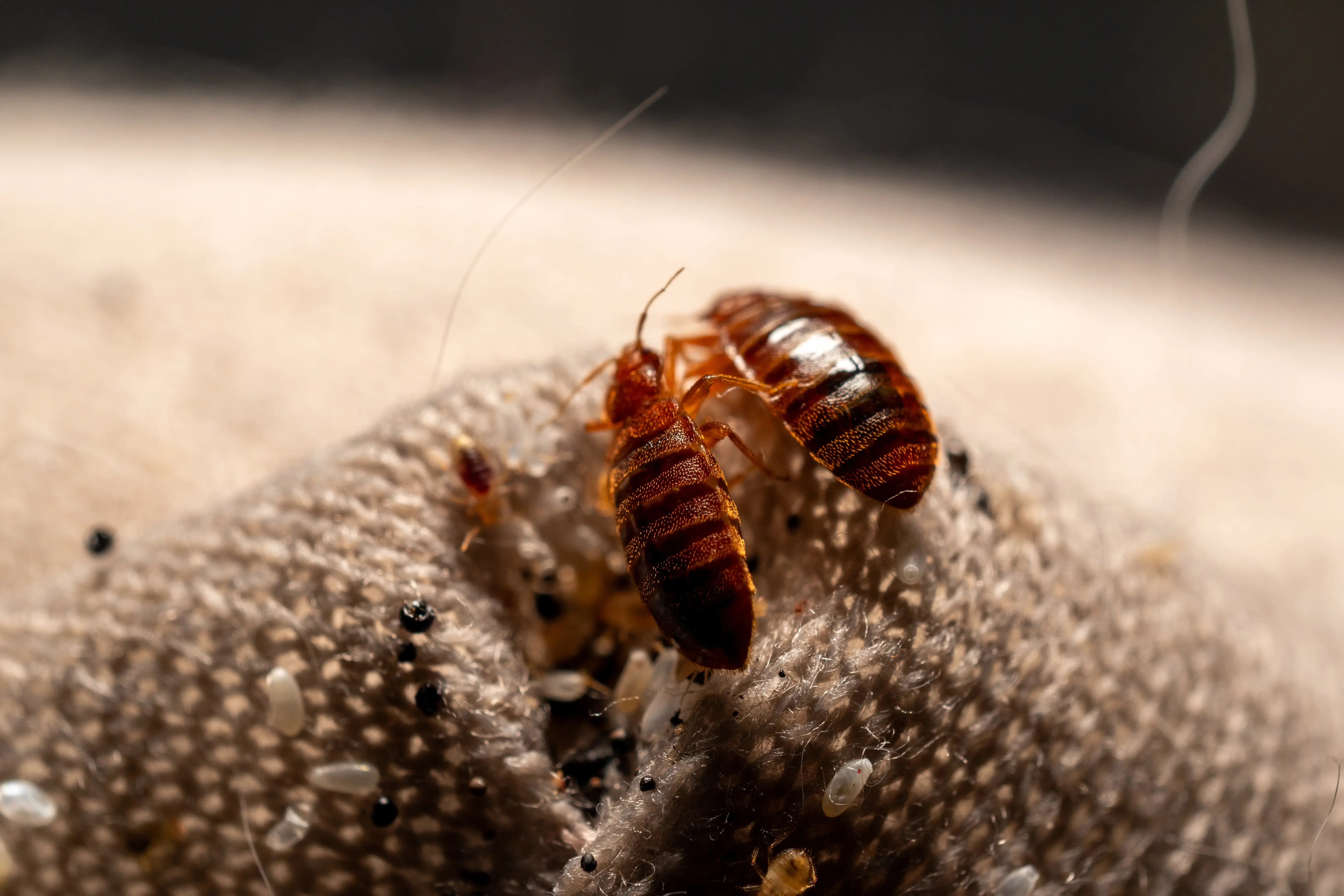
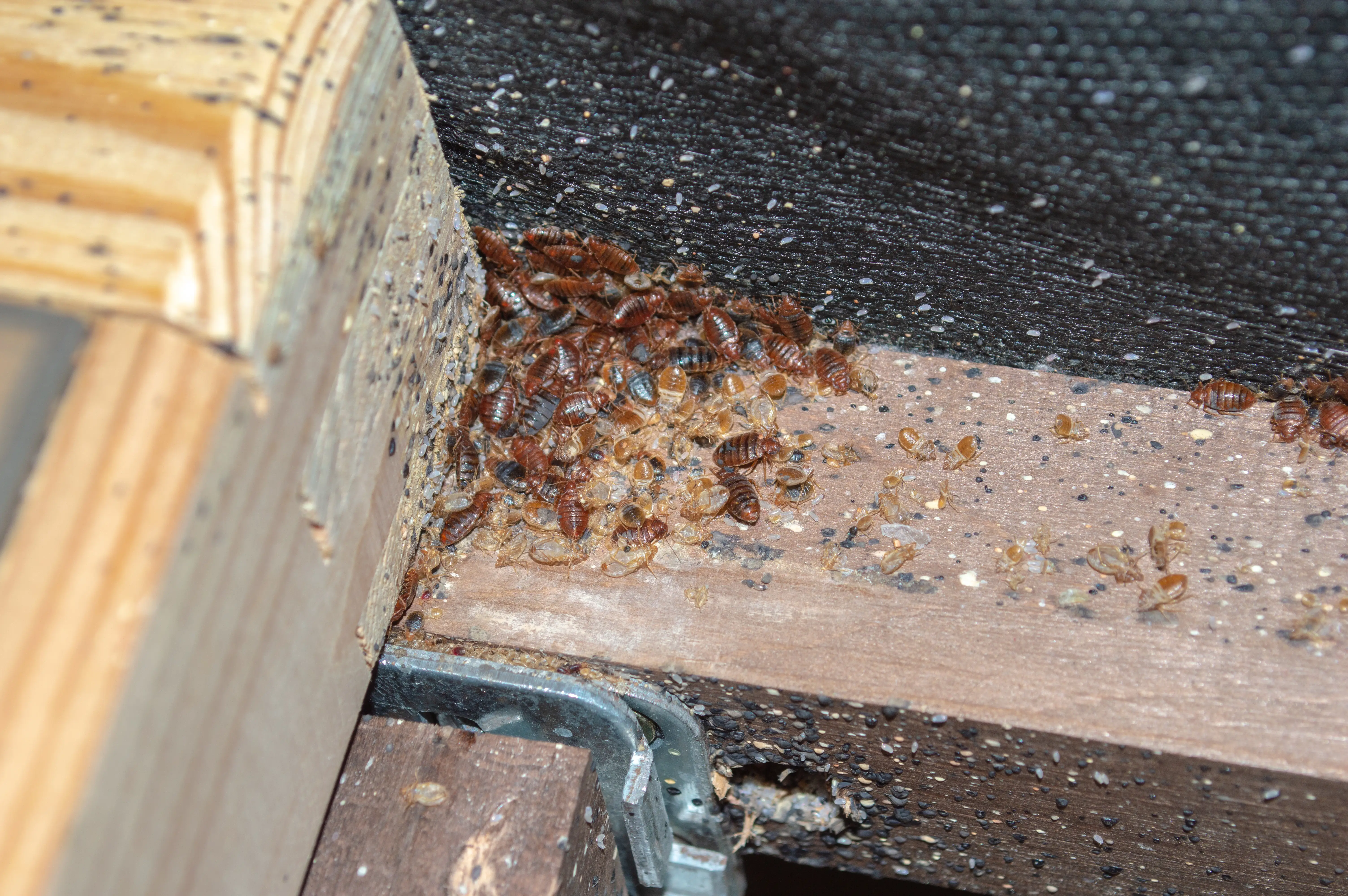
  • Visible bugs and eggs
  • Rust-colored smears (feces) on mattress
  • Dried molted exoskeletons
  • Musty odor
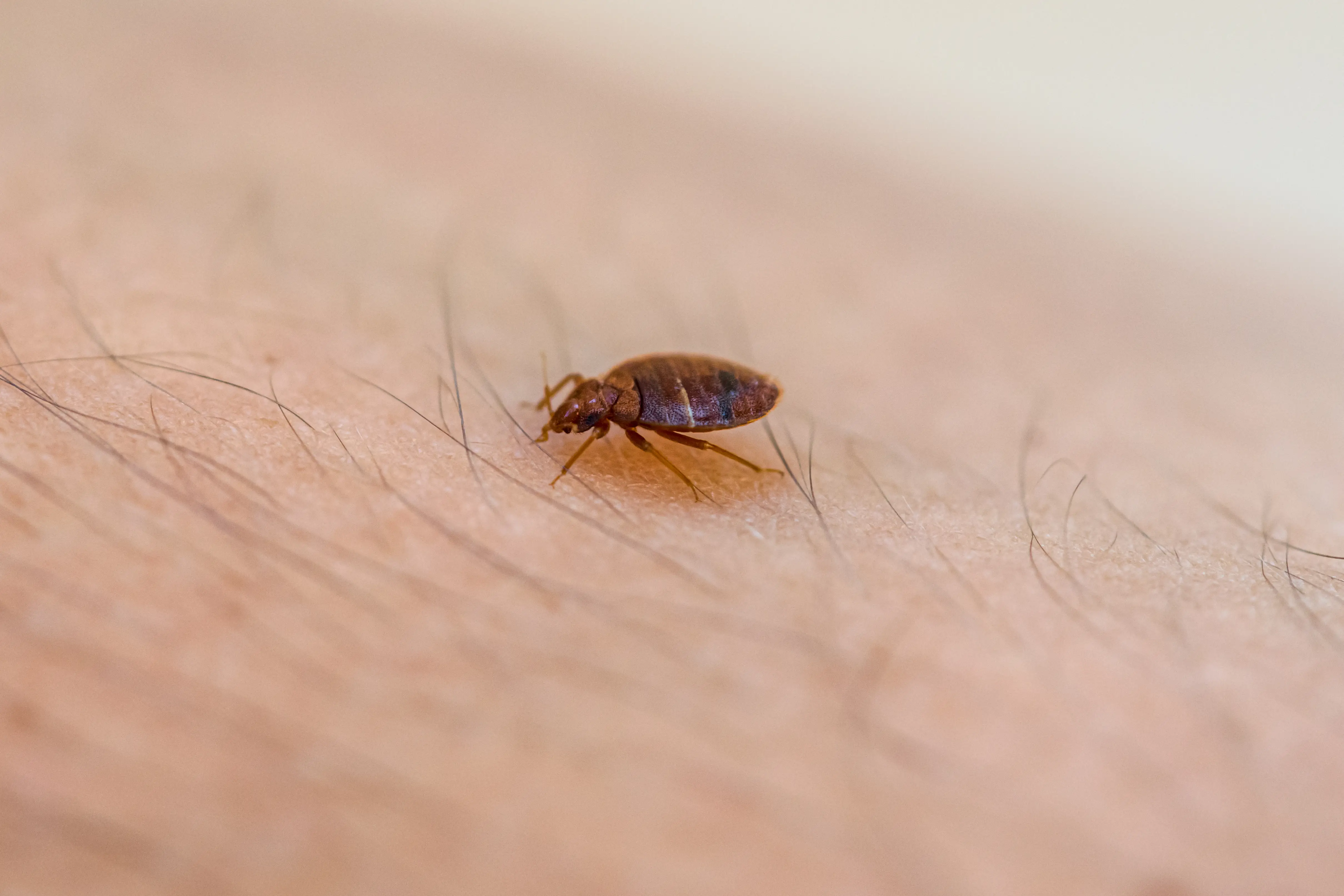
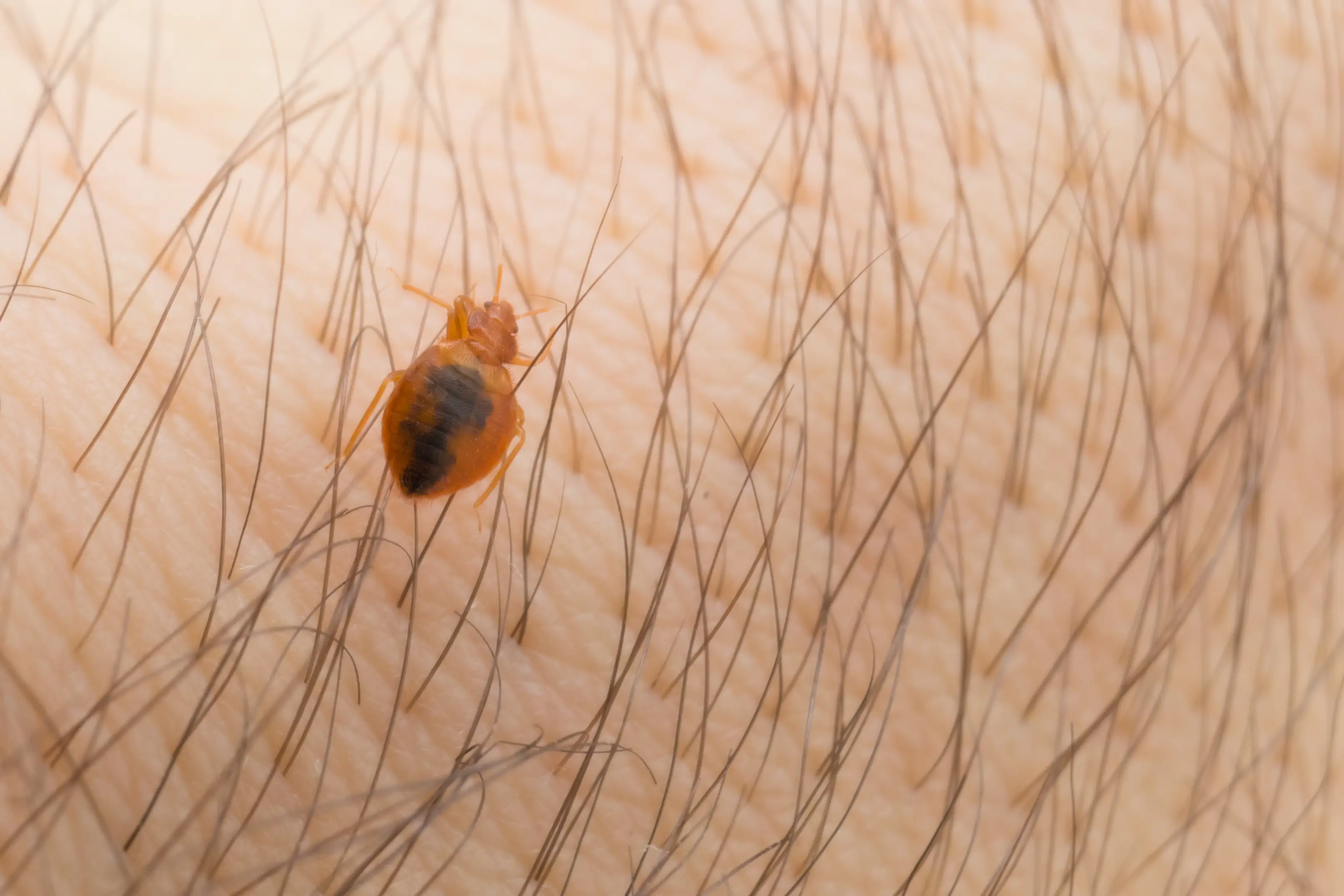
  • Bites in lines on exposed skin

Flea Signs

  • Visible fleas on pets or in home
  • Tiny clear/yellow eggs on pet
  • Dark "flea dirt" specks on pet
  • Excessive pet scratching (back/neck)
  • Bites in clusters on legs

Tick Signs

  • Ticks are solitary and typically do not infest homes
  • Found attached to skin after outdoors
  • Large clusters found outside in grass/woods
  • Single bite marks in dark/warm body areas

Prevention Tips

Bed Bug Prevention

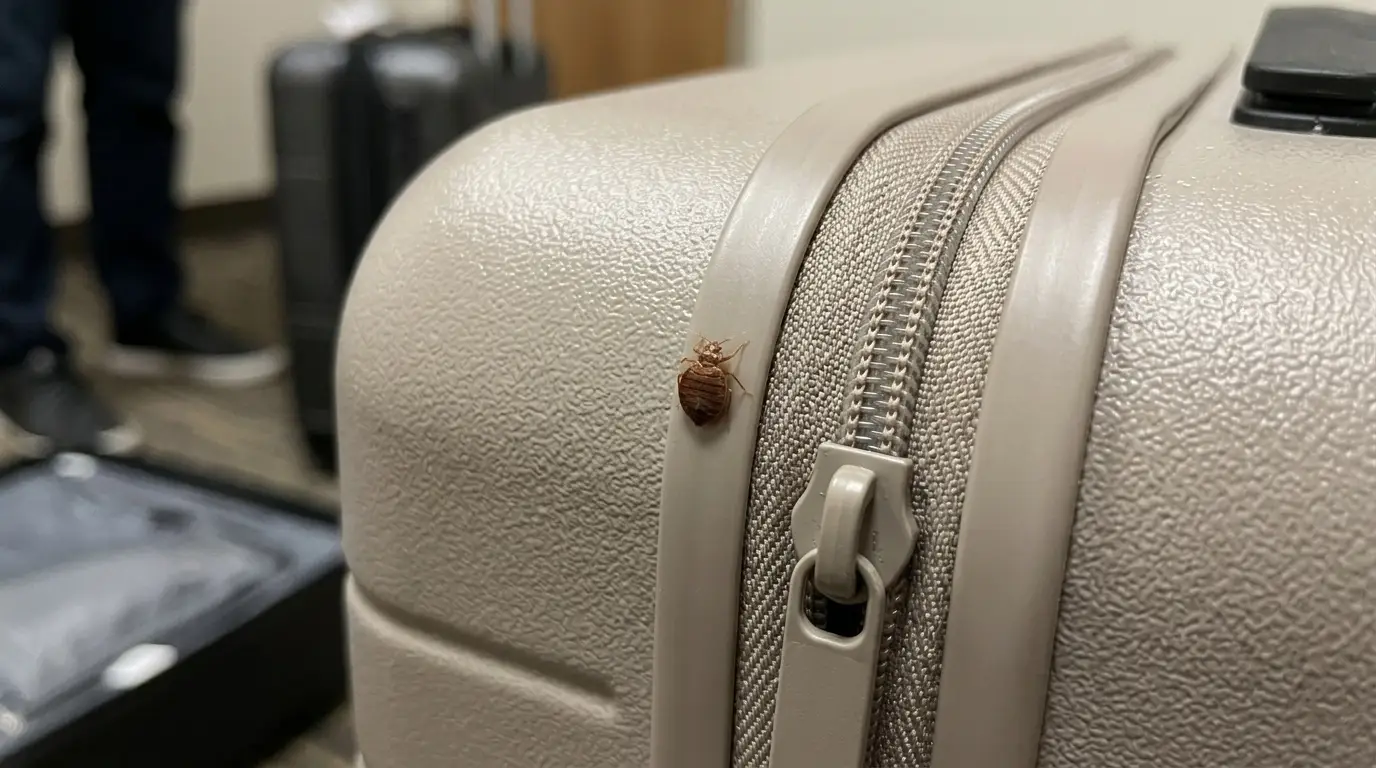
Check accommodations when traveling. Avoid secondhand furniture without inspection. Keep luggage off mattresses and couches.

Tick Prevention

Trim tall grass and shrubs. Avoid wooded paths. Check yourself and pets after outdoor activities. Use preventative medications on pets.

Flea Prevention

Keep yard maintained. Clean up leaf piles. Use flea prevention medication on pets. Regularly wash pet bedding.

Contact EcoGuard at the First Sign of Activity

If you have seen signs of bed bug, flea, or tick activity, contact licensed professionals trained to exterminate these pests. The team at EcoGuard Pest Management has years of experience successfully treating homes and businesses for these blood-sucking parasites.

Call (866) 326-2847Get Free Quote

Bed Bug vs Fleas vs Tick FAQs

How can I tell if I have bed bugs or fleas?

Both leave itchy red welts. Look for other signs: bed bug feces appear as rust-colored smears on mattresses, while flea dirt appears as dark specks on pets. Flea bites are usually on legs in clusters, while bed bug bites follow a line on exposed skin.

Which is worse bed bugs or fleas?

Bed bugs are much worse to deal with and treat. Fleas can typically be controlled with regular treatment and pet medications. Bed bugs hide and lay dormant for up to a year, meaning they can return even after seemingly successful treatment.

Which is worse fleas or ticks?

Fleas are worse for infestations because they reproduce rapidly and live on hosts. Ticks are solitary and disengage after feeding. However, ticks pose greater health risks due to diseases like Lyme disease.

How do you tell if your dog has fleas or ticks?

Ticks are visible and cause minimal itching while attached. They require careful inspection after walks. Fleas cause severe irritation and scratching, with dark "flea dirt" specks visible in your pet's fur coat.

From Our Blog

Related Articles

7 Stages of the Bed Bug Life Cycle | Complete Guide

7 Stages of the Bed Bug Life Cycle | Complete Guide

Learn the 7 stages of bed bug life cycle from egg to adult. Understand bed bug lifespan, reproduction, and why they are...

Read Article
Are Bed Bugs Dangerous to Humans? Health Risks

Are Bed Bugs Dangerous to Humans? Health Risks

Learn about bed bug health risks including bites, allergic reactions, mental health impacts, and how to identify and...

Read Article
Bed Bug Bites vs Mosquito Bites: How to Tell the Difference

Bed Bug Bites vs Mosquito Bites: How to Tell the Difference

Learn how to identify bed bug bites vs mosquito bites. Compare appearance, patterns, symptoms, healing time, and get...

Read Article
Bed Bug Heat Treatment: Is It Effective? Complete Guide

Bed Bug Heat Treatment: Is It Effective? Complete Guide

Learn how bed bug heat treatment works, pros and cons, costs, preparation steps, and what to expect. Discover why heat...

Read Article
Do Bed Bugs Fly or Jump? How They Move and Spread

Do Bed Bugs Fly or Jump? How They Move and Spread

Learn whether bed bugs can fly or jump, how they move and spread, their speed, and how to use their limitations to...

Read Article
How Common Are Bed Bugs? Statistics & Prevention Guide

How Common Are Bed Bugs? Statistics & Prevention Guide

Discover how common bed bugs are in the US with statistics by home type, city, and state. Learn prevention tips and...

Read Article
How Do Bed Bugs Spread? Prevention & Control Guide

How Do Bed Bugs Spread? Prevention & Control Guide

Learn how bed bugs spread from room to room, house to house, and person to person. Discover prevention tips and how to...

Read Article
How Fast Do Bed Bugs Spread and Multiply?

How Fast Do Bed Bugs Spread and Multiply?

Learn how quickly bed bugs spread from room to room and multiply. Understand reproduction rates, movement speed, and...

Read Article
How Long Can Bed Bugs Live Without a Host? Survival Guide

How Long Can Bed Bugs Live Without a Host? Survival Guide

Learn how long bed bugs can survive without feeding, what diapause is, factors affecting survival, and why starving...

Read Article
How Often Do Bed Bugs Feed? Feeding Habits Explained

How Often Do Bed Bugs Feed? Feeding Habits Explained

Learn how often bed bugs feed, their feeding behavior, and how long they can survive without blood. Understand bed bug...

Read Article
How to Check for Bed Bugs: Complete Inspection Guide

How to Check for Bed Bugs: Complete Inspection Guide

Learn how to inspect for bed bugs at home, in hotels, and on used furniture. Know what signs to look for and where bed...

Read Article
How to Get Rid of Bed Bugs: Complete Treatment Guide

How to Get Rid of Bed Bugs: Complete Treatment Guide

Learn how to identify, contain, and eliminate bed bugs with heat treatment, chemical options, and prevention tips....

Read Article
How to Prepare for Bed Bug Treatment: Complete Checklist

How to Prepare for Bed Bug Treatment: Complete Checklist

Step-by-step bed bug treatment preparation checklist. Learn what to do before, during, and after professional bed bug...

Read Article
Signs of Bed Bugs: How to Identify an Infestation

Signs of Bed Bugs: How to Identify an Infestation

Learn the signs of bed bugs including bites, stains, droppings, and where they hide. Understand bed bug behavior and...

Read Article
What Are Bed Bugs? Facts, Appearance & Prevention Guide

What Are Bed Bugs? Facts, Appearance & Prevention Guide

Learn what bed bugs are, how they look, where they hide, and how to prevent and eliminate infestations. Complete bed...

Read Article
What Attracts Bed Bugs? Myths vs Facts

What Attracts Bed Bugs? Myths vs Facts

Learn what truly attracts bed bugs to your home. Discover the science behind bed bug attraction including warmth, CO2,...

Read Article
What Do Bed Bug Eggs Look Like? Identification Guide

What Do Bed Bug Eggs Look Like? Identification Guide

Learn how to identify bed bug eggs, where they are laid, how many a female produces, and effective methods to eliminate...

Read Article
What Does Bed Bug Poop Look Like? Identification & Cleanup Guide

What Does Bed Bug Poop Look Like? Identification & Cleanup Guide

Learn to identify bed bug droppings by color, size, and location. Understand why cleaning bed bug feces is critical and...

Read Article
Where Do Bed Bugs Come From?

Where Do Bed Bugs Come From?

Learn where bed bugs come from, the 7 most common places you pick them up, why they spread, and how to prevent bringing...

Read Article
Where Do Bed Bugs Hide? Common Hiding Spots

Where Do Bed Bugs Hide? Common Hiding Spots

Learn where bed bugs hide in your home, mattresses, furniture, and public places. Discover how to check for bed bugs...

Read Article