EcoGuard Pest Management
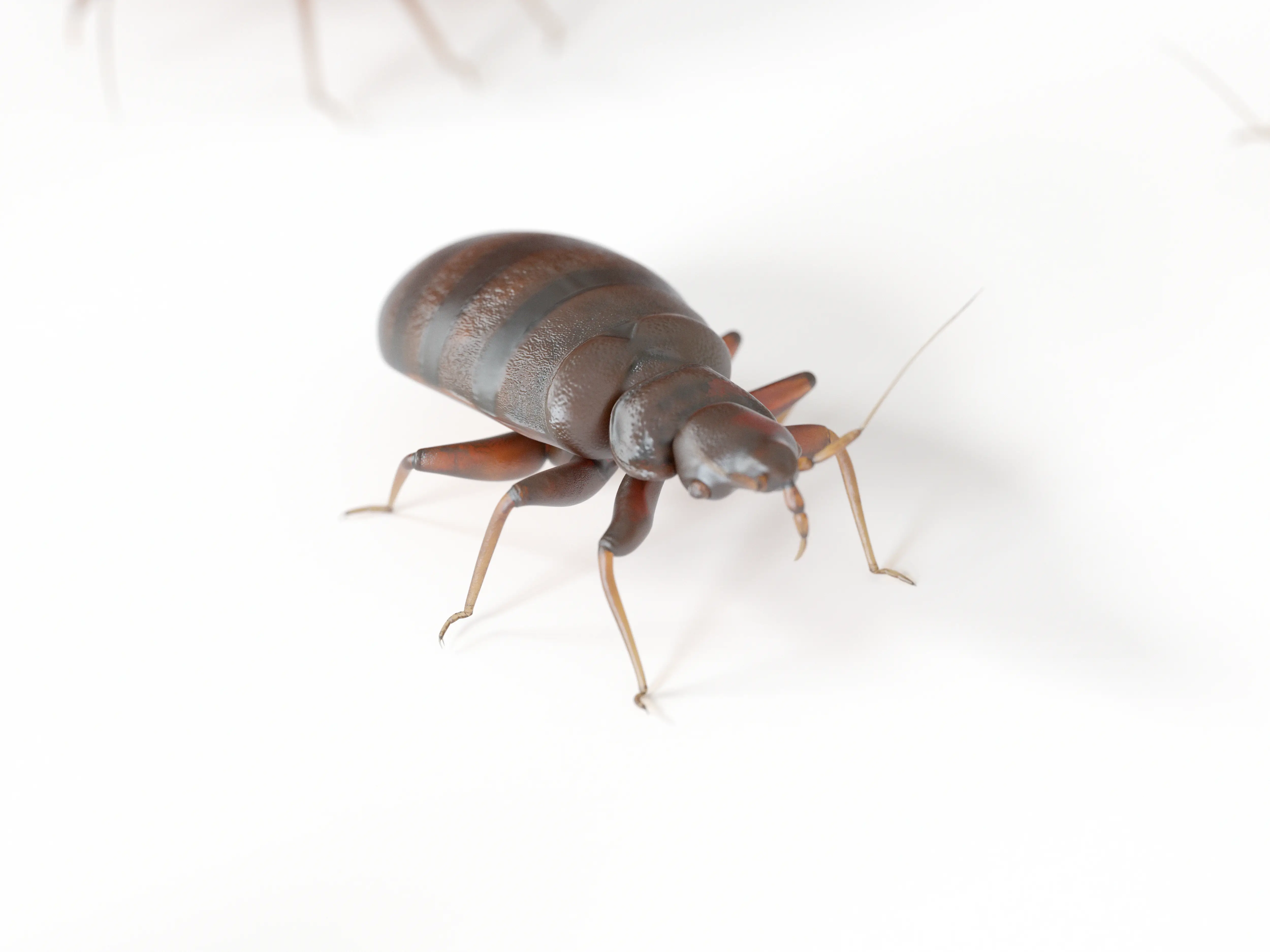
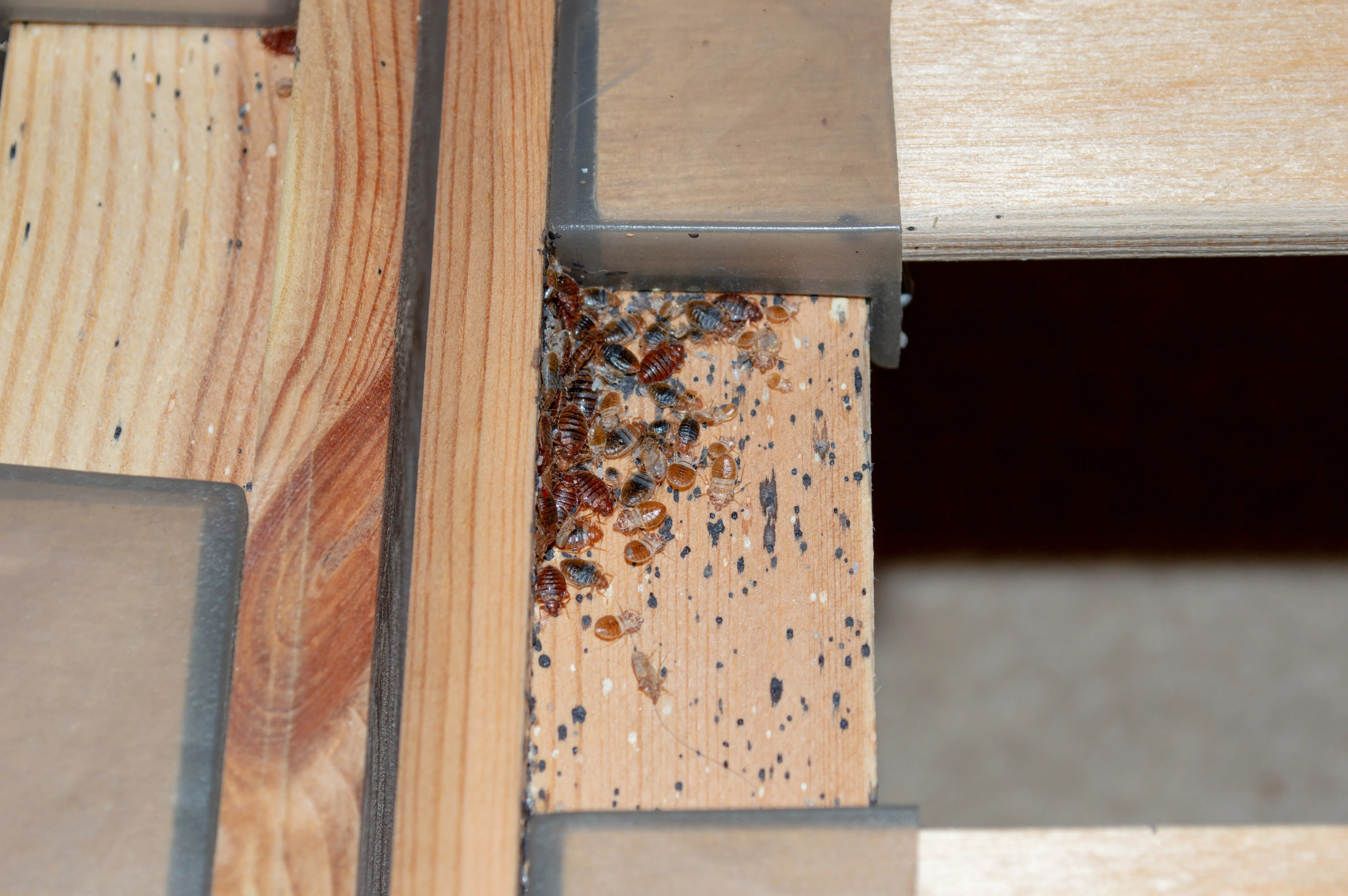
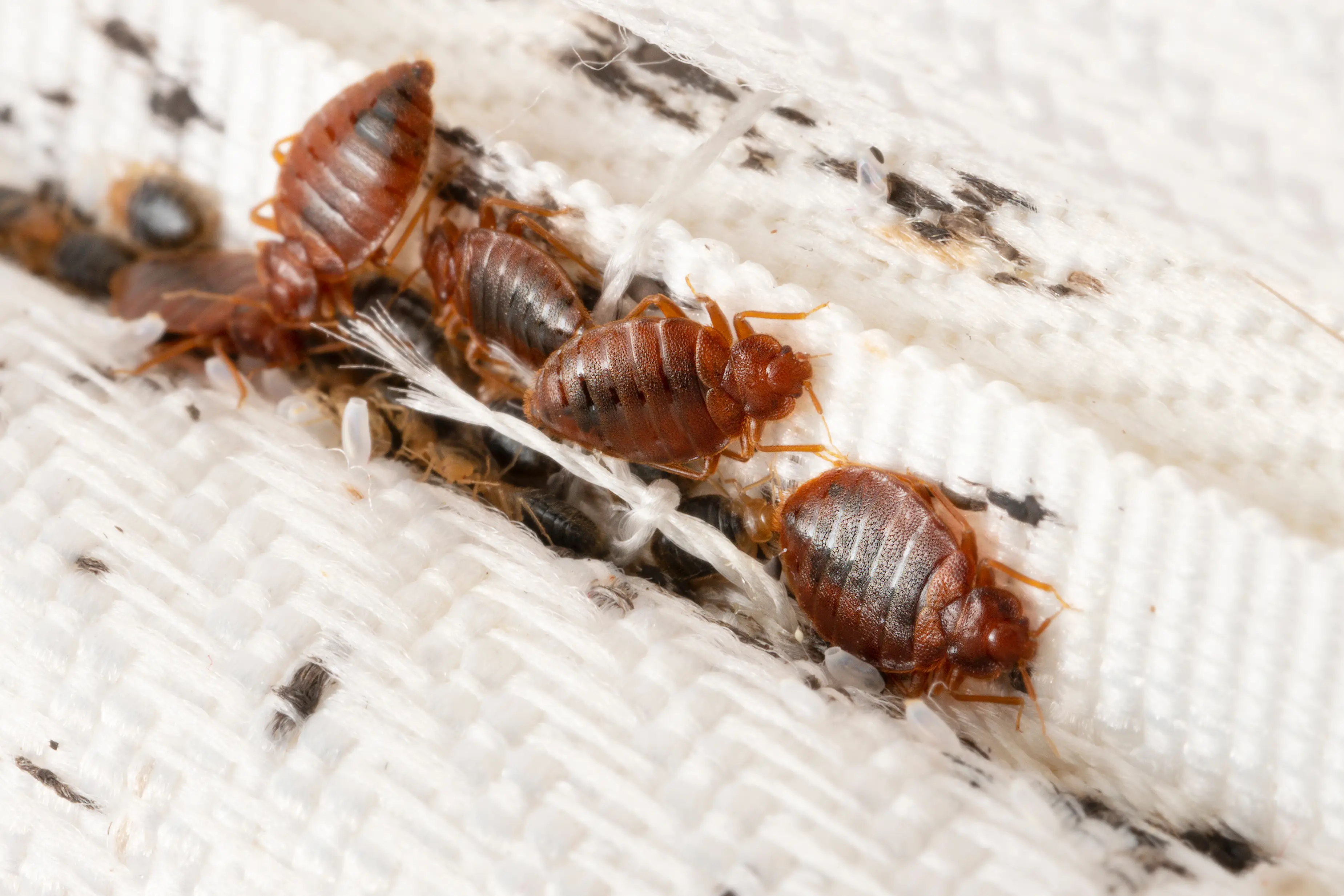
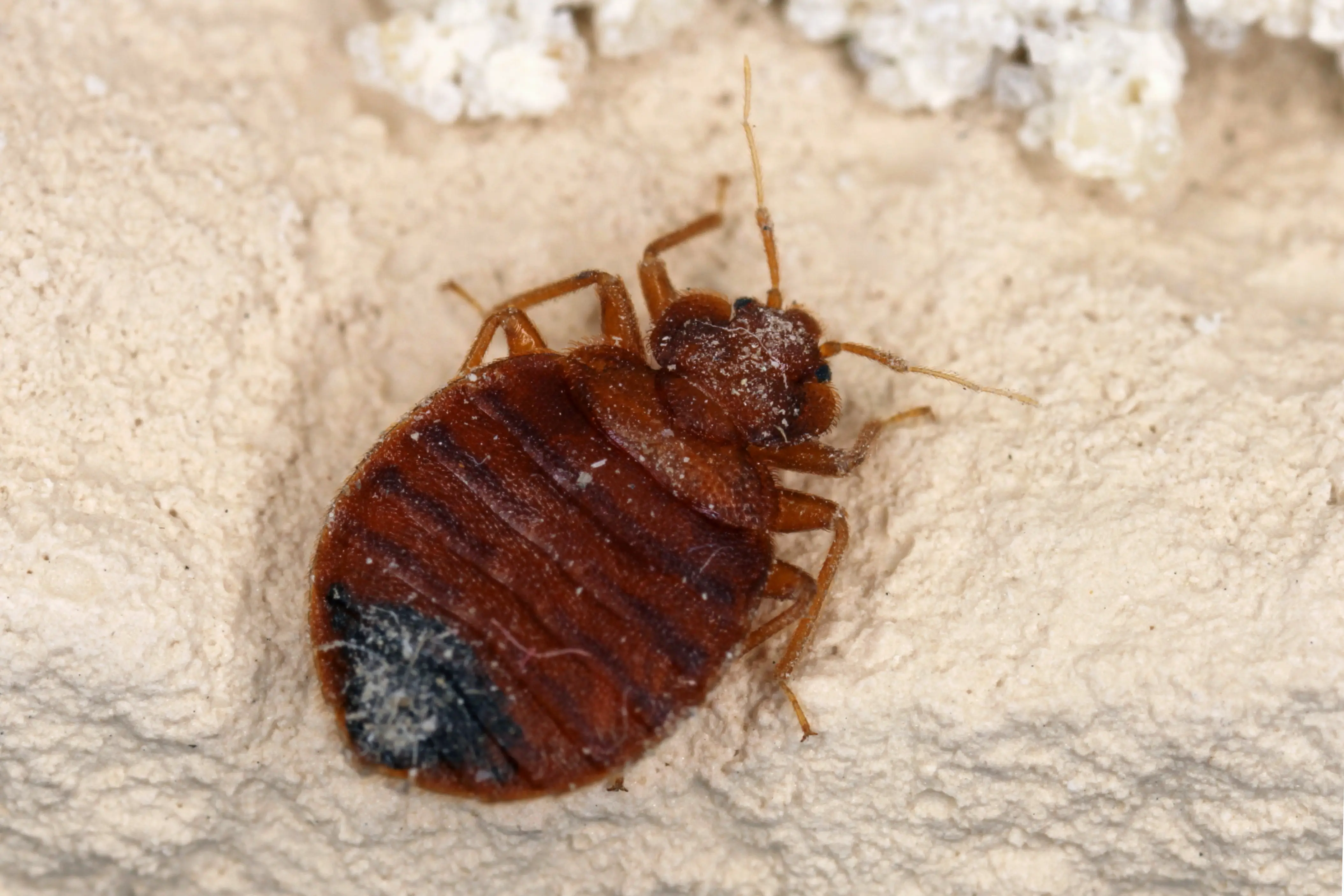
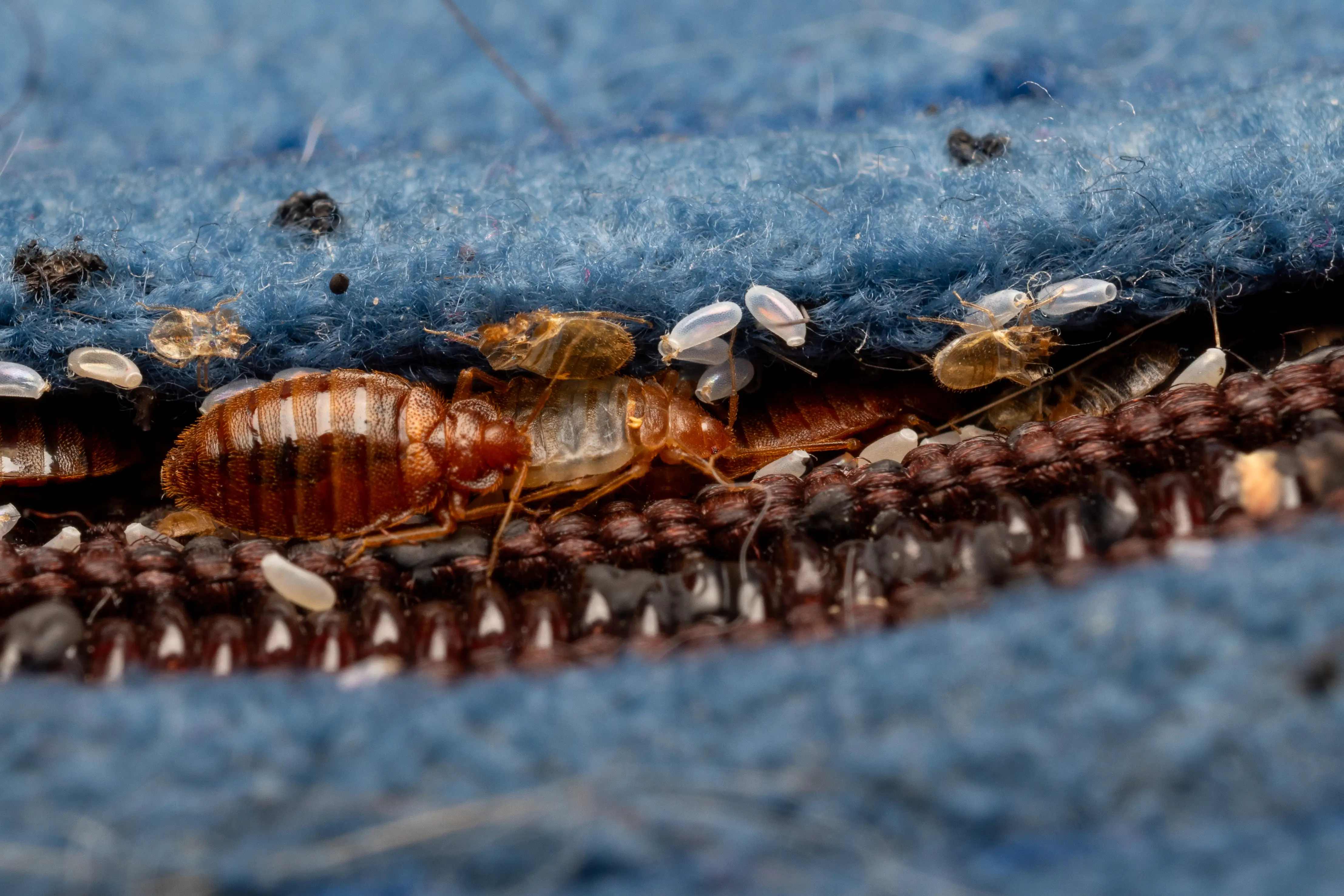
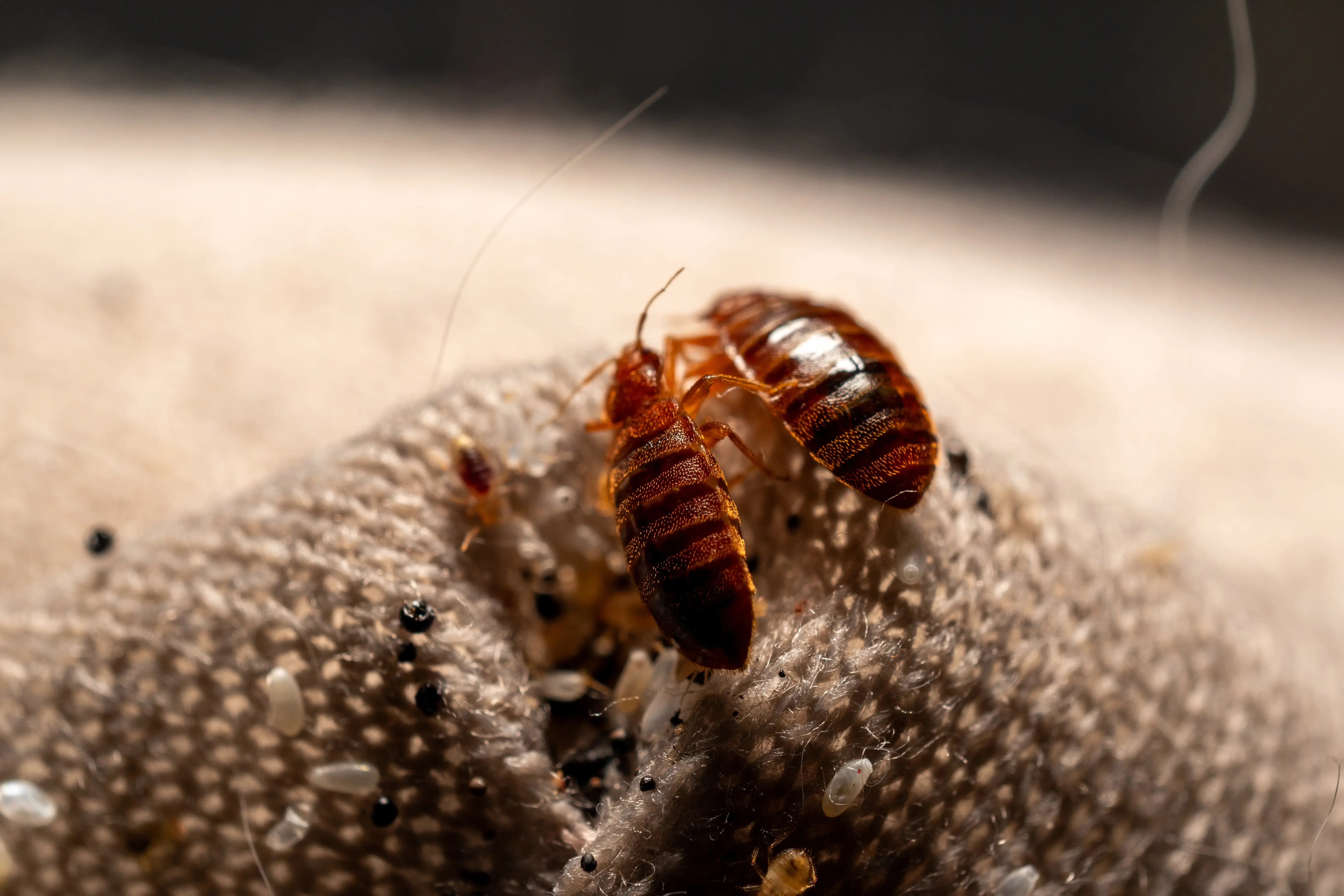
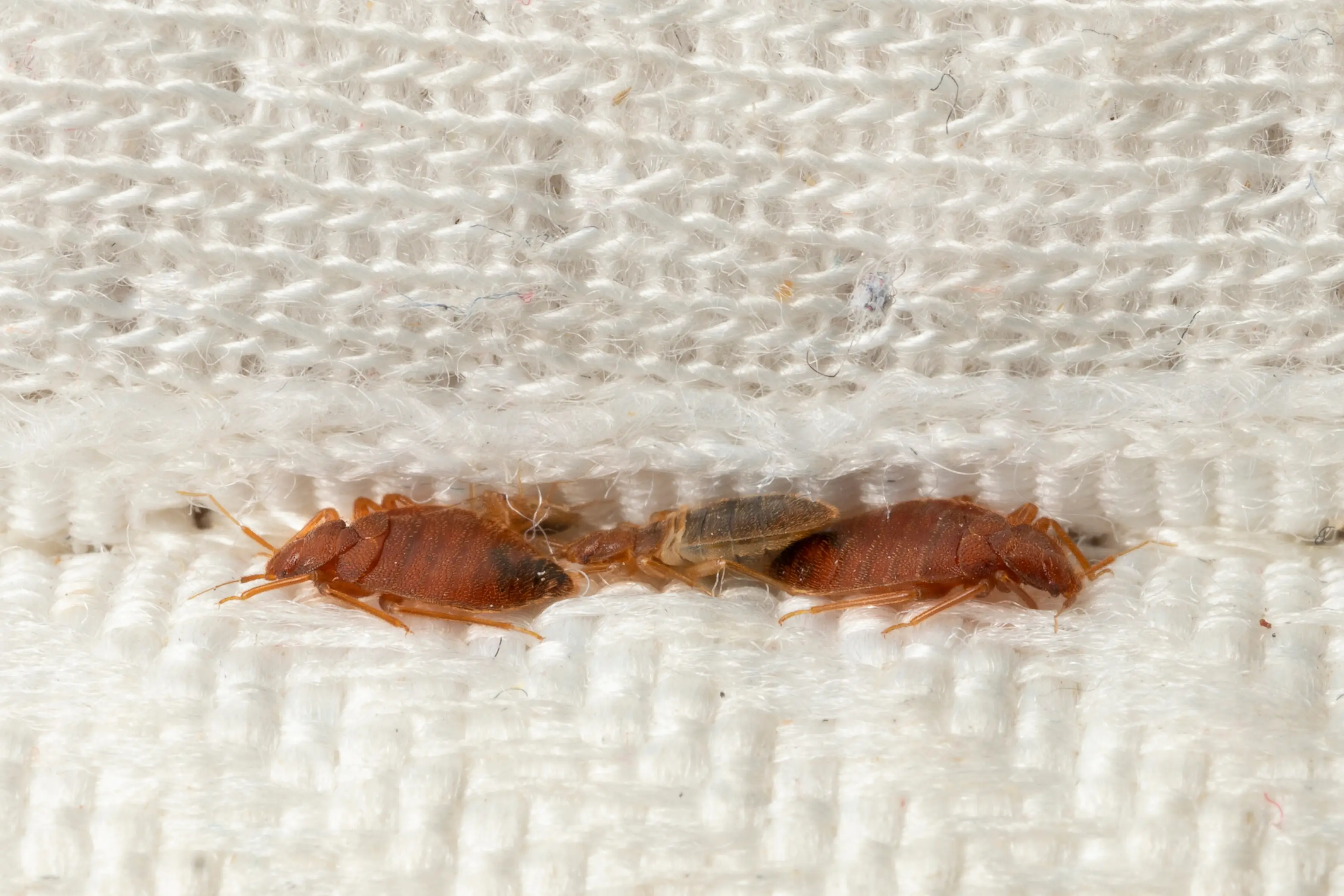
Bed bugs spreading on fabric surface
By Gary Anderson||8 min read

How Do Bed Bugs Spread?

Understand how bed bugs hitchhike, move between rooms, and rapidly multiply to take over your home.

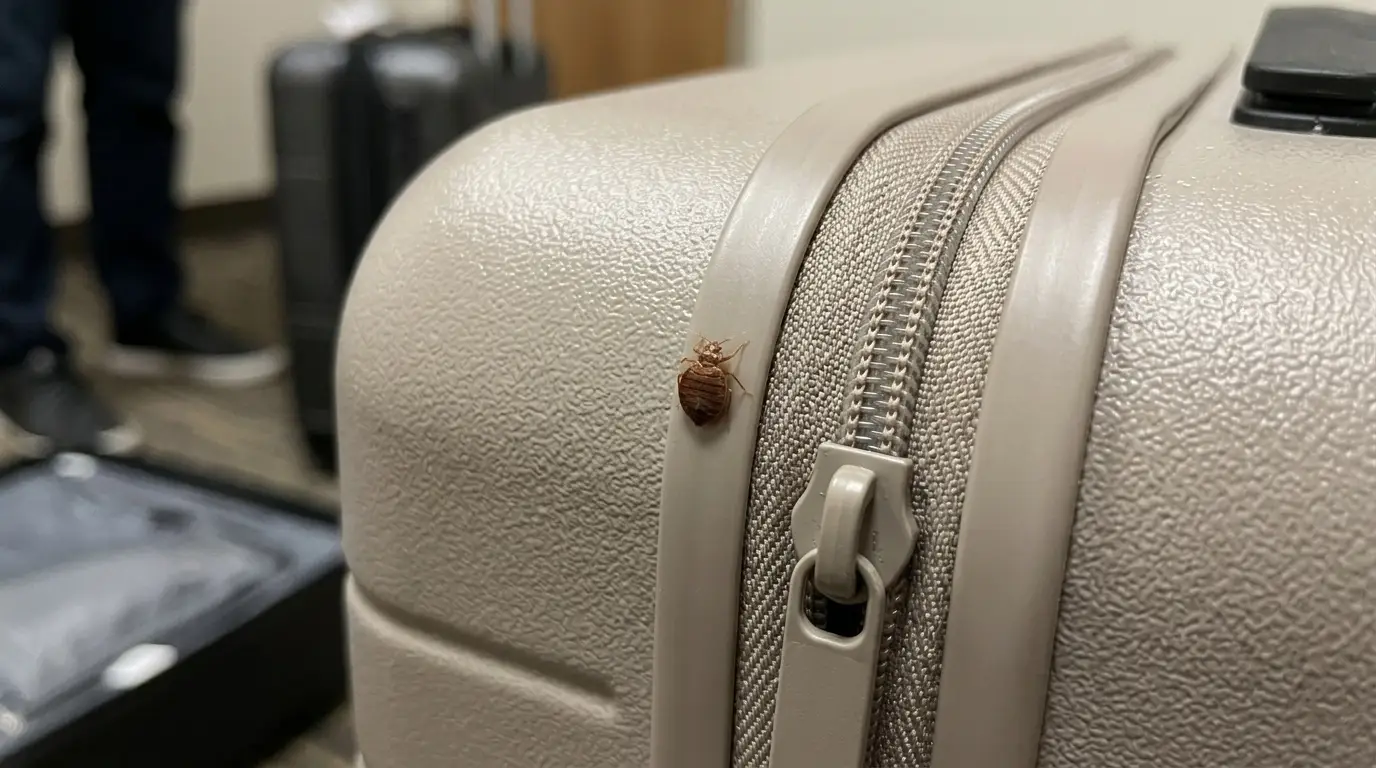
Bed bugs are small and cannot fly, but they have a notorious reputation for spreading quickly and stealthily. So how do they get around? Bed bugs primarily spread through human activities and movements. They are expert hitchhikers that have tiny hooks on their feet allowing them to easily be transported without being noticed.

They often latch onto luggage during travel, second-hand furniture, clothing, or other personal items. They can also be inadvertently brought into homes from infested locations such as hotels, rental properties, venues like restaurants and movie theaters, or even public transportation.

Key Fact

Despite common misconceptions, bed bugs are not attracted to dirt or debris. This means unsuspecting carriers can pick them up even in the nicest 5-star hotels and resorts.

How Easily Do Bed Bugs Spread?

Bed bugs are notorious for their ability to spread quickly and easily. Once introduced, they can proliferate rapidly, making it seem like infestations appear out of nowhere. Despite lacking wings, bed bugs are very capable hitchhikers that can move swiftly from place to place.

Common Hitchhiking Spots

Taxis, airports, hotels, theaters, trains, and other public spaces where people gather or rest temporarily.

Within Buildings

Once introduced, bed bugs can rapidly crawl from room to room or between floors through cracks and openings in walls, floors, and ceilings.

Reproduction Compound

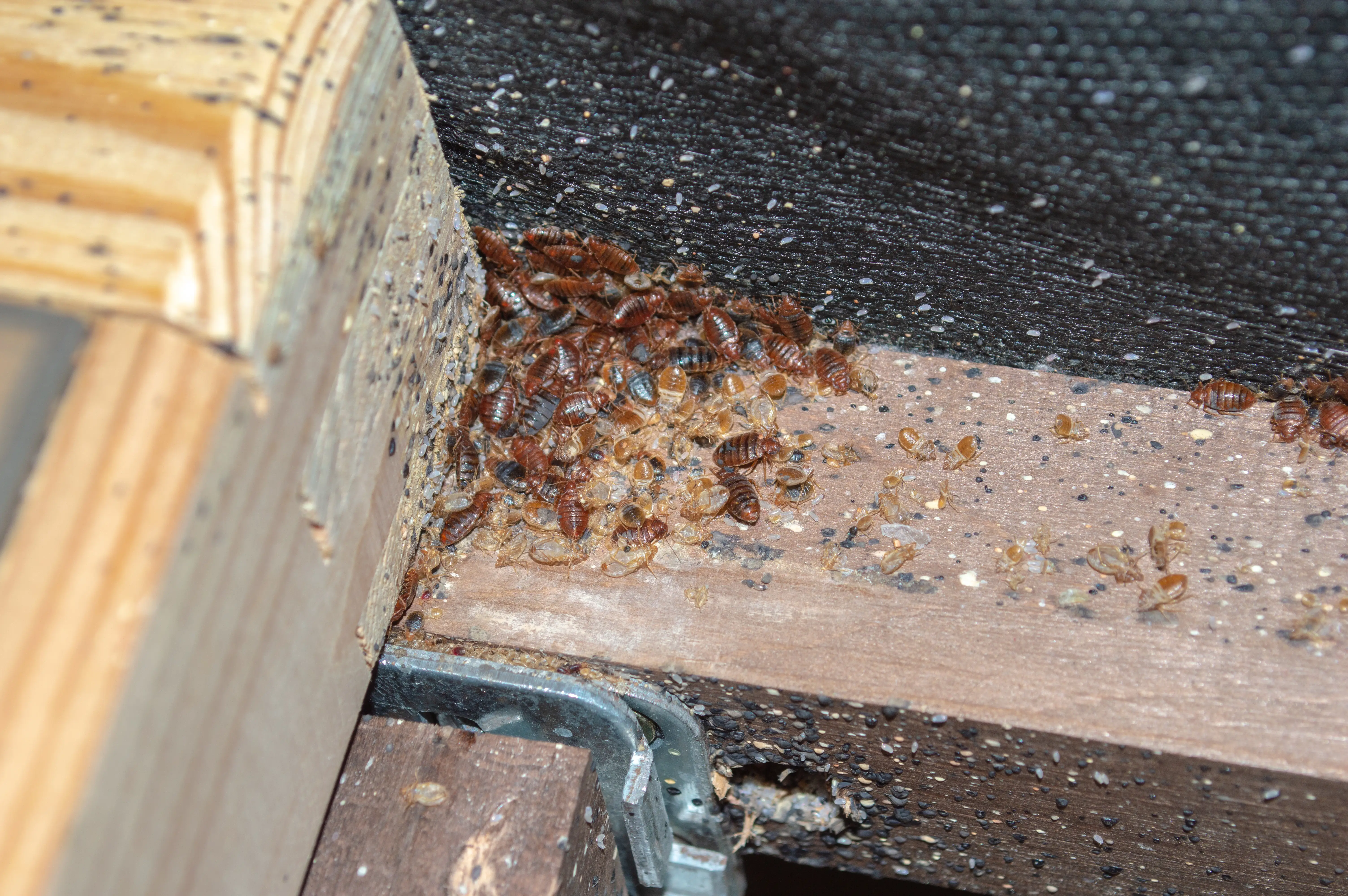
A single female can lay 1 to 7 eggs daily, totaling 250 to 500 eggs in her lifetime. Populations can double every 16 days.

Containment is Critical

While crawling spreads them within buildings, hitchhiking on people or objects remains their most effective method. Ensuring treated items are separated from non-treated items prevents bed bugs from being carried to uninfested areas.

How Fast and Far Can Bed Bugs Travel?

Movement Speed

3-4 ft
per minute
150+ ft
in one hour

This allows them to navigate between rooms quickly, squeezing through tiny cracks in walls or taking direct routes through doorways.

Travel Distance

The real concern lies in their capacity to spread from one infestation site to another, covering almost unlimited distances through hitchhiking.

Survival Without Feeding:

Adult bed bugs can survive over a year without feeding, remaining dormant during travel only to reemerge in new environments.

How Do Bed Bugs Spread from House to House?

Movement within a single building can be relatively slow as bed bugs crawl through walls and along pipes. However, the rate at which they spread between different houses significantly accelerates through human activity.

Clothing & Linens

Bed bugs latch onto fabrics and travel with you

Furniture

Especially second-hand or upholstered items

Luggage

Primary vector during travel

Personal Items

Backpacks, purses, and bags

High-Risk Locations

Hotels, hostels, airplanes, cruise ships, public transportation, and homes of friends and family with active infestations are all hotspots for picking up bed bugs. Containment is critical to stop the spread.

Concerned About Bed Bugs Spreading?

Early intervention is crucial. Our experts can contain and eliminate infestations before they spread further.

Call (866) 326-2847

How Do Bed Bugs Spread from Room to Room?

Bed bugs can spread from room to room with alarming efficiency when searching for a host. Their movement is largely facilitated by proximity to human hosts, as they require blood meals to survive.

How They Find You

Bed bugs track human hosts by detecting CO2 from breathing and body heat. They can move independently throughout a house searching for hosts, especially if usual feeding spots are disturbed.

Hiding Spots

Once they find a host, they typically take refuge within about 8 feet of a person's resting place, hiding near beds or furniture until ready to feed.

Rapid Population Growth

Once they can regularly feed, they start producing eggs. Their ability to lay a significant number of eggs daily helps populations double in just over 2 weeks.

Can Bed Bugs Spread from Person to Person?

Bed bugs do not spread from person to person in the same way that lice do because they do not live directly on humans. However, they can hitchhike on people's clothing, making it possible to inadvertently spread them to others.

The movement of infested items into previously uninfested areas is the primary way bed bugs spread between people.

Common Scenarios

  • Guests bringing bed bugs via luggage after traveling
  • Children transporting them on backpacks from school
  • Visiting homes with active infestations
  • Sharing clothing or fabric items

How Fast Do They Reproduce Once Introduced?

Once bed bugs are introduced into an environment, their reproduction rate can lead to a rapid escalation of the infestation. Female bed bugs require a blood meal to start laying eggs.

1-7
Eggs per day
~20
Eggs per blood meal
250-500
Eggs per lifetime
16 days
Population doubles

Life Cycle Timeline

Egg Hatching:

10 to 15 days

Nymph Stages:

5 stages before adulthood

Egg to Adult:

1.5 to 3 months average

Eradication Time:

3 to 6 weeks with treatment

How to Stop Bed Bugs from Spreading

To effectively stop the spread of bed bugs, implement proactive measures and regular inspections:

At Home

  • Regular inspections of beds and furniture
  • Maintain clean, clutter-free spaces
  • Use protective mattress and box spring covers
  • Vacuum frequently (dispose in sealed bag)
  • Seal cracks and crevices in walls

When Traveling

  • Inspect hotel sleeping areas
  • Use bag stands instead of floor or bed
  • Avoid placing luggage on infested surfaces
  • Check luggage and clothes before returning home

With Second-Hand Items

  • Thoroughly inspect before bringing home
  • Be wary of furniture from unknown sources
  • Treat infested items before introduction
  • Examine items from bed bug-prone environments

Shared Facilities

  • Transport clothes in plastic bags to laundry
  • Fold clothes at home, not at facility
  • Isolate items from potentially infested areas

How to Tell if You Have Bed Bugs

Identifying a bed bug infestation early is crucial for effective control. Here are key signs to look for:

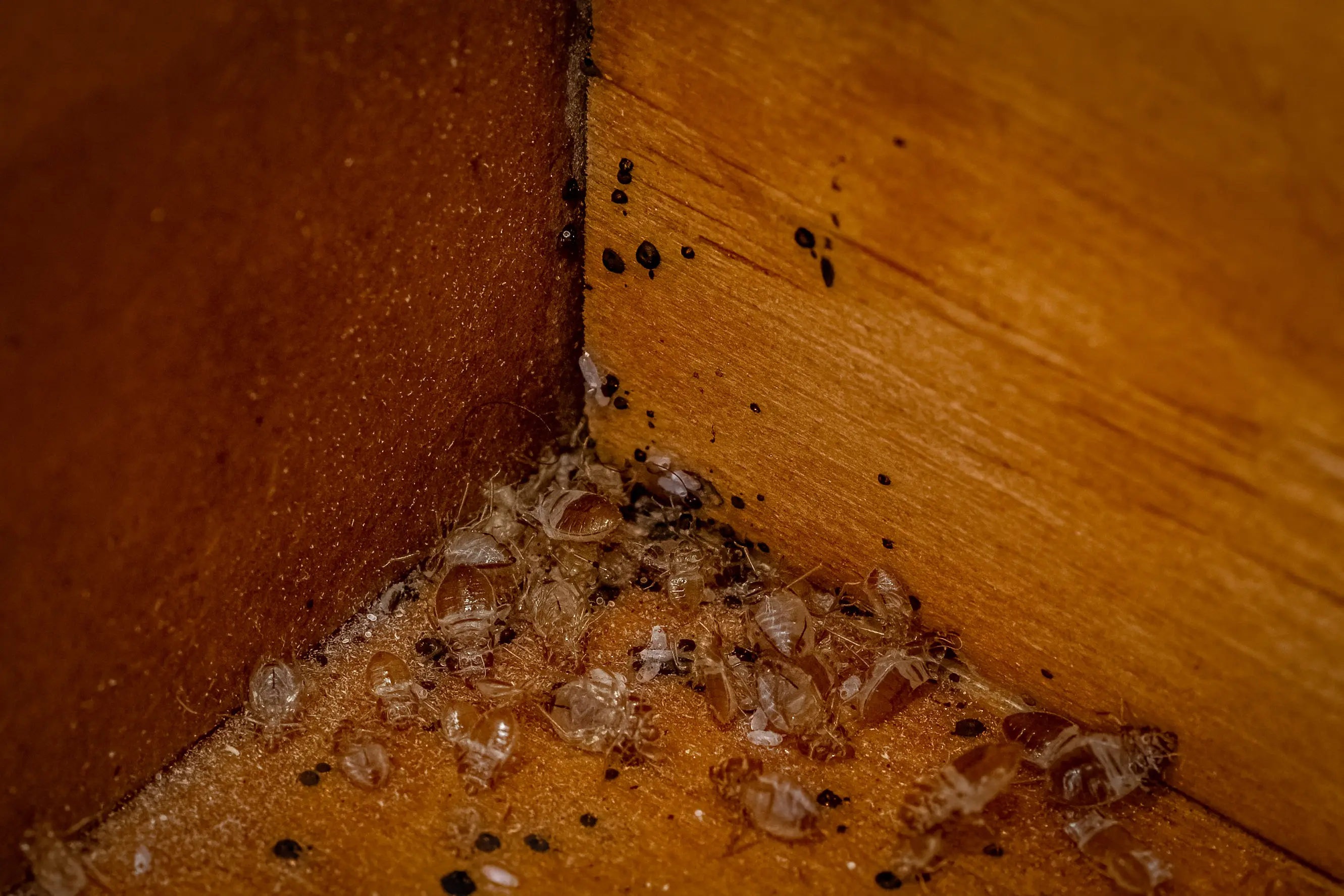
Reddish Stains

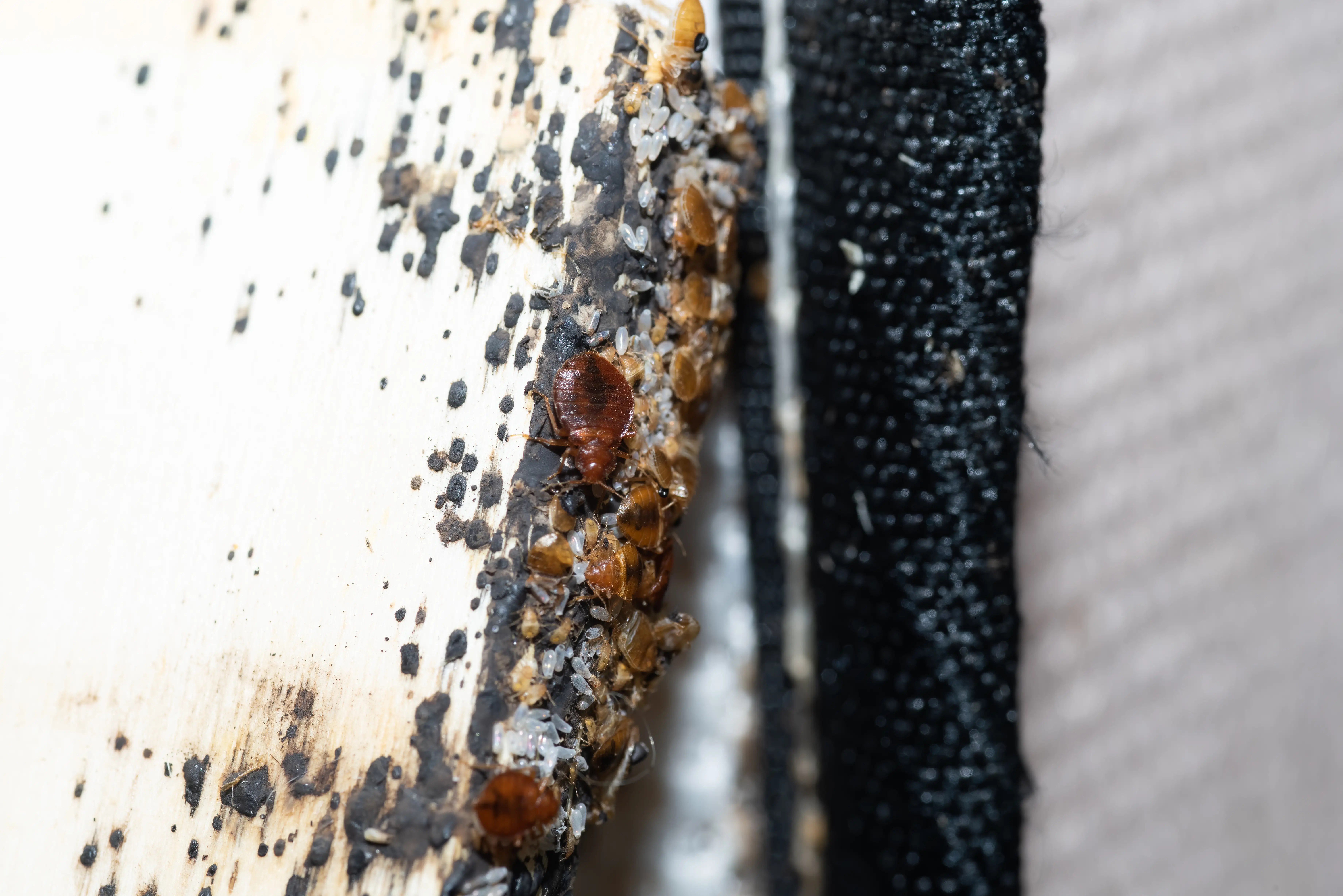
Blood stains on sheets, pillows, or mattresses from crushed bed bugs

Dark Spots

Small, poppy seed-sized excrement on bedding or mattresses

Eggs or Eggshells

Tiny eggs found in bed bug hiding spots

Yellow Skins

Shed exoskeletons from developing nymphs

Musty Odor

Noticeable smell near beds or clothing storage

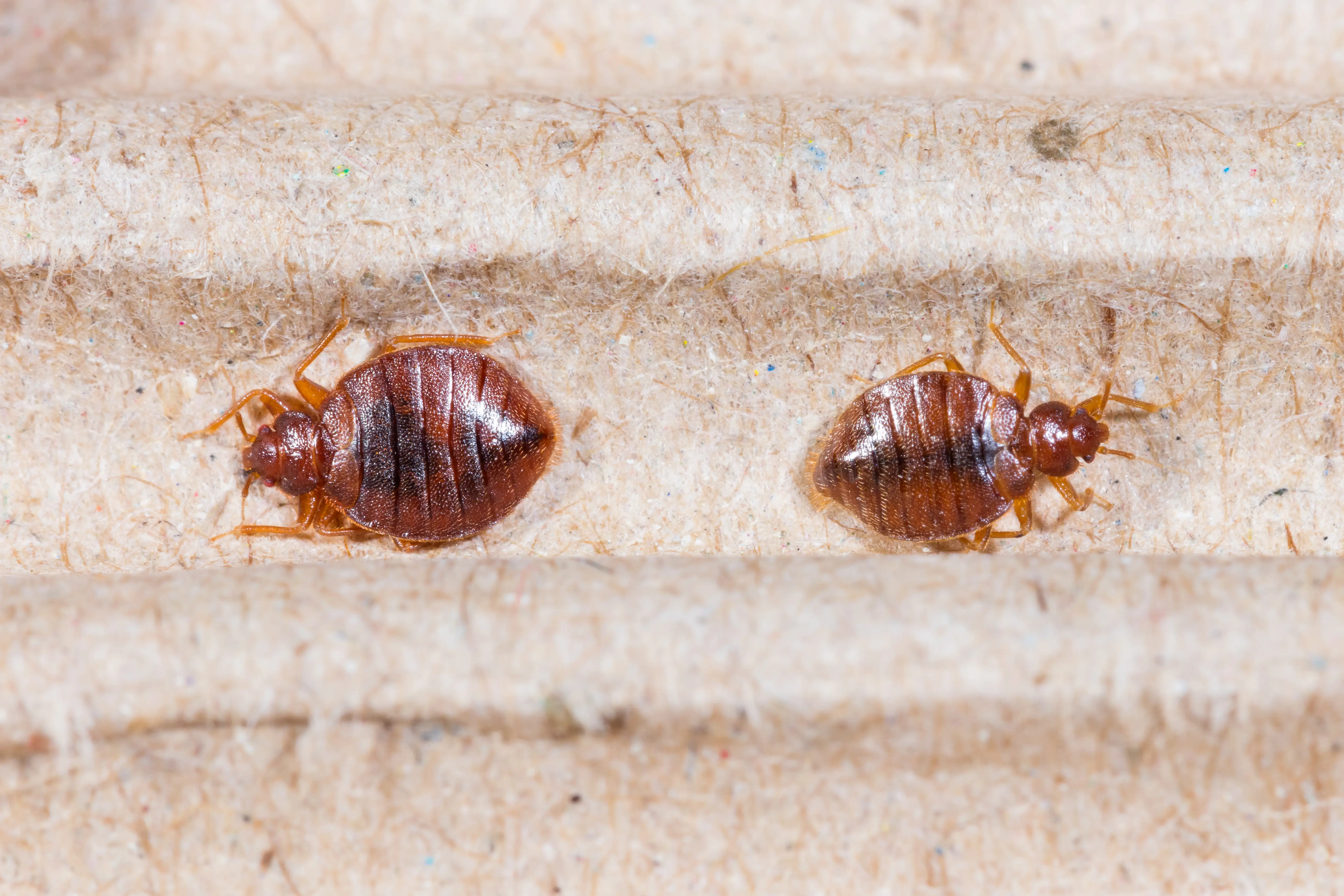
Visible Bugs

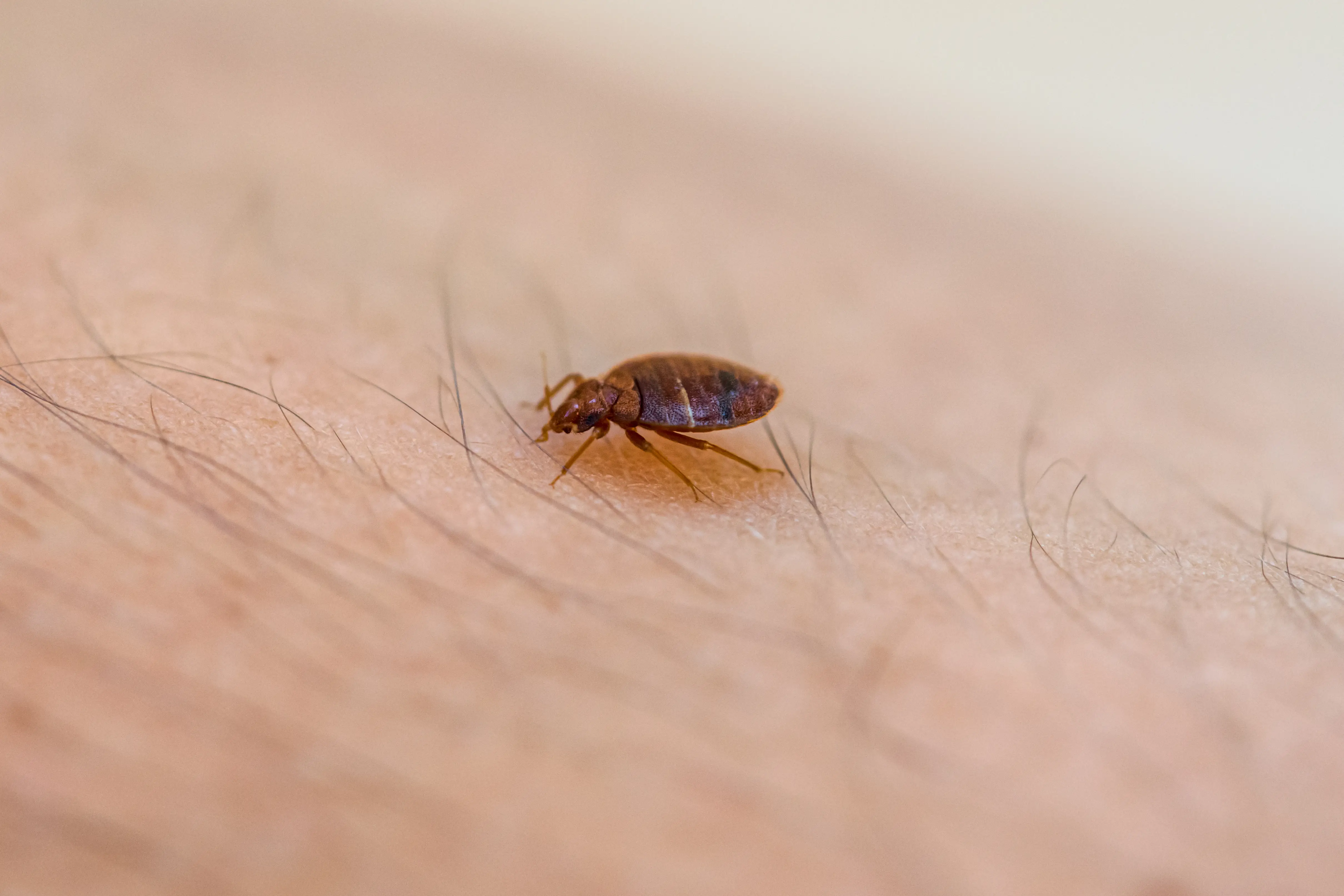
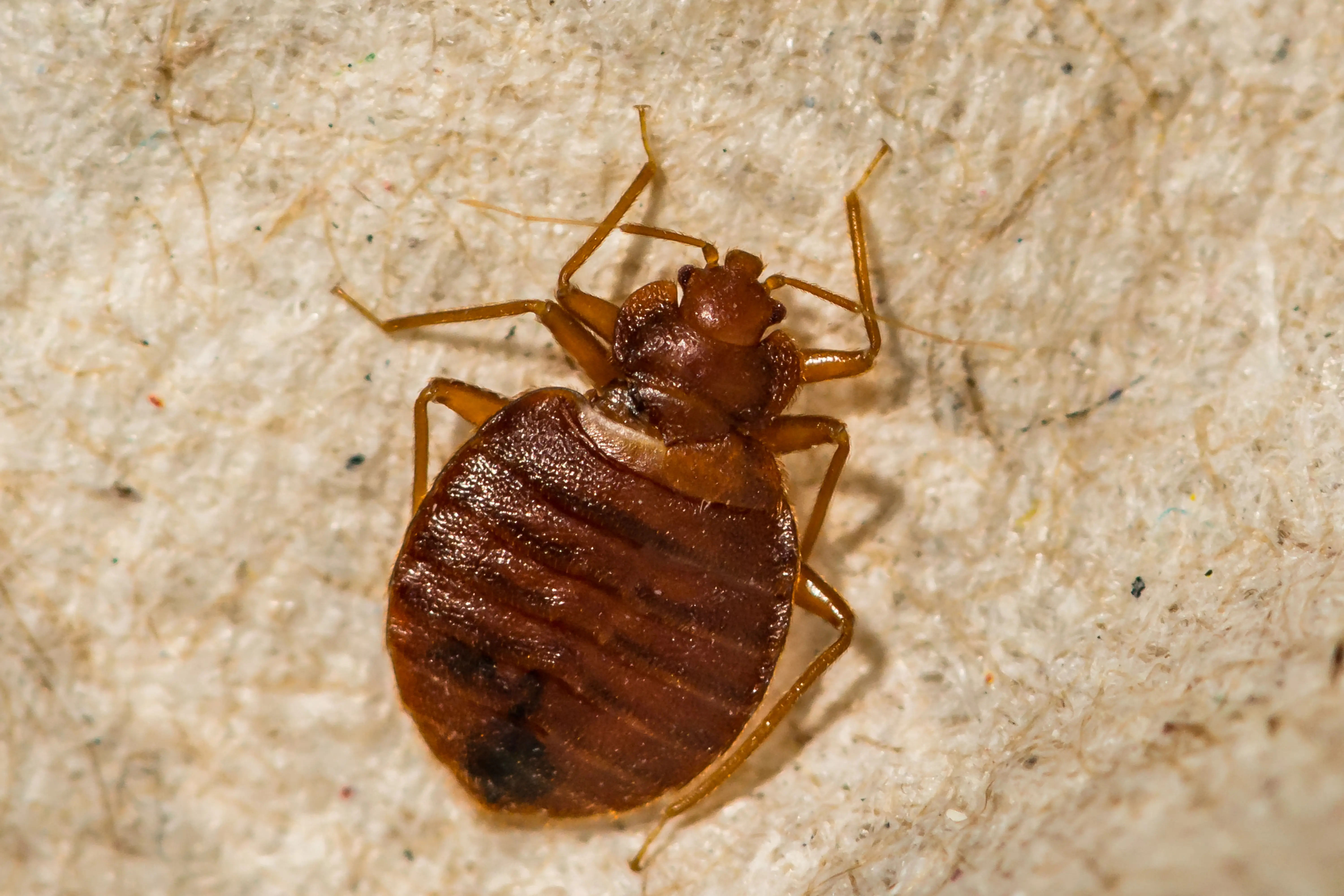
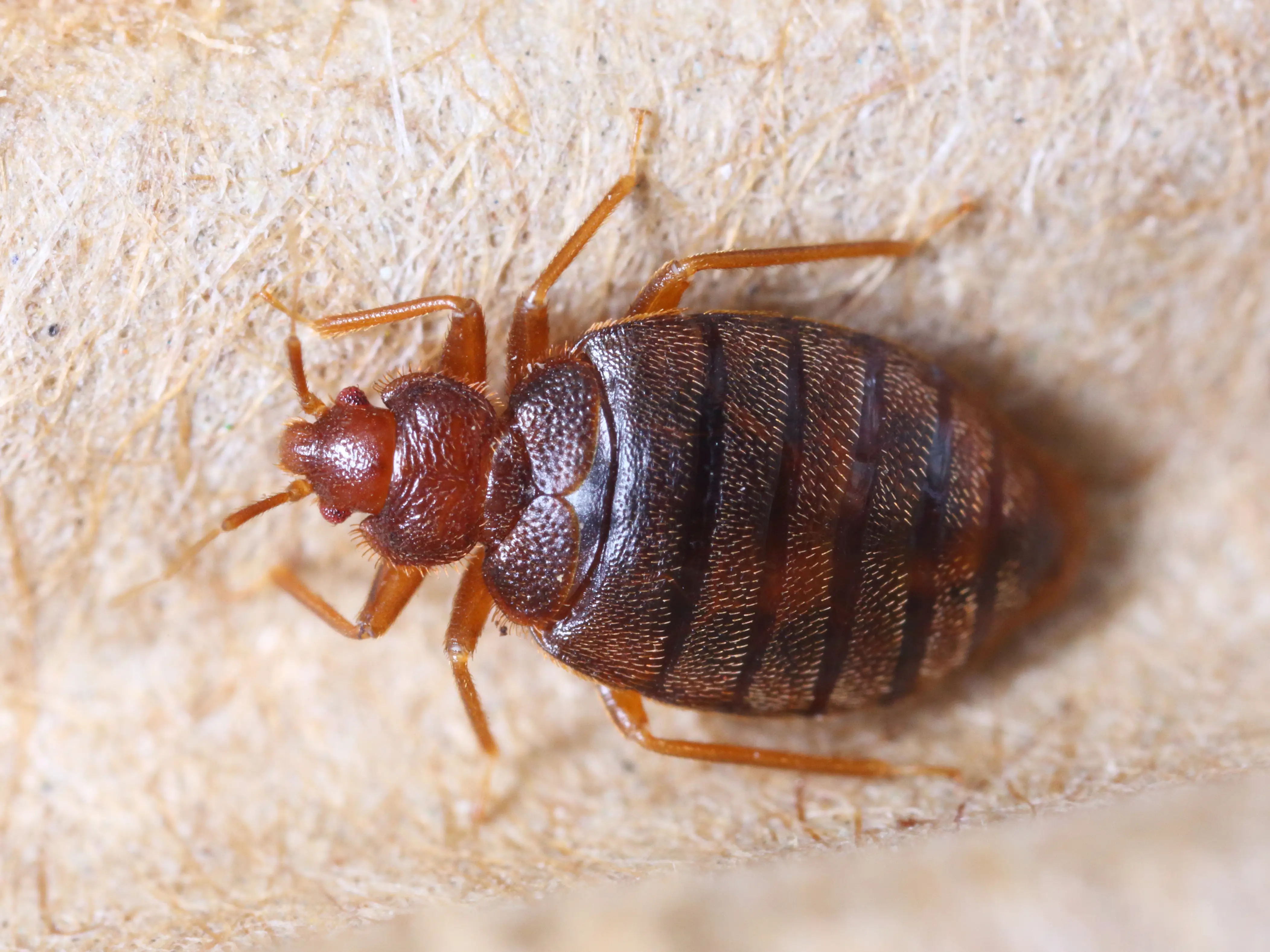
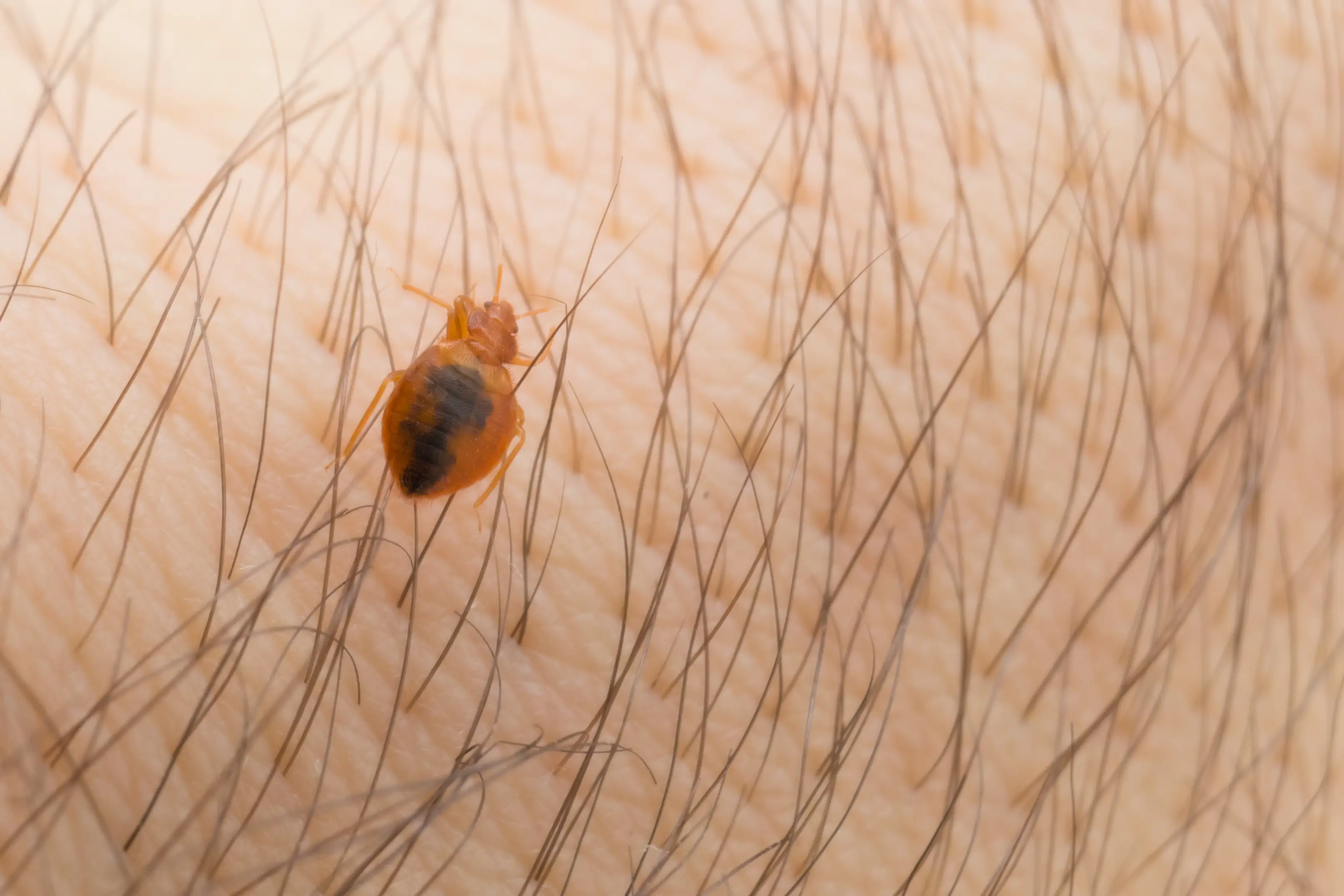
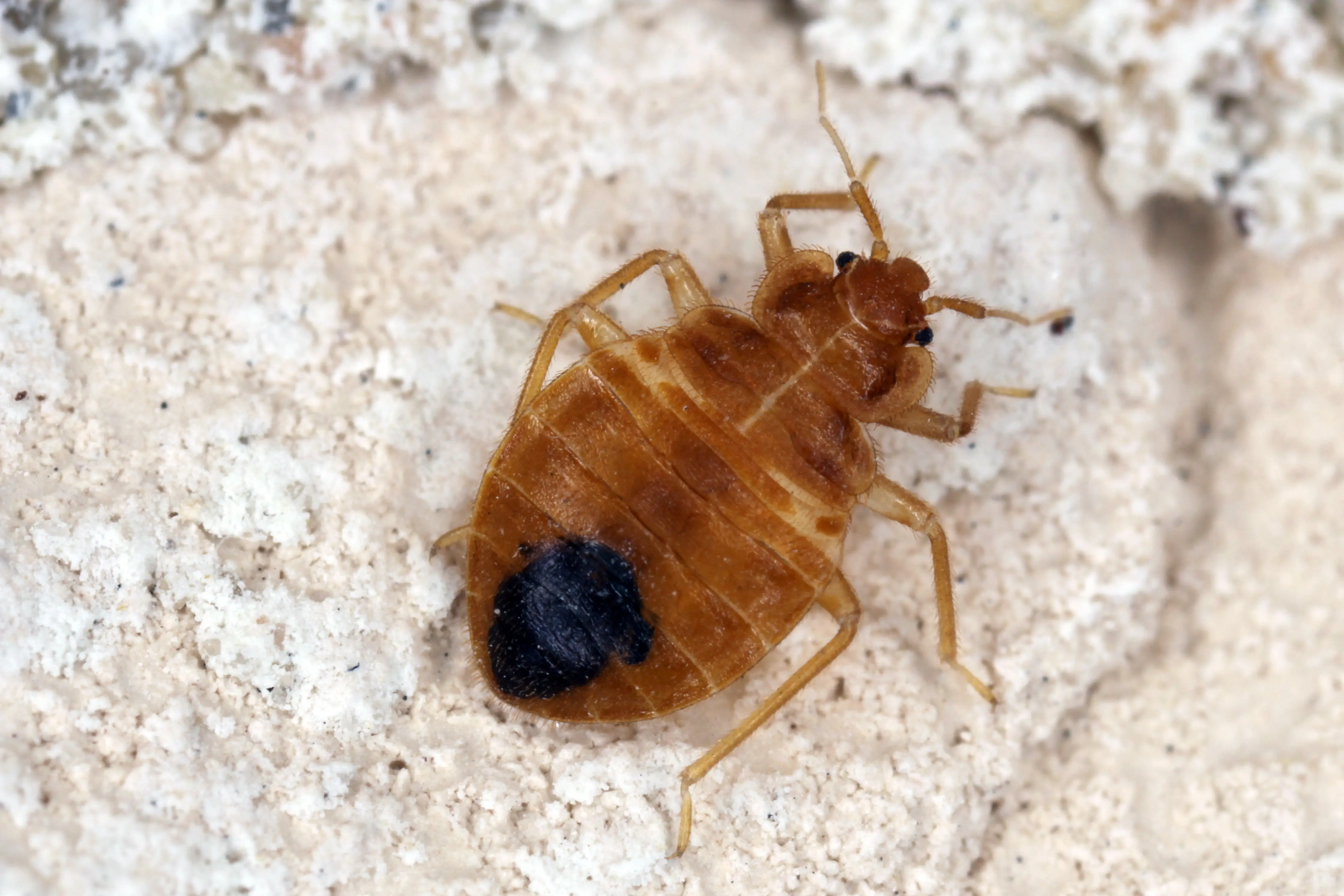
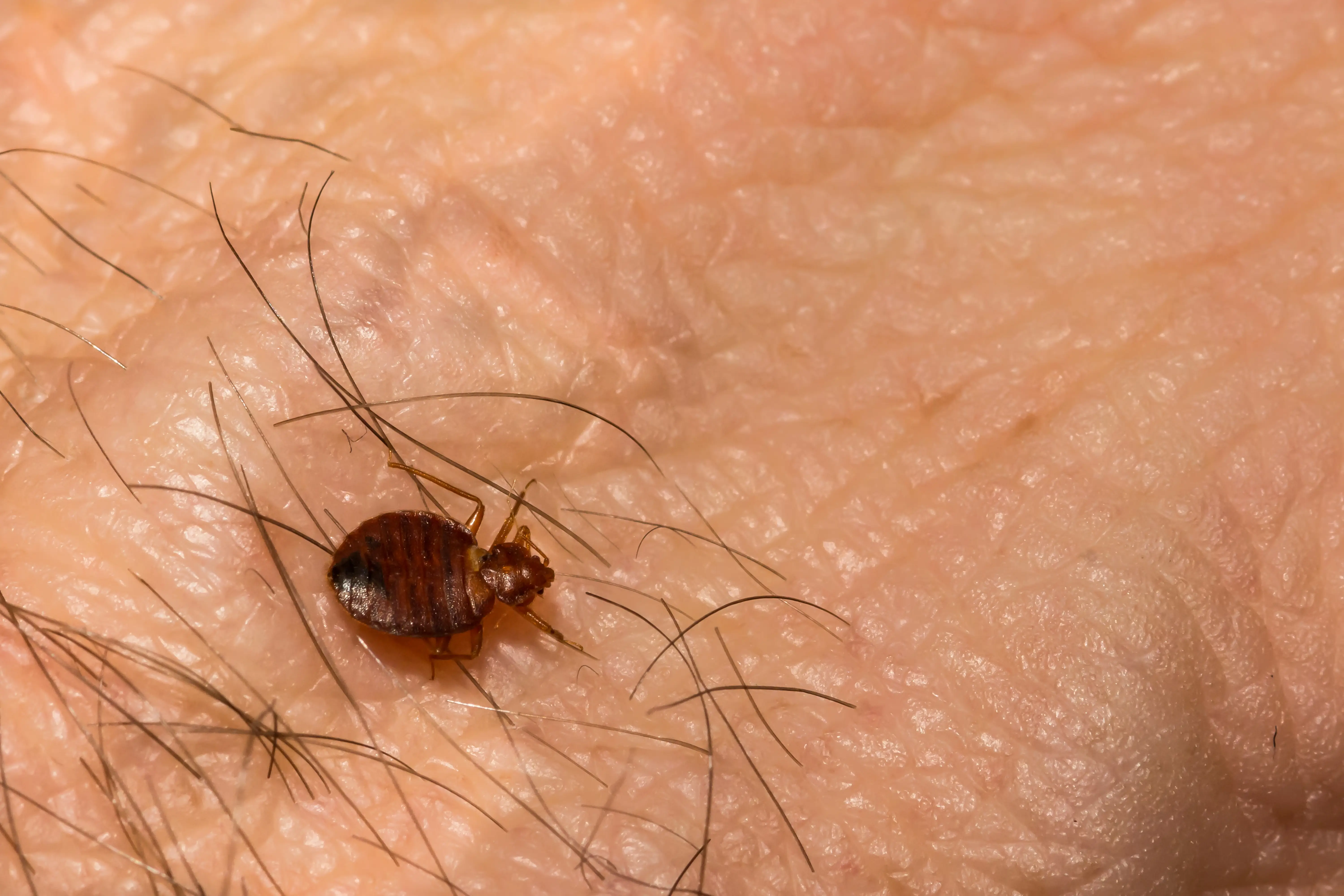
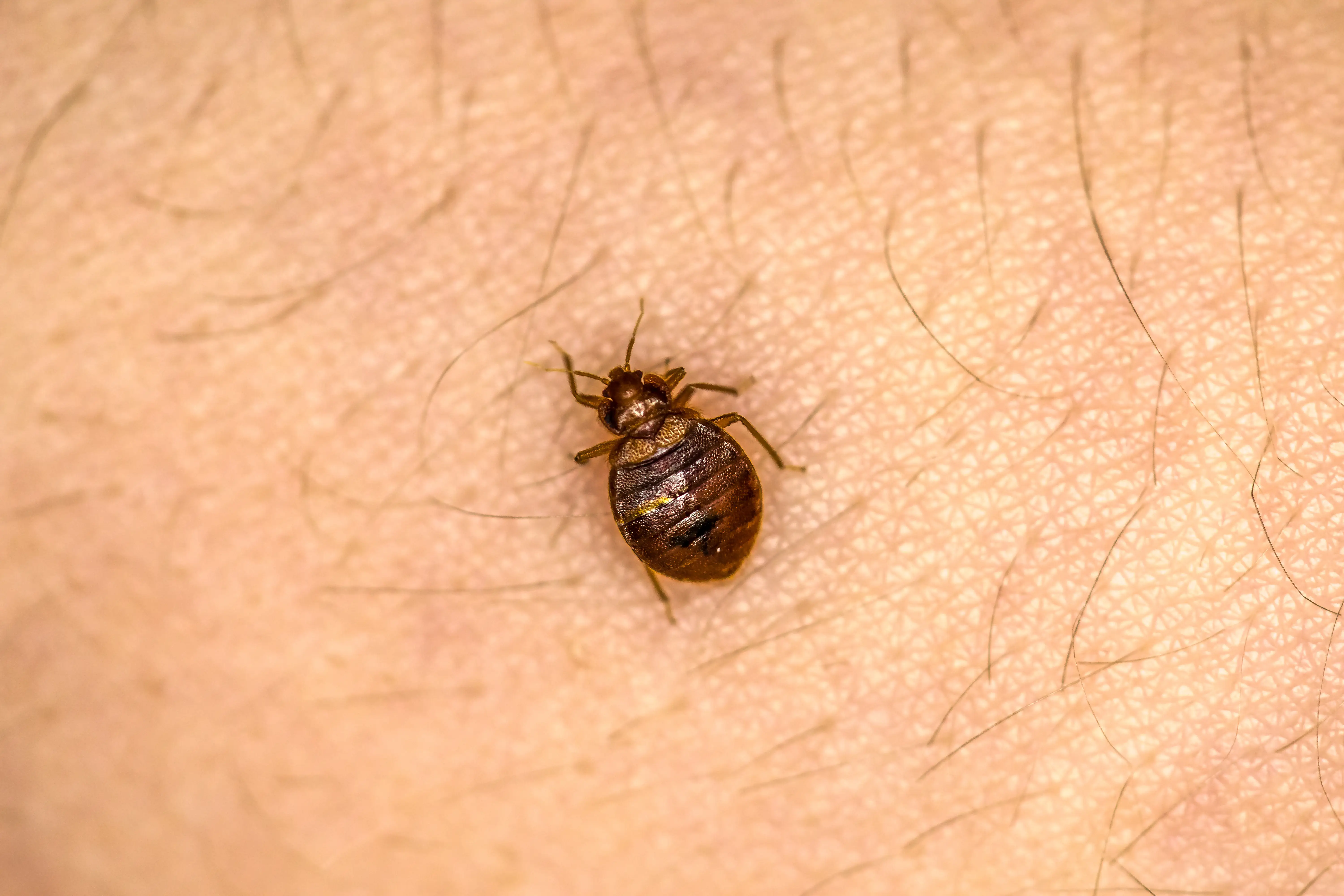
Small, oval, brownish insects themselves

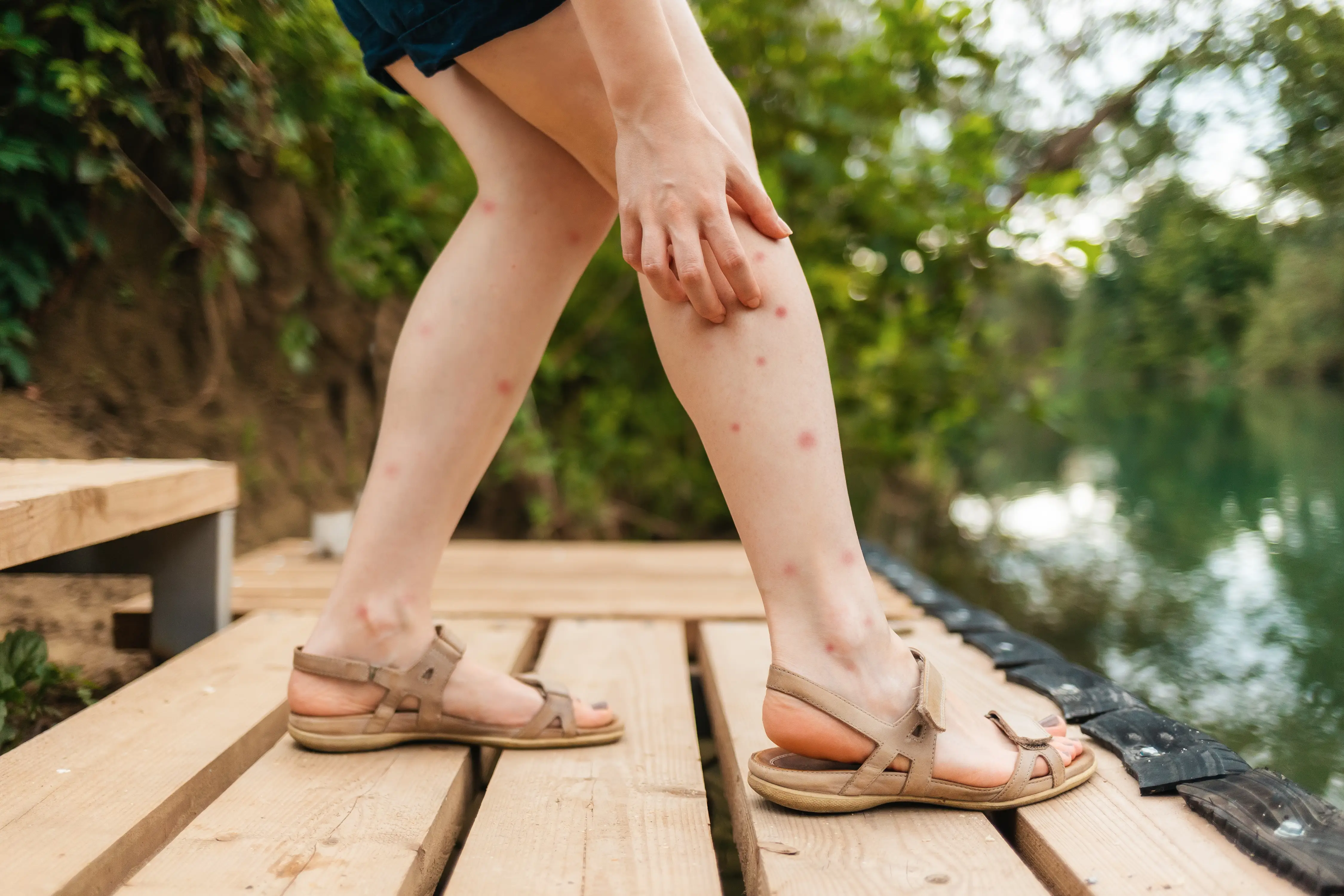
Bites

Small, swollen, itchy red areas appearing up to 14 days after being bitten

Contact EcoGuard if You Are Dealing with Bed Bugs

EcoGuard Pest Management offers thorough on-site inspections to accurately identify bed bug problems. Our expert team creates tailored treatment plans aligned with your specific needs, home layout, and lifestyle preferences. We employ the latest methods and eco-friendly solutions to ensure effective treatment while prioritizing your family's safety and comfort.

Call (866) 326-2847Get Free Quote

Bed Bugs Spreading FAQs
How easily do bed bugs spread?

Bed bugs spread quite easily due to their ability to hitchhike on personal belongings like luggage, clothing, and furniture. They can quickly infest new areas by being inadvertently transported from one place to another. They often go unnoticed due to their small size and ability to hide in tiny crevices. This ease of transportation, combined with their rapid breeding cycle, makes bed bugs notorious for quickly establishing infestations in new locations.

Can you get bed bugs from being around someone who has them?

It is unlikely to get bed bugs directly from being around someone who has an infestation, as bed bugs do not live on humans like lice or fleas. However, bed bugs can hitchhike on clothing, bags, or other items, so there is a possibility of transferring bed bugs if you come into contact with infested items belonging to someone with an infestation. It is important to be cautious and inspect personal items after visiting places known to have bed bug issues.

How do you stop bed bugs from spreading?

To stop bed bugs from spreading, it is crucial to implement effective prevention and containment measures. These include regularly inspecting and cleaning living spaces, using protective covers on mattresses and box springs, avoiding second-hand furniture or inspecting it thoroughly, and vacuuming frequently. When traveling, inspect hotel rooms and luggage for signs of bed bugs, and isolate and clean travel items upon returning home. For persistent or large infestations, professional pest control services are recommended for comprehensive treatment.

Do bed bugs spread to every room?

Bed bugs can potentially spread to every room in a home, particularly if the infestation is not addressed promptly. They move by crawling and can travel through small spaces in walls, floors, and ceilings, as well as on personal items like clothing and luggage. However, they are most commonly found near sleeping areas, as they prefer to be close to their human hosts for feeding.

From Our Blog

Related Articles

7 Stages of the Bed Bug Life Cycle | Complete Guide

7 Stages of the Bed Bug Life Cycle | Complete Guide

Learn the 7 stages of bed bug life cycle from egg to adult. Understand bed bug lifespan, reproduction, and why they are...

Read Article
Are Bed Bugs Dangerous to Humans? Health Risks

Are Bed Bugs Dangerous to Humans? Health Risks

Learn about bed bug health risks including bites, allergic reactions, mental health impacts, and how to identify and...

Read Article
Bed Bug Bites vs Mosquito Bites: How to Tell the Difference

Bed Bug Bites vs Mosquito Bites: How to Tell the Difference

Learn how to identify bed bug bites vs mosquito bites. Compare appearance, patterns, symptoms, healing time, and get...

Read Article
Bed Bug Heat Treatment: Is It Effective? Complete Guide

Bed Bug Heat Treatment: Is It Effective? Complete Guide

Learn how bed bug heat treatment works, pros and cons, costs, preparation steps, and what to expect. Discover why heat...

Read Article
Bed Bugs vs Fleas vs Ticks: Key Differences & How to Identify

Bed Bugs vs Fleas vs Ticks: Key Differences & How to Identify

Learn the differences between bed bugs, fleas, and ticks. Compare size, appearance, bites, health risks, habitat, and...

Read Article
Do Bed Bugs Fly or Jump? How They Move and Spread

Do Bed Bugs Fly or Jump? How They Move and Spread

Learn whether bed bugs can fly or jump, how they move and spread, their speed, and how to use their limitations to...

Read Article
How Common Are Bed Bugs? Statistics & Prevention Guide

How Common Are Bed Bugs? Statistics & Prevention Guide

Discover how common bed bugs are in the US with statistics by home type, city, and state. Learn prevention tips and...

Read Article
How Fast Do Bed Bugs Spread and Multiply?

How Fast Do Bed Bugs Spread and Multiply?

Learn how quickly bed bugs spread from room to room and multiply. Understand reproduction rates, movement speed, and...

Read Article
How Long Can Bed Bugs Live Without a Host? Survival Guide

How Long Can Bed Bugs Live Without a Host? Survival Guide

Learn how long bed bugs can survive without feeding, what diapause is, factors affecting survival, and why starving...

Read Article
How Often Do Bed Bugs Feed? Feeding Habits Explained

How Often Do Bed Bugs Feed? Feeding Habits Explained

Learn how often bed bugs feed, their feeding behavior, and how long they can survive without blood. Understand bed bug...

Read Article
How to Check for Bed Bugs: Complete Inspection Guide

How to Check for Bed Bugs: Complete Inspection Guide

Learn how to inspect for bed bugs at home, in hotels, and on used furniture. Know what signs to look for and where bed...

Read Article
How to Get Rid of Bed Bugs: Complete Treatment Guide

How to Get Rid of Bed Bugs: Complete Treatment Guide

Learn how to identify, contain, and eliminate bed bugs with heat treatment, chemical options, and prevention tips....

Read Article
How to Prepare for Bed Bug Treatment: Complete Checklist

How to Prepare for Bed Bug Treatment: Complete Checklist

Step-by-step bed bug treatment preparation checklist. Learn what to do before, during, and after professional bed bug...

Read Article
Signs of Bed Bugs: How to Identify an Infestation

Signs of Bed Bugs: How to Identify an Infestation

Learn the signs of bed bugs including bites, stains, droppings, and where they hide. Understand bed bug behavior and...

Read Article
What Are Bed Bugs? Facts, Appearance & Prevention Guide

What Are Bed Bugs? Facts, Appearance & Prevention Guide

Learn what bed bugs are, how they look, where they hide, and how to prevent and eliminate infestations. Complete bed...

Read Article
What Attracts Bed Bugs? Myths vs Facts

What Attracts Bed Bugs? Myths vs Facts

Learn what truly attracts bed bugs to your home. Discover the science behind bed bug attraction including warmth, CO2,...

Read Article
What Do Bed Bug Eggs Look Like? Identification Guide

What Do Bed Bug Eggs Look Like? Identification Guide

Learn how to identify bed bug eggs, where they are laid, how many a female produces, and effective methods to eliminate...

Read Article
What Does Bed Bug Poop Look Like? Identification & Cleanup Guide

What Does Bed Bug Poop Look Like? Identification & Cleanup Guide

Learn to identify bed bug droppings by color, size, and location. Understand why cleaning bed bug feces is critical and...

Read Article
Where Do Bed Bugs Come From?

Where Do Bed Bugs Come From?

Learn where bed bugs come from, the 7 most common places you pick them up, why they spread, and how to prevent bringing...

Read Article
Where Do Bed Bugs Hide? Common Hiding Spots

Where Do Bed Bugs Hide? Common Hiding Spots

Learn where bed bugs hide in your home, mattresses, furniture, and public places. Discover how to check for bed bugs...

Read Article