EcoGuard Pest Management
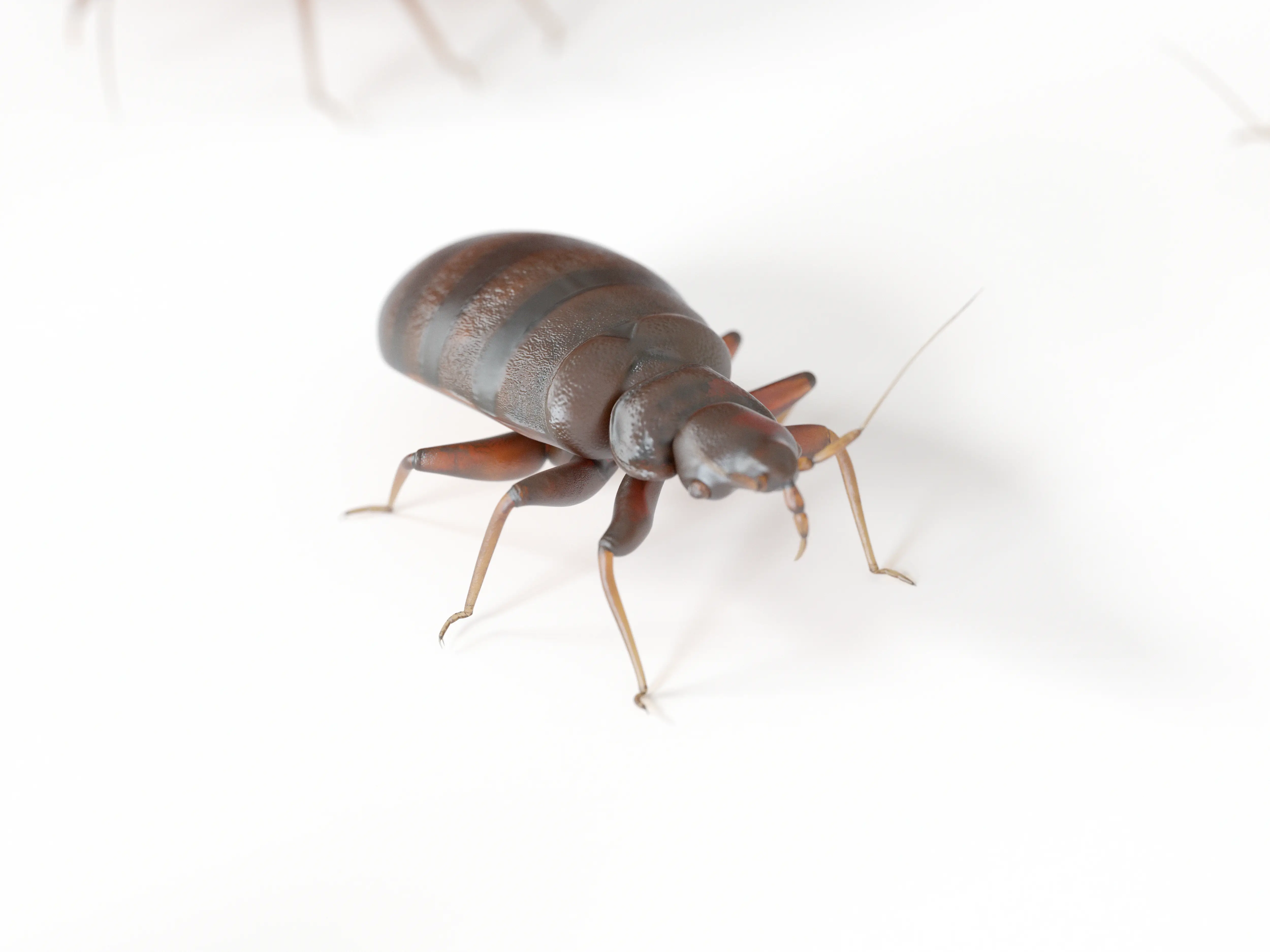
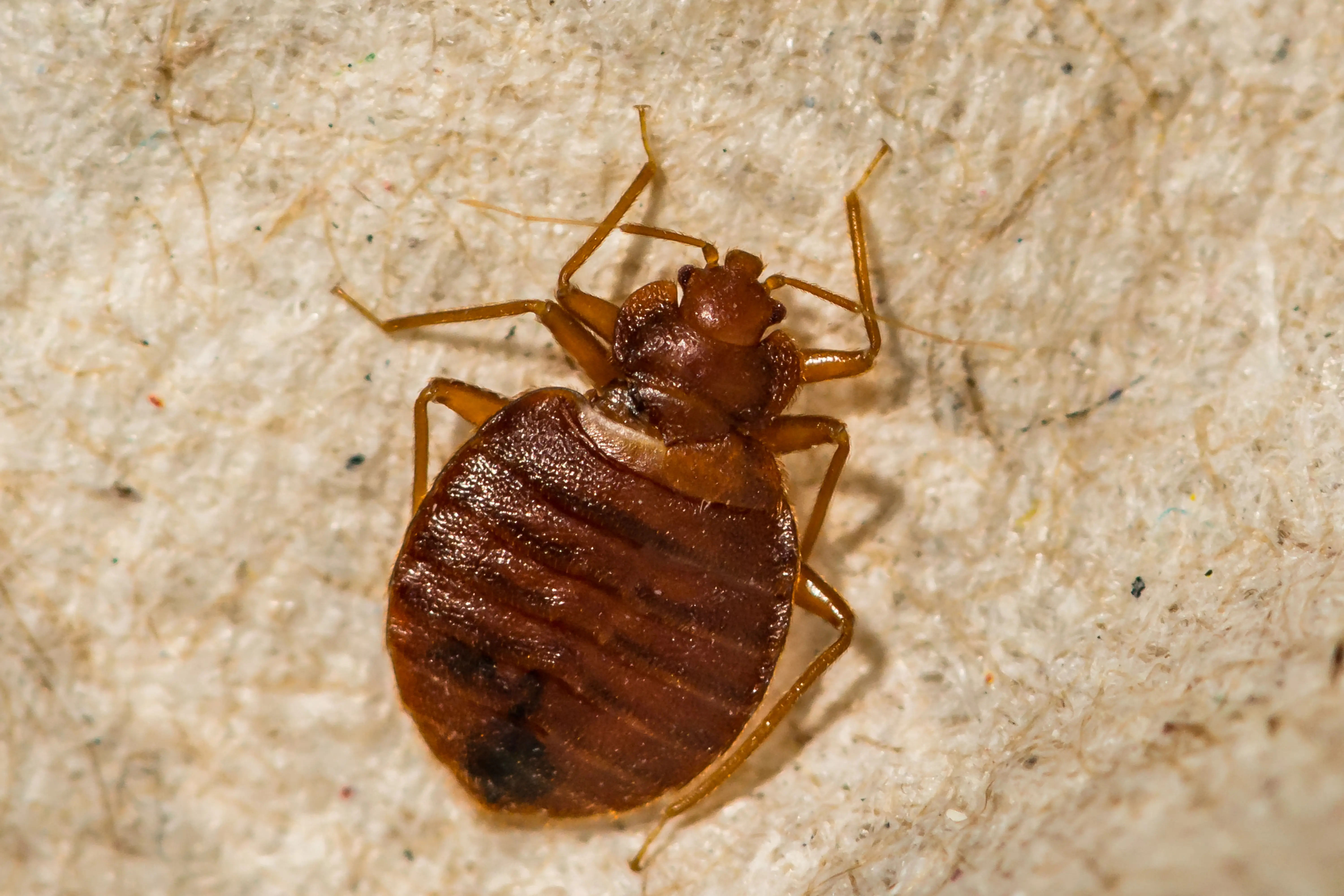
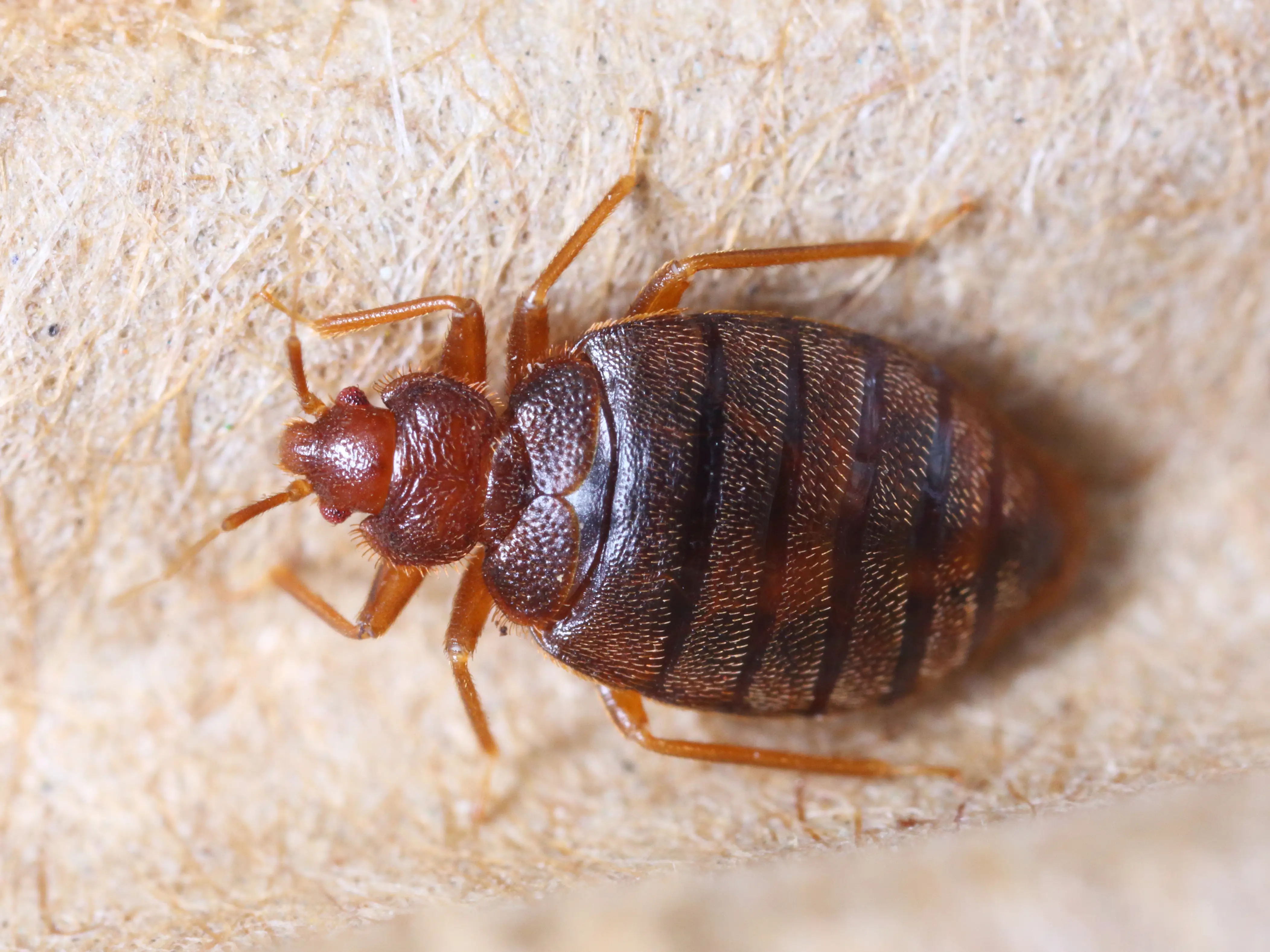
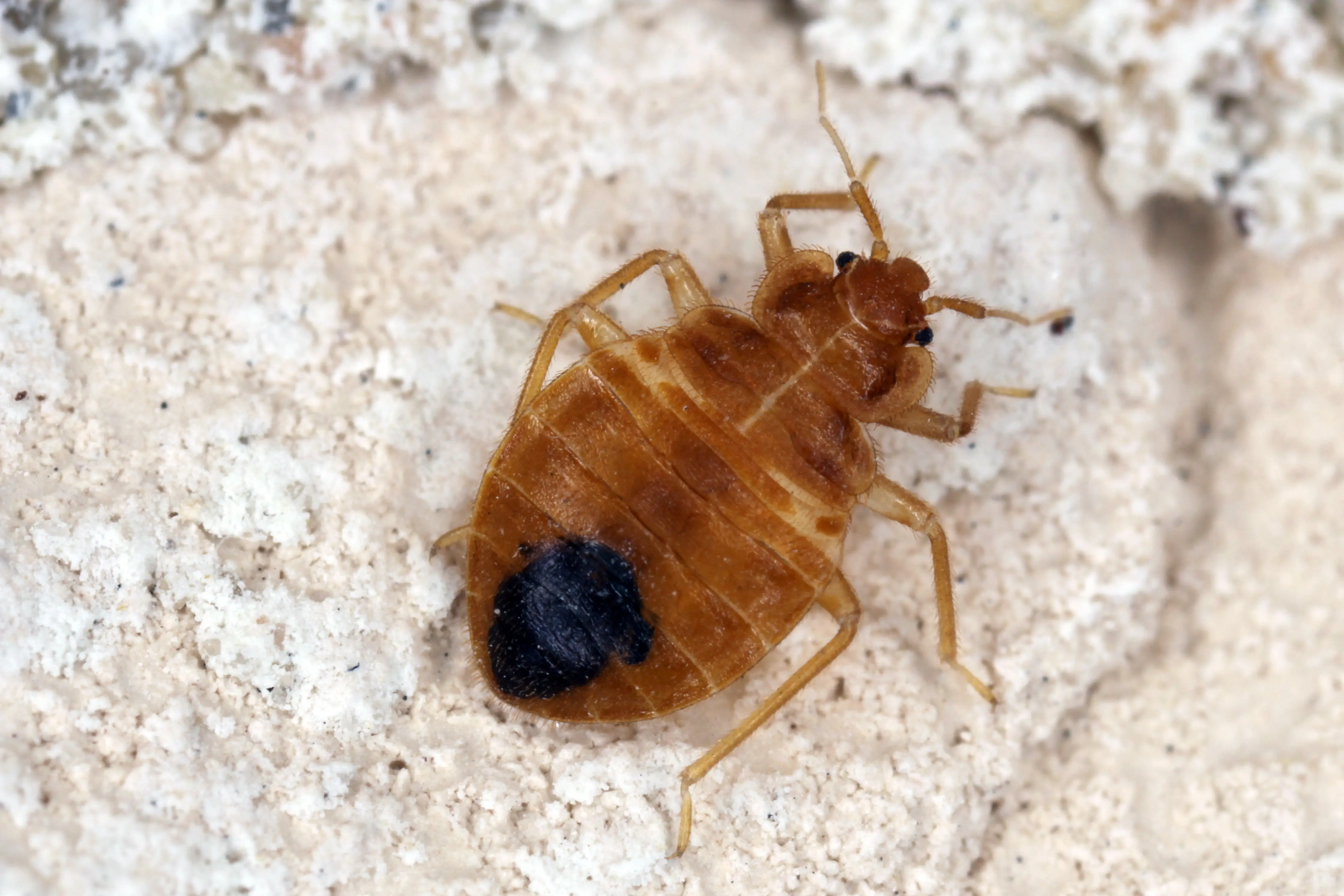
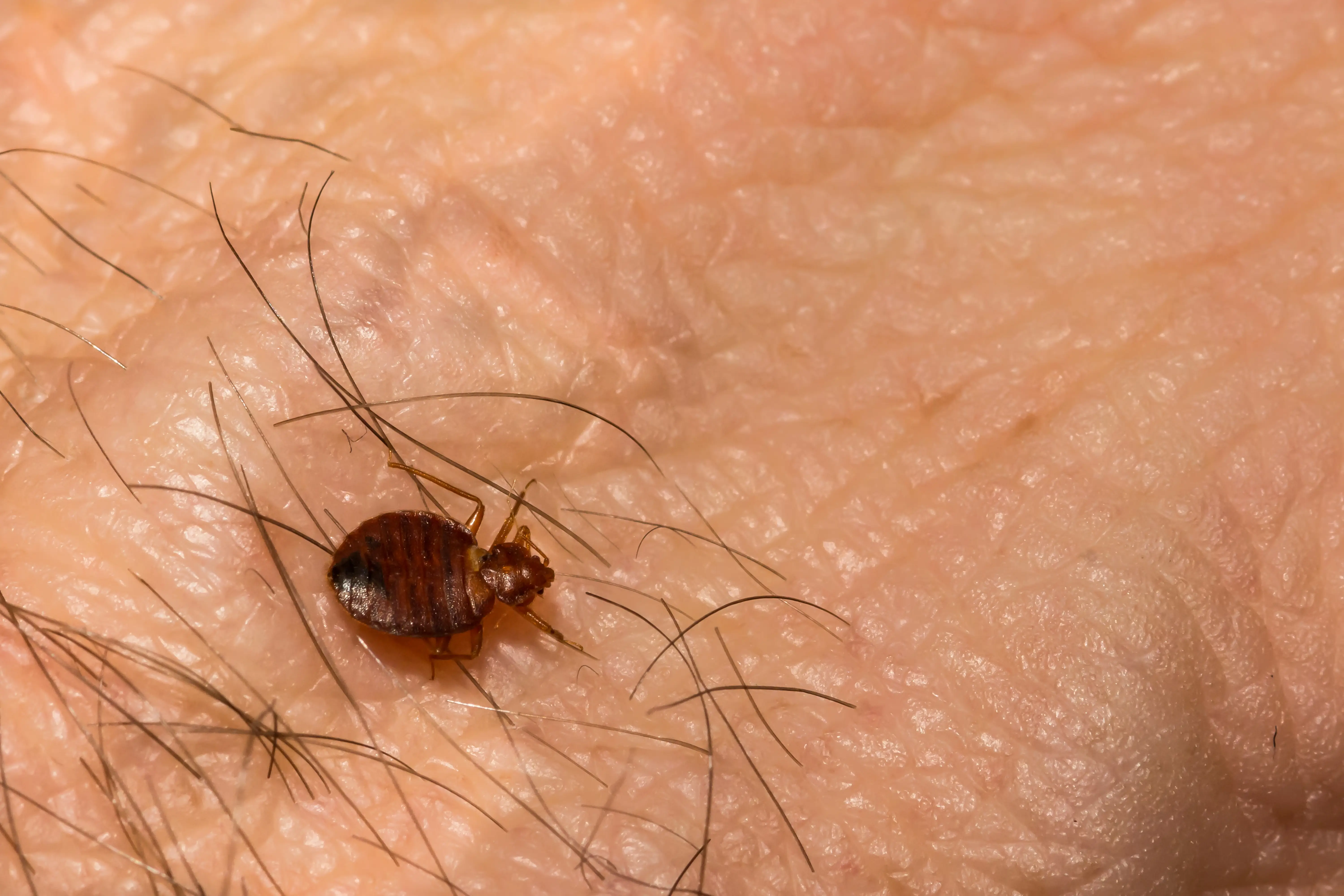
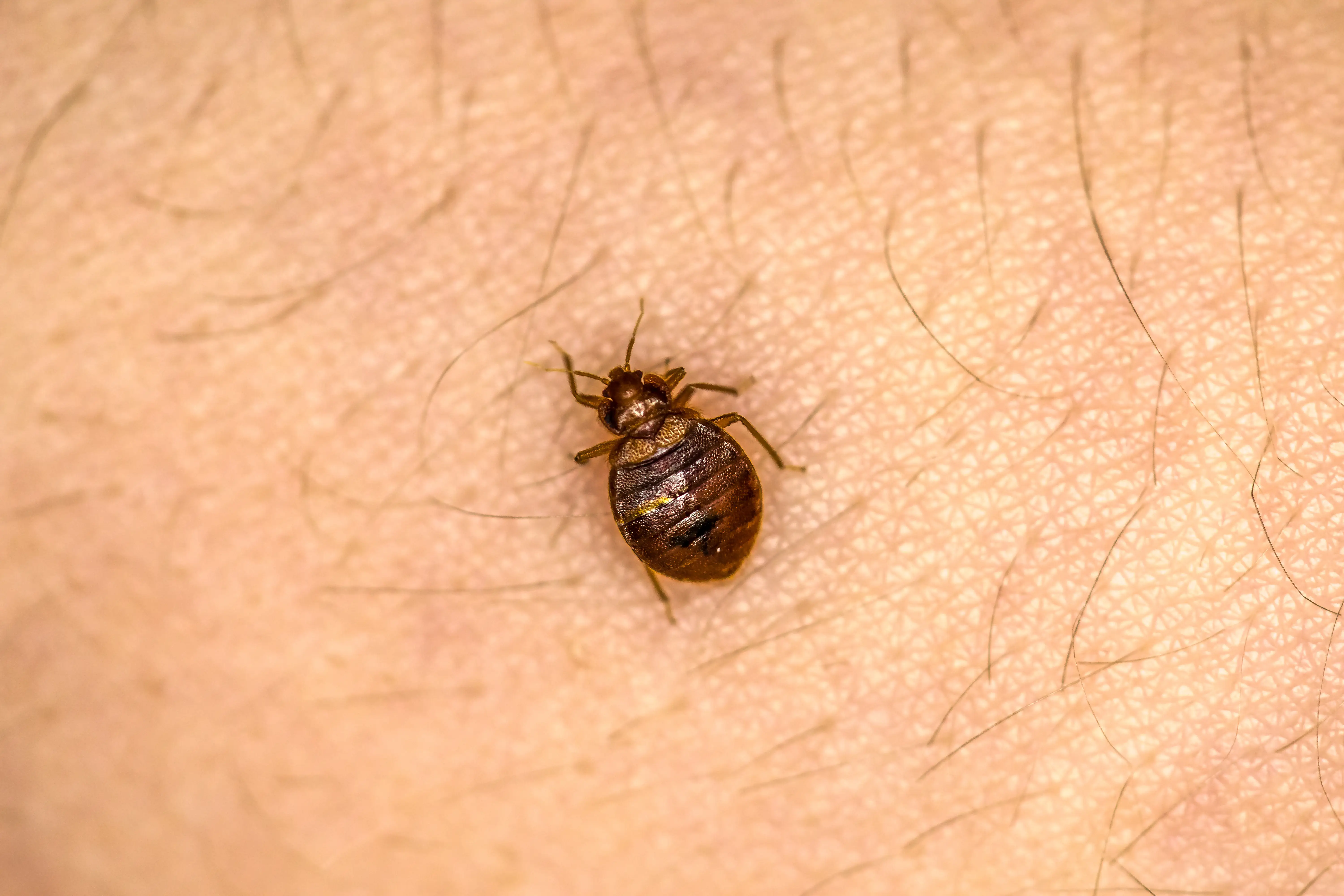
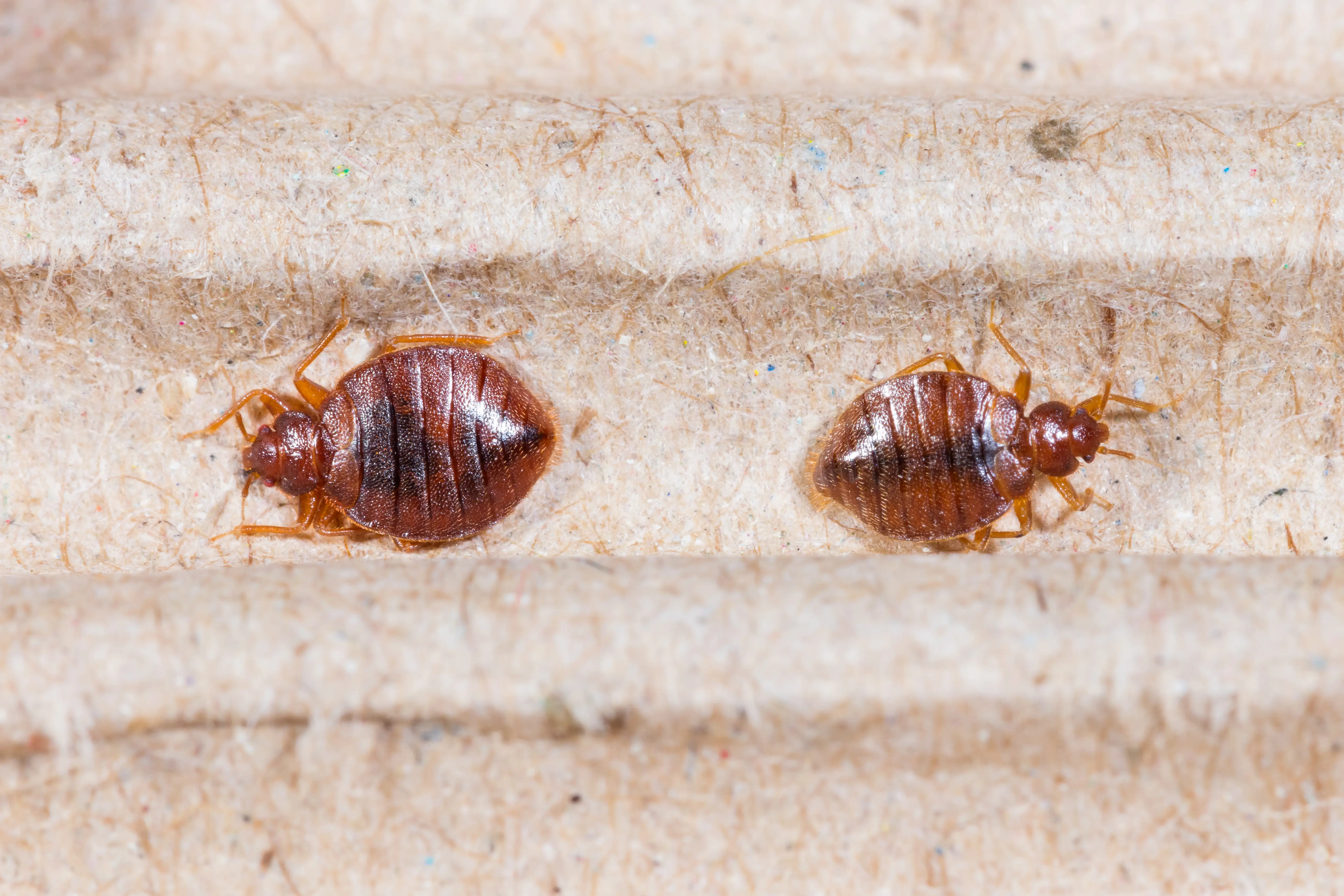
Close-up of bed bug showing wingless body structure
By Gary Anderson||7 min read

Do Bed Bugs Fly or Jump from Person to Person?

Understanding how bed bugs move and spread can help you prevent and control infestations.

Contrary to some misconceptions, bed bugs are incapable of flying or jumping. They are wingless insects that once had front wings, but those wings have evolved into vestigial structures over time, rendering them non-functional for flight.

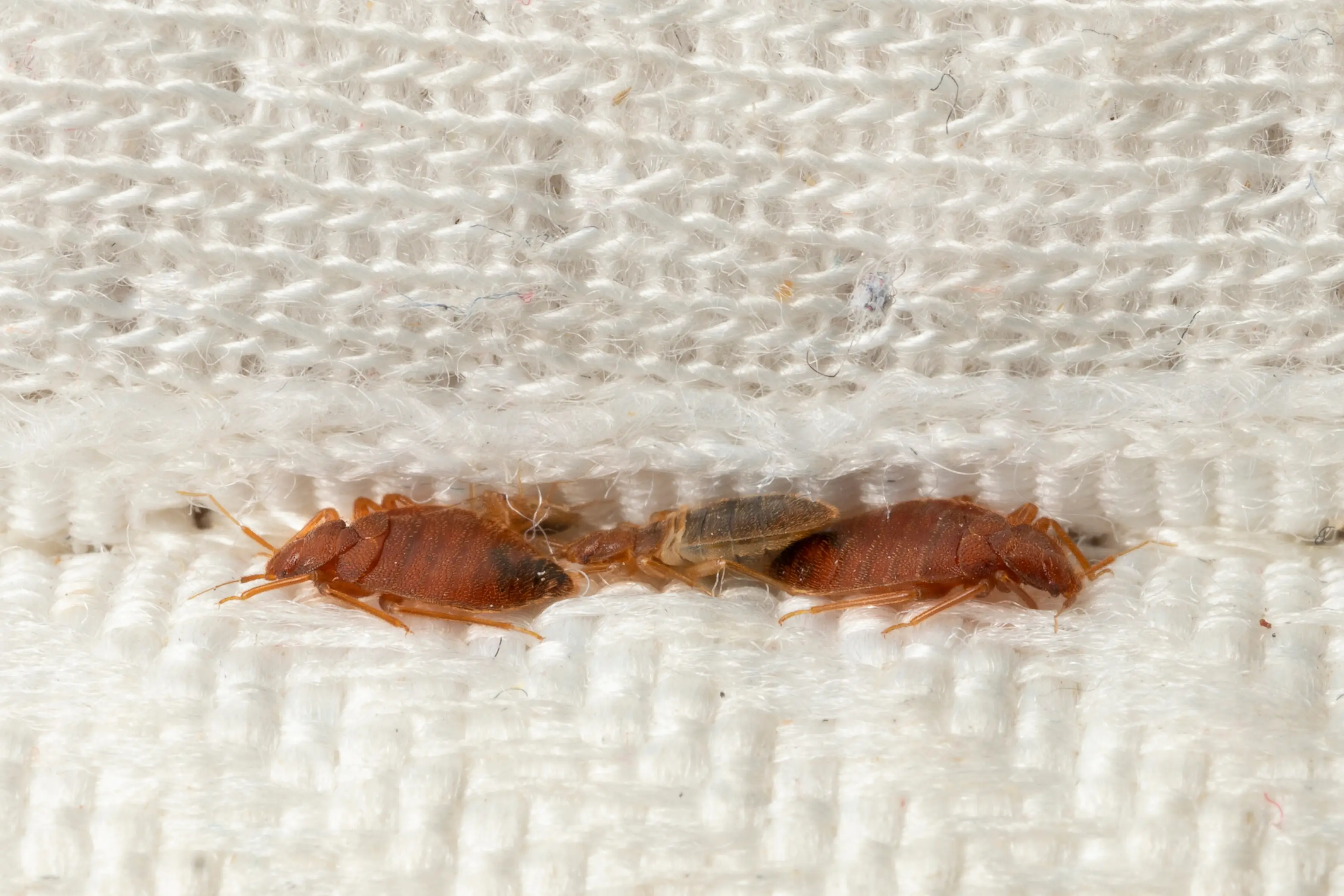
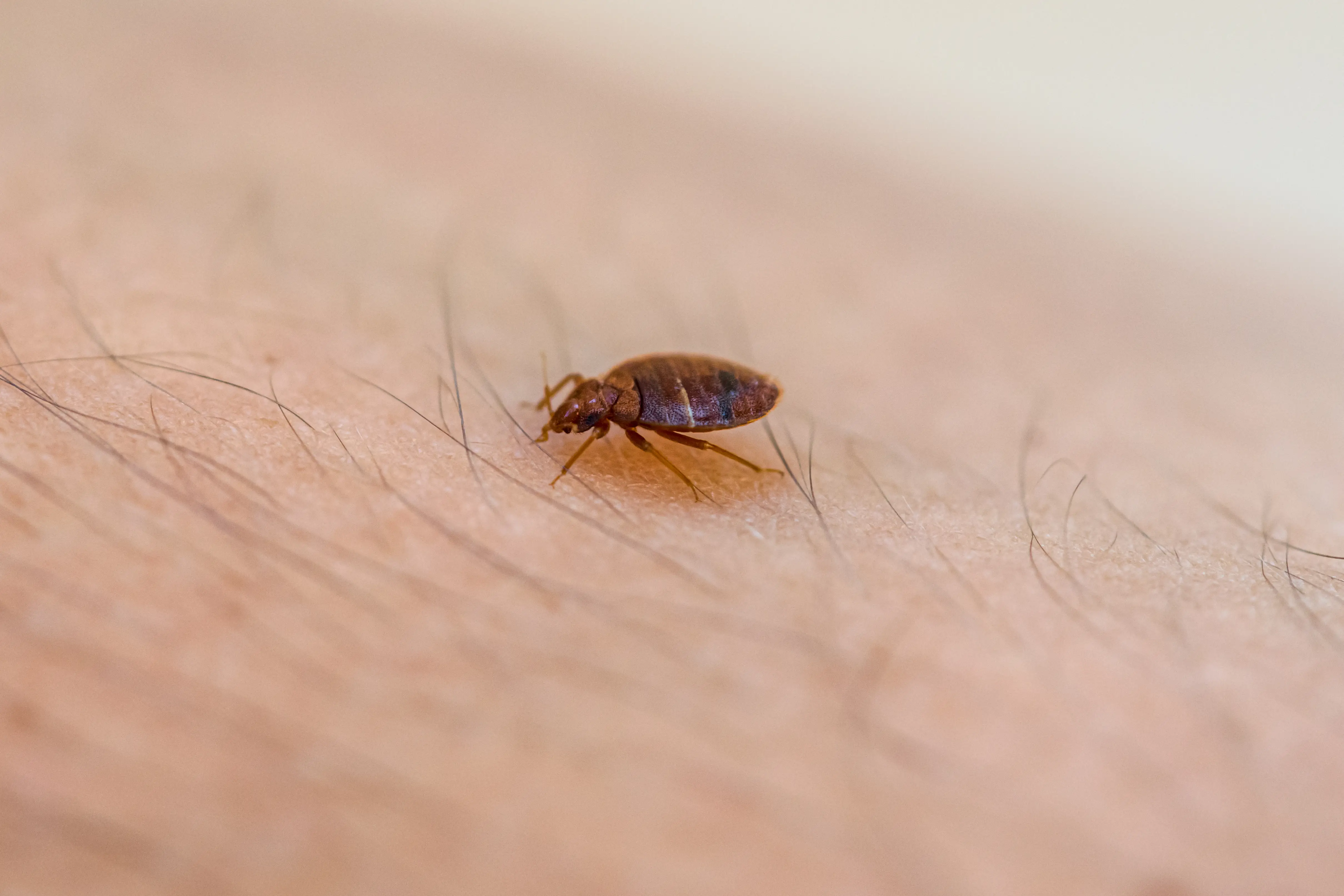
Instead of flying or jumping, bed bugs primarily move by crawling. Their ability to spread from one location to another is attributed to their skill as discreet hitchhikers. They can easily crawl into luggage, attach to clothing, or hide in second-hand furniture, making them opportunistic travelers.

Bed Bug Movement Facts

Can Fly: No (vestigial wings only)
Can Jump: No (no powerful back legs)
Speed: 3-4 feet per minute
Primary Method: Crawling and hitchhiking

Key Facts

Speed
3-4 feet per minute
Detection Method
CO2 emissions from hosts
Kill Temperature
119°F (adults), 125°F (eggs)
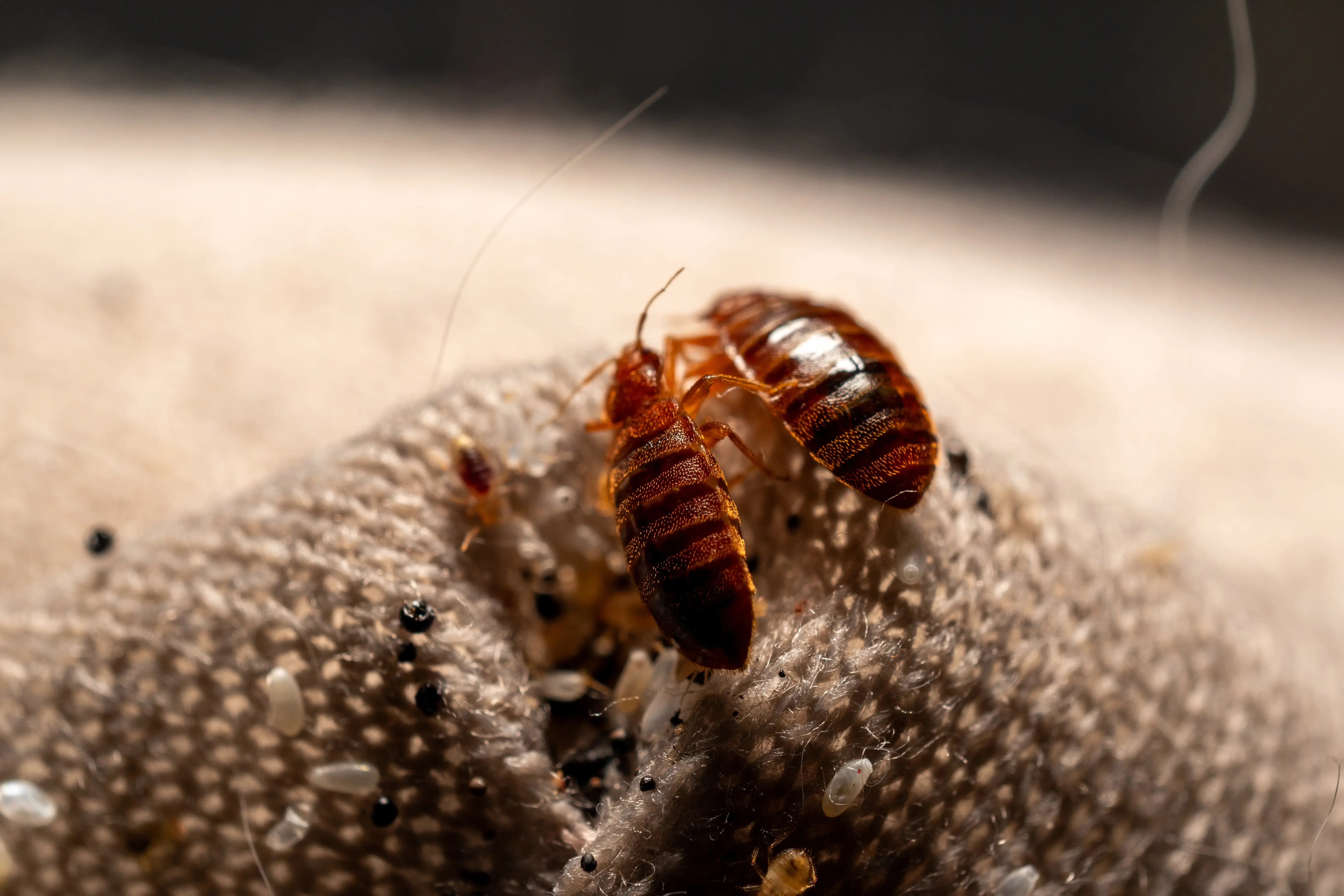
Do Bed Bugs Have Wings Capable of Flying?

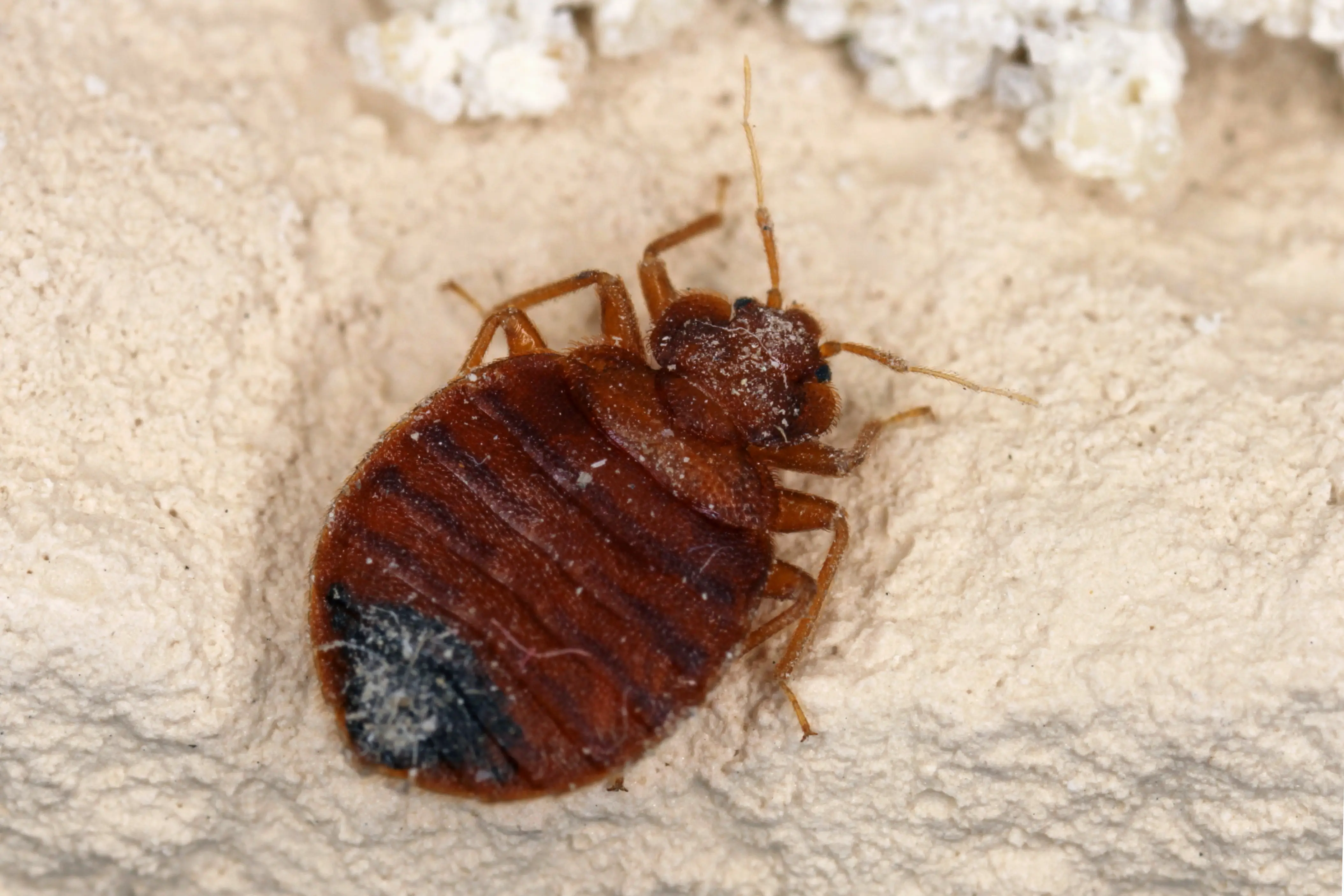
Bed bugs, despite having structures known as wing pads or hemelytral pads, are not capable of flight. These pads are located just behind the insect's head and are remnants of what were once wings in their evolutionary past.

Evolutionary Change

Over time, as bed bugs adapted to their environment and lifestyle, the need for wings diminished, causing them to evolve into the wingless state we know today.

When Wing Pads Appear

These vestigial wing pads emerge during the transition from the 5th instar nymph stage to adulthood. While bed bugs can move these pads, they cannot use them for flight.

What Flying Bugs Look Like Bed Bugs?

Several flying bugs look similar to bed bugs, which can cause confusion. Most are in the beetle family. If a bug is seen flying, it is not a bed bug.

Drugstore Beetles

Brown and oval, just slightly smaller than bed bugs. Key difference: they are attracted to light and commonly found in bathrooms, kitchens, and offices. Bed bugs are active at night in bedrooms.

Carpet Beetles

Some species share a reddish-brown shell similar to bed bugs. They have a shiny exoskeleton with wings. Their ability to fly is the key distinguishing factor.

Quick Tip: If you see an insect flying in your home, you can rule out bed bugs immediately. Bed bugs are physically incapable of flight.

Do Bed Bugs Jump from Person to Person?

Bed bugs do not possess the ability to jump like fleas. They do not have powerful back legs that can propel them long distances. Instead, bed bugs have developed 6 legs with gripping pads that allow them to crawl across most surfaces.

Bed Bugs

Size: Larger, visible to naked eye
Movement: Crawling only
Feeding Location: Around beds at night
Can Be Trapped: Yes, at bed frame feet

Fleas

Size: Tiny, like a grain of sand
Movement: Jumping
Feeding Location: Ankles as you pass by
Can Be Trapped: Harder to contain

Bed Bugs Spreading in Your Home?

Even without flying or jumping, bed bugs are expert hitchhikers. Our professionals can locate and eliminate them.

Call (866) 326-2847

How Do Bed Bugs Get Around?

Crawling

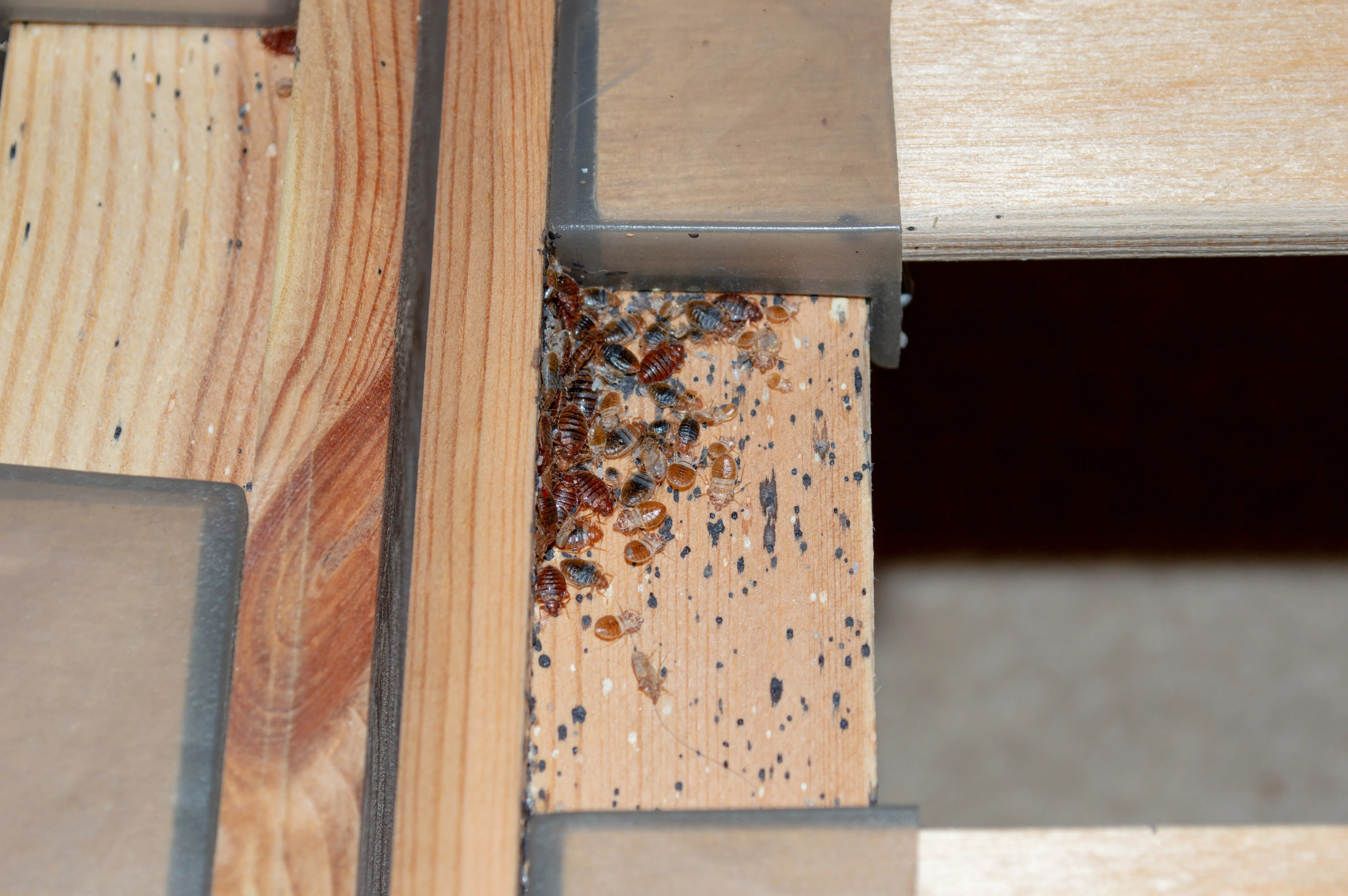
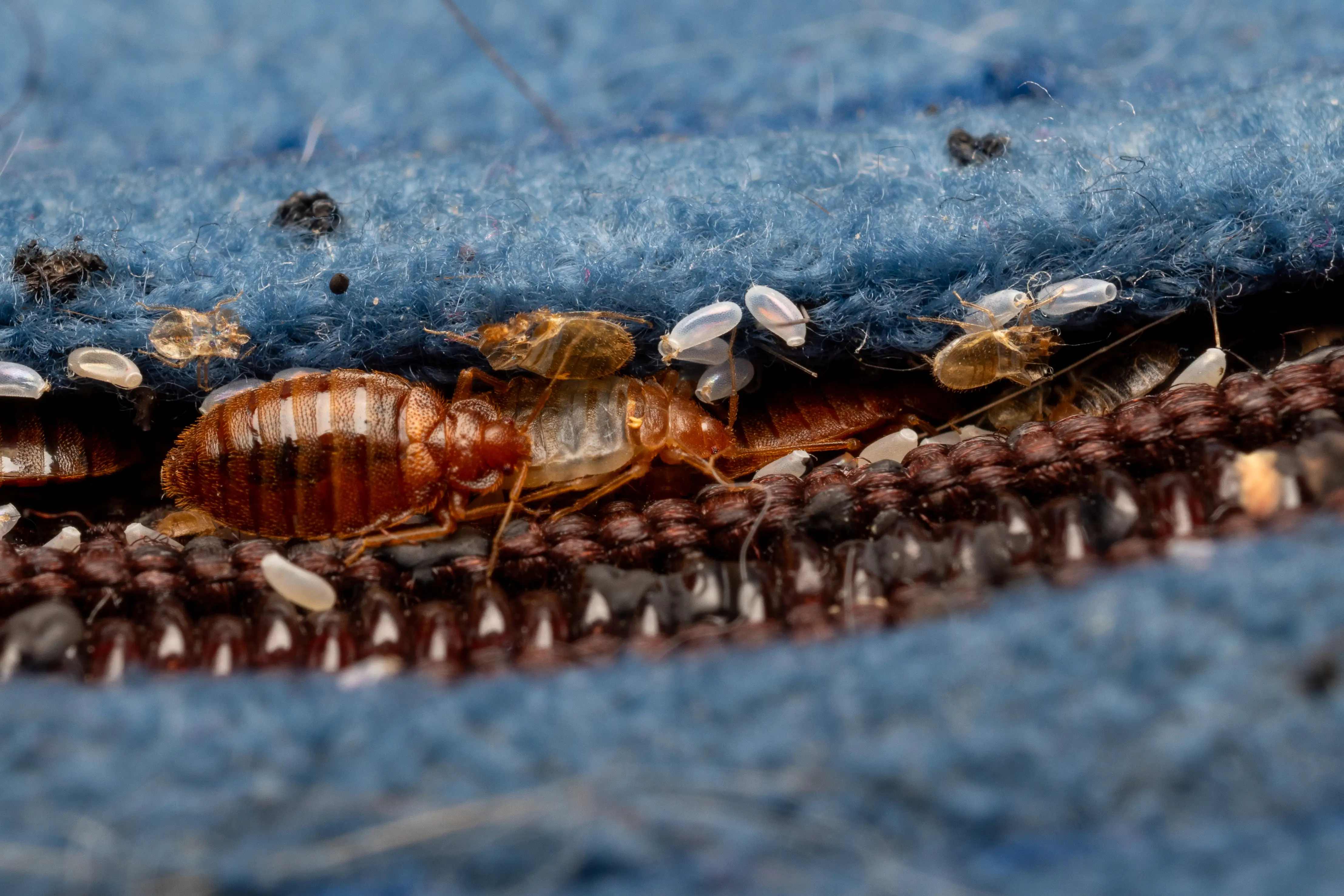
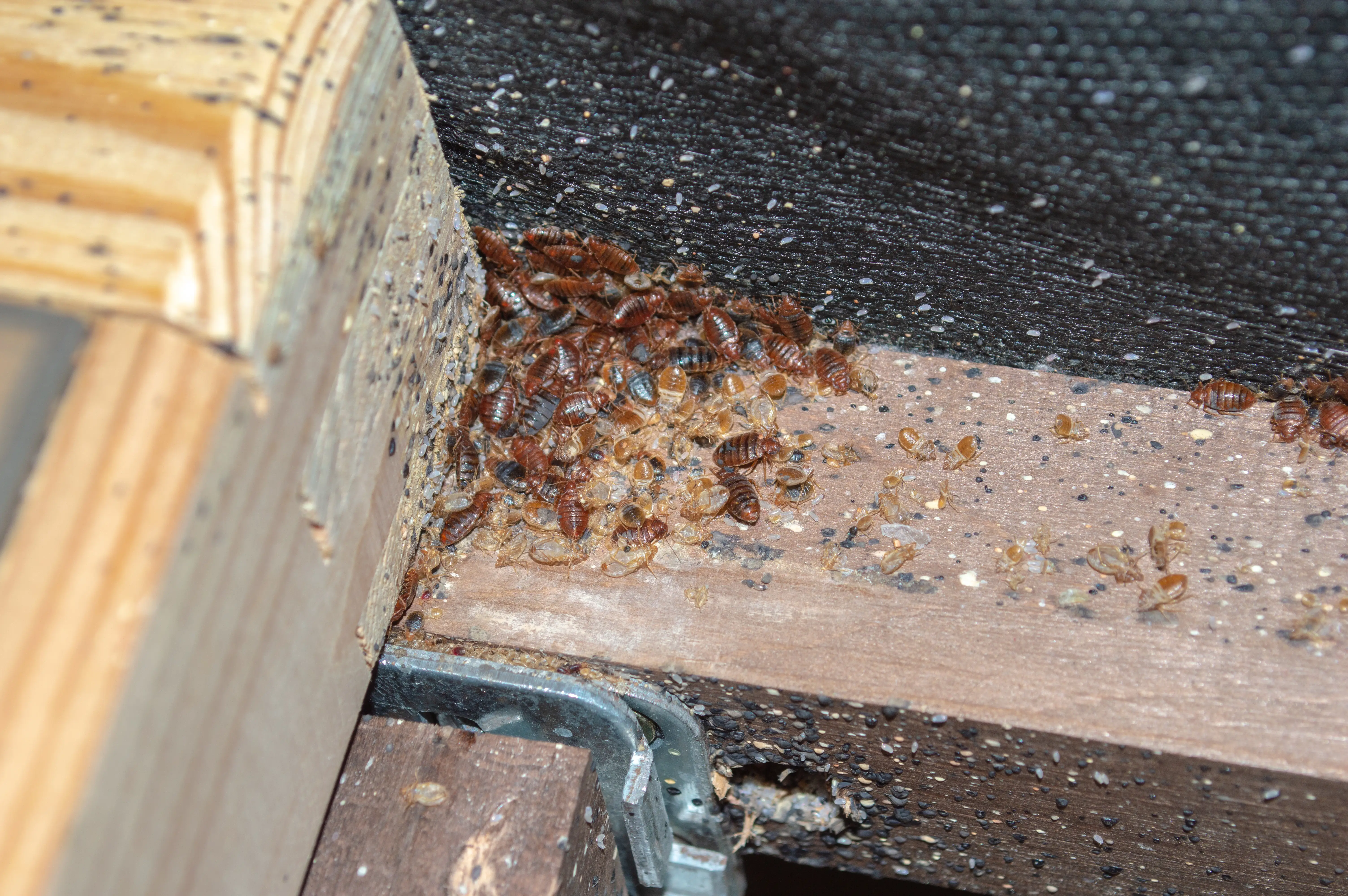
Bed bugs primarily move by crawling and settle close to where their human hosts sleep. They establish nests in mattresses, box springs, and bed frames. They can navigate through wall outlets into wall voids and spread to other rooms or apartments.

Hitchhiking

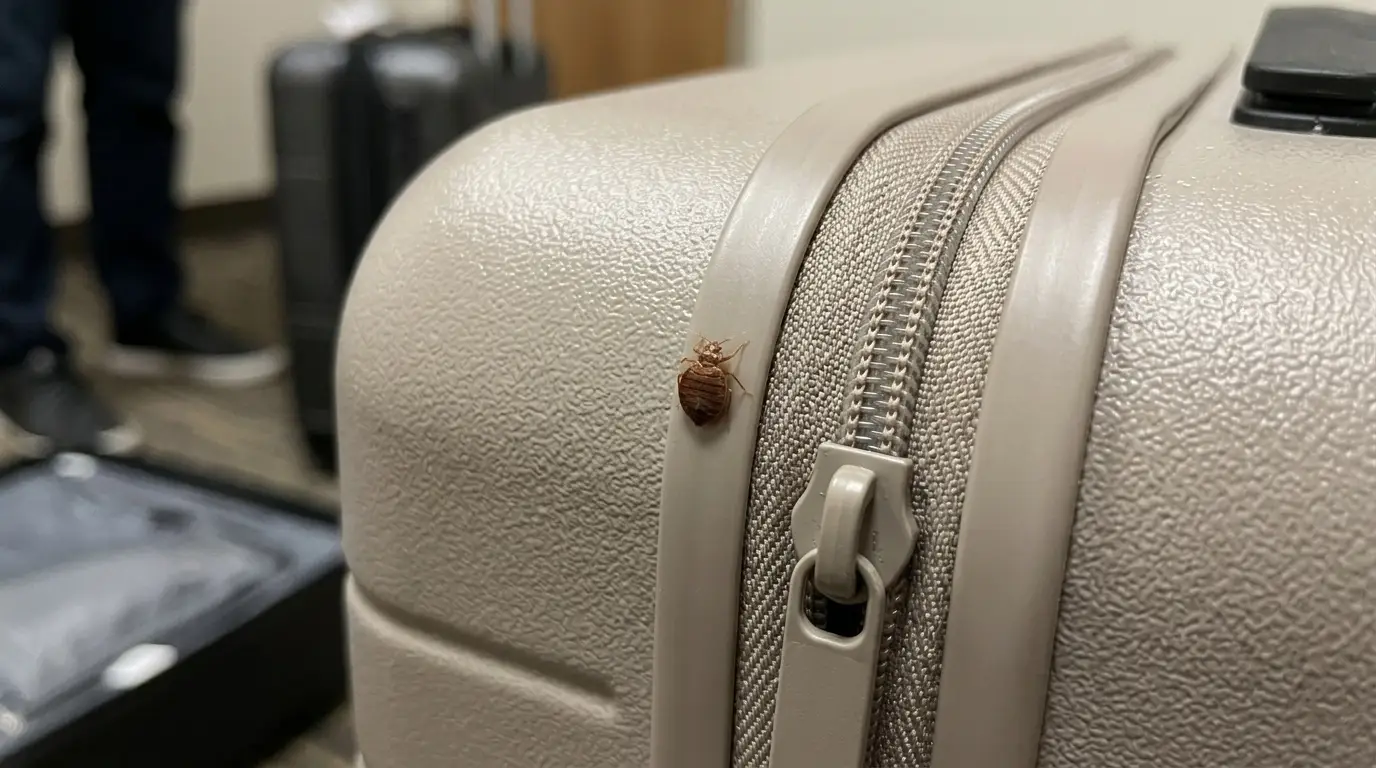
Their most efficient transportation is latching onto human belongings. Items such as luggage, purses, gym bags, clothing, furniture, and books can become vehicles for these pests. This is particularly prevalent during travel.

Climbing Walls

Bed bugs can climb walls, especially if the surface offers texture or an uneven coat of paint. Homeowners have observed bed bugs climbing walls as an alternative route when traps are placed at bed legs.

How Fast Do They Move?

Bed bugs move at approximately 3-4 feet per minute, roughly equivalent to an adult human sprinting. This speed lets them locate hosts, feed, and retreat quickly.

How Do They Find Hosts?

Bed bugs detect carbon dioxide (CO2) emissions. When humans sleep, CO2 levels increase, signaling bed bugs to become active and move toward the source.

How to Take Advantage of Bed Bugs' Inability to Fly or Jump

Since bed bugs' movement is limited to crawling, they can be caught using traps and interceptors at the feet of bed frames.

Interceptors

Designed to exploit the fact that bed bugs cannot climb smooth surfaces. Once trapped in the basin, they cannot escape. Effective for low-level infestations and monitoring treatment progress.

Consistent Sleeping Location

By continuing to sleep in the same location, you act as "bait" to draw bed bugs to a specific area. This prevents them from spreading and makes treatments more effective.

Important Note

While using interceptors, be aware that bed bugs may climb walls as an alternative route. If an infestation is escalating, consult a pest control professional. Using interceptors in conjunction with professional treatments significantly enhances elimination success.

How to Prevent Bed Bugs

1

Inspect After Travel

Unpack luggage in an isolated area like a garage, inspecting each item for potential bed bugs.

2

Wash in Hot Water

All clothing and bedding should be washed in hot water, which effectively kills both adult bed bugs and their eggs.

3

Reduce Clutter

Maintain a clutter-free environment. Bed bugs are attracted to cluttered spaces that offer hiding spots.

4

Inspect Second-Hand Items

Be cautious and thoroughly inspect used furniture or other second-hand items before bringing them home.

Contact EcoGuard Pest Management

If you have encountered the distressing ordeal of bed bugs, remember that you are not alone and professional help is just a call away. EcoGuard Pest Management possesses the expertise and tools to address and eradicate these unwelcome invaders and ensure your home returns to its comfortable, bug-free state. Do not let bed bugs disrupt your peace of mind. Reach out today and let our team provide the effective, eco-friendly solutions you deserve.

Call (866) 326-2847Get Free Quote

Bed Bug FAQs

What looks like a bed bug but can fly?

Drugstore beetles are most commonly mistaken for bed bugs because they bear a resemblance to these blood sucking parasites. Unlike bed bugs, drugstore beetles can fly so seeing these winged insects airborne is a good indicator they are not bed bugs.

What kills a bed bug instantly?

Bed bugs can be instantly killed using direct heat treatments. Methods include steam cleaning or placing infested items in a clothes dryer on high heat. The bed bugs' thermal threshold is 119 degrees Fahrenheit for adults and 125 degrees Fahrenheit for the eggs. These temperatures need to be maintained for 90 minutes to ensure that an entire area has been exposed to these temperatures.

Can bed bugs live in your hair?

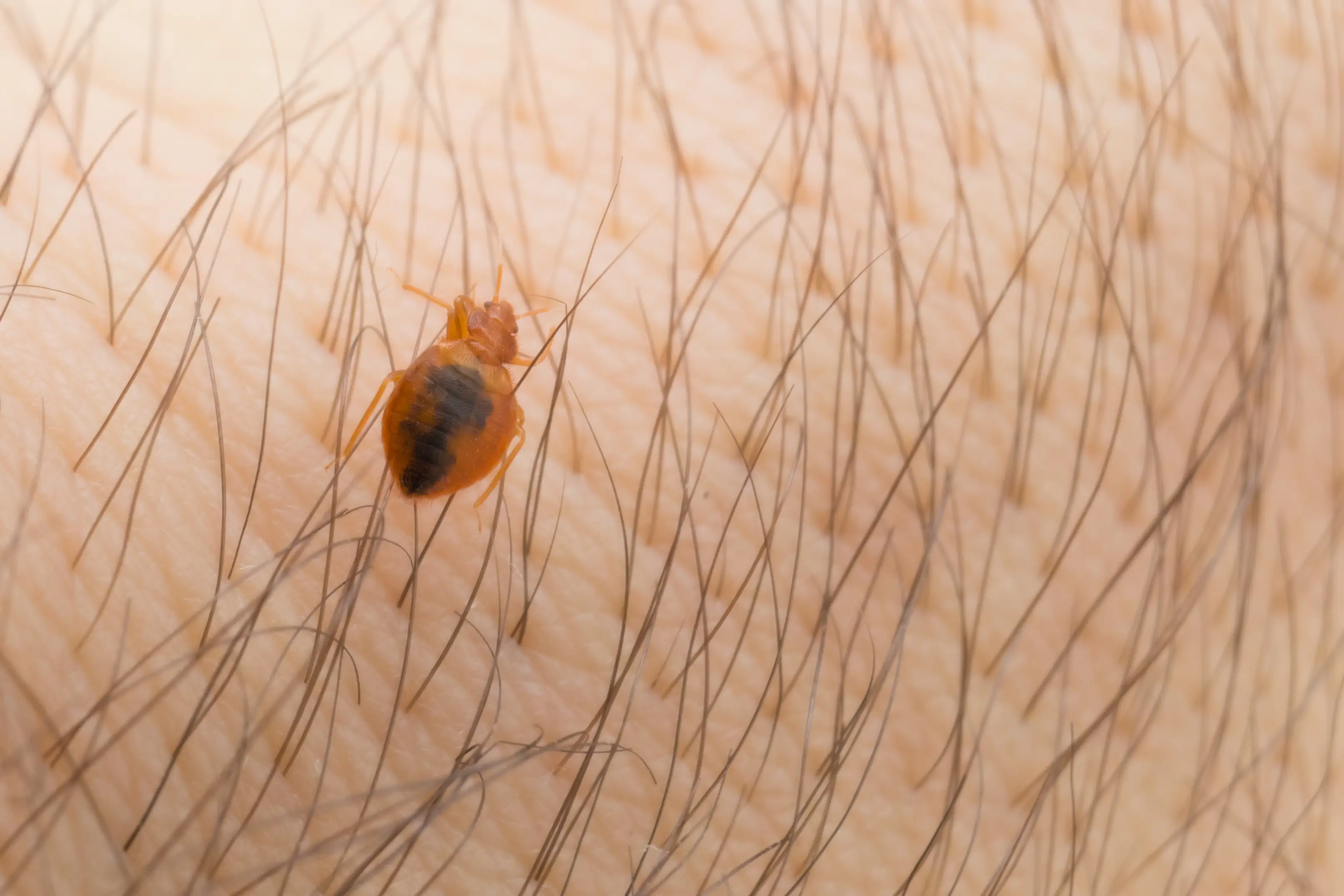
Bed bugs typically do not live in human hair. They prefer residing close to their human hosts in places where they will have access to them to feed on when they sleep. Places like mattresses, box springs, bed frames, and furniture are all common hiding spots for bed bugs.

What are key signs of bed bugs?

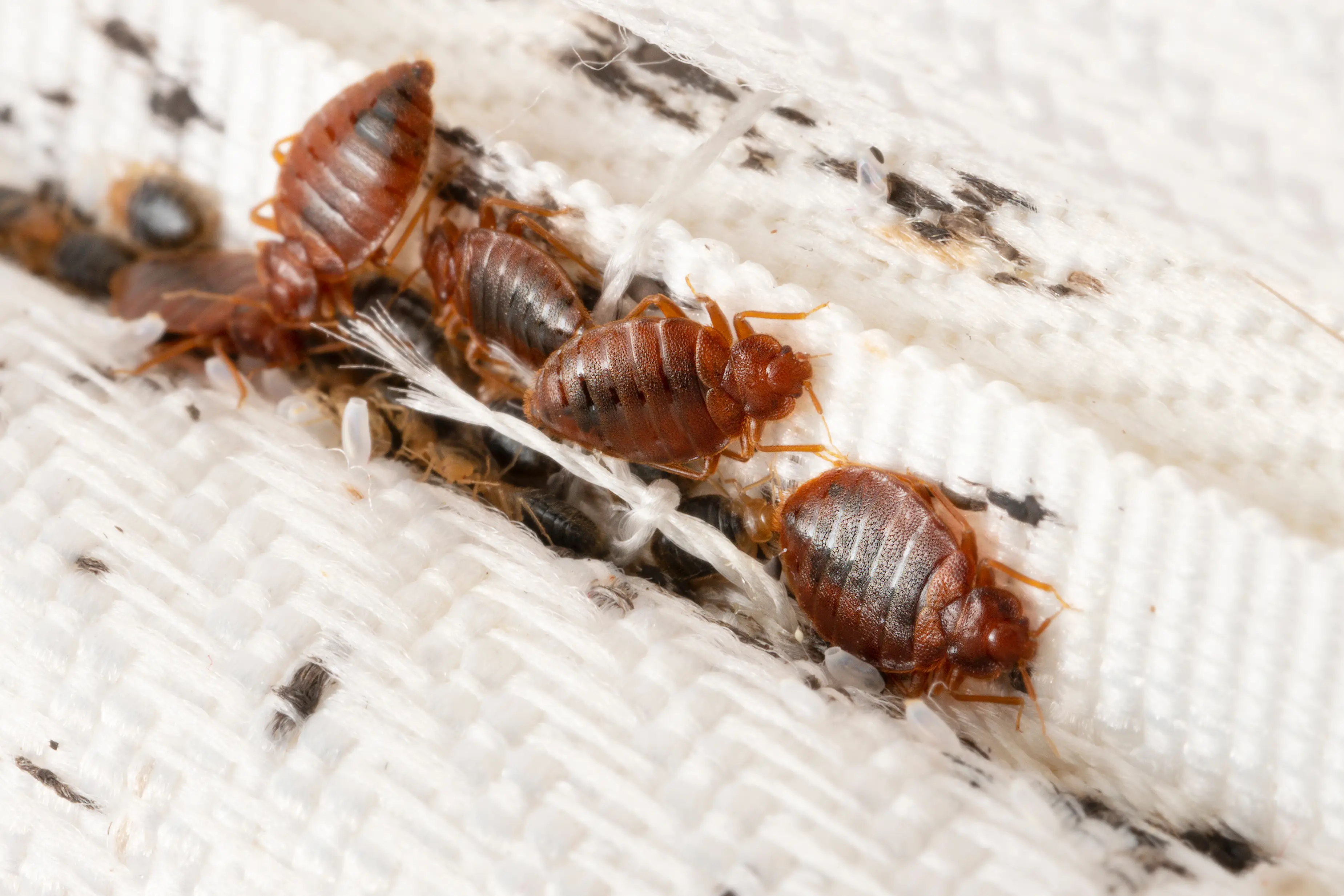
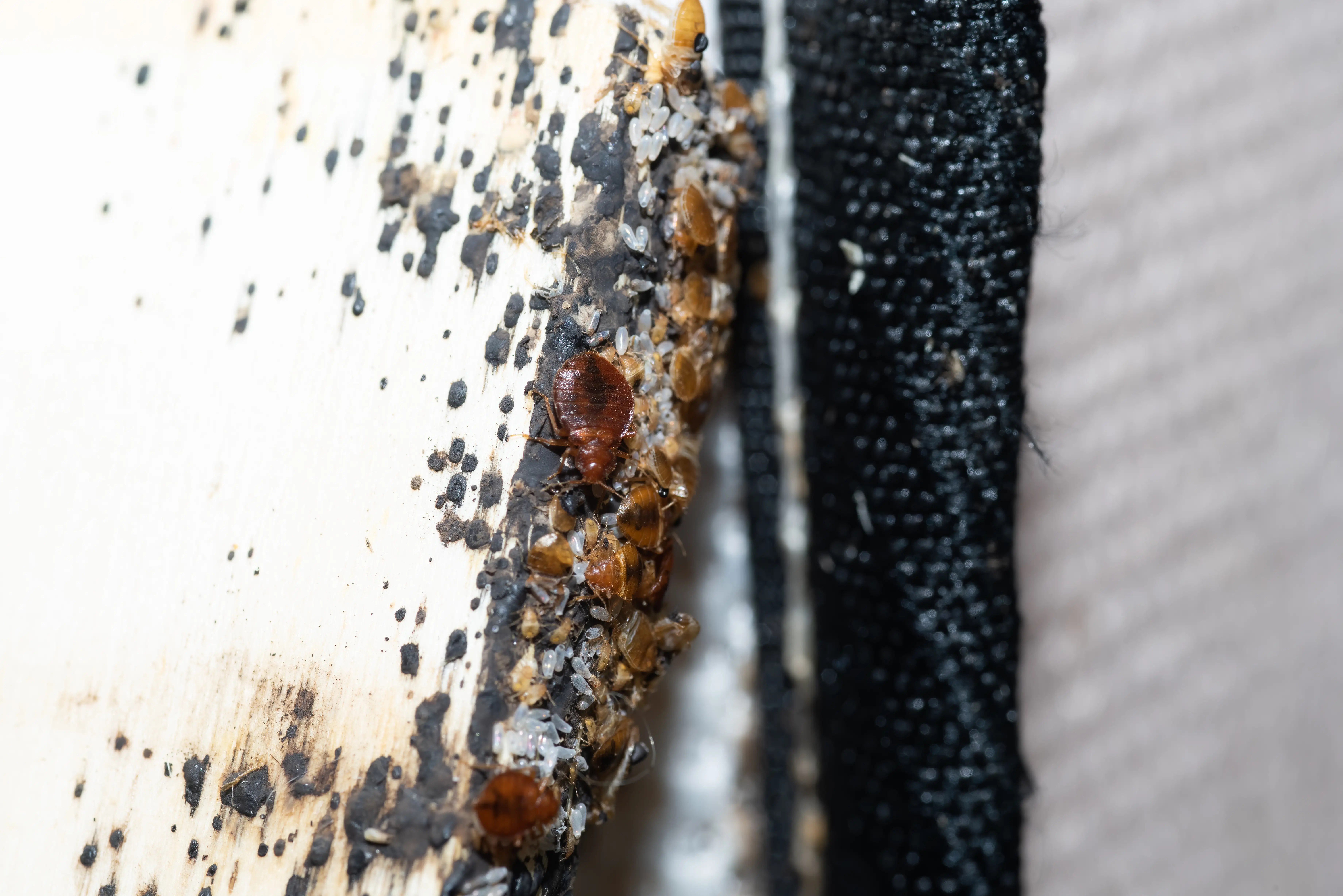
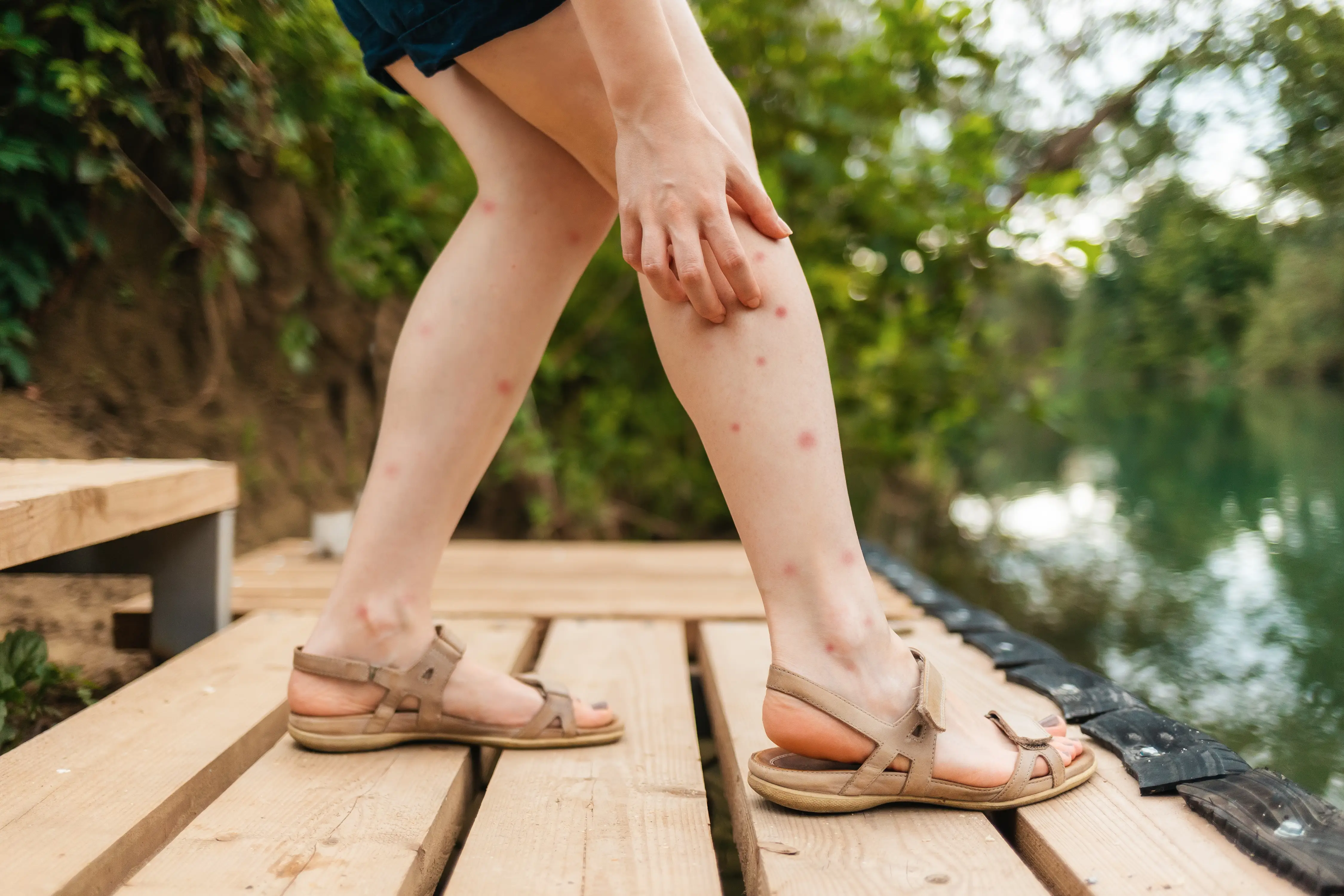
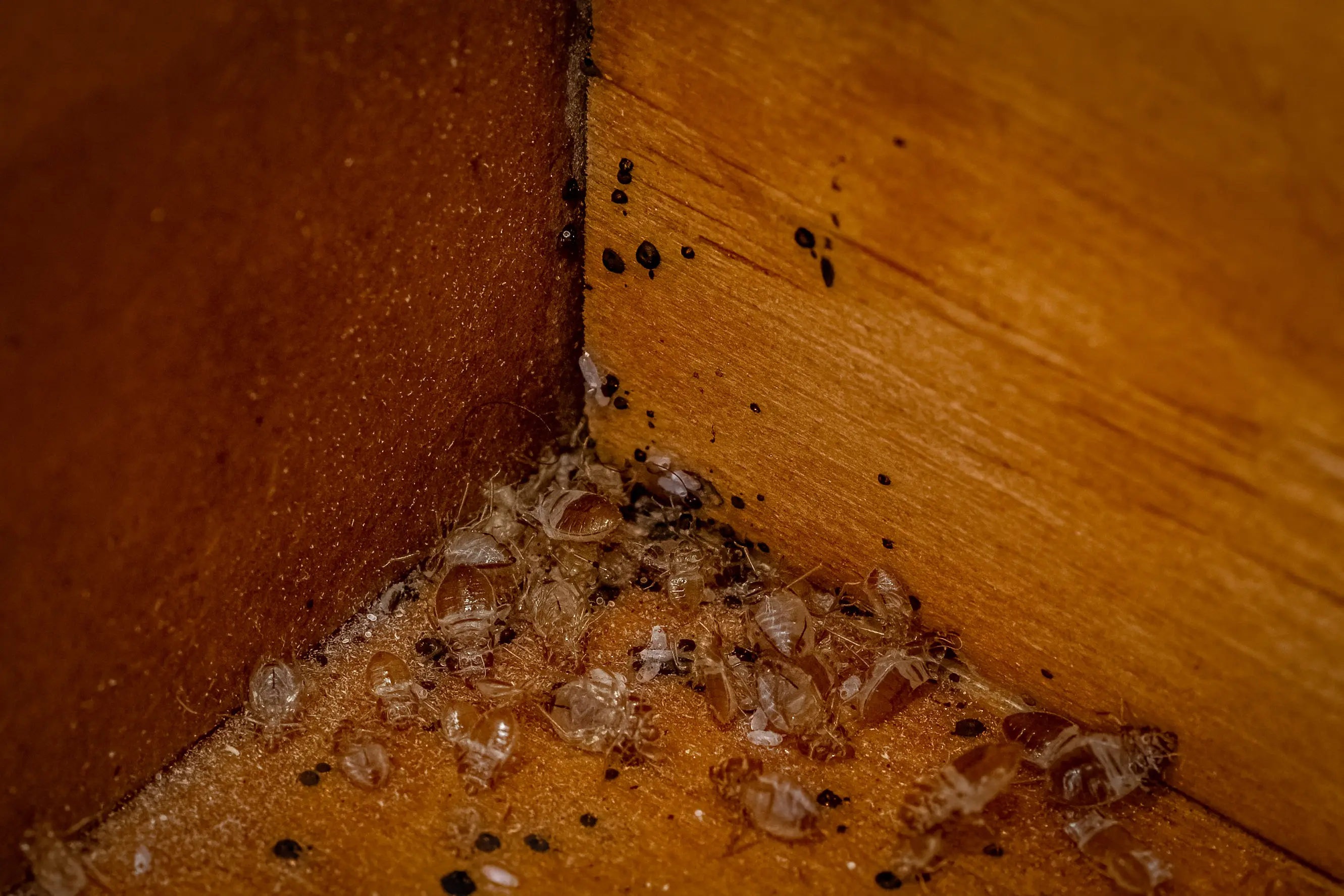
Indications of bed bug infestations include spotting small reddish-brown bugs, observing tiny black fecal marks on linens, finding shed skins, and experiencing itchy red bite marks on the skin.

From Our Blog

Related Articles

7 Stages of the Bed Bug Life Cycle | Complete Guide

7 Stages of the Bed Bug Life Cycle | Complete Guide

Learn the 7 stages of bed bug life cycle from egg to adult. Understand bed bug lifespan, reproduction, and why they are...

Read Article
Are Bed Bugs Dangerous to Humans? Health Risks

Are Bed Bugs Dangerous to Humans? Health Risks

Learn about bed bug health risks including bites, allergic reactions, mental health impacts, and how to identify and...

Read Article
Bed Bug Bites vs Mosquito Bites: How to Tell the Difference

Bed Bug Bites vs Mosquito Bites: How to Tell the Difference

Learn how to identify bed bug bites vs mosquito bites. Compare appearance, patterns, symptoms, healing time, and get...

Read Article
Bed Bug Heat Treatment: Is It Effective? Complete Guide

Bed Bug Heat Treatment: Is It Effective? Complete Guide

Learn how bed bug heat treatment works, pros and cons, costs, preparation steps, and what to expect. Discover why heat...

Read Article
Bed Bugs vs Fleas vs Ticks: Key Differences & How to Identify

Bed Bugs vs Fleas vs Ticks: Key Differences & How to Identify

Learn the differences between bed bugs, fleas, and ticks. Compare size, appearance, bites, health risks, habitat, and...

Read Article
How Common Are Bed Bugs? Statistics & Prevention Guide

How Common Are Bed Bugs? Statistics & Prevention Guide

Discover how common bed bugs are in the US with statistics by home type, city, and state. Learn prevention tips and...

Read Article
How Do Bed Bugs Spread? Prevention & Control Guide

How Do Bed Bugs Spread? Prevention & Control Guide

Learn how bed bugs spread from room to room, house to house, and person to person. Discover prevention tips and how to...

Read Article
How Fast Do Bed Bugs Spread and Multiply?

How Fast Do Bed Bugs Spread and Multiply?

Learn how quickly bed bugs spread from room to room and multiply. Understand reproduction rates, movement speed, and...

Read Article
How Long Can Bed Bugs Live Without a Host? Survival Guide

How Long Can Bed Bugs Live Without a Host? Survival Guide

Learn how long bed bugs can survive without feeding, what diapause is, factors affecting survival, and why starving...

Read Article
How Often Do Bed Bugs Feed? Feeding Habits Explained

How Often Do Bed Bugs Feed? Feeding Habits Explained

Learn how often bed bugs feed, their feeding behavior, and how long they can survive without blood. Understand bed bug...

Read Article
How to Check for Bed Bugs: Complete Inspection Guide

How to Check for Bed Bugs: Complete Inspection Guide

Learn how to inspect for bed bugs at home, in hotels, and on used furniture. Know what signs to look for and where bed...

Read Article
How to Get Rid of Bed Bugs: Complete Treatment Guide

How to Get Rid of Bed Bugs: Complete Treatment Guide

Learn how to identify, contain, and eliminate bed bugs with heat treatment, chemical options, and prevention tips....

Read Article
How to Prepare for Bed Bug Treatment: Complete Checklist

How to Prepare for Bed Bug Treatment: Complete Checklist

Step-by-step bed bug treatment preparation checklist. Learn what to do before, during, and after professional bed bug...

Read Article
Signs of Bed Bugs: How to Identify an Infestation

Signs of Bed Bugs: How to Identify an Infestation

Learn the signs of bed bugs including bites, stains, droppings, and where they hide. Understand bed bug behavior and...

Read Article
What Are Bed Bugs? Facts, Appearance & Prevention Guide

What Are Bed Bugs? Facts, Appearance & Prevention Guide

Learn what bed bugs are, how they look, where they hide, and how to prevent and eliminate infestations. Complete bed...

Read Article
What Attracts Bed Bugs? Myths vs Facts

What Attracts Bed Bugs? Myths vs Facts

Learn what truly attracts bed bugs to your home. Discover the science behind bed bug attraction including warmth, CO2,...

Read Article
What Do Bed Bug Eggs Look Like? Identification Guide

What Do Bed Bug Eggs Look Like? Identification Guide

Learn how to identify bed bug eggs, where they are laid, how many a female produces, and effective methods to eliminate...

Read Article
What Does Bed Bug Poop Look Like? Identification & Cleanup Guide

What Does Bed Bug Poop Look Like? Identification & Cleanup Guide

Learn to identify bed bug droppings by color, size, and location. Understand why cleaning bed bug feces is critical and...

Read Article
Where Do Bed Bugs Come From?

Where Do Bed Bugs Come From?

Learn where bed bugs come from, the 7 most common places you pick them up, why they spread, and how to prevent bringing...

Read Article
Where Do Bed Bugs Hide? Common Hiding Spots

Where Do Bed Bugs Hide? Common Hiding Spots

Learn where bed bugs hide in your home, mattresses, furniture, and public places. Discover how to check for bed bugs...

Read Article