EcoGuard Pest Management
Professional preparing home for bed bug treatment
By Gary Anderson||9 min read

How to Prepare for Bed Bug Treatment: Complete Checklist

Proper preparation is crucial for effective bed bug treatment. Follow this comprehensive guide for best results.

Preparing your home for bed bug treatment is a crucial step in combating these blood-sucking parasites. Whether you have decided to tackle the infestation on your own or are bringing in a pest management professional, the groundwork you lay before treatment begins is vital.

Effective preparation not only facilitates a smoother extermination process but can also significantly reduce the overall costs and time involved. This initial effort requires a meticulous approach ensuring every nook and cranny is exposed so bed bugs have no place to hide.

Preparation Timeline

Complete all preparatory tasks within a few days prior to treatment. Most households dedicate 1 to 3 days to prepare adequately. Starting too early gives bed bugs a chance to re-establish; starting too late compromises treatment effectiveness.
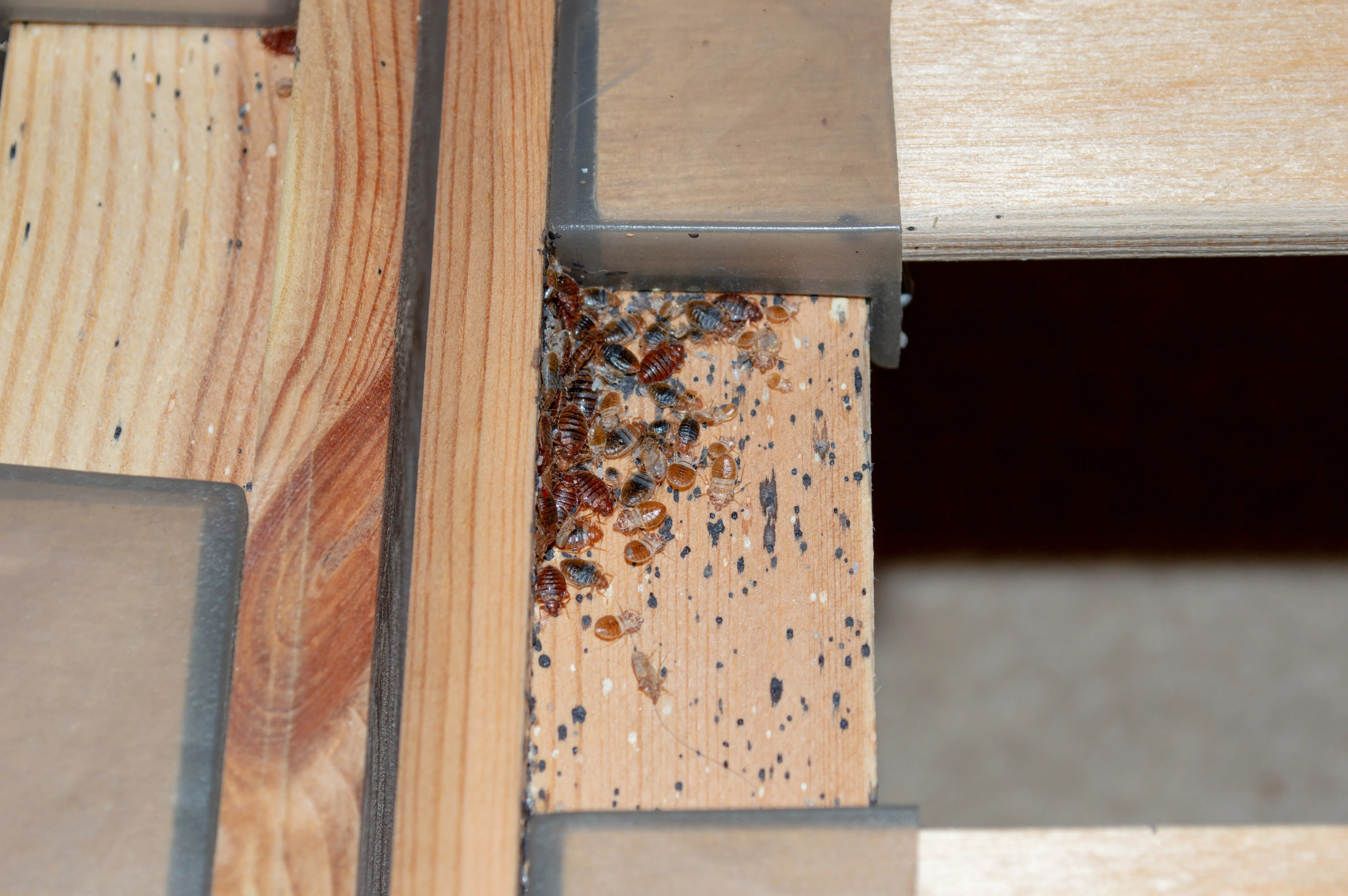
Types of Bed Bug Treatments

There are two main categories of bed bug treatment. Both require careful preparation and professional execution to ensure safety and effectiveness.

Chemical Pesticide Treatments

A multi-faceted approach using three types of chemicals:

  • Contact insecticide: Immediate results, kills on contact
  • Residual chemical: Continues acting over time
  • Dust formulation: Settles into cracks and crevices

Note: Often requires multiple visits to ensure no areas are missed and treatment remains effective.

Heat Treatments

Leverages bed bug vulnerability to high temperatures:

  • Eliminates adults, nymphs, and eggs within minutes
  • Requires carefully controlled environment
  • Heat must penetrate all hiding spots
  • Remove heat-sensitive items beforehand

Note: Failure to follow prep checklist can diminish effectiveness and void warranties.

What You Need to Prepare for Treatment

Having the right tools and materials on hand before pest control professionals arrive makes a substantial difference in treatment success.

Strong Trash Bags

For disposing infested items and transporting items to launder

Washer/Dryer (130°F+)

High temperatures are lethal to bed bugs at all life stages

Vacuum Cleaner

Removes bed bugs and eggs from mattresses, furniture, carpets

Steam Cleaner

Chemical-free way to kill bed bugs on contact with high-temp steam

Mattress Encasements

Prevent bed bugs from entering or escaping mattresses

Bed Bug Interceptors

Placed under bed legs to trap bugs and monitor activity

9-Step Bed Bug Treatment Preparation Checklist

1

Identify Problematic Areas

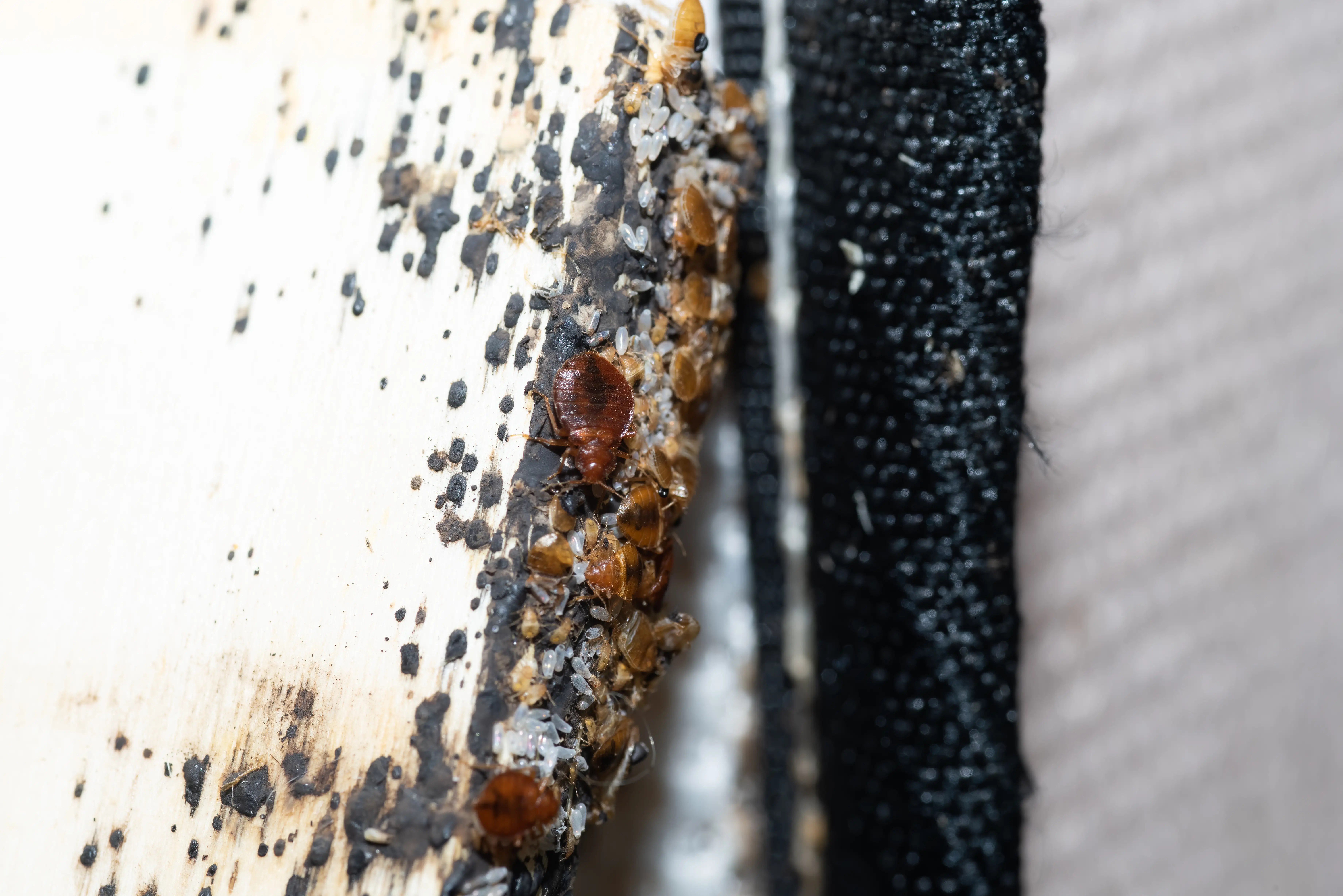
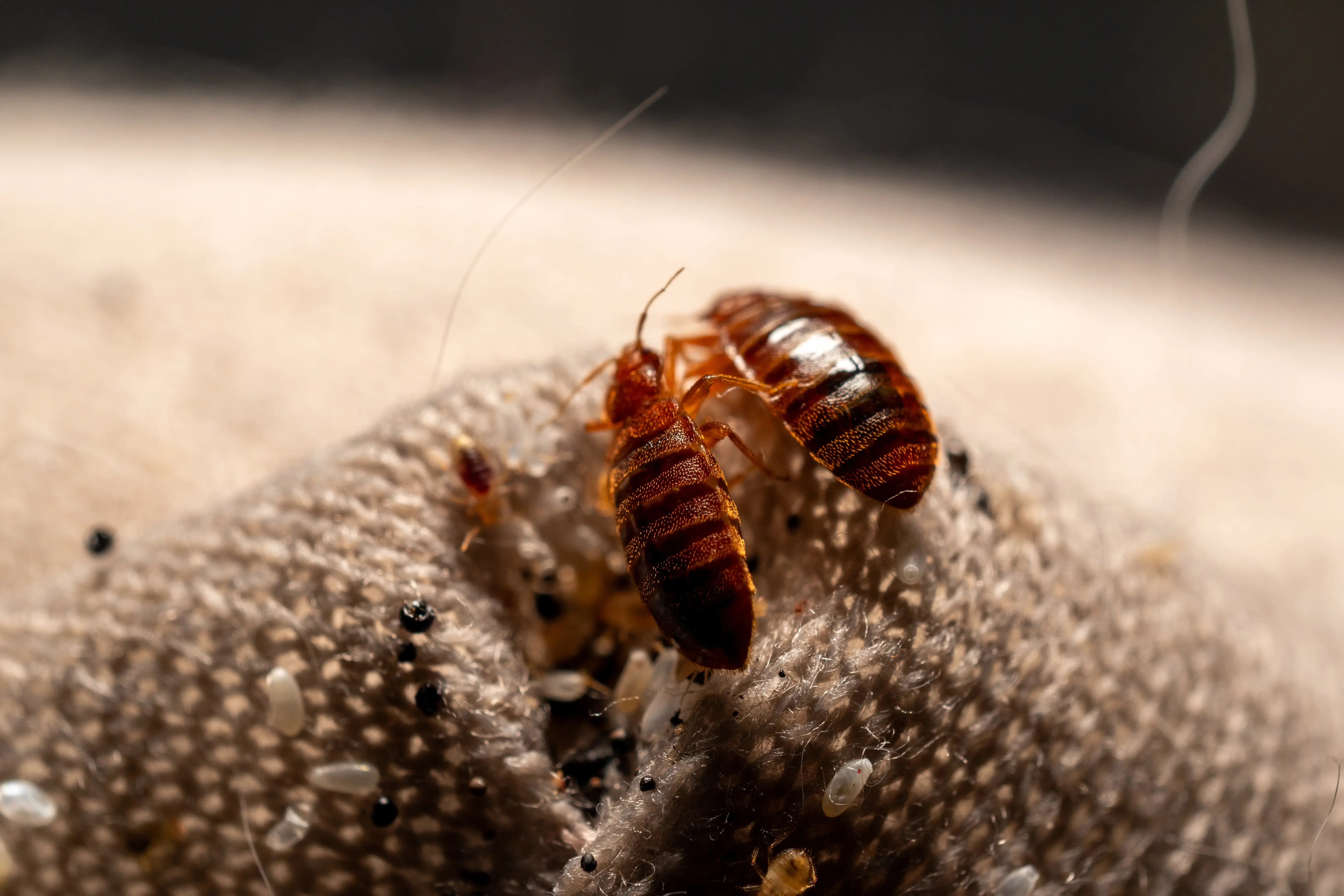
Conduct a detailed physical inspection for signs of bed bugs, eggs, and shed skins around beds, furniture, and other potential hideouts. Identifying infested areas early helps tailor an effective strategy and prevents spread to other areas.

2

Prevent the Spread

Quarantine known infested areas. Start preparation in non-infested rooms, finish with infested rooms. Seal trash and belongings from infested spaces in plastic bags immediately and take directly to outdoor bins.

Warning: Do not relocate items to another home or workplace unless you are confident they are not infested.

3

Eliminate Clutter

Discard old magazines, newspapers, and especially cardboard boxes. Opt for clear plastic storage boxes with smooth surfaces that make it hard for bed bugs to hide and allow you to see activity. Get rid of unused clothing and belongings.

4

Vacuum Thoroughly

Vacuum all floors, carpets, rugs, baseboards, bed frames, sofas, and any furniture or crevices where bed bugs could hide. Immediately seal the vacuum bag in a plastic bag and dispose in an outdoor trash bin to prevent captured bugs from escaping.

5

Laundry (Critical Step)

Place all sheets, blankets, pillowcases, clothing, small rugs, stuffed animals, and curtains in bags marked "To Wash."

Proper order: DRY on high heat for 30+ minutes FIRST, then wash on high heat, then dry on high heat again. Drying first ensures proper temperature is reached long enough to kill bed bugs.

Store cleaned items in new, sealed plastic bags until treatment is complete.

6

Furniture Preparation

Move all furniture at least 24 inches (60 cm) away from walls for clear access to the perimeter. Empty all drawers and closets, store contents in plastic tubs or bags, and place containers in the center of the room. Do not stack items on furniture.

7

Remove Wall Hangings

Take down posters, picture frames, clocks, and any decorative items or wall-mounted fixtures. Bed bugs can hide between walls and hanging fixtures. This provides unobstructed access to treat walls and cracks.

8

Prepare Loose Items

Inspect books, electronics, and plastic toys. For chemical treatments, store children's toys in plastic bags or bins (if confirmed bed bug-free). For heat treatments, the pest control service may advise leaving items in place to ensure adequate heat exposure.

9

Seal Entry Points

Caulk cracks and crevices around baseboards, repair wallboard damage, patch holes, and secure loose wallpaper. This deprives bed bugs of common hiding spots and entry routes for future prevention.

Need Help with Preparation?

Our team guides you through every step and provides comprehensive treatment solutions.

Call (866) 326-2847

Room-by-Room Preparation Guide

Each room requires specific attention based on its use, furniture, and potential bed bug hideouts.

Bedroom (Primary Focus)

The bedroom is the primary infestation site due to proximity to sleeping humans. Follow these steps:

  • Move bed at least 2 feet away from walls
  • Place bed-bug-proof covers on mattress and box spring (zippers must close completely)
  • Tuck all bedding under mattress so it does not touch the floor
  • Install bed bug interceptors under each bed leg (inspect daily, use for at least 1 year)
  • Remove everything stored under the bed, keep in same room for inspection
  • Vacuum mattress and box spring thoroughly, dispose bag in sealed outdoor container
  • Steam clean mattress to reach tight spaces the vacuum missed

Living Room

High-traffic furniture and numerous hiding spots require thorough inspection and cleaning:

  • Steam clean all wooden and upholstered furniture (focus on screw holes, joints, creases)
  • Check and clean baseboards for visible bed bugs or eggs
  • Transport items needing heat treatment in sealed plastic bags
  • Vacuum couches, chairs, recliners (pull back dust covers to vacuum inside)
  • Pull furniture at least 2 feet from walls and baseboards
  • Empty and inspect all storage areas, keep electronics off floor and unplugged

Kitchen

Less critical as kitchens are not typical bed bug habitats, but whole-house treatment requires preparation:

  • Store dishware, pots, pans in closed cupboards or sealed containers
  • Contain all food in fridge or sealed plastic containers
  • Clear counters and appliances (fridges, stoves, microwaves, toasters)
  • Sweep and steam clean kitchen floor
  • Remove items from cabinets and place in sealed bags

Bathrooms

Protect textiles and personal items from treatment effects:

  • Place towels, bathmats, washable rugs in bags marked "To Wash"
  • Remove items from medicine cabinets, under-sink storage, drawers, windowsills
  • Inspect and bag personal items (toothbrushes, cosmetics, medications)
  • Store bagged items in bathtub or safe area during treatment
  • Do not return clean items until after treatment is complete

What to Do with Pets and Plants

Pets

  • Take pets with you when vacating (minimum 12 hours after treatment)
  • All pets must be moved: birds, rabbits, hamsters, cats, dogs, fish
  • Large aquariums: Heat can raise water temperature dangerously; chemical treatments risk contamination
  • Empty, clean, and cover pet food dishes
  • Launder pet bedding thoroughly

Plants

  • For chemical treatments: Plants can remain but move away from windows and walls
  • For heat treatments: Plants must be removed from heated space
  • Inspect plants for bed bug activity before returning after treatment

What to Expect and Do After Treatment

When to Return

  • Minimum 4 hours for most people
  • Minimum 12 hours for vulnerable individuals (breathing problems, pregnant, babies under 18 months)
  • Only wear clothes that have been laundered and stored in sealed bags when leaving

Follow-Up Treatment

  • Second treatment typically occurs ~2 weeks after first
  • Addresses nymphs that hatched since initial treatment
  • Preparation checklist may need to be repeated

Post-Treatment Guidelines

Do Not Wash

Floors around walls or windows for 2 weeks to preserve treatment residue

Vacuum Daily

Sweep or vacuum floors every day for 1 week to remove dead bed bugs

Keep Mattress Cover

Leave encasement on for up to 1 year to trap remaining bed bugs

Reintroduce Carefully

Only return necessities from sealed bags until infestation is officially cleared

What If You Do Not Prepare?

Failing to adequately prepare can significantly hinder treatment effectiveness and potentially worsen the infestation:

  • Technicians cannot access infested areas effectively
  • Mishandling items can spread bed bugs to previously uninfested areas
  • Personal belongings may be damaged or destroyed accidentally
  • Treatment process is prolonged with increased complexity and cost
  • Complete eradication becomes more difficult to achieve

Contact EcoGuard if You Are Dealing with Bed Bugs

EcoGuard Pest Management is your dedicated partner in reclaiming your home. Our team of bed bug control experts is equipped with the knowledge, tools, and strategies to effectively address your concerns. We understand the stress and discomfort bed bugs can cause, and we are here to provide peace of mind with professional treatment.

Call (866) 326-2847Get Free Quote

Bed Bug Treatment Preparation FAQs

What to do before bed bug treatment?

Before bed bug treatment, thoroughly prepare your home to ensure the effectiveness of the extermination process. Start by decluttering your living space, laundering all possible bedding and clothing at high temperatures, and sealing them in bags. Additionally, move furniture away from walls, vacuum thoroughly, and encase mattresses and box springs to prevent bed bugs from escaping or entering these areas. Proper preparation significantly enhances the chances of successfully eliminating bed bugs.

How do you clean your house before bed bug treatment?

To clean your house before bed bug treatment, begin by decluttering to remove potential bed bug hiding spots and make treatment areas more accessible. Vacuum your entire home thoroughly, including floors, furniture, and any cracks or crevices, then seal and dispose of the vacuum bag outside. Wash and dry all bedding, curtains, and clothes at high temperatures, and store them in sealed bags to prevent re-infestation. This preparatory cleaning is vital for ensuring the treatment is as effective as possible.

From Our Blog

Related Articles

7 Stages of the Bed Bug Life Cycle | Complete Guide

7 Stages of the Bed Bug Life Cycle | Complete Guide

Learn the 7 stages of bed bug life cycle from egg to adult. Understand bed bug lifespan, reproduction, and why they are...

Read Article
Are Bed Bugs Dangerous to Humans? Health Risks

Are Bed Bugs Dangerous to Humans? Health Risks

Learn about bed bug health risks including bites, allergic reactions, mental health impacts, and how to identify and...

Read Article
Bed Bug Bites vs Mosquito Bites: How to Tell the Difference

Bed Bug Bites vs Mosquito Bites: How to Tell the Difference

Learn how to identify bed bug bites vs mosquito bites. Compare appearance, patterns, symptoms, healing time, and get...

Read Article
Bed Bug Heat Treatment: Is It Effective? Complete Guide

Bed Bug Heat Treatment: Is It Effective? Complete Guide

Learn how bed bug heat treatment works, pros and cons, costs, preparation steps, and what to expect. Discover why heat...

Read Article
Bed Bugs vs Fleas vs Ticks: Key Differences & How to Identify

Bed Bugs vs Fleas vs Ticks: Key Differences & How to Identify

Learn the differences between bed bugs, fleas, and ticks. Compare size, appearance, bites, health risks, habitat, and...

Read Article
Do Bed Bugs Fly or Jump? How They Move and Spread

Do Bed Bugs Fly or Jump? How They Move and Spread

Learn whether bed bugs can fly or jump, how they move and spread, their speed, and how to use their limitations to...

Read Article
How Common Are Bed Bugs? Statistics & Prevention Guide

How Common Are Bed Bugs? Statistics & Prevention Guide

Discover how common bed bugs are in the US with statistics by home type, city, and state. Learn prevention tips and...

Read Article
How Do Bed Bugs Spread? Prevention & Control Guide

How Do Bed Bugs Spread? Prevention & Control Guide

Learn how bed bugs spread from room to room, house to house, and person to person. Discover prevention tips and how to...

Read Article
How Fast Do Bed Bugs Spread and Multiply?

How Fast Do Bed Bugs Spread and Multiply?

Learn how quickly bed bugs spread from room to room and multiply. Understand reproduction rates, movement speed, and...

Read Article
How Long Can Bed Bugs Live Without a Host? Survival Guide

How Long Can Bed Bugs Live Without a Host? Survival Guide

Learn how long bed bugs can survive without feeding, what diapause is, factors affecting survival, and why starving...

Read Article
How Often Do Bed Bugs Feed? Feeding Habits Explained

How Often Do Bed Bugs Feed? Feeding Habits Explained

Learn how often bed bugs feed, their feeding behavior, and how long they can survive without blood. Understand bed bug...

Read Article
How to Check for Bed Bugs: Complete Inspection Guide

How to Check for Bed Bugs: Complete Inspection Guide

Learn how to inspect for bed bugs at home, in hotels, and on used furniture. Know what signs to look for and where bed...

Read Article
How to Get Rid of Bed Bugs: Complete Treatment Guide

How to Get Rid of Bed Bugs: Complete Treatment Guide

Learn how to identify, contain, and eliminate bed bugs with heat treatment, chemical options, and prevention tips....

Read Article
Signs of Bed Bugs: How to Identify an Infestation

Signs of Bed Bugs: How to Identify an Infestation

Learn the signs of bed bugs including bites, stains, droppings, and where they hide. Understand bed bug behavior and...

Read Article
What Are Bed Bugs? Facts, Appearance & Prevention Guide

What Are Bed Bugs? Facts, Appearance & Prevention Guide

Learn what bed bugs are, how they look, where they hide, and how to prevent and eliminate infestations. Complete bed...

Read Article
What Attracts Bed Bugs? Myths vs Facts

What Attracts Bed Bugs? Myths vs Facts

Learn what truly attracts bed bugs to your home. Discover the science behind bed bug attraction including warmth, CO2,...

Read Article
What Do Bed Bug Eggs Look Like? Identification Guide

What Do Bed Bug Eggs Look Like? Identification Guide

Learn how to identify bed bug eggs, where they are laid, how many a female produces, and effective methods to eliminate...

Read Article
What Does Bed Bug Poop Look Like? Identification & Cleanup Guide

What Does Bed Bug Poop Look Like? Identification & Cleanup Guide

Learn to identify bed bug droppings by color, size, and location. Understand why cleaning bed bug feces is critical and...

Read Article
Where Do Bed Bugs Come From?

Where Do Bed Bugs Come From?

Learn where bed bugs come from, the 7 most common places you pick them up, why they spread, and how to prevent bringing...

Read Article
Where Do Bed Bugs Hide? Common Hiding Spots

Where Do Bed Bugs Hide? Common Hiding Spots

Learn where bed bugs hide in your home, mattresses, furniture, and public places. Discover how to check for bed bugs...

Read Article