EcoGuard Pest Management
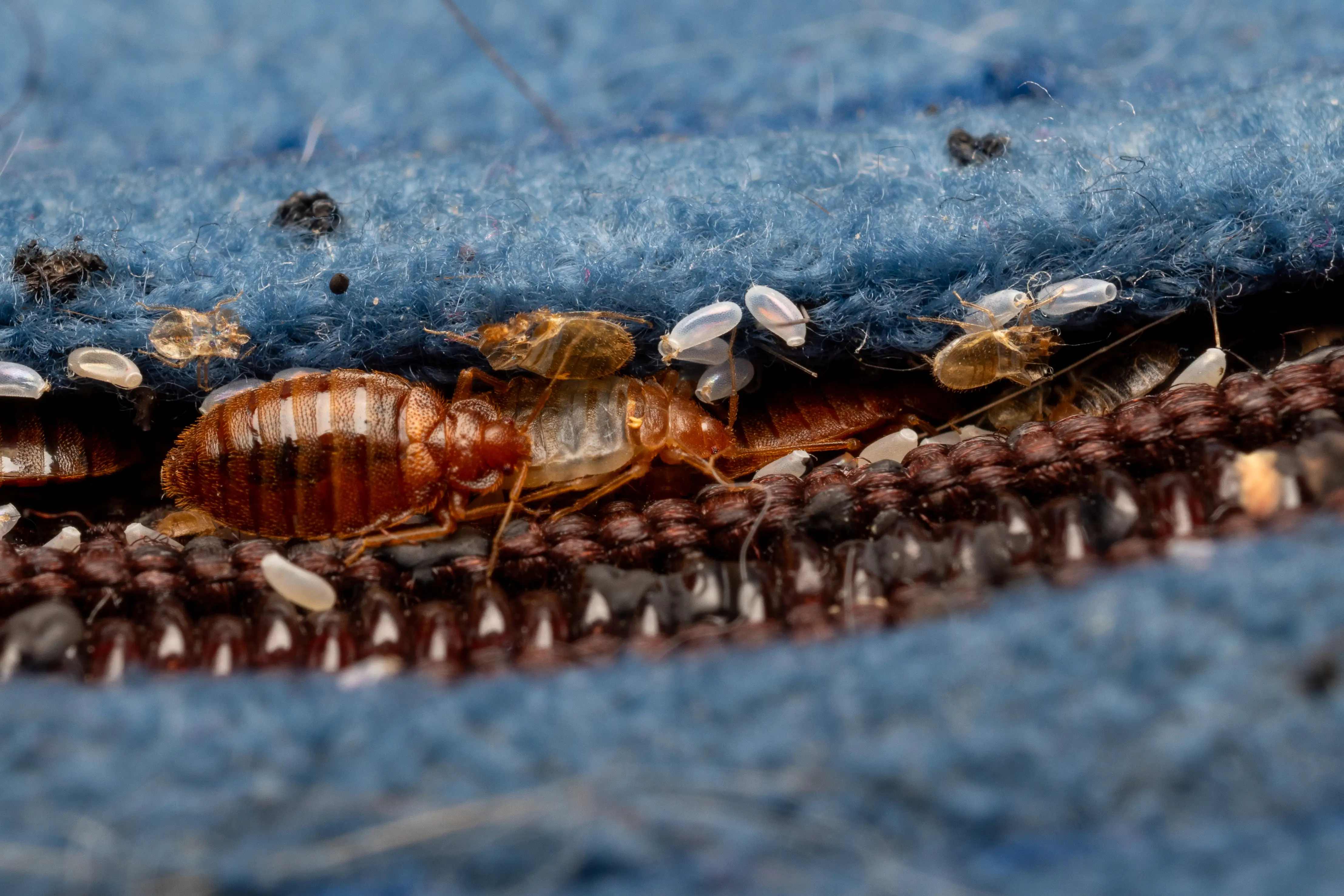
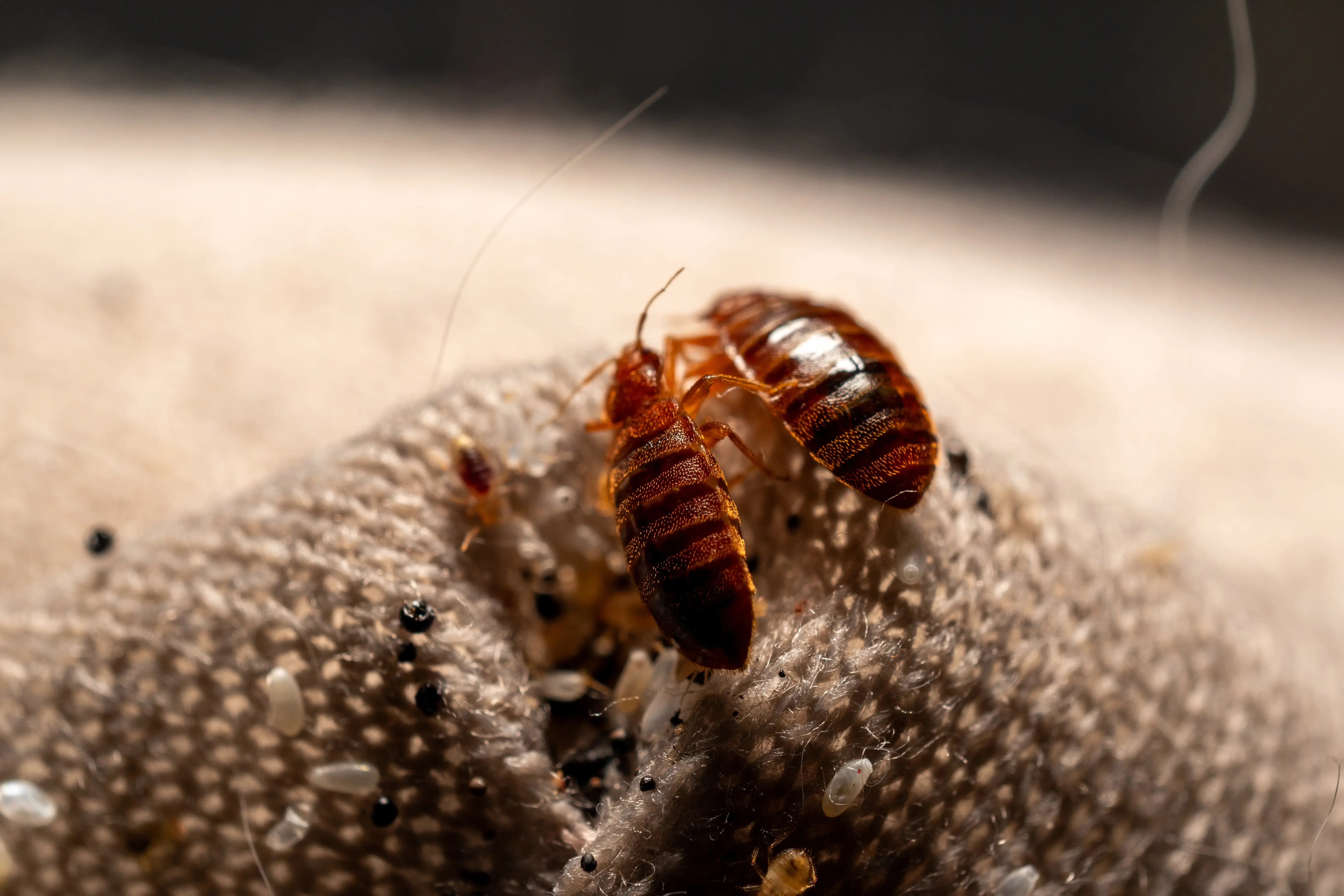
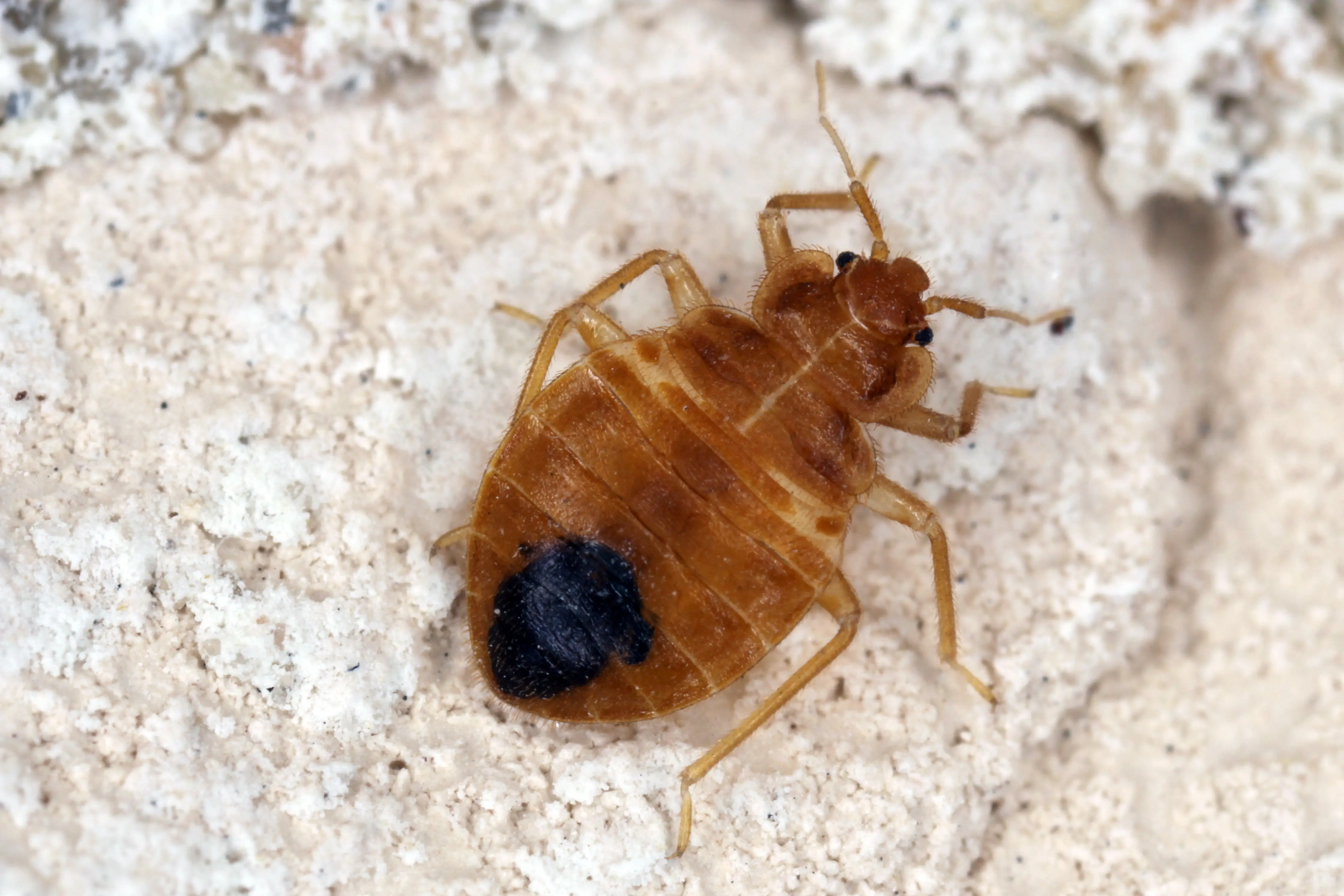
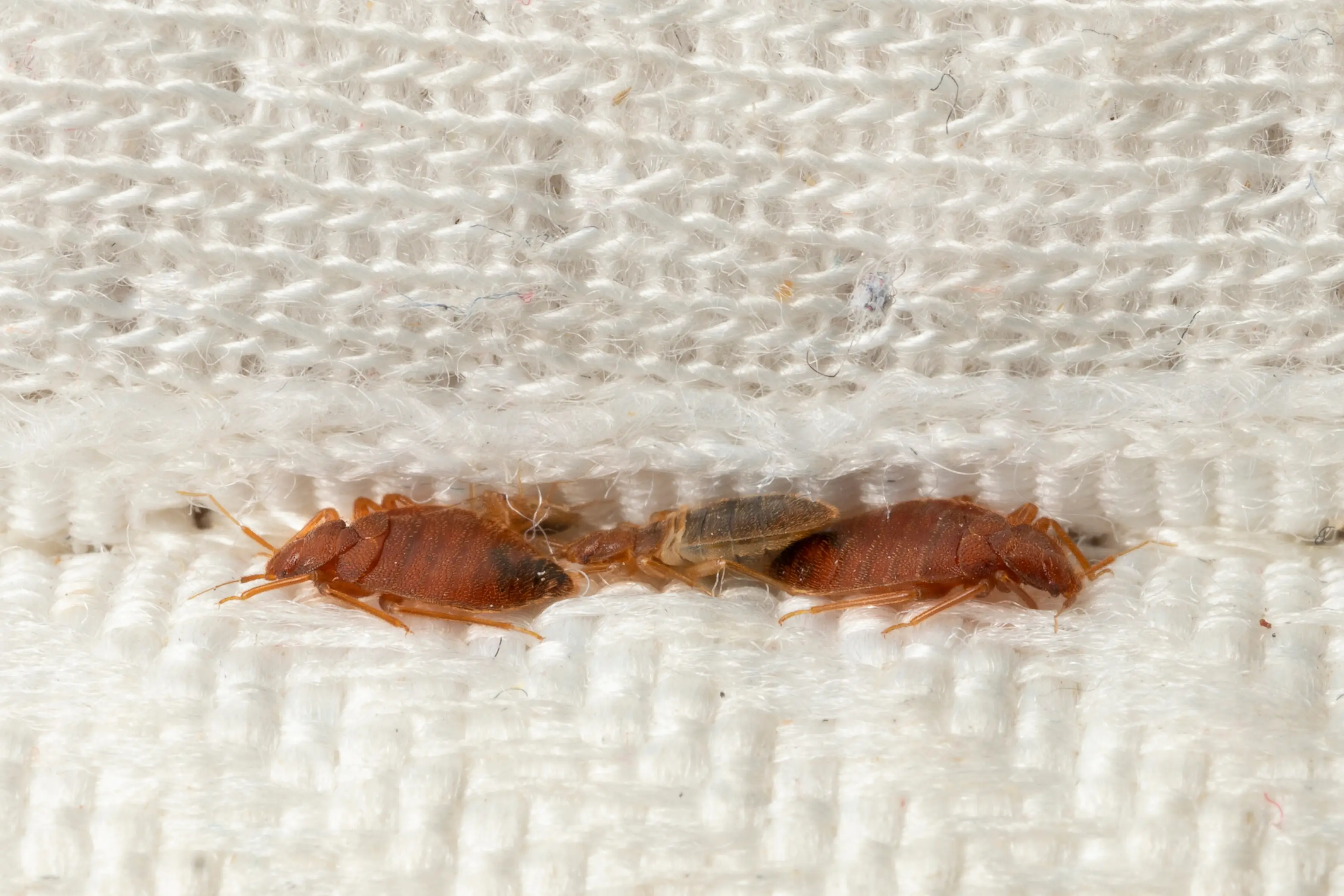
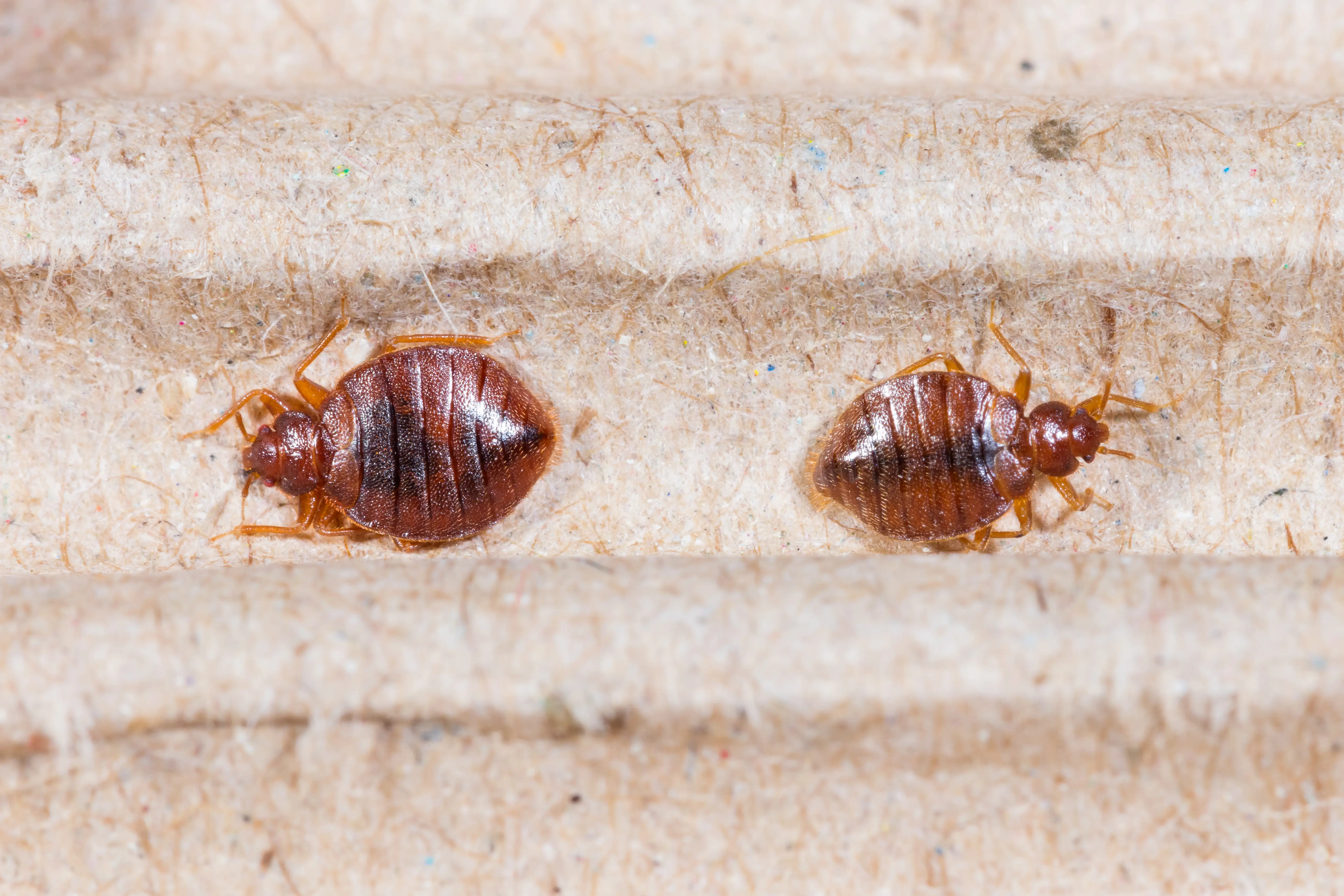
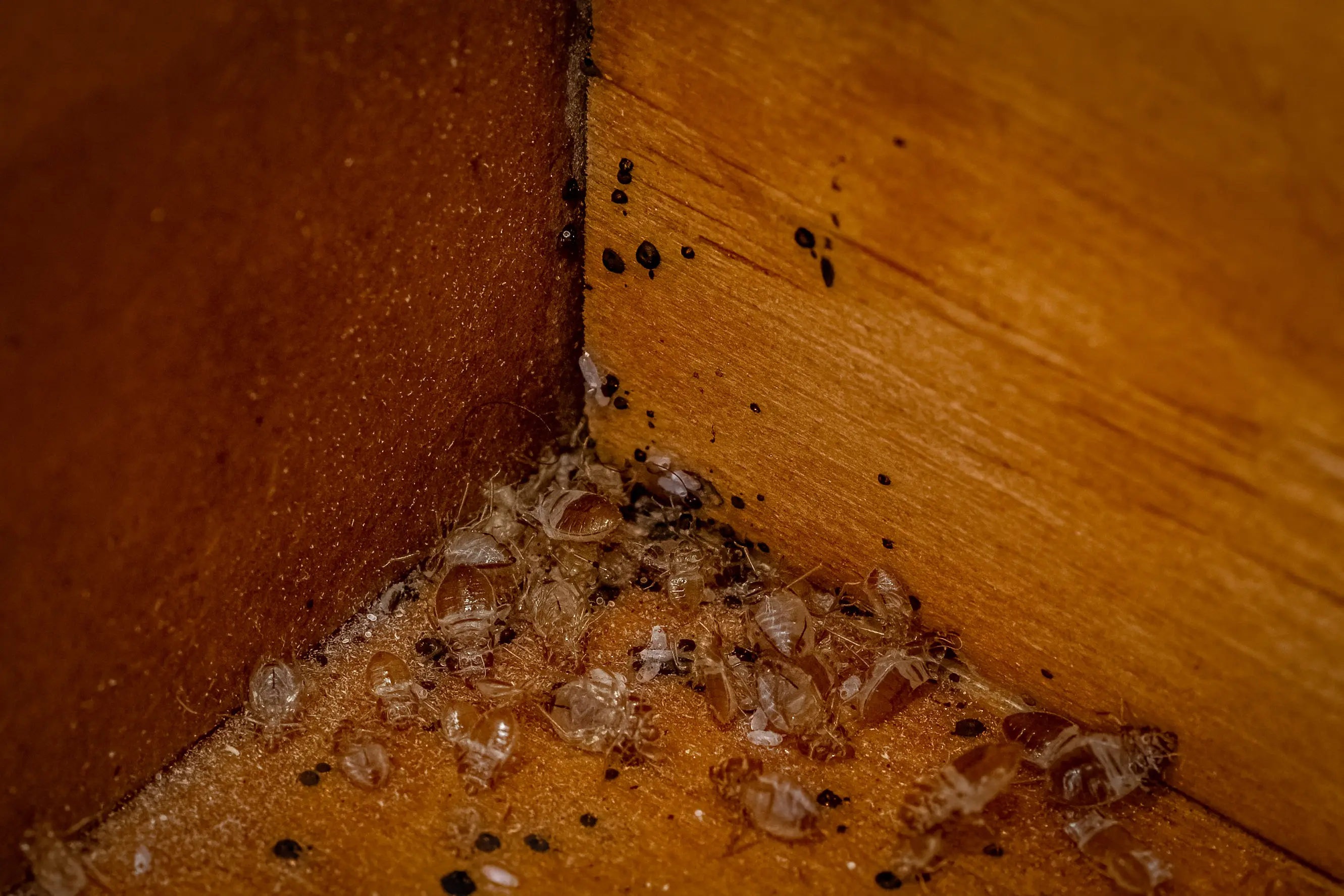
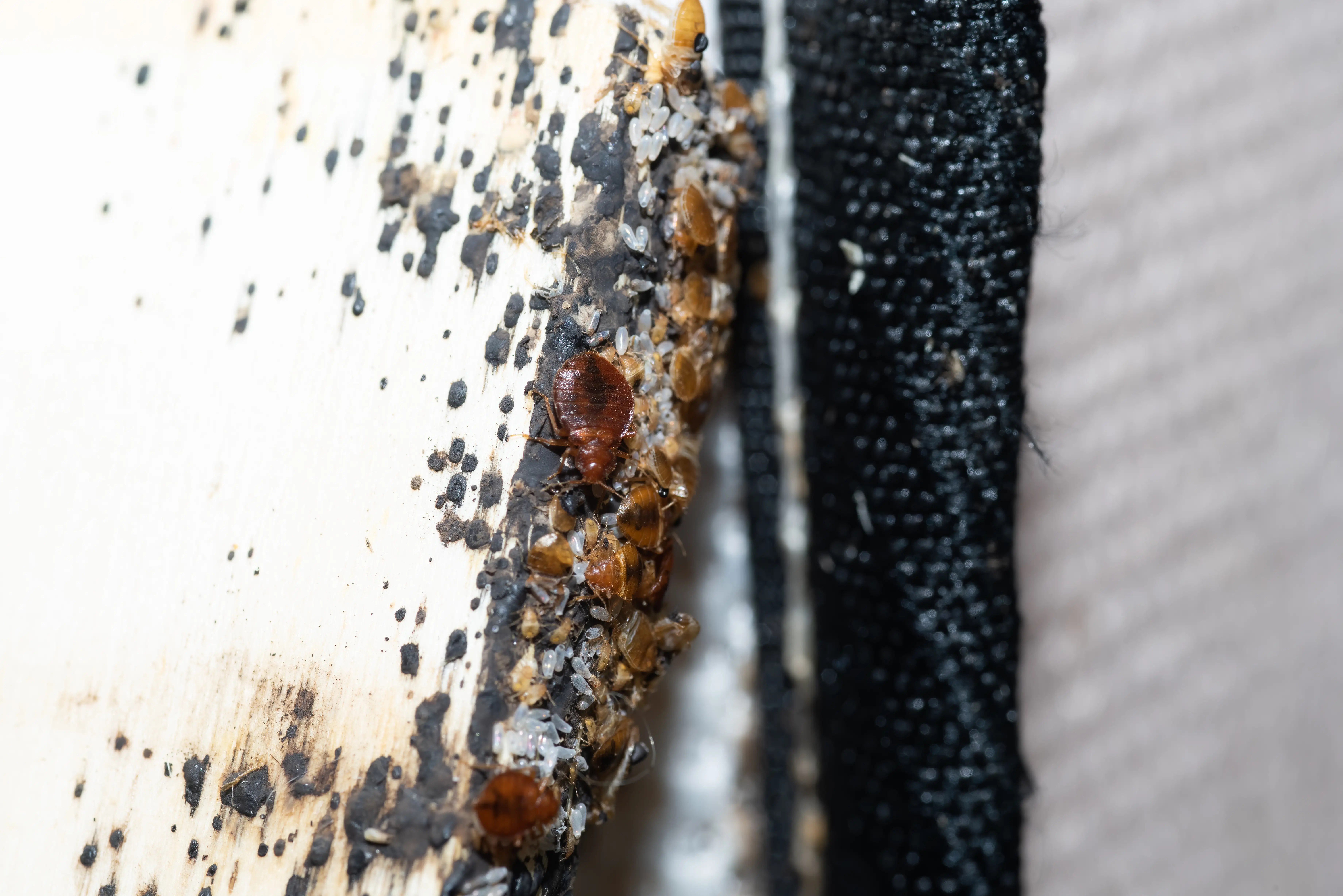
Close-up of bed bug eggs on fabric surface
By Gary Anderson||7 min read

What Do Bed Bug Eggs Look Like?

Learn to identify bed bug eggs and understand why they make infestations so challenging to treat.

Finding bed bug eggs is the worst possible indicator of bed bug activity because it means they are already feeding and proliferating. After female bed bugs feed, they can lay between 1 and 7 eggs per day for about 10 days.

With regular access to a host, a female bed bug can lay hundreds of eggs in her lifetime. Bed bug eggs are even more problematic because they are resistant to chemical treatments, making them extremely challenging to treat. This is why bed bug treatments often require multistage treatment plans.

Bed Bug Egg Identification

Size: ~1mm (size of a pinhead)
Color: Pearl-white (resembles grain of salt)
Shape: Oval, with sticky coating
Hatch Time: 7-10 days

Key Facts

Daily Output
1-7 eggs per day
Lifetime Total
Hundreds of eggs
Kill Temperature
130.64°F (54.8°C)

Can You See Bed Bug Eggs?

Bed bug eggs are tiny but can still be seen without the use of a microscope. These eggs are approximately one millimeter long, roughly the size of a pinhead. Their small size and tendency to be laid in concealed locations can make detection challenging.

Hiding Spots

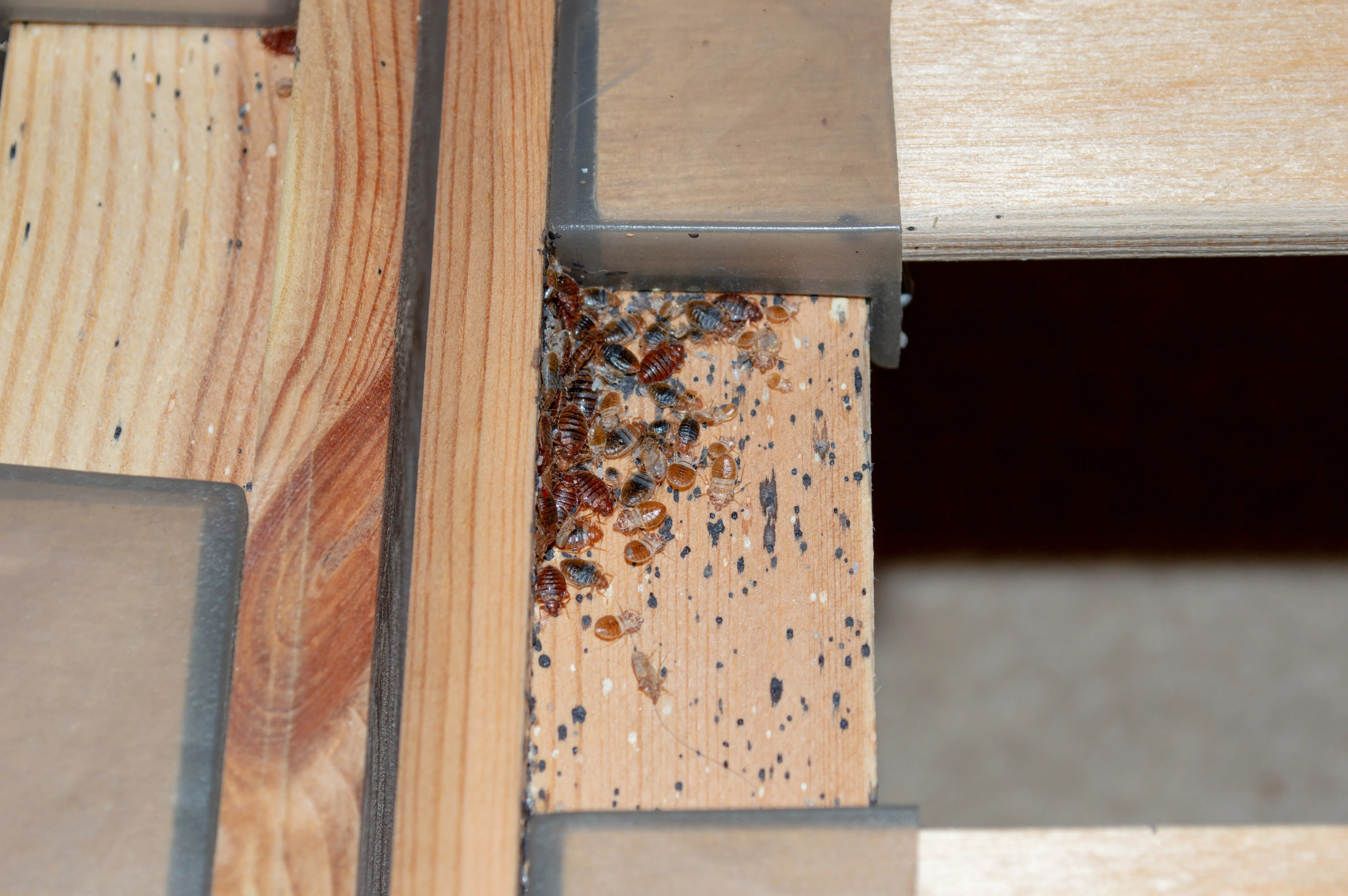
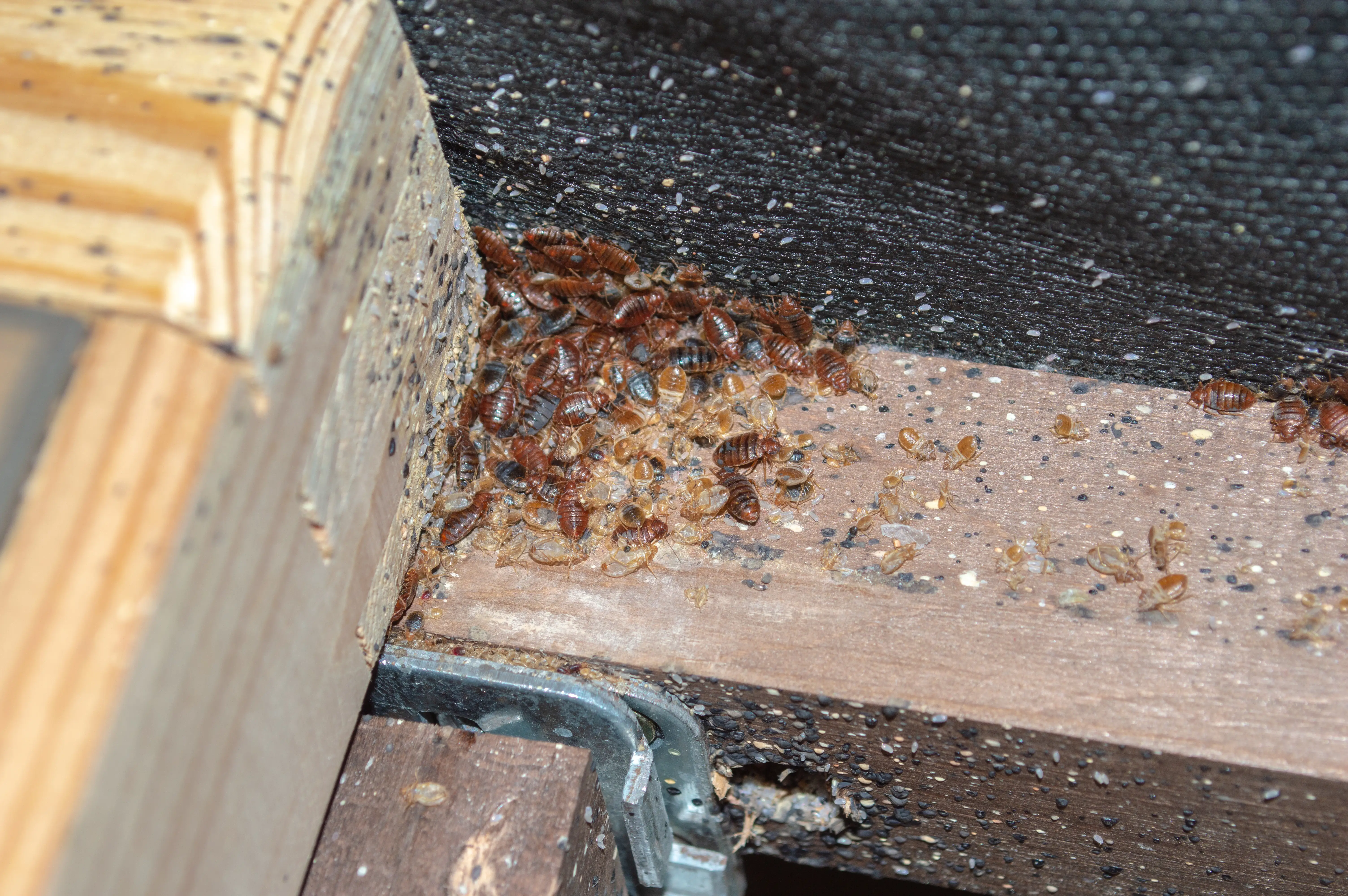
Bed bugs often choose hidden areas like underneath the bed frame, inside the box spring, or behind the headboard to lay their eggs.

Clusters Help Detection

Female bed bugs often lay eggs in clusters, which can make them somewhat easier to spot and aid in early detection before they hatch.

How to Identify Bed Bug Eggs

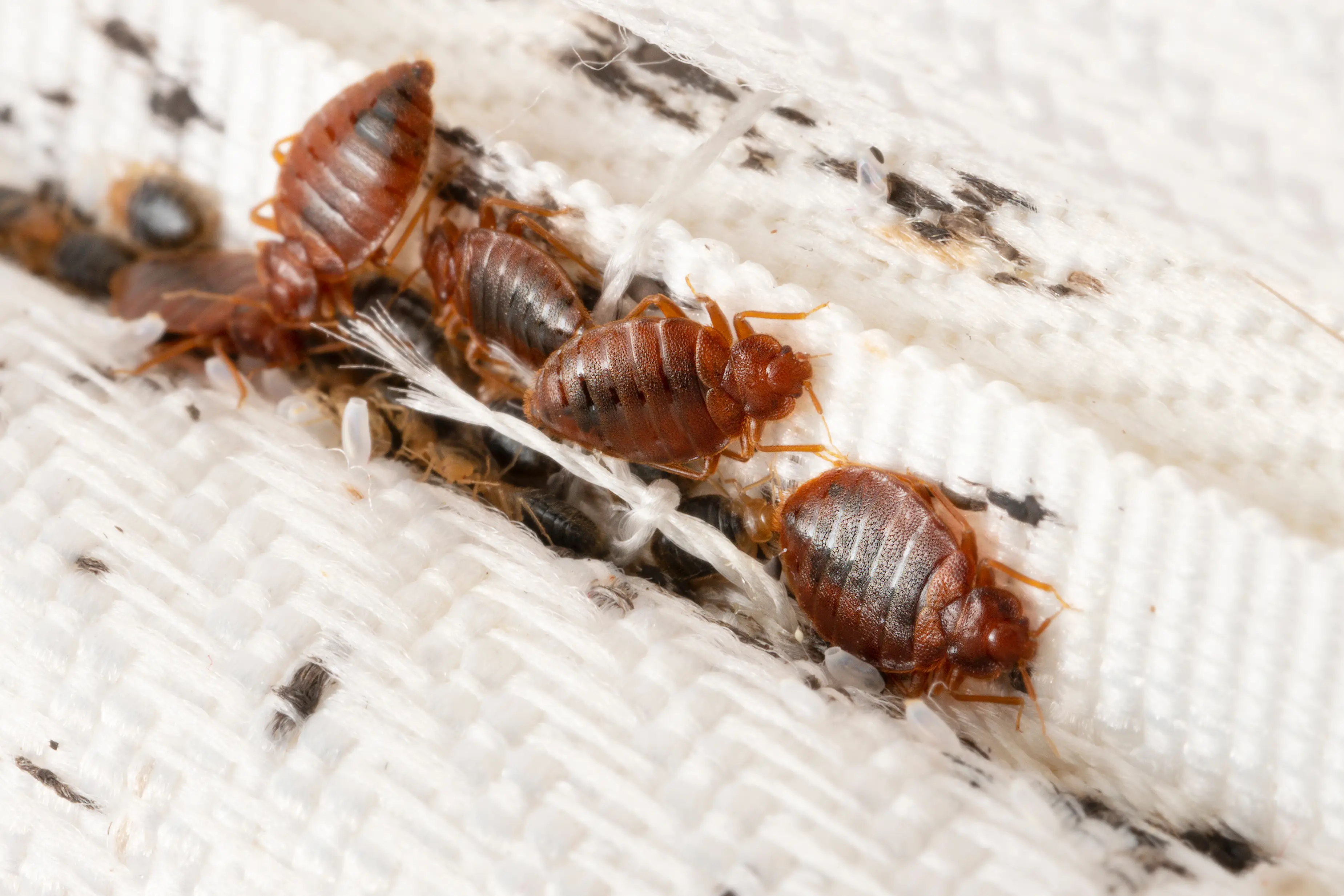
Bed bug eggs are small, oval shaped, and have a pearl-white color which makes them resemble a grain of salt or tiny grains of rice. They are covered in a sticky coating that allows them to adhere to almost any surface.

Size

~1mm long (pinhead size)

Shape

Oval, like tiny rice grains

Color

Pearl-white (like salt)

Texture

Sticky coating adheres to surfaces

Older Egg Identification

Eggs older than five days will have a dark mark that resembles an eye. This is a hinged cap that opens to allow the ready-to-hatch bed bug nymphs to escape. A black light can also help locate eggs as they glow under UV light.

How and Where Do Bed Bugs Lay Eggs?

In optimal conditions, one female bed bug can lay up to 20 eggs over several days after consuming one blood meal. Eggs are typically laid on or near beds, allowing bed bugs to feed while the host sleeps.

Common Egg Locations

Mattress seams and joints

Box springs

Behind headboards

Picture frames

Wall cavities

Recessed screw holes

Note: Bed bugs can fit into a crack as thin as a business card and still lay eggs. They prefer protected sites close to their food source so nymphs can start feeding immediately after hatching.

Bed Bug Eggs Are Resistant to Chemicals

Heat treatment is the most effective way to eliminate eggs. Our professionals use specialized equipment to reach lethal temperatures.

Call (866) 326-2847

How Many Eggs Does a Bed Bug Lay?

Daily Production

A regularly feeding bed bug will lay approximately 1 to 7 eggs per day for a ten-day period following 2-5 days of waiting for their body to produce eggs.

Two-Week Output

In the 2 weeks following a blood meal, one female can produce between 10-70 eggs in optimal conditions. On average, that amount is typically 20-30 eggs.

Lifecycle Timeline

Eggs typically hatch within 7-10 days. The newly hatched nymphs take about 5-7 weeks to mature and start reproducing themselves.

Why Infestations Explode

A single female bed bug can contribute significantly to population growth with regular access to blood meals. This is why early detection and treatment are critical before the infestation spirals out of control.

How to Check for Bed Bug Eggs in Your Home

Checking for bed bug eggs involves thorough inspection of potential hiding spots. You may need a flashlight and magnifying glass to locate these tiny, translucent eggs.

1

Remove Bedding

Remove sheets and pillows and carefully inspect every seam and crevice of the mattress.

2

Check Hidden Areas

Inspect behind wallpaper and picture frames, in cracks around the property, and under carpets.

3

Look for Supporting Evidence

Look for fecal stains (dark spots), shed skins, and live bugs which can help narrow down your search area.

4

Consider Professional Help

You can hire a bed bug sniffing dog company or use UV light (eggs glow under UV) for more thorough detection.

Will Eggs in My Mattress Hatch?

Yes, bed bug eggs in your mattress will hatch into nymphs. They undergo five molting stages, shedding exoskeletons that indicate active infestation.

Eggs on Clothing?

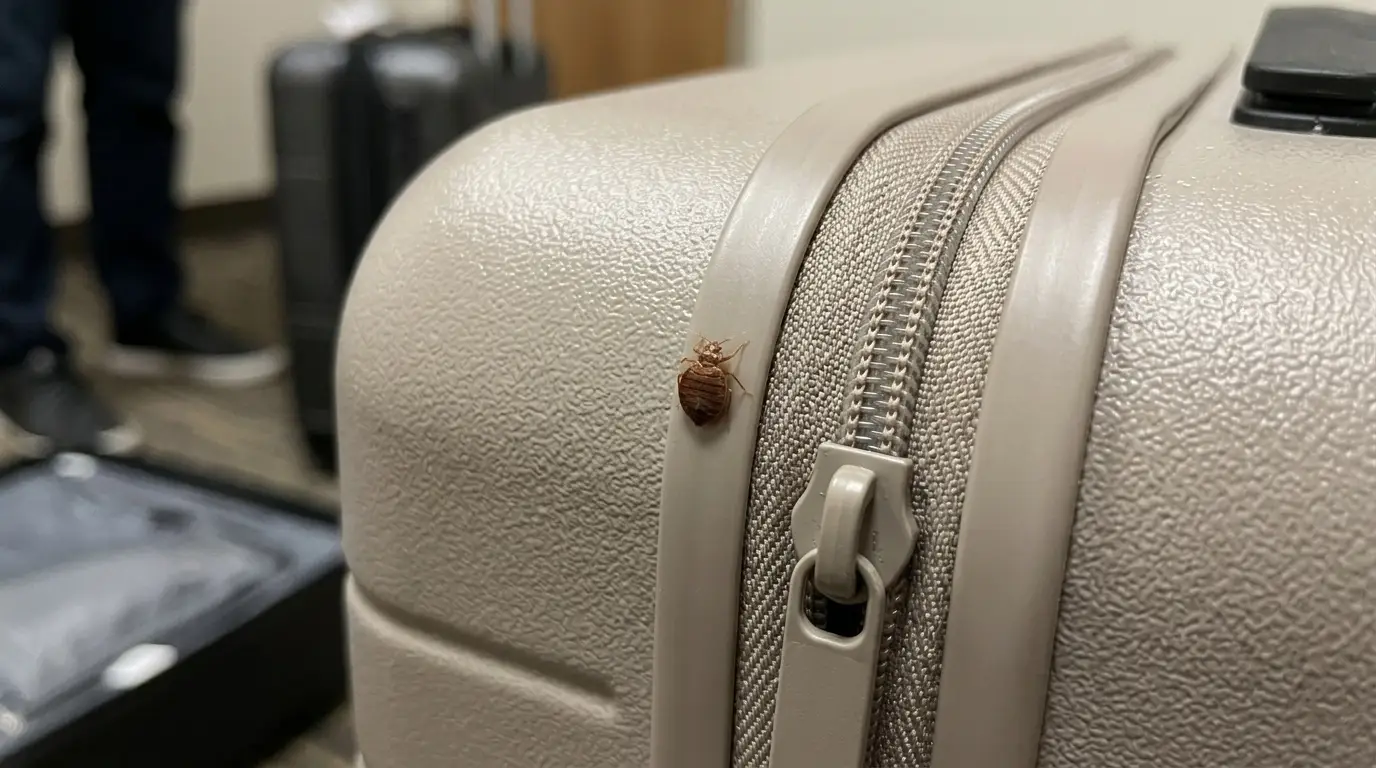
Bed bugs can lay eggs on fabrics including clothing. The sticky coating means eggs are unlikely to fall off, allowing you to inadvertently transport them.

How to Get Rid of Bed Bug Eggs

Vacuuming

Partially effective, especially without an attachment to increase suction. Dispose of vacuum contents outside in a sealed plastic bag.

Dryer Treatment

At 118°F, items need 90+ minutes in the dryer. At 130.64°F, eggs die immediately. Good for clothing and smaller items.

Chemical Pesticides

Over-the-counter solutions may not be strong enough and could pose health risks. Eggs are resistant to many chemicals.

Why Heat Treatment Is Most Effective

Heat treatment exposes eggs to temperatures they cannot survive. To instantly kill bed bug eggs, they need to be exposed to a temperature of 54.8°C (130.64°F). This ensures all life stages are eliminated.

Important: Elevated temperatures must be reached quickly so bed bugs cannot escape. Professional heat treatment services use specialized equipment to heat entire spaces to lethal temperatures.

Contact EcoGuard If You Find Bed Bug Eggs

Dealing with bed bugs can be a daunting task, especially when it comes to eliminating the resilient eggs. If you are struggling with a bed bug infestation, do not hesitate to reach out to EcoGuard Pest Management. Our team of experienced professionals is equipped with the knowledge and tools necessary to effectively handle bed bug issues, ensuring your home returns to a comfortable and pest-free state. The sooner you act, the easier it will be to manage the infestation.

Call (866) 326-2847Get Free Quote

Bed Bug Eggs FAQs

Can you see bed bug eggs?

Yes, you can see bed bug eggs, but they are very small and often difficult to spot. They are about 1 mm in length and are white to pearl-white in color, resembling a grain of salt.

Do bed bugs lay eggs on sheets?

Bed bugs can lay eggs on sheets, but they prefer to deposit their eggs in more protected sites, such as the seams and joints of mattresses, box springs, and other hidden crevices. However, if a bed is heavily infested, eggs can be found on any surface, including sheets.

How can I find bed bug eggs?

To find bed bug eggs, you should inspect all potential hiding places including mattress seams, bed frames, furniture joints, and other cracks and crevices. Using a flashlight and a magnifying glass can help, as the eggs are very small. Look for tiny white or pearl-colored spots, and also for signs of bed bugs themselves, such as fecal stains or shed skins.

Can you get rid of bed bug eggs?

Yes, you can get rid of bed bug eggs. Methods include heat treatment, which involves raising the temperature of the infested area to levels that kill the bugs and their eggs, and chemical treatments. However, because of the resilience of bed bug eggs, professional pest control services are often the most effective way to ensure all eggs are eliminated.

From Our Blog

Related Articles

7 Stages of the Bed Bug Life Cycle | Complete Guide

7 Stages of the Bed Bug Life Cycle | Complete Guide

Learn the 7 stages of bed bug life cycle from egg to adult. Understand bed bug lifespan, reproduction, and why they are...

Read Article
Are Bed Bugs Dangerous to Humans? Health Risks

Are Bed Bugs Dangerous to Humans? Health Risks

Learn about bed bug health risks including bites, allergic reactions, mental health impacts, and how to identify and...

Read Article
Bed Bug Bites vs Mosquito Bites: How to Tell the Difference

Bed Bug Bites vs Mosquito Bites: How to Tell the Difference

Learn how to identify bed bug bites vs mosquito bites. Compare appearance, patterns, symptoms, healing time, and get...

Read Article
Bed Bug Heat Treatment: Is It Effective? Complete Guide

Bed Bug Heat Treatment: Is It Effective? Complete Guide

Learn how bed bug heat treatment works, pros and cons, costs, preparation steps, and what to expect. Discover why heat...

Read Article
Bed Bugs vs Fleas vs Ticks: Key Differences & How to Identify

Bed Bugs vs Fleas vs Ticks: Key Differences & How to Identify

Learn the differences between bed bugs, fleas, and ticks. Compare size, appearance, bites, health risks, habitat, and...

Read Article
Do Bed Bugs Fly or Jump? How They Move and Spread

Do Bed Bugs Fly or Jump? How They Move and Spread

Learn whether bed bugs can fly or jump, how they move and spread, their speed, and how to use their limitations to...

Read Article
How Common Are Bed Bugs? Statistics & Prevention Guide

How Common Are Bed Bugs? Statistics & Prevention Guide

Discover how common bed bugs are in the US with statistics by home type, city, and state. Learn prevention tips and...

Read Article
How Do Bed Bugs Spread? Prevention & Control Guide

How Do Bed Bugs Spread? Prevention & Control Guide

Learn how bed bugs spread from room to room, house to house, and person to person. Discover prevention tips and how to...

Read Article
How Fast Do Bed Bugs Spread and Multiply?

How Fast Do Bed Bugs Spread and Multiply?

Learn how quickly bed bugs spread from room to room and multiply. Understand reproduction rates, movement speed, and...

Read Article
How Long Can Bed Bugs Live Without a Host? Survival Guide

How Long Can Bed Bugs Live Without a Host? Survival Guide

Learn how long bed bugs can survive without feeding, what diapause is, factors affecting survival, and why starving...

Read Article
How Often Do Bed Bugs Feed? Feeding Habits Explained

How Often Do Bed Bugs Feed? Feeding Habits Explained

Learn how often bed bugs feed, their feeding behavior, and how long they can survive without blood. Understand bed bug...

Read Article
How to Check for Bed Bugs: Complete Inspection Guide

How to Check for Bed Bugs: Complete Inspection Guide

Learn how to inspect for bed bugs at home, in hotels, and on used furniture. Know what signs to look for and where bed...

Read Article
How to Get Rid of Bed Bugs: Complete Treatment Guide

How to Get Rid of Bed Bugs: Complete Treatment Guide

Learn how to identify, contain, and eliminate bed bugs with heat treatment, chemical options, and prevention tips....

Read Article
How to Prepare for Bed Bug Treatment: Complete Checklist

How to Prepare for Bed Bug Treatment: Complete Checklist

Step-by-step bed bug treatment preparation checklist. Learn what to do before, during, and after professional bed bug...

Read Article
Signs of Bed Bugs: How to Identify an Infestation

Signs of Bed Bugs: How to Identify an Infestation

Learn the signs of bed bugs including bites, stains, droppings, and where they hide. Understand bed bug behavior and...

Read Article
What Are Bed Bugs? Facts, Appearance & Prevention Guide

What Are Bed Bugs? Facts, Appearance & Prevention Guide

Learn what bed bugs are, how they look, where they hide, and how to prevent and eliminate infestations. Complete bed...

Read Article
What Attracts Bed Bugs? Myths vs Facts

What Attracts Bed Bugs? Myths vs Facts

Learn what truly attracts bed bugs to your home. Discover the science behind bed bug attraction including warmth, CO2,...

Read Article
What Does Bed Bug Poop Look Like? Identification & Cleanup Guide

What Does Bed Bug Poop Look Like? Identification & Cleanup Guide

Learn to identify bed bug droppings by color, size, and location. Understand why cleaning bed bug feces is critical and...

Read Article
Where Do Bed Bugs Come From?

Where Do Bed Bugs Come From?

Learn where bed bugs come from, the 7 most common places you pick them up, why they spread, and how to prevent bringing...

Read Article
Where Do Bed Bugs Hide? Common Hiding Spots

Where Do Bed Bugs Hide? Common Hiding Spots

Learn where bed bugs hide in your home, mattresses, furniture, and public places. Discover how to check for bed bugs...

Read Article