EcoGuard Pest Management
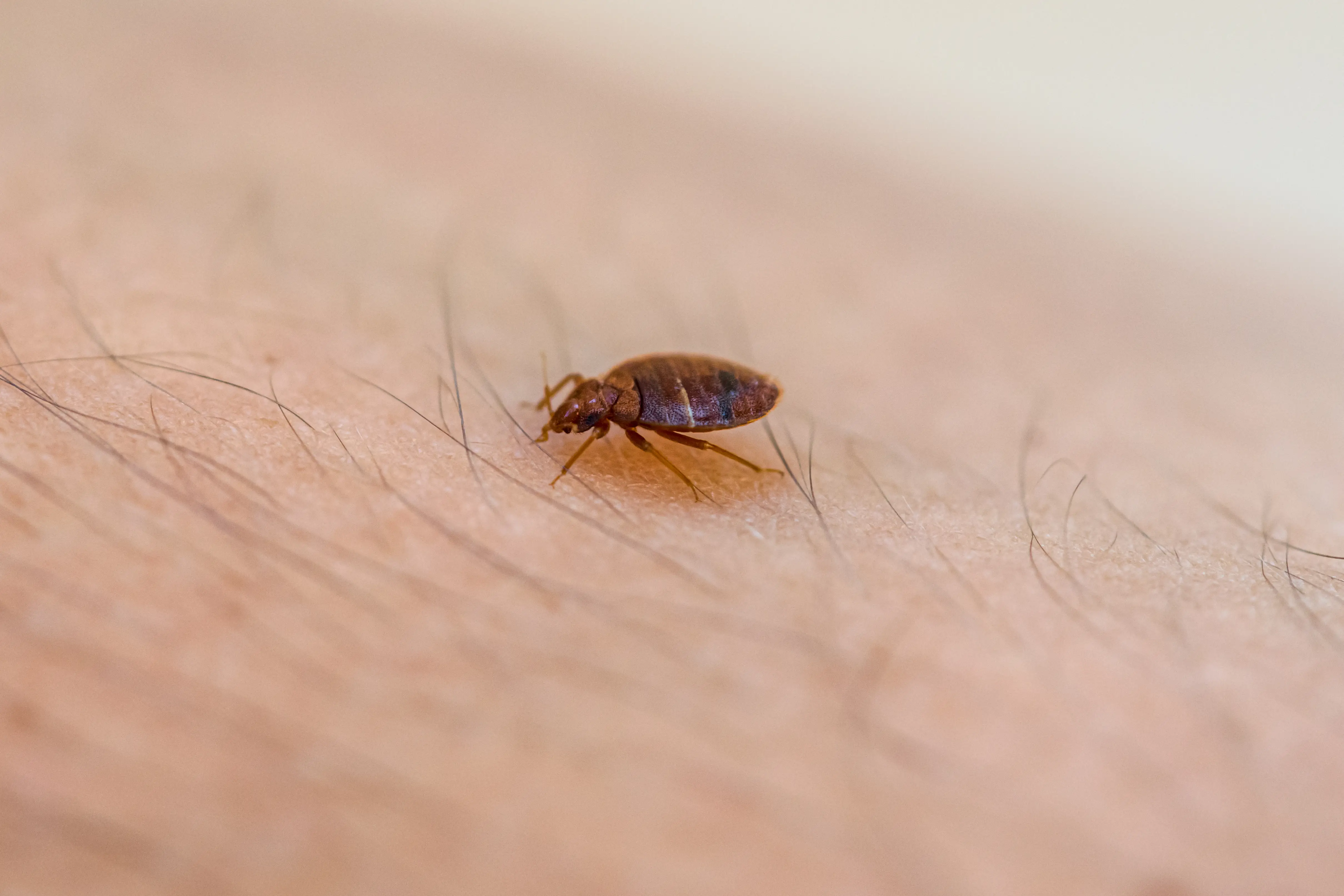
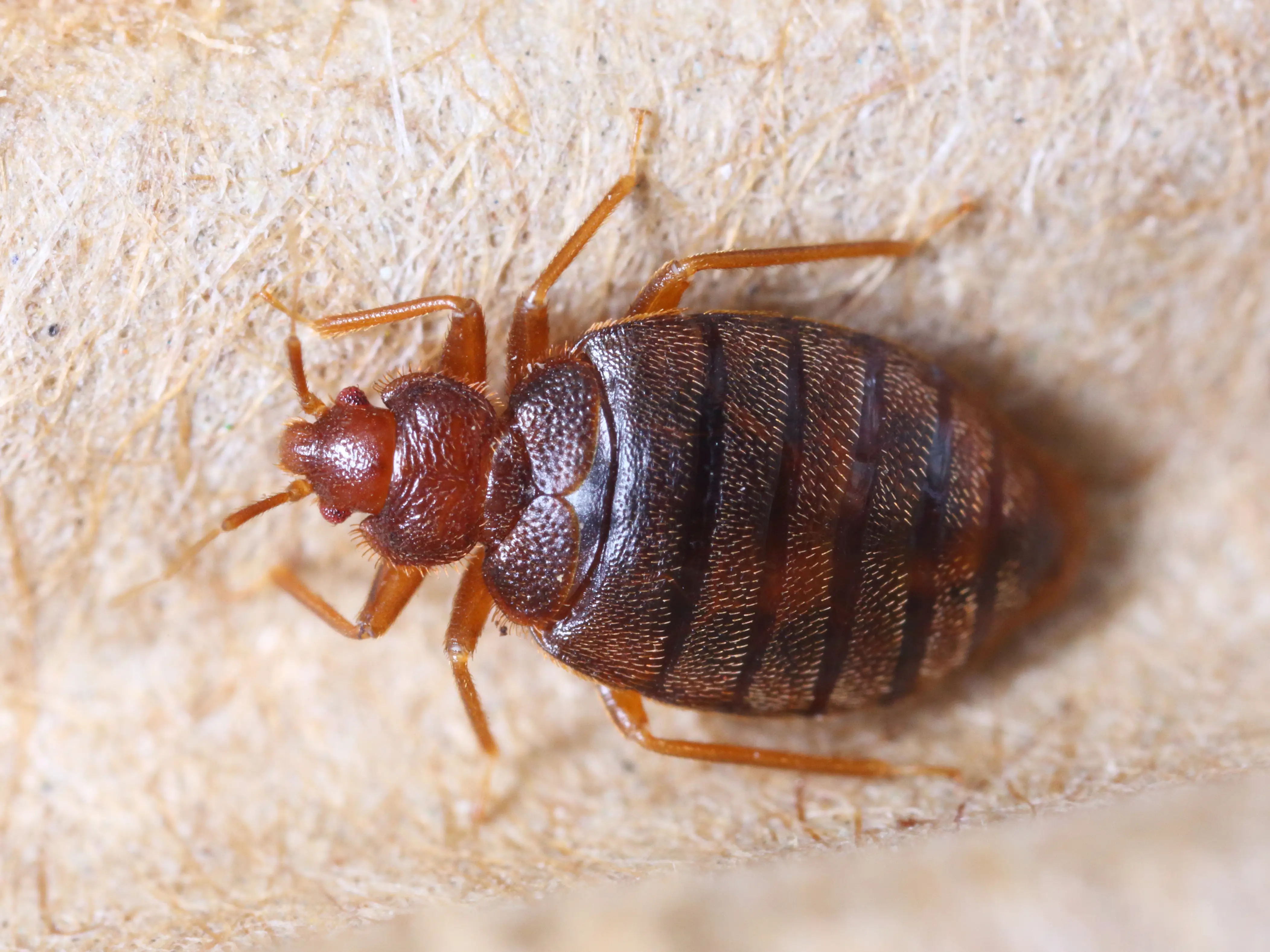
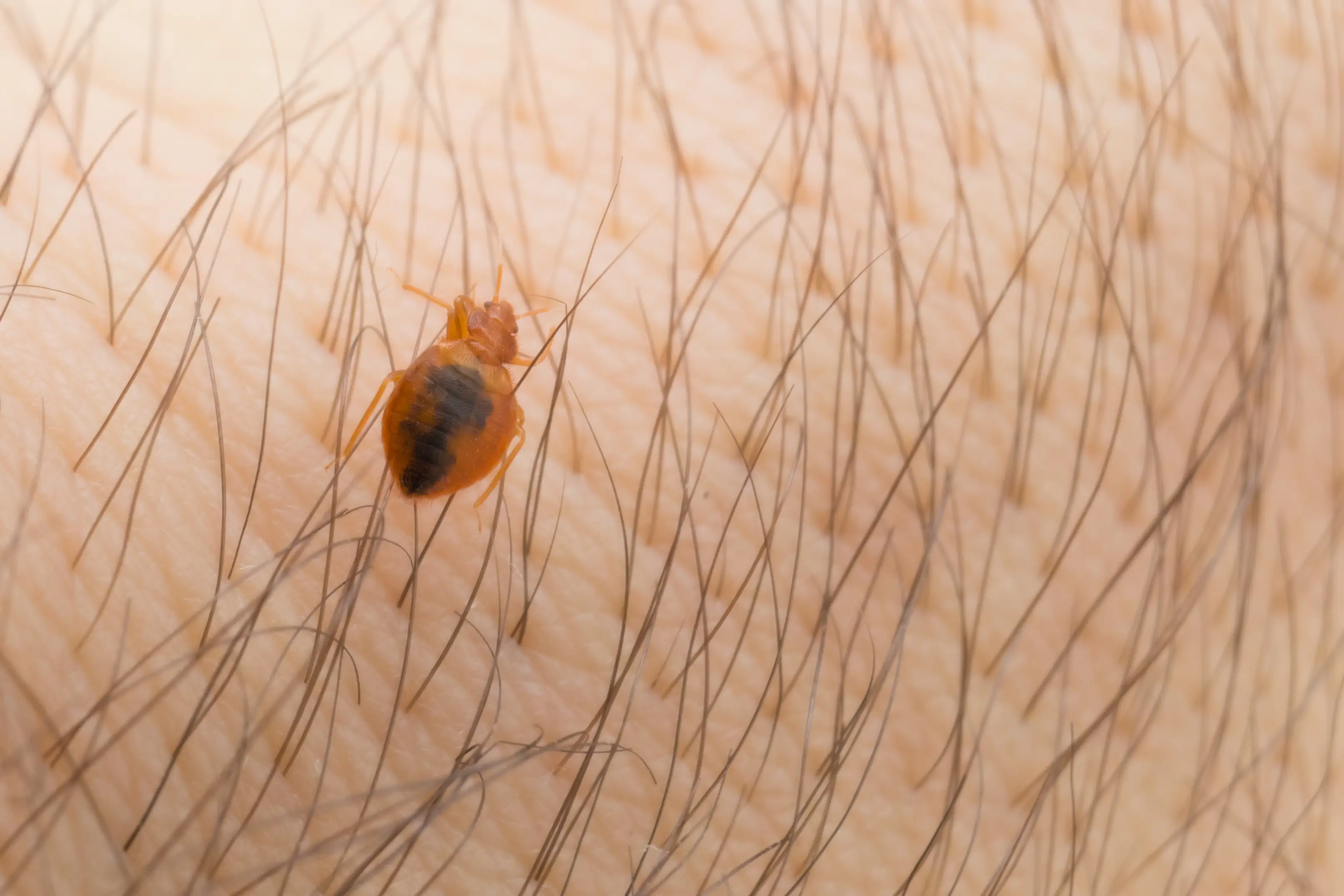
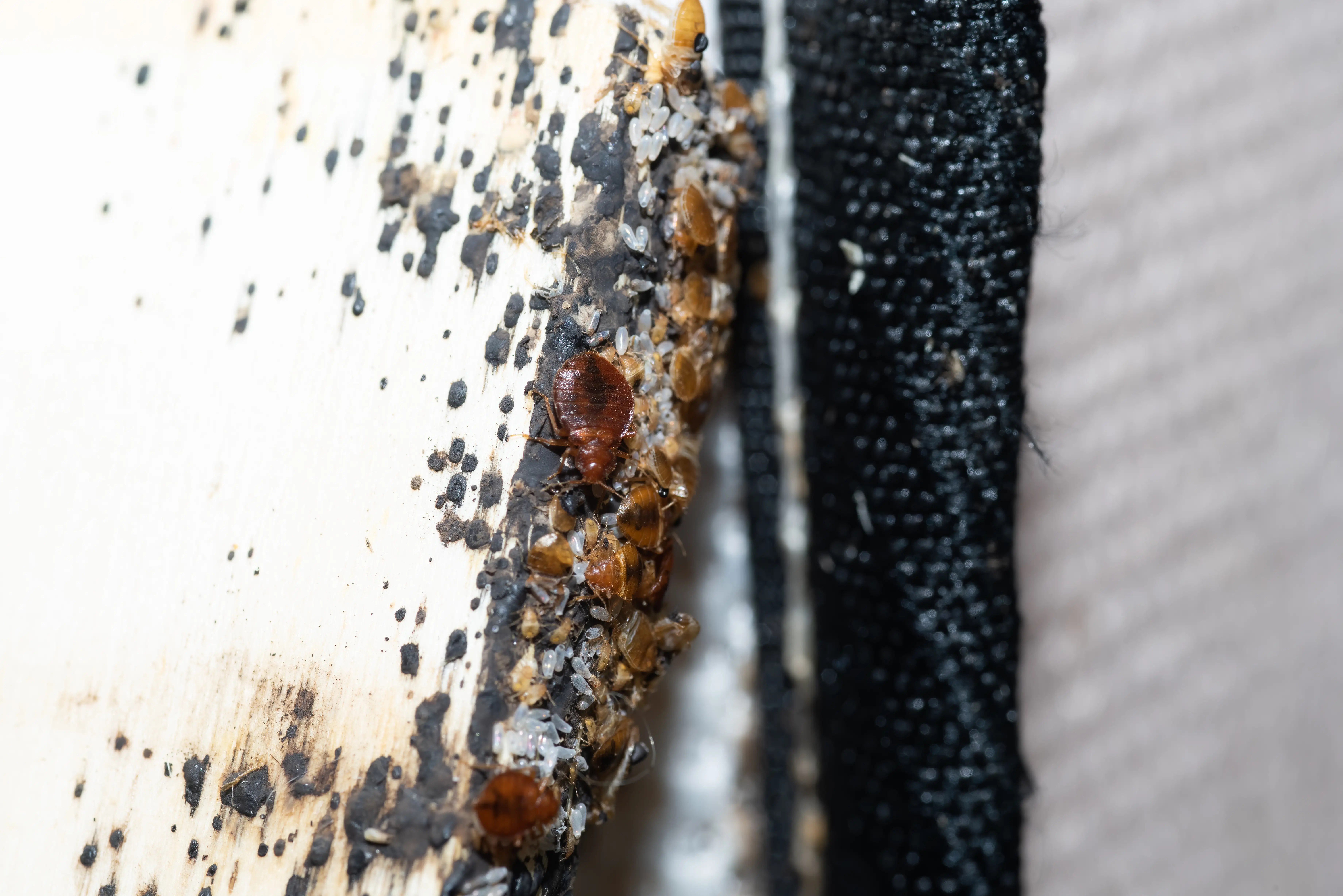
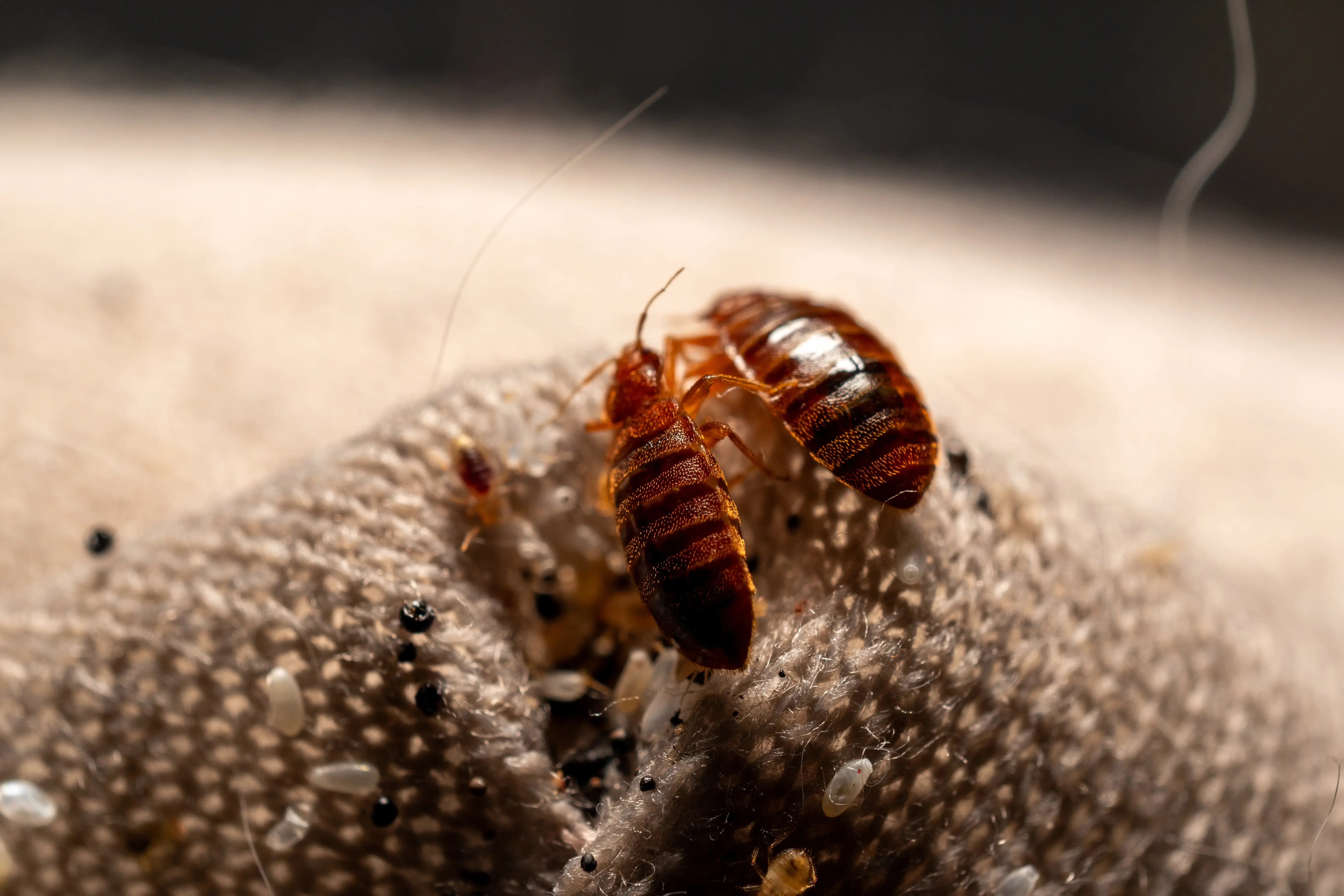
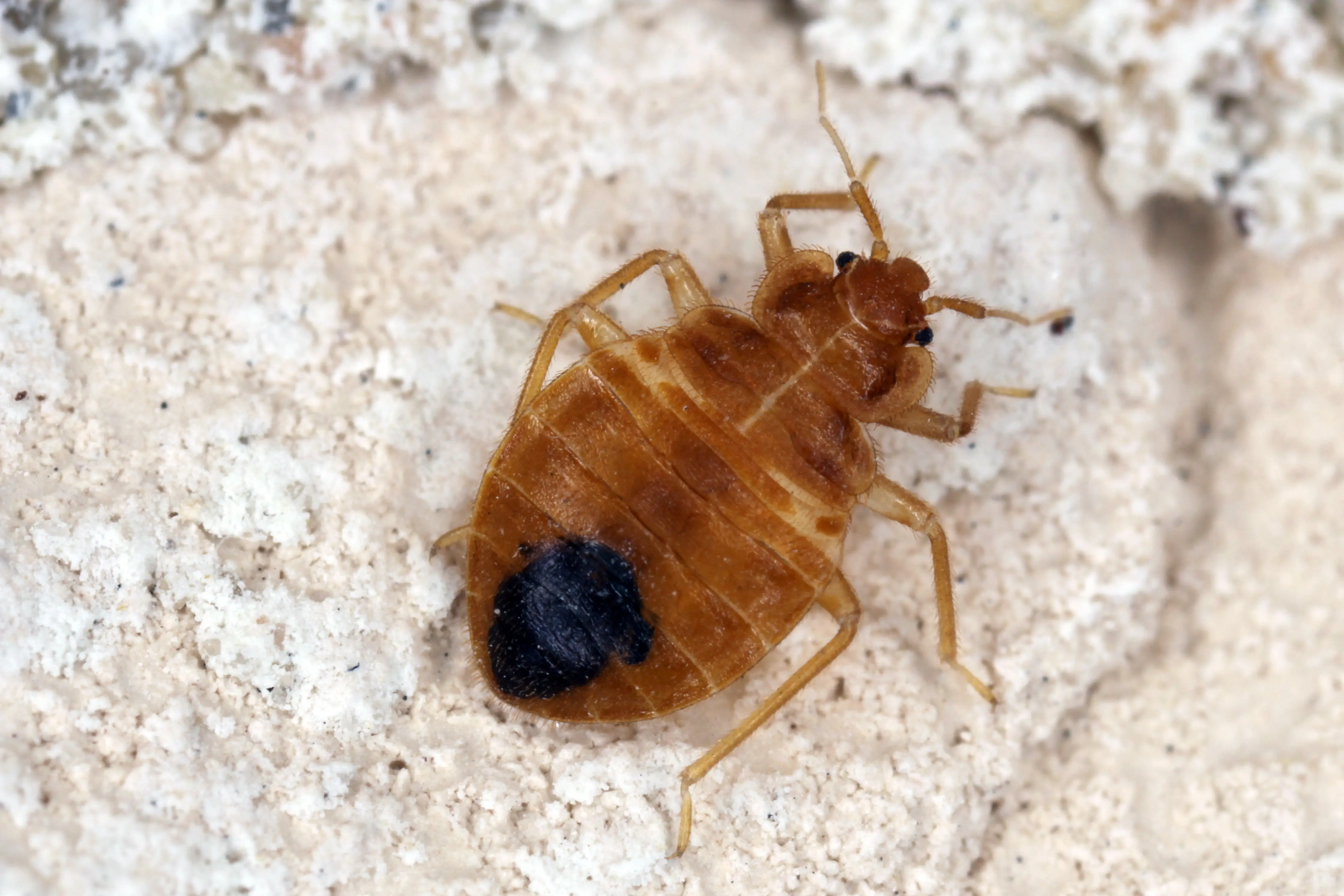
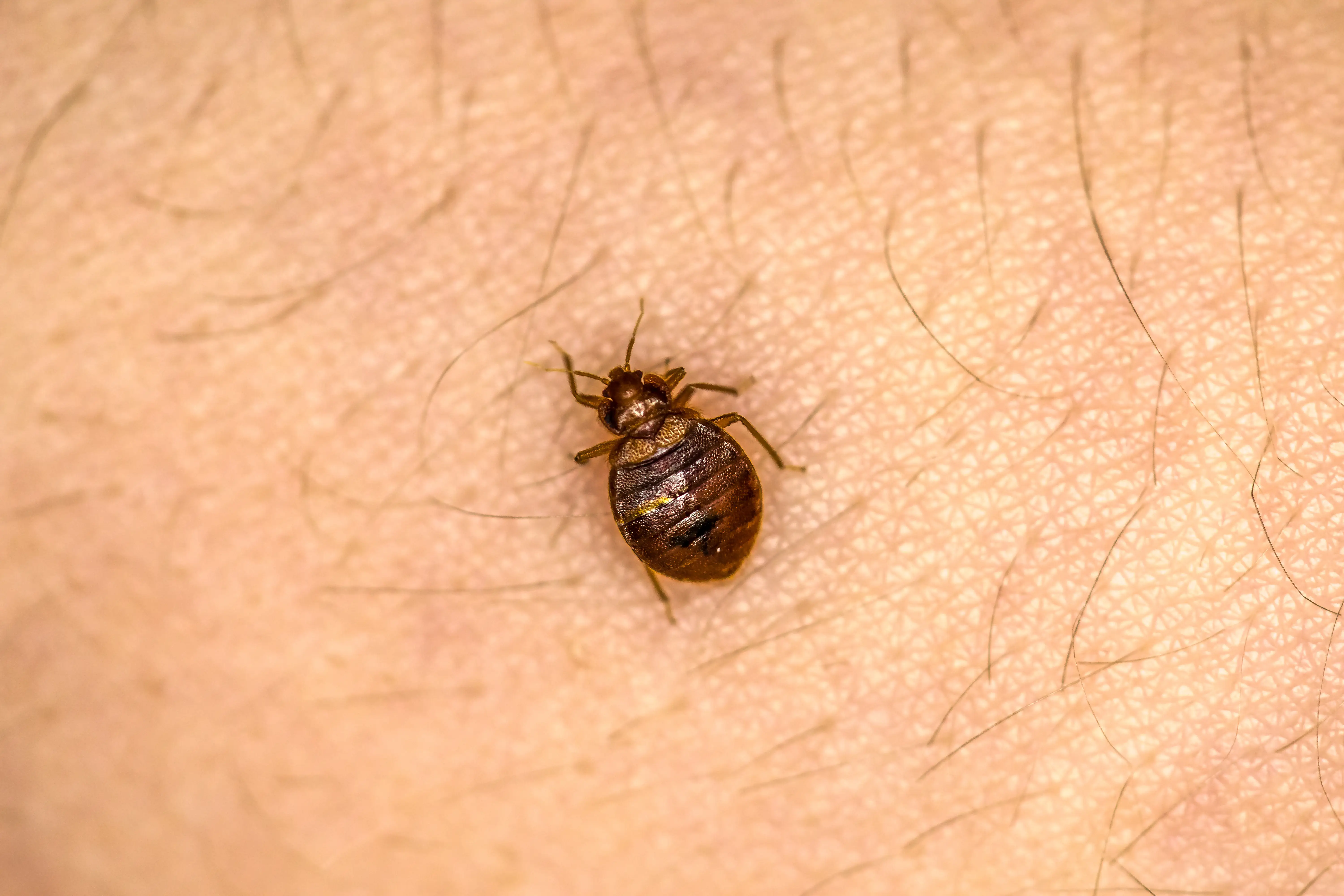
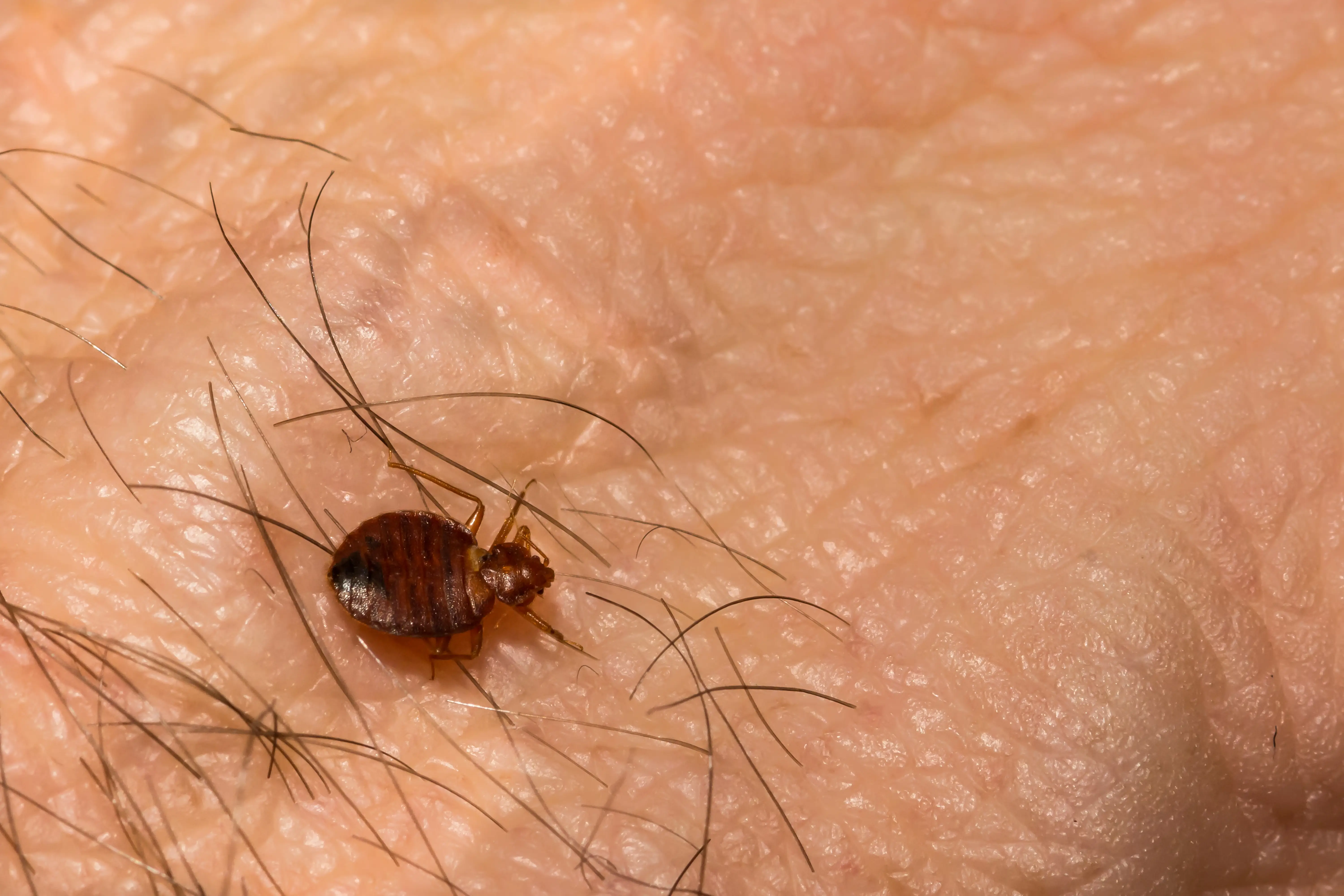
Bed bug attracted to warmth and CO2 from sleeping human
By Gary Anderson||8 min read

What Attracts Bed Bugs?

Understanding the true attractors of bed bugs is crucial for preventing infestations and debunking common myths.

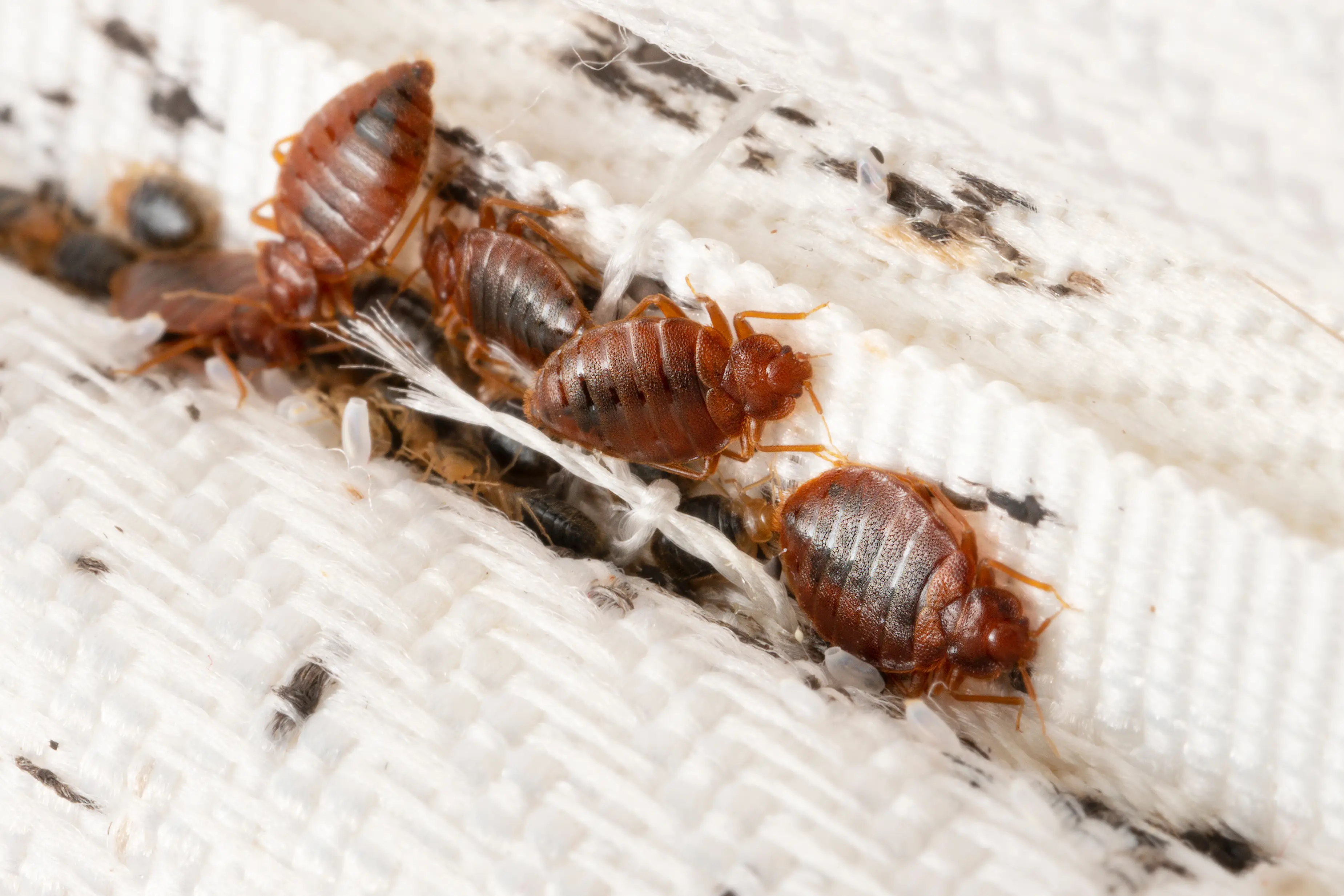
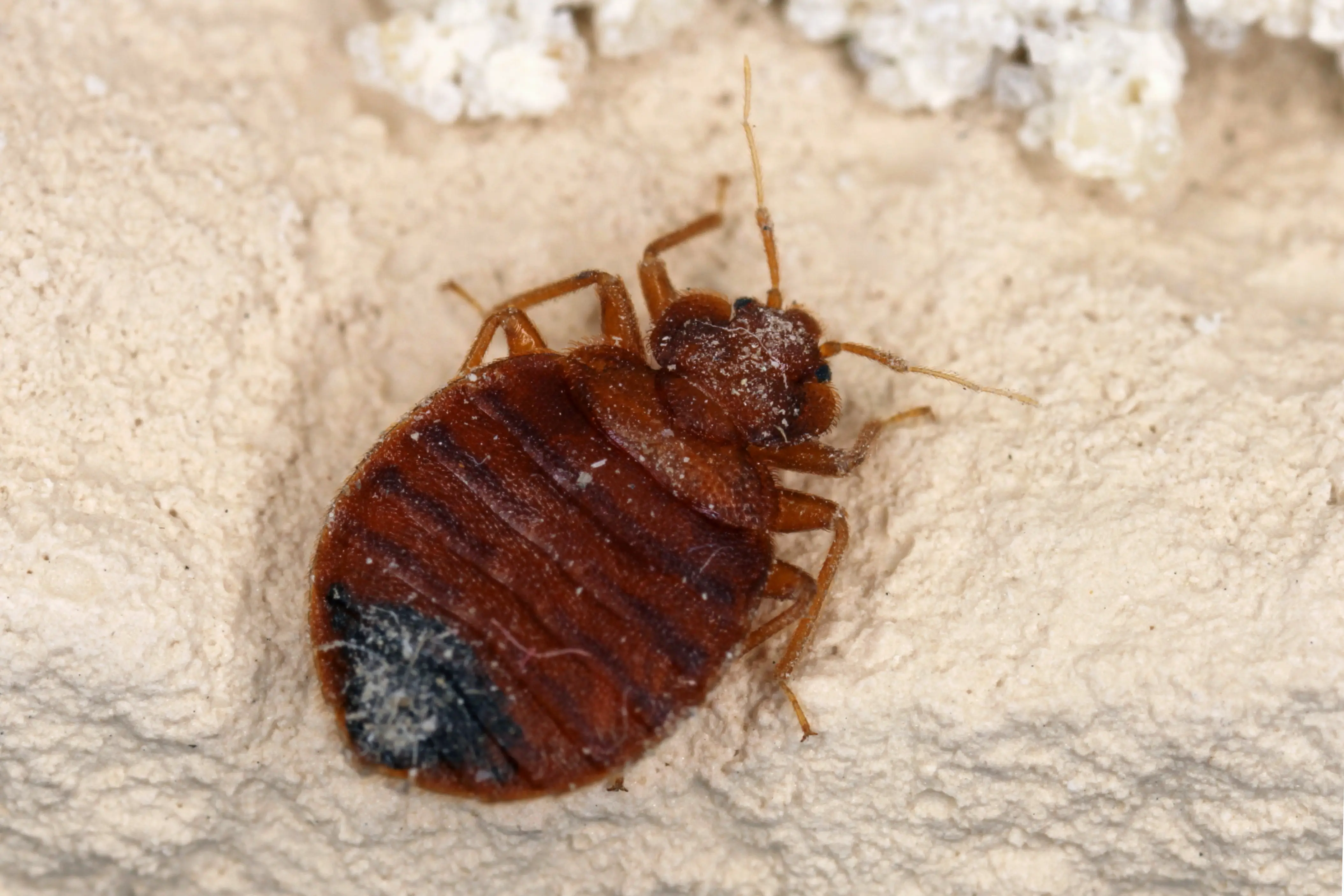
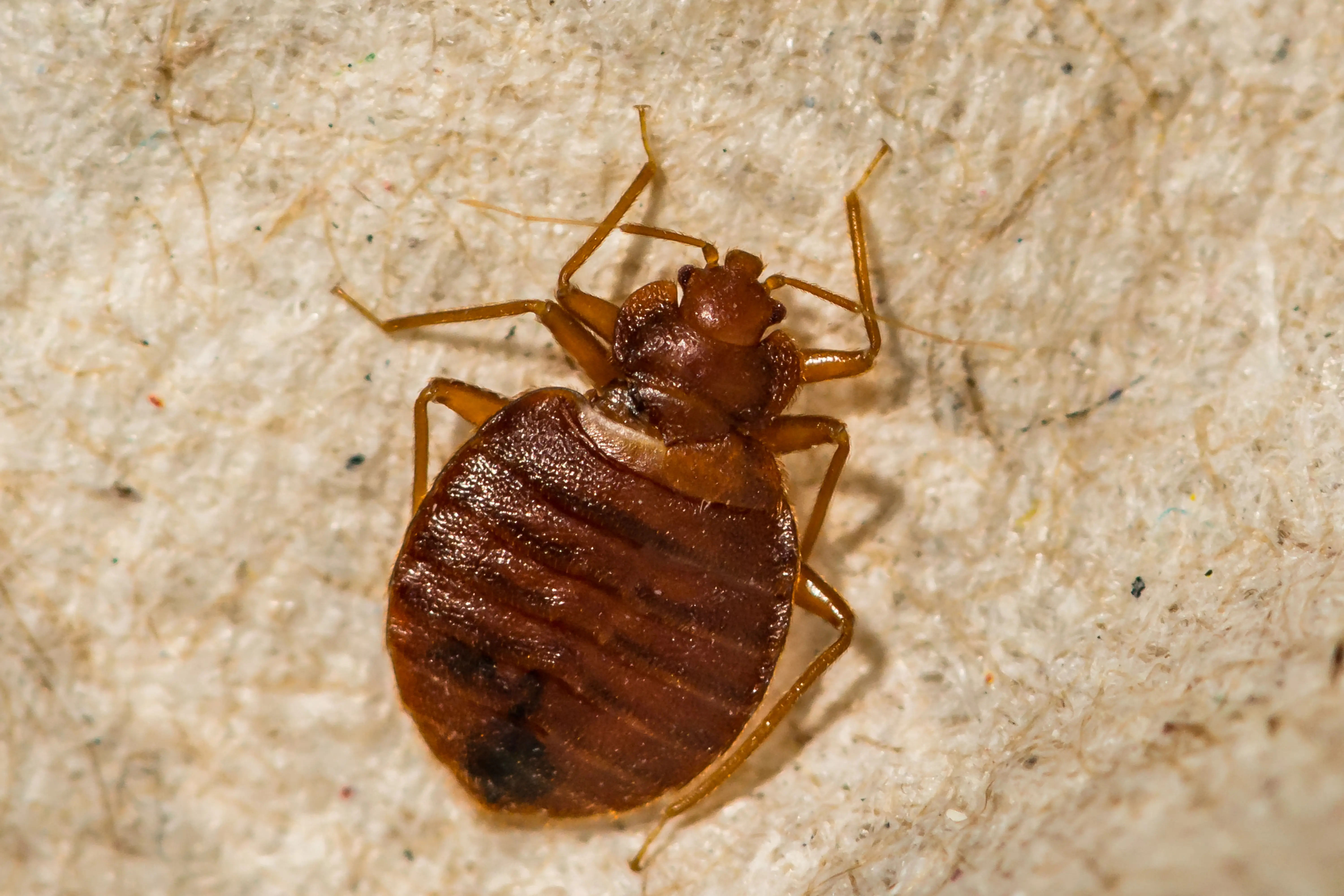
Bed bugs are small, nocturnal bloodsucking parasites that thrive in a variety of environments and pose challenges to homeowners and renters alike. Despite common misconceptions, bed bugs are not drawn to dirty environments. Instead, their primary attraction is human blood.

This dependency on blood meals for survival means they are not deterred by the conditions of a home. They are adept at hitchhiking from one location to another, making no environment immune to their presence.

Primary Attractants

Bed bugs are attracted to warmth, carbon dioxide (CO2), and human body odors. They can detect body heat from up to 3 feet away and are most active between midnight and early morning when humans are asleep and exhaling more CO2.
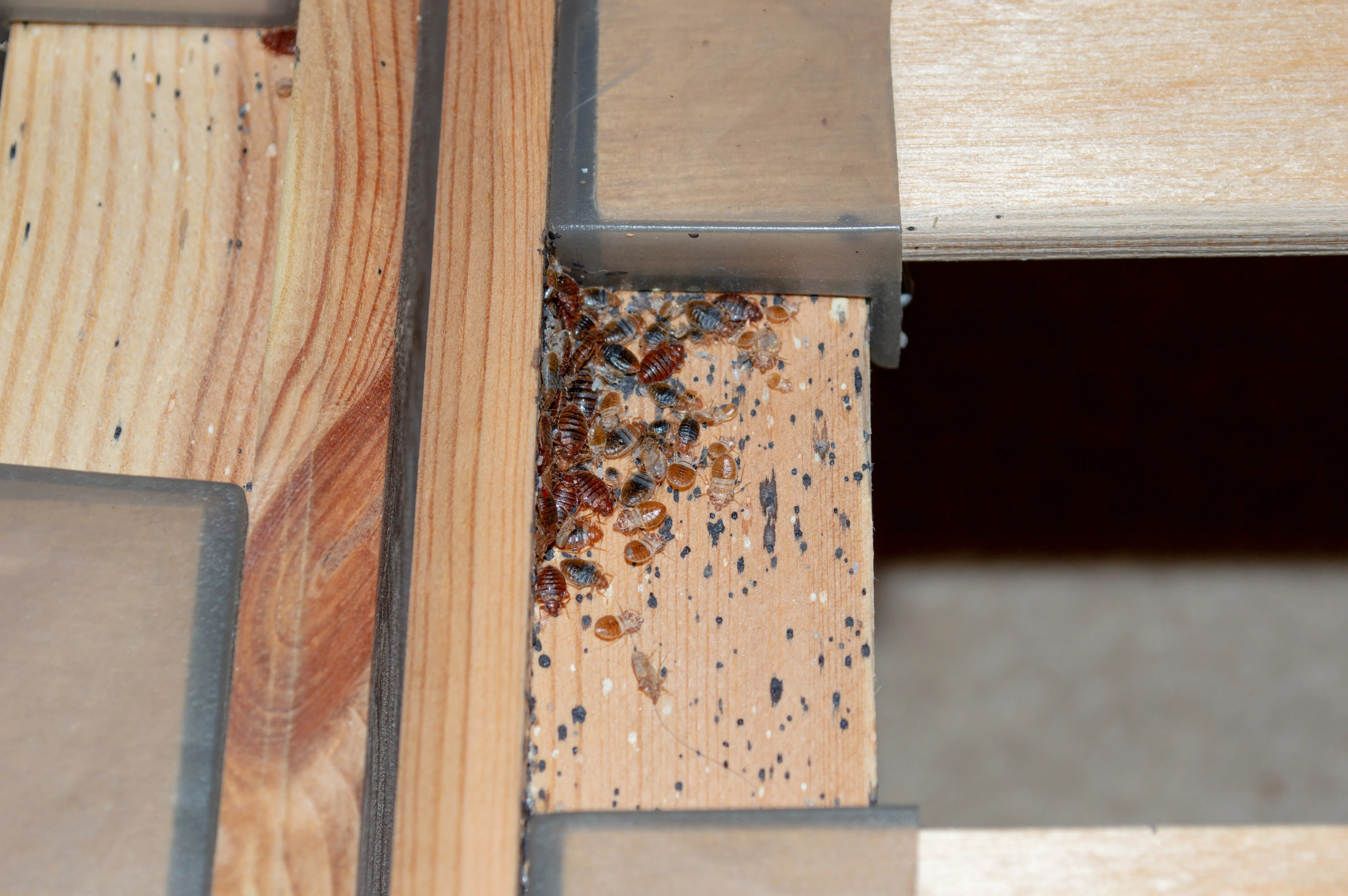
Are Bed Bugs Attracted to Dirty Places?

Myth Busted

No. Bed bugs show no preference for the cleanliness of a space. Their primary concern is the availability of a blood meal and access to a human host. Bed bugs can be introduced into any environment, clean or cluttered, as long as they have access to humans.

This understanding dispels the myth that bed bugs are a sign of poor hygiene or low socioeconomic status. In fact, bed bugs are equal-opportunity invaders that infest homes and buildings across a wide spectrum of cleanliness and wealth.

While cleanliness is beneficial for many reasons, it does not directly influence bed bug behavior in any way.

Where Do Bed Bugs Come From?

Bed bugs are notorious hitchhikers capable of traveling from one location to another with ease. Common sources include:

Public Transportation

Taxis, trains, buses, cruise ships

Travel Hubs

Airports, train and bus stations

Accommodations

Hotels, hostels, guest houses

Care Facilities

Daycares, dorms, nursing homes

Public Services

Police and fire stations, libraries

Commercial Spaces

Offices, retail stores

How Do Bed Bugs Spread?

Passive Dispersal

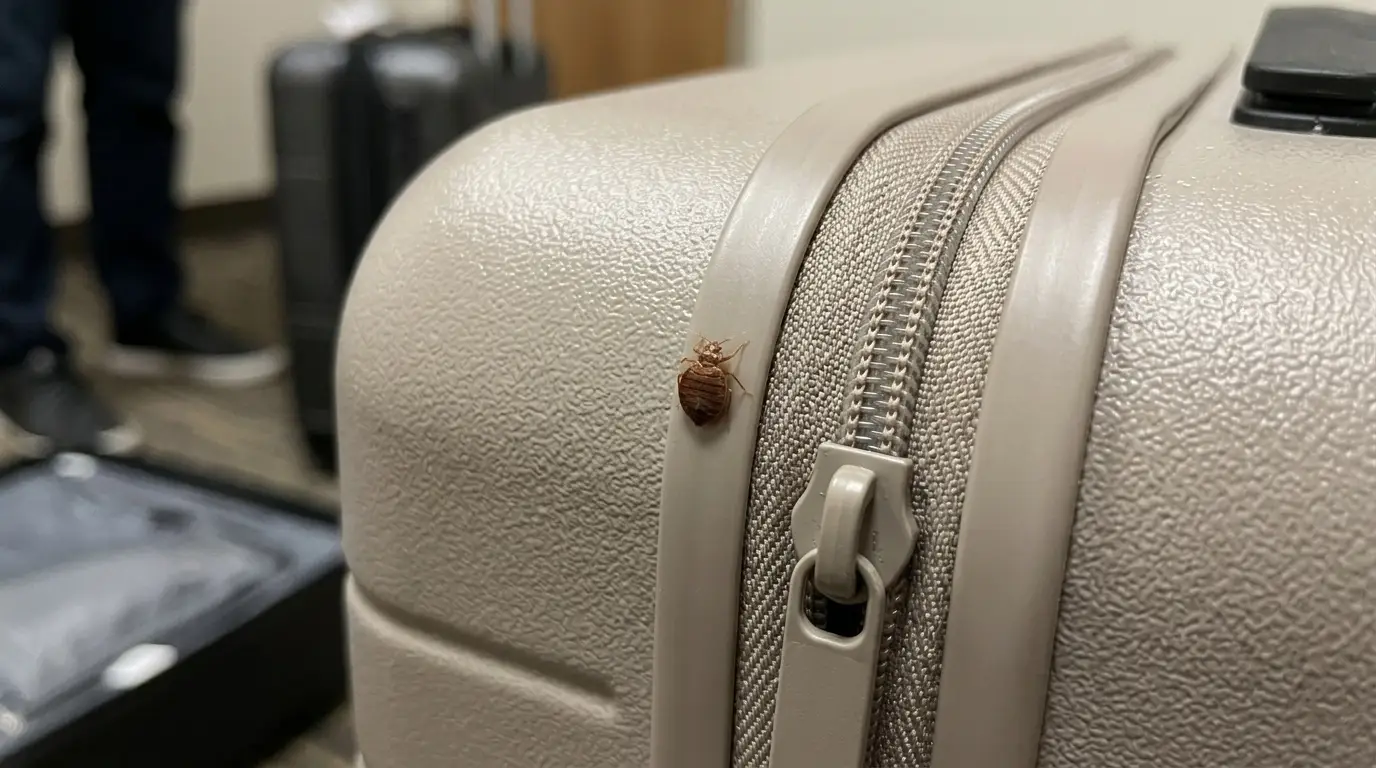
Bed bugs hitch a ride on clothing, luggage, furniture, and other items being moved between locations. This allows them to cover long distances and infiltrate even the cleanest spaces undetected.

Active Dispersal

More localized but equally problematic in apartments. Bed bugs move on their own through tiny gaps in walls, outlets, and vents to access neighboring units, requiring coordinated control efforts.

What Attracts Bed Bugs to People?

Bed bugs are predominantly attracted to humans due to the essential blood meals required for survival. Although capable of feeding on animals, bed bugs exhibit a distinct preference for human hosts. Their peak activity occurs between midnight and early morning, coinciding with human sleep patterns.

Warmth

Bed bugs are equipped with sensory mechanisms that detect warmth from distances as close as 3 feet. The heat from human skin serves as a beacon, guiding them to exposed areas like arms, legs, neck, and face.

Carbon Dioxide

CO2 emitted through breath signals that a food source is nearby. The concentration around the head and neck of a sleeping person particularly draws bed bugs to these areas for feeding.

Body Odors

Human body odors from sweat, oils, and skin cells can significantly increase the attractiveness of an environment to bed bugs, helping them navigate toward their next meal.

Are Bed Bugs Attracted to Certain Blood Types?

No. Unlike mosquitoes, bed bugs do not show a preference for specific blood types. They are opportunistic feeders drawn indiscriminately to any human body.

While it may seem bed bugs prefer certain individuals, this is often due to differences in allergic reactions to histamines released during bites. Two people in the same bed can both be bitten, but only one may show visible reactions.

Suspect a Bed Bug Infestation?

Our experts can identify and eliminate bed bugs regardless of how they found their way into your home.

Call (866) 326-2847

What Else Attracts Bed Bugs?

Beyond the primary attractants of warmth and CO2, several other factors can draw bed bugs to certain areas.

Fabrics

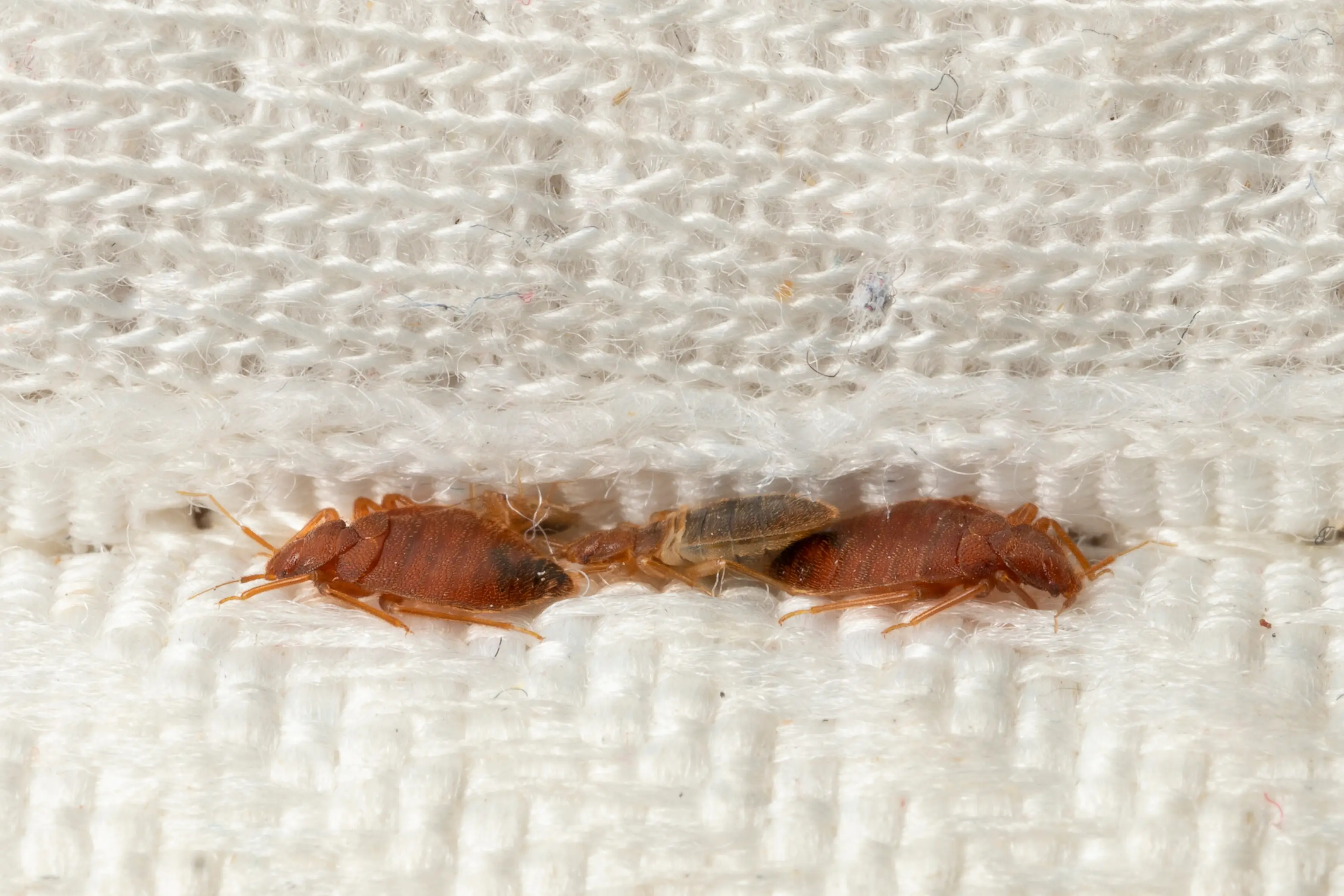
Bed bugs prefer fabrics over cold, hard surfaces. Fabrics mimic natural hiding spots like mattresses and upholstery, provide warmth and shelter, and offer better grip for travel. This explains why fabric luggage is particularly vulnerable.

Dark Colors

Research indicates bed bugs prefer red and black colors. Darker shades provide better camouflage, mimicking the darkness of crevices and hiding places. However, color is secondary to the presence of a host.

Dirty Laundry

Bed bugs are attracted to dirty laundry because of lingering human scents from sweat, body oils, and skin cells. Soiled clothing left on the floor or in open hampers mimics the presence of a host.

Clutter

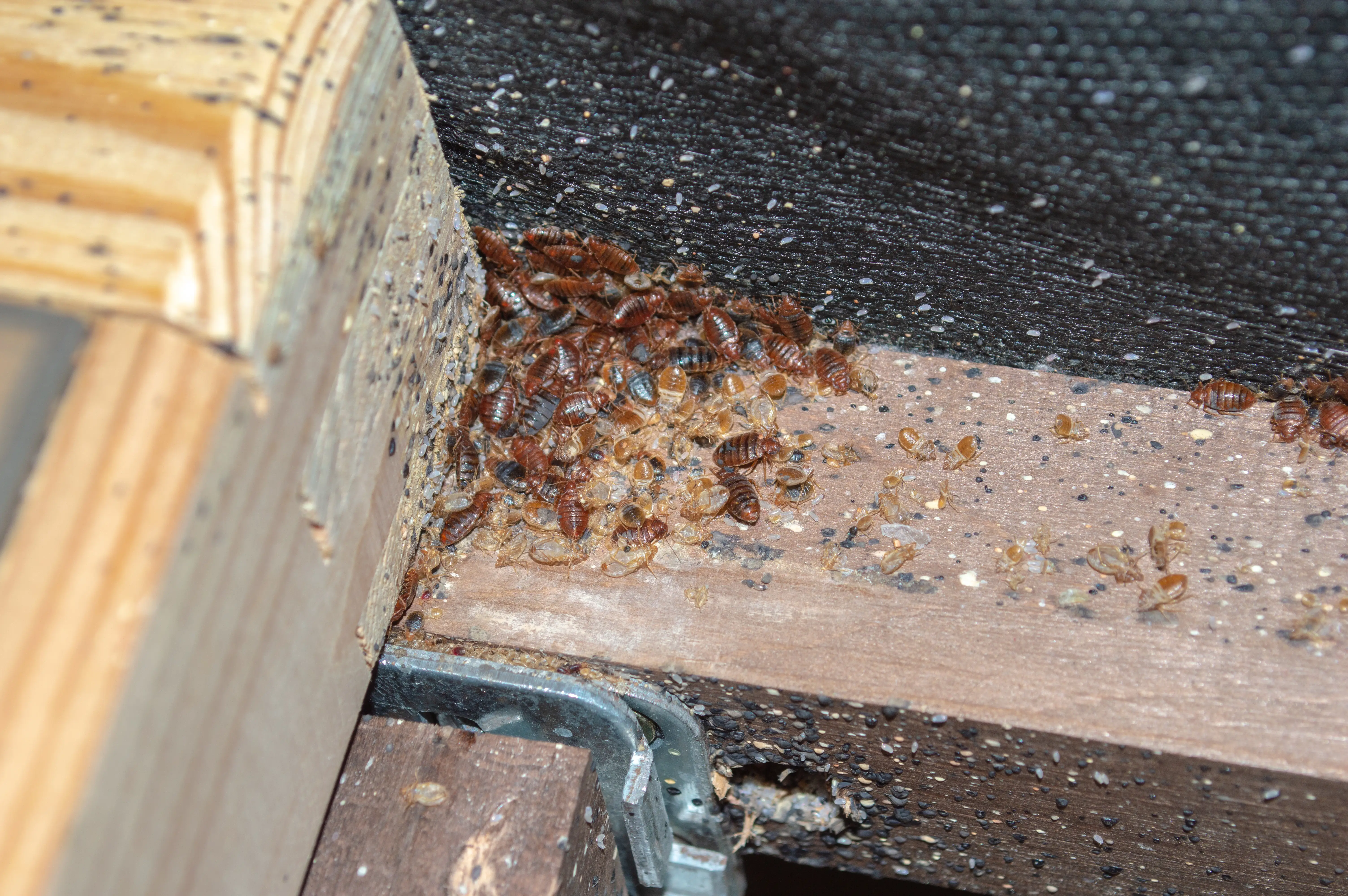
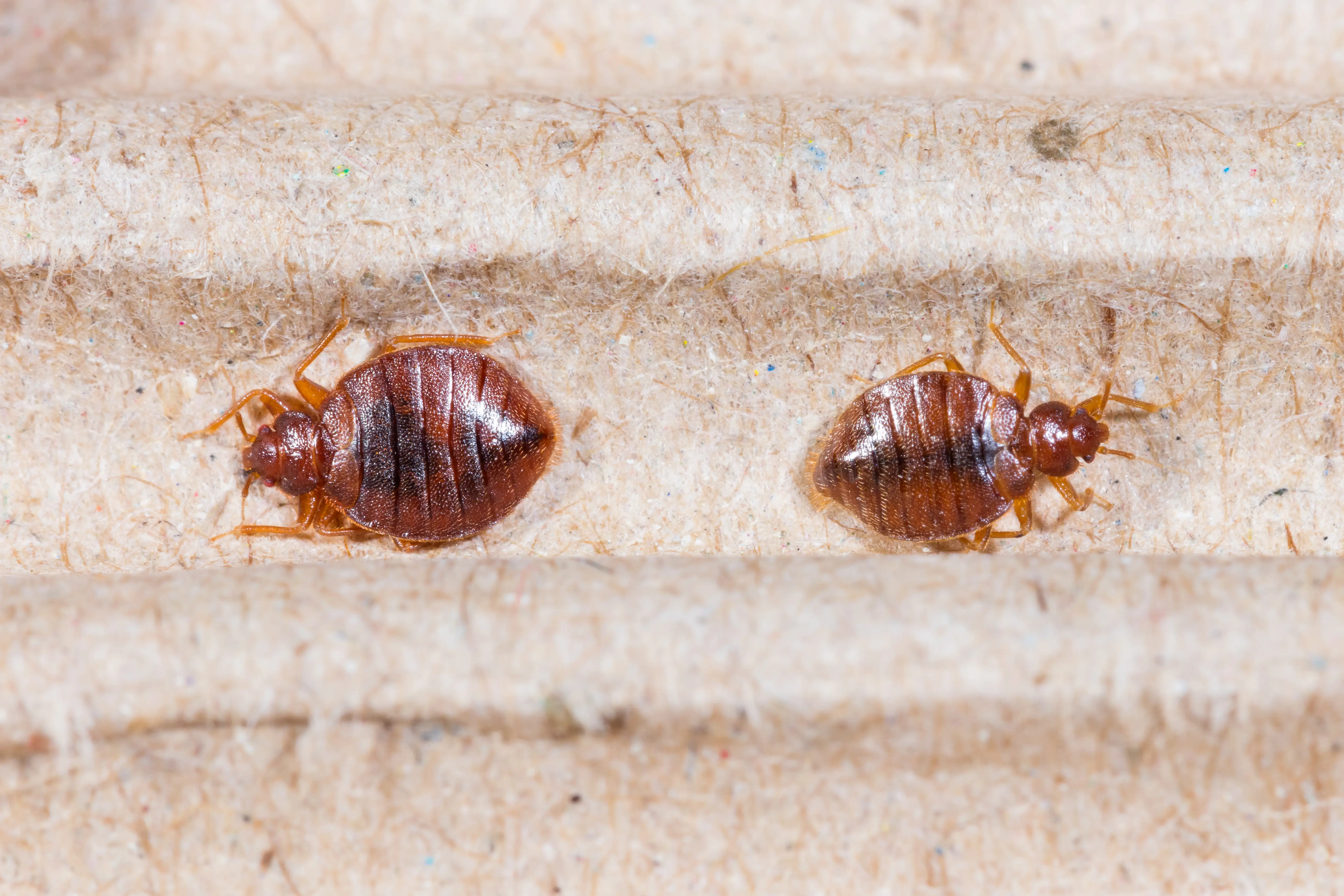
Clutter provides numerous hiding spots. The more cluttered an environment, the more opportunities bed bugs have to conceal themselves. At the size of an apple seed, they excel at squeezing into small cracks and crevices.

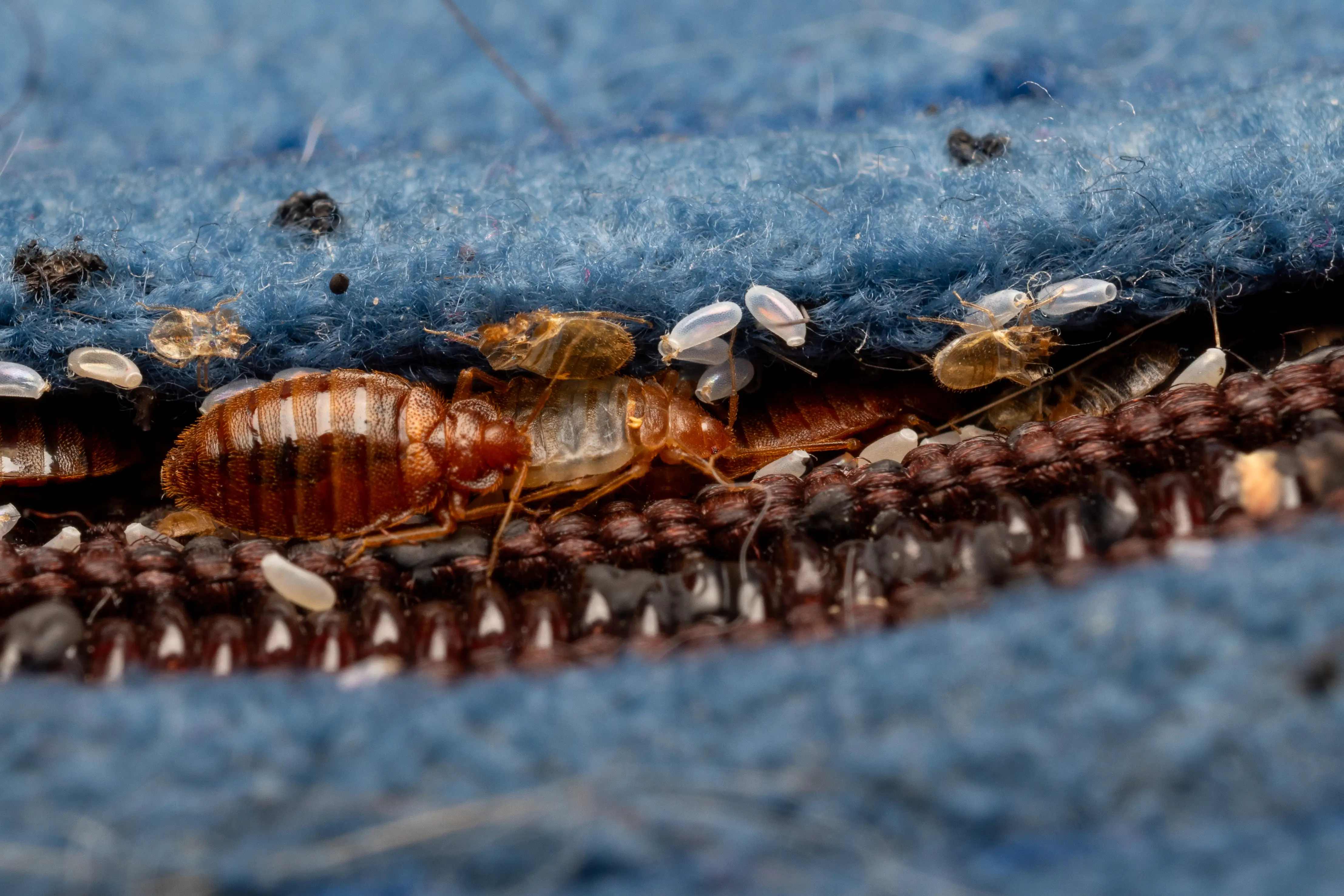
Other Bed Bugs

Bed bugs release histamine in their feces and shed skins, signaling a safe, inhabited environment to others. This chemical attraction can worsen infestations by drawing more bed bugs to an area.

Pets (Secondary)

While pets offer blood, they are not preferred hosts. Fur and pet behavior present challenges for bed bugs compared to easier access to human skin. Pets do not cause infestations like fleas do.

Common Myths Debunked

There are several misconceptions about what attracts bed bugs. Here are the facts:

X

Wood Does NOT Attract Bed Bugs

While wooden furniture cracks provide hiding spots, the material itself is not an attractant. If a wooden nightstand is infested, it is due to placement next to the bed, not the wood. Discarding wooden furniture will not solve an infestation.

X

Menstrual Blood Does NOT Attract Bed Bugs

Bed bugs lack mechanisms to discern whether an individual is menstruating. They are drawn to warmth and CO2, not blood that has already been shed. They use their proboscis to find blood vessels in living, warm skin.

X

Urine Does NOT Attract Bed Bugs

There is no scientific evidence that bed bugs are attracted to urine. The primary factors that draw them are body heat and carbon dioxide, not components found in urine or other bodily fluids.

X

Food Does NOT Attract Bed Bugs

Bed bugs have an exclusively blood-based diet and are completely uninterested in human food, spills, crumbs, or trash. They cannot survive or digest any form of human food. Cleaning food debris helps reduce hiding spots but does not deter bed bugs directly.

How to Prevent Bed Bugs

Preventing bed bugs requires a proactive approach focused on minimizing opportunities for these pests to enter and thrive in your living spaces.

Inspection Habits

  • Inspect secondhand furniture before bringing inside
  • Regularly check beds and surrounding areas for signs
  • Examine clothing and gear after trips
  • Inspect hotel rooms and keep luggage off floors

Home Maintenance

  • Seal cracks and crevices in walls and floors
  • Reduce clutter to eliminate hiding places
  • Vacuum frequently, especially baseboards and seams
  • Use protective covers for mattresses and box springs

Laundry Practices

  • Launder bedding and clothing regularly
  • Use the hottest settings safe for materials
  • Do not leave dirty laundry on floors
  • Use sealed hampers for soiled clothing

If Bed Bugs Are Detected

Contact a pest management professional immediately. Early intervention prevents infestations from spreading and makes eradication more manageable.

Contact EcoGuard if You Are Dealing with Bed Bugs

Tackling a bed bug infestation can be challenging and often requires professional assistance for complete eradication. EcoGuard Pest Management provides effective solutions tailored to your specific situation, ensuring your living space becomes bed bug-free. Do not let bed bugs disrupt your peace and comfort any longer.

Call (866) 326-2847Get Free Quote

What Attracts Bed Bugs FAQs

What is the main cause of bed bugs?

The main cause of bed bug infestations is their hitchhiking behavior. Using hooked feet, they latch onto luggage, furniture, clothing, and other items to move from one location to another. Bed bugs are not attracted to dirt or decay but seek out human environments for the blood meals they need for survival. Preventing infestations primarily involves vigilance in inspecting and managing items that come into your home, especially when traveling or acquiring second-hand furniture.

What scents attract bed bugs?

Bed bugs are attracted to carbon dioxide and certain bodily odors produced by humans, rather than specific external smells. The carbon dioxide we exhale and the scent of blood, along with other biological signatures such as sweat, can lure bed bugs towards a potential host. These attractions make it easier for bed bugs to locate and feed on humans, especially while they are asleep.

What keeps bed bugs away?

Keeping bed bugs away involves a combination of preventative measures, including regularly inspecting and vacuuming furniture and bedding, sealing cracks and crevices in walls and floors, and minimizing clutter to reduce hiding spots. Additionally, washing and drying clothes and bedding at high temperatures can kill bed bugs and their eggs. Using protective covers for mattresses and box springs also helps prevent bed bugs from finding harborage areas.

From Our Blog

Related Articles

7 Stages of the Bed Bug Life Cycle | Complete Guide

7 Stages of the Bed Bug Life Cycle | Complete Guide

Learn the 7 stages of bed bug life cycle from egg to adult. Understand bed bug lifespan, reproduction, and why they are...

Read Article
Are Bed Bugs Dangerous to Humans? Health Risks

Are Bed Bugs Dangerous to Humans? Health Risks

Learn about bed bug health risks including bites, allergic reactions, mental health impacts, and how to identify and...

Read Article
Bed Bug Bites vs Mosquito Bites: How to Tell the Difference

Bed Bug Bites vs Mosquito Bites: How to Tell the Difference

Learn how to identify bed bug bites vs mosquito bites. Compare appearance, patterns, symptoms, healing time, and get...

Read Article
Bed Bug Heat Treatment: Is It Effective? Complete Guide

Bed Bug Heat Treatment: Is It Effective? Complete Guide

Learn how bed bug heat treatment works, pros and cons, costs, preparation steps, and what to expect. Discover why heat...

Read Article
Bed Bugs vs Fleas vs Ticks: Key Differences & How to Identify

Bed Bugs vs Fleas vs Ticks: Key Differences & How to Identify

Learn the differences between bed bugs, fleas, and ticks. Compare size, appearance, bites, health risks, habitat, and...

Read Article
Do Bed Bugs Fly or Jump? How They Move and Spread

Do Bed Bugs Fly or Jump? How They Move and Spread

Learn whether bed bugs can fly or jump, how they move and spread, their speed, and how to use their limitations to...

Read Article
How Common Are Bed Bugs? Statistics & Prevention Guide

How Common Are Bed Bugs? Statistics & Prevention Guide

Discover how common bed bugs are in the US with statistics by home type, city, and state. Learn prevention tips and...

Read Article
How Do Bed Bugs Spread? Prevention & Control Guide

How Do Bed Bugs Spread? Prevention & Control Guide

Learn how bed bugs spread from room to room, house to house, and person to person. Discover prevention tips and how to...

Read Article
How Fast Do Bed Bugs Spread and Multiply?

How Fast Do Bed Bugs Spread and Multiply?

Learn how quickly bed bugs spread from room to room and multiply. Understand reproduction rates, movement speed, and...

Read Article
How Long Can Bed Bugs Live Without a Host? Survival Guide

How Long Can Bed Bugs Live Without a Host? Survival Guide

Learn how long bed bugs can survive without feeding, what diapause is, factors affecting survival, and why starving...

Read Article
How Often Do Bed Bugs Feed? Feeding Habits Explained

How Often Do Bed Bugs Feed? Feeding Habits Explained

Learn how often bed bugs feed, their feeding behavior, and how long they can survive without blood. Understand bed bug...

Read Article
How to Check for Bed Bugs: Complete Inspection Guide

How to Check for Bed Bugs: Complete Inspection Guide

Learn how to inspect for bed bugs at home, in hotels, and on used furniture. Know what signs to look for and where bed...

Read Article
How to Get Rid of Bed Bugs: Complete Treatment Guide

How to Get Rid of Bed Bugs: Complete Treatment Guide

Learn how to identify, contain, and eliminate bed bugs with heat treatment, chemical options, and prevention tips....

Read Article
How to Prepare for Bed Bug Treatment: Complete Checklist

How to Prepare for Bed Bug Treatment: Complete Checklist

Step-by-step bed bug treatment preparation checklist. Learn what to do before, during, and after professional bed bug...

Read Article
Signs of Bed Bugs: How to Identify an Infestation

Signs of Bed Bugs: How to Identify an Infestation

Learn the signs of bed bugs including bites, stains, droppings, and where they hide. Understand bed bug behavior and...

Read Article
What Are Bed Bugs? Facts, Appearance & Prevention Guide

What Are Bed Bugs? Facts, Appearance & Prevention Guide

Learn what bed bugs are, how they look, where they hide, and how to prevent and eliminate infestations. Complete bed...

Read Article
What Do Bed Bug Eggs Look Like? Identification Guide

What Do Bed Bug Eggs Look Like? Identification Guide

Learn how to identify bed bug eggs, where they are laid, how many a female produces, and effective methods to eliminate...

Read Article
What Does Bed Bug Poop Look Like? Identification & Cleanup Guide

What Does Bed Bug Poop Look Like? Identification & Cleanup Guide

Learn to identify bed bug droppings by color, size, and location. Understand why cleaning bed bug feces is critical and...

Read Article
Where Do Bed Bugs Come From?

Where Do Bed Bugs Come From?

Learn where bed bugs come from, the 7 most common places you pick them up, why they spread, and how to prevent bringing...

Read Article
Where Do Bed Bugs Hide? Common Hiding Spots

Where Do Bed Bugs Hide? Common Hiding Spots

Learn where bed bugs hide in your home, mattresses, furniture, and public places. Discover how to check for bed bugs...

Read Article