EcoGuard Pest Management
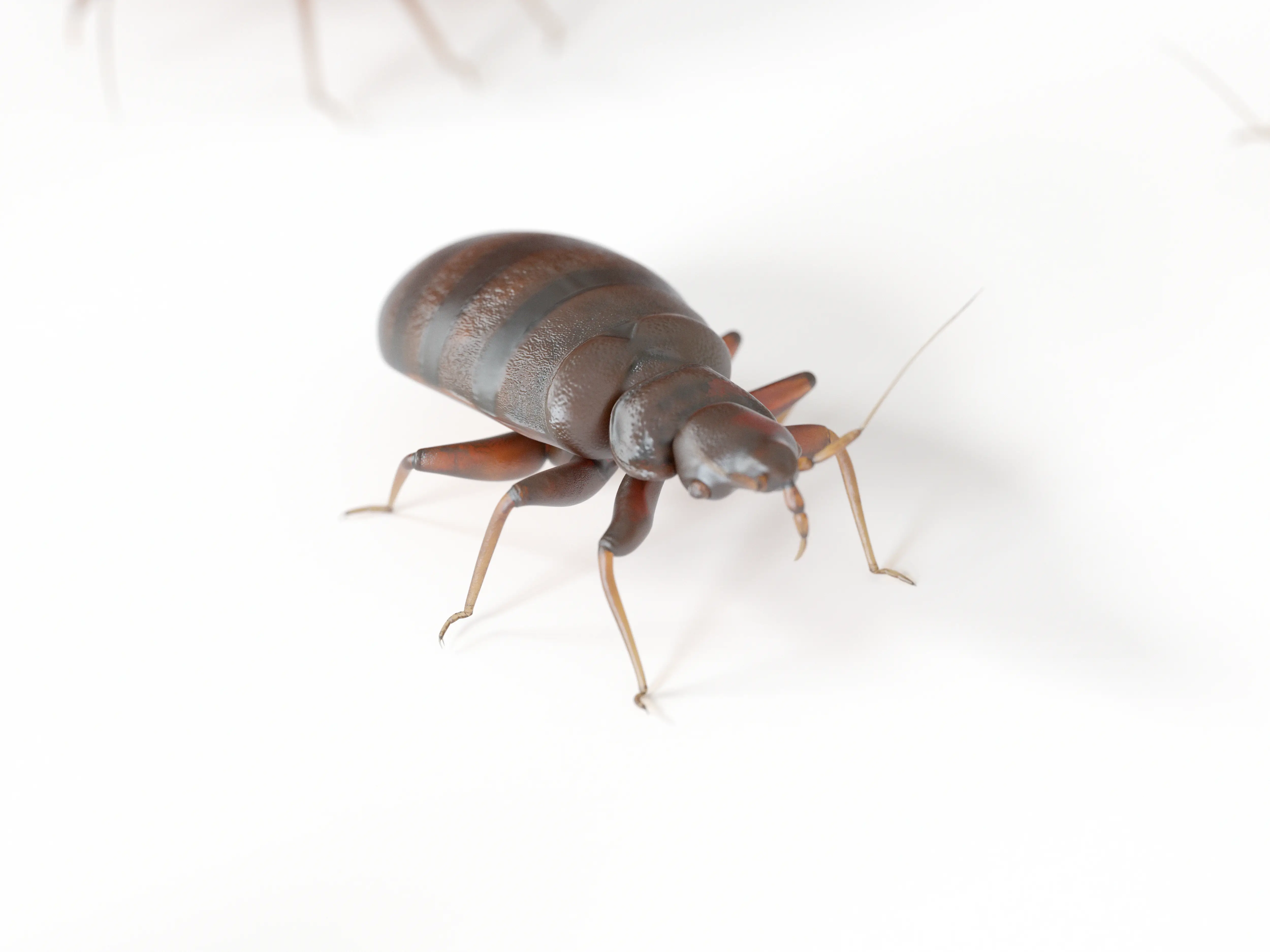
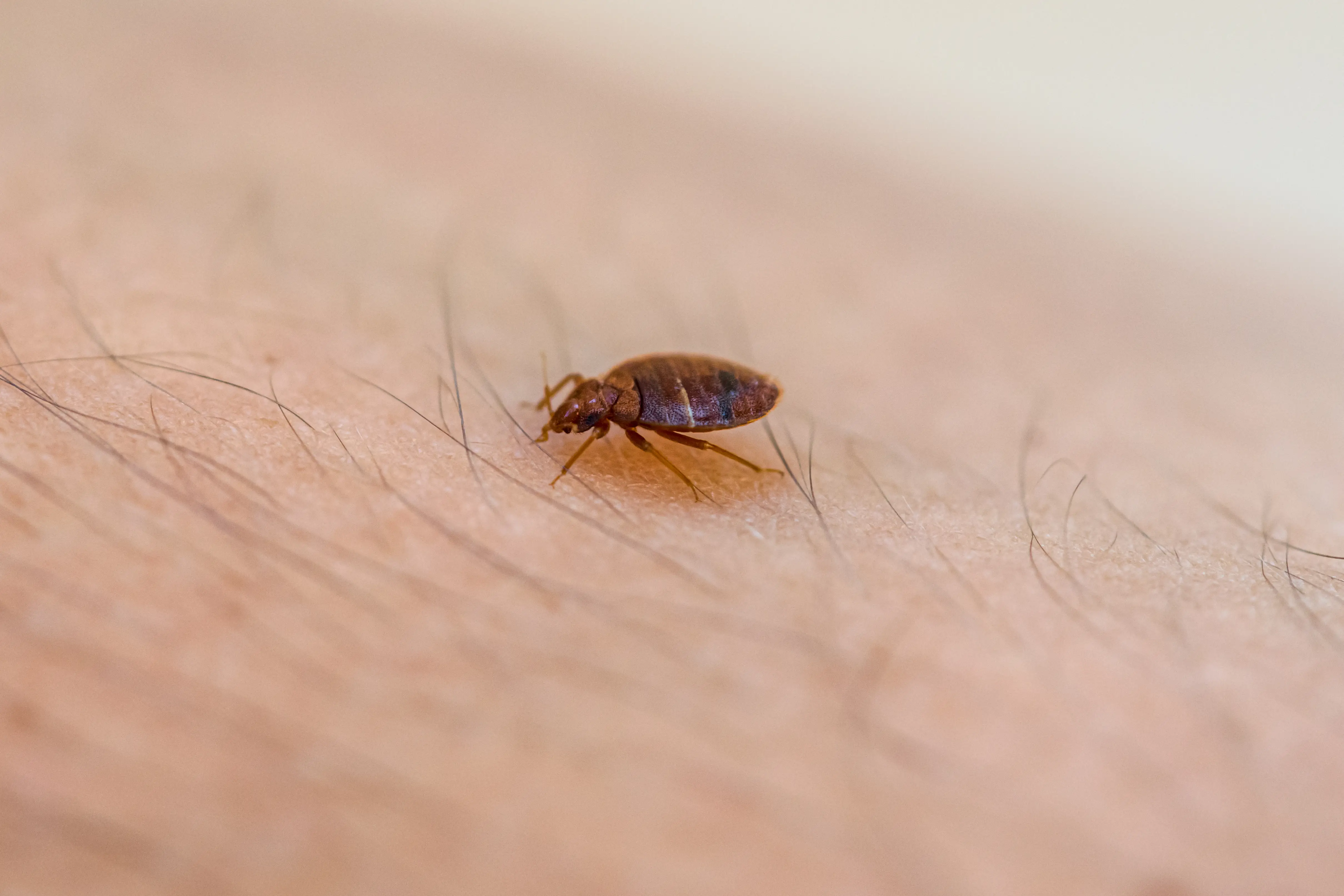
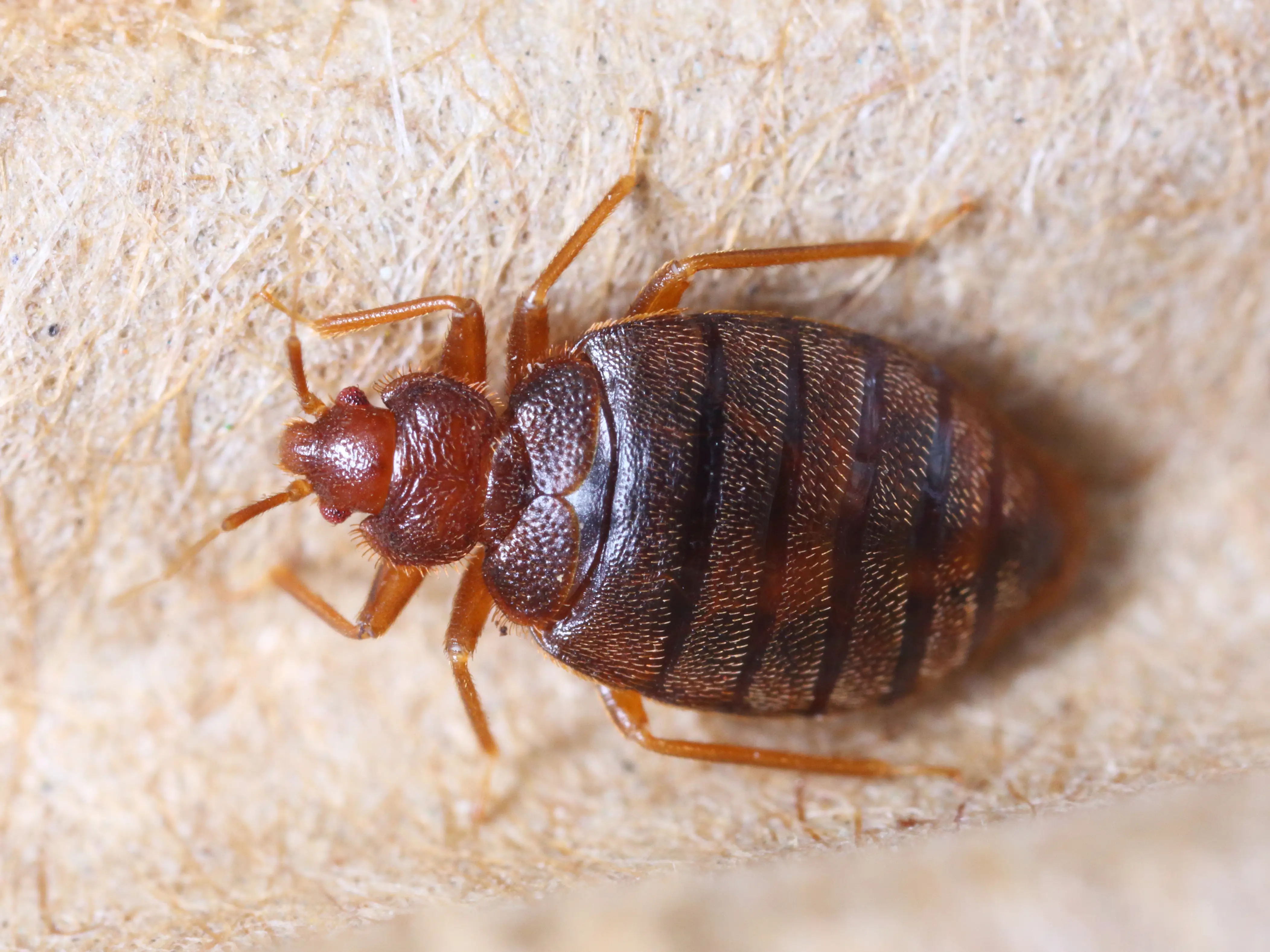
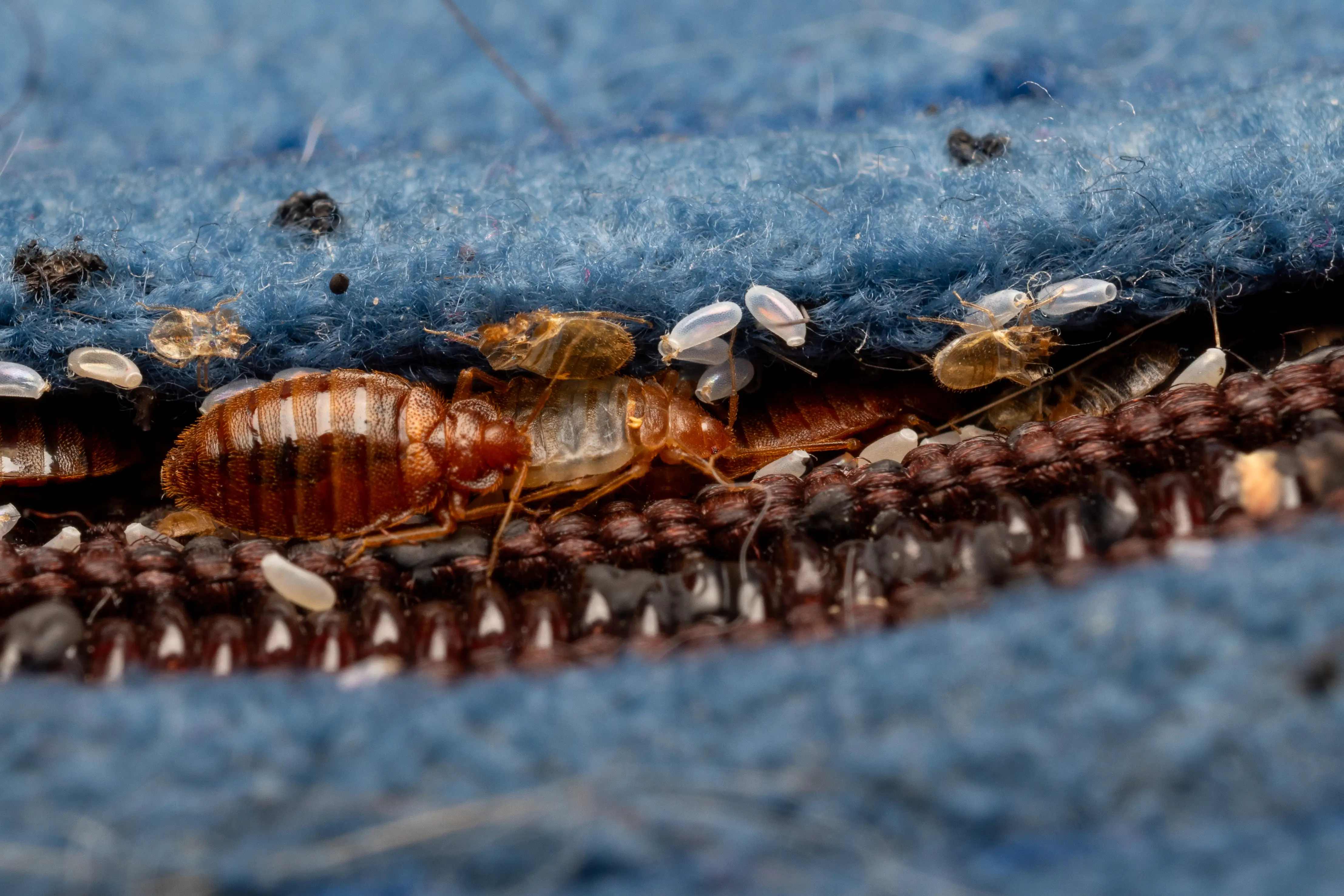
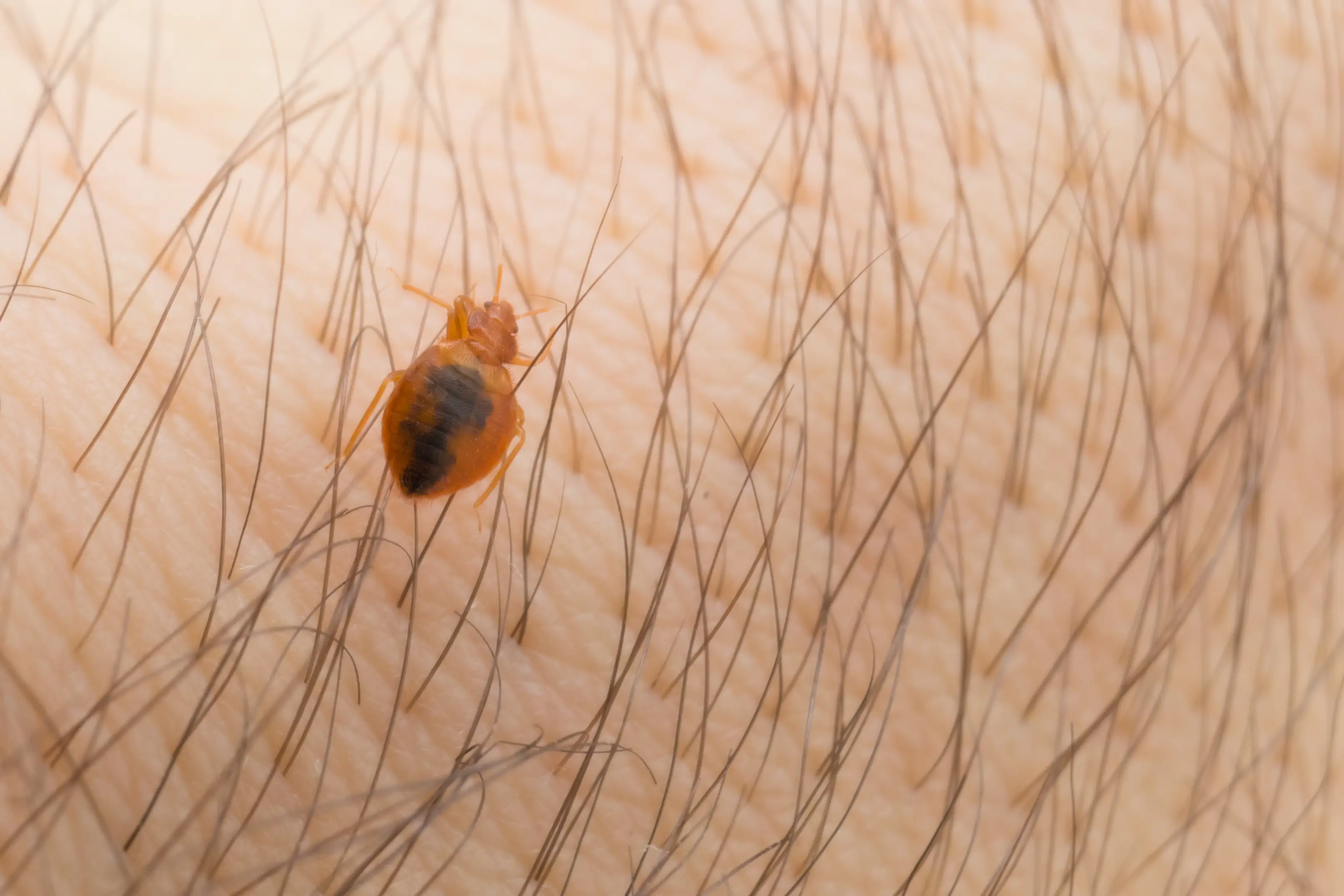
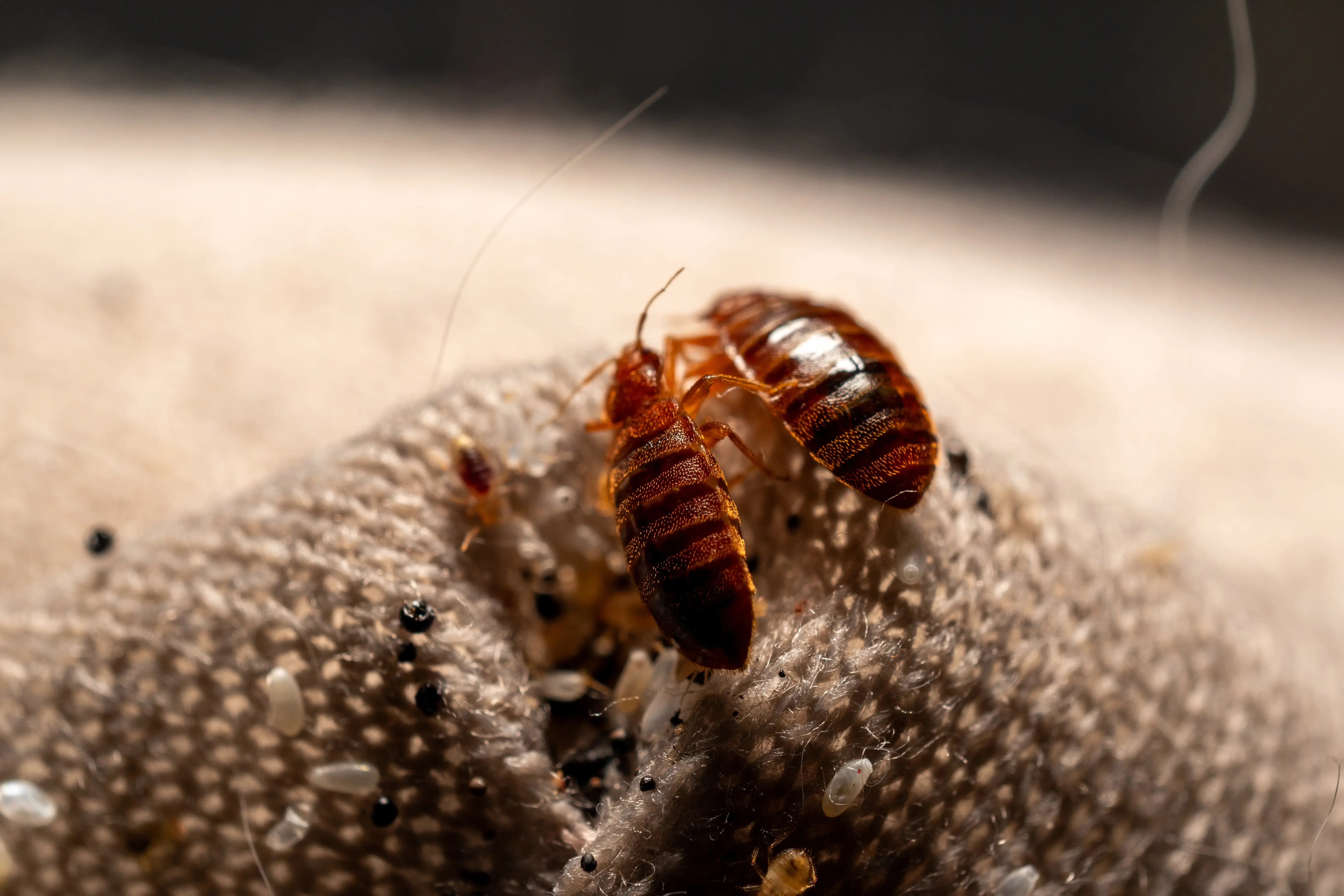
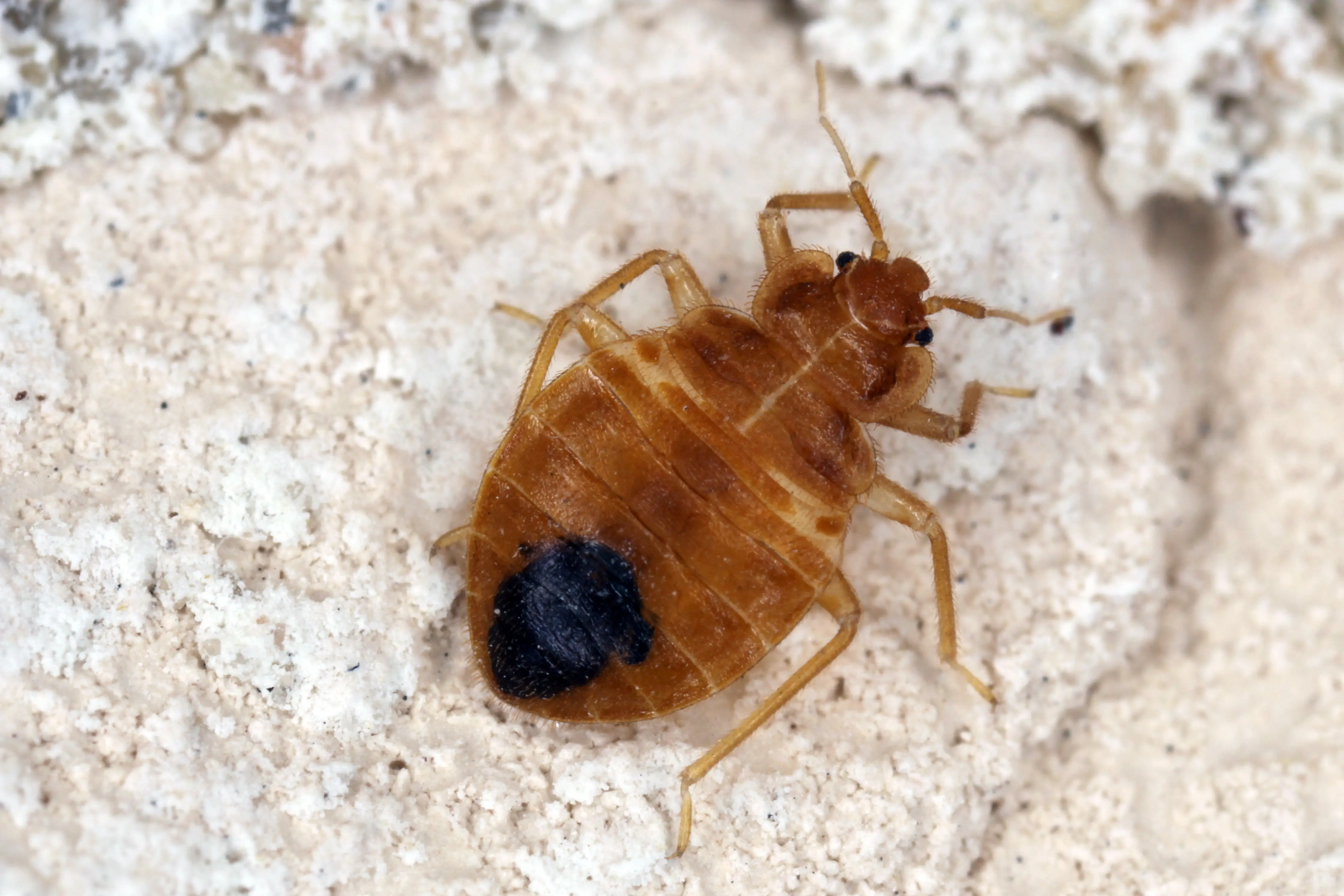
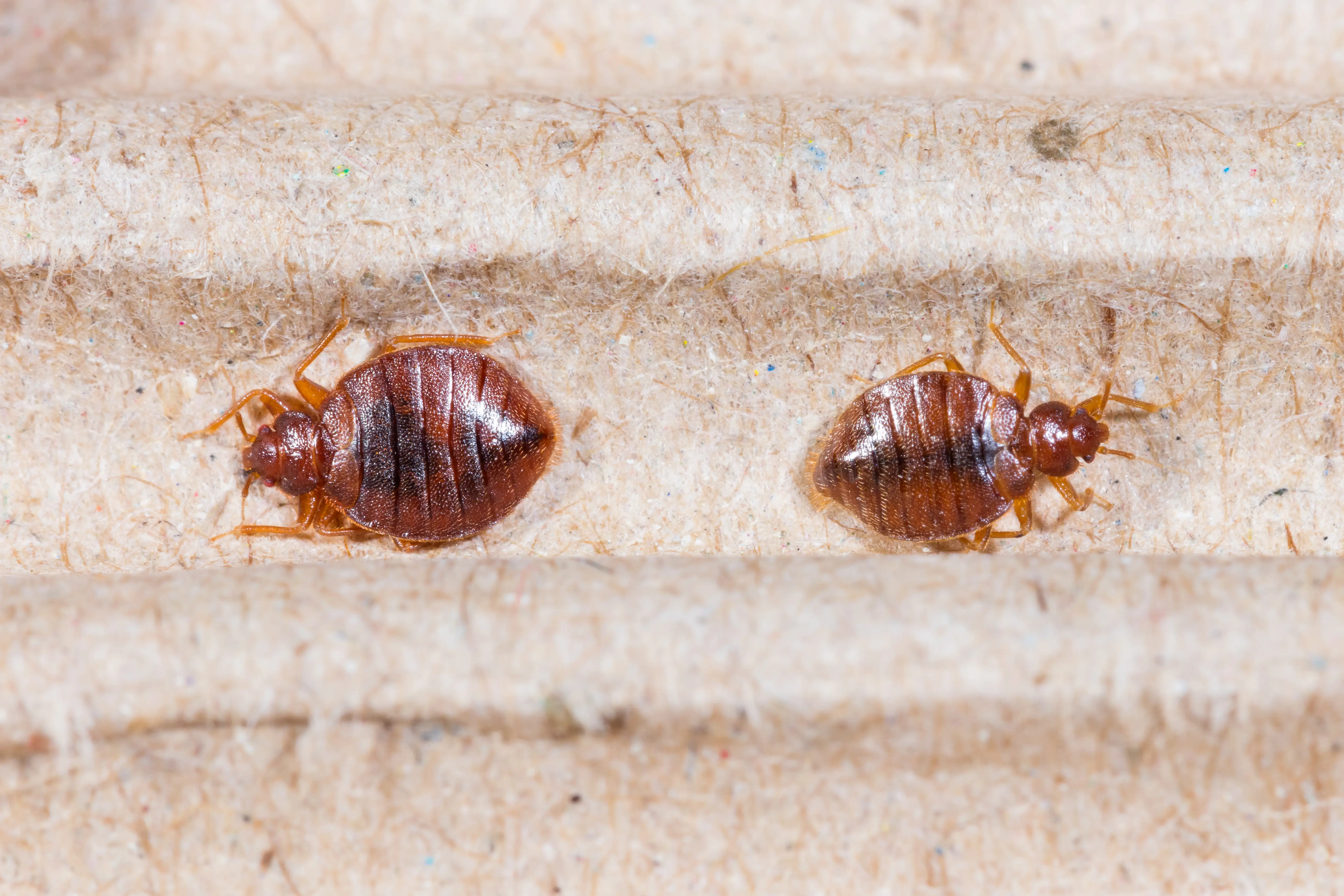
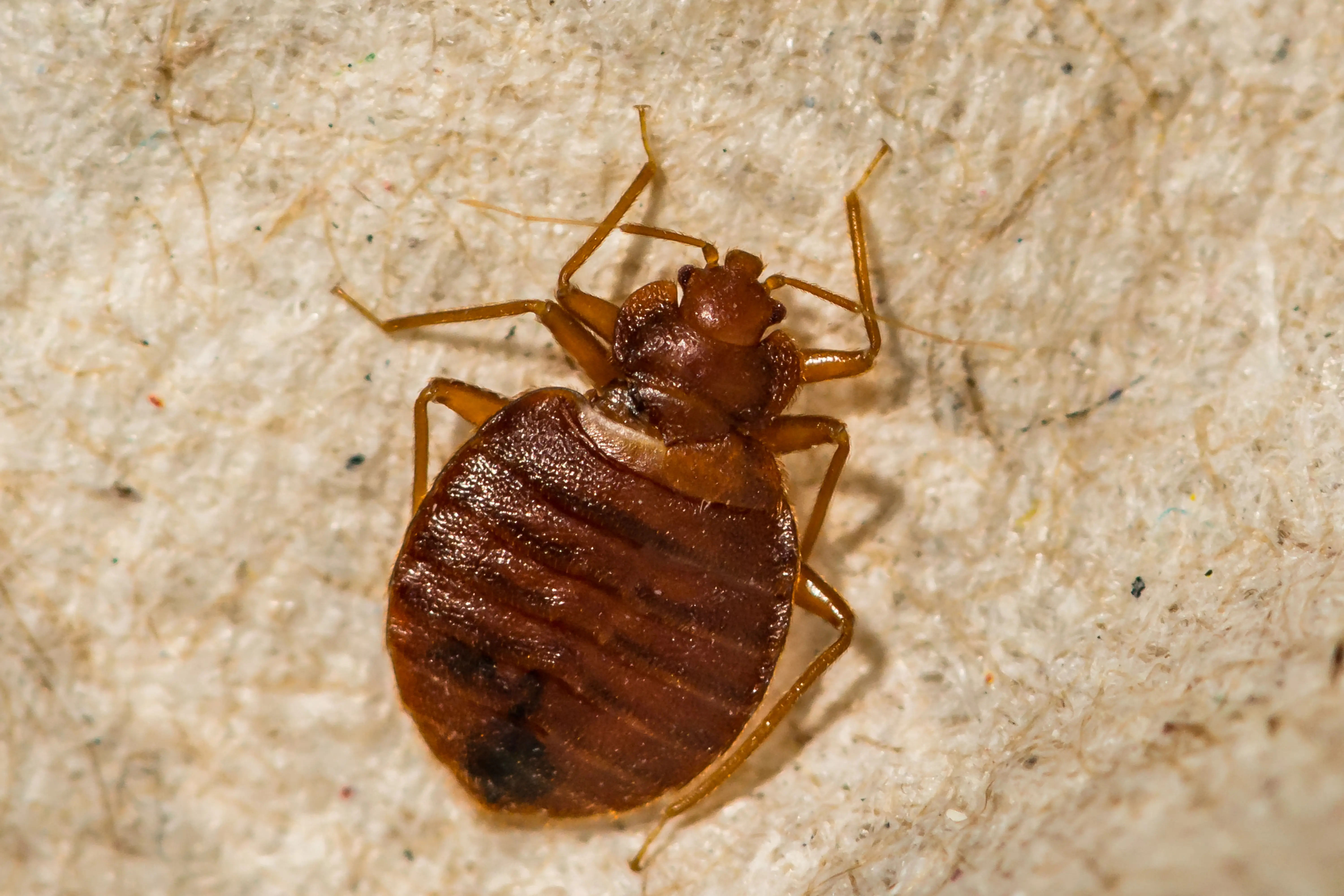
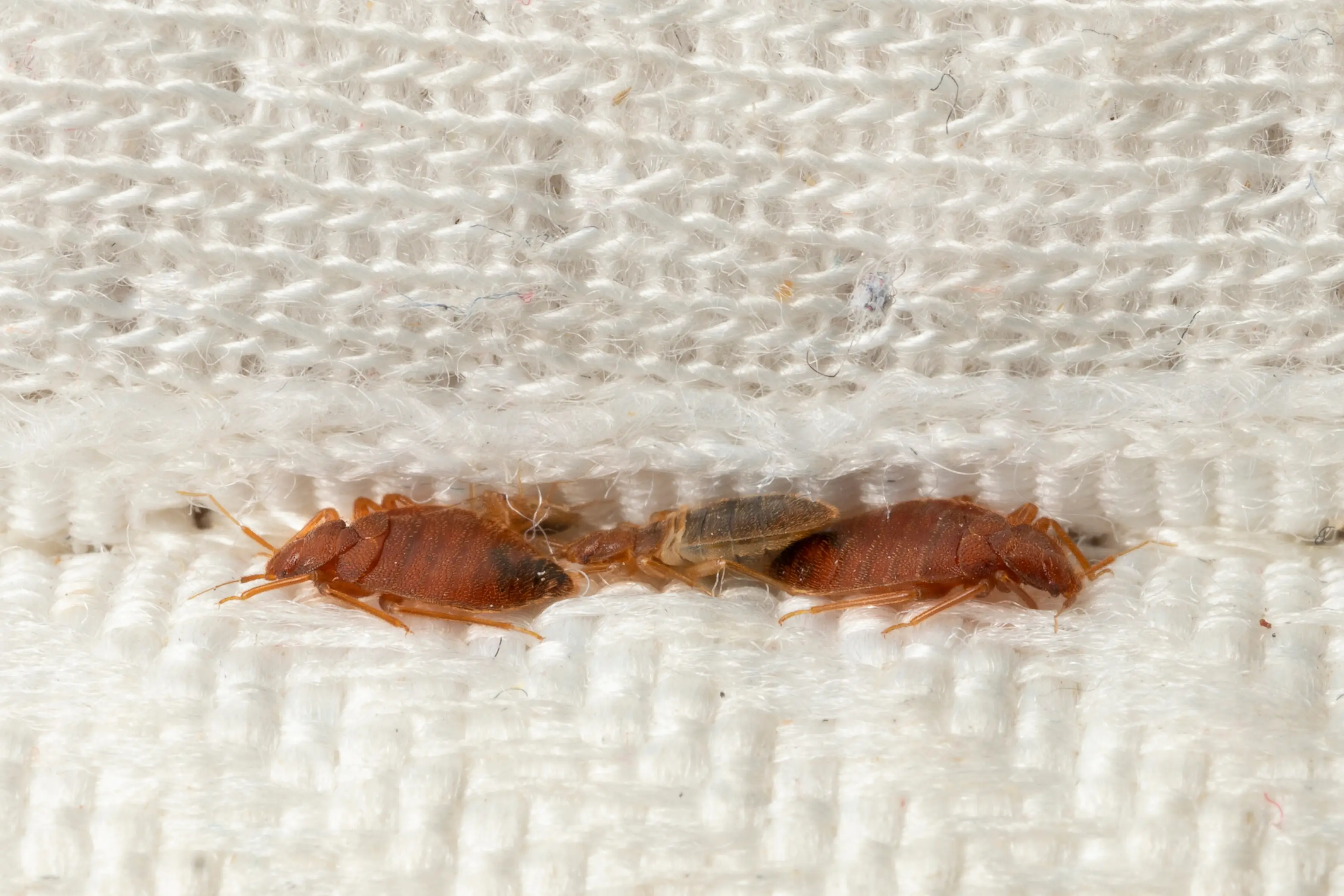
Bed bug in dormant state on fabric surface
By Gary Anderson||7 min read

How Long Can Bed Bugs Live Without a Host?

Understanding bed bug survival abilities and why starving them is not an effective elimination strategy.

Bed bugs are known for being extremely persistent and resilient pests that can survive without a host for an extended period. While they rely on regular blood meals for survival, they possess the ability to enter a dormant state called diapause that allows them to survive for long periods without feeding.

Studies have shown that in optimal conditions, bed bugs have survived for over a year without food. However, the duration depends on factors like age, ambient temperature, and humidity.

Bed Bug Survival Times

Nymphs: ~20 days without feeding
Adults (typical): Up to 4.5 months
Adults (optimal): Up to 400 days
Empty apartment (normal): ~6 months

Key Facts

Max Survival
Up to 400 days (optimal)
Cold Lethal Temp
Below 25°F for 3 weeks
Heat Lethal Temp
Above 113°F for 1 week
How Long Does It Take for Bed Bugs to Die Without a Host?

Bed bugs are notoriously difficult to treat. Younger bed bugs (nymphs) may perish within several weeks without a blood meal, while adults can survive on average for up to 4.5 months. In ideal conditions with optimal temperature and humidity, this can extend to up to 400 days.

~20 Days

Nymphs (young bed bugs)

4.5 Months

Adults (average conditions)

400 Days

Adults (optimal lab conditions)

Why Starving Bed Bugs Does Not Work

Six months is a long time for a home to remain vacant. Simply leaving a property and expecting bed bugs to starve is not an effective strategy. Bed bugs can also migrate to new locations in search of food sources. Comprehensive extermination methods are necessary.

What is Diapause and What is its Purpose?

Diapause in bed bugs is a fascinating survival adaptation, similar to a state of dormancy or hibernation. This mechanism is the evolutionary step that helped bed bugs survive winters when hosts became scarce.

What Triggers Diapause

Bed bugs revert to diapause when resources run low. It can be triggered by a drop in temperature or the lack of available hosts for feeding.

How It Works

Diapause allows bed bugs to significantly slow down their metabolism until conditions are favorable again, then resume normal activities.

Why It Matters

The ability to enter diapause is a key reason why bed bugs are notoriously hard to eliminate. It is a testament to their resilience and adaptability.

Factors That Impact Survival During Diapause

Temperature

Bed bugs can endure a range of temperatures, but extremes are lethal. They typically cannot survive temperatures below 25°F (-4°C) or above 119°F (48°C). Bed bug eggs have a slightly higher threshold, surviving up to 130°F (54°C).

Humidity

High relative humidity is optimal for bed bugs. Adults can live longer in environments with 75% to 100% humidity. Low humidity levels, especially those under 15%, can be fatal as bed bugs require moisture to maintain bodily functions.

Age

Survival duration without a meal varies with age. Adult bed bugs can last several months without feeding, whereas younger bed bugs may only survive a few weeks. The younger the bed bug, the less likely it is to survive extended periods without resources needed for development.

Do Not Wait for Bed Bugs to Starve

Bed bugs can survive months without feeding. Professional treatment is the only reliable solution.

Call (866) 326-2847

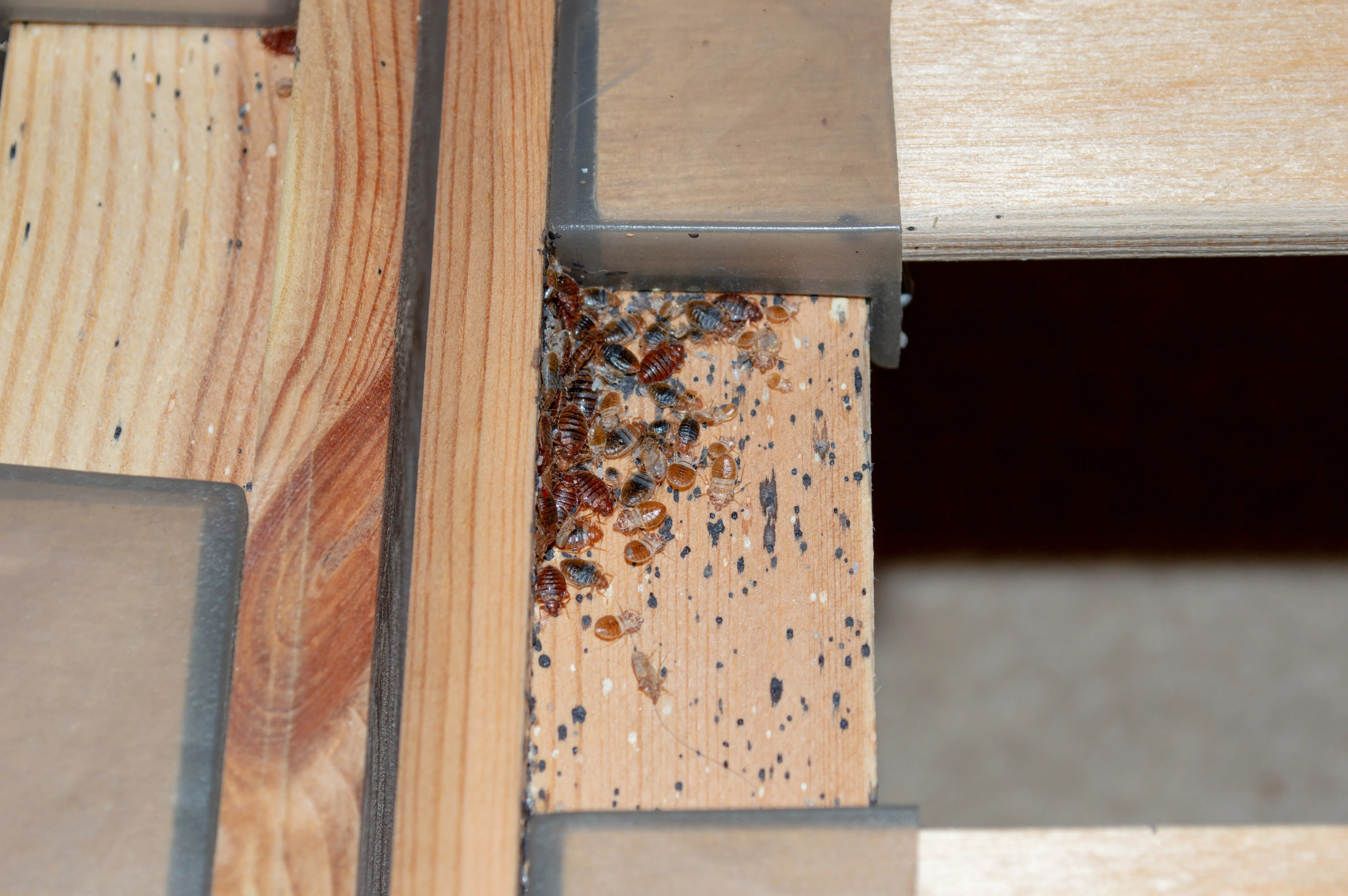
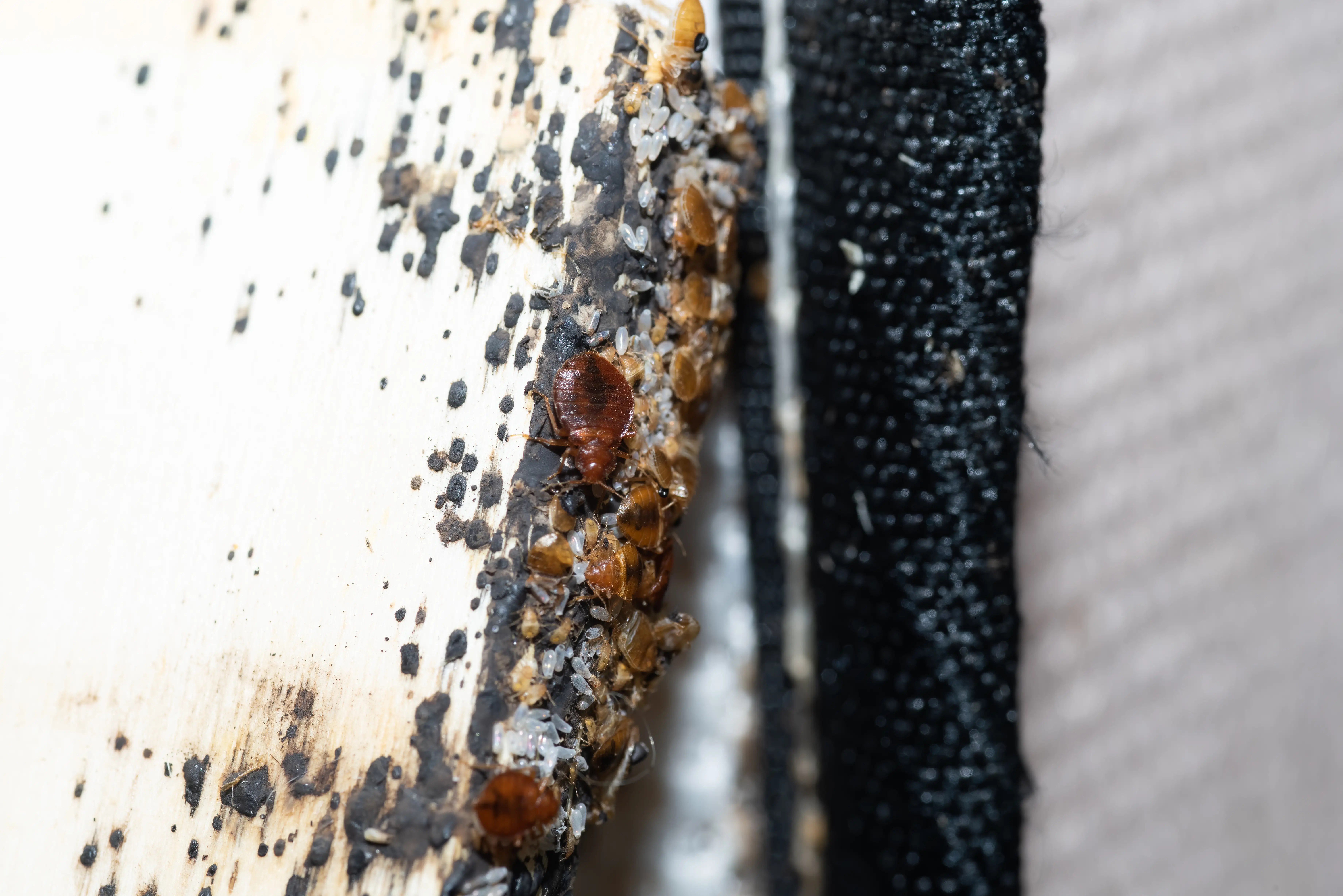
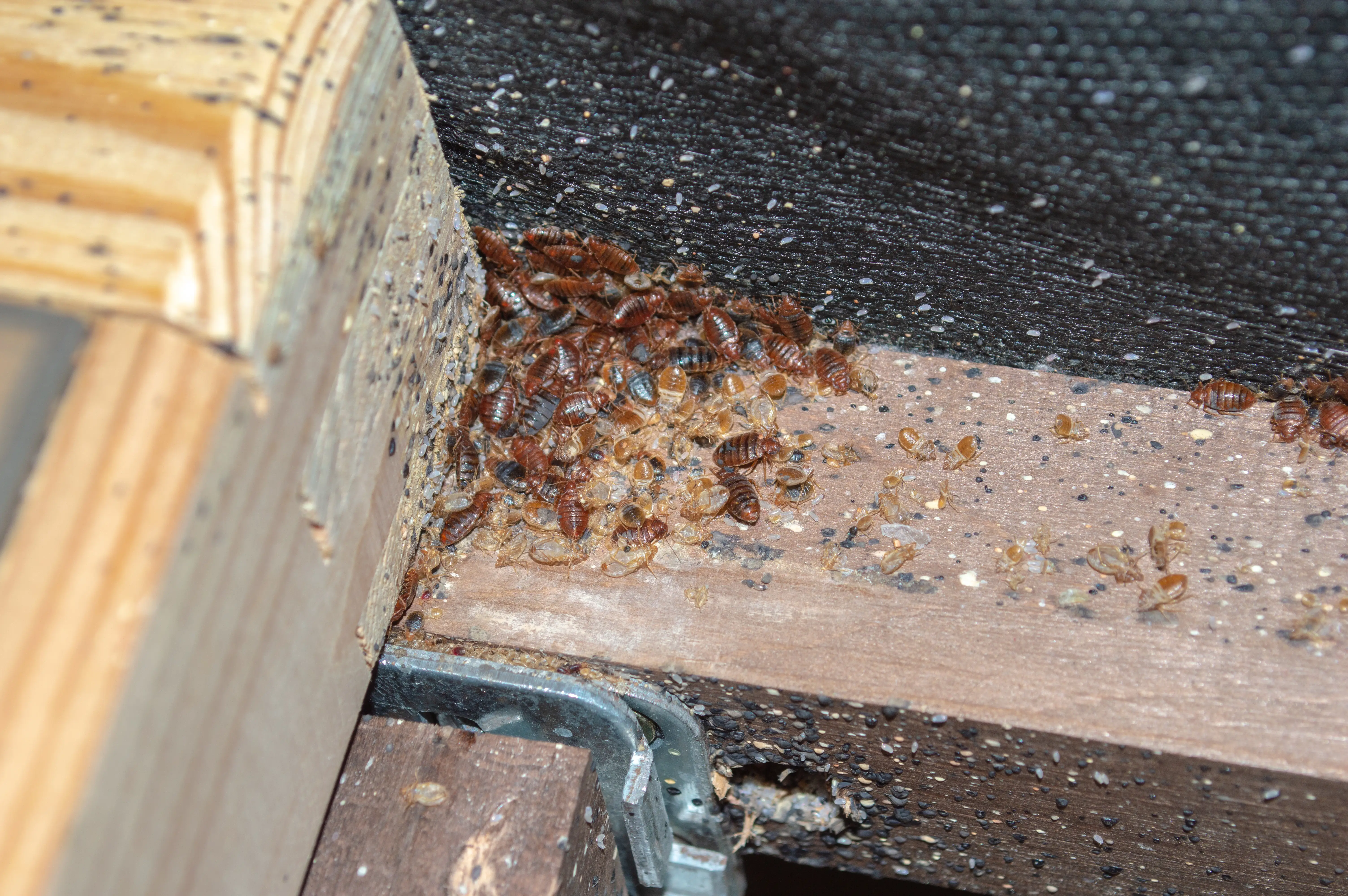
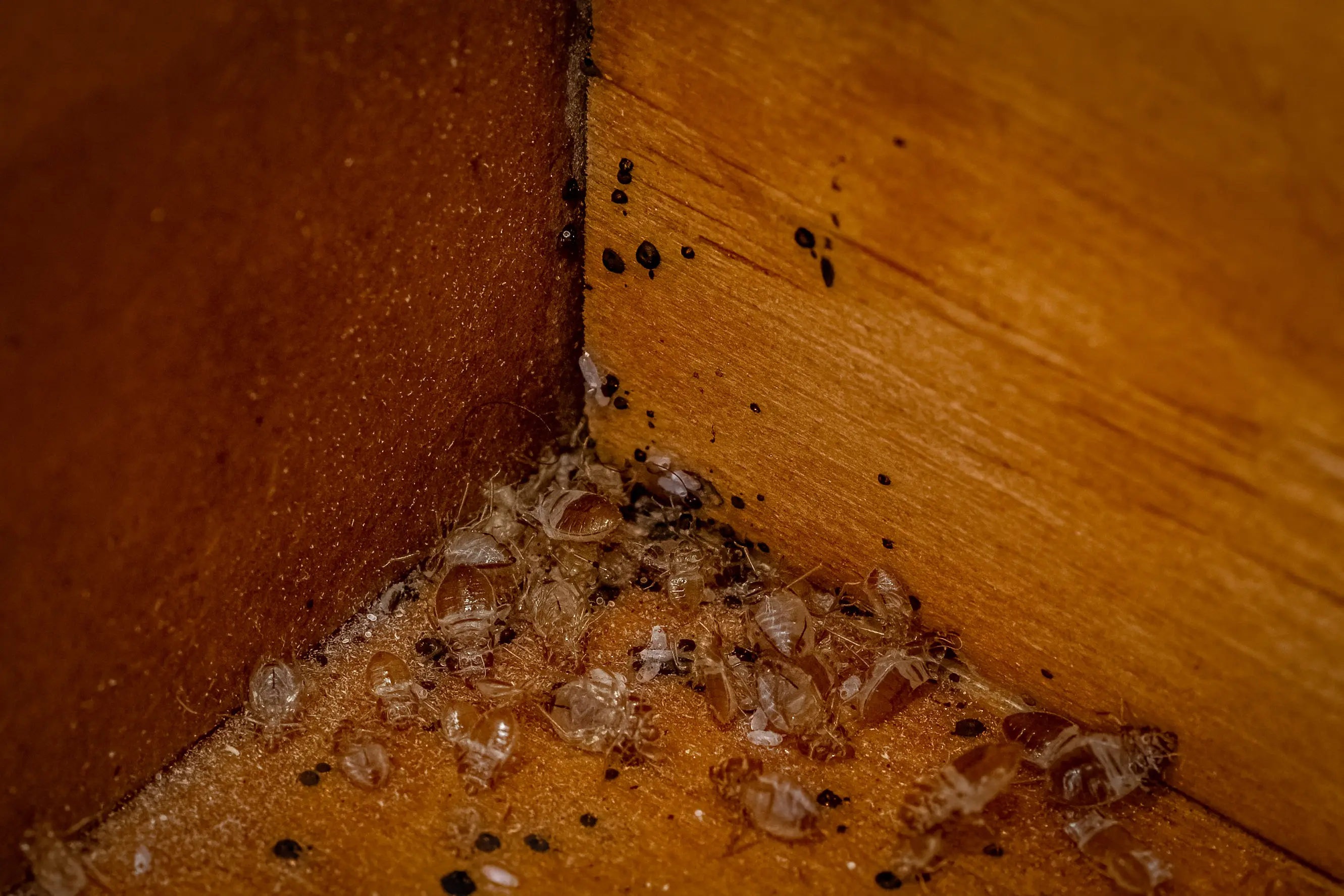
Where Can Bed Bugs Hide While Dormant?

When dormant, bed bugs can hide in a variety of places, making them particularly difficult to detect and eradicate:

Furniture

Beds, couches, chairs where humans spend time

Cracks and Crevices

Wall gaps, loose trim, light switch sockets

Flooring

Hardwood cracks, under loose floorboards

Electrical Outlets

Gaps behind outlet covers

Note: Due to their nocturnal nature and small size, bed bugs can easily remain hidden and emerge only at night. Professional pest control services are usually necessary to ensure complete removal.

How to Get Rid of Bed Bugs in an Empty House

Eliminating bed bugs from an empty house involves a systematic approach. The absence of inhabitants allows for more thorough and aggressive treatment methods:

1

Remove and Treat Soft Furnishings

Strip bedding, couches, and curtains. Wash in hot water and dry on high heat. Seal items in airtight bags during transport.

2

Seal Mattresses and Box Springs

Cover with bed bug mattress covers to trap them or plastic covers to suffocate them.

3

Declutter and Vacuum Regularly

Remove clutter, especially around sleeping areas. Daily vacuuming can remove living bed bugs and eggs. Dispose of vacuum contents outside immediately.

4

Steam Treatment

Use steam cleaning for items and areas that cannot be washed. Steam's high temperature is effective in killing bed bugs and their eggs.

5

Professional Extermination

Given the complexity of infestations, hiring a professional is often the most effective way to ensure complete eradication using heat treatments or pesticides.

Contact EcoGuard if You Are Dealing with Bed Bugs

Tackling a bed bug infestation can be a daunting task that requires expert knowledge and precise execution. EcoGuard Pest Management is here to assist you. Our team of experienced professionals is equipped with the latest techniques and tools to effectively eliminate bed bugs from your environment. We understand the urgency and are committed to providing swift, thorough, and discreet service. Do not let bed bugs disrupt your peace of mind.

Call (866) 326-2847Get Free Quote

Bed Bug Survival FAQs

Will bed bugs die if left alone?

Bed bugs will not naturally die off if left alone in a typical home environment because they can survive for extended periods without feeding. Adult bed bugs can live for several months without a blood meal under favorable conditions, making it unlikely that an infestation will resolve on its own. Effective eradication usually requires targeted treatment strategies.

How long will bed bugs live in an empty house?

Bed bugs can live in an empty house for several months, with some surviving up to a year or longer under optimal conditions. Their ability to enter a dormant state allows them to endure longer periods without a blood meal. Therefore, an empty house does not guarantee the elimination of a bed bug infestation without specific treatment measures.

Will bed bugs leave if there is no host?

Bed bugs are unlikely to voluntarily leave an area even if there is no host available. They can survive for several months without feeding by entering a state of dormancy. Therefore, the absence of a host alone is not an effective strategy for getting rid of bed bugs.

How long can bed bugs live on furniture?

Bed bugs can live on furniture for several months to over a year, especially in favorable conditions where they can enter a dormant state to conserve energy. Since they are adept at hiding in small crevices and can survive long periods without a blood meal, furniture can serve as a long-term habitat for bed bugs. Their longevity on furniture underscores the need for effective treatment strategies to eradicate them.

From Our Blog

Related Articles

7 Stages of the Bed Bug Life Cycle | Complete Guide

7 Stages of the Bed Bug Life Cycle | Complete Guide

Learn the 7 stages of bed bug life cycle from egg to adult. Understand bed bug lifespan, reproduction, and why they are...

Read Article
Are Bed Bugs Dangerous to Humans? Health Risks

Are Bed Bugs Dangerous to Humans? Health Risks

Learn about bed bug health risks including bites, allergic reactions, mental health impacts, and how to identify and...

Read Article
Bed Bug Bites vs Mosquito Bites: How to Tell the Difference

Bed Bug Bites vs Mosquito Bites: How to Tell the Difference

Learn how to identify bed bug bites vs mosquito bites. Compare appearance, patterns, symptoms, healing time, and get...

Read Article
Bed Bug Heat Treatment: Is It Effective? Complete Guide

Bed Bug Heat Treatment: Is It Effective? Complete Guide

Learn how bed bug heat treatment works, pros and cons, costs, preparation steps, and what to expect. Discover why heat...

Read Article
Bed Bugs vs Fleas vs Ticks: Key Differences & How to Identify

Bed Bugs vs Fleas vs Ticks: Key Differences & How to Identify

Learn the differences between bed bugs, fleas, and ticks. Compare size, appearance, bites, health risks, habitat, and...

Read Article
Do Bed Bugs Fly or Jump? How They Move and Spread

Do Bed Bugs Fly or Jump? How They Move and Spread

Learn whether bed bugs can fly or jump, how they move and spread, their speed, and how to use their limitations to...

Read Article
How Common Are Bed Bugs? Statistics & Prevention Guide

How Common Are Bed Bugs? Statistics & Prevention Guide

Discover how common bed bugs are in the US with statistics by home type, city, and state. Learn prevention tips and...

Read Article
How Do Bed Bugs Spread? Prevention & Control Guide

How Do Bed Bugs Spread? Prevention & Control Guide

Learn how bed bugs spread from room to room, house to house, and person to person. Discover prevention tips and how to...

Read Article
How Fast Do Bed Bugs Spread and Multiply?

How Fast Do Bed Bugs Spread and Multiply?

Learn how quickly bed bugs spread from room to room and multiply. Understand reproduction rates, movement speed, and...

Read Article
How Often Do Bed Bugs Feed? Feeding Habits Explained

How Often Do Bed Bugs Feed? Feeding Habits Explained

Learn how often bed bugs feed, their feeding behavior, and how long they can survive without blood. Understand bed bug...

Read Article
How to Check for Bed Bugs: Complete Inspection Guide

How to Check for Bed Bugs: Complete Inspection Guide

Learn how to inspect for bed bugs at home, in hotels, and on used furniture. Know what signs to look for and where bed...

Read Article
How to Get Rid of Bed Bugs: Complete Treatment Guide

How to Get Rid of Bed Bugs: Complete Treatment Guide

Learn how to identify, contain, and eliminate bed bugs with heat treatment, chemical options, and prevention tips....

Read Article
How to Prepare for Bed Bug Treatment: Complete Checklist

How to Prepare for Bed Bug Treatment: Complete Checklist

Step-by-step bed bug treatment preparation checklist. Learn what to do before, during, and after professional bed bug...

Read Article
Signs of Bed Bugs: How to Identify an Infestation

Signs of Bed Bugs: How to Identify an Infestation

Learn the signs of bed bugs including bites, stains, droppings, and where they hide. Understand bed bug behavior and...

Read Article
What Are Bed Bugs? Facts, Appearance & Prevention Guide

What Are Bed Bugs? Facts, Appearance & Prevention Guide

Learn what bed bugs are, how they look, where they hide, and how to prevent and eliminate infestations. Complete bed...

Read Article
What Attracts Bed Bugs? Myths vs Facts

What Attracts Bed Bugs? Myths vs Facts

Learn what truly attracts bed bugs to your home. Discover the science behind bed bug attraction including warmth, CO2,...

Read Article
What Do Bed Bug Eggs Look Like? Identification Guide

What Do Bed Bug Eggs Look Like? Identification Guide

Learn how to identify bed bug eggs, where they are laid, how many a female produces, and effective methods to eliminate...

Read Article
What Does Bed Bug Poop Look Like? Identification & Cleanup Guide

What Does Bed Bug Poop Look Like? Identification & Cleanup Guide

Learn to identify bed bug droppings by color, size, and location. Understand why cleaning bed bug feces is critical and...

Read Article
Where Do Bed Bugs Come From?

Where Do Bed Bugs Come From?

Learn where bed bugs come from, the 7 most common places you pick them up, why they spread, and how to prevent bringing...

Read Article
Where Do Bed Bugs Hide? Common Hiding Spots

Where Do Bed Bugs Hide? Common Hiding Spots

Learn where bed bugs hide in your home, mattresses, furniture, and public places. Discover how to check for bed bugs...

Read Article