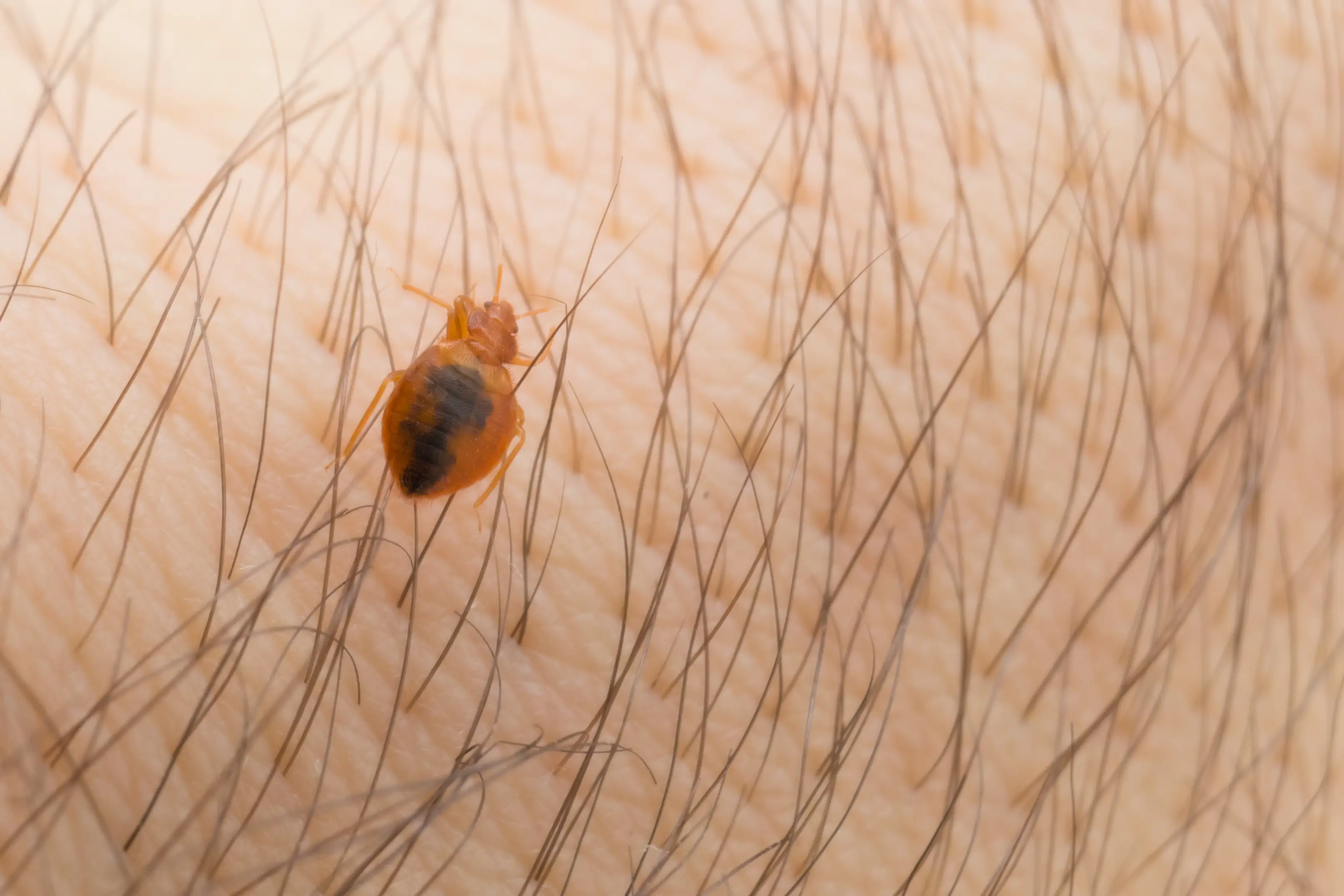
The best way to determine a possible bed bug infestation is to look for physical signs of bed bugs or bed bug activity. Finding an infestation early is easier and less expensive to treat.
How to Spot a Bed Bug
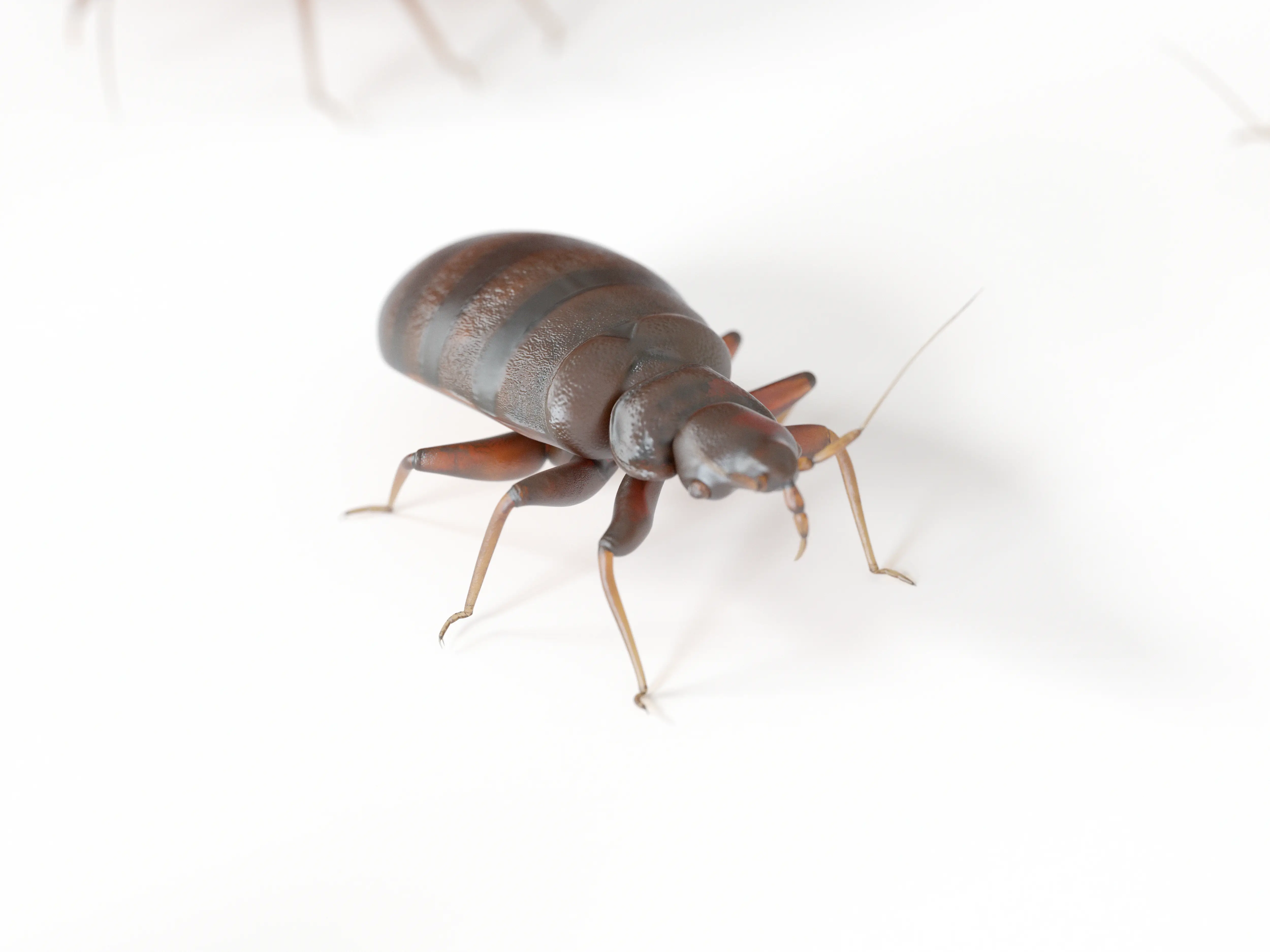
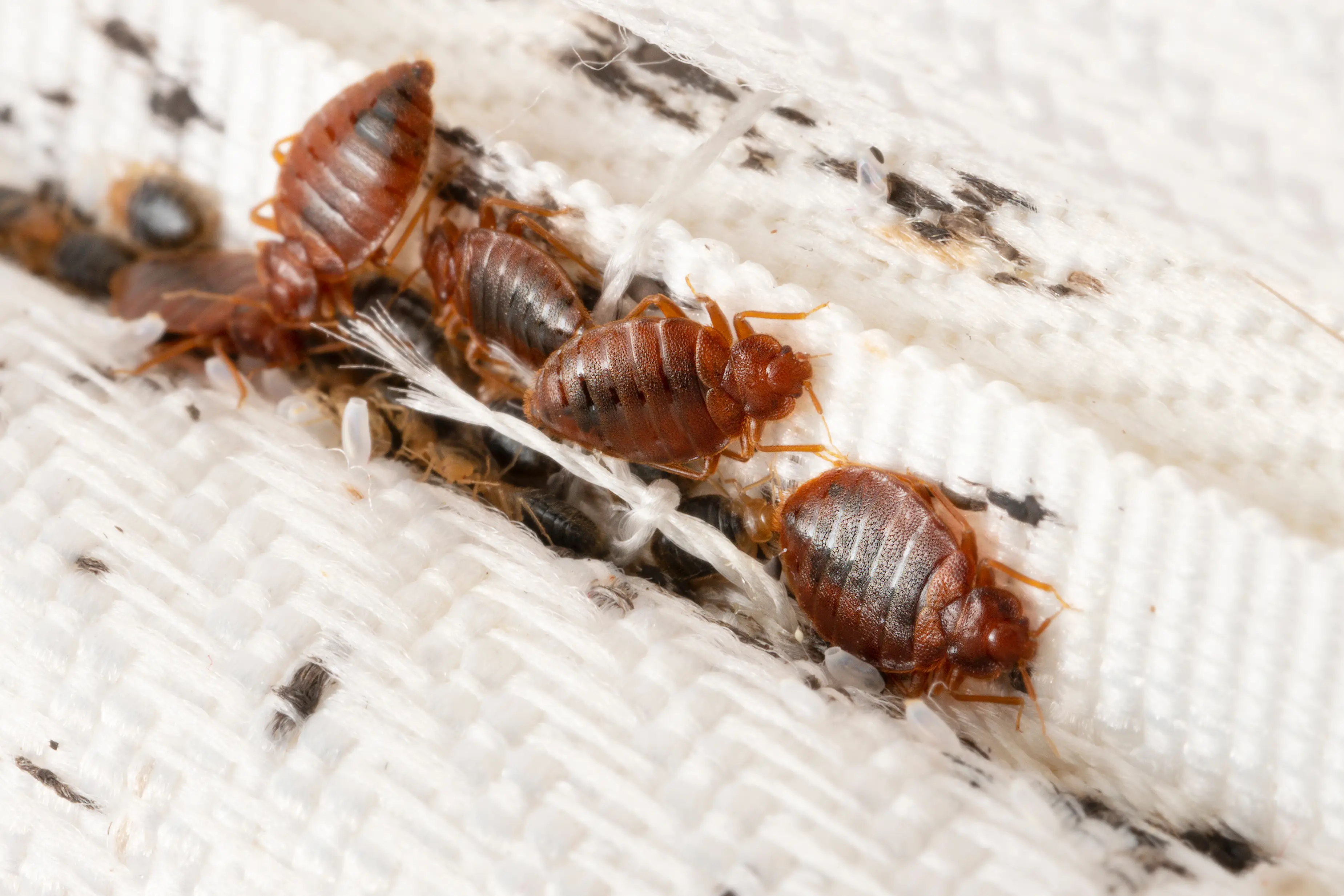
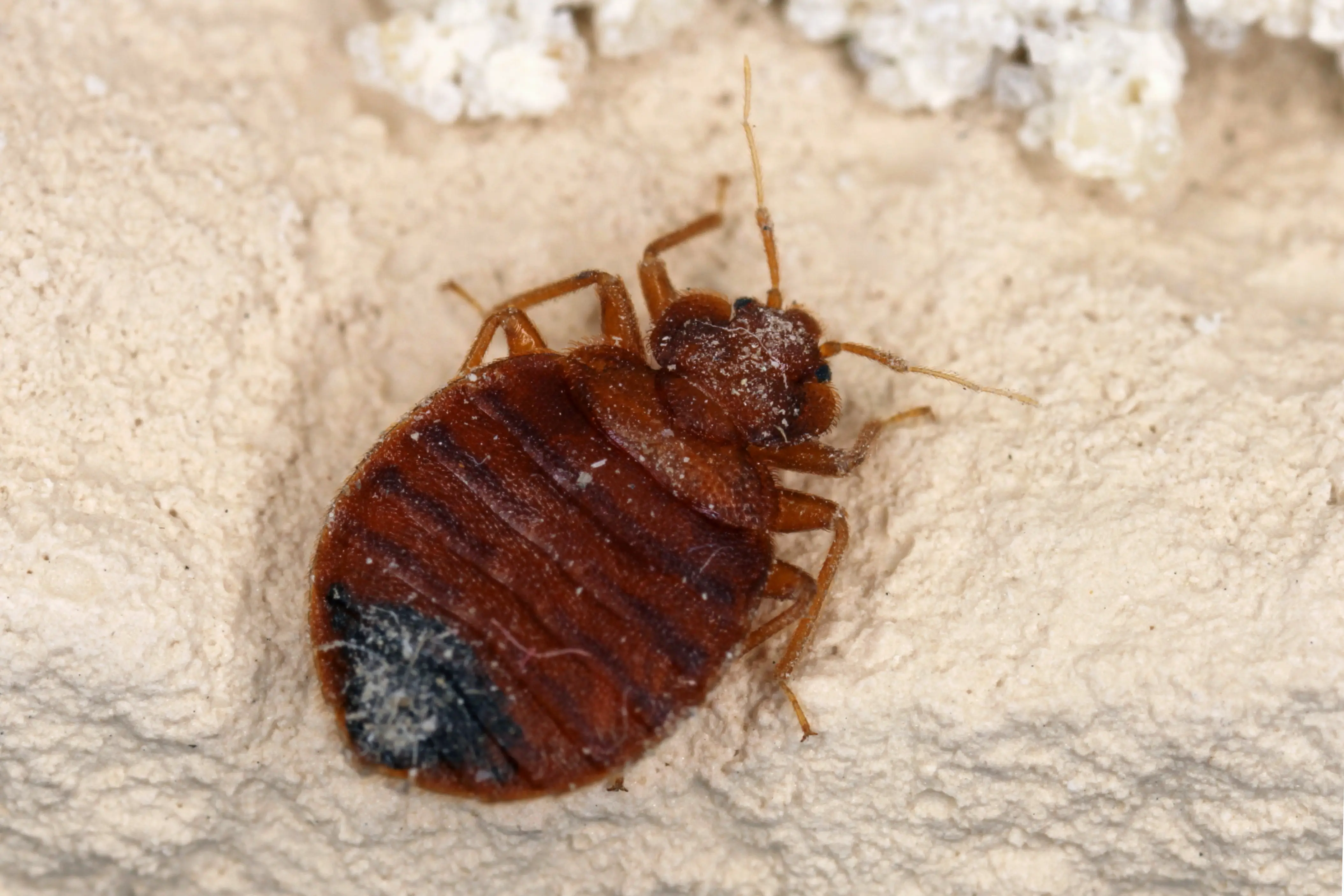
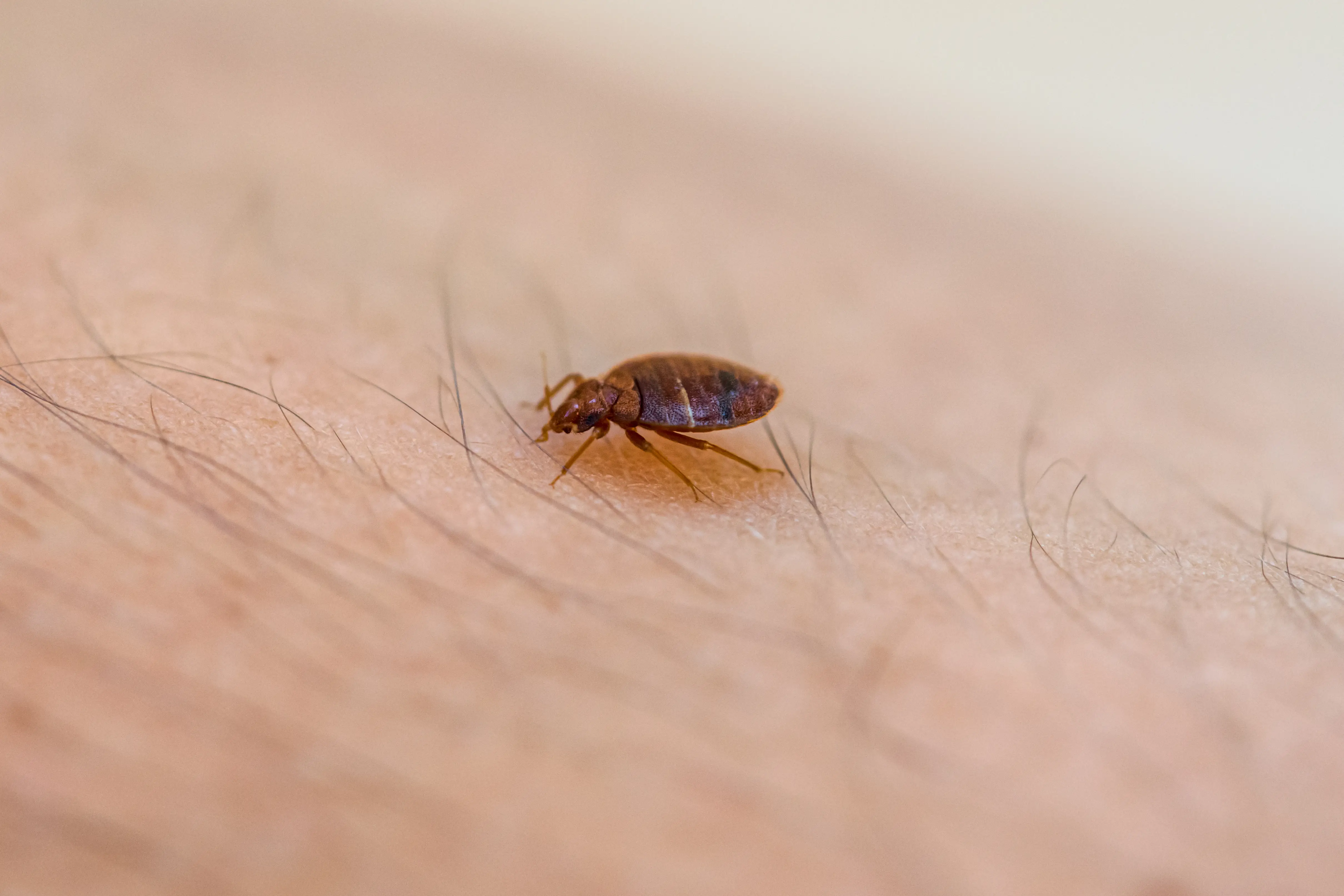
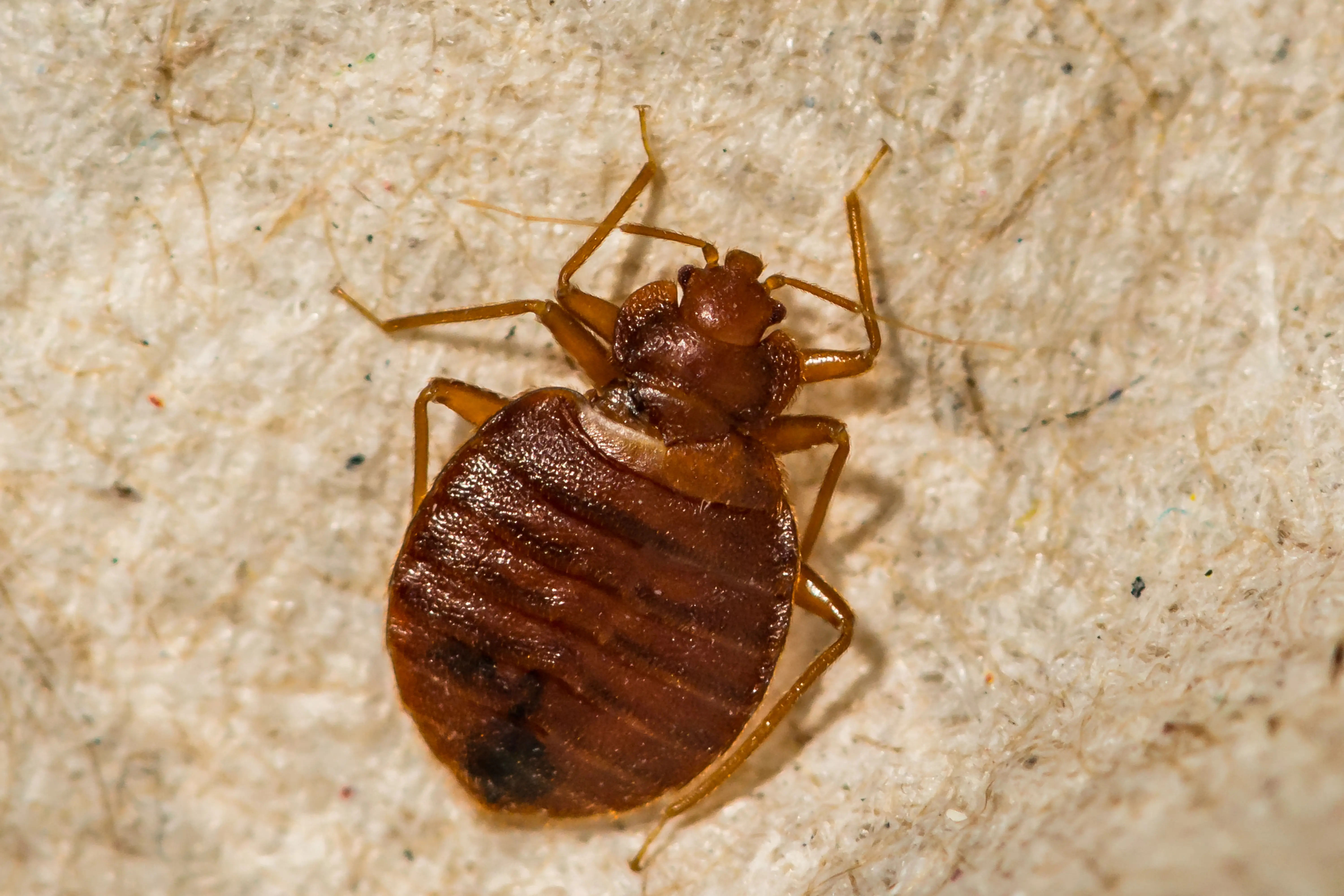
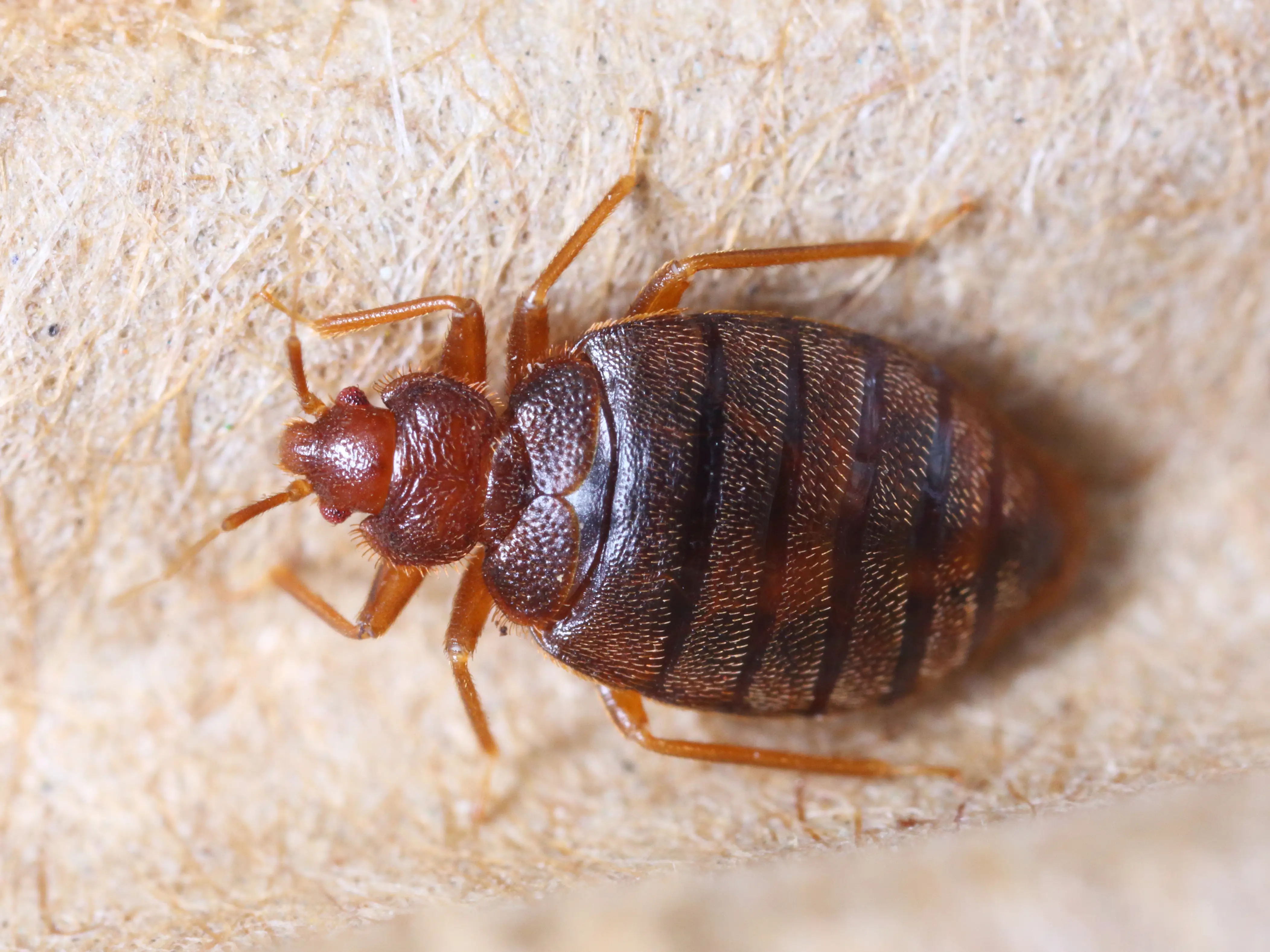
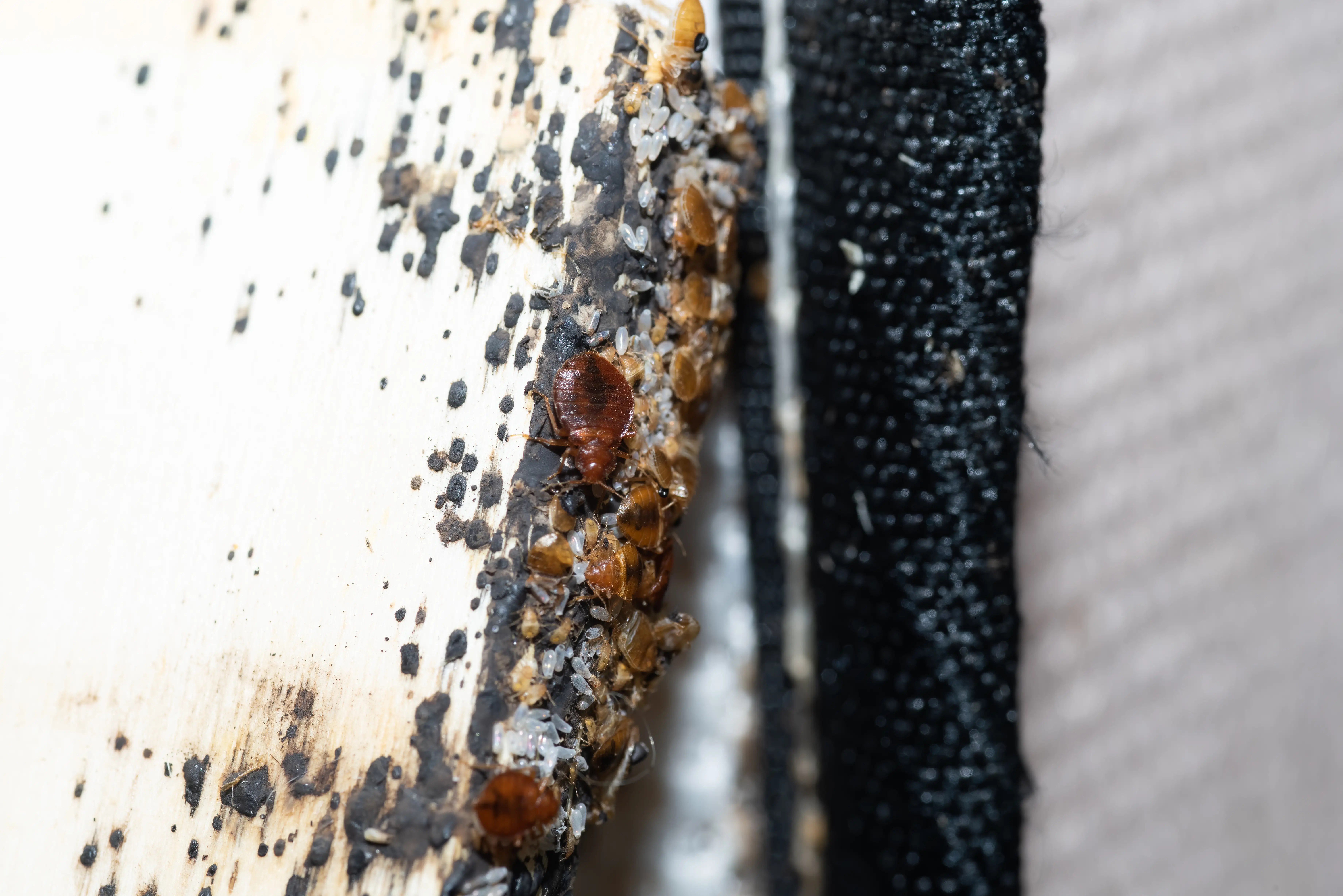
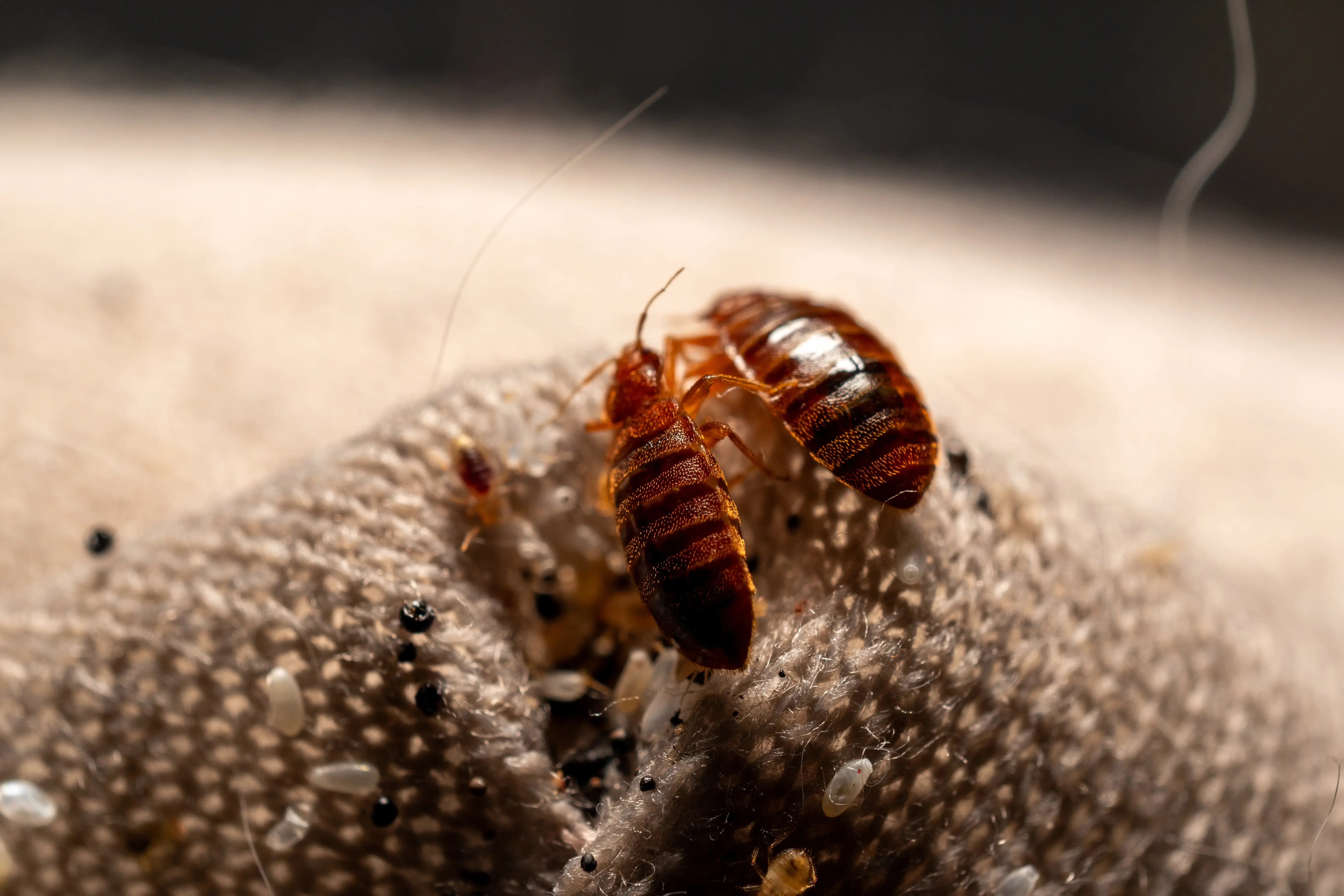
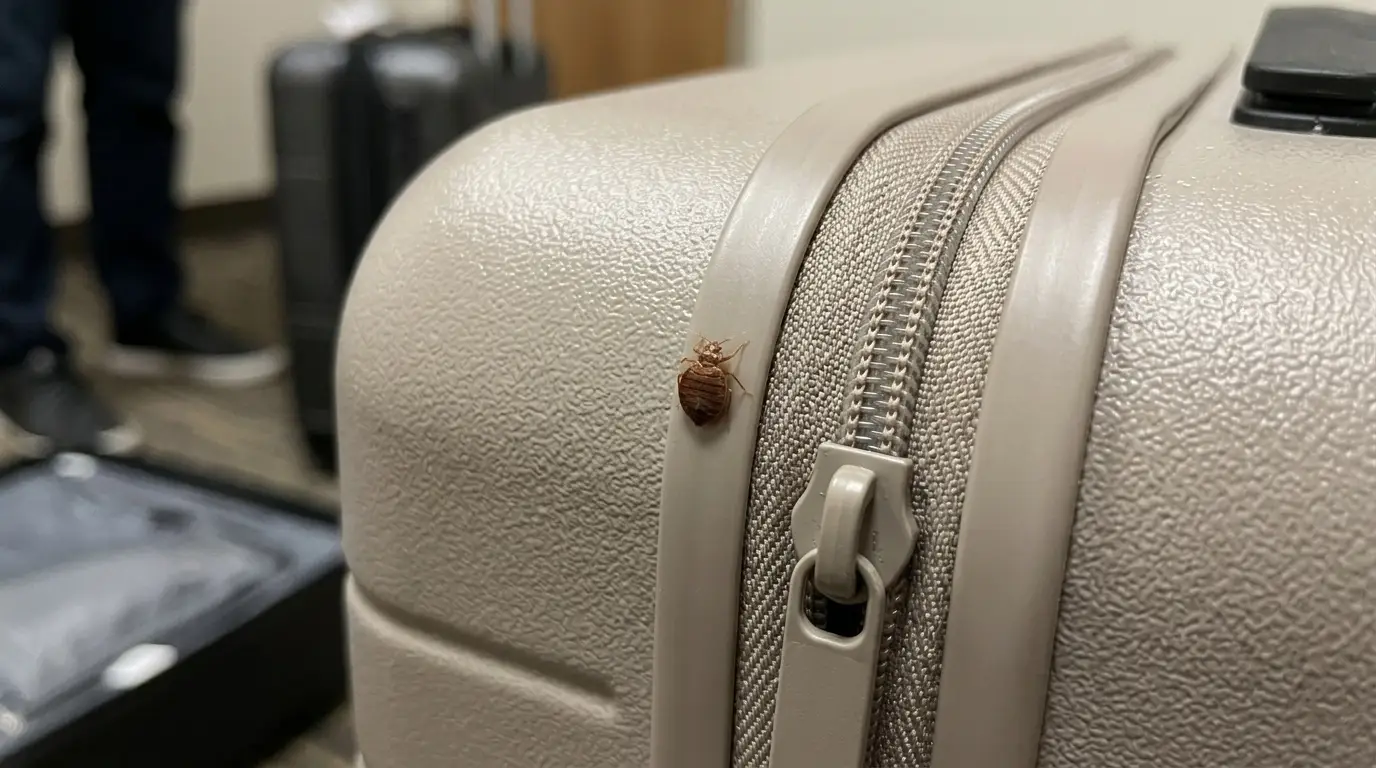
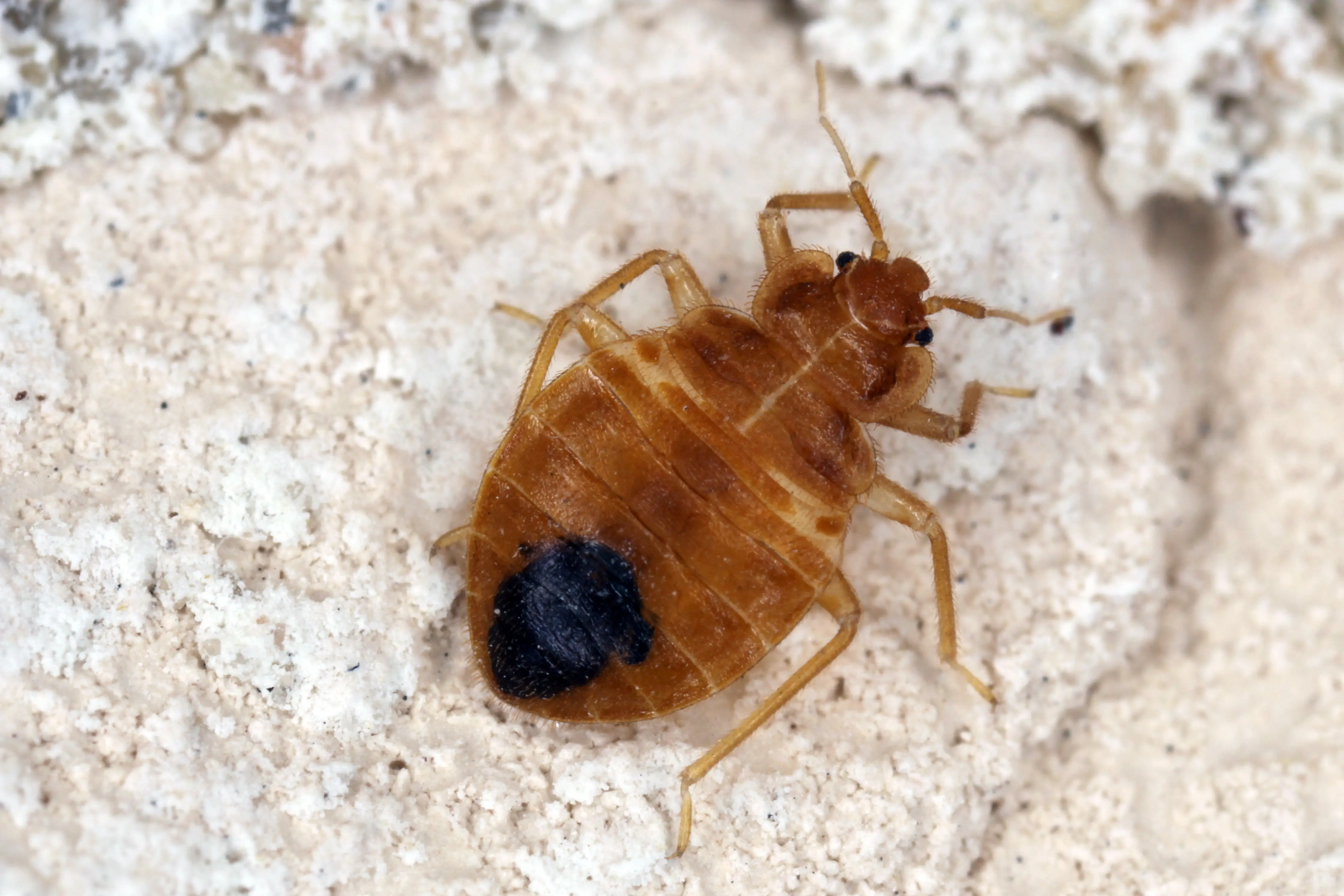
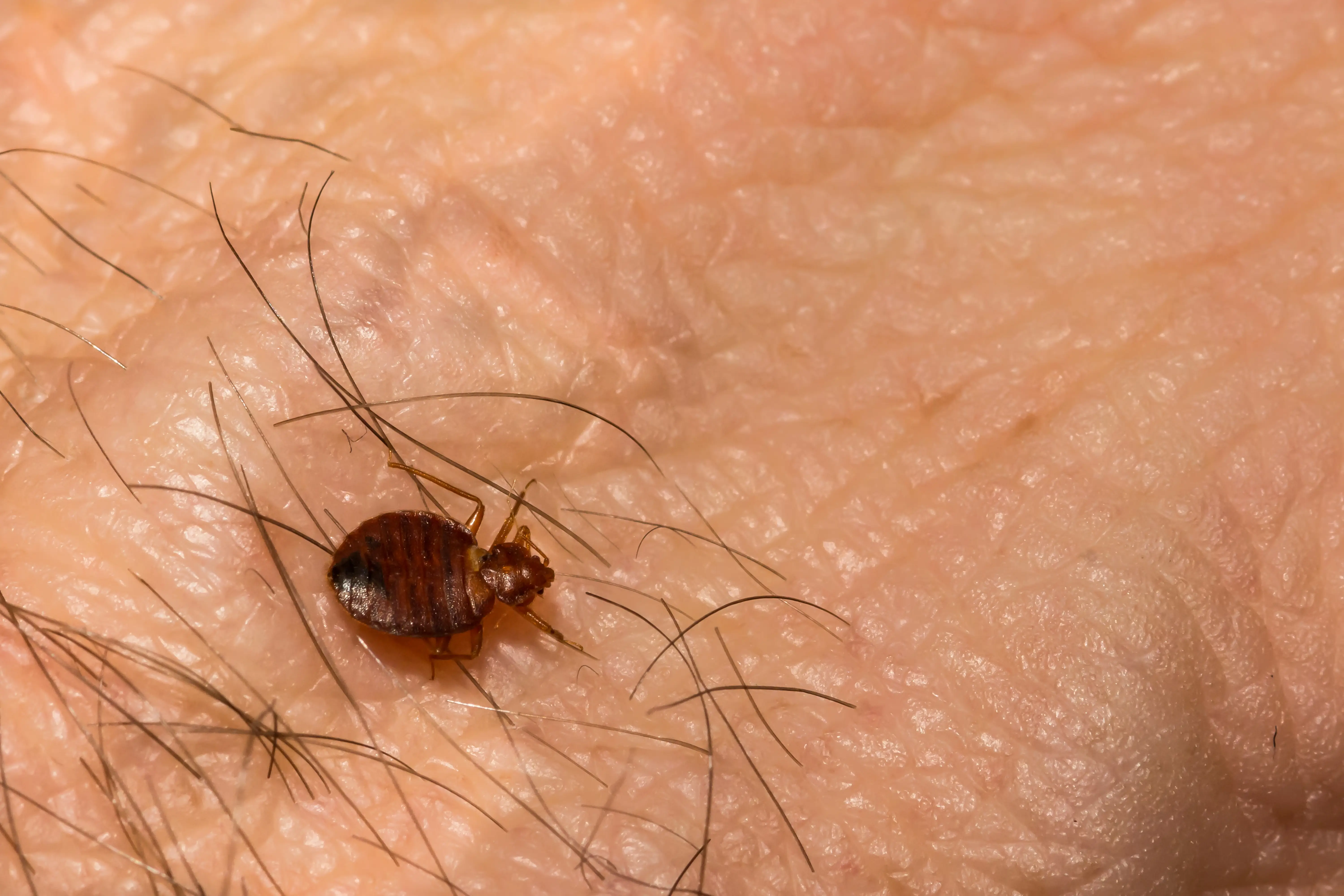
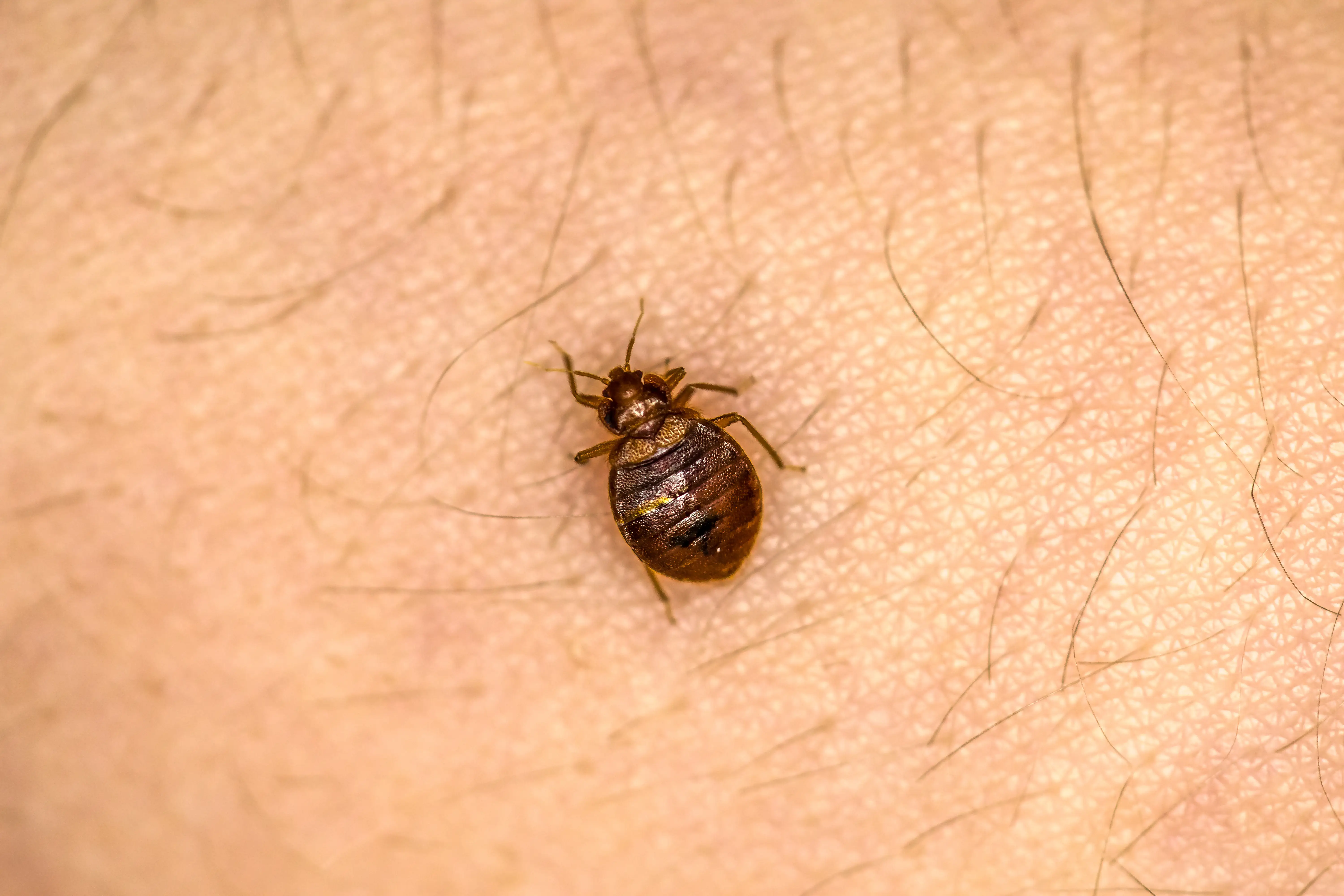
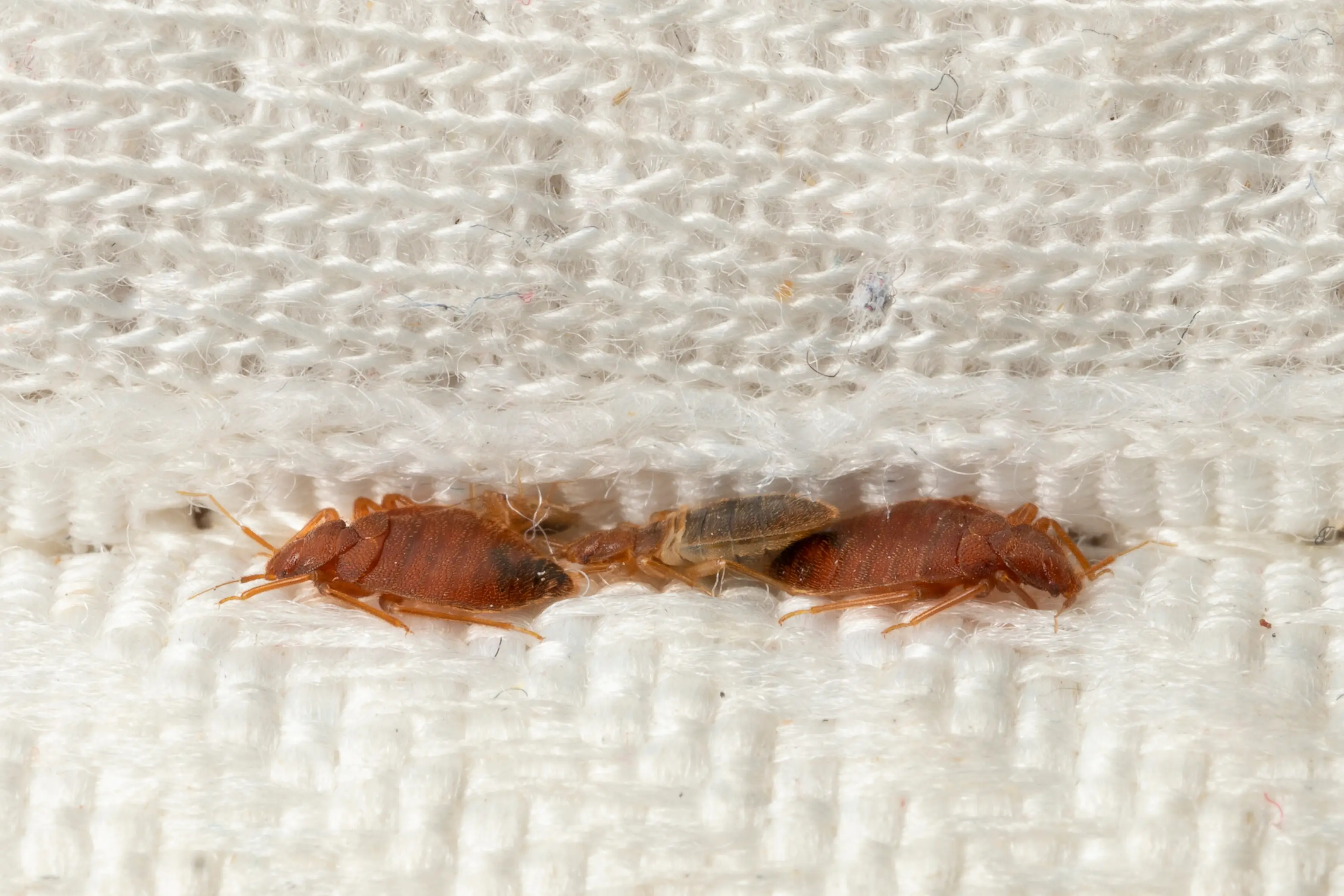
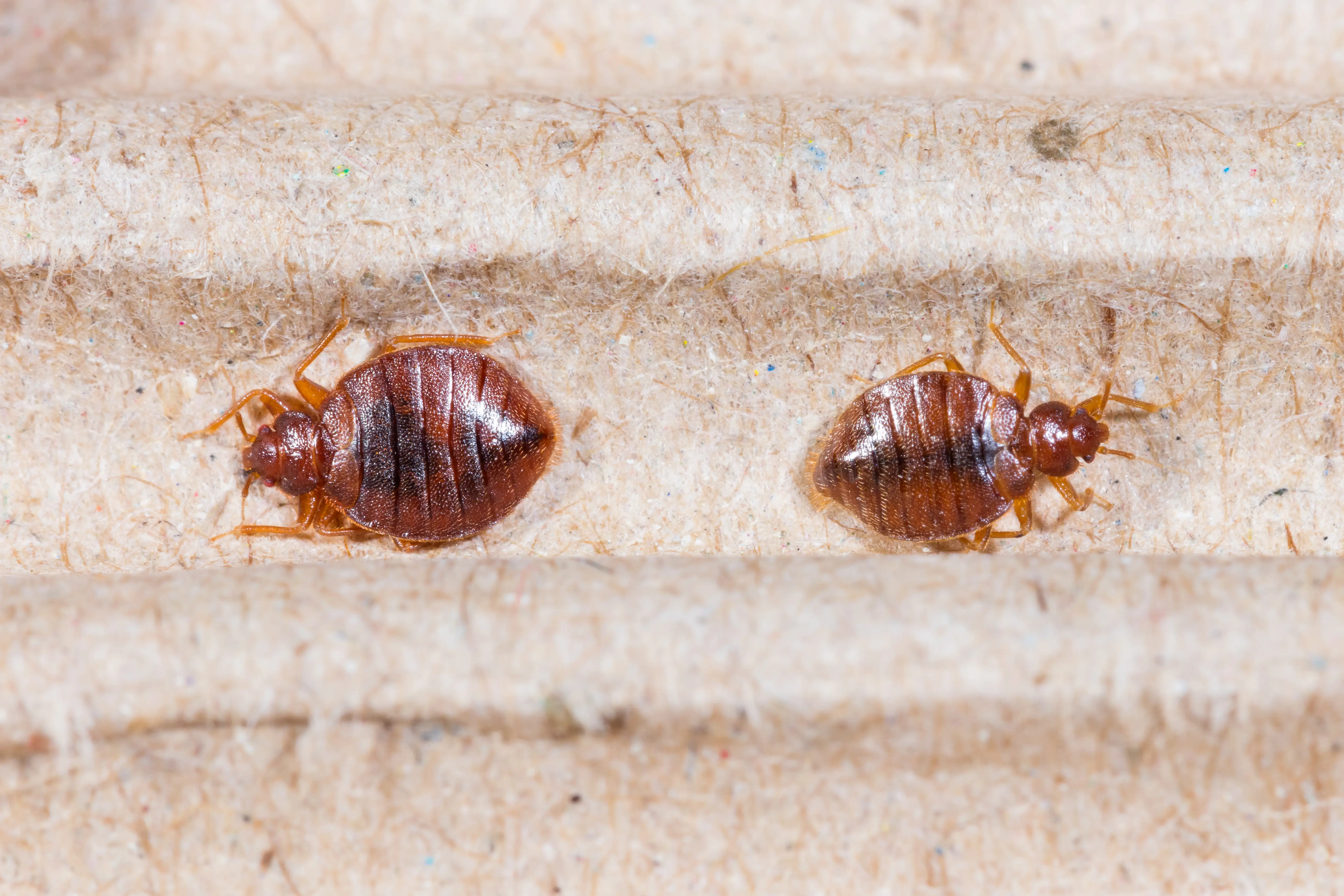
Bed bugs are small brownish, oval insects that feed on the blood of humans and animals. Before feeding, adults have flat bodies slightly smaller than a watermelon seed. After feeding, they grow in size and turn red.
Identifying Features
- Small wings but cannot fly
- Flat before feeding, swollen after
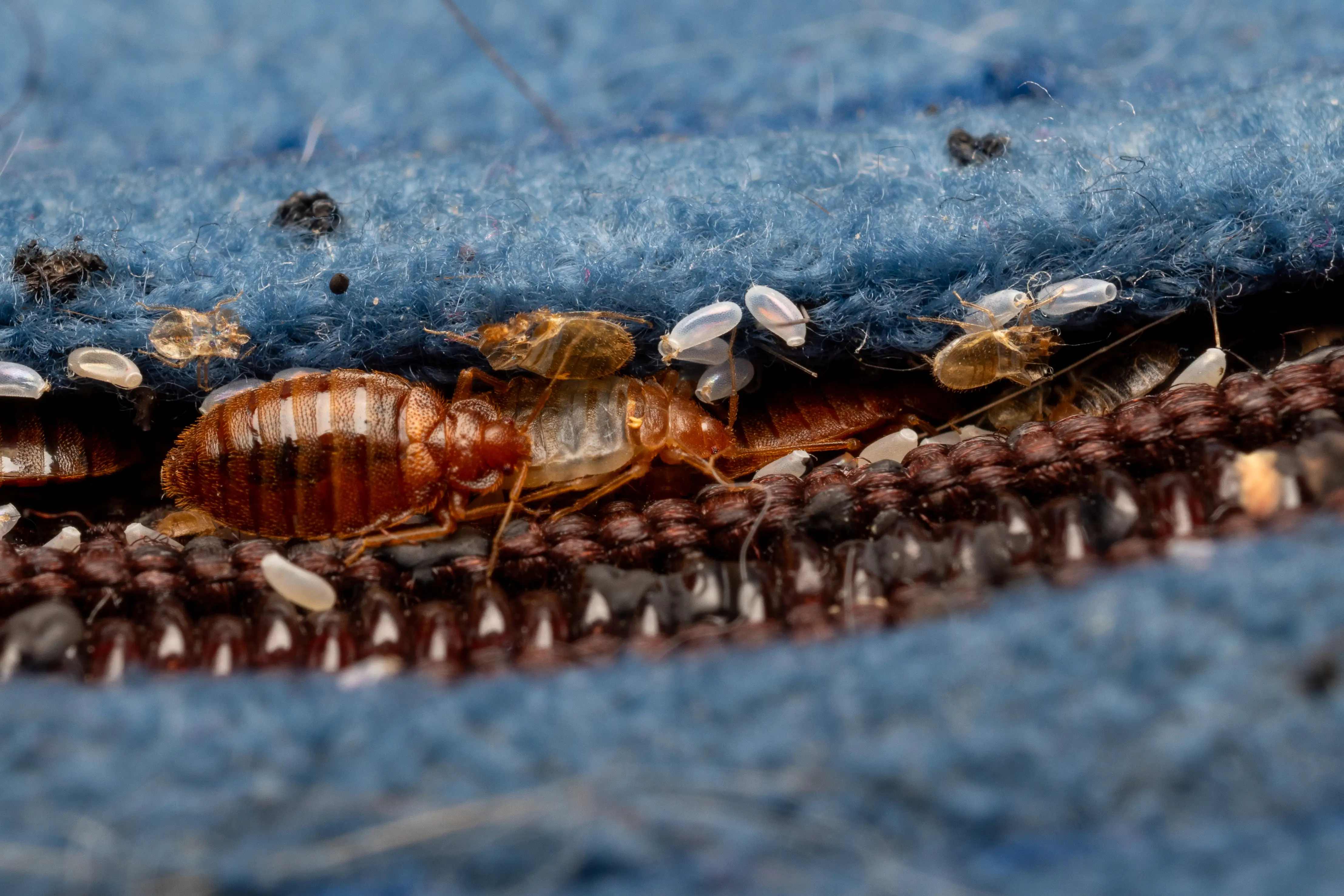
- Nymphs are pale in color
- Turn red after feeding
- 6 legs and 2 antennae
- Narrow head, wide body
Life Cycle Facts
- Eggs are speck-of-dust size
- Females lay hundreds of eggs
- Nymphs shed 5 times before maturity
- Can develop in as fast as 1 month
- Produce 3+ generations per year
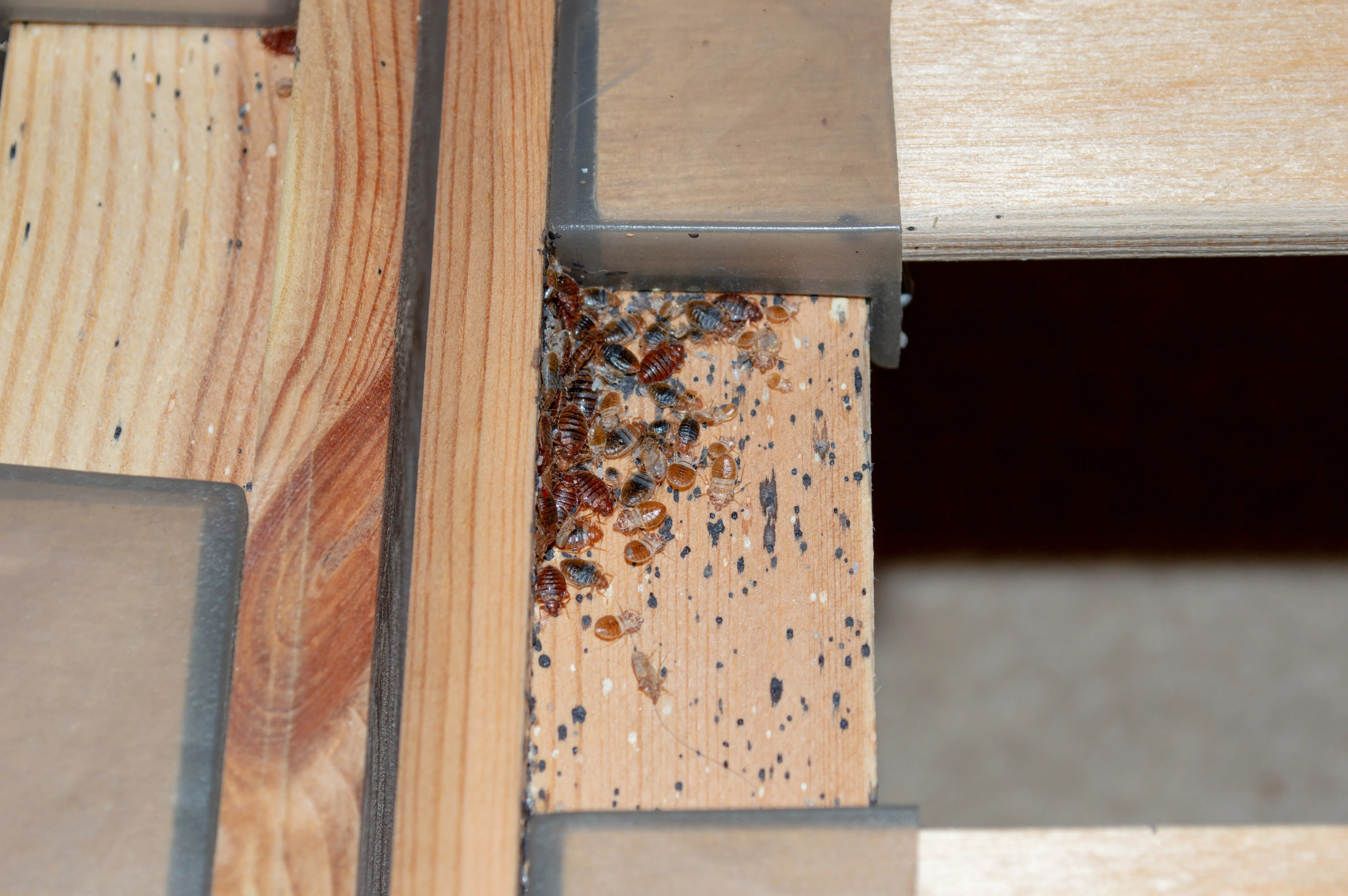
Where Bed Bugs Hide
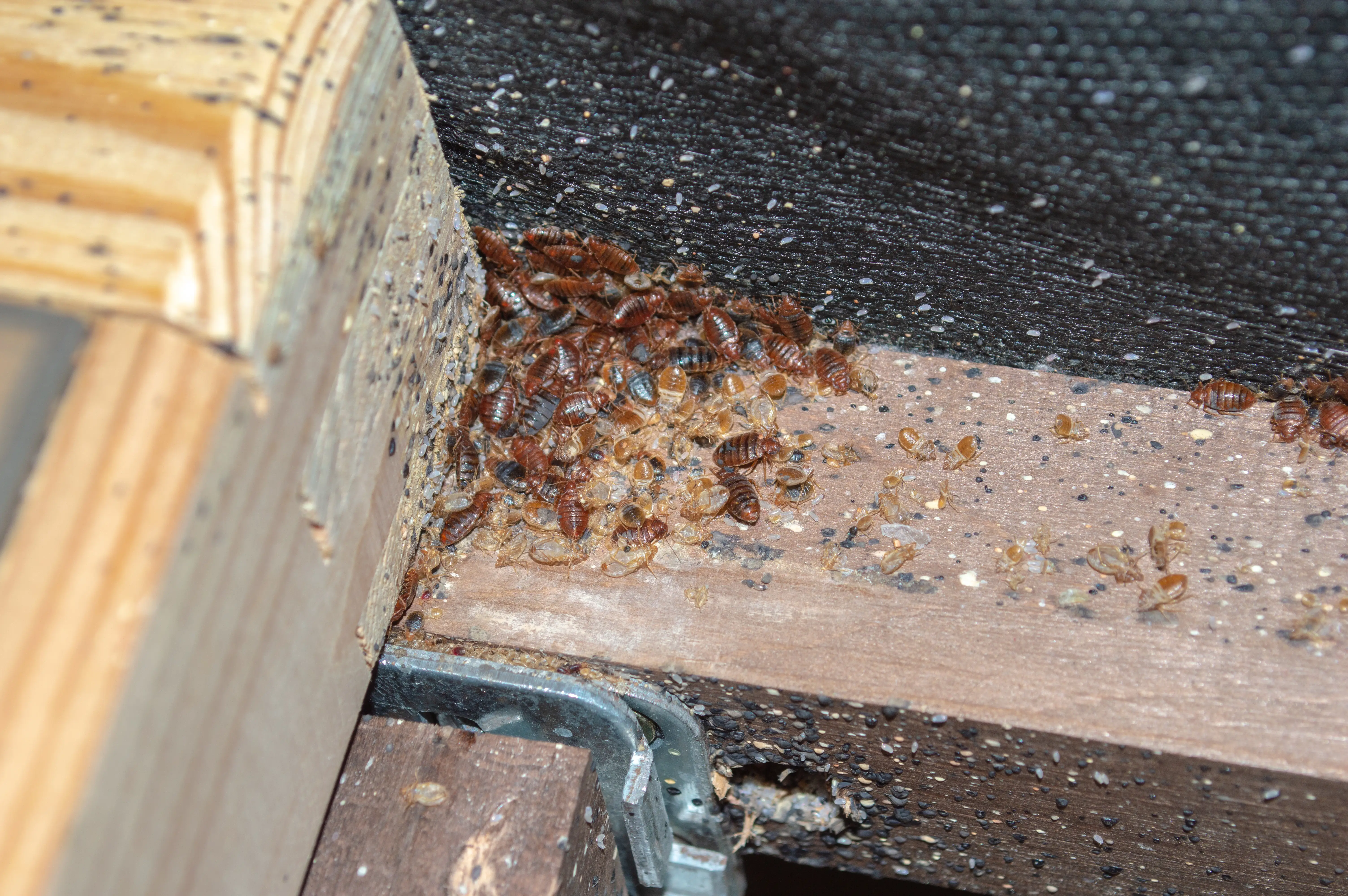
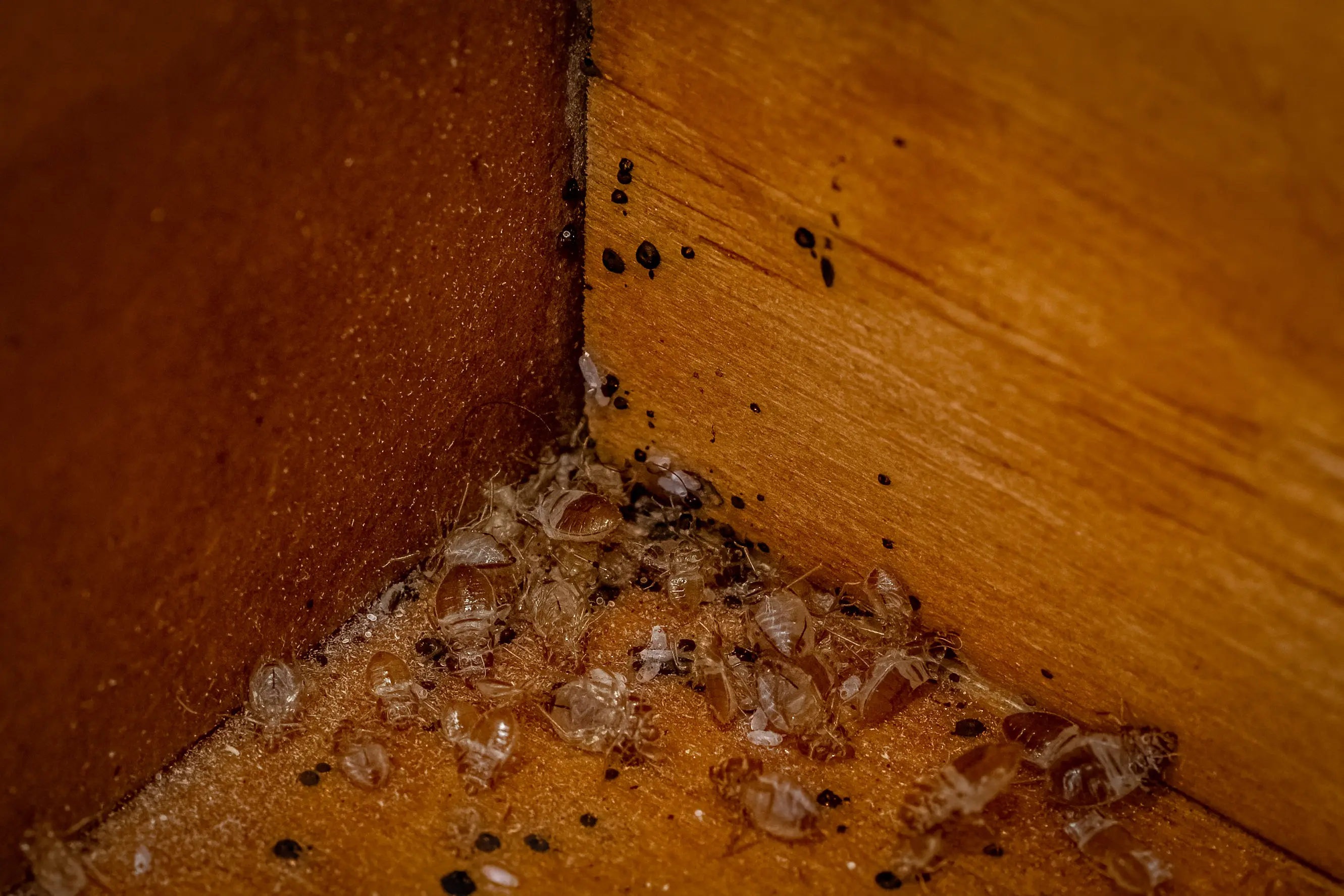
Bed bugs can go a long time without feeding and hide just about anywhere, making them very hard to exterminate. They are mostly found within 8-15 feet of their food source. Since they are as thin as a credit card, they slip into any crack or crevice.
Think You Have Bed Bugs?
Professional inspection confirms infestation and identifies all hiding spots.
Call (866) 326-2847When Bed Bugs Bite
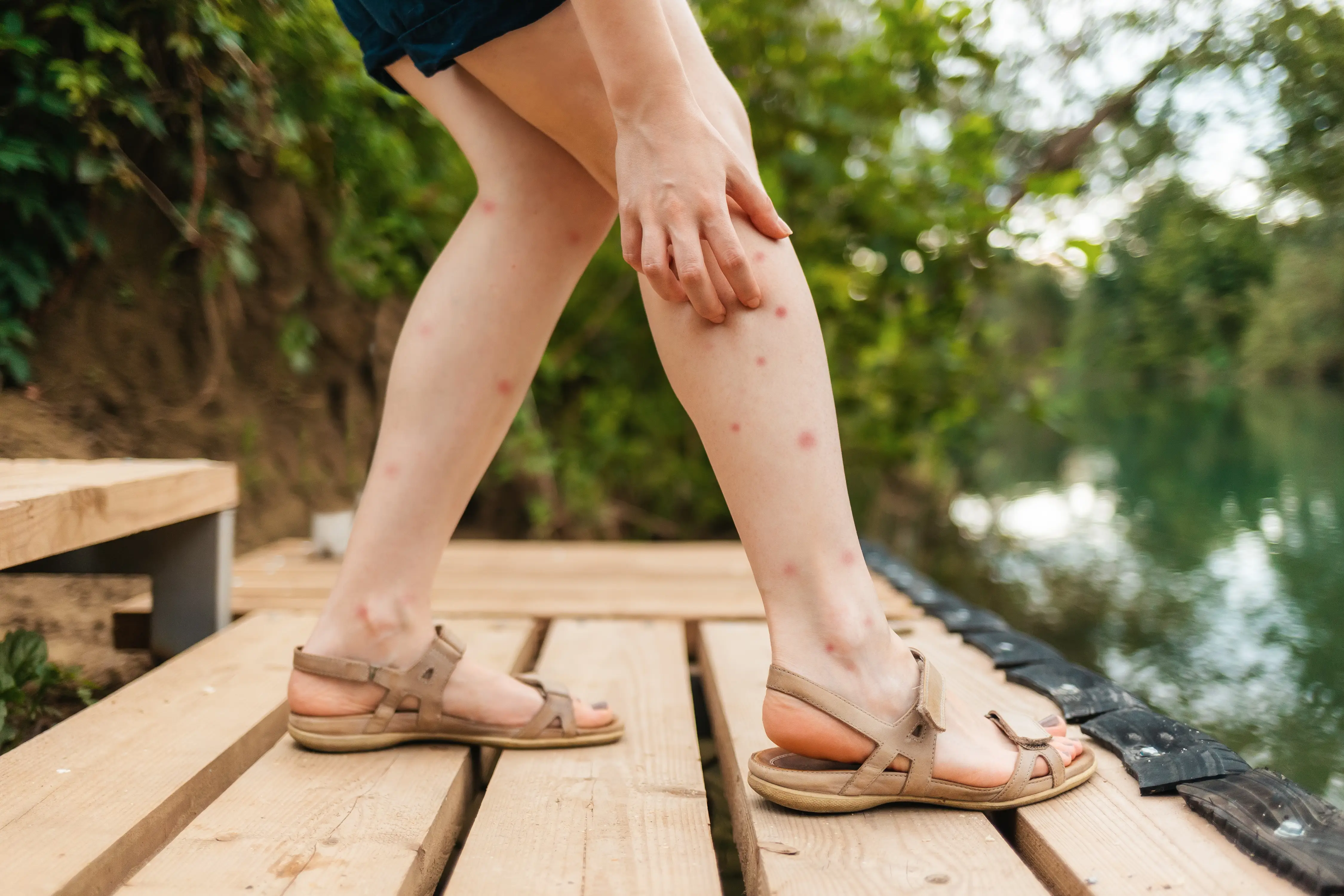
Bed bugs are most active at night and bite when people are sleeping. They pierce the skin with an elongated beak and withdraw blood for 3-10 minutes until full. Bites are painless at first but become itchy welts later.
Bite Characteristics
- Small itchy red bumps
- Appear mysteriously at night
- Common on arms, hands, legs
- Often in clusters of 3-4
- No red spot in center (unlike fleas)
Important Notes
- Bites alone cannot confirm bed bugs
- Look similar to mosquito or flea bites
- 30% of people show no skin reaction
- Bed bugs do not carry diseases
- Some people are allergic to saliva
Warning: If you experience flu-like symptoms after being bitten, seek medical attention immediately as you may be allergic to bed bug saliva.
Bed Bug Behavior and Habits
Feeding
- Feed on humans and other mammals
- Travel 5-20 feet from hiding to feed
- Can feed at night and during day
- Feeding lasts 3-12 minutes
Living Conditions
- Survive temps down to 45°F (7°C)
- Cannot survive above 113°F (45°C)
- Found anywhere their host lives
- Tropical species in warm climates only
Bed Bug Treatment Steps
Clean bedding, curtains, linens, clothing in hot water. Dry on highest setting for at least 30 minutes.
Use hard bristle brush on mattress seams before vacuuming to dislodge bugs and eggs.
Vacuum bed and surrounding area frequently. Throw away vacuum bag immediately in sealed plastic.
Get rid of clutter and messes around bed to eliminate hiding spots.
Repair cracks in walls and glue down any peeling wallpaper.
Encase mattress and box spring with covered zipper. Keep on for at least 1 year (bed bugs can survive that long without feeding).
Call EcoGuard Bed Bug Exterminators Today!
Bed bugs are hard to get rid of and usually require a strategic approach with different methods. Contact a trained professional who can help fix the issue and alleviate any stress. EcoGuard Pest Management has the experience and knowledge to eliminate all signs of bed bug activity as soon as possible.
FAQs
What are the first signs of bed bugs?
Early signs of bed bugs include blood stains on bedding, itchy welts on your skin, and bed bug fecal spots (small dark stains that bleed like marker ink) on mattresses and sheets.
Can you see bed bugs with the naked eye?
Yes, adult bed bugs are visible to the naked eye. They are brown and about the size of an apple seed when full grown and fed. However, they are nocturnal and excellent at hiding, so you may not notice them right away.
Can you feel bed bugs crawling?
Yes, bed bugs are large and fast enough to feel crawling on your skin. This is especially true when you are resting comfortably in bed.
What do bed bugs hate?
Essential oils like mint, cinnamon, basil, and citrus may deter bed bugs. However, nothing is a guaranteed prevention strategy, and ongoing regular inspection and professional treatment is recommended.